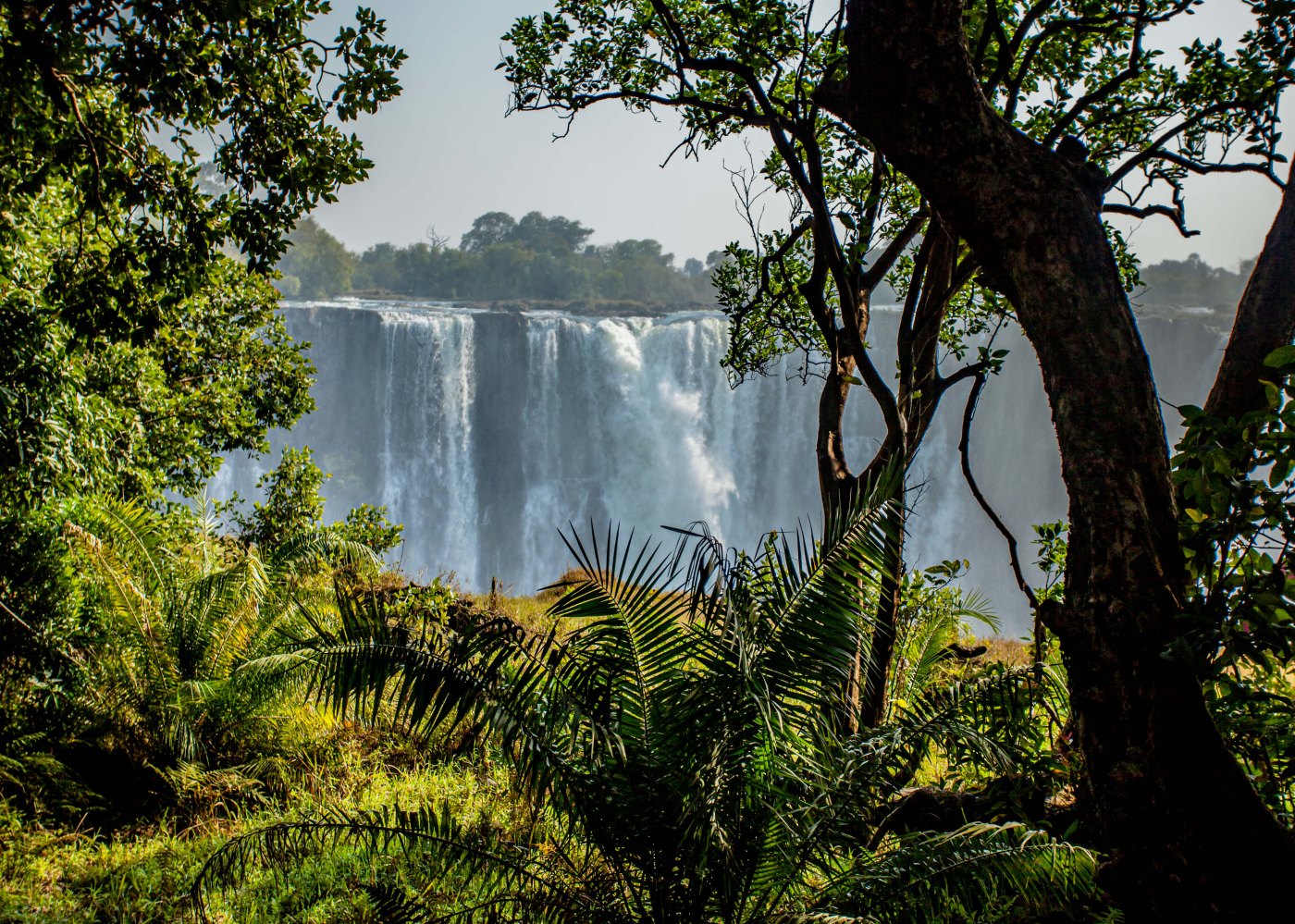
Packed day today – starting with a 2 mile walk along the falls eastern bank. Then a walk with 9 mo old lions followed by a rollicking dinner & drum show.
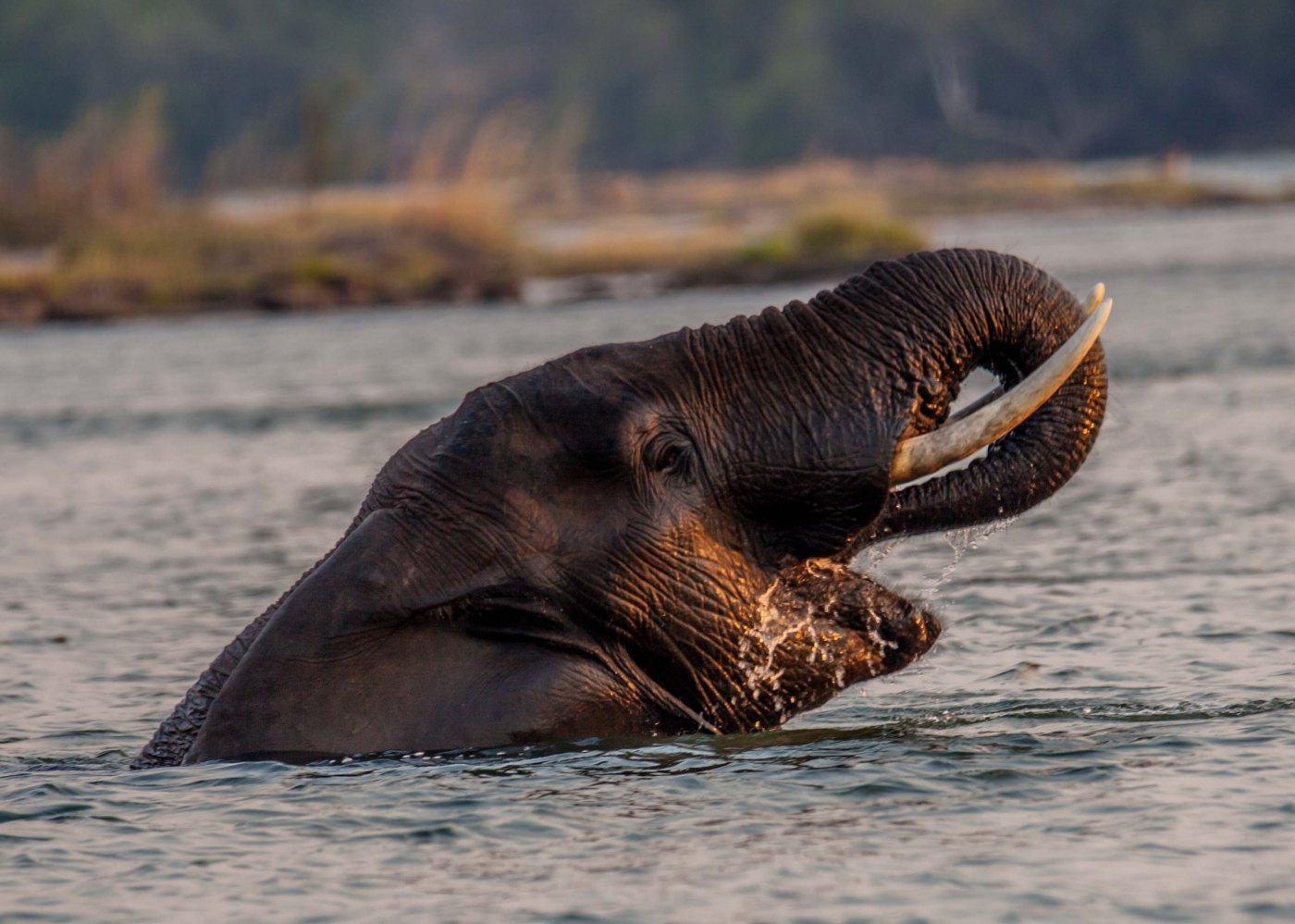
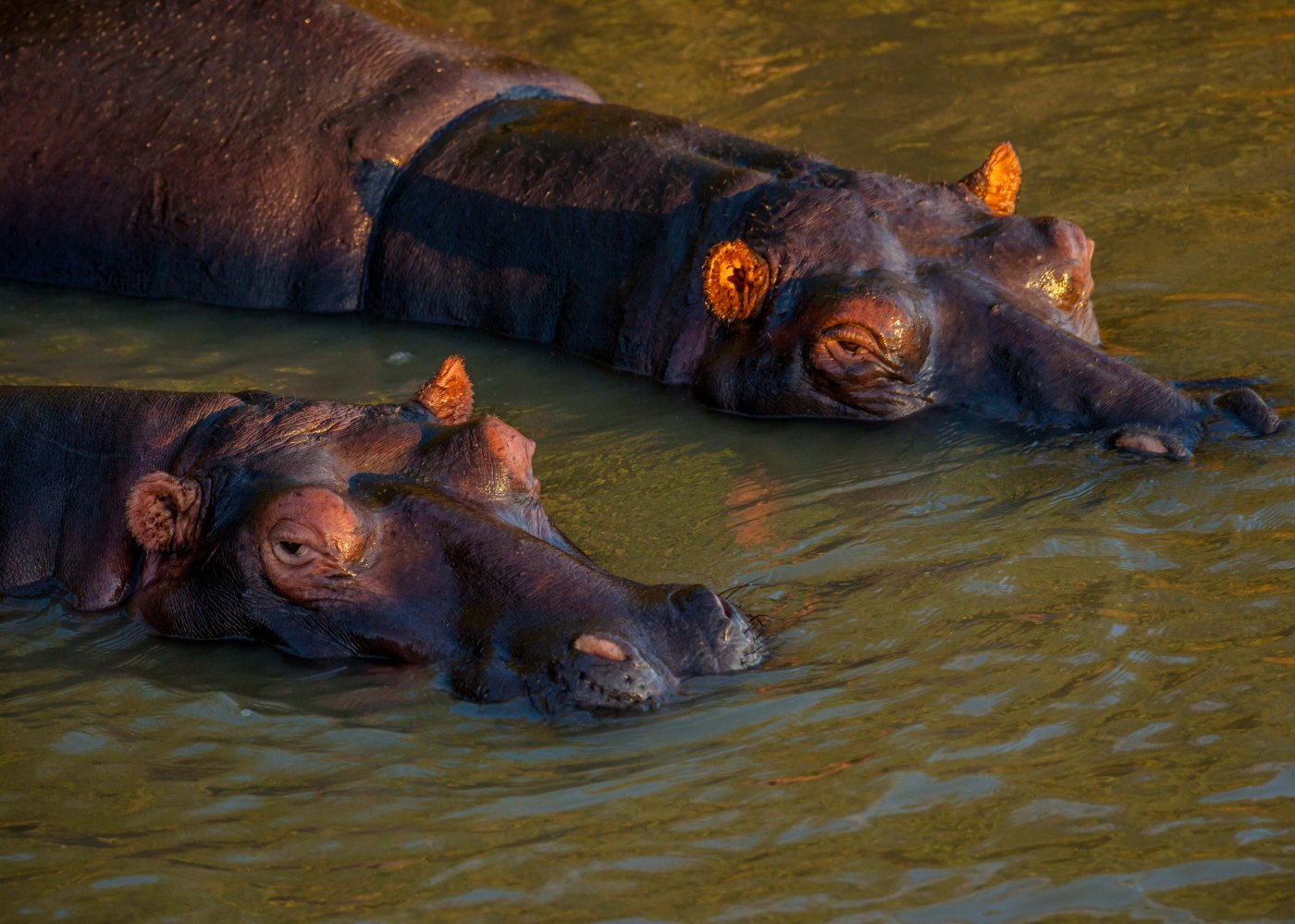
Today’s travel was by air to Livingston Zambia (formerly Rhodesia) and across the boarder by bus to Victoria Falls Zimbabwe. Unemployment here is above 50% & the currency has been changed to the USD – no matter how much paper money they printed – it wasn’t worth the paper it upon which it was written. The largest bill the government printed was a 100 trillion note. Staying for two nights at the Victoria Falls Safari Lodge. After check-in we boarded a boat for a sunset cruise and wildlife viewing along the Zambezi River (4th longest river in Africa). The elephants were taking their evening bath & the hippos were playfully fighting. Our late dinner was Wort Hog – really delicious!
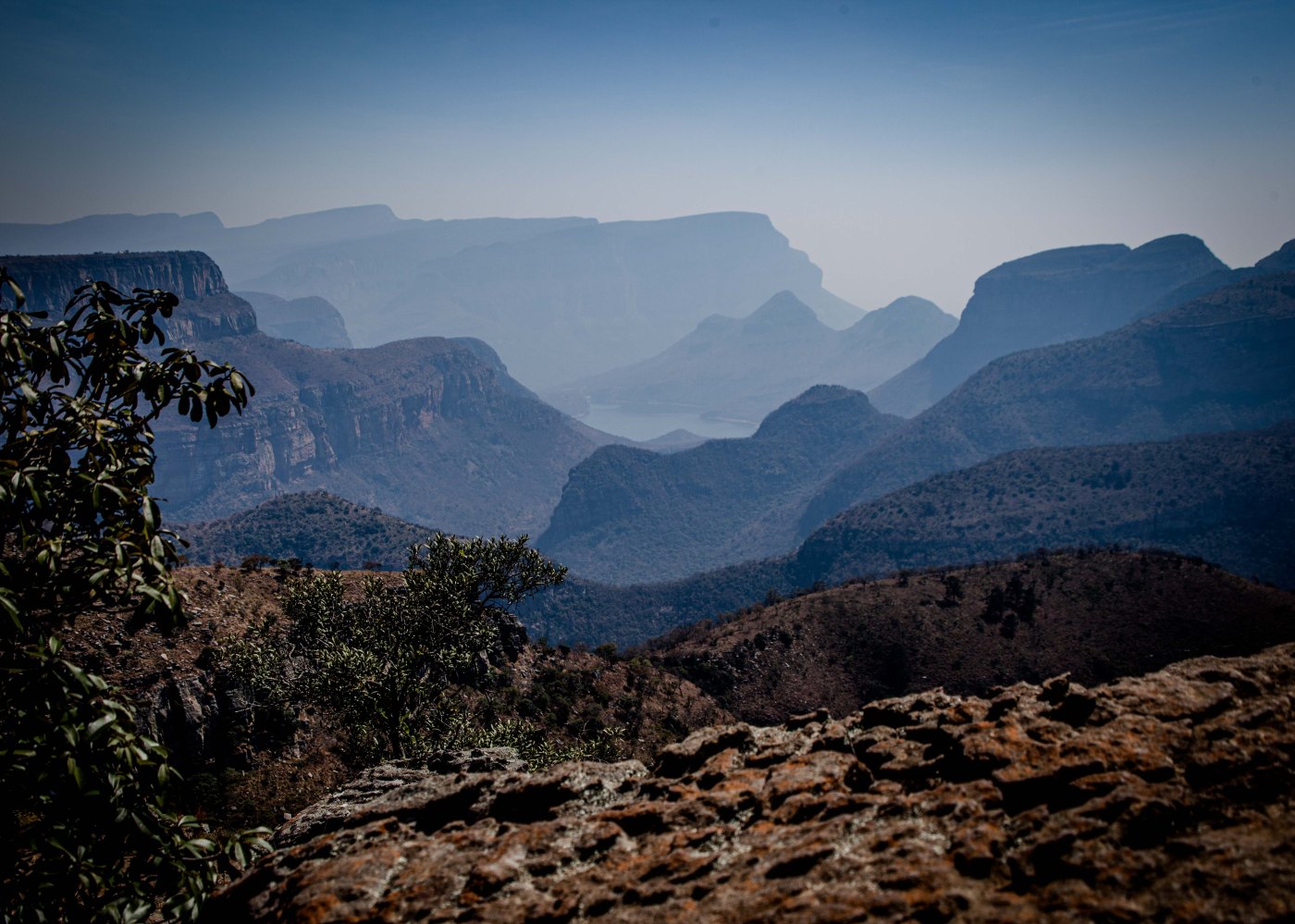
Today we took the Panorama Route to Johannesburg through Mpumalanga Province. Along the way we visited the 16 mile long Blyde River Canyon taking views at “God’s Window ( it is said that the canyon is the 3rd longest is the world). We also stopped at Bourke’s Luck Potholes, a series of waterfalls and rock formations formed by water erosion. The original 8 hour trip was extended as our road was blocked by a burning hay truck for about 40 minutes. Into J-Burg and dinner at Jamie Oliver’s Italian restaurant – great meal and enough left overs for tomorrows lunch.
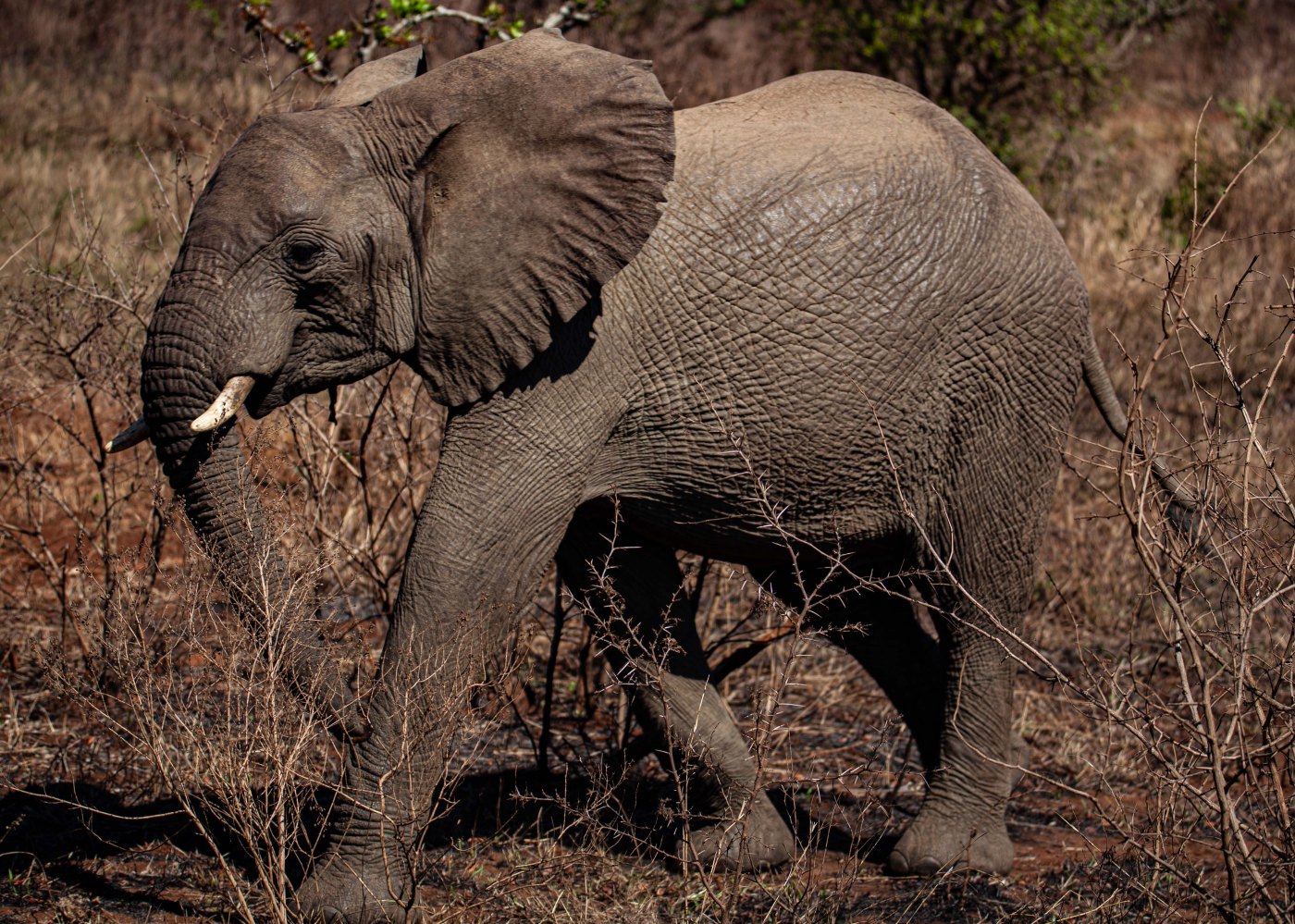
4:45 wake up, on the bus 5:15 and in our jeeps @ 6:00 — the game drive was off for 8 hours. Kruger National Park, in northeastern South Africa, is one of Africa’s largest game reserves. Its high density of wild animals includes the Big 5: lions, leopards, rhinos, elephants and buffalos. Hundreds of other mammals make their home here, as do diverse bird species such as vultures, eagles and storks. Mountains, bush plains and tropical forests are all part of the landscape. We probably only covered 2% of the park which is over 20k square kilometers. It was an enjoyable day but with a little disappointment we did not see lions or leopards which we needed to complete our big 5 sightings. But more days to come.
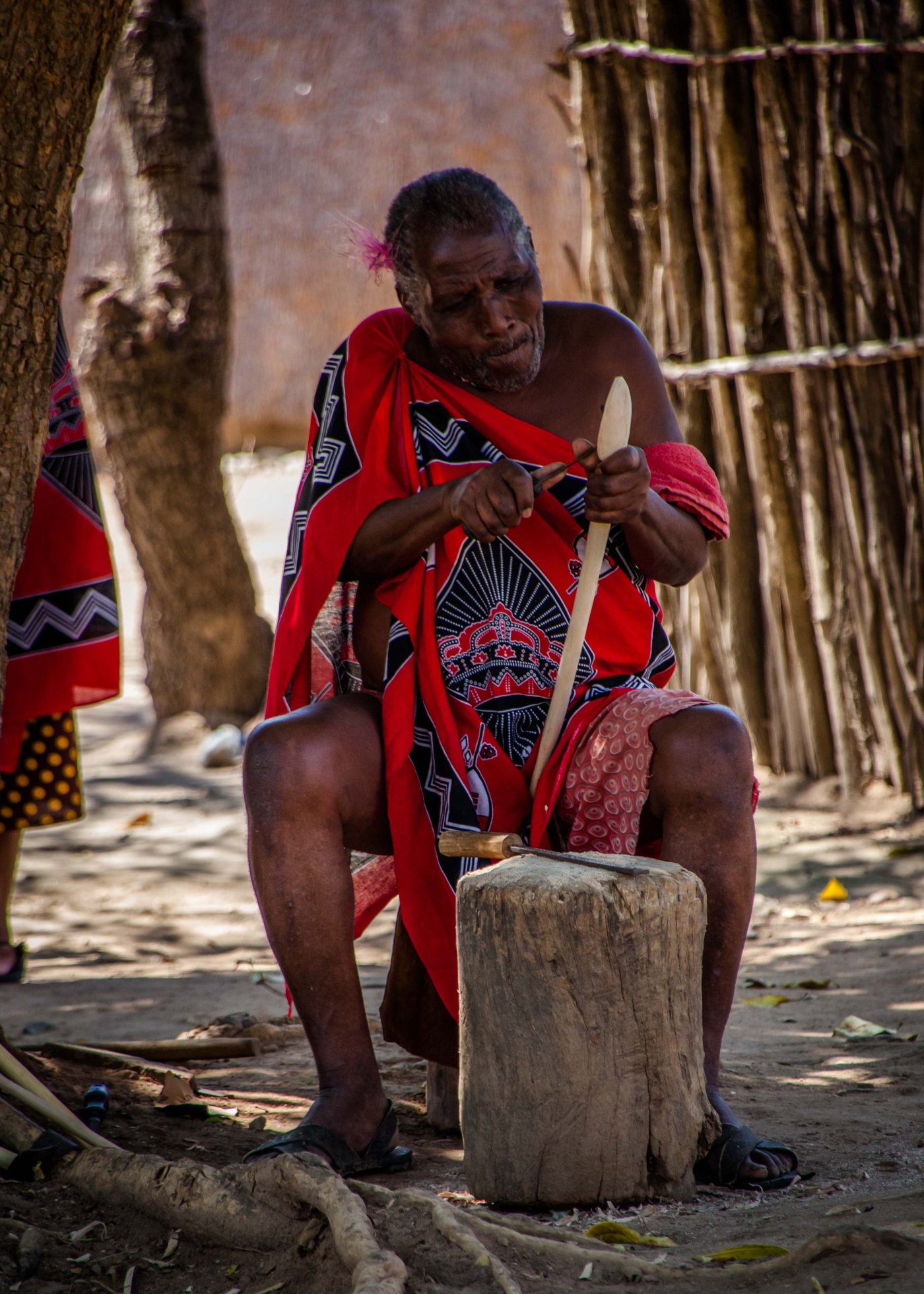
Another long travel day today with a couple of stops to break up the trek. This morning we stopped at the Ngwenya glass factory for a tour of the production facility ( they only use recycled glass) and another way to back stop the eSwatini economy. A few hours later we again crossed the boarder back into South Africa (eSwatini (Swaziland) is land locked with in South Africa and is a one man monarchy). We stopped at the Matsamo Cultural Village to learn about Swazi traditions, customs and an African lunch. The onto Hazyview South Africa the door step to Kruger. Up an at them at 4:45 tomorrow and an 8 hour game drive (3 down & 2 to go).
Another early morning – on the bus at 6 and in the jeeps at 6:30. The game drive lasted about three hours with a breakfast in the bush – but it was packed with views of wildlife right from the start – 3 of the big five on our first day out (rhinoceros, elephant, and Cape buffalo). The park also boasts warthog, crocodile, antelope and many birds.Then off for a long ride to our hotel – about 5 hours plus stops for a boarder crossing into eSwatini and a craft market where we did our part to improve the country’s economy.
Today was an early morning wake-up @ 5 for our flight to Durban 2.5 hours north east of Cape Town and a 3 hour plus bus ride (through one of the worlds largest reforested areas) to St Lucia Estuary for a game viewing cruise. The tidal estuary is noted for Nile crocodiles, hippopotamus, sea turtles and even sharks (didn’t see the last two). We did see an eagle, weaver birds and black crested night heron.
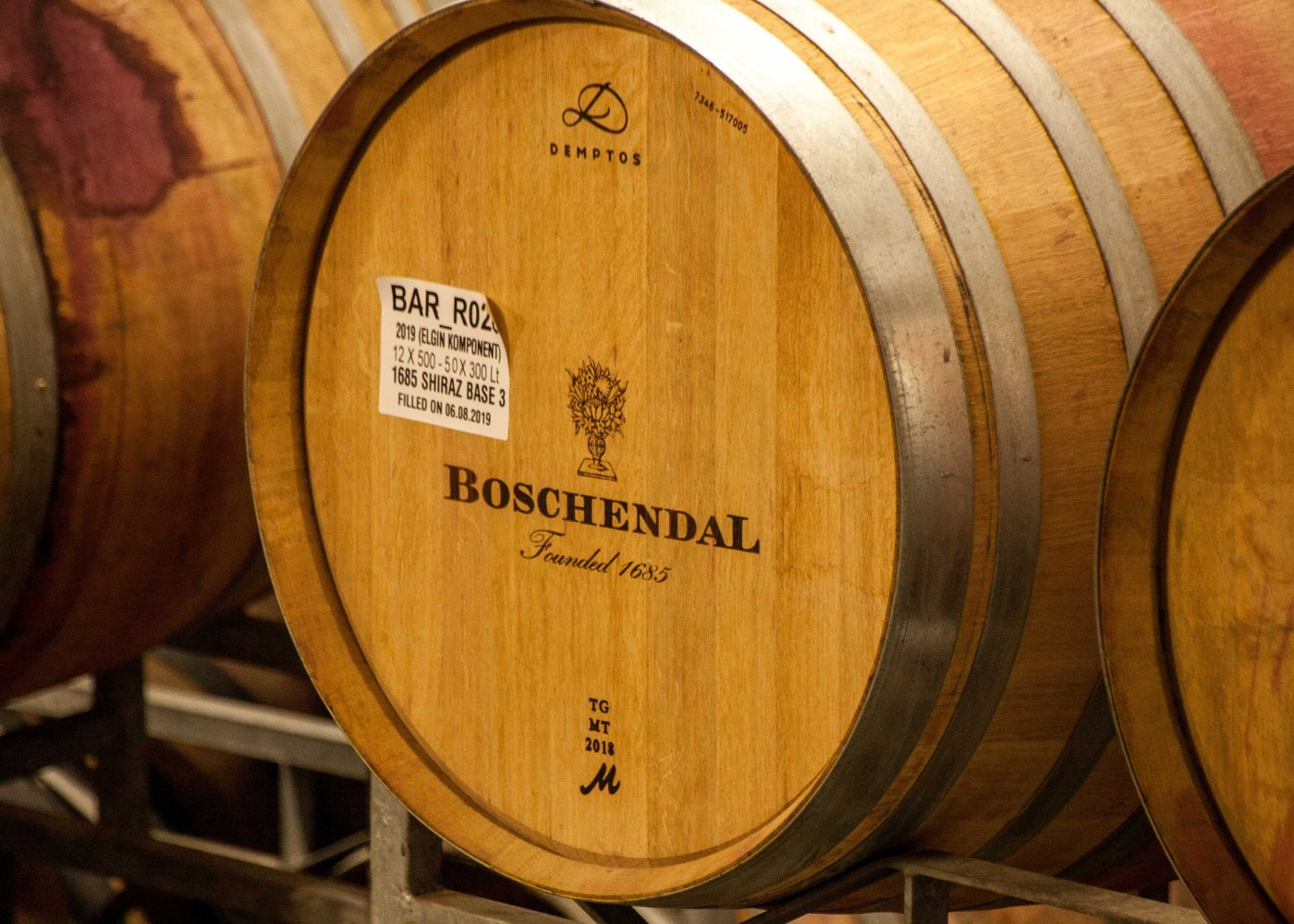
Today was our Bacchus day – full day wine tasting in South Africa’s wine region. Started the day at Fairview Farms (SA wineries are not just for grapes – they grow fruits and vegetables as well as cattle sheep and goats) in Paarl. Then to Boschendal in Franschhock and to Stellenbosch to tour the university and taste at Neethlingshof farms. South African wines are not necessarily 100% South African – in 1886 a wine blight (phylloxera) killed off the vines and to rebuild the industry vines from the US were imported as the base and South African varietals were grafted to revitalize the industry.