
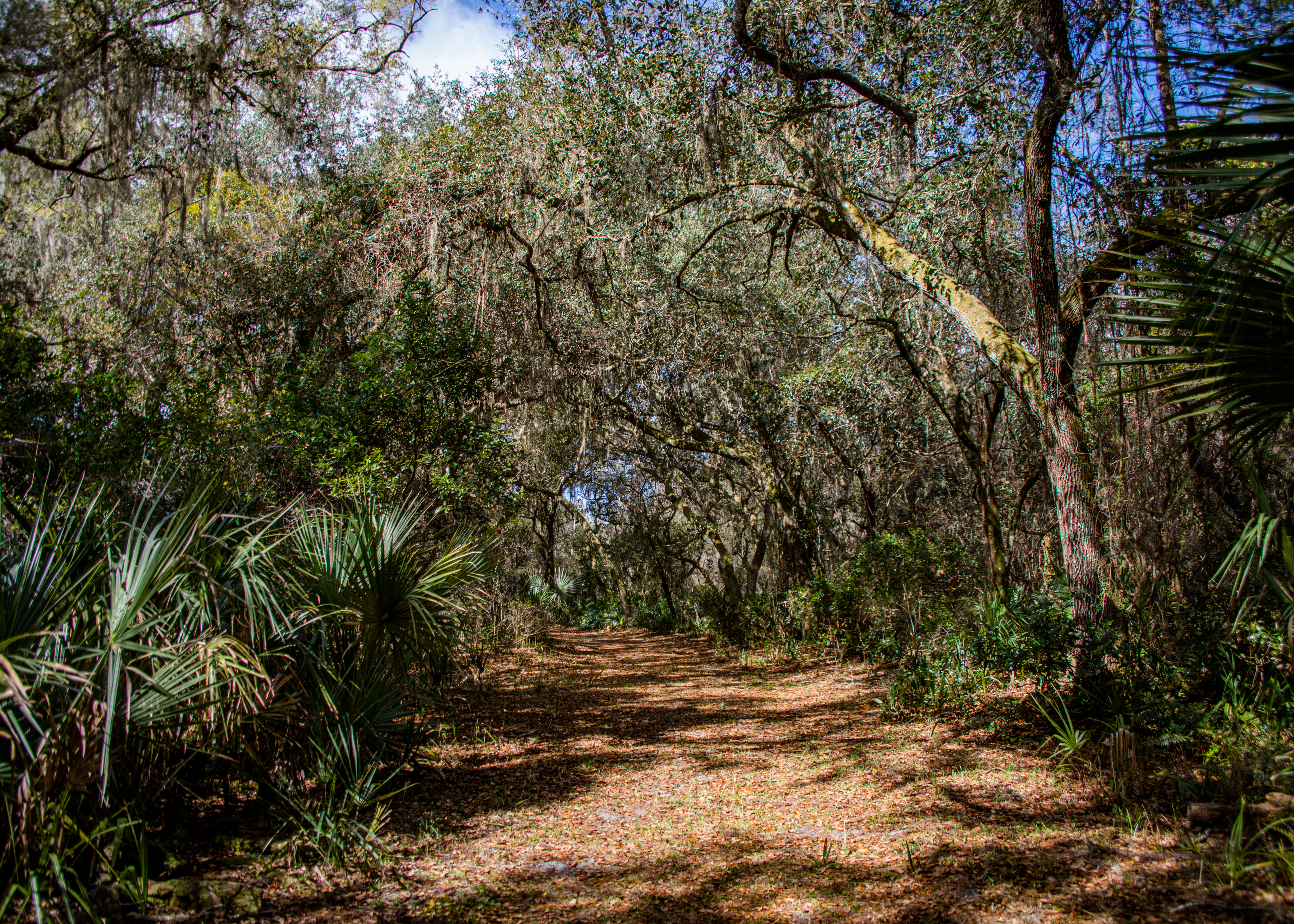
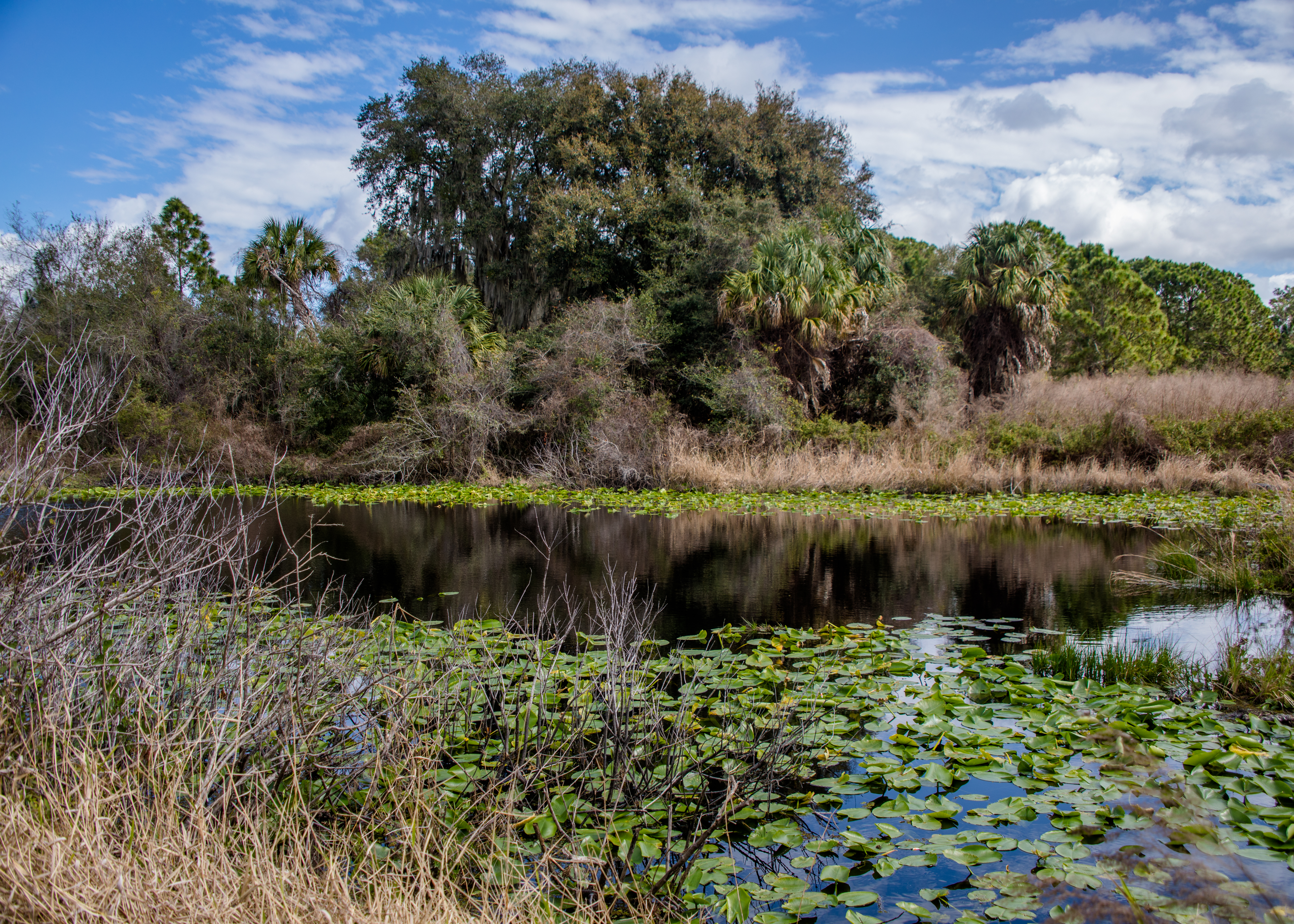
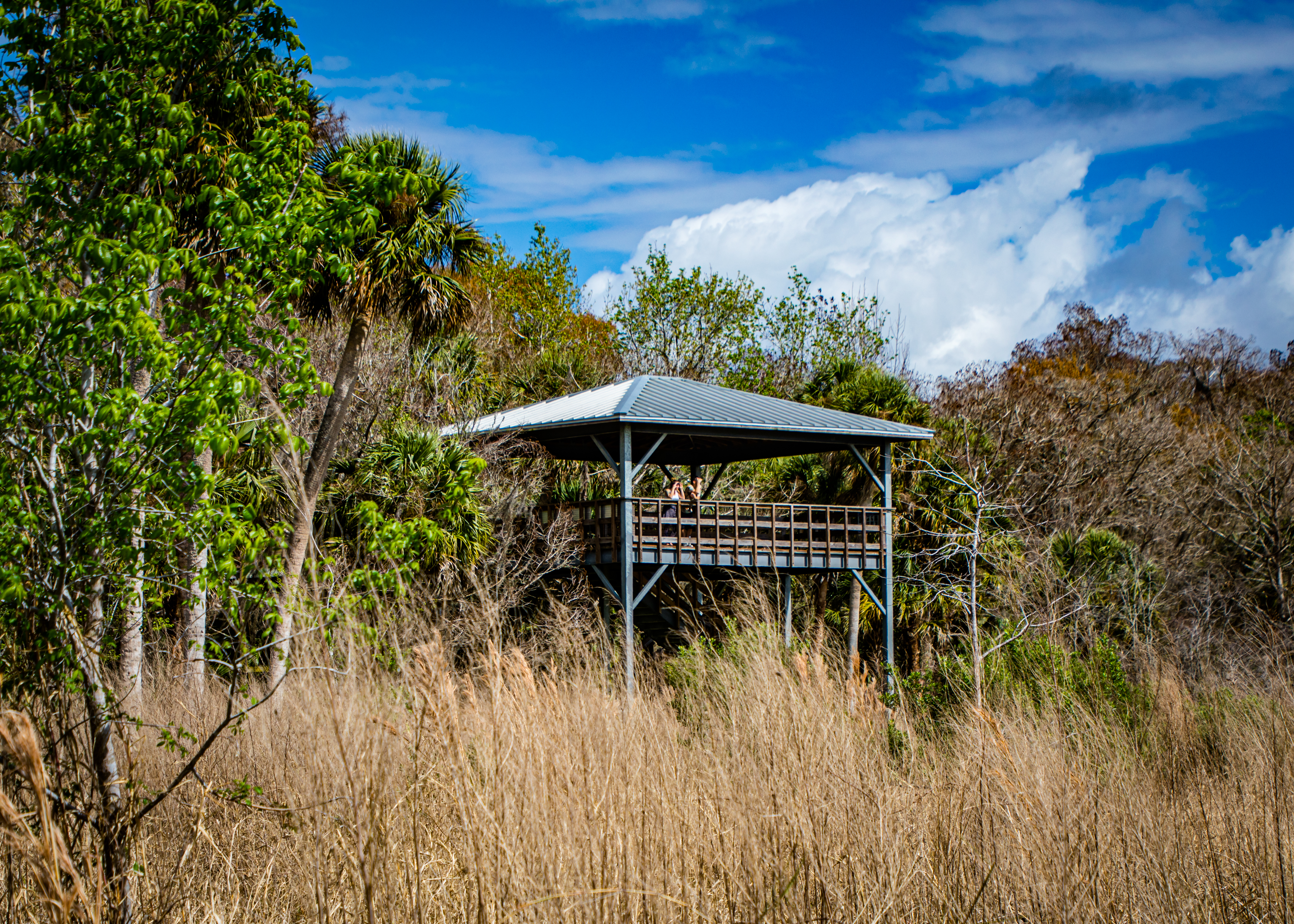
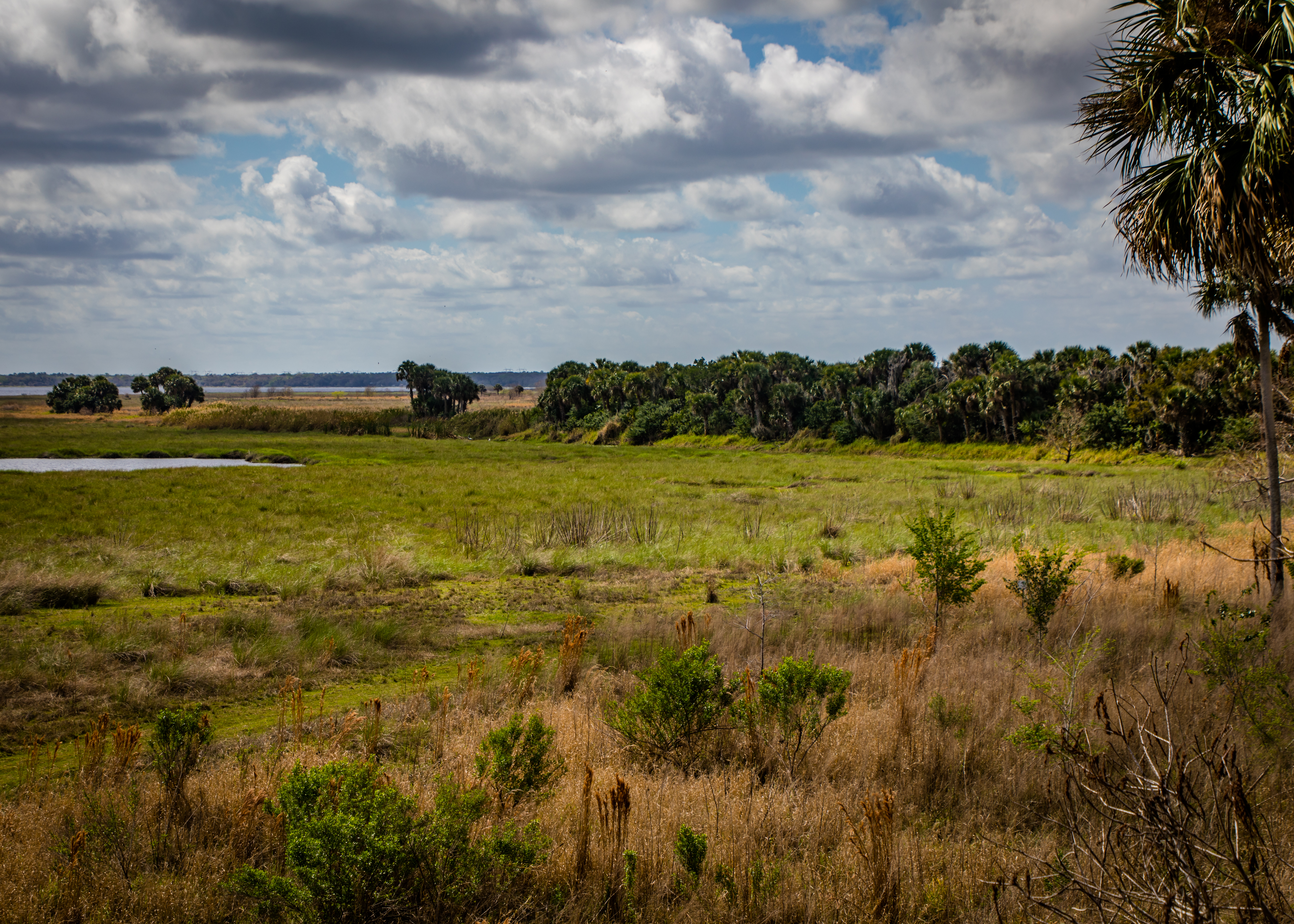
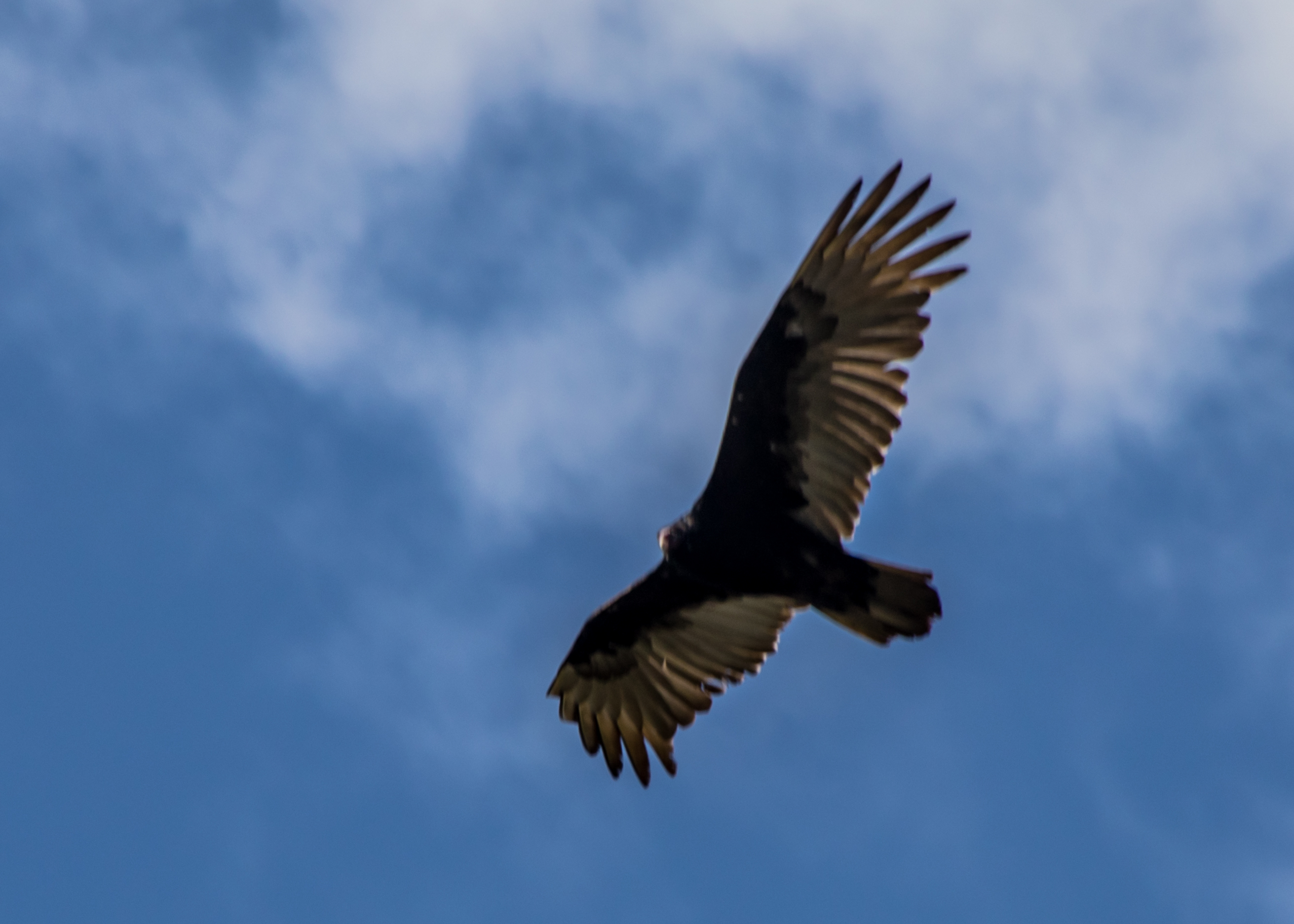
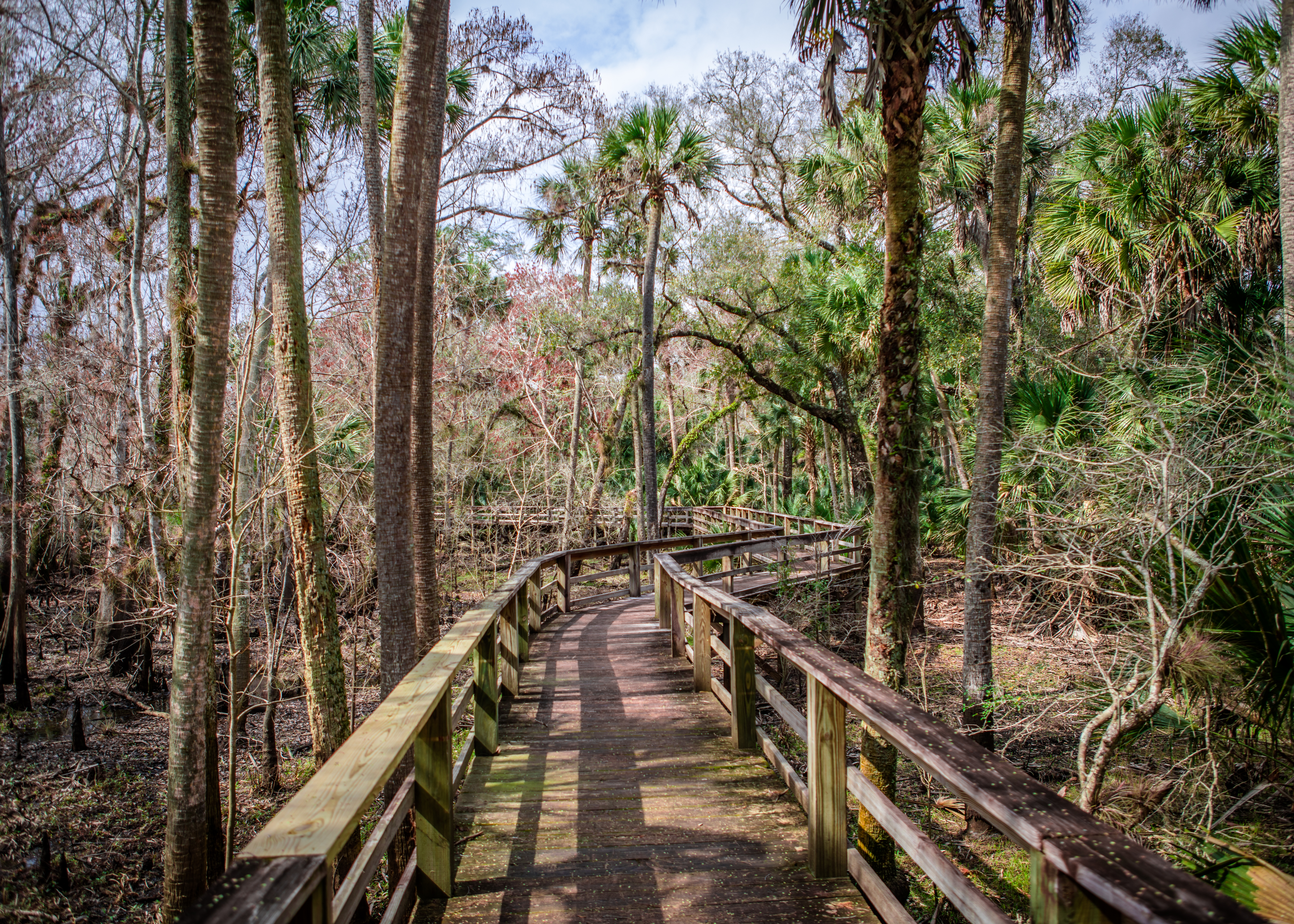
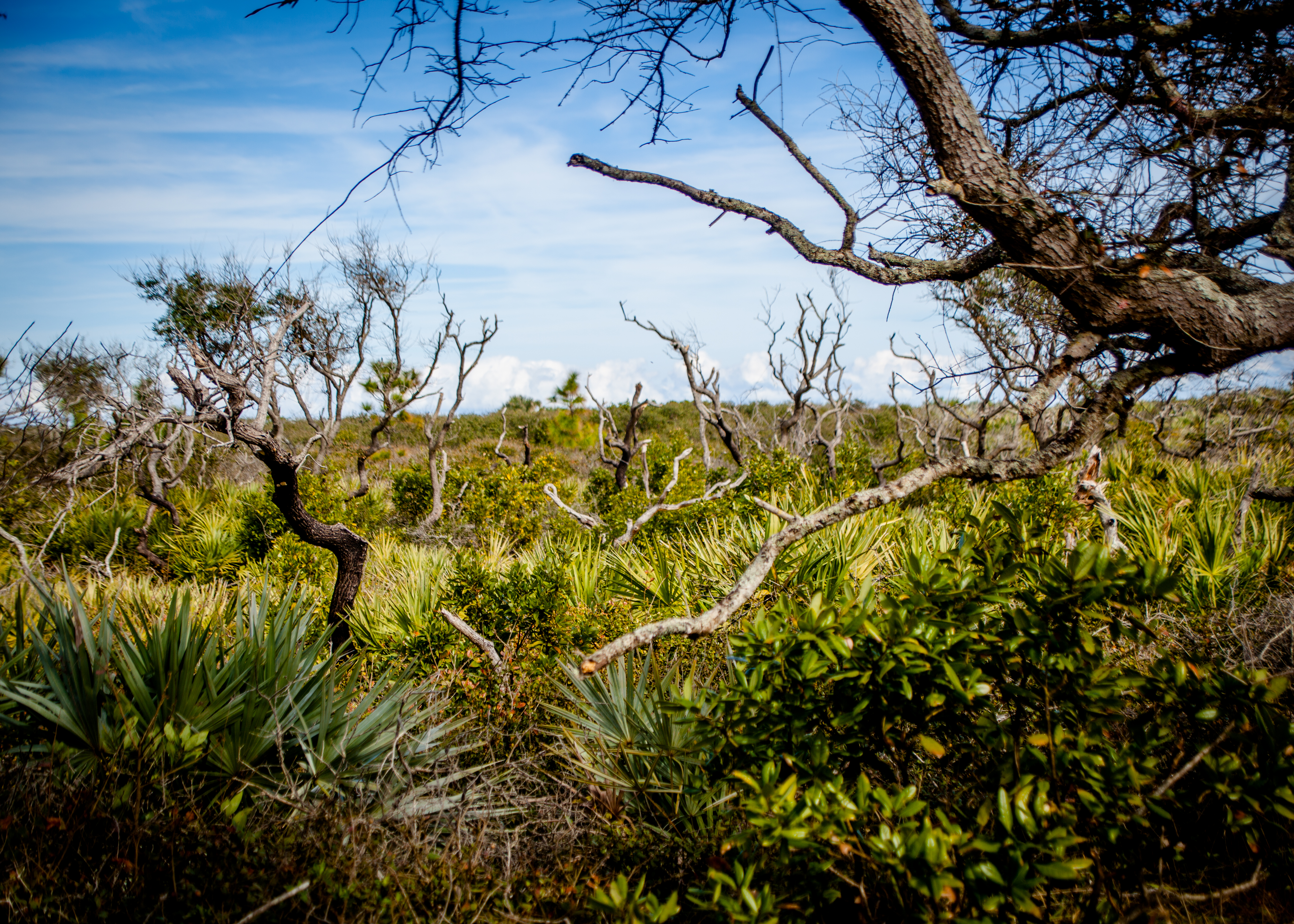
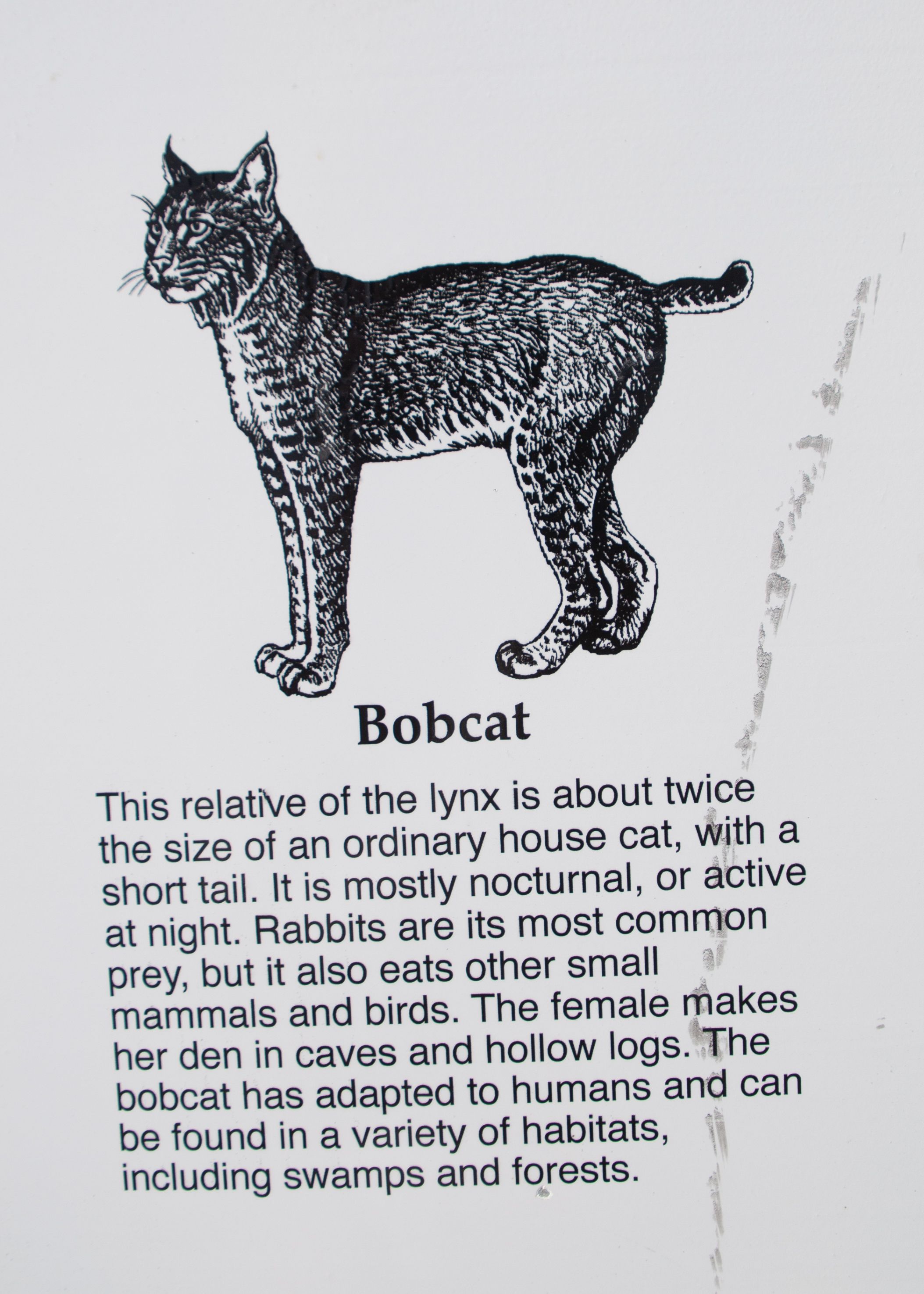
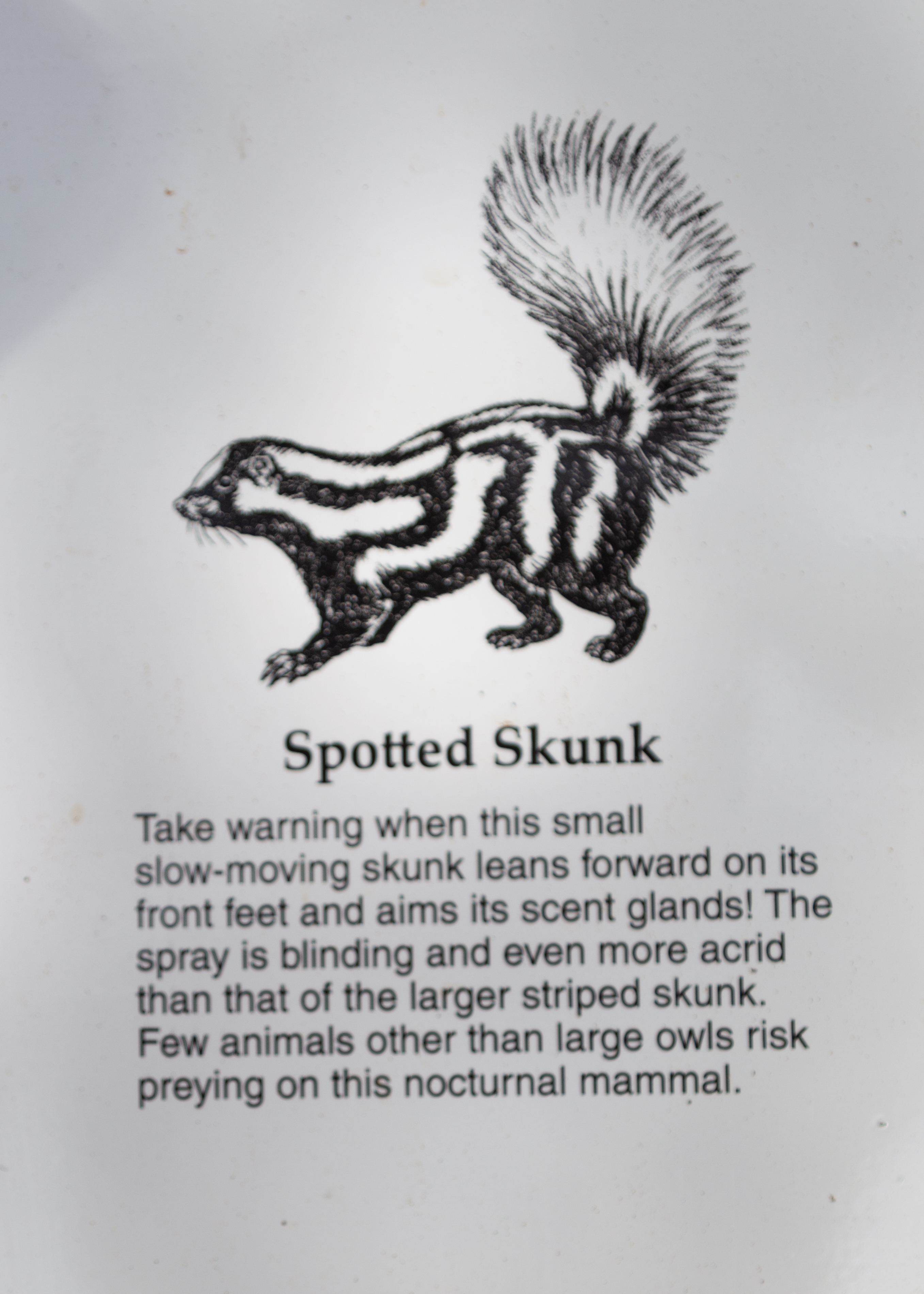
The Little Big Econ State Forest is well-known for its beautiful trails. The forest is 10,279 acres preserved in a suburban area in the middle of the triangle formed by Orlando, Cocoa and Daytona Beach. The forest supports a variety of wildlife such as alligator, Sherman’s fox squirrel, gopher tortoise, gopher frog, bald eagle, sandhill crane, deer, turkey, gray squirrel, roseate spoonbill and wood stork.
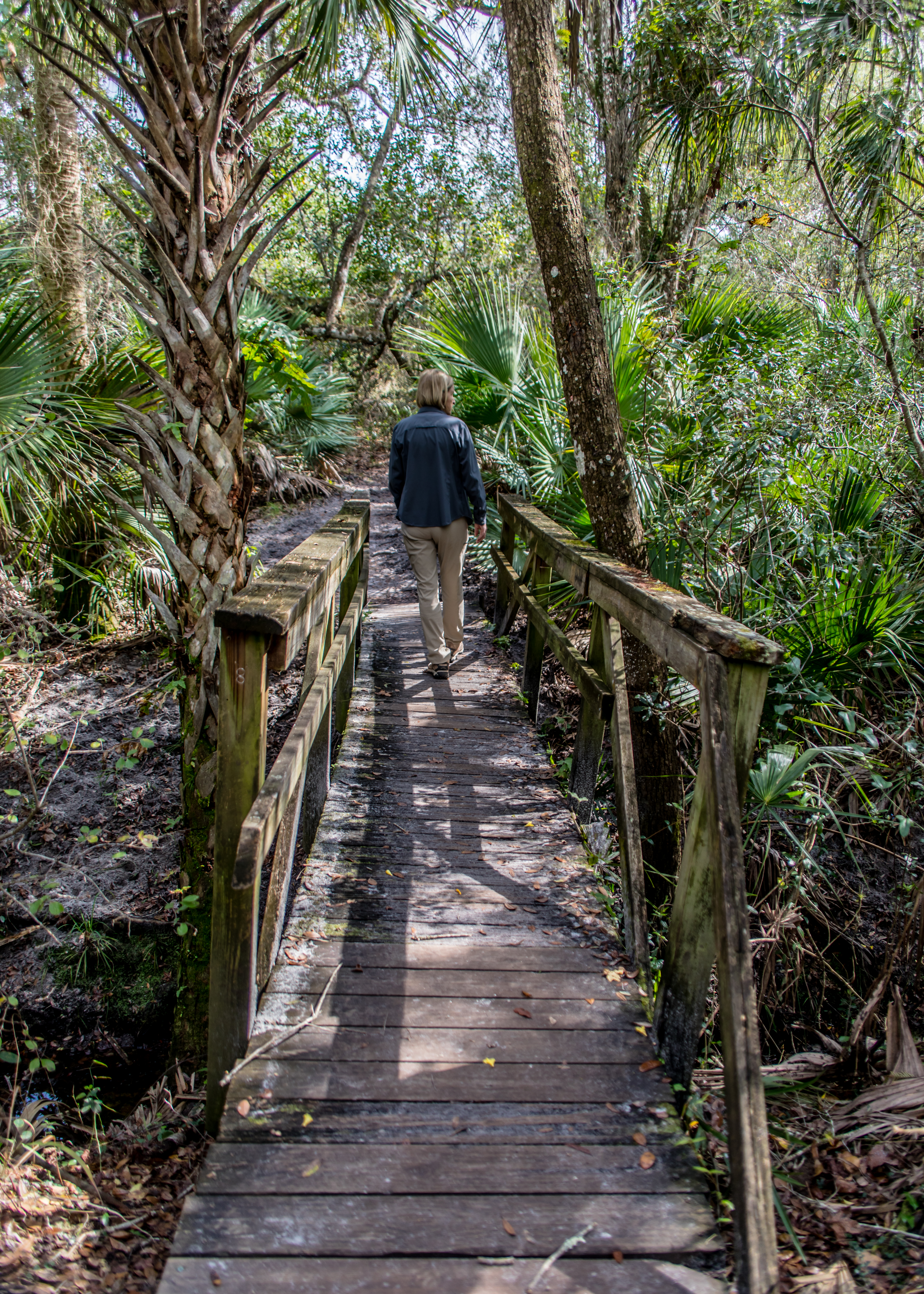
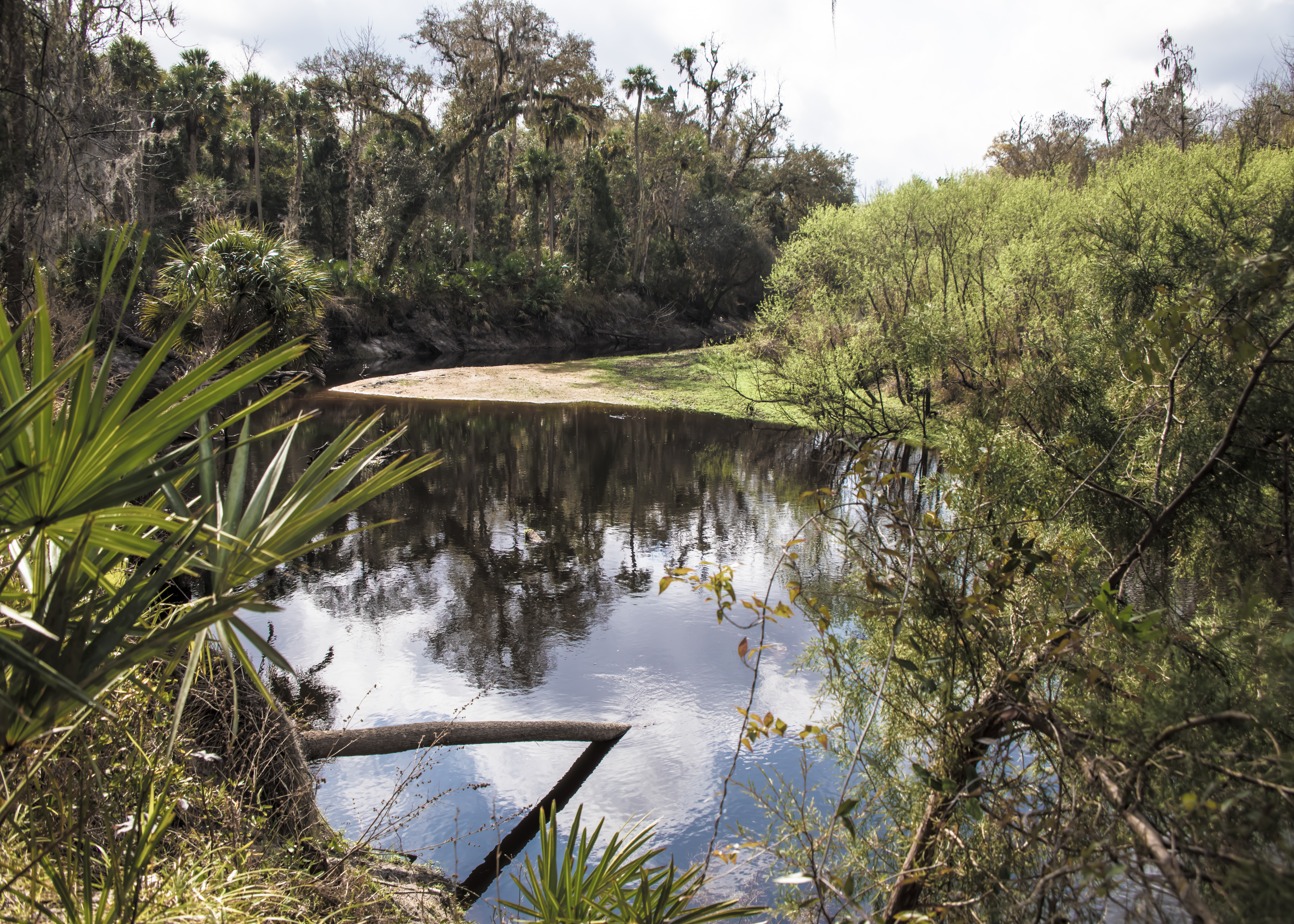
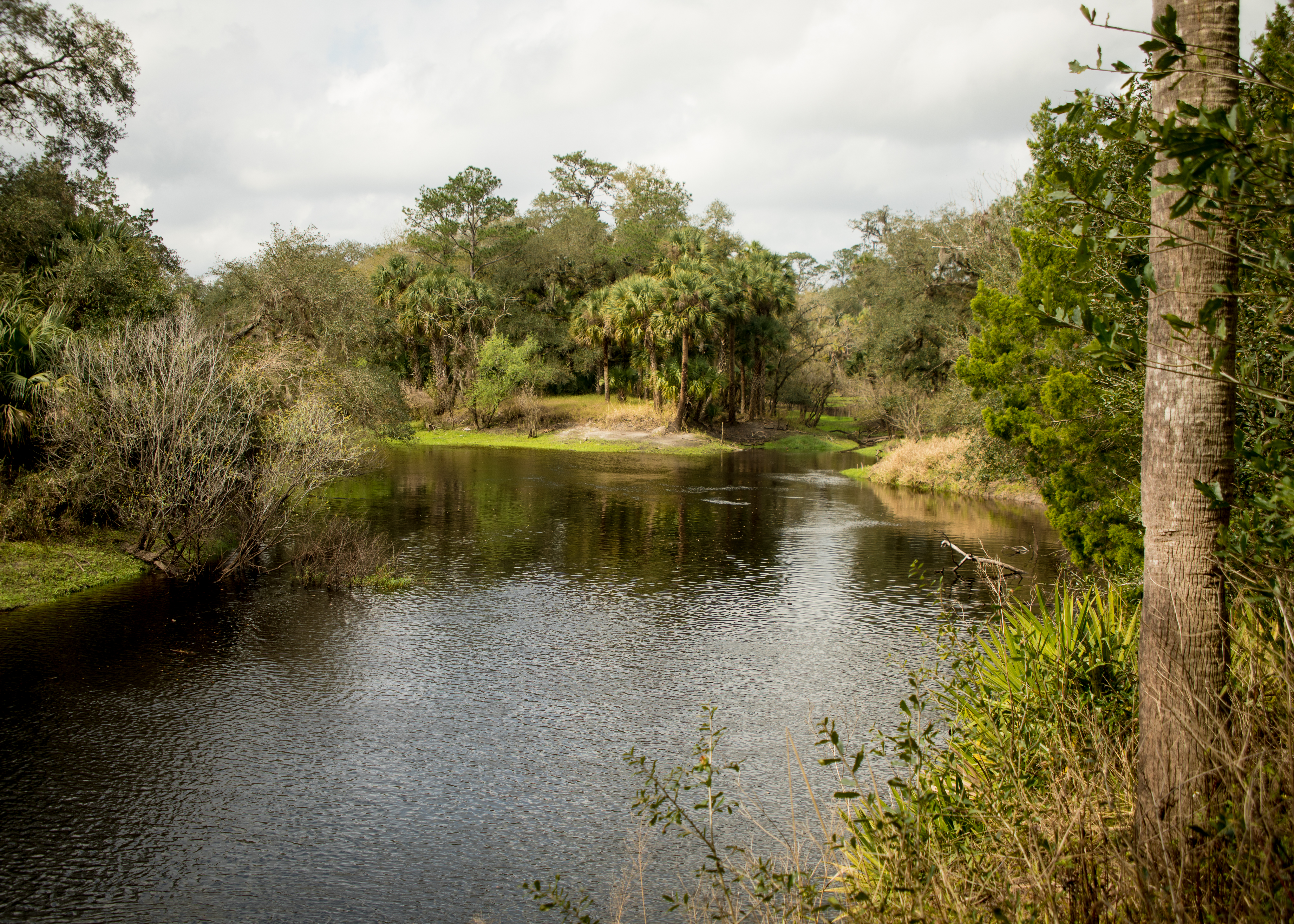
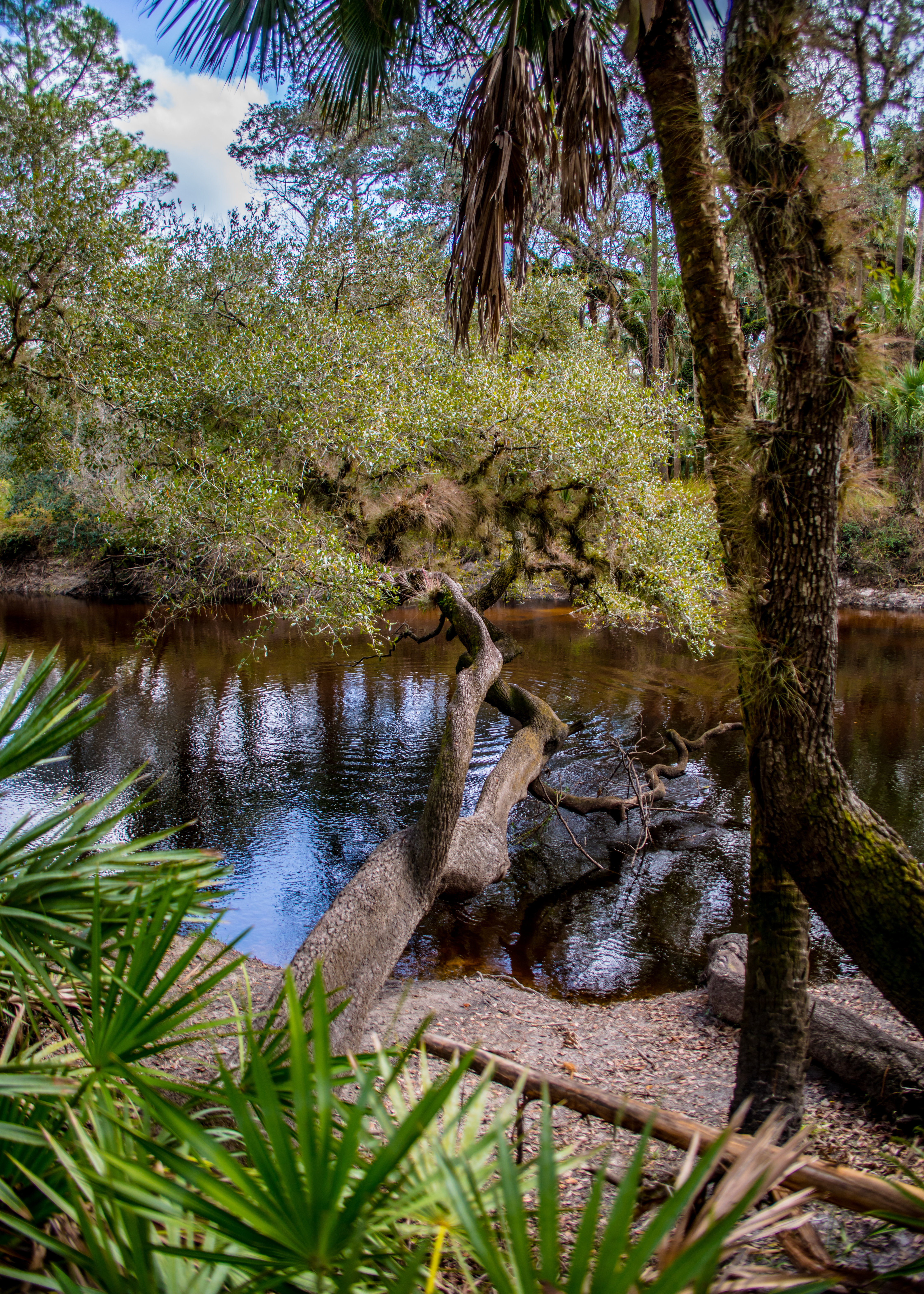
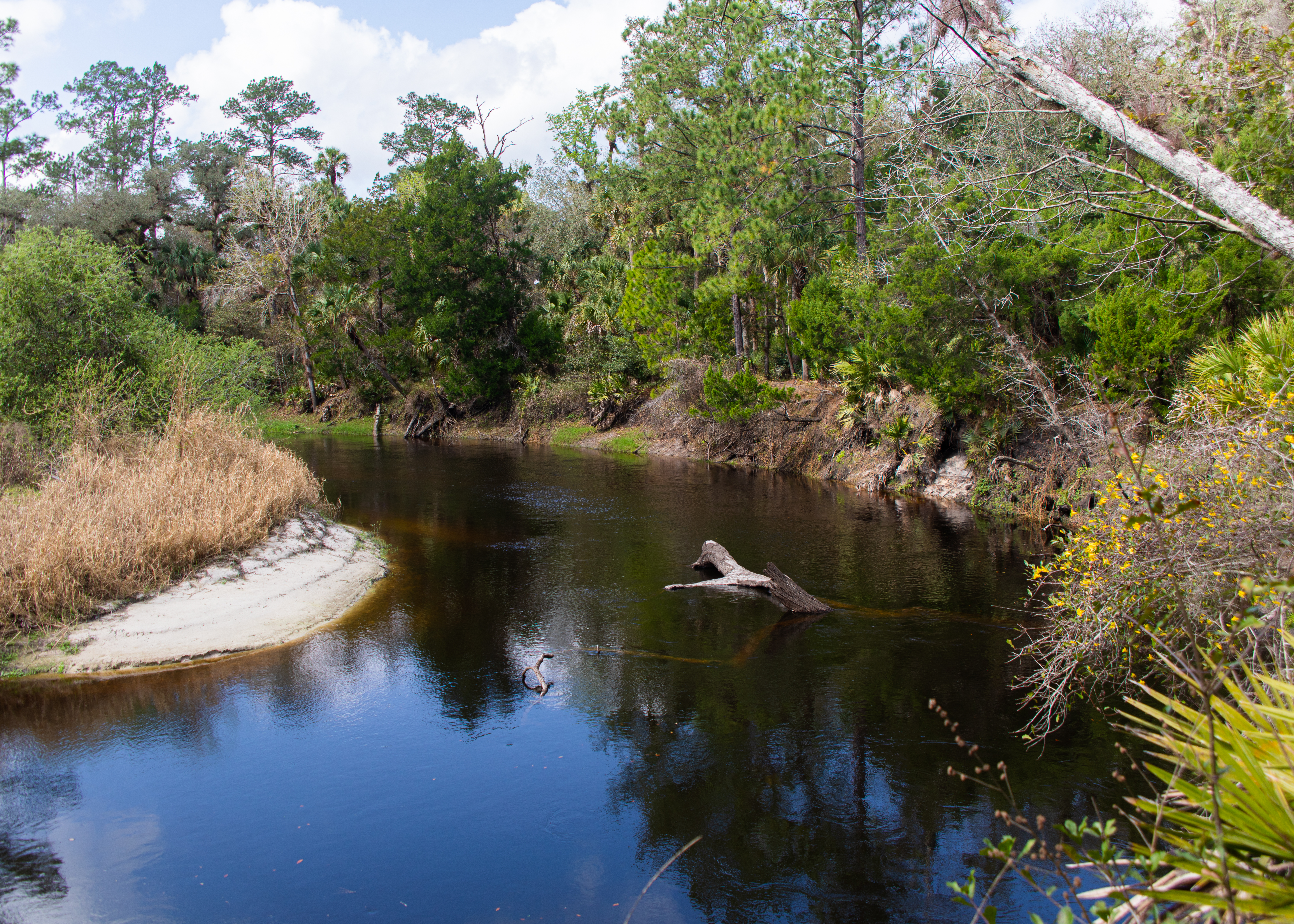
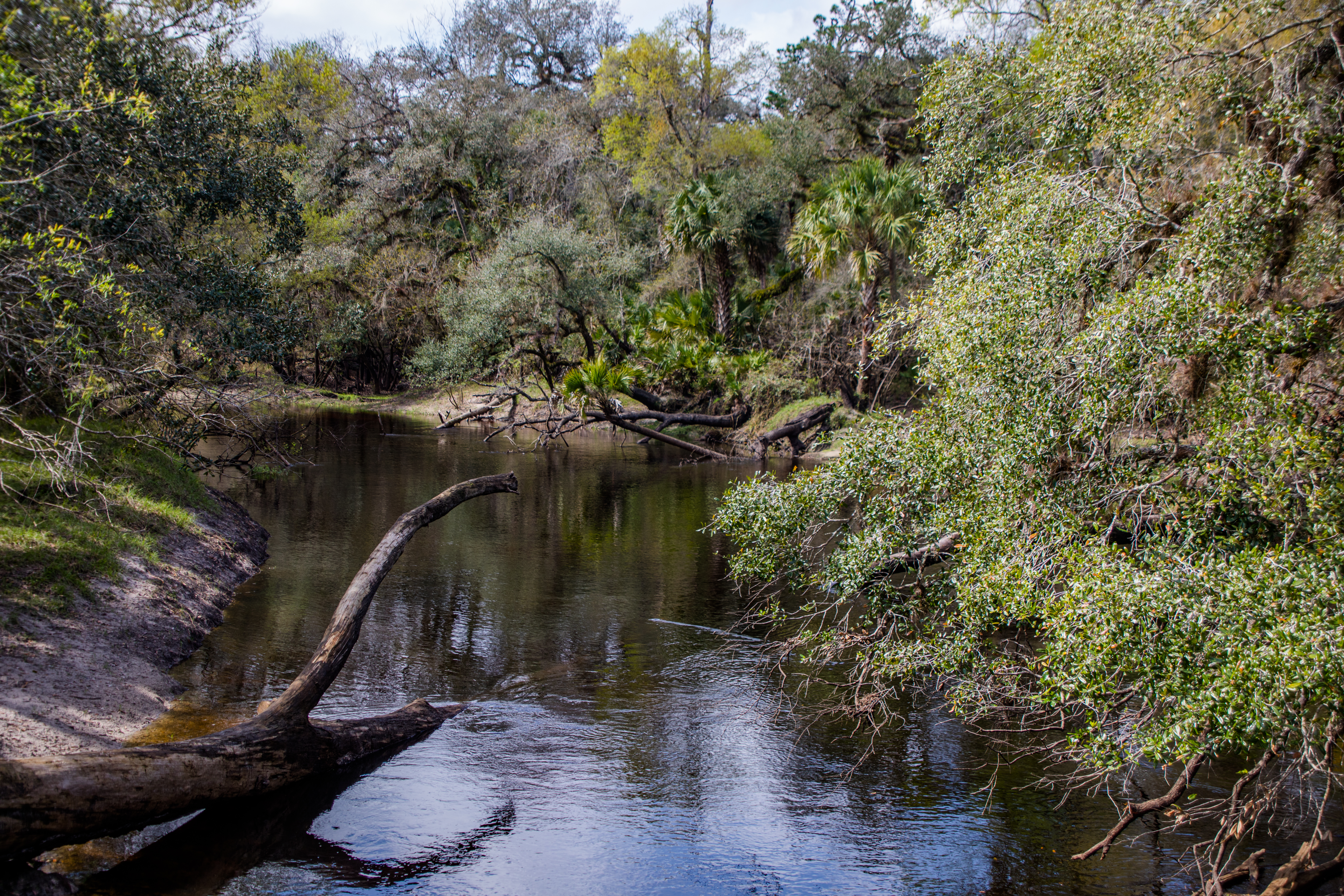
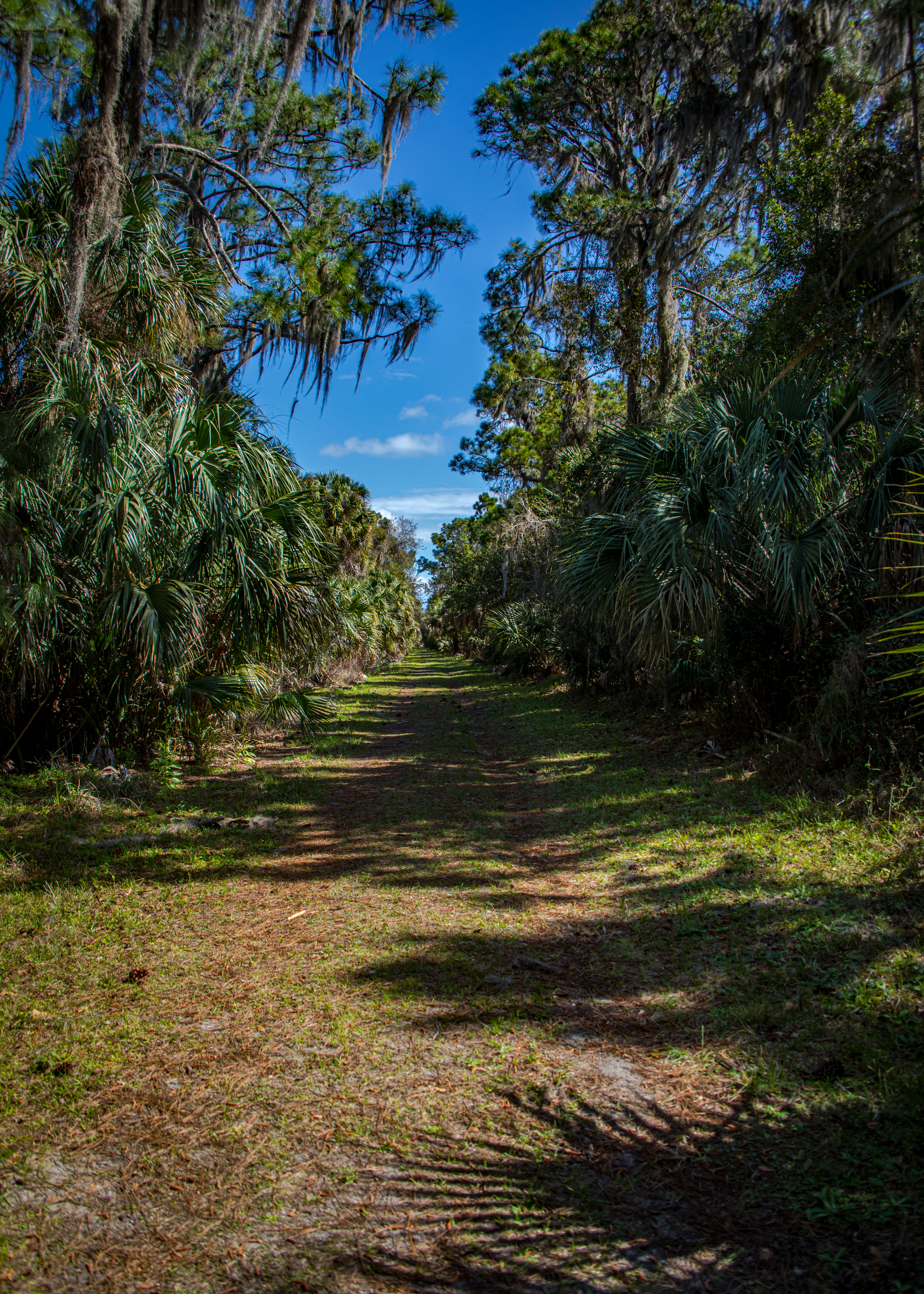
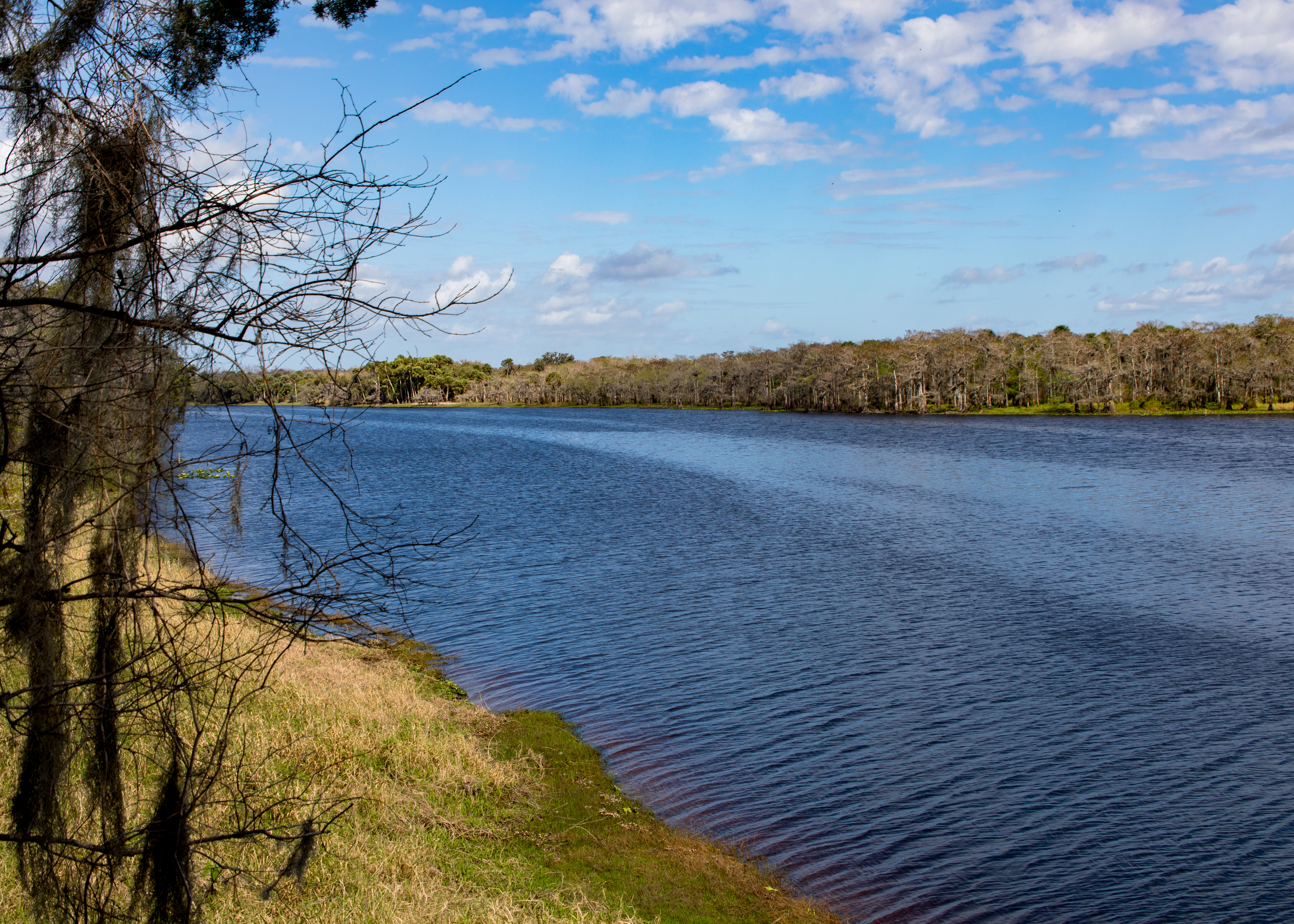
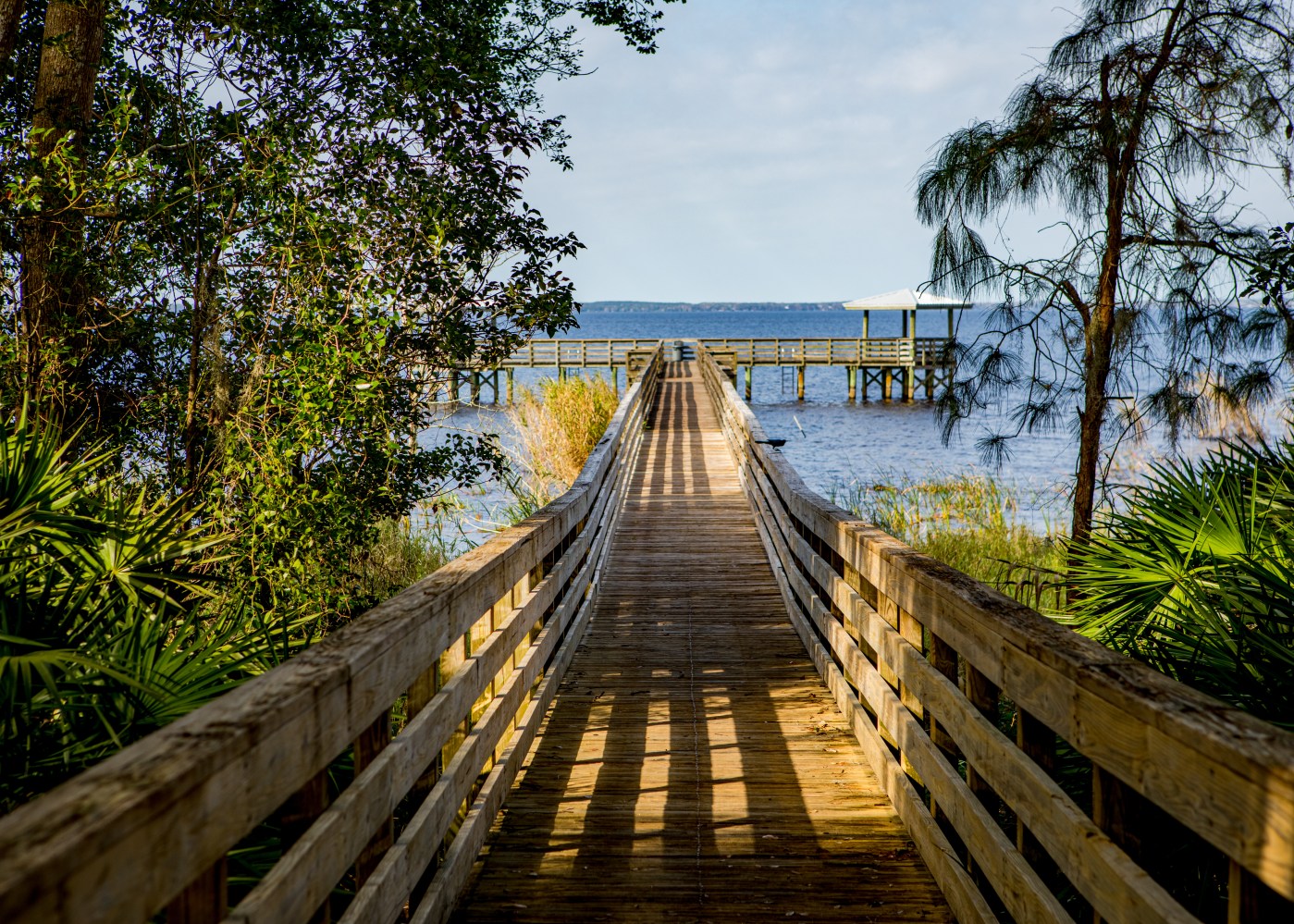
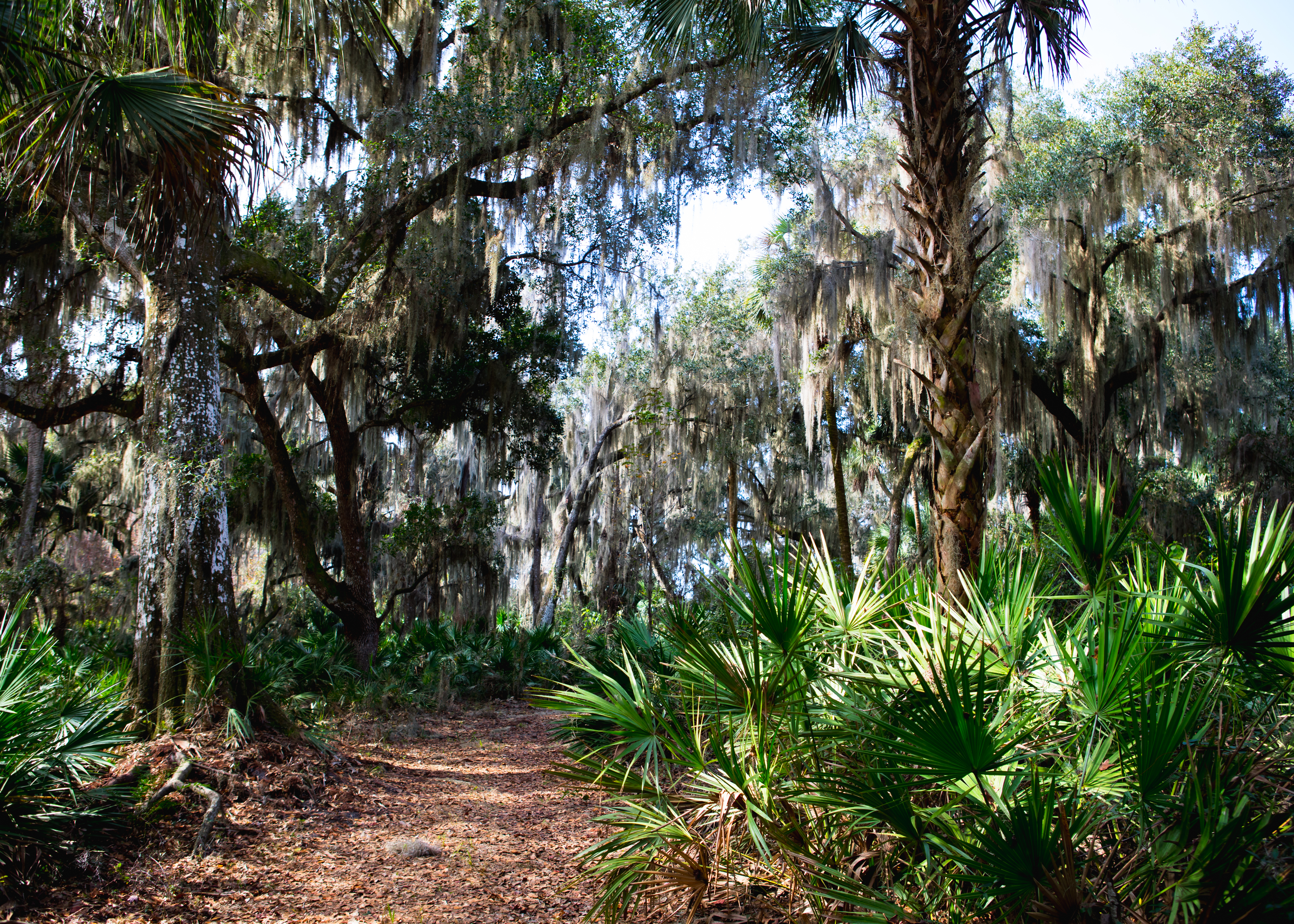
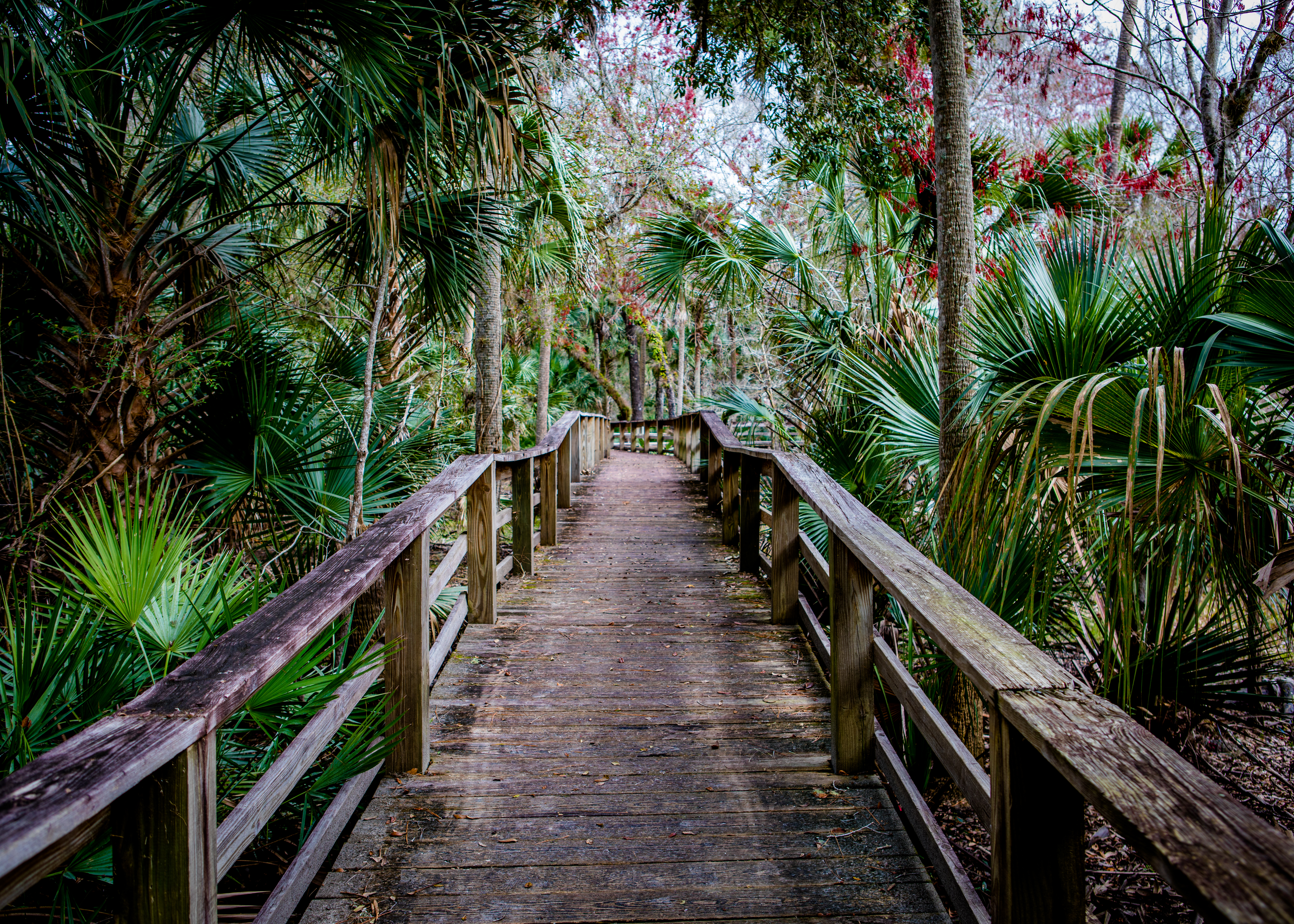
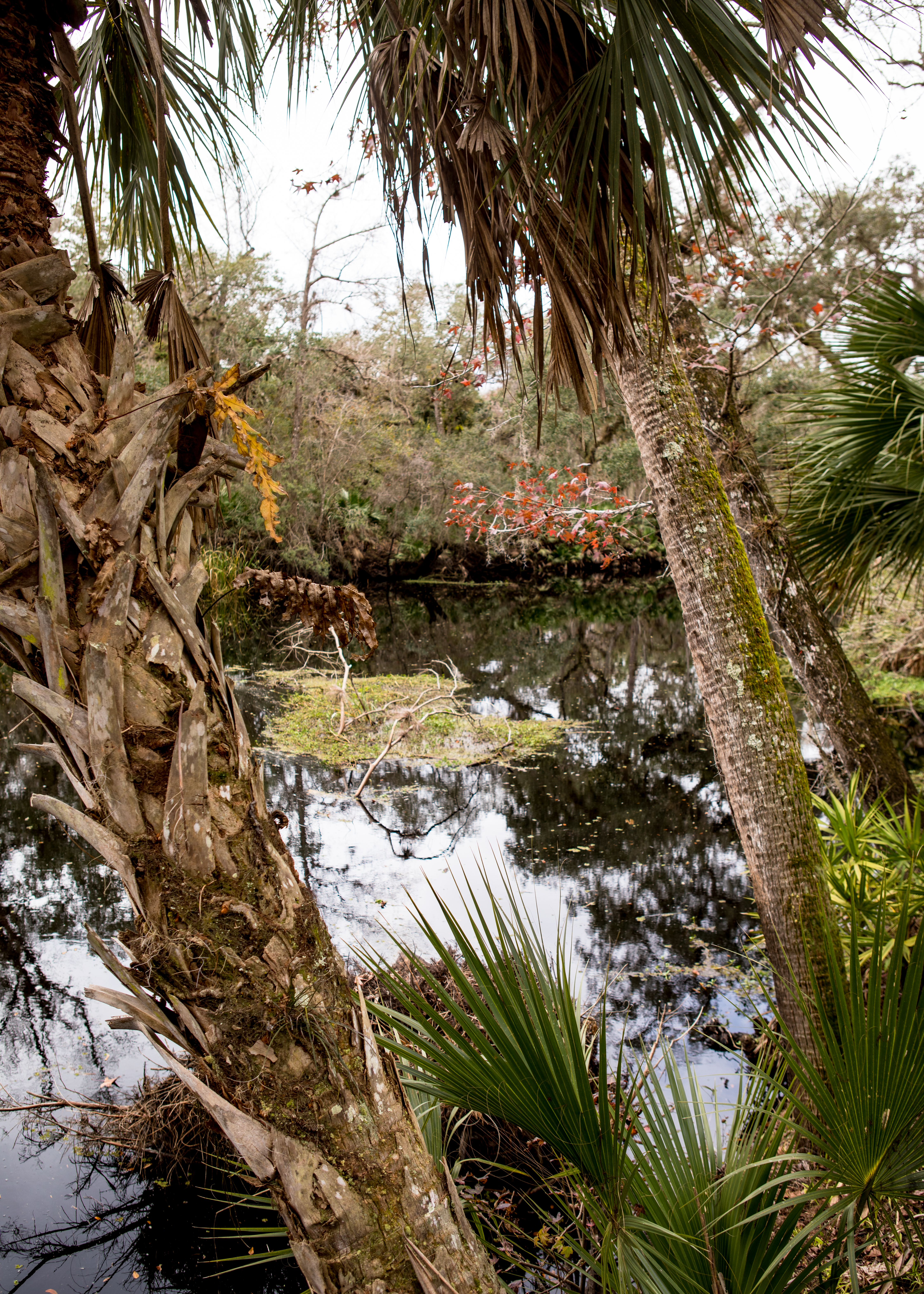
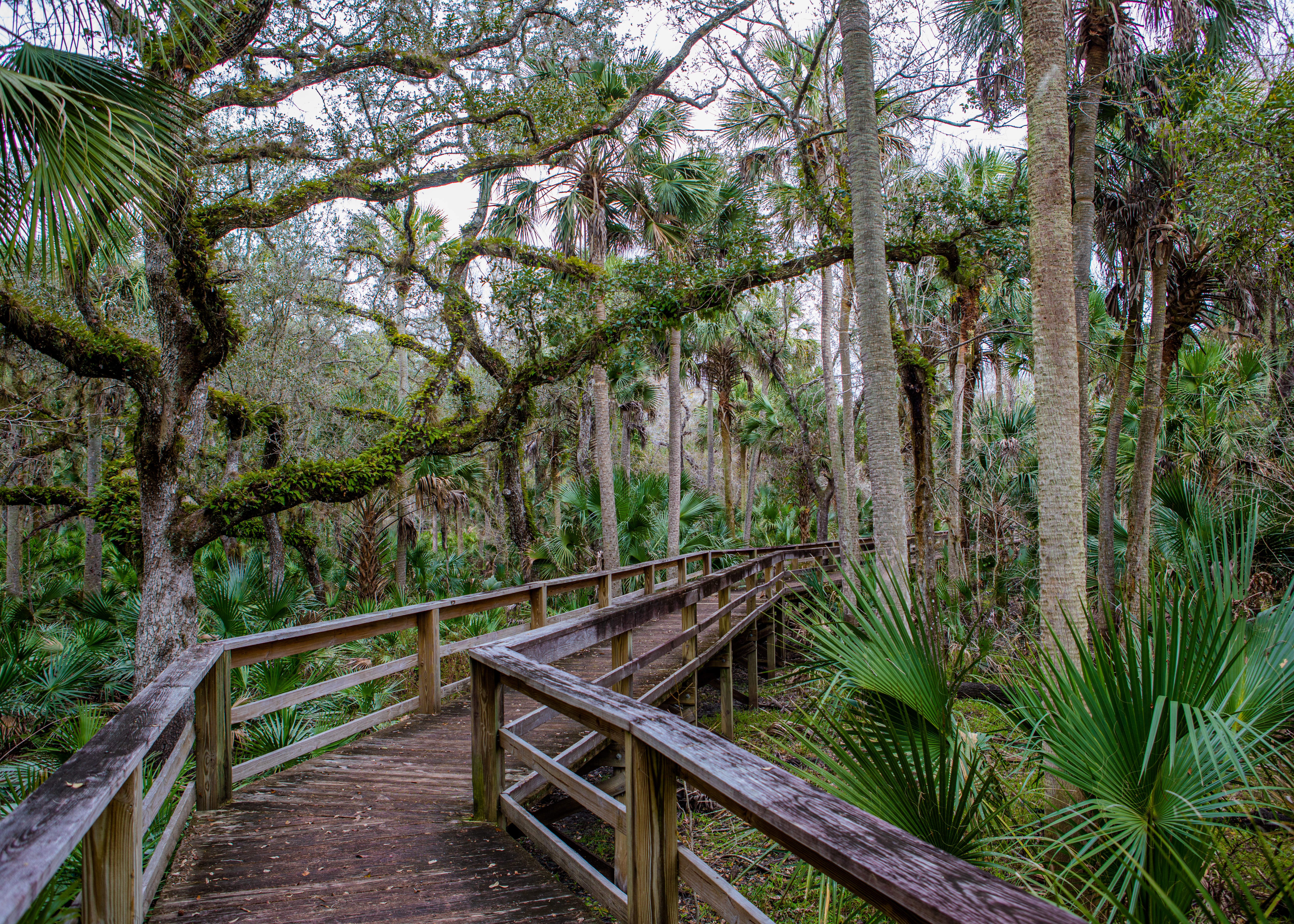
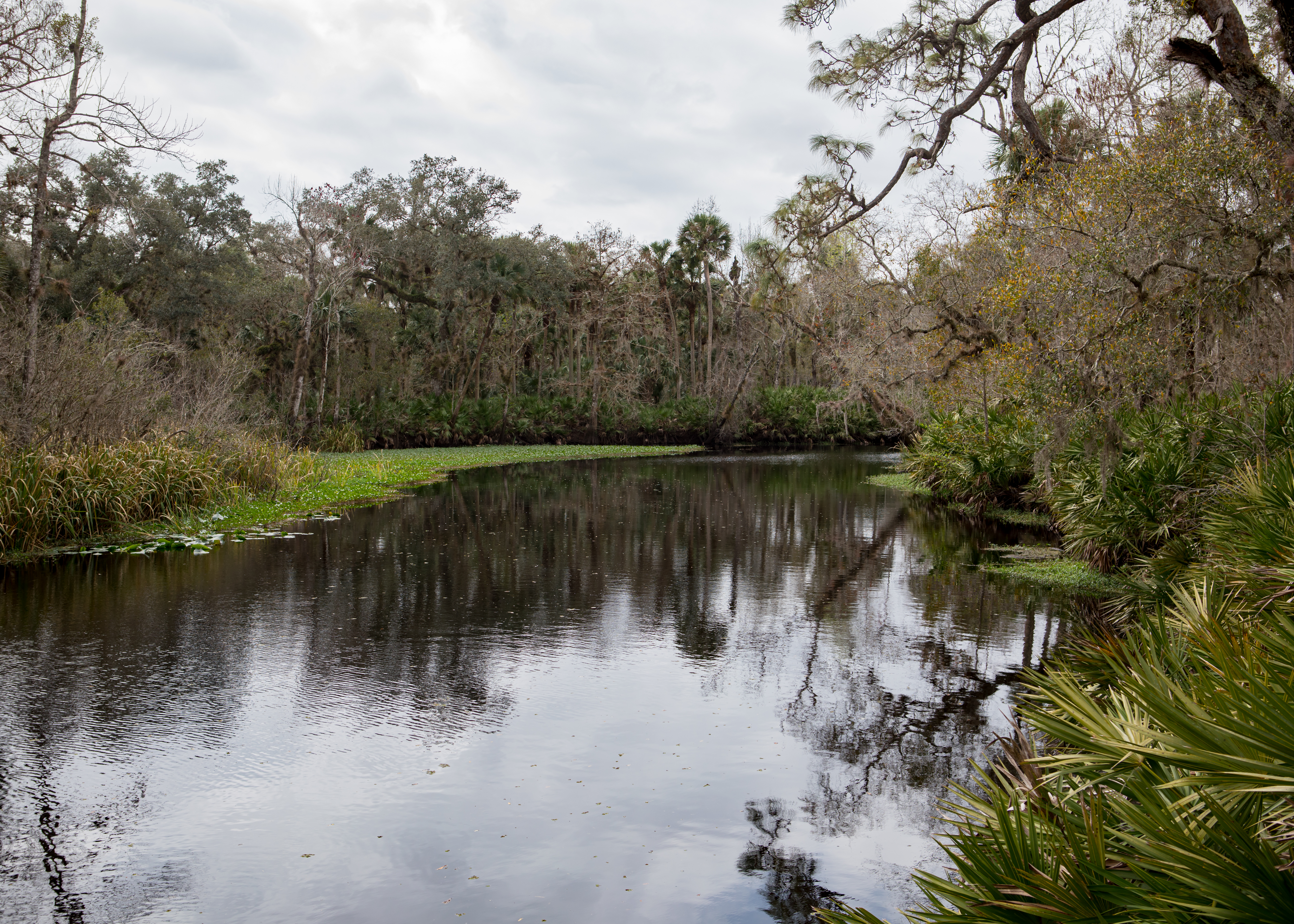
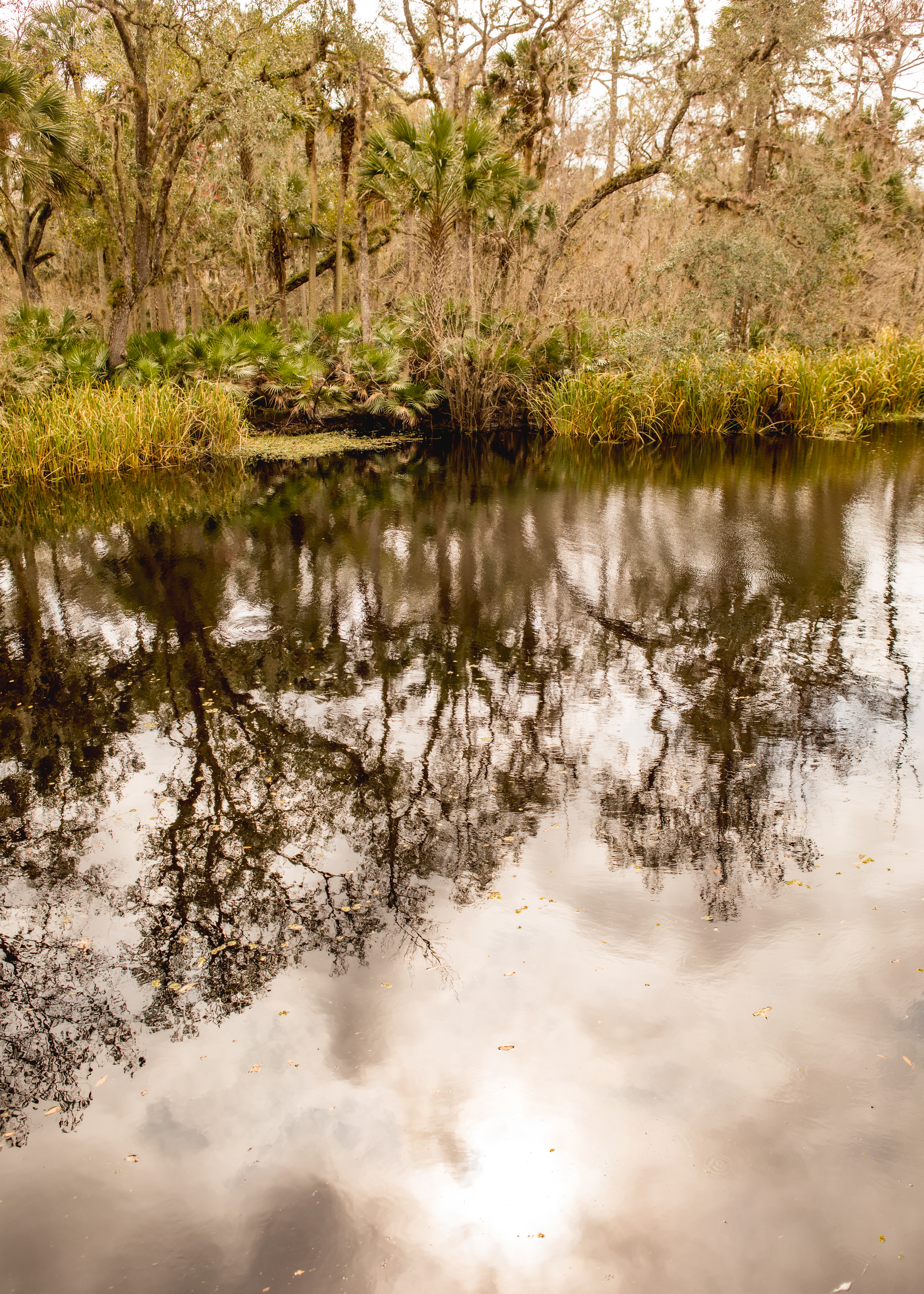
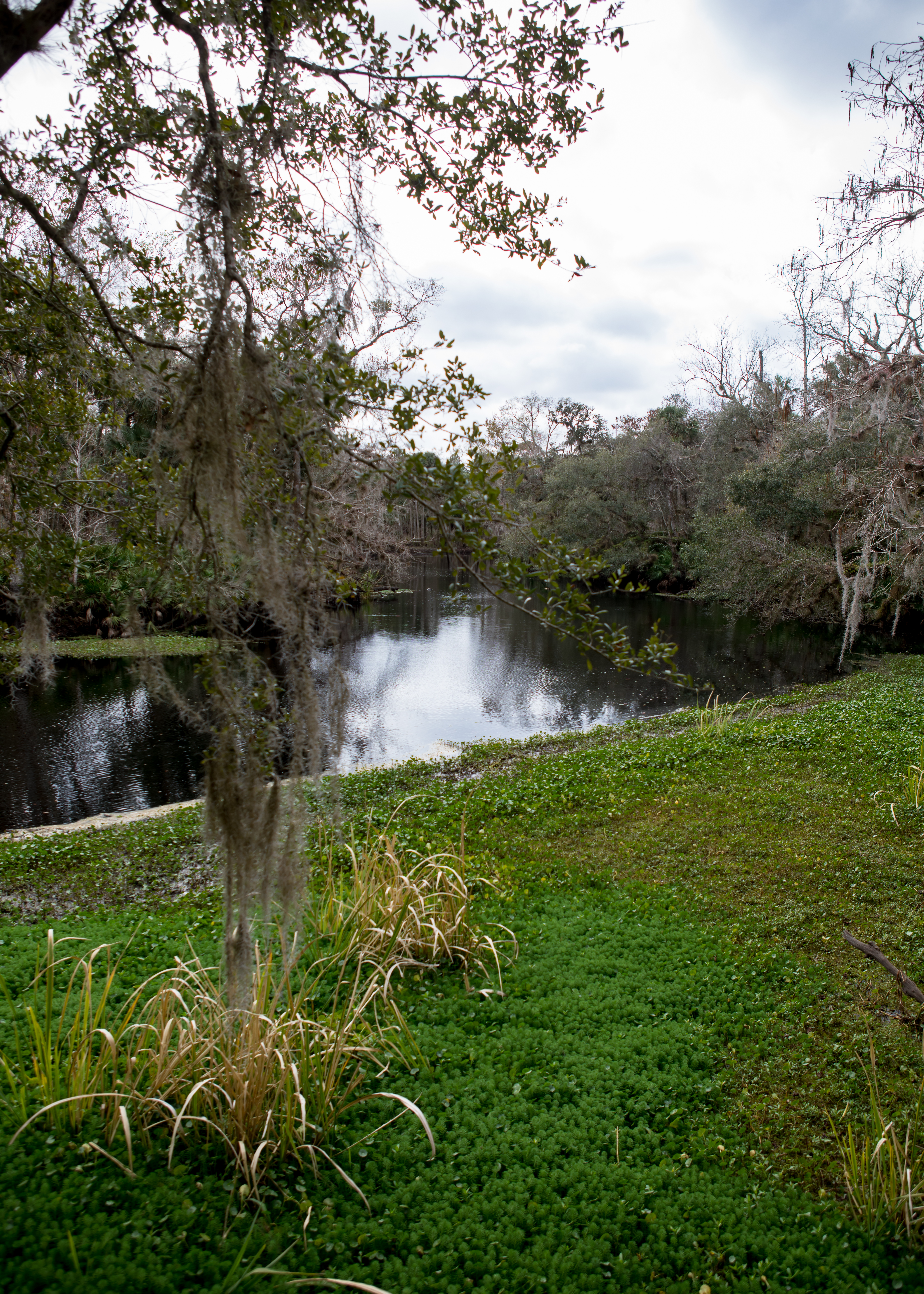
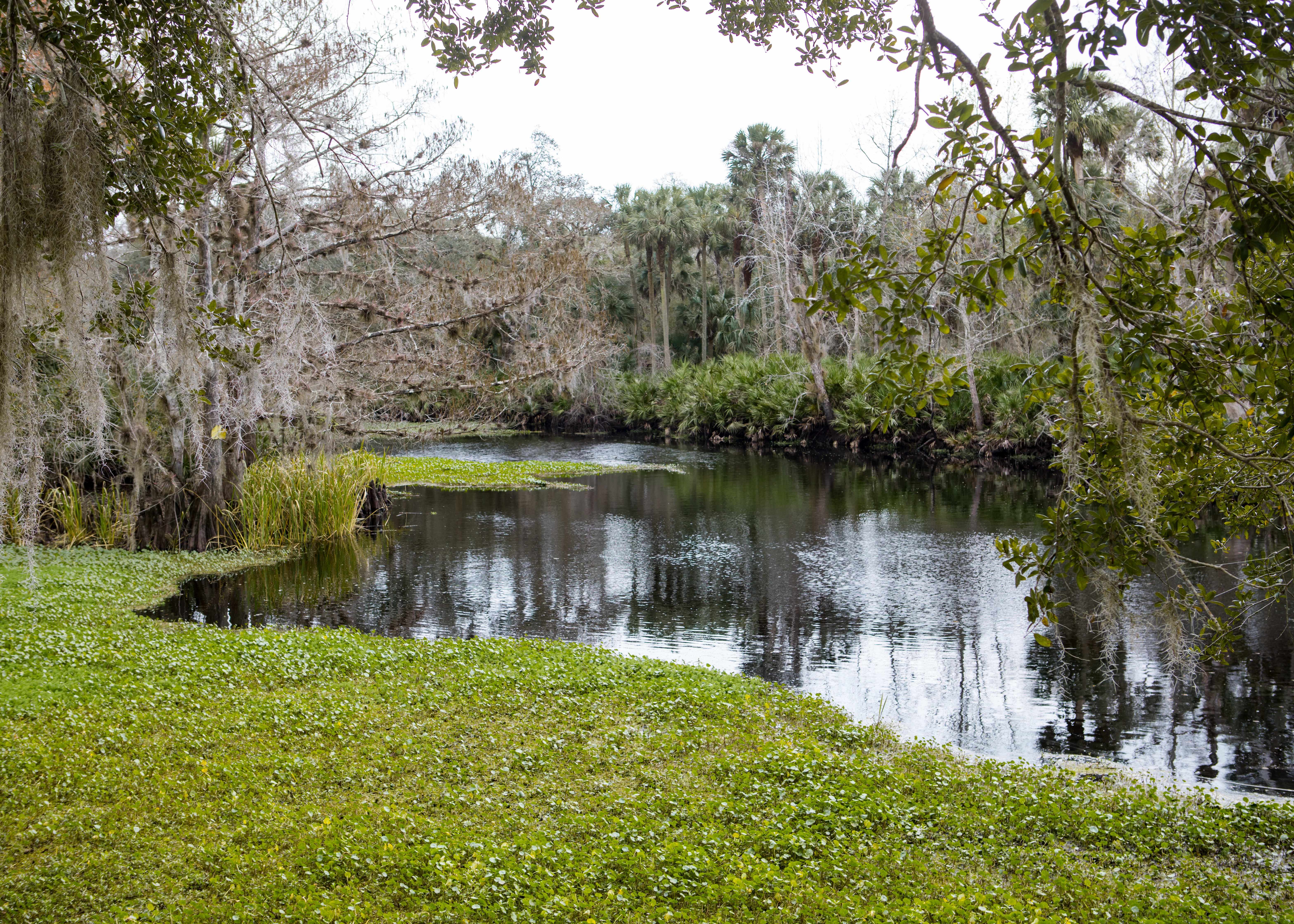
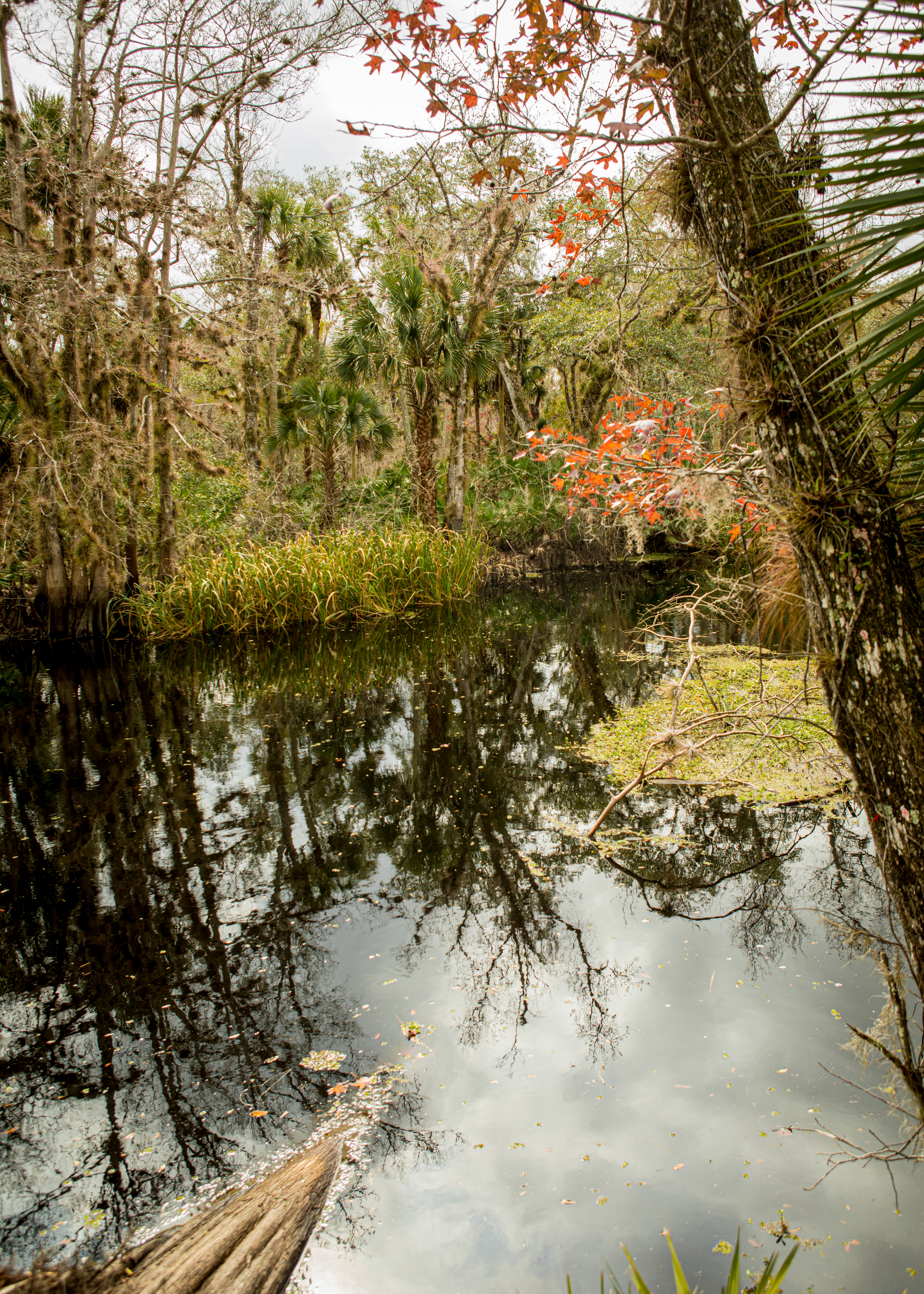
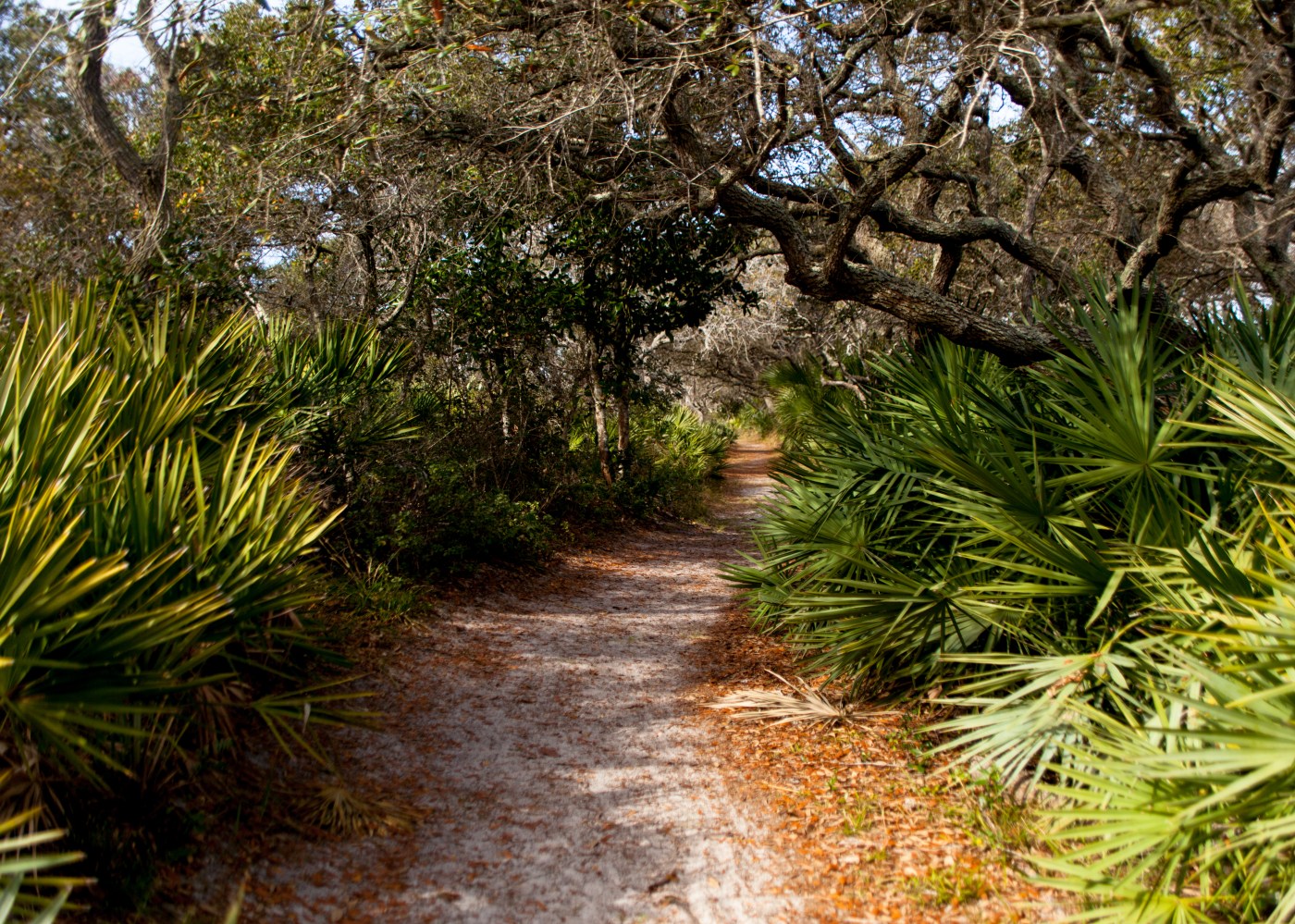
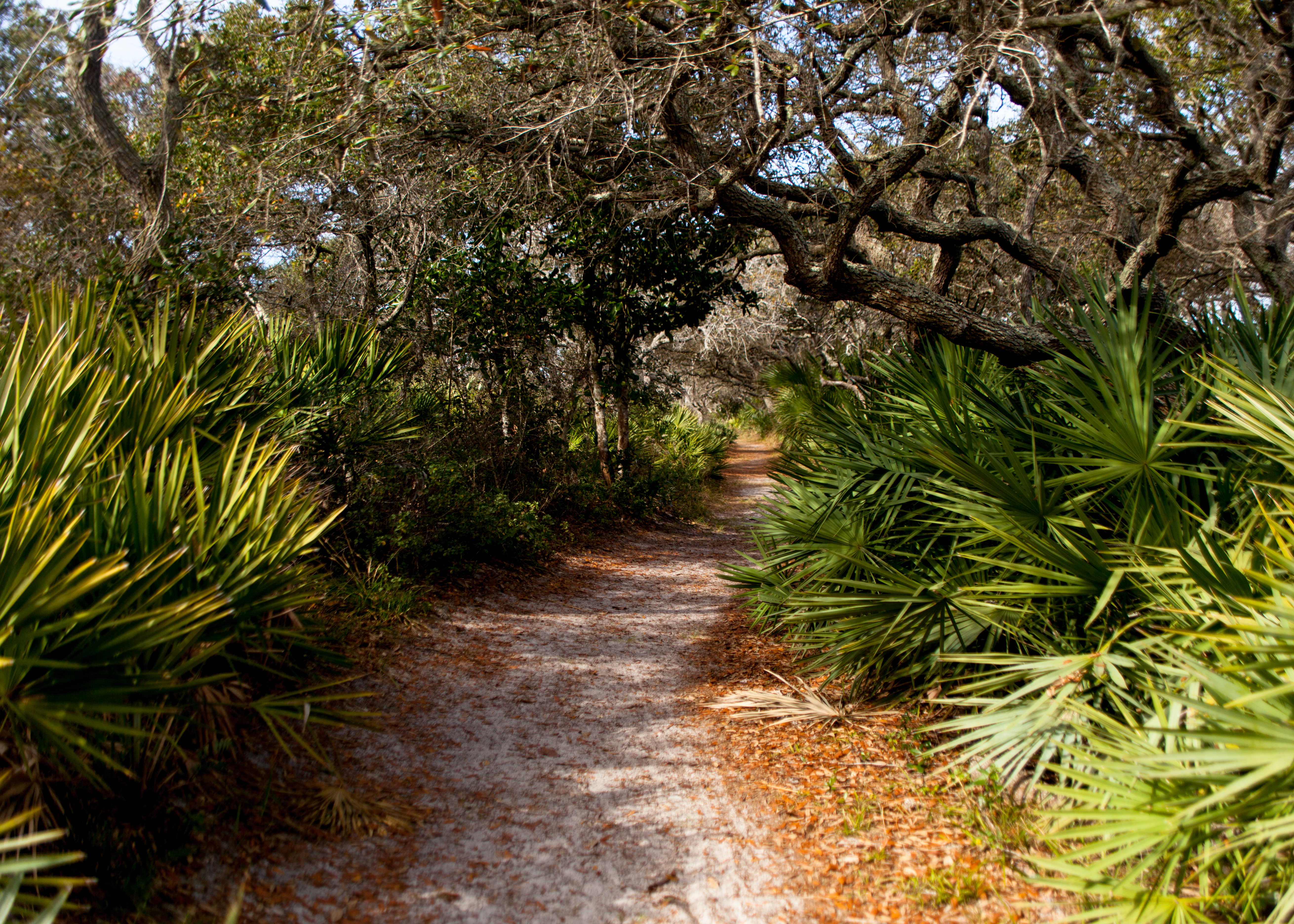
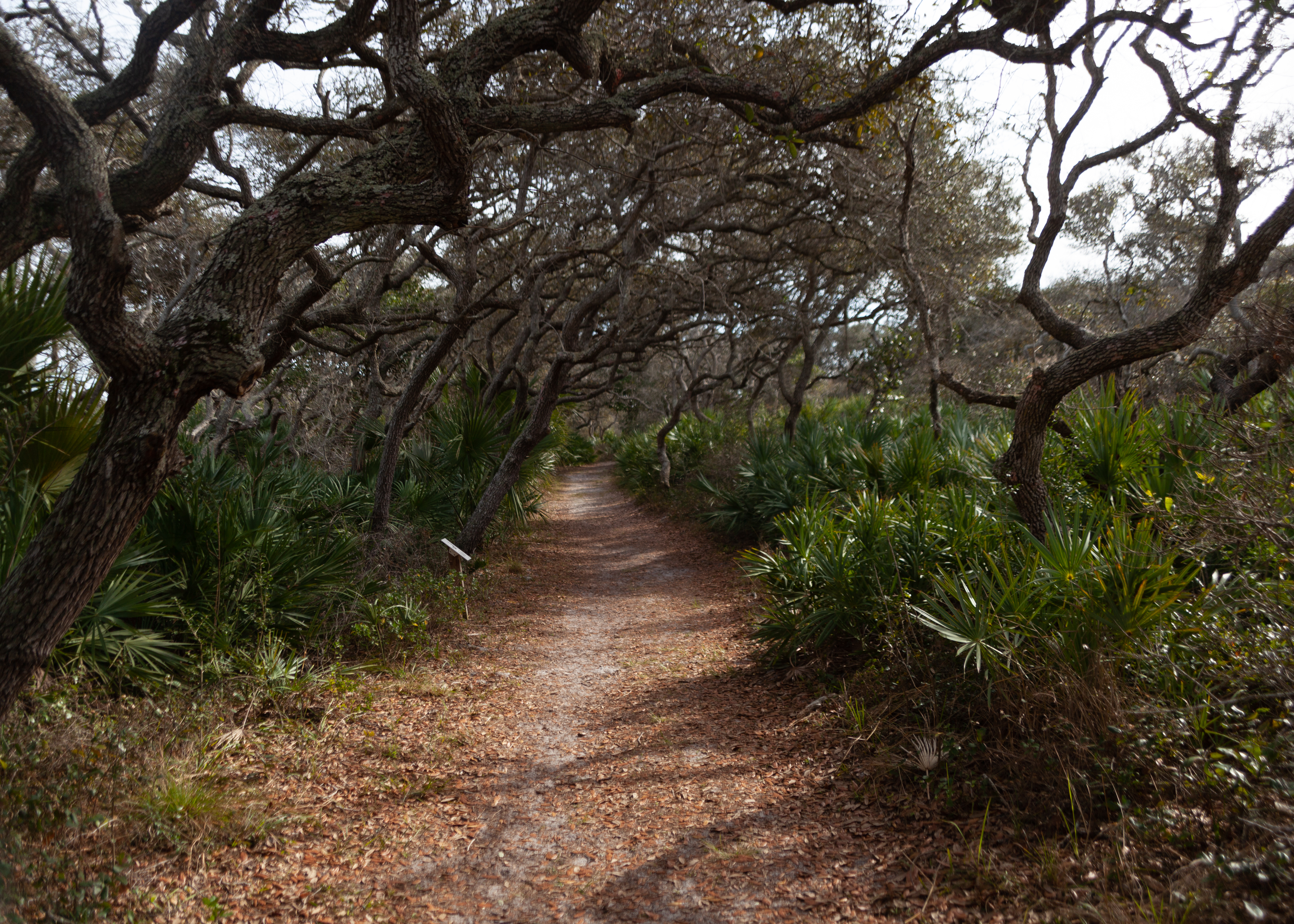
You’ll find shady trails along the beautiful wild Econlockhatchee River, a major tributary of the St. Johns River and designated an Outstanding Florida Water. The Econ is a slow-moving tannic-colored river with some bluffs along its banks that add elevation changes to the riverside hike.There are lots of hiking options: There are 16.3 miles of trails, including an eight mile section of the Florida Trail and a straight trail called the Flagler Trail because it follows what was Henry Flagler’s historic railroad line.
We made the Kolokee Trail into a 5.2 mile loop, you need to consult the Kolokee Trail Brochure and use several other marked trails — the Flagler Trail, the White Trail and the Florida National Scenic Trail – to get you back to the trailhead.
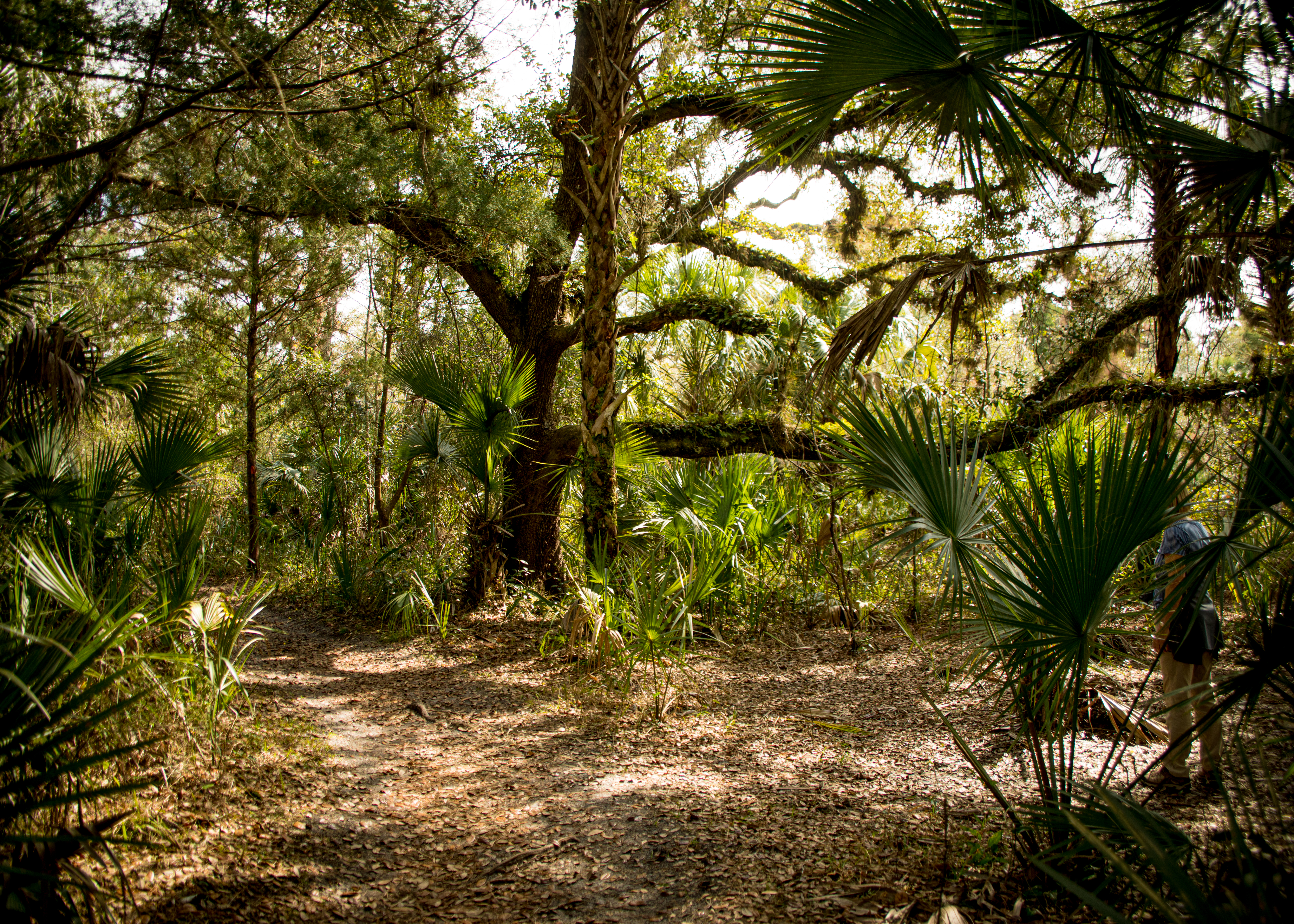
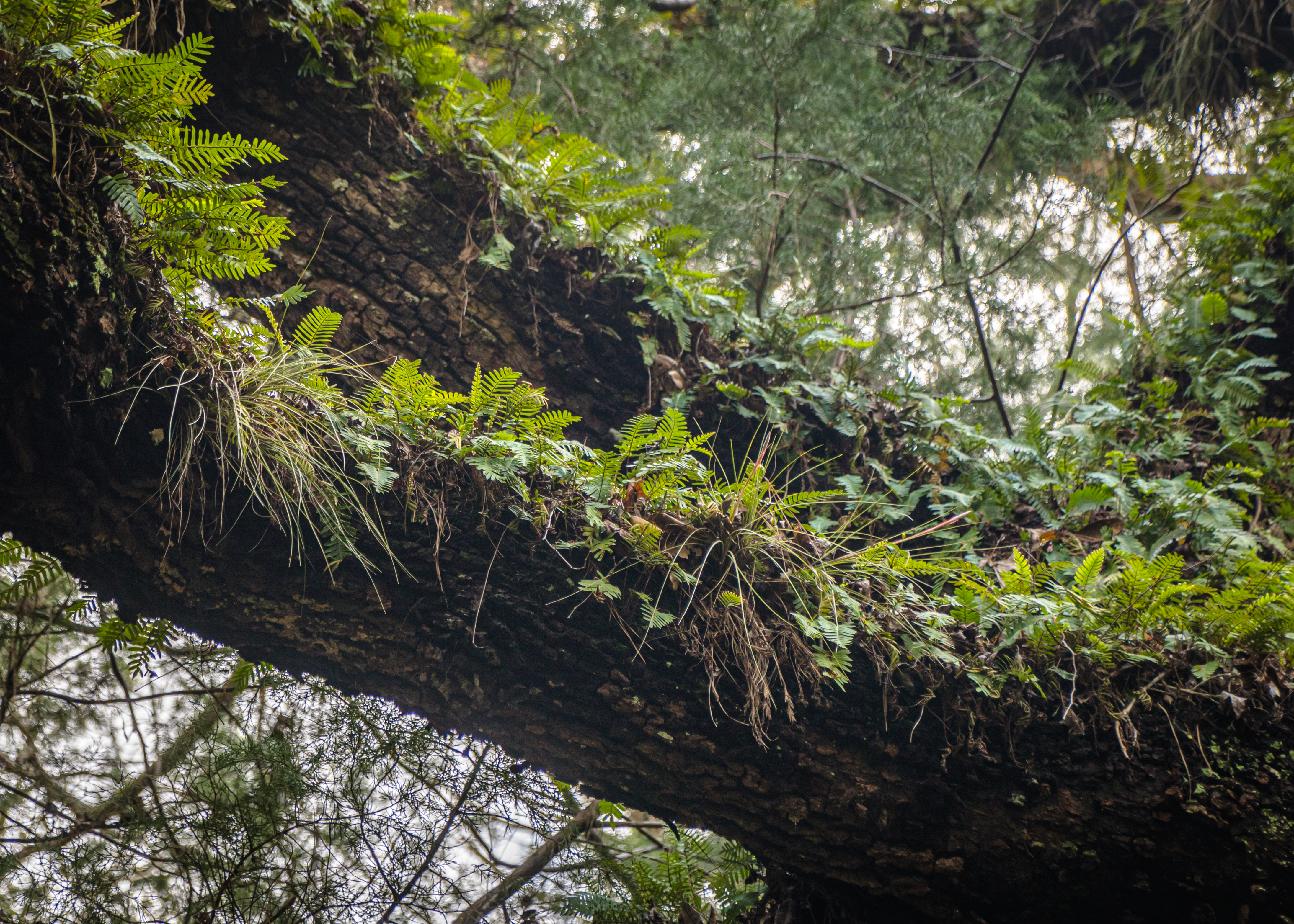
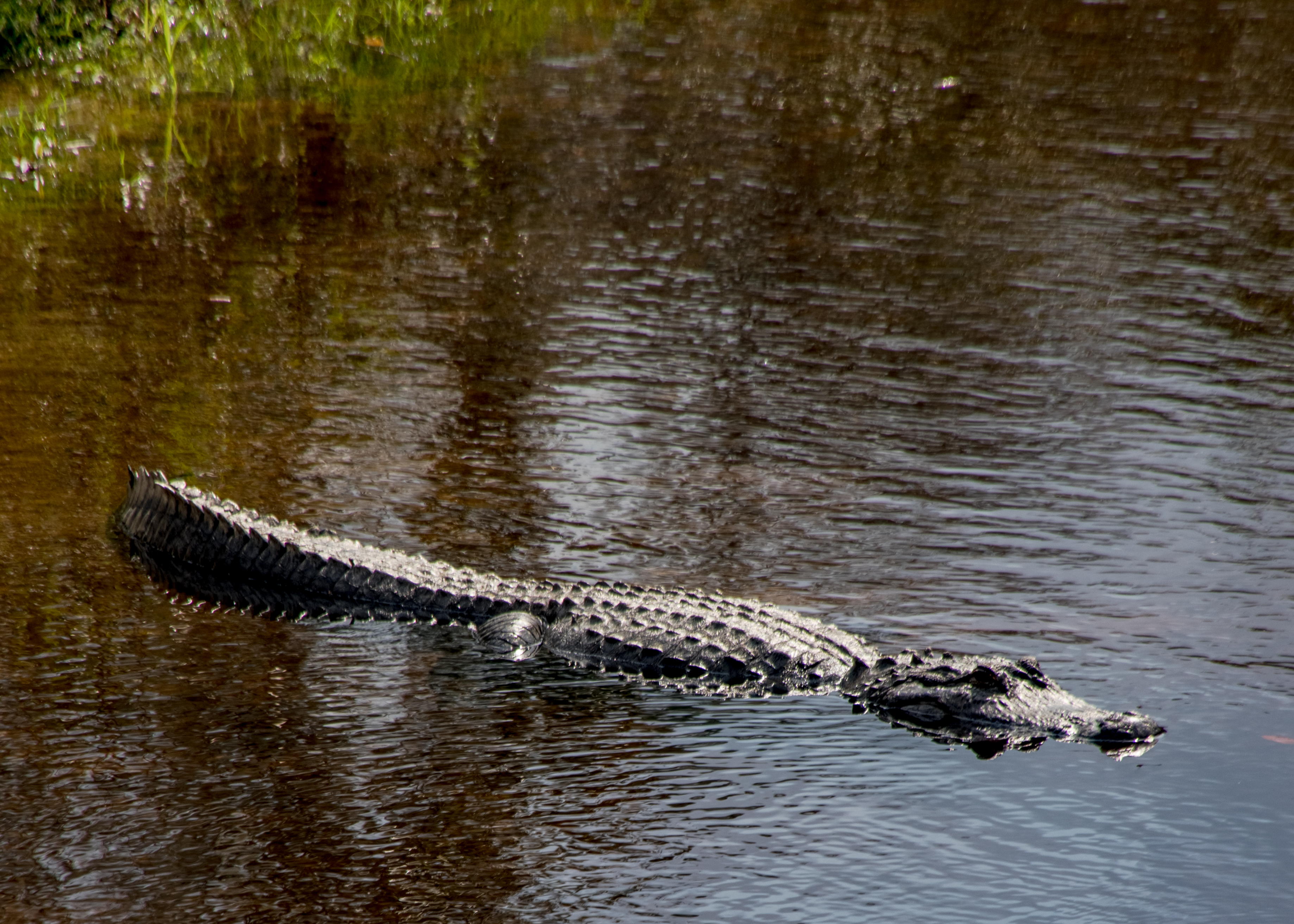
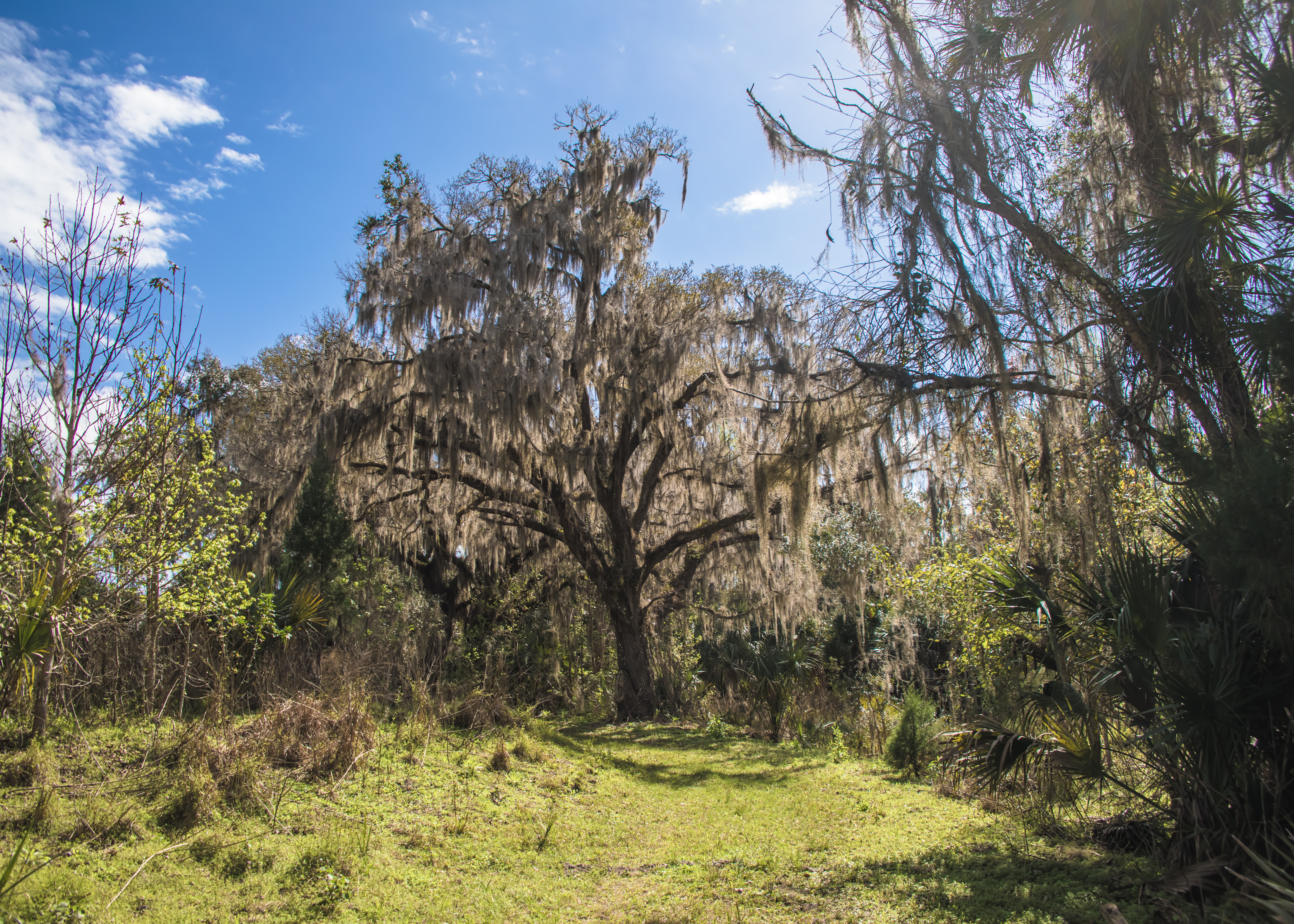
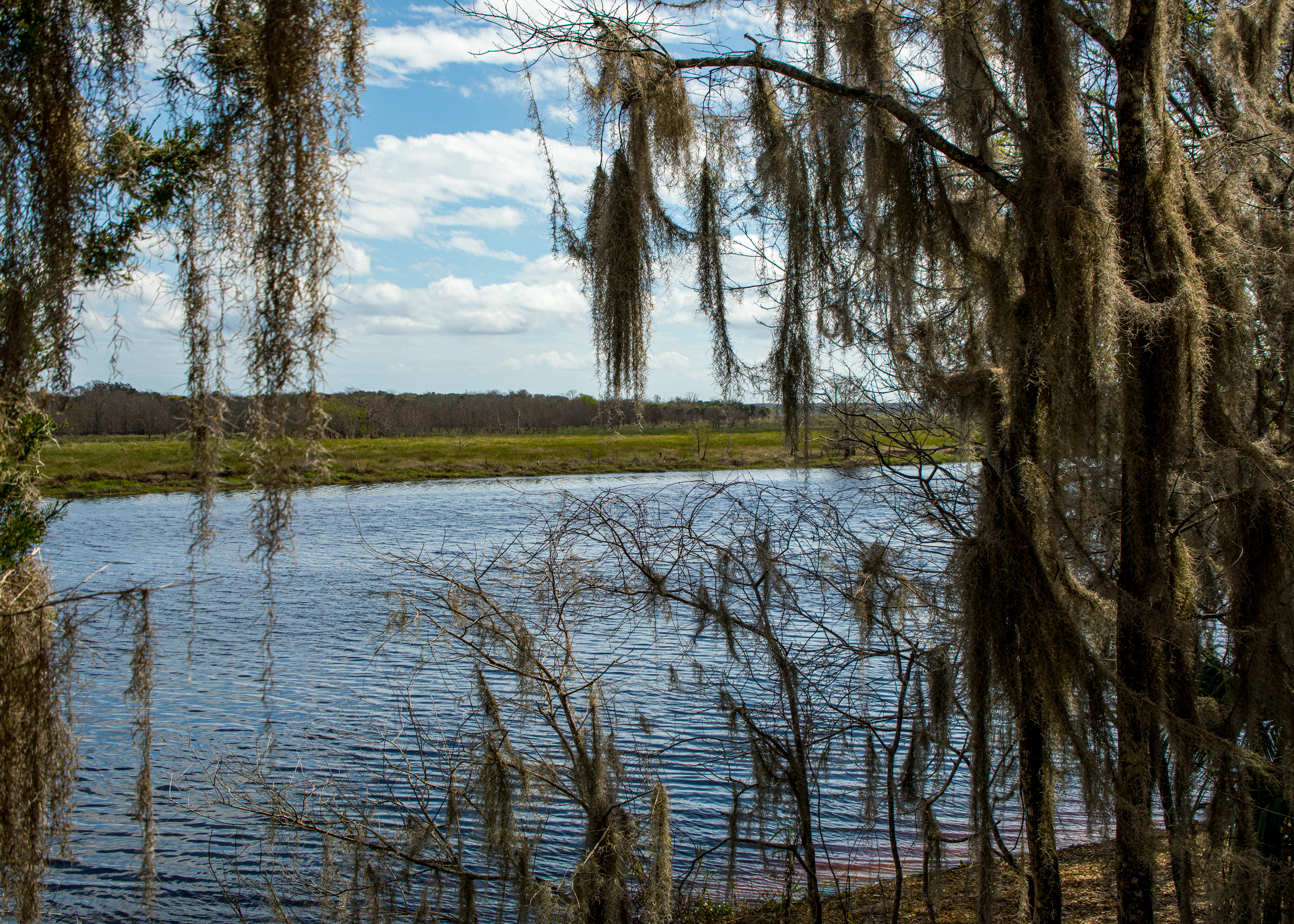
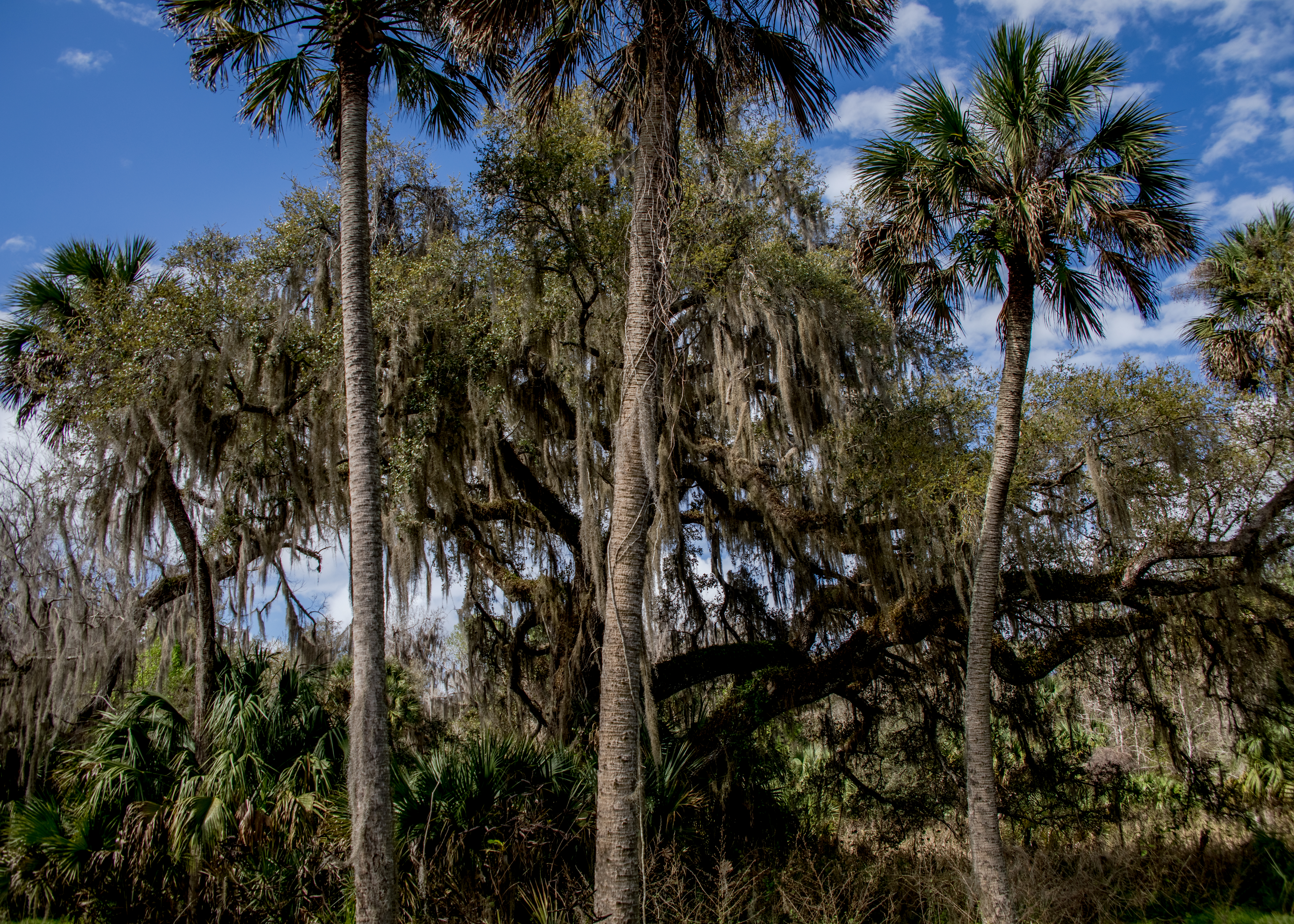
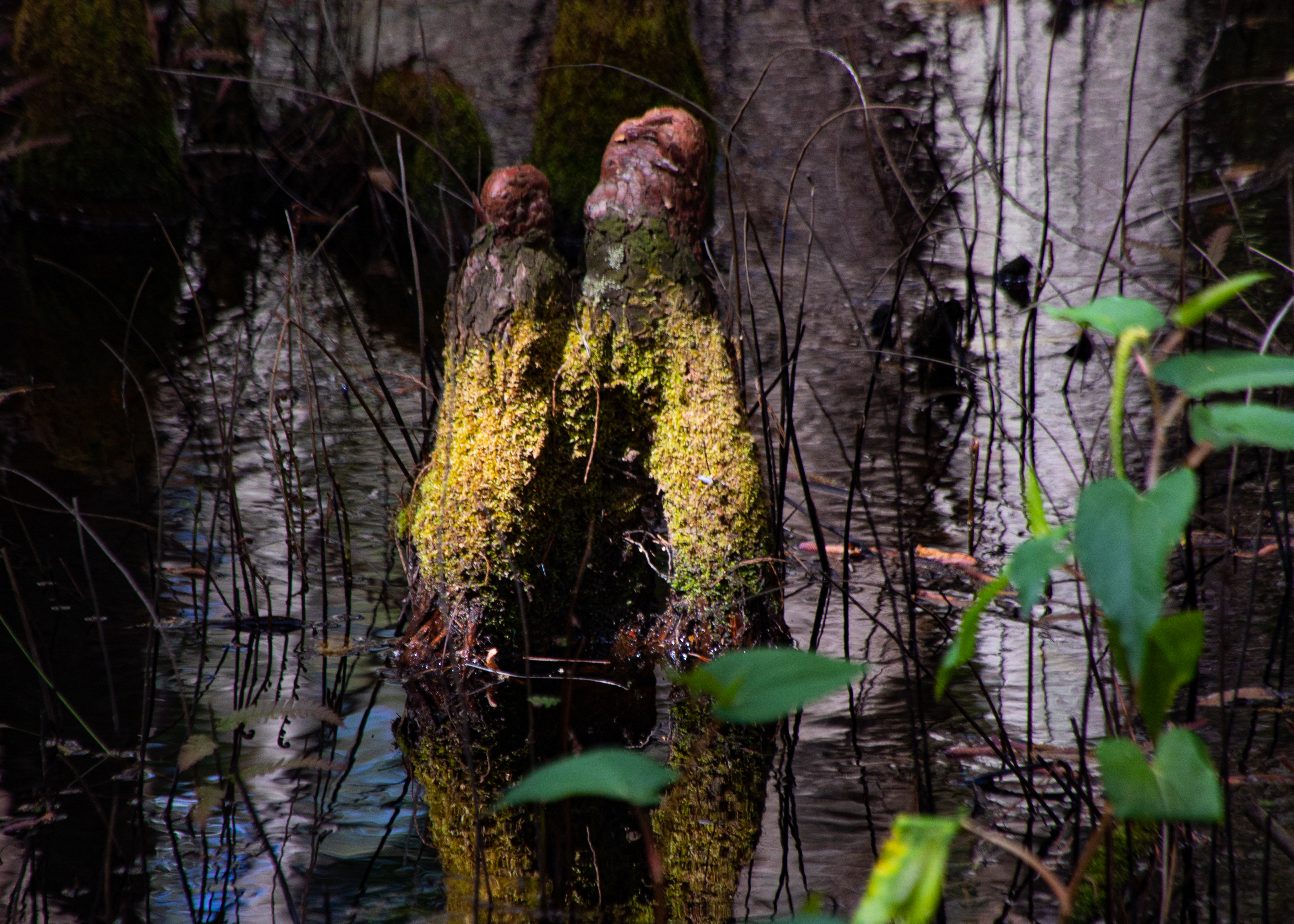
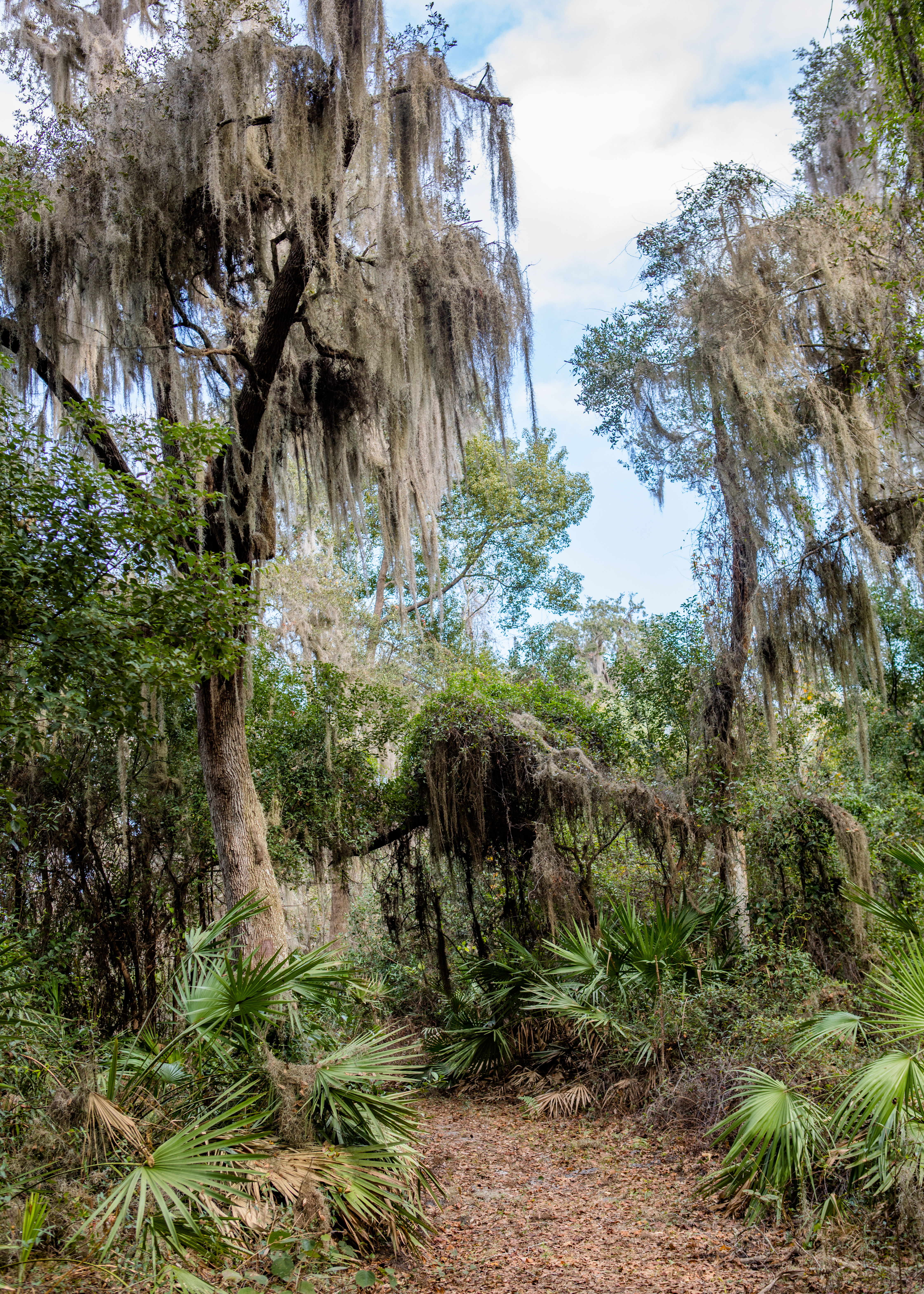
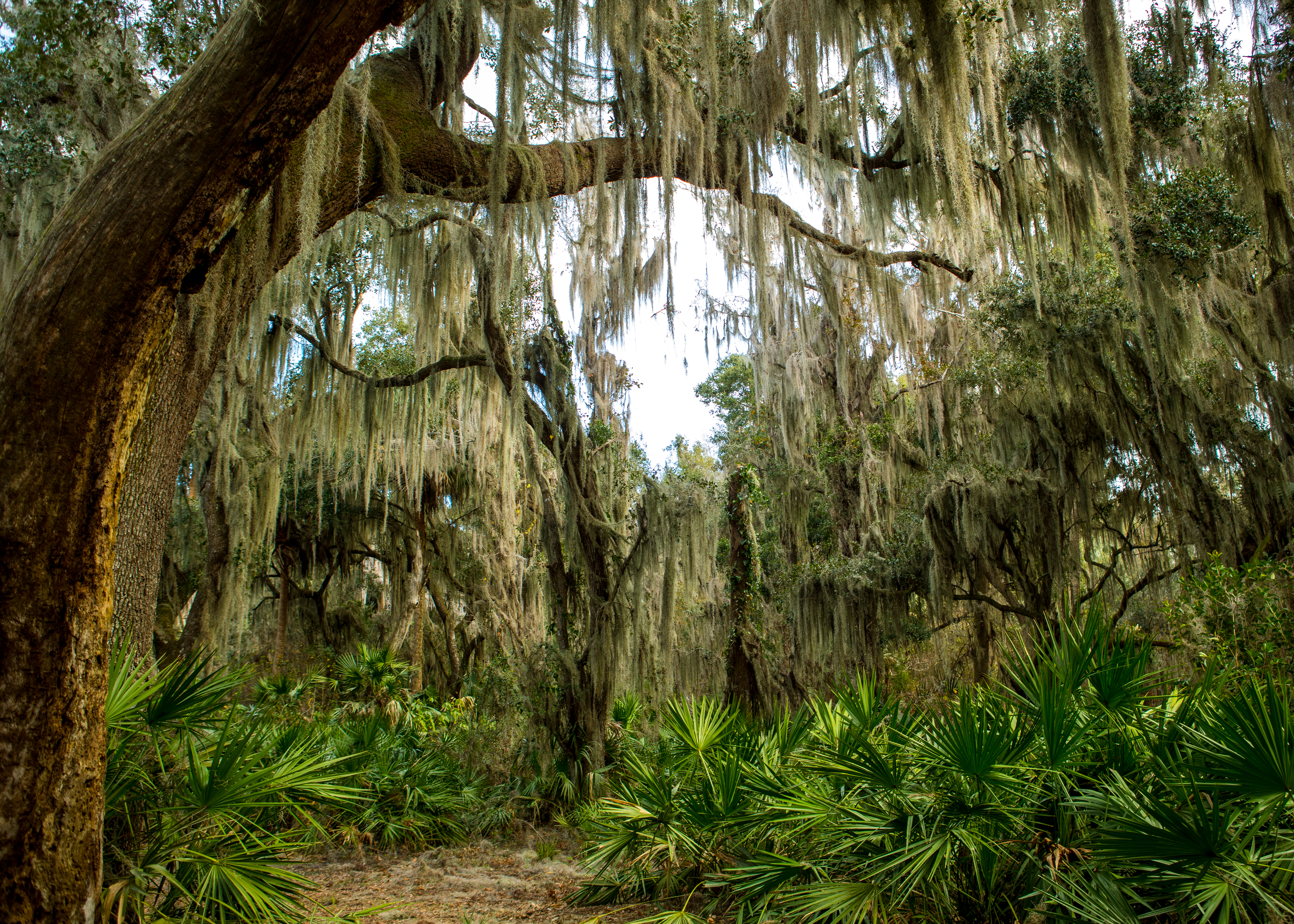
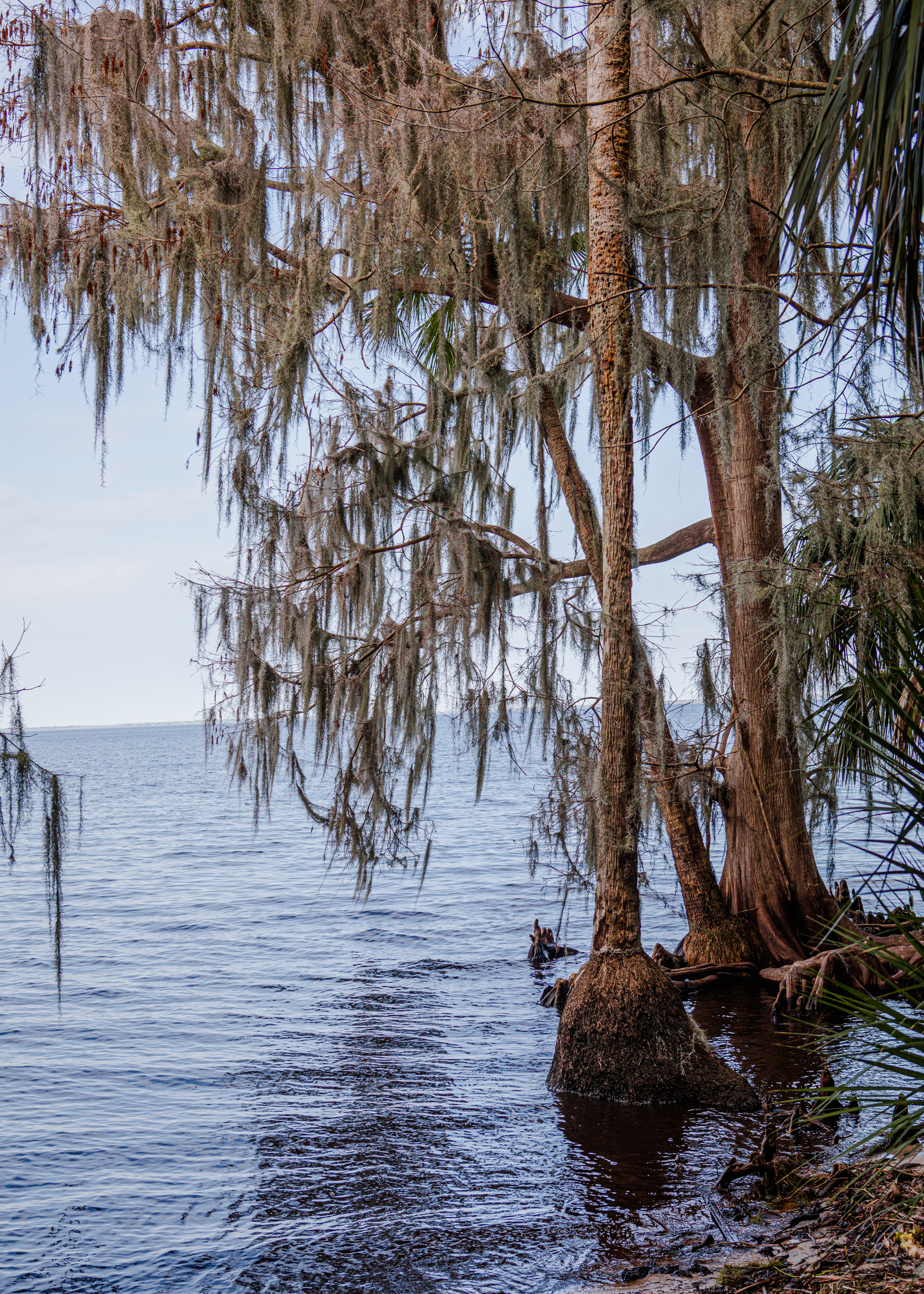
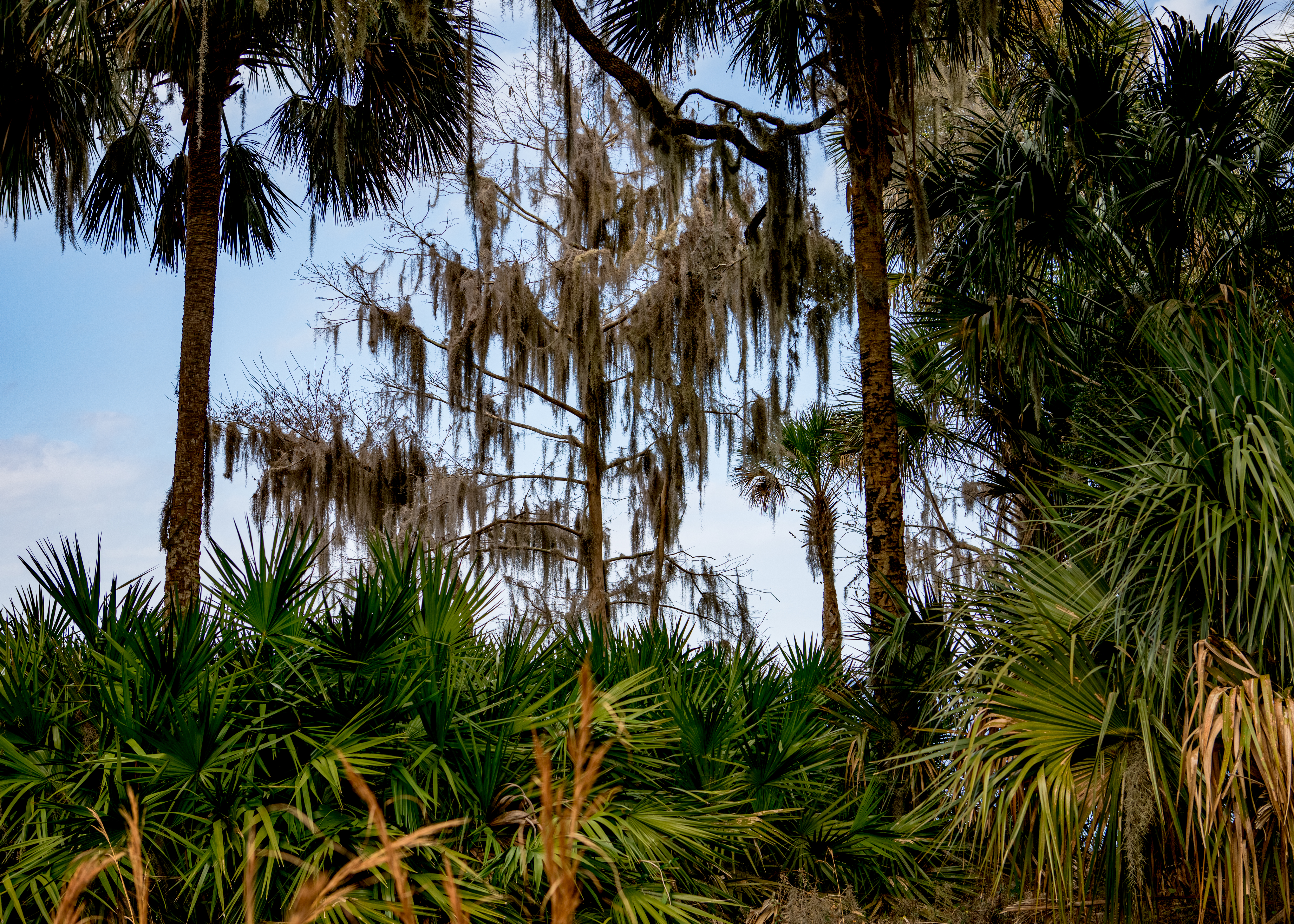
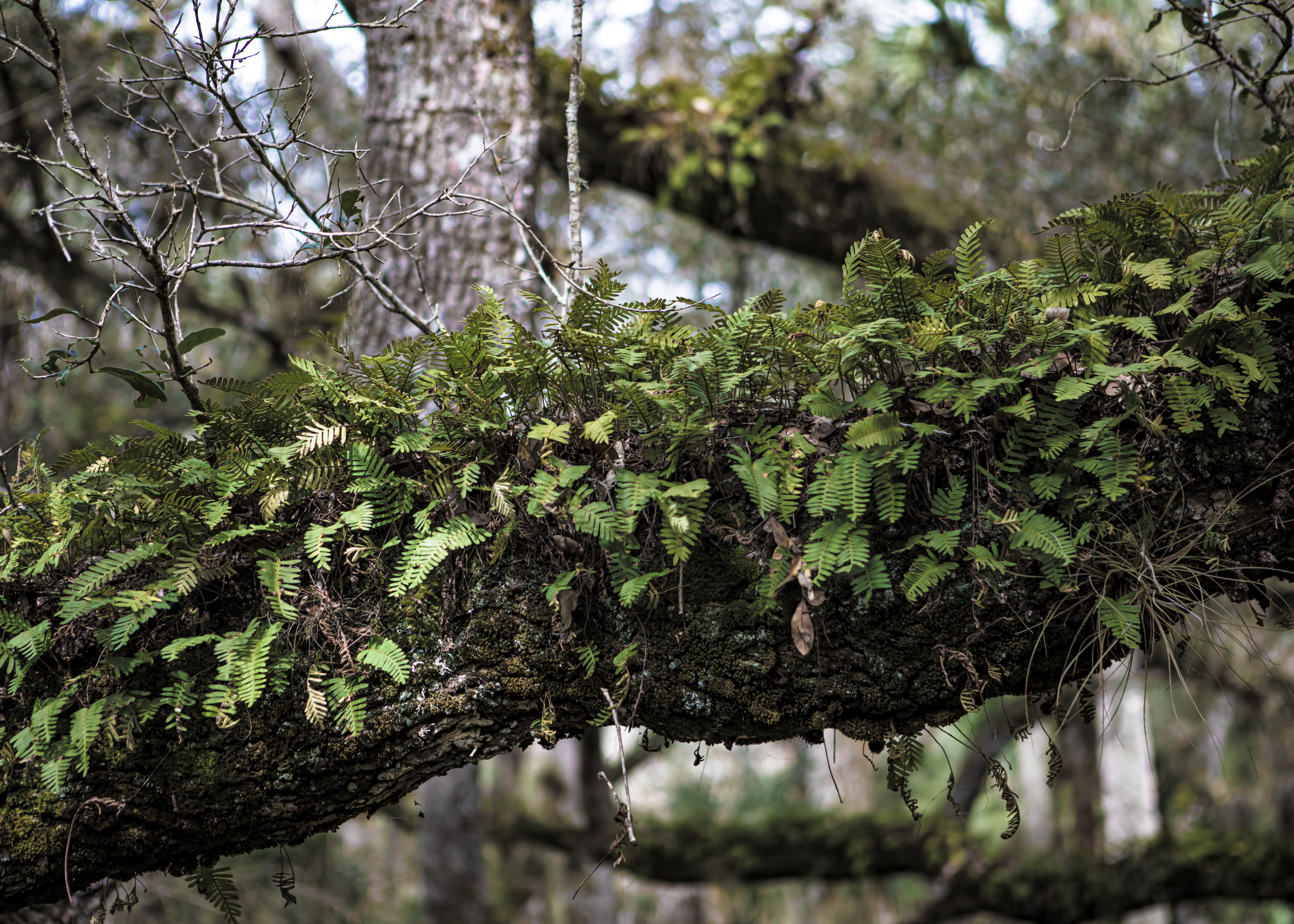
Along the way, we admired the many large oak and cypress trees and used one of several benches to watch the river. We’re told it’s a good place for birding and wildlife viewing, but our only sighting was an alligator. Where does the unusual name come from?
The forest’s name comes from combining the names of the Little Econlockhatchee River and the larger Econlockhatchee River, which come together just south of the forest.
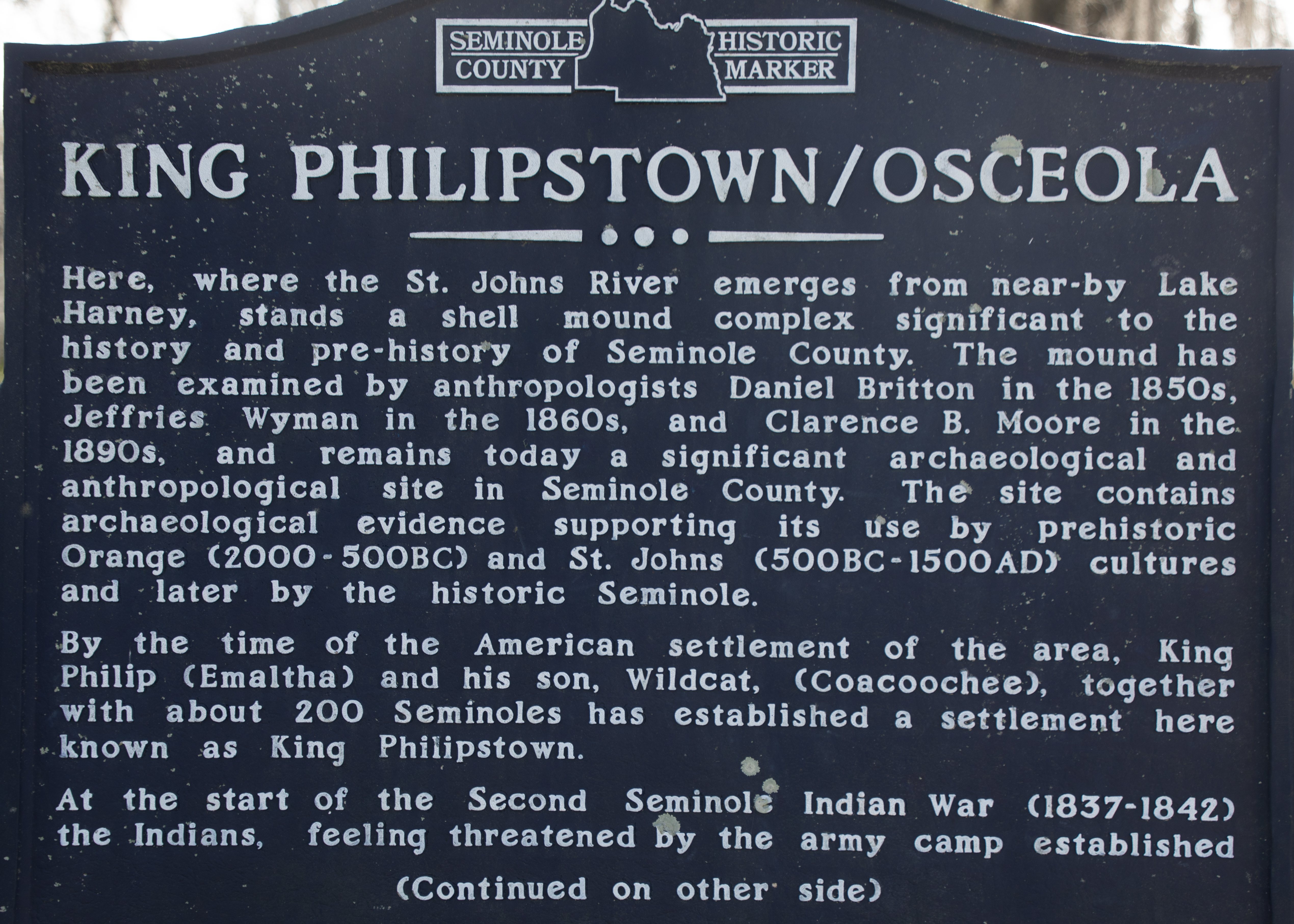
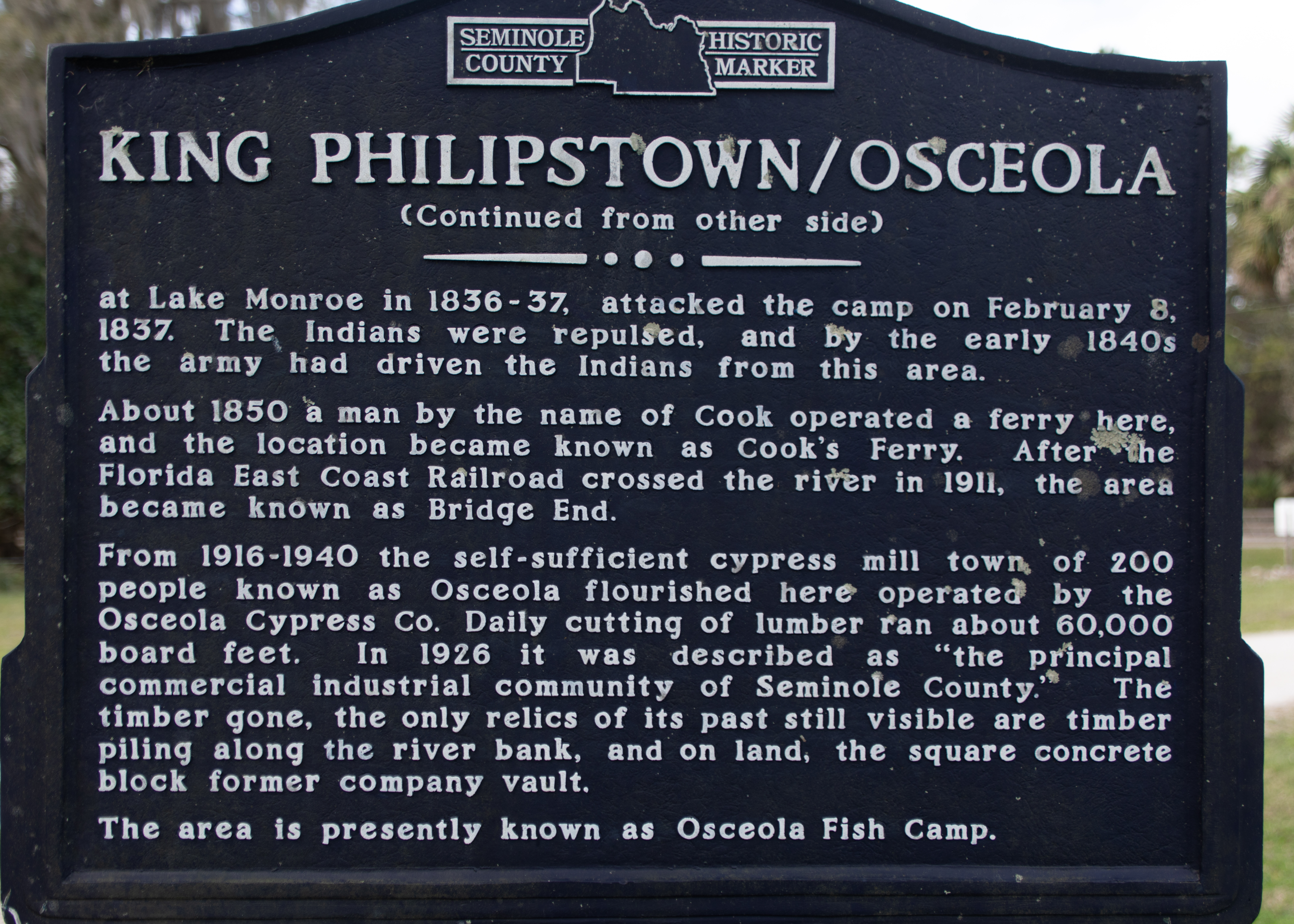
The Muskogee word Econlockhatchee translates literally to “earth-mound stream” and means the “river of many mounds.” Long ago, Native Americans named the river for the multitude of man-made earthen mounds along the waterway.

















 Travelling Photographer