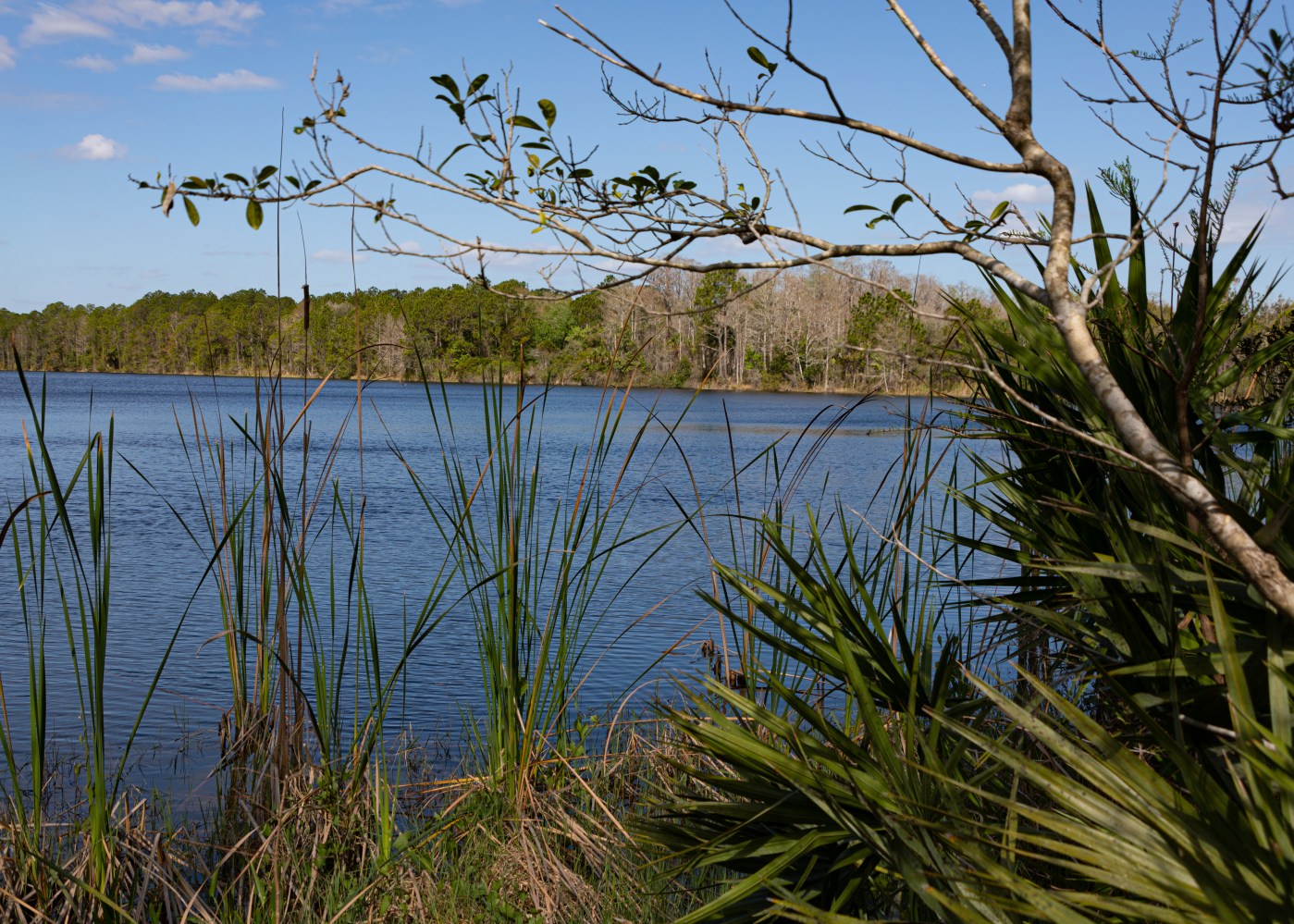
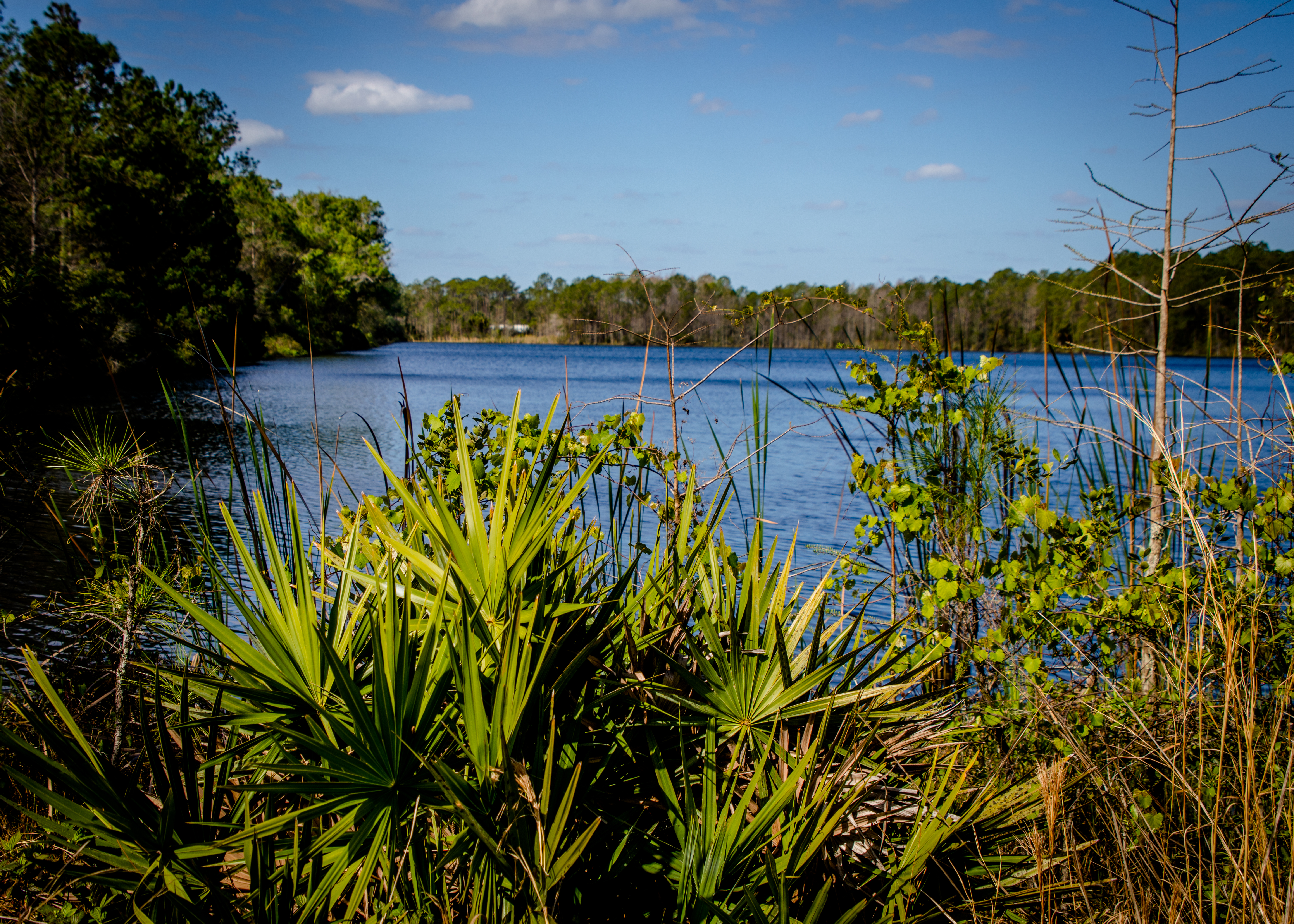
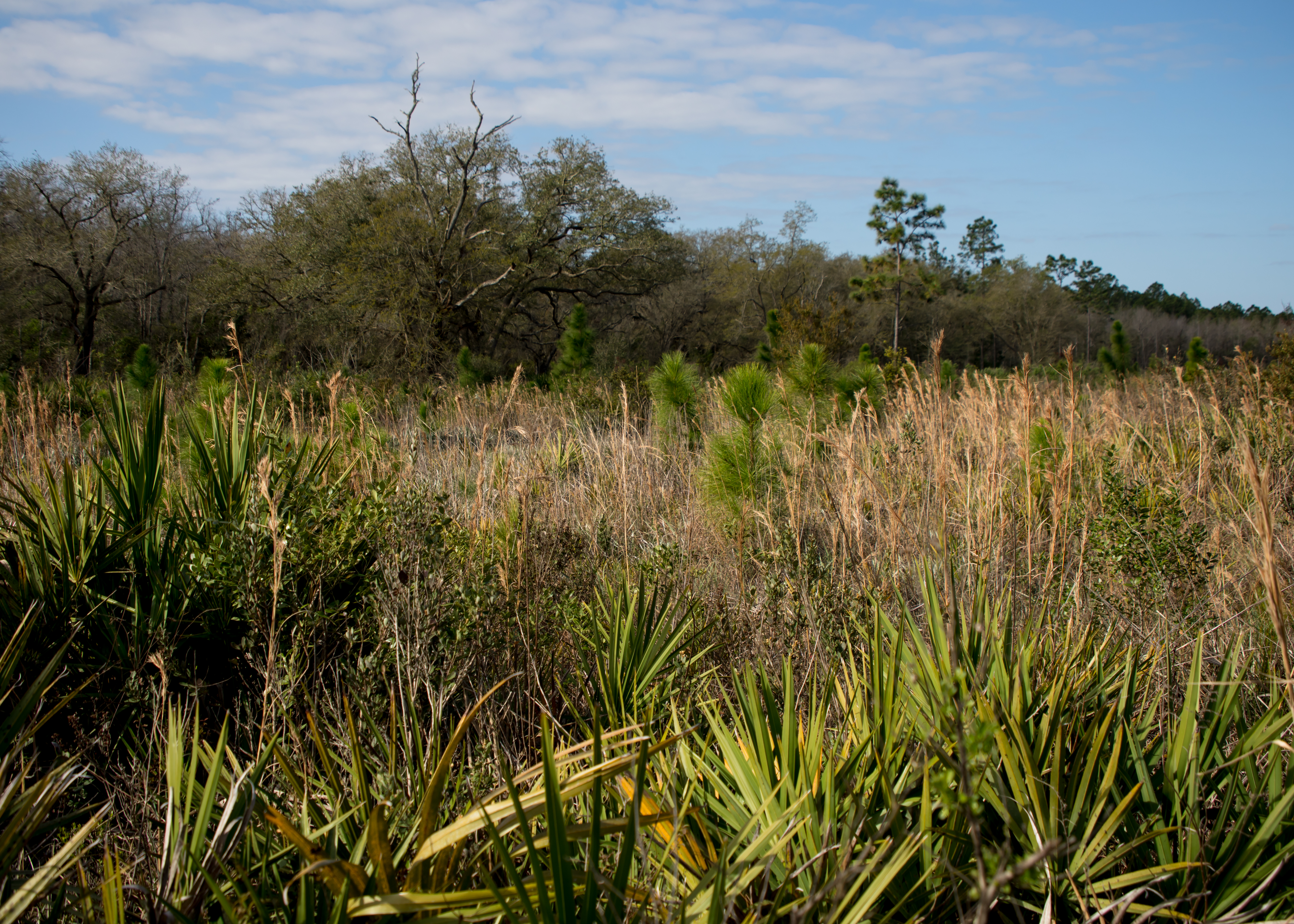
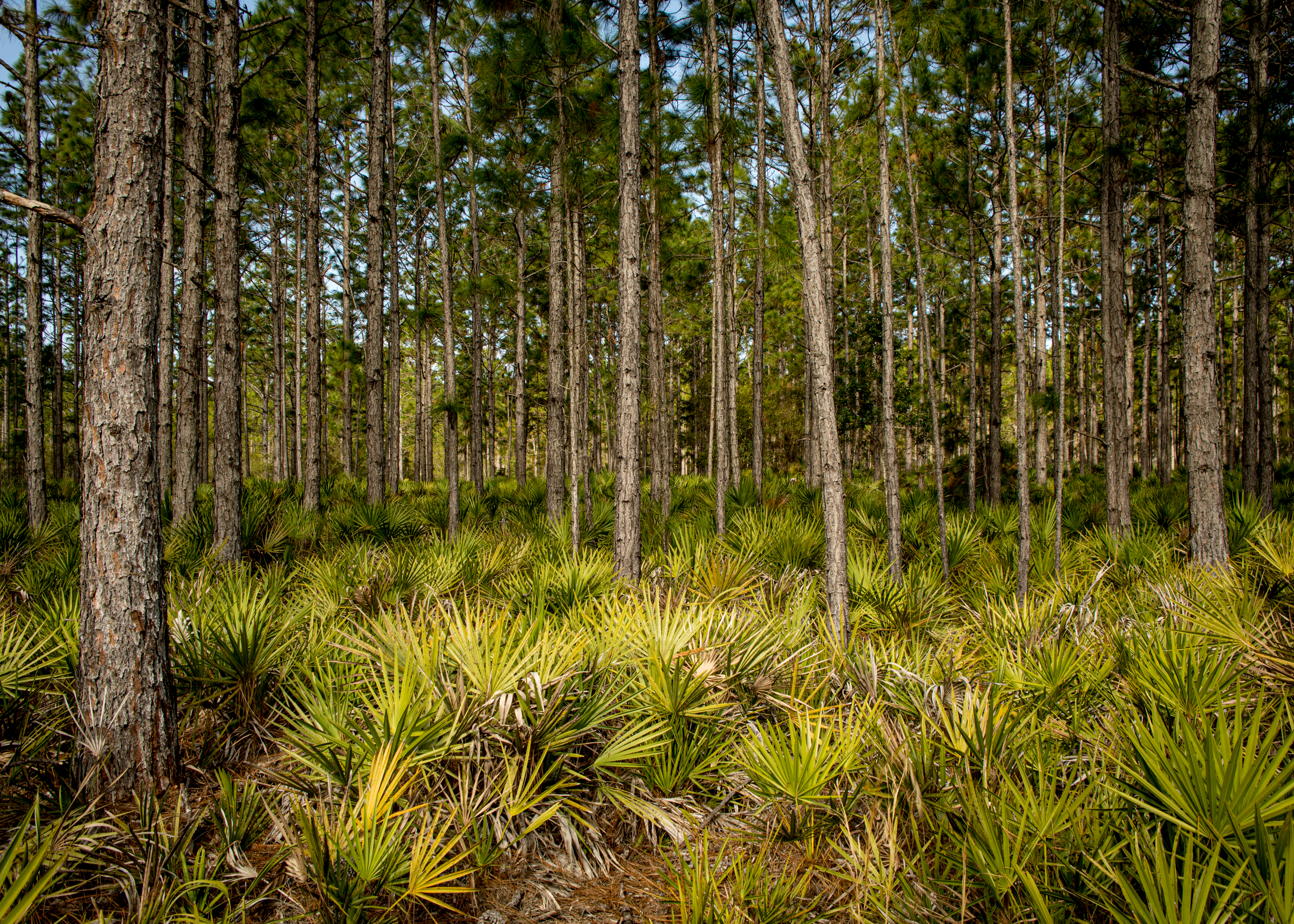
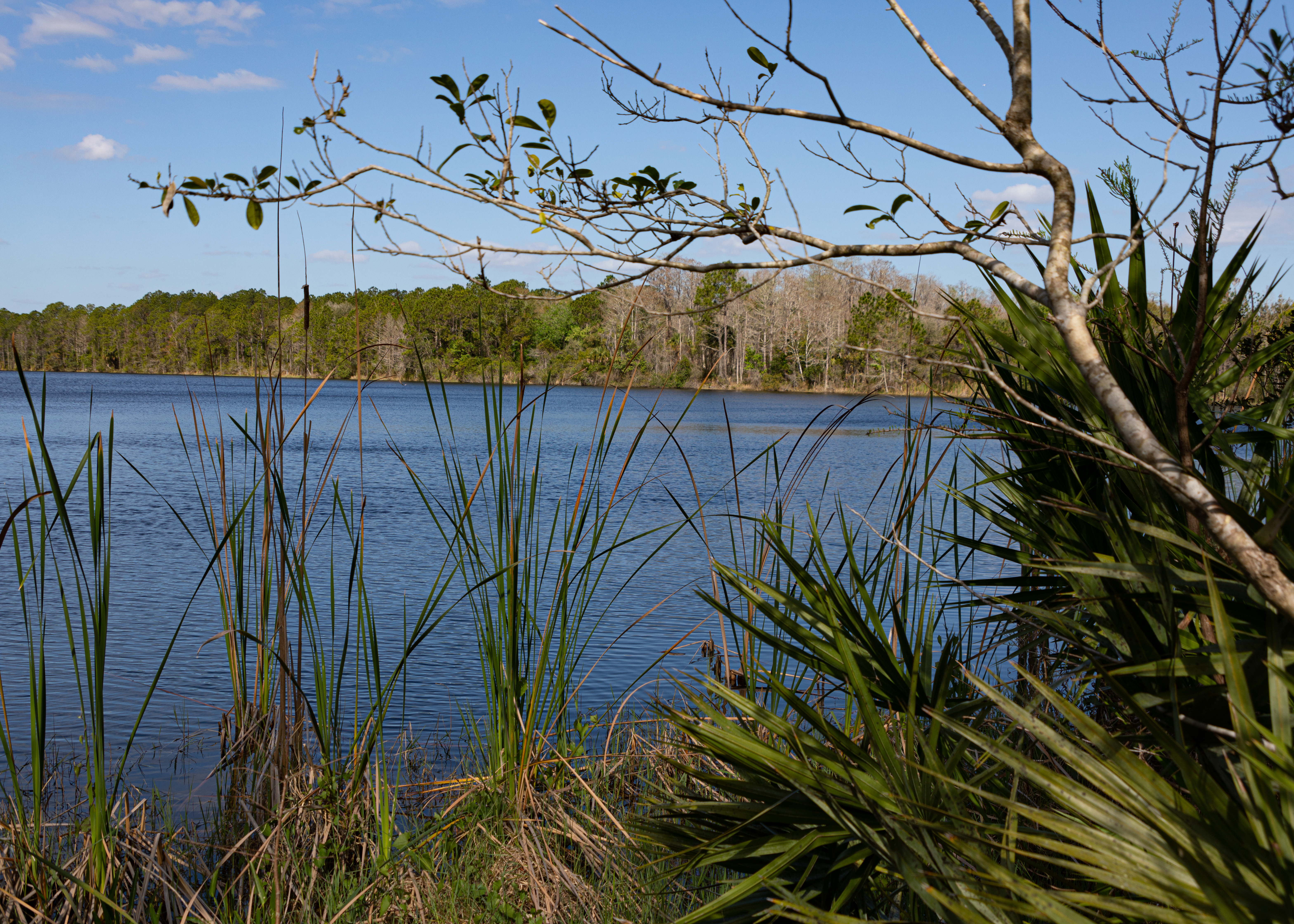
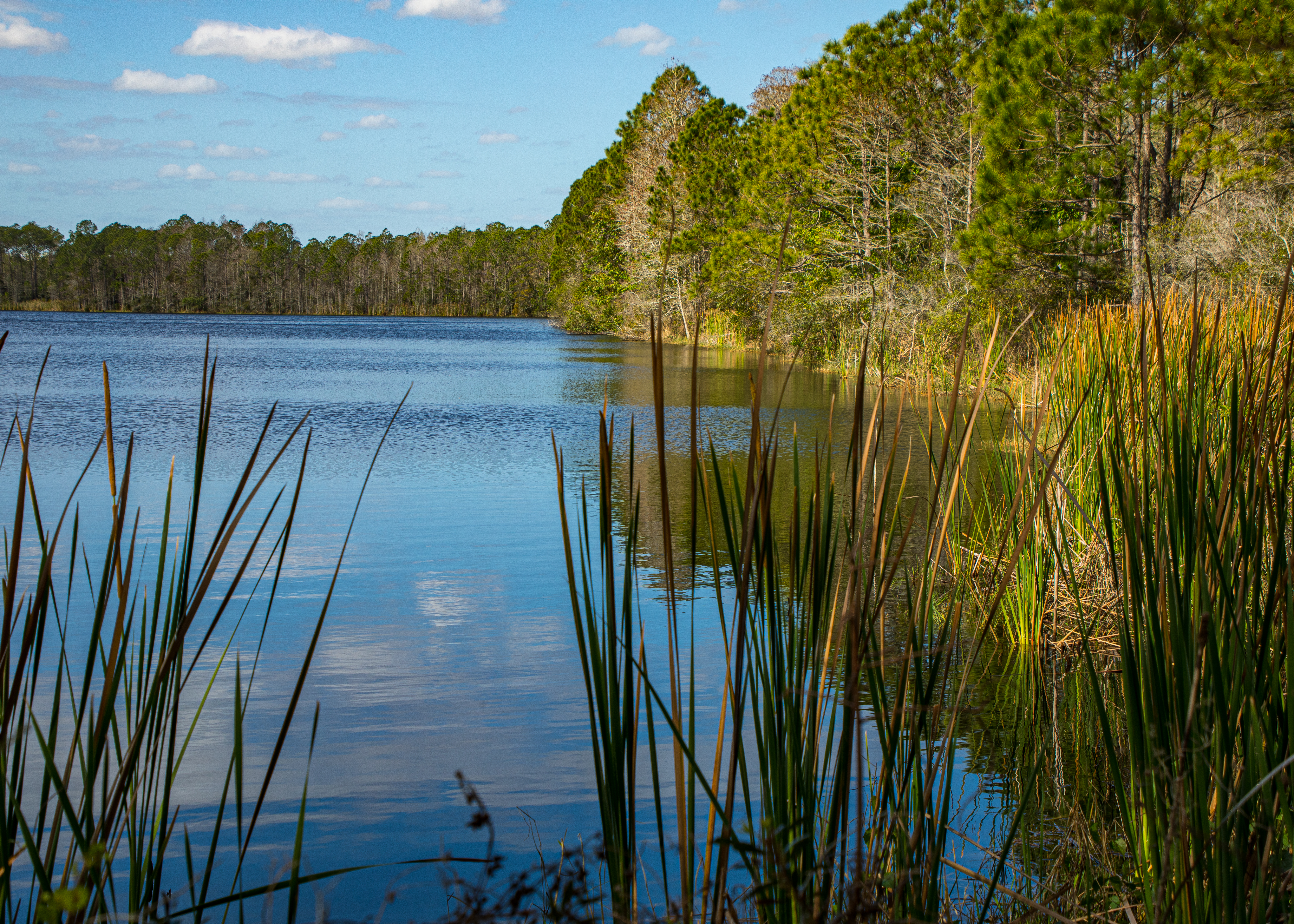
The Lake Apopka North Shore is a true diamond in the rough. The restoration of former muck farms has transformed this area into a haven for wildlife and a jewel for the recreating public. The 20,000 acres that make up the Lake Apopka North Shore, were once part of the lake itself. However, these valuable wetlands were separated from the lake in 1941 by a large levee. This decreased the size of Lake Apopka from more than 50,000 acres, to just over 30,000 acres. Lake Apopka is the state’s fourth-largest lake and is fed by a natural spring, rainfall and storm water runoff.
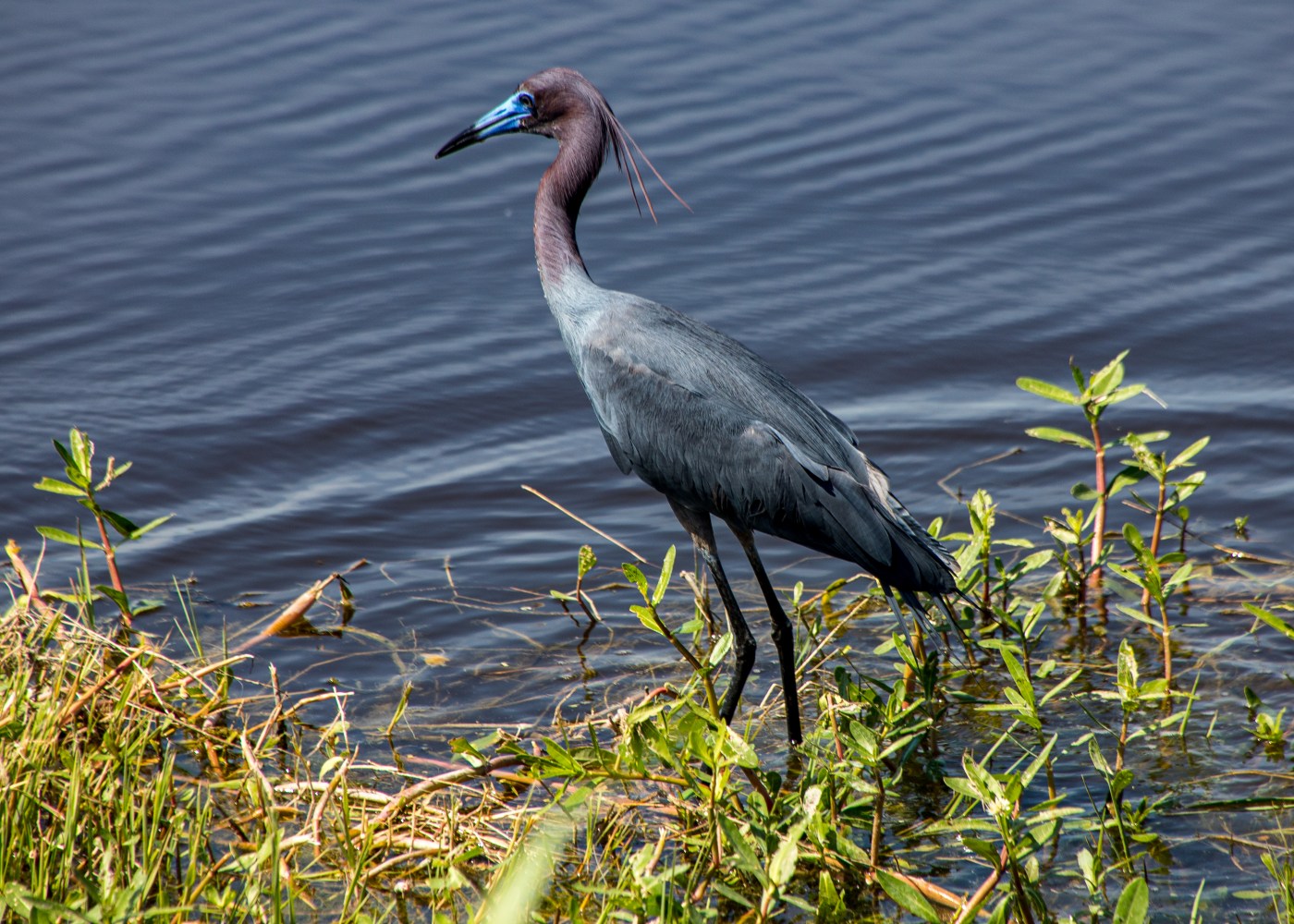
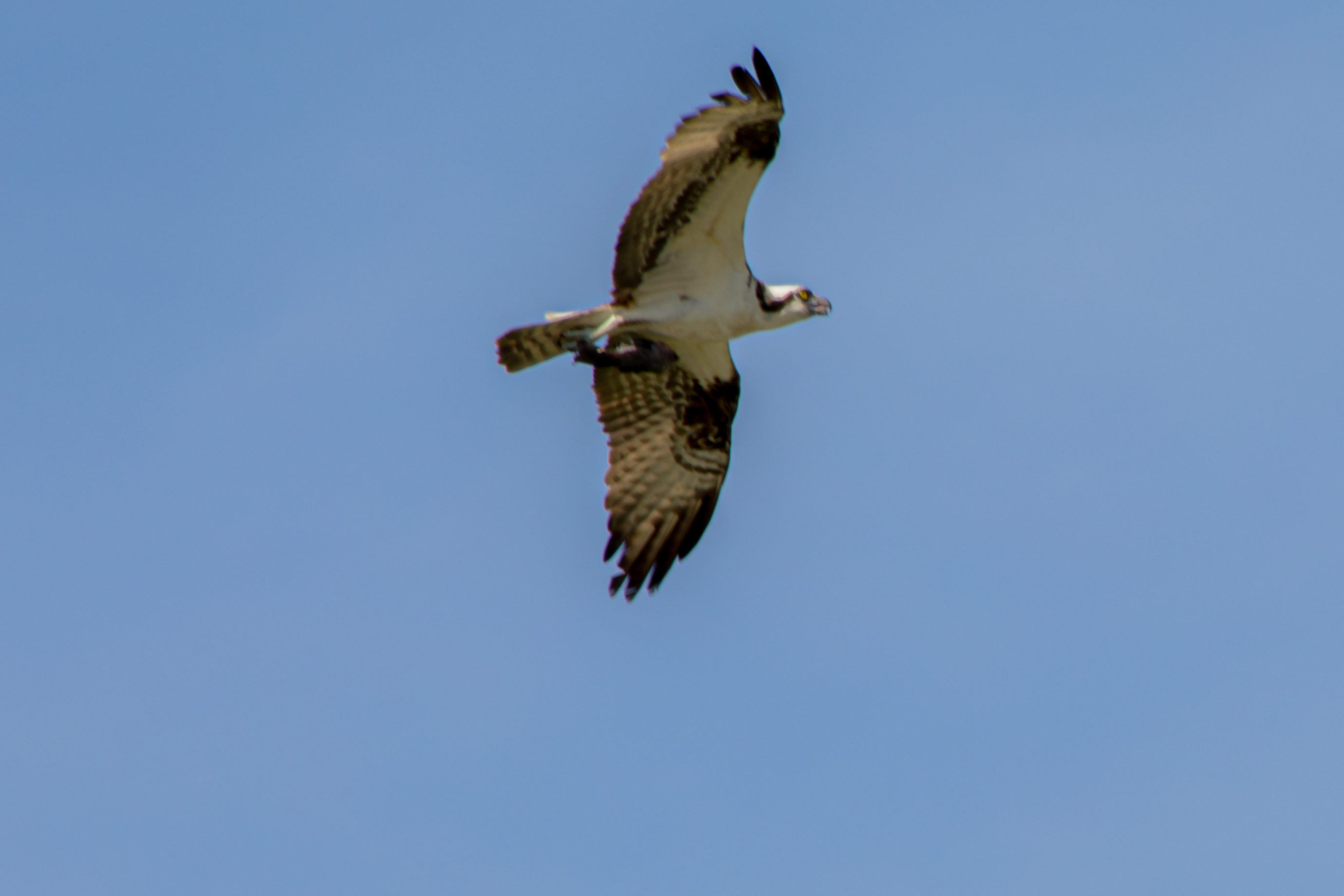
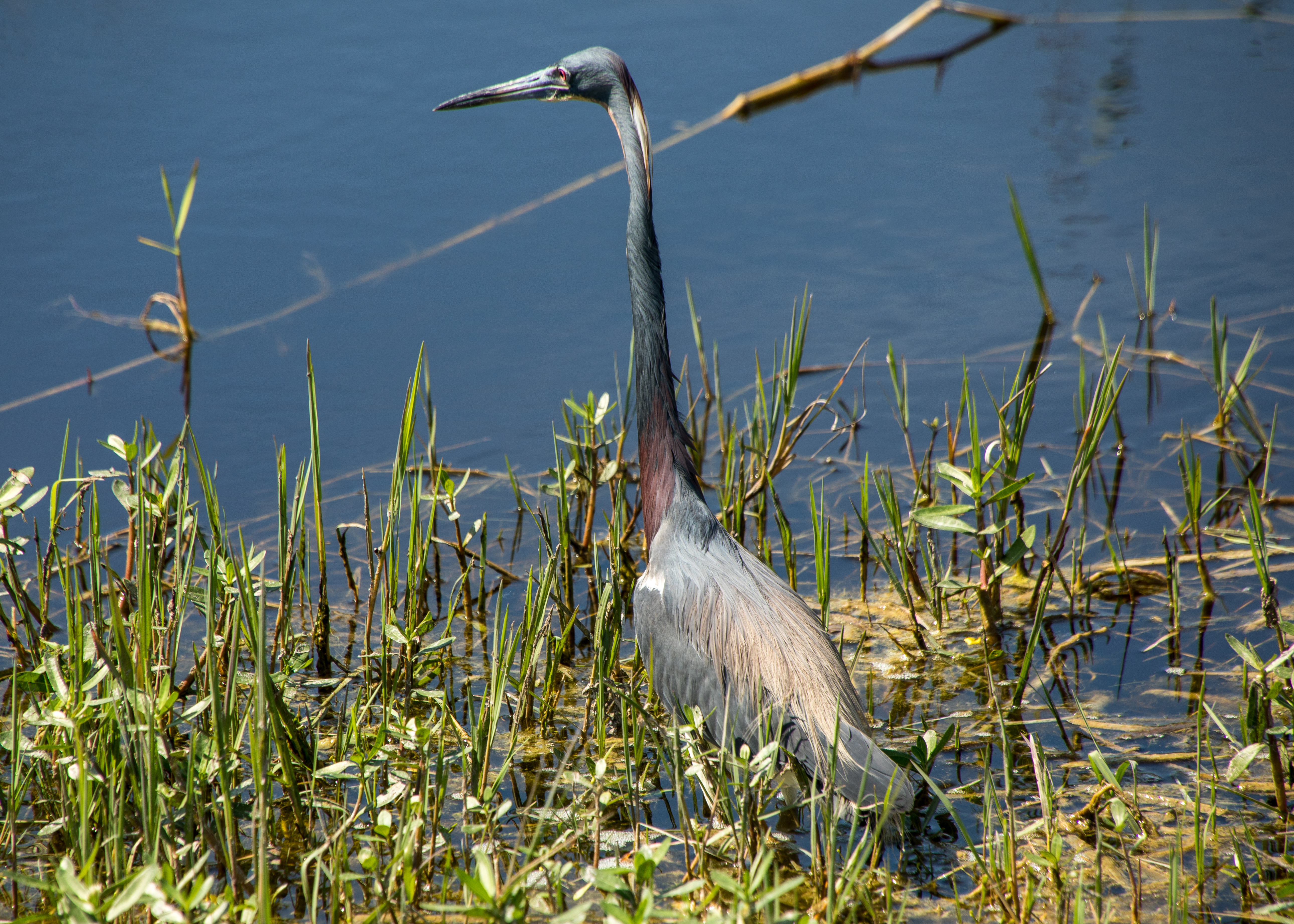
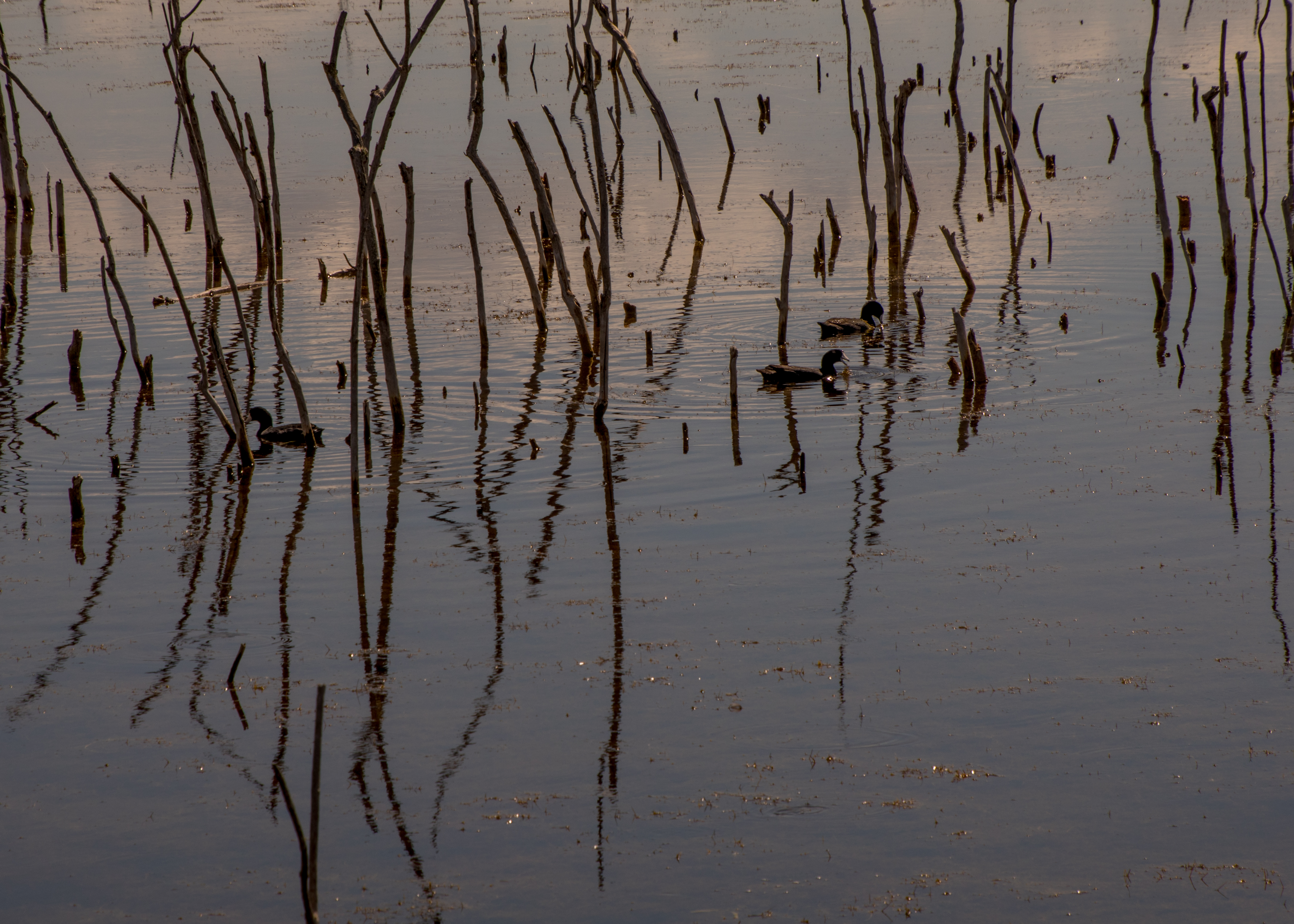
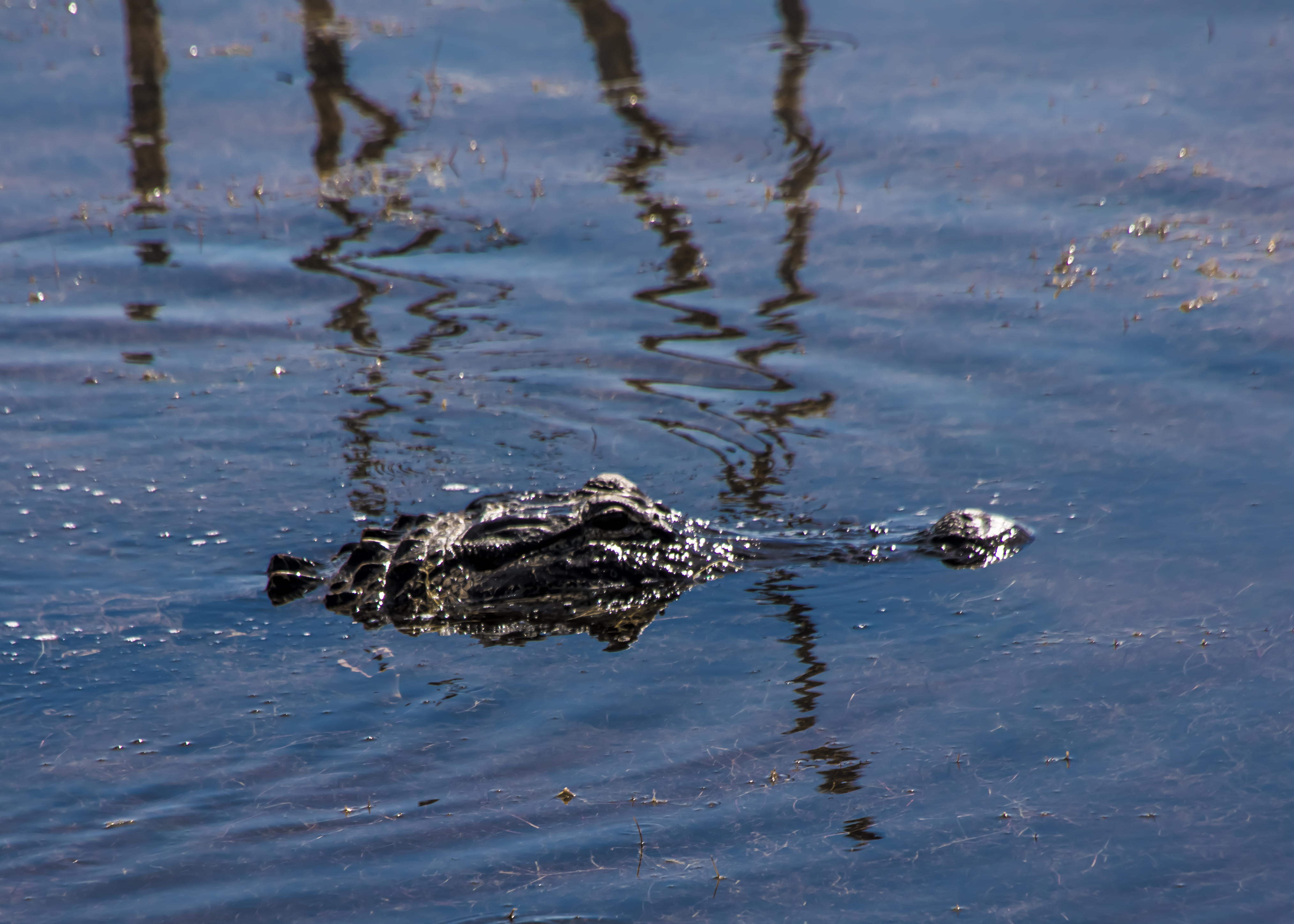
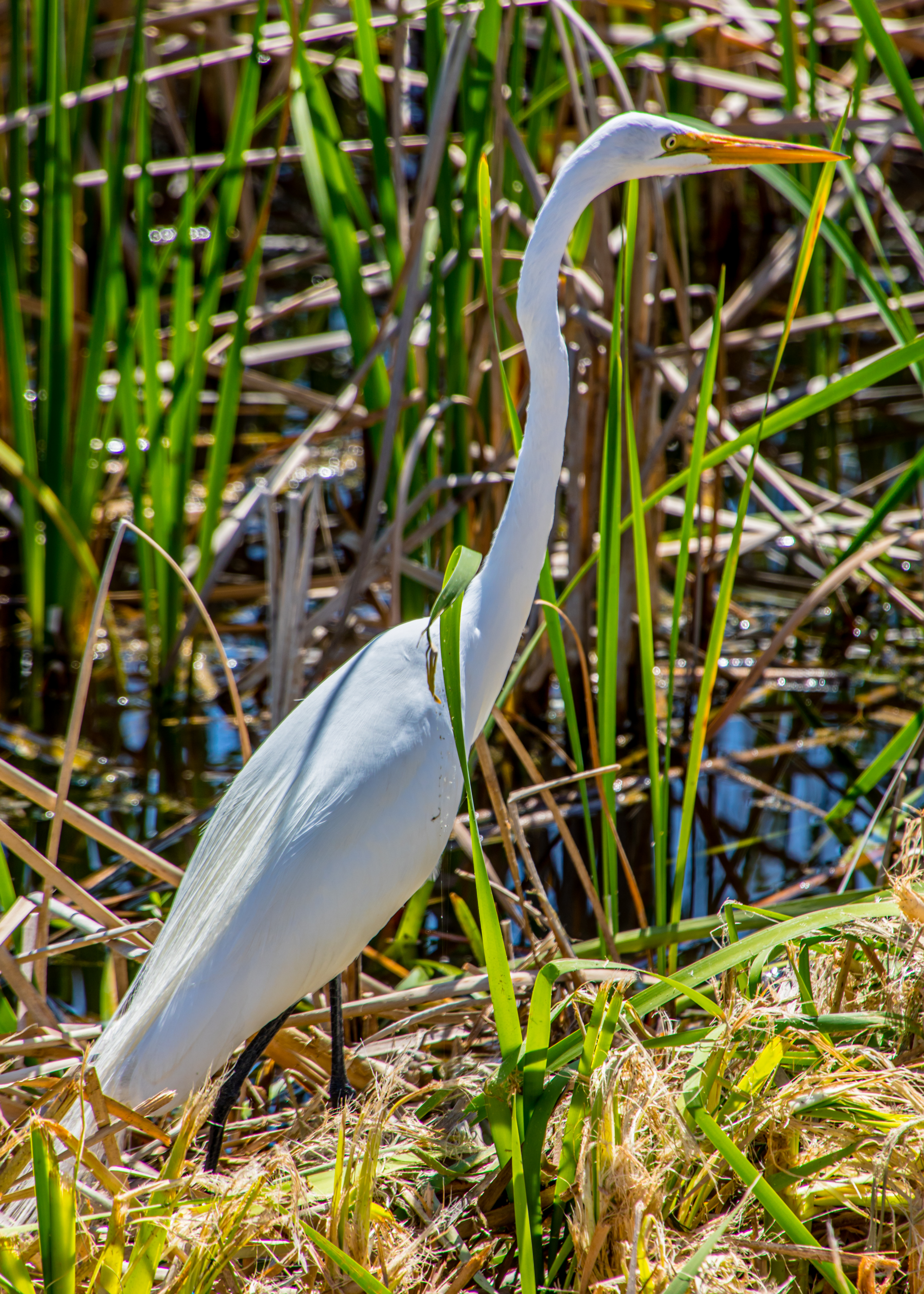
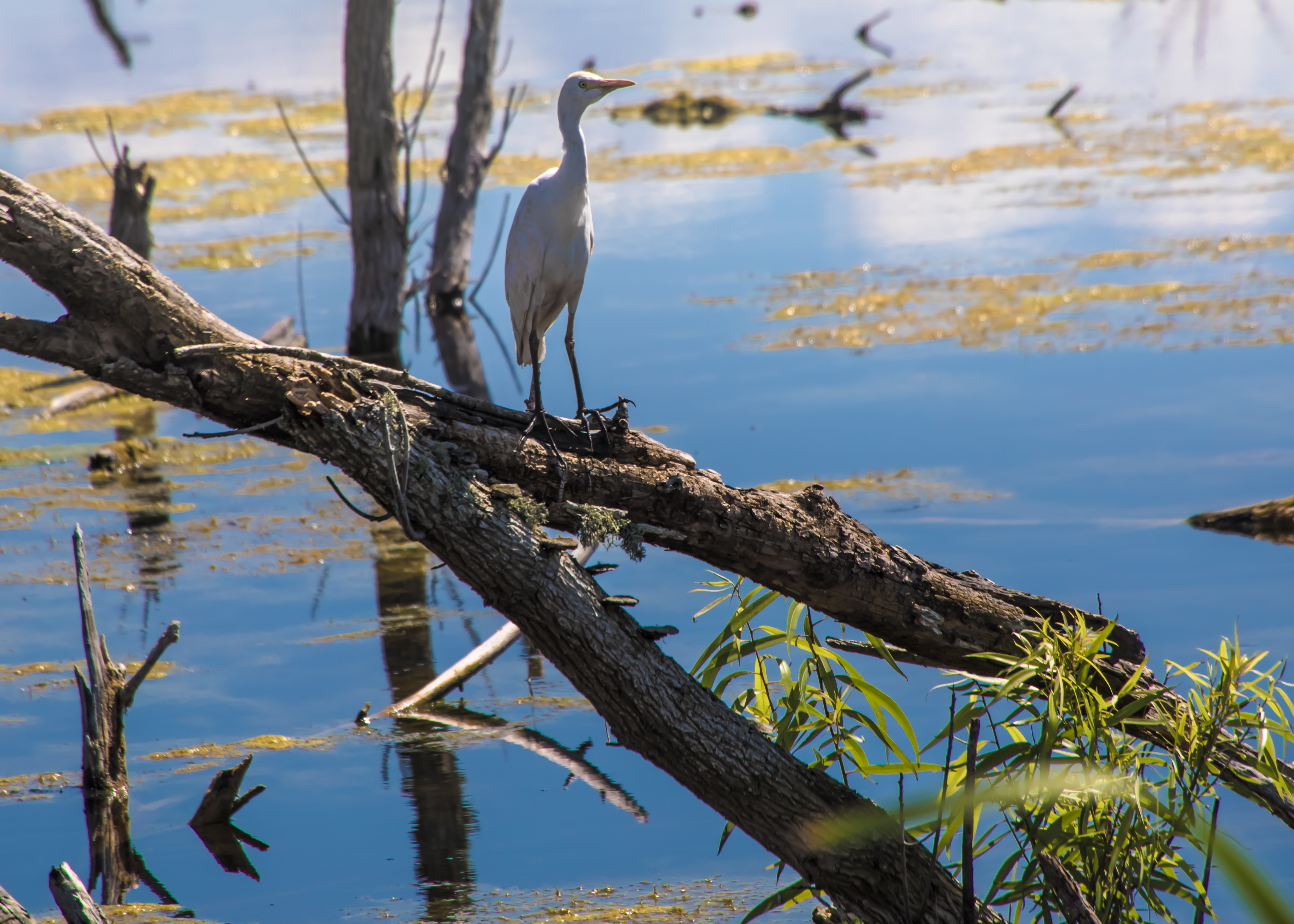
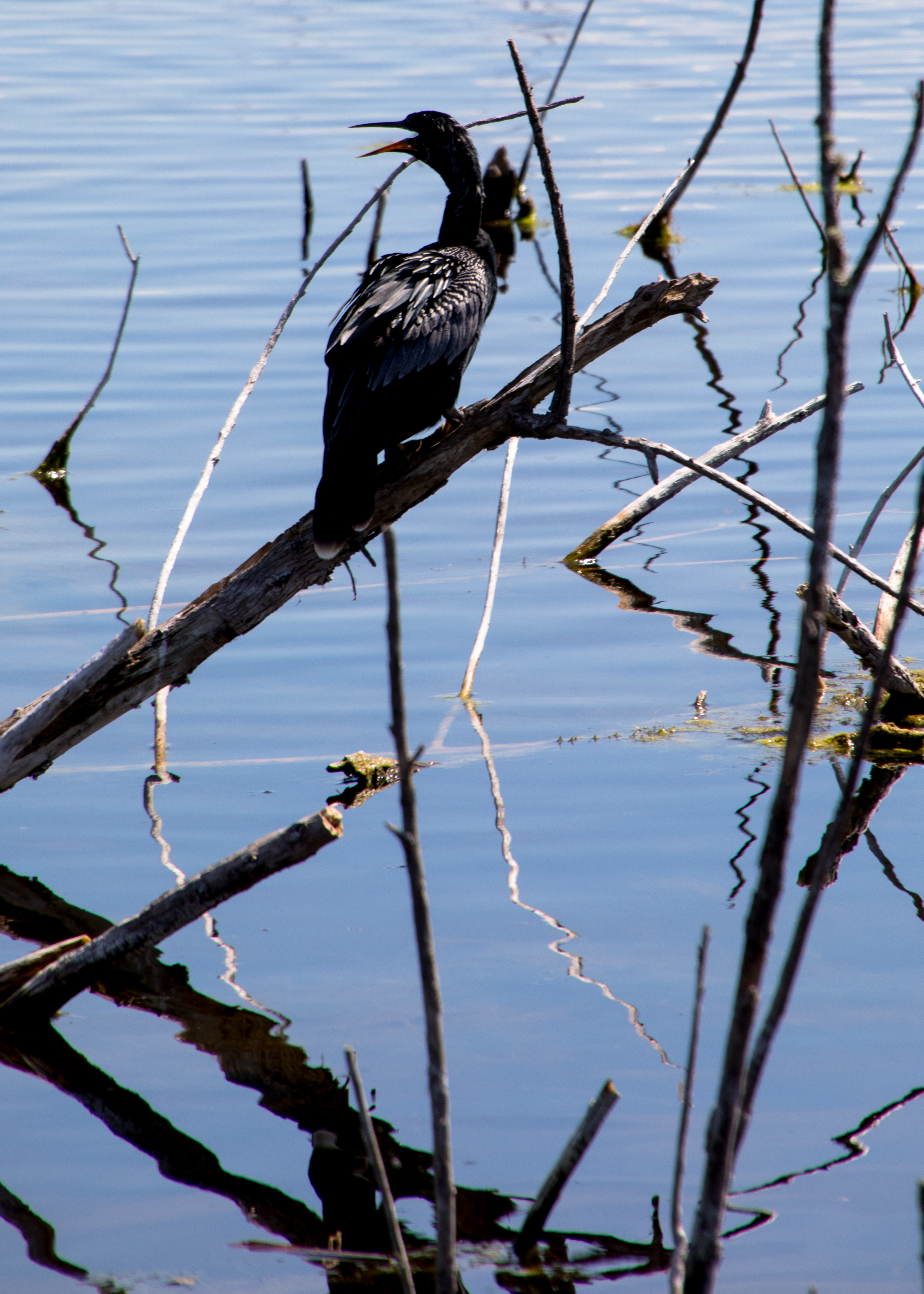
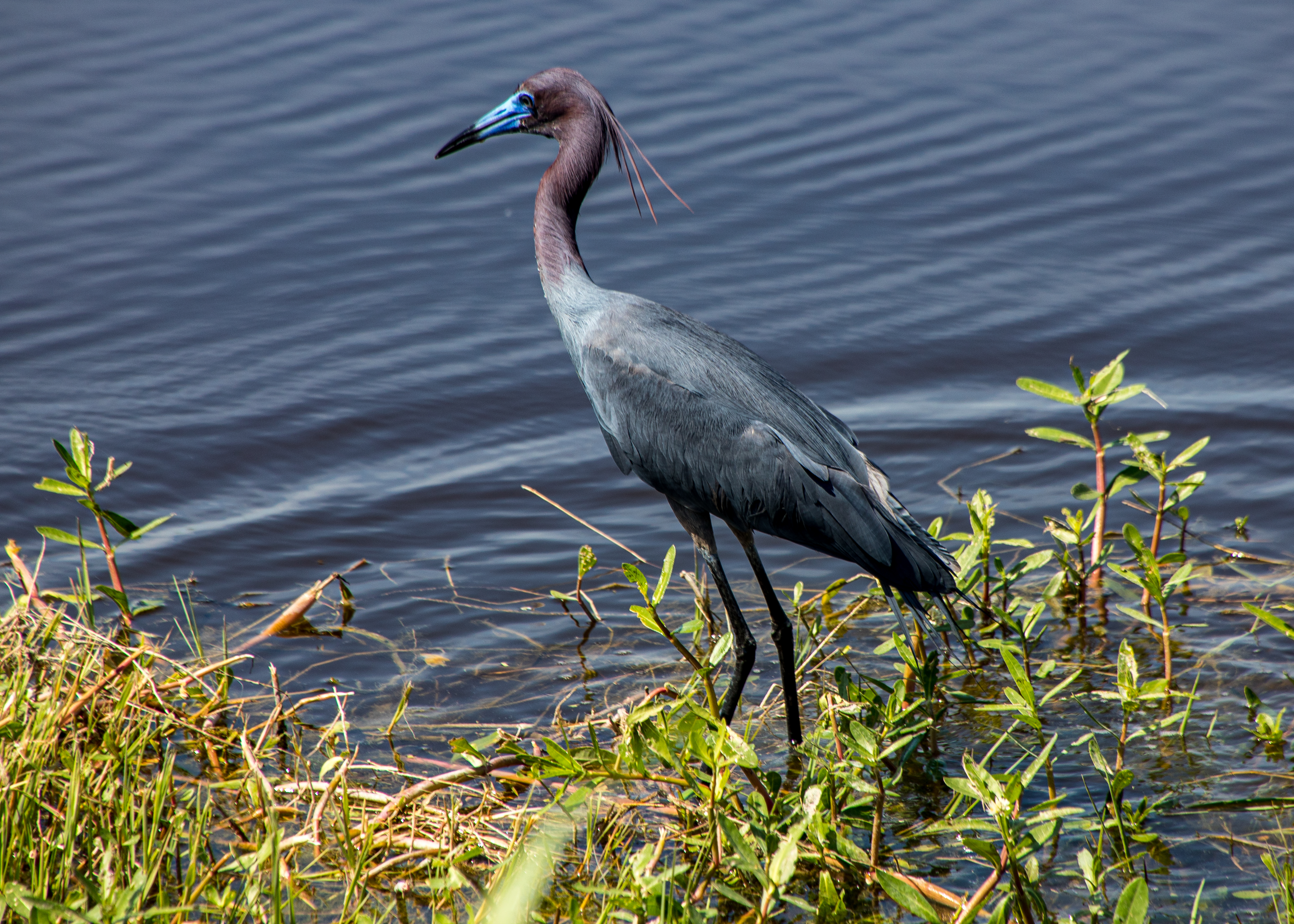
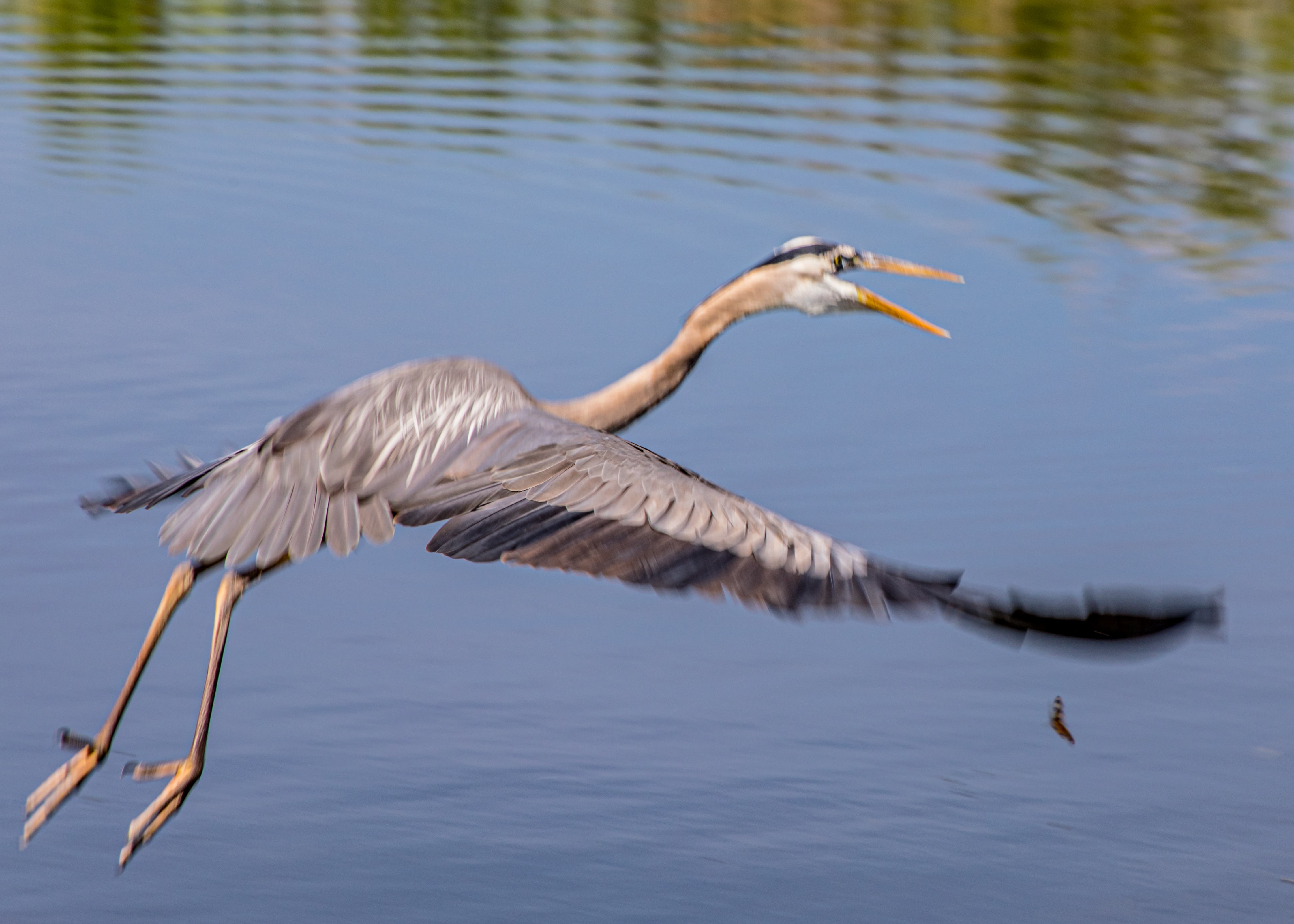
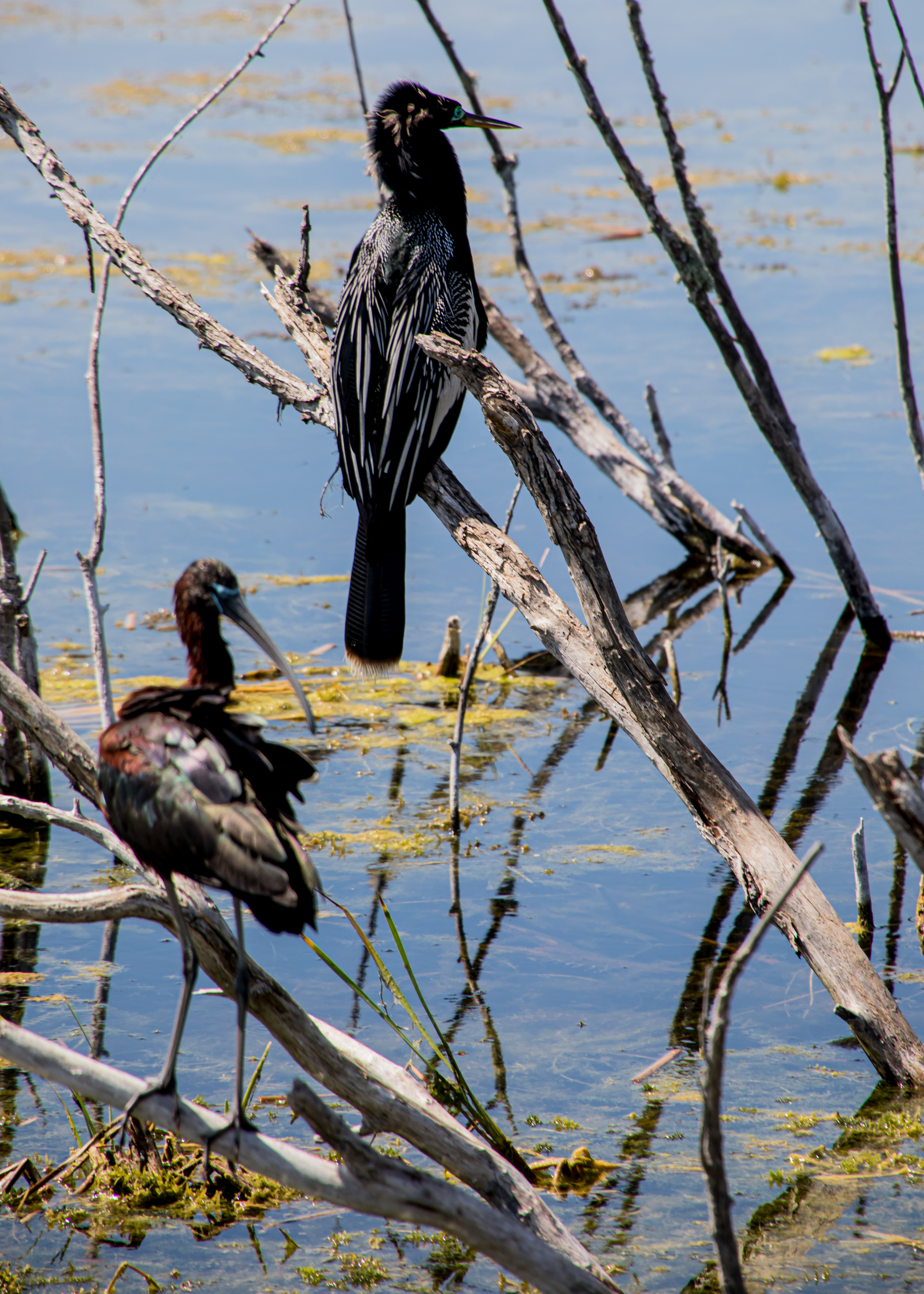
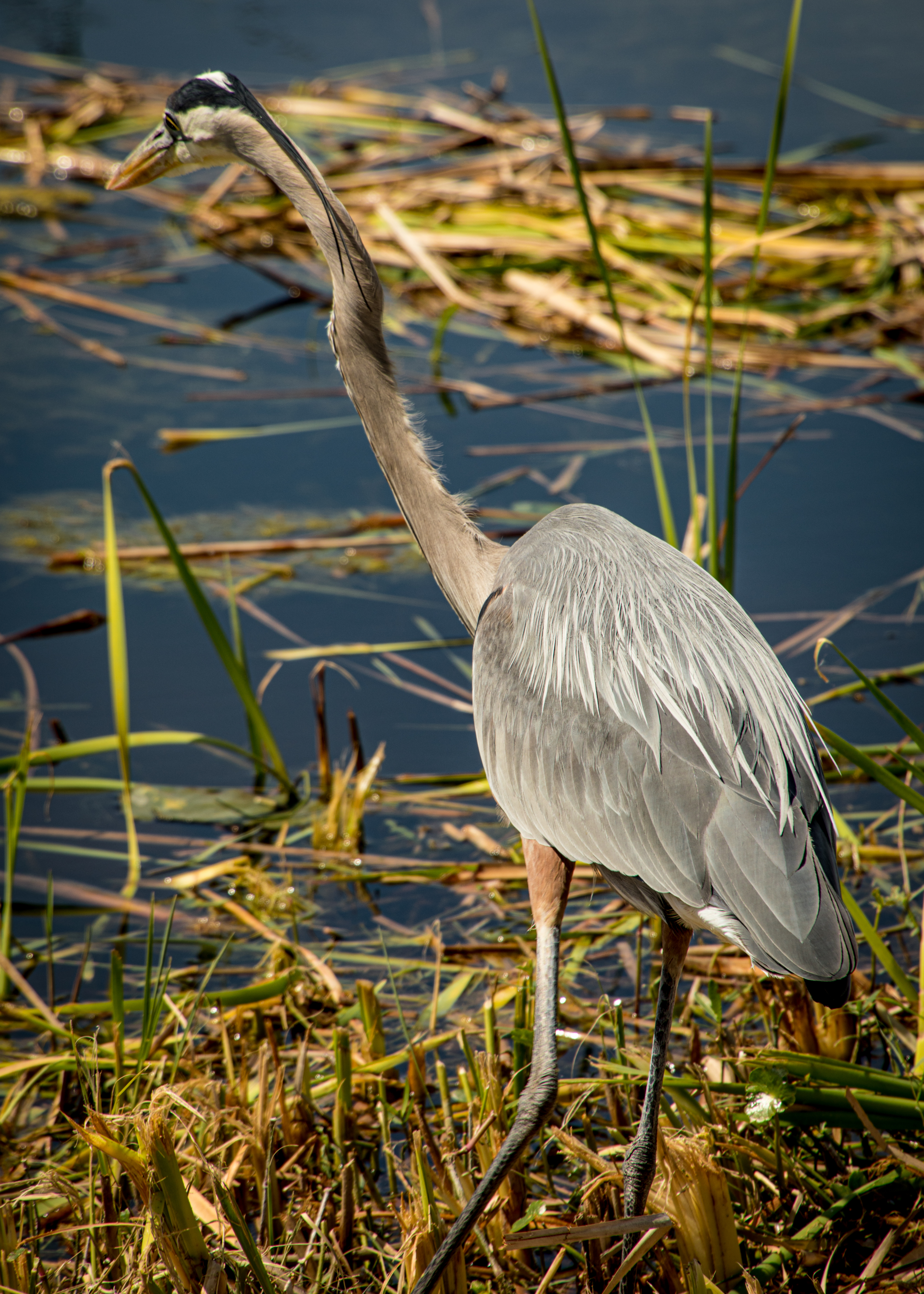
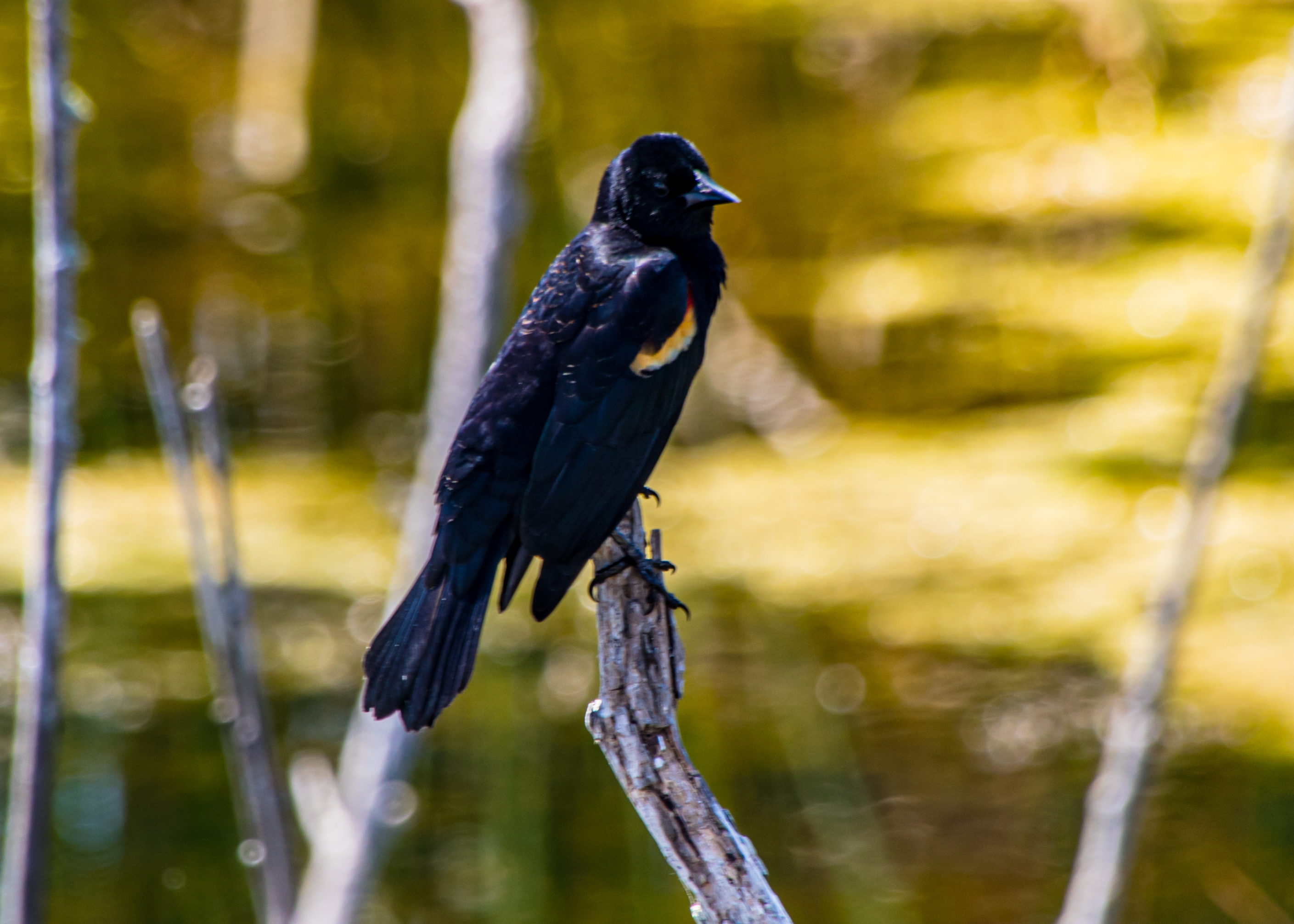
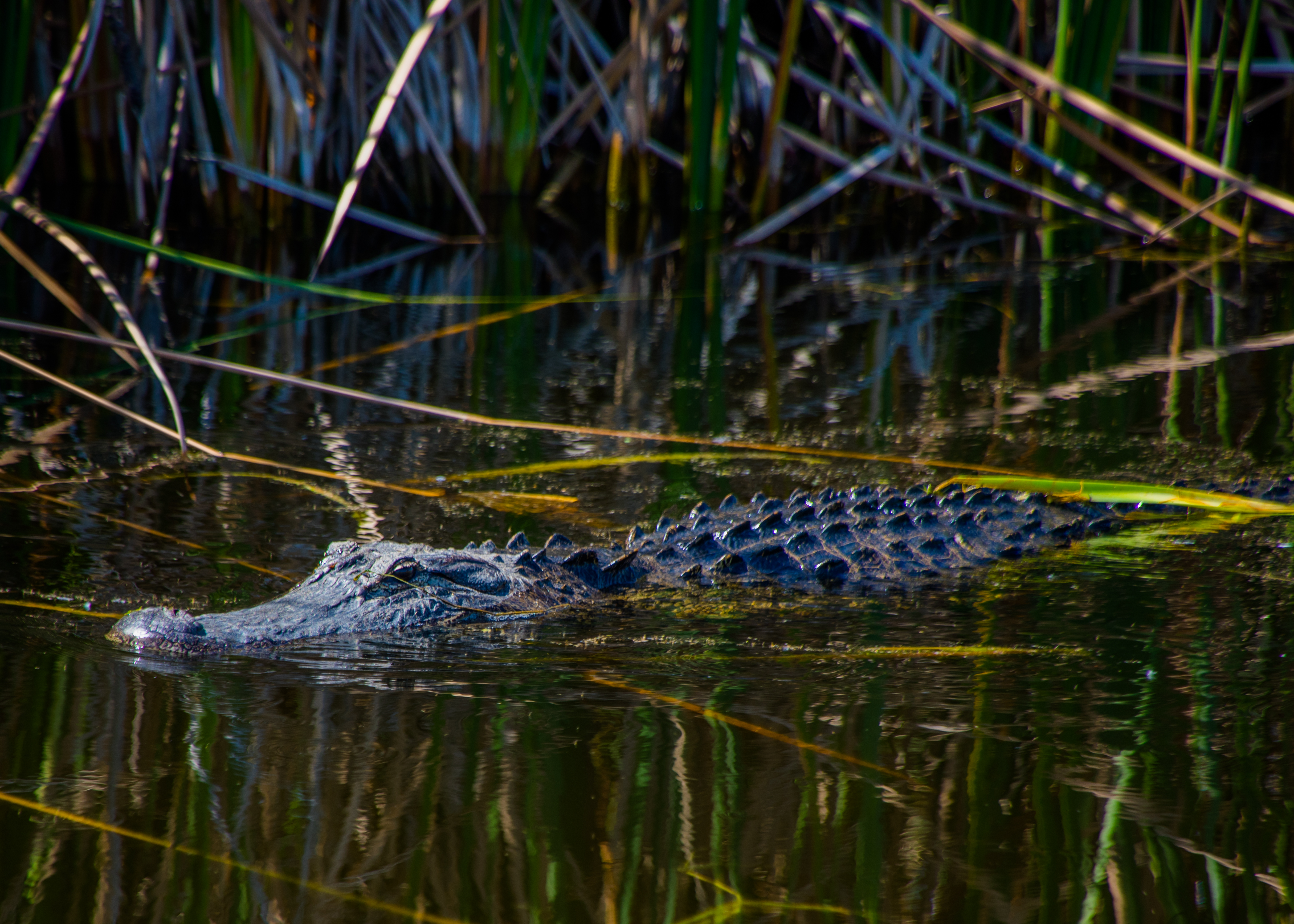
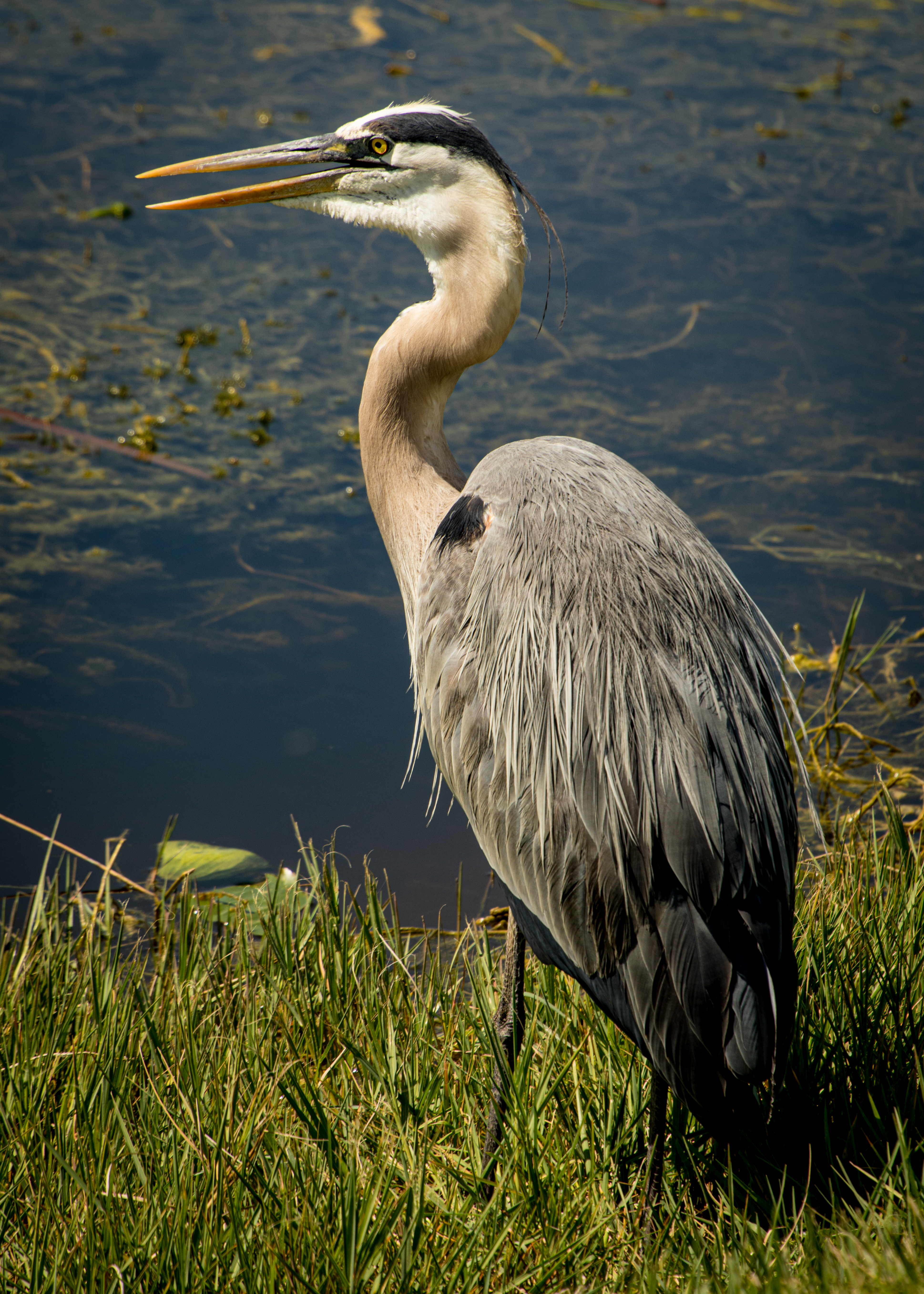
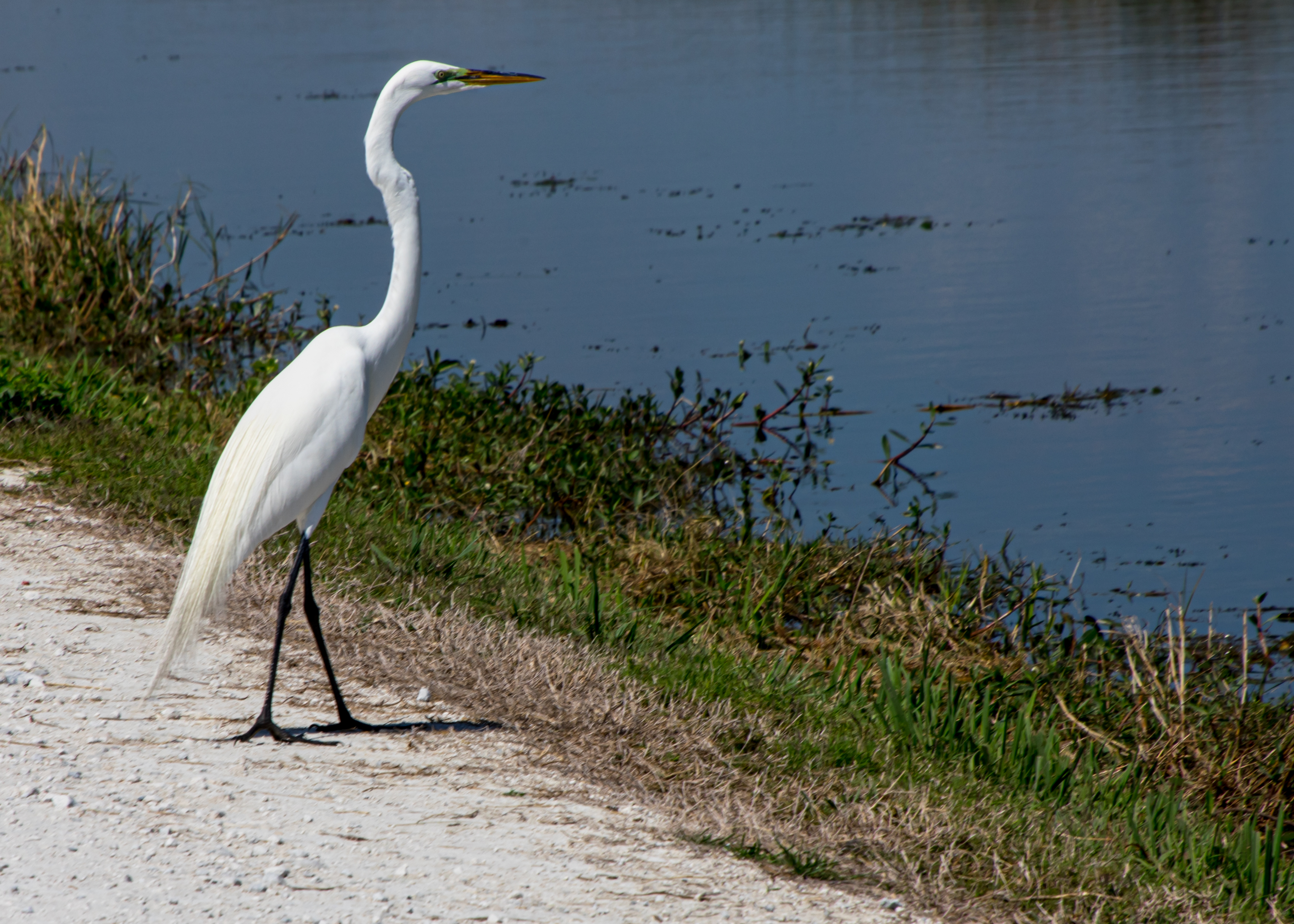
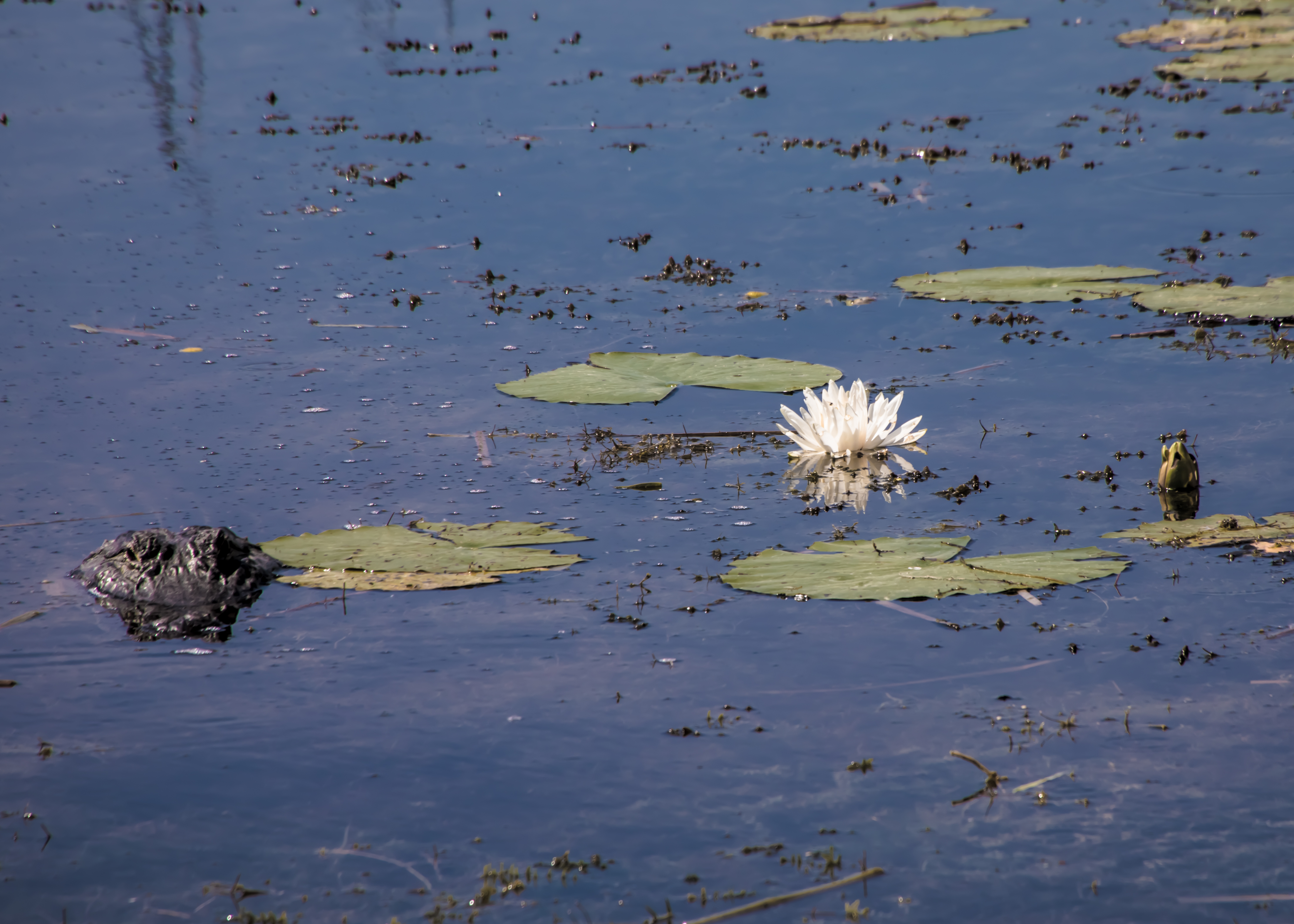
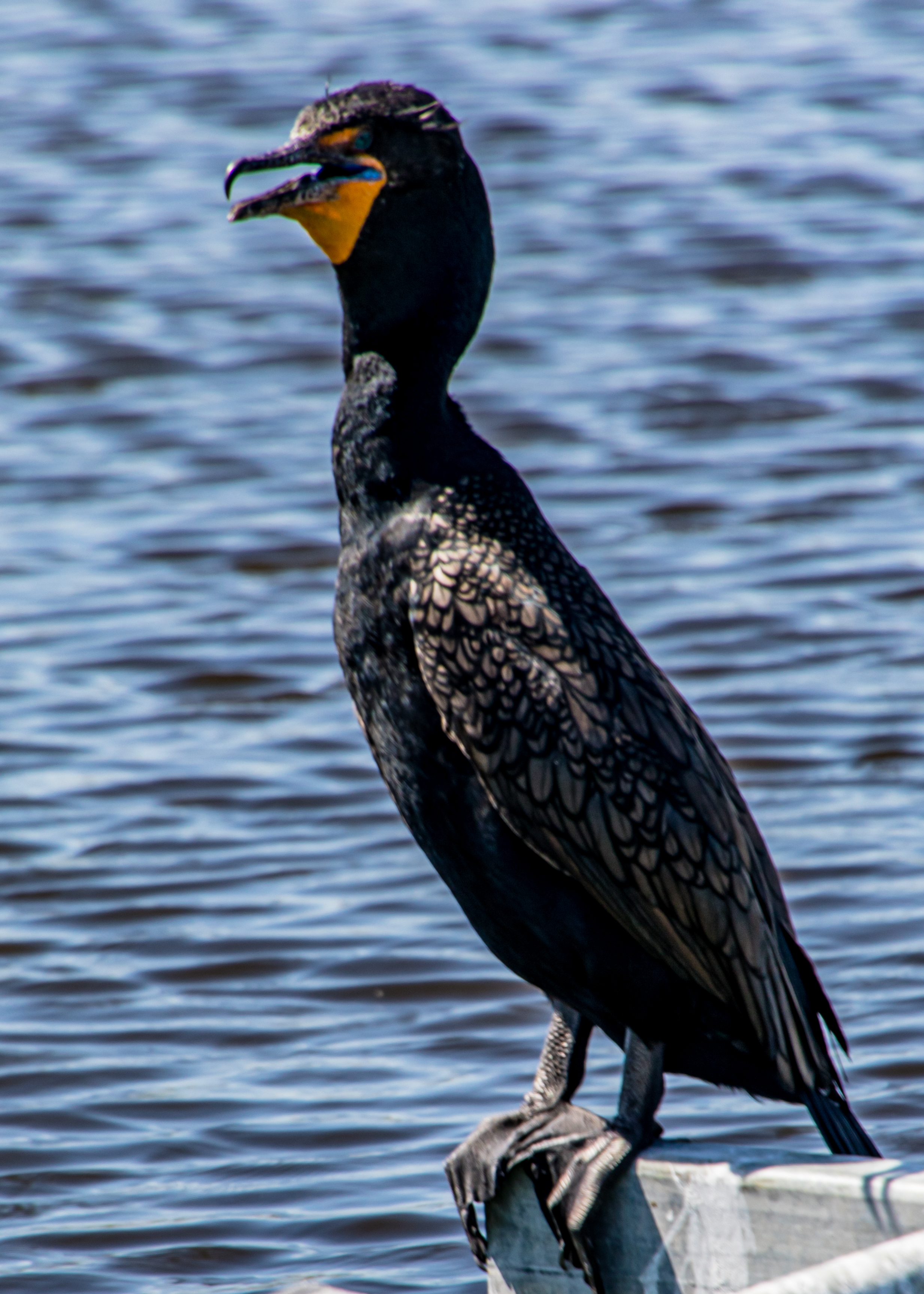
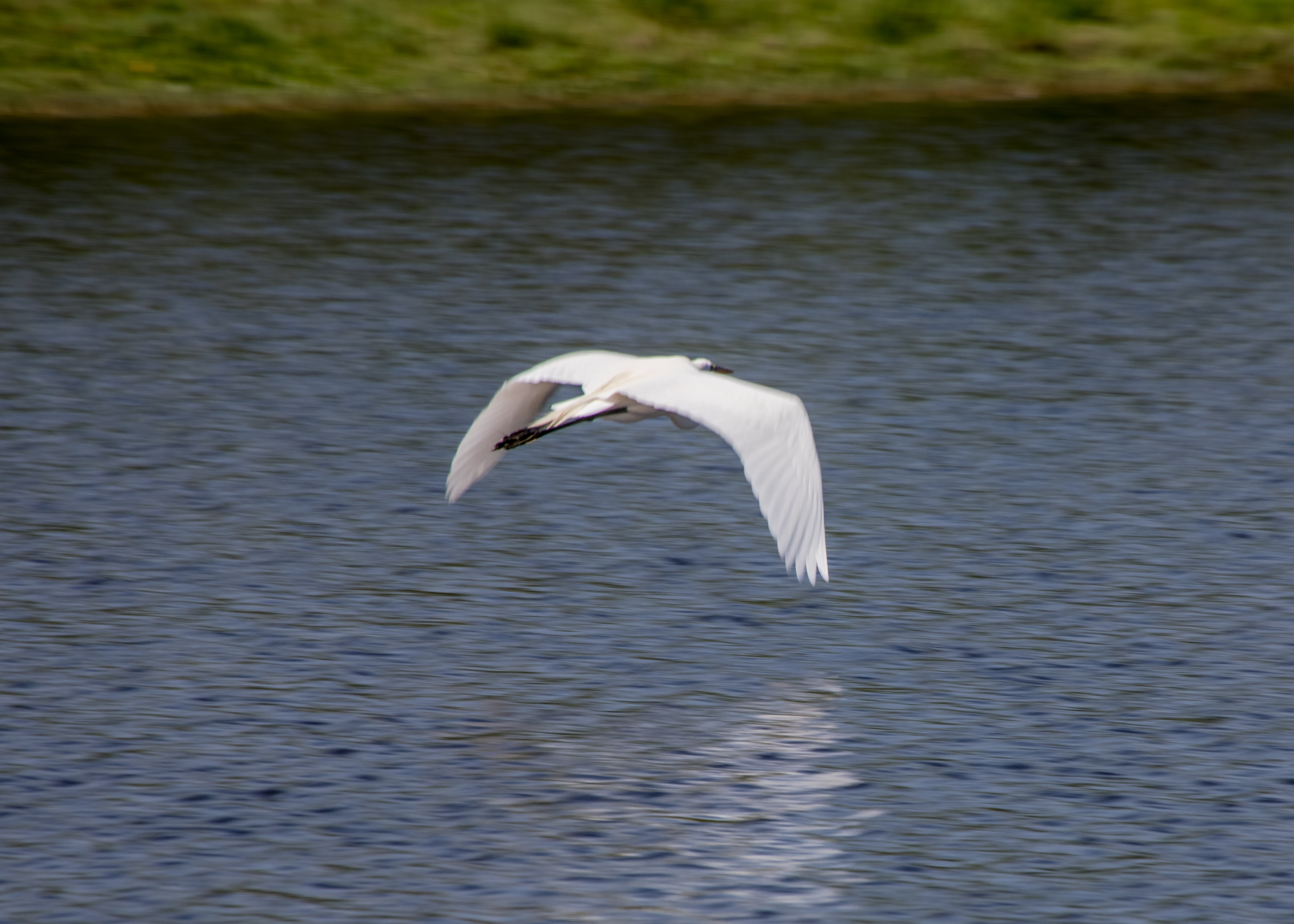
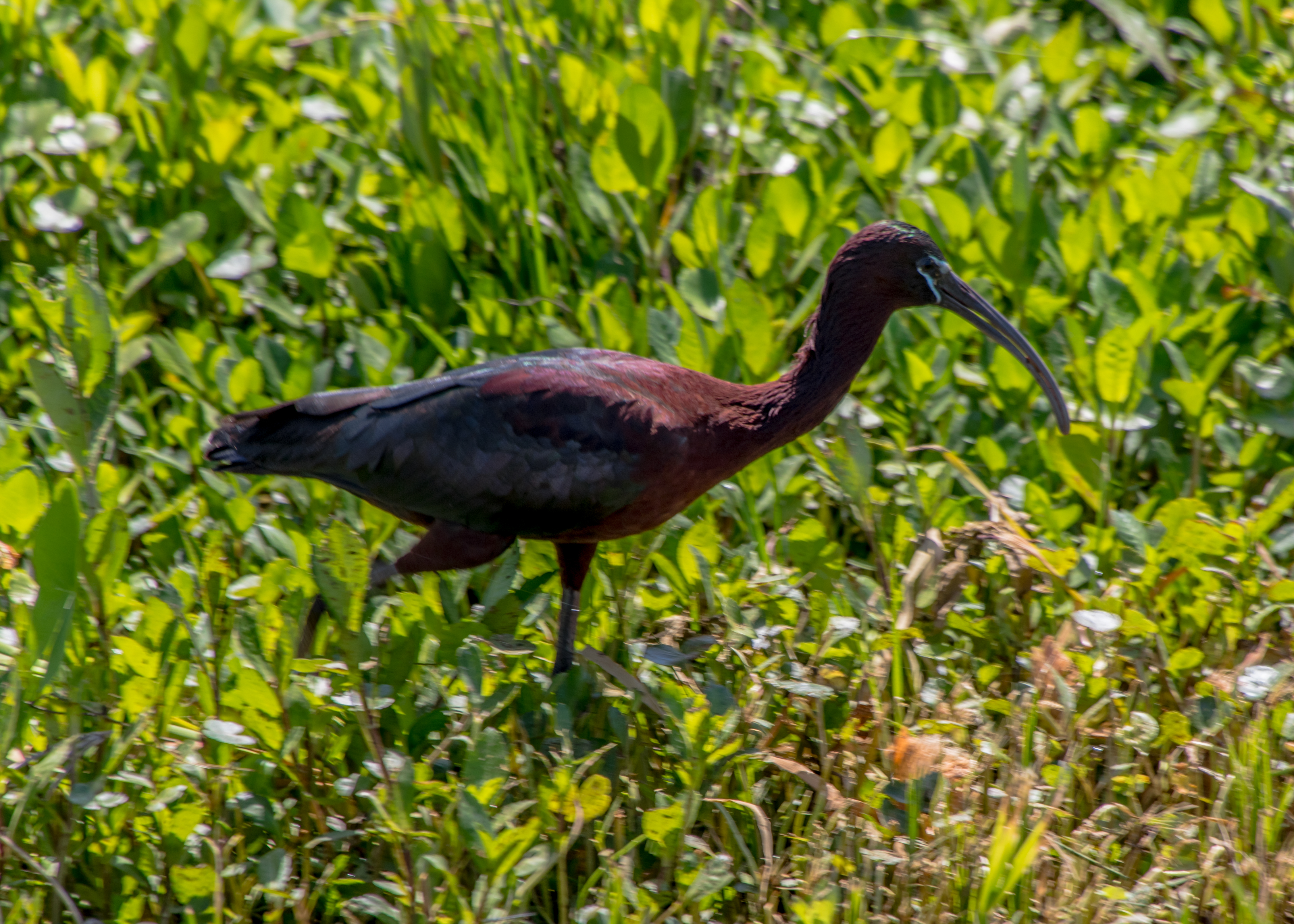
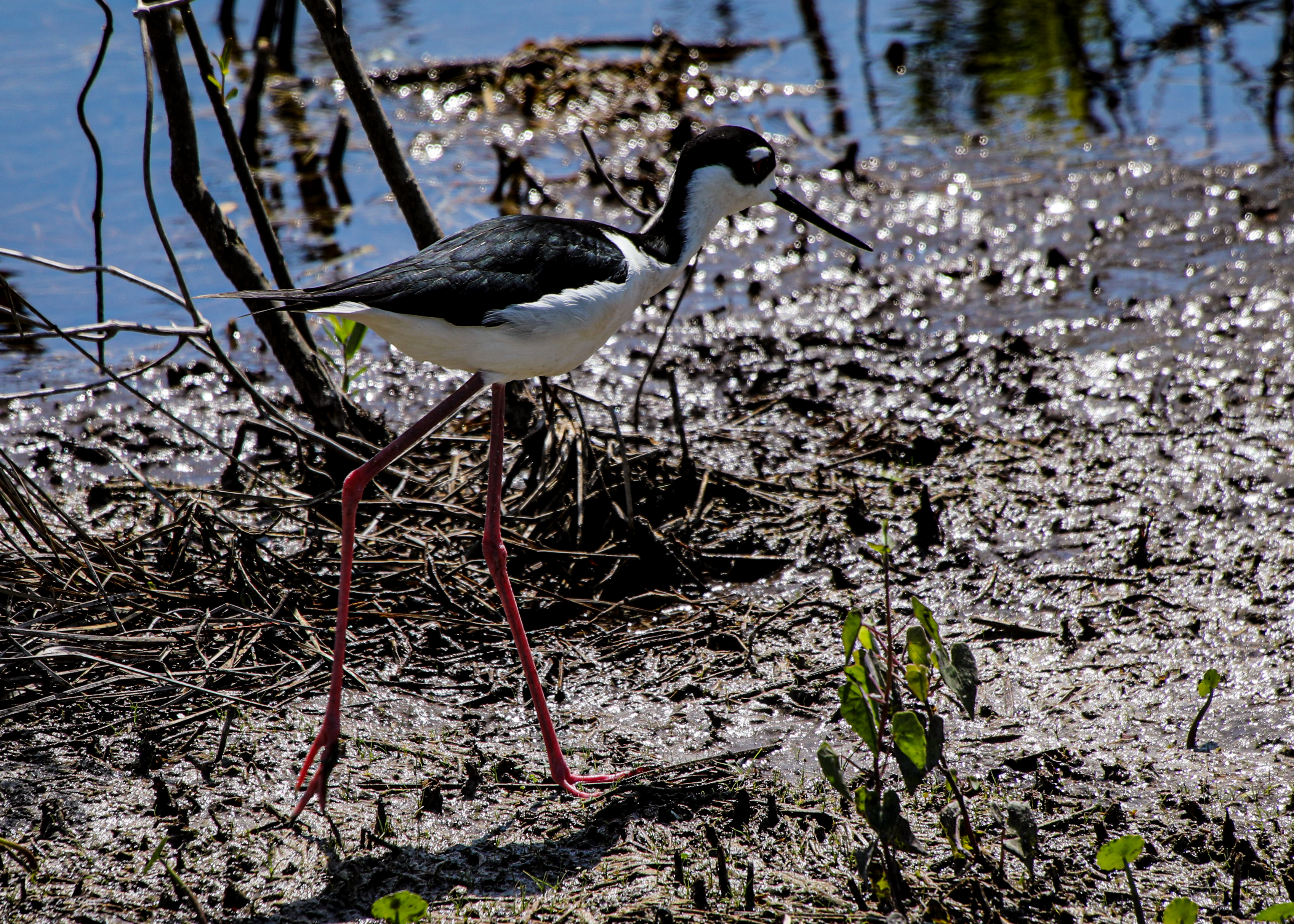
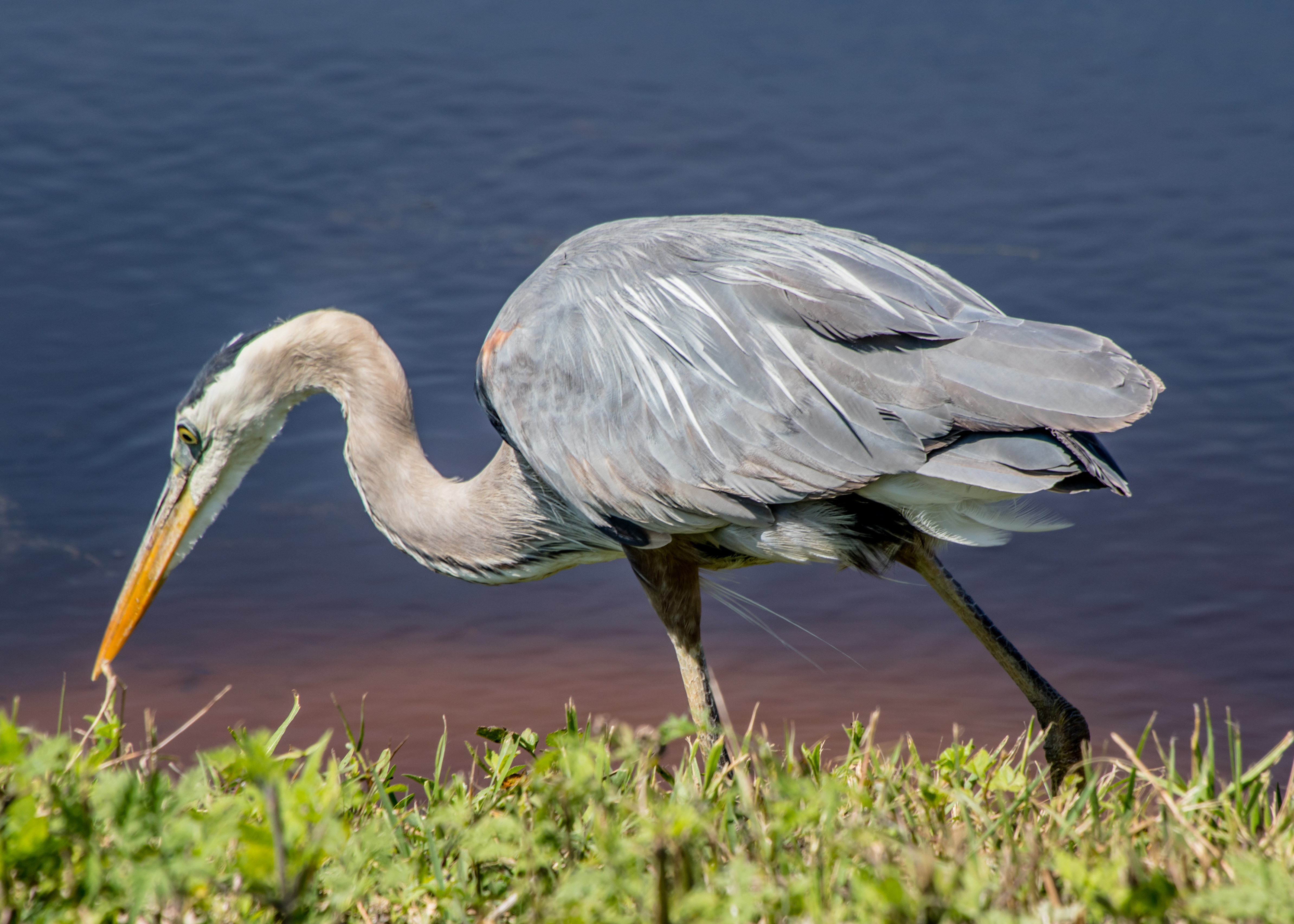
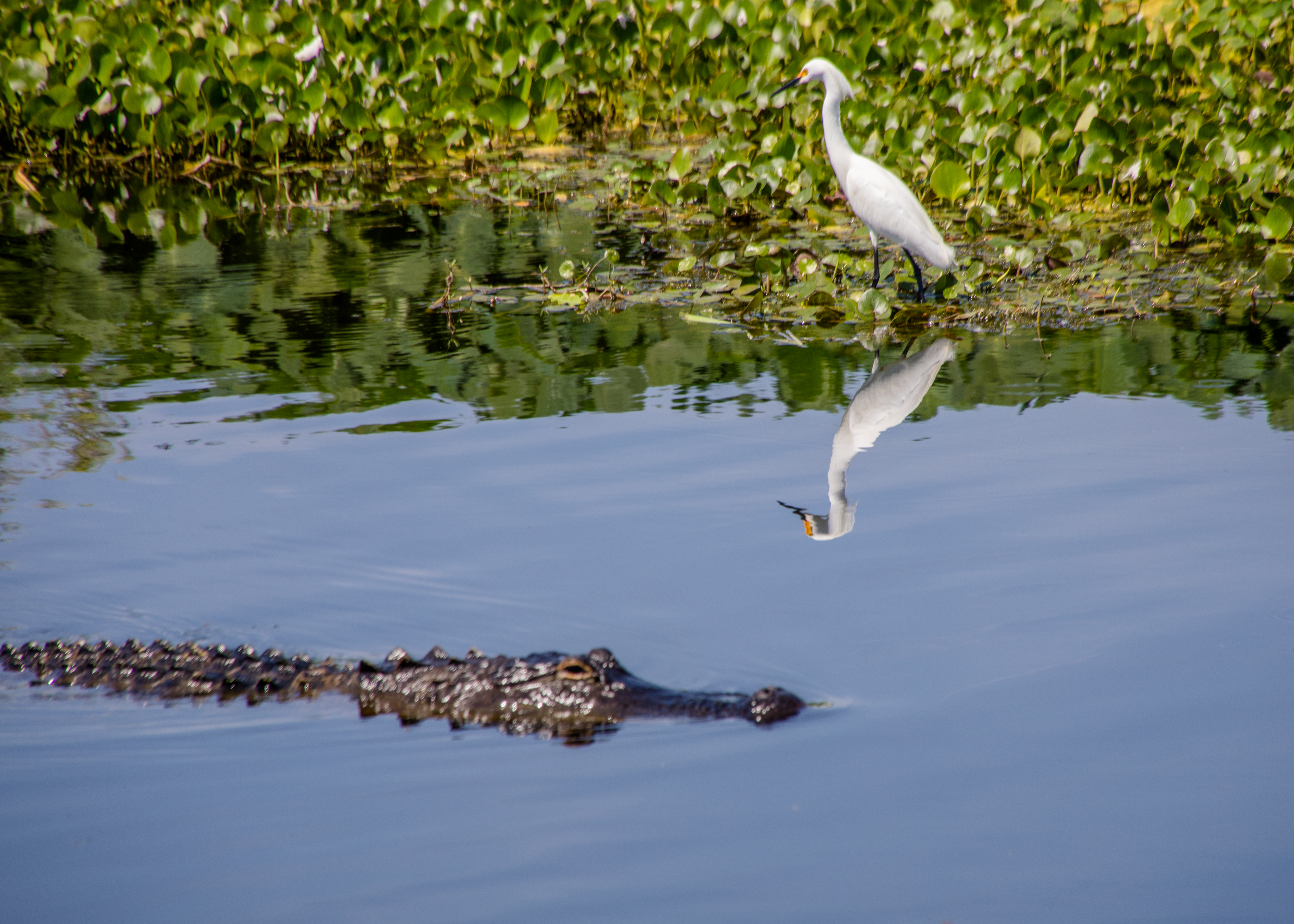
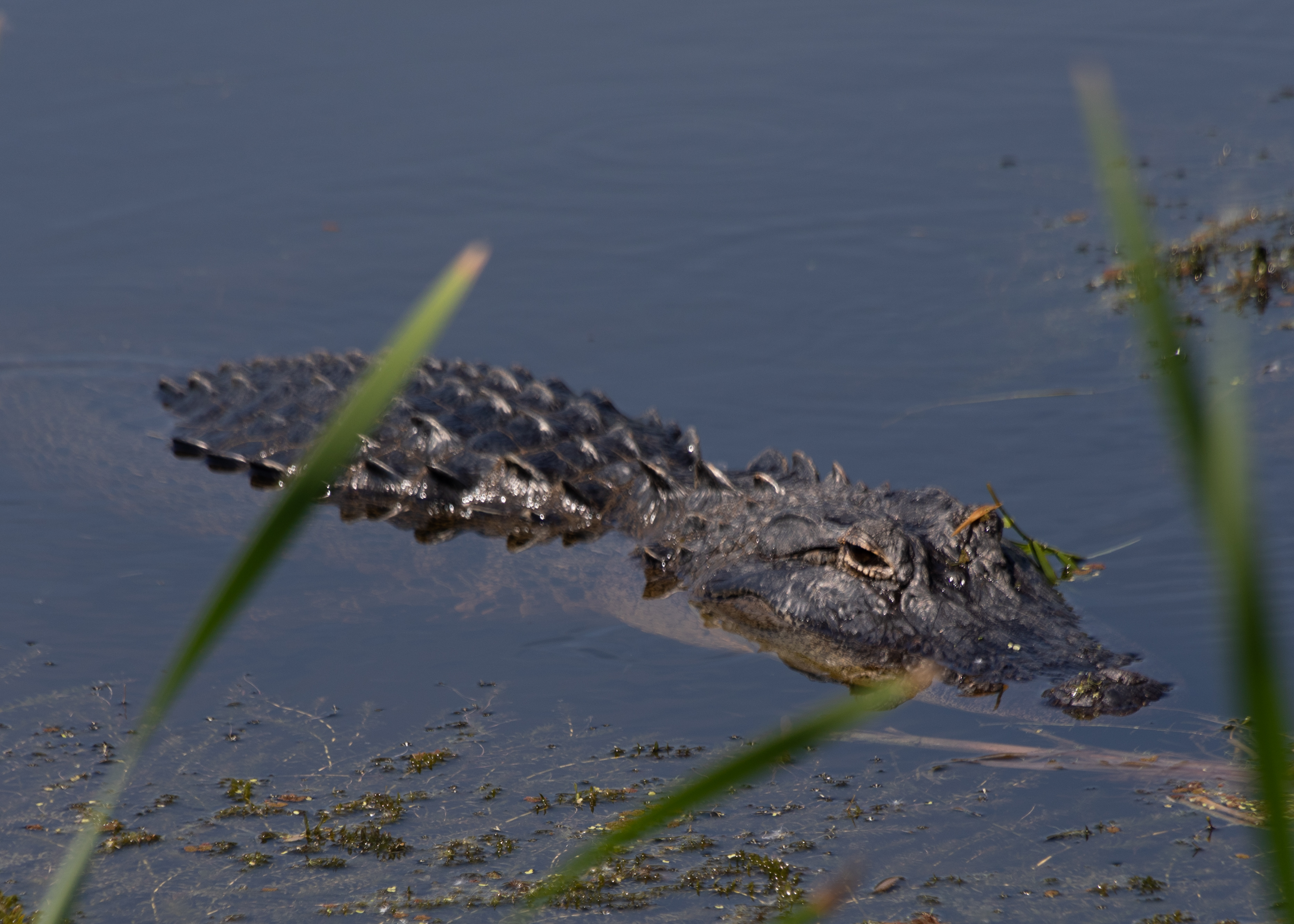
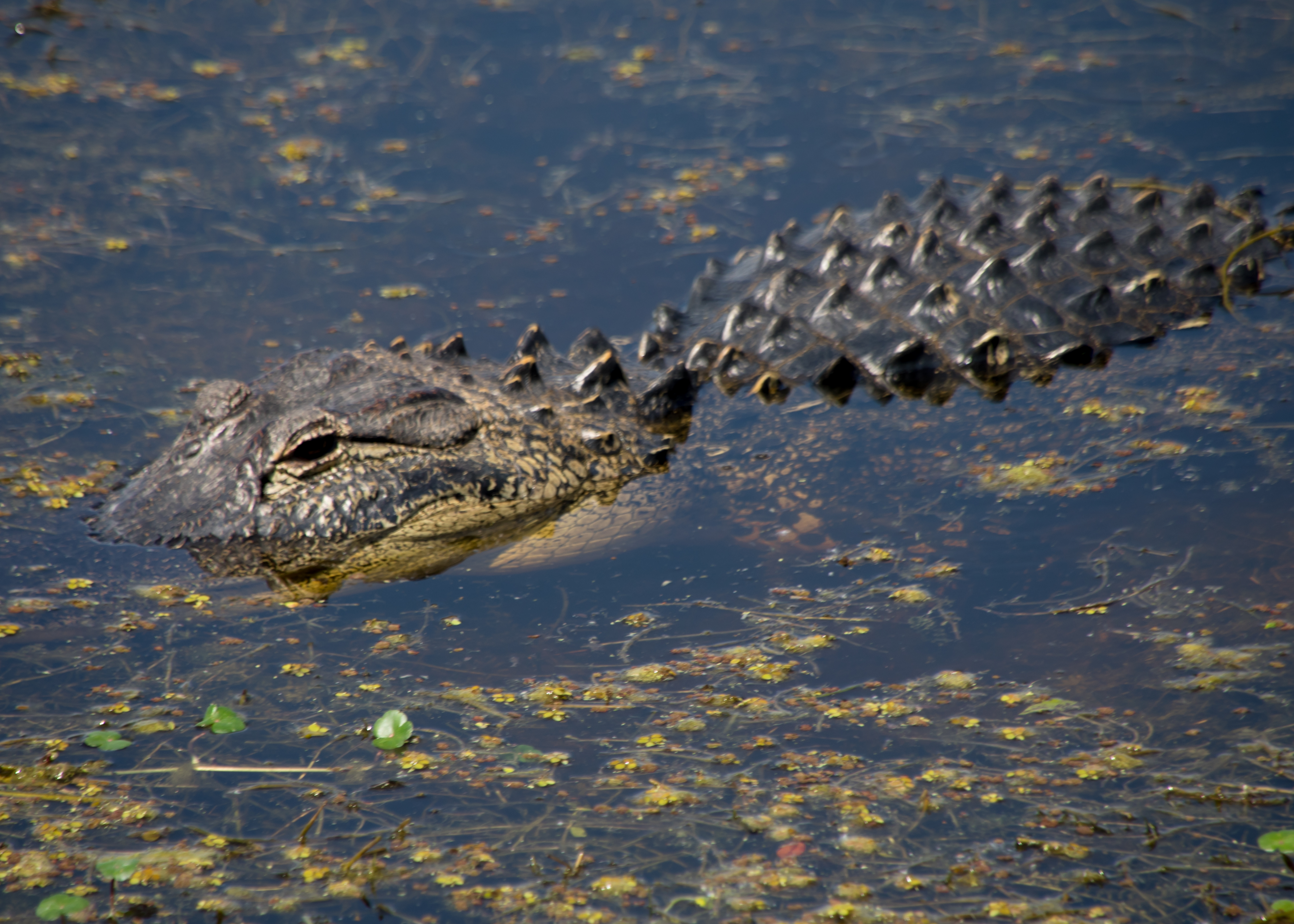
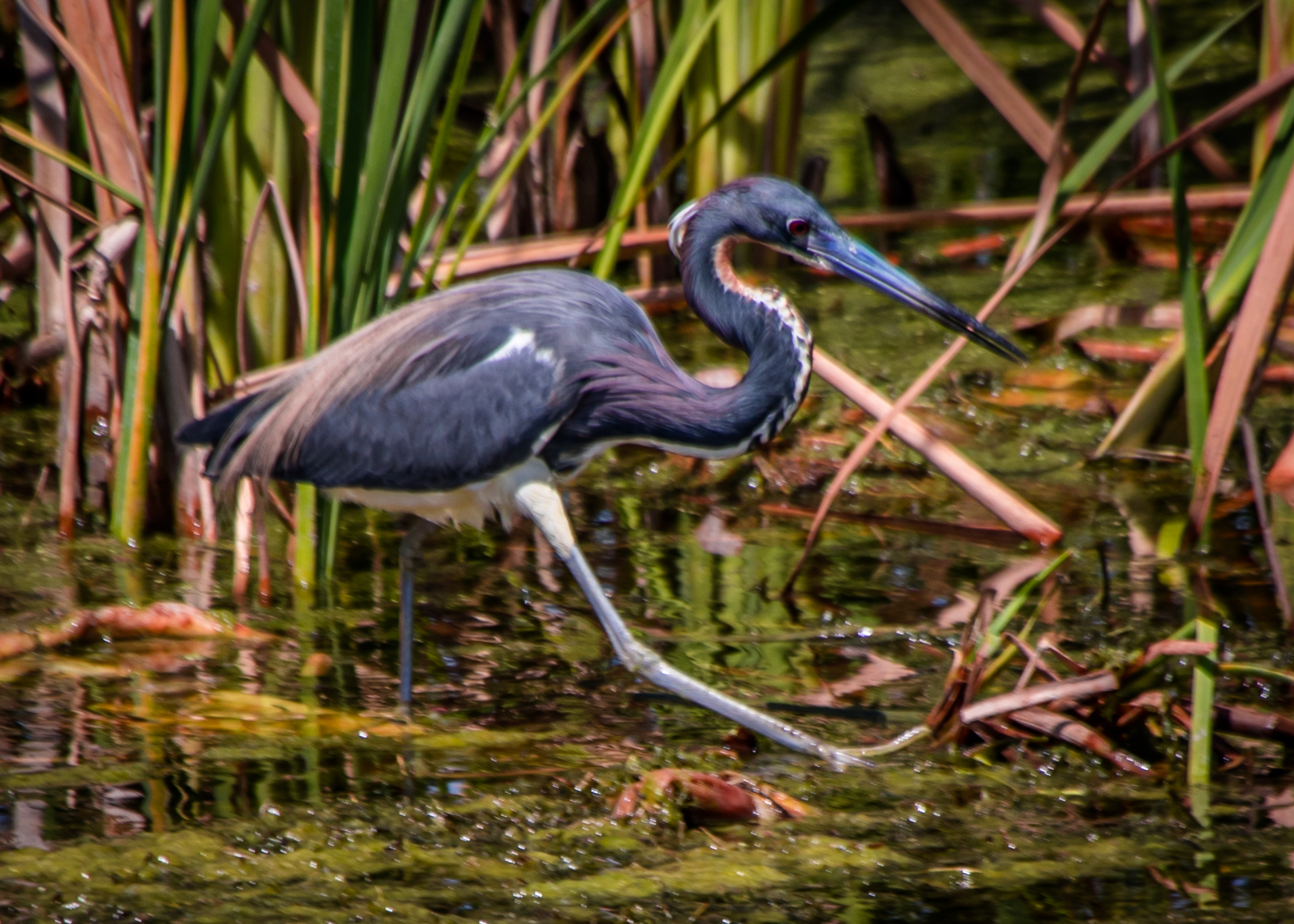
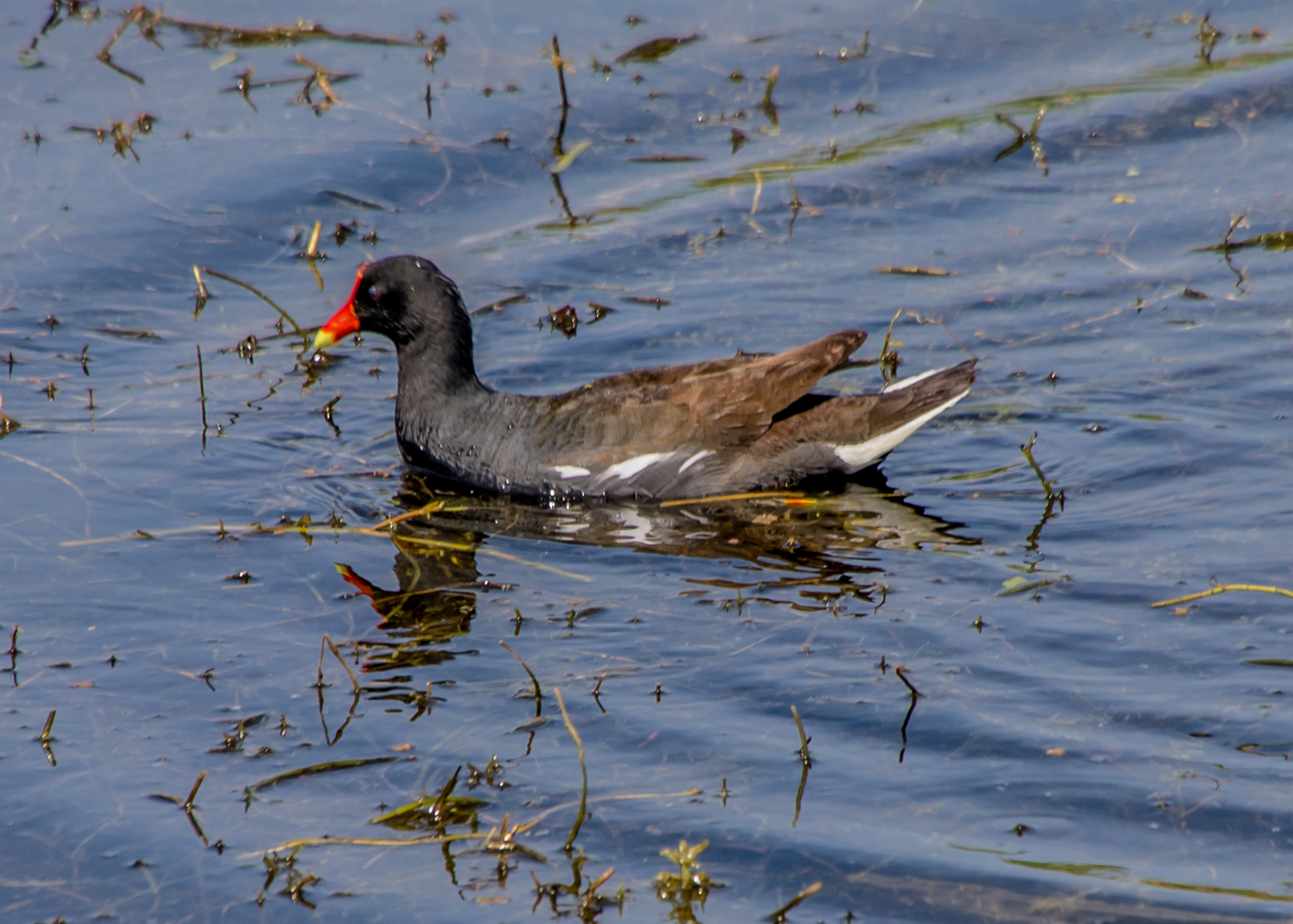
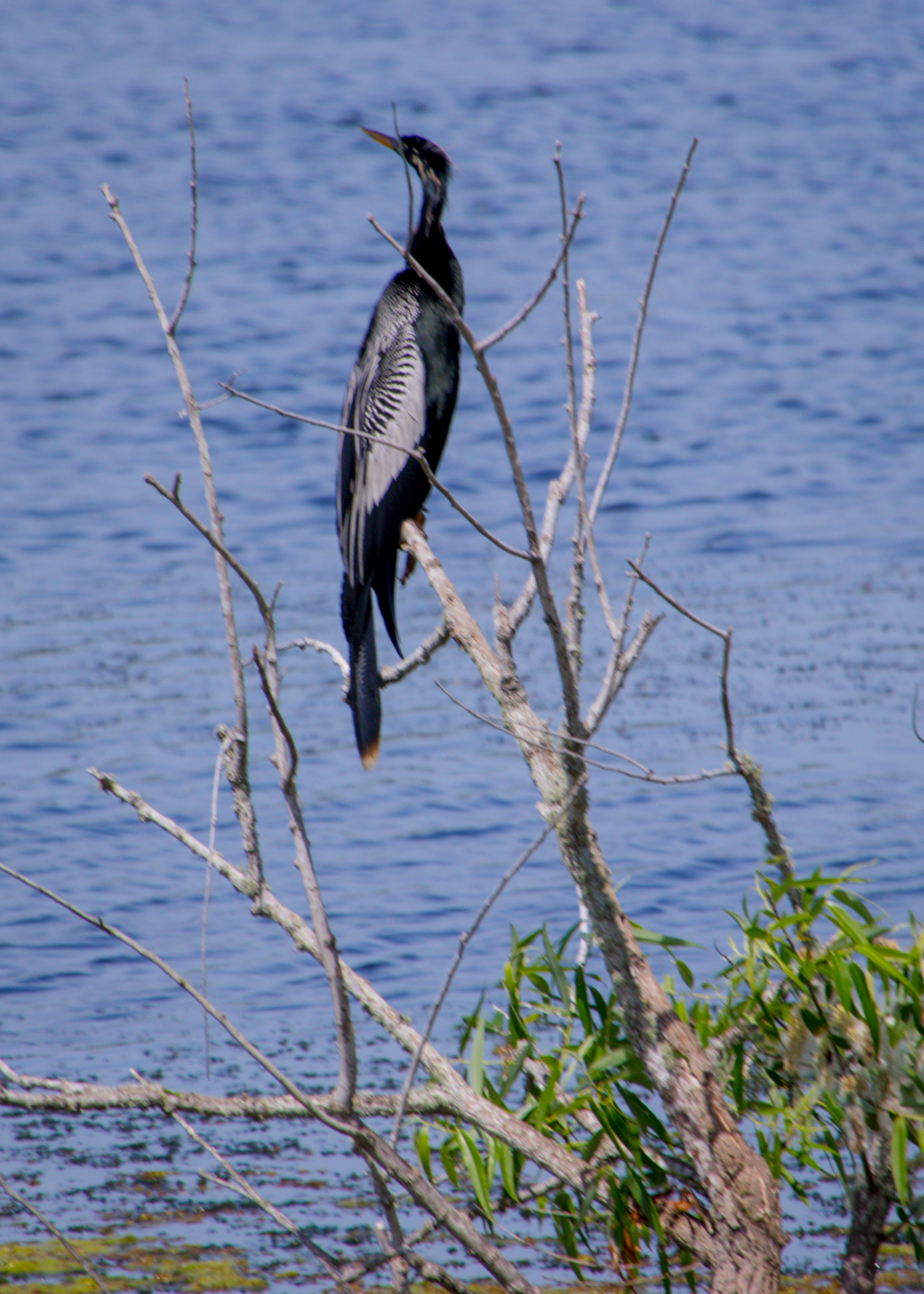
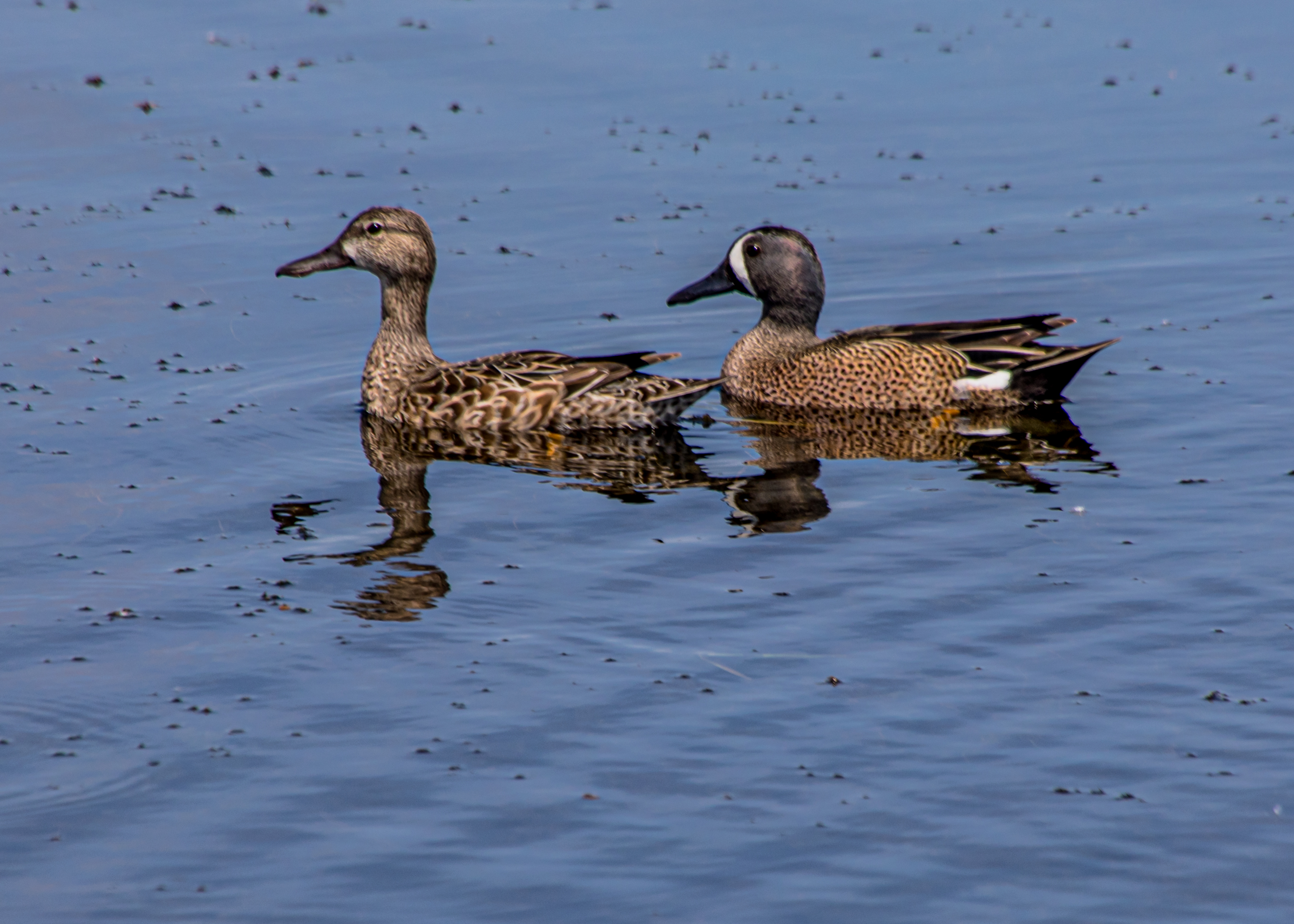
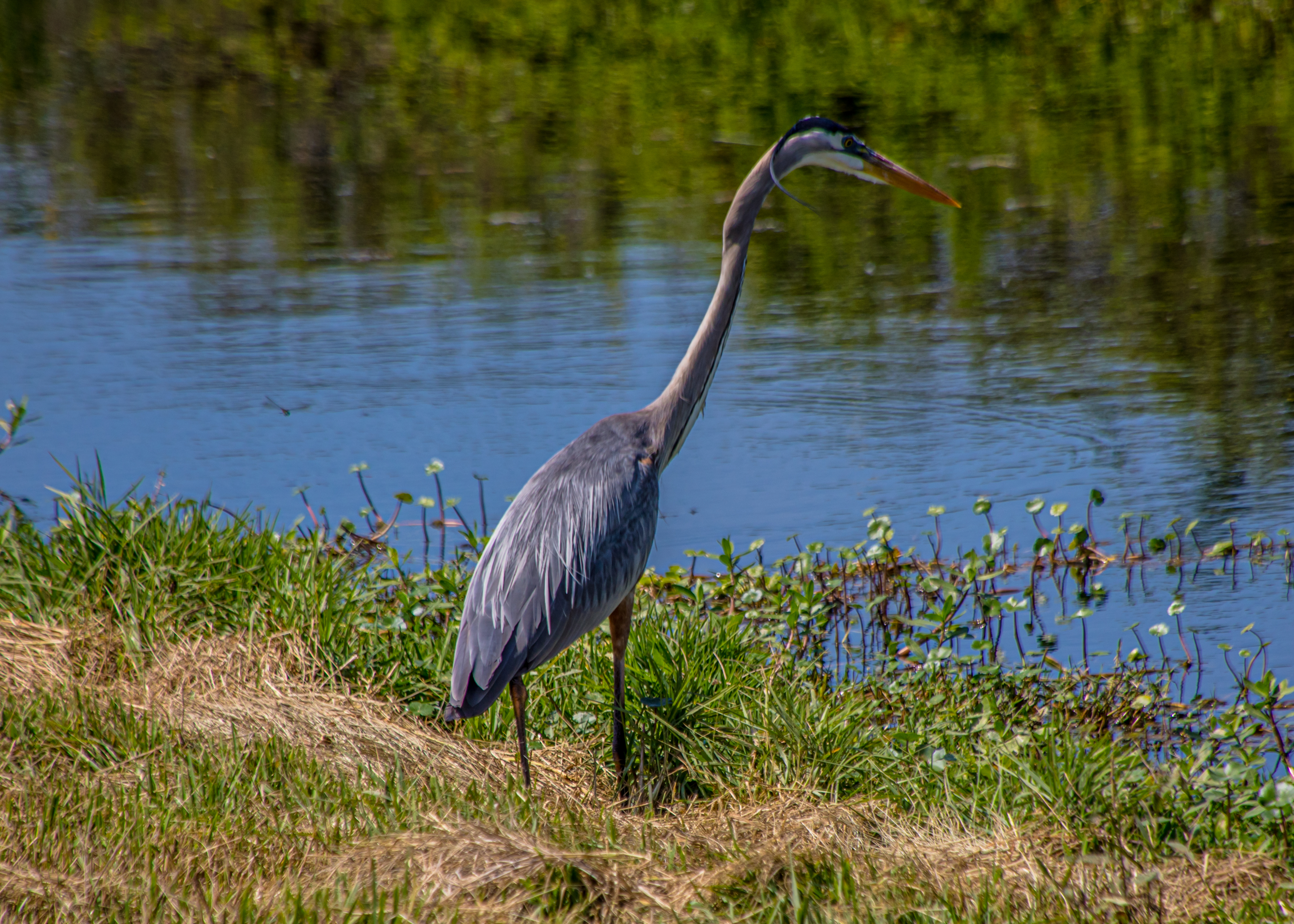
Lake Apopka North Shore offers extraordinary bird-watching opportunities. It is one of the top three birding areas for the entire state (includes Everglades National Park and Merritt Island National Wildlife Refuge). The Lake Apopka North Shore is considered one of the most renowned birding destinations in Florida, with 369 different bird species recorded on the property. During the winter months, more than 150 species regularly use the property, from showy herons and egrets to numerous tiny warblers and flycatchers. Other wildlife routinely seen include numerous American alligators, bobcats, otters, bears, raccoons, armadillos and coyotes.
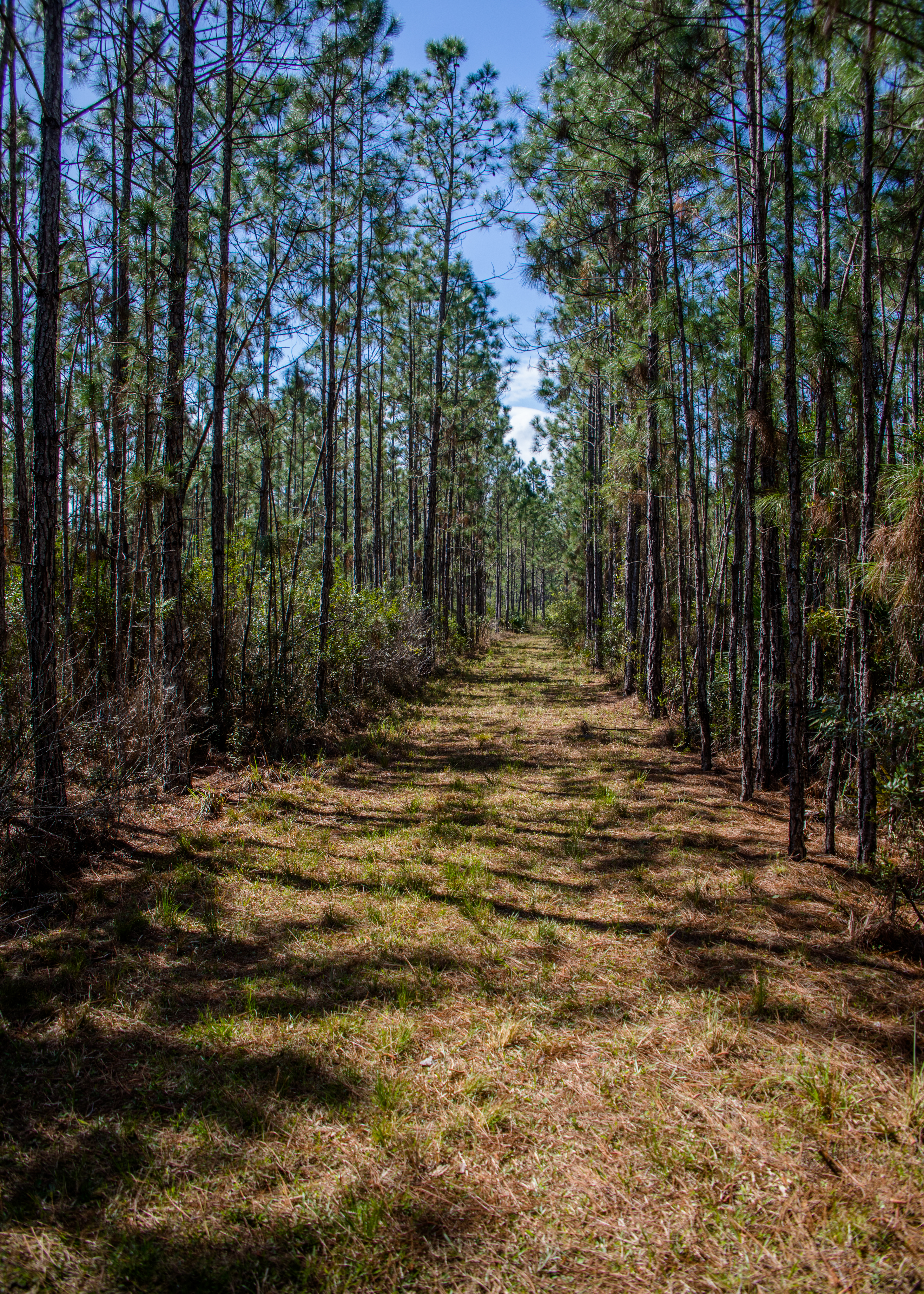
We took this trip in the afternoon not really knowing what we would see. The drive is a one-way, 11-mile drive meandering through the eastern portion of the property. It begins at Lust Road and ends on Jones Avenue in Orange County, Fla. The drive took about 3 hours because of the many stops we made along the way. The speed limit is 10 mph but with all of the wildlife we rarely exceeded that. Stopping is limited to designated pull-outs provided along the length of the drive but the rangers say you can stop anywhere along the drive if you pull over far enough to let traffic pass by.
My regrets – I didn’t bring my 150 – 600 mm lens just my 28 – 300. Going back soon with the right equipment.

 Travelling Photographer