Search

Travelling Photographer

Photos and commentary from my travels around the globe

Month

July 2024

UK and Scotland Day 14

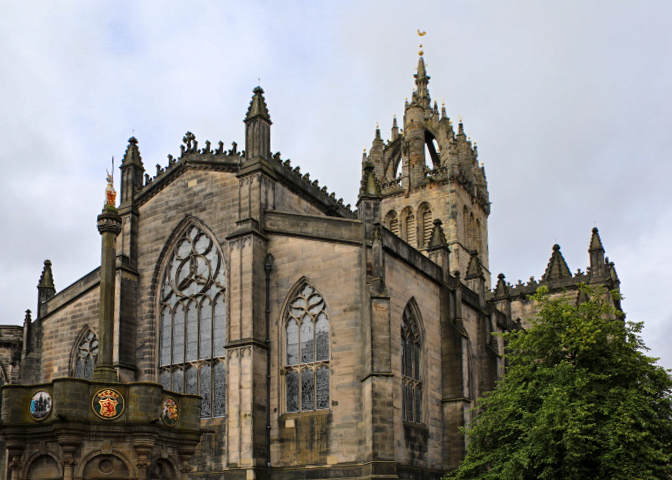
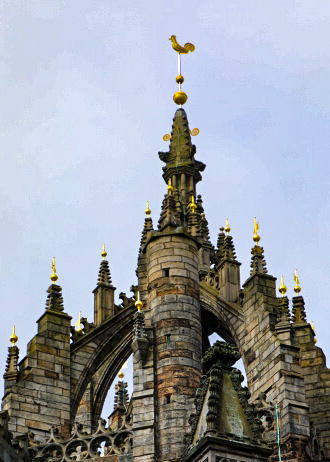
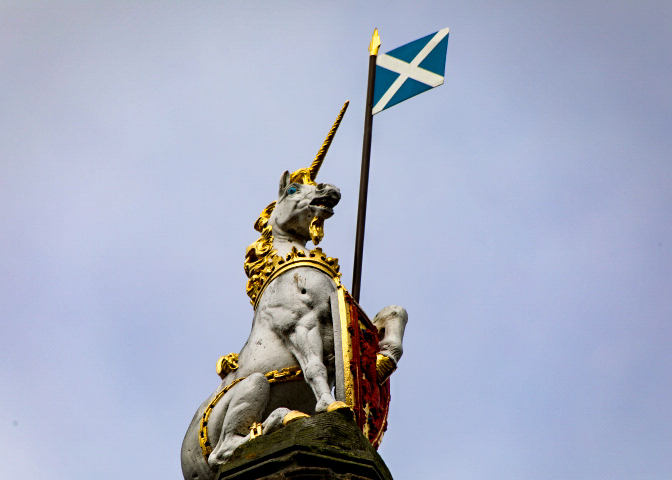
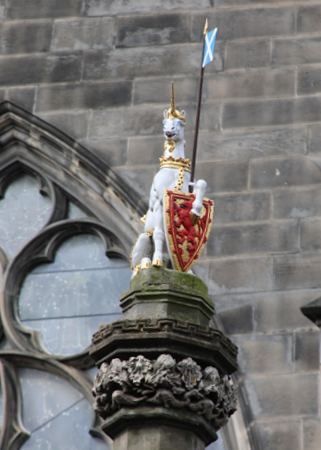
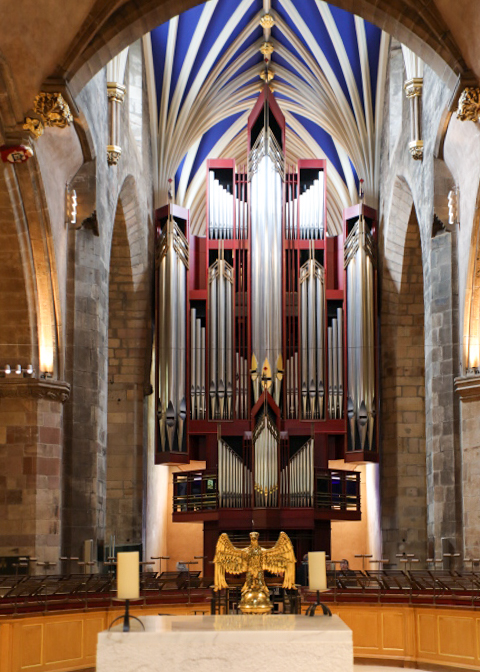
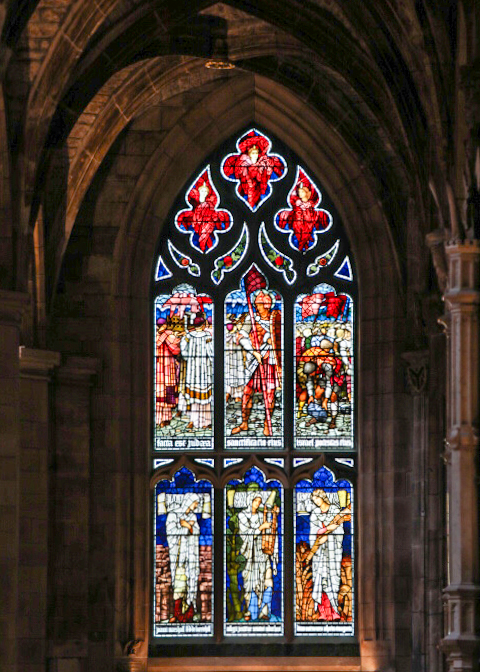
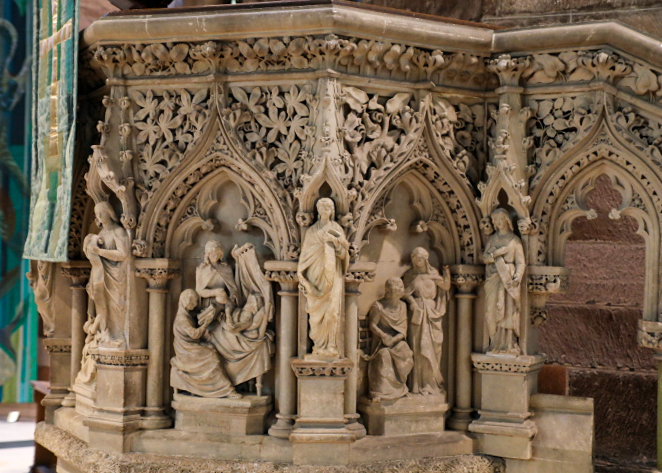
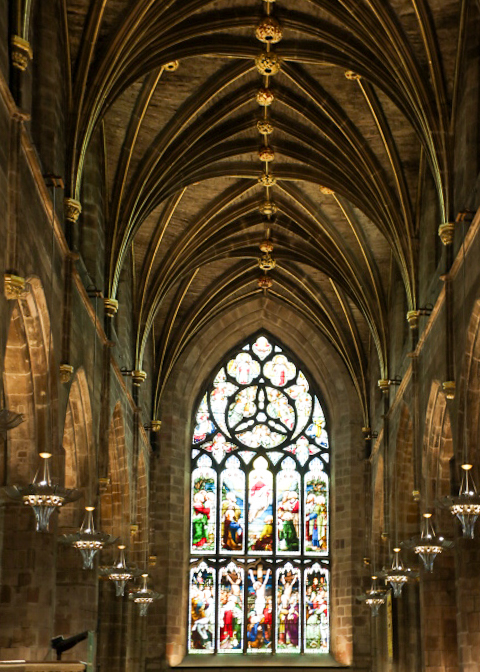
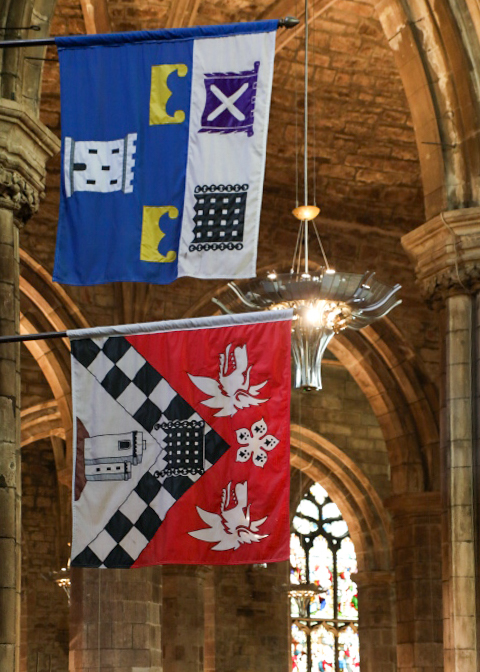
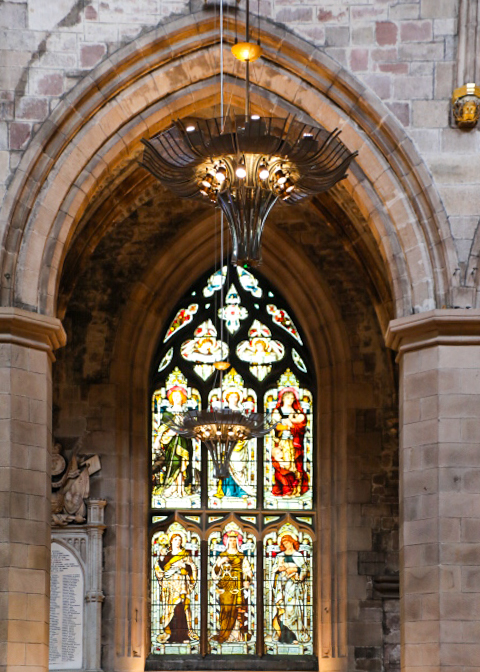
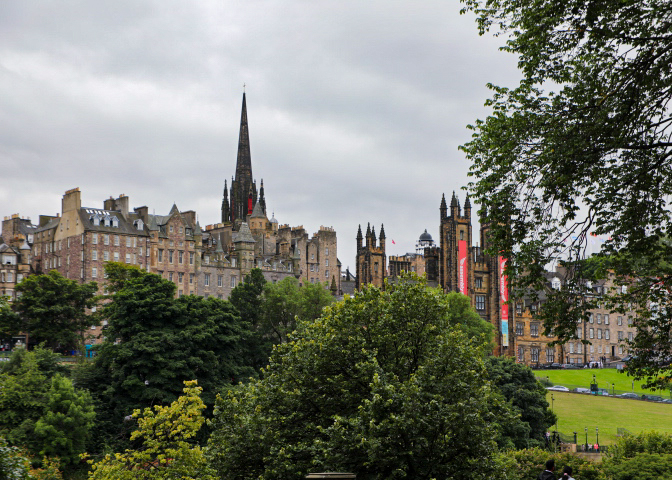
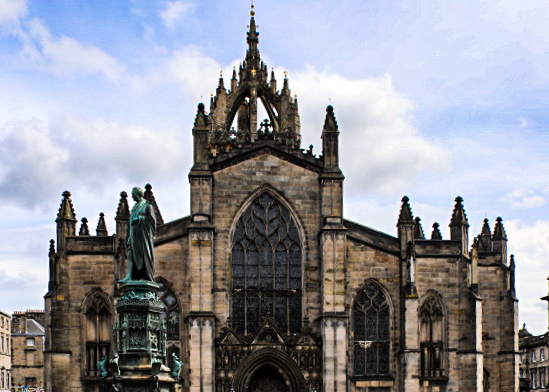
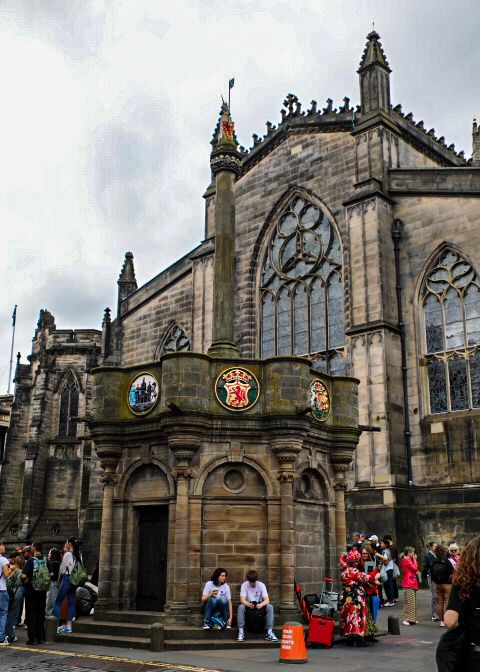
Our day started with a visit to St. Giles’ Cathedral. This is the flagship Church of Scotland – it is called the “Mother Church of Presbyterianism.” The interior serves as a kind of Scottish Westminster Abbey, filled with monuments, statues, plaques, and stained-glass windows dedicated to great Scots in history.

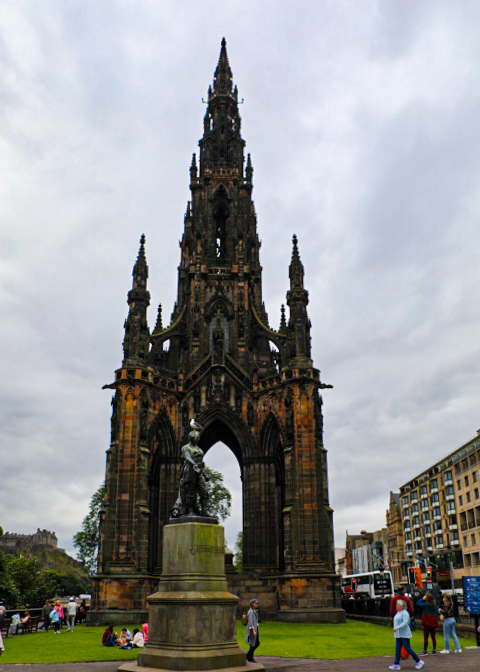
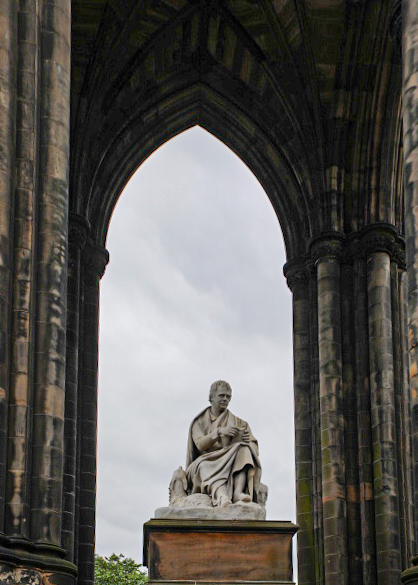
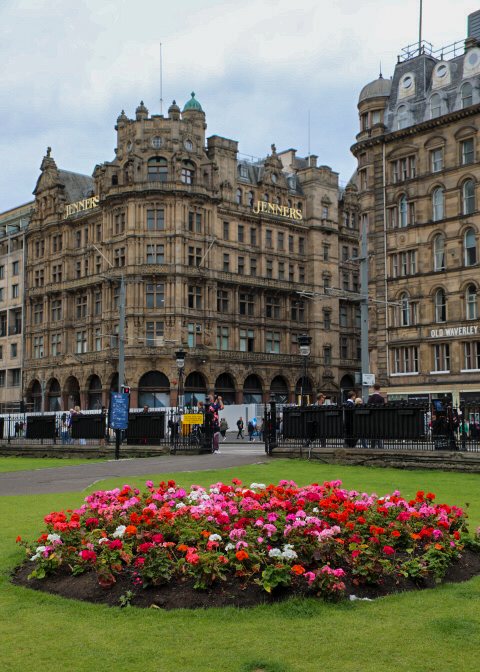
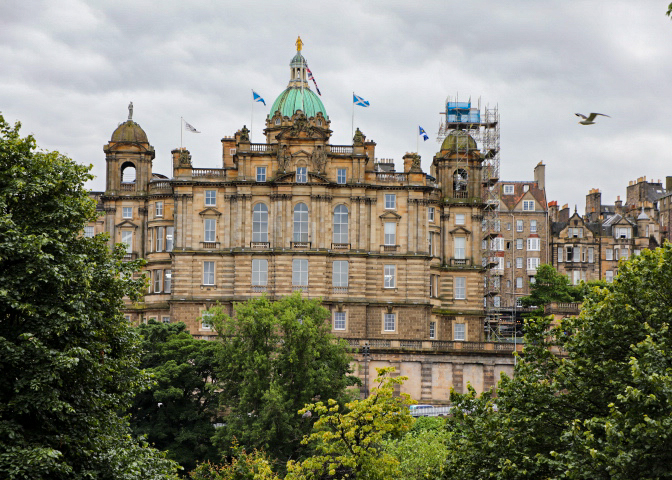
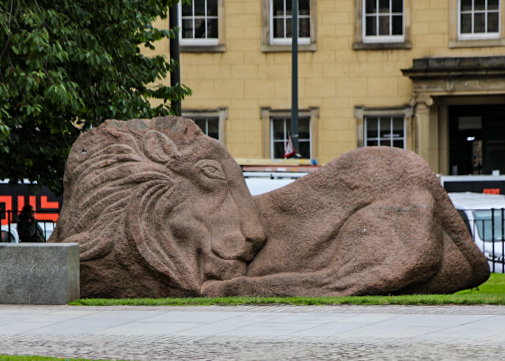
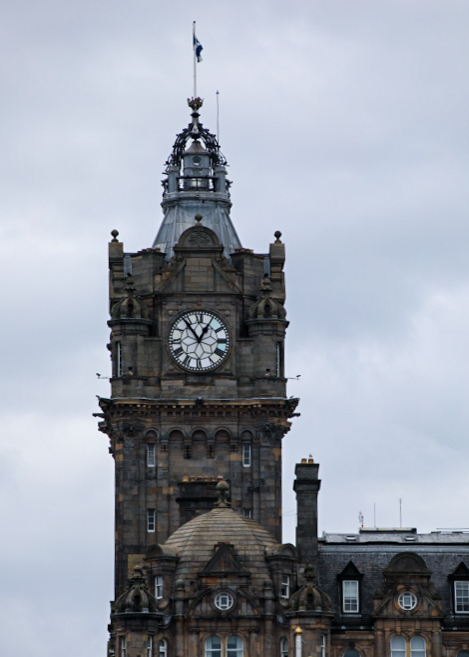
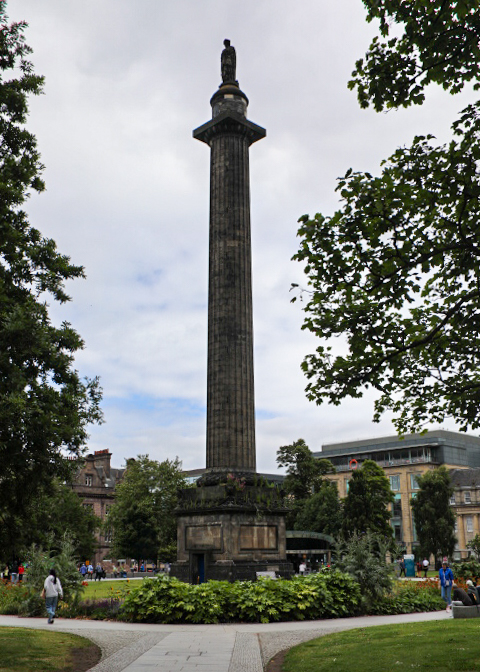
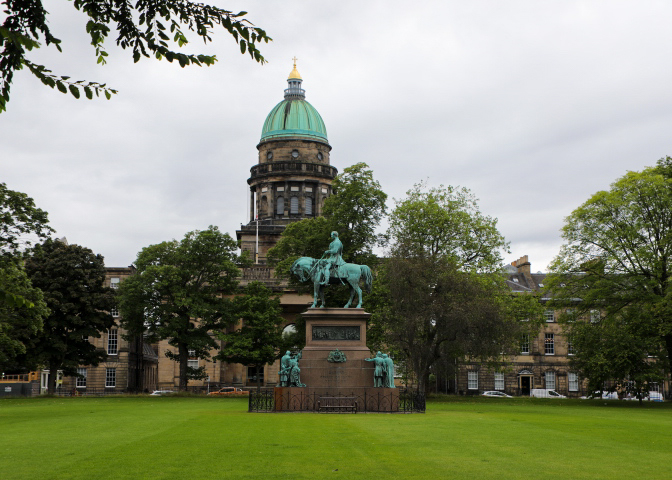
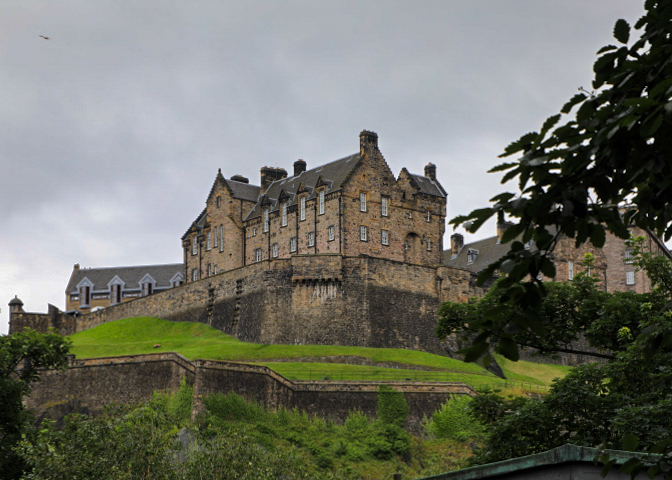
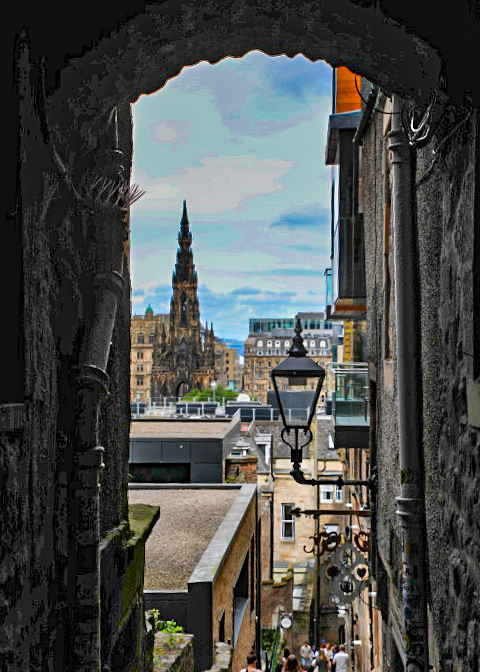
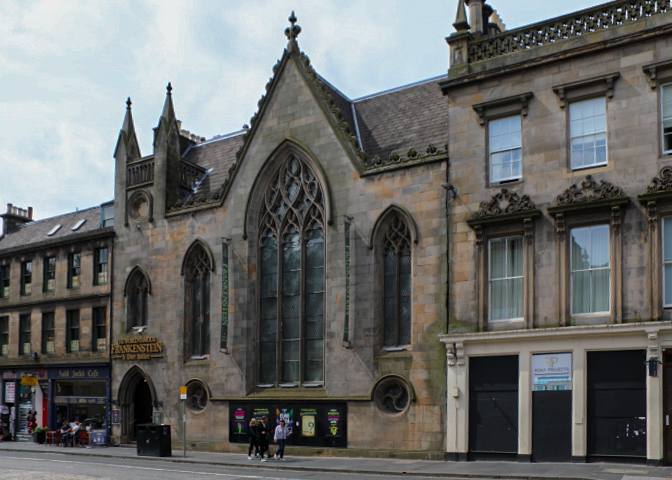
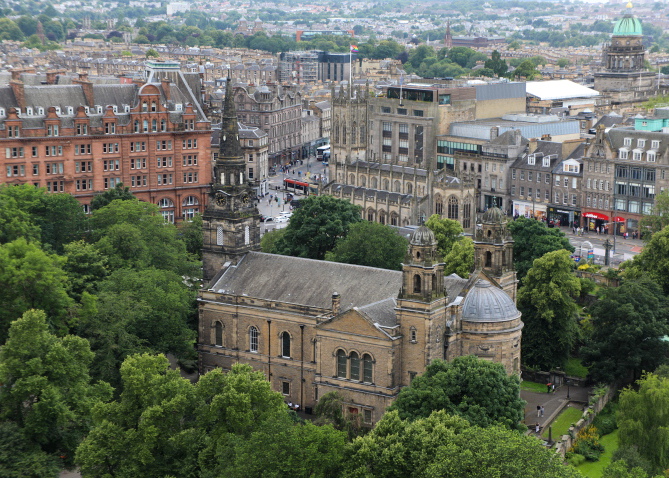
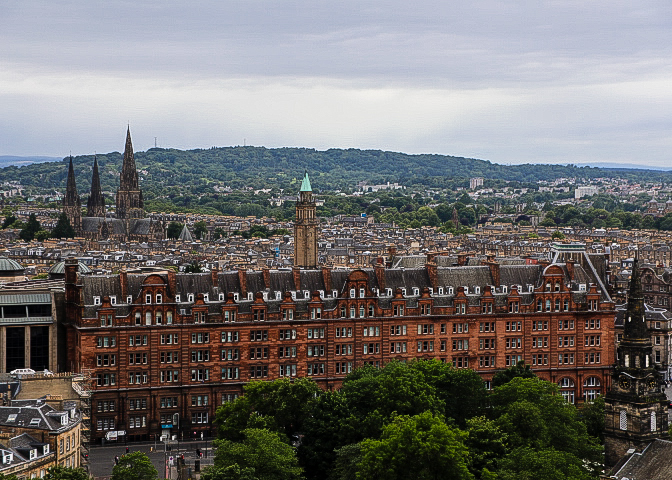
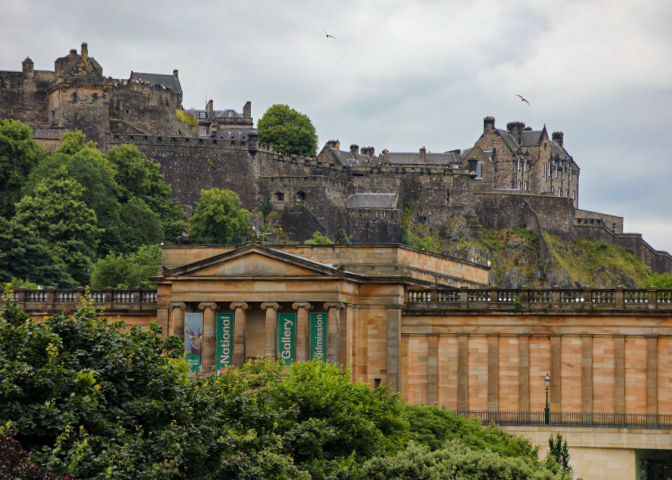
From St. Giles’ we headed over the Waverley Bridge to New Town — Georgian Edinburgh — built during the early 18th century. From the bridge you get a good view of the Scottish National Gallery (with the castle in the background) and the Scott Memorial (dedicated to Sir Walter Scott). The tower is 61.11 metres (200 feet 6 inches) tall and construction took place from 1841 to 1844. We walked along Prince and Gardens Streets, admiring the buildings and shops. Then onto St. Andrews Square and its famous lion. Along Prince Street Gardens you get great views of the back of Edinburgh Castle heading to Charlotte Square and then on to a stop at the Scottish National Gallery. Our day ended with a final dinner in Edinbrurgh and the overnight train (Caladonia Express) to London.

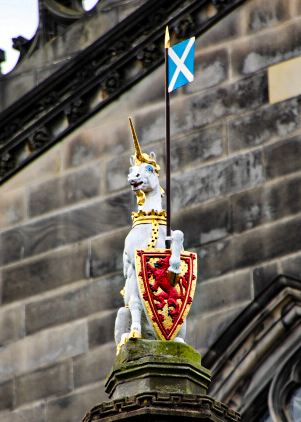
St. Giles

New Town Edinburgh

UK and Scotland Day 13

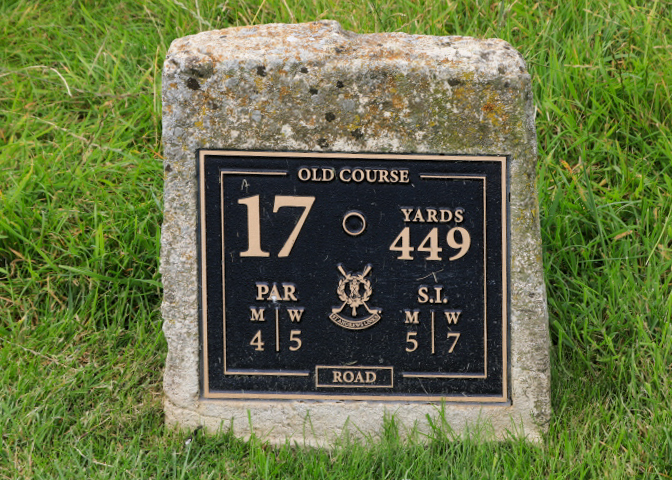
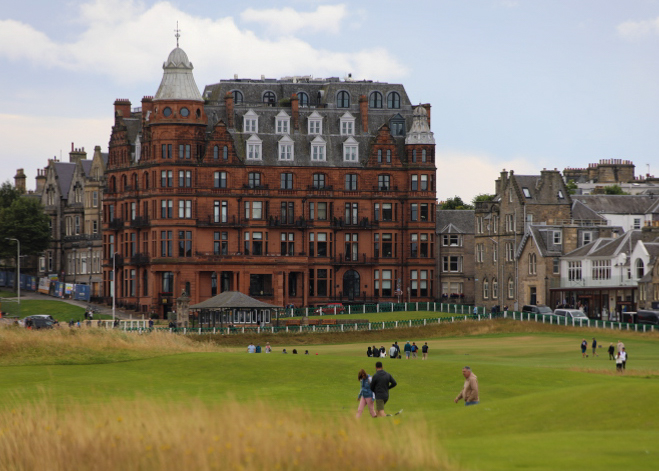
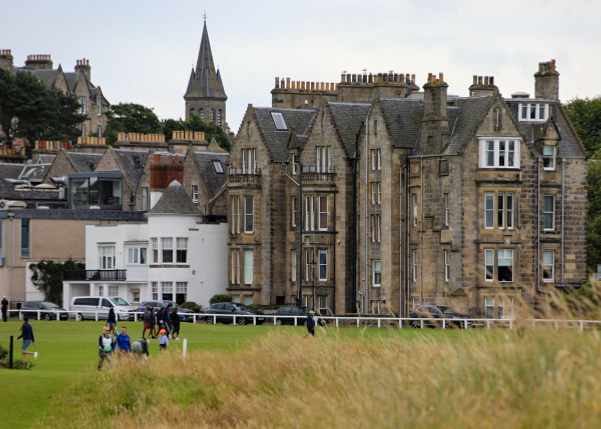
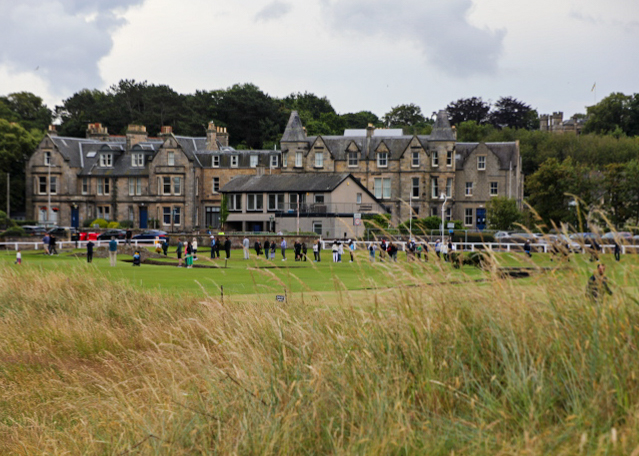
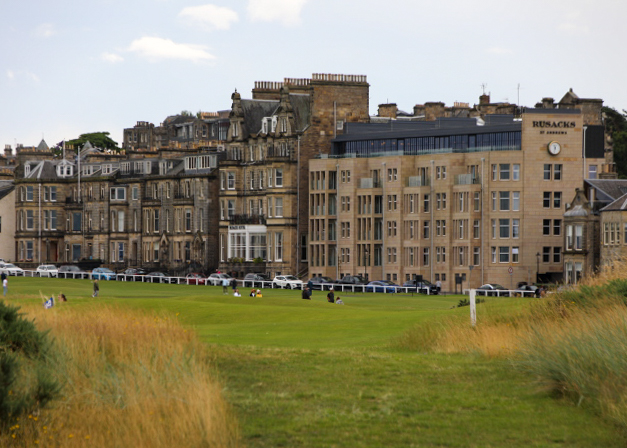
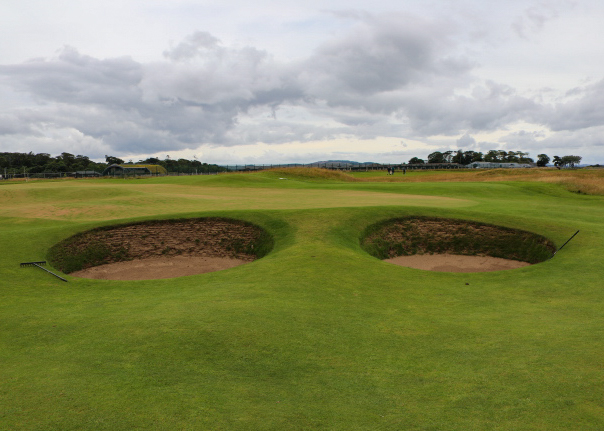
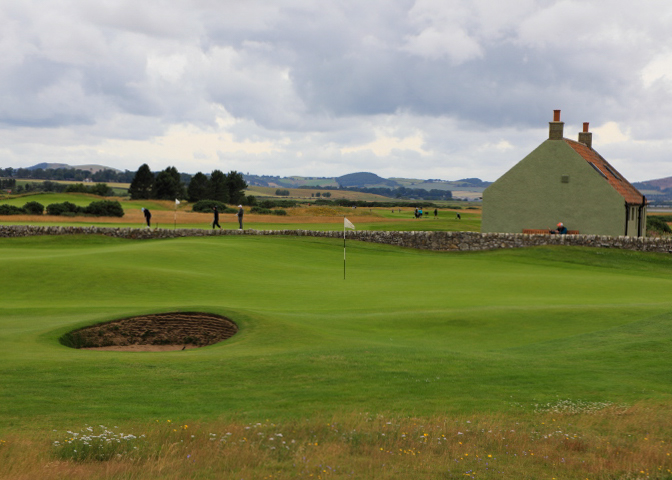
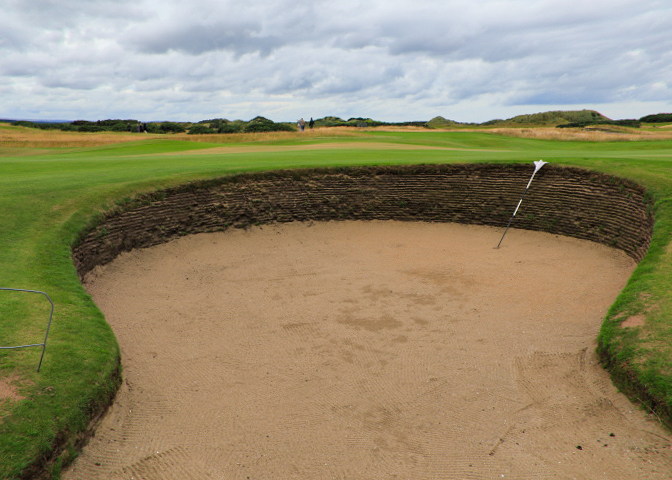
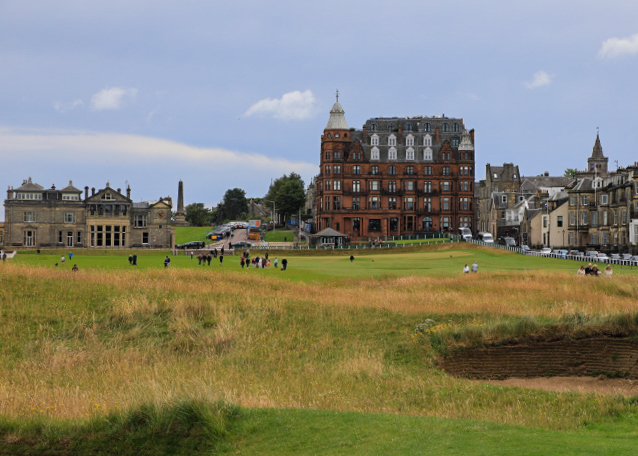
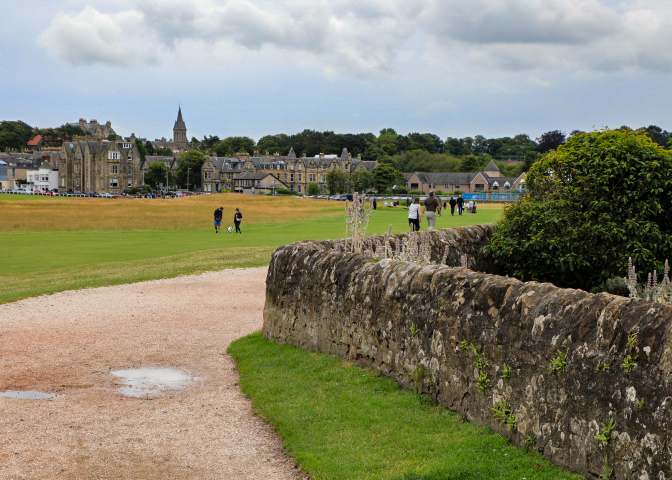
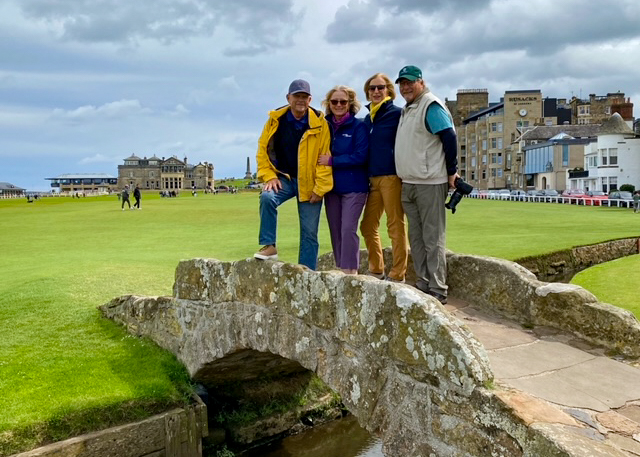
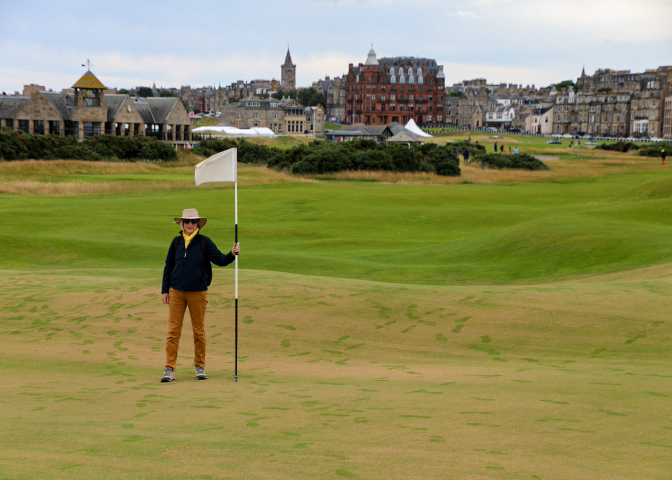
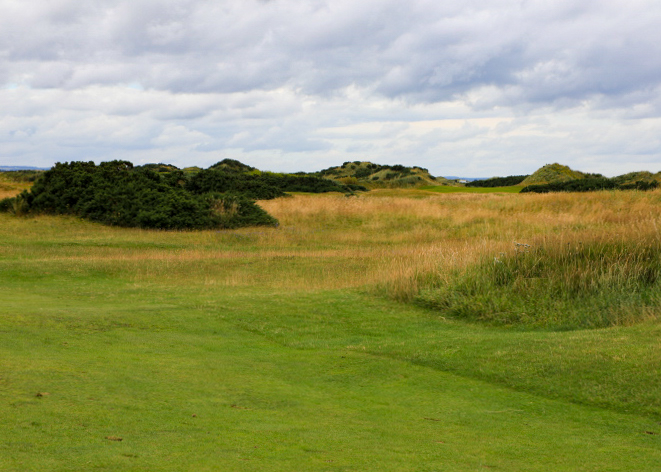
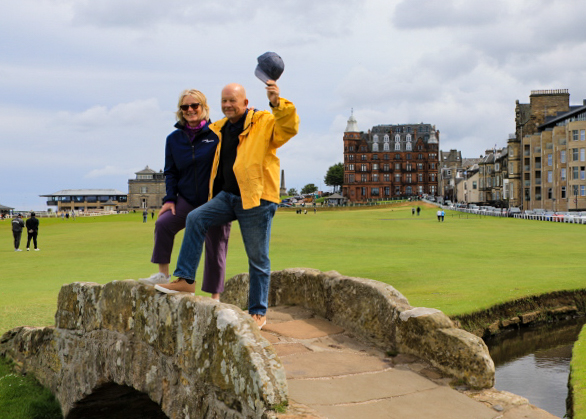
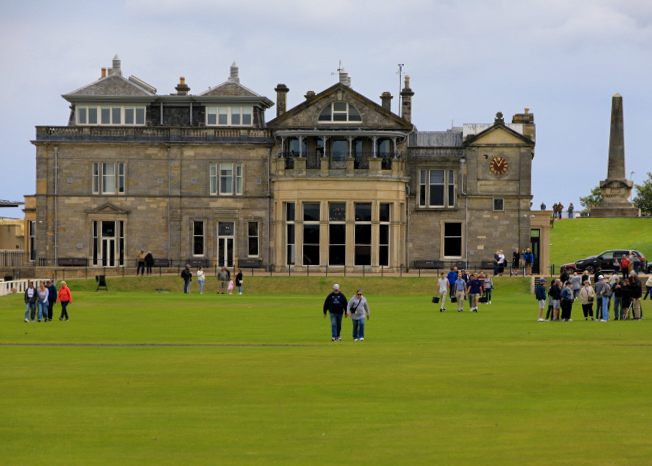
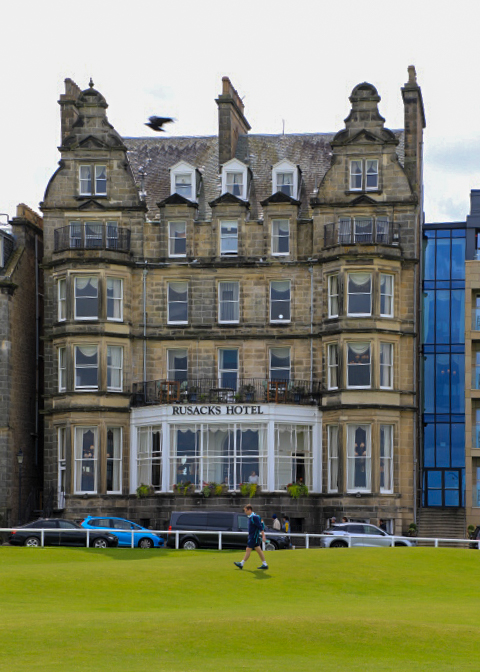
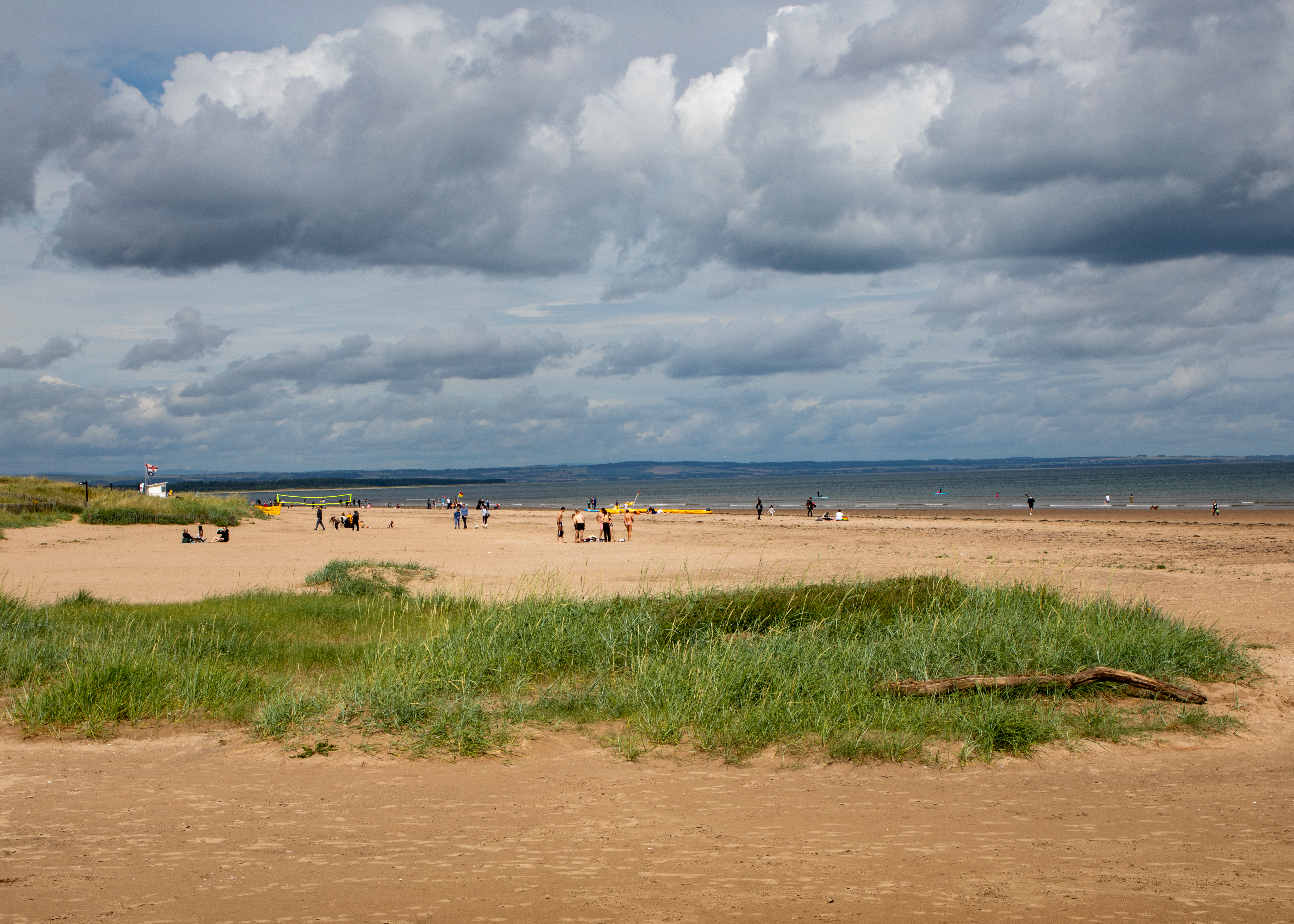
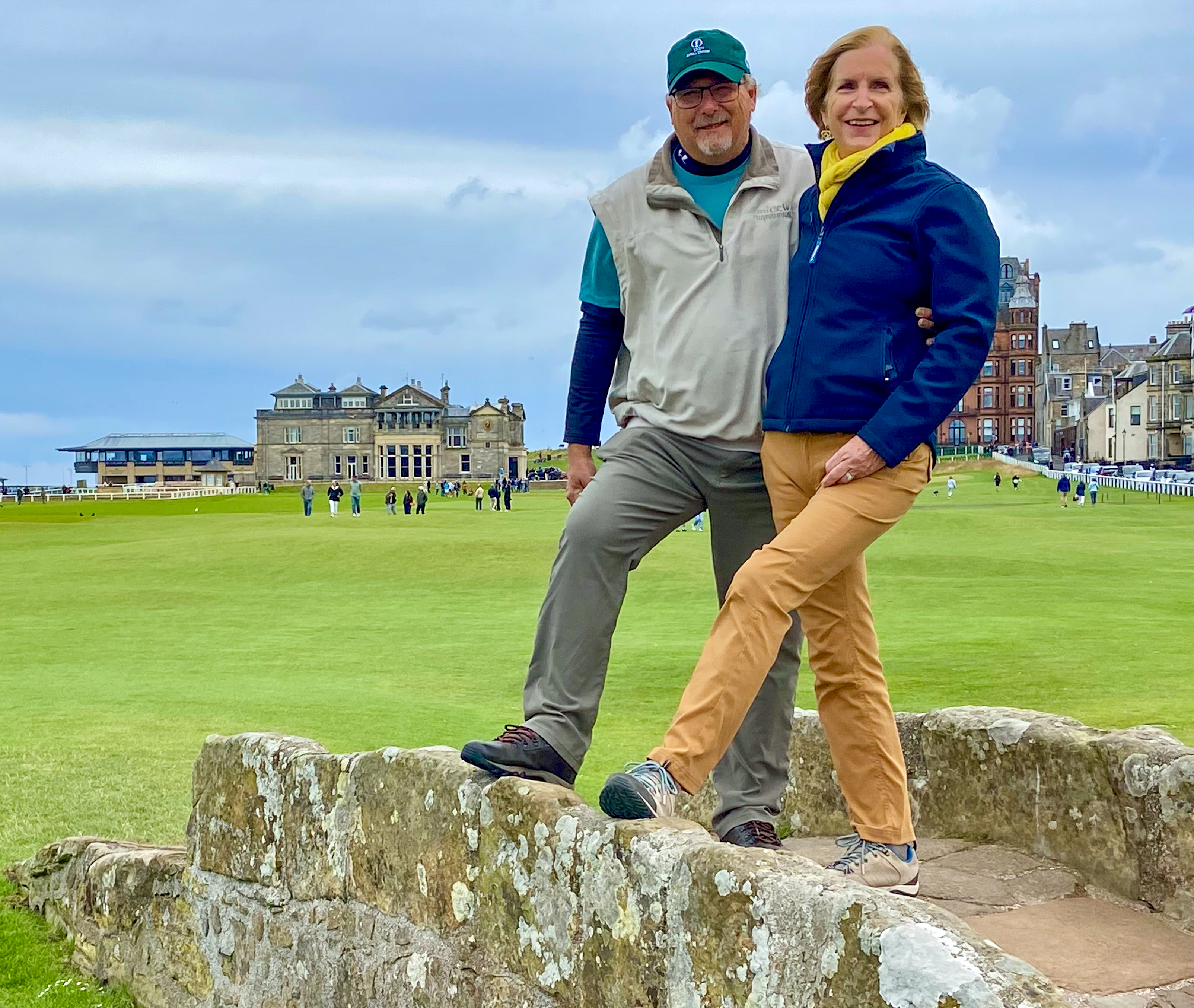
It’s Sunday and the Old Course at St. Andrews is closed to golfers but open to all to walk the course. St. Andrews is a coastal town in Scotland which hosts Scotland’s top university and the world’s most famous golf course. Its medieval Old Town has ruins of a castle and cathedral and sandy beaches. It was less than a 2-hour ride from Edinburgh so it fit into our schedule. The course gets a tremendous amount of play and is not in the Open rotation this year, so it seemed in rough shape. However, walking the course, you get an understanding of the contours of the greens and fairways (and the severe bunkering) – makes our PB courses look a lot more playable.

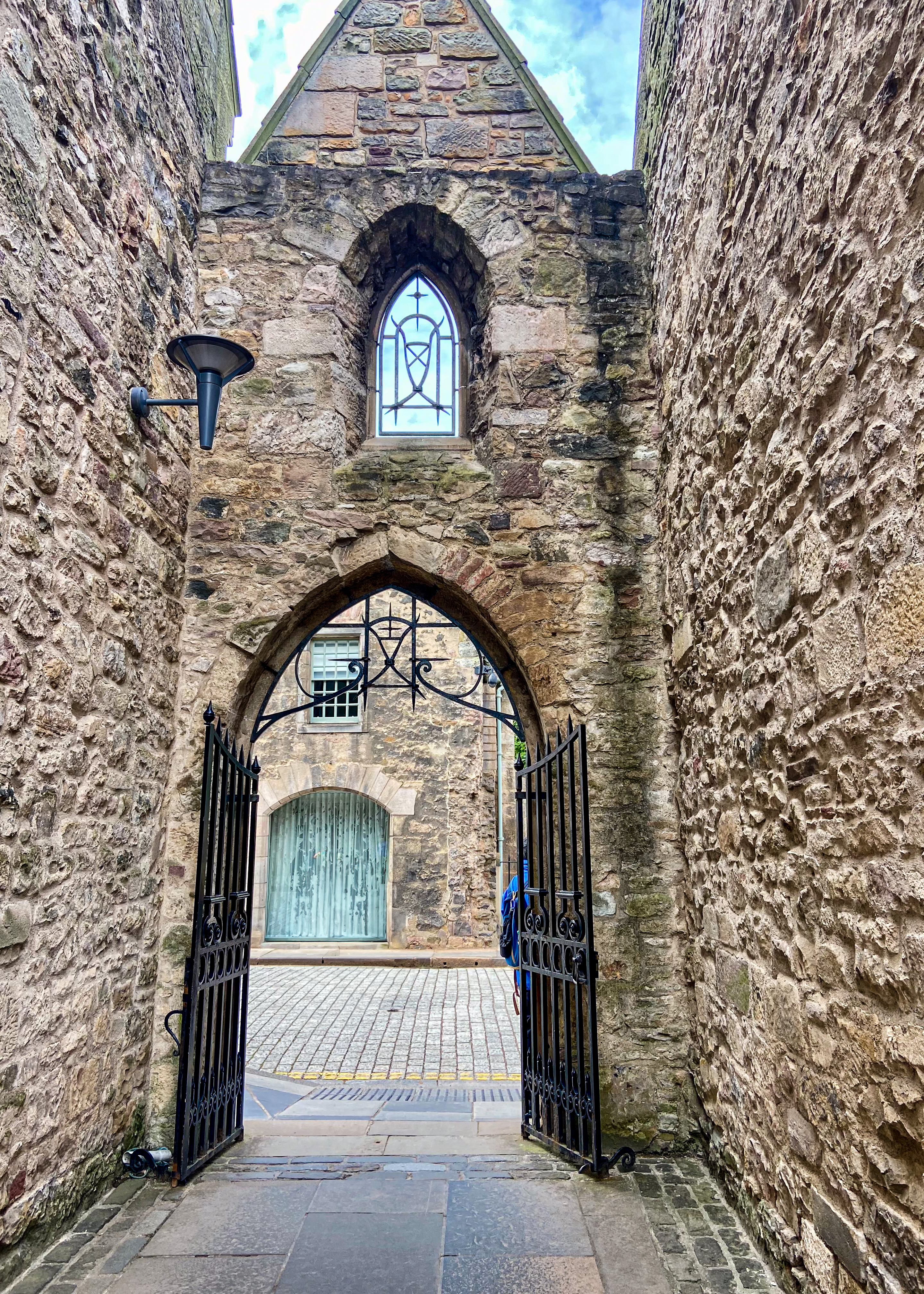
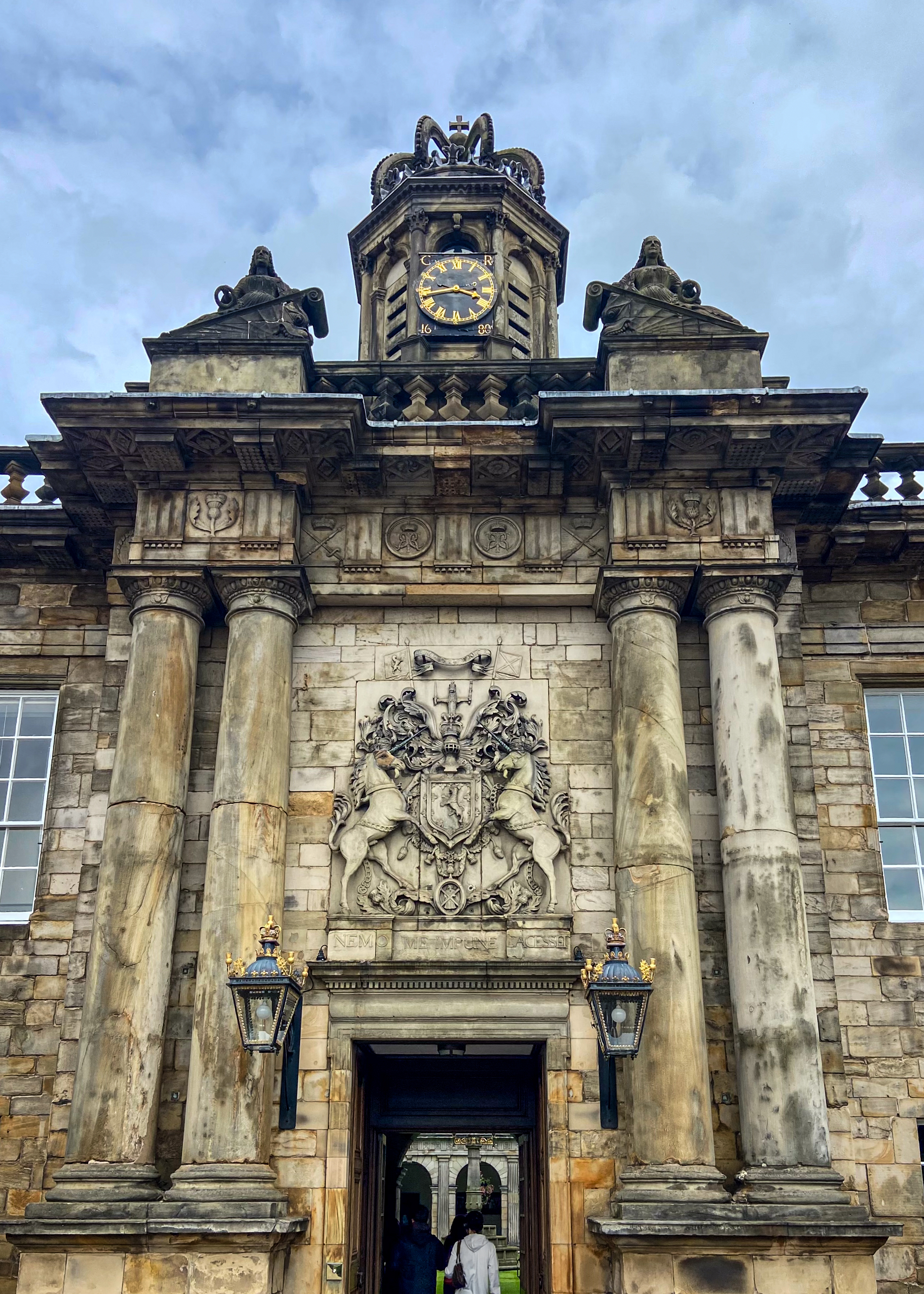
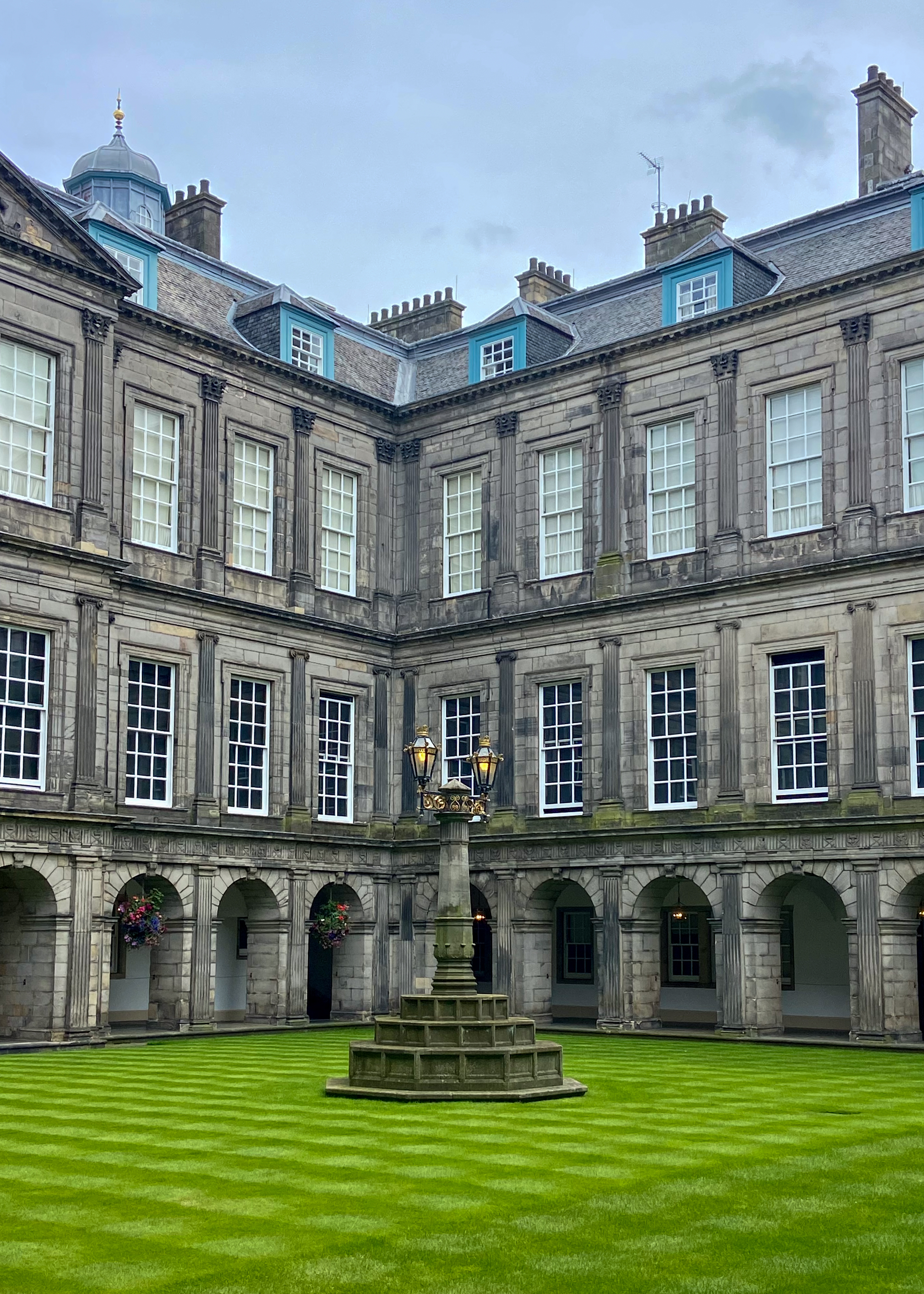
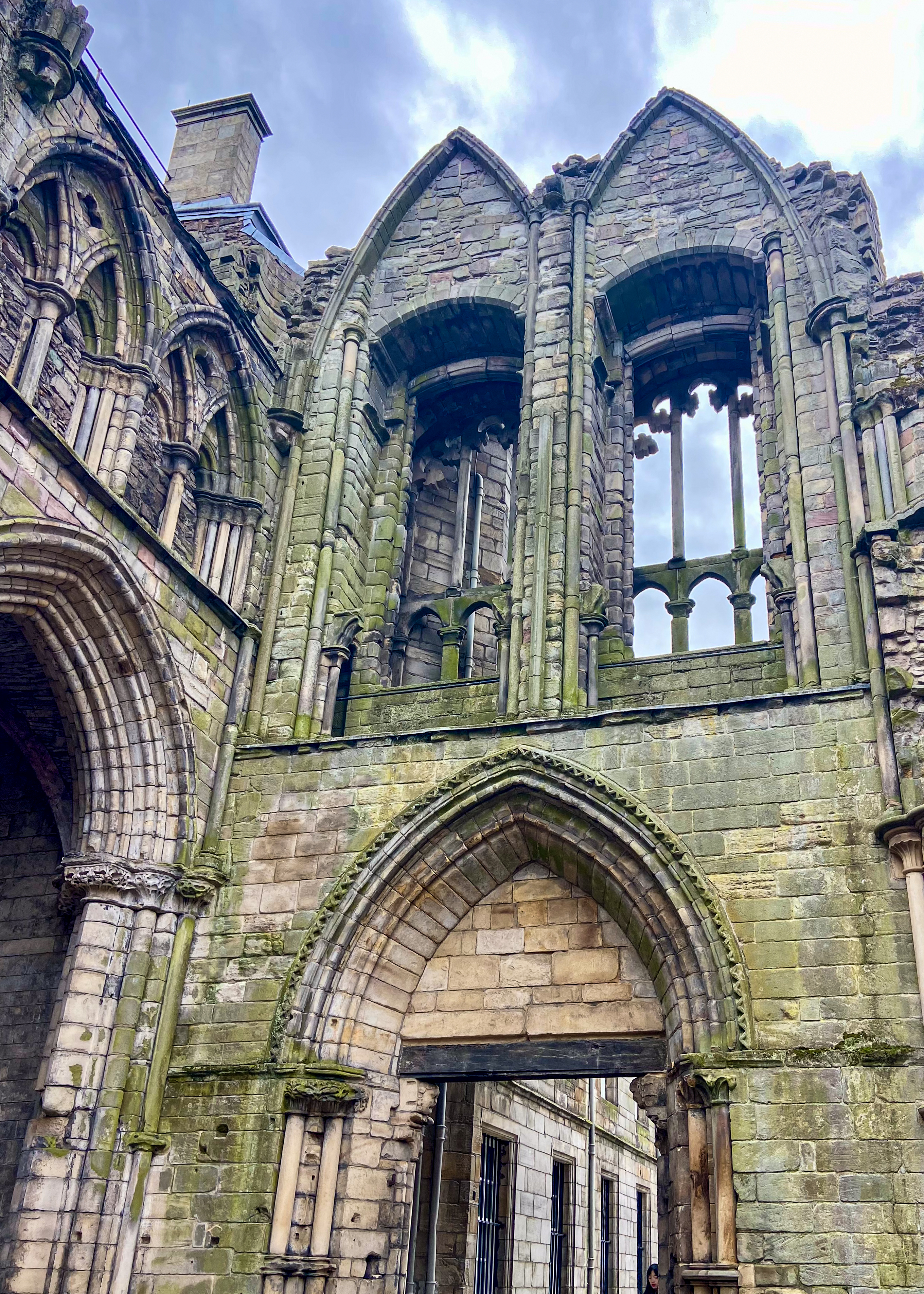
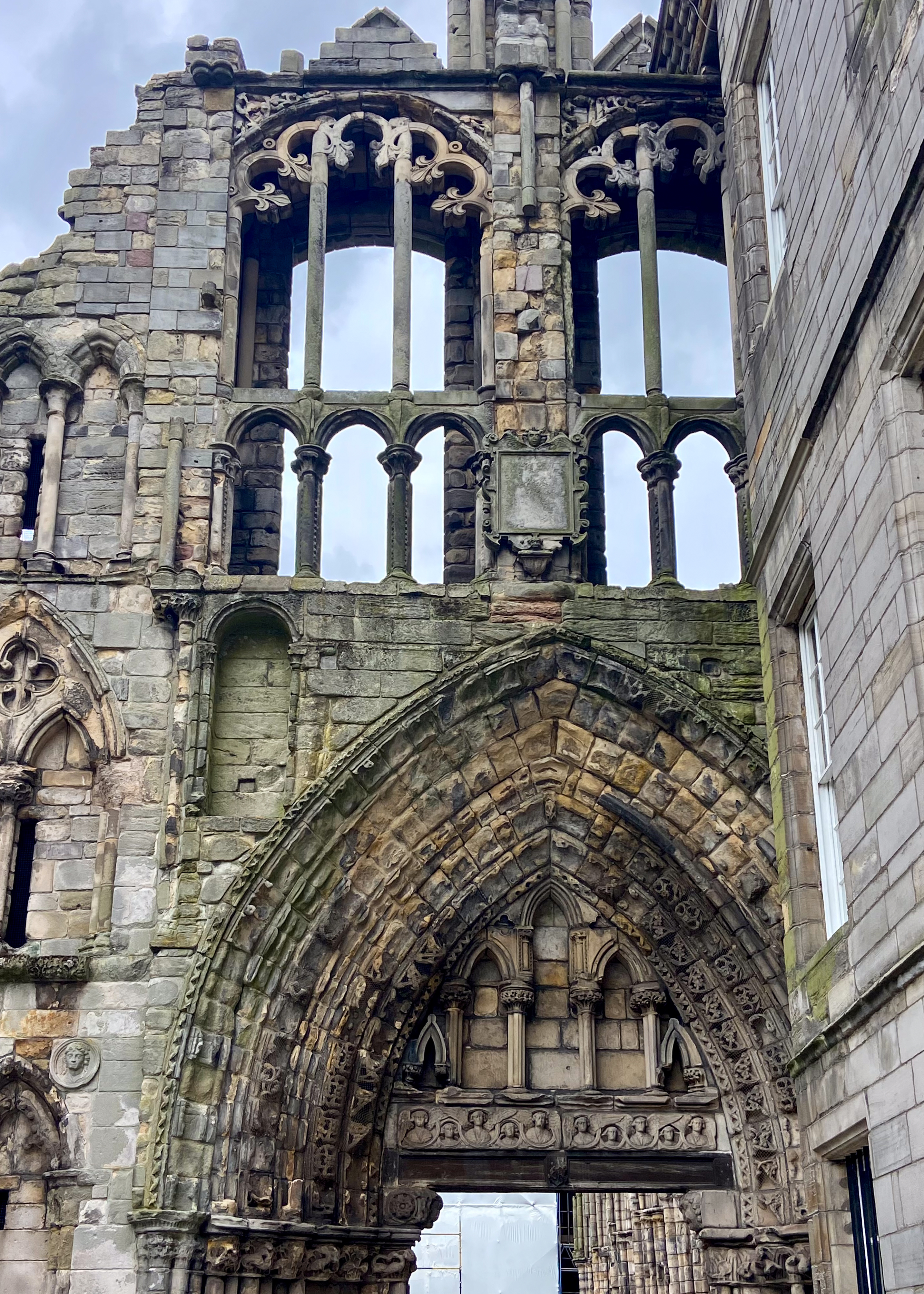
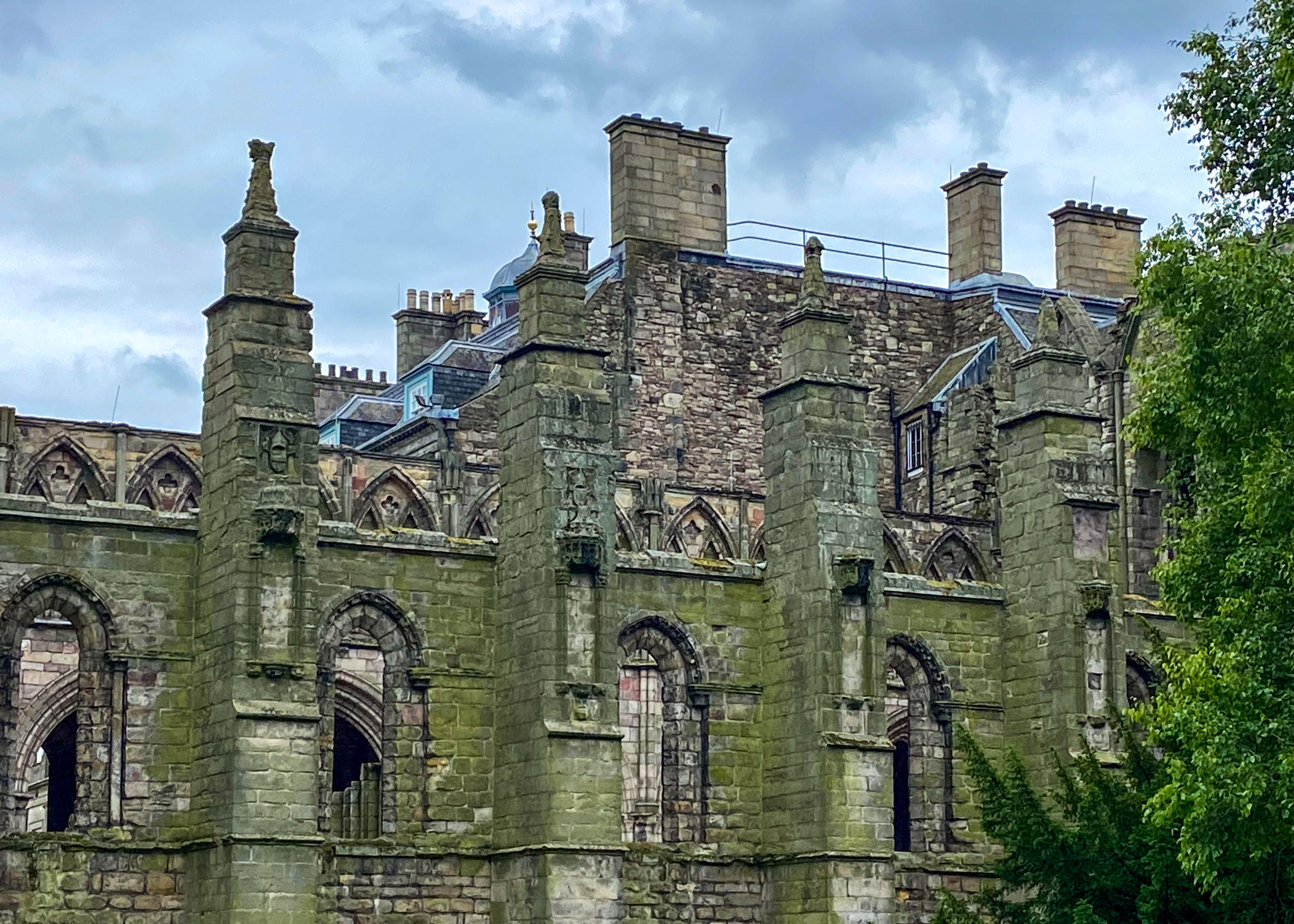
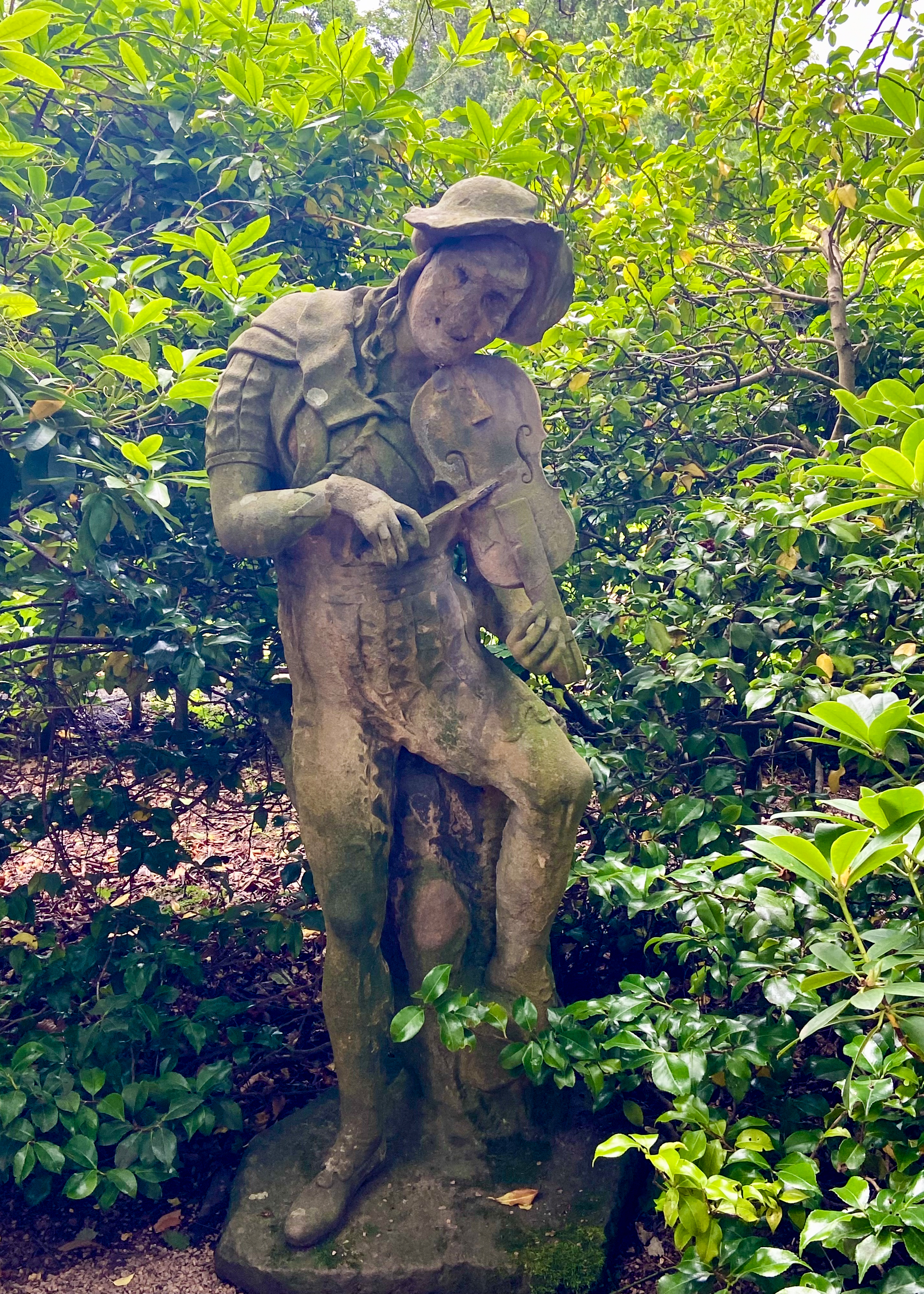
After our excursion, we headed back to Edinburgh to tour the Holyroodhouse Palace and see some additional sites in Edinburgh. The Palace is the King’s official residence in Edinburgh and the home of Scottish royal history. Unfortuately no photos were allowed inside the Palace but you can photo the exterior and the gardens.

So my verbal highlights — We began our visit by wandering the staterooms – with amazing tapestries that adorn the walls. The skilled needlework draws a vivid image of the palace’s history, as well as playing an important role in keeping the palace warm. There are also many paintings depicting historical figures and events in Scotland’s past. Also, the rooms display beautiful objects including china and opulent fabrics. The carved plaster ceilings are also impressive. The Great Gallery’s walls are covered with paintings of over 100 Scottish rulers.

Much of the palace you’ll see today dates from the seventeenth century, but if you head to the Northwest Tower you can see the space where Mary Queen of Scots took residence. This includes the location of some of the more grisly aspects of her reign, including the murder of her secretary David Rizzio, an act orchestrated by her husband, Lord Darnley.

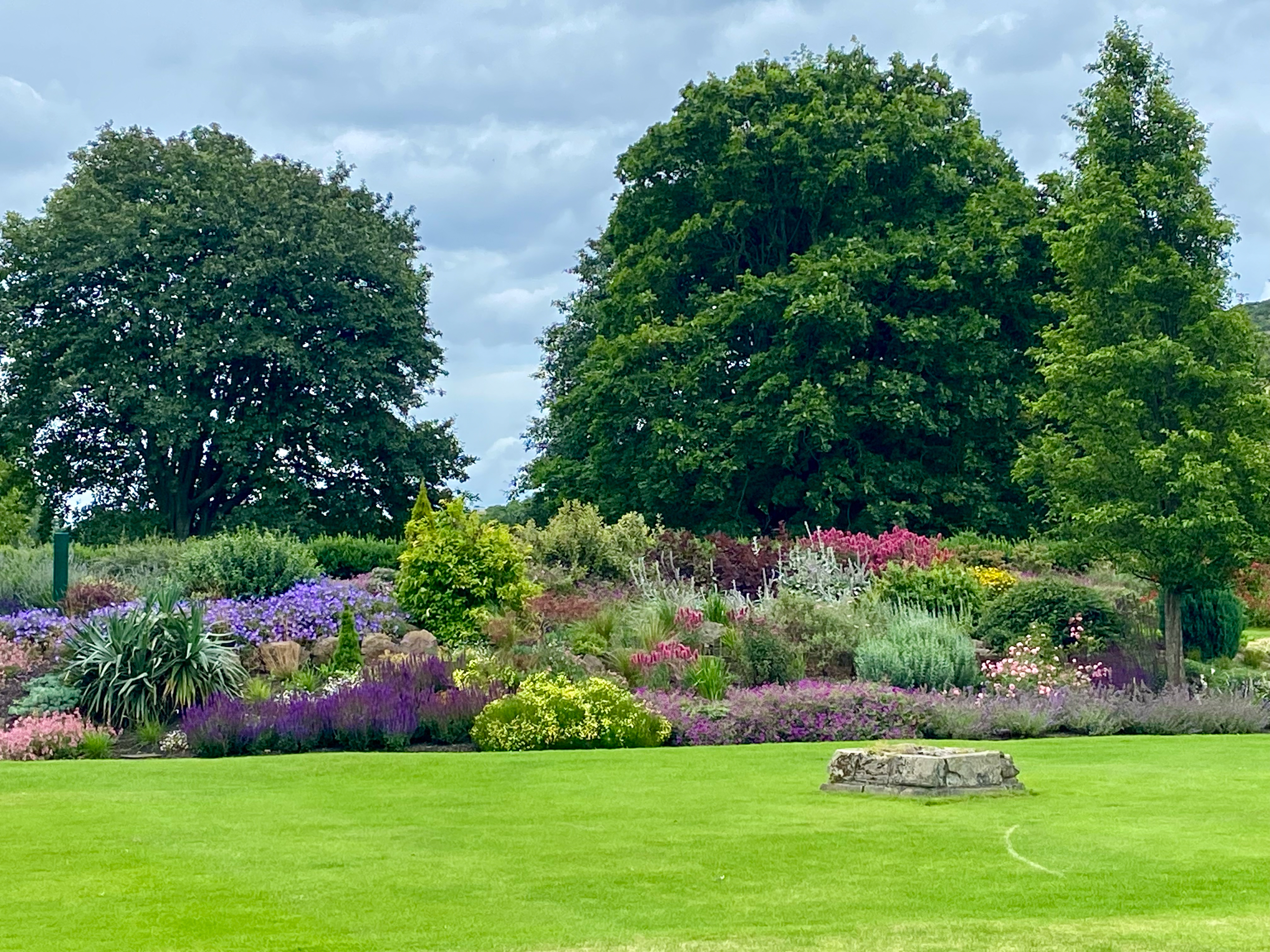
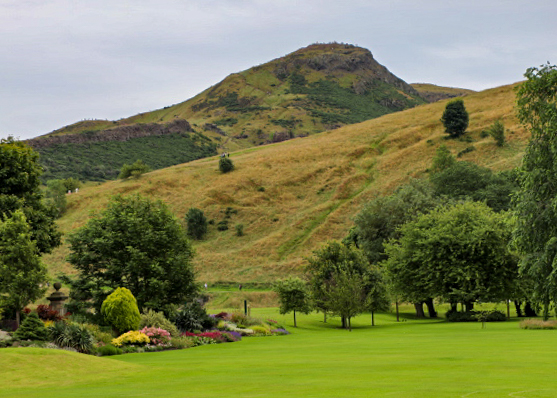
Outside the palace, you find the gardens (over 10 acres) at the base of Arthur’s Seat and the beautiful 16th-century ruins of Holyrood Abbey.

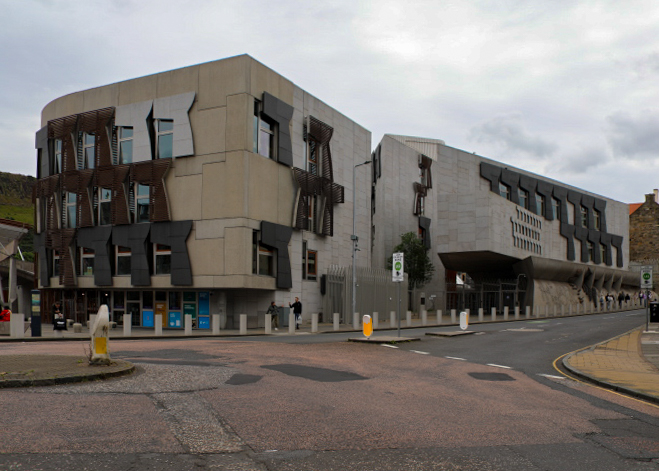
Walking back to our hotel, we passed the new Parliament Building, considered modern or just plain ugly.

St. Andrews

Holyroodhouse Palace

Parliament Building

UK and Scotland Day 12

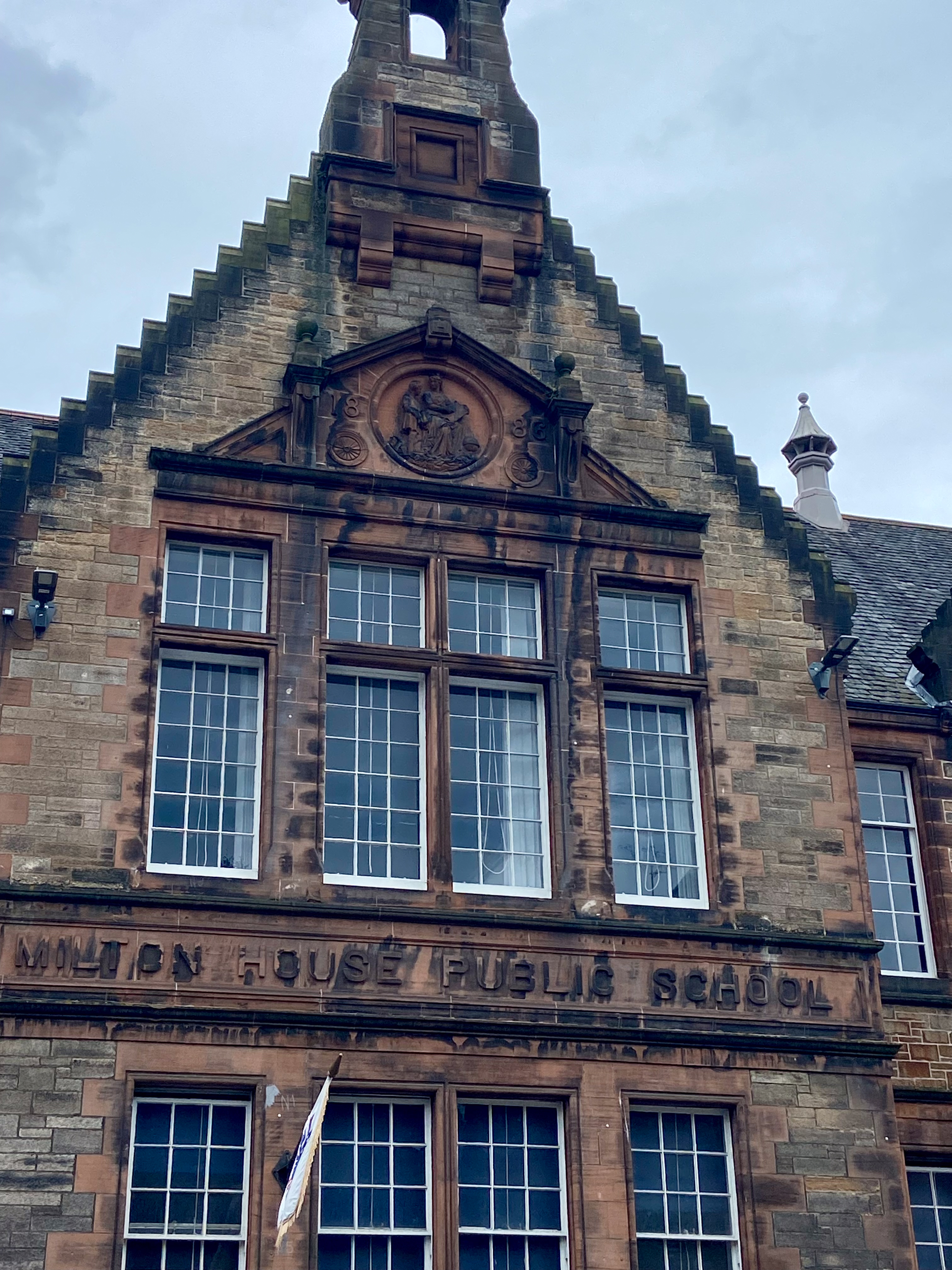
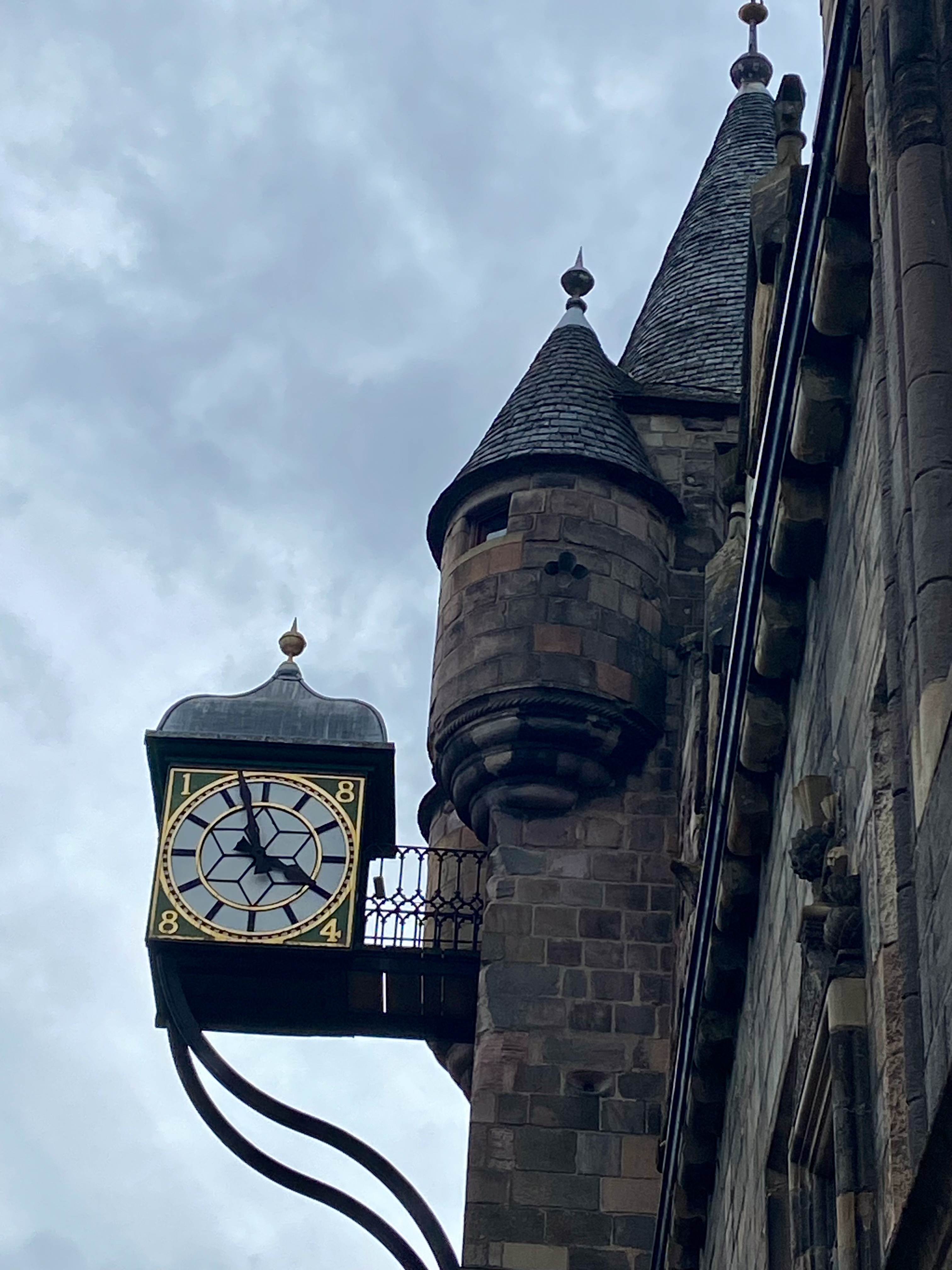
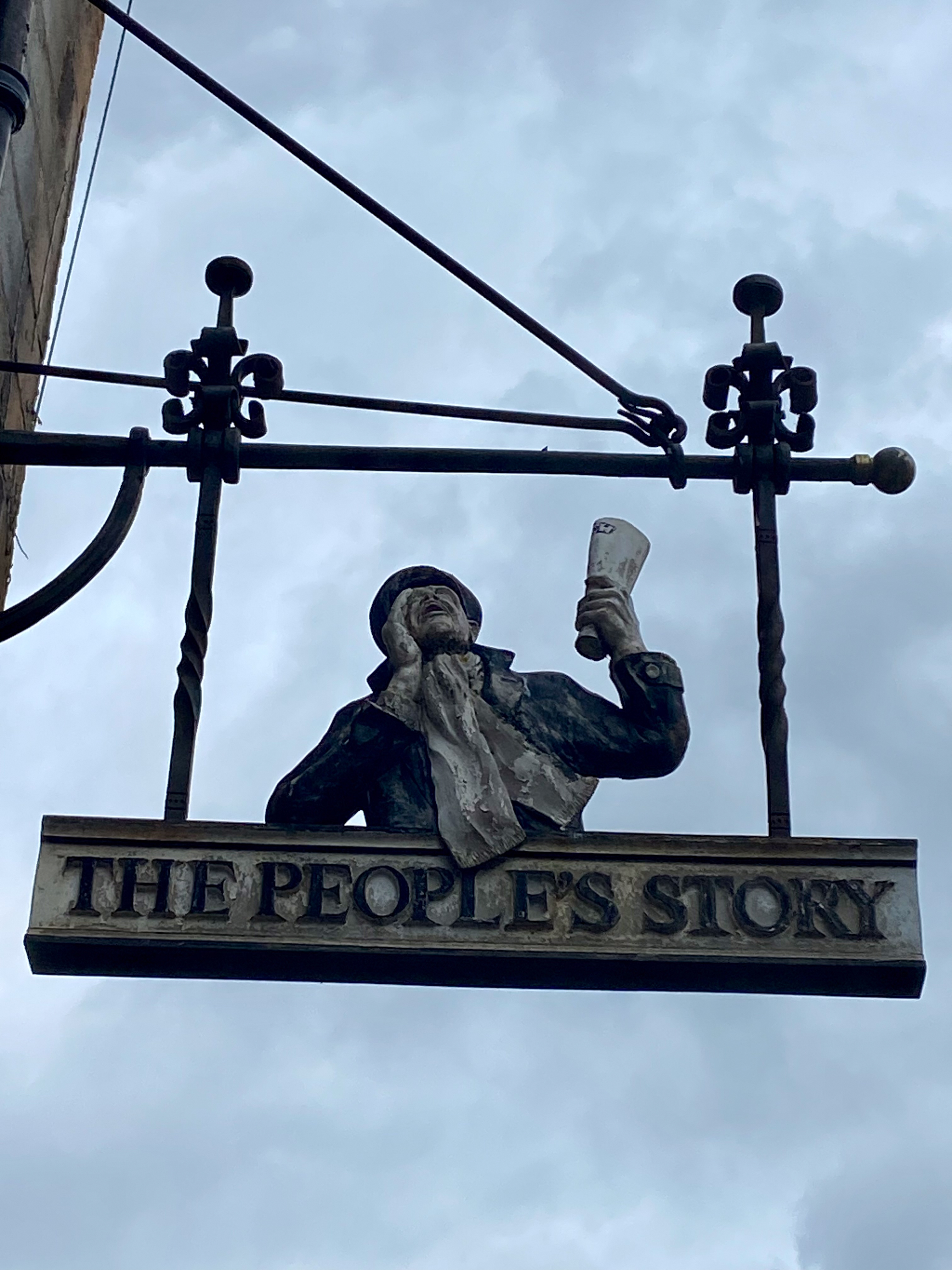
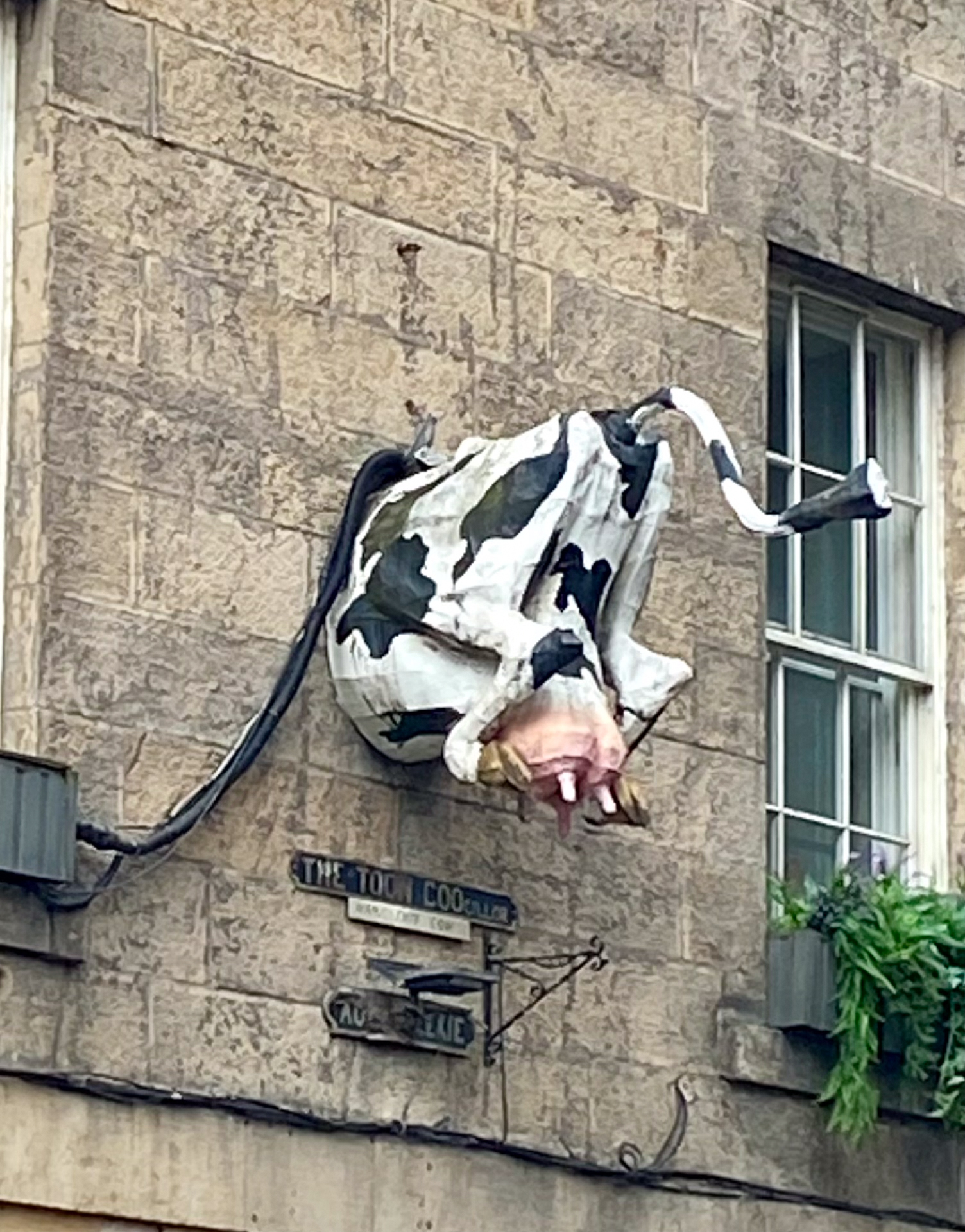
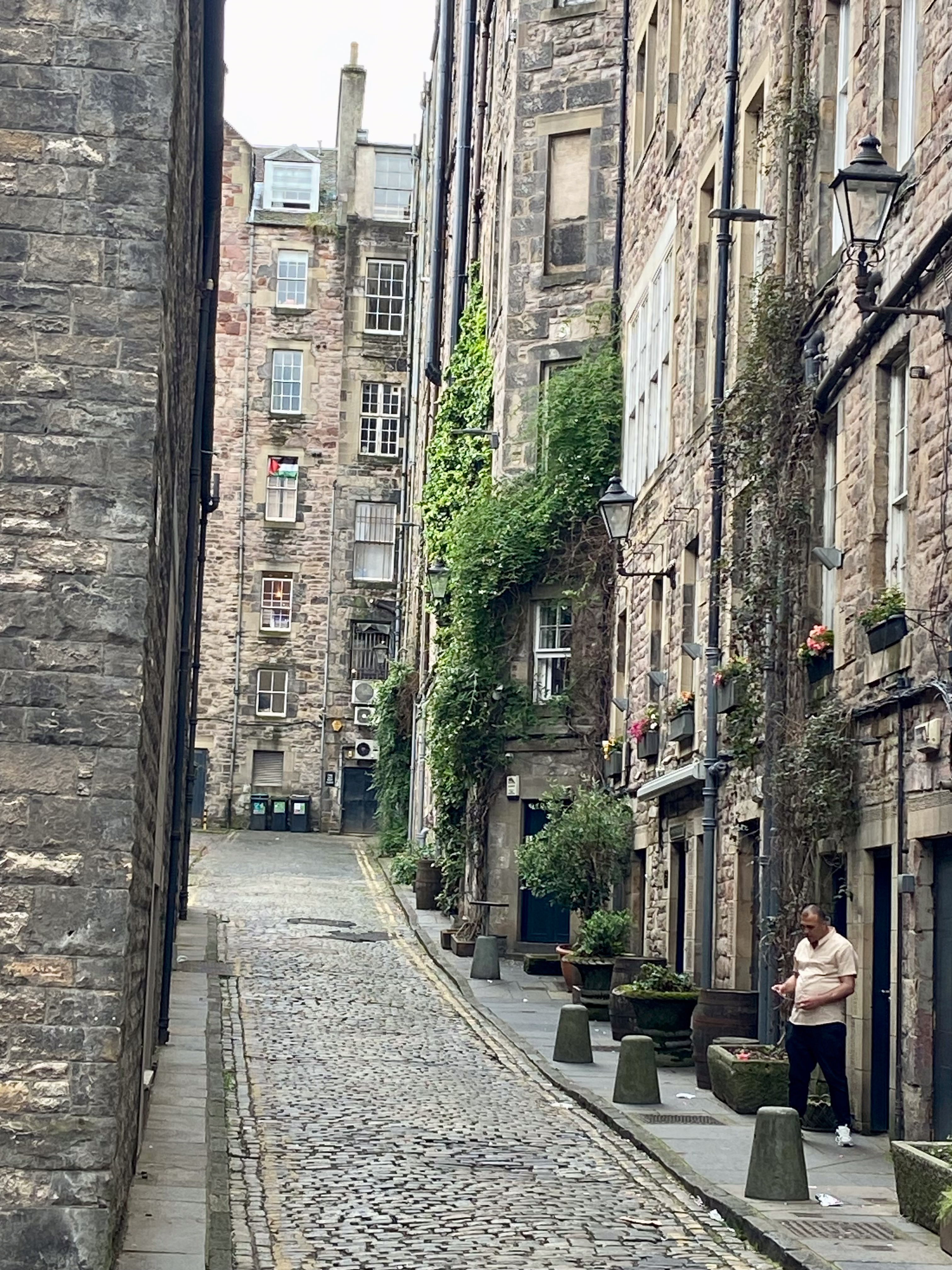
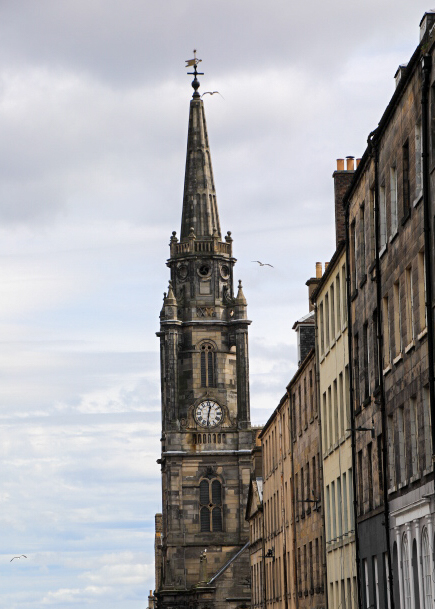
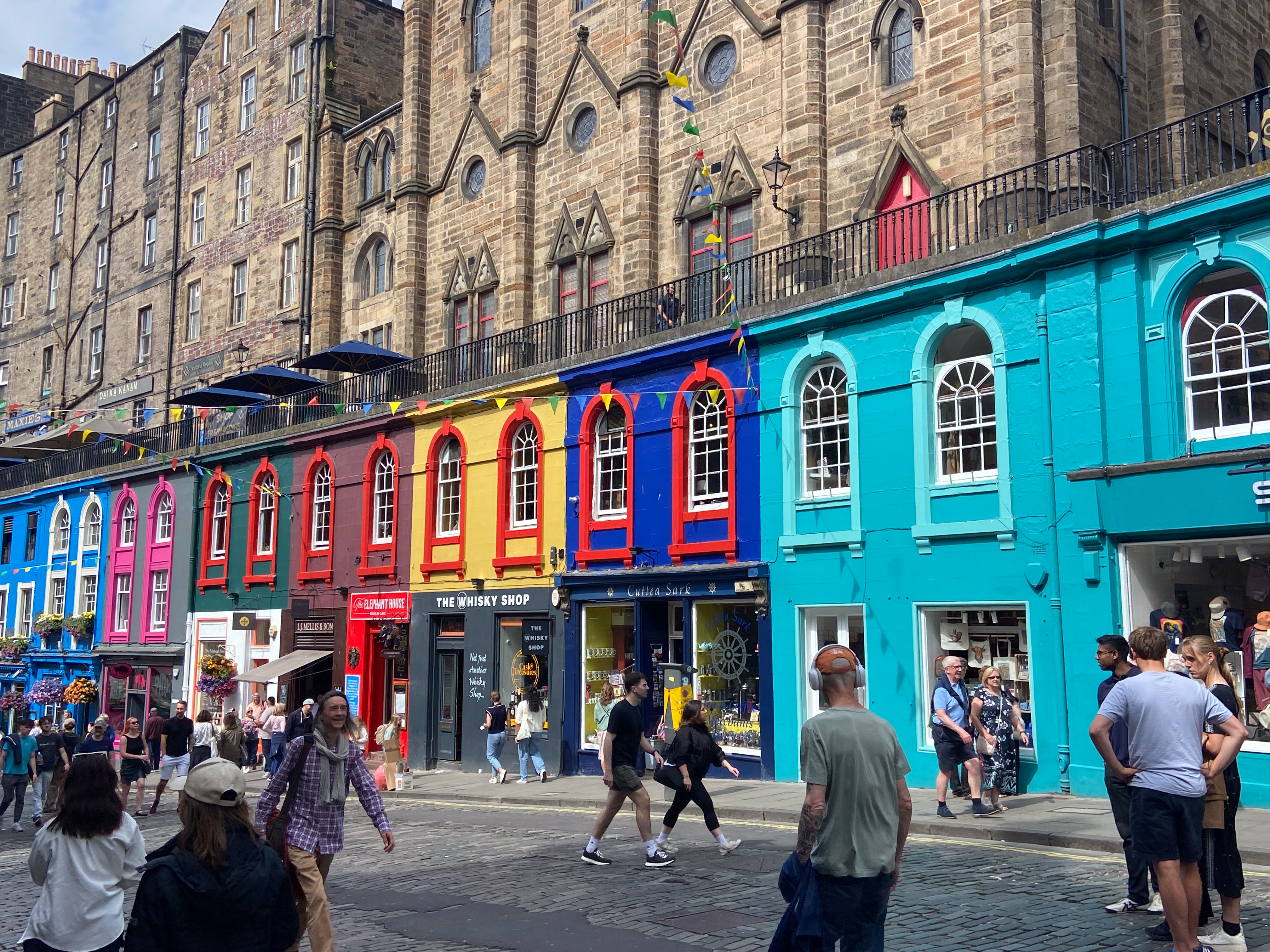
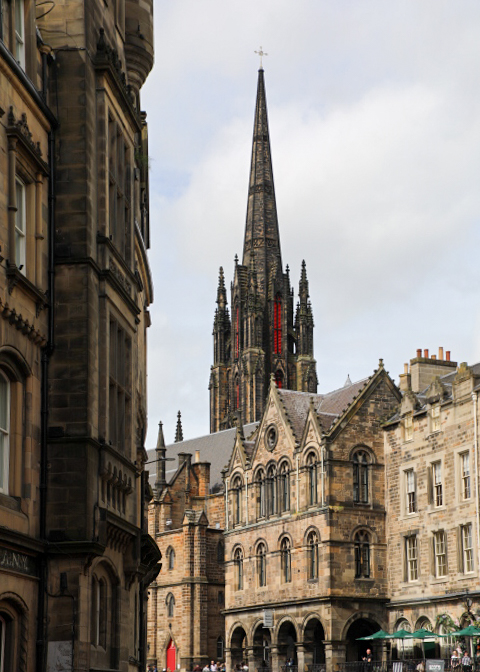
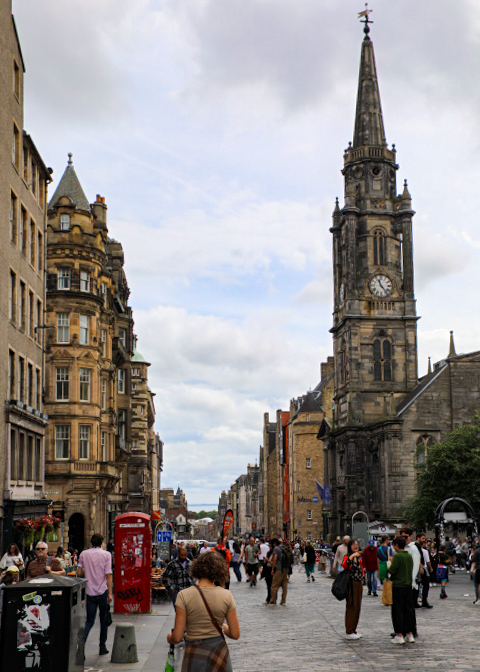
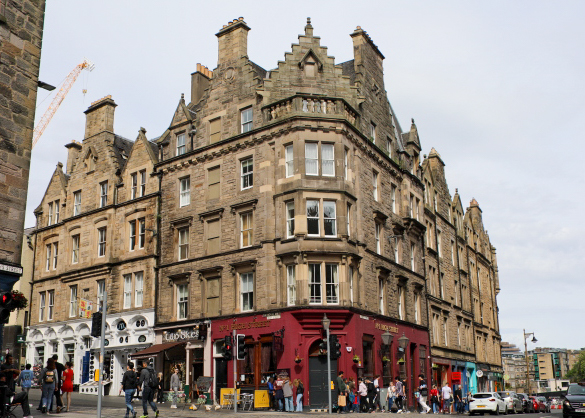
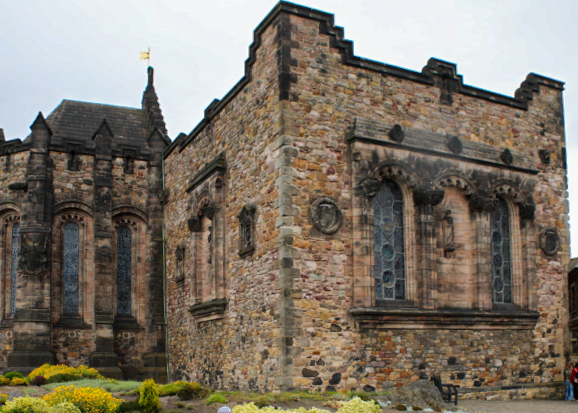
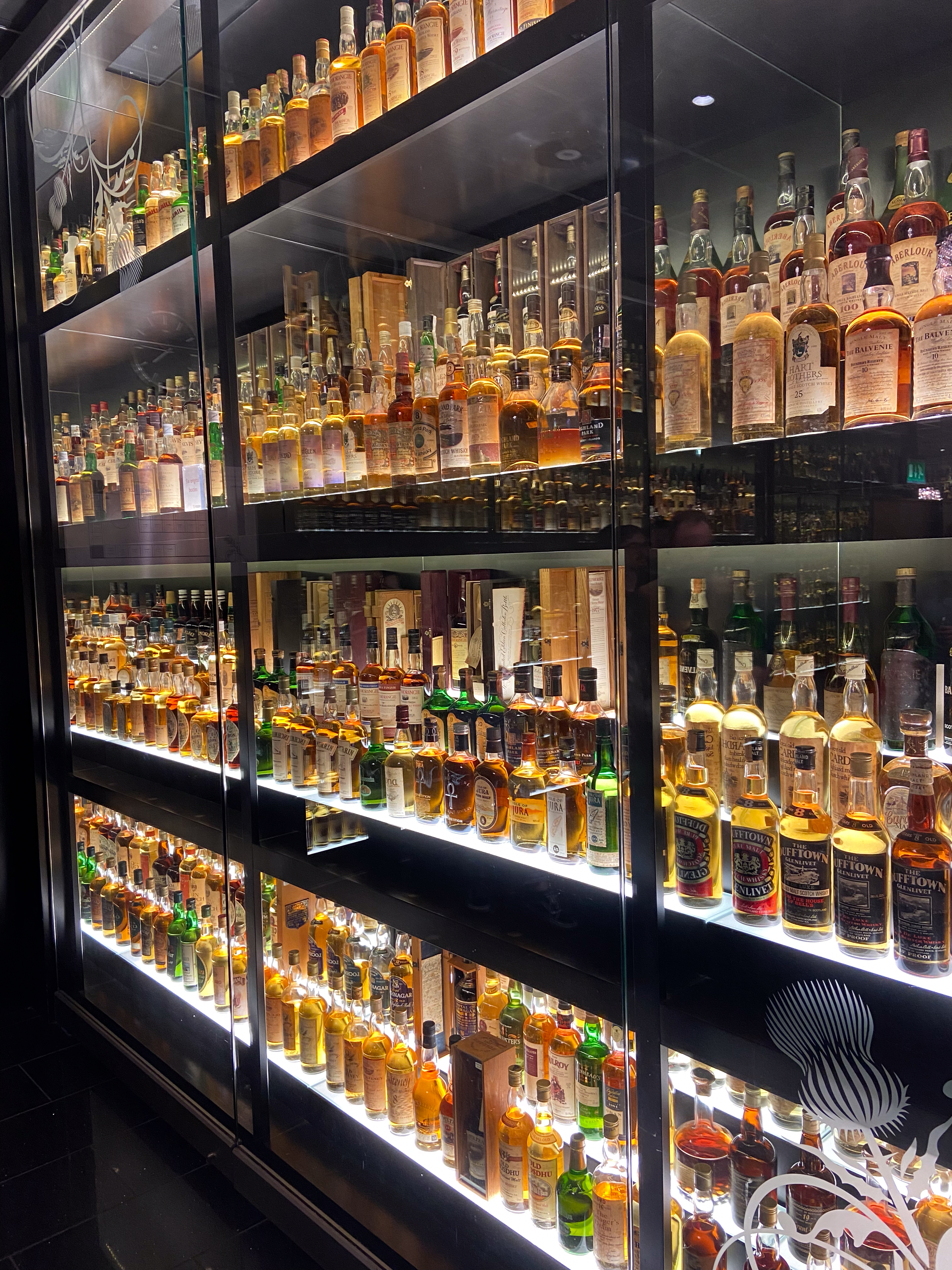
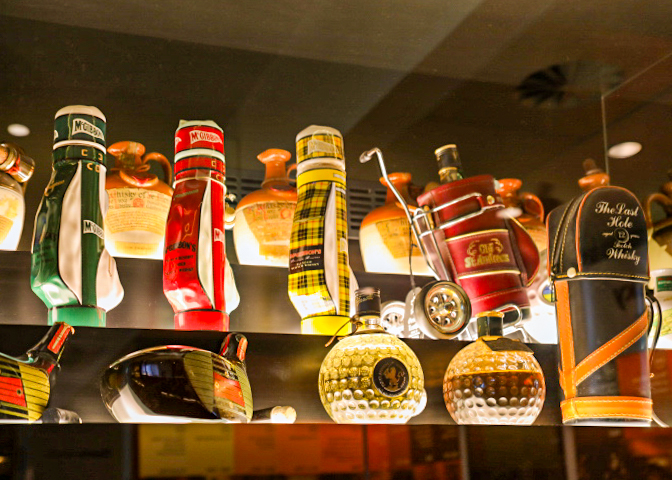
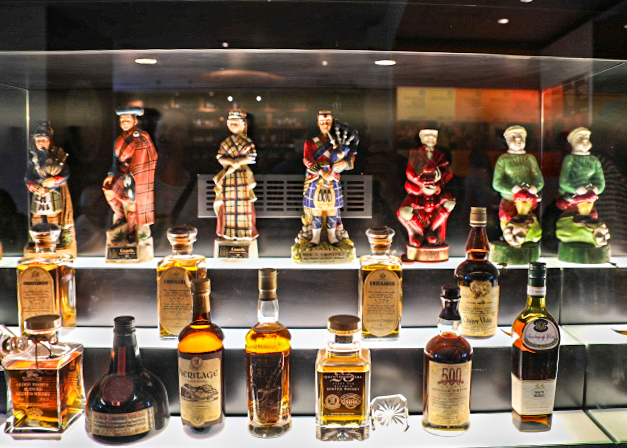
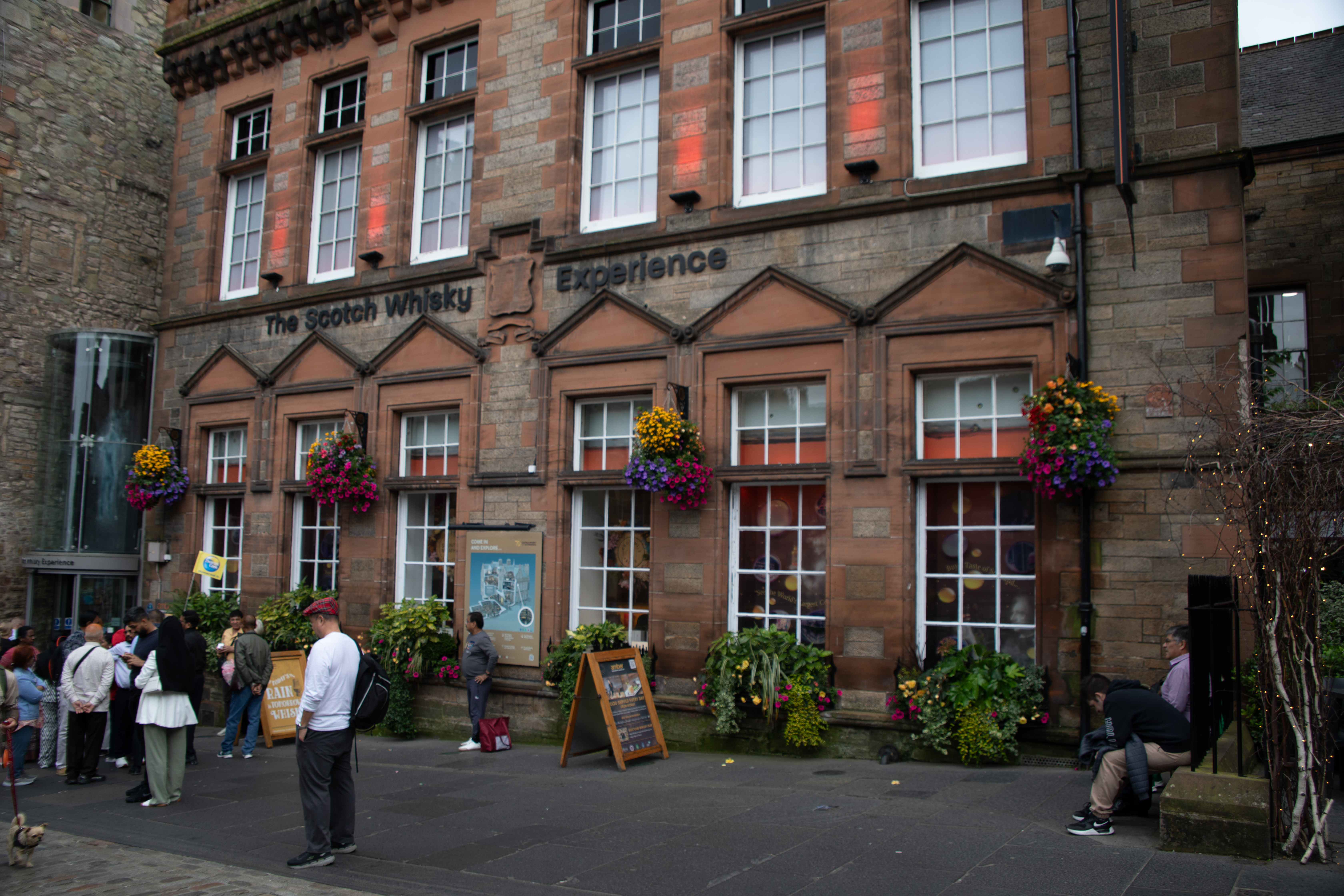
Today is our first full day in Edinburgh, Scotland. To get an understanding of Old Town, we walked the Royal Mile. This walk takes place in the historic heart of Old Town, the medieval city established as a royal burgh by King David I in the 12th century. Situated on a mile-long hill, Old Town (whose protective walls were knocked down and refortified throughout history) is the most evocative district in Edinburgh. In large part, the city’s current reputation for beauty and romance rests upon the appearance of the Royal Mile and its surrounding streets. After taking in the sights along the Mile, we toured Edinburgh Castle at the top of the hill (an extinct volcano). For more details on the history of the castle, see – https://www.edinburghcastle.scot/the-castle/history. As a fitting close to a long day, we enjoyed the Scotch Whisky Experience – a great audio/visual experience and, of course, the tasting of whisky from the 5 production regions of Scotland. Fitting place to find out about Scotch – their collection has over 3400 bottles in all shapes and sizes – from chess sets to golf bags to people and yes jugs and bottles.

Street Views of the Mile:

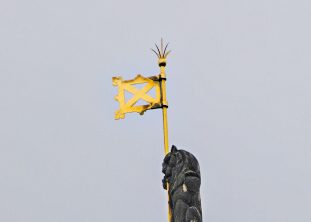
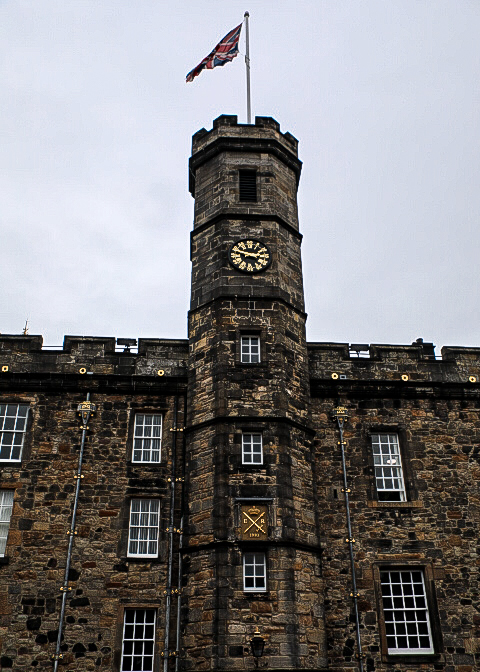
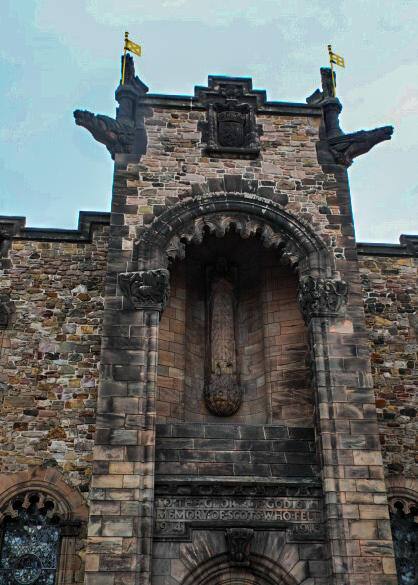
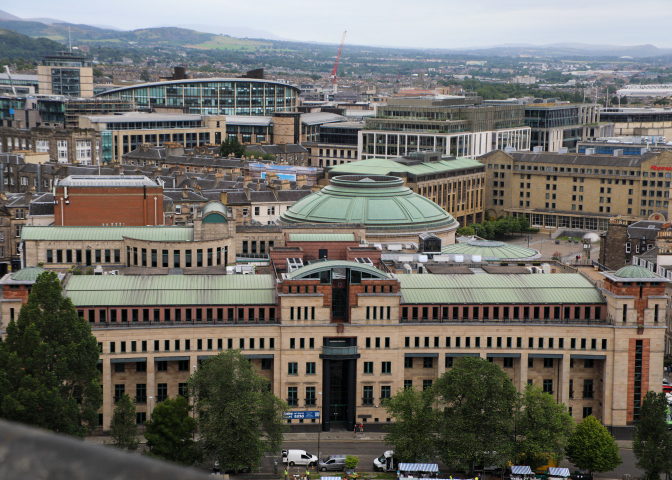
Edinburgh Castle and views from the top

Scotch Whisky Experience

UK and Scotland Day 11

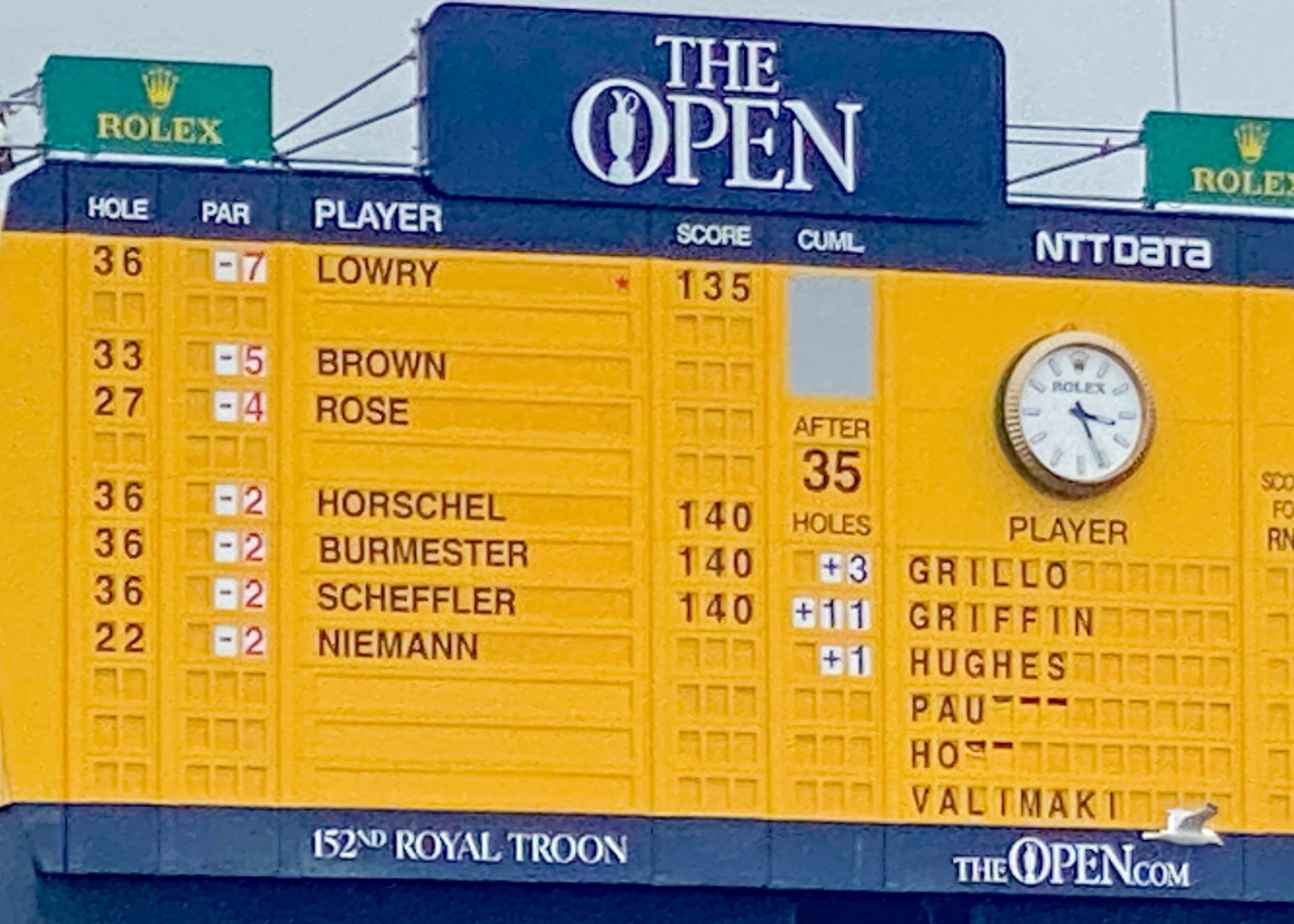
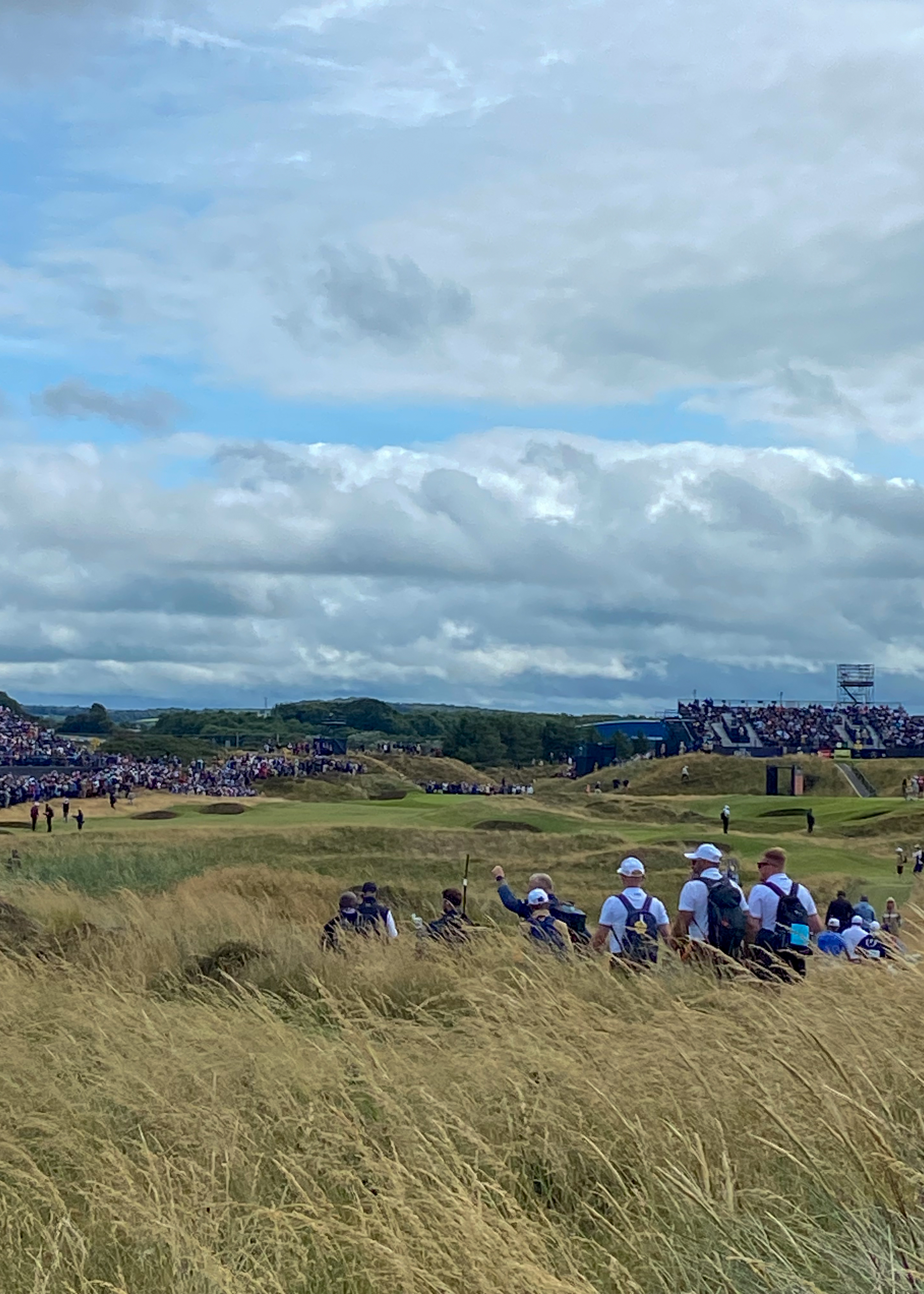
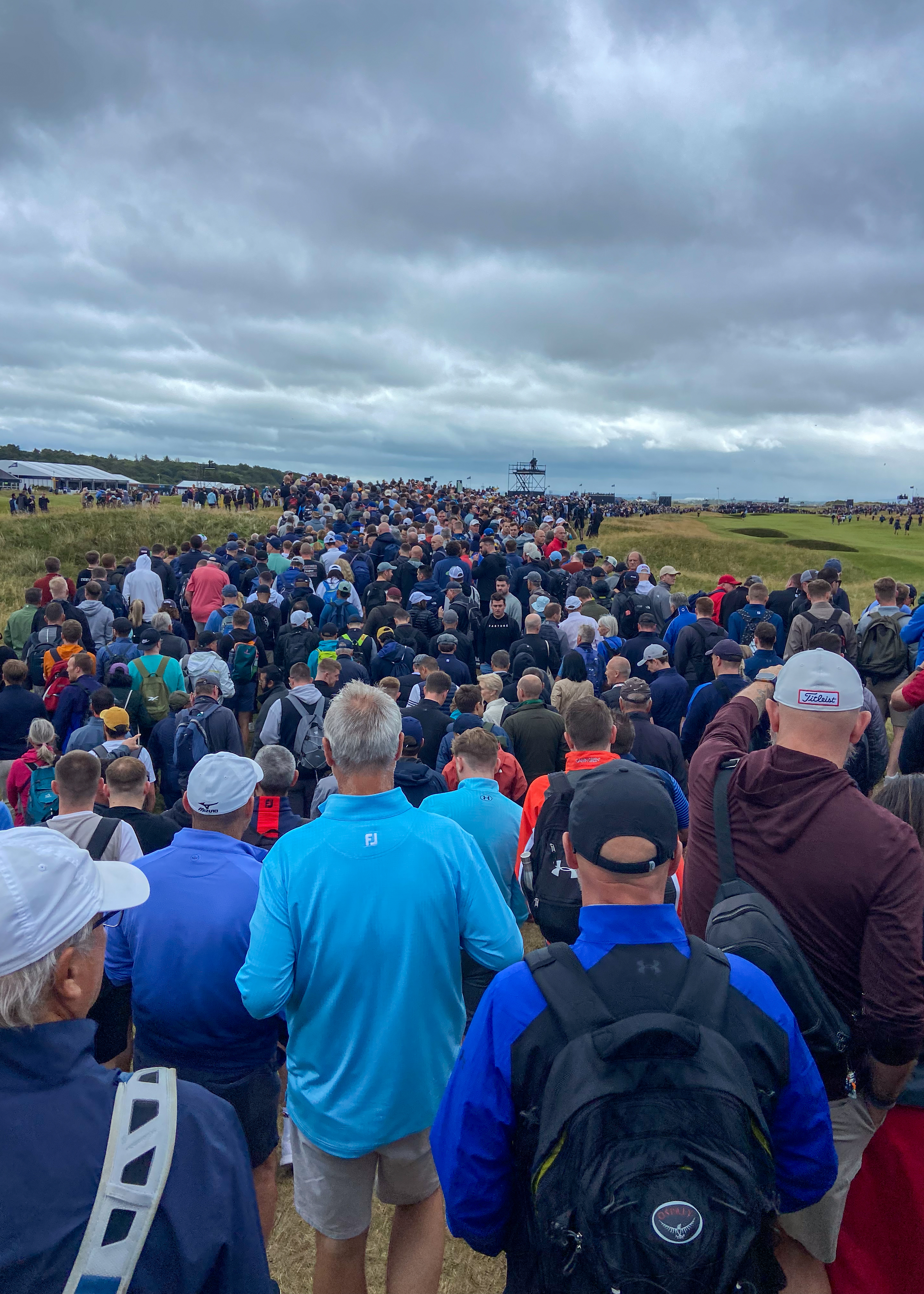
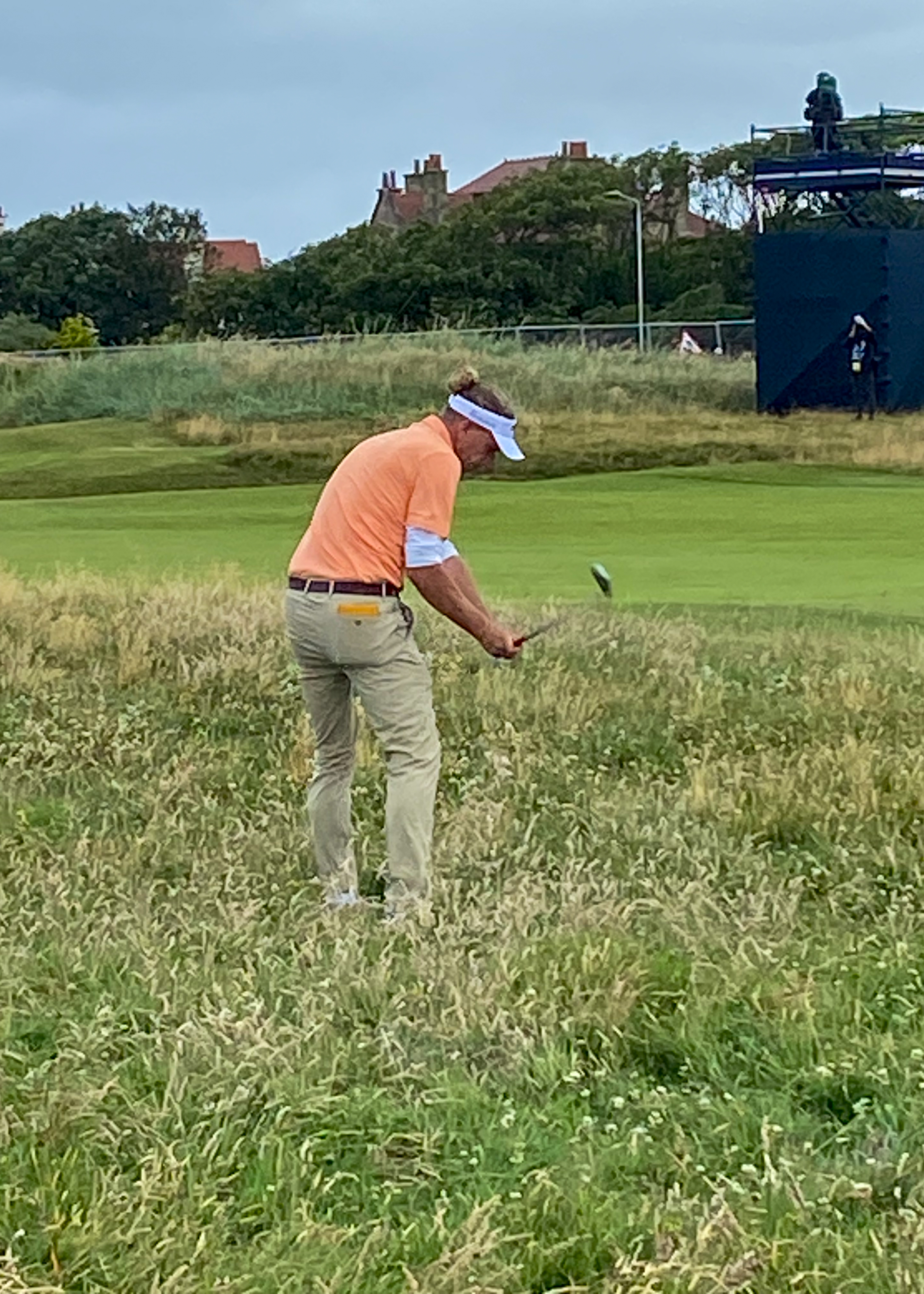
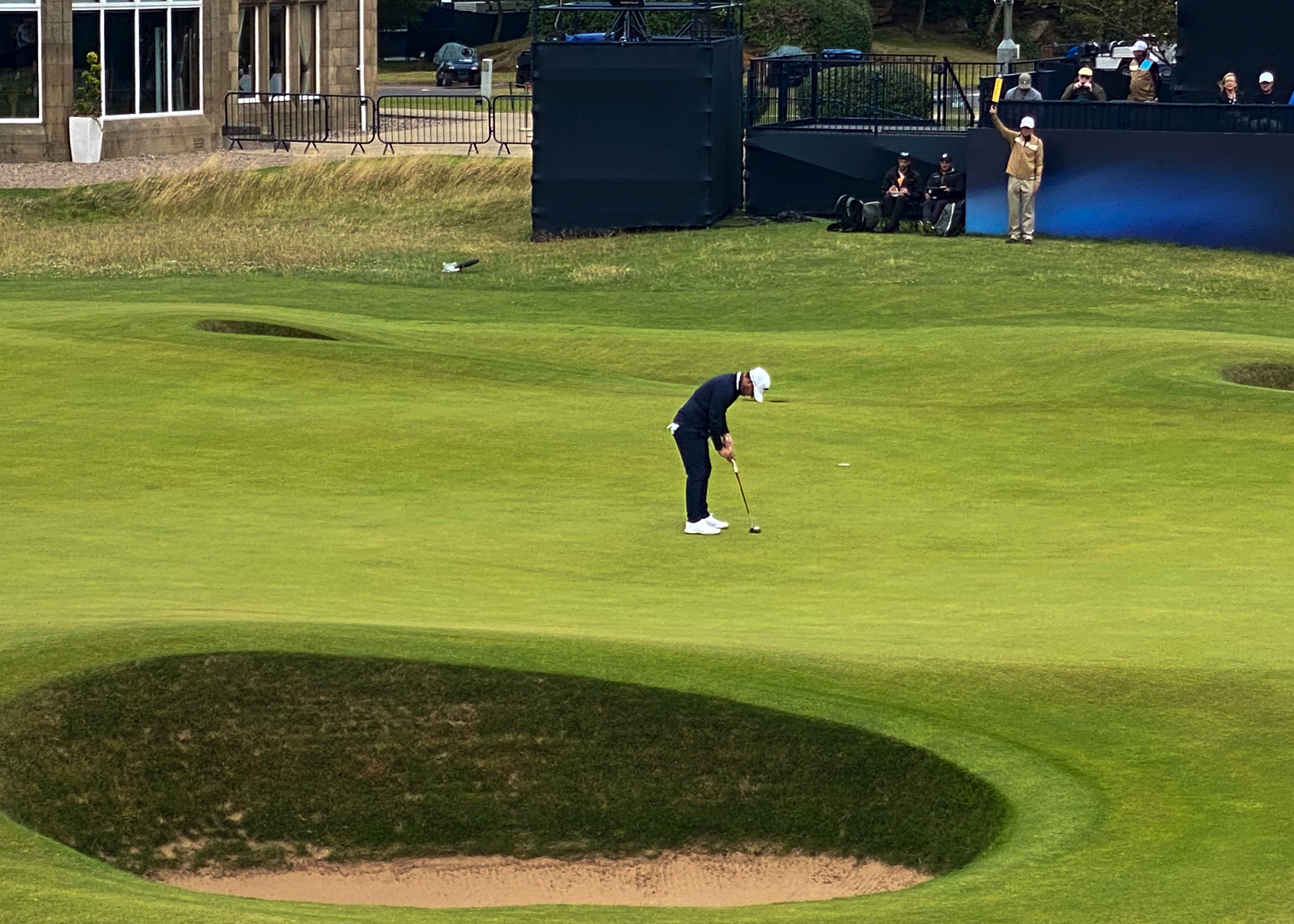
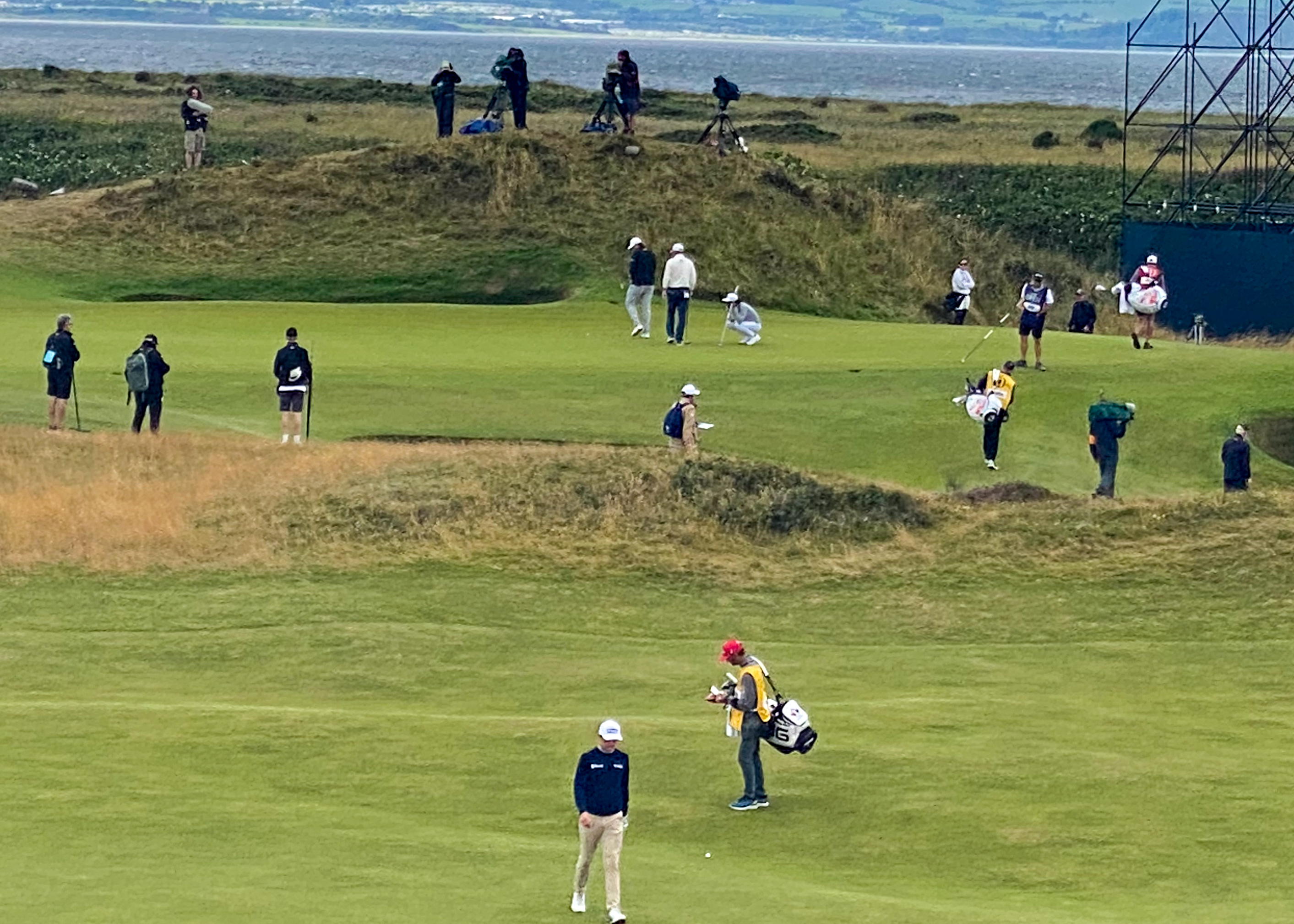
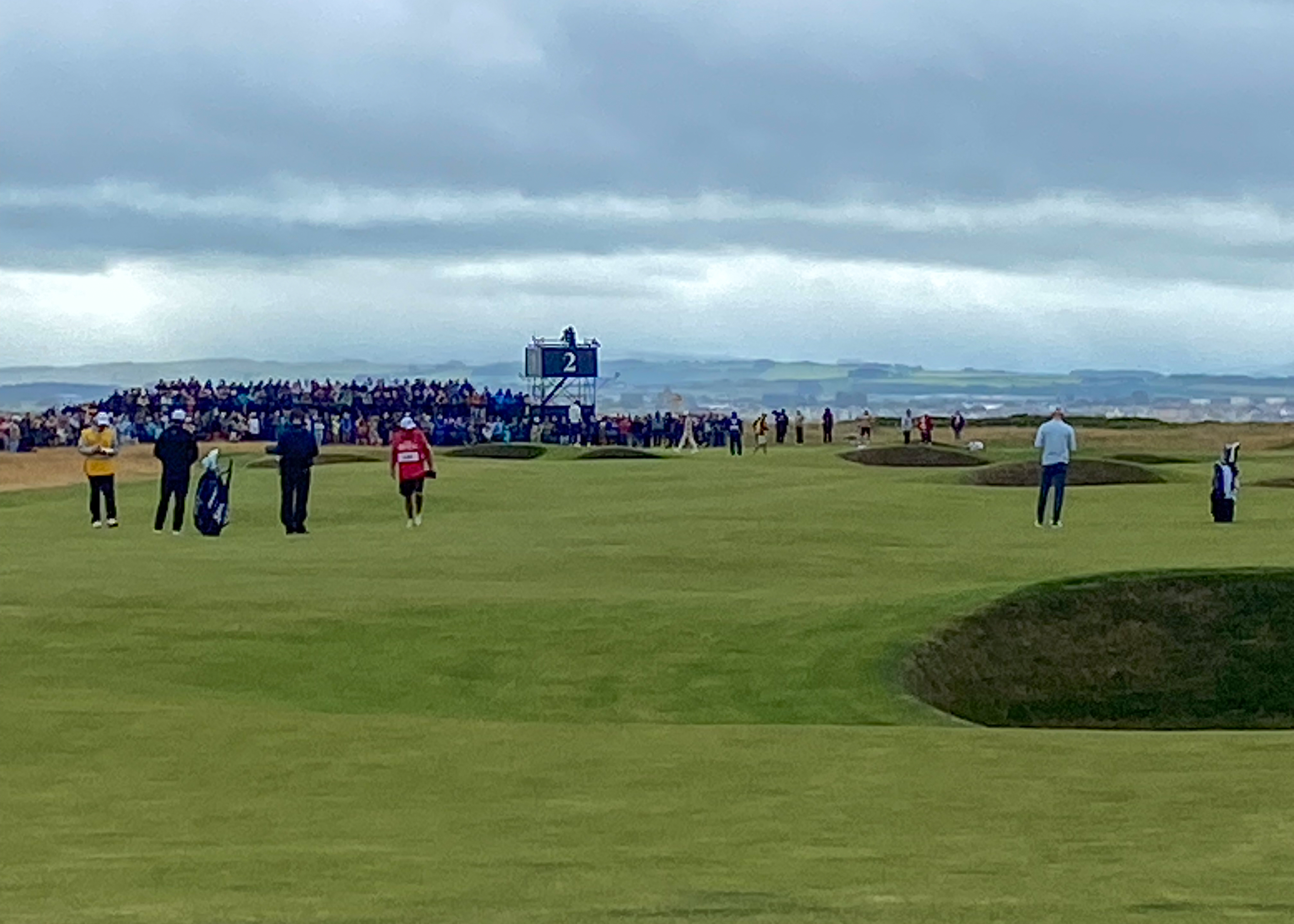
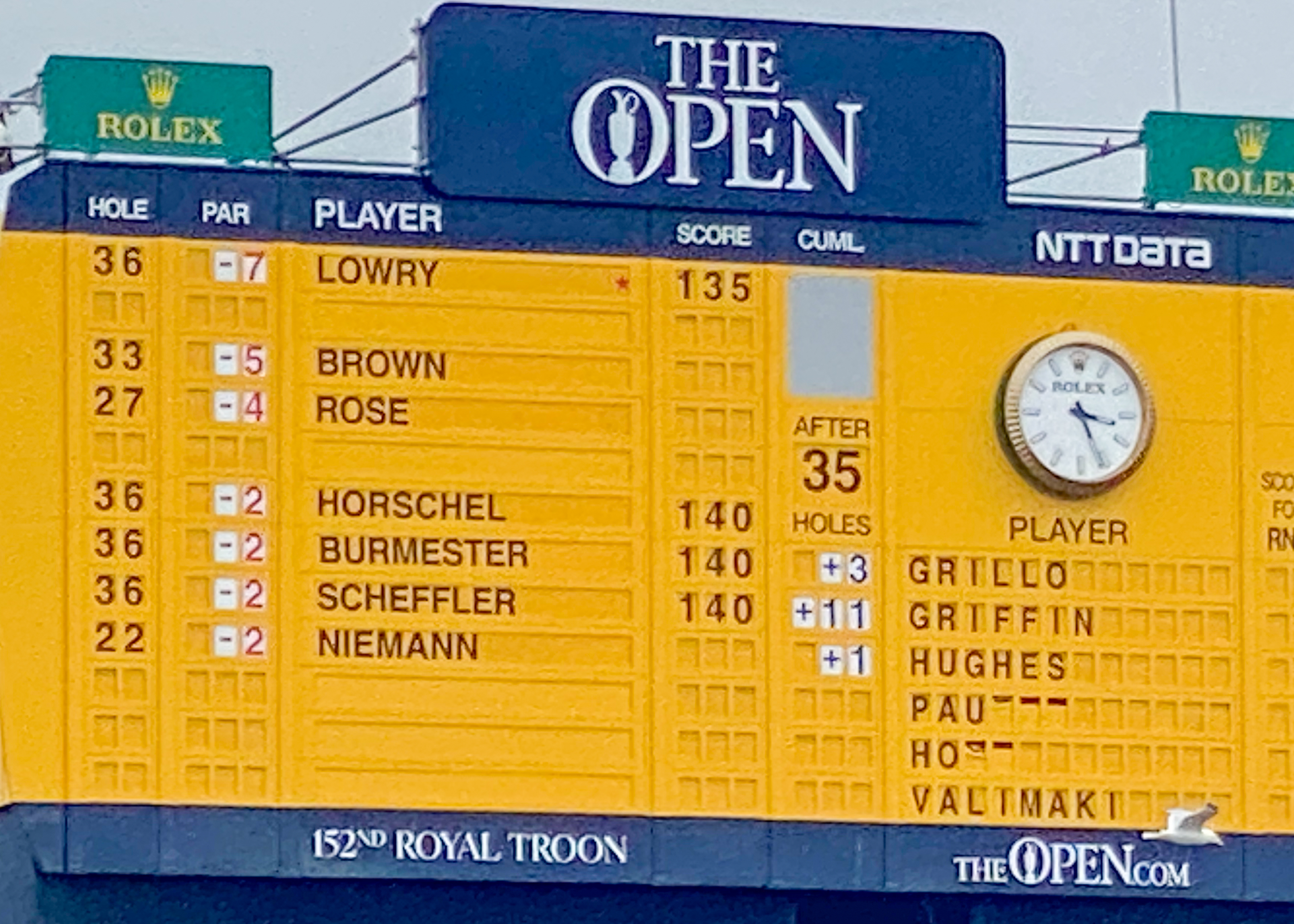
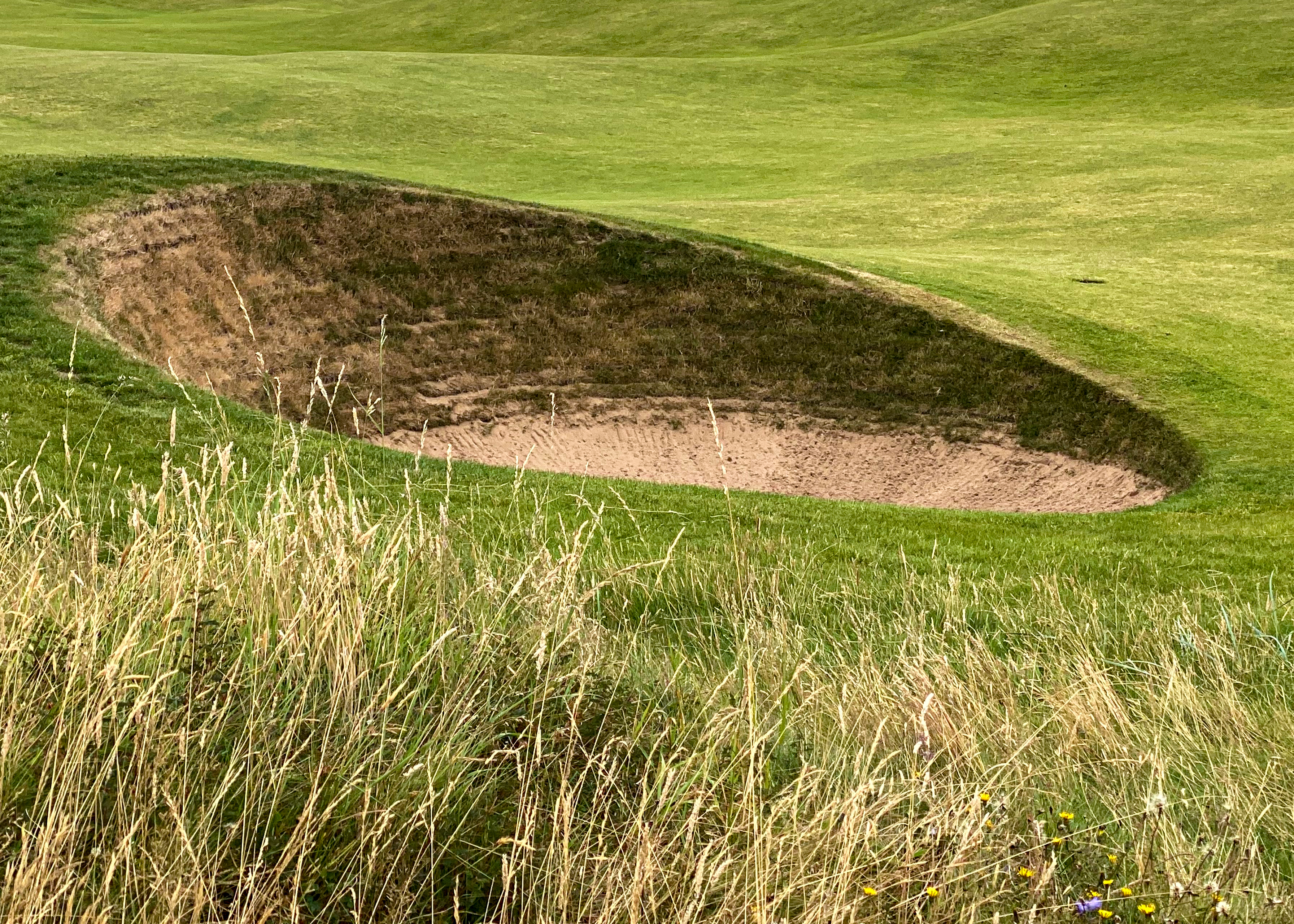
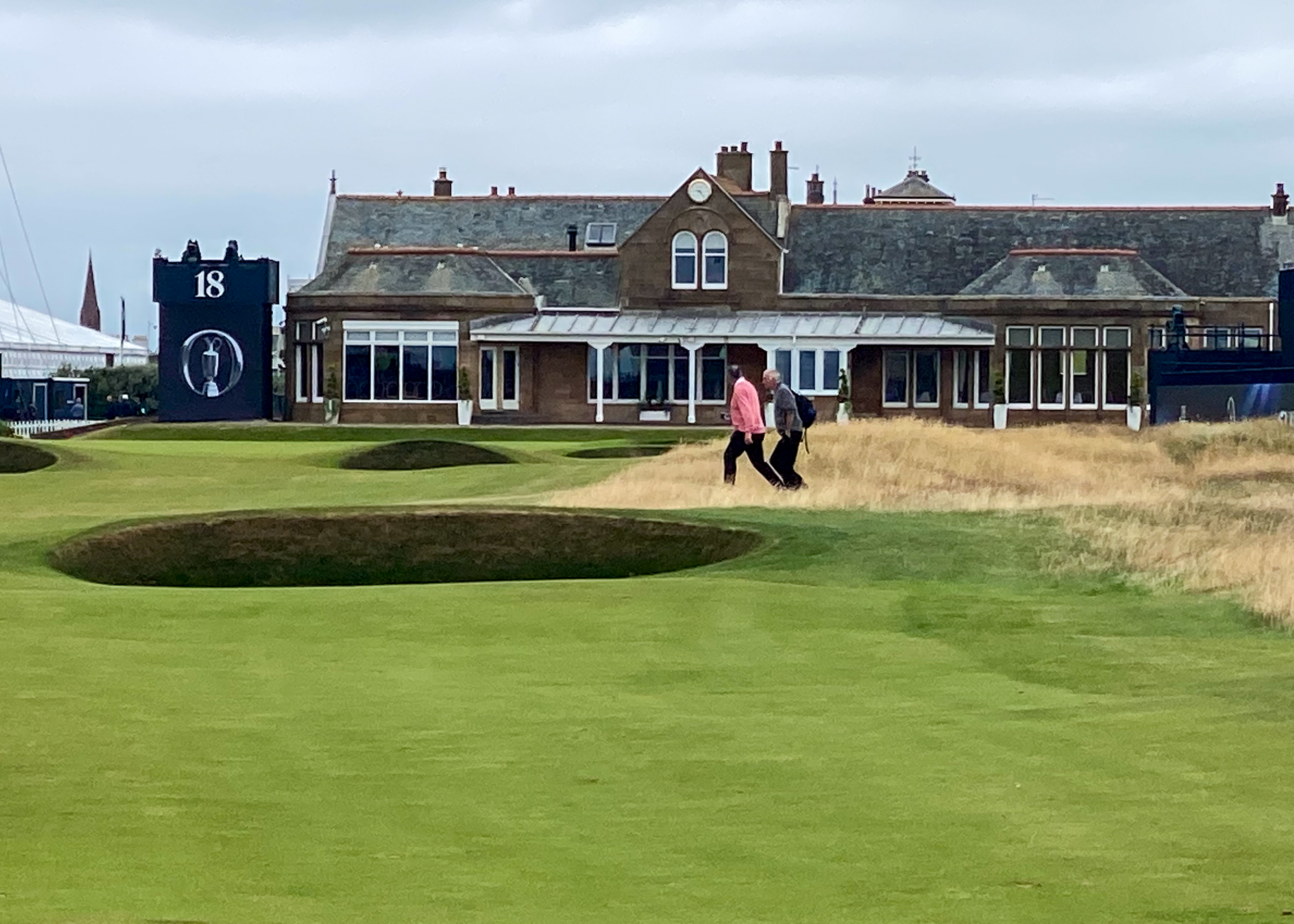
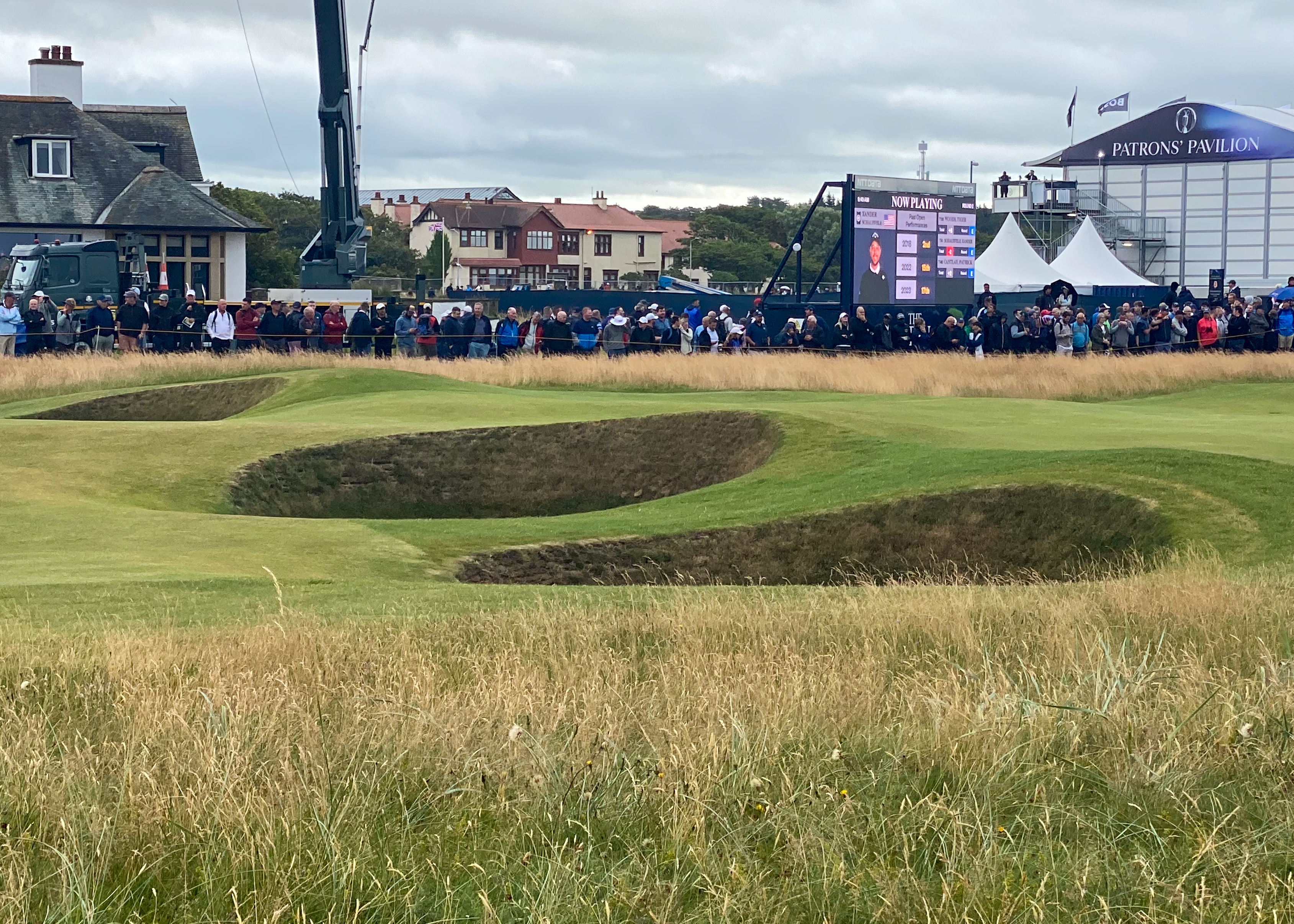
The 152nd Open at the Royal Troon Golf Club– By now you know that Xander Schauffele was the winner however we were there for the second round. Fortunately for us the best day for the weather. Troon’s course and greens make Plantation Bays course and greens look flat. The crowds were huge, the rough tough and the Postage Stamp only allowed a third of the golfers to hold the green (123 yards). We enjoyed walking the entire course.

The Open Championship, often referred to as The Open or the British Open, is the oldest golf tournament in the world, and one of the most prestigious. Founded in 1860, it was originally held annually at the Prestwick Golf Club in Scotland. Later the venue rotated between a select group of coastal golf links courses in the United Kingdom. It is organized by the R&A. It is called The Open because it is in theory “open” to all, i.e. professional and amateur golfers. In practice, the current event is a professional tournament in which a small number of the world’s leading amateurs also play, by invitation or qualification. The success of the tournament has led to many other open tournaments to be introduced around the world. The winner is named “the Champion Golfer of the Year”, a title that dates to the first Open in 1860, and receives the Claret Jug, a trophy first awarded in 1872.

UK and Scotland Day 10

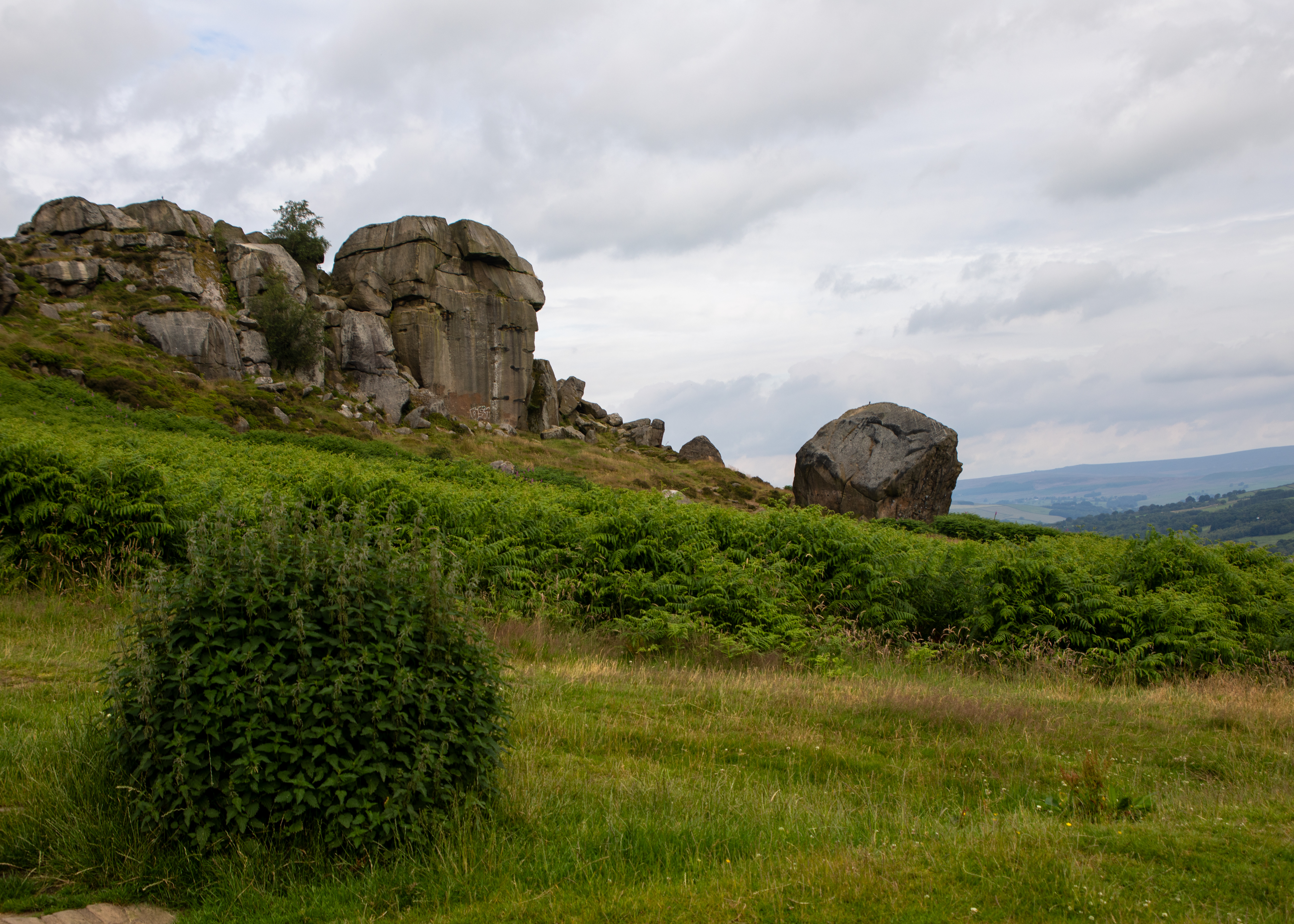
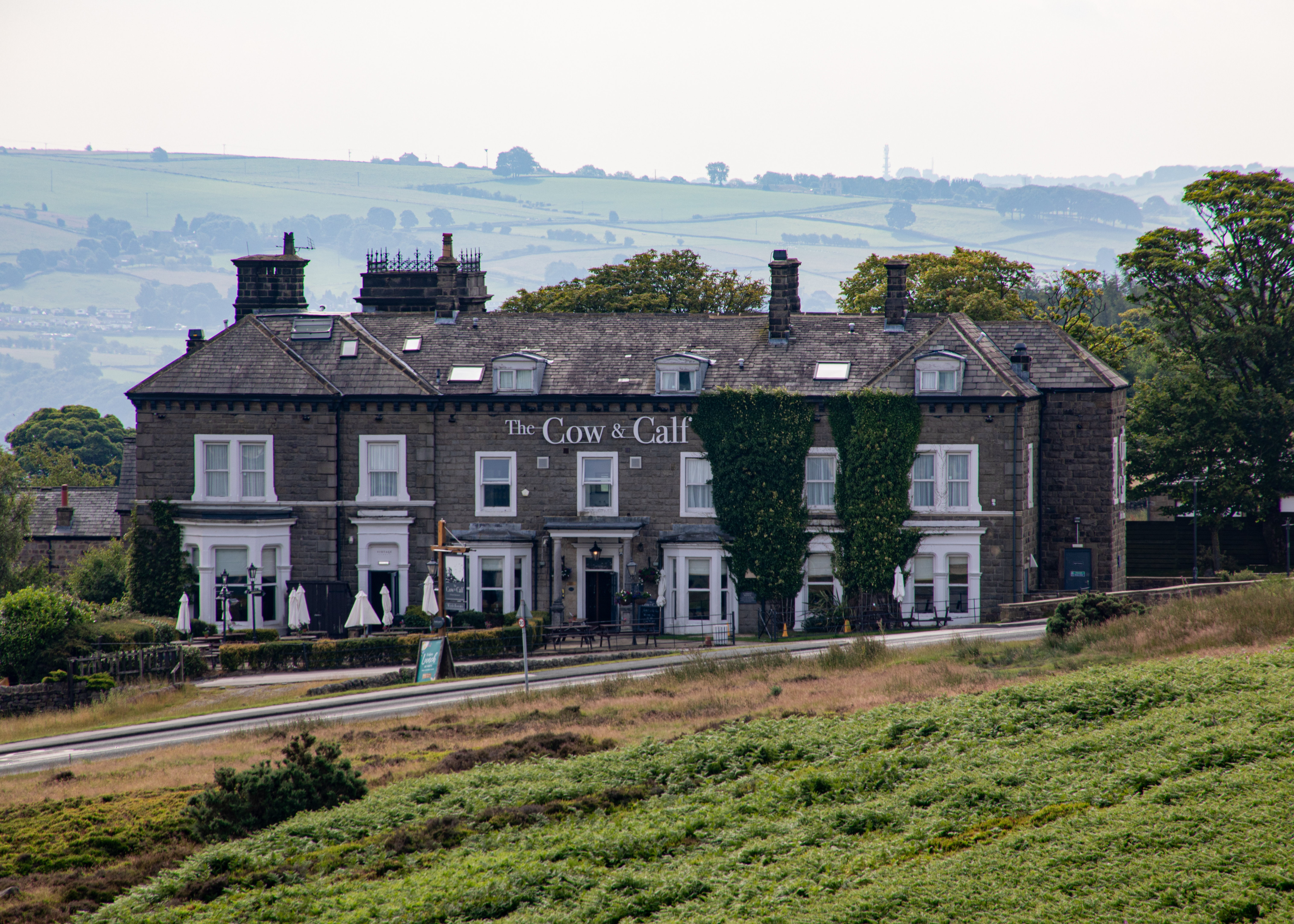
Today we continued our drive through the Yorkshire Dales crossing the border into Scotland heading to our hotel in Dumbarton. Dumbarton was the closest city to Troon with reasonable hotel rates as we are heading to The Open tomorrow. Along the way we stopped to hike the Calf and Cow rocks to get a wide-angle view of the Dales.

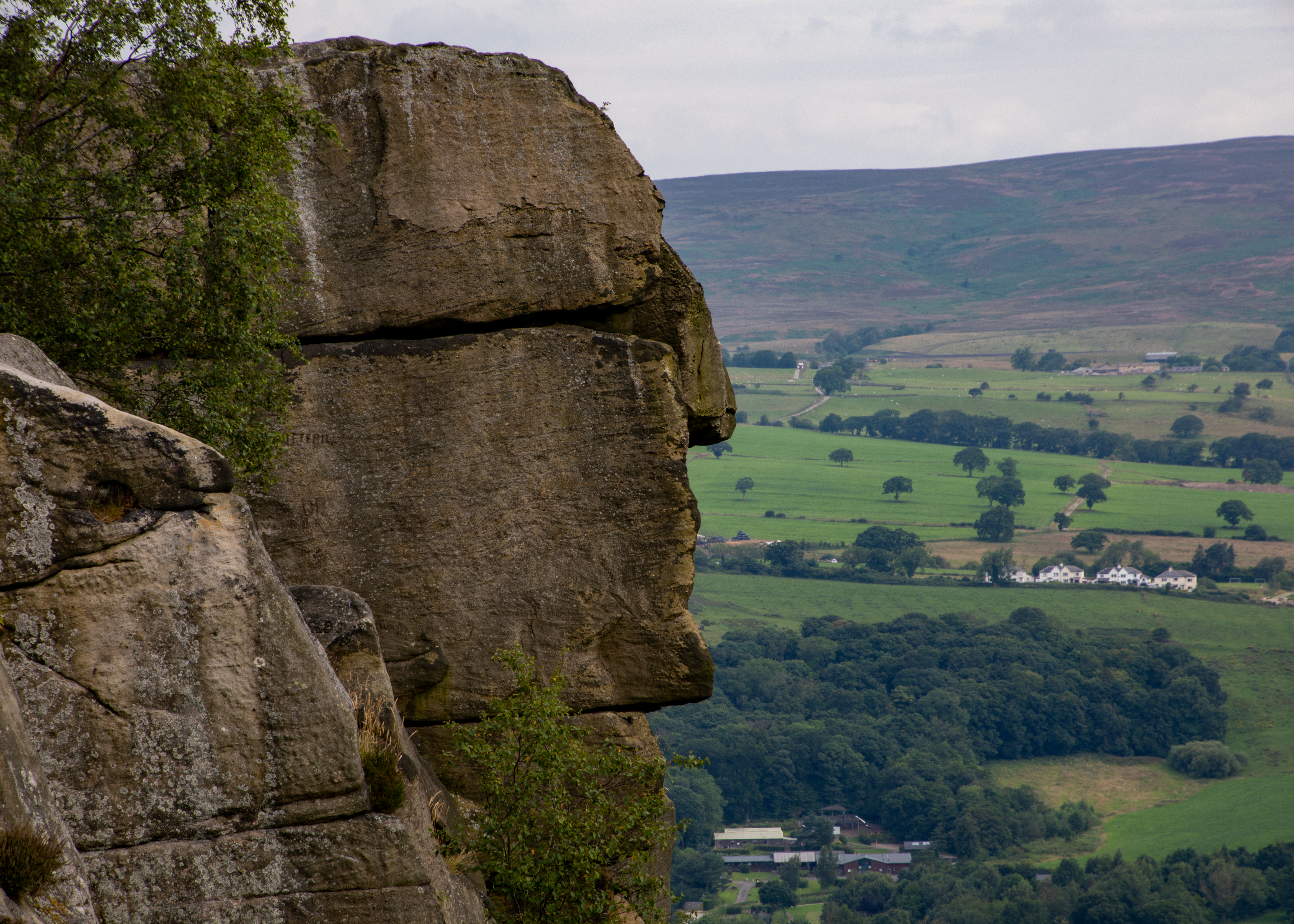
High on Ilkley Moor the Cow and Calf Rocks are a large rock formation consisting of an outcrop and boulder, also known as Hanging Stone Rocks. The rocks are made of millstone grit, a variety of sandstone, and are so named because one is large, with the smaller one sitting close to it, like a cow and calf.

According to local legend, the Calf was split from the Cow when the giant Rombold was fleeing an enemy, and stamped on the rock as he leapt across the valley. The enemy, it is rumored, was his angry wife. She dropped the stones held in her skirt to form the local rock formation The Skirtful of Stones.

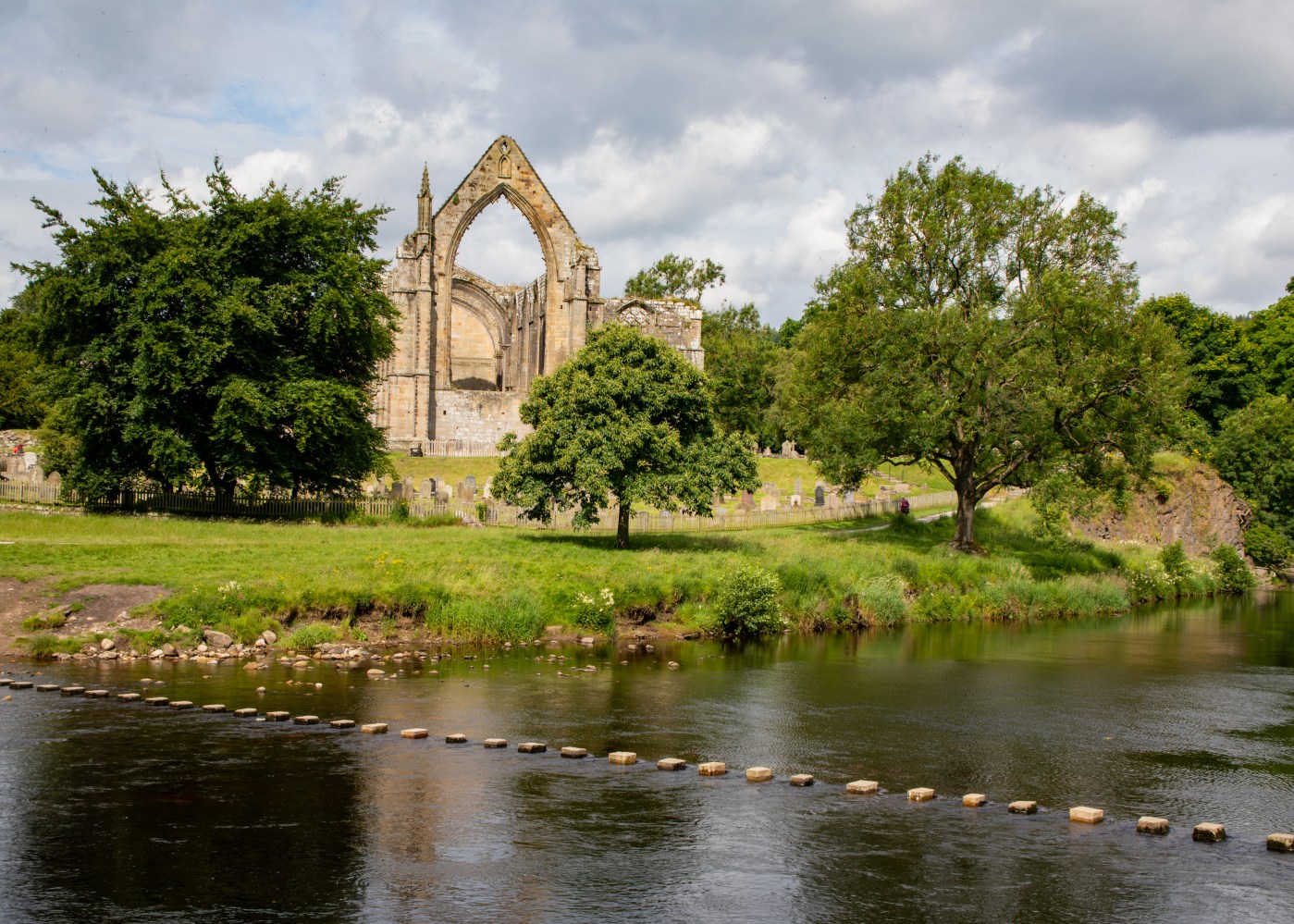
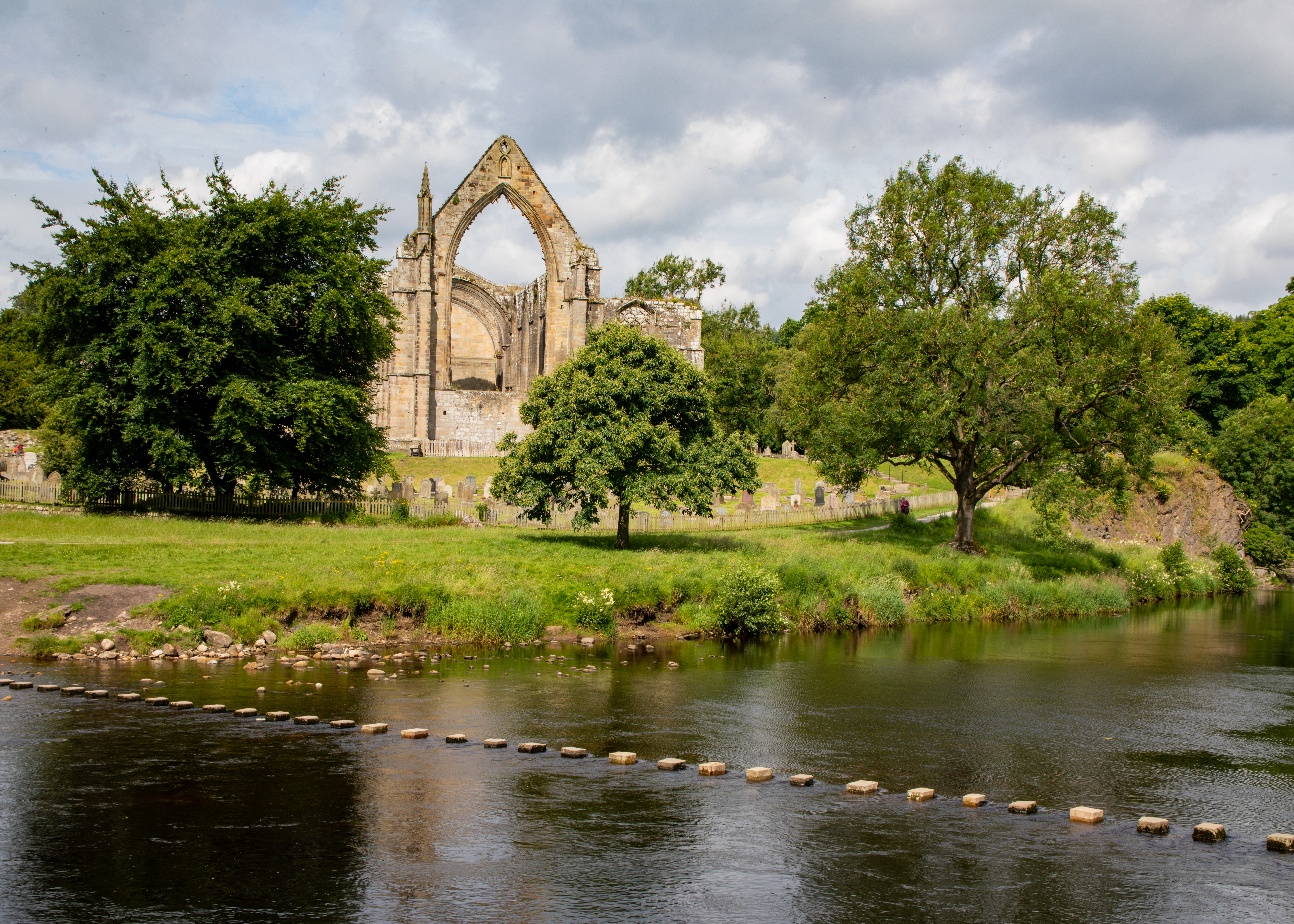
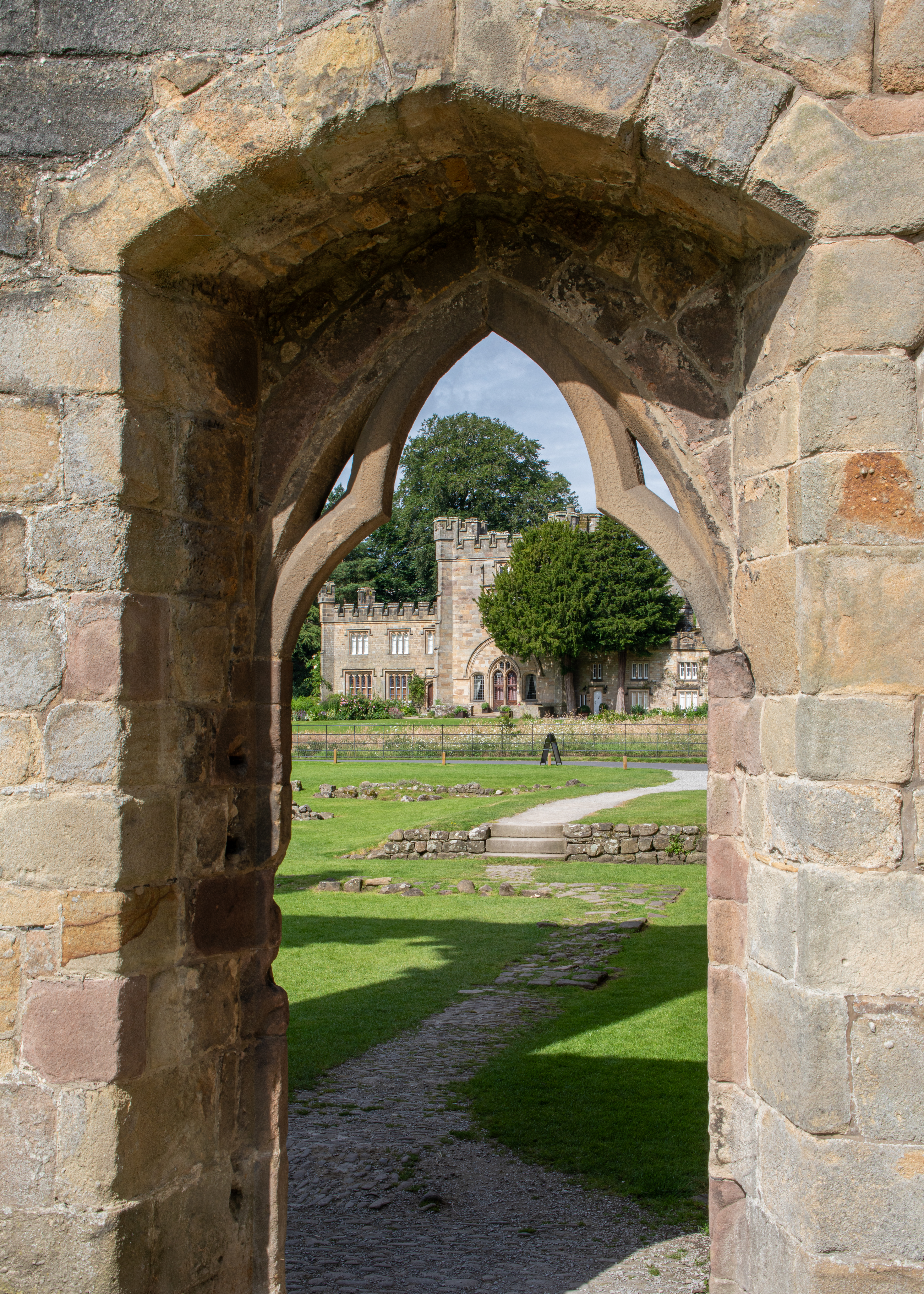
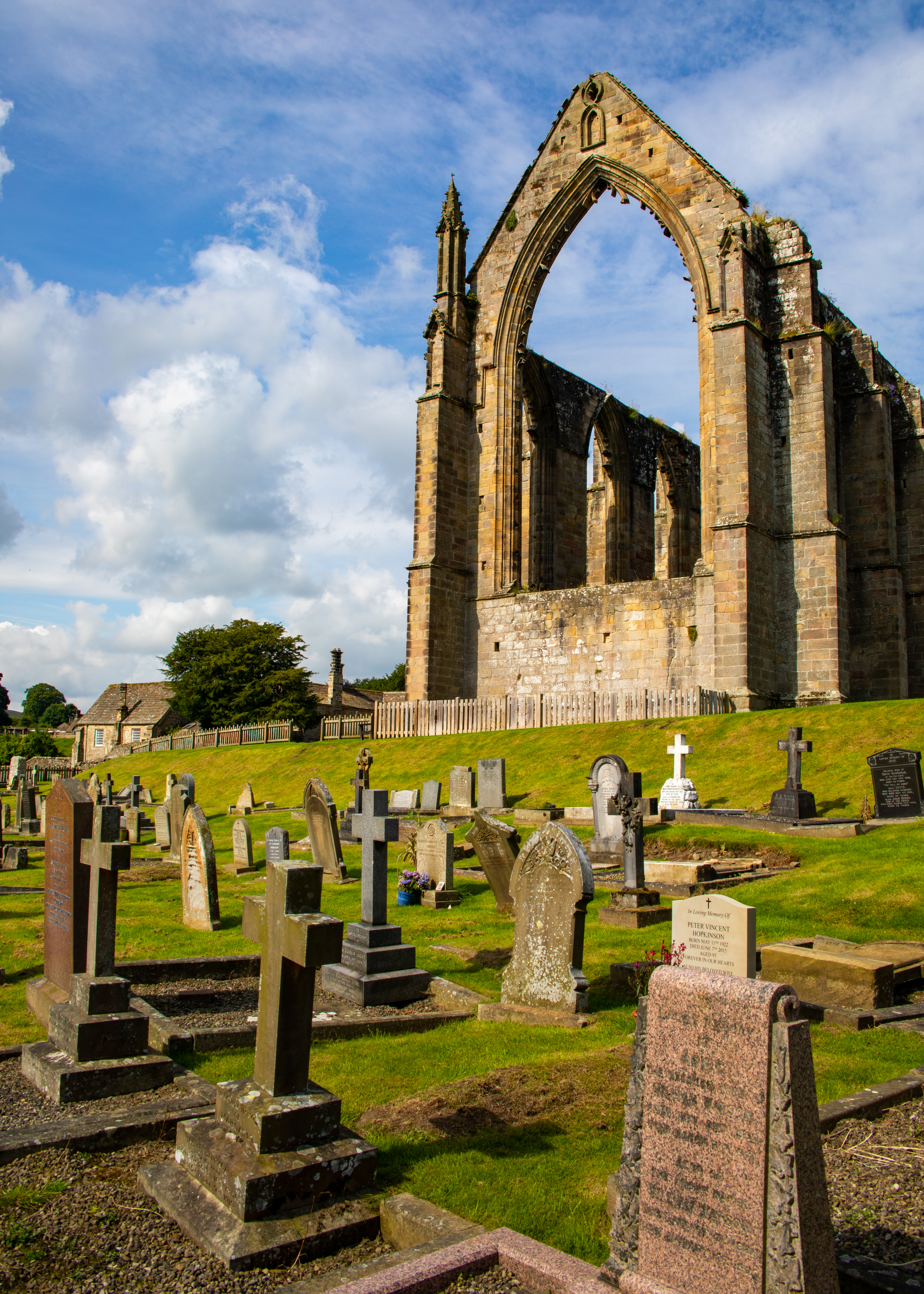
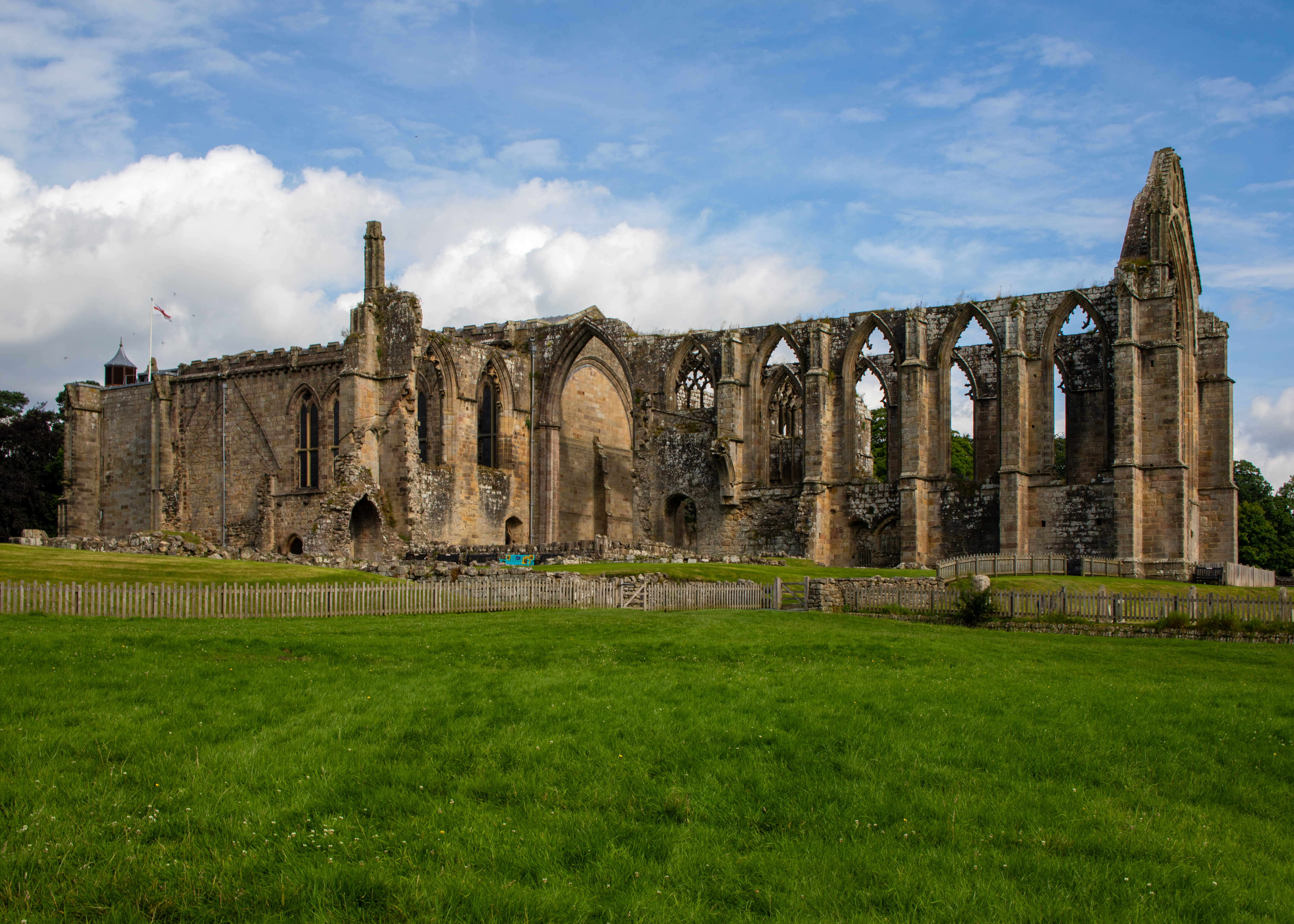
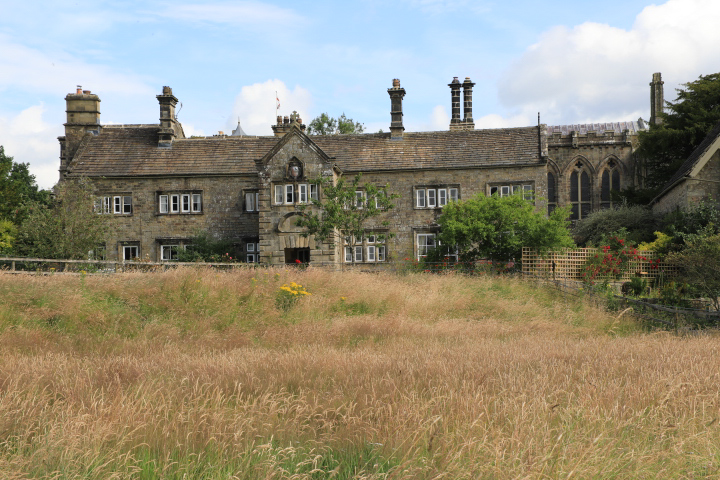
Bolton Abbey – The nave of the abbey church was in use as a parish church from about 1170 onwards and survived the dissolution of monasteries. Building work was still going on at the abbey when the Dissolution of the Monasteries resulted in the termination of the priory in January 1540. The east end remains in ruins. A tower, begun in 1520, was left half-standing, and its base was later given a bell-turret and converted into an entrance porch. Most of the remaining church is in the Gothic style of architecture, but more work was done in the Victorian era, including windows by Pugin. It still functions as a church today, holding services on Sundays and religious holidays.

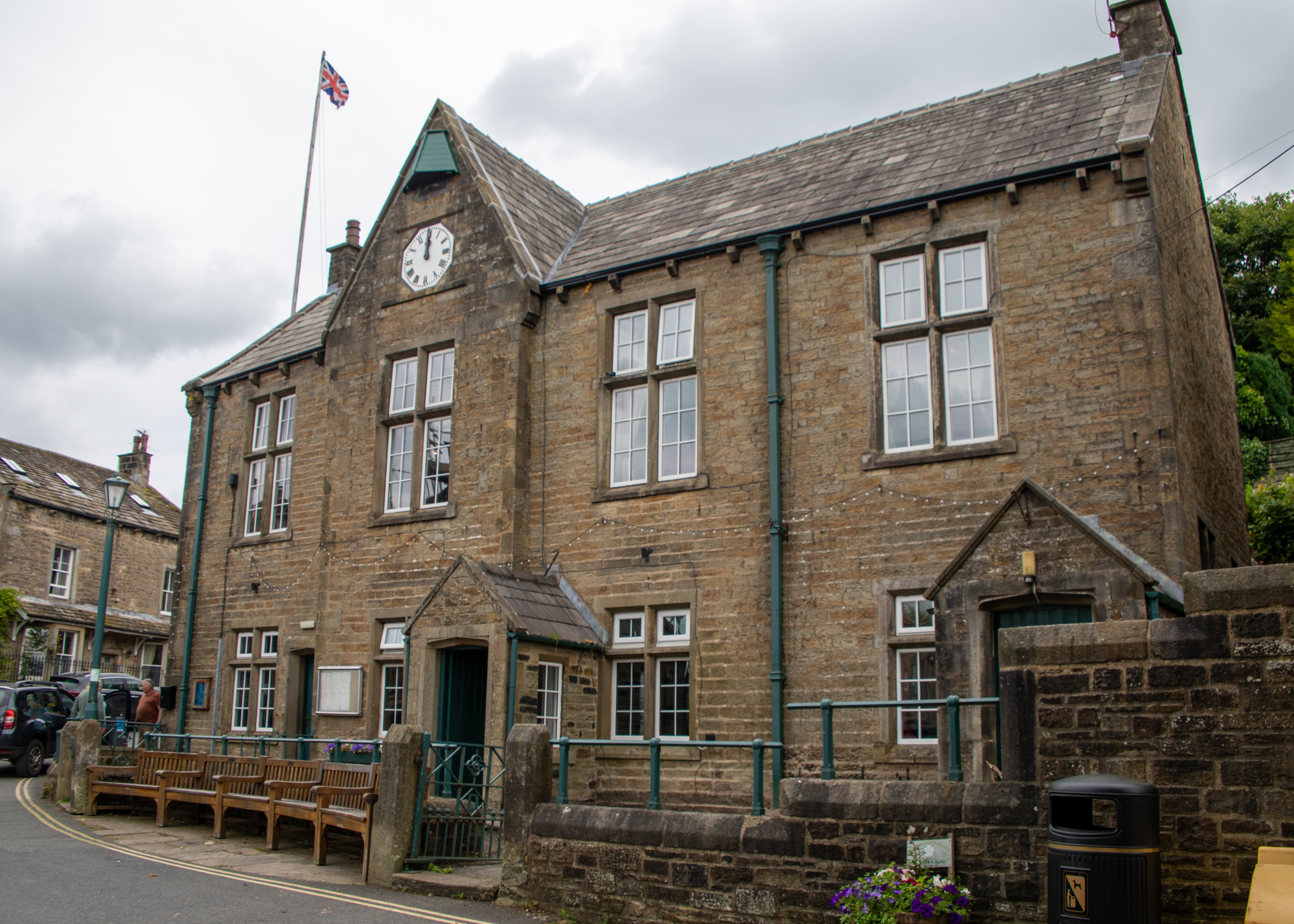
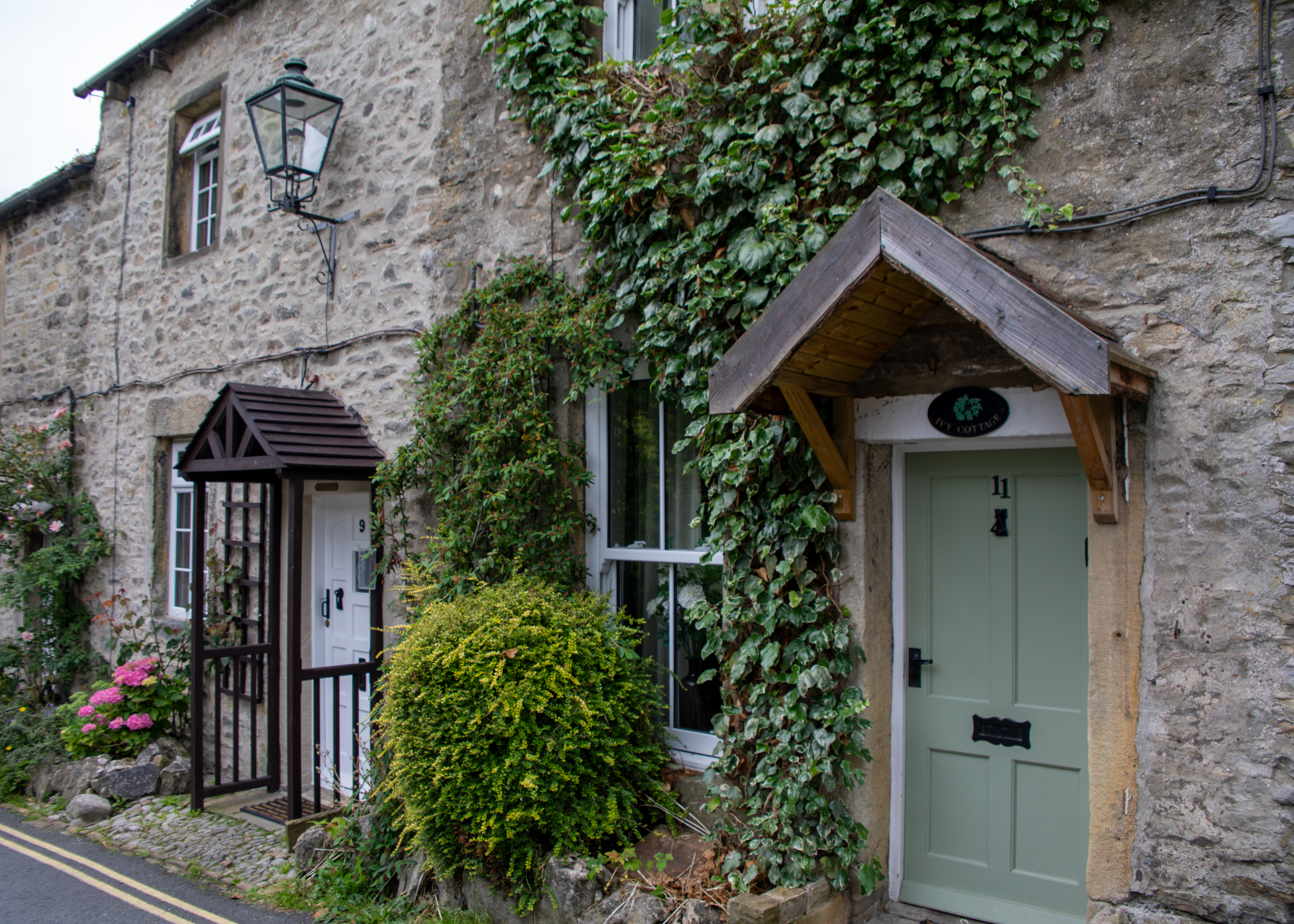
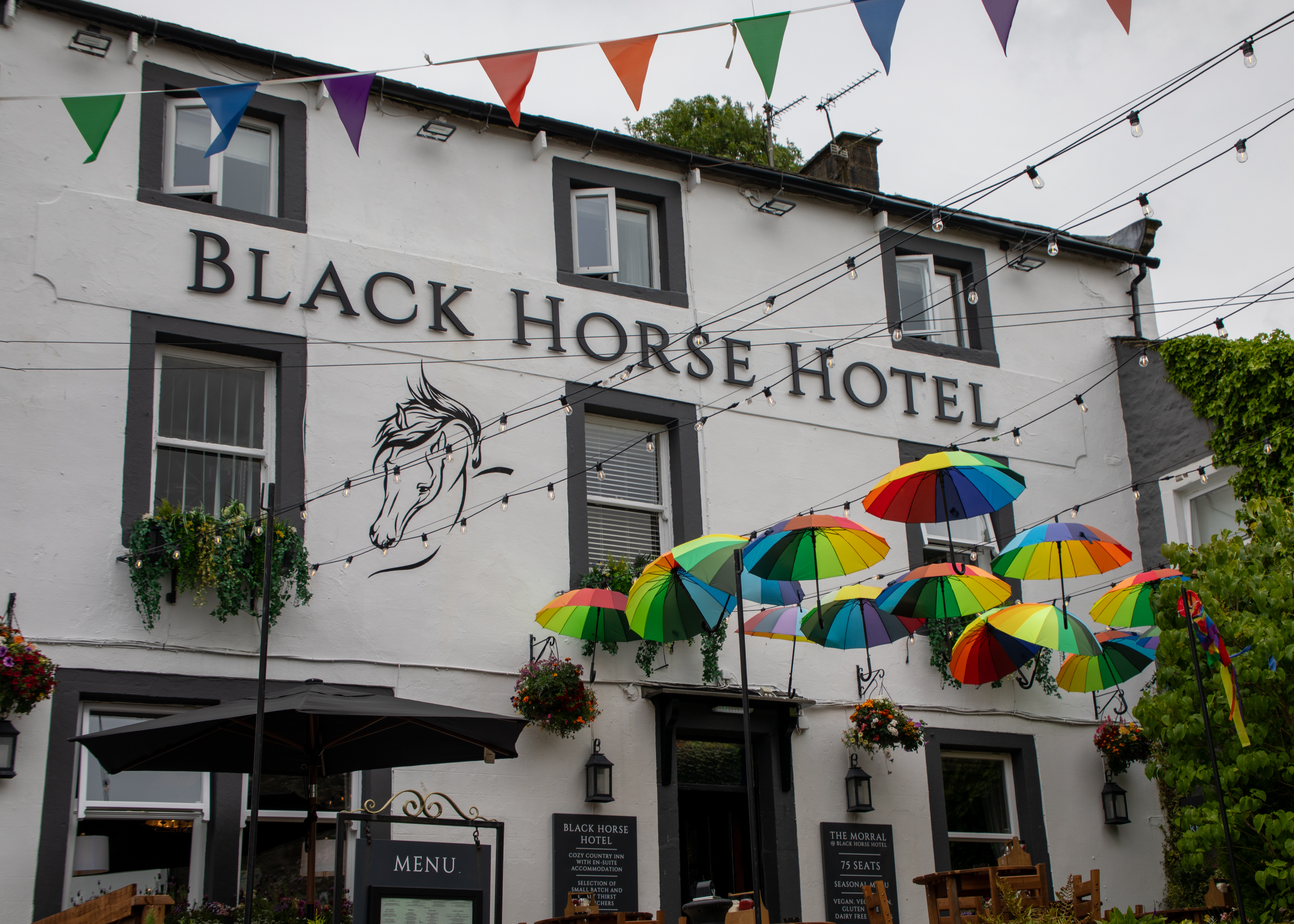
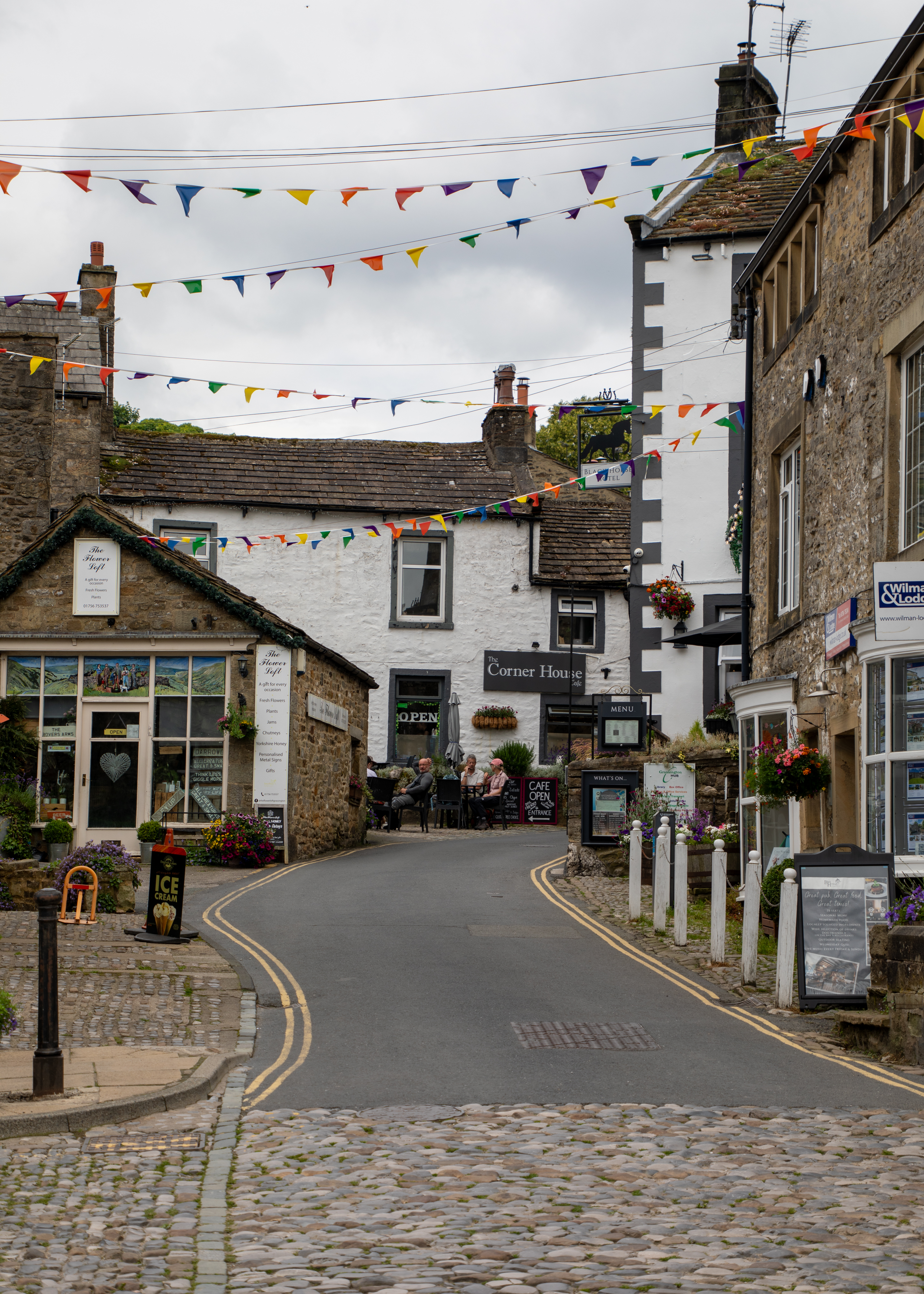
Grassington – The town’s history is closely linked to the Domesday Book, which was compiled in 1086. In the book, Grassington is recorded as a small village with a population of just over 100. The village was owned by the Bishop of Chester and had two churches.

Despite its small size, Grassington played an important role in the English Civil War. The town was a Royalist stronghold and was the scene of a major battle in 1643. The Royalists were defeated and the town was captured by the Parliamentarians.

Grassington has a lively center with shops, cafés and a regular farmers market, as well as now being the location of the fictional market town Darrowby in All Creatures Great and Small.
UK and Scotland Day 9

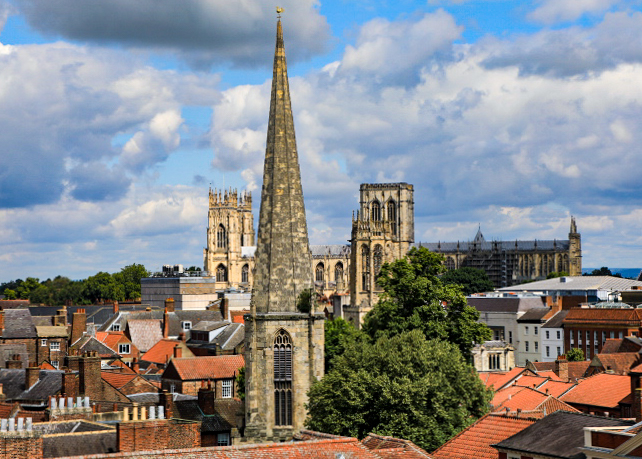
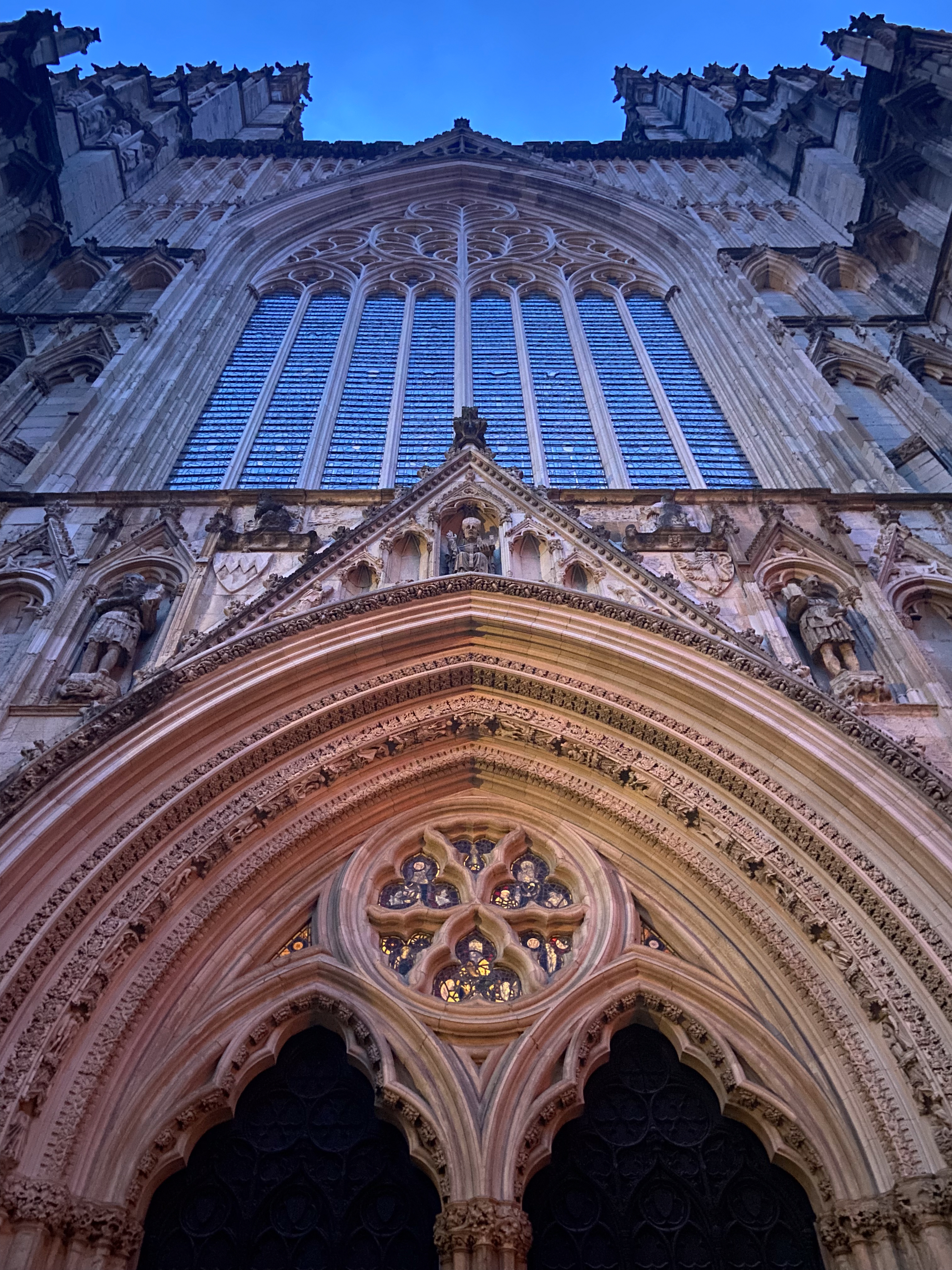
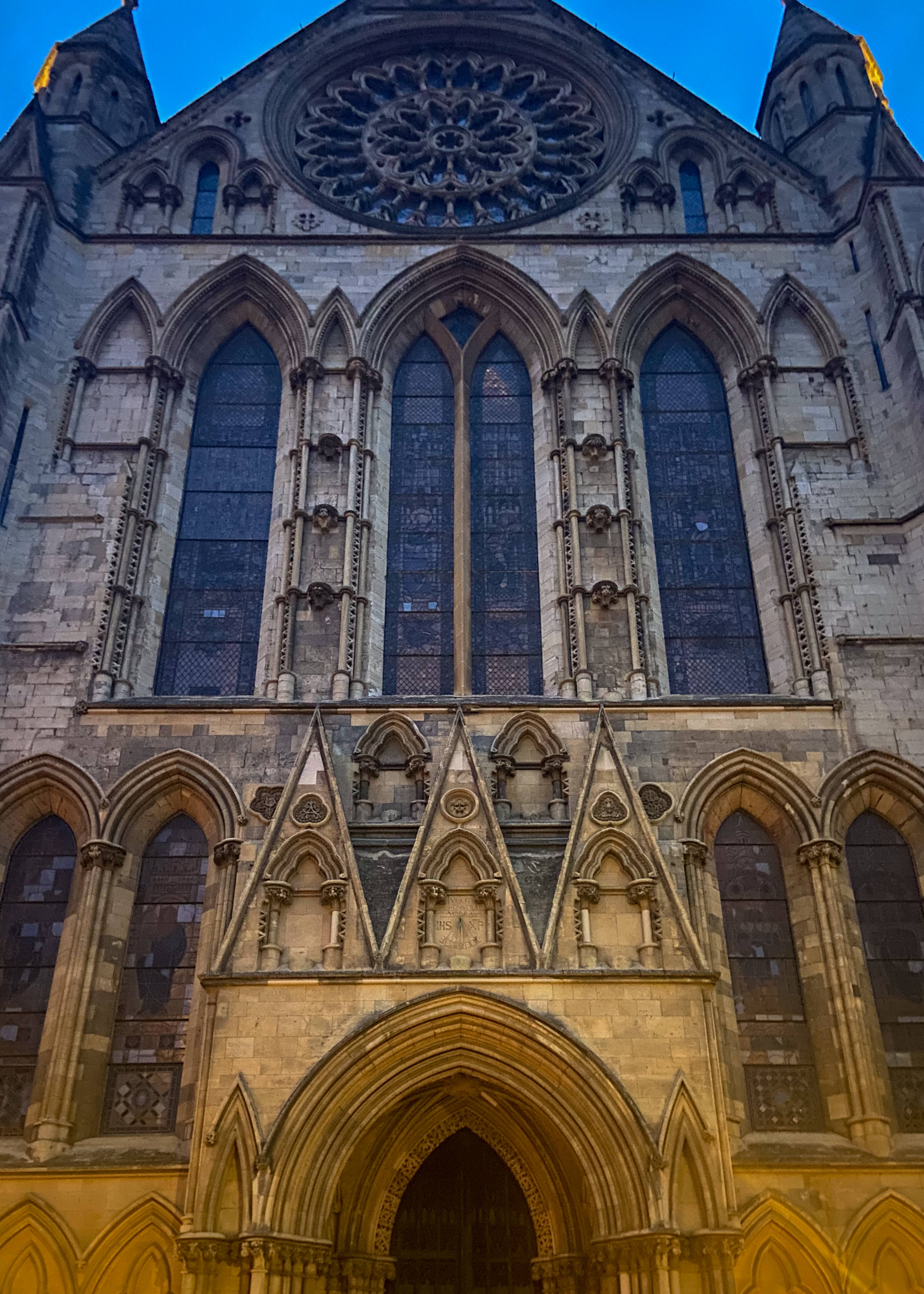
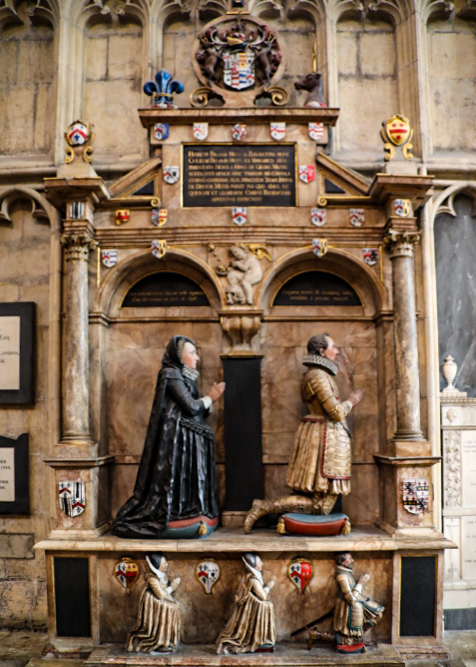
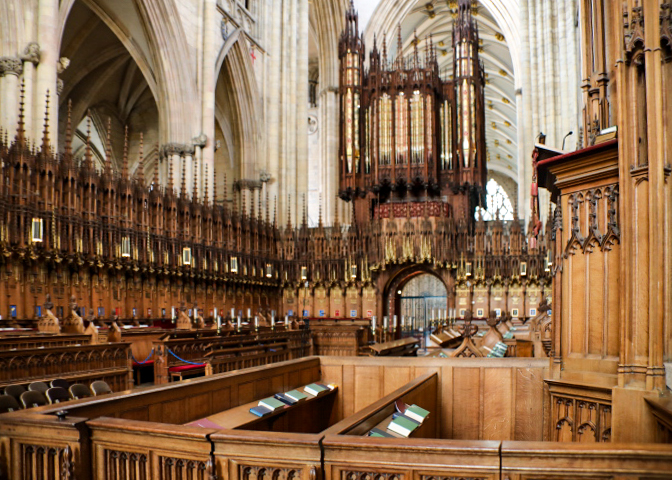
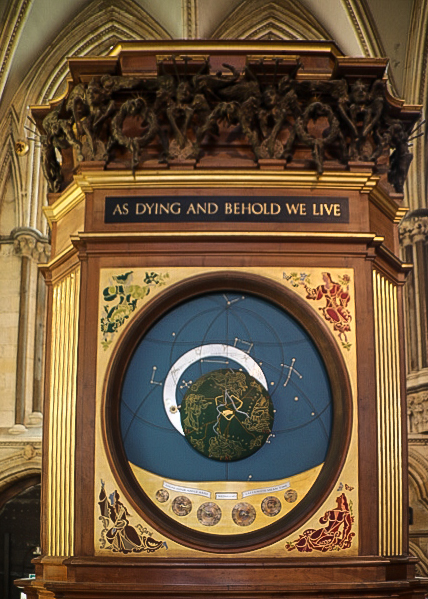
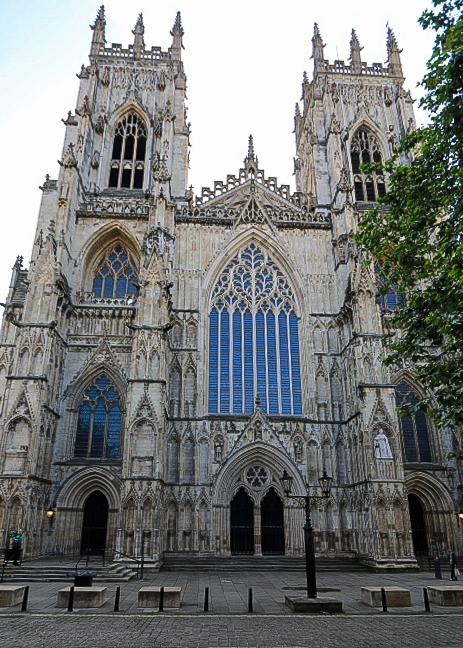
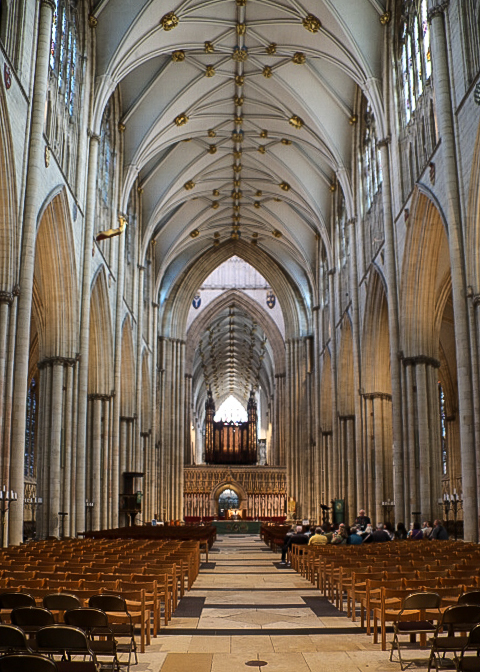
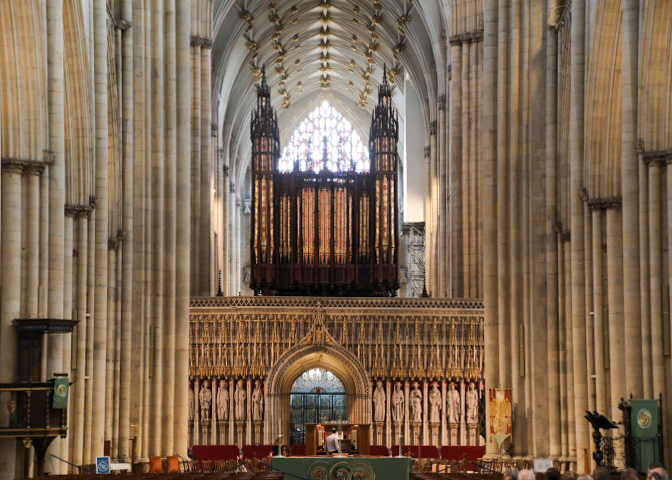
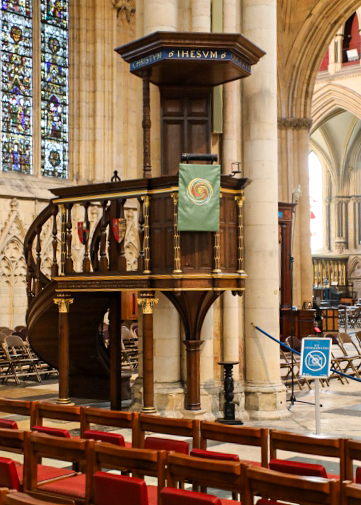
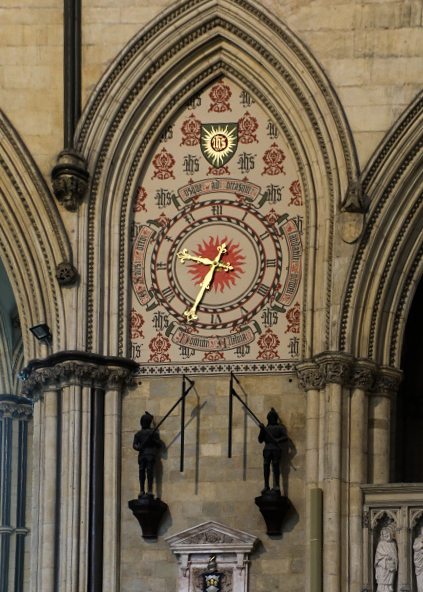
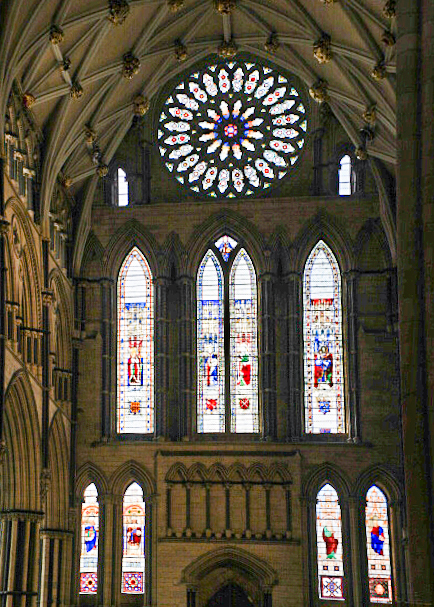
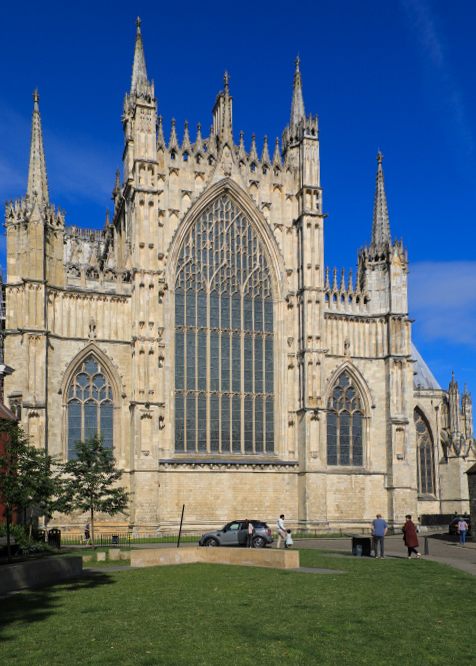
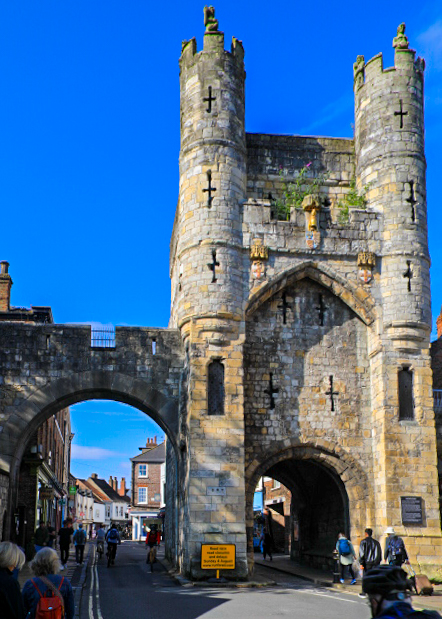
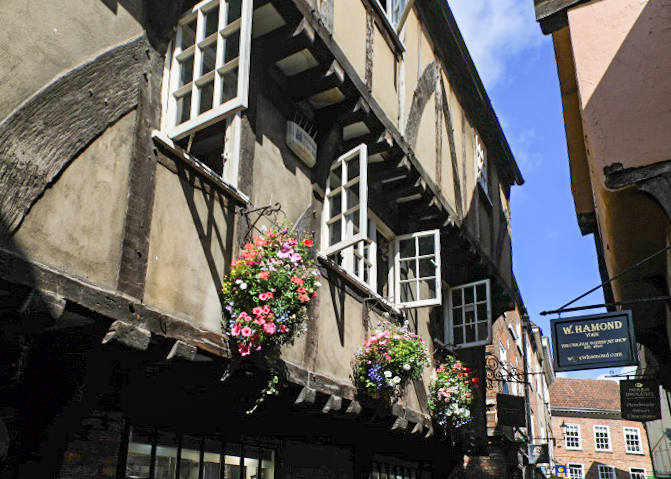
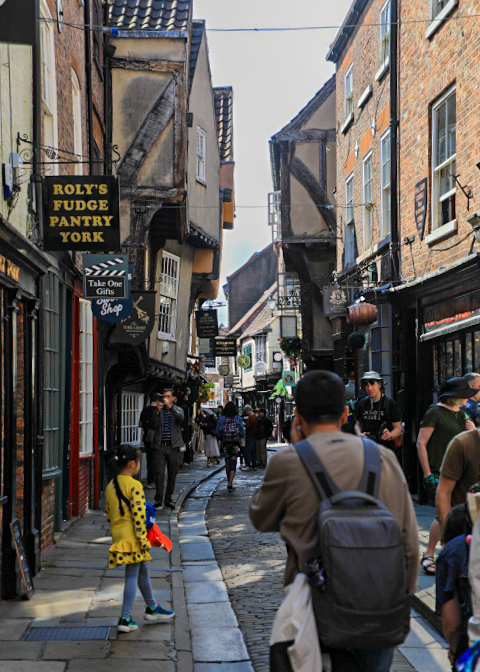
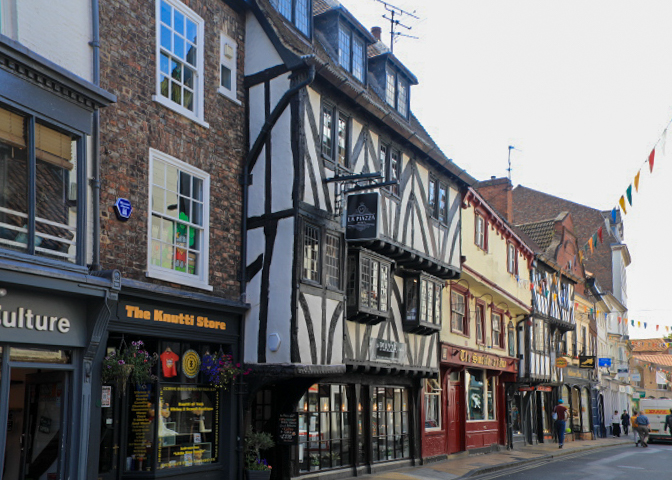
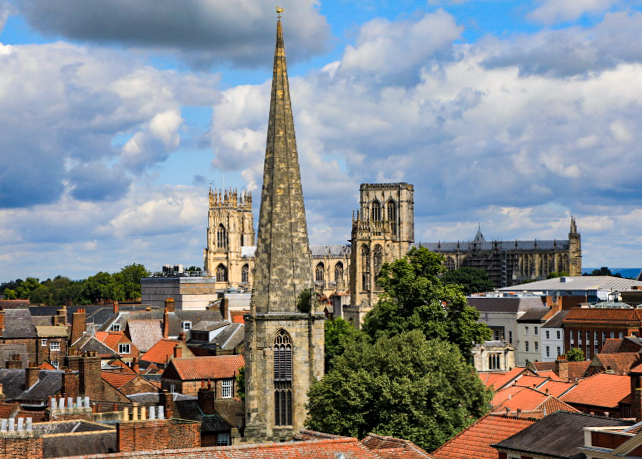
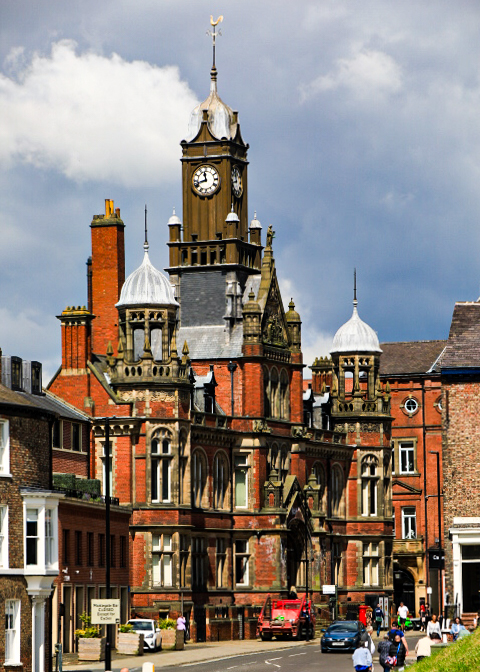
We arrived in York for a late dinner and then decided to walk into the old town before bed. First thing next morning we had tickets to tour the interior of the York Minster (one of the more impressive churches so far). Then on to the Shambles — The Shambles is a historic street in York, featuring preserved medieval buildings, some dating back as far as the 14th century. The street is narrow, with many timber-framed buildings with jettied floors that overhang the street by several feet.

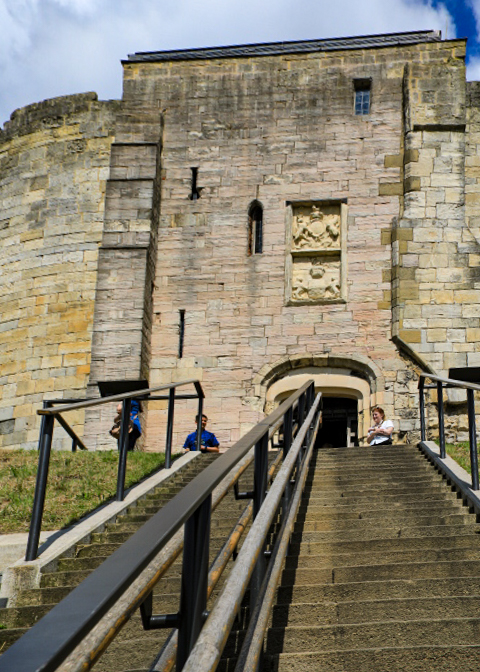
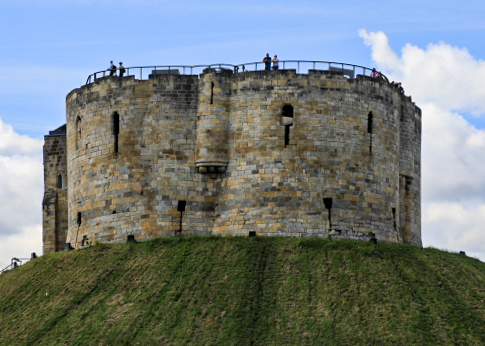
For a little more exercise, we climbed the stairs to Clifford Tower. Clifford’s Tower is one of the best-loved landmarks in York. It is the largest remaining part of York Castle, once the center of government for the north of England. The 11th-century timber tower on top of the earth mound was burned down in 1190, after York’s Jewish community, some 150 strong, was besieged here by a mob and committed mass suicide. The present 13th-century stone tower was probably used as a treasury and later as a prison. Exceptional views of the city from the top.

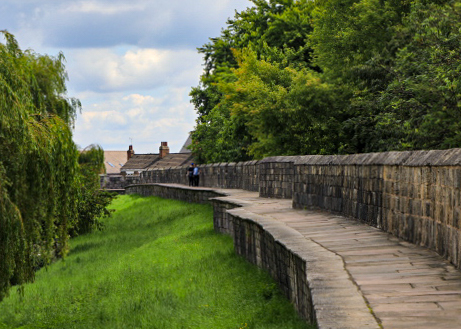
Still in the walking mode we navigated the city wall. York has, since Roman times, been defended by walls of one form or another. To this day, substantial portions of the walls remain, and York has more miles of intact wall than any other city in England. They are known variously as the York City Walls, the Bar Walls and the Roman walls.
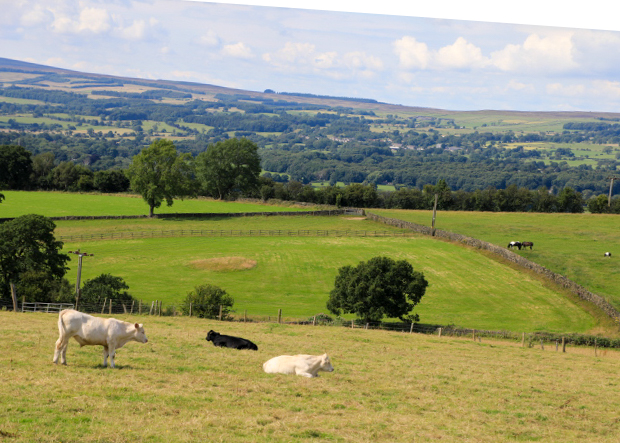
In the afternoon we continued our drive through the Yorkshire Dales to Otley for our stay at a guest house next to a dairy farm with the loudest cows I have ever heard.

York Minister

The Shambles

Clifford Tower

York City Wall

The Farm

UK and Scotland Day 8

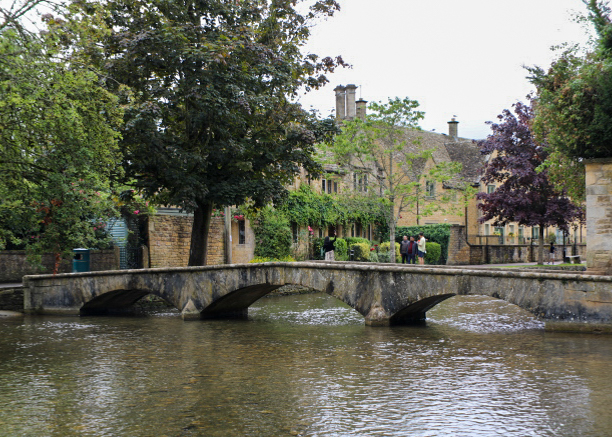
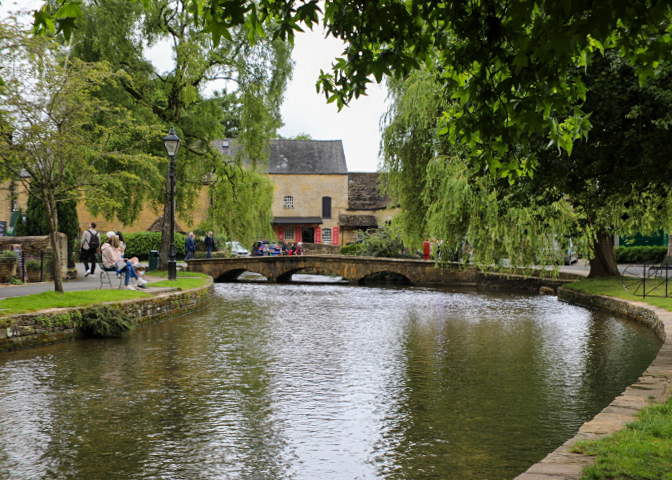
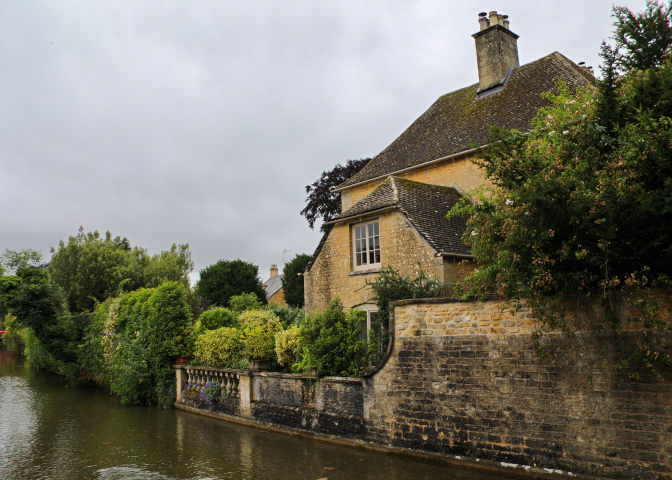
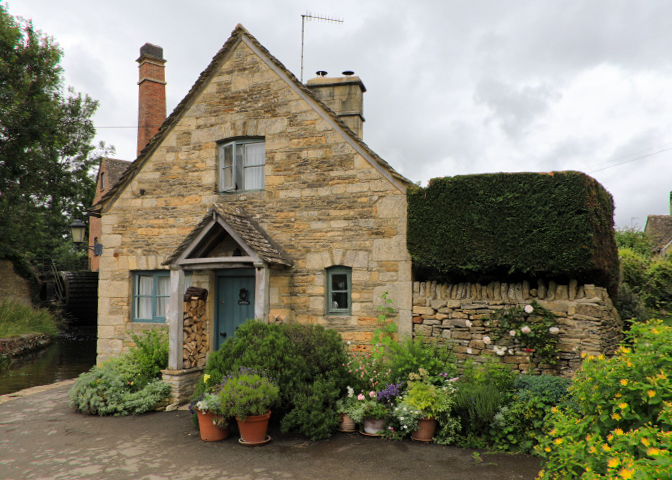
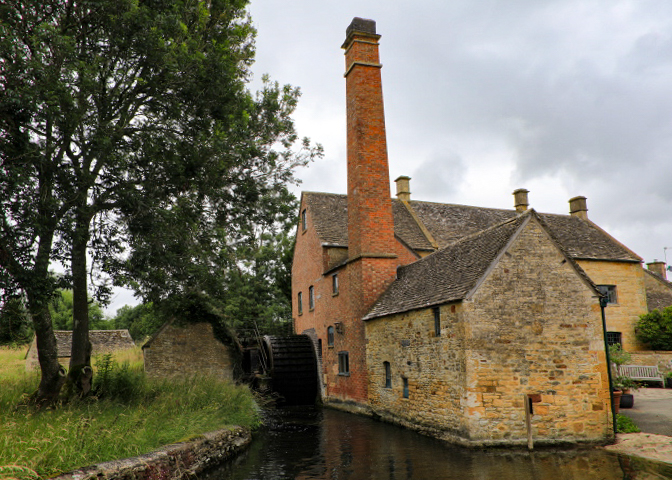
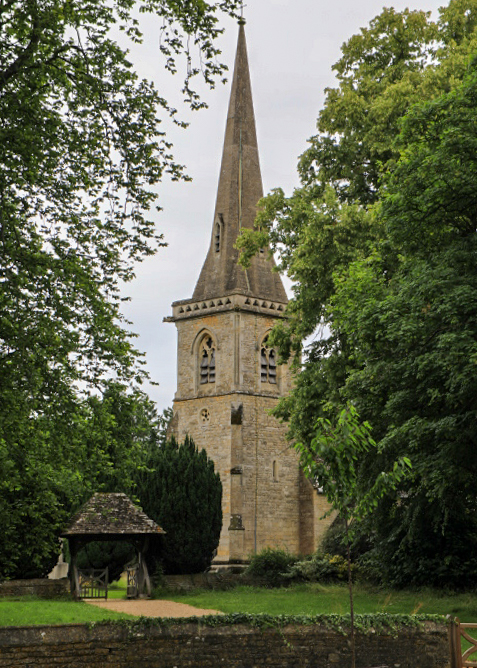
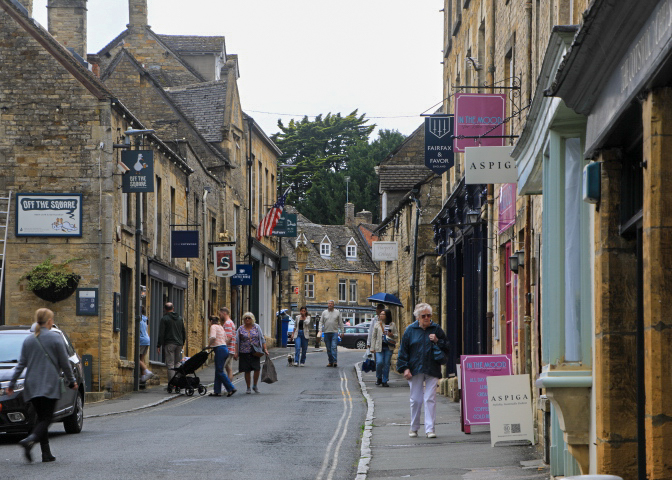
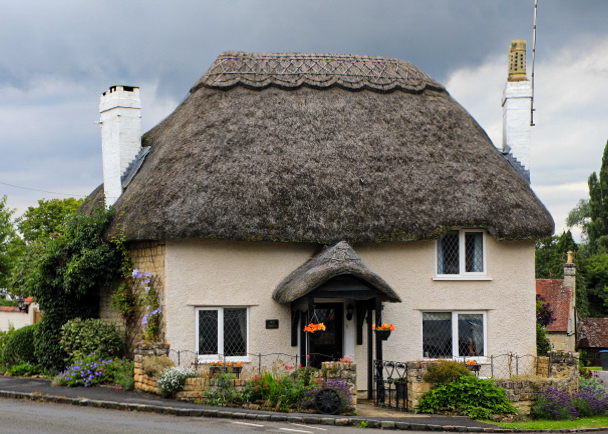
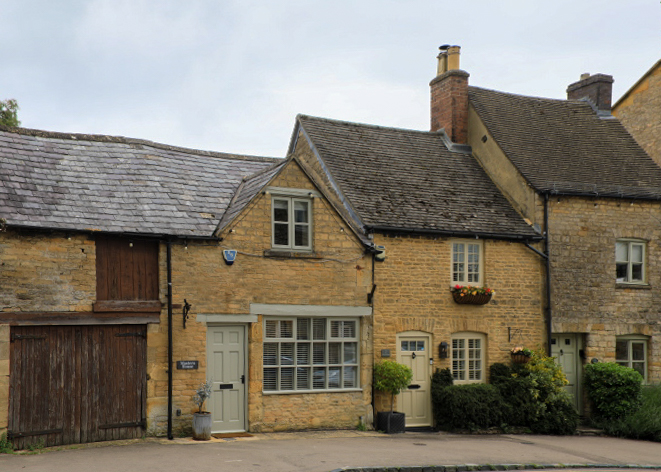
Continuing our drive to York through the Cotswolds. Taking the “B” routes (maybe 1 and a half lanes wide) through many small villages, hills with stone fences housing cows and many sheep and field after field of wheat.

Burton on the Water

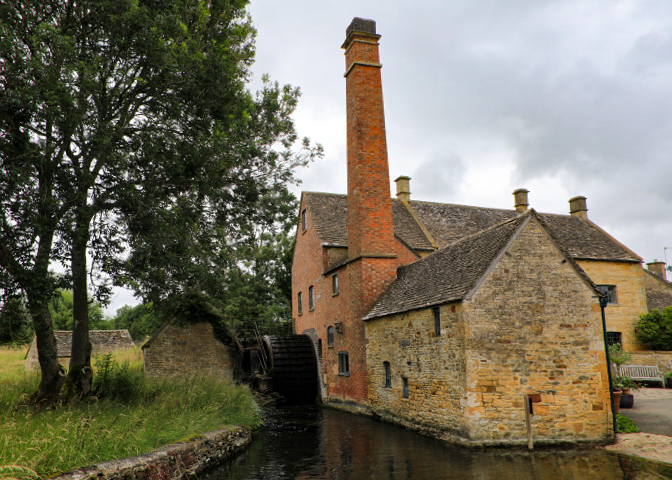
Lower Slaughter

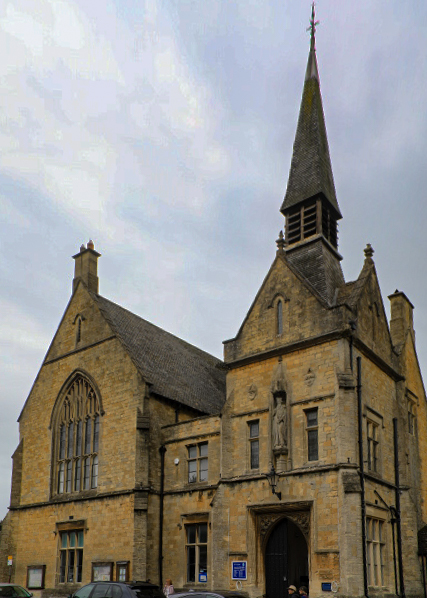
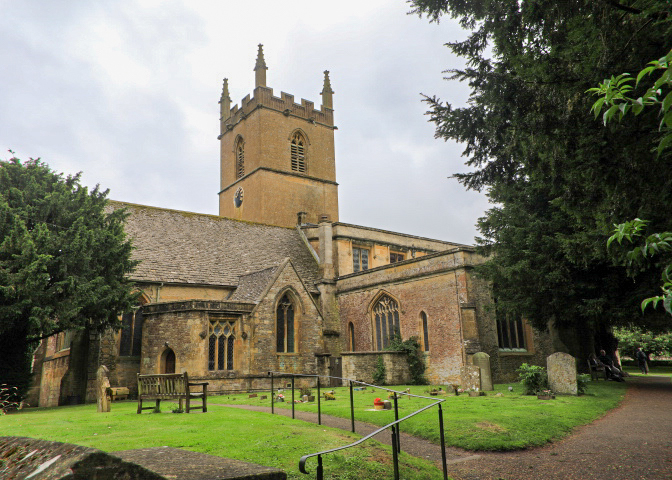
Stow on the Wold

UK and Scotland Day 7

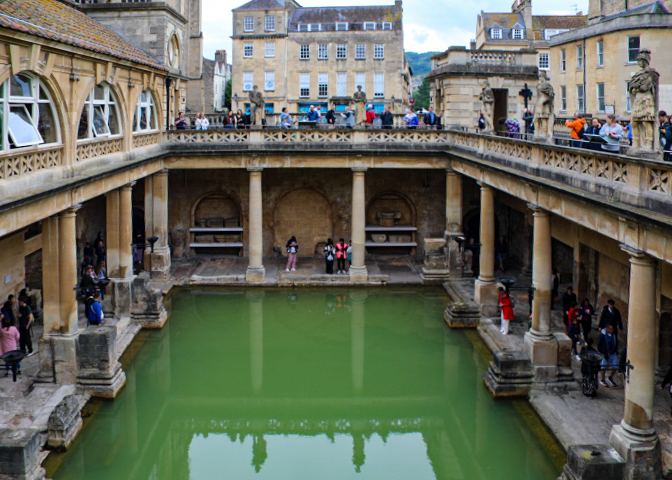
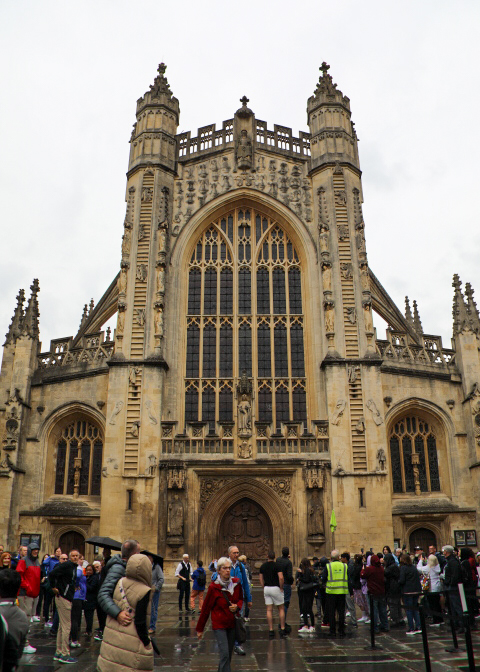
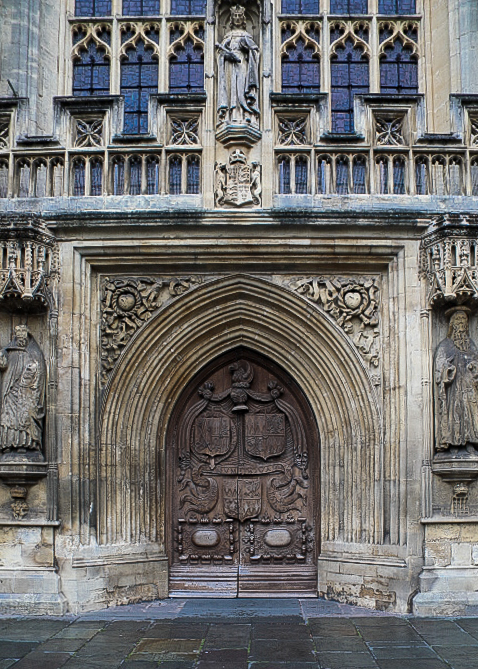
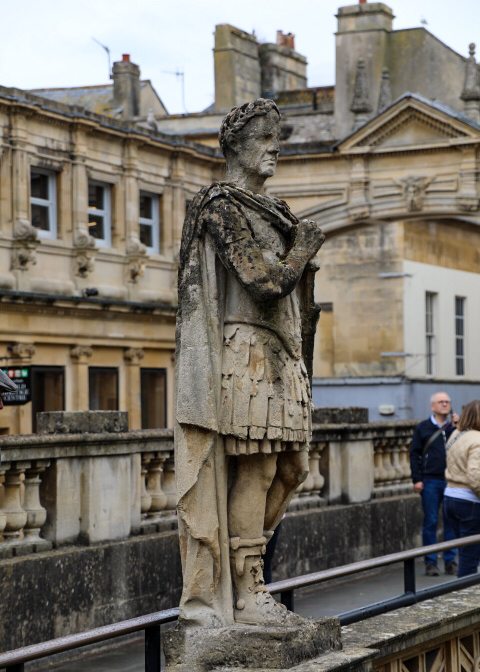
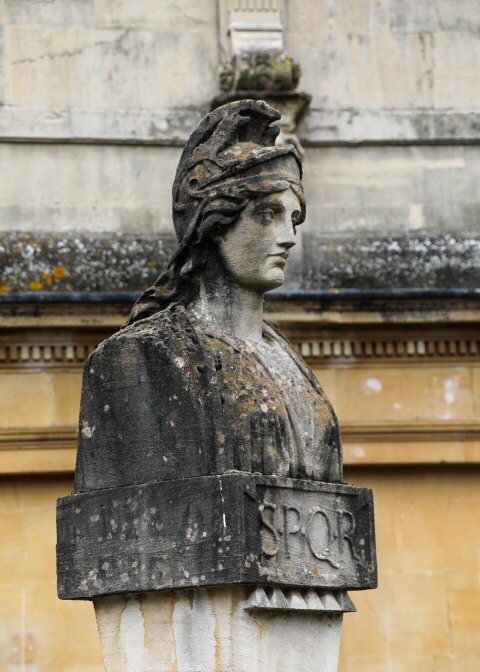
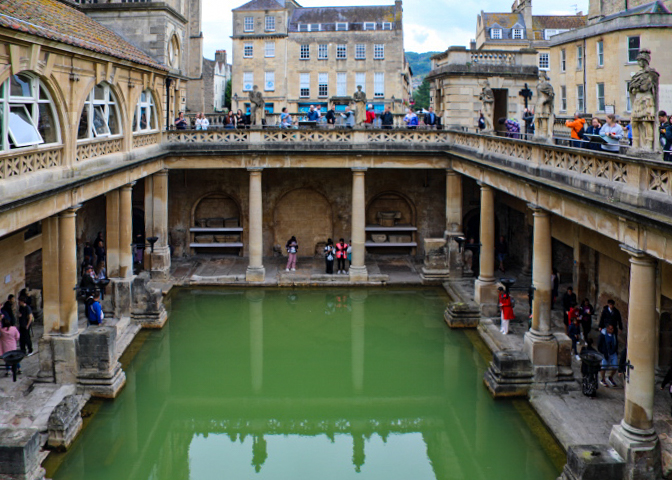
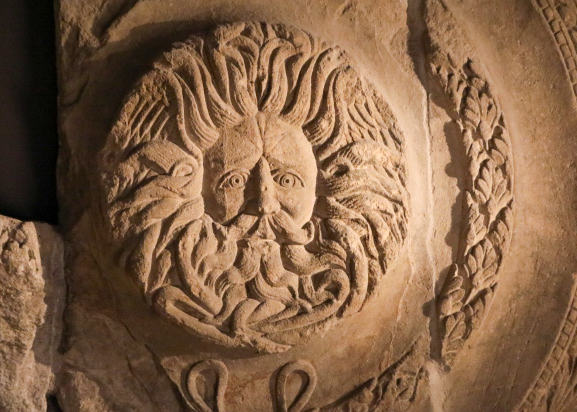
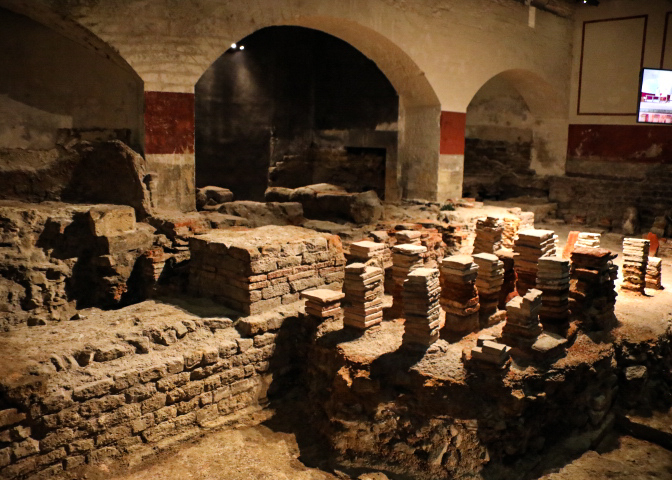
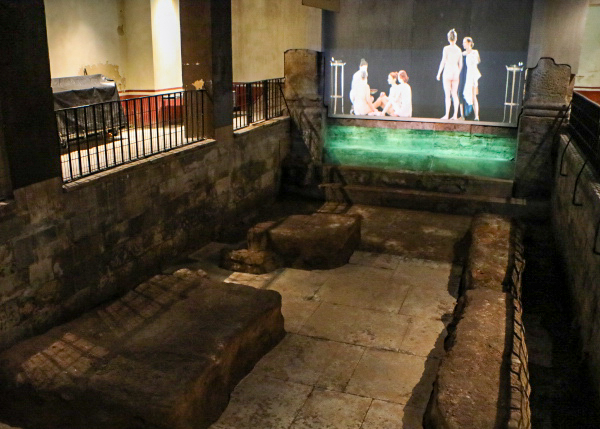
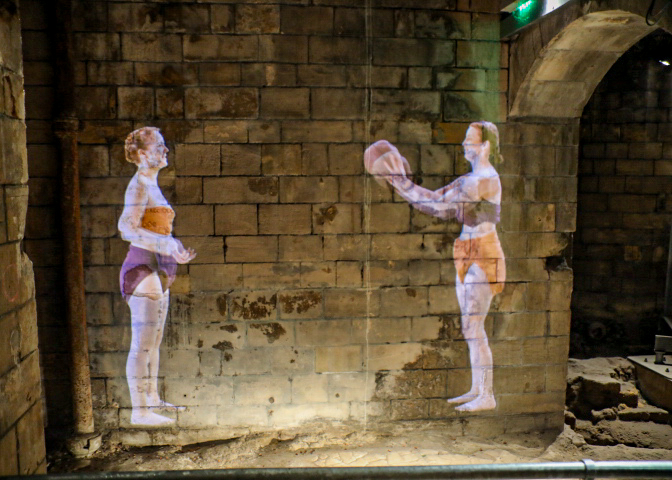
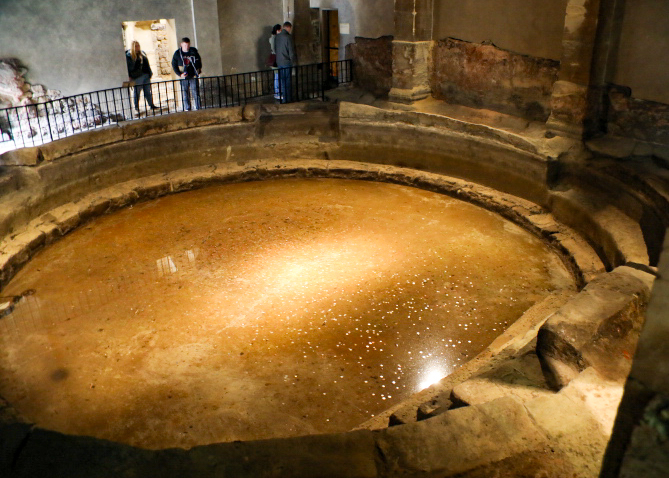
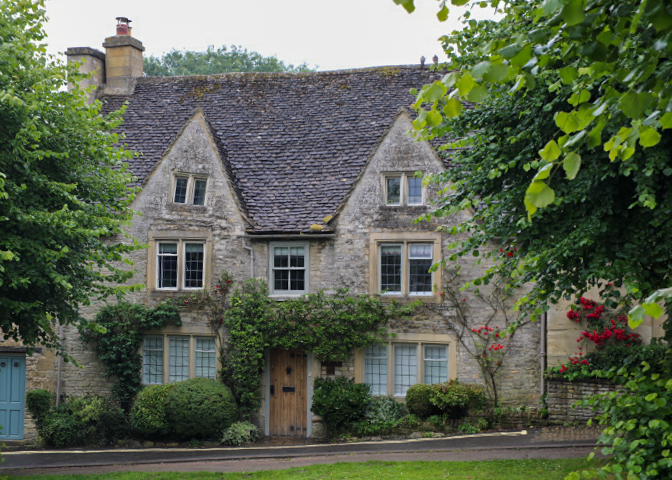
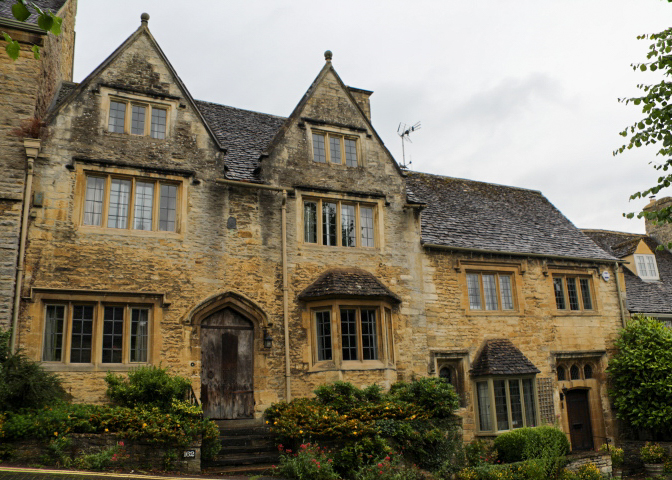
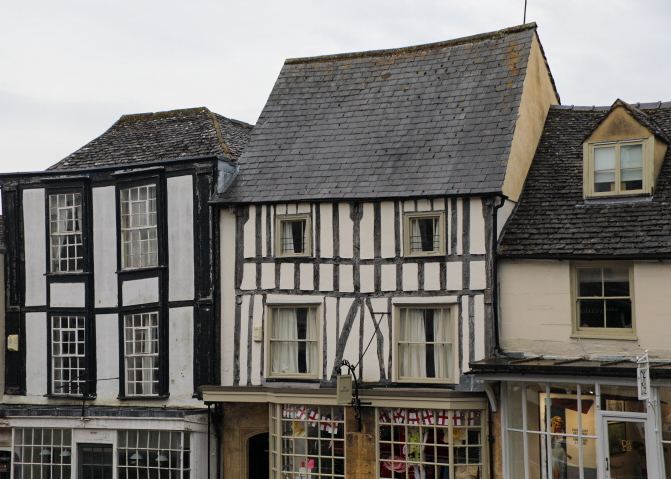
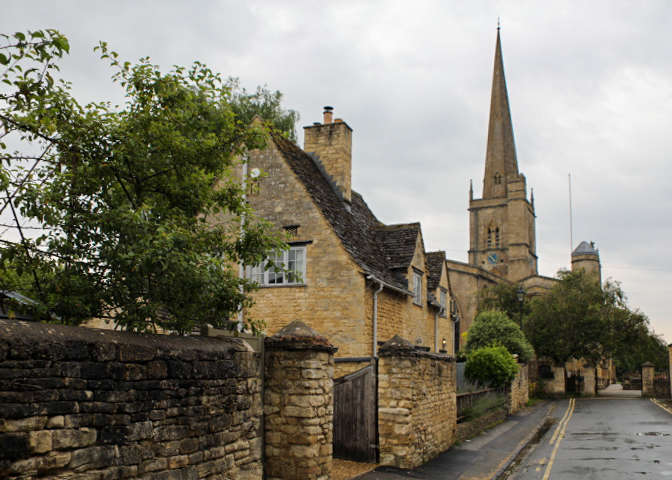
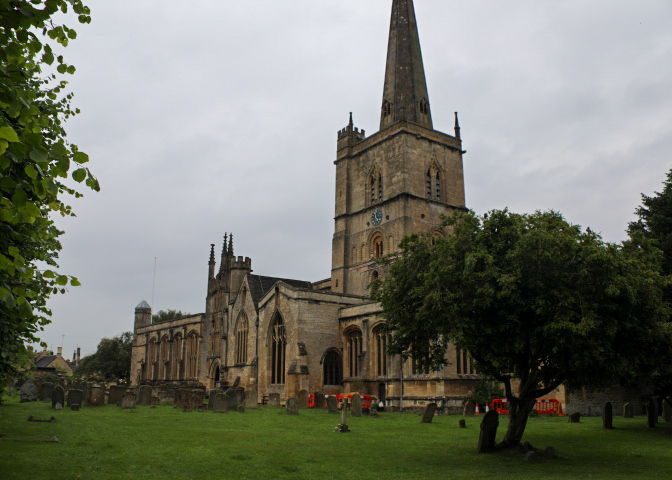
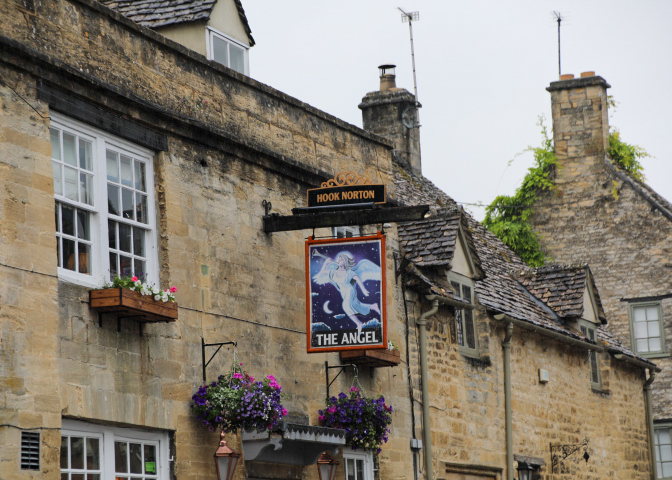
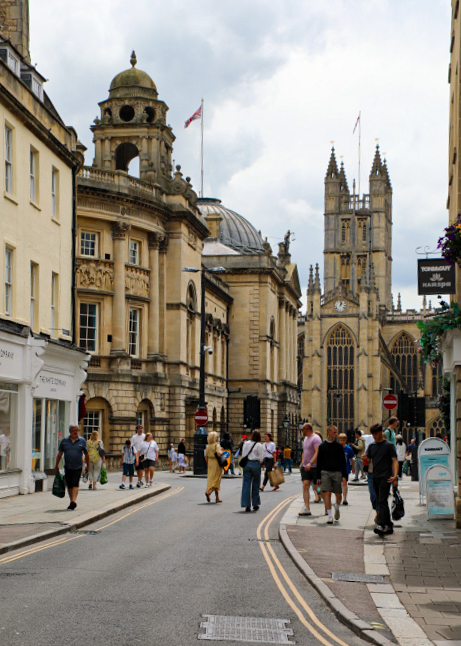
Our second day in Bath we were hoping to tour Bath Abbey but unfortunately, we found that it was closed for a school graduation ceremony. So on to the highlight the Roman Baths. Constructed in around 70AD as a grand bathing and socializing complex, the Roman Baths is one of the best-preserved Roman remains in the world, where 1,170,000 liters of steaming spring water, reaching 46°C, still fills the bathing site every single day. Leaving Bath we began our tour of the Cotswold – ending our day in Burford where we stayed at the Angle Inn.

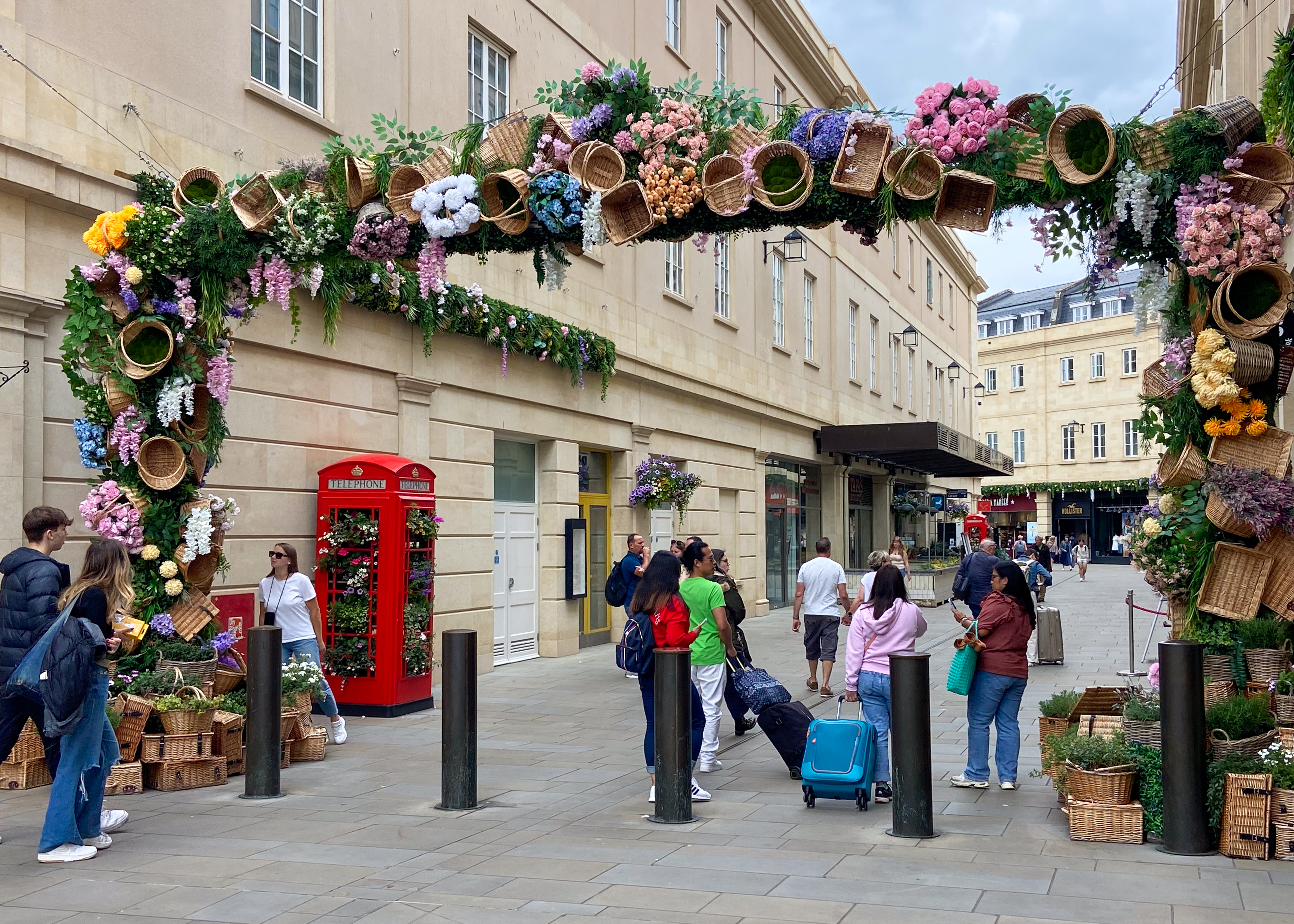
Bath Street Views

Roman Baths

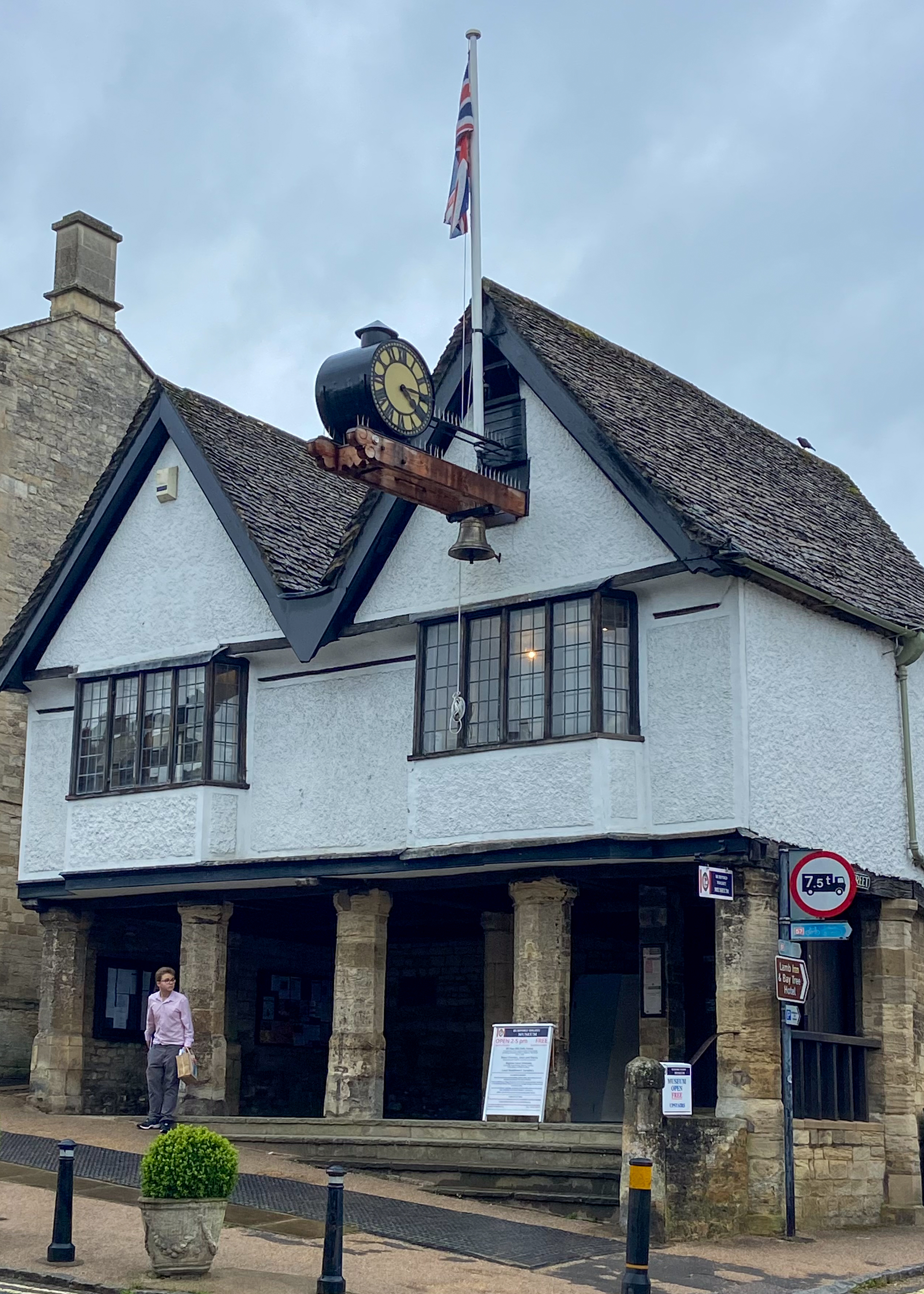
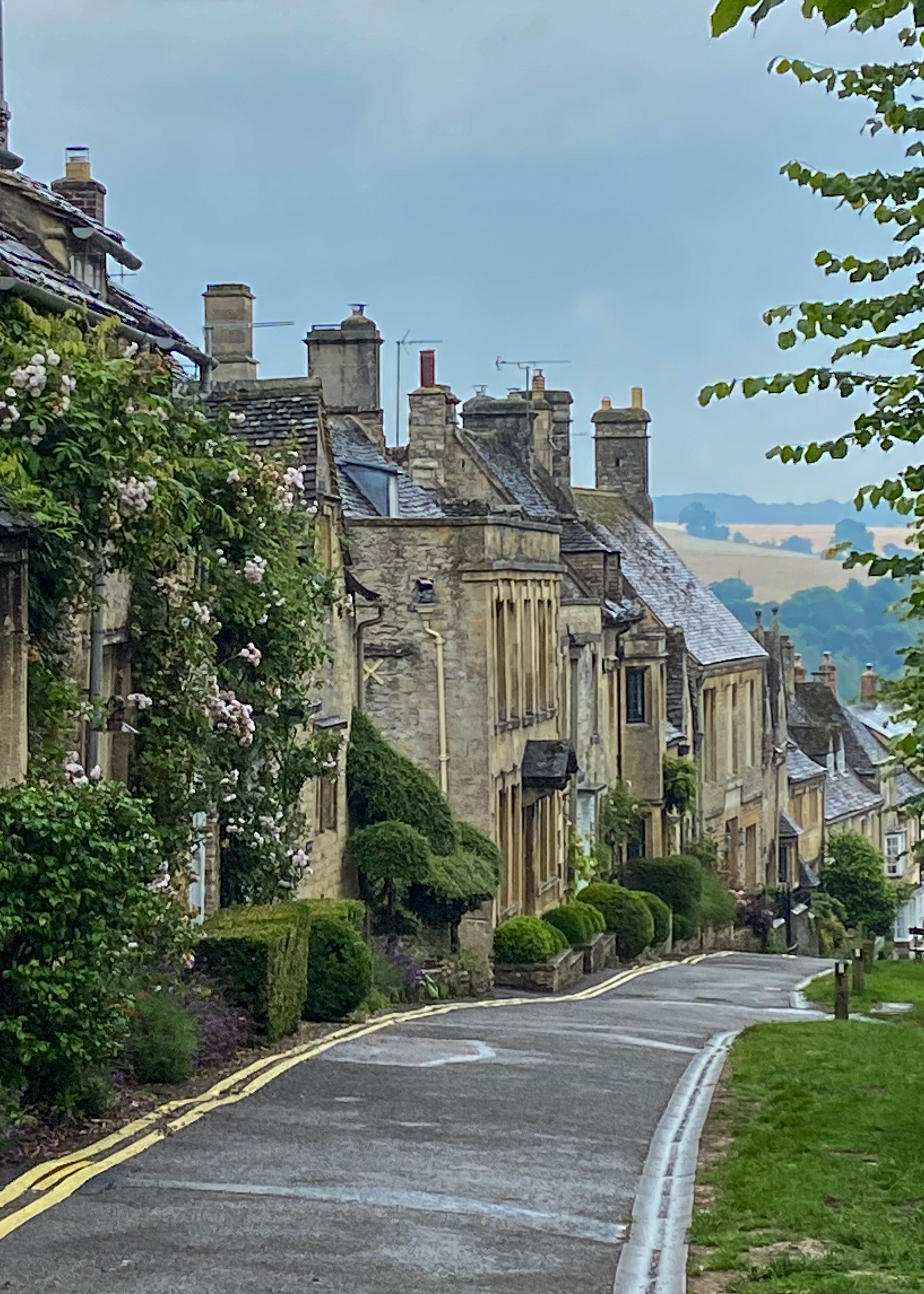
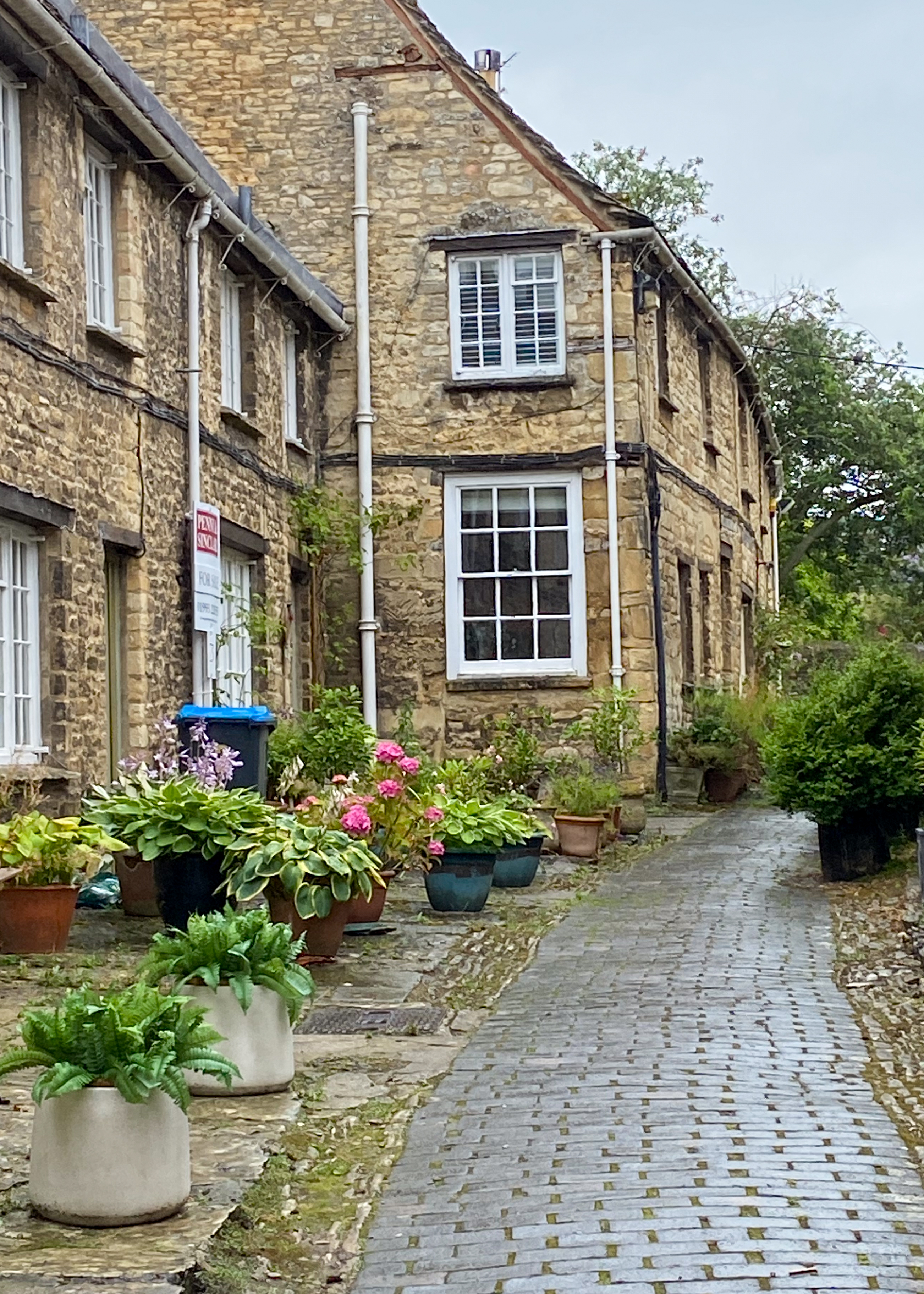
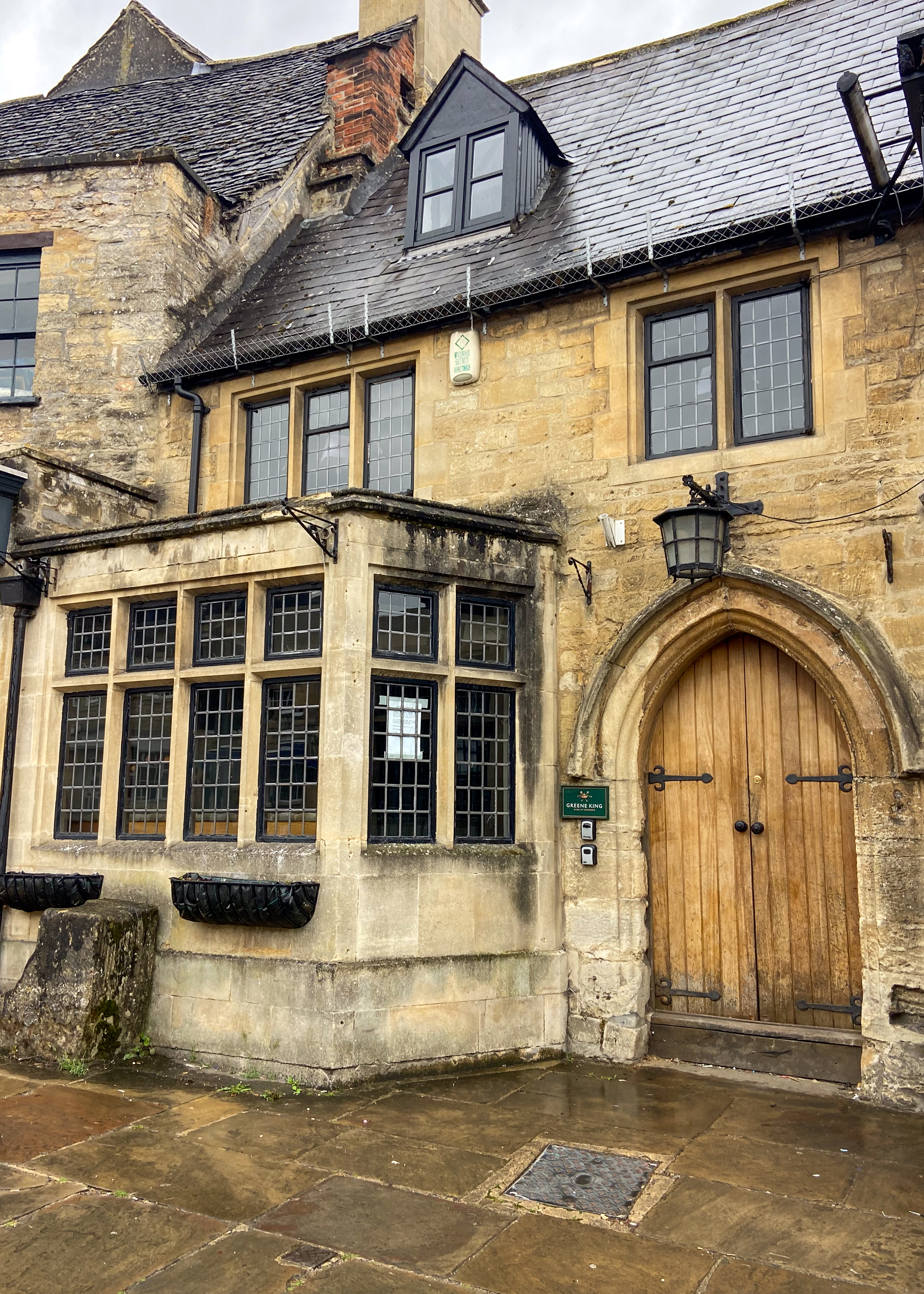
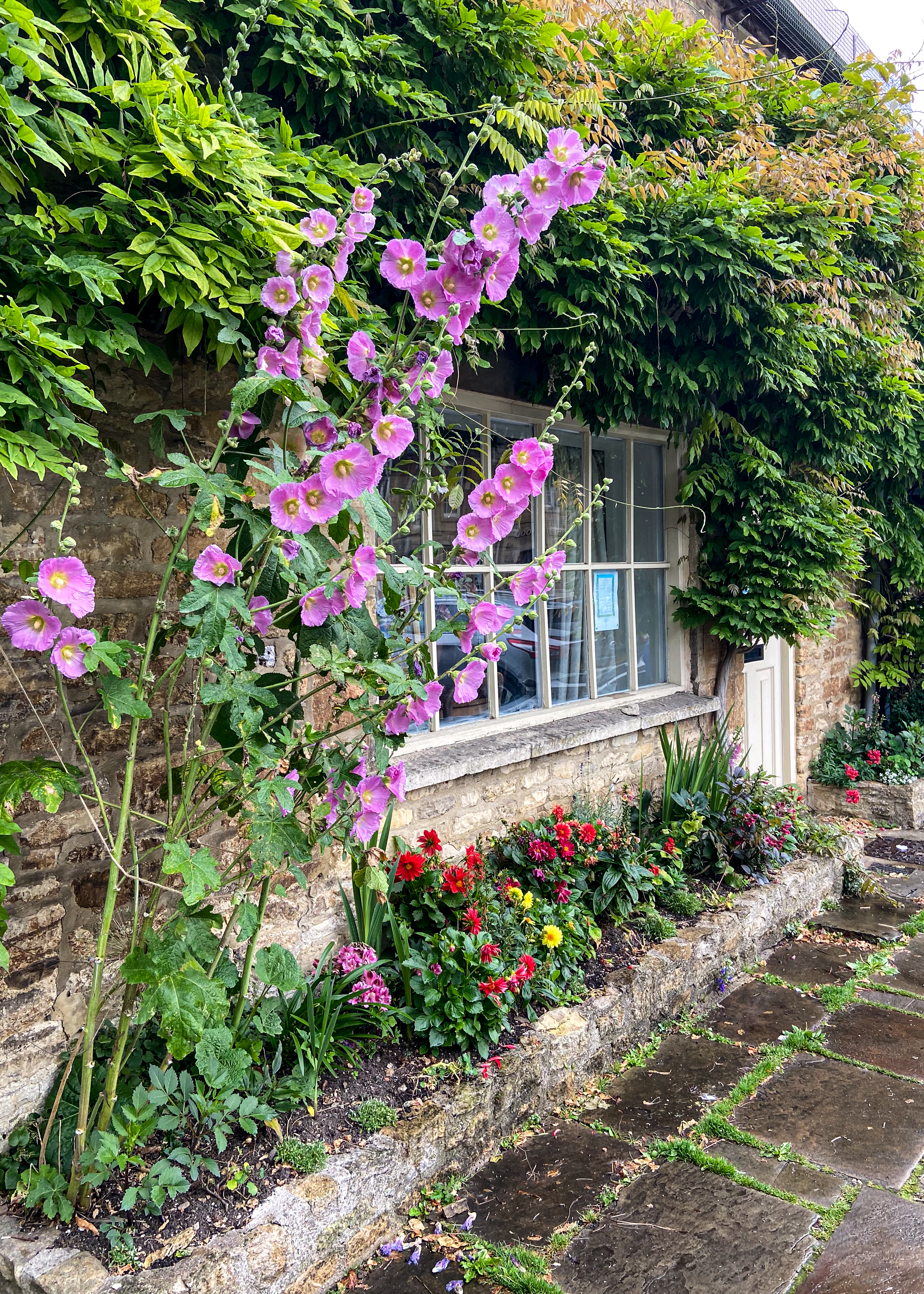
The Cotswolds – Burford

UK and Scotland Day 6

One correction for a photo left out of our visit to Salisbury Cathedral and the Magna Carta – seems appropriate in this day and age.

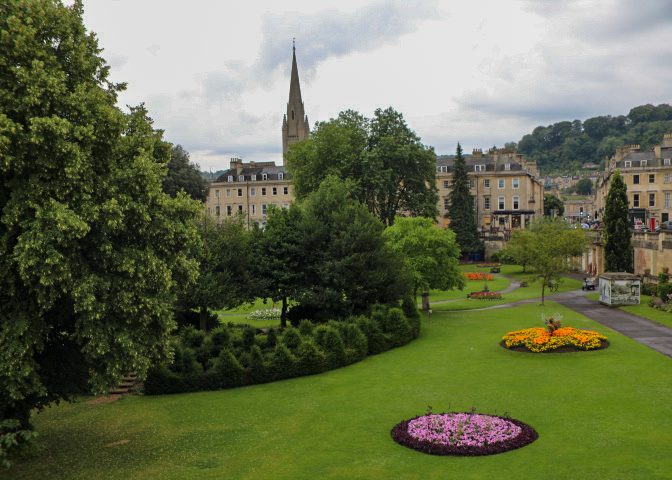
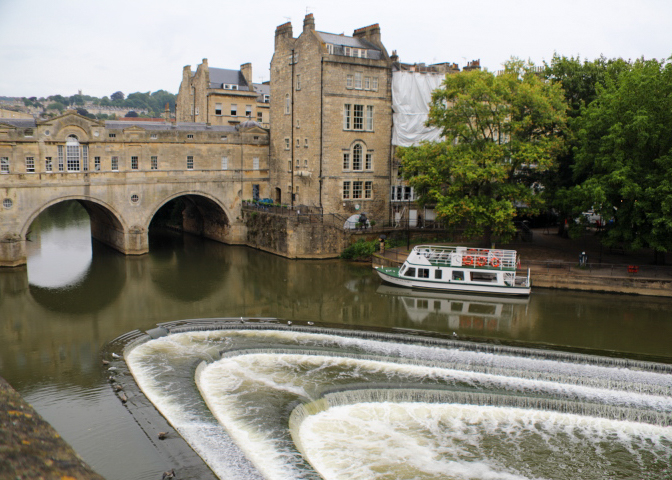
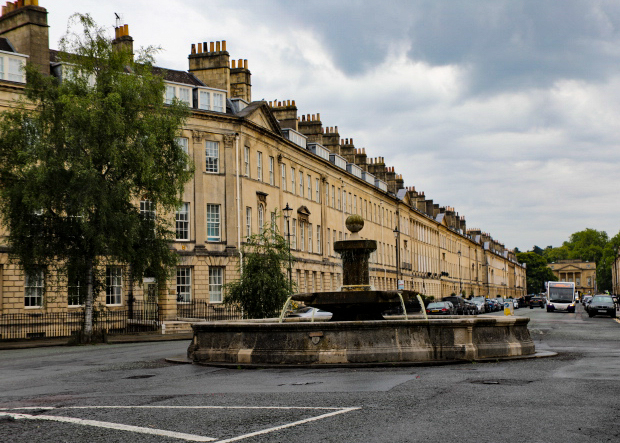
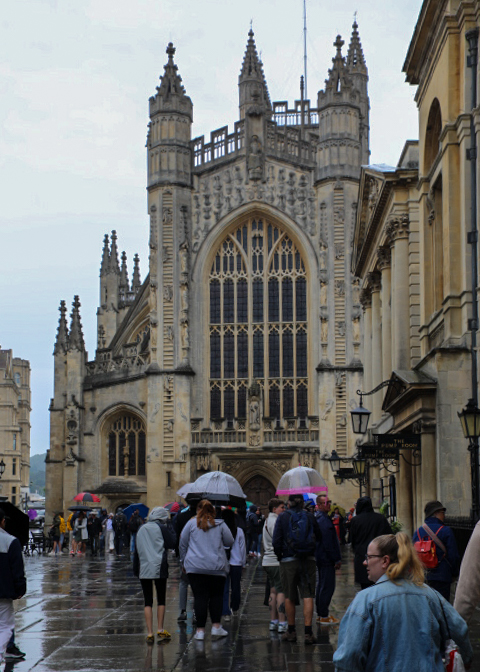
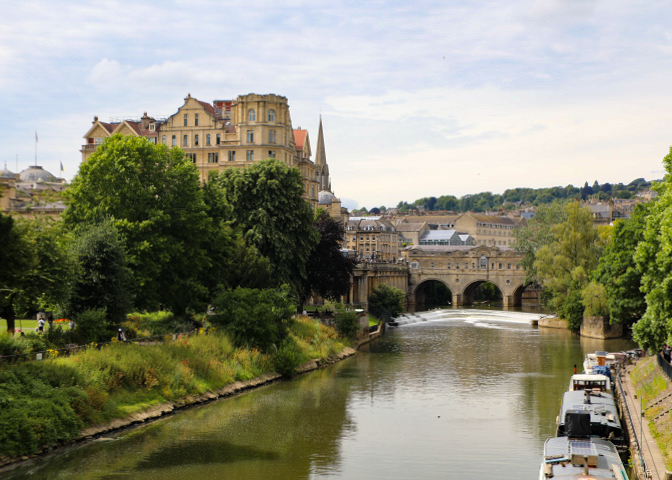
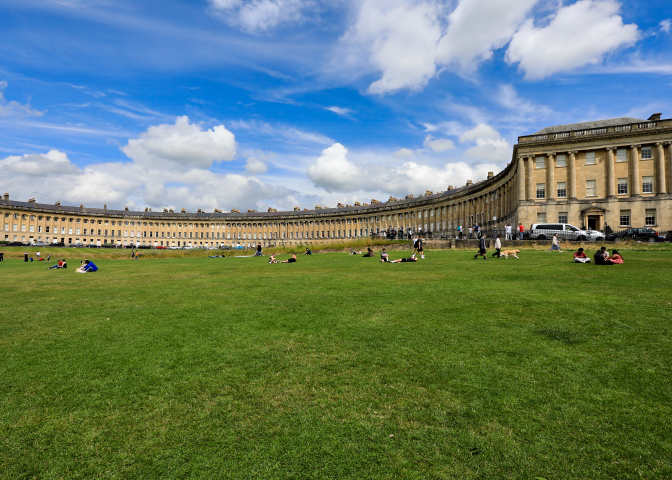
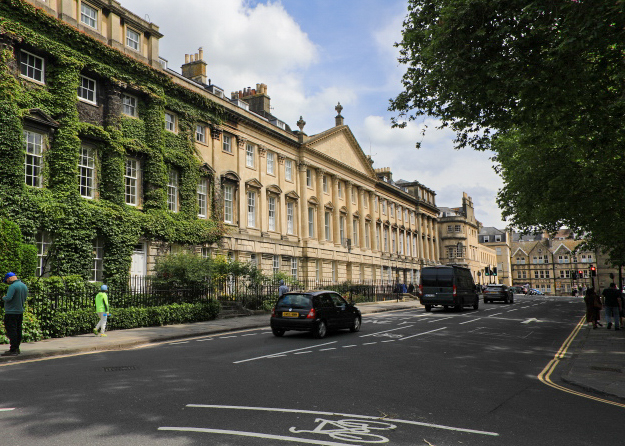
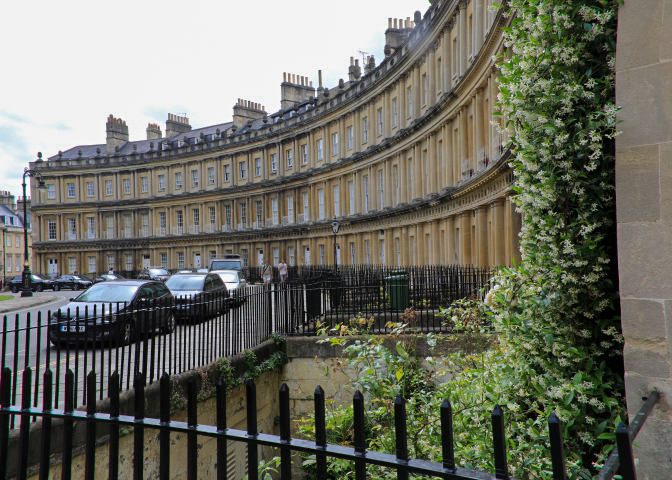
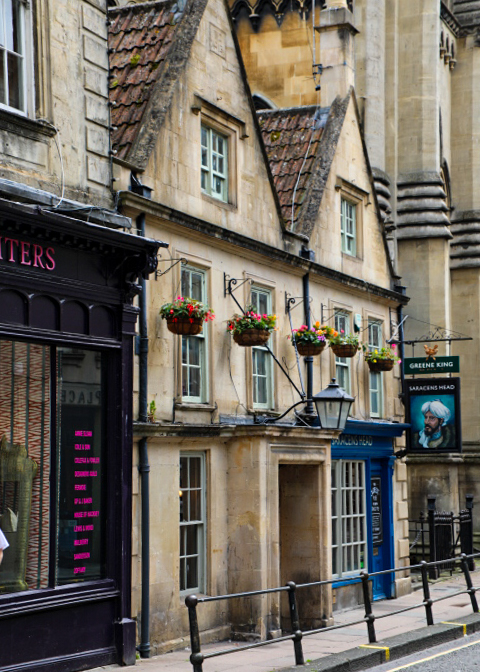
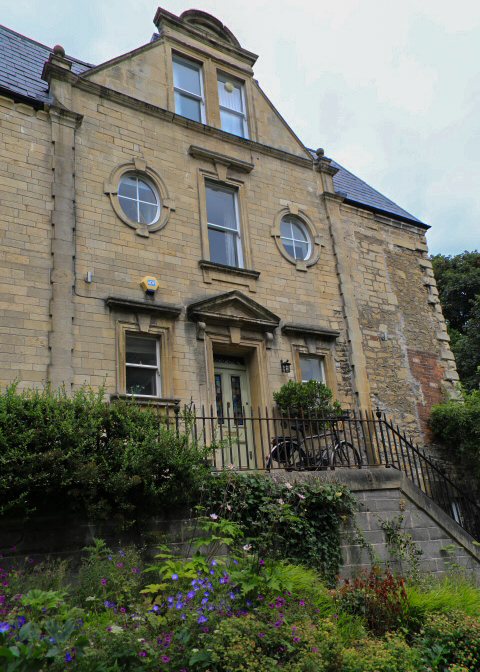
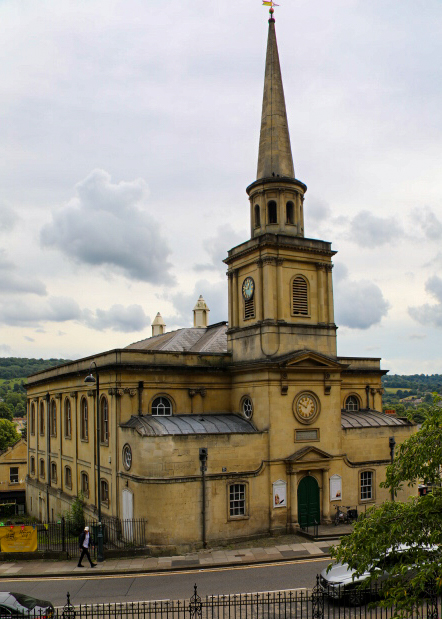
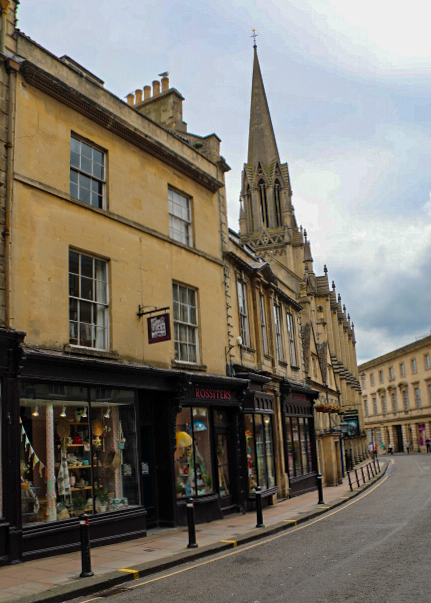
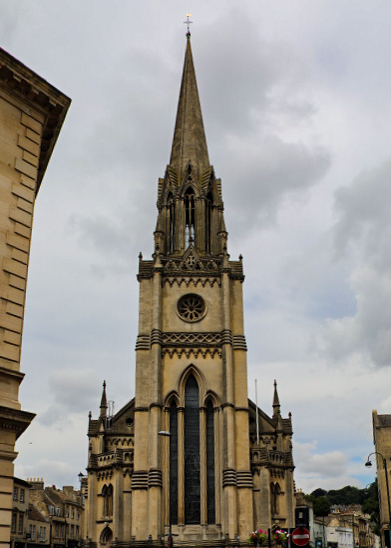
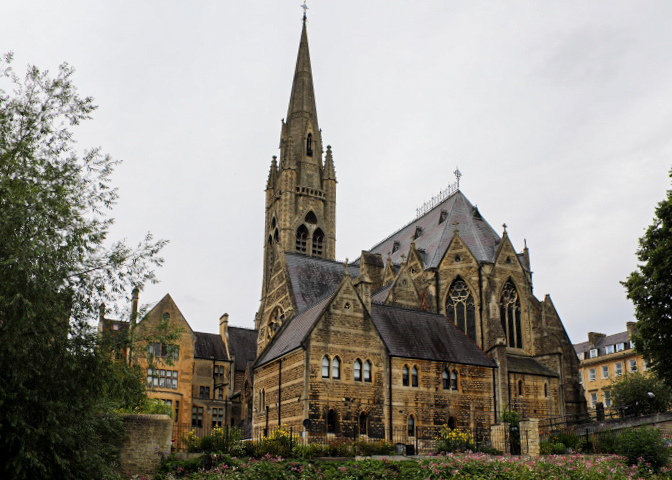
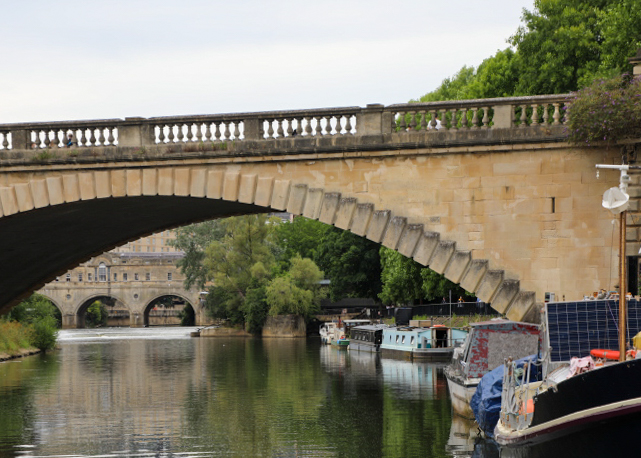
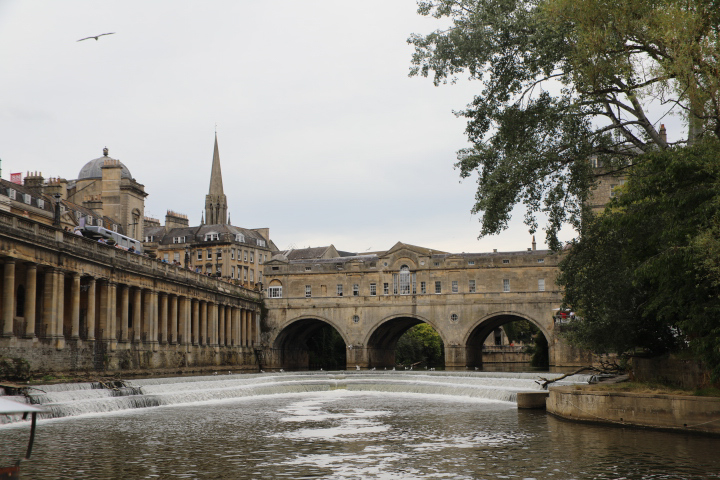
In the morning, we drove from Salisbury to Bath – on arrival we walked part of the city – viewing the Cresent, the Circus and a quick walk-through old town heading to the Quay for a Prosecco boat ride to view the city from the Avon River.

Street Views

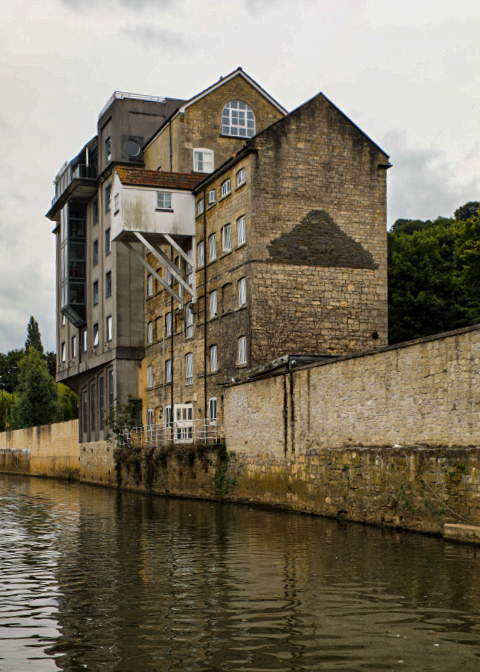
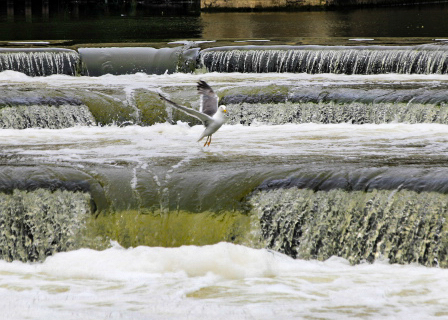
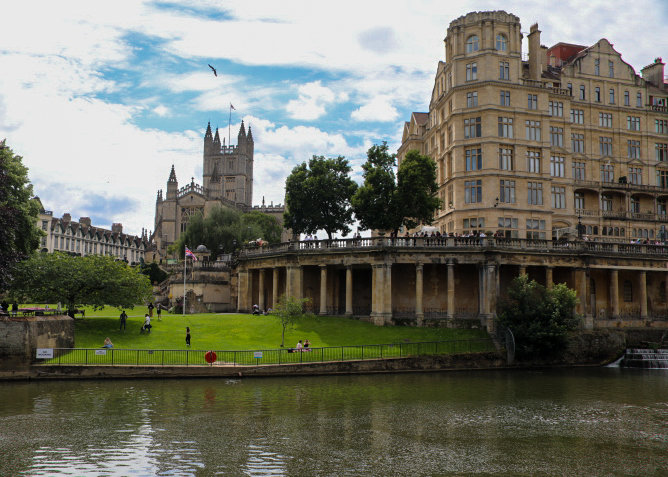
Cruise on the Avon

Blog at WordPress.com.

Up ↑