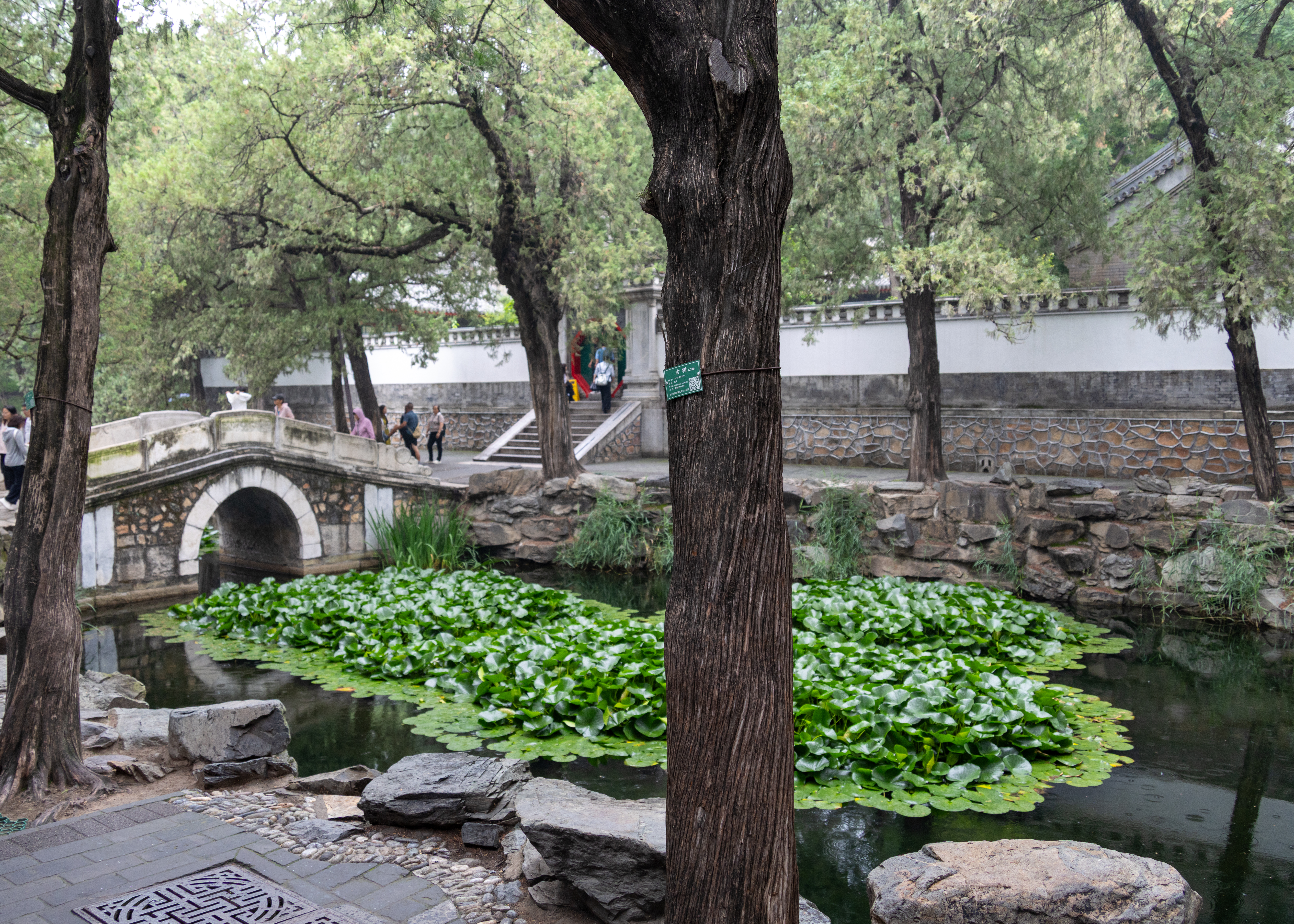
The Summer Palace – The landscape of the Summer Palace, dominated mainly by Longevity Hill and Kunming Lake, covers 3.09 square kilometers, three-quarters of which is water. It’s 70,000 square meters of floor space accommodate a variety of palaces, gardens, and other traditional-style architectural structures. Well known for its large and priceless collection of cultural relics, it was among the first historical and cultural sites in China to receive special protection from the state.
The Summer Palace, originally named Qingyi Yuan, or the Garden of Clear Ripples, was first constructed in 1750. It was razed to the ground by the Anglo-French Allied Forces in 1860. The Qing government began rebuilding it in 1886, using funds misappropriated from the Imperial Navy and other sources. Renamed Yihe Yuan two years later—often rendered as the Garden of Nurtured Harmony—it was intended to serve as a summer resort for the Empress Dowager Cixi. Also known as the Summer Palace, it was ravaged again by the Allied Forces of the Eight Powers that invaded China in 1900, and the damage was repaired in 1902. Since the founding of the People’s Republic of China, the Summer Palace has undergone several major renovations. Its major attractions, such as the Four Great Regions, Suzhou Street, the Pavilion of Bright Scenery, the Hall of Serenity, the Wenchang Galleries and the Plowing and Weaving Scenery Area, have been restored one after another.
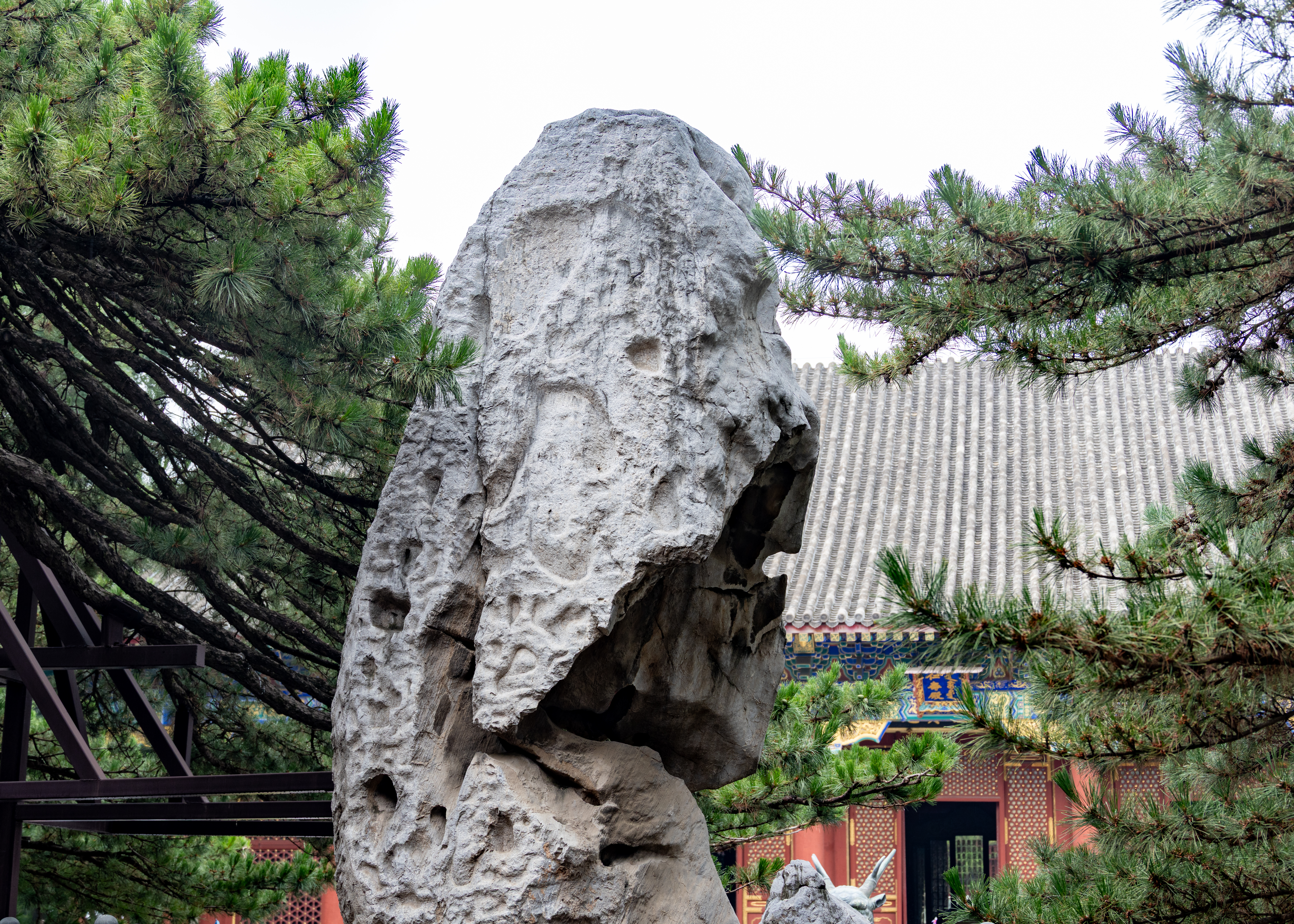
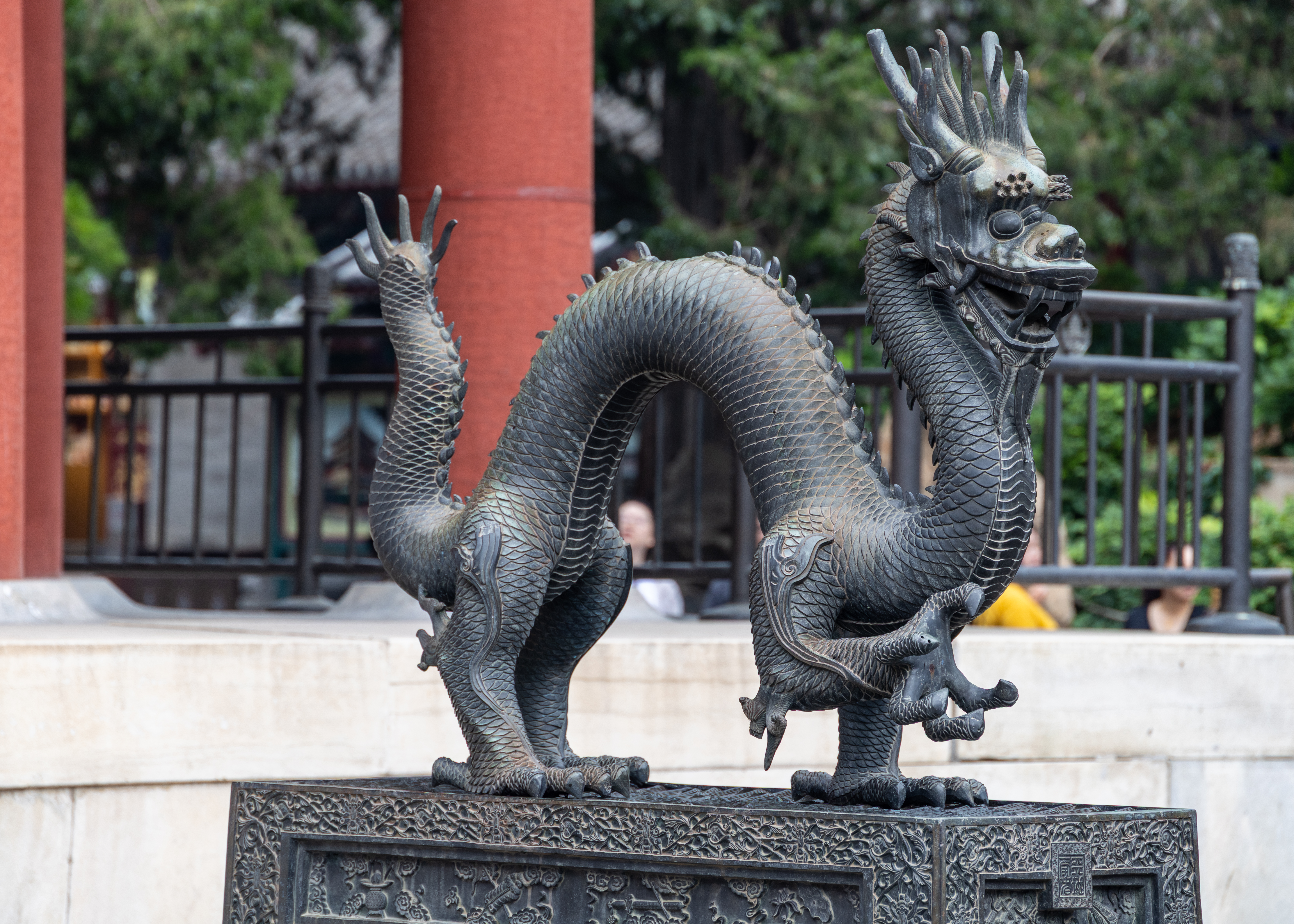
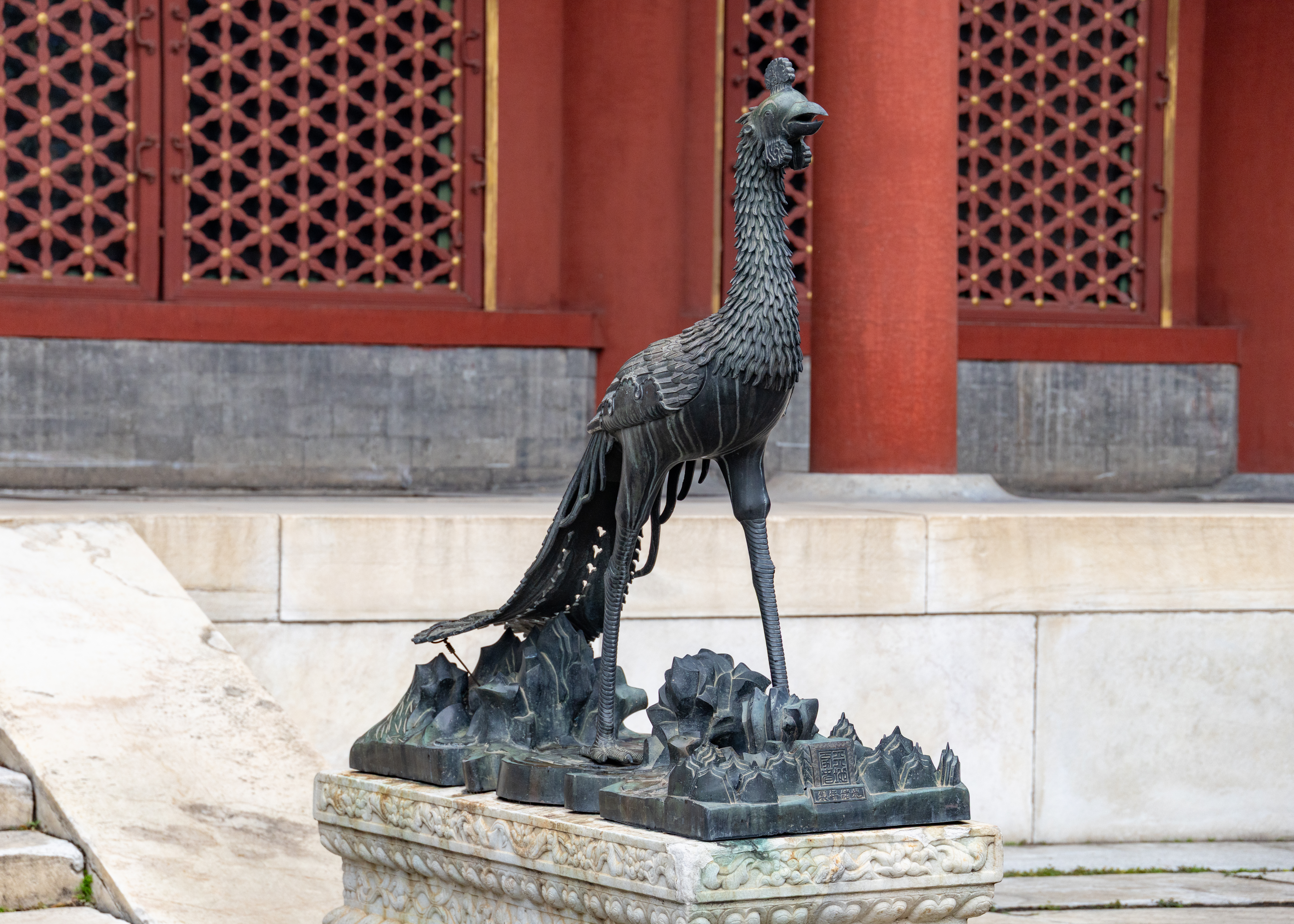
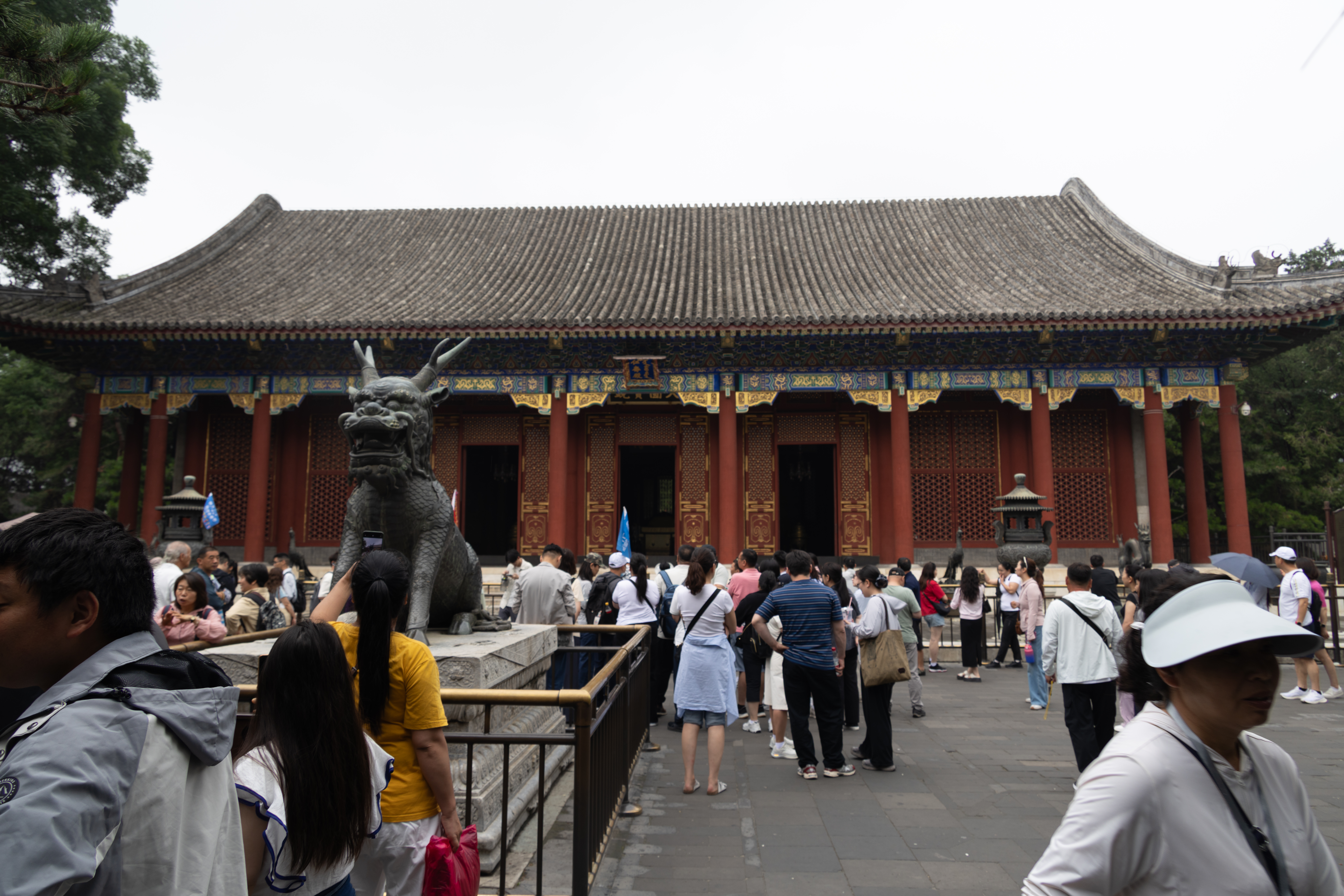
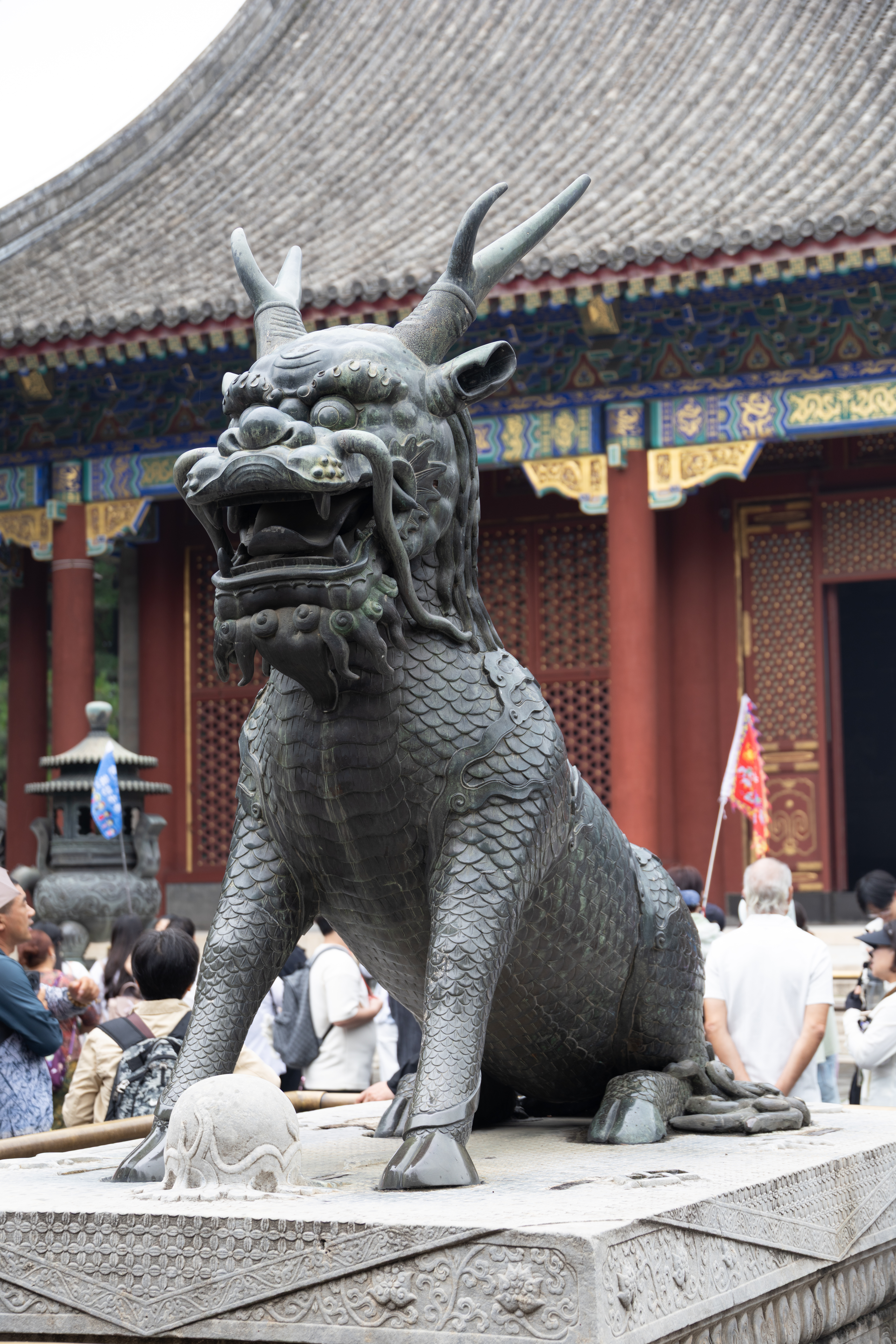
Stone of the God of Longevity & Hall of Benevolence and Longevity
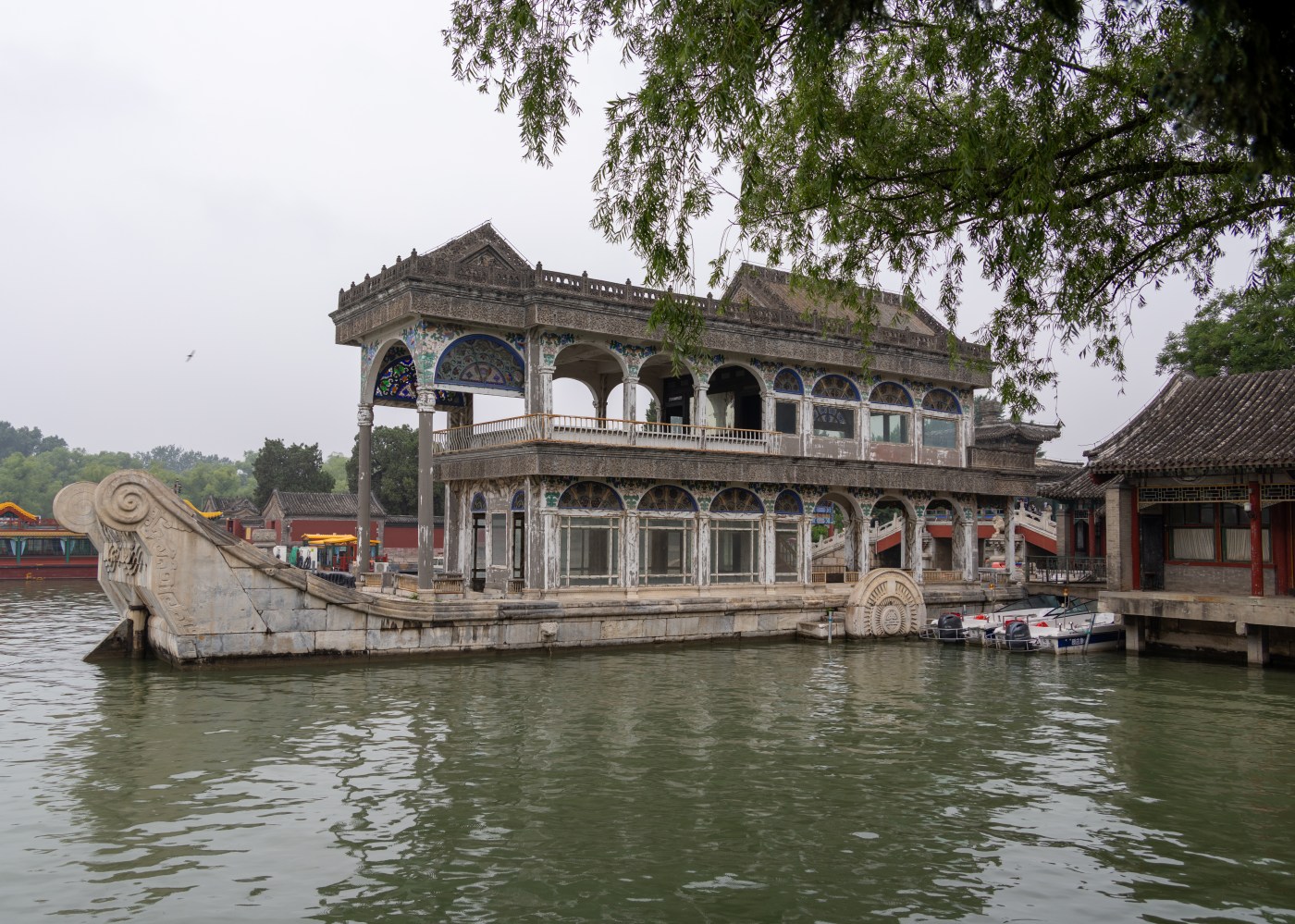
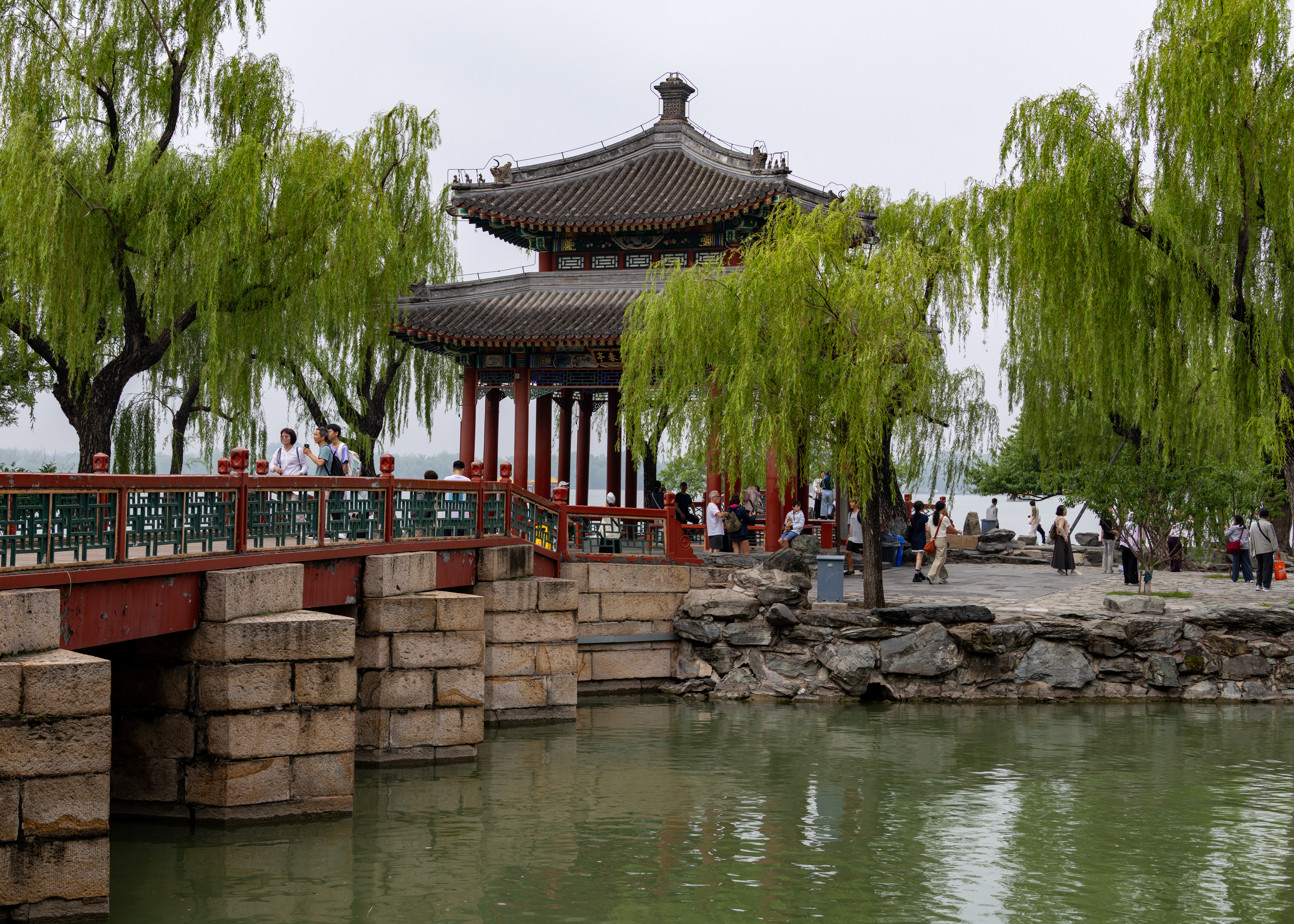
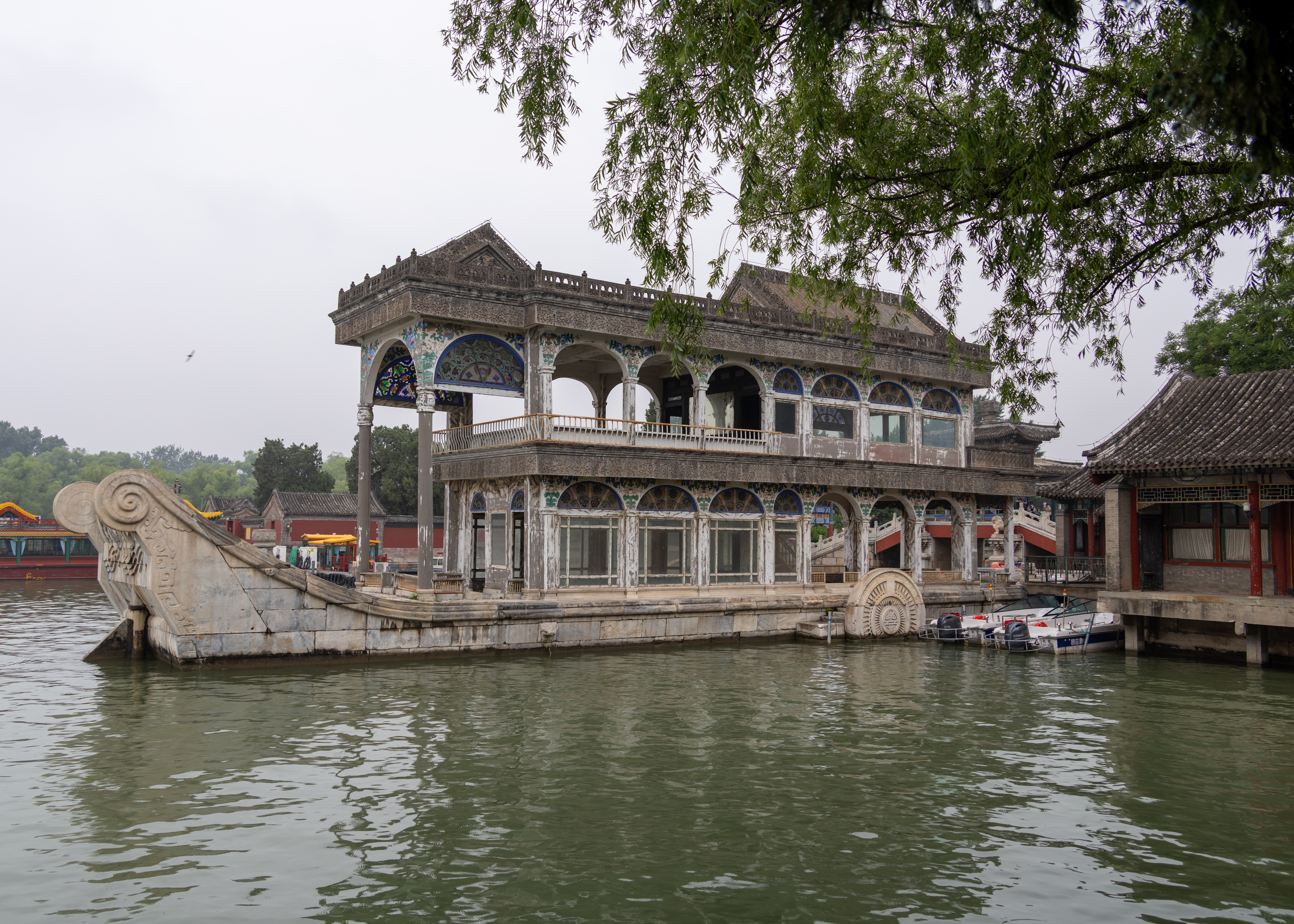
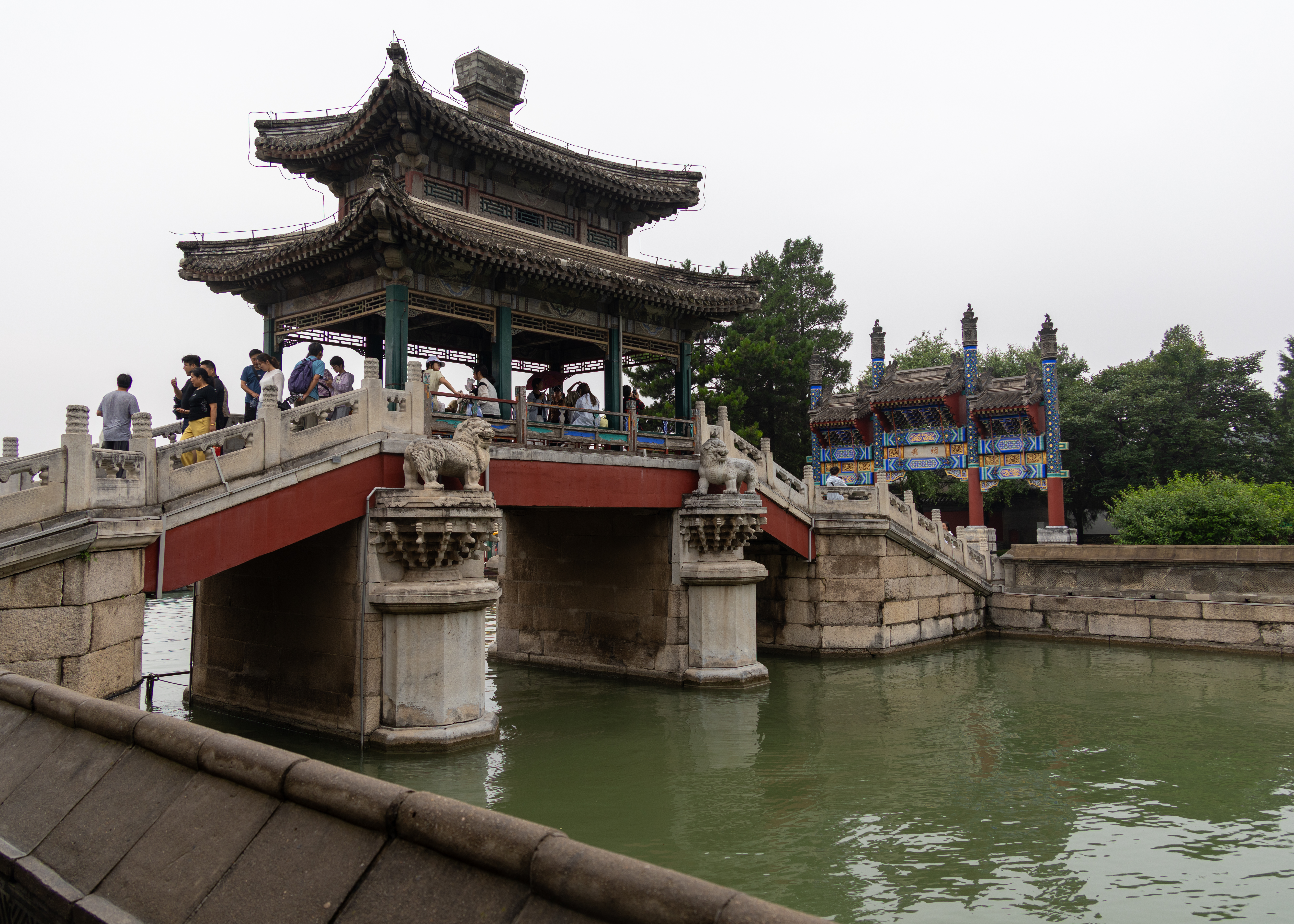
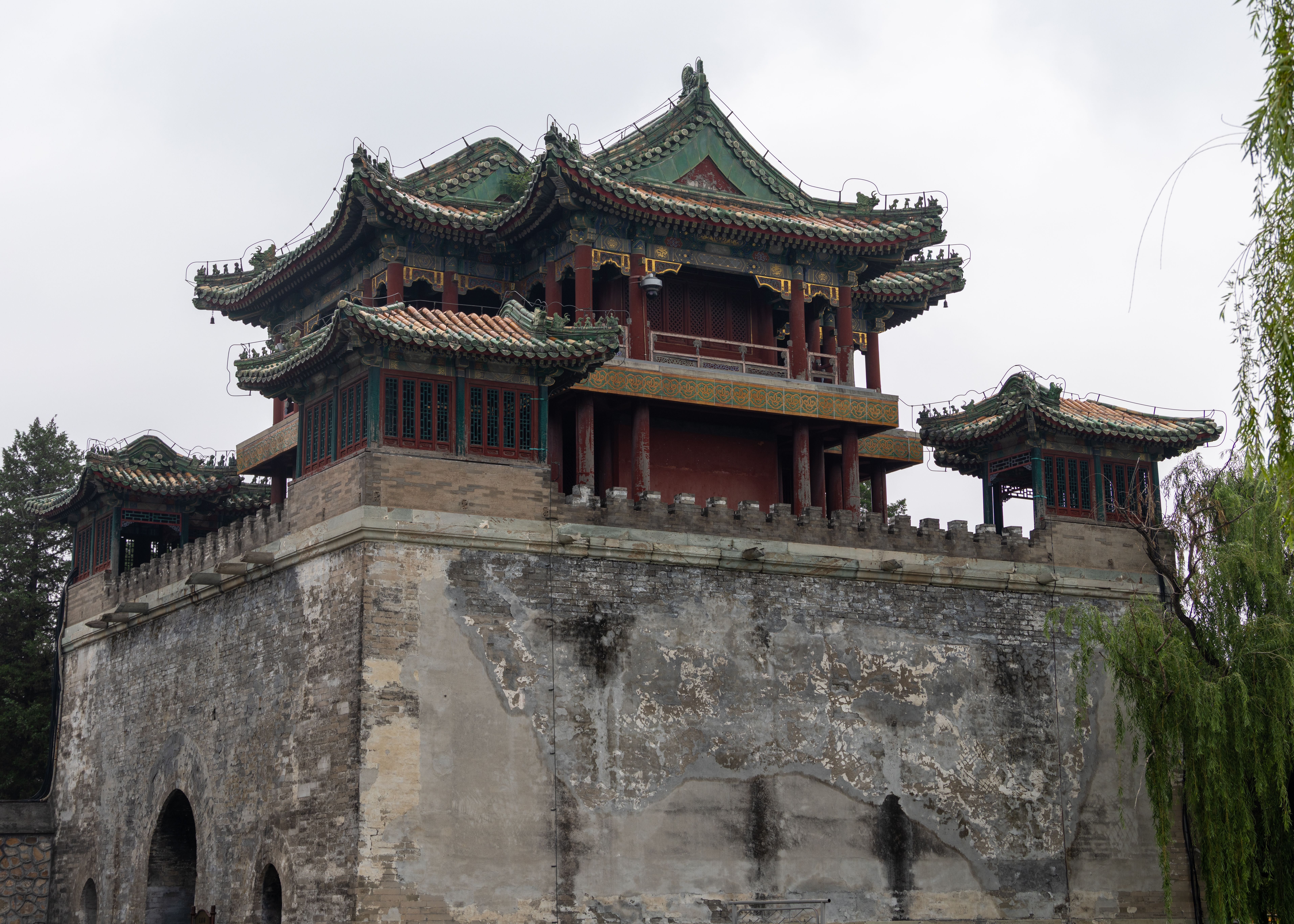
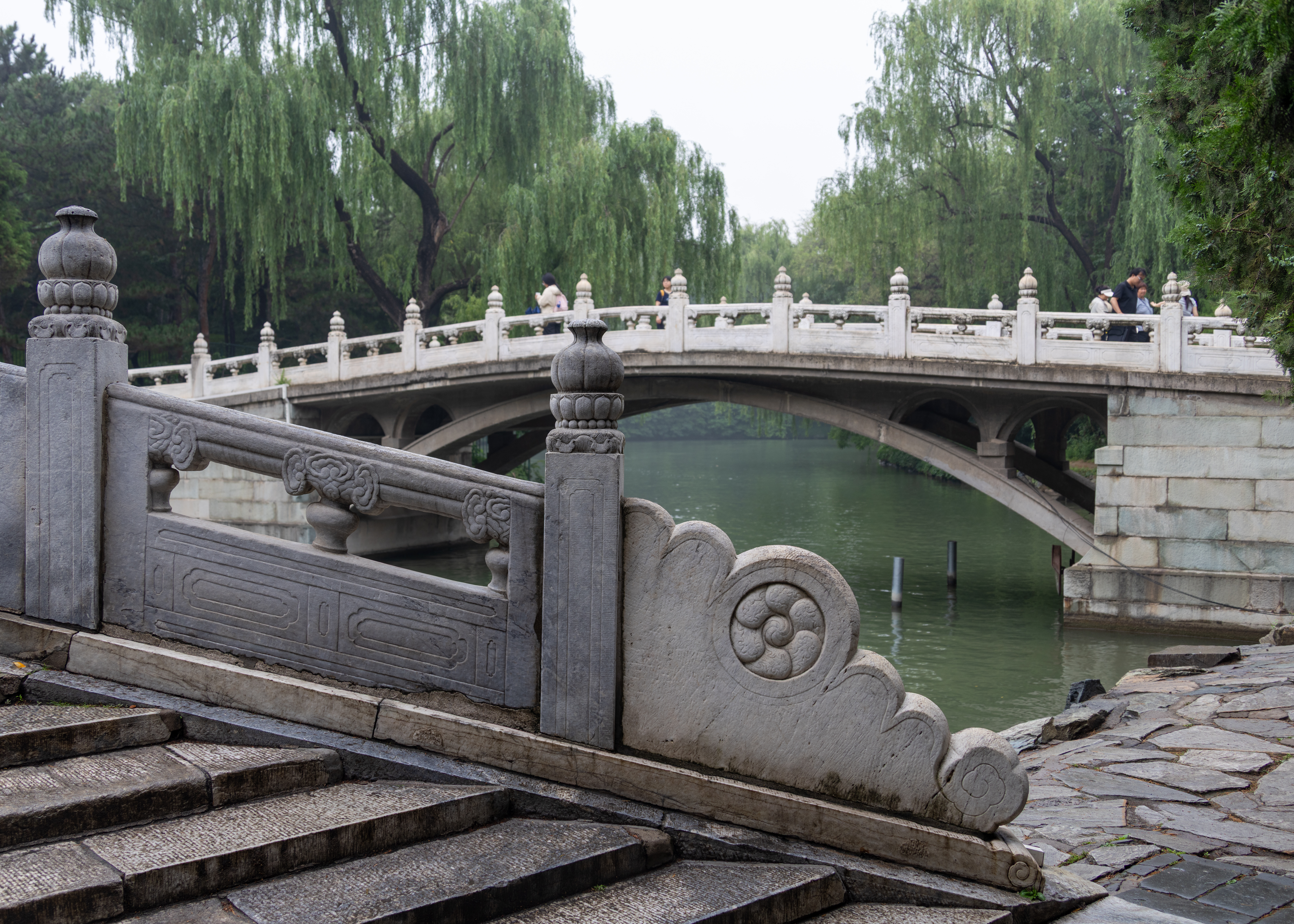
Heralding Spring Pavilion, Marble Boat & Oldest Bridge
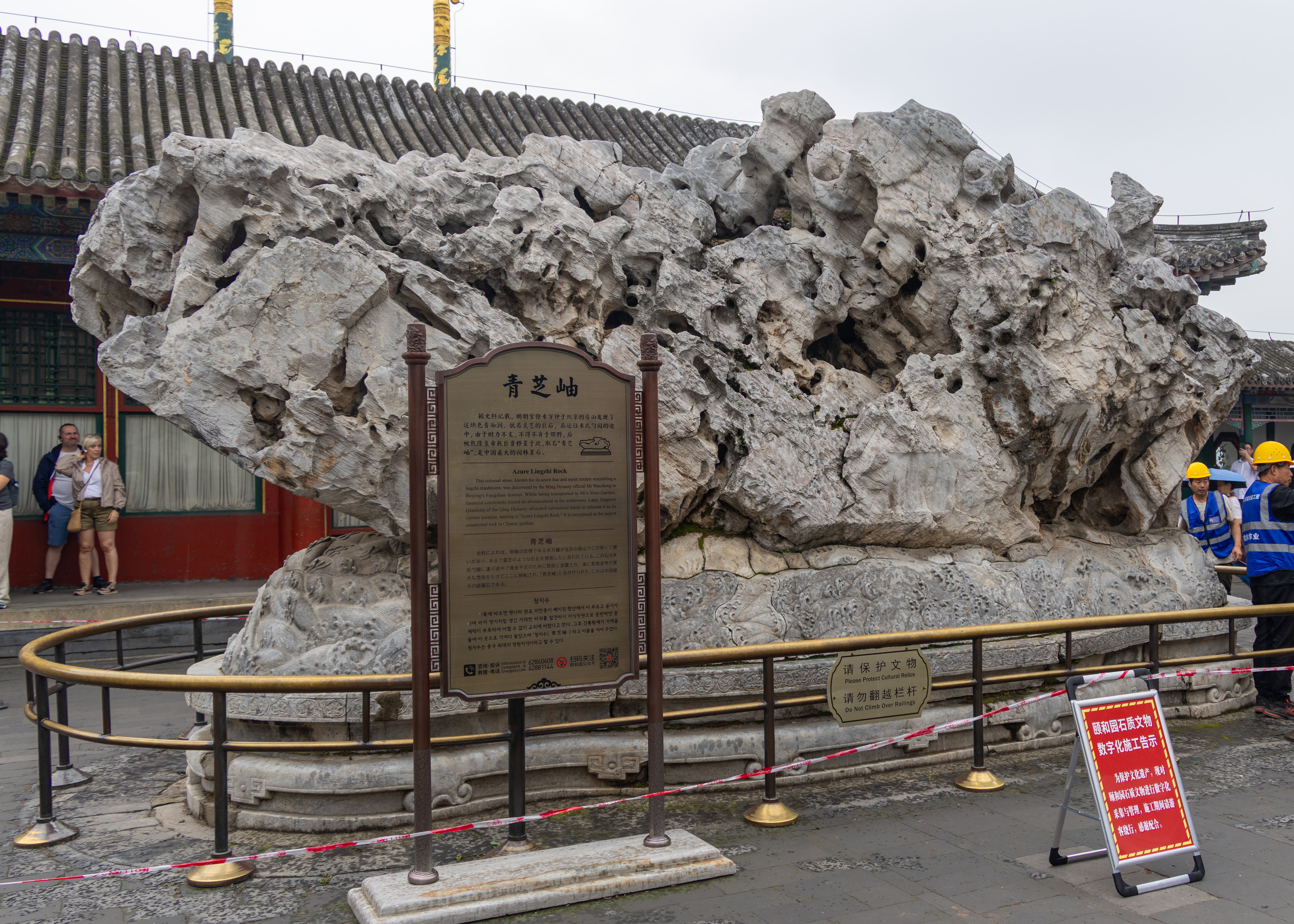
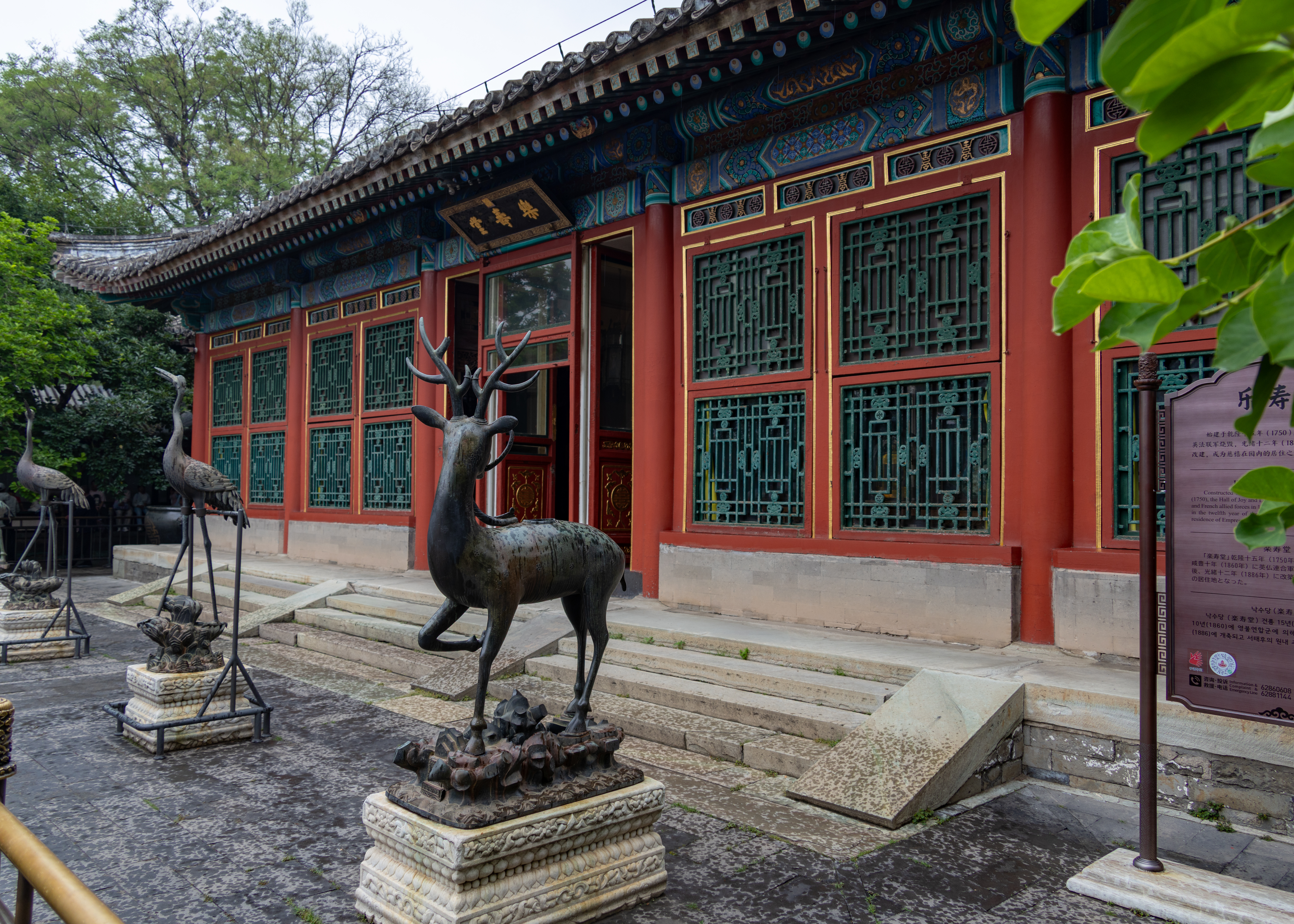
Pavilion of Literary Brilliance, Hall of Joy and Longivity & Azue Lingzhi Rock
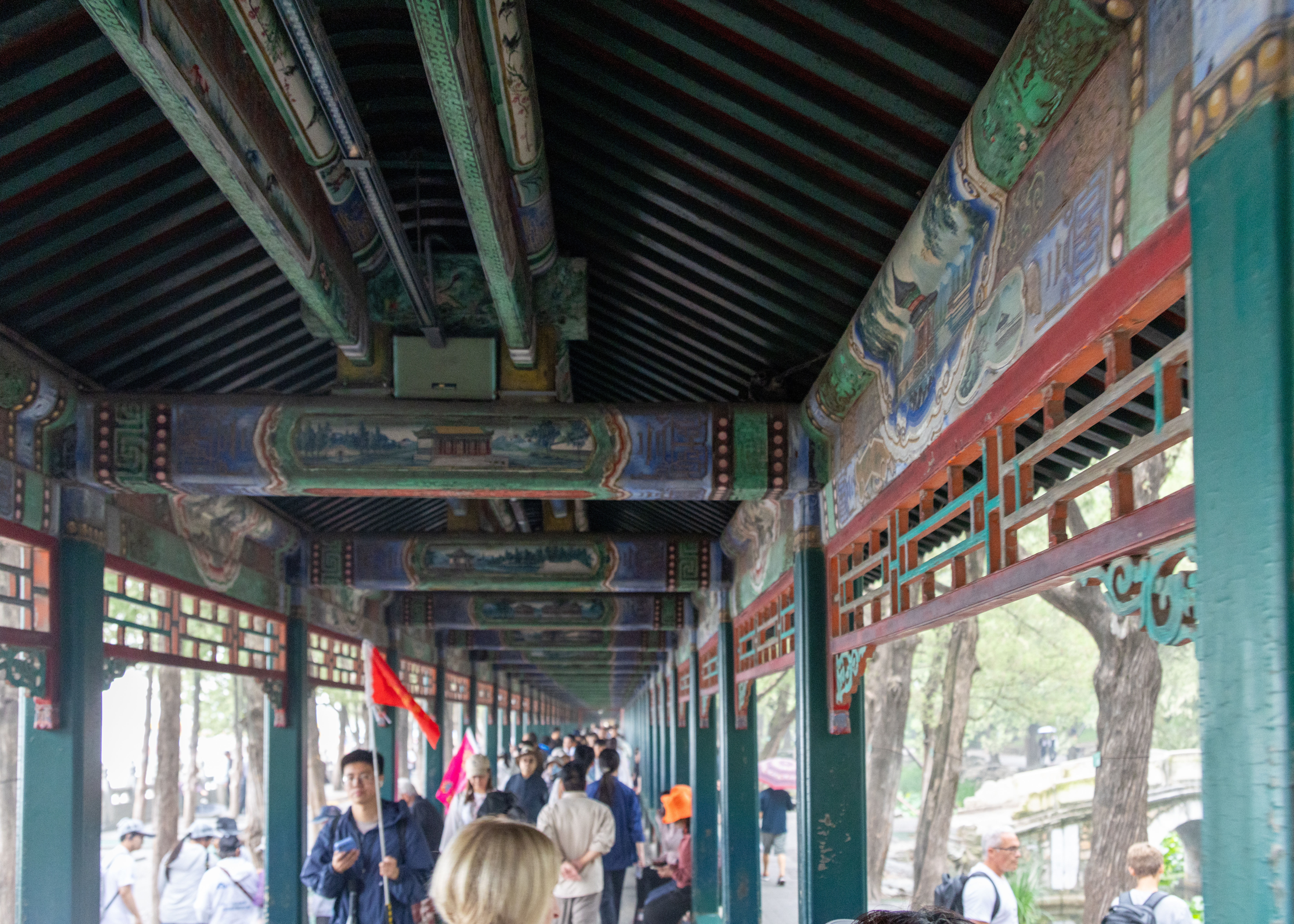
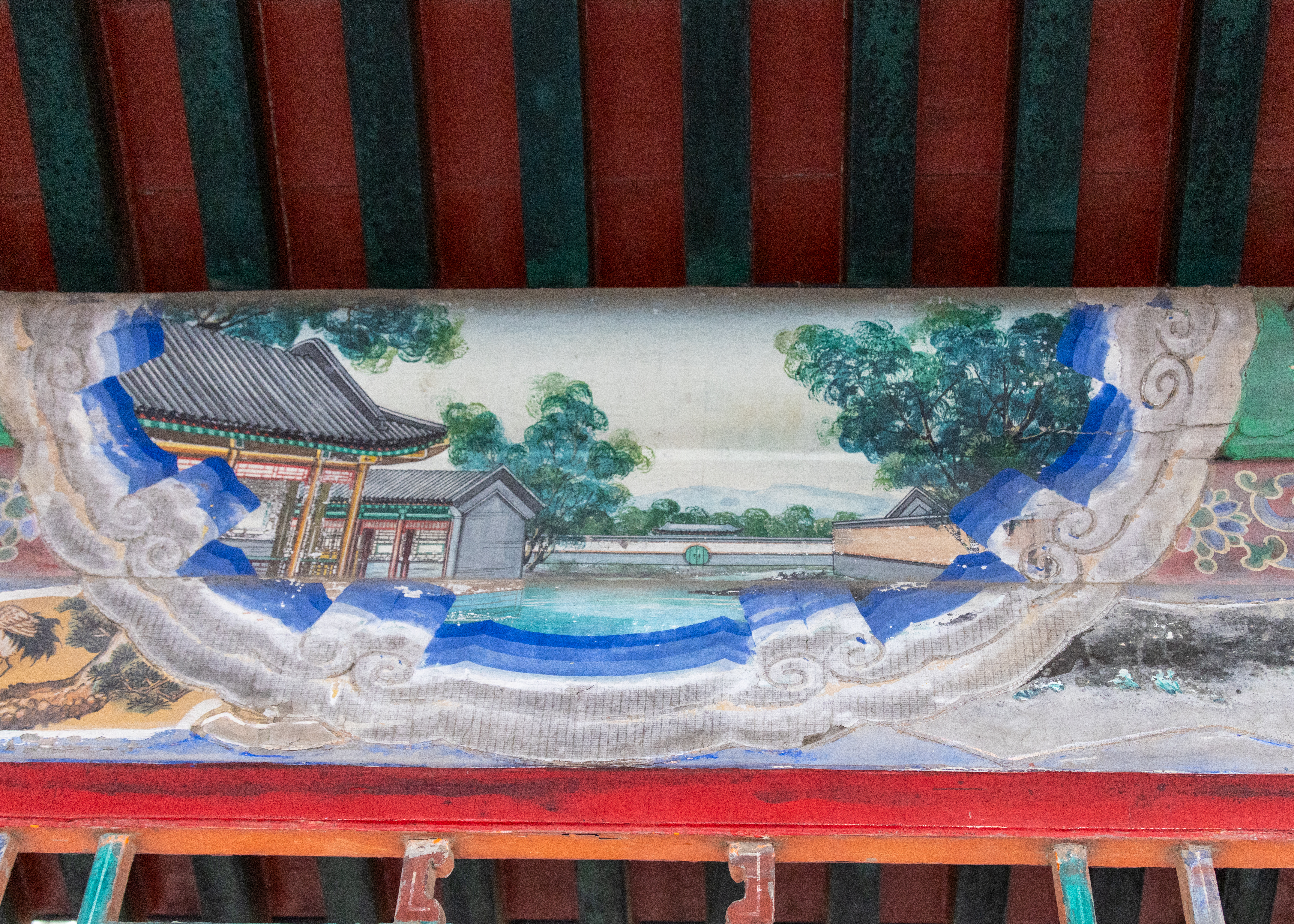
Long Corridor — 2388 feet in Length

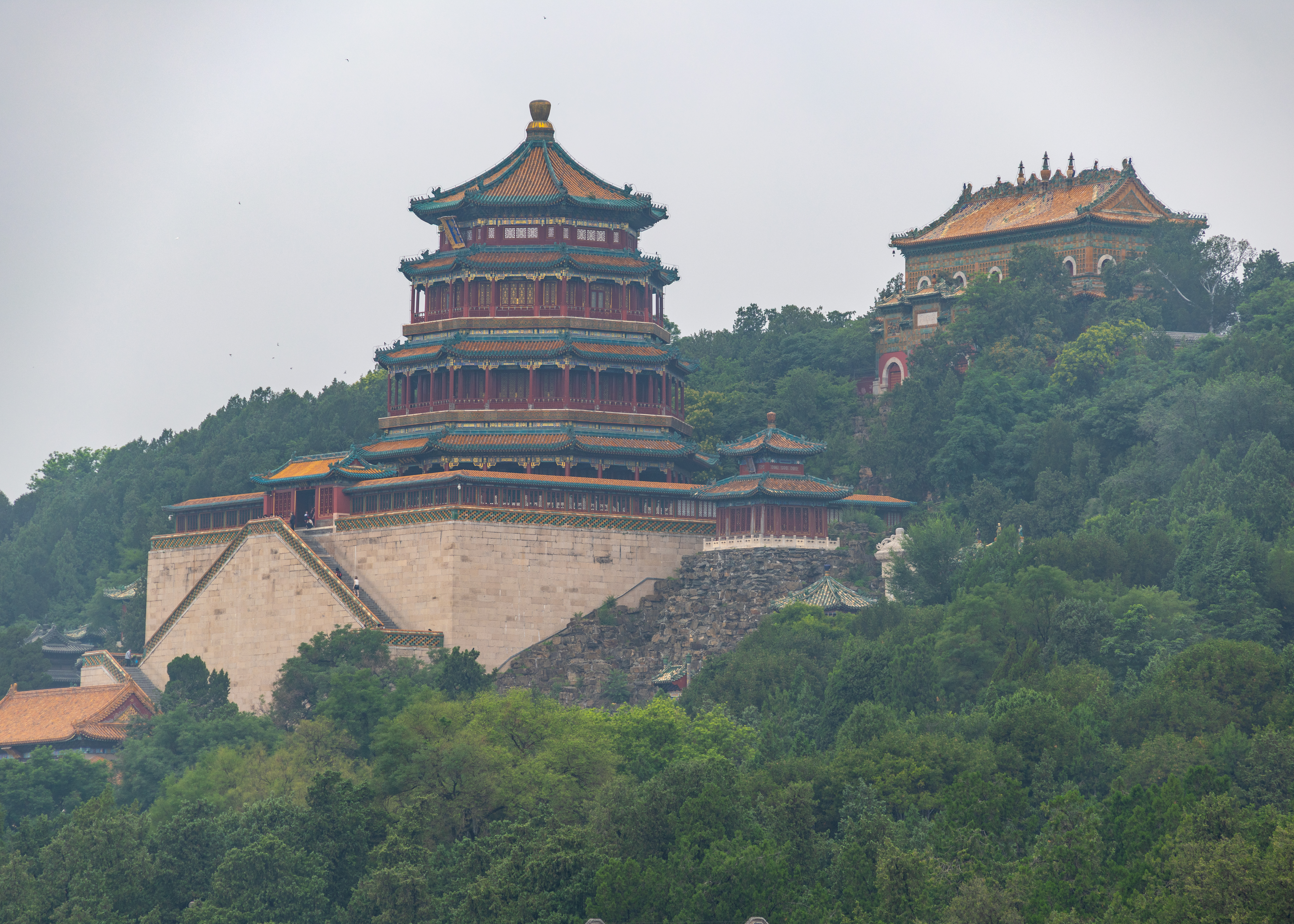
Tower of Buddhist Incense


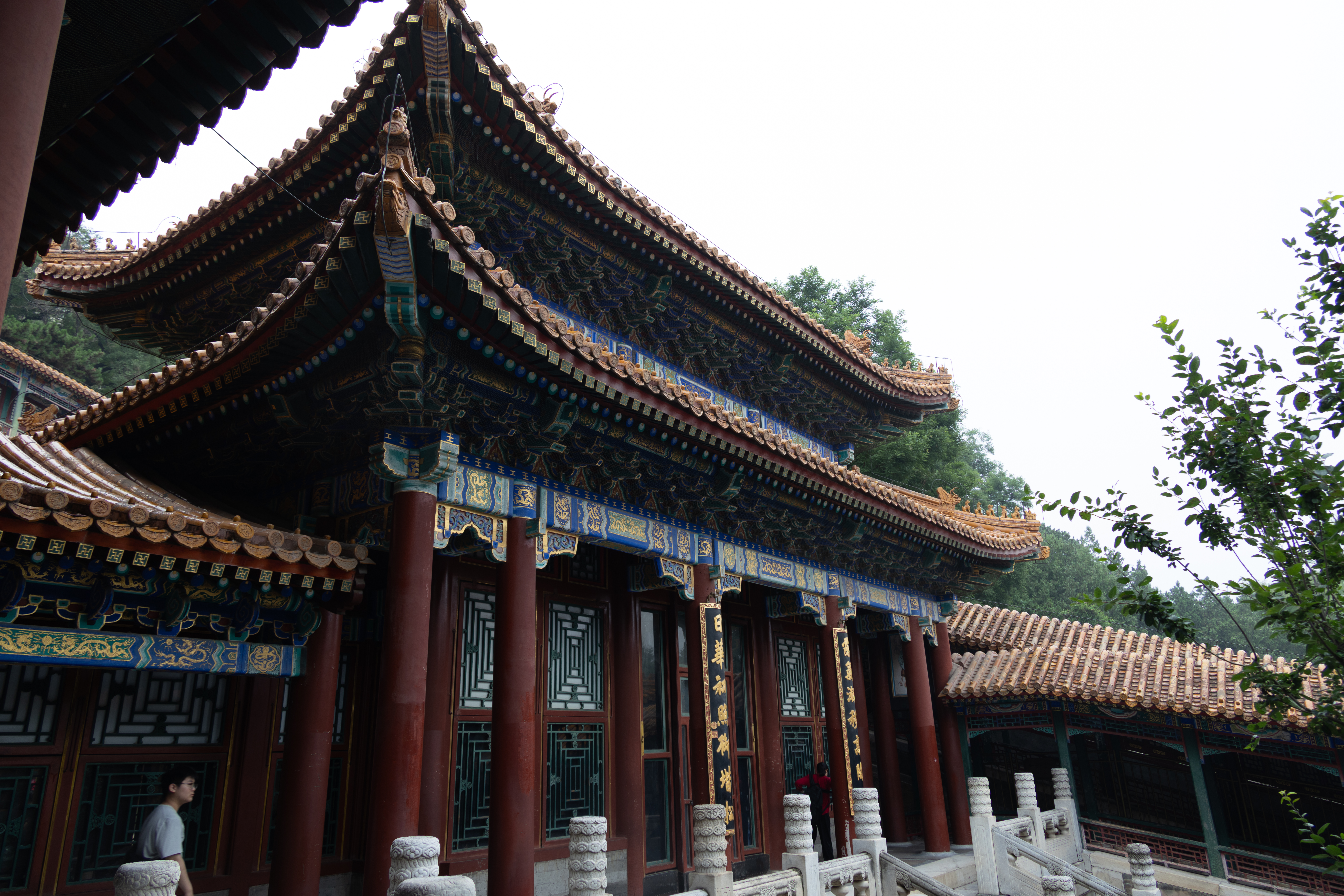
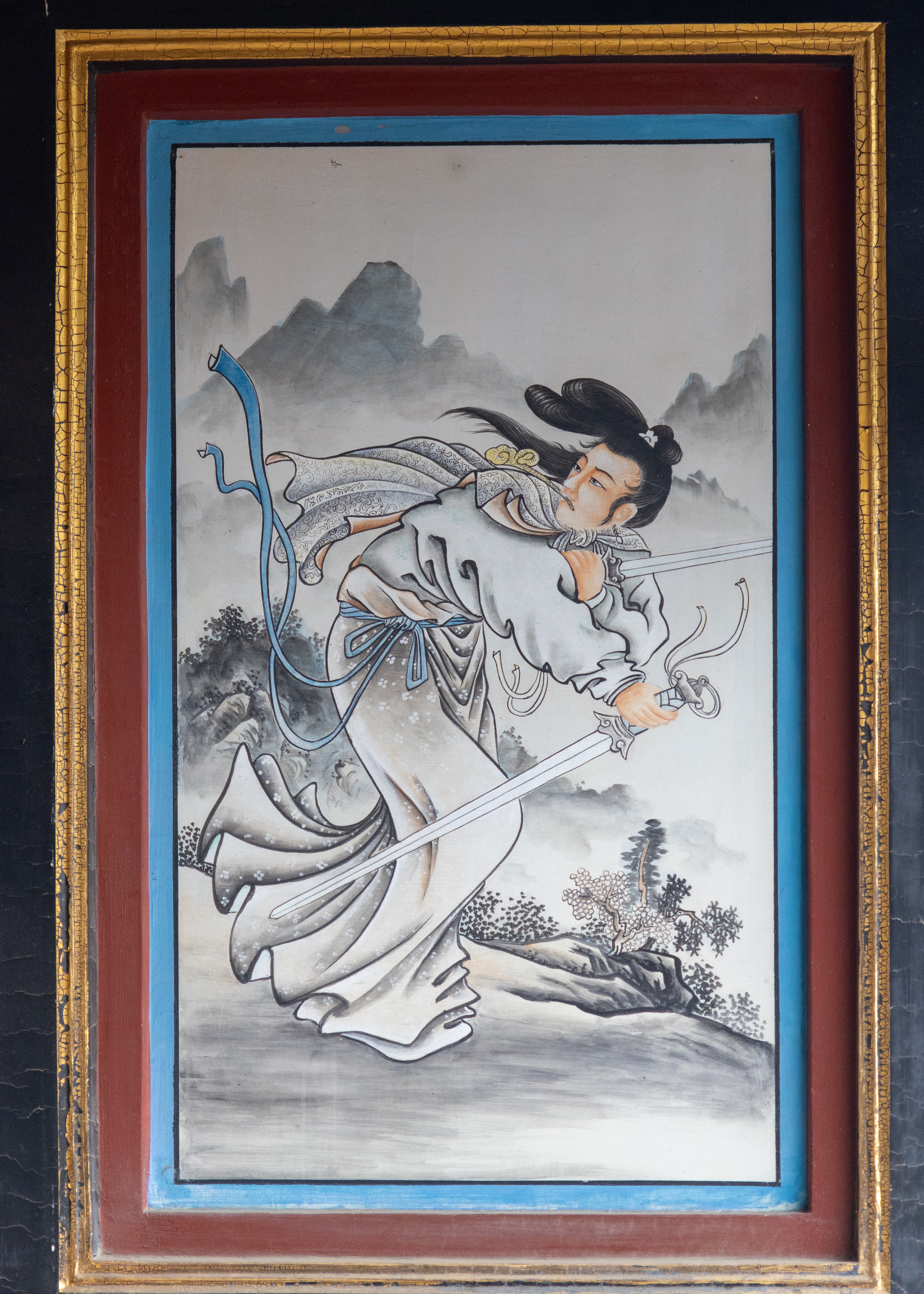
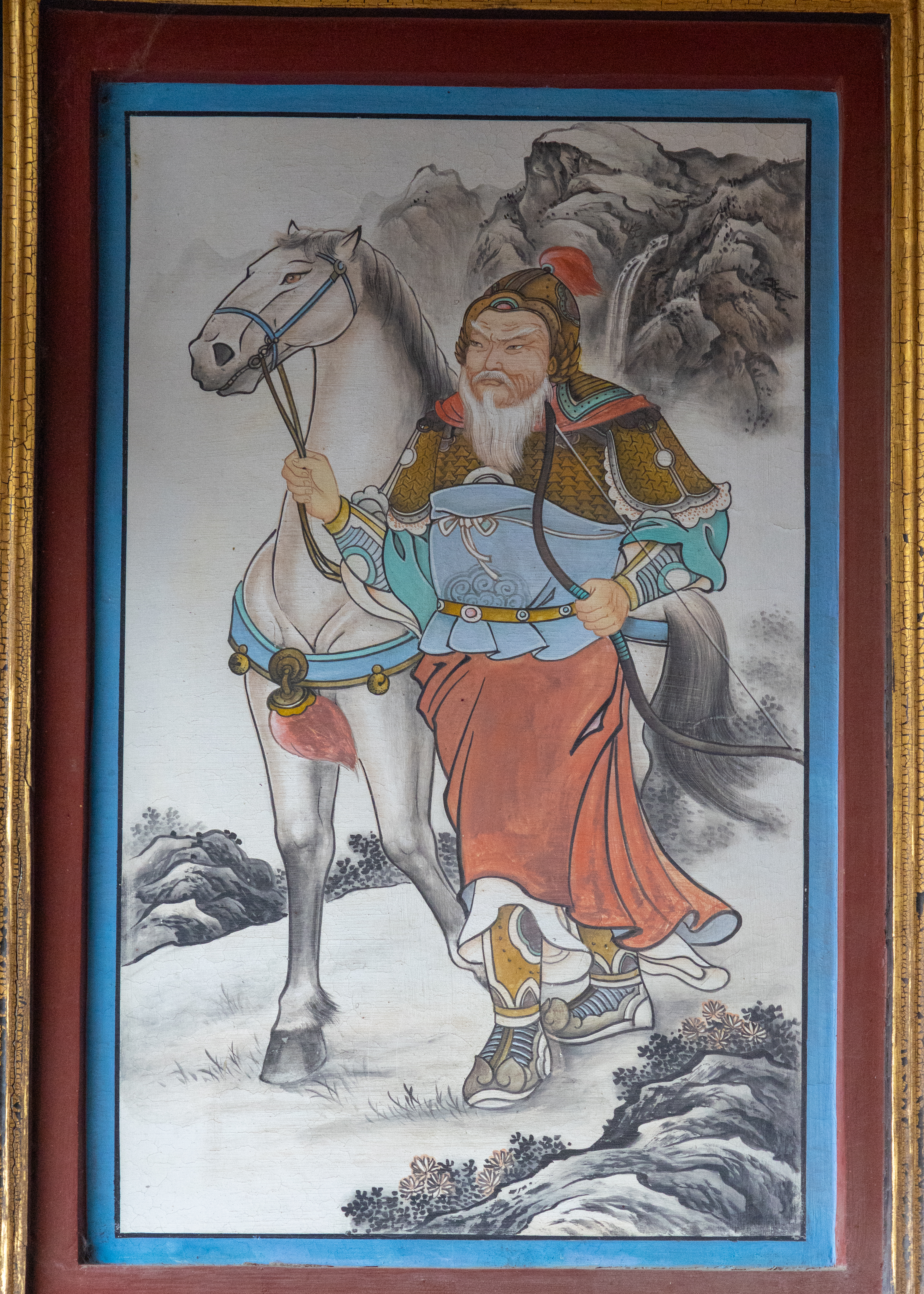

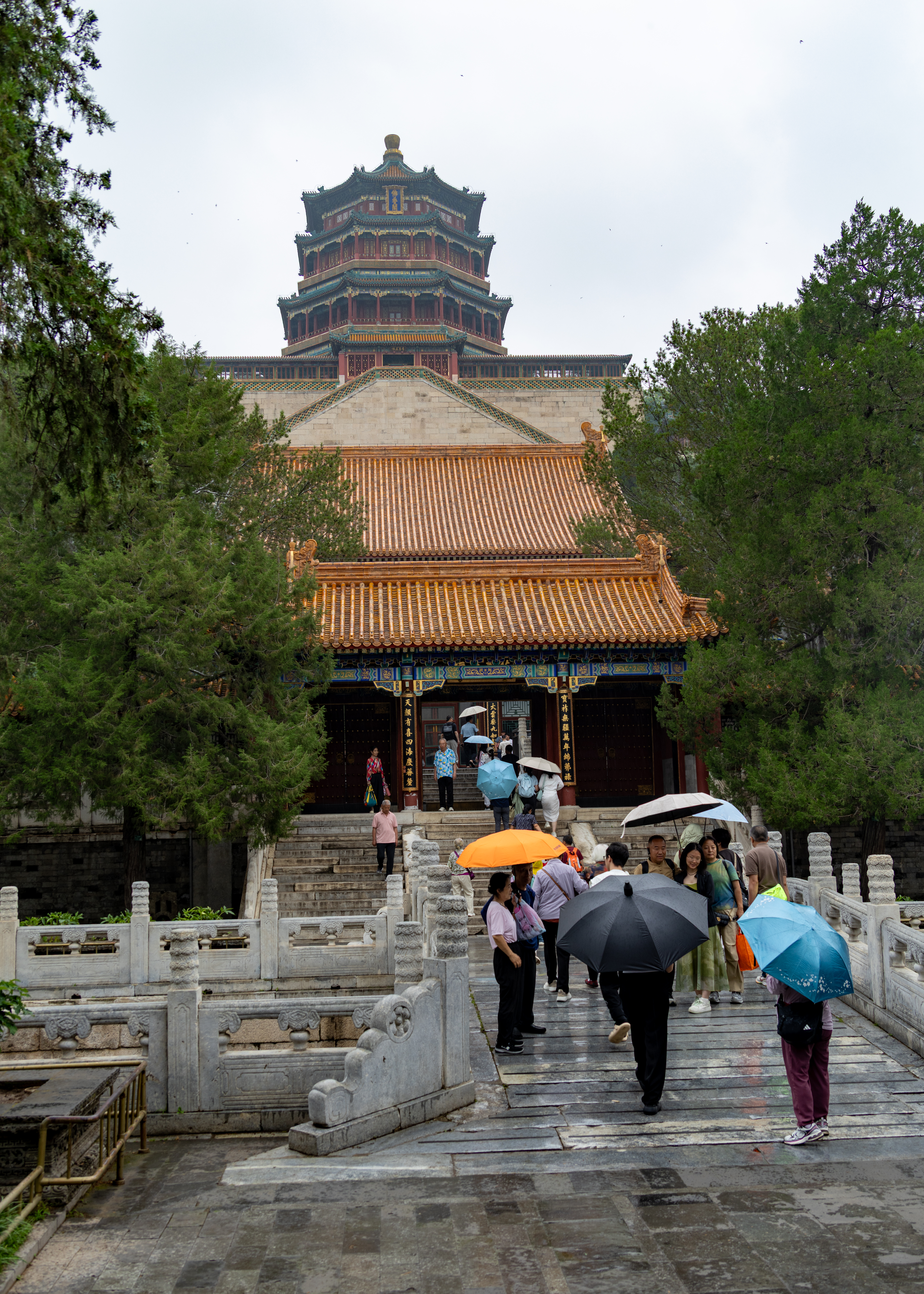
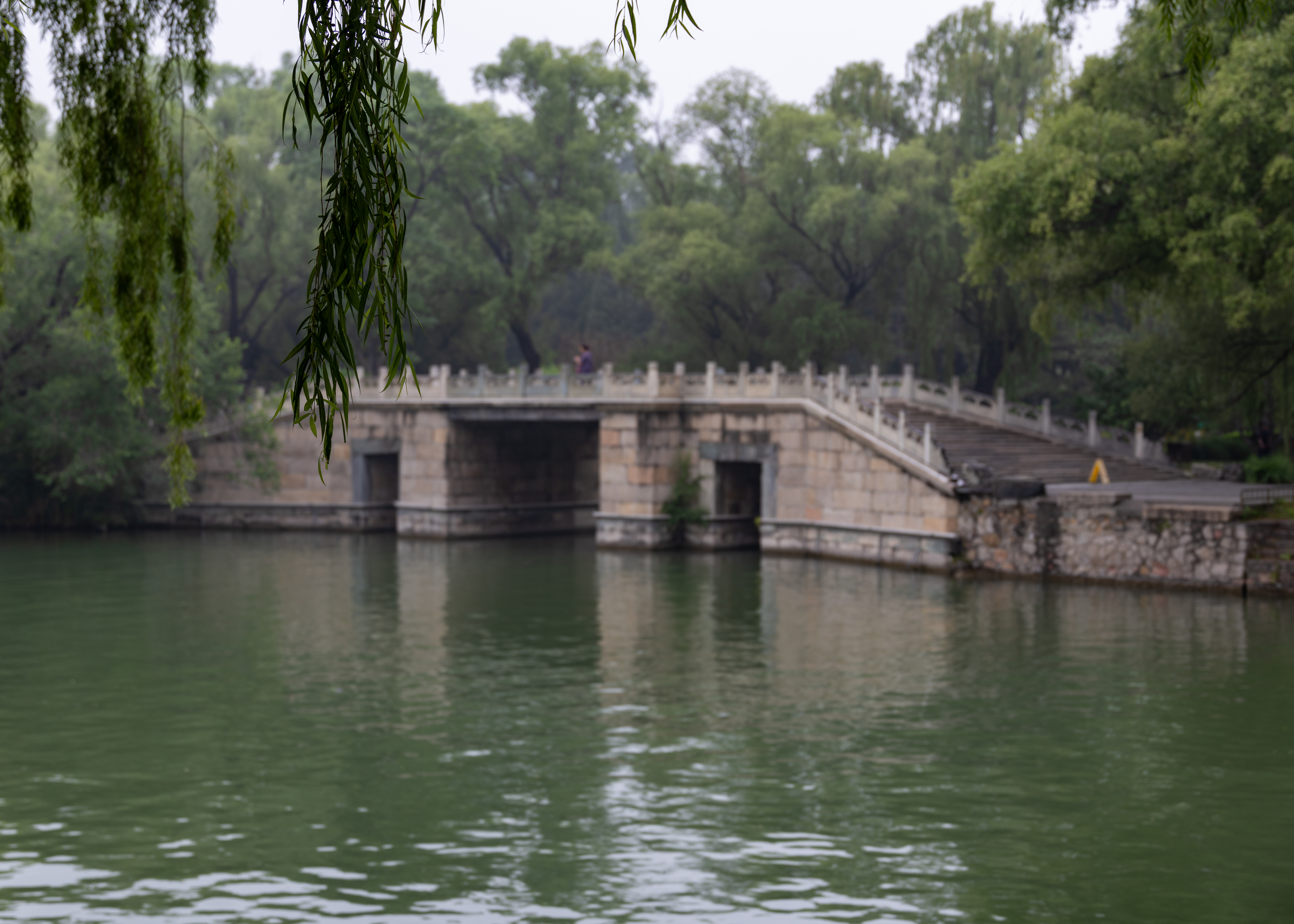
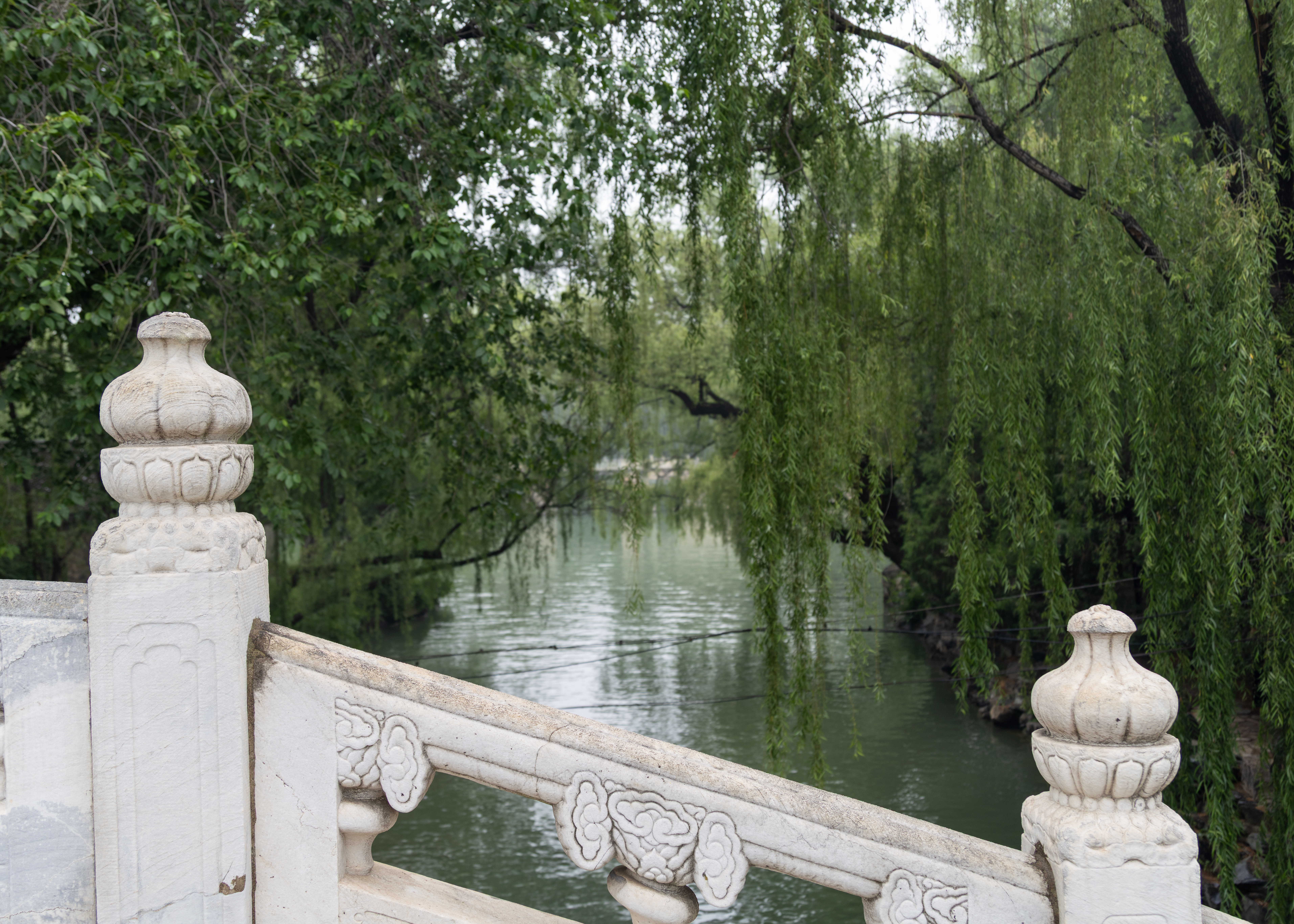
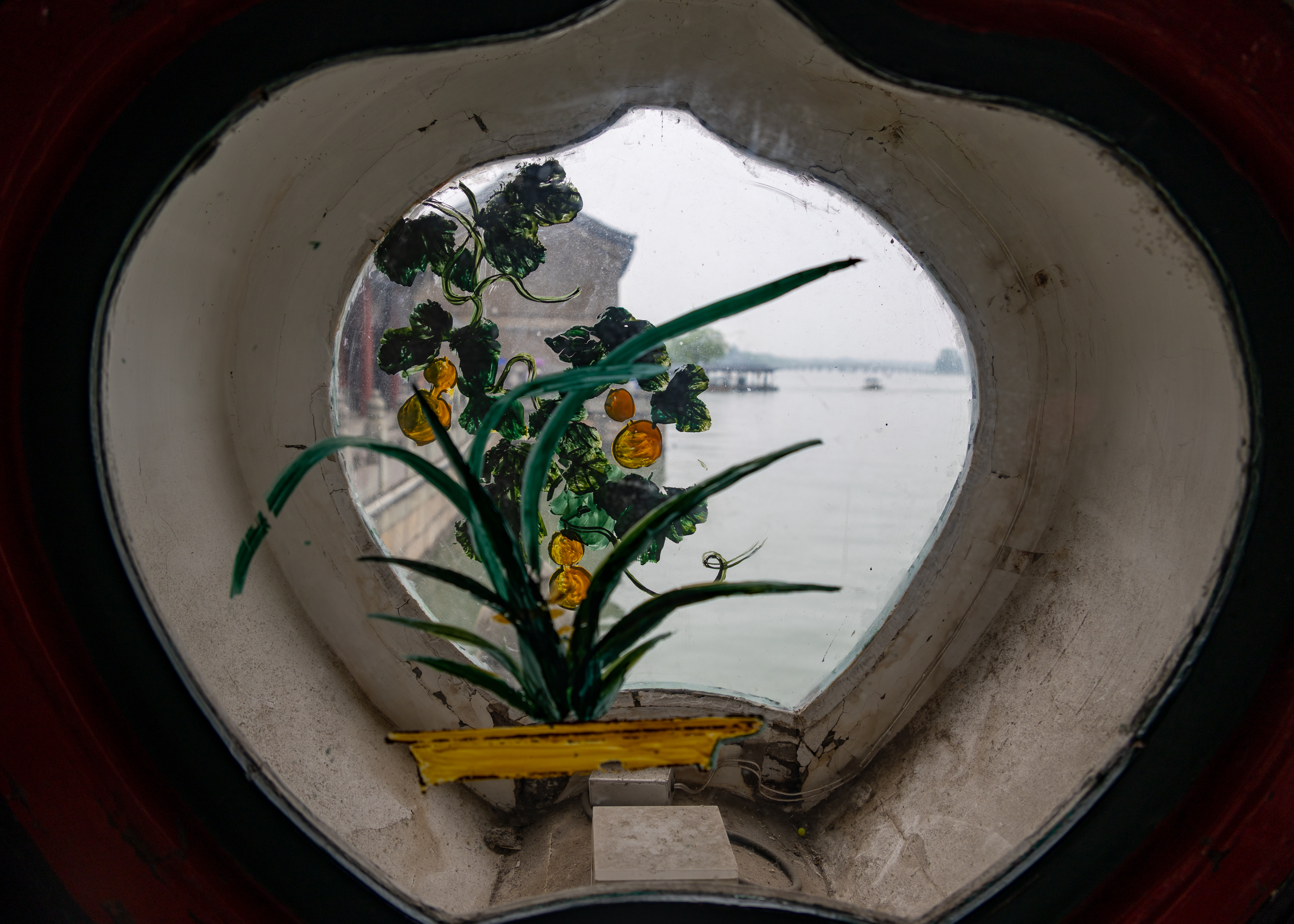
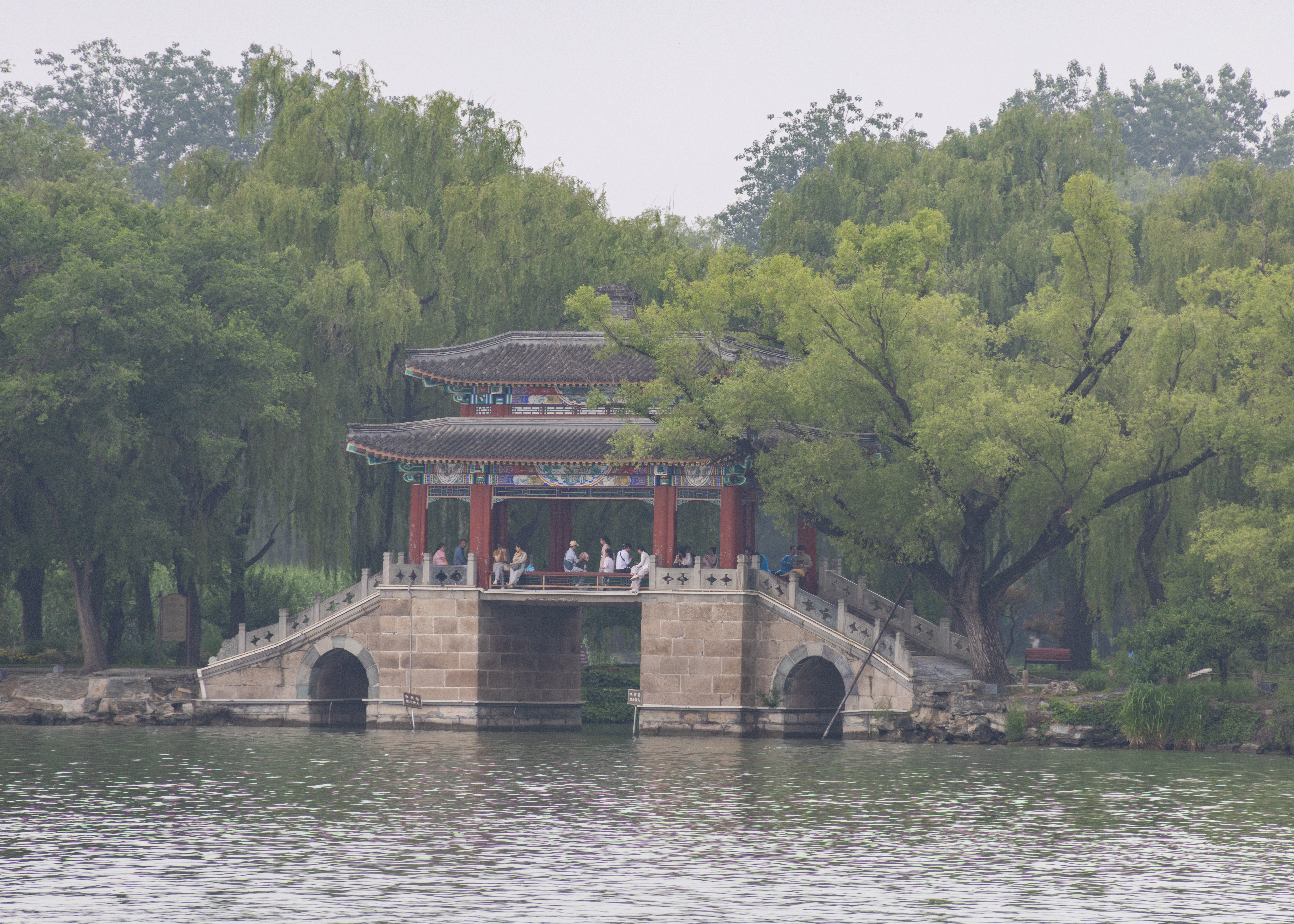
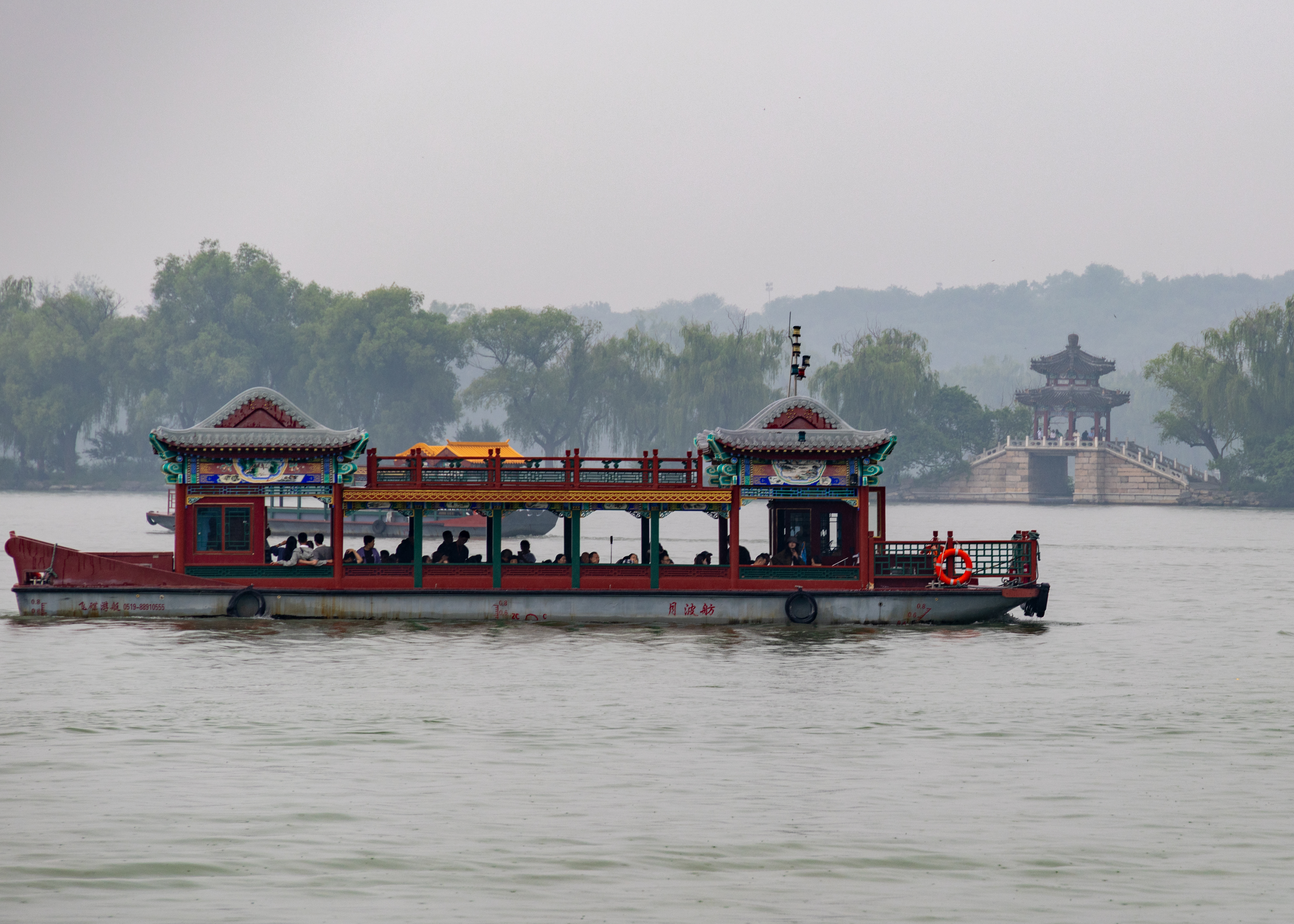
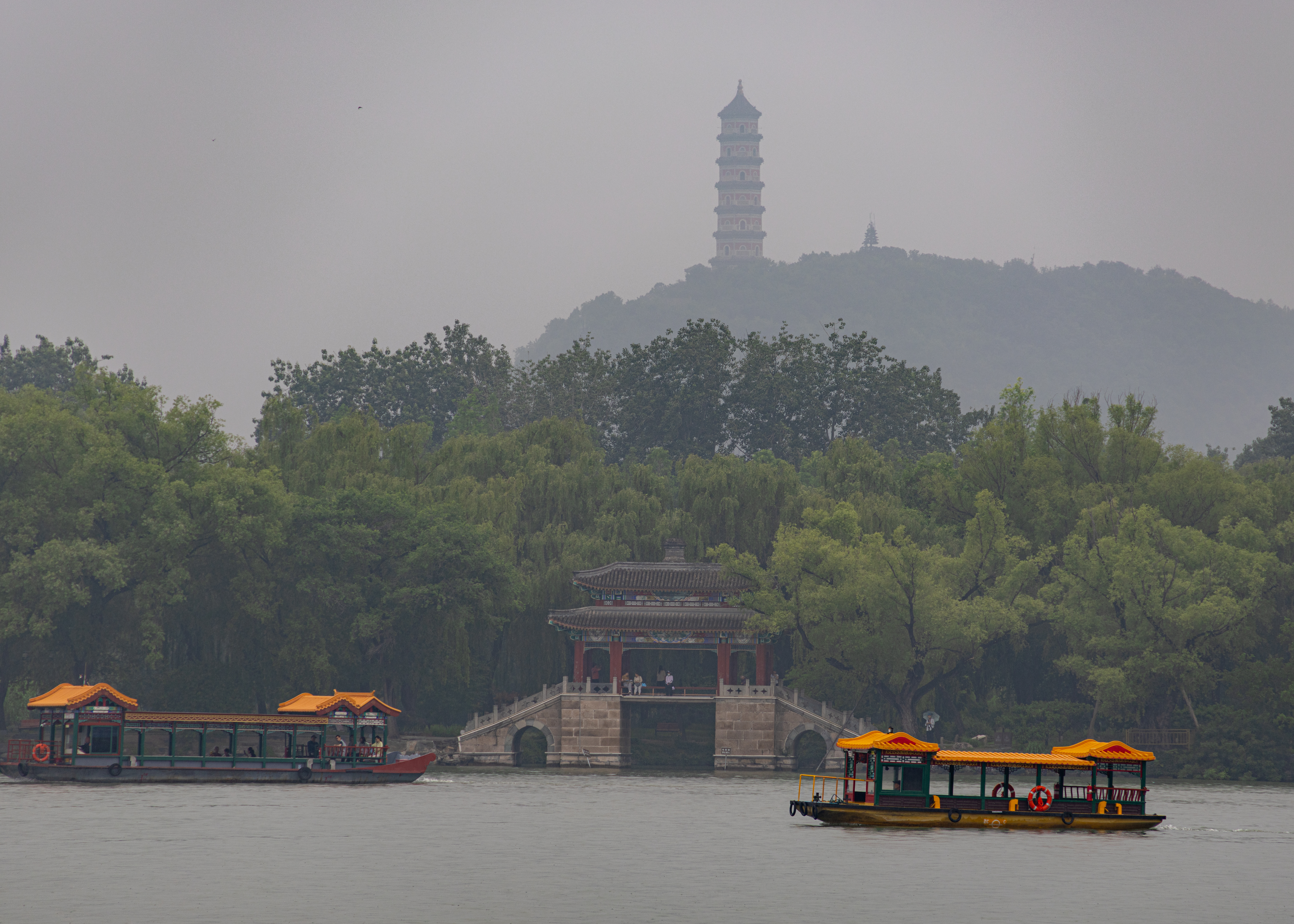
Other Summer Palace Sights

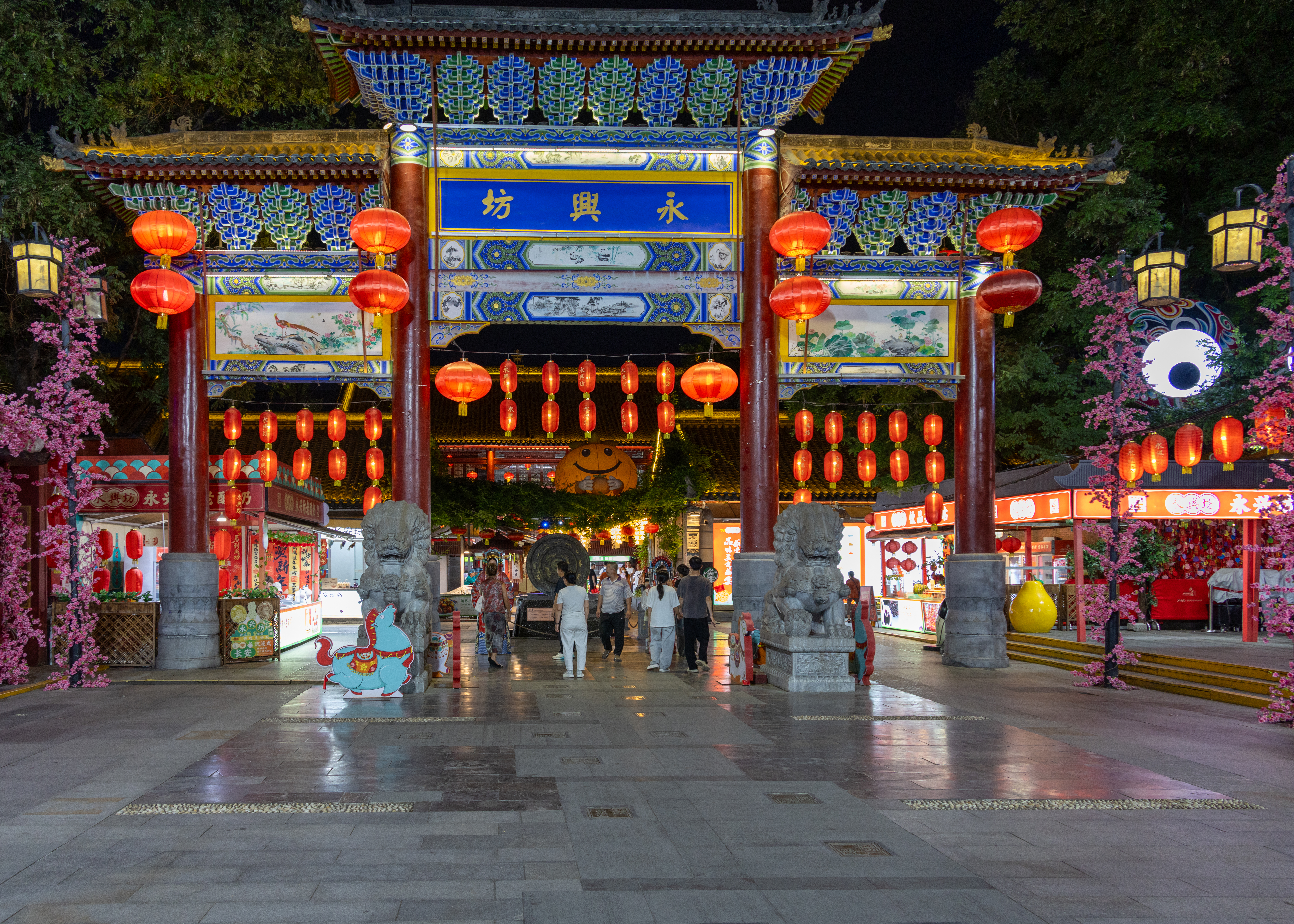
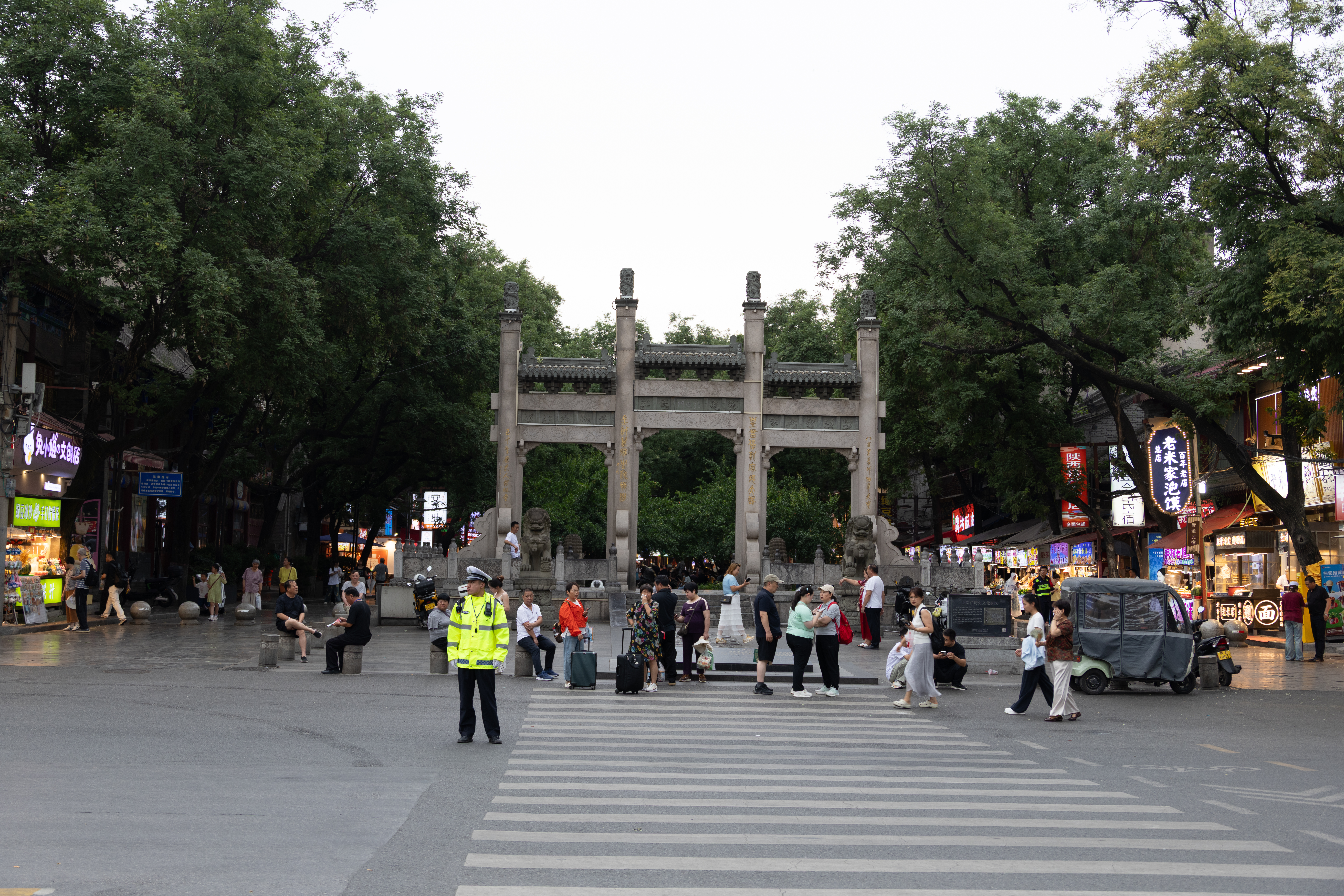
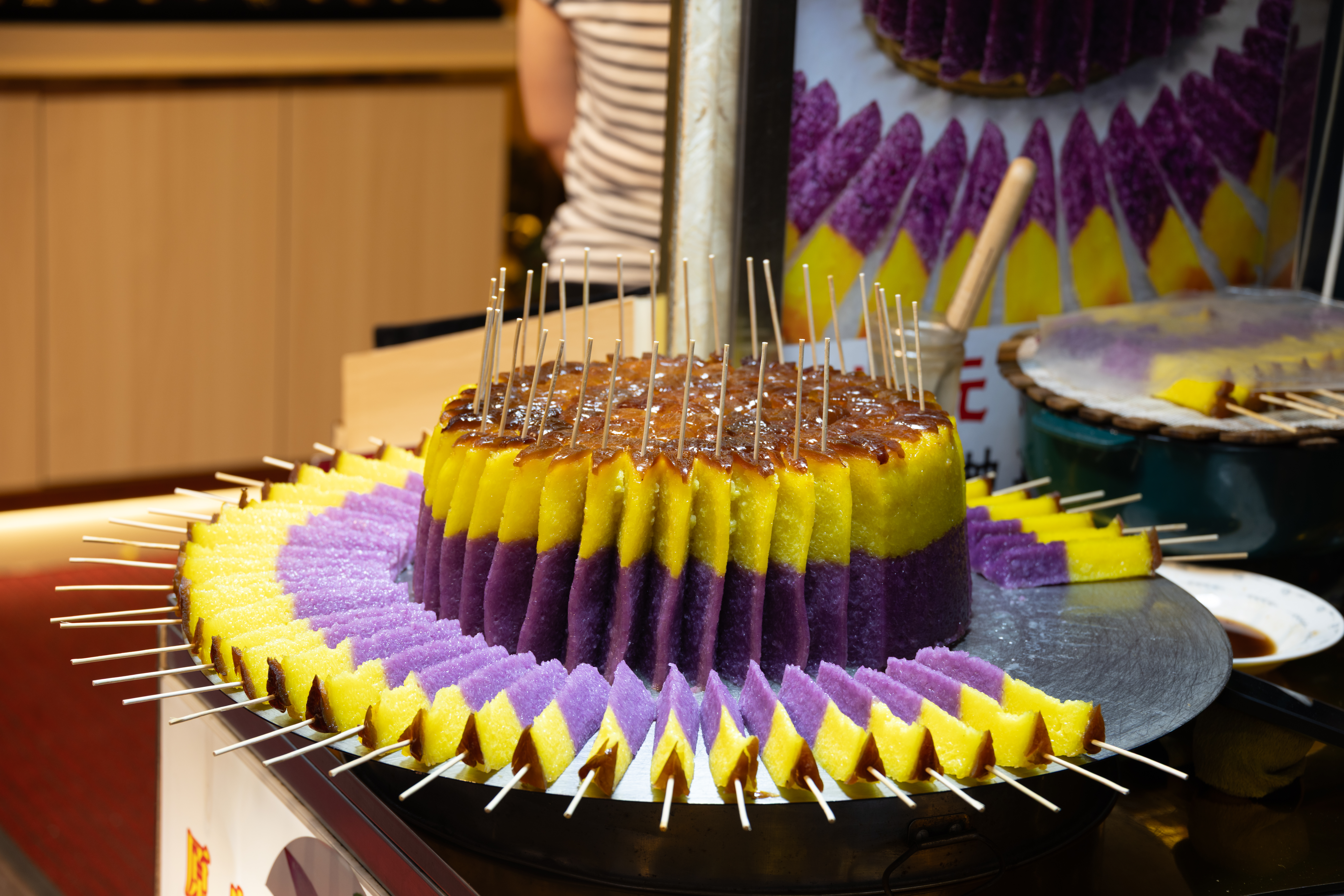
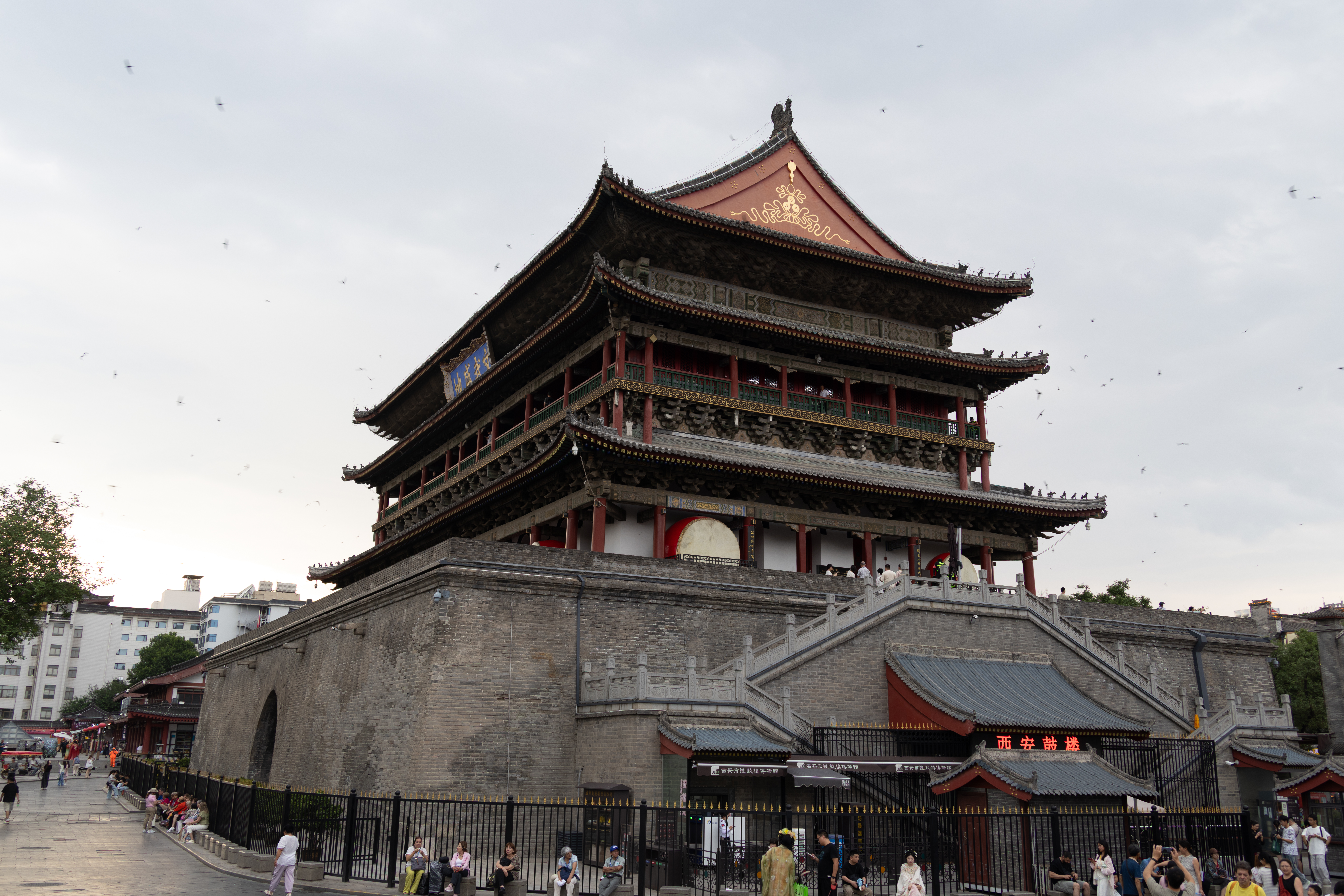
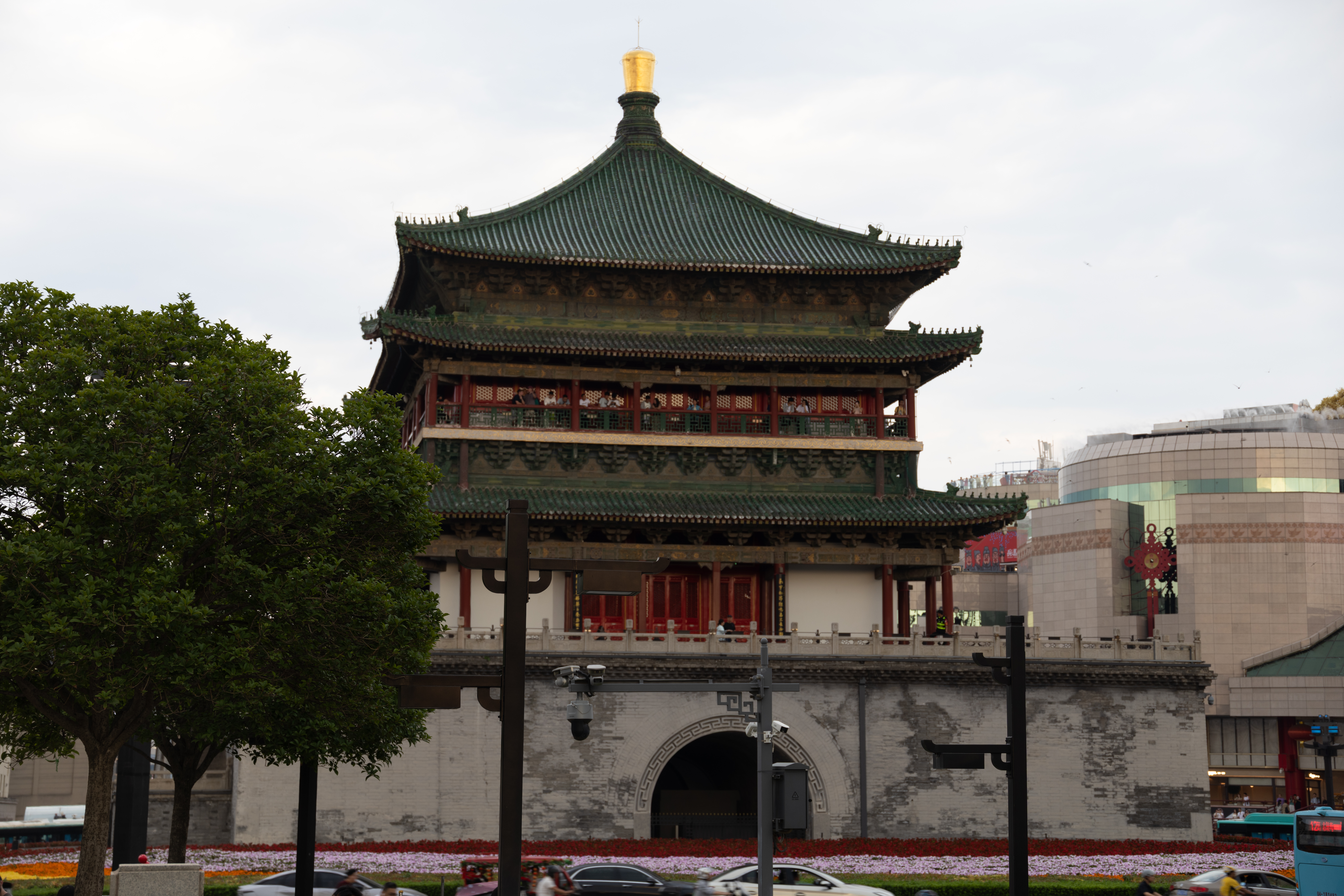
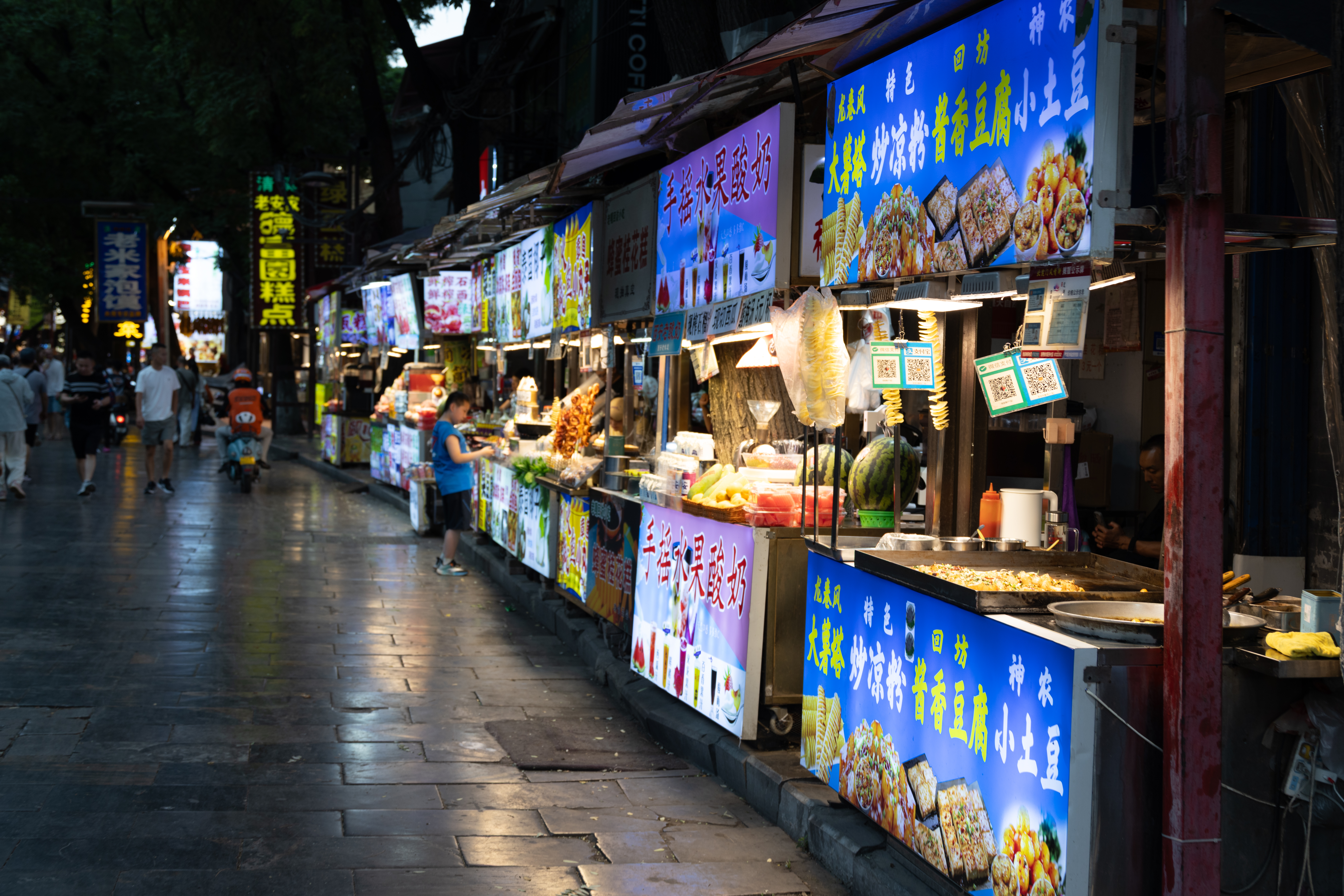
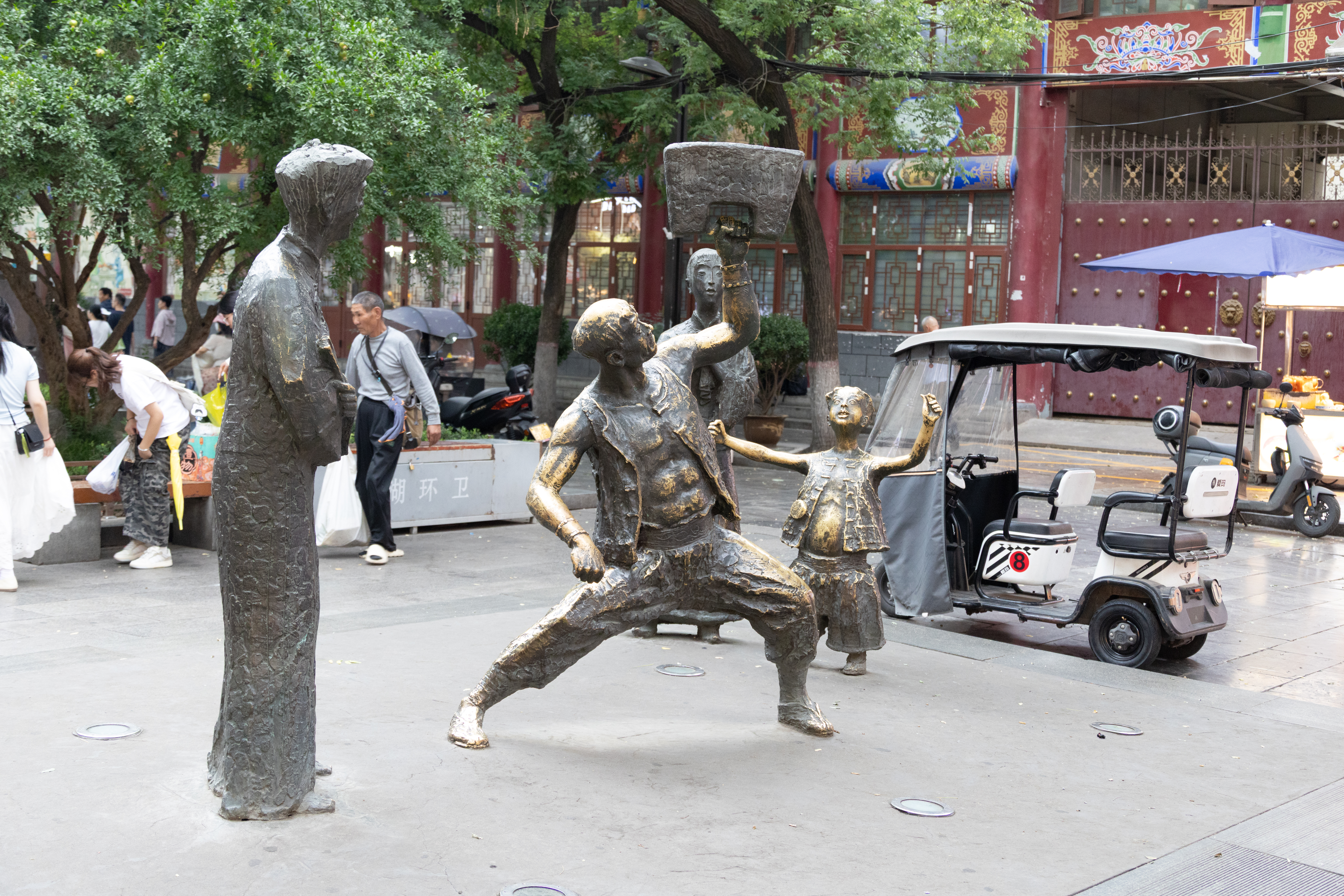
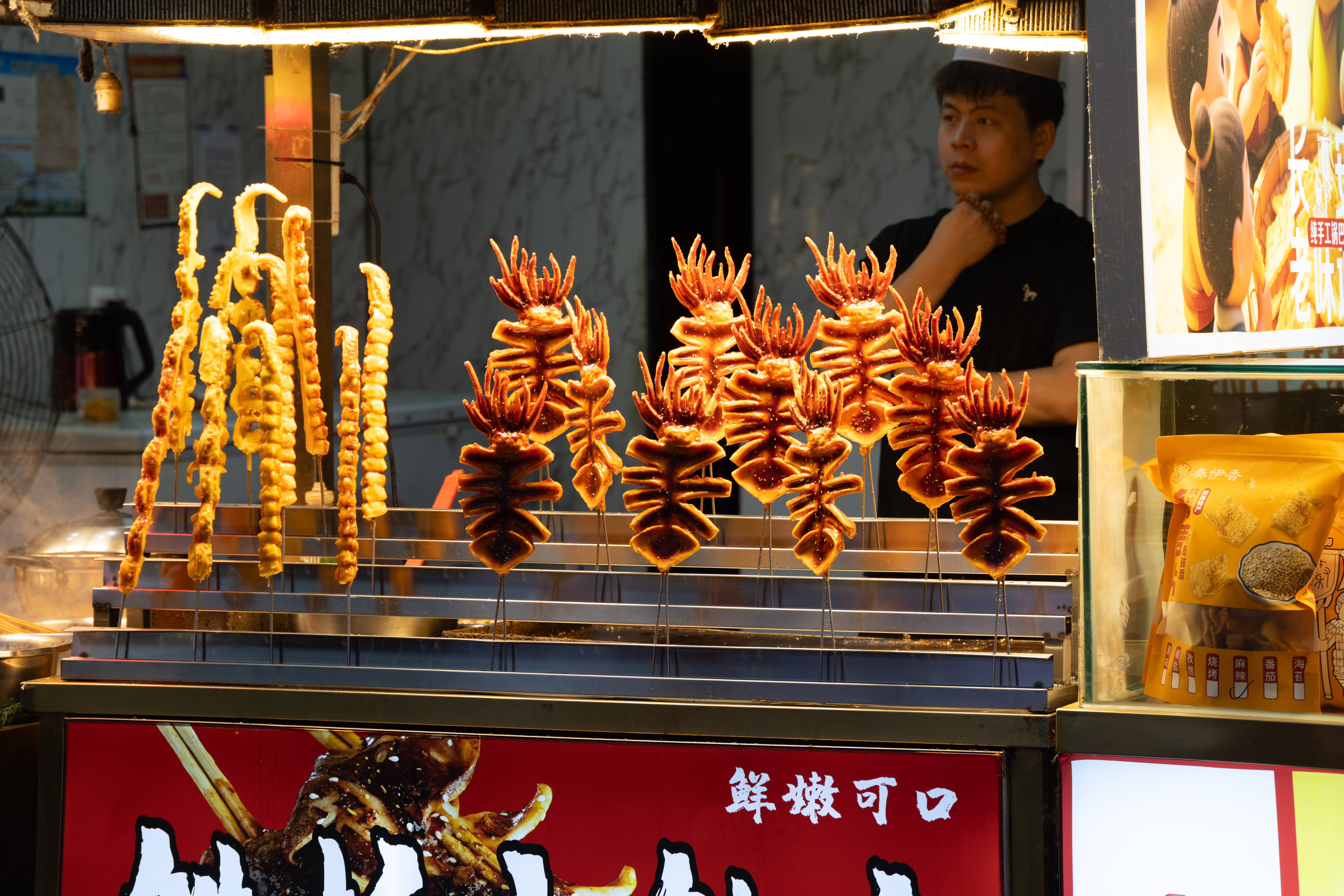
In the afternoon, we flew to Xi’an, our base for seeing the Terracotta Warriors. Before checking into our hotel, we walked through the Muslim Quarter, enjoying the sights and smells of the outdoor stalls. As in Beijing, there are Bell and Drum Towers. Before turning in, we decided to walk along the city walls and moat to see the area under lights.
Muslim Quarter and Bell & Drum Towers


Xi’an at night