Search

Travelling Photographer

Photos and commentary from my travels around the globe

Category

England

UK and Scotland Day 10

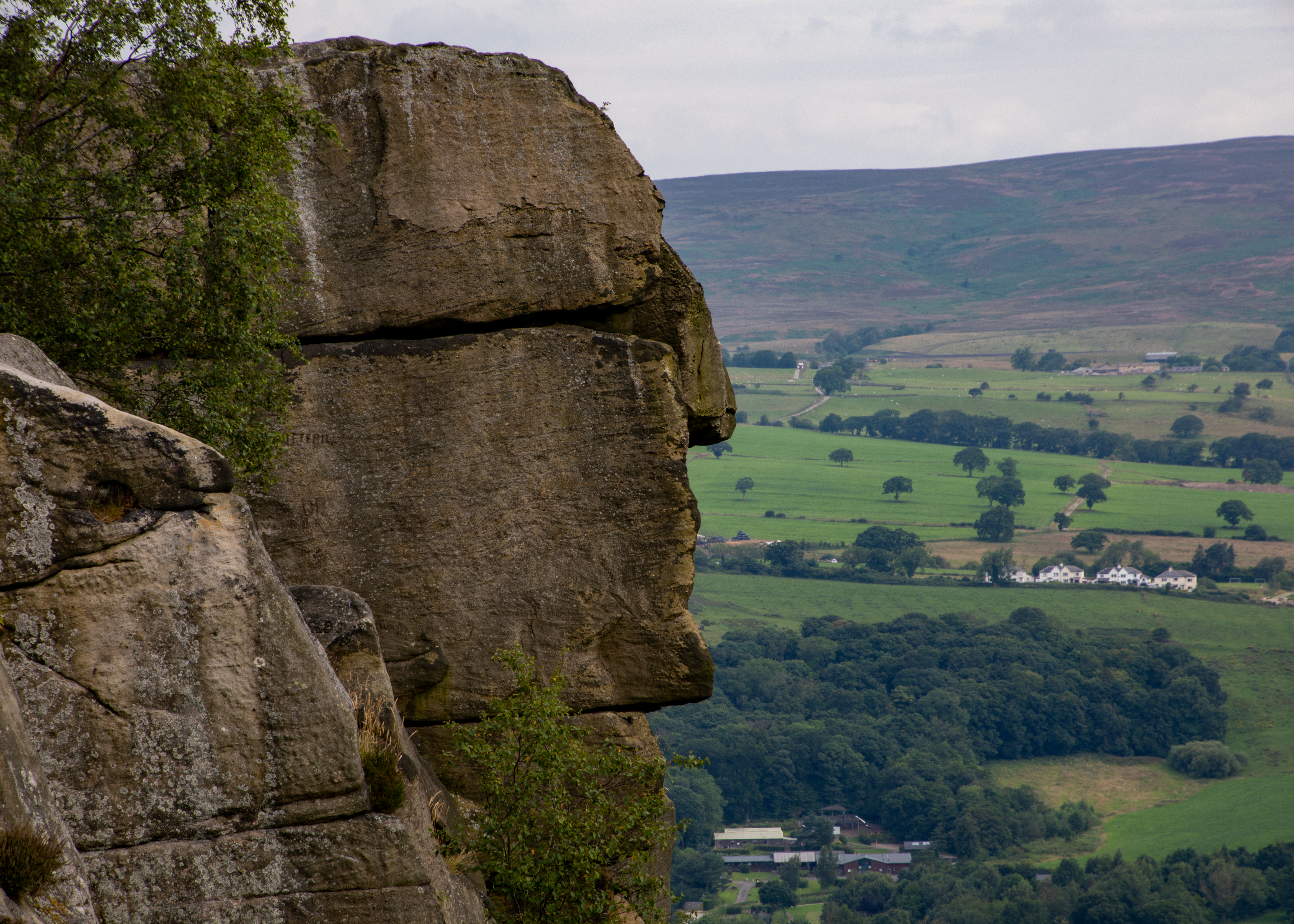
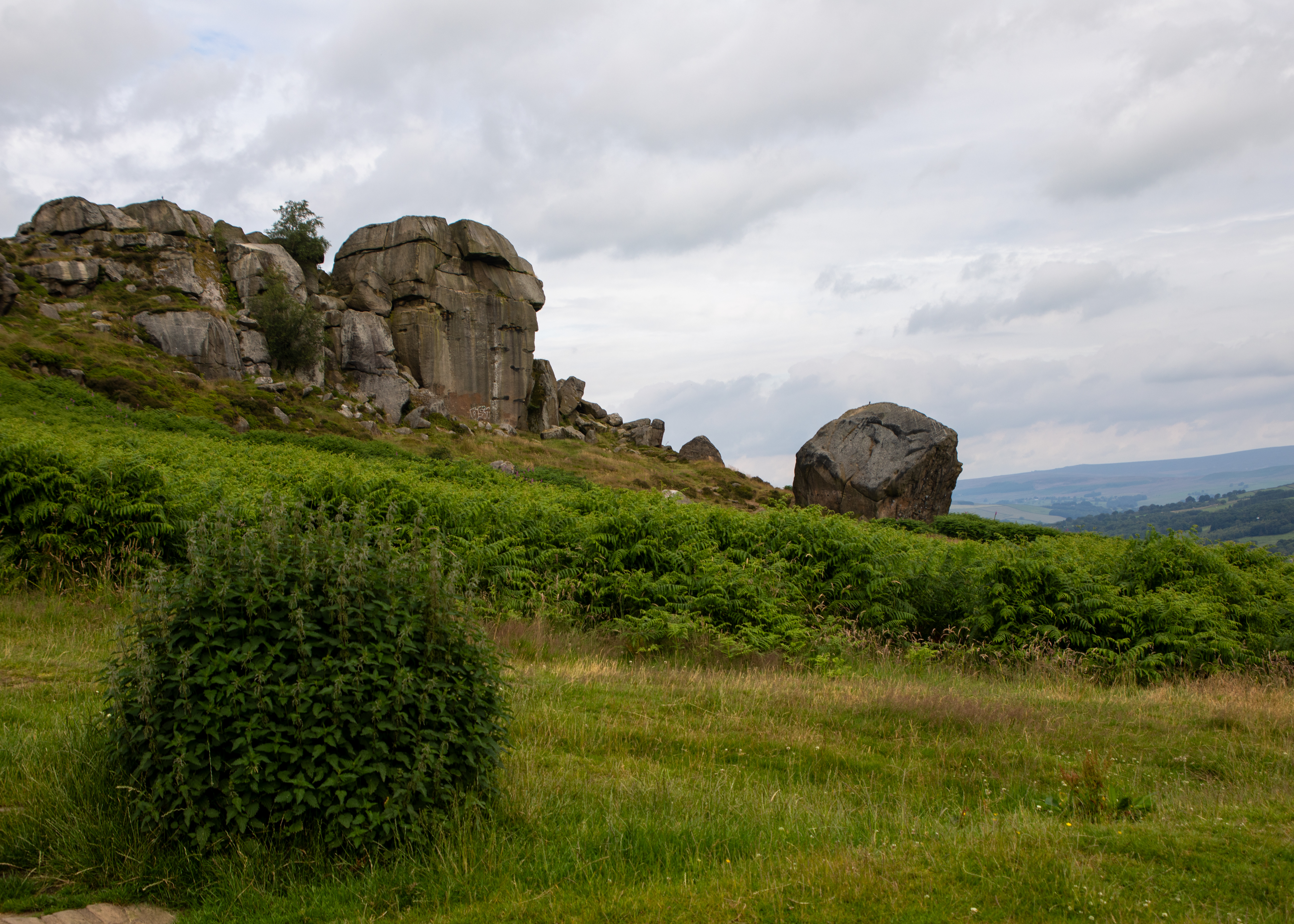
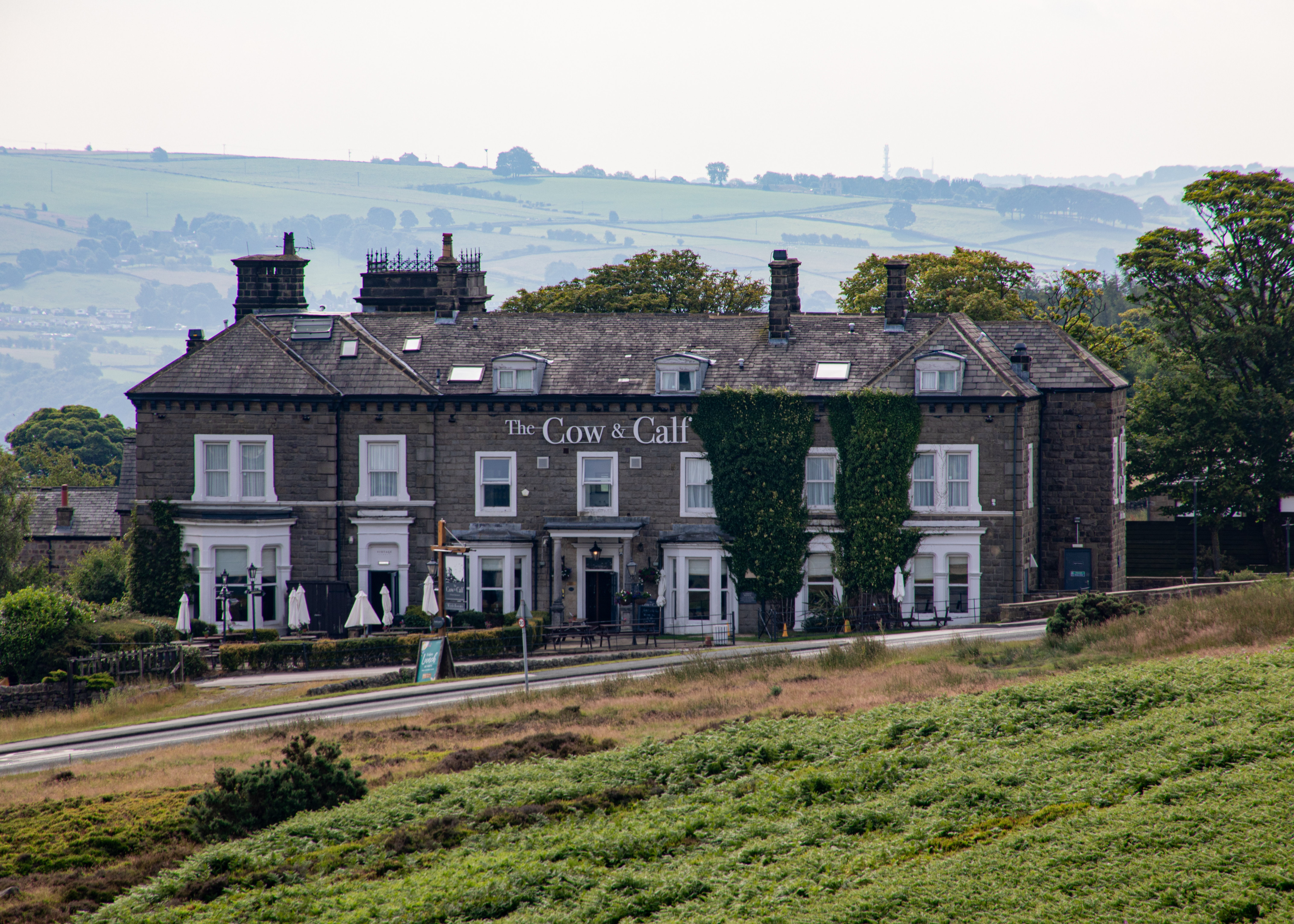
Today we continued our drive through the Yorkshire Dales crossing the border into Scotland heading to our hotel in Dumbarton. Dumbarton was the closest city to Troon with reasonable hotel rates as we are heading to The Open tomorrow. Along the way we stopped to hike the Calf and Cow rocks to get a wide-angle view of the Dales.

High on Ilkley Moor the Cow and Calf Rocks are a large rock formation consisting of an outcrop and boulder, also known as Hanging Stone Rocks. The rocks are made of millstone grit, a variety of sandstone, and are so named because one is large, with the smaller one sitting close to it, like a cow and calf.

According to local legend, the Calf was split from the Cow when the giant Rombold was fleeing an enemy, and stamped on the rock as he leapt across the valley. The enemy, it is rumored, was his angry wife. She dropped the stones held in her skirt to form the local rock formation The Skirtful of Stones.
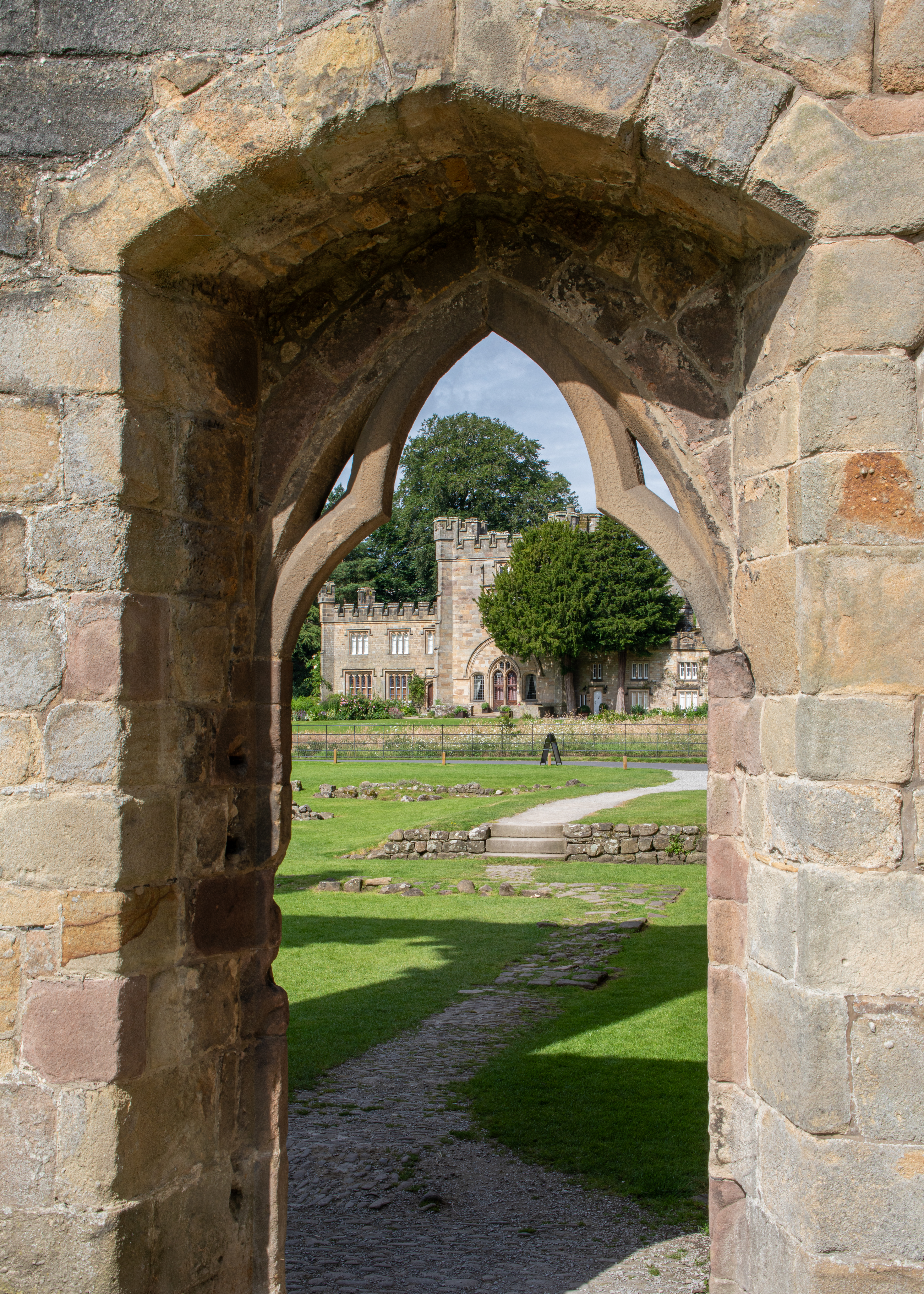
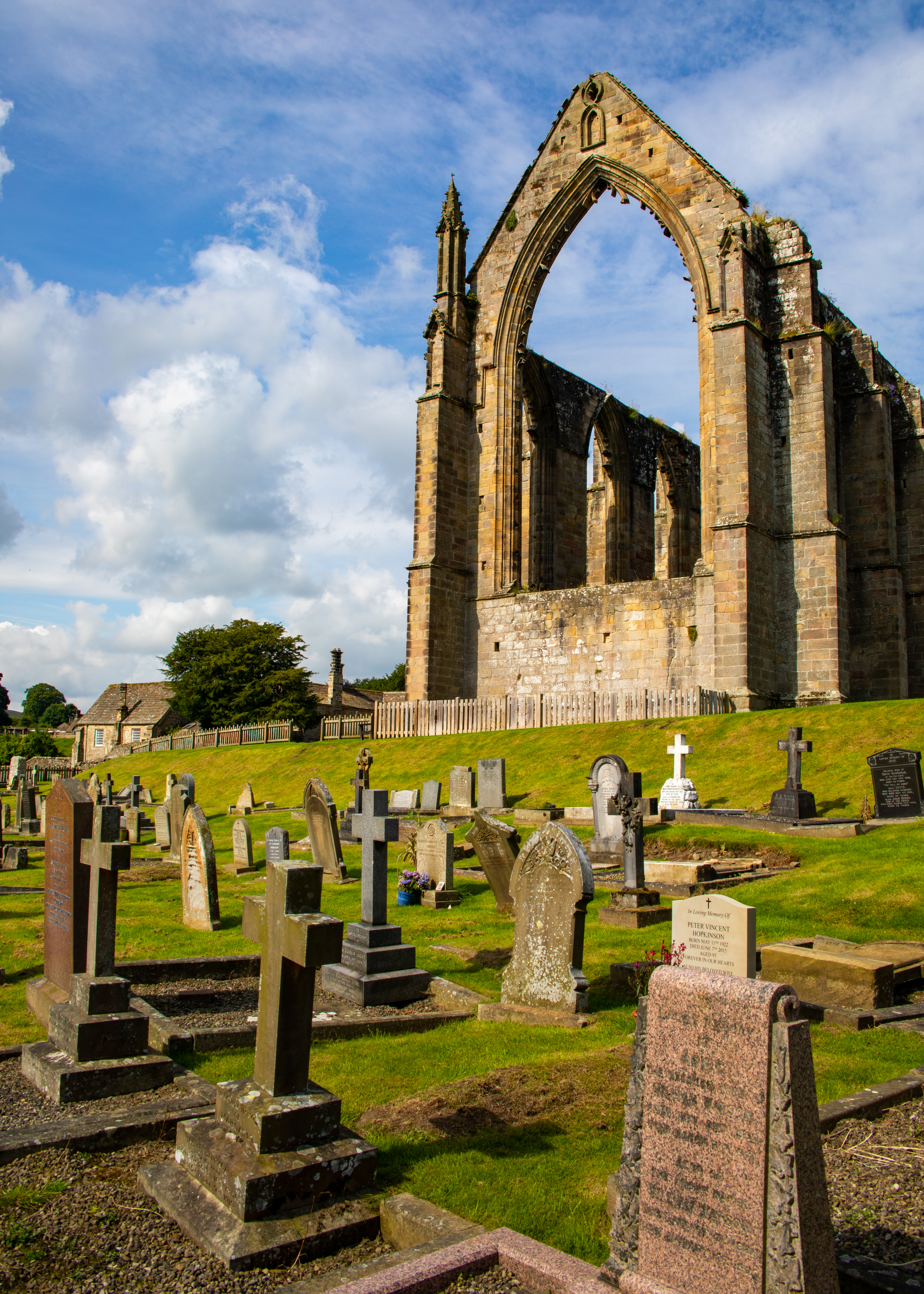
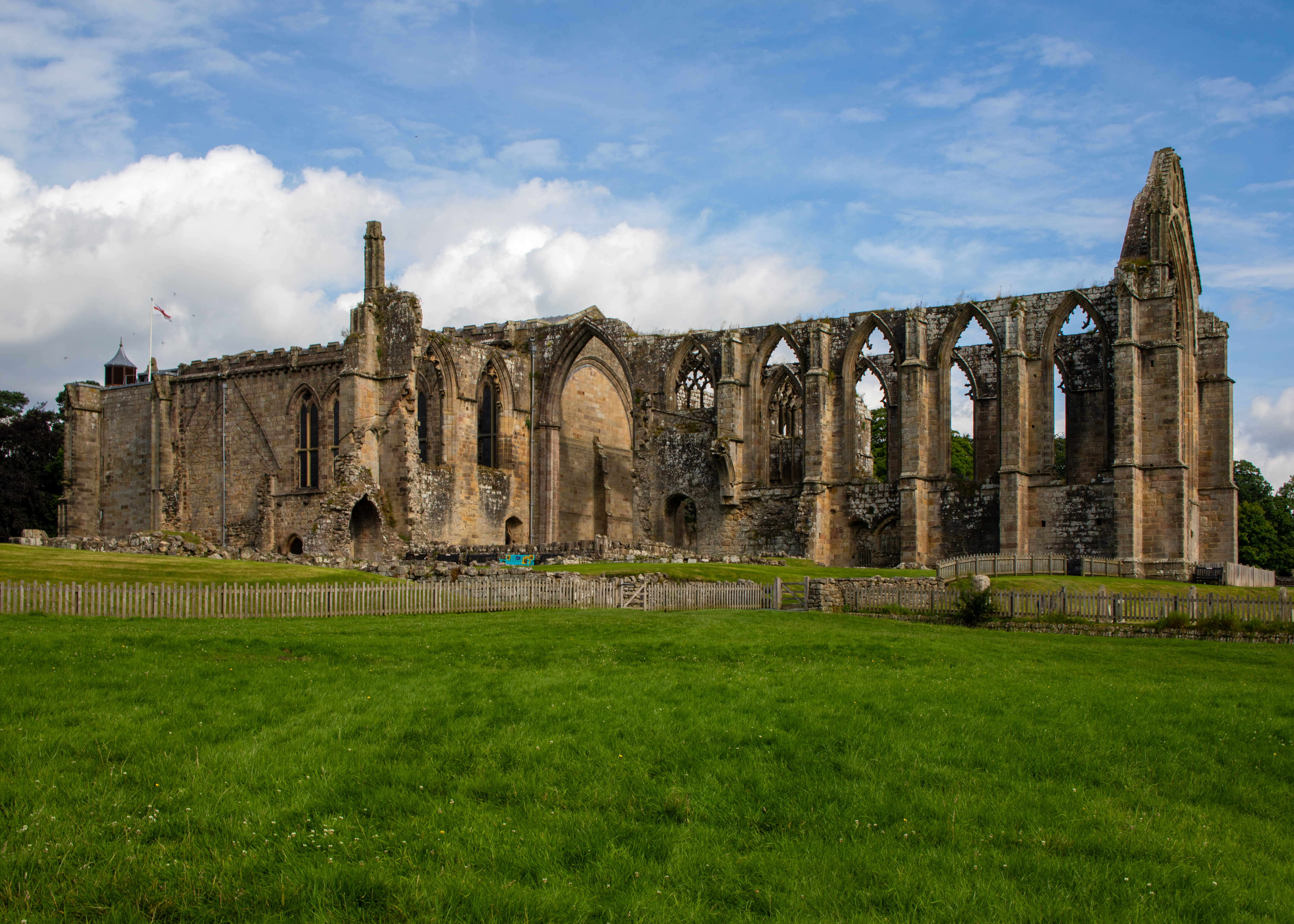
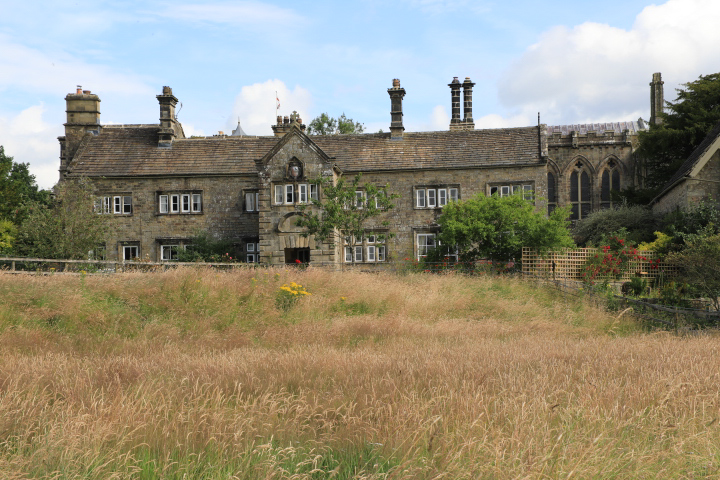
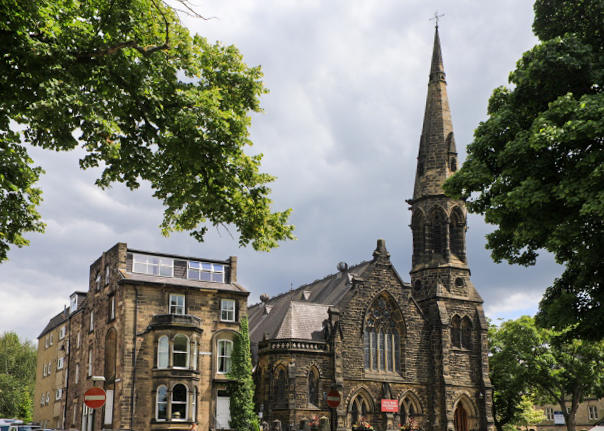
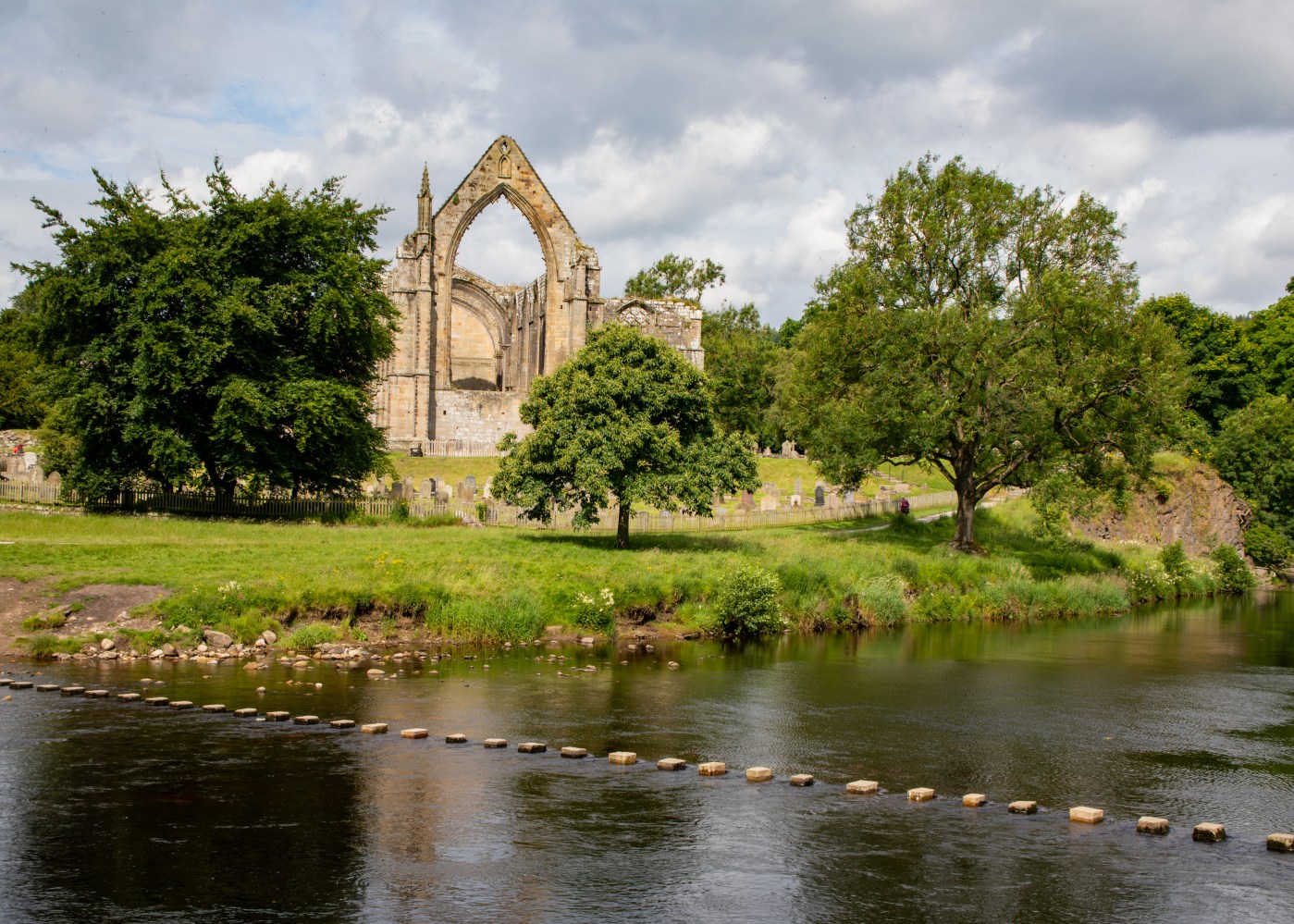
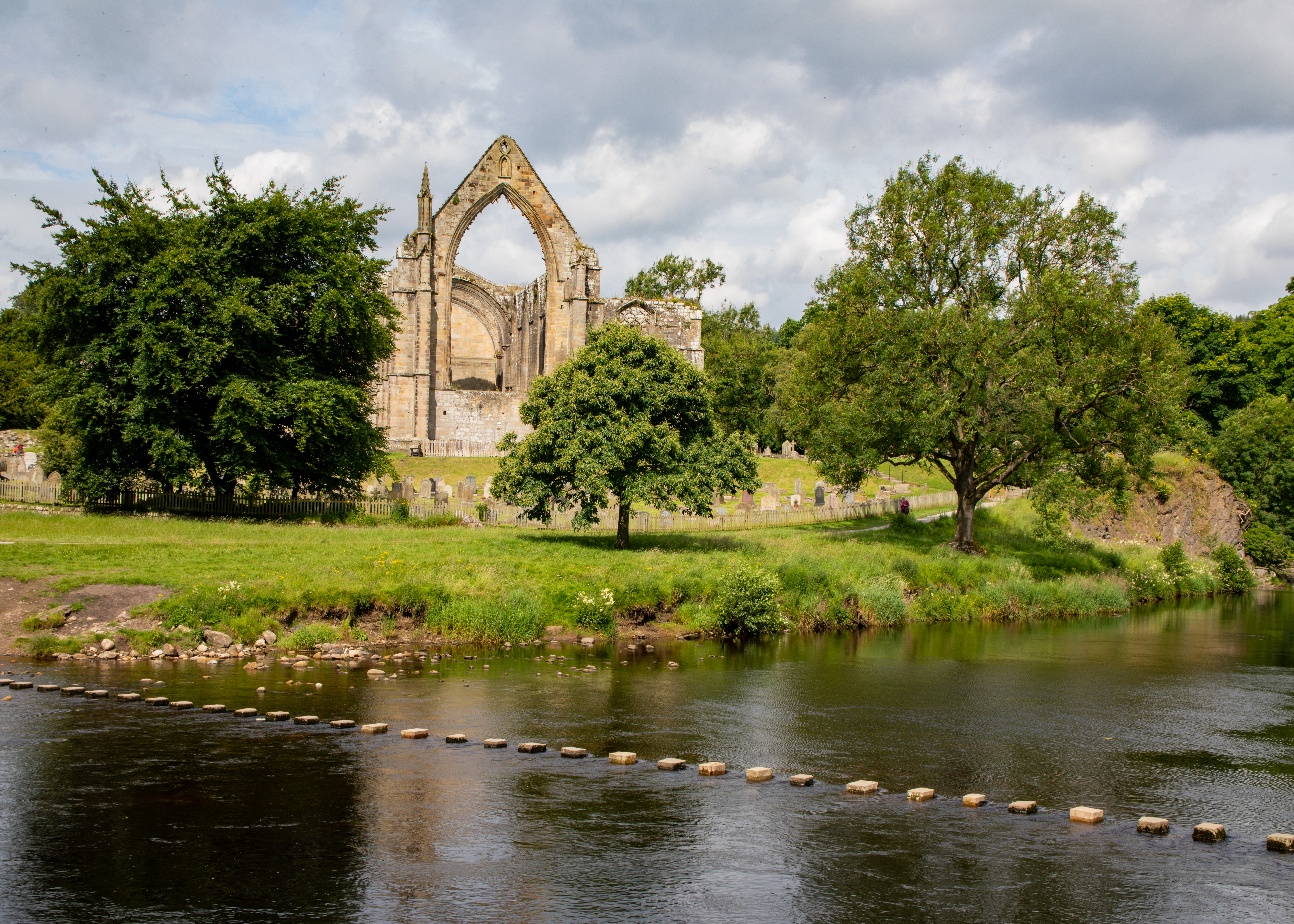
Bolton Abbey – The nave of the abbey church was in use as a parish church from about 1170 onwards and survived the dissolution of monasteries. Building work was still going on at the abbey when the Dissolution of the Monasteries resulted in the termination of the priory in January 1540. The east end remains in ruins. A tower, begun in 1520, was left half-standing, and its base was later given a bell-turret and converted into an entrance porch. Most of the remaining church is in the Gothic style of architecture, but more work was done in the Victorian era, including windows by Pugin. It still functions as a church today, holding services on Sundays and religious holidays.
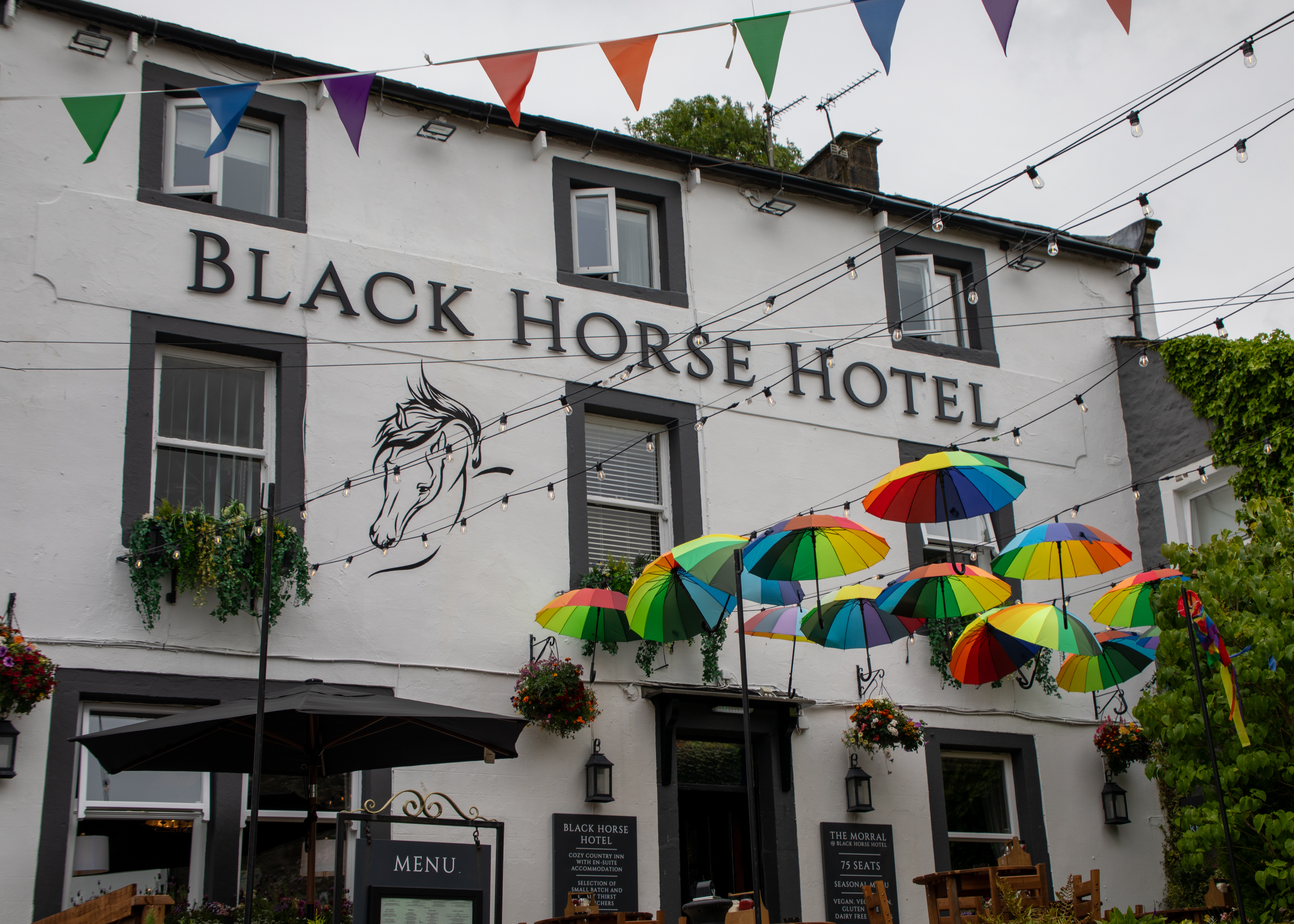
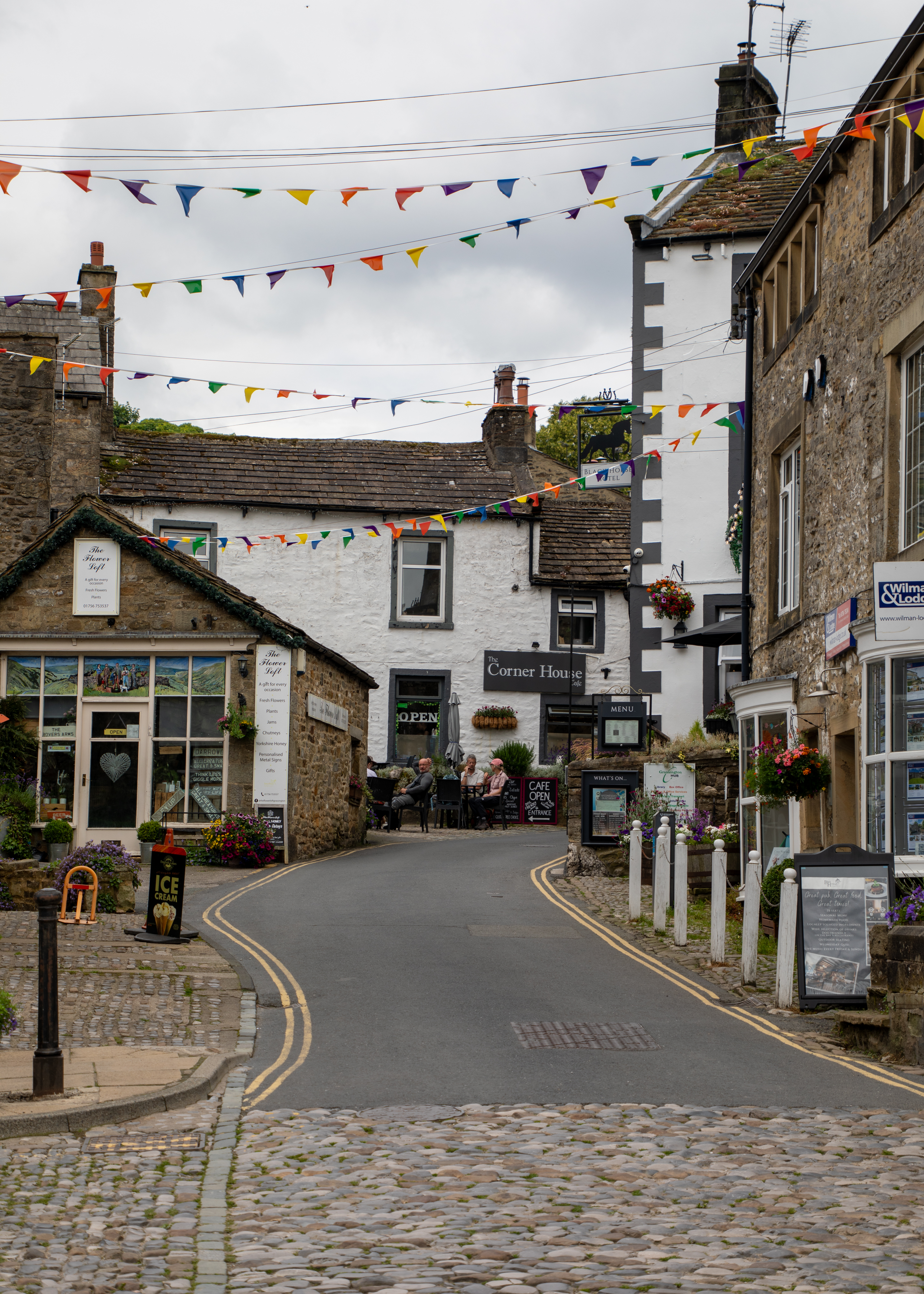
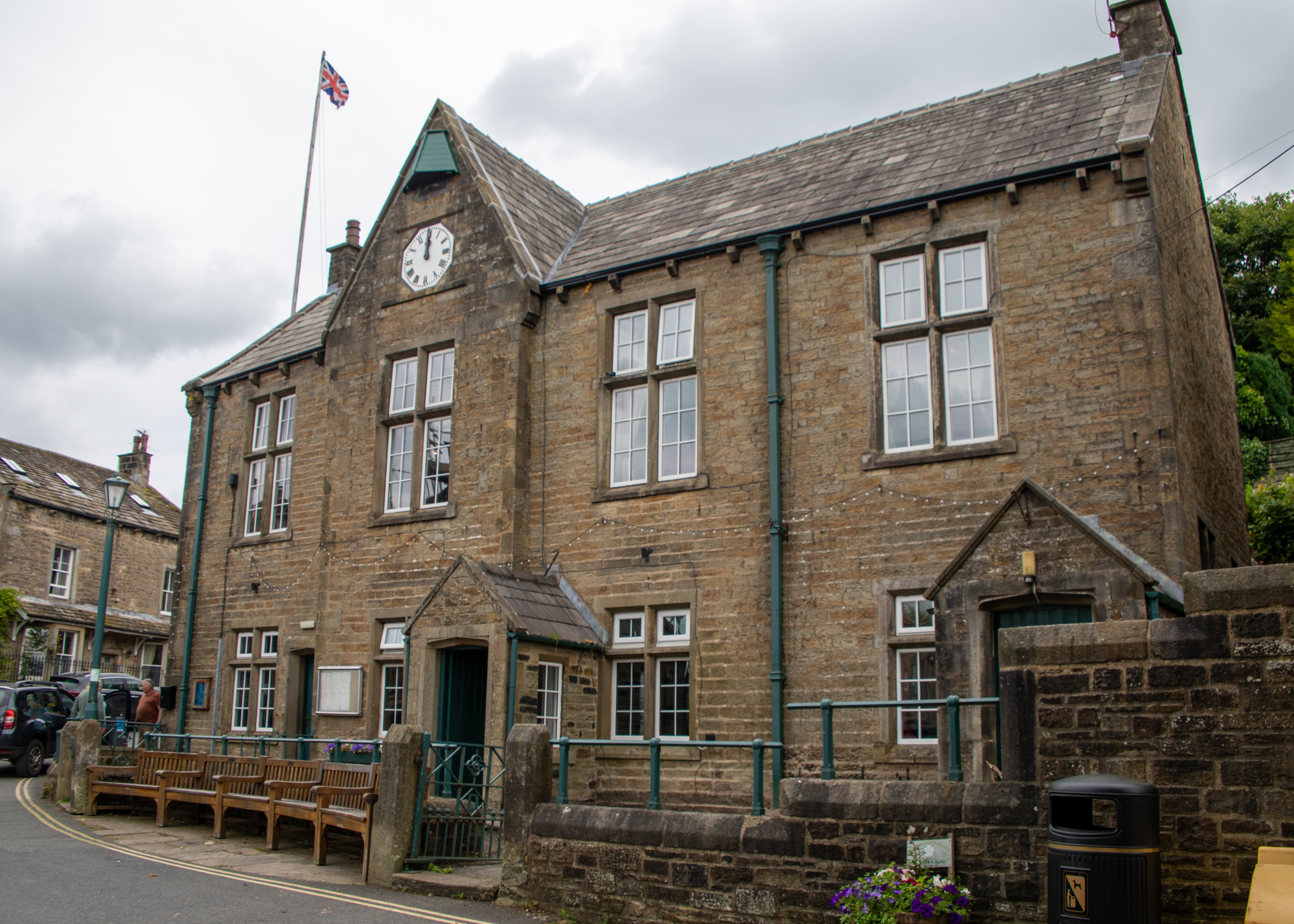
Grassington – The town’s history is closely linked to the Domesday Book, which was compiled in 1086. In the book, Grassington is recorded as a small village with a population of just over 100. The village was owned by the Bishop of Chester and had two churches.

Despite its small size, Grassington played an important role in the English Civil War. The town was a Royalist stronghold and was the scene of a major battle in 1643. The Royalists were defeated and the town was captured by the Parliamentarians.

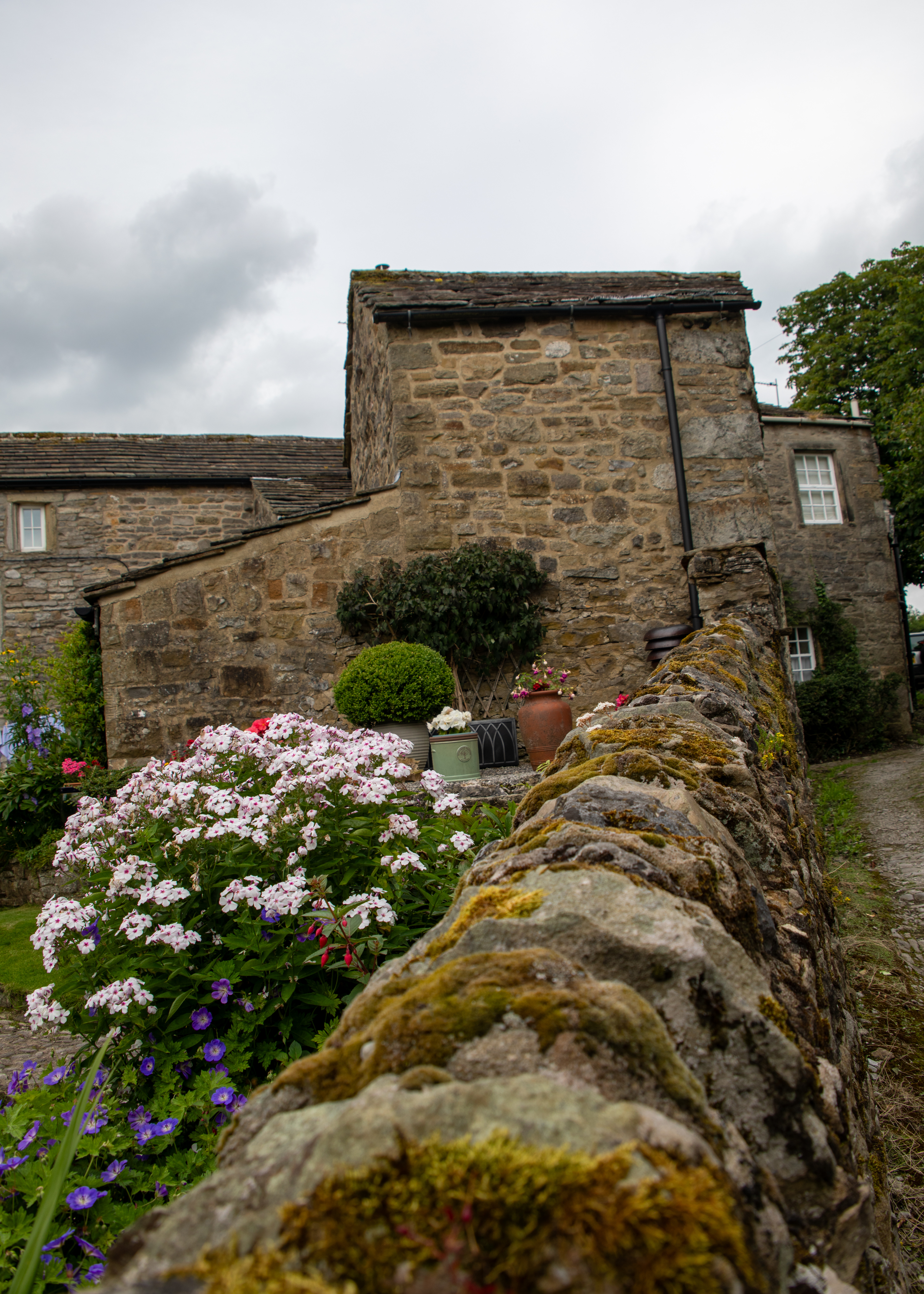
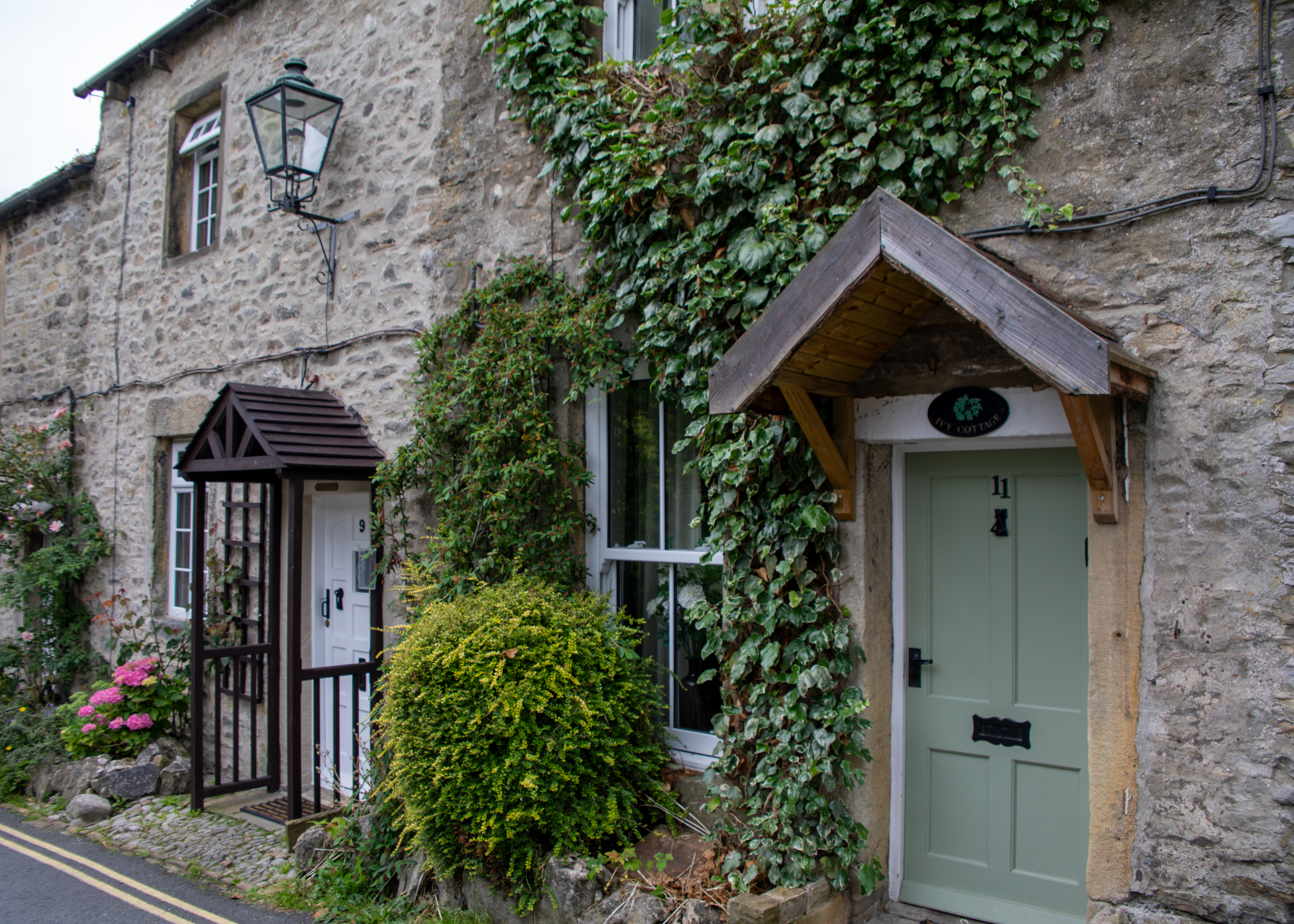
Grassington has a lively center with shops, cafés and a regular farmers market, as well as now being the location of the fictional market town Darrowby in All Creatures Great and Small.
UK and Scotland Day 9

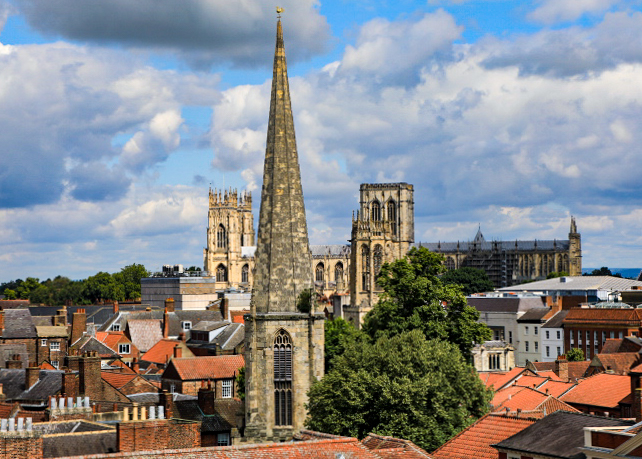
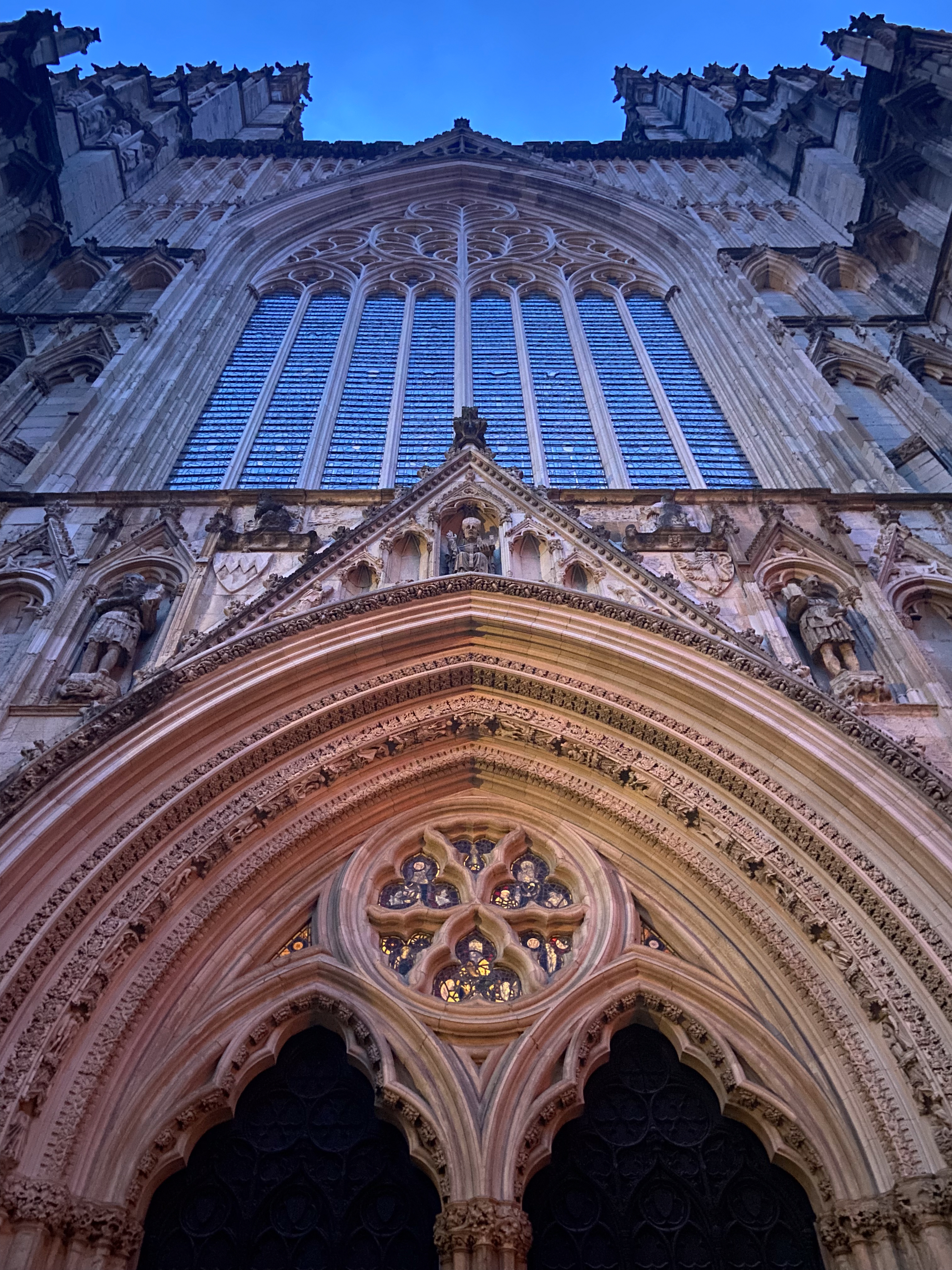
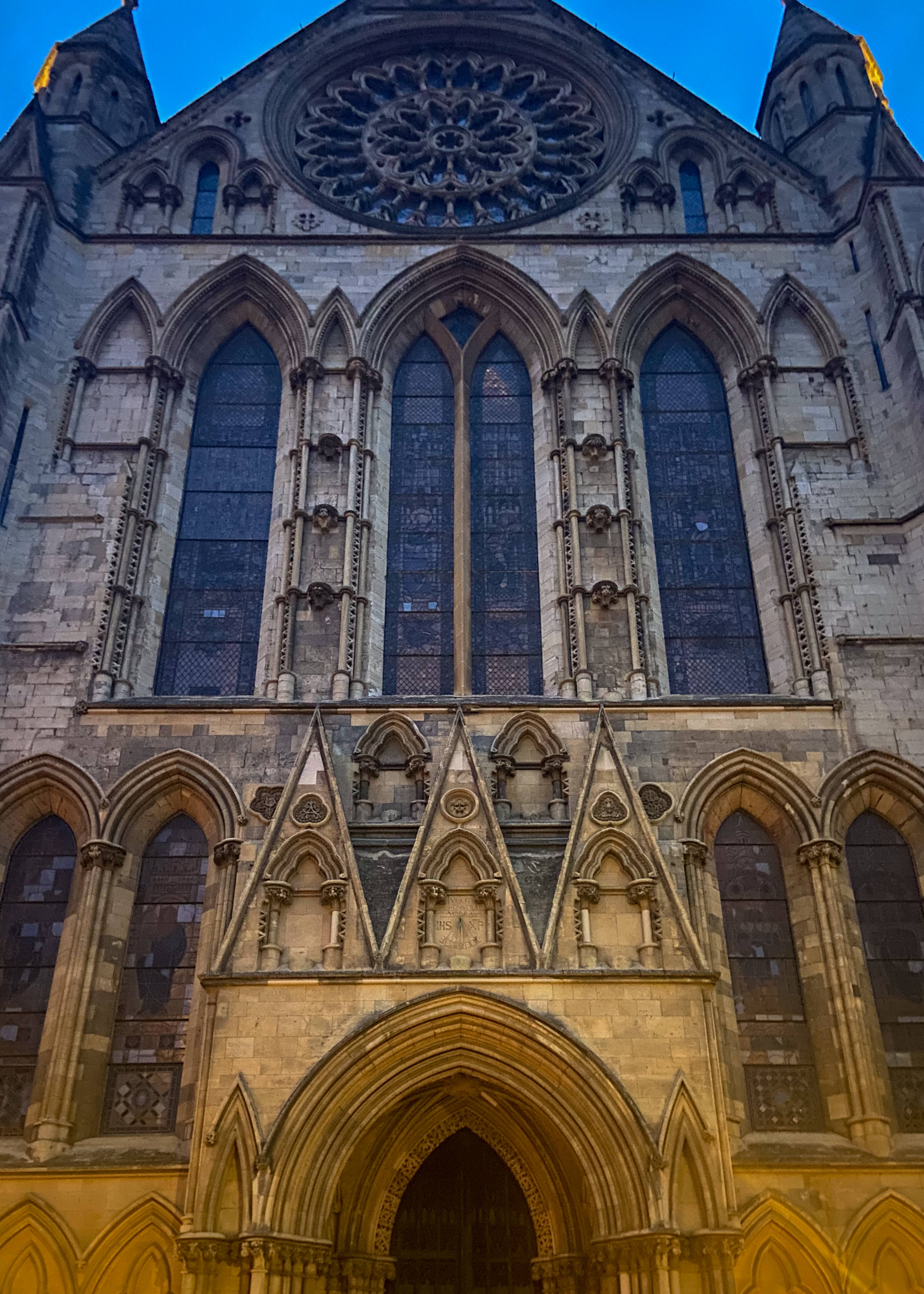
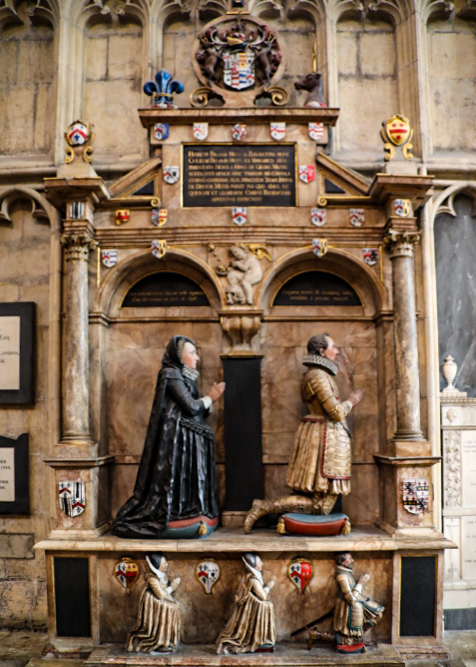
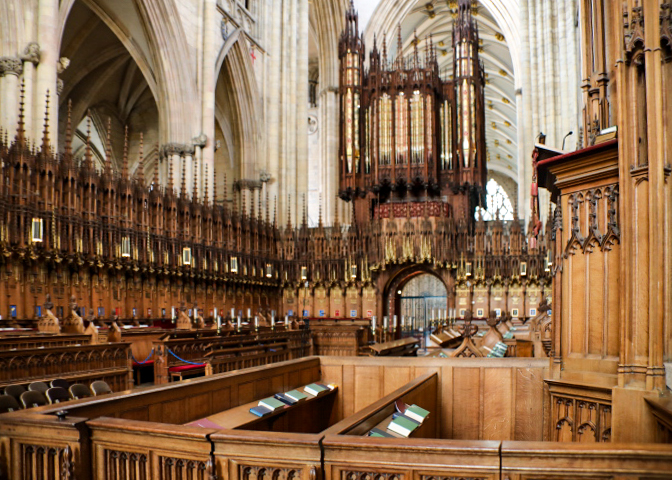
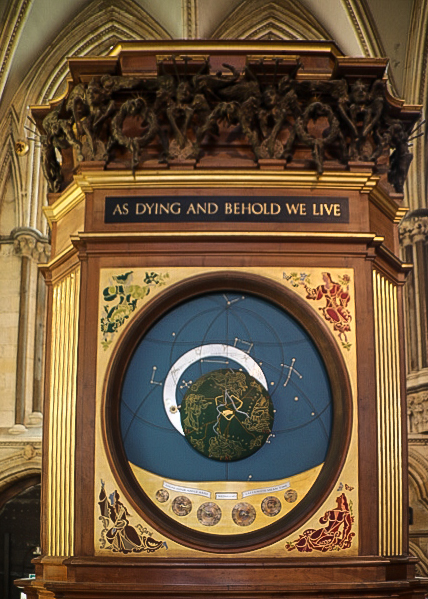
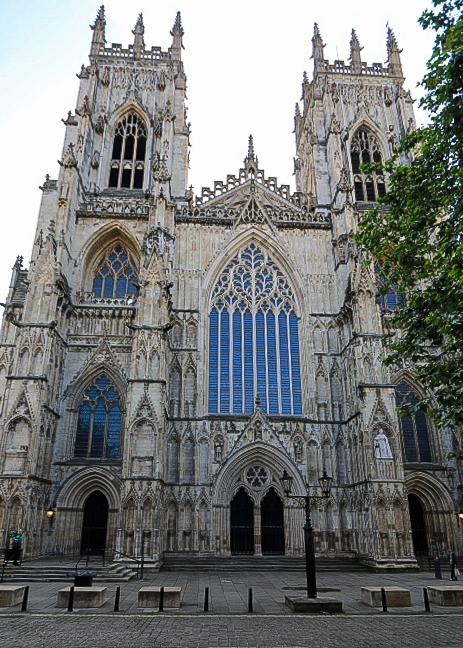
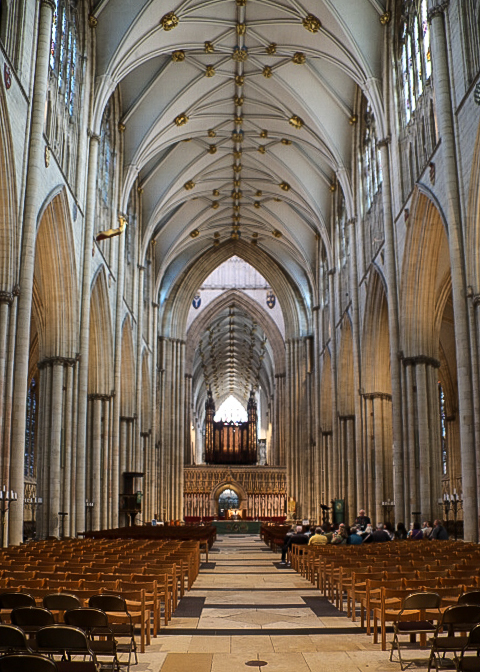
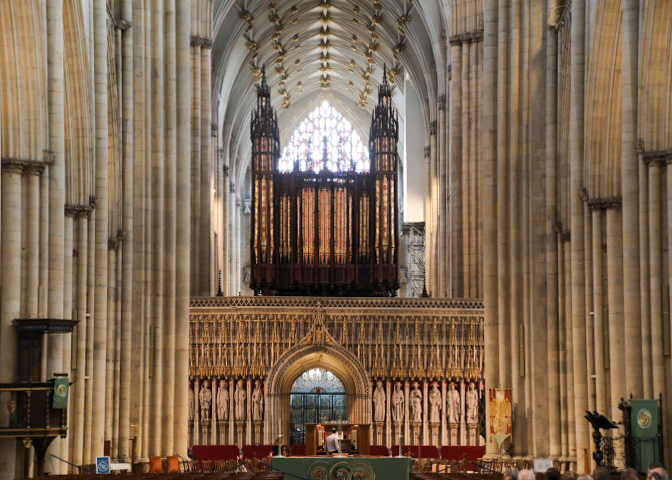
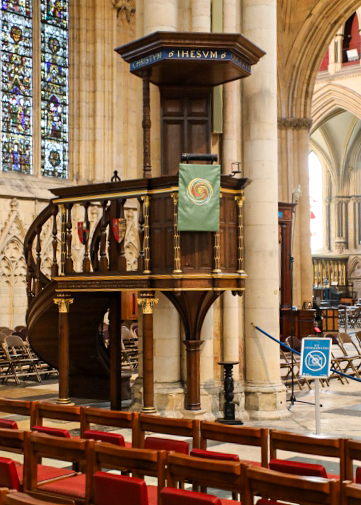
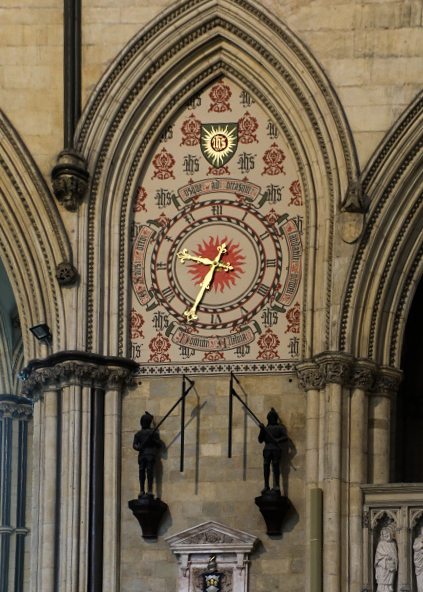
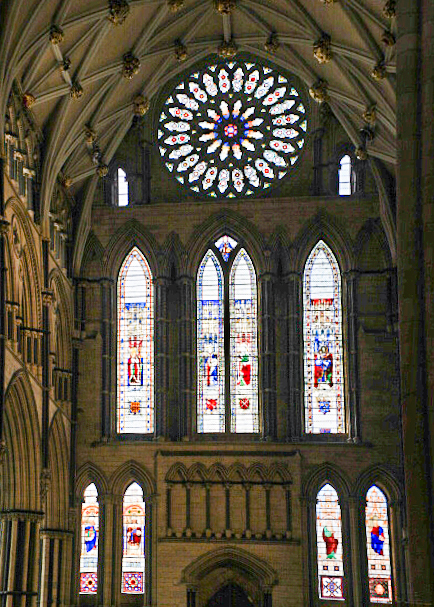
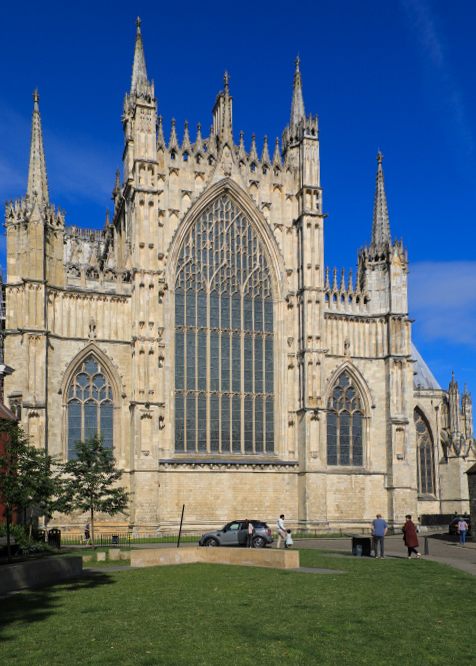
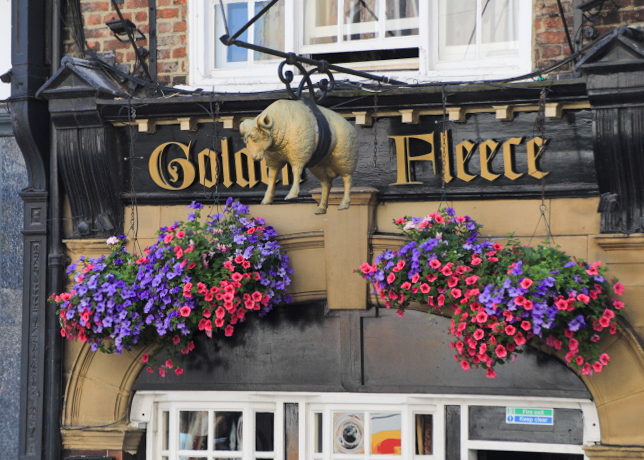
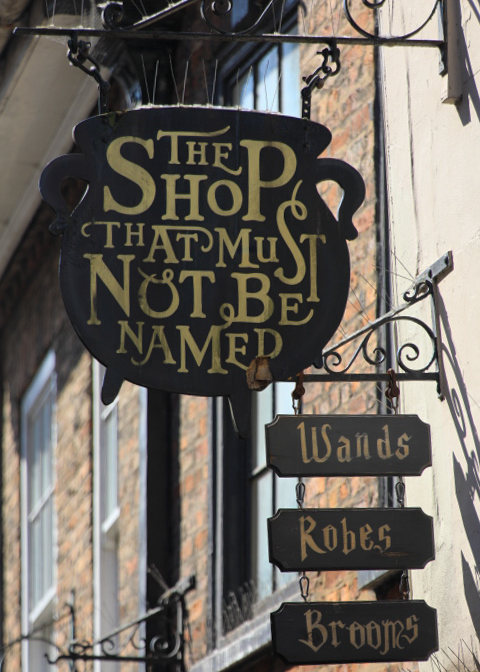
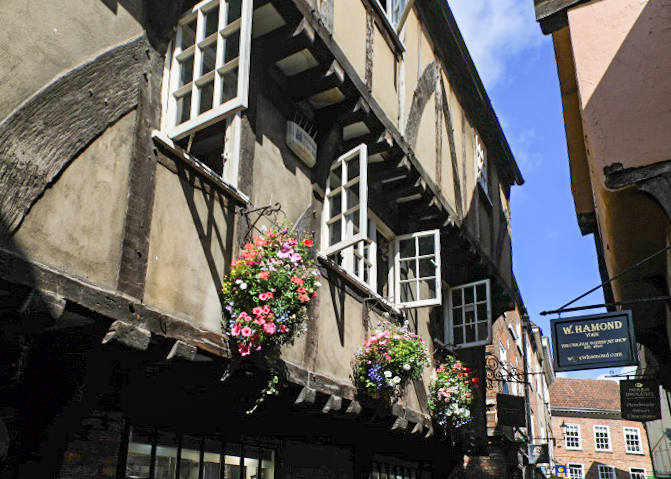
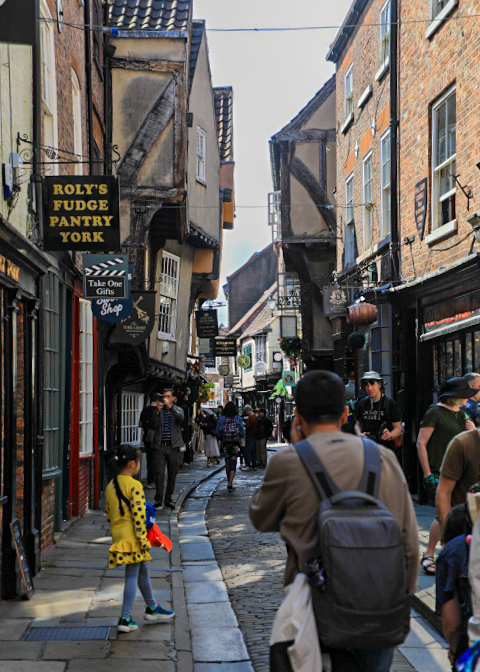
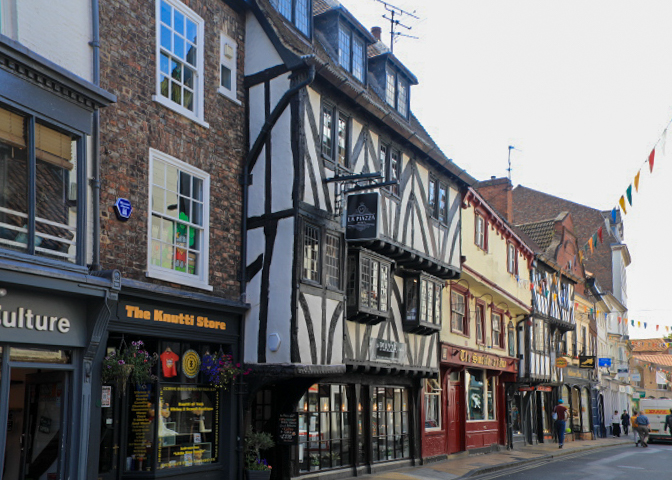
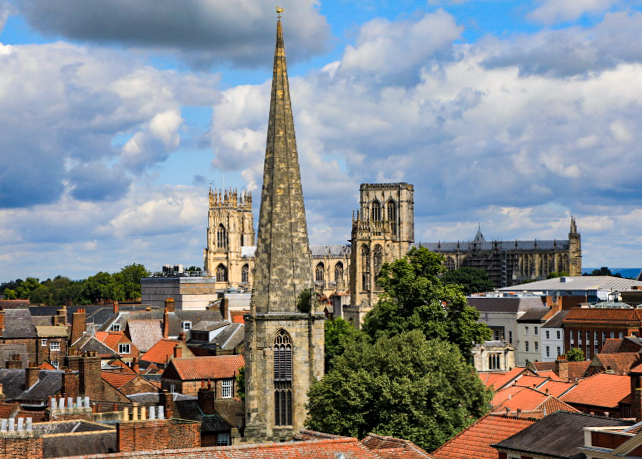
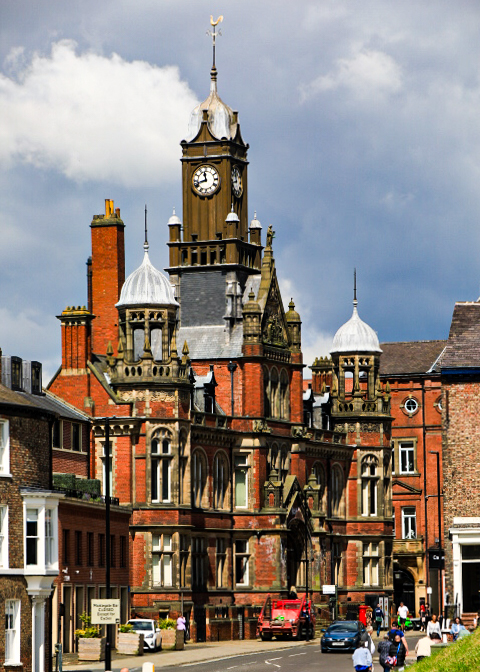
We arrived in York for a late dinner and then decided to walk into the old town before bed. First thing next morning we had tickets to tour the interior of the York Minster (one of the more impressive churches so far). Then on to the Shambles — The Shambles is a historic street in York, featuring preserved medieval buildings, some dating back as far as the 14th century. The street is narrow, with many timber-framed buildings with jettied floors that overhang the street by several feet.

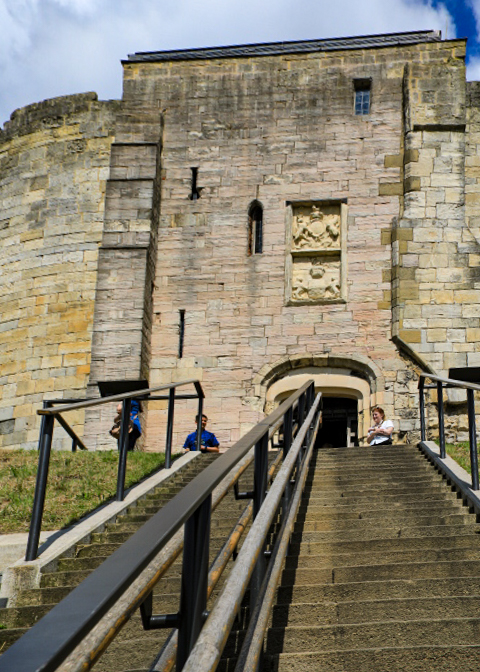
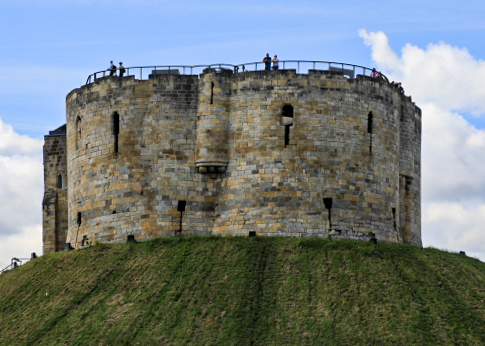
For a little more exercise, we climbed the stairs to Clifford Tower. Clifford’s Tower is one of the best-loved landmarks in York. It is the largest remaining part of York Castle, once the center of government for the north of England. The 11th-century timber tower on top of the earth mound was burned down in 1190, after York’s Jewish community, some 150 strong, was besieged here by a mob and committed mass suicide. The present 13th-century stone tower was probably used as a treasury and later as a prison. Exceptional views of the city from the top.

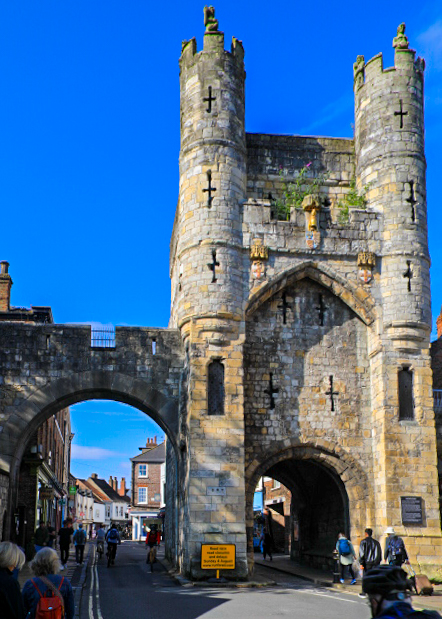
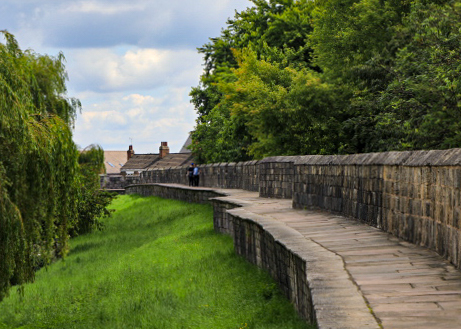
Still in the walking mode we navigated the city wall. York has, since Roman times, been defended by walls of one form or another. To this day, substantial portions of the walls remain, and York has more miles of intact wall than any other city in England. They are known variously as the York City Walls, the Bar Walls and the Roman walls.
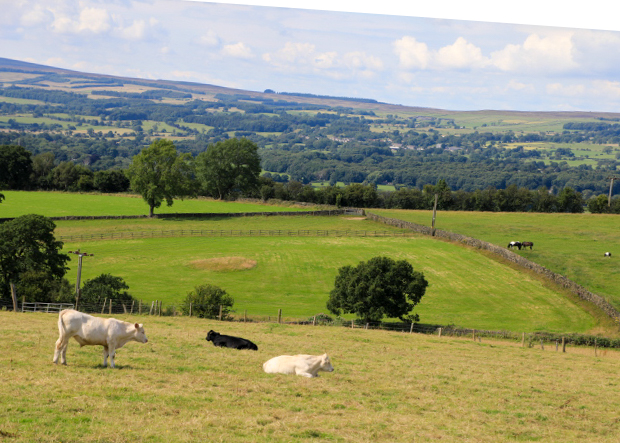
In the afternoon we continued our drive through the Yorkshire Dales to Otley for our stay at a guest house next to a dairy farm with the loudest cows I have ever heard.

York Minister

The Shambles

Clifford Tower

York City Wall

The Farm

UK and Scotland Day 8

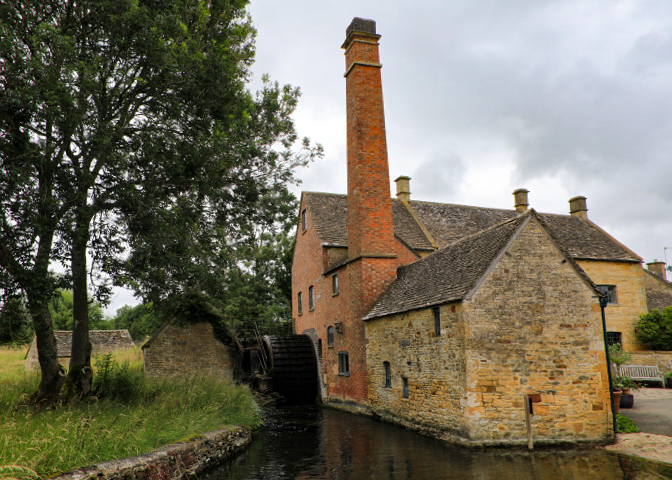
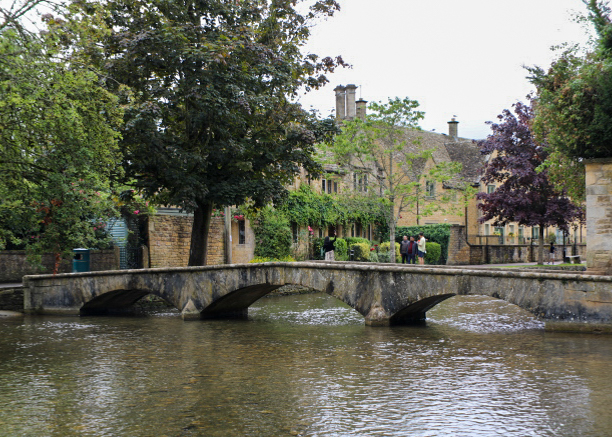
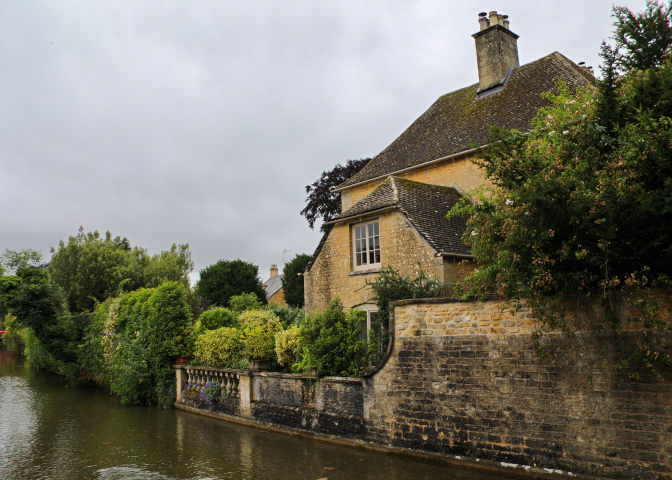
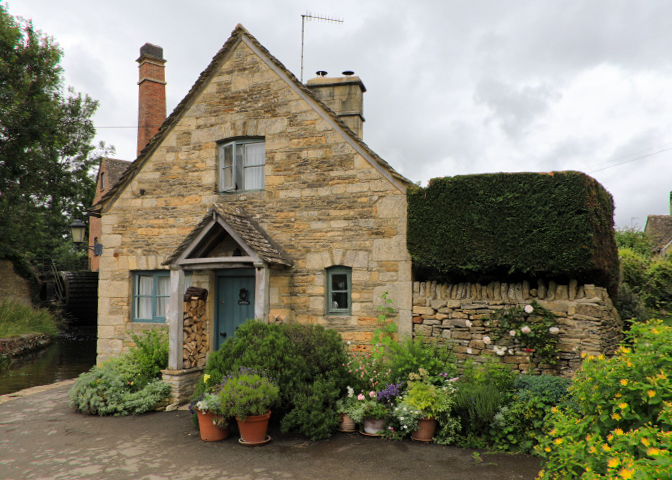
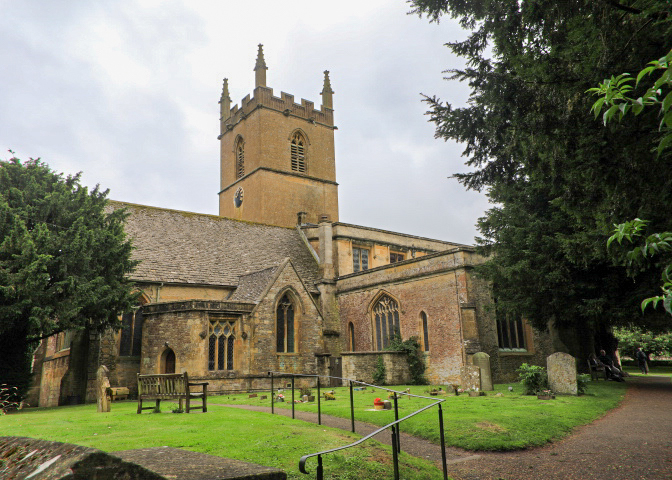
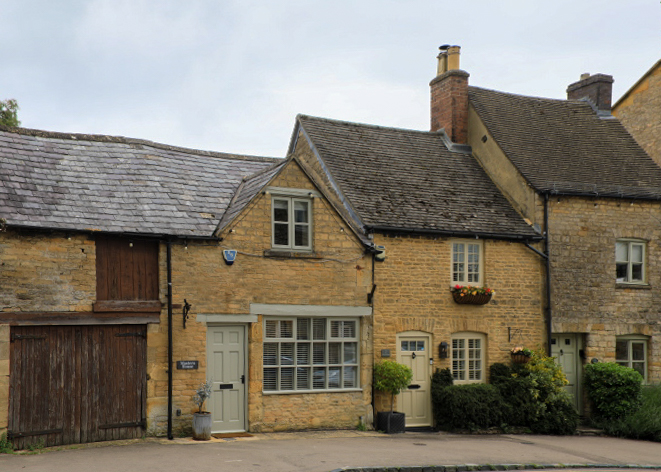
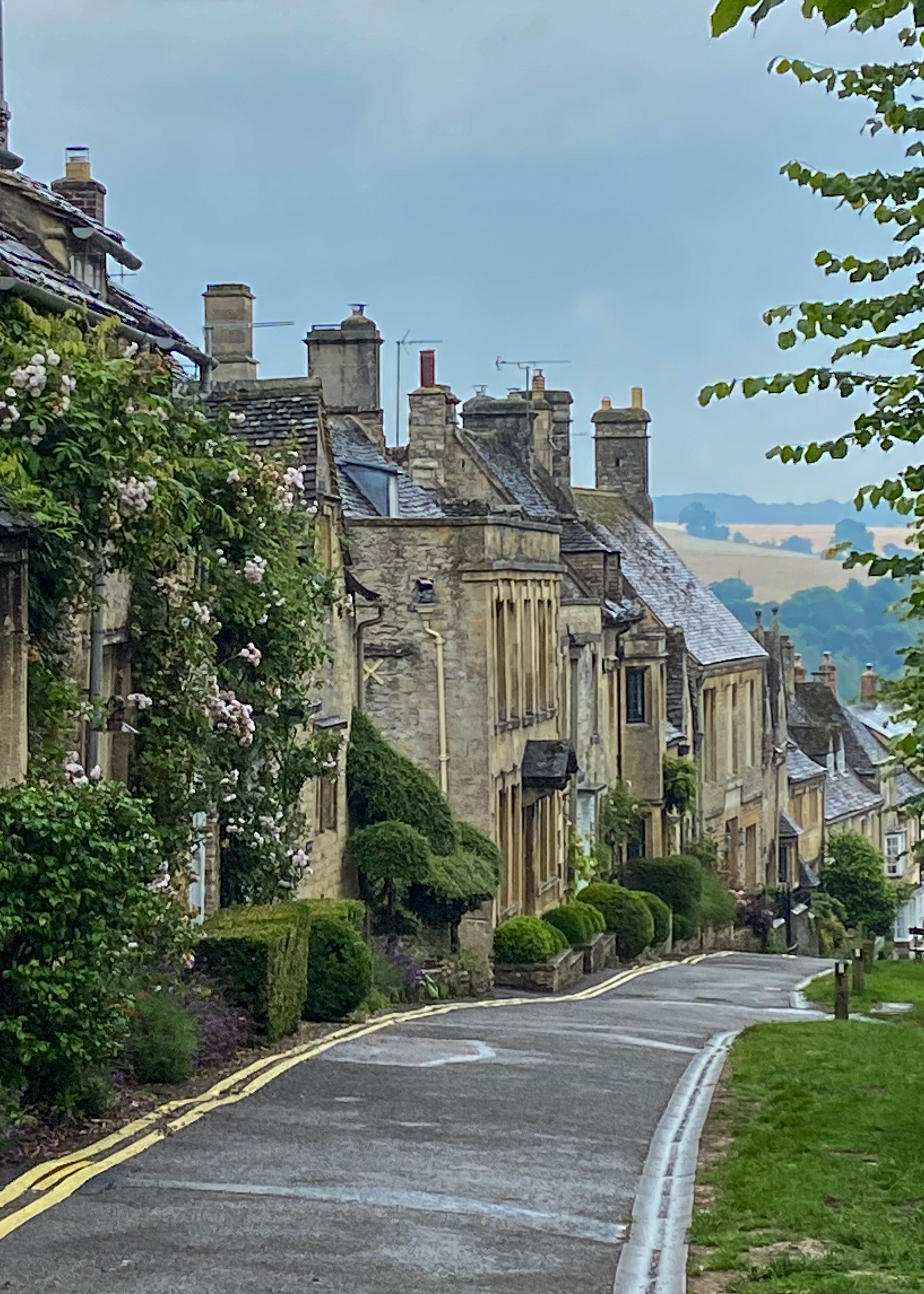
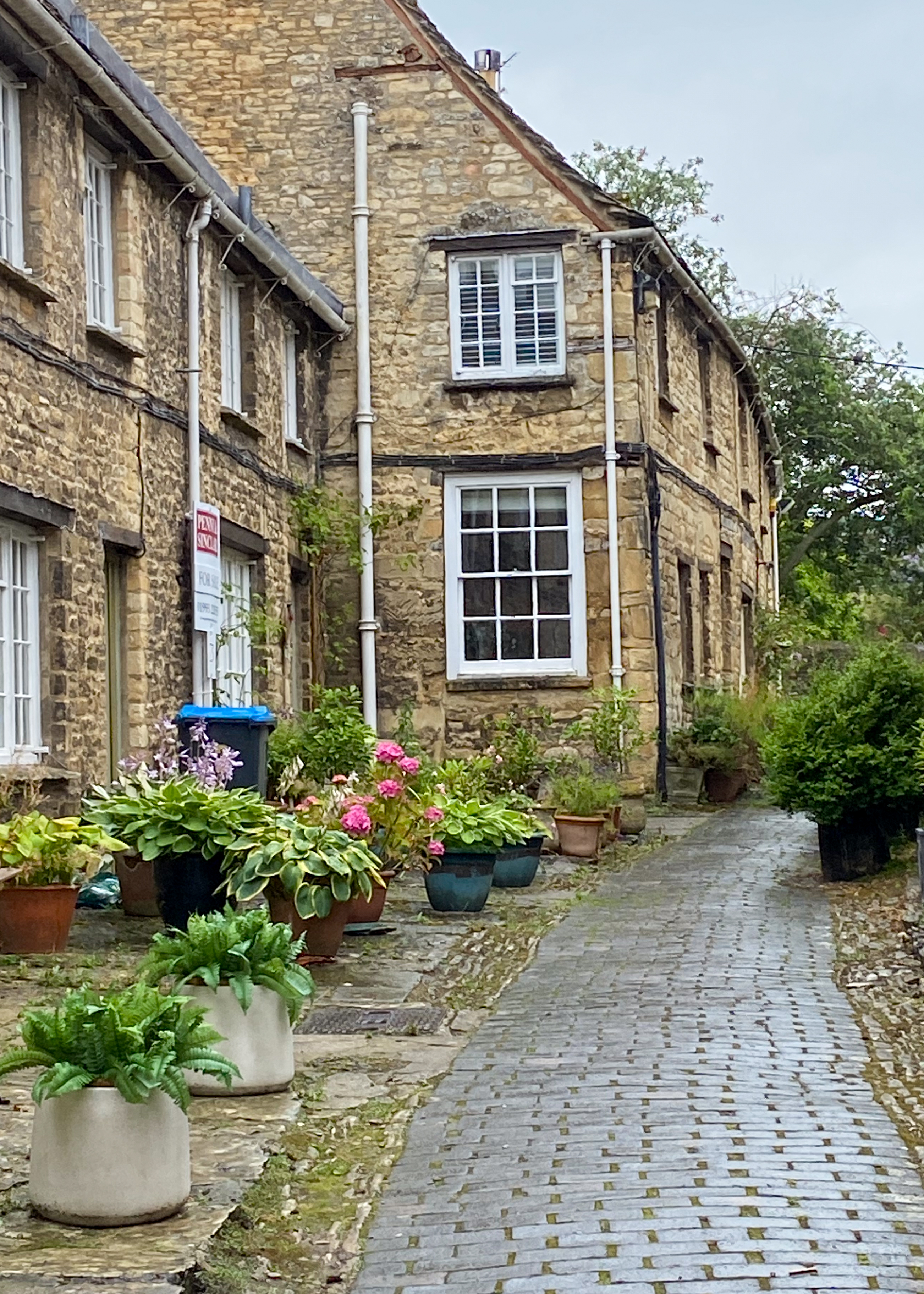
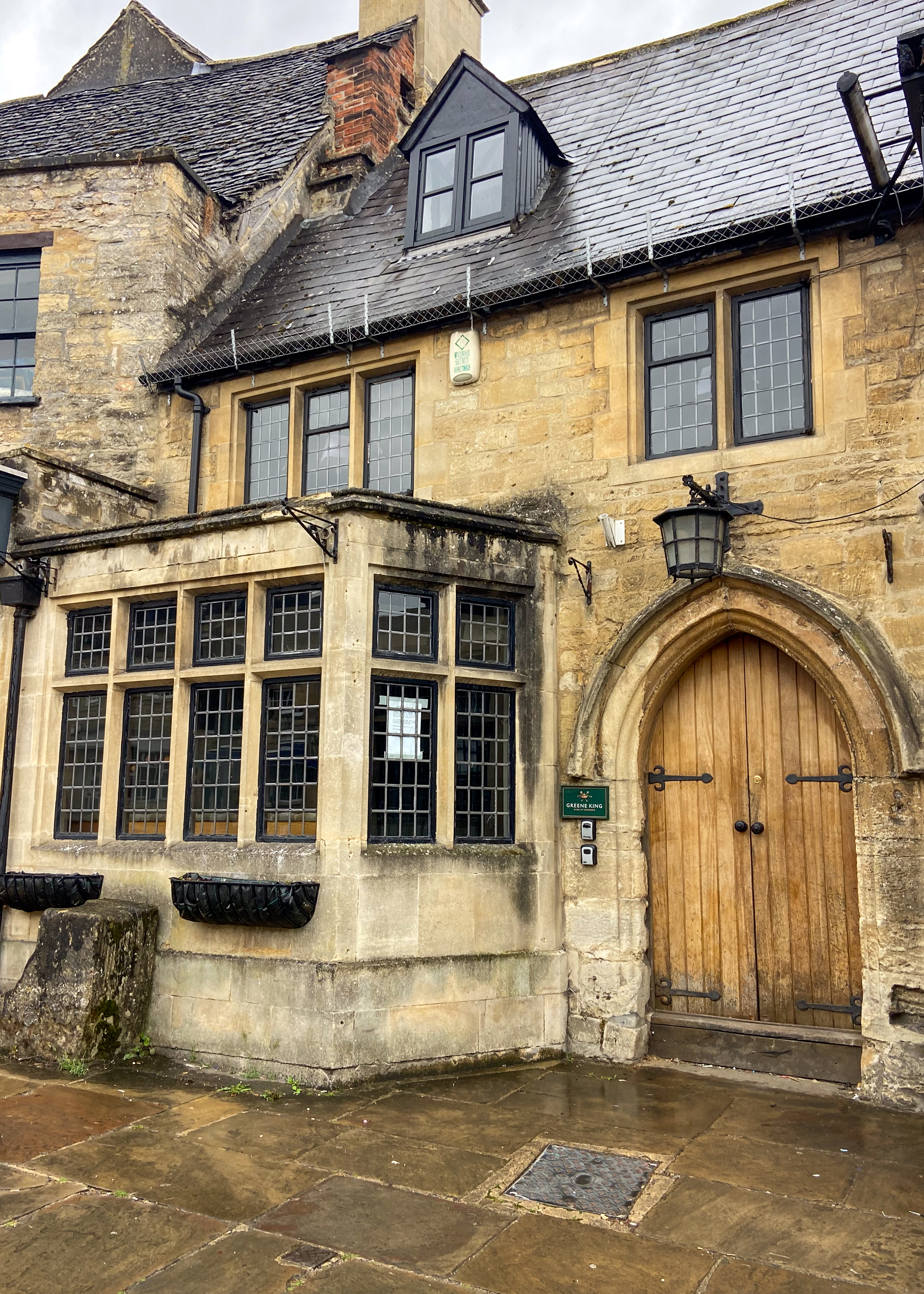
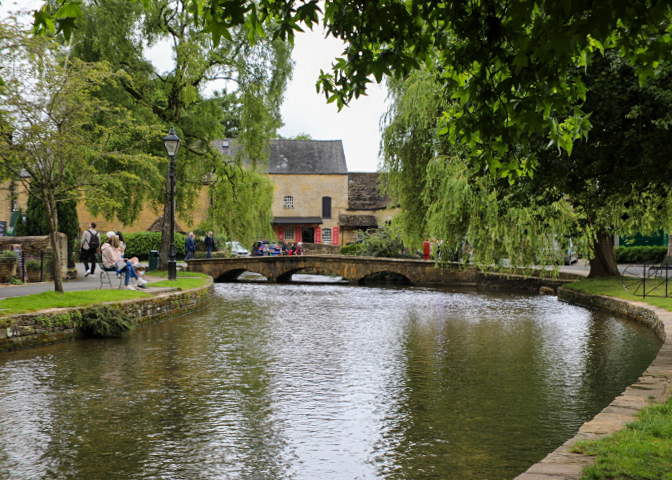
Continuing our drive to York through the Cotswolds. Taking the “B” routes (maybe 1 and a half lanes wide) through many small villages, hills with stone fences housing cows and many sheep and field after field of wheat.

Burton on the Water

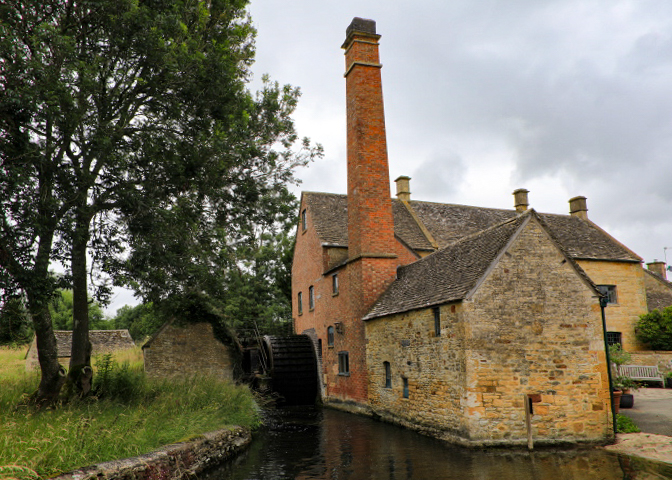
Lower Slaughter

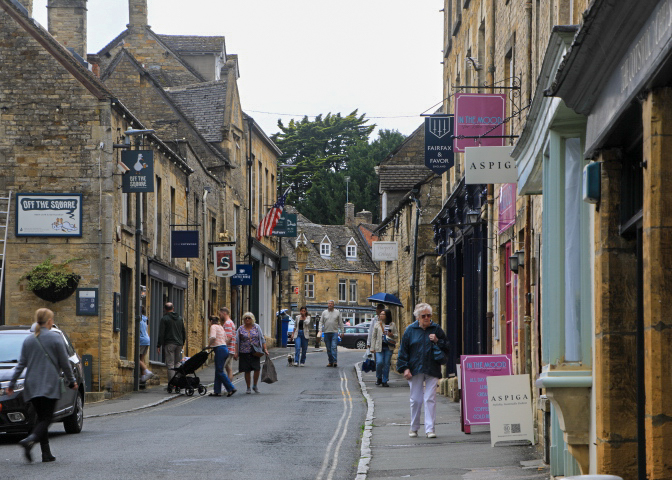
Stow on the Wold

UK and Scotland Day 7

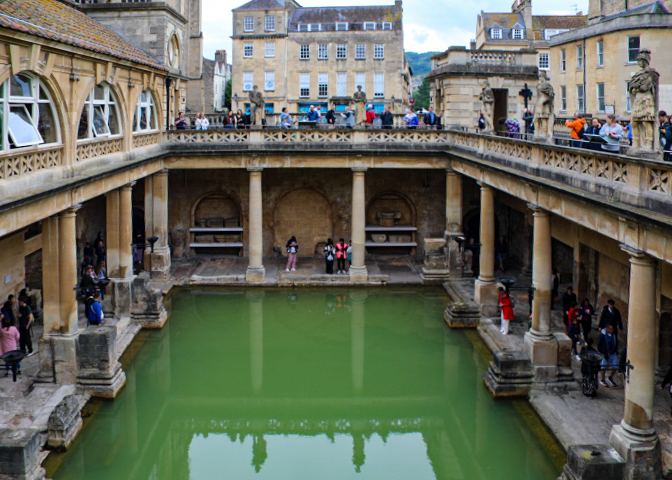
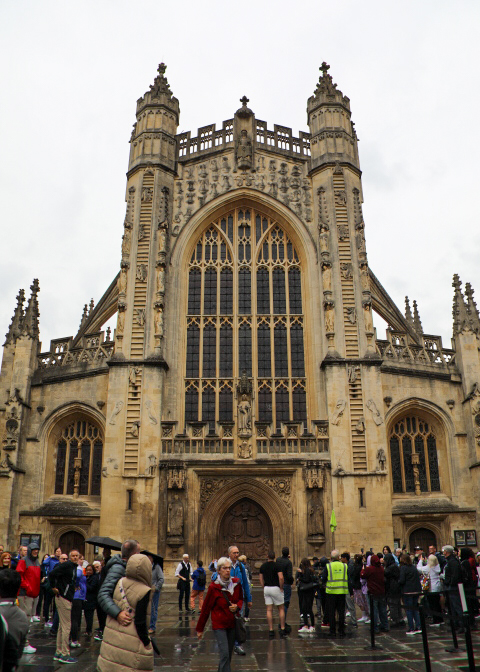
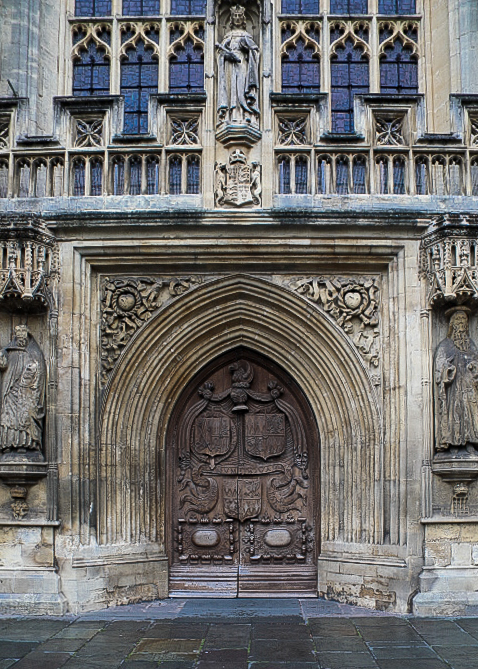
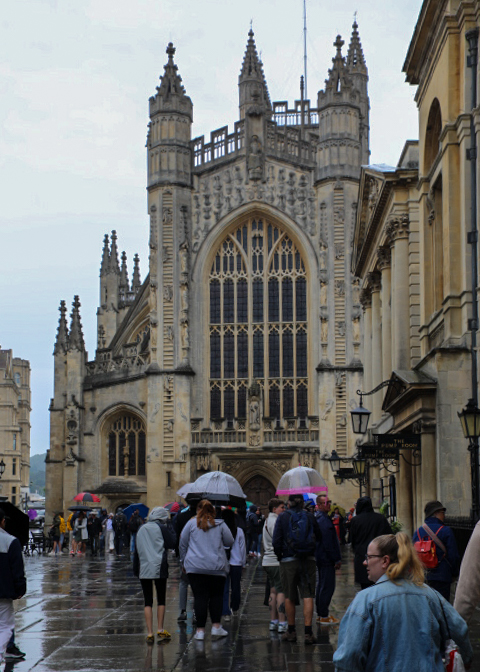
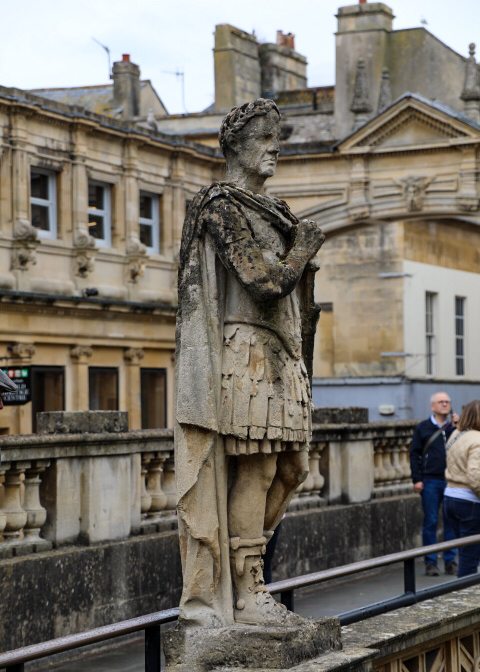
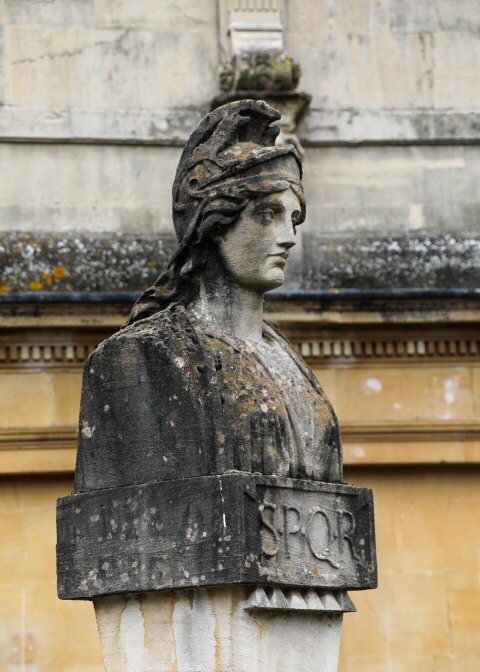
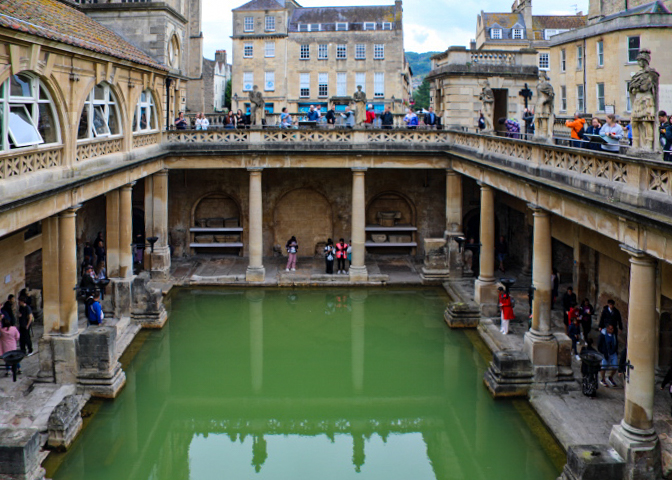
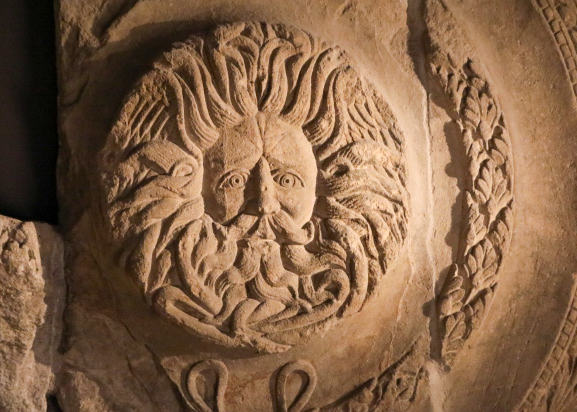
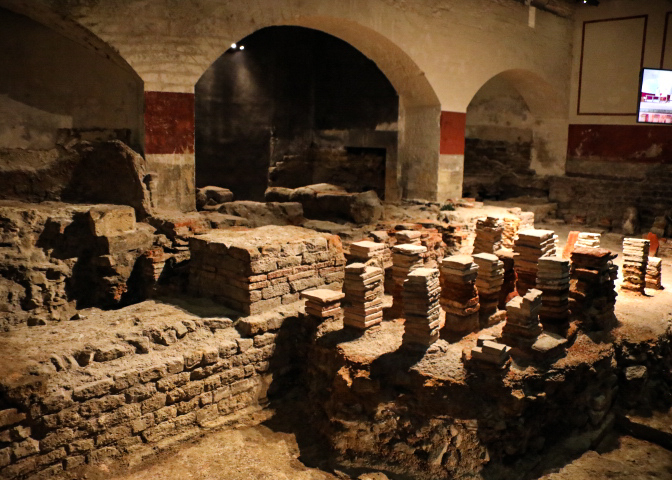
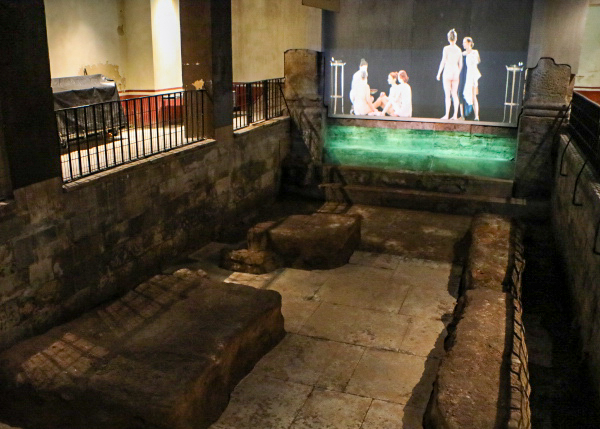
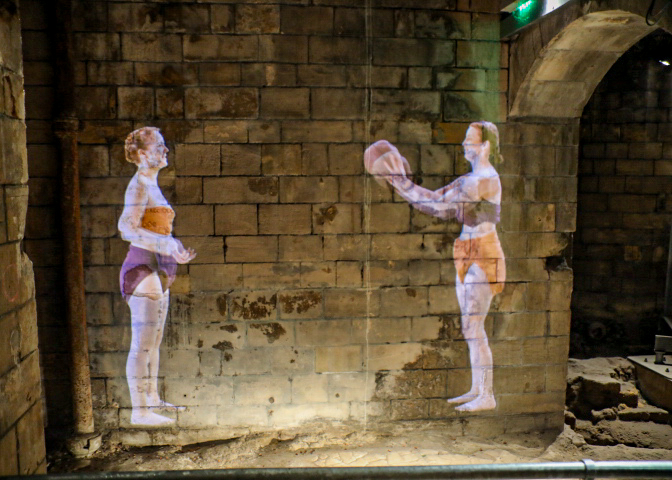
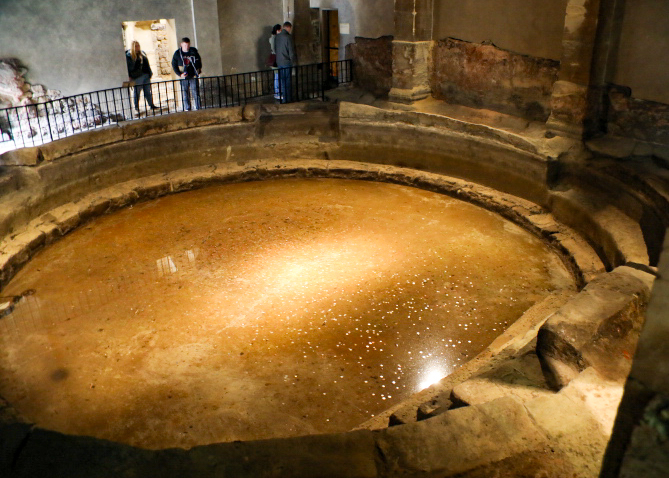
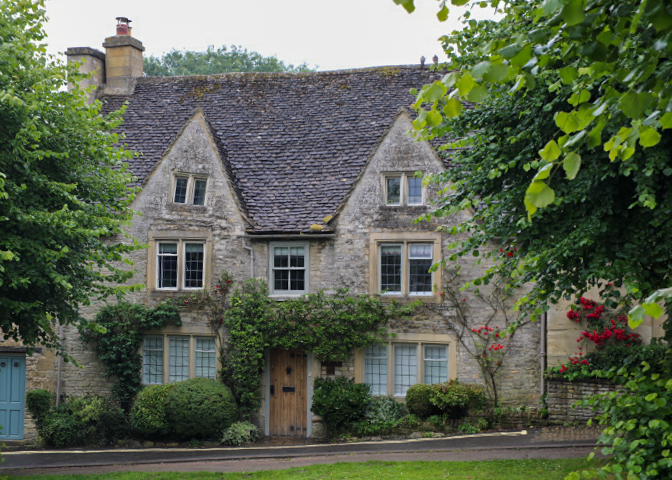
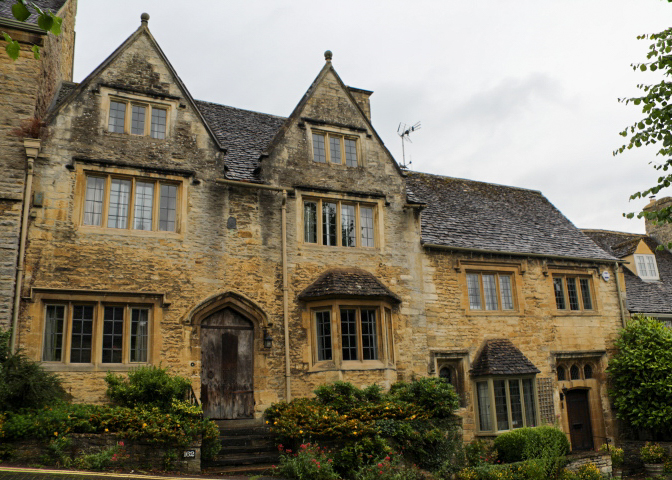
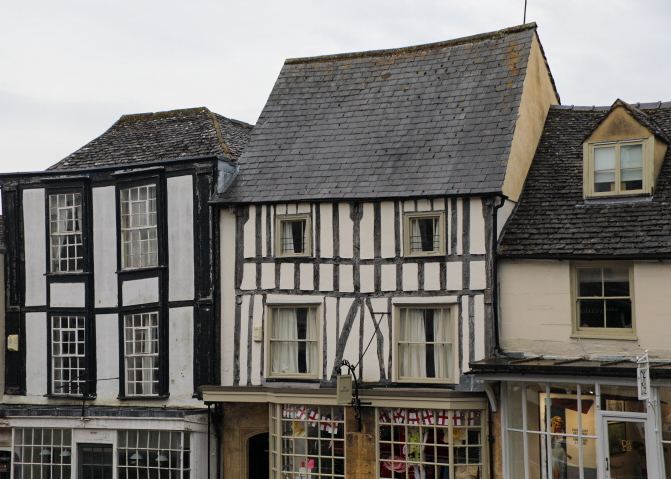
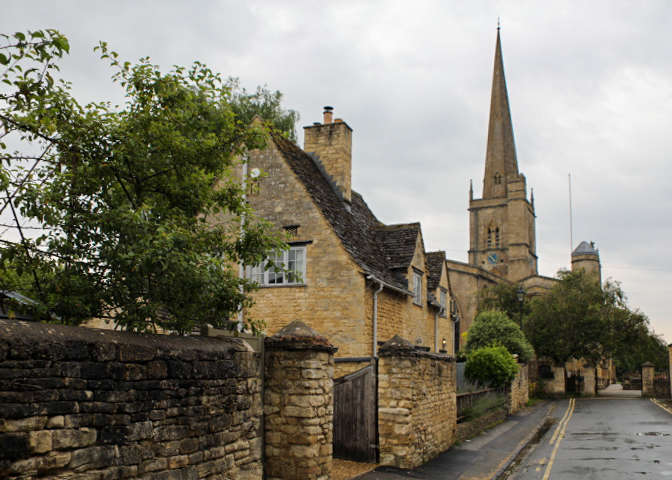
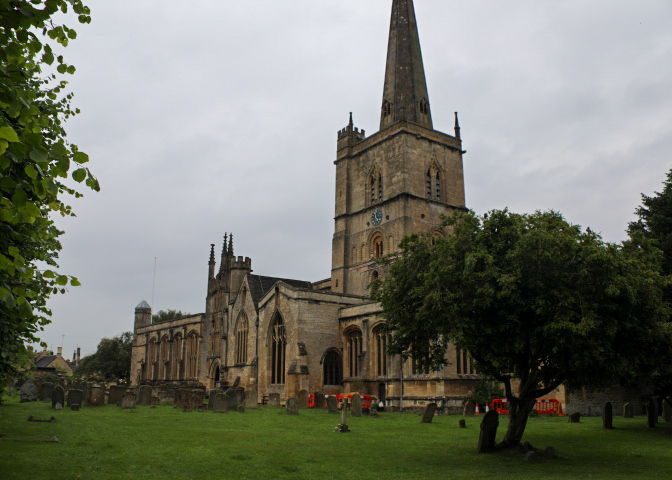
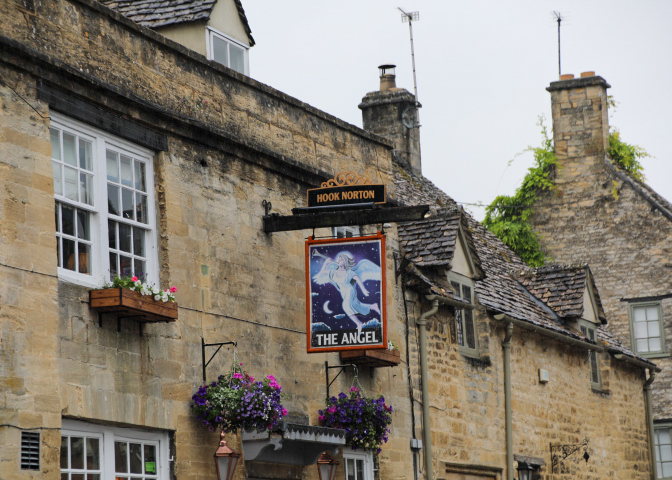
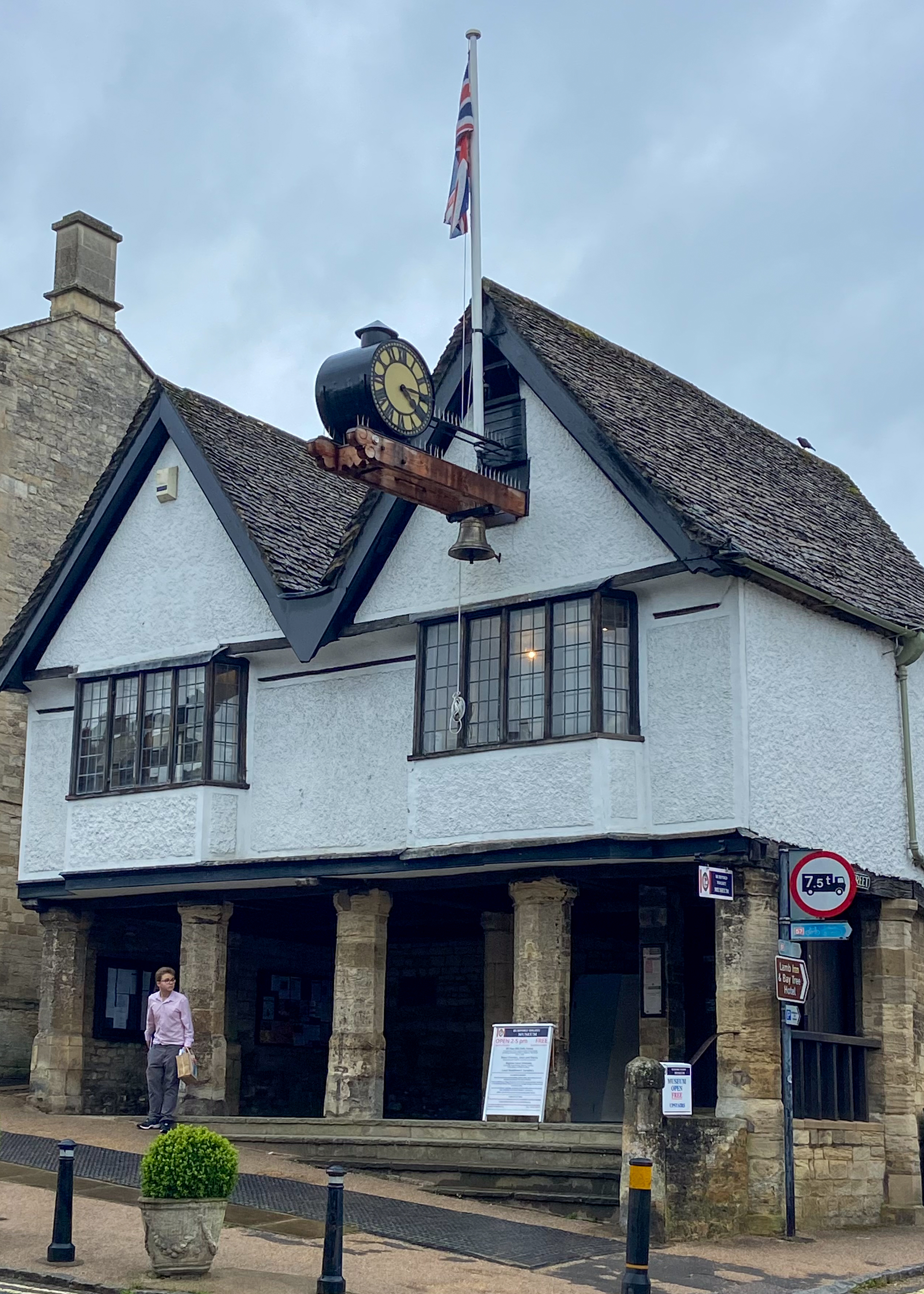
Our second day in Bath we were hoping to tour Bath Abbey but unfortunately, we found that it was closed for a school graduation ceremony. So on to the highlight the Roman Baths. Constructed in around 70AD as a grand bathing and socializing complex, the Roman Baths is one of the best-preserved Roman remains in the world, where 1,170,000 liters of steaming spring water, reaching 46°C, still fills the bathing site every single day. Leaving Bath we began our tour of the Cotswold – ending our day in Burford where we stayed at the Angle Inn.

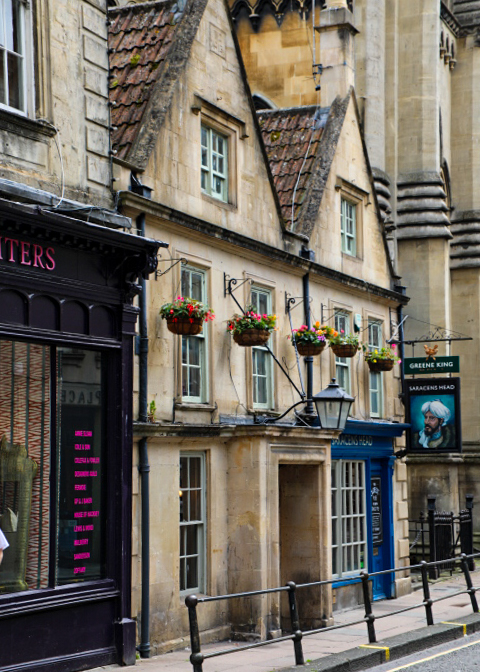
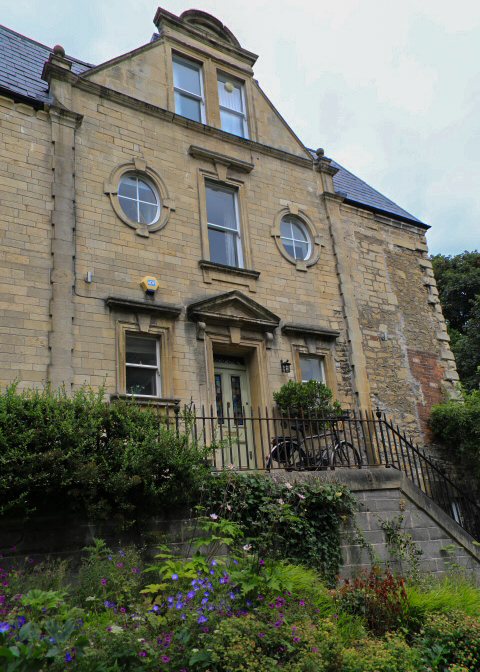
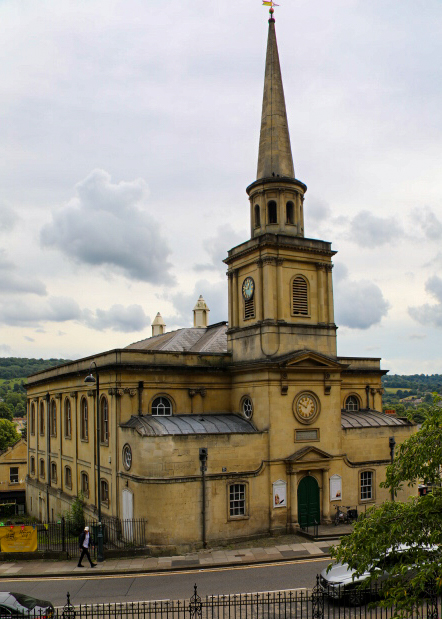
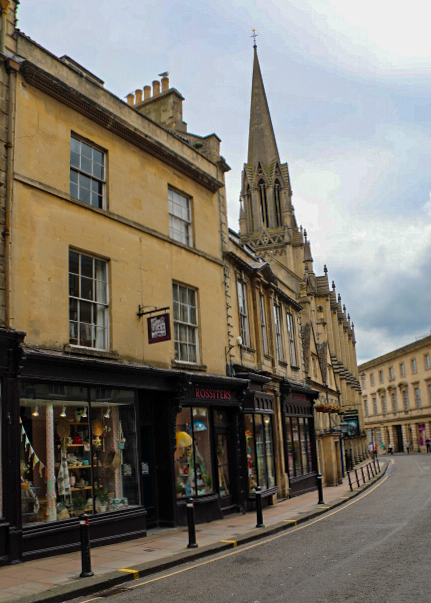
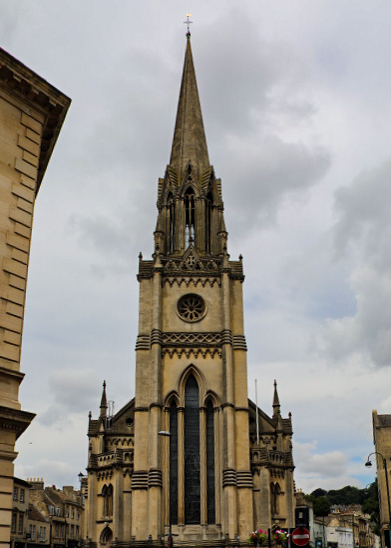
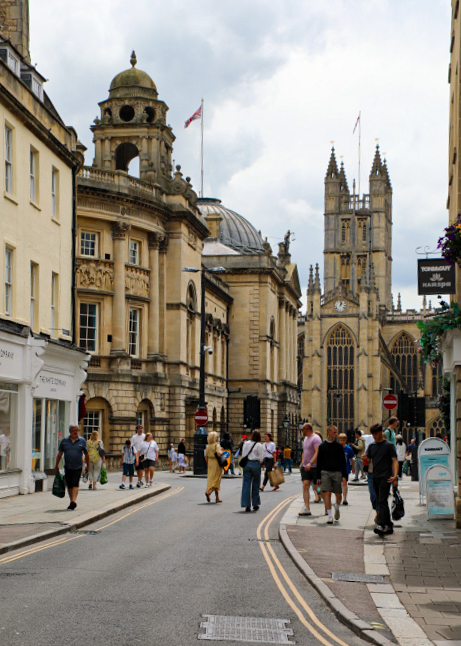
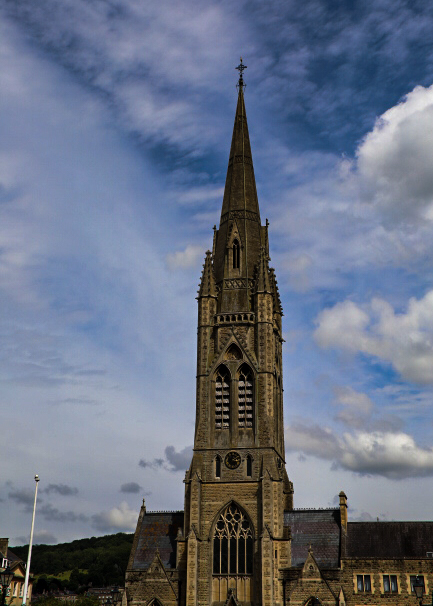
Bath Street Views

Roman Baths

The Cotswolds – Burford

UK and Scotland Day 6

One correction for a photo left out of our visit to Salisbury Cathedral and the Magna Carta – seems appropriate in this day and age.

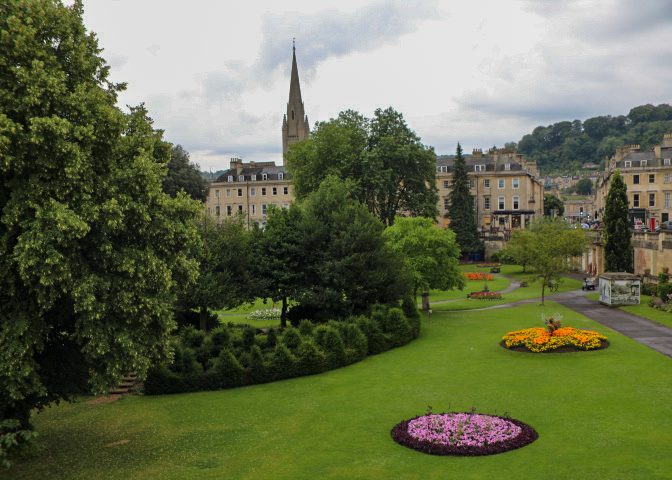
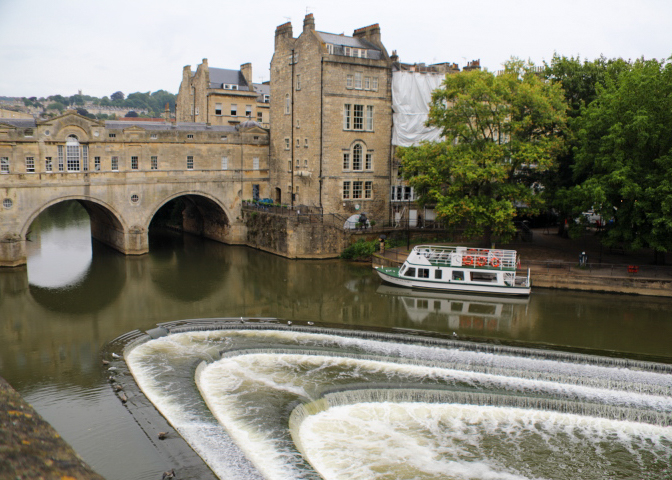
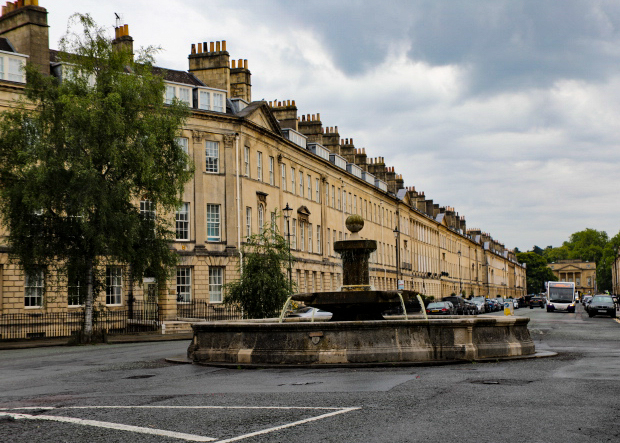
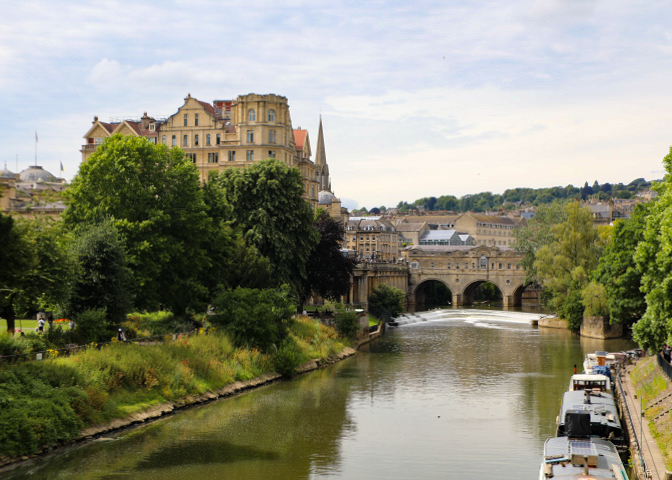
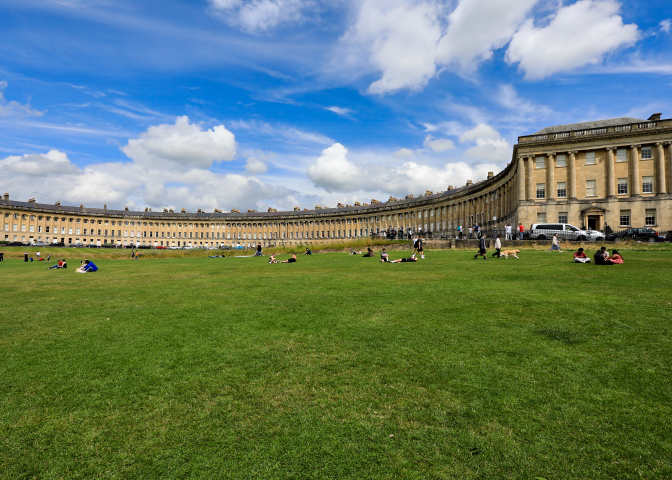
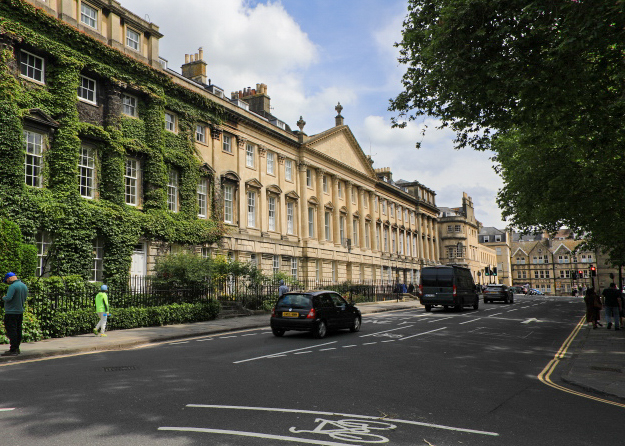
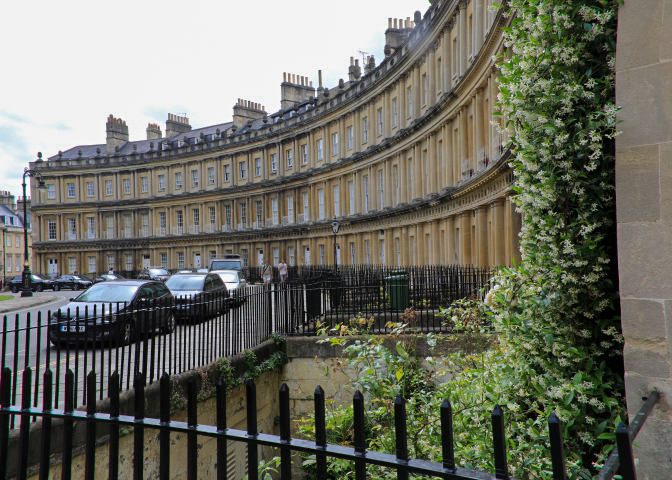
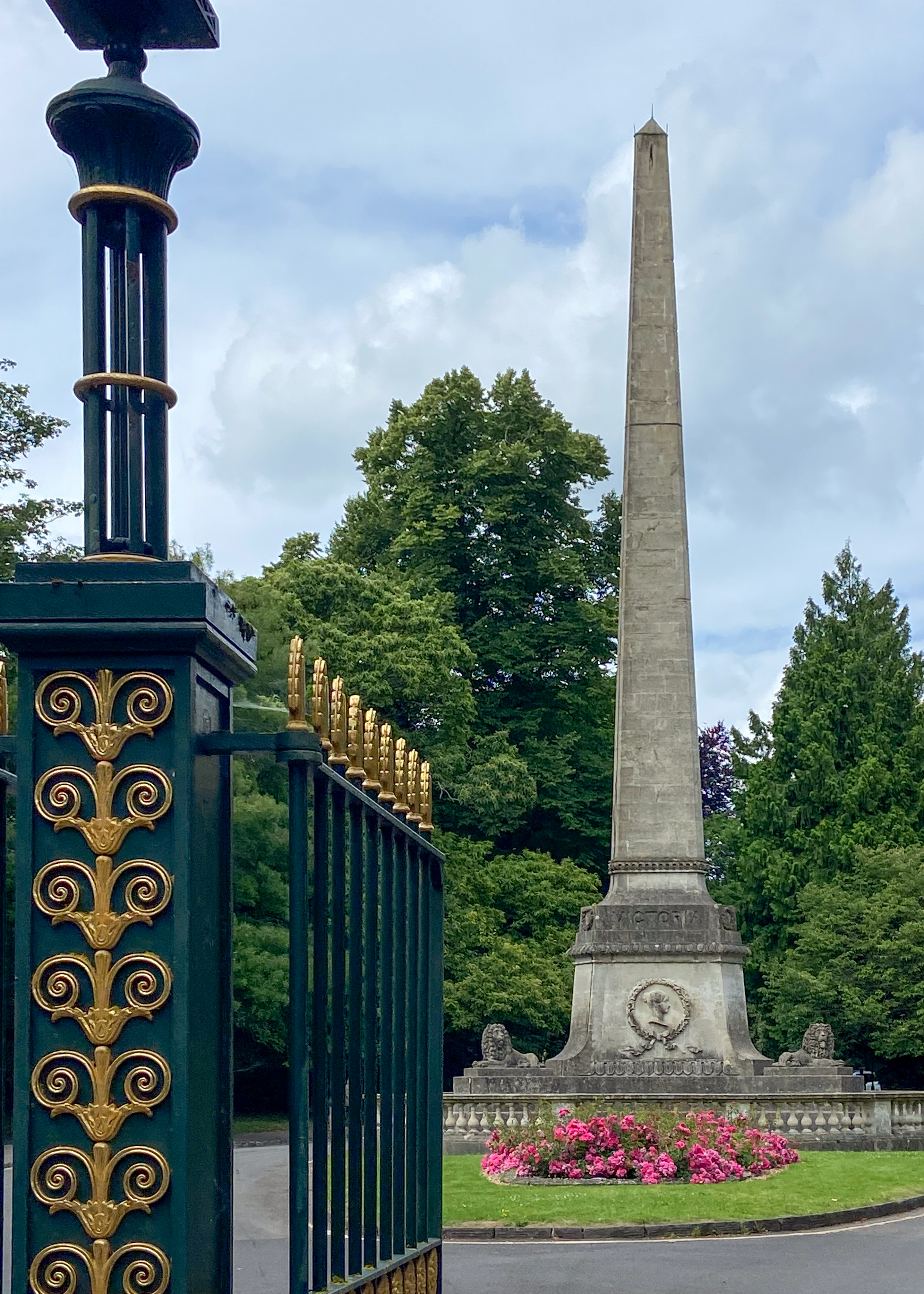
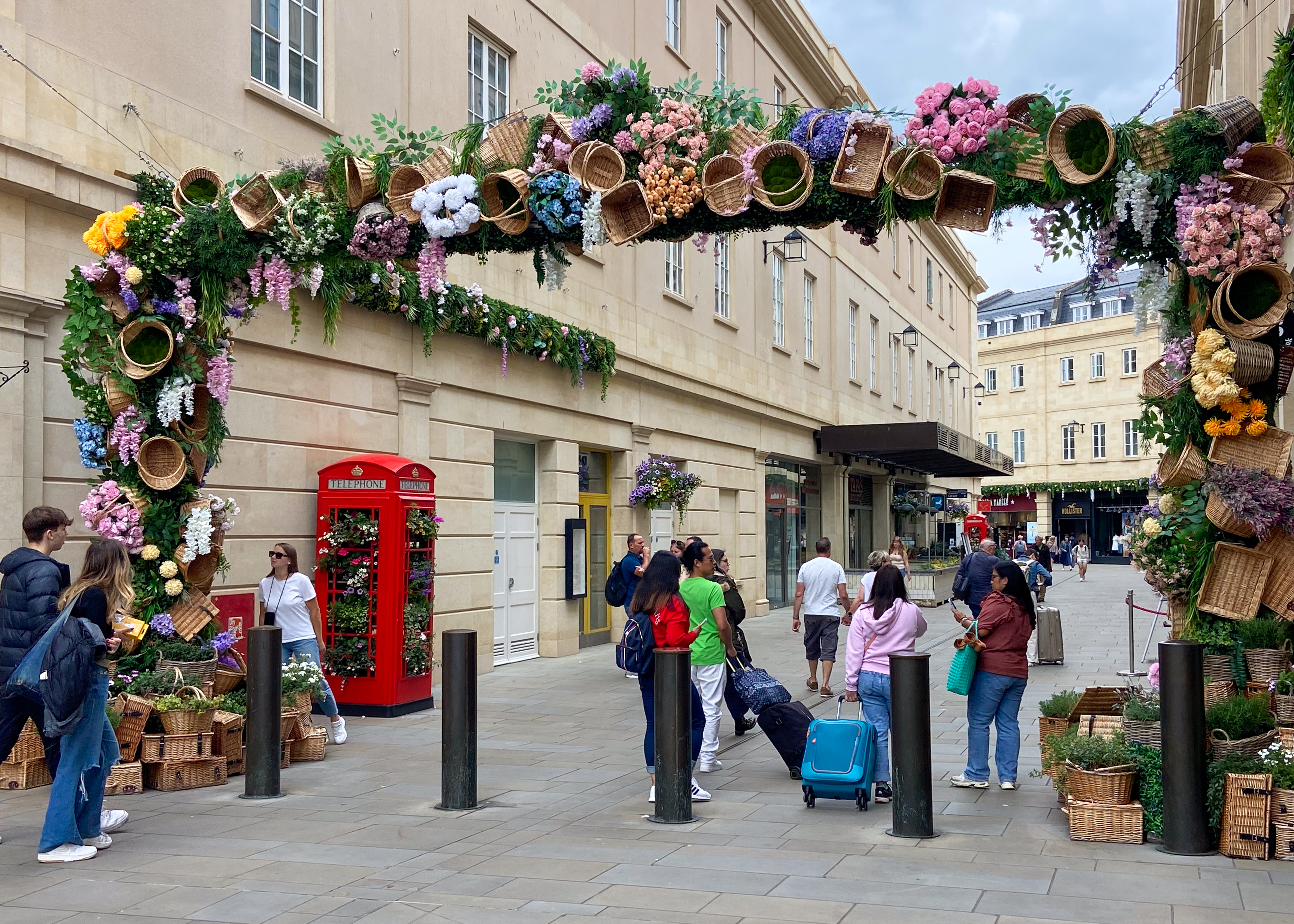
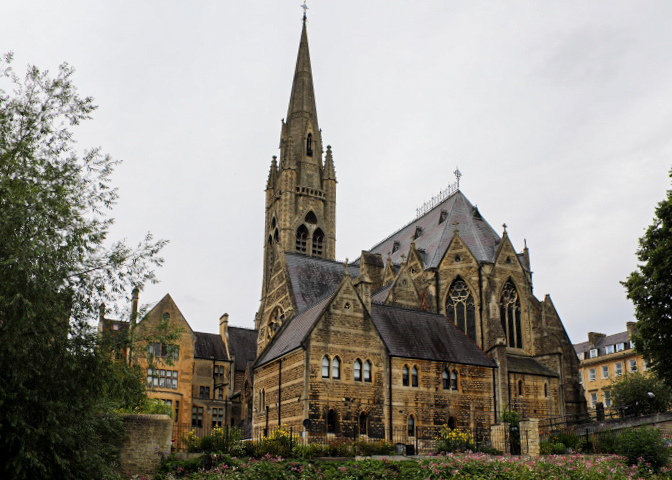
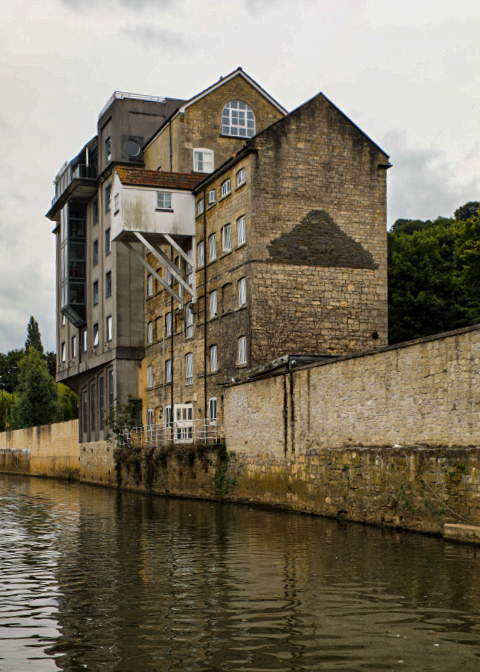
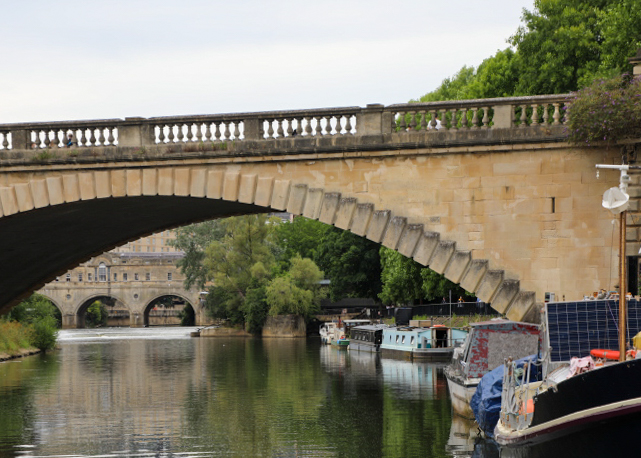
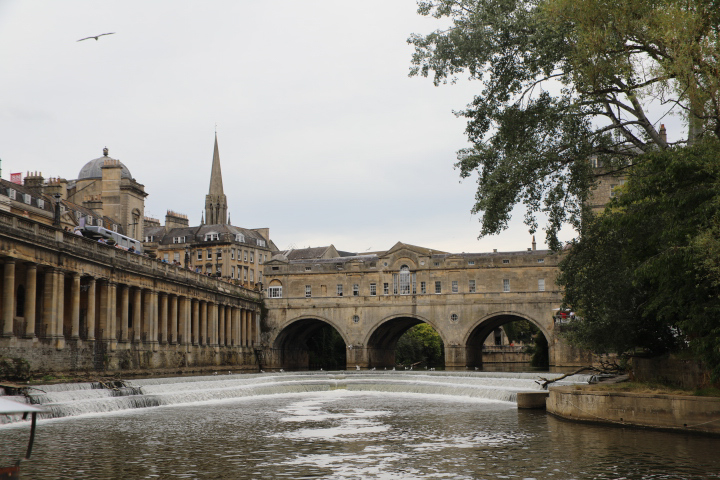
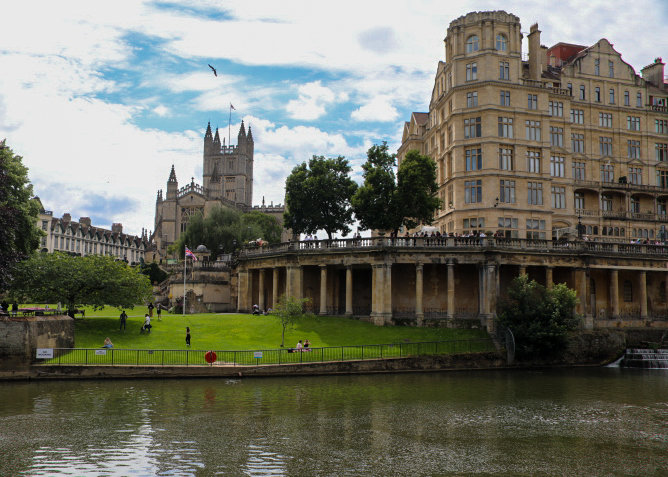
In the morning, we drove from Salisbury to Bath – on arrival we walked part of the city – viewing the Cresent, the Circus and a quick walk-through old town heading to the Quay for a Prosecco boat ride to view the city from the Avon River.

Street Views

Cruise on the Avon

2024 UK and Scotland – Day 4

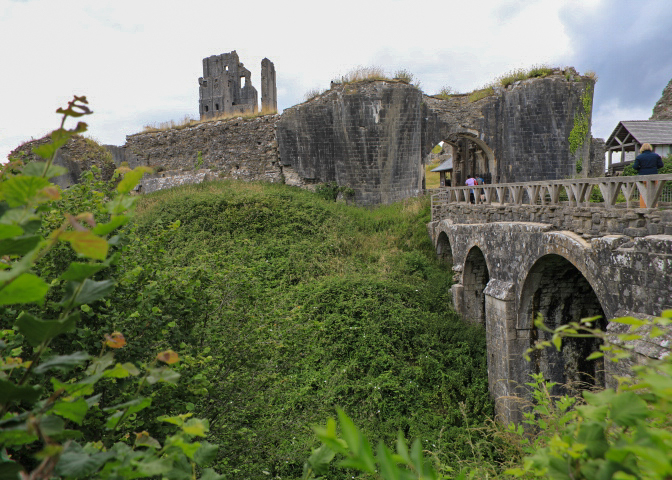
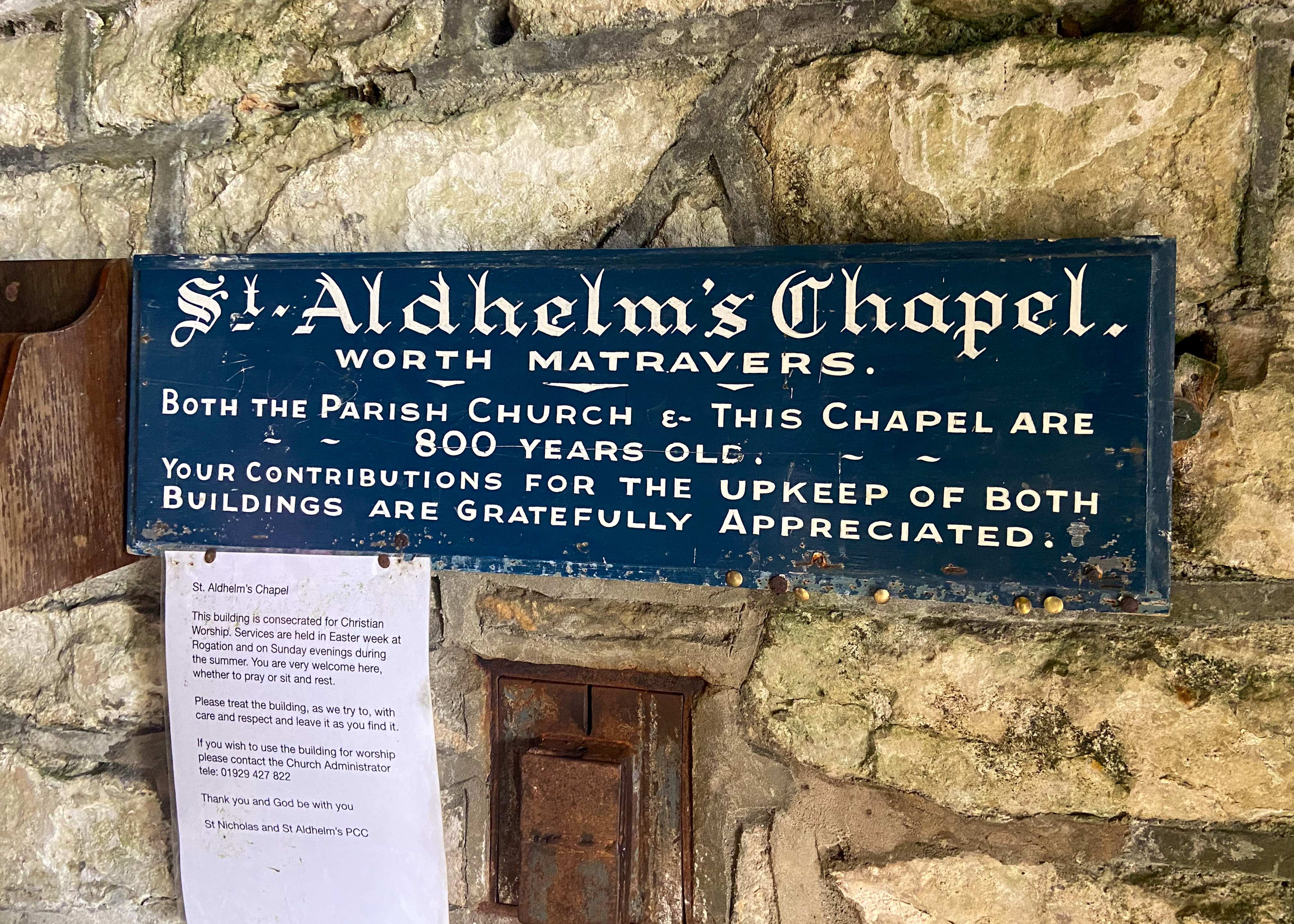
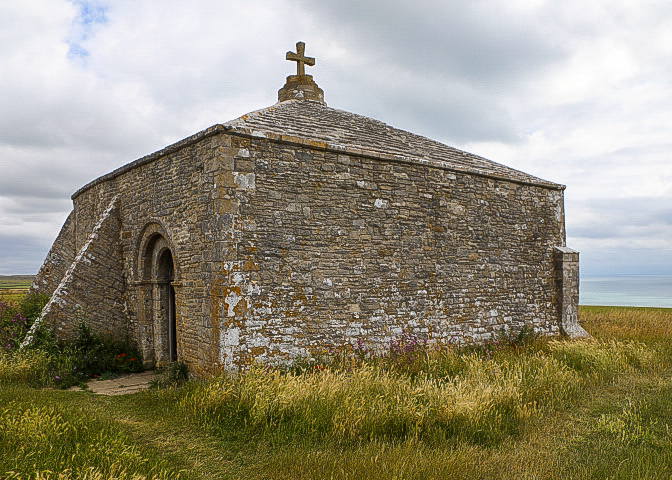
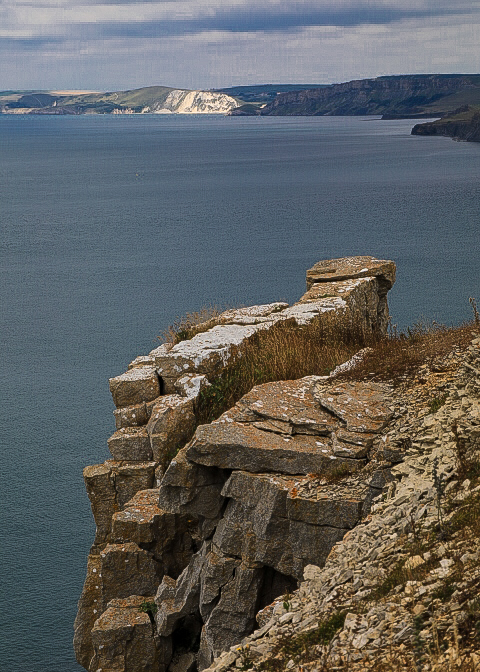
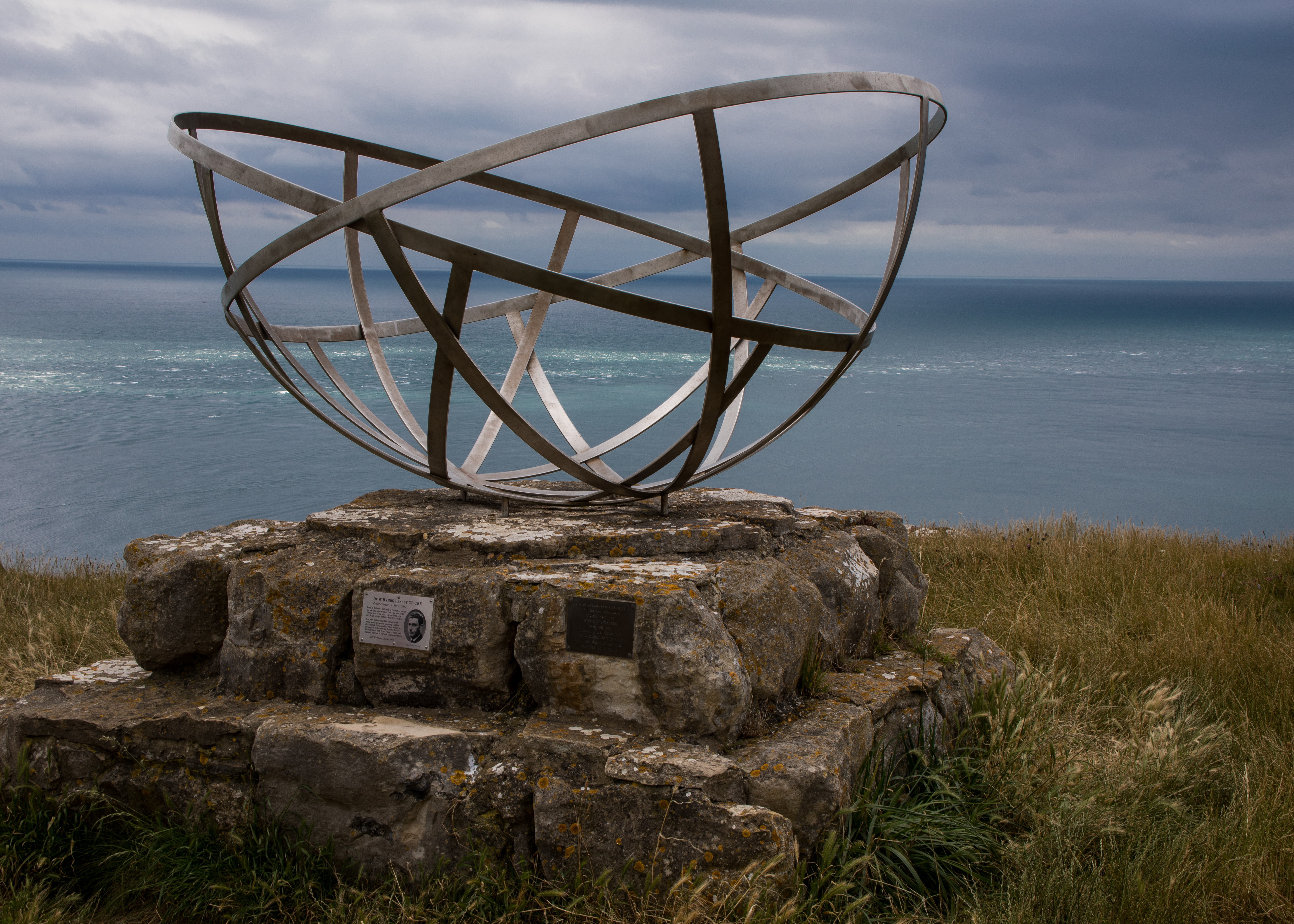
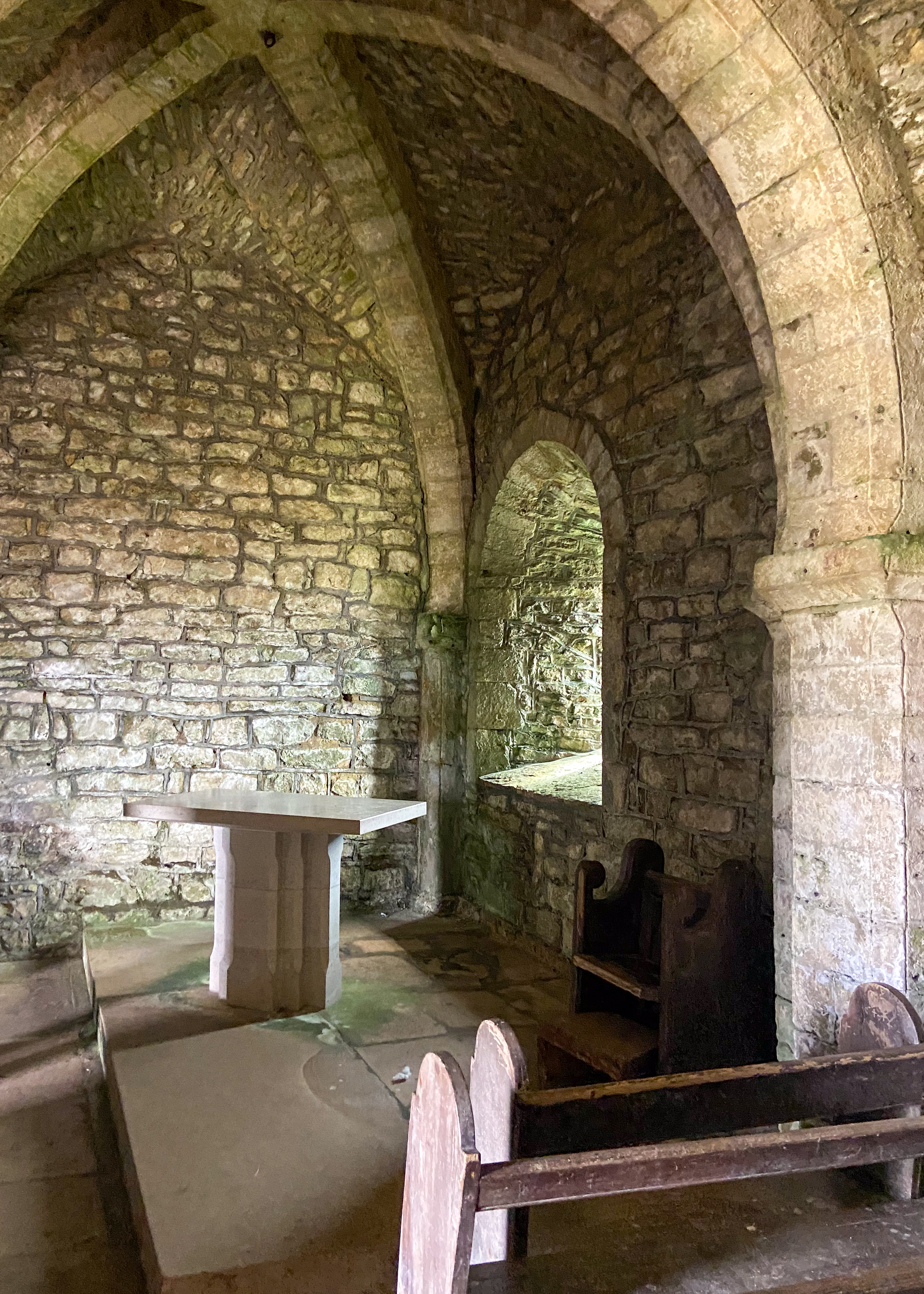
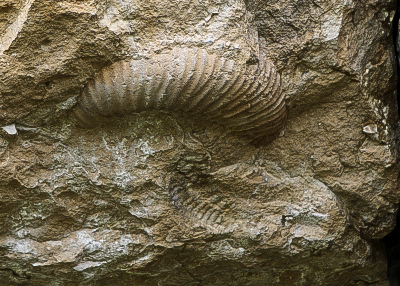
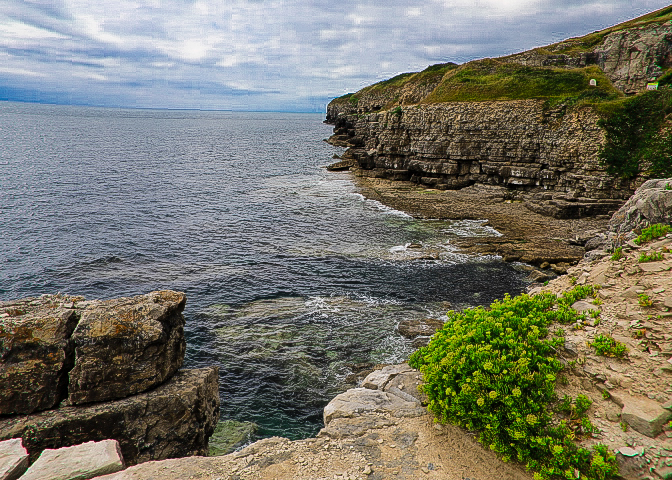
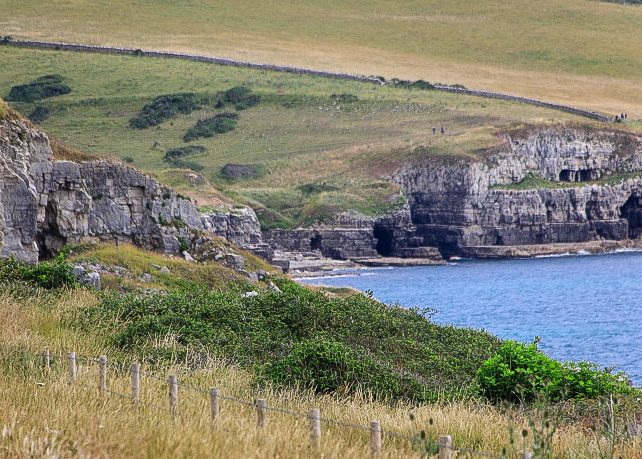
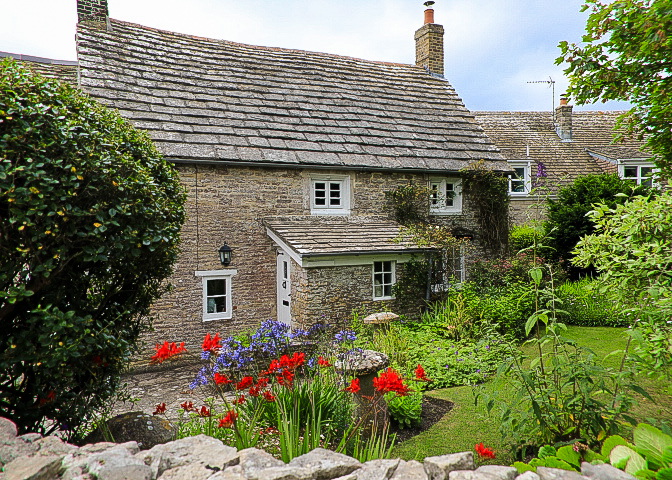
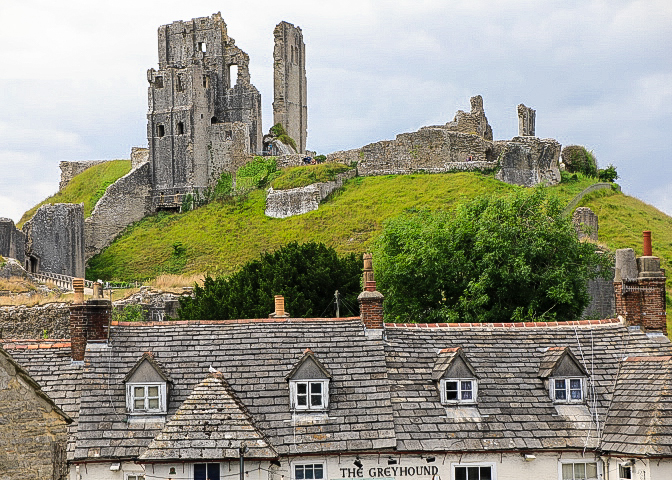
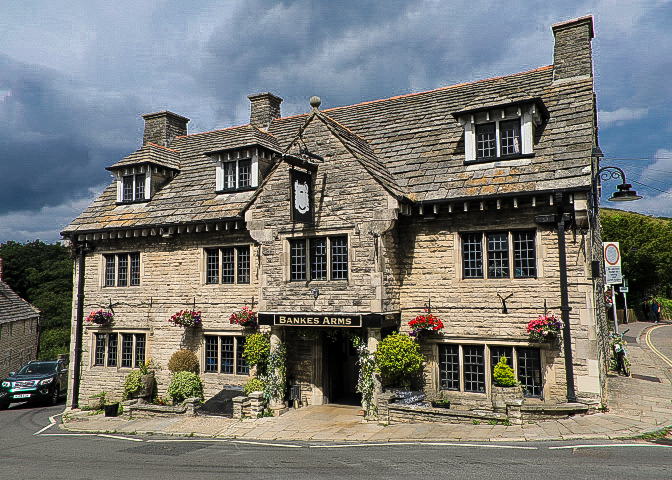
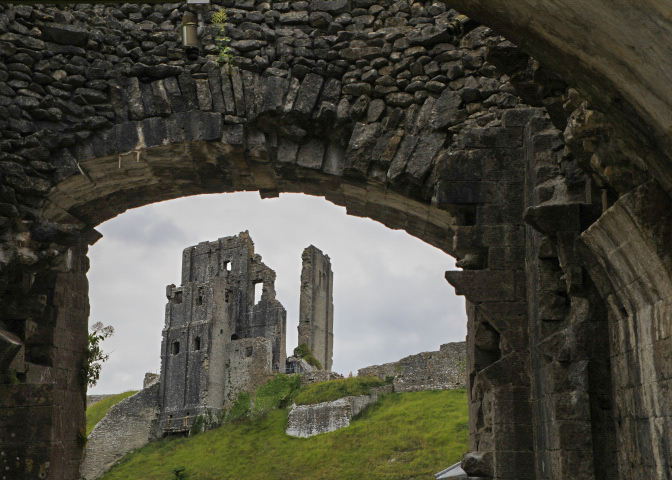
Started our day with a 6:30 am train from Waterlou Station to Christchurch in southwestern UK where we caught up with friends with whom we will be travelling with for the next two weeks. We headed to the Purbeck peninsula and the town of Worth Matravers for some coastal hiking to St. Aldhelms Head and it’s Chapel at peninsulas end (a six-mile round trip). Before heading back to our hotel, we stopped for a visit to see the ruins of Corfe Castle in the village of the same name.

St. Aldhelms Head hike

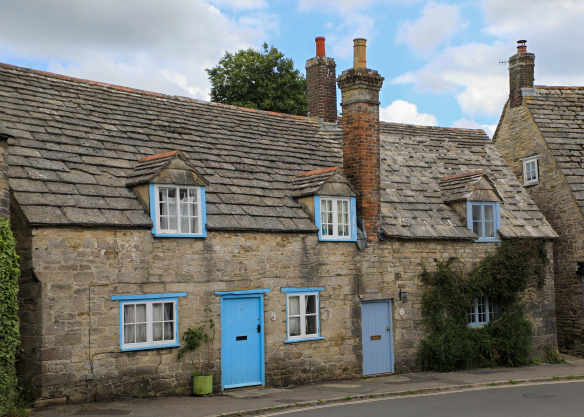
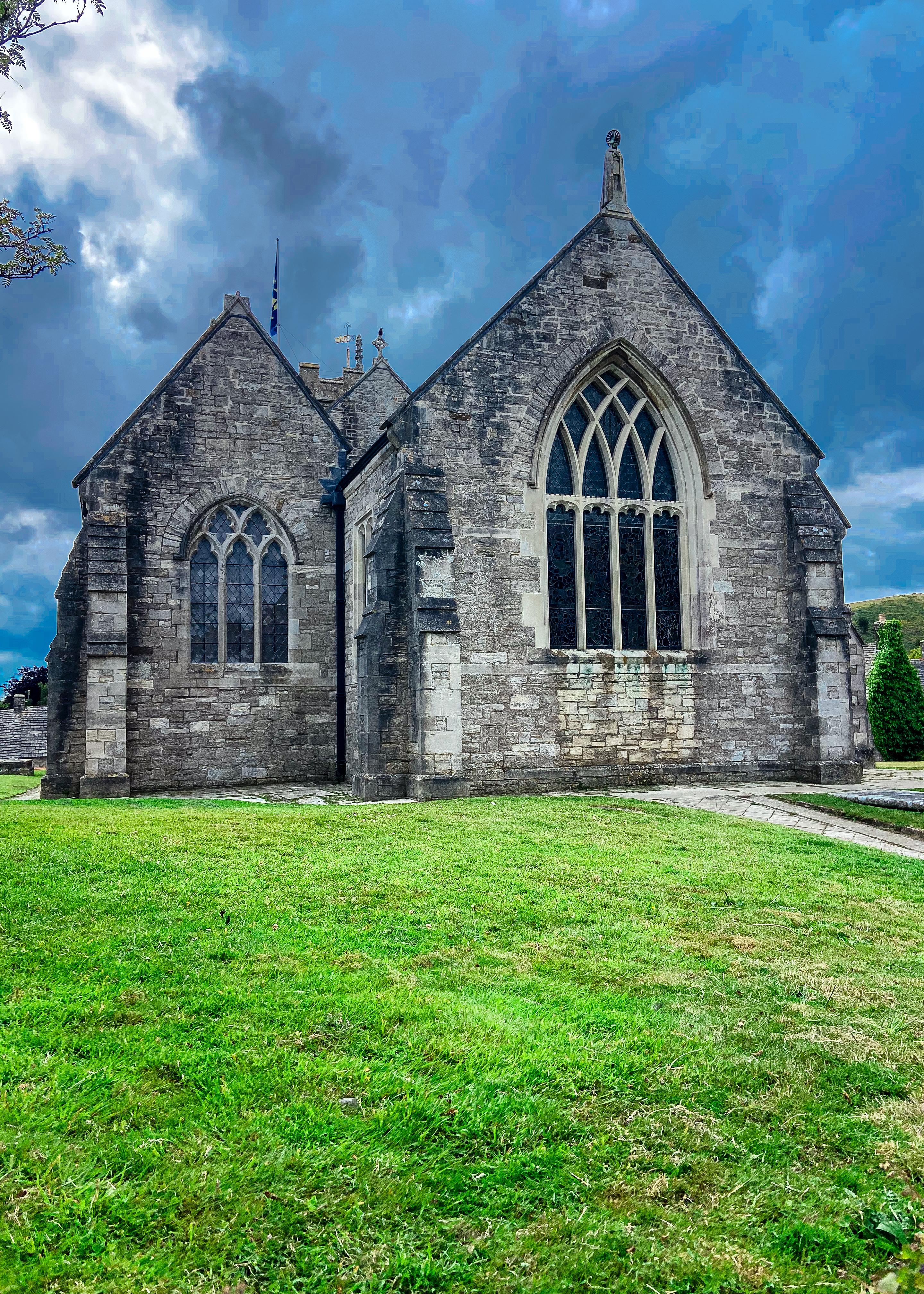
Corfe Castle and Town

Blog at WordPress.com.

Up ↑