Search

Travelling Photographer

Photos and commentary from my travels around the globe

Category

Florida

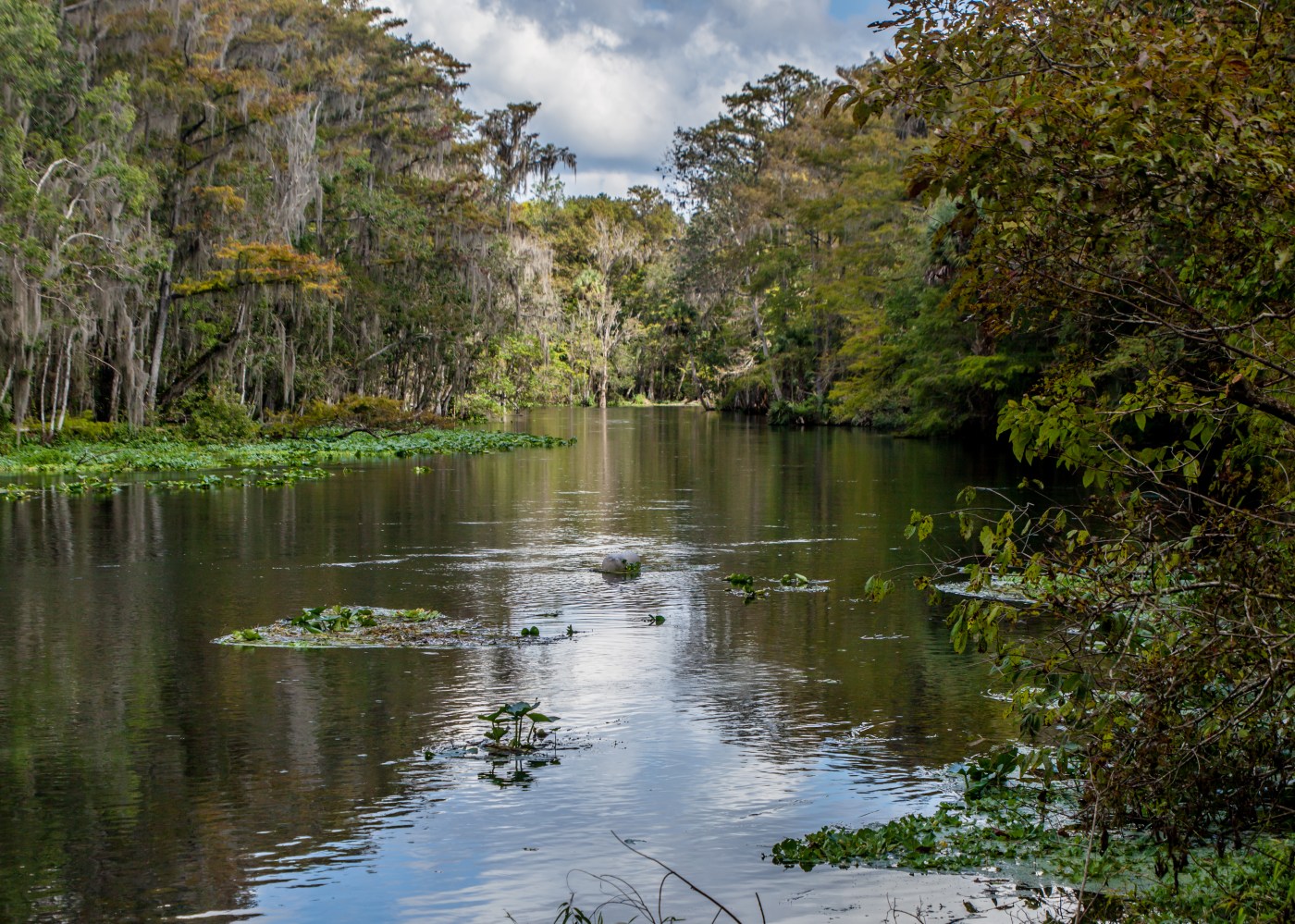
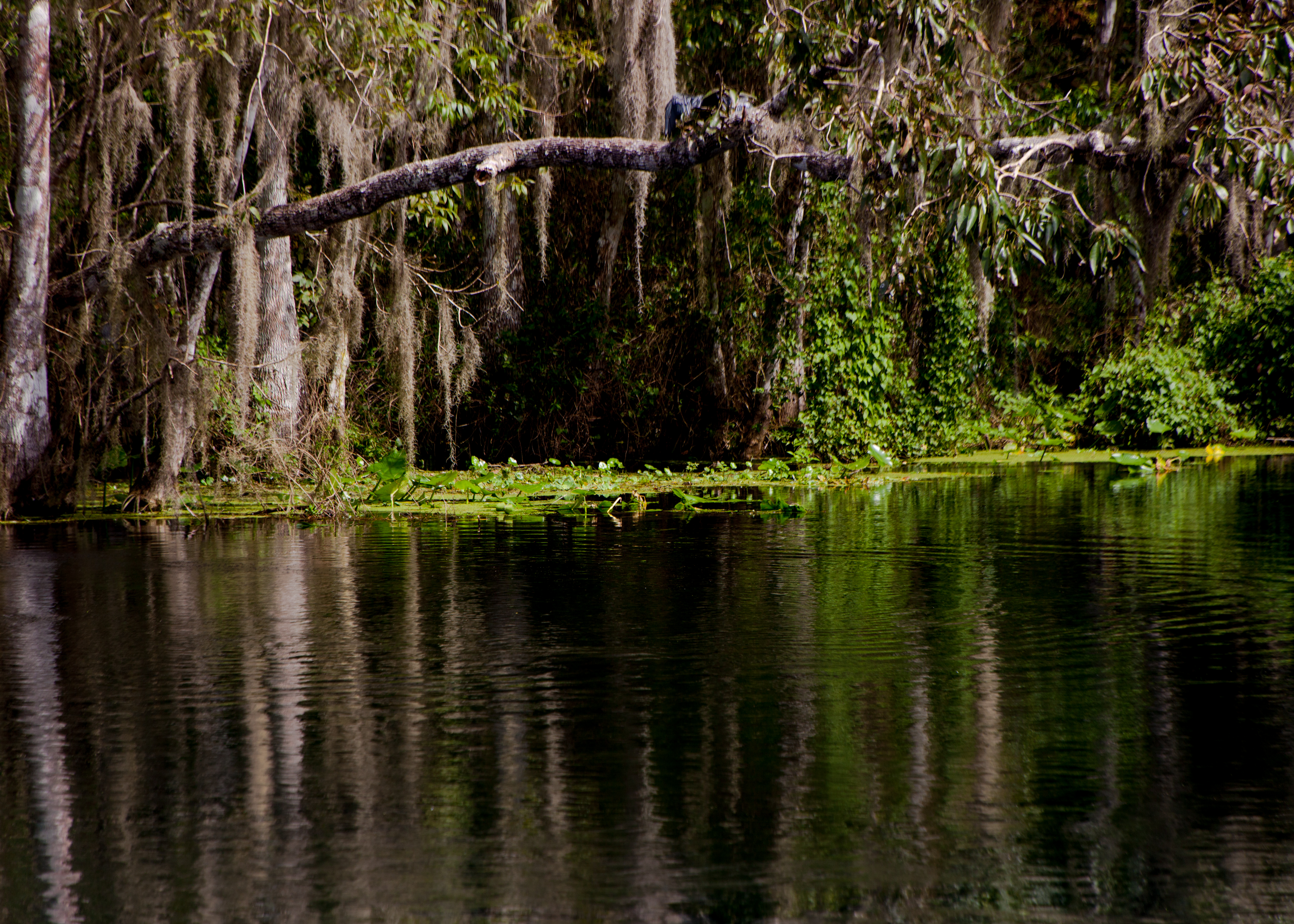
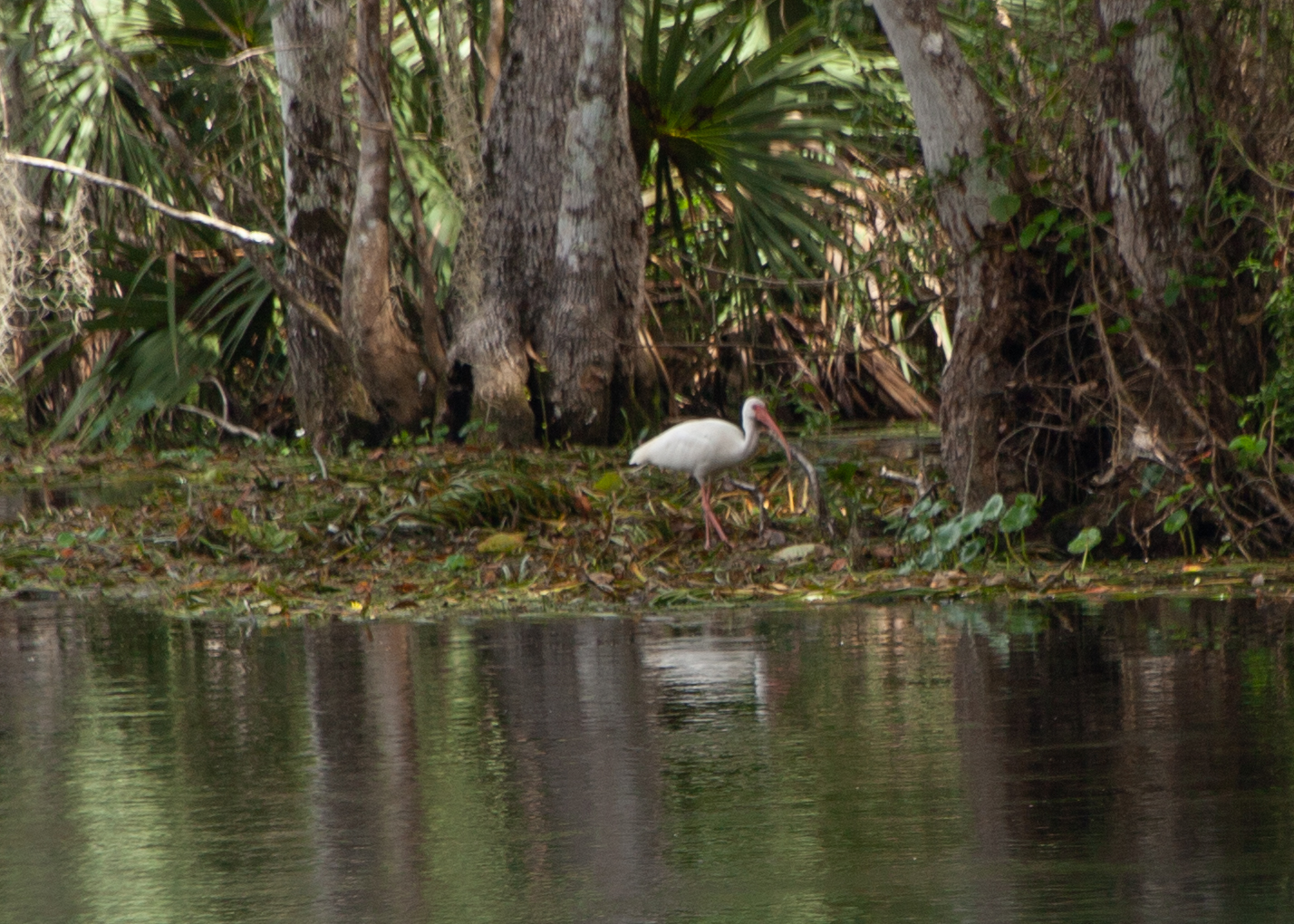
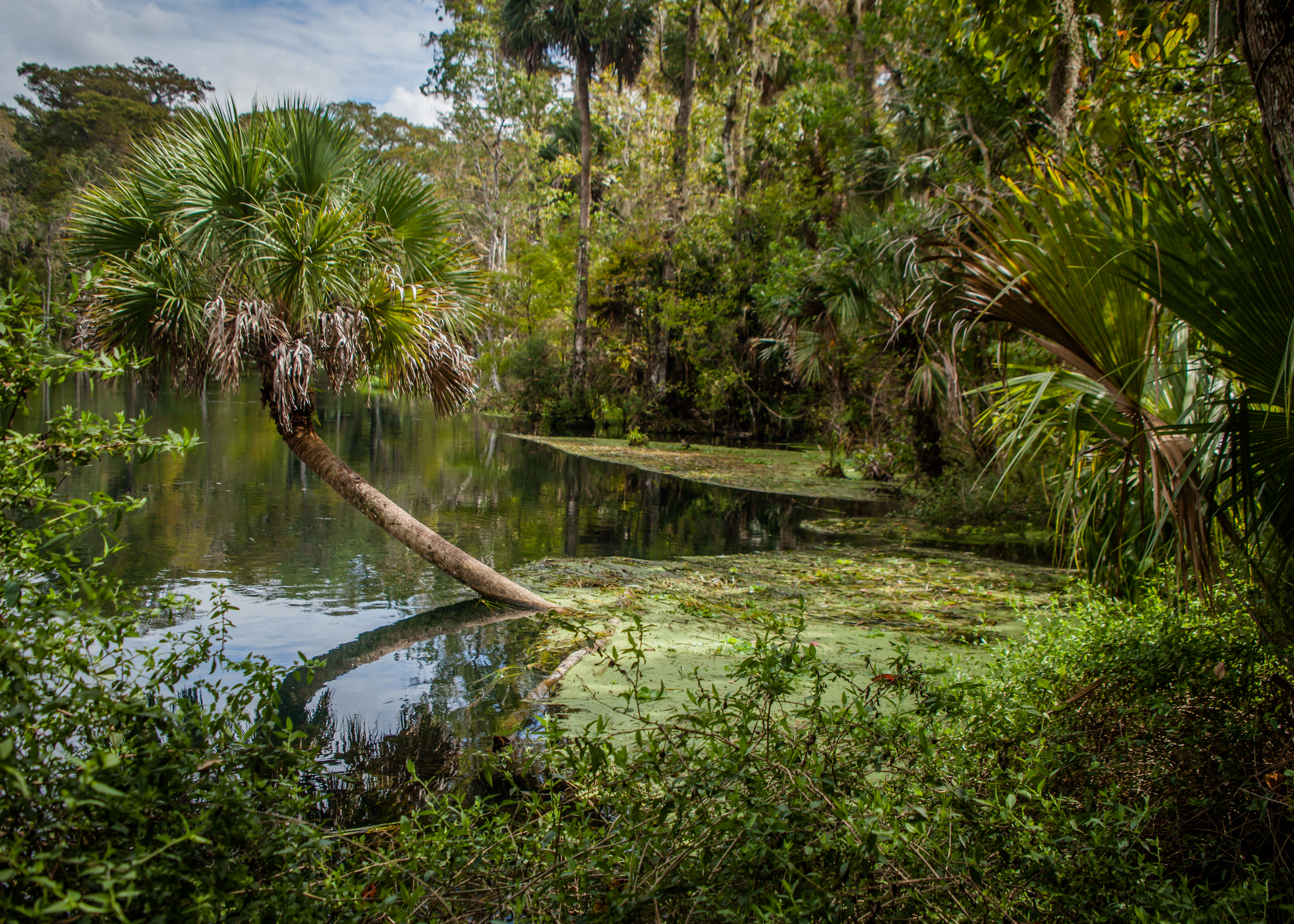
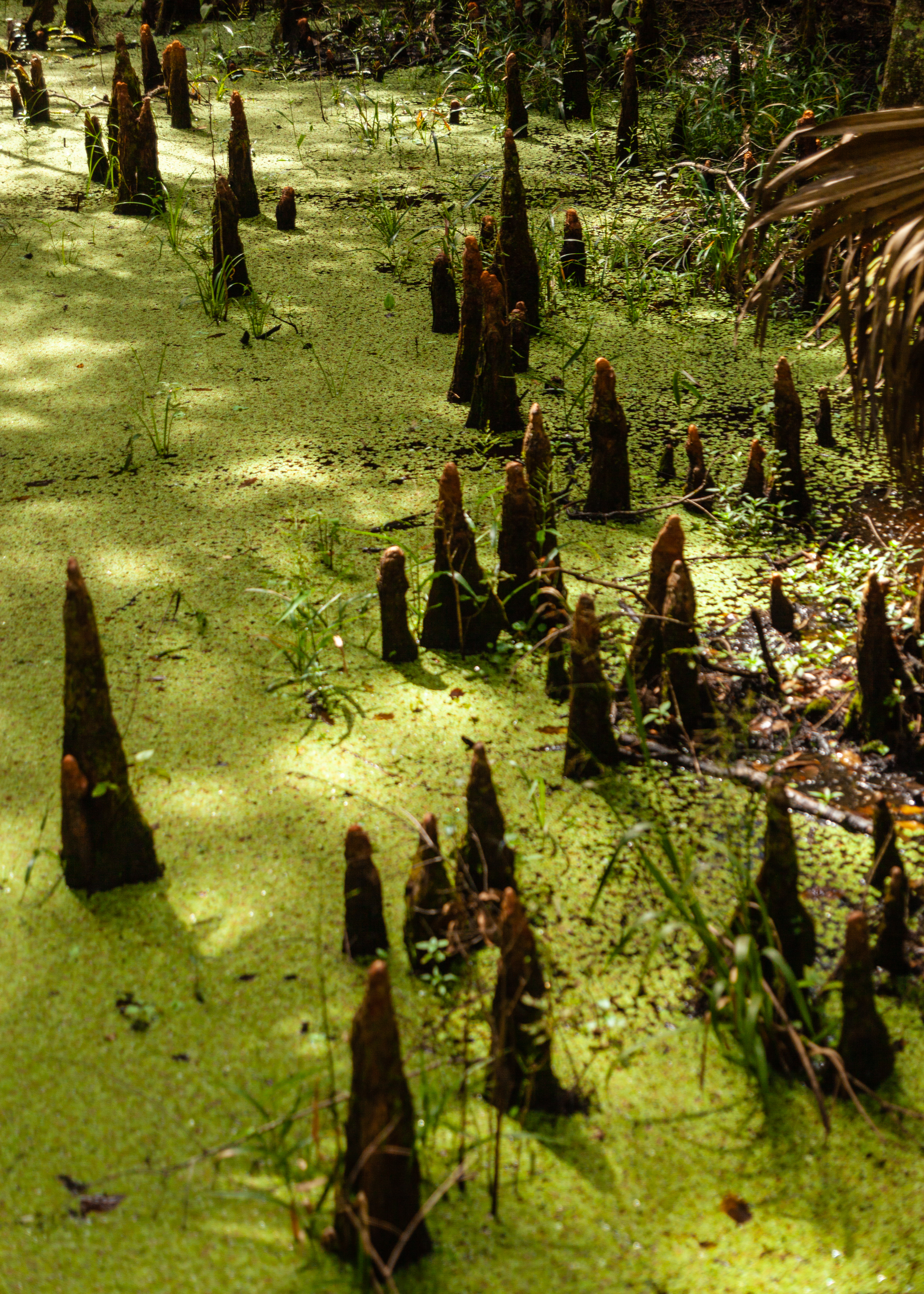
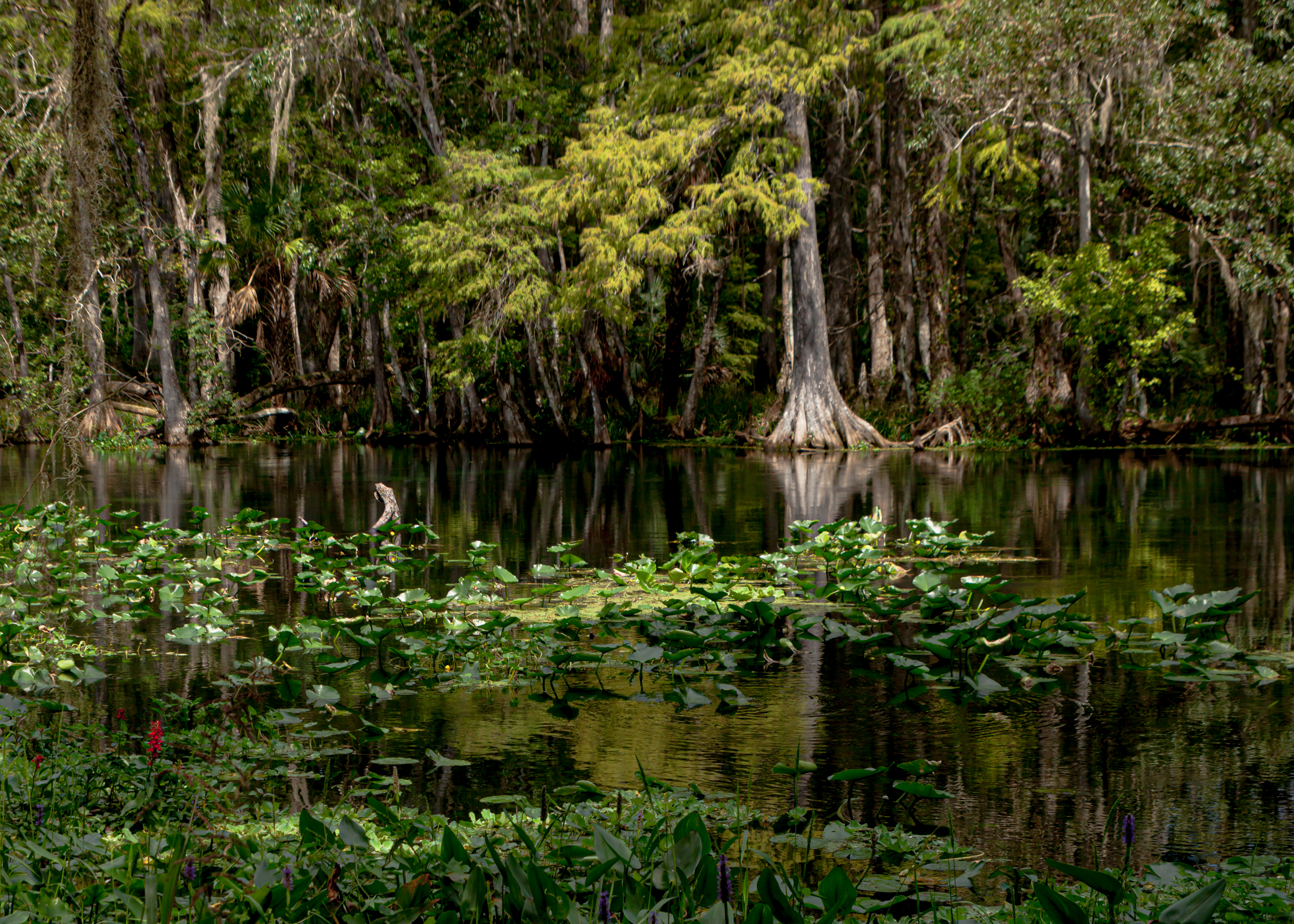
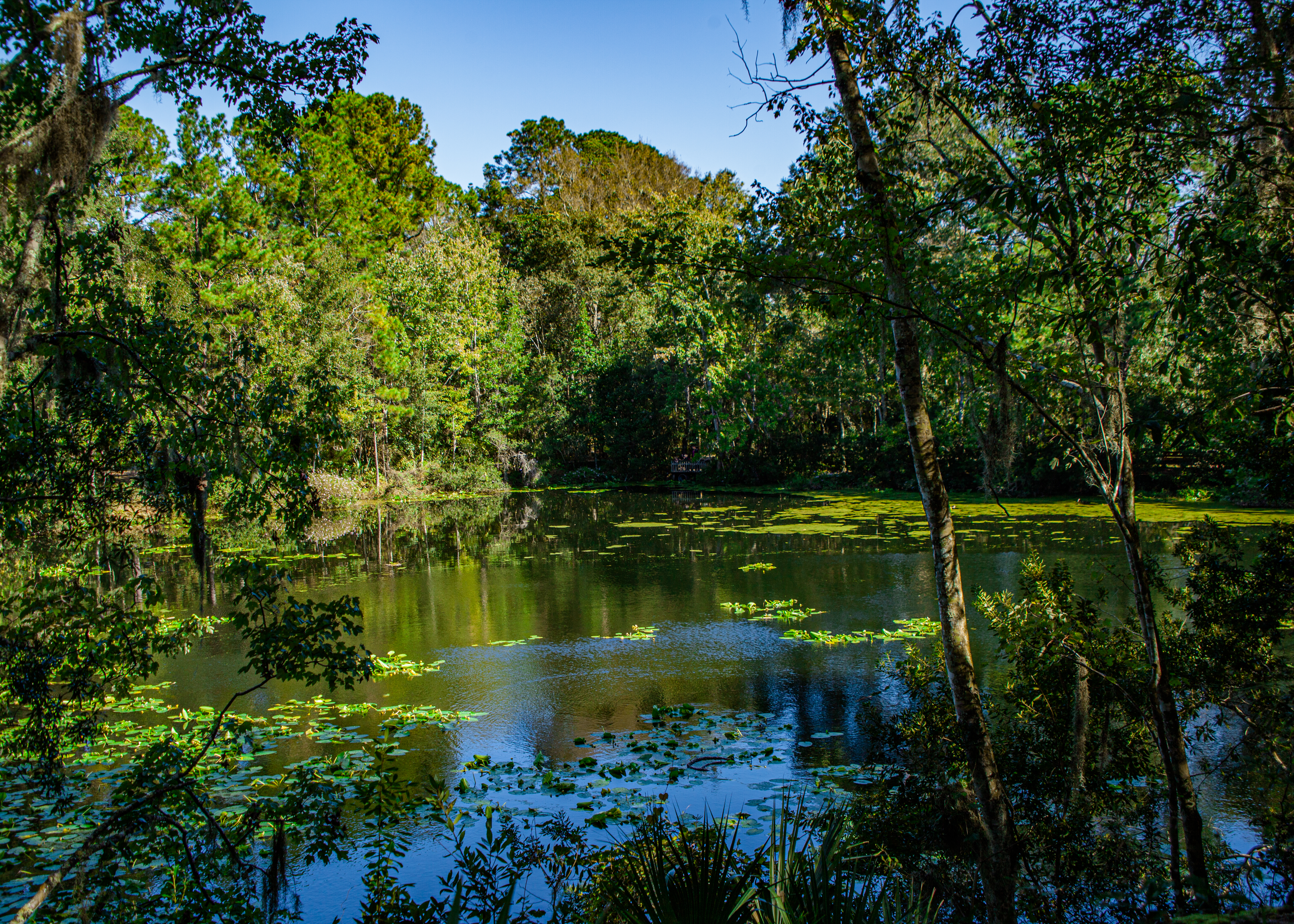
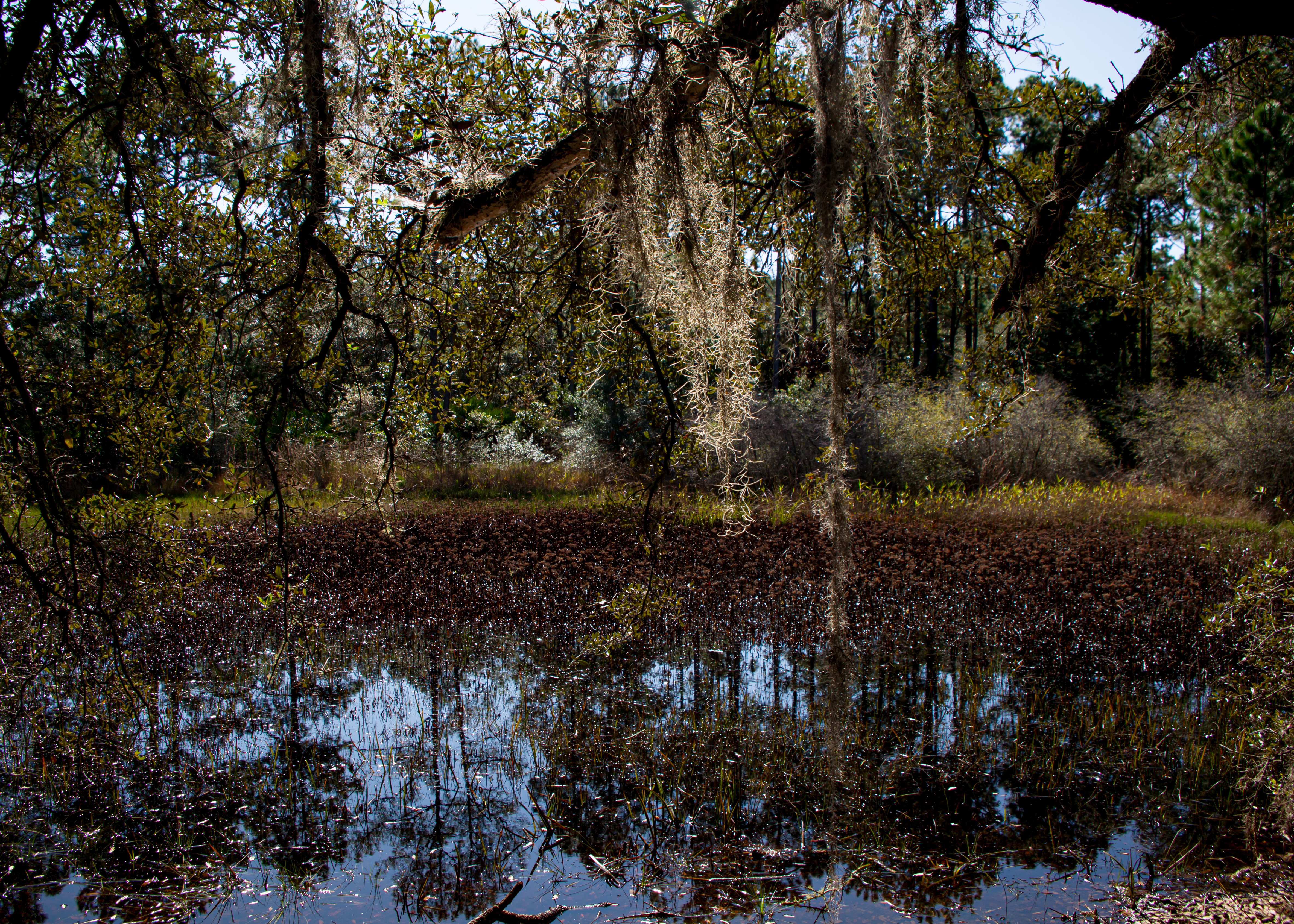
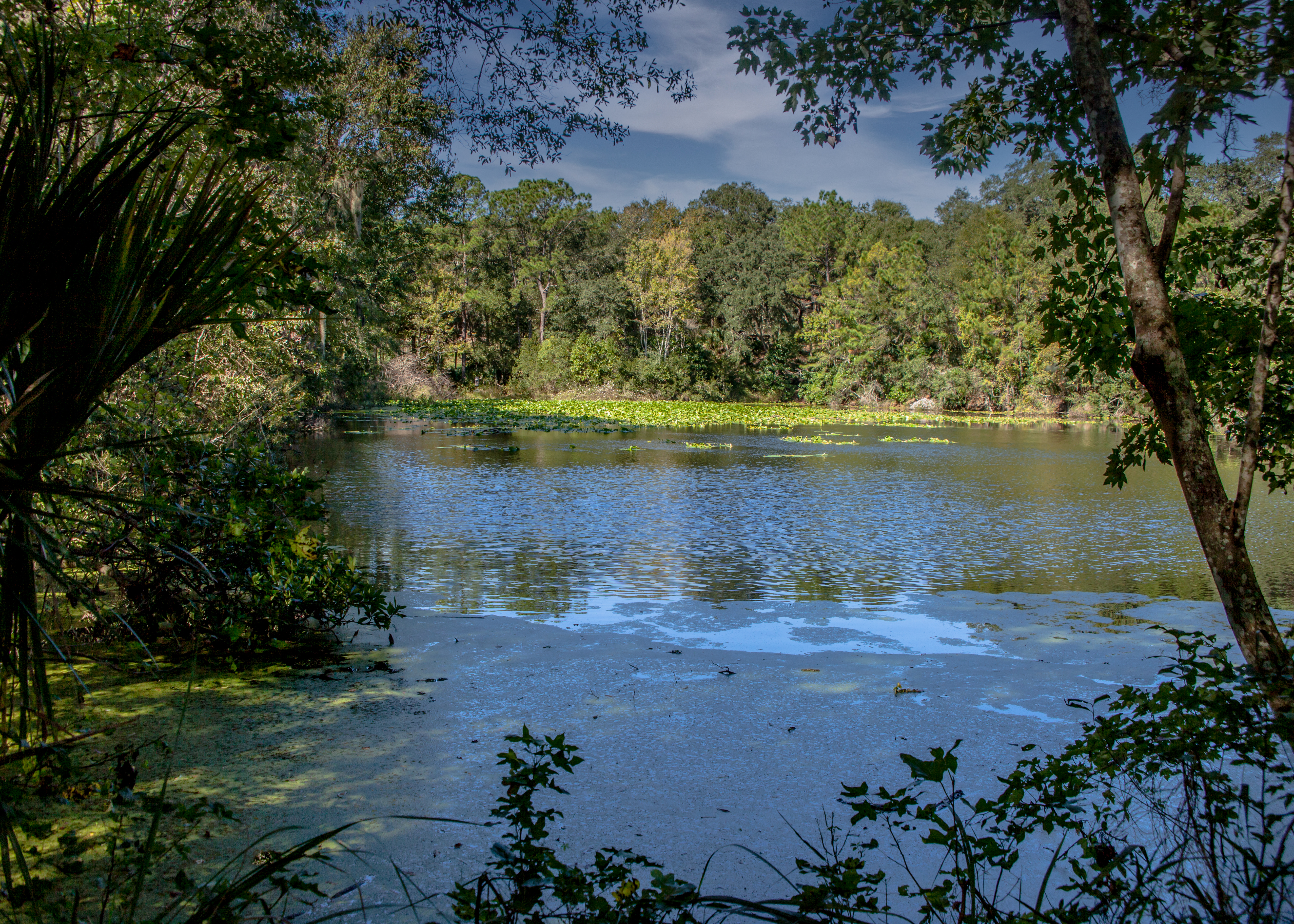
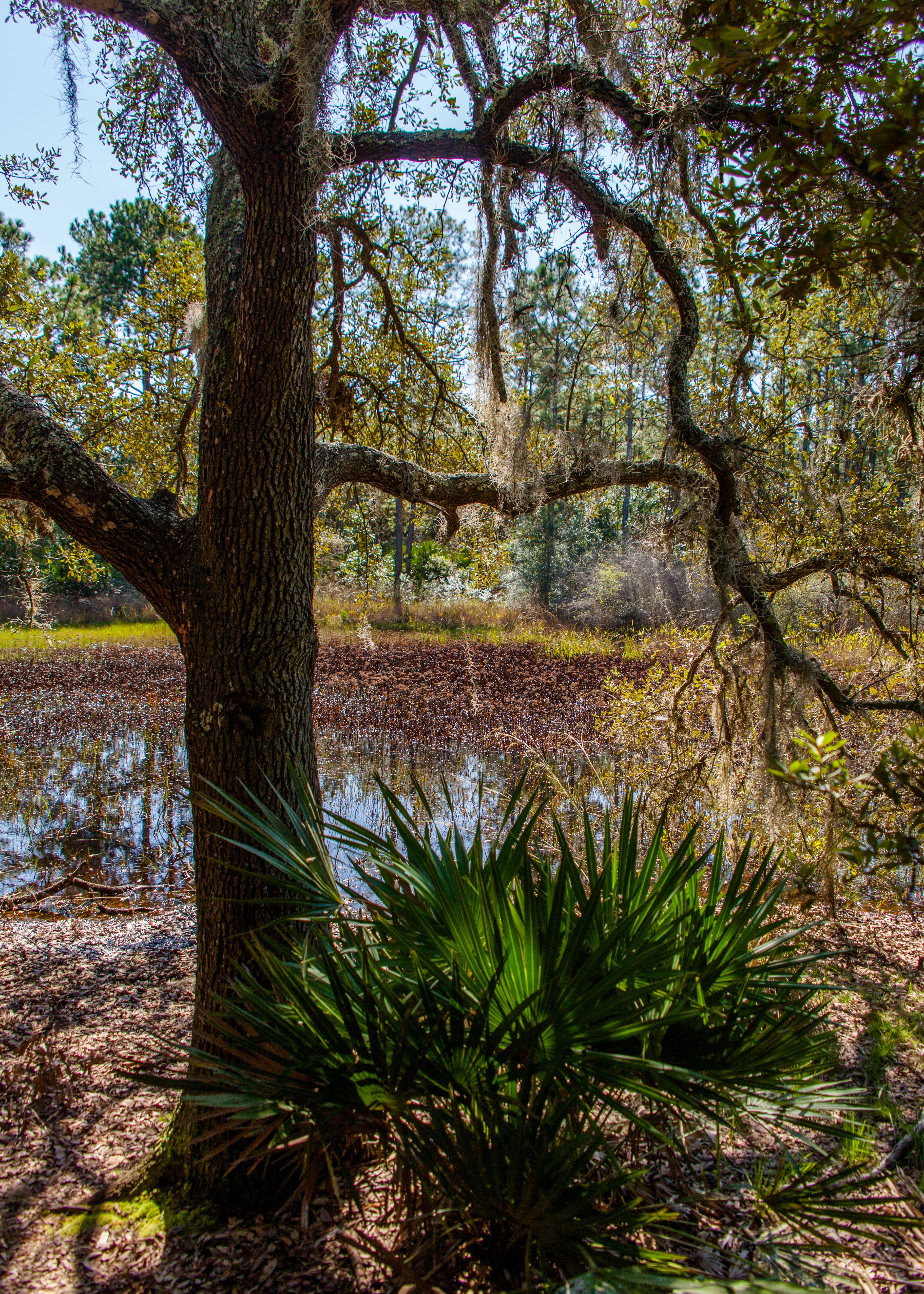
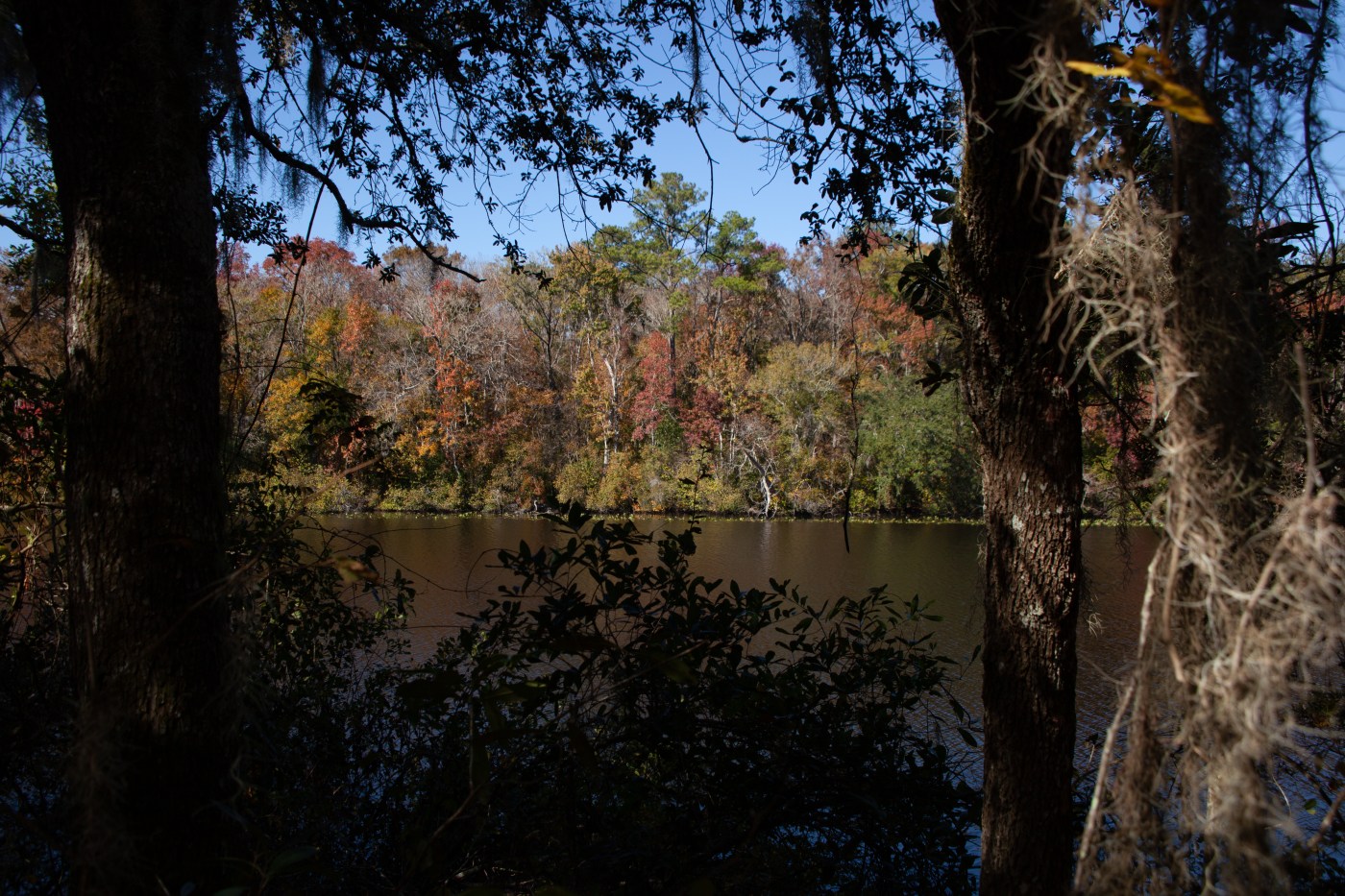
Silver Springs State Park – October 9th Road Trip

WORLD FAMOUS!

Glass Bottom Boats have wowed visitors to Silver Springs since the 1870s with views of underwater life and the many springs that feed the Silver River. In fact, the Glass Bottom Boat was invented here! You can take a tour aboard one of the historic Glass Bottom Boats and marvel at the beauty and sheer size of Mammoth Spring, the river’s head spring. You’ll explore many other beautiful feeder springs and see countless species of fish, ancient Native American and Spanish artifacts and even underwater movie props from the days when Hollywood productions flourished at the park! 

NOT THIS TIME

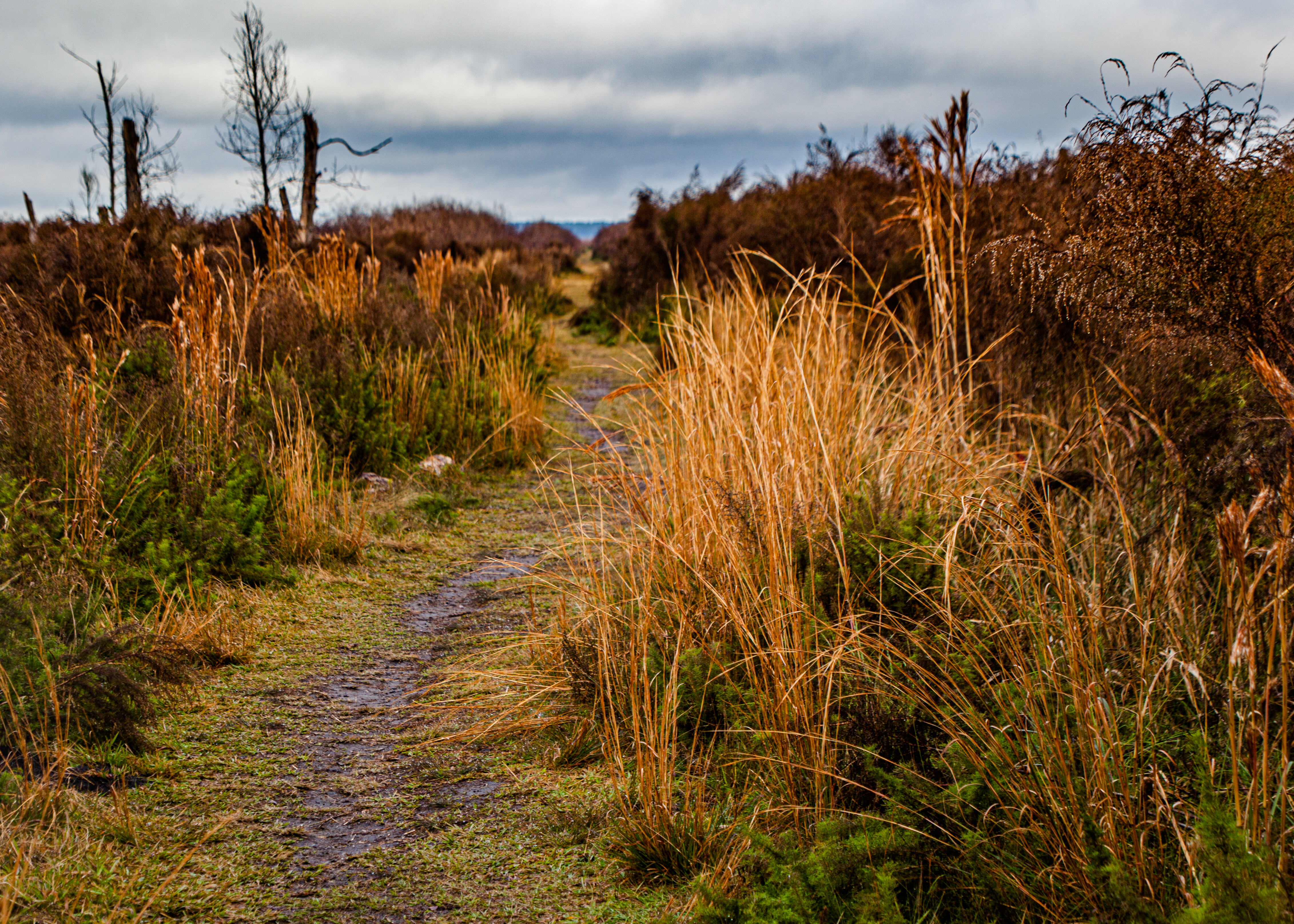
I came here to hike – first the Sandhill Trail, a 1.7 mile loop trail, which explores a portion of the park’s longleaf pine uplands.

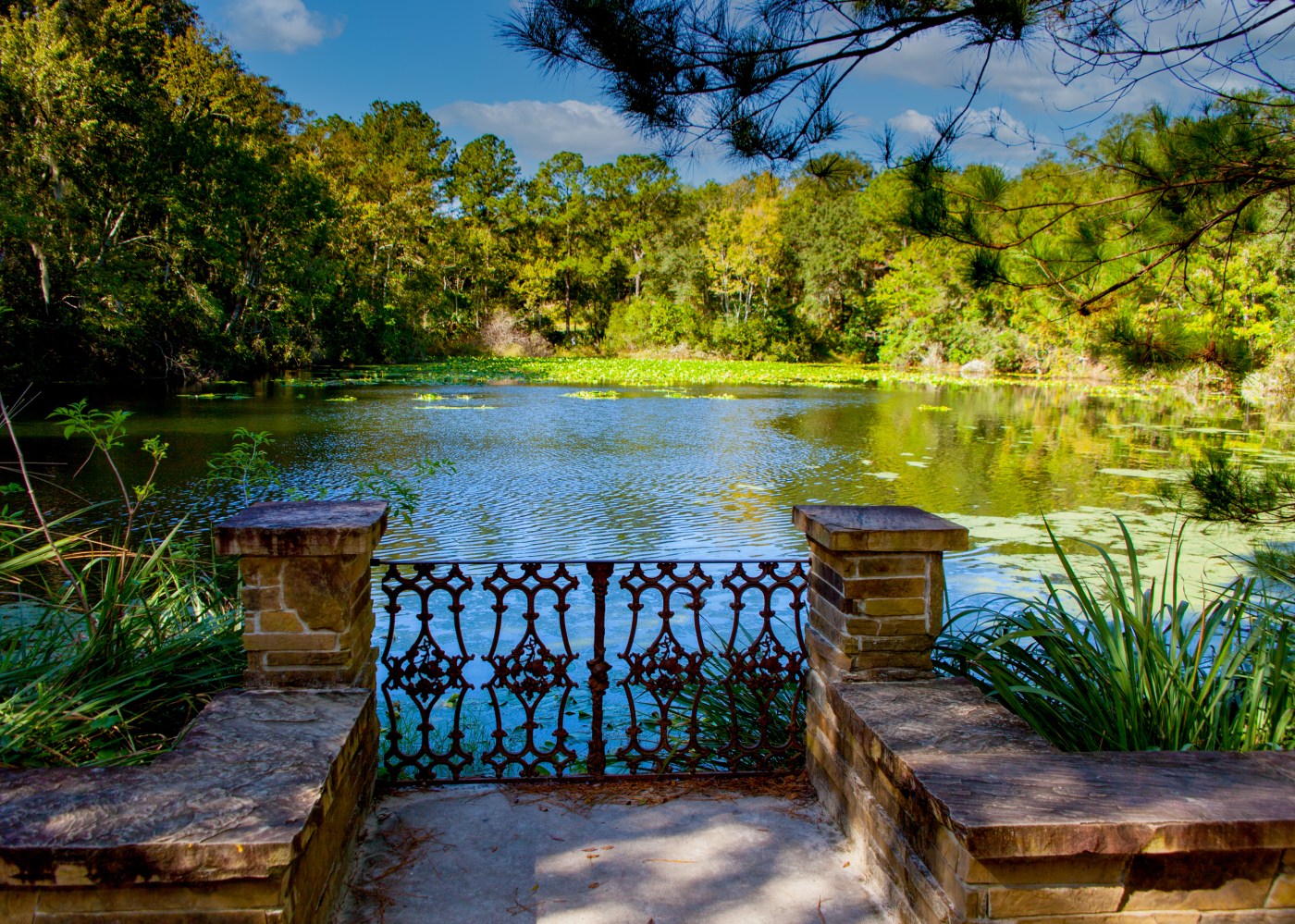
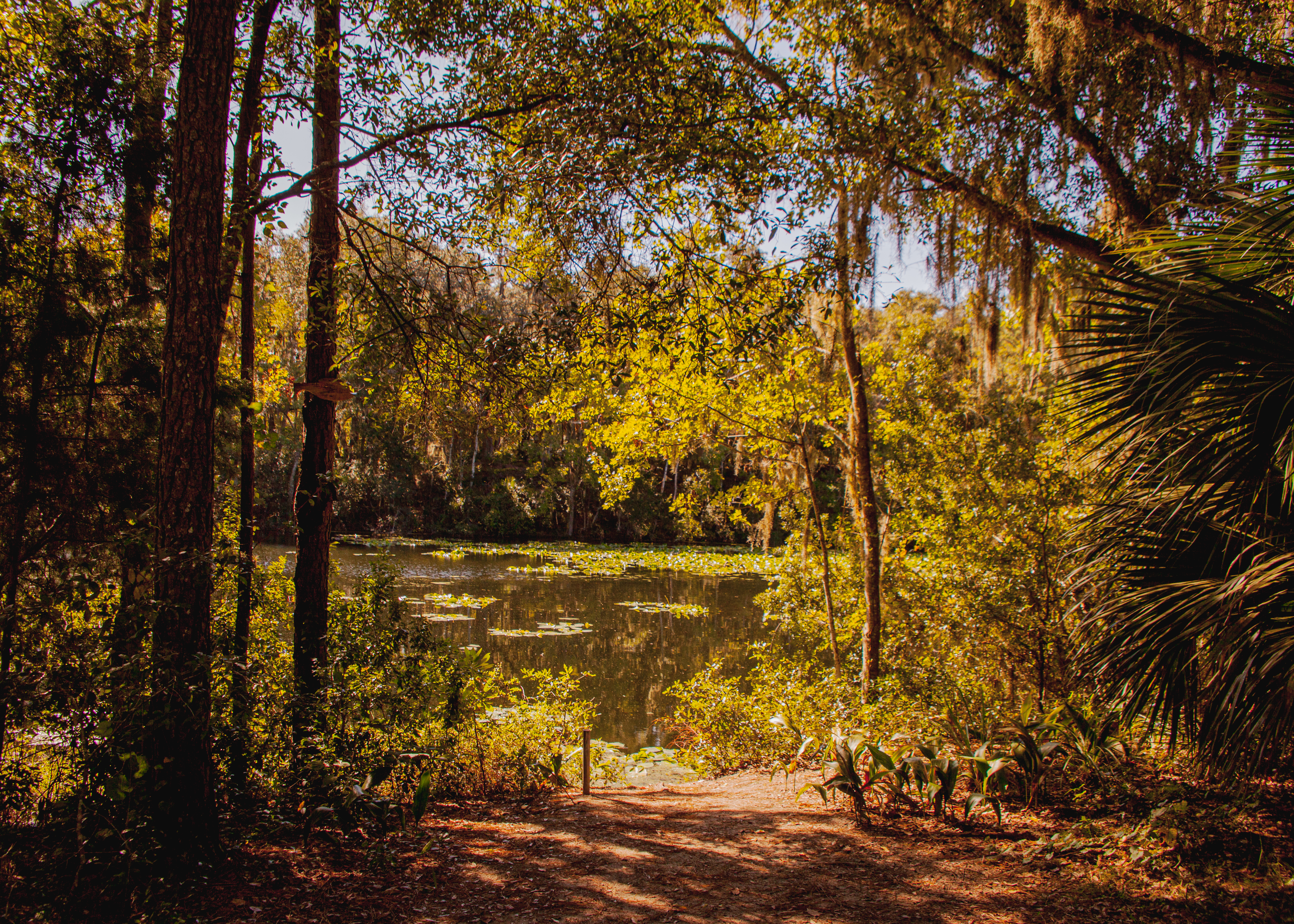
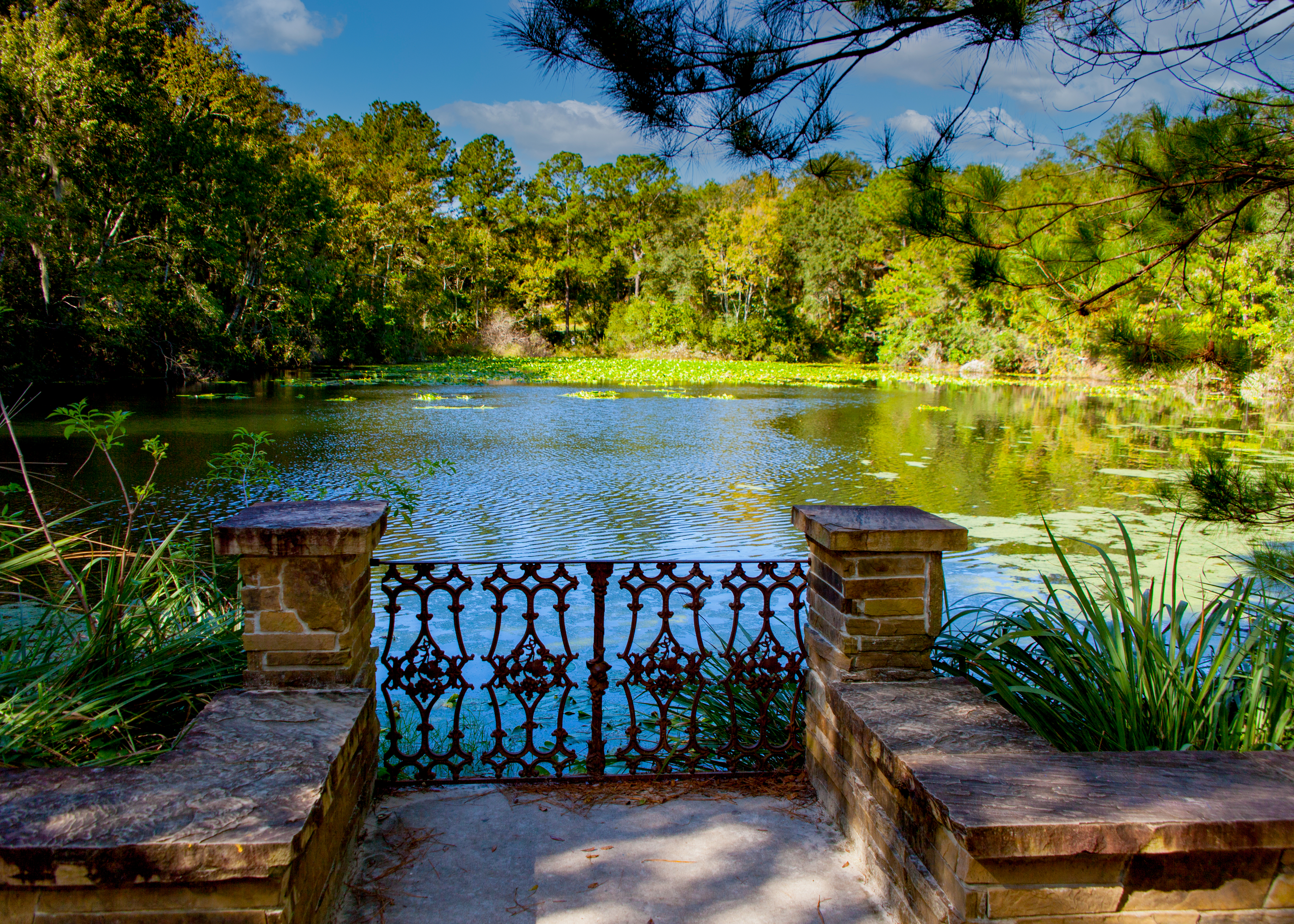
Then the Swamp Trail (1.9 mile loop) & River Trail (1.3 mile loop, ). Both feature scenic overlooks of the Silver River.

Mala Compra Hiking Trail – September 14, 2020

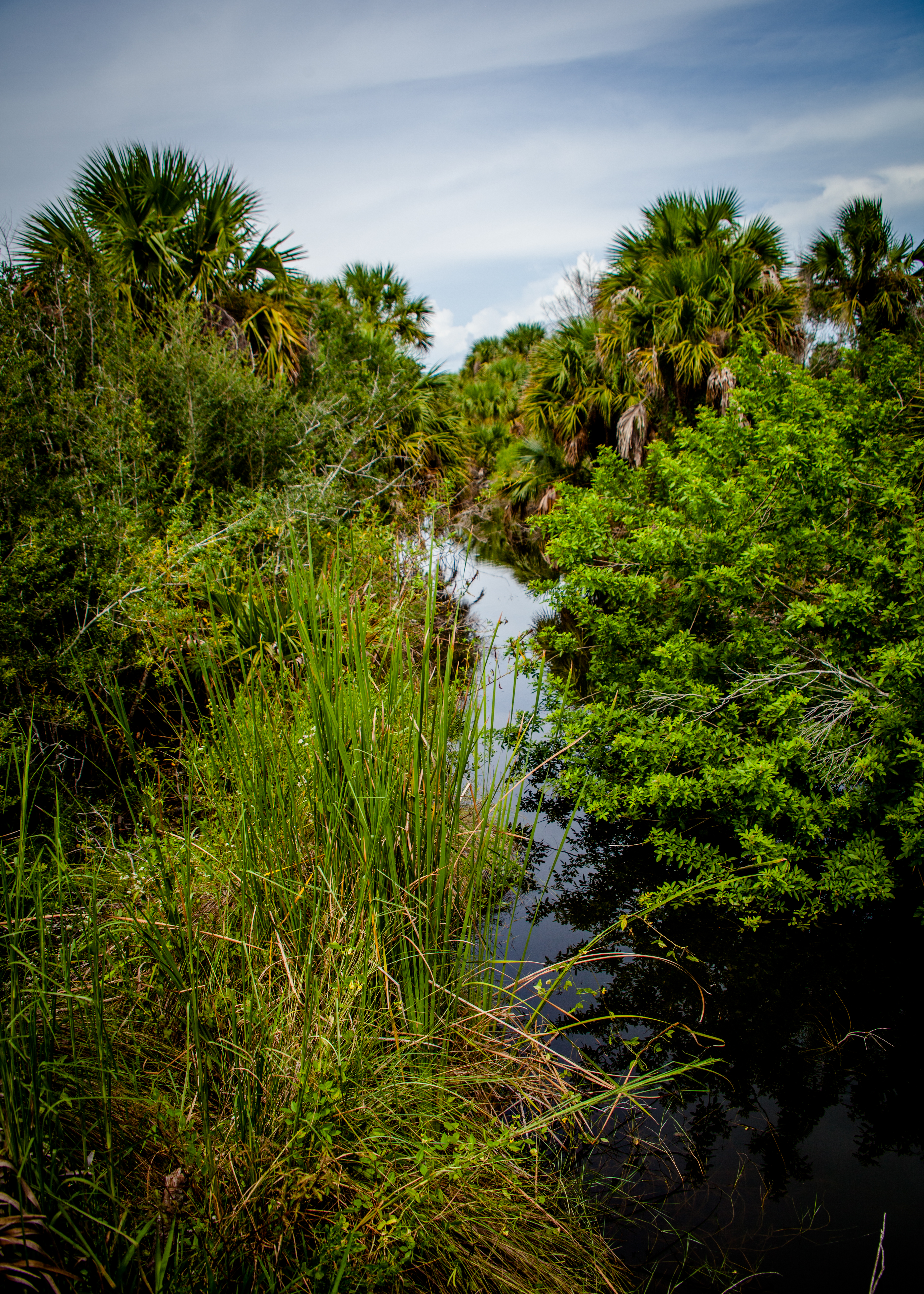
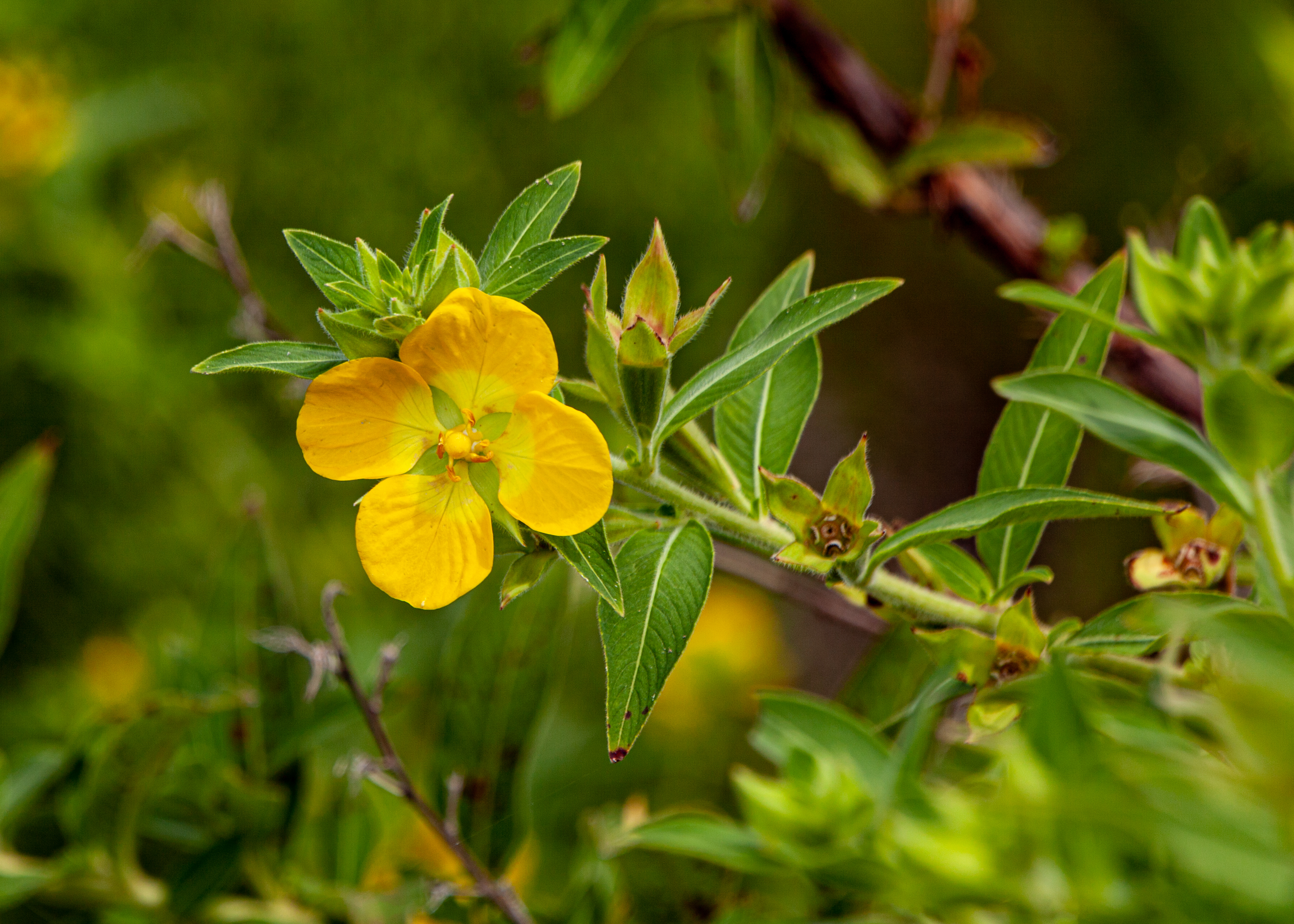
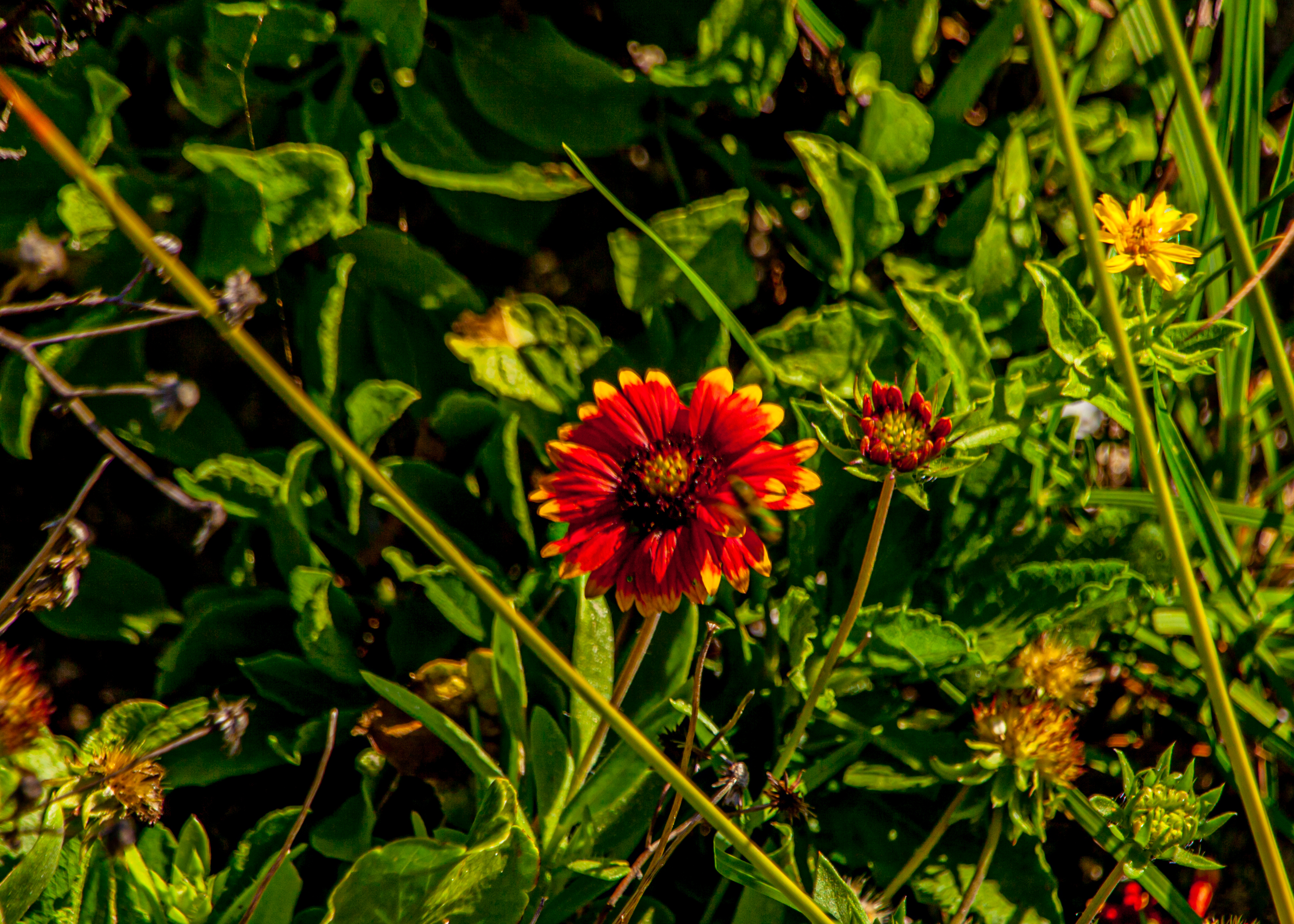
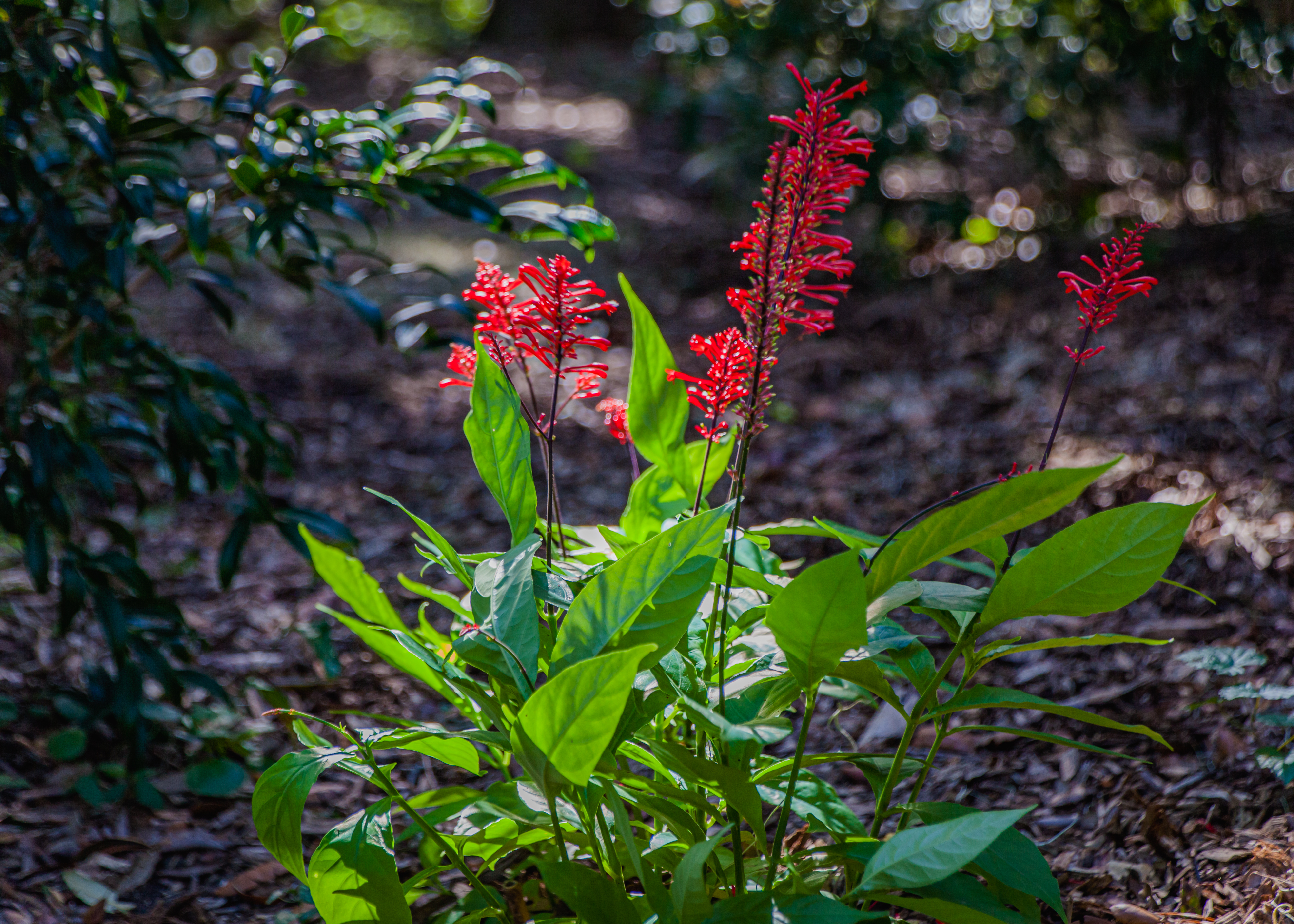
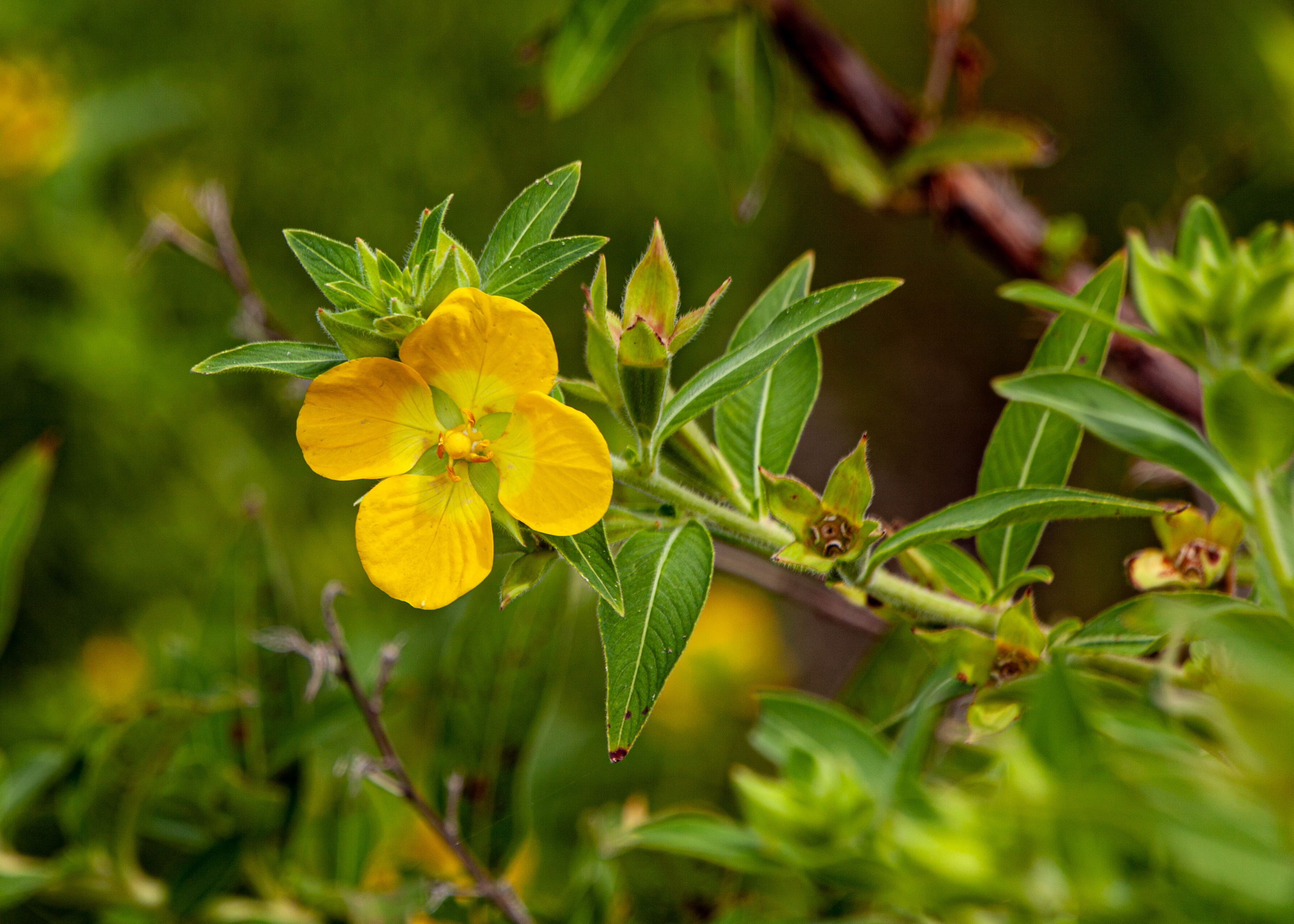
Mala Compra Hiking Trail is a 2.8 mile moderately trafficked out and back trail located near Palm Coast, Florida that features beautiful wild flowers, ponds and ocean views and is part of a historic plantation.

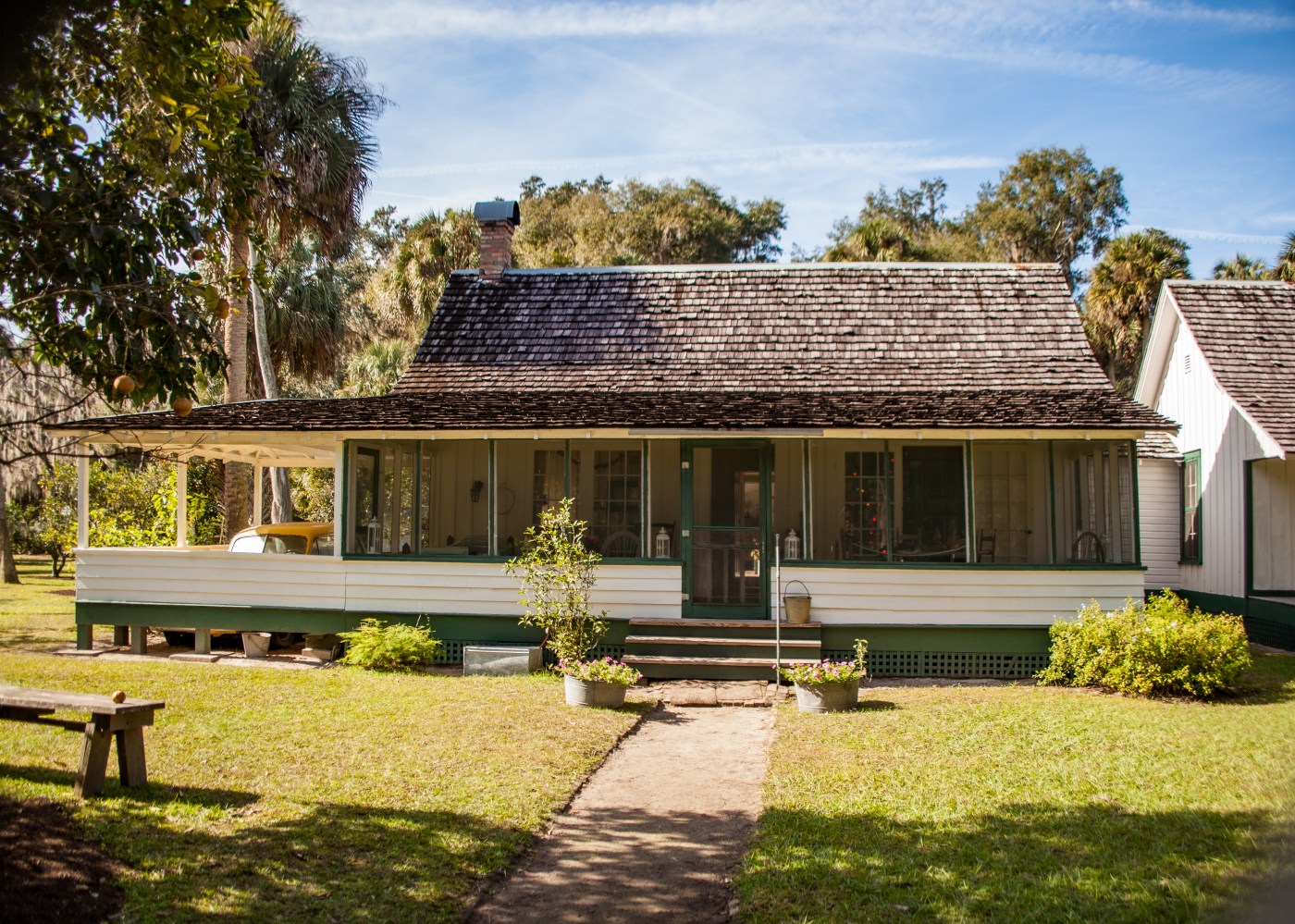
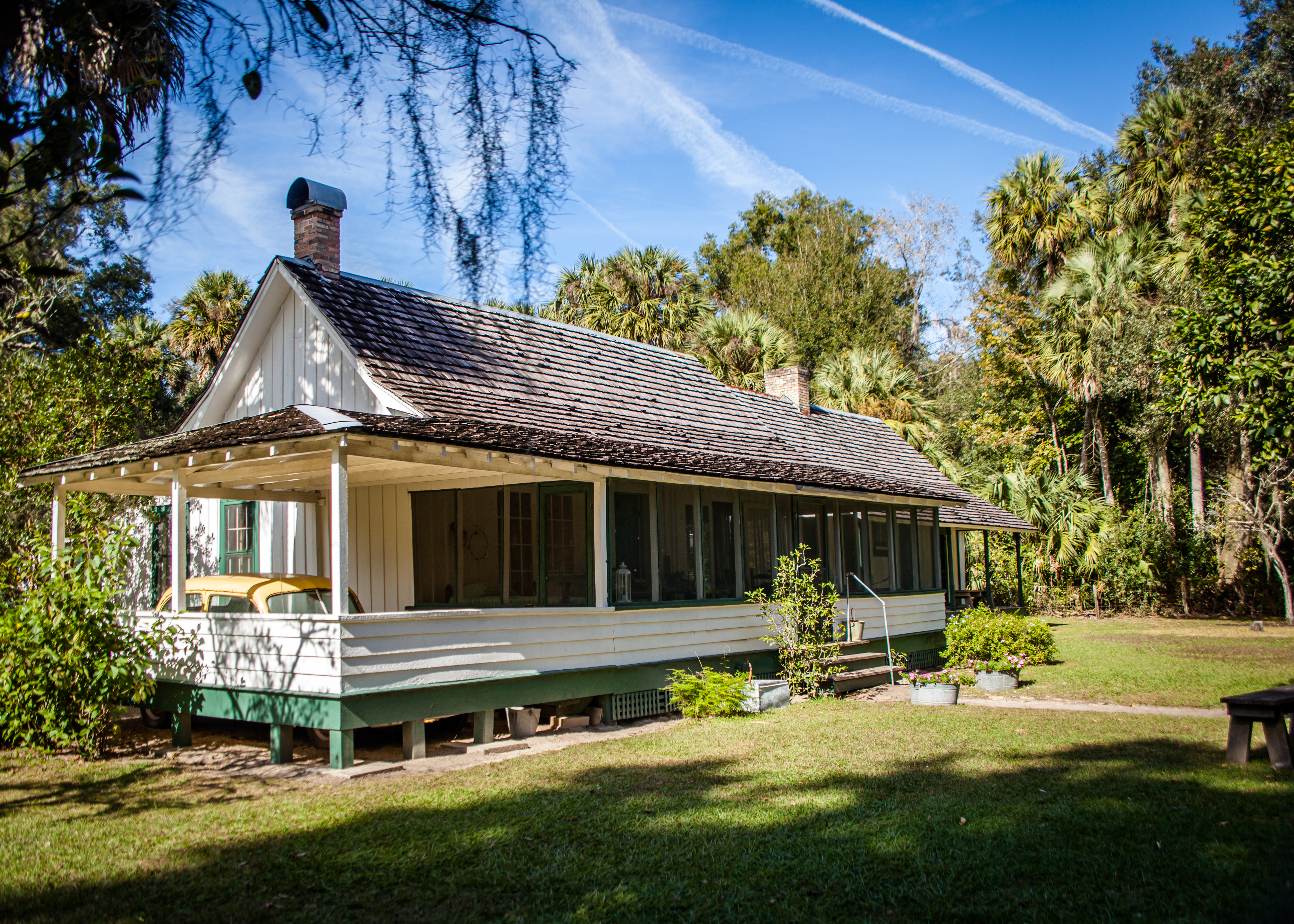
Mala Compra Plantation History – (next trip I’ll get to see the plantation)

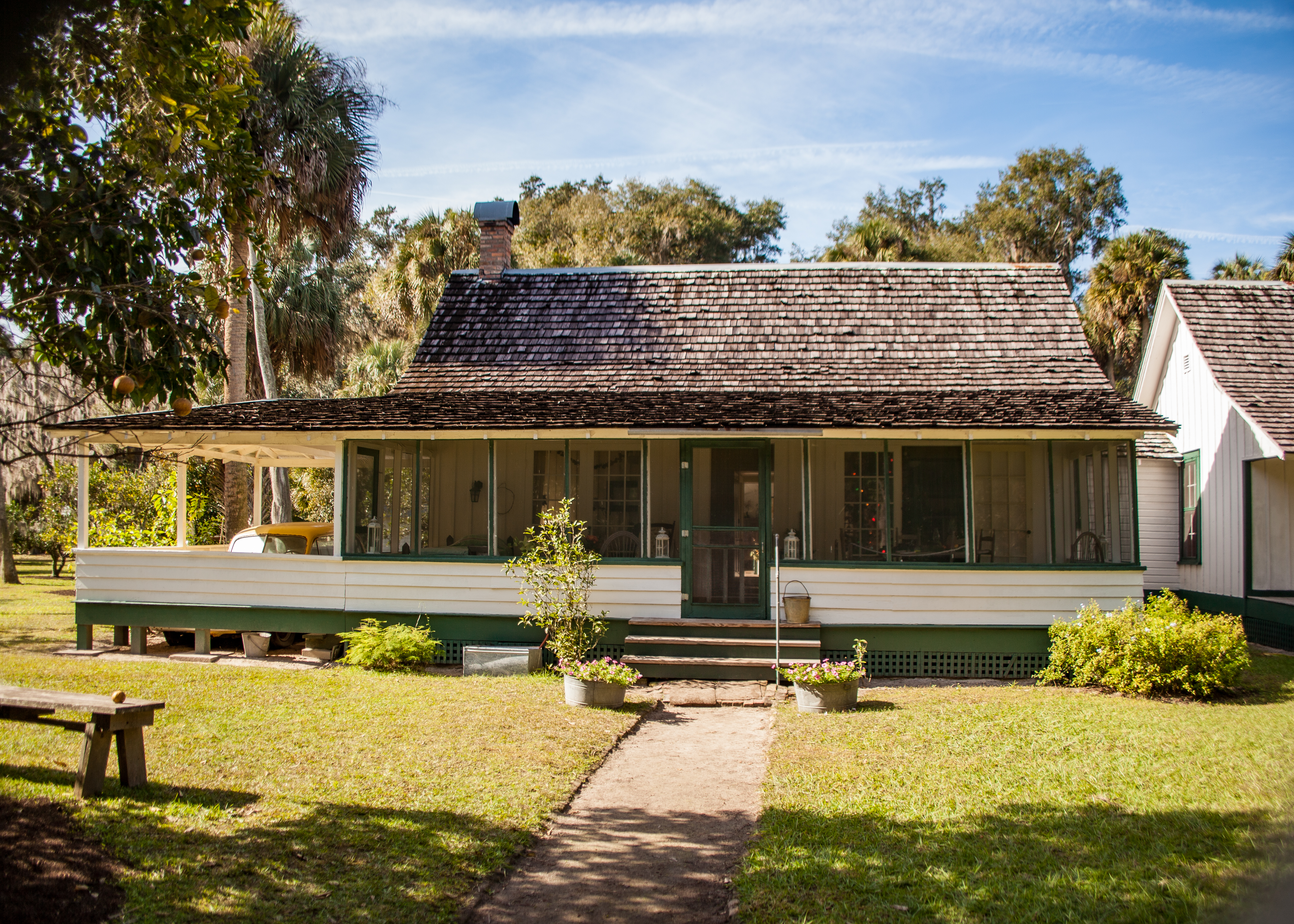
In the early 19th century, the plantation was home to Joseph Hernandez, who served as everything from a brigadier general in the U.S. Army to a committee member who helped select Tallahassee as the state capital. The site is part of Bing’s Landing, an eight-acre county park. Today, visitors can walk on an elevated boardwalk around the perimeter of the plantation remains and read interpretive displays that explain the site’s historical and cultural value.

Smyrna Dunes Park – November 23rd Road Trip

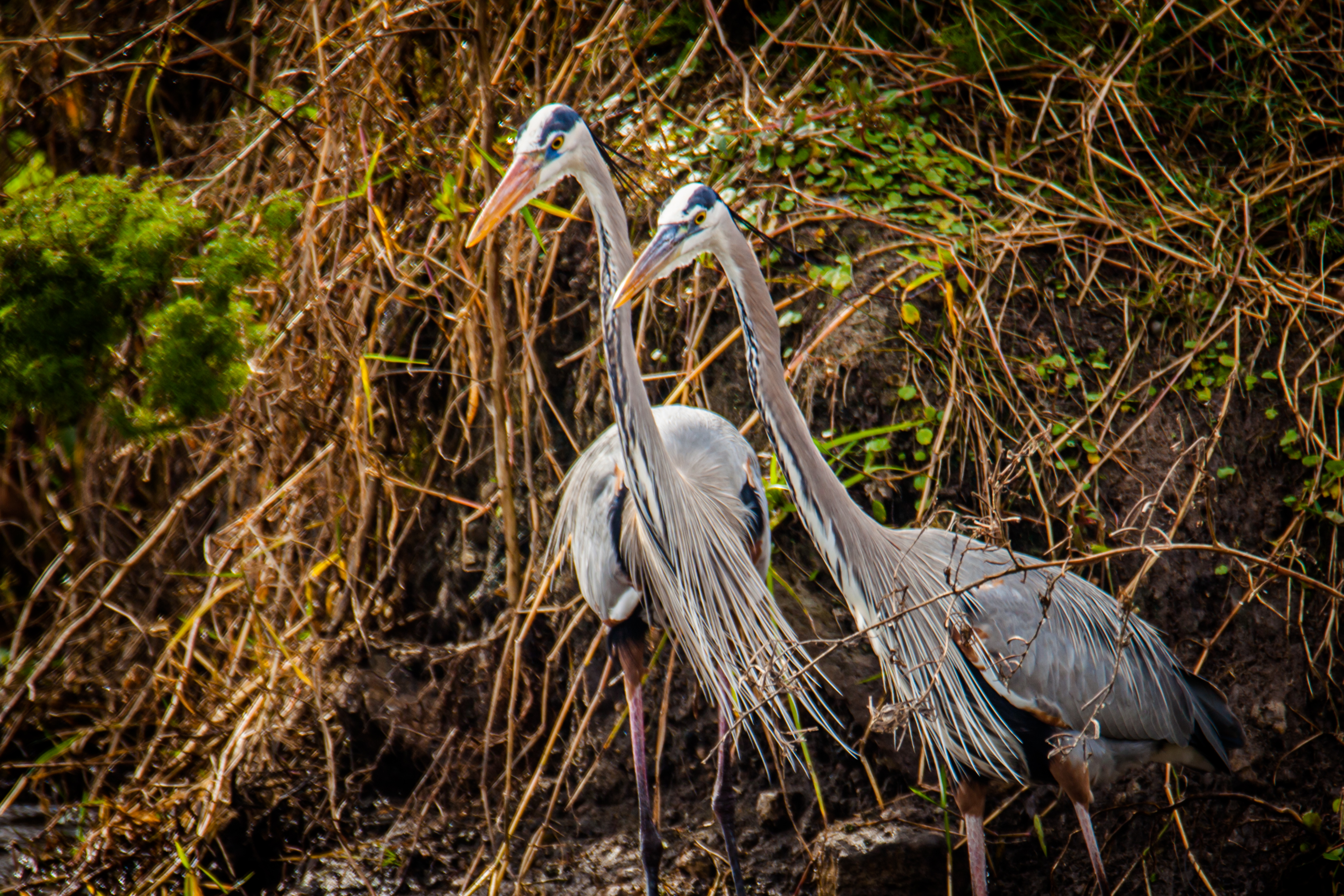
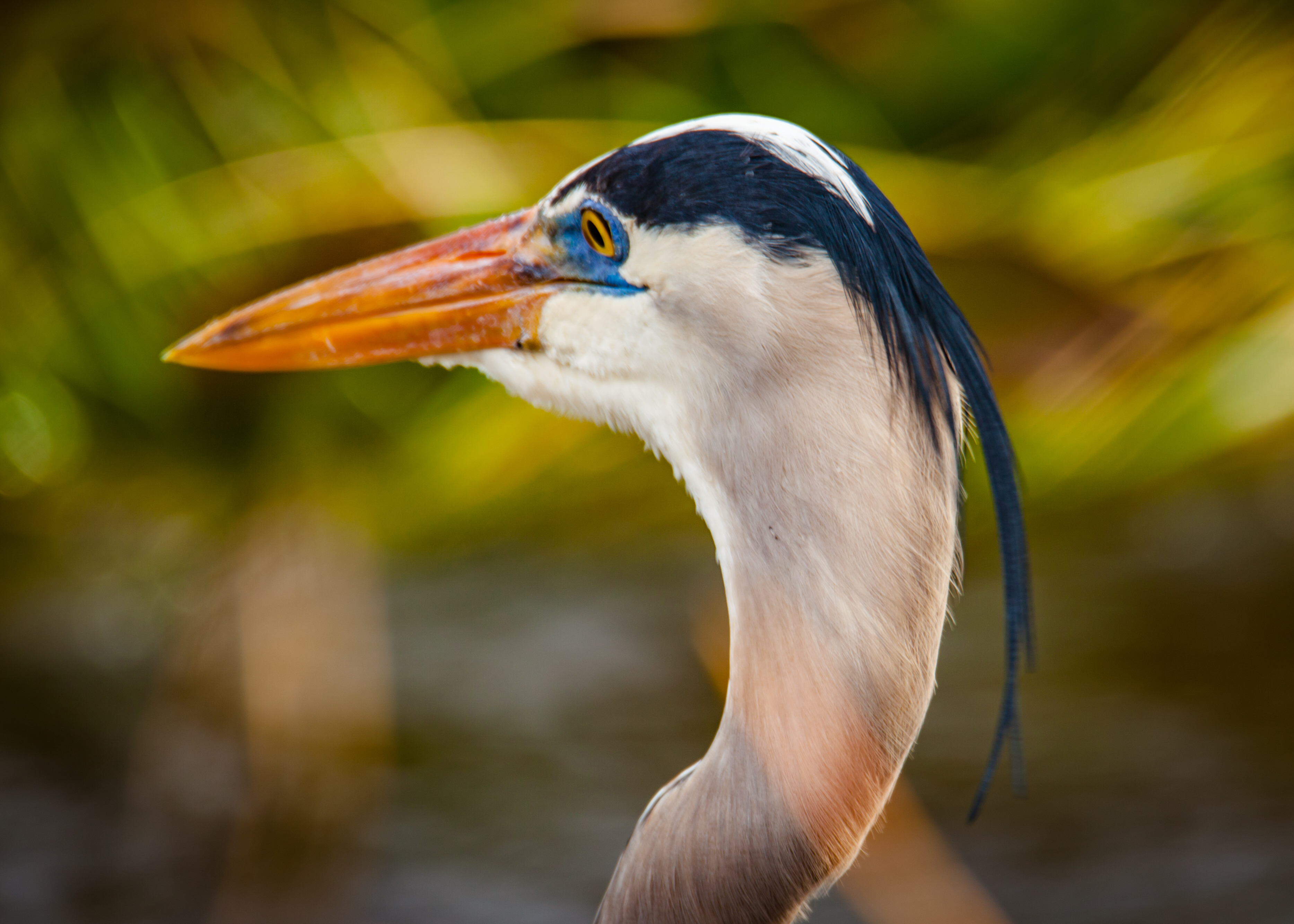
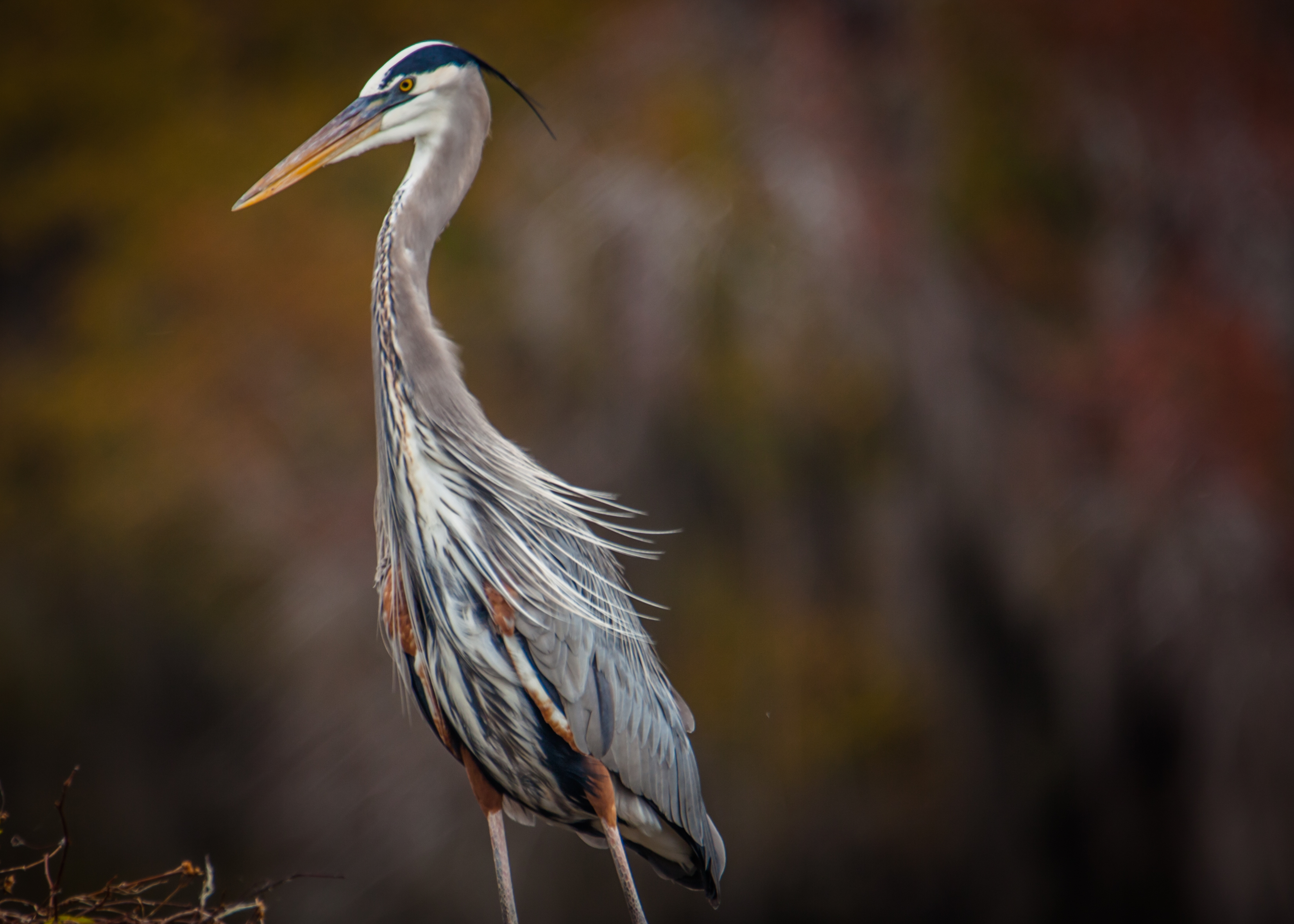
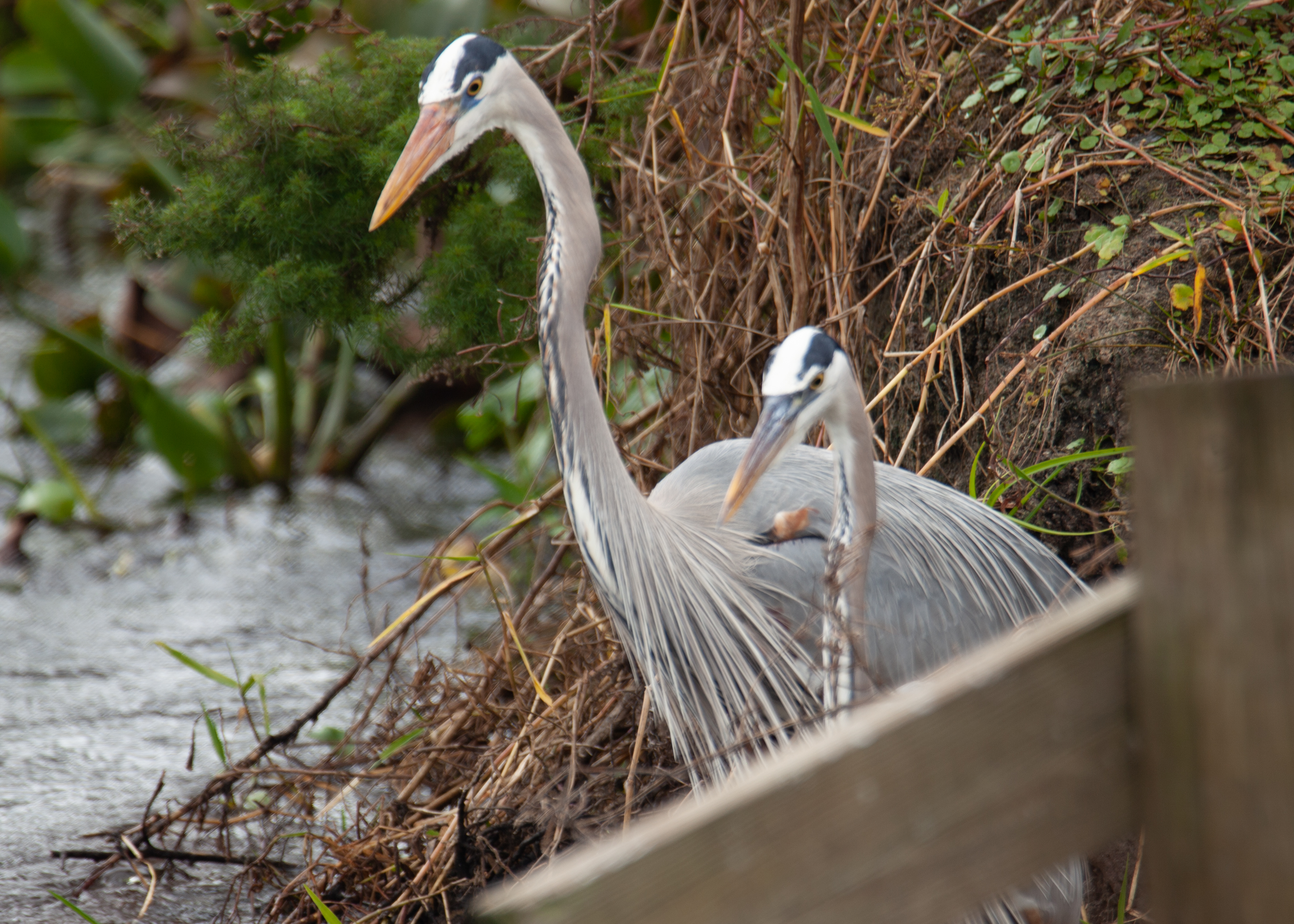
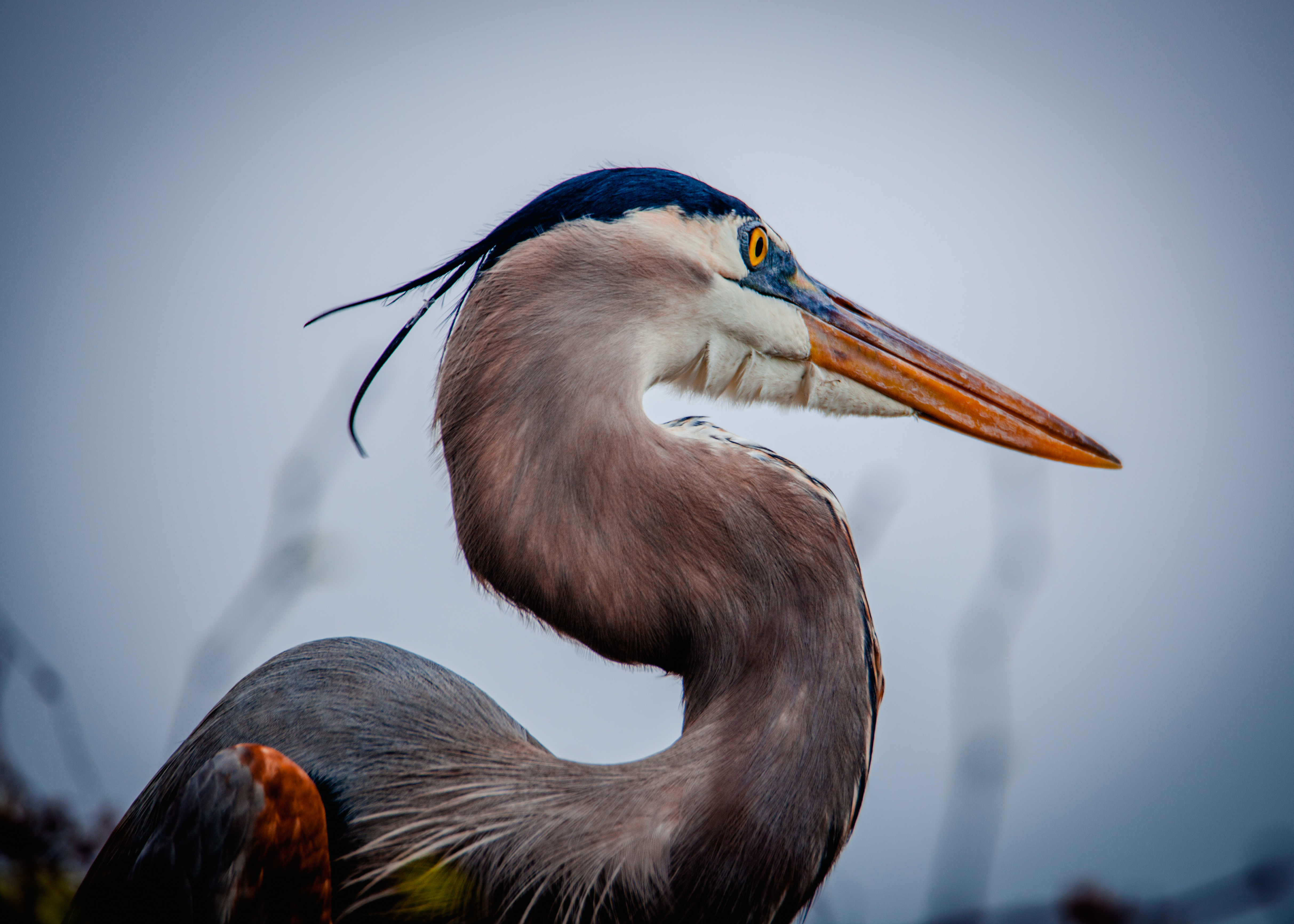
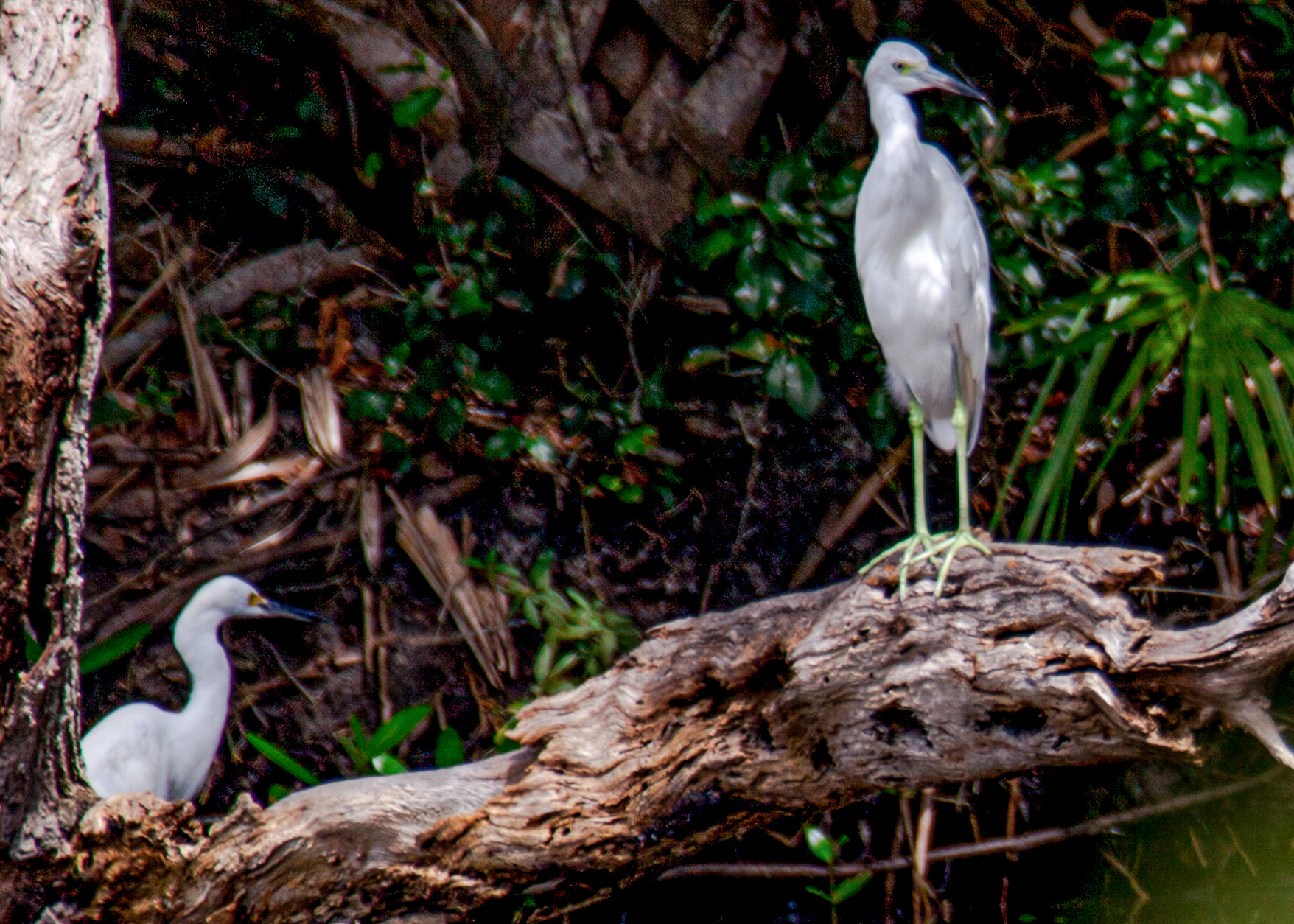
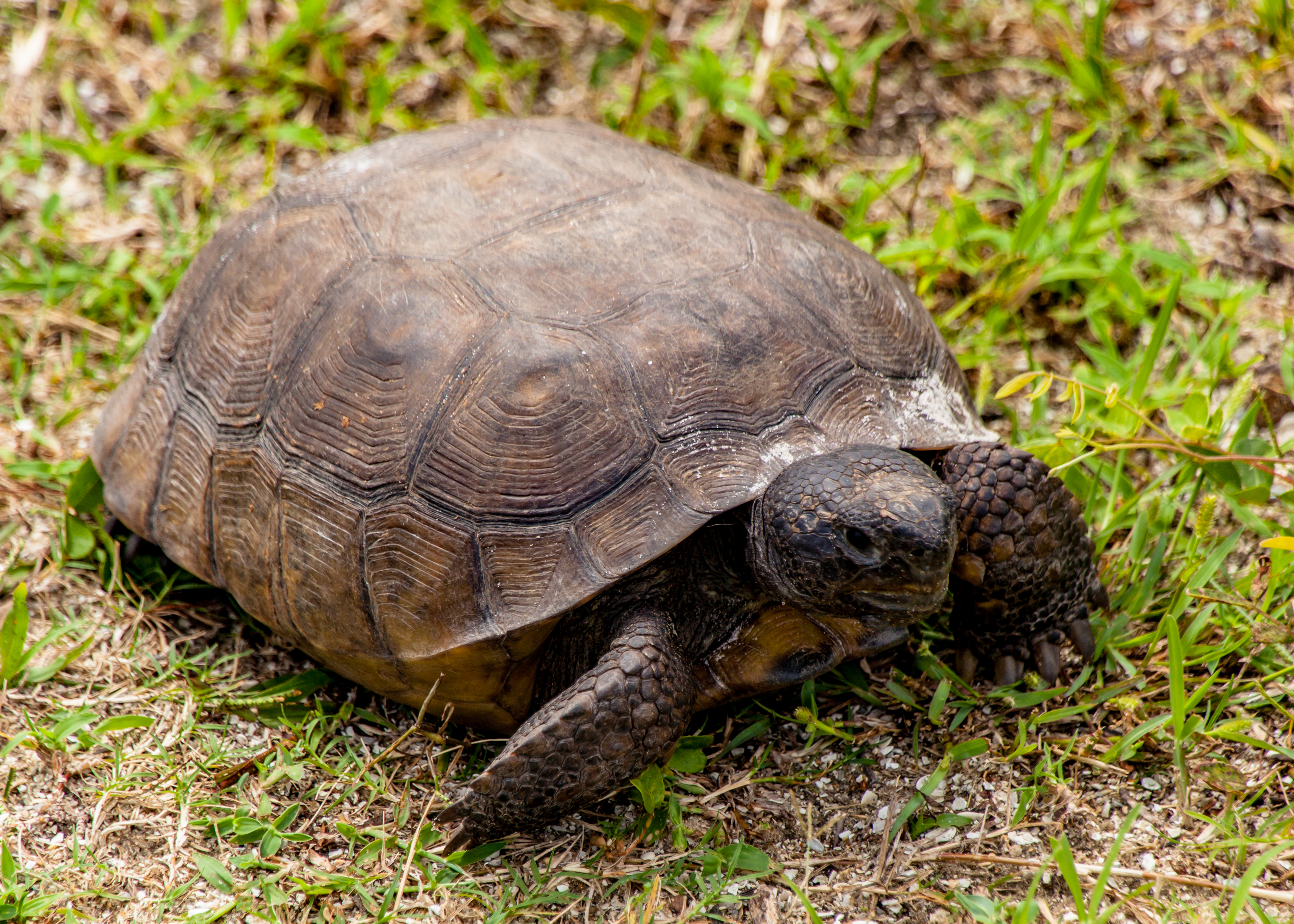
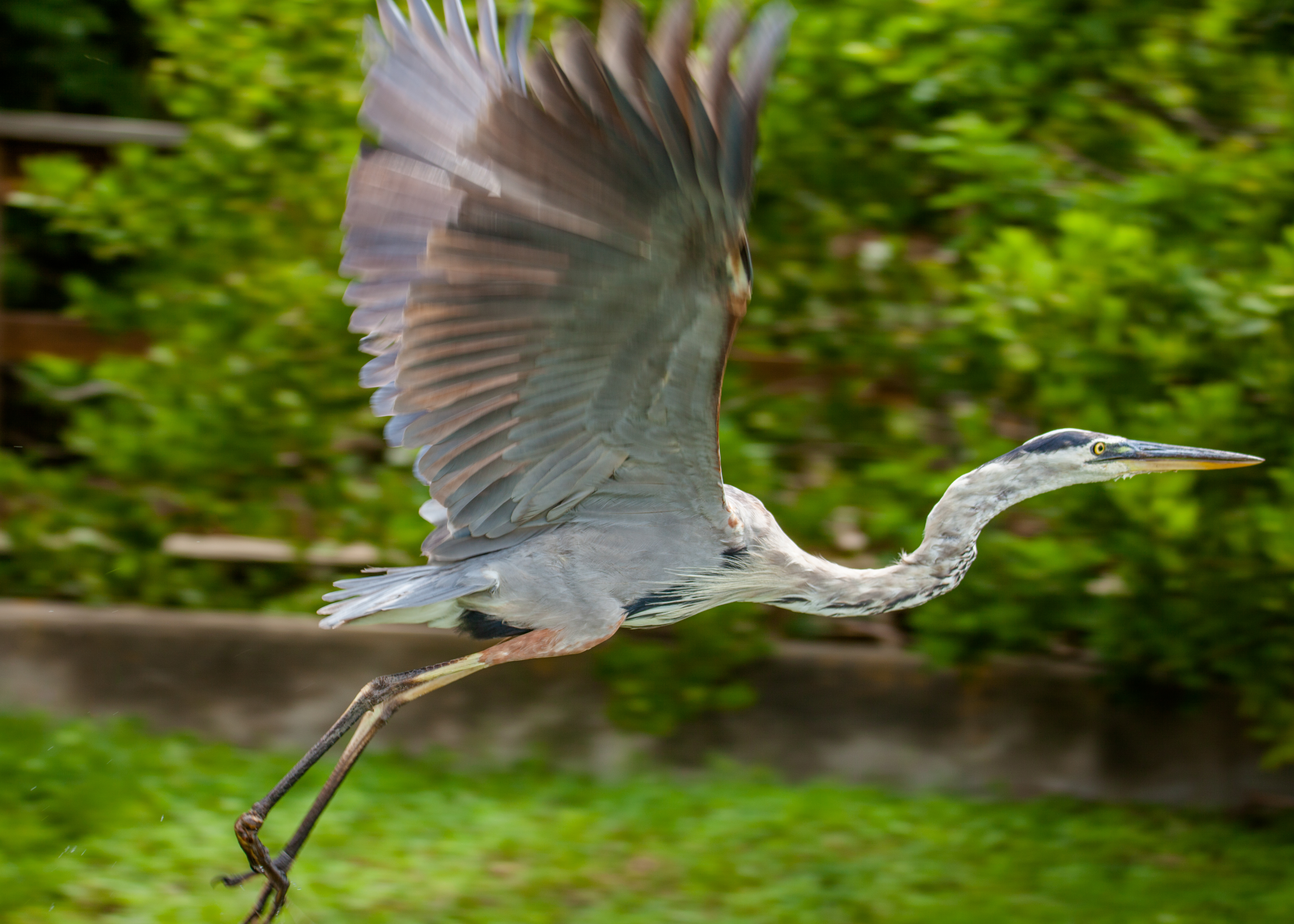
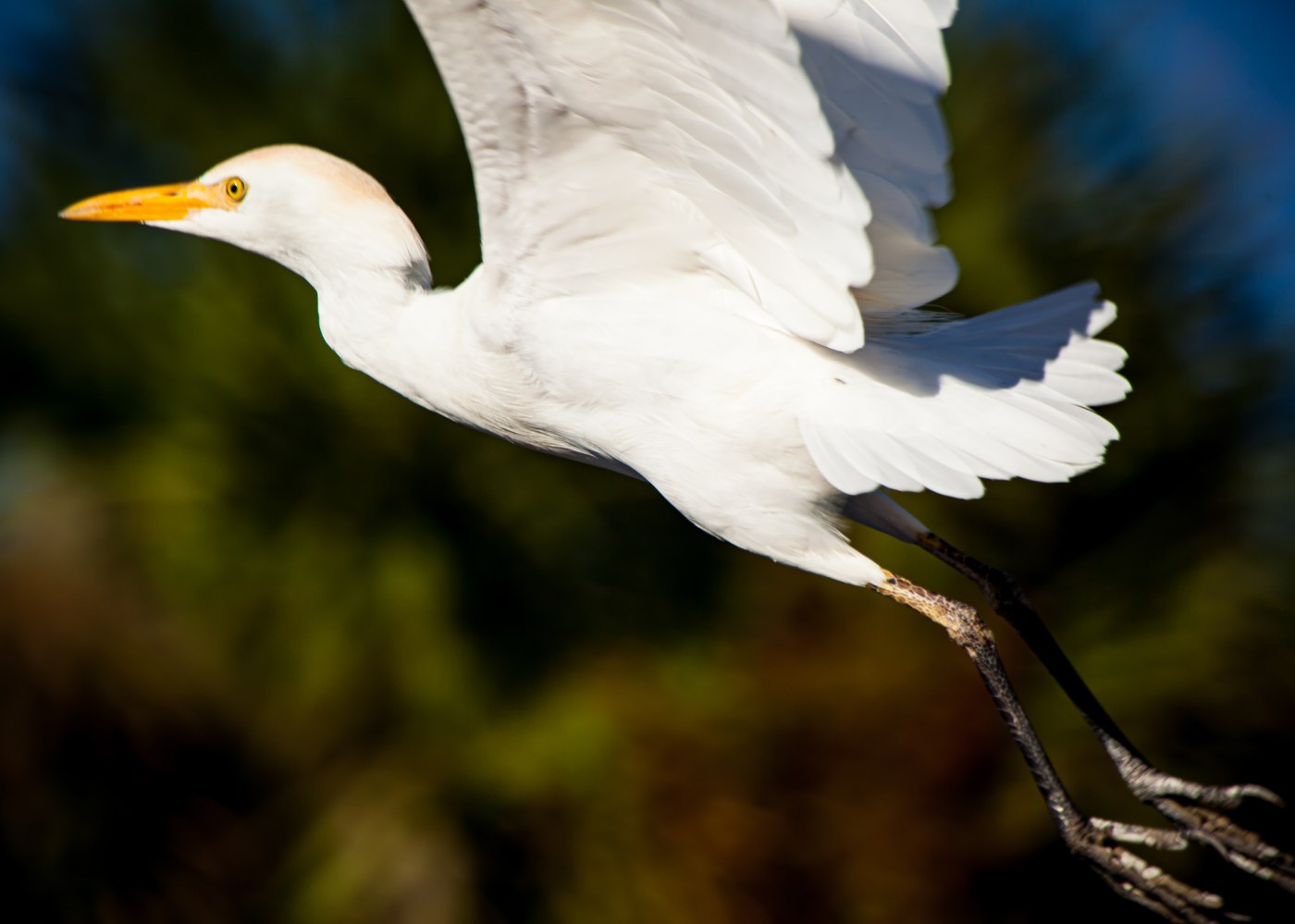
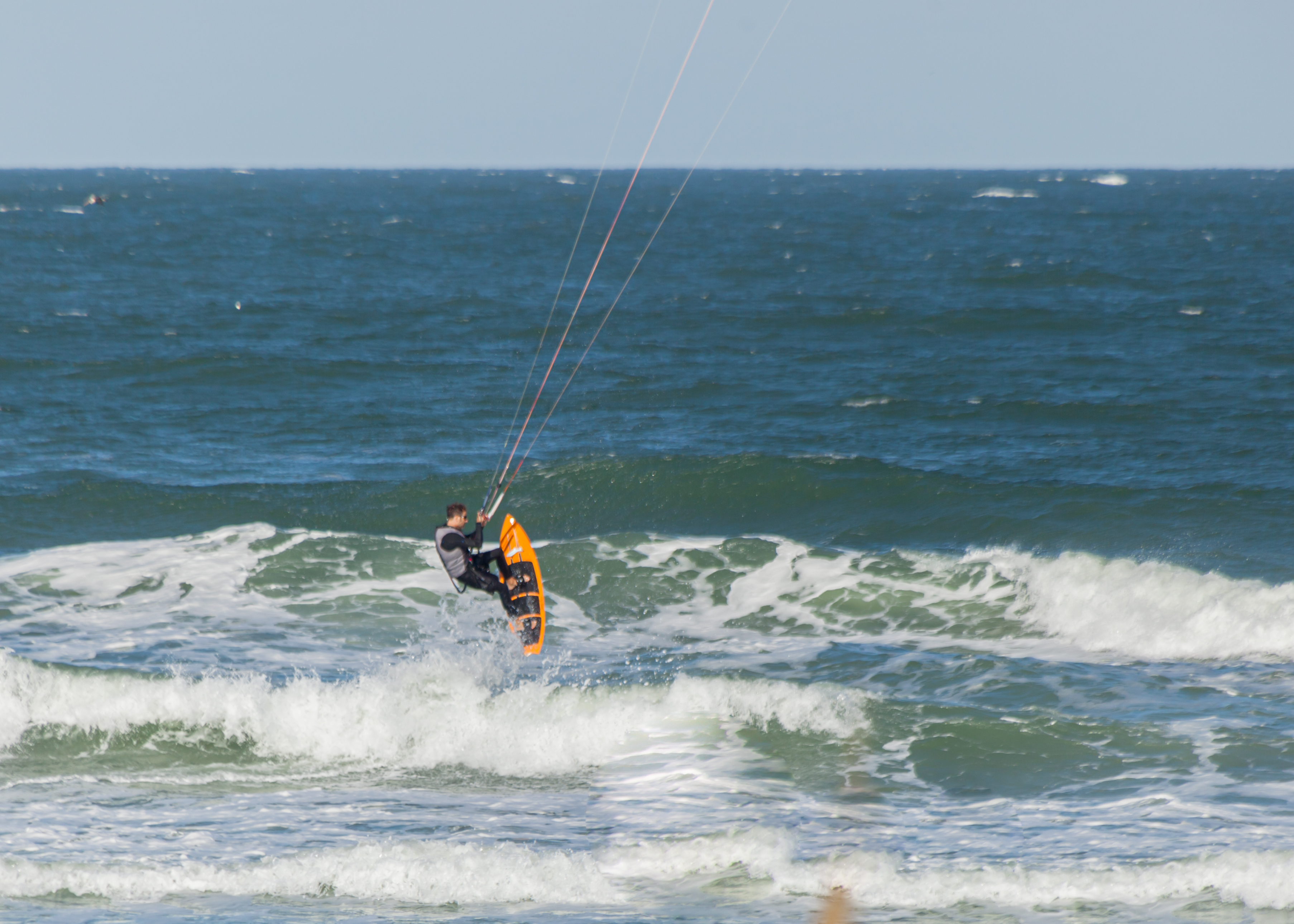
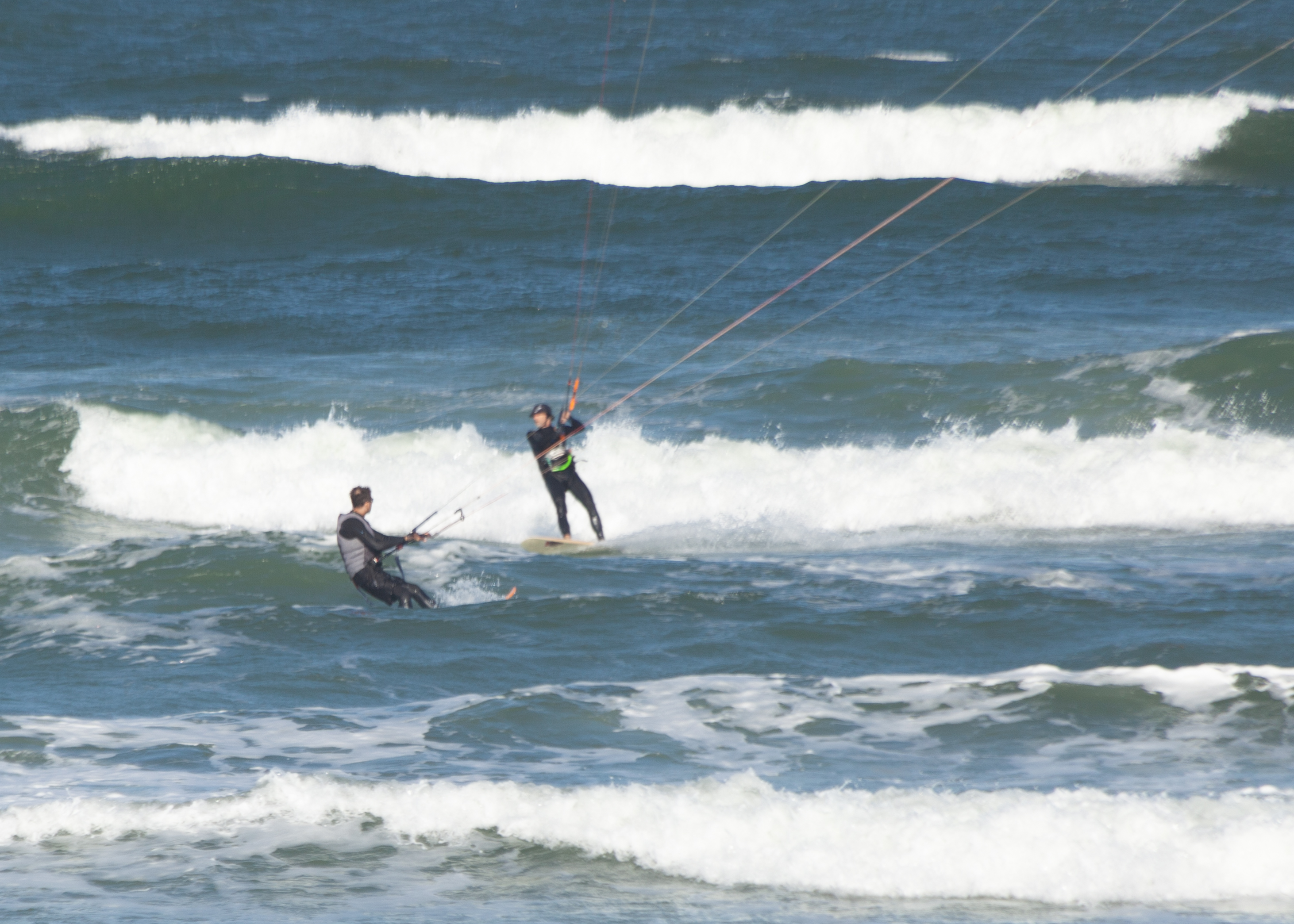
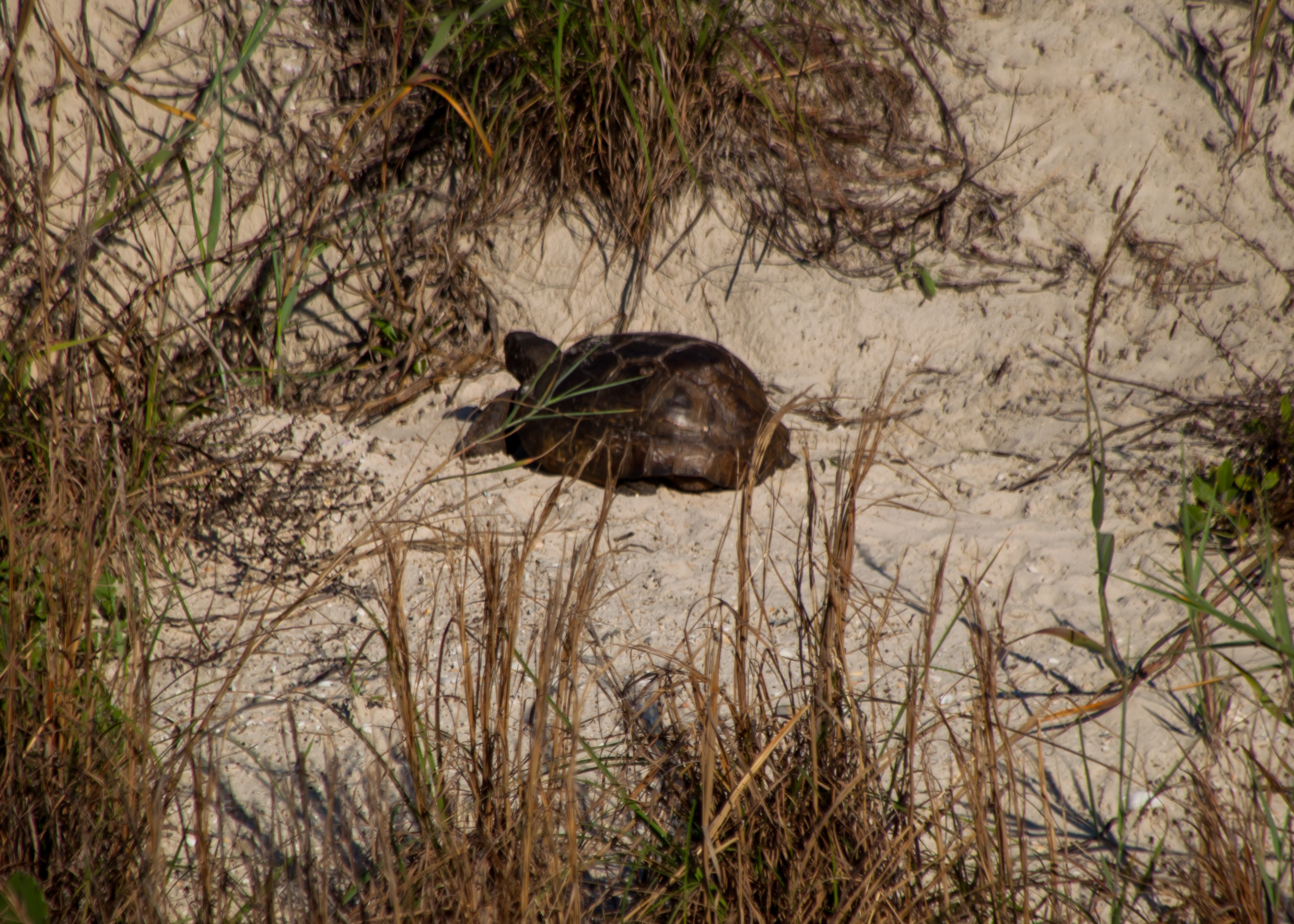
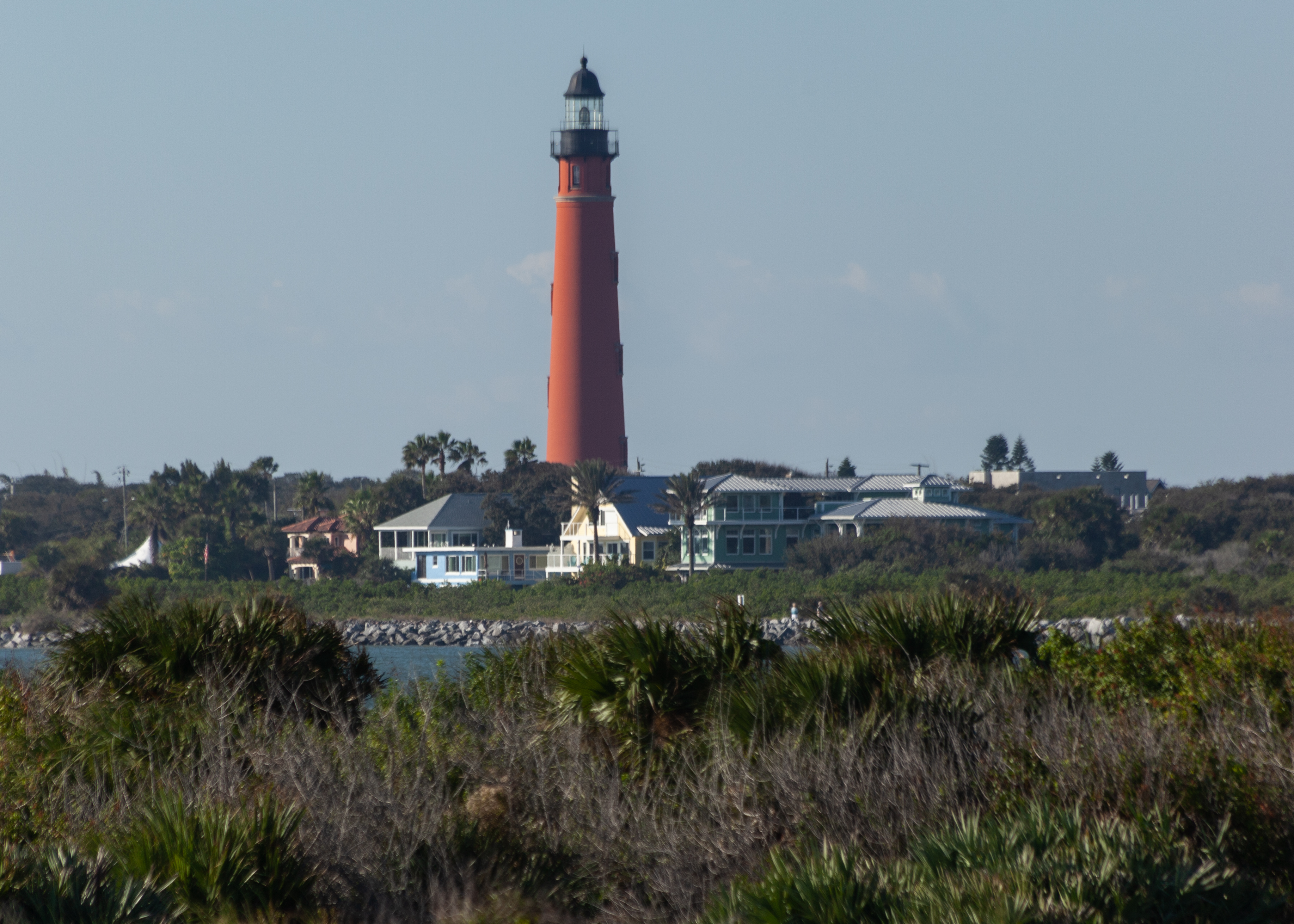
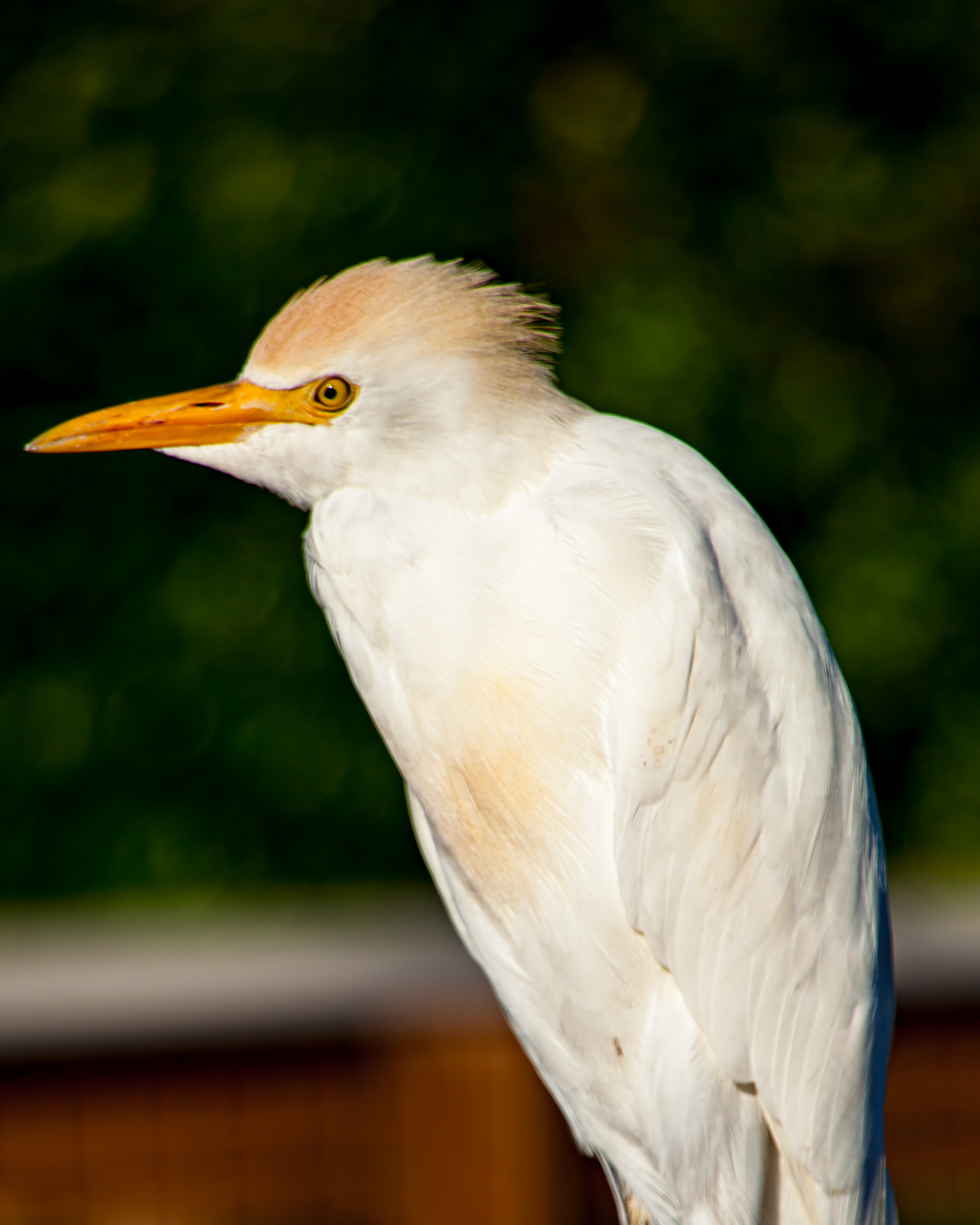
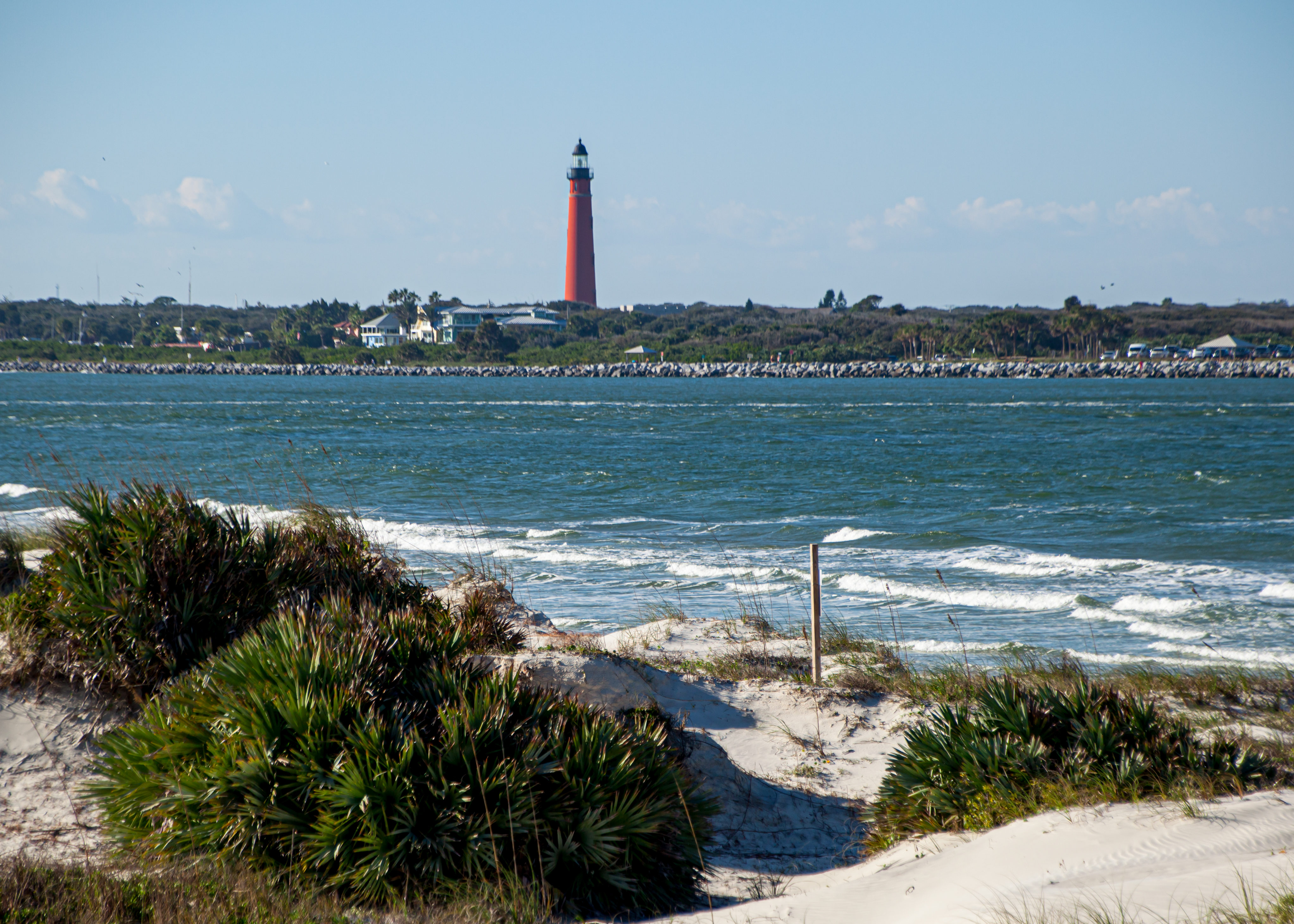
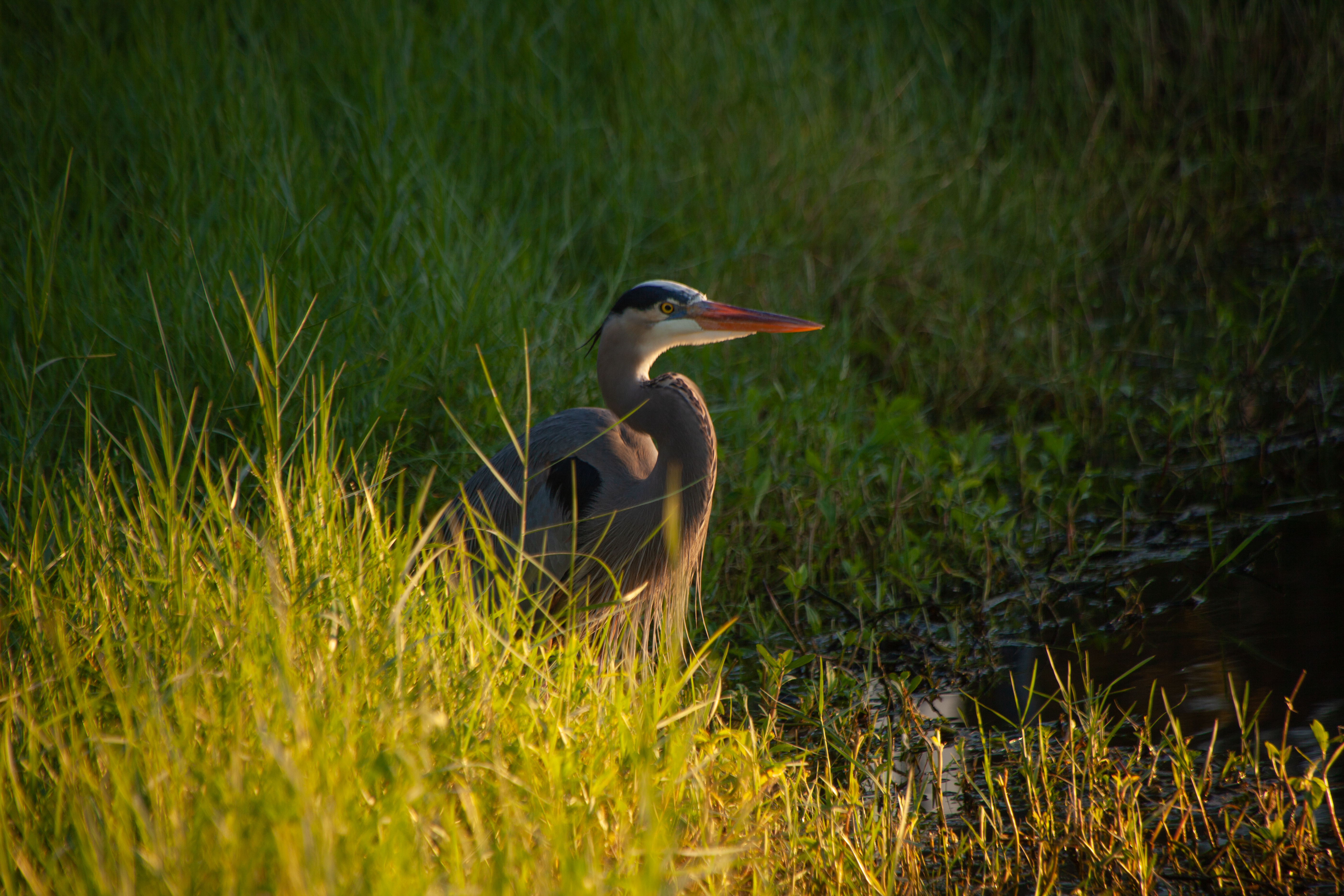
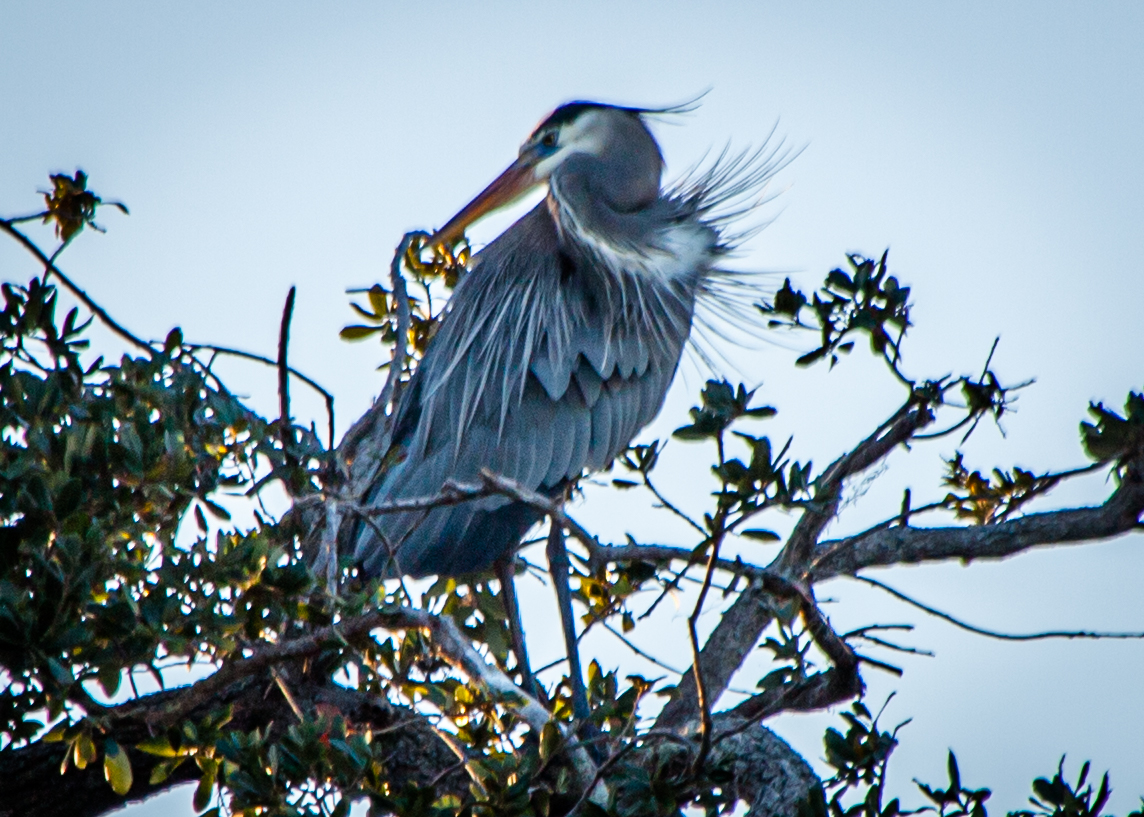
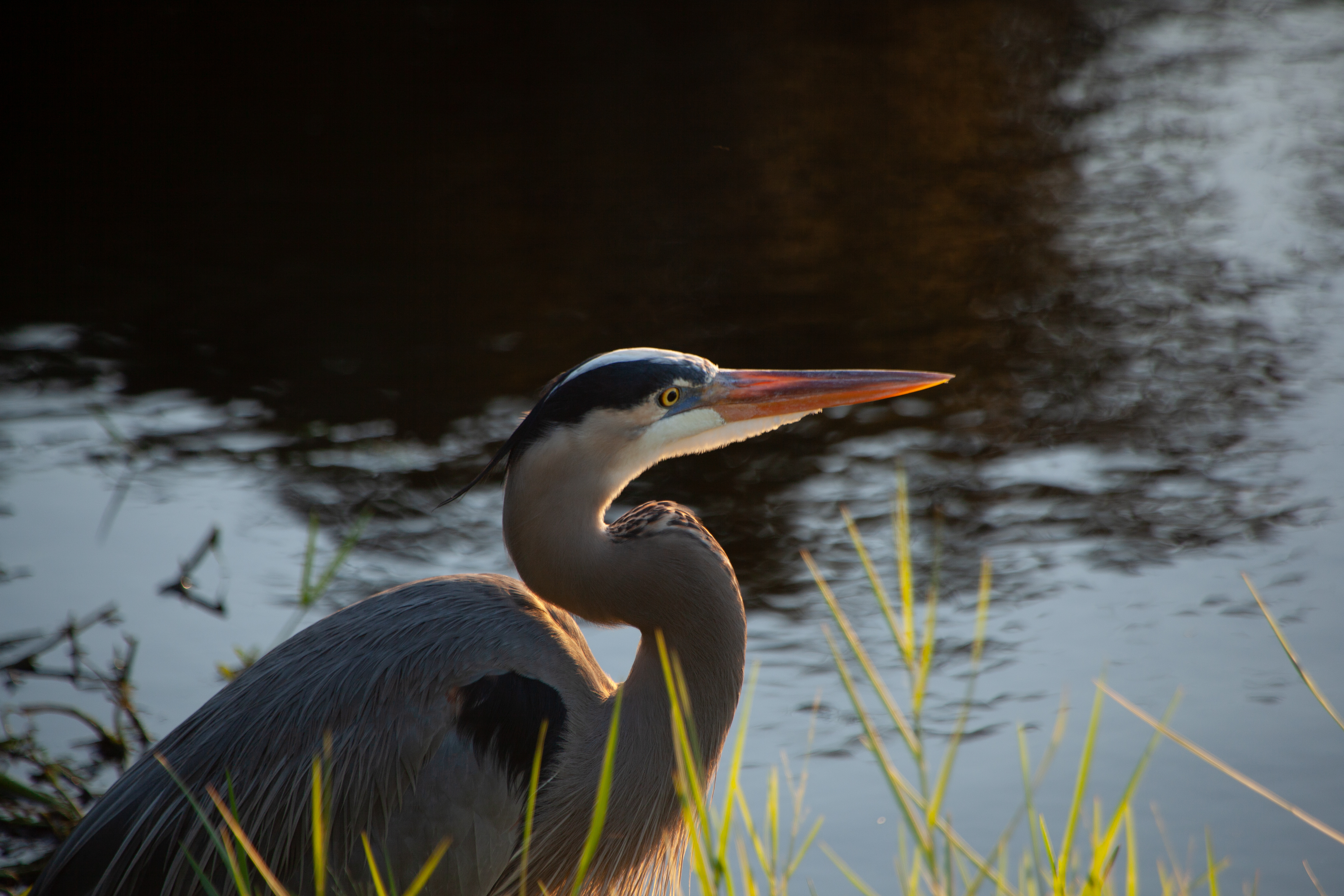
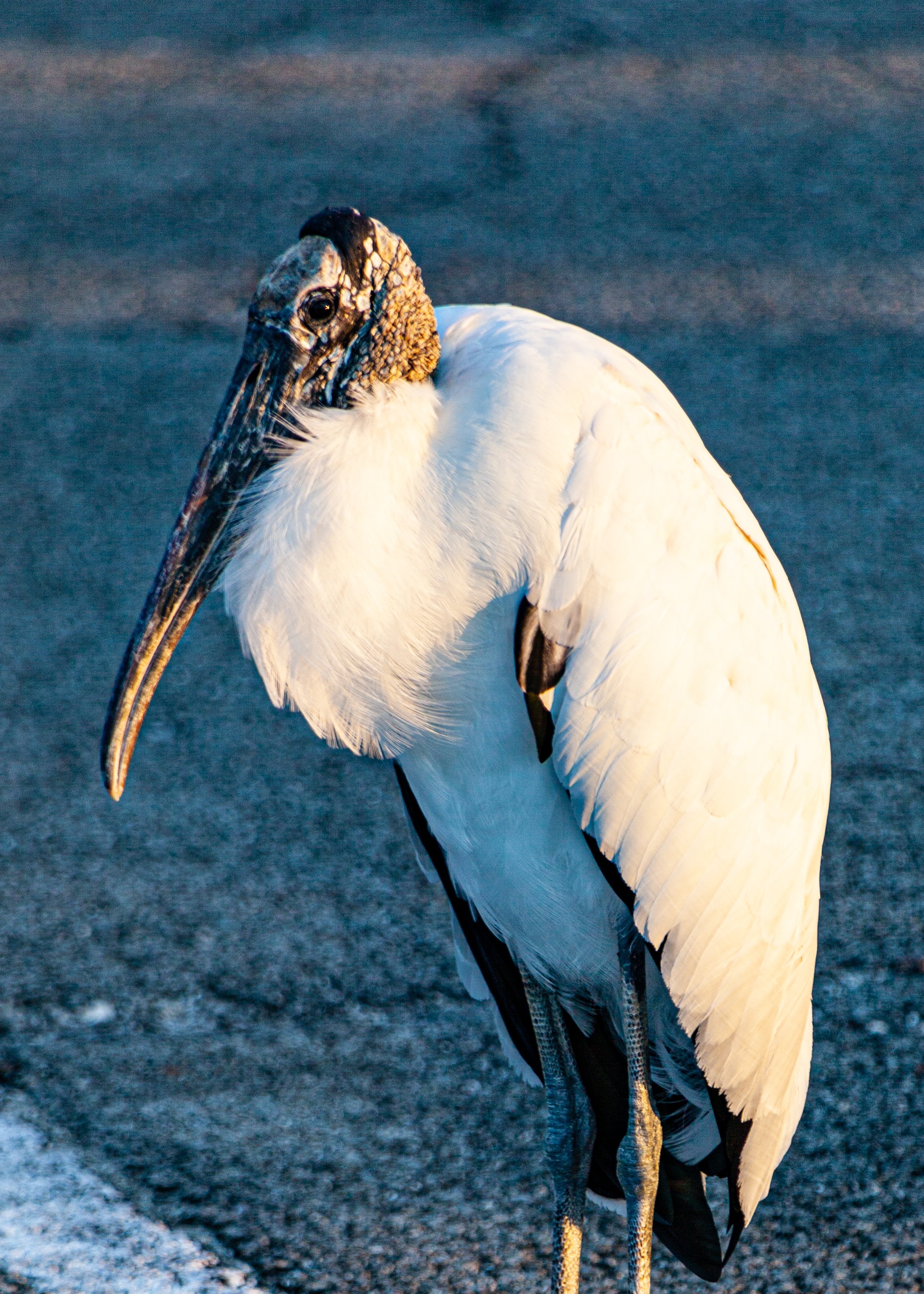
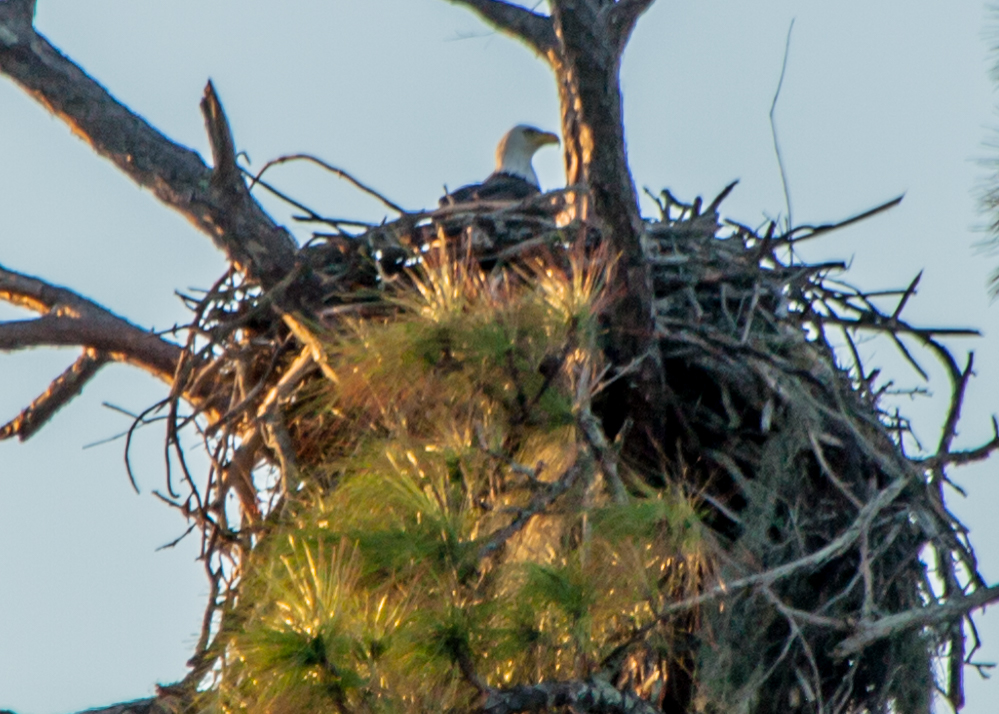
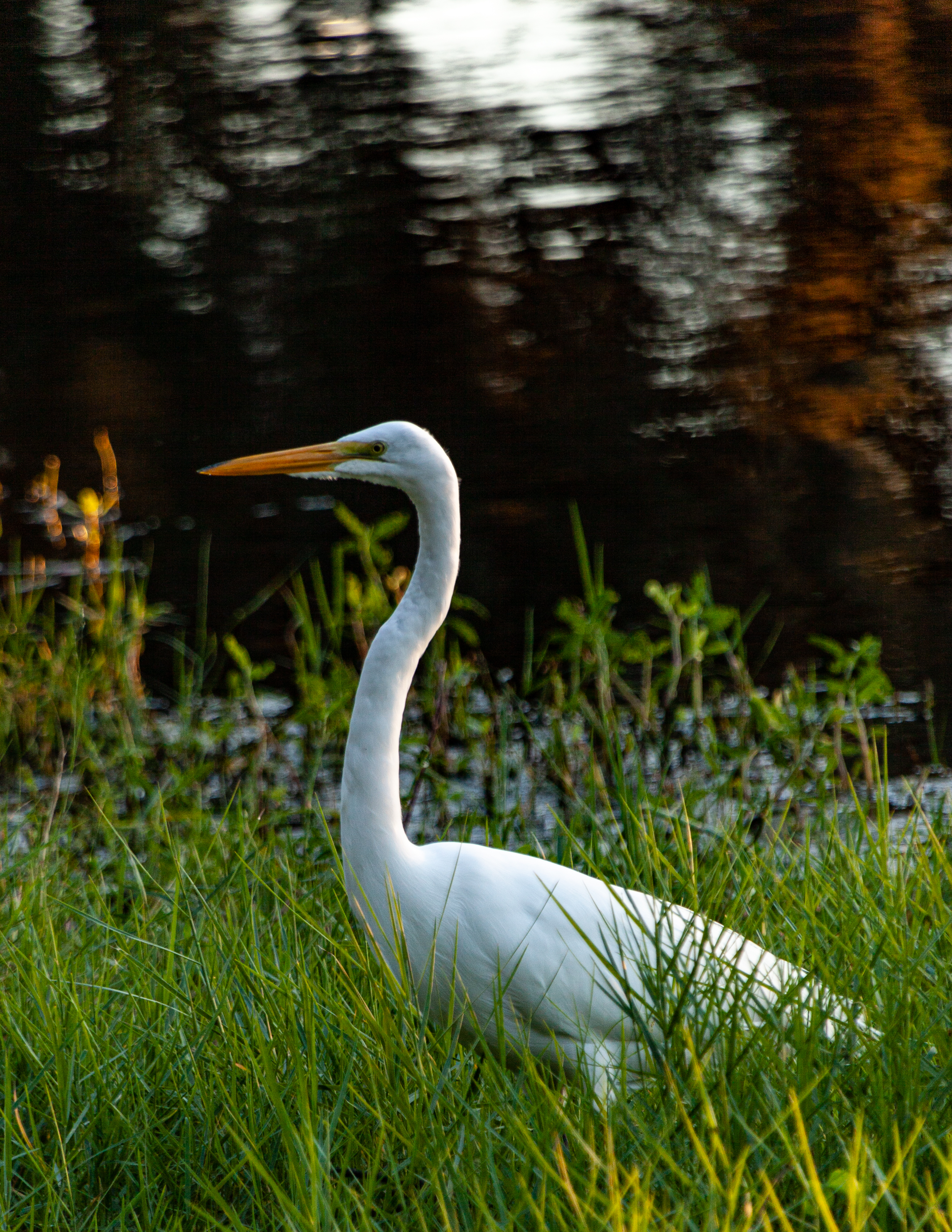
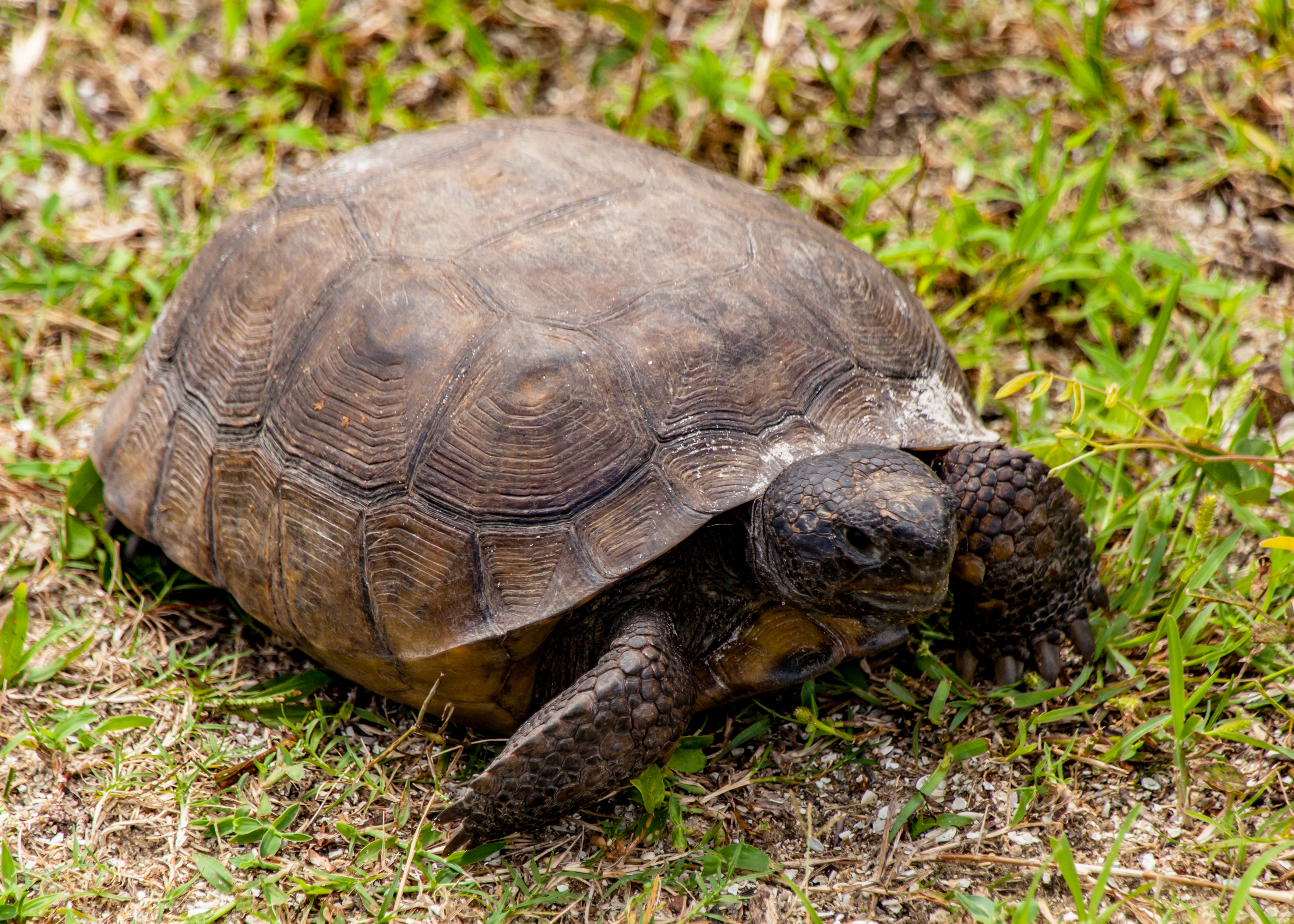
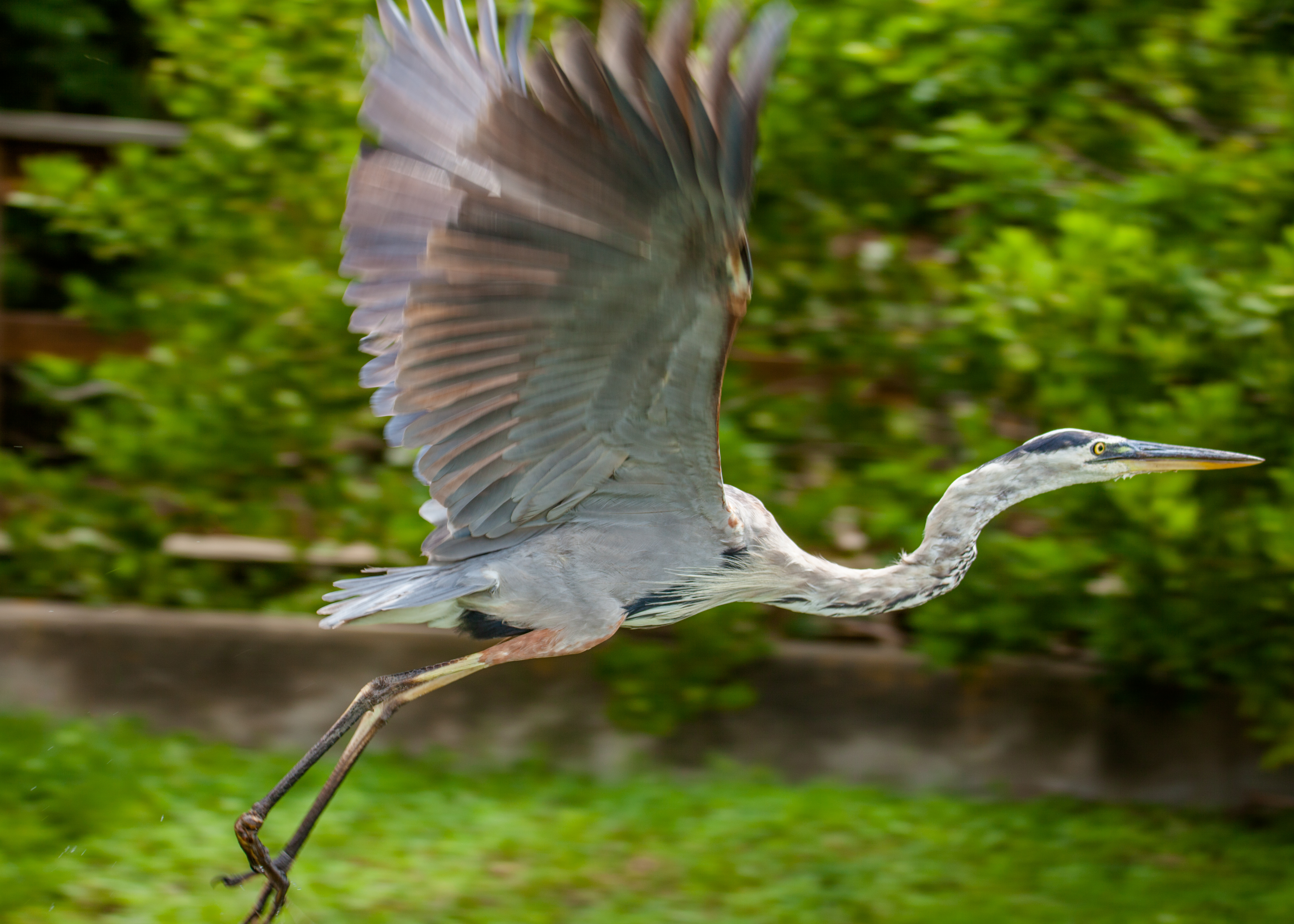
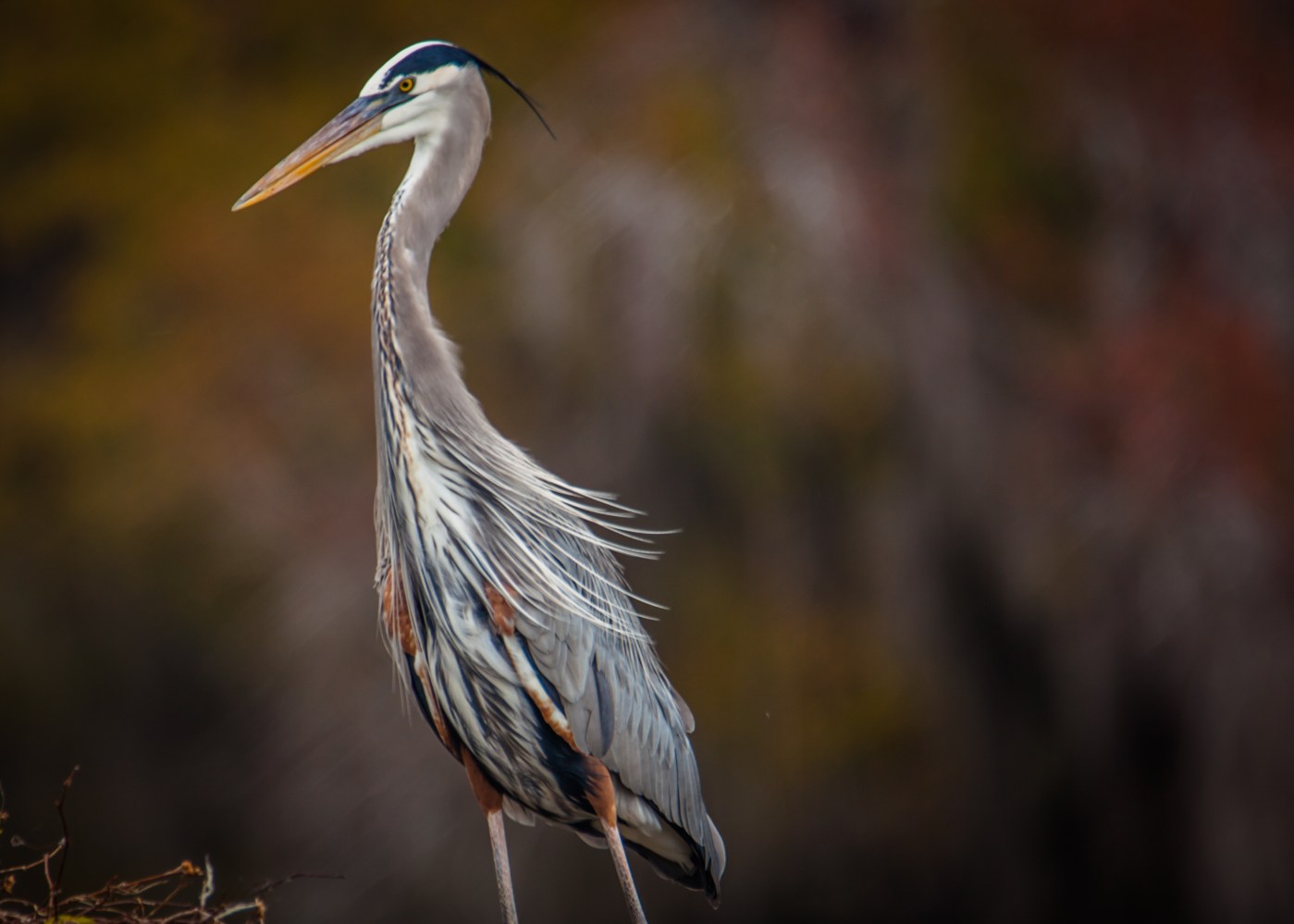
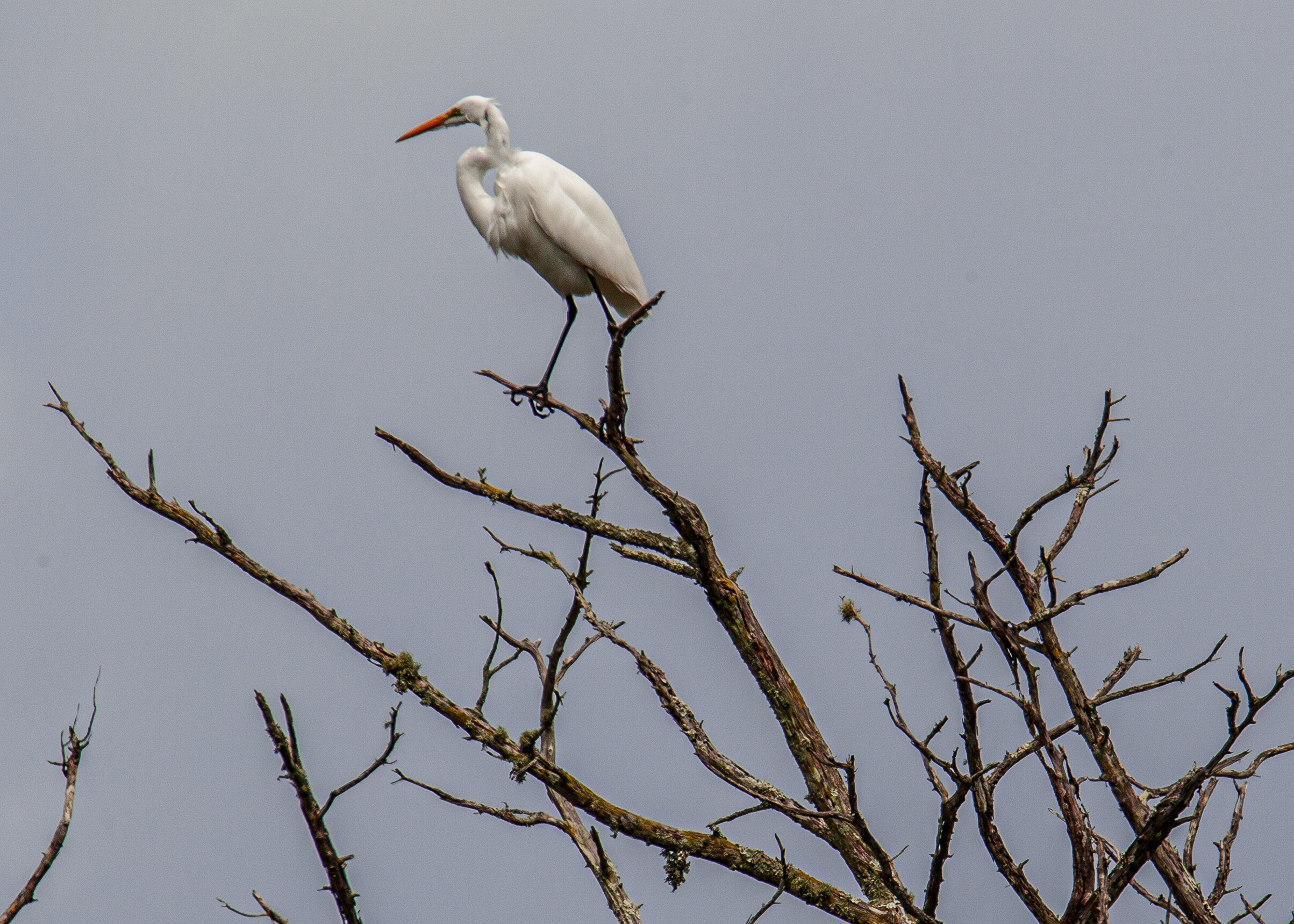
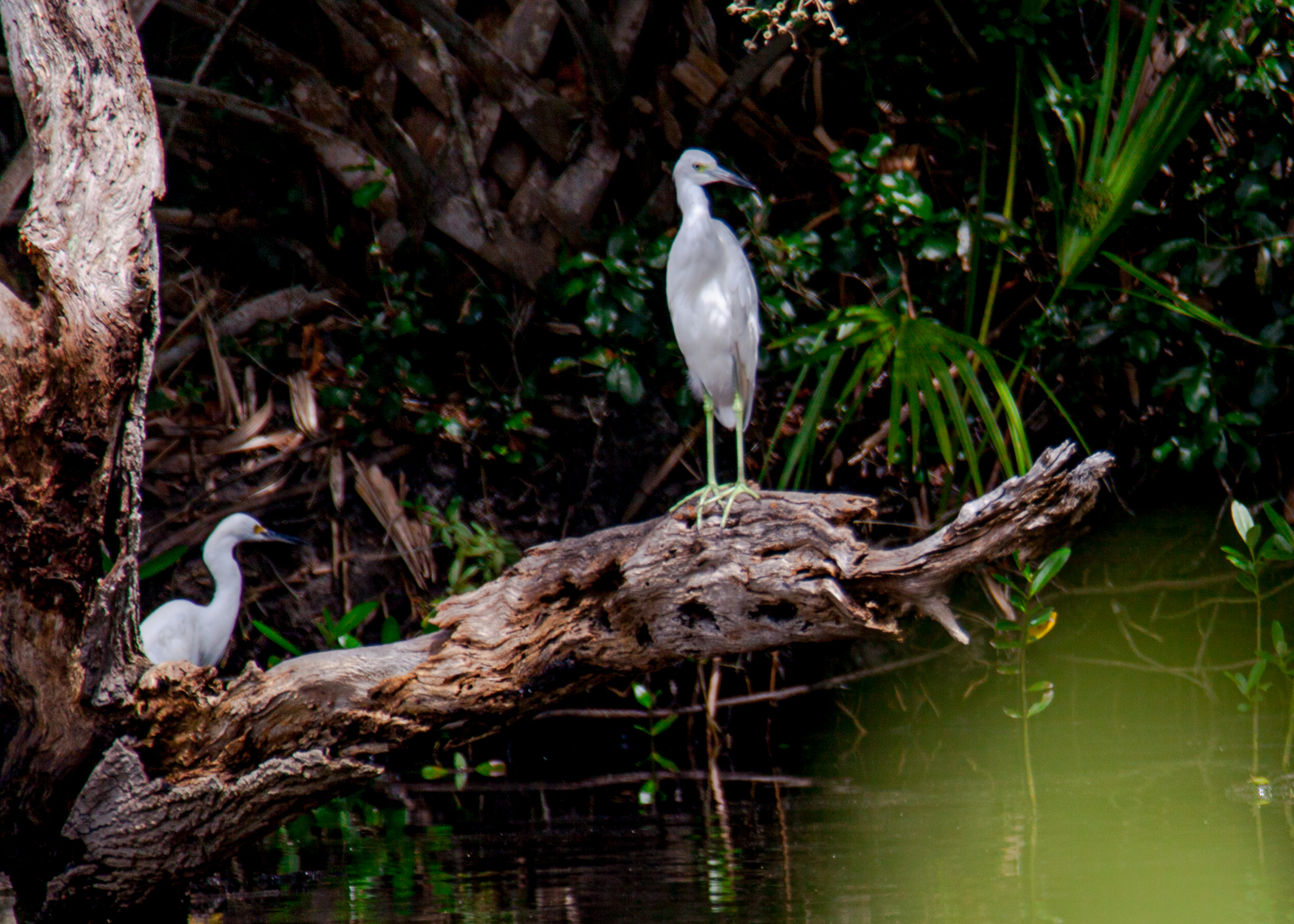
Continuing our Monday roadtrips – We headed to Smyrna Dunes Park in New Smyrna Beach, a 2-mile hiking trail / boardwalk, with side trips off the main boardwalk taking you to ocean, inlet and river views. We got to enjoy gopher tortoises, kit surfers, and views of the Ponce Inlet lighthouse. On our way back home we stopped at Hollyland Park in Holly Hills FL to check out the eagles – but only a long distance glimpse. However herons and woods storks were around.
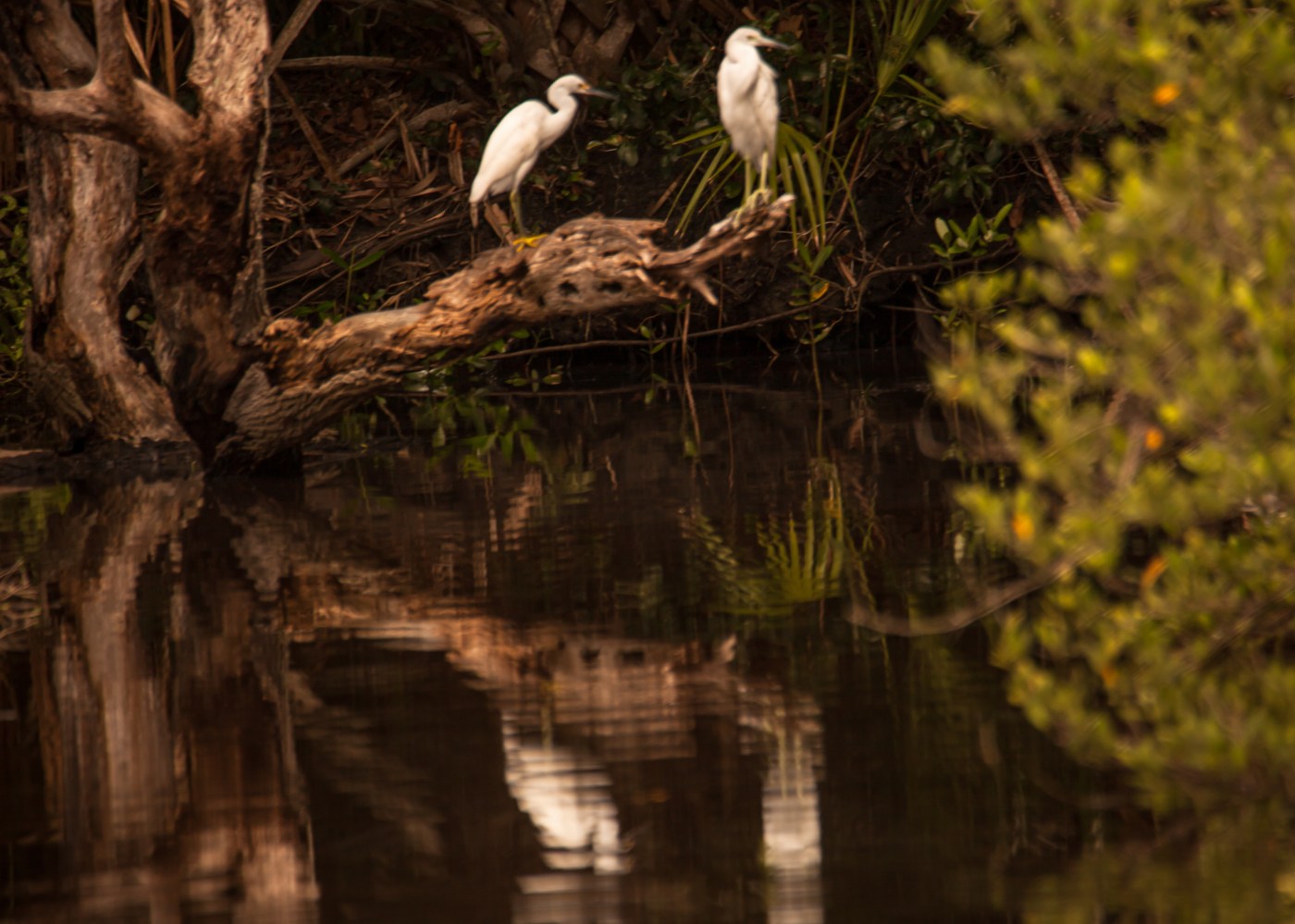
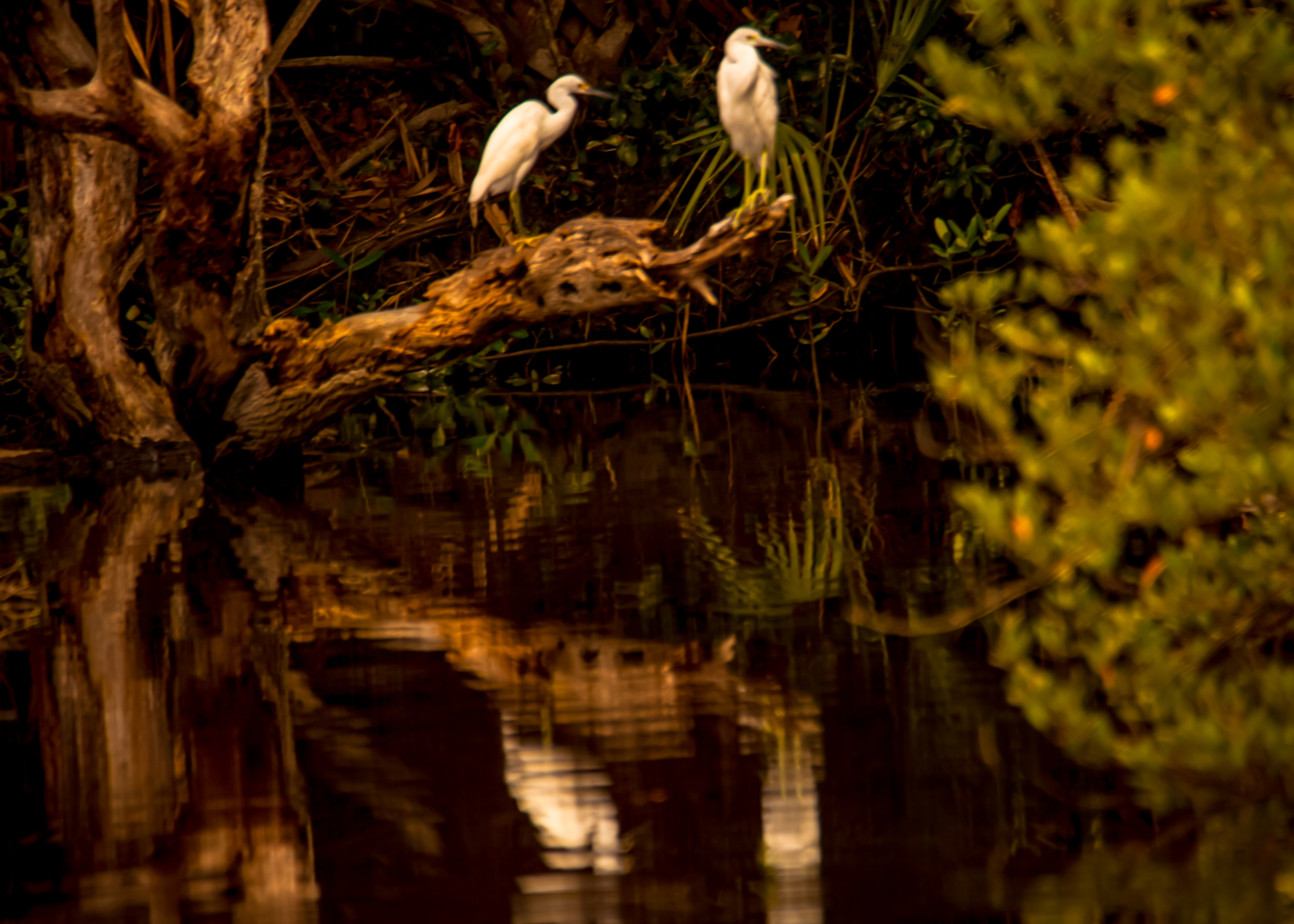
(see https://floridahikes.com/smyrna-dunes-park for more info)

Jacksonville Arboretum — November 2, 2020

Another of our Monday outings –

The Jacksonville Arboretum & Gardens is a 120-acre urban woodland full of trails for you to explore and enjoy. Interpretive signs and over 100 labeled plants enhance the loop. Over three miles of rustic hiking trails wind quietly through a series of distinct ecological habitats. The Arboretum is developed and managed by the Jacksonville Arboretum & Gardens, Inc., a non-profit entity that leases the land from the City of Jacksonville.
Washington Oaks State Park – Revist 11/16/2020

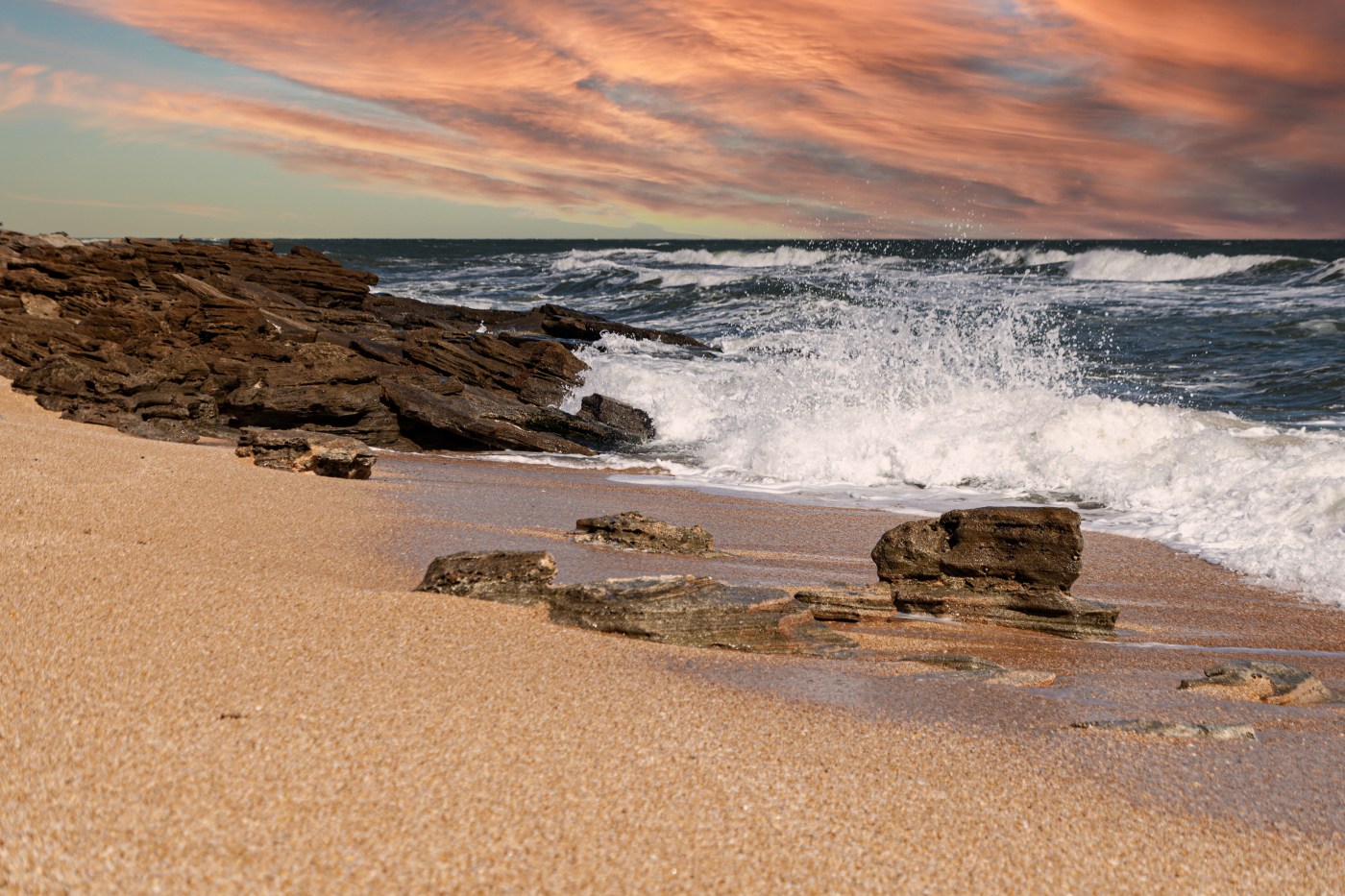
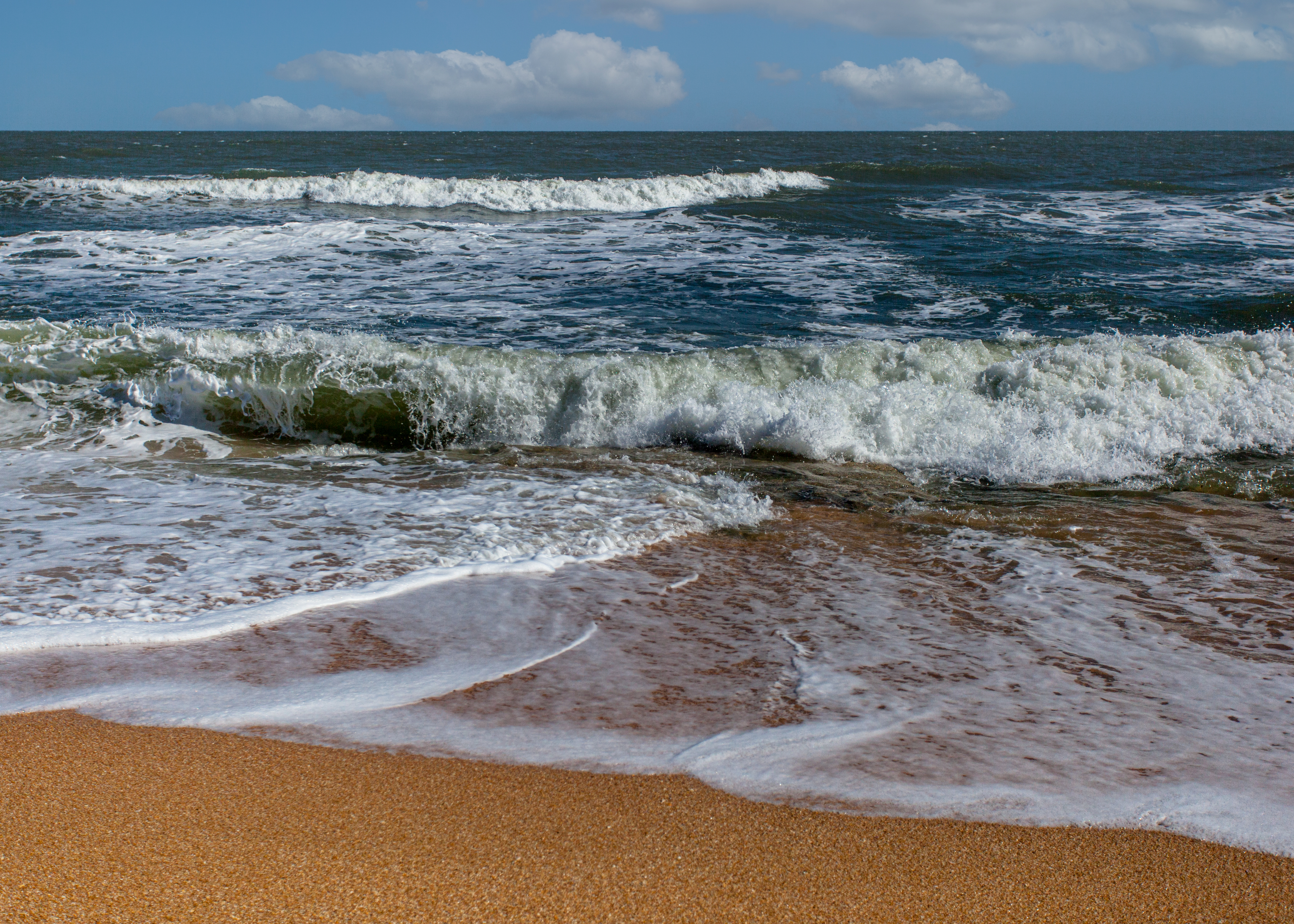
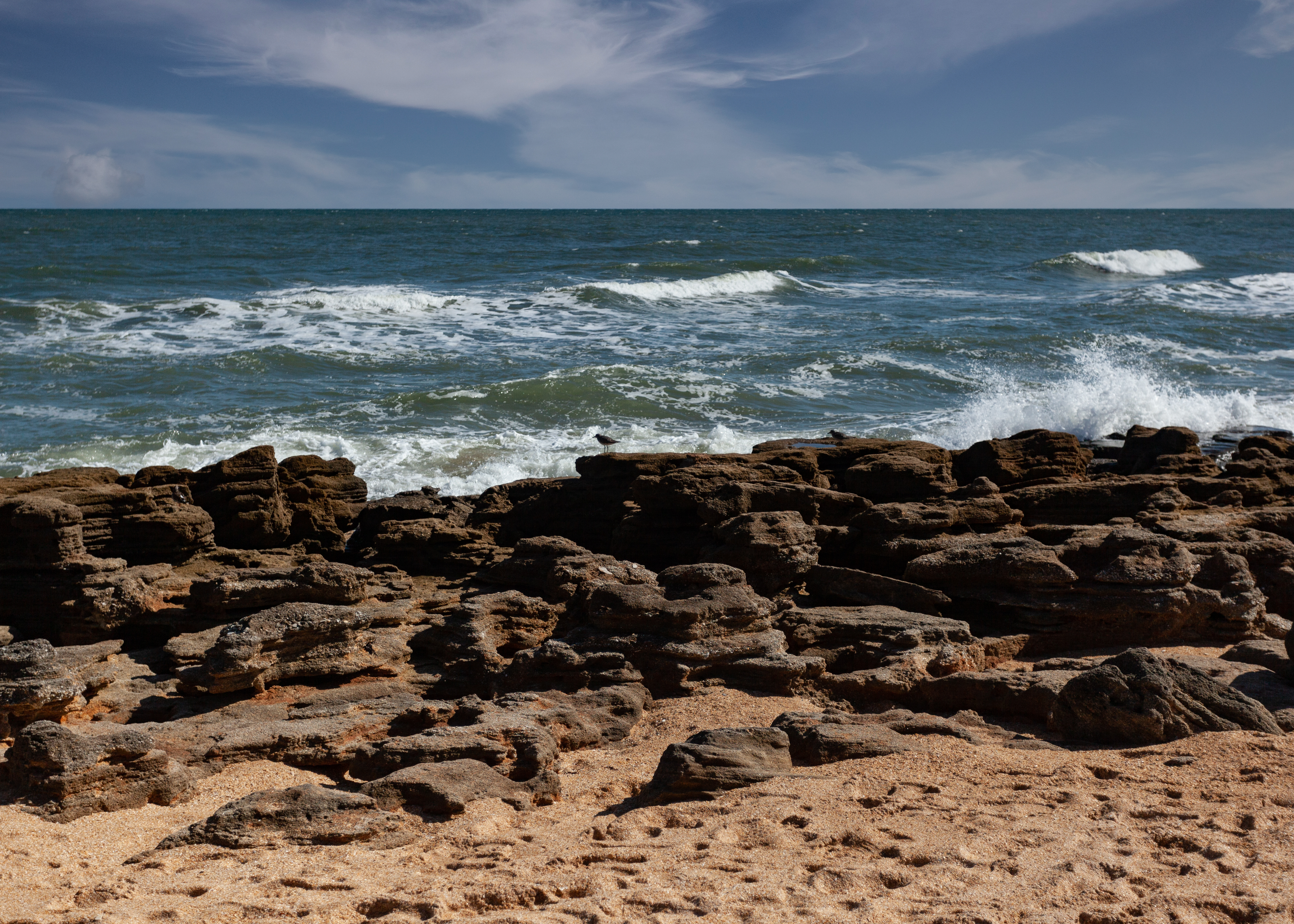
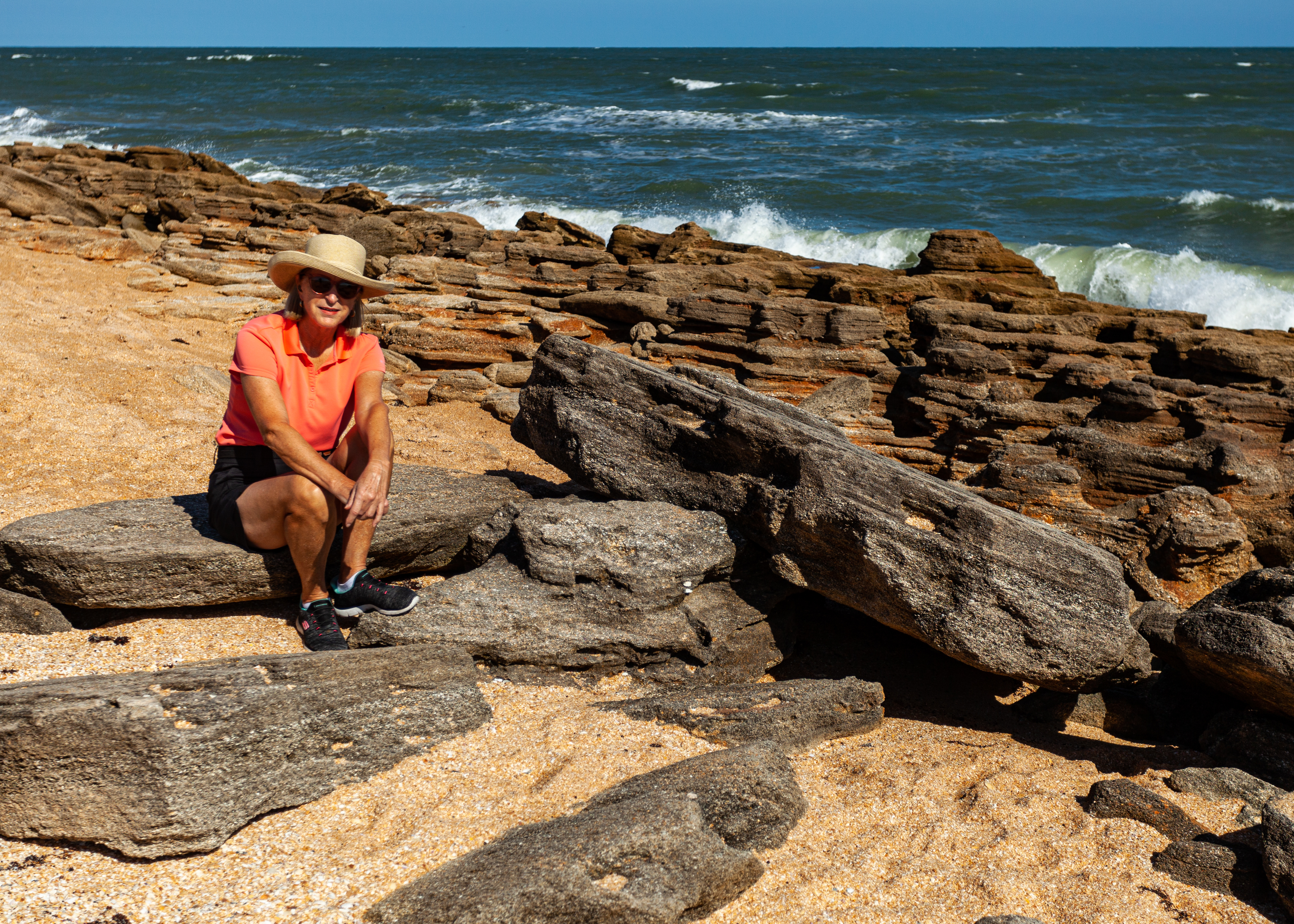
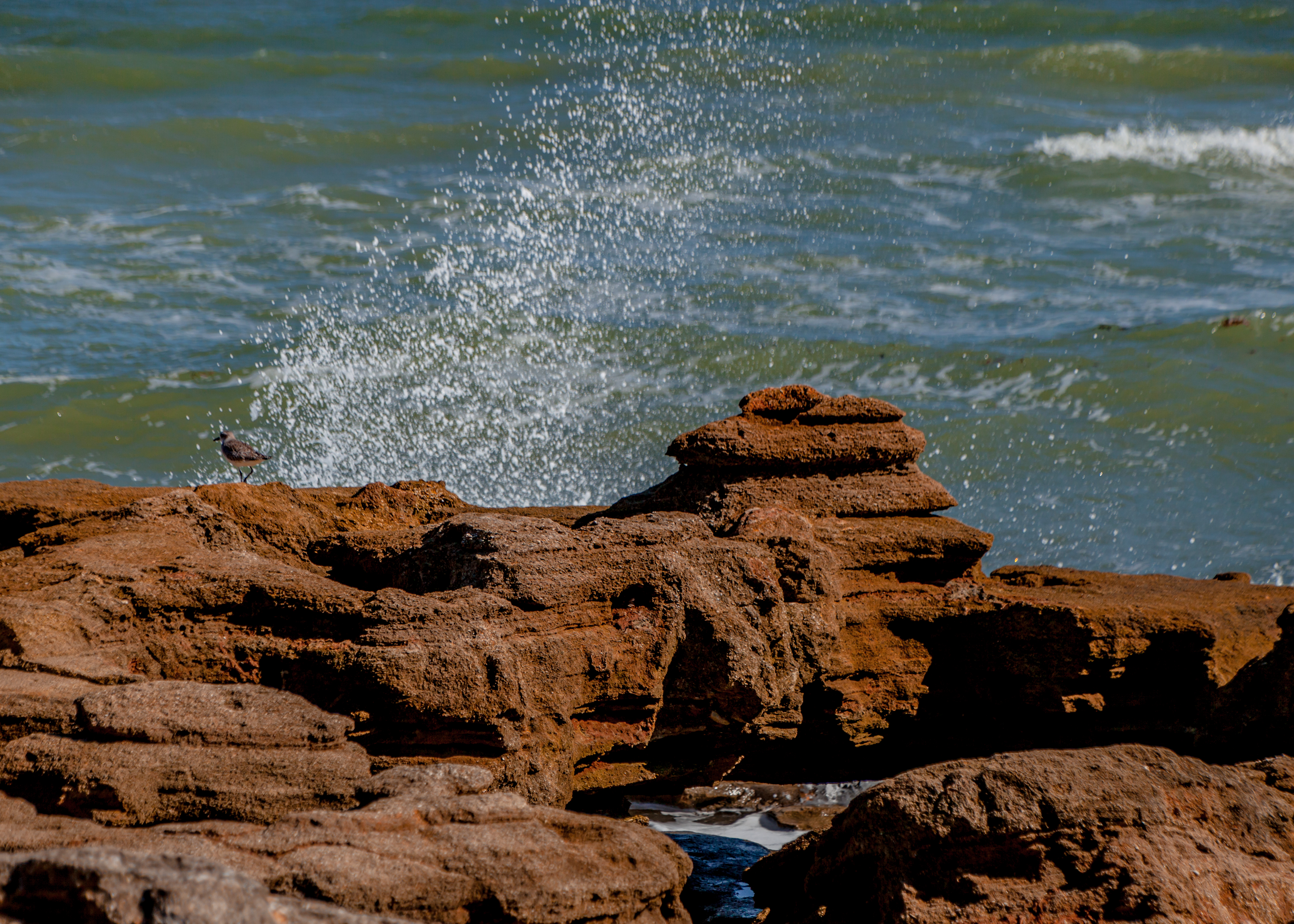
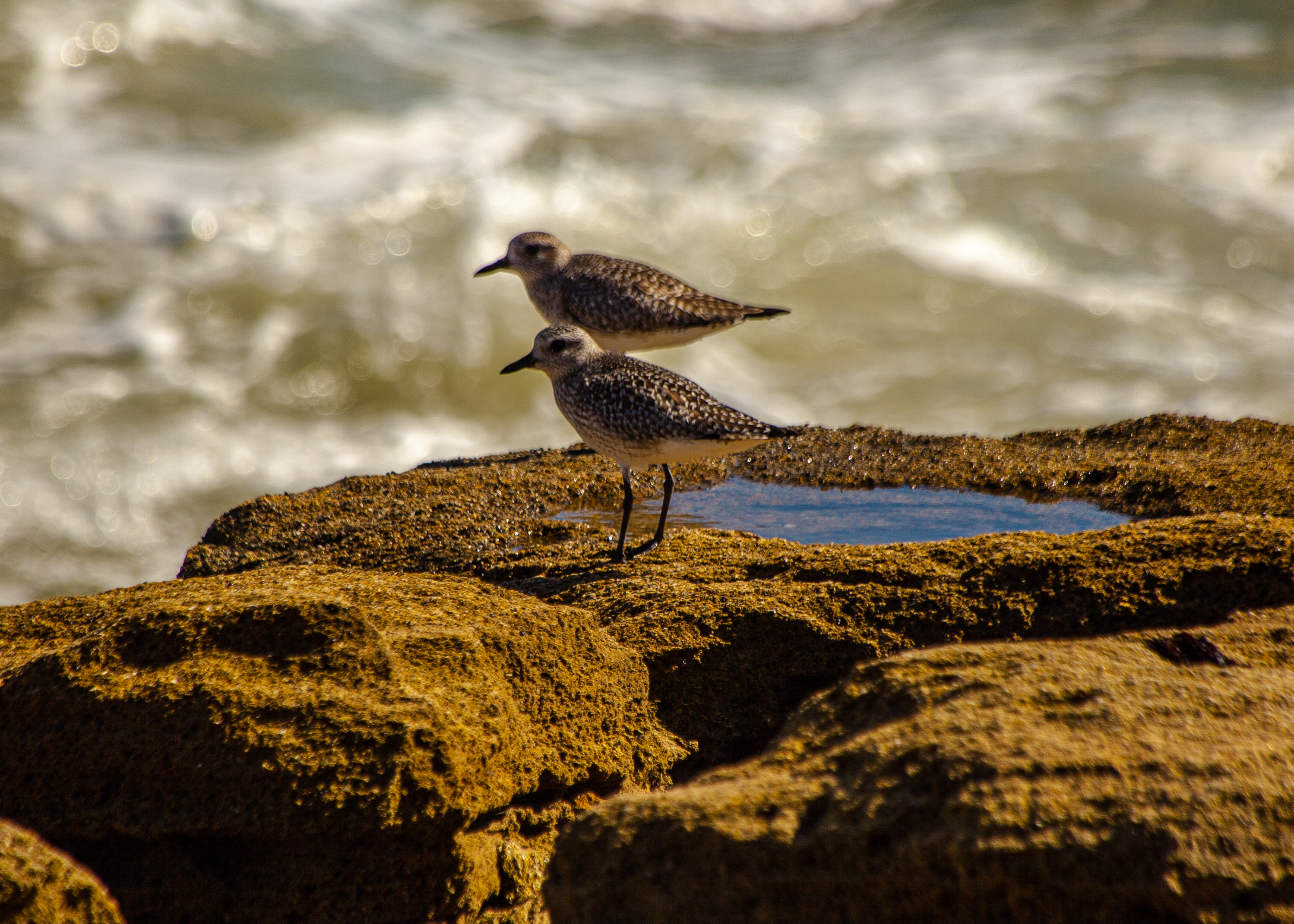
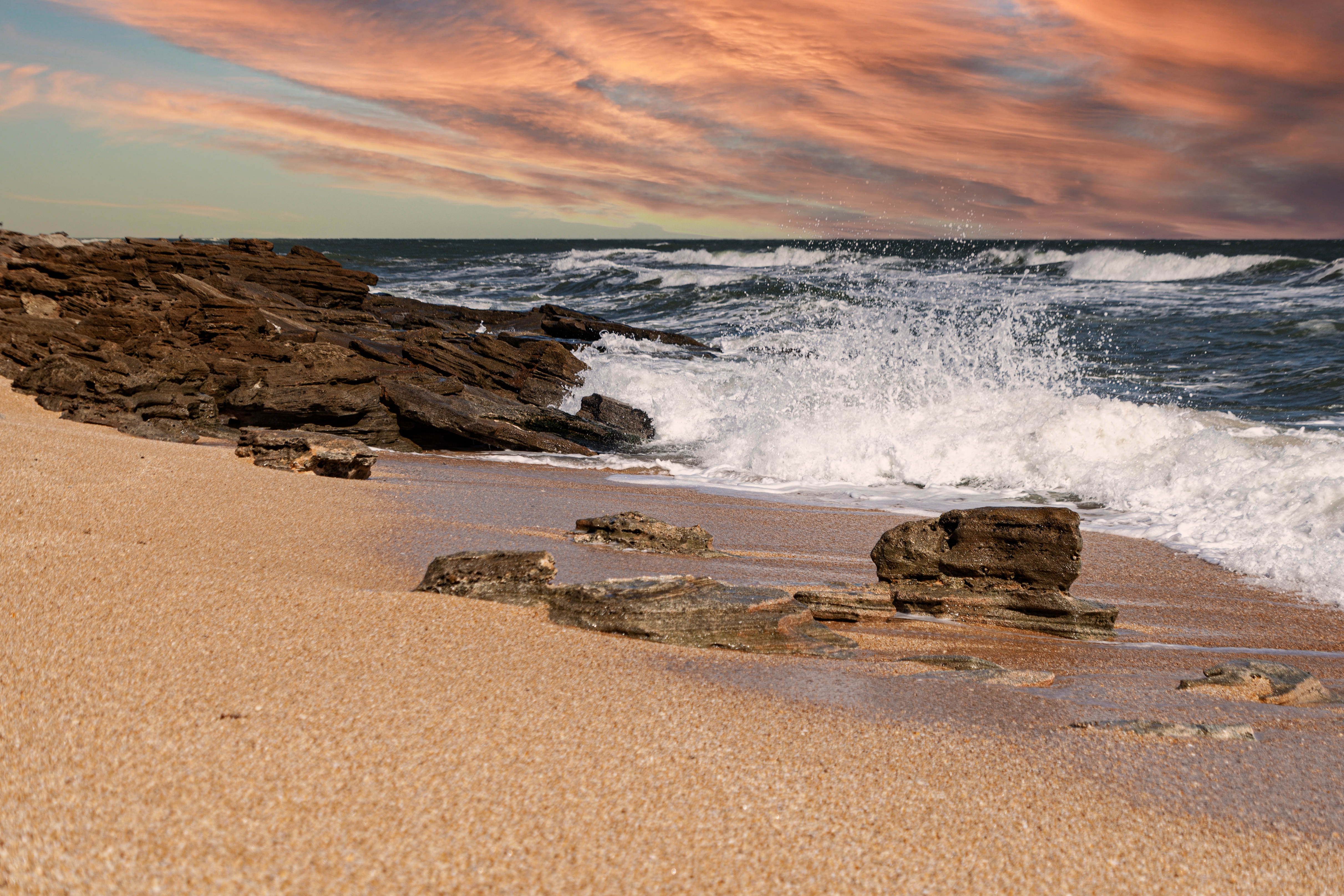
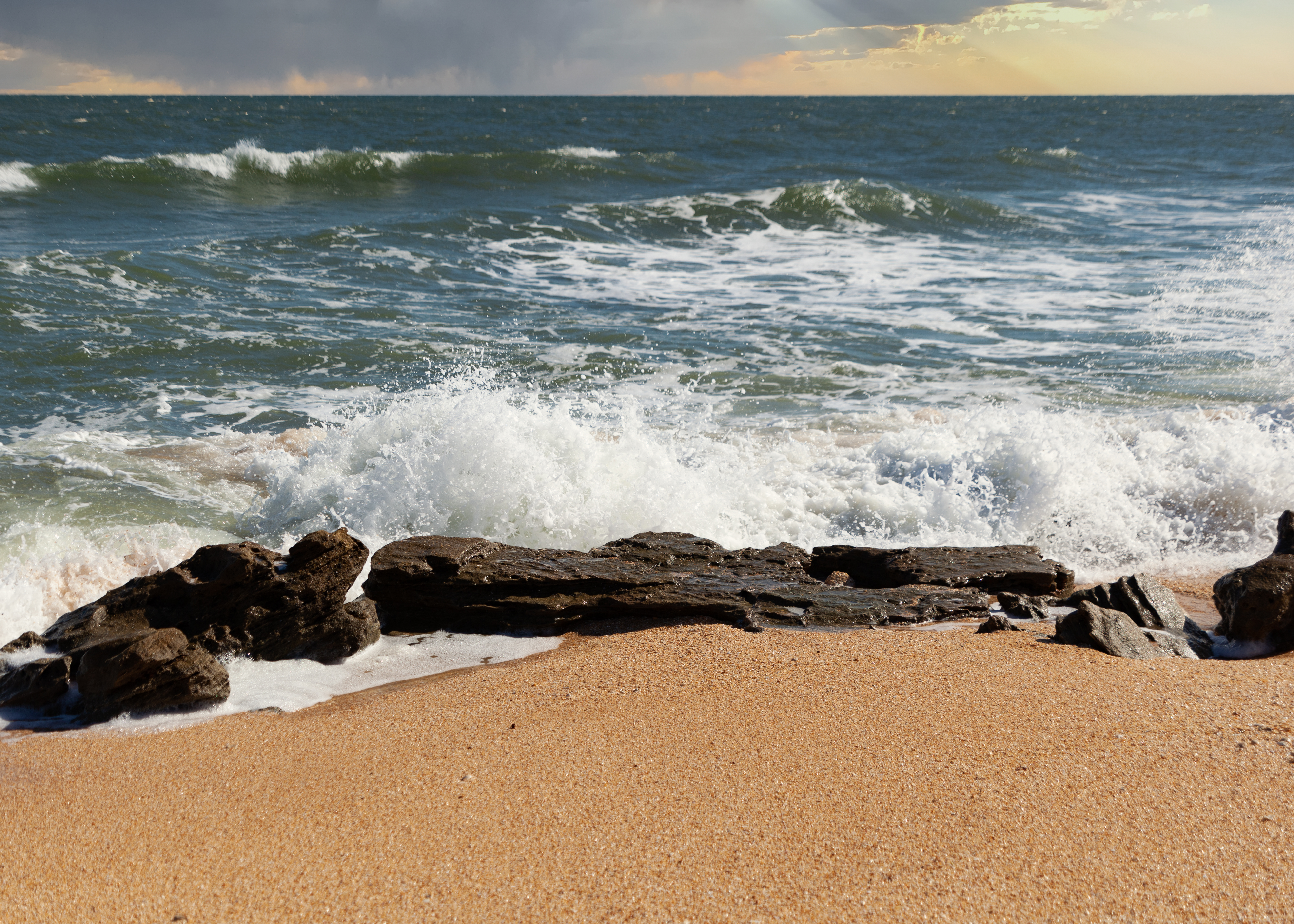
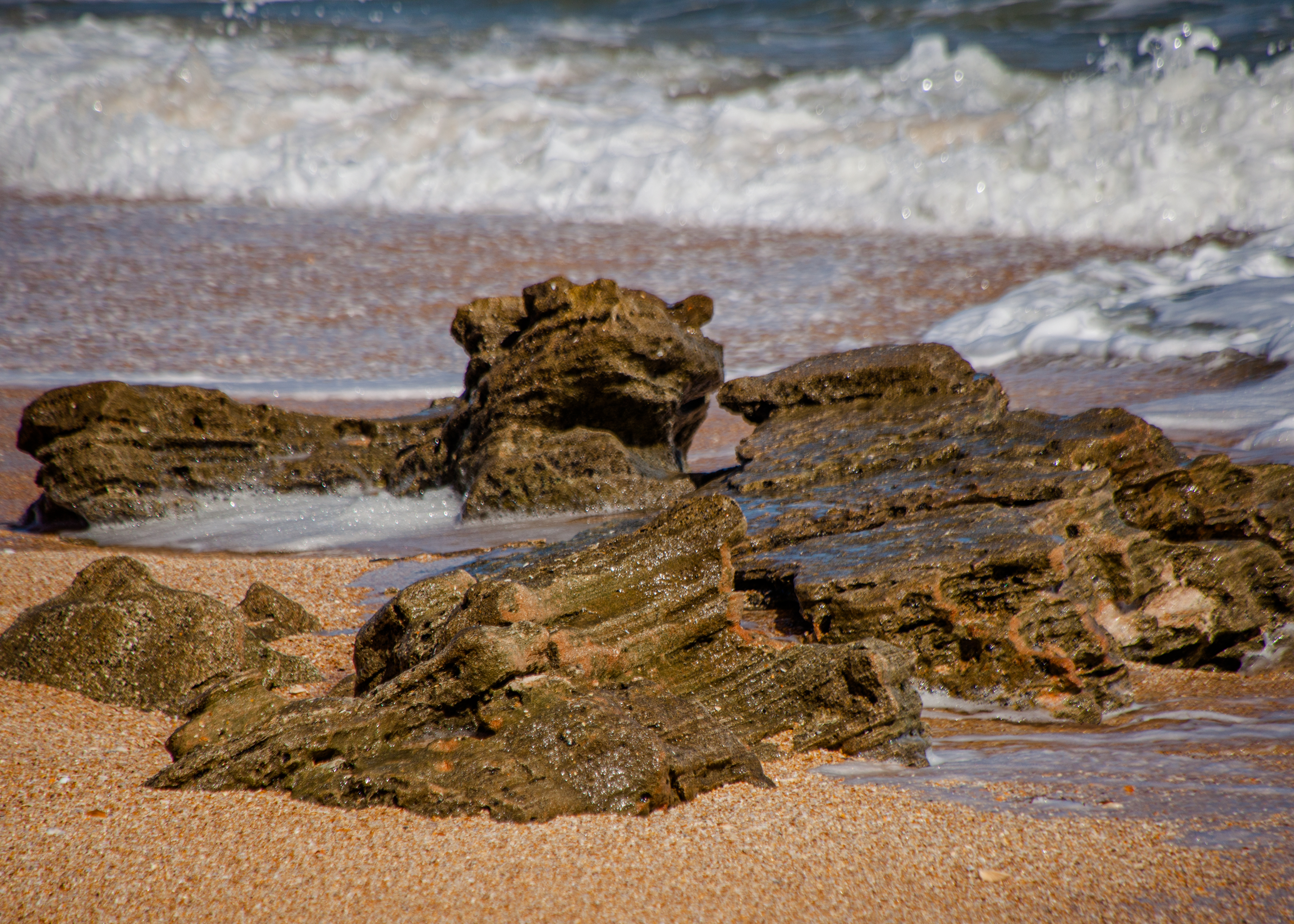
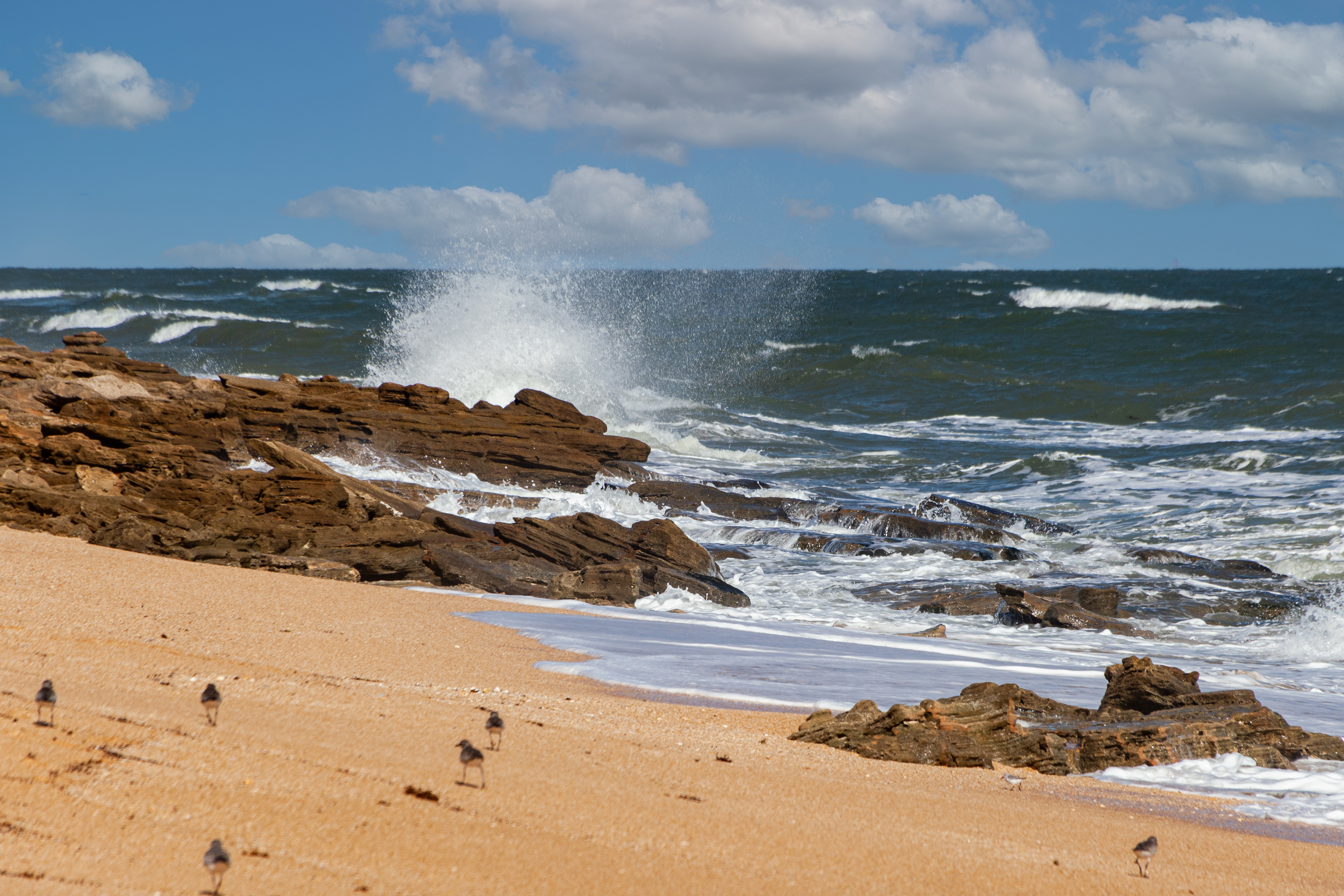
During our last visit the the beachside of the park was closed. Today we were able to visit the Coquina rock formations on the ocean. The parks website defines Coquina —

What is Coquina Rock?
       Coquina= (“co-KEEN-a”)

 Coquina rock is a type of sedimentary rock. The rock in our area formed in the near shore region, where shells and sand become well sorted by wave action. During times when sea level was lower, these shells and sand were exposed to rain. The rainwater dissolved some of the calcium carbonate (limestone) from the shells, which “glued” together the sand and shells into rock. If you look closely at the rock, you can see the individual shells and sand grains that are cemented together. The coquina rock is part of the Anastasia formation, which stretches from St.  Augustine to Palm Beach County, and was created during the Pleistocene era (12,000 to 2.5 million years ago.) The word “coquina” is Spanish for “cockle” and is the name given to the small, burrowing clam that lives in the sand just at the ocean’s edge. The scientific name for the coquina clam is Donax variabilis, as the shells of the clams can be various colors. These clams are also sometimes called“periwinkles” by locals, but true periwinkles are actually snails. Well I went there for the opportunity to take some photographs – after the beach we hiked the trails through the white oak forest and to view the gardens.

Back in Florida – Hiking Betty Steflik Memorial Preserve & Mala Compra Trail — 9-14-2020

We arrived in Plantation Bay on the 6th of August after a whirlwind drive across country to avoid the Corona virus (the trip was our first on Interstates all the way and in 5 days). We have spent the month unpacking 80 boxes that we shipped from Pasadena, in self quarantine for two weeks and then slowly getting back into the neighborhoods activity. My goal is to start exploring Central Florida one day a week then begin taking multi-day trips moving around the state in the months to come.

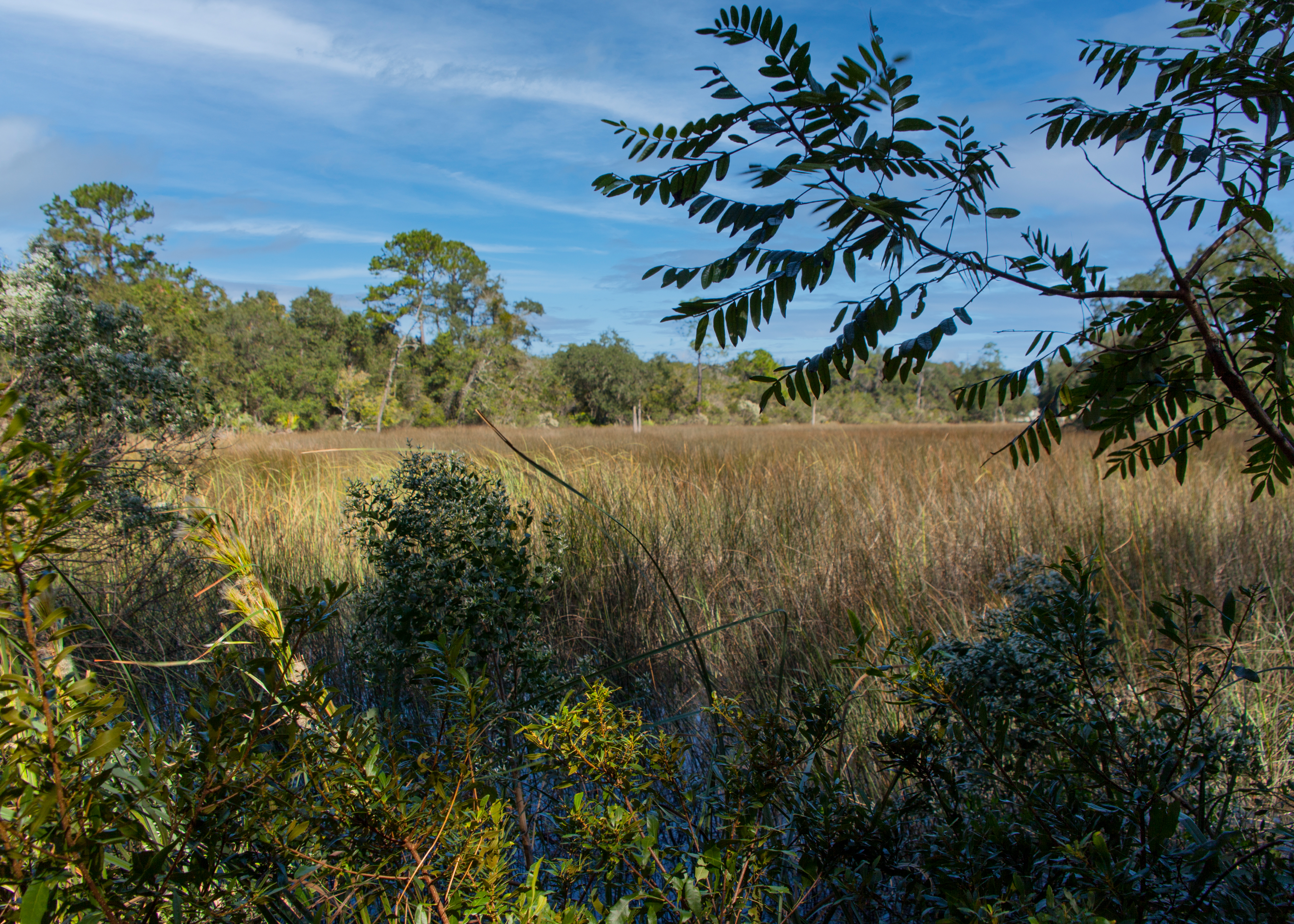
Monday I visited an old favorite spot the Betty Steflik Memorial Preserve and its boardwalk thru salt marsh and coastal scrub communities. (https://www.visitflagler.com/listing/betty-steflik-memorial-preserve/270242/)

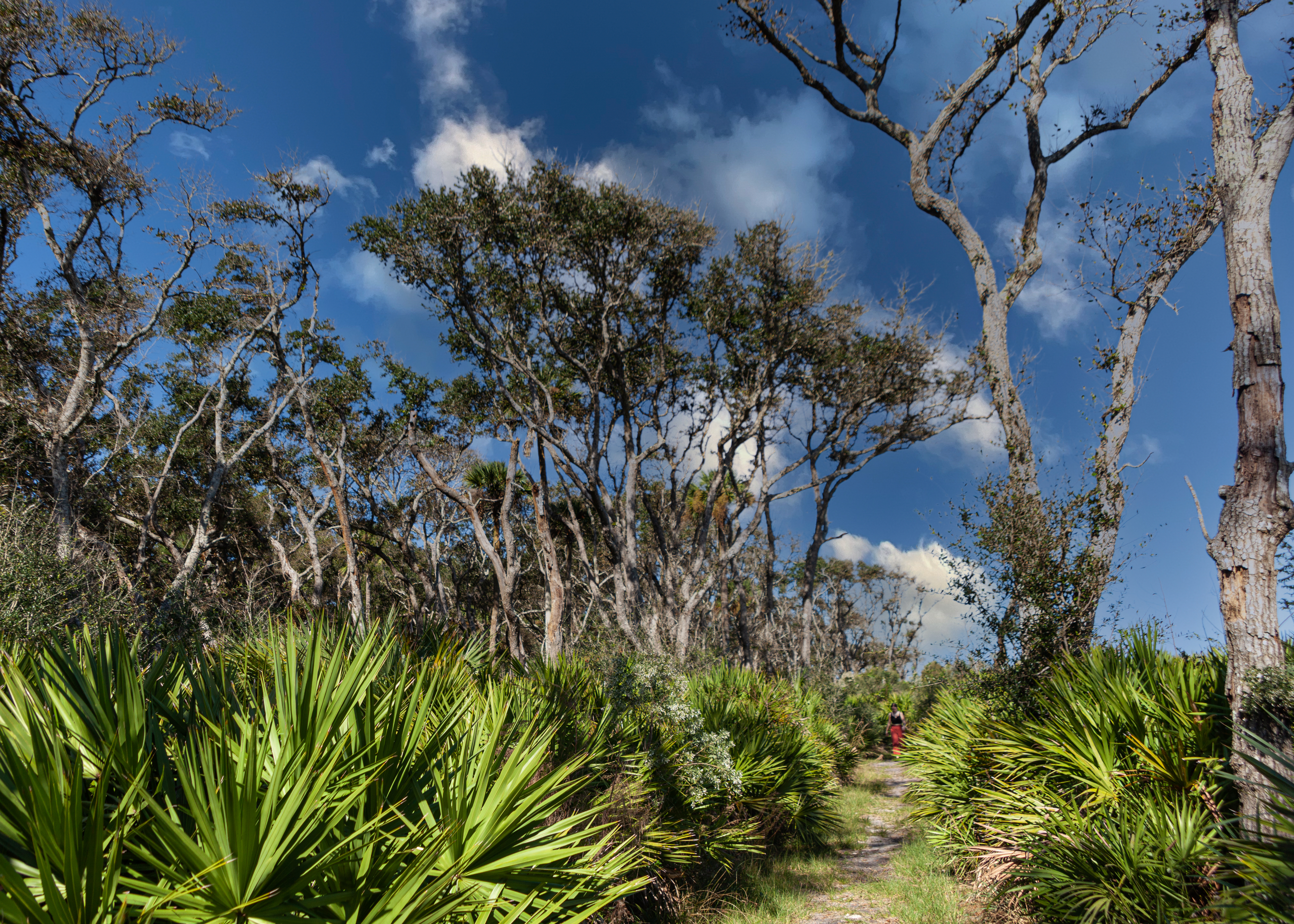
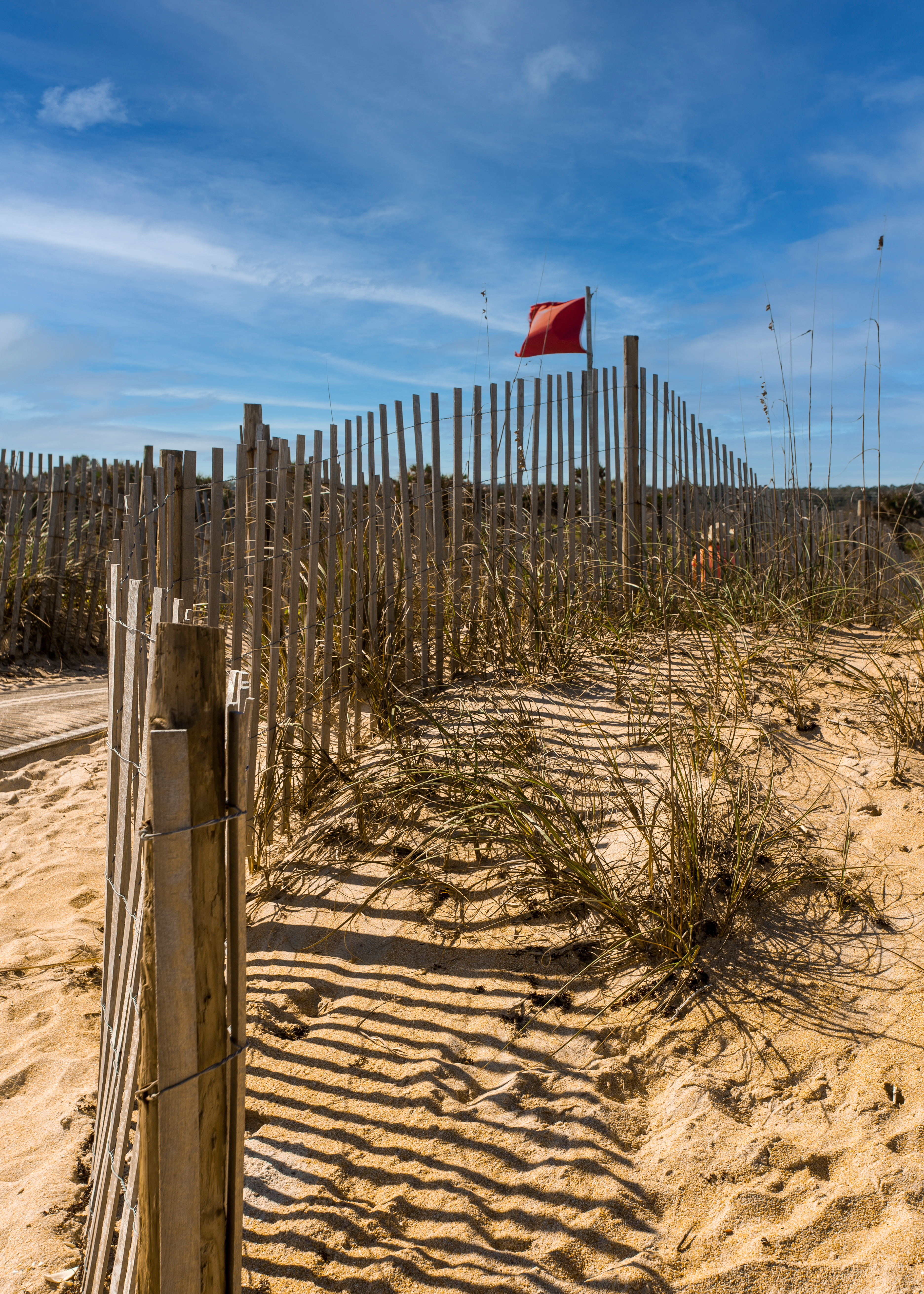
Then on to a new hike – the Mala Compra Trail. Mala Compra has a hiking trail and mountain bike trail system which I avoided. The trail is a walk thru scrub brush and boardwalks across salt marshes to dunes overlooking the Atlantic. (http://www.flaglercounty.org/document_center/Parks/MALA%20COMPRA%20trail%20brochure%20for%20website.pdf)

Hiking Black Creek Ravines Conservation Area

You will see a remarkable number of different Florida landscapes here, with elevations ranging from five feet above mean sea level at points along Black Creek to 90 feet above mean sea level on the sandhills. Some areas within the conservation area are classified as being imperiled in Florida because of their rarity and vulnerability to natural or man-made factors. Consisting primarily of pine flatwoods, sandhills and wetlands, this property’s most distinctive characteristics are the seepage slopes and steep ravines that result from a series of naturally eroding seepage streams. These sensitive ecosystems support a wide variety of native aquatic and wetland-dependent species. About 2.7 miles of the south shore of Black Creek is protected to maintain the important recharge functions of the upland sandhill community.

One of the special highlights of this property is its ravine system, which is almost a mile in length and almost 95 feet deep. Ravines are created when an underground soil layer, typically comprised of dense clay, prevents rainwater from percolating downward through the soil layers and into the water table and instead forces the water to move laterally across the landscape, creating natural erosion that begins as a small gully and over time grows into a large ravine.  Additionally, one of the features not to be missed at Black Creek Ravines is the spectacular overlook of Black Creek. The bluff stands almost 30 feet above the creek, an elevation rarely seen in Florida and provides a breath-taking view of the creek.

Northeast Florida

After spending Christmas in North Carolina we headed south for a week in Northeast Florida (first week in January) to scope out the area and see if it was a viable location in which to relocate our second home. Continue reading “Northeast Florida”

Blog at WordPress.com.

Up ↑