Search

Travelling Photographer

Photos and commentary from my travels around the globe

Category

Hikes

2024 Cross Country Trip #3

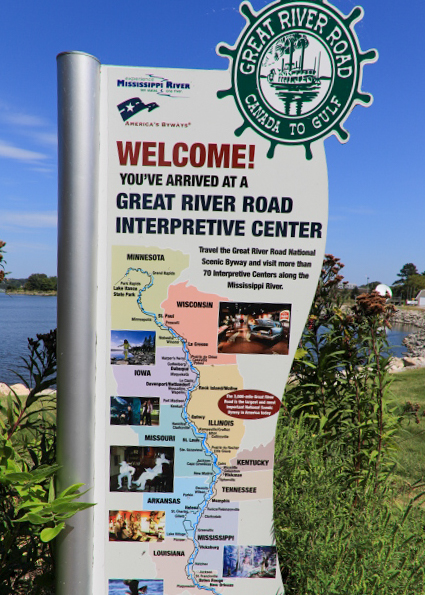
Continuing west we motored through Ohio and Indiana before visiting friends in Hoopeston Illinois. Leaving Hoopeston, we headed to western Illinois and started our journey along the Great River Road.

The Great River Road is a collection of state and local roads that follow the course of the Mississippi River through ten states of the United States. They are Minnesota, Wisconsin, Iowa, Illinois, Missouri, Kentucky, Tennessee, Arkansas, Mississippi and Louisiana. We will follow the river into Minnesota.

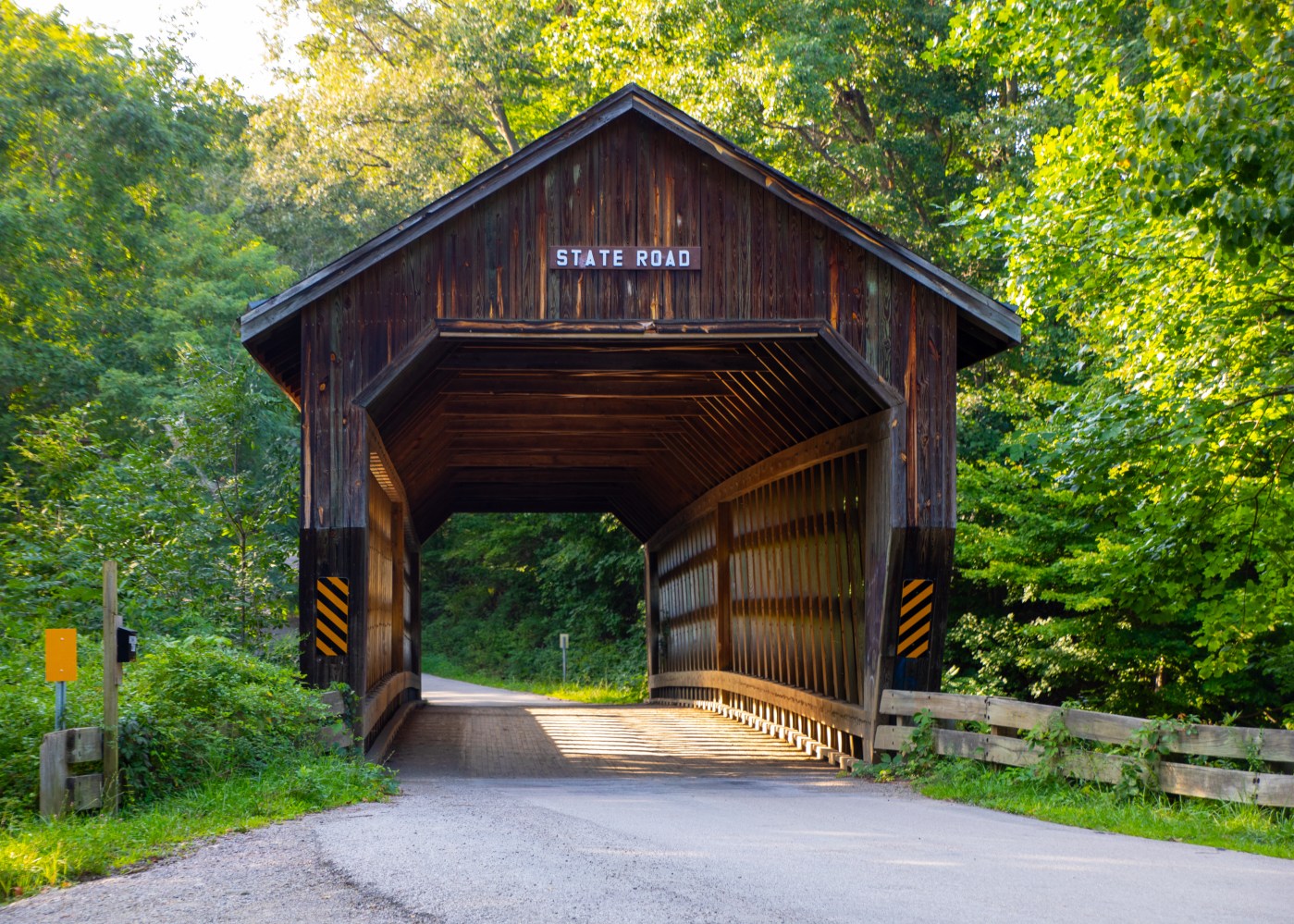
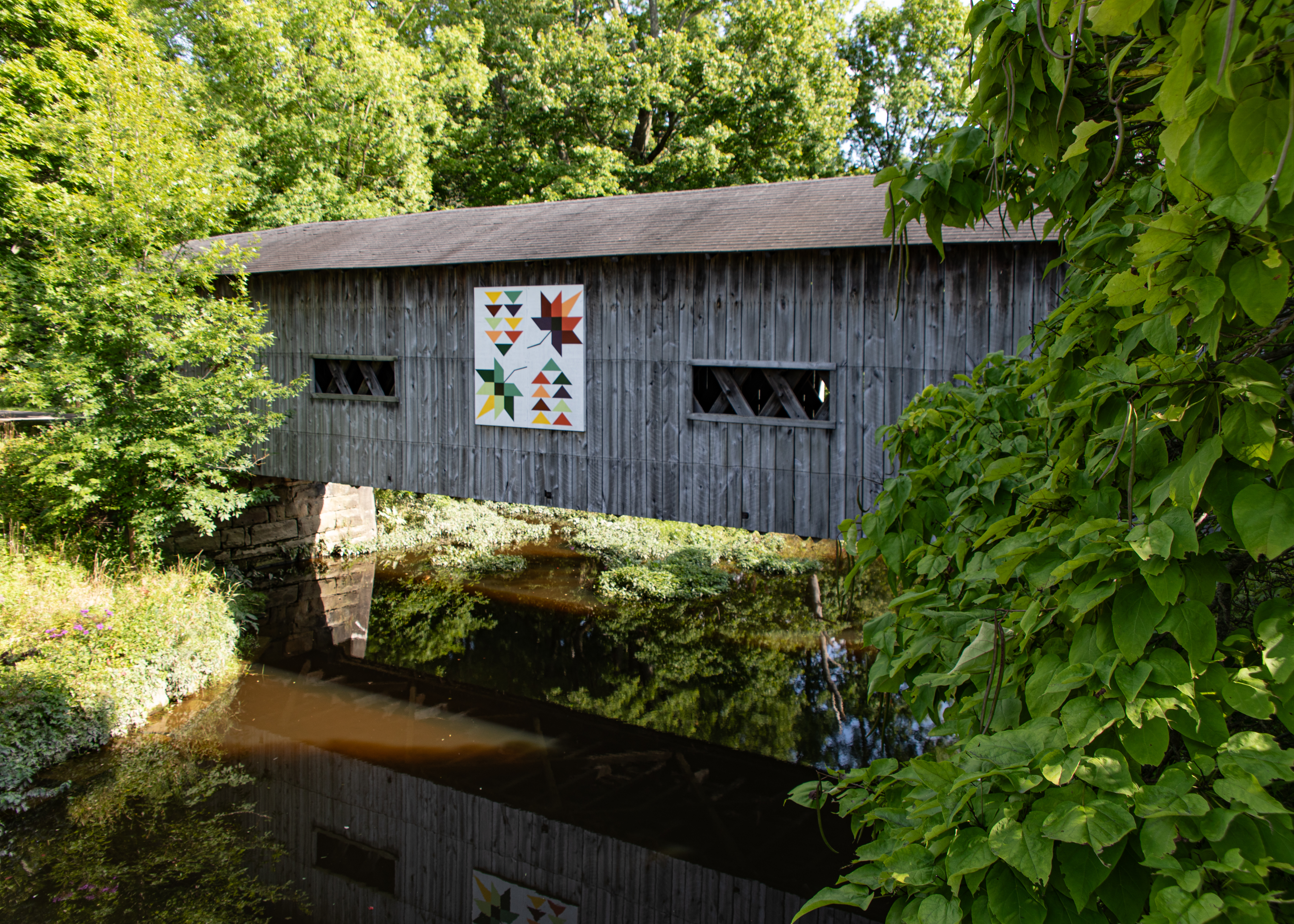
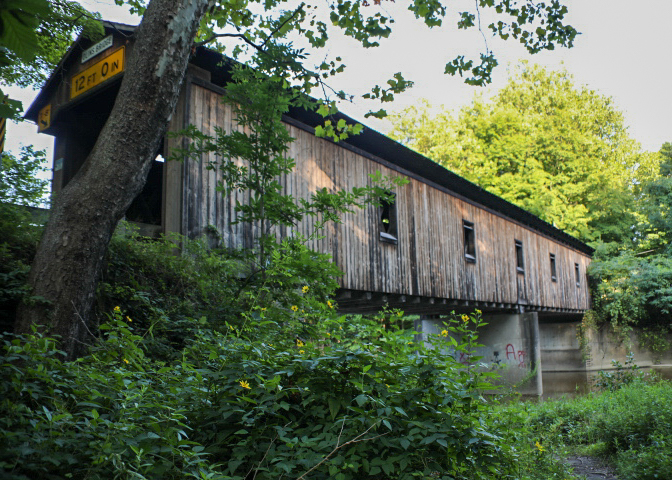
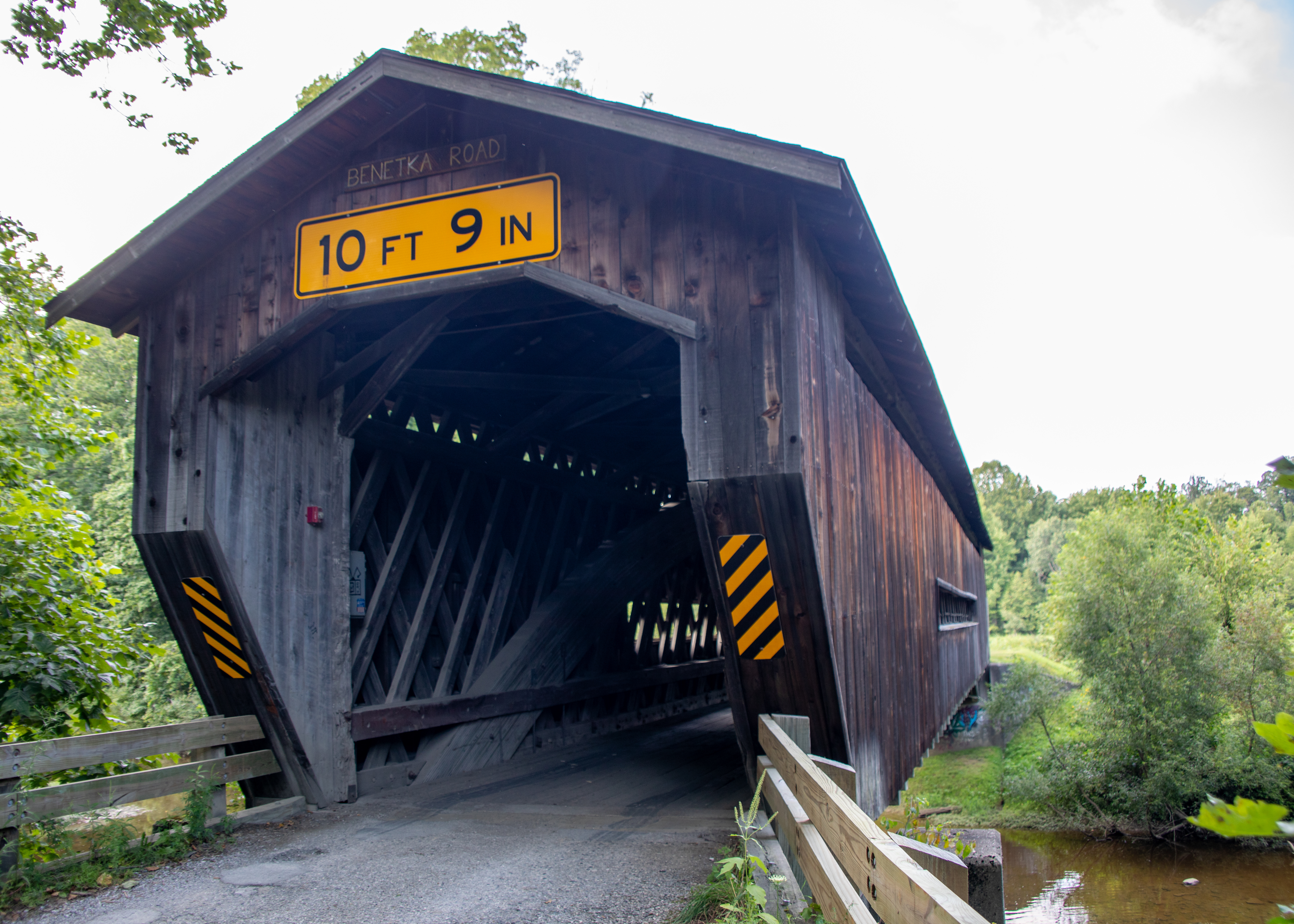
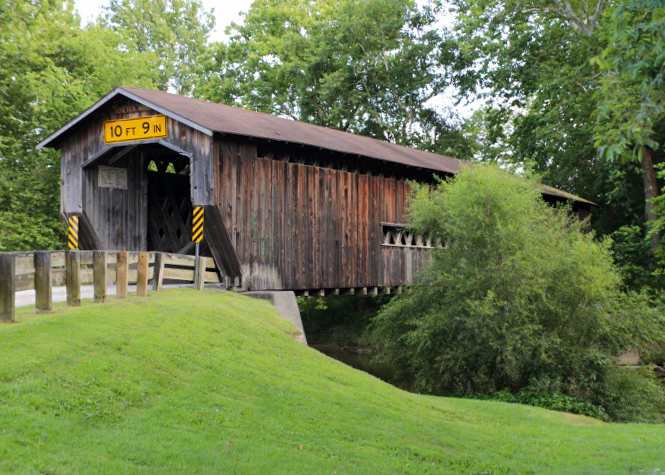
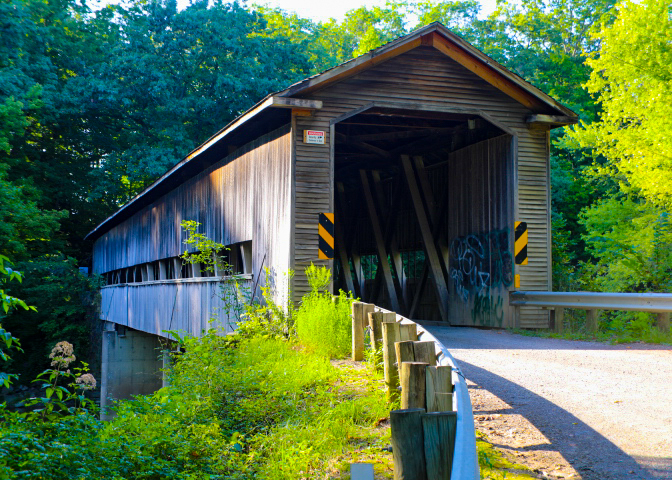
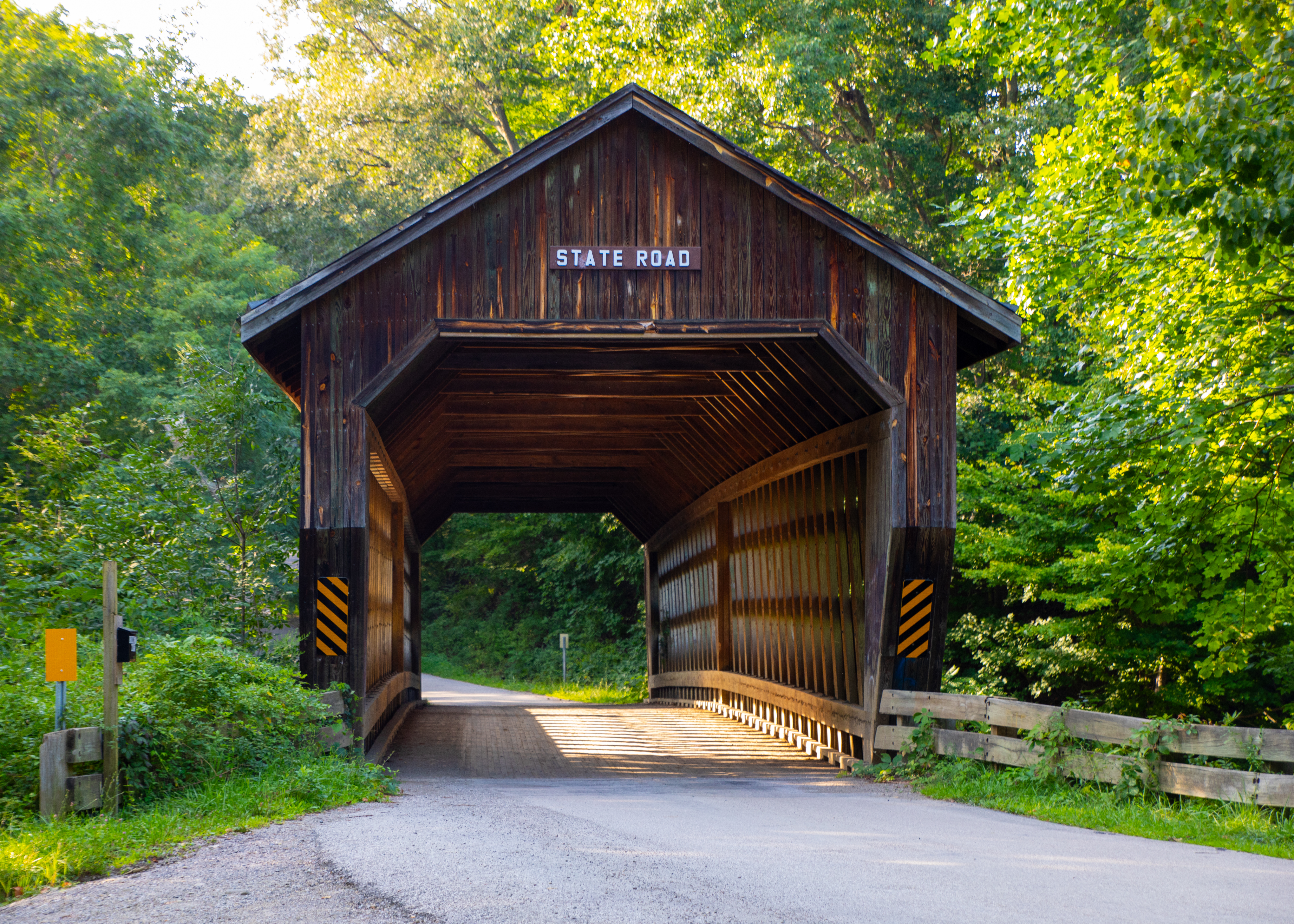
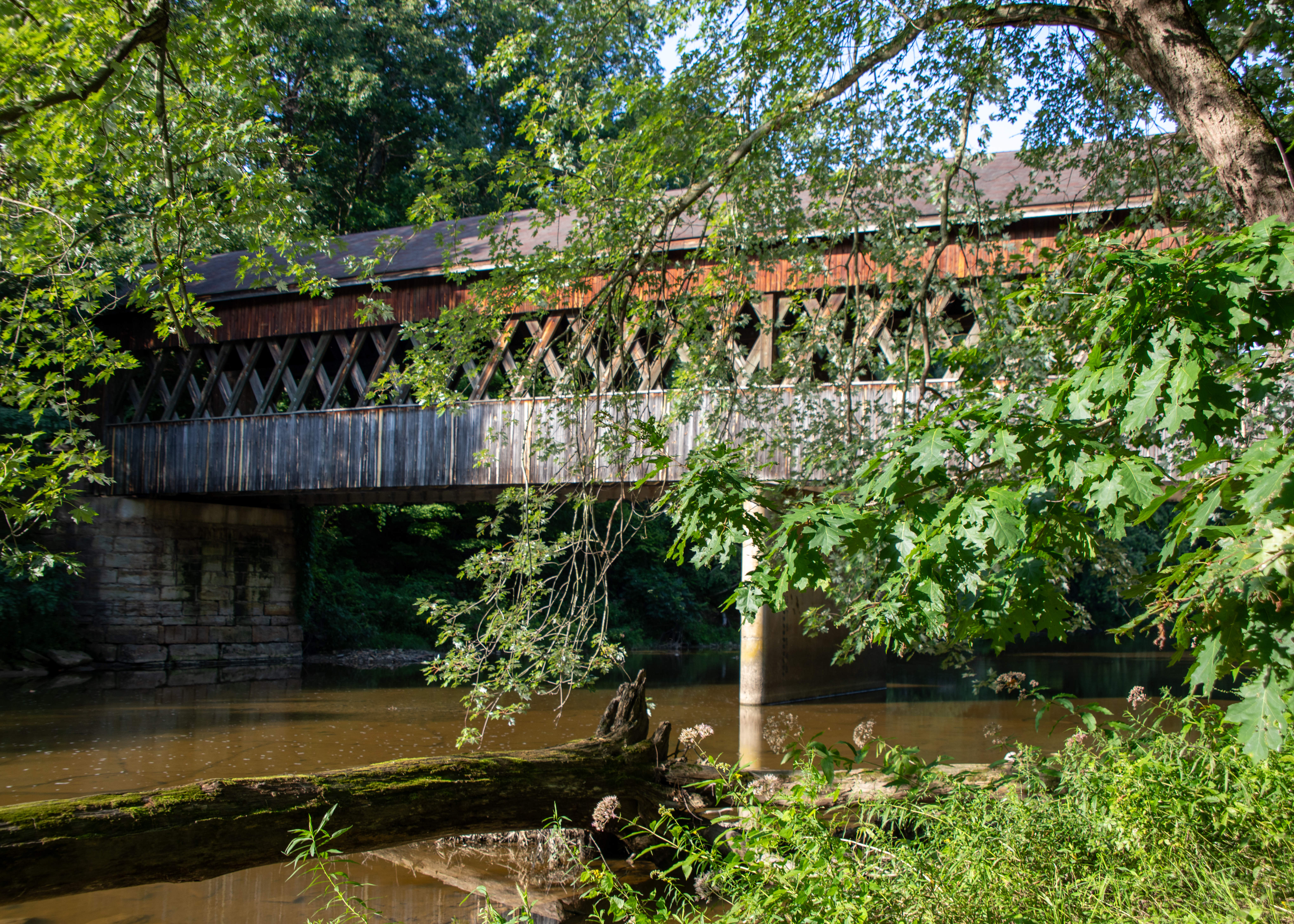
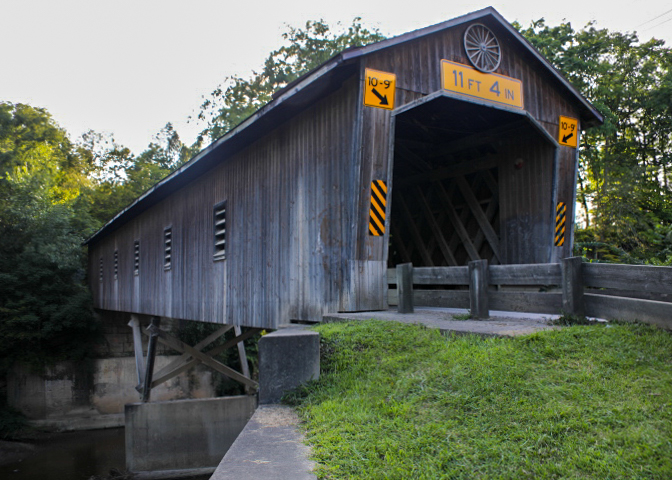
Leaving route 6 at the Ohio border we headed to Ashtabula to follow the county’s covered bridge trail. The county has two trails covering 19 bridges. We selected the North & Eastern tour covering 13 bridges: spanning 69 miles.

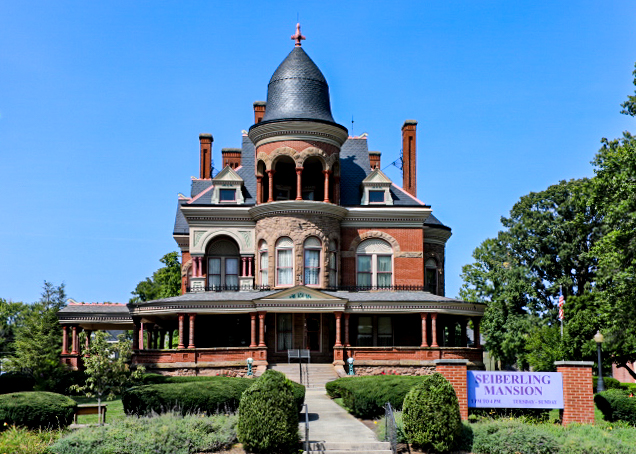
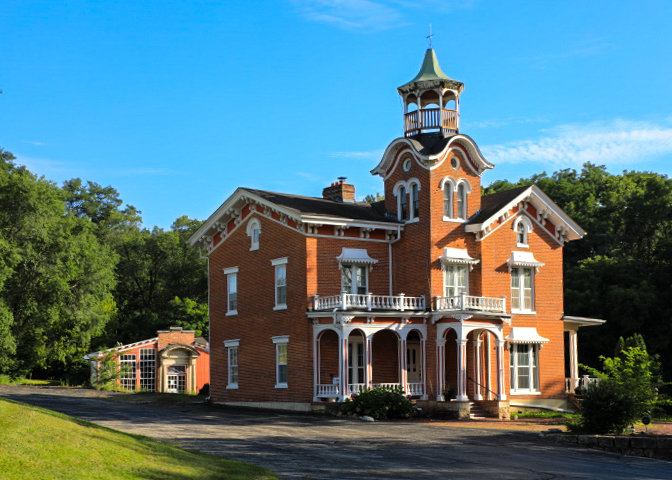
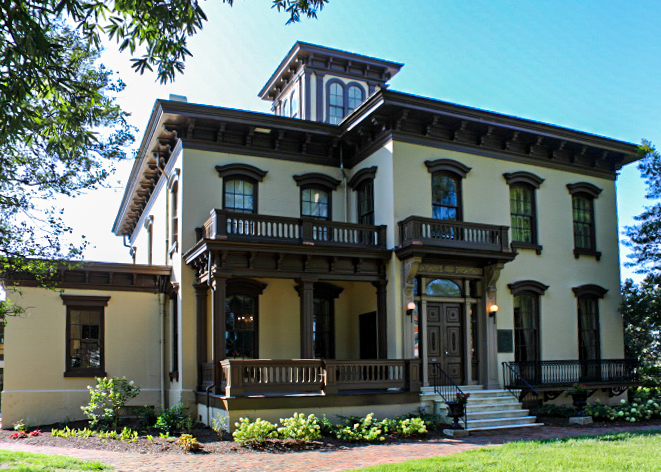
Driving the backroads of Indiana all we saw were miles upon miles of corn and soya beans with some sunflowers thrown in for good measure – except in Kokomo, The Sieberling Mansion. The Mansion was built by Monroe Seiberling, one of the first entrepreneurs to take advantage of the Indiana Gas Boom for large-scale industrial production. The building is an unusual combination of Queen Anne and Romanesque Revival architectural styles, with distinctive stonework, a huge wrap-around porch, and a three-story tower topped by an arcade and acorn-shaped roof.

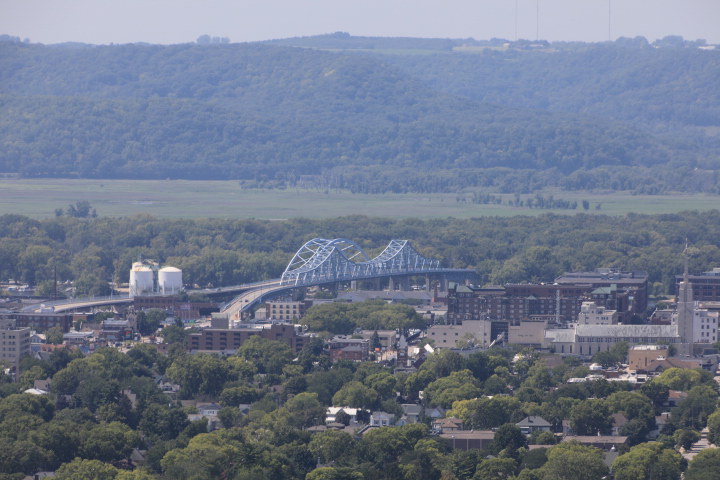
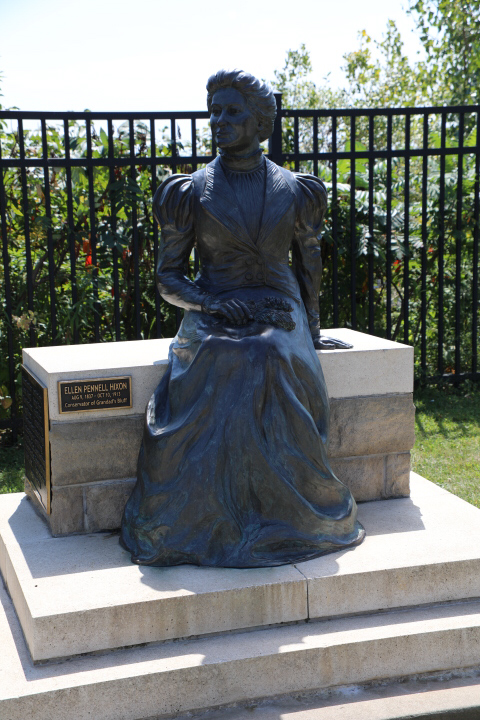
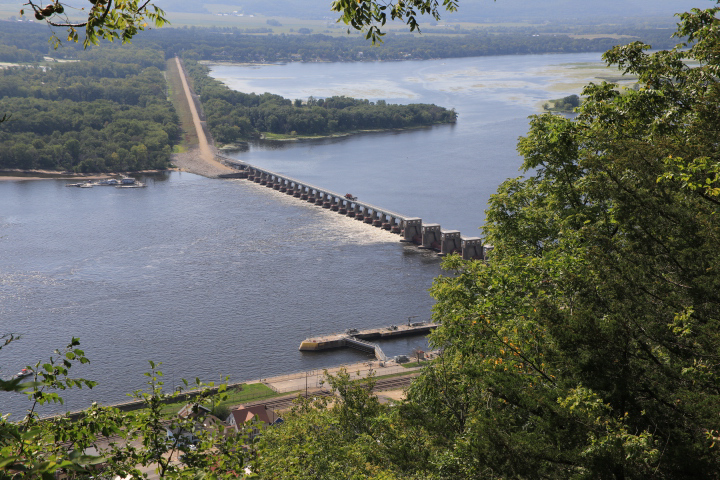
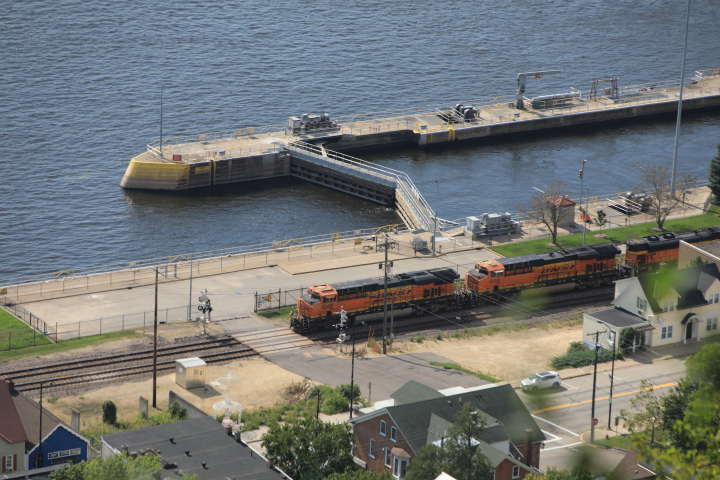
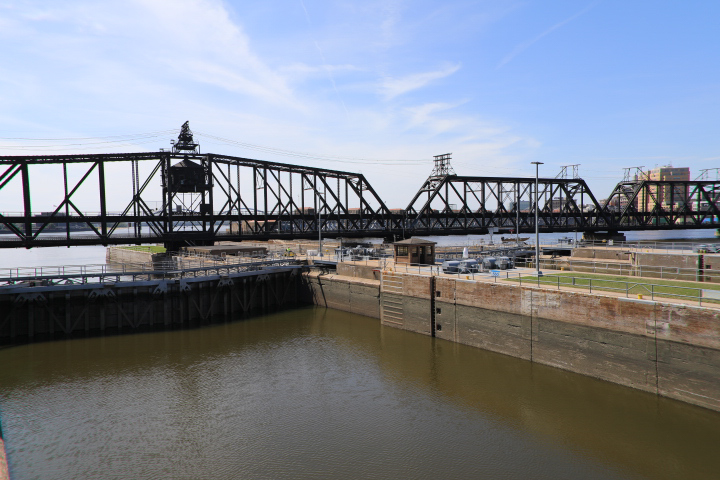
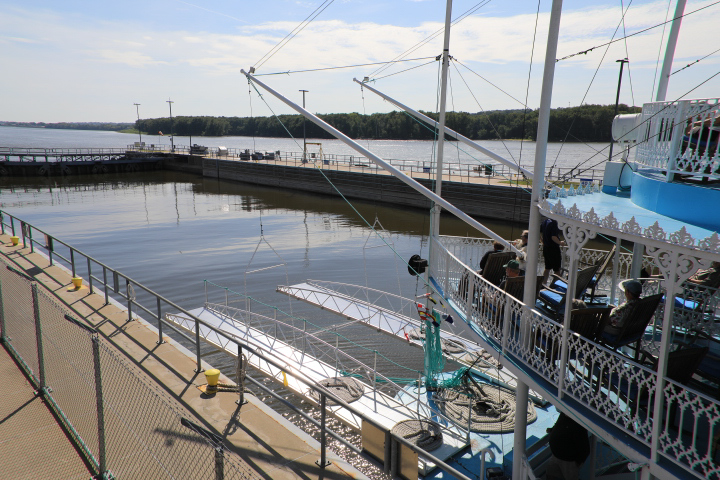
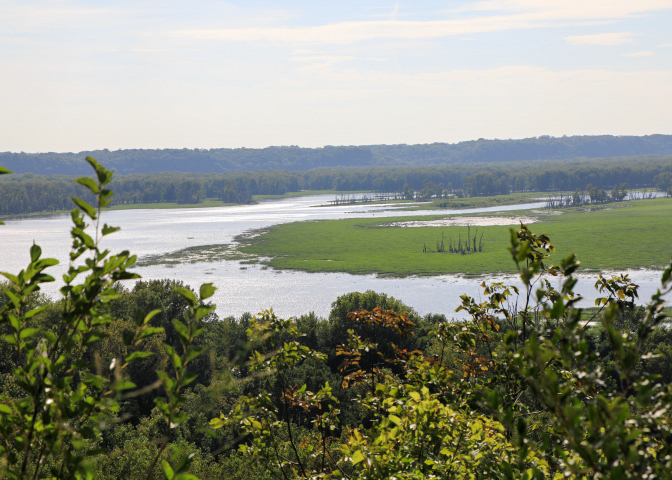
We started our Great River Road trip at the Mississippi River Visitor Center which is located on the Rock Island Arsenal in Rock Island, Illinois at Locks & Dam 15, overlooking the Upper Mississippi River. Since the early 1800’s the Corps of Engineers has been instrumental in making the river navigable for both commercial and recreational vessels. In early spring the river opens to commercial navigation. From April through mid-December visitors can watch boats pass through the locks. On our day there were no boats. An excellent view of the Government Bridge or Arsenal Bridge spanning the Mississippi River, connecting Rock Island, Illinois and Davenport, Iowa is afforded from the arsenal grounds. BTW to get into the arsenal you need to go through a security check which is like applying for a Global Entry Pass.

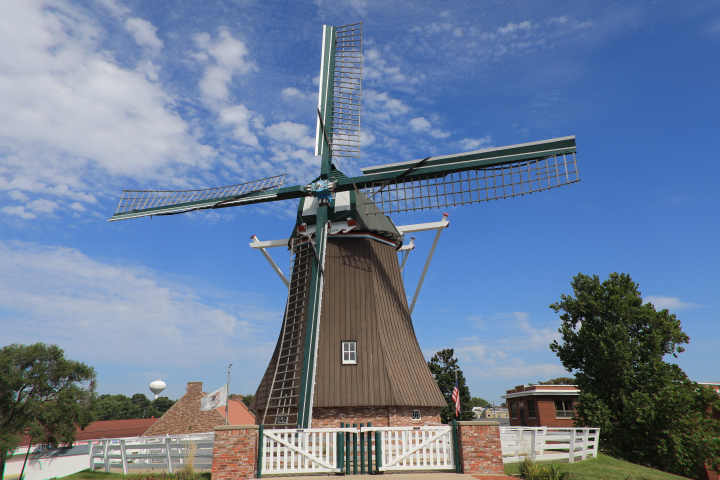
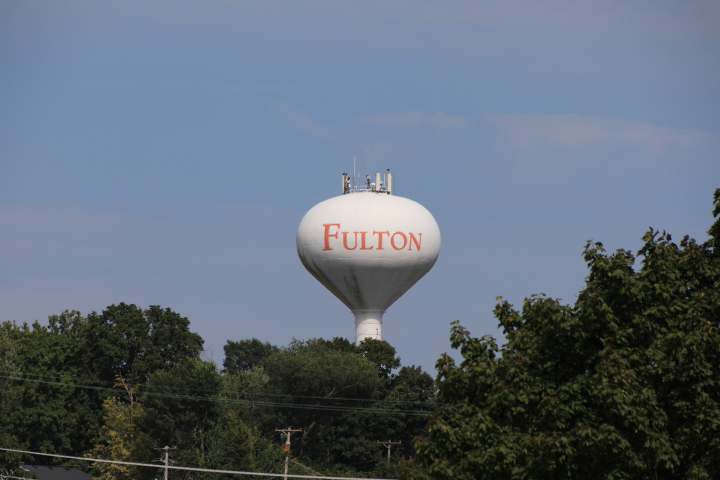
Heading upriver we stopped at Fulton noted for its working Dutch Windmill, set upon a Mississippi levy.

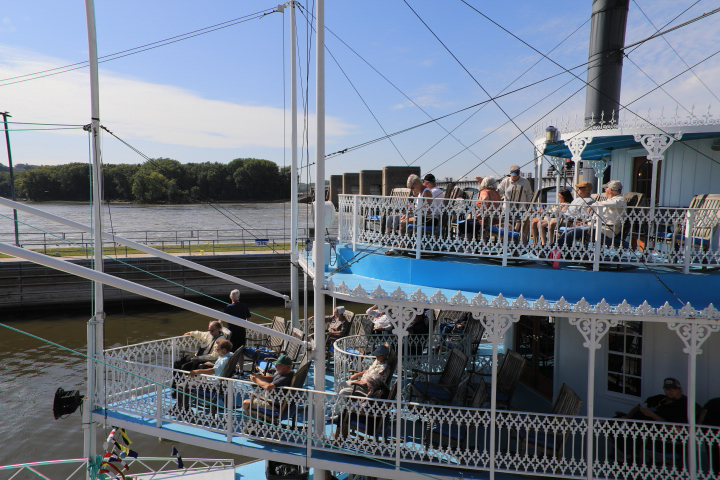
Next a stop at Lock 12 where we could see a riverboat heading downstream.

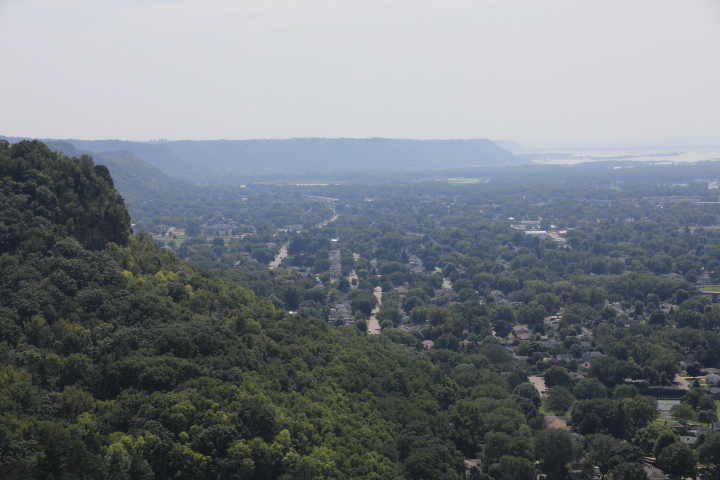
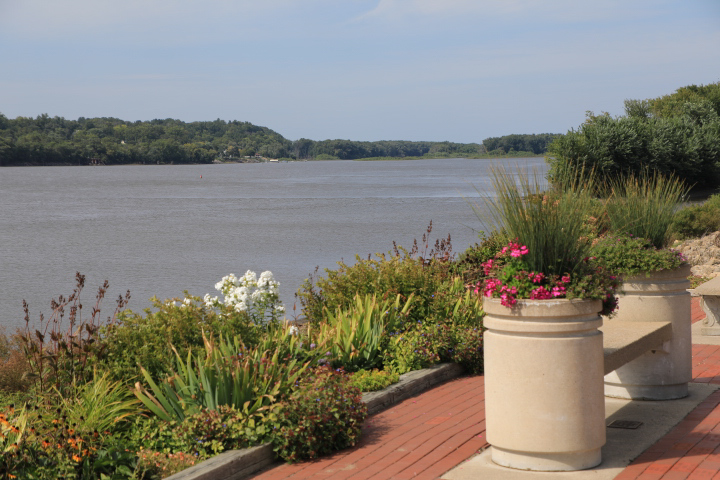
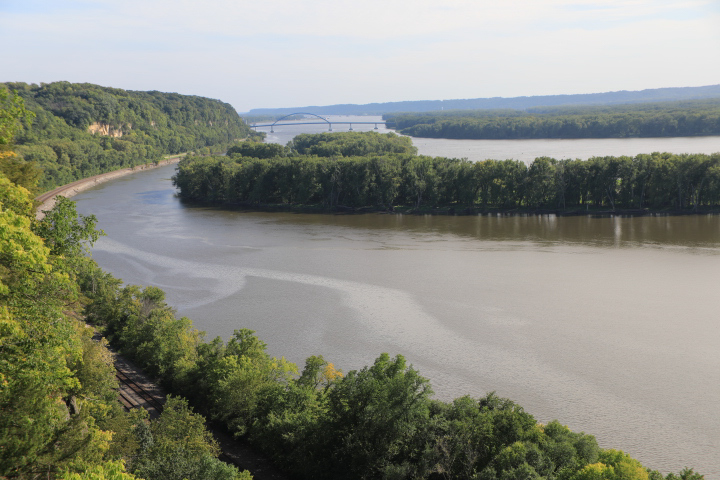
There were several state parks along the way which afforded excellent views of the river and its flood plain.

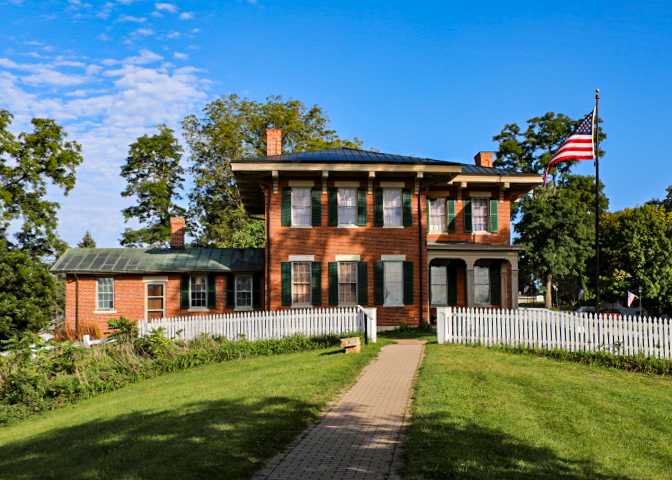
Finishing our day, we headed inland along the Ulysses Grant Highway to Galena and to the US Grant State Historic Site, which includes the Grant house (with fence) and Elihu B. Washburne House. Elihu Washburne (1816-1887), a prominent Galena attorney and later a U.S. congressman (1853-1869), political adviser to Abraham Lincoln and Ulysses S. Grant, and ambassador to France (1869-1877).

2024 Cross Country Trip #2

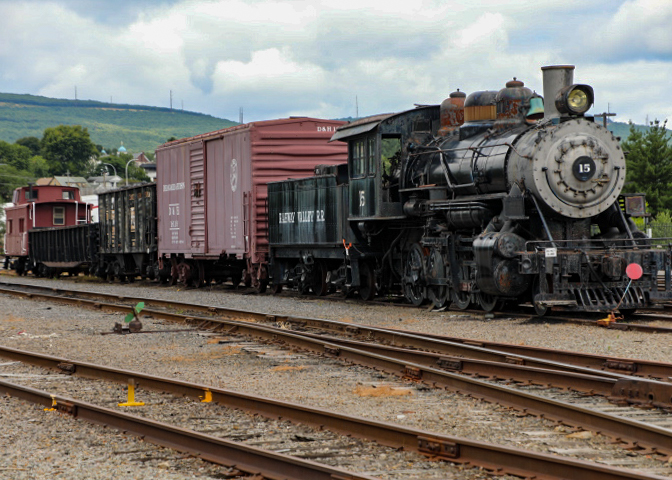
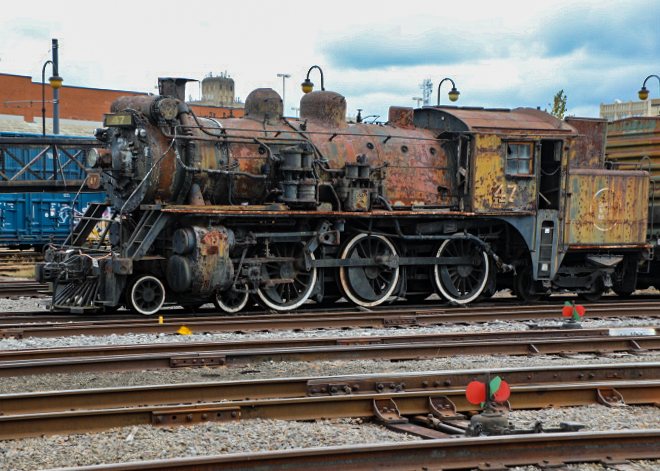
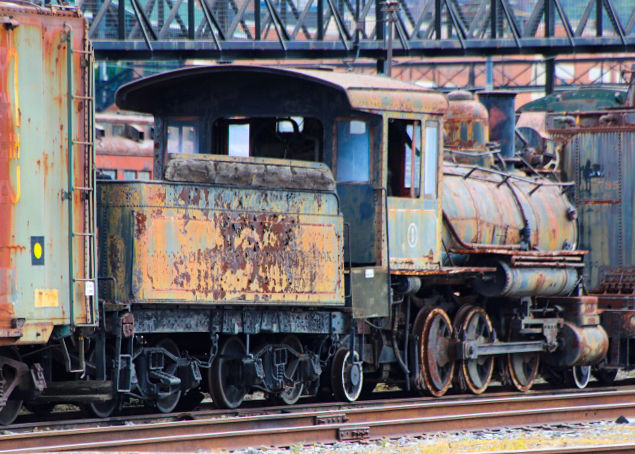
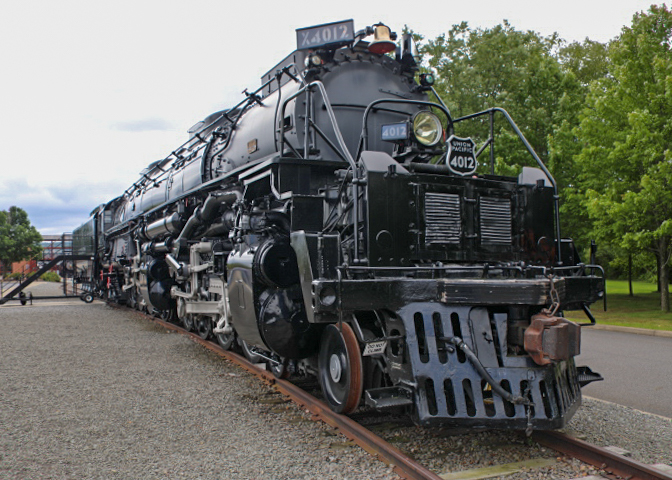
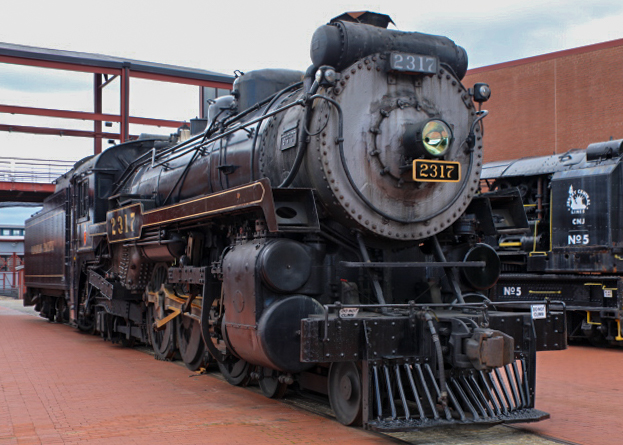
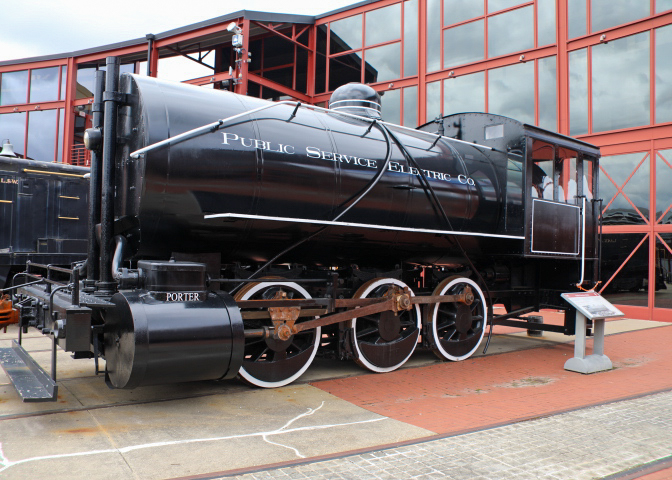
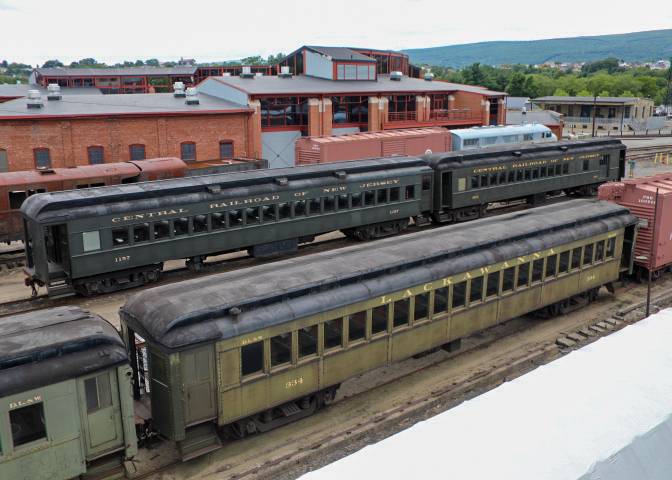
Instead of a posting for each day traveled I will be highlighting the sites we visited in a state or grouping of states since at times we needed to just add miles — as usual we generally avoid interstates and travel the red and blue roads. I have always wanted to travel across Pennsylvania’s northern tier and this time we headed out on scenic PA Route 6 (which runs almost 400 miles). Leaving New Jersey, we picked up the route in Scranton PA stopping at the Steamtown National Historic Site. The site is part of the National Park Service. The site covers both old and restored and dilapidated steam locomotives, railcars and a historic turntable, located on the former Scranton yards of the Delaware, Lackawanna, and Western Railroad (DL&W). 

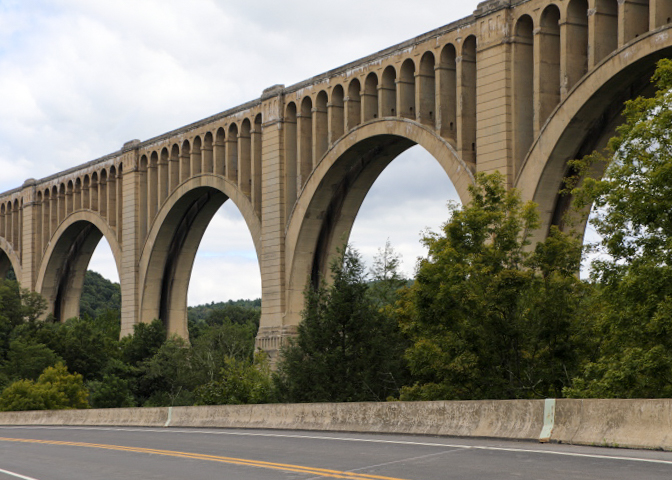
Leaving Scranton we stopped to see the Tunkhnnock Creek Viaduct – The Viaduct, is the world’s largest concrete railroad bridge, was part of a major improvement to the Delaware, Lackawanna and Western Railroad. Commonly called the Nicholson Bridge, it was constructed from 1912 to 1915. The bridge is 2,375 feet long, 34 feet wide, and 300 feet in extreme height from the top of the parapet to bottom of deepest foundation pit.

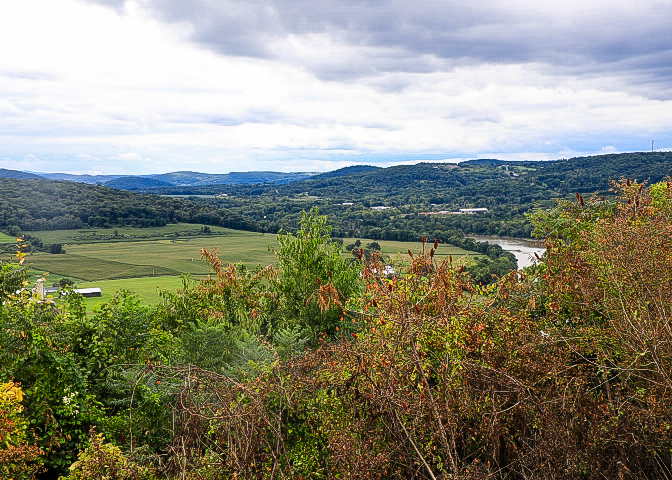
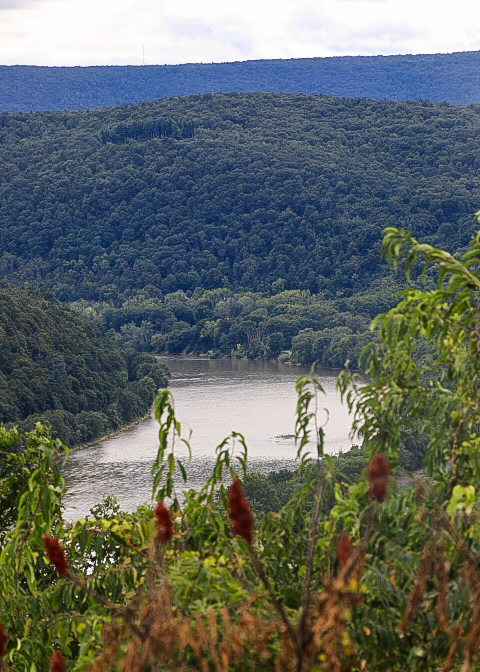
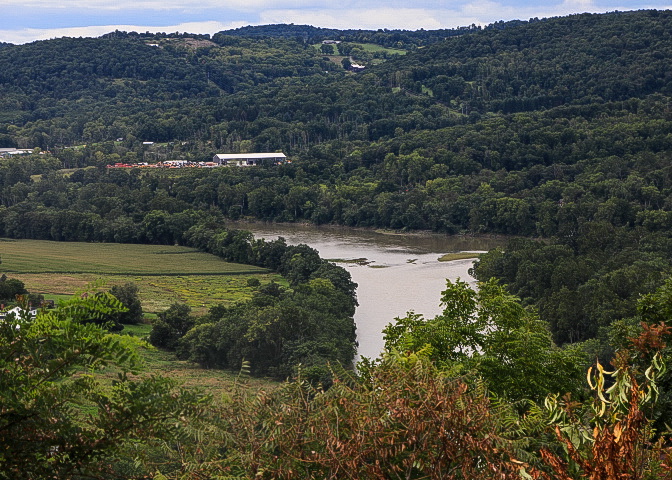
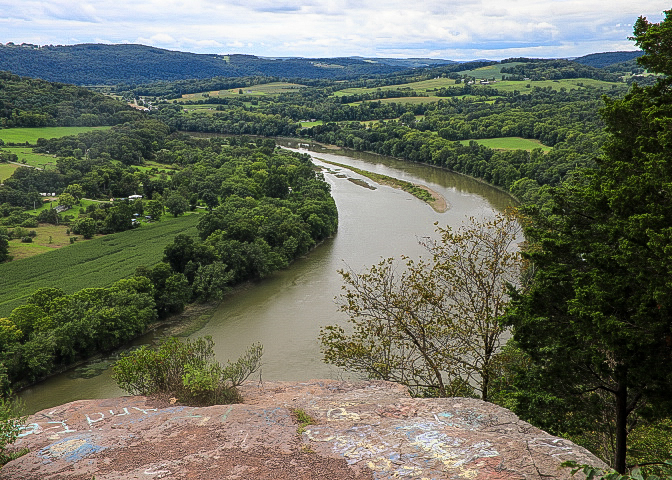
Heading further west we stopped at two overlooks – French Azilum Lookout (also known as Marie Antoinette Overlook) and Wyalusing Rocks Overlook.

French Azilum provided beautiful scenic view of endless mountains, farms and the Susquehanna River, French Azilum was a refugee settlement built in the 1700s which was built by French nobles and others fleeing the French Revolution. See: (https://pabook.libraries.psu.edu/literary-cultural-heritage-map-pa/feature-articles/nobles-wilderness-story-french-azilum).

Wyalusing Rocks – located 500 ft. above the Susquehanna River, this site was used by the Iroquois Indians as a signaling point. You need to be on the other side of the river to see the rocks, but the view of the river and farmlands is impressive.

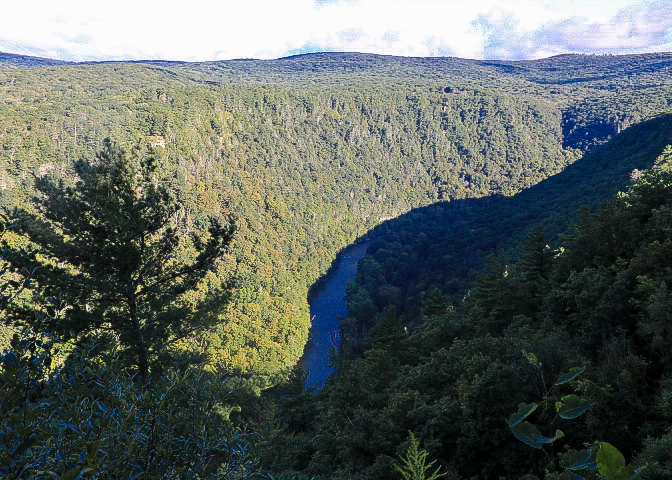
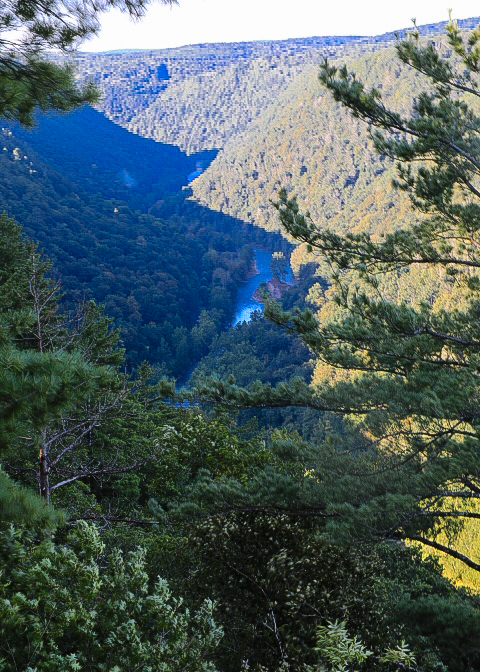
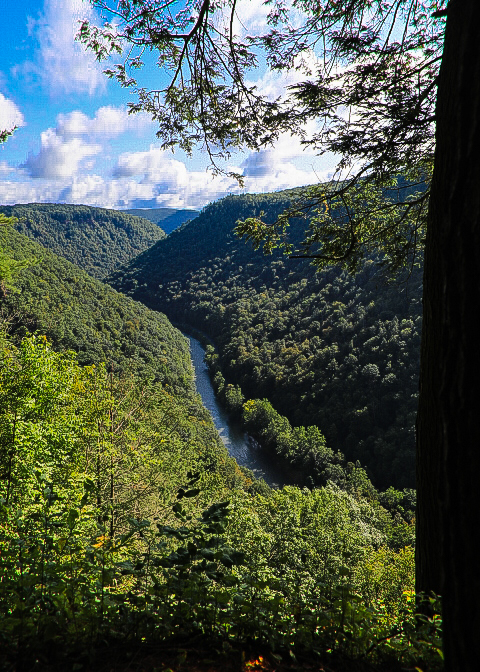
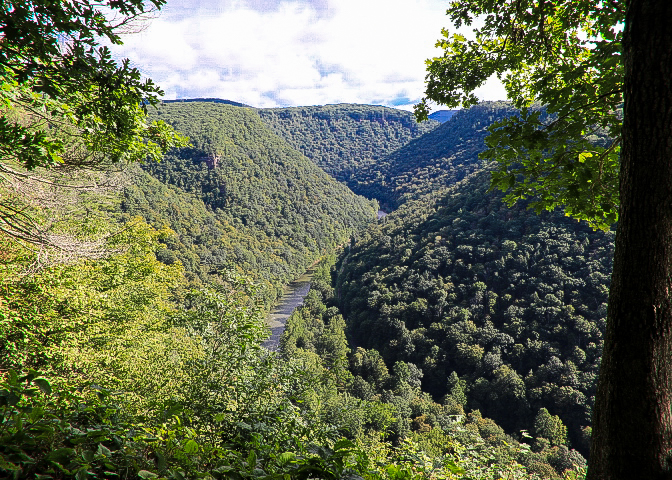
After spending the night in Mansfield PA, we headed to the “Grand Canyon of PA” which has been on my bucket list for a long time.

Leonard Harrison and Colton Point State Parks are on opposite sides of Pine Creek Gorge, called the Grand Canyon of Pennsylvania. Many scenic vistas offer spectacular views into the glacially carved canyon. We decided to view the canyon from both sides, which took most of the morning. At its deepest point, Pine Creek Gorge is 1,450 feet deep and nearly one mile wide. After enjoying the vistas from the east side lookouts, we hiked the Rim Trail on the west side of the canyon for some exercise.

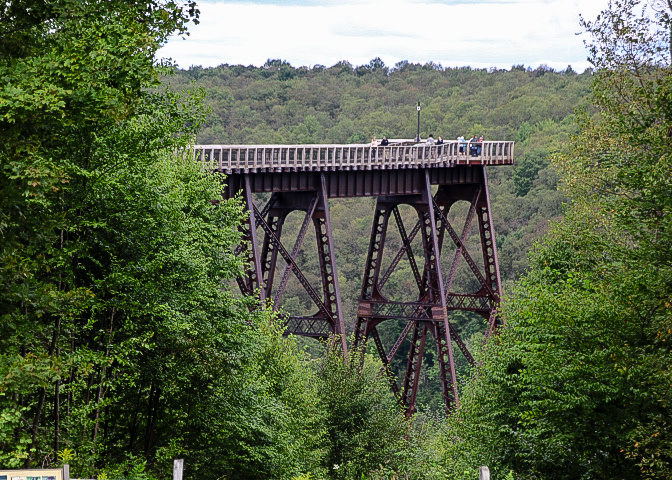
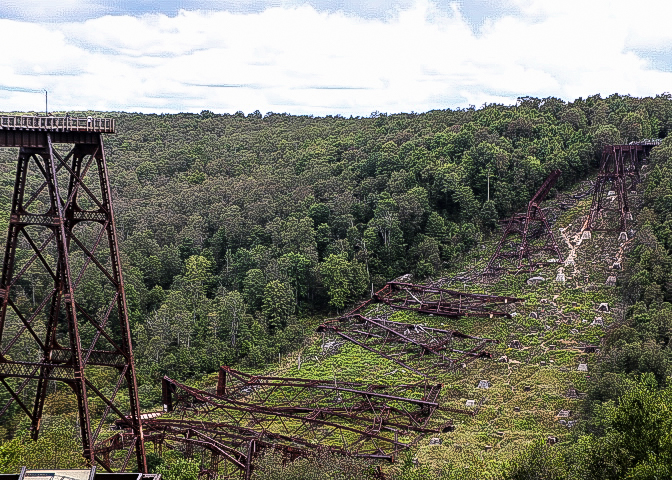
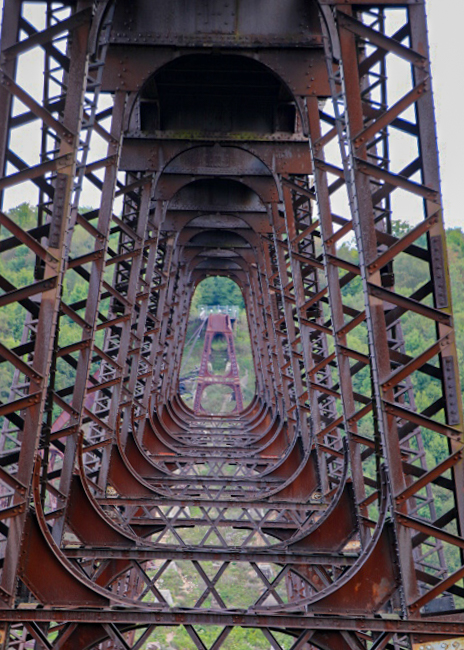
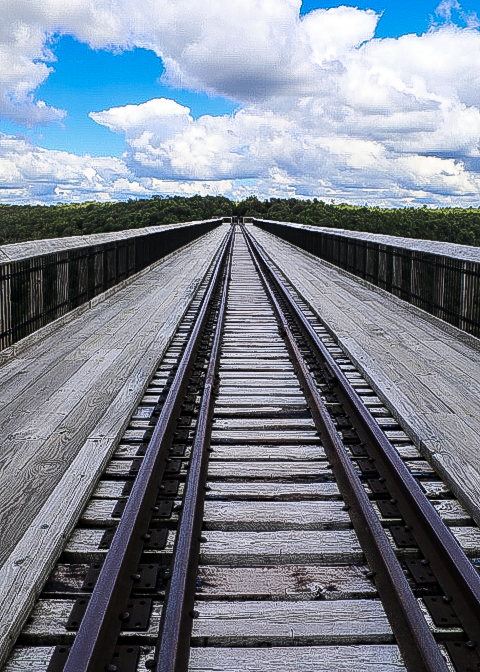
Continuing our westward journey we stopped at Kinzua Bridge State Park. The 339-acre Kinzua Bridge State Park is the home of the reinvented Kinzua Viaduct. The Viaduct, once the longest and tallest railroad structure​ at 2,053 feet long and 301 feet high, was partially destroyed by a tornado during 2003. Reinvented as a pedestrian walkway during 2011, you can stroll 600 feet out on the remaining support towers, peer miles out into the Kinzua Gorge, and gaze down through the partial glass platform at the end of the walkway.

2024 Cross Country Trip #1

The trip started with a Wedding Reception in NJ. On our first day we packed on the miles and arrived in Greensboro NC for the night. A long first day. Over the next two days we drove Route 29 (The Seminole Trail) from the NC border to Charlottesville and Route 15 (Journey Through Hallowed Ground National Scenic Byway) from Charlottesville to Gettysburg then onto Philadelphia along Route 30 before our destination in northwestern NJ.

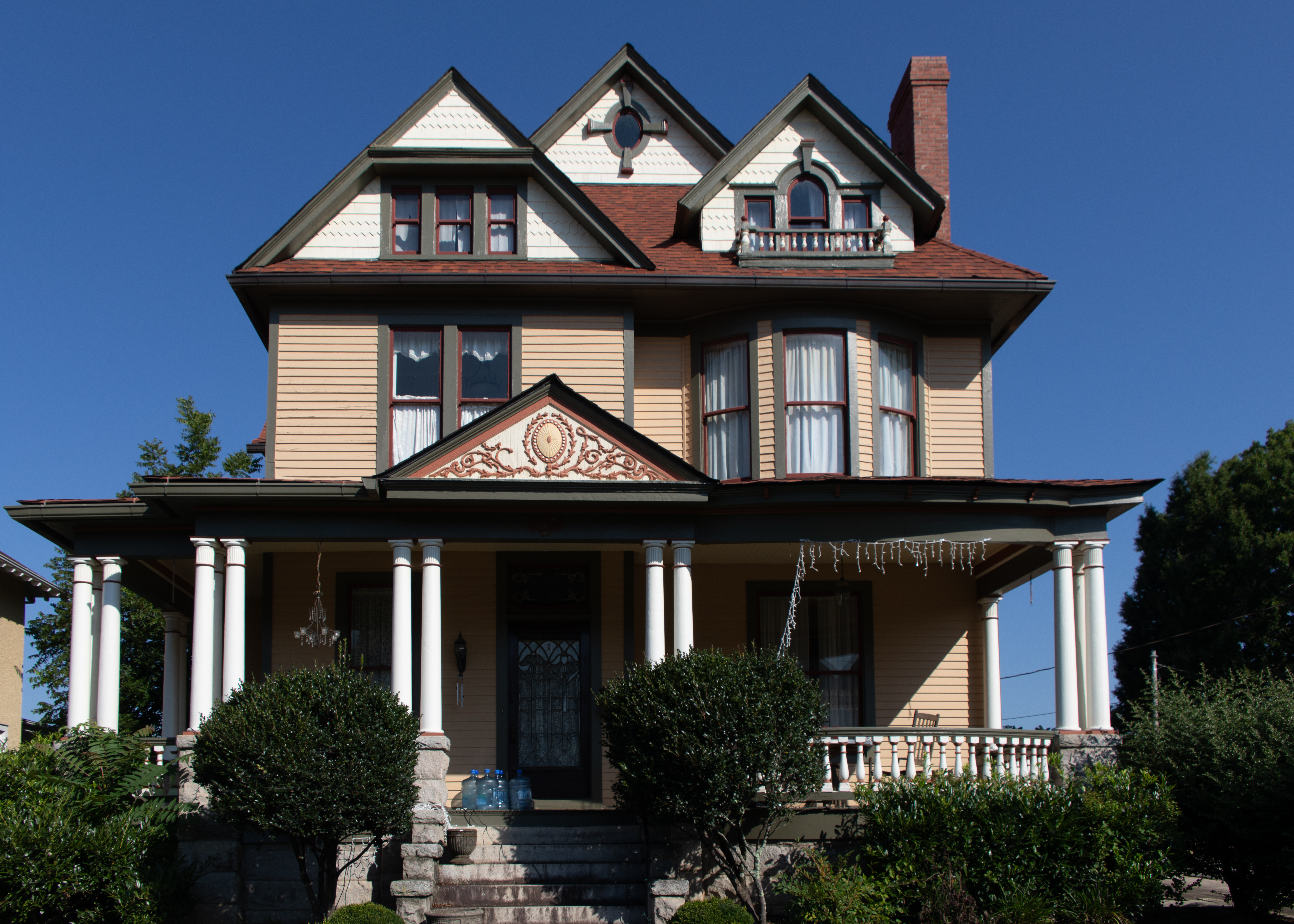
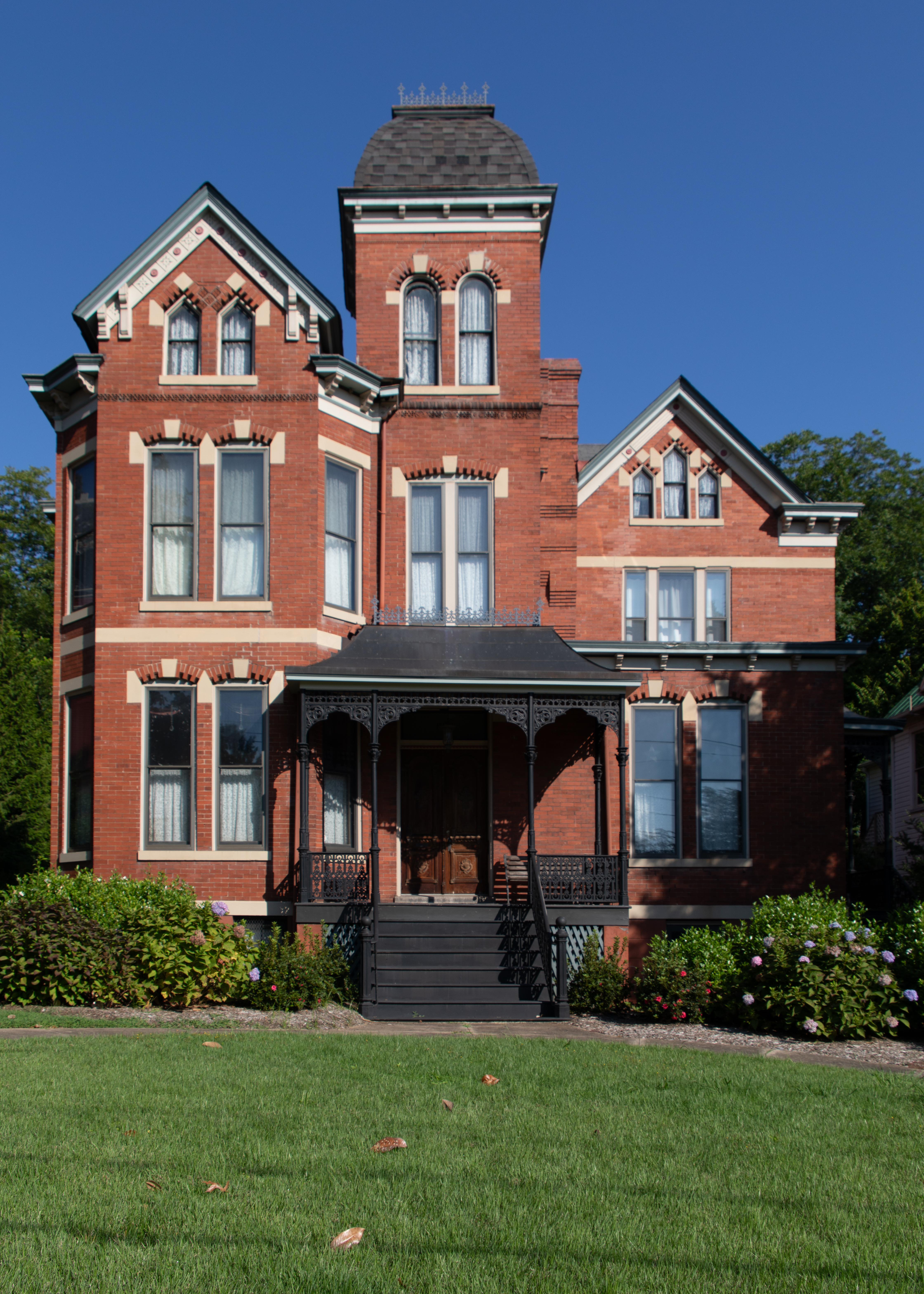
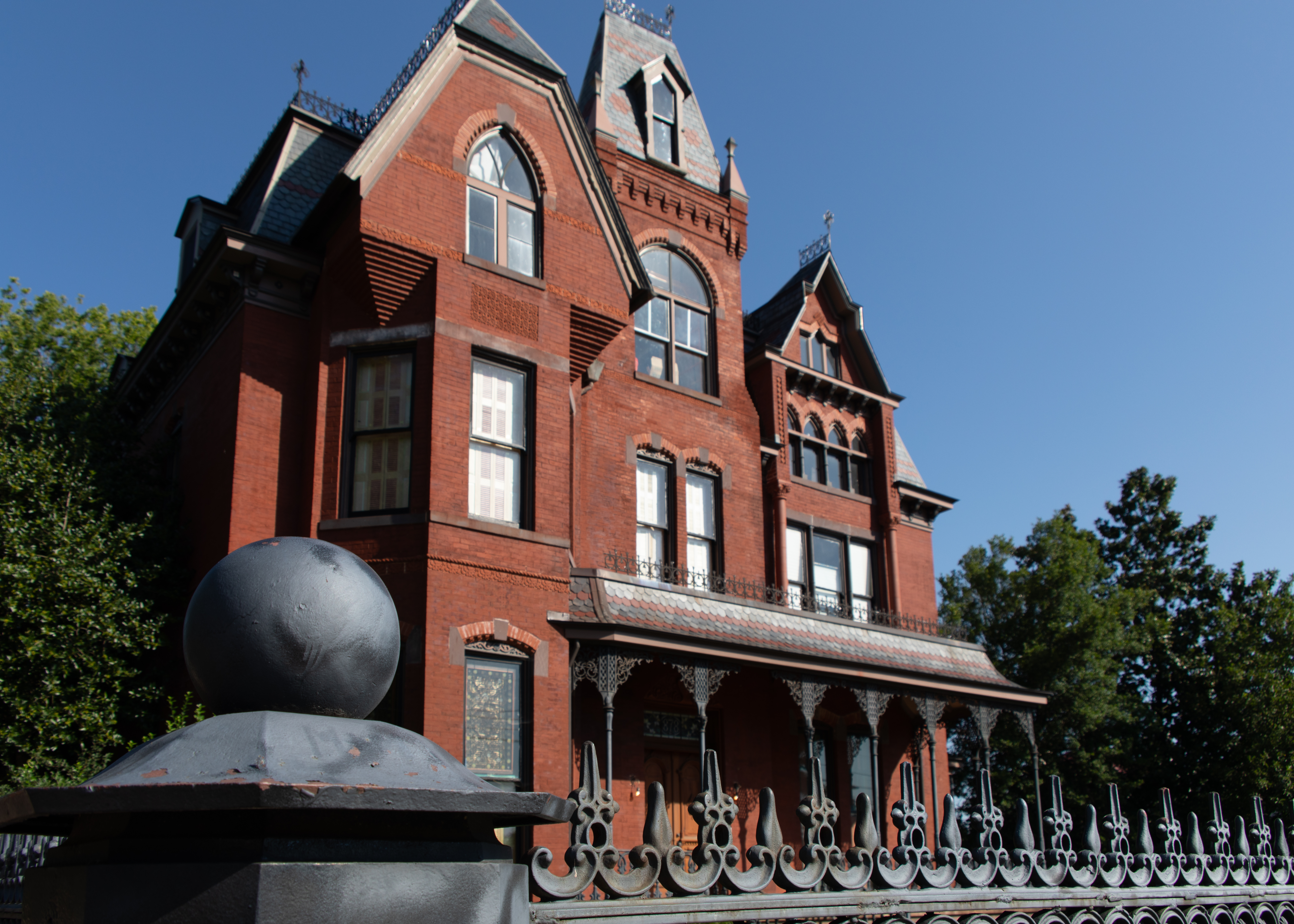
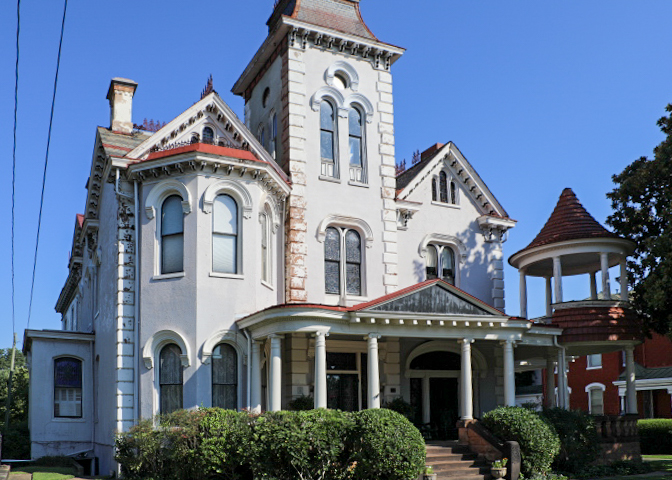
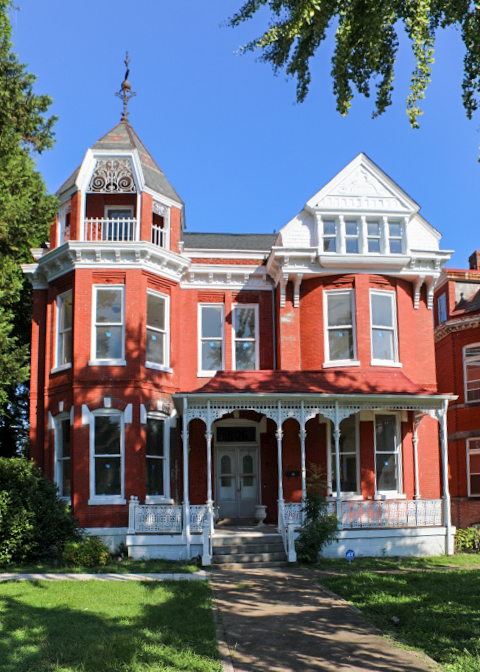
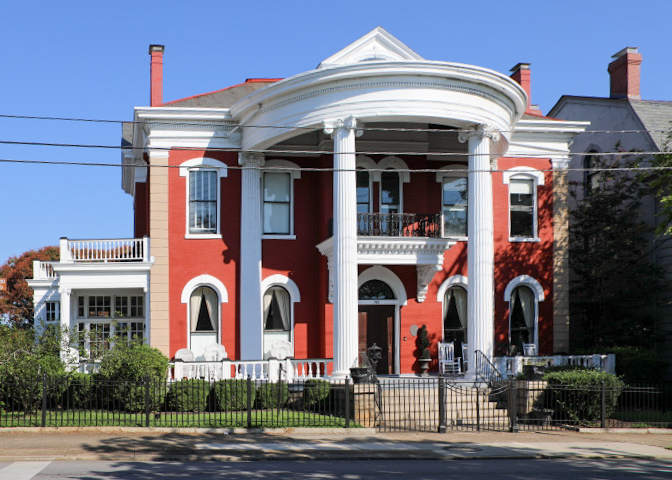
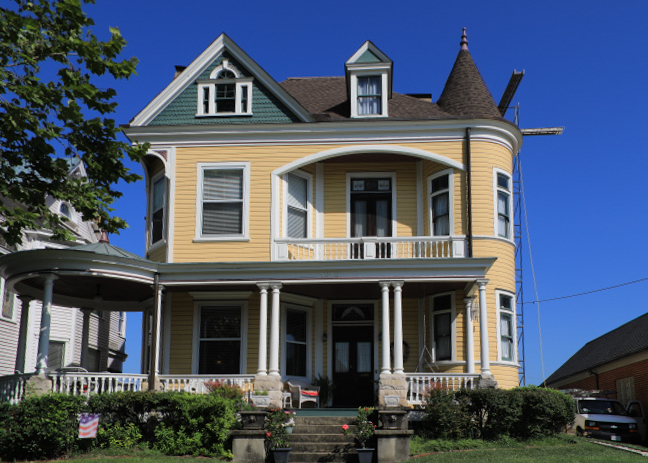
Along the way we stopped in Danville VA. Home to the elegant Millionaires Row and the Old West End, the Danville Historic District showcases some of the finest Victorian and Edwardian architecture in Virginia. Many of the old mansions built by the tobacco and textile barons of the late 19th century still stand as testimony to the wealth and power of those industries and to the skill and craftsmanship long disappeared from modern building techniques.

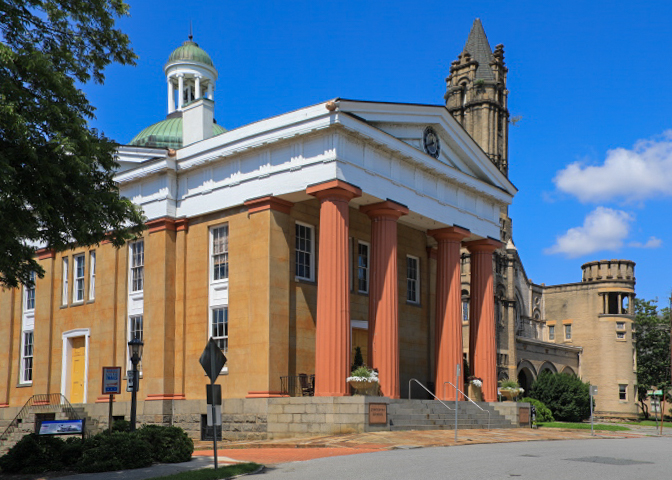
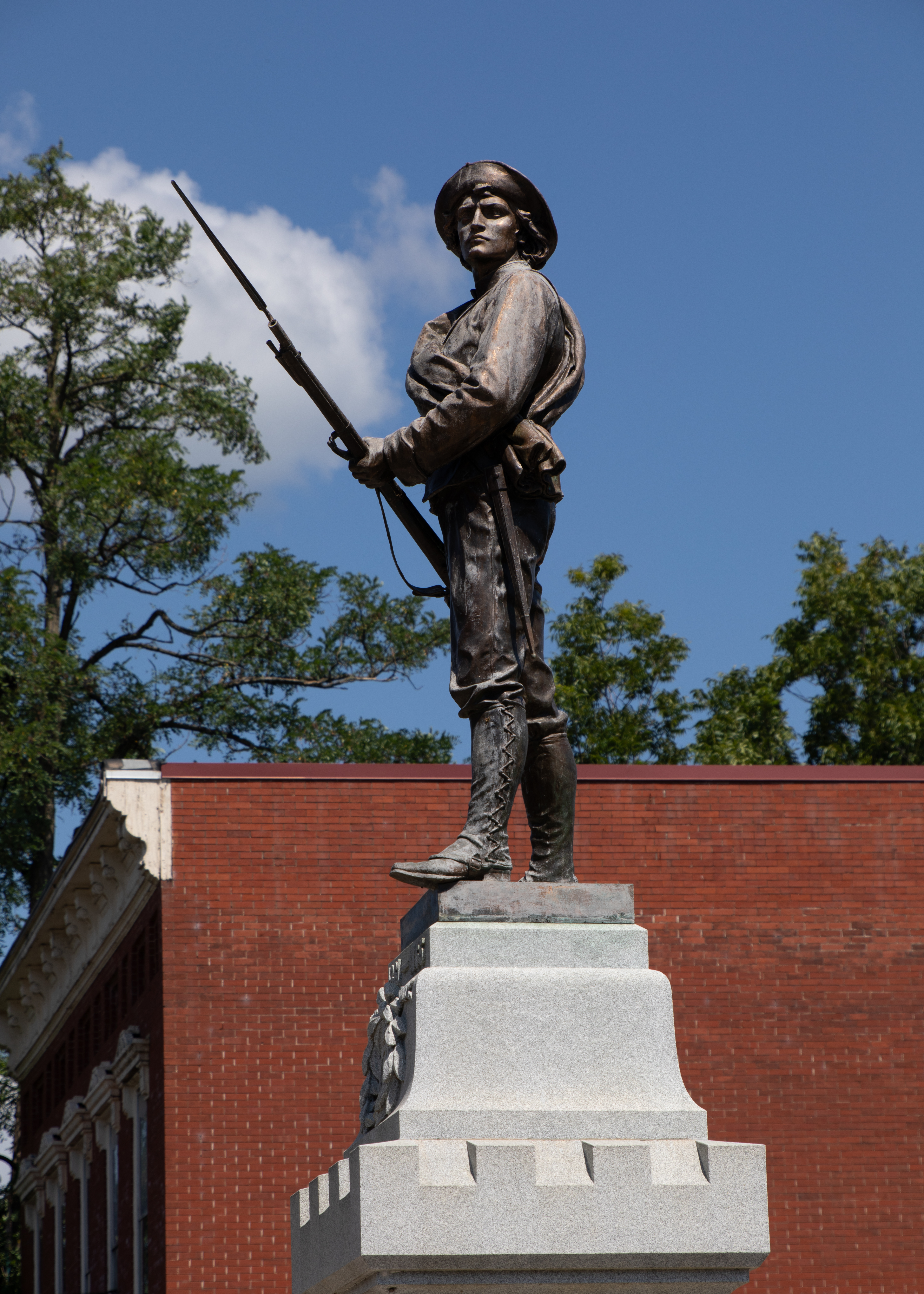
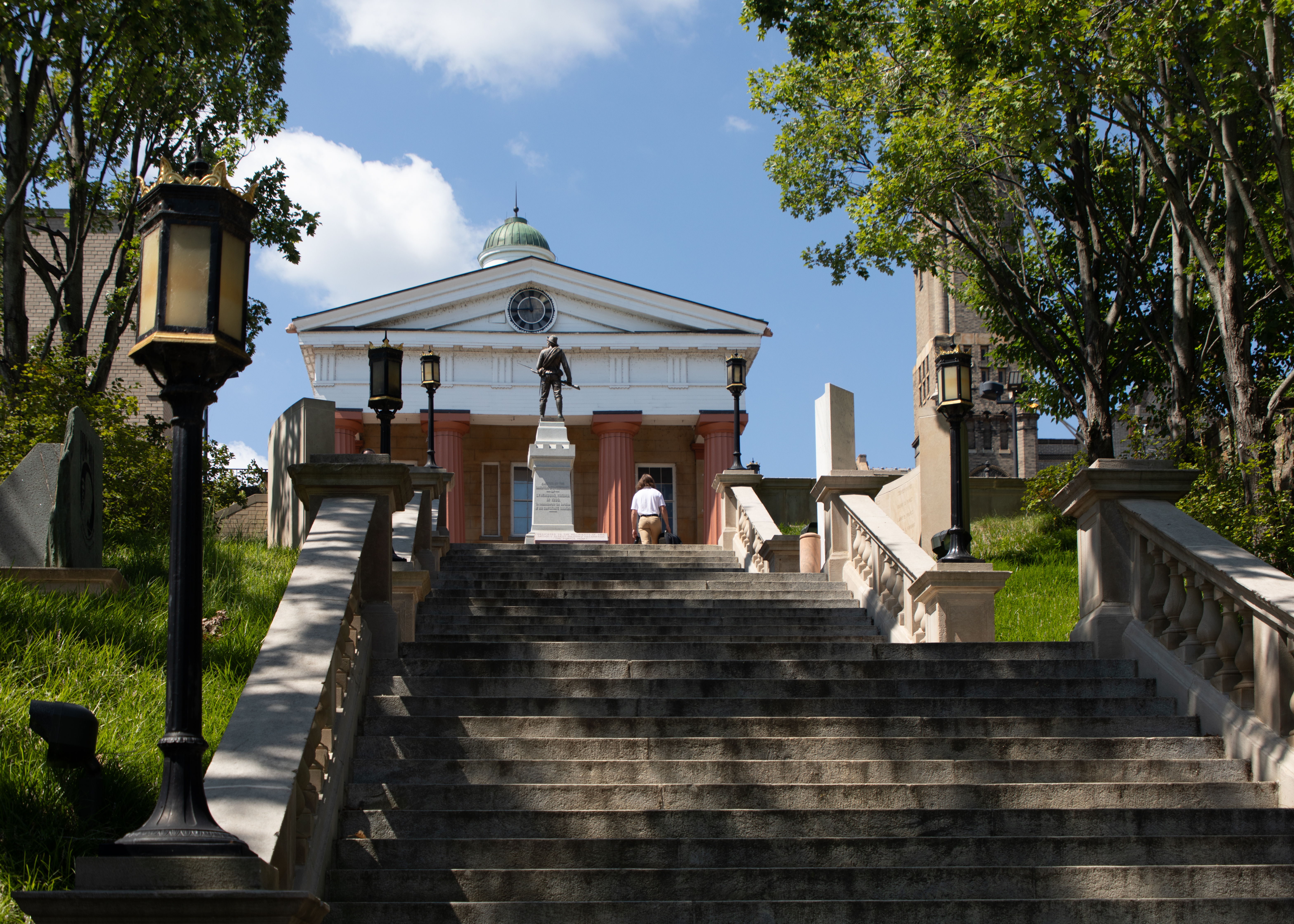
Onto Lynchburg for a stop at its city steps that traverse the city’s steep Courthouse Hill. The Monument Terrace commemorates Lynchburg citizens who fought and died in the Civil War, Spanish-American War, World Wars I and II, Korea, Vietnam and the present day. At the base on Church Street stands the iconic doughboy statue. Many other sculptures and markers line the 139 steps and terraces all the way to the top, where the Lynchburg Museum at the Old Court House stands on Court Street.

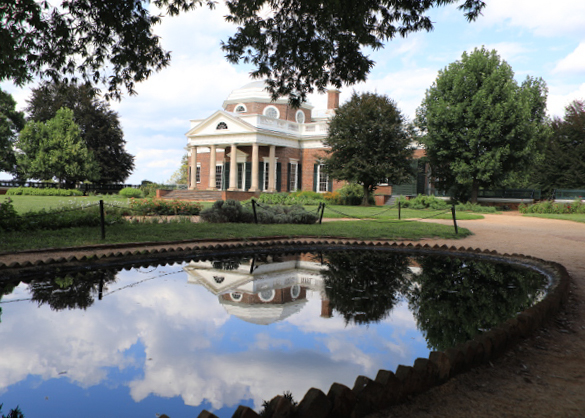
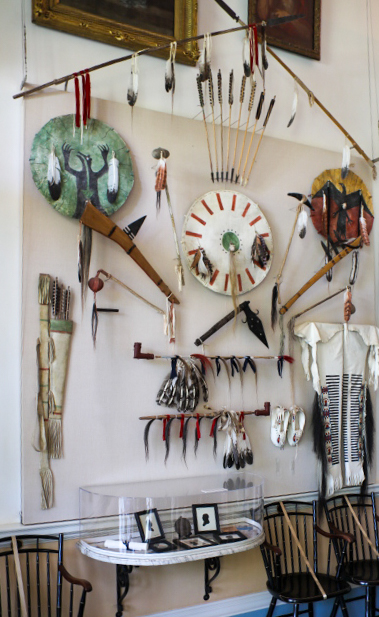
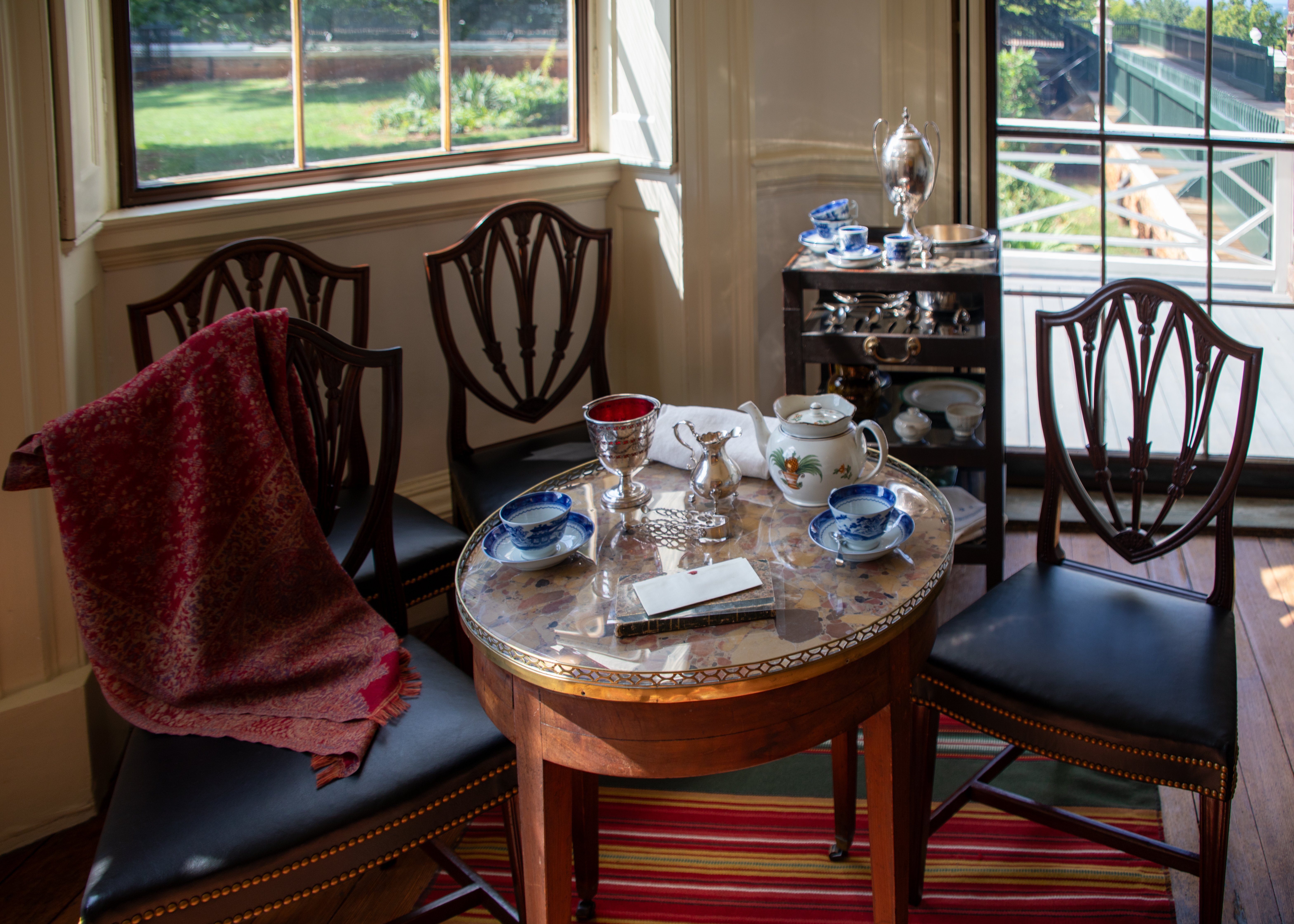
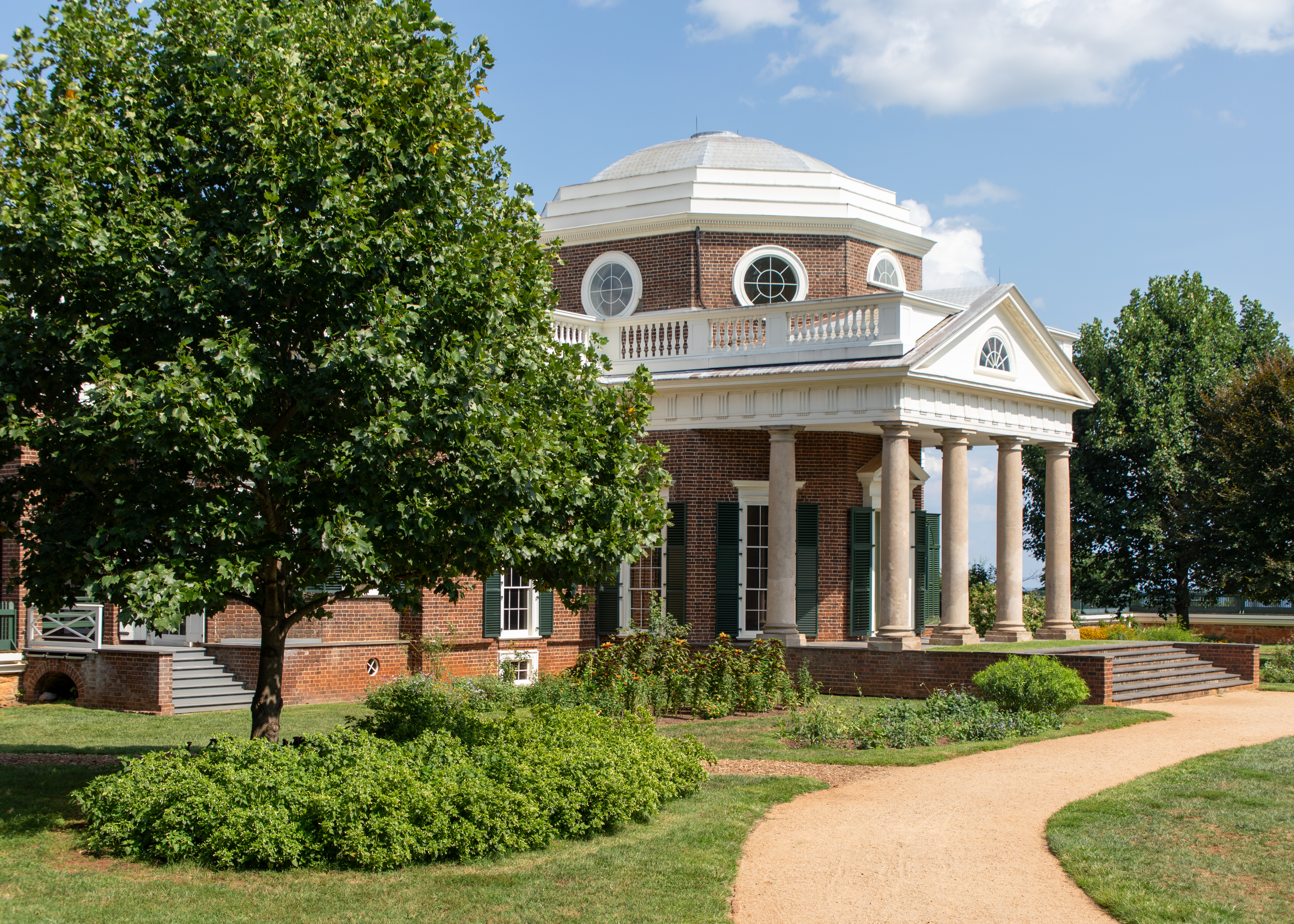
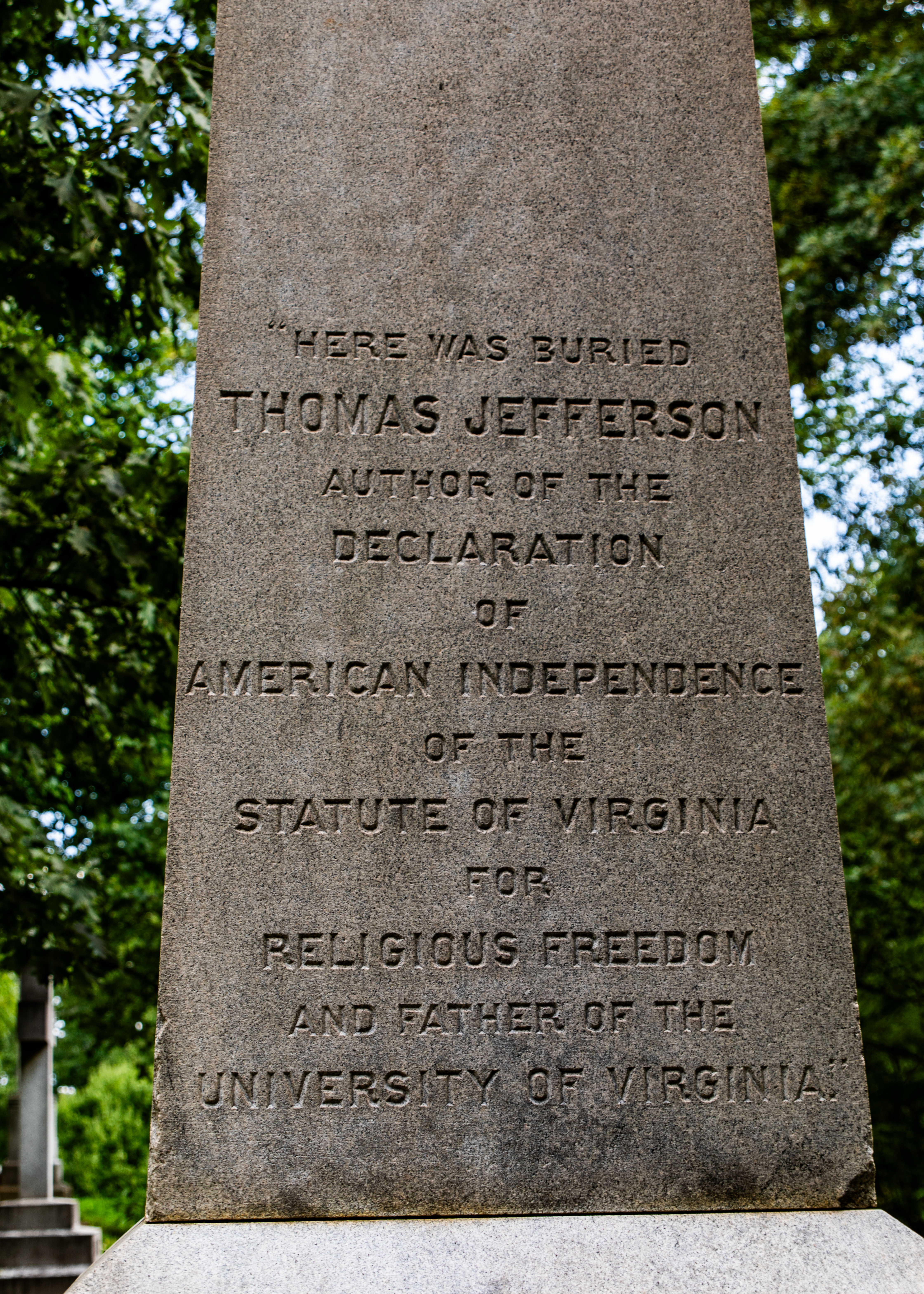
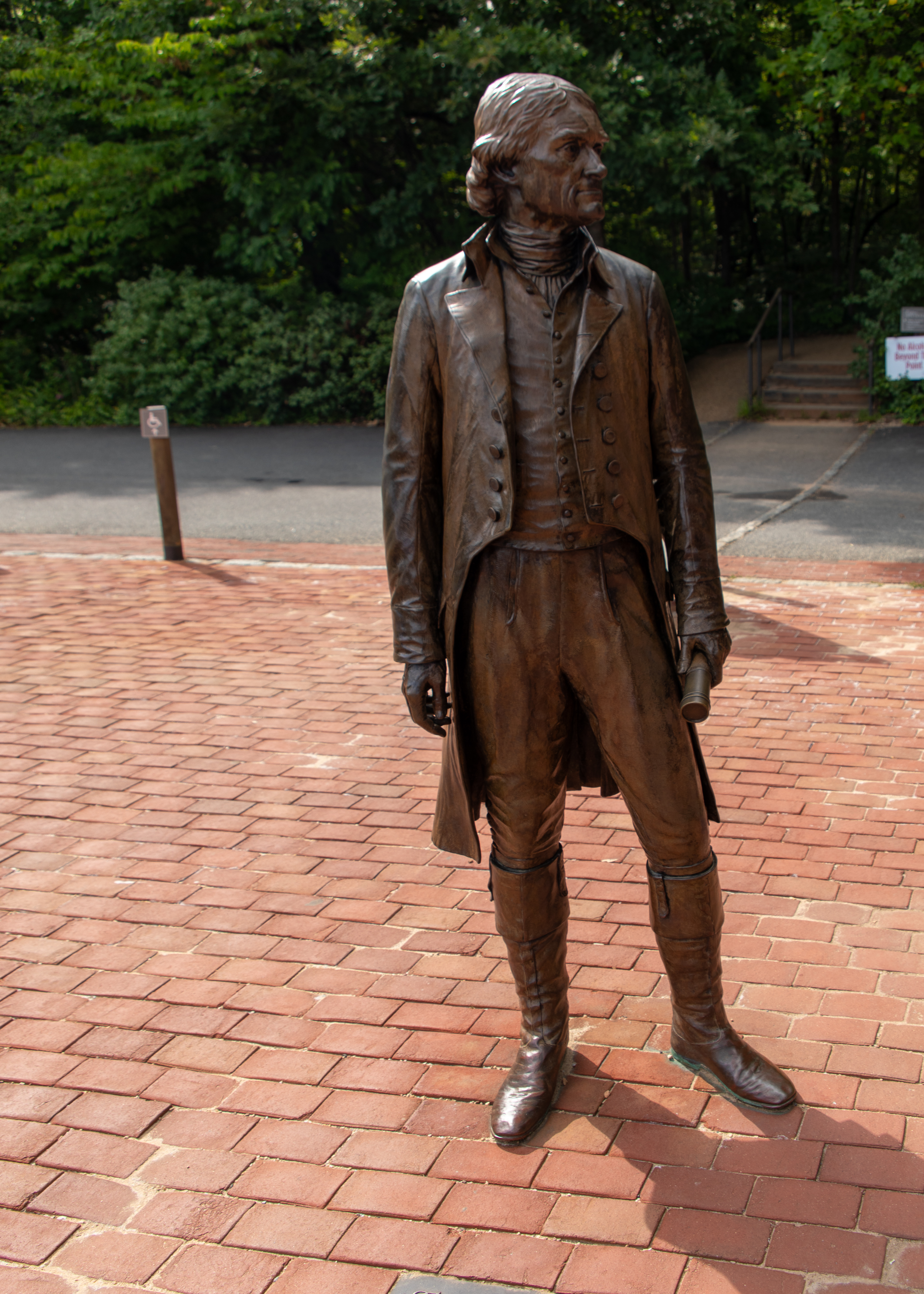
To finish our day, we visited Monticello. Monticello was the primary plantation of Thomas Jefferson, a Founding Father, author of the Declaration of Independence, and the third president of the United States, who began designing Monticello after inheriting land from his father at age 14.  It stands on a mountain top and took almost 40 years to complete. Not without controversy, almost four hundred persons lived in slavery at Monticello over a sixty-year-period.

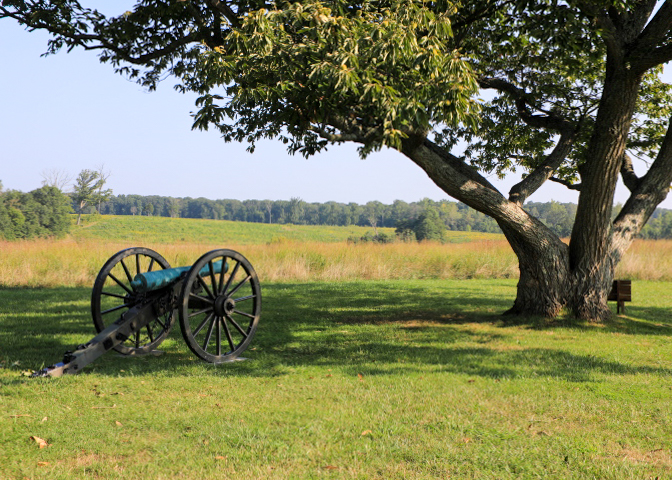
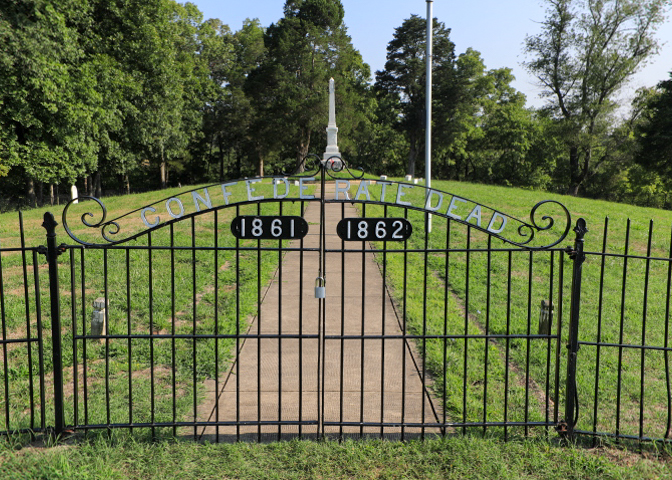
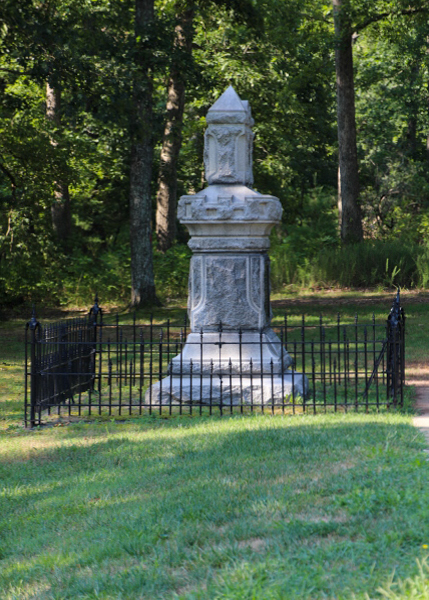
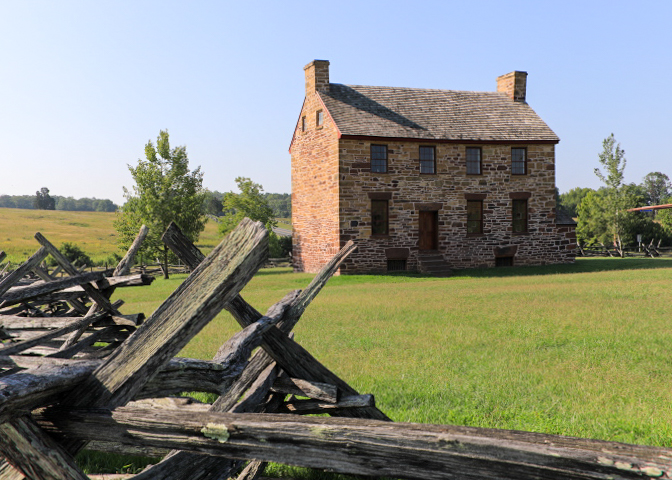
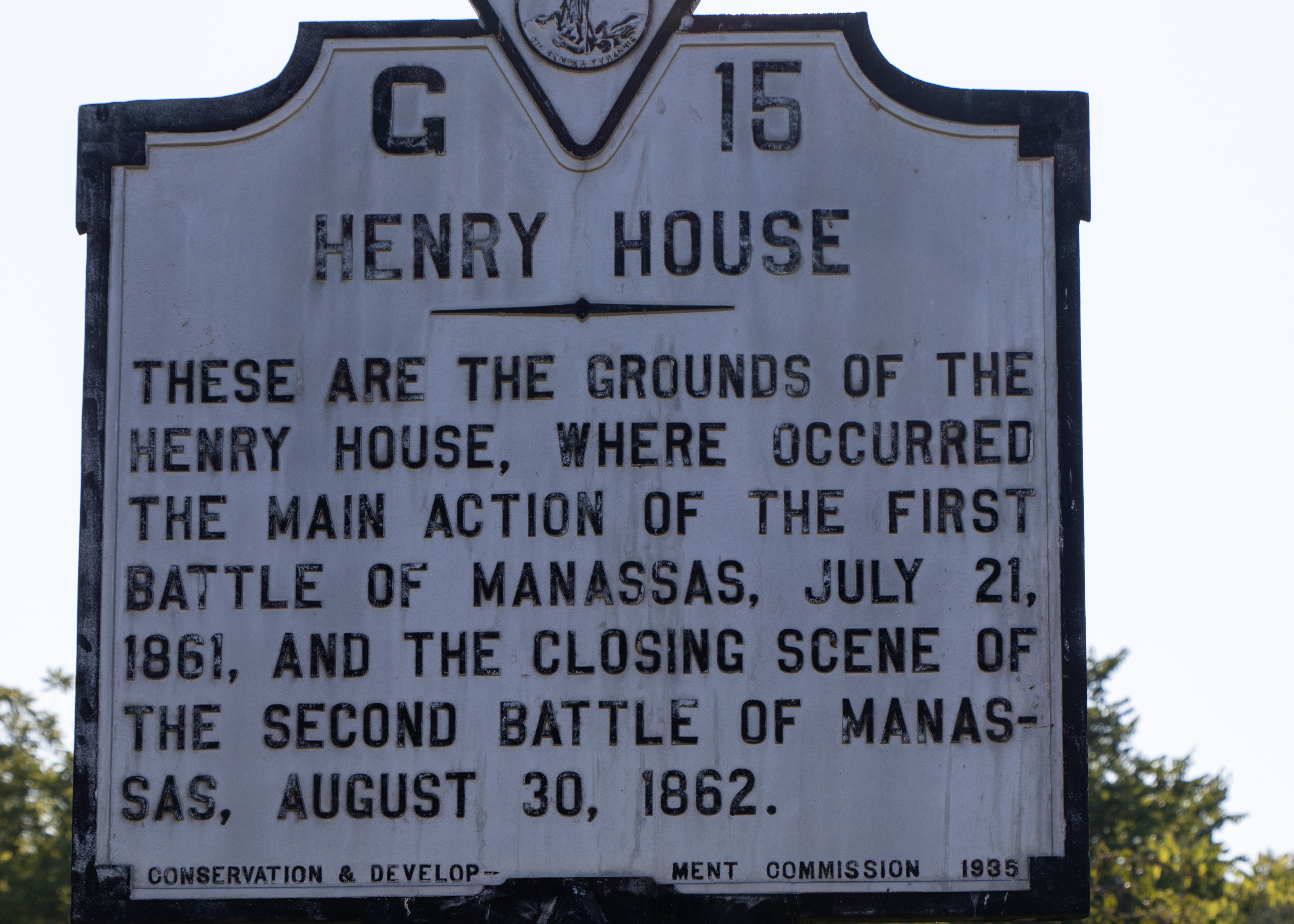
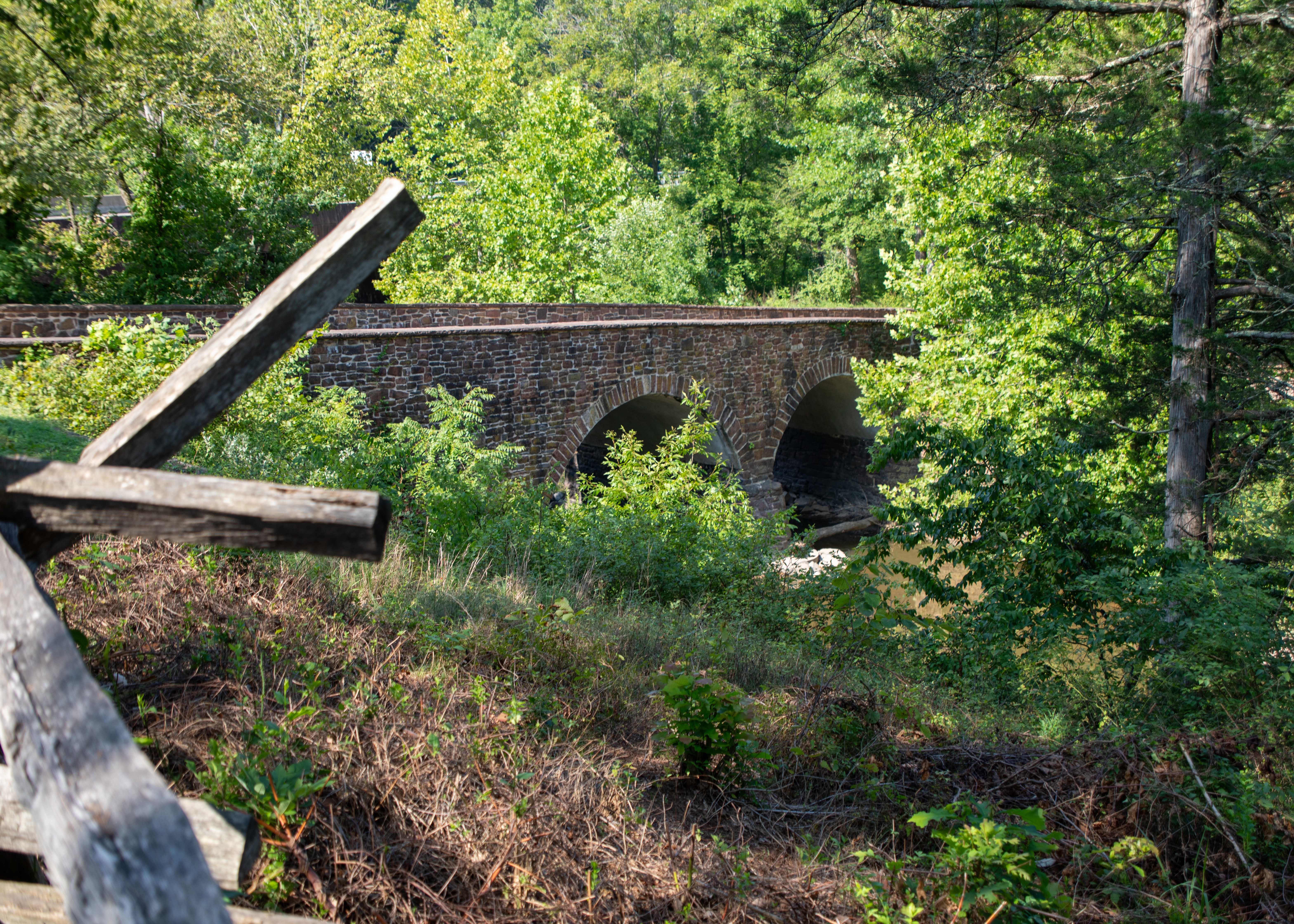
An early start the following day brought us to Manassas National Battlefield Park the site of not one but two civil war battles. On July 21, 1861, two armies clashed for the first time on the fields overlooking Bull Run. Heavy fighting swept away any notion of a quick war. In August 1862, Union and Confederate armies converged for a second time on the plains of Manassas. The Confederates won a solid victory bringing them to the height of their power.

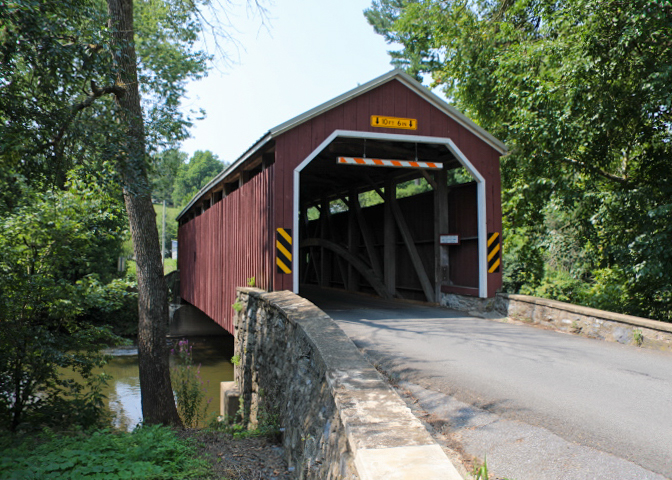
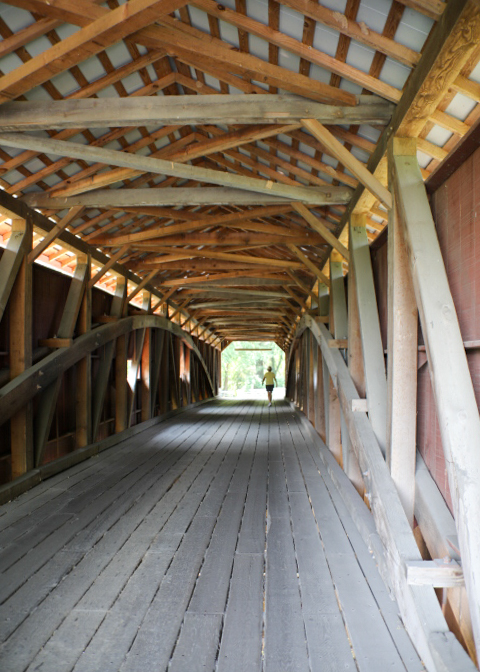
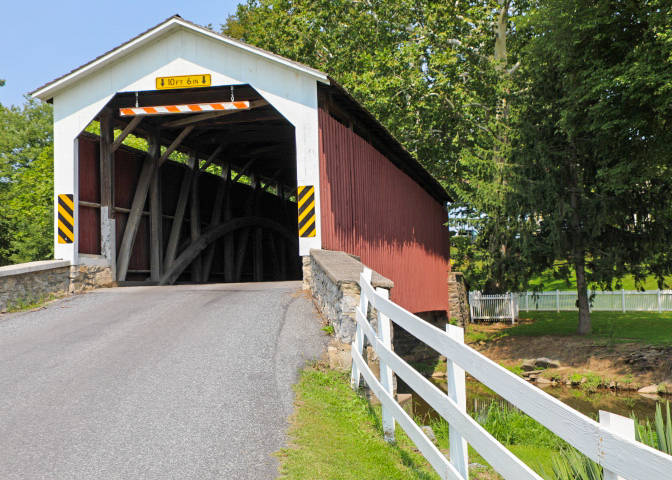
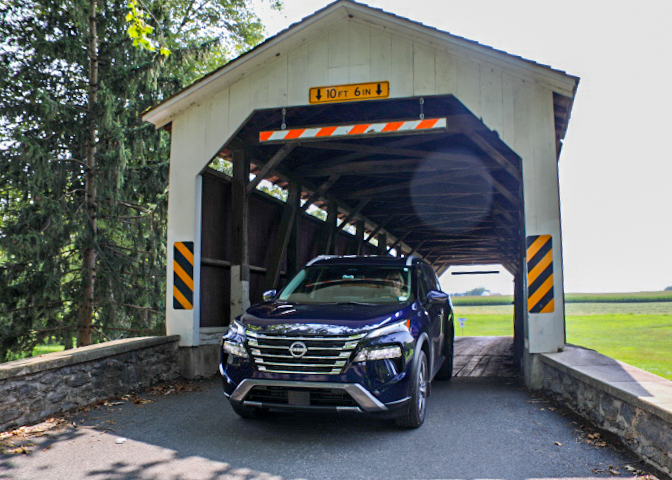
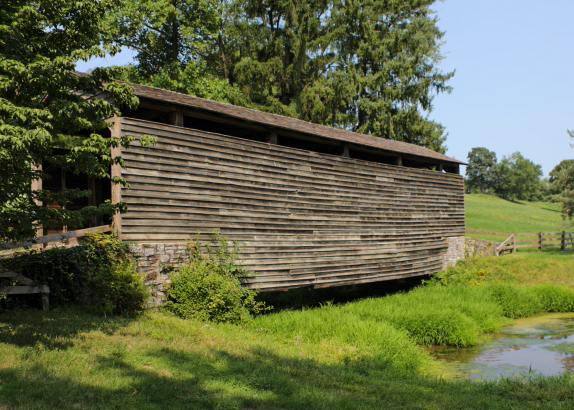
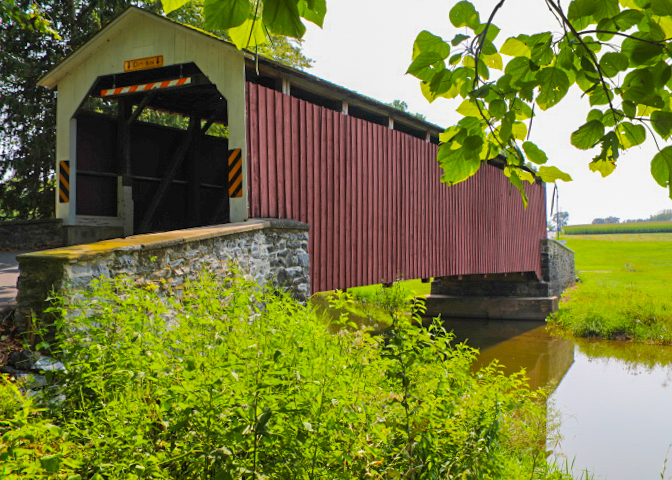
After a driving tour of the park, we headed to Lancaster PA to view several covered bridges then on to dinner with friends in Philadelphia and finally to NJ for 4 days with friends and family.

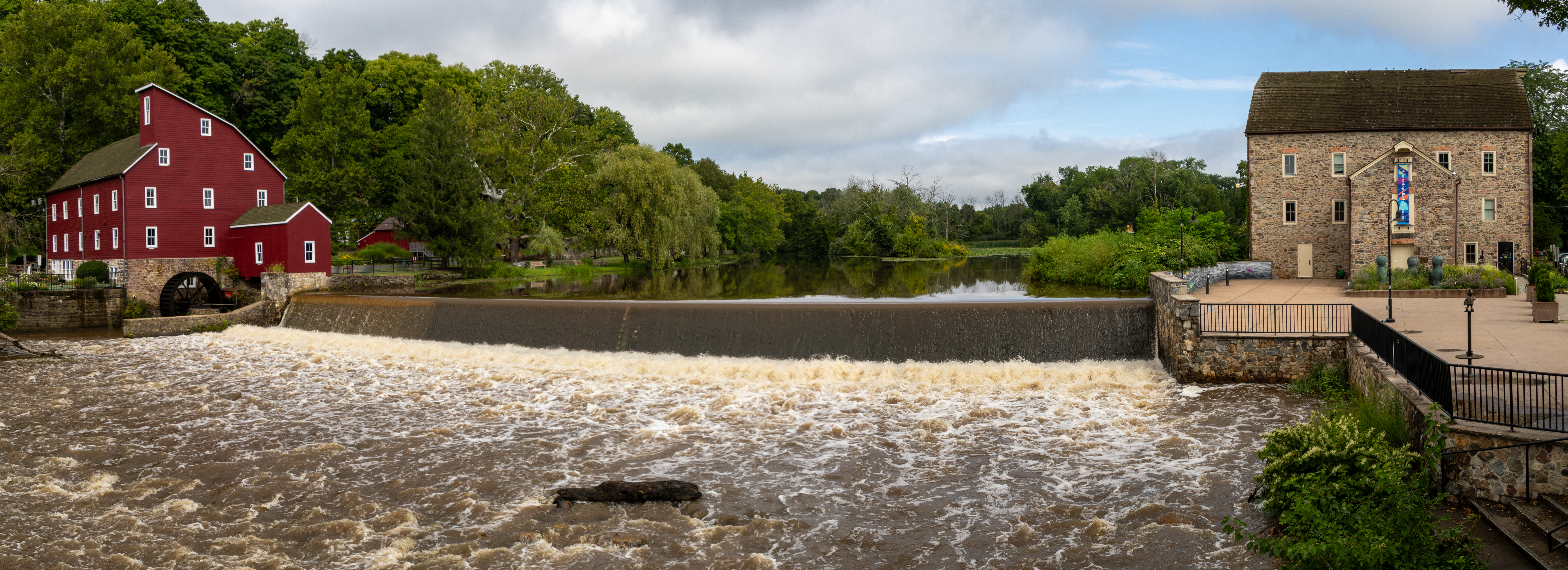
While in NJ we visited the state’s most photographed spot – Clifton Grist Mill.

UK and Scotland Day 16

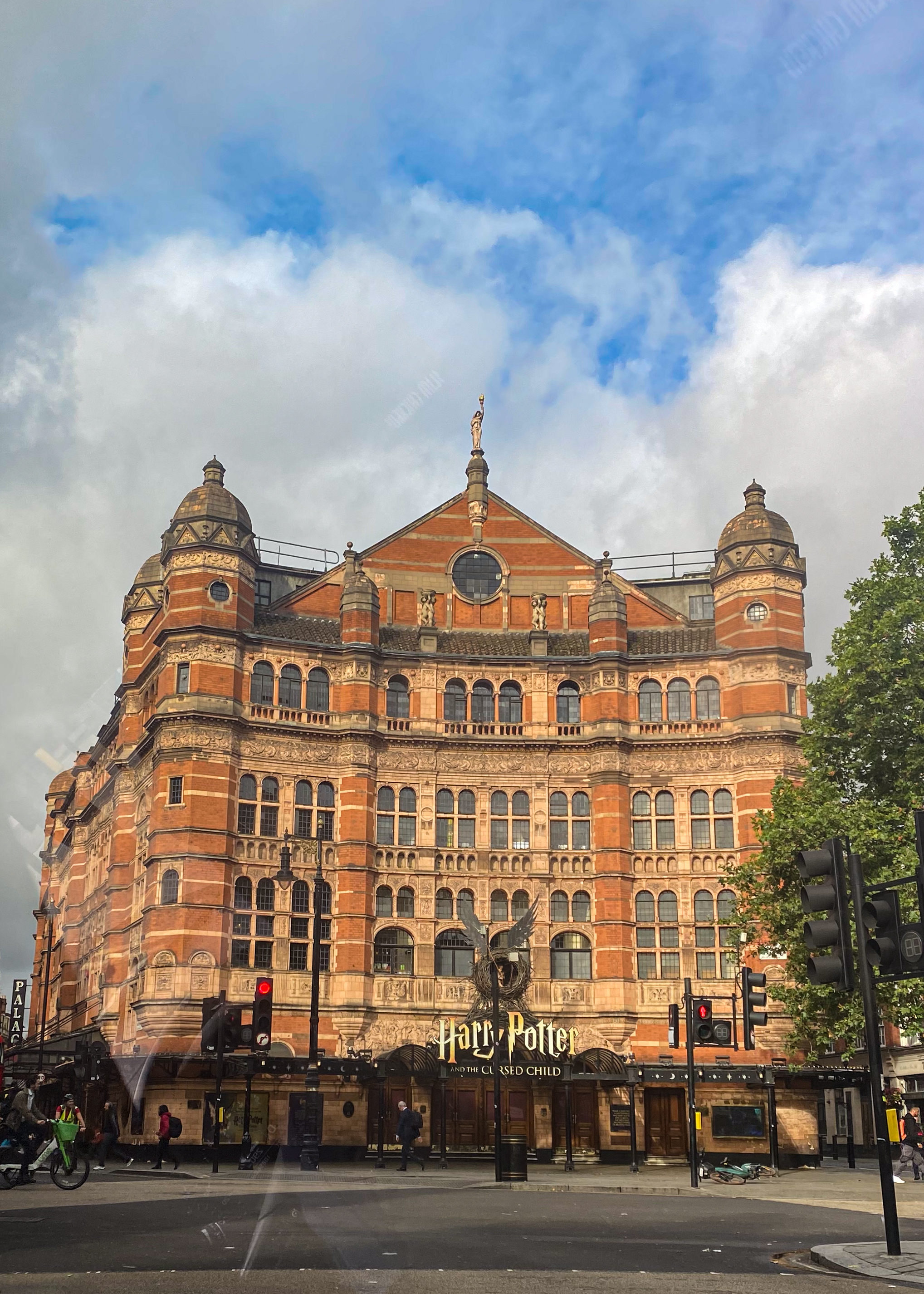
An addition to yesterday’s post – we had diner in the Old Bank of England building then saw a hilarious play – “The Play That Goes Wrong” which has been running for ten years in the theater district. 

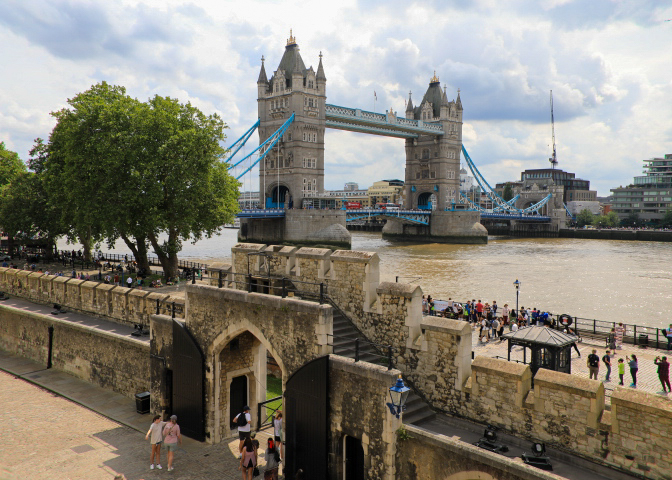
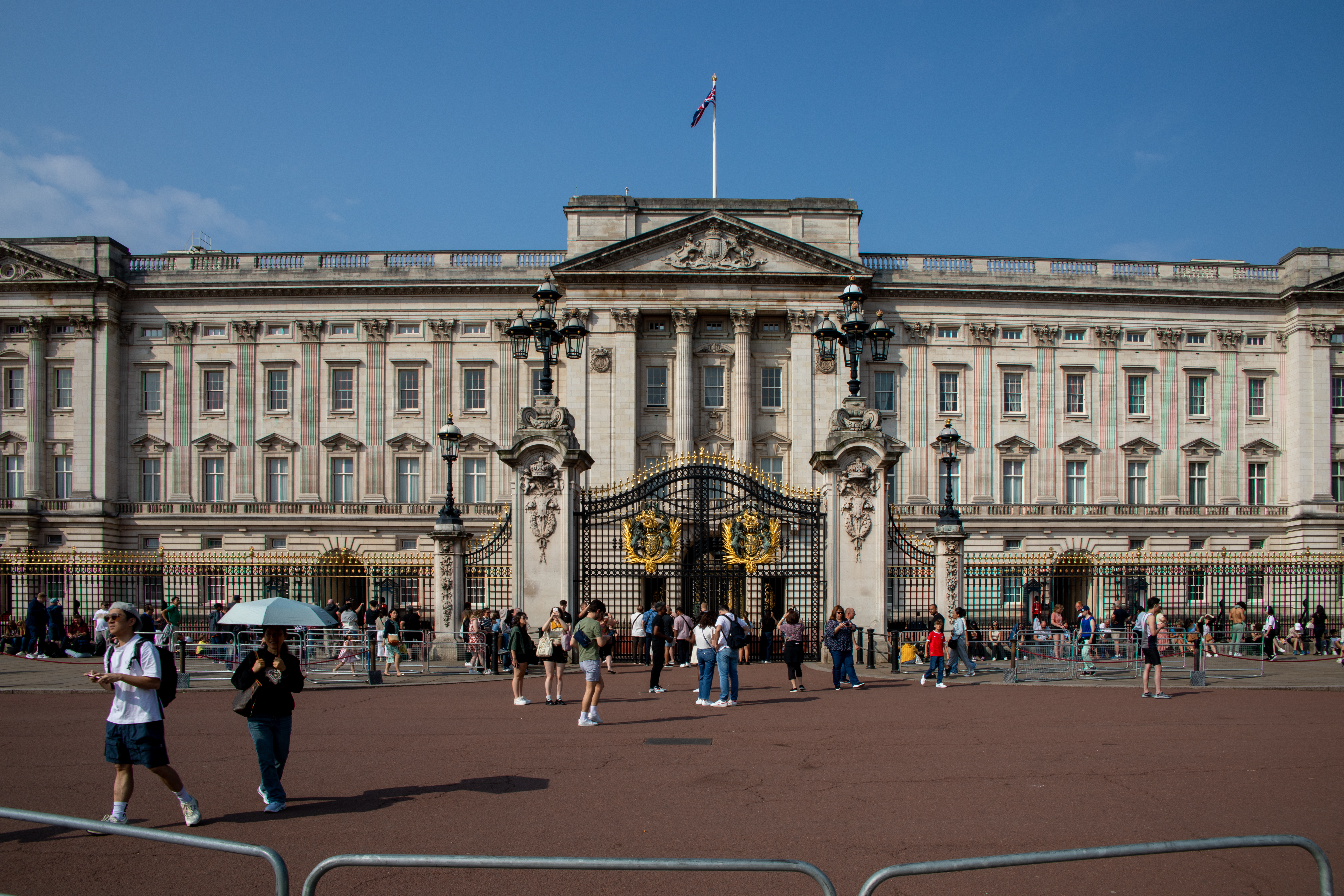
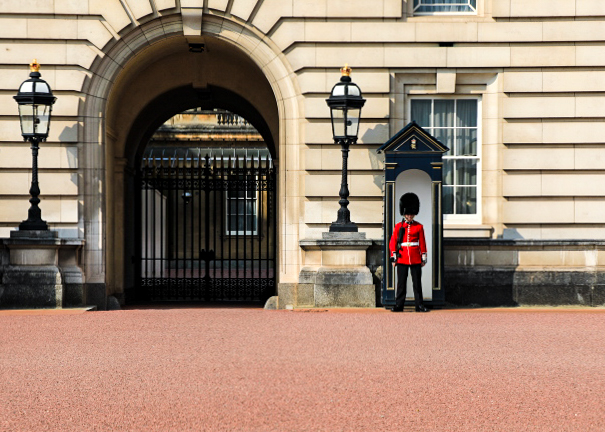
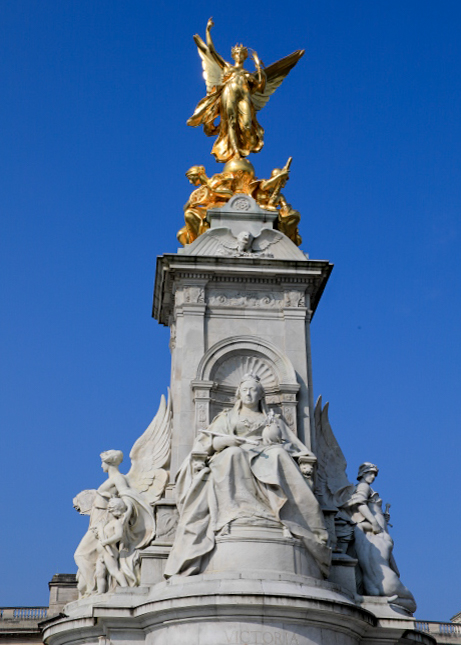
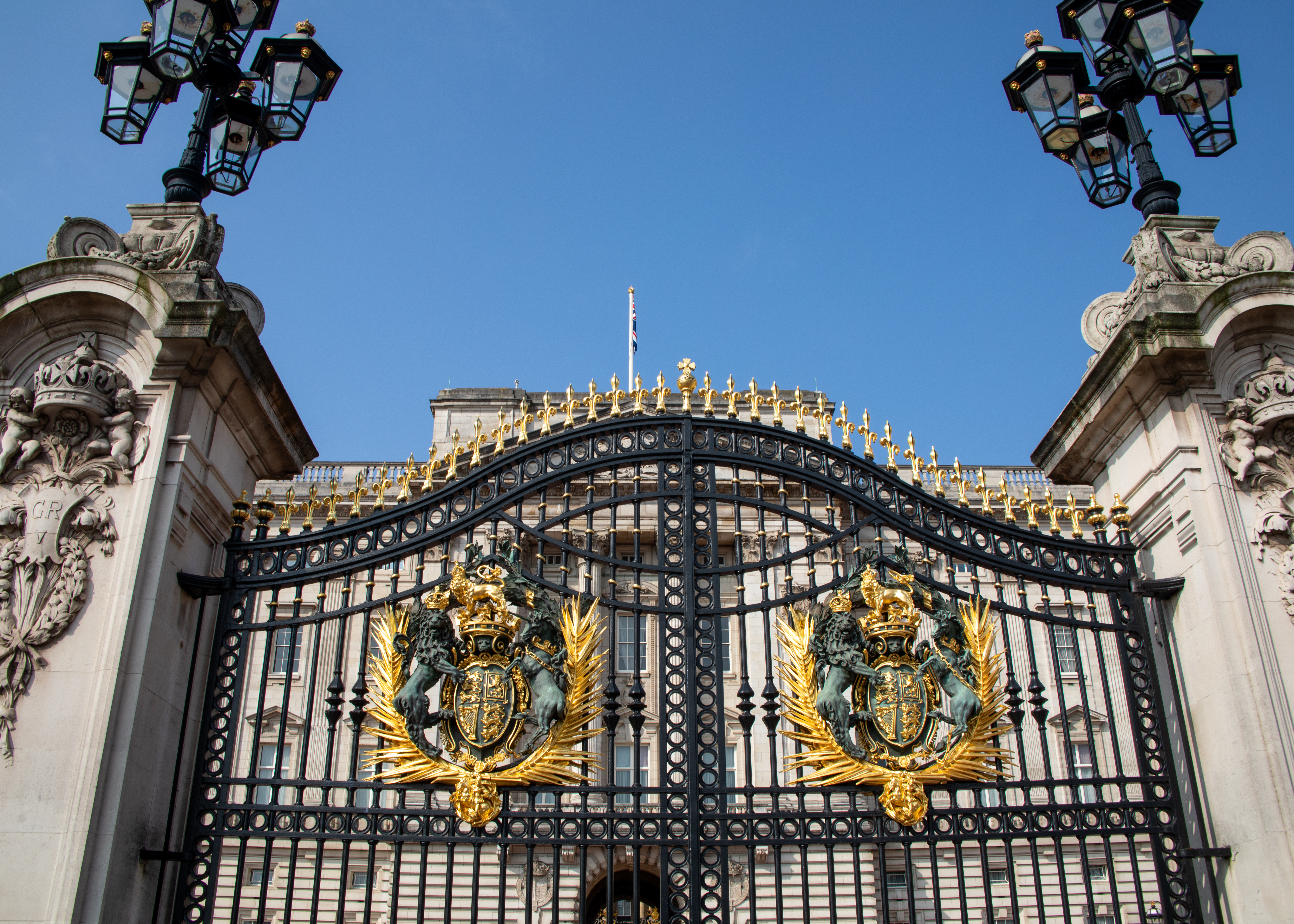
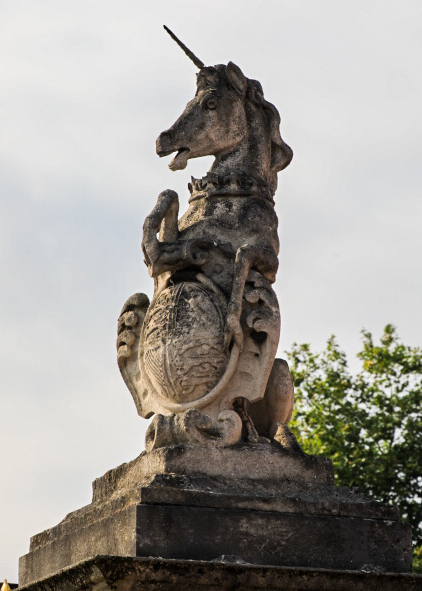
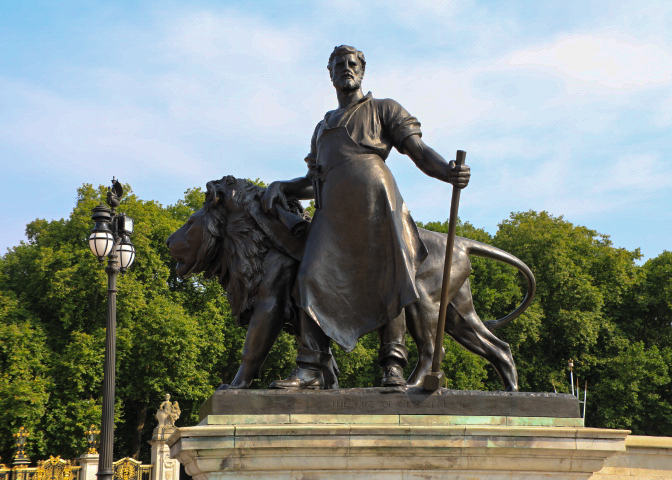
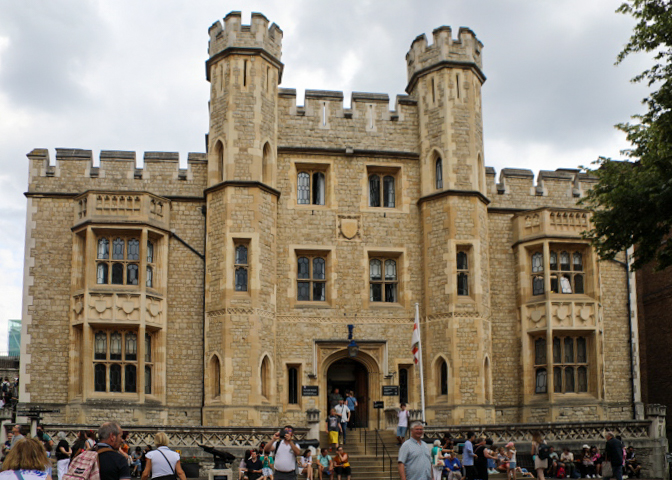
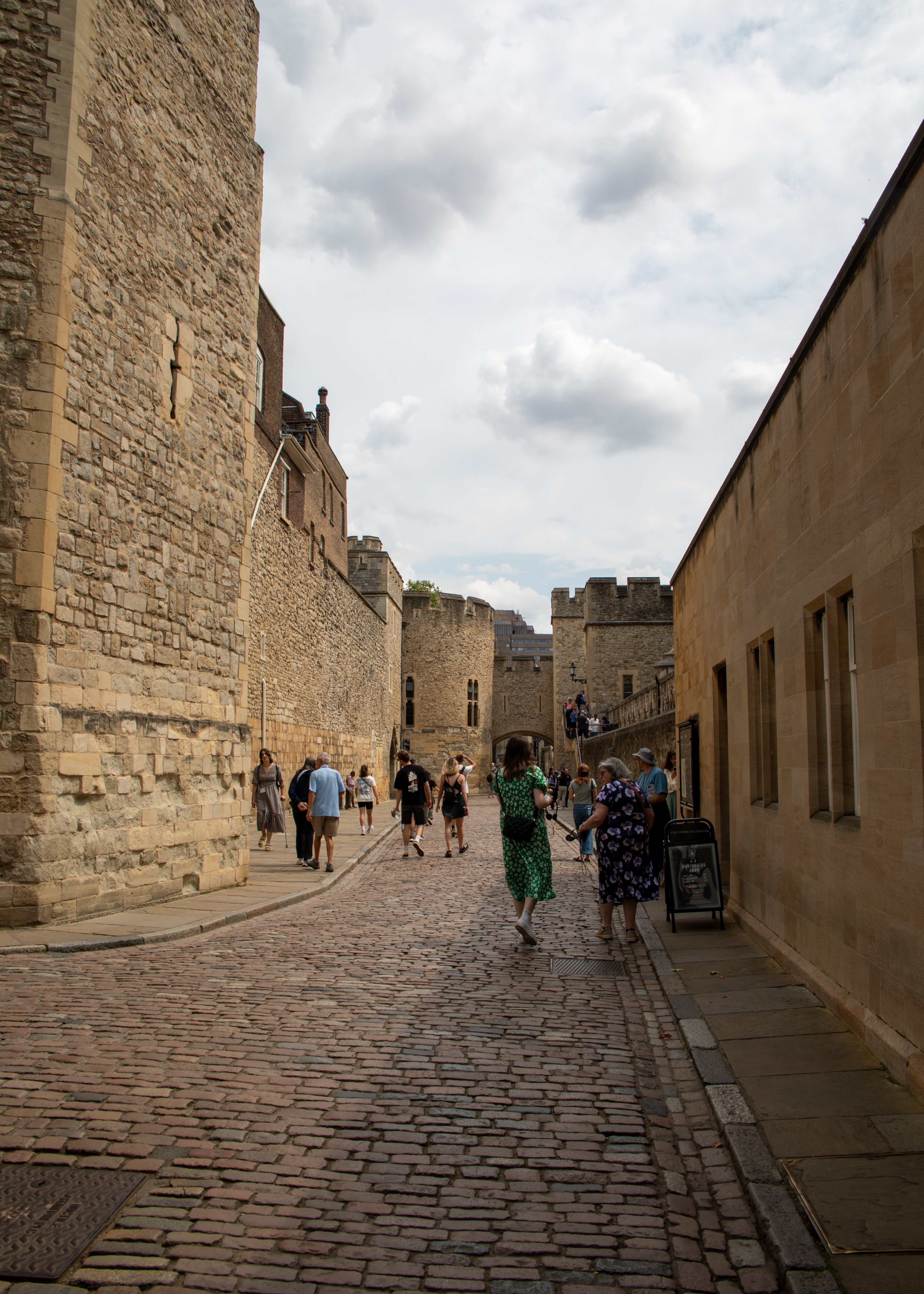
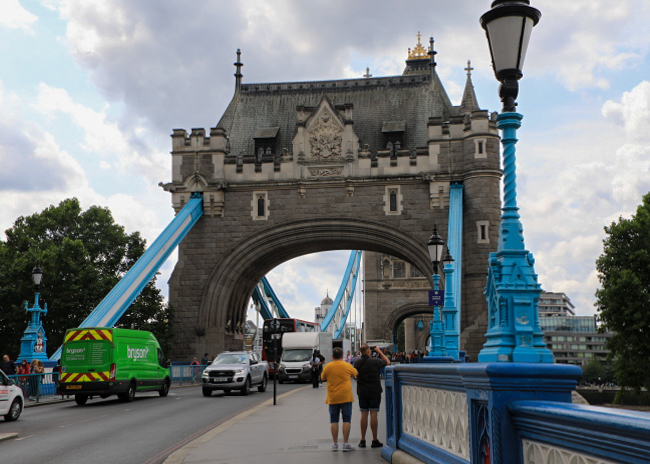
Last day in London, tomorrow we fly back home. Today we started at Buckingham Palace then headed to Tower Bridge and our final stop, The Tower of London.

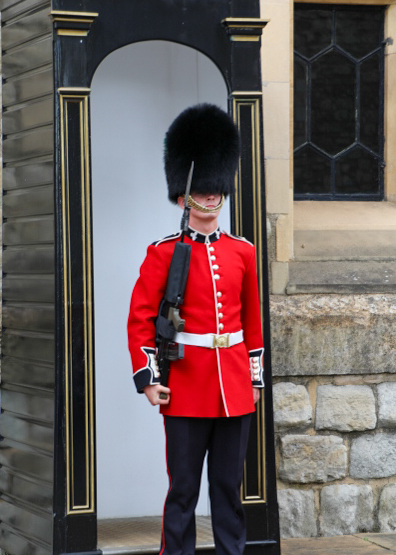
Buckingham Palace is recognized around the world as the home of the monarch, the focus of national and royal celebrations, as well as the backdrop to the regular Changing of the Guard ceremony. Clearly the most elaborate palace we visited during our trip. No photographs are allowed in the interior – a good overview is at (https://www.rct.uk/visit/buckingham-palace).

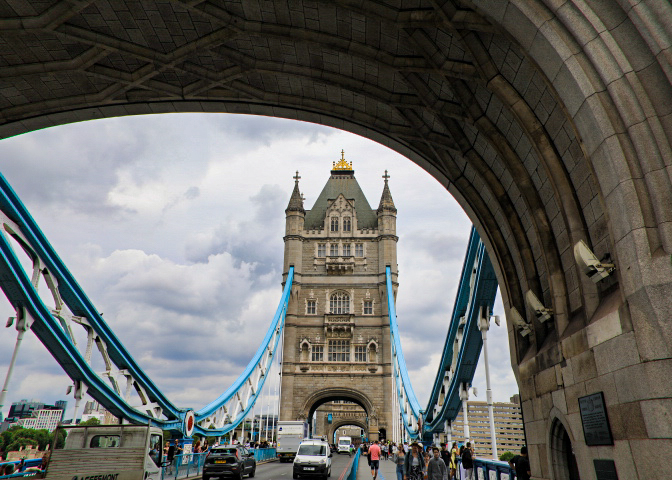
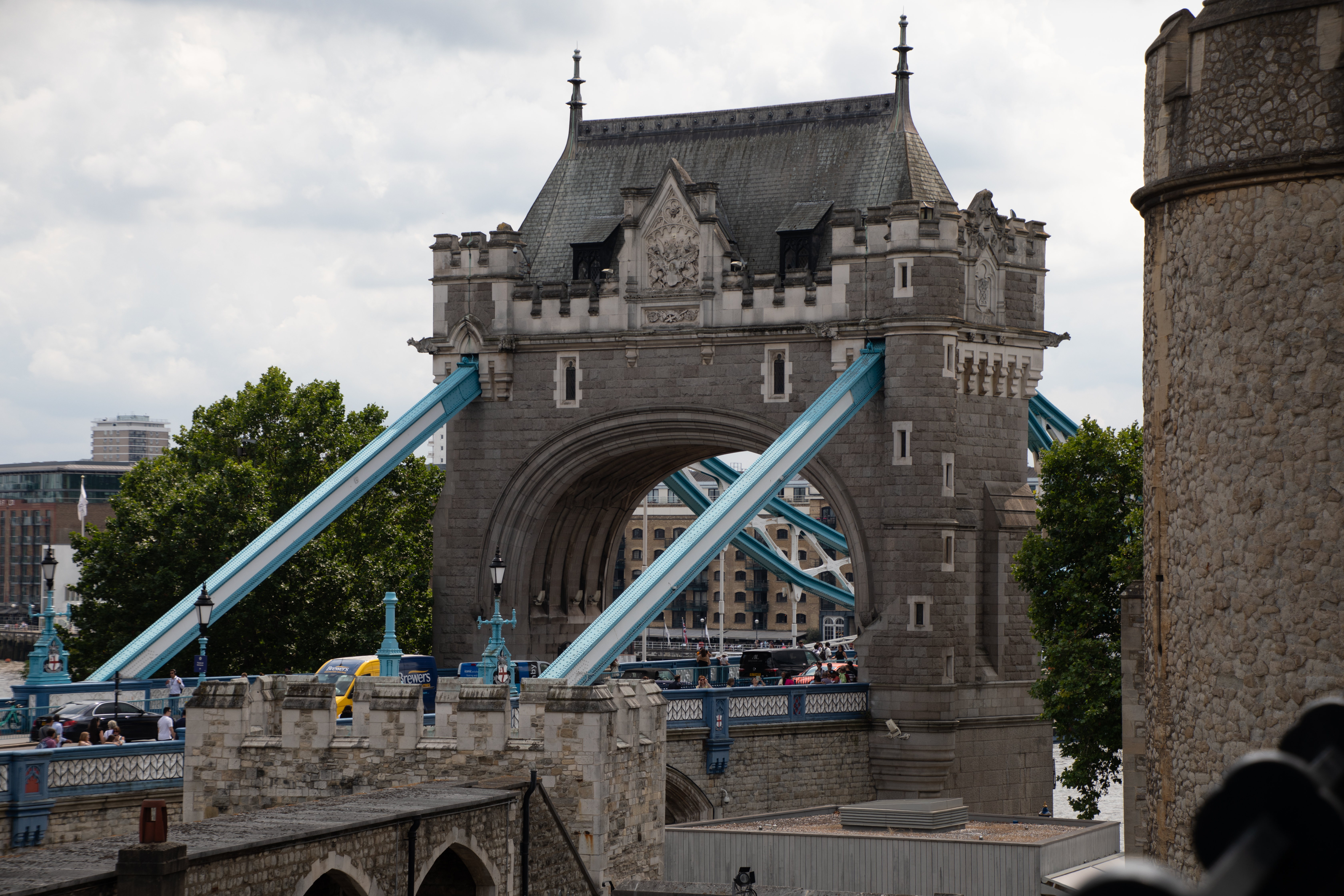
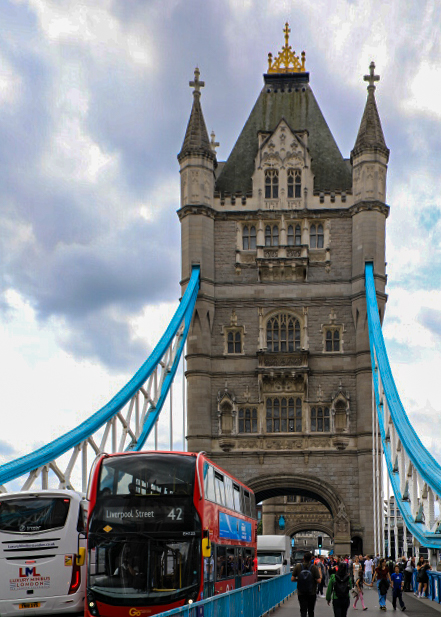
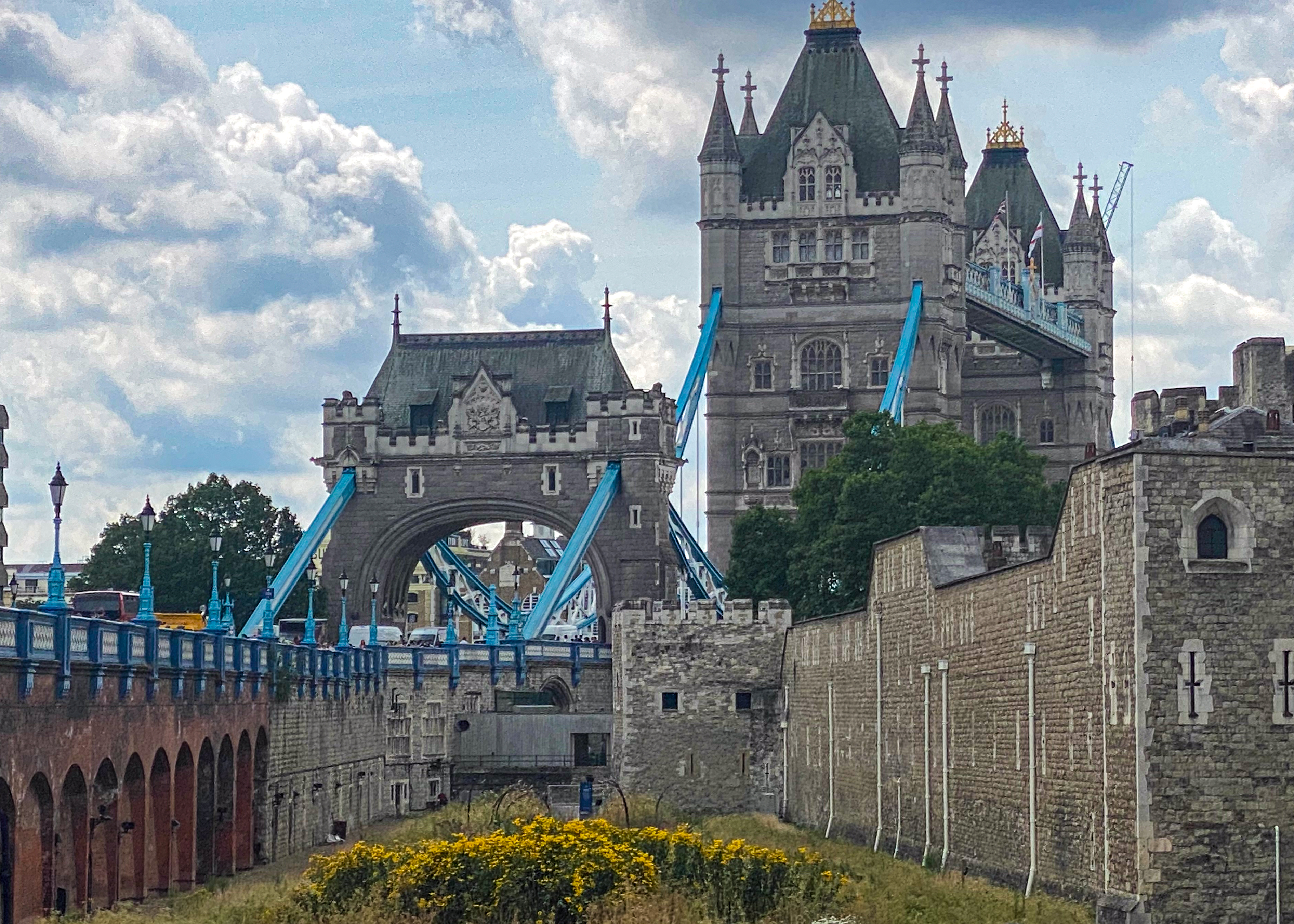
Tower Bridge was opened to the public in 1894. When compared with its neighbor – the Tower of London (built in the 11th century) – it is rather young! The Bridge may appear to be a stone castle-like structure, but its design was chosen so that it complemented the White Tower, in the Tower of London complex. These style additions were used as an artistic flourish to cover the real structure of Tower Bridge, which is a solid steel frame.

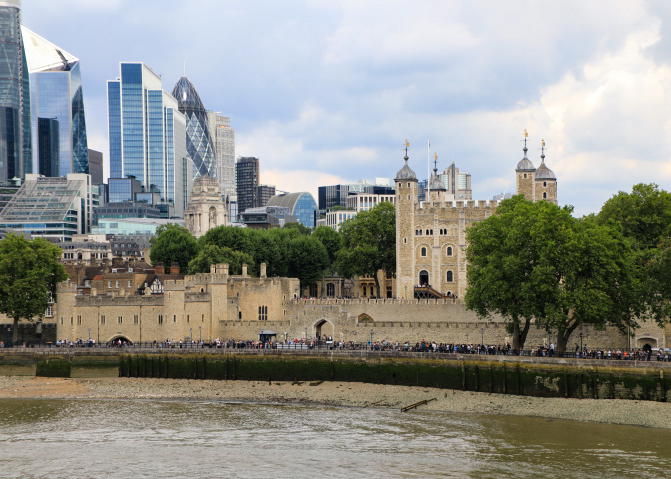
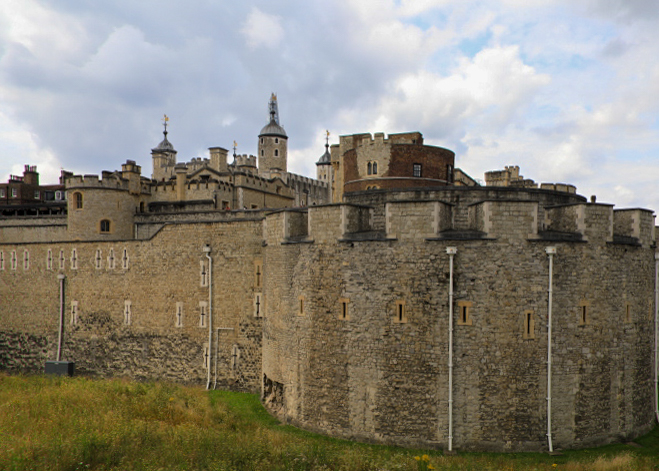
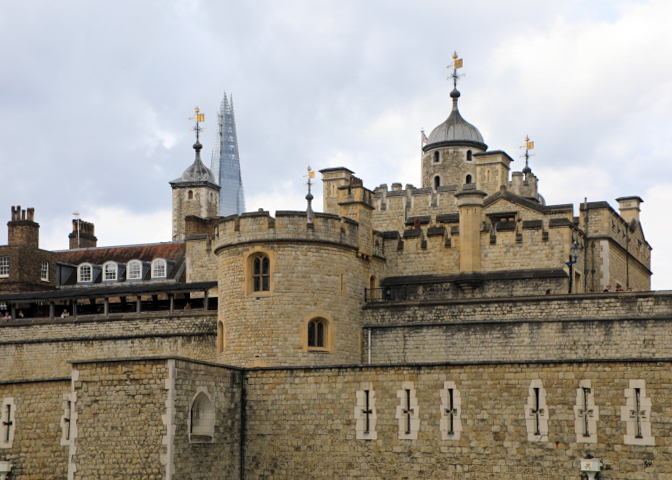
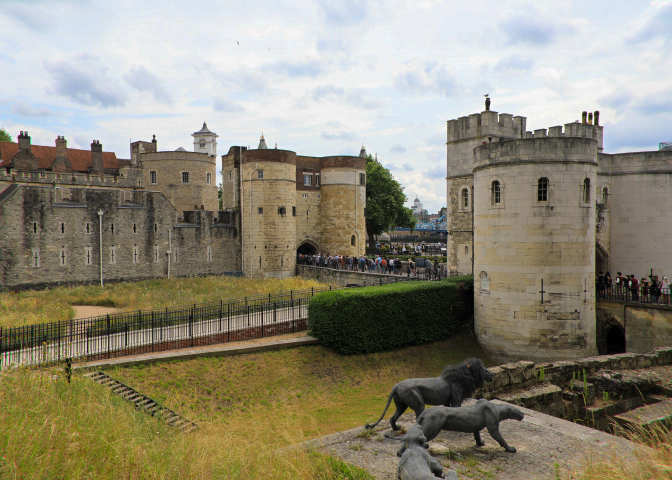
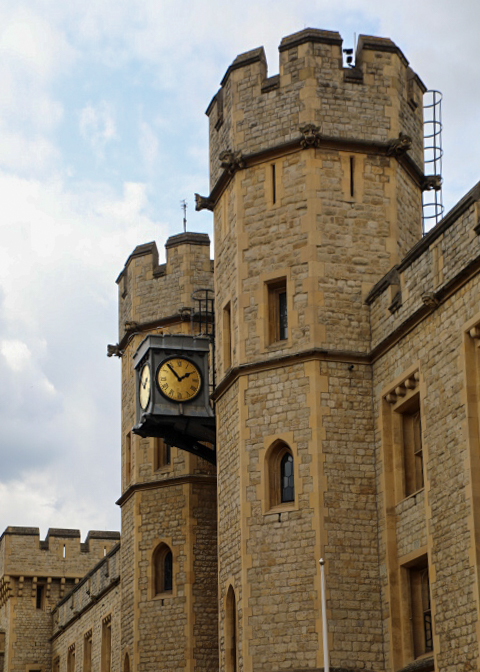
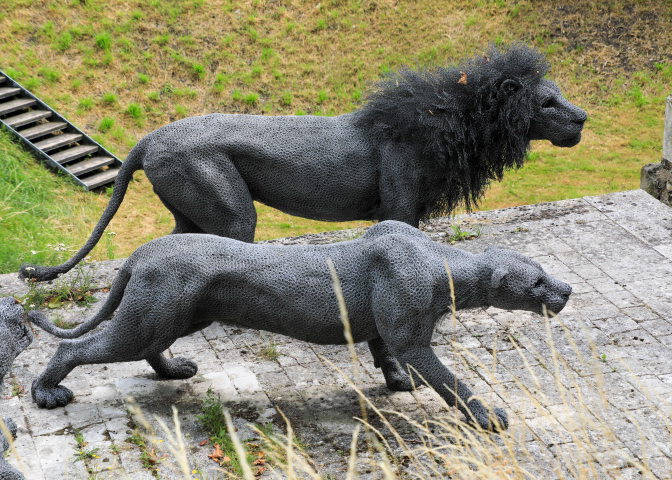
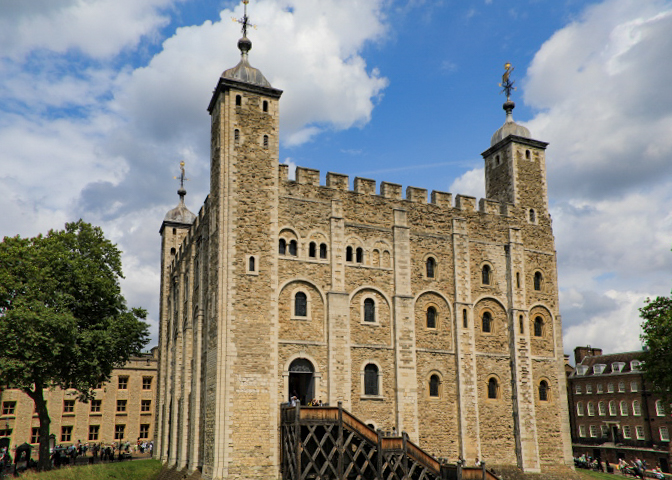
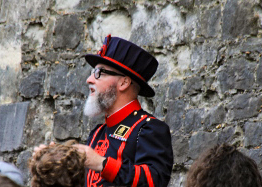
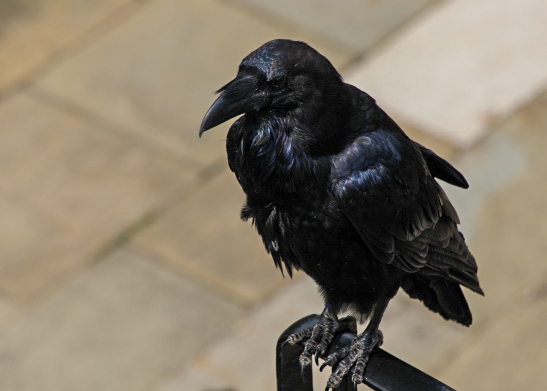
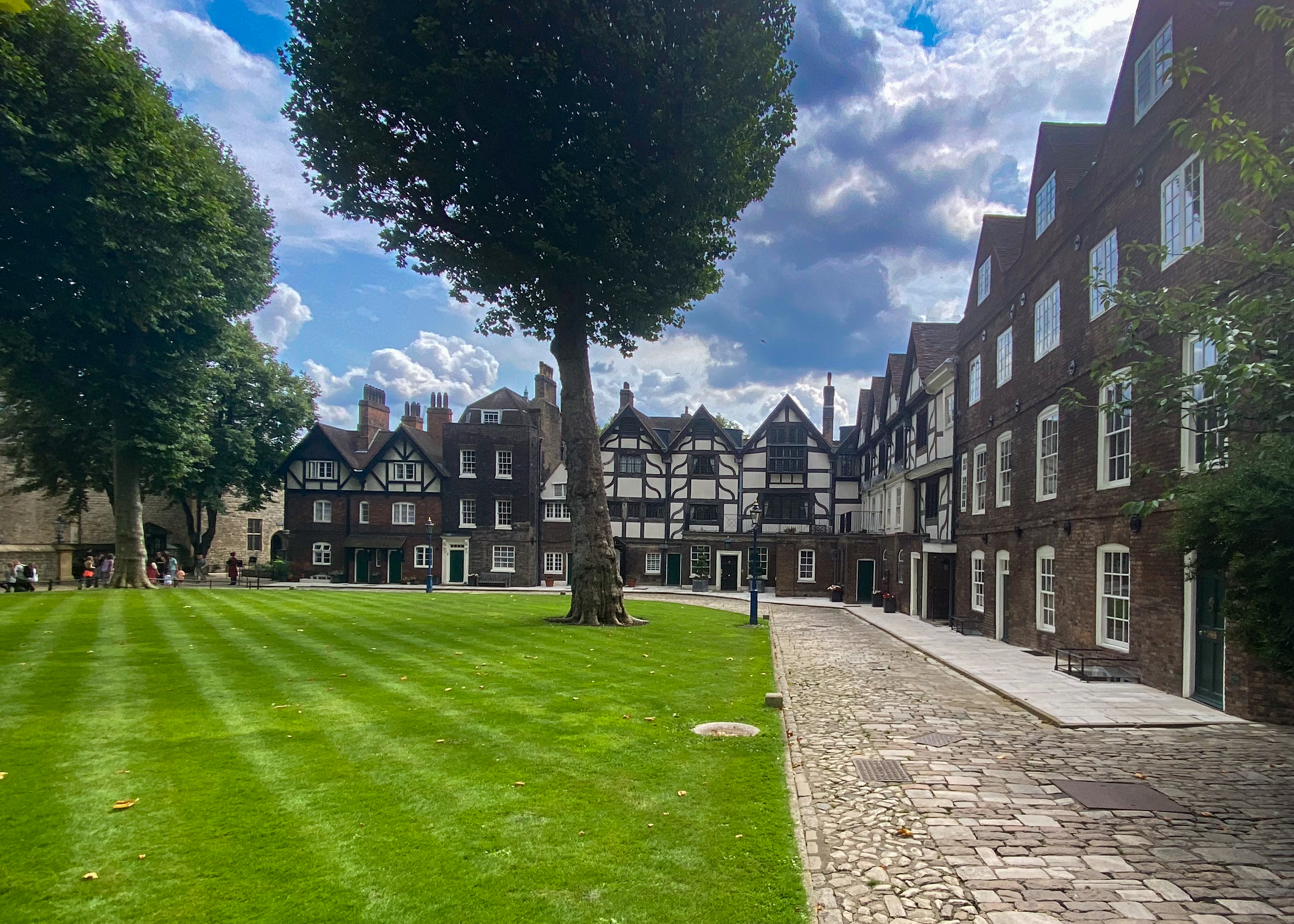
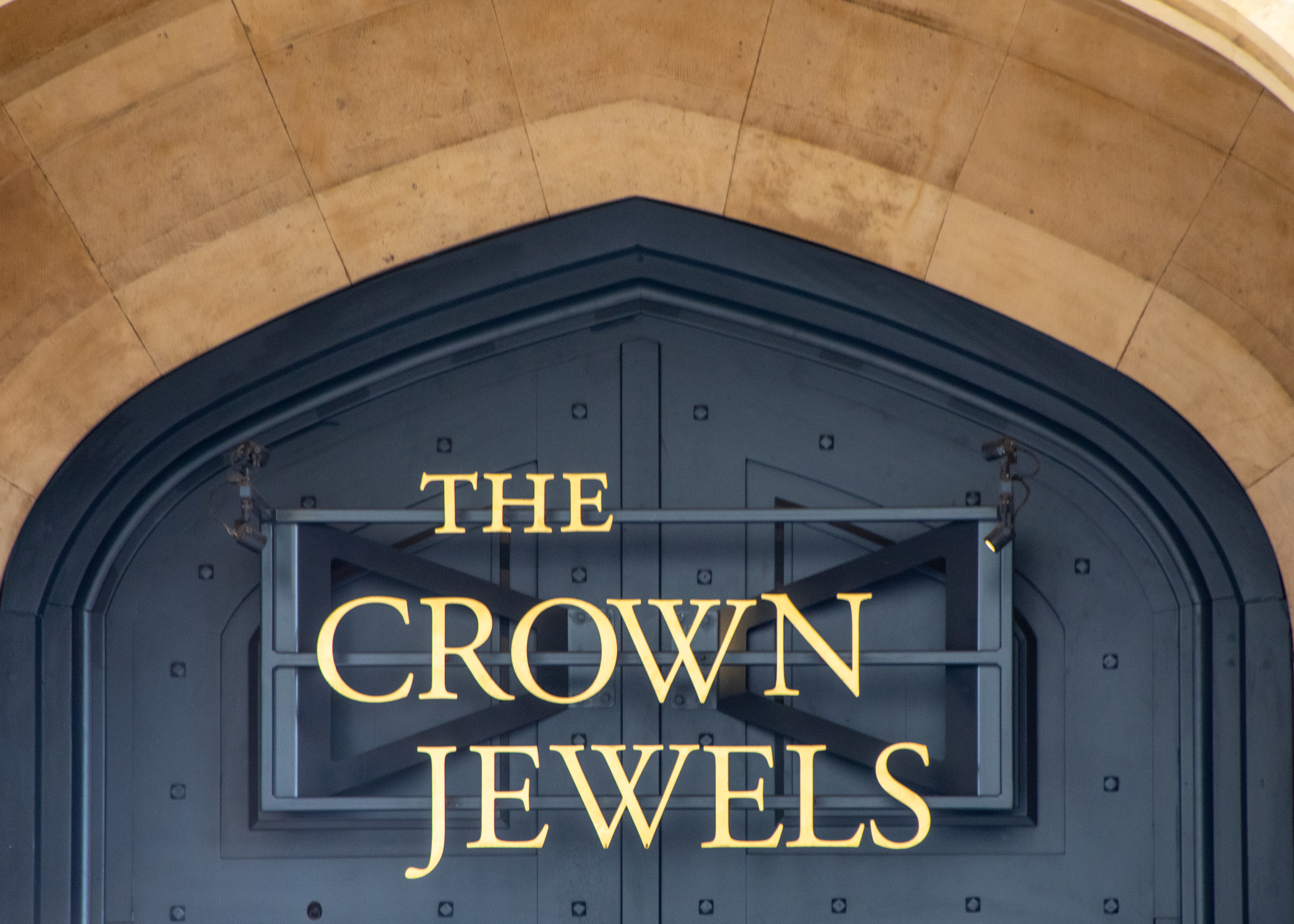
Tower of London – William the Conqueror built a mighty stone tower at the center of his London fortress in the 1070s (the White Tower). Now, nearly 1000 years later, the Tower still has the capacity to fascinate and horrify. It is the protector of the Crown Jewels (no photos), home of the Yeoman Warders and its legendary guardians, the pampered ravens. It was a secure fortress, a royal palace, and an infamous prison. The Tower also has a richer and more complex history, having been home to a wide array of institutions including the Royal Mint, the Royal Armories, and even a zoo.

Buckingham Palace area

Tower Bridge

Tower of London

Thanks for riding along on our adventure. Feel free to pass the links along to your friends.

UK and Scotland Day 15

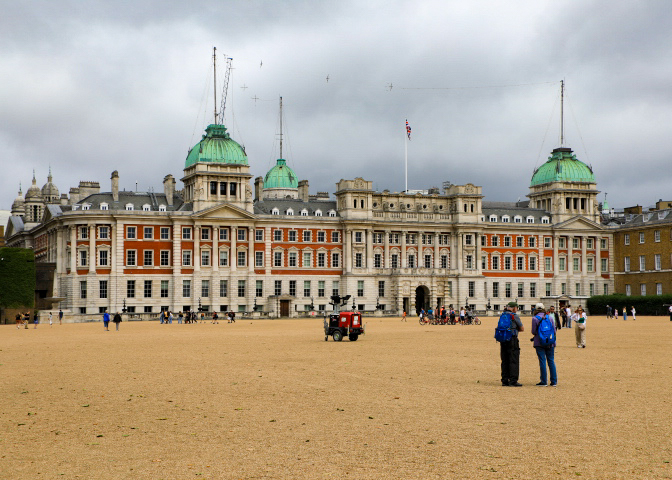
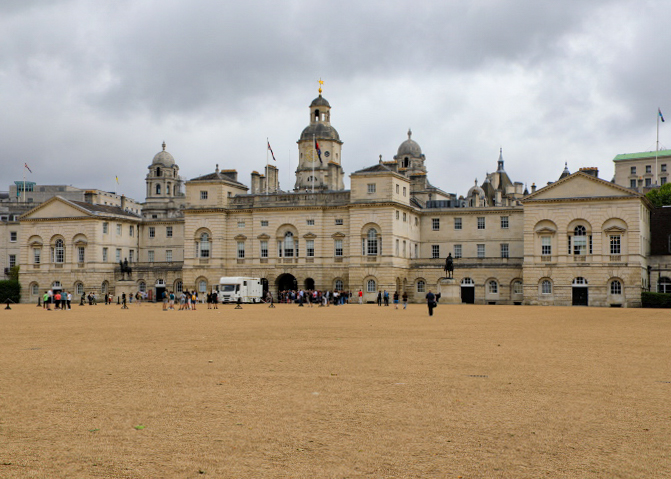
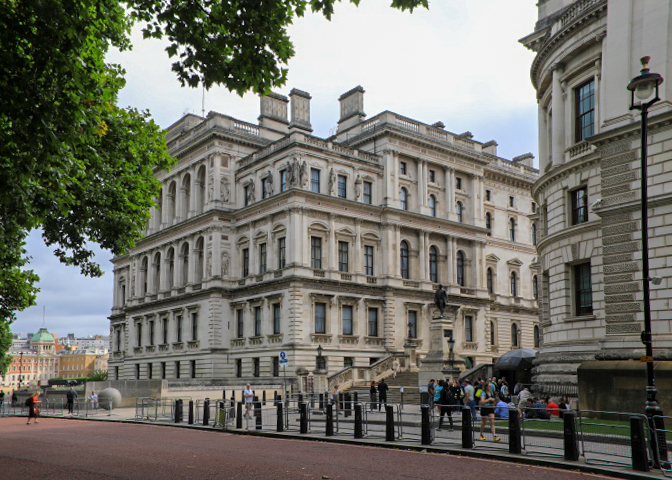
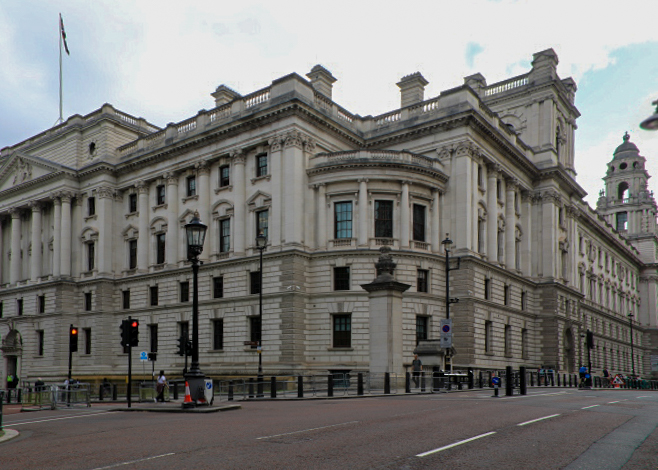
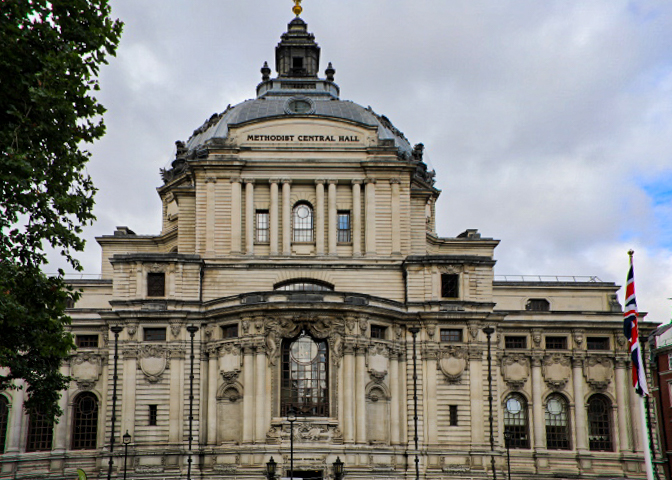
We returned to London a little bit sleepy from our overnight train ride from Edinburgh but were able to drop our luggage off at our hotel and headed off to see the “Churchill War Rooms”. We walked from our hotel past the Church of England Headquarters, Westminster Abbey, the Methodist Church of England, Whitehall buildings and the Parade grounds. The Cabinet War Rooms provided the secret underground headquarters for the core of the British government throughout the Second World War.

The fear that London would be the target of aerial bombardment had troubled the government since the First World War, and in 1938, the basement of a Whitehall building was chosen as the site for the Cabinet War Rooms. From 1940 to 1945, hundreds of men and women would spend thousands of vital hours here, and it soon became the inner sanctum of the British government. Following the surrender of the Japanese Forces, the doors to the Cabinet War Rooms were locked on 16 August 1945, and the complex was left undisturbed until Parliament ensured its preservation as a historic site in 1948. Knowledge of the site and access to it remained highly restricted until the late 1970s when the Imperial War Museum began the task of preserving the site and its contents, making them accessible to as wide an audience as possible. In 1984, the main war rooms opened to the public. In 2003, further restoration work opened the ‘Courtyard Rooms,’ the rooms where staff would eat, sleep, and work in safety.

In 2005 they added the only major museum in the world dedicated to Sir Winston Churchill. Its multimedia and uniquely engaging approach provide visitors with a comprehensive overview of Churchill’s life.

Photography was permitted but I refrained and concentrated on the venue and the Churchill Museum. You can get a feel of the faciity by viewing: https://www.iwm.org.uk/visits/churchill-war-rooms/about

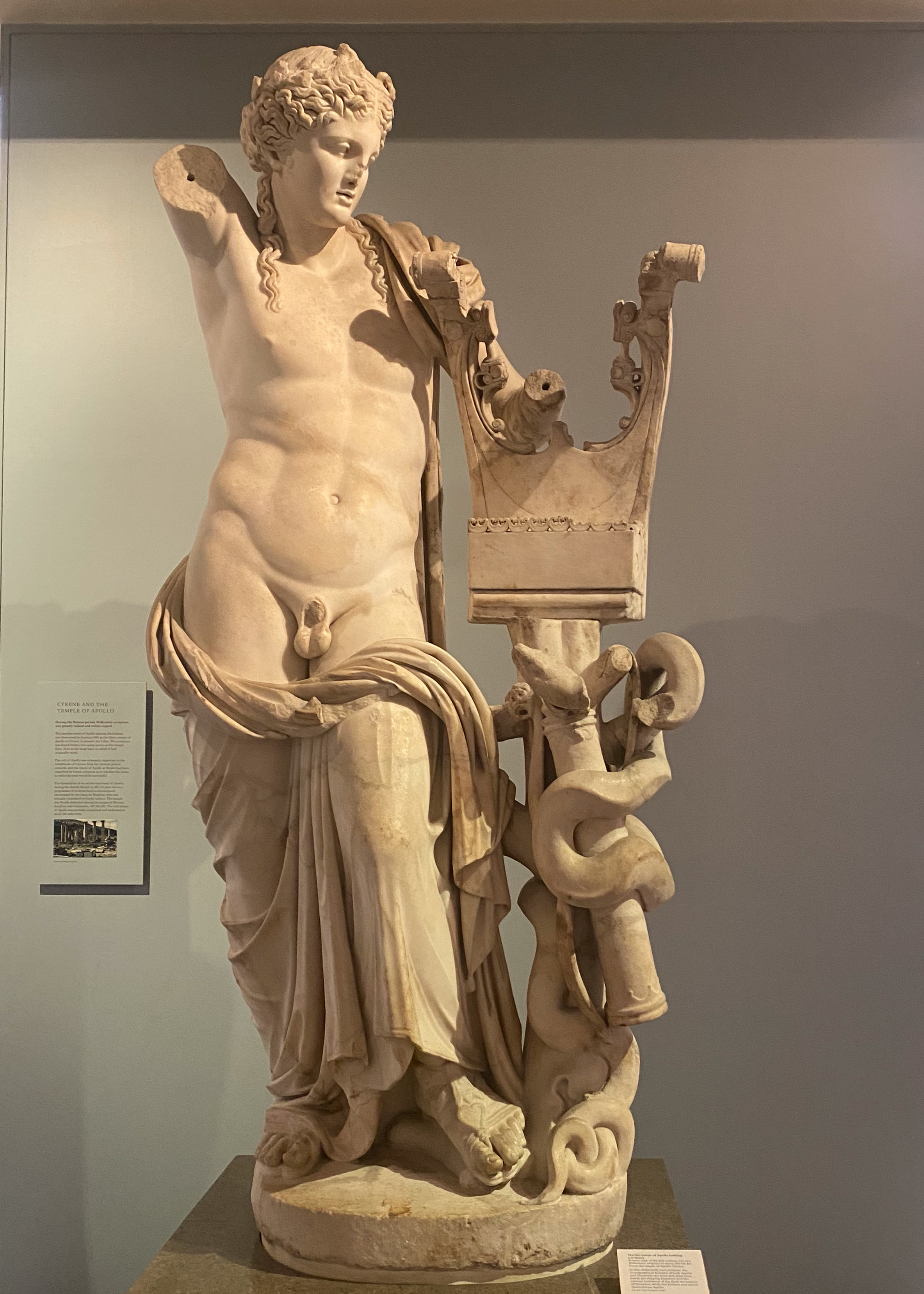
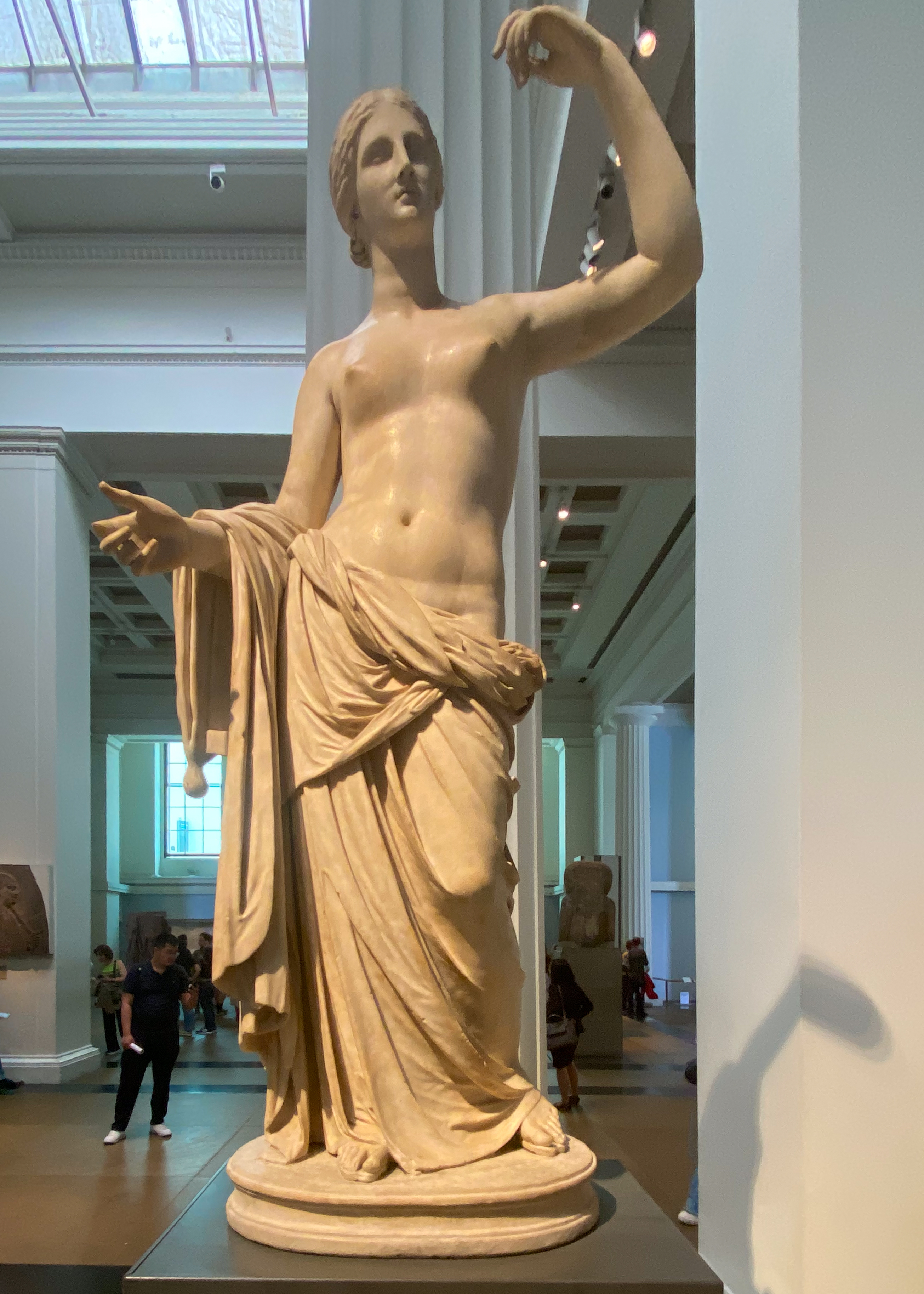
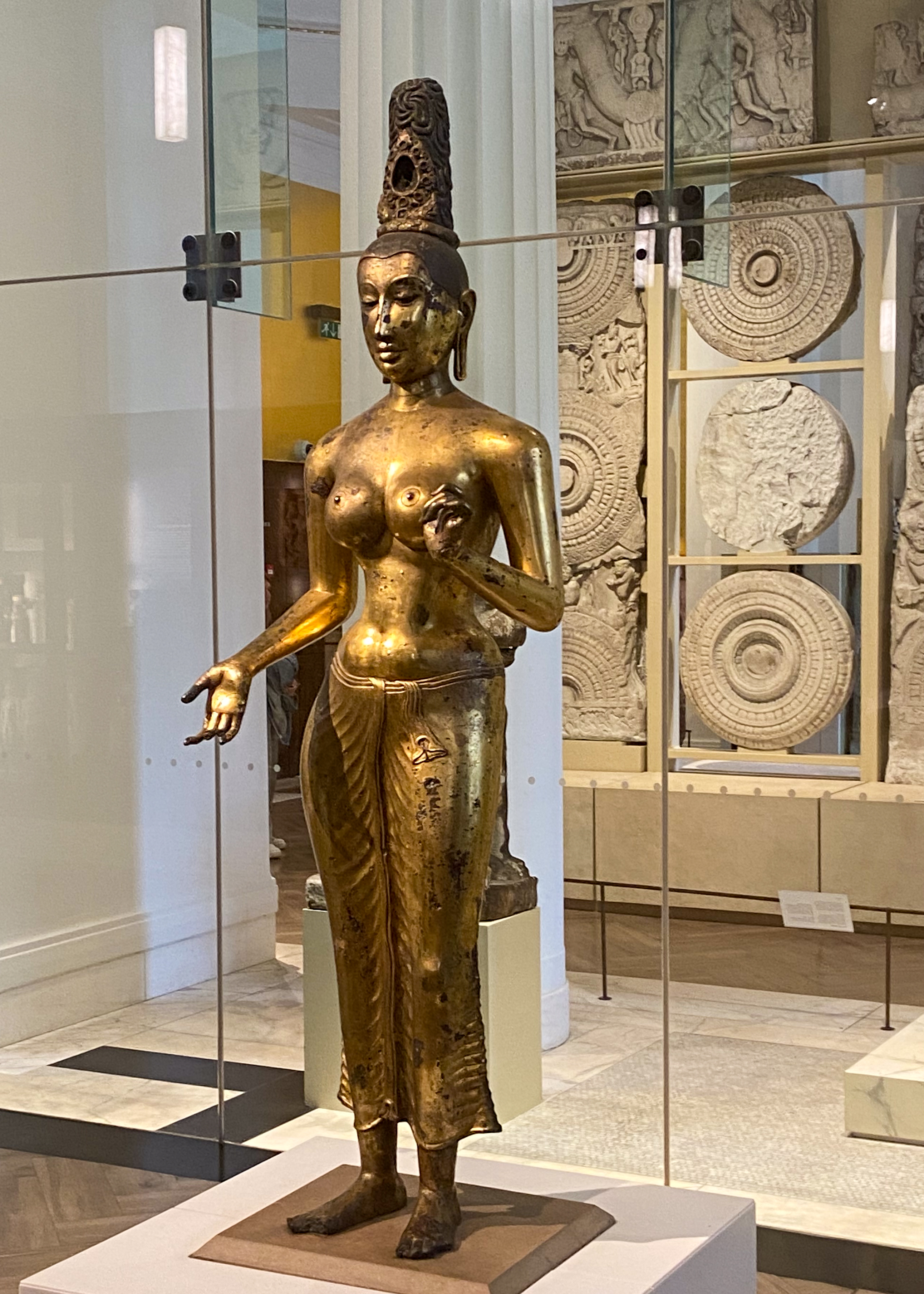
In the afternoon, we headed over to the British Museum, which we missed on our planned first day as our original flight was cancelled. Not having the time we wanted, we just viewed the museum’s highlights.

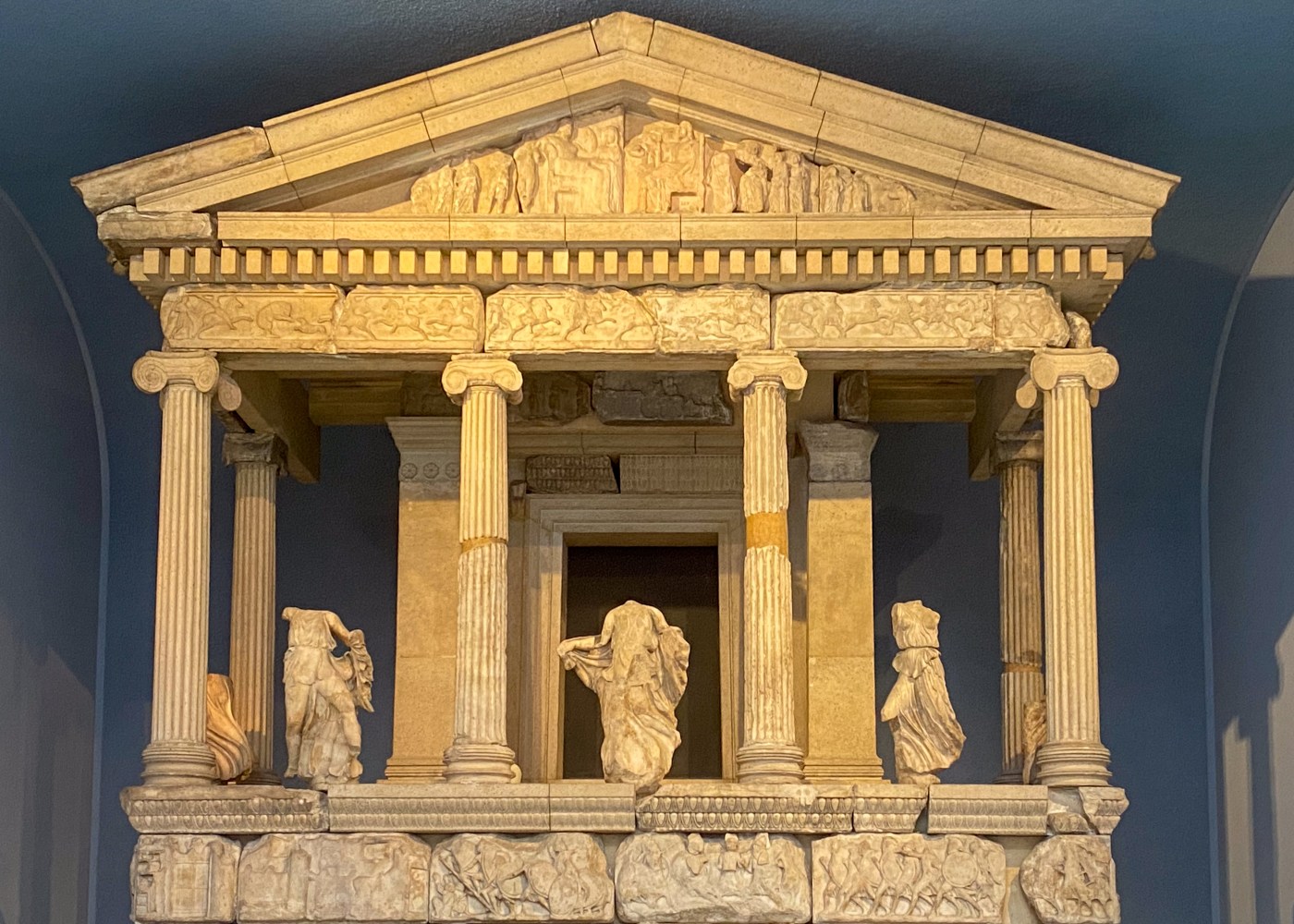
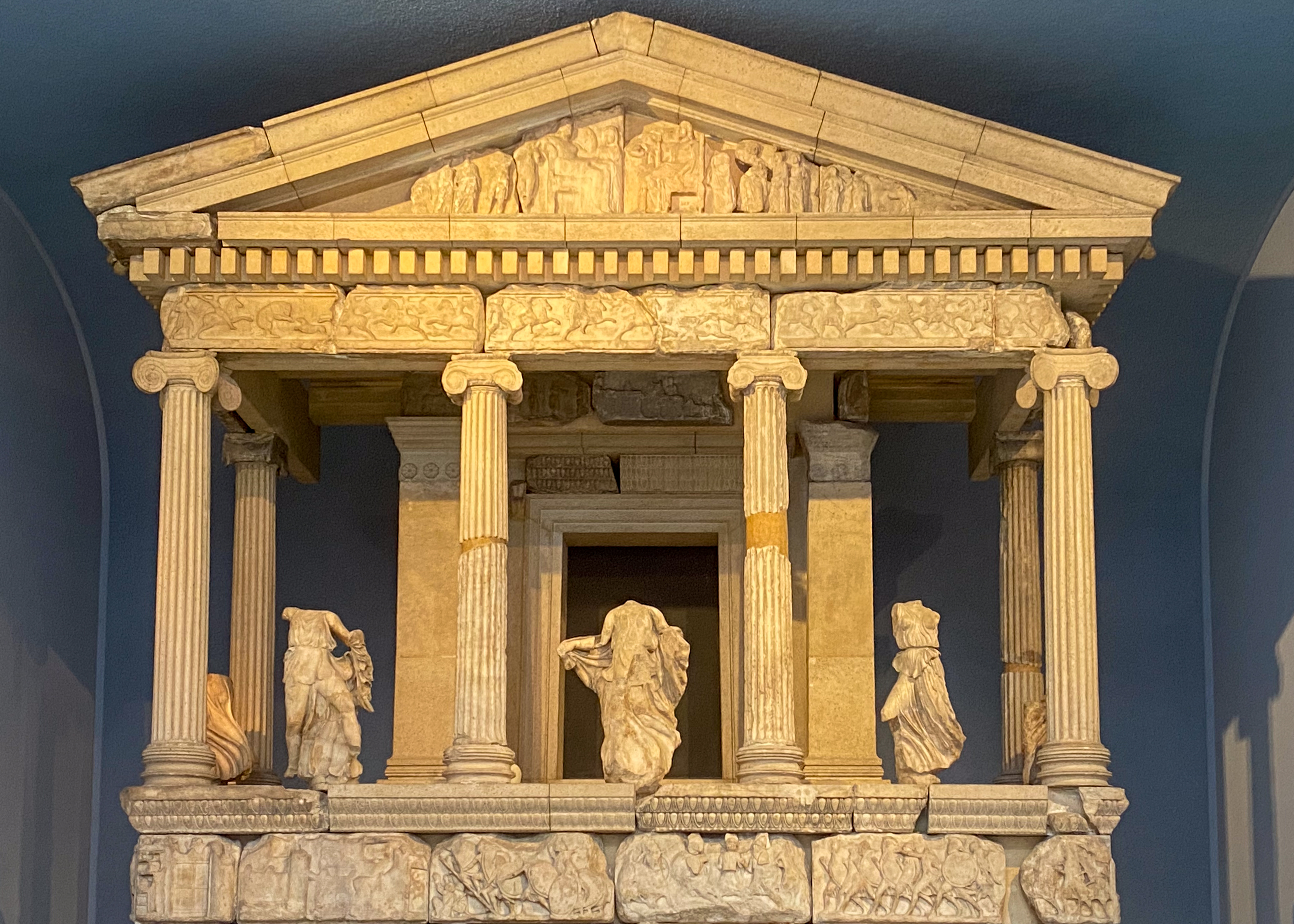
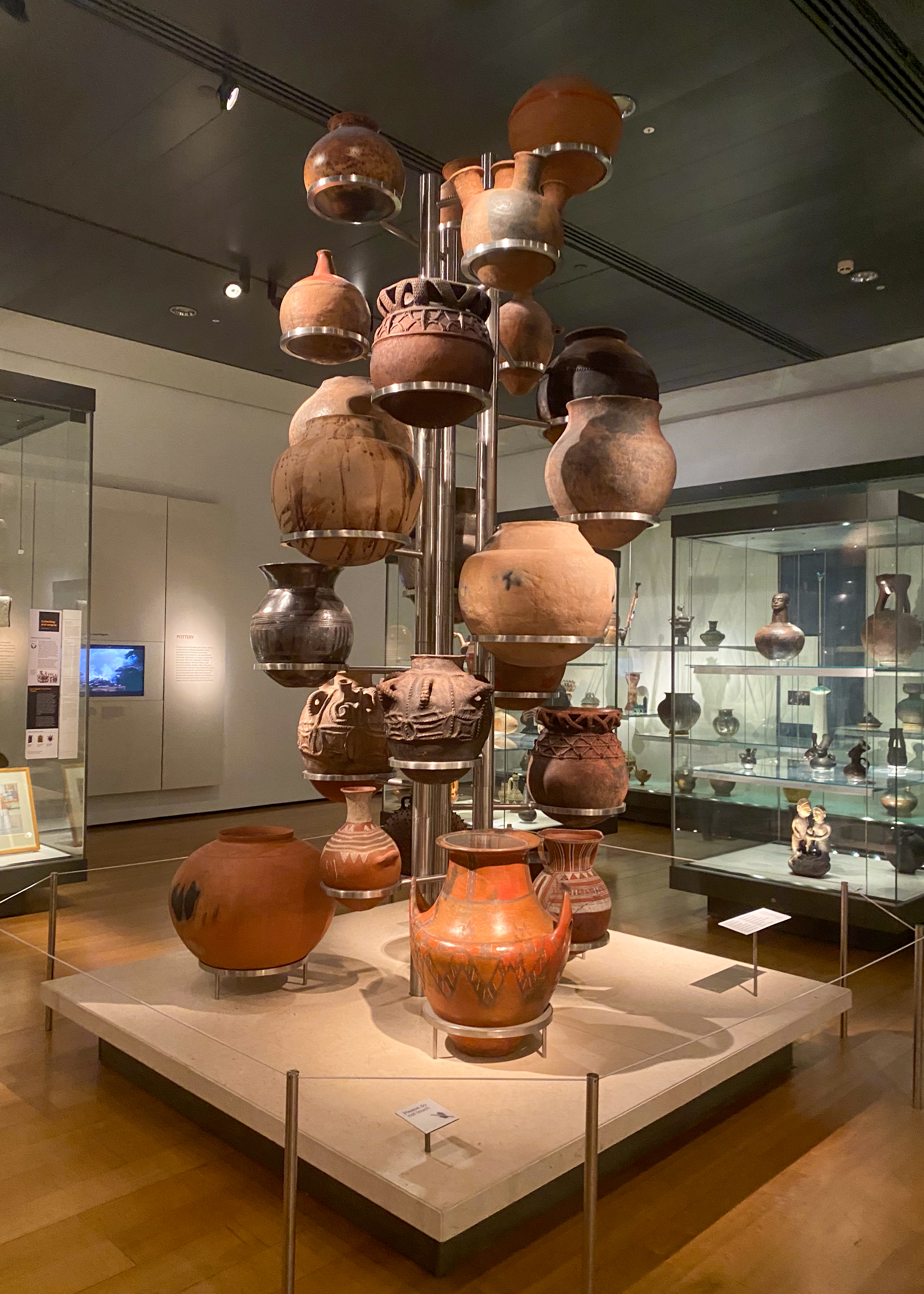
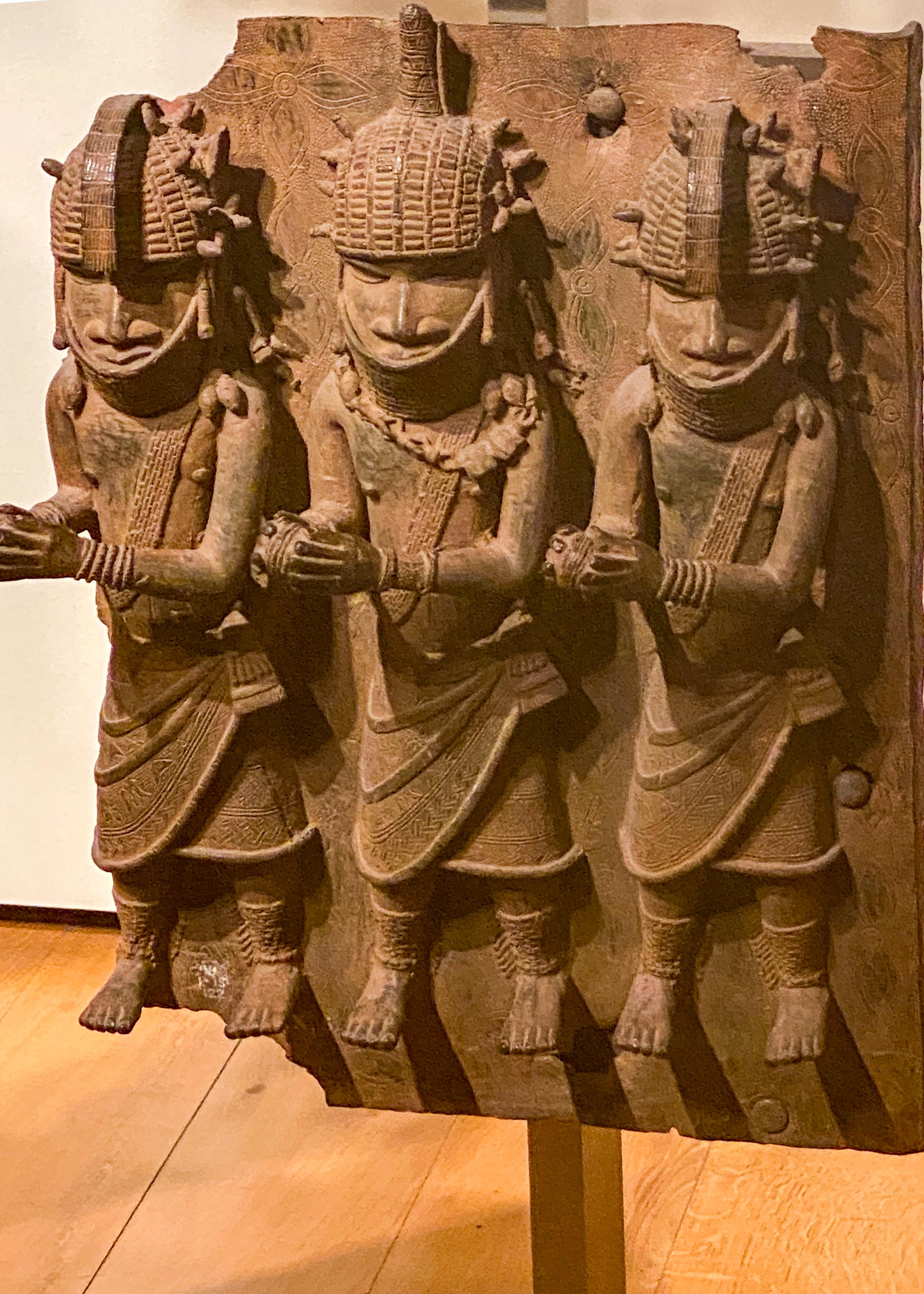
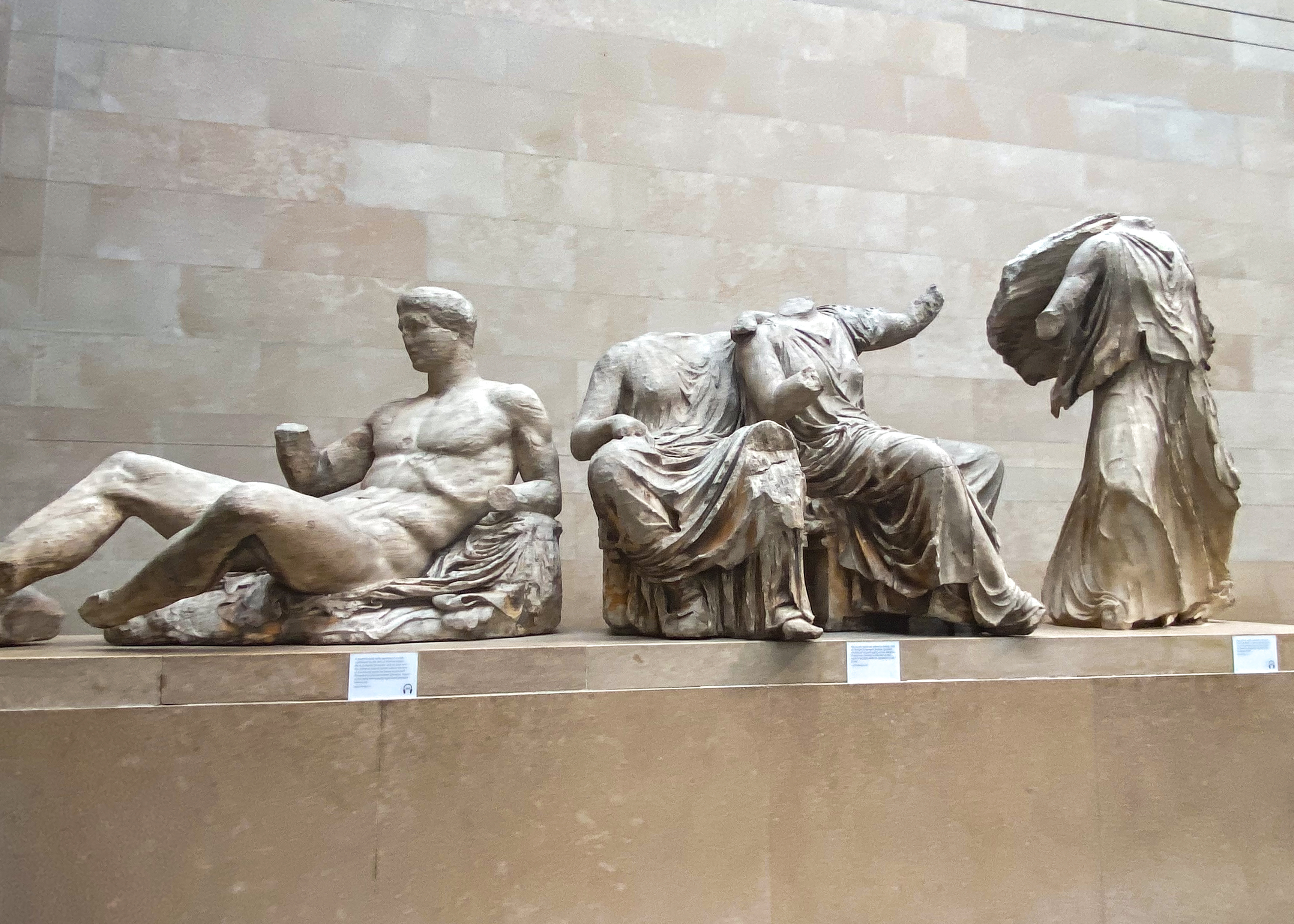
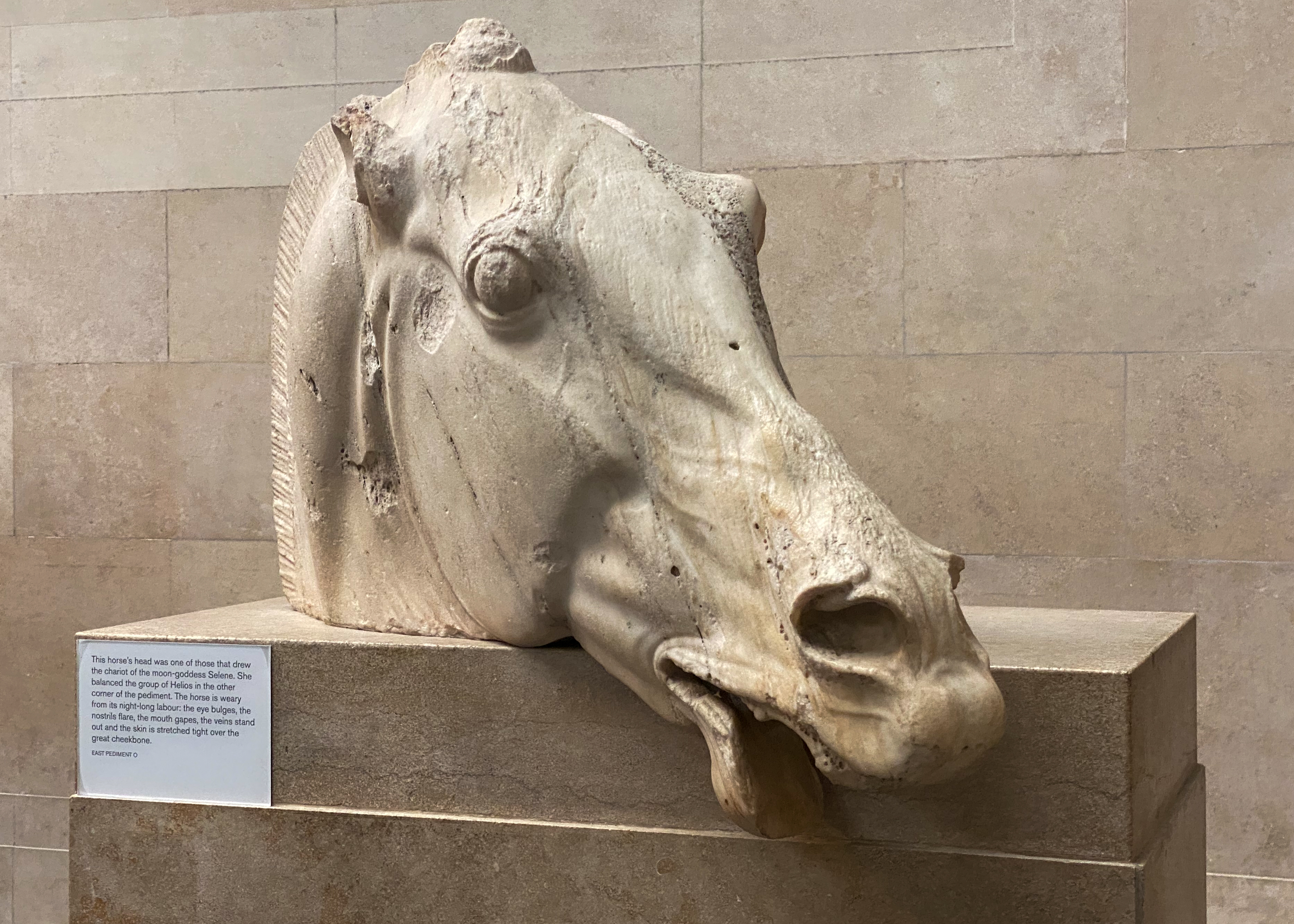
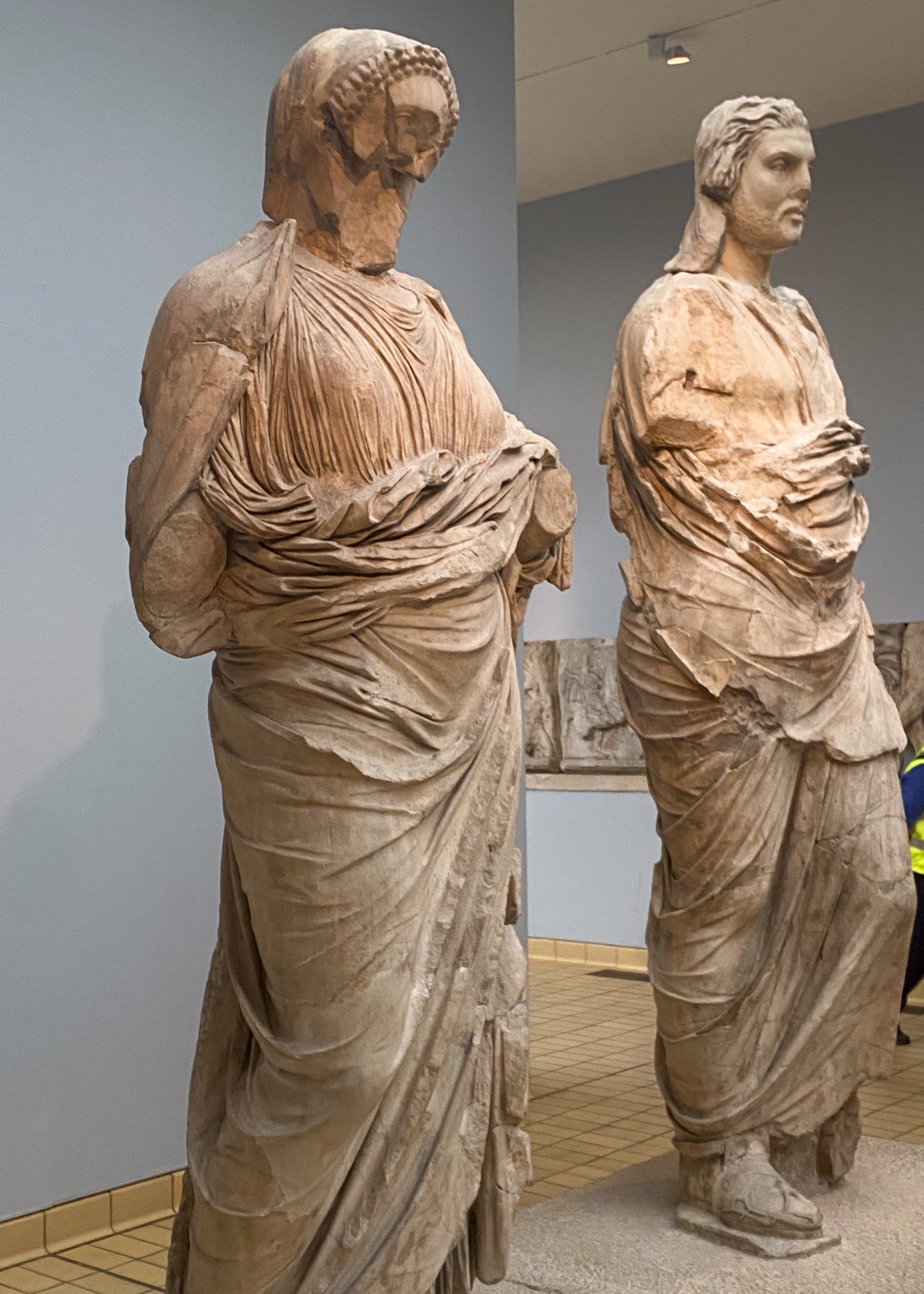
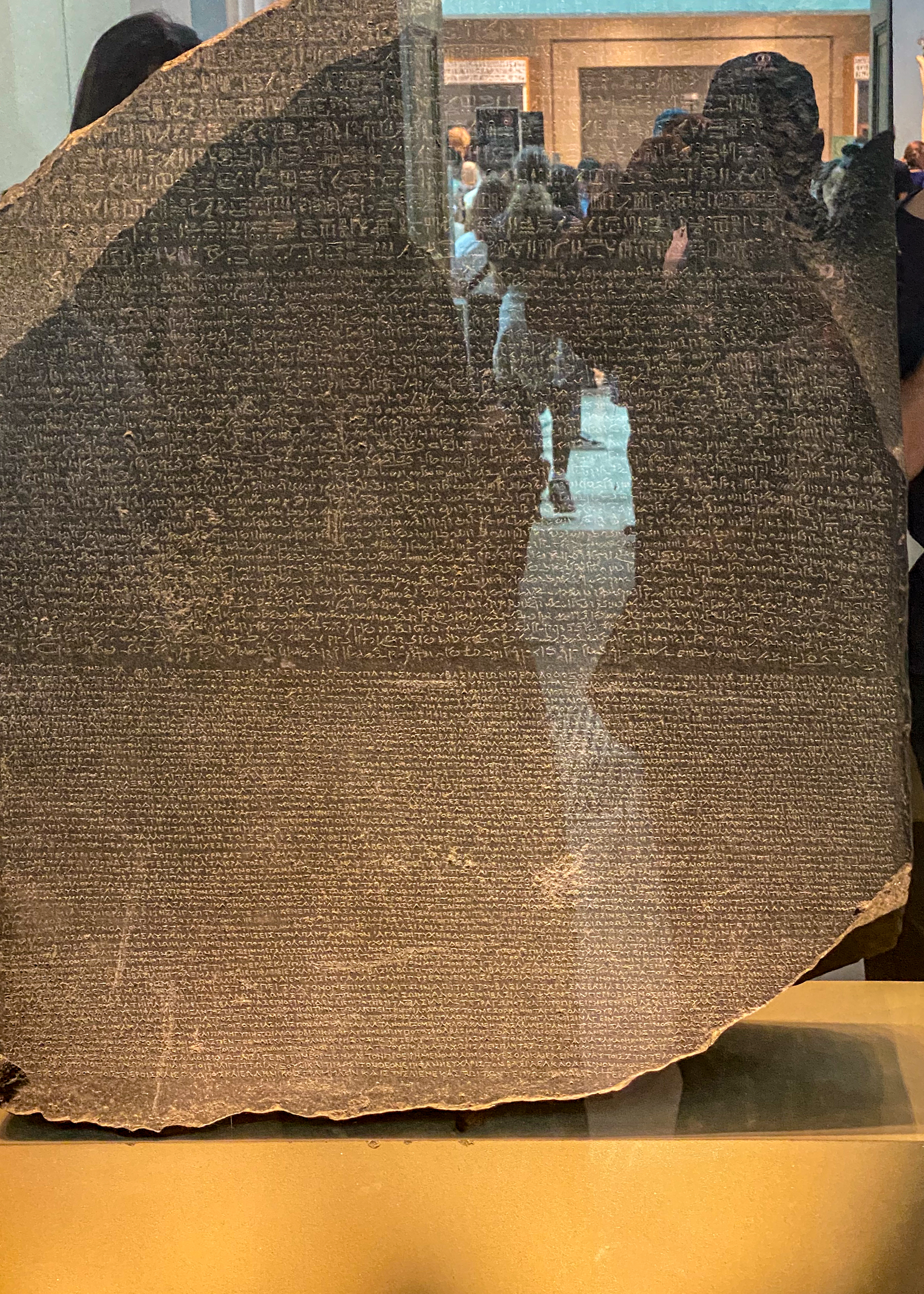
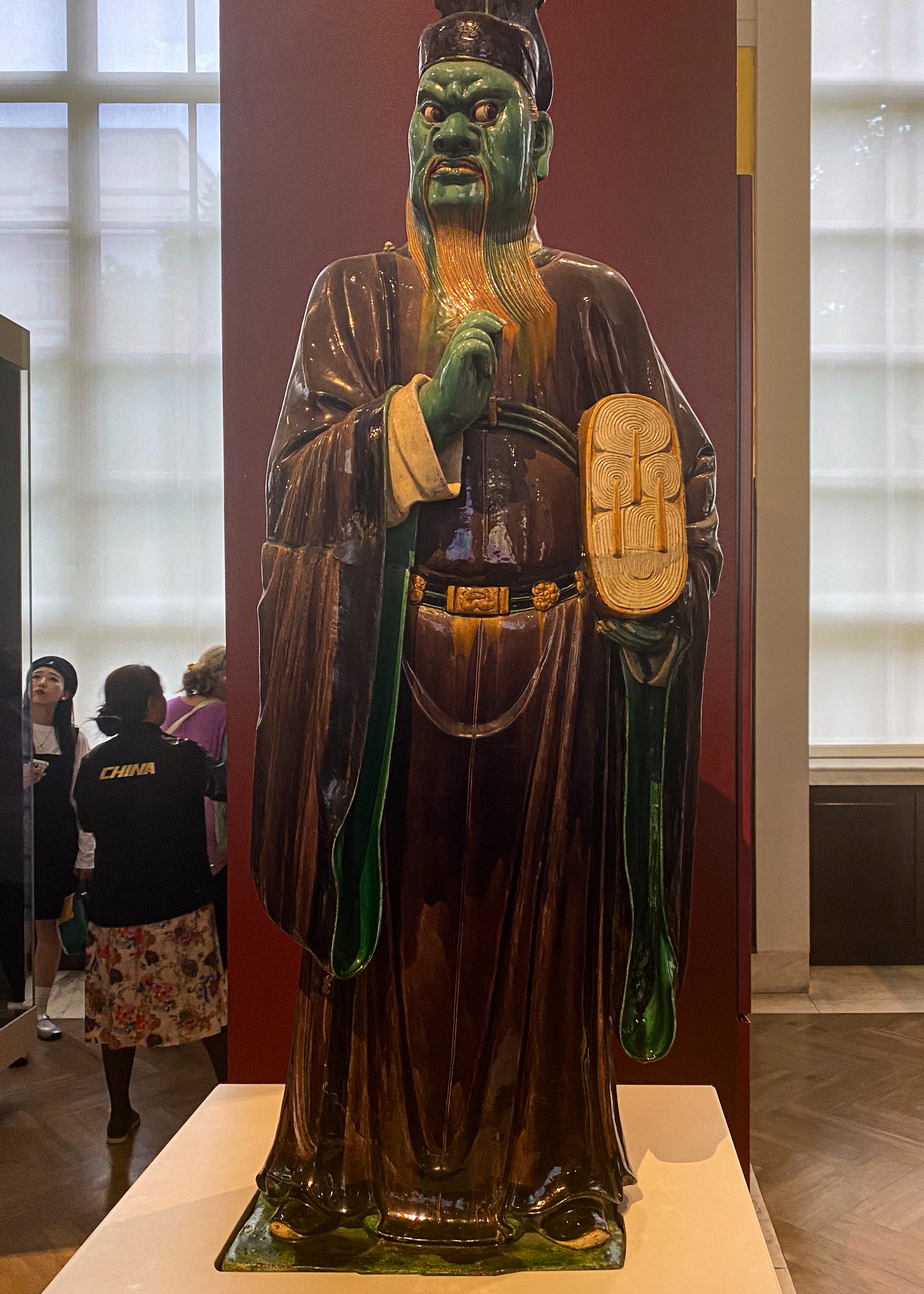
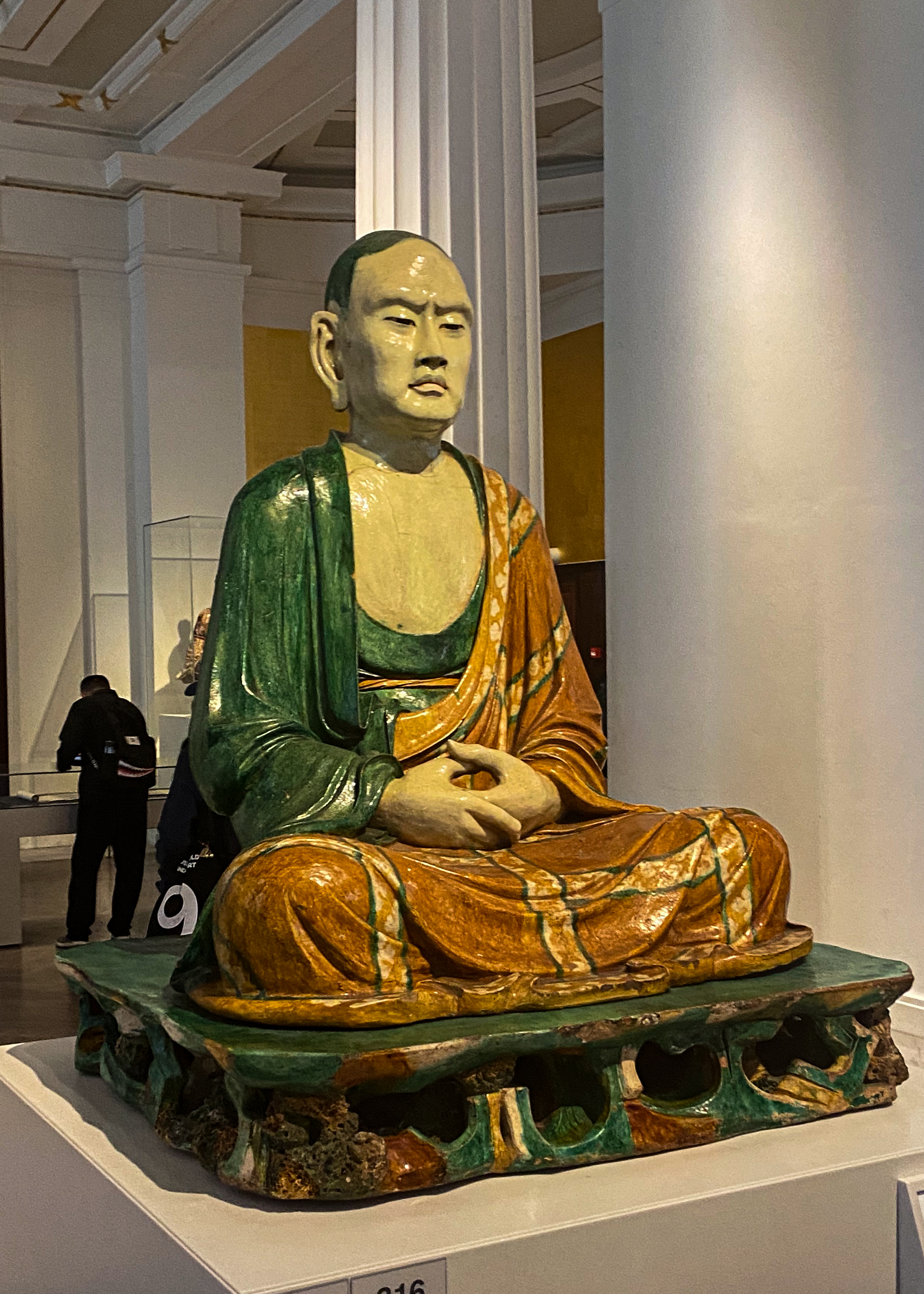
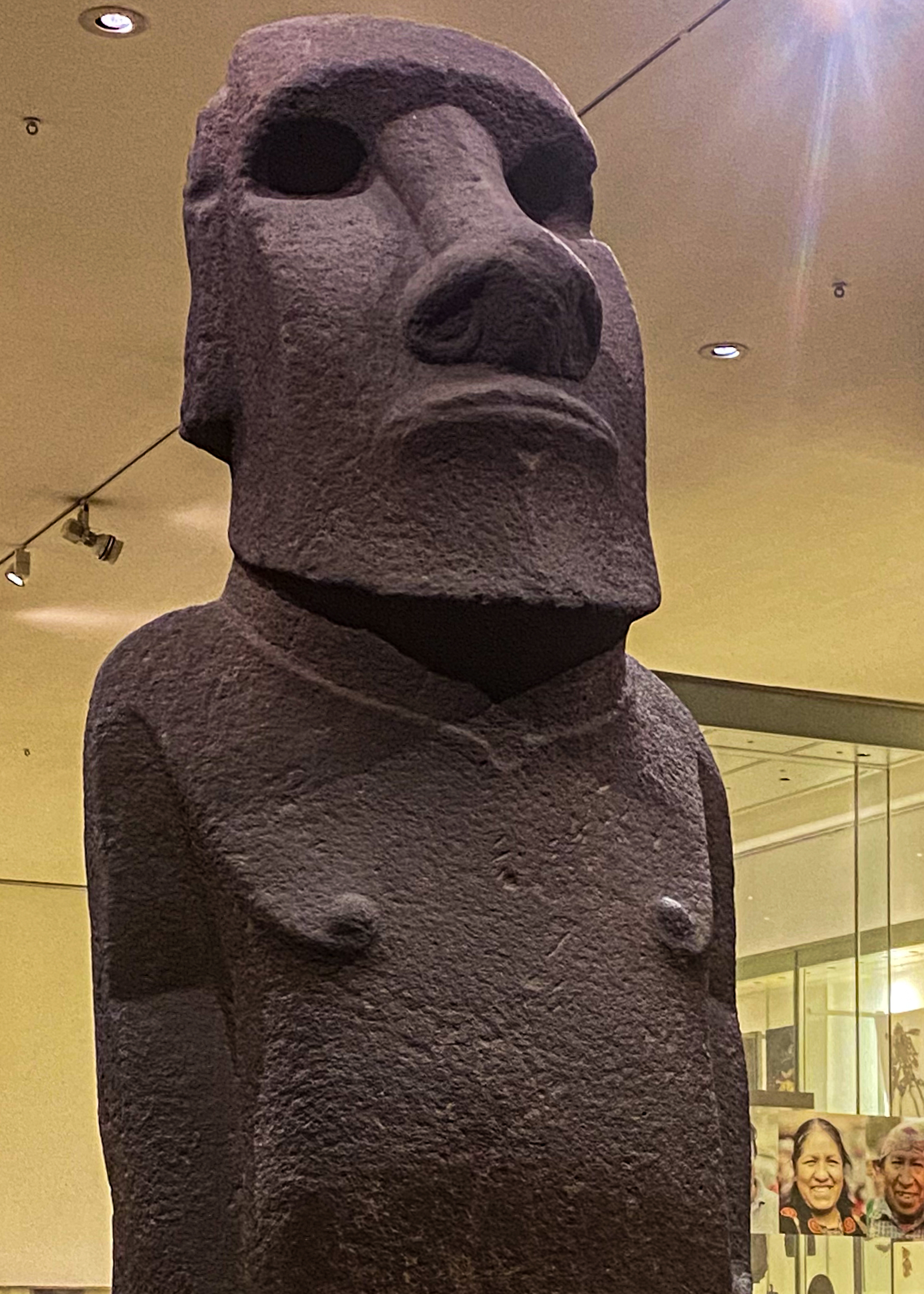
The British Museum is a public museum dedicated to human history, art, and culture. Its permanent collection of eight million works is the largest in the world. It documents the story of human culture from its beginnings to the present. The British Museum was the first public national museum to cover all fields of knowledge. The museum was established in 1753, largely based on the collections of the Anglo-Irish physician and scientist Sir Hans Sloane. It first opened to the public in 1759, in Montagu House, on the site of the current building. The museum’s expansion over the following 250 years was largely a result of British colonization and resulted in the creation of several branch institutions, or independent spin-offs, the first being the Natural History Museum in 1881. The right to ownership of some of its most well-known acquisitions, notably the Greek Elgin Marbles and the Egyptian Rosetta Stone, is subject to long-term disputes and repatriation claims. Some of the displayed objects we were able to see included: Tang dynasty figures, the Rosetta Stone, and the Hoa Hakananai’a – A colossal ancestor figure from Rapa Nui/Easter Island.
To the Churchilll War Rooms

British Museum

UK and Scotland Day 14

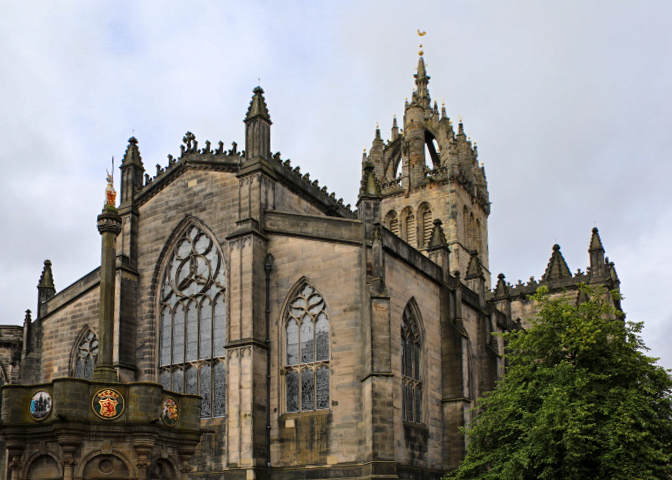
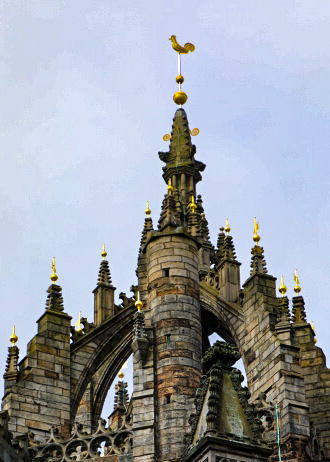
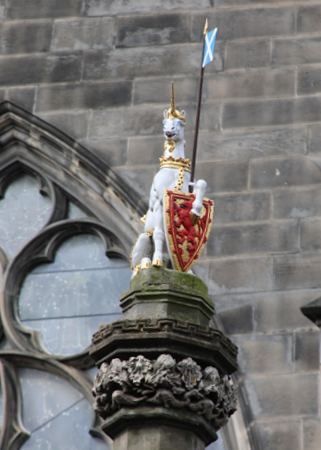
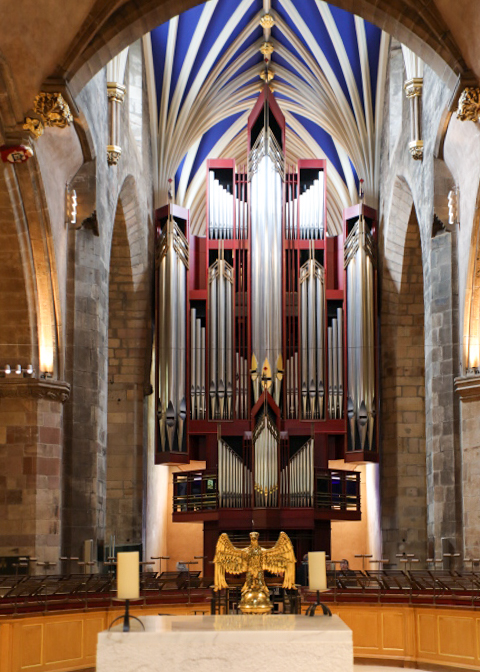
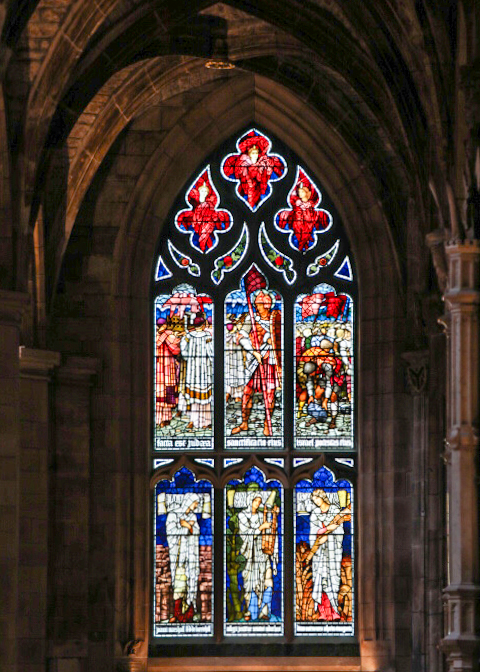
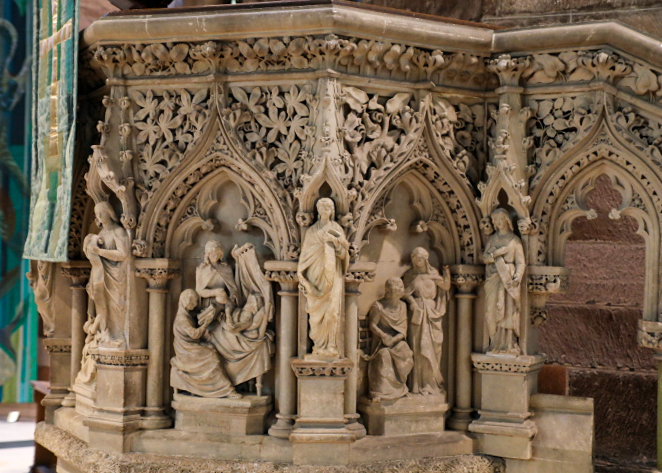
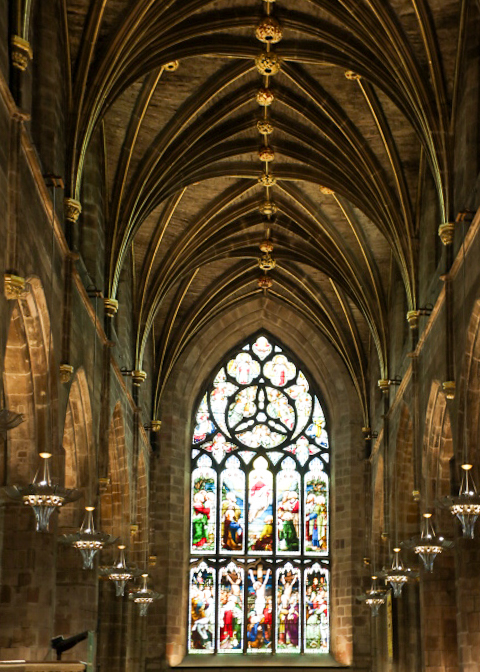
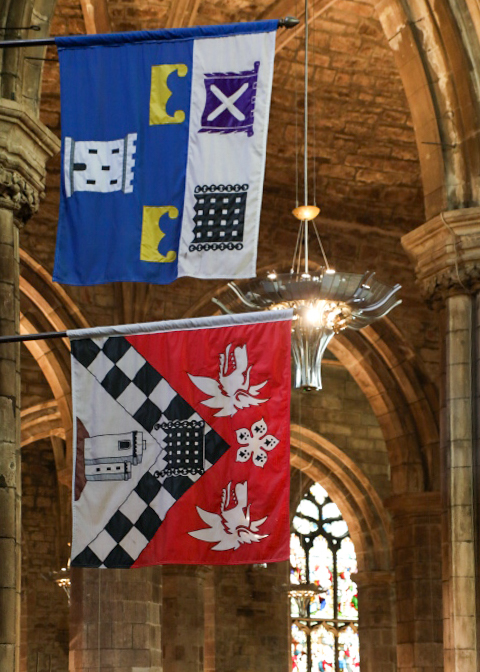
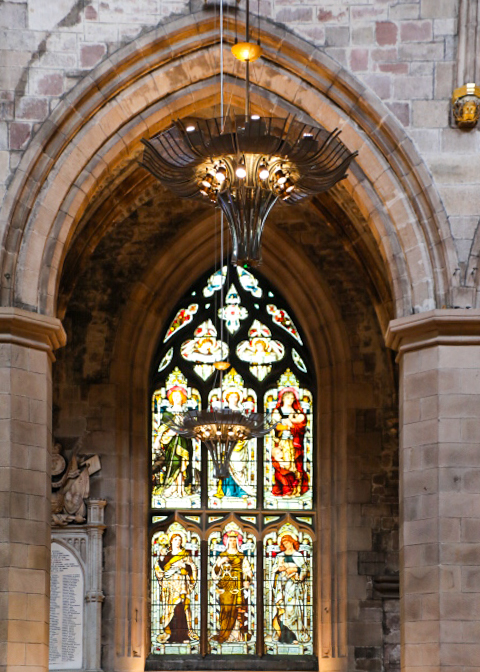
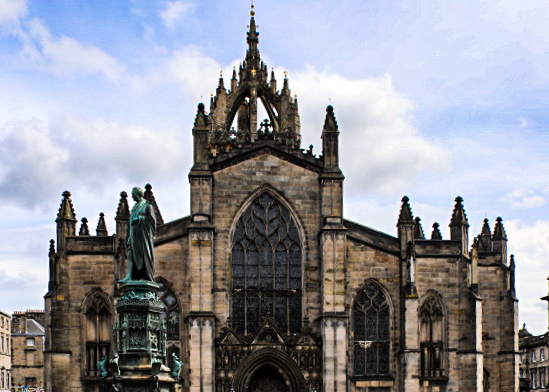
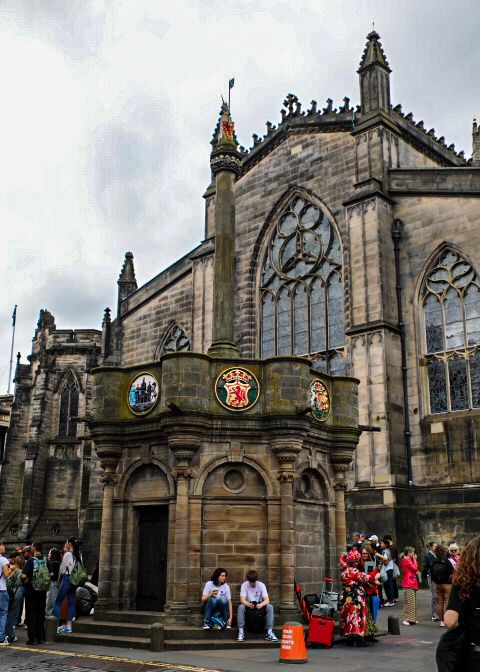
Our day started with a visit to St. Giles’ Cathedral. This is the flagship Church of Scotland – it is called the “Mother Church of Presbyterianism.” The interior serves as a kind of Scottish Westminster Abbey, filled with monuments, statues, plaques, and stained-glass windows dedicated to great Scots in history.

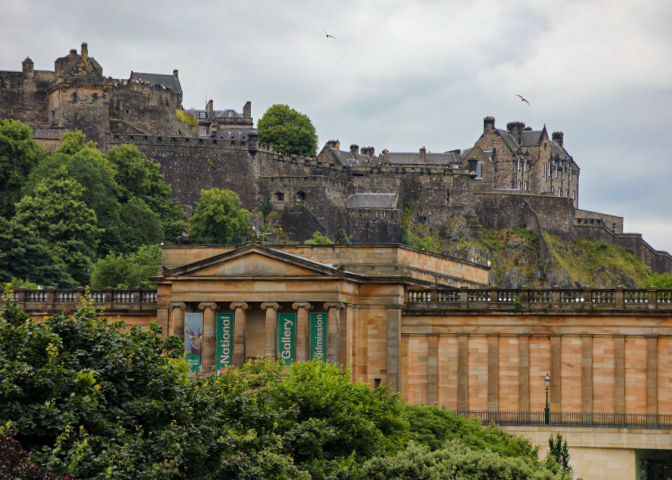
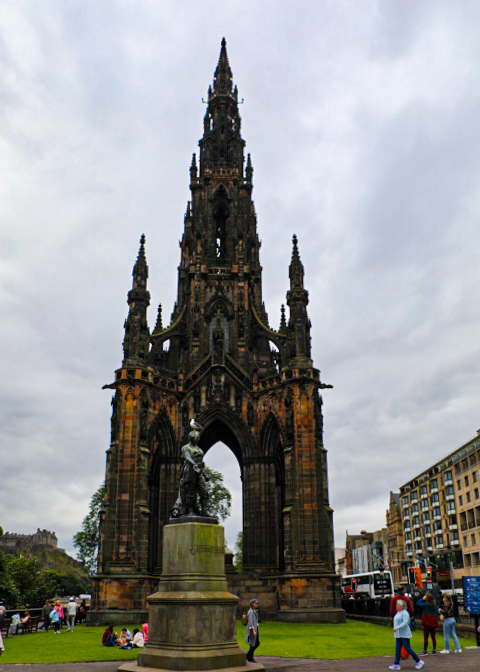
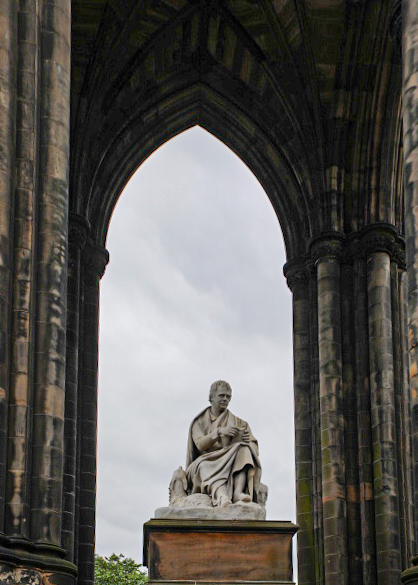
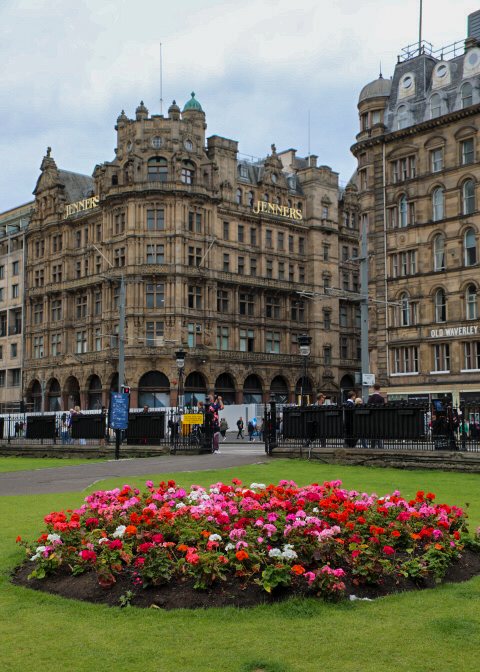
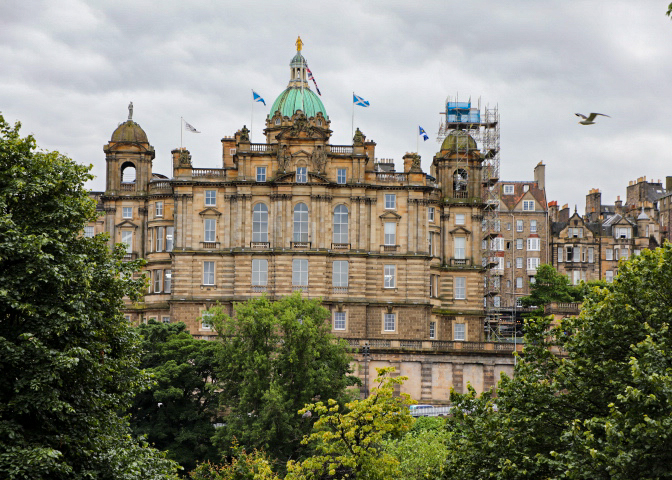
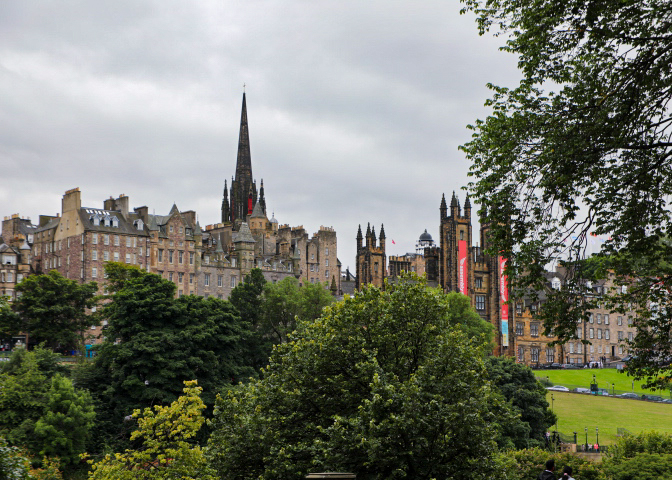
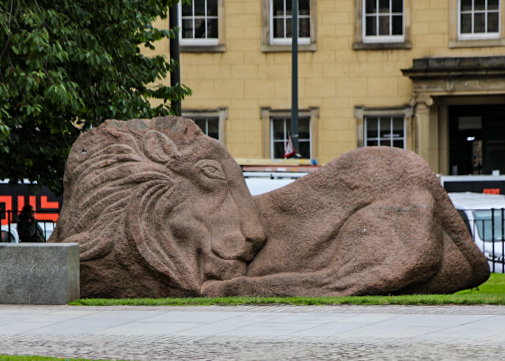
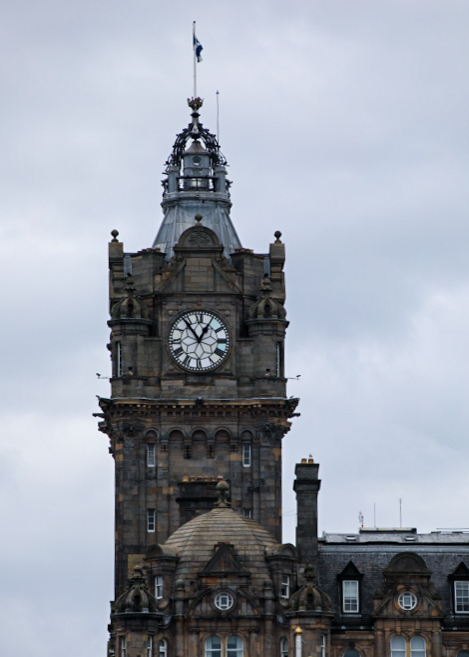
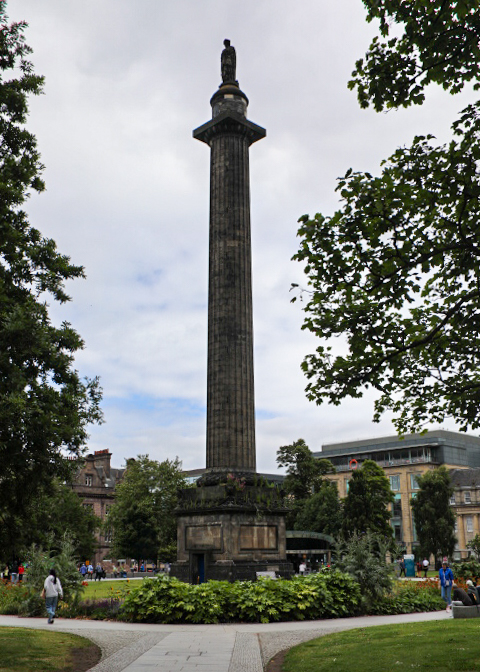
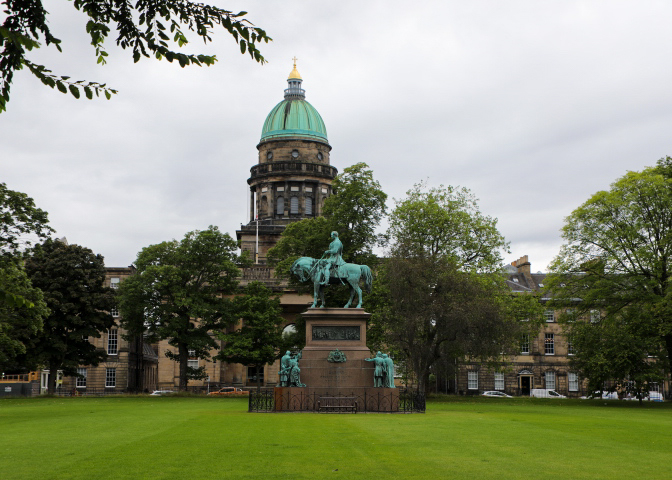
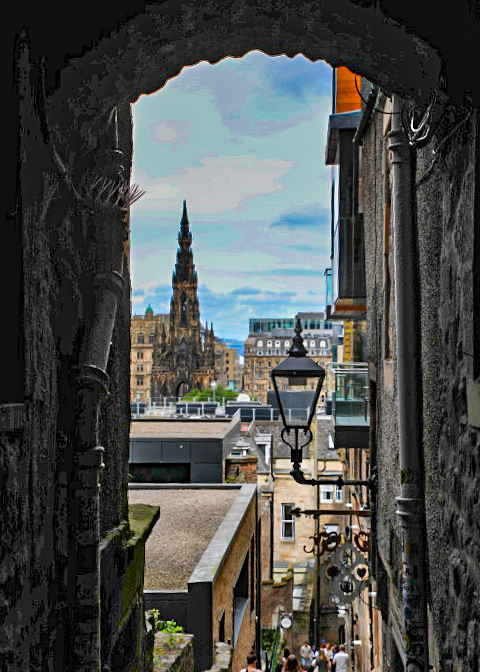
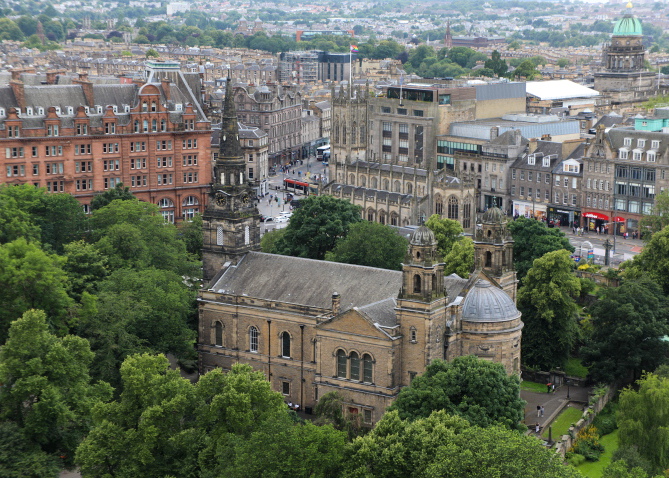
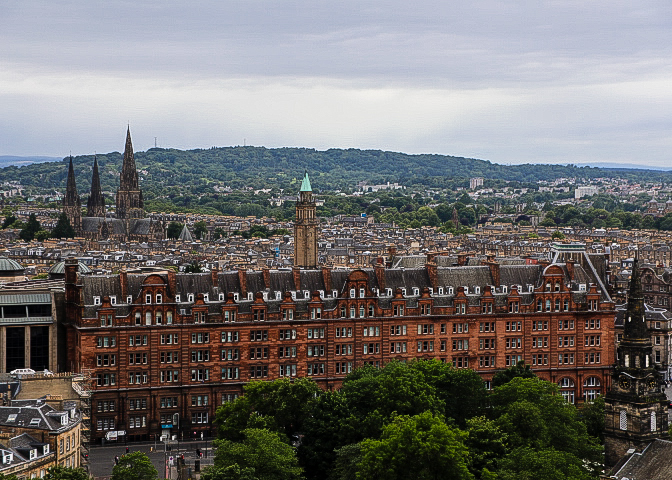
From St. Giles’ we headed over the Waverley Bridge to New Town — Georgian Edinburgh — built during the early 18th century. From the bridge you get a good view of the Scottish National Gallery (with the castle in the background) and the Scott Memorial (dedicated to Sir Walter Scott). The tower is 61.11 metres (200 feet 6 inches) tall and construction took place from 1841 to 1844. We walked along Prince and Gardens Streets, admiring the buildings and shops. Then onto St. Andrews Square and its famous lion. Along Prince Street Gardens you get great views of the back of Edinburgh Castle heading to Charlotte Square and then on to a stop at the Scottish National Gallery. Our day ended with a final dinner in Edinbrurgh and the overnight train (Caladonia Express) to London.

St. Giles

New Town Edinburgh

UK and Scotland Day 13

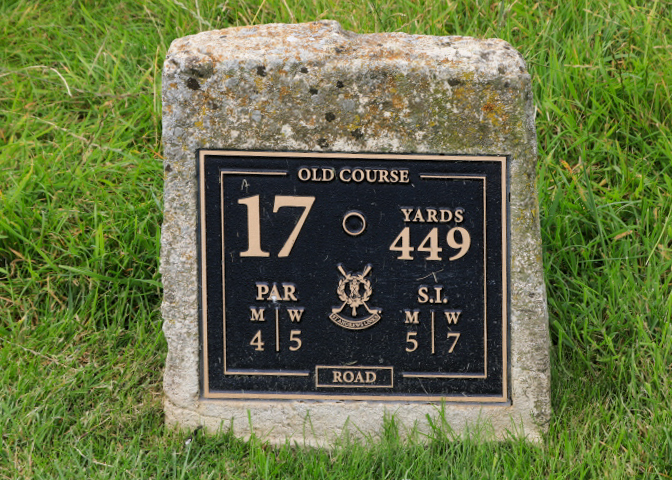
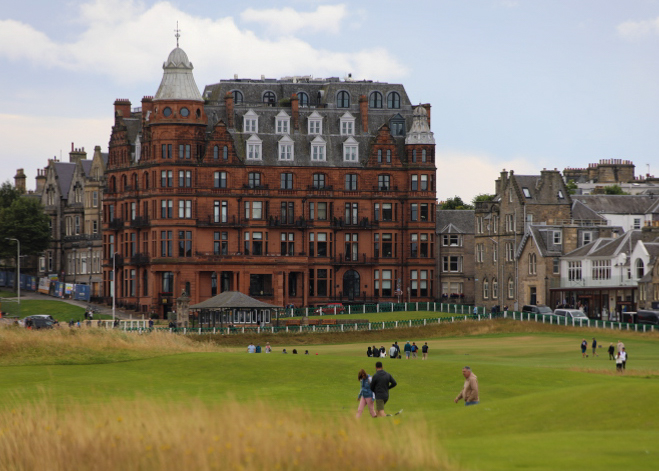
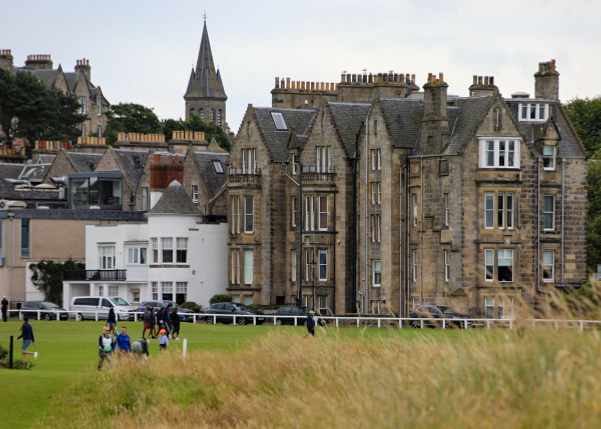
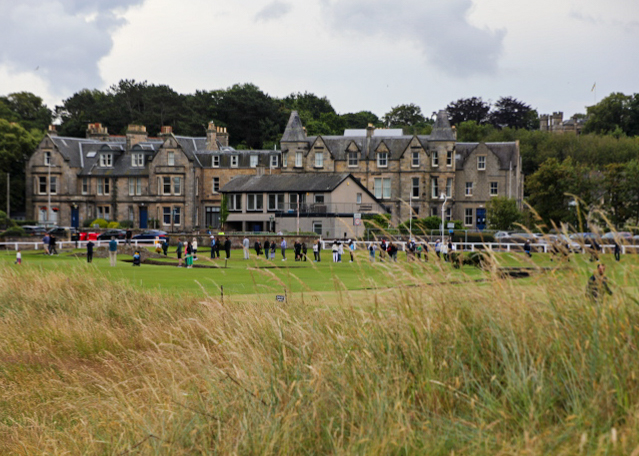
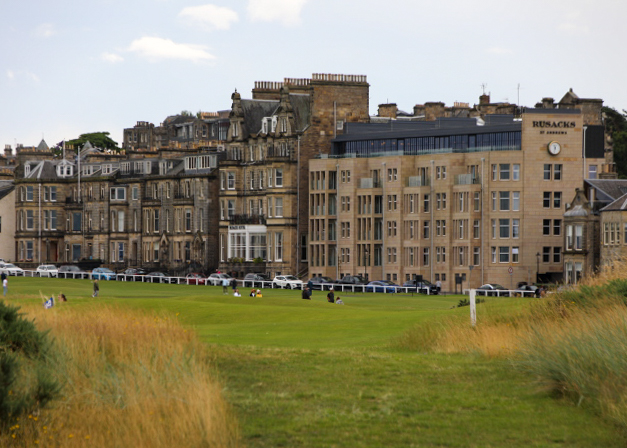
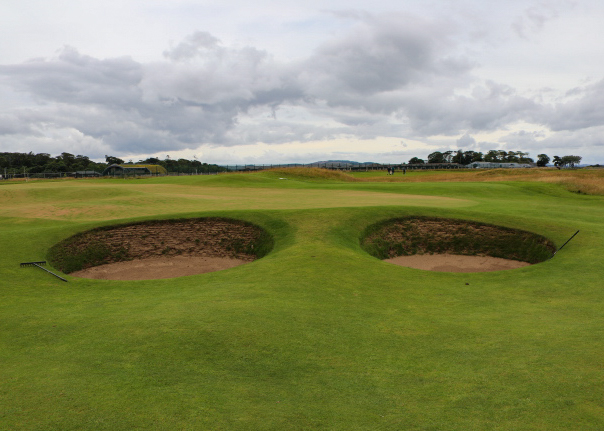
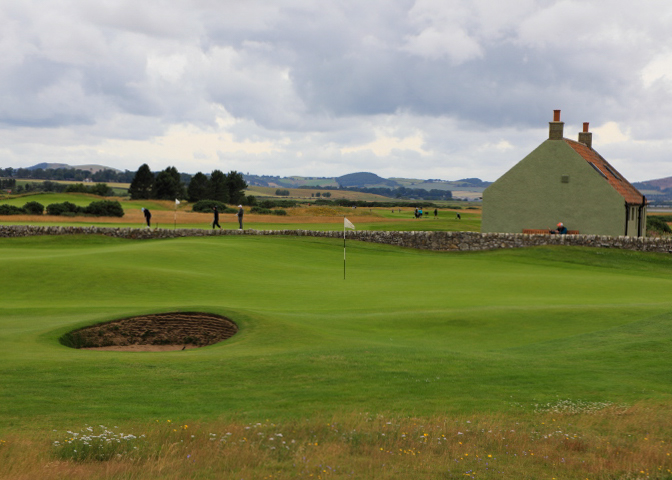
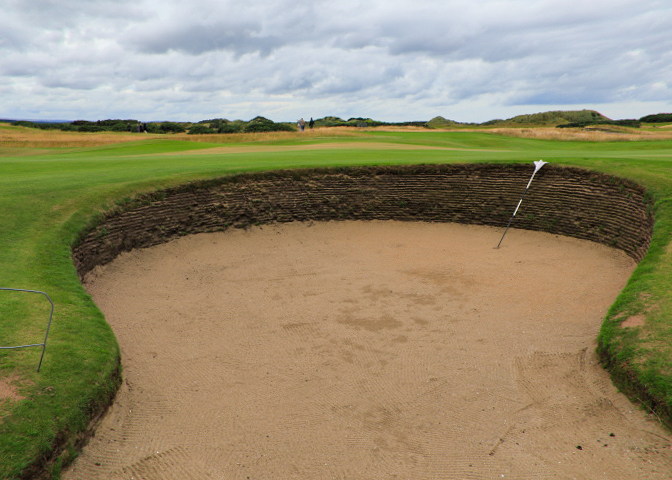
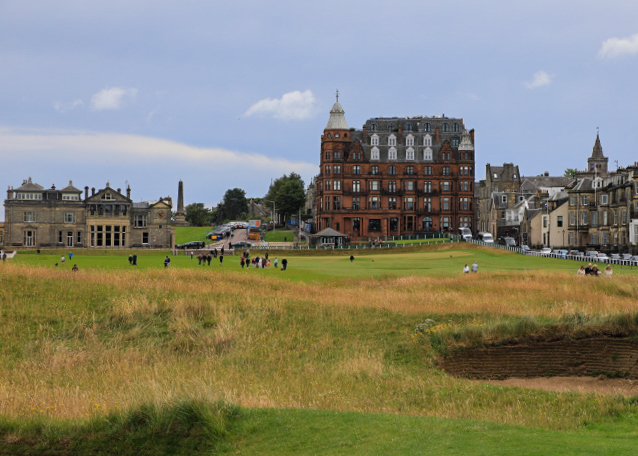
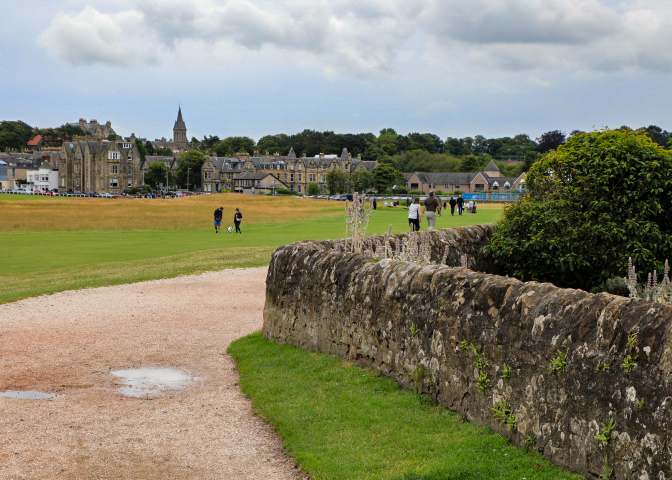
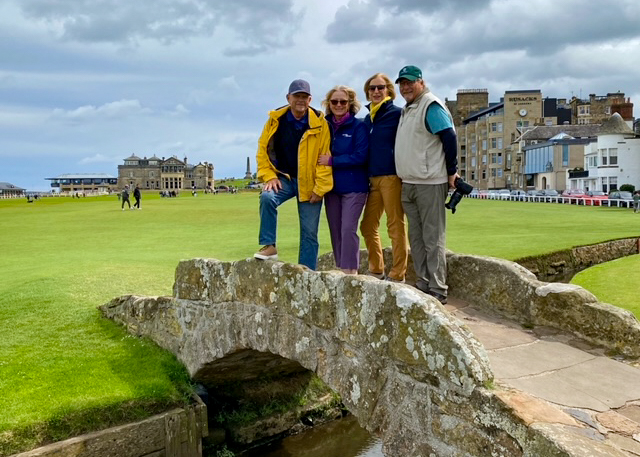
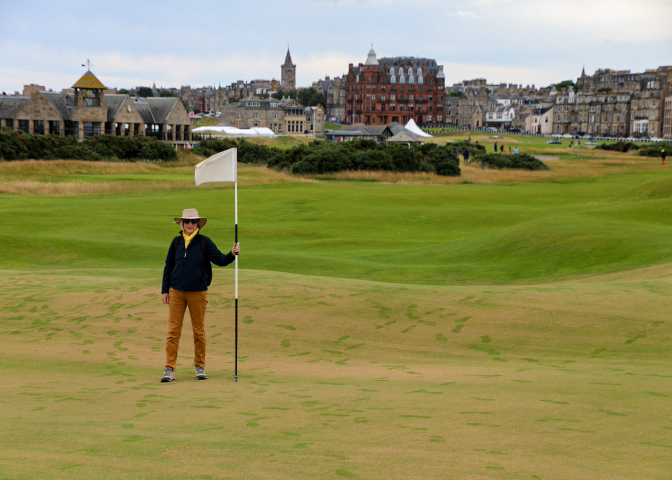
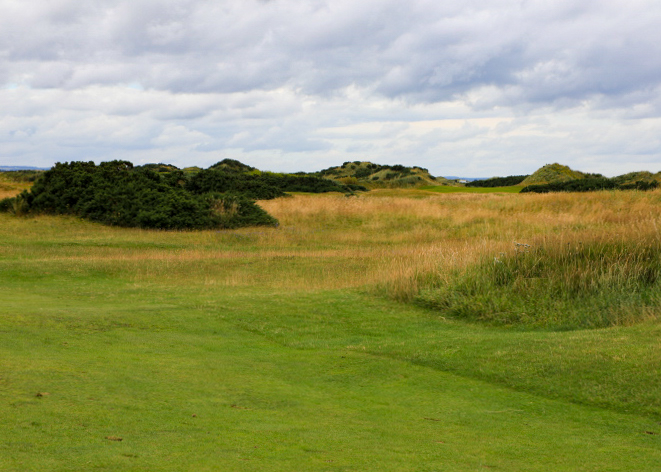
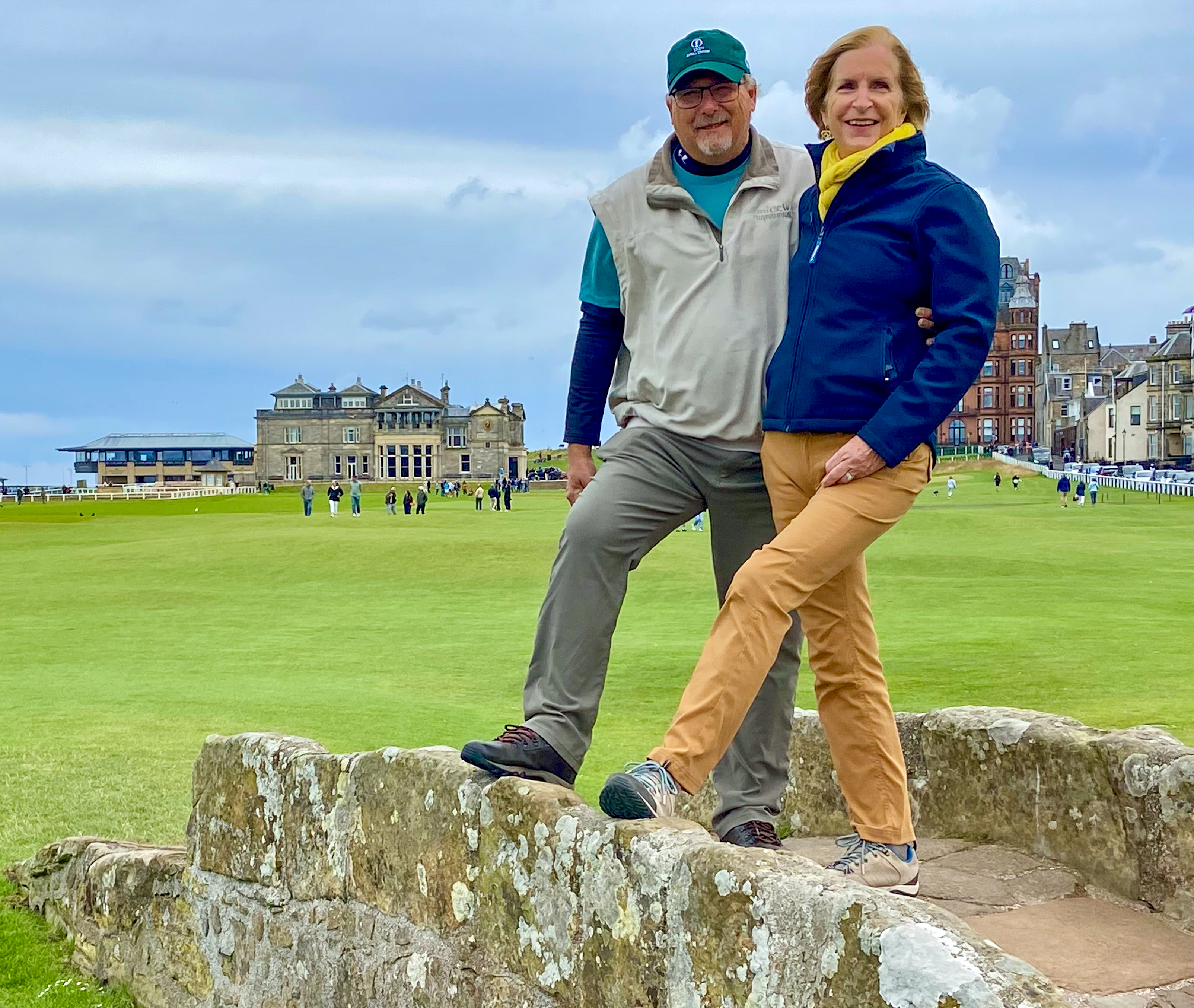
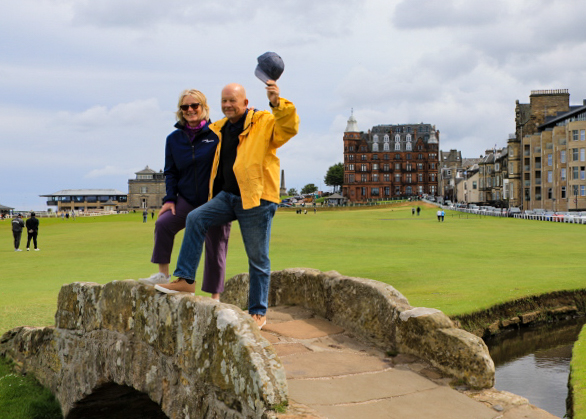
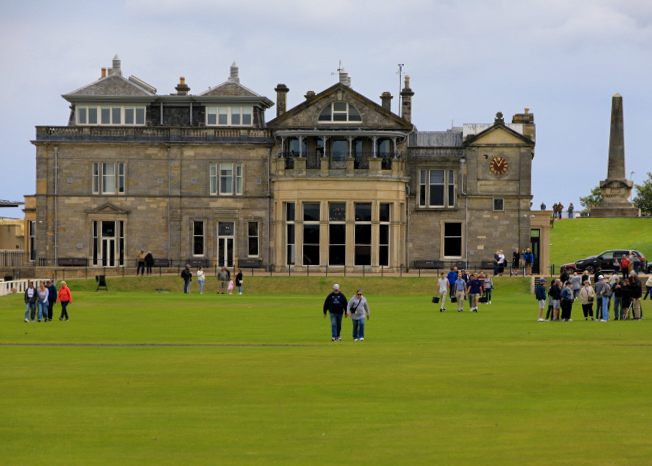
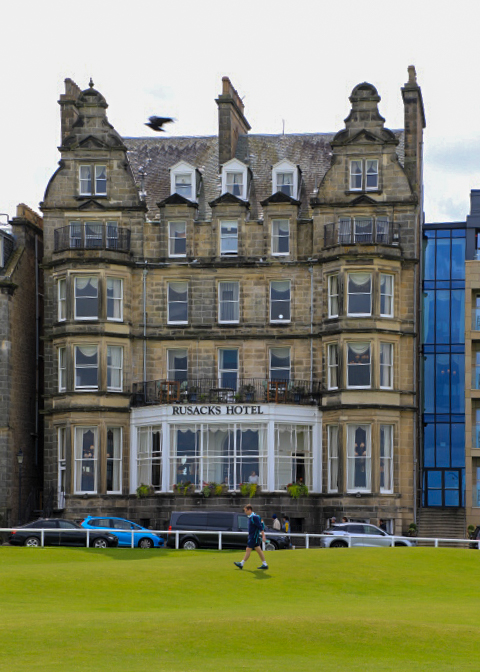
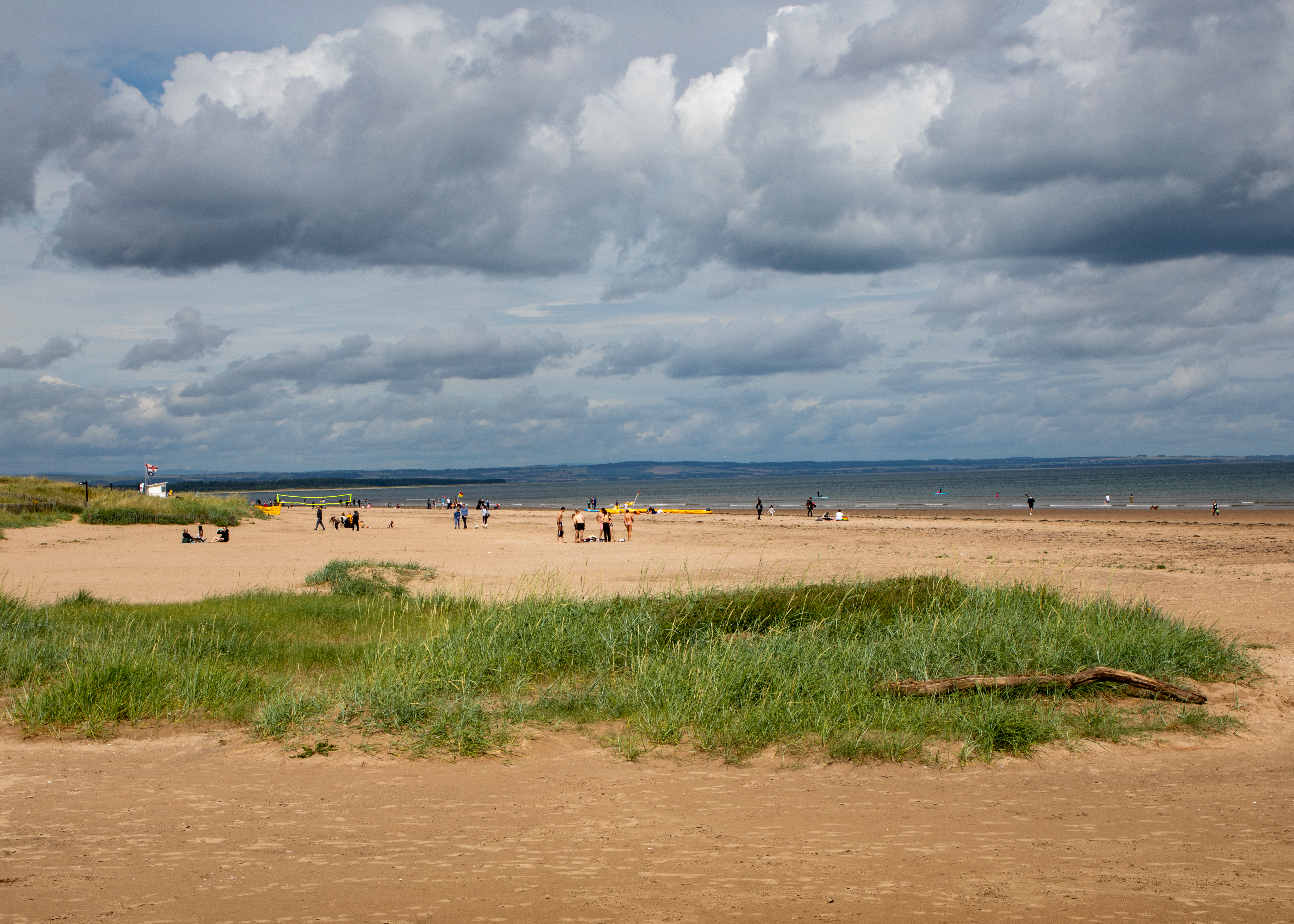
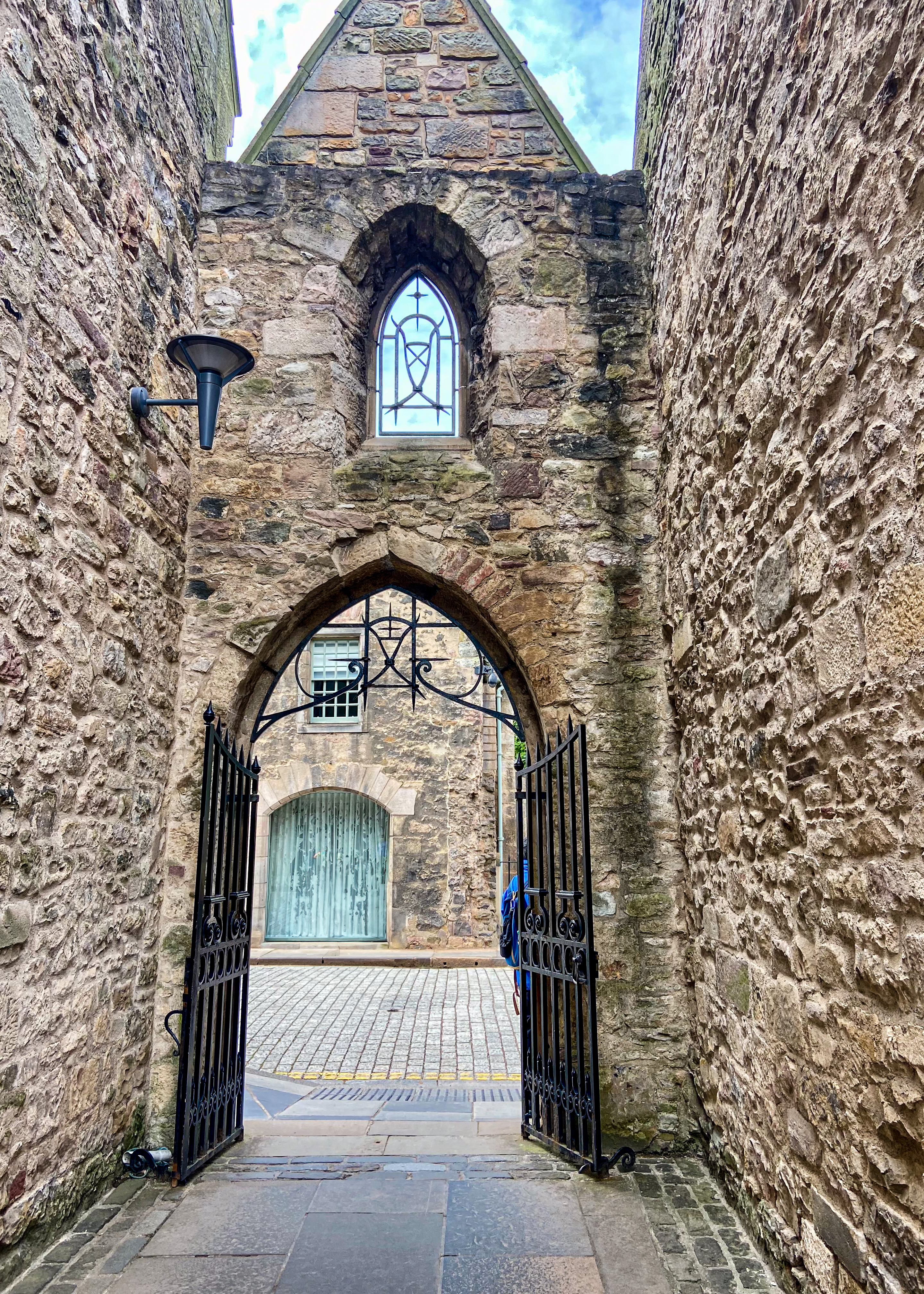
It’s Sunday and the Old Course at St. Andrews is closed to golfers but open to all to walk the course. St. Andrews is a coastal town in Scotland which hosts Scotland’s top university and the world’s most famous golf course. Its medieval Old Town has ruins of a castle and cathedral and sandy beaches. It was less than a 2-hour ride from Edinburgh so it fit into our schedule. The course gets a tremendous amount of play and is not in the Open rotation this year, so it seemed in rough shape. However, walking the course, you get an understanding of the contours of the greens and fairways (and the severe bunkering) – makes our PB courses look a lot more playable.
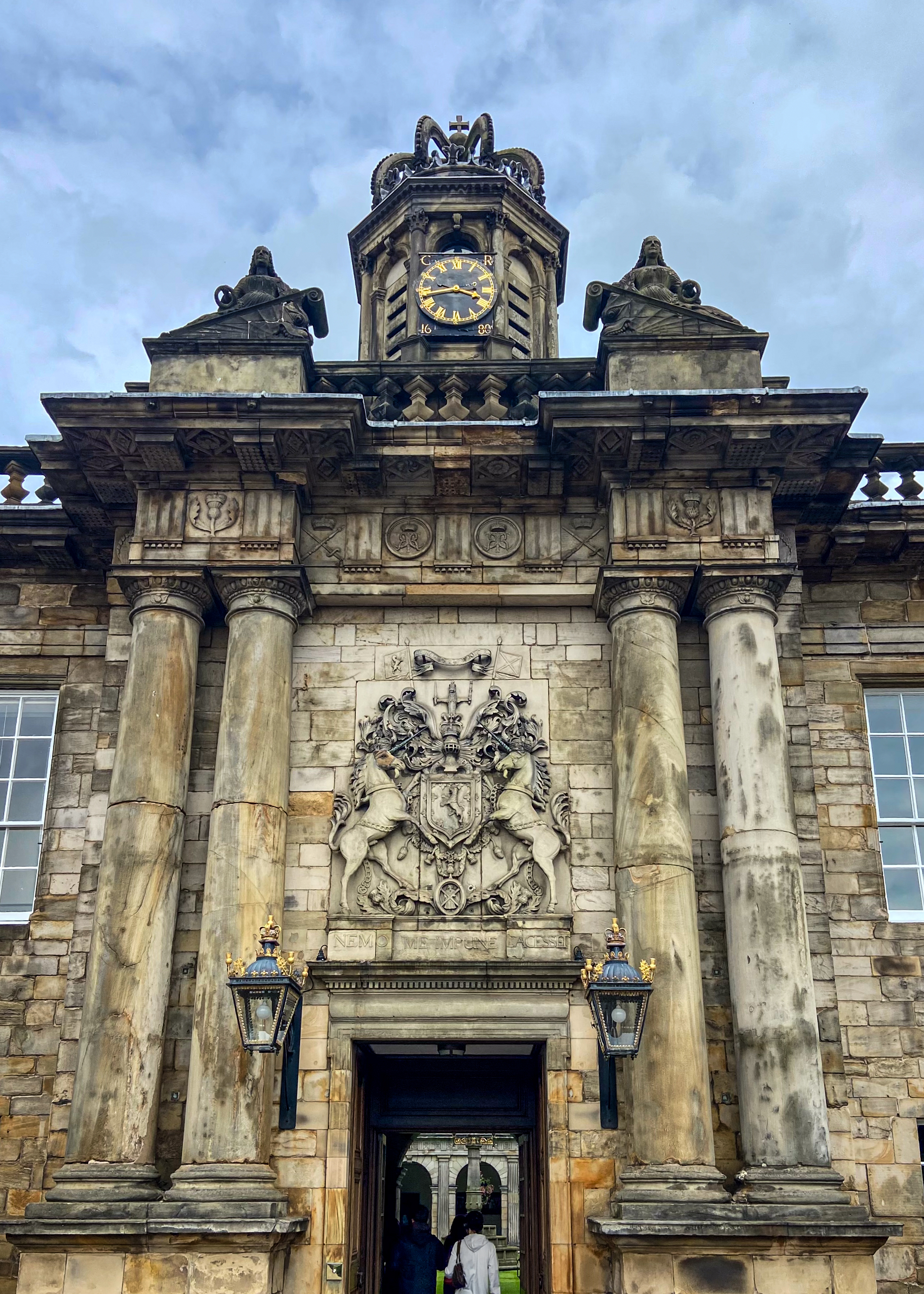
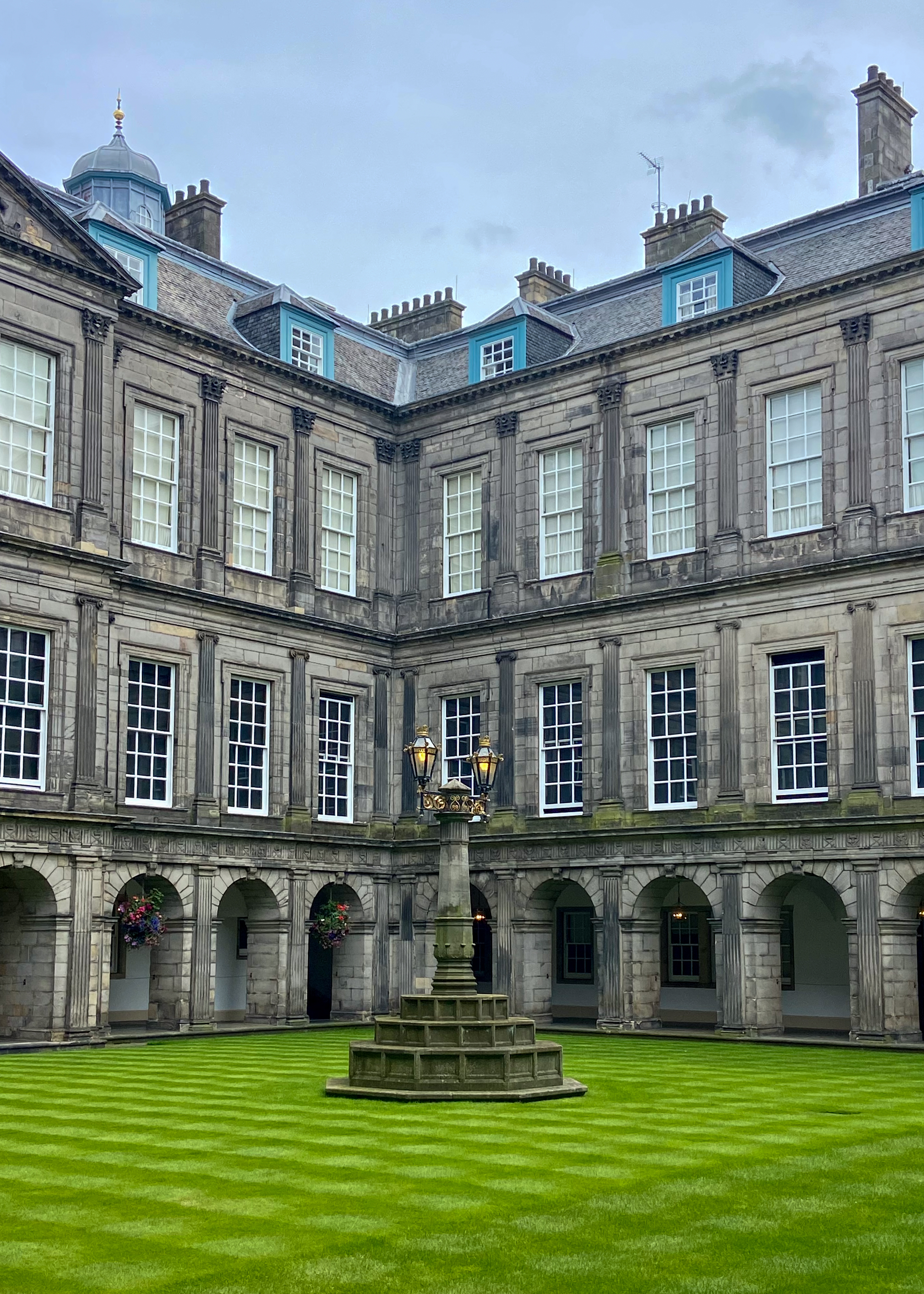
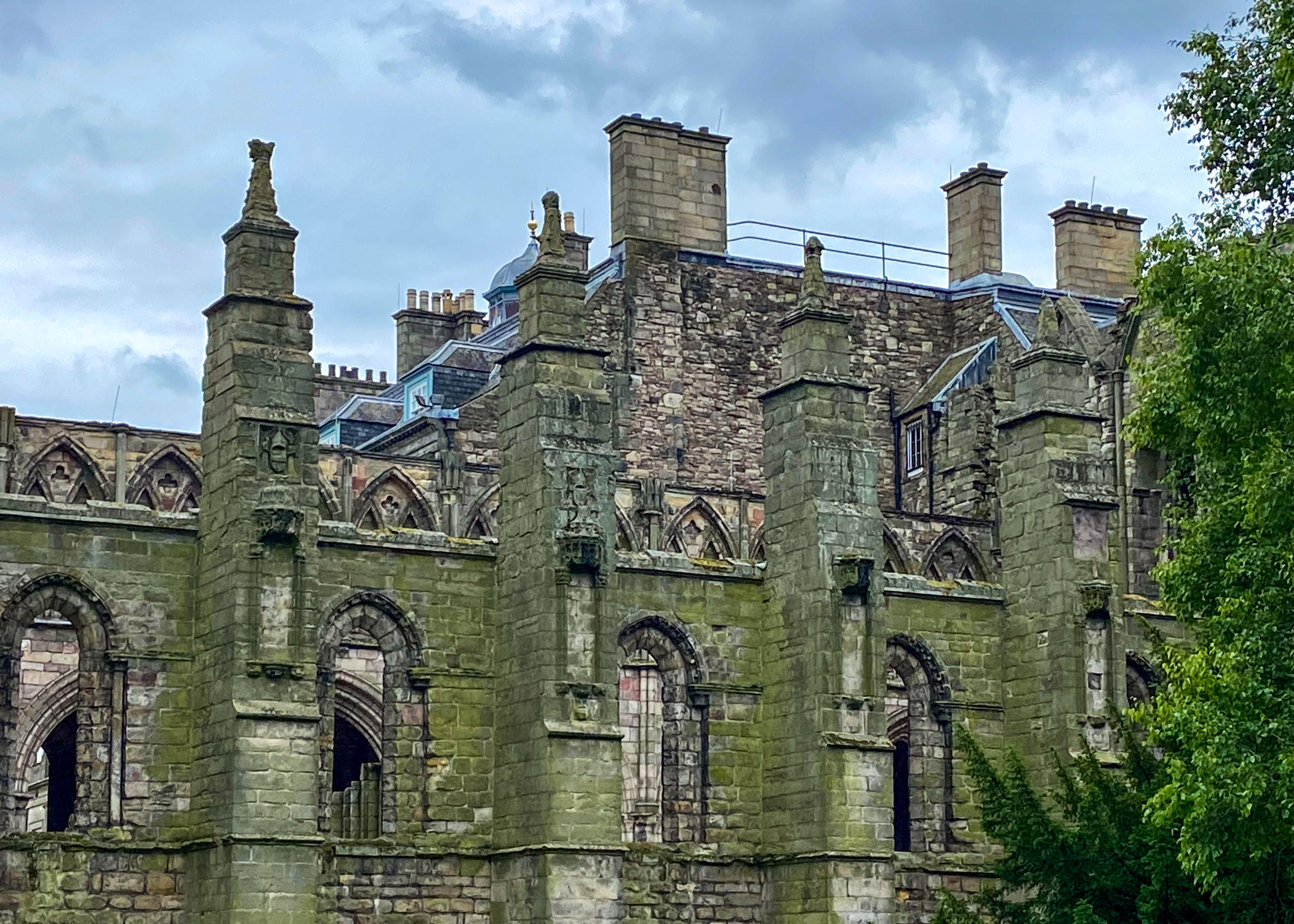
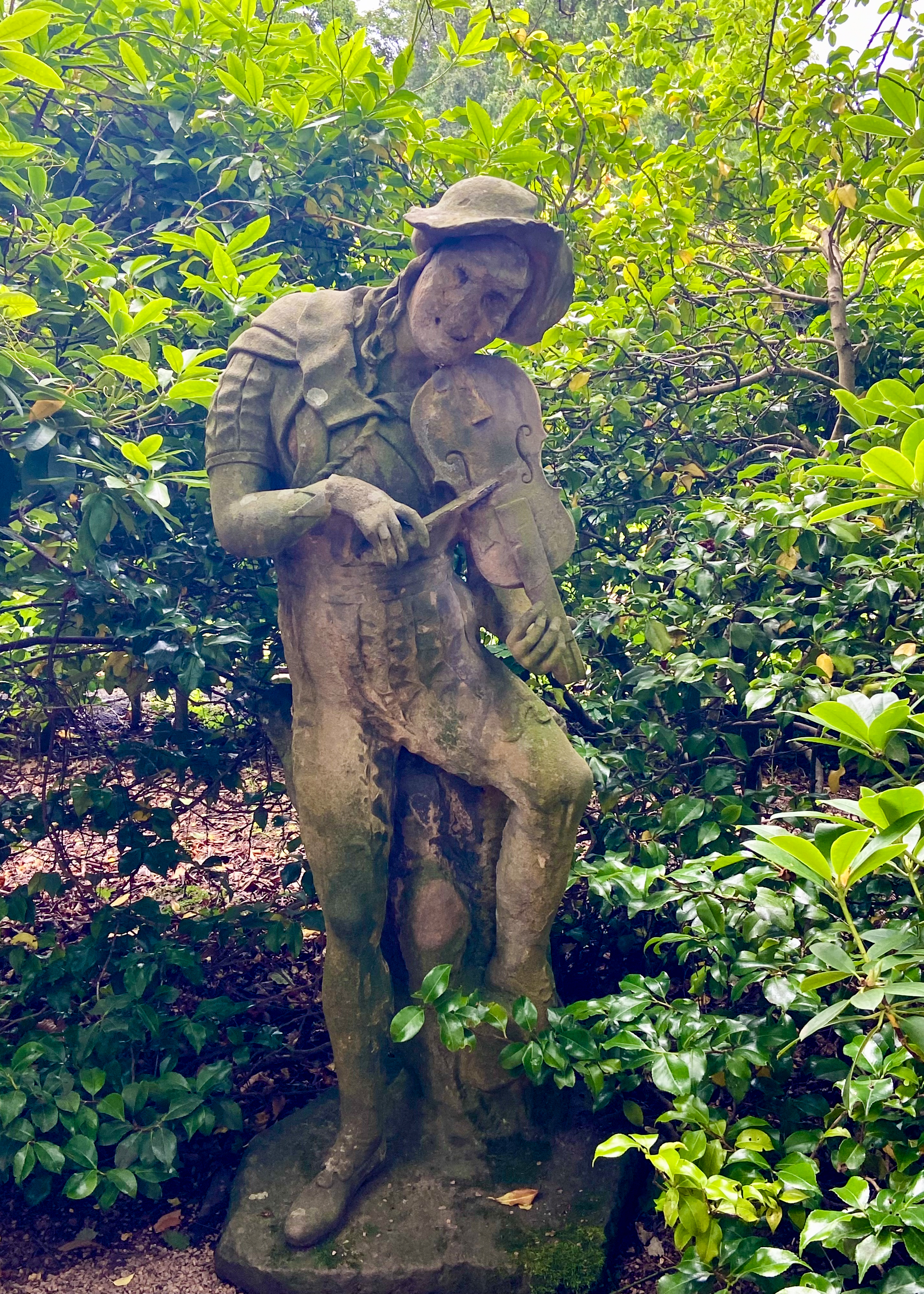
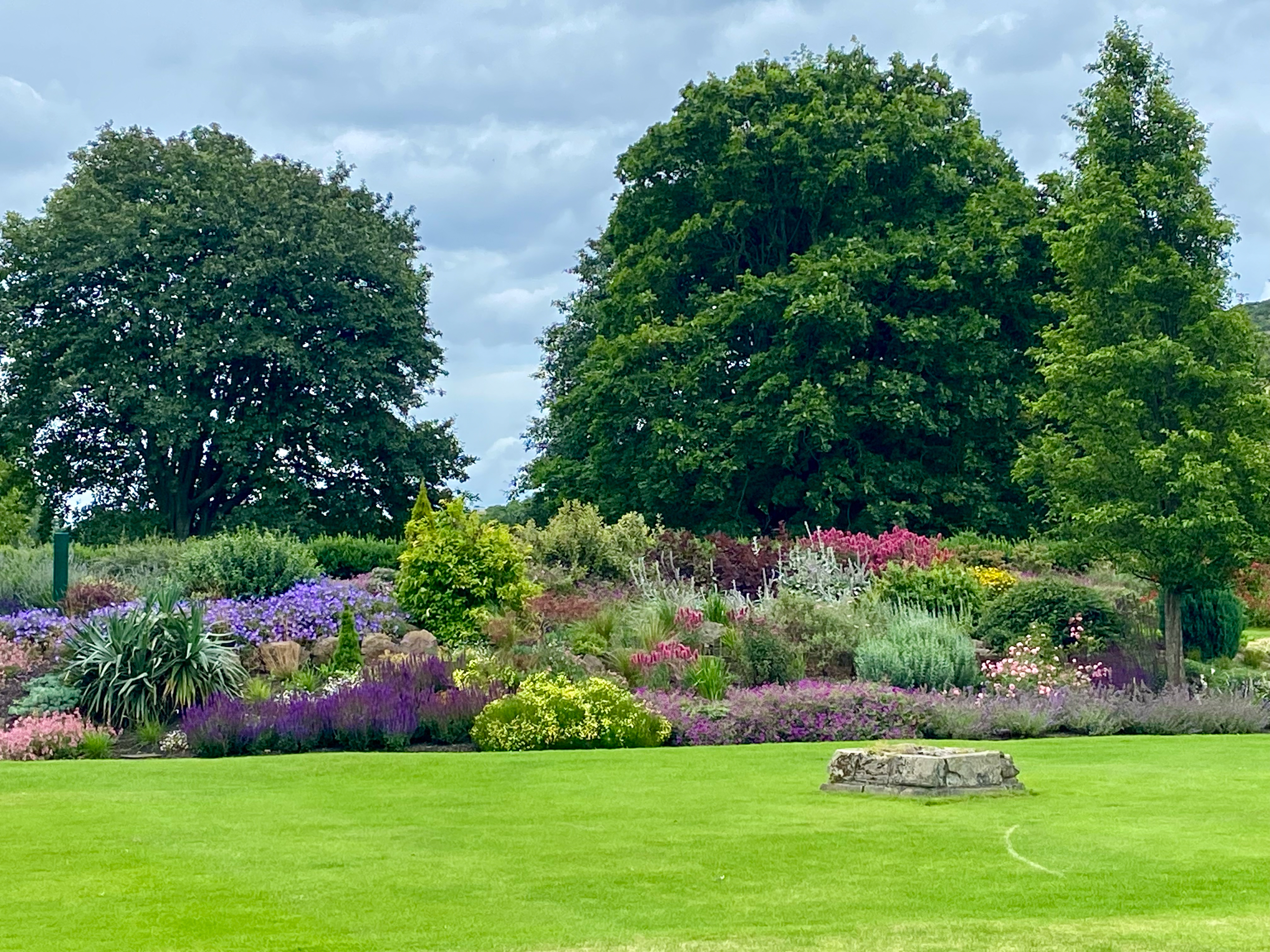
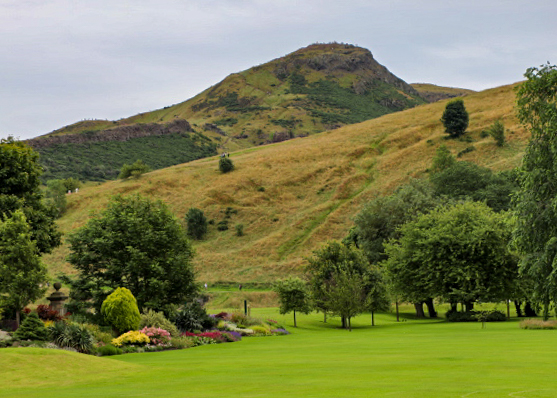
After our excursion, we headed back to Edinburgh to tour the Holyroodhouse Palace and see some additional sites in Edinburgh. The Palace is the King’s official residence in Edinburgh and the home of Scottish royal history. Unfortuately no photos were allowed inside the Palace but you can photo the exterior and the gardens.

So my verbal highlights — We began our visit by wandering the staterooms – with amazing tapestries that adorn the walls. The skilled needlework draws a vivid image of the palace’s history, as well as playing an important role in keeping the palace warm. There are also many paintings depicting historical figures and events in Scotland’s past. Also, the rooms display beautiful objects including china and opulent fabrics. The carved plaster ceilings are also impressive. The Great Gallery’s walls are covered with paintings of over 100 Scottish rulers.

Much of the palace you’ll see today dates from the seventeenth century, but if you head to the Northwest Tower you can see the space where Mary Queen of Scots took residence. This includes the location of some of the more grisly aspects of her reign, including the murder of her secretary David Rizzio, an act orchestrated by her husband, Lord Darnley.

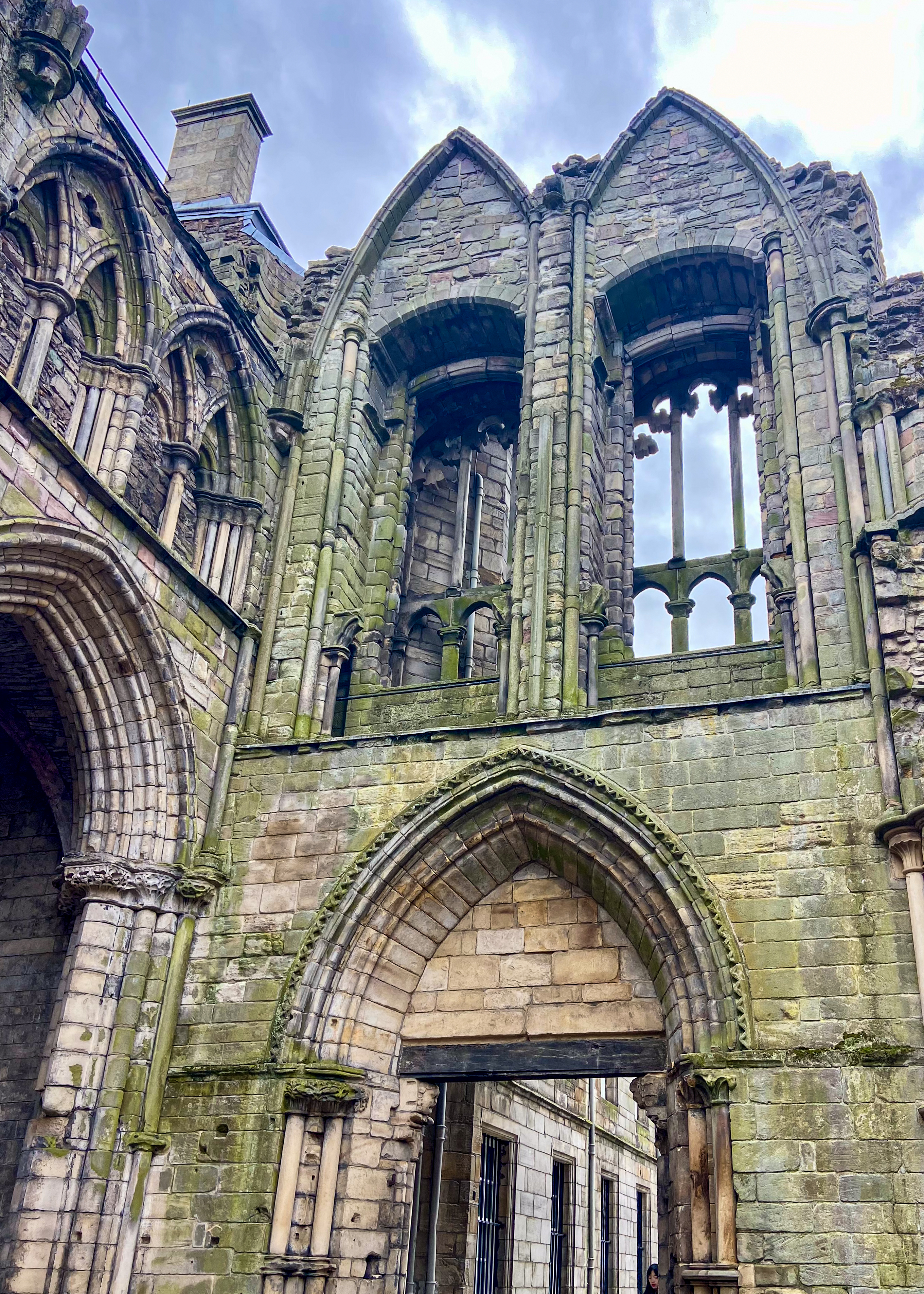
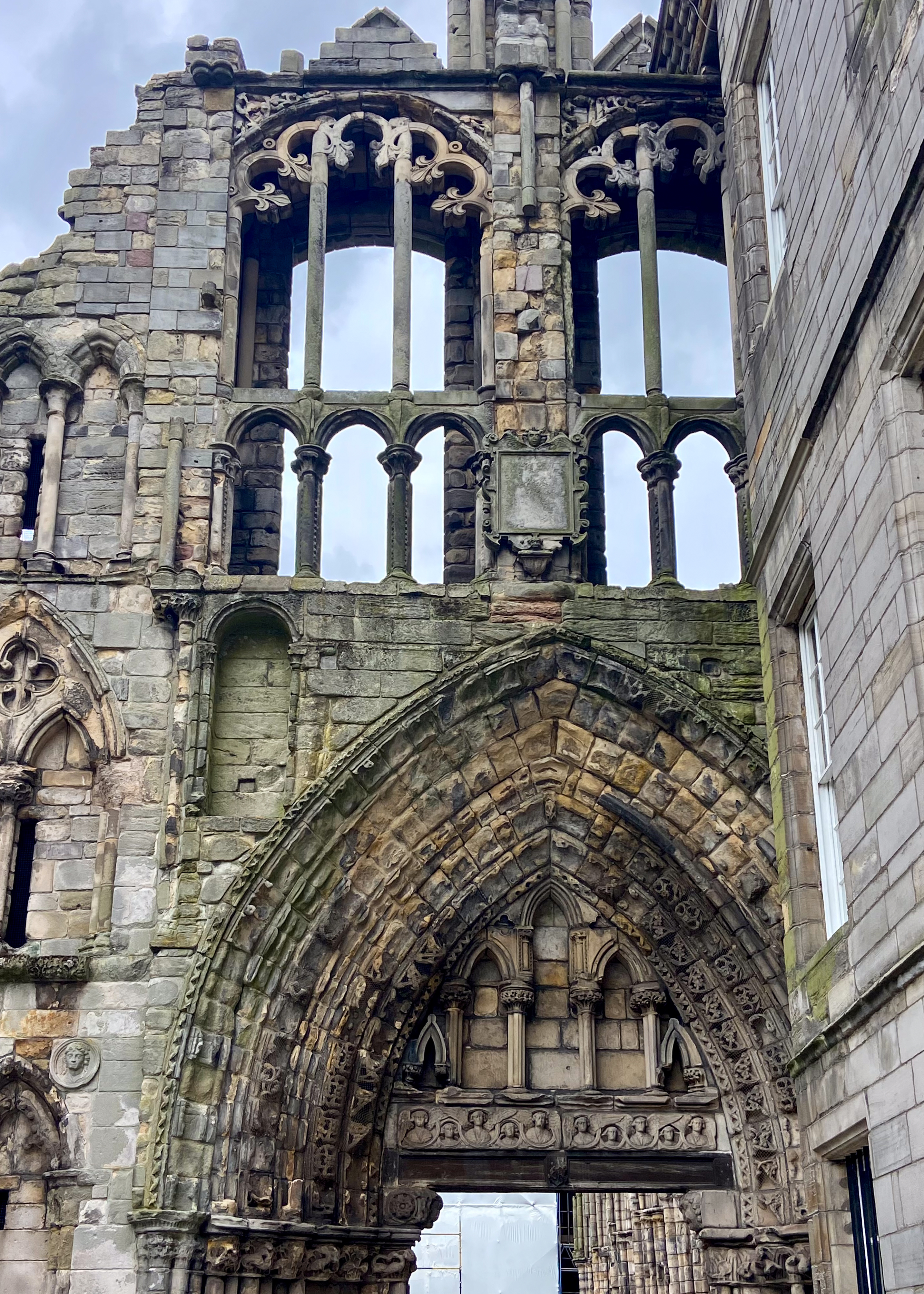
Outside the palace, you find the gardens (over 10 acres) at the base of Arthur’s Seat and the beautiful 16th-century ruins of Holyrood Abbey.

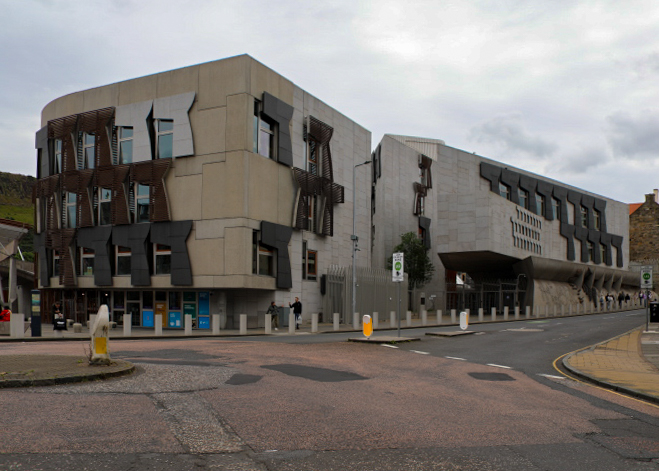
Walking back to our hotel, we passed the new Parliament Building, considered modern or just plain ugly.

St. Andrews

Holyroodhouse Palace

Parliament Building

UK and Scotland Day 12

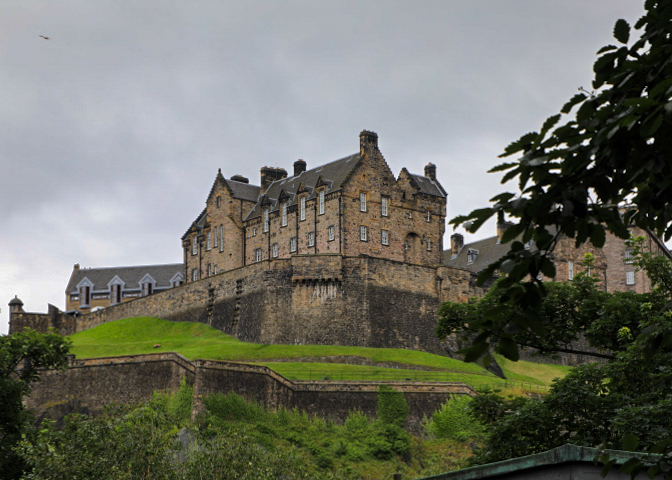
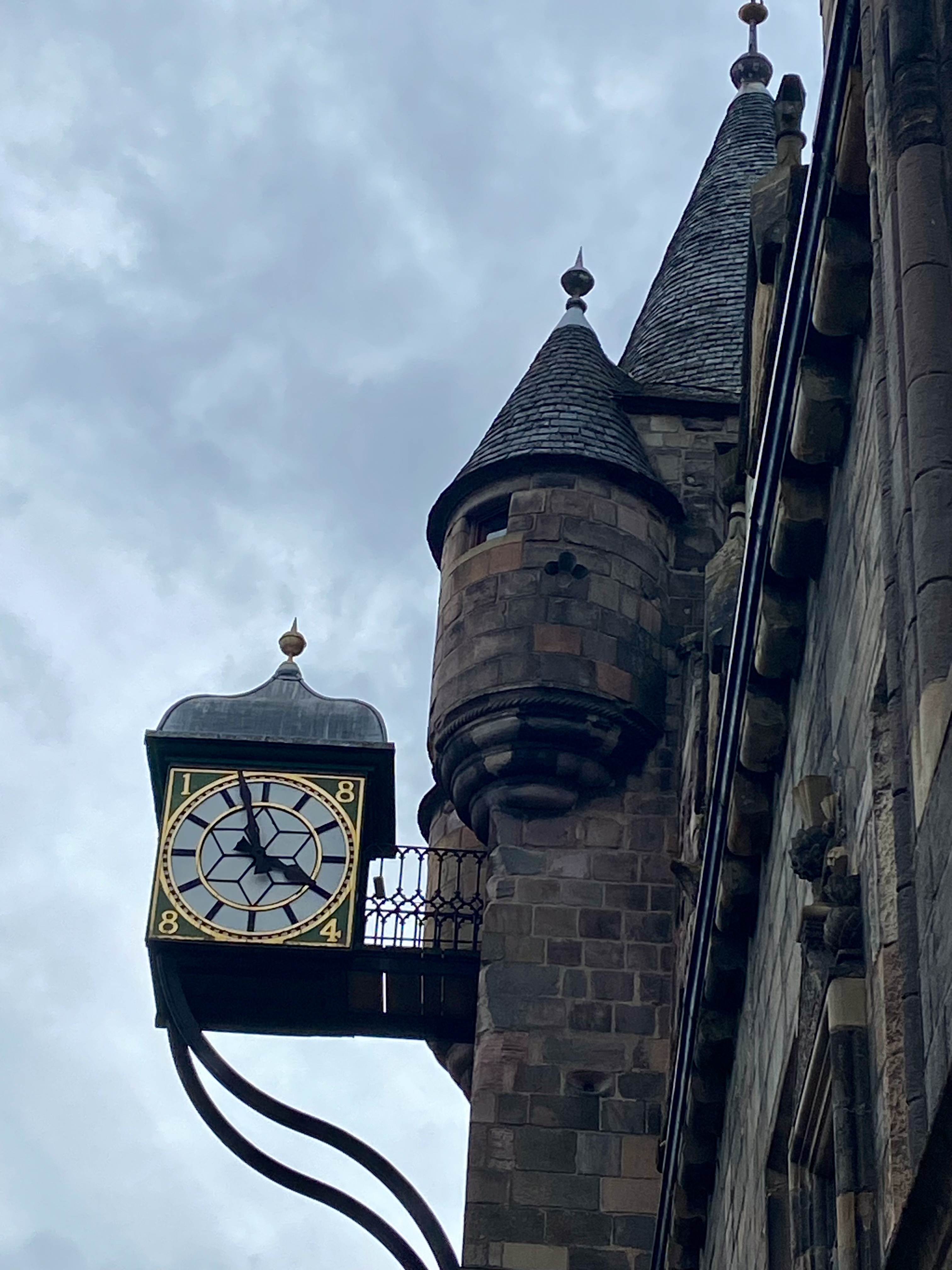
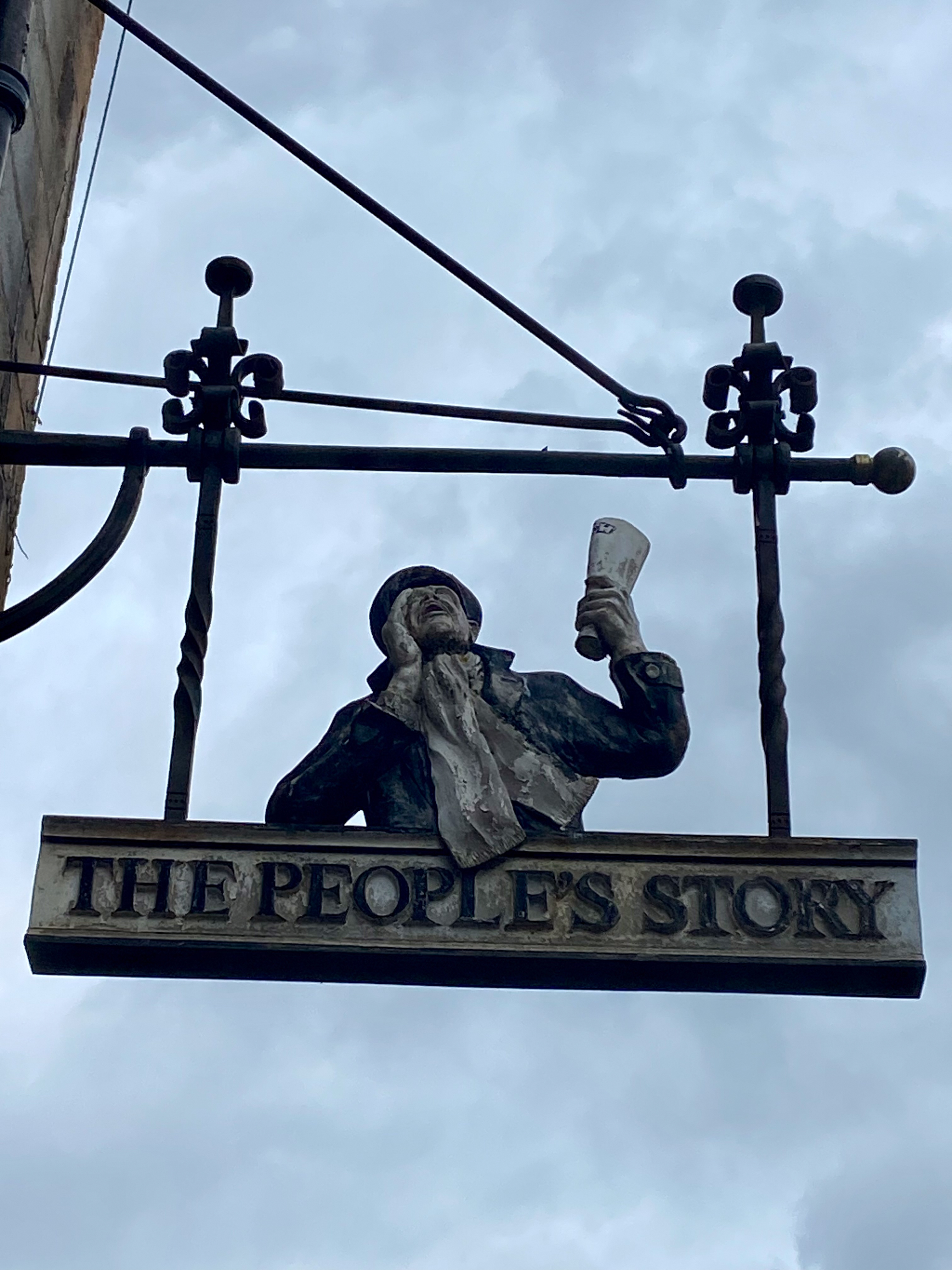
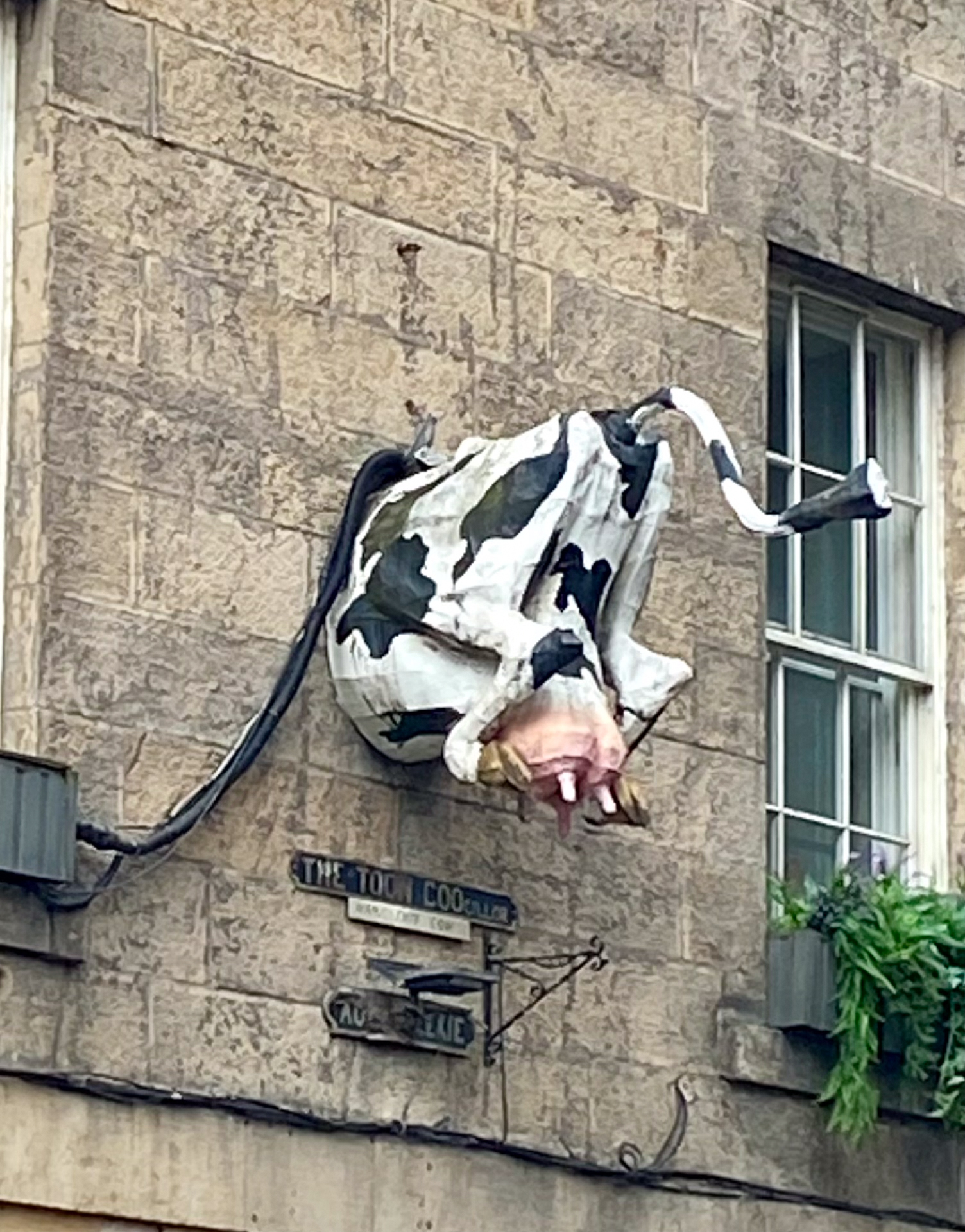
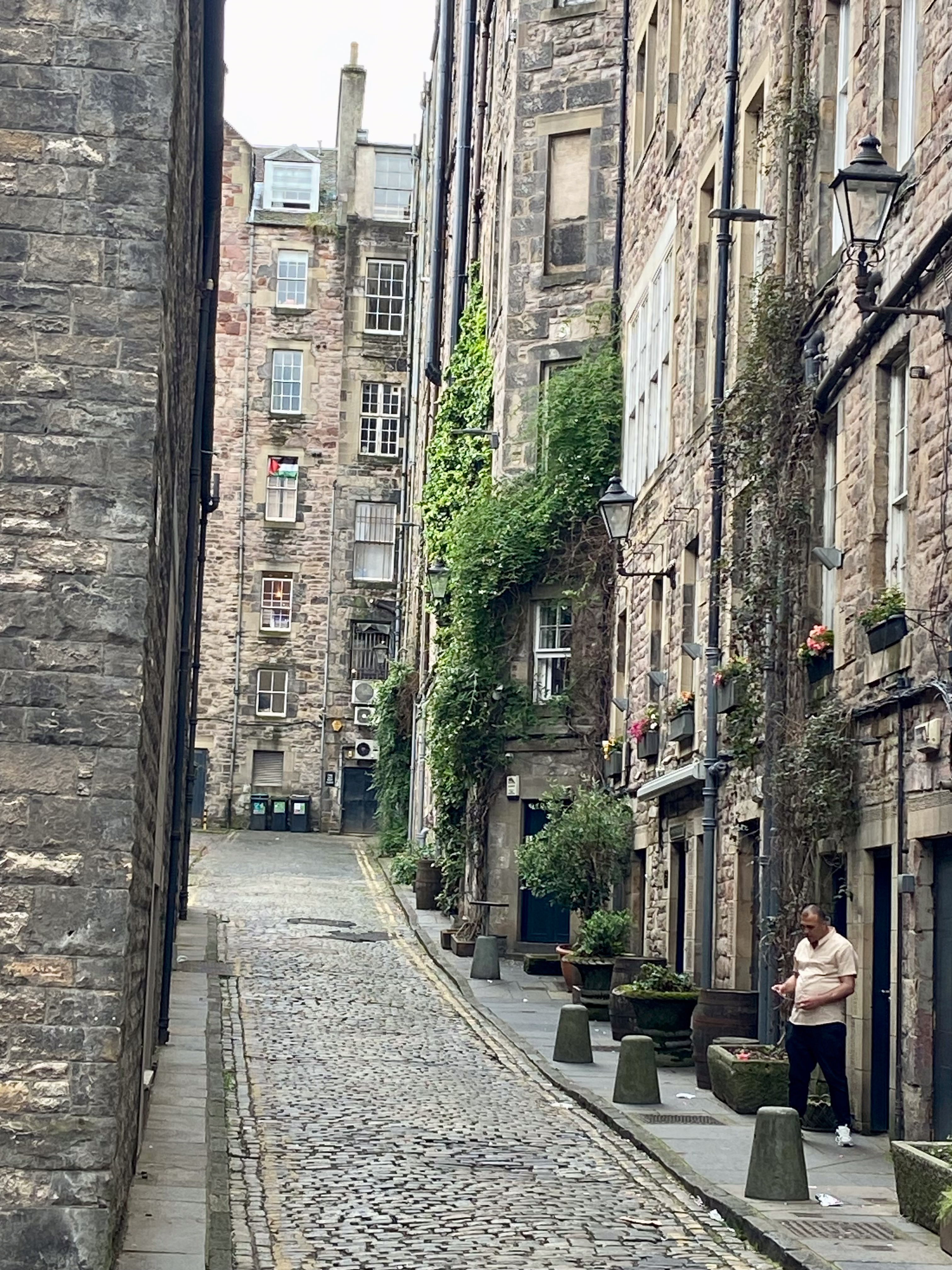
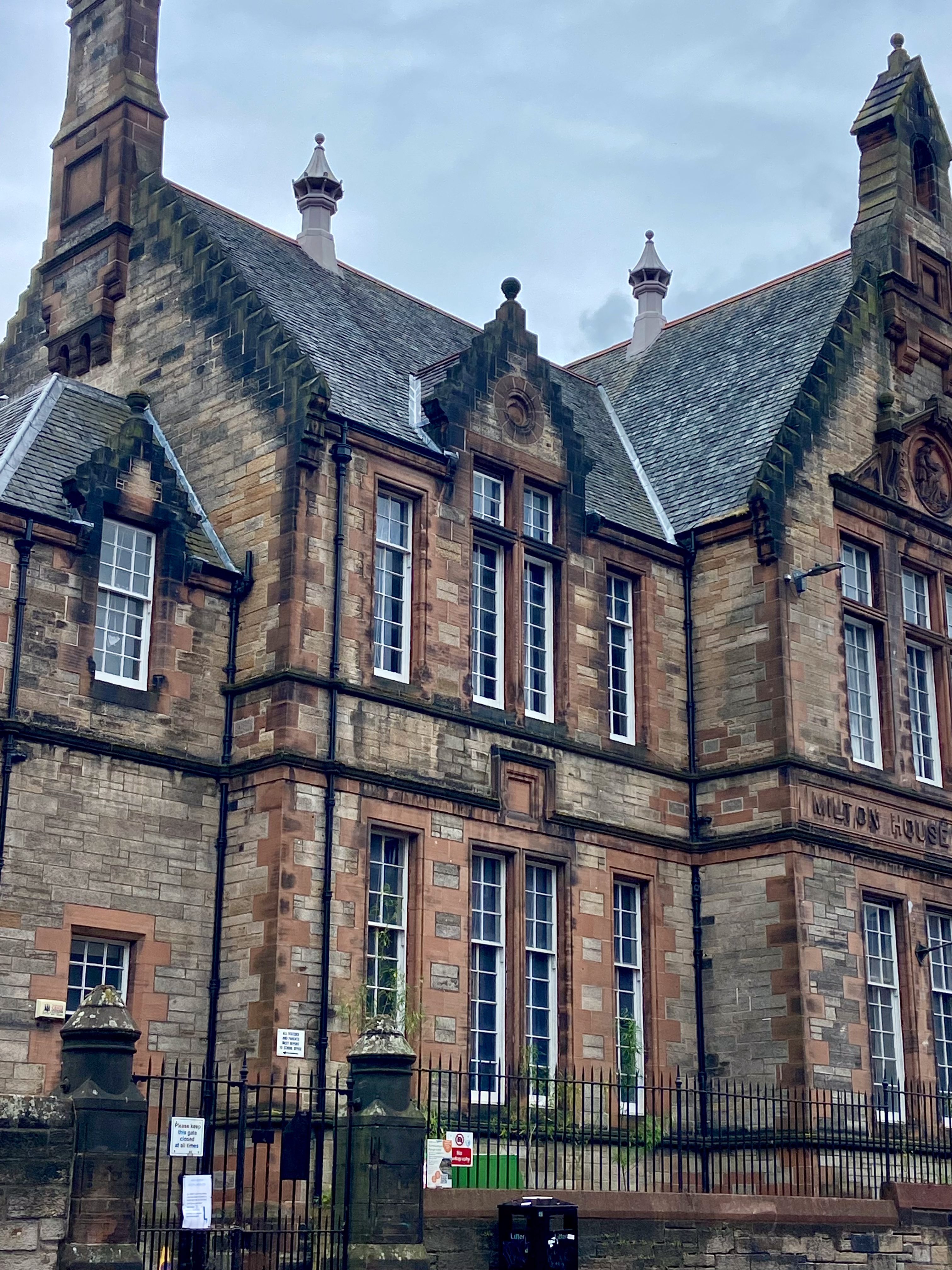
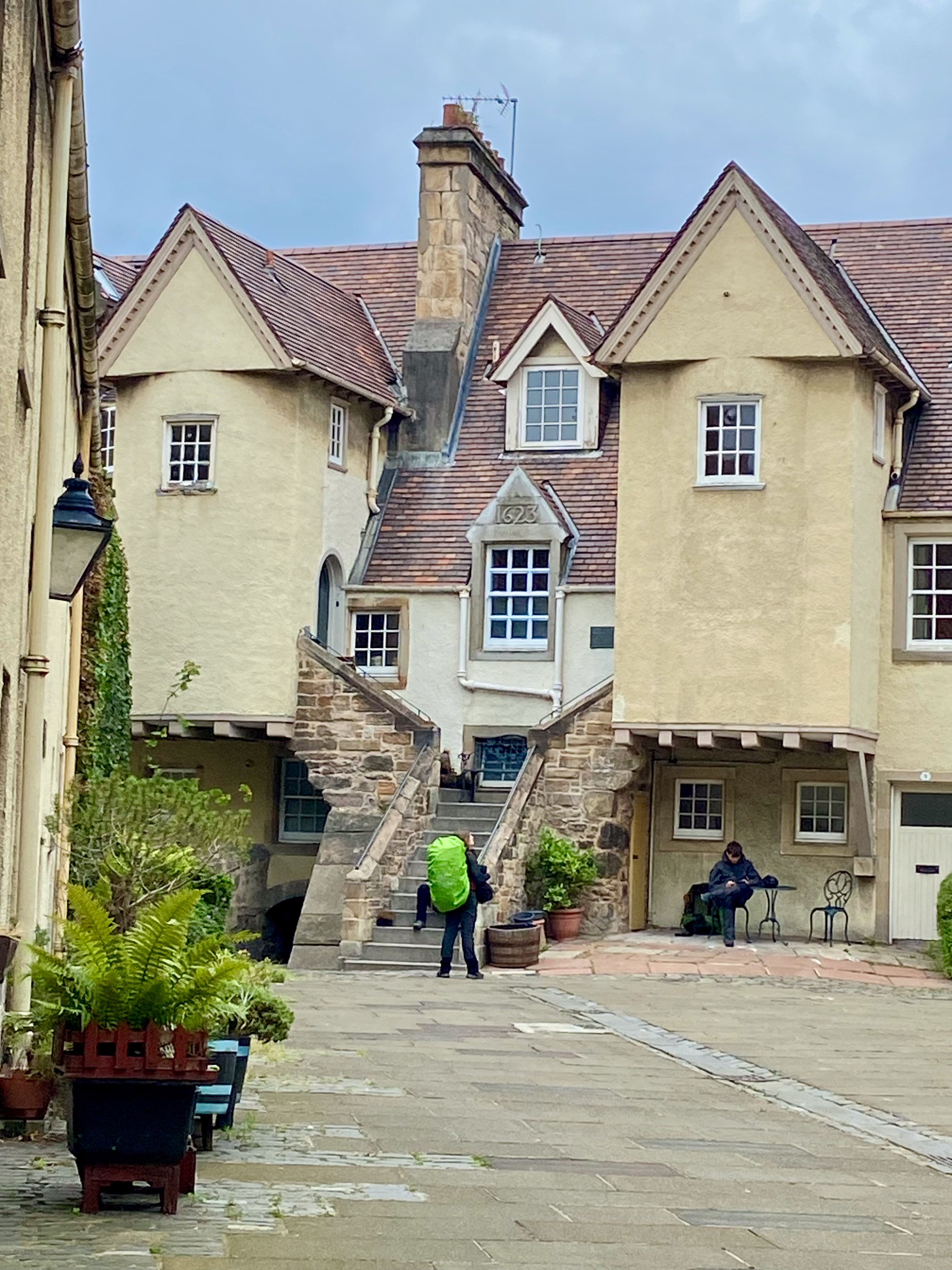
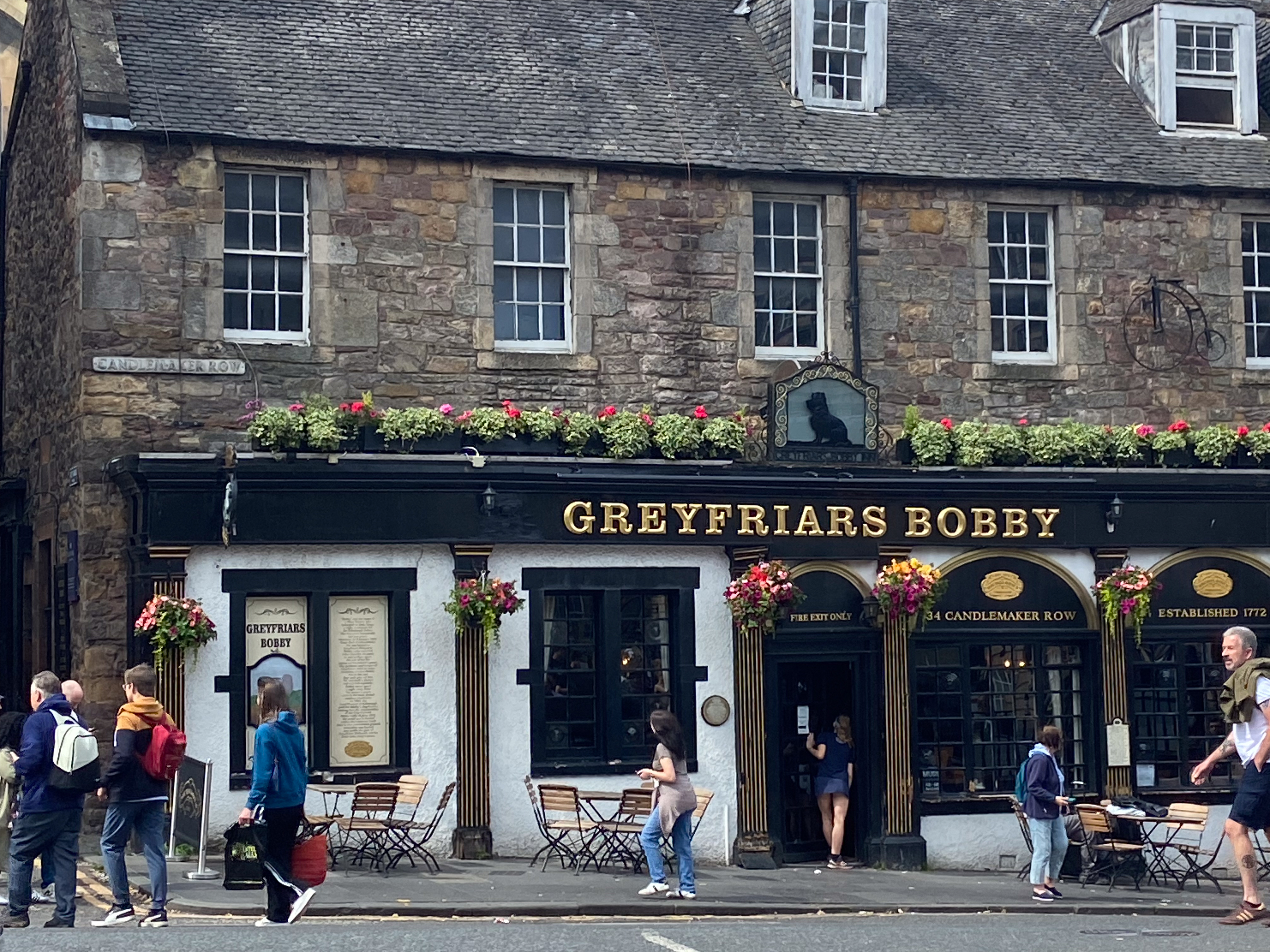
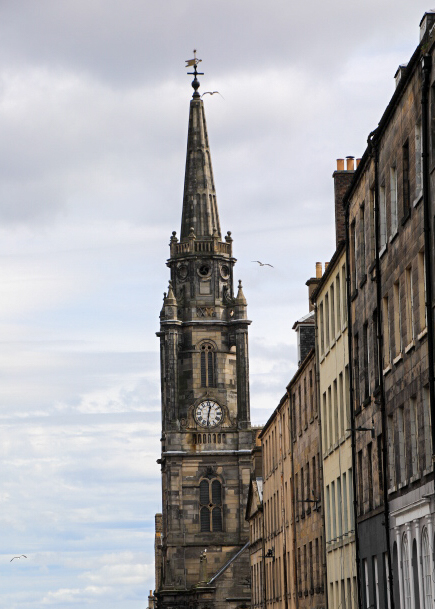
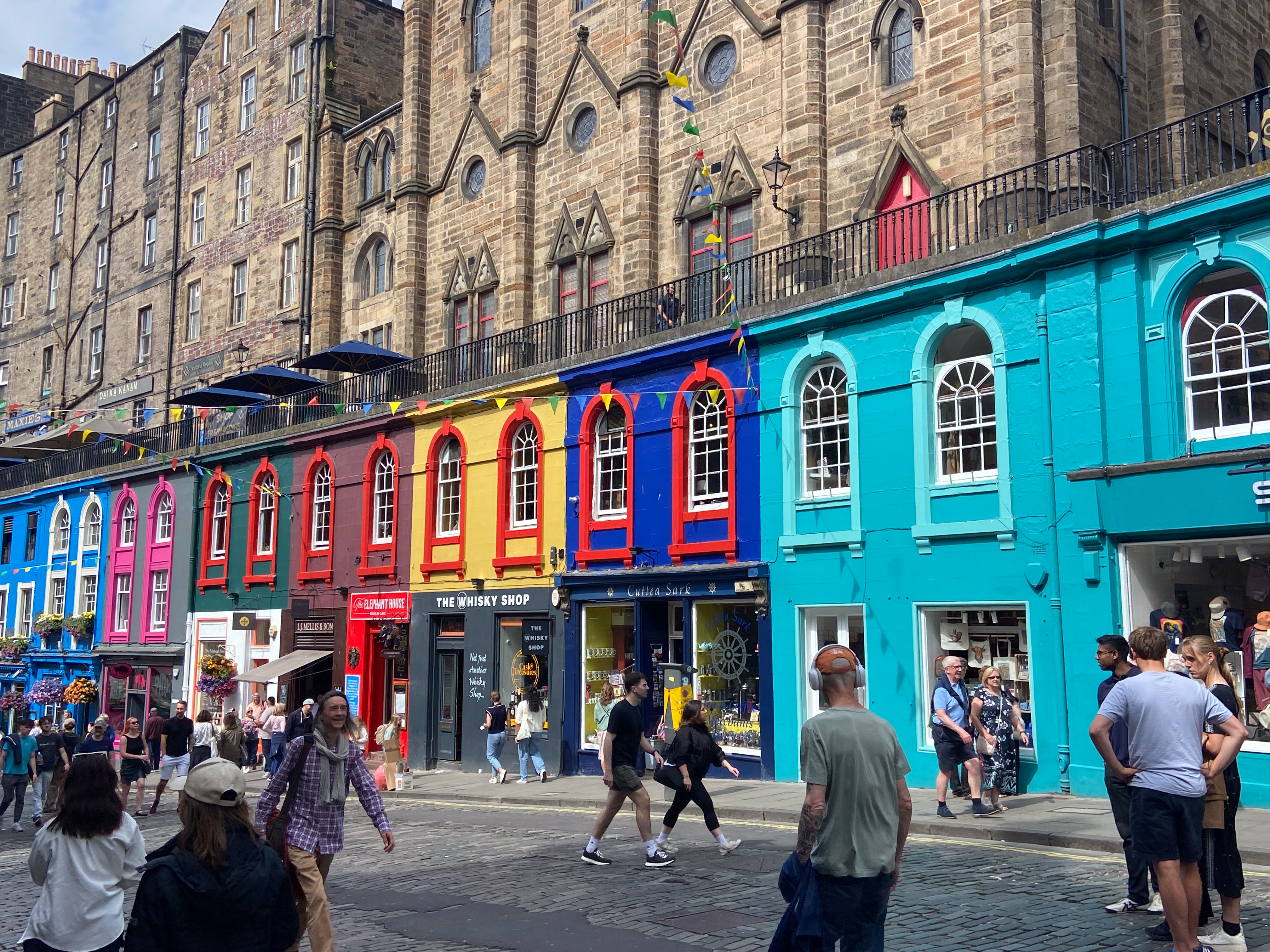
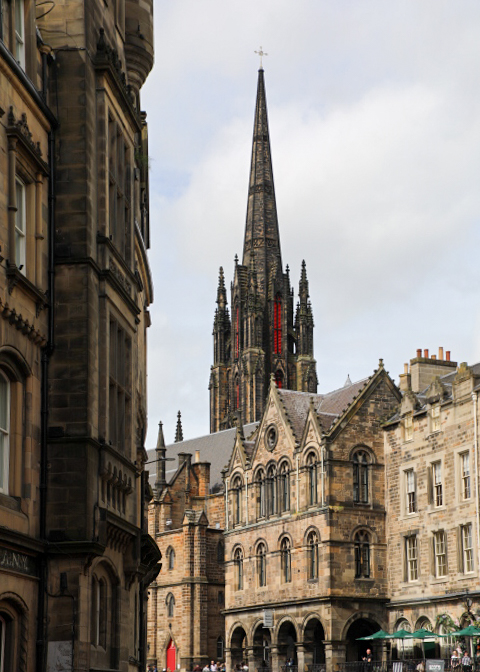
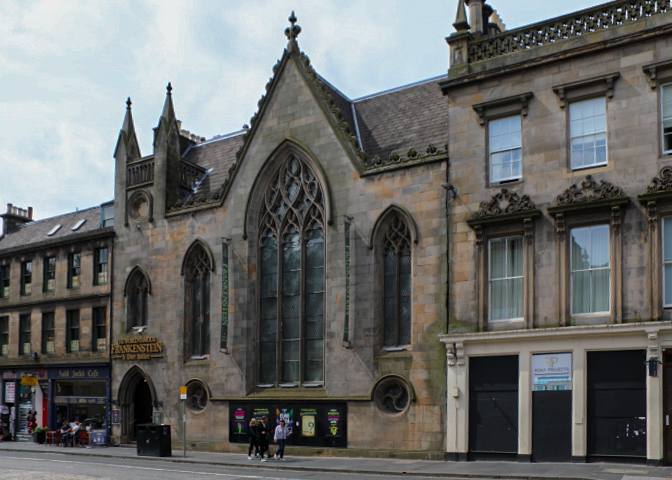
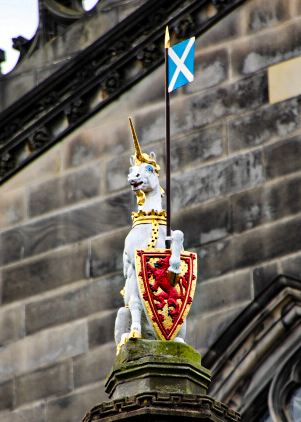
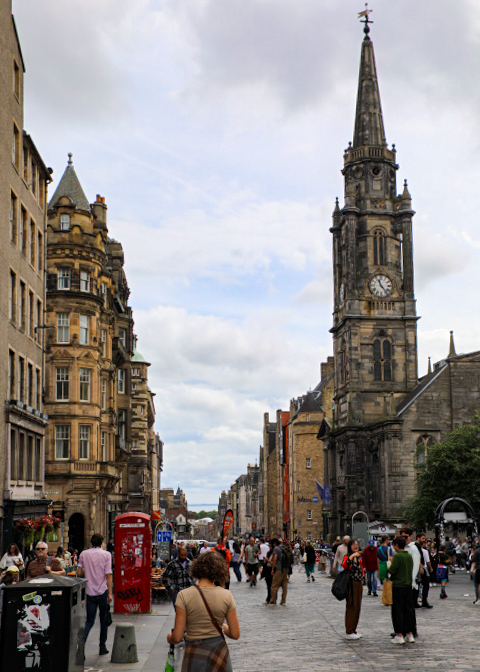
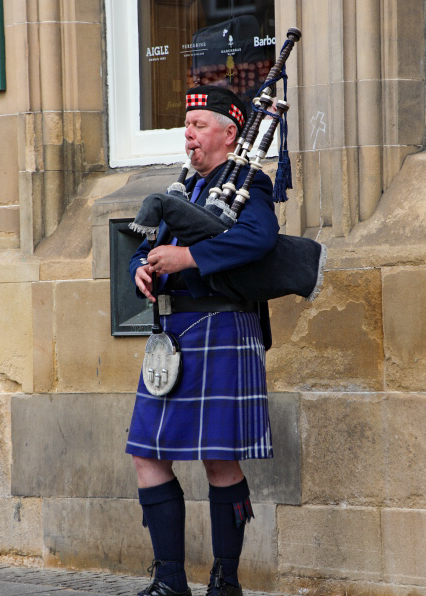
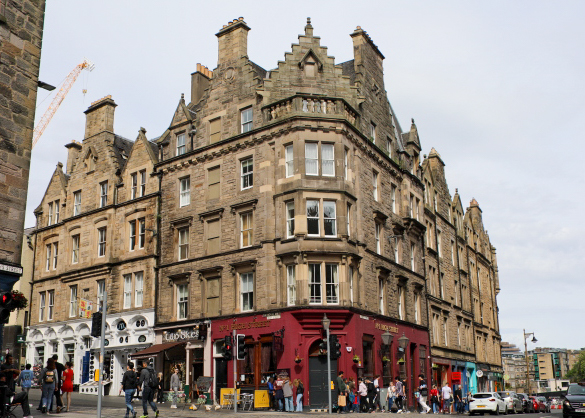
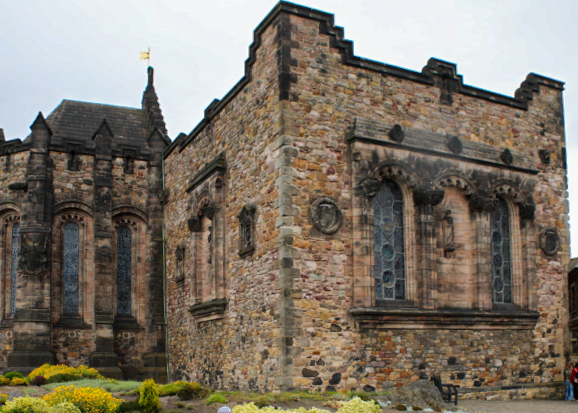
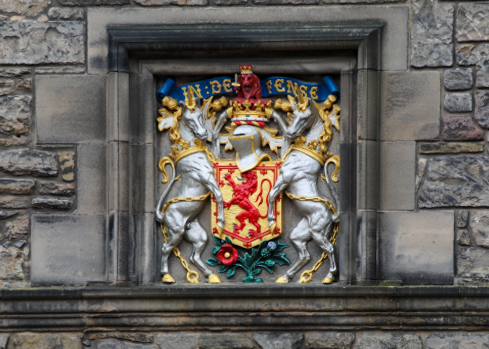
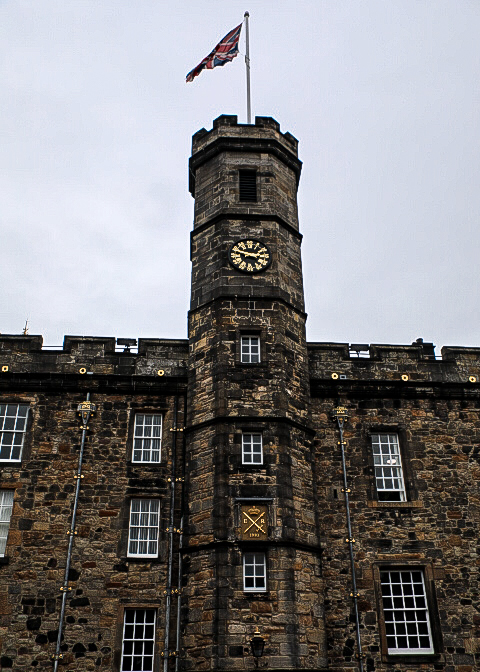
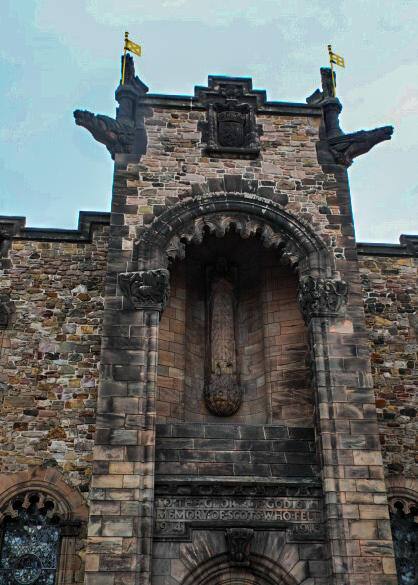
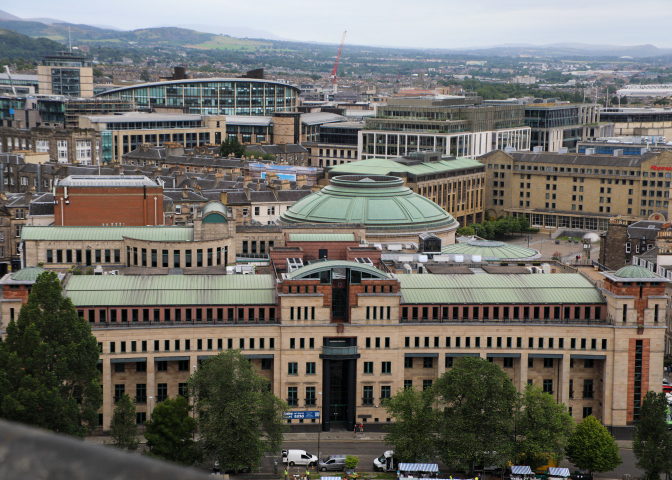
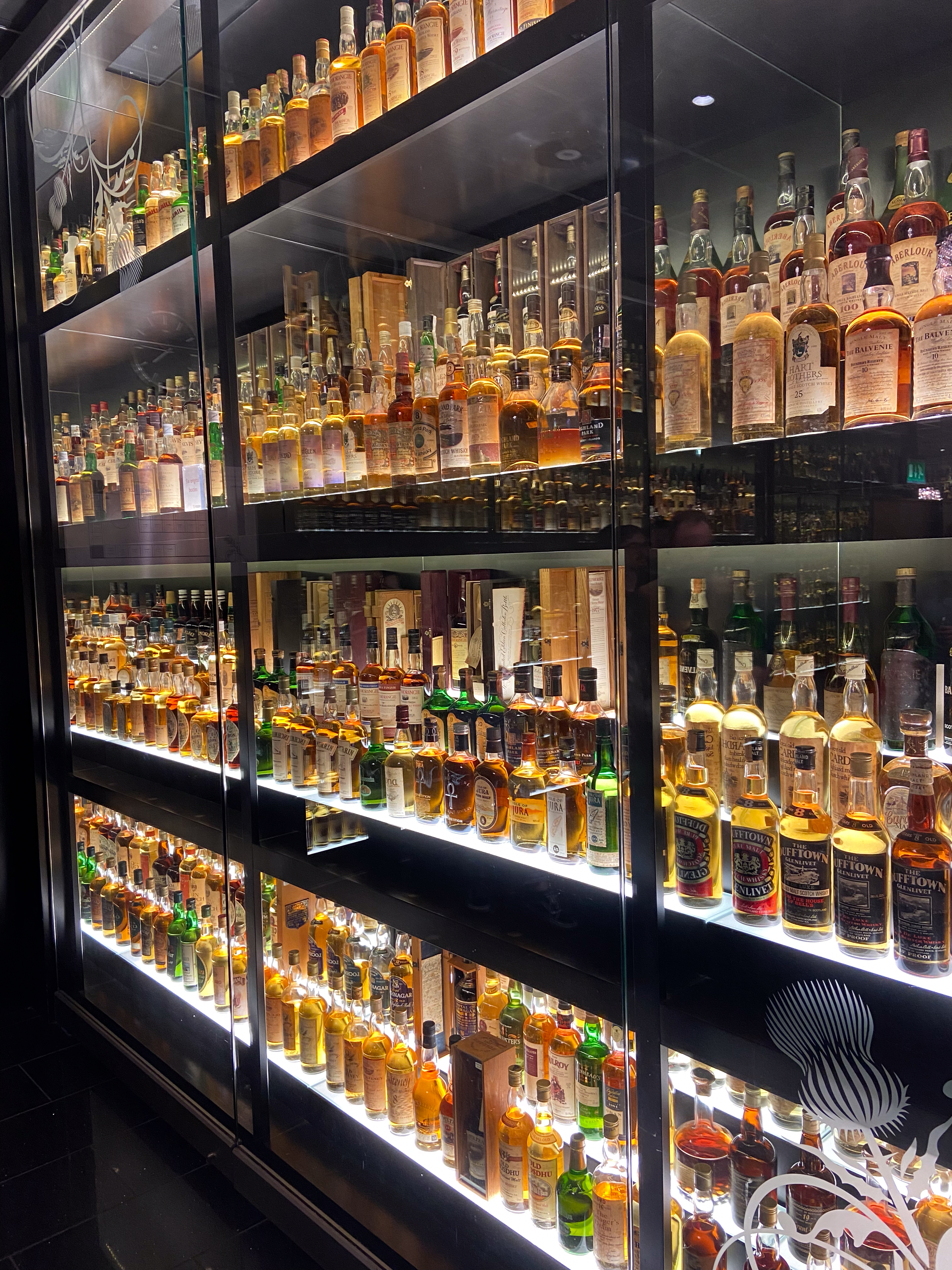
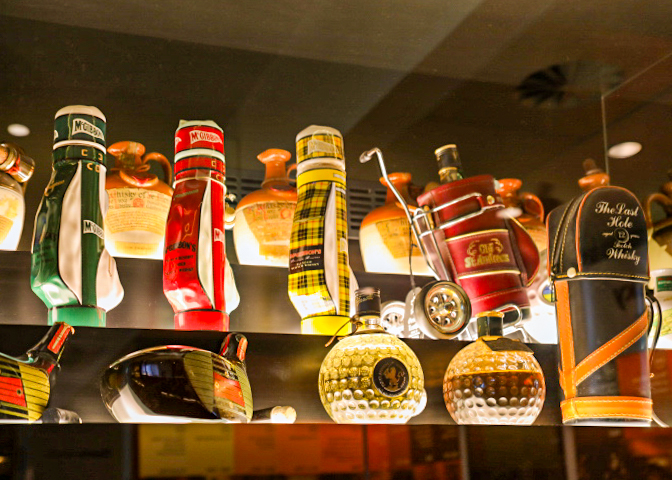
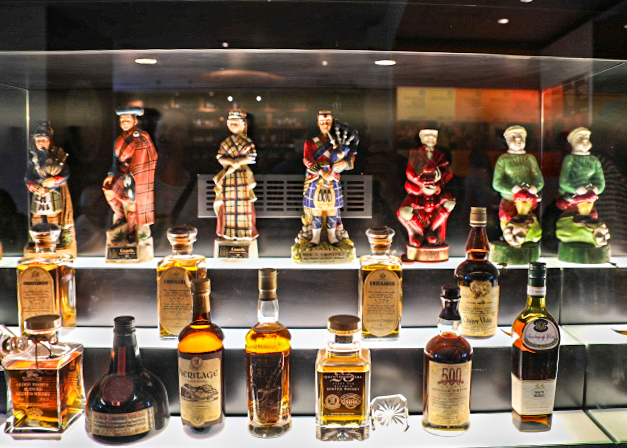
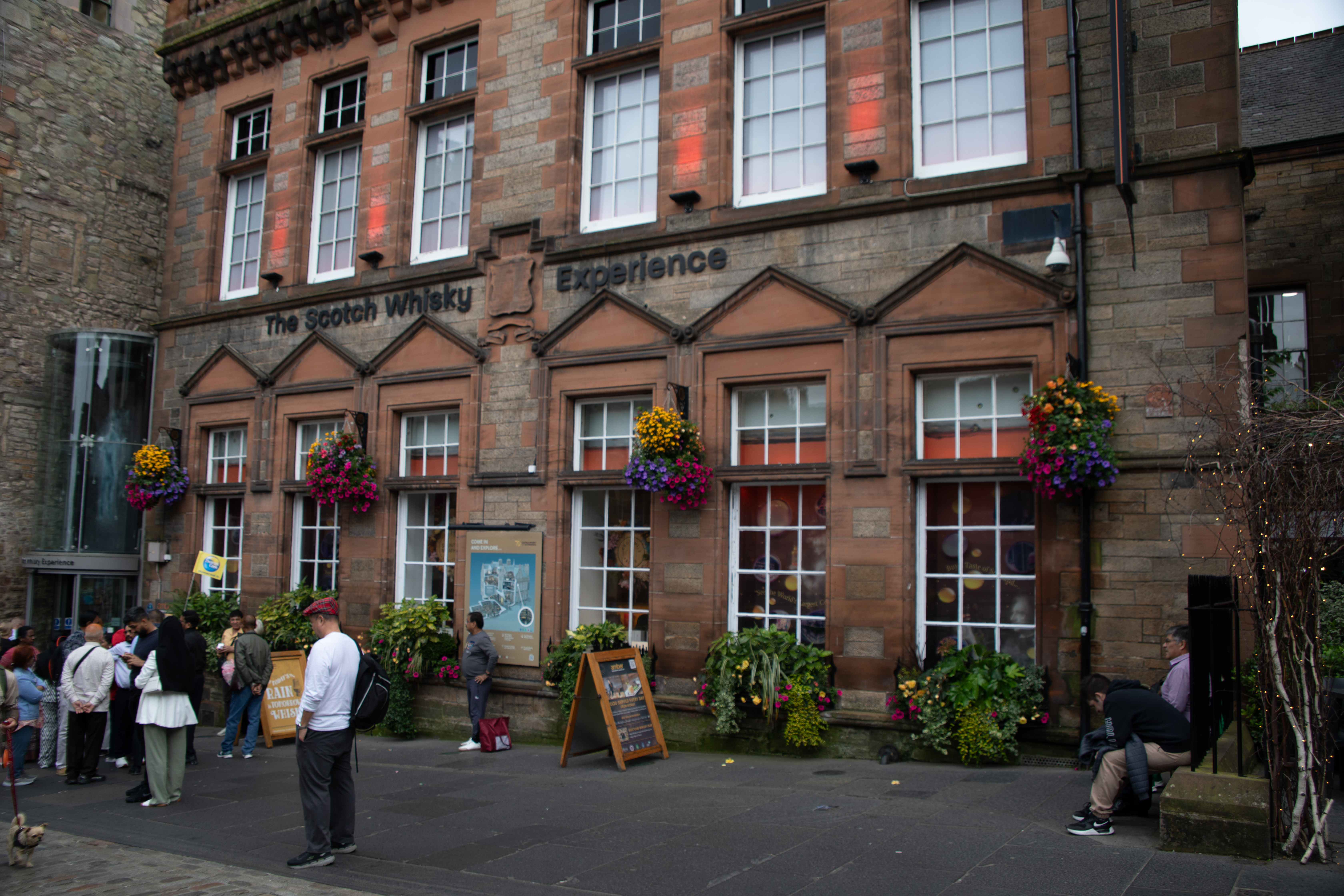
Today is our first full day in Edinburgh, Scotland. To get an understanding of Old Town, we walked the Royal Mile. This walk takes place in the historic heart of Old Town, the medieval city established as a royal burgh by King David I in the 12th century. Situated on a mile-long hill, Old Town (whose protective walls were knocked down and refortified throughout history) is the most evocative district in Edinburgh. In large part, the city’s current reputation for beauty and romance rests upon the appearance of the Royal Mile and its surrounding streets. After taking in the sights along the Mile, we toured Edinburgh Castle at the top of the hill (an extinct volcano). For more details on the history of the castle, see – https://www.edinburghcastle.scot/the-castle/history. As a fitting close to a long day, we enjoyed the Scotch Whisky Experience – a great audio/visual experience and, of course, the tasting of whisky from the 5 production regions of Scotland. Fitting place to find out about Scotch – their collection has over 3400 bottles in all shapes and sizes – from chess sets to golf bags to people and yes jugs and bottles.

Street Views of the Mile:

Edinburgh Castle and views from the top

Scotch Whisky Experience

UK and Scotland Day 11

The 152nd Open at the Royal Troon Golf Club– By now you know that Xander Schauffele was the winner however we were there for the second round. Fortunately for us the best day for the weather. Troon’s course and greens make Plantation Bays course and greens look flat. The crowds were huge, the rough tough and the Postage Stamp only allowed a third of the golfers to hold the green (123 yards). We enjoyed walking the entire course.

The Open Championship, often referred to as The Open or the British Open, is the oldest golf tournament in the world, and one of the most prestigious. Founded in 1860, it was originally held annually at the Prestwick Golf Club in Scotland. Later the venue rotated between a select group of coastal golf links courses in the United Kingdom. It is organized by the R&A. It is called The Open because it is in theory “open” to all, i.e. professional and amateur golfers. In practice, the current event is a professional tournament in which a small number of the world’s leading amateurs also play, by invitation or qualification. The success of the tournament has led to many other open tournaments to be introduced around the world. The winner is named “the Champion Golfer of the Year”, a title that dates to the first Open in 1860, and receives the Claret Jug, a trophy first awarded in 1872.

Blog at WordPress.com.

Up ↑