Search

Travelling Photographer

Photos and commentary from my travels around the globe

Category

London

UK and Scotland Day 16

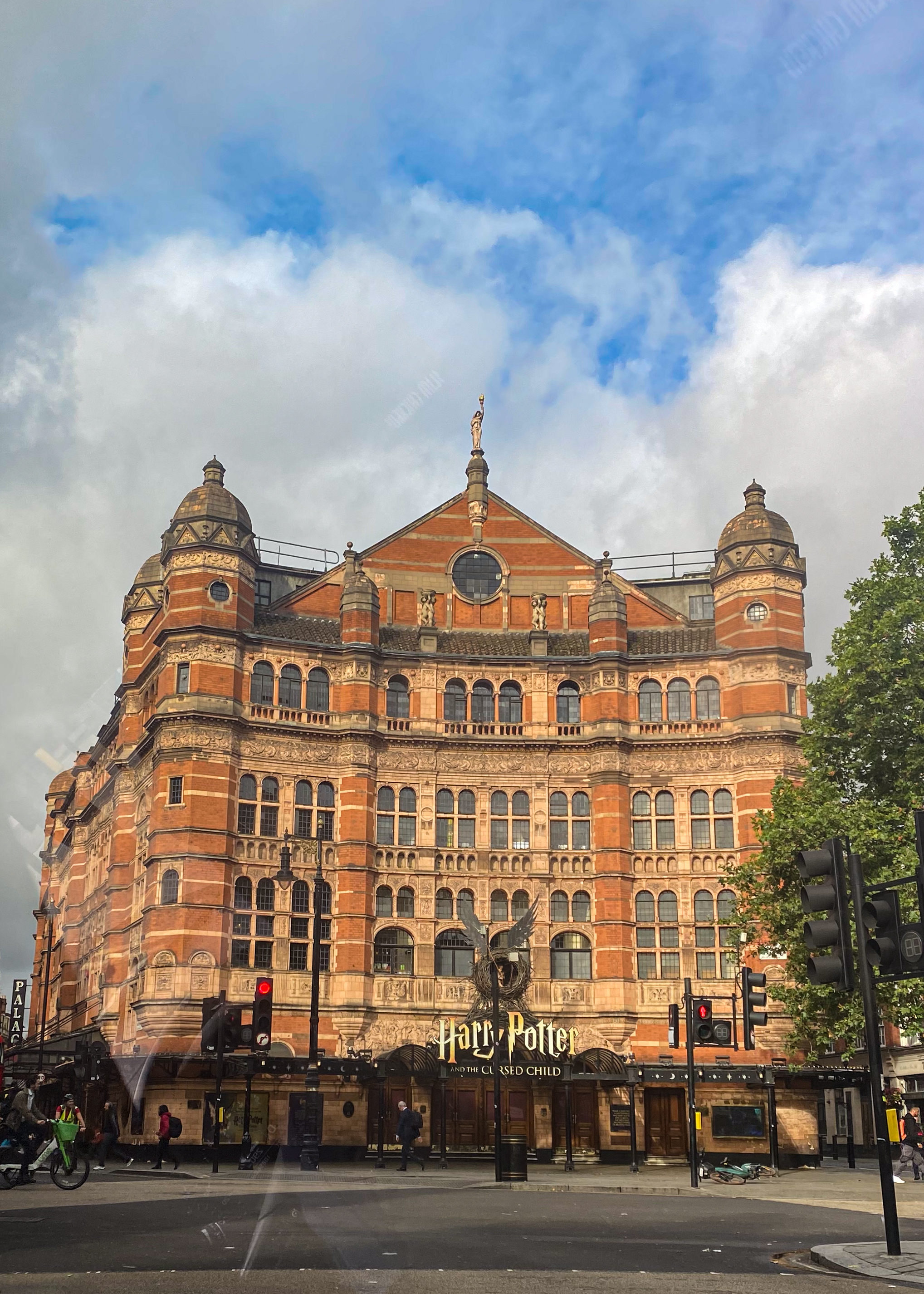
An addition to yesterday’s post – we had diner in the Old Bank of England building then saw a hilarious play – “The Play That Goes Wrong” which has been running for ten years in the theater district. 

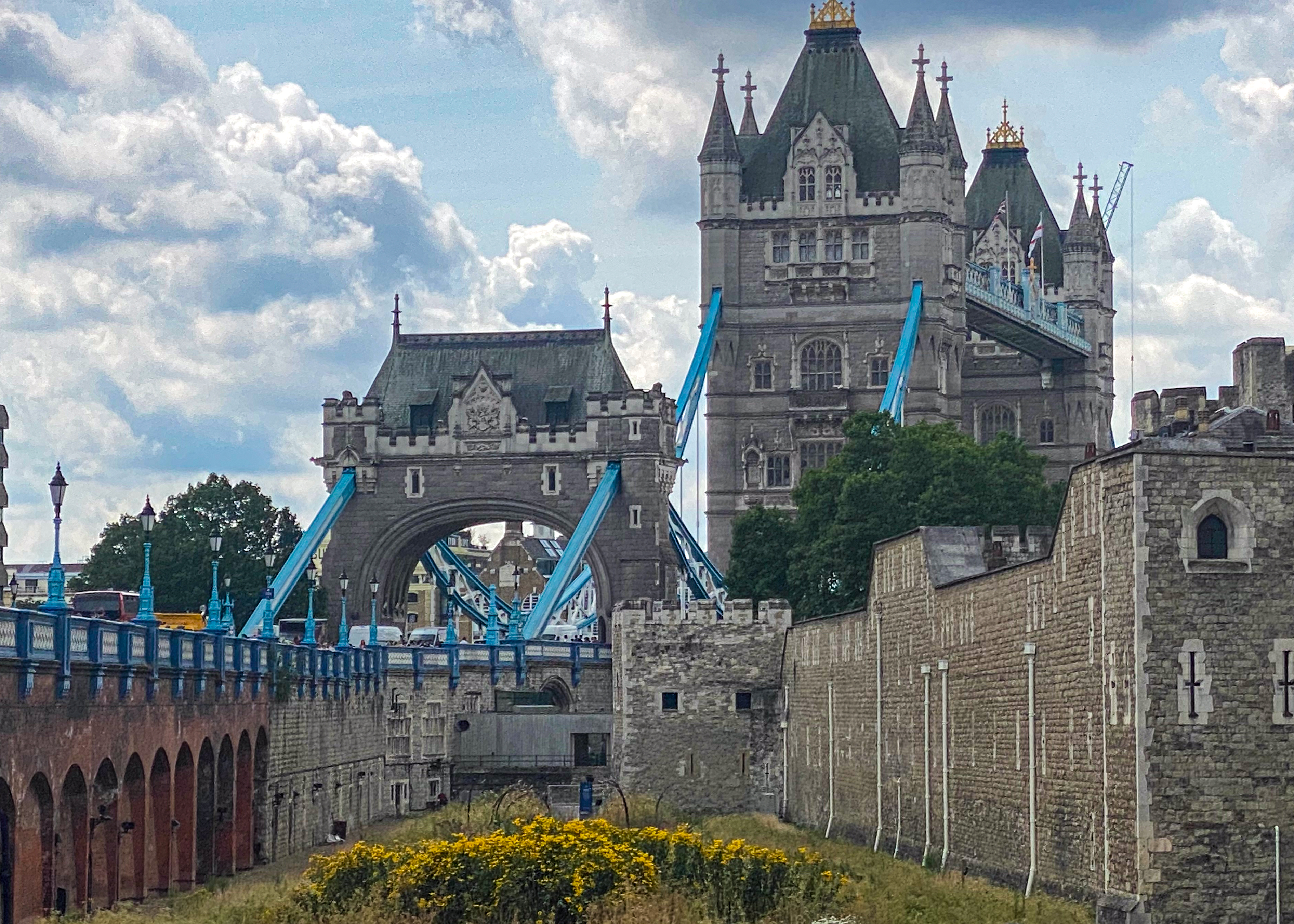
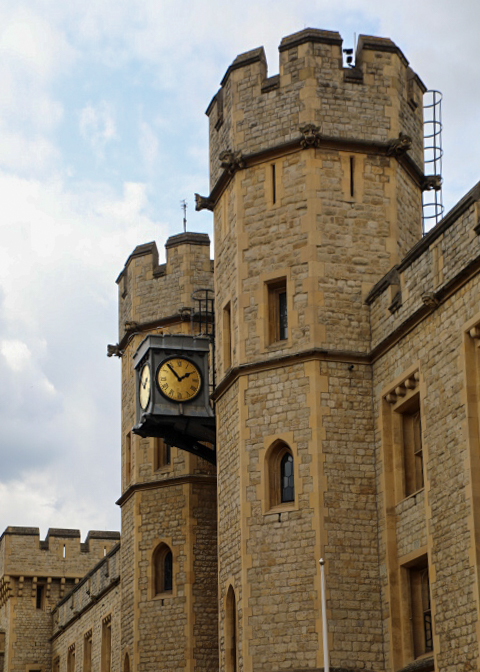
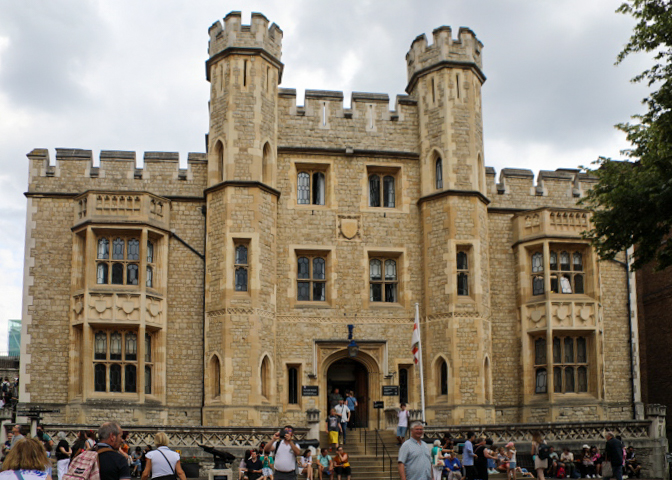
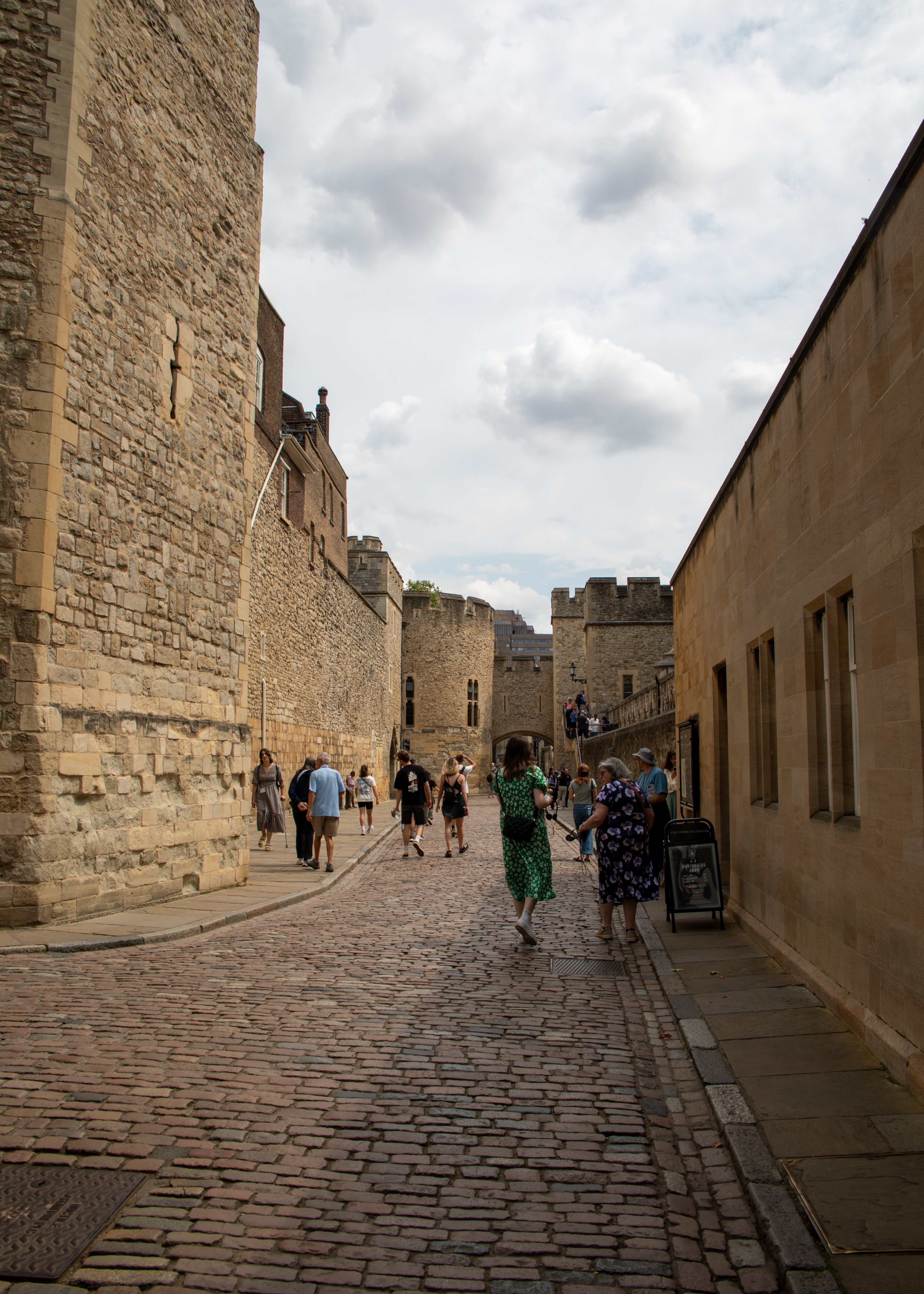
Last day in London, tomorrow we fly back home. Today we started at Buckingham Palace then headed to Tower Bridge and our final stop, The Tower of London.

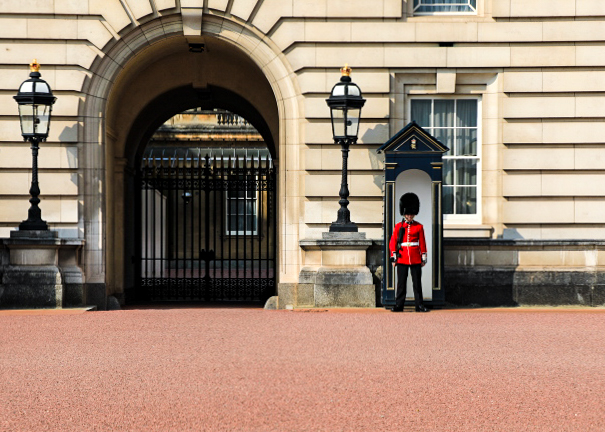
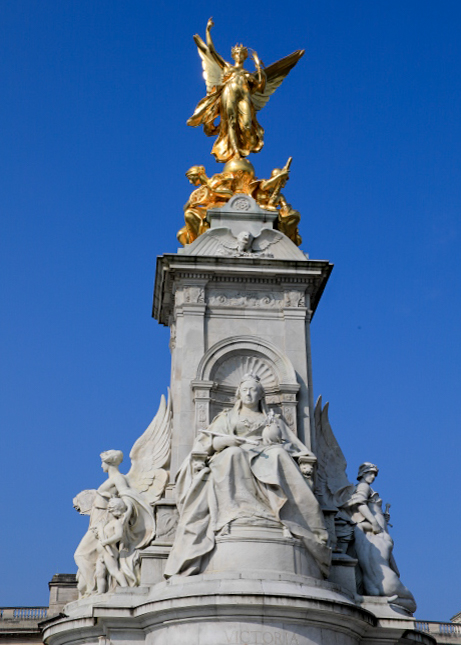
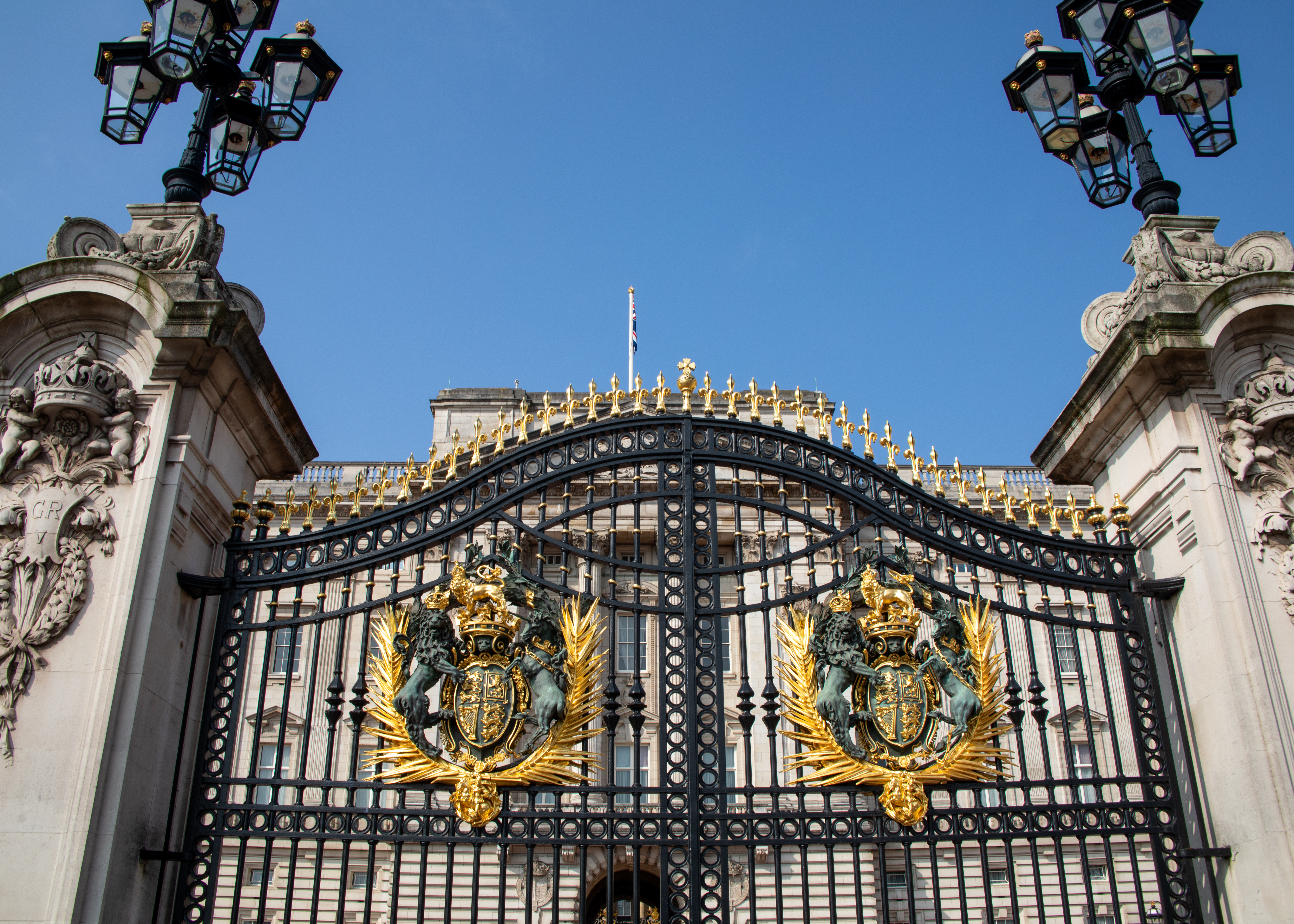
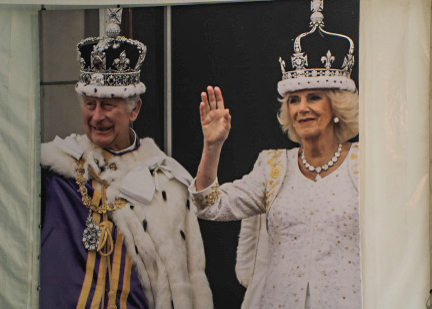
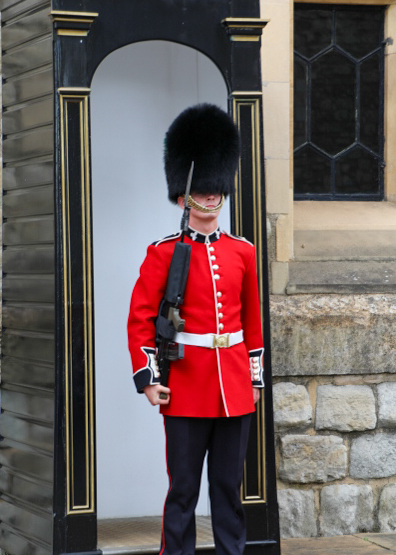
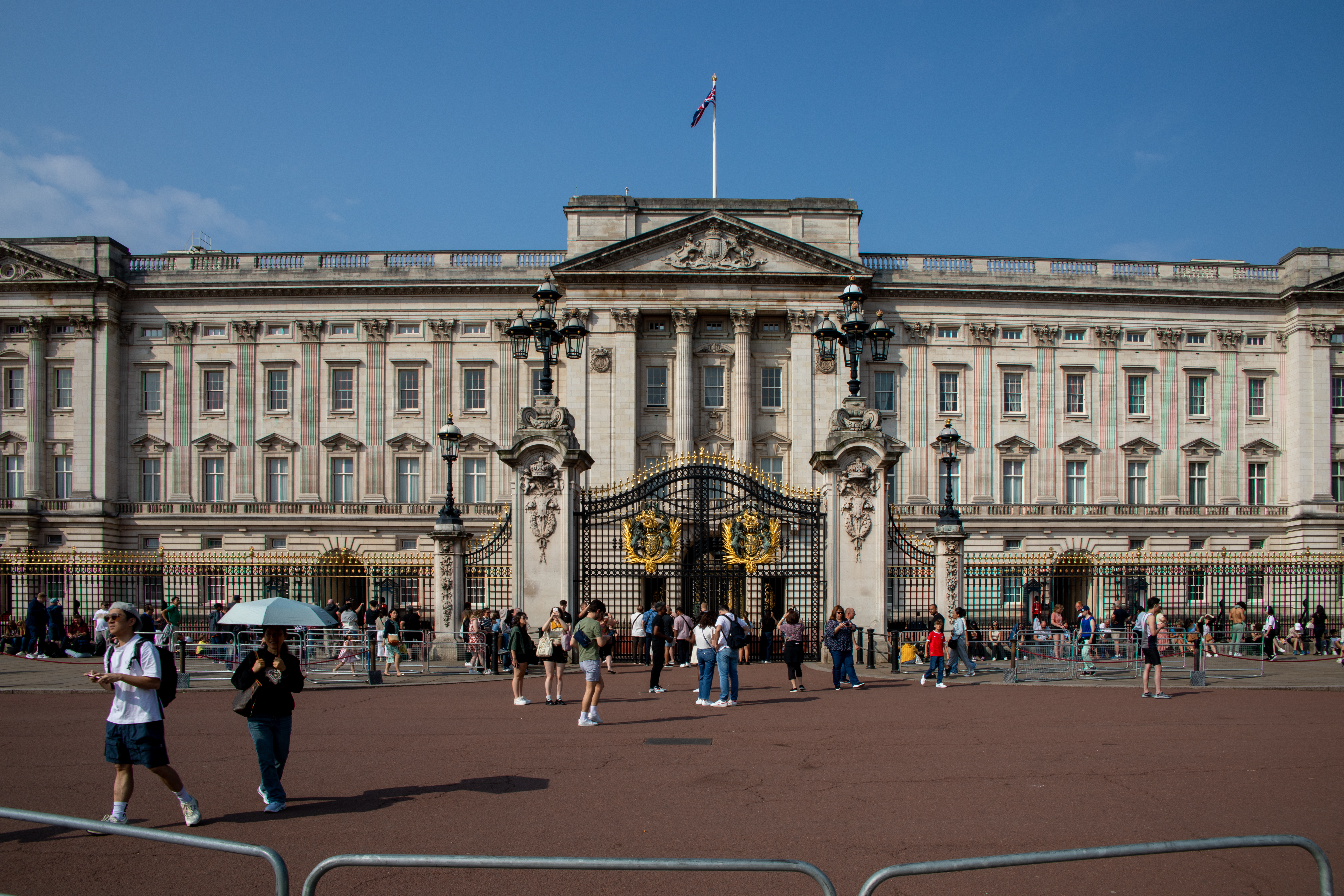
Buckingham Palace is recognized around the world as the home of the monarch, the focus of national and royal celebrations, as well as the backdrop to the regular Changing of the Guard ceremony. Clearly the most elaborate palace we visited during our trip. No photographs are allowed in the interior – a good overview is at (https://www.rct.uk/visit/buckingham-palace).

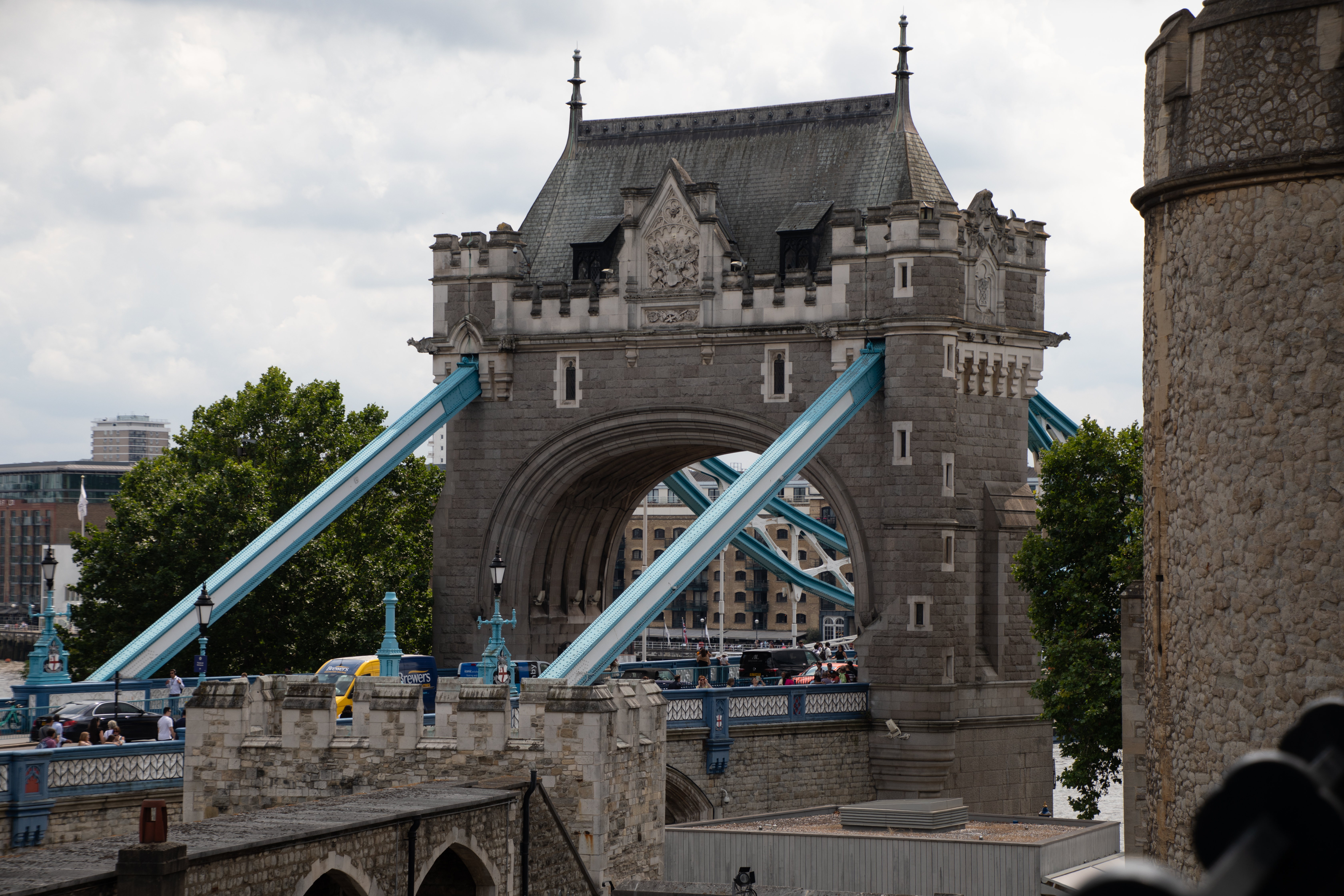
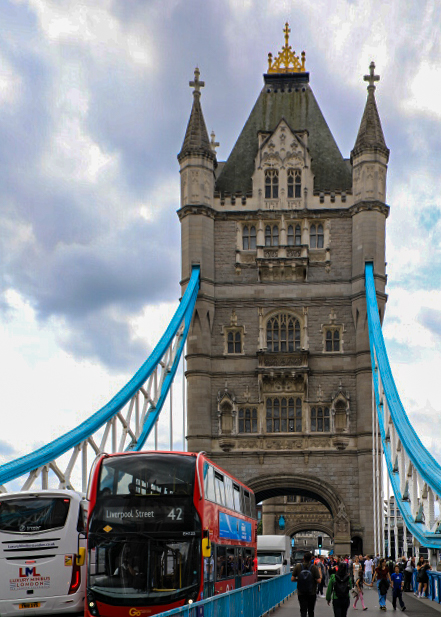
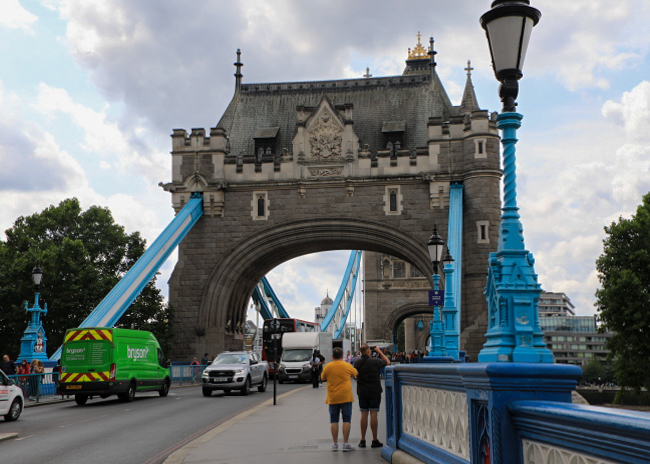
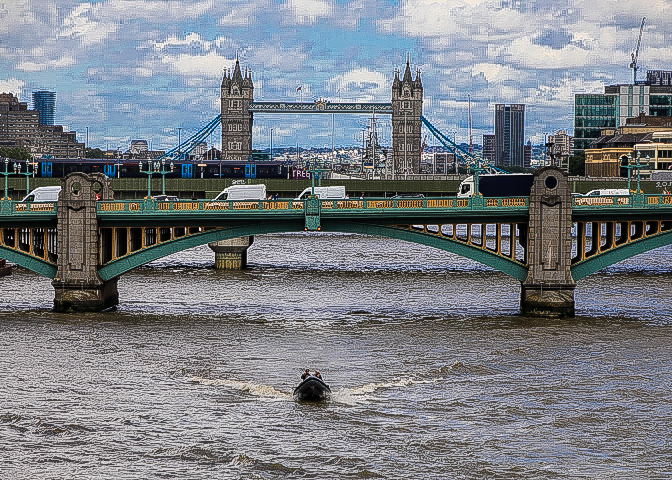
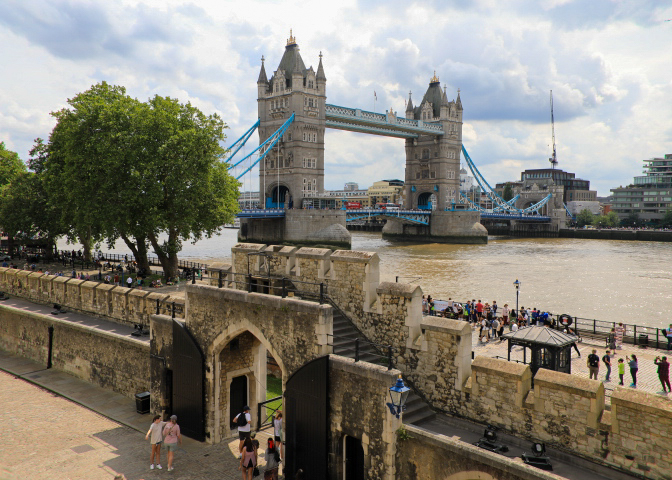
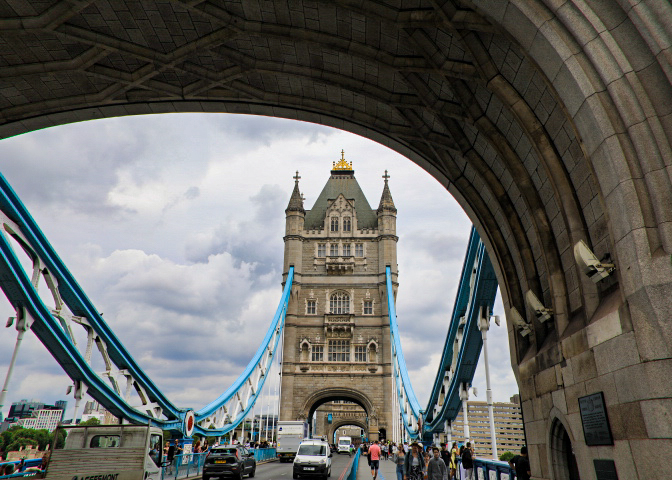
Tower Bridge was opened to the public in 1894. When compared with its neighbor – the Tower of London (built in the 11th century) – it is rather young! The Bridge may appear to be a stone castle-like structure, but its design was chosen so that it complemented the White Tower, in the Tower of London complex. These style additions were used as an artistic flourish to cover the real structure of Tower Bridge, which is a solid steel frame.

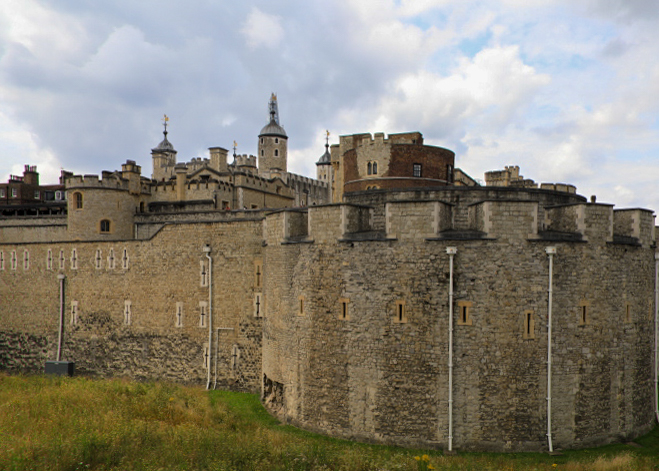
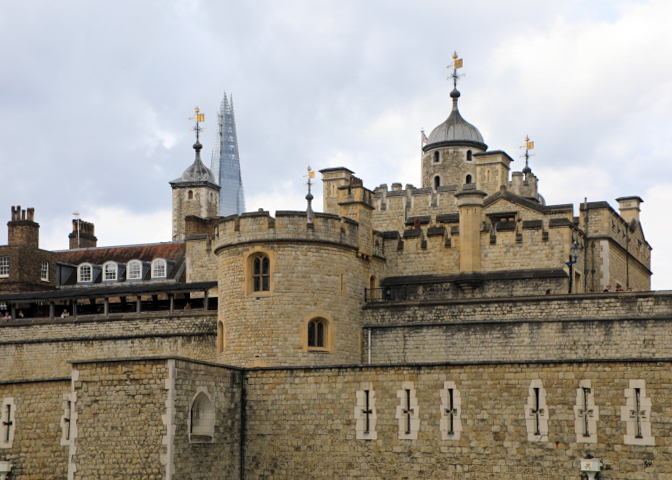
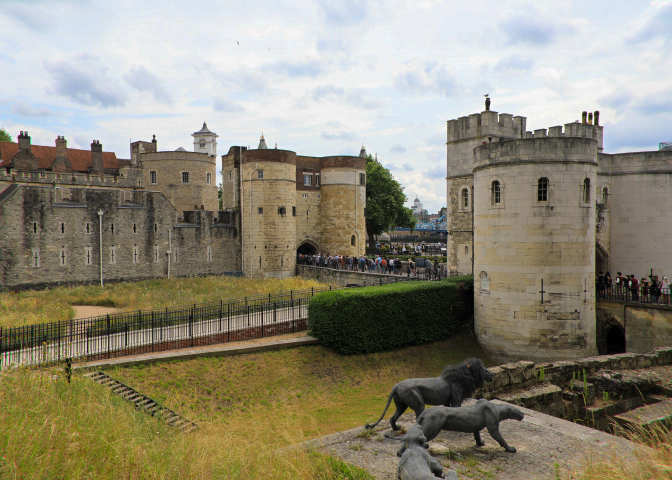
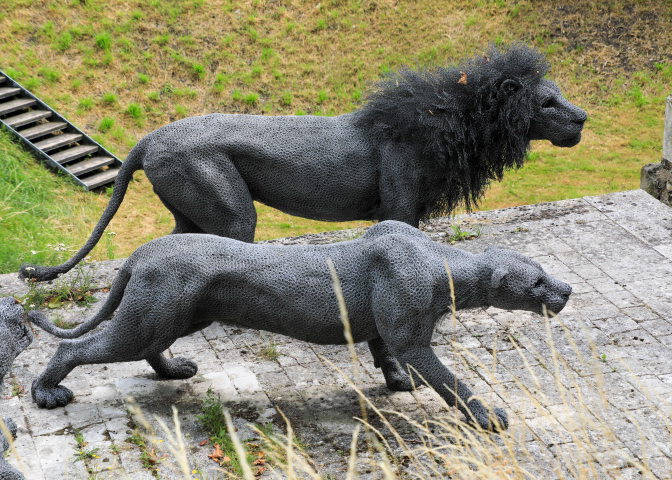
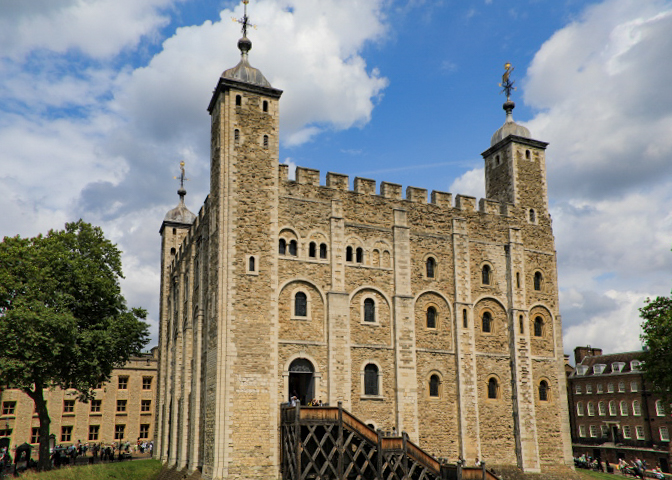
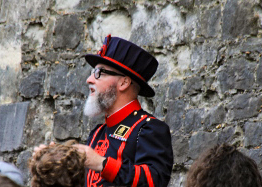
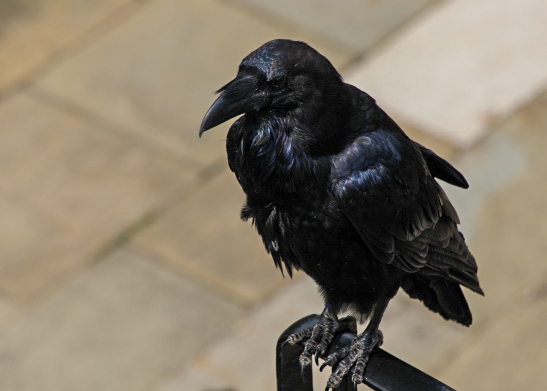
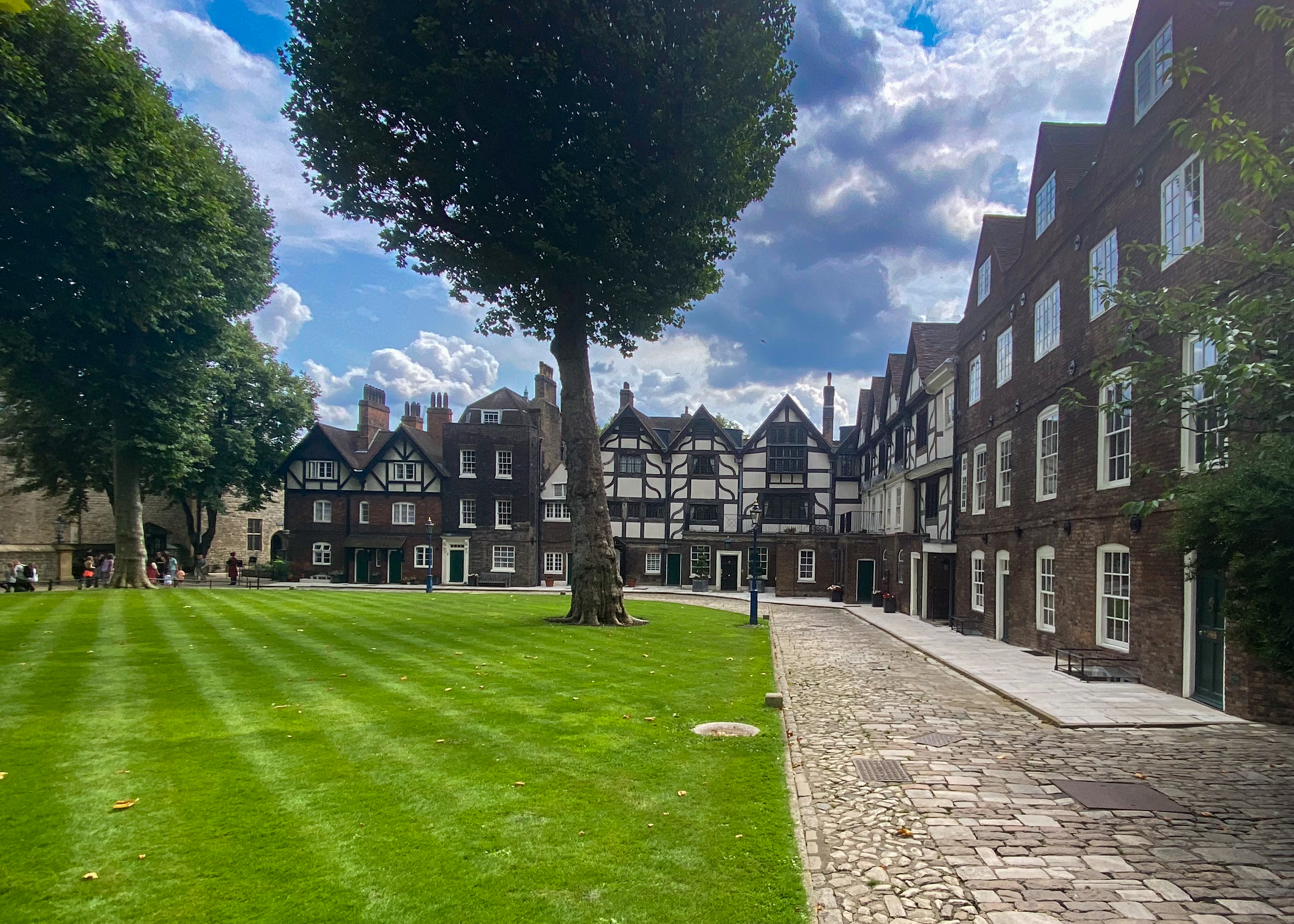
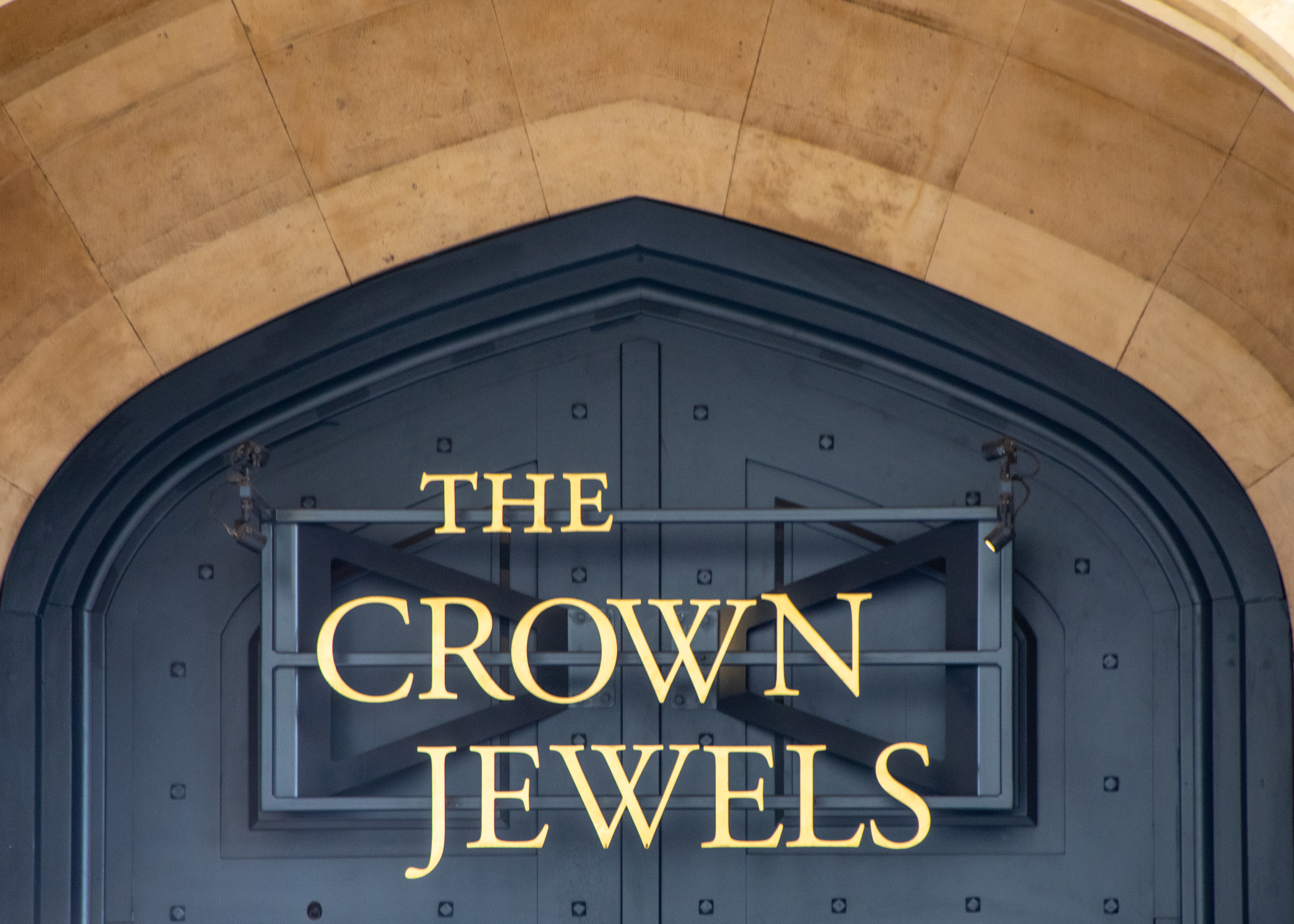
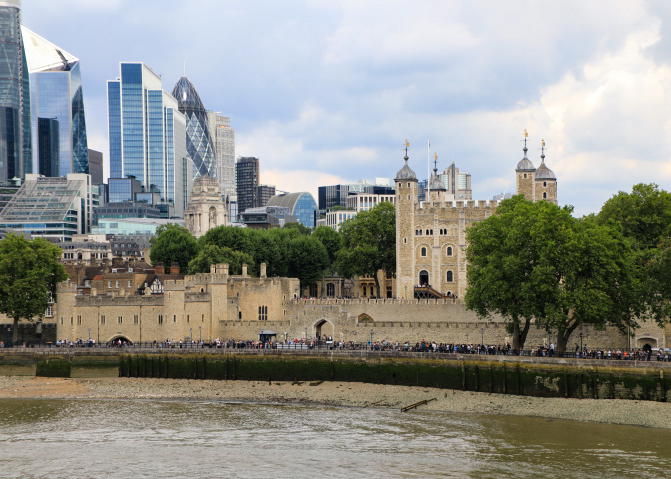
Tower of London – William the Conqueror built a mighty stone tower at the center of his London fortress in the 1070s (the White Tower). Now, nearly 1000 years later, the Tower still has the capacity to fascinate and horrify. It is the protector of the Crown Jewels (no photos), home of the Yeoman Warders and its legendary guardians, the pampered ravens. It was a secure fortress, a royal palace, and an infamous prison. The Tower also has a richer and more complex history, having been home to a wide array of institutions including the Royal Mint, the Royal Armories, and even a zoo.

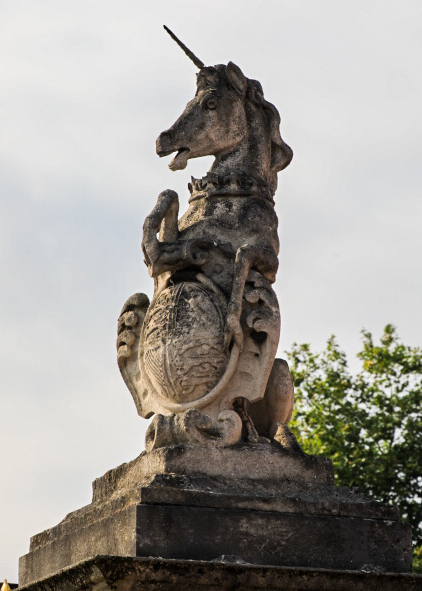
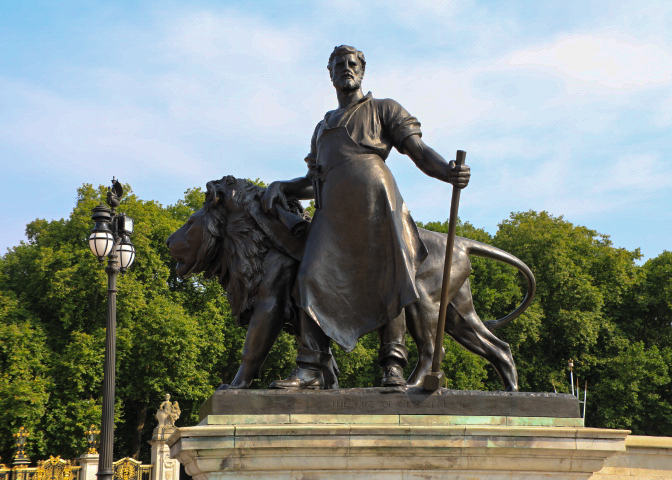
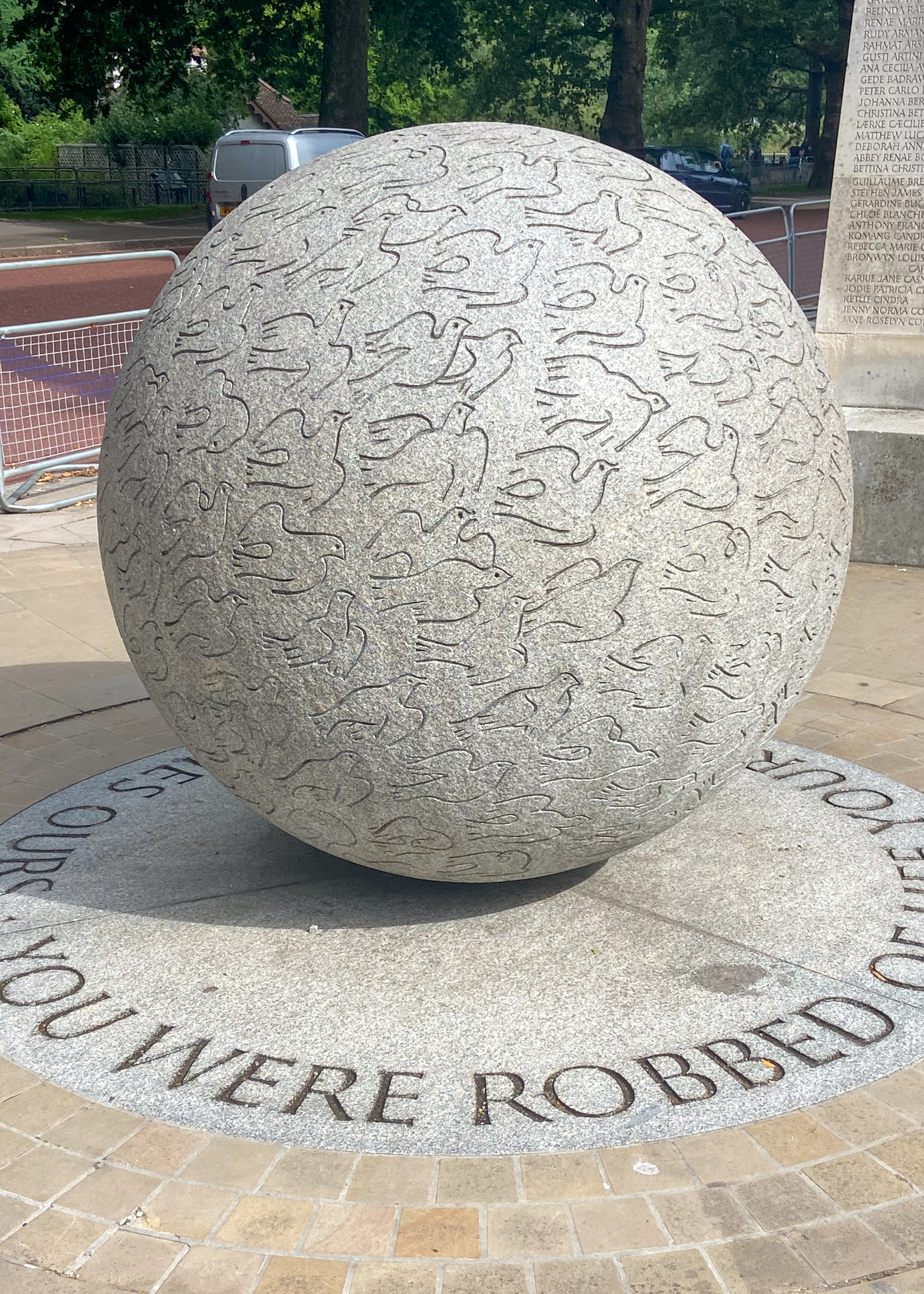
Buckingham Palace area
Tower Bridge
Tower of London
Thanks for riding along on our adventure. Feel free to pass the links along to your friends.
UK and Scotland Day 15

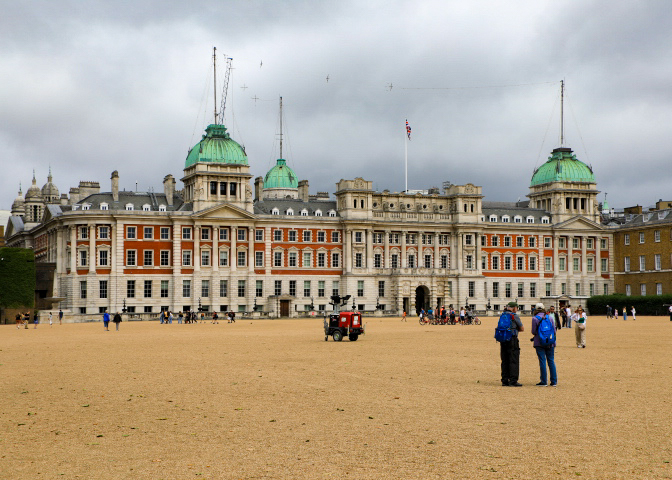
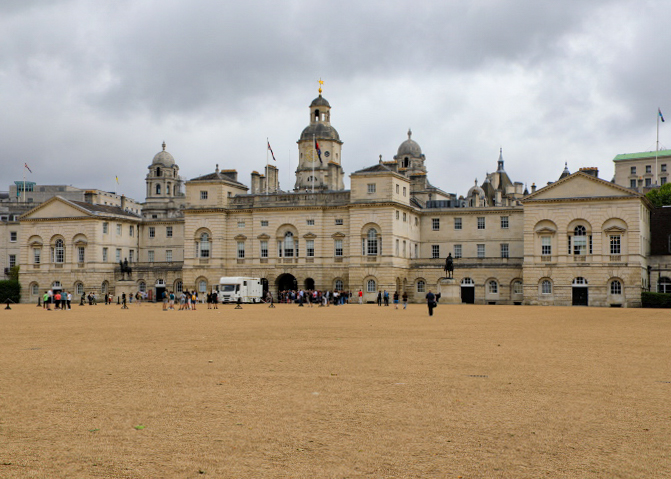
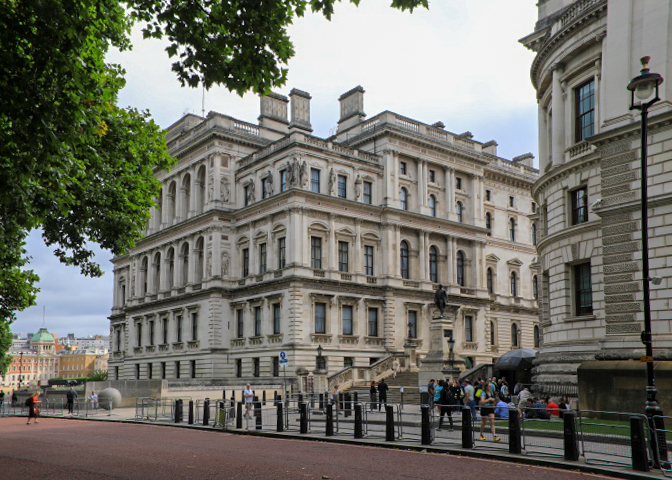
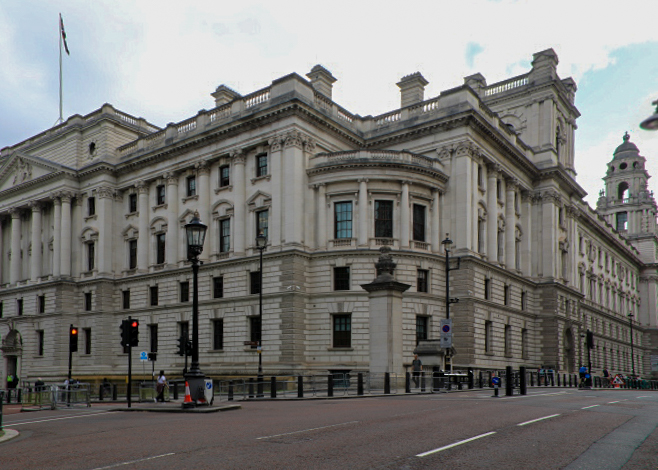
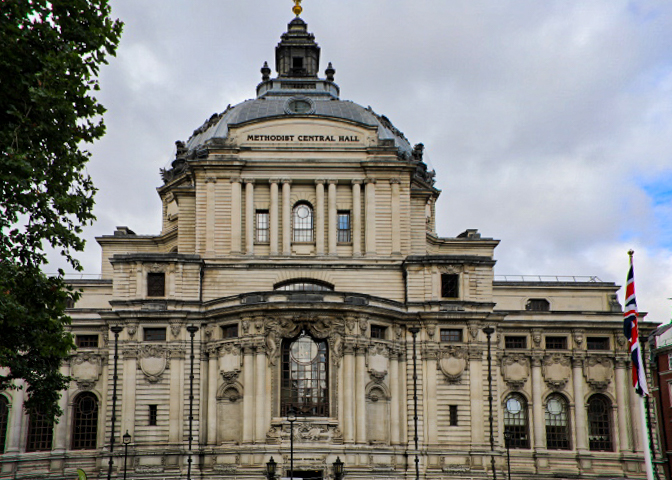
We returned to London a little bit sleepy from our overnight train ride from Edinburgh but were able to drop our luggage off at our hotel and headed off to see the “Churchill War Rooms”. We walked from our hotel past the Church of England Headquarters, Westminster Abbey, the Methodist Church of England, Whitehall buildings and the Parade grounds. The Cabinet War Rooms provided the secret underground headquarters for the core of the British government throughout the Second World War.

The fear that London would be the target of aerial bombardment had troubled the government since the First World War, and in 1938, the basement of a Whitehall building was chosen as the site for the Cabinet War Rooms. From 1940 to 1945, hundreds of men and women would spend thousands of vital hours here, and it soon became the inner sanctum of the British government. Following the surrender of the Japanese Forces, the doors to the Cabinet War Rooms were locked on 16 August 1945, and the complex was left undisturbed until Parliament ensured its preservation as a historic site in 1948. Knowledge of the site and access to it remained highly restricted until the late 1970s when the Imperial War Museum began the task of preserving the site and its contents, making them accessible to as wide an audience as possible. In 1984, the main war rooms opened to the public. In 2003, further restoration work opened the ‘Courtyard Rooms,’ the rooms where staff would eat, sleep, and work in safety.
In 2005 they added the only major museum in the world dedicated to Sir Winston Churchill. Its multimedia and uniquely engaging approach provide visitors with a comprehensive overview of Churchill’s life.

Photography was permitted but I refrained and concentrated on the venue and the Churchill Museum. You can get a feel of the faciity by viewing: https://www.iwm.org.uk/visits/churchill-war-rooms/about

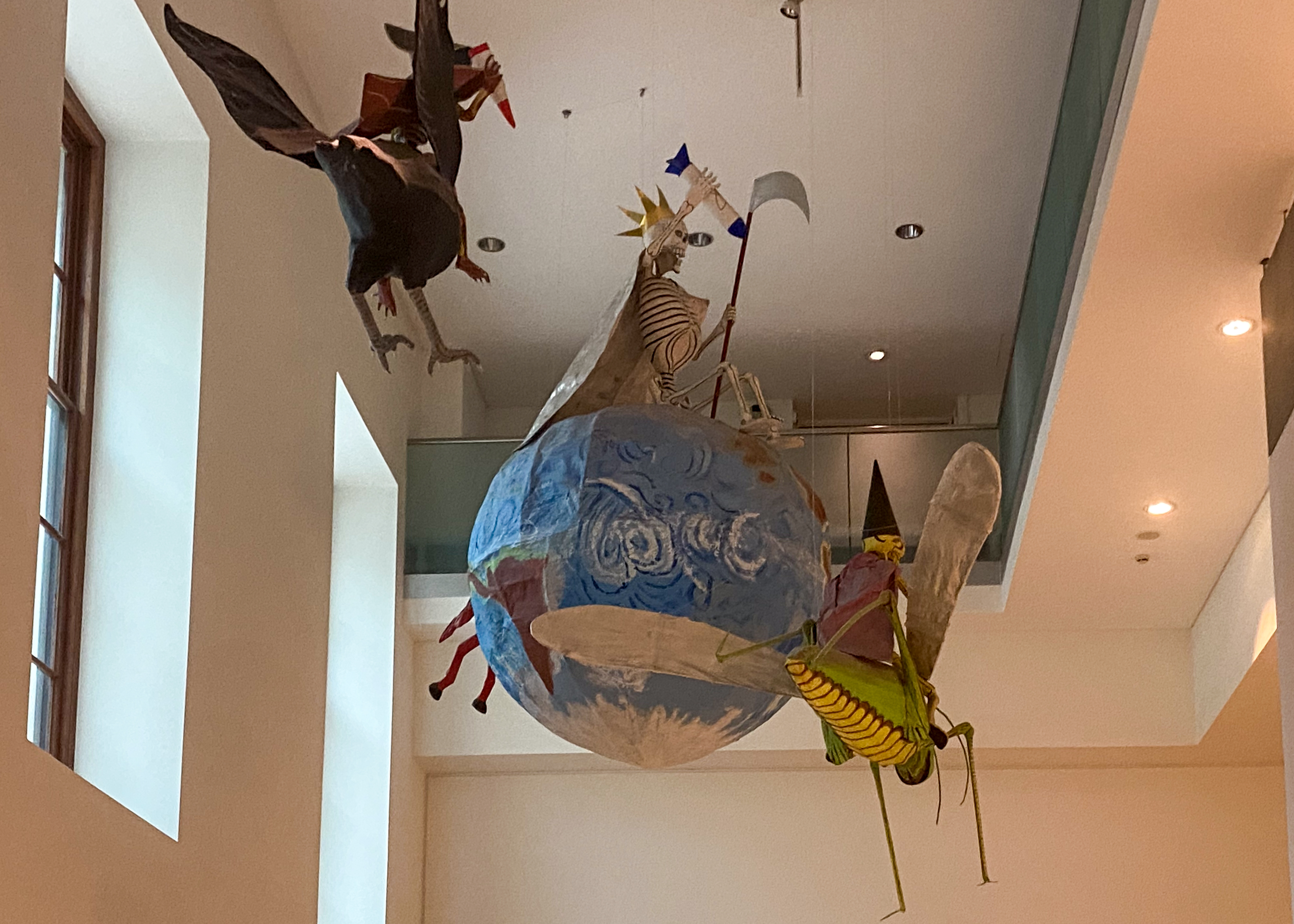
In the afternoon, we headed over to the British Museum, which we missed on our planned first day as our original flight was cancelled. Not having the time we wanted, we just viewed the museum’s highlights.

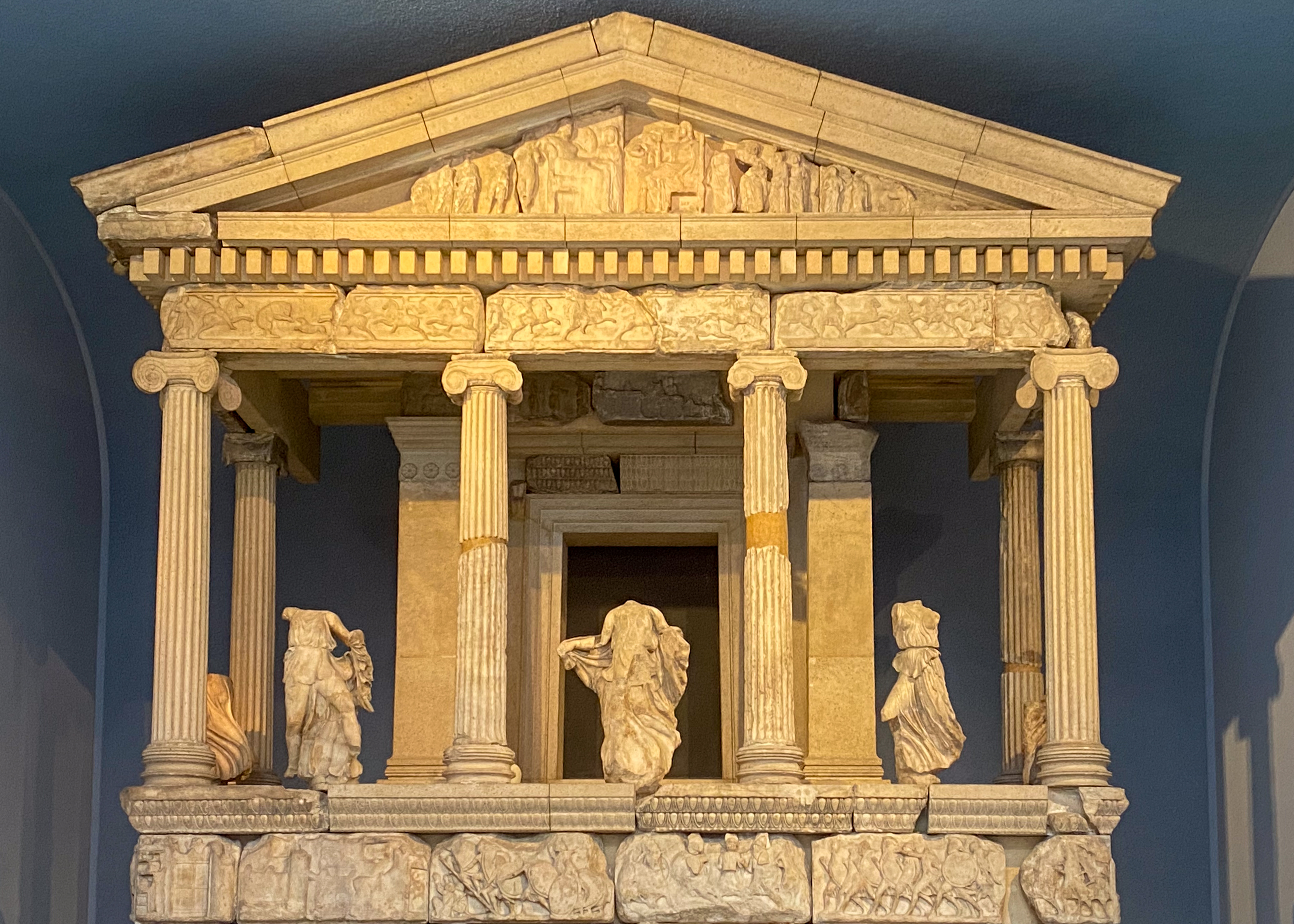
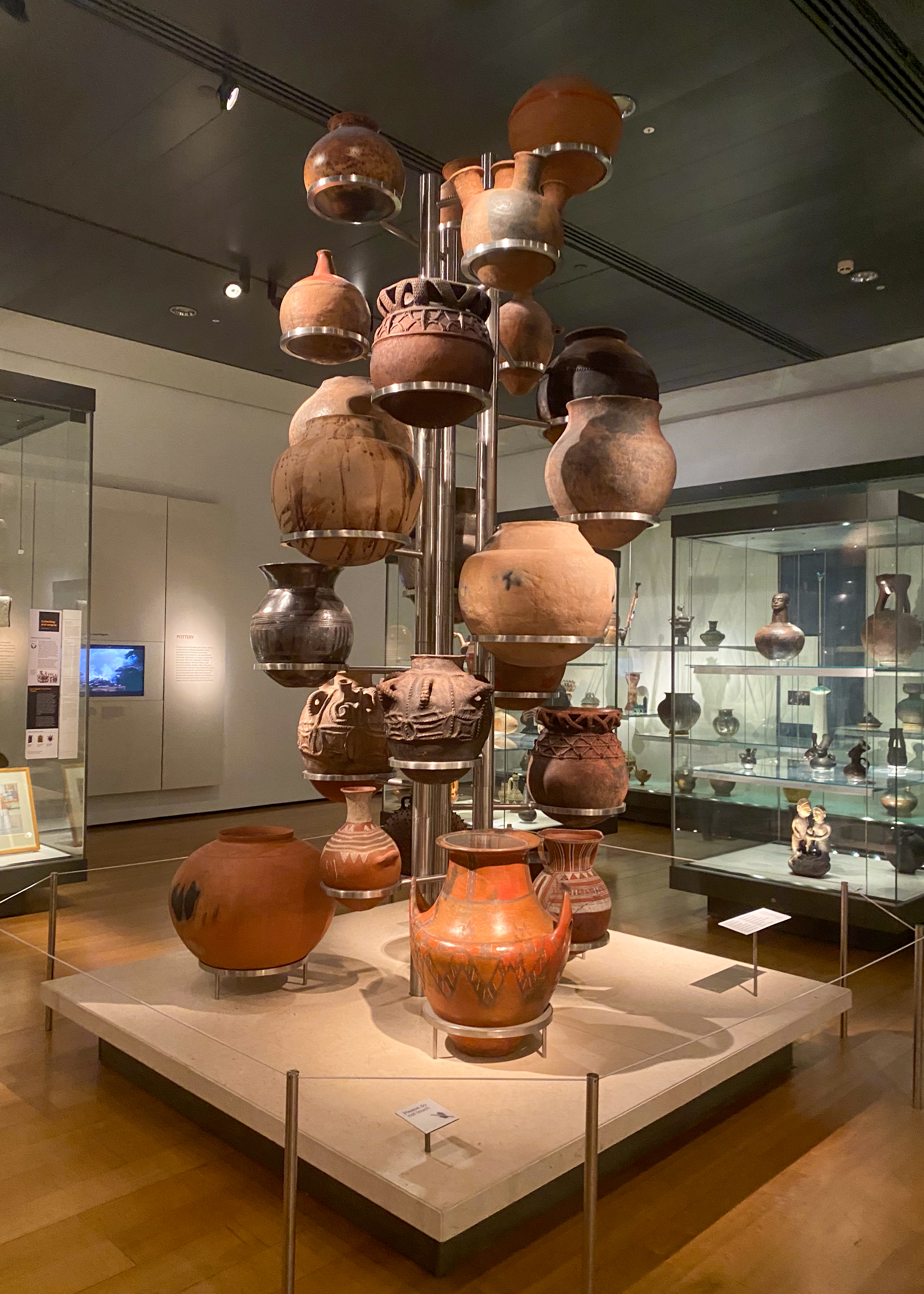
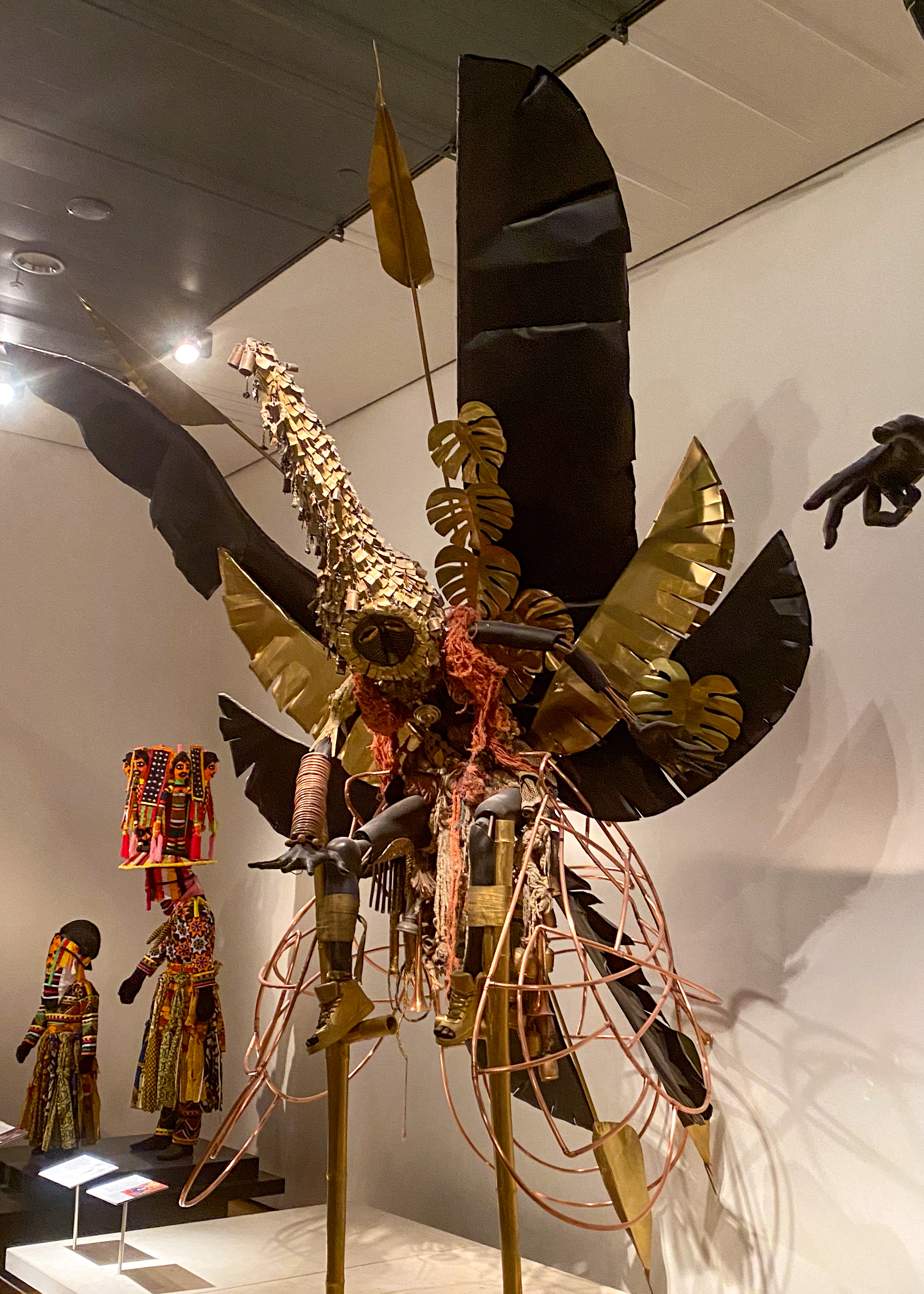
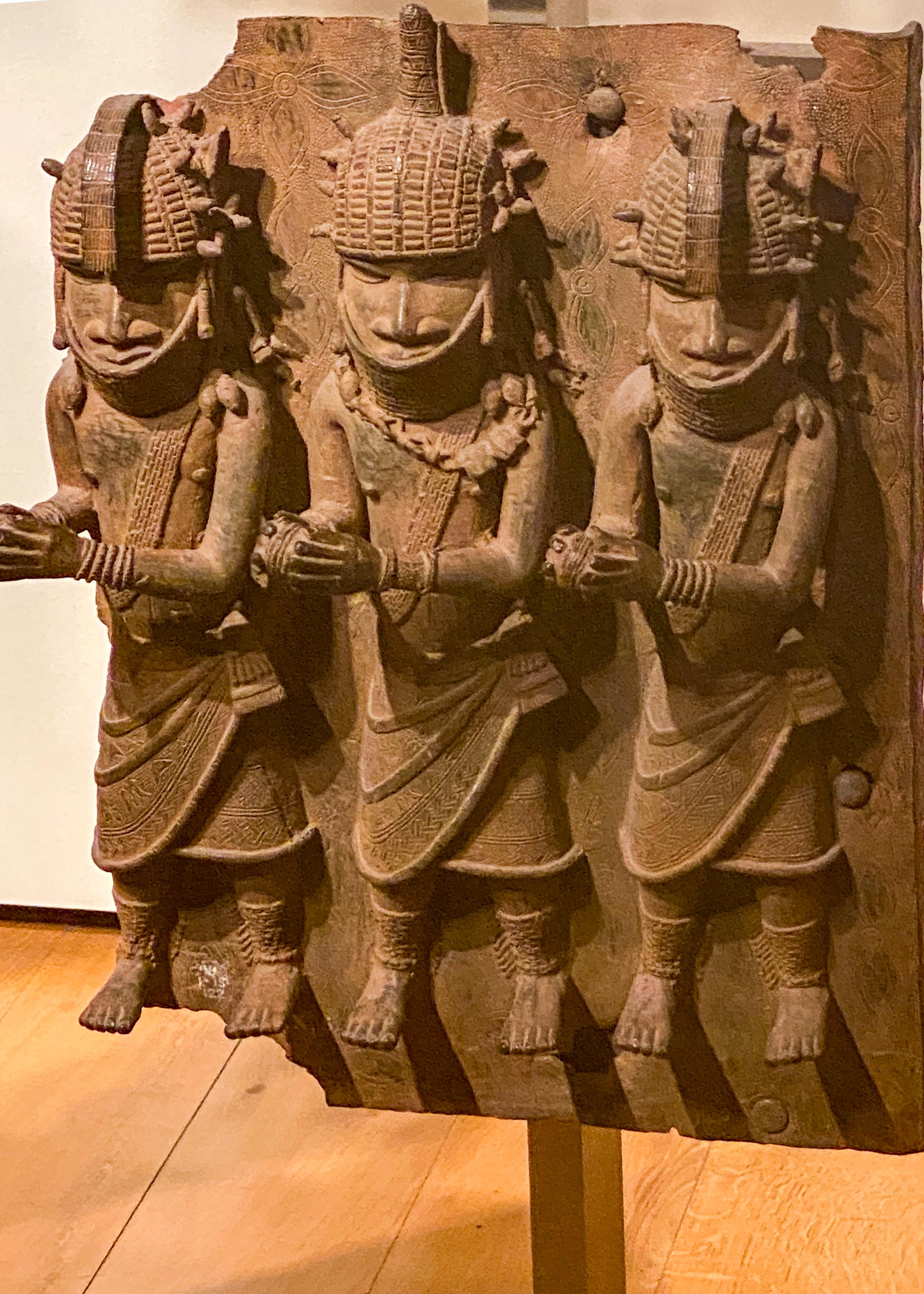
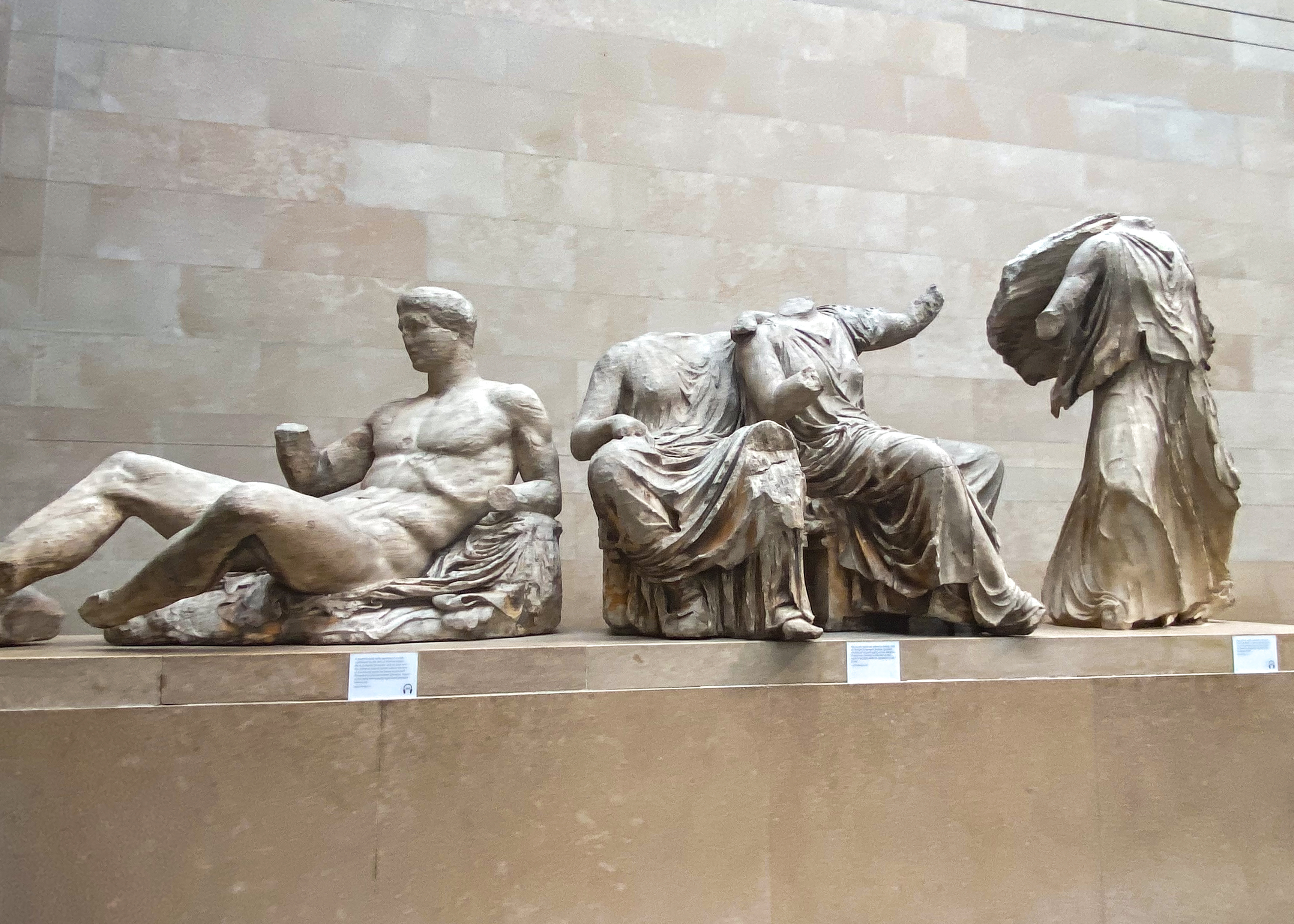
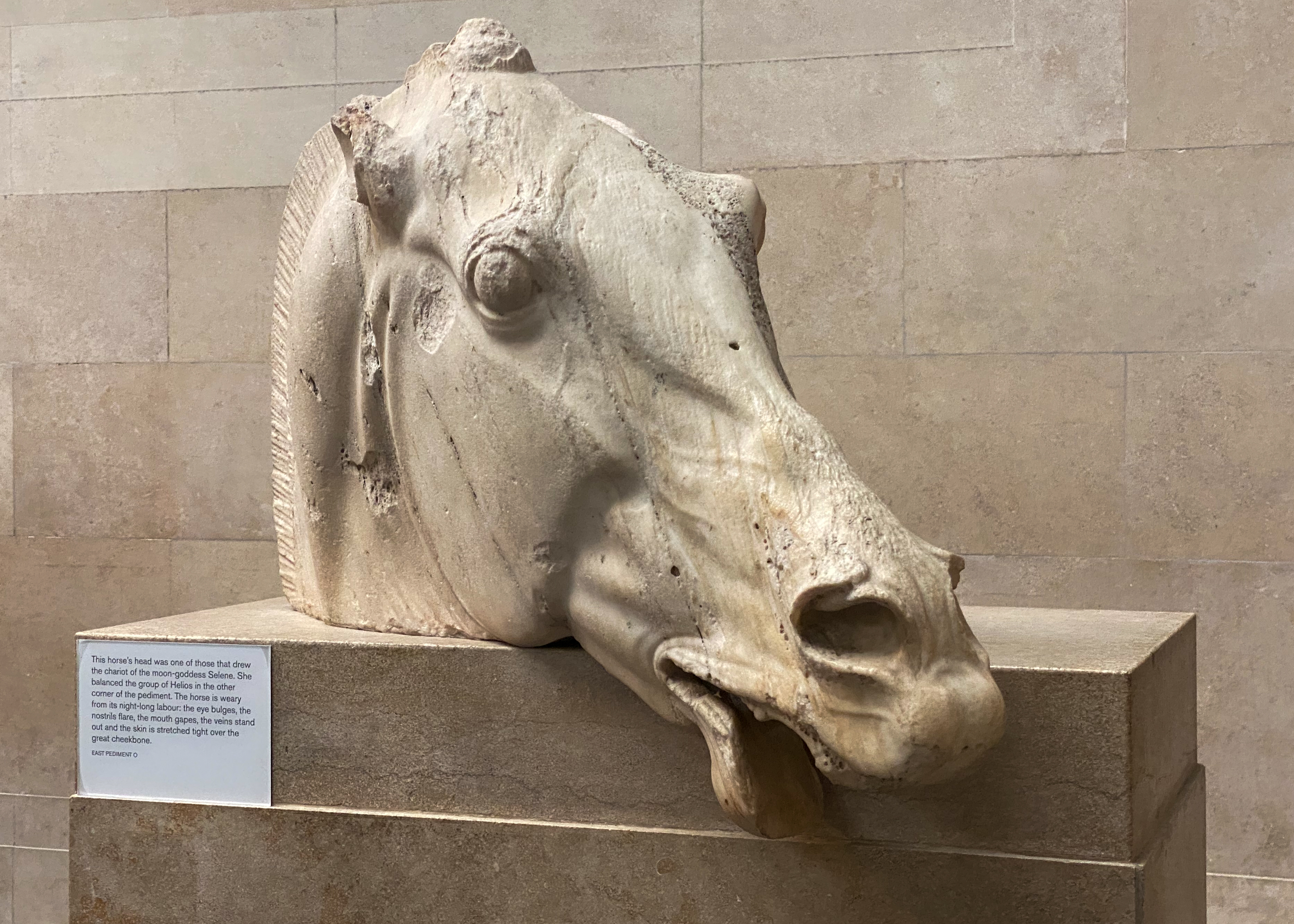
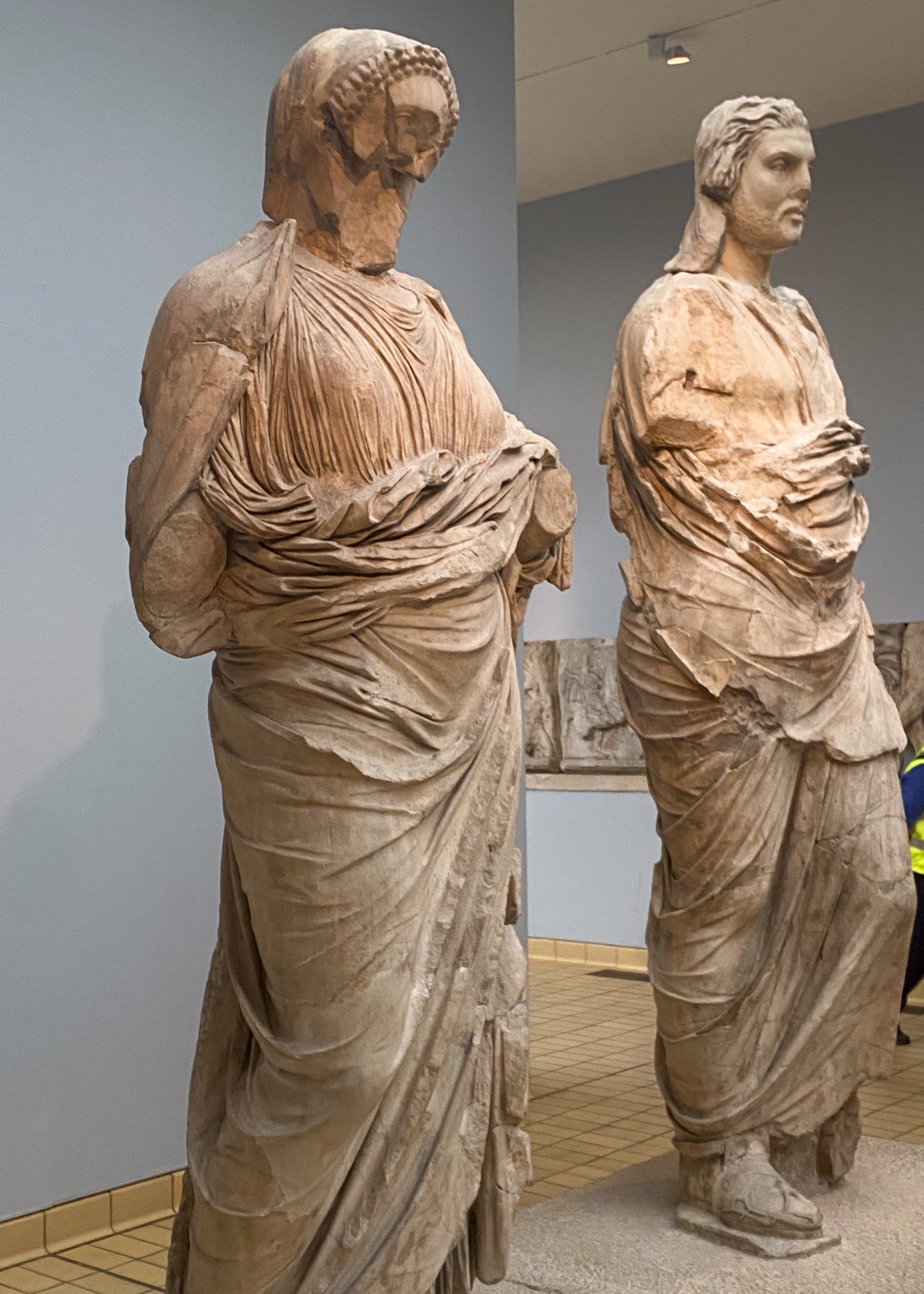
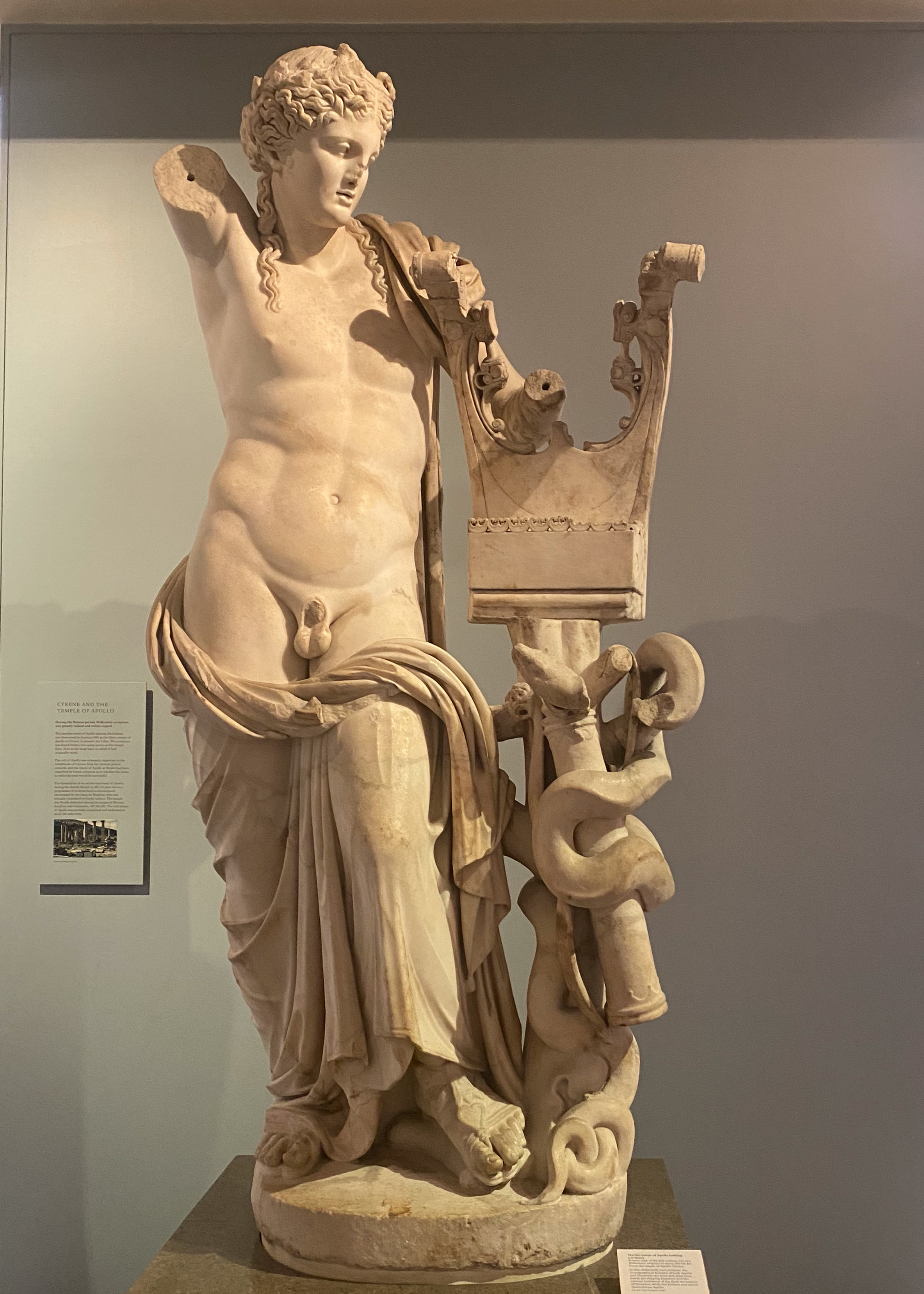
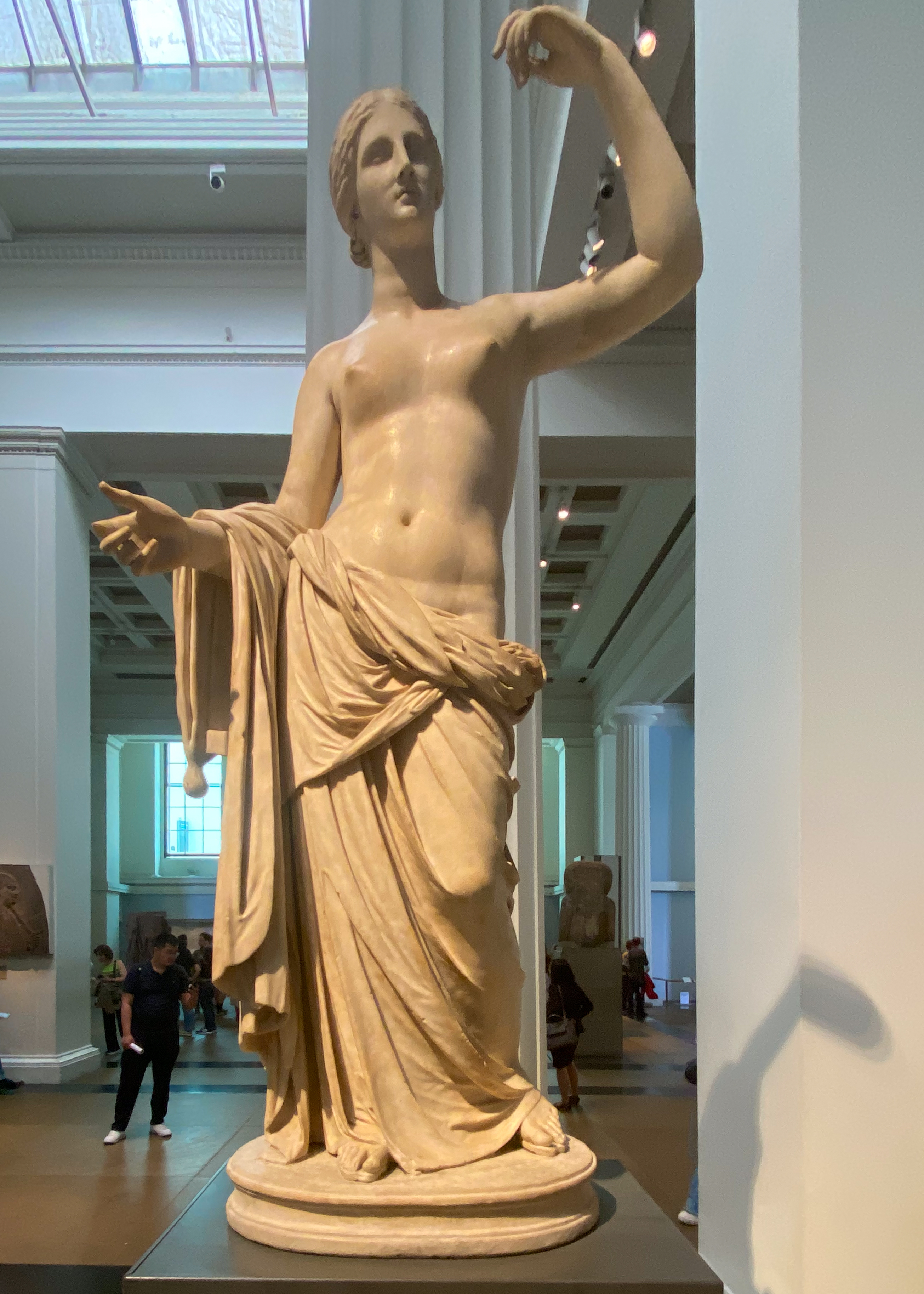
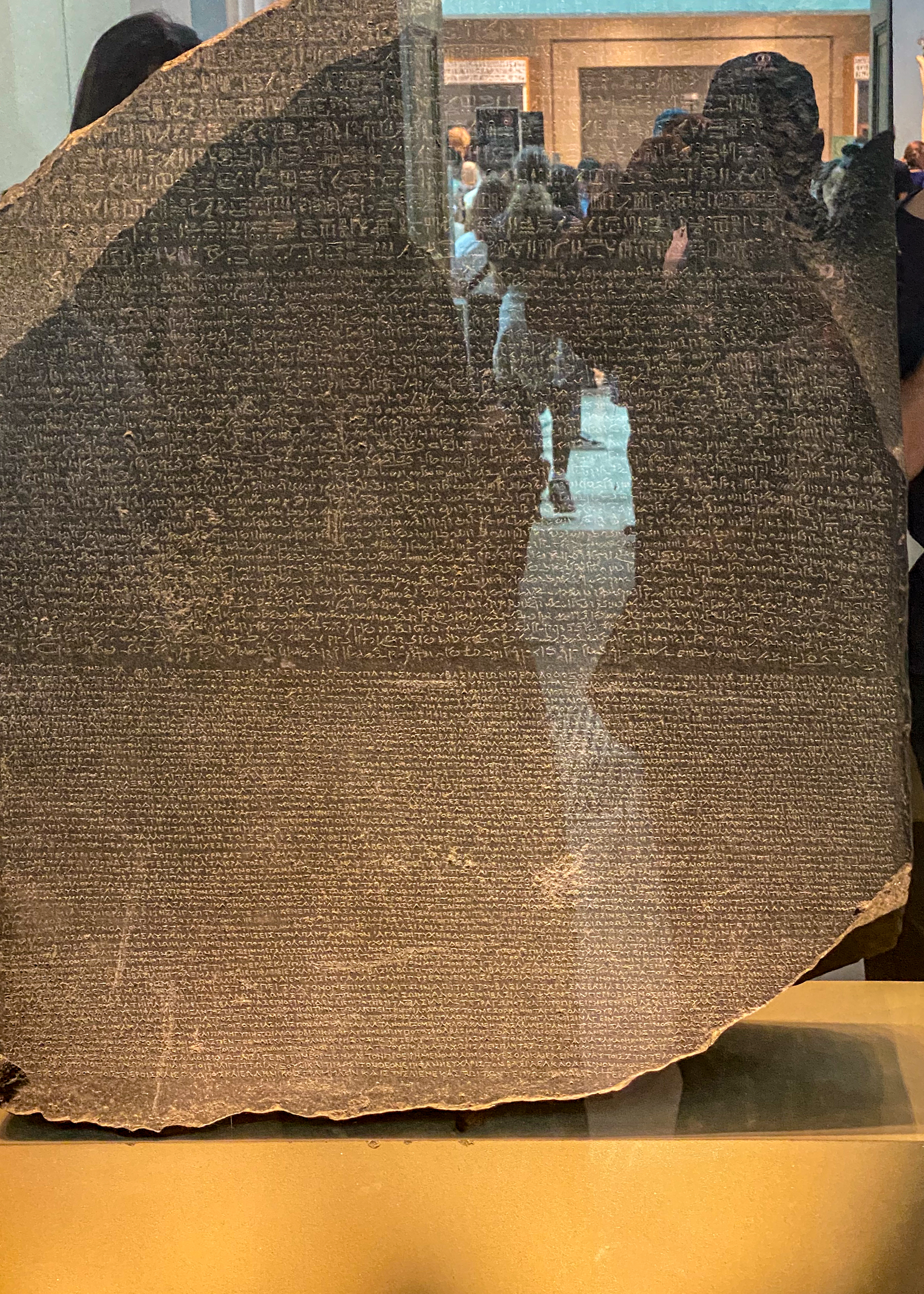
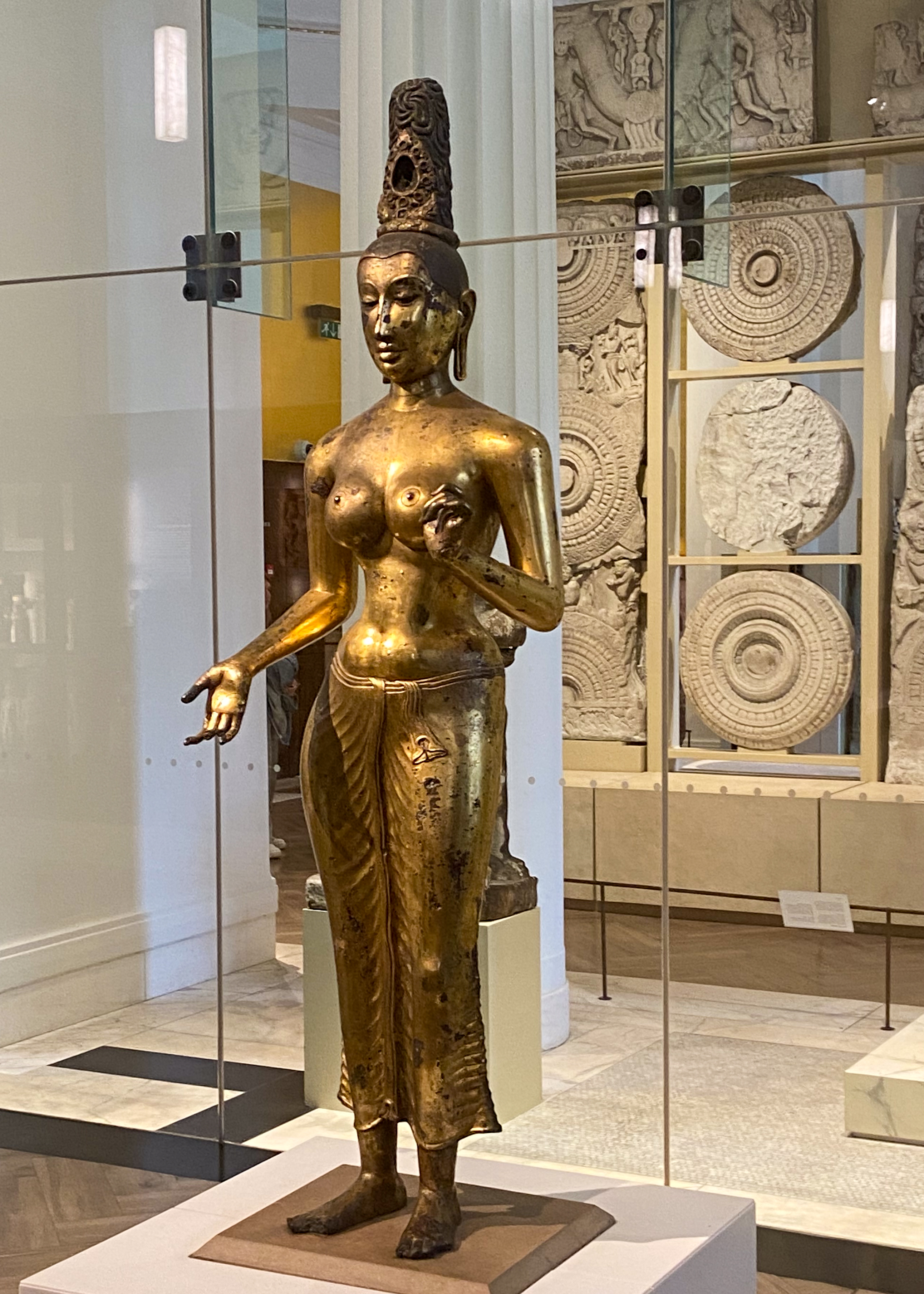
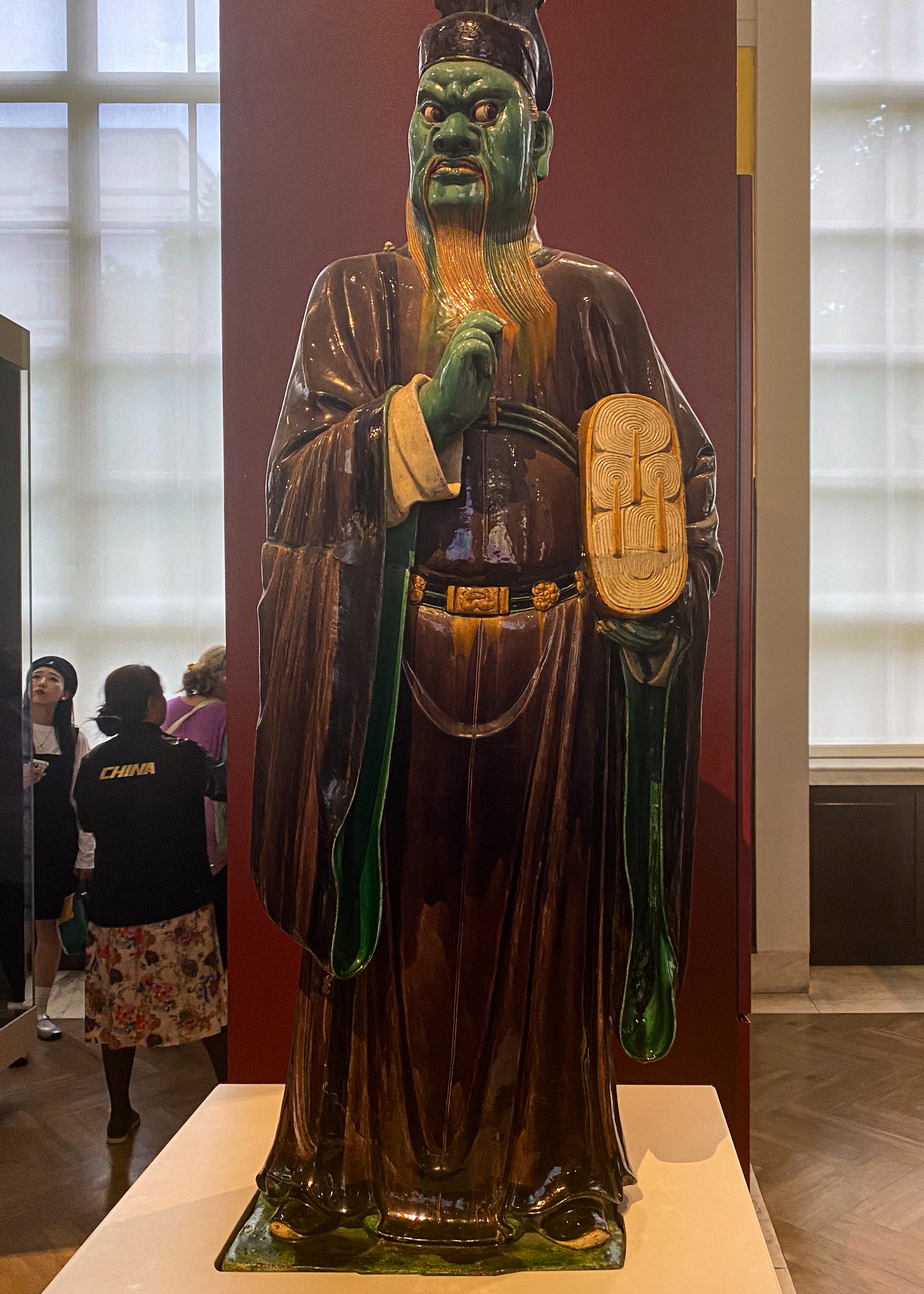
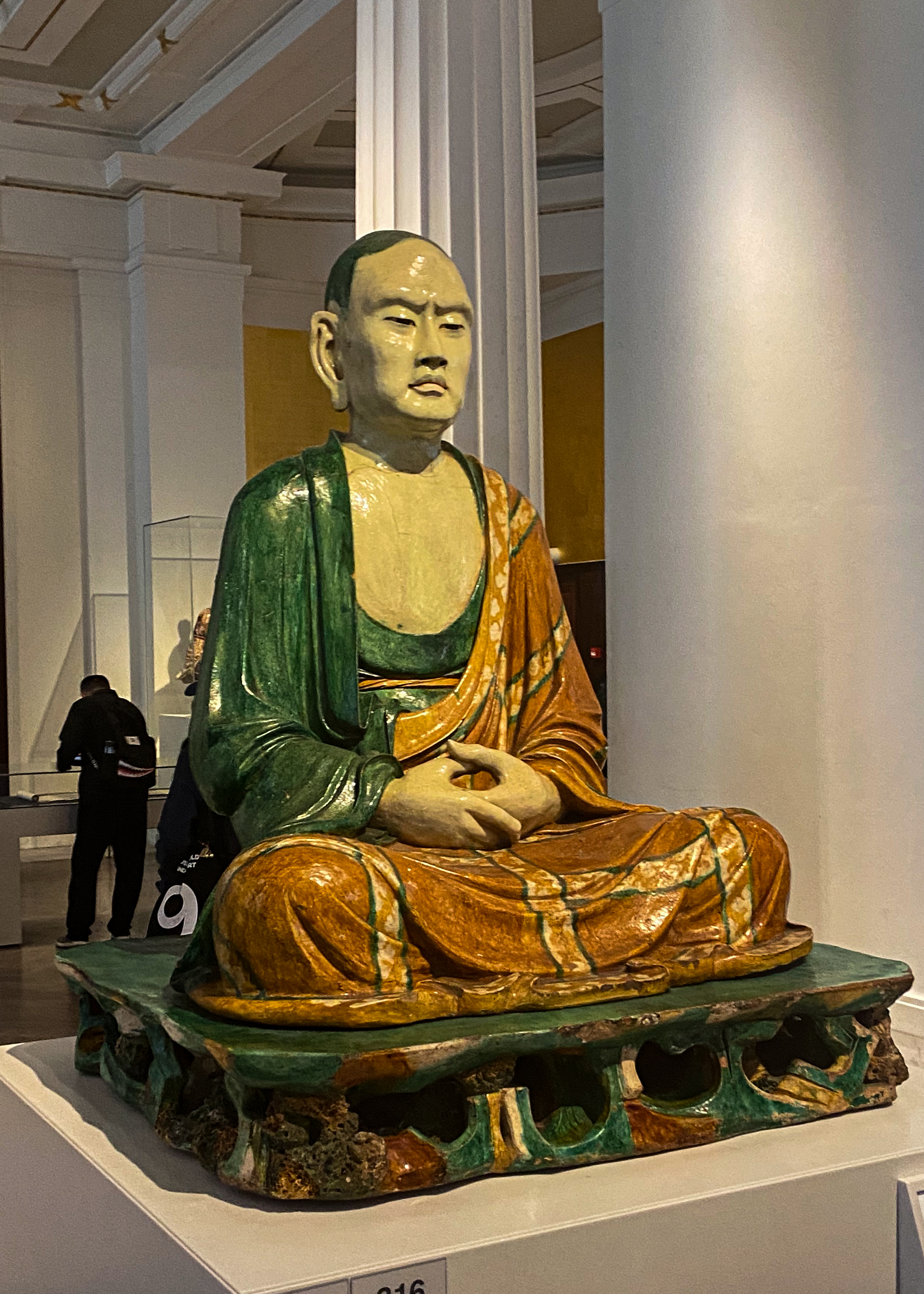
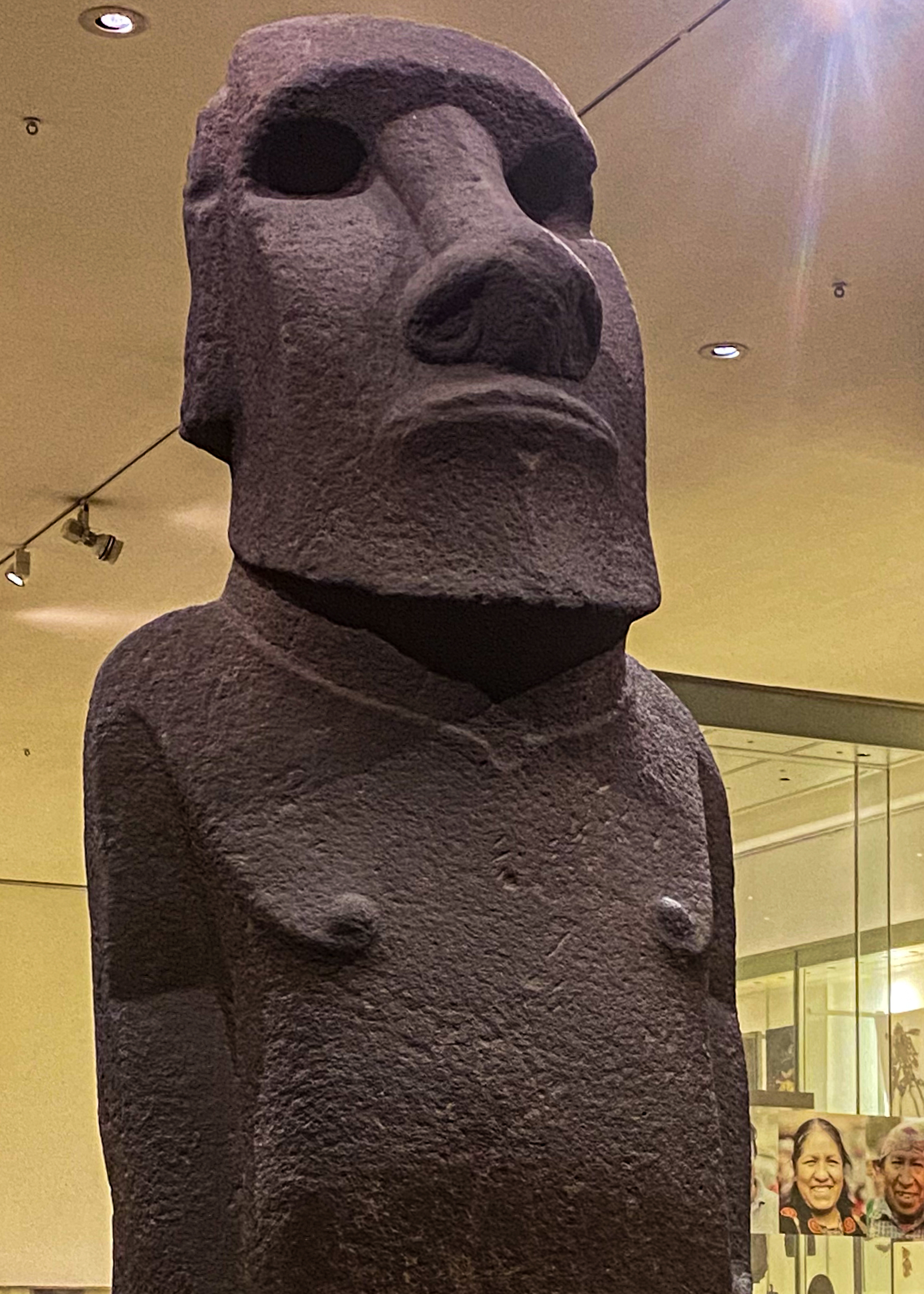
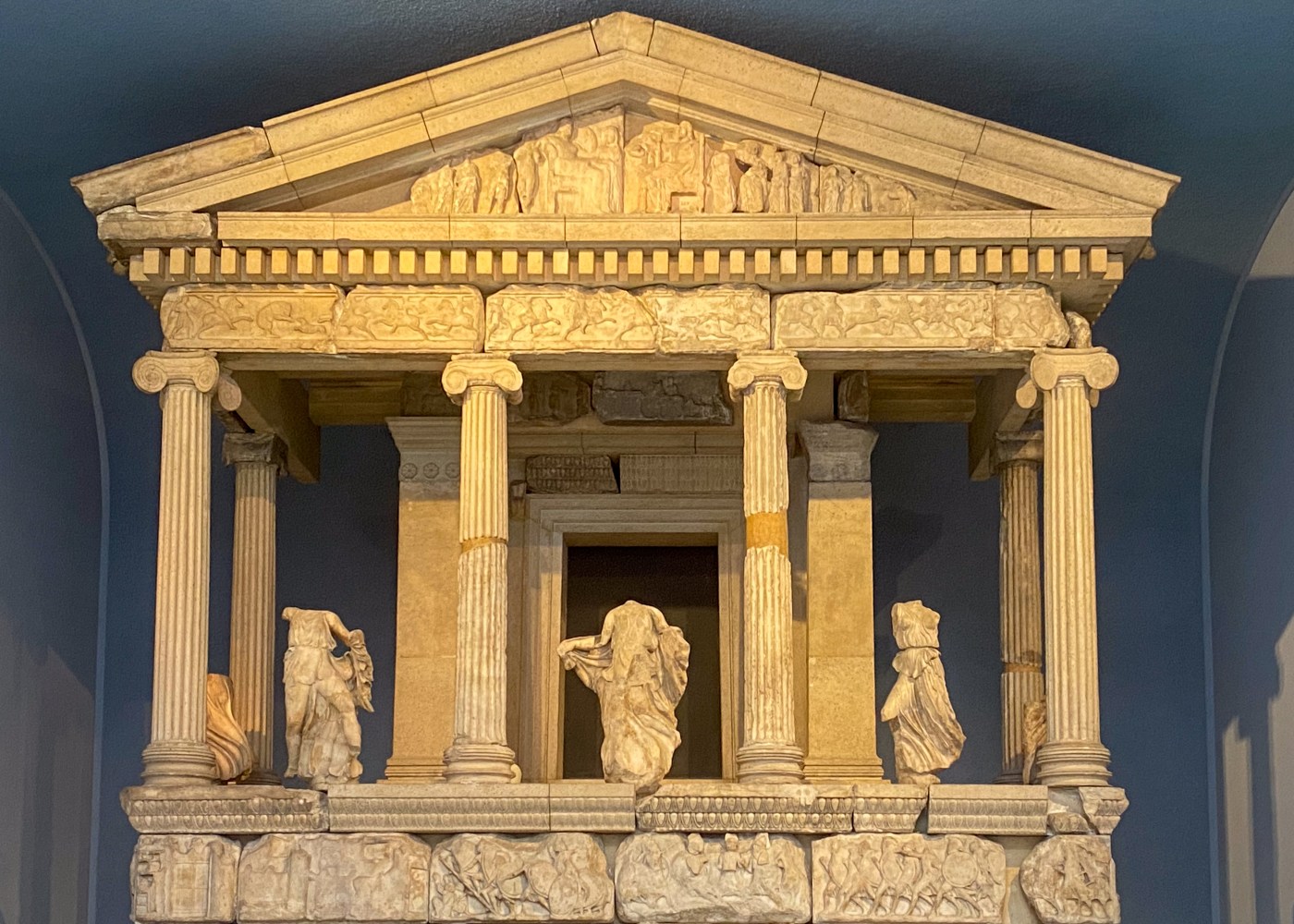
The British Museum is a public museum dedicated to human history, art, and culture. Its permanent collection of eight million works is the largest in the world. It documents the story of human culture from its beginnings to the present. The British Museum was the first public national museum to cover all fields of knowledge. The museum was established in 1753, largely based on the collections of the Anglo-Irish physician and scientist Sir Hans Sloane. It first opened to the public in 1759, in Montagu House, on the site of the current building. The museum’s expansion over the following 250 years was largely a result of British colonization and resulted in the creation of several branch institutions, or independent spin-offs, the first being the Natural History Museum in 1881. The right to ownership of some of its most well-known acquisitions, notably the Greek Elgin Marbles and the Egyptian Rosetta Stone, is subject to long-term disputes and repatriation claims. Some of the displayed objects we were able to see included: Tang dynasty figures, the Rosetta Stone, and the Hoa Hakananai’a – A colossal ancestor figure from Rapa Nui/Easter Island.

To the Churchilll War Rooms

British Museum

2024 UK and Scotland – Day 3

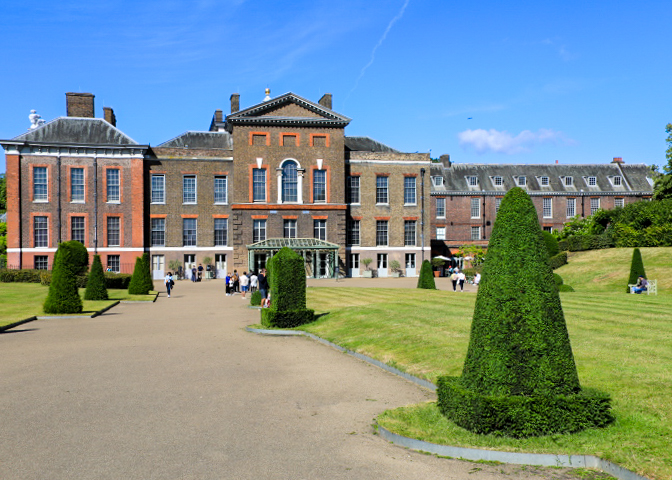
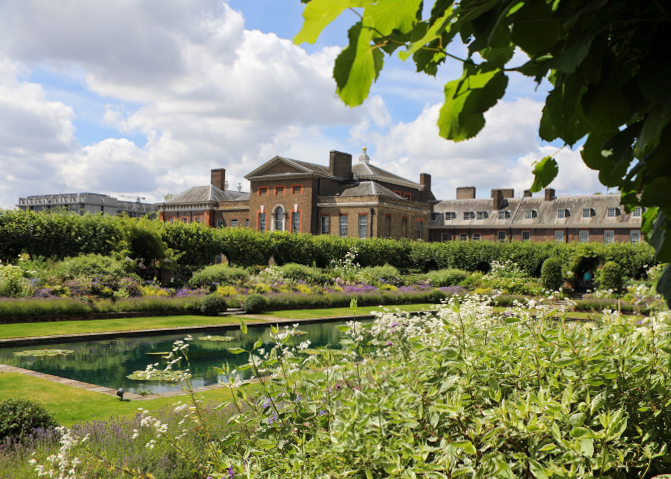
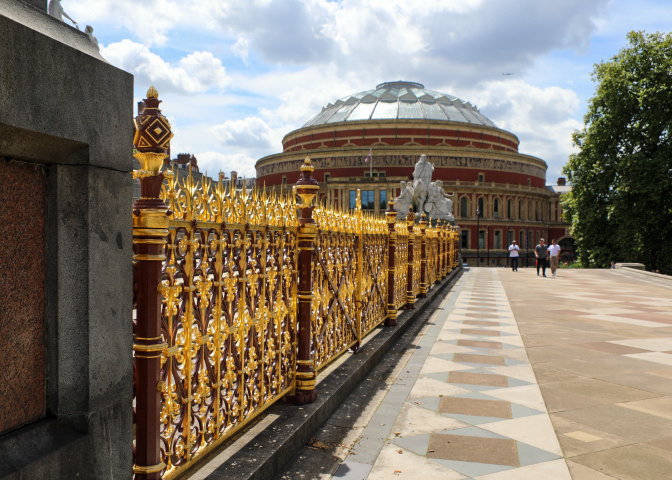
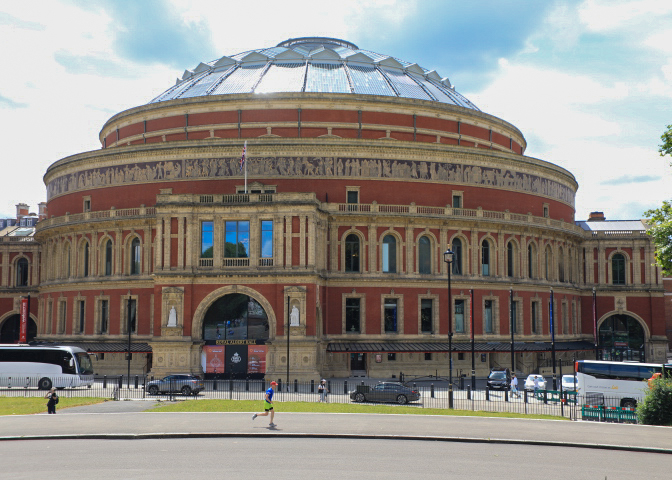
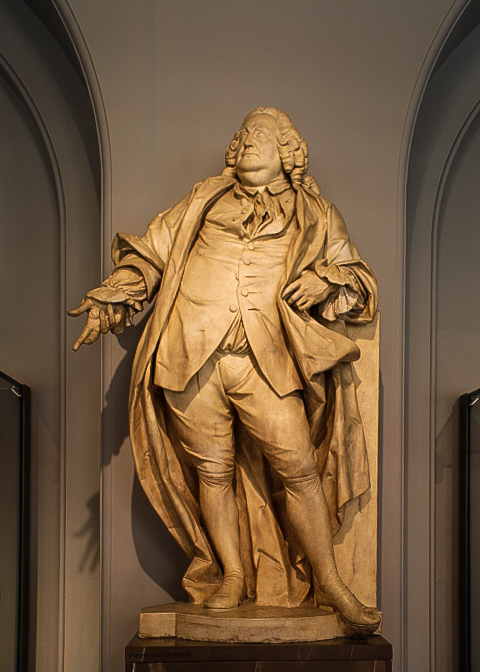
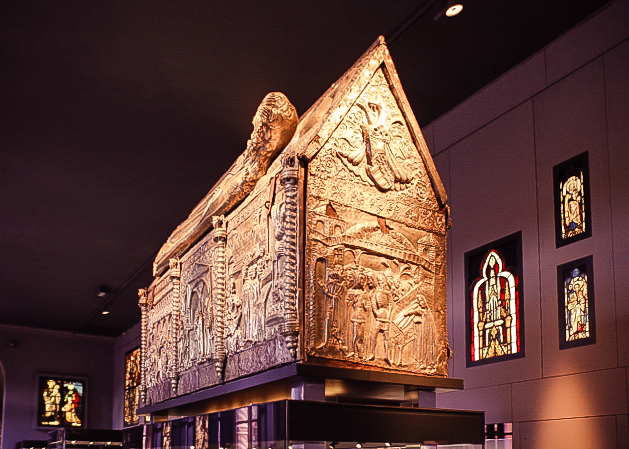
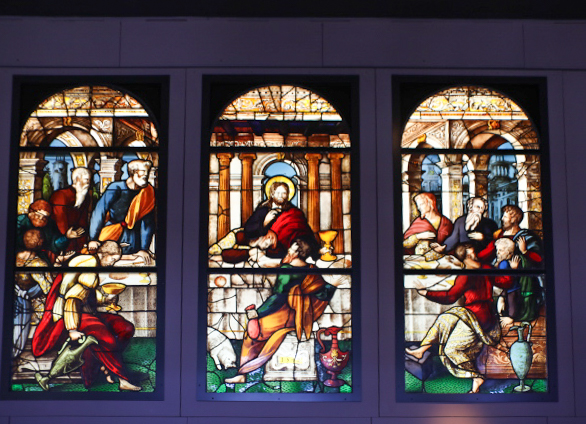
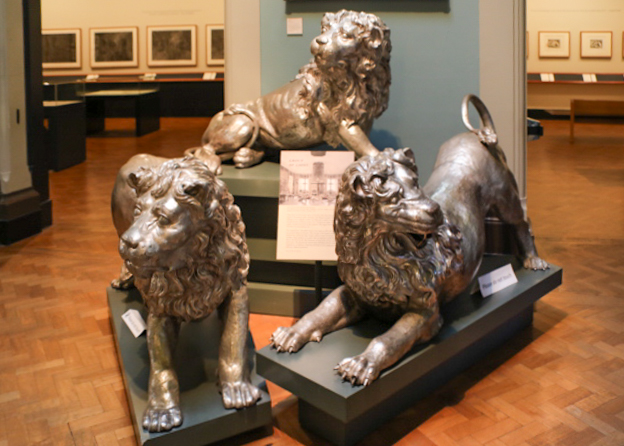
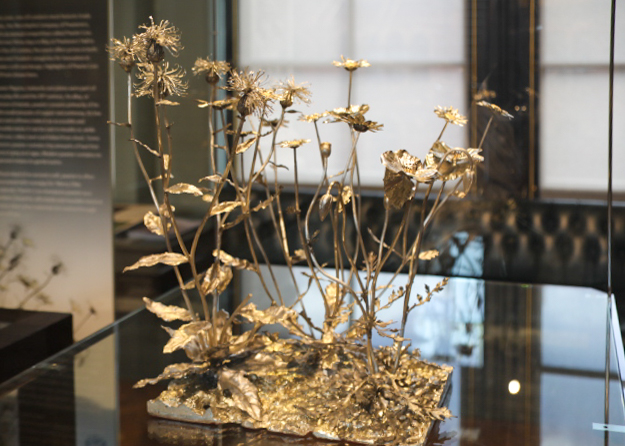
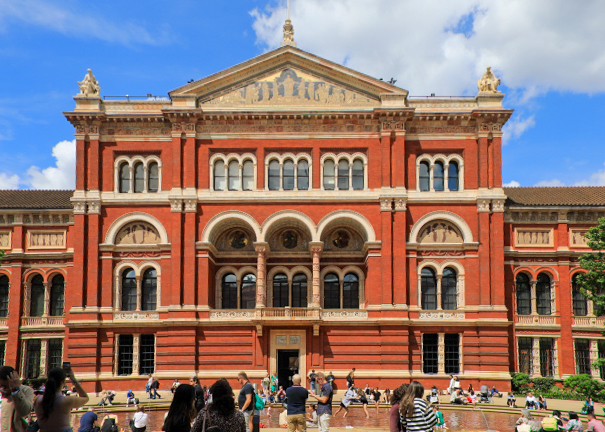
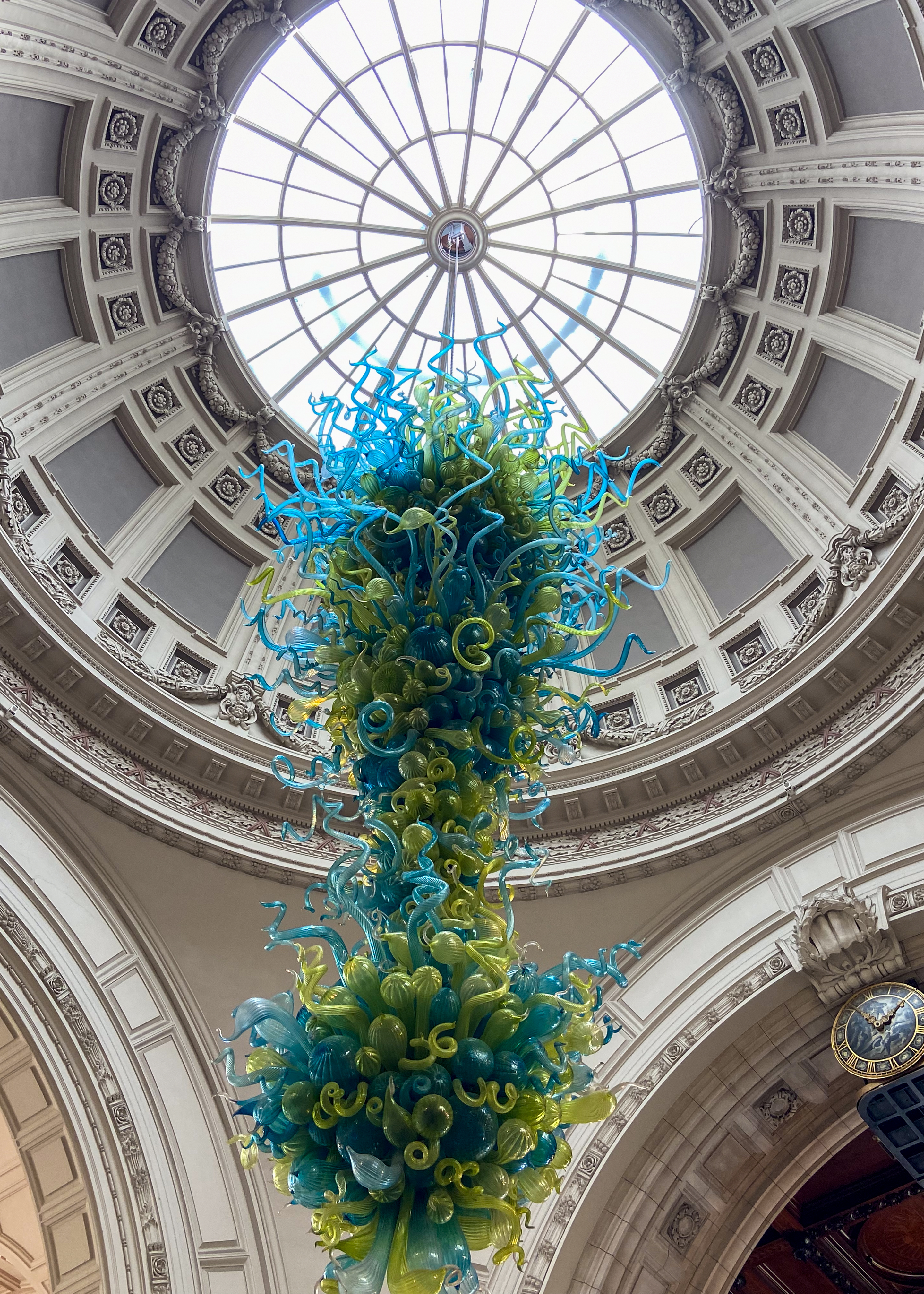
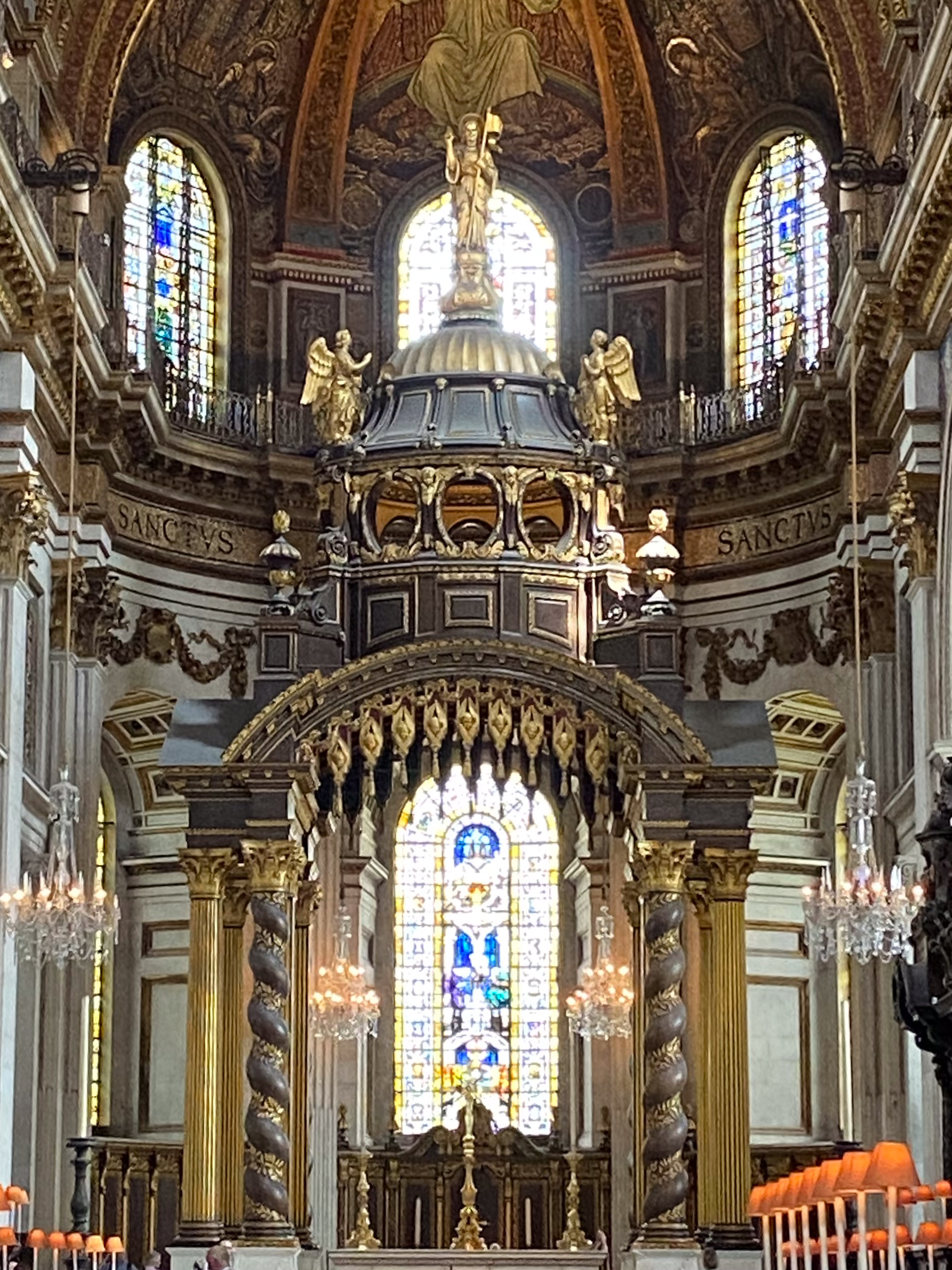
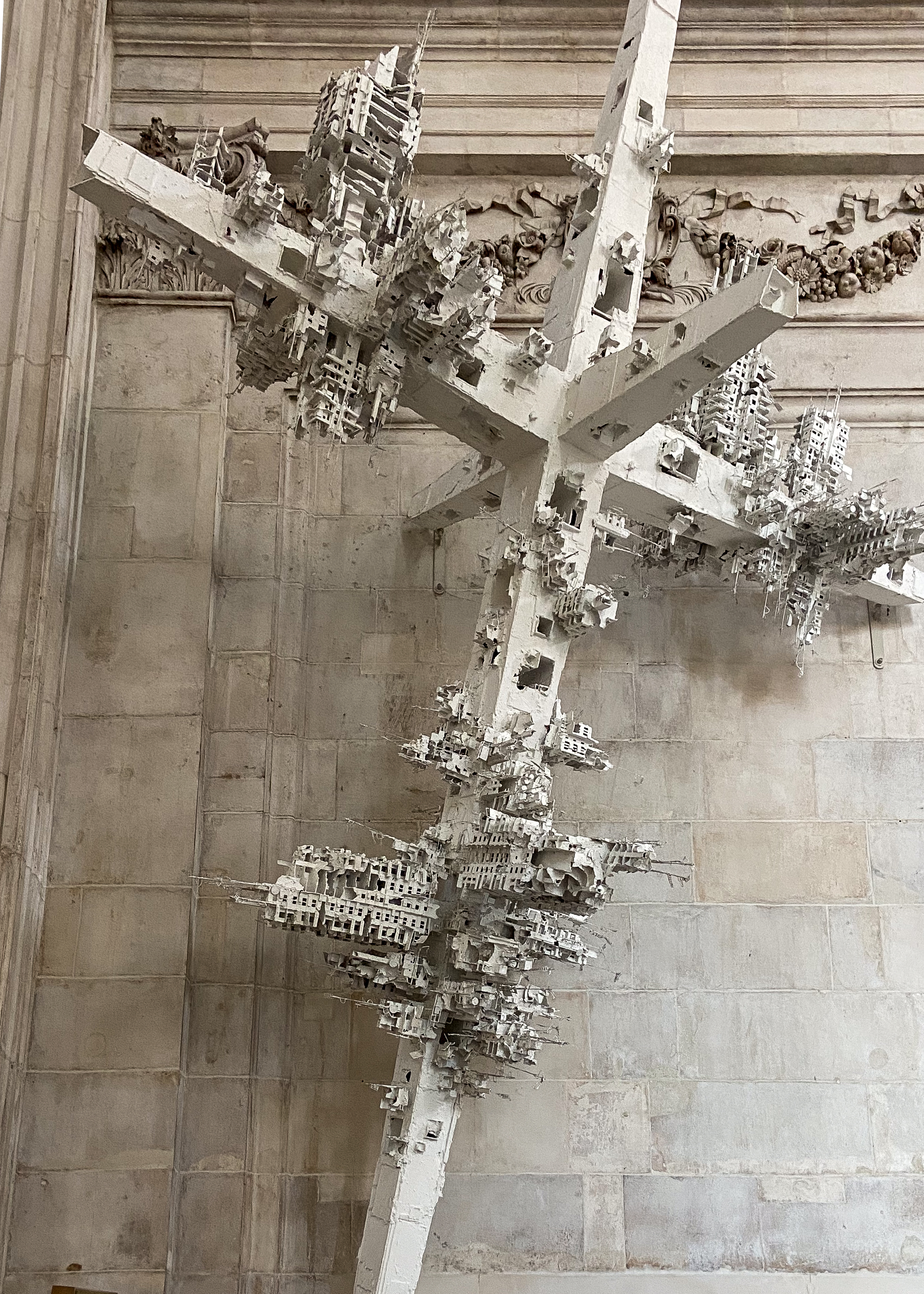
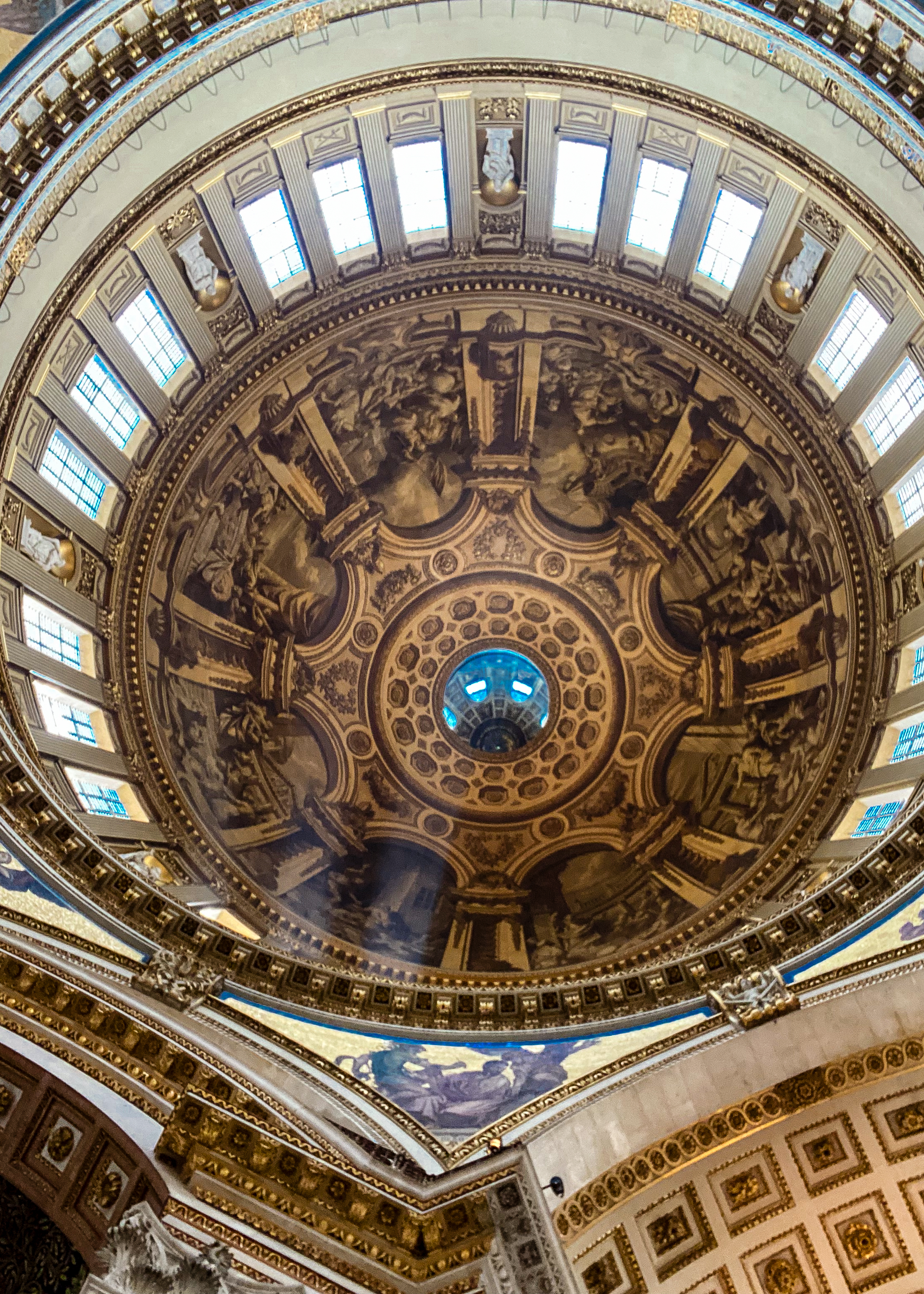
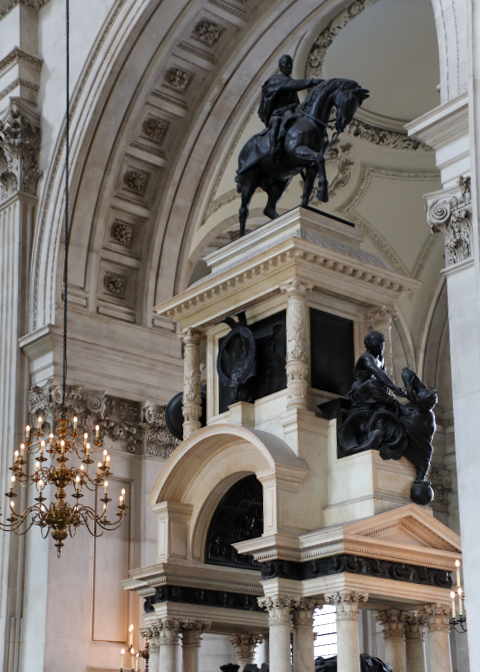
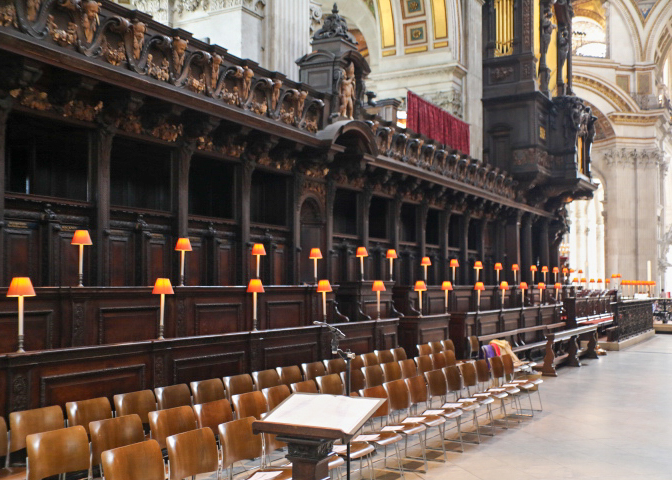
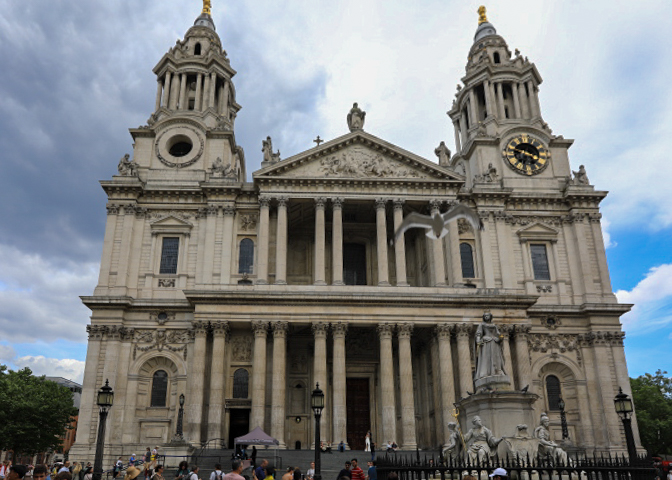
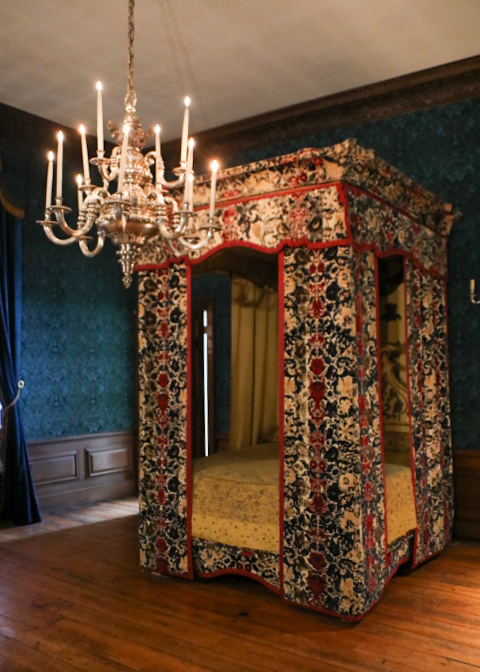
Continuing our London visit we headed to a 10:30 tour of Kensington Palace, the Sunken Garden (dedicated to princess Diana) and Kensington Gardens. The palace is divided into two halves – public rooms including the Queen’s and King’s state apartments and the private areas of the royal family. From there we headed to the Albert Memorial, Royal Albert Hall and the Victoria and Albert Museum (focusing on Sculpture, Silver and Stained-glass galleries). We concluded our day visiting St. Pauls’ Cathedral (where we climbed halfway up the dome 275 steps).

Kensington Palace & Gardens

Albert Memorial, Royal Albert Hall and the Victoria and Albert Museum

St. Paul’s

2024 UK and Scotland – Day 1 & 2

Well, our first day did not happen. After spending 5 hours at MCO British Air informed us that our flight was being cancelled. We rented a car and drove back to Plantation Bay for the night – since we were rescheduled for the same flight the next day.

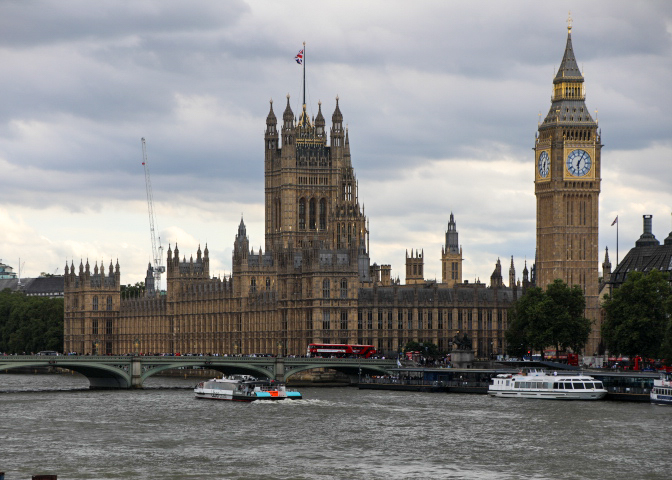
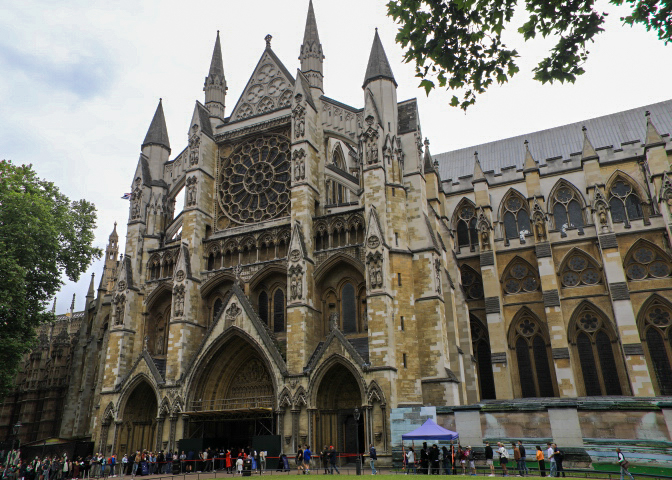
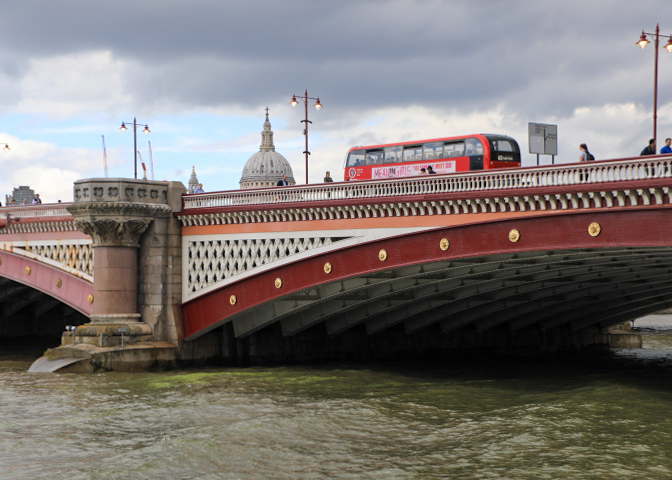
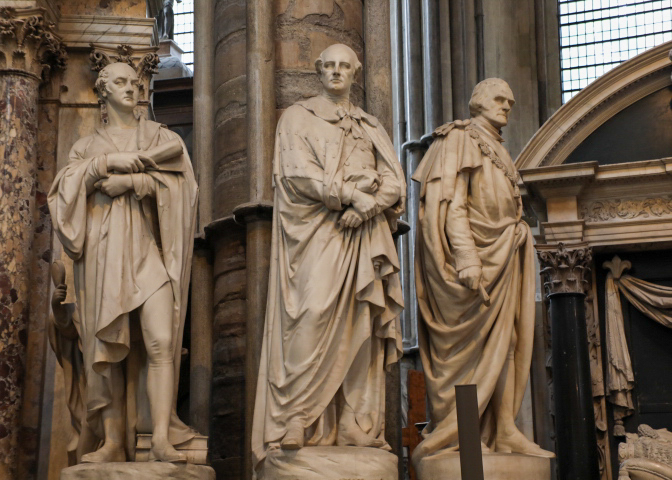
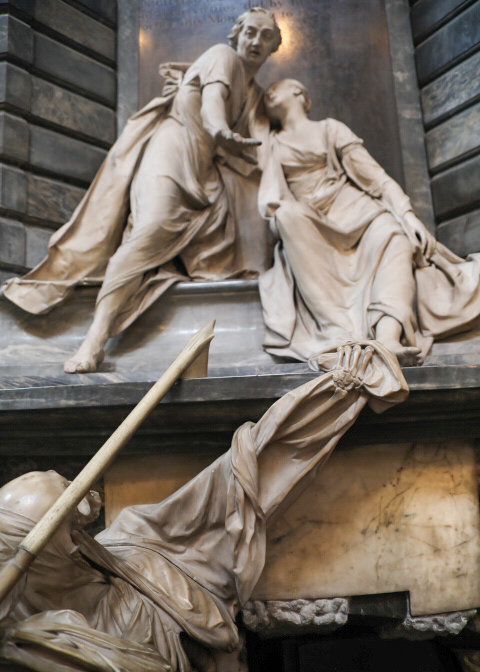
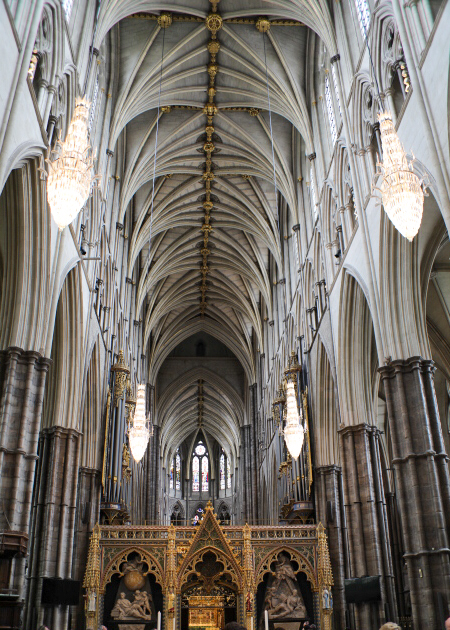
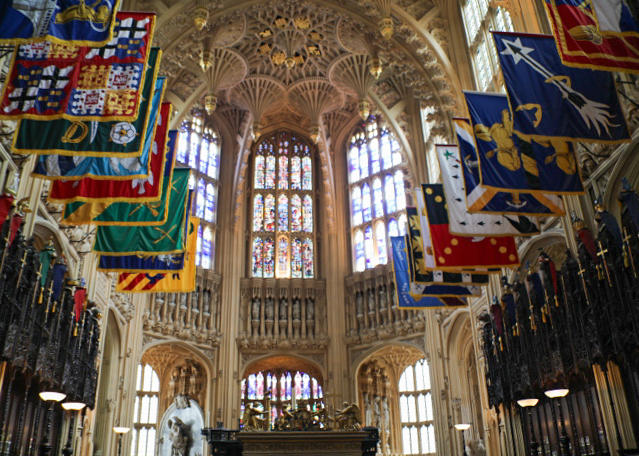
On day 2 we finally flew British Air (overnight) to Gatwick Airport outside of London then took the Gatwick Express and the “tubes” to our hotel at Trafalgar Square. After depositing our luggage at the hotel, we began our walking tour of London (albeit modified for our lost day). Strolling along Whitehall Street past the National Gallery, Trafalgar Square, government buildings. the Parliament and Big Ben to Westminster Abby. Much of the church as we see it today was built by Henery the 3rd between 1245 and 1272. Burial in the Abbey (a privilege confined to royalty and a few of the aristocracy in the Middle Ages) became much more common after the Reformation, and the side chapels in particular – stripped of their medieval alters and furnishing – began to fill with tombs. More the 3000 people are buried or commemorated in the church or cloisters. After. the Abby we crossed the Millennium Bridge getting views up and down the River Thames. Then into the Tate Modern Museum for a rapid run through, a quick look at the Globe Theater and a long walk back to our hotel in Traflagar Square but enjoying the views in. the Embankment Gardens.

Blog at WordPress.com.

Up ↑