Search

Travelling Photographer

Photos and commentary from my travels around the globe

Japan Tour 2025 Day #10

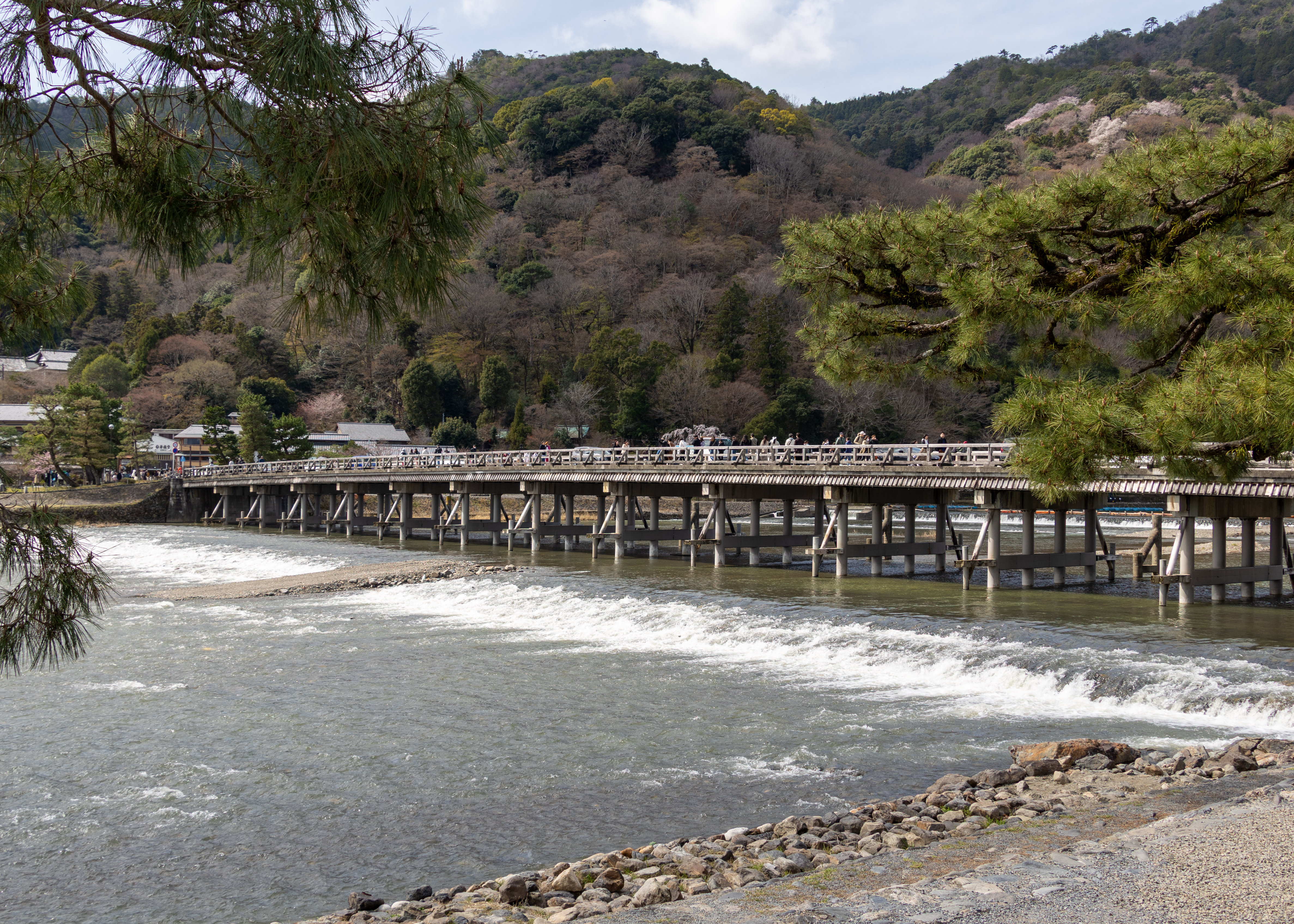
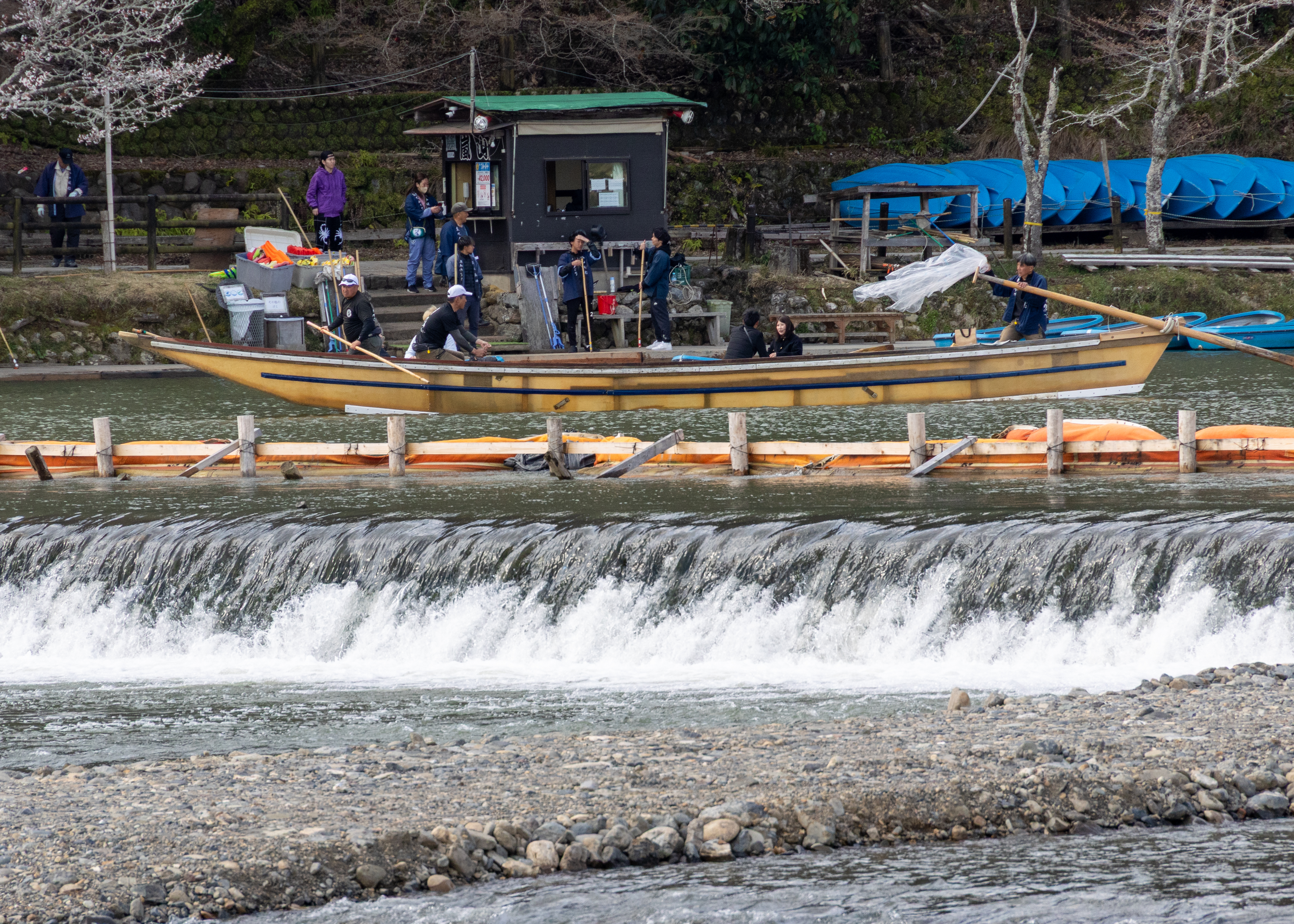
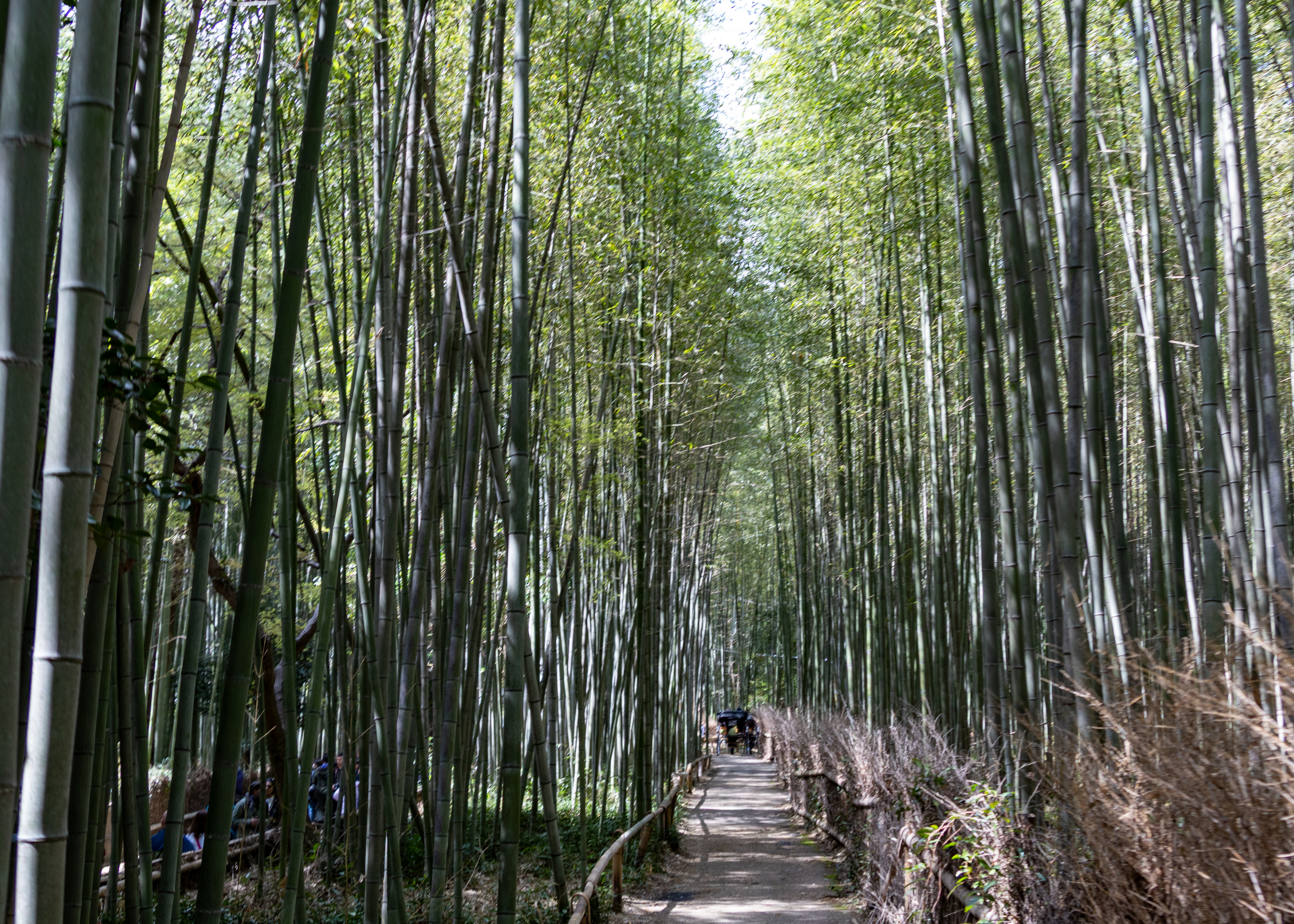
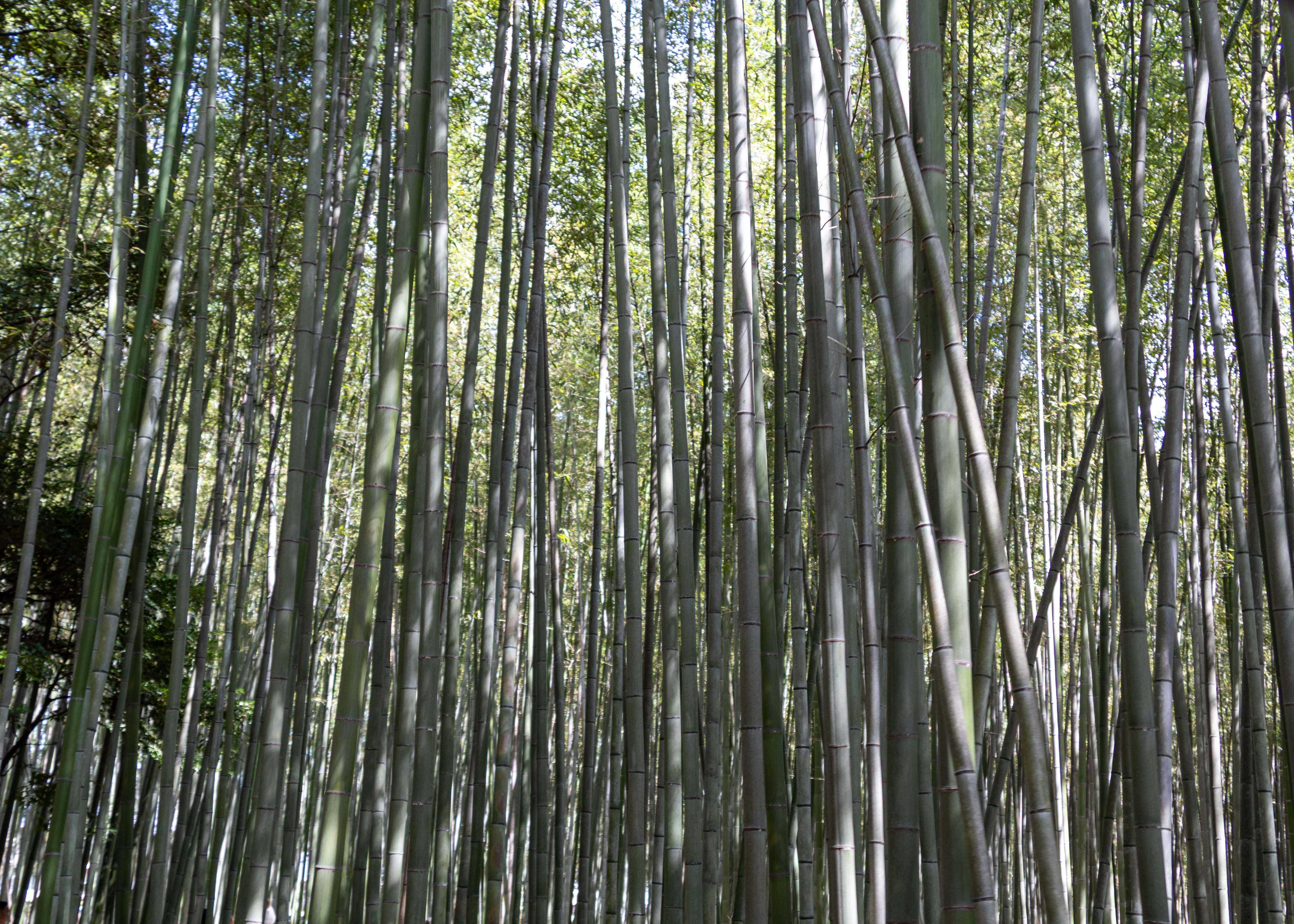
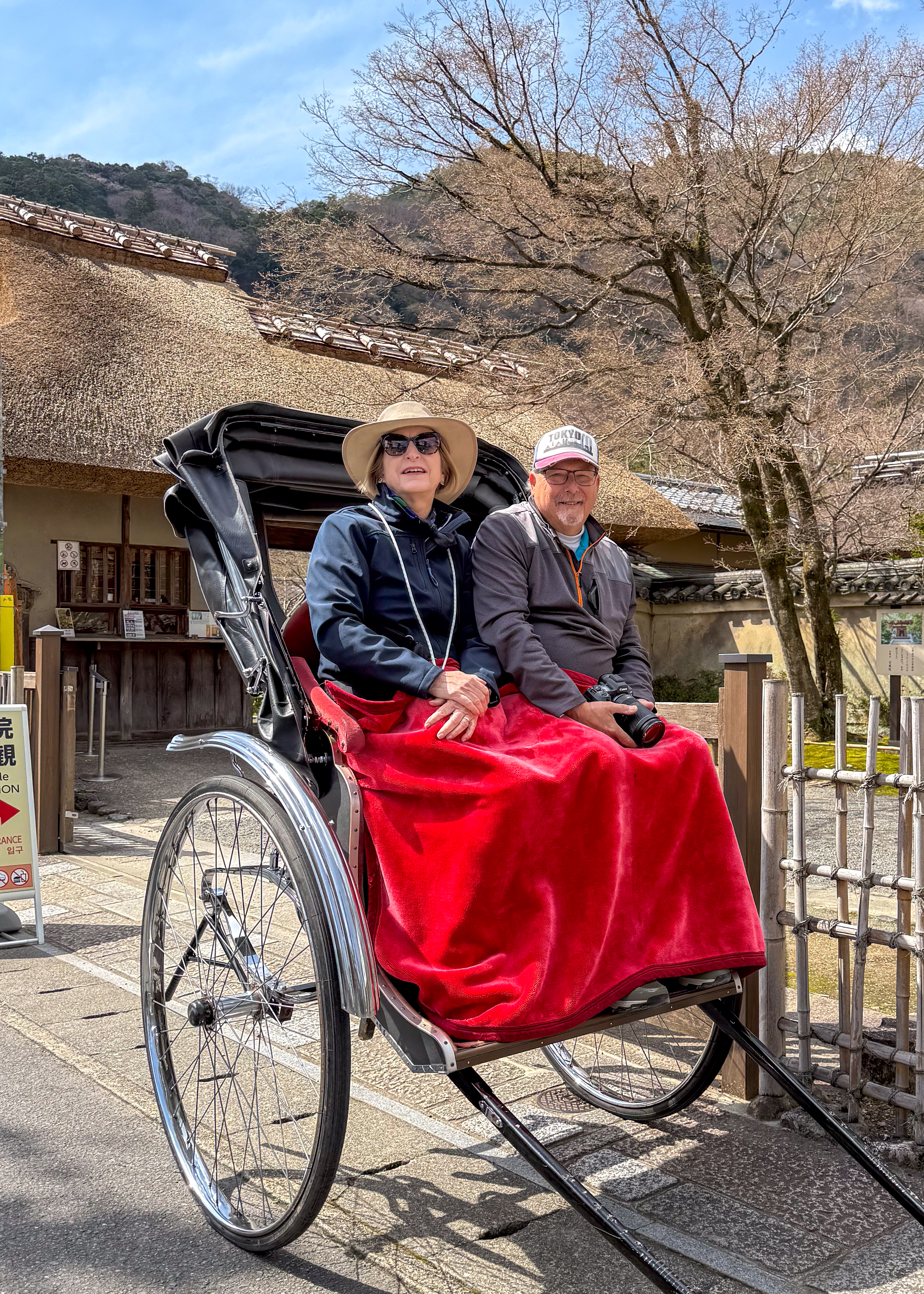
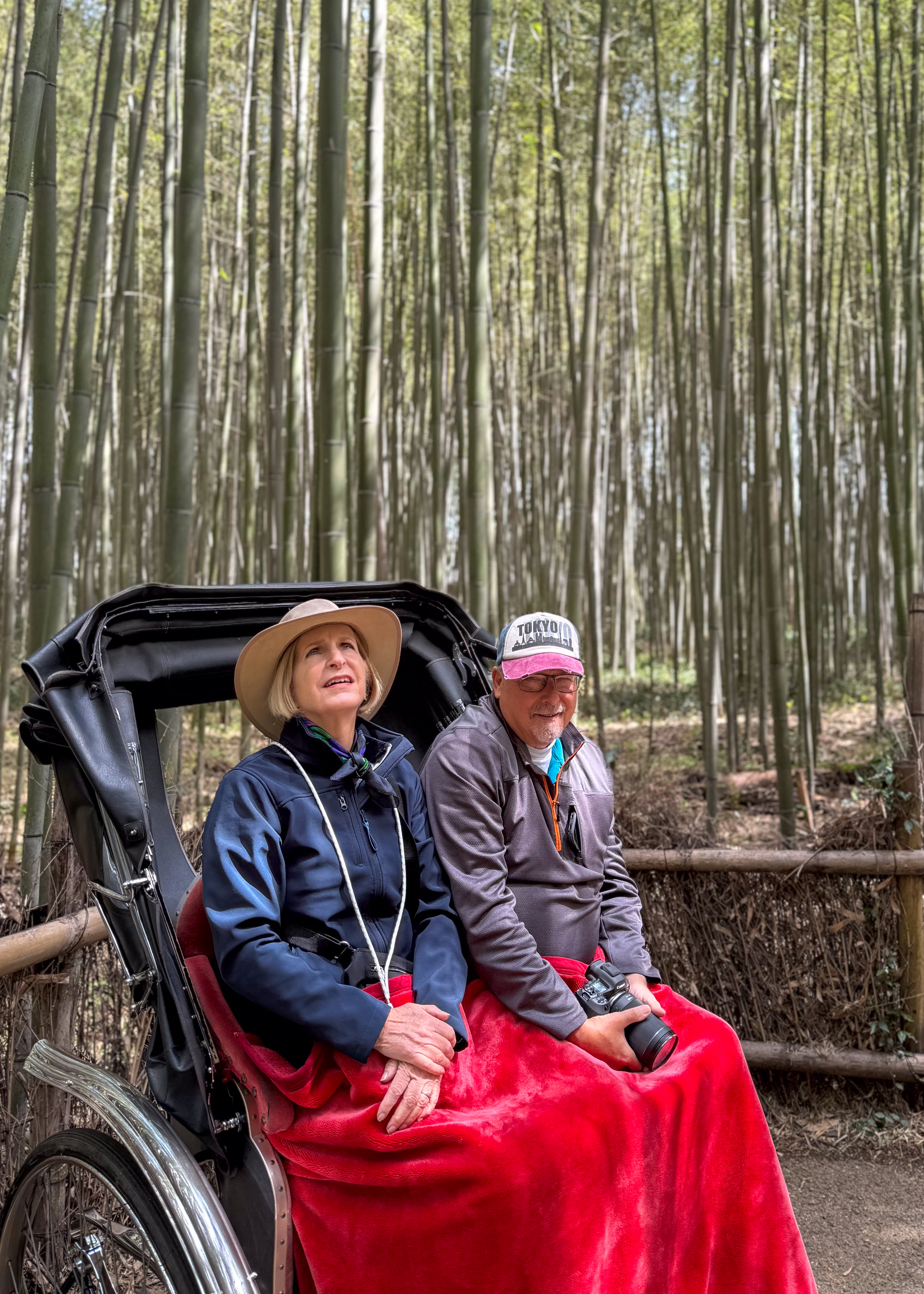
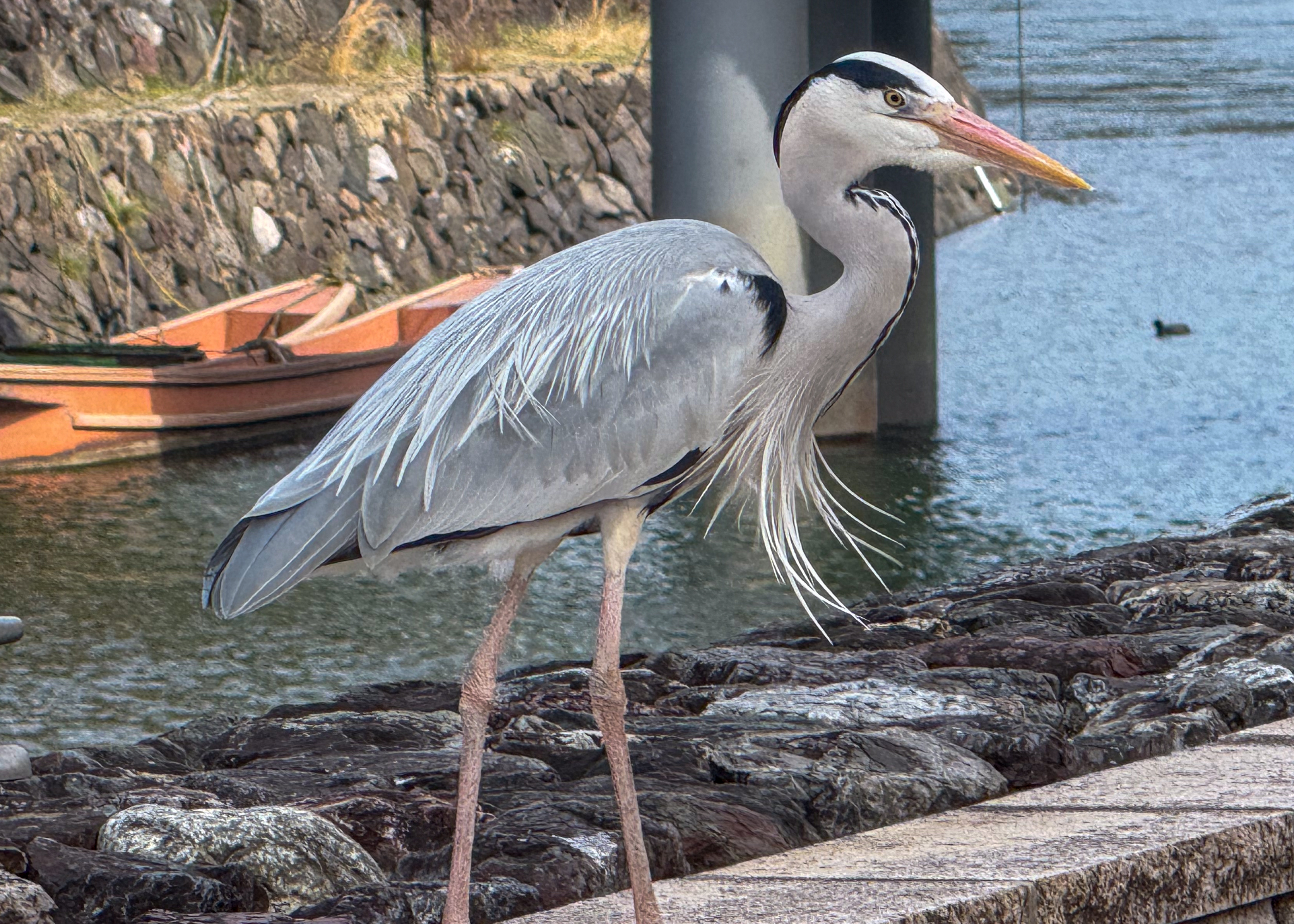
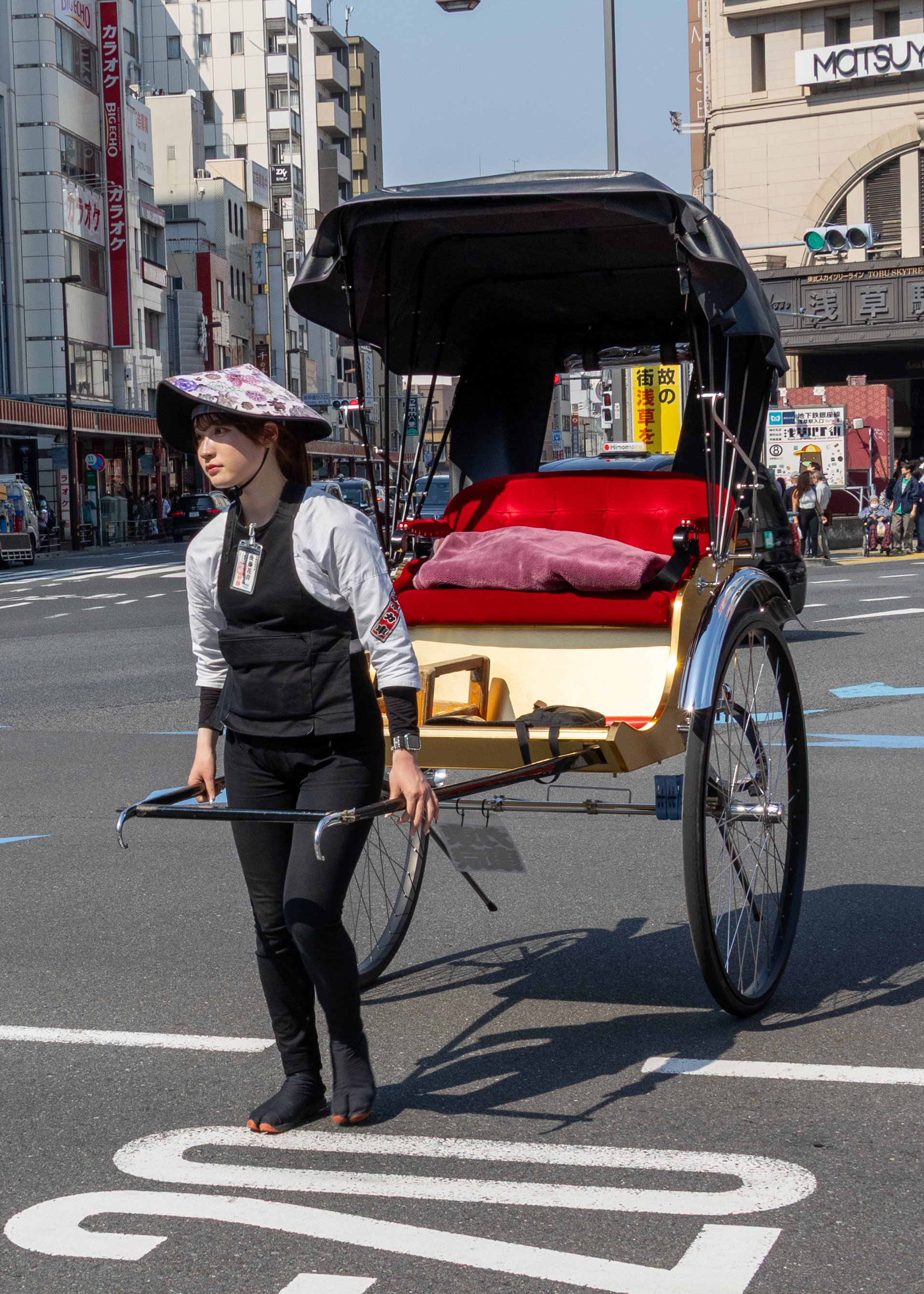
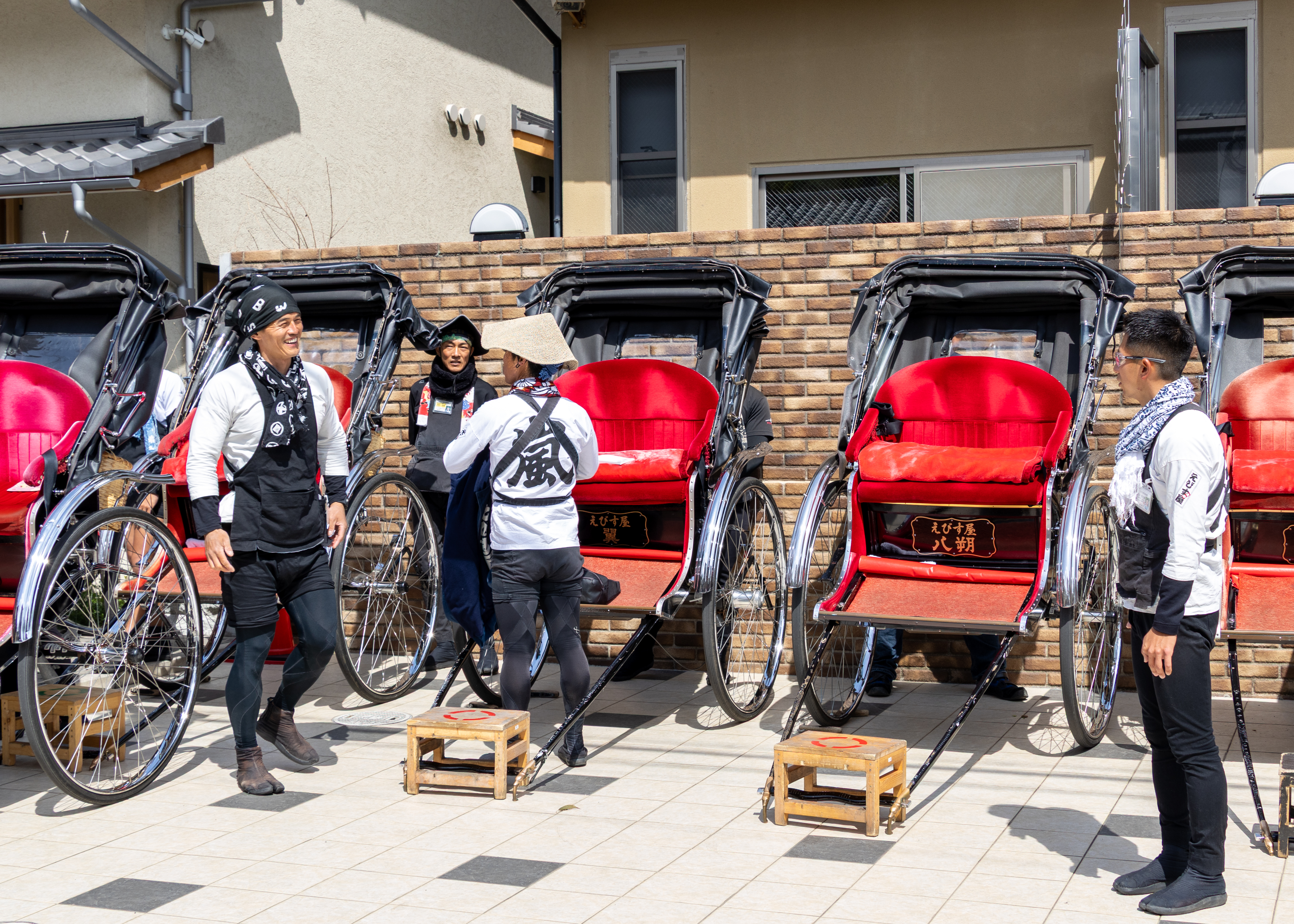
Started the day at Arashimaya Bamboo Forest located in the village of Sagano in Kyoto– and with a rickshaw ride among its soaring stalks of bamboo was other worldly but it was a fun experience. Also, a highlight of the area is the Togetsukyo Bridge, which is 155 meters built across the Katsura River, a well-known place of scenic beauty – so they say.

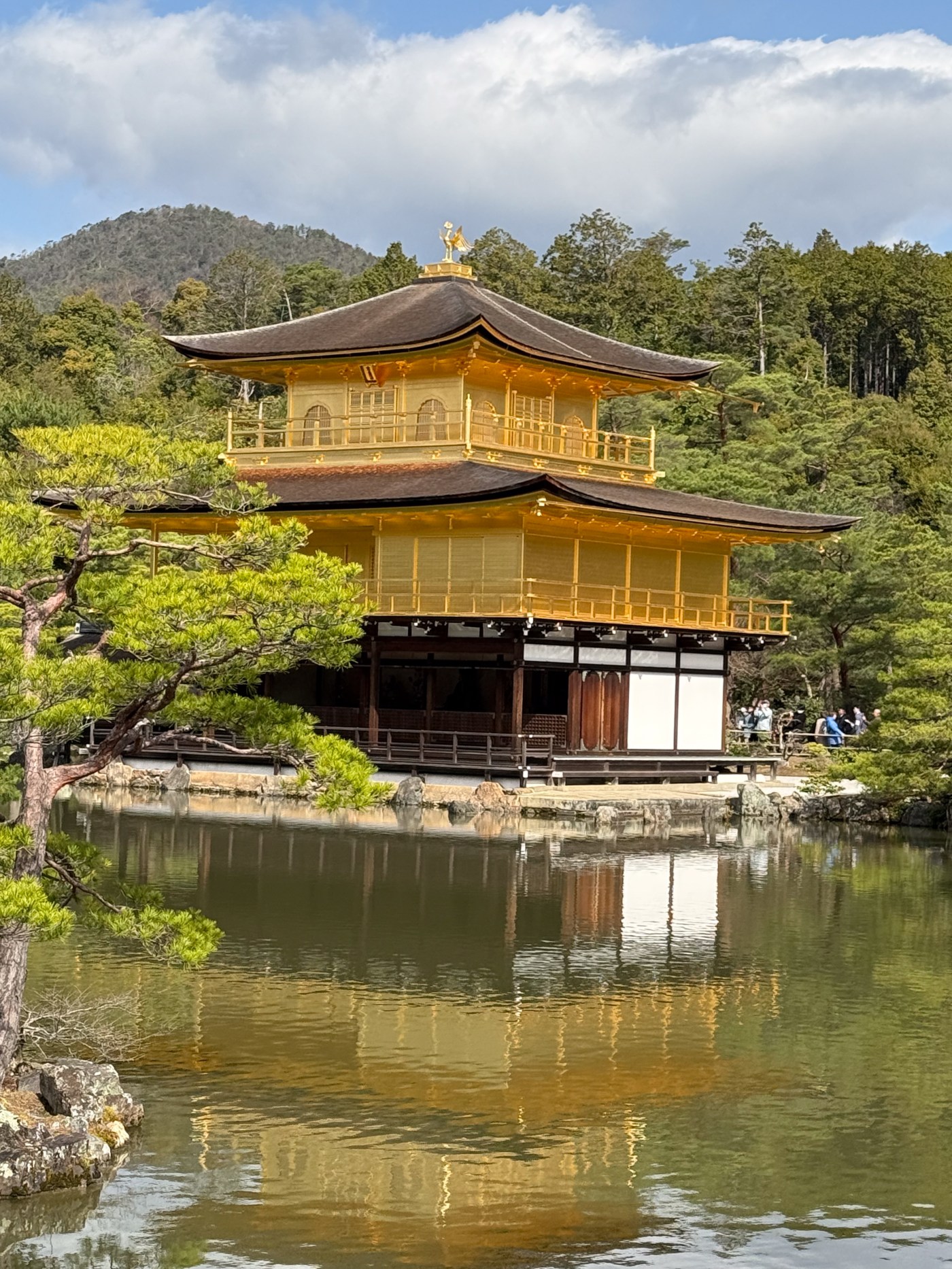
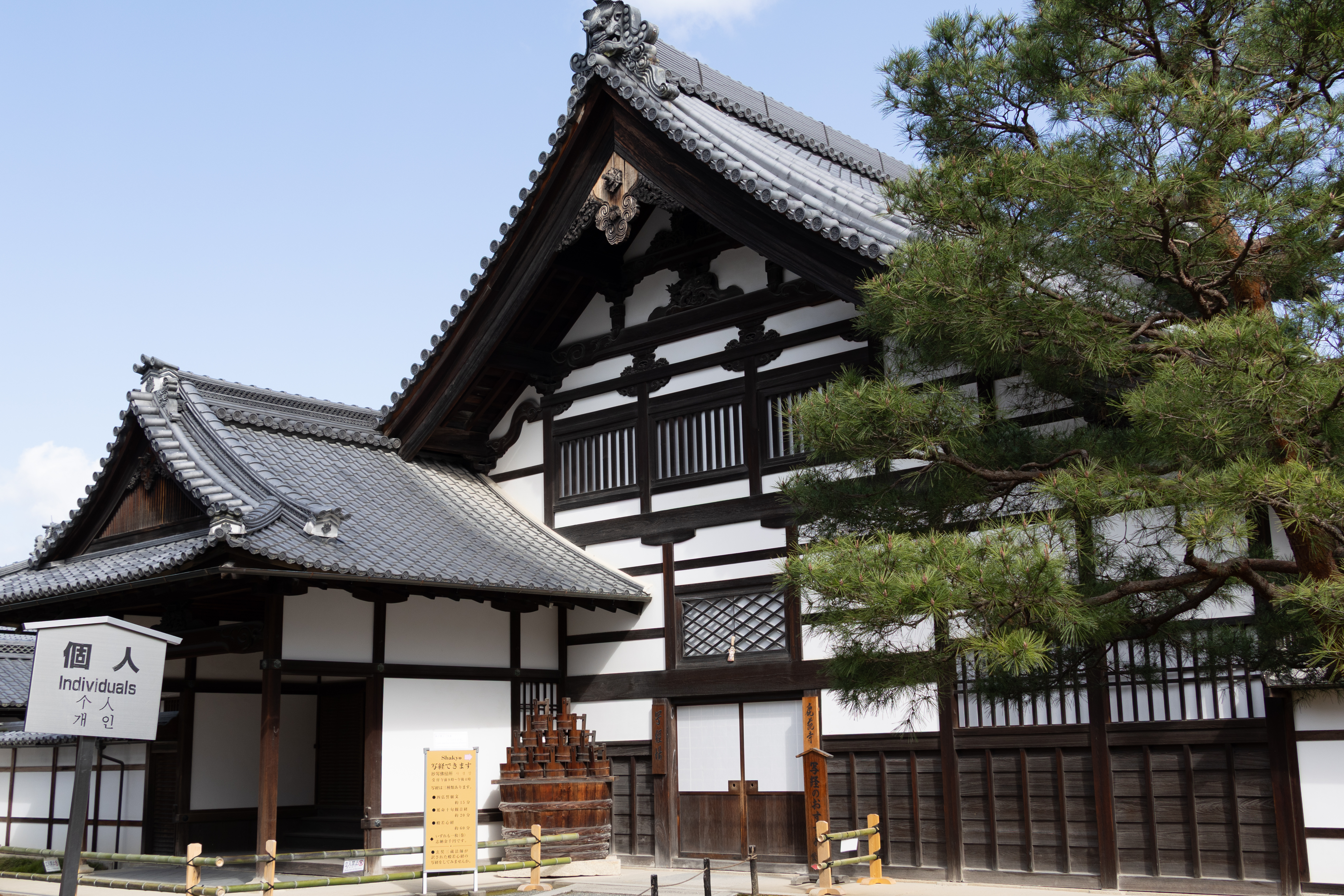
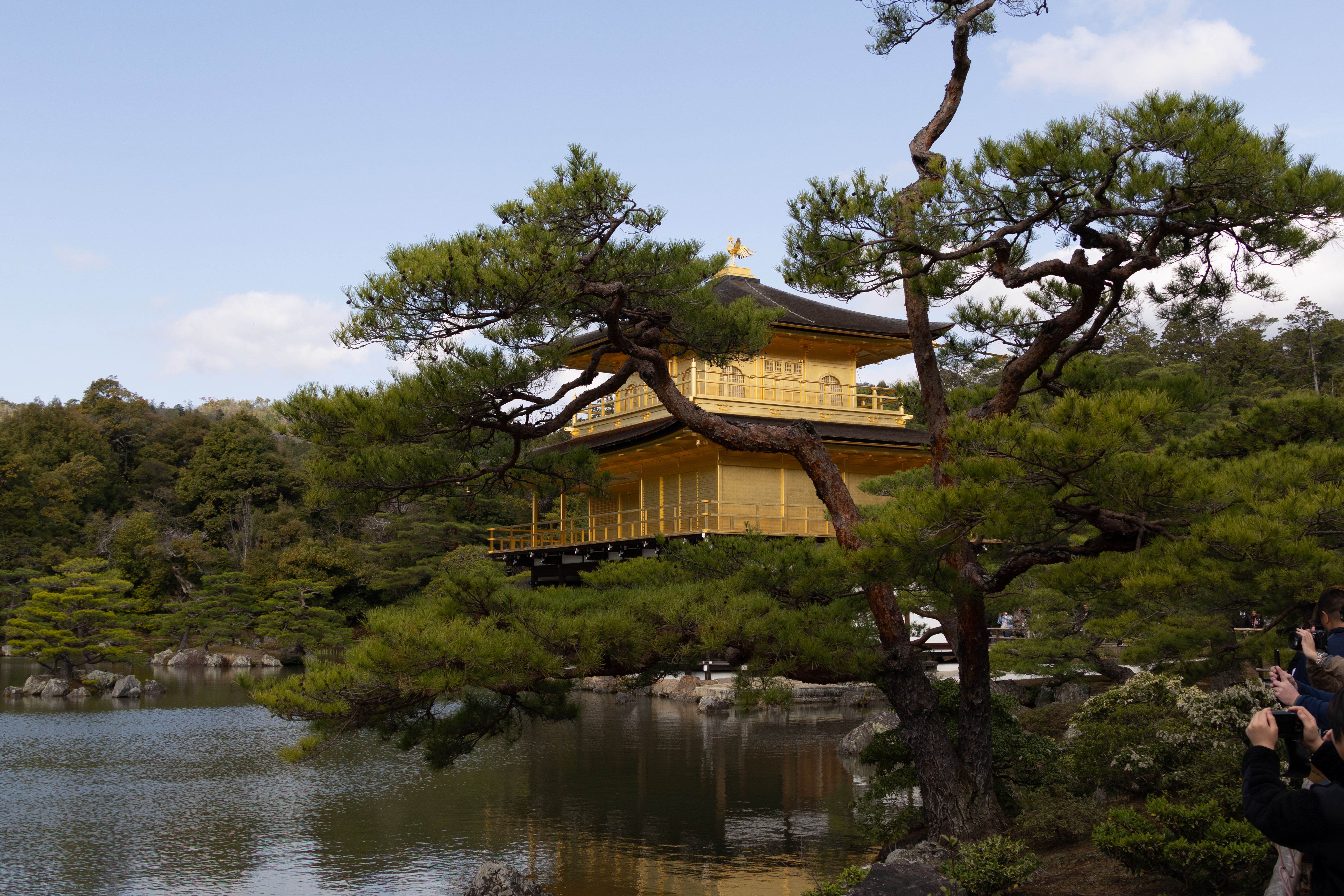
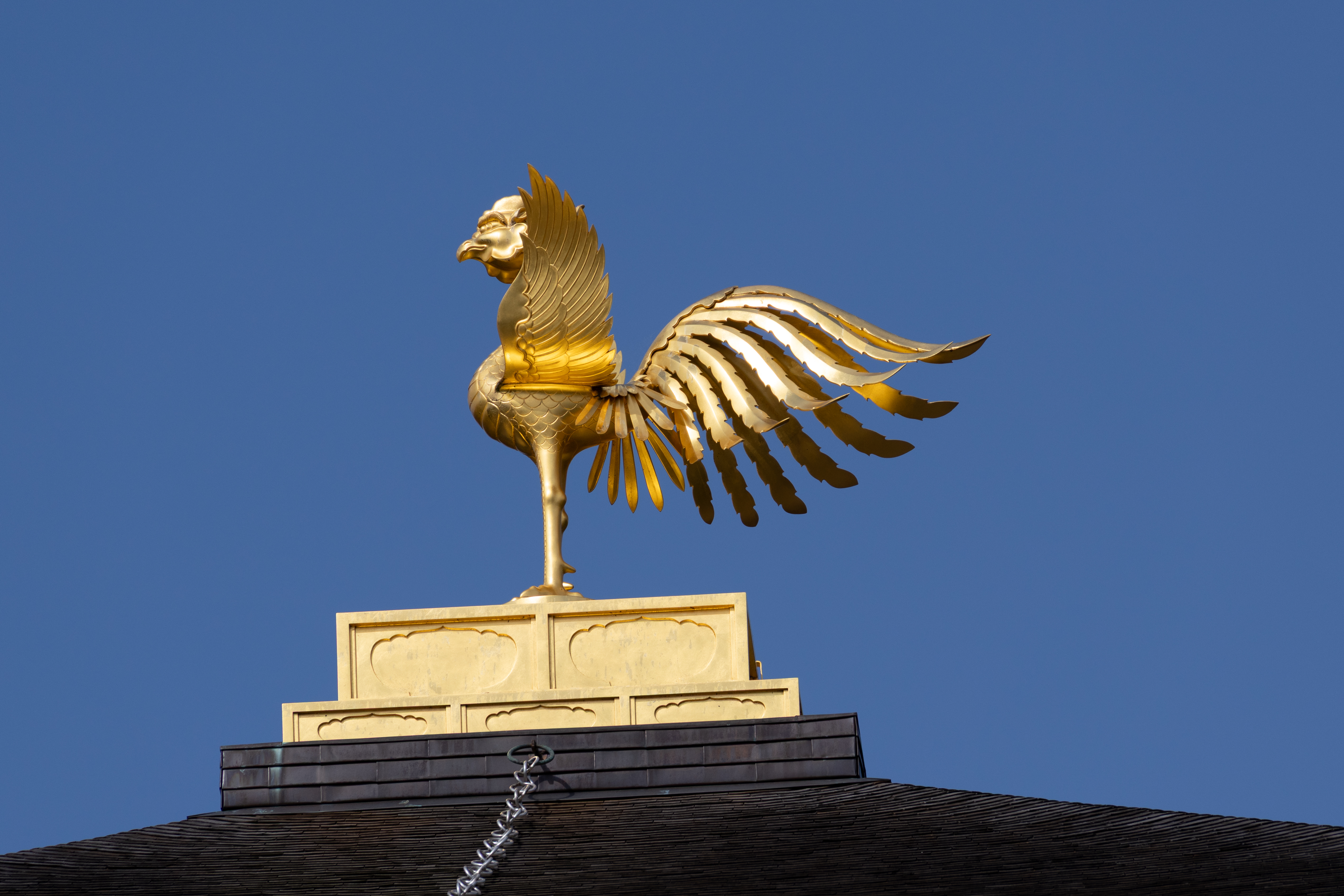
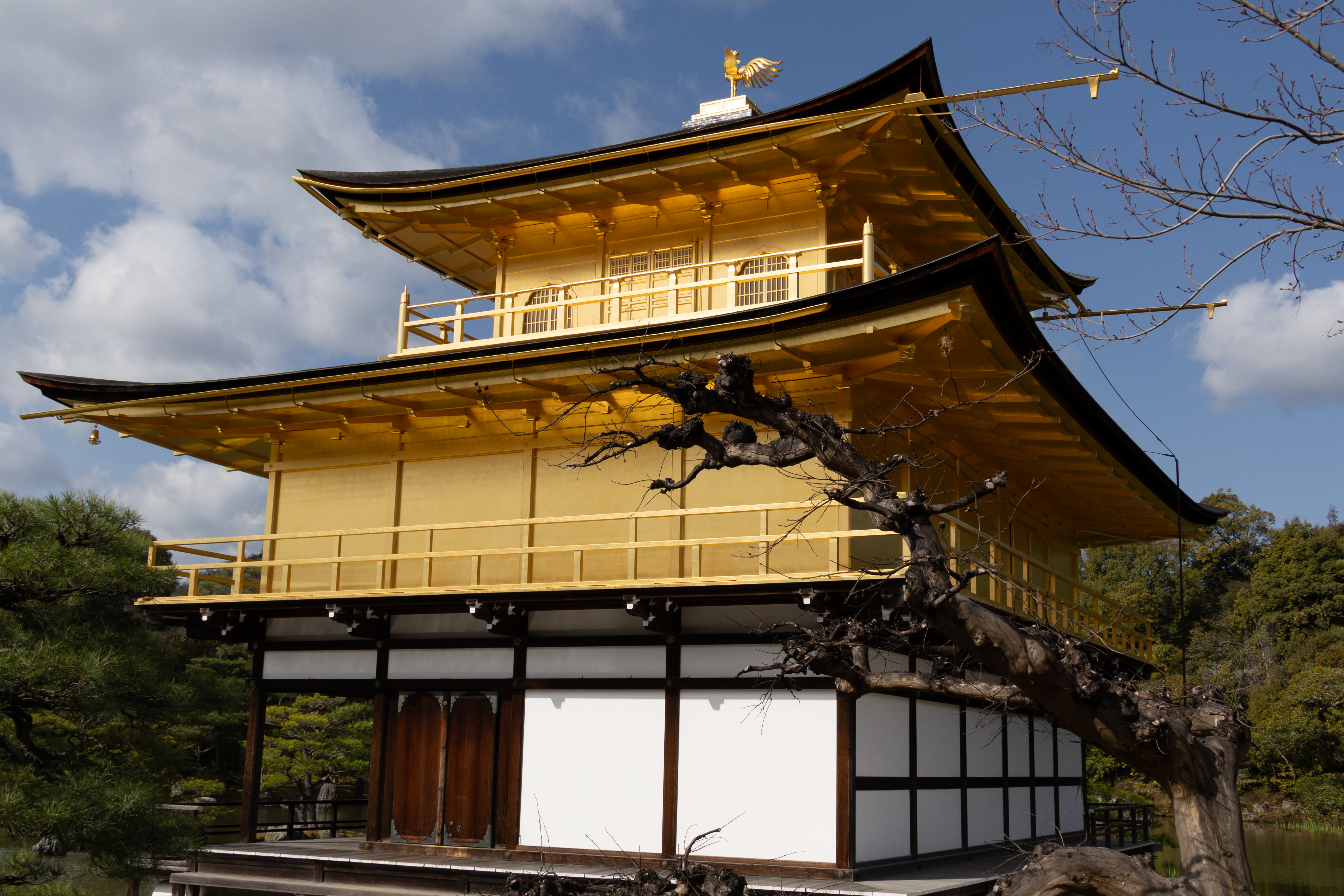
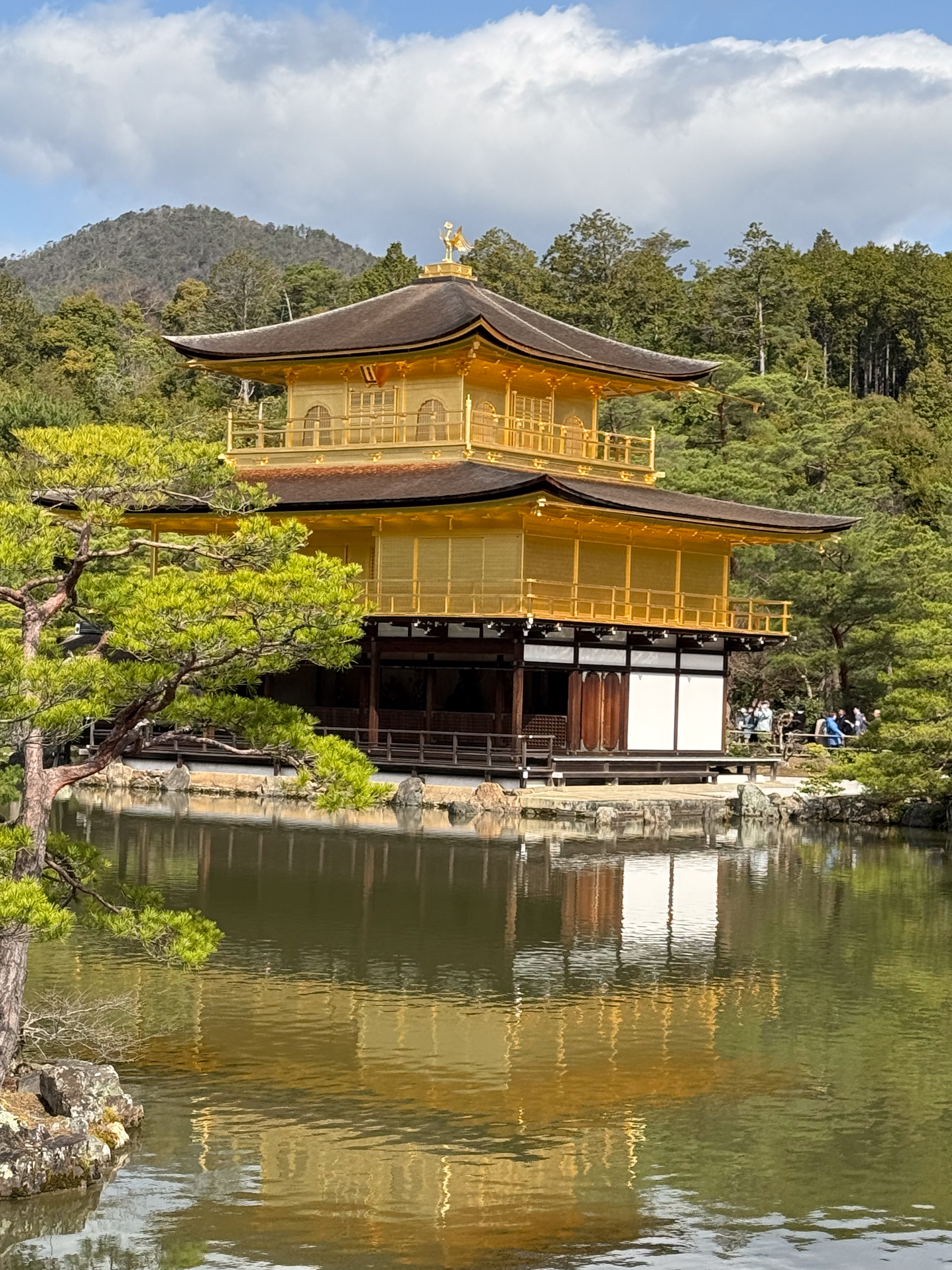
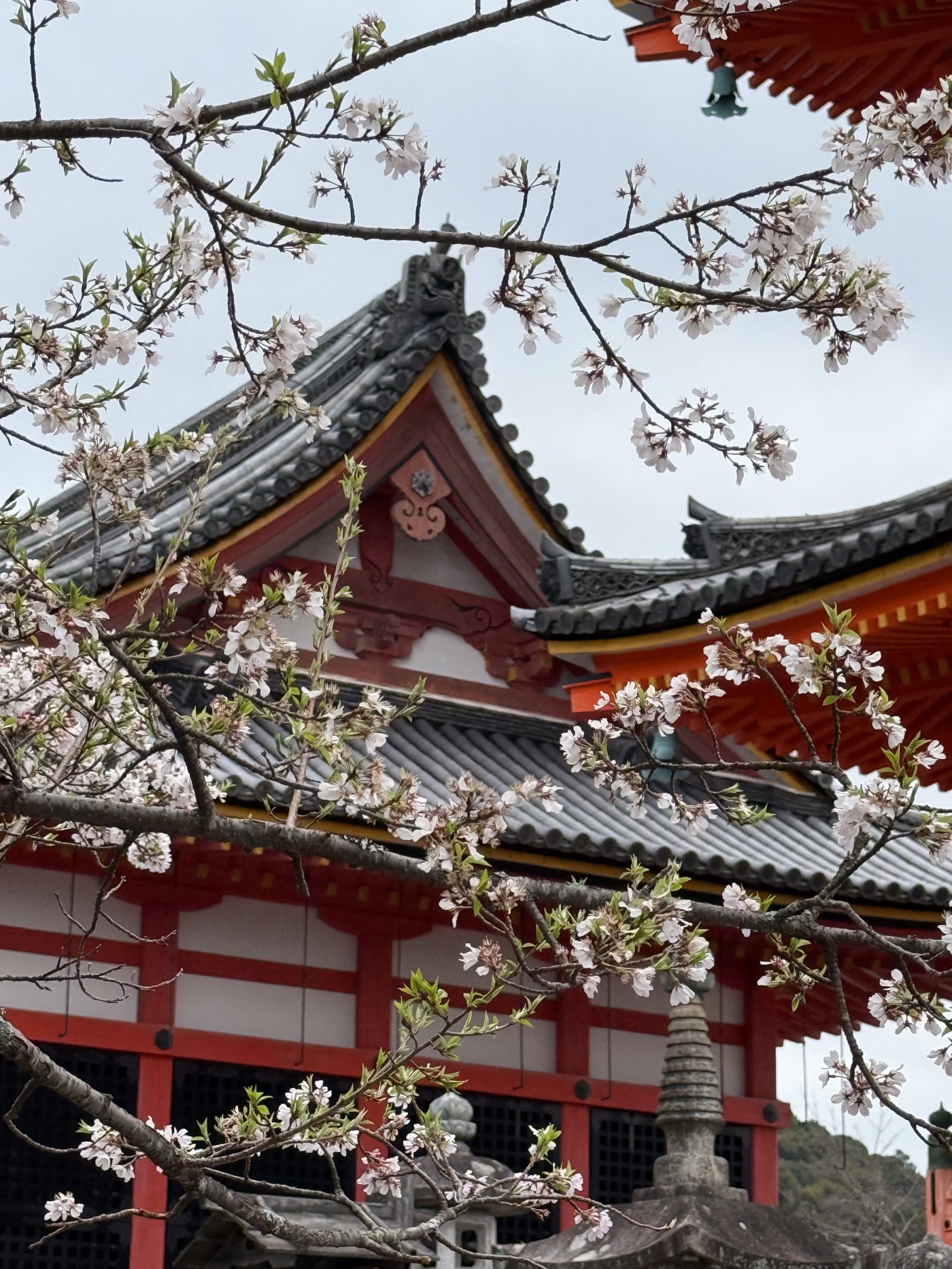
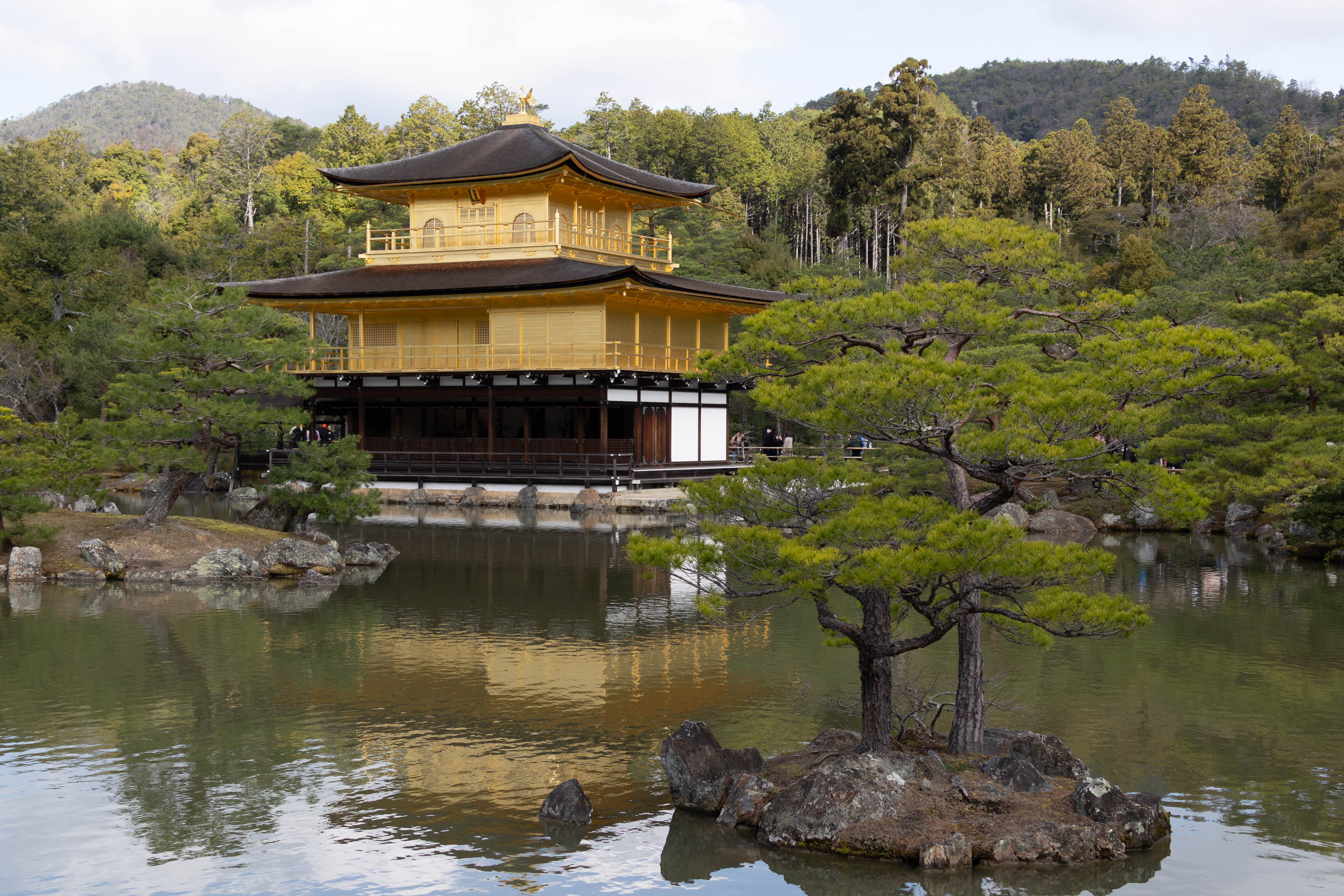
Our next stop was the Golden Pavilion, or Kinkaku-ji, whose top floors are completely covered in gold leaf. This is a Zen Buddhist temple in Kyoto. It is designated as a world heritage site and one of the 17 historic monuments of Kyoto. The temple was a retirement villa of a shogun.

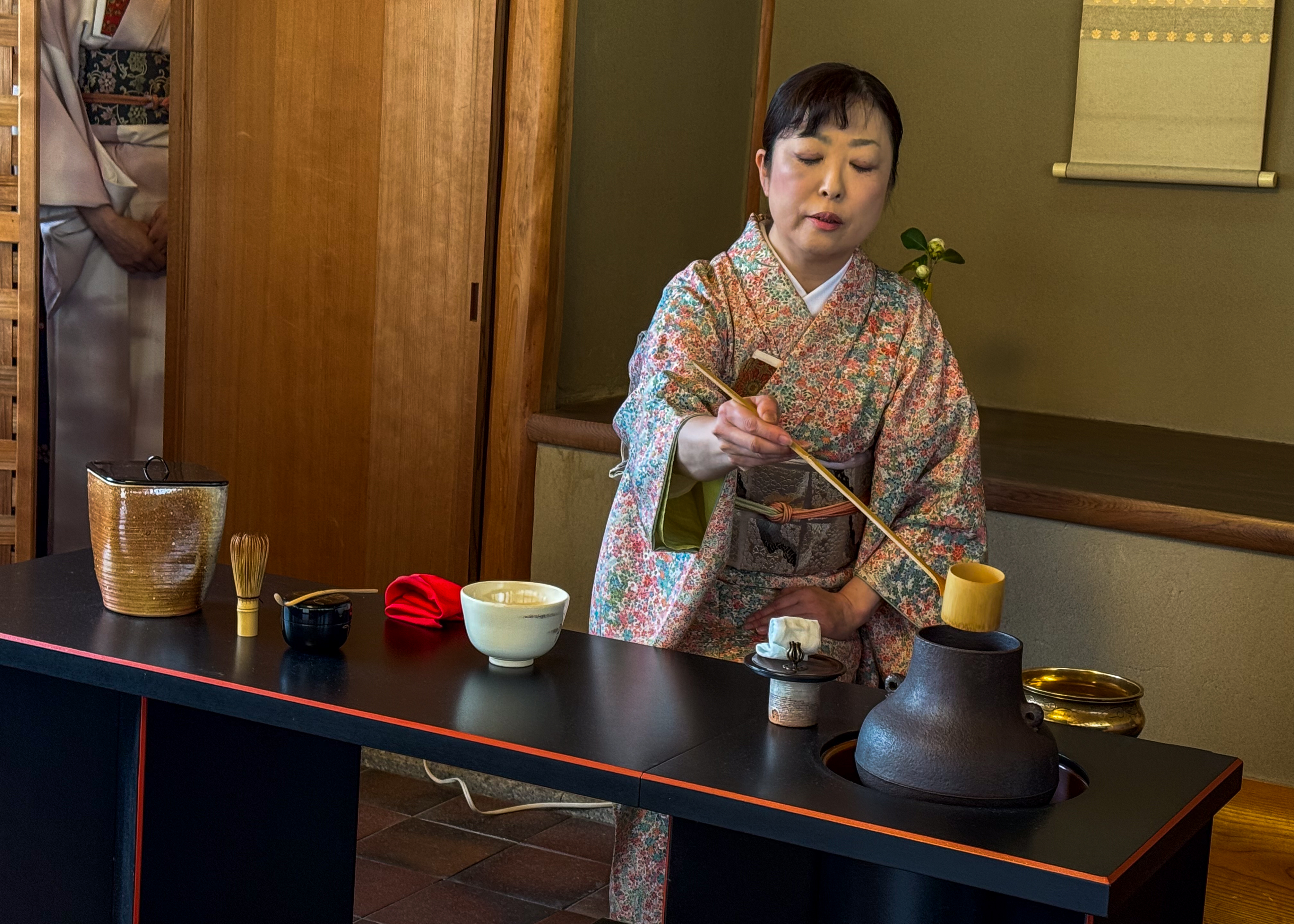
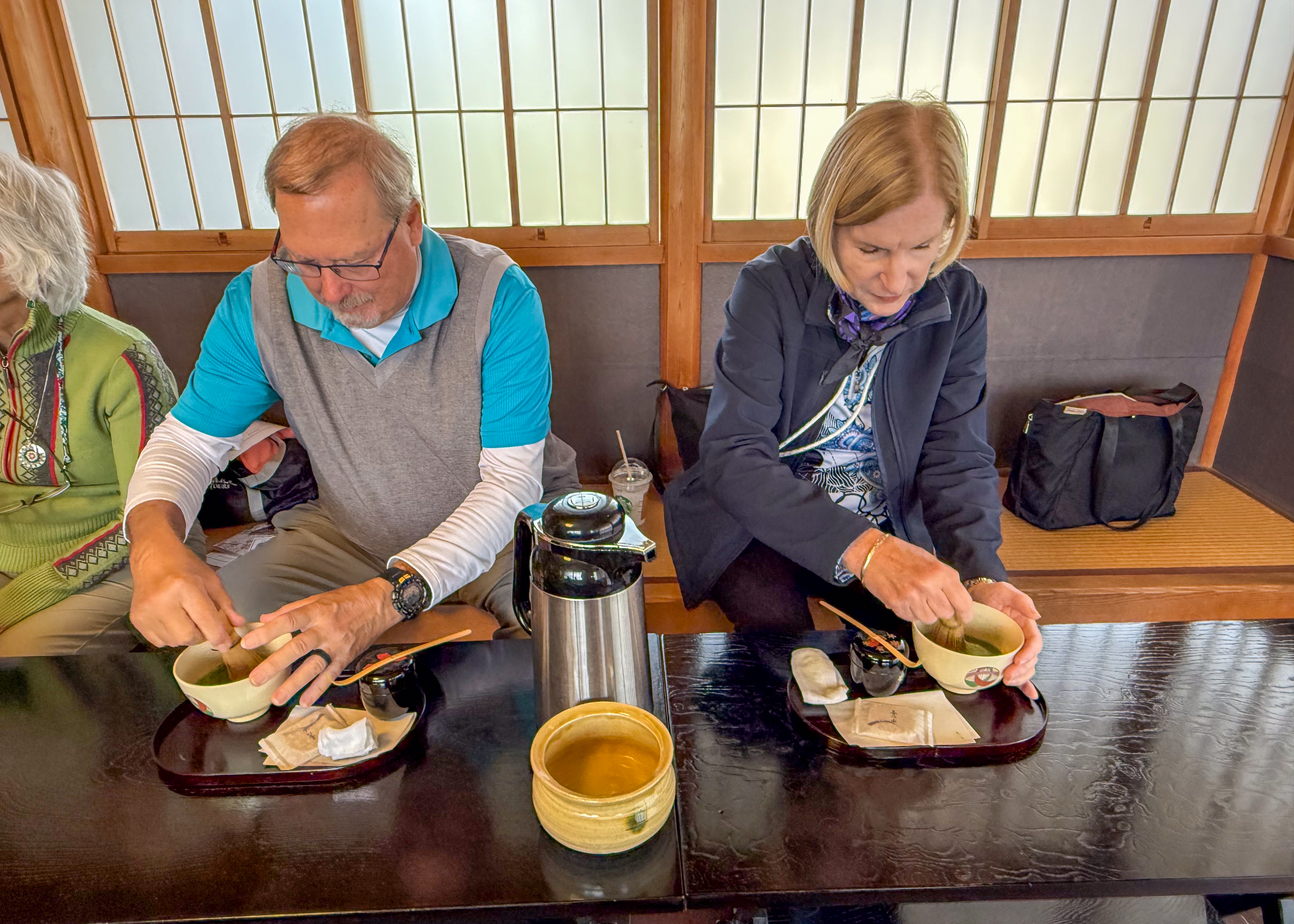
On to a Tea Ceremony instruction and our hands-on effort to learn the style and significance.

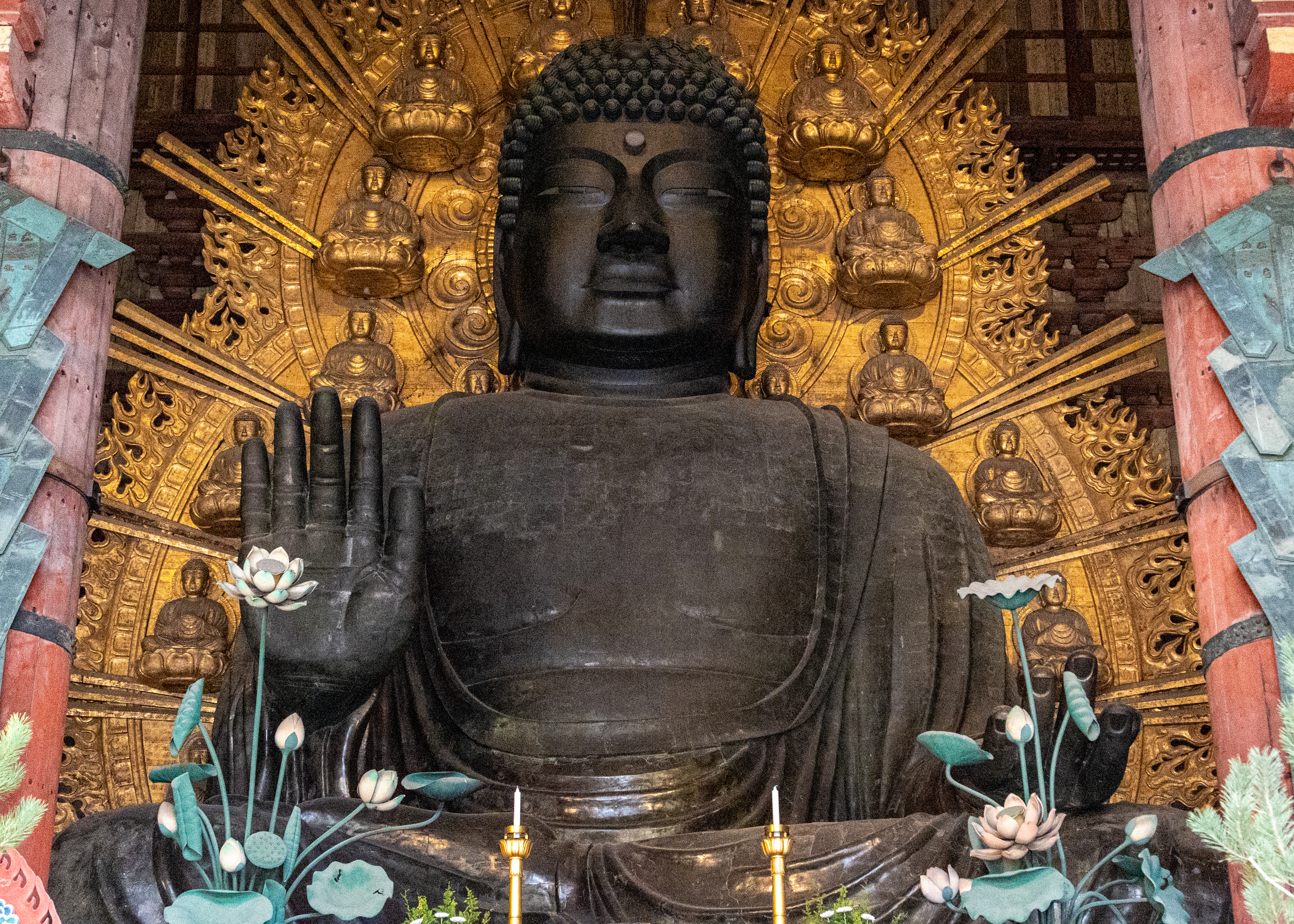
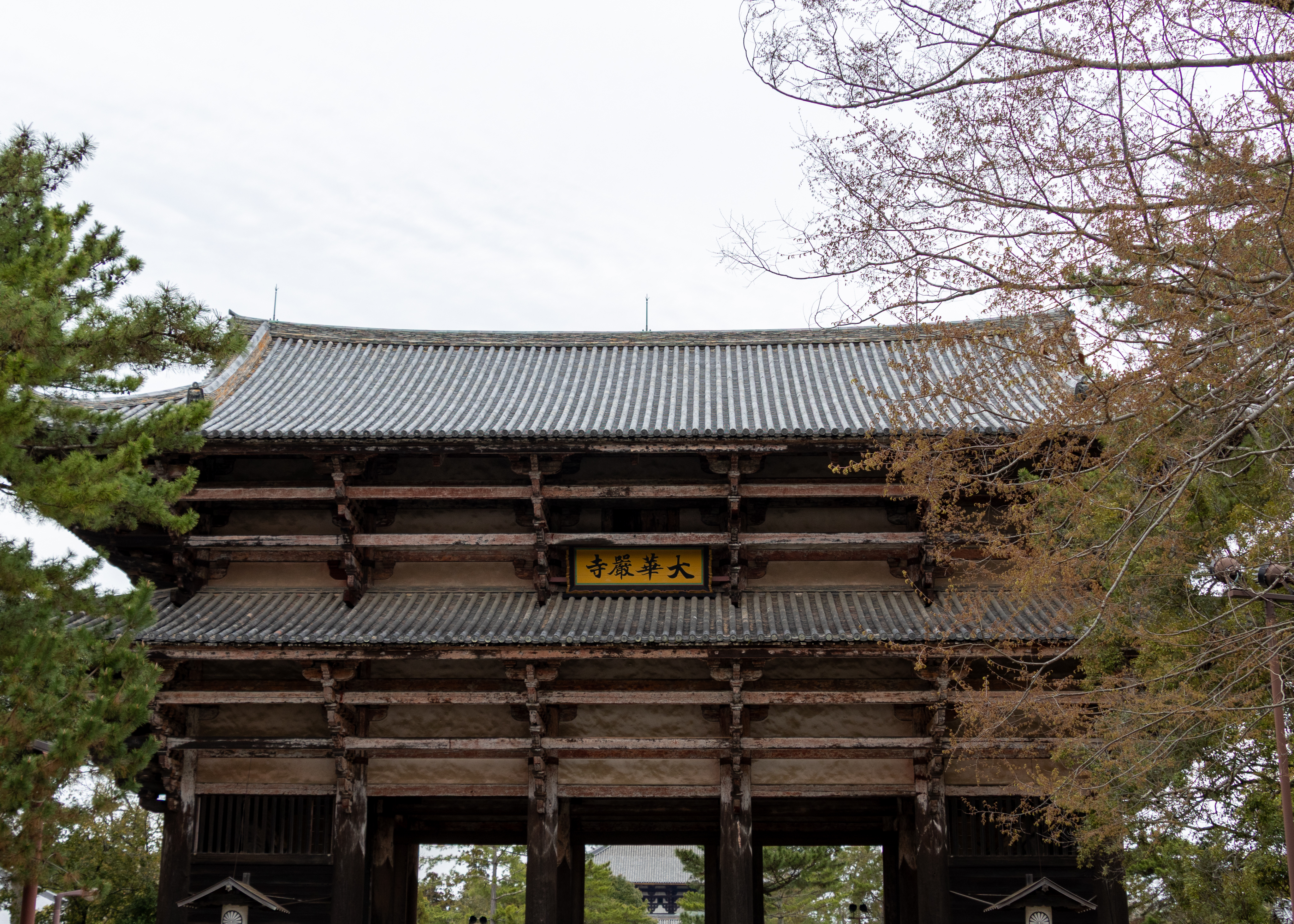
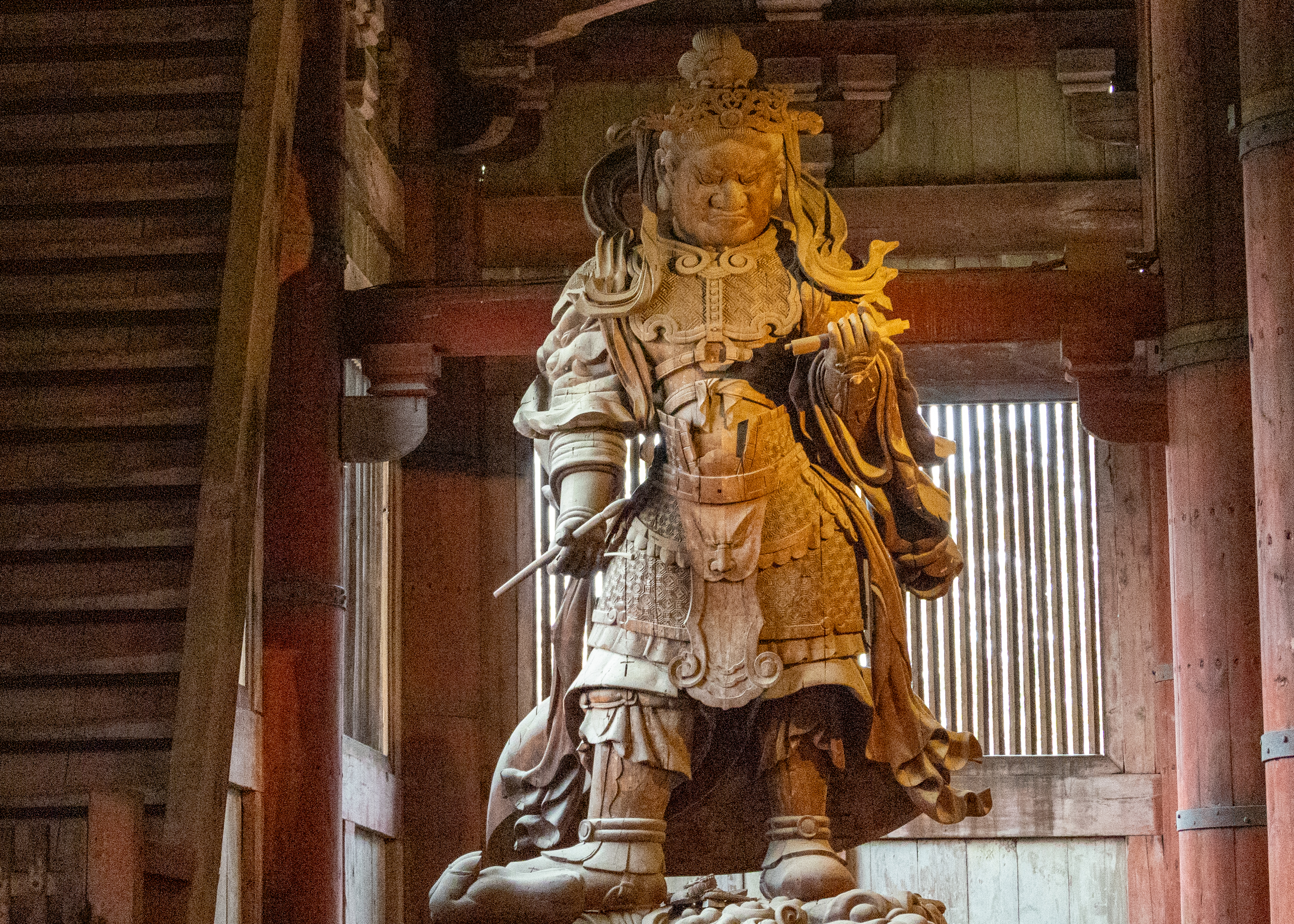
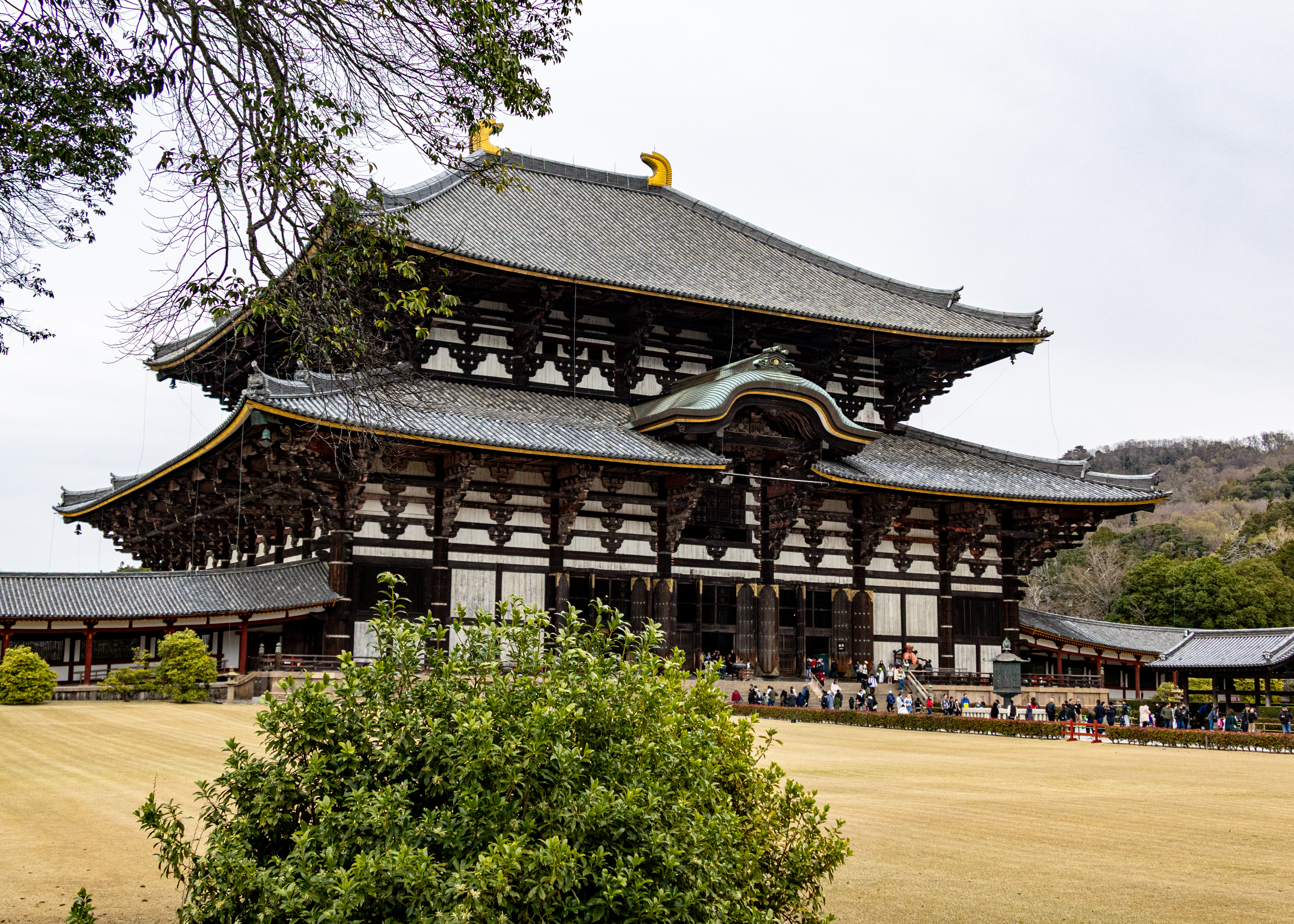
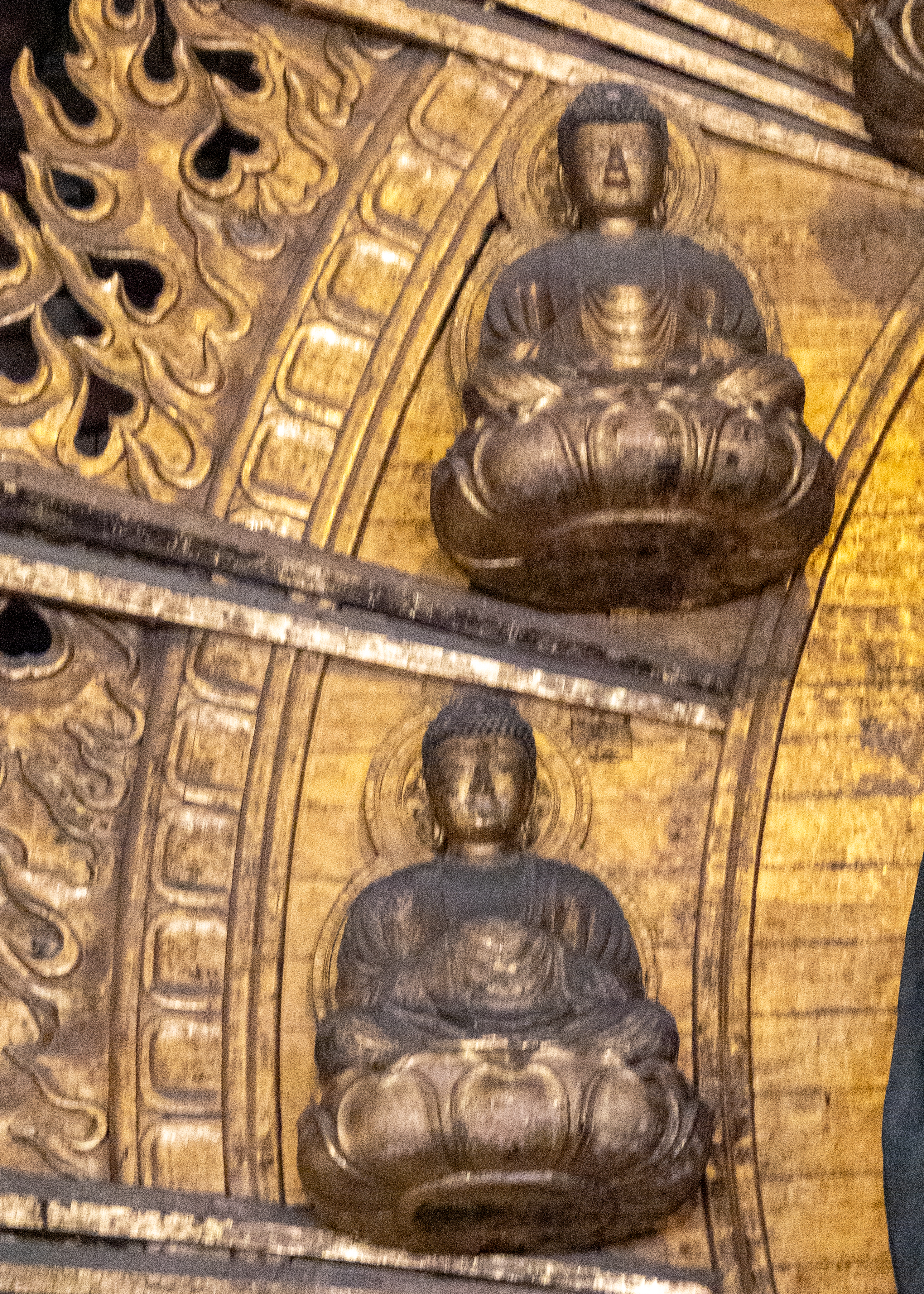
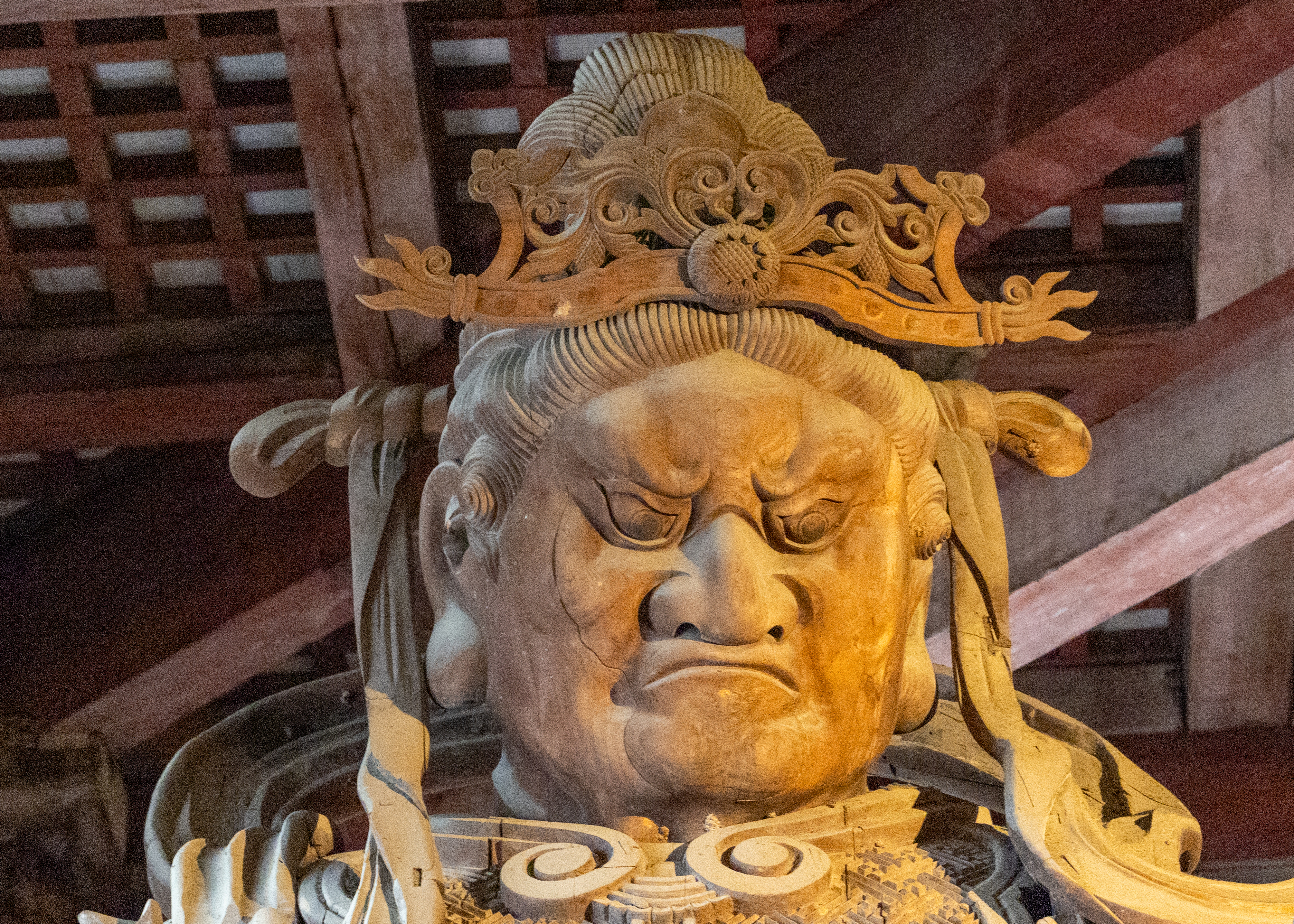
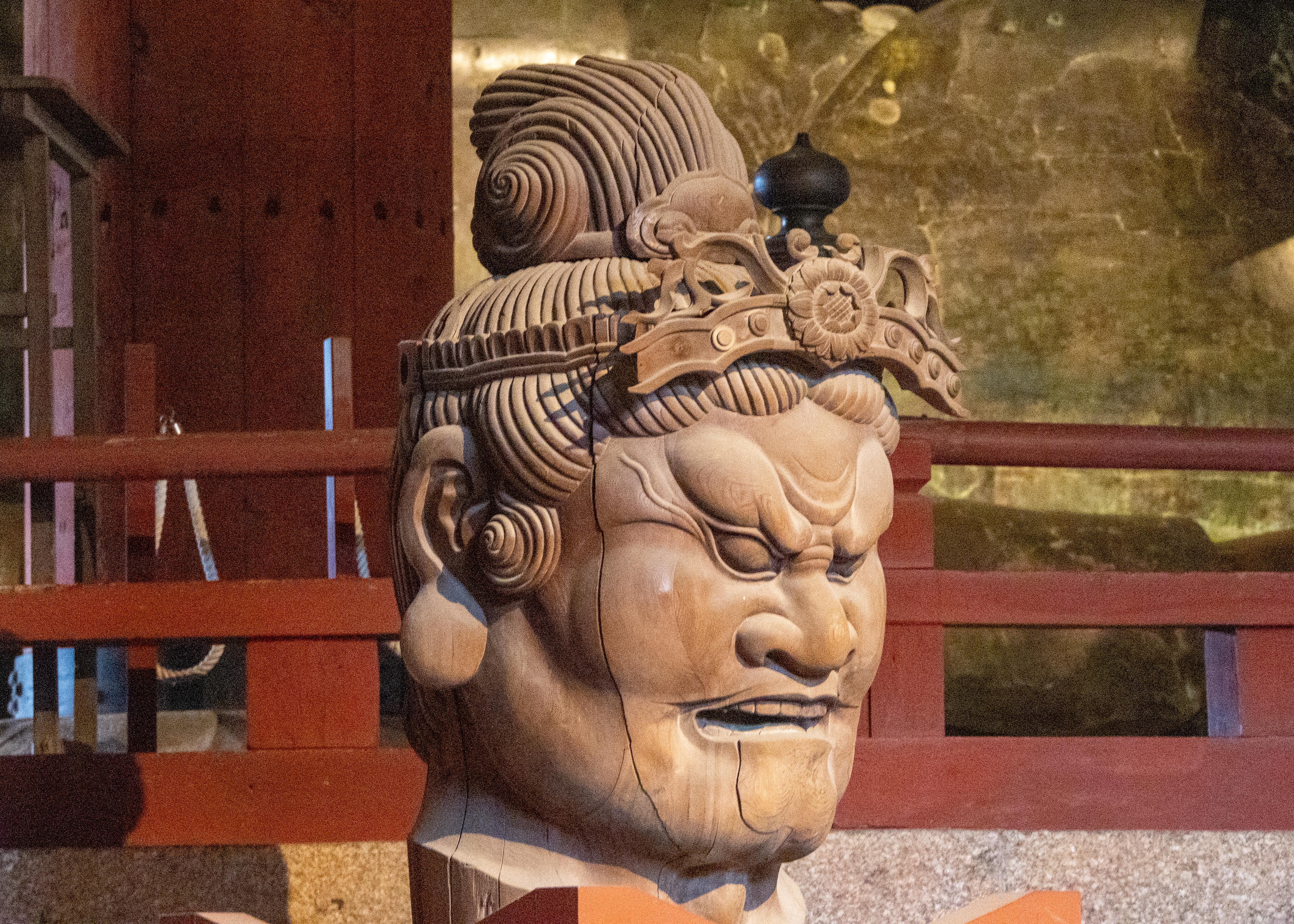
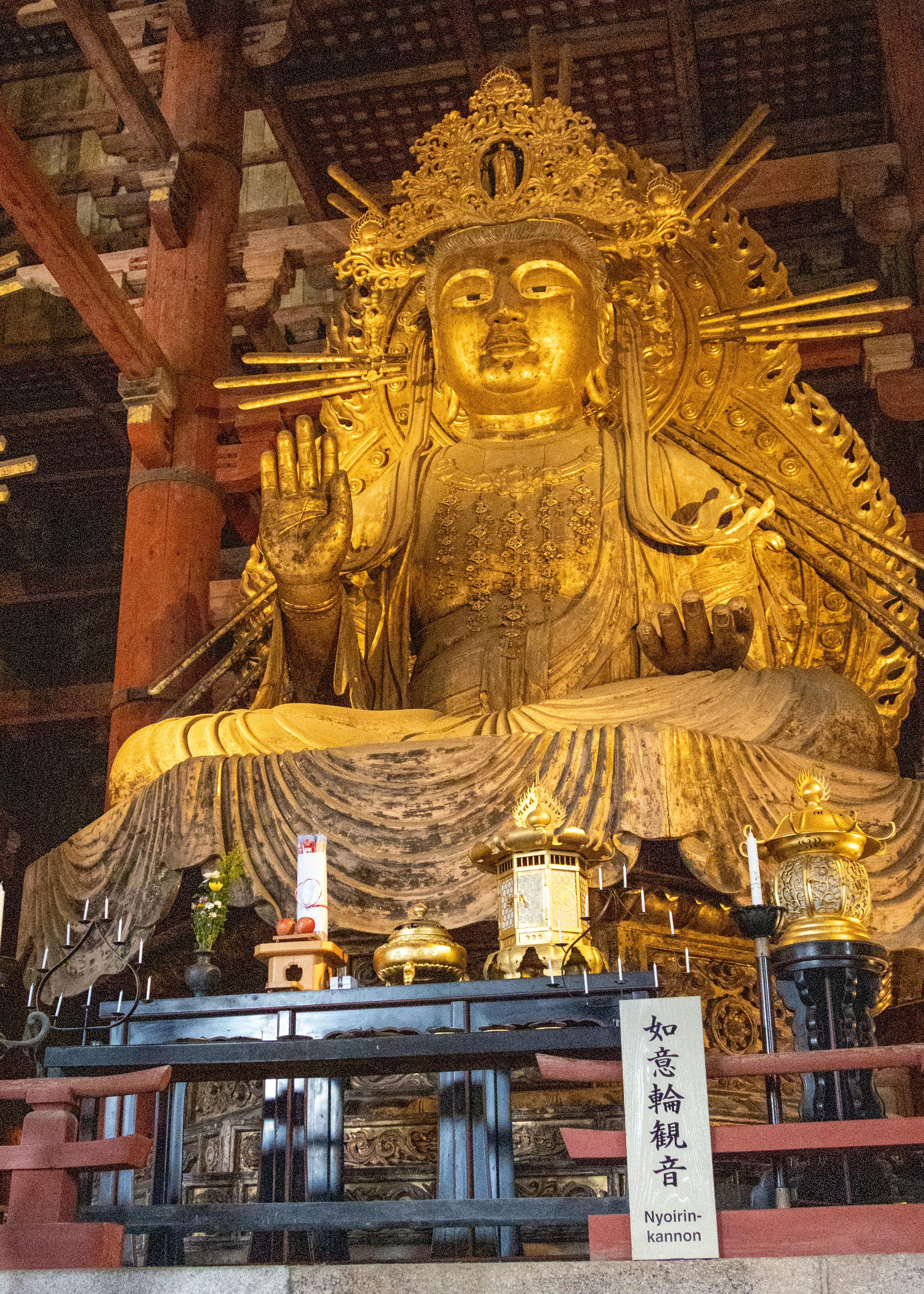
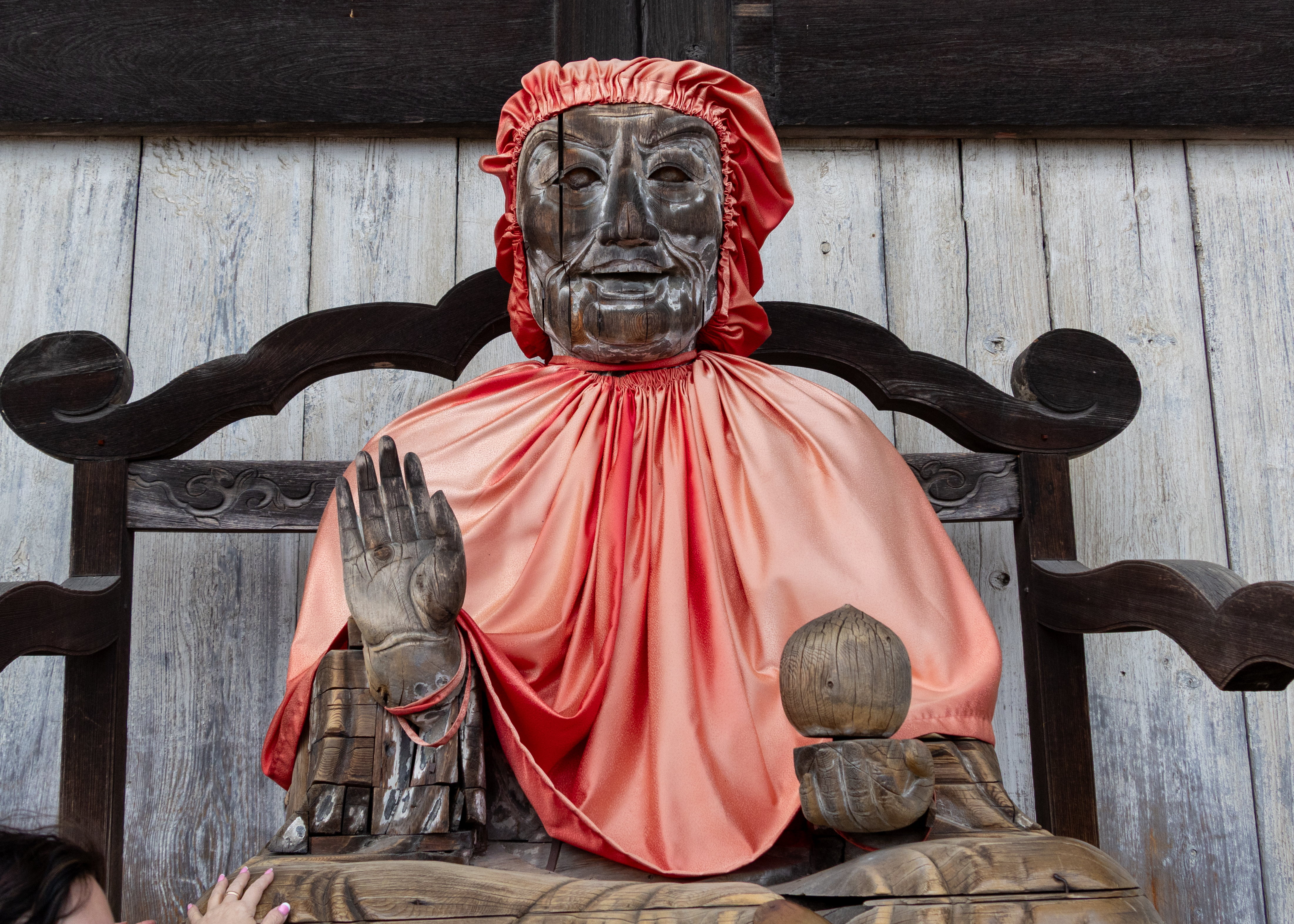
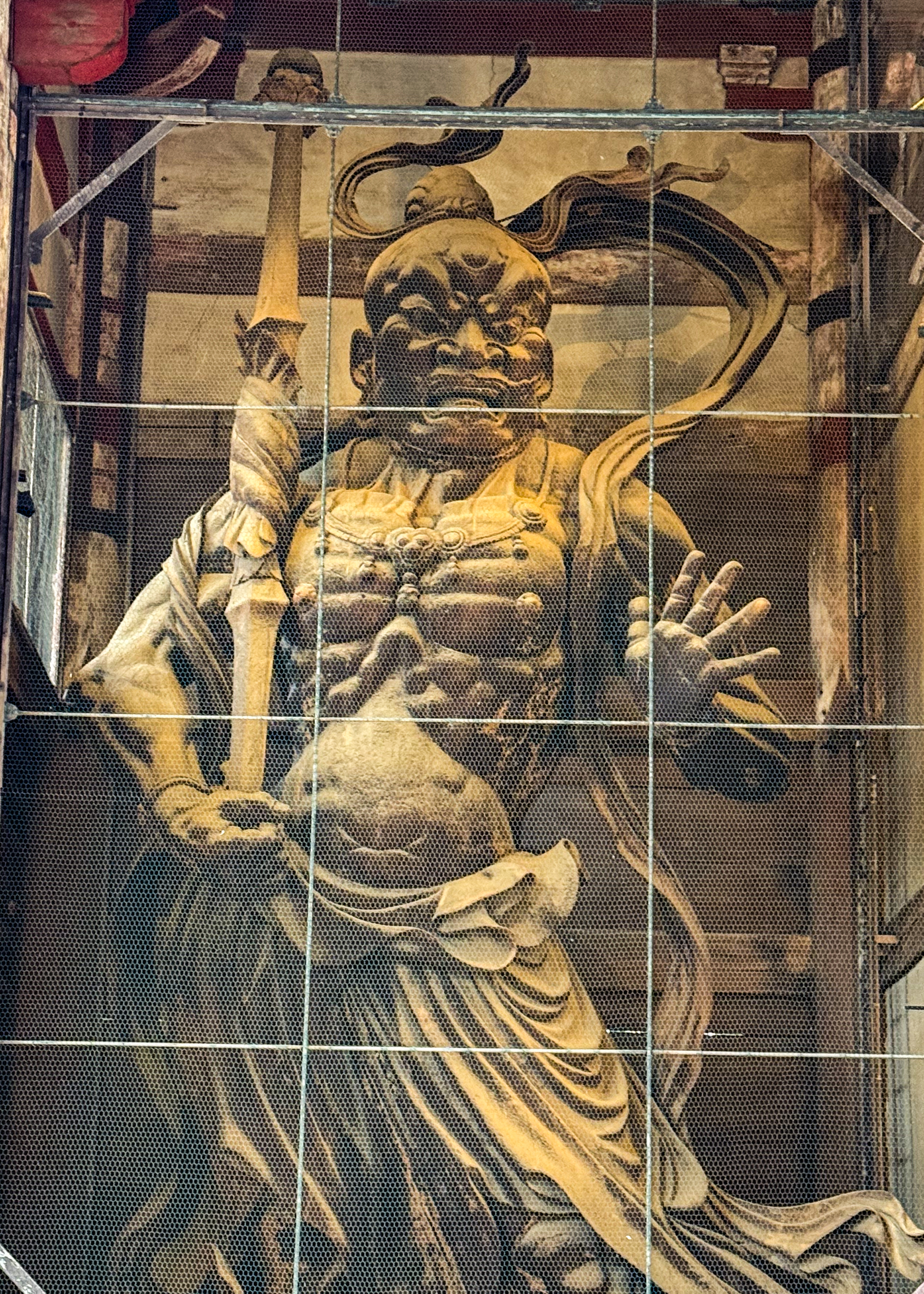
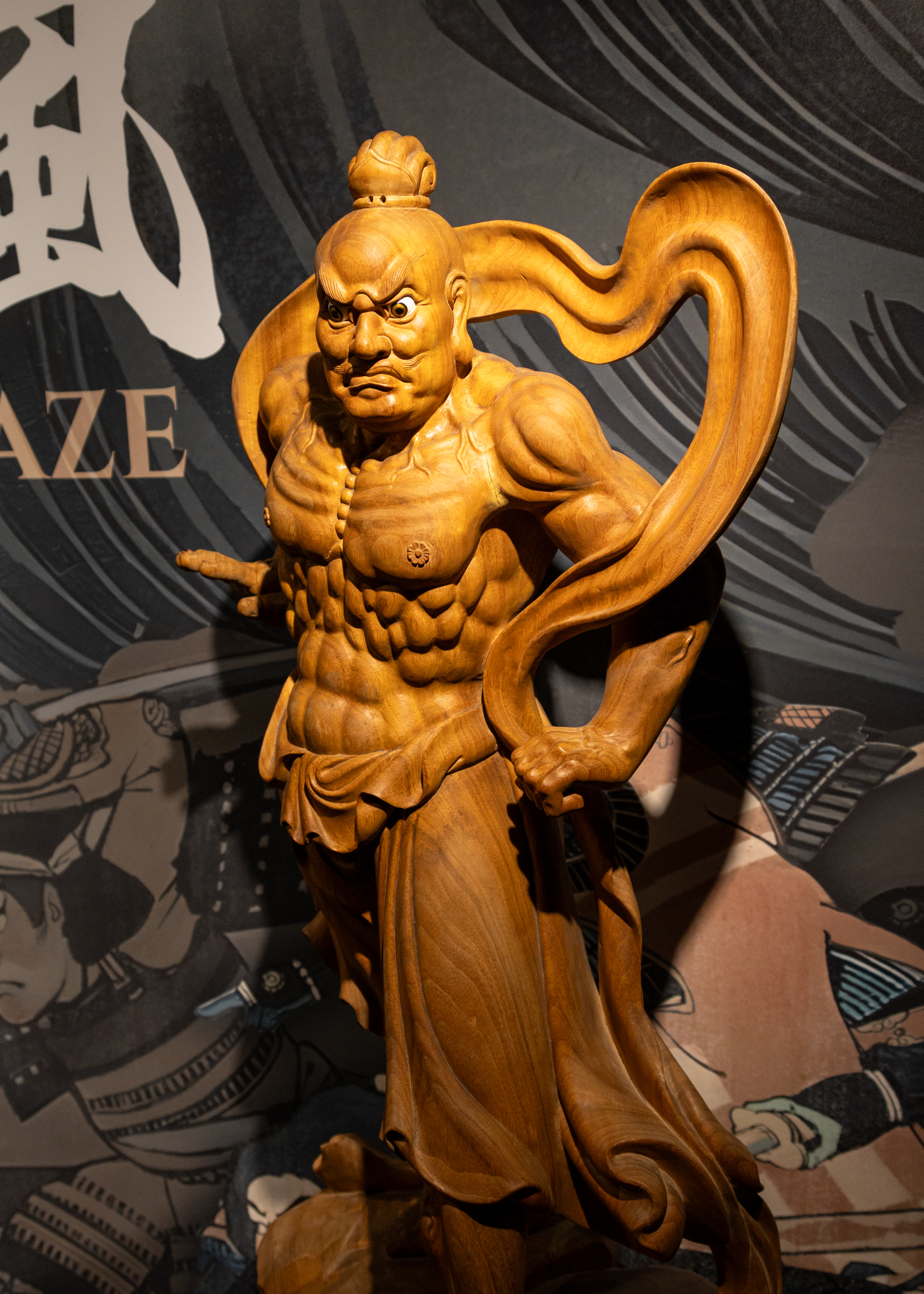
From the Tea Ceremony and lunch, we headed to the Todaiji Temple (The great eastern Temple), a Buddhist Temple complex in Nara and one of the powerful 7 great temples. It was started in 728 and finished in 1709. The main hall (Big Buddha Hall) houses one of Japan’s largest bronze statues of a sitting Buddha at 15 meters tall. The south gate of the Temple is known as the Nanadaimon Gate and is guarded by two fierce-looking statues, which were completed in 60 days.

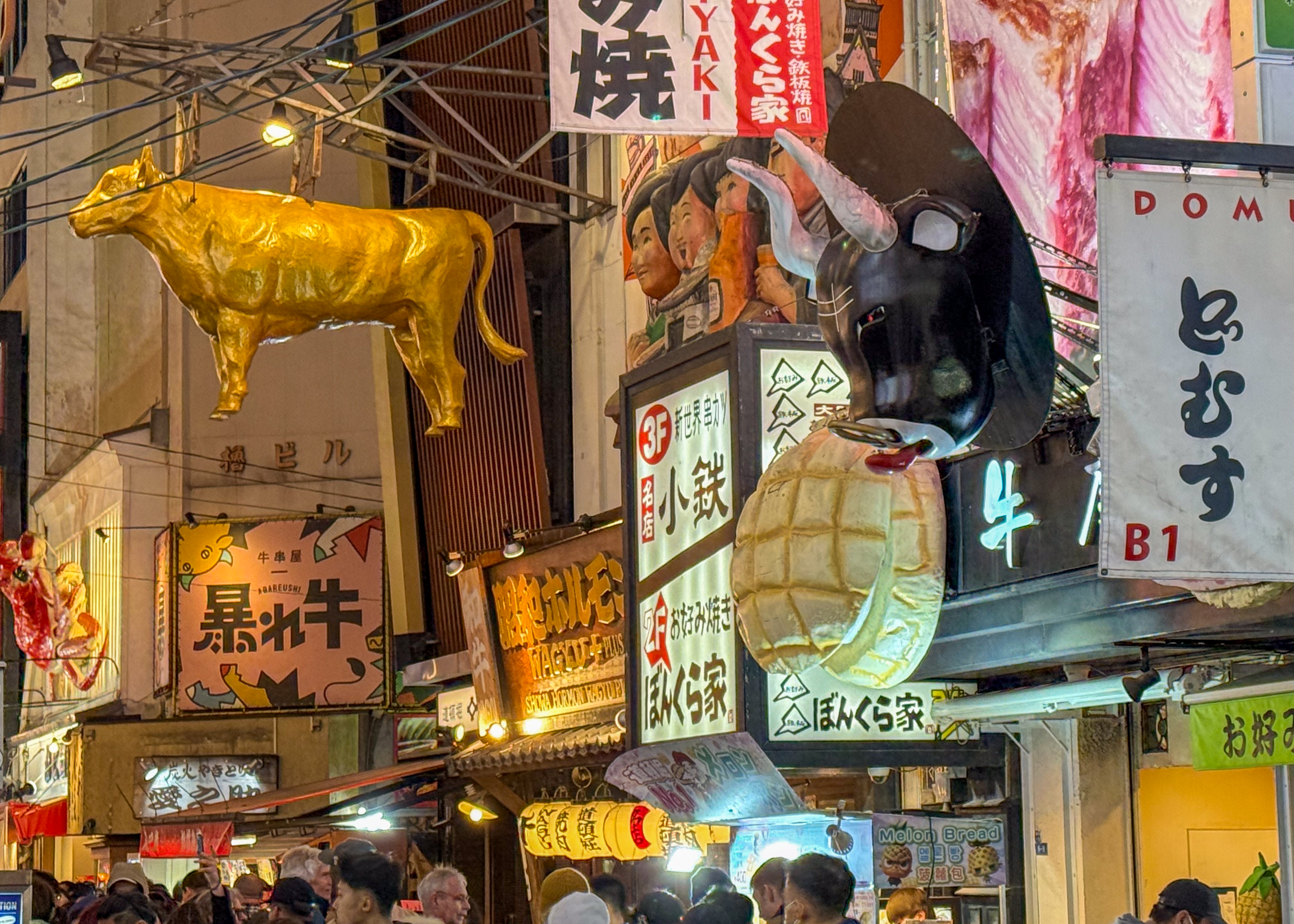
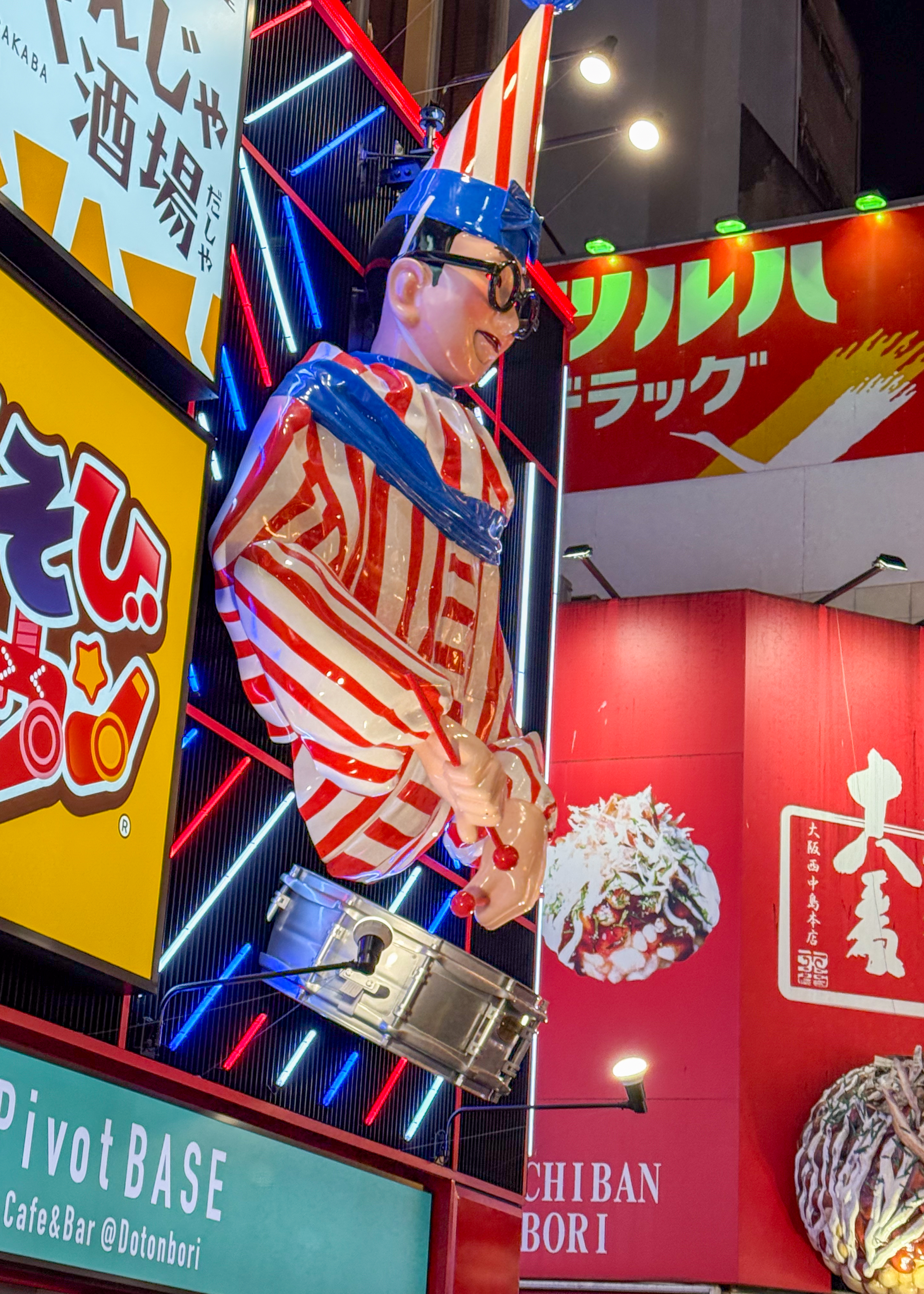
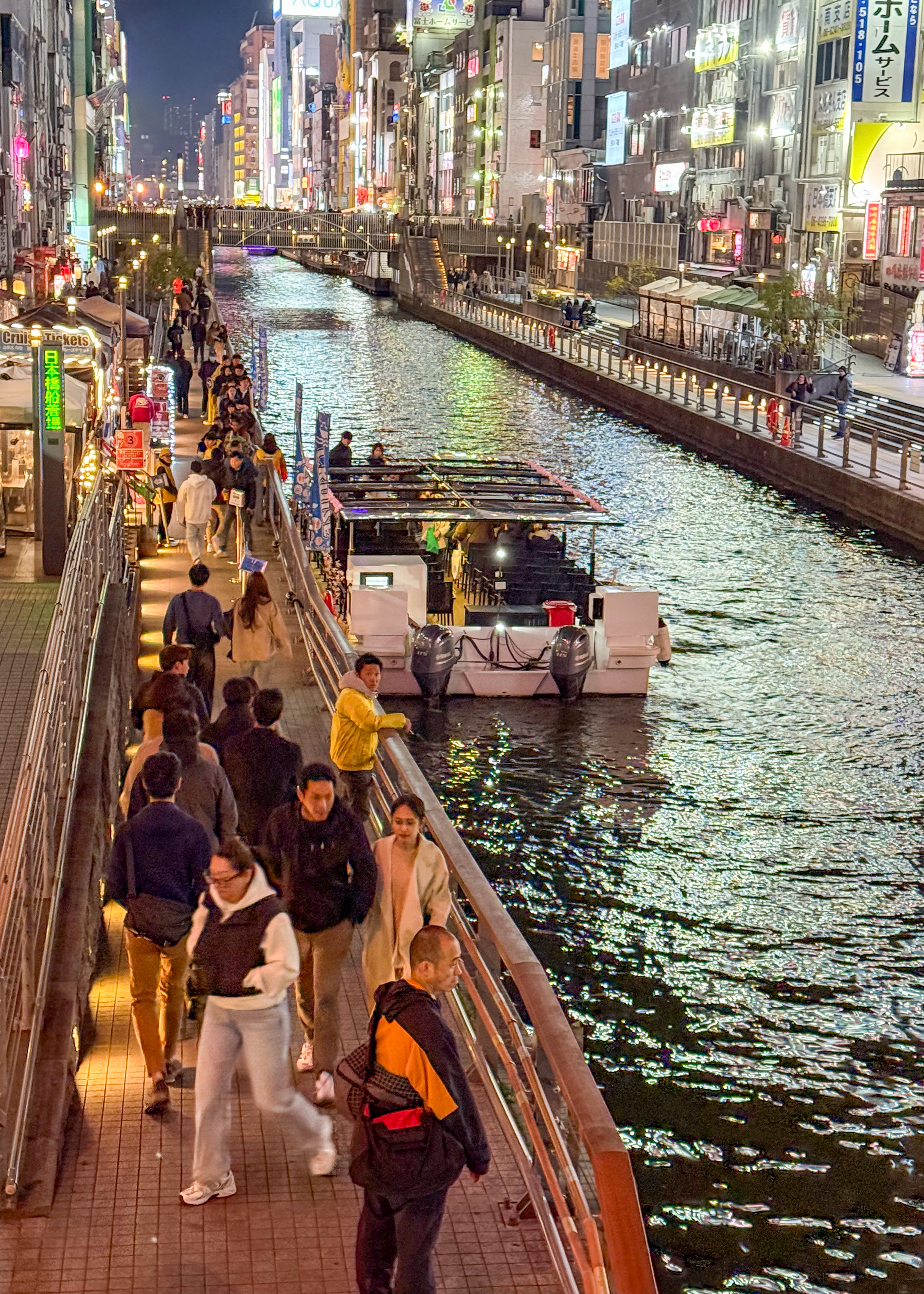
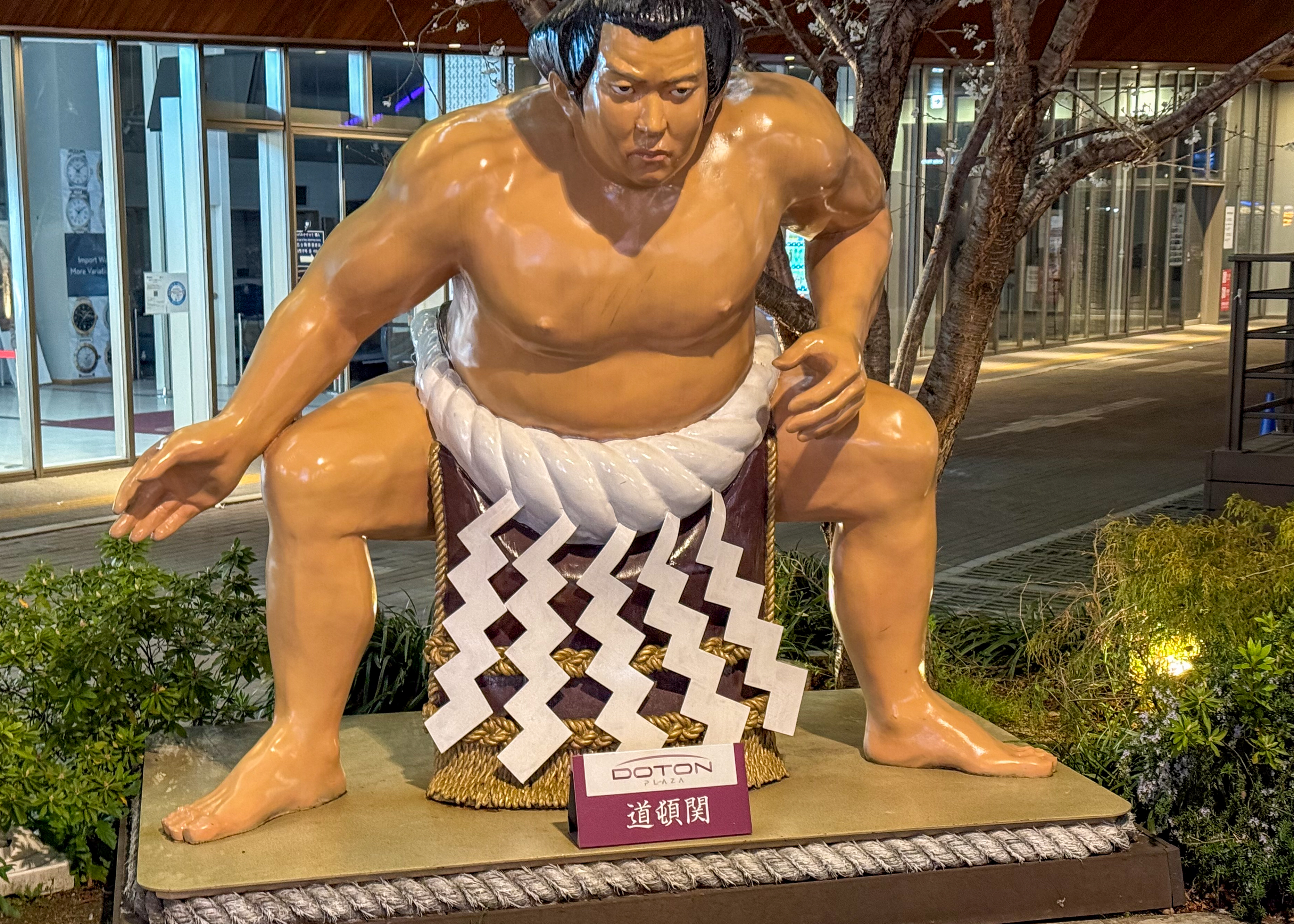
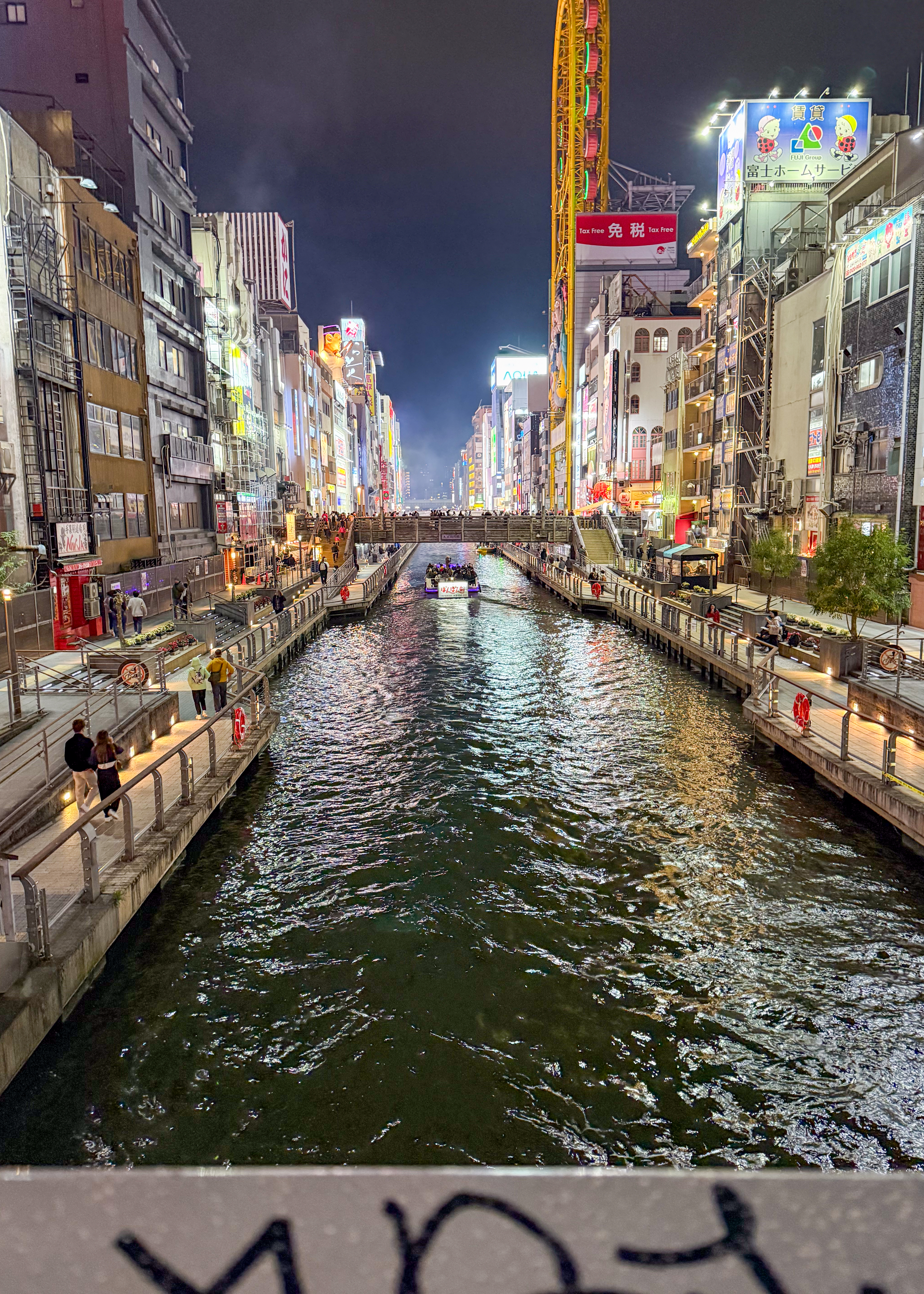
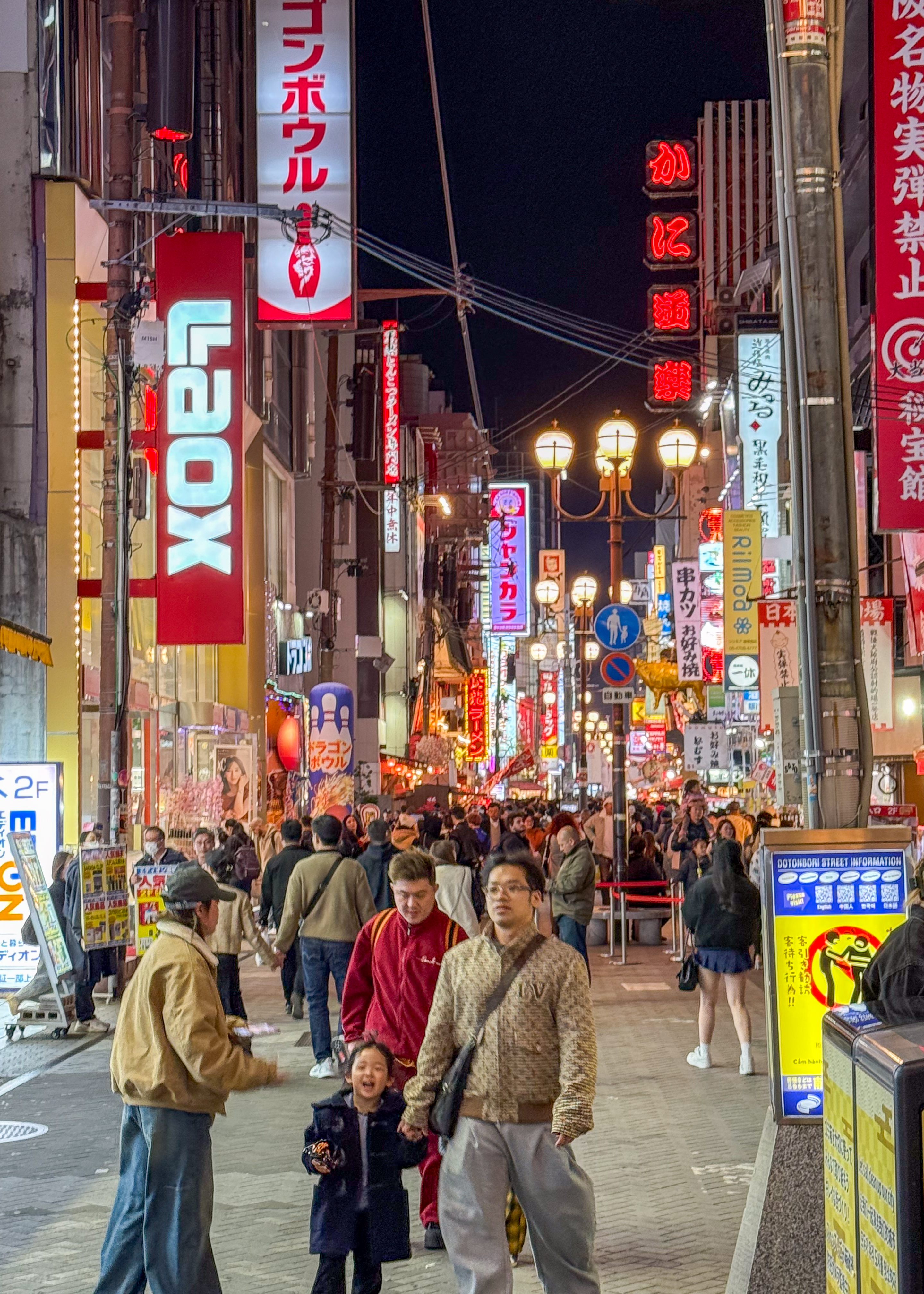
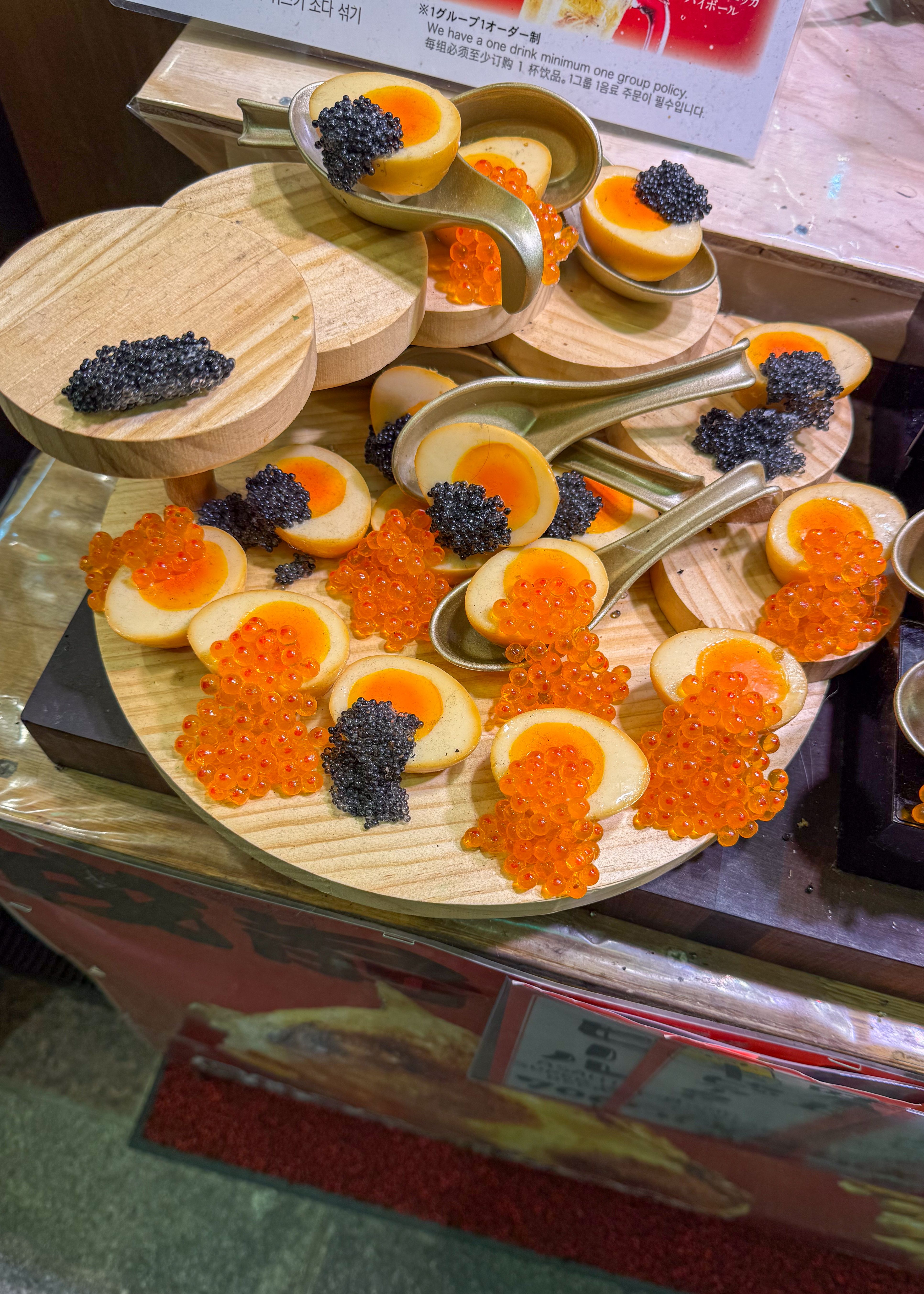
Dotonbori in Osaka for dinner. It is a canal-side entertainment district with restaurants, shops, small bars, and izakaya taverns. Area of sensory overload.
Japan Tour 2025 Day #9

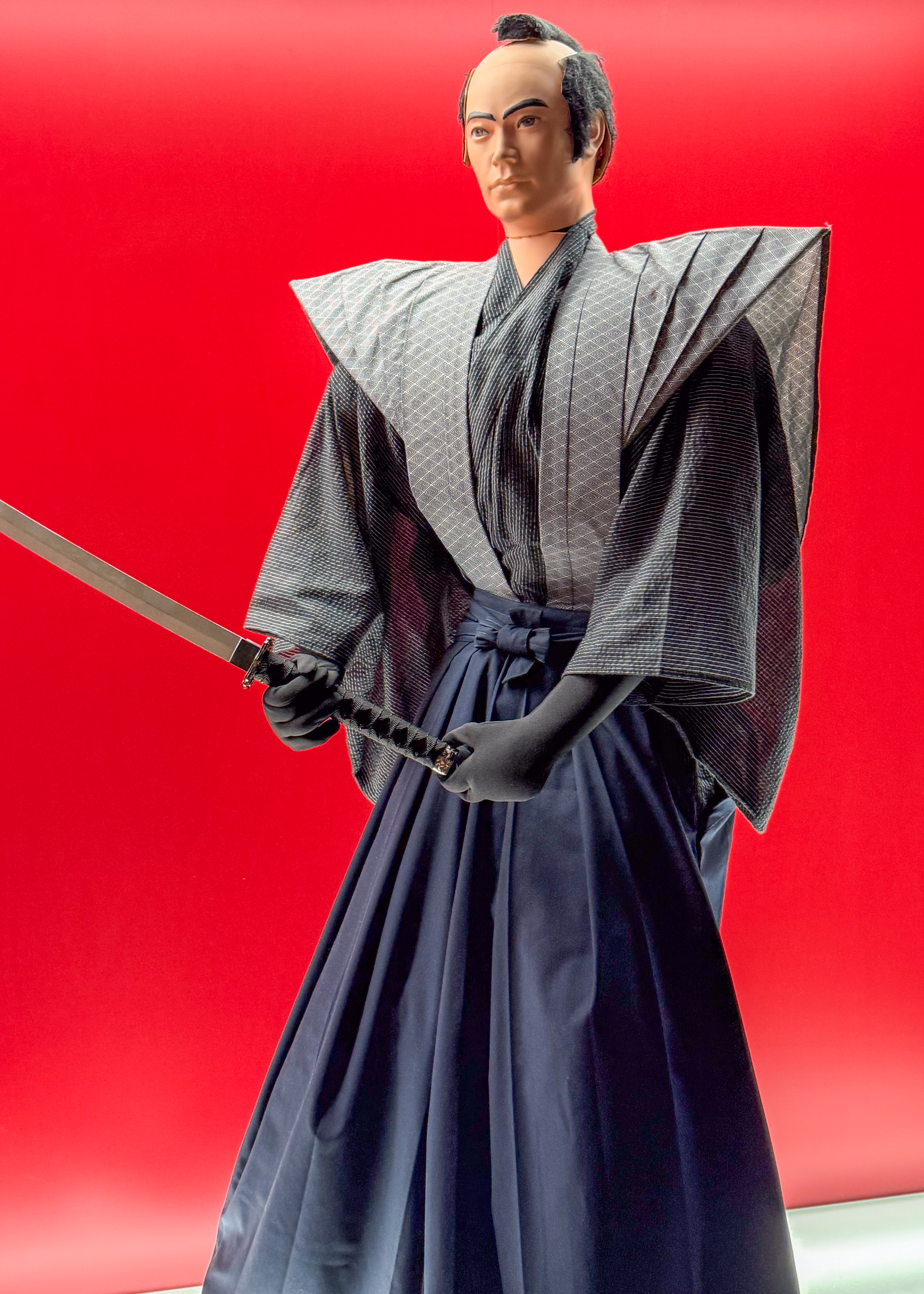
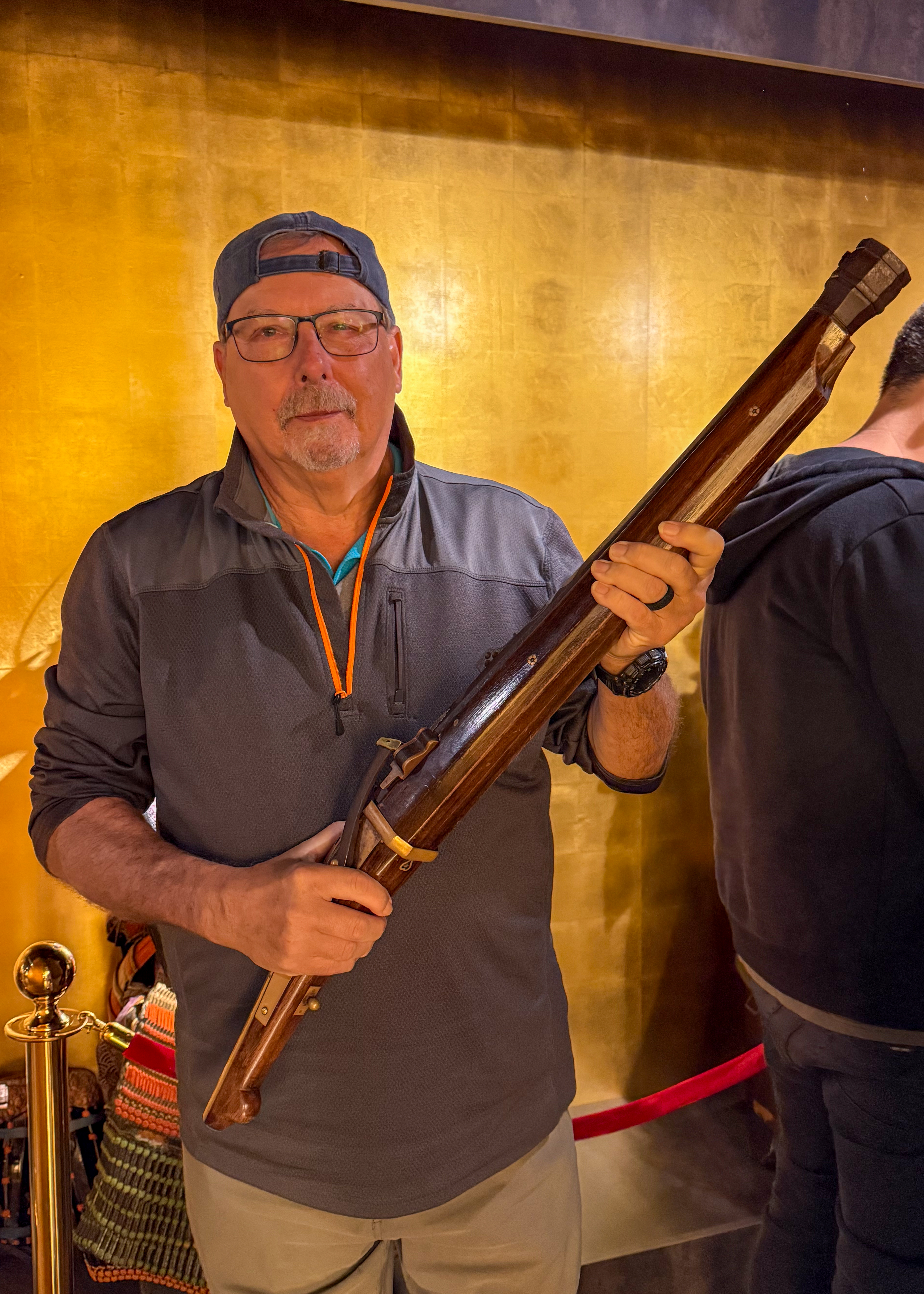
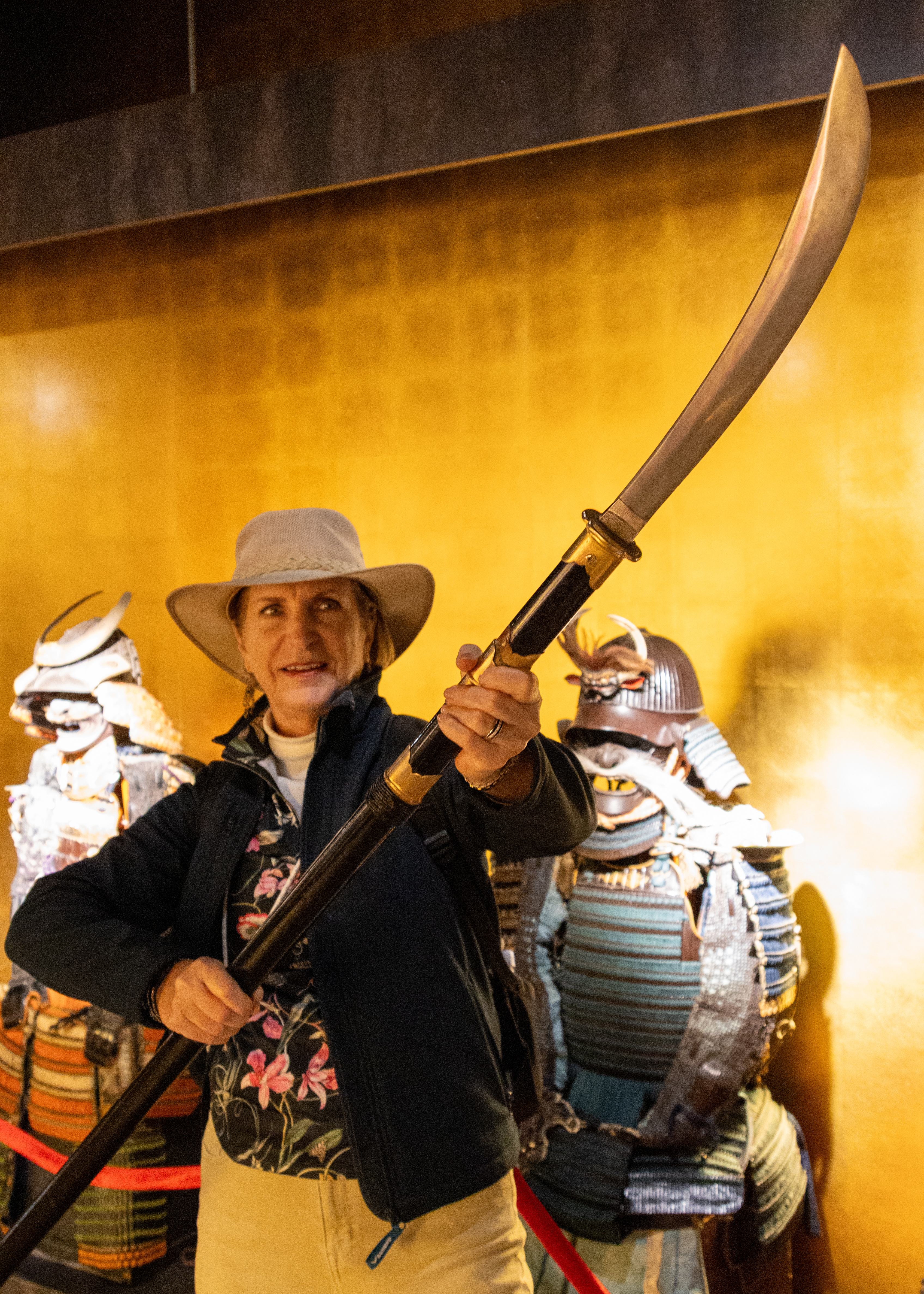
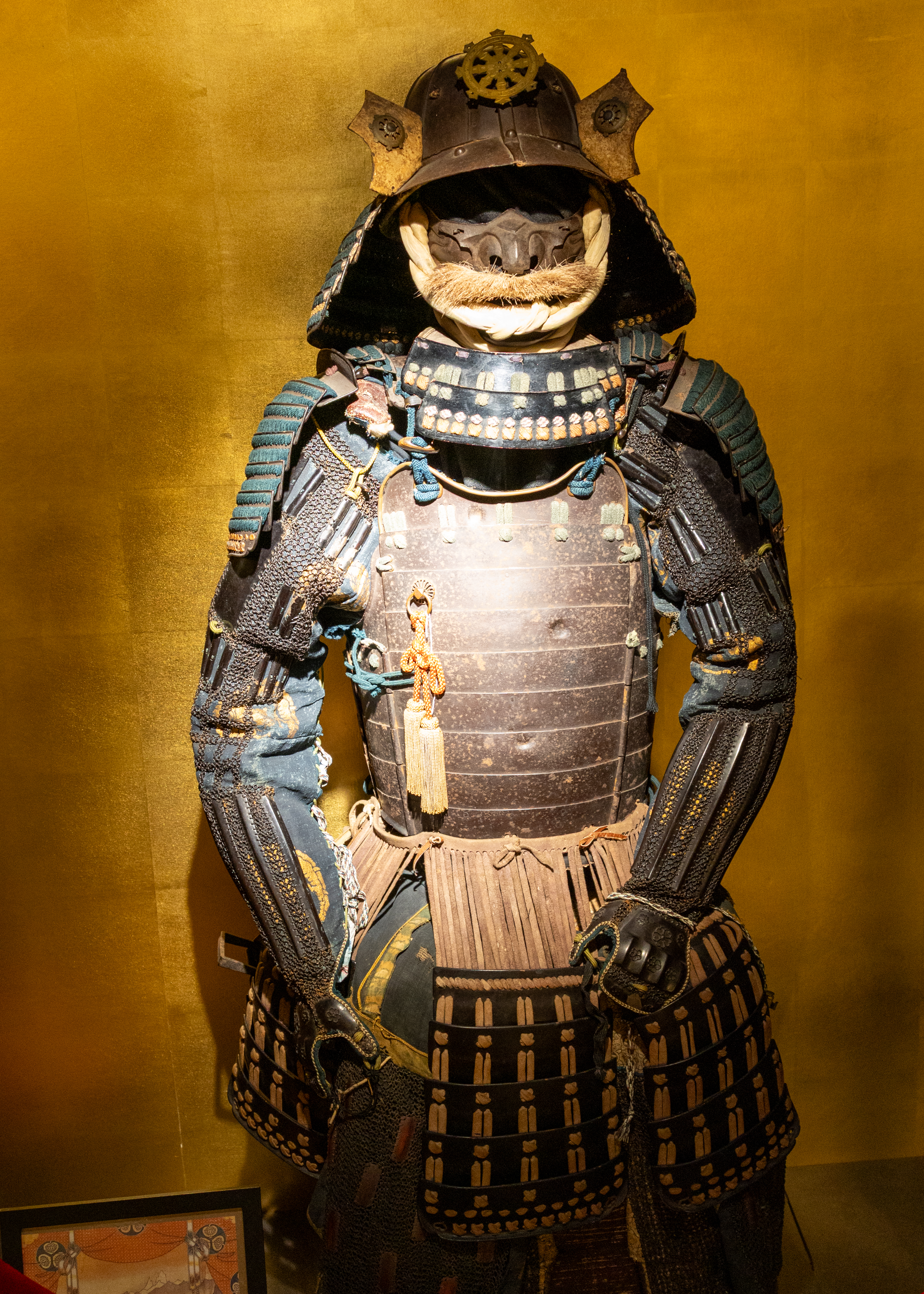
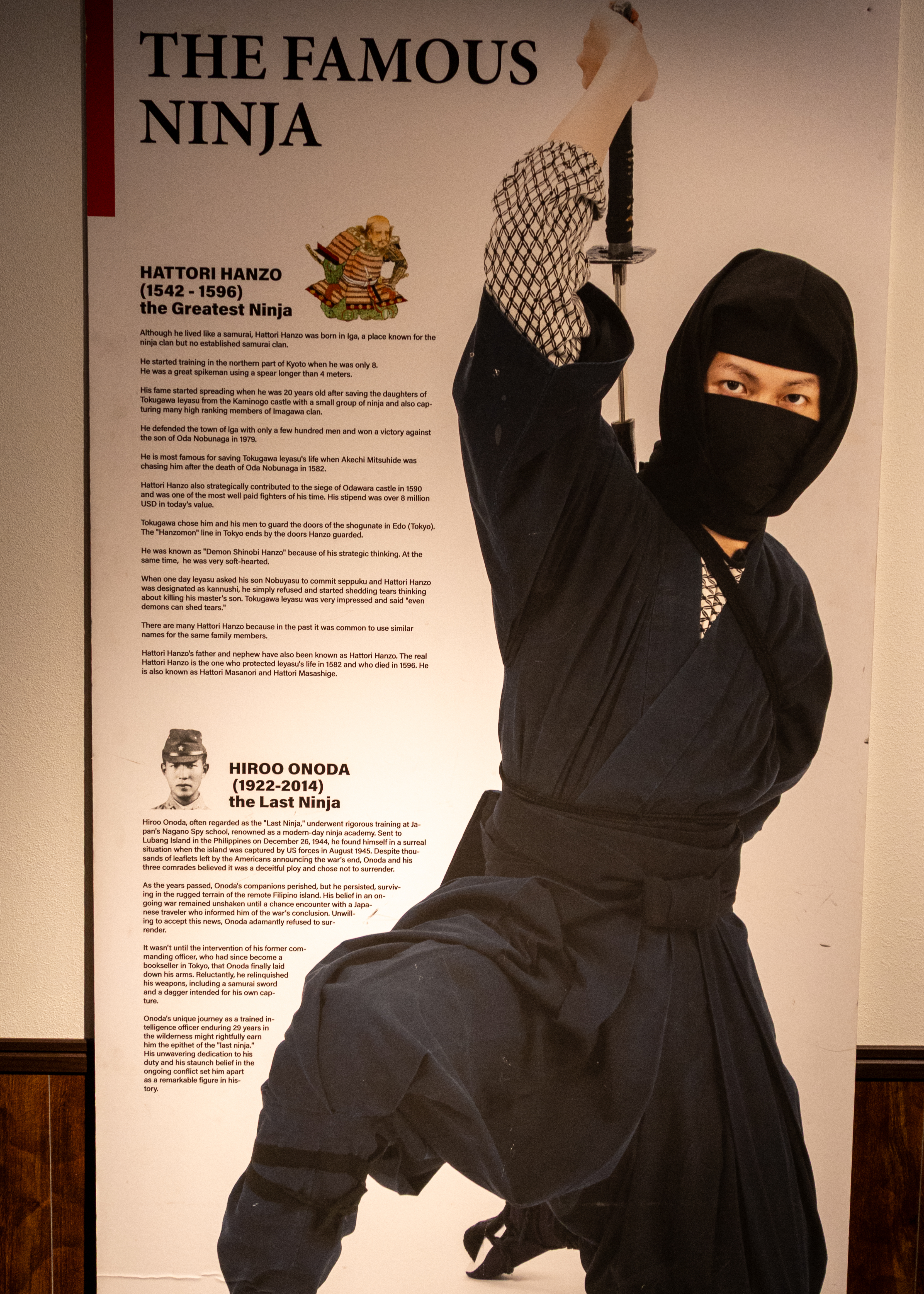
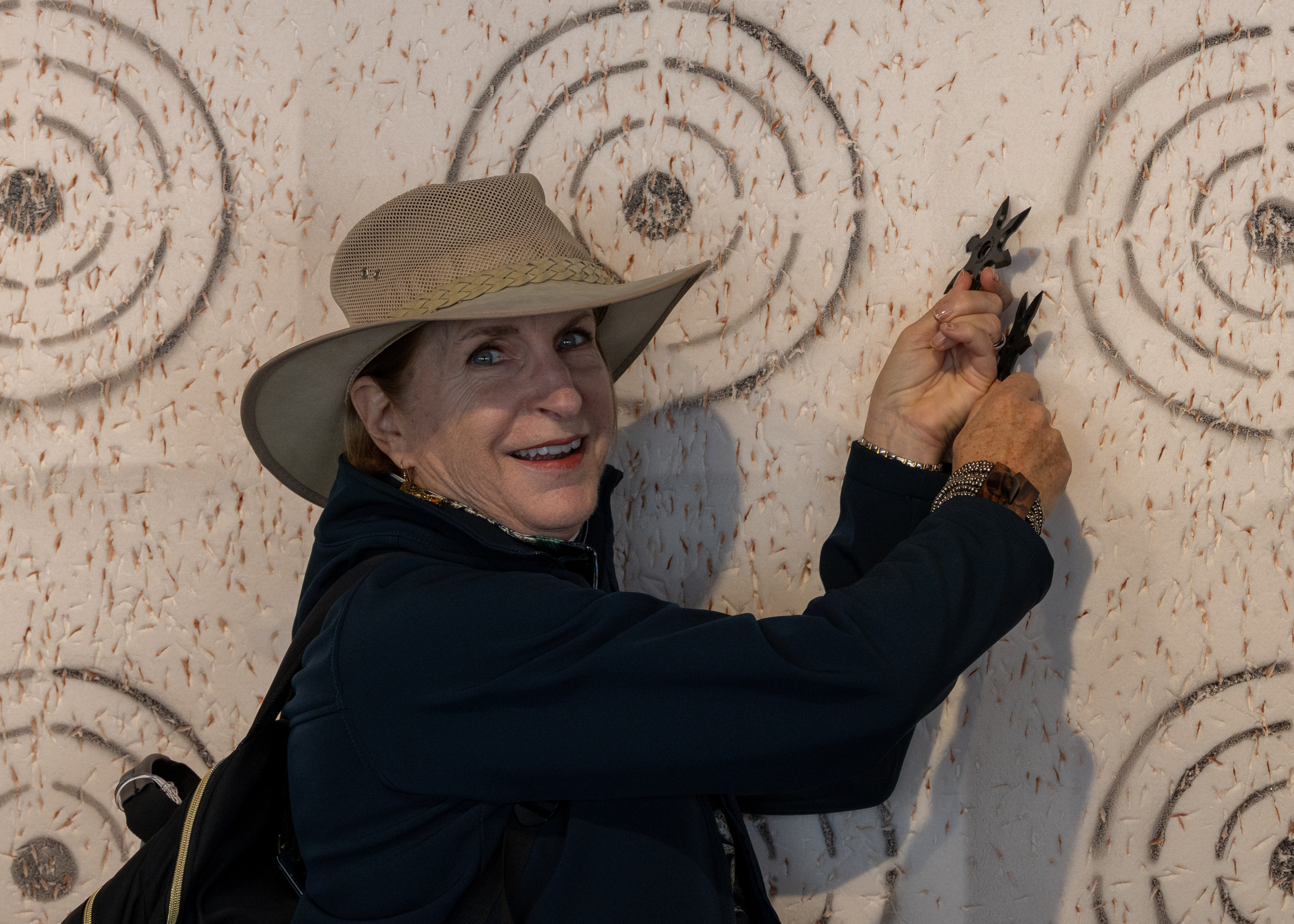
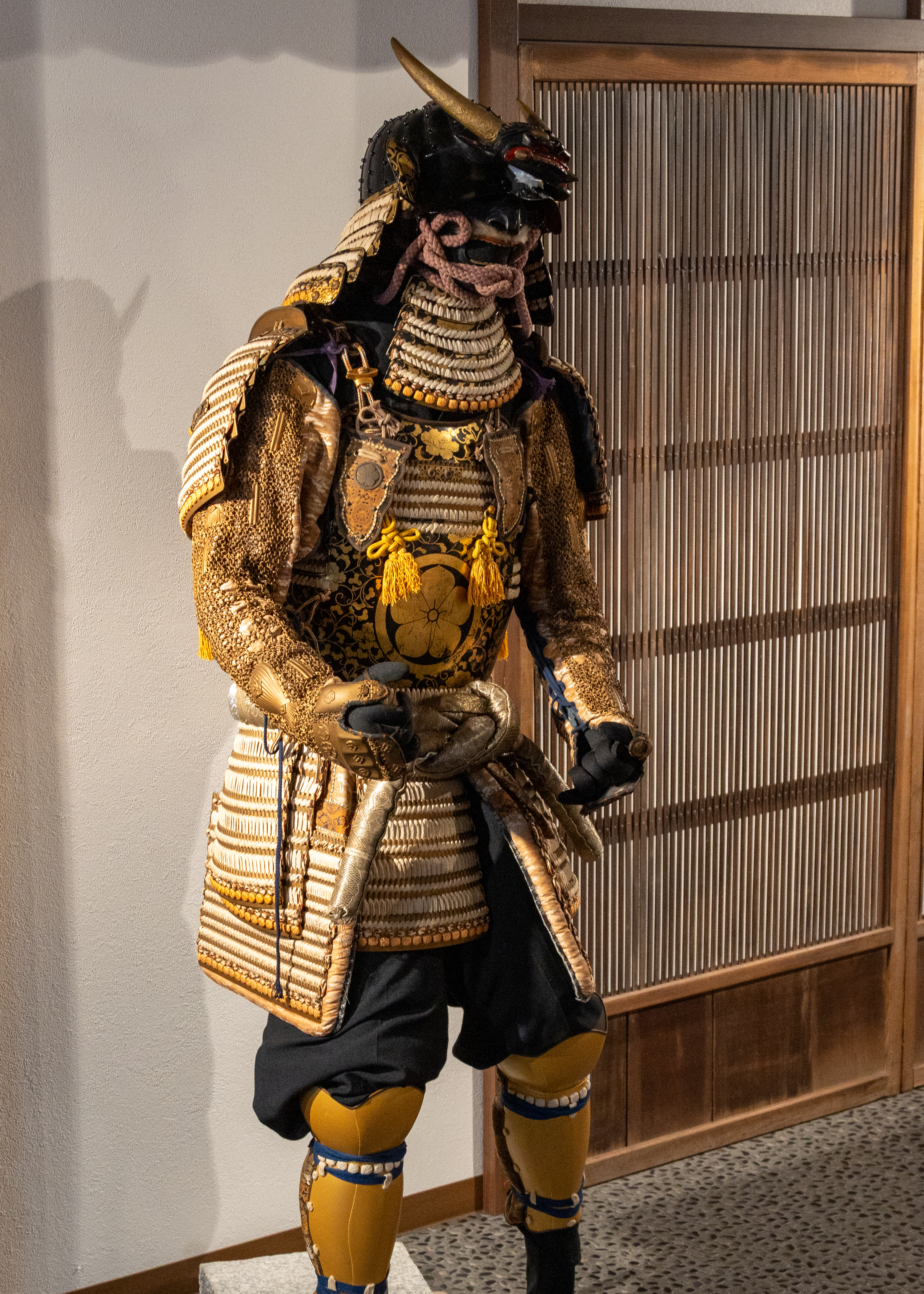
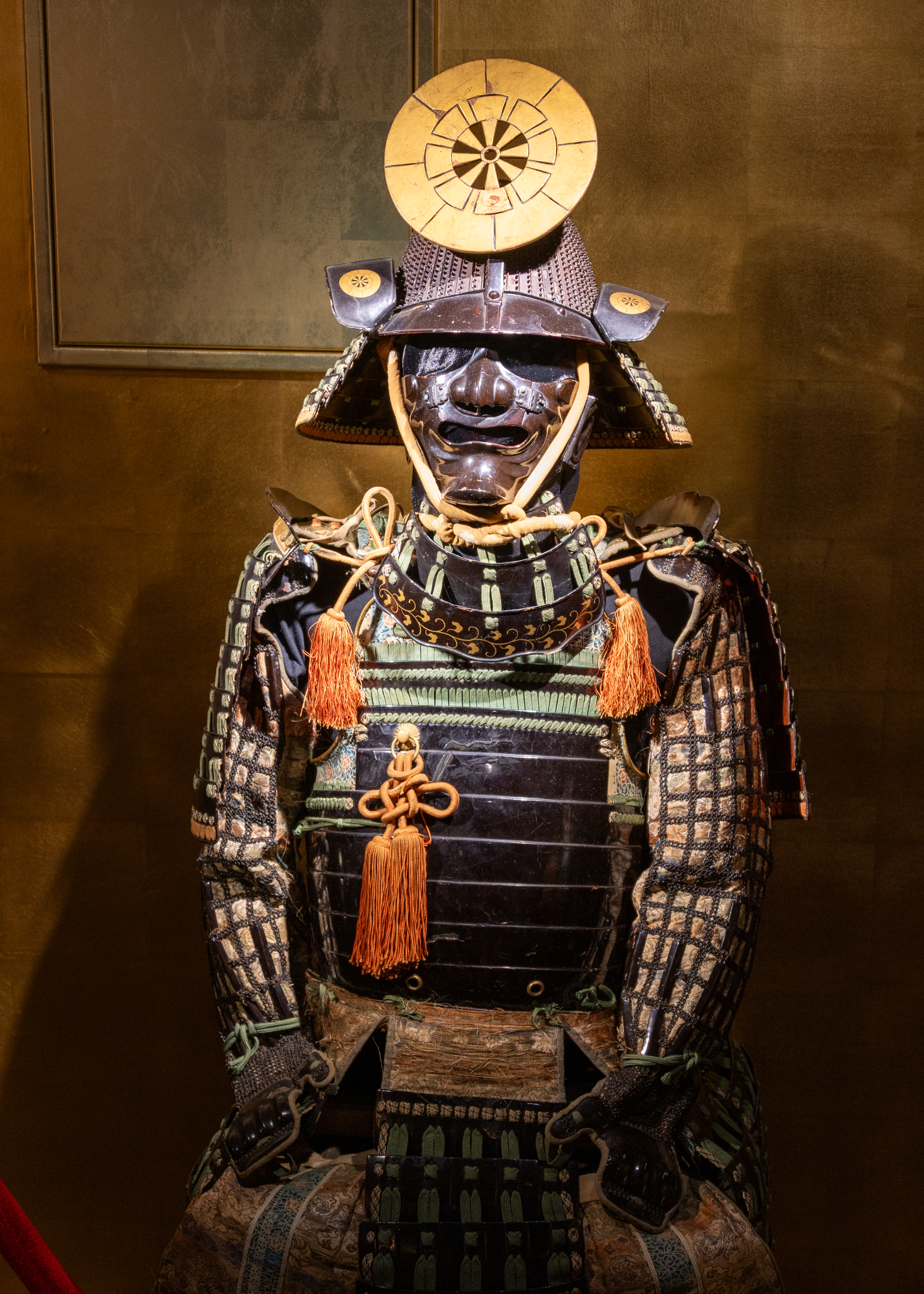
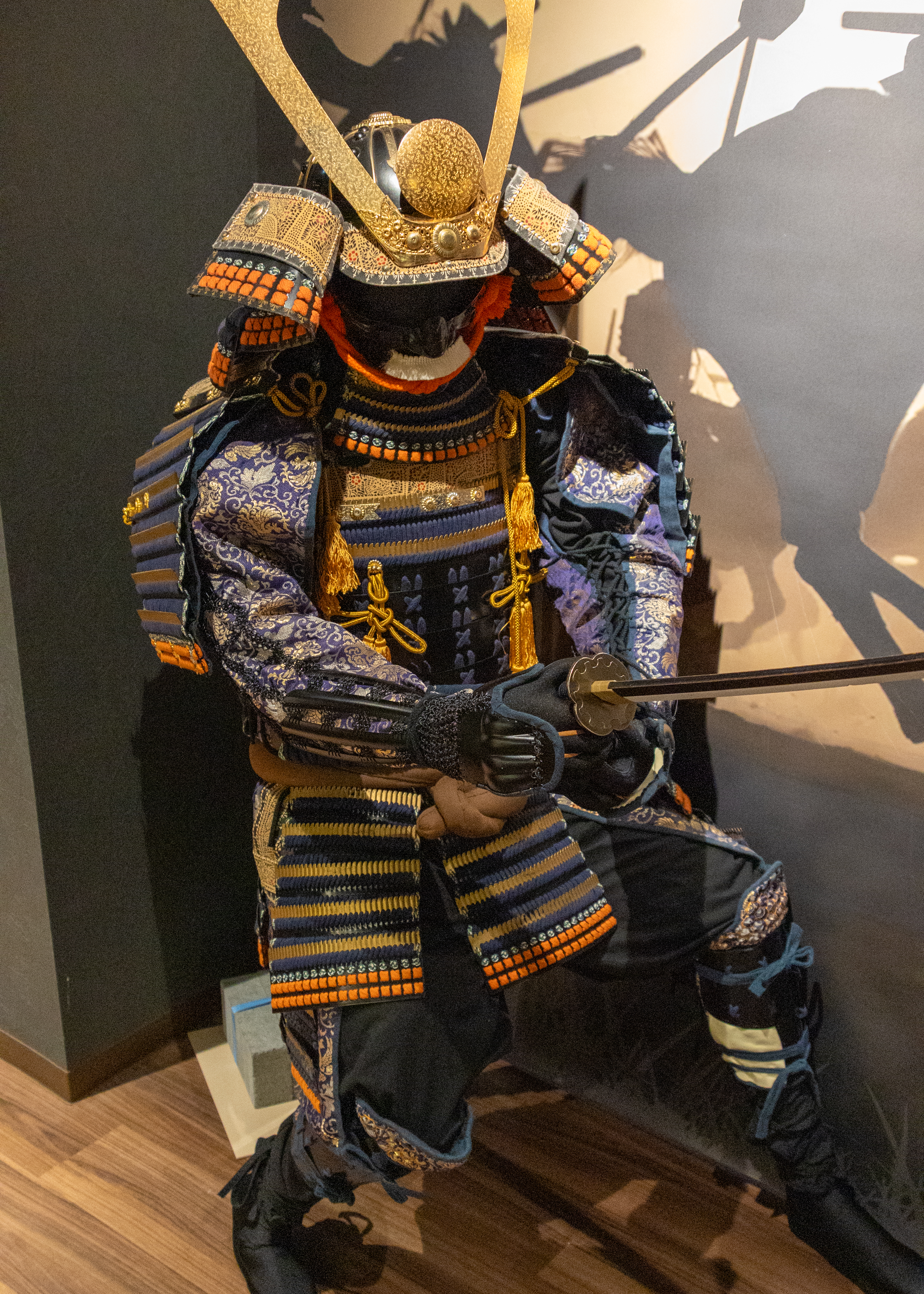
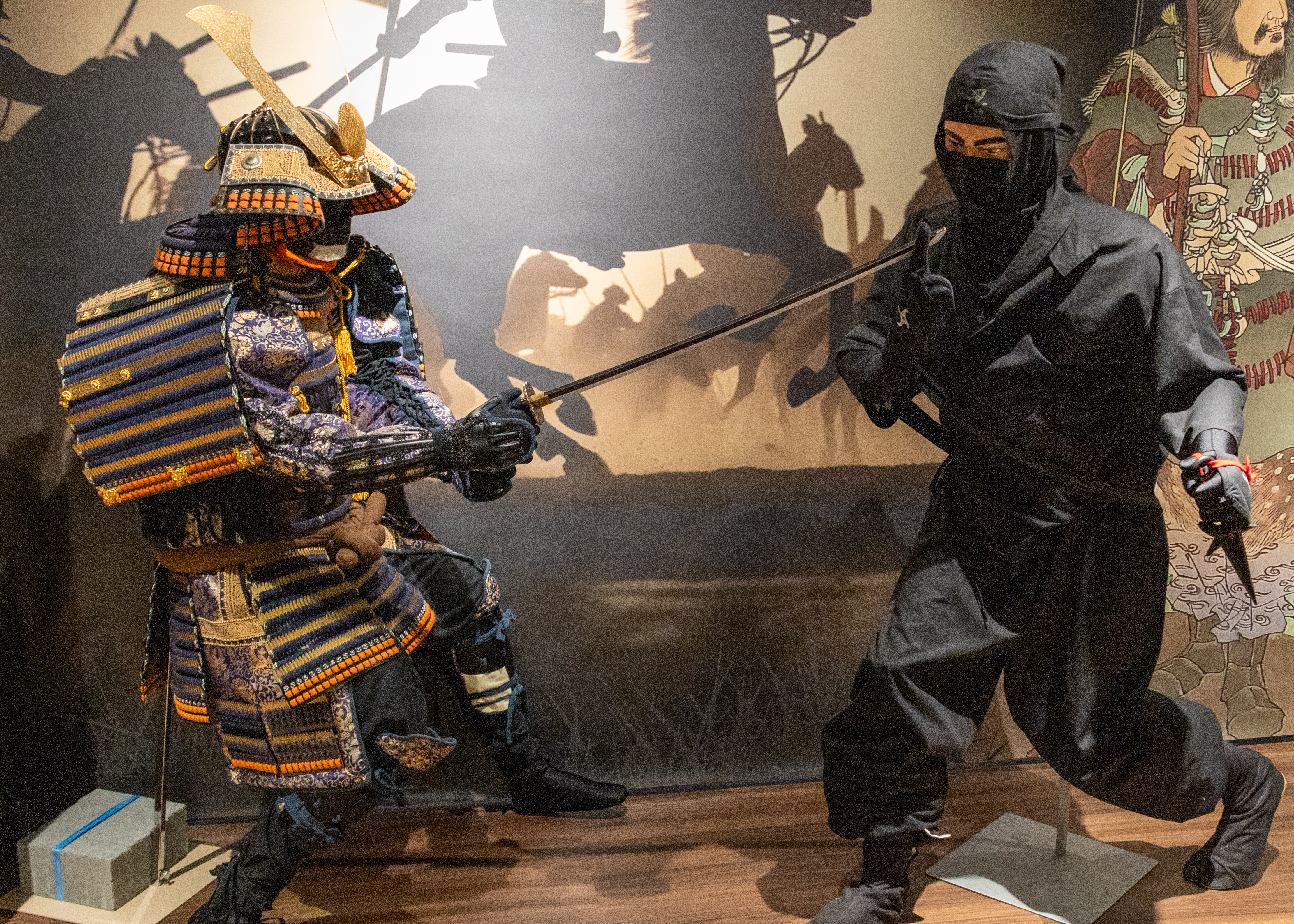
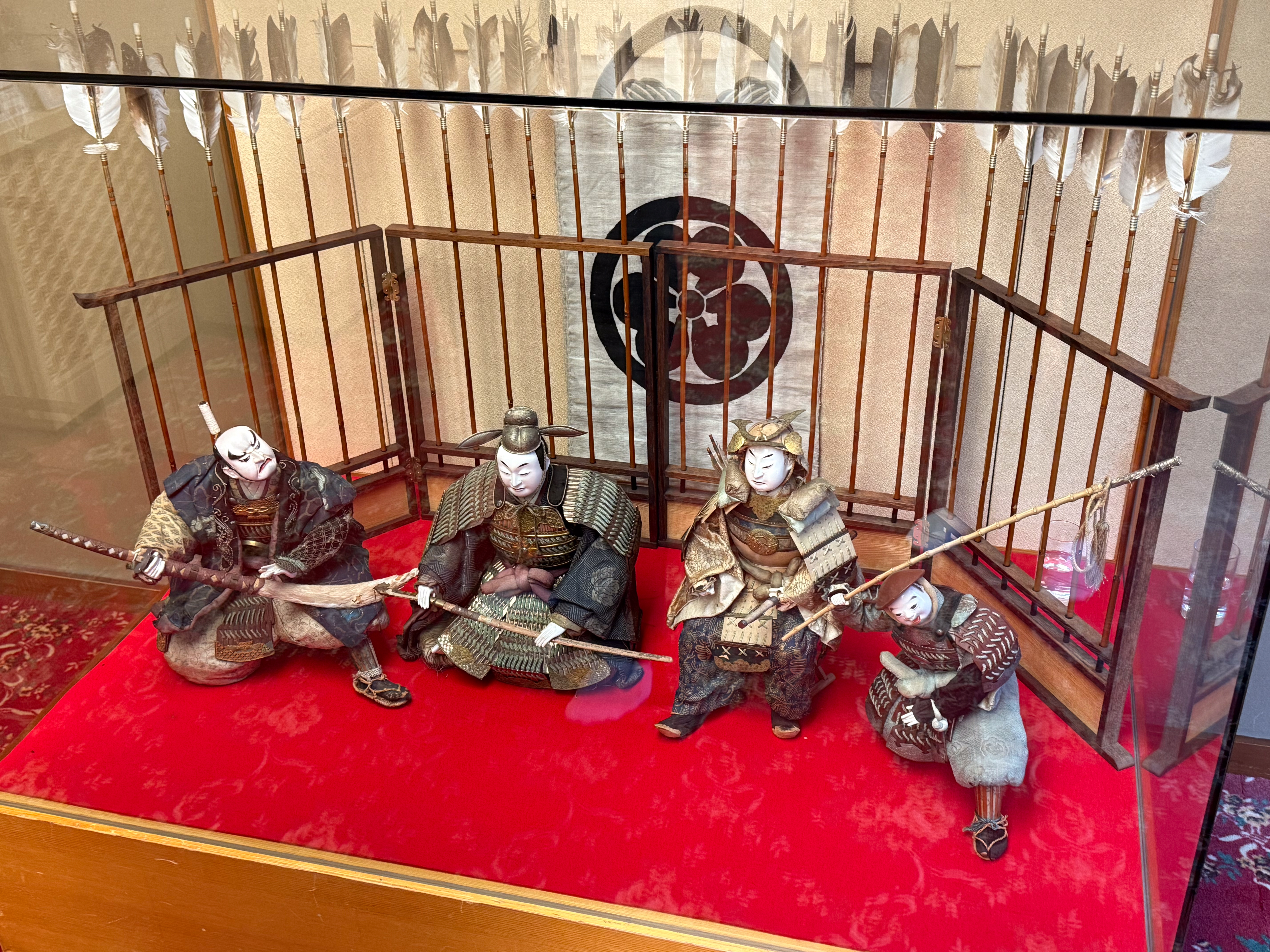
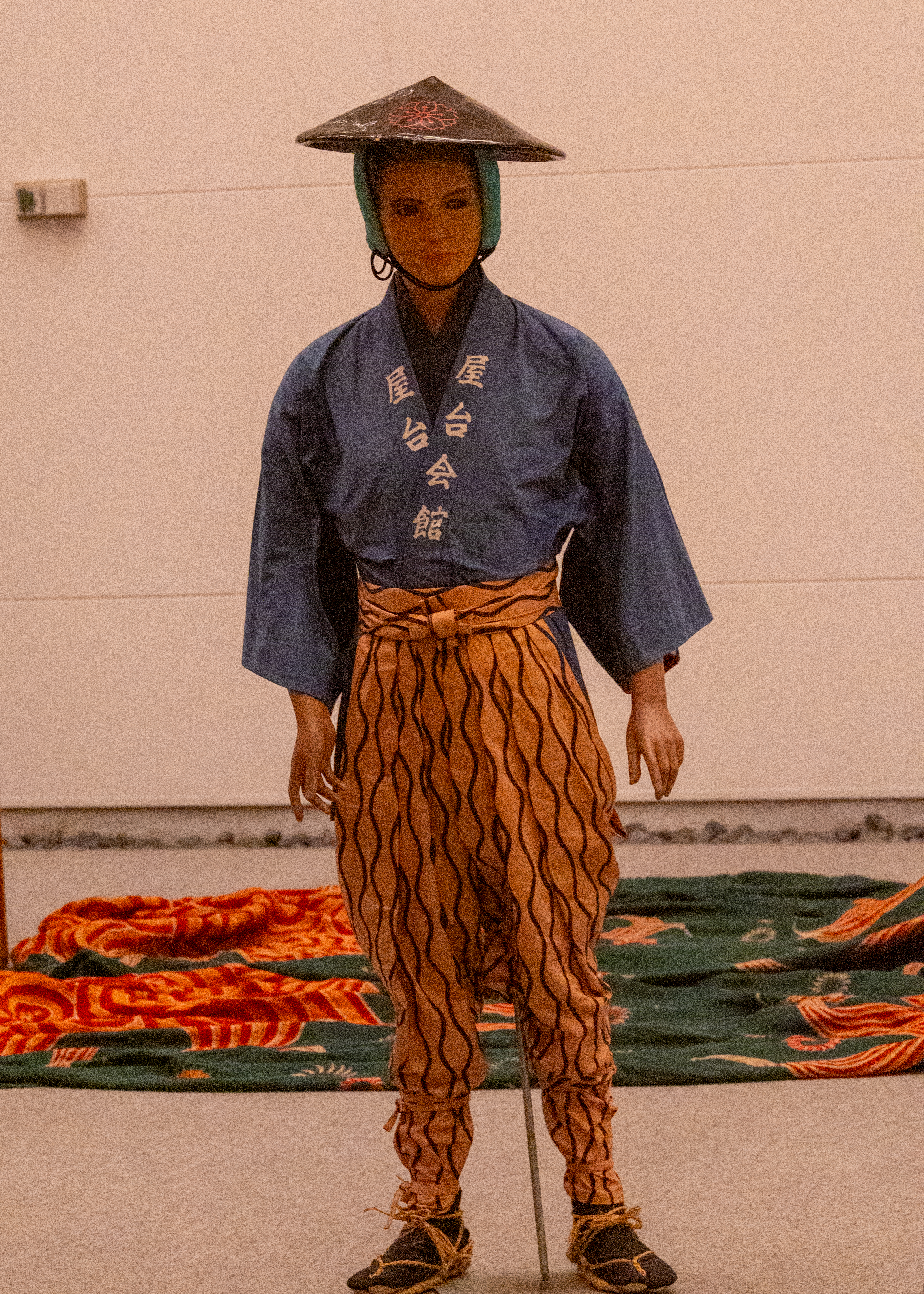
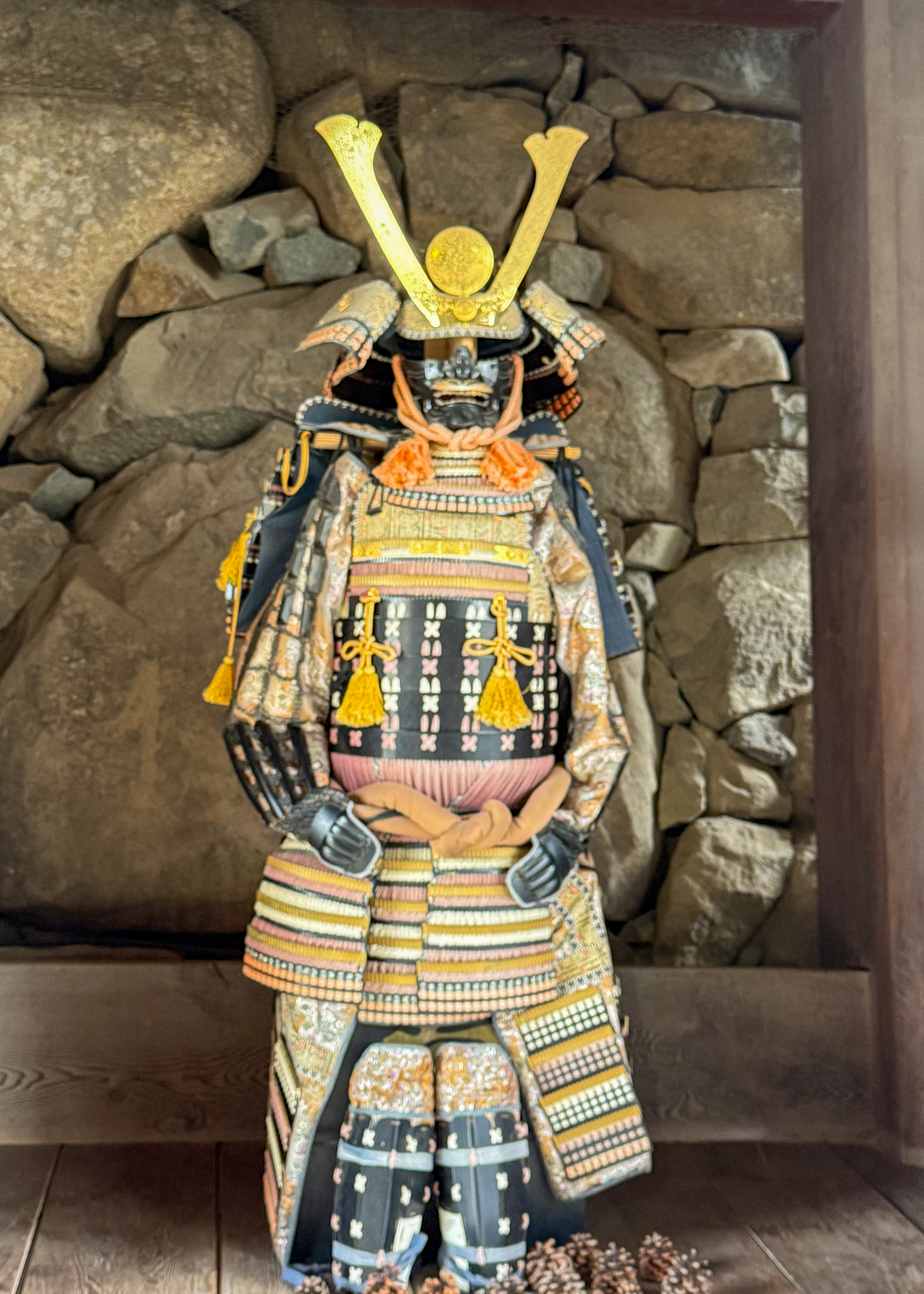
Our first stop of the day was the Samurai Ninja Museum in Kyoto, where the legendary world of Samurai and ninja comes alive. This interactive, hands-on museum is where Samurai dress, armor, and skills come alive. Ninja swordsmanship skills, blowgun techniques, and shuriken throwing (we tried our hand) are demonstrated.

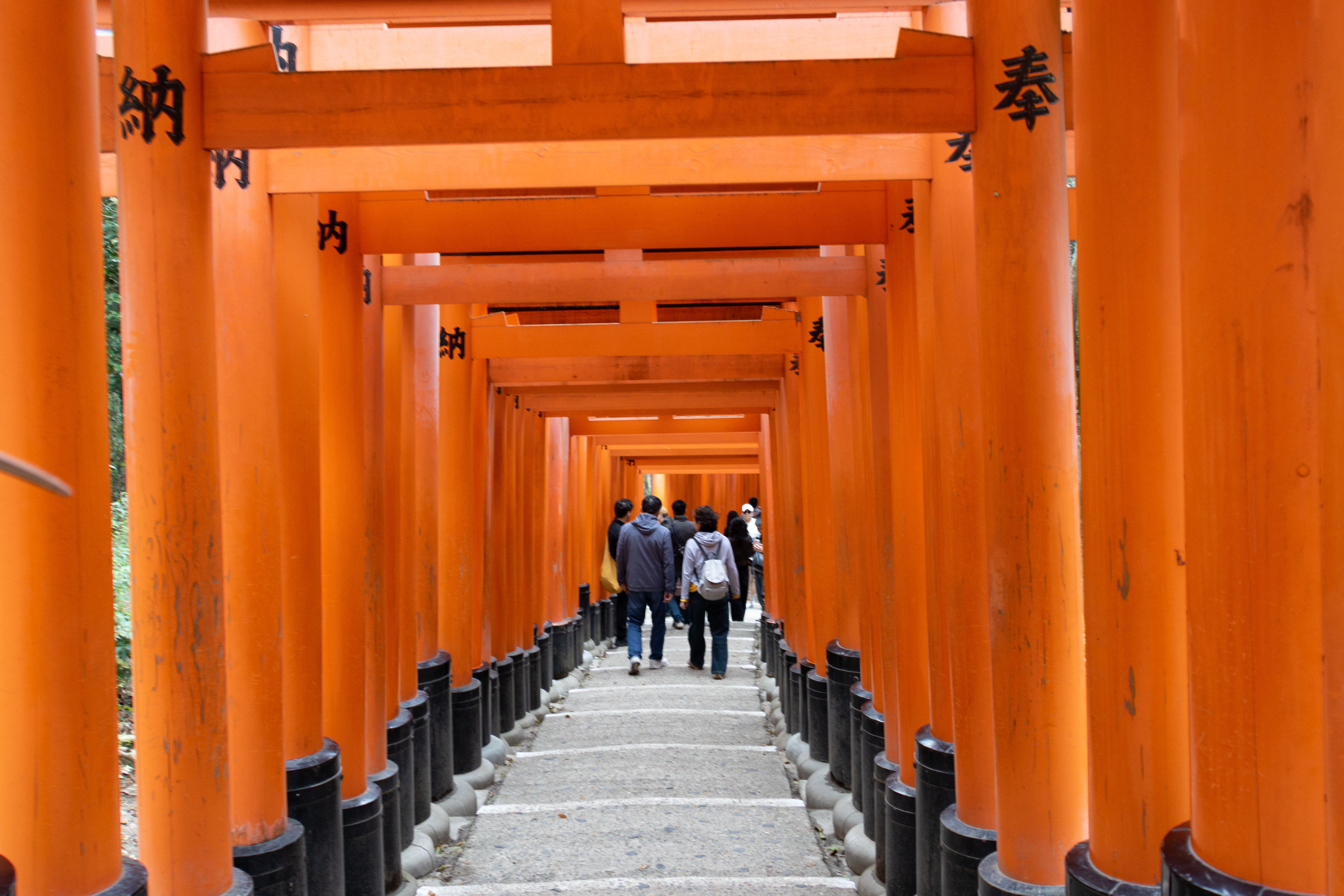
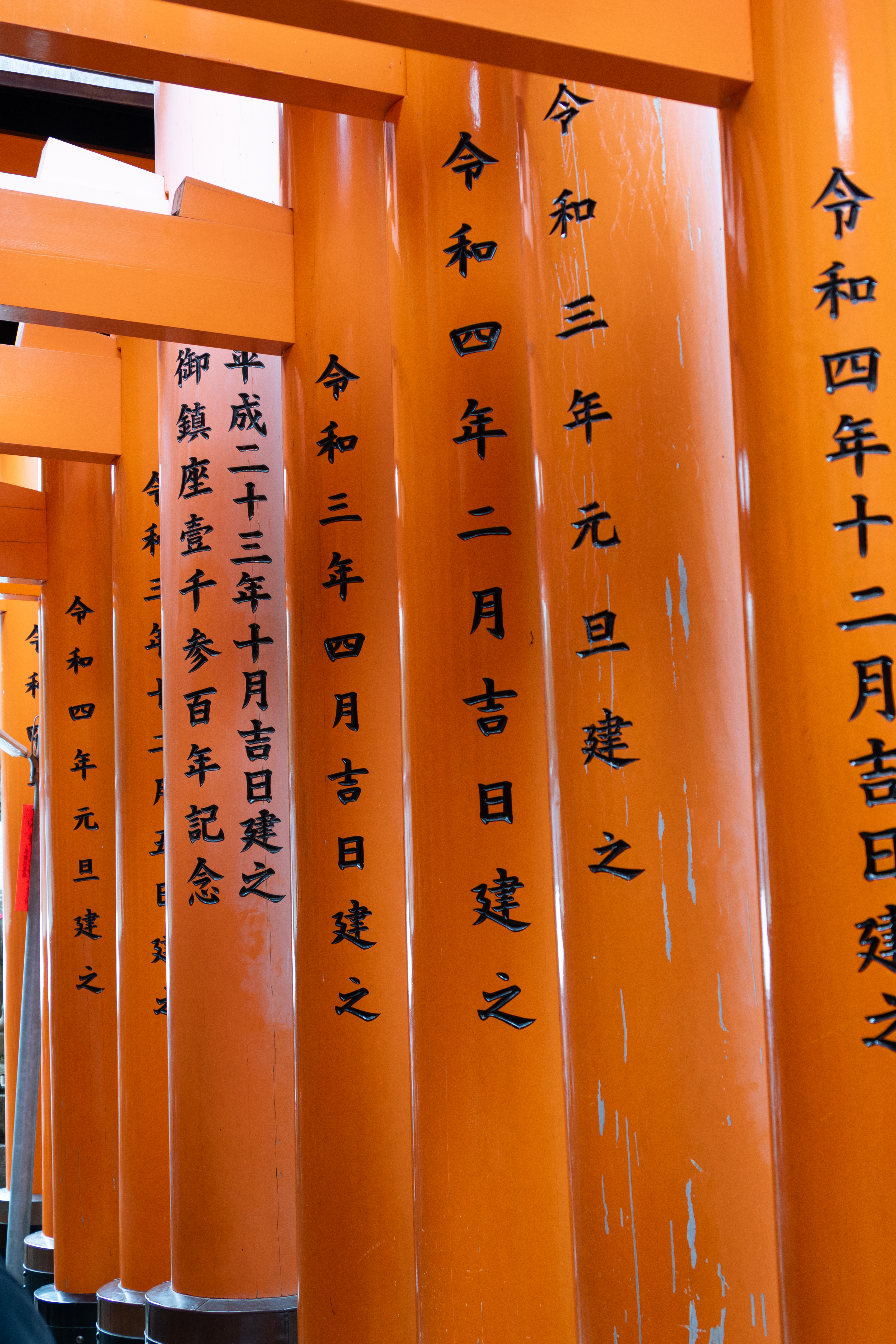
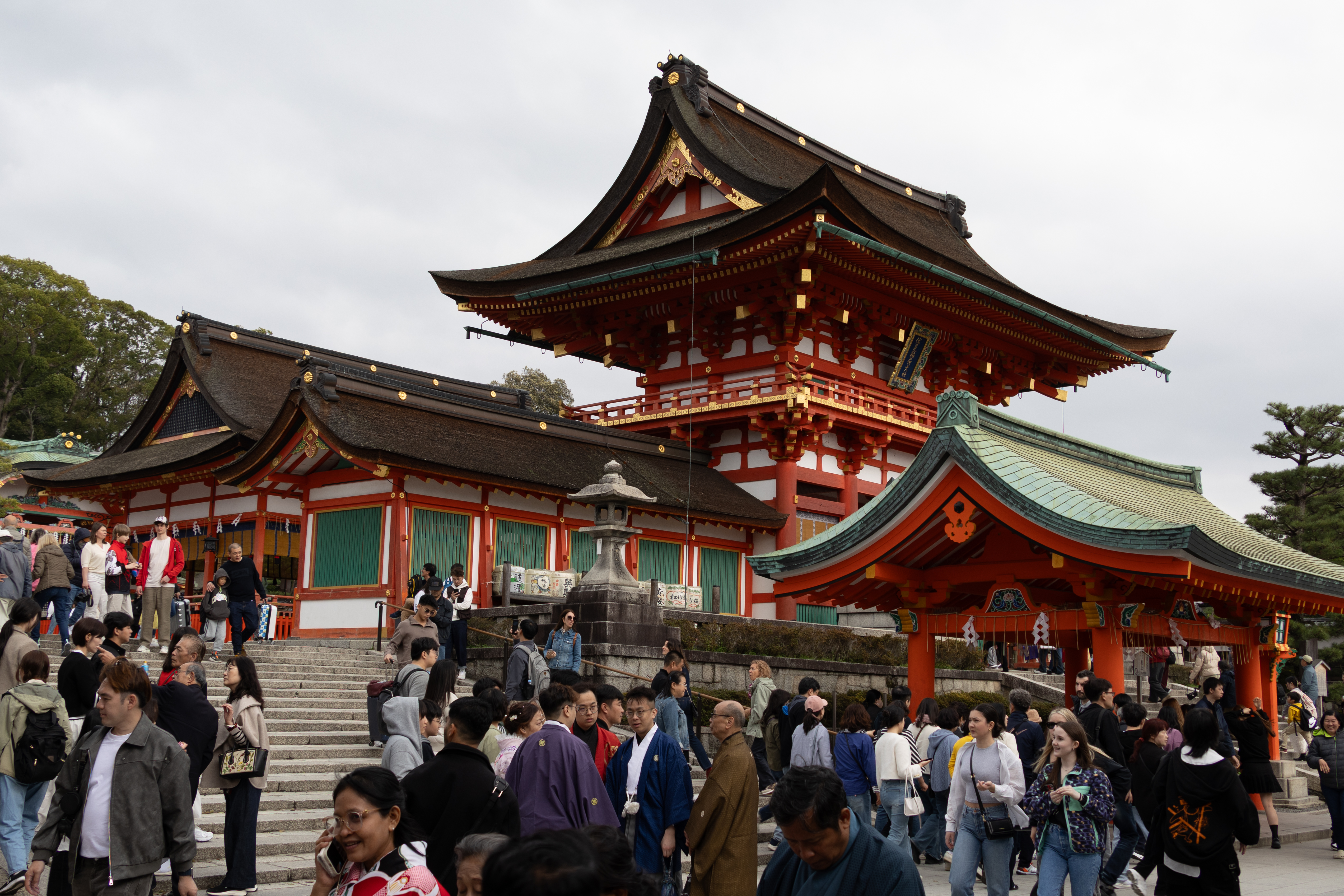
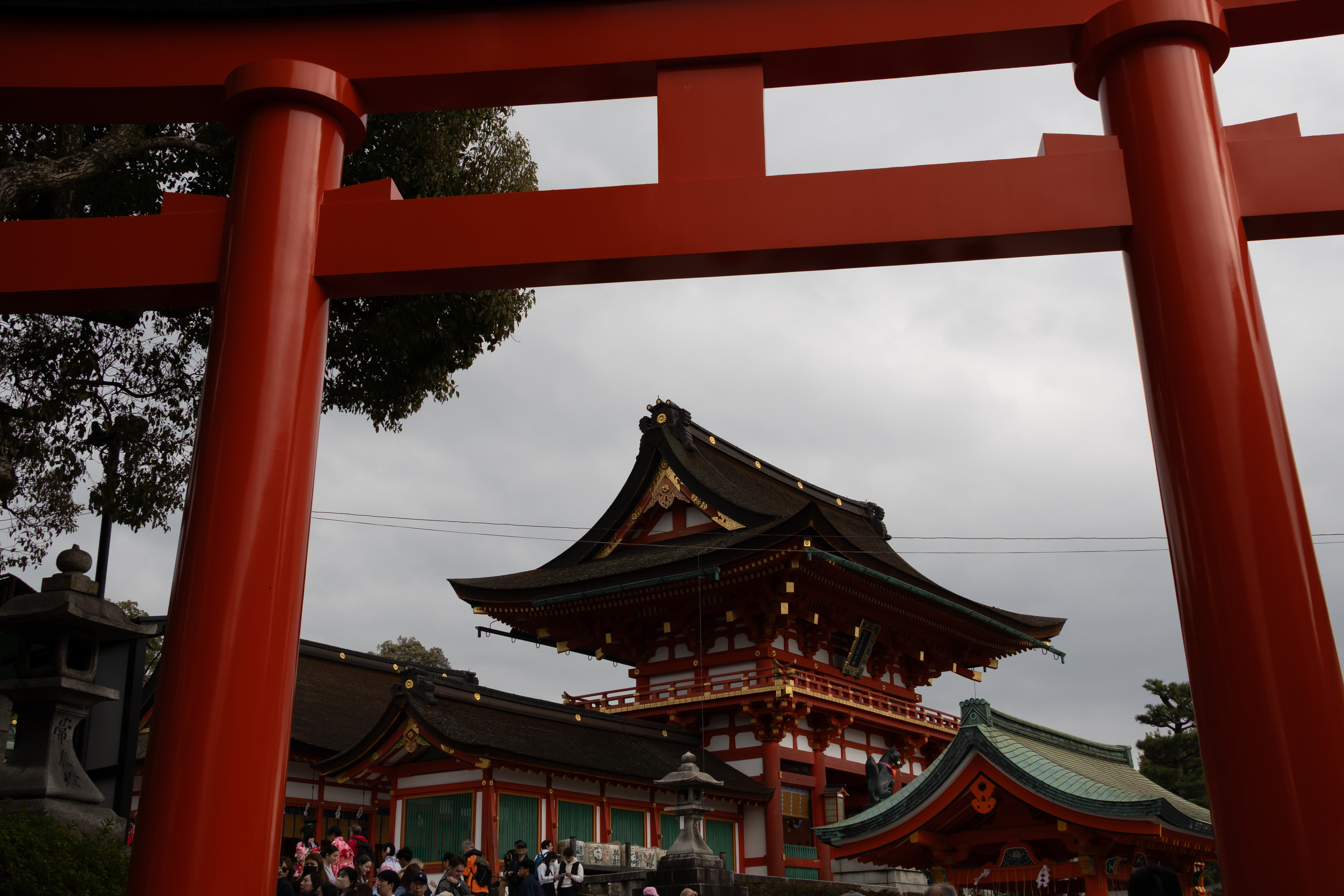
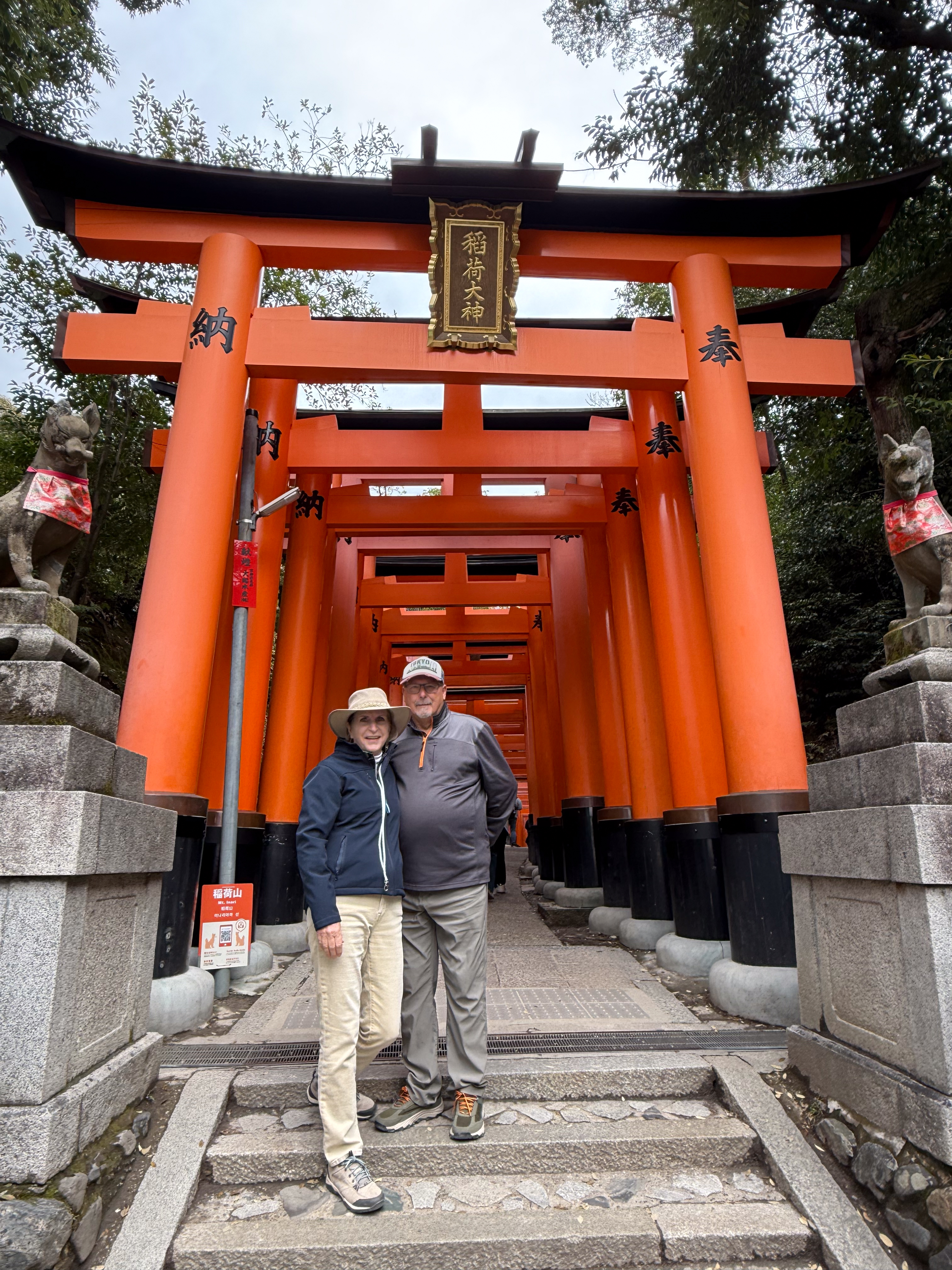
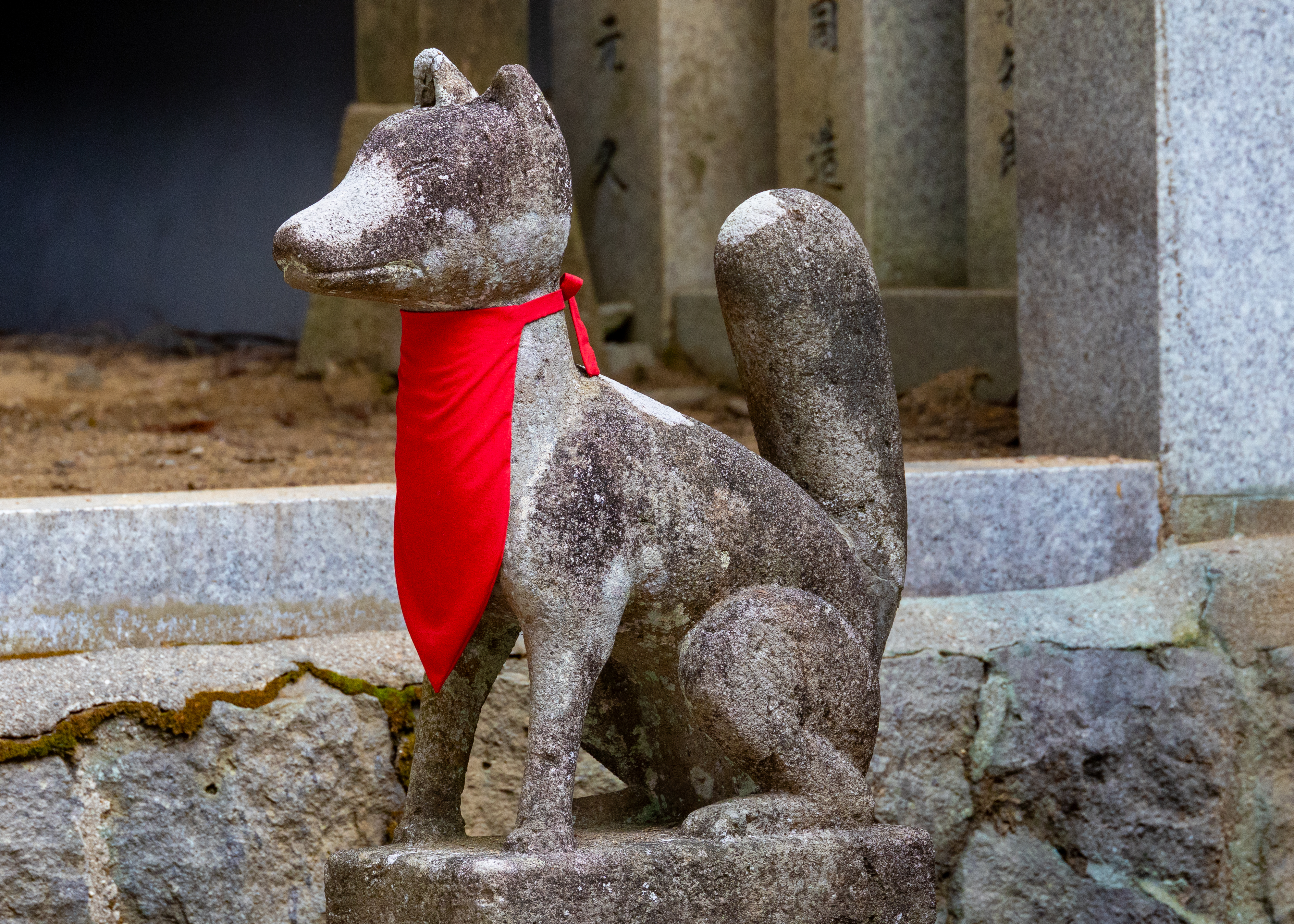
Fushimi Inari Shrine is dedicated to the Shinto God of Rice. It is famous for its thousands of vermilion Torii Gates, which straddle a network of trails and offer good views of Mt. Inaii, which stands at 233 meters.

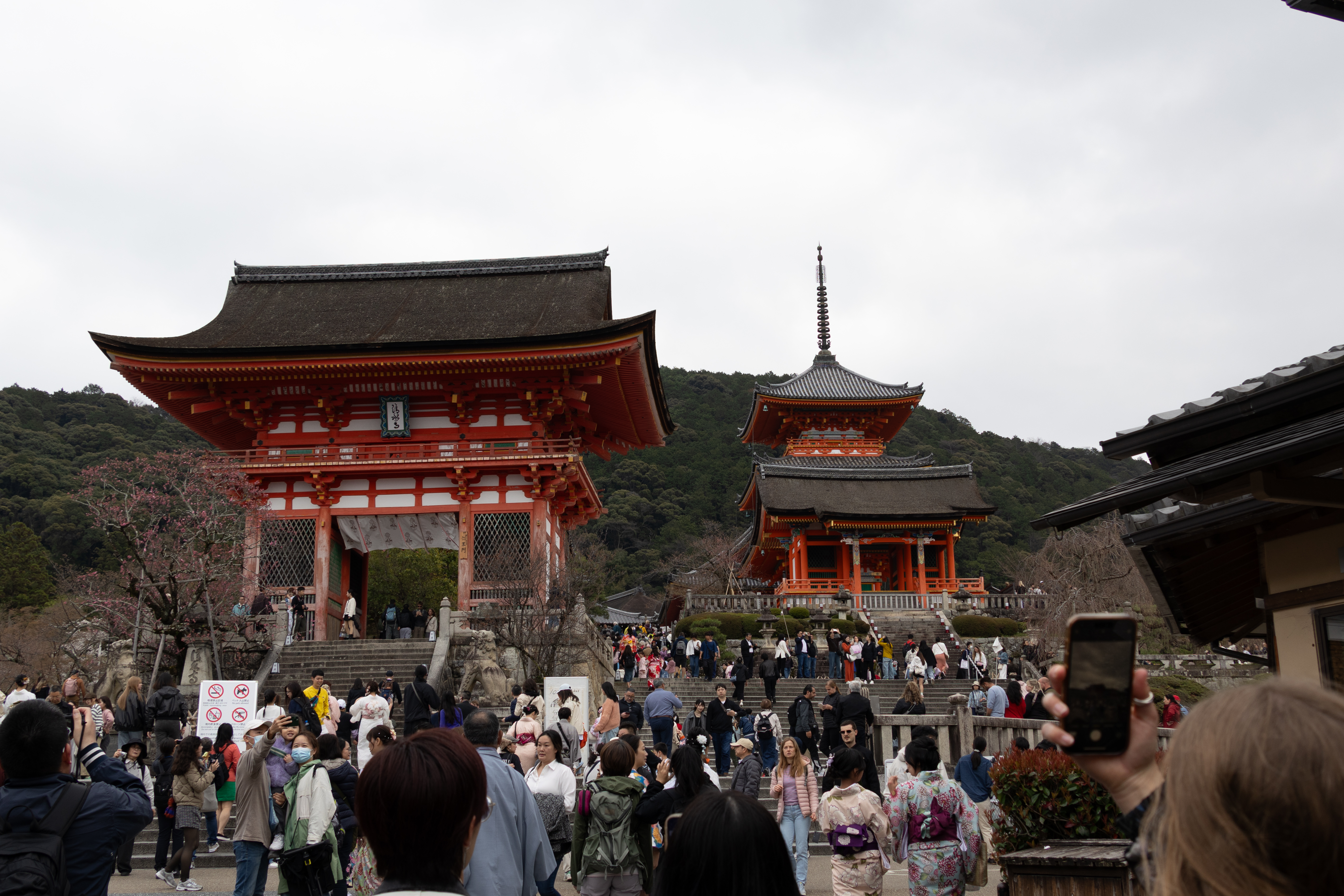
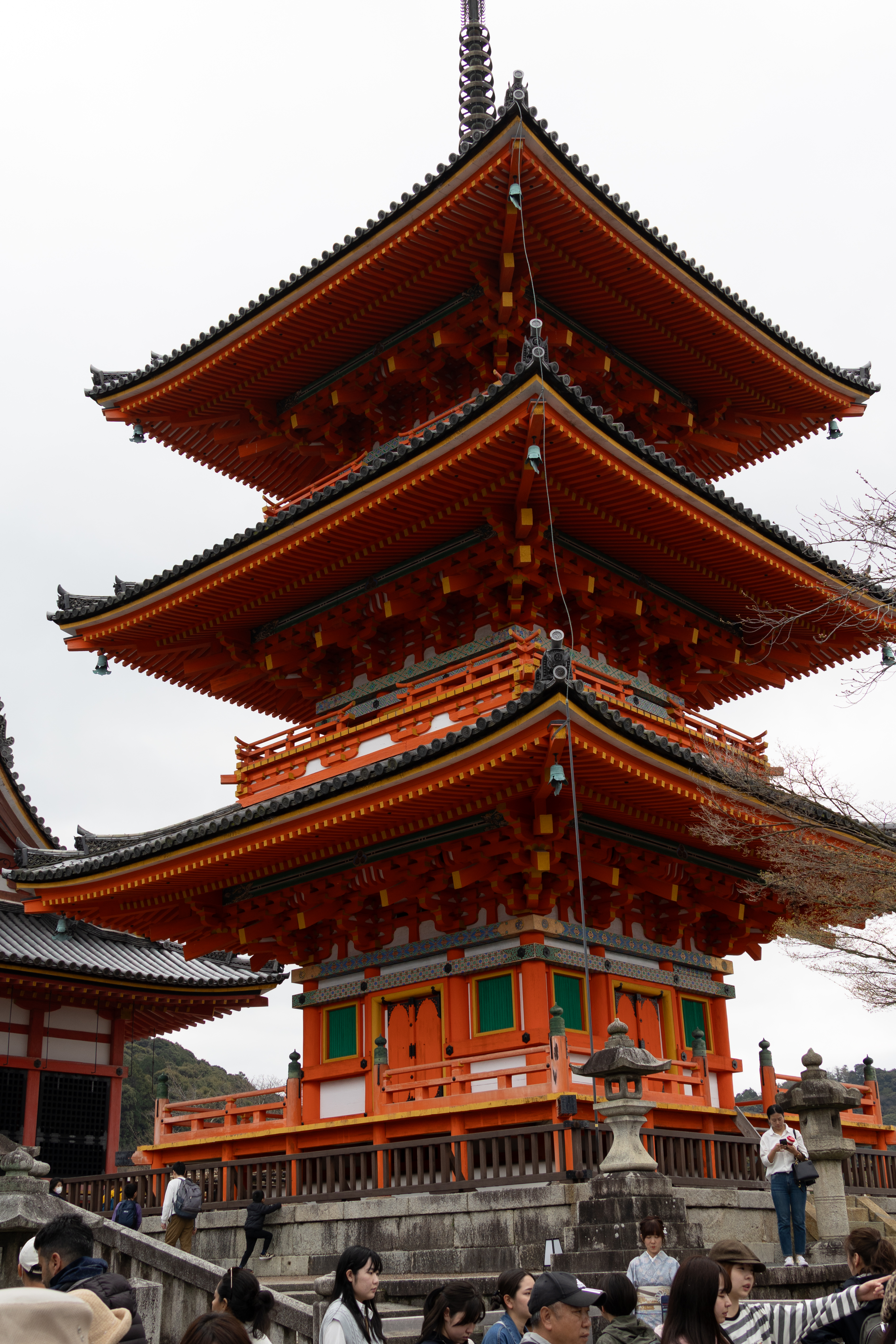
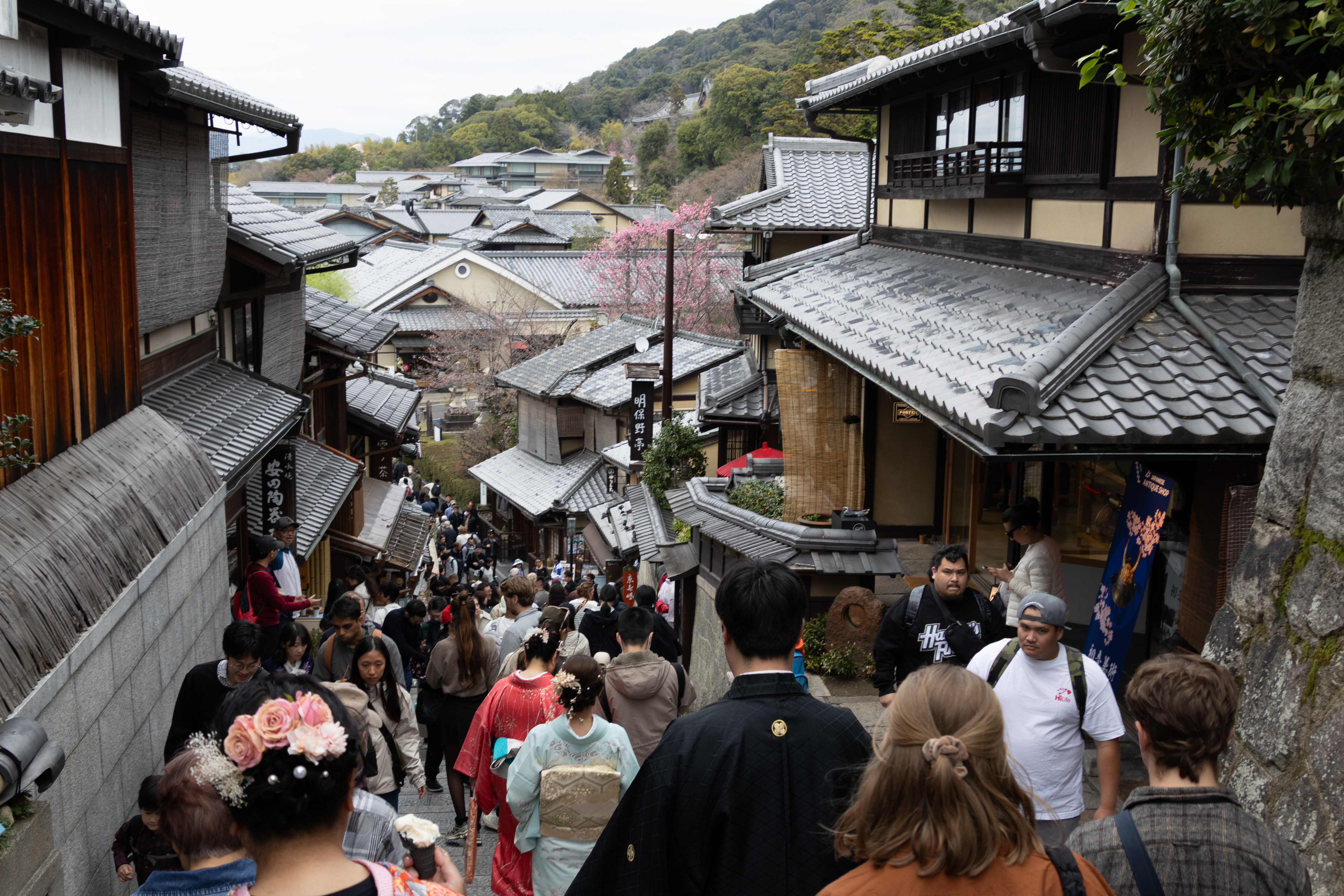
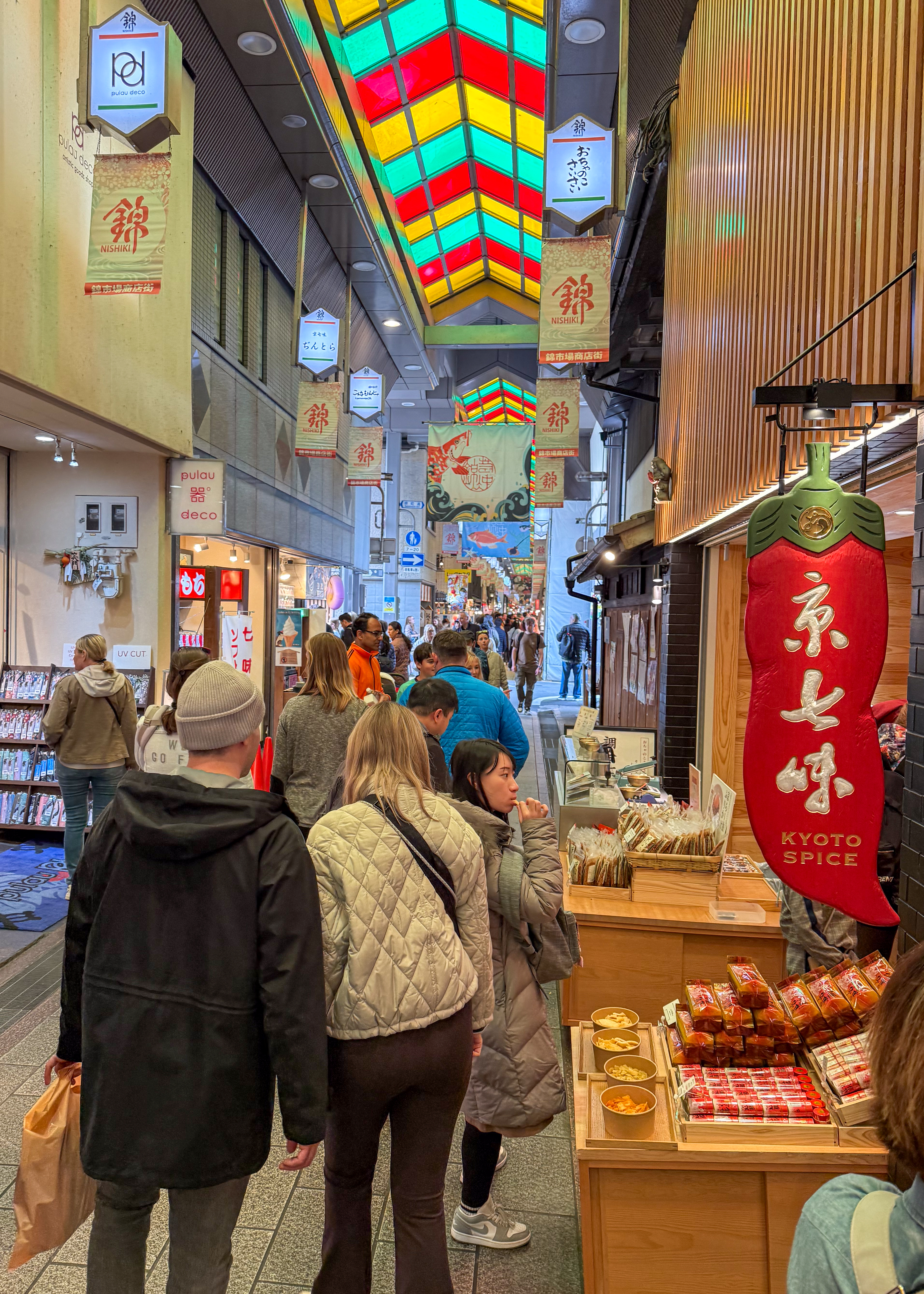
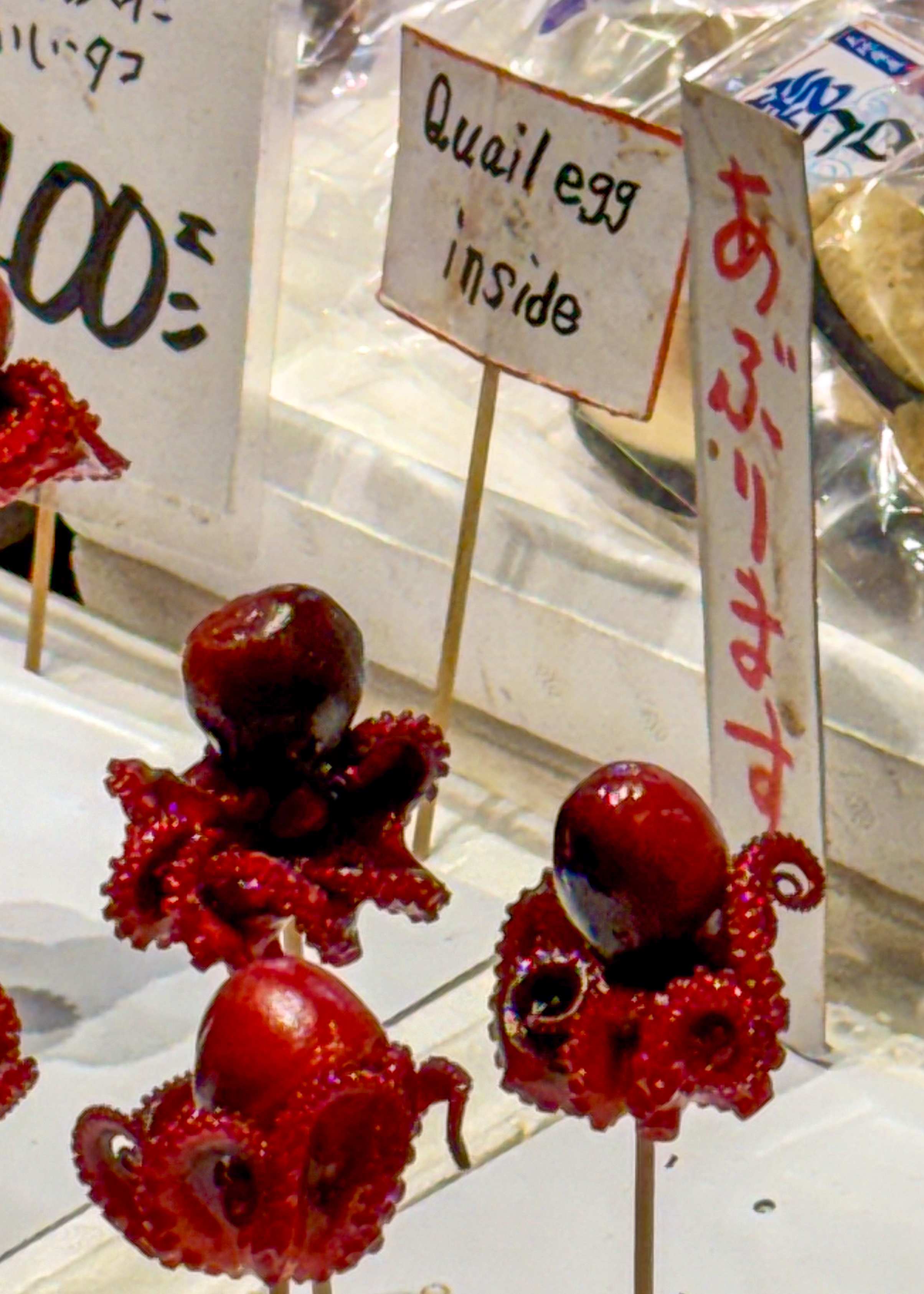
Ninenzaka Food  Market is a 150-meter road lined with stalls selling all kinds of street food and plenty of ice cream (known in Japan as soft cream).

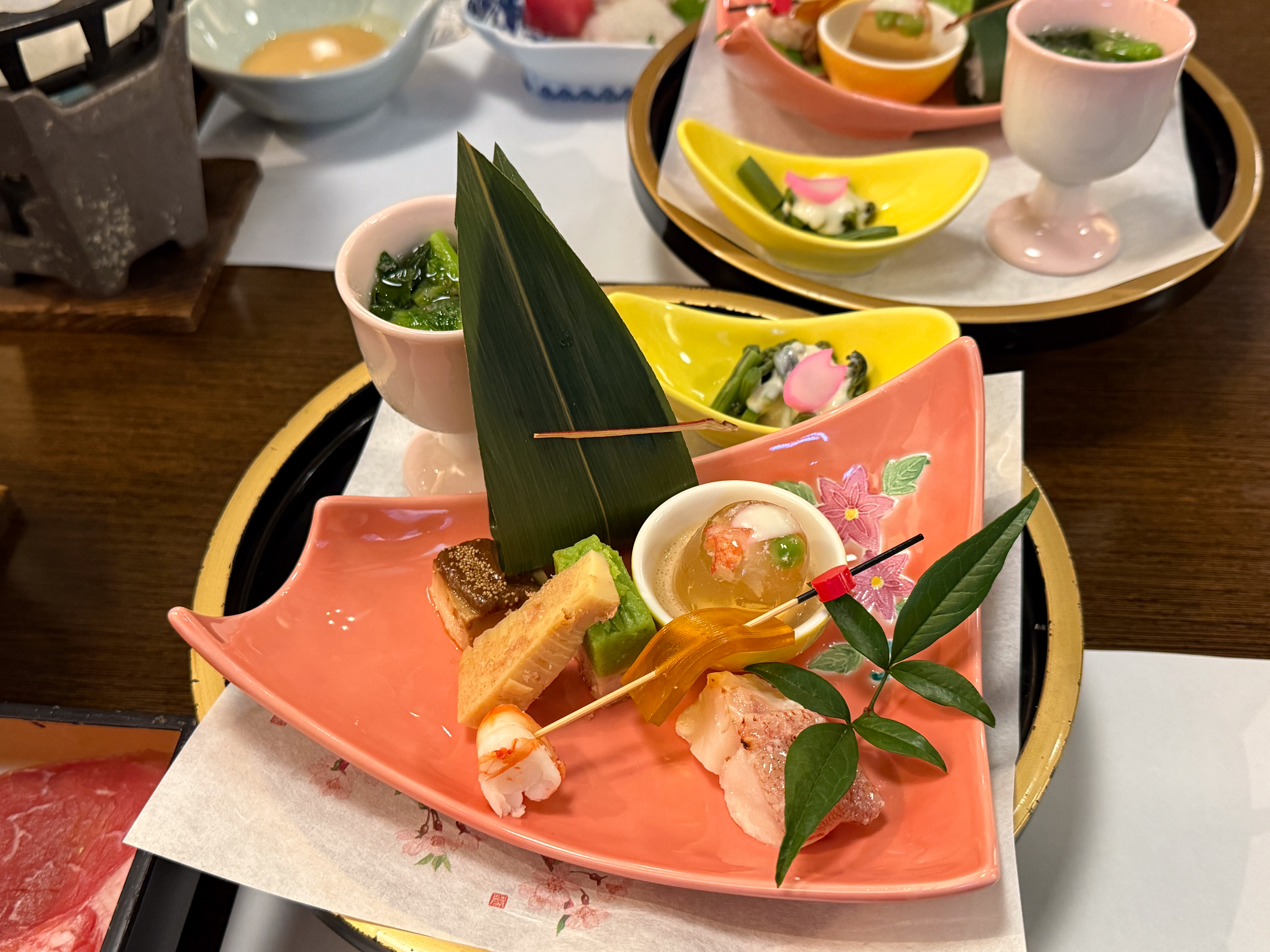
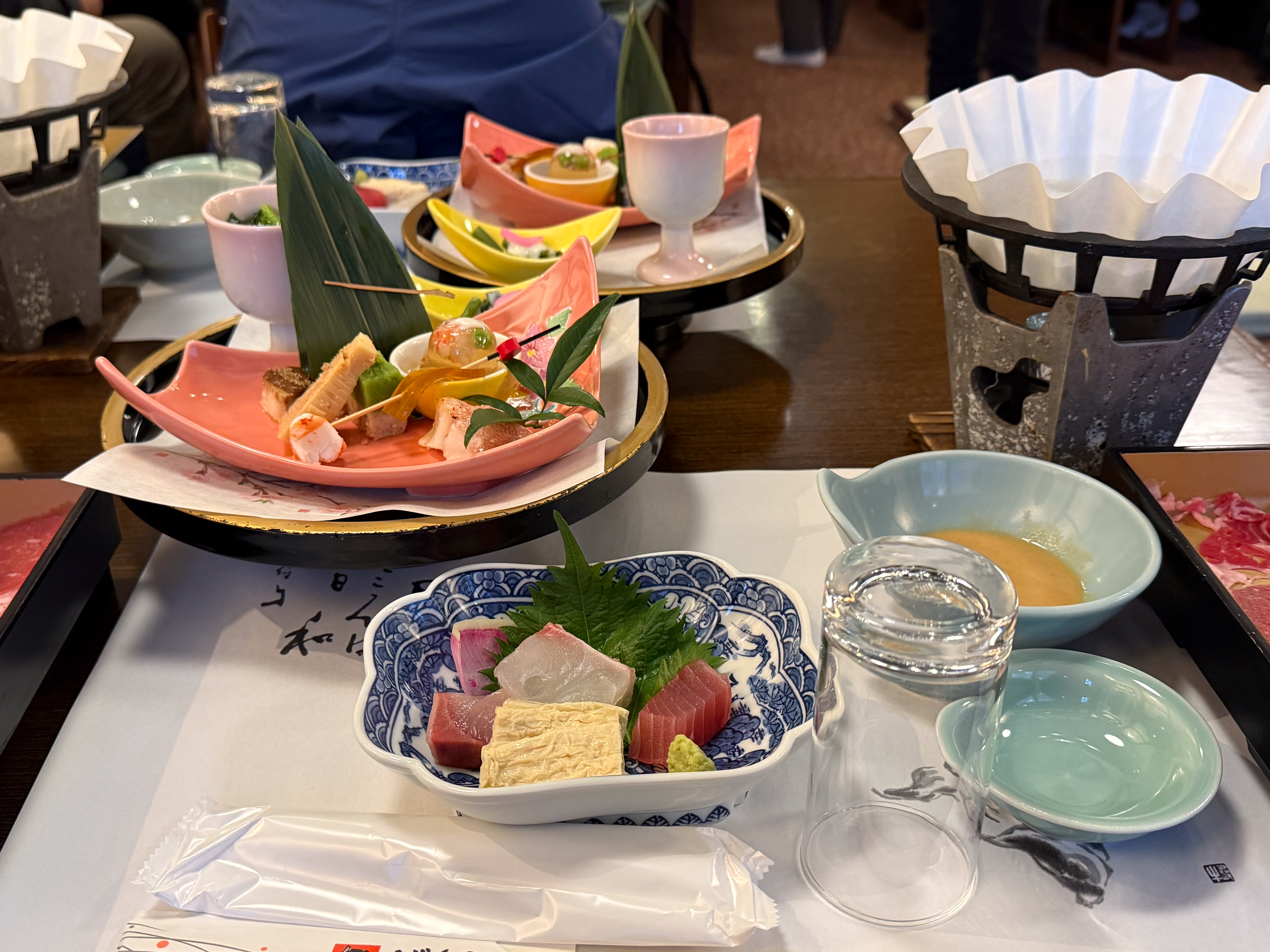
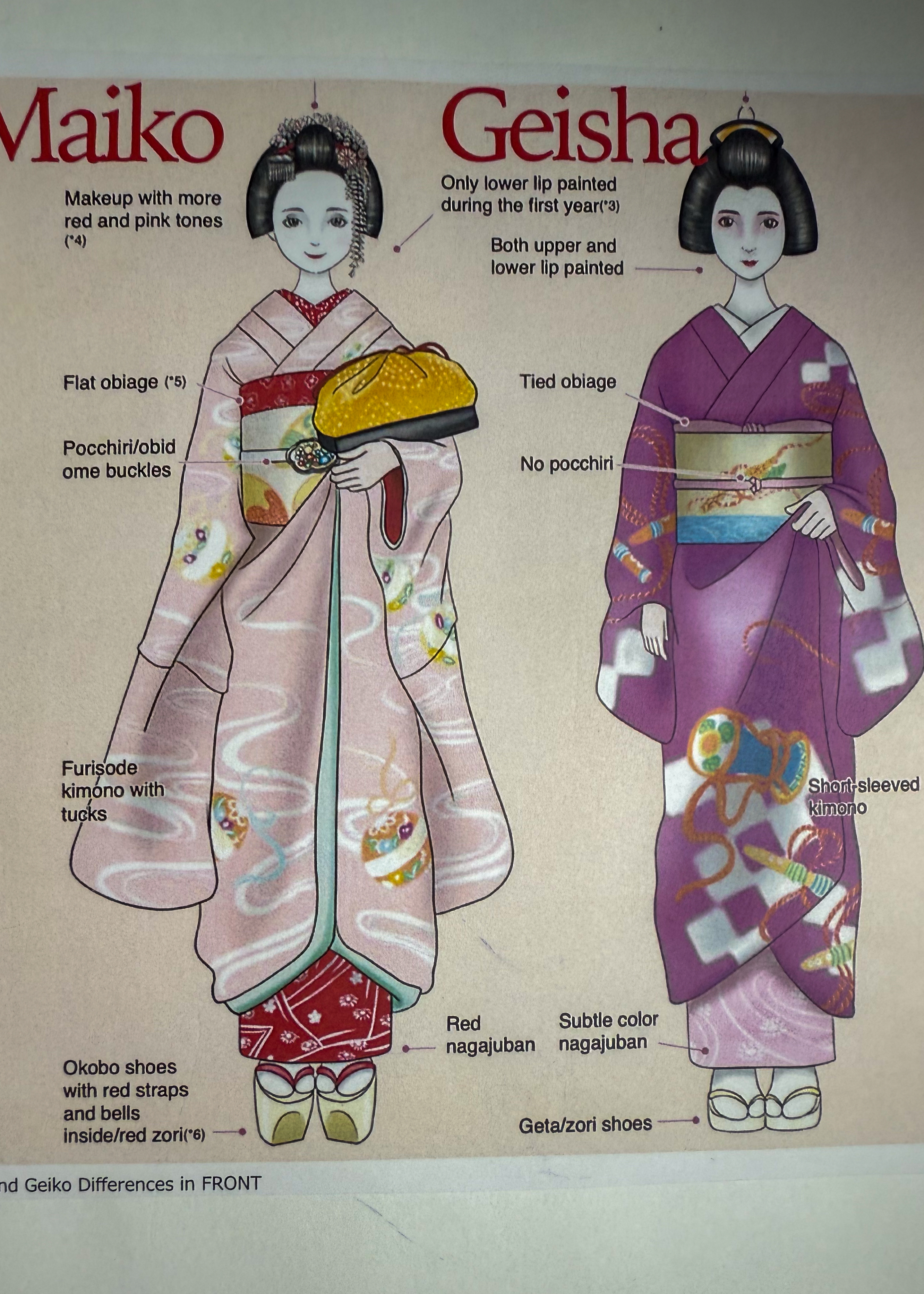
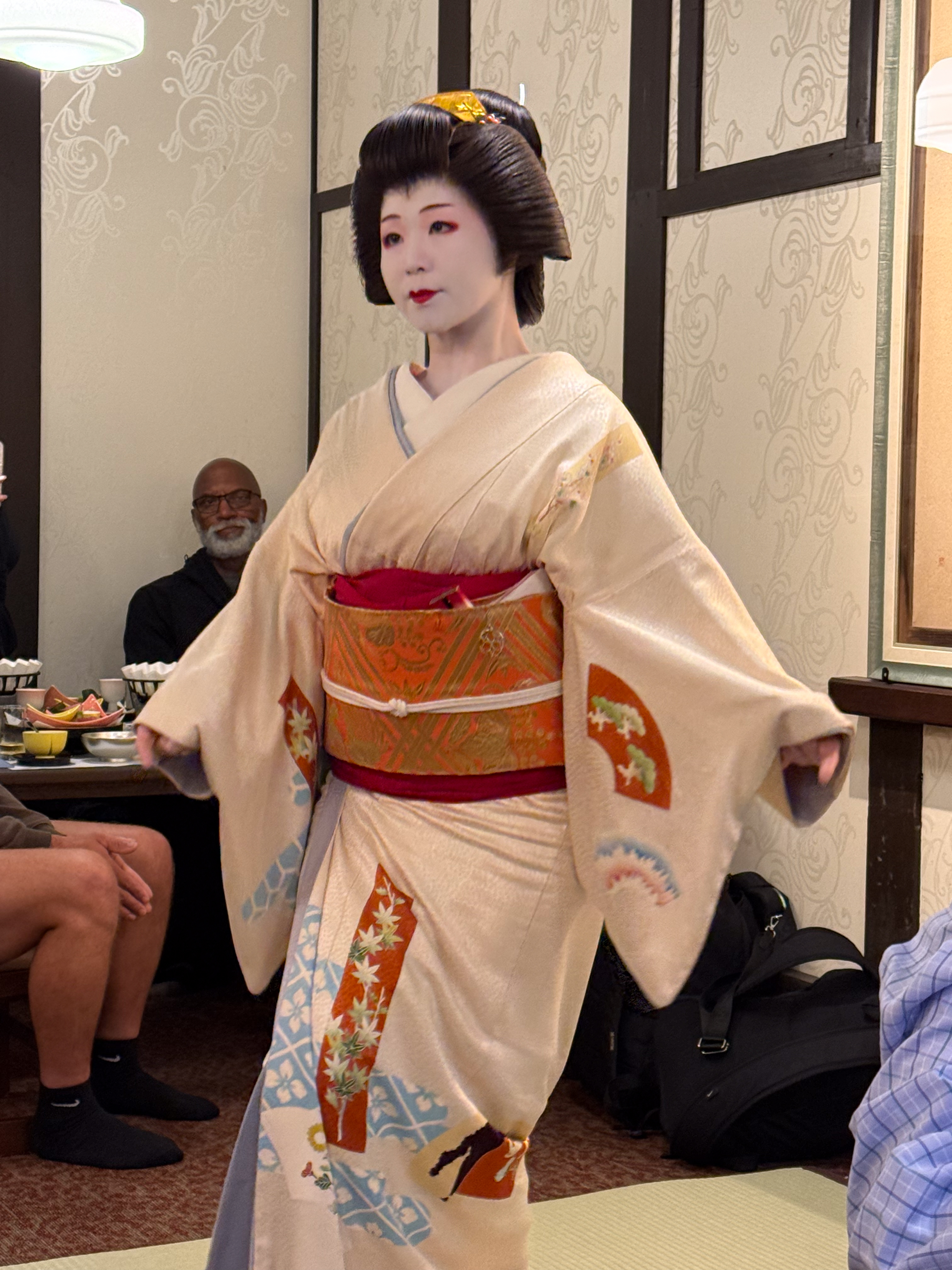
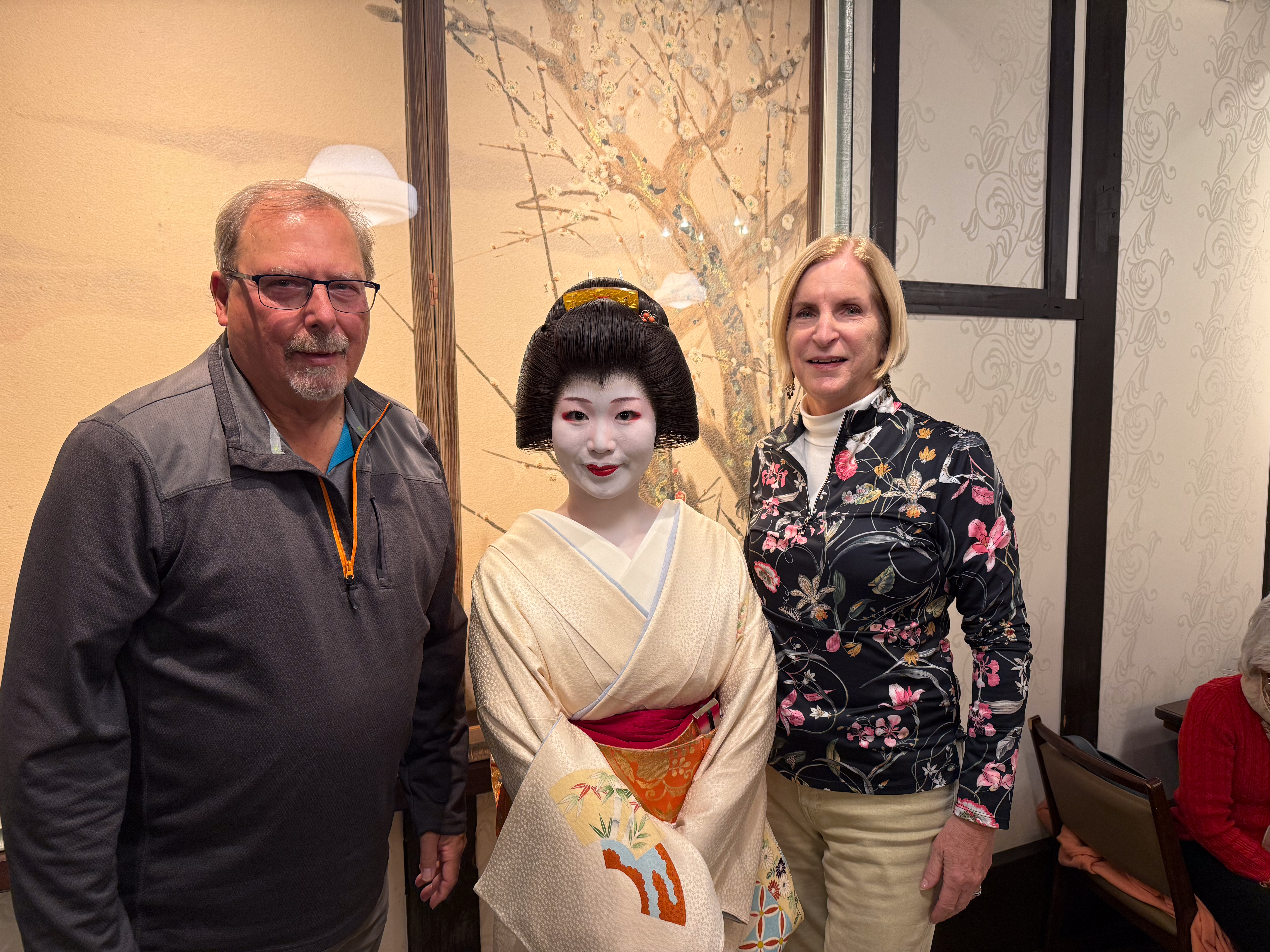
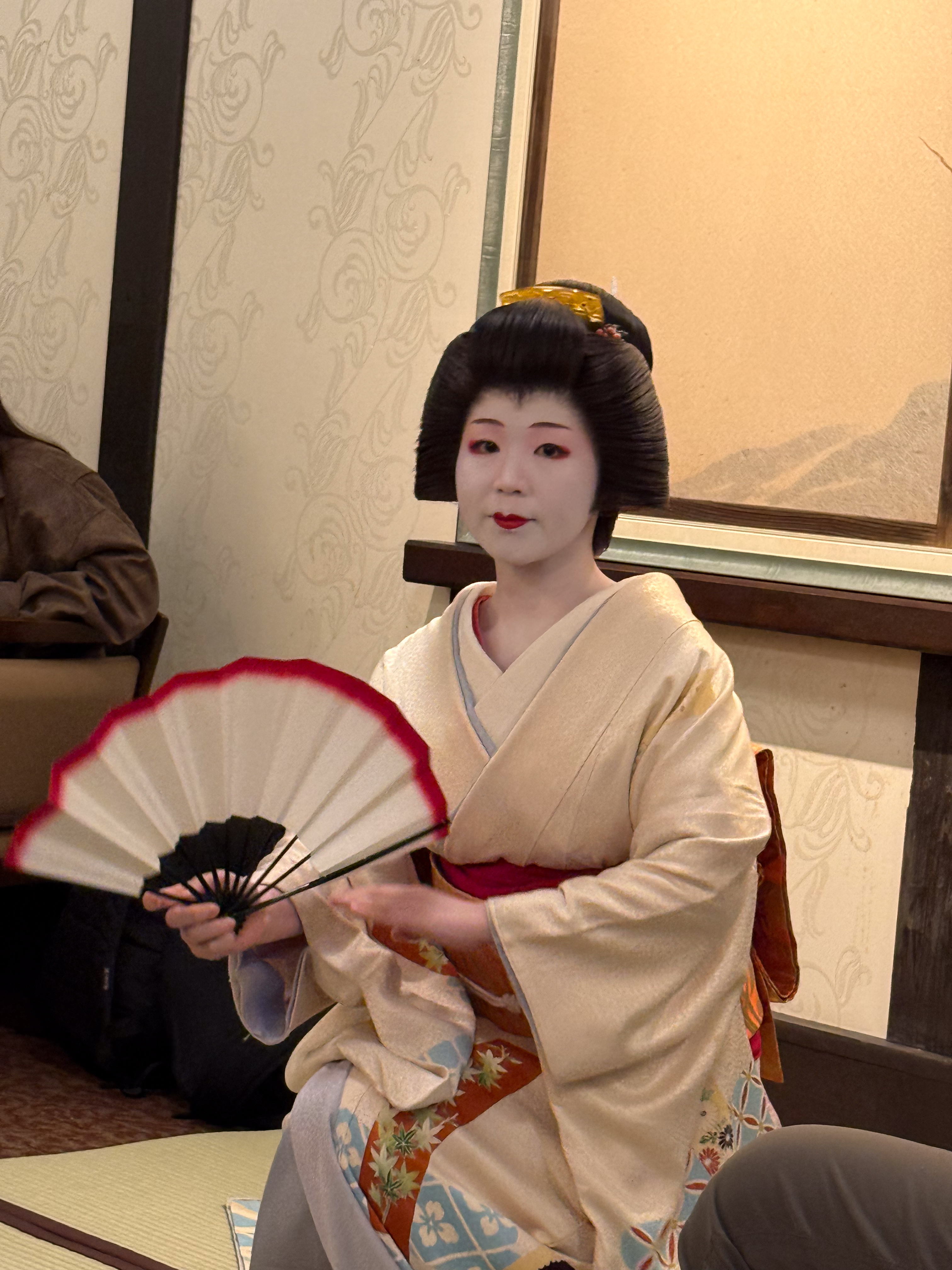
Dinner was a sit- down with a traditional Japanese fair and the added entertainment of a Geiko and Maiko in their traditional makeup with gilded hair in full kimono.

Japan Tour 2025 Day #8

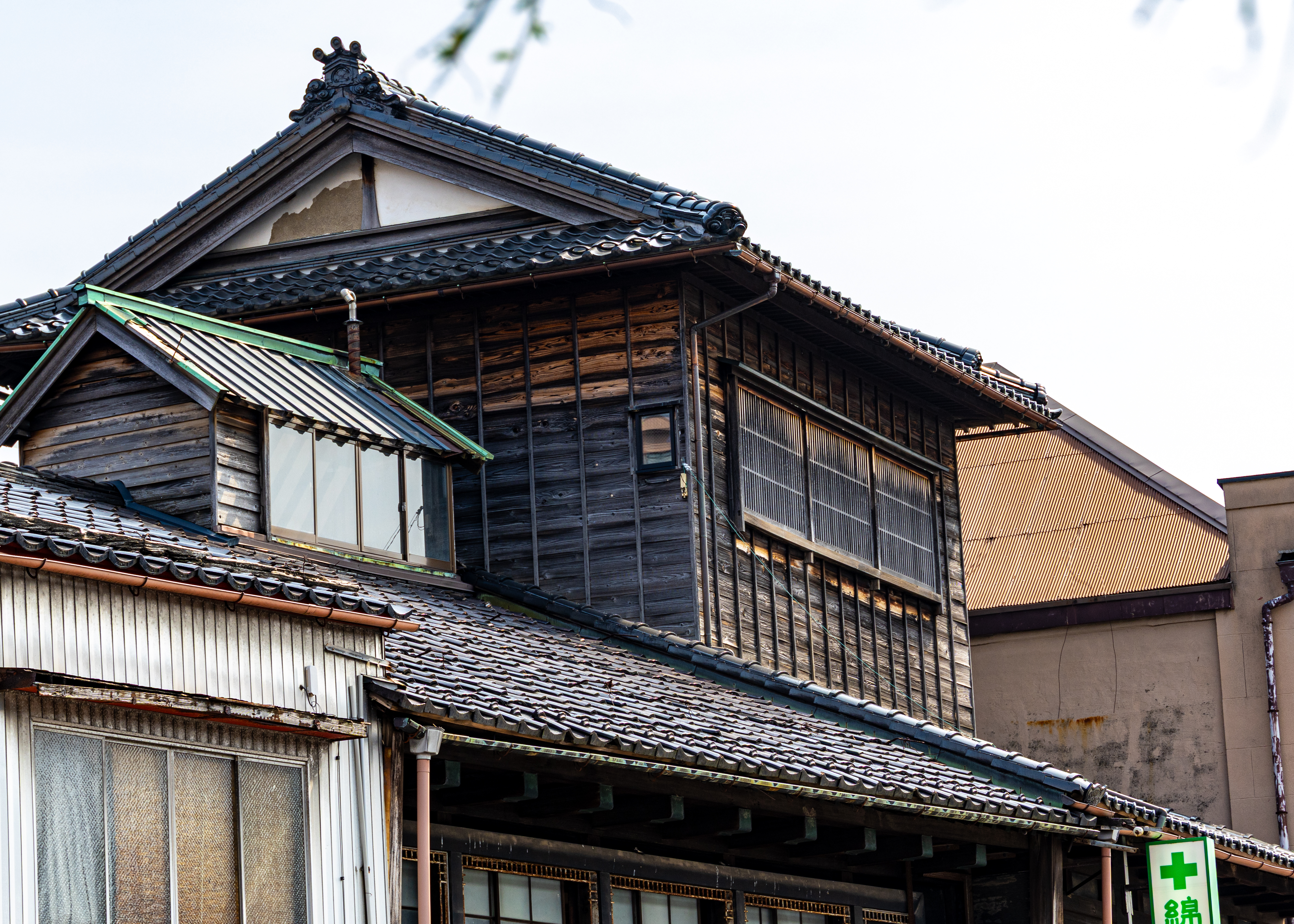
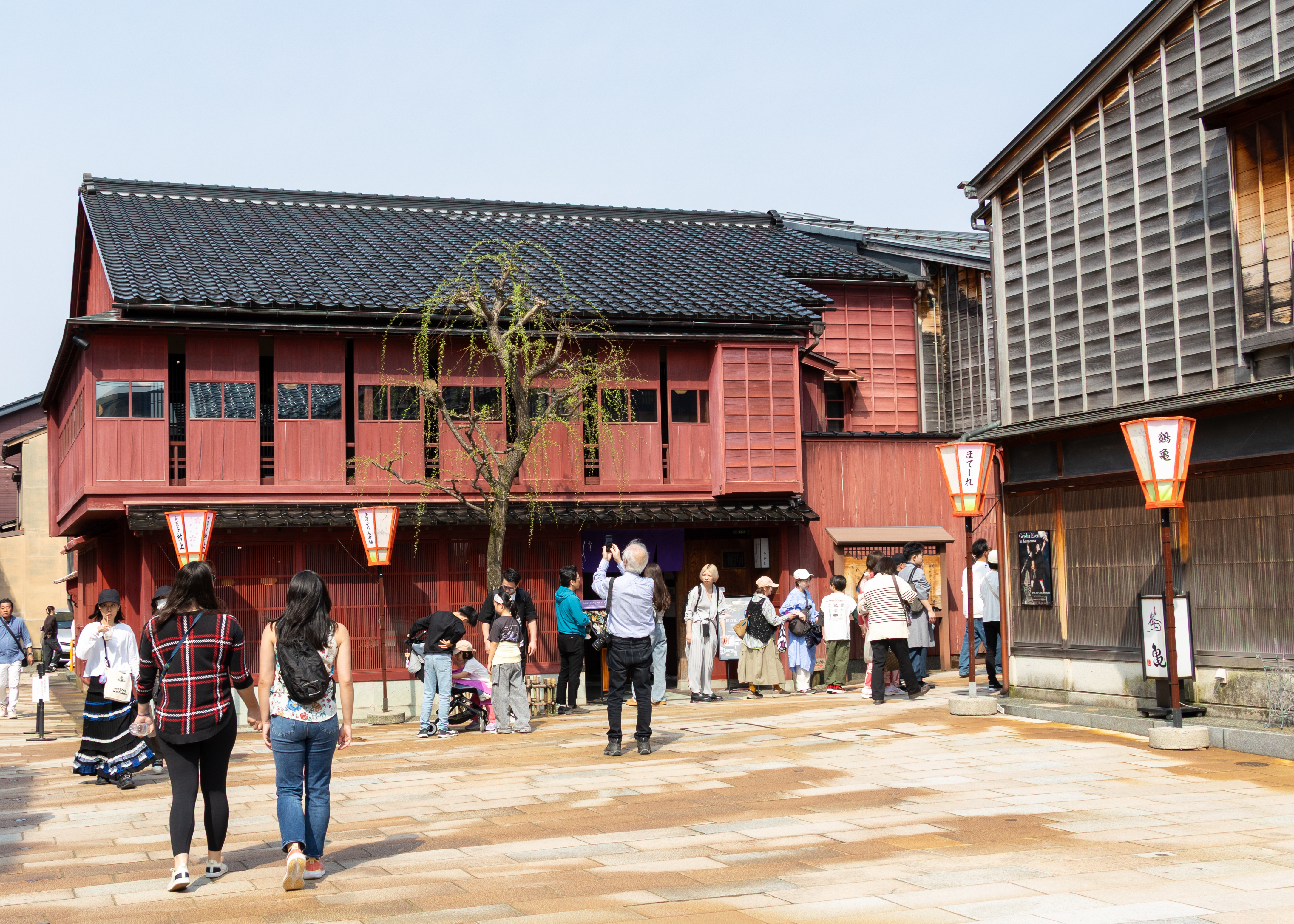
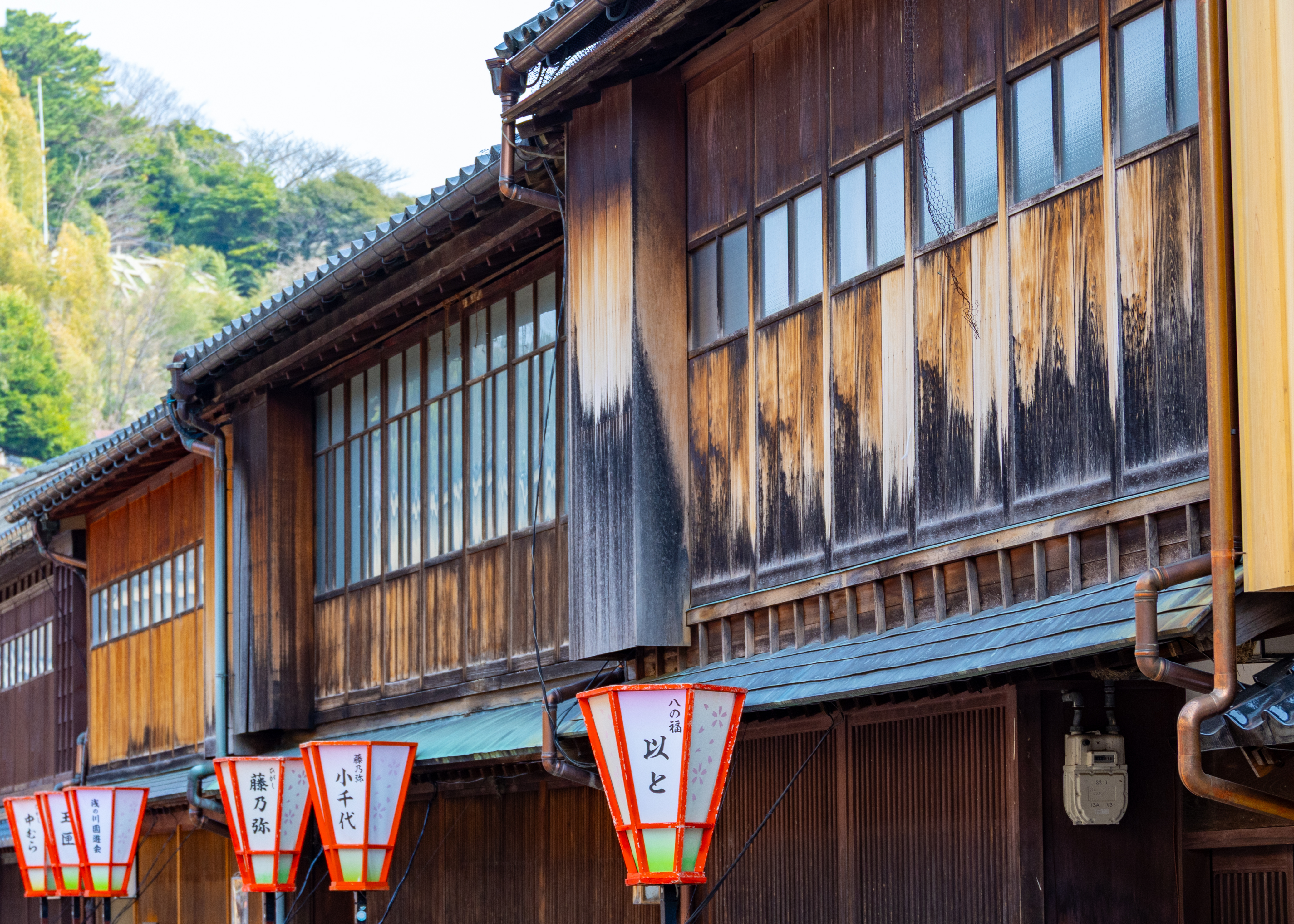
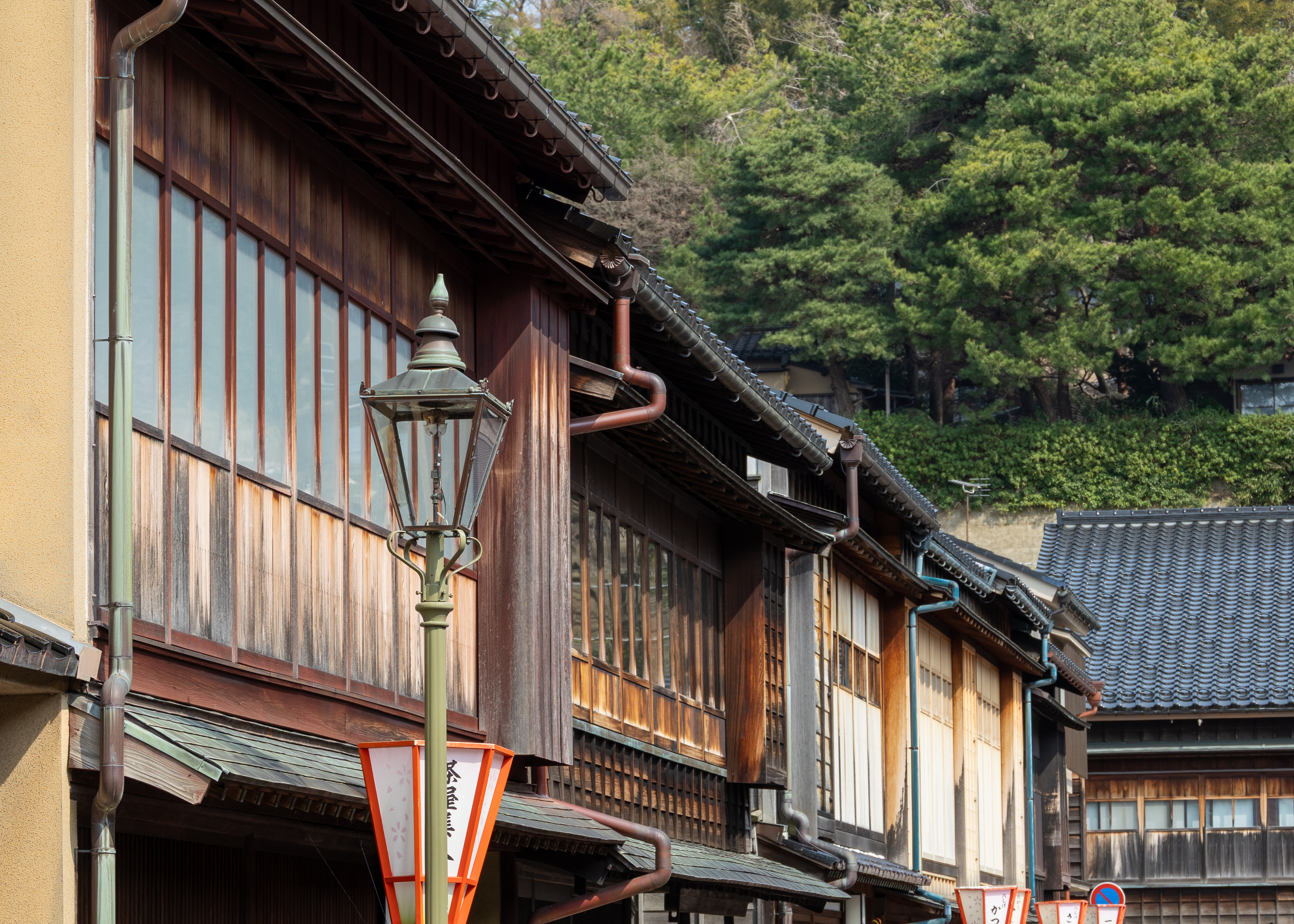
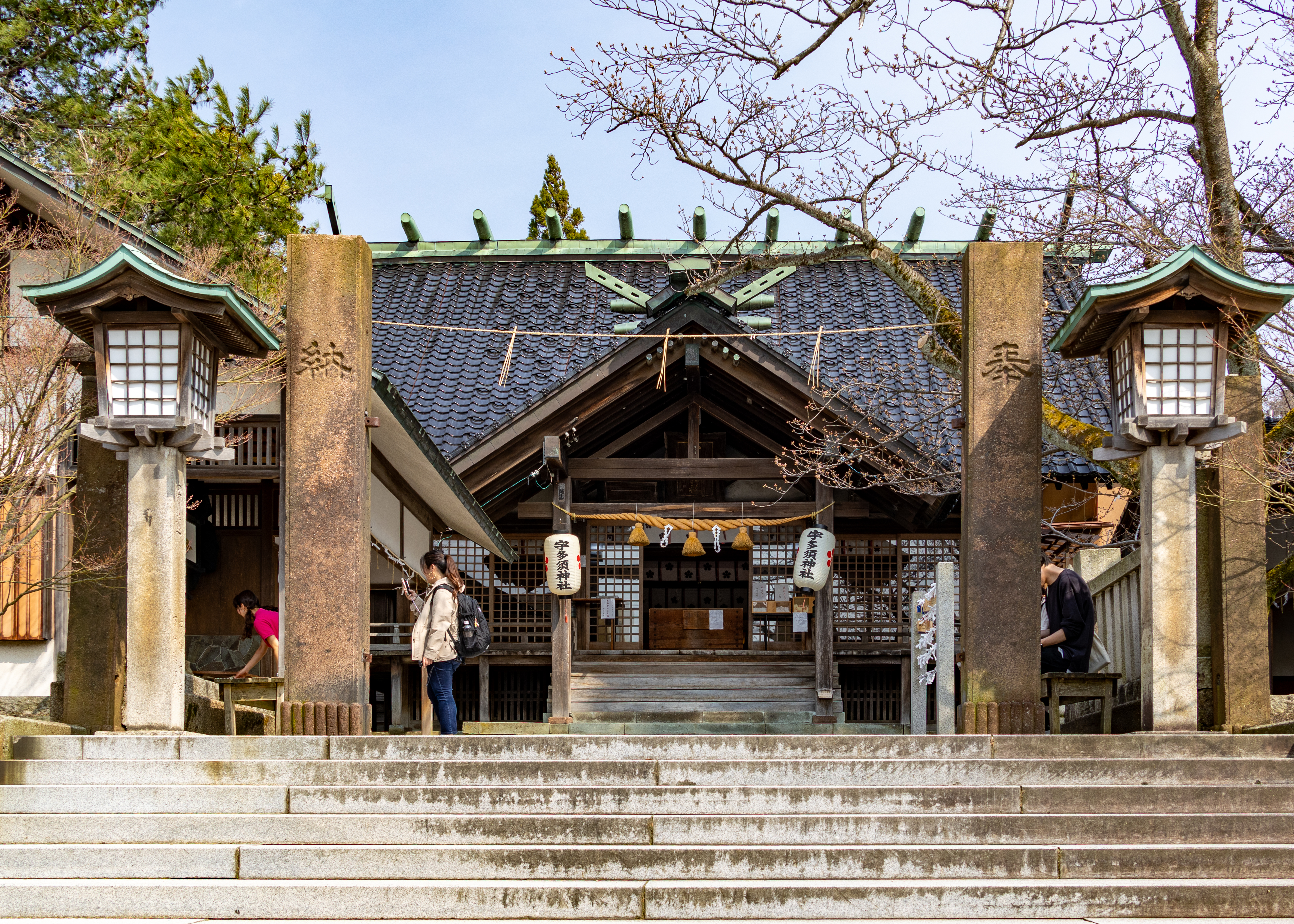
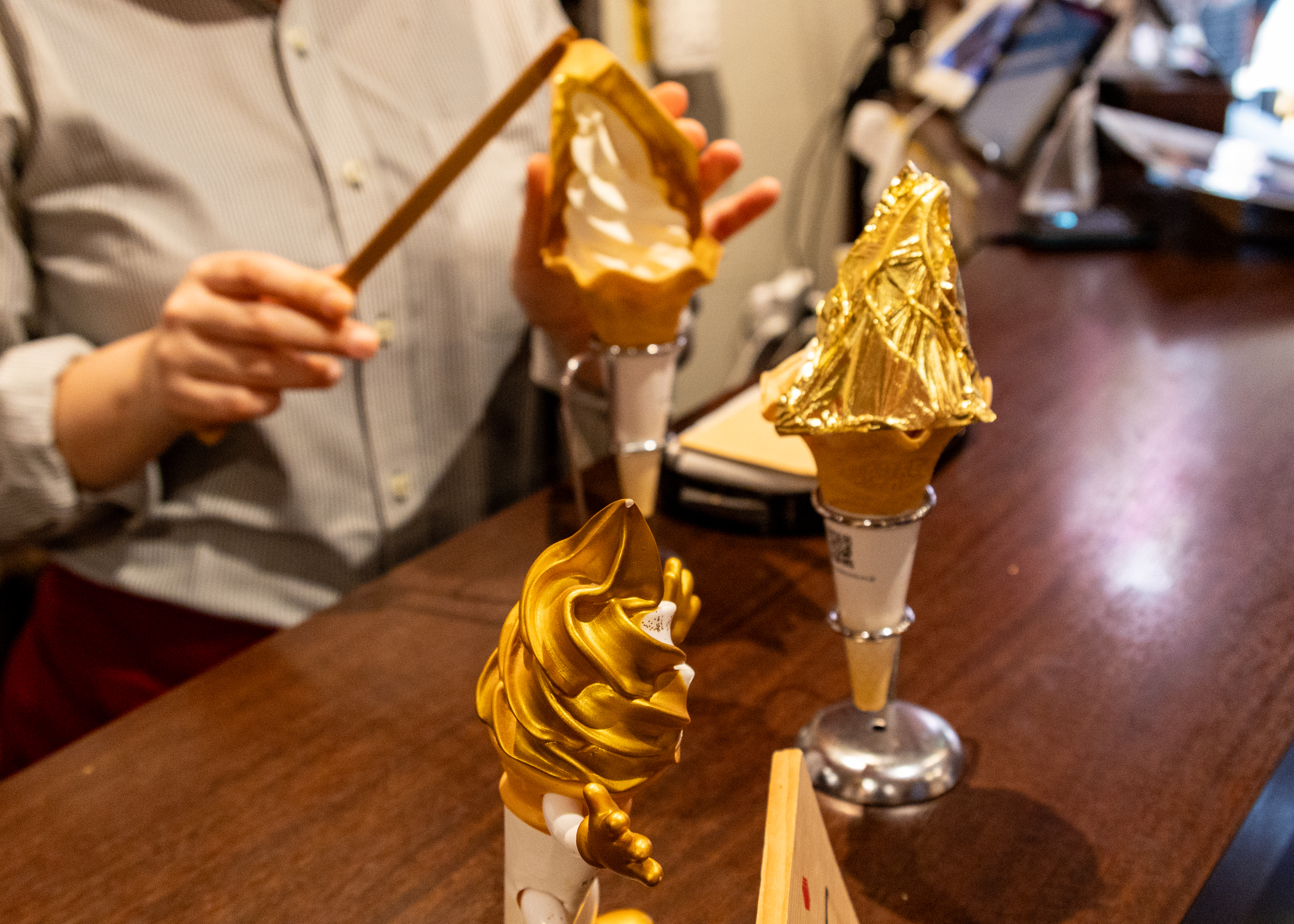
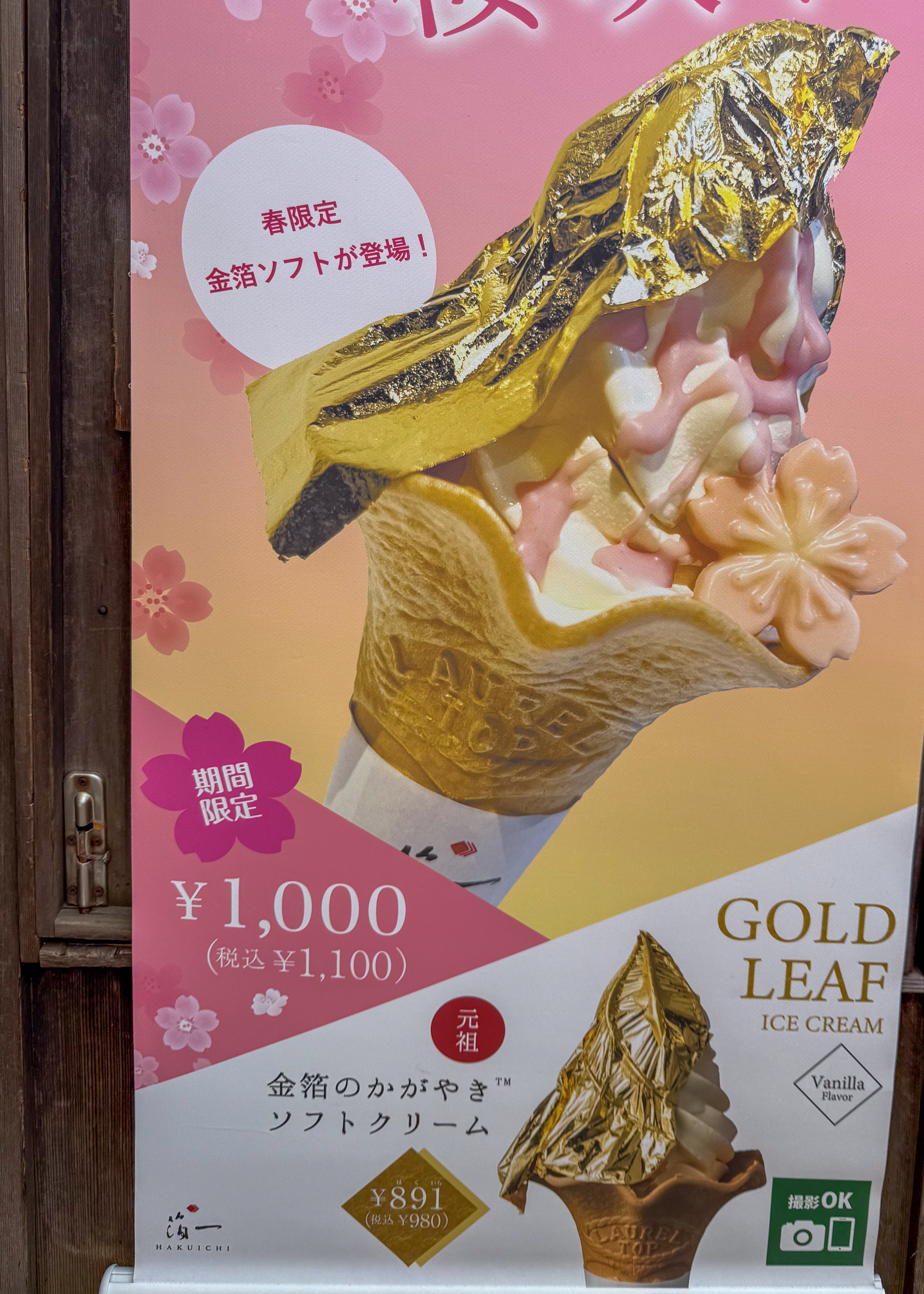
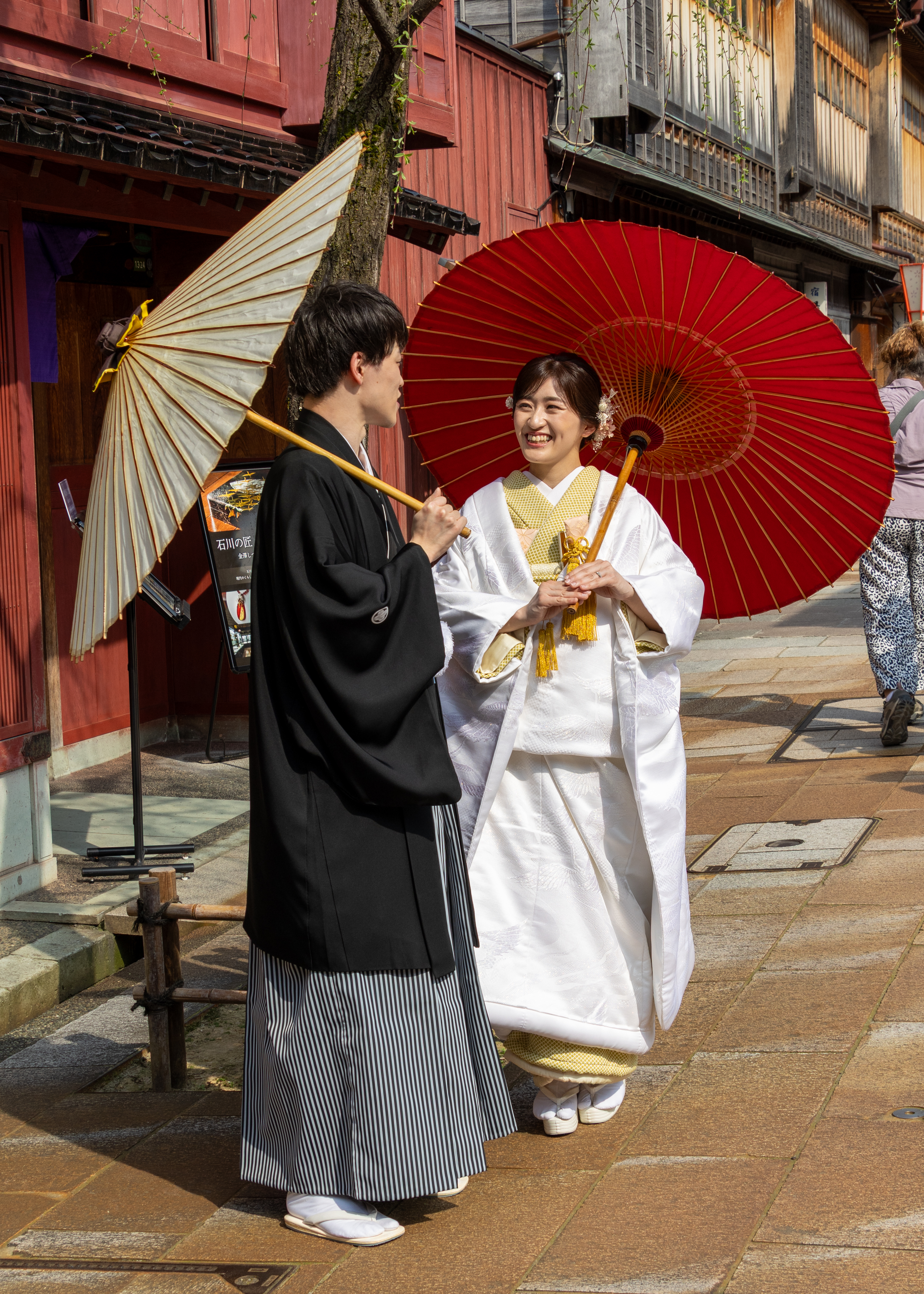
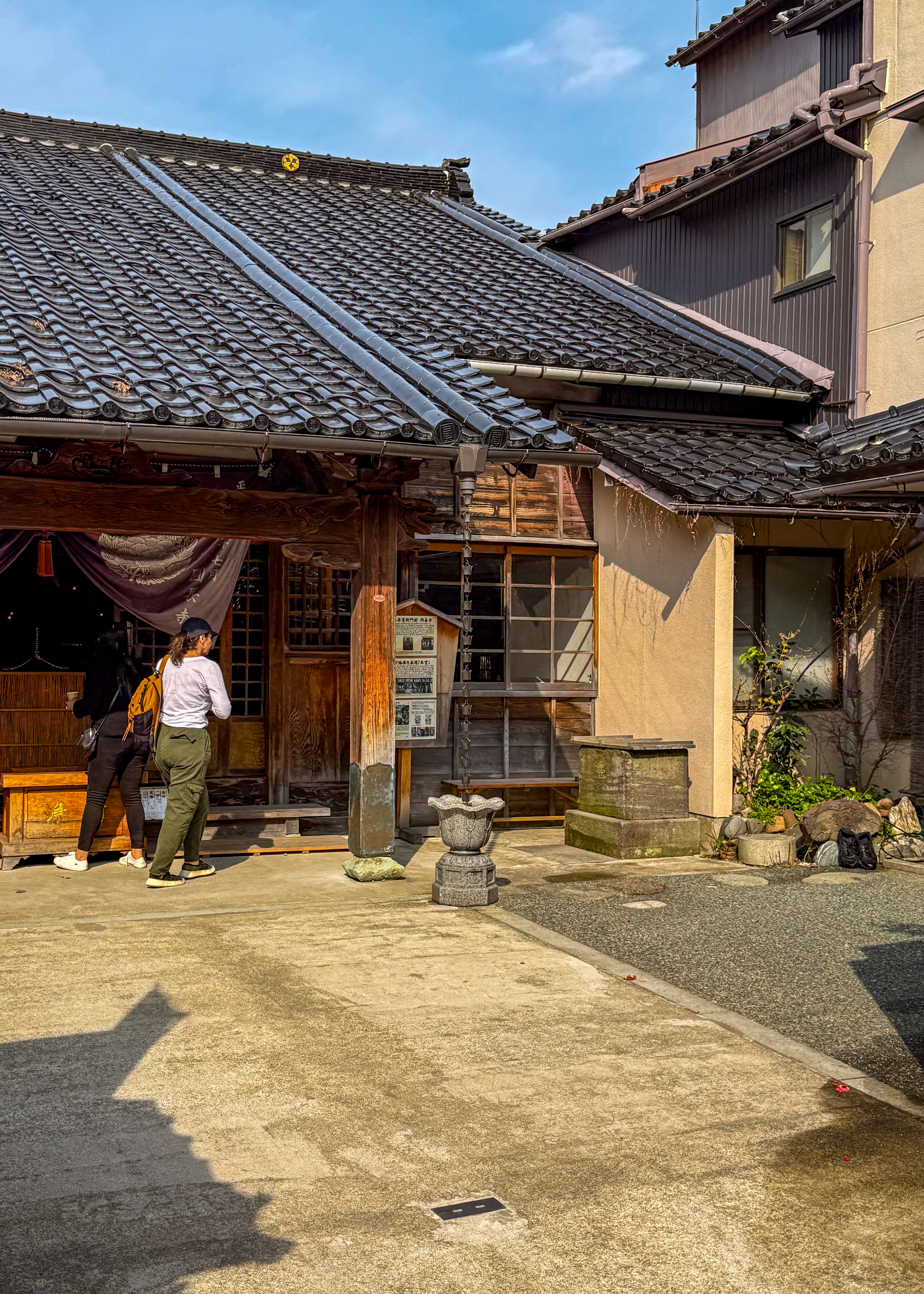
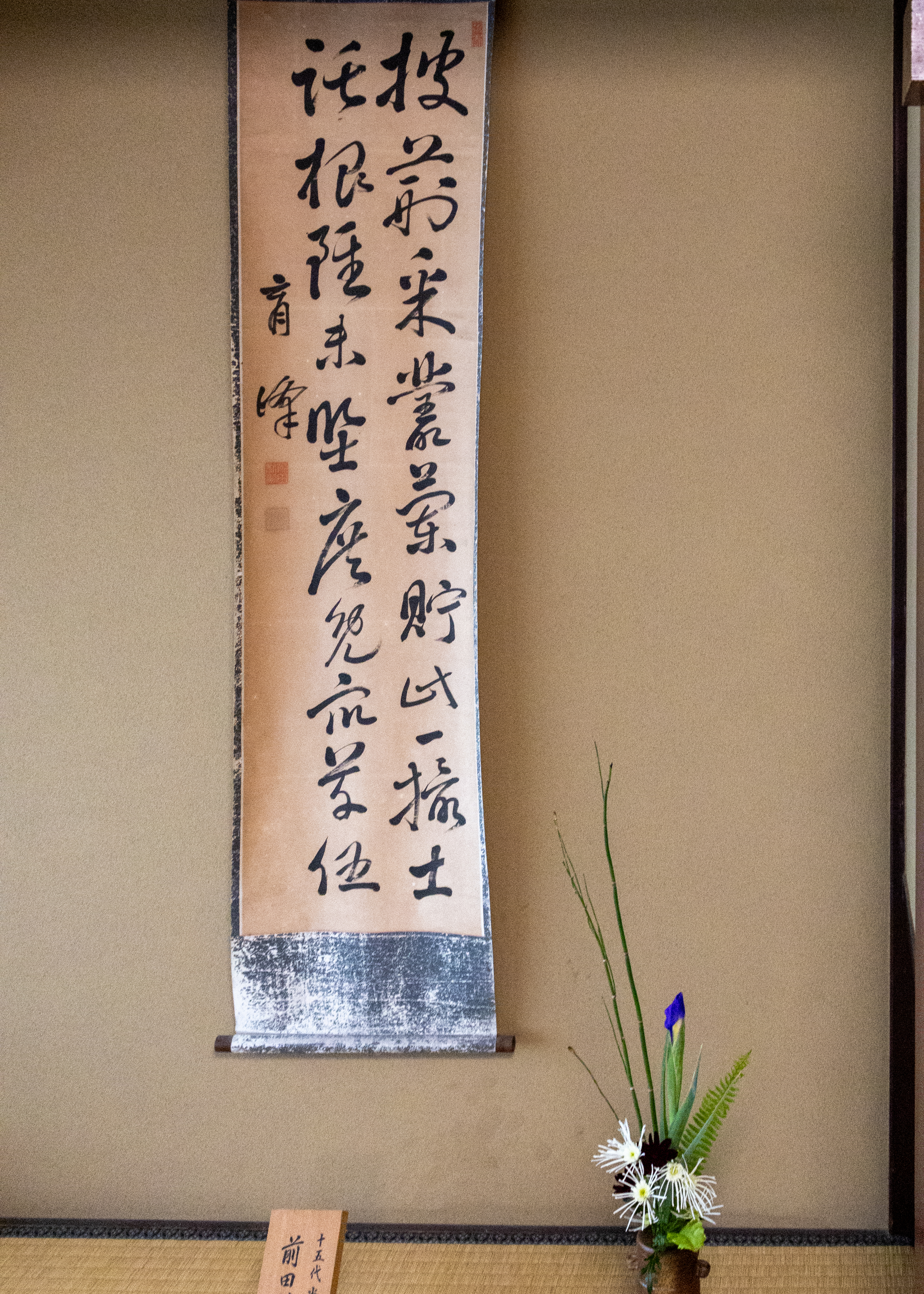
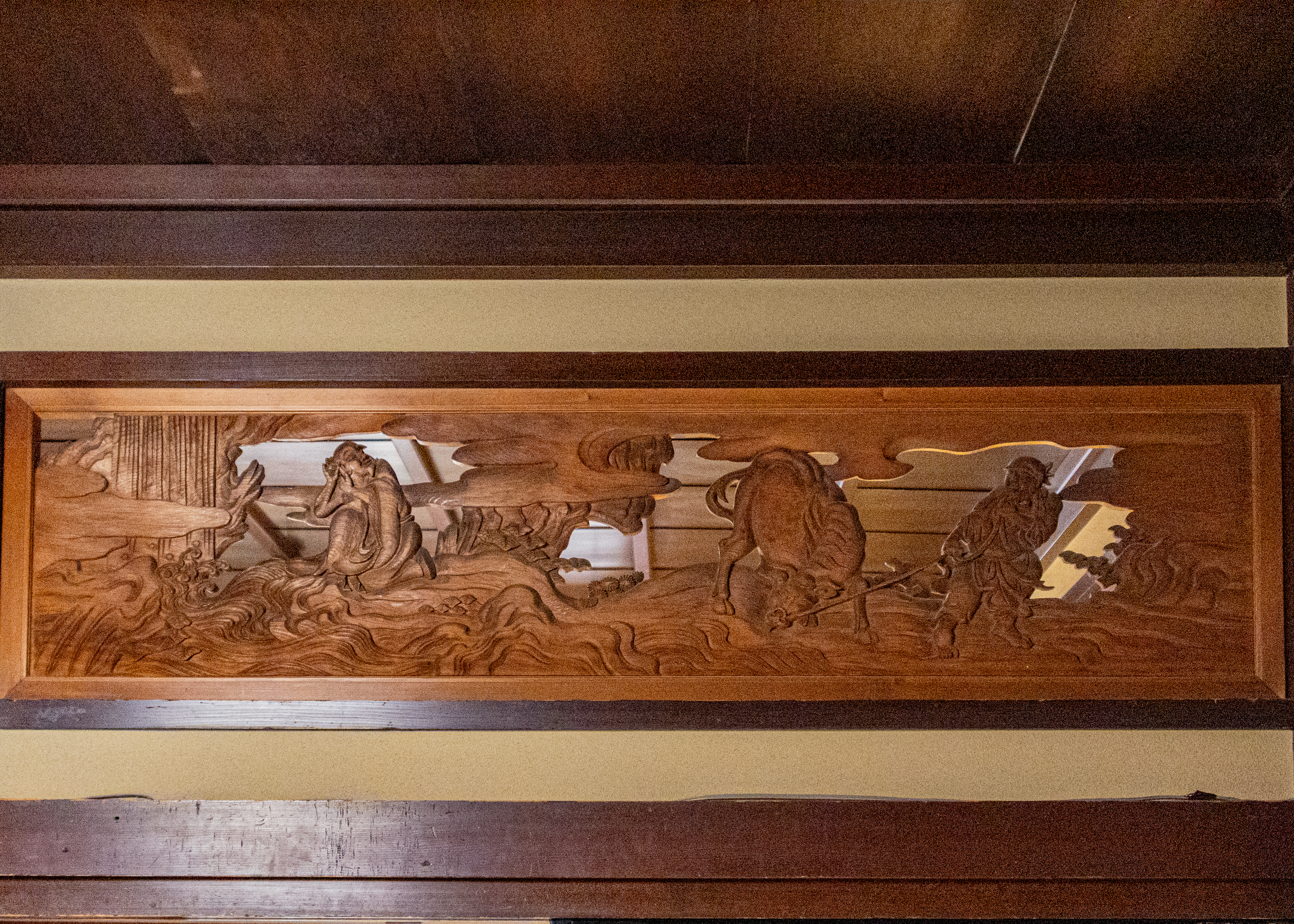
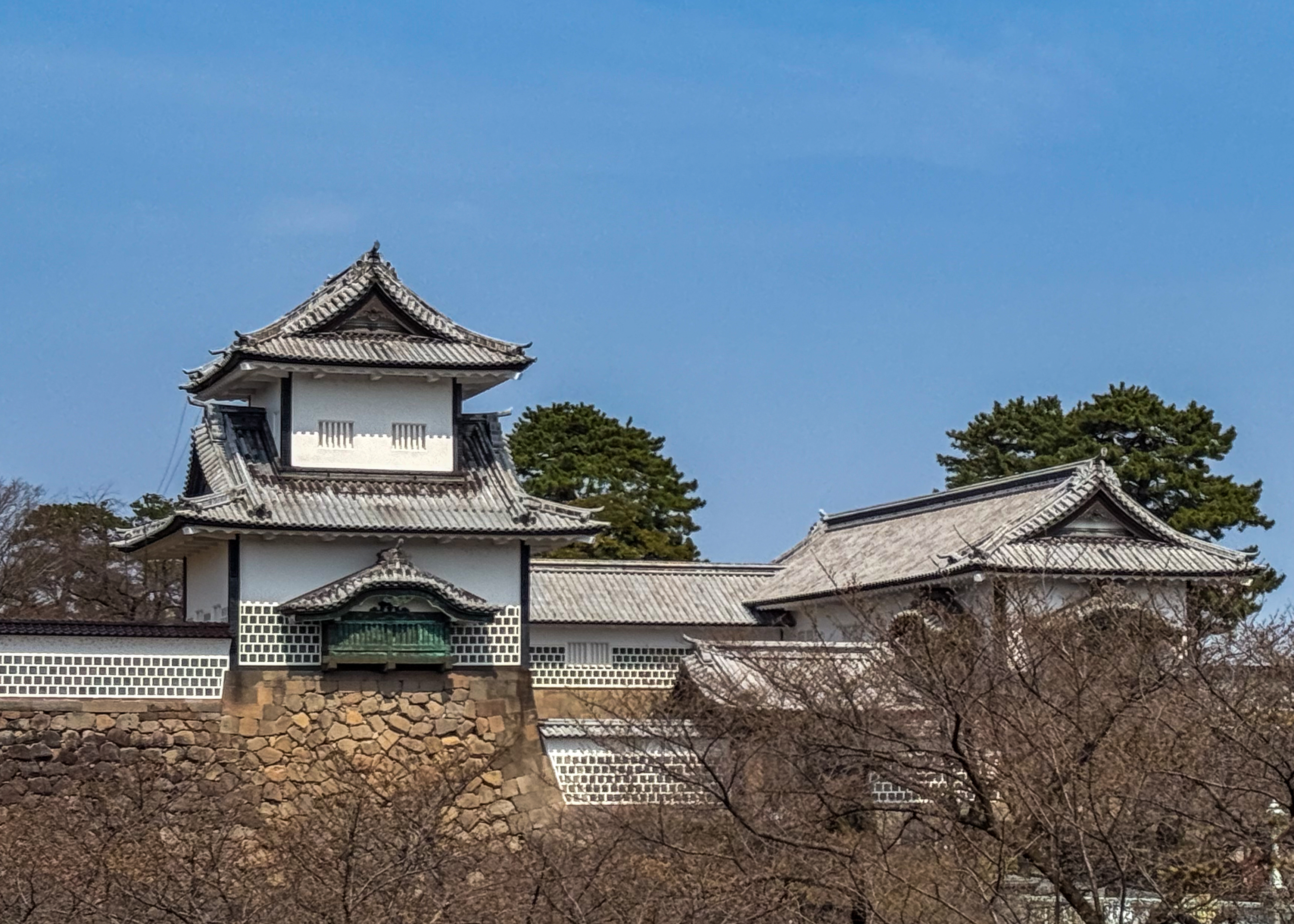
Todays first stop was at the Higashi Chaya District of Kanazawa. A chaya (tea house) an exclusive restaurant entertained by Geisha who performed songs and dance -during the Edo period they were situated outside the city limits. Now, the district is a well-preserved vision of Edo-period buildings. The gold leaf was pretty good also.

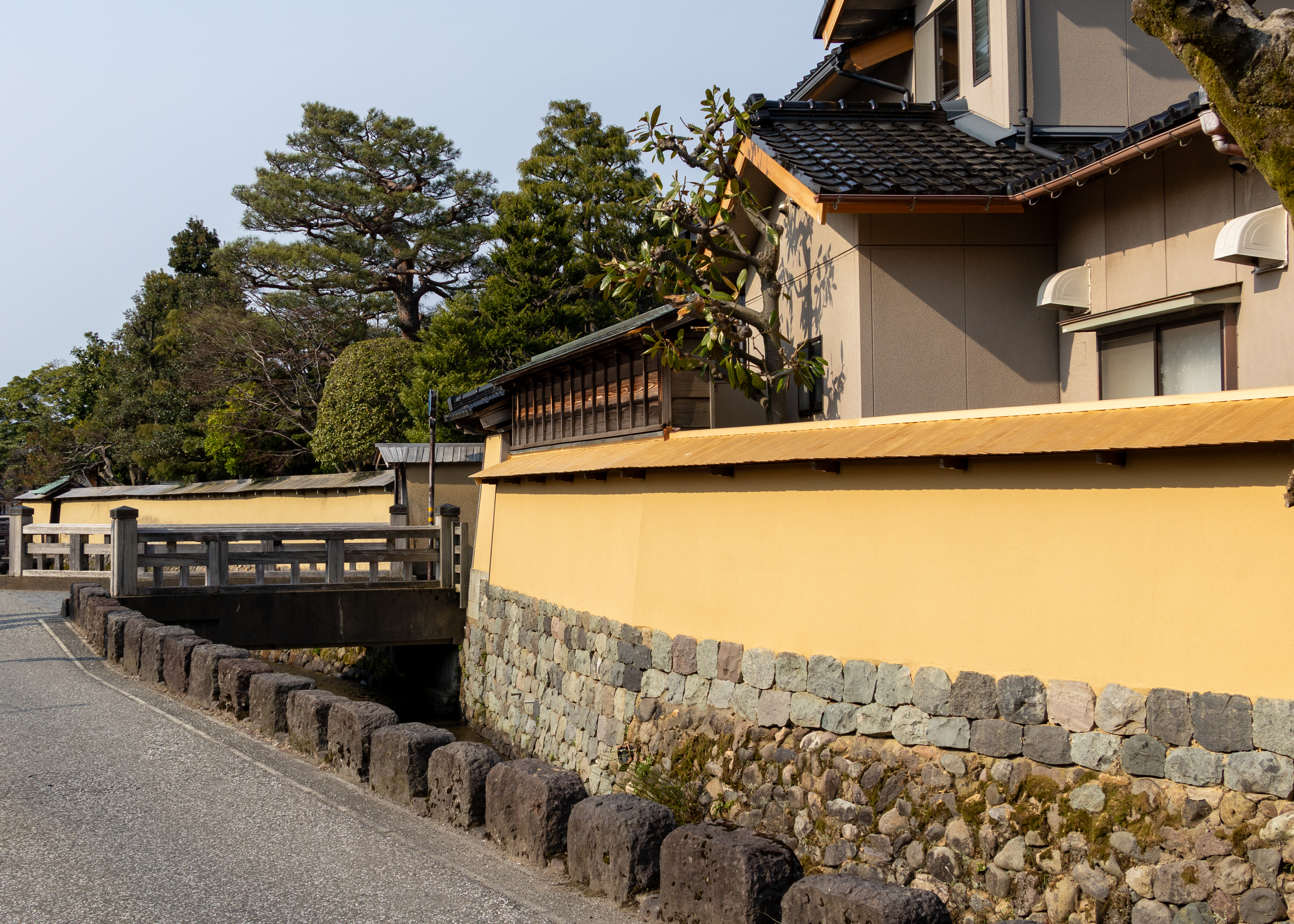
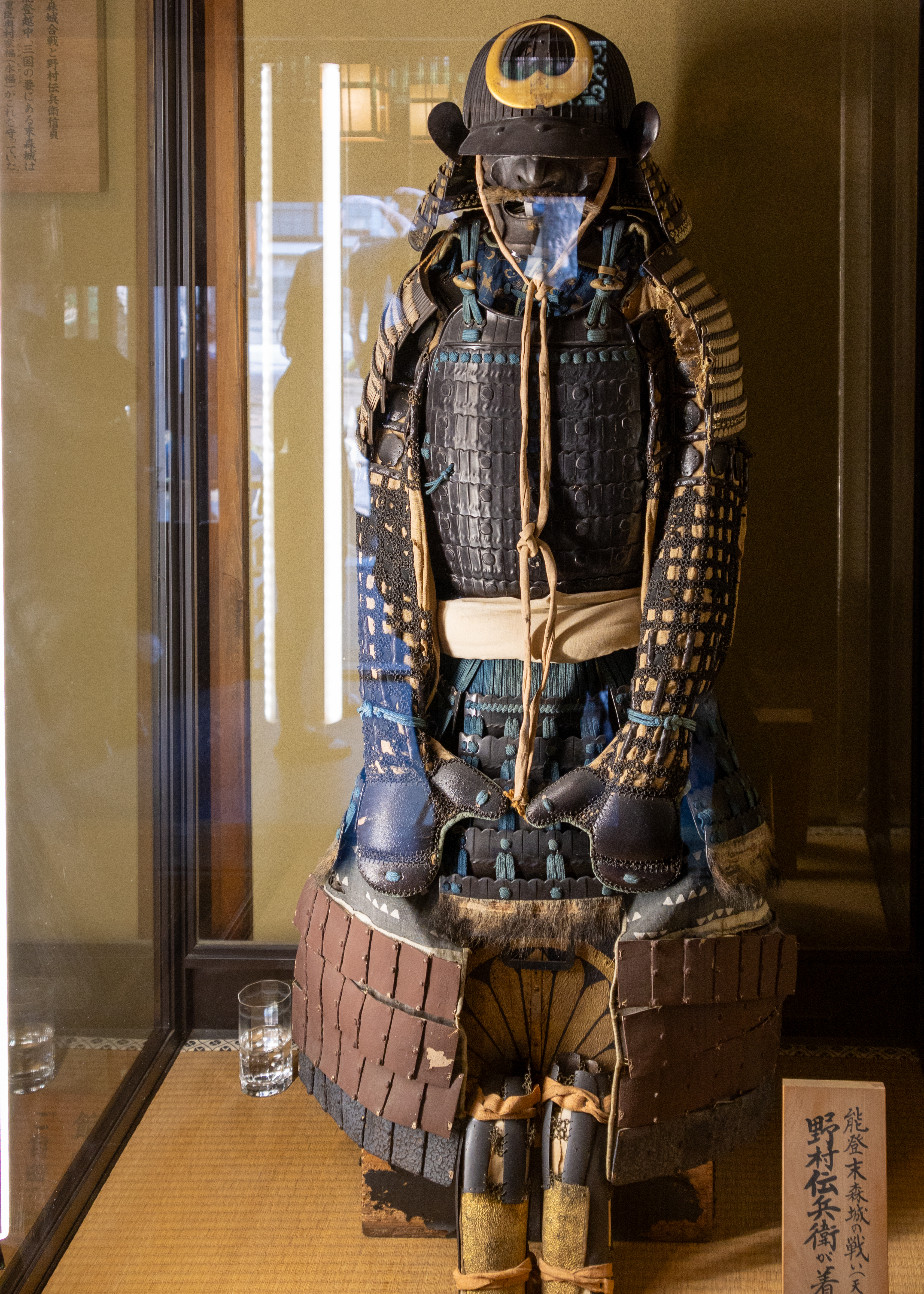
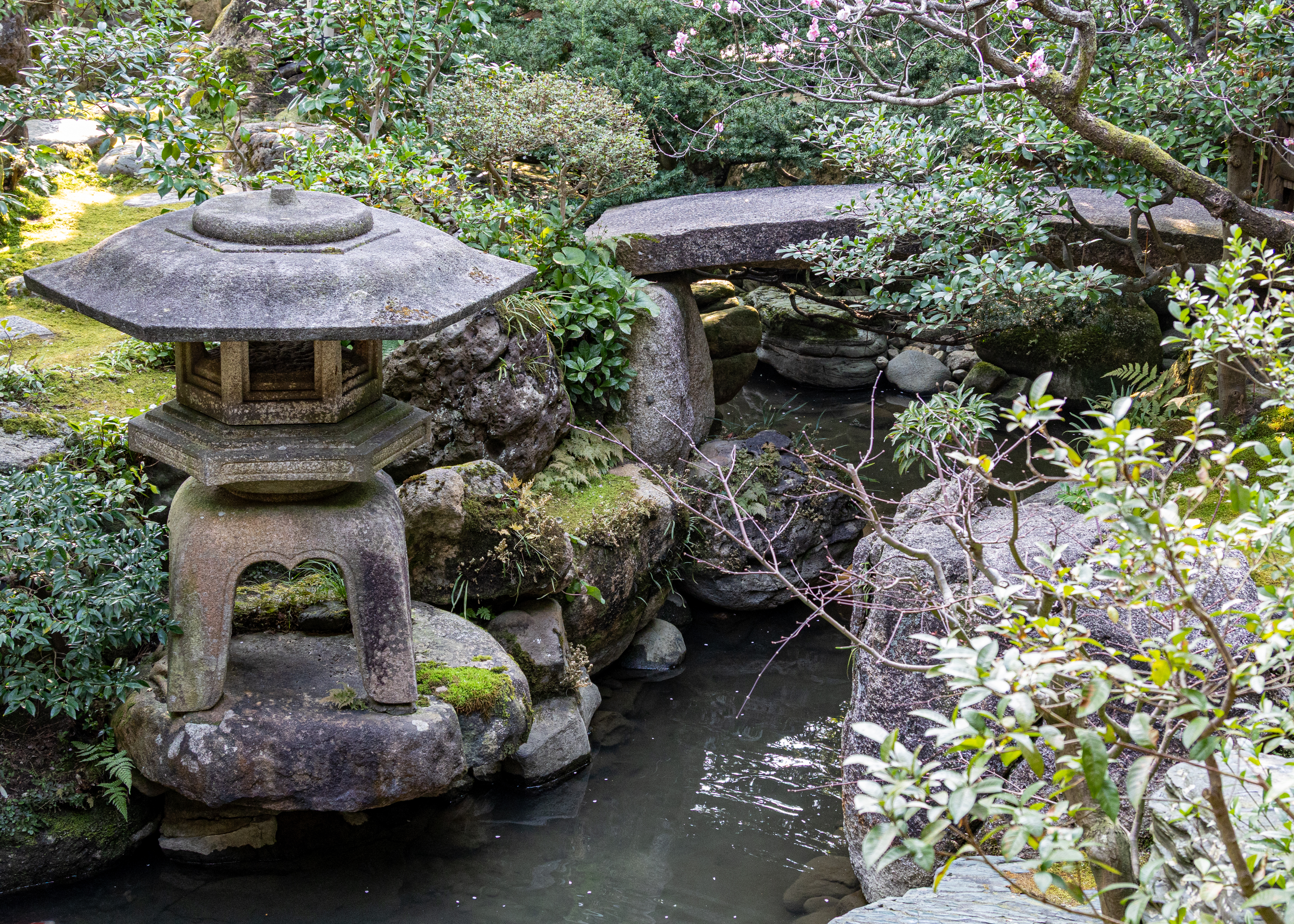
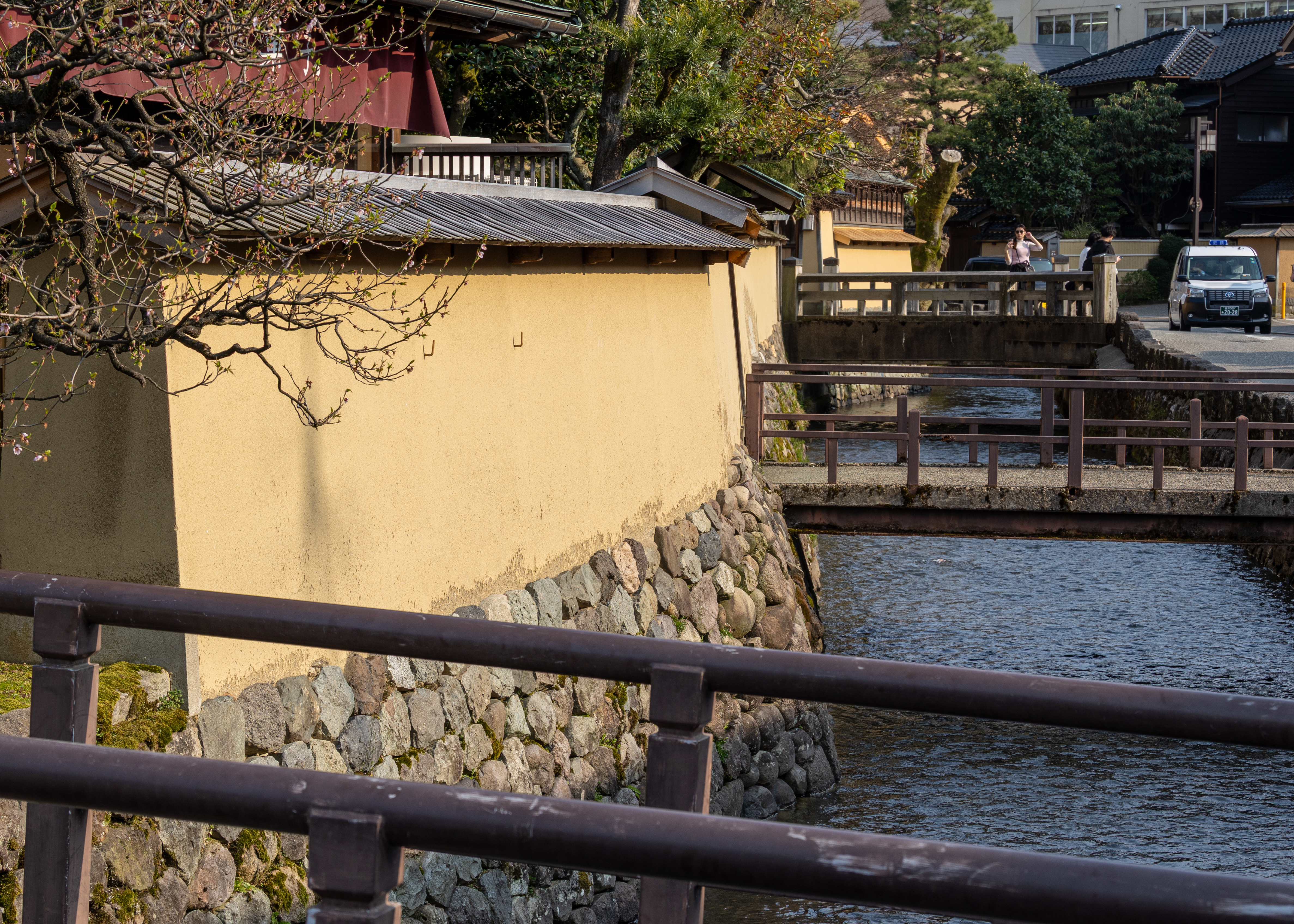
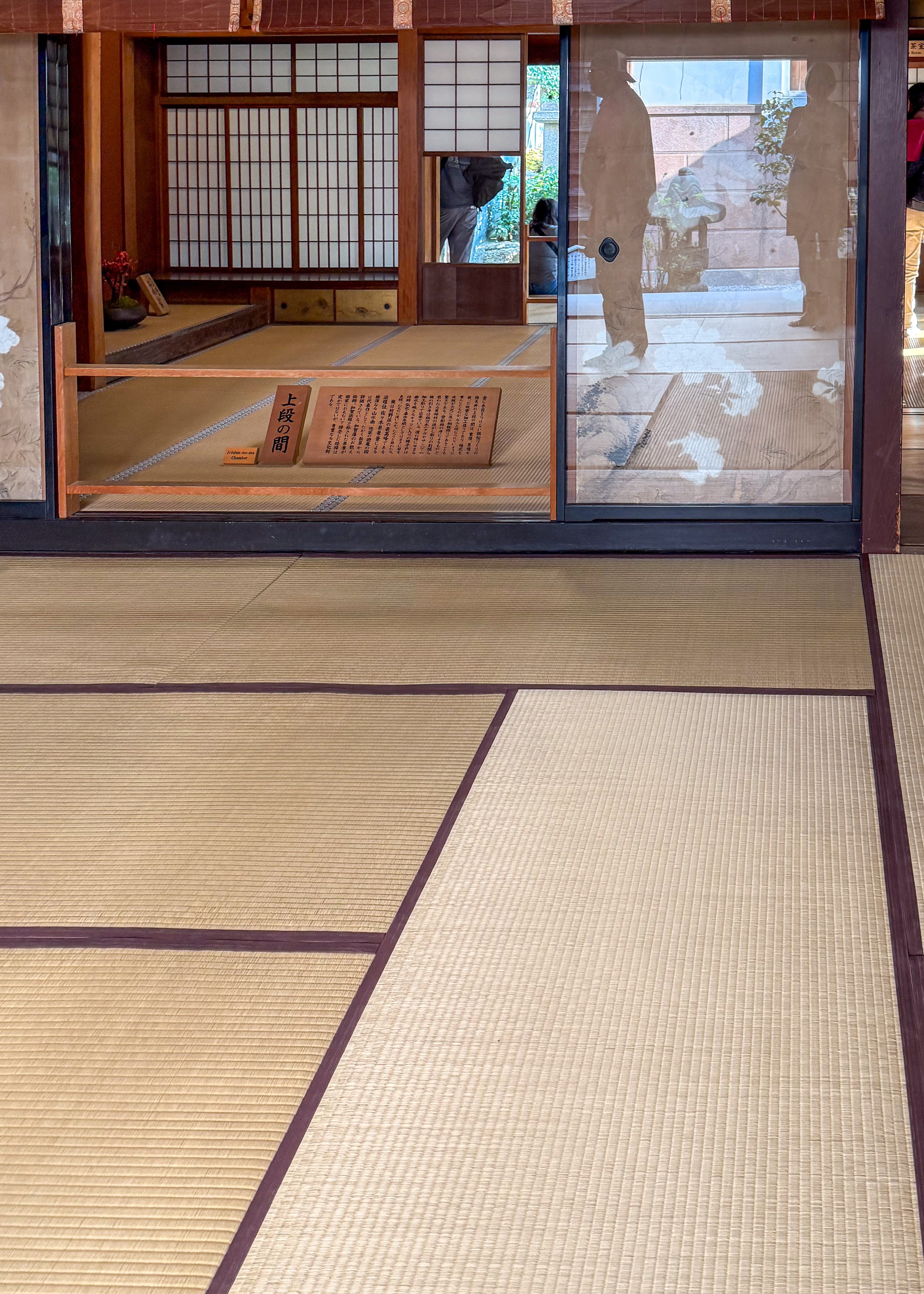
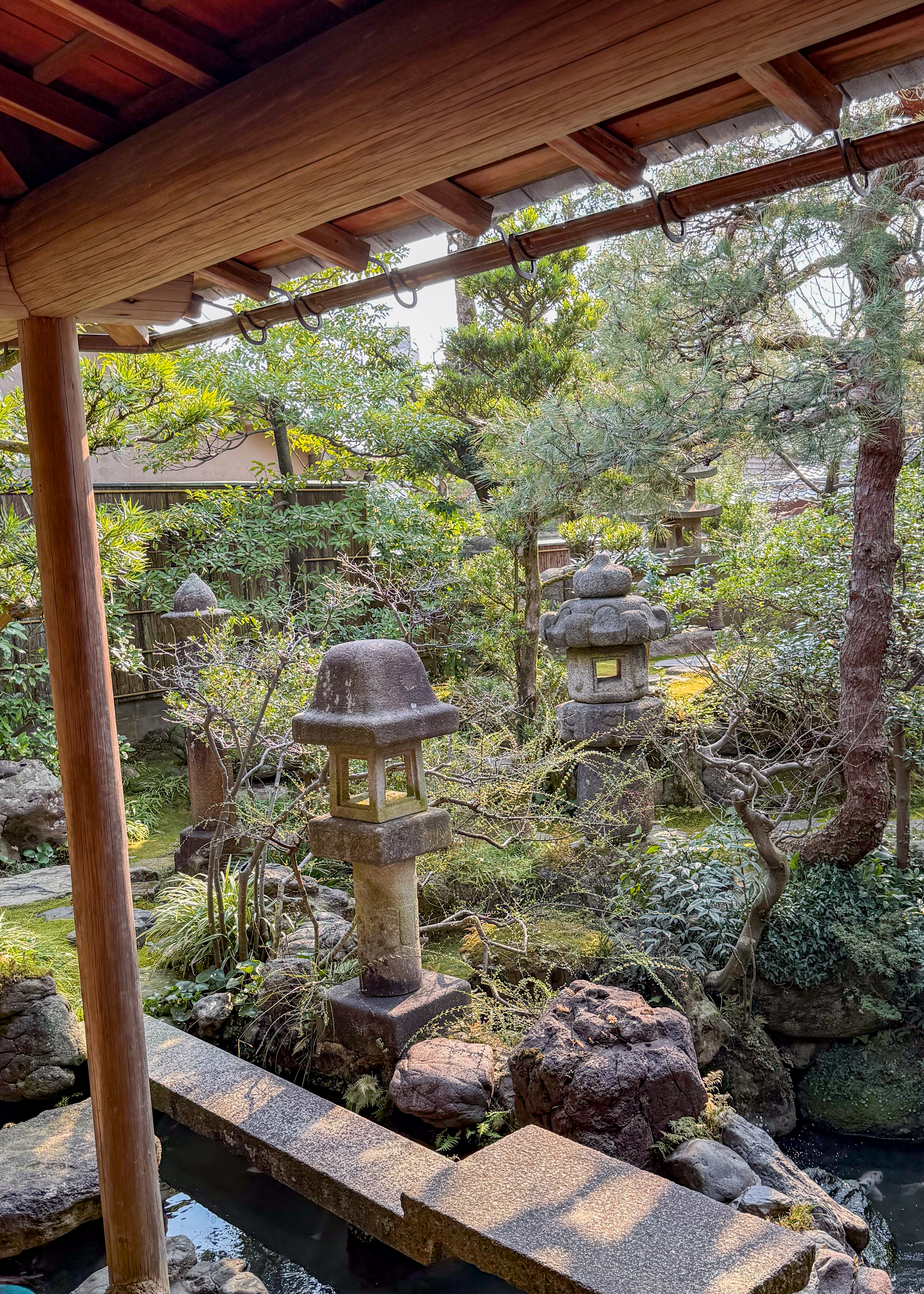
The next stop was Nomura-ke Samurai Heritage Residence. Former estate of 11 generations of upper-middle-rank samurai family. Besides the house -the gardens are fantastic.

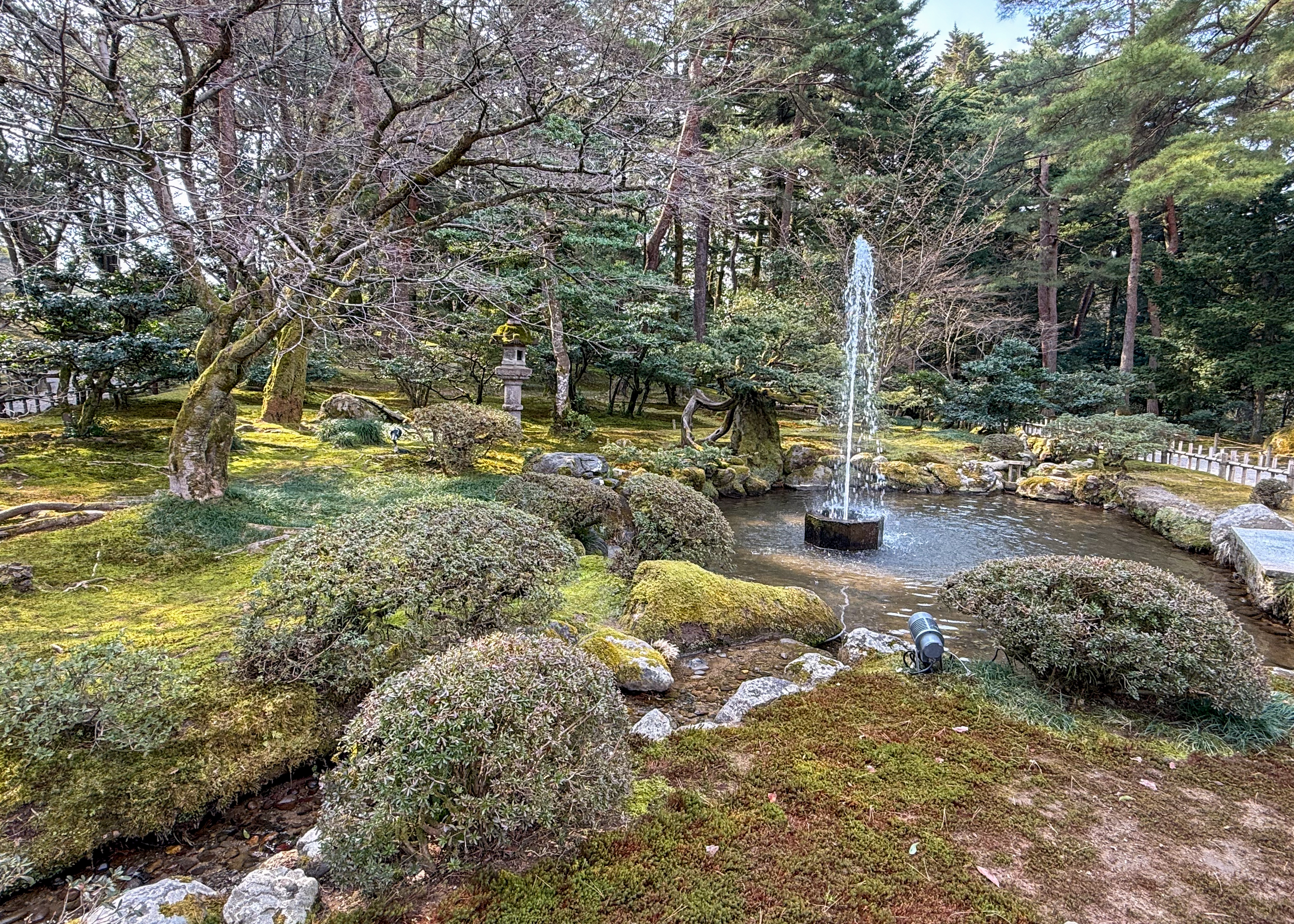
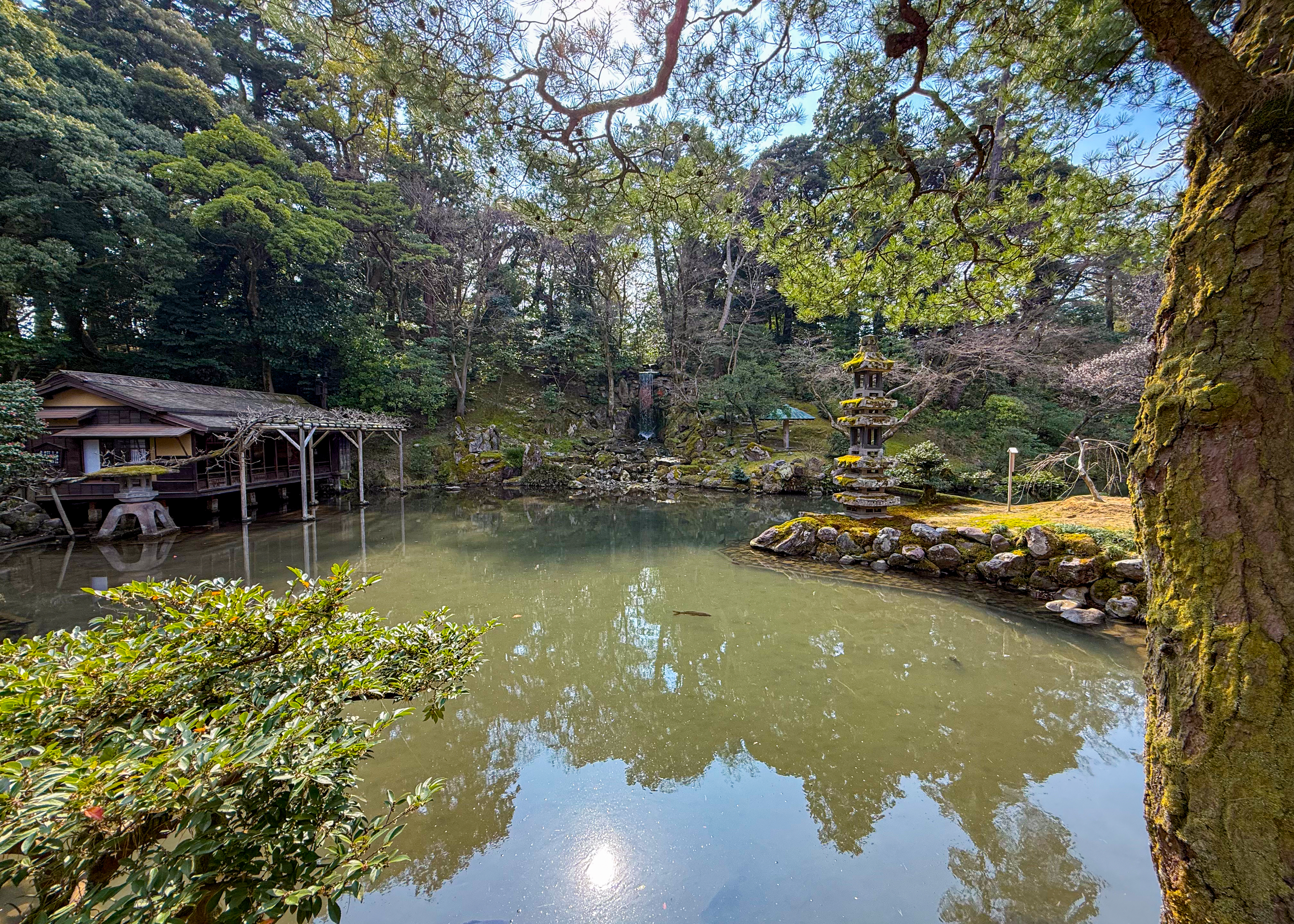
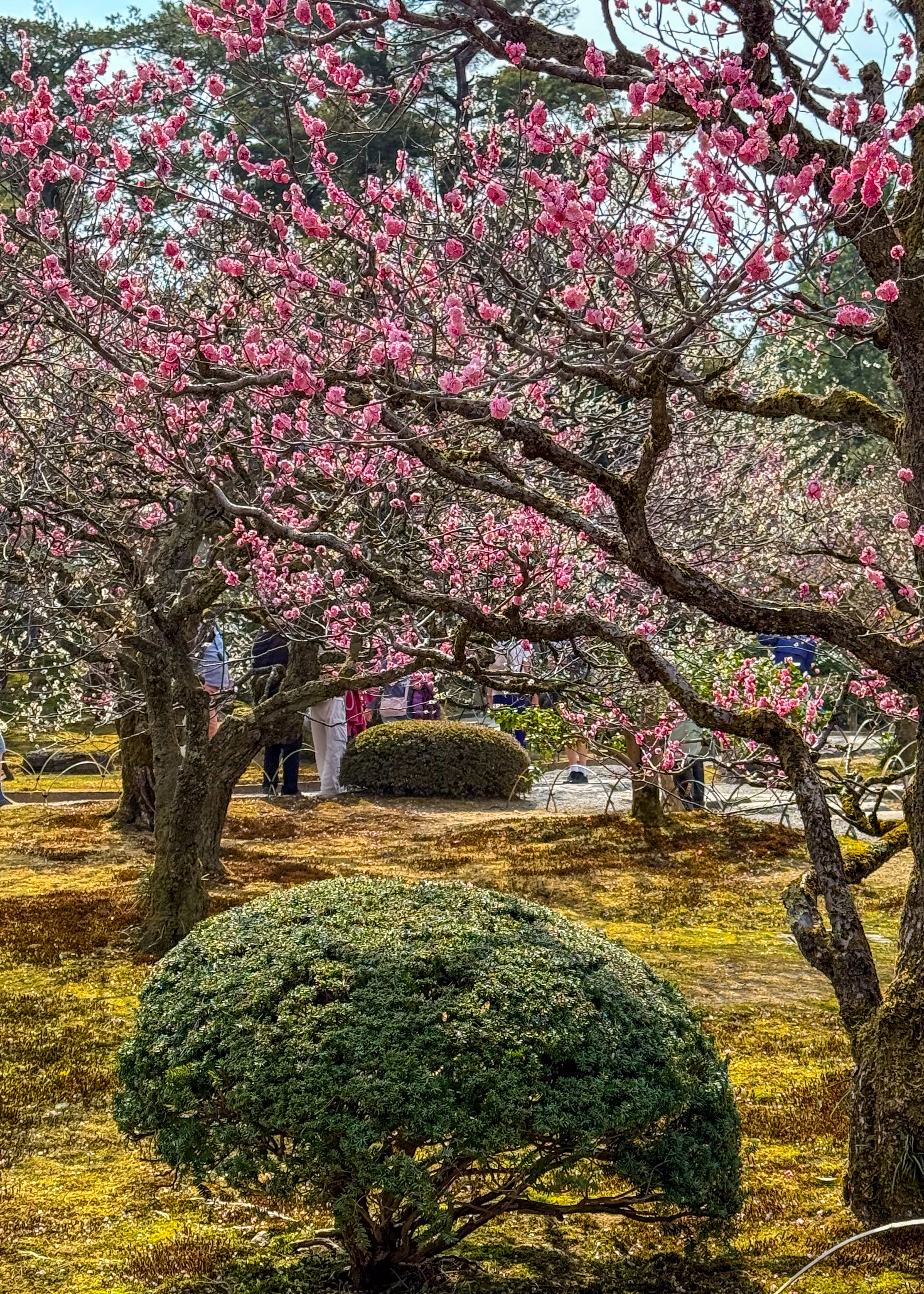
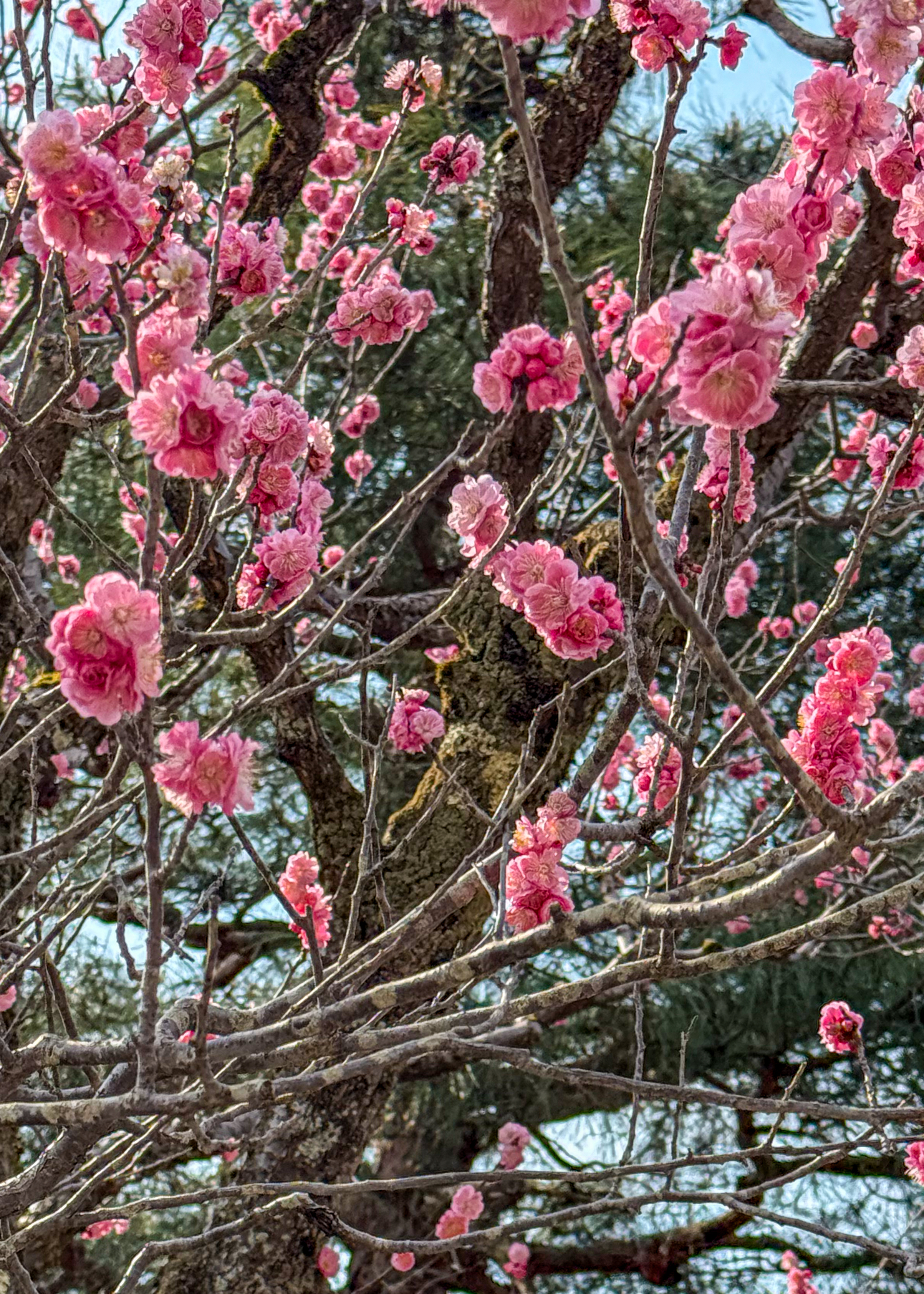
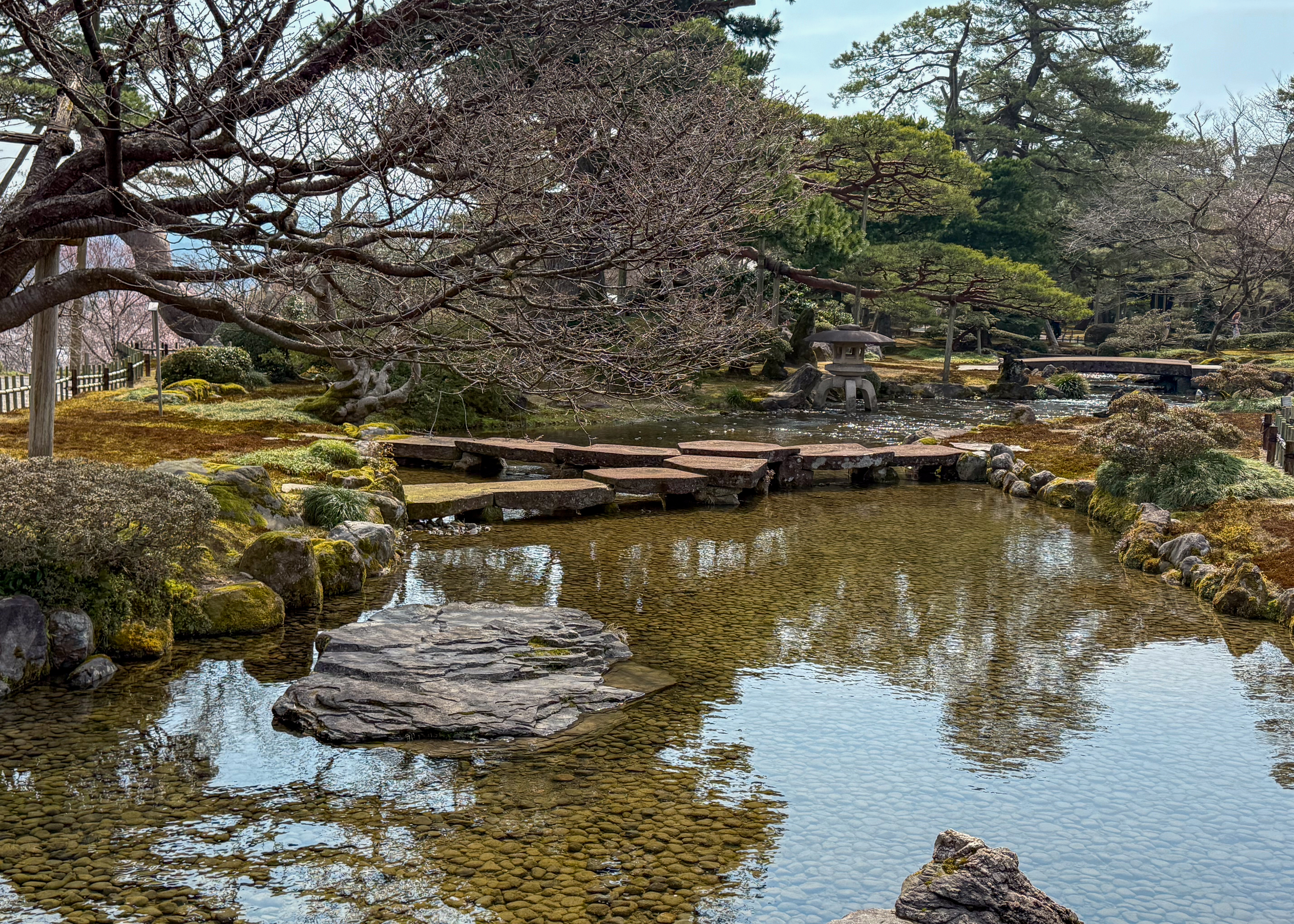
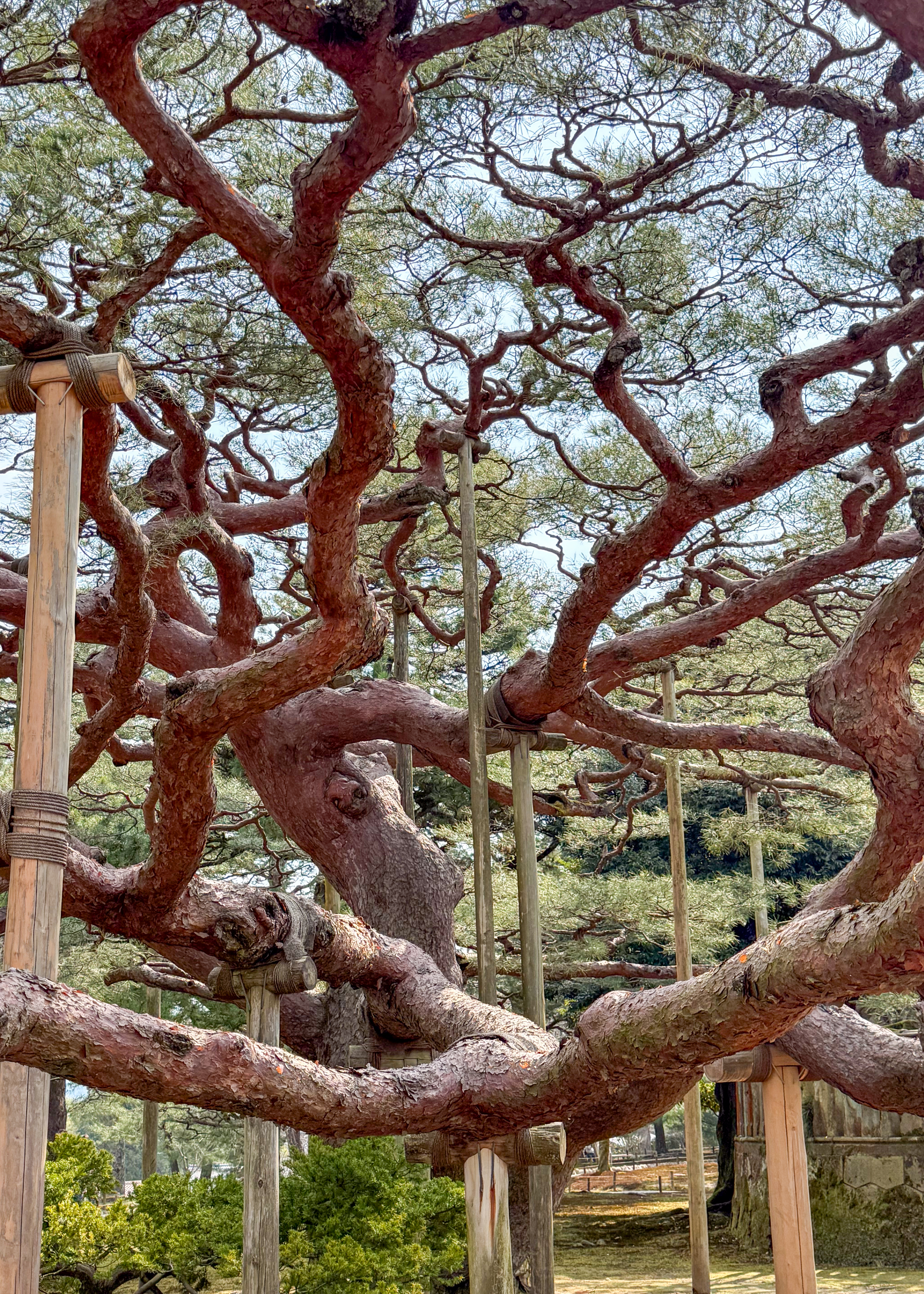
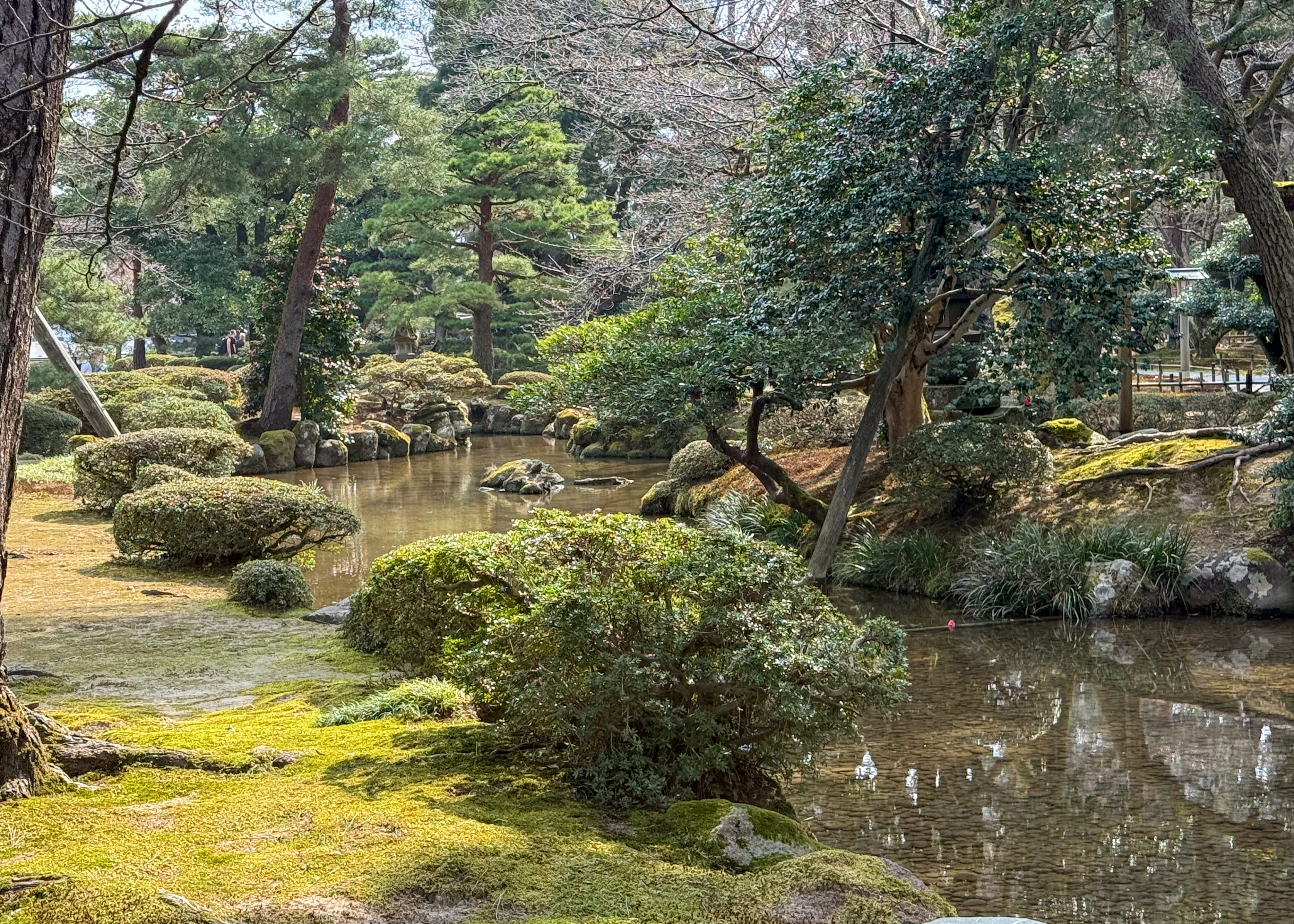
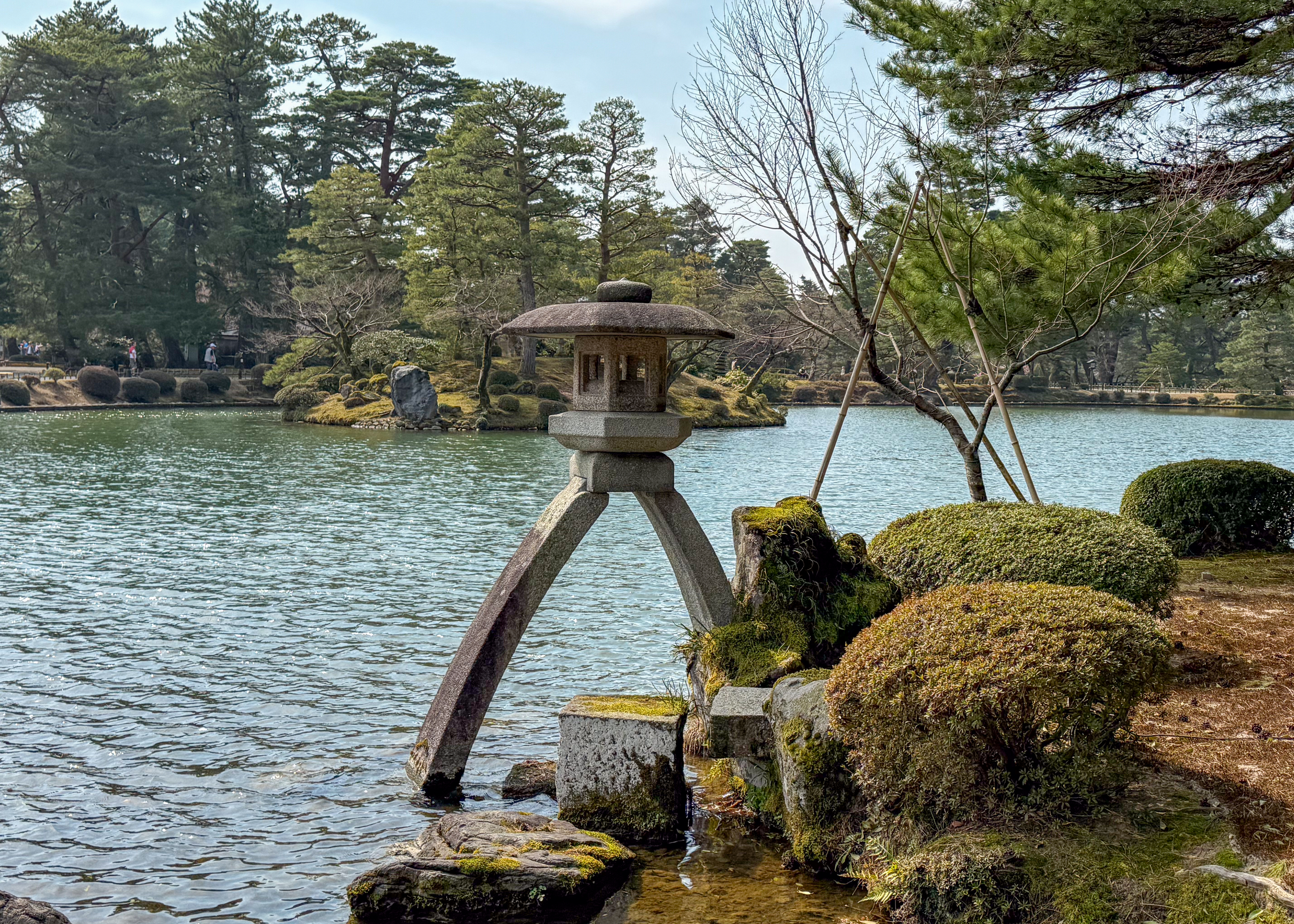
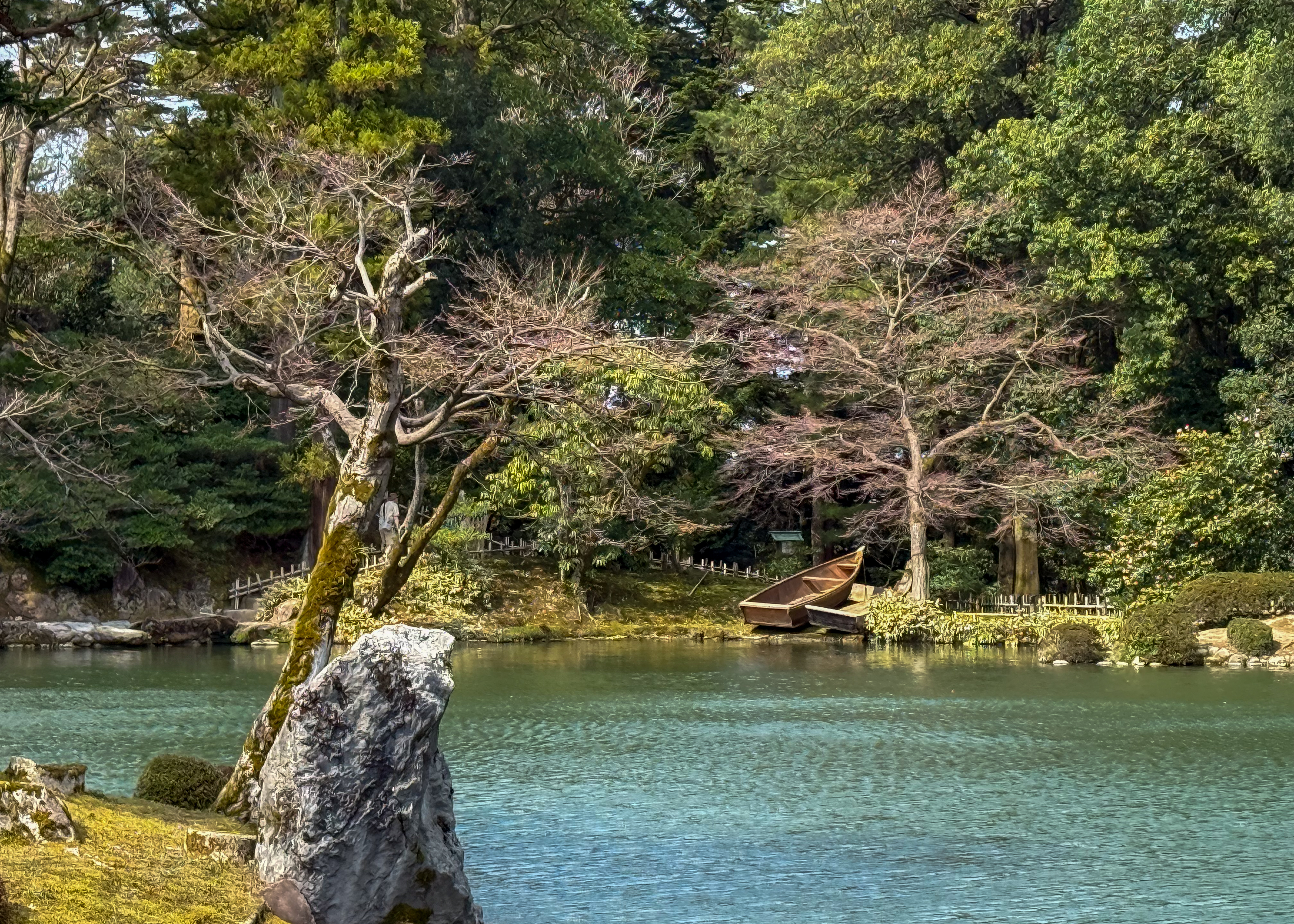
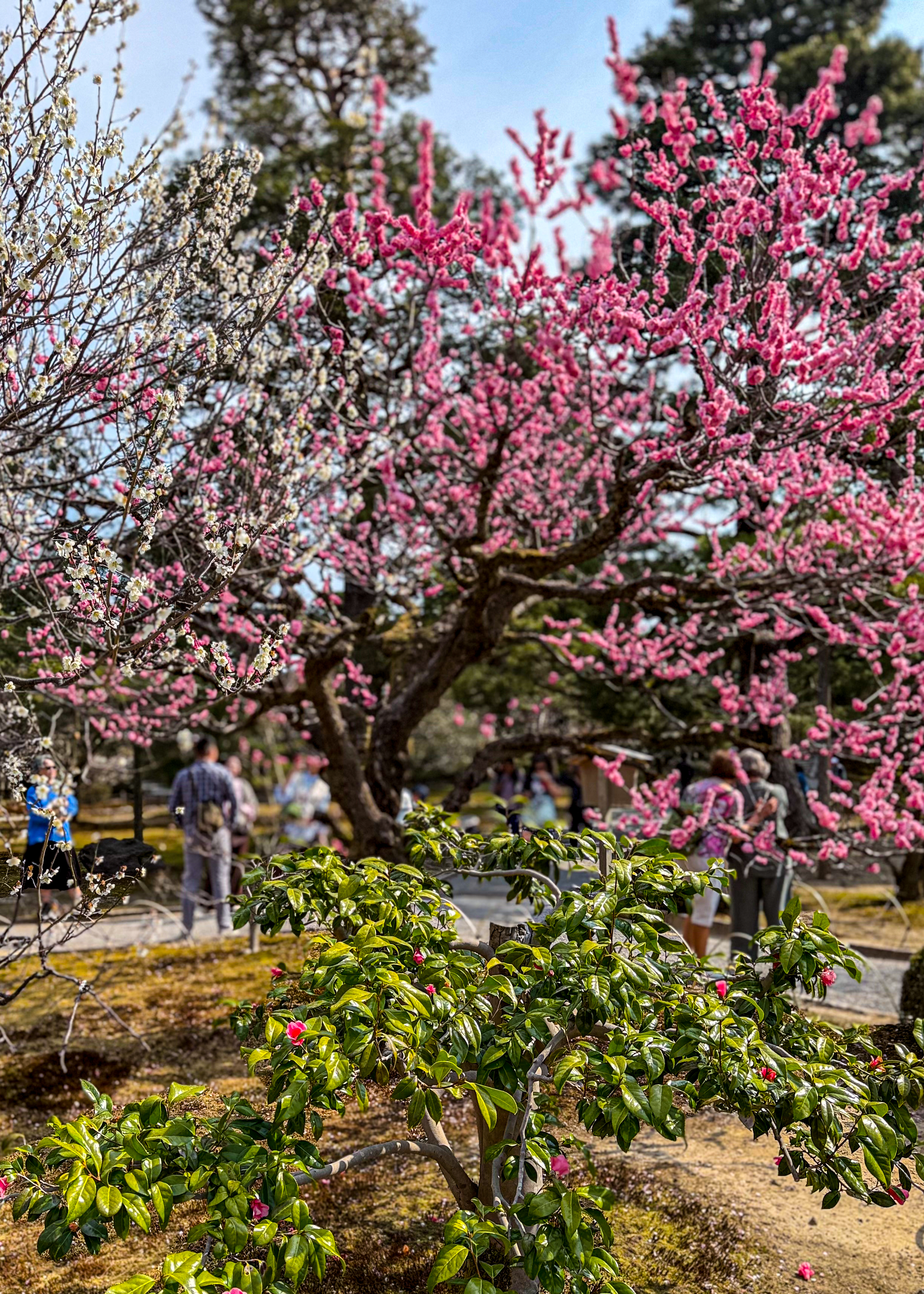
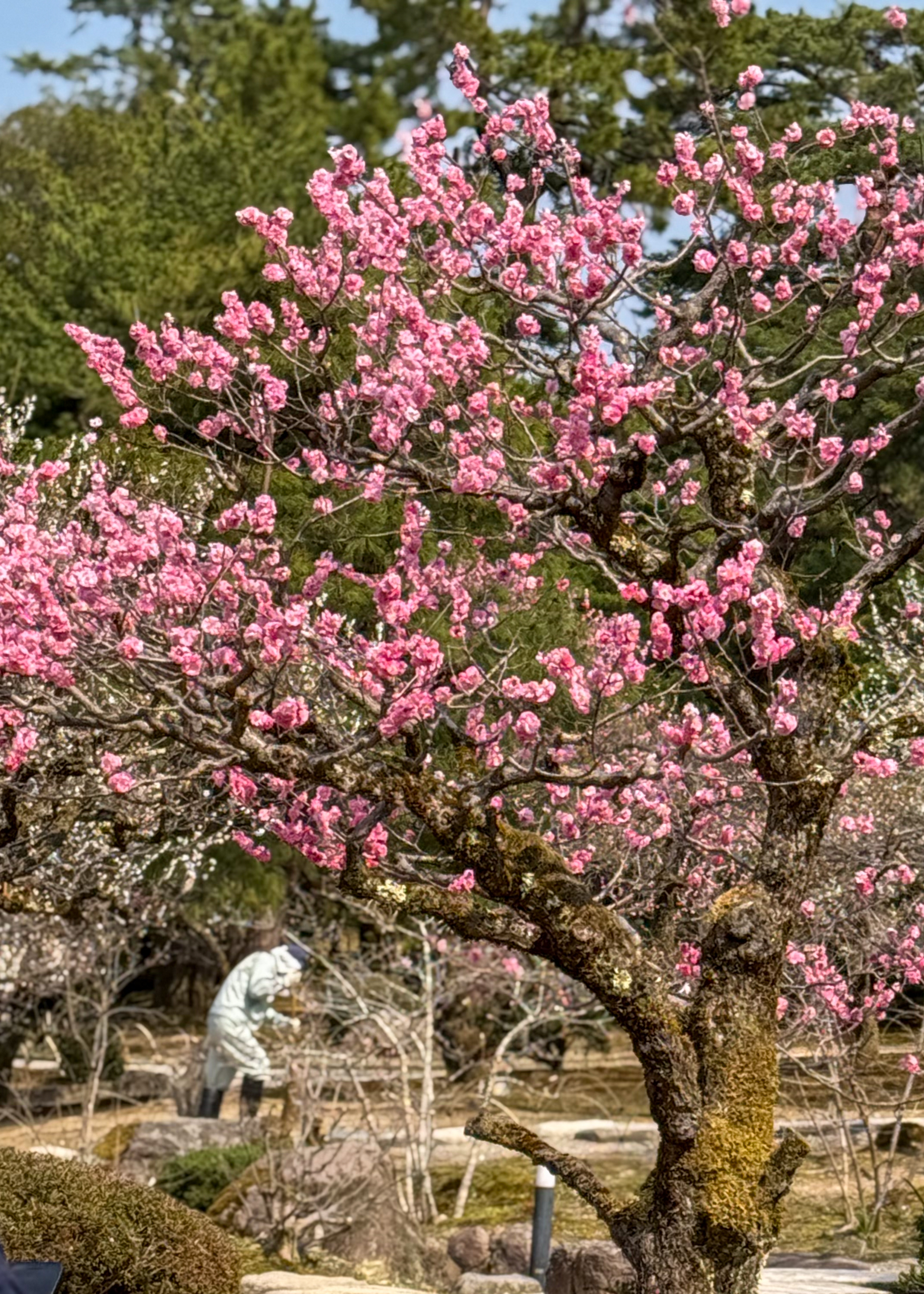
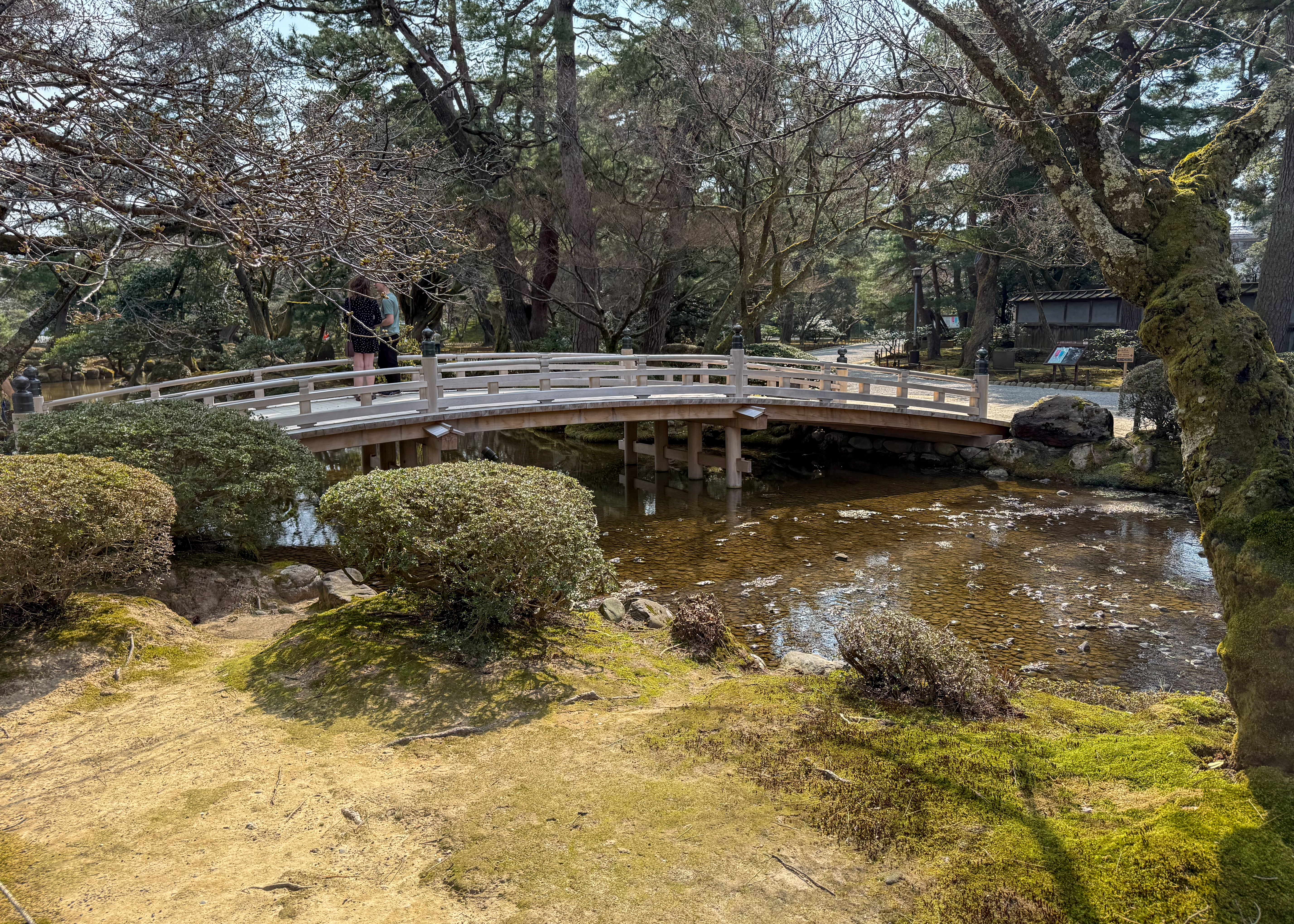
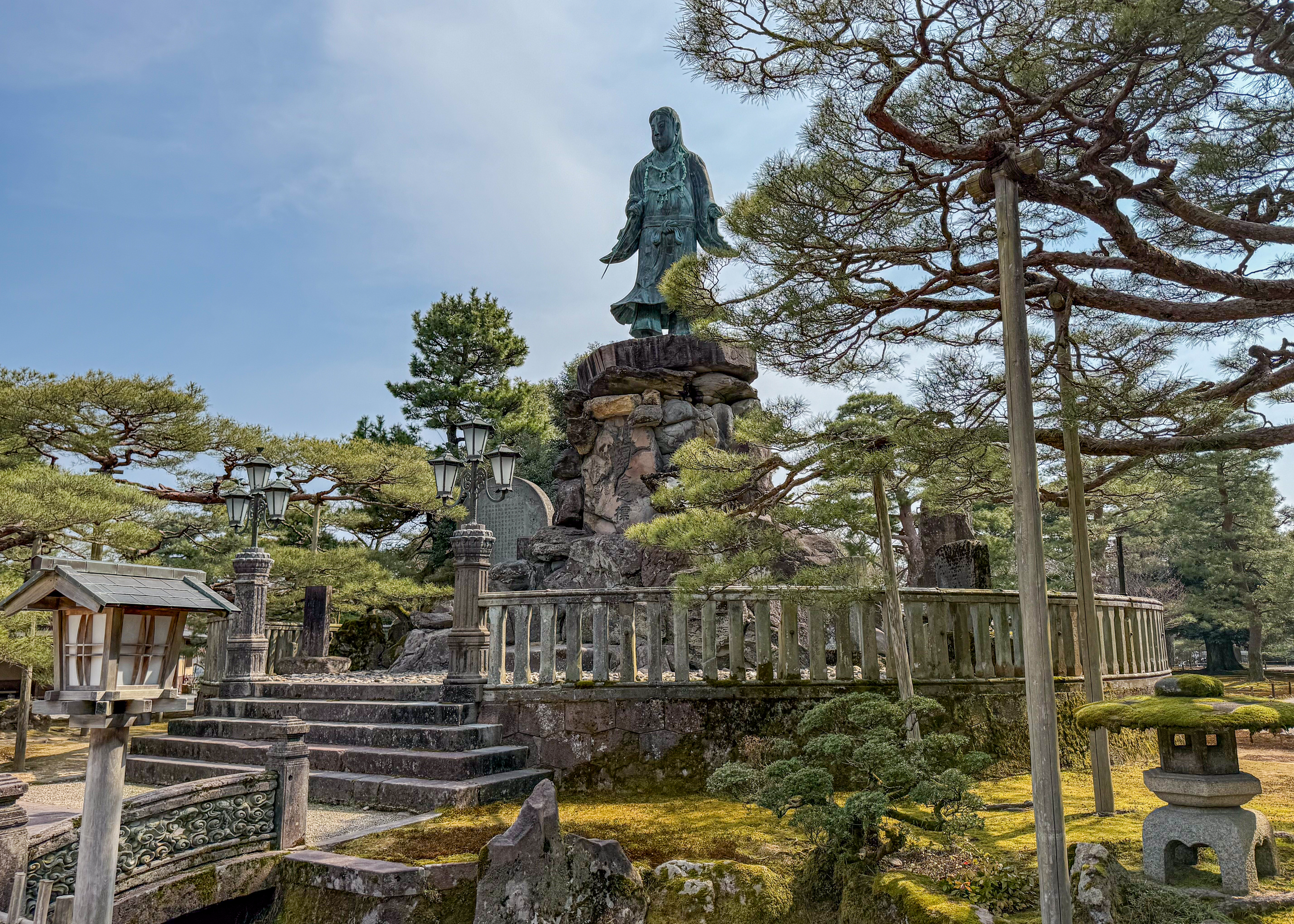
Kenrokuen Gardens is ranked as one of Japan’s three most beautiful gardens. This is a strolling garden constructed during the Edo period by the Maeda clan. Kenrokuen means a garden that combines characteristics. These six characteristics are spaciousness, seclusion, antiquity, water source, and magnificent views.

Japan Tour 2025 Day #7

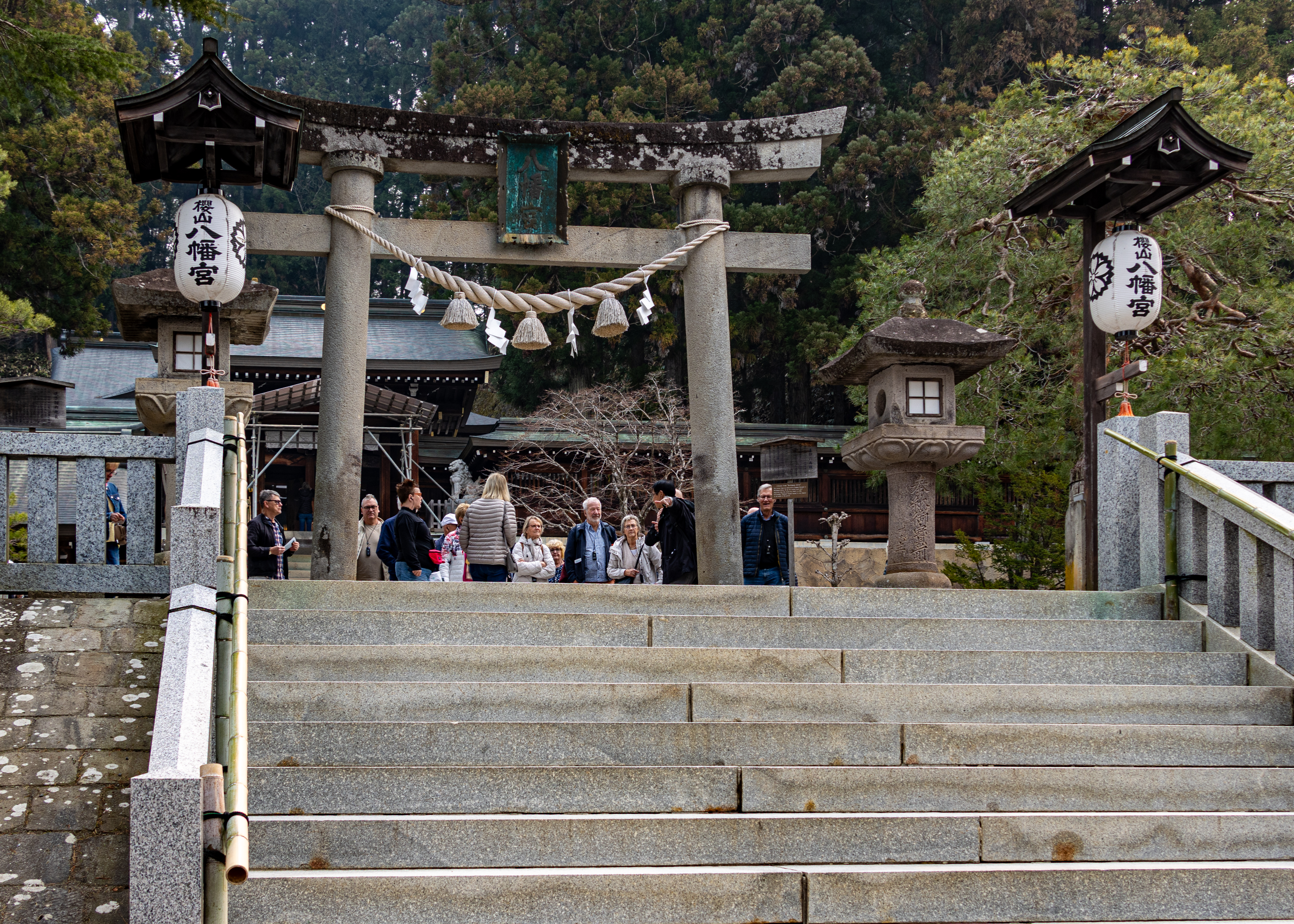
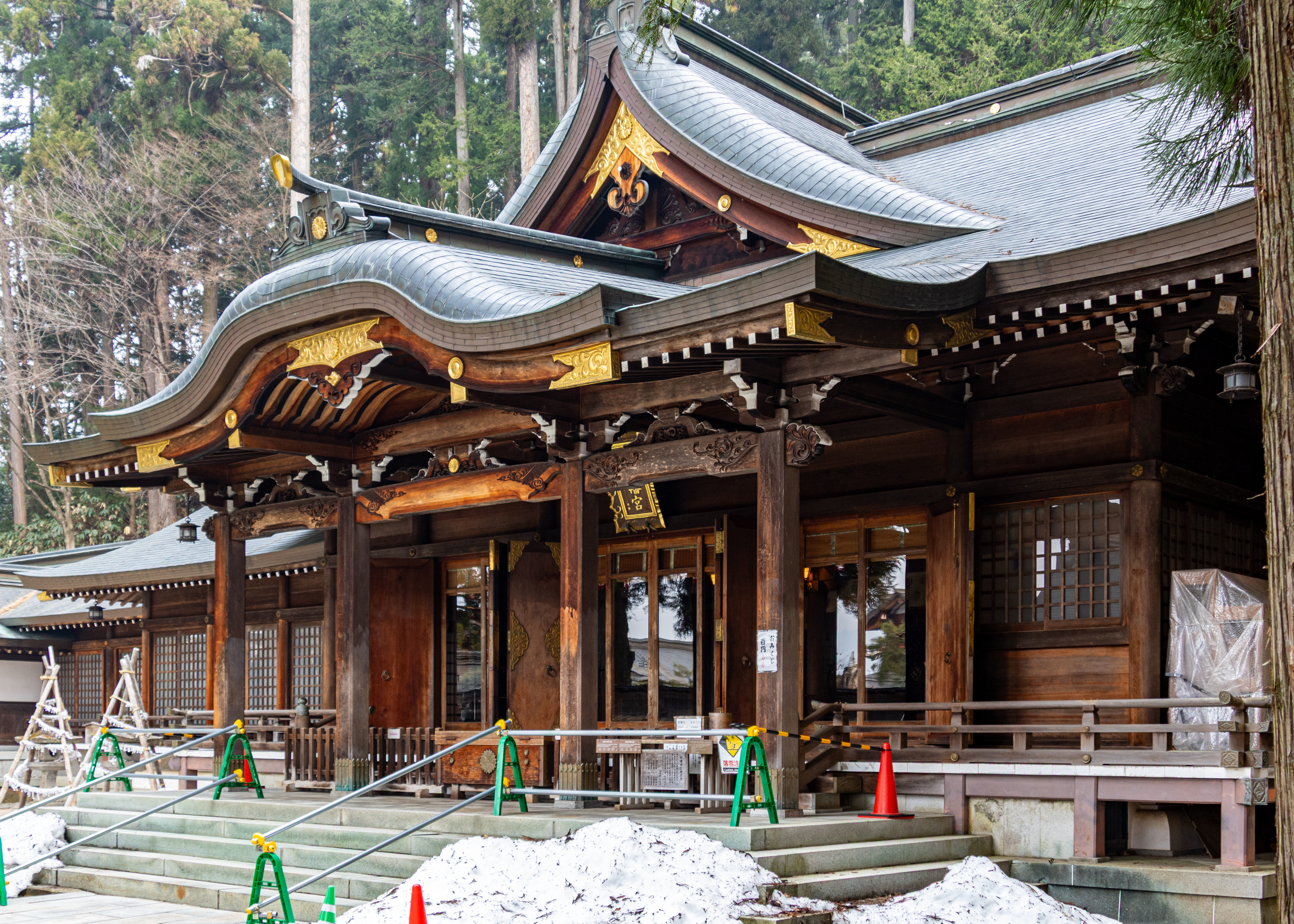
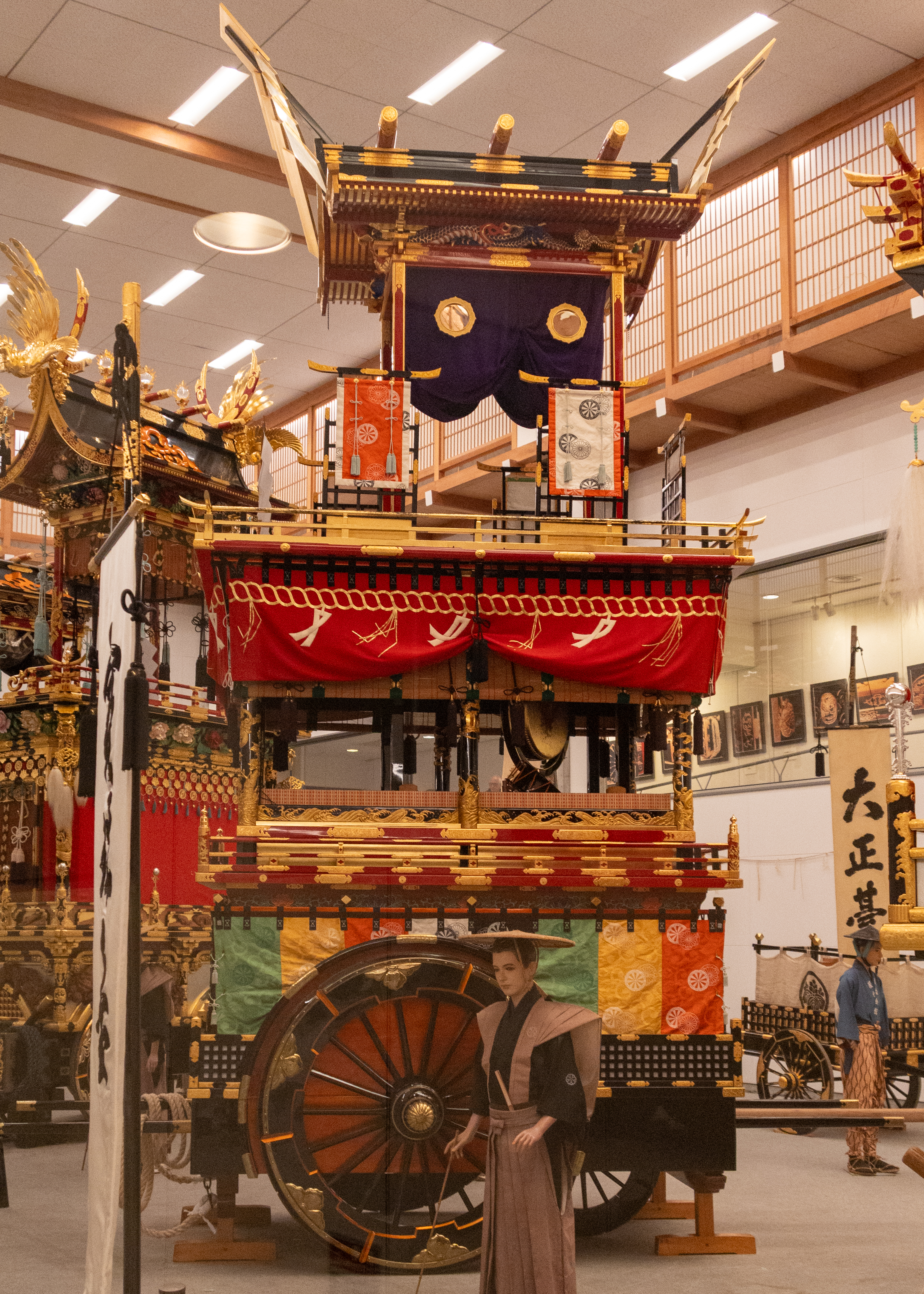
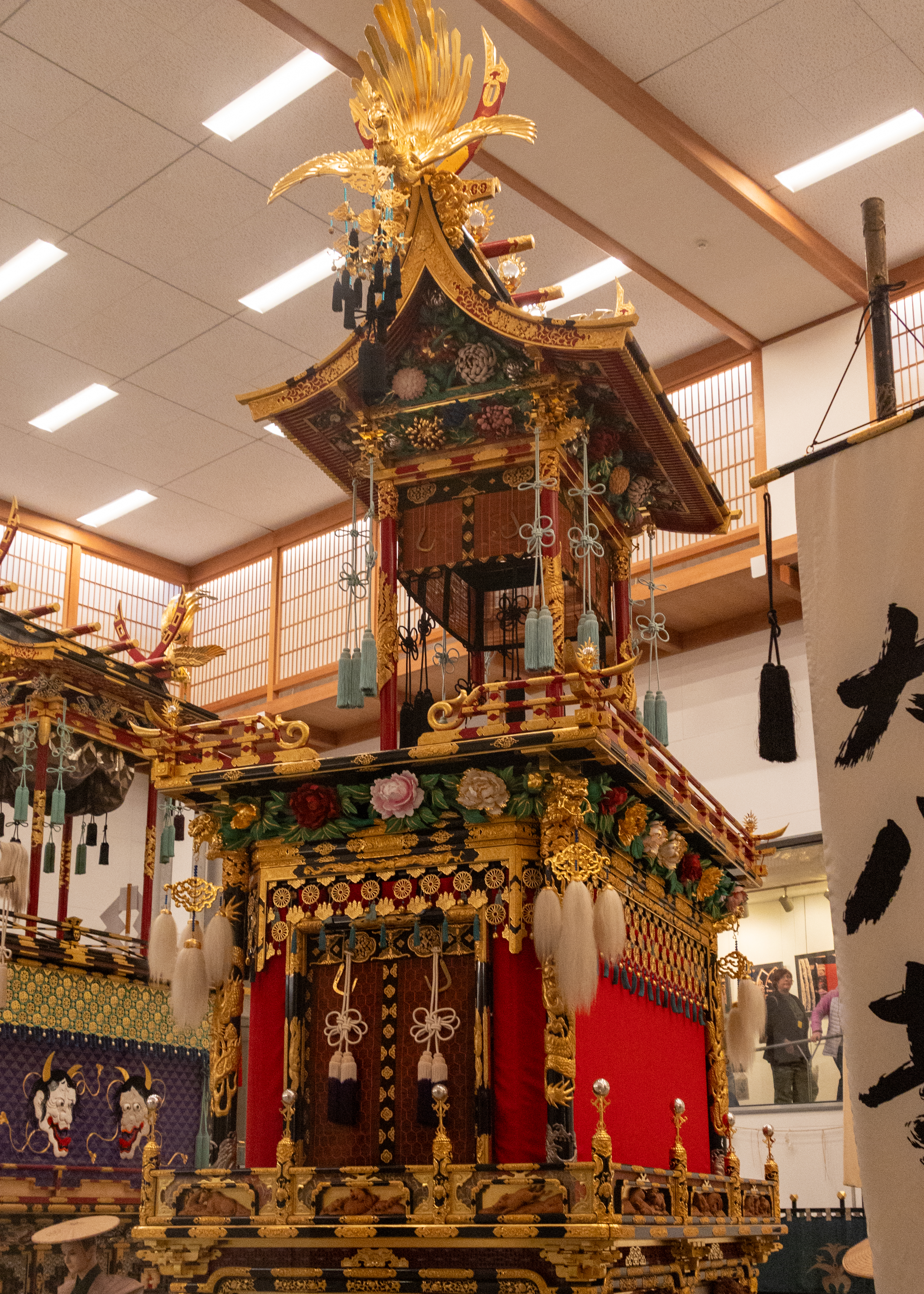
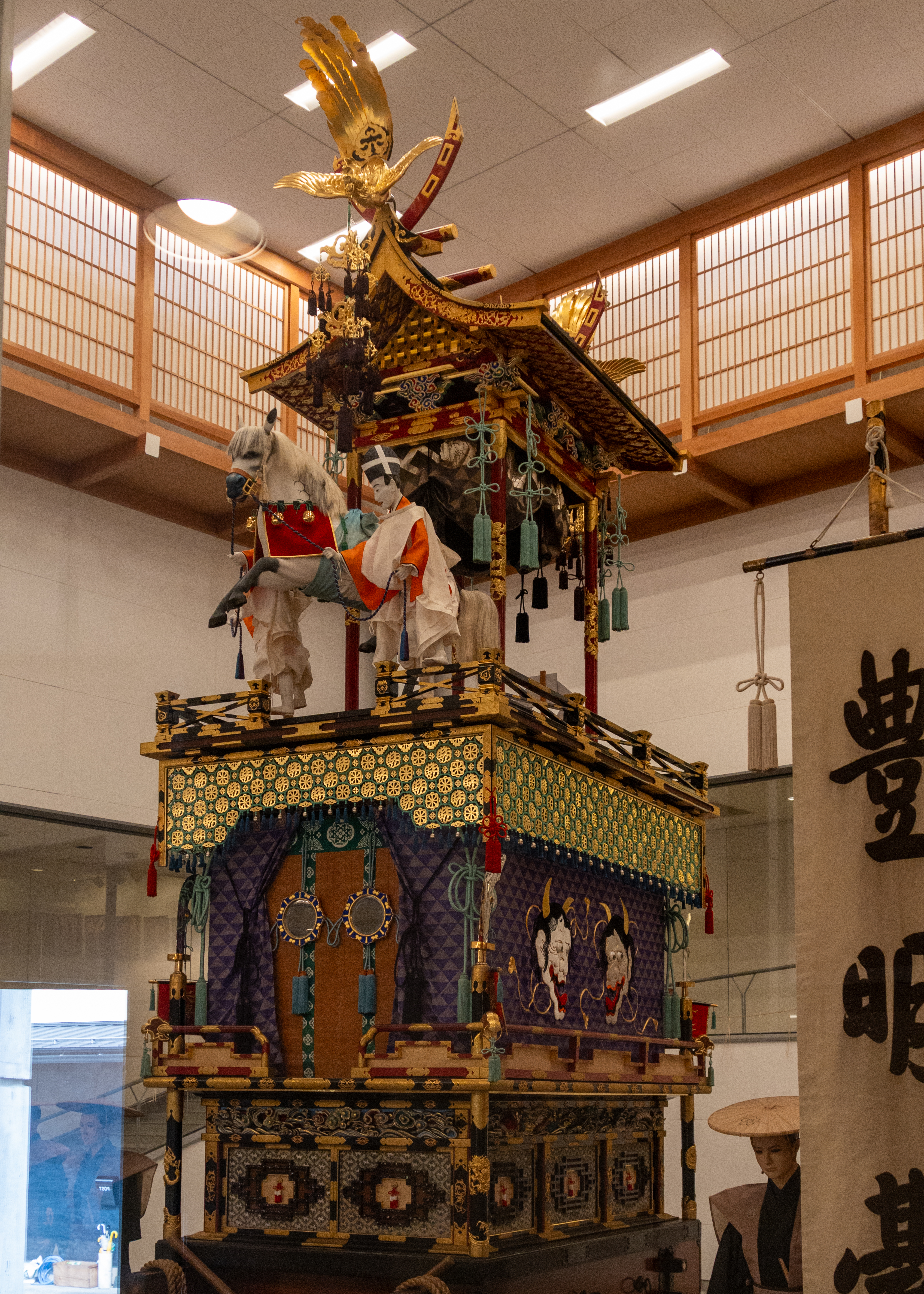
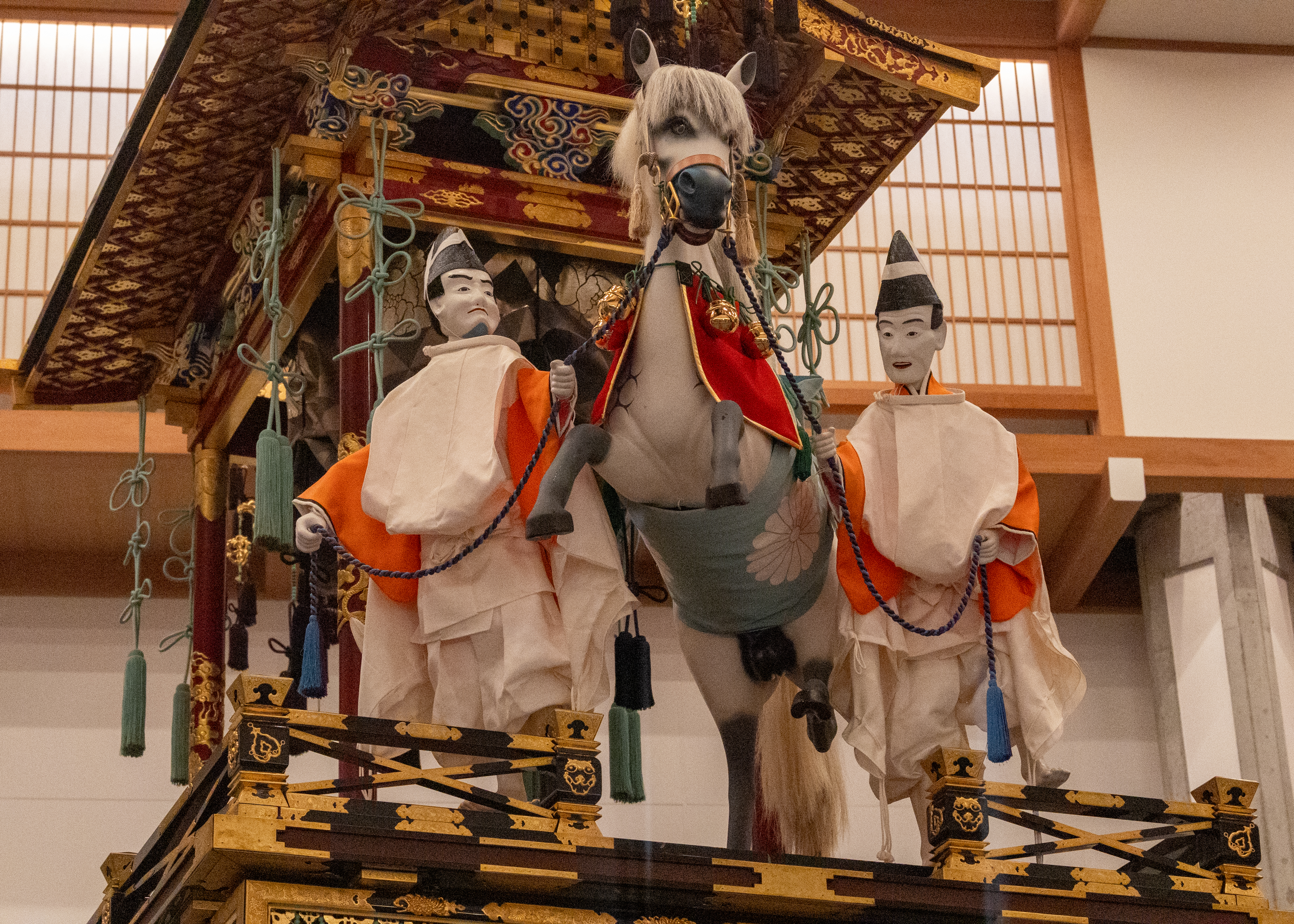
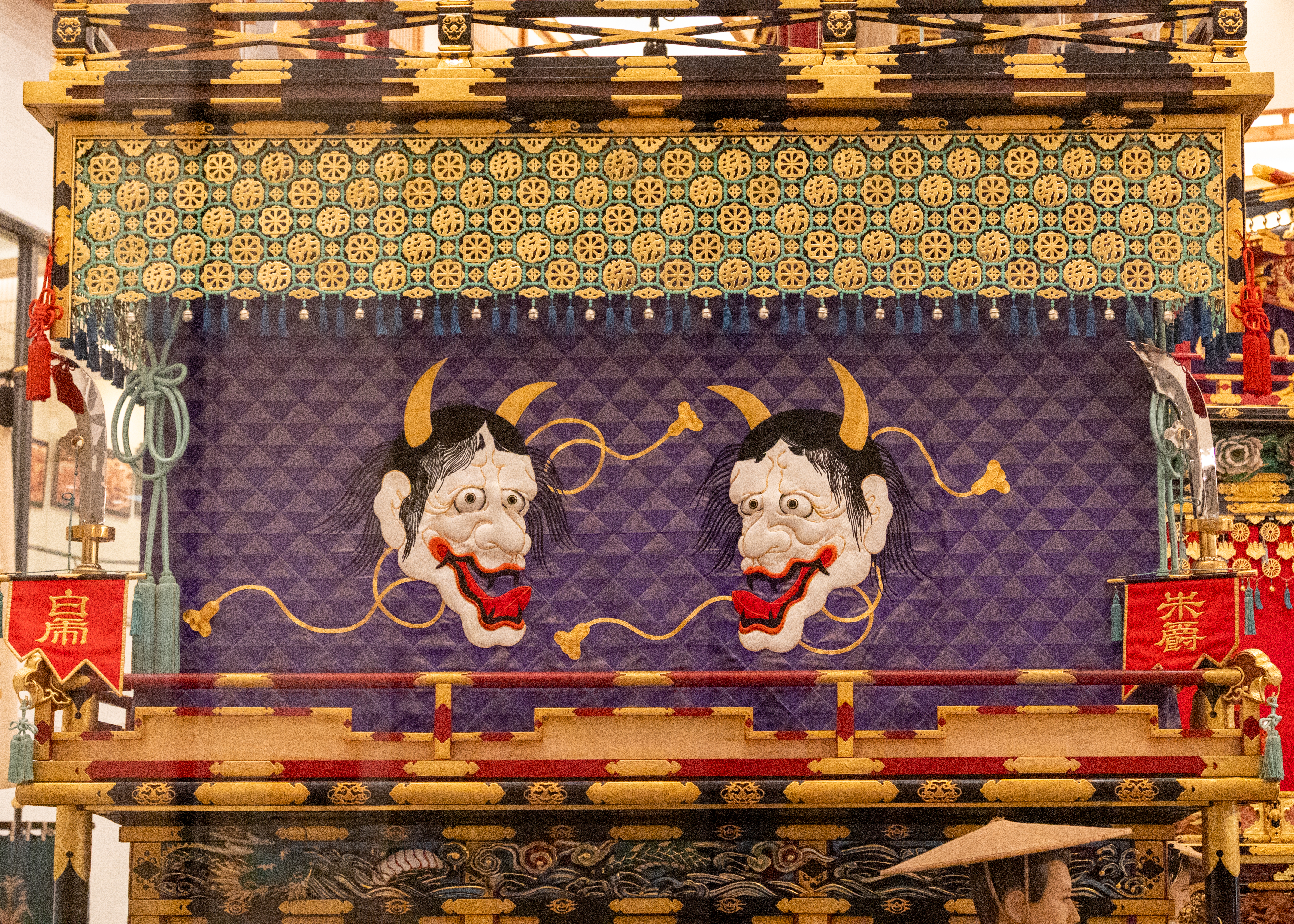
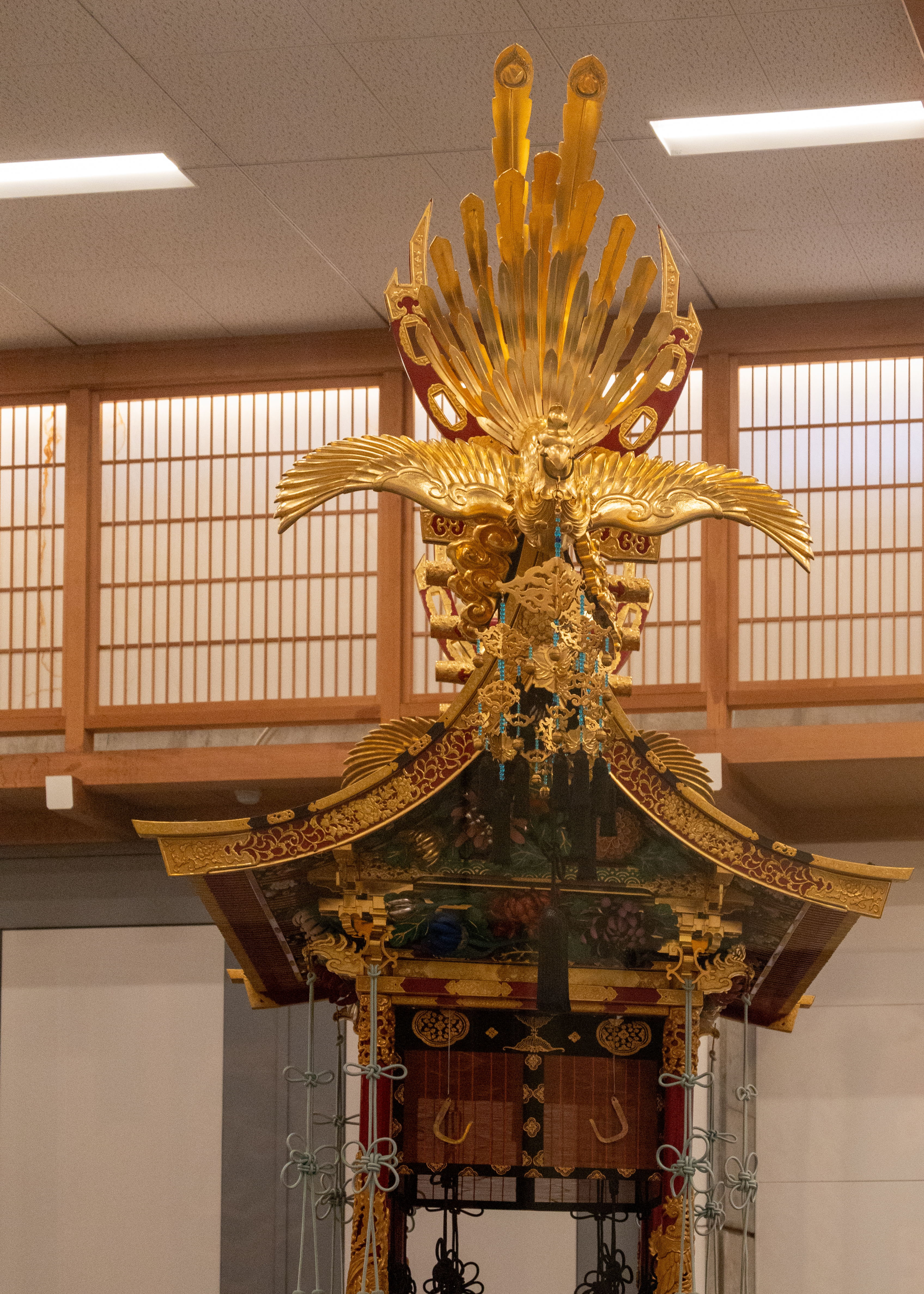
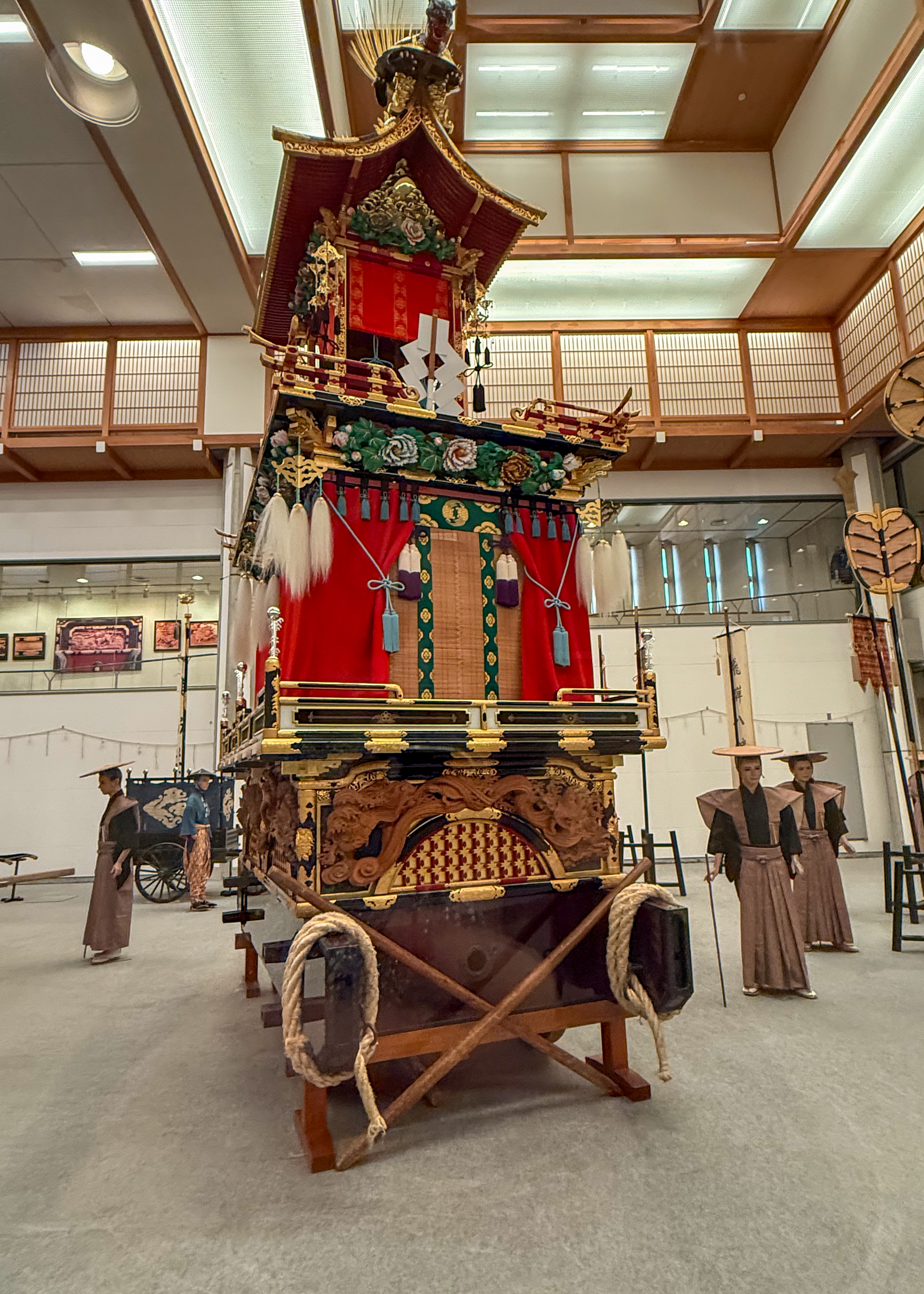
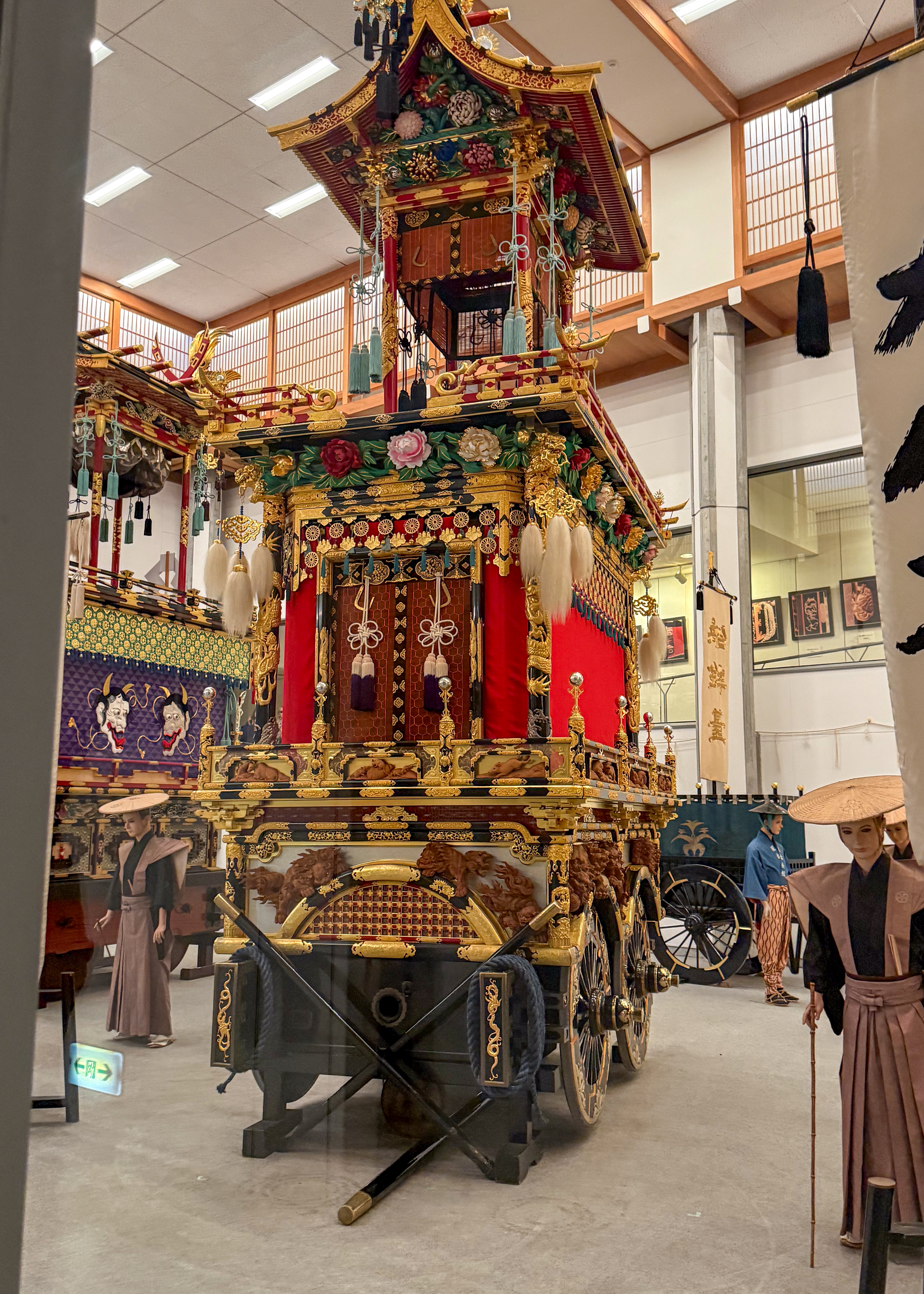
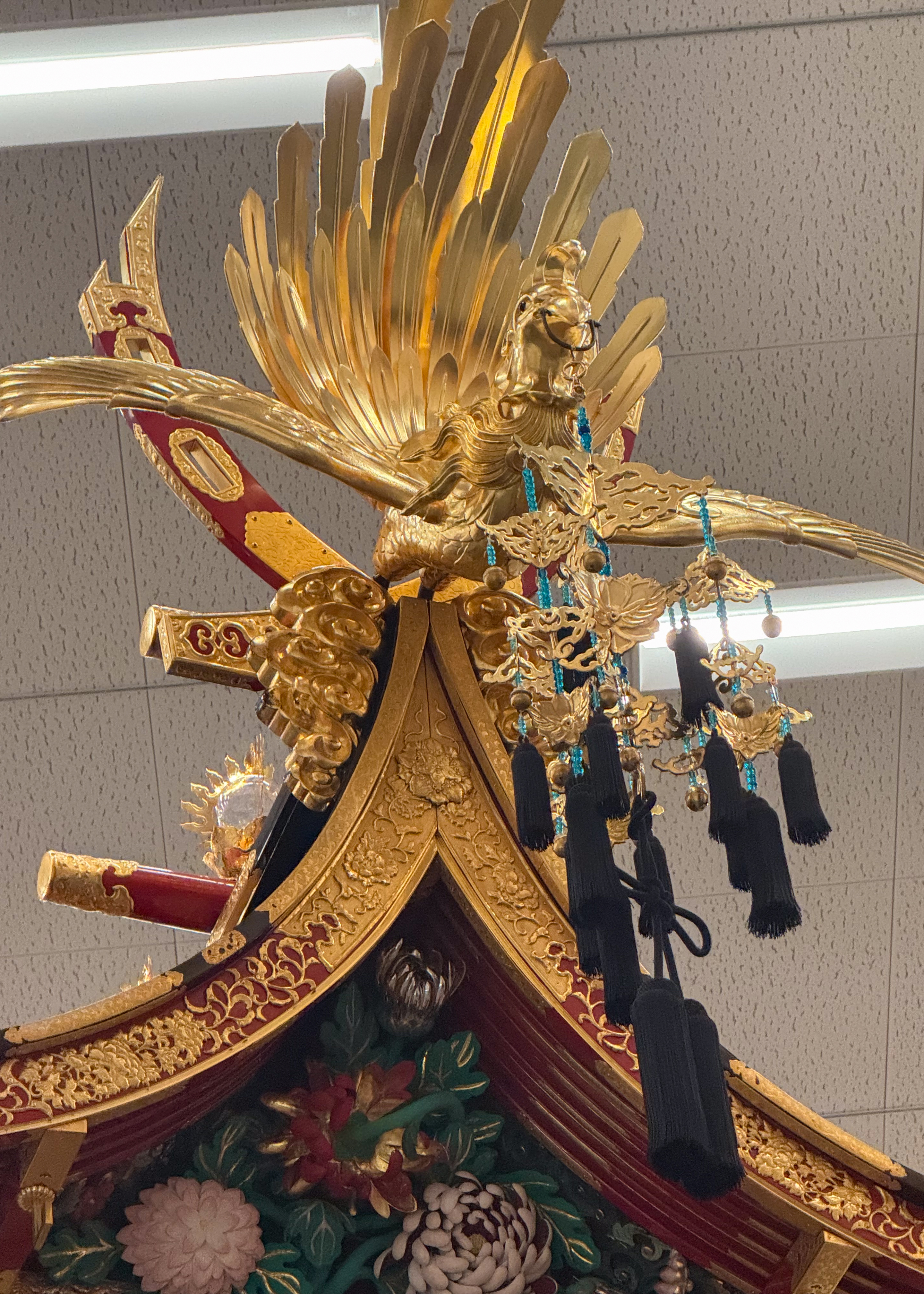
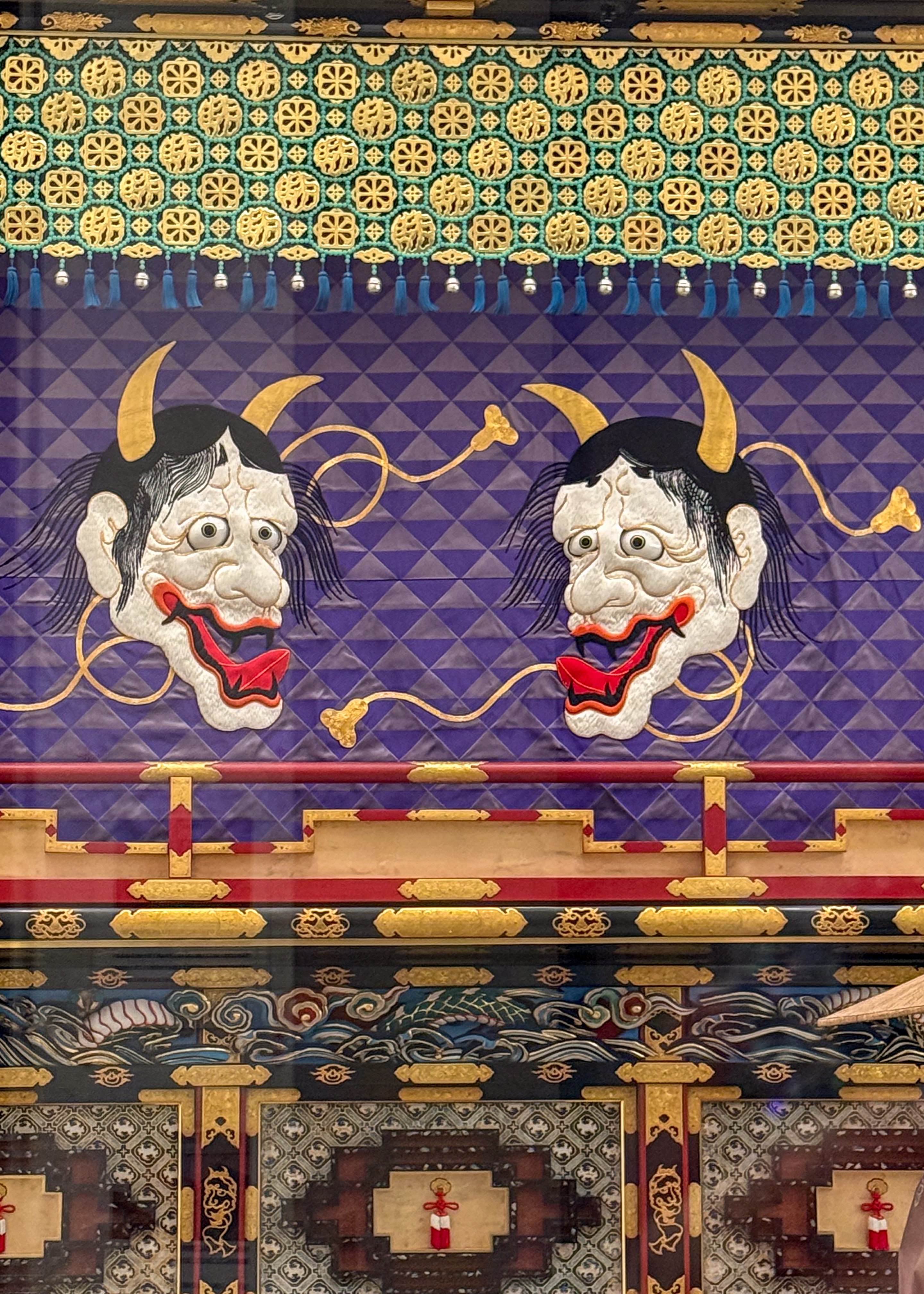
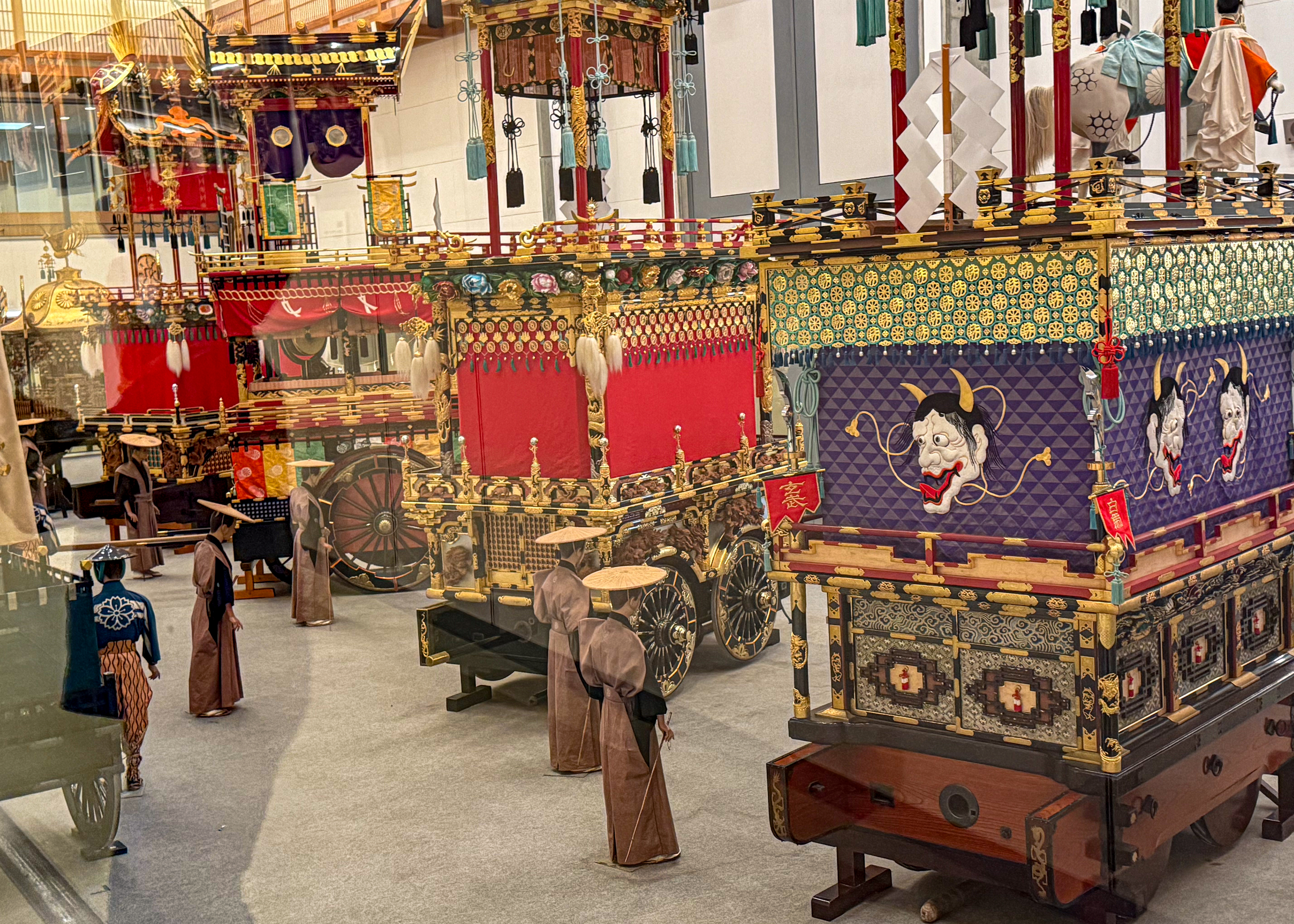
The first stop of the day was at the Sakurayama Hachiman Shrine and the Takayama float festival exhibit. Takayama is noted for both a spring and fall festivals. The festival started 350 years ago as a simple village ceremony and now is a competition among neighborhoods. There are usually 11 to 12 floats in each parade with some dating back to the 17th century.

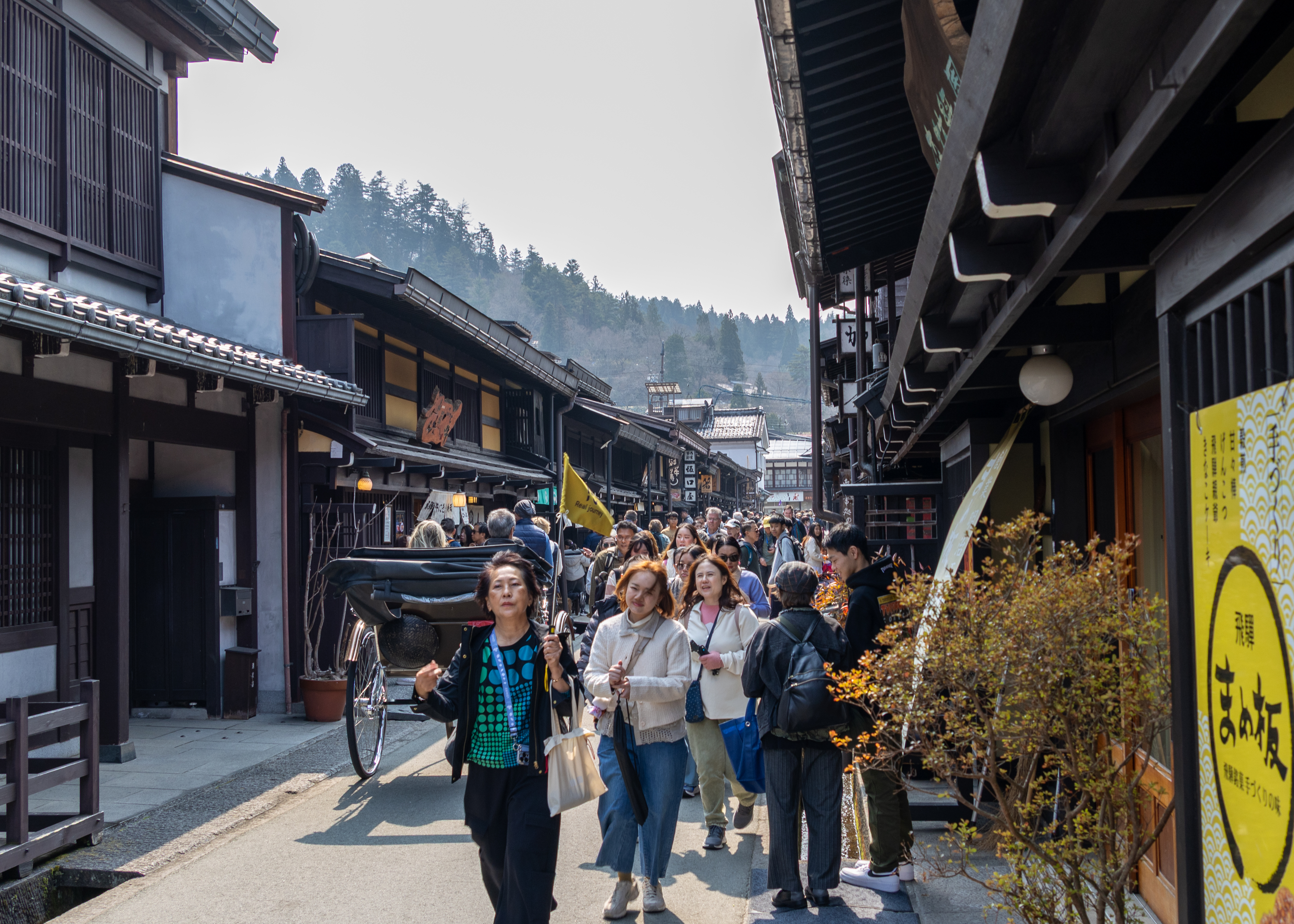
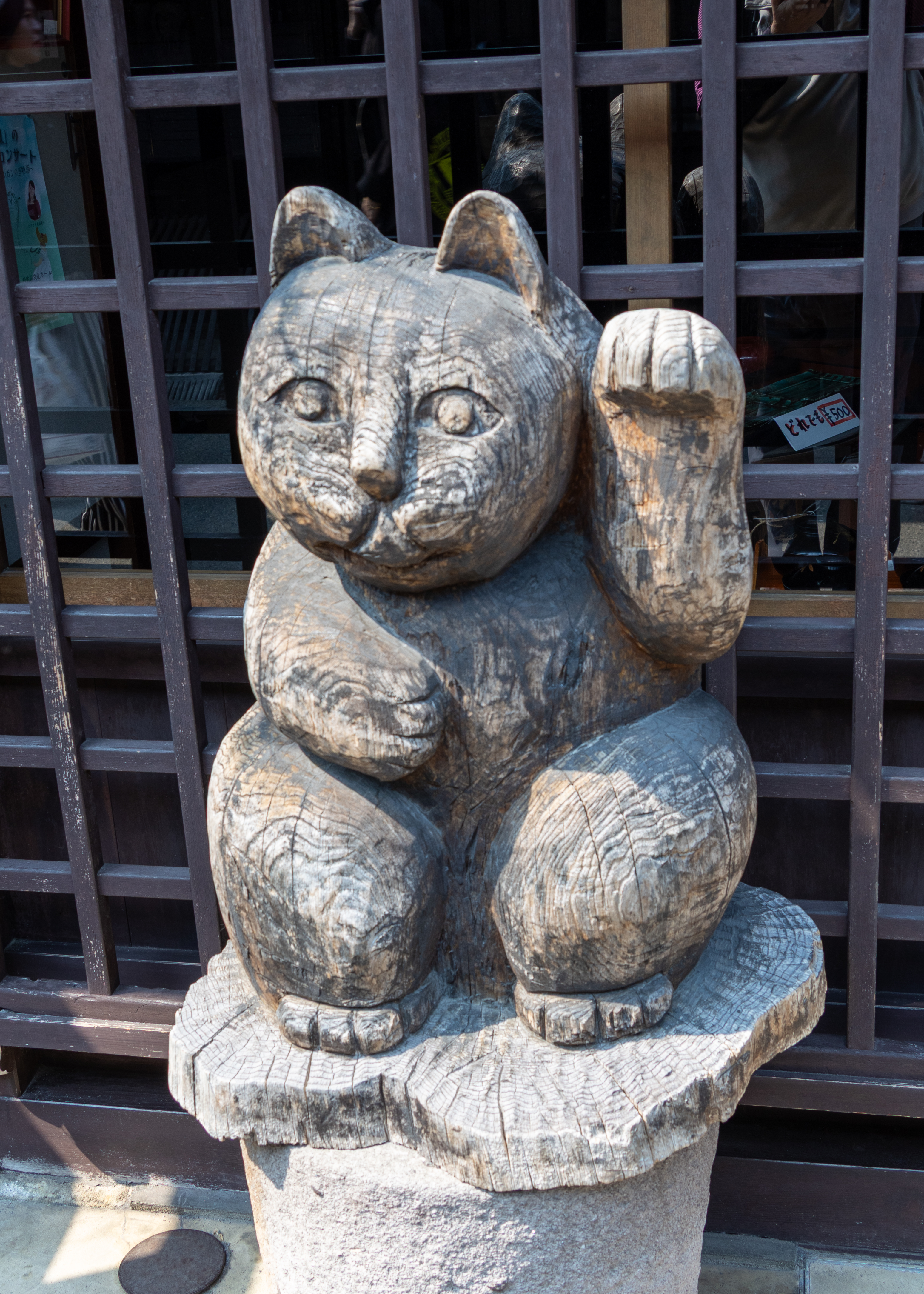
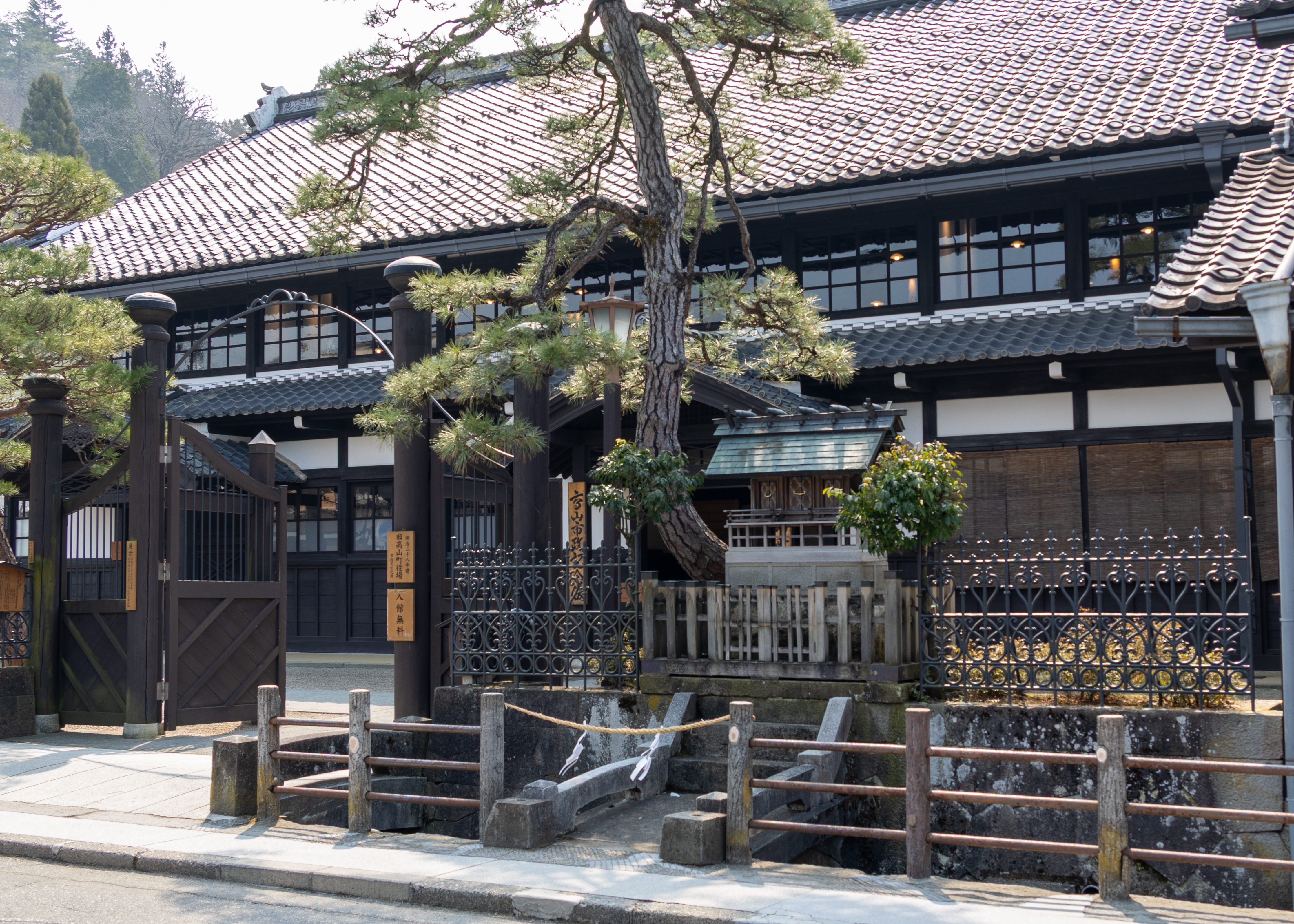
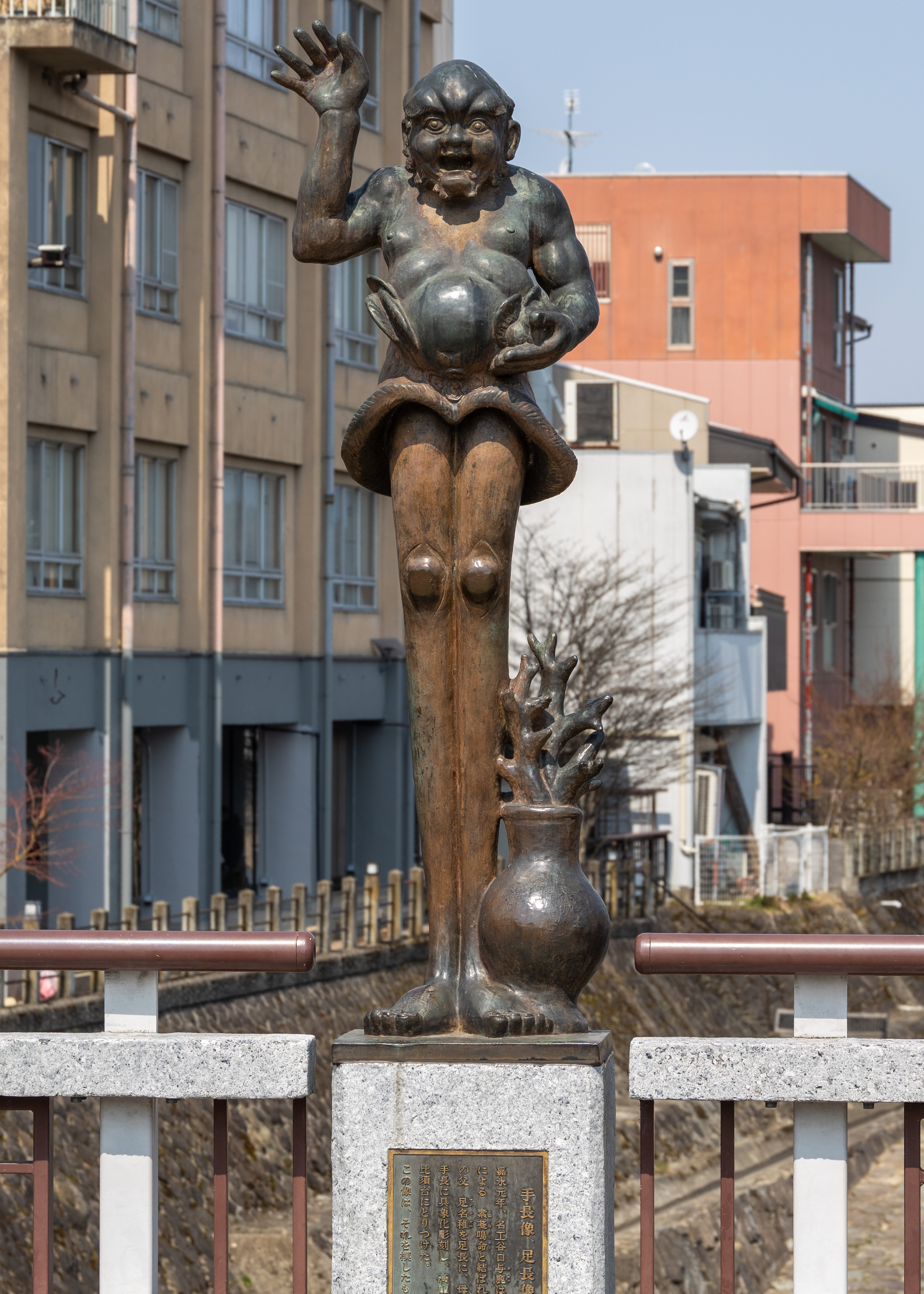
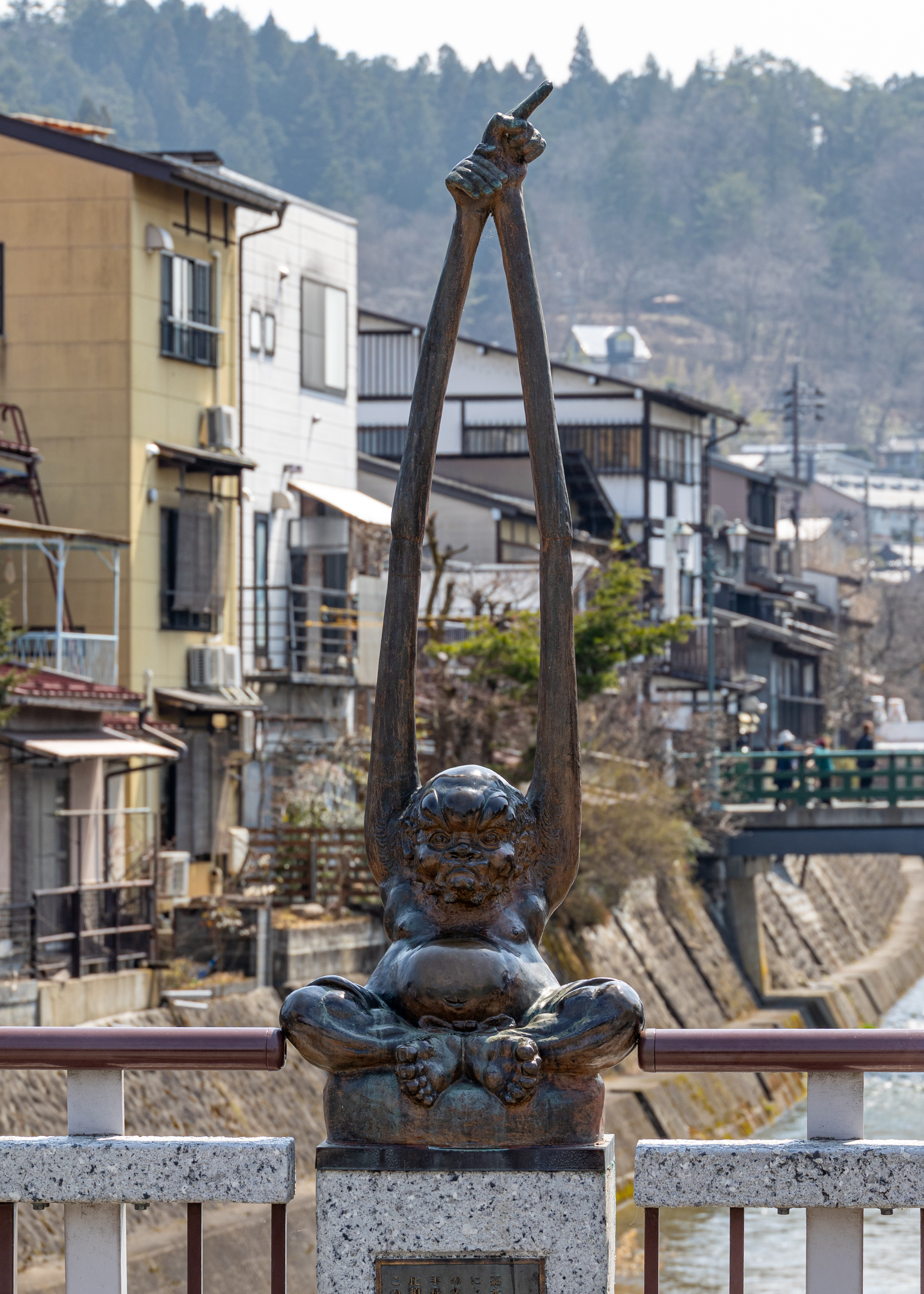
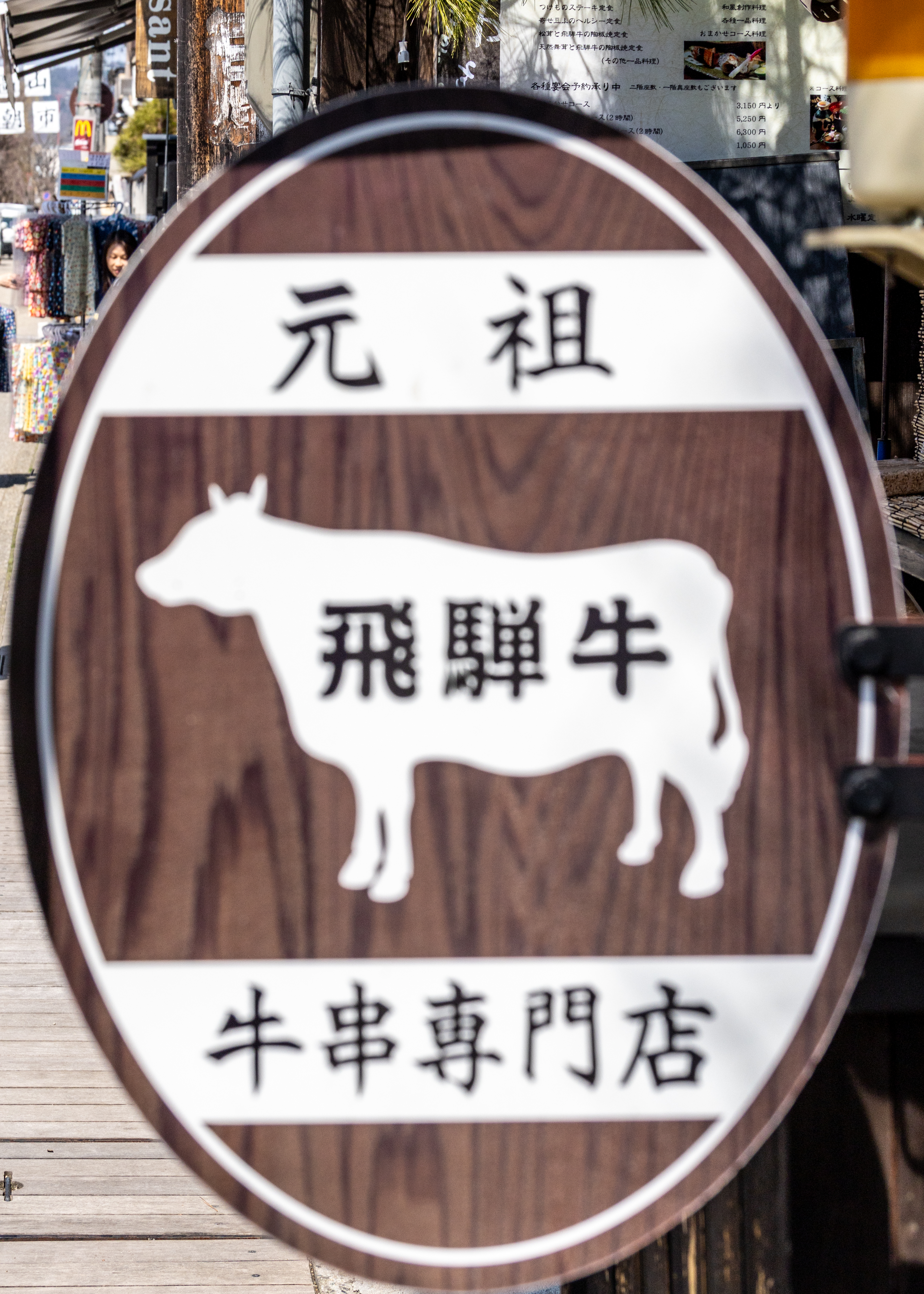
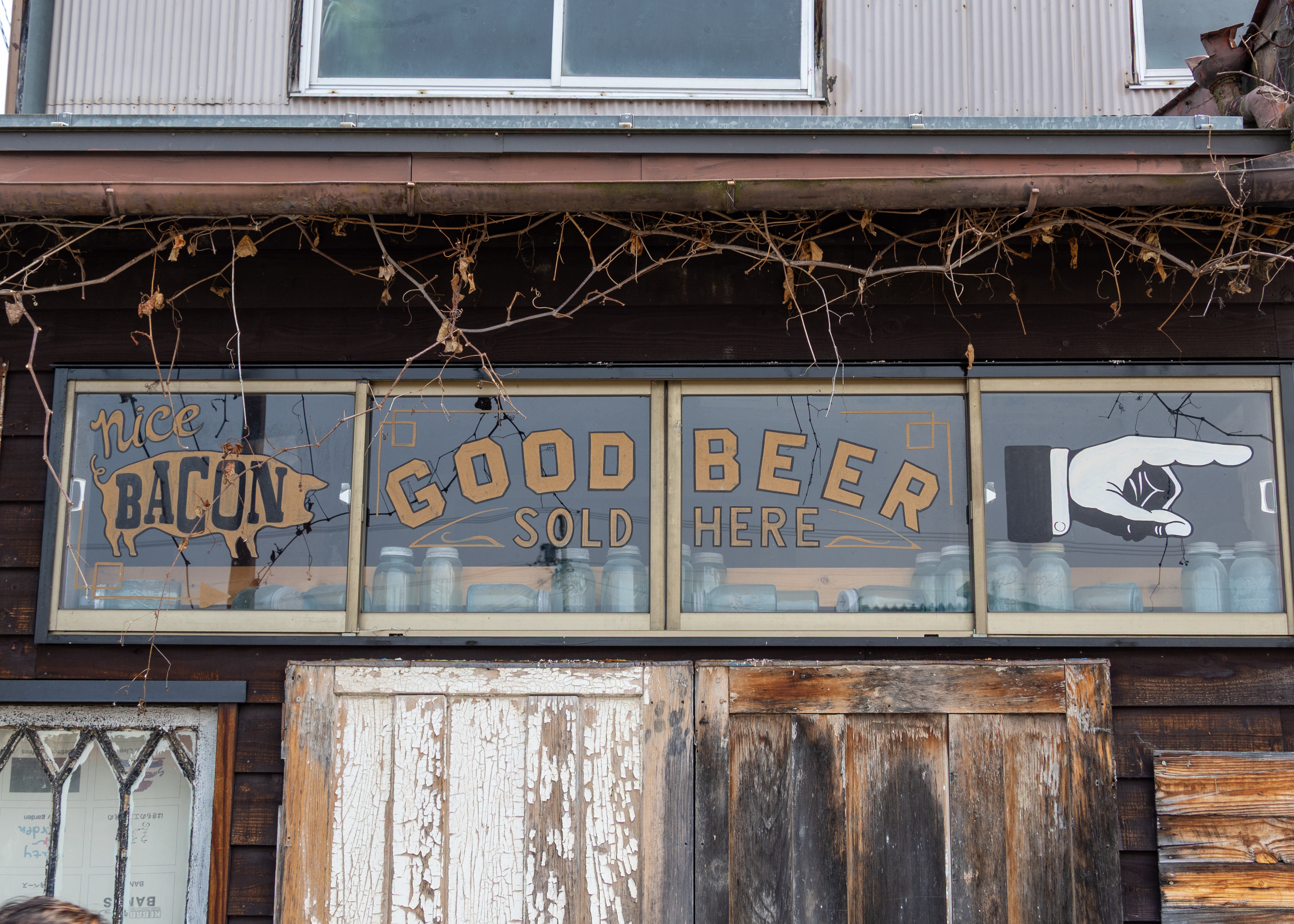
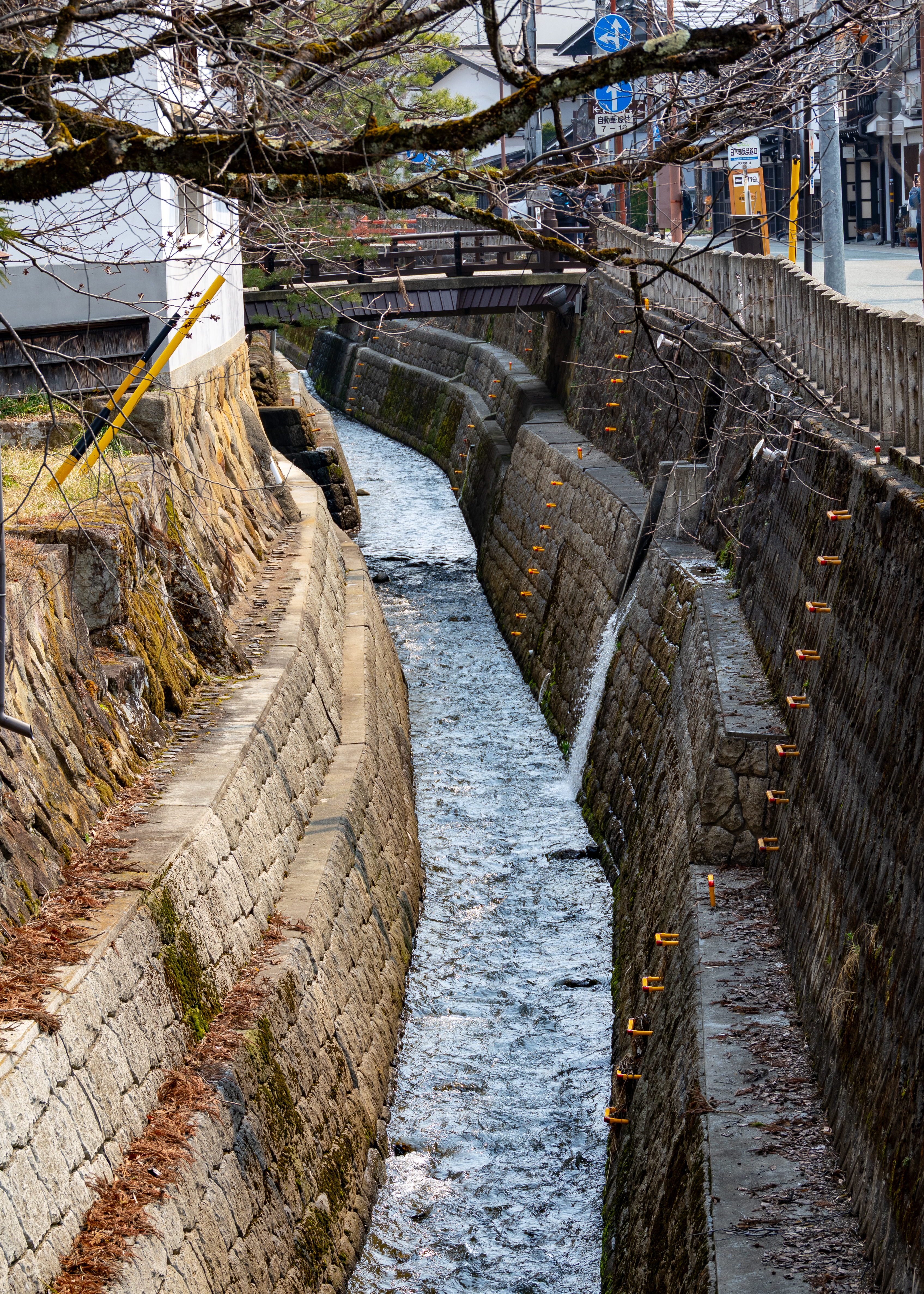
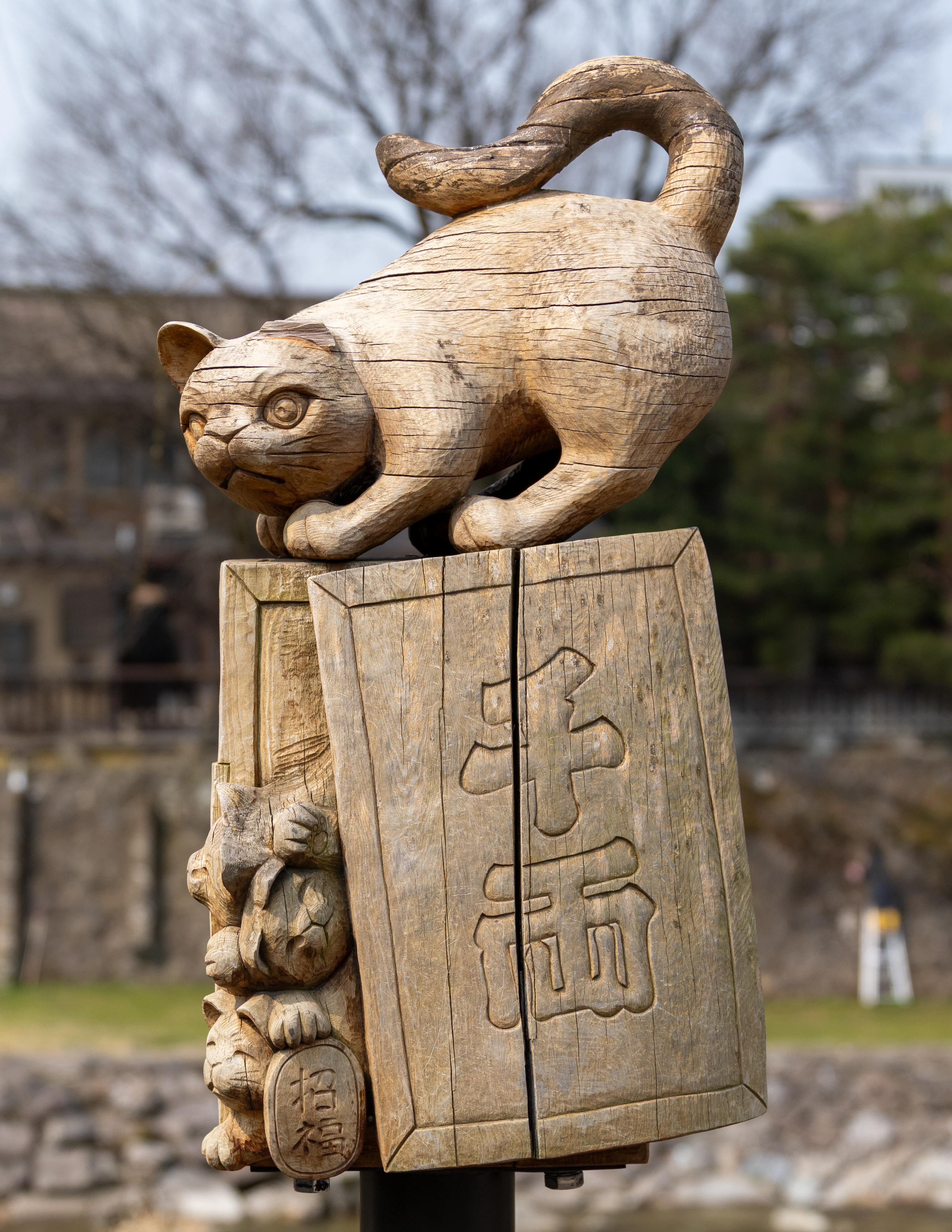
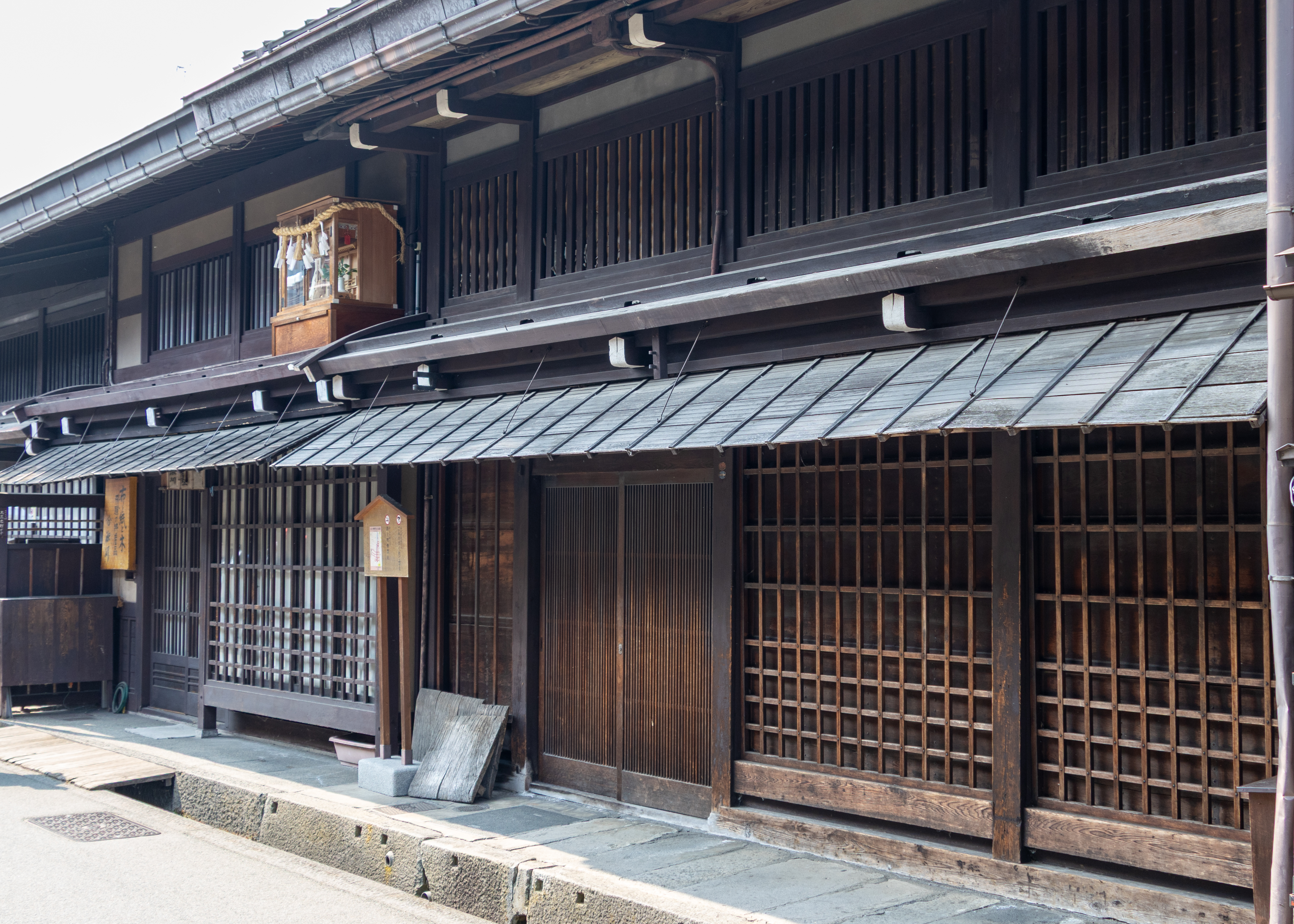
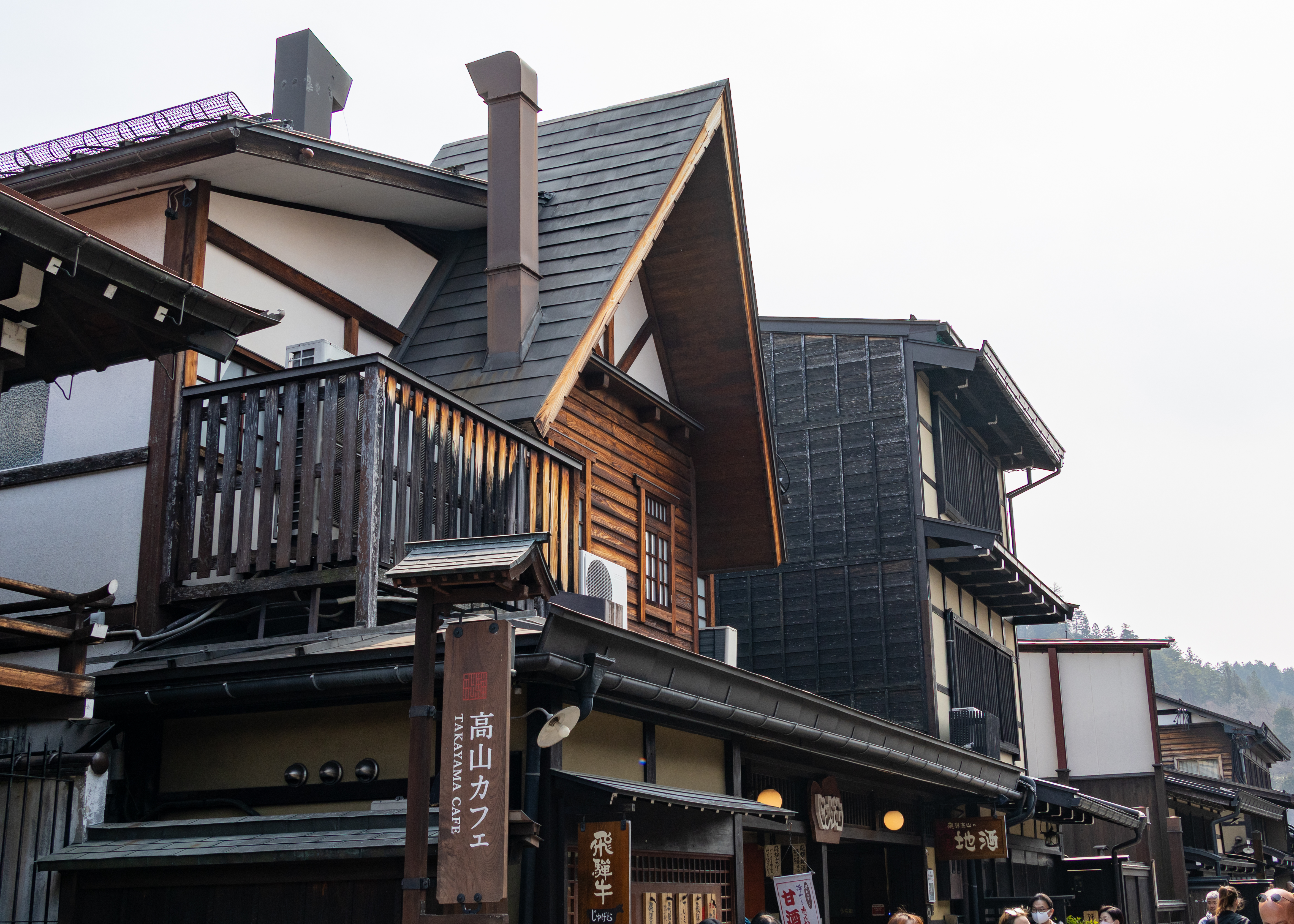
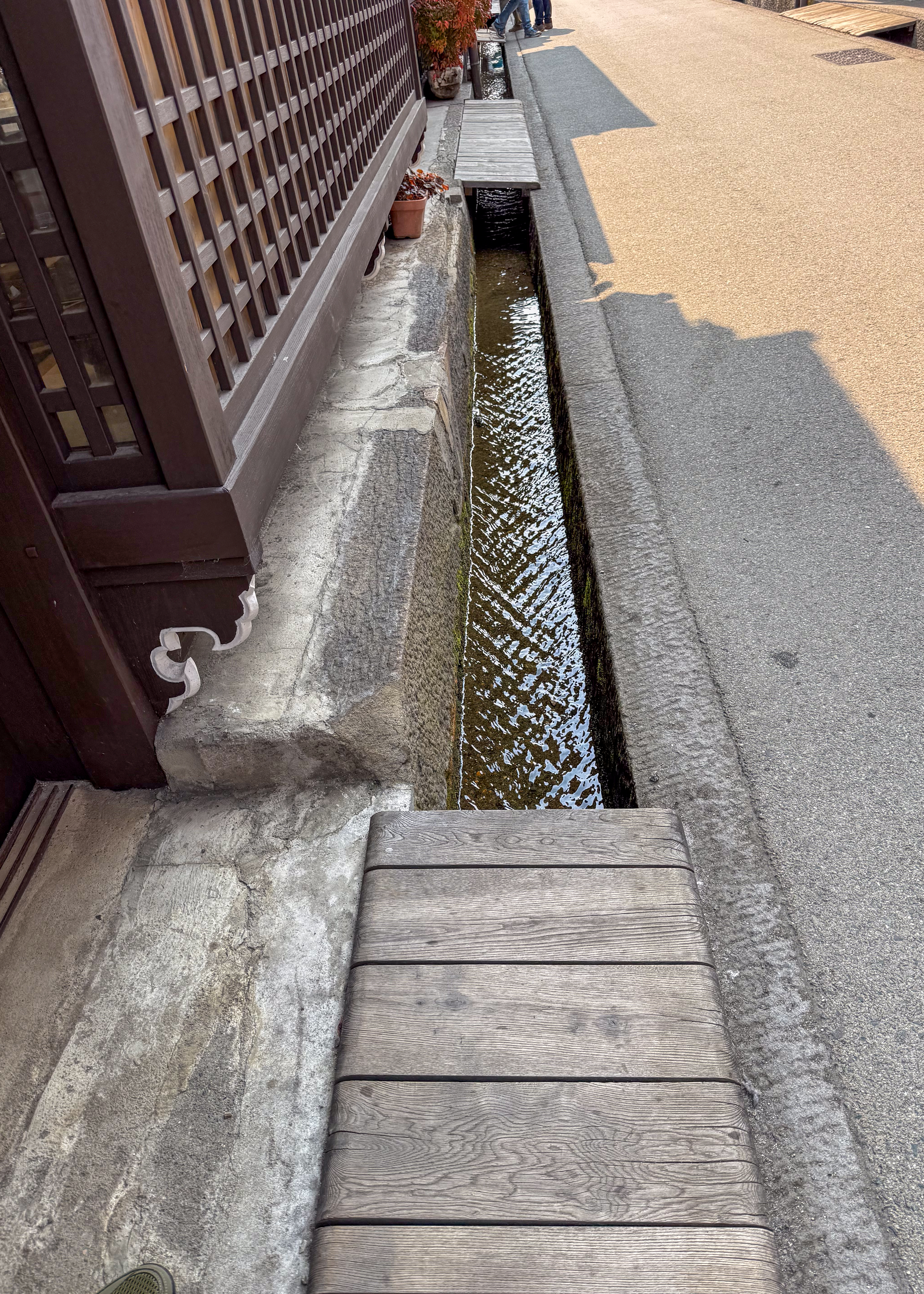
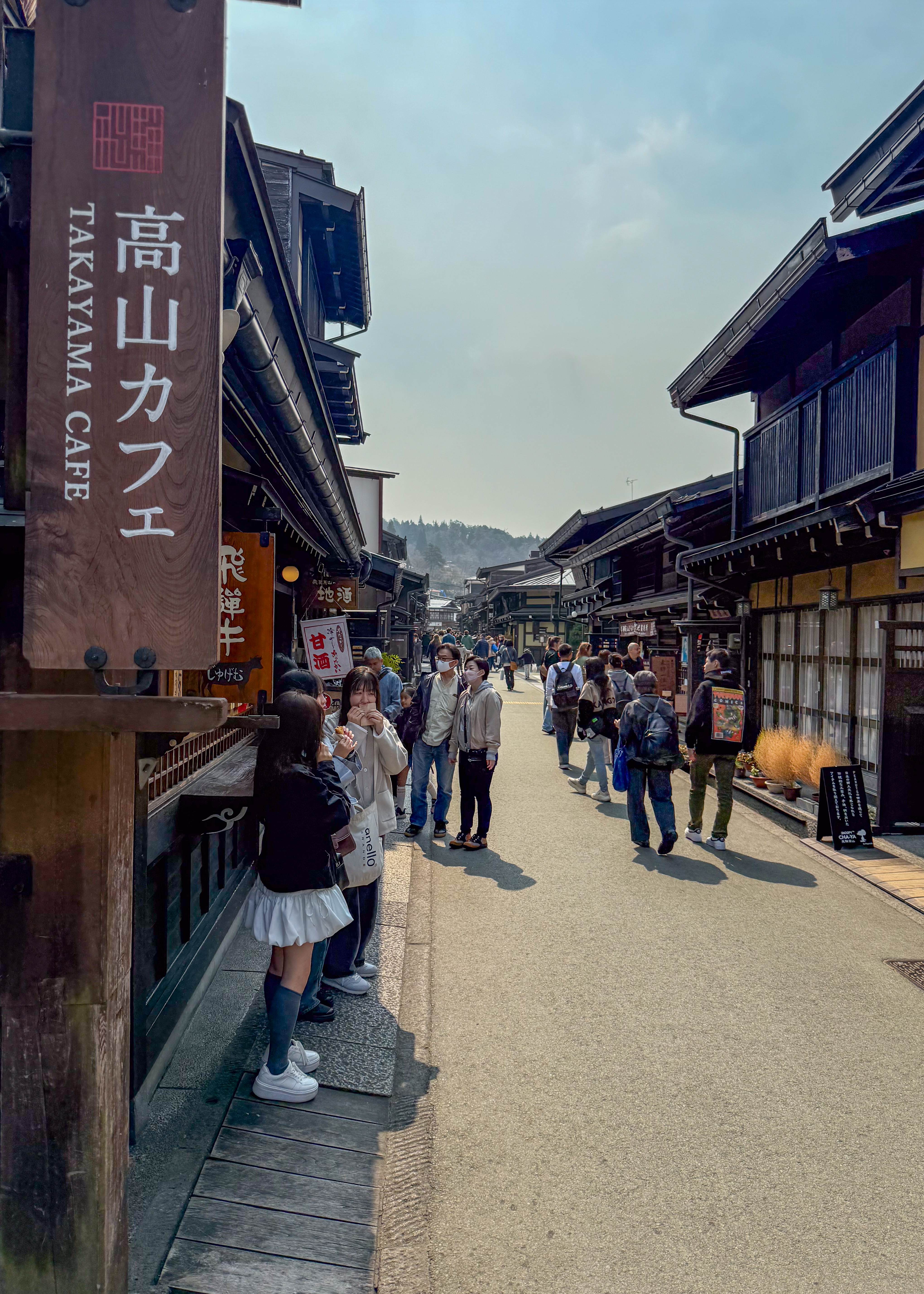
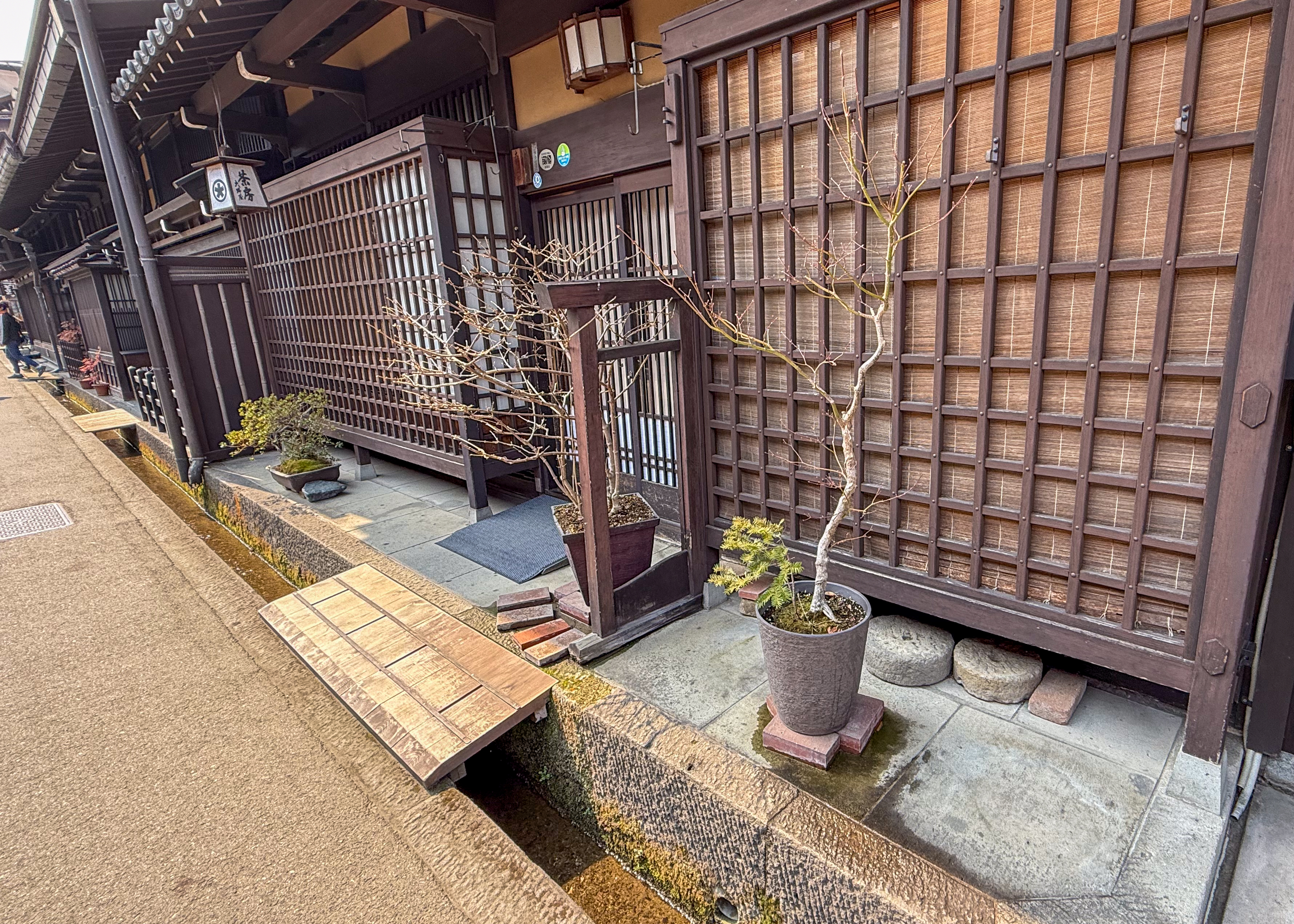
We moved on to visit Takayama’s Old Town to view the originally constructed wooden houses and see the Morning Market. Water constantly runs down the side of the streets to act as an available fire extinguishing source.

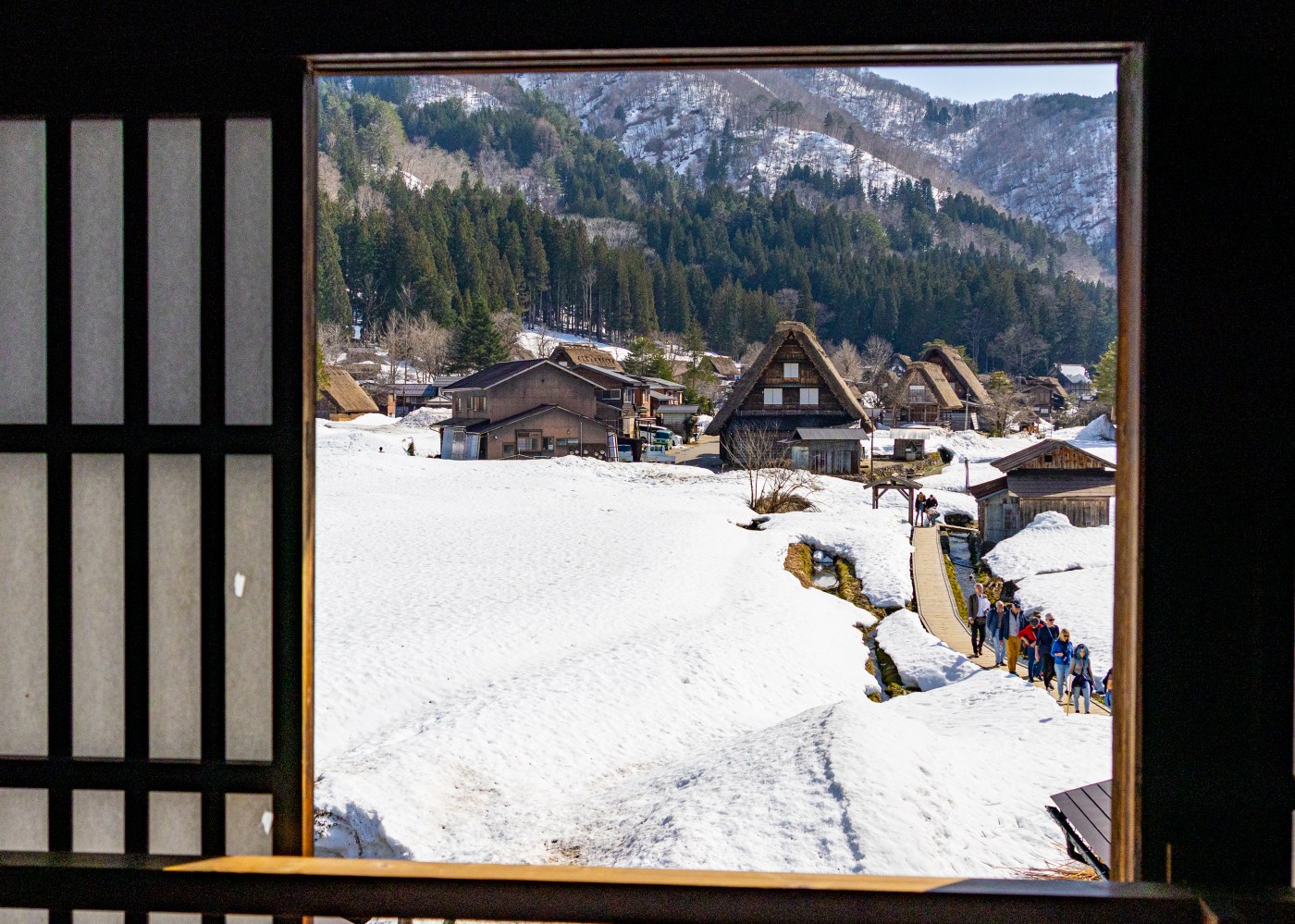
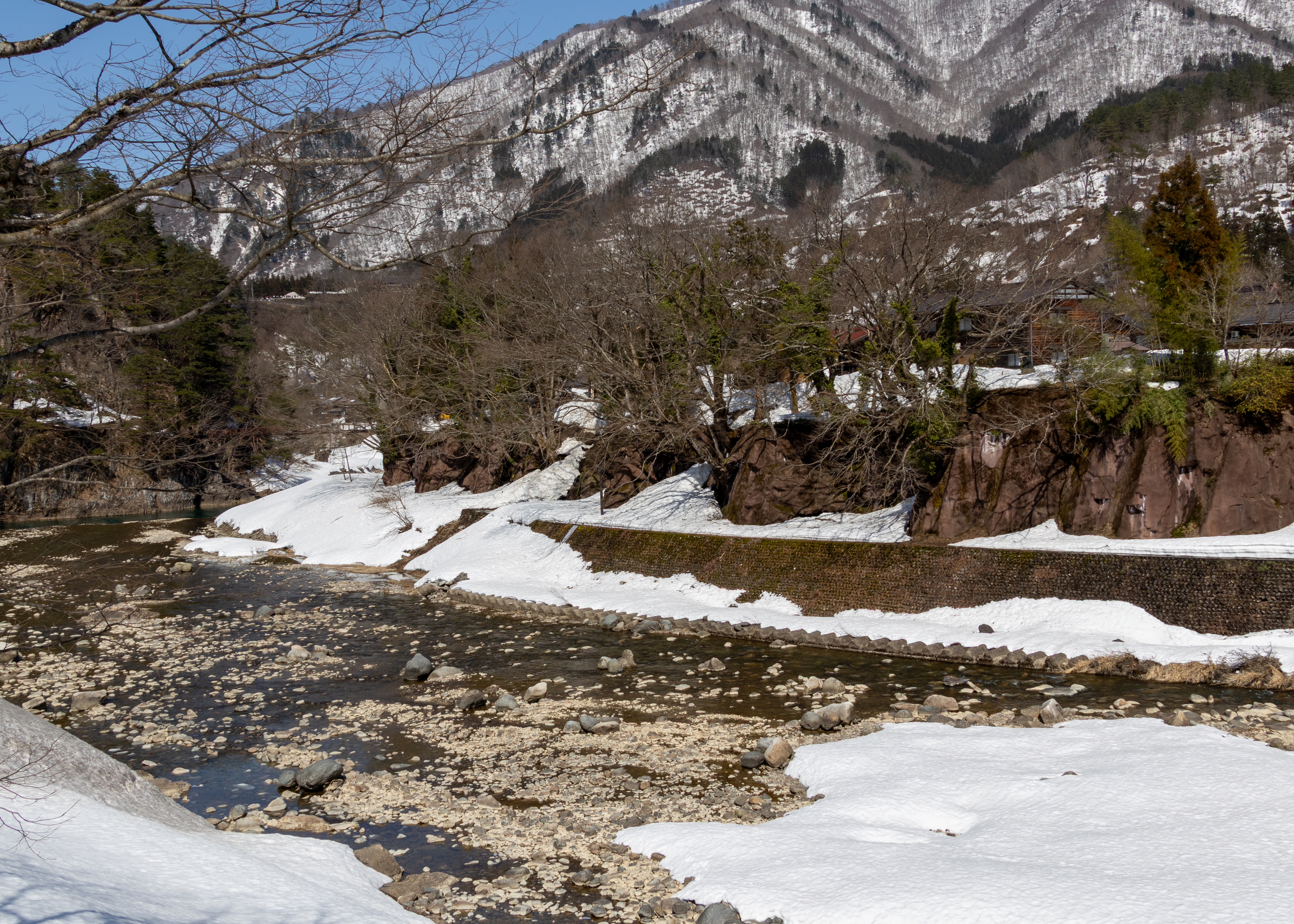
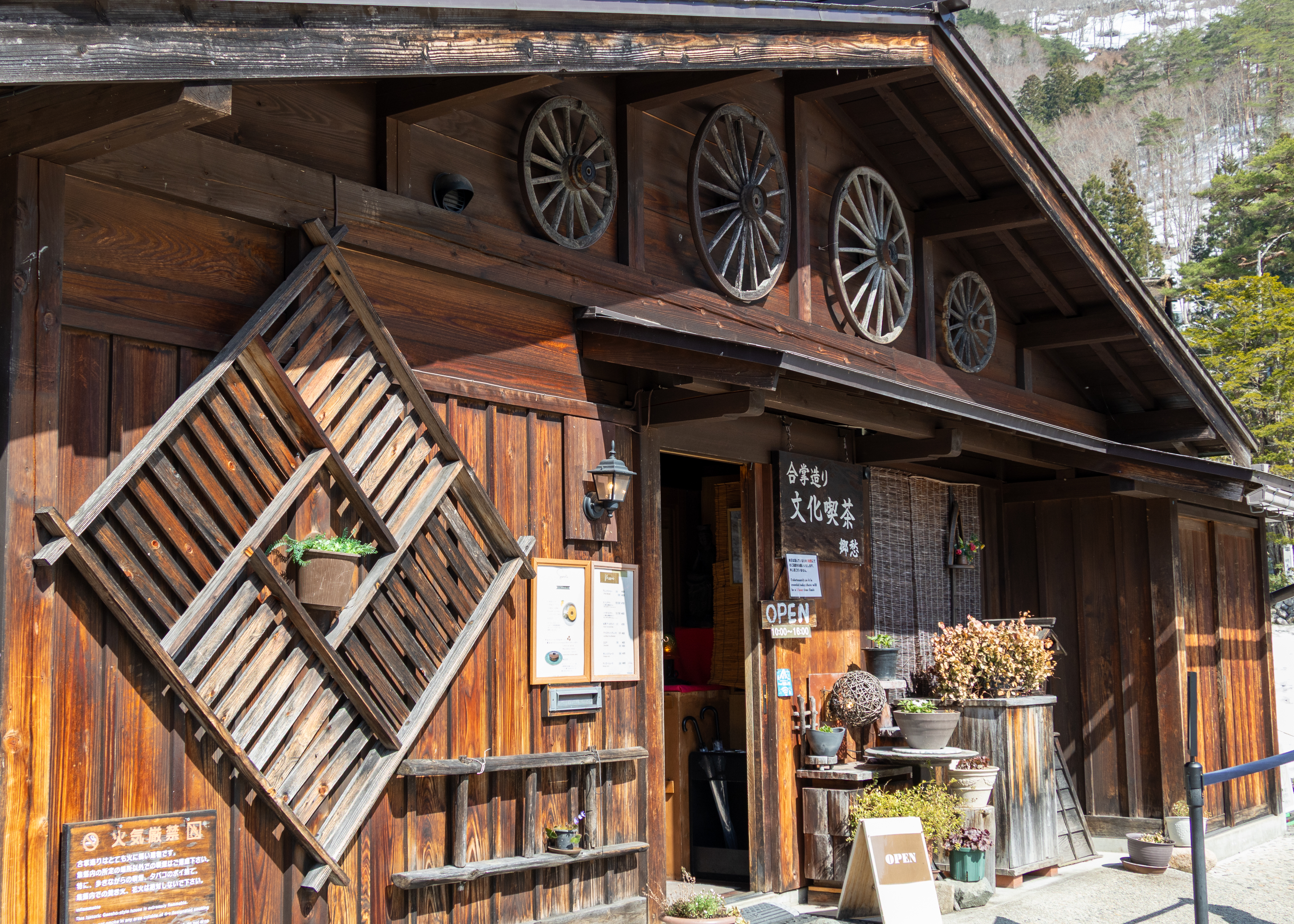
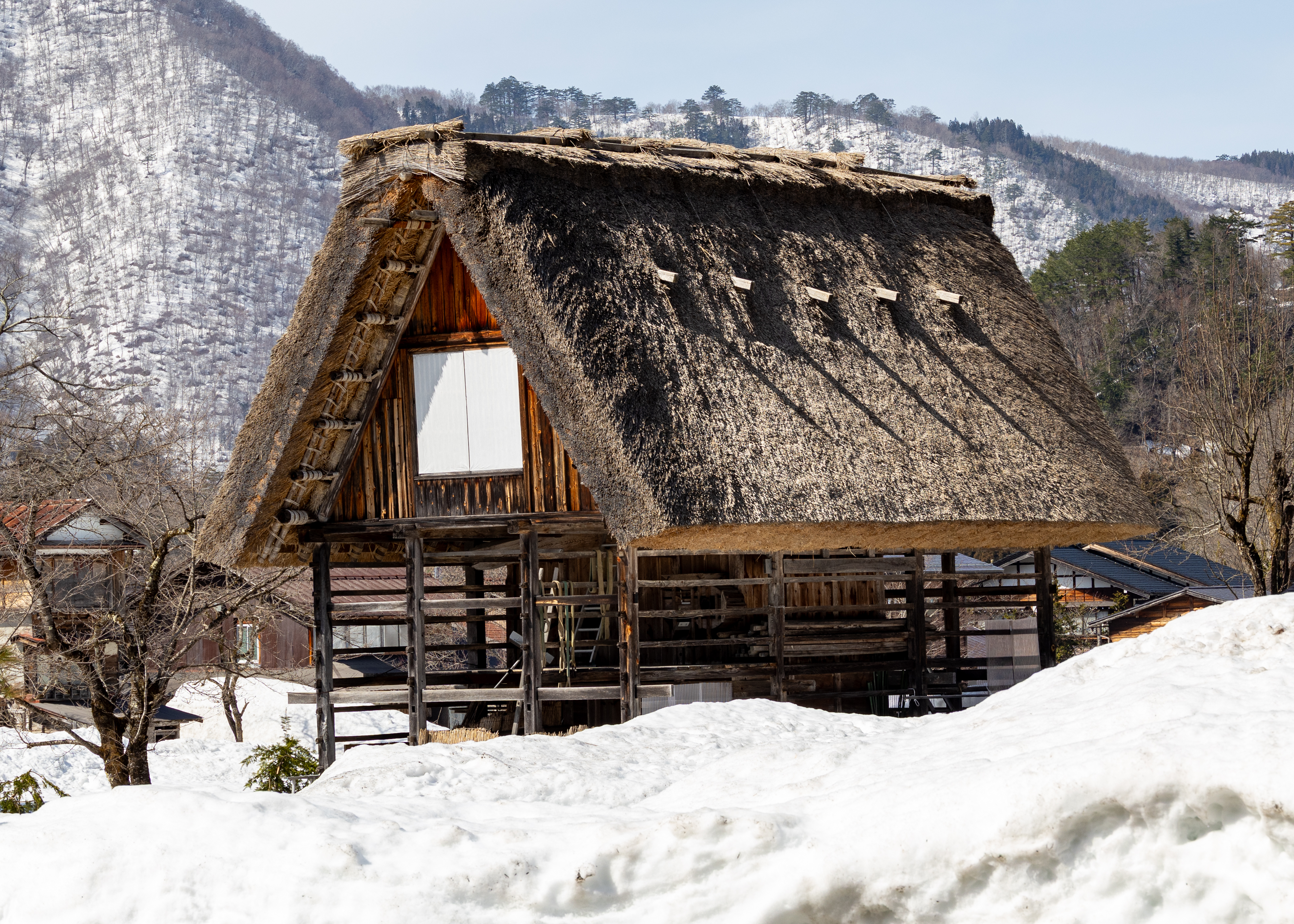
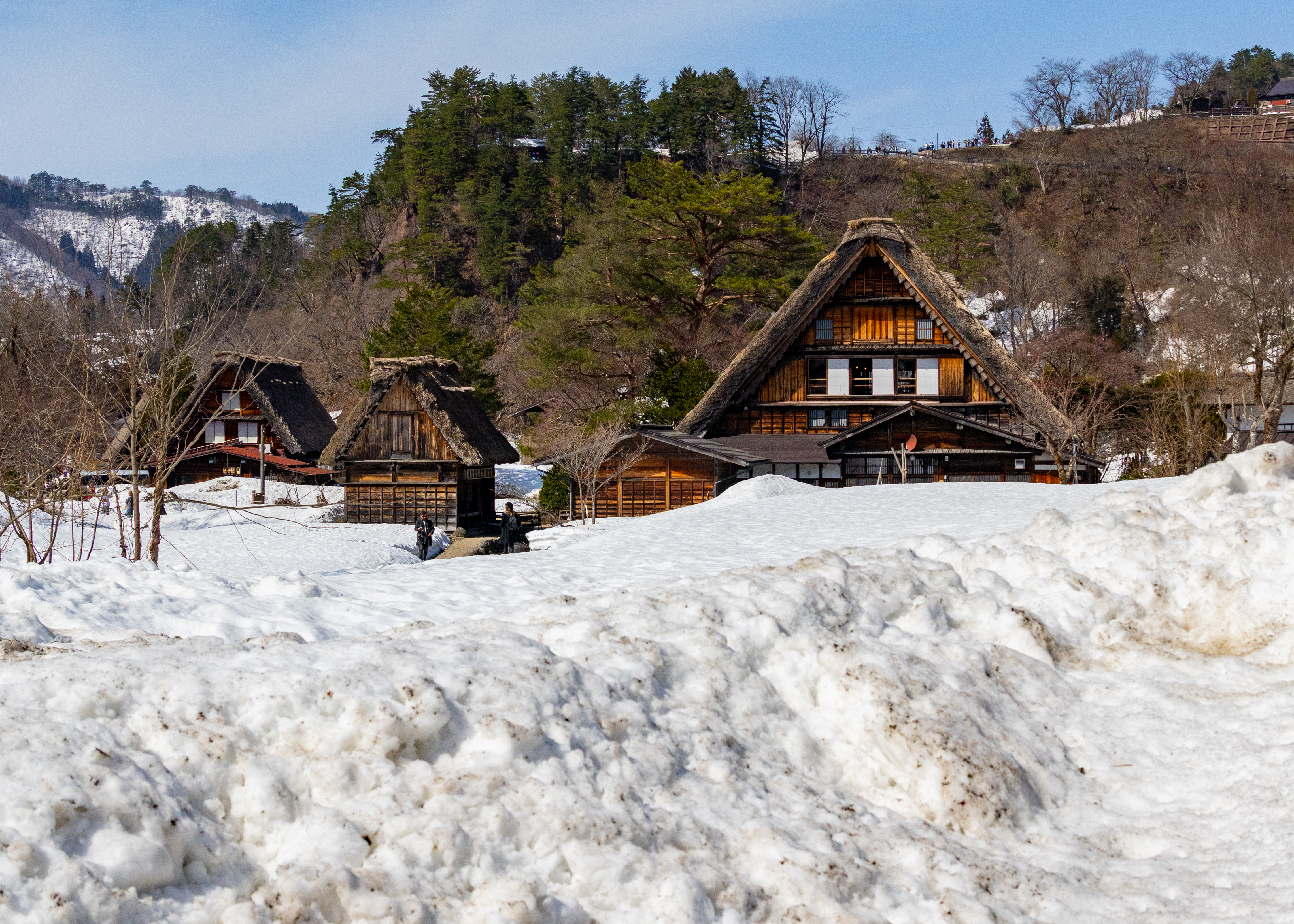
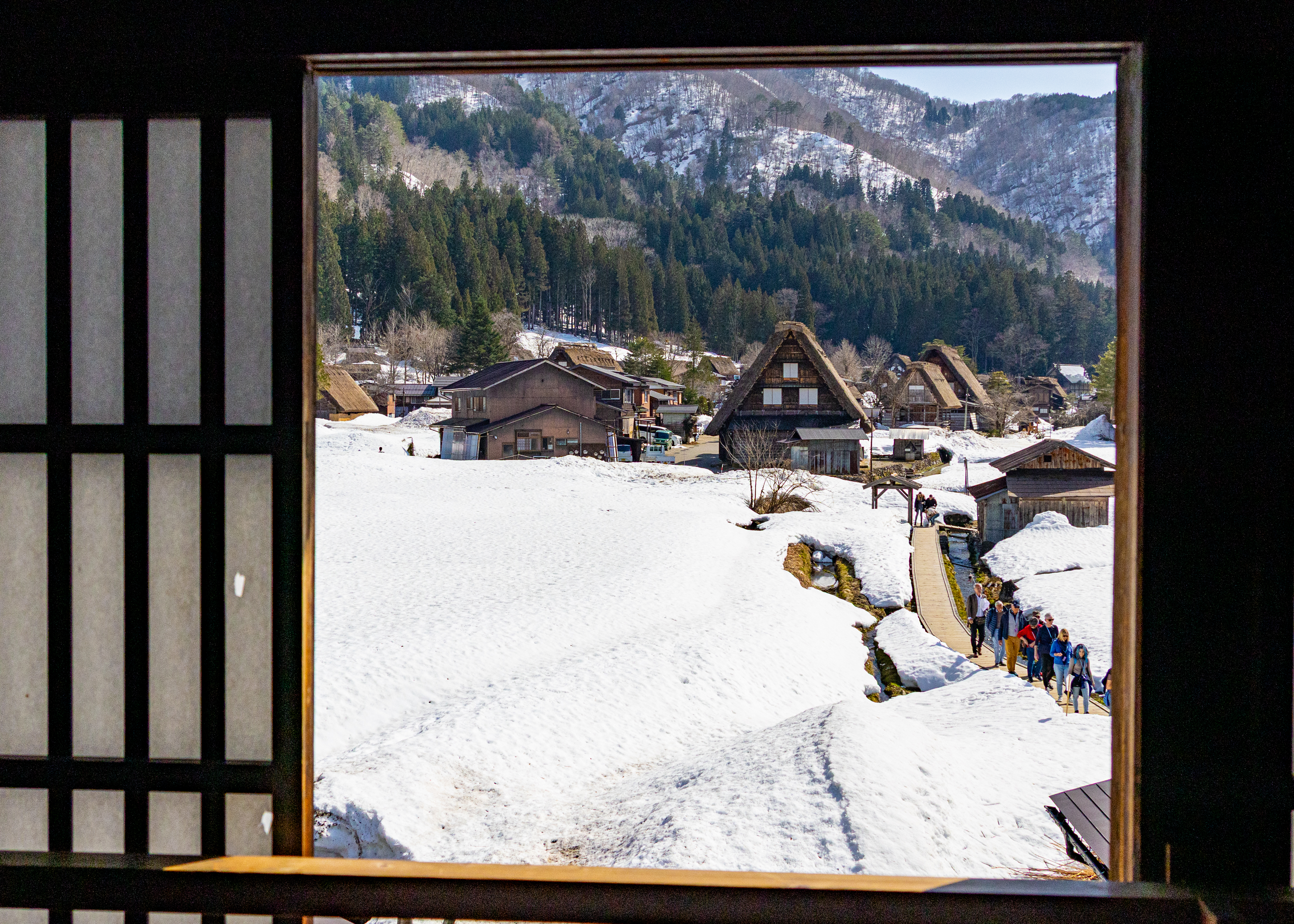
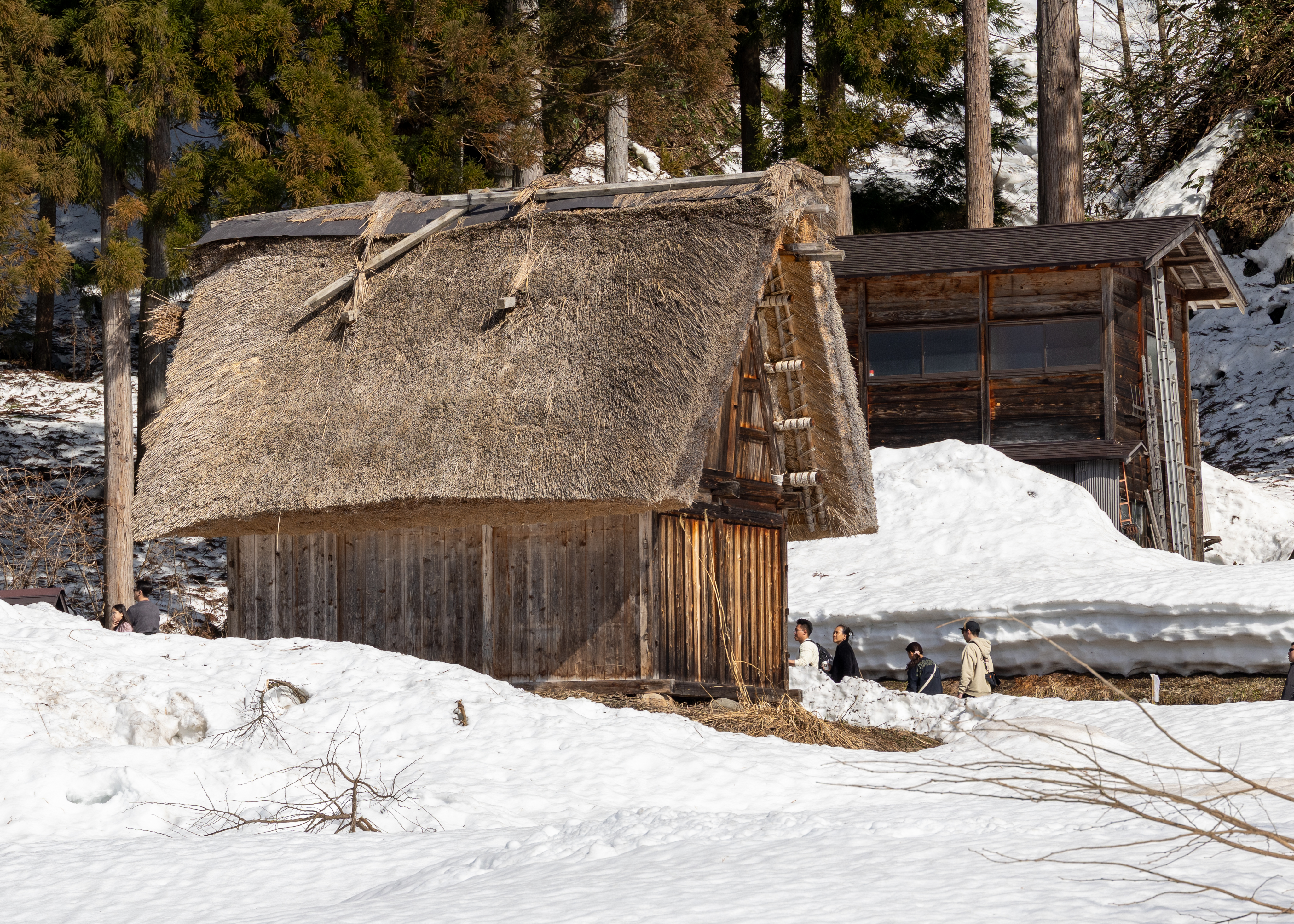
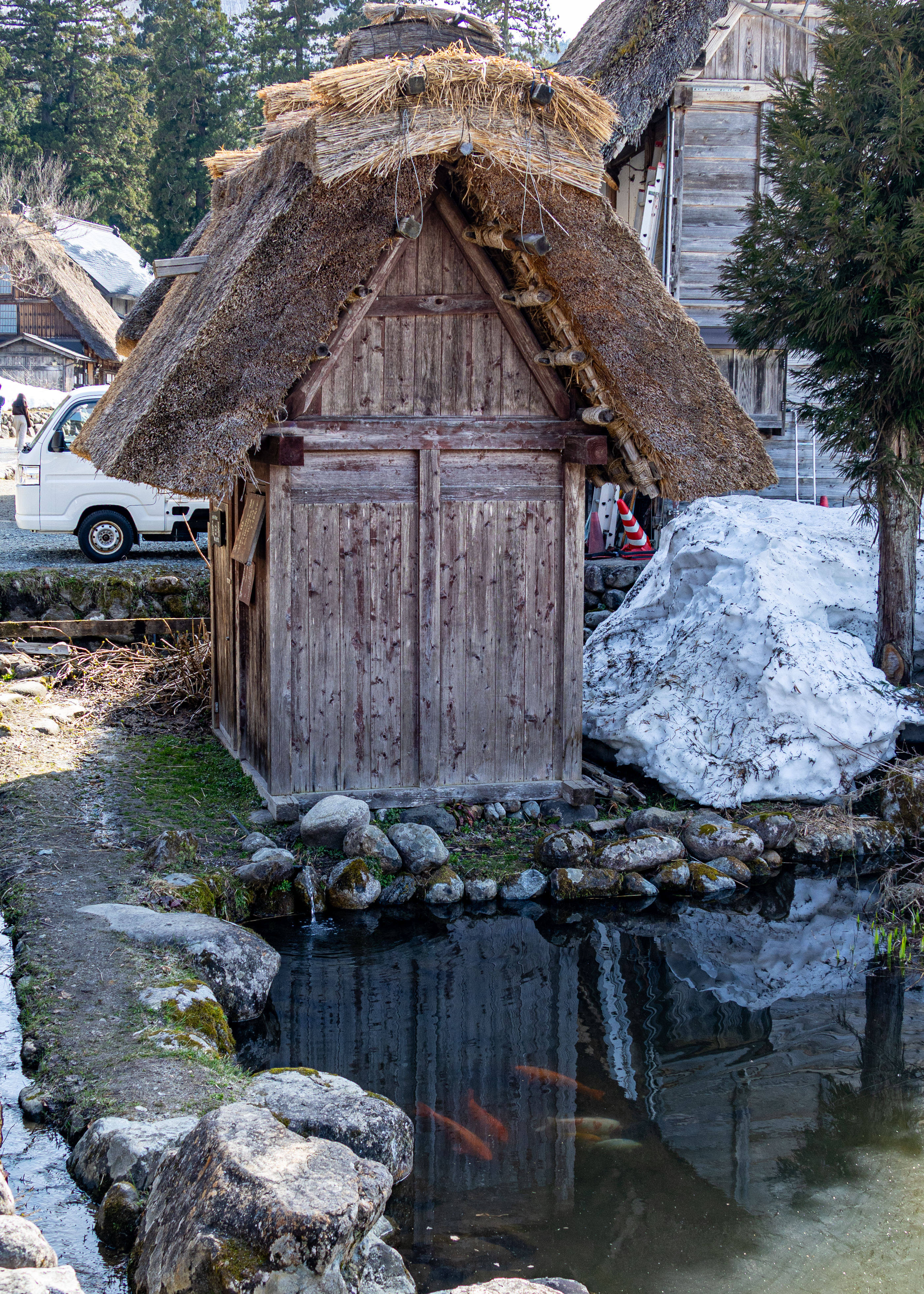
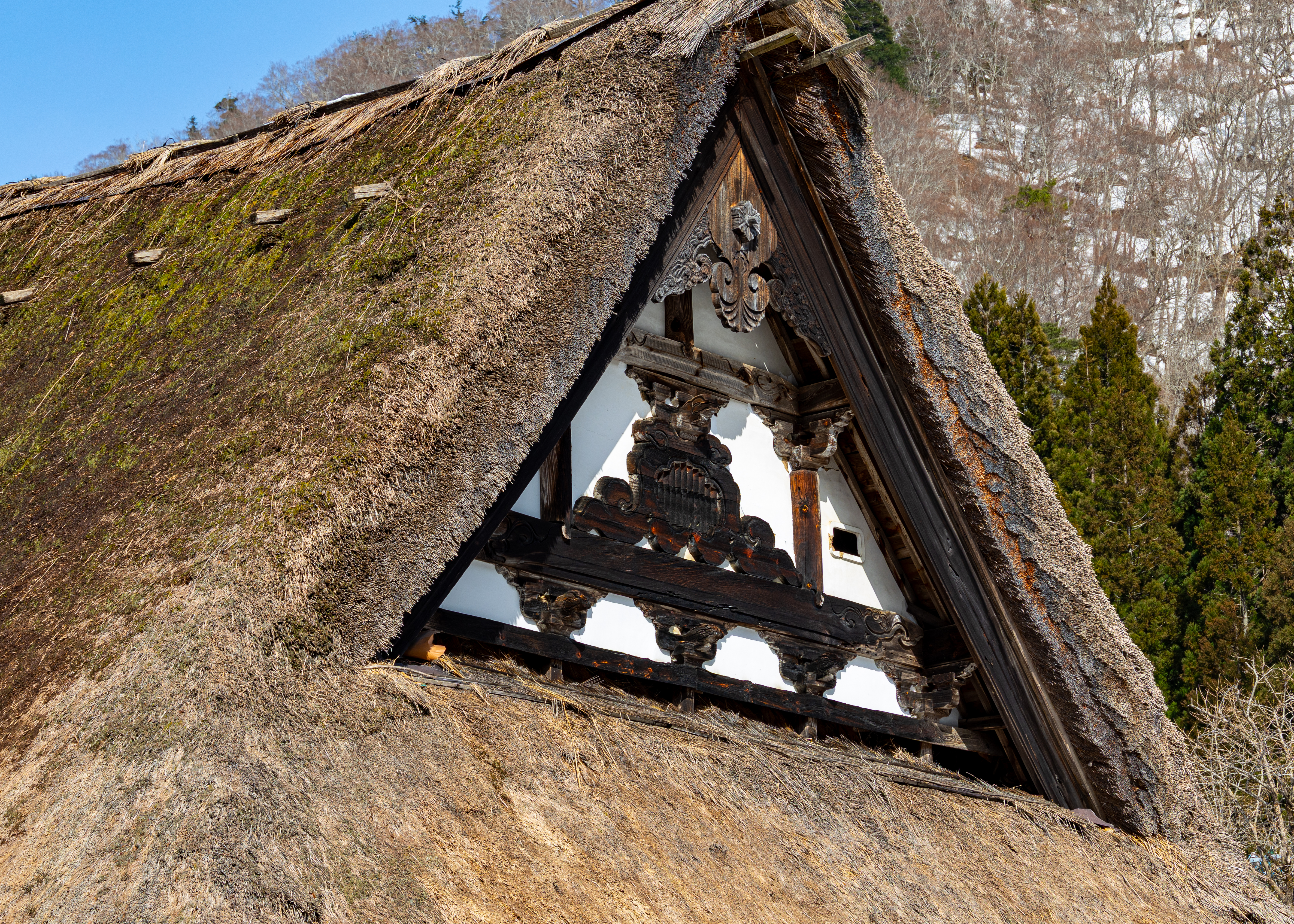
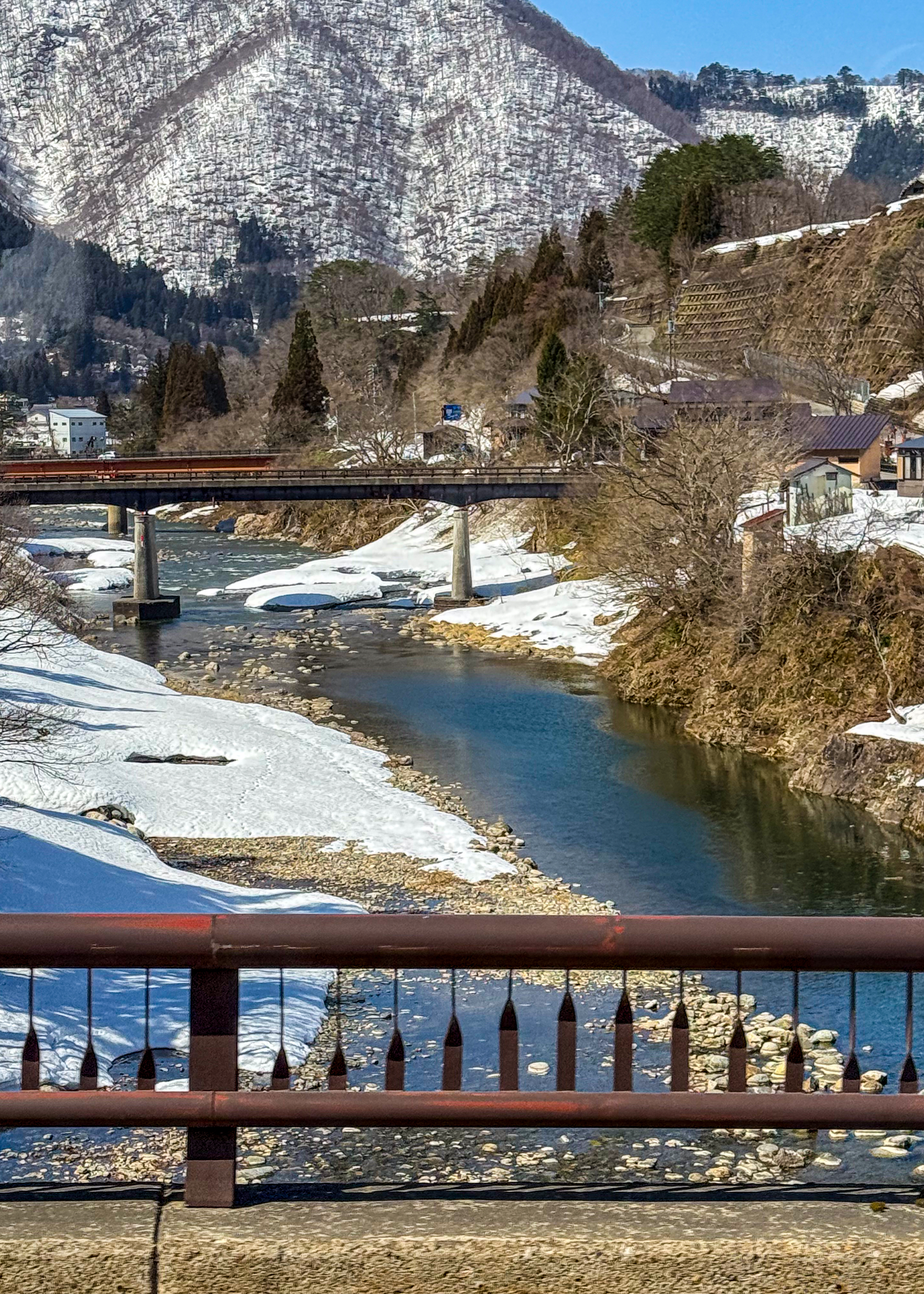
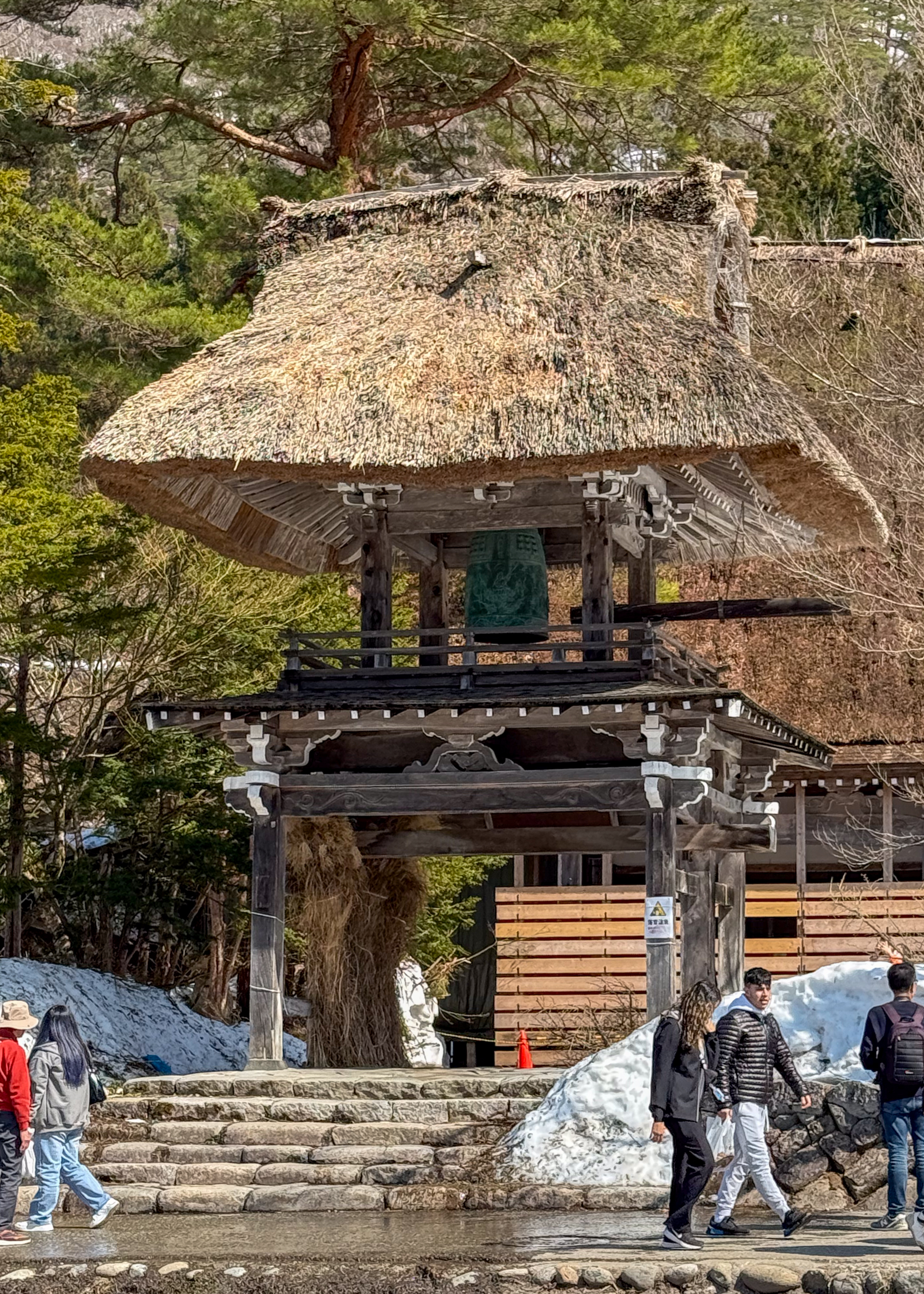
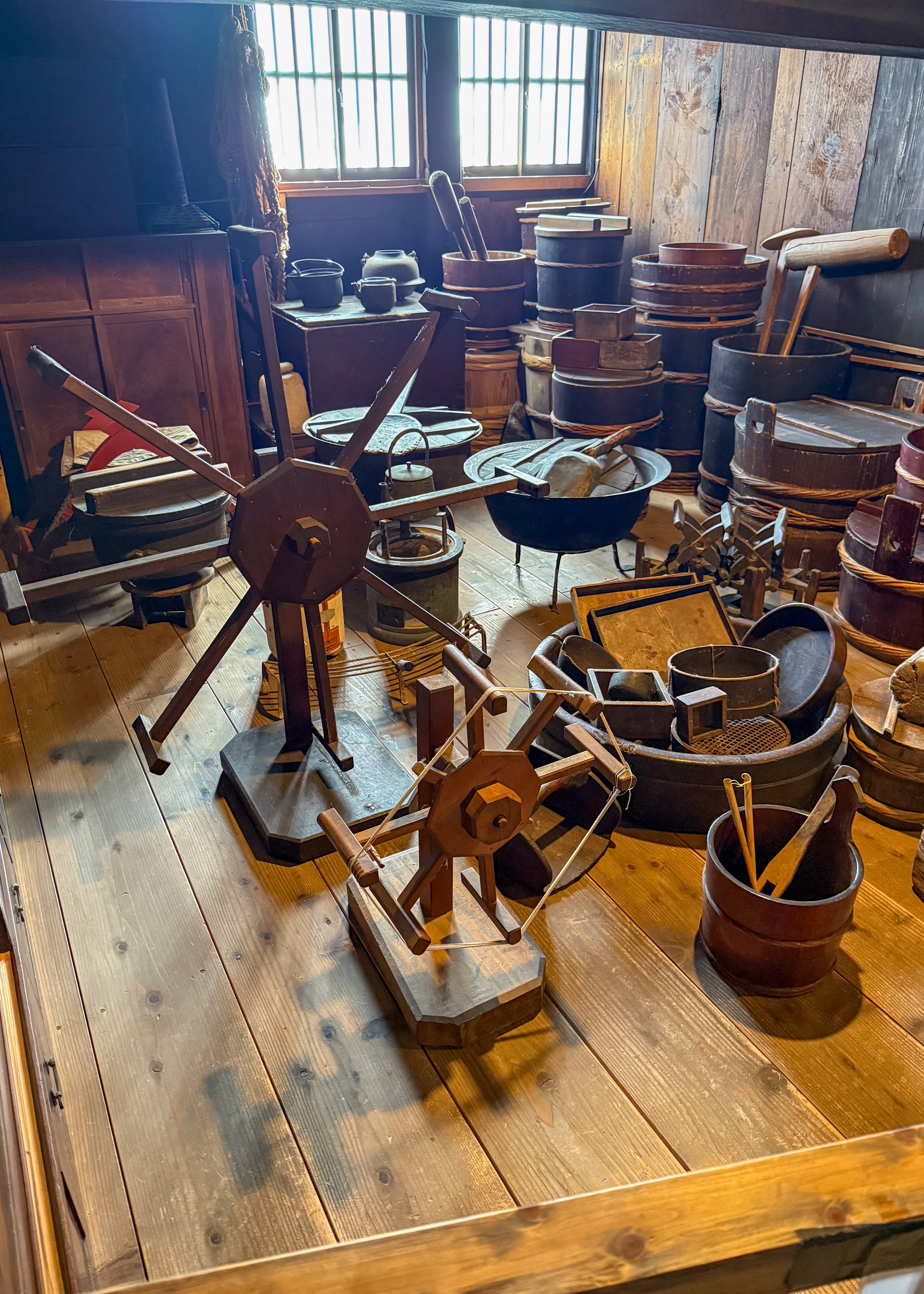
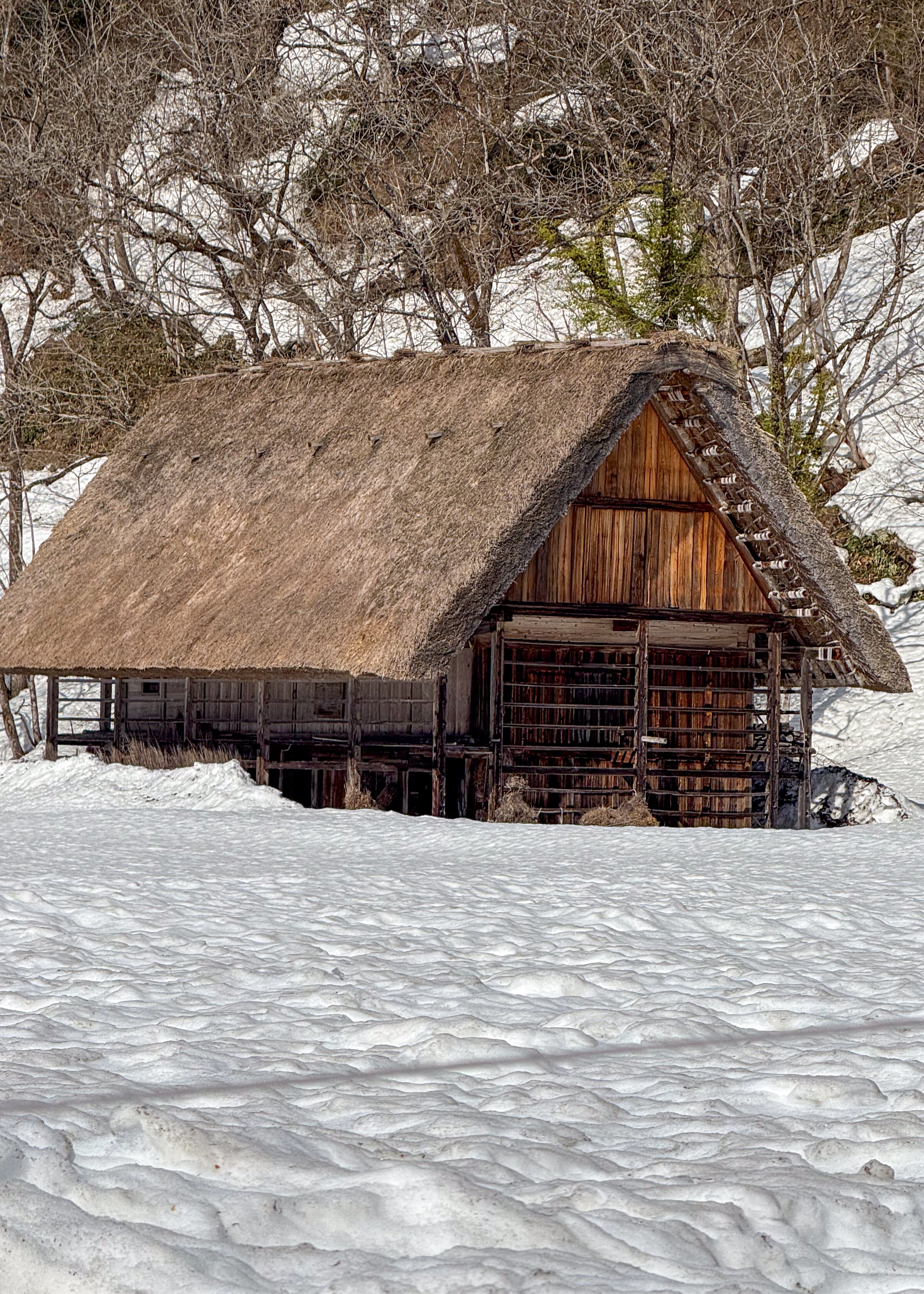
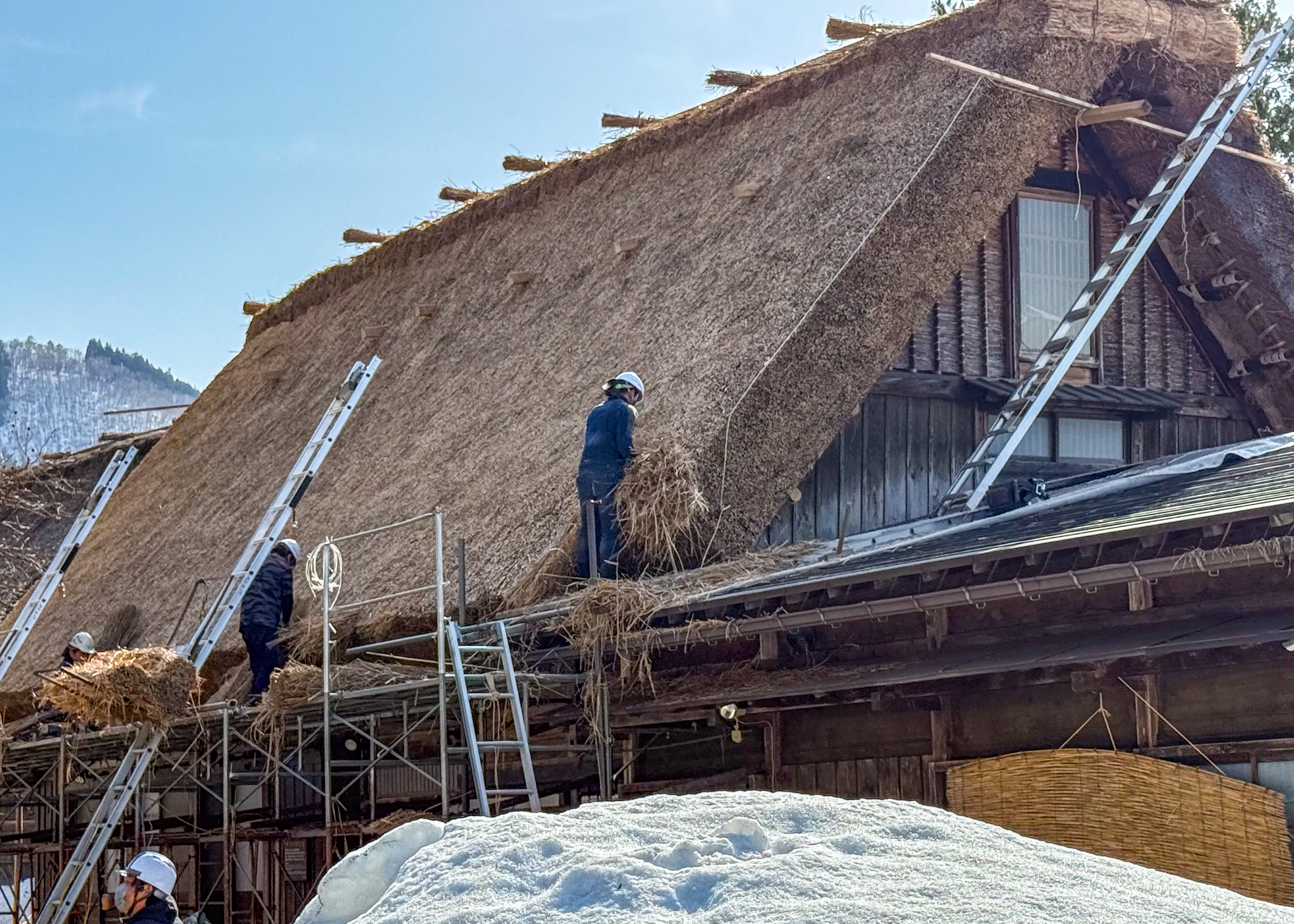
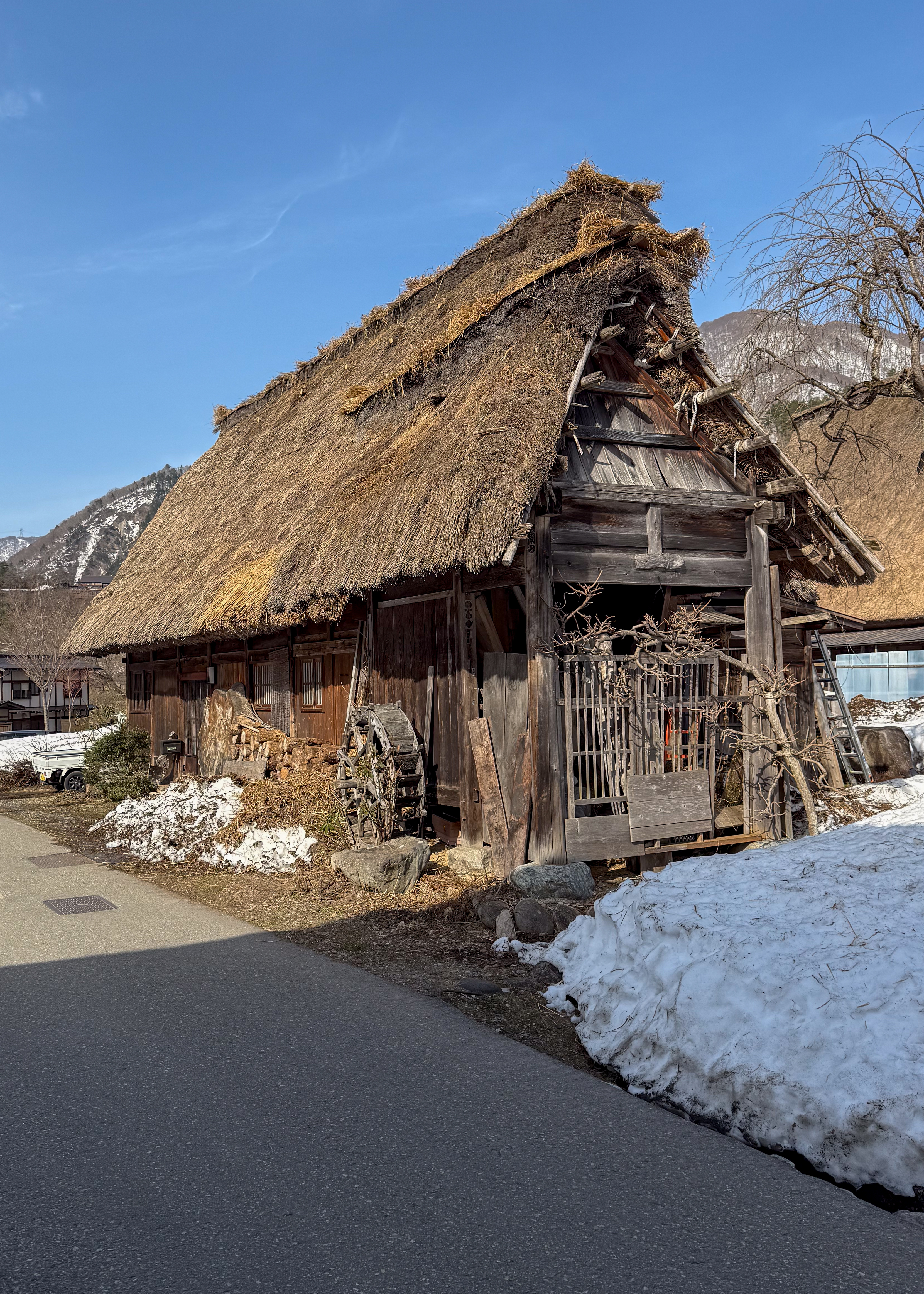
Moving further along to Shirakawago, we crossed over a snow-covered mountain range and through several tunnels – one was over 6 miles long. The town is noted for its traditionally thatched houses (Gassho-zukuri).

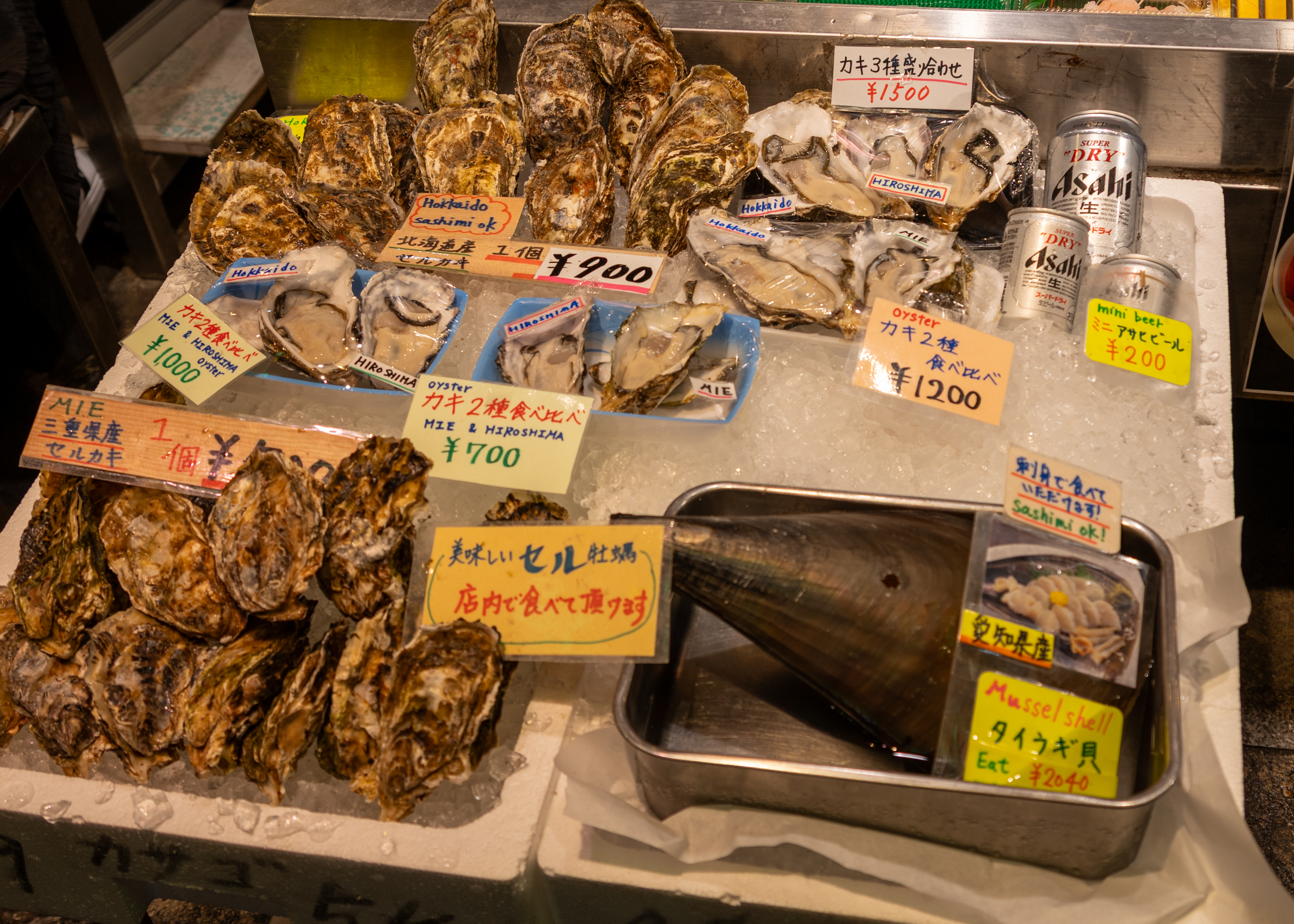
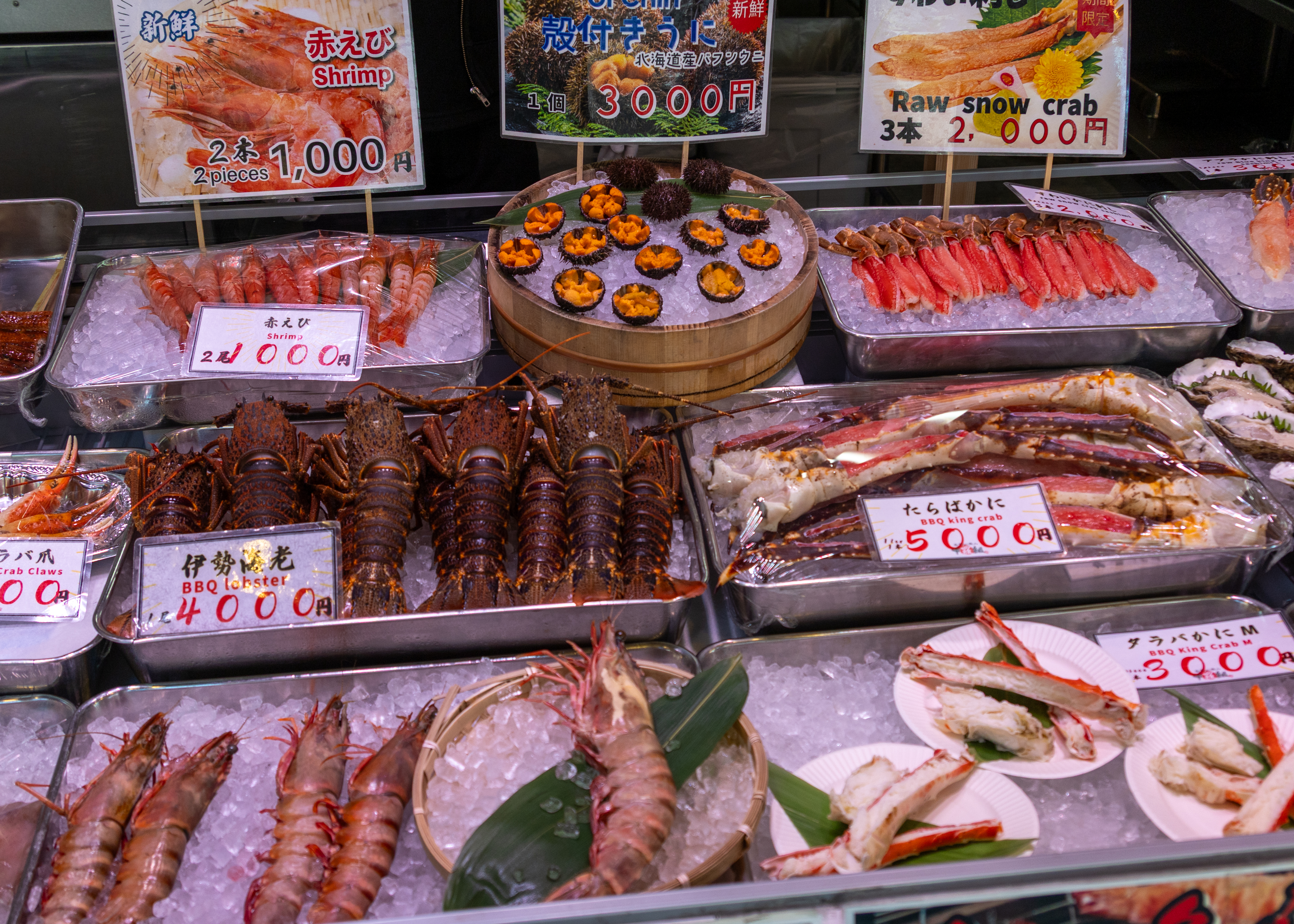
Finally, the Omicho Market is a spacious, indoor complex with stalls selling produce, seafood, meat, and specialty dishes. It has been around since 1603.

Japan Tour 2025 Day #6

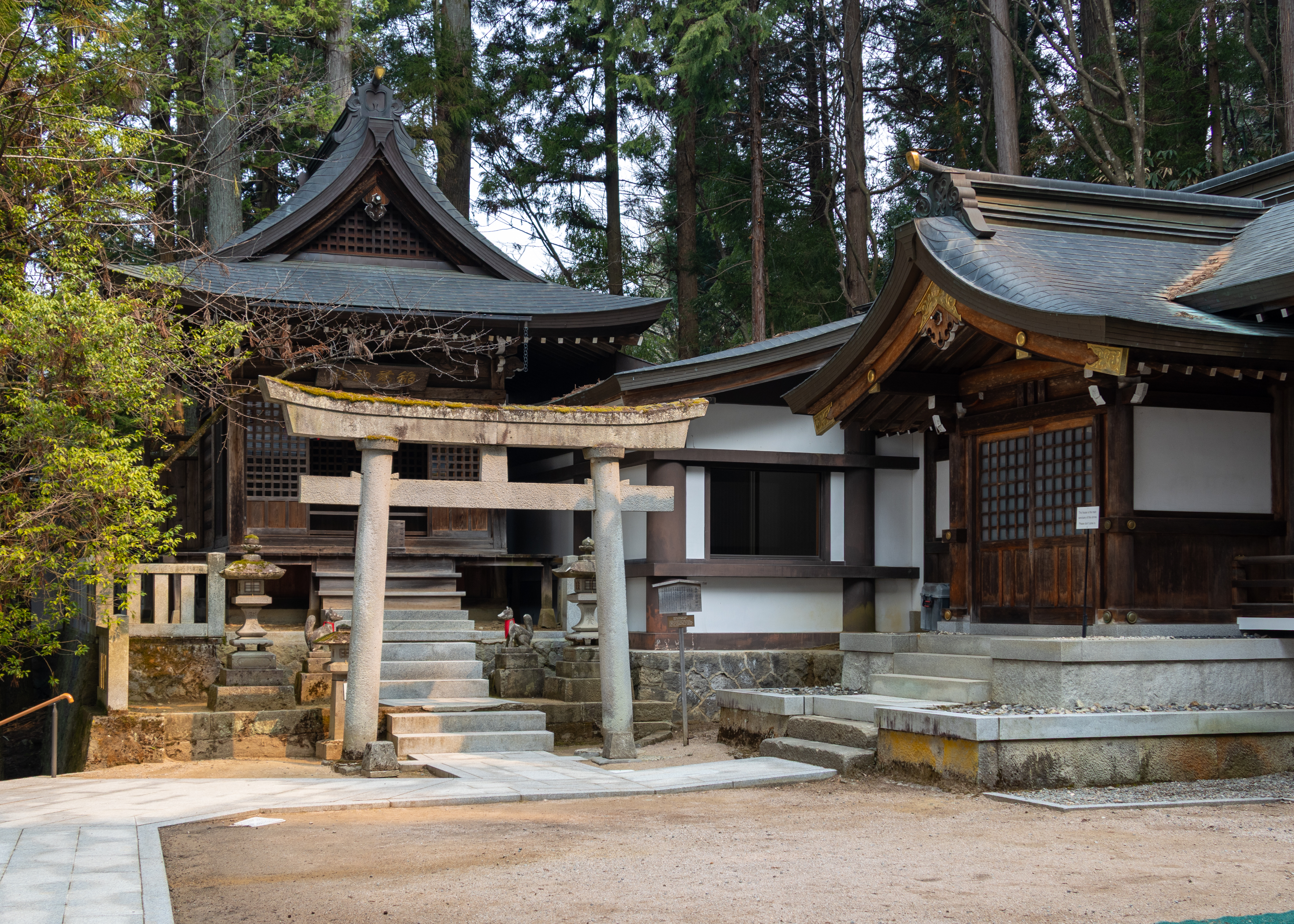
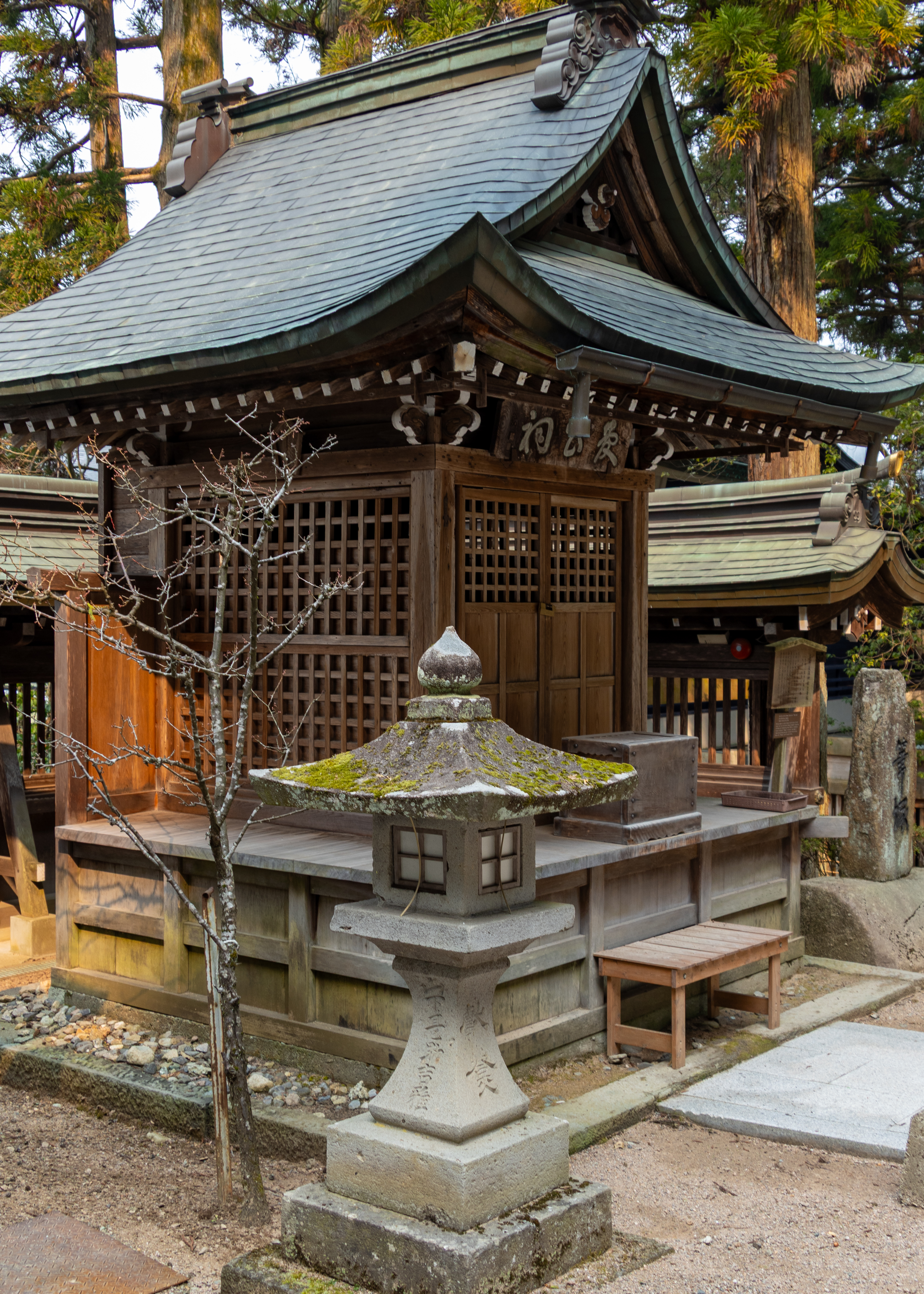
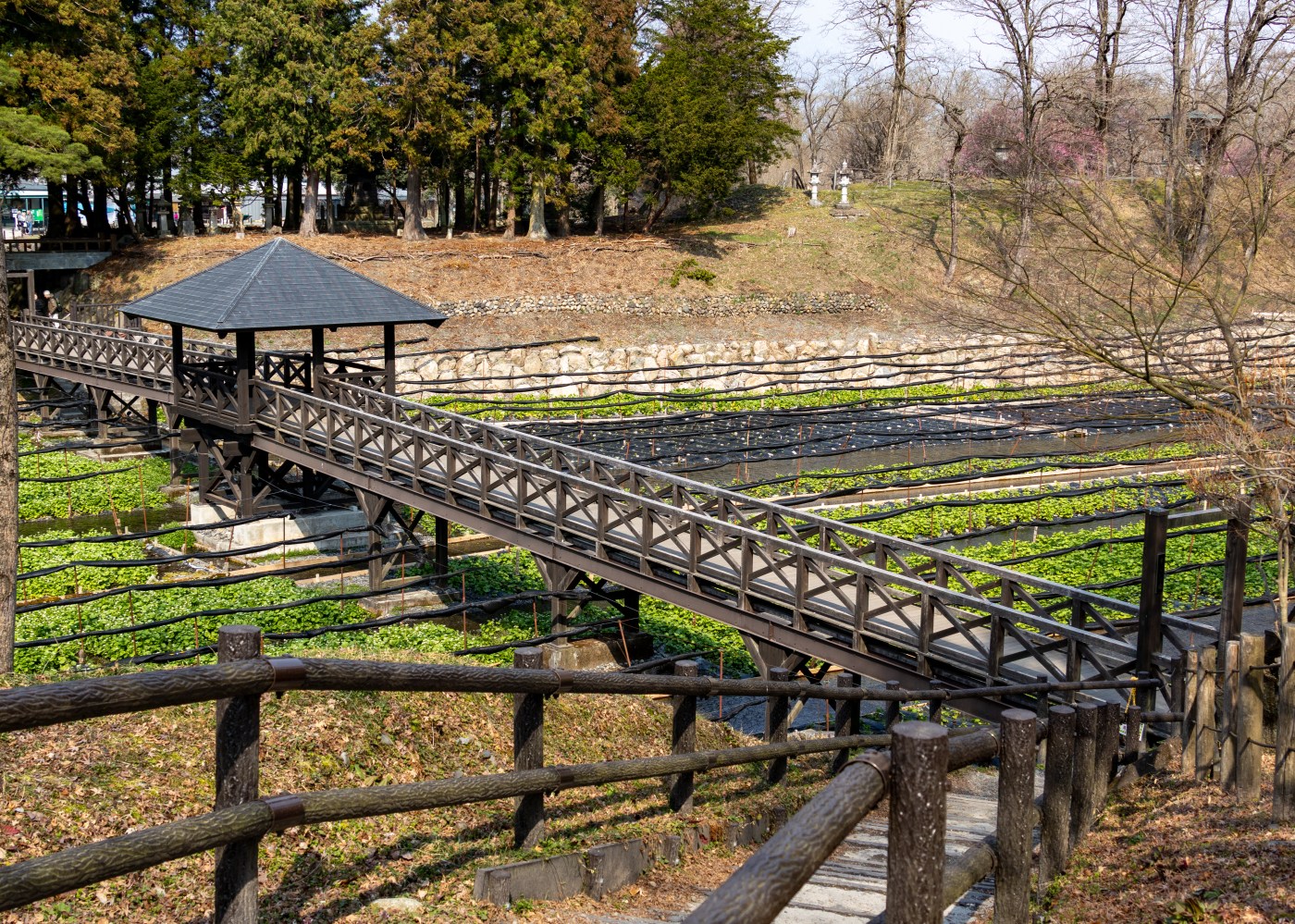
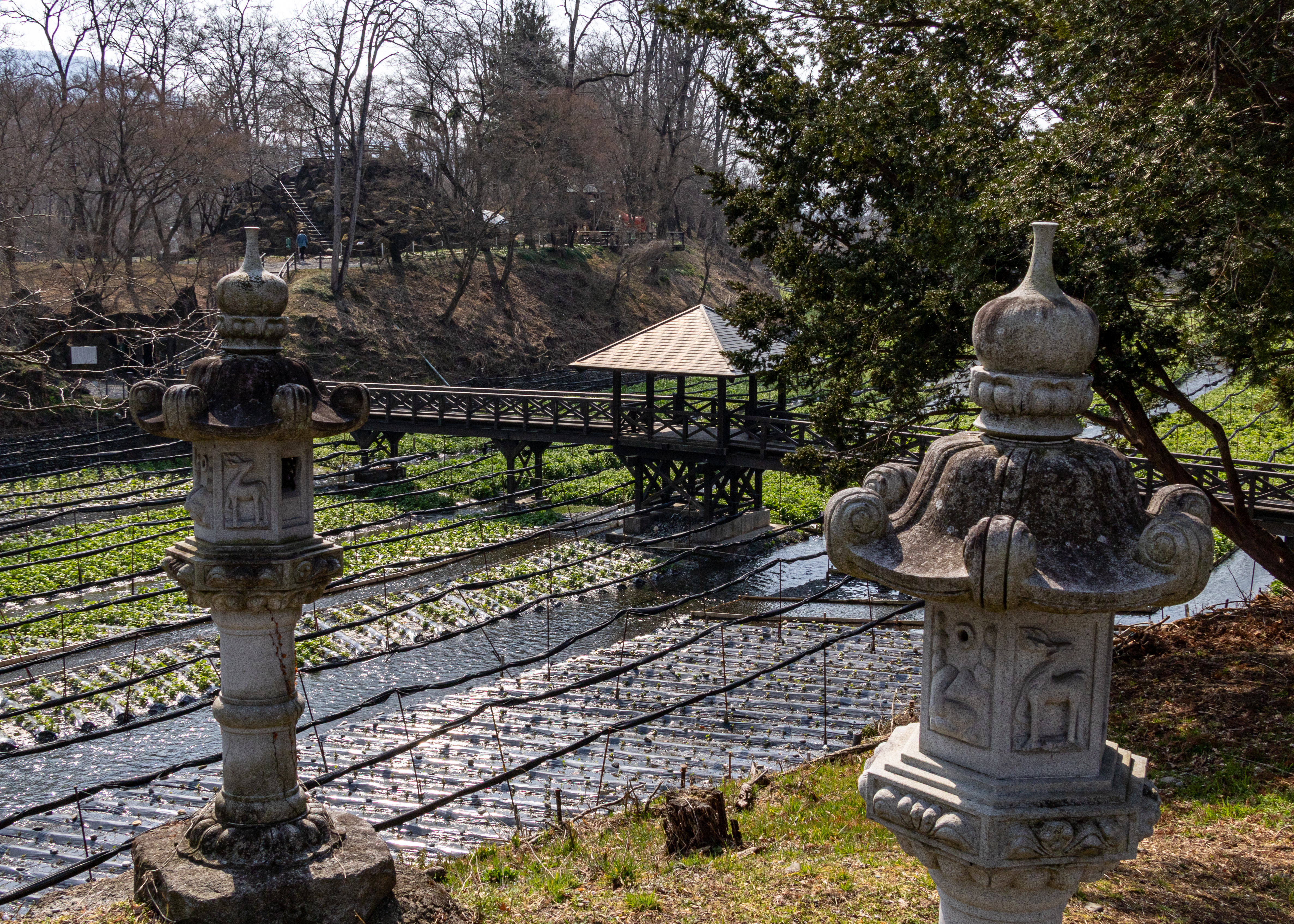
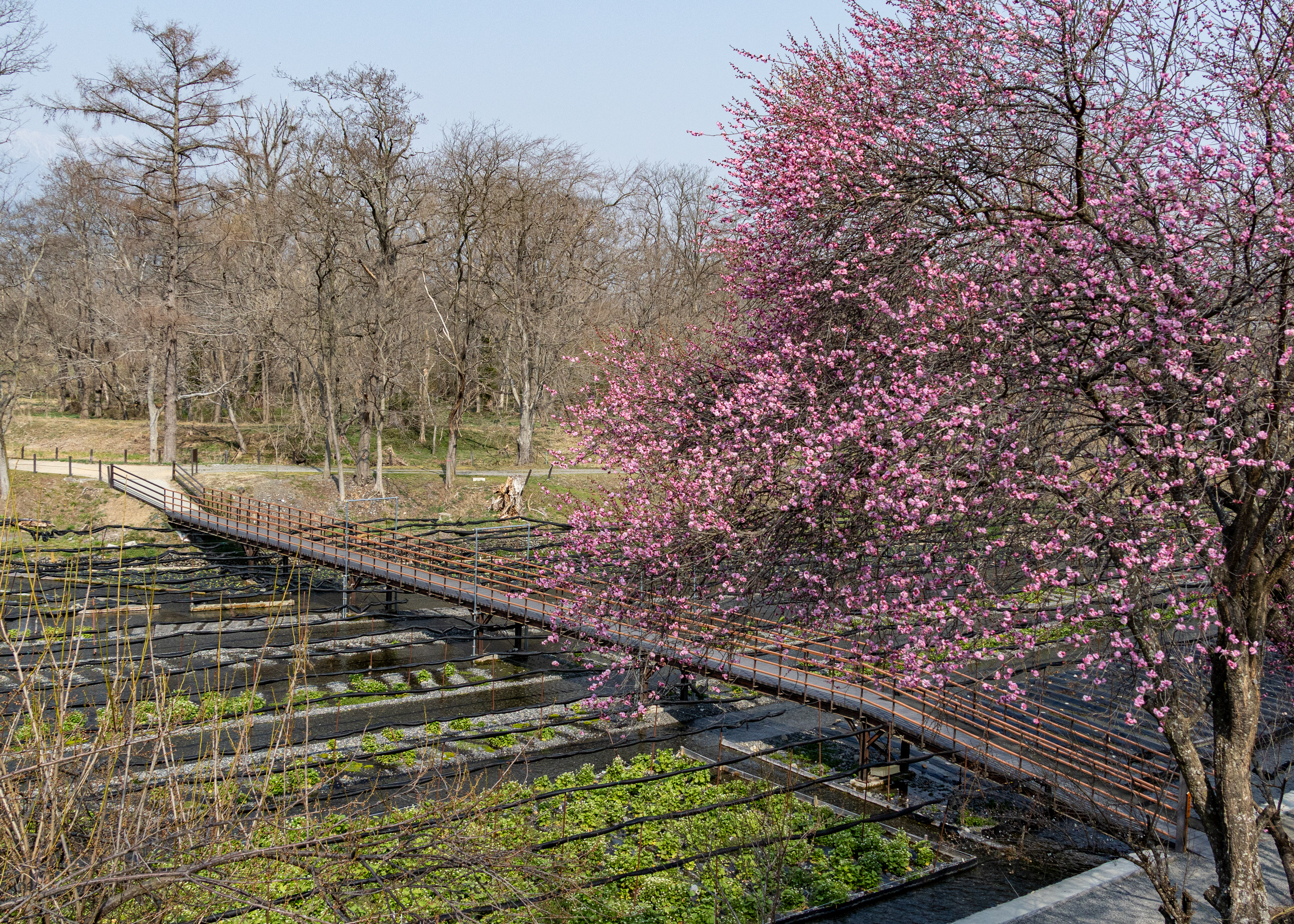
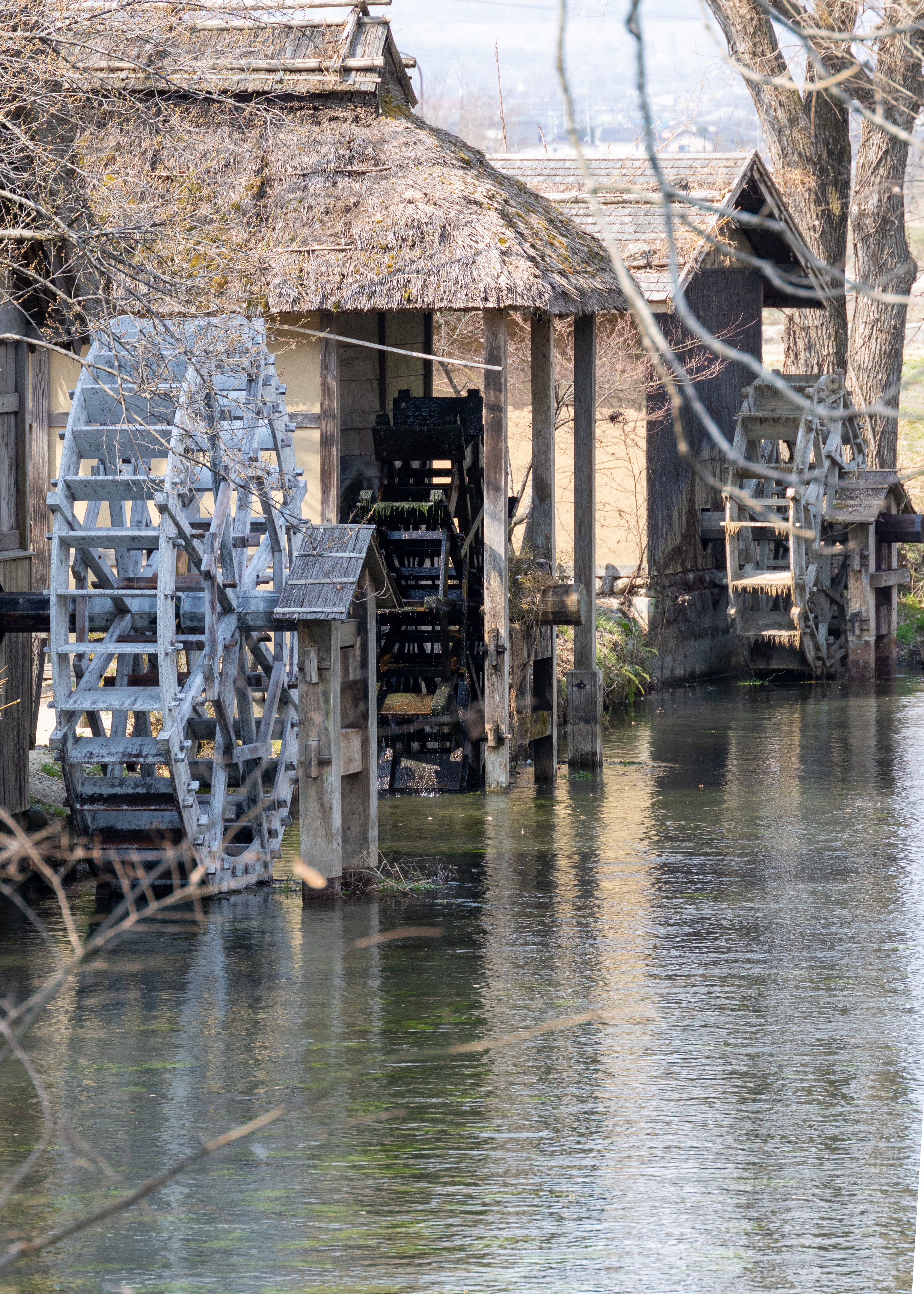
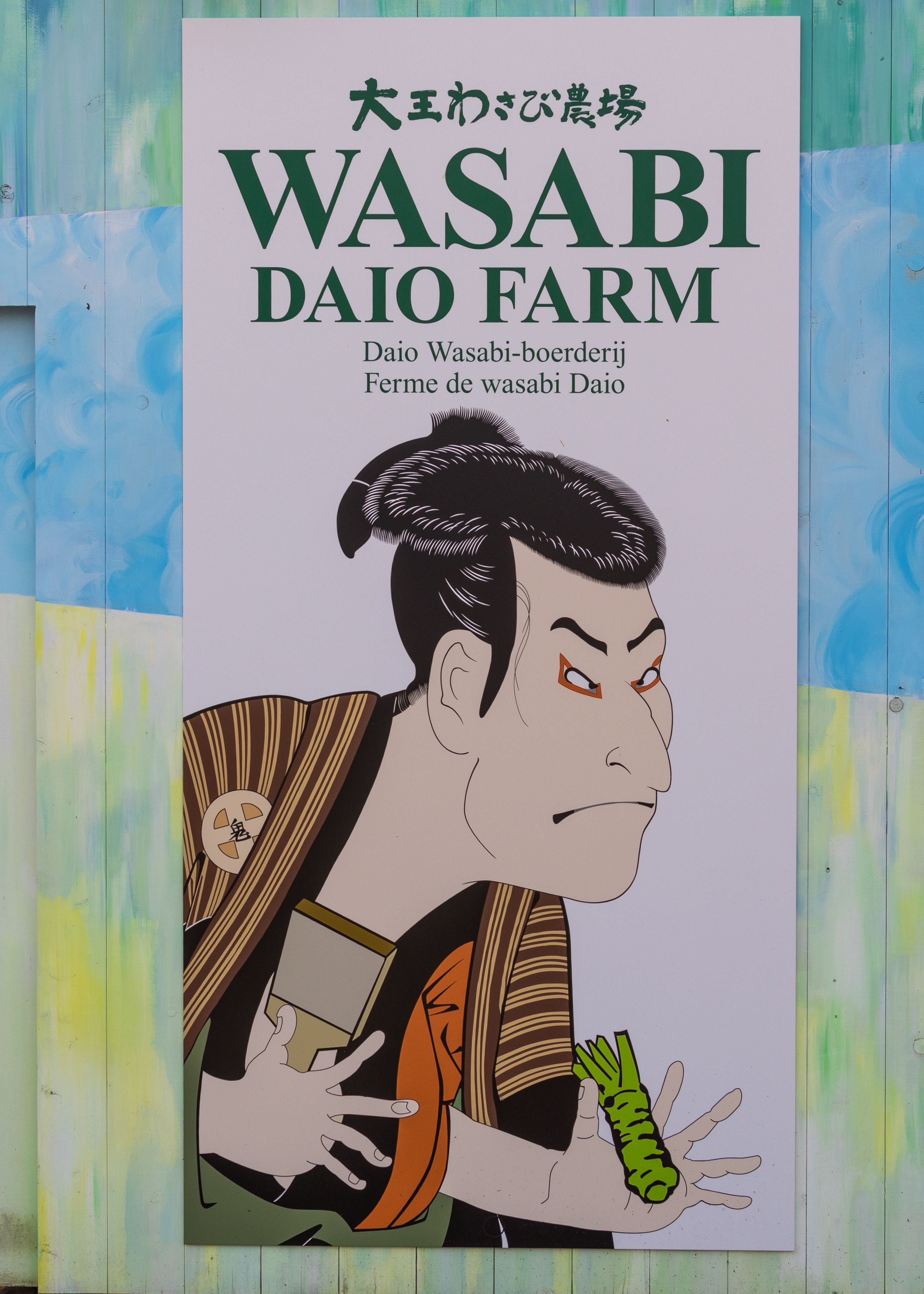
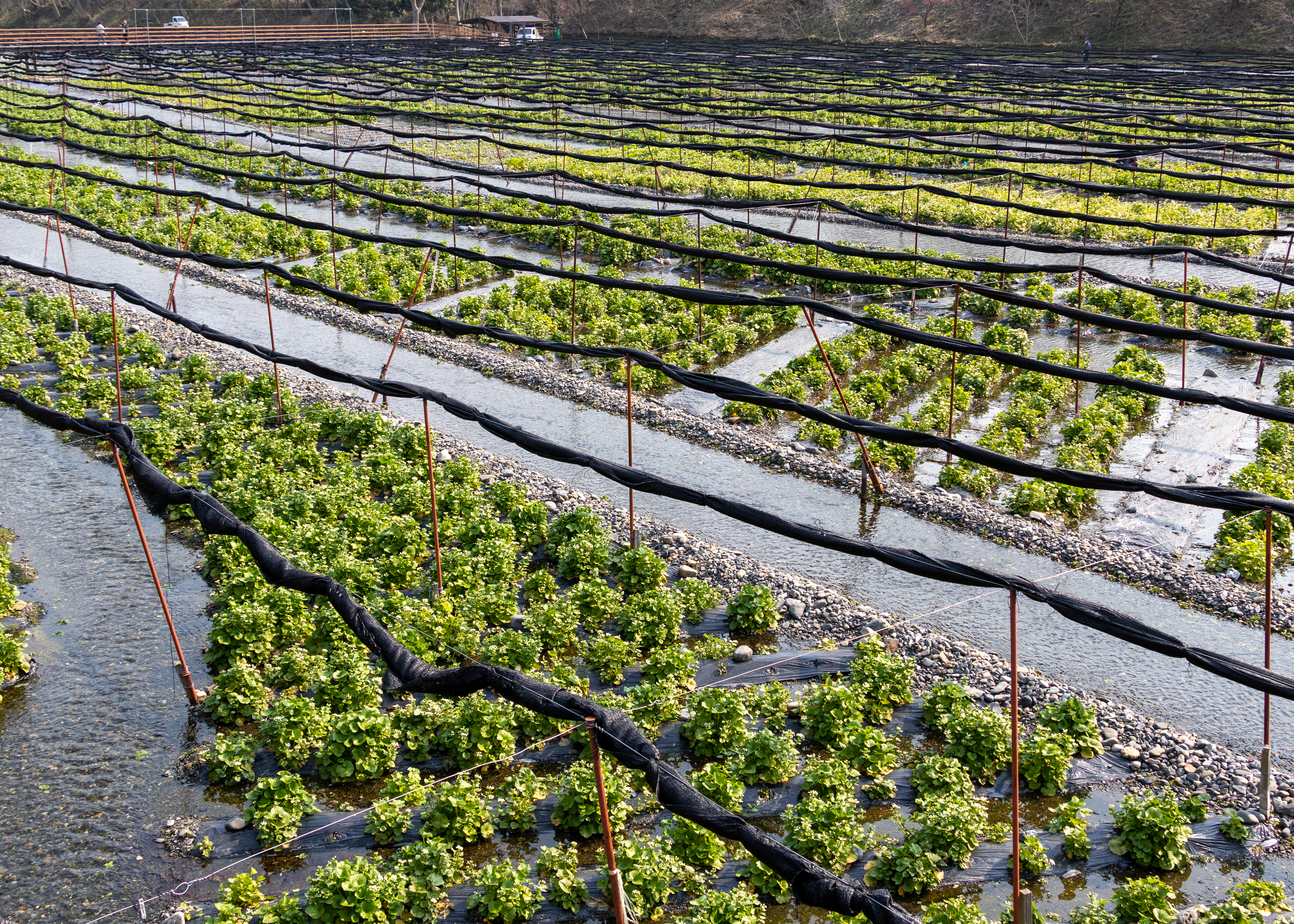
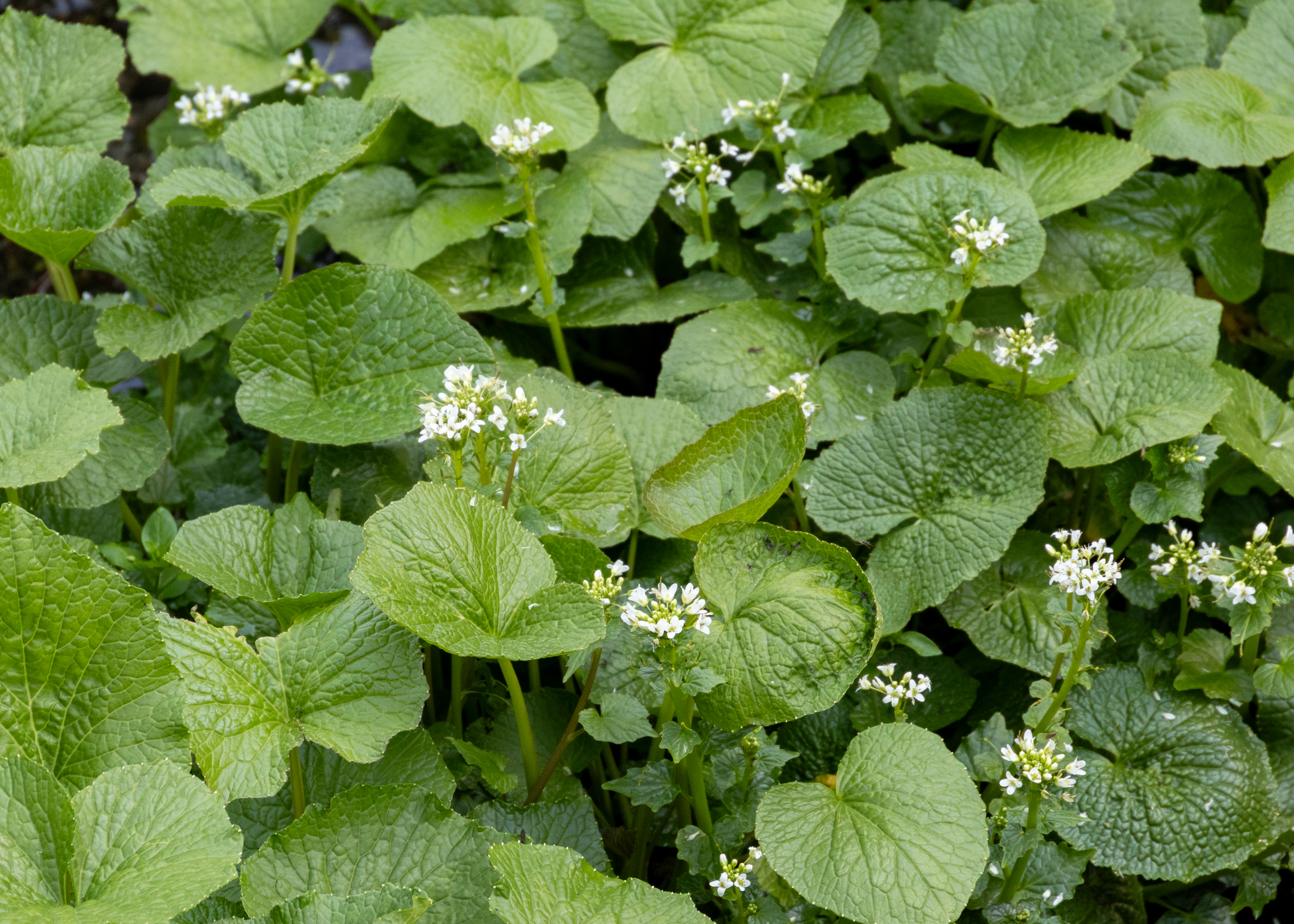
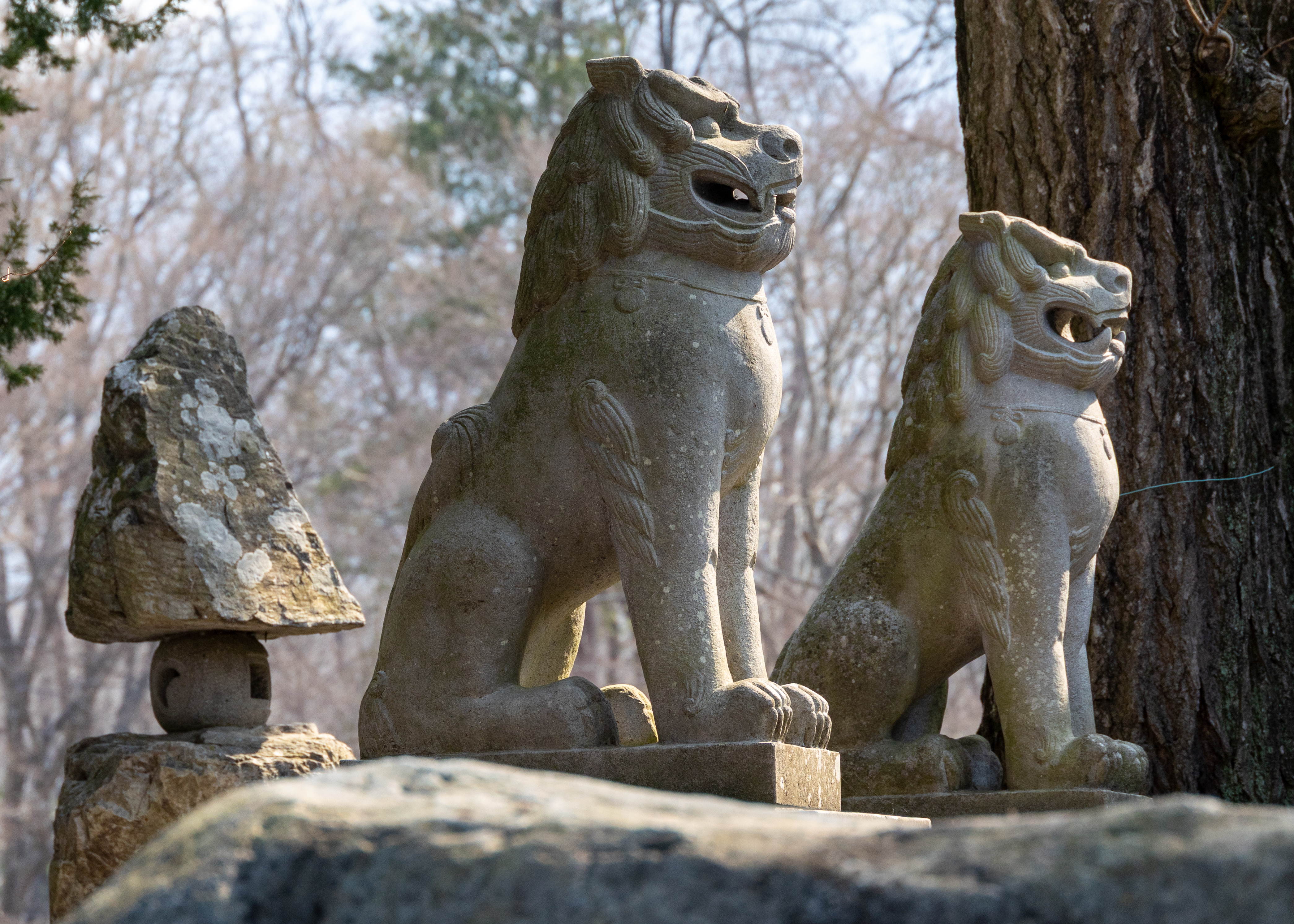
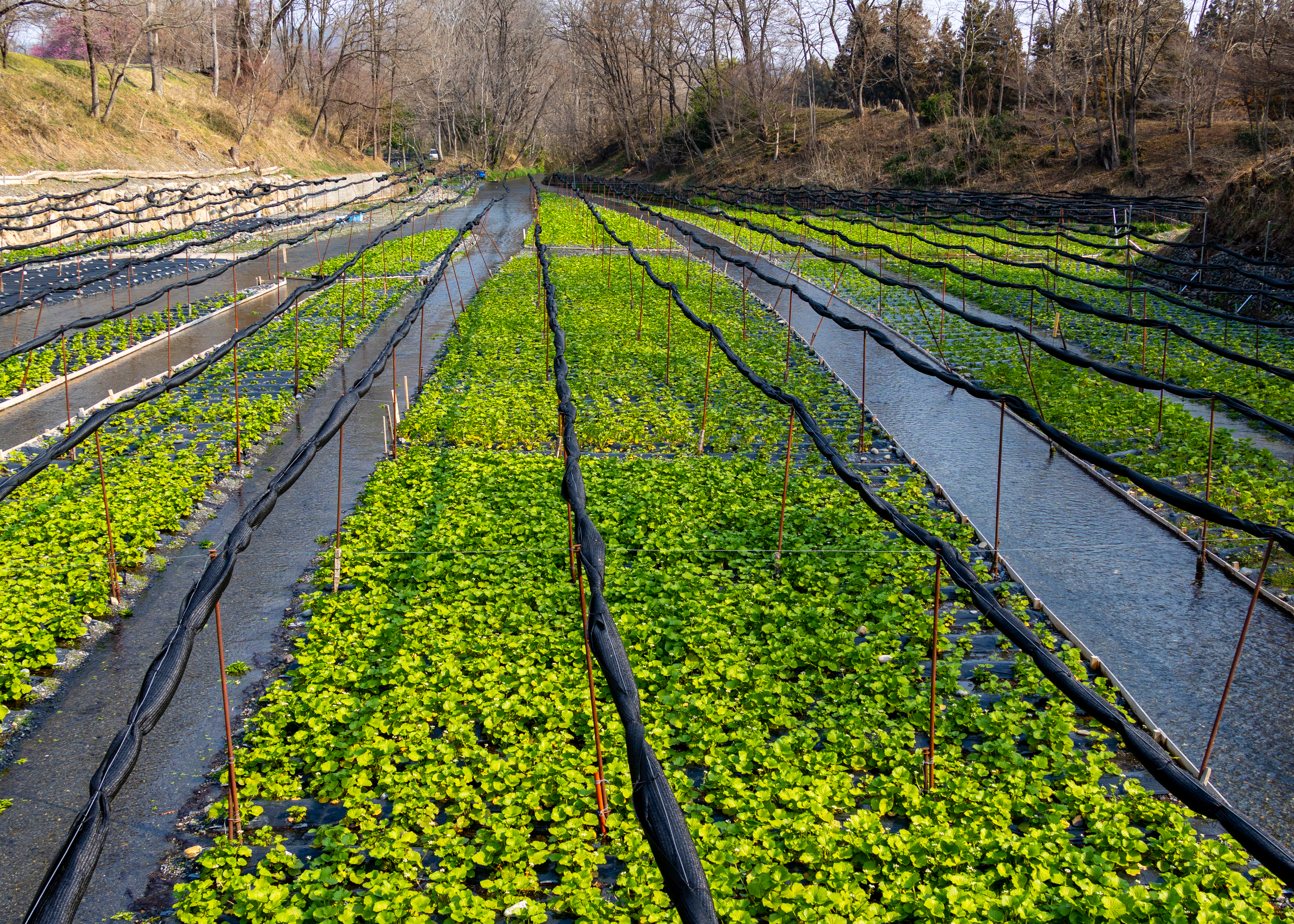
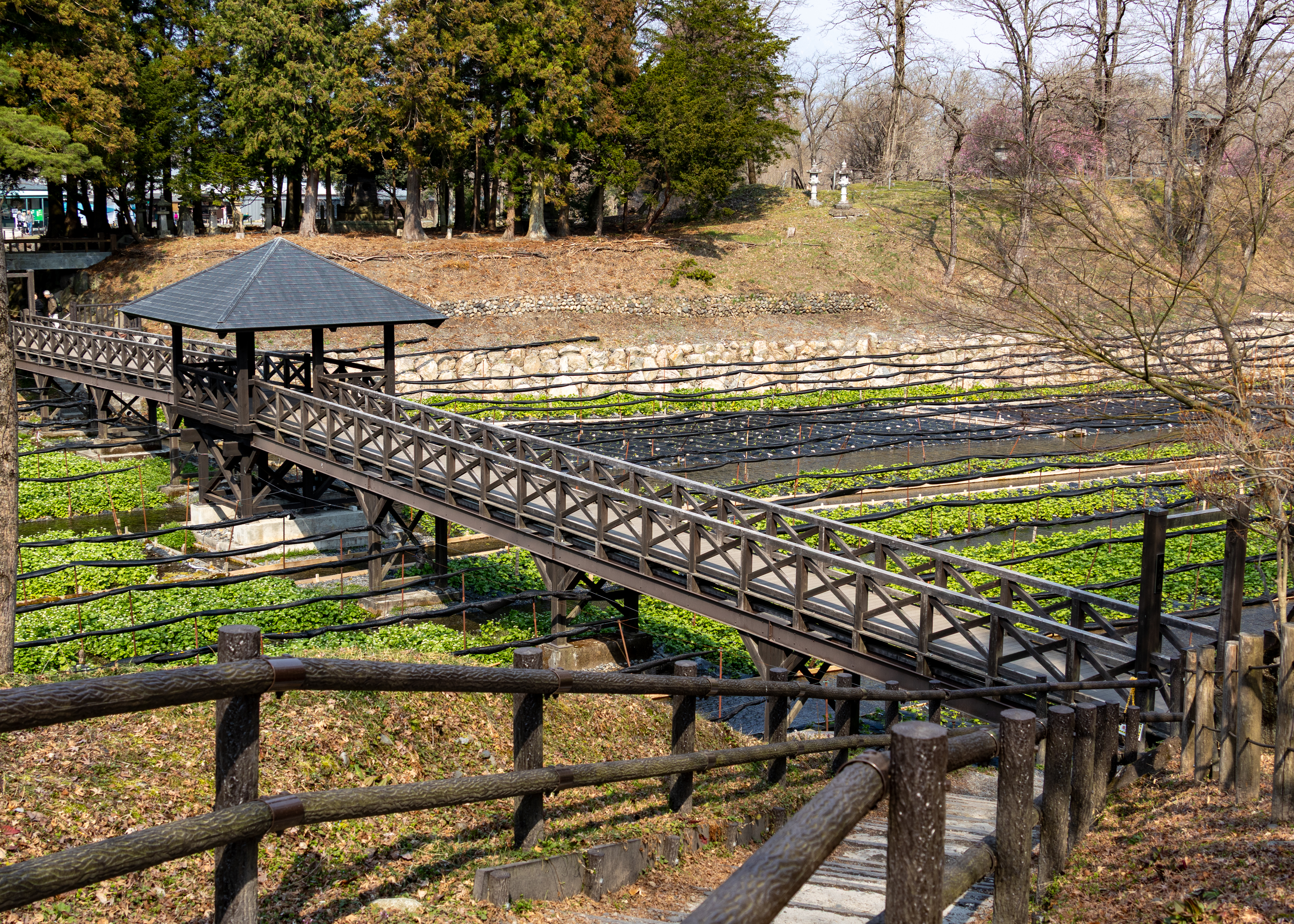
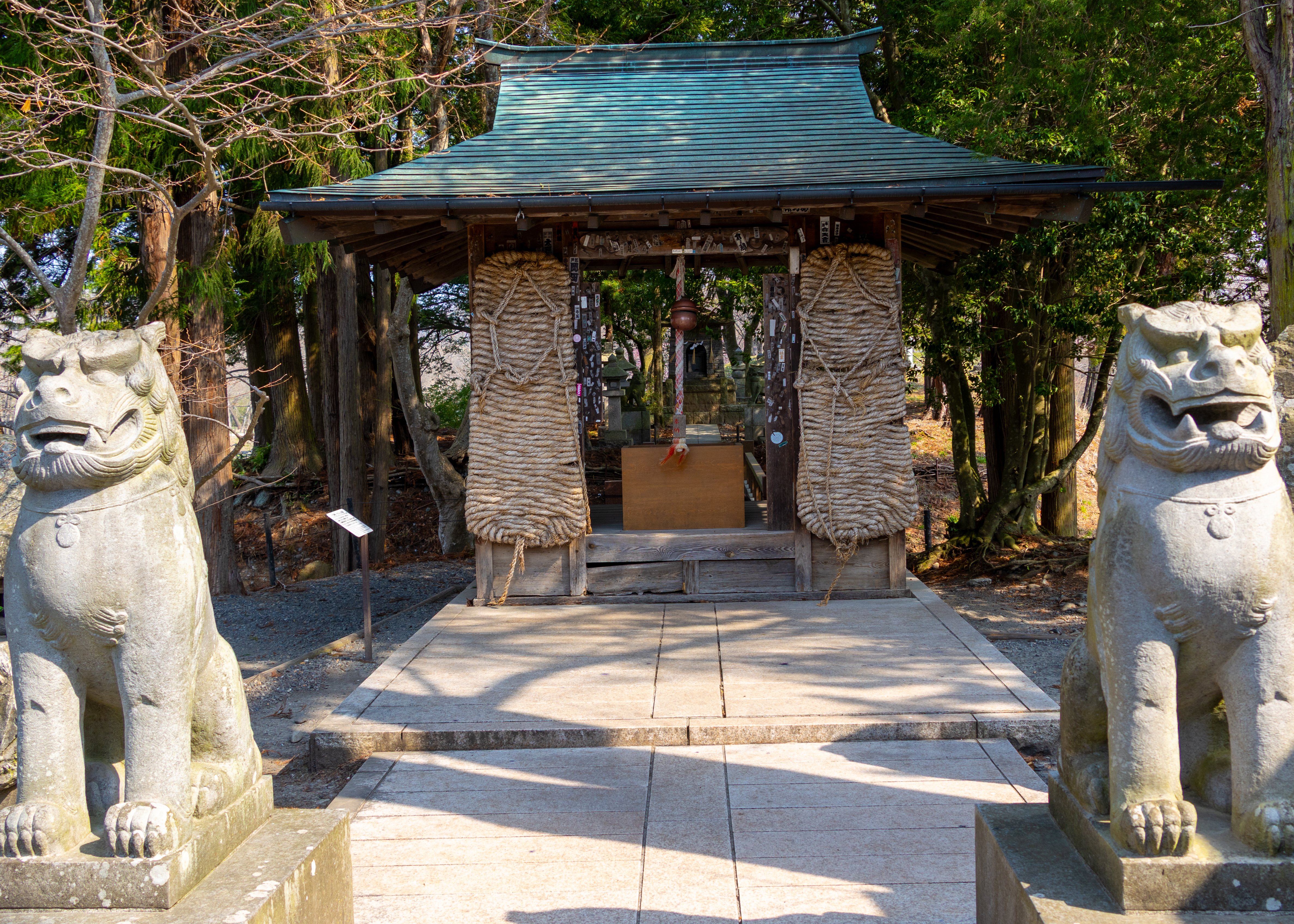
The first stop was at the Azumino Wasabi Farm, one of Japan’s largest wasabi farms. The farm has multiple large fields with a network of small streams, providing each wasabi plant with clear, flowing spring feed water about 60 degrees from the Northern Alps. The fields are also protected from the summer heat using large black tarps. Within the farm stands the Daio Shrine.

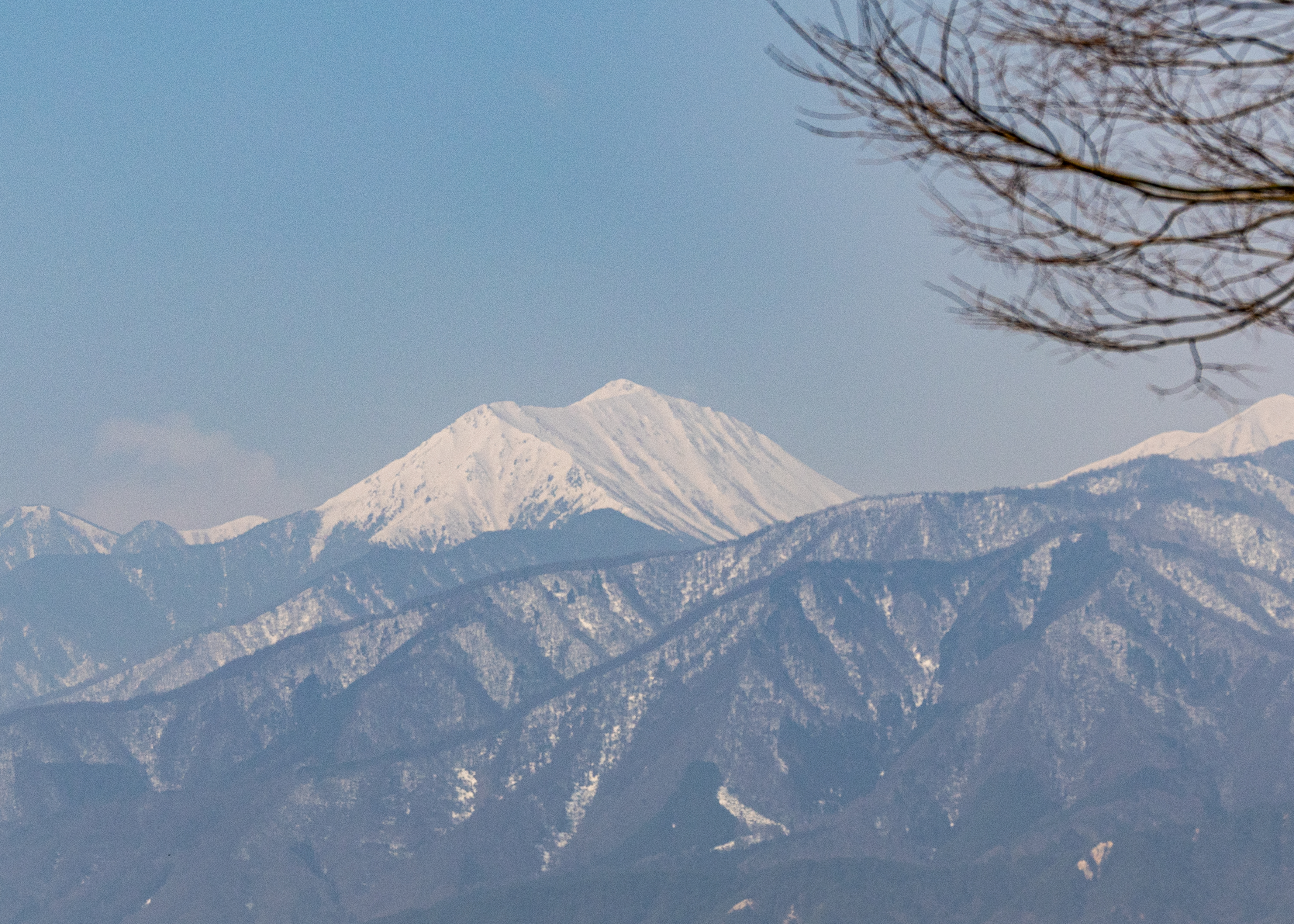
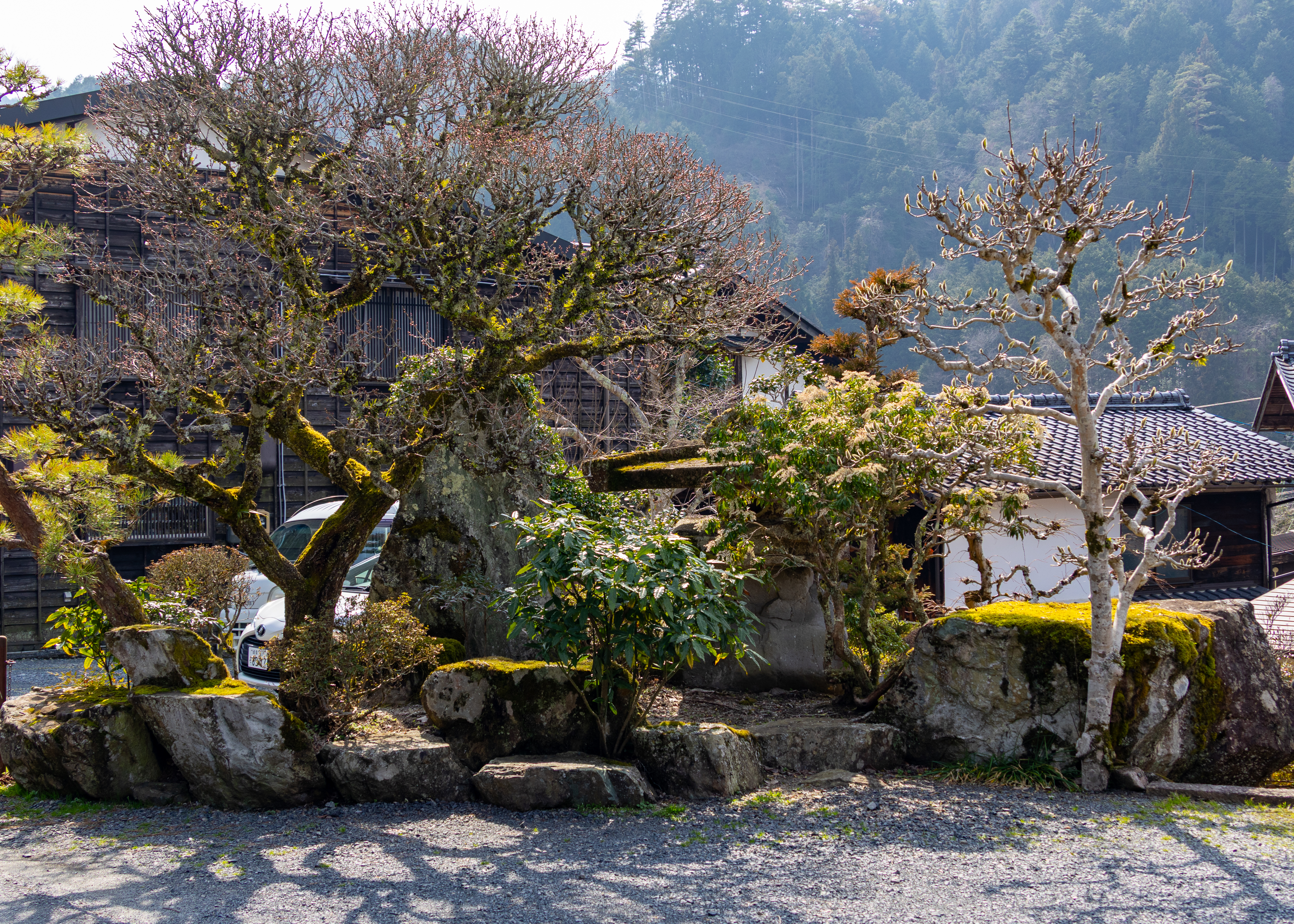
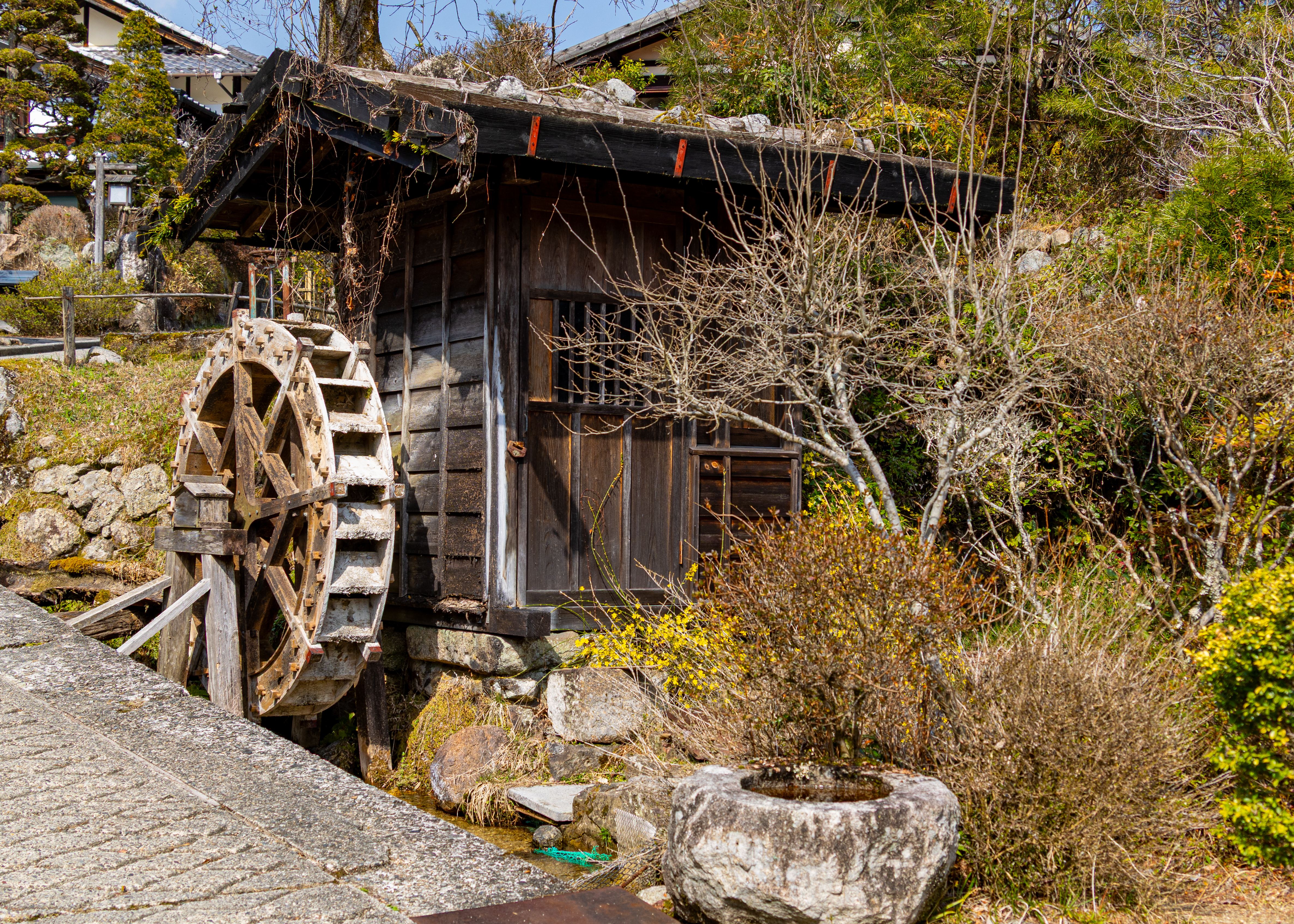
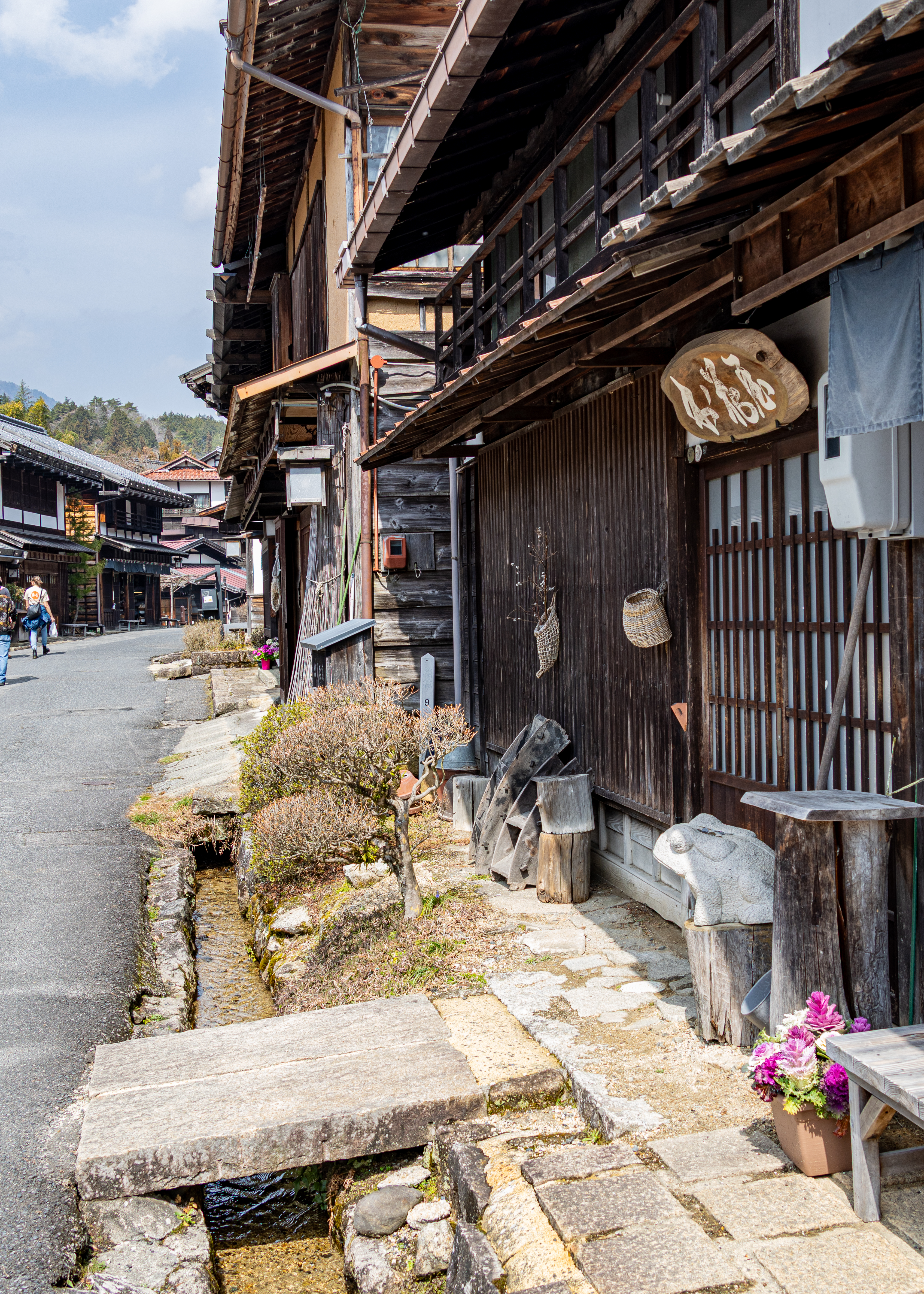
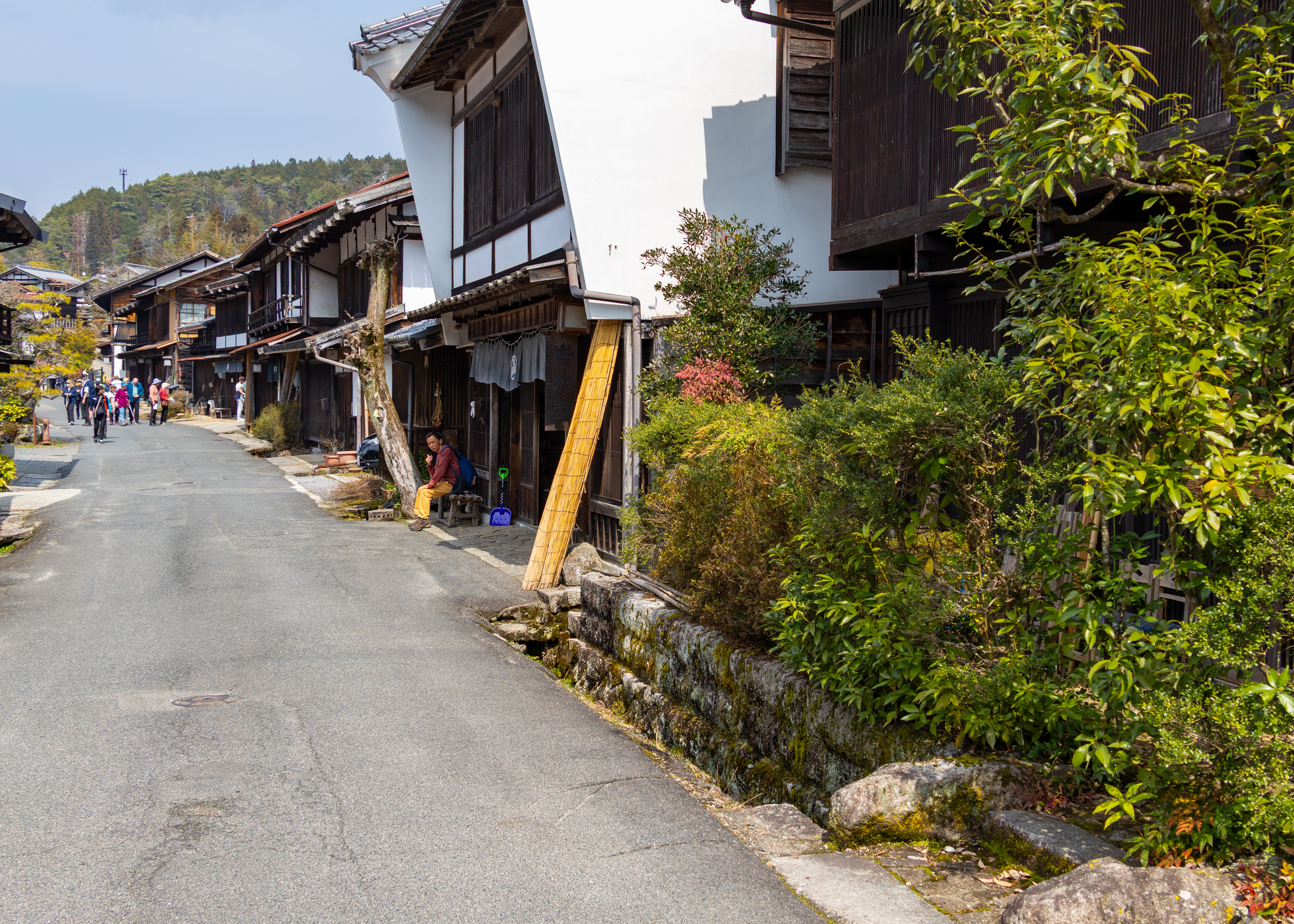
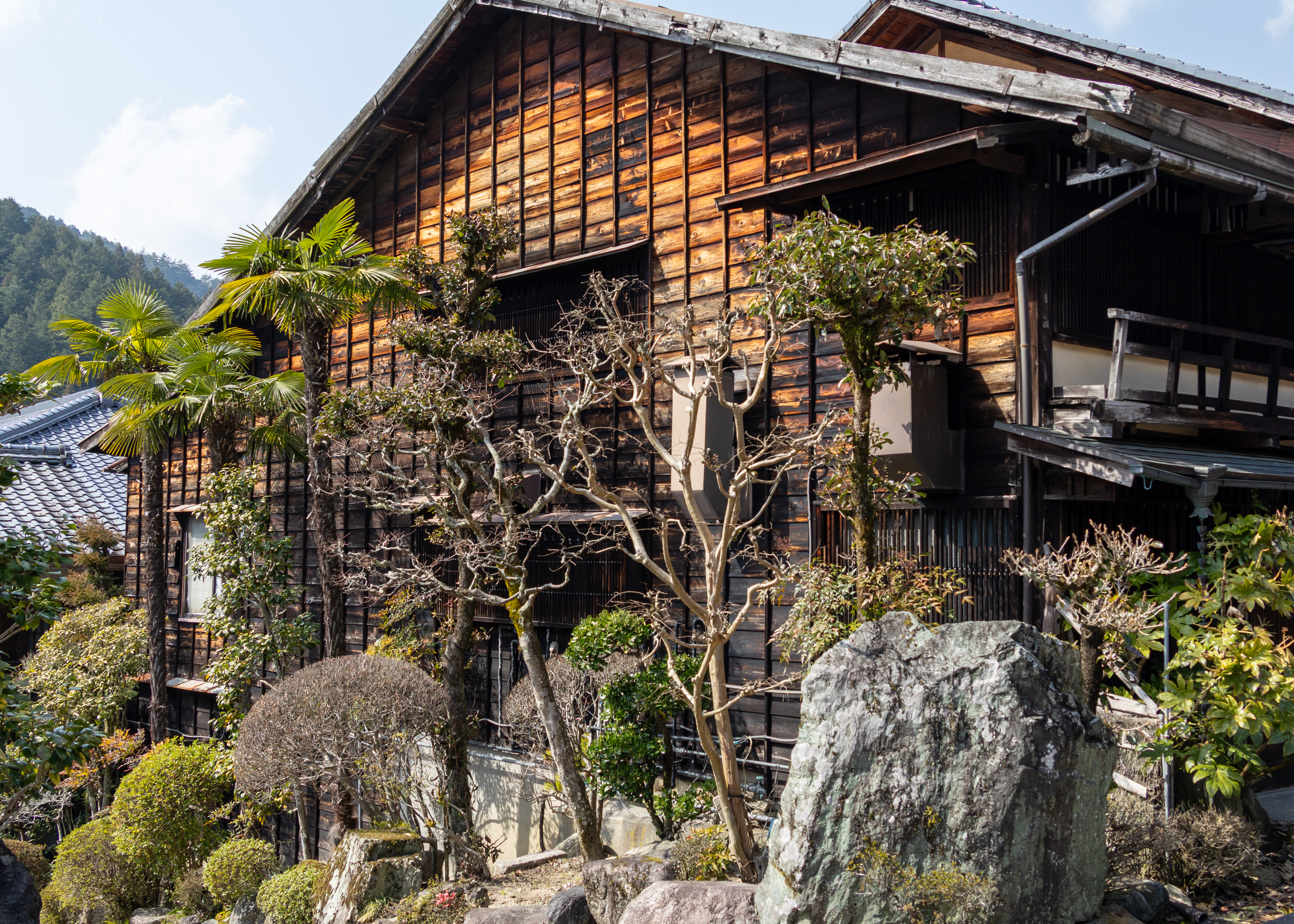
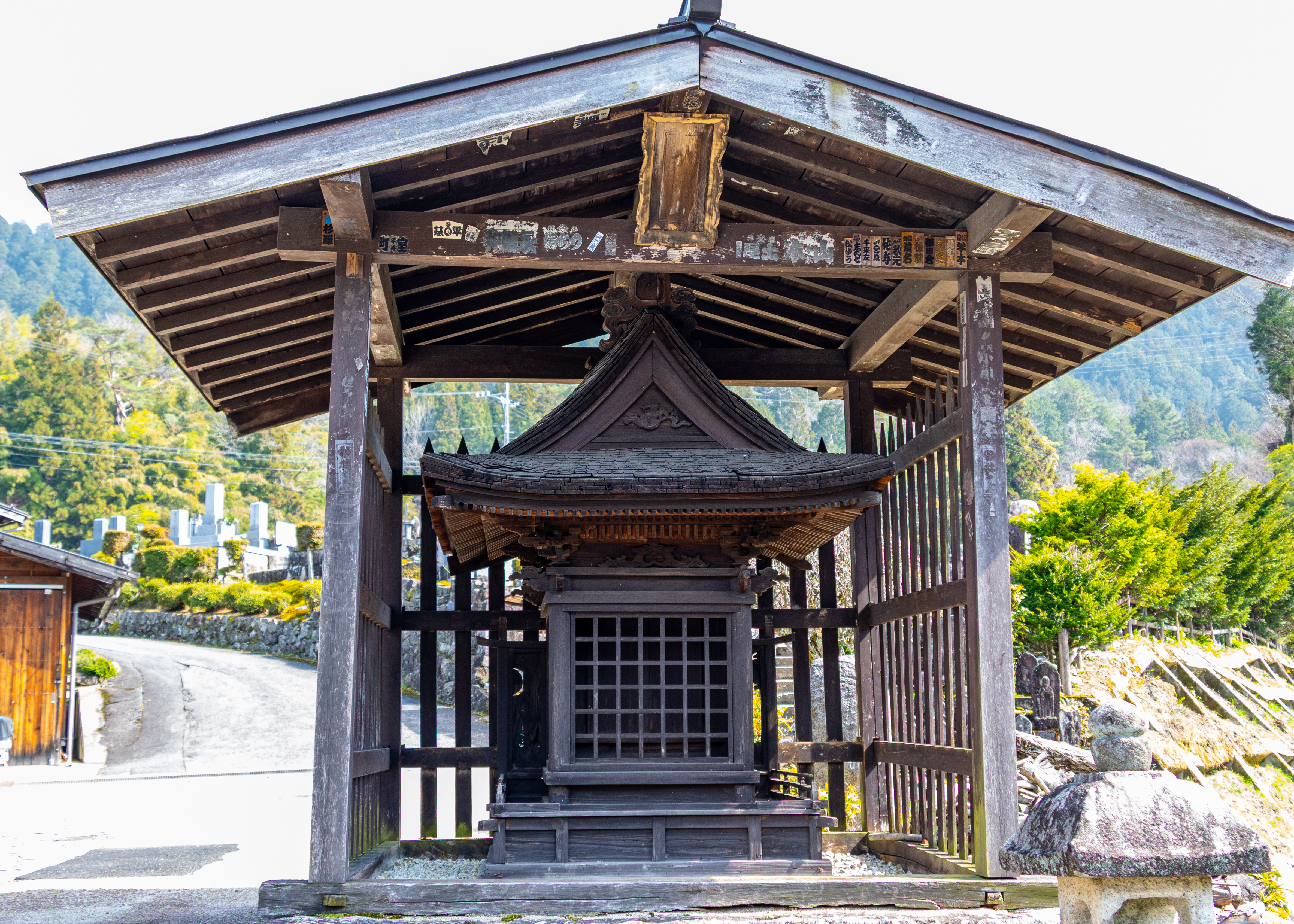
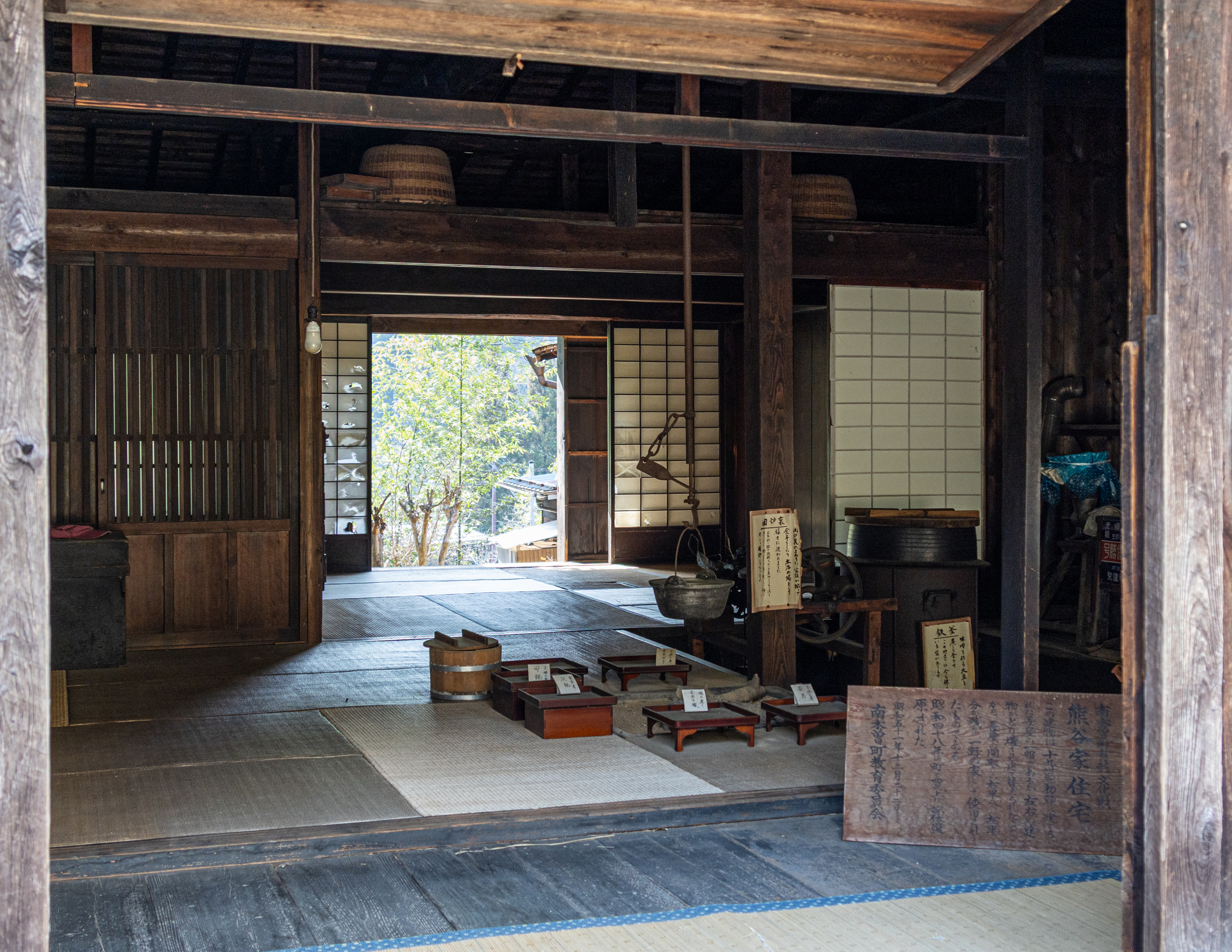
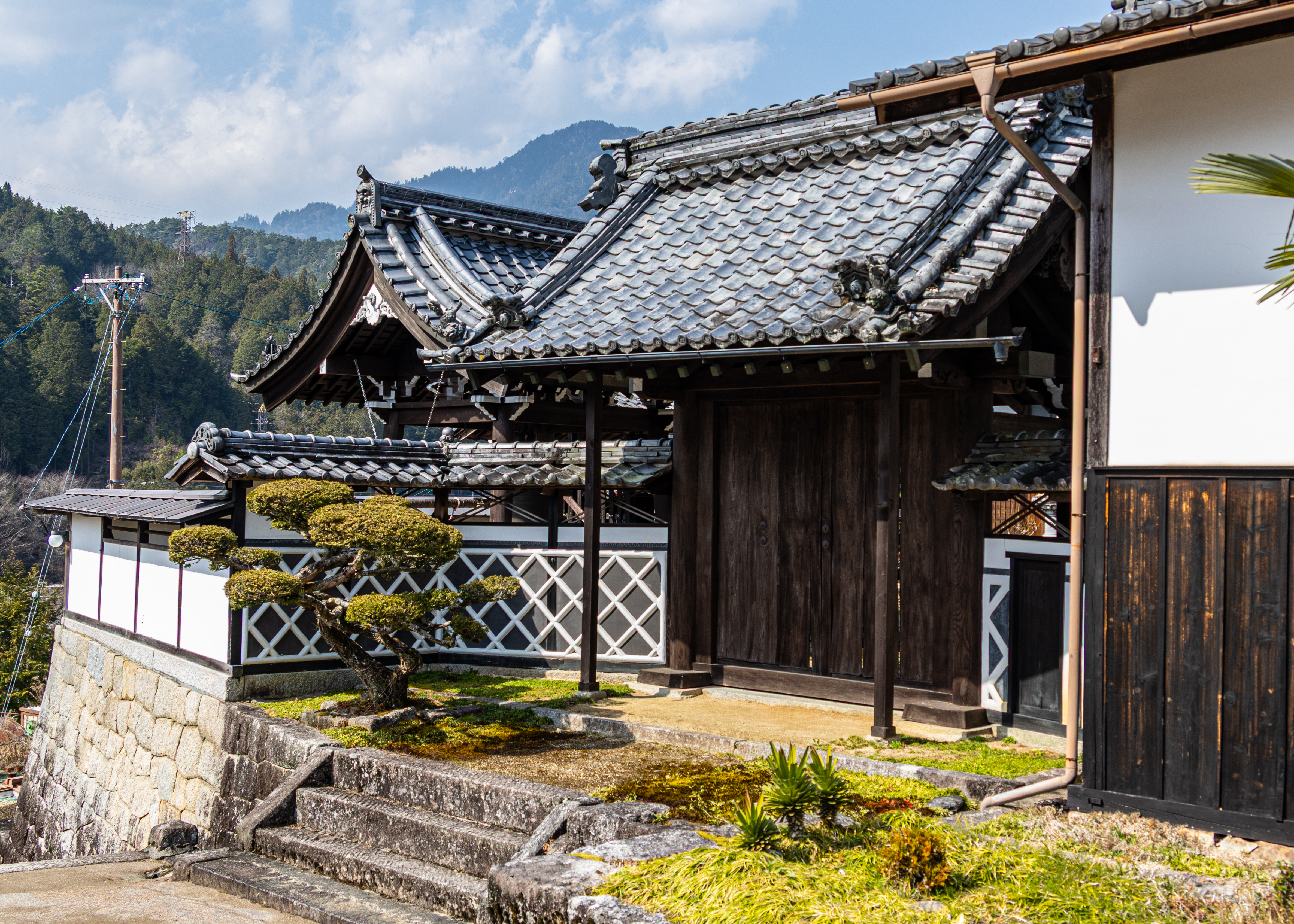
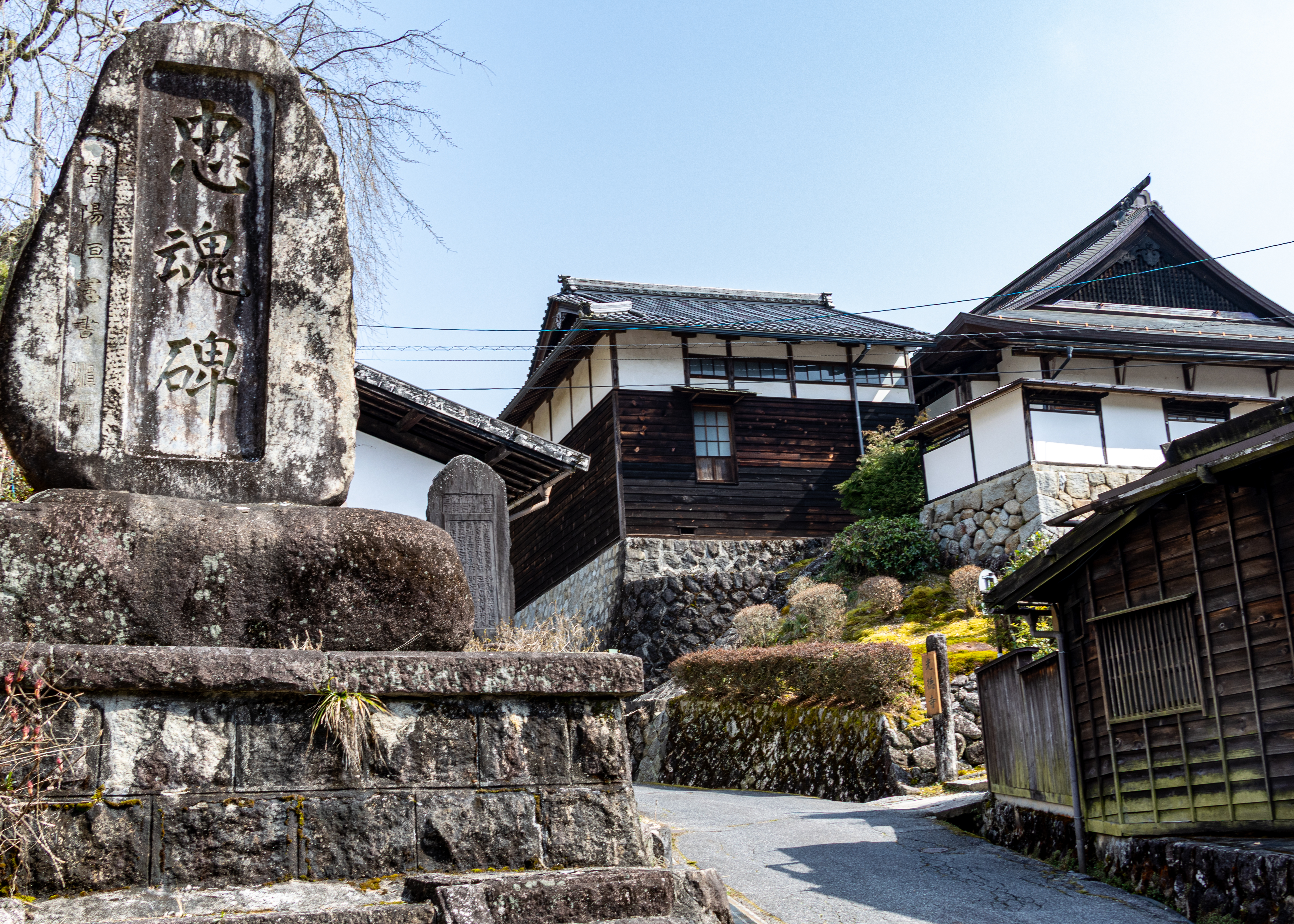
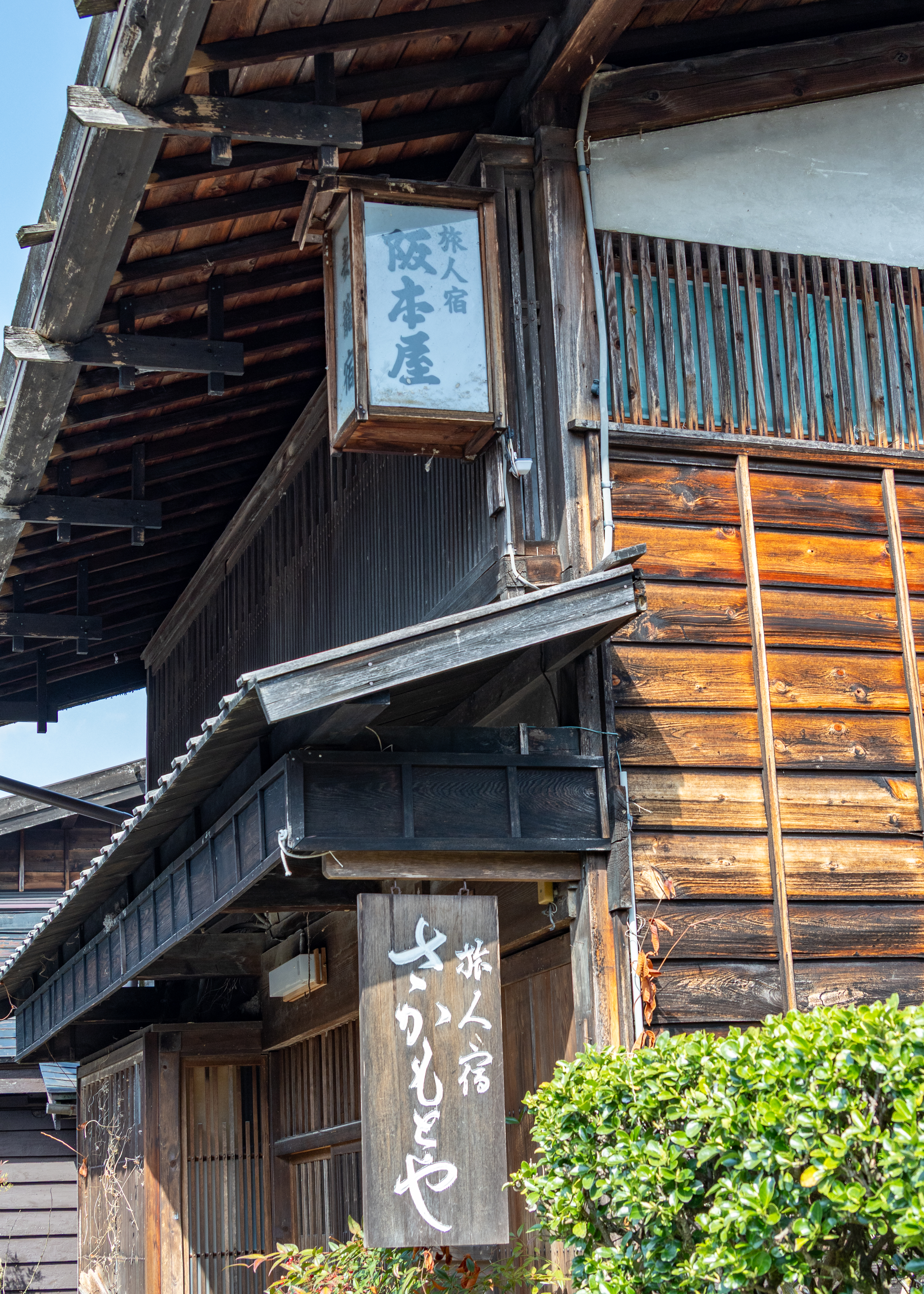
Today’s drive continued through snow-covered mountains to Tsumago-juku, the 42nd part of the Nakasendo route between Kyoto and Edo (Tokyo). It is one of the best-preserved post towns, recreating the ambiance of the Edo period.

Following a Soba lunch, we headed on a long ride to Takayama for our hotel and dinner.
Japan Tour 2025 Day #5

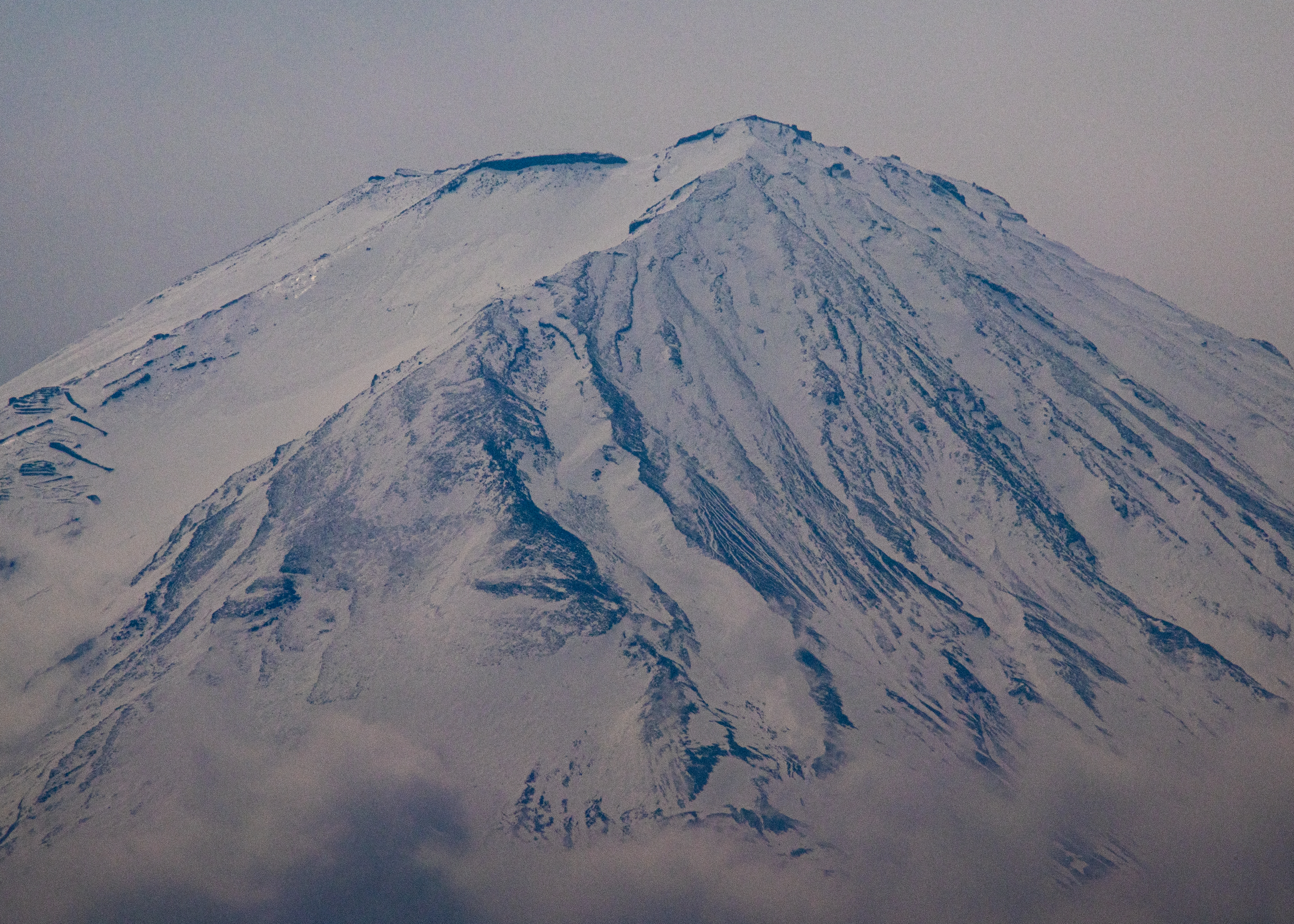
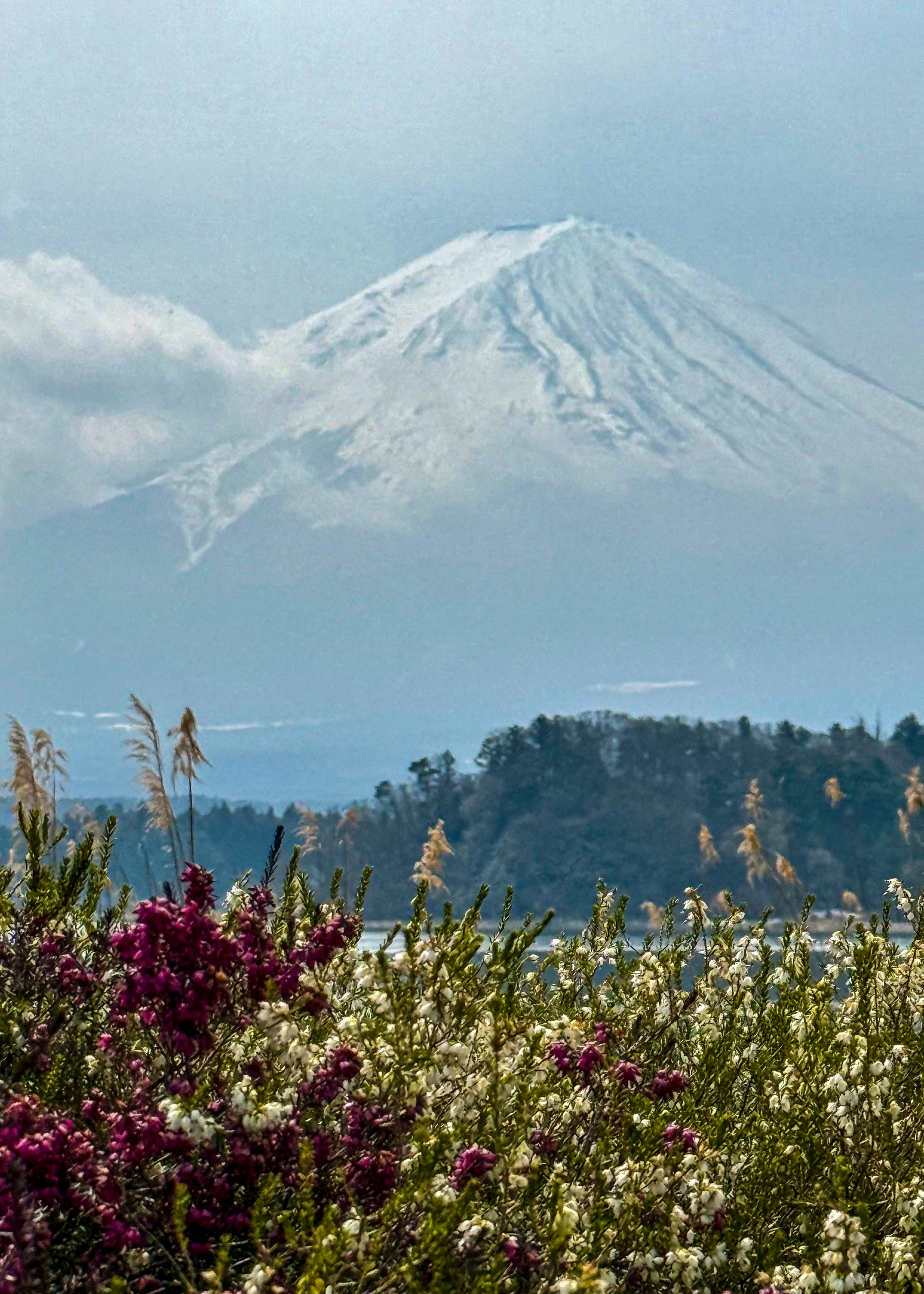
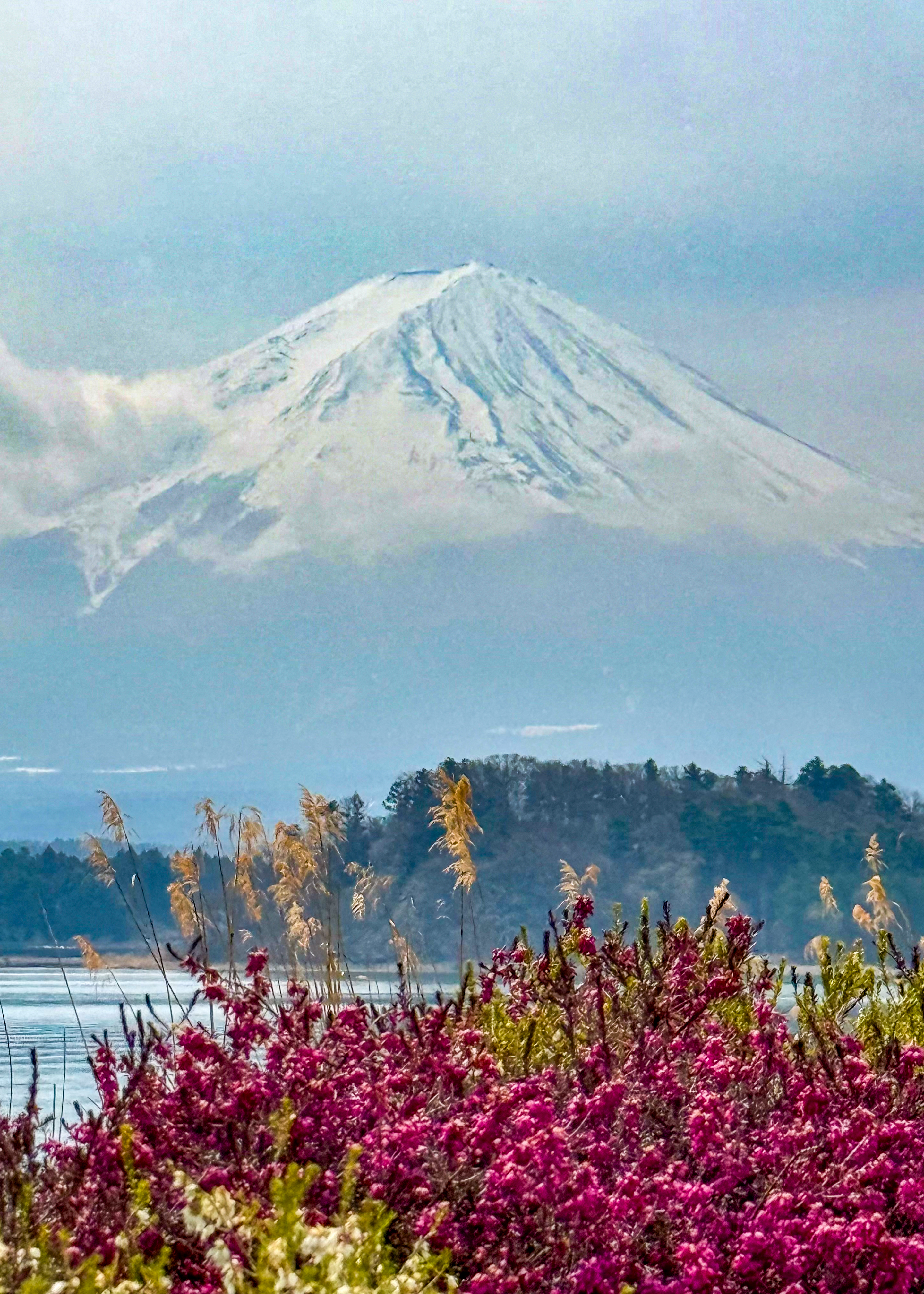
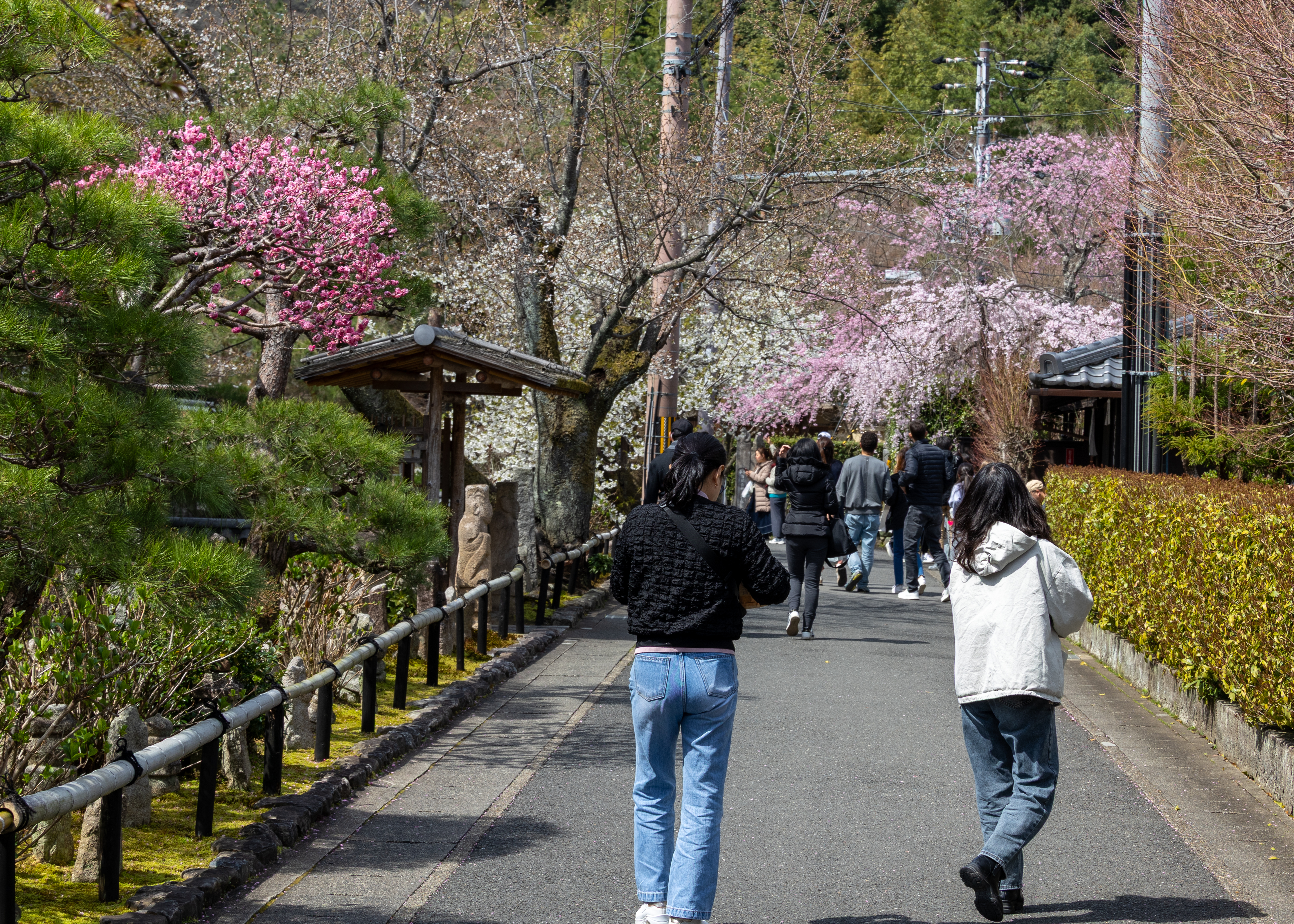
There was a lot of driving today. We went first to see Mt. Fuji from Oishi Park. Too bad Mt. Fuji was totally snow-covered and shrouded in clouds—the pictures were not that great. Mt. Fuji is surrounded by five lakes; we drove around Lake Kanaguchi to get our “views.”
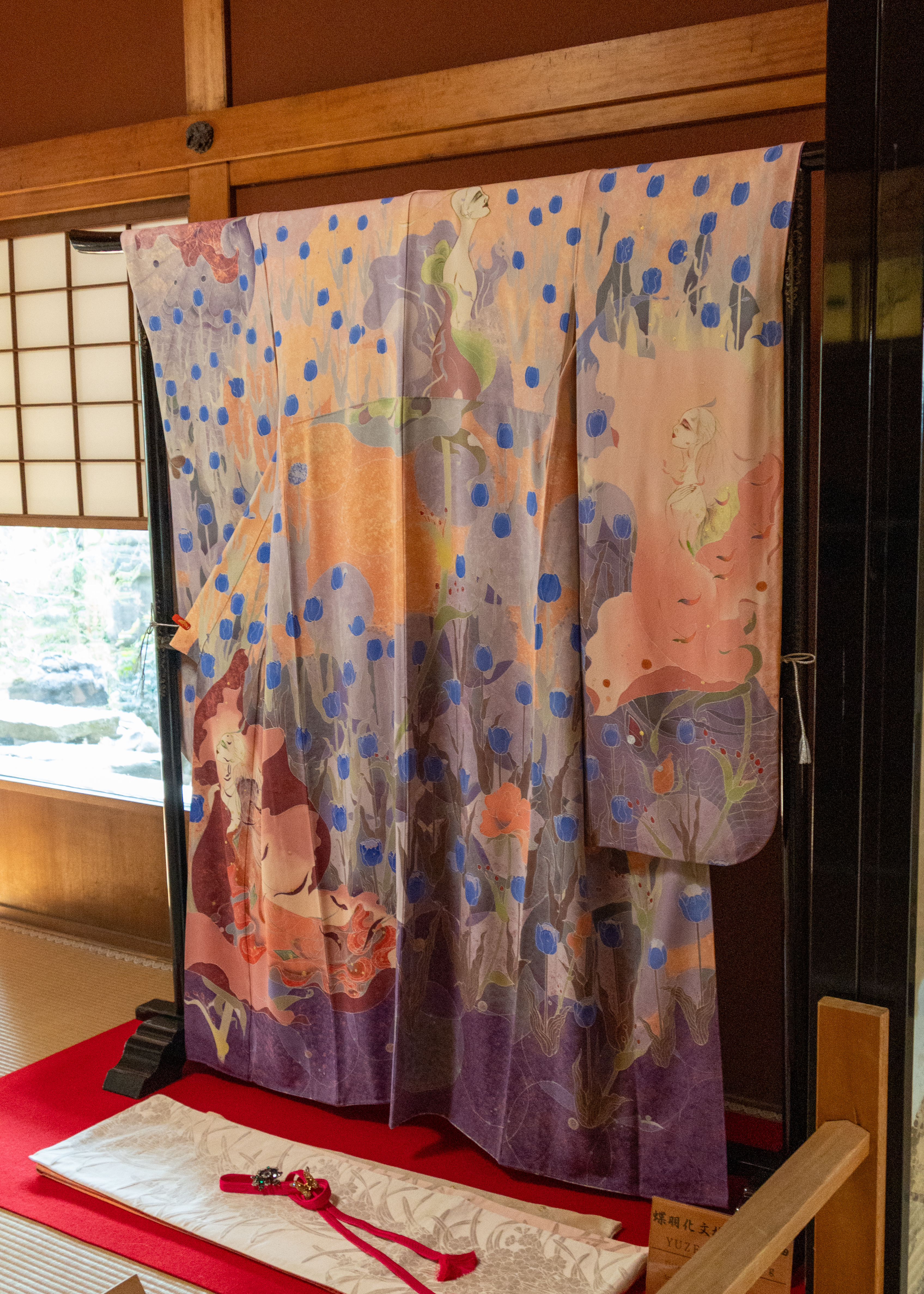
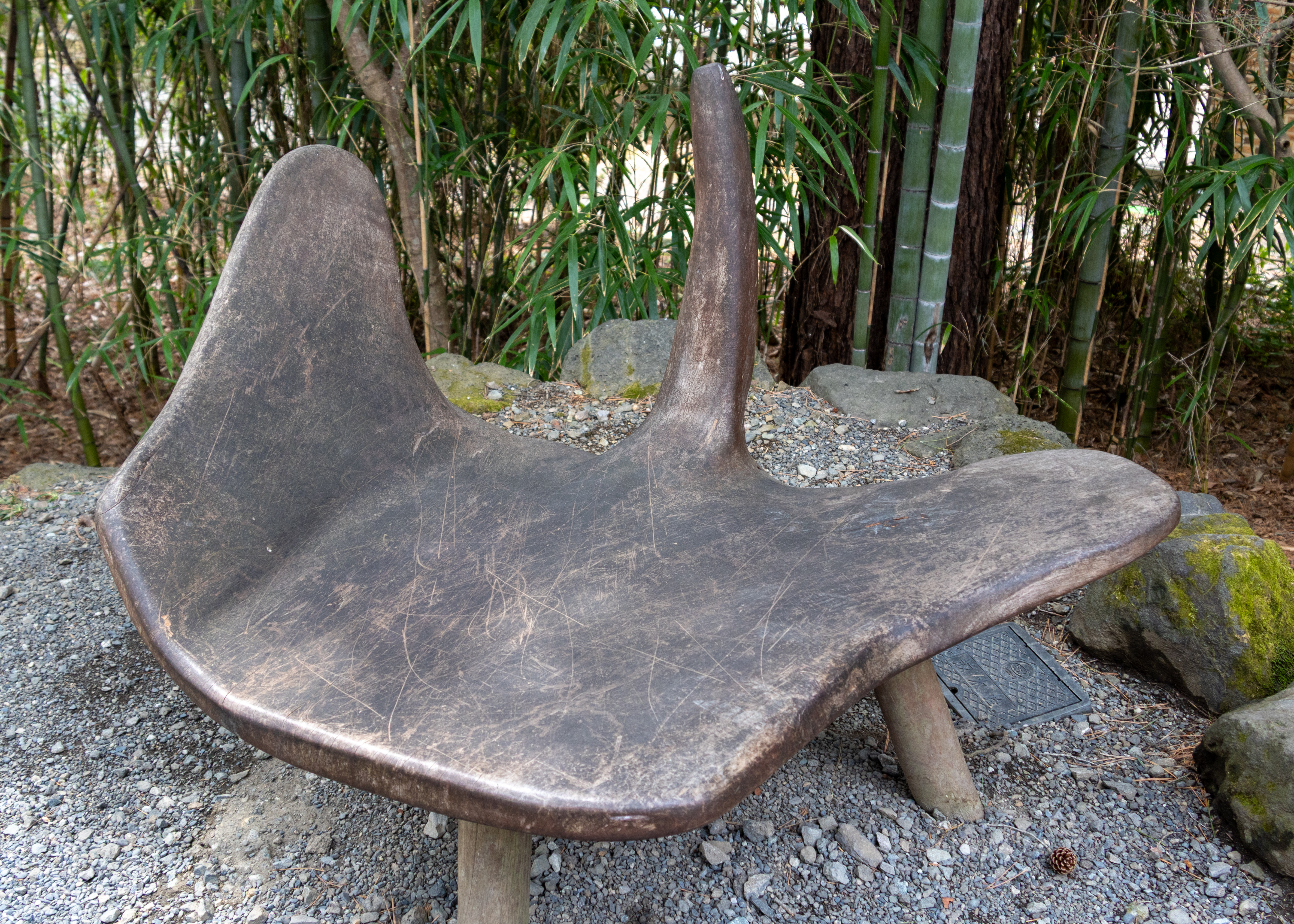
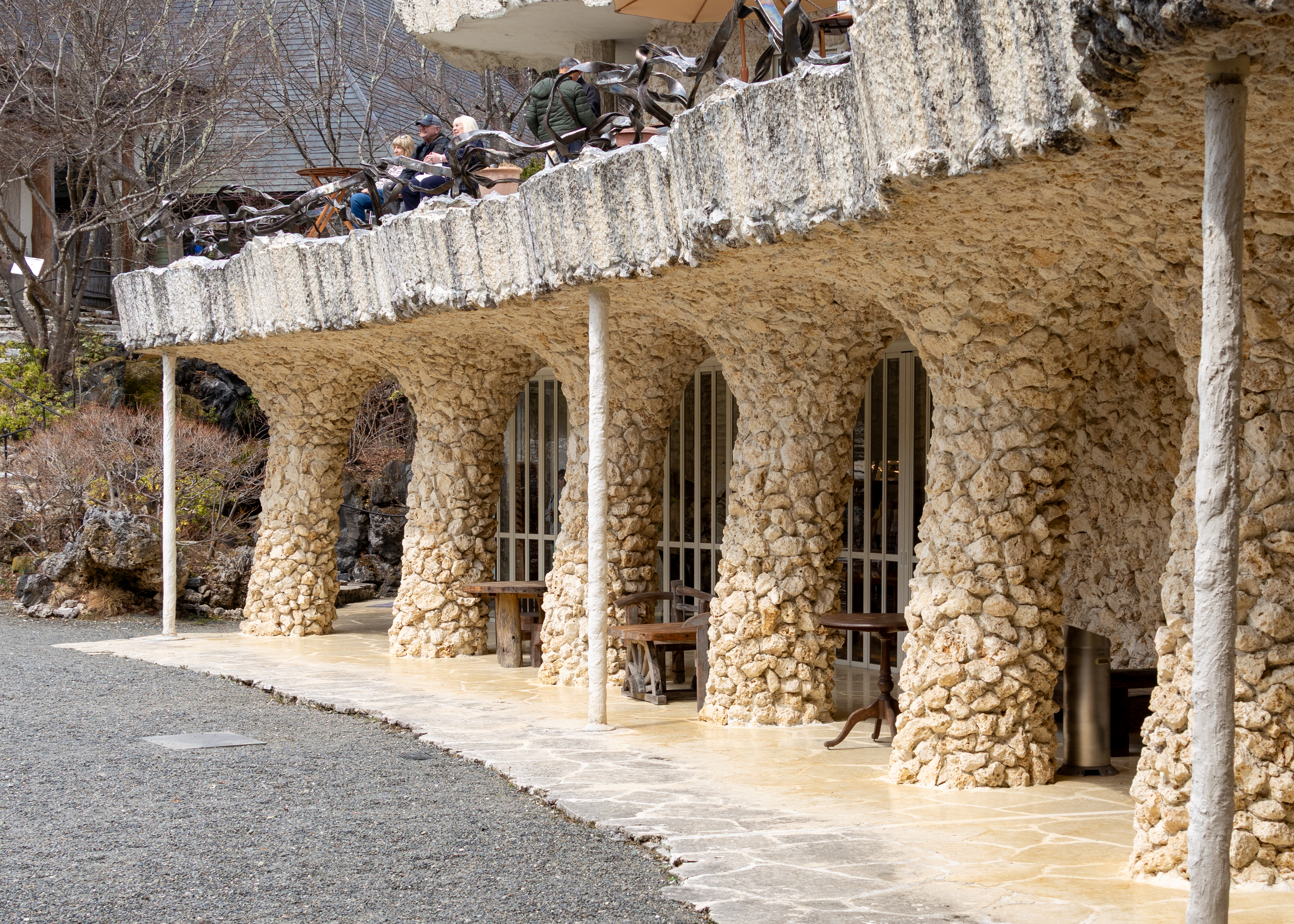
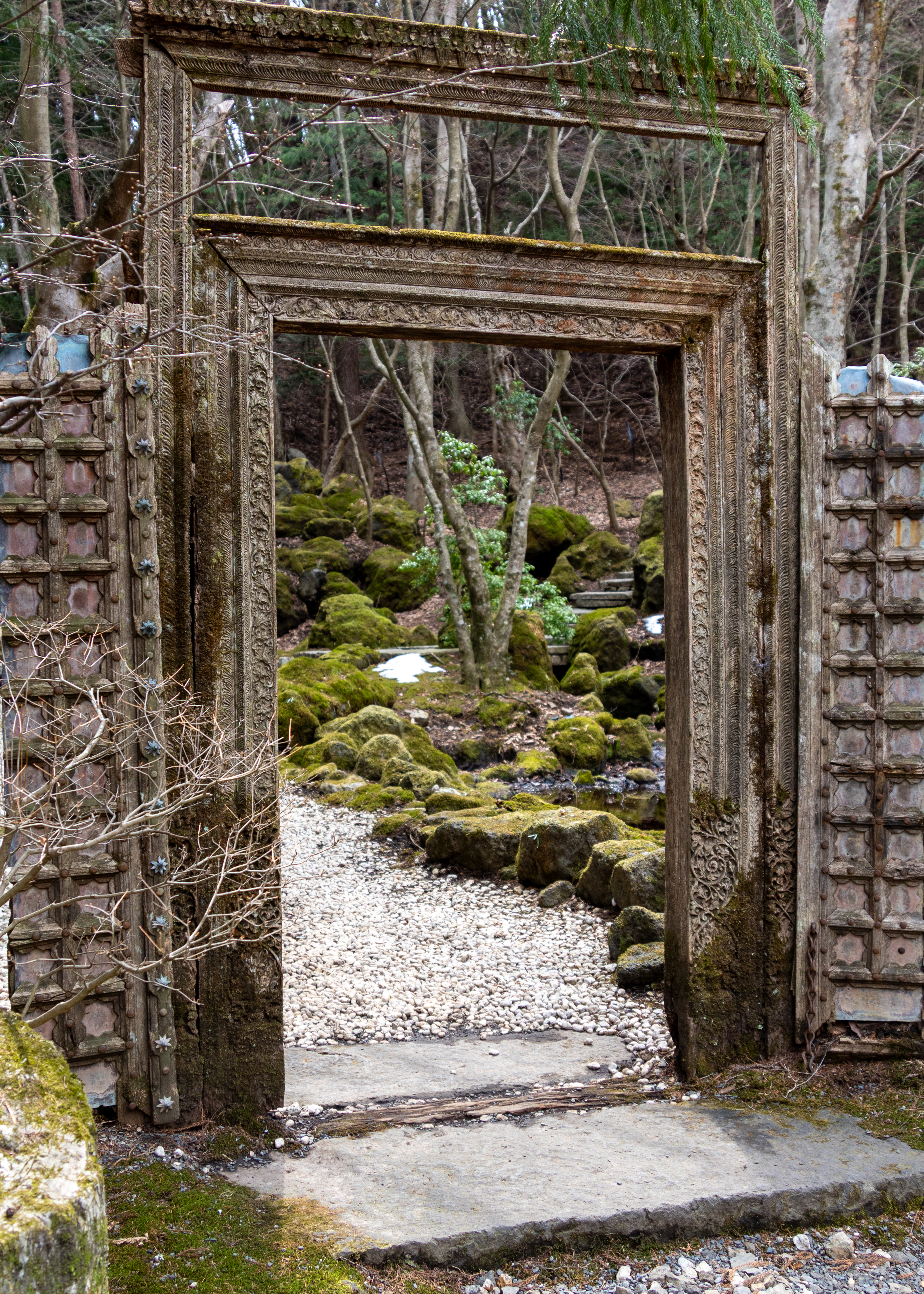
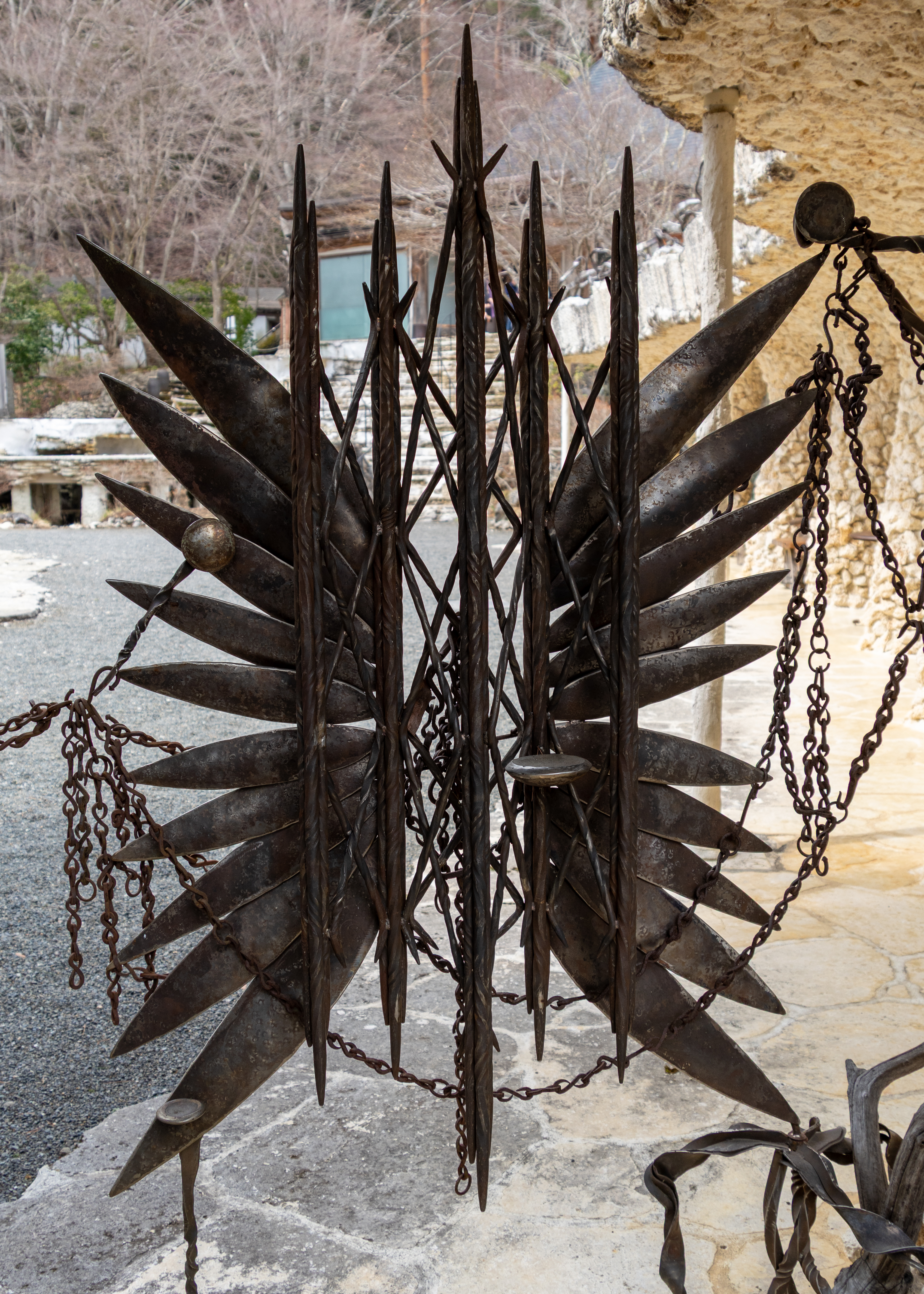
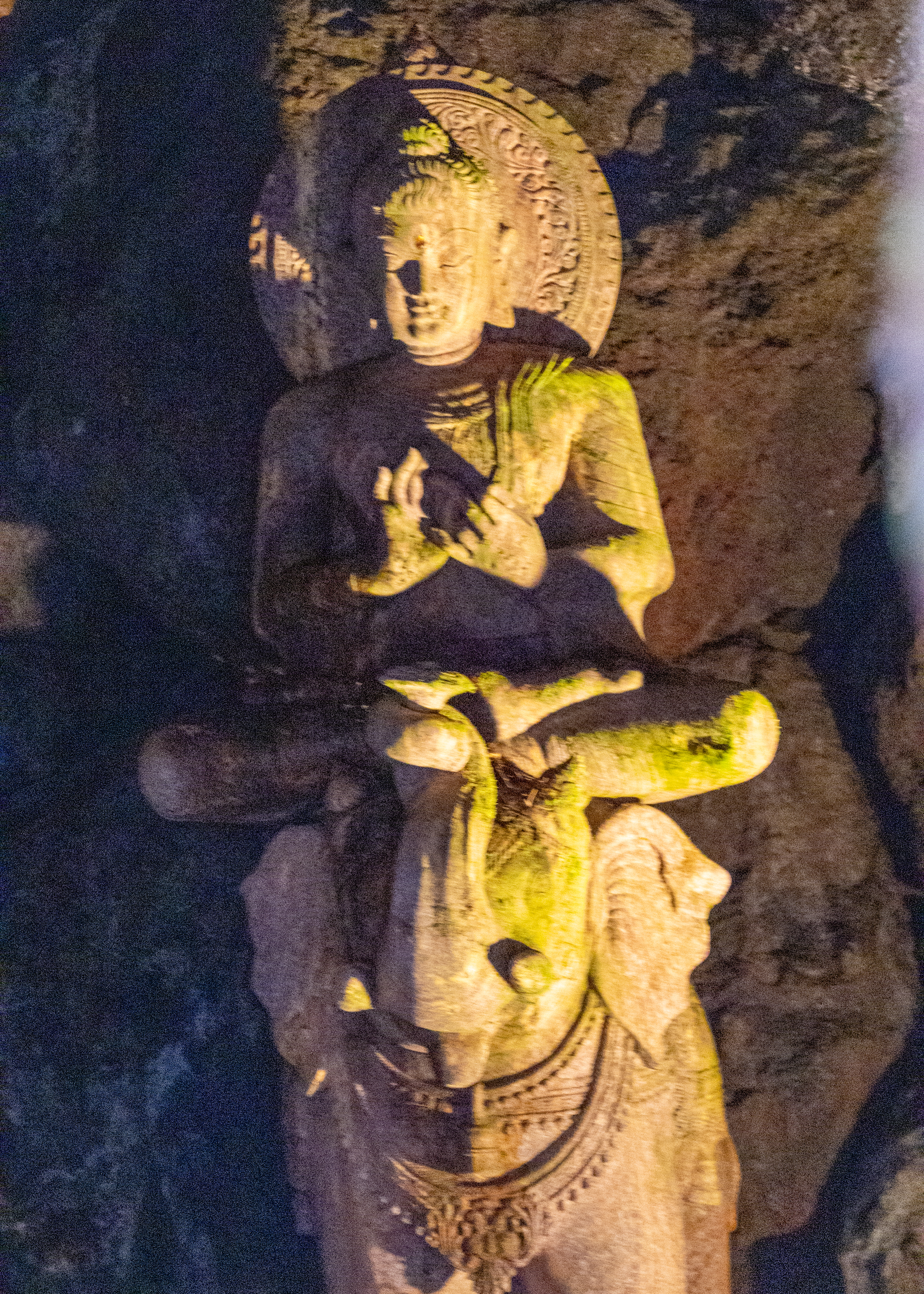
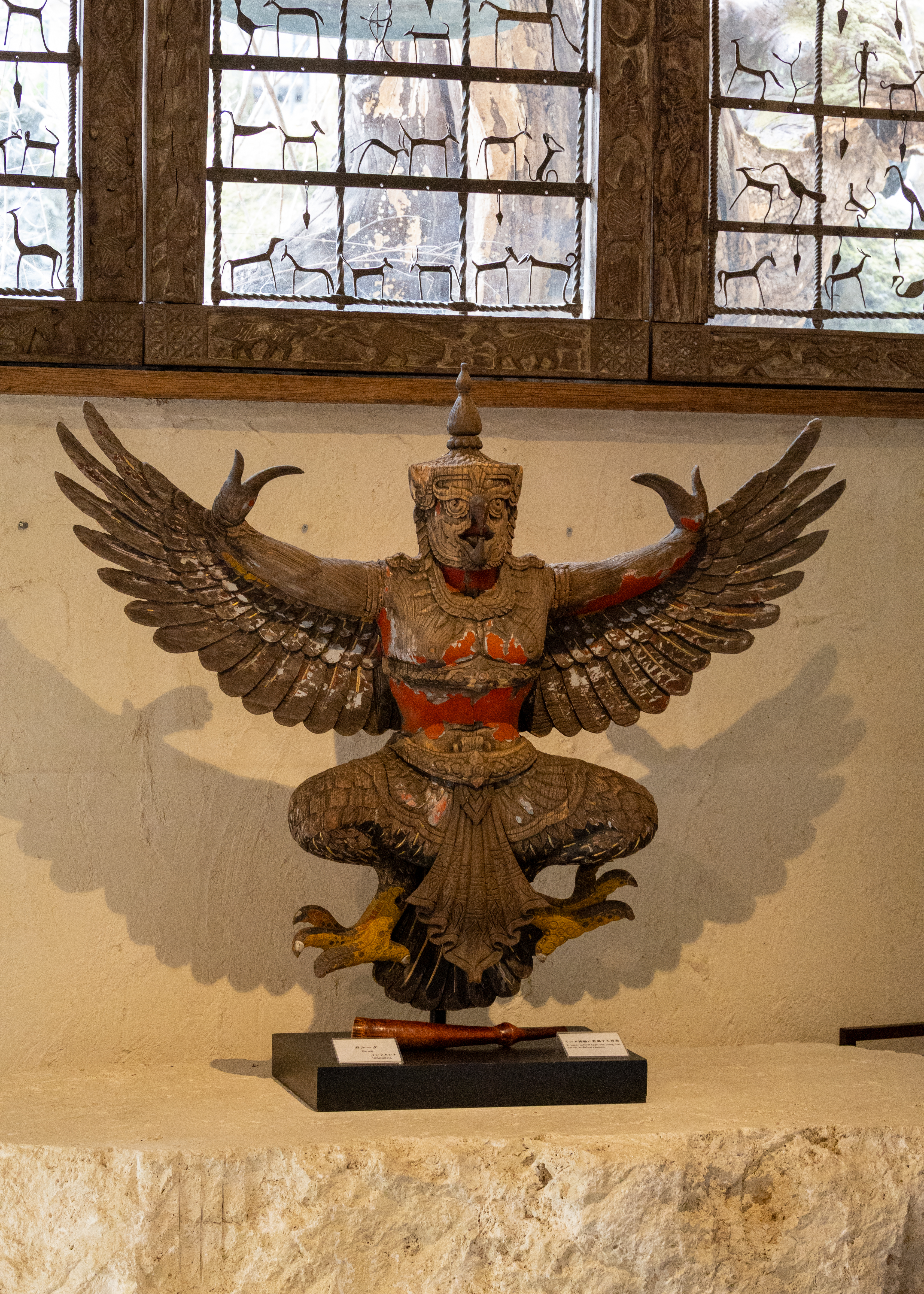
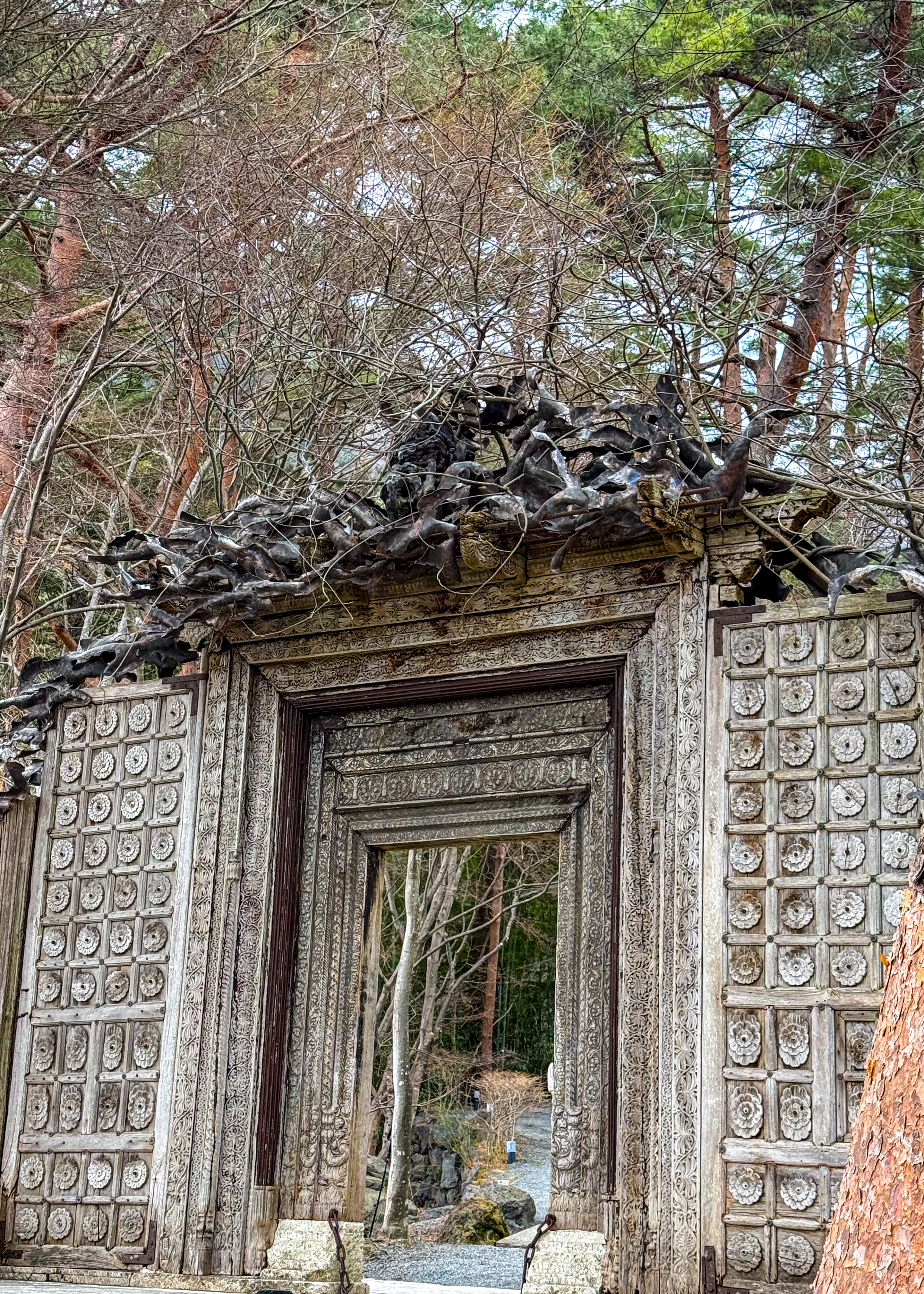
Next, visit Itchiku Kubota Art Museum, showcasing 29 of his famous kimonos – pictures not allowed – some details @ https://www.japan-guide.com/e/e6912.html – The properties grounds could be photographed.

Our lunch stop was for a local favorite of Yamanashi -Hoto – soup filled with flat wheat noodles, vegetables, and meat in a miso-based dashi broth.

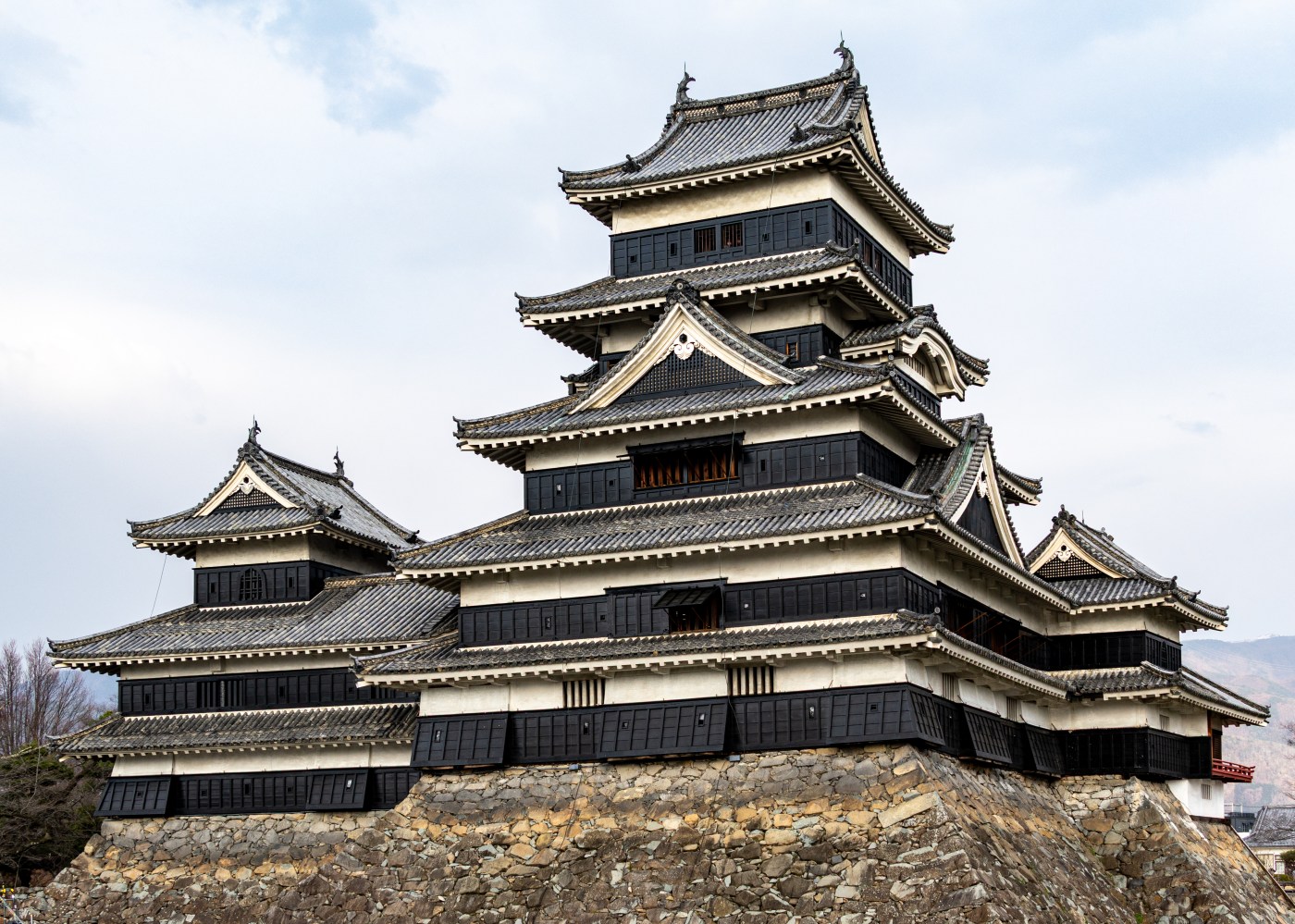
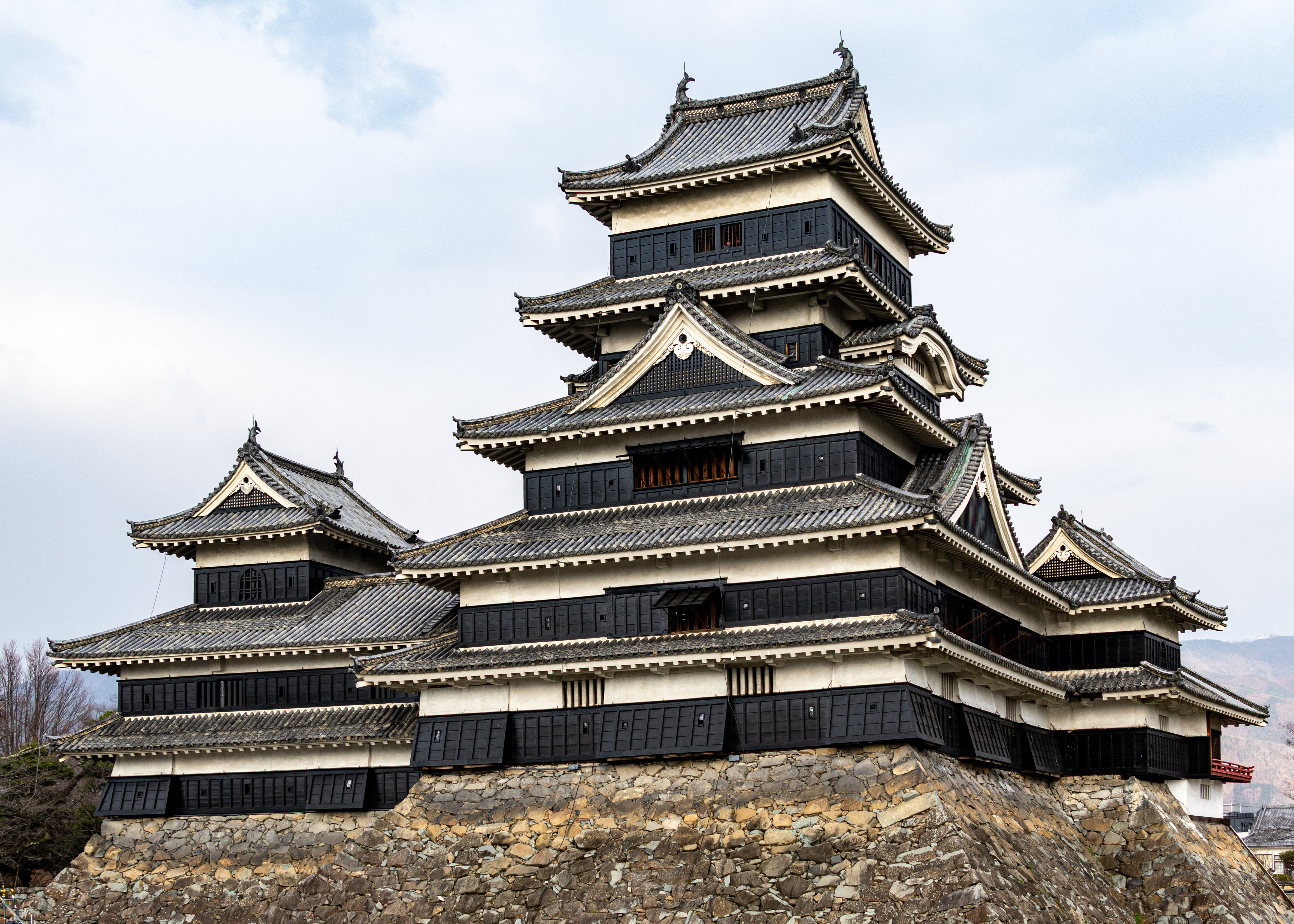
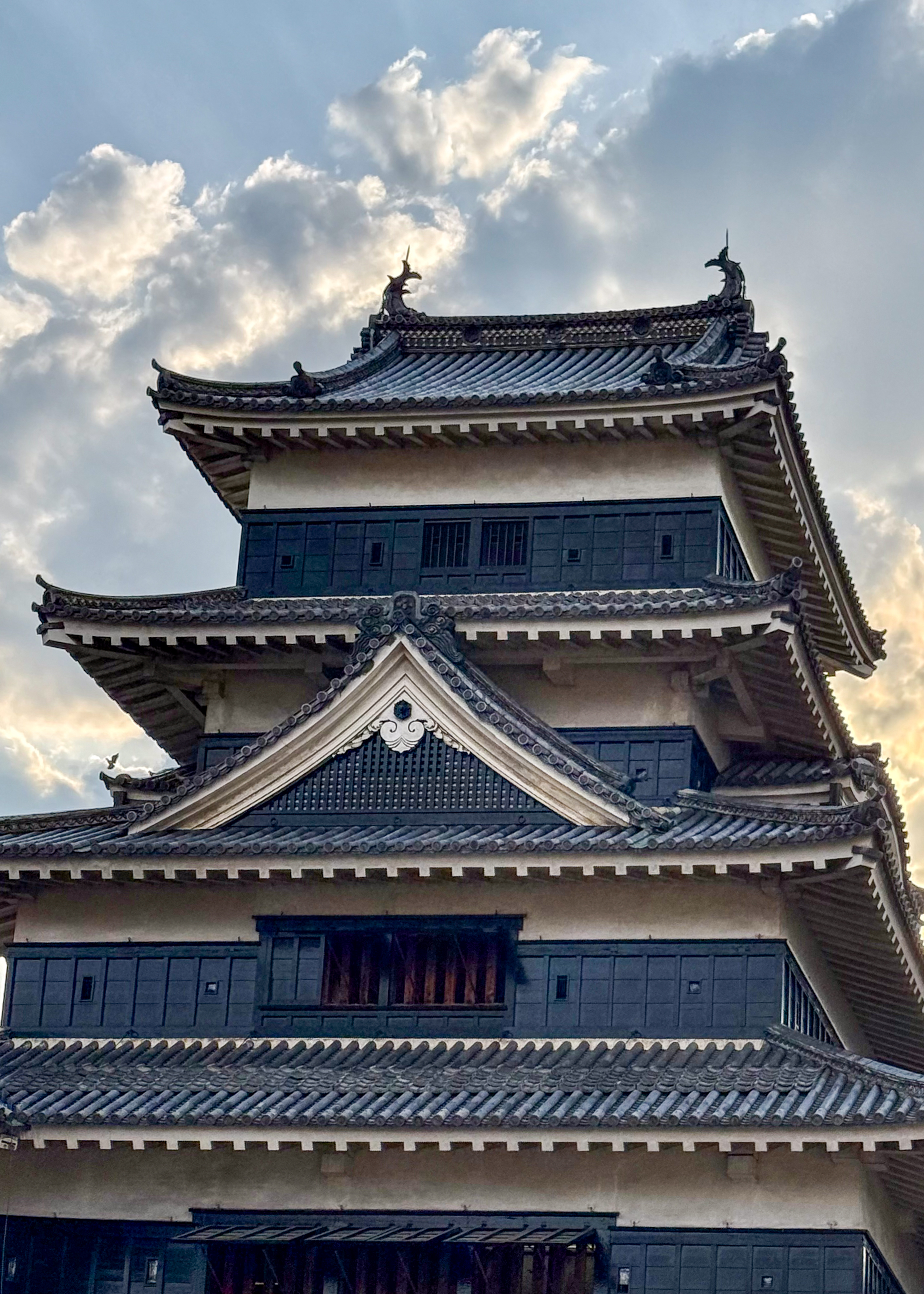
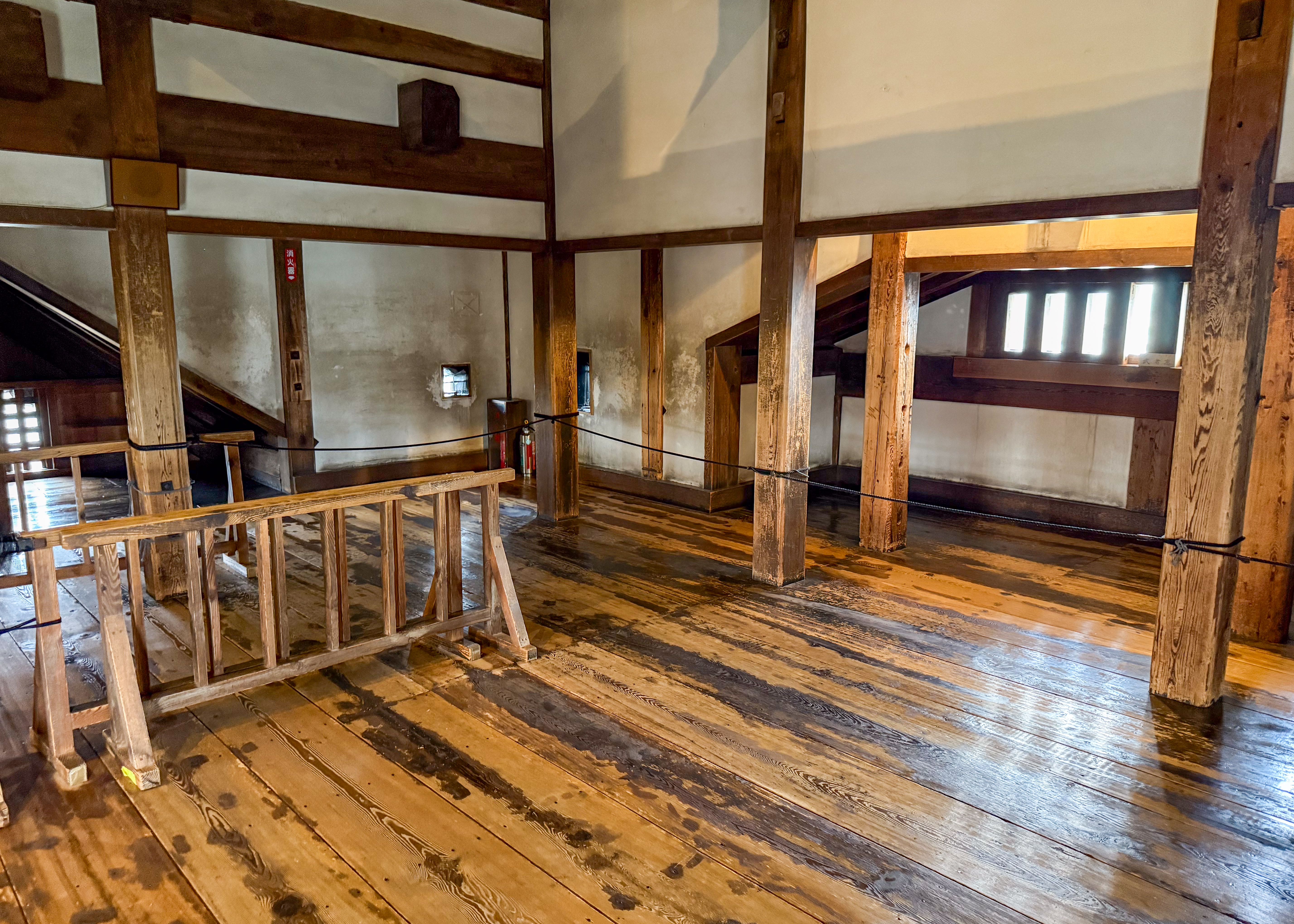
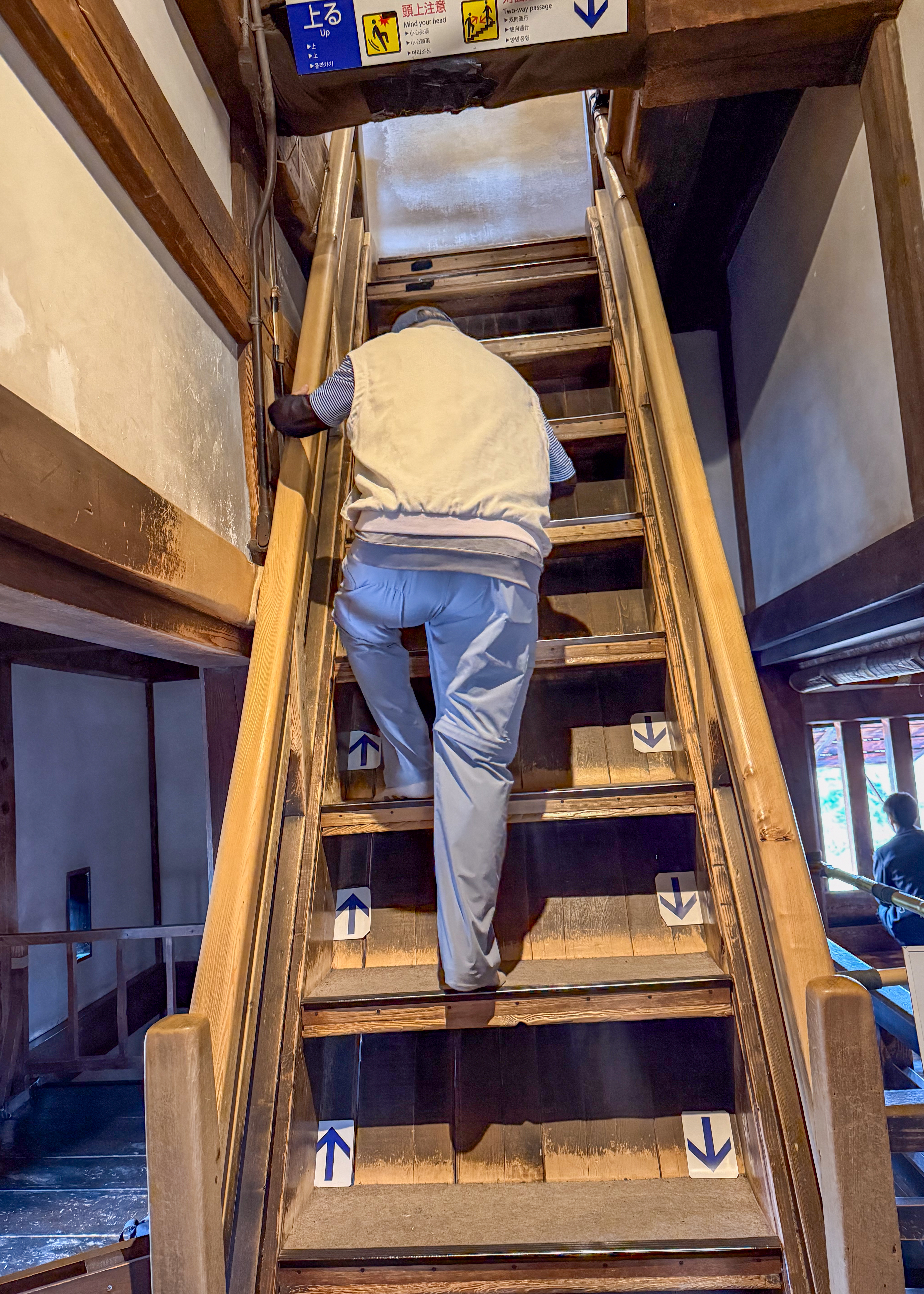
Our last stop of the day was at Matsumoto Castle – one of the oldest in Japan – built in 1594. The castle looks like 5 stories on the outside, but it is 6 on the inside – we decided to climb to the top on the steepest and narrowest stairs I was ever on.

Topping off the day, we had some horse for dinner, a local specialty.

Japan Tour 2025 Day #4

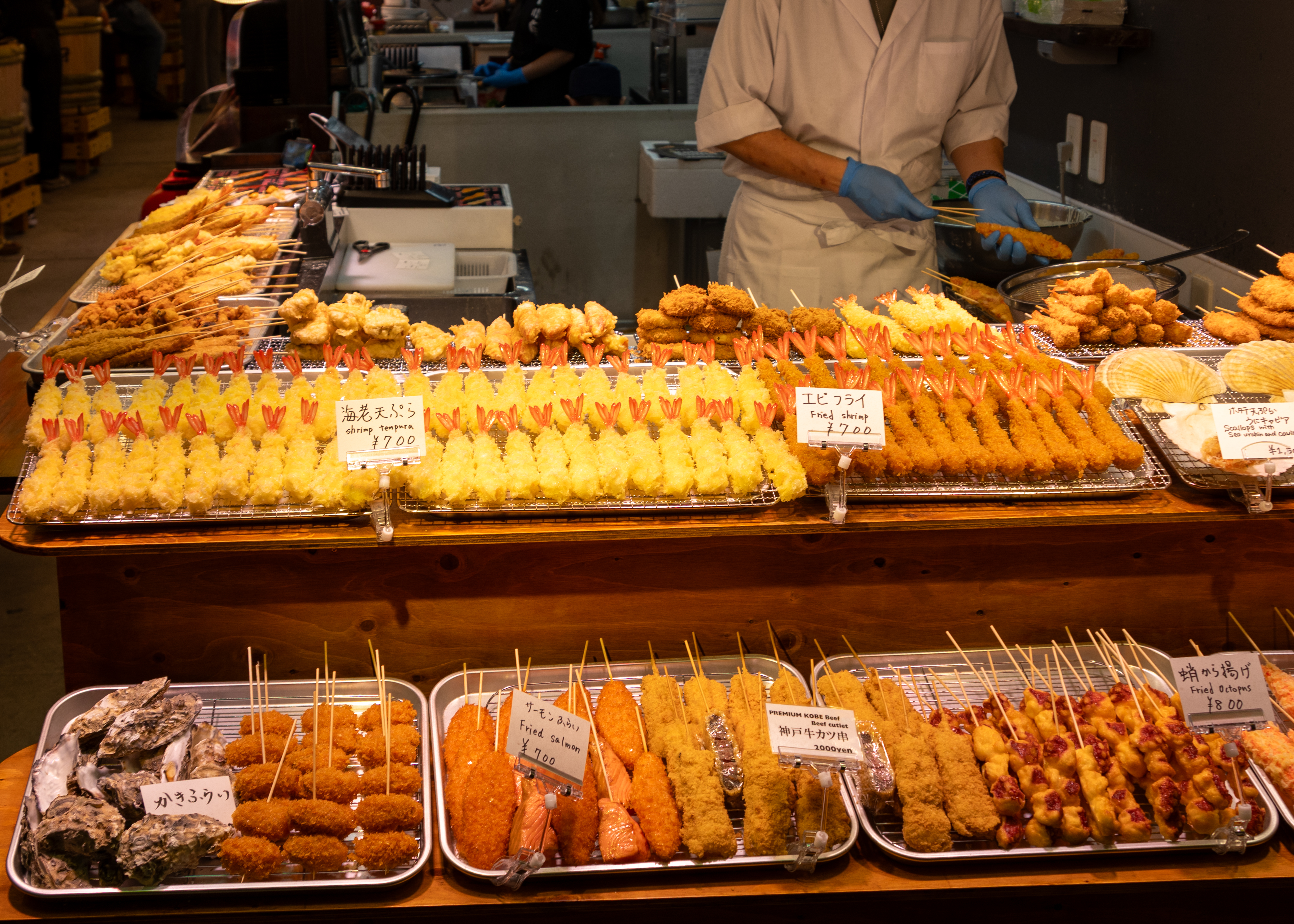
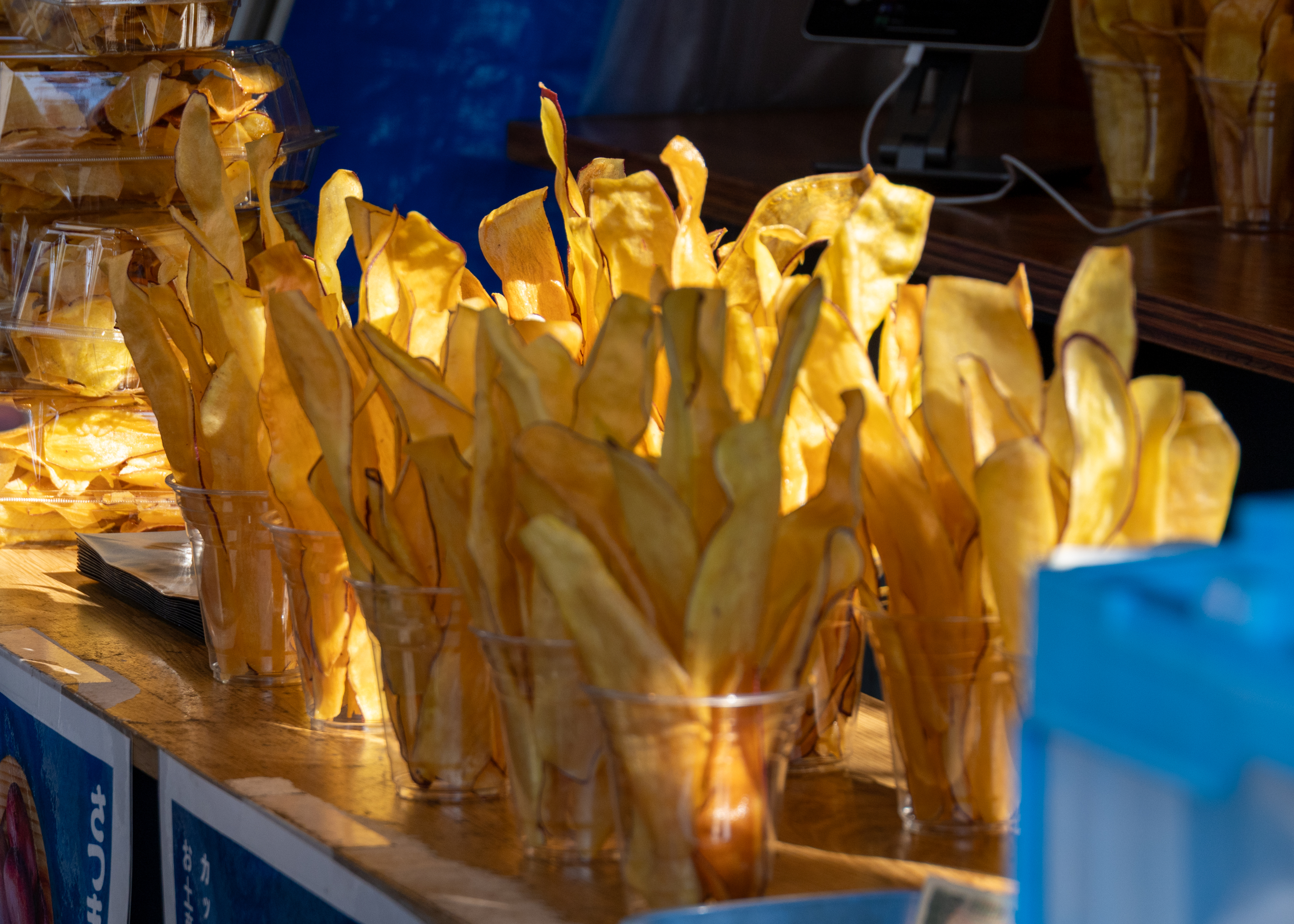
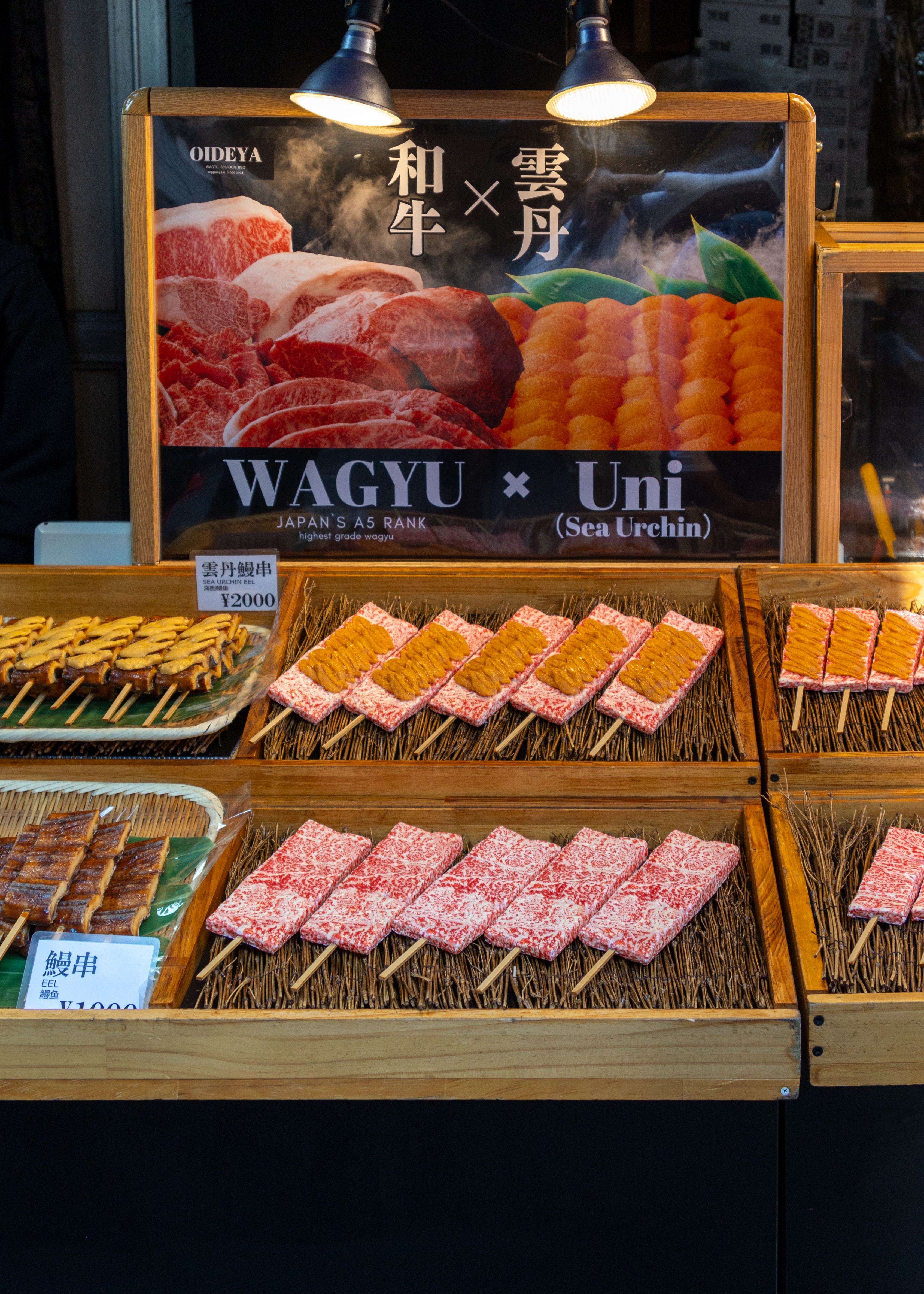
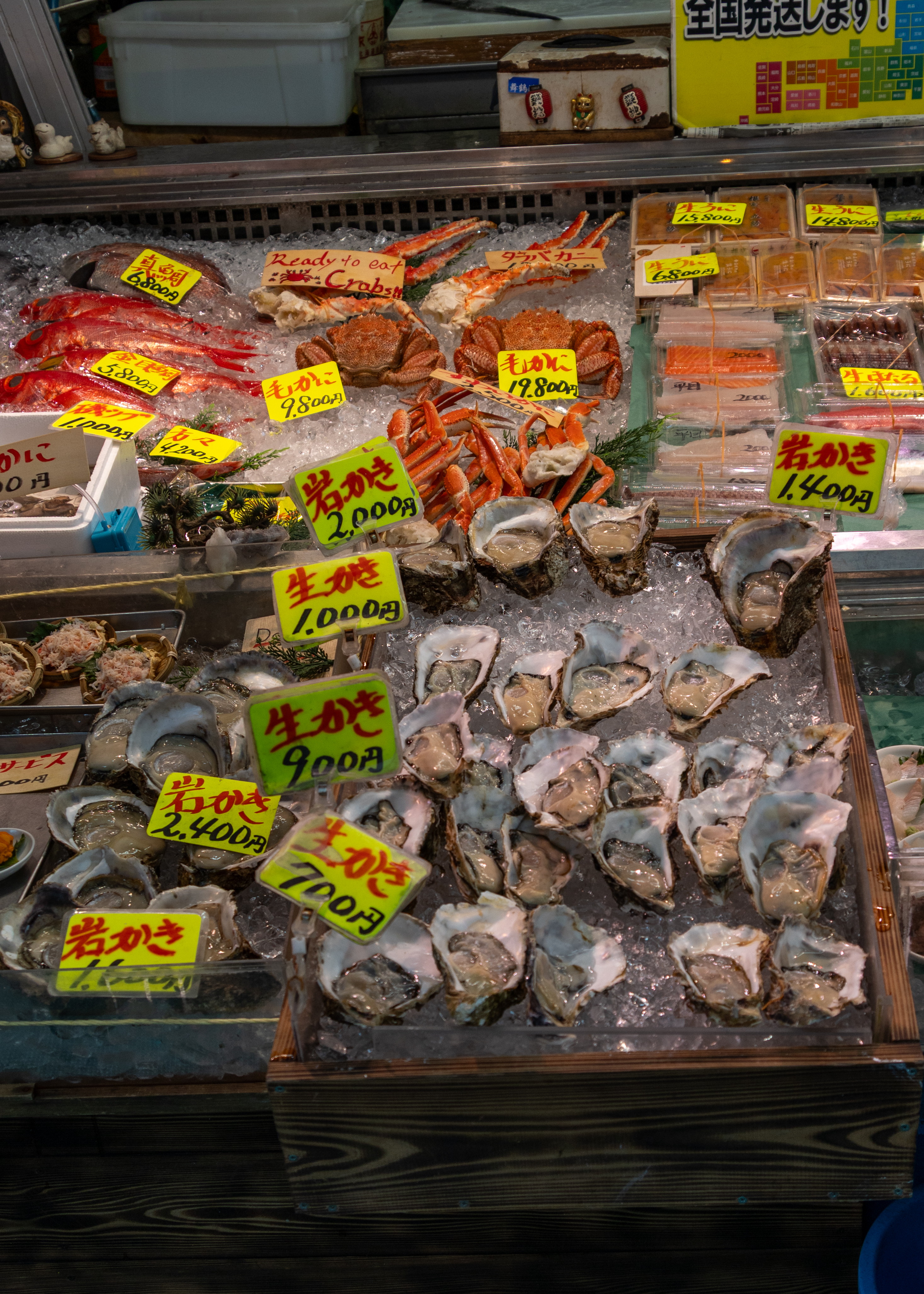
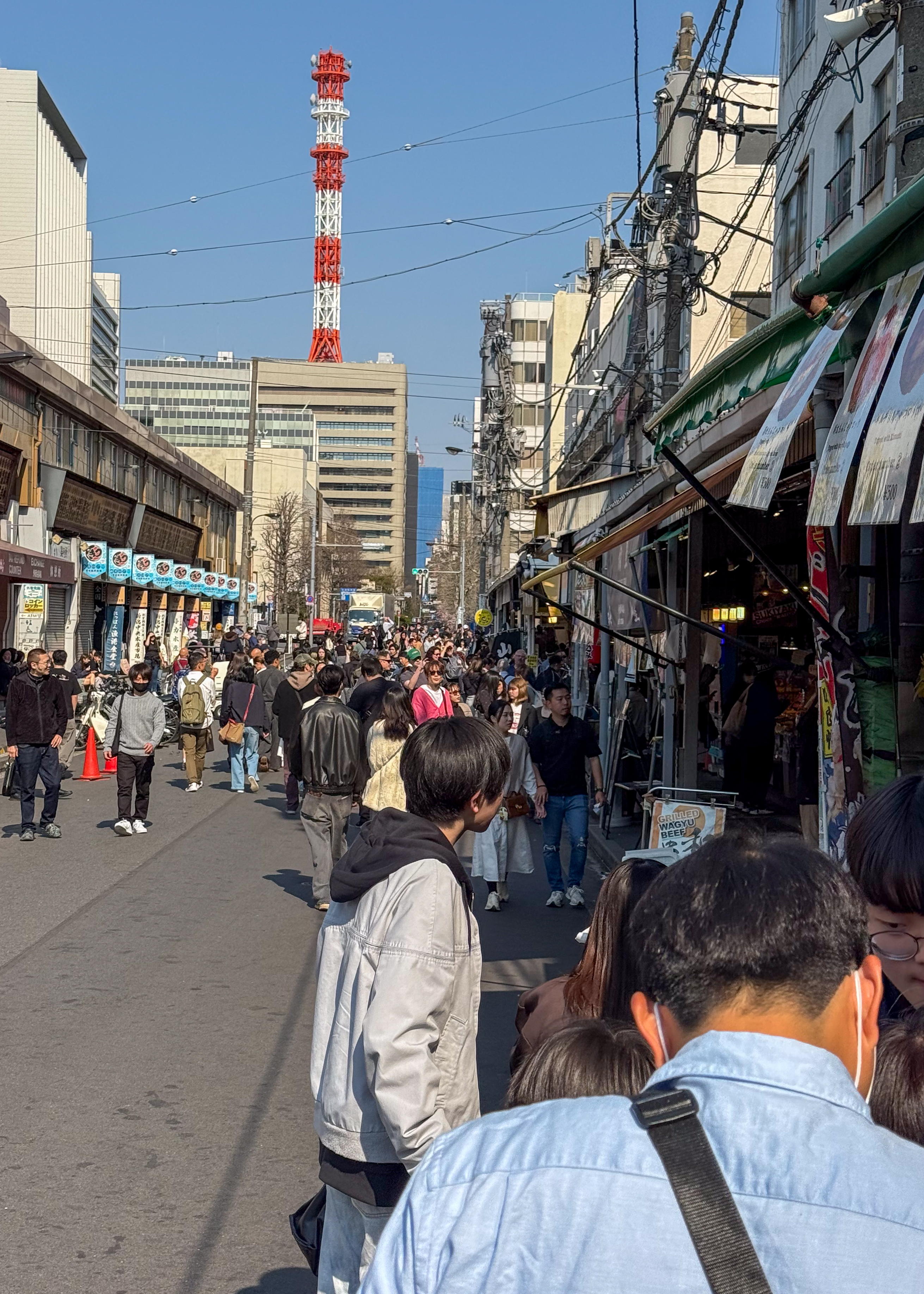
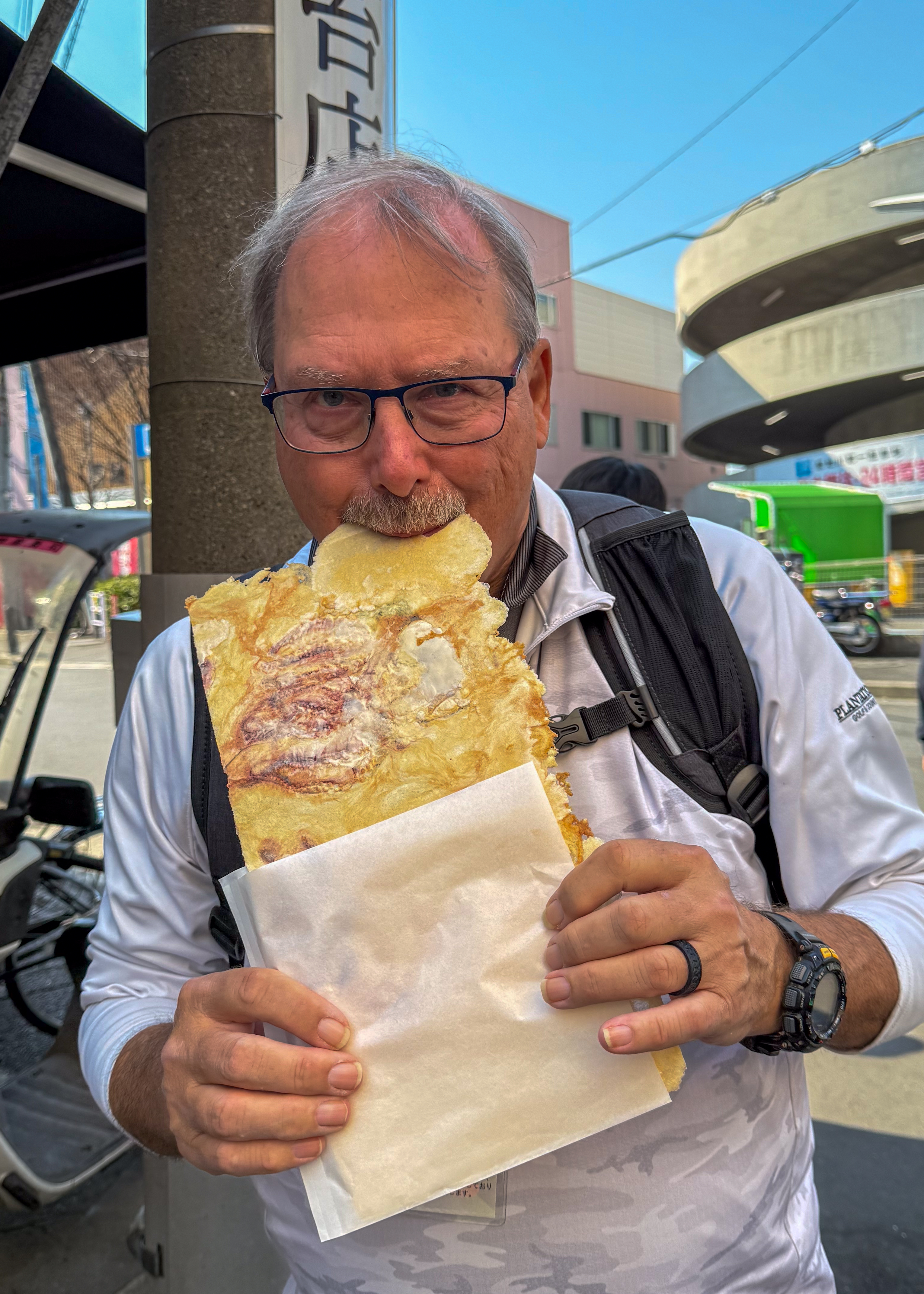
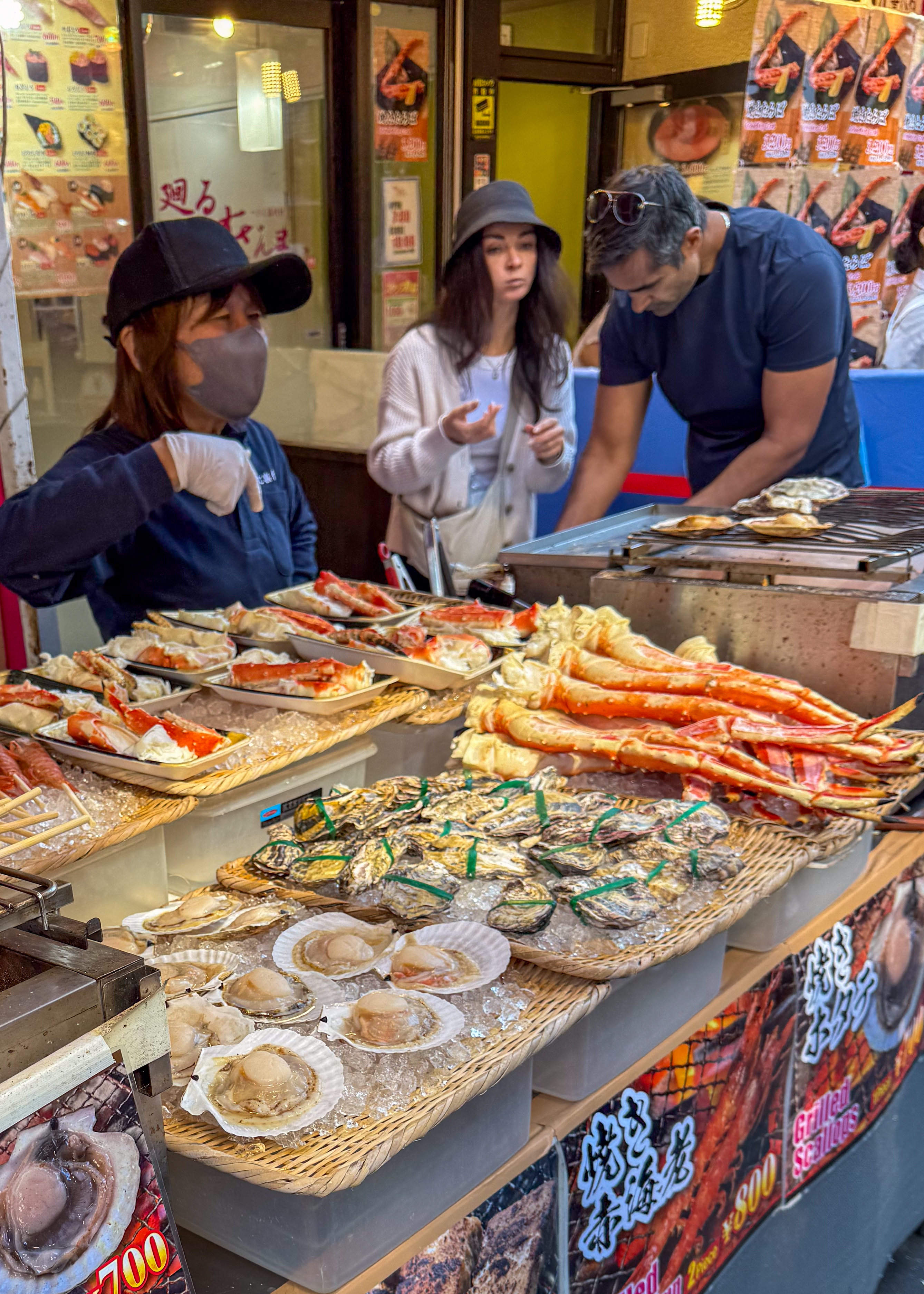
We started early this morning, at 8:00 a.m., trying to beat the morning rush hour, which normally starts about 9:00. Our first stop was the Tsukiji Fish Market, a four-square block of food stalls and fish sellers. We tried octopus pancakes—not bad. We were hoping to see the famous fish auctions but discovered they had moved to the new Tsukiji market.

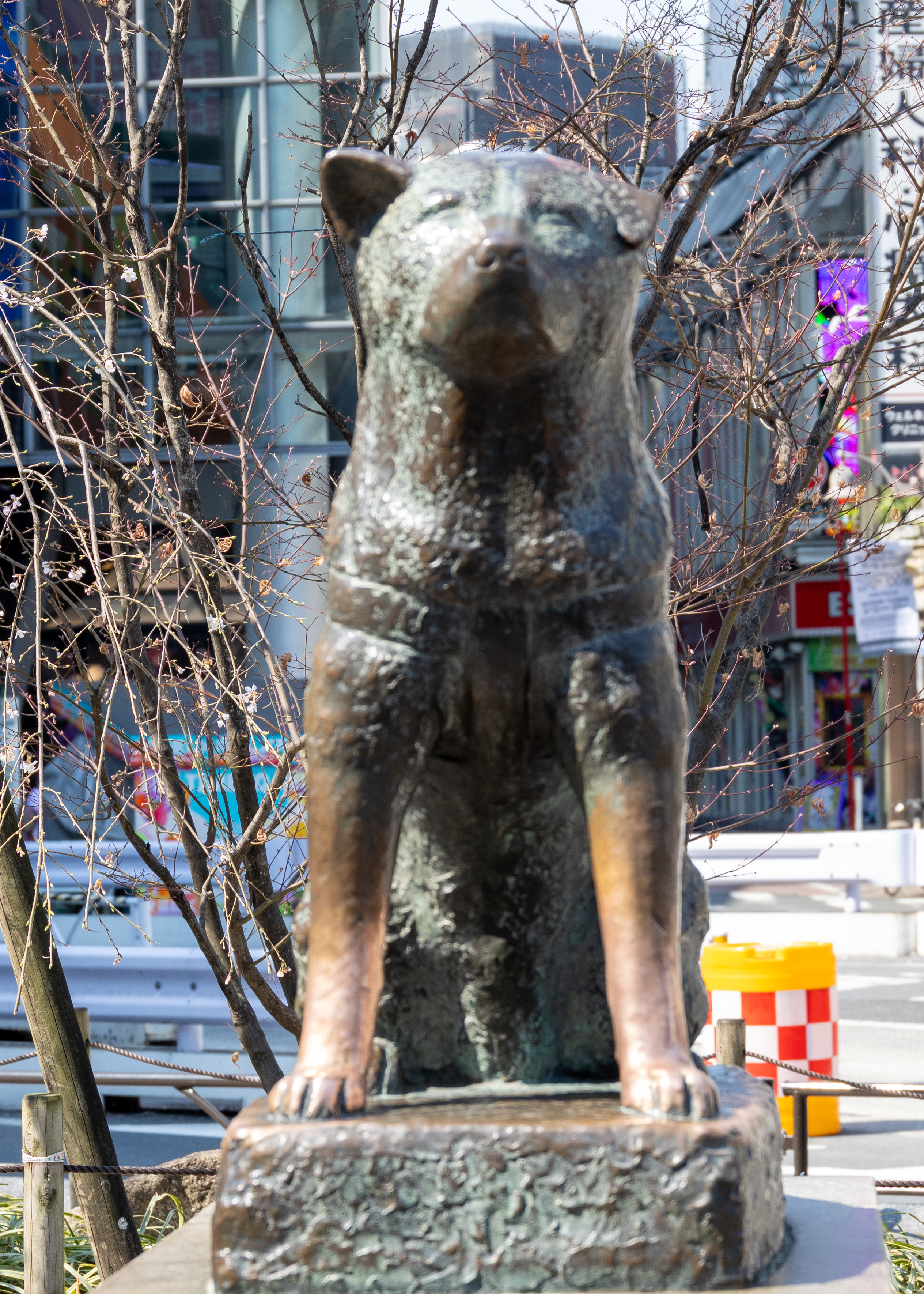
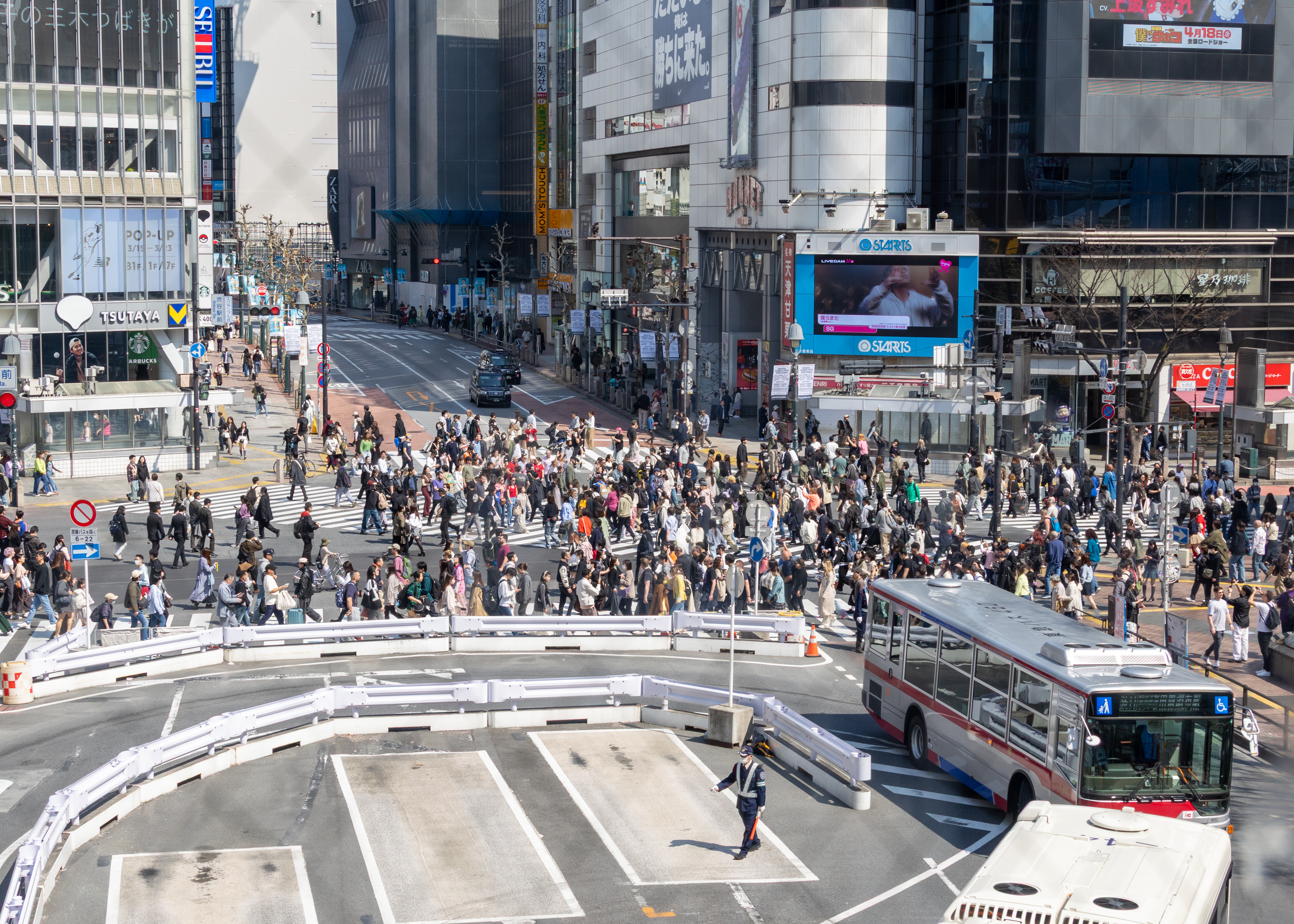
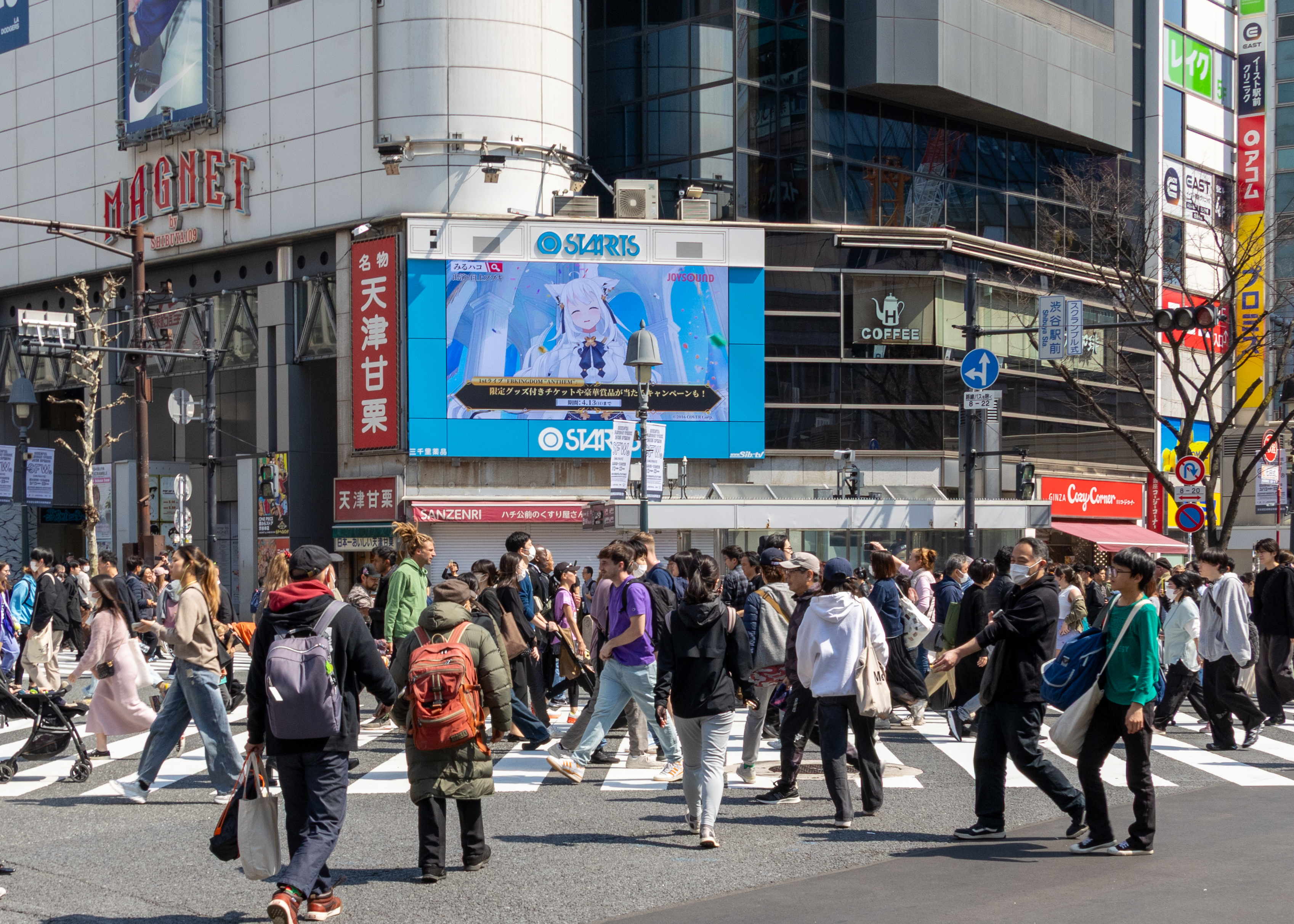
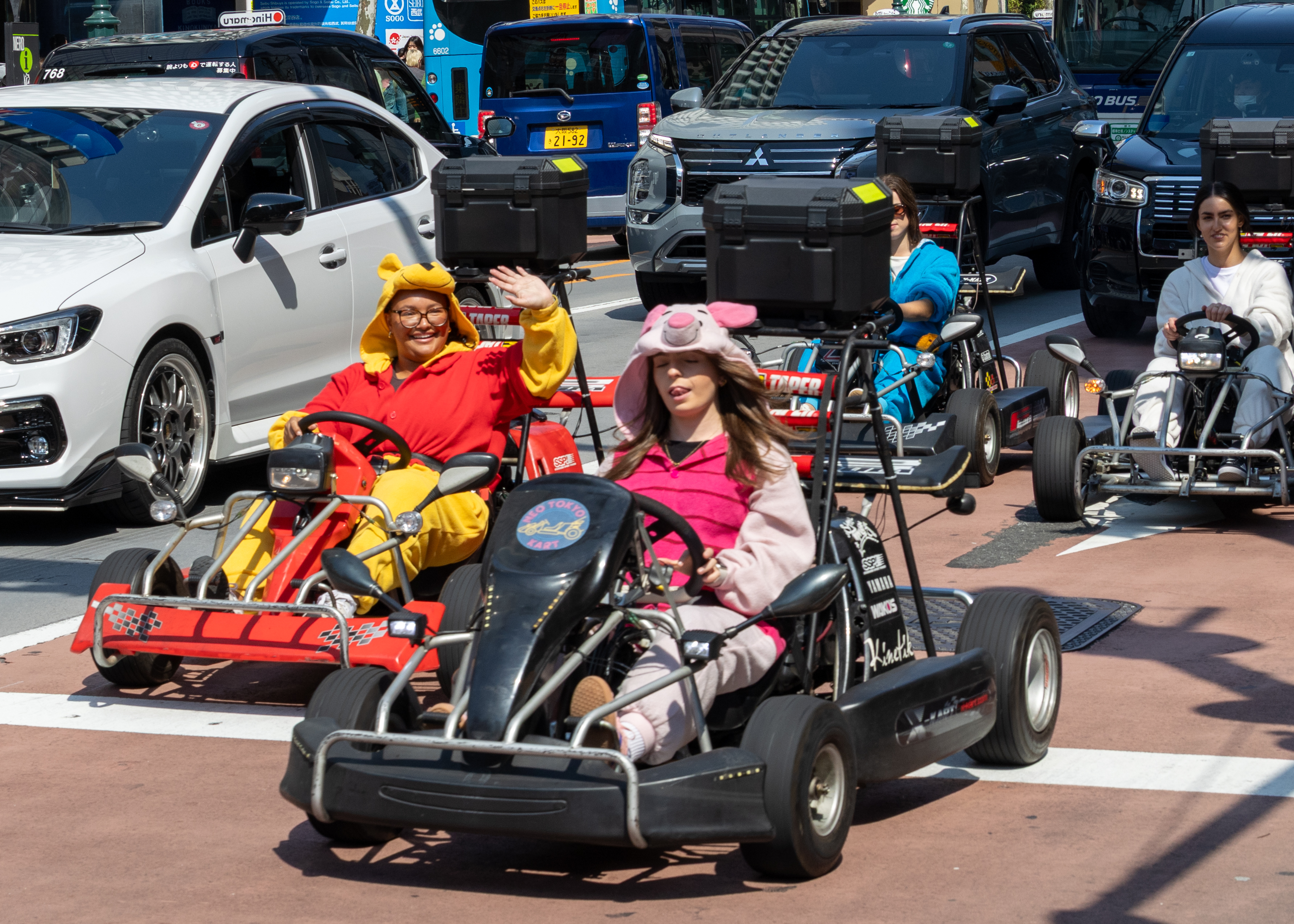
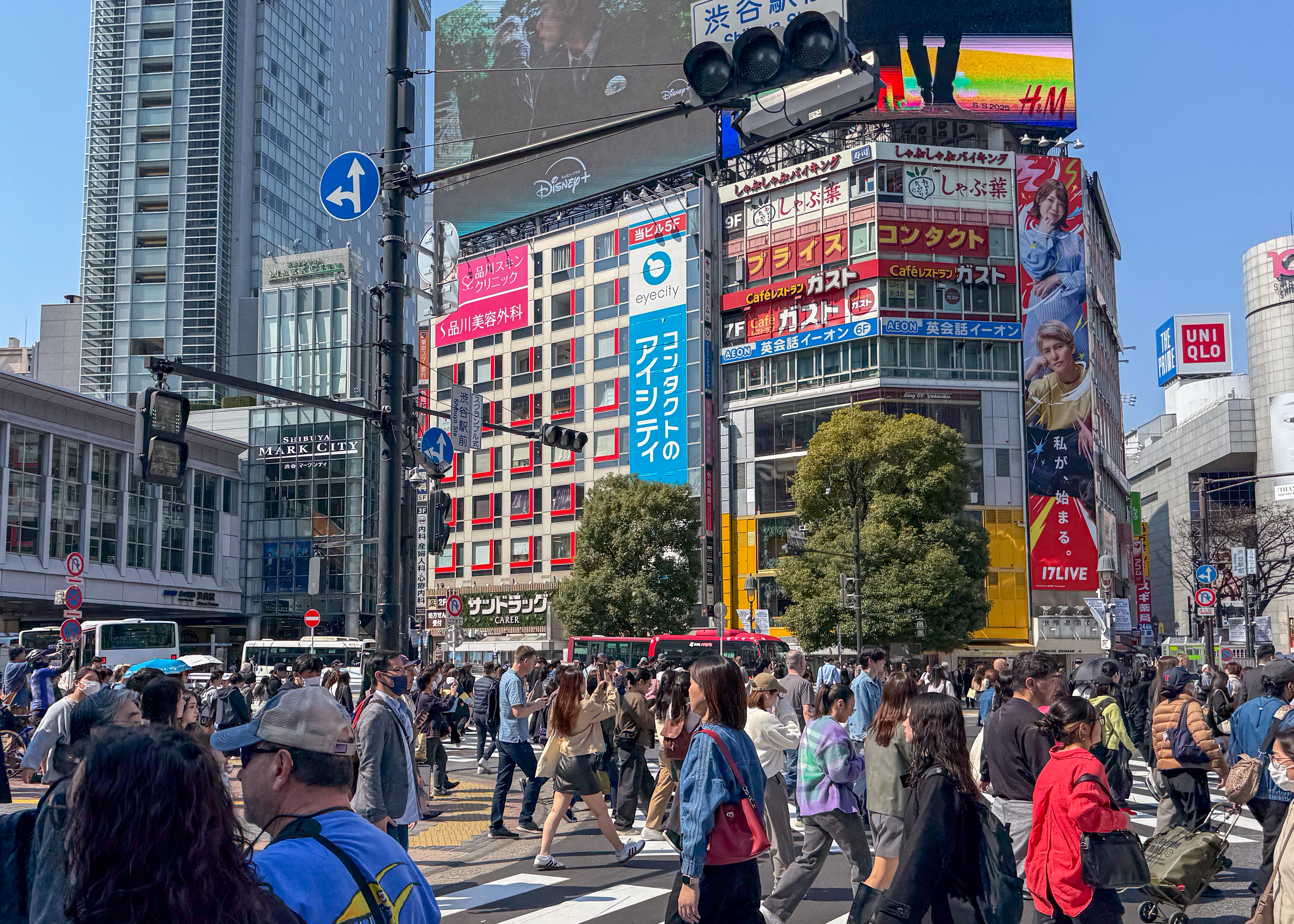
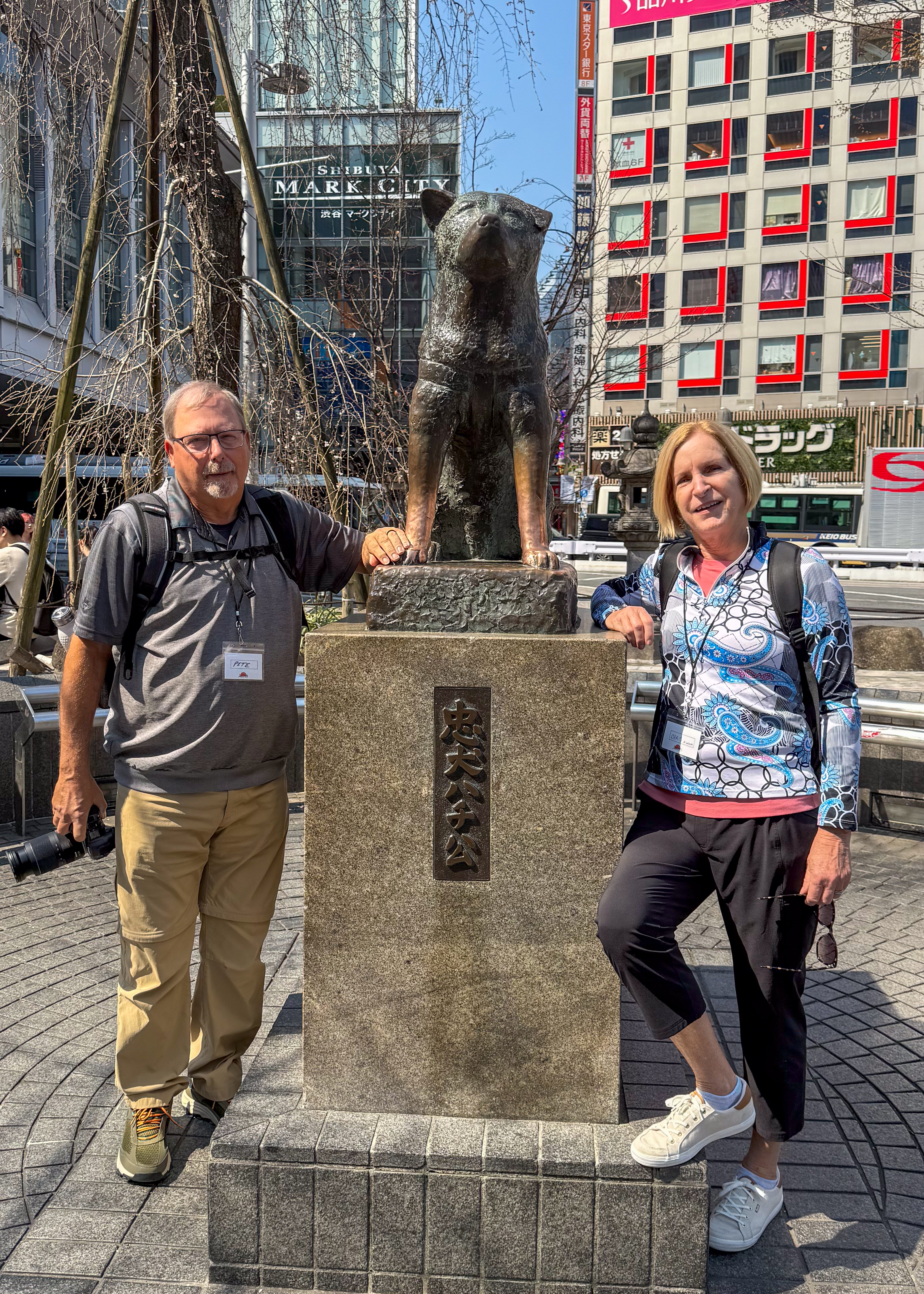
Moving along, we next stopped at Shibuya Crossing noted to be the busiest street crossing in the world. It is estimated that at peak times, 3000 people cross the street at one time. While there we visited the Shibuya Hachi Statue – a dog story which you should google.

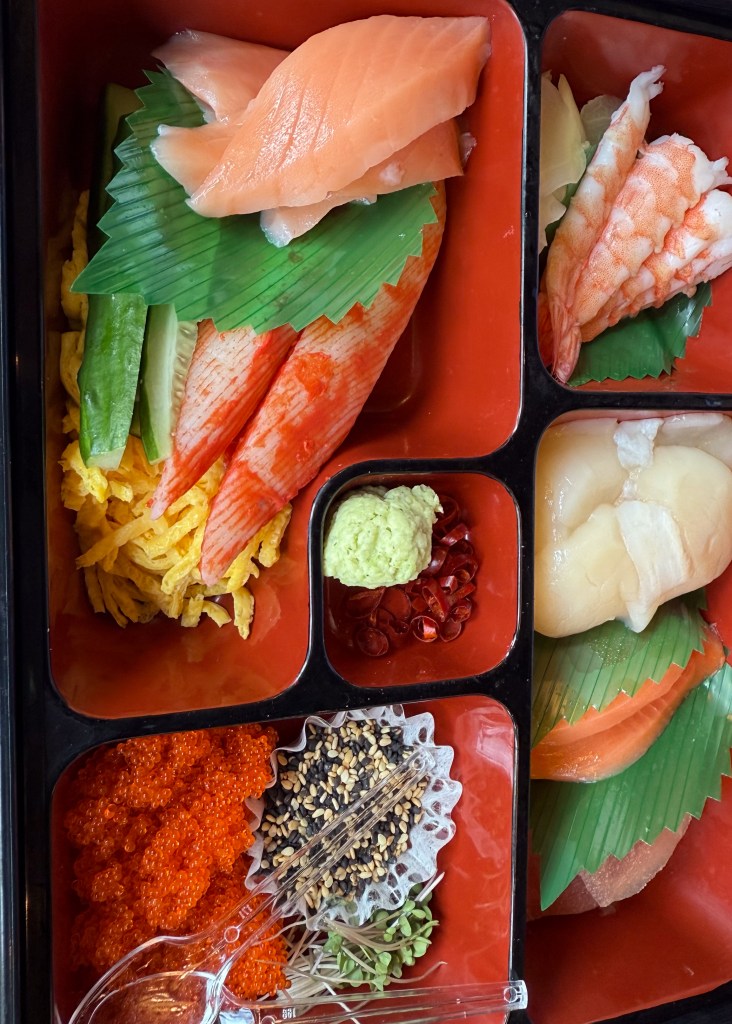
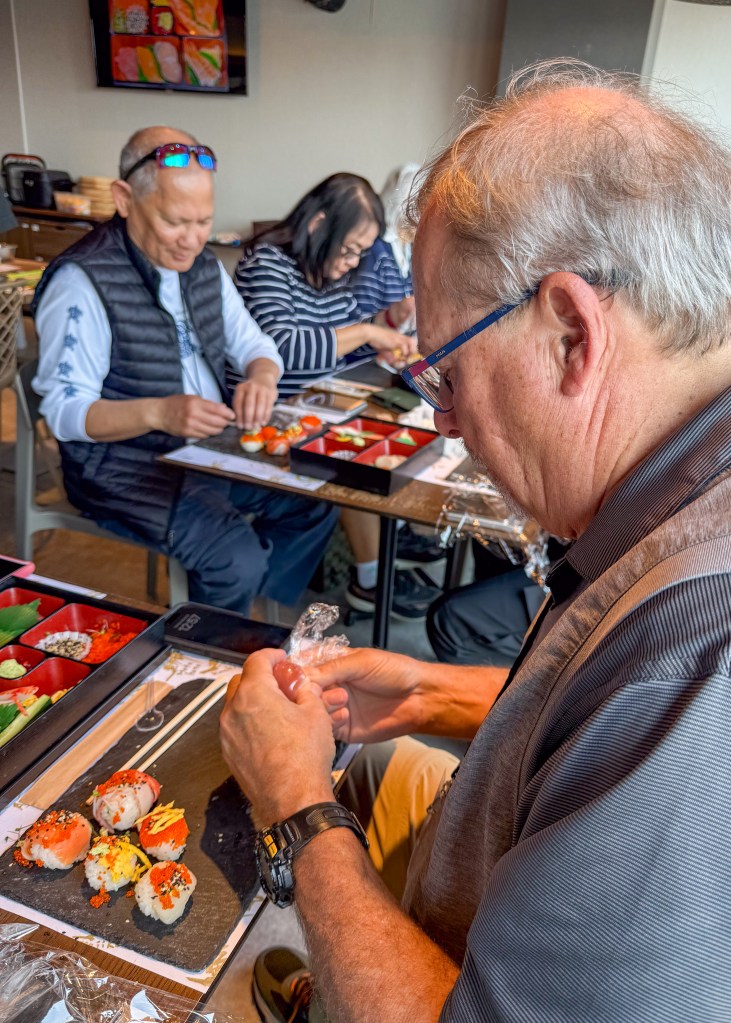
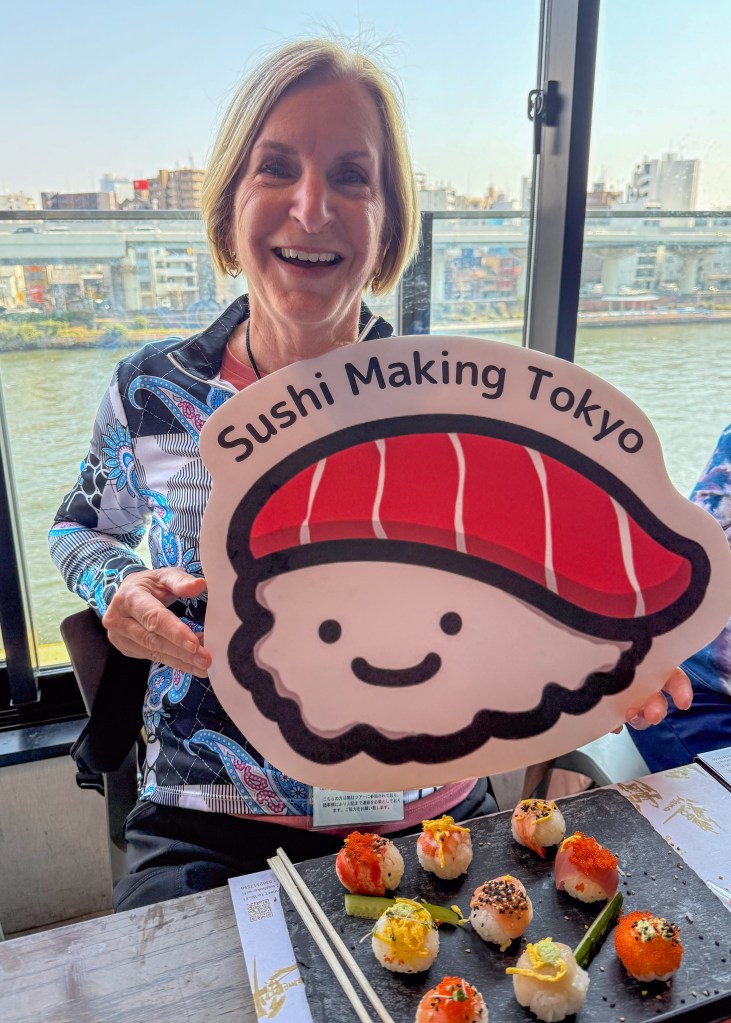
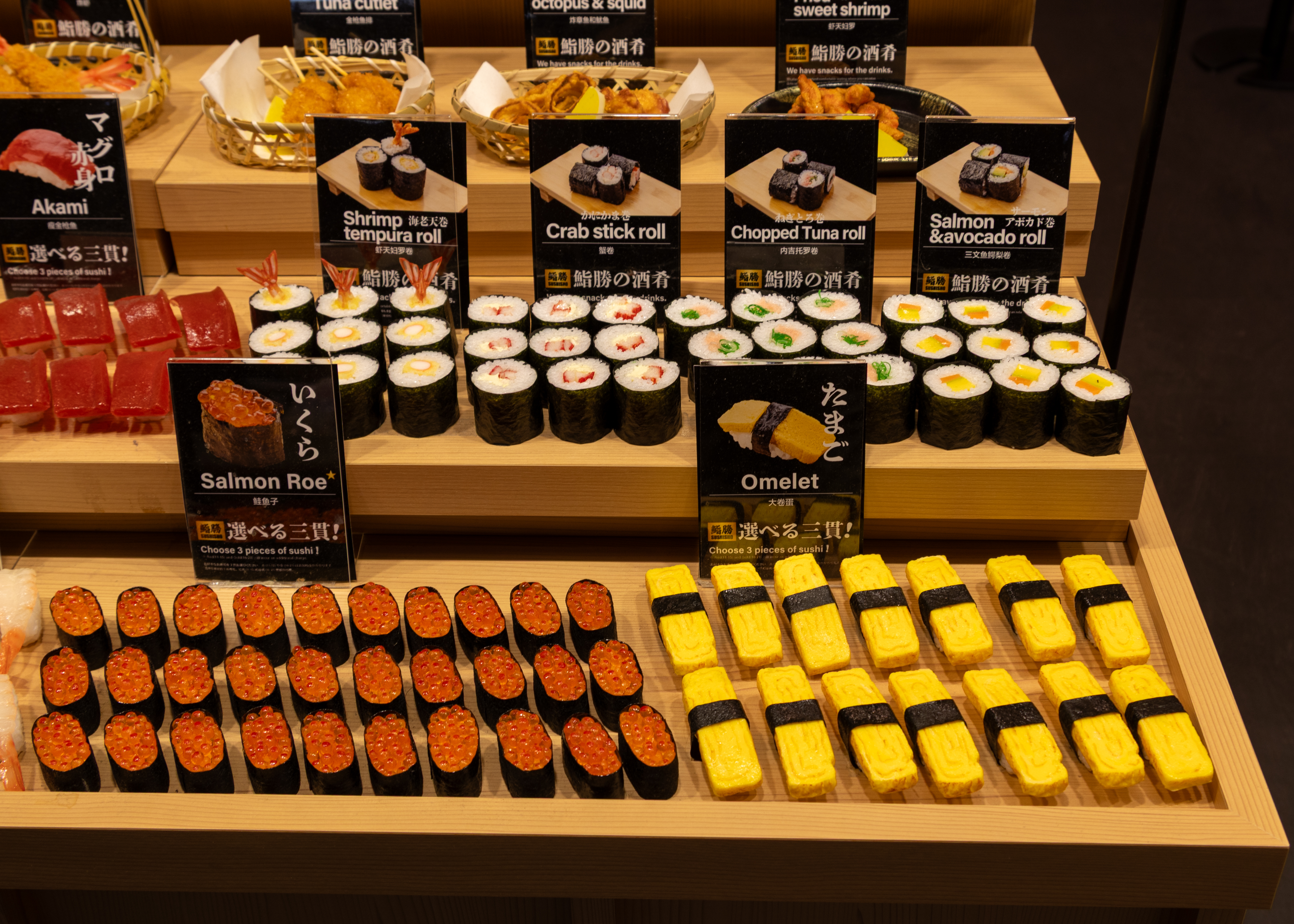
For our Japanese culinary education, we spent an hour or more making and eating sushi.

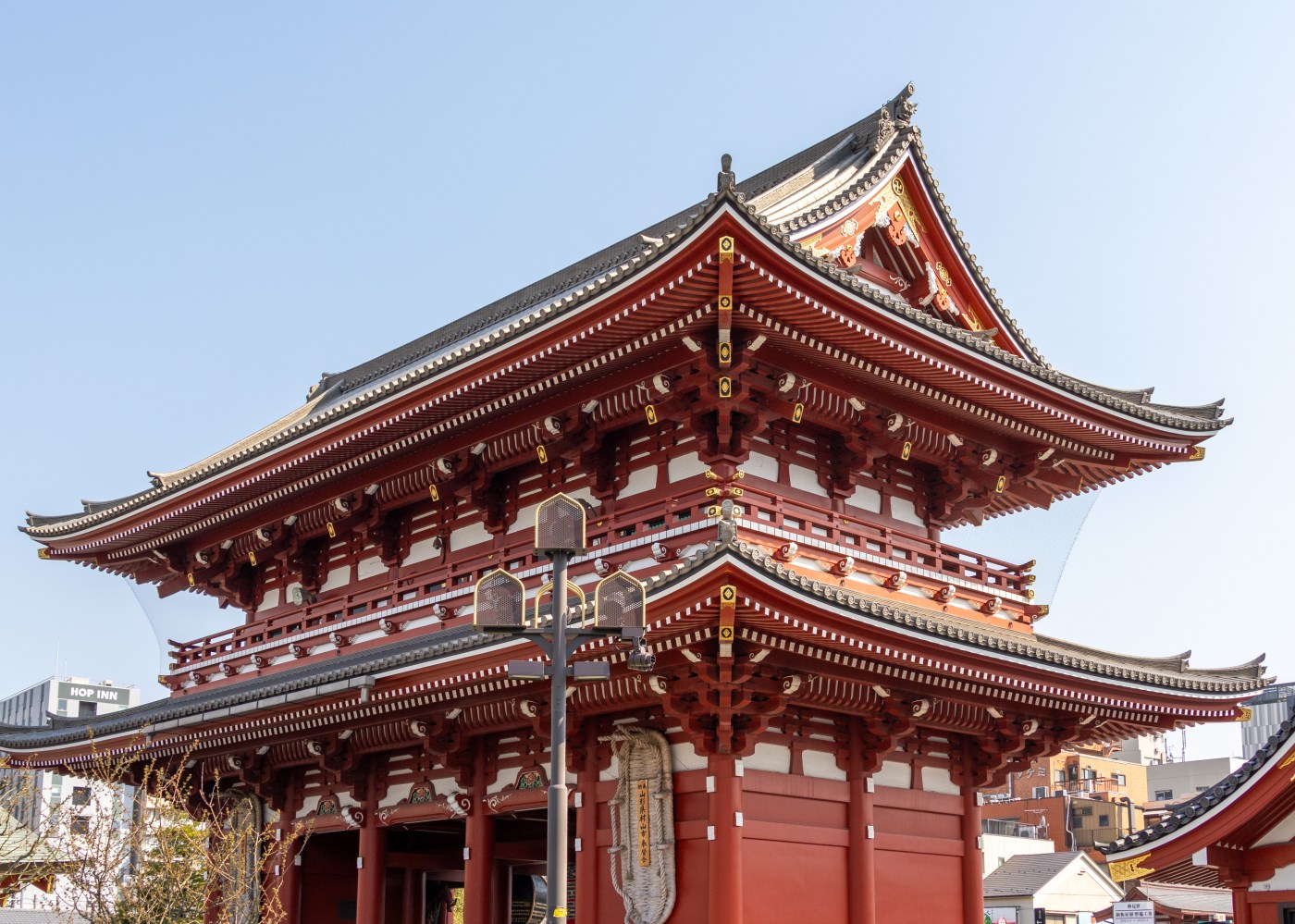
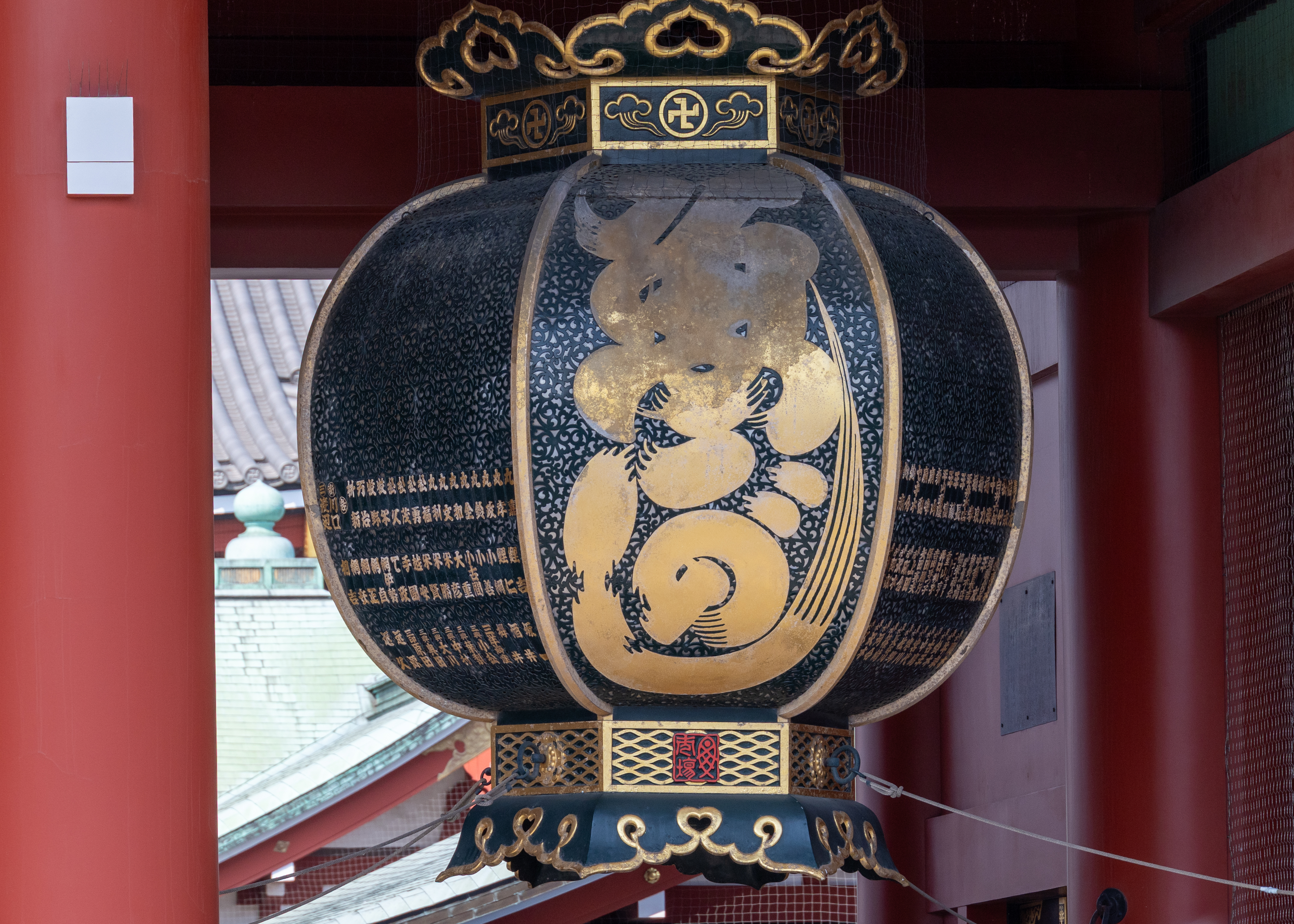
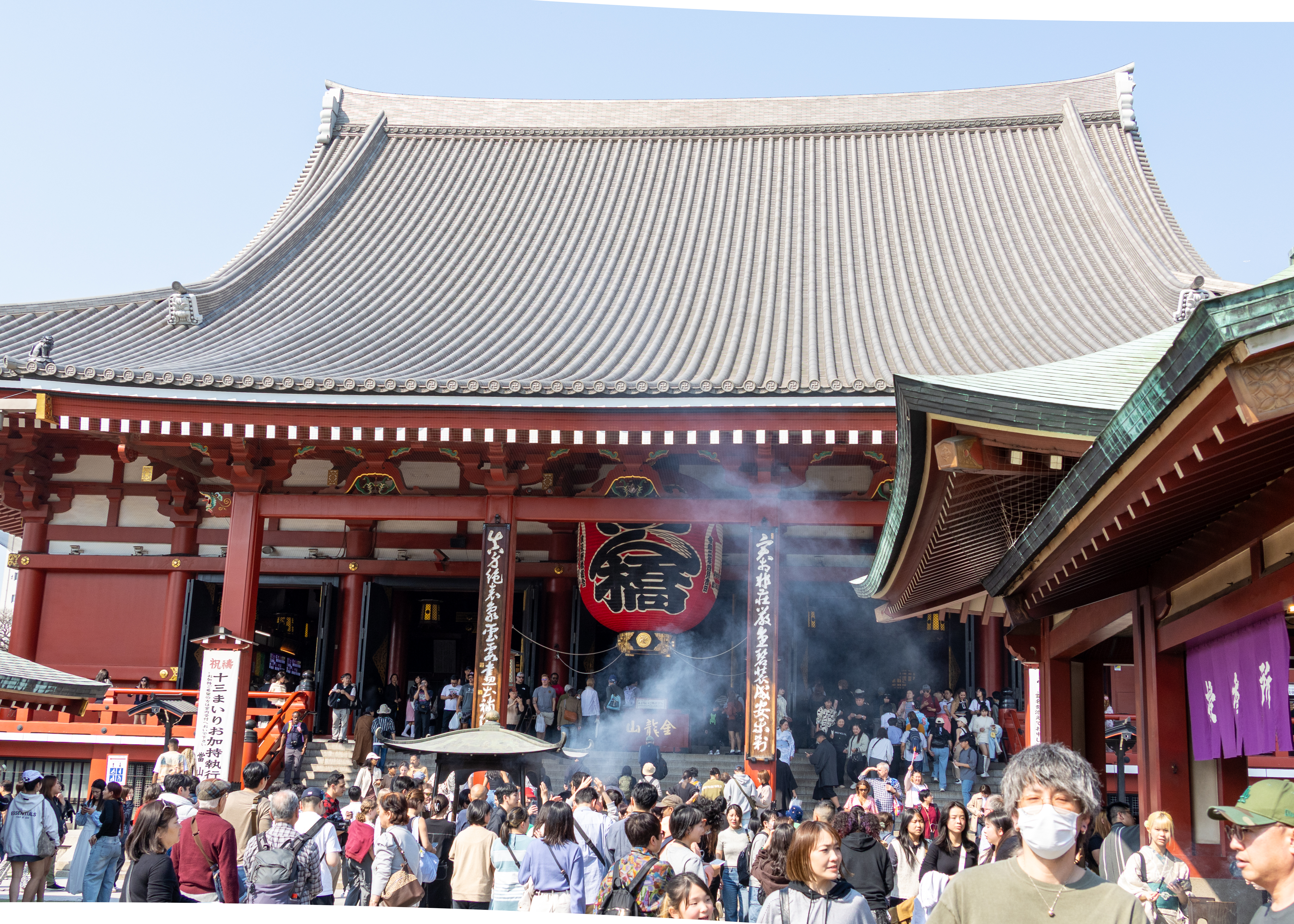
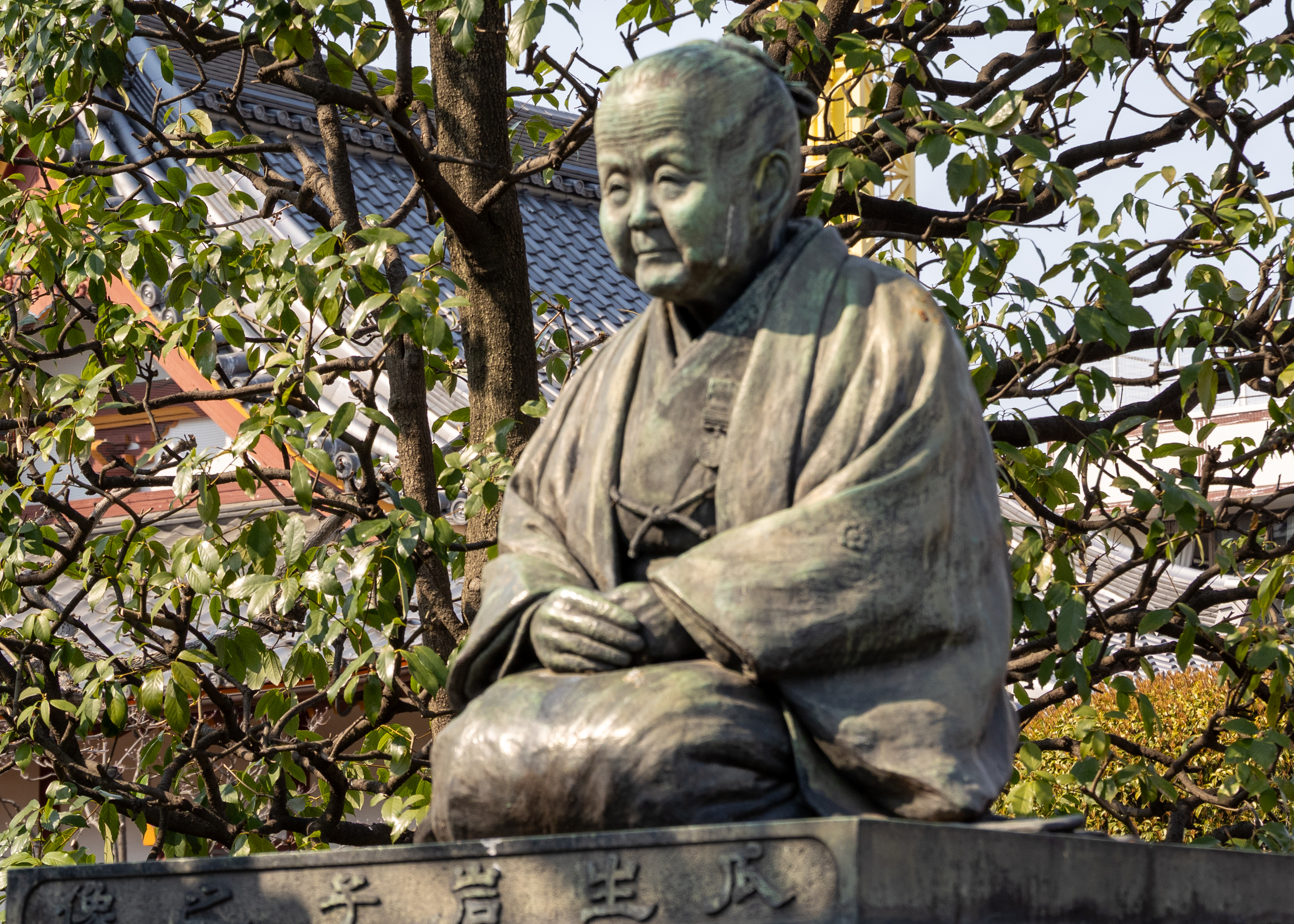
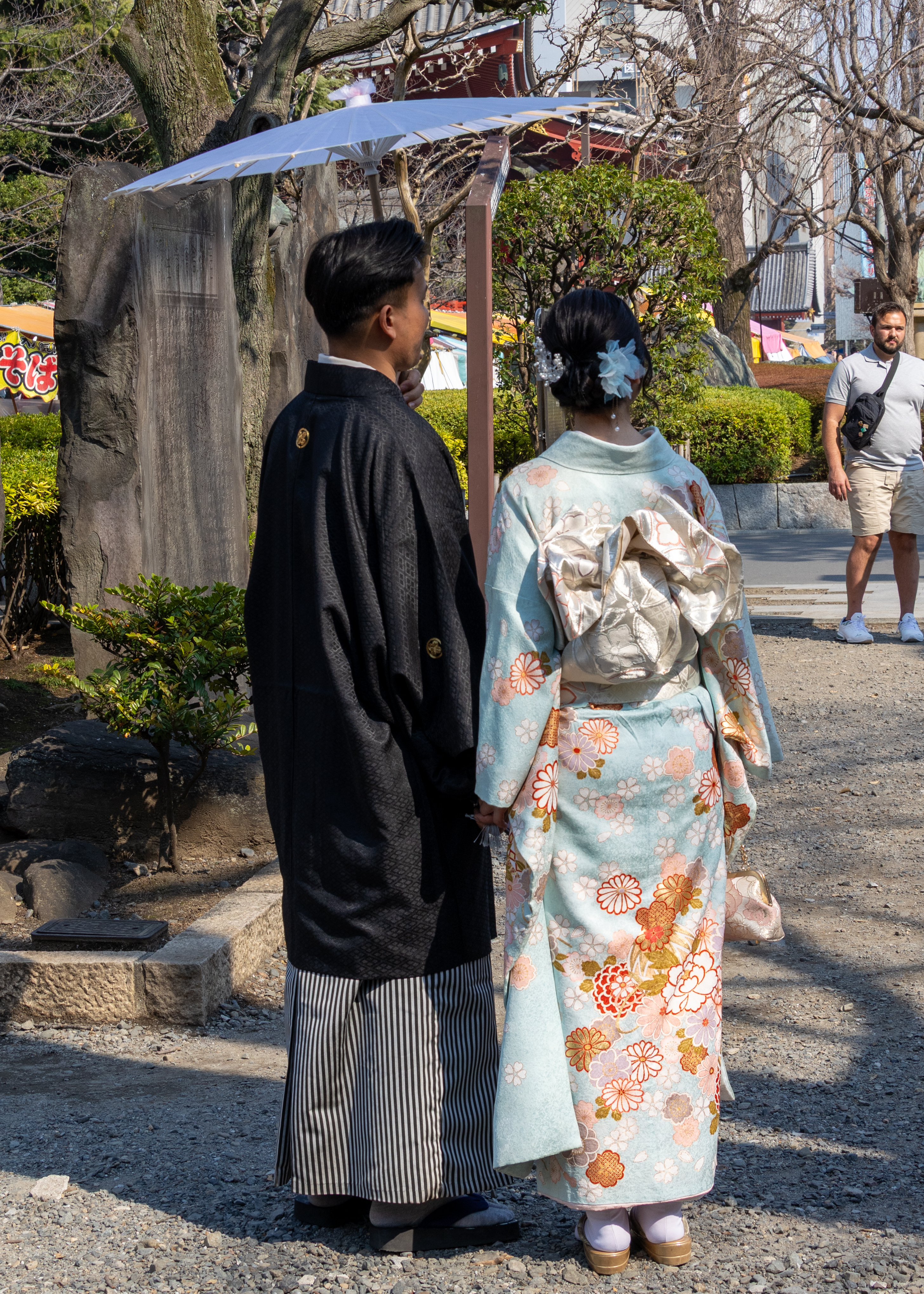
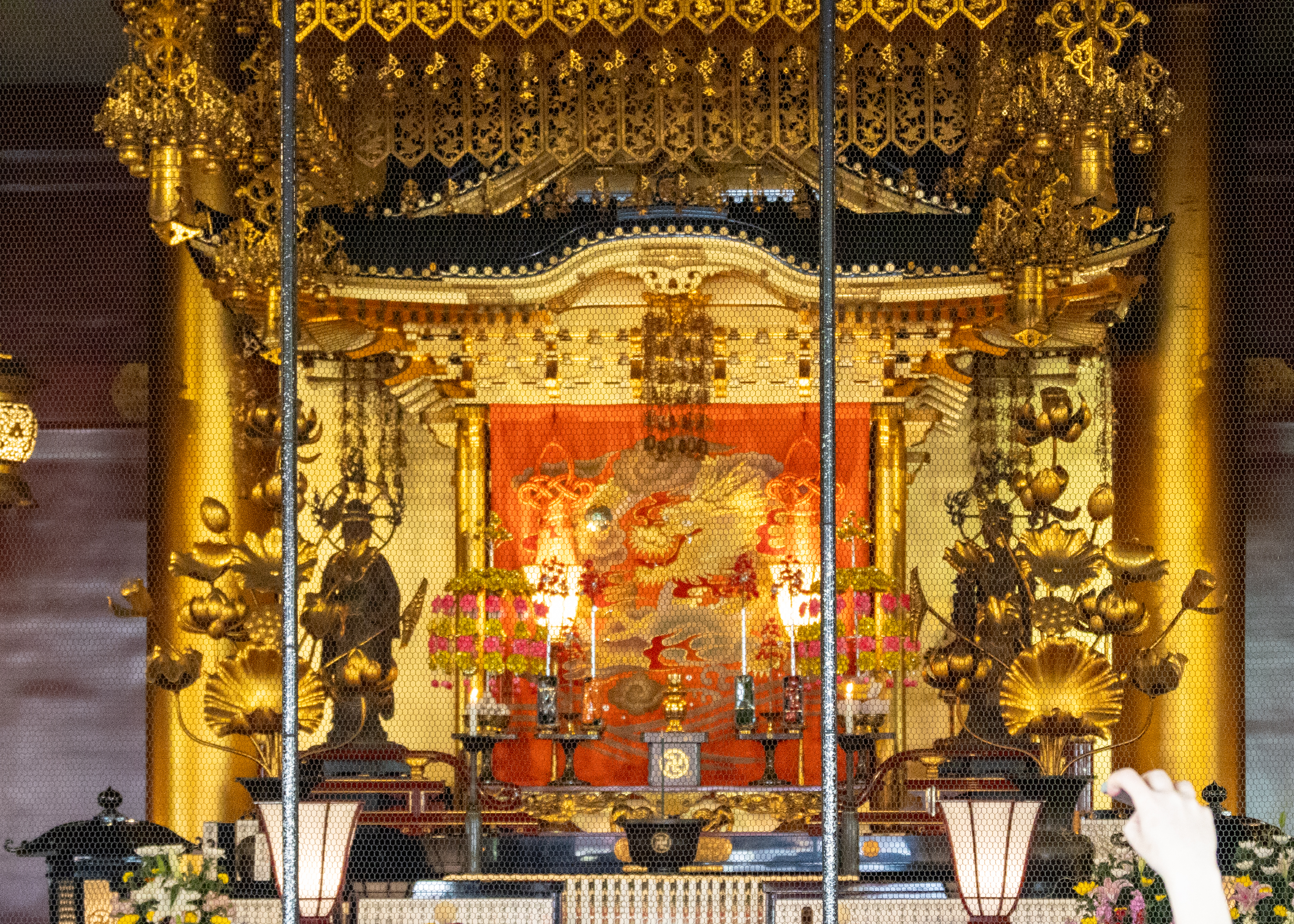
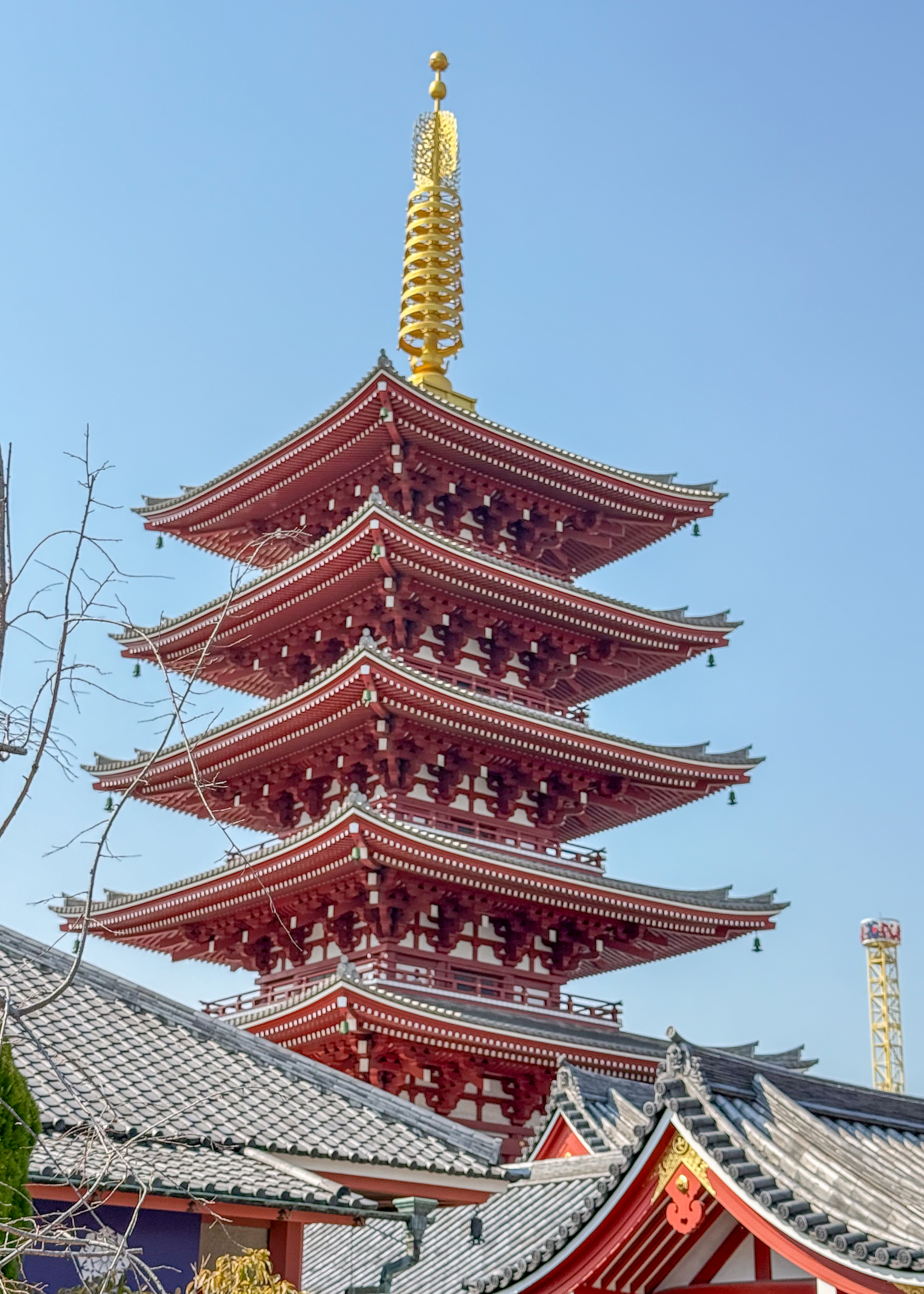
Back across town to the Sengoji Temple, one of Japan’s finest and most popular, along with its Nakamise Street shopping area. I’m beginning to believe that shopping is the number one sport in Japan.

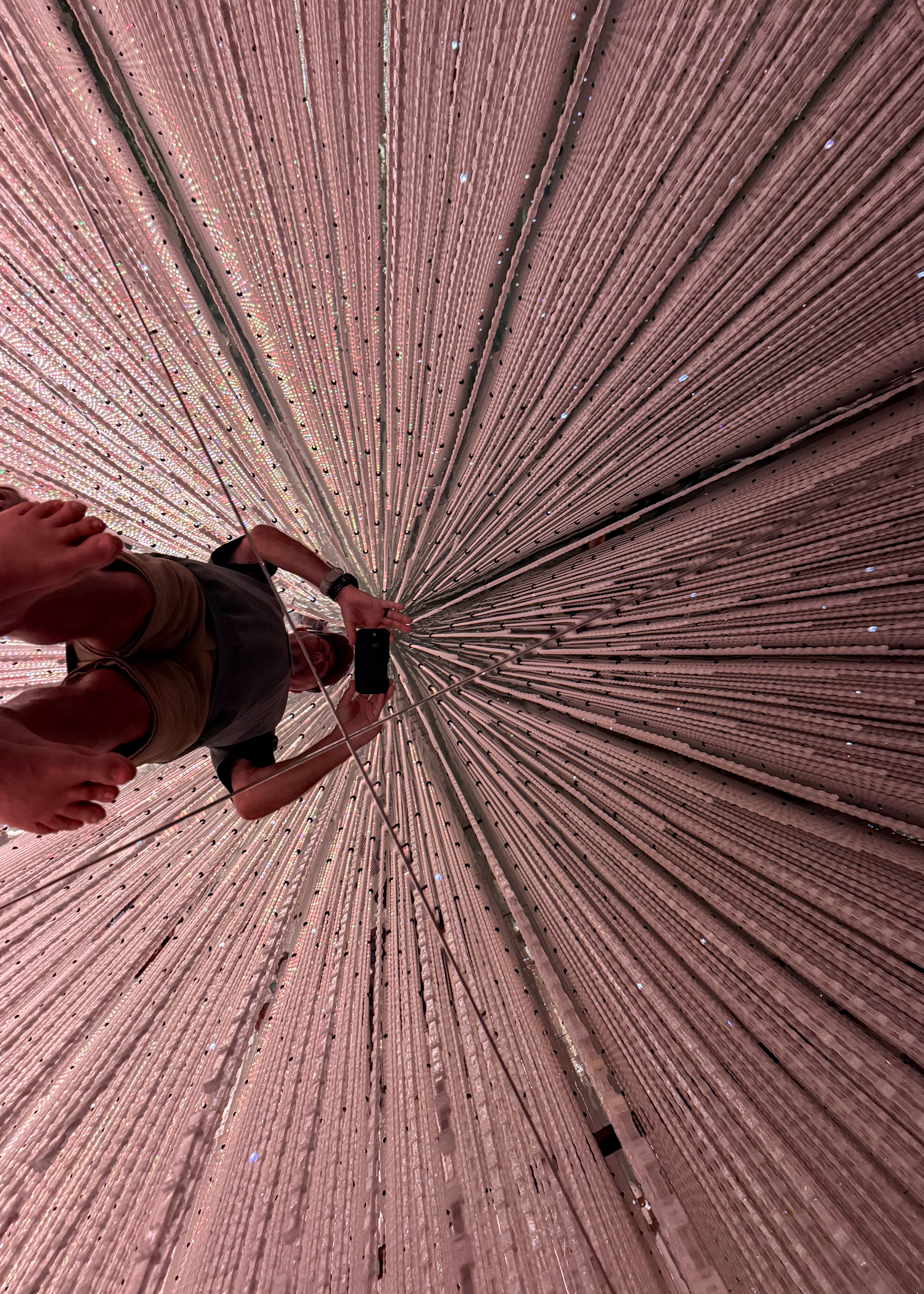
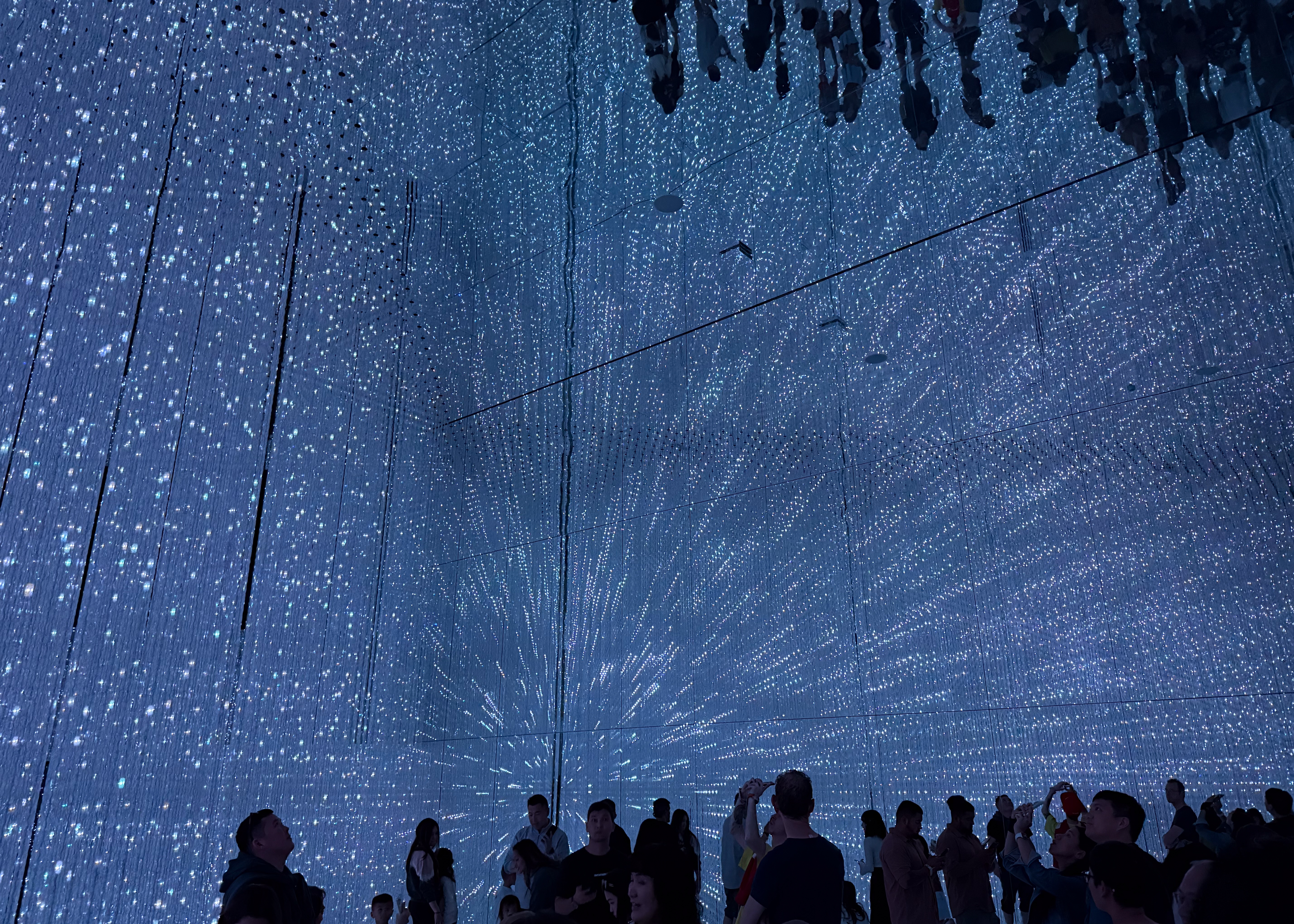
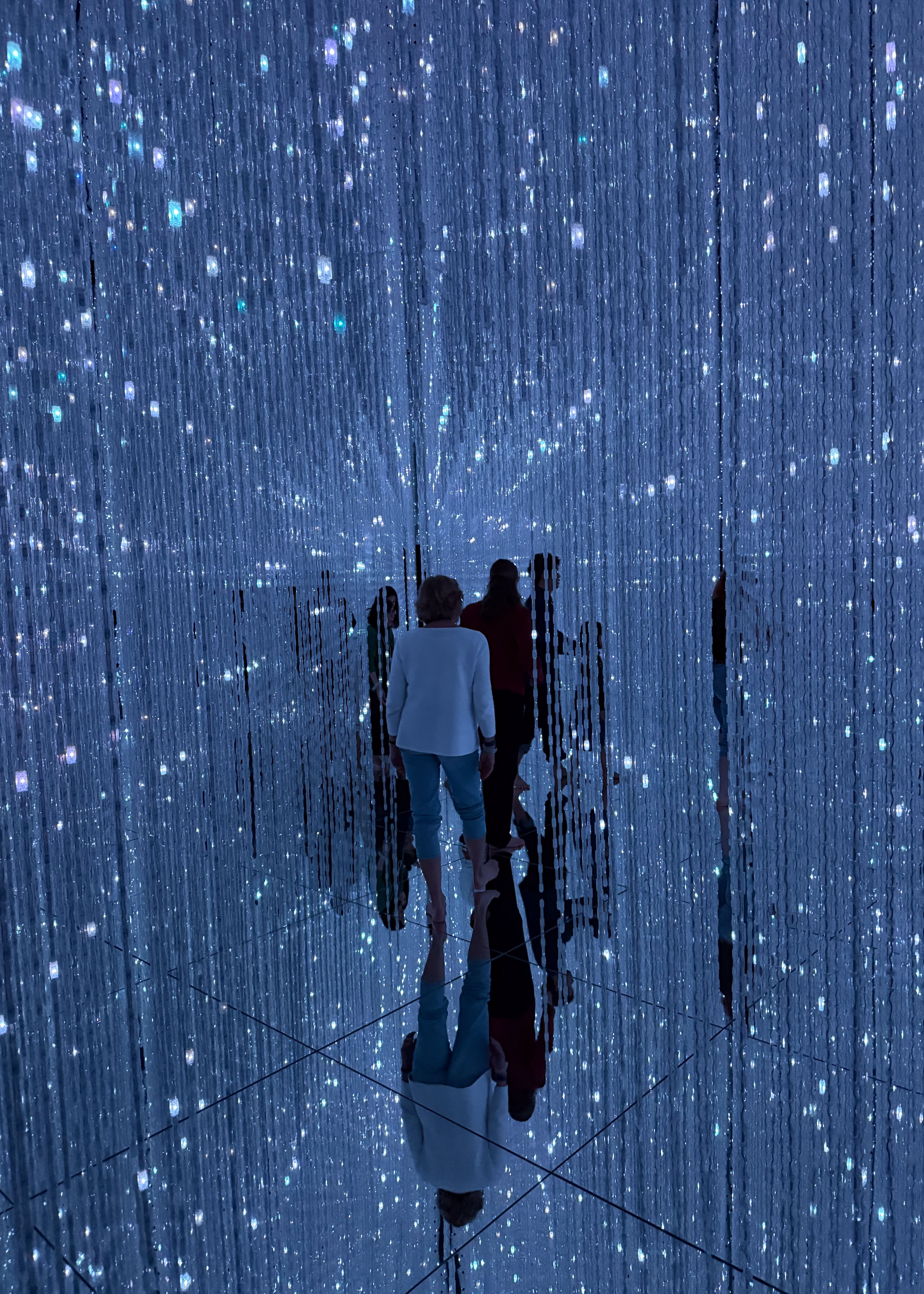
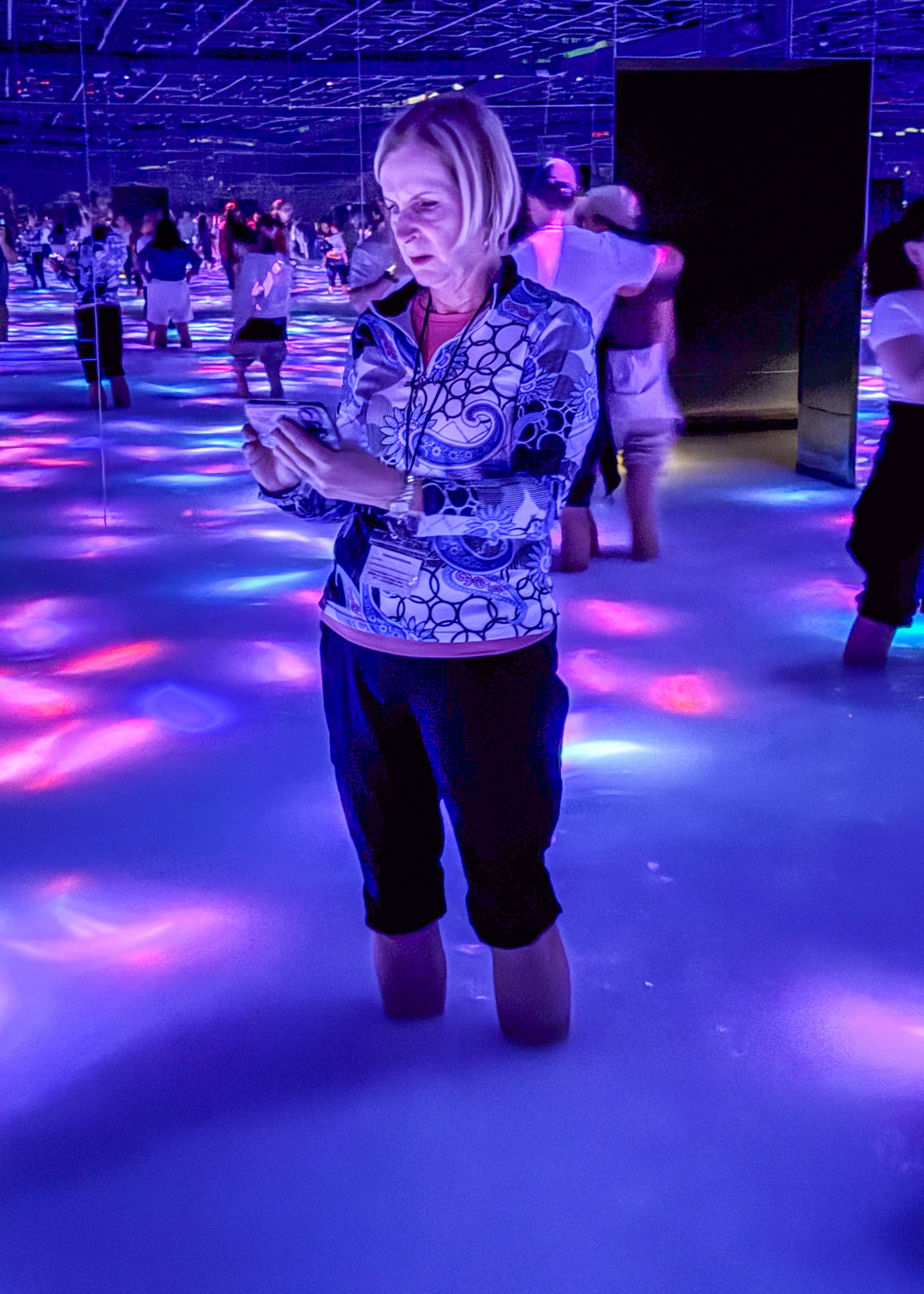
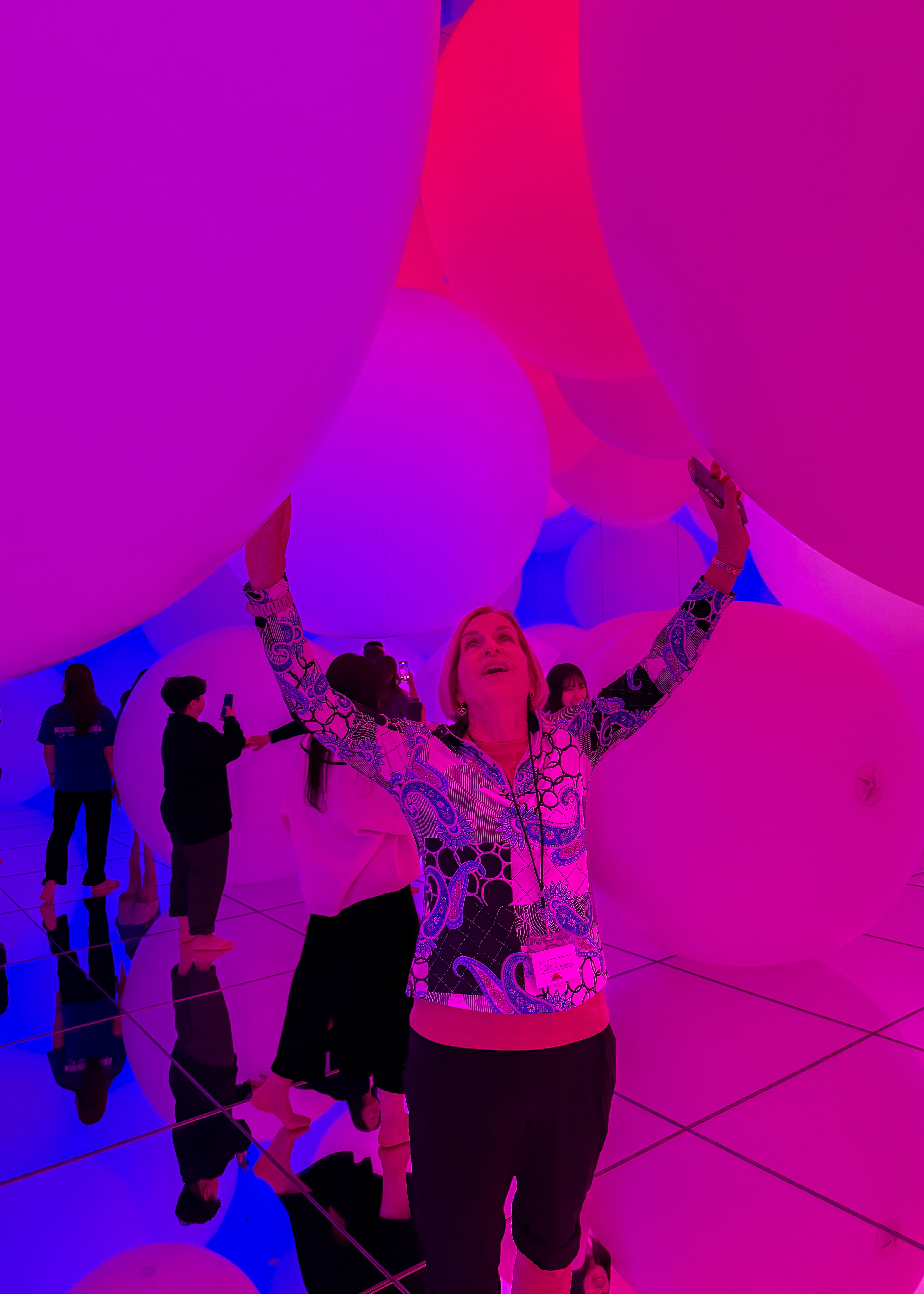
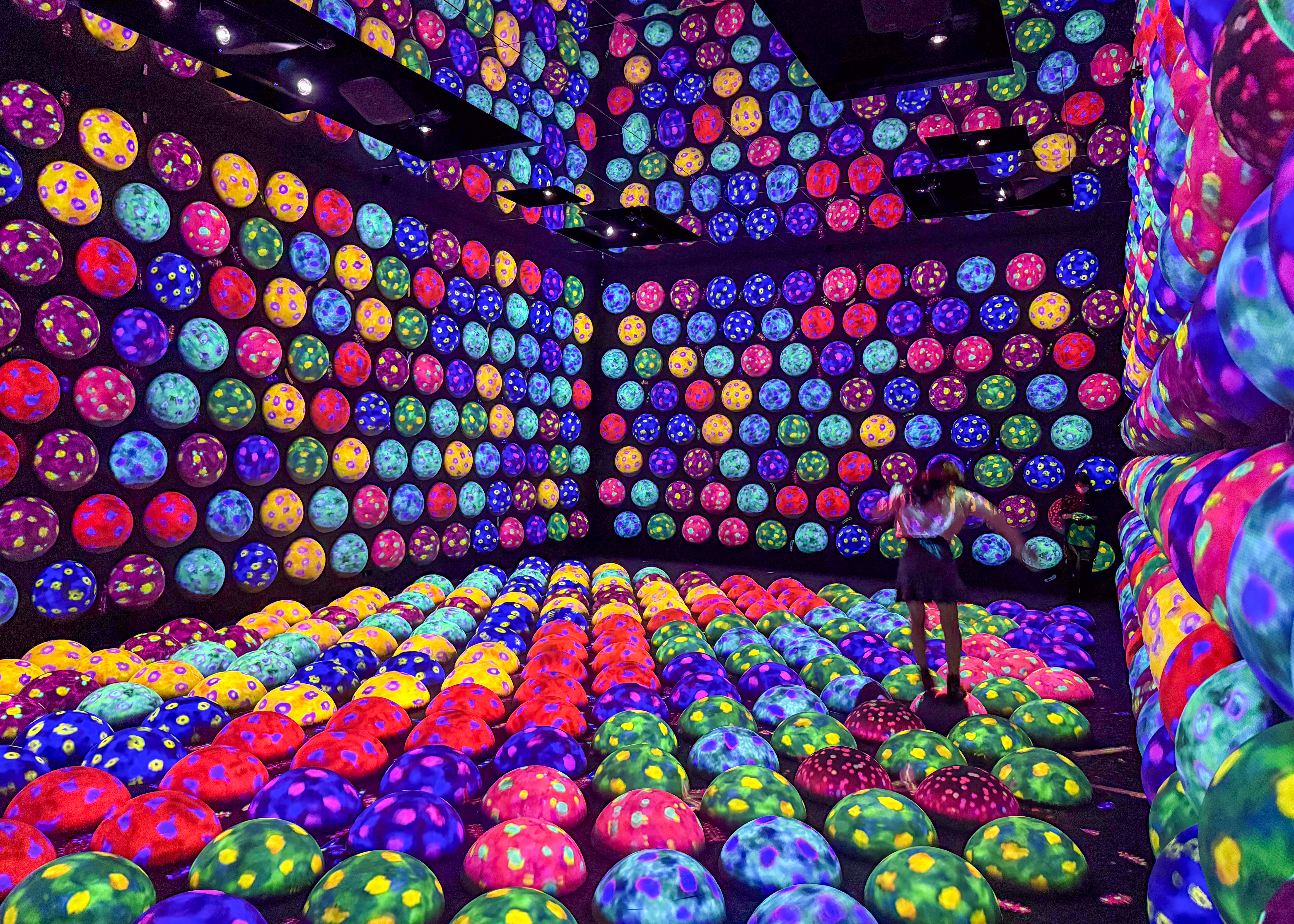
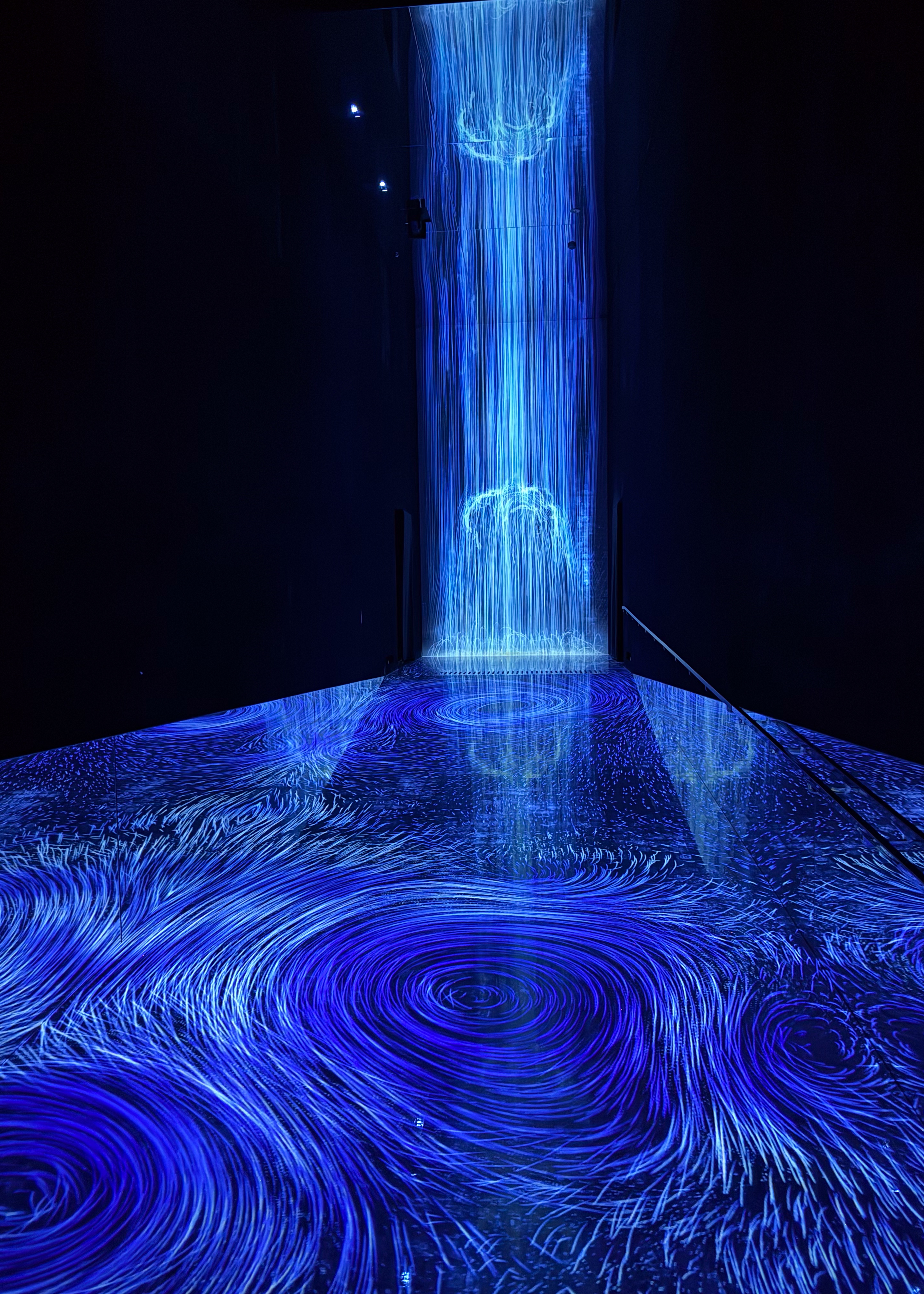
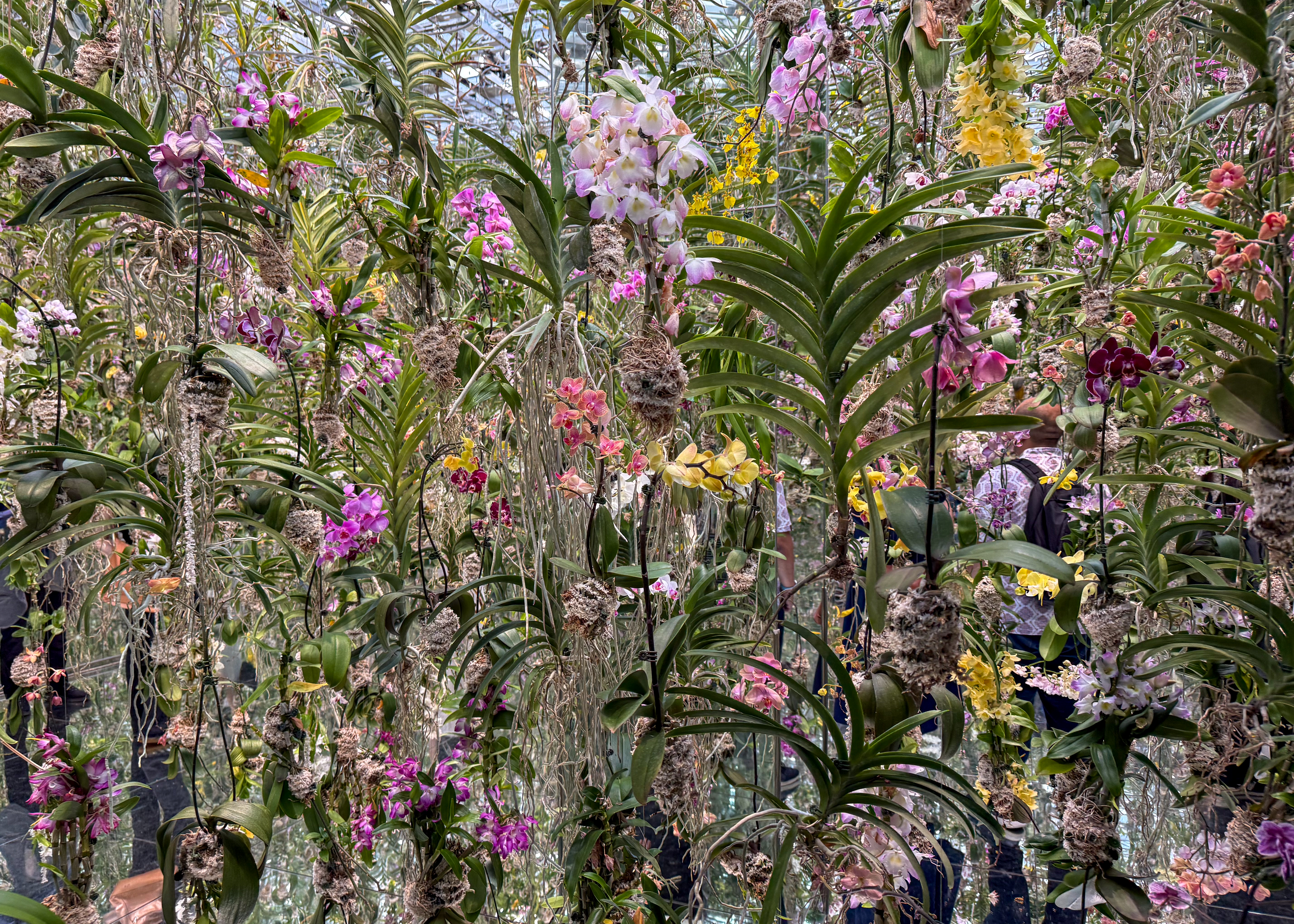
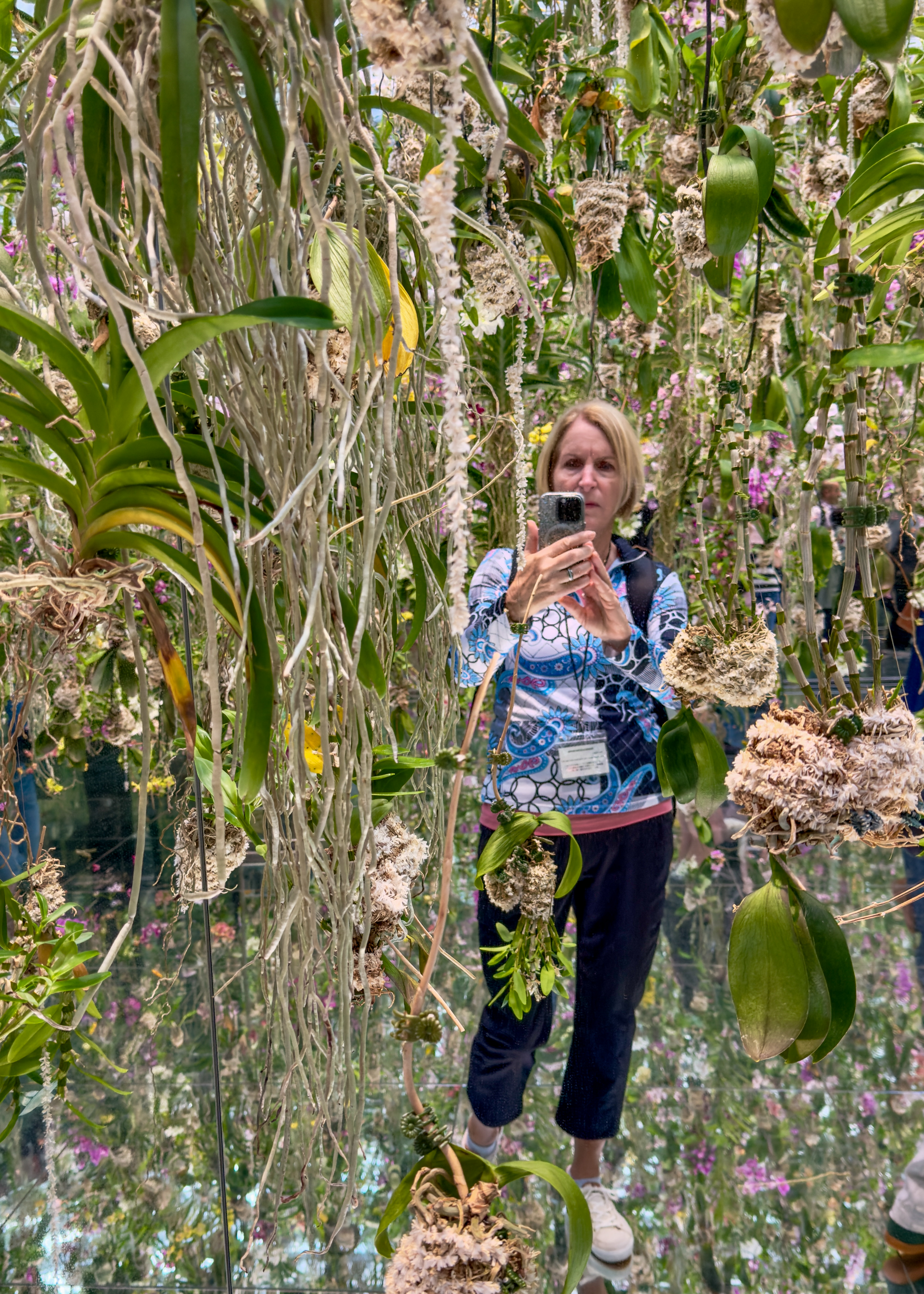
Finishing our day we went to Team Lab-Planet, made up of several areas of interactive entertainment.

Water Art Works, where parts of the exhibits have you walking in knee-deep water containing evolving light displays. The Forest is an activity area of physical skills, and finally, the Garden, whose plants hang from the ceiling and move as you near them.

Japan Tour 2025 Day #3

Today, we headed to the Imperial Palace East Gardens, where the main keep of the original castle (Edo-jo) was located. The gardens were nicely laid out, but as with the Cherry Blossoms, flowers were hard to find. We did not get to see the new Imperial Palace because the tour was sold out three months ago.

Leaving the gardens we decided to walk the adjacent Nihombashi district with the goal of reaching the historic Nihombashi Bridge and the Fukutoku-jinja an elegant Shinto Shrine. With 9 miles under our belt we headed back to our hotel for some rest and dinner in the nearby shopping district.

Japan Tour 2025 Day #2

The morning began with adjustments for time zone differences and a lesson on how to use Tokyo’s extensive rail system. We headed to Ueno Park for its Cherry Blossoms, ponds, temples and museums. All were outstanding except limited Blossoms – extreme cold weather and snow a few days before we arrived are pushing the season out. Some of the park’s highlights included The Statue of Saigo Takamori and his dog, Shinobazu Pond and its Bentendo Temple and grounds, the Five Storied Pagoda, Bells of Time memorial, Toshougu Shrine, The Tokyo Museum of Art, and the Blake Gate.

From here our walking adventure kicked into high gear (we walked about 12 miles today). We headed to the Yanesen area comprising three neighborhoods – Yanaka, Nezu and Sendagi). One thing I learned quickly be selective in taking pictures of temples and shrines -they are on just about every block. Two of the best along the way were: Keneiji Temple and Nezu-jinga Shrine.

Walking through Yanaka we saw an old public bathhouse which is now an art gallery, the Runner’s Temple, a peaceful stroll through Yanaka-reien a cemetery, the Asakura Museum of Sculpture and on to Sunset Steps which is the start of Yanaka Ginza a Nostalgic shopping street.

To close out our day we took a cross-town subway to the Shinjuku district to view the city from the 44th floor of the Tokyo Metropolitan Government Building. Looking out over the city the Mode Gakuen Cocoon Tower caught my eye.

Blog at WordPress.com.

Up ↑