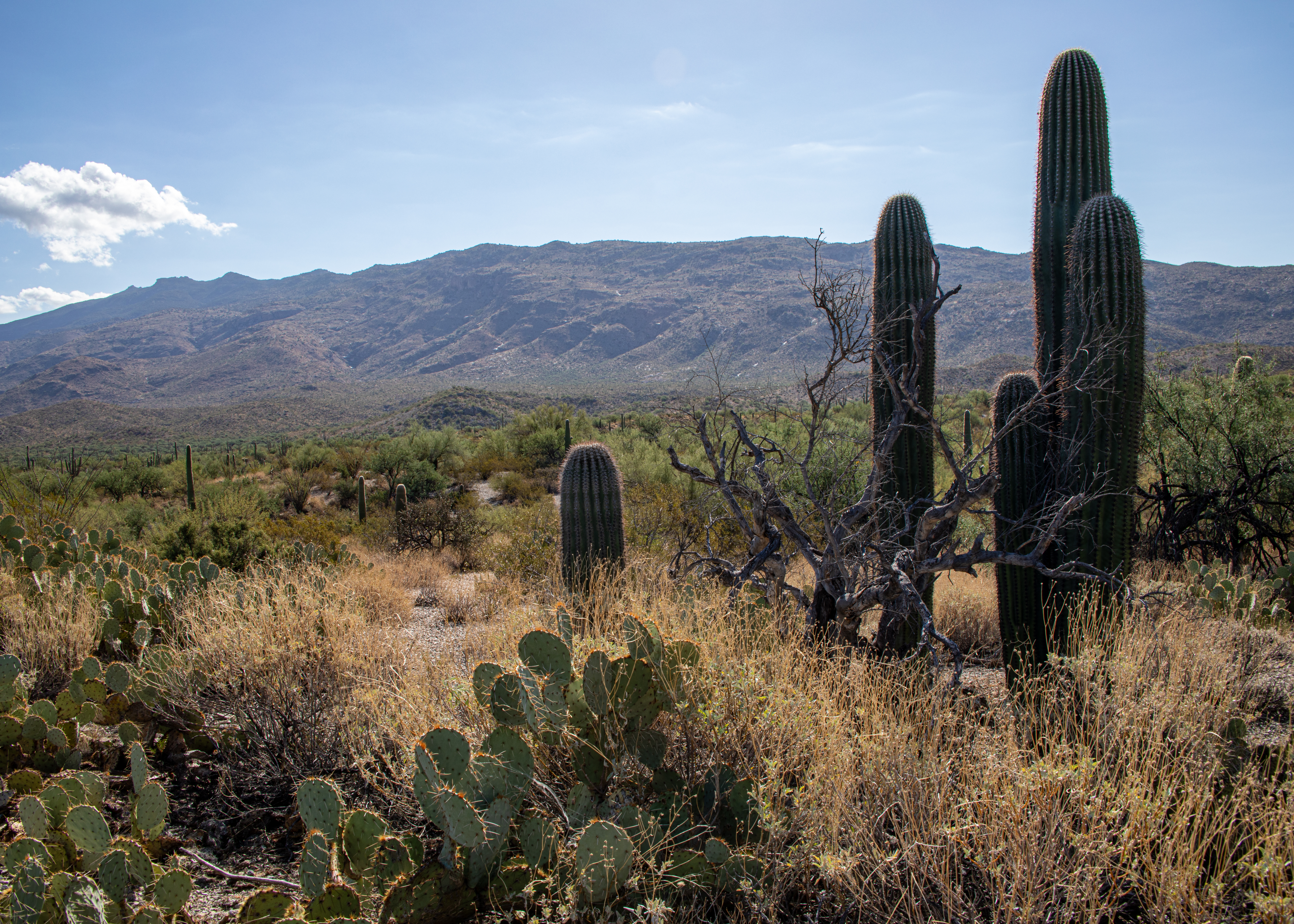
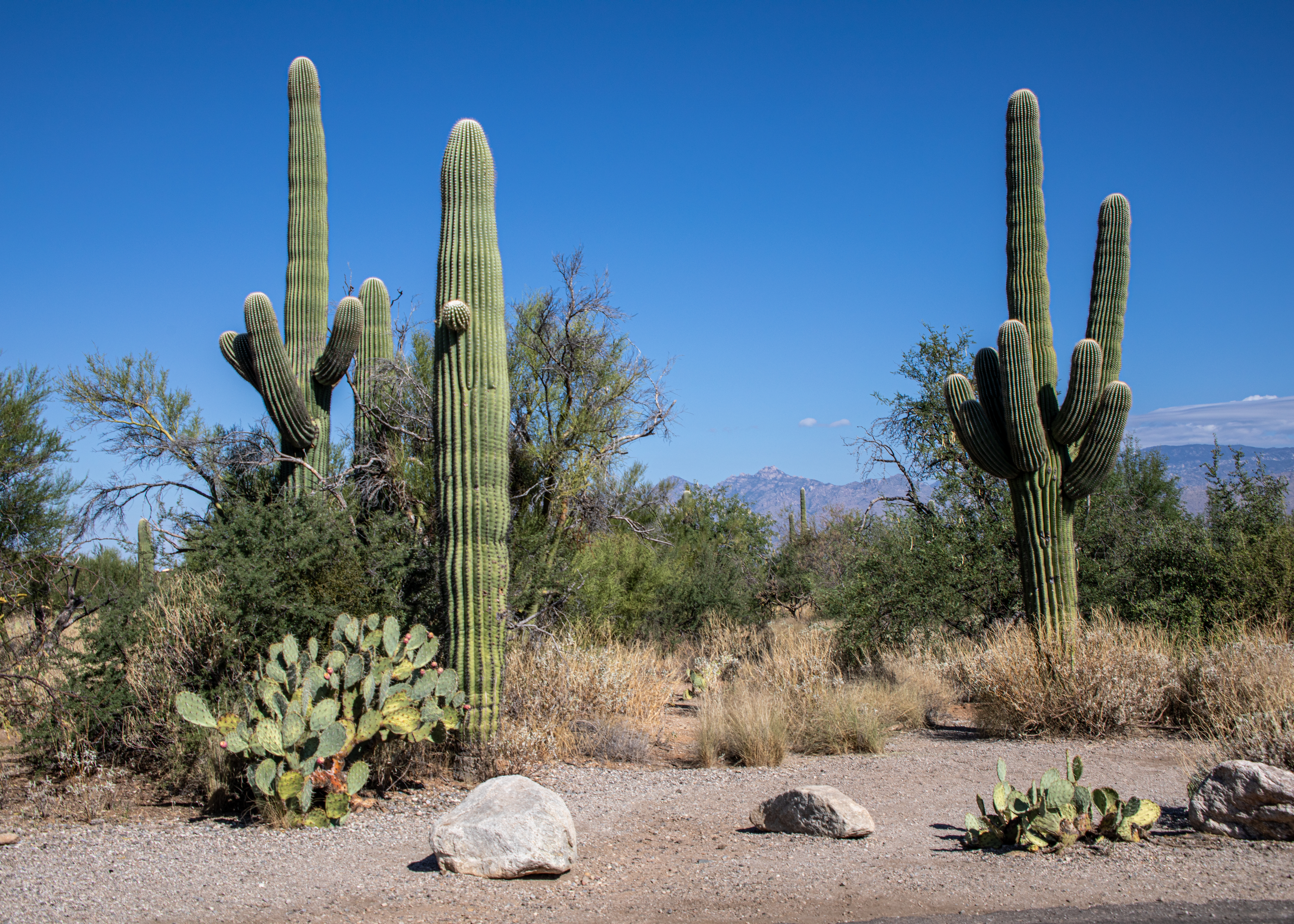
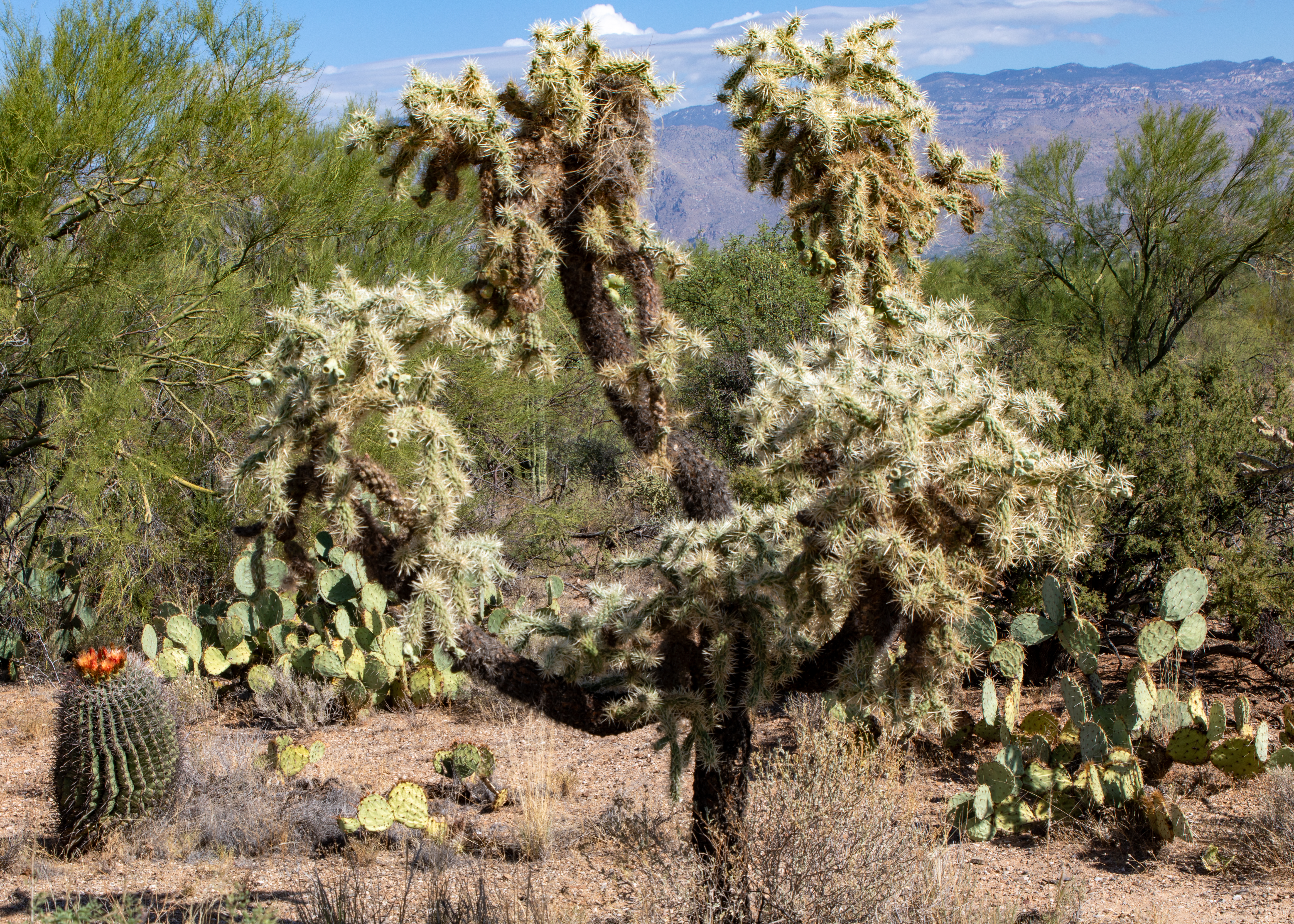
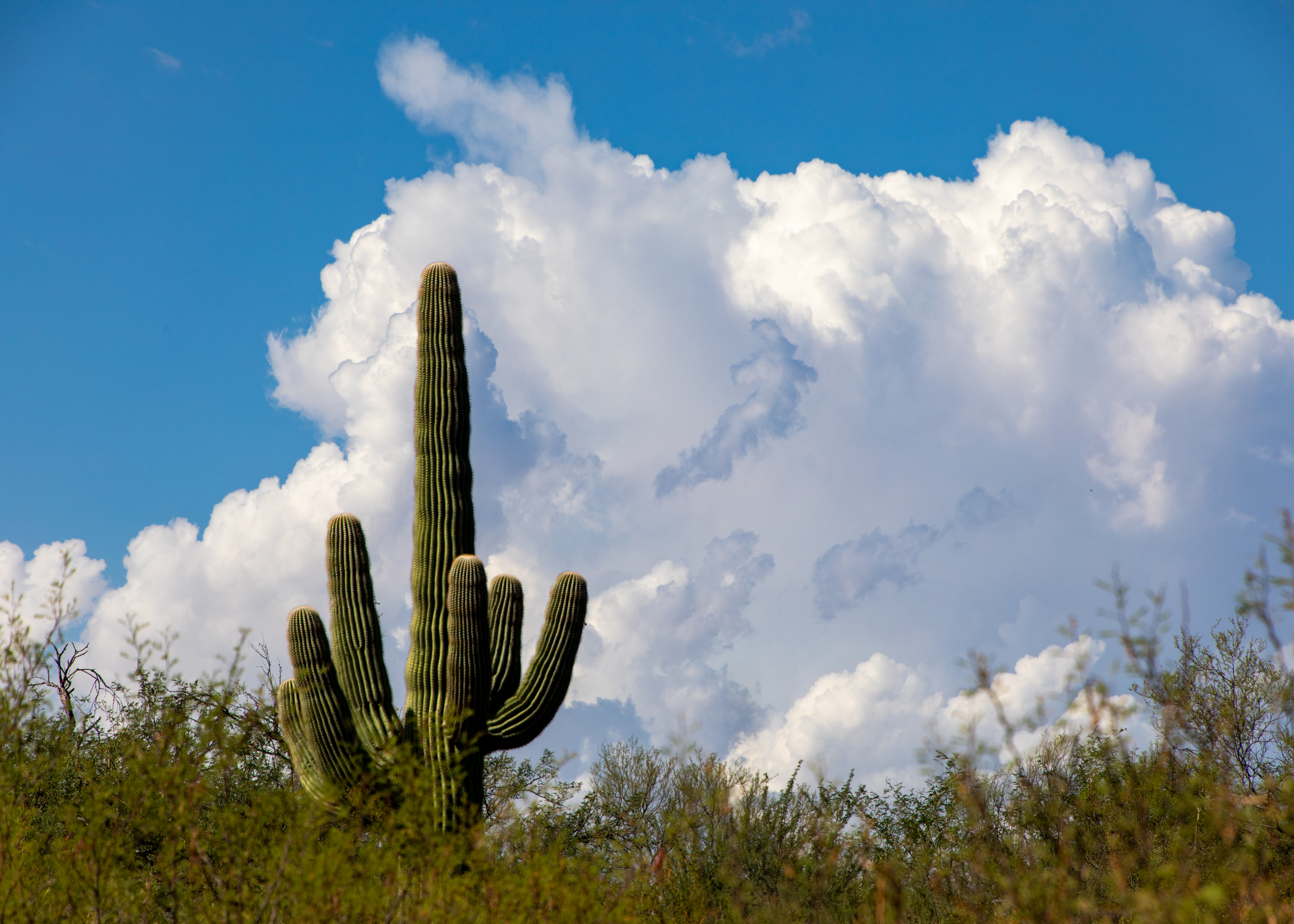
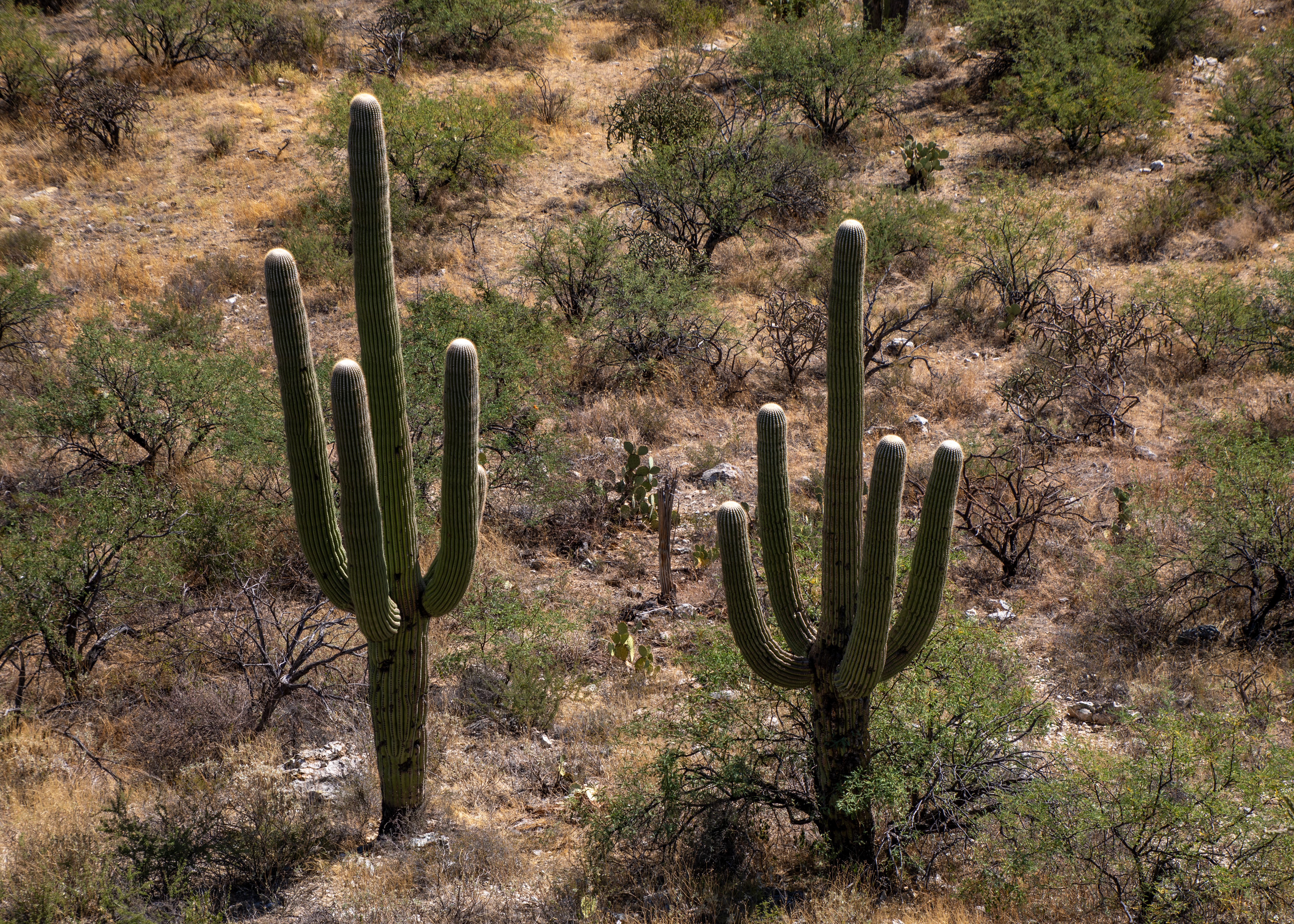
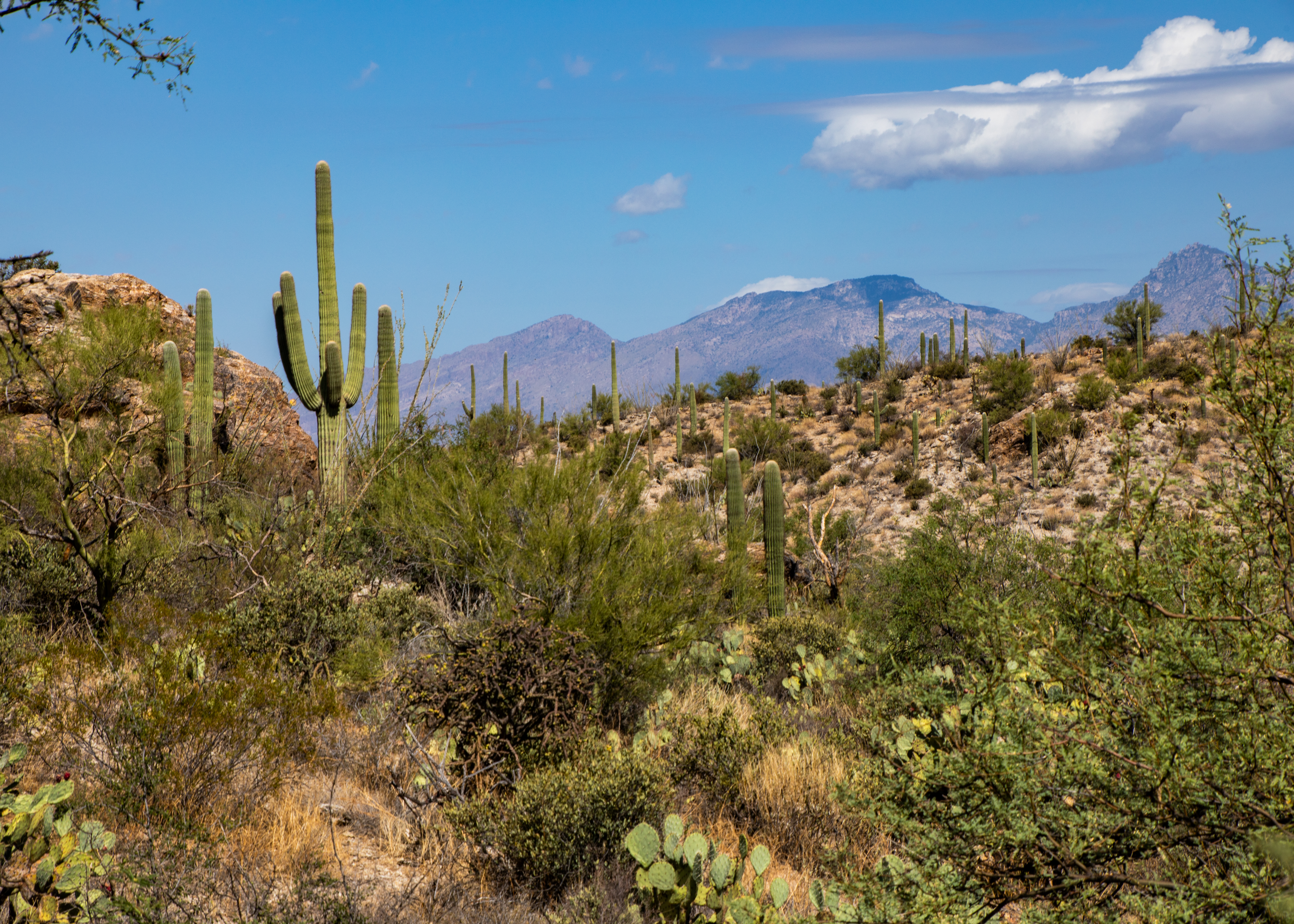
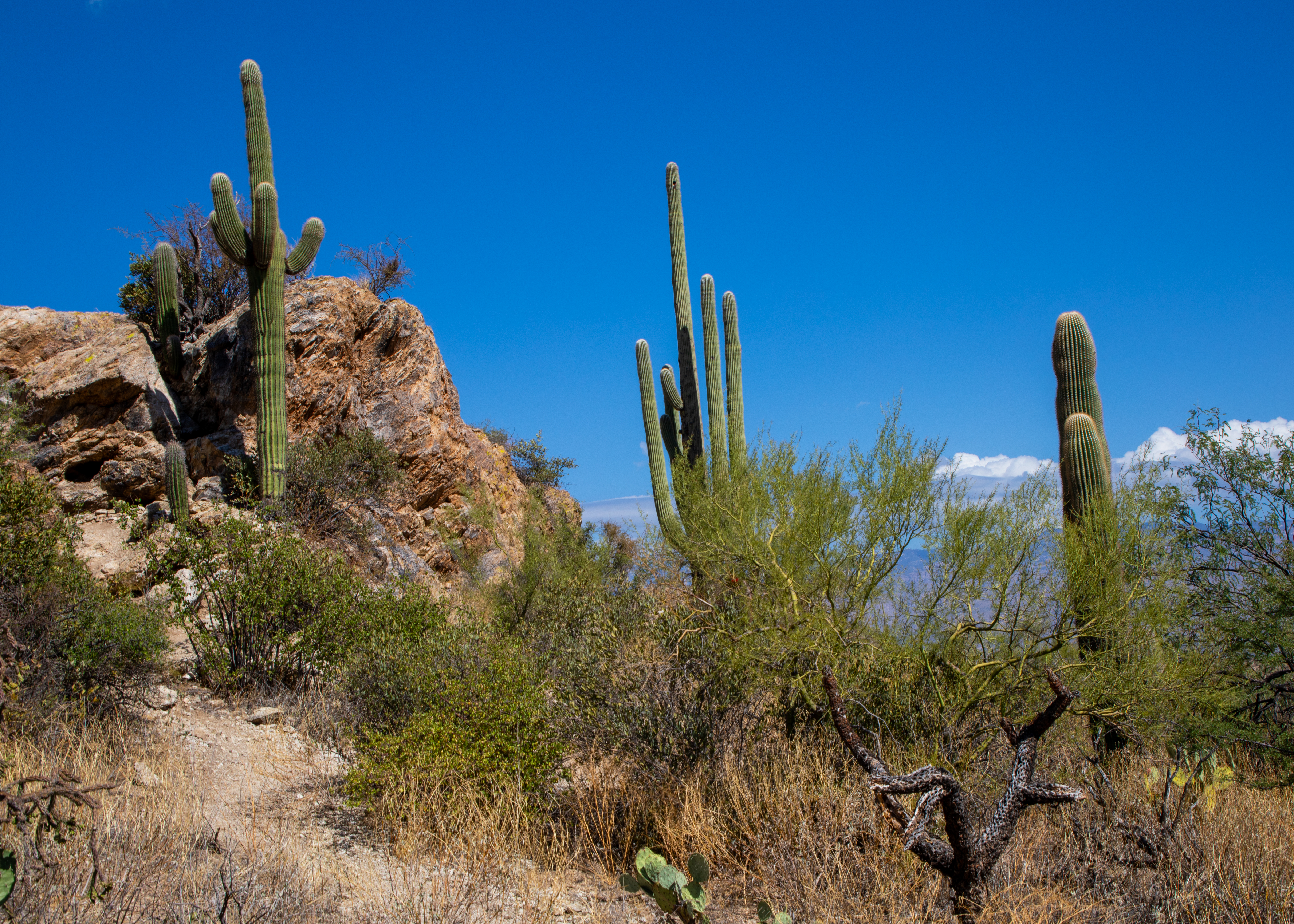
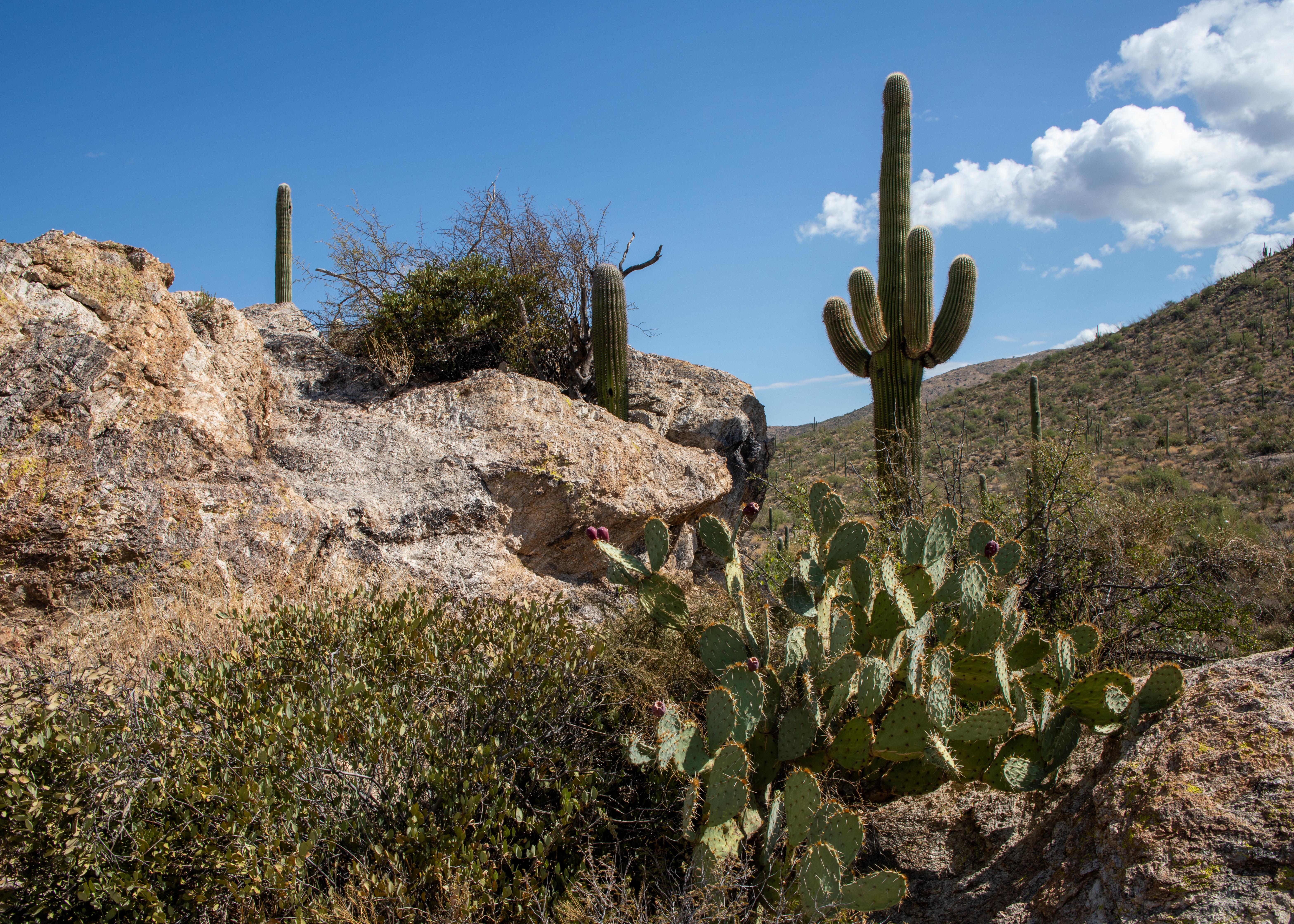
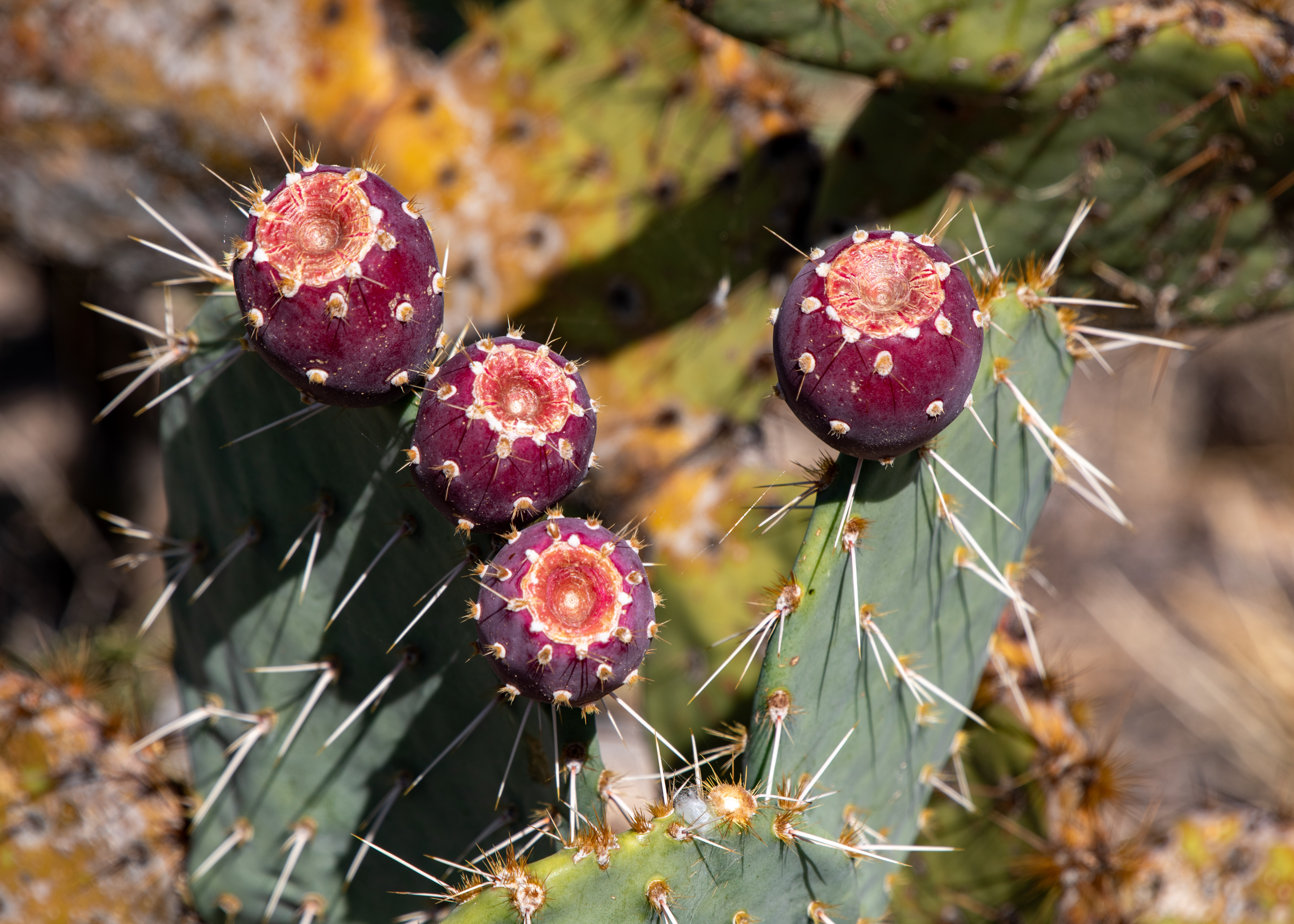
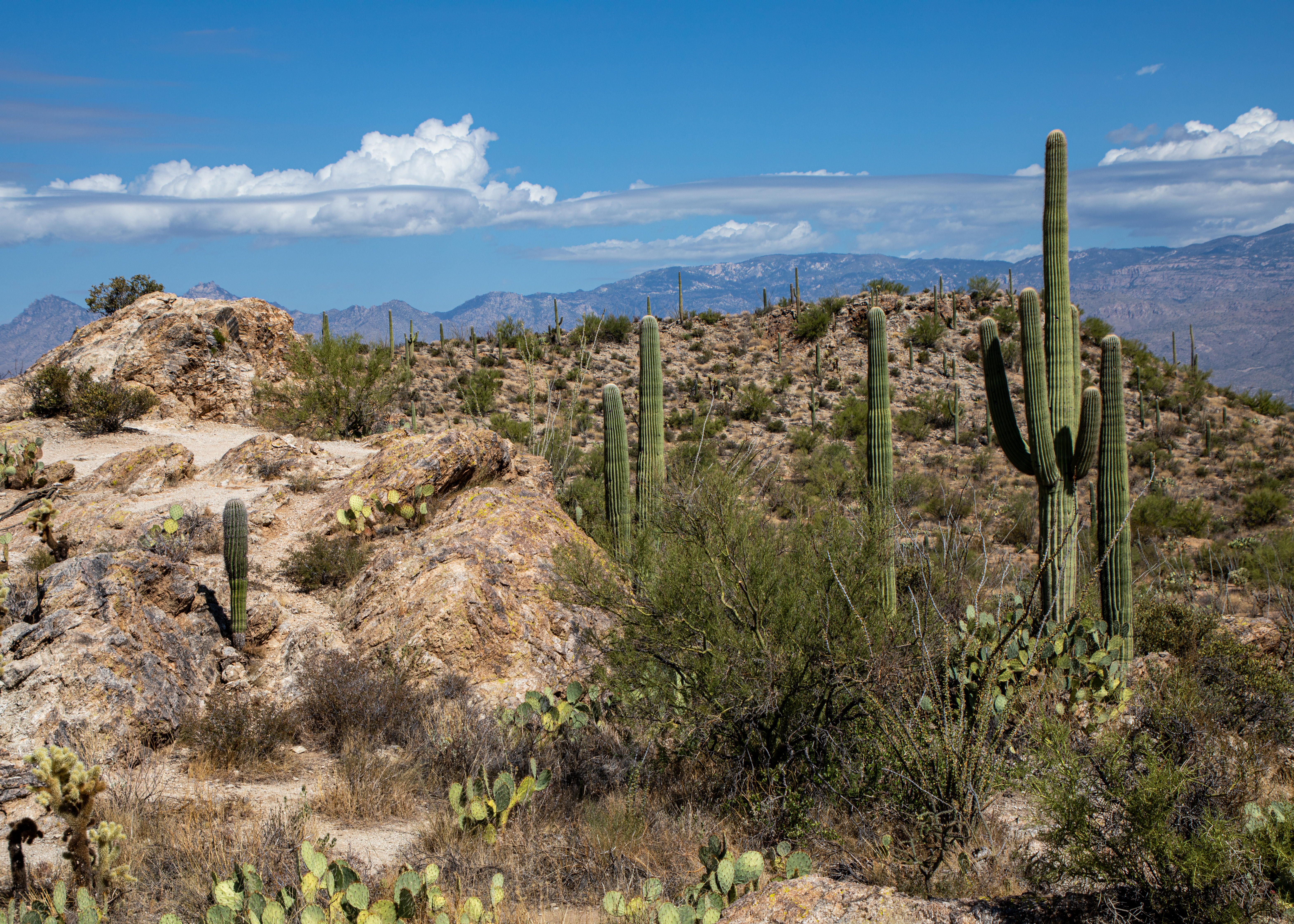
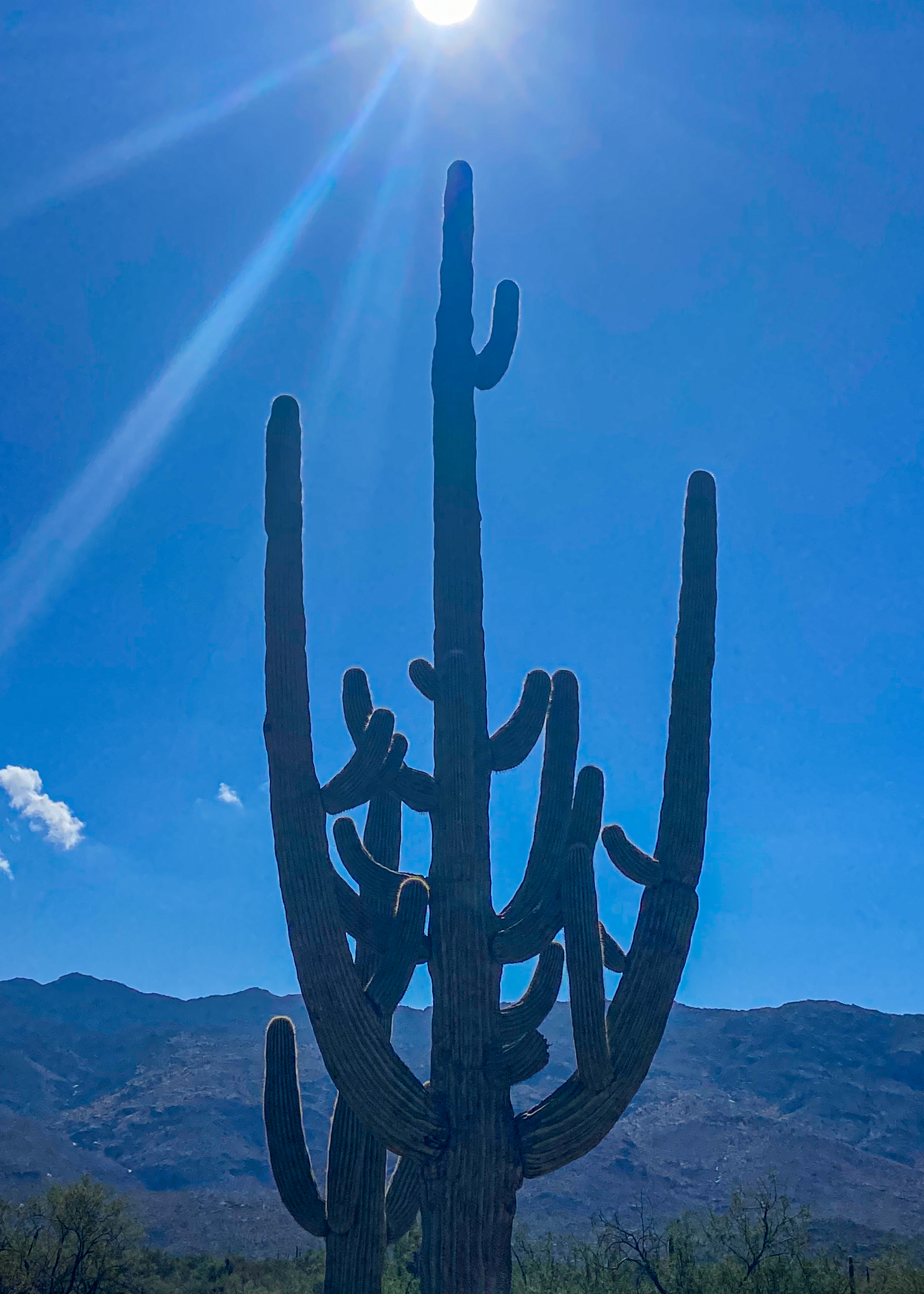
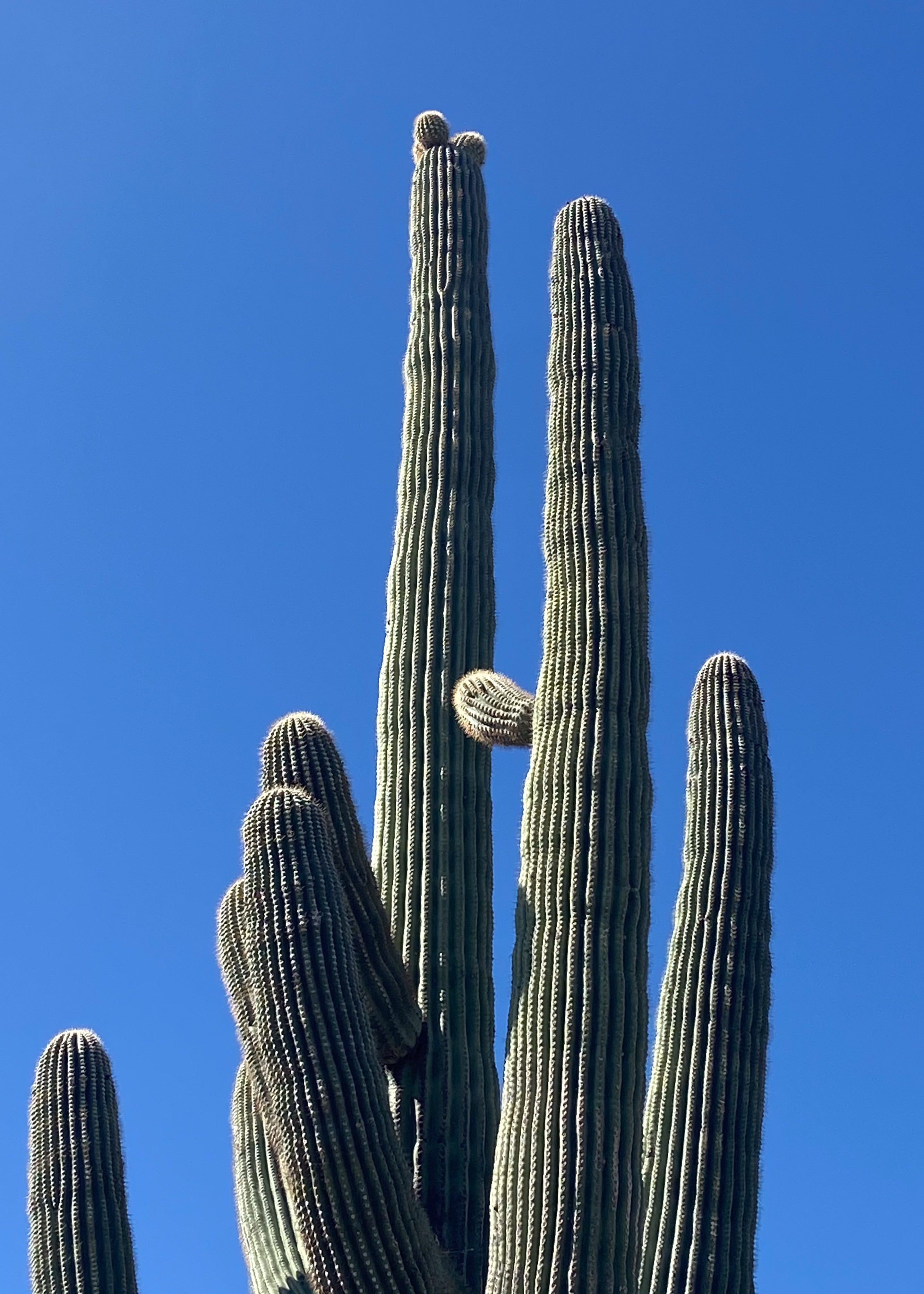
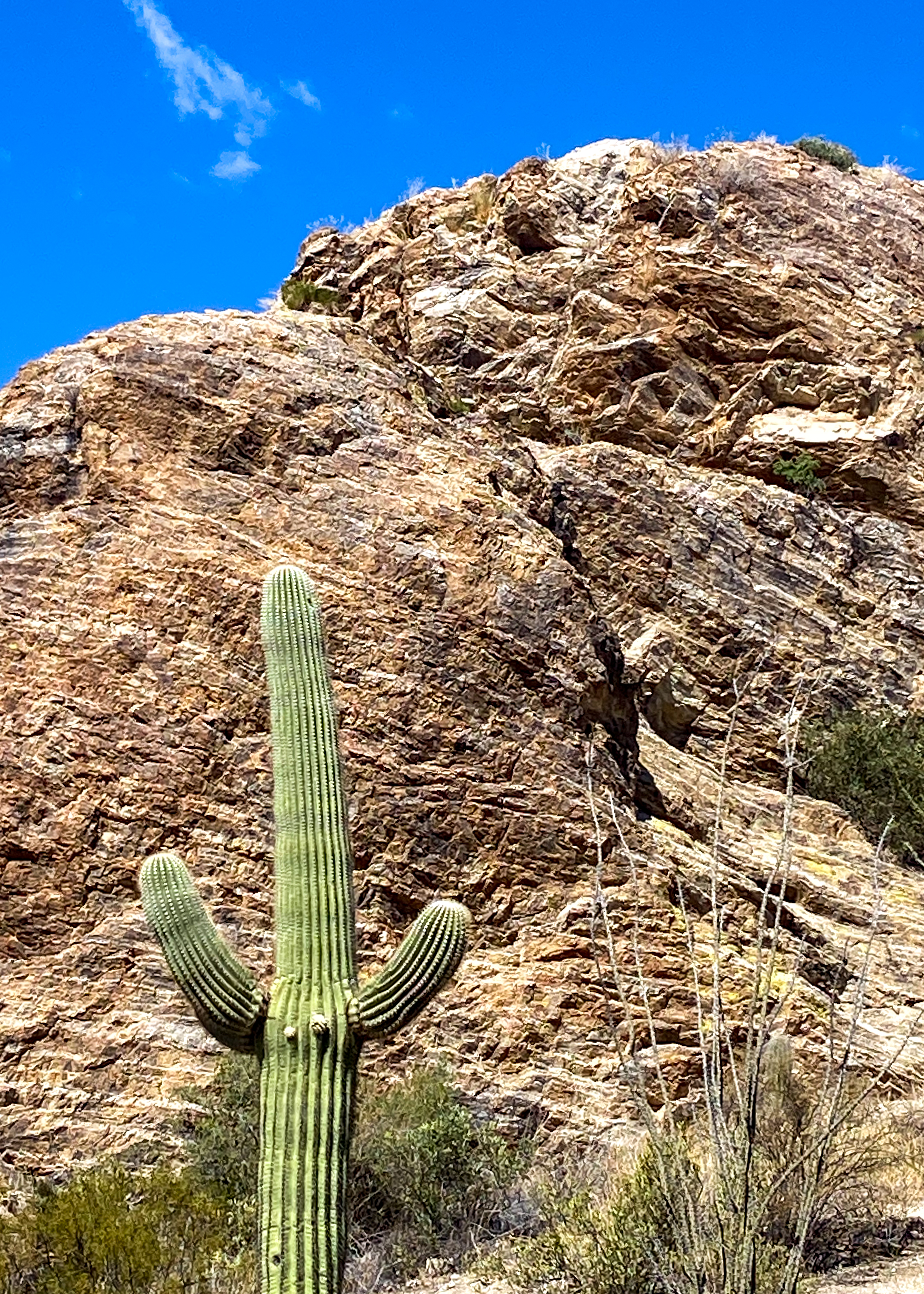
Heading east we spent two days traveling Arizona starting at Saguaro National Park. Tucson, Arizona is home to the nation’s largest cacti. The saguaro (suh-waa-row), the giant cactus, has been an iconic symbol of the American Southwest for ages. These majestic beings are easily recognized by their size and structure, sometimes reaching 50 feet tall.

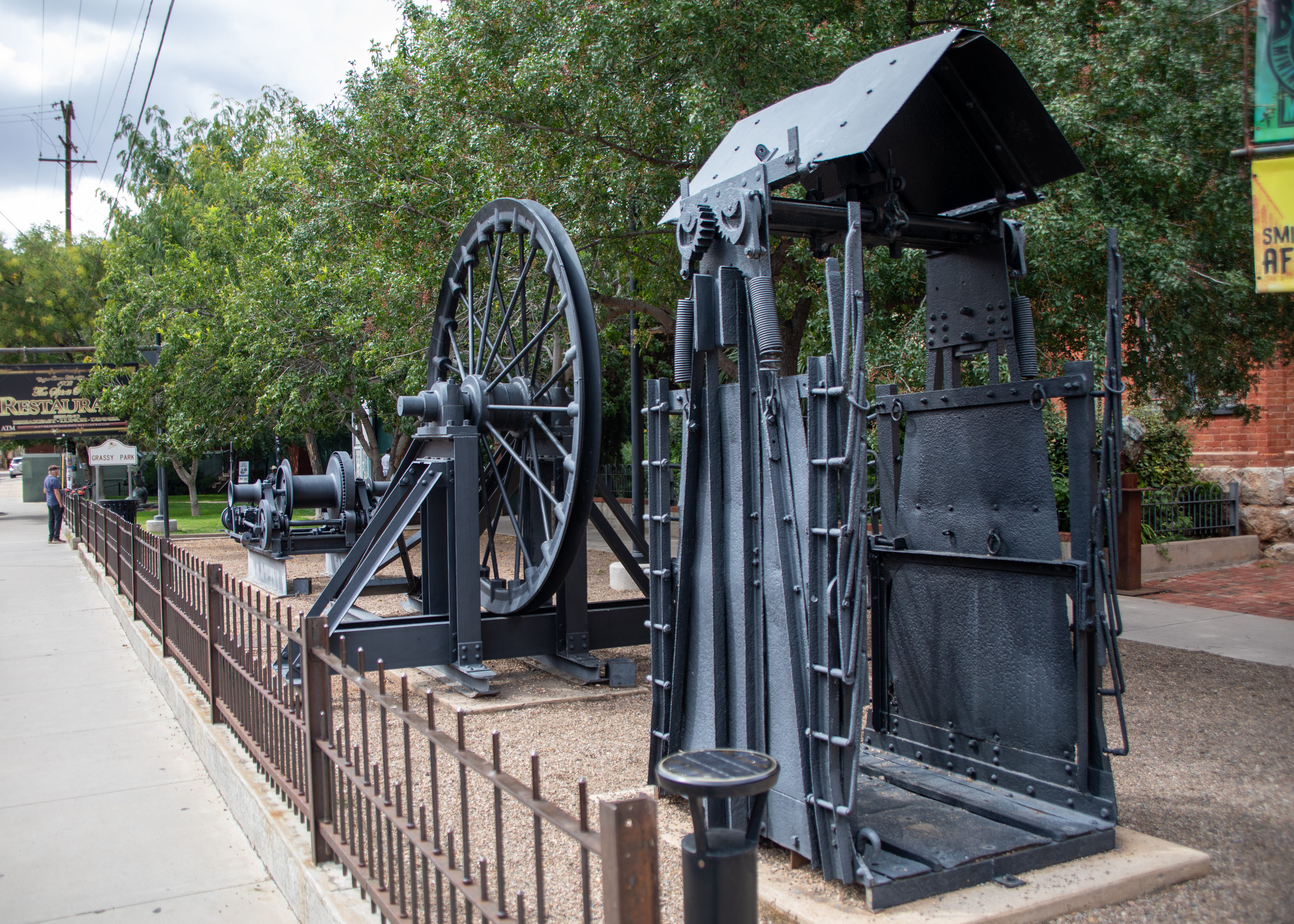
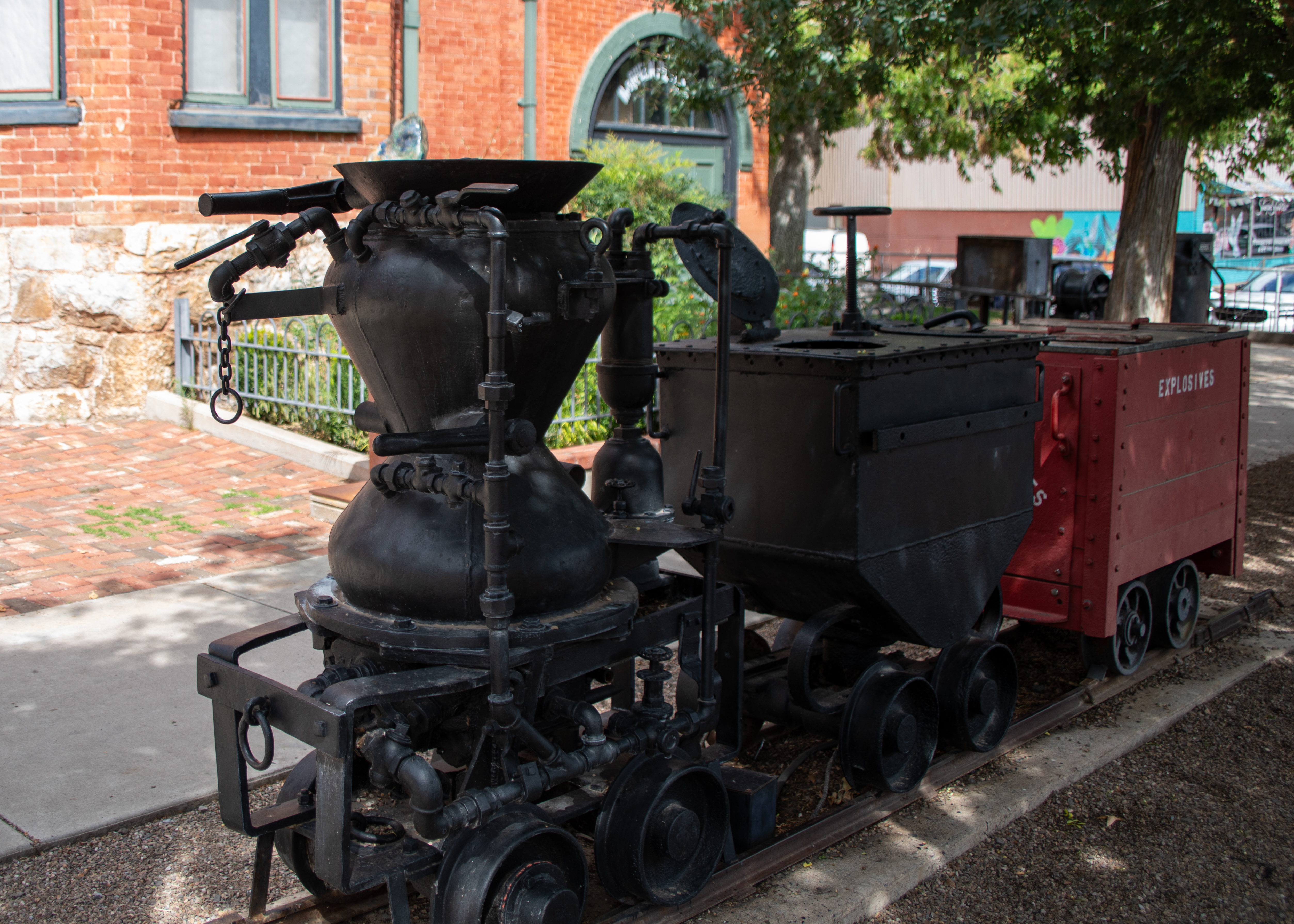
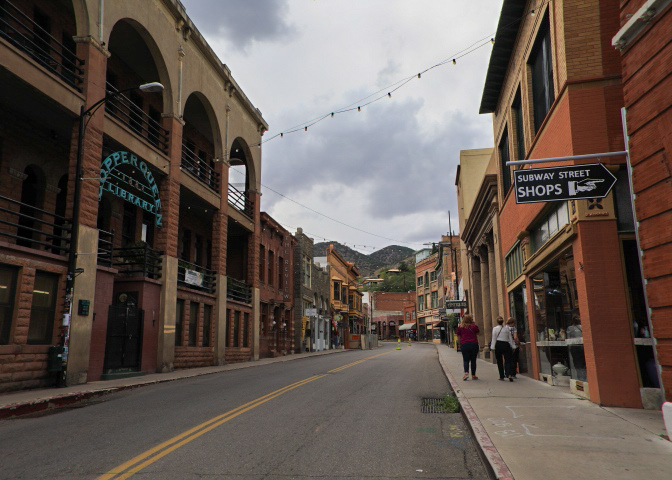
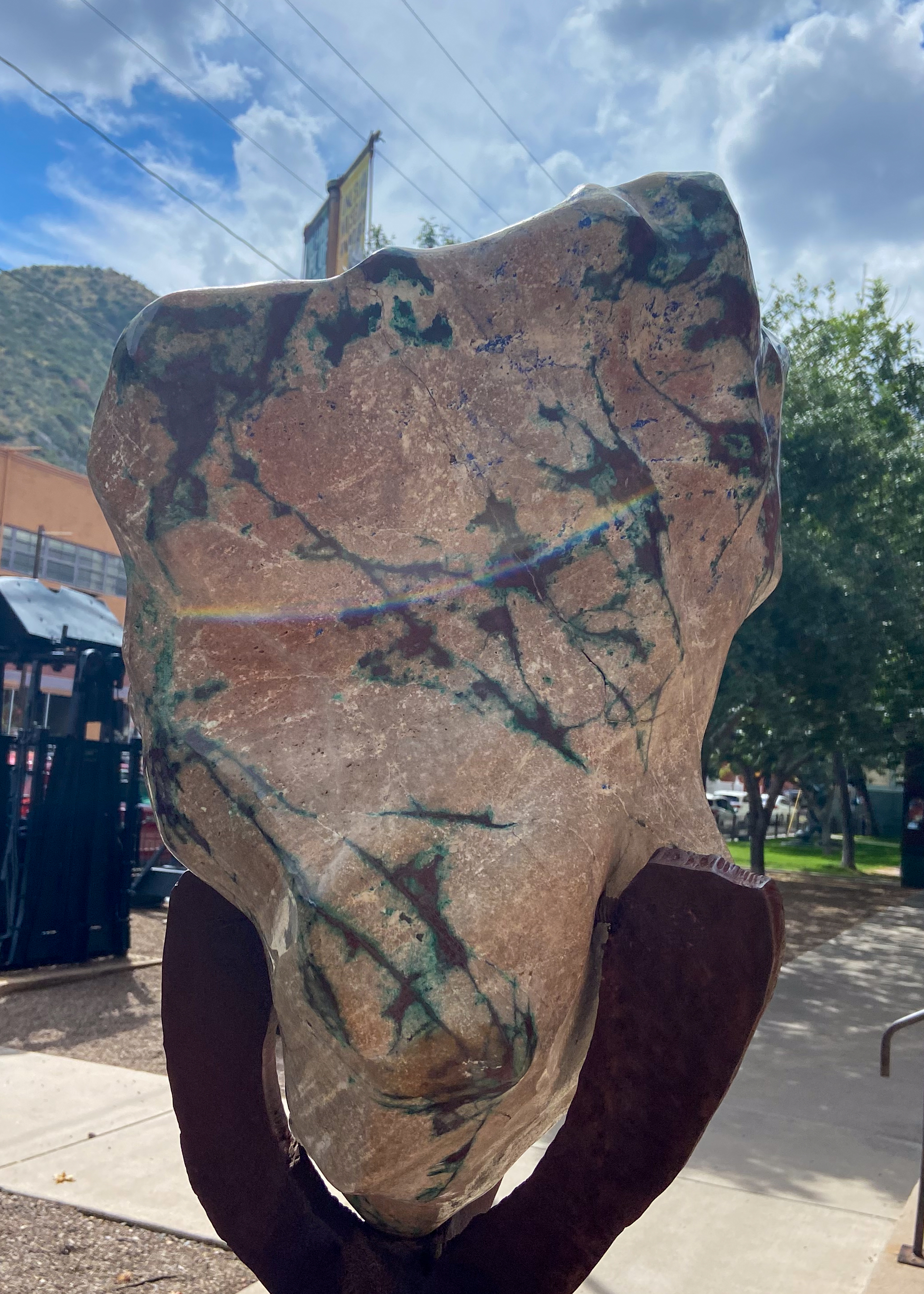
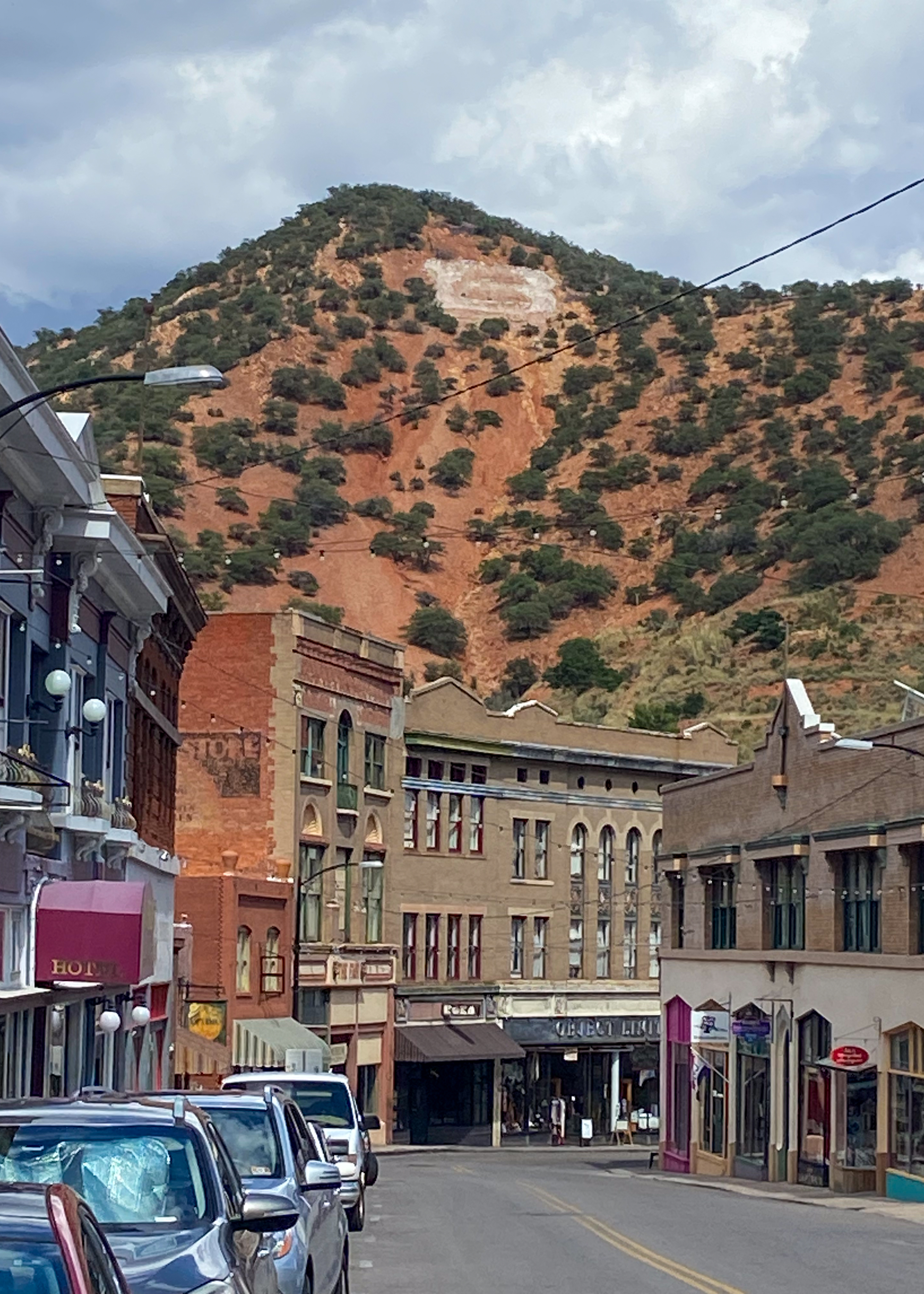
Bisbee was once the largest city in Arizona, bolstered by a thriving mining economy. During almost a century of mining, 8 billion pounds of copper, 102 million ounces of silver, and 2.8 million ounces of gold along with millions of pounds of zinc, lead, and manganese were produced. By 1974 ore reserves had been depleted and December brought the announcement of the impending closure of mining operations in Bisbee. Phelps Dodge curtailed open pit operations that year and ceased underground operations in 1975.
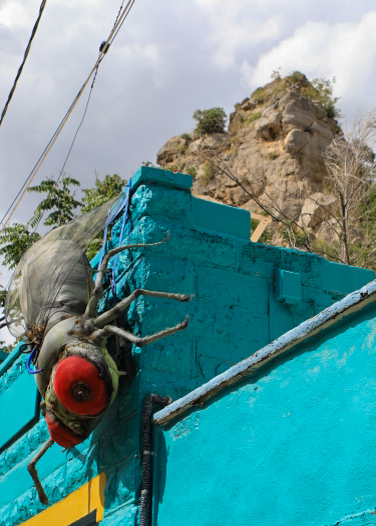
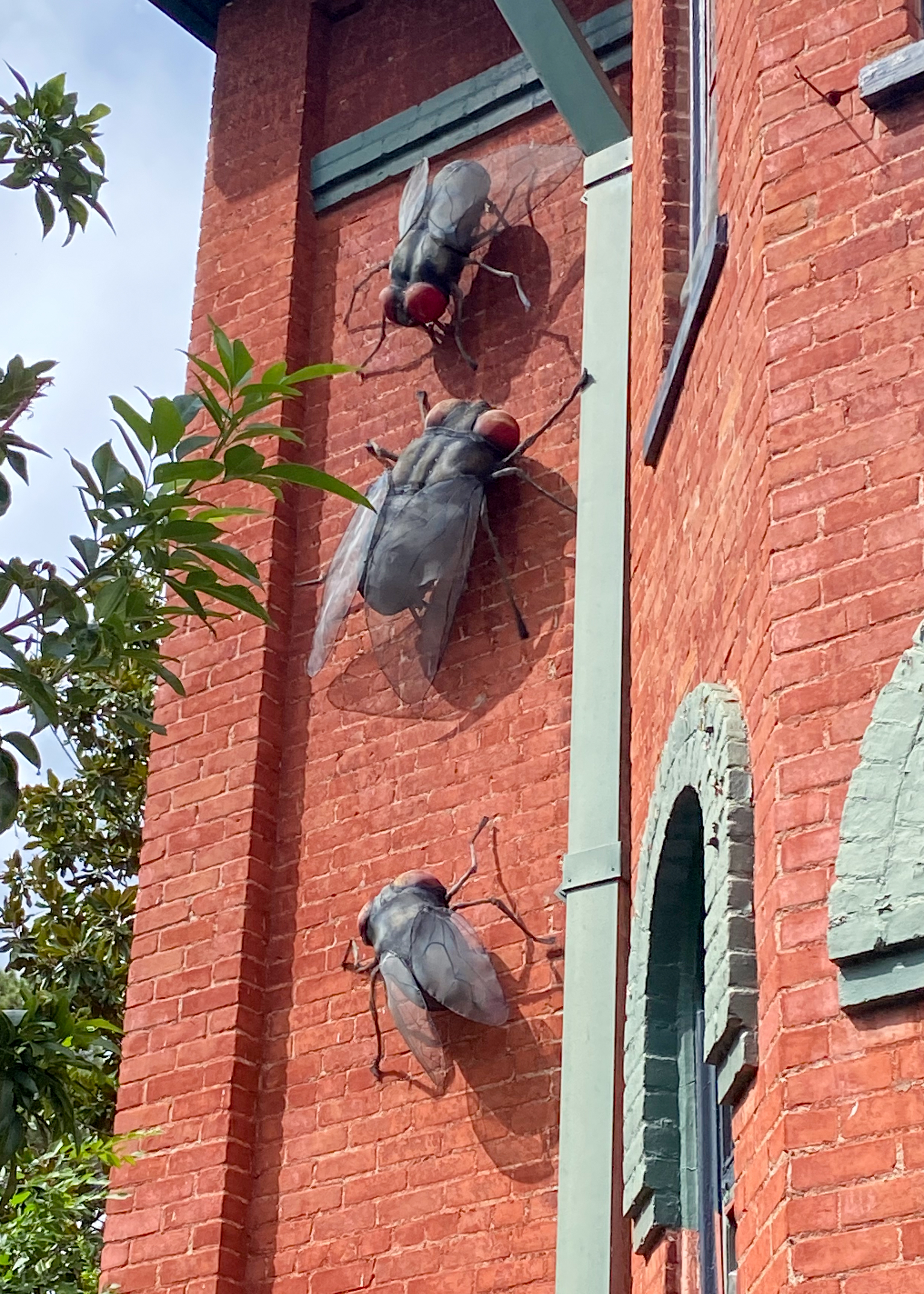
Mosquitoes, flies and more can make a comfortable summer day very uncomfortable. Back in 1912, the community of Bisbee decided to gamify their bug response by offering rewards for the most avid flyswatters. After multiple outbreaks of typhoid, Bisbee, Arizona decided it was tired of these bugs showing up in significant numbers and making people sick. For the entire month of August 1912, the town encouraged residents to catch as many “advance agents of pestilence” end quote as they could. Whoever had smacked and/or caught the most flies at the end won a prize. That winner was Richard Phillips, who brought in around half a million former insects and won… ten bucks.
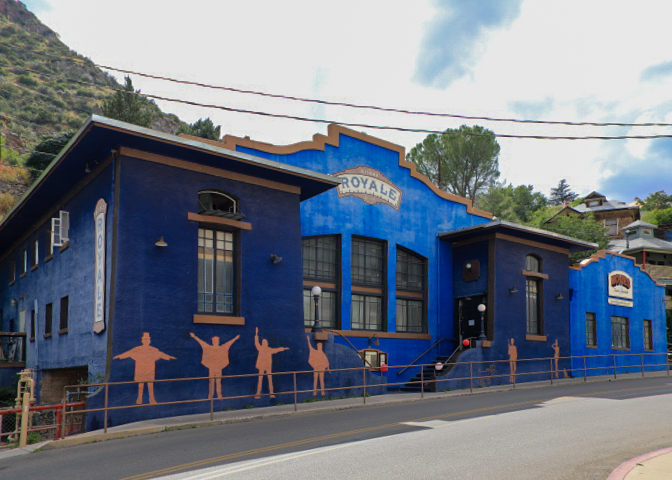
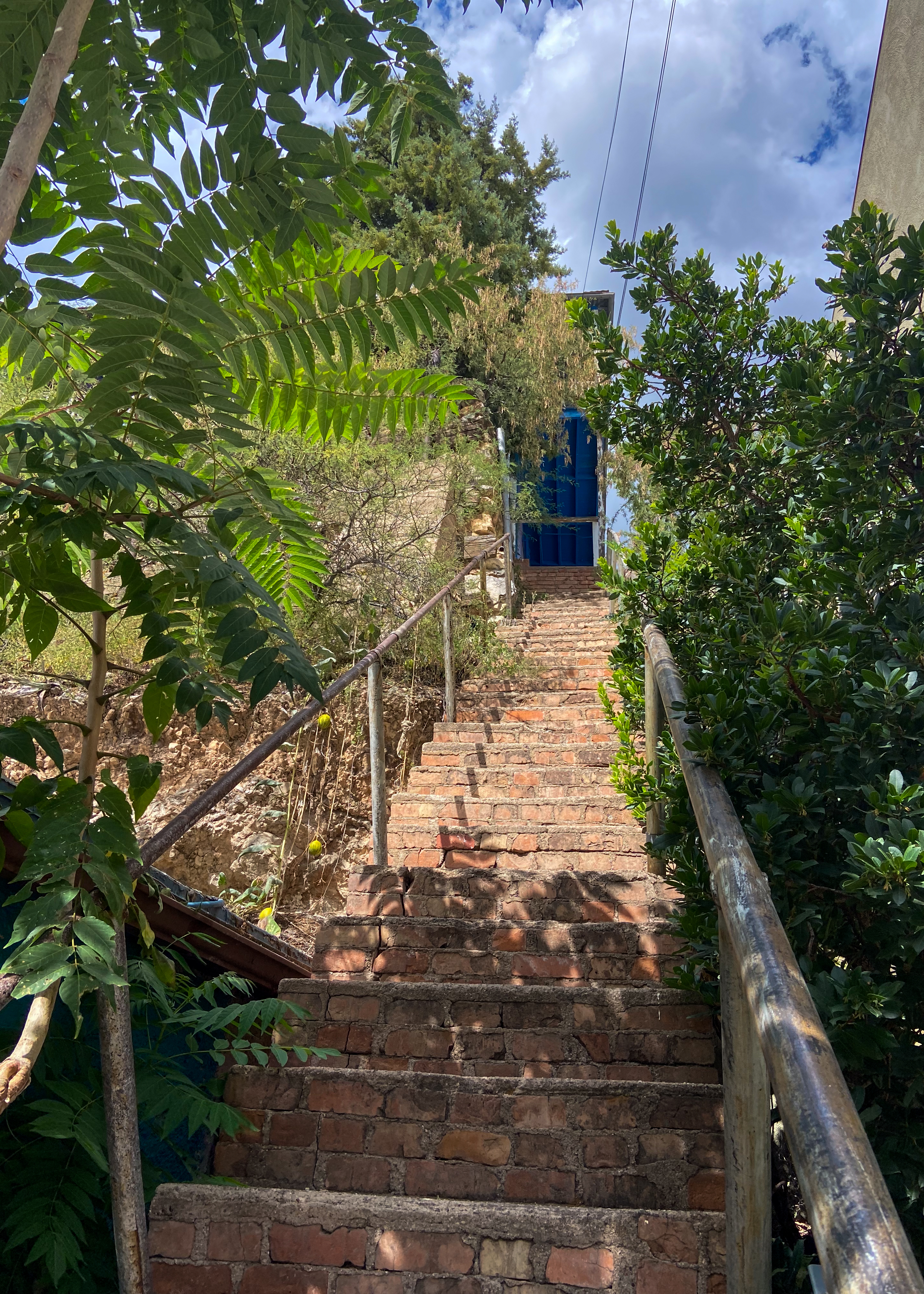
And if you are up for it the most unique physical fitness challenge (or friendly fitness walk) in the USA! Bisbee 1000 The Great Stair Climb is arguably one of the most unusual and challenging events in the world. The 4.5-mile course features nine staircases (over 1000 total steps) connected by winding roads.





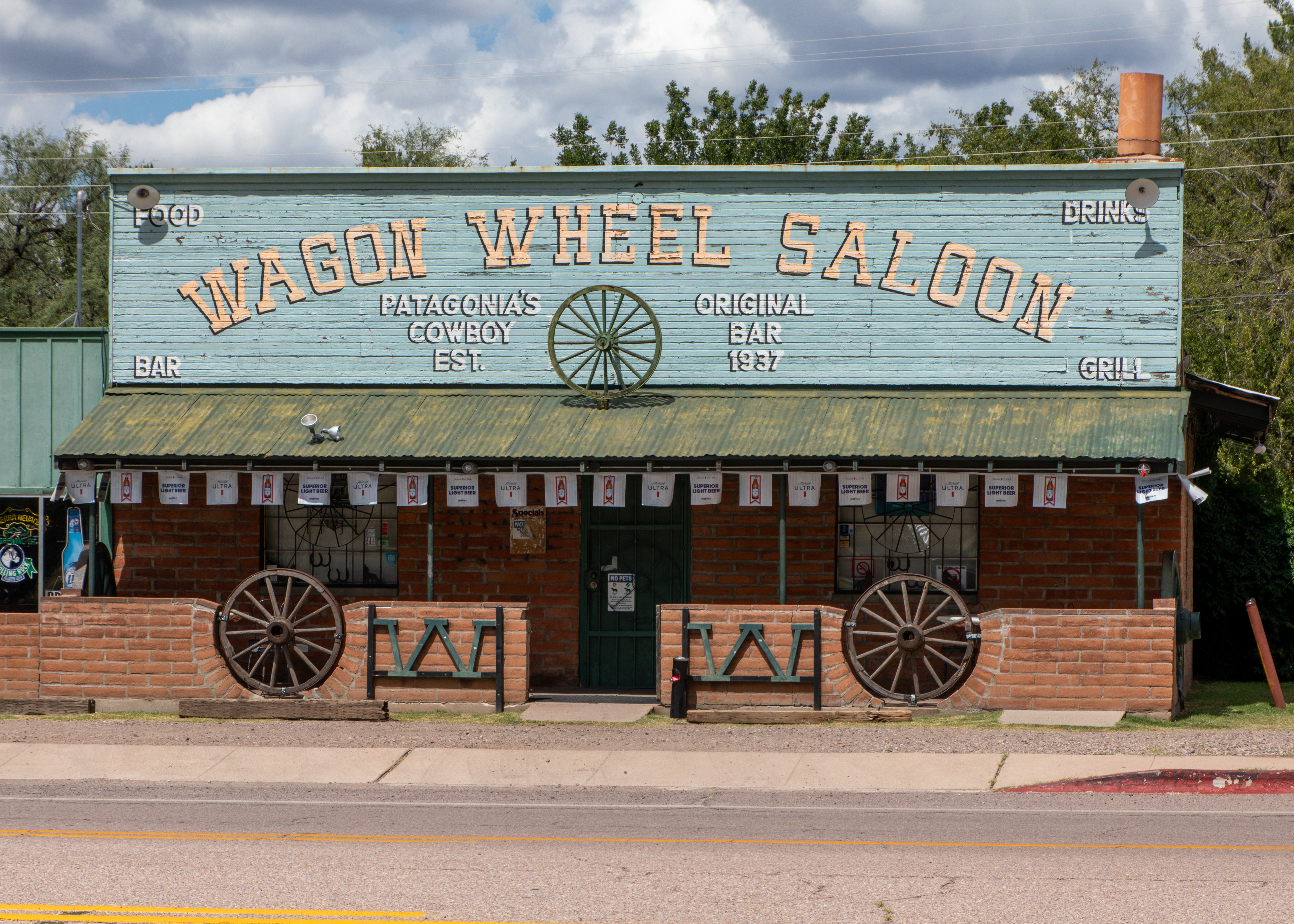
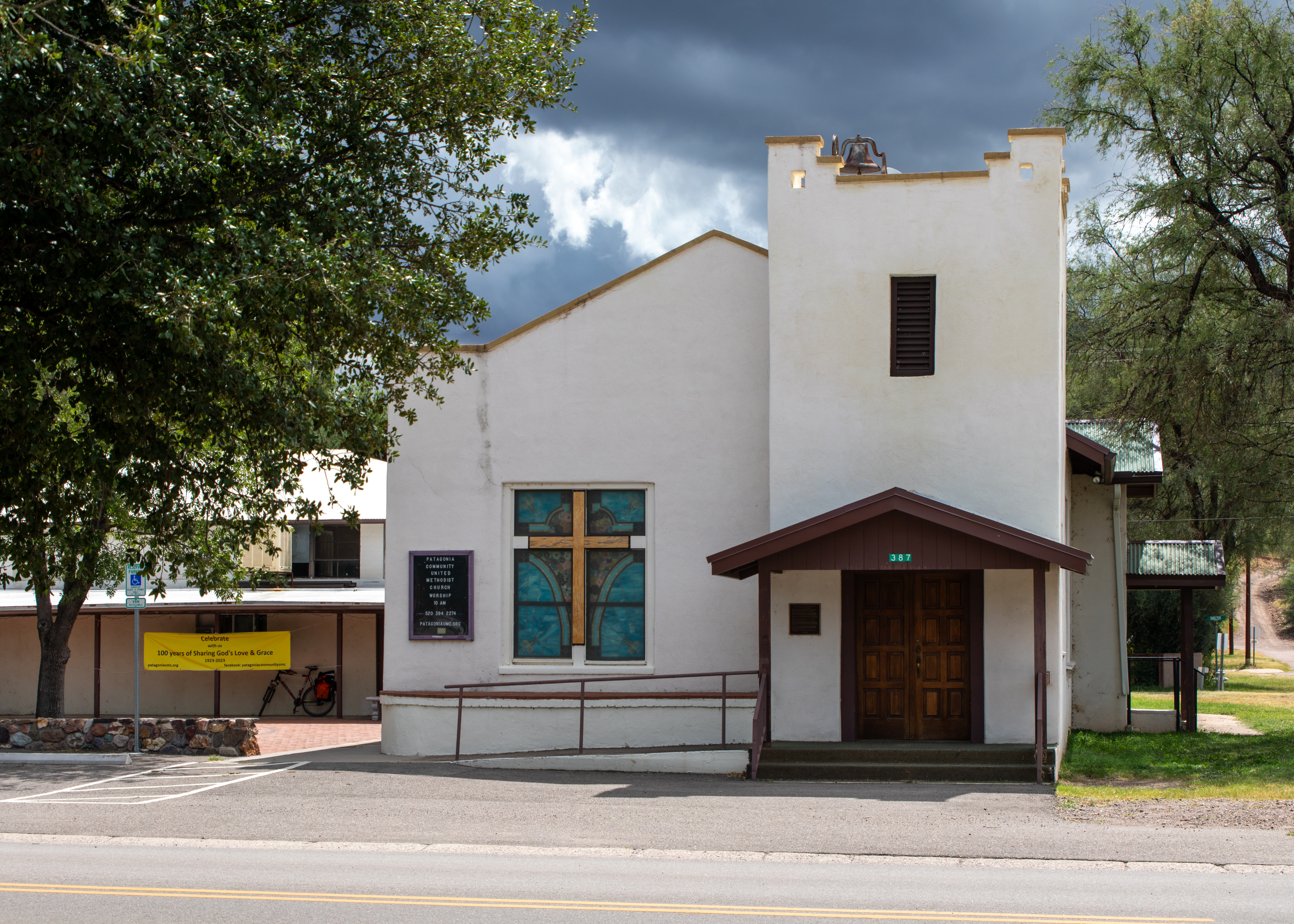
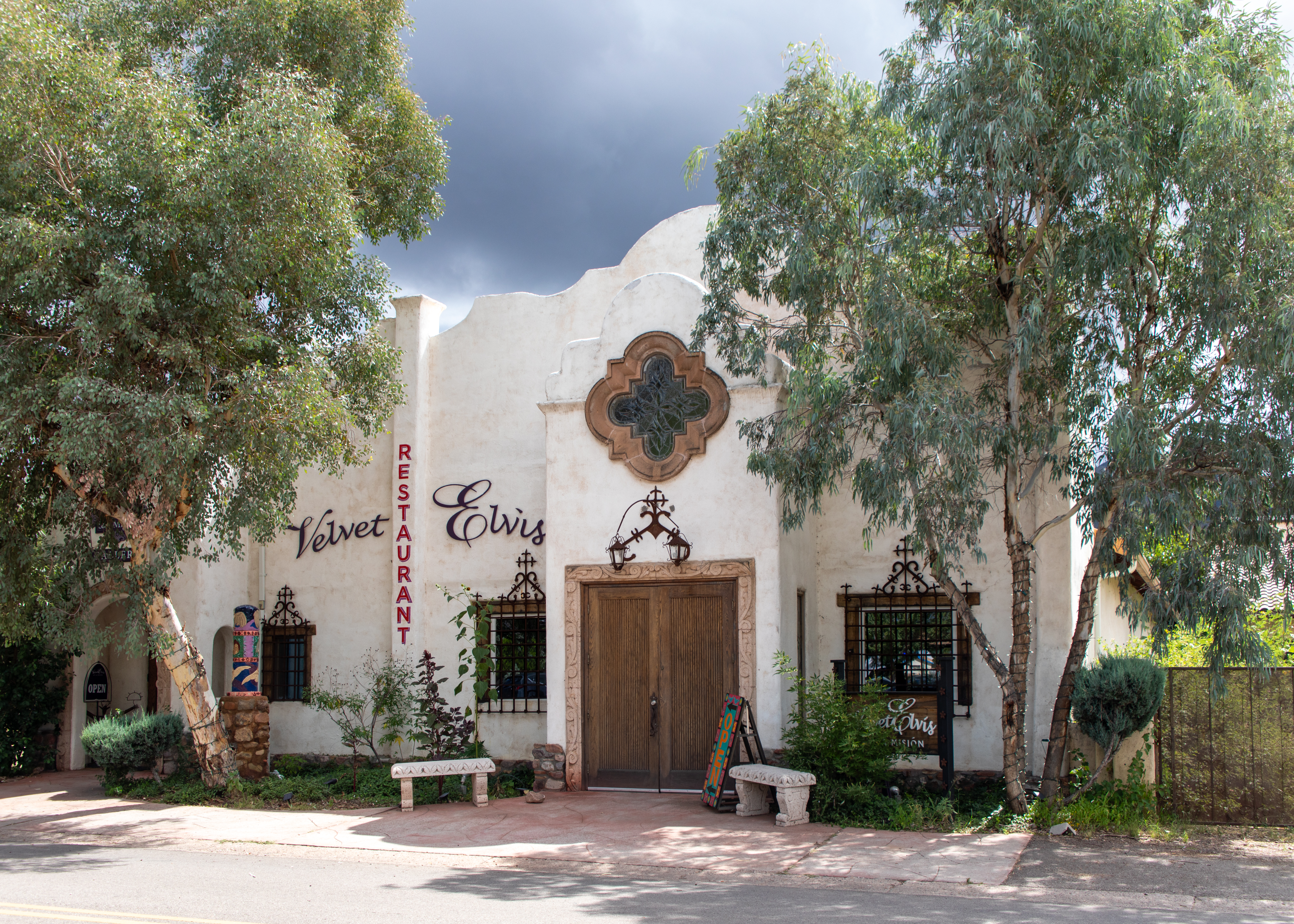
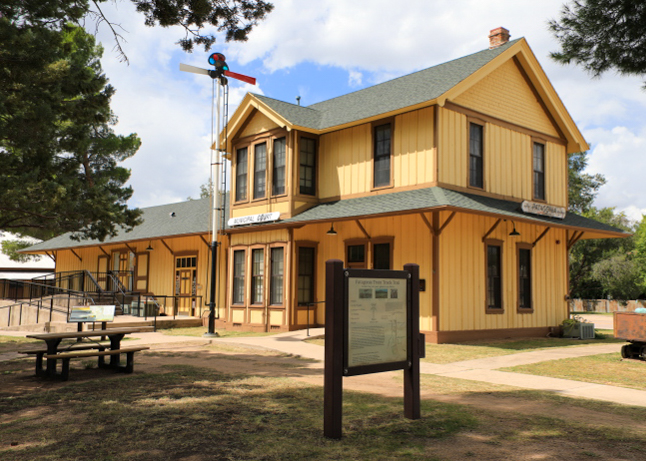
Patagonia (the jewel of the Sonoita valley so says National Geographic Guide to Small Town Escapes —NOT) is a hamlet that rests between the Santa Rita Mountains and the Patagonia Mountains. Set among rich foothills, valleys, and towering trees, Patagonia has been called the “Jewel” because of its natural beauty. Since early days, Patagonia’s oak grasslands, at over 4,000 feet have provided excellent climate and terrain for cattle ranching, and the Patagonia Mountains, filled with rich ore bodies, have attracted miners. Too bad today it was a wasted 200-mile trip for us.

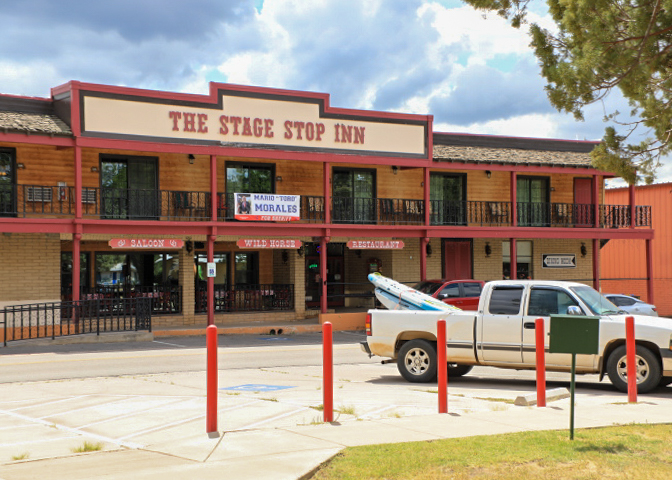
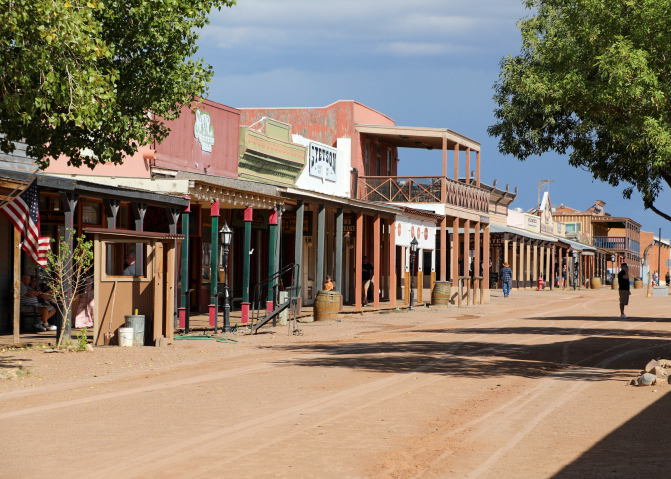
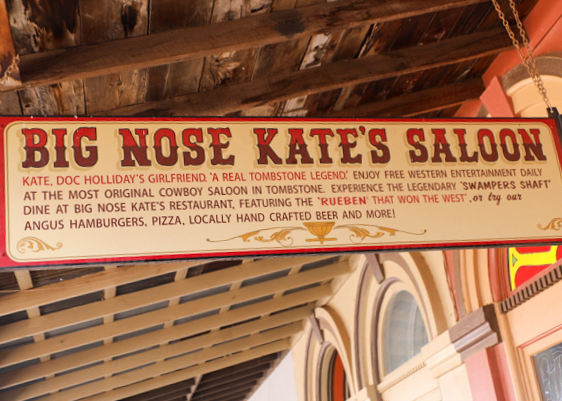
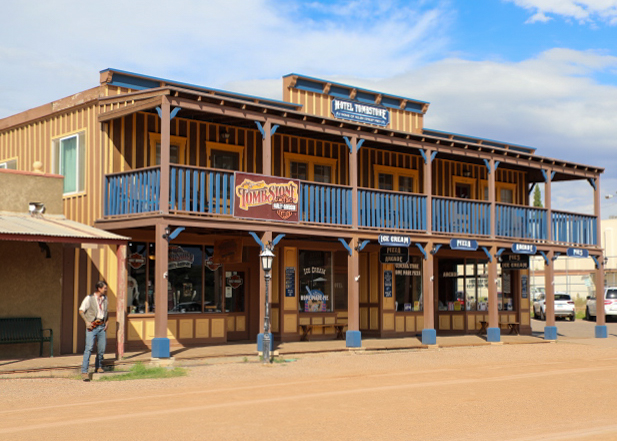
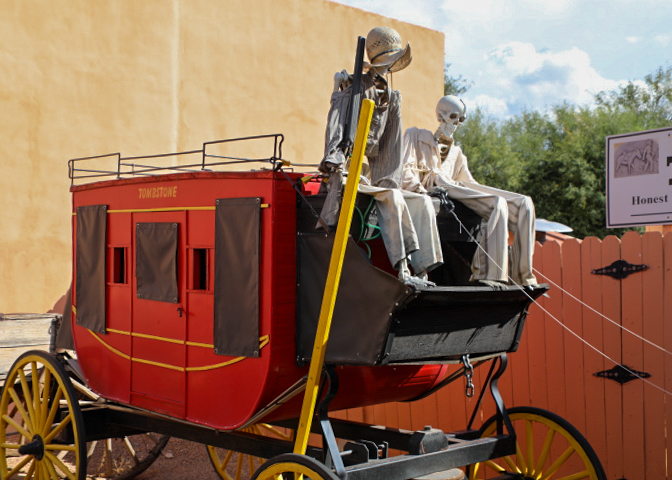
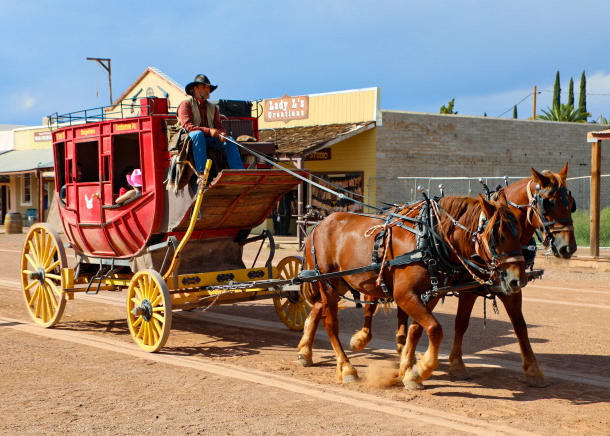
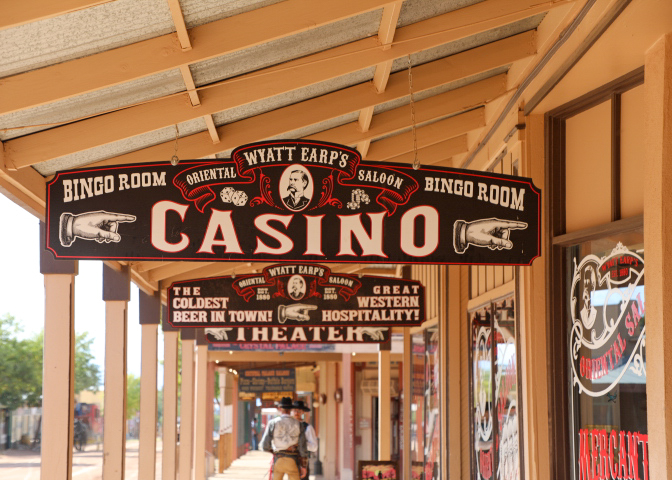
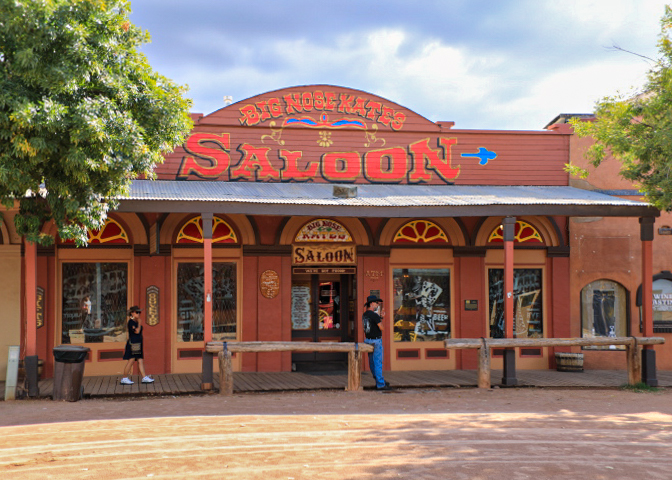
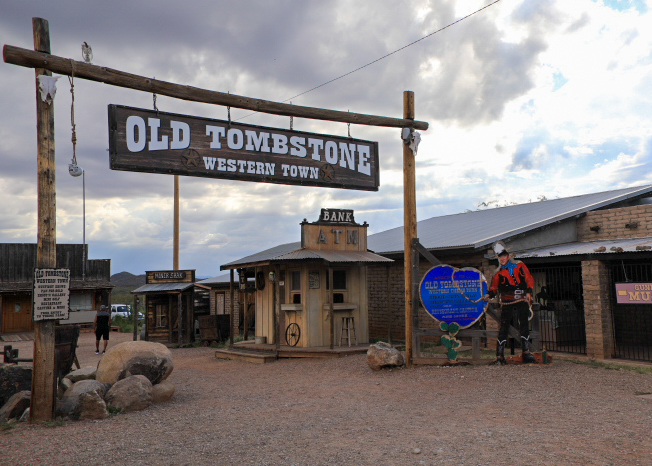
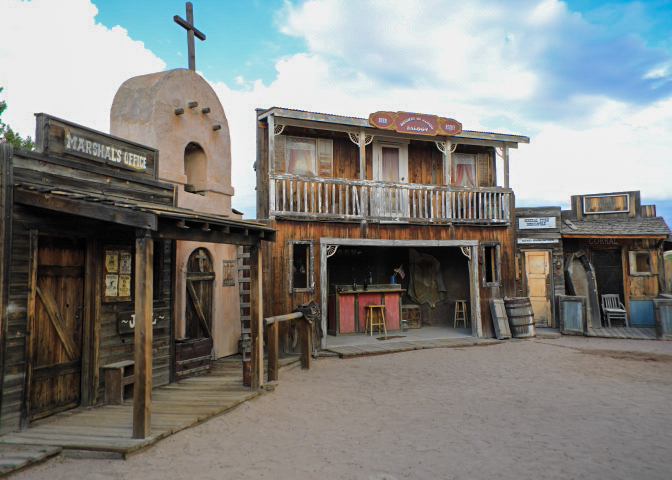
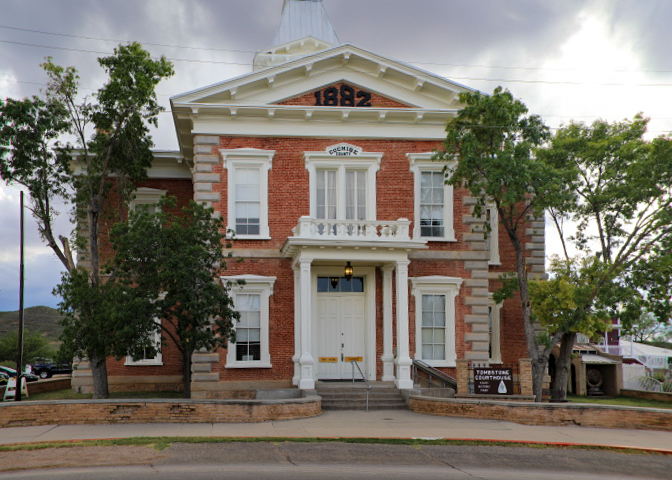
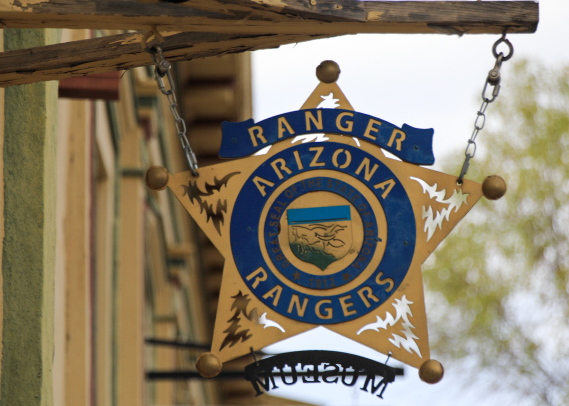
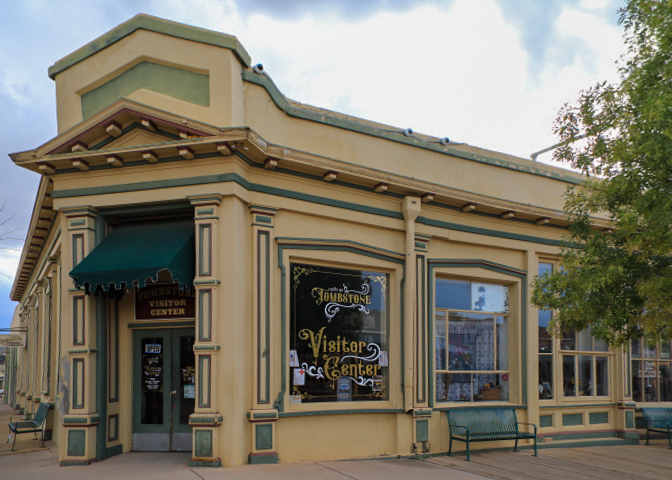
Tombstone AZ – otherwise known as the “Town too Tough to Die” is the home of the infamous Gunfight at the OK Corral, Boot Hill Graveyard, and the World’s Largest Rose Bush. Tombstone, AZ boasts of many shops, gunfight shows, re-enactments, and museums. Just a bad tourist attraction today.



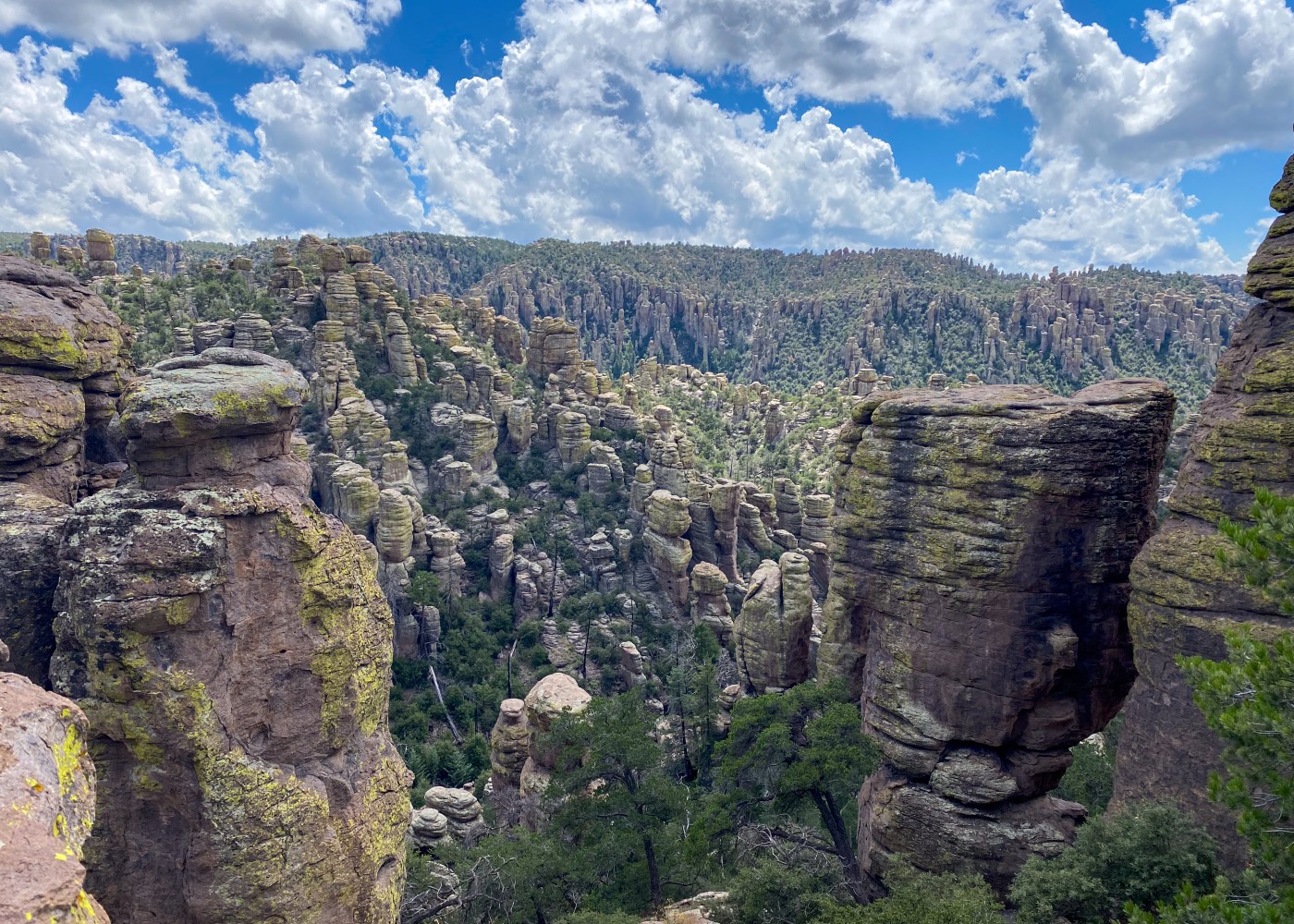
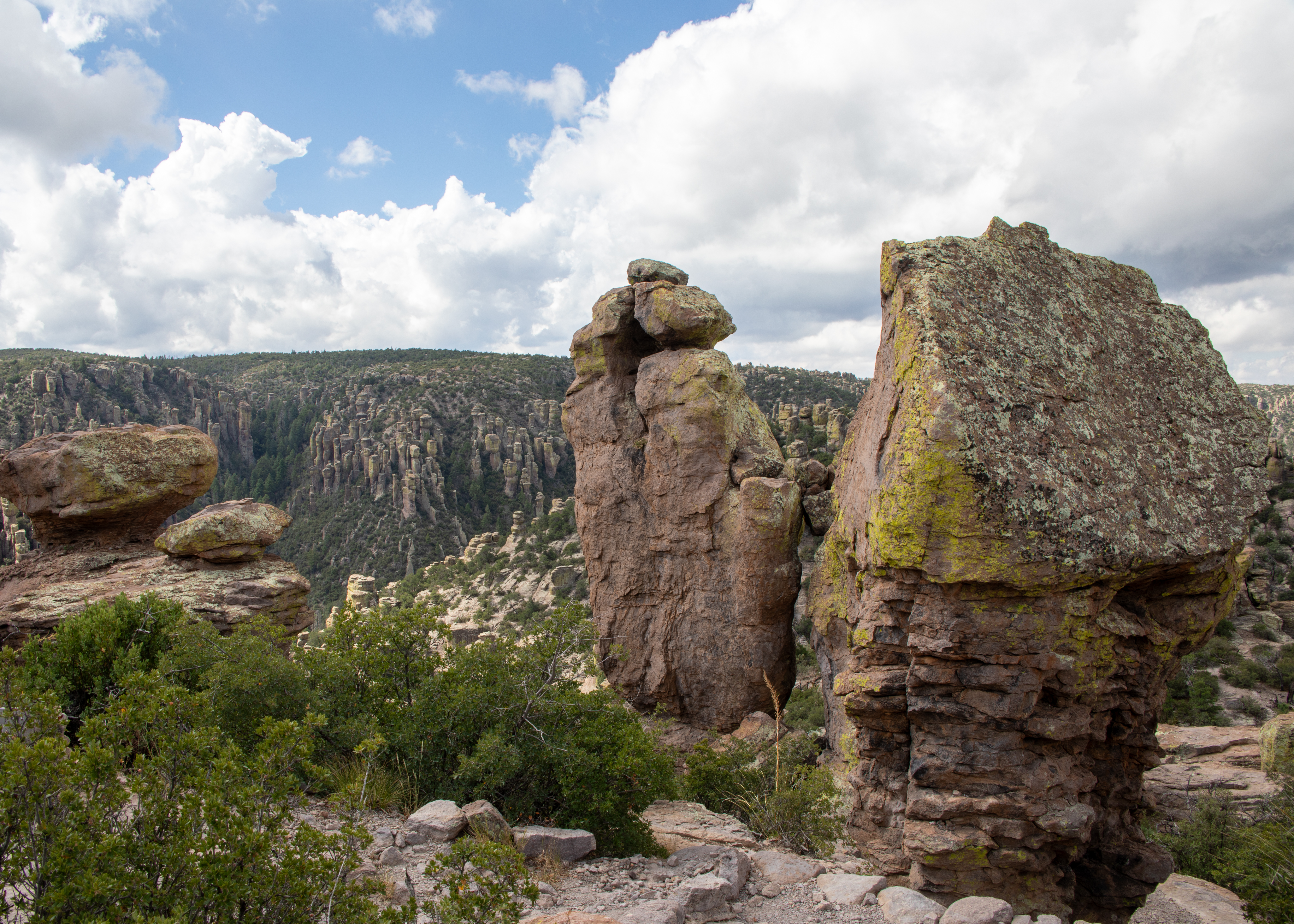
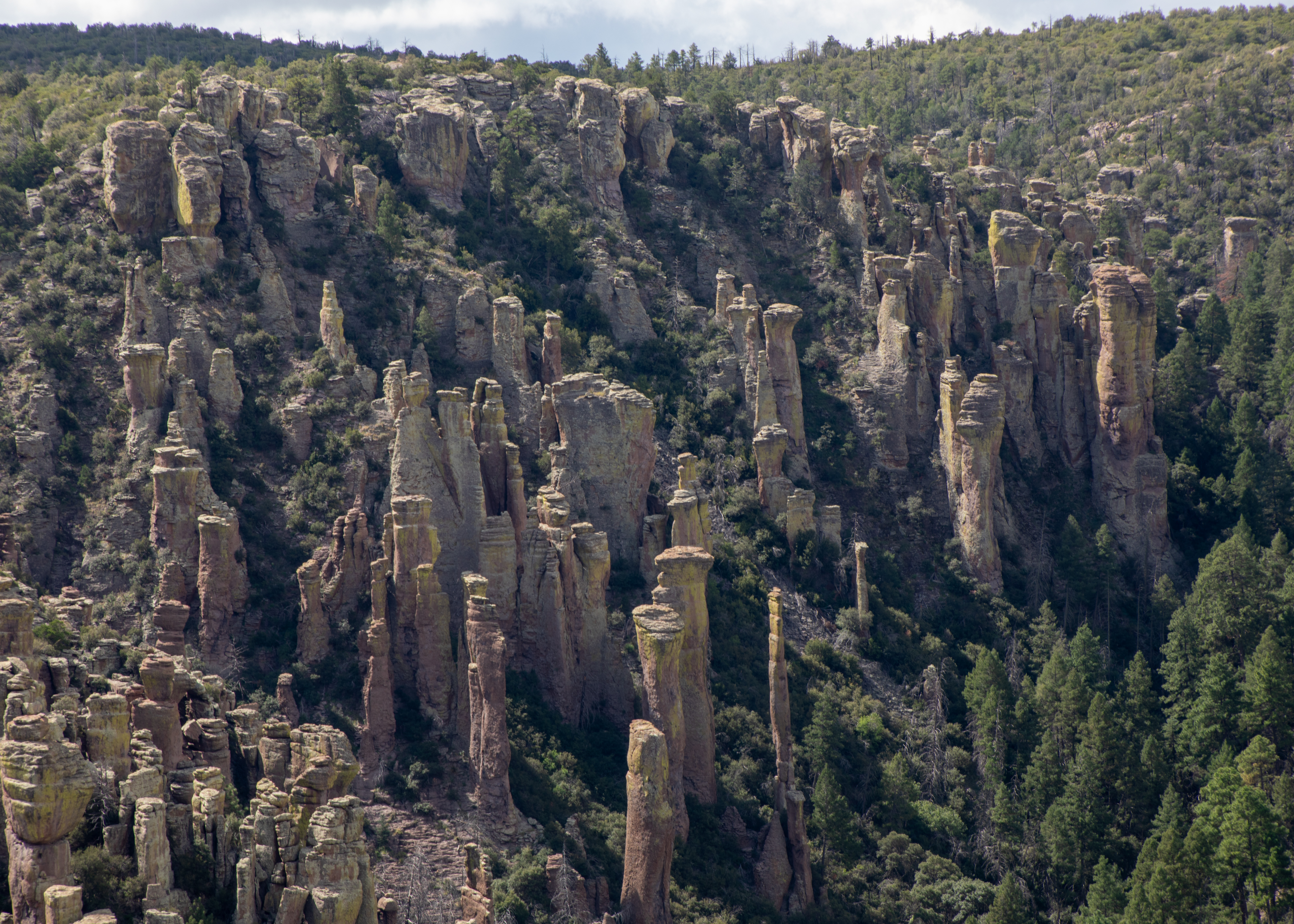
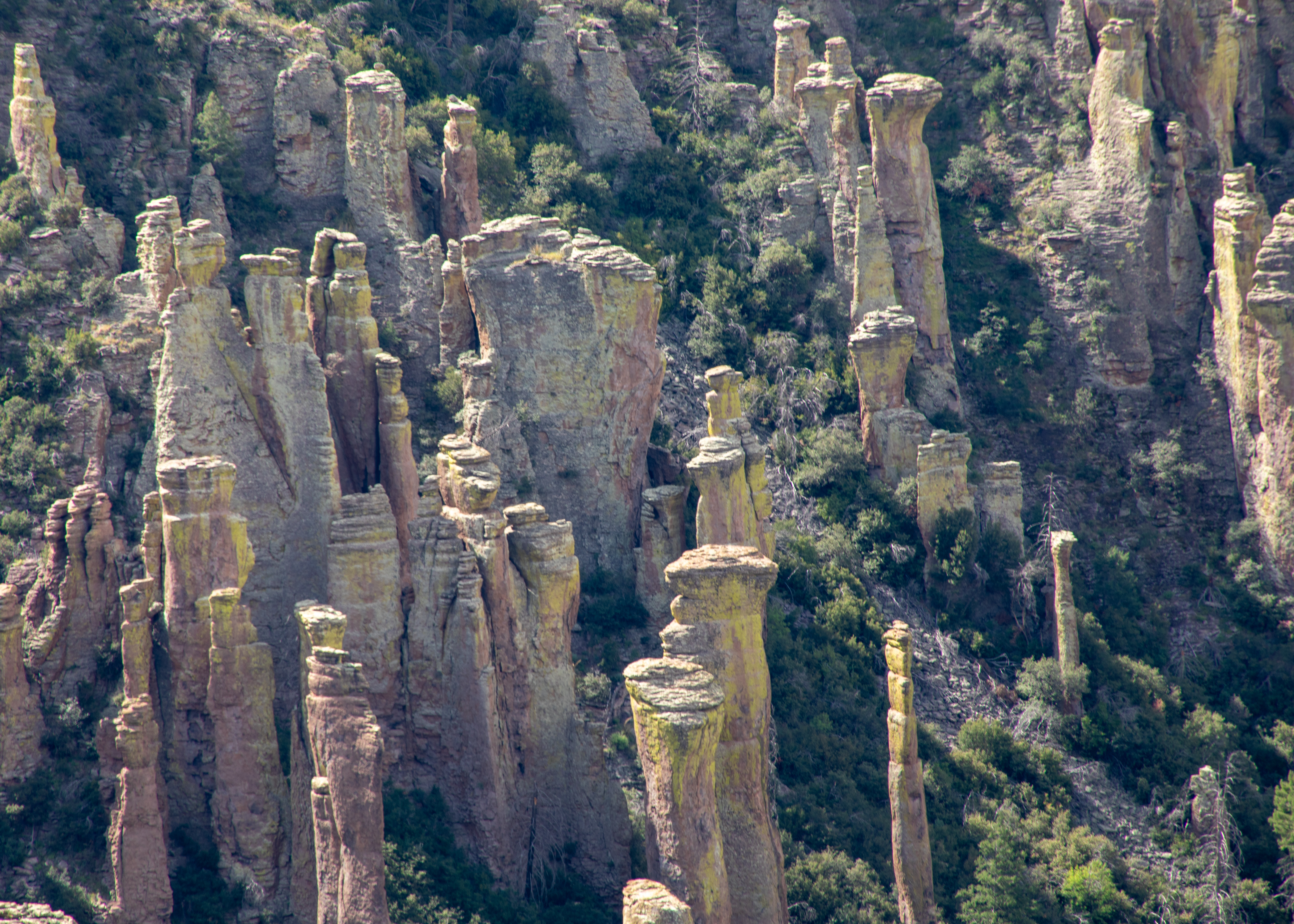
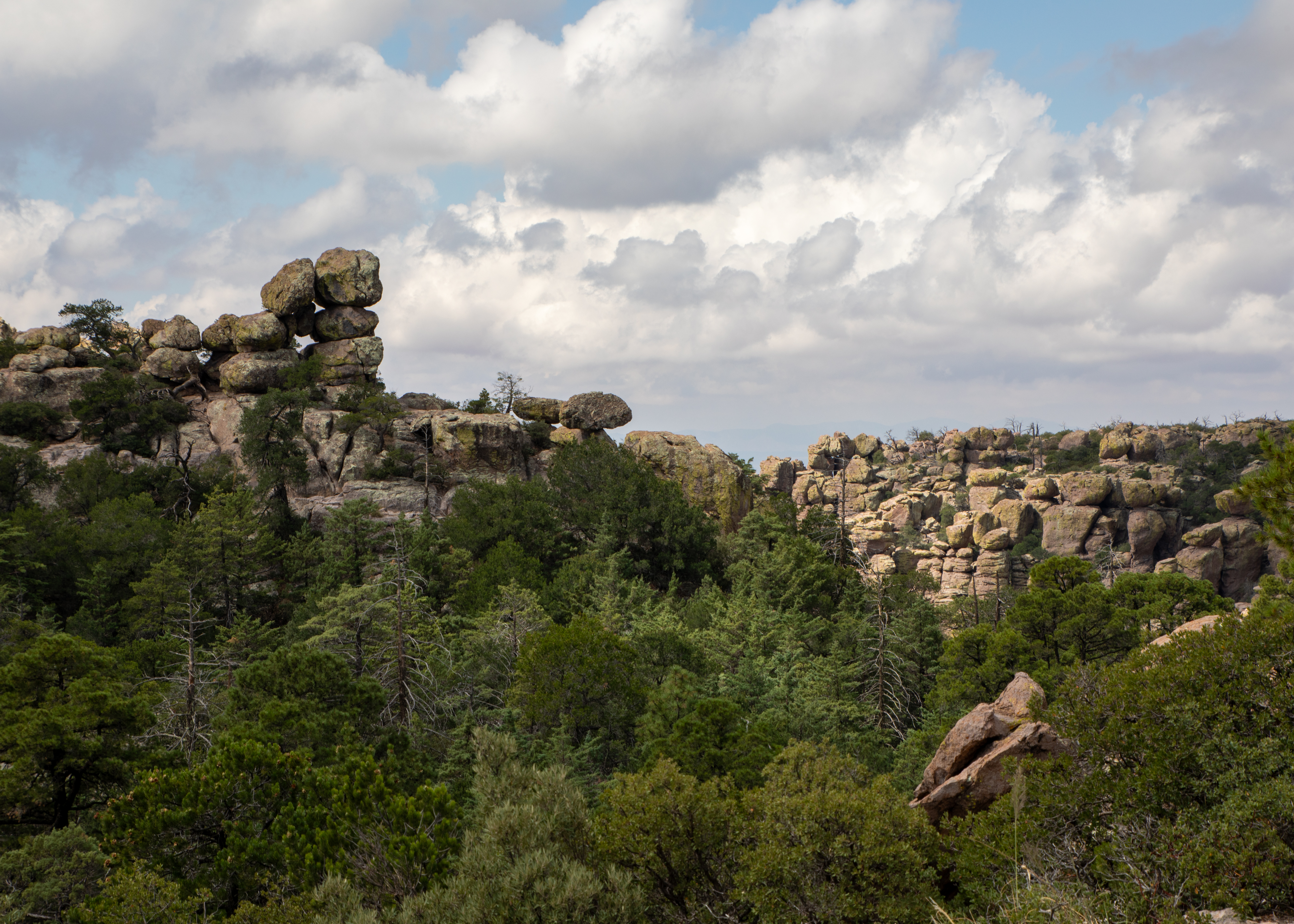
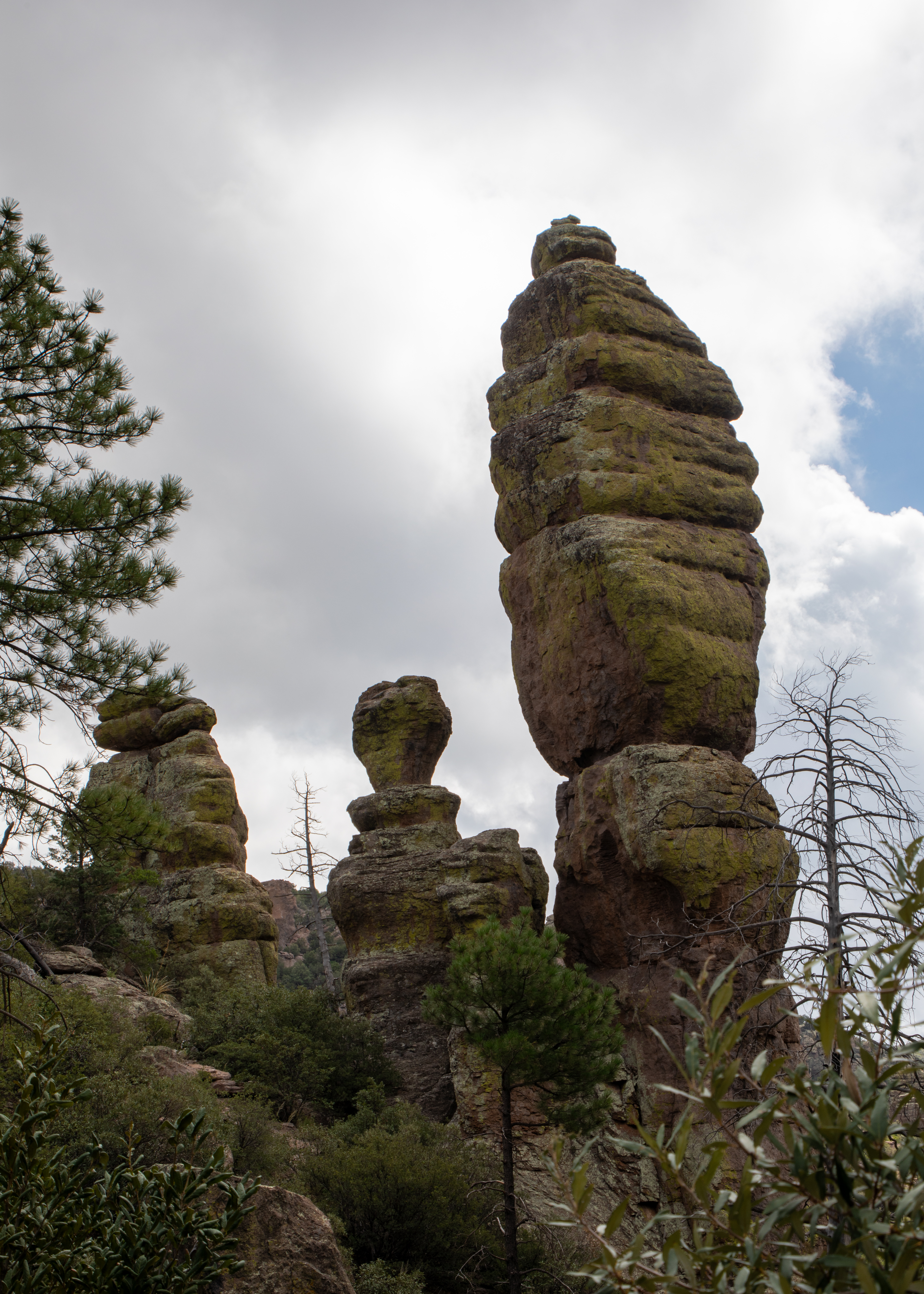
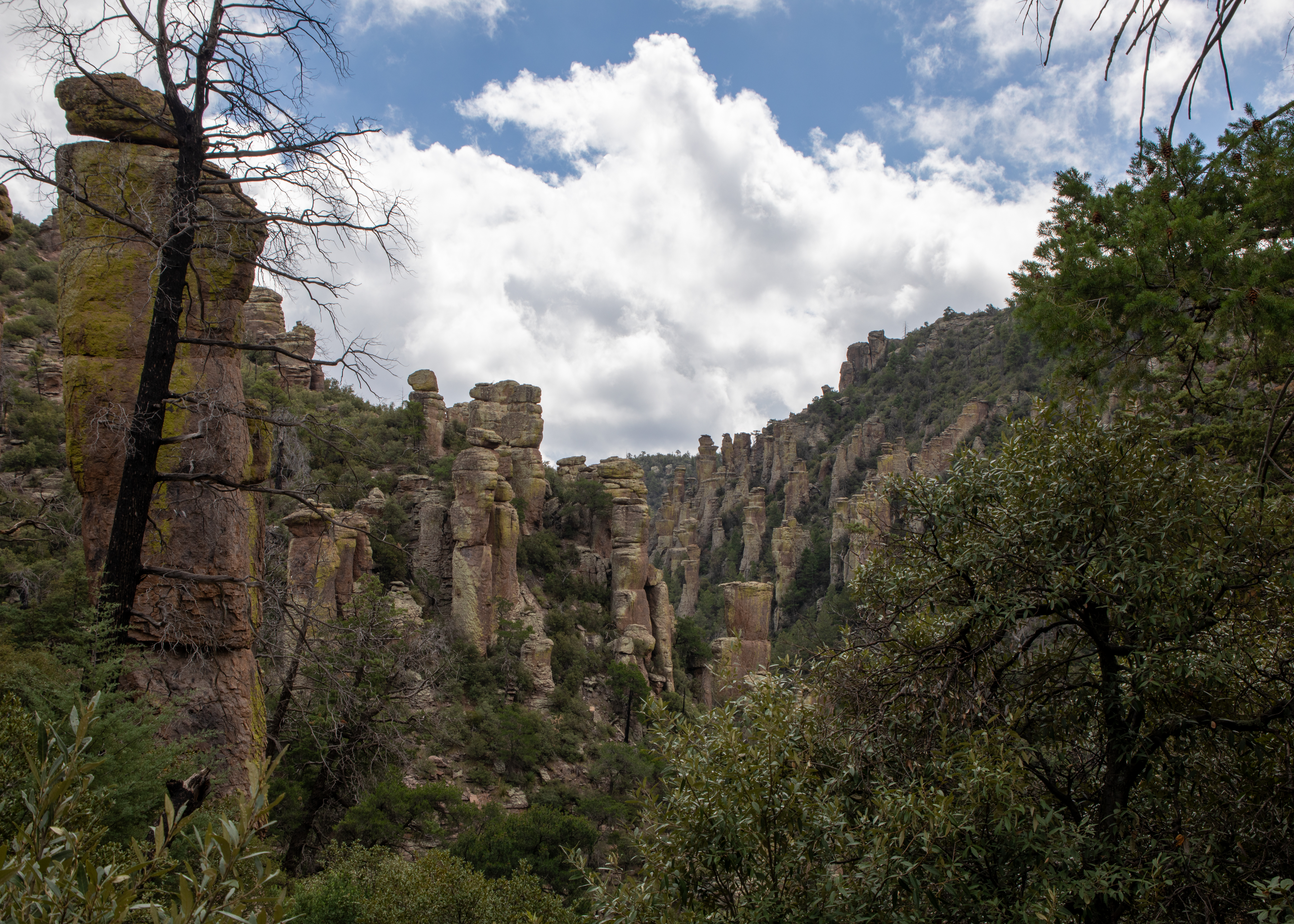
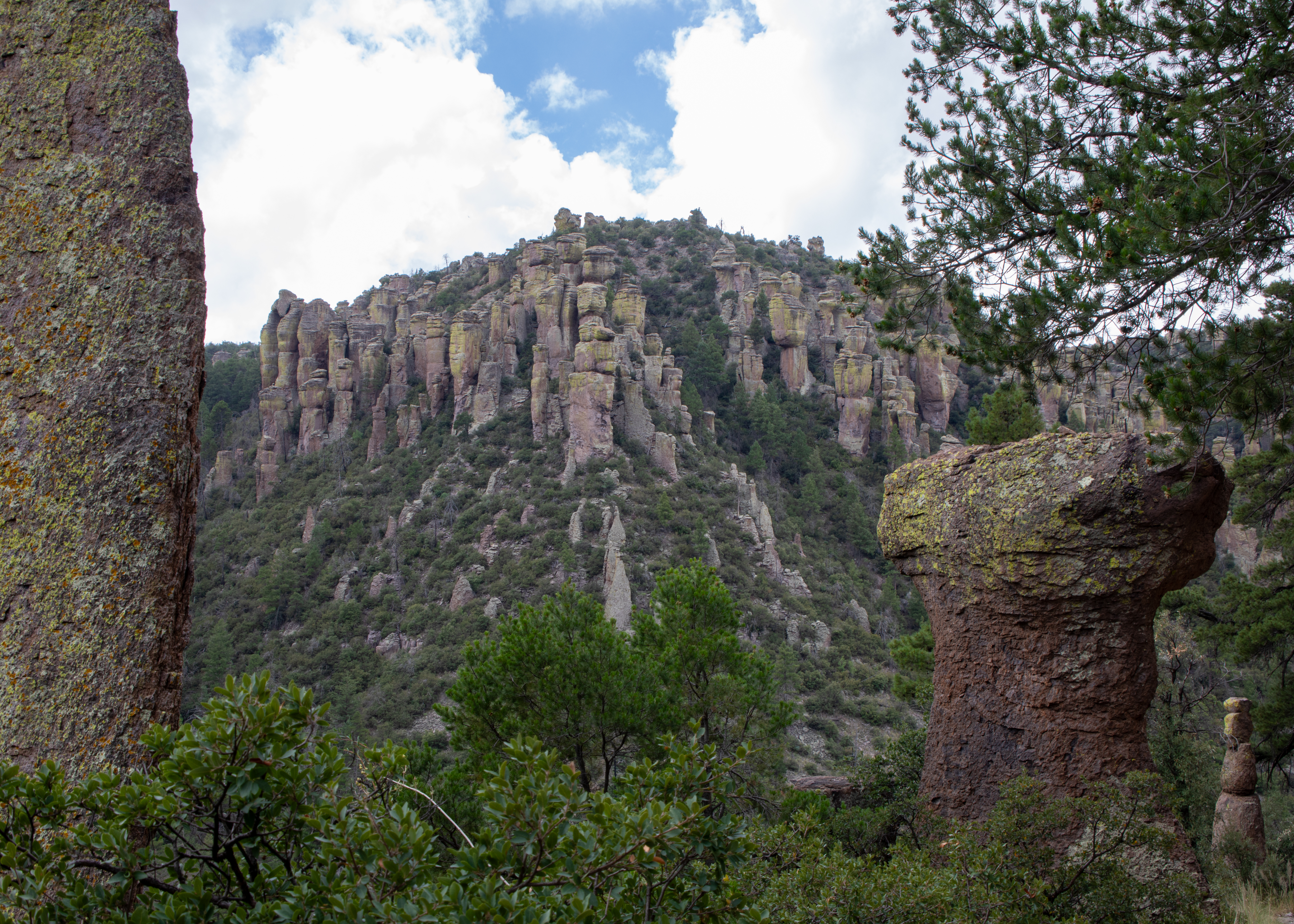
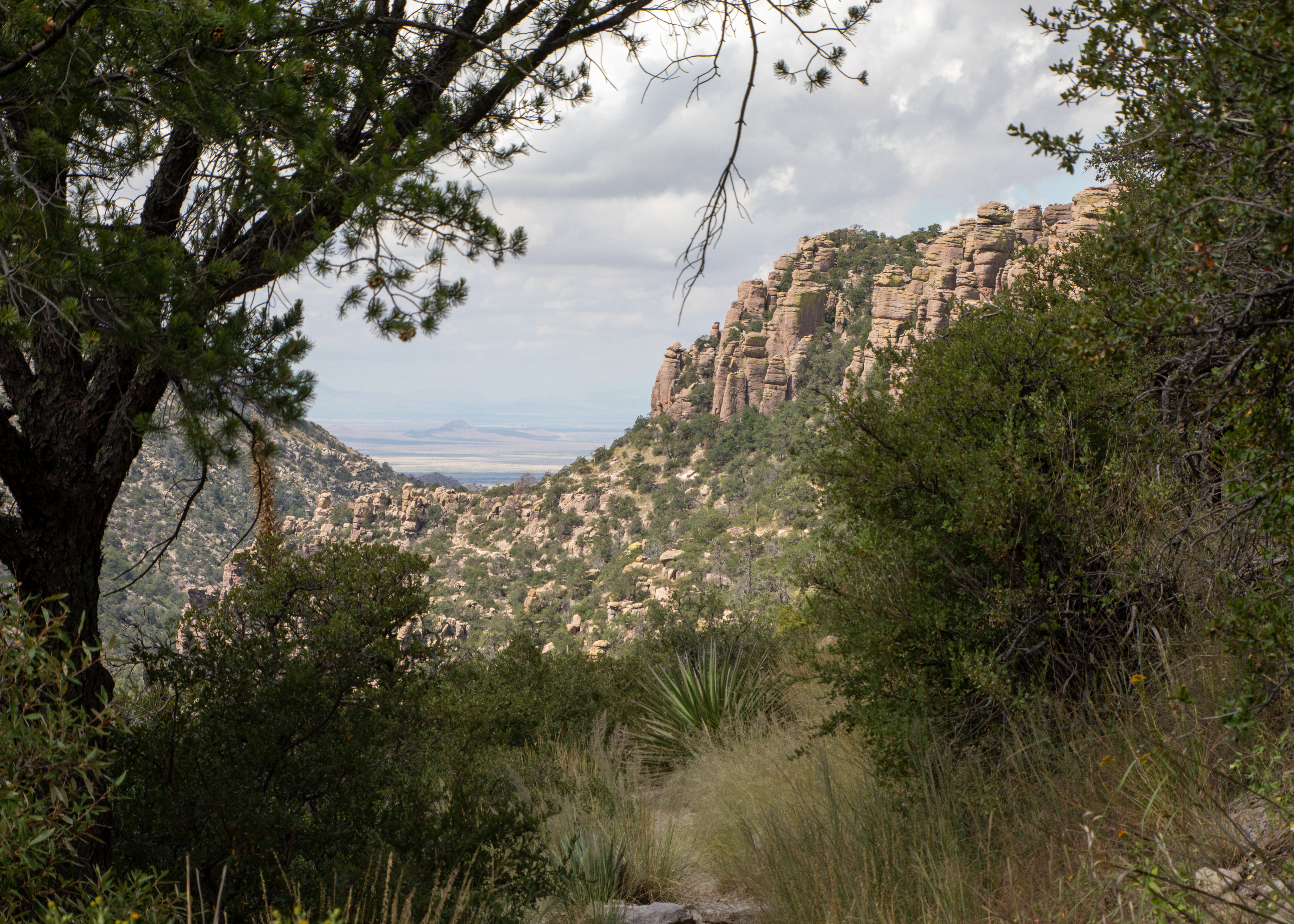
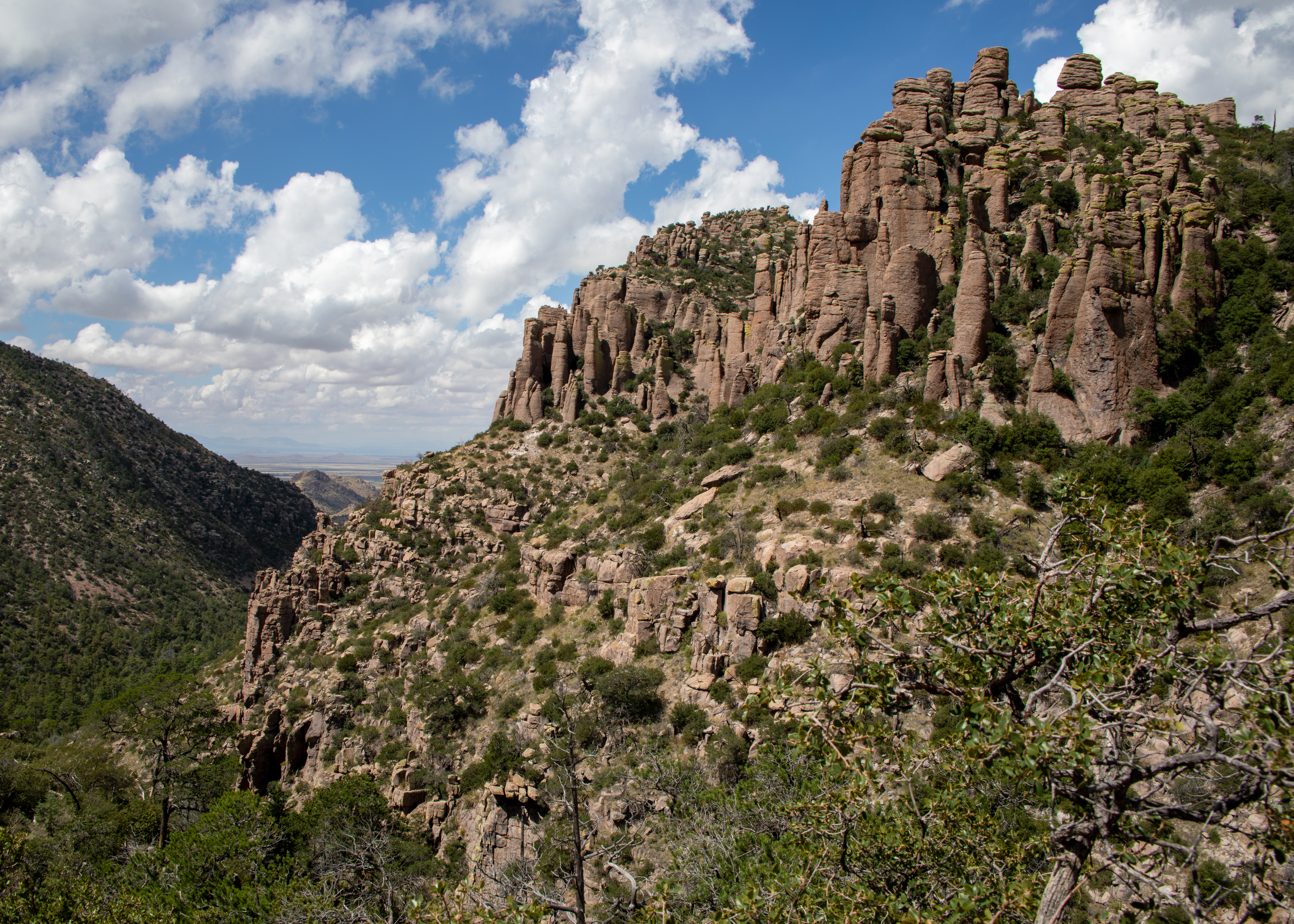
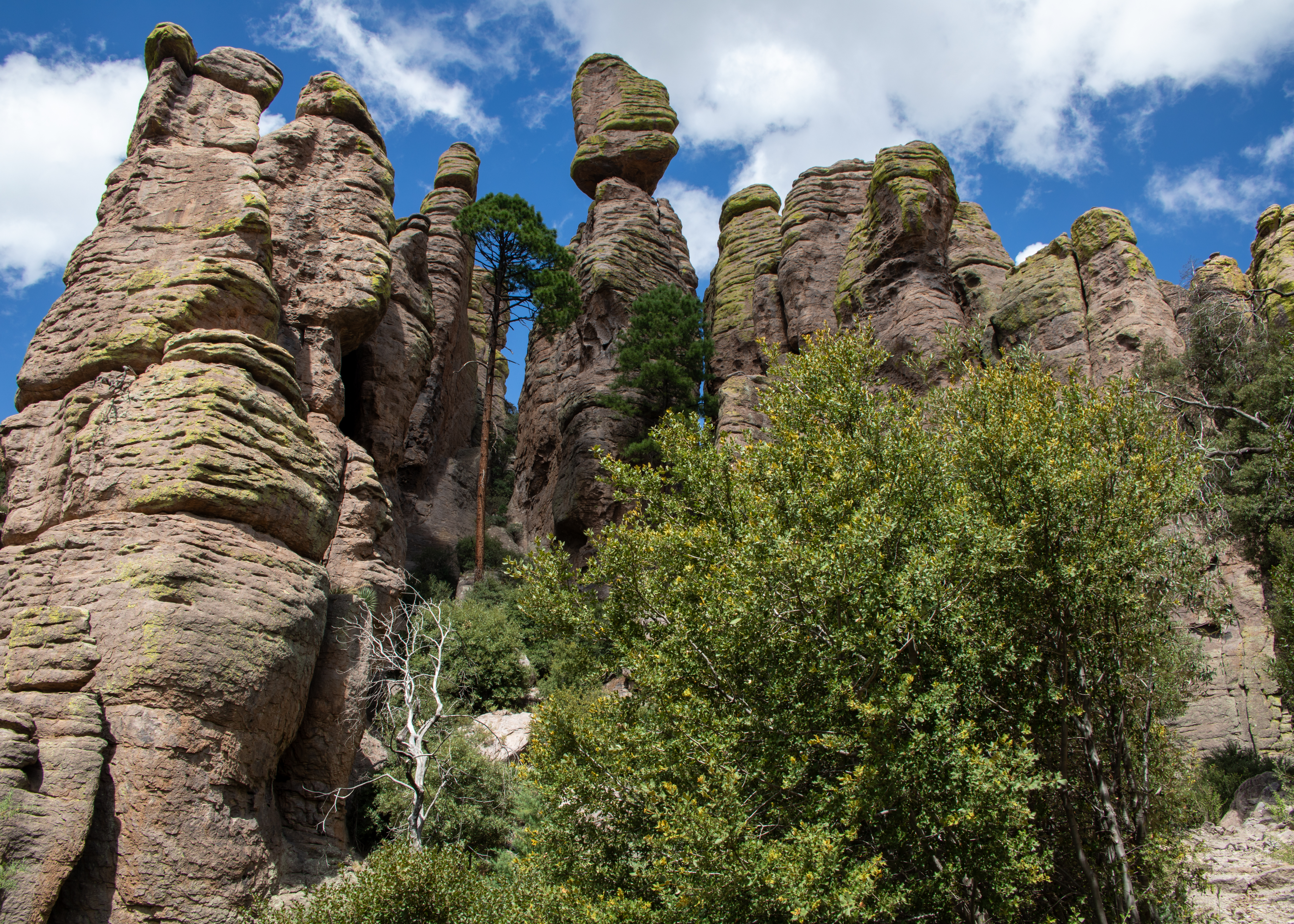
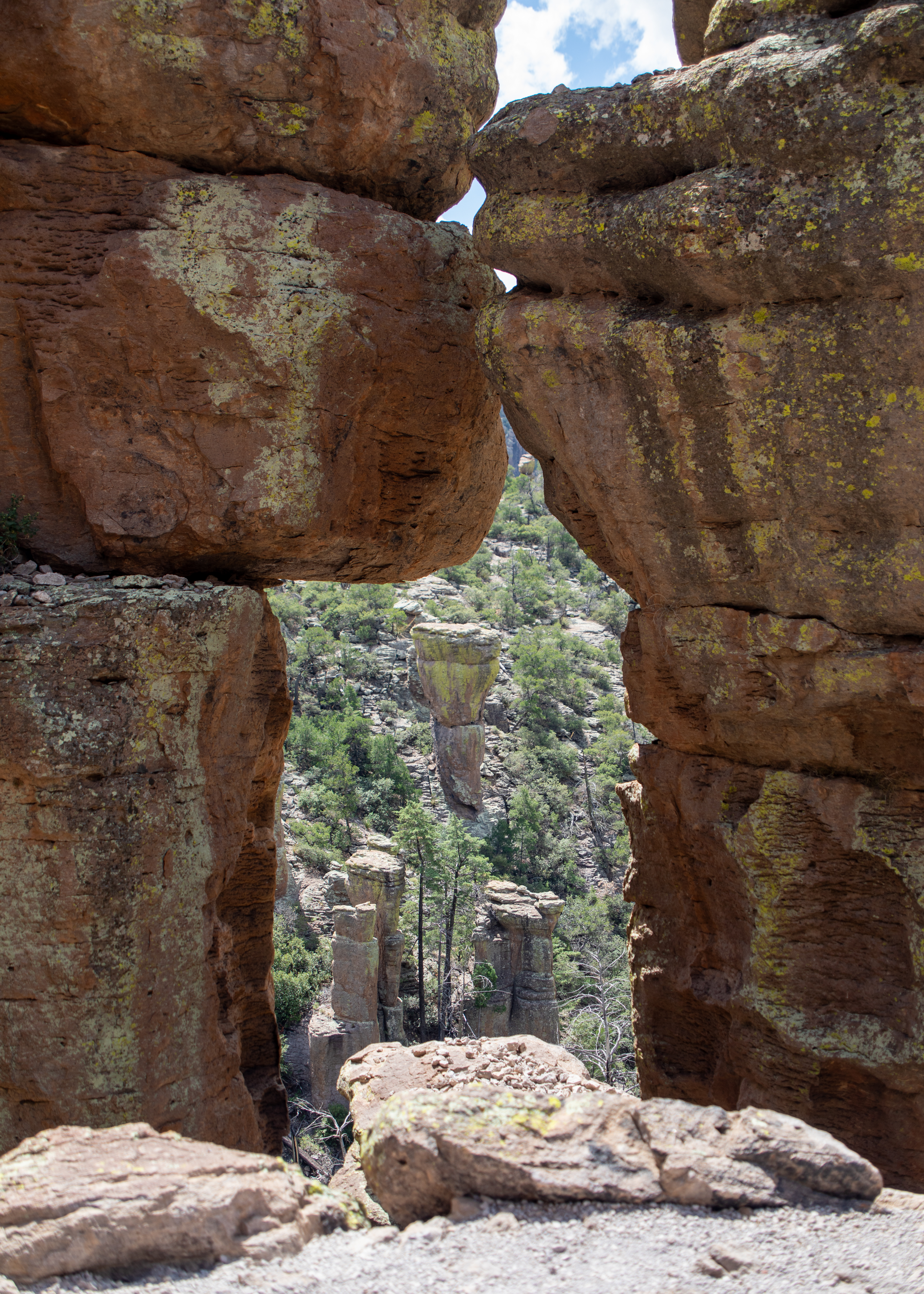
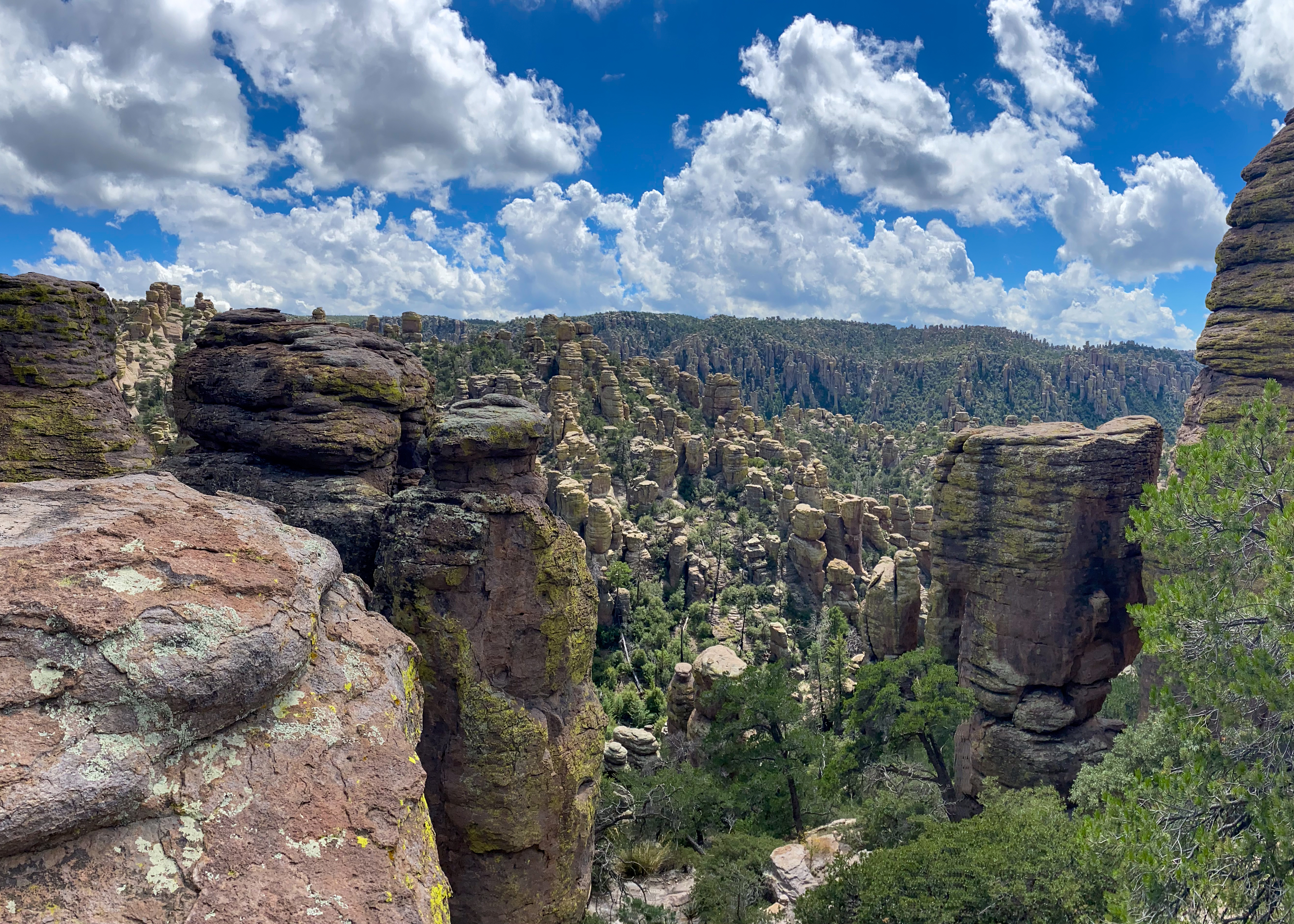
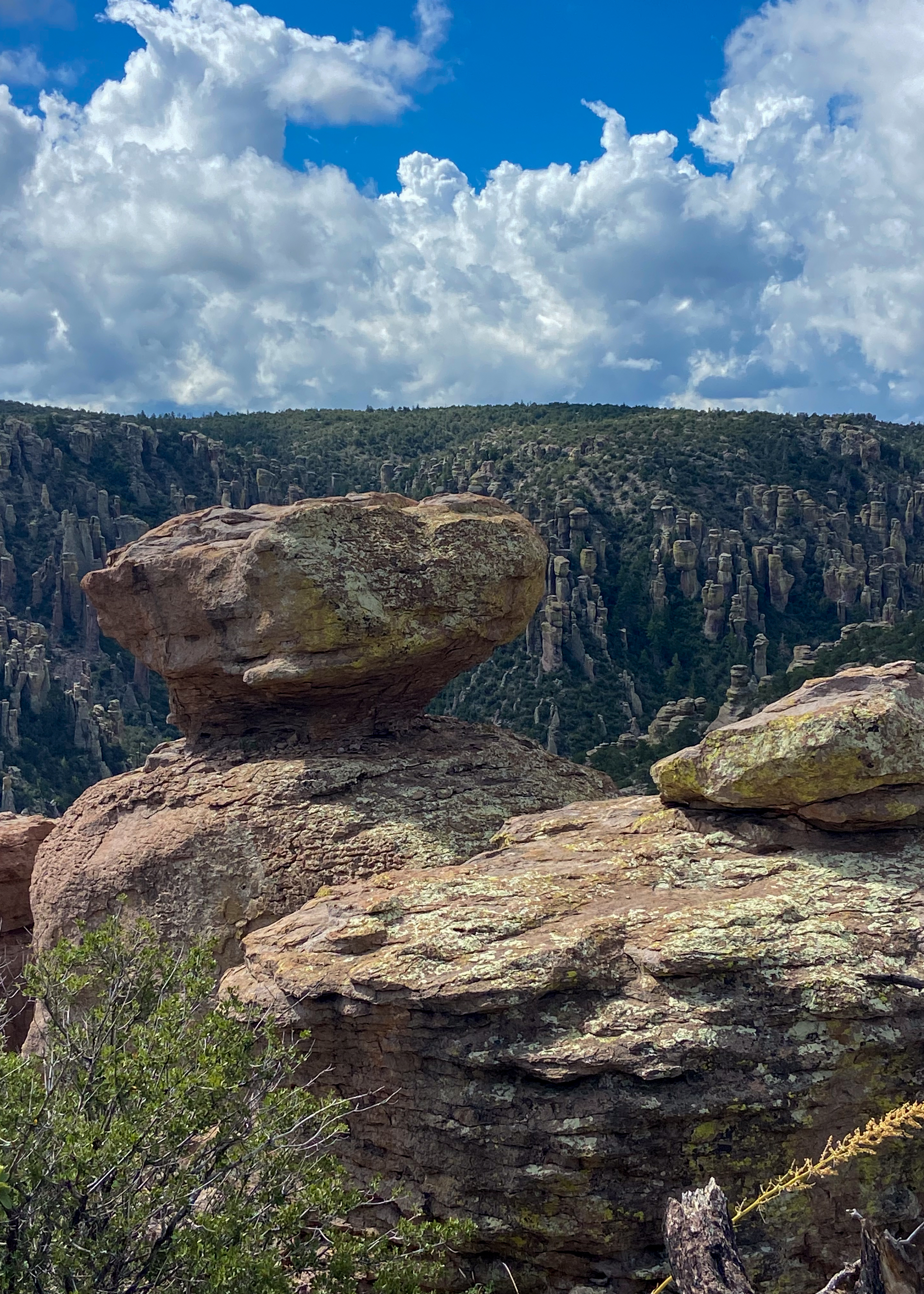
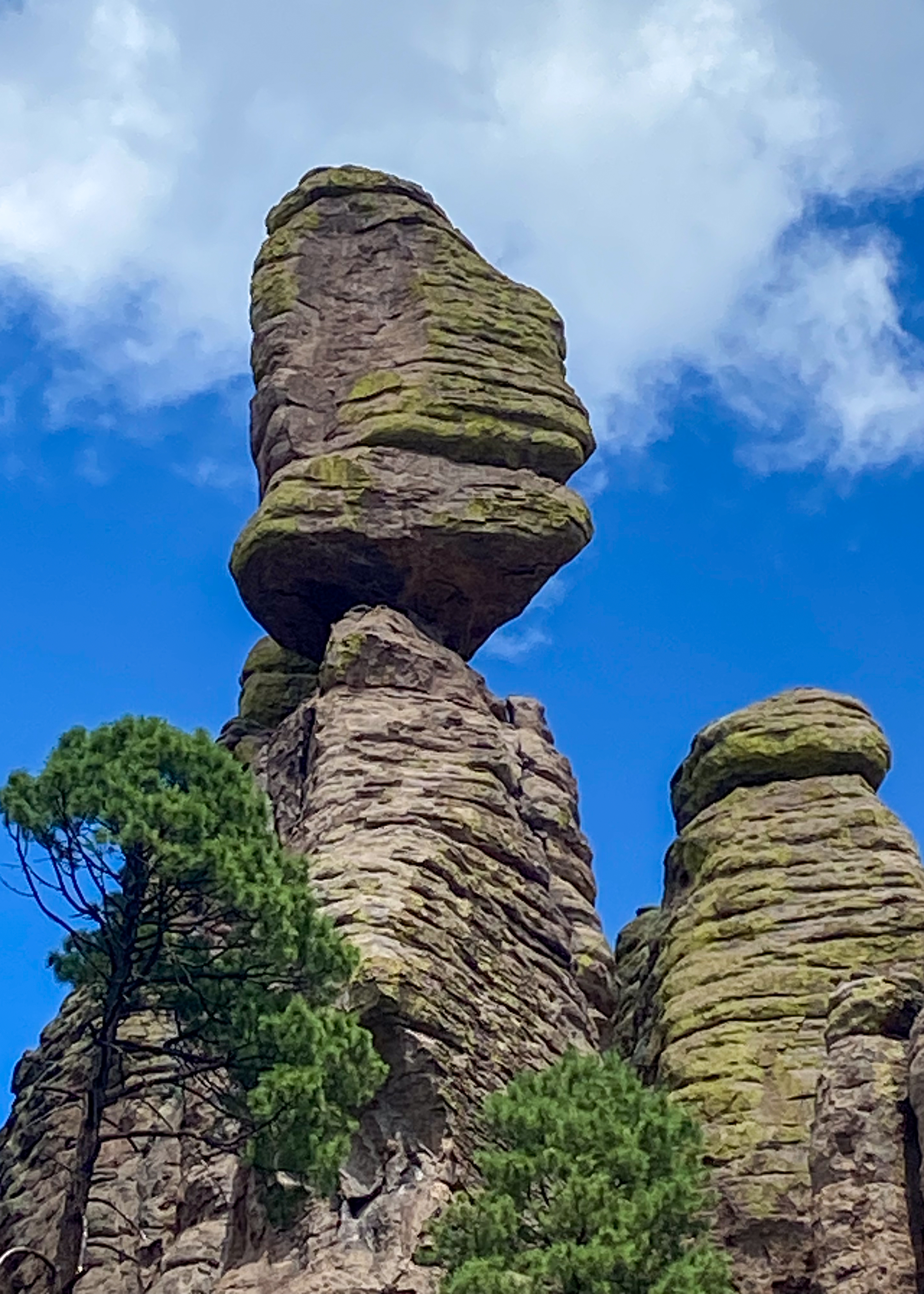
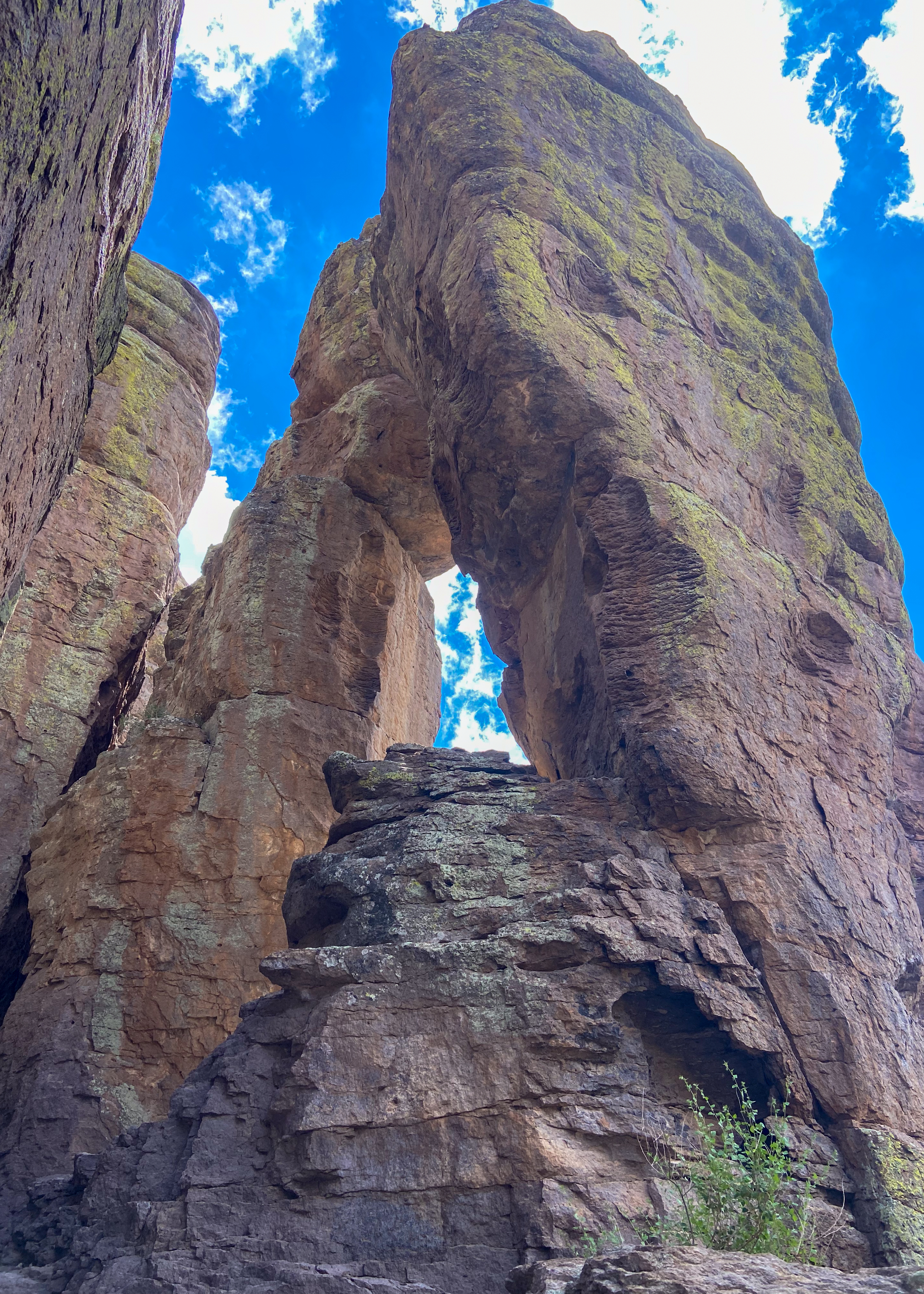
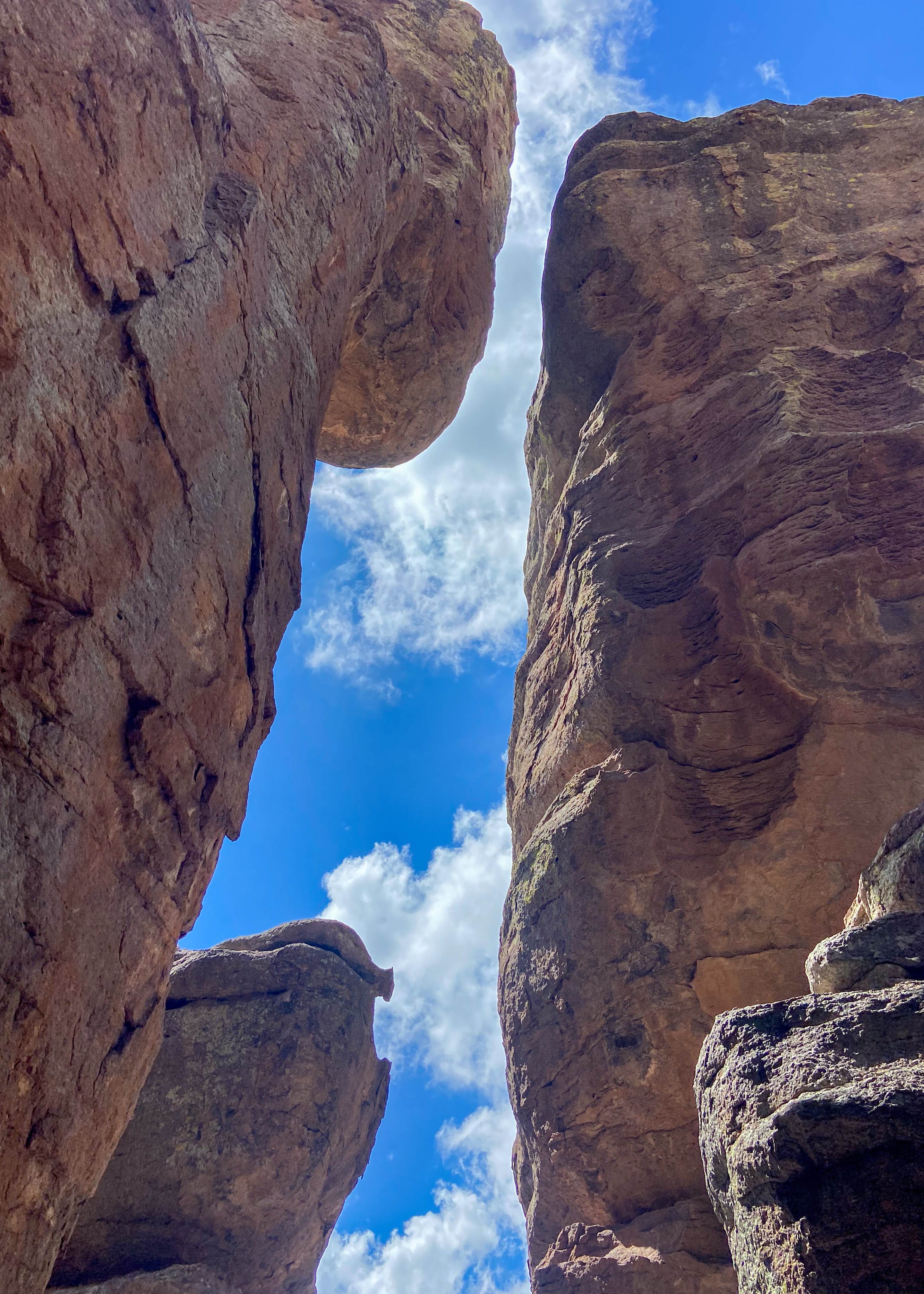
Chiricahua National Monument is recognized for its rock gardens with pinnacles that reach hundreds of feet skyward. This is the homeland of the Chiricahua Apache, who relied on the natural resources in the area as far back as the 1400s. The stories of chiefs Mangas Coloradas and Cochise as well as medicine-man-turned-warrior Geronimo reverberate throughout the canyons here. Deer, bears, and mountain lions inhabit the area, and the annual sandhill crane migration is also impressive. The 8-mile Bonita Canyon Drive begins on the valley floor and rises into mountains where balanced rocks seem to defy gravity. The drive ends at Massai Point, the pinnacle of this amazing sky island with 360-degree views of the rock valleys below.
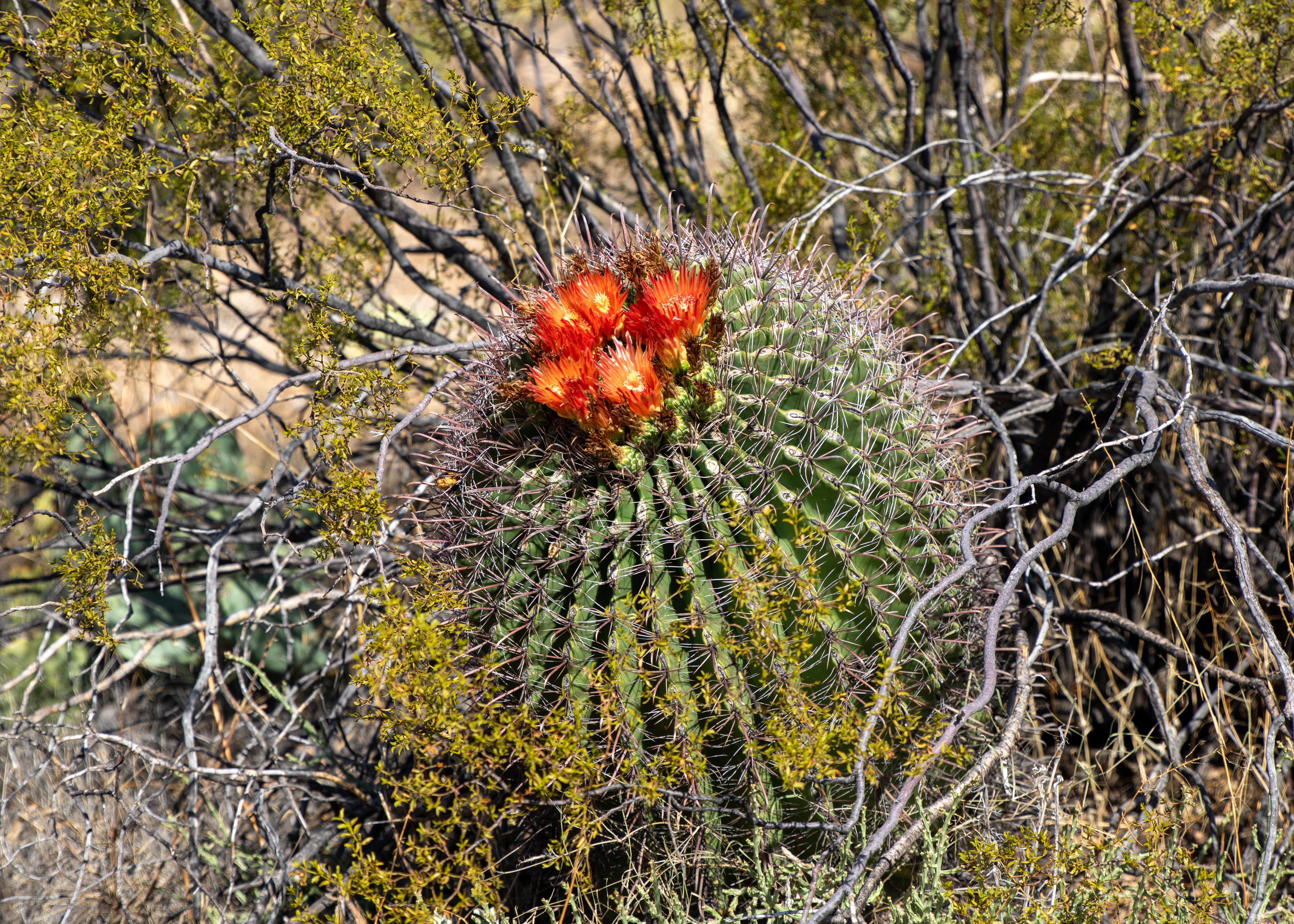
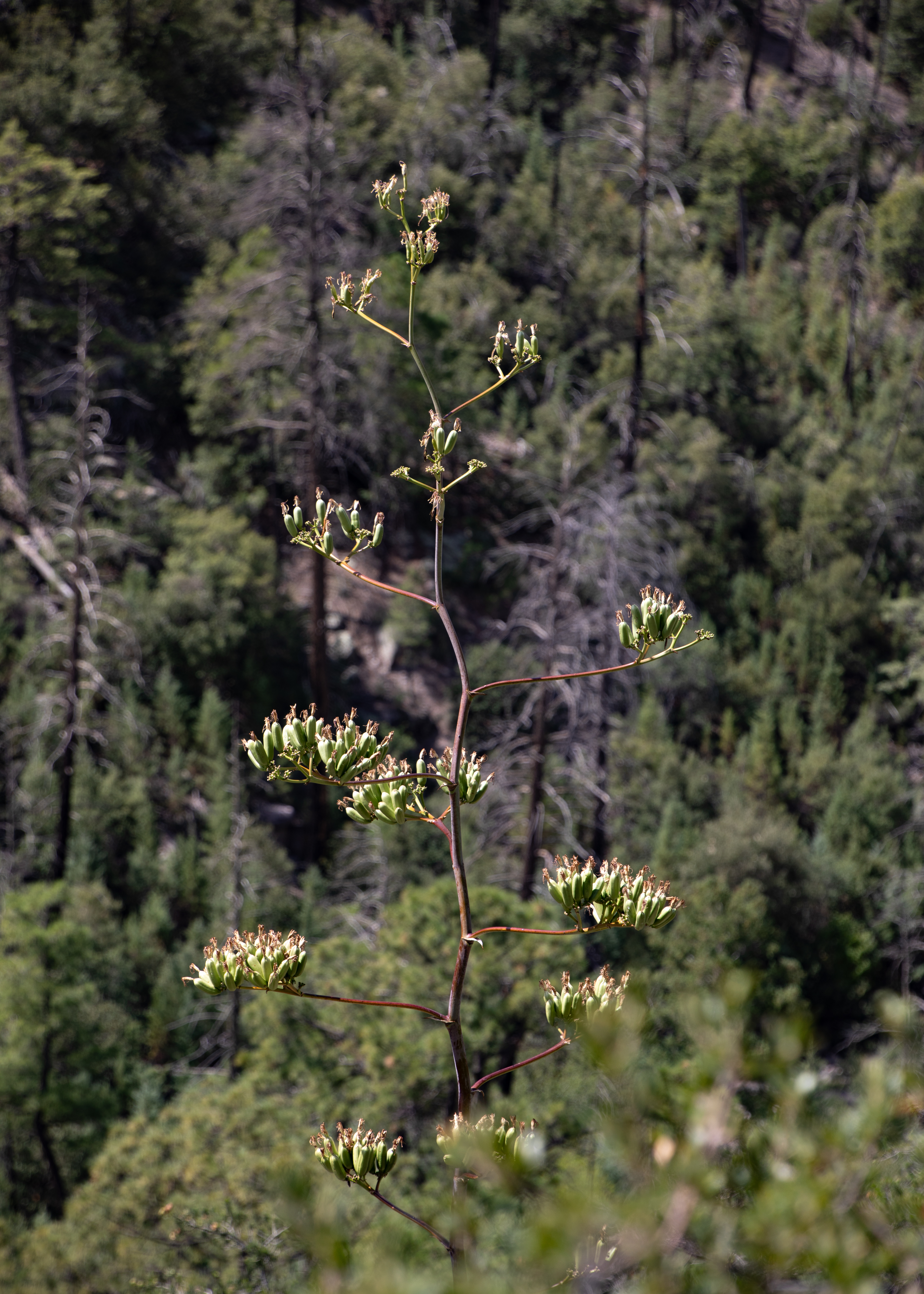
We hiked the Echo Canyon Loop starting at the Point –3.3-miles of connecting trails. The route winds through rock formations including the Grottoes and Wallstreet to the densely wooded Echo Park. Hailstone Trail is fairly level, and due to its southern exposure, hotter and dryer. You can see desert plants: yuccas, agave’s, prickly pear, and hedgehog cactus. Ed Riggs Trail takes you back to the trailhead among large pine trees.
 Travelling Photographer