Search

Travelling Photographer

Photos and commentary from my travels around the globe

Tag

travel

2024 Cross Country Trip #4

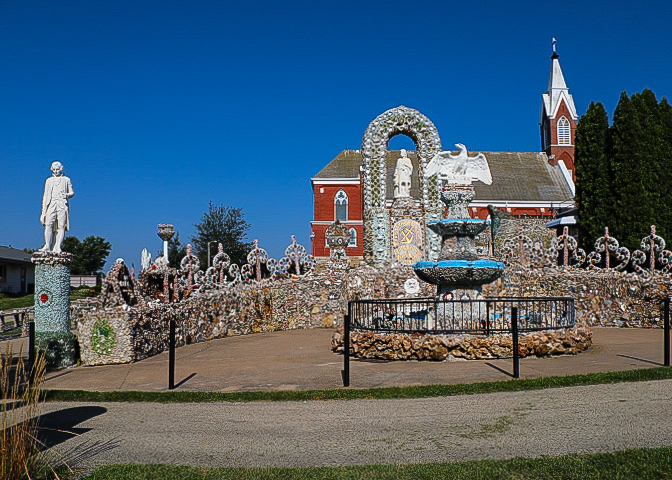
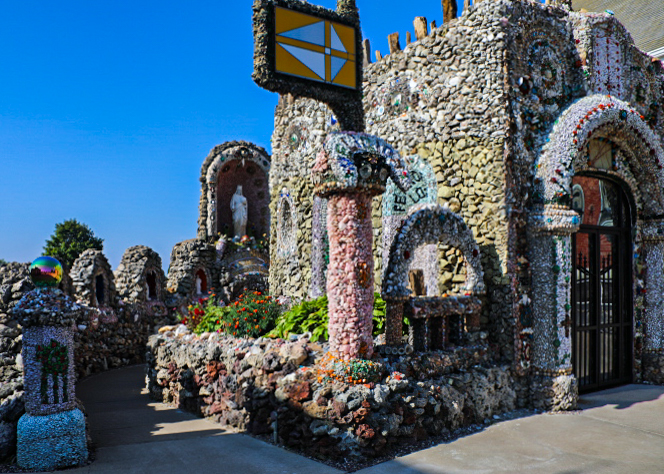
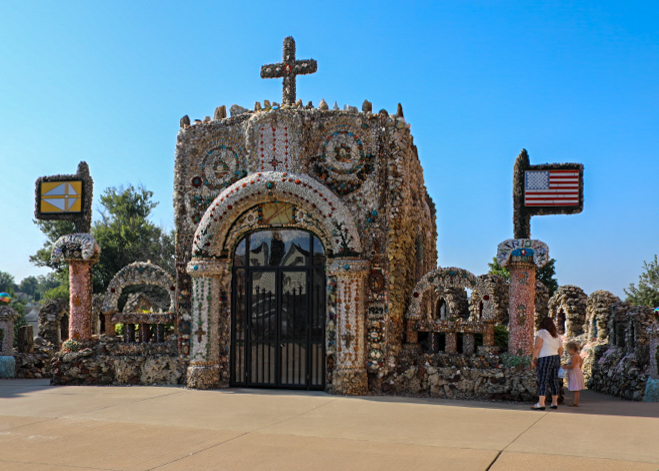
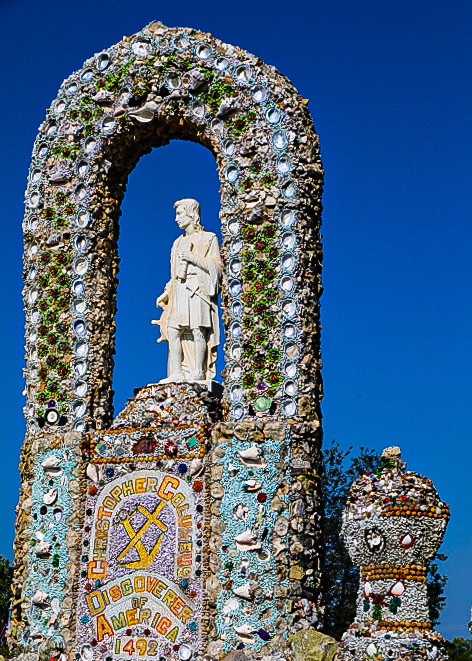
Continuing along the River Road we entered Wisconsin with our first stop at the The Dickeyville Grotto & Shrines that are located on the grounds of the Holy Ghost Parish. They are the works of Father Matthias Wernerus, a German-American priest who served the parish from 1918 until his death in 1931. The main Grotto is an artificial cave created out of stone, mortar, and brightly colored materials and found objects collected from all over the world. Besides the main Grotto, Father Wernerus constructed several other religious and patriotic shrines throughout the garden area surrounding the Holy Ghost Church. Later additions to the site include the Stations of the Cross (1964) and Our Lady of Fatima Shrine (1998).
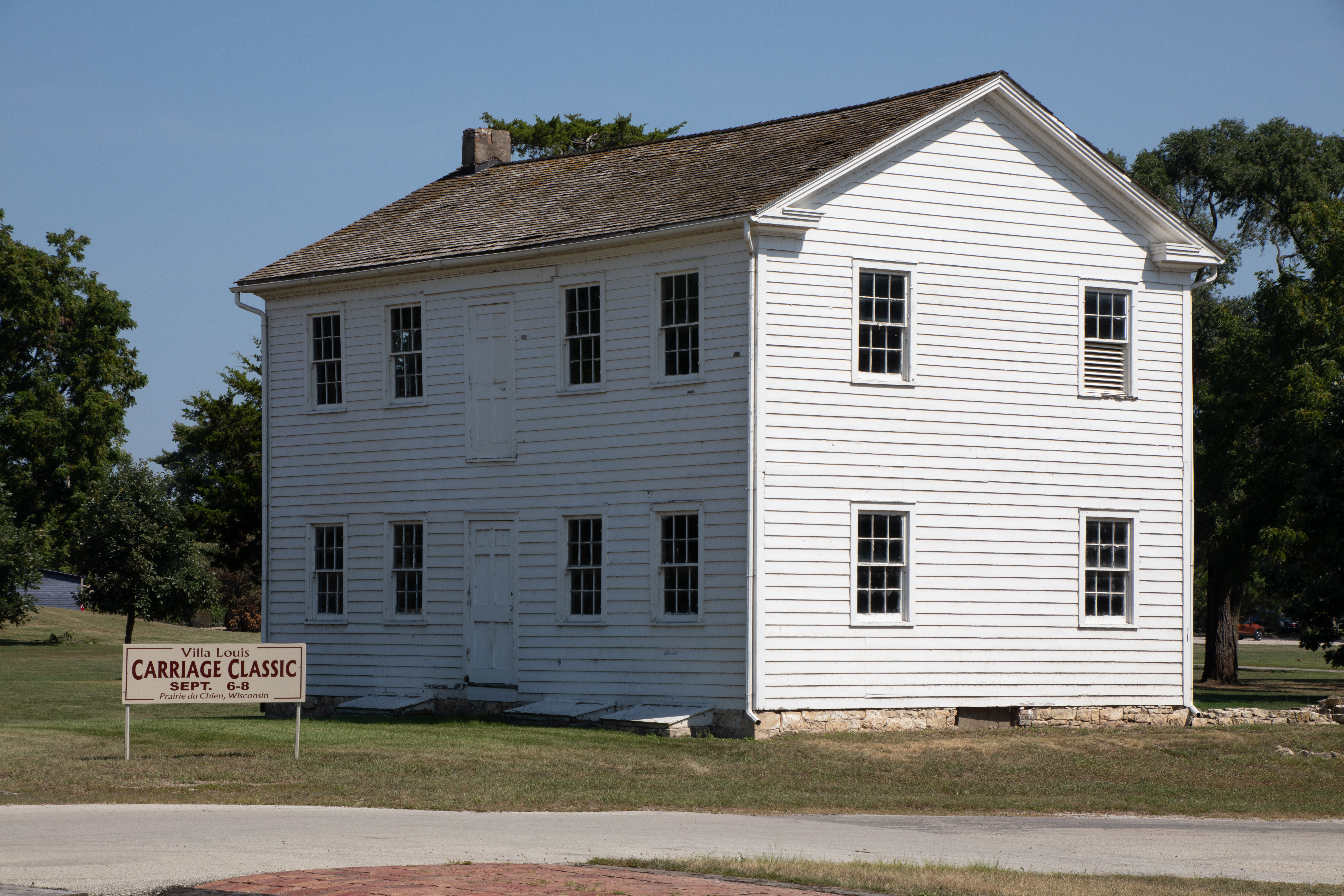
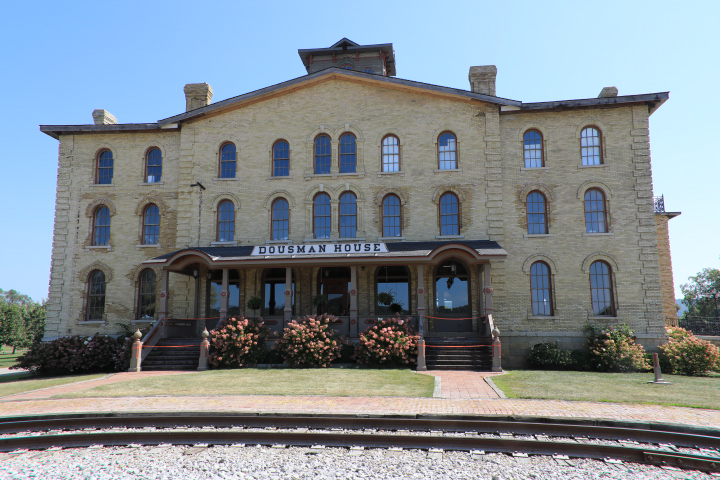
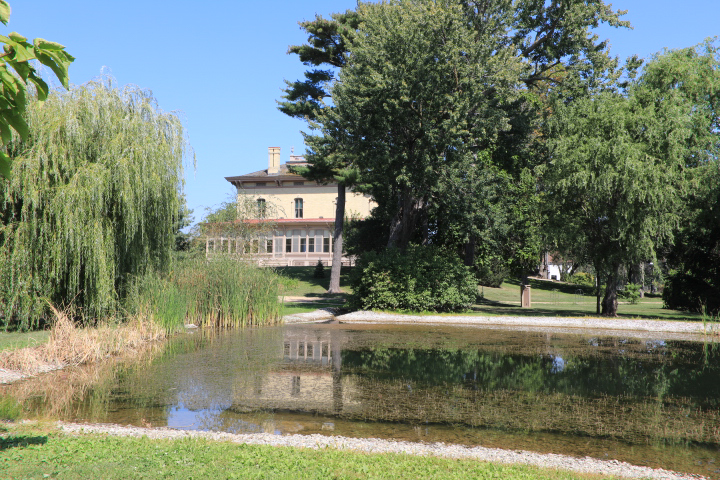
Heading further north we stopped at what is often called Wisconsin’s second-oldest city, Prairie du Chien was established as a European settlement by French voyageurs in the late 17th century. St. Feriole Island – The island is the site of the city’s earliest activities: the center of the fur trade, home of the first Fort Crawford, site of the Battle of Prairie du Chien in 1814, and three important Indian treaties. From the middle 1860s until early 1900, it held the depot for the Chicago, Milwaukee & St. Paul Railroad. Villa Louis – This Victorian estate was home to three generations of the Dousmans. The current residence was built in 1870 by Dousman’s son, H. Louis Dousman. The family closed the estate in 1913 but returned 20 years later to set up the home as one of the first historic house museums in the Midwest. The Dousman House Hotel – The Railroad House was touted as the premier hotel on the Upper Mississippi when it was built by the railroad in 1864. Since Hercules Dousman owned so much of the railroad stock, the hotel was renamed after him in 1867. In the 1940s it was converted to a meat packing plant and later served as a warehouse.
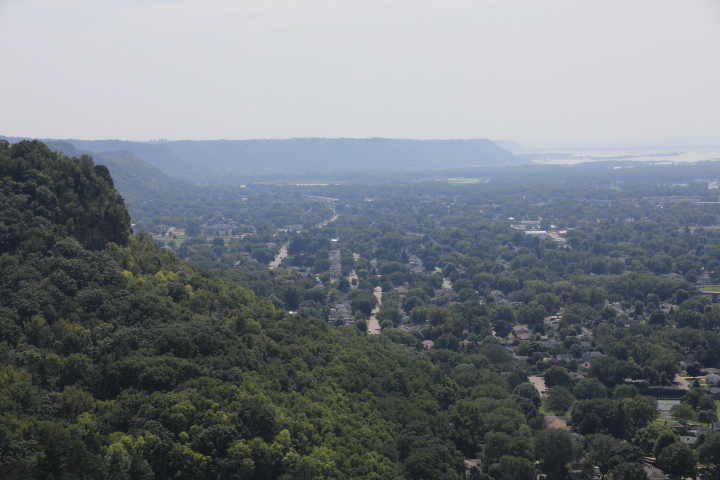
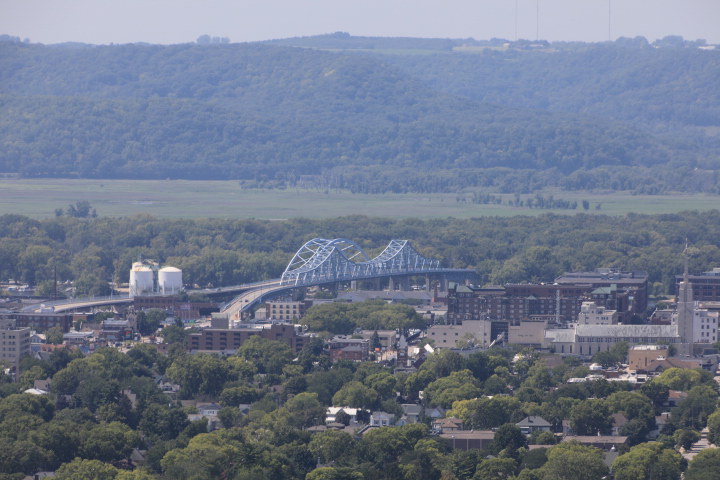
Grandad Bluff has become a destination point for thousands, but also a famous symbol of the great Driftless Region. The term “driftless” indicates a lack of glacial drift, the deposits of silt, gravel, and rock that retreating glaciers leave behind. This meant that glaciers went entirely around the driftless area but didn’t cover it. The 600-ft high bluff overlooks the city of La Crosse, the Mississippi River Valley, Wisconsin, Minnesota, and Iowa. Voted as “the most scenic view in the state”, this is the signature sight when visiting the La Crosse Region.
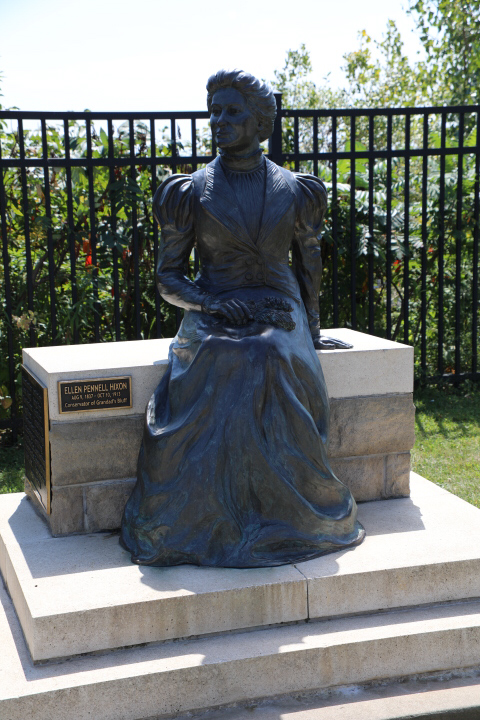
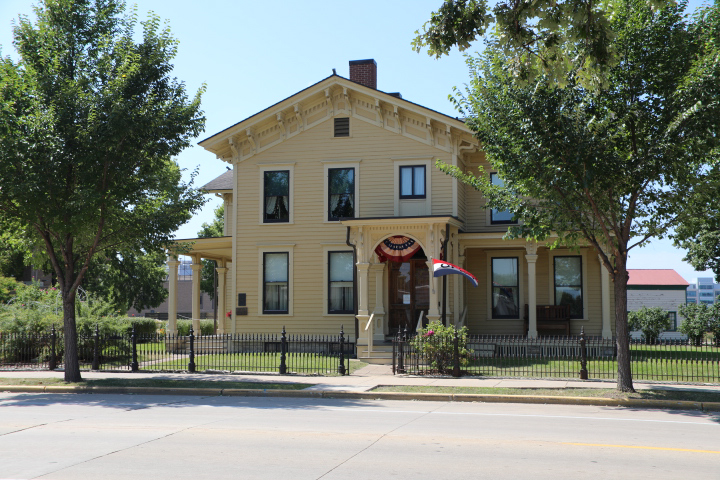
​Historic Hixon House was built in 1858 by pioneer Gideon Hixon, who went on to become a wealthy lumber baron in La Crosse. In 1965, their descendants gifted the house to LCHS including its original Victorian and Arts and Crafts furnishings.
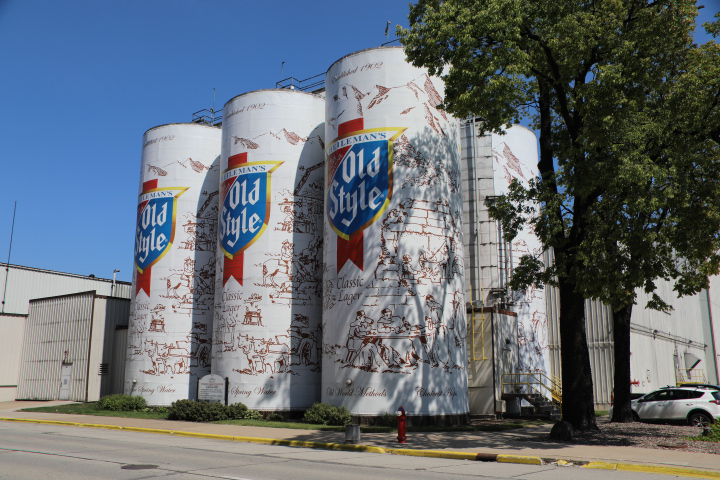
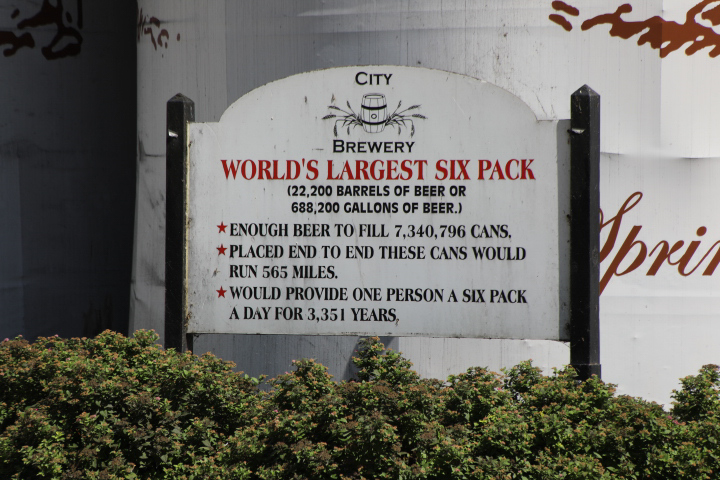
In 1969 the G. Heileman Brewery built six 54-foot-tall storage tanks at its plant in La Crosse, Wisconsin. Whether by design or a bolt of beer-fueled inspiration, the tanks were painted a year later to resemble cans of Heileman’s Old Style Lager, and the sextet was proclaimed the “World’s Largest Six Pack.”
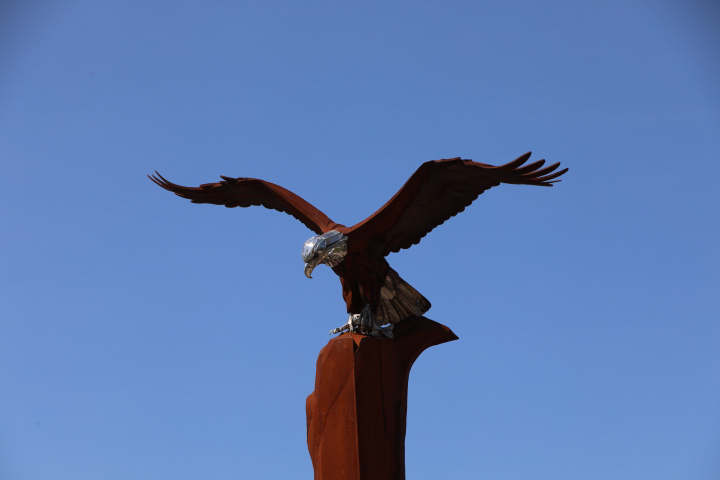
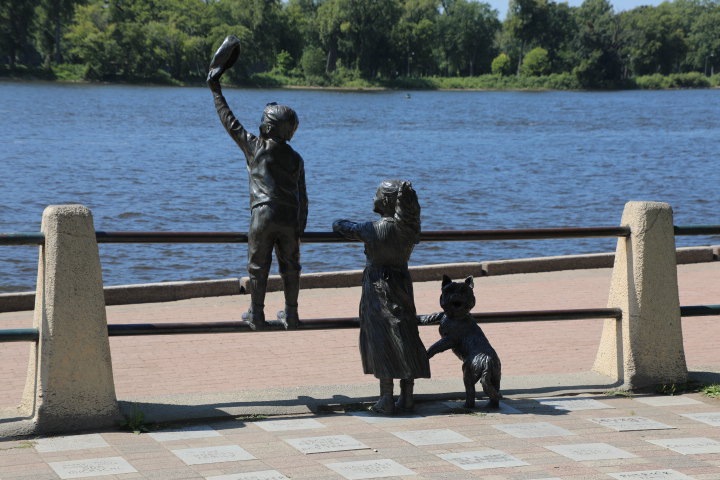
At the confluence of the Mississippi, Black and La Crosse Rivers, Riverside Park in La Cross is designed for active lifestyles and for those who want to just watch the river slowly pass by. The Park is the home of the authentic paddle-wheeler, the La Crosse Queen, the Riverside International Friendship Gardens with various sculptures.
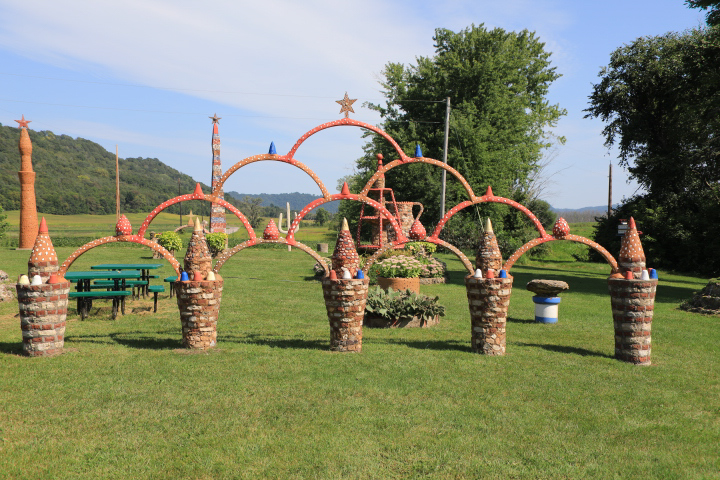
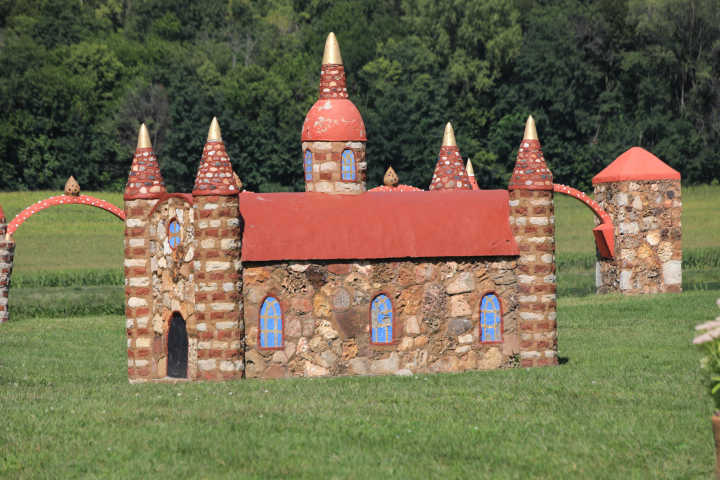
Prairie Moon Sculpture Garden and Museum – built by Herman Rusch who built his first concrete and stone planter in1958. That effort led to two new interests: the creation of huge sculptures and related flower beds. In just one year, Rusch built a 260-foot arched fence that spans the north perimeter of the site. It’s precisely aligned conical posts were constructed with alternating bands of chiseled white rocks and pie-shaped red bricks, while the arches were molded with concrete over the iron wheels.
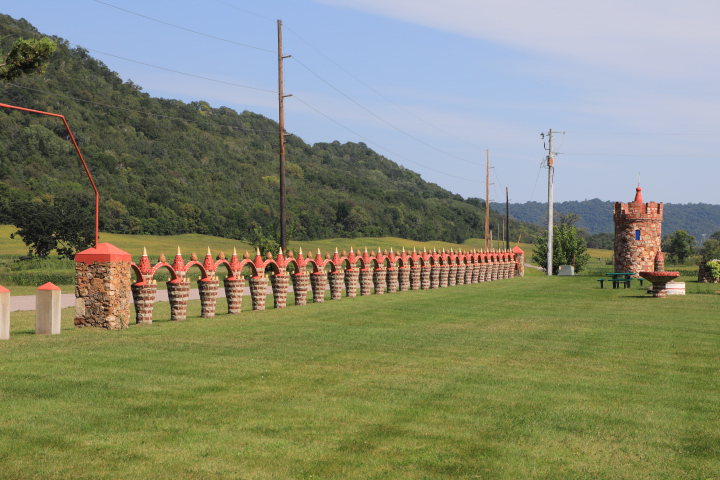
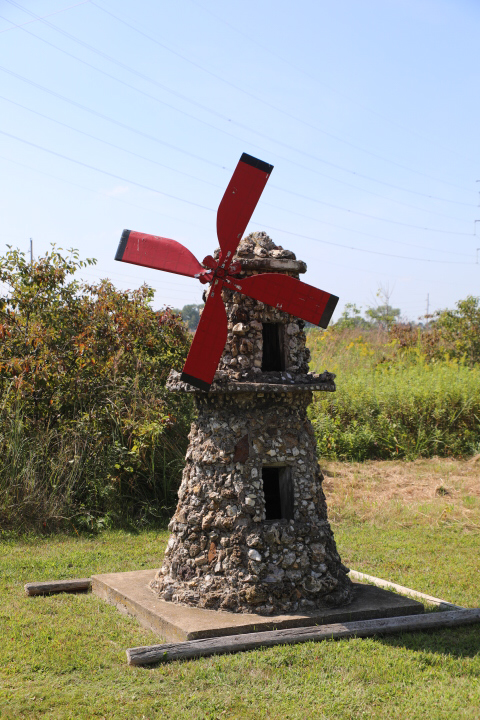
https://www.kohlerfoundation.org/preservation/preserved-sites/prairie-moon-sculpture-garden-and-museum/

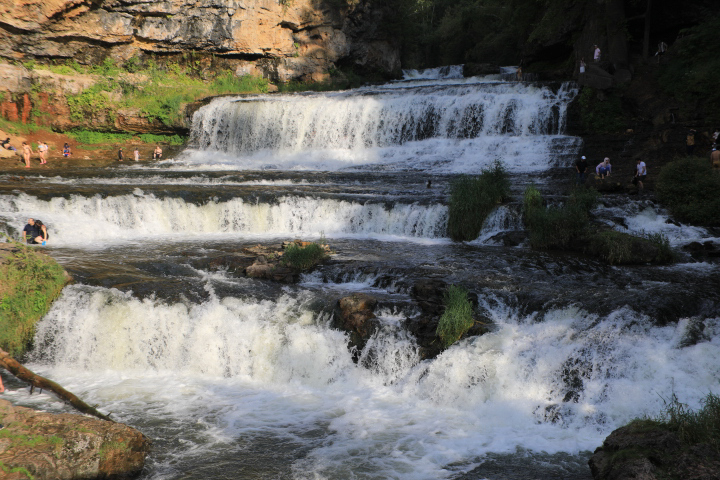
Willow Falls is a highlight within Willow River State Park, just northeast of Hudson WI. This waterfall cascades over three ledges, creating a 45-foot drop through a deep, rugged gorge.
UK and Scotland Day 14

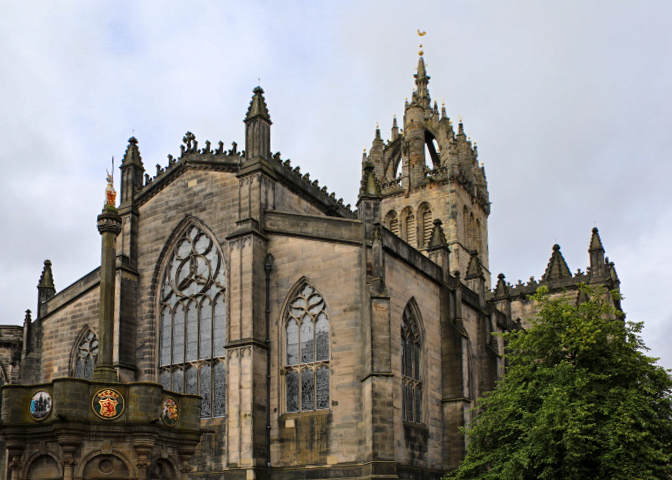
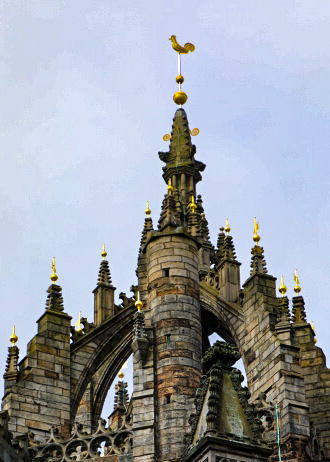
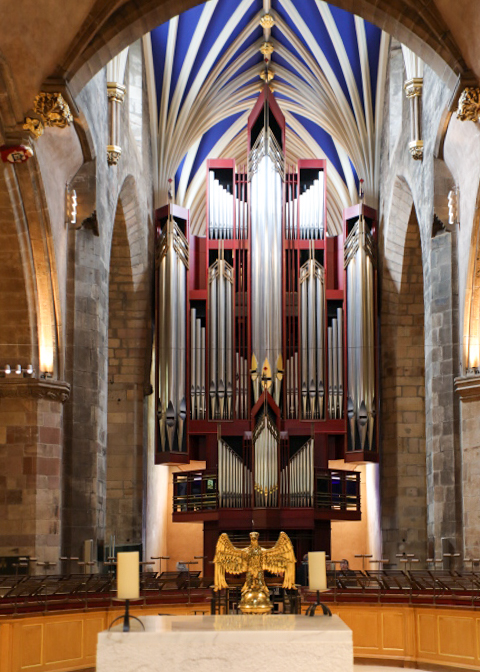
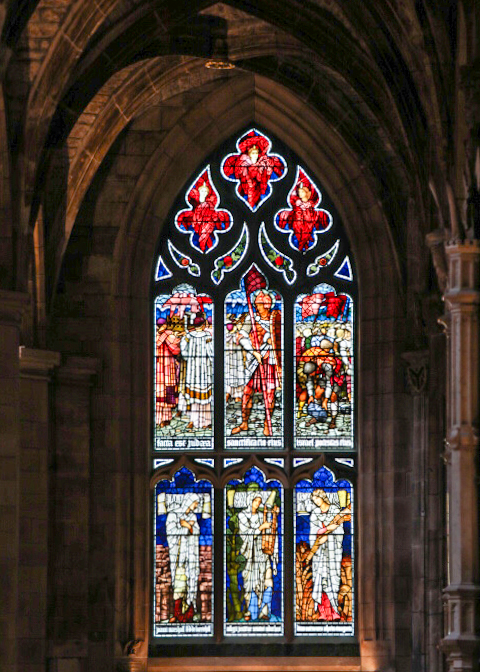
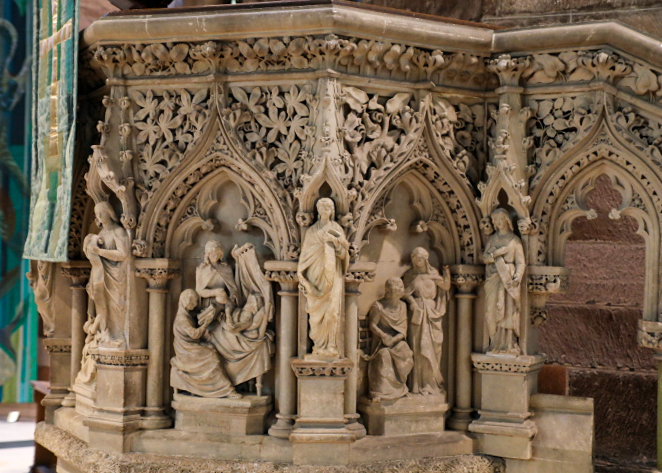
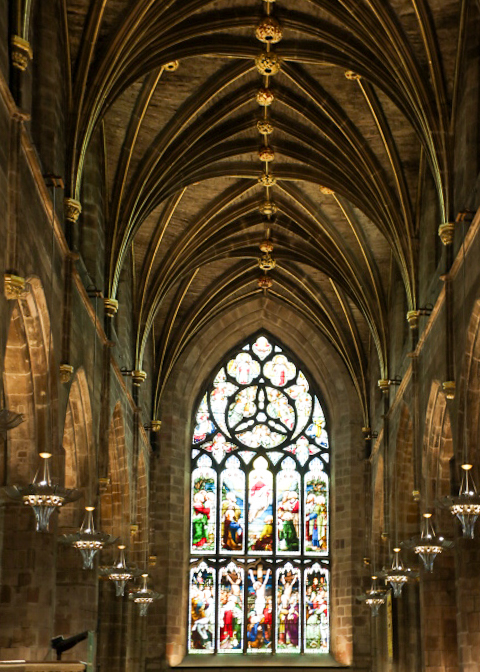
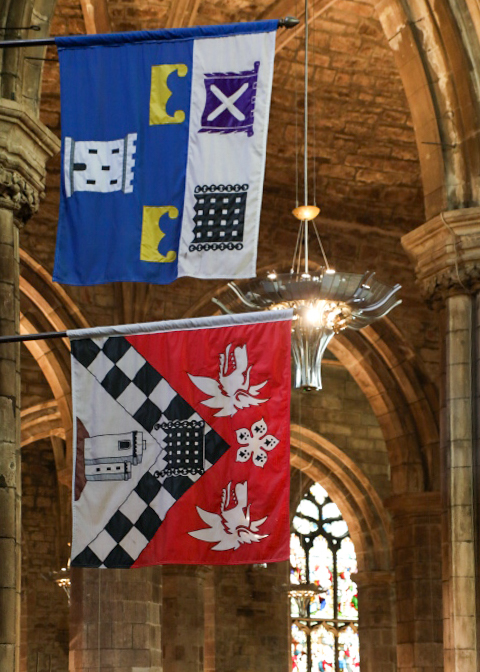
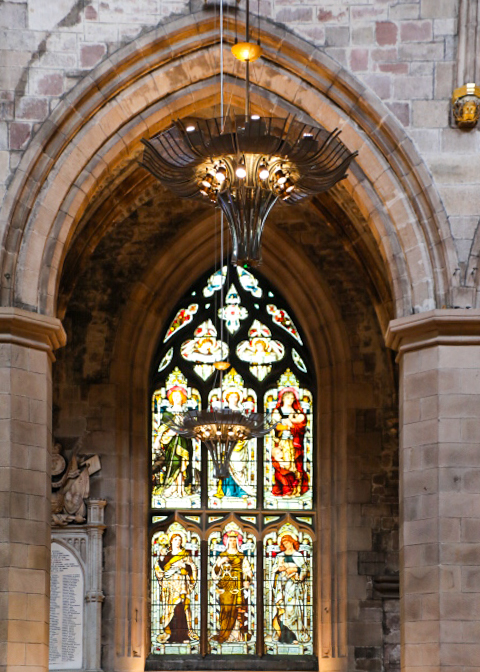
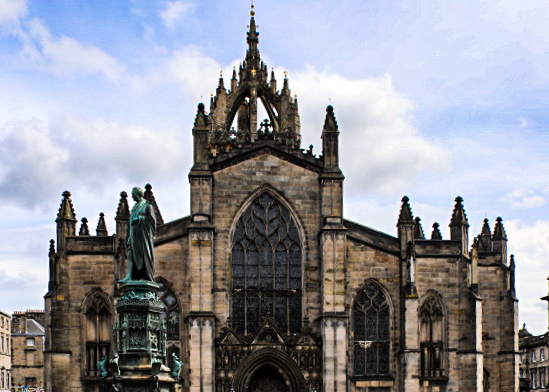
Our day started with a visit to St. Giles’ Cathedral. This is the flagship Church of Scotland – it is called the “Mother Church of Presbyterianism.” The interior serves as a kind of Scottish Westminster Abbey, filled with monuments, statues, plaques, and stained-glass windows dedicated to great Scots in history.

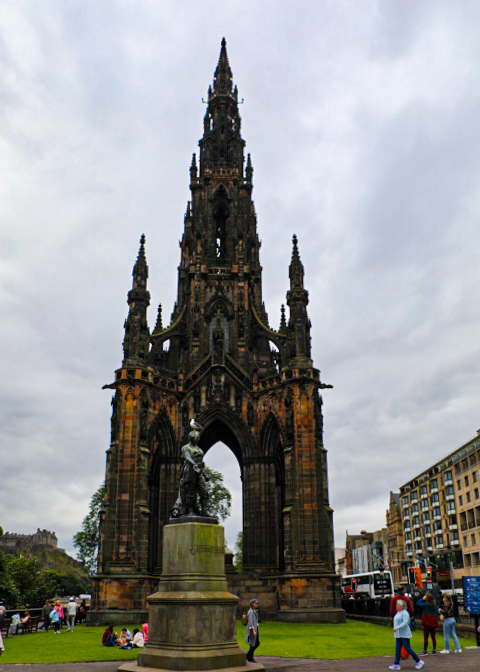
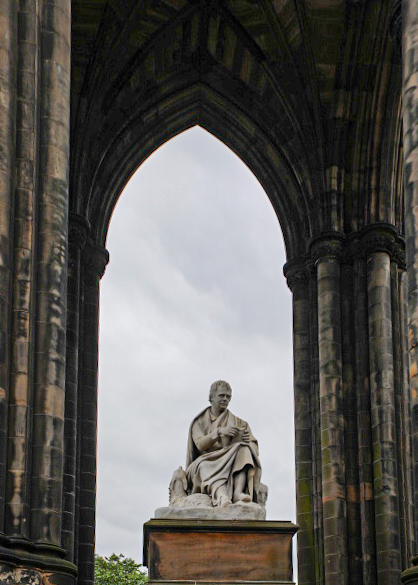
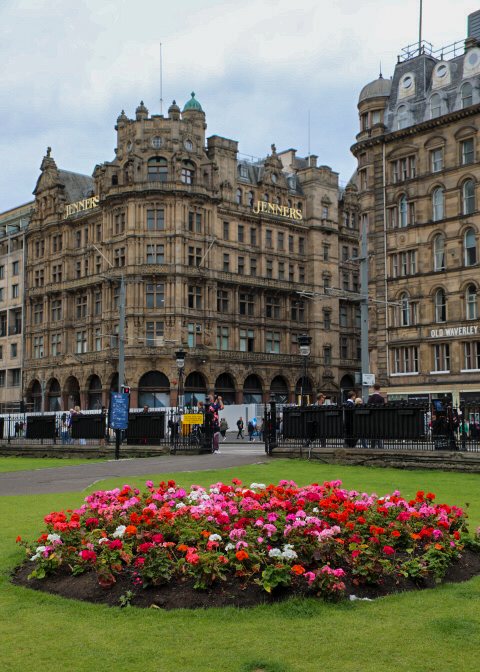
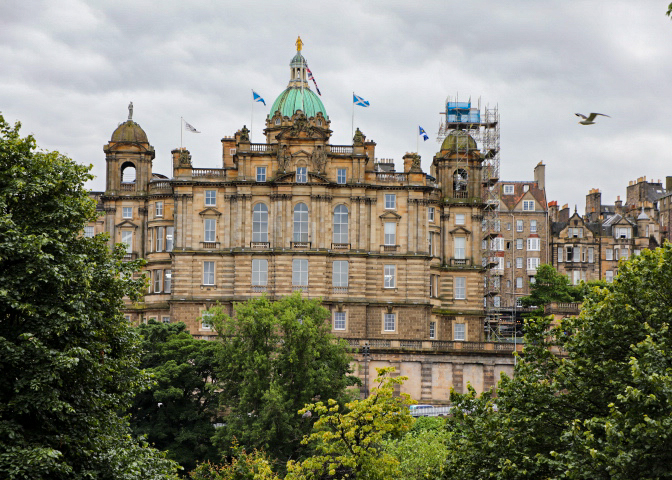
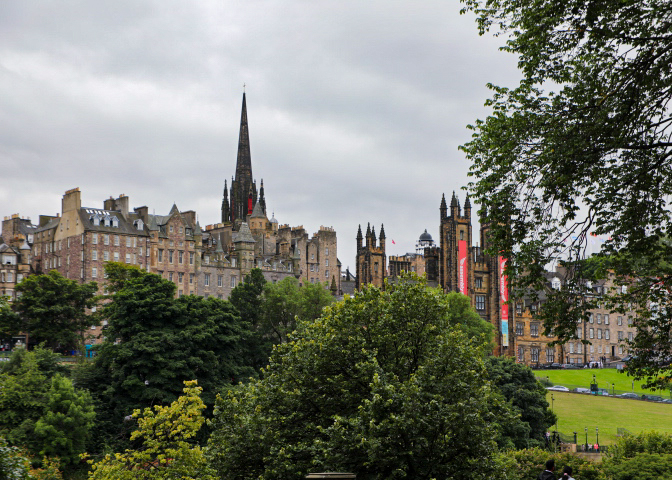
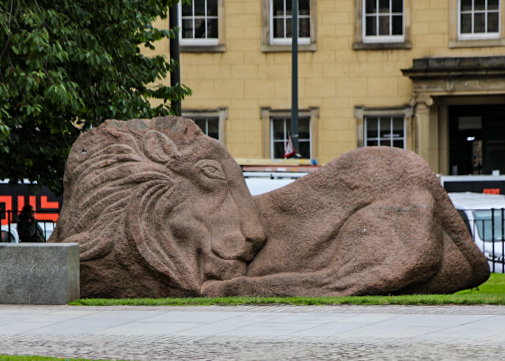
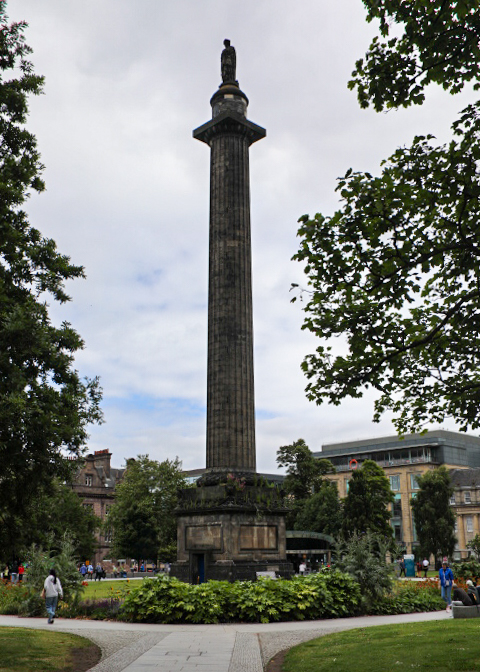
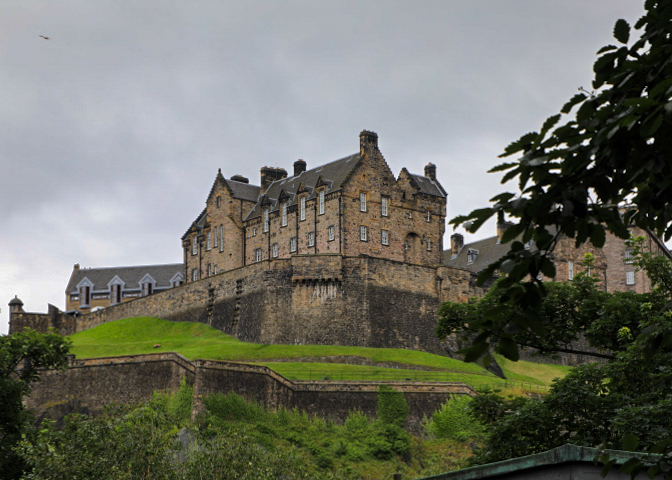
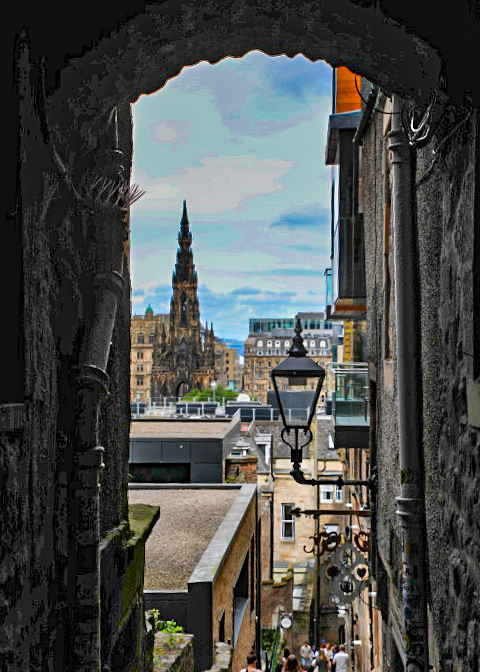
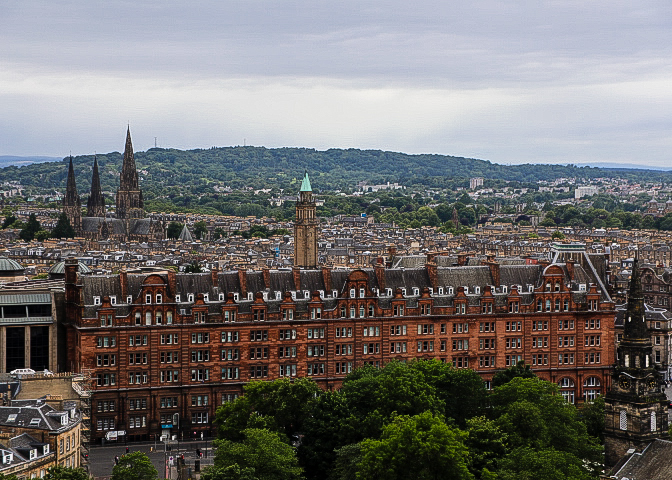
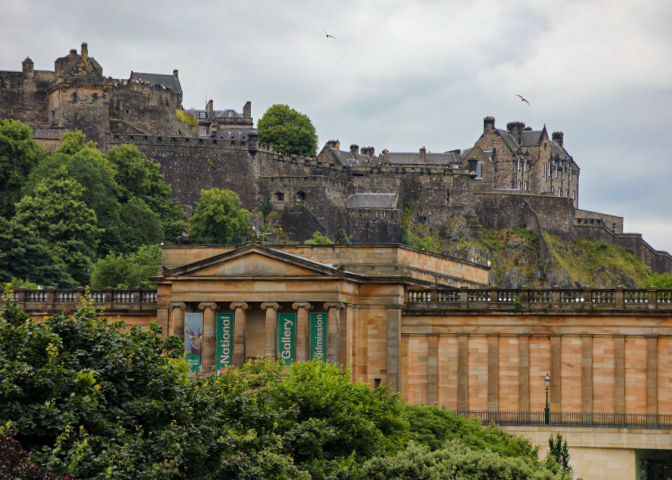
From St. Giles’ we headed over the Waverley Bridge to New Town — Georgian Edinburgh — built during the early 18th century. From the bridge you get a good view of the Scottish National Gallery (with the castle in the background) and the Scott Memorial (dedicated to Sir Walter Scott). The tower is 61.11 metres (200 feet 6 inches) tall and construction took place from 1841 to 1844. We walked along Prince and Gardens Streets, admiring the buildings and shops. Then onto St. Andrews Square and its famous lion. Along Prince Street Gardens you get great views of the back of Edinburgh Castle heading to Charlotte Square and then on to a stop at the Scottish National Gallery. Our day ended with a final dinner in Edinbrurgh and the overnight train (Caladonia Express) to London.

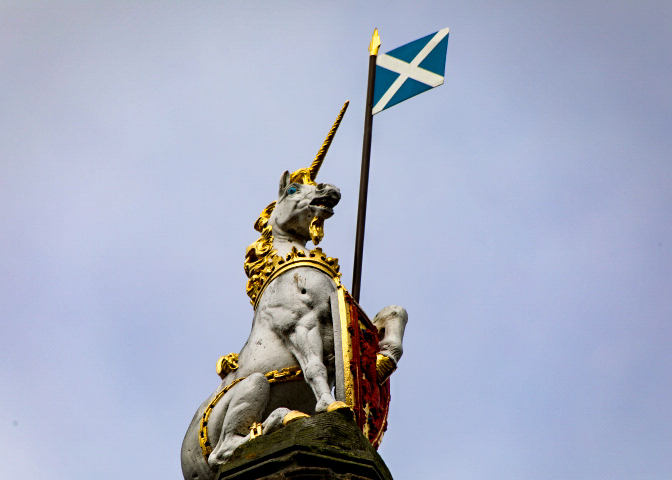
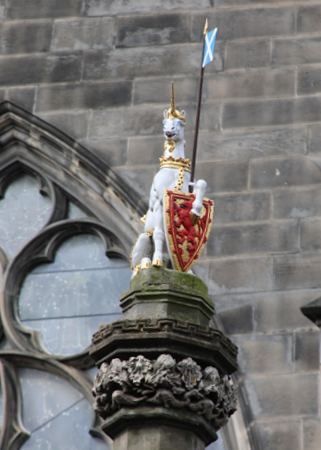
St. Giles

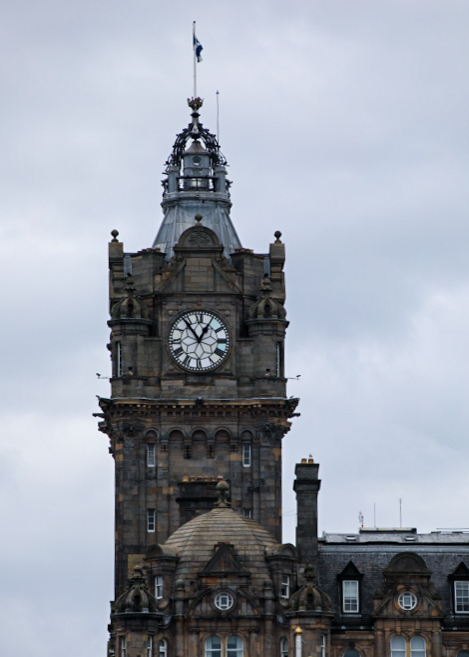
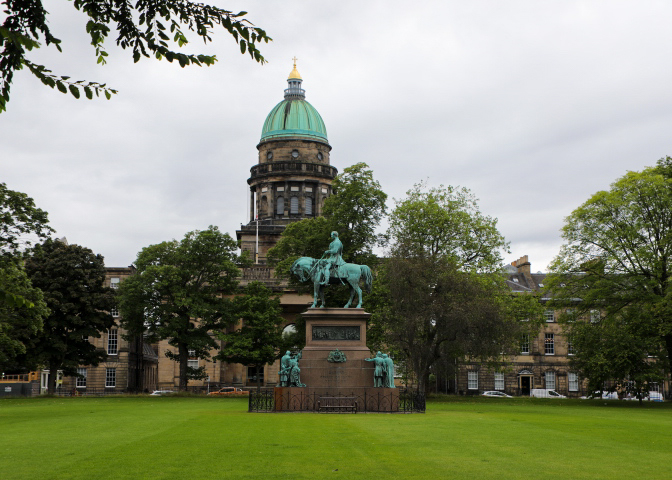
New Town Edinburgh

UK and Scotland Day 13

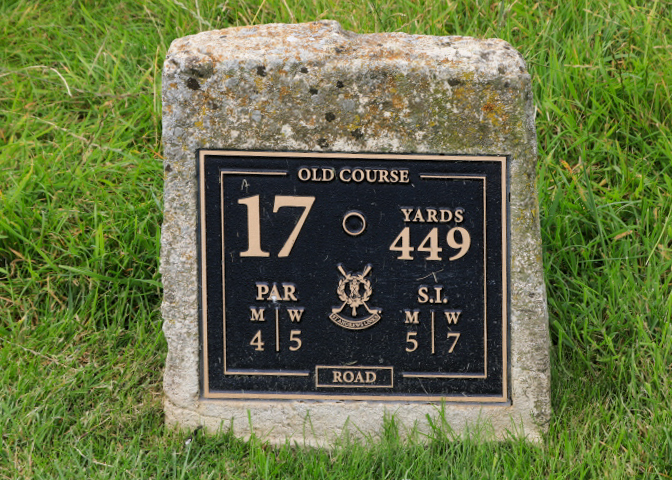
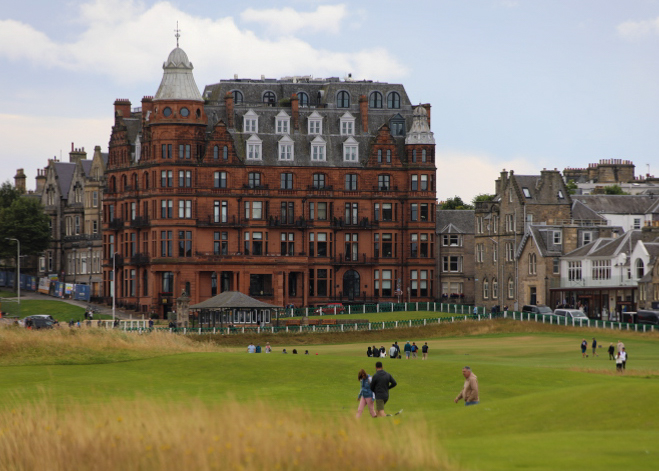
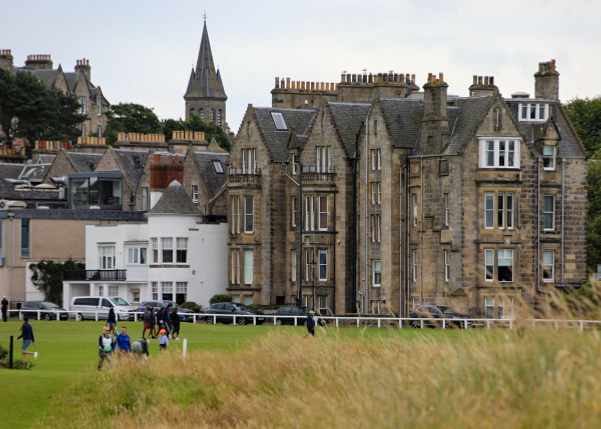
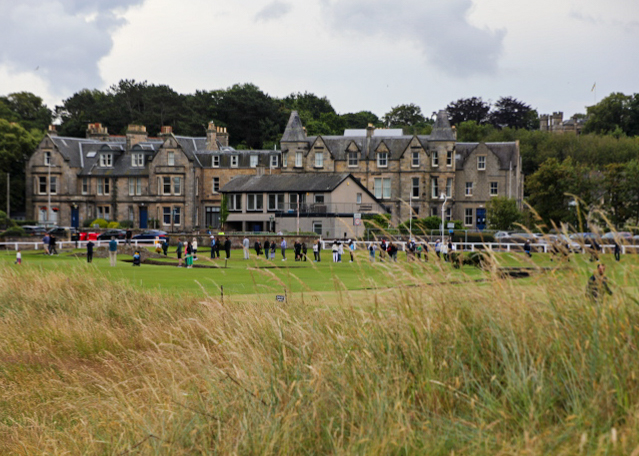
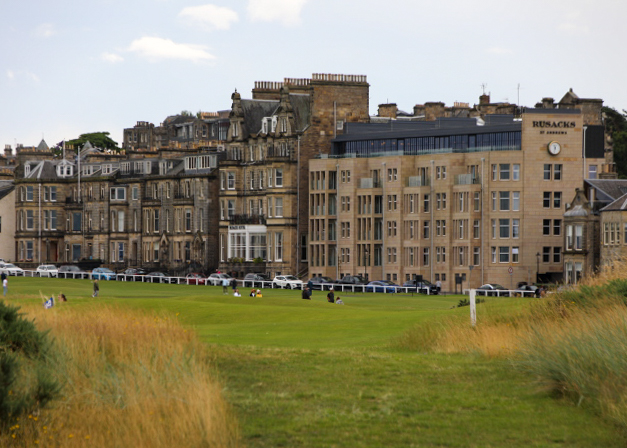
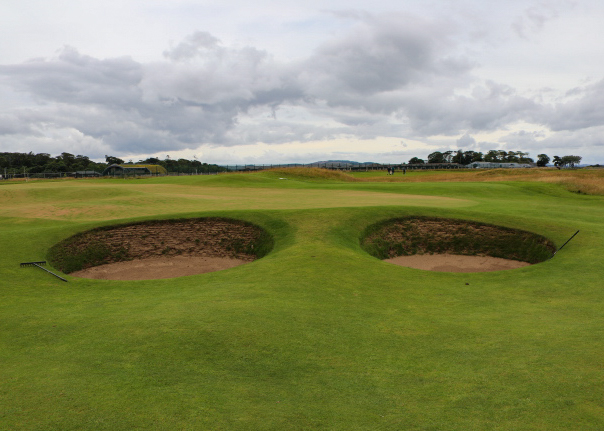
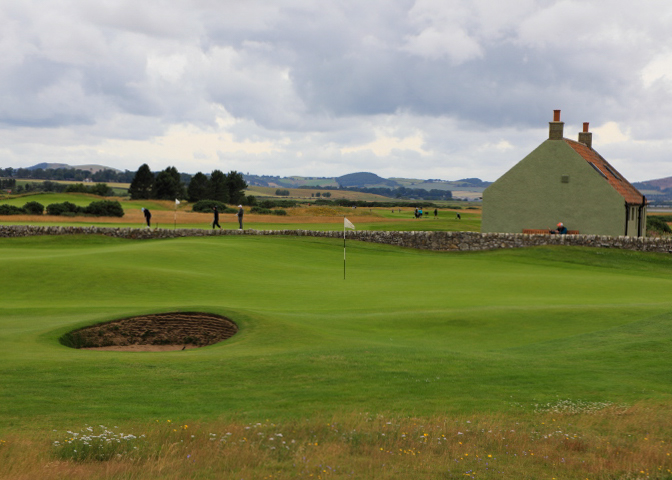
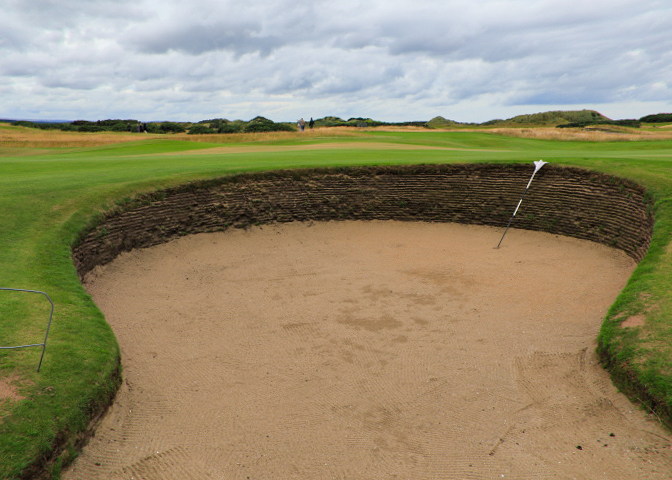
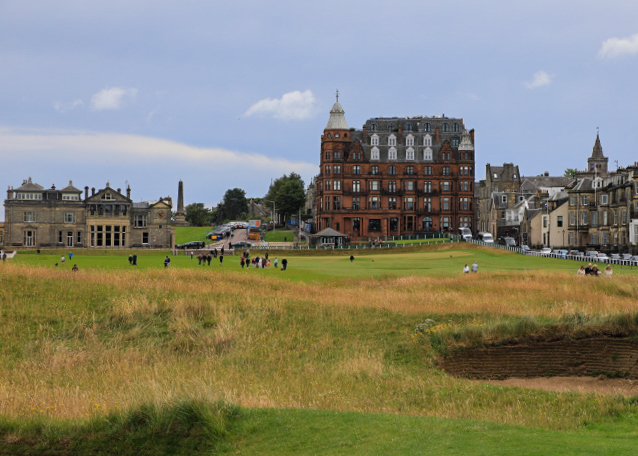
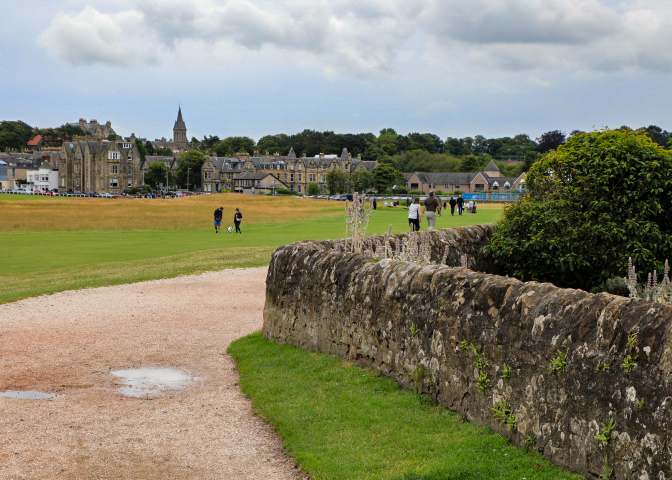
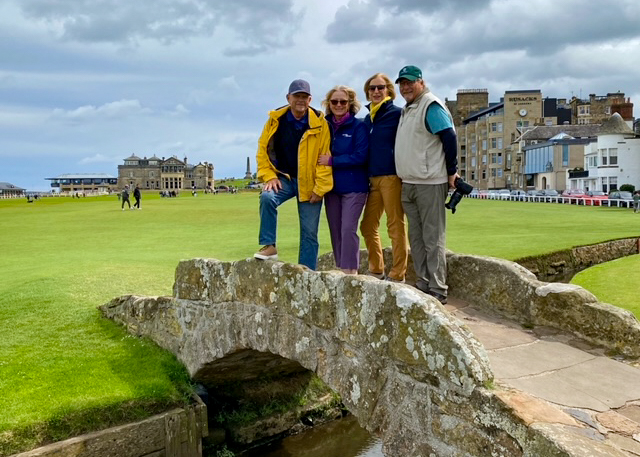
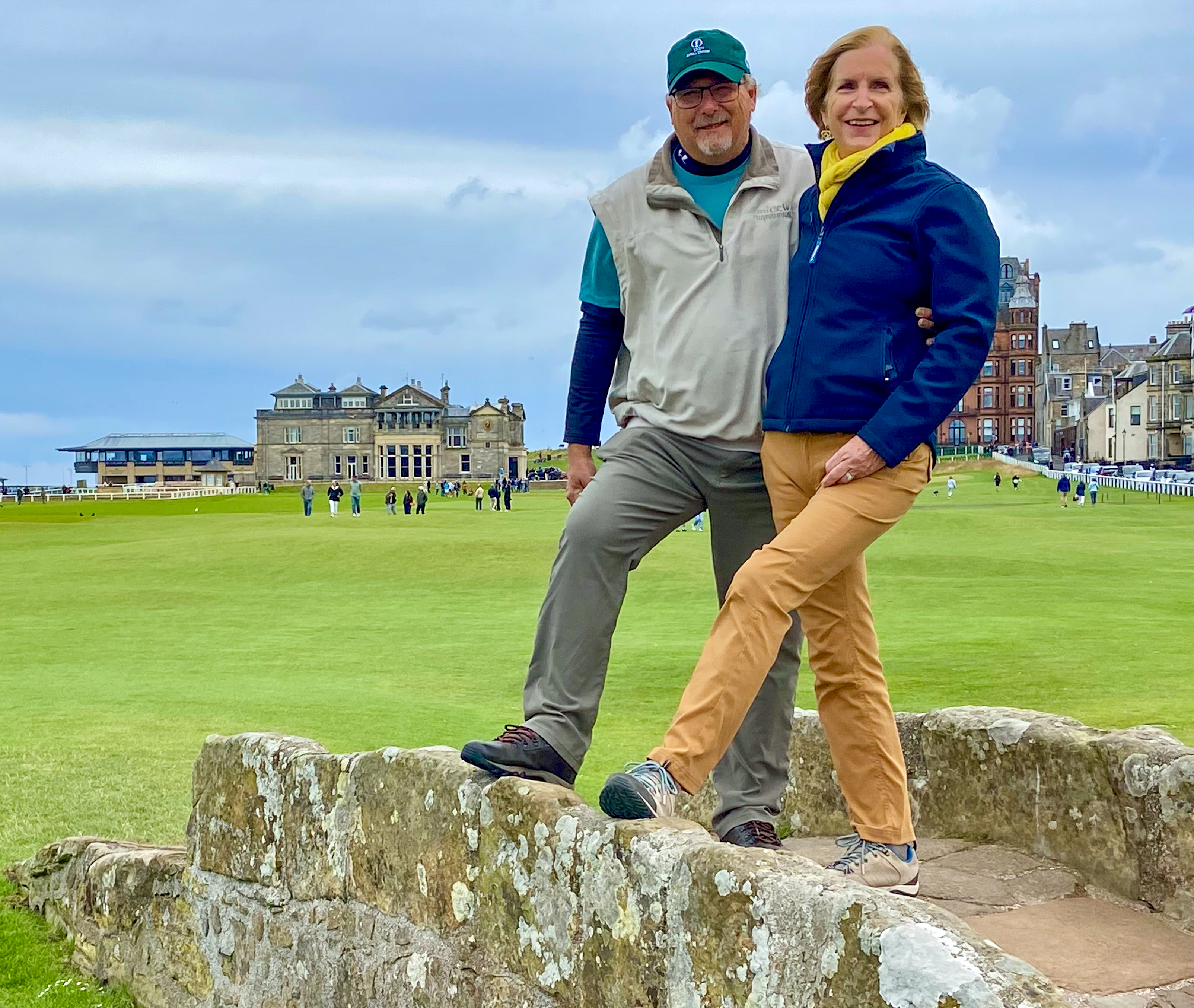
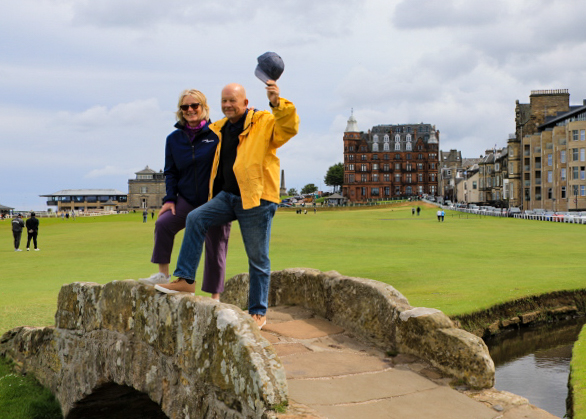
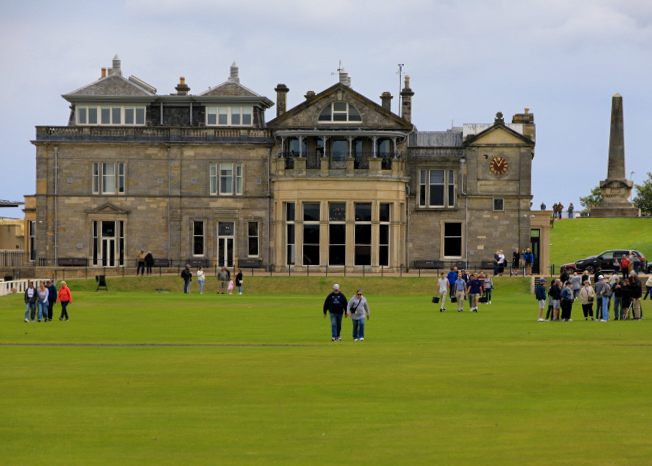
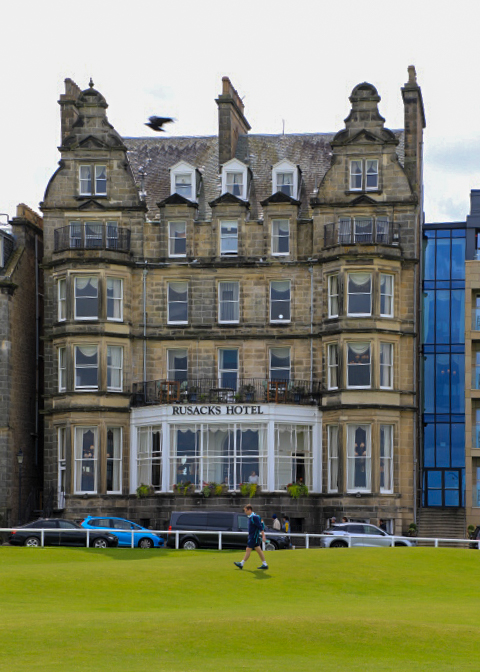
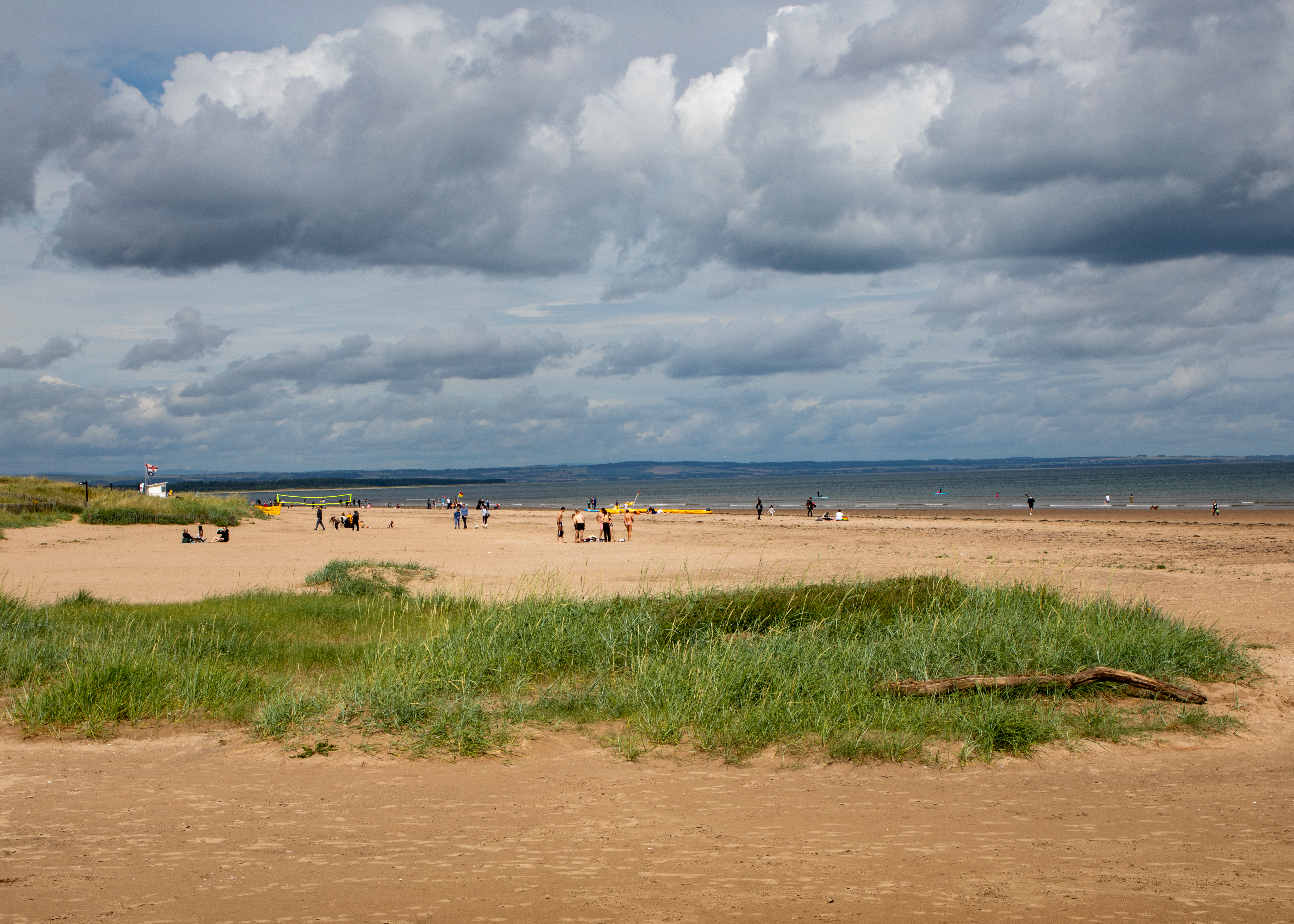
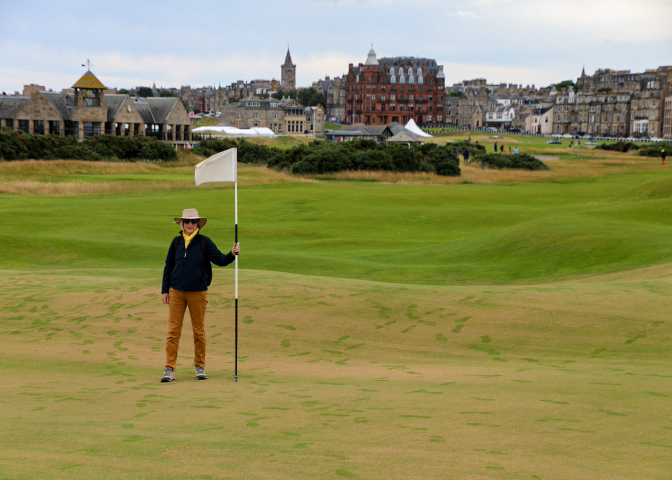
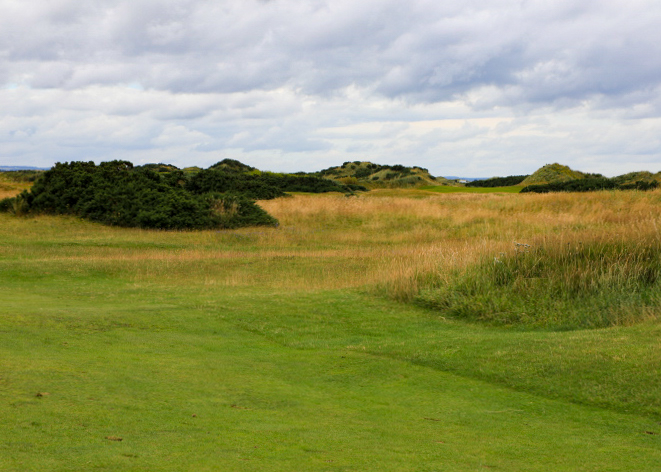
It’s Sunday and the Old Course at St. Andrews is closed to golfers but open to all to walk the course. St. Andrews is a coastal town in Scotland which hosts Scotland’s top university and the world’s most famous golf course. Its medieval Old Town has ruins of a castle and cathedral and sandy beaches. It was less than a 2-hour ride from Edinburgh so it fit into our schedule. The course gets a tremendous amount of play and is not in the Open rotation this year, so it seemed in rough shape. However, walking the course, you get an understanding of the contours of the greens and fairways (and the severe bunkering) – makes our PB courses look a lot more playable.
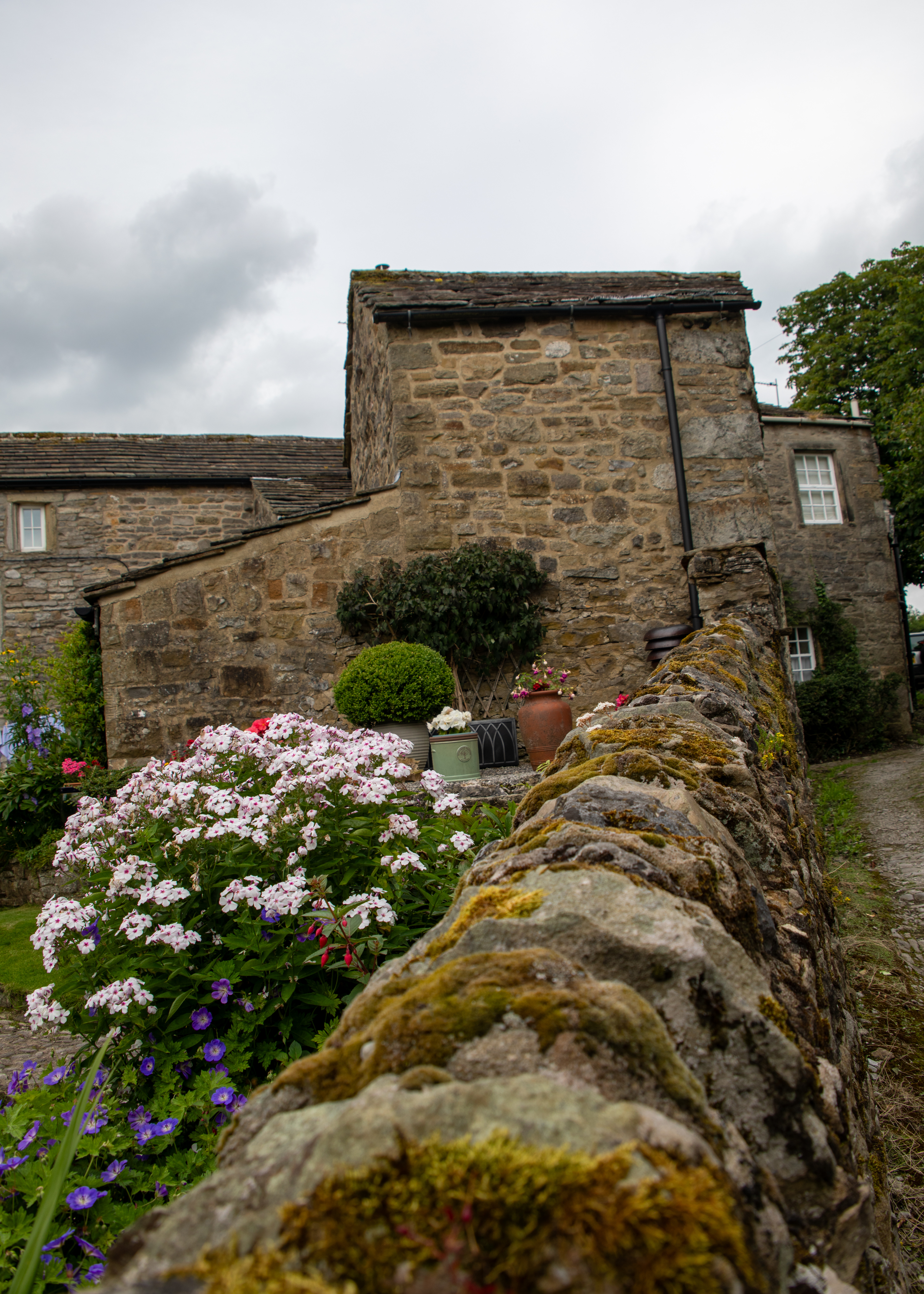
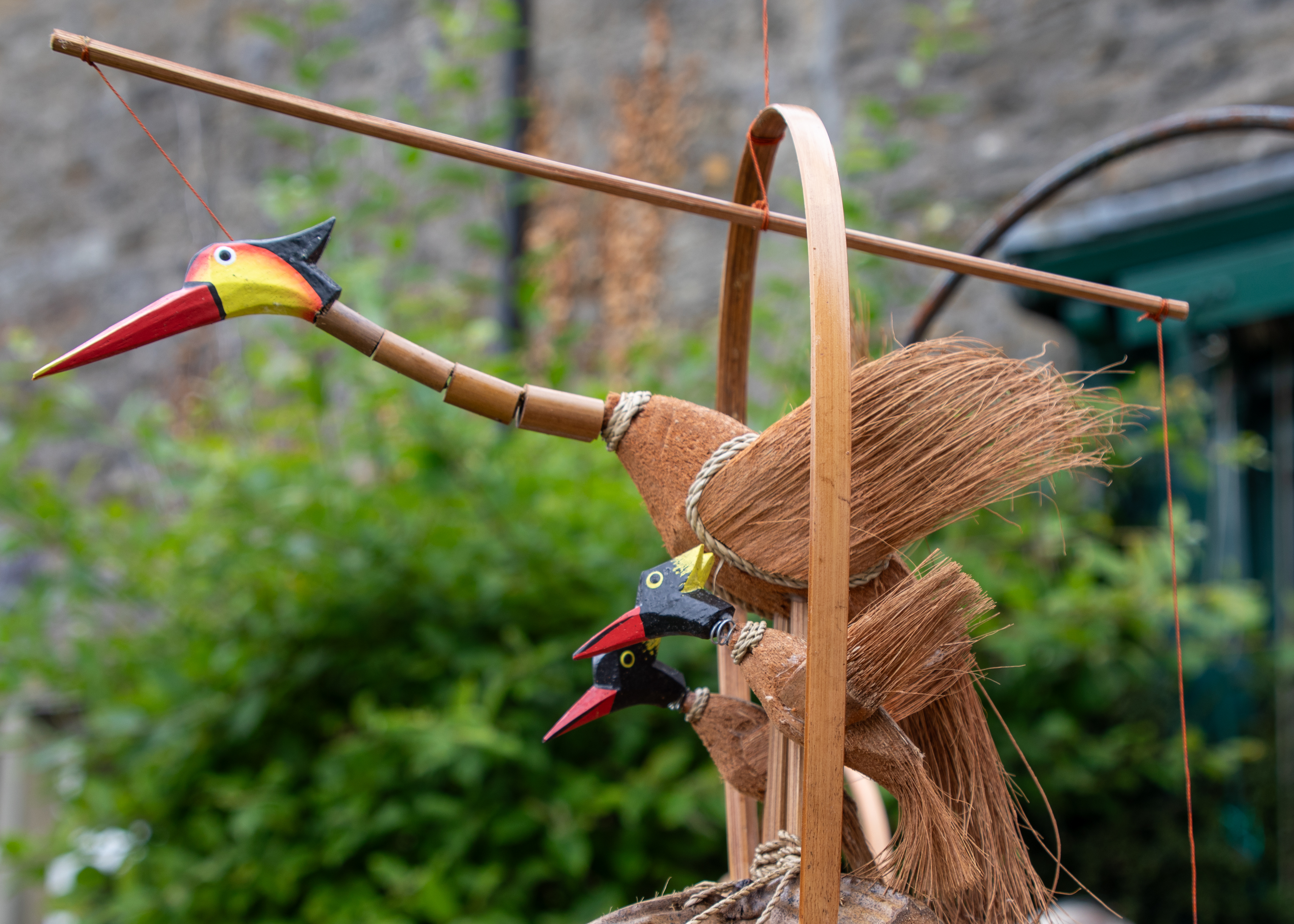
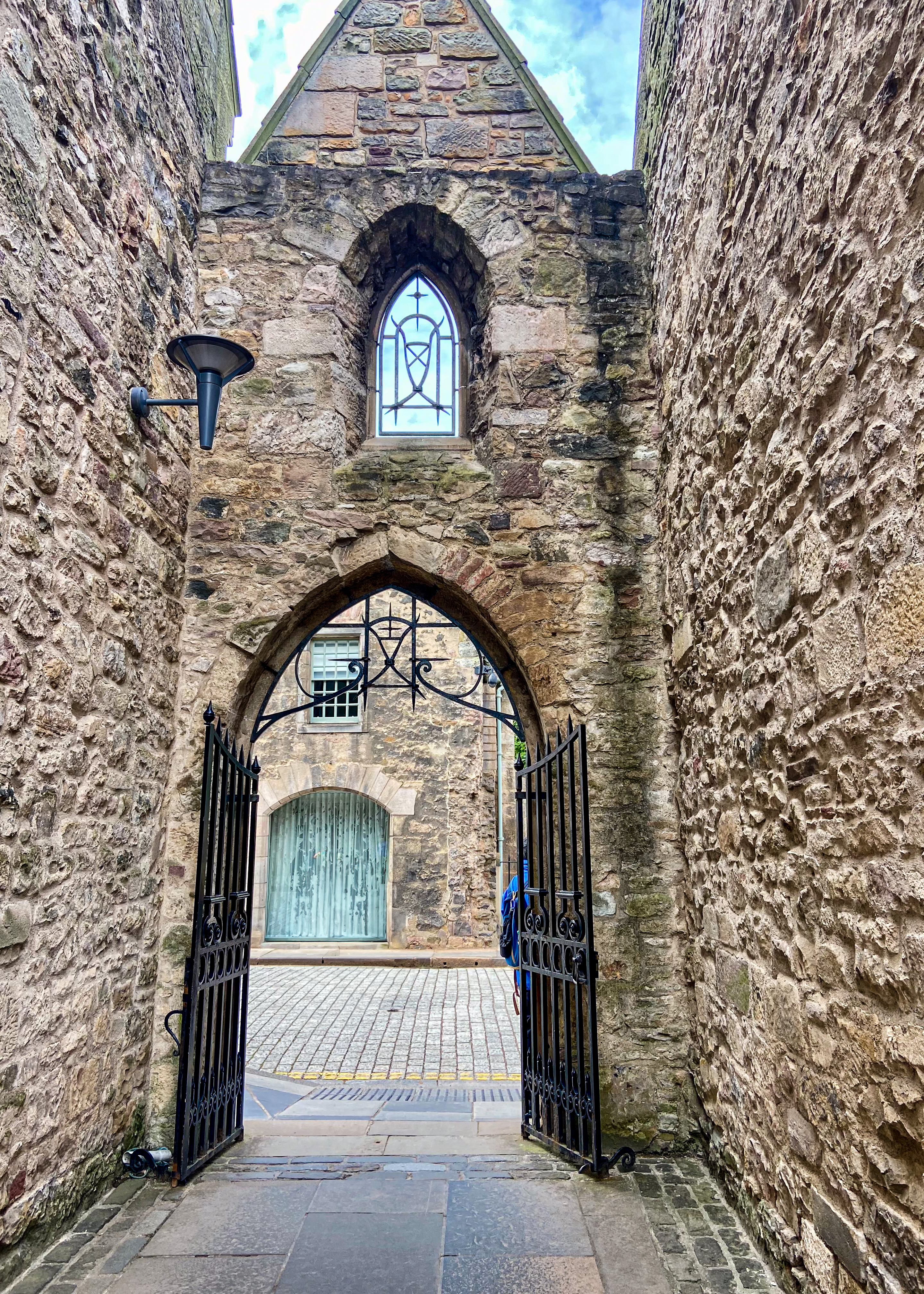
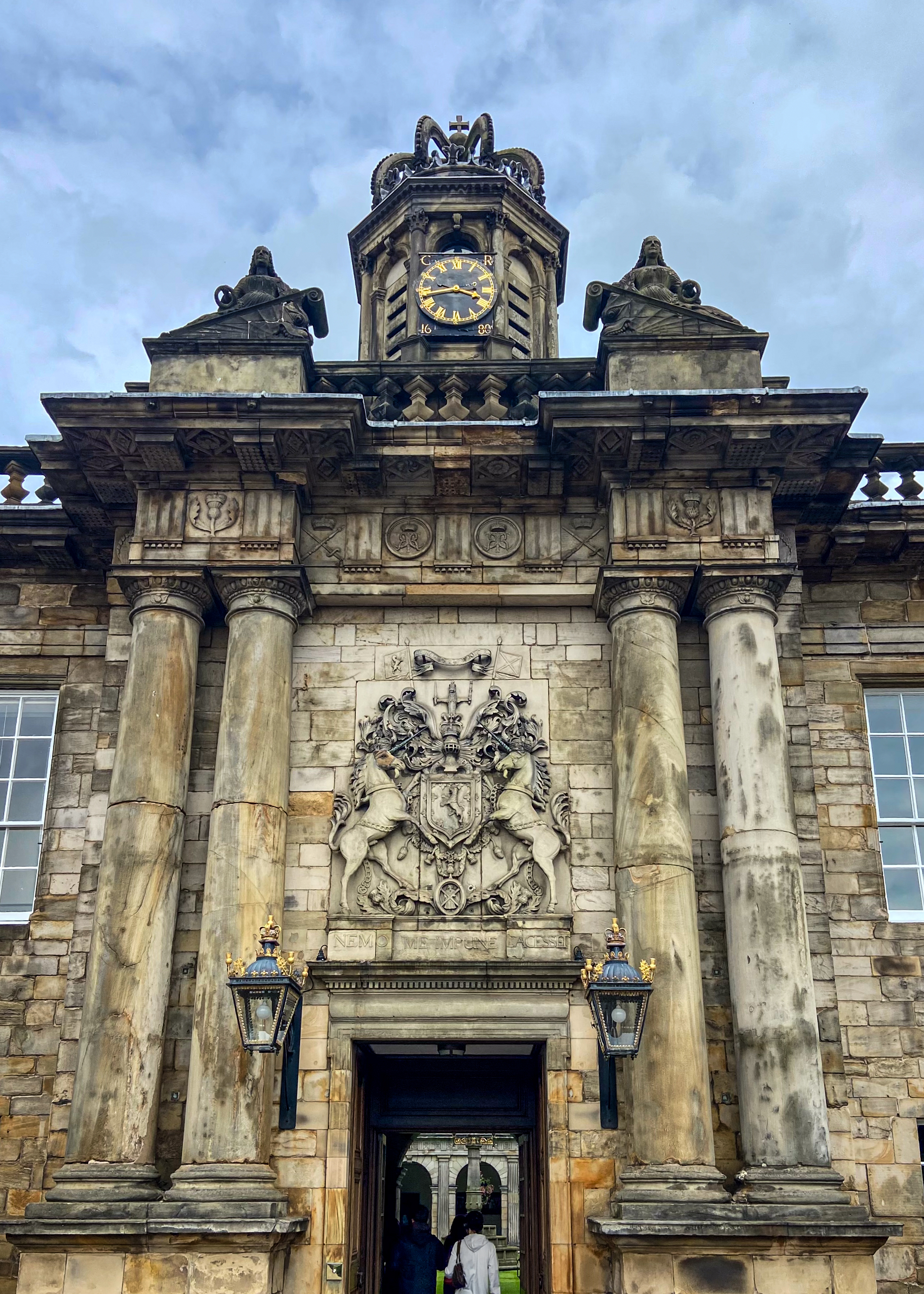
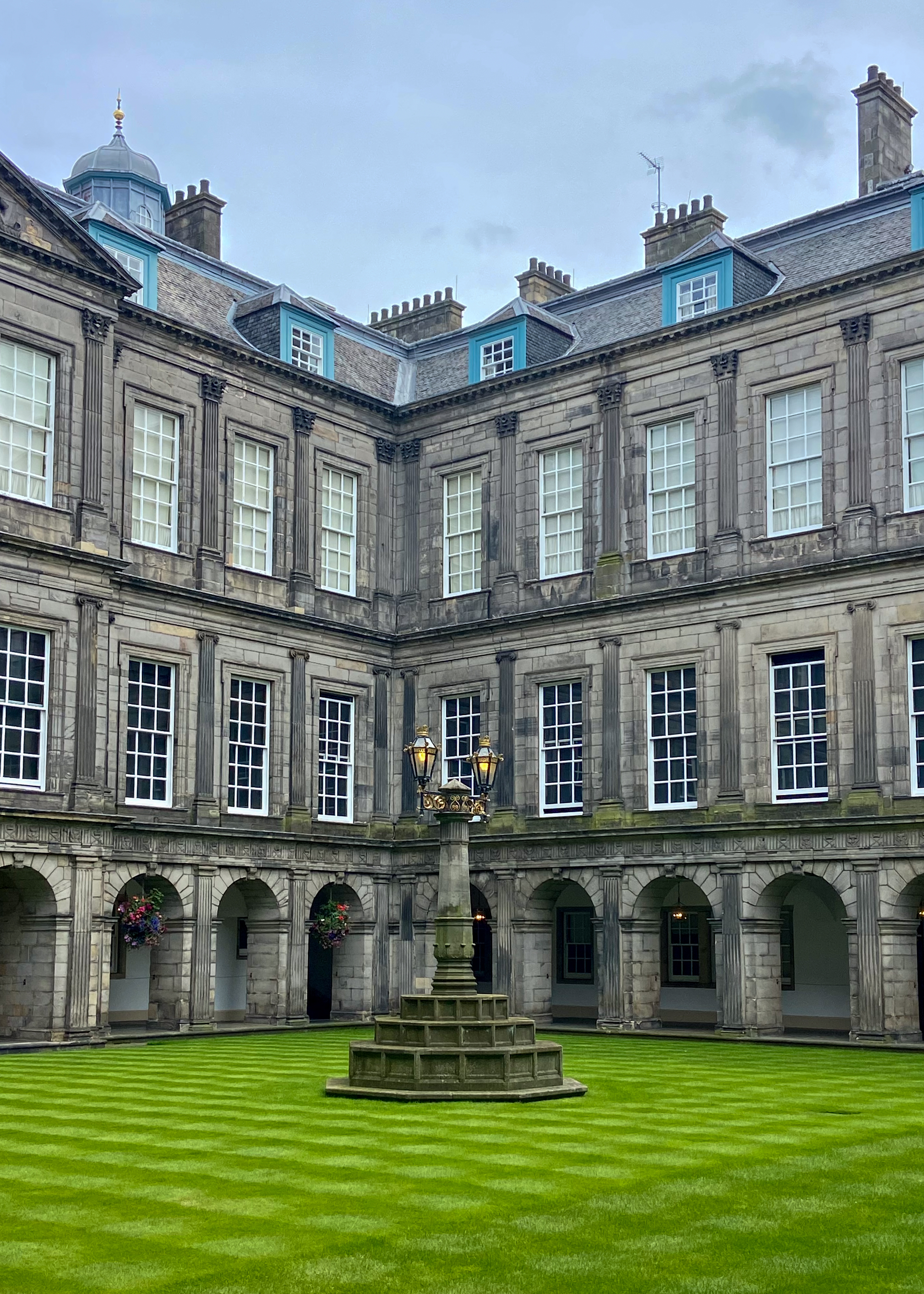
After our excursion, we headed back to Edinburgh to tour the Holyroodhouse Palace and see some additional sites in Edinburgh. The Palace is the King’s official residence in Edinburgh and the home of Scottish royal history. Unfortuately no photos were allowed inside the Palace but you can photo the exterior and the gardens.

So my verbal highlights — We began our visit by wandering the staterooms – with amazing tapestries that adorn the walls. The skilled needlework draws a vivid image of the palace’s history, as well as playing an important role in keeping the palace warm. There are also many paintings depicting historical figures and events in Scotland’s past. Also, the rooms display beautiful objects including china and opulent fabrics. The carved plaster ceilings are also impressive. The Great Gallery’s walls are covered with paintings of over 100 Scottish rulers.

Much of the palace you’ll see today dates from the seventeenth century, but if you head to the Northwest Tower you can see the space where Mary Queen of Scots took residence. This includes the location of some of the more grisly aspects of her reign, including the murder of her secretary David Rizzio, an act orchestrated by her husband, Lord Darnley.

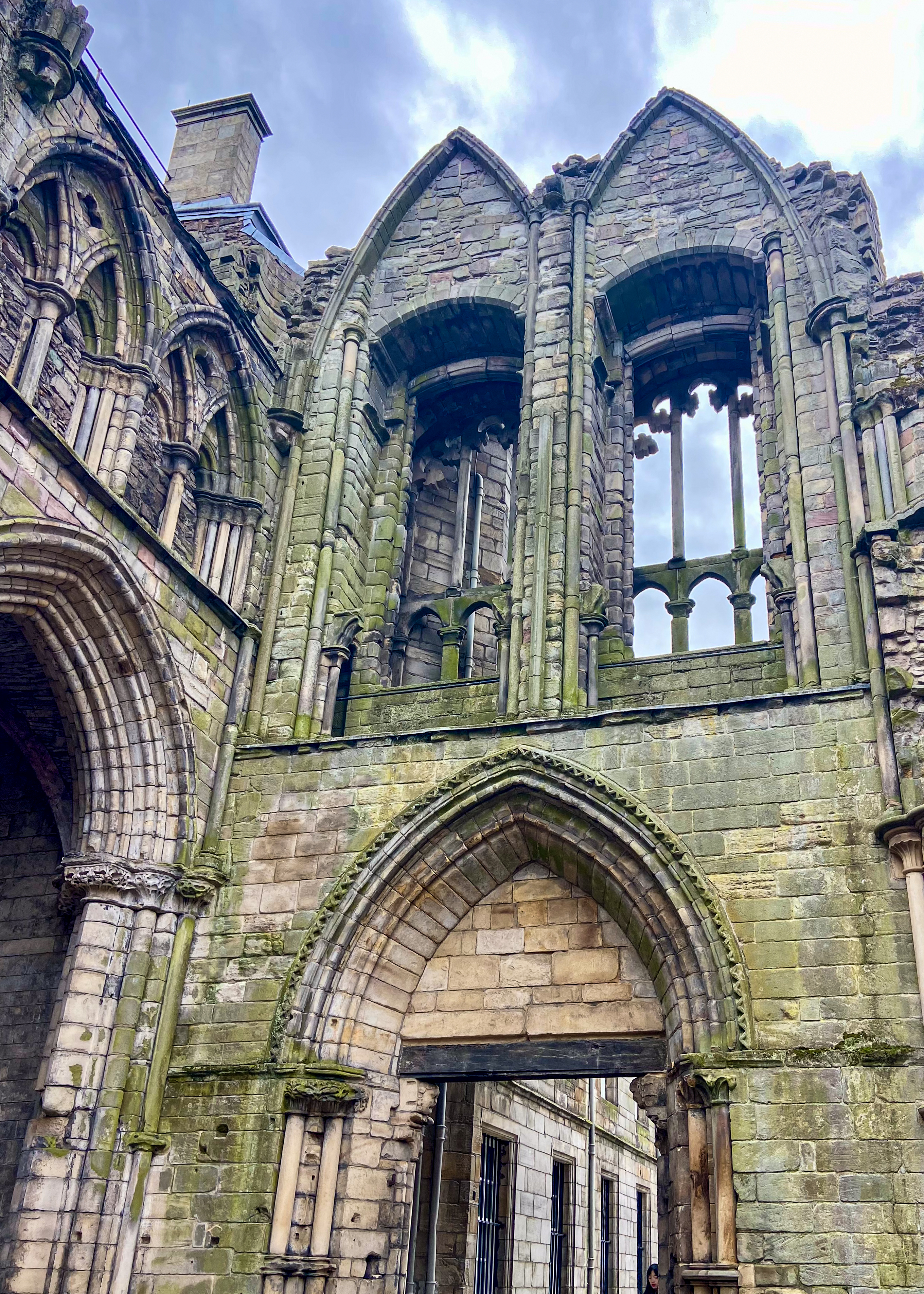
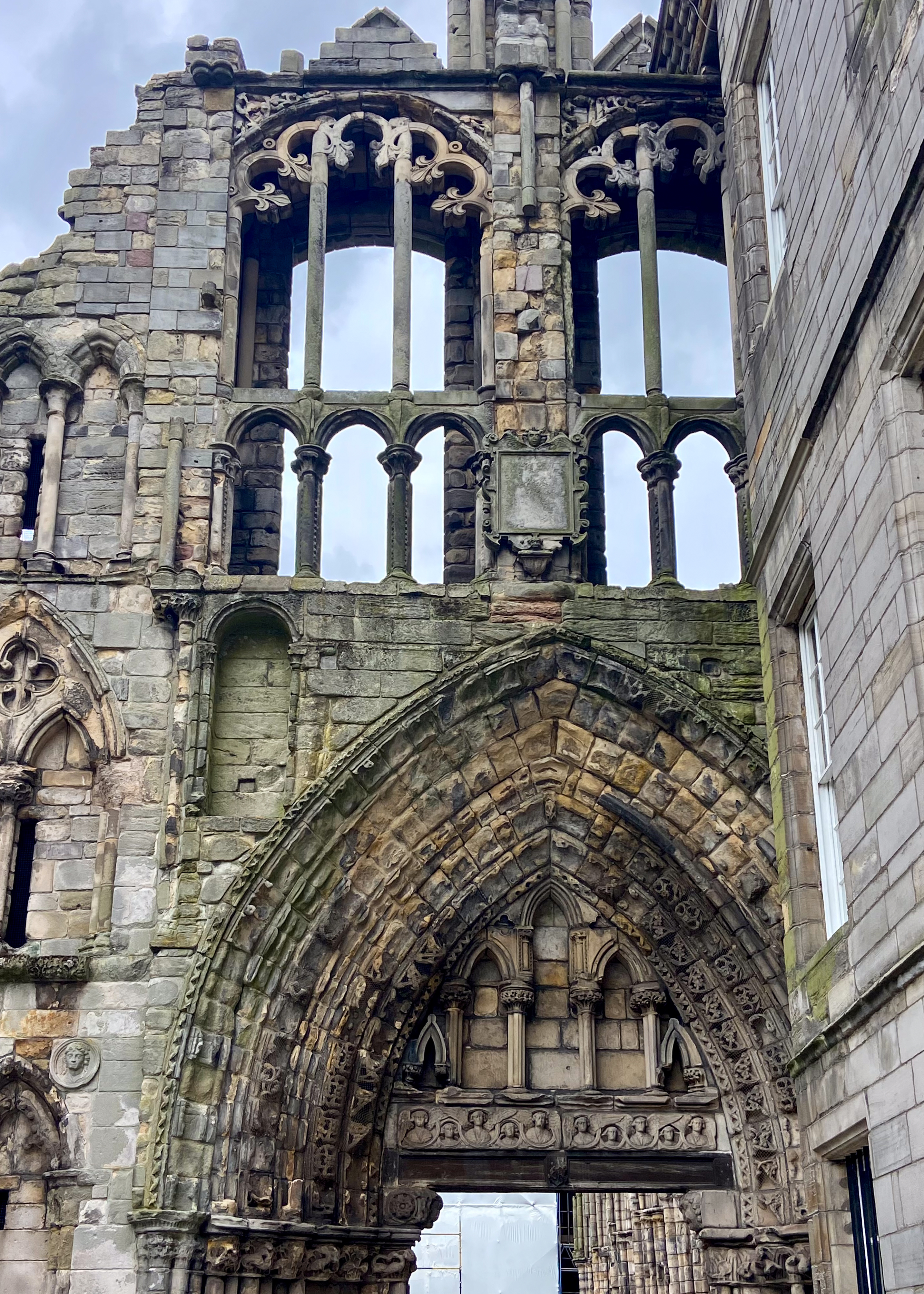
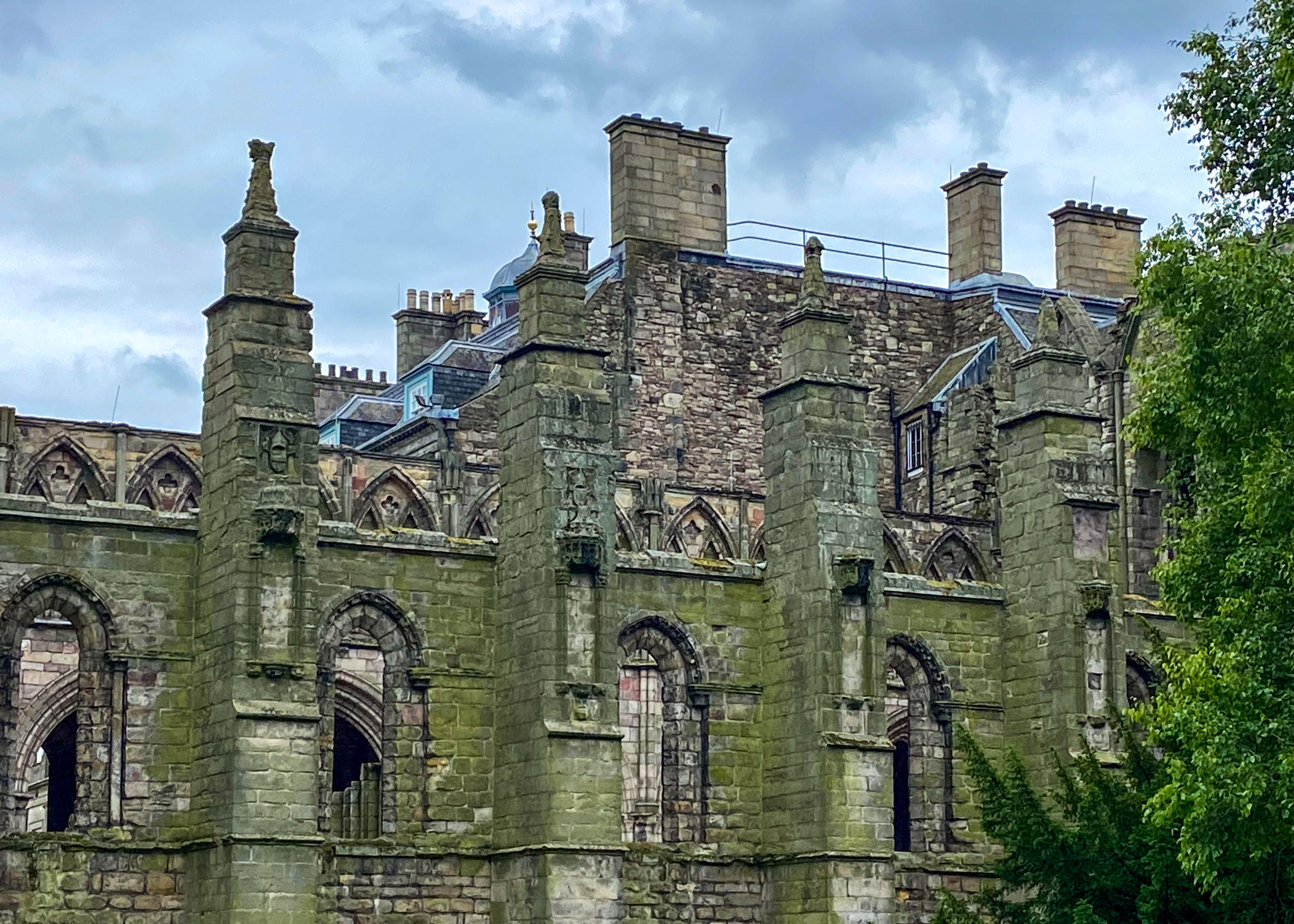
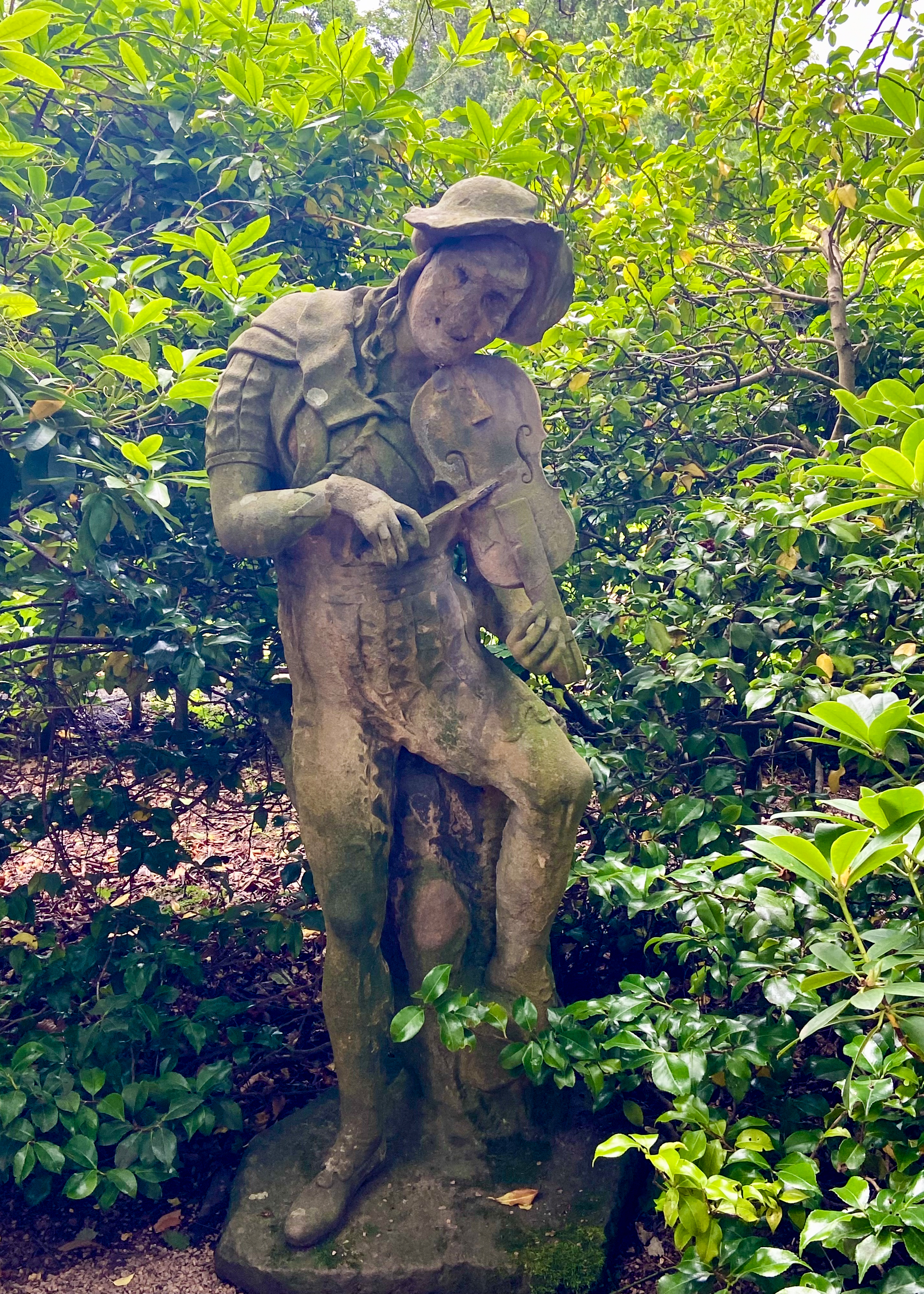
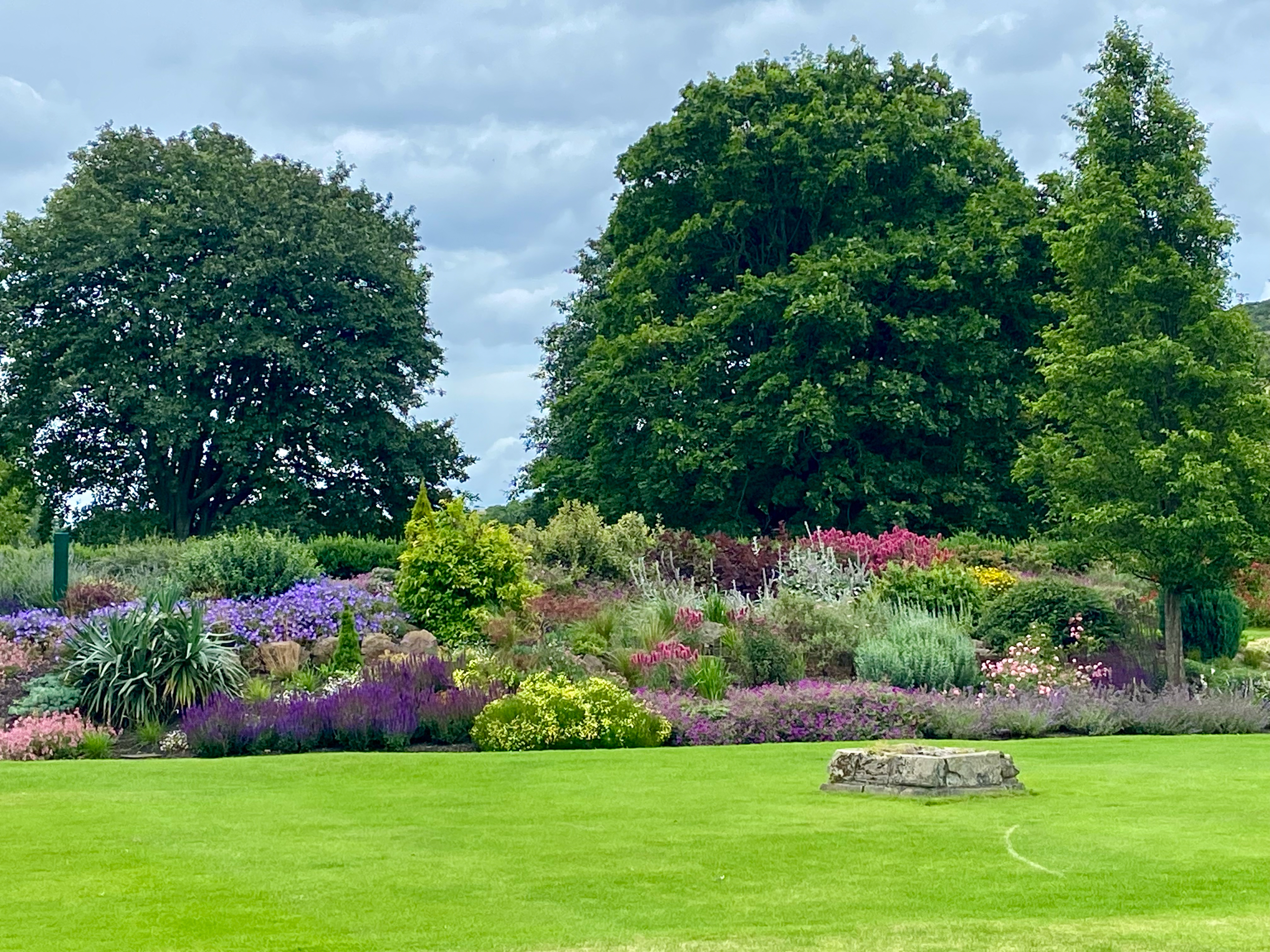
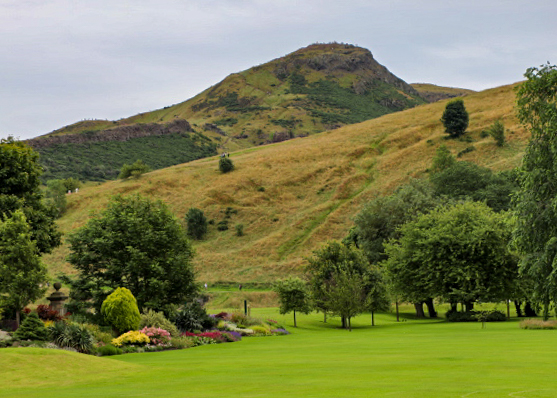
Outside the palace, you find the gardens (over 10 acres) at the base of Arthur’s Seat and the beautiful 16th-century ruins of Holyrood Abbey.

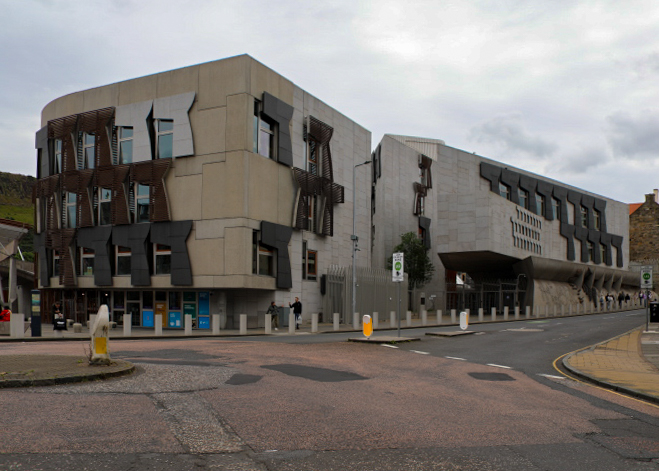
Walking back to our hotel, we passed the new Parliament Building, considered modern or just plain ugly.

St. Andrews

Holyroodhouse Palace

Parliament Building

UK and Scotland Day 12

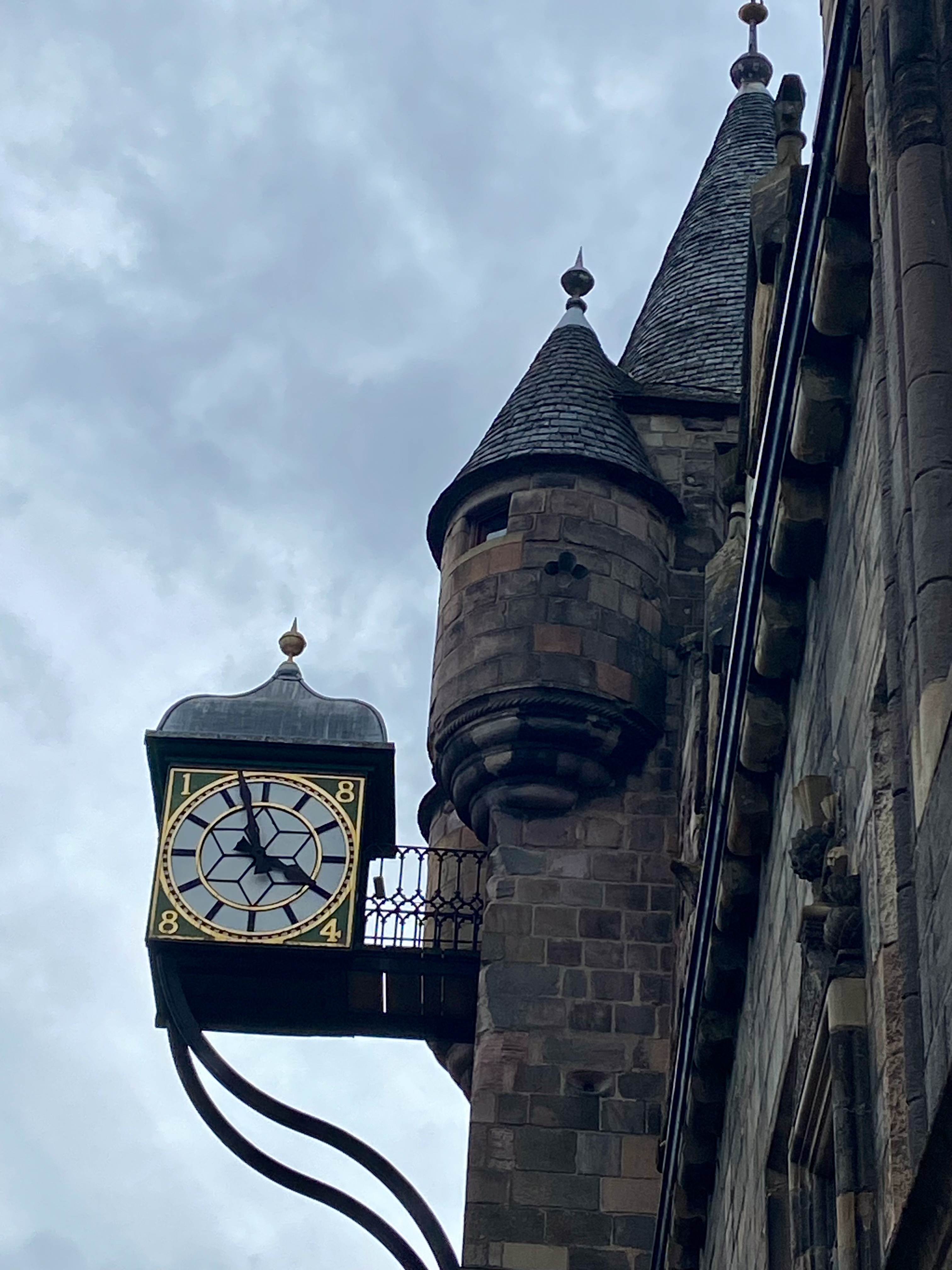
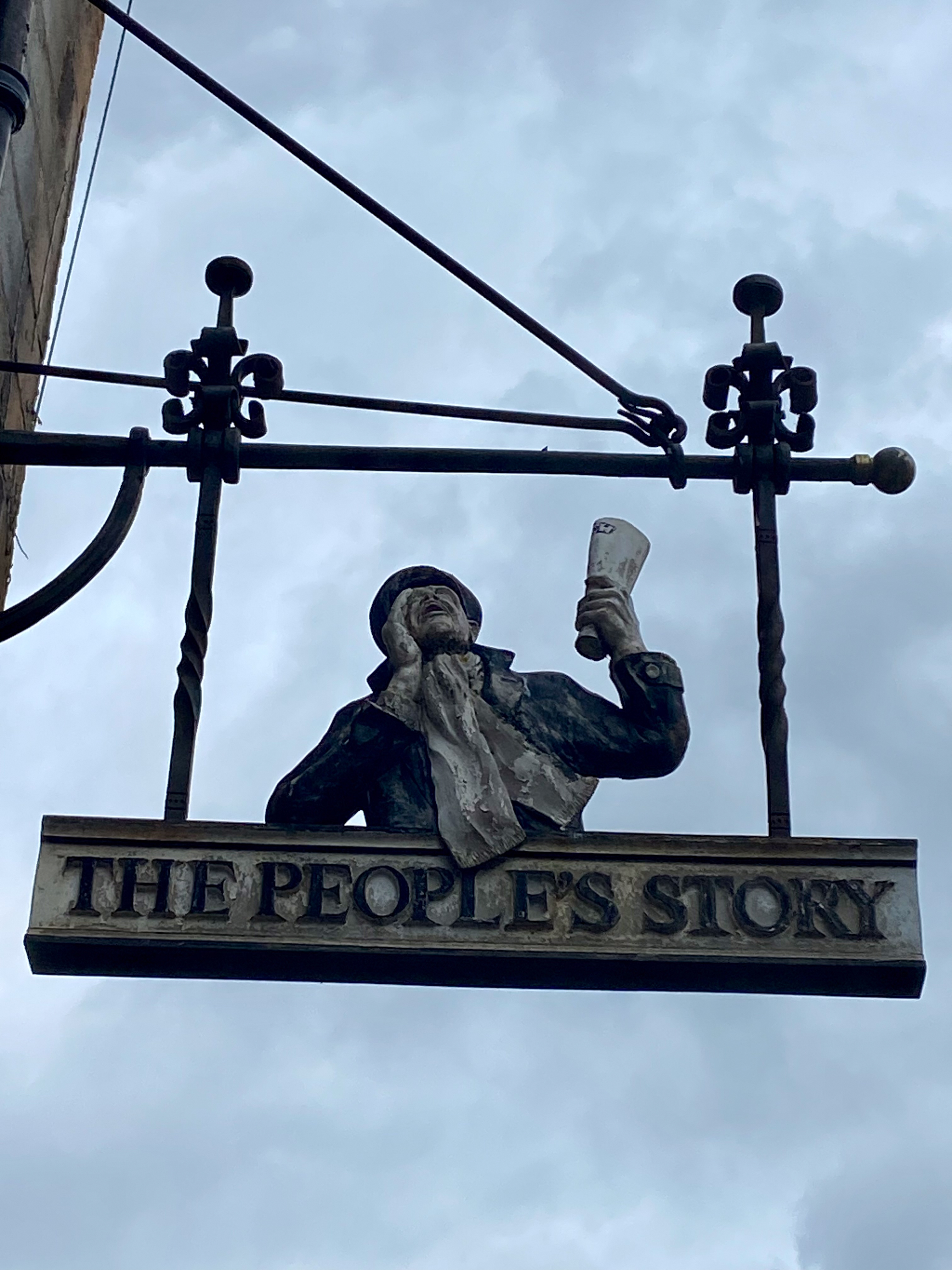
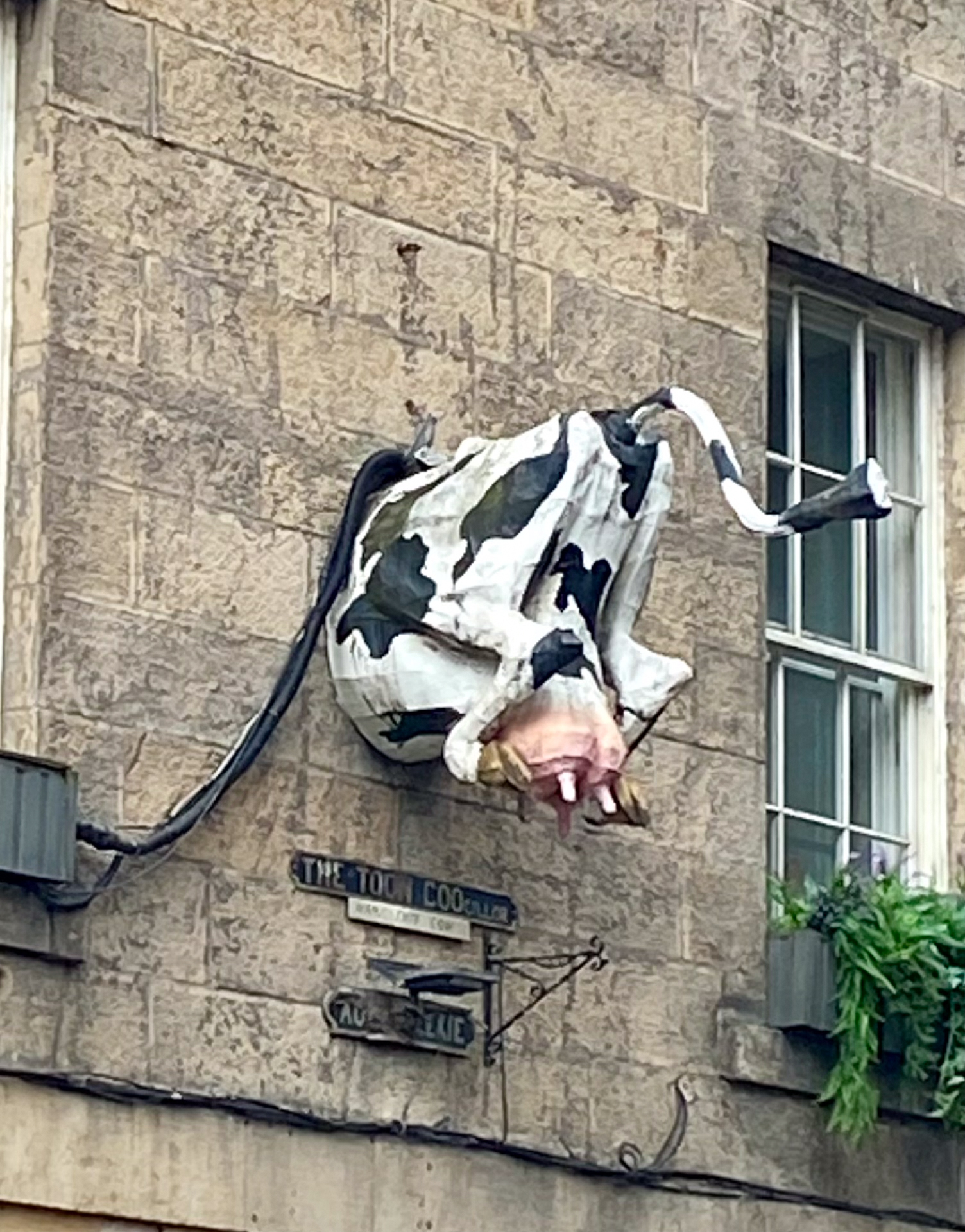
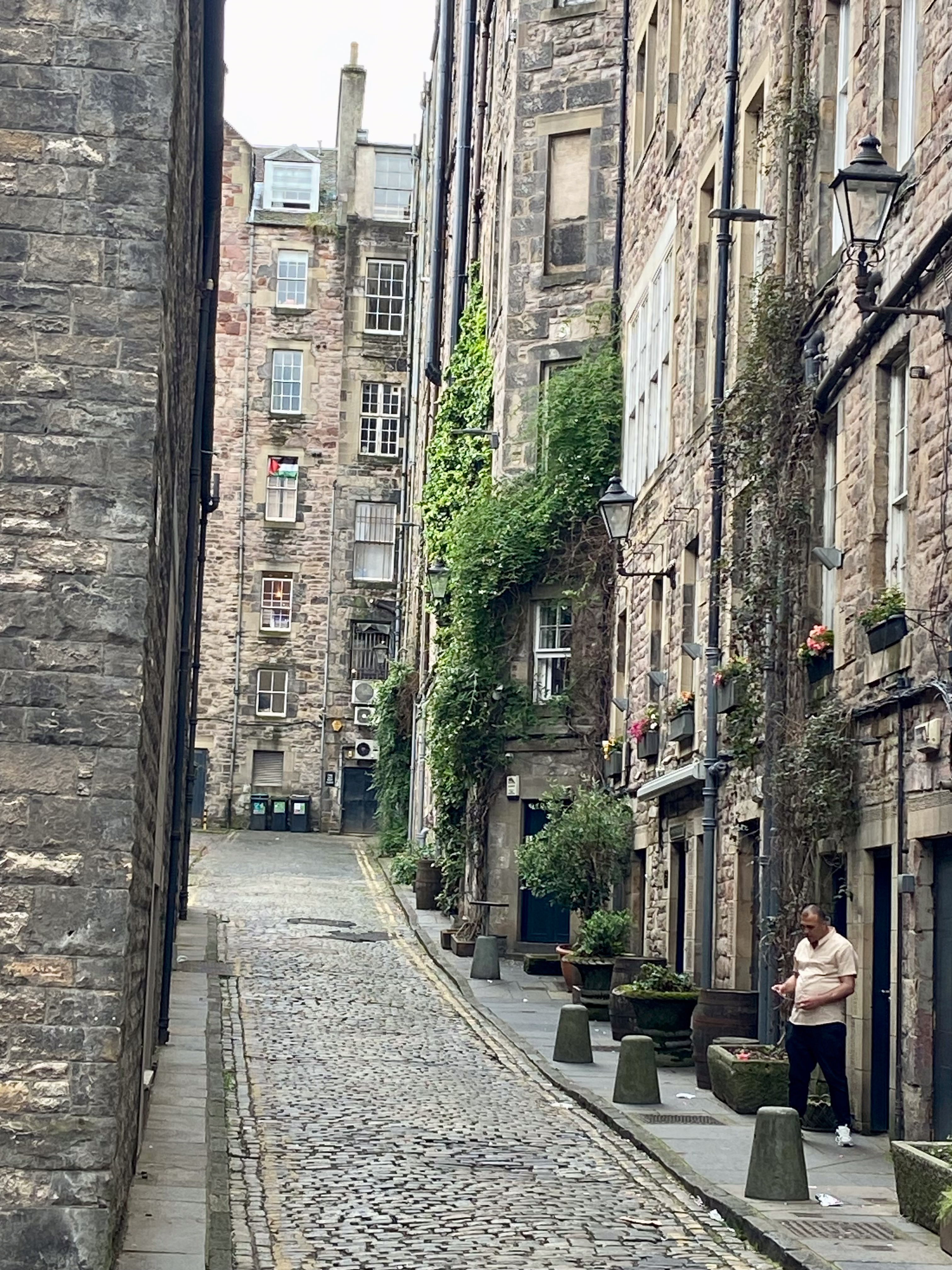
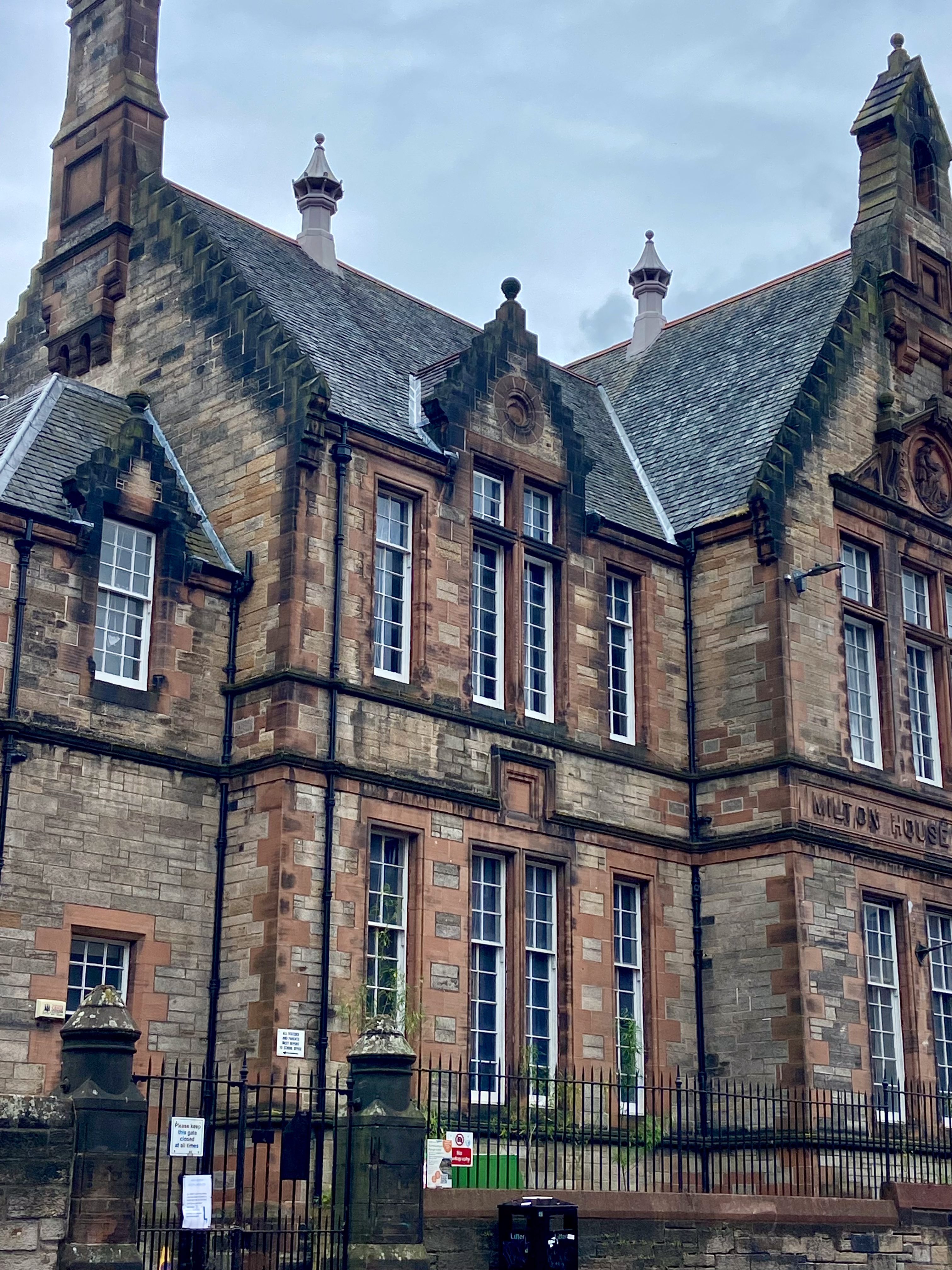
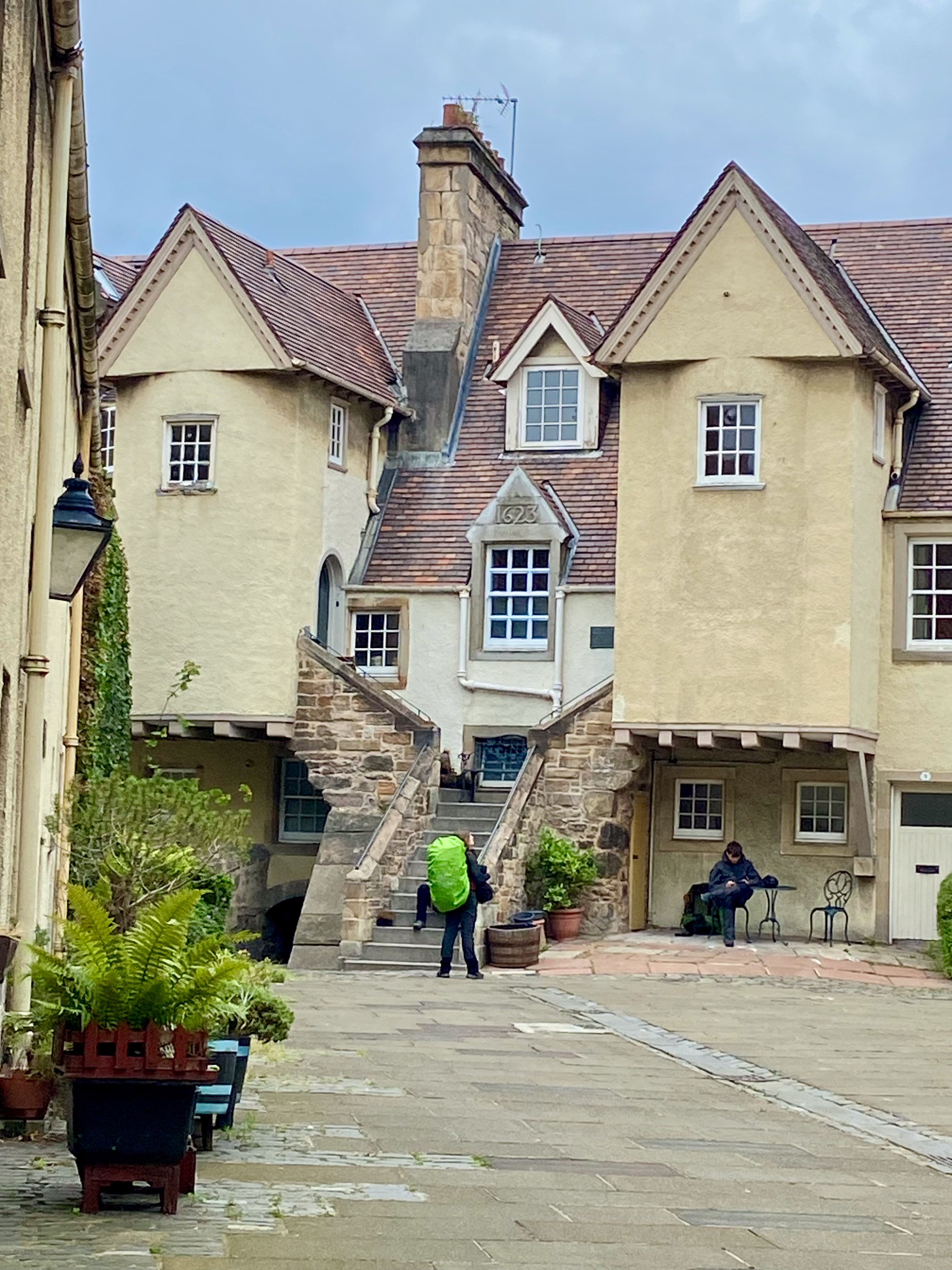
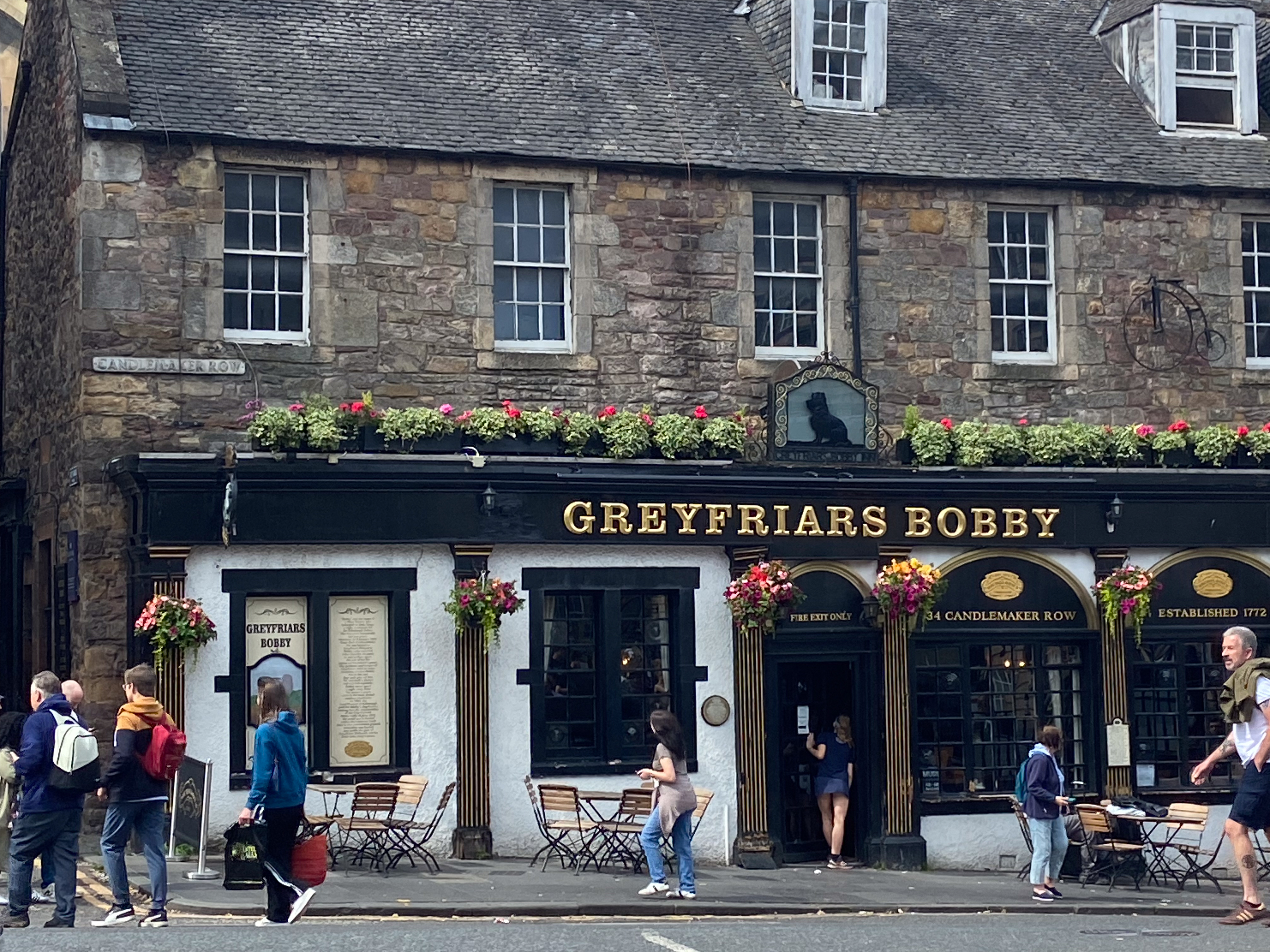
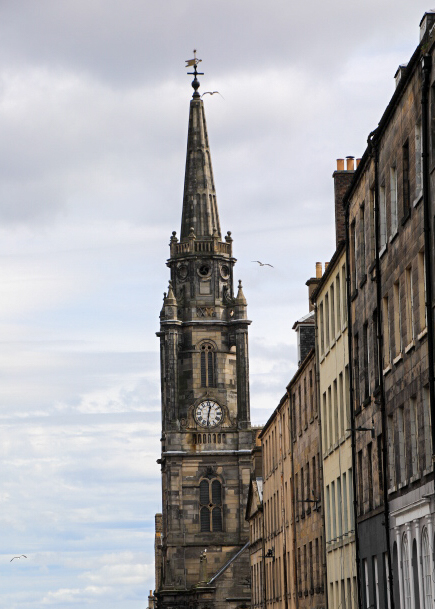
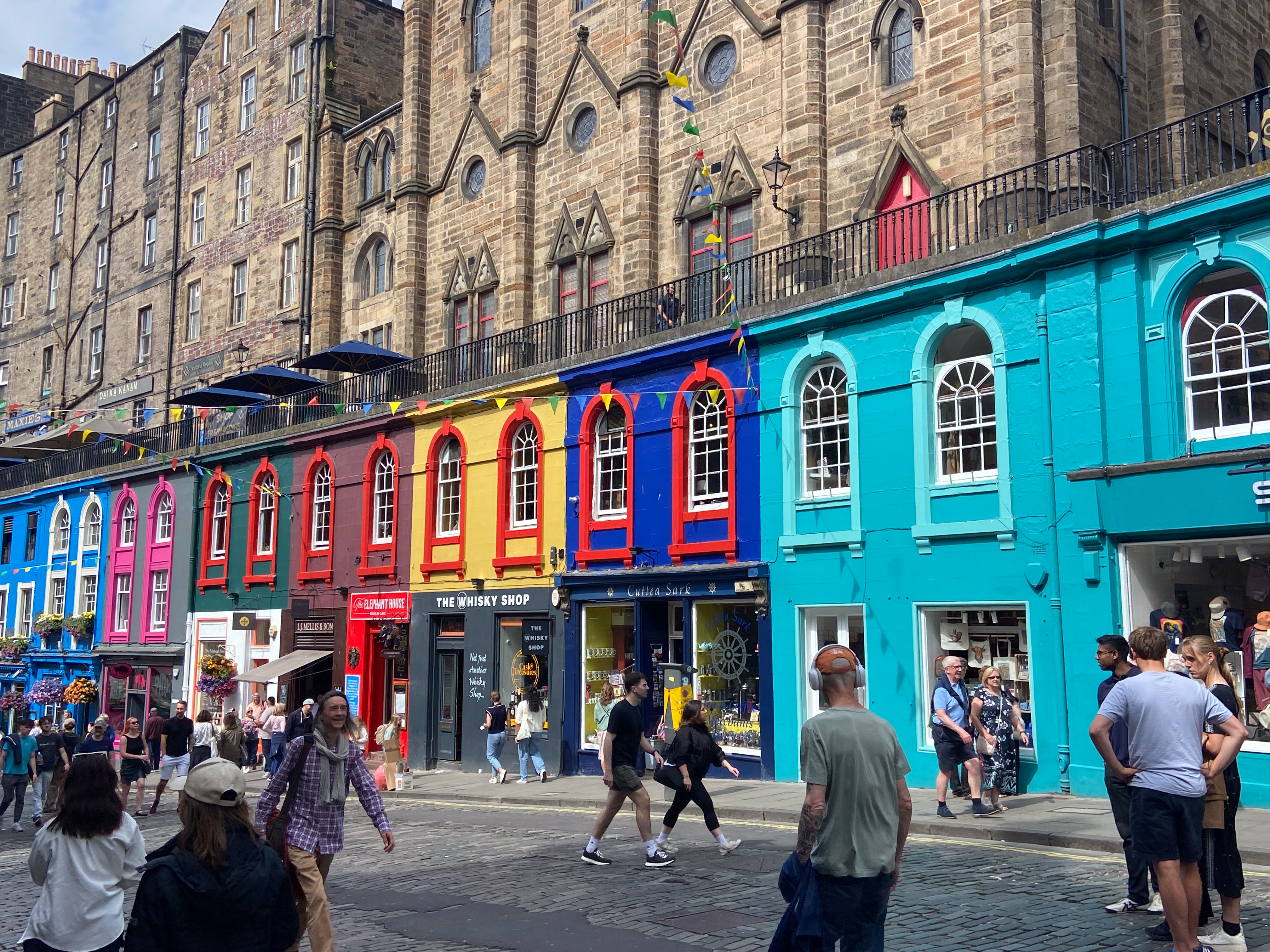
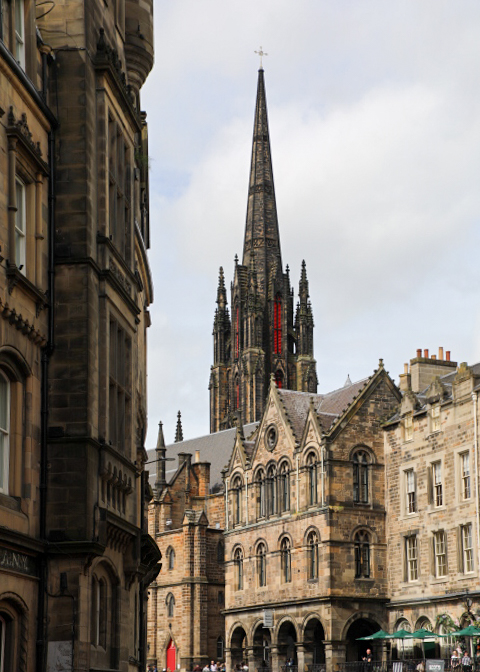
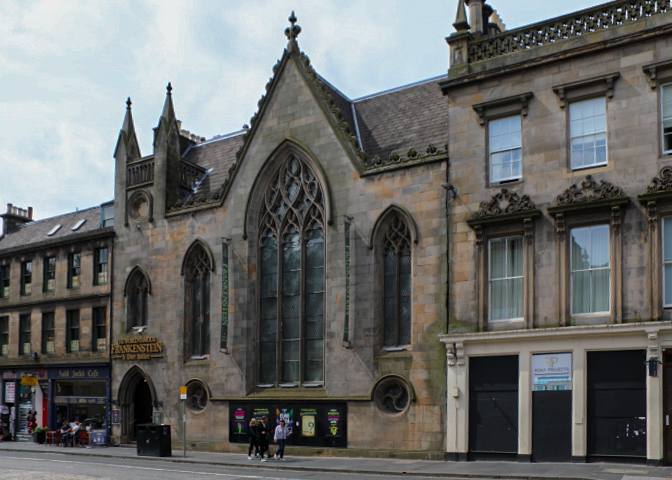
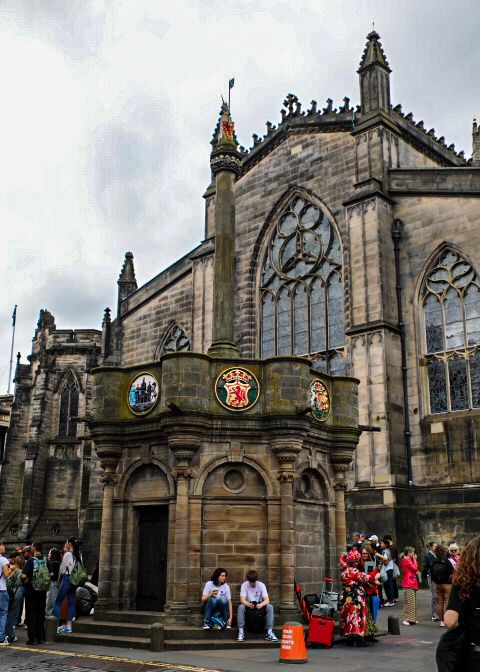
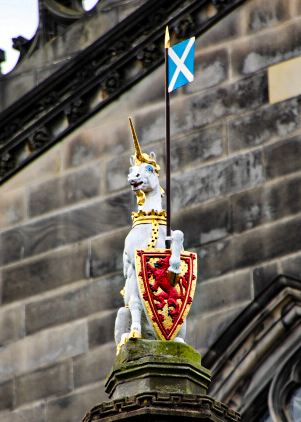
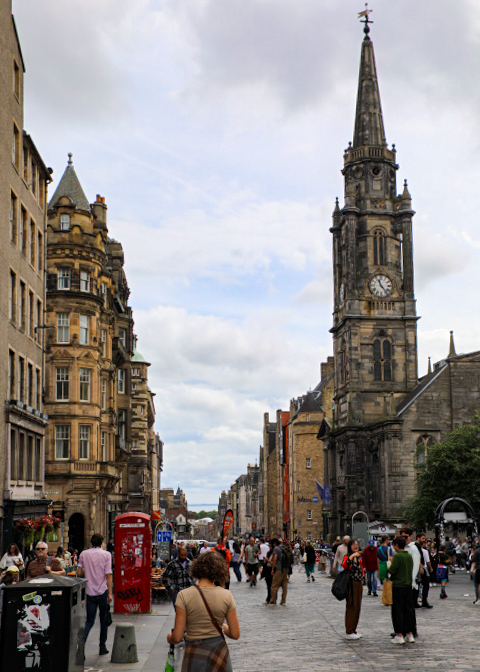
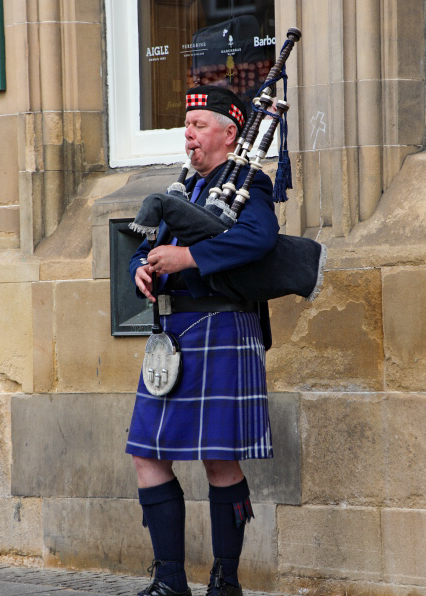
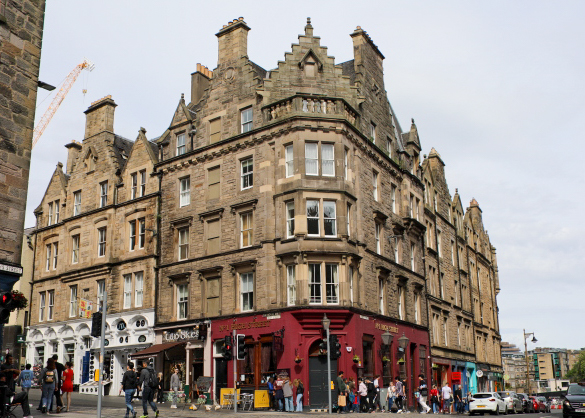
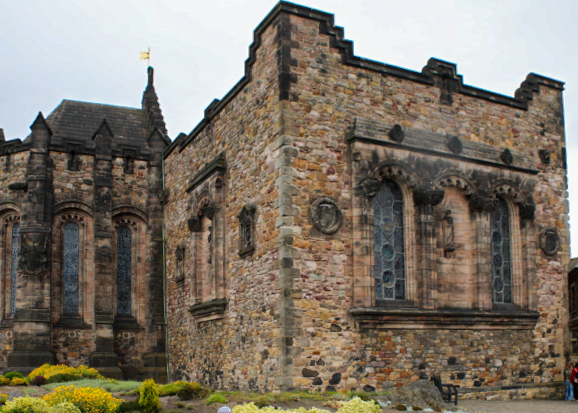
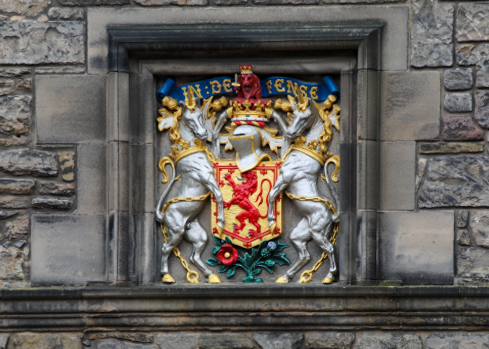
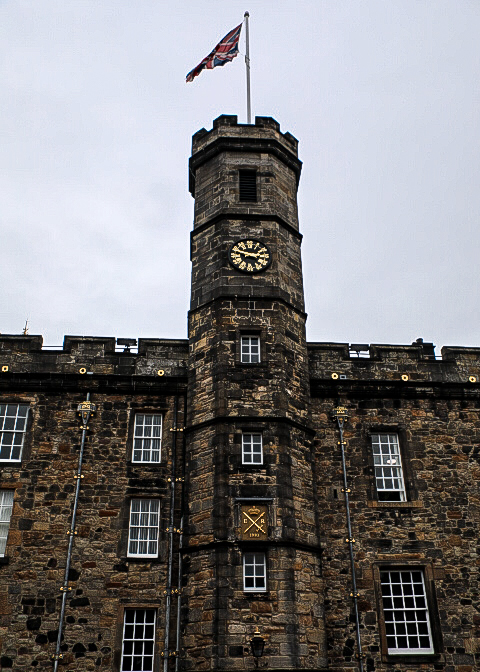
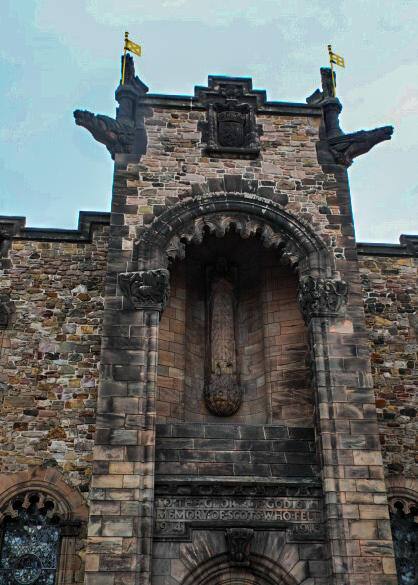
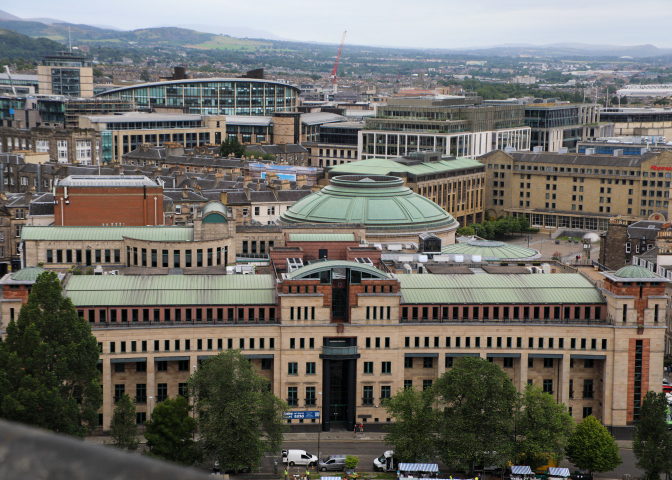
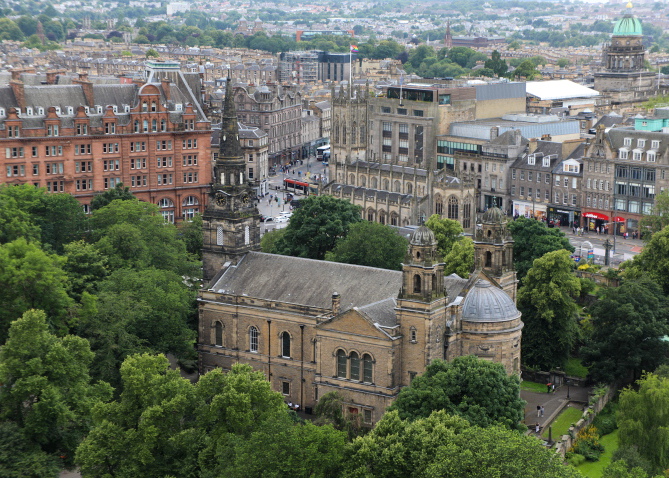
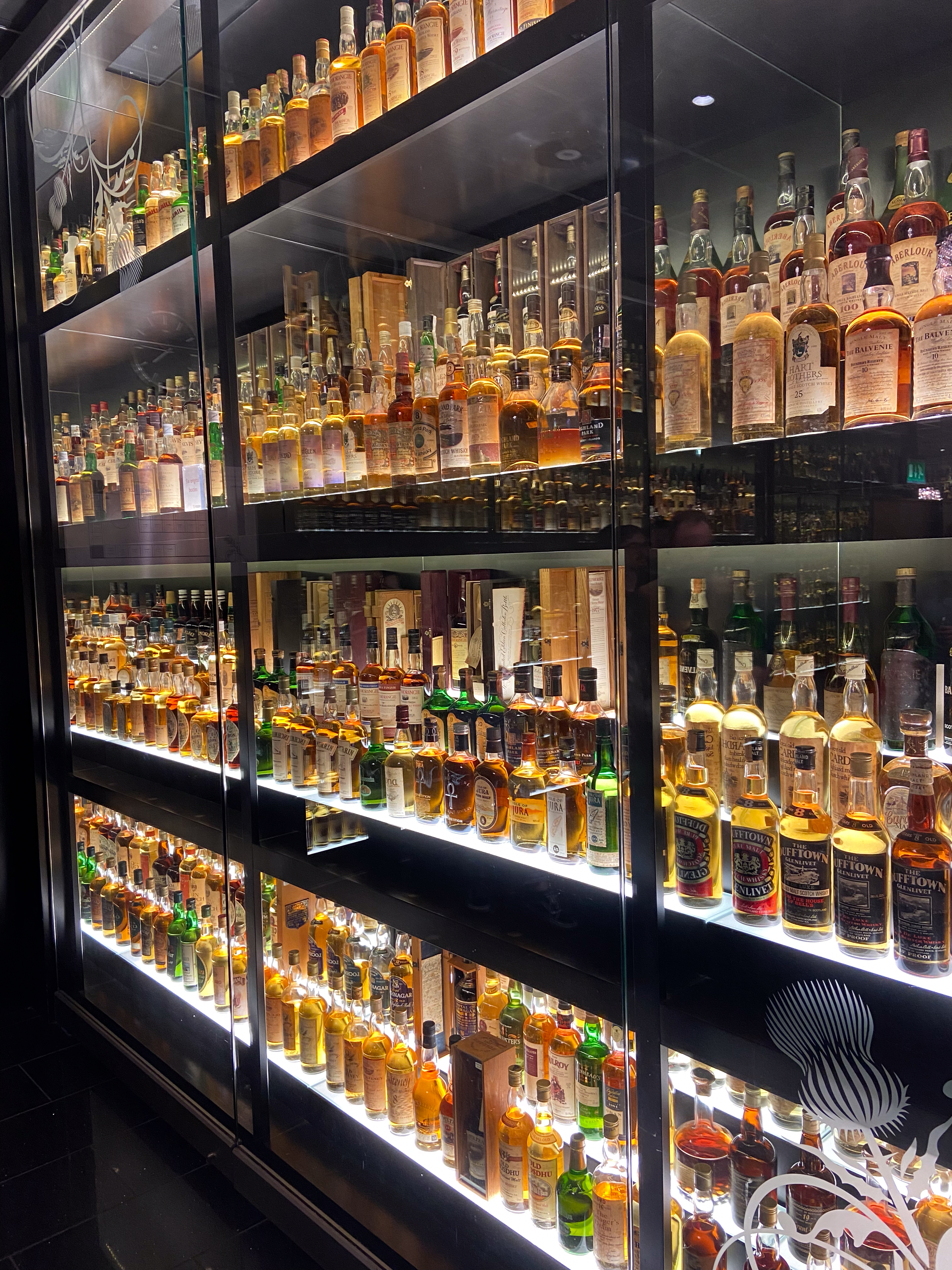
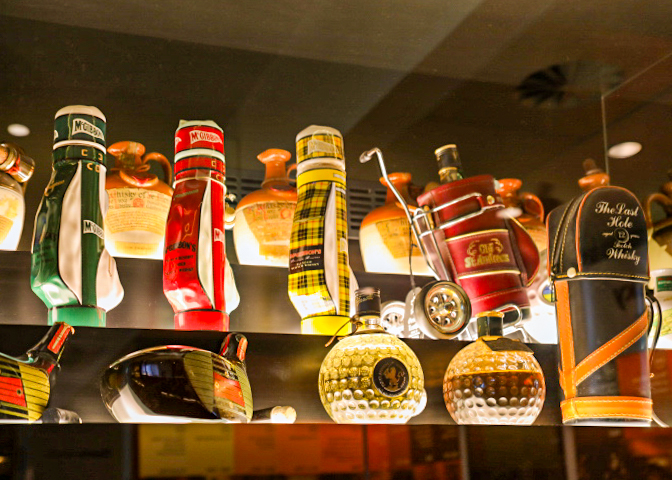
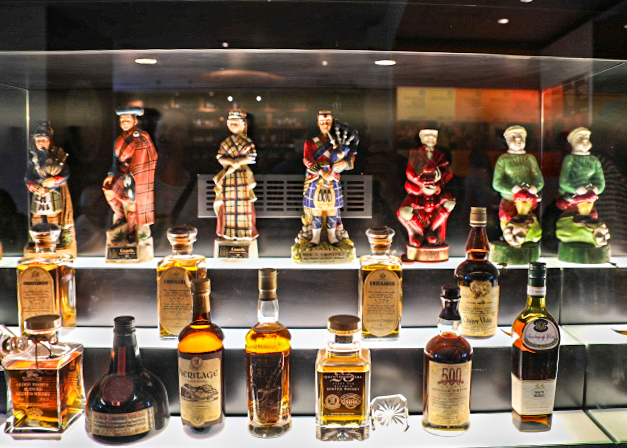
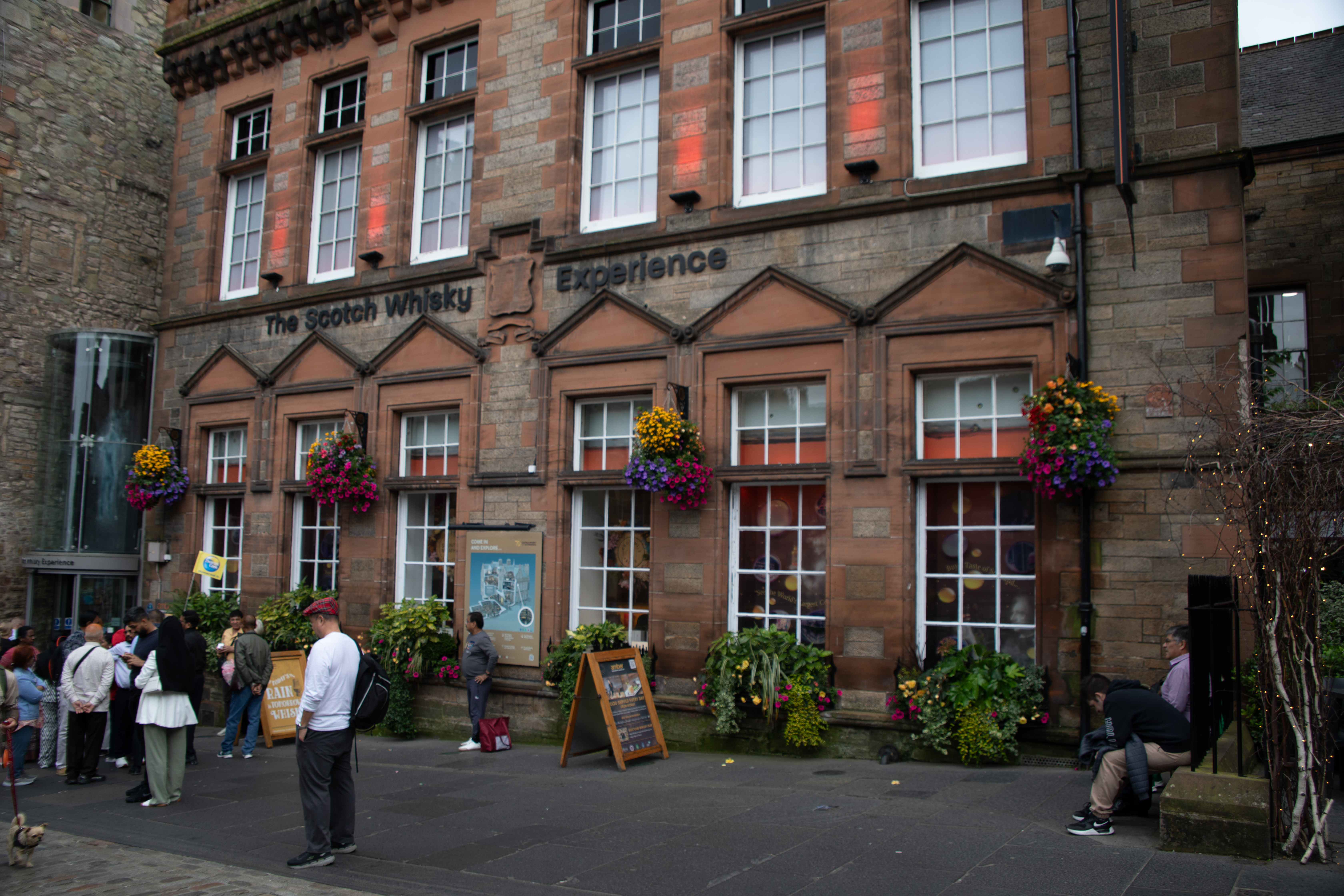
Today is our first full day in Edinburgh, Scotland. To get an understanding of Old Town, we walked the Royal Mile. This walk takes place in the historic heart of Old Town, the medieval city established as a royal burgh by King David I in the 12th century. Situated on a mile-long hill, Old Town (whose protective walls were knocked down and refortified throughout history) is the most evocative district in Edinburgh. In large part, the city’s current reputation for beauty and romance rests upon the appearance of the Royal Mile and its surrounding streets. After taking in the sights along the Mile, we toured Edinburgh Castle at the top of the hill (an extinct volcano). For more details on the history of the castle, see – https://www.edinburghcastle.scot/the-castle/history. As a fitting close to a long day, we enjoyed the Scotch Whisky Experience – a great audio/visual experience and, of course, the tasting of whisky from the 5 production regions of Scotland. Fitting place to find out about Scotch – their collection has over 3400 bottles in all shapes and sizes – from chess sets to golf bags to people and yes jugs and bottles.

Street Views of the Mile:

Edinburgh Castle and views from the top

Scotch Whisky Experience

UK and Scotland Day 10

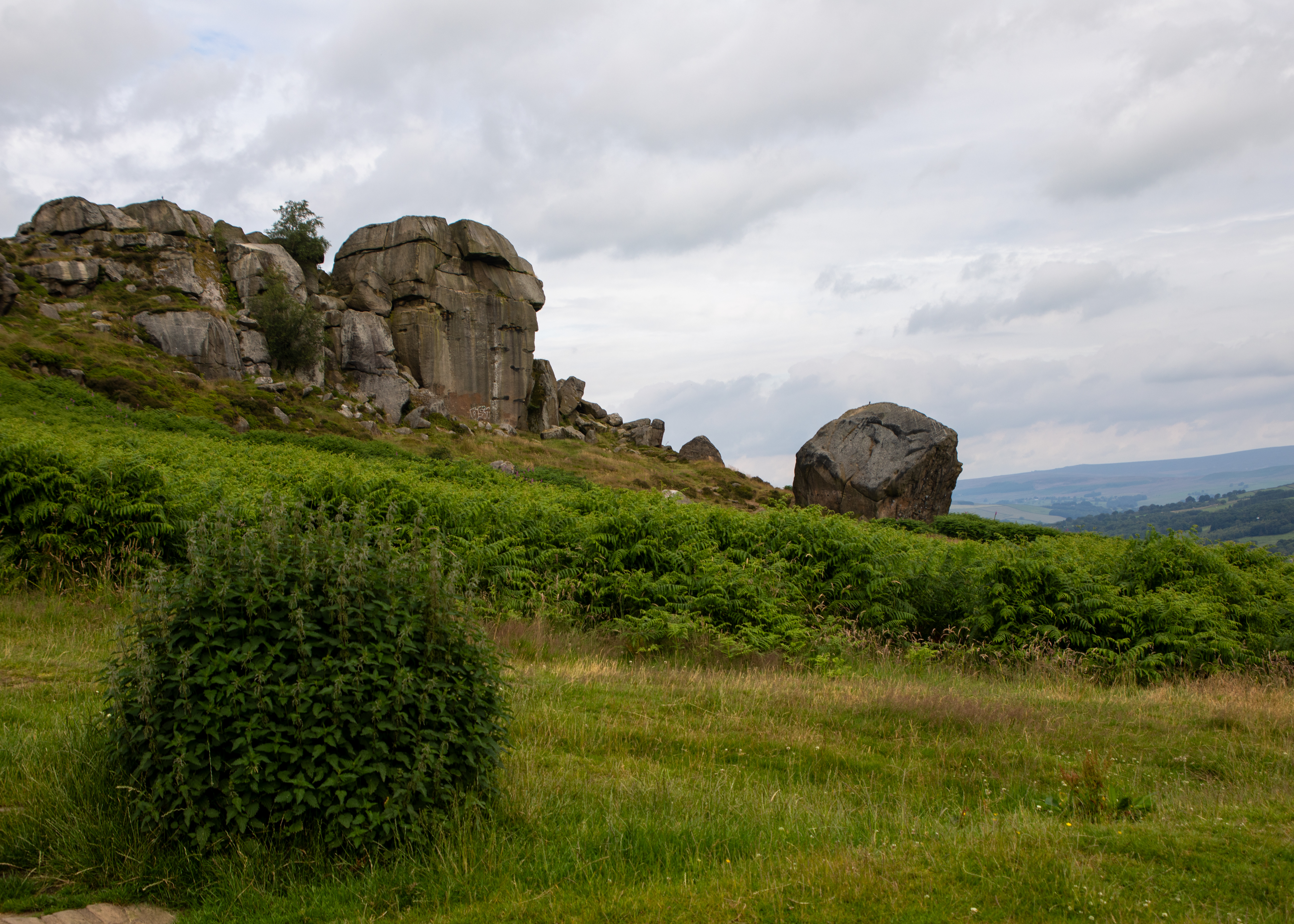
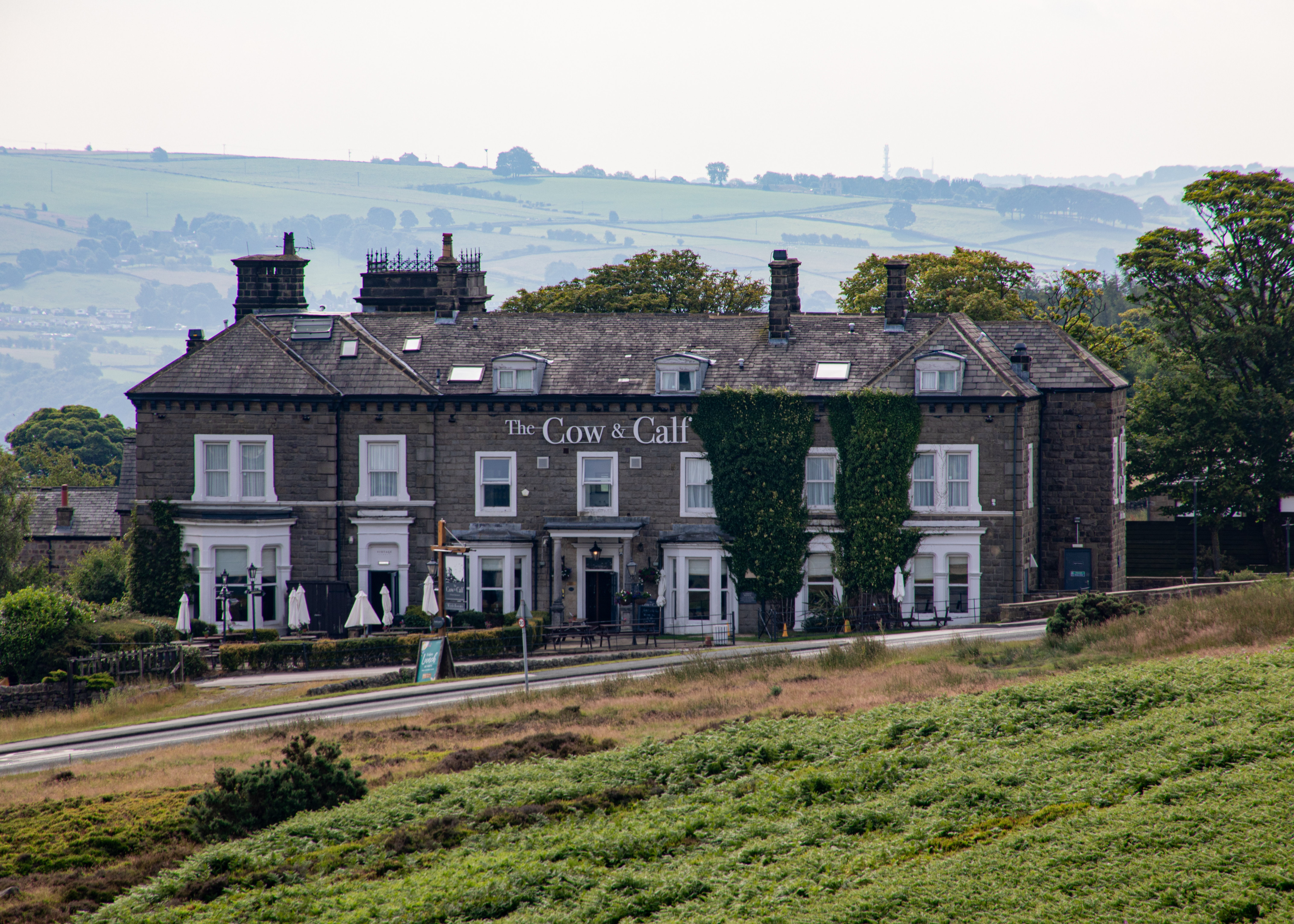
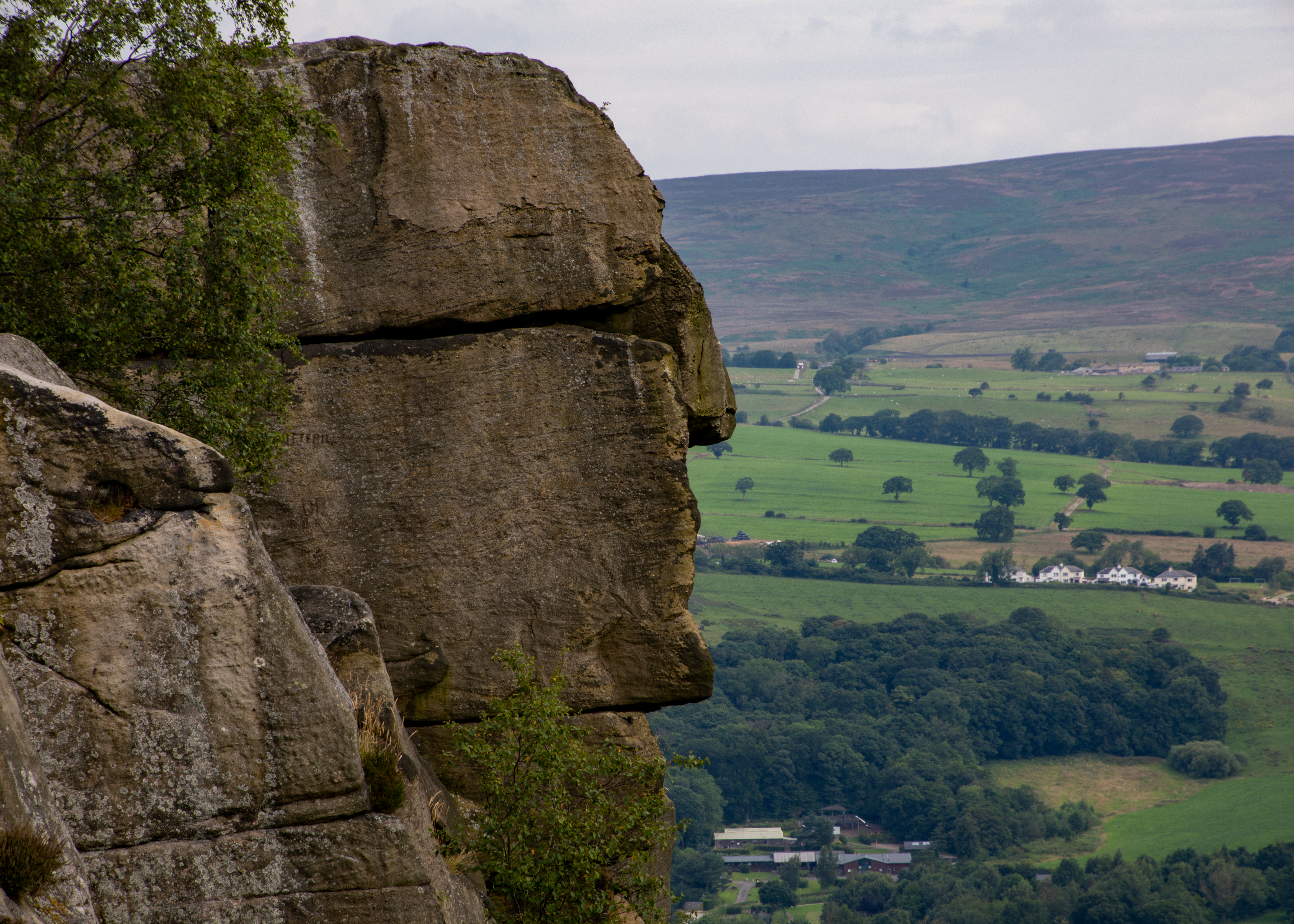
Today we continued our drive through the Yorkshire Dales crossing the border into Scotland heading to our hotel in Dumbarton. Dumbarton was the closest city to Troon with reasonable hotel rates as we are heading to The Open tomorrow. Along the way we stopped to hike the Calf and Cow rocks to get a wide-angle view of the Dales.

High on Ilkley Moor the Cow and Calf Rocks are a large rock formation consisting of an outcrop and boulder, also known as Hanging Stone Rocks. The rocks are made of millstone grit, a variety of sandstone, and are so named because one is large, with the smaller one sitting close to it, like a cow and calf.

According to local legend, the Calf was split from the Cow when the giant Rombold was fleeing an enemy, and stamped on the rock as he leapt across the valley. The enemy, it is rumored, was his angry wife. She dropped the stones held in her skirt to form the local rock formation The Skirtful of Stones.

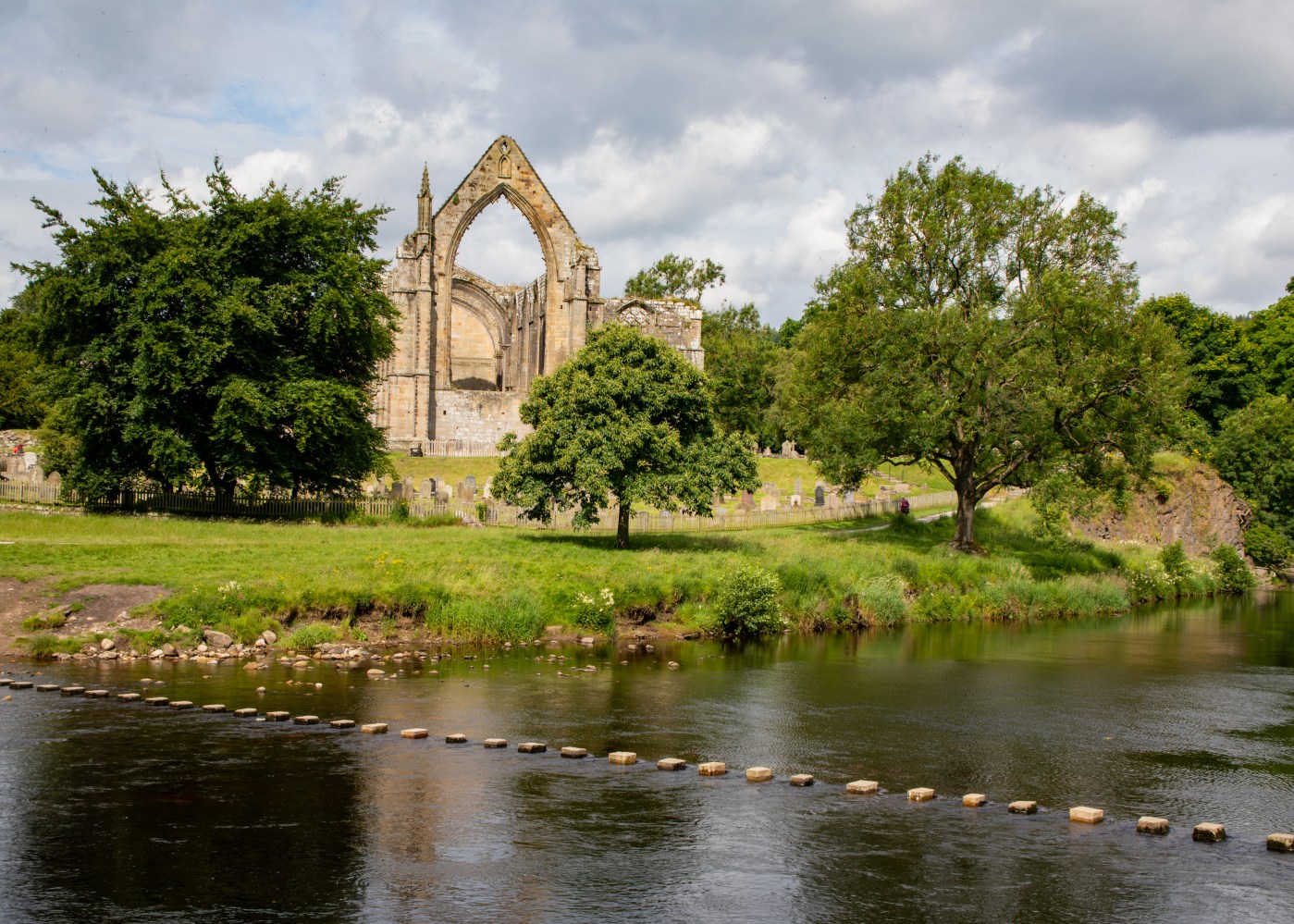
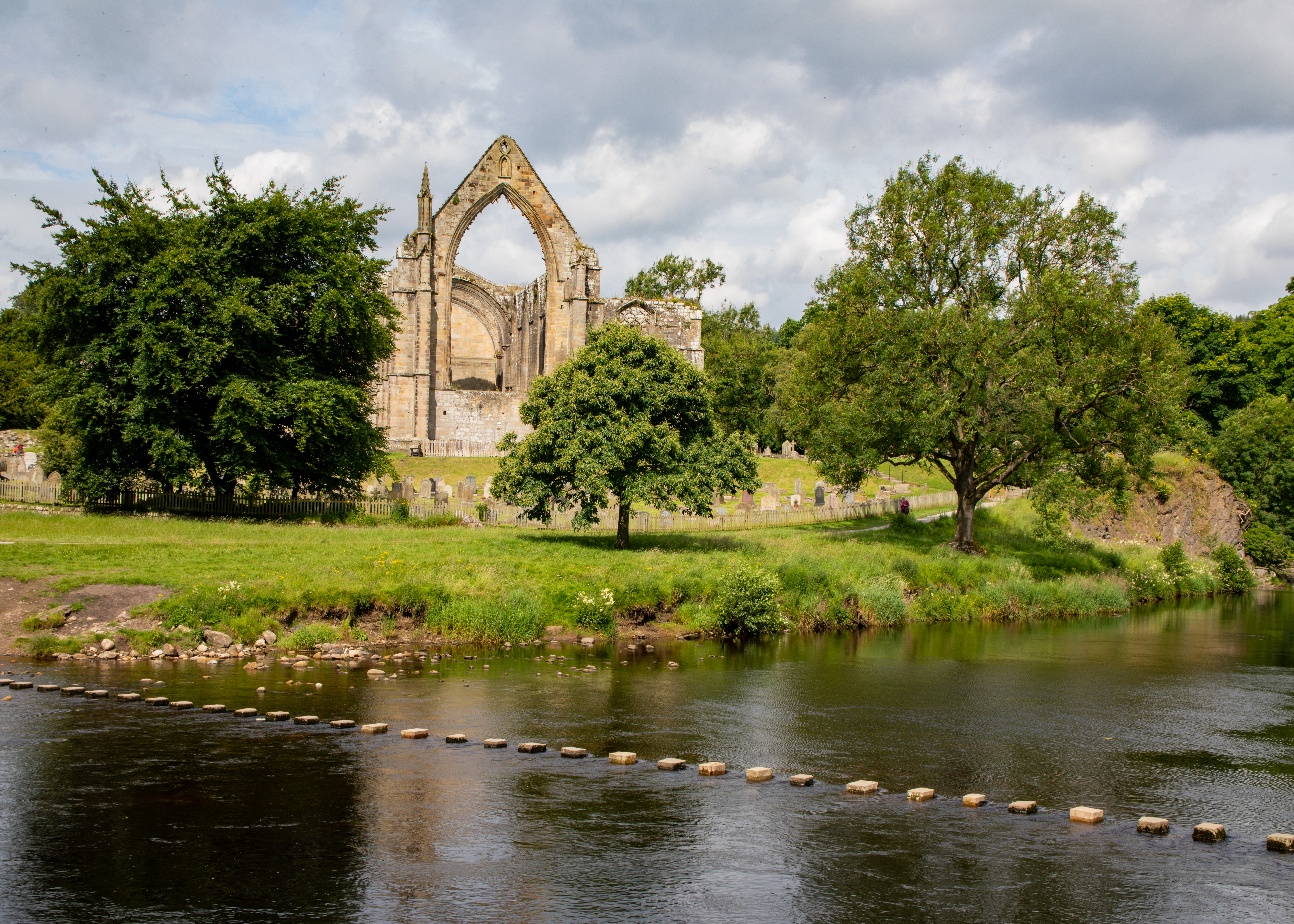
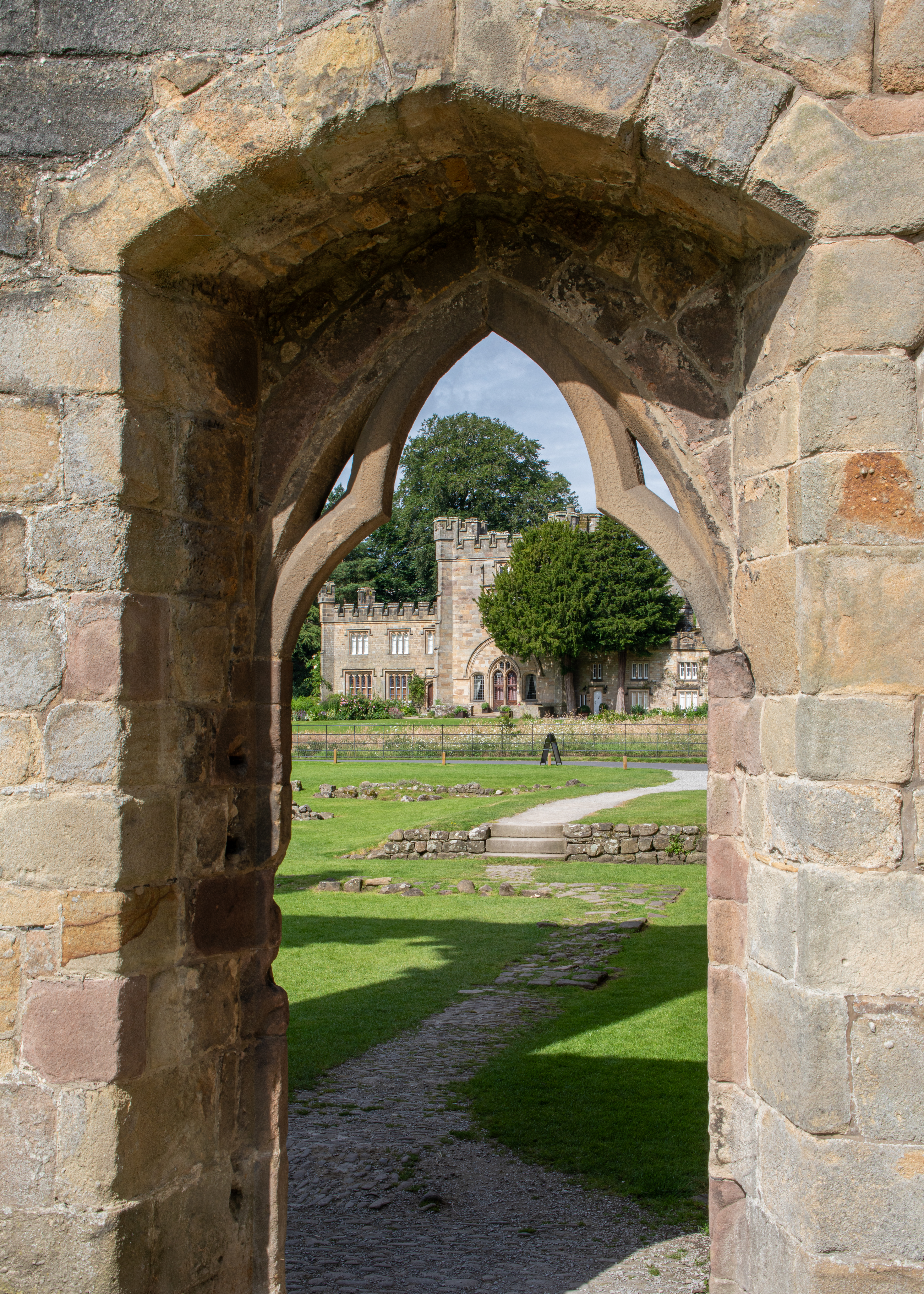
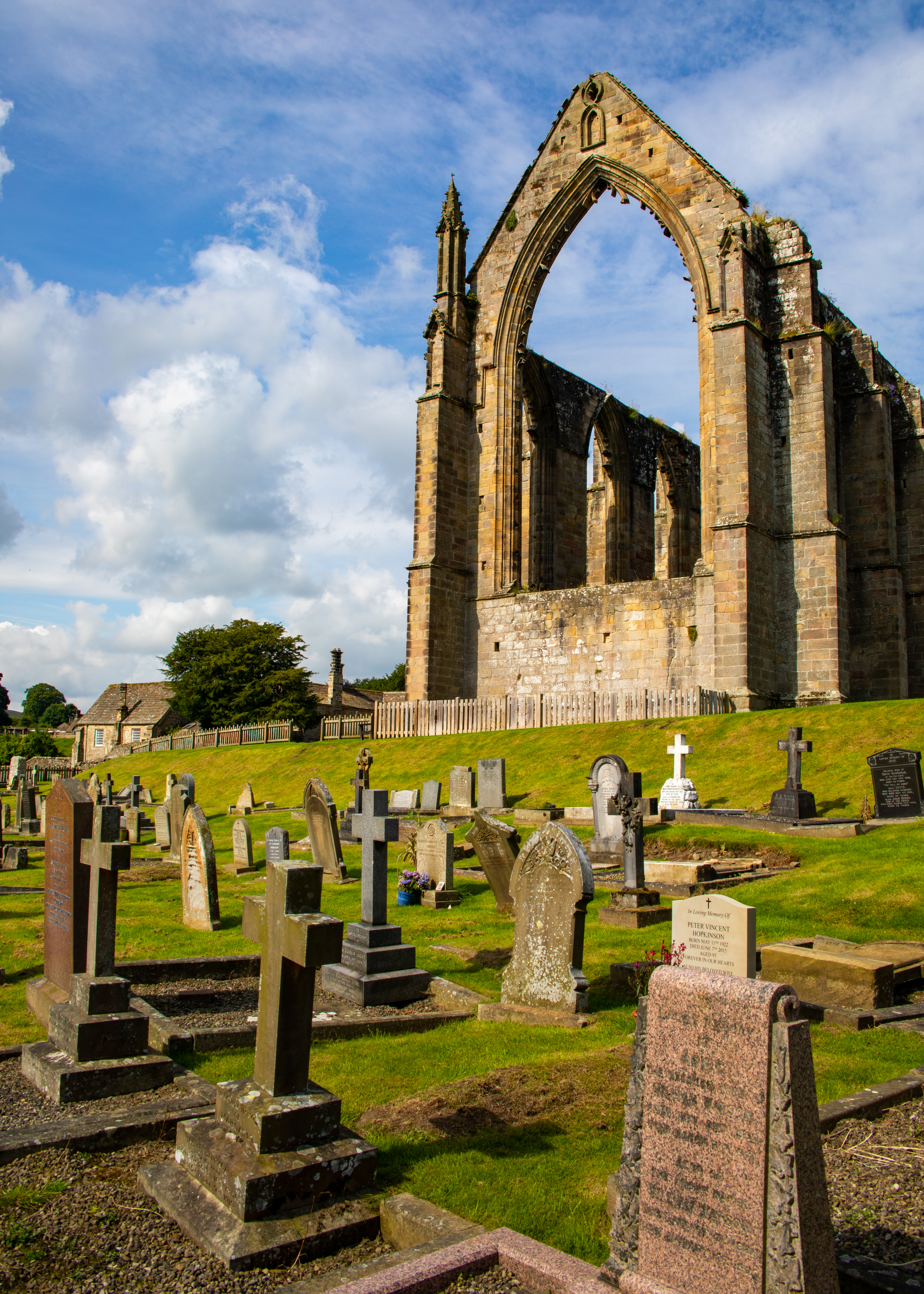
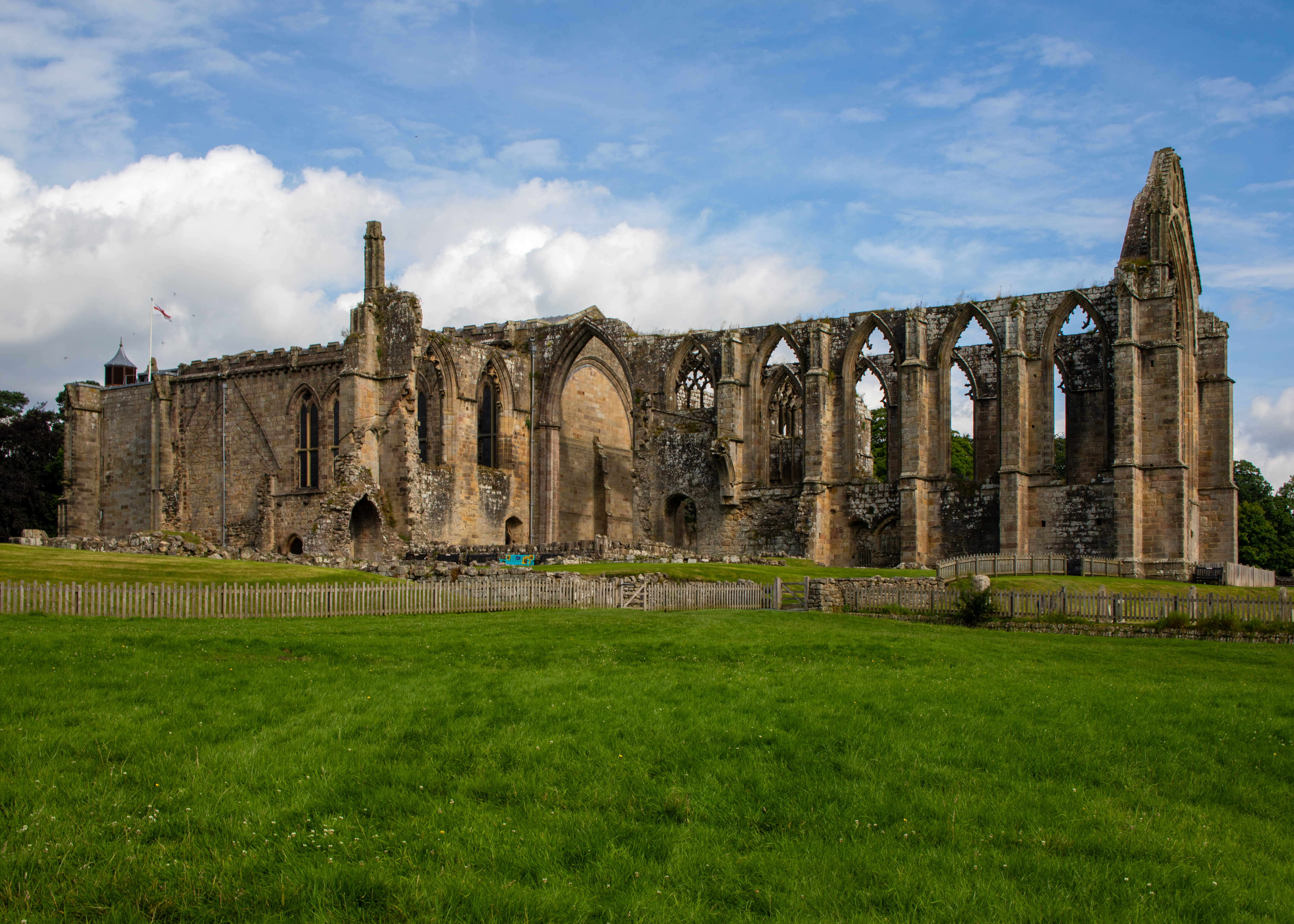
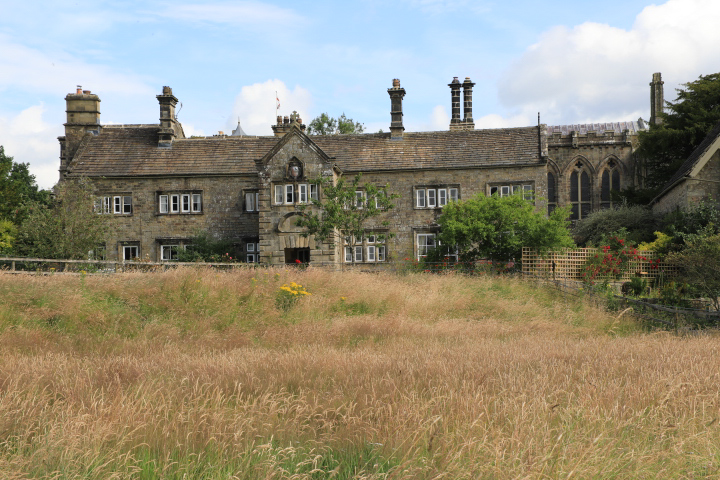
Bolton Abbey – The nave of the abbey church was in use as a parish church from about 1170 onwards and survived the dissolution of monasteries. Building work was still going on at the abbey when the Dissolution of the Monasteries resulted in the termination of the priory in January 1540. The east end remains in ruins. A tower, begun in 1520, was left half-standing, and its base was later given a bell-turret and converted into an entrance porch. Most of the remaining church is in the Gothic style of architecture, but more work was done in the Victorian era, including windows by Pugin. It still functions as a church today, holding services on Sundays and religious holidays.

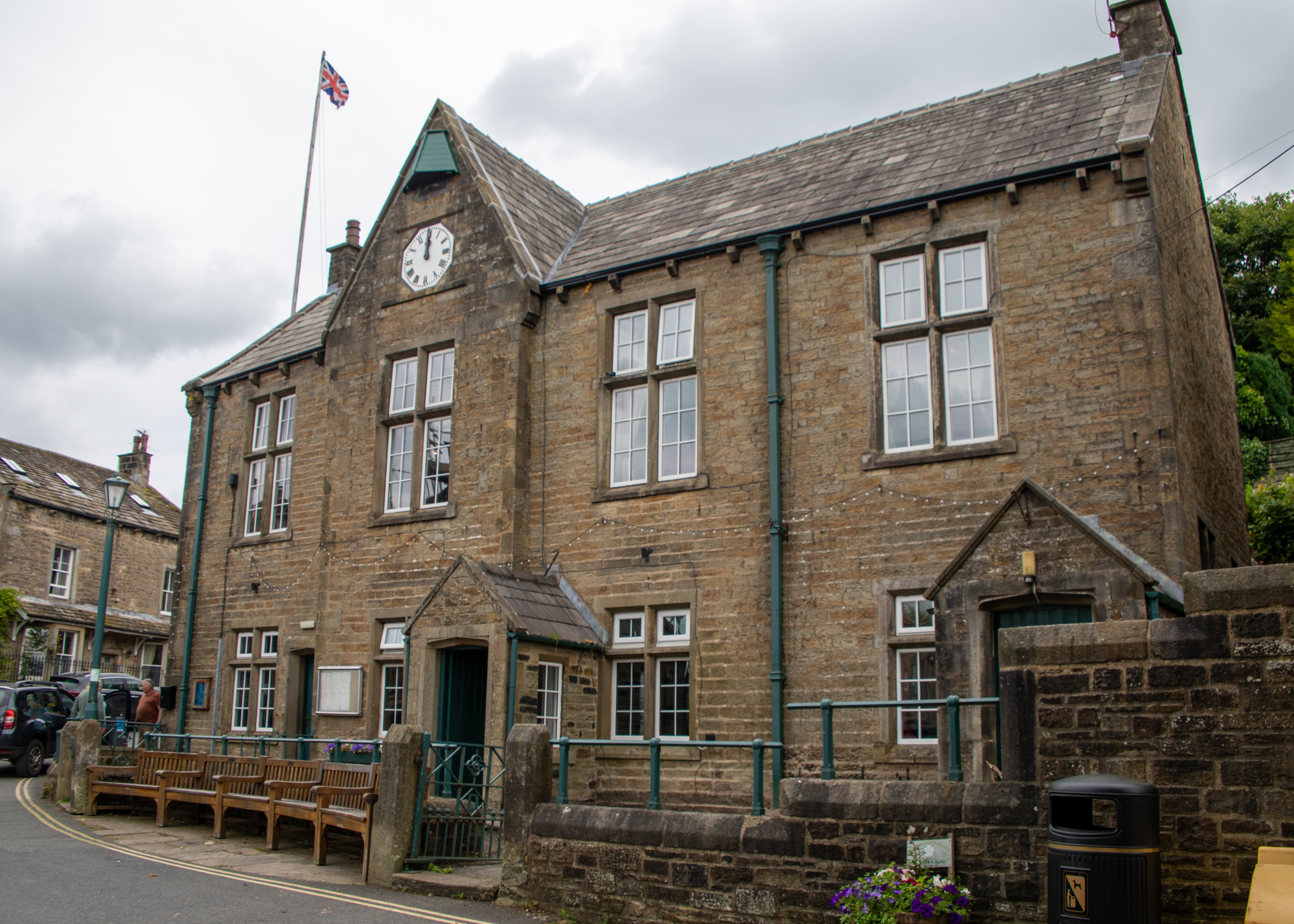
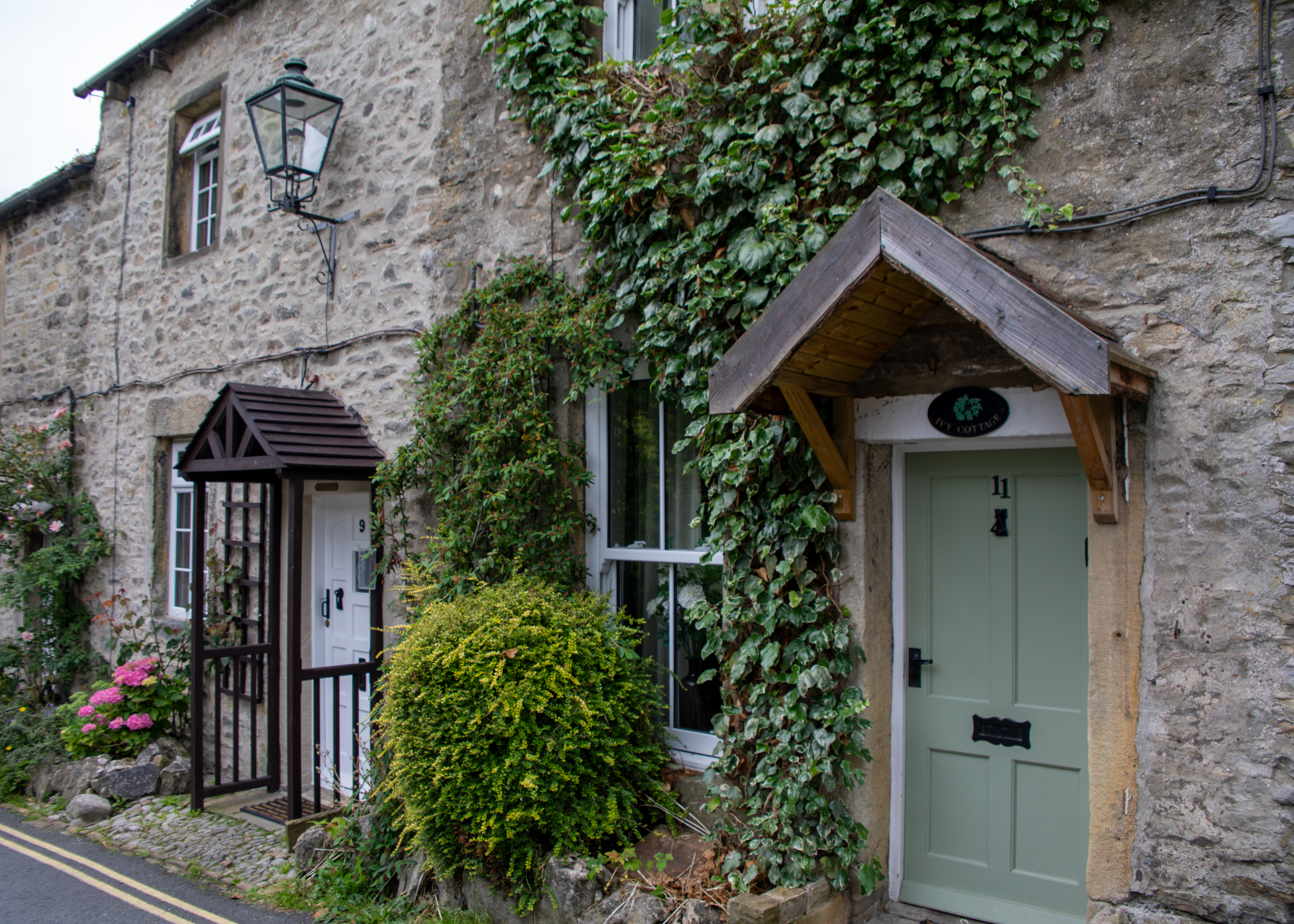
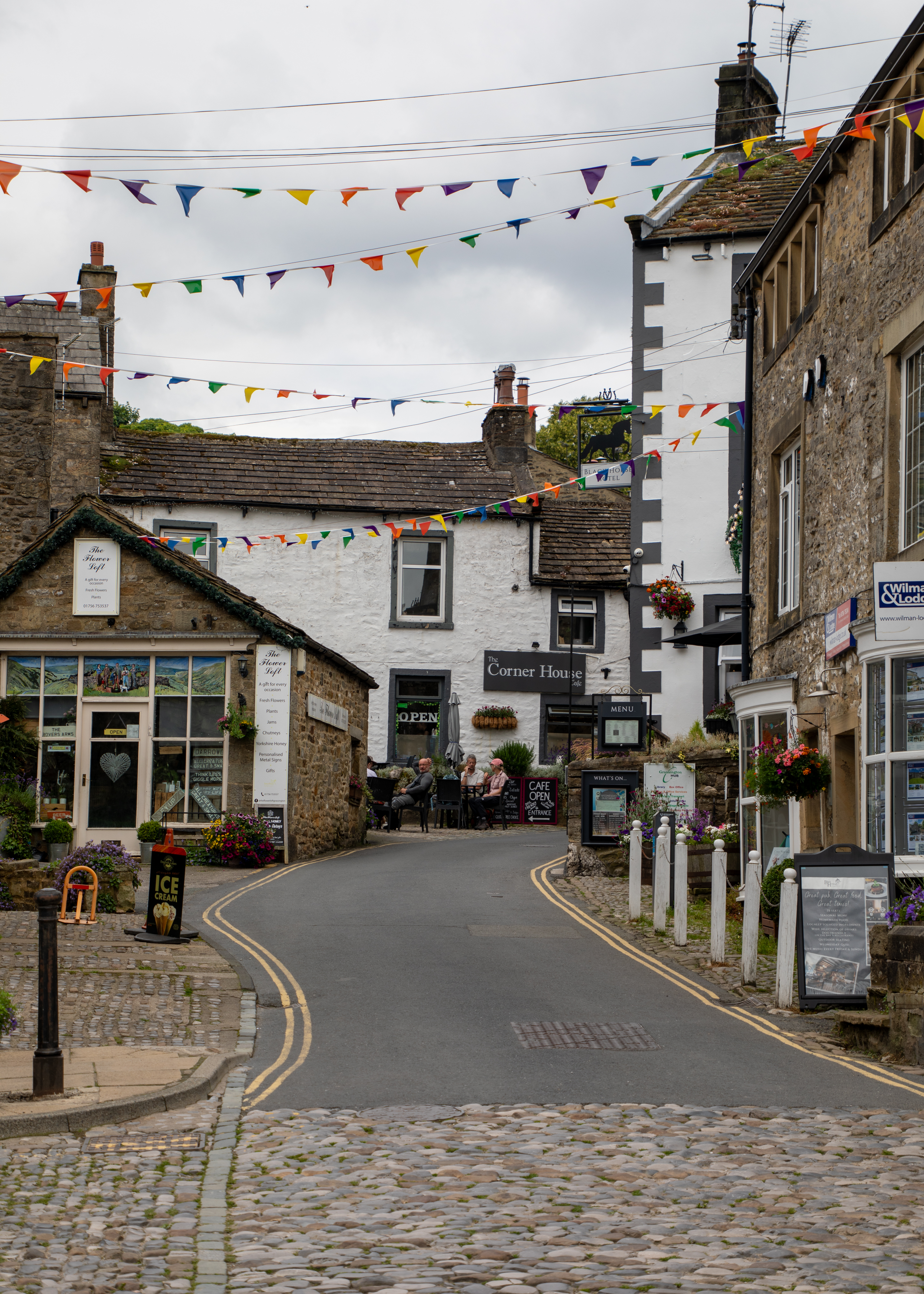
Grassington – The town’s history is closely linked to the Domesday Book, which was compiled in 1086. In the book, Grassington is recorded as a small village with a population of just over 100. The village was owned by the Bishop of Chester and had two churches.

Despite its small size, Grassington played an important role in the English Civil War. The town was a Royalist stronghold and was the scene of a major battle in 1643. The Royalists were defeated and the town was captured by the Parliamentarians.

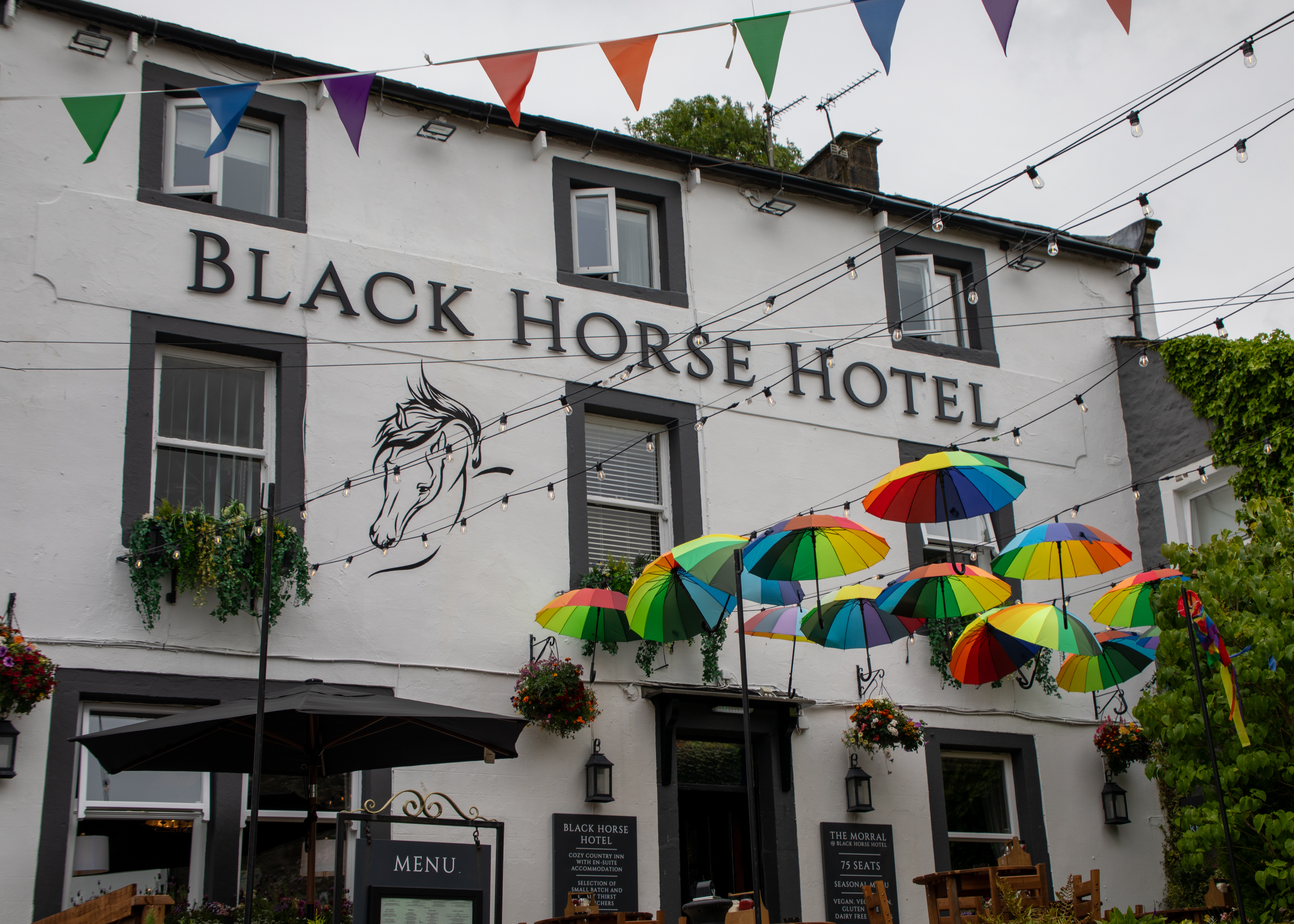
Grassington has a lively center with shops, cafés and a regular farmers market, as well as now being the location of the fictional market town Darrowby in All Creatures Great and Small.

2023 Fall Adventure: 12/13/2023

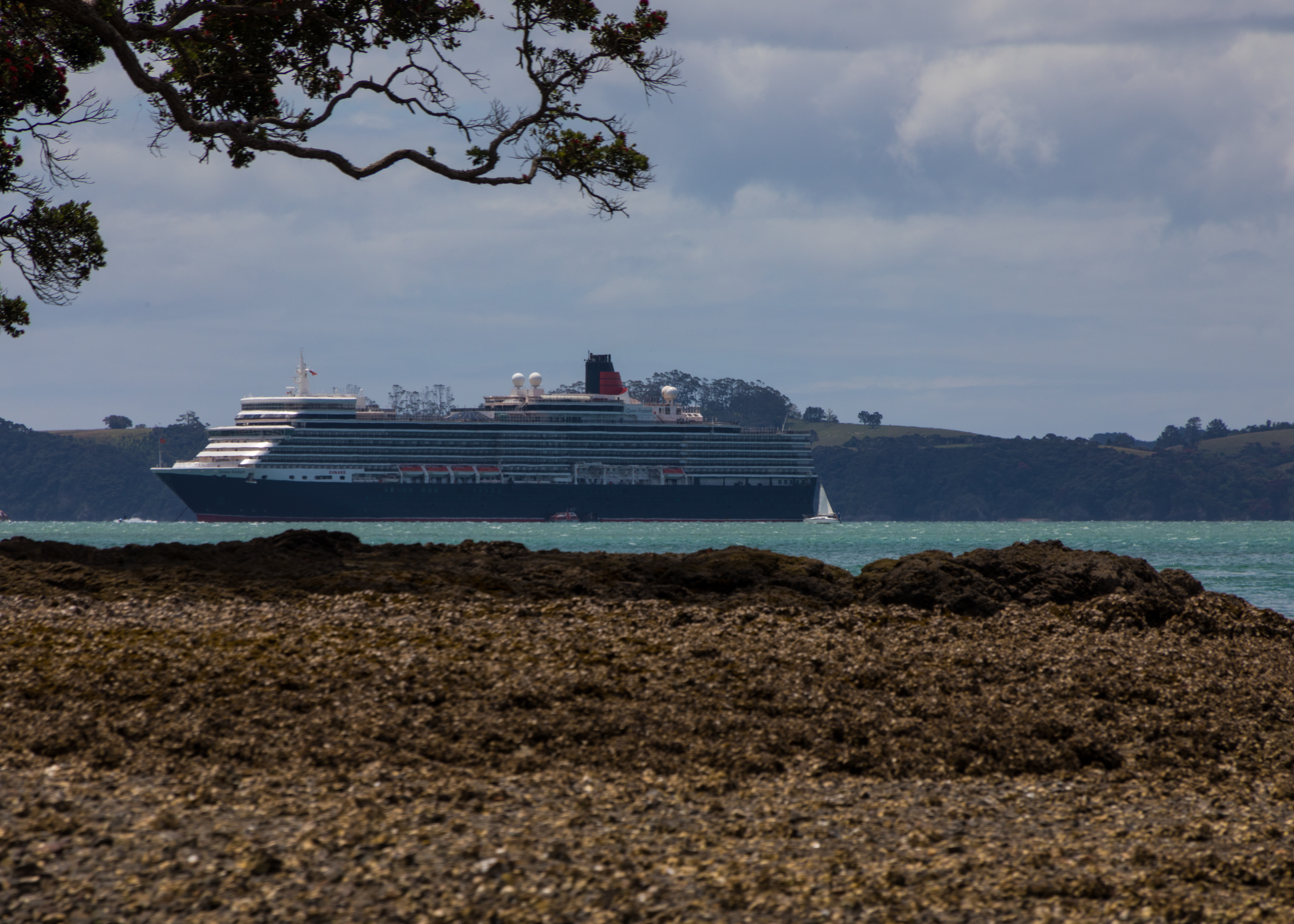
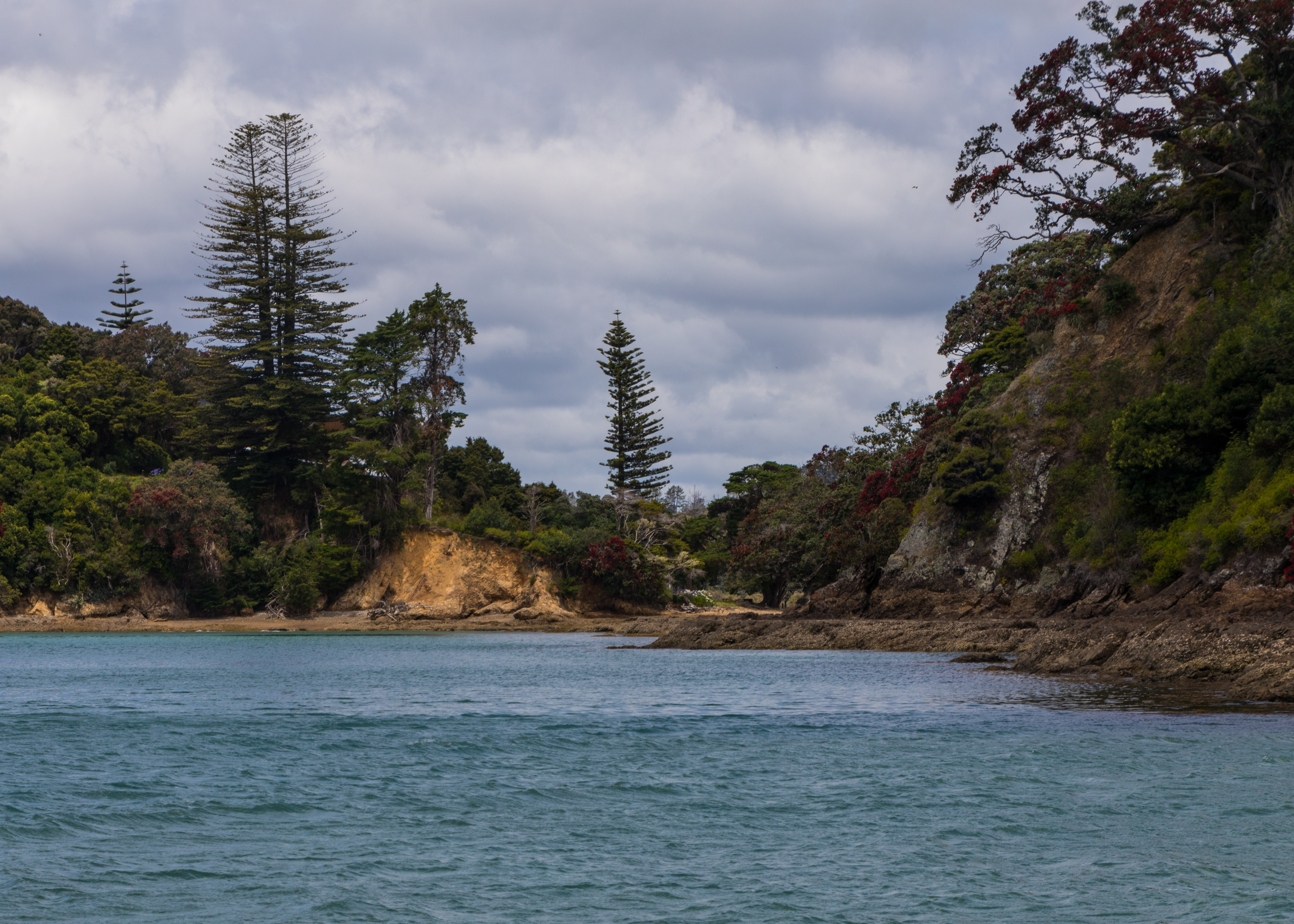
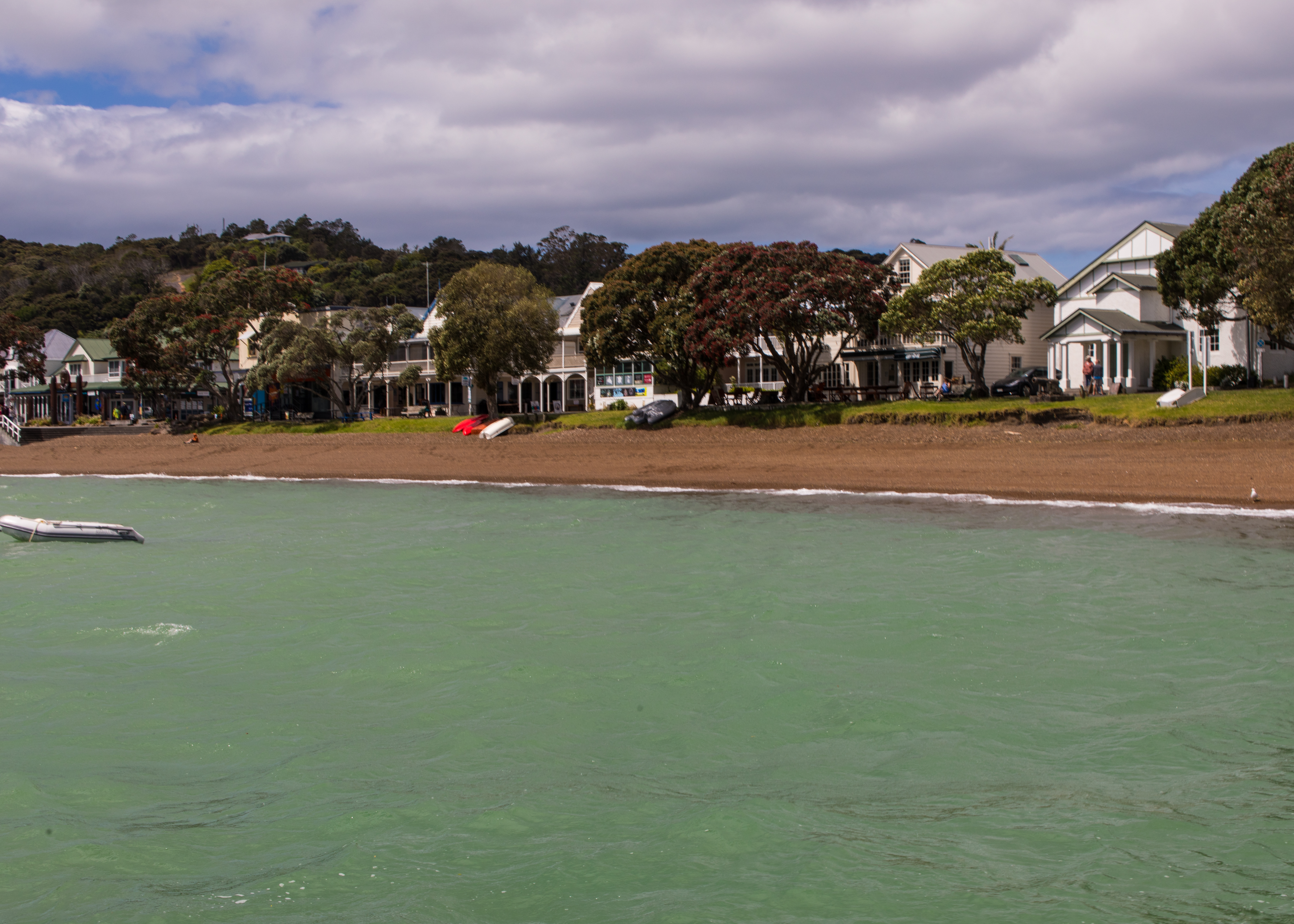
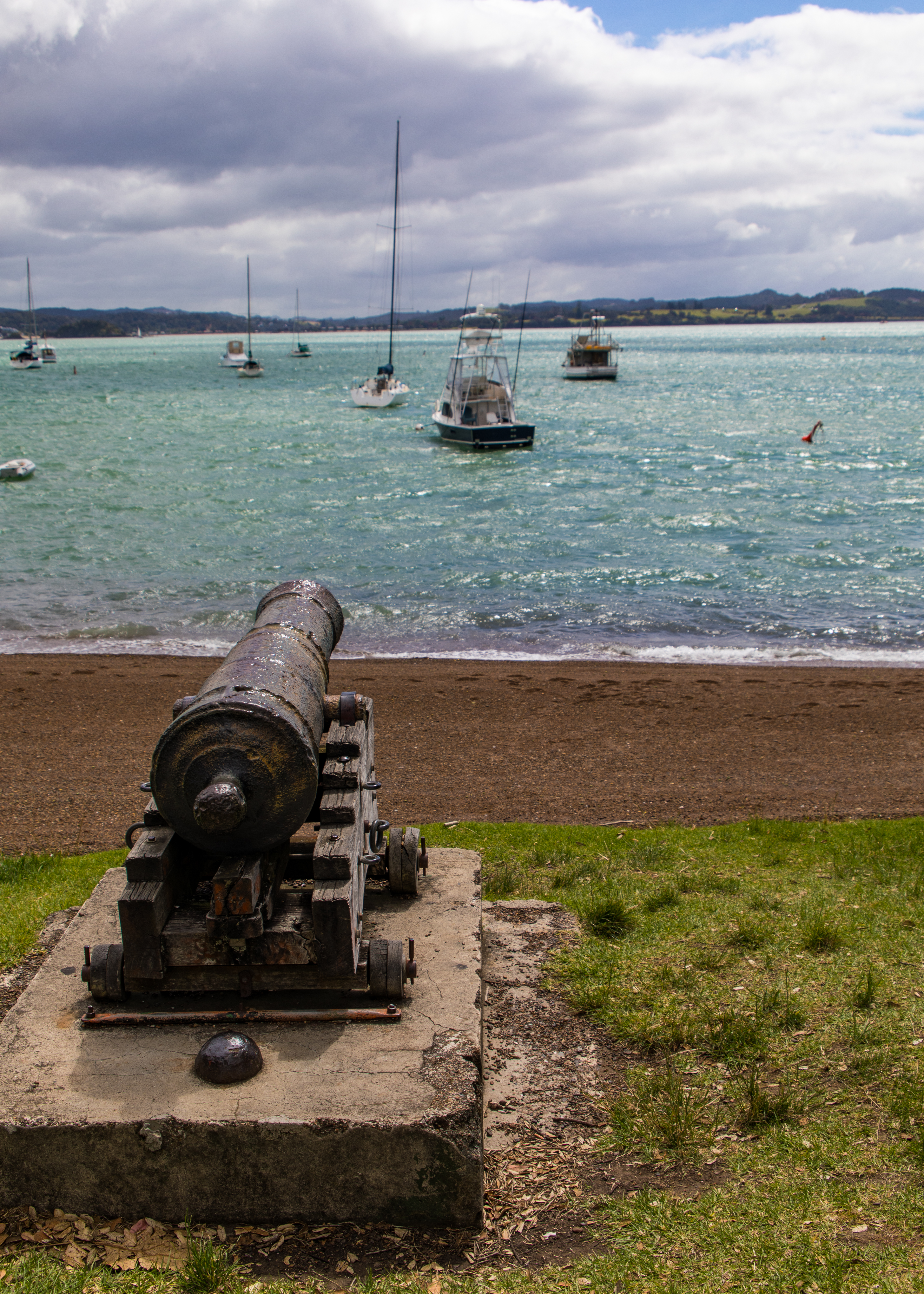
Bay of Islands, New Zealand

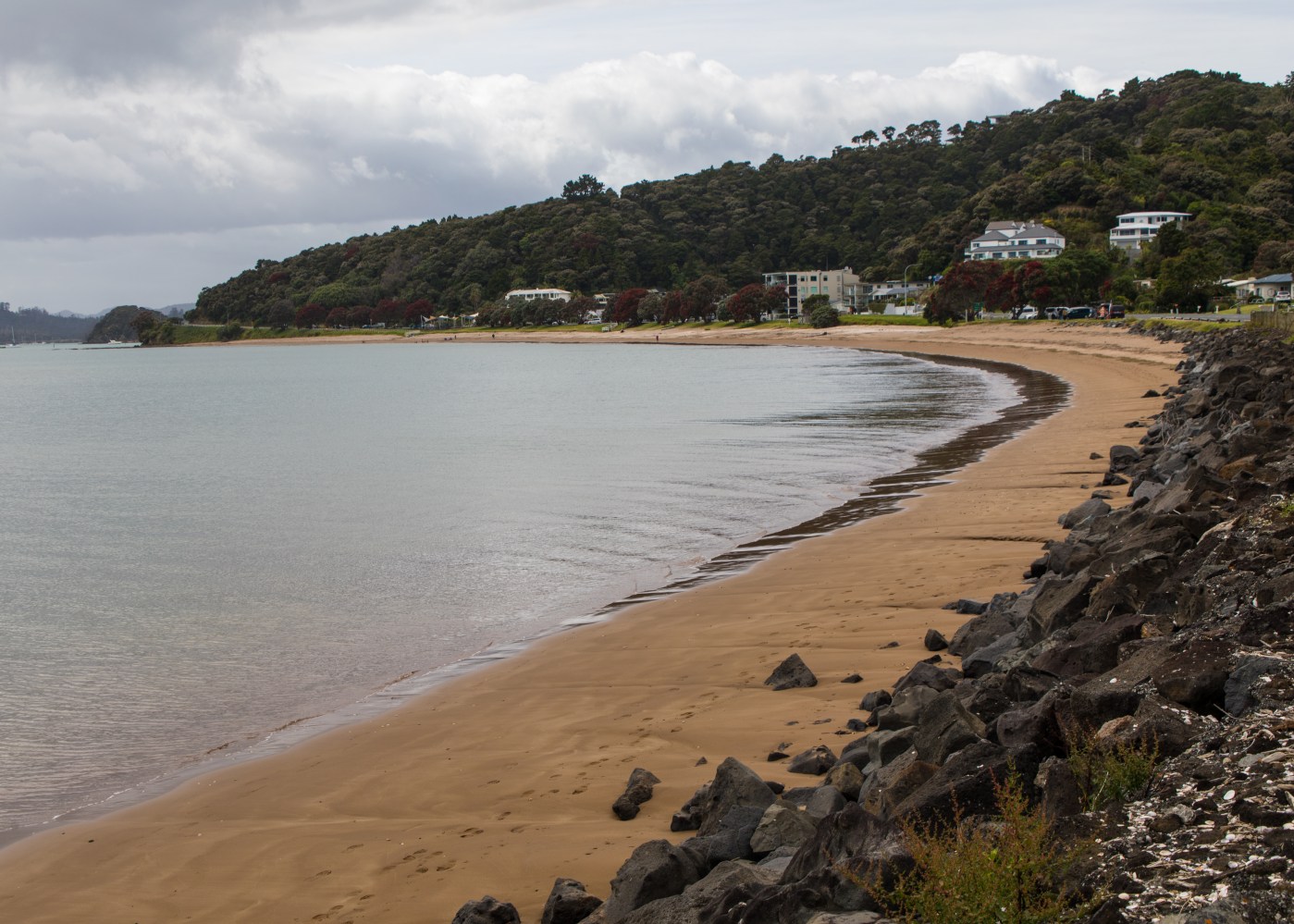
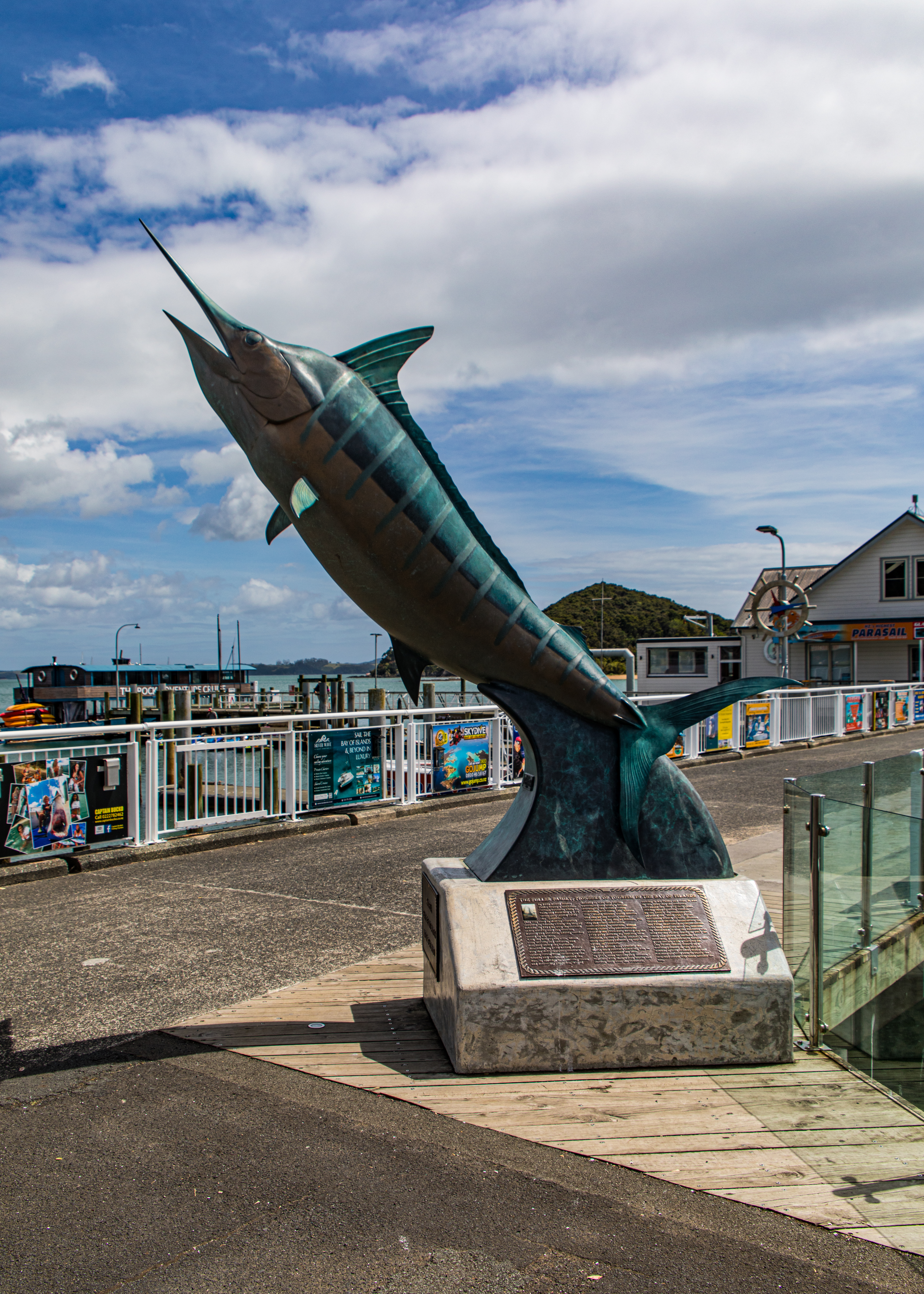
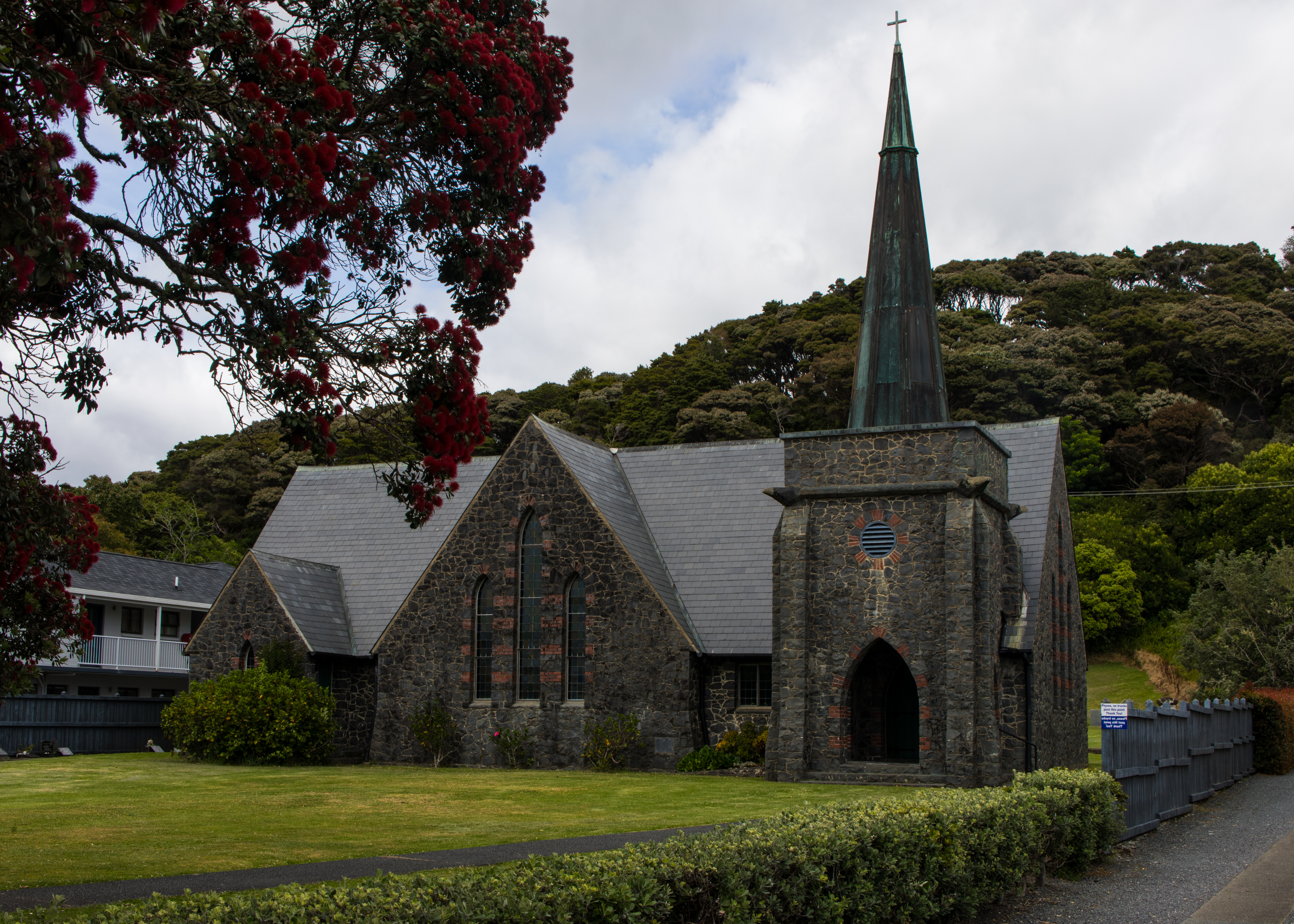
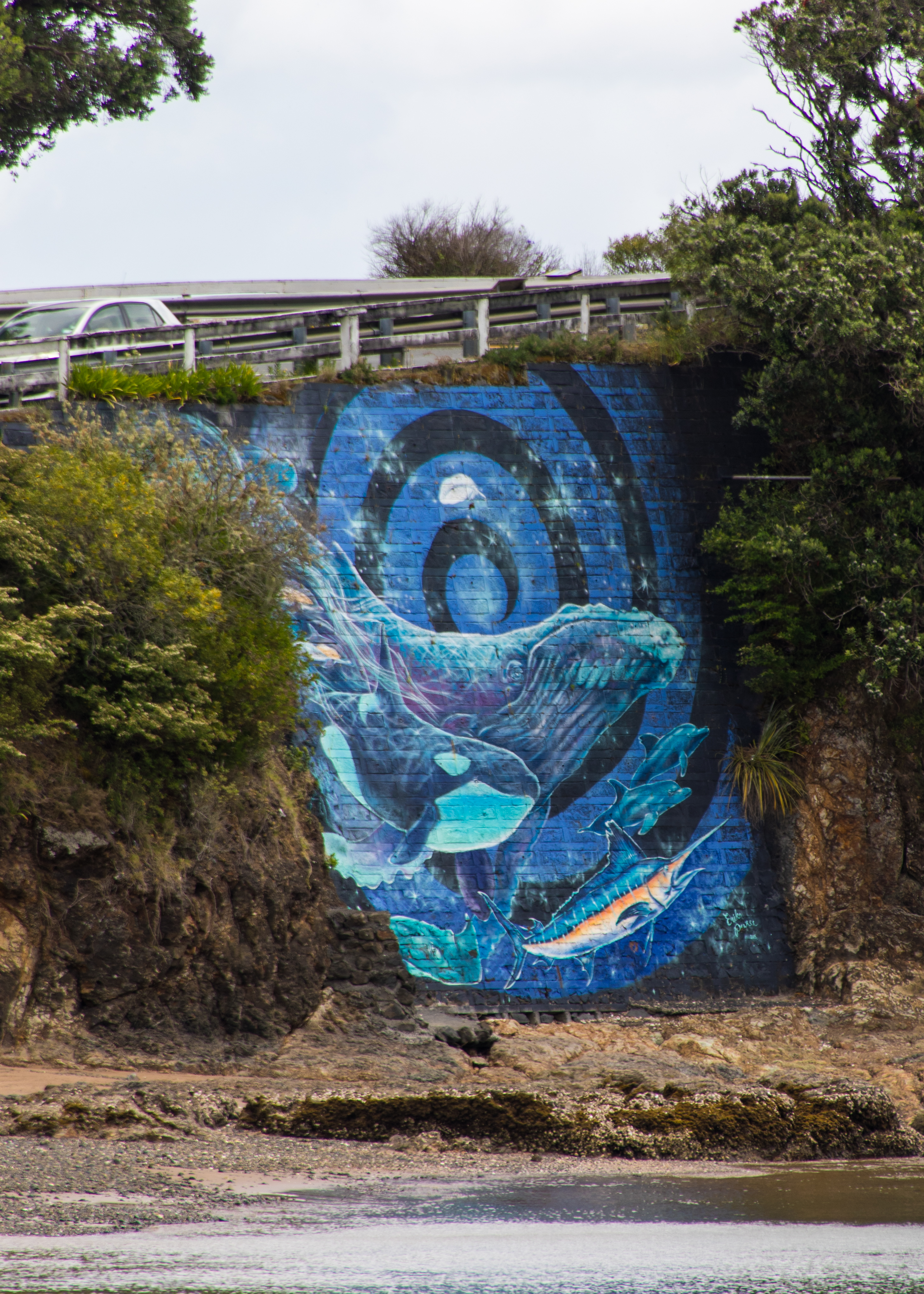
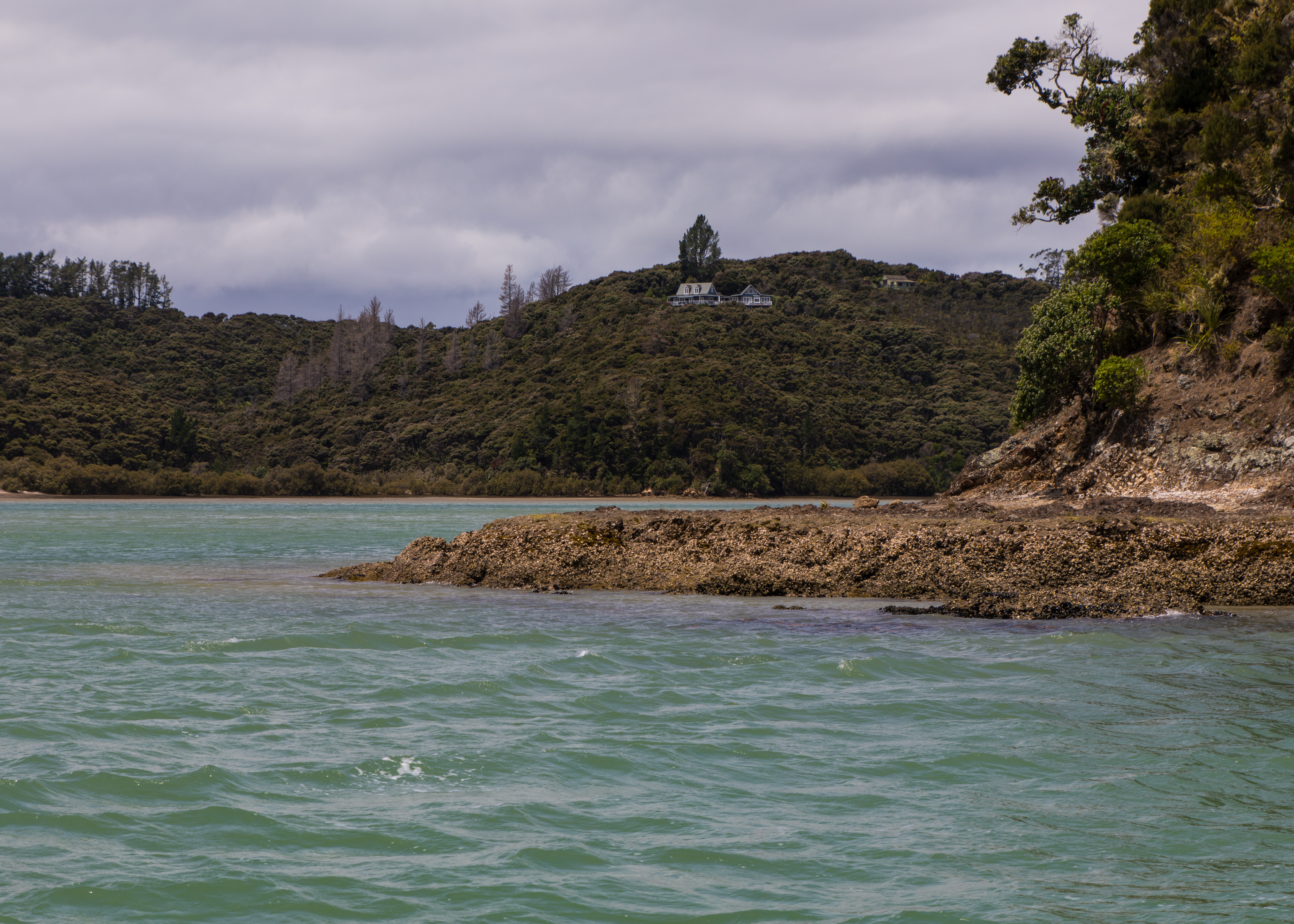
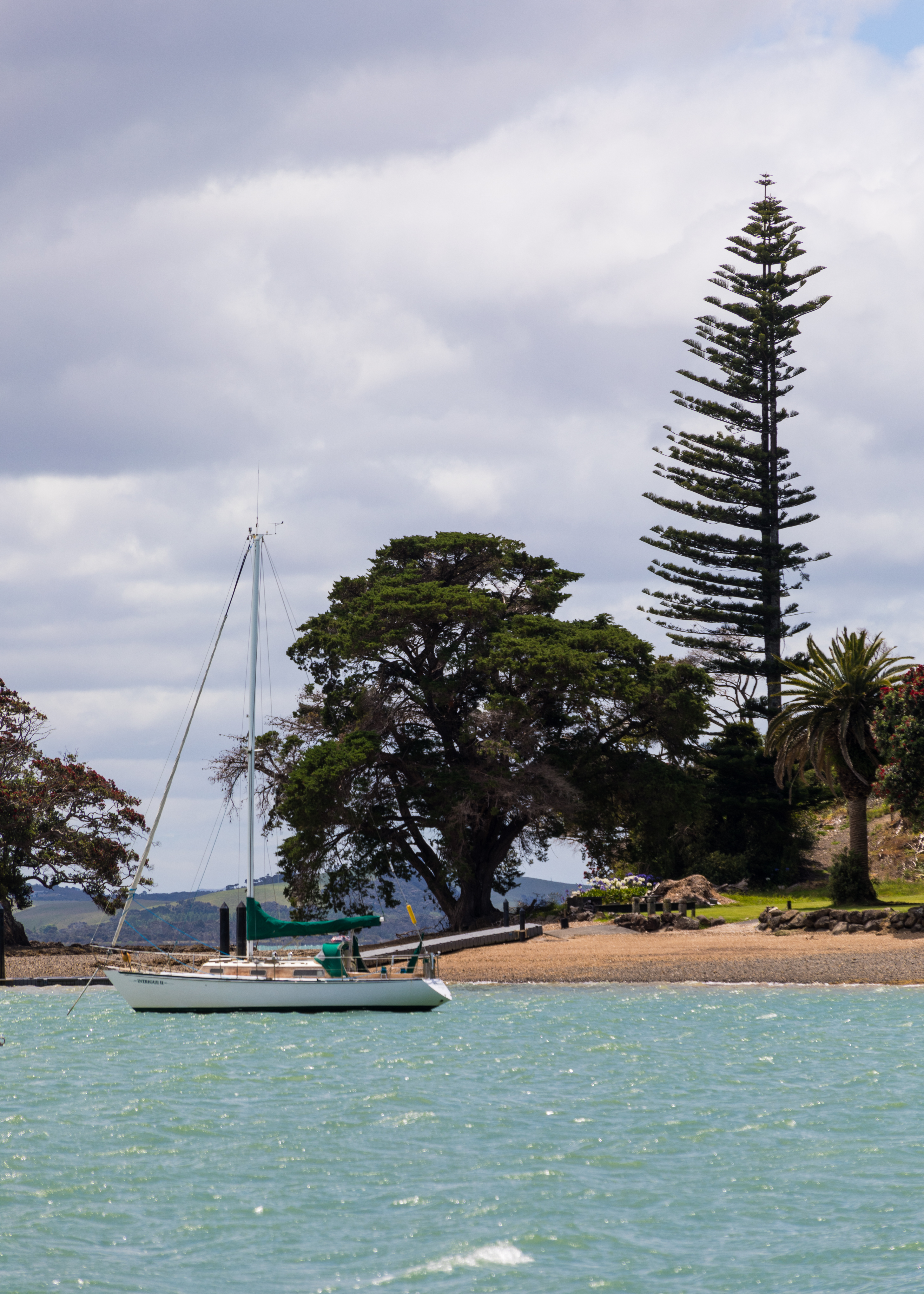
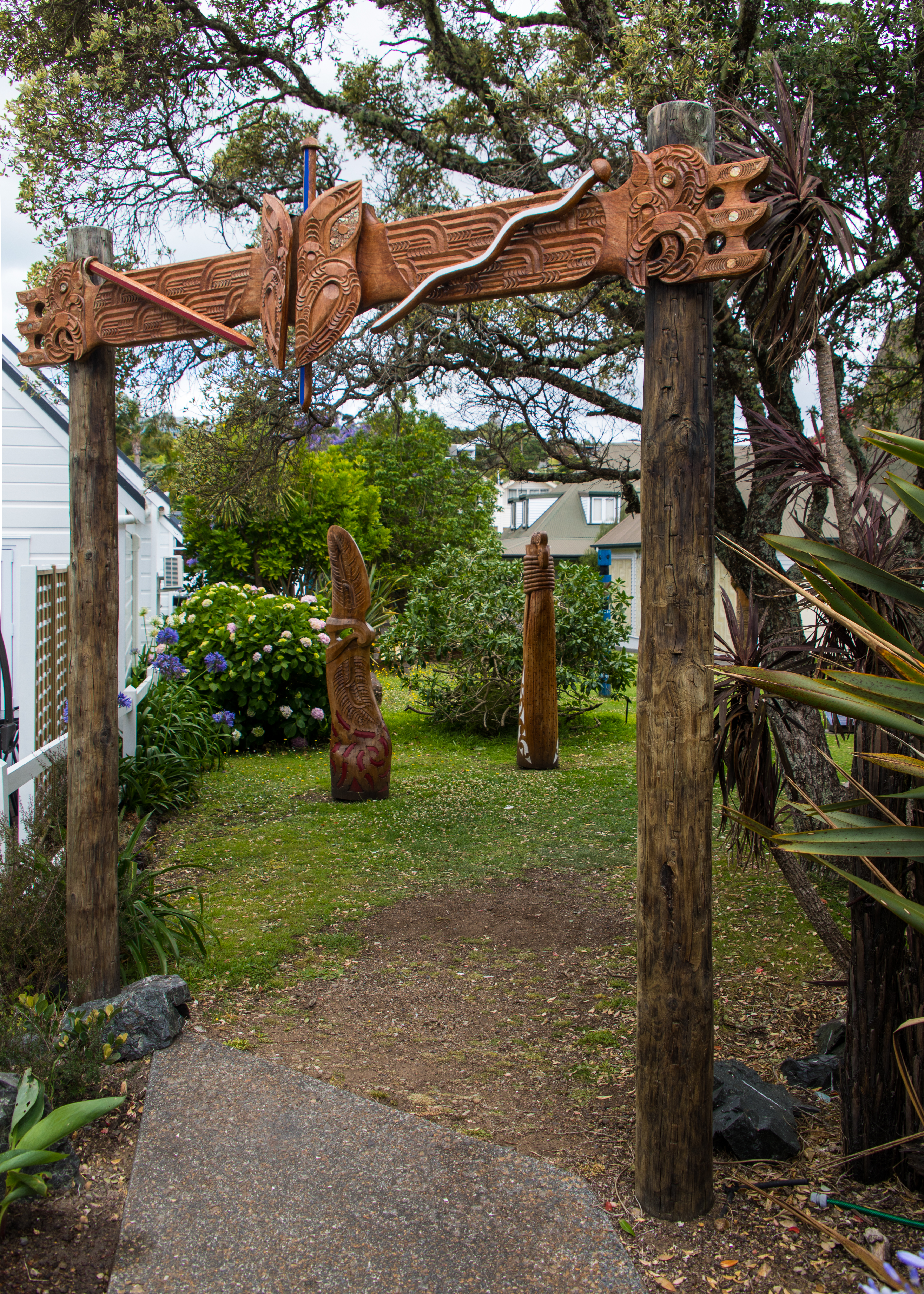
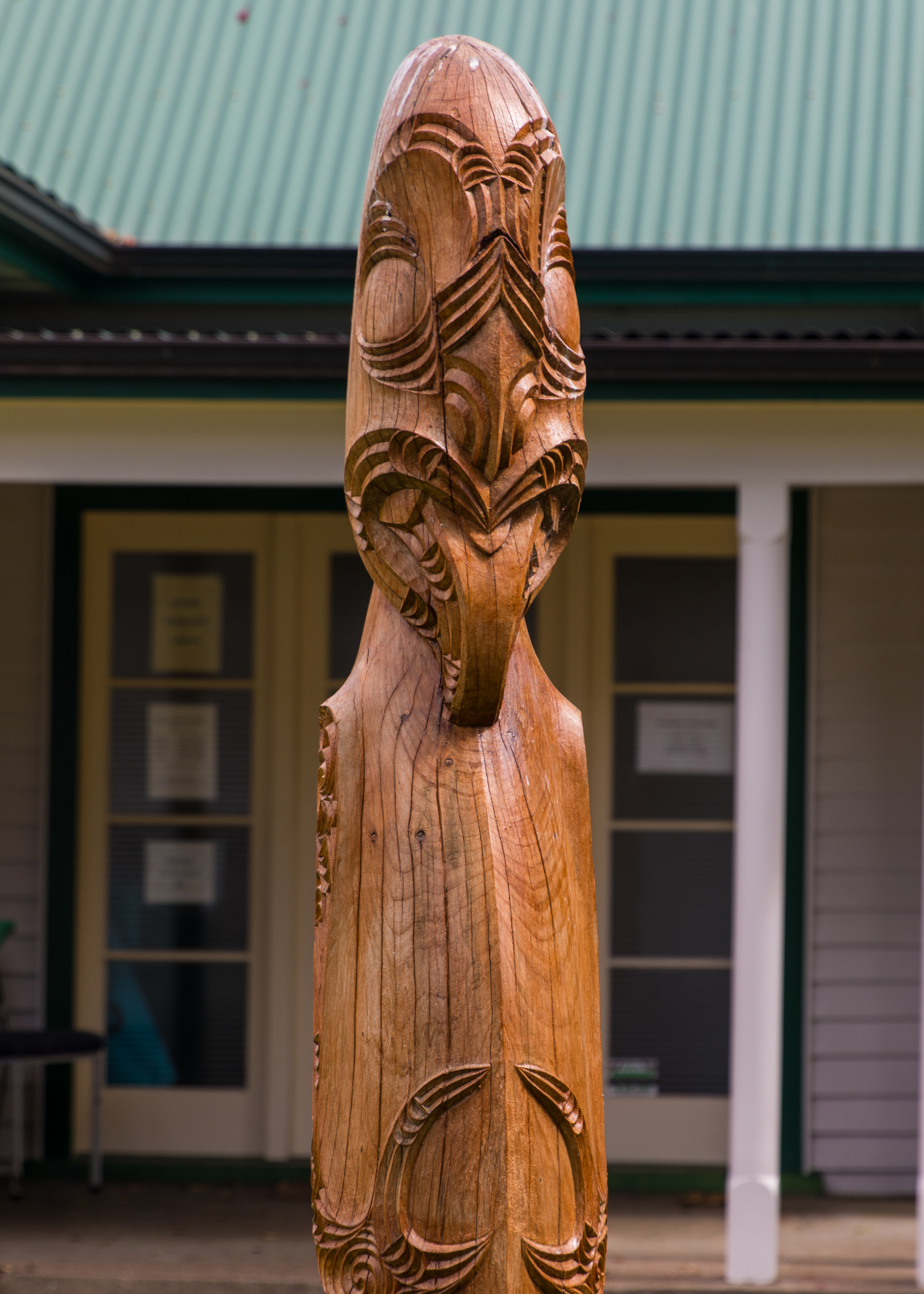
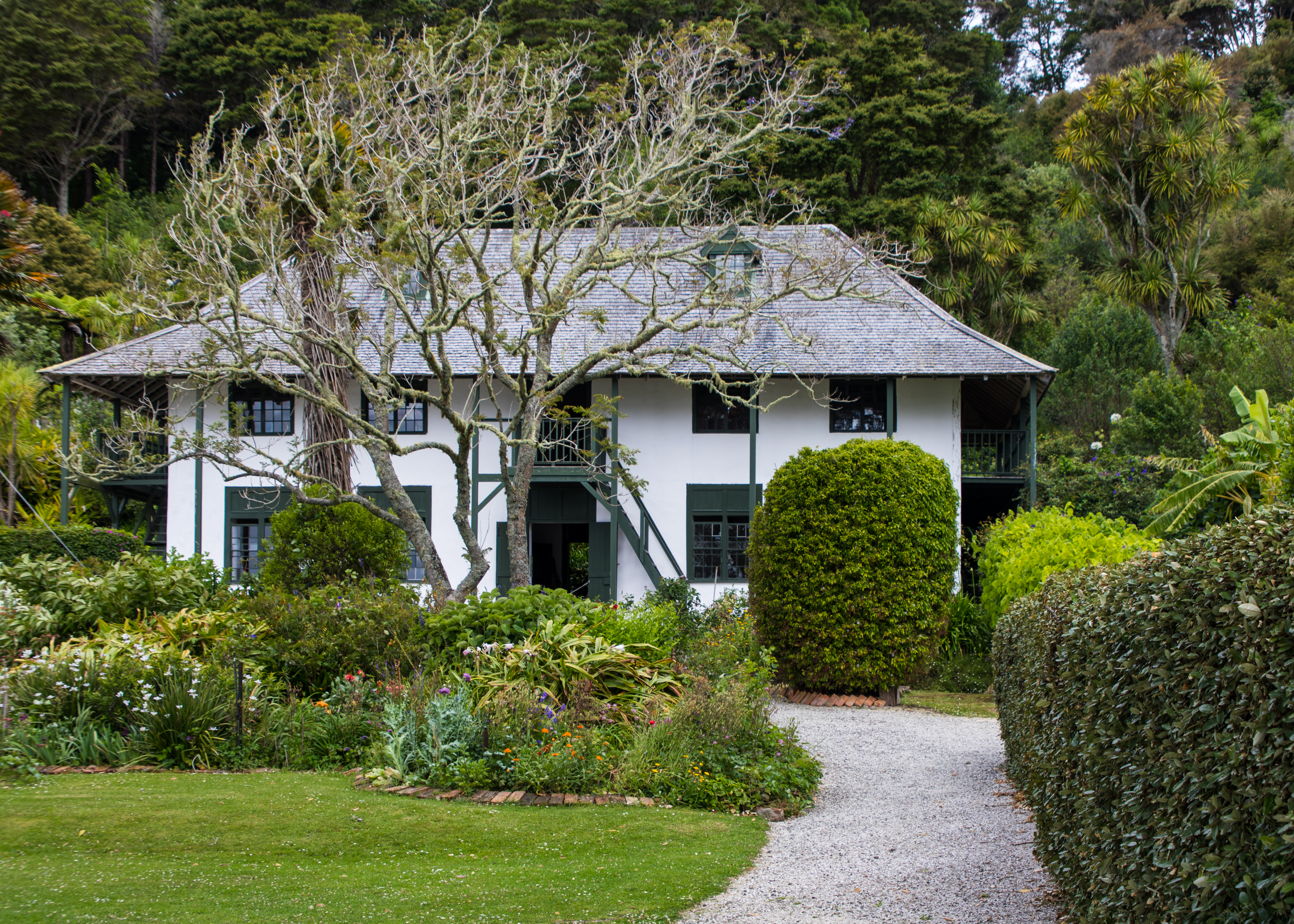
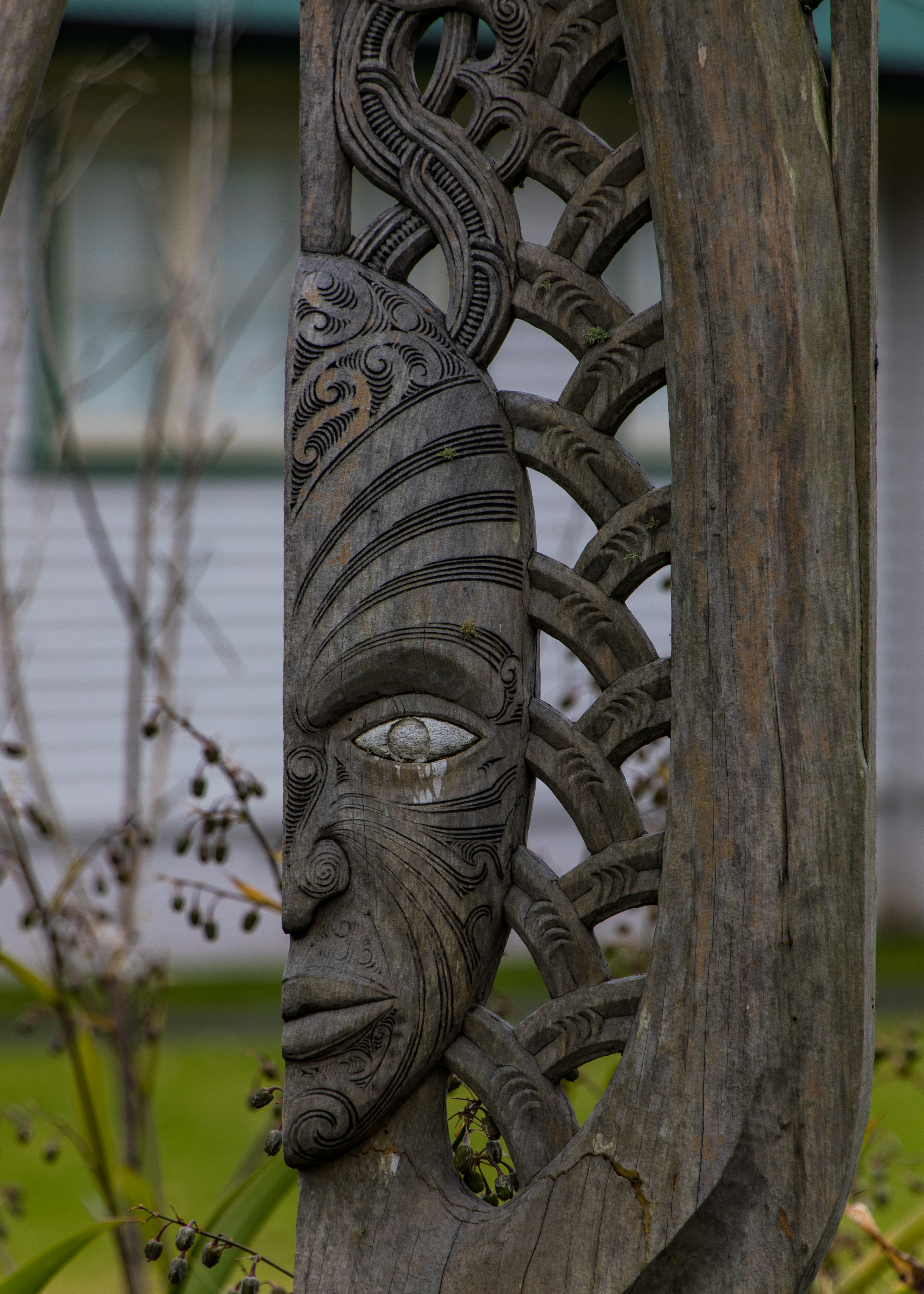
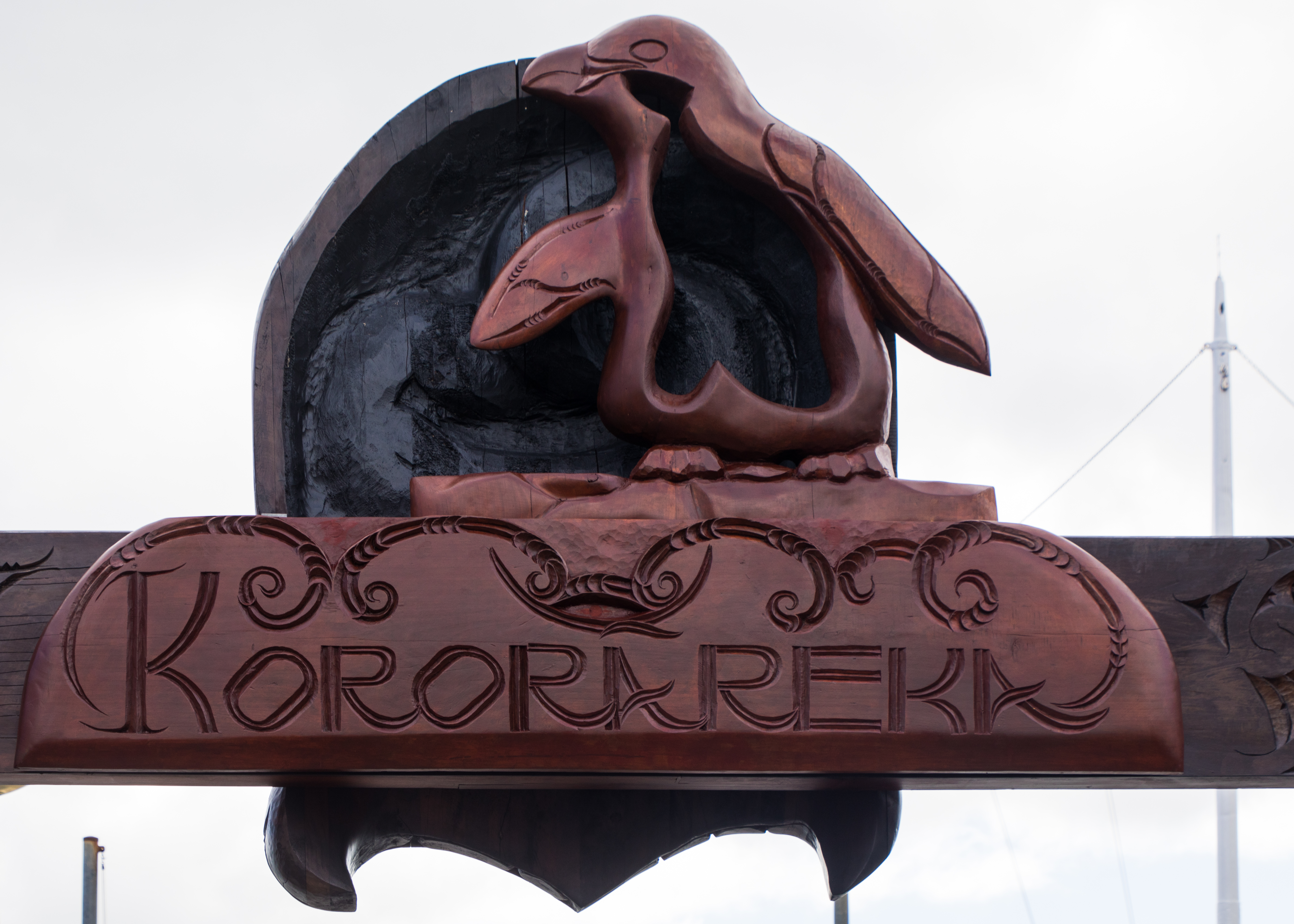
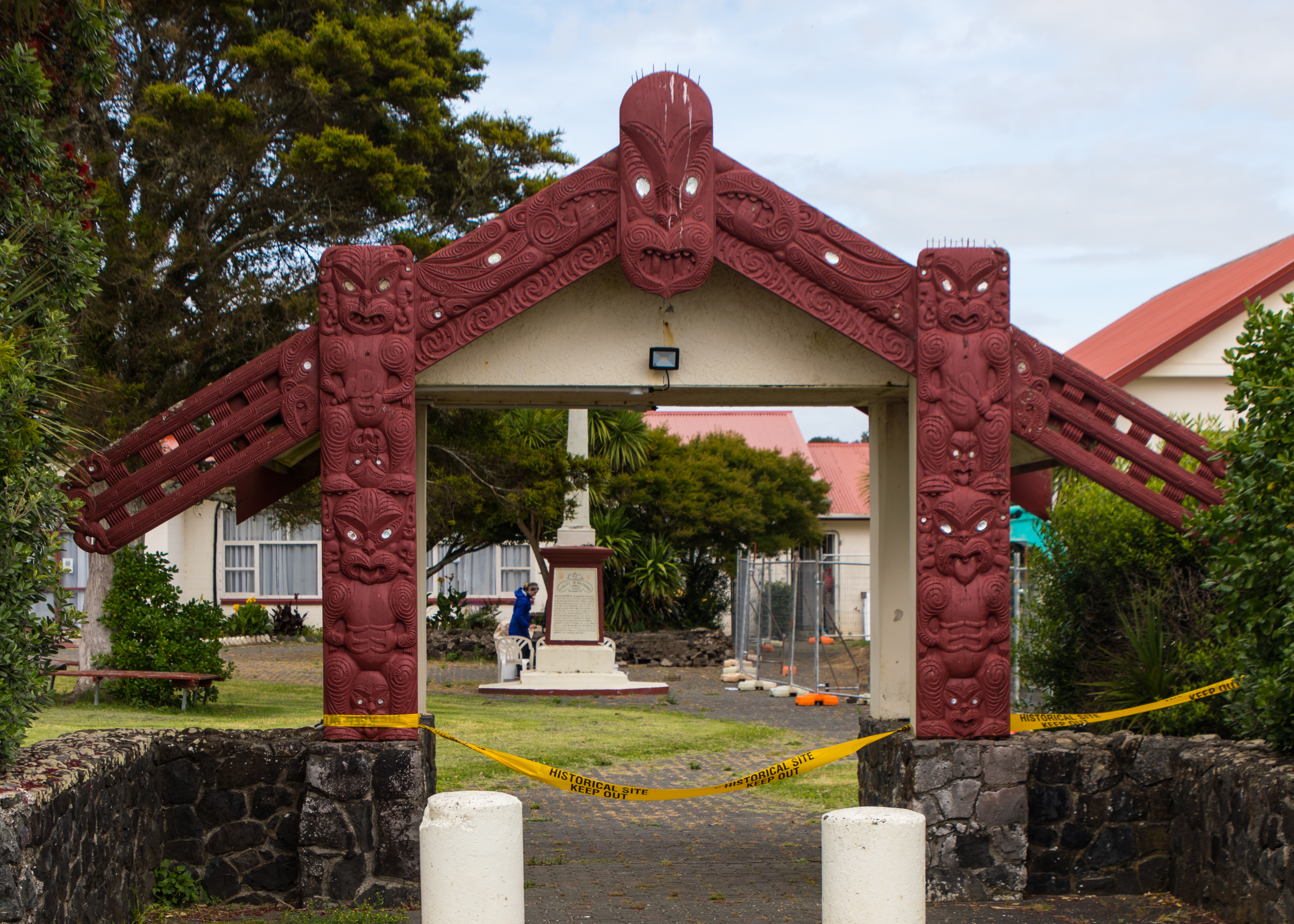
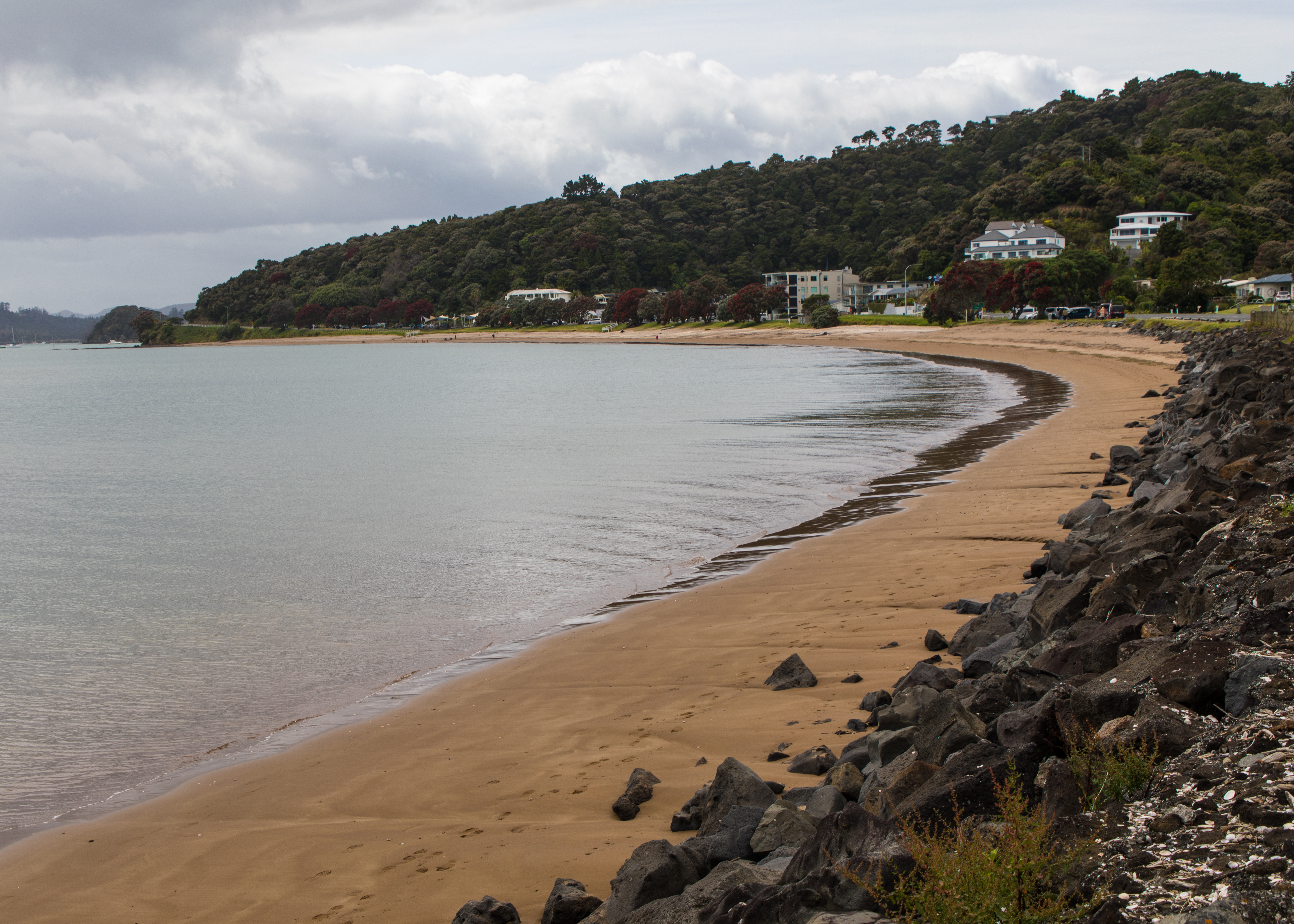
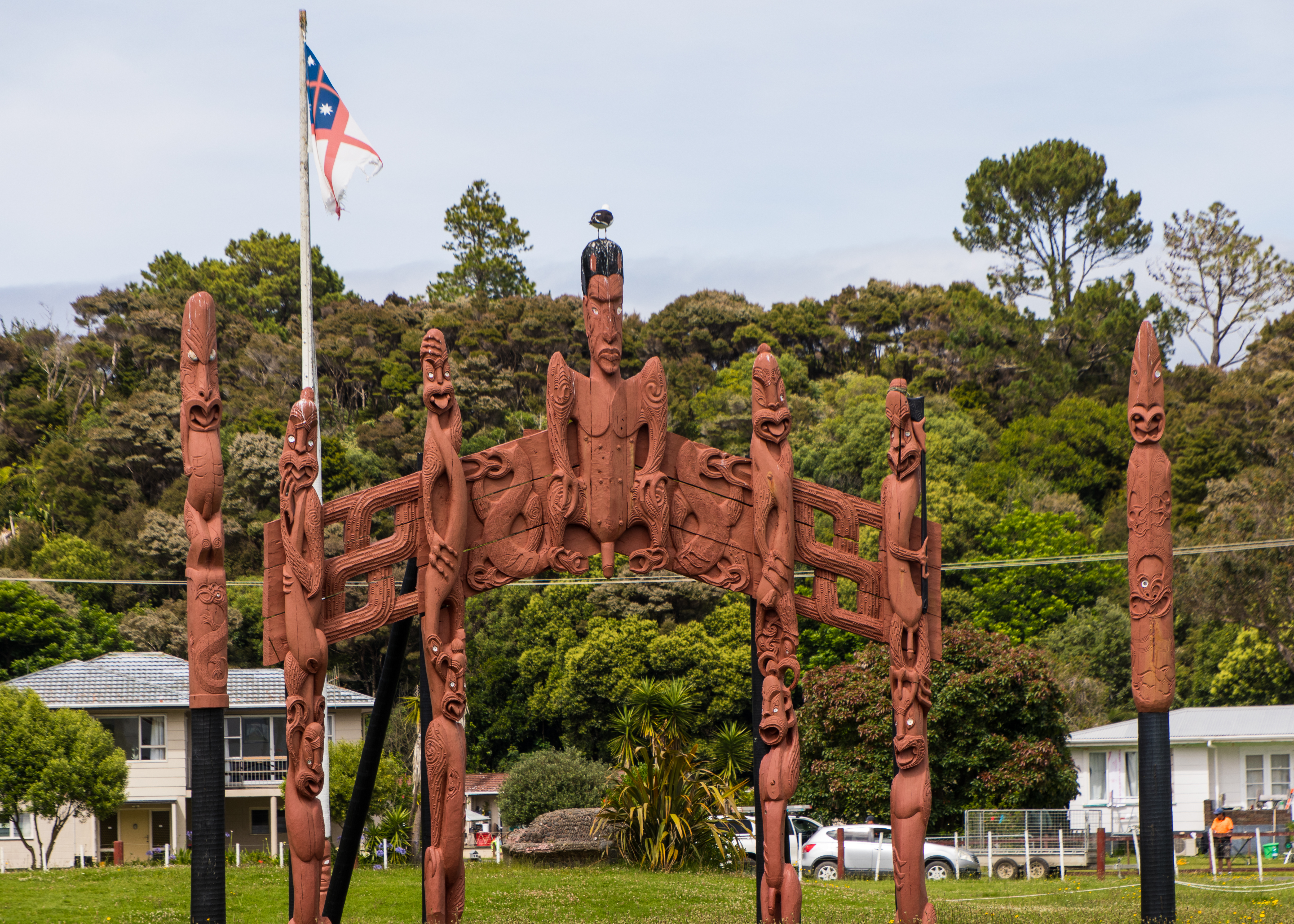
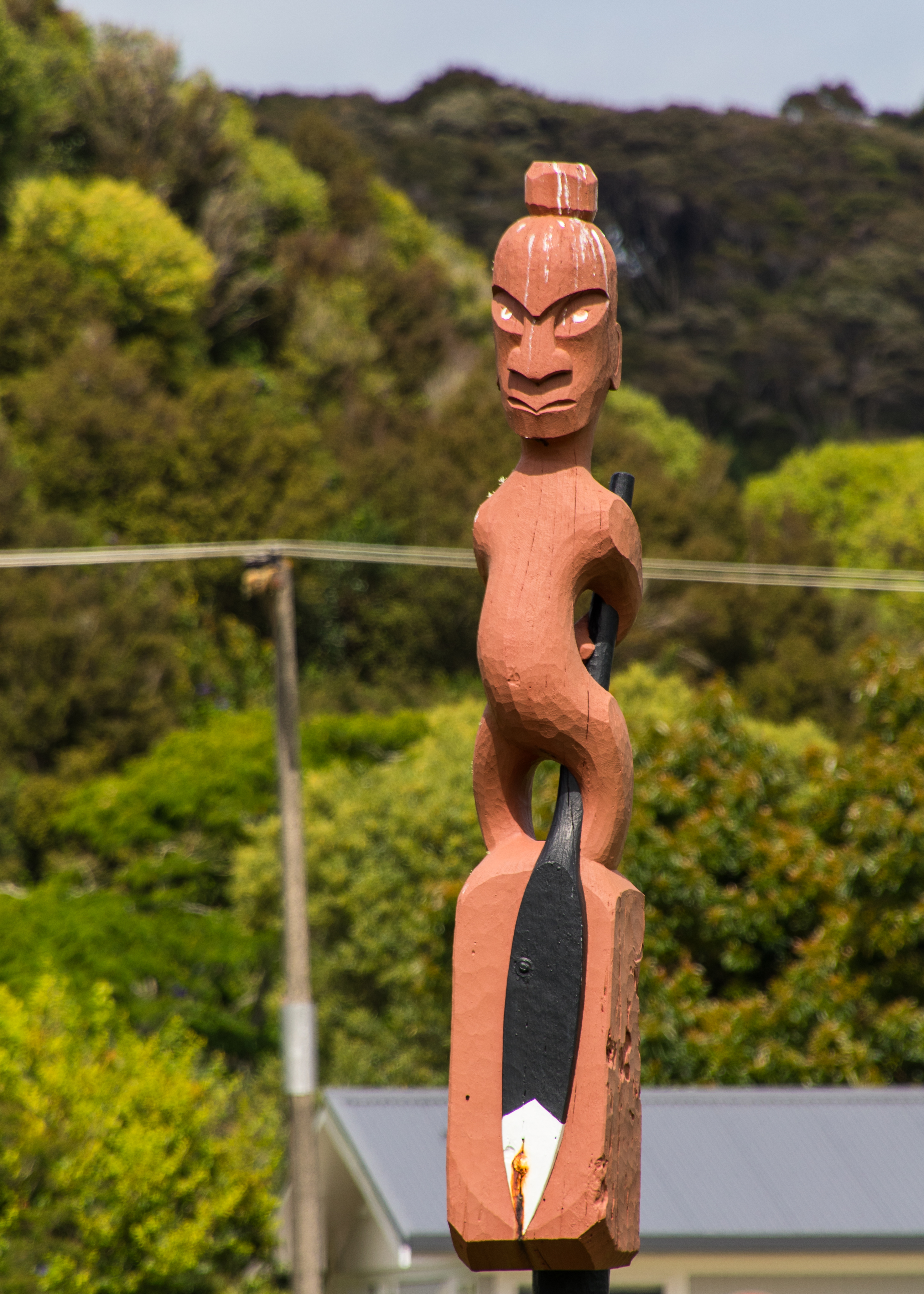
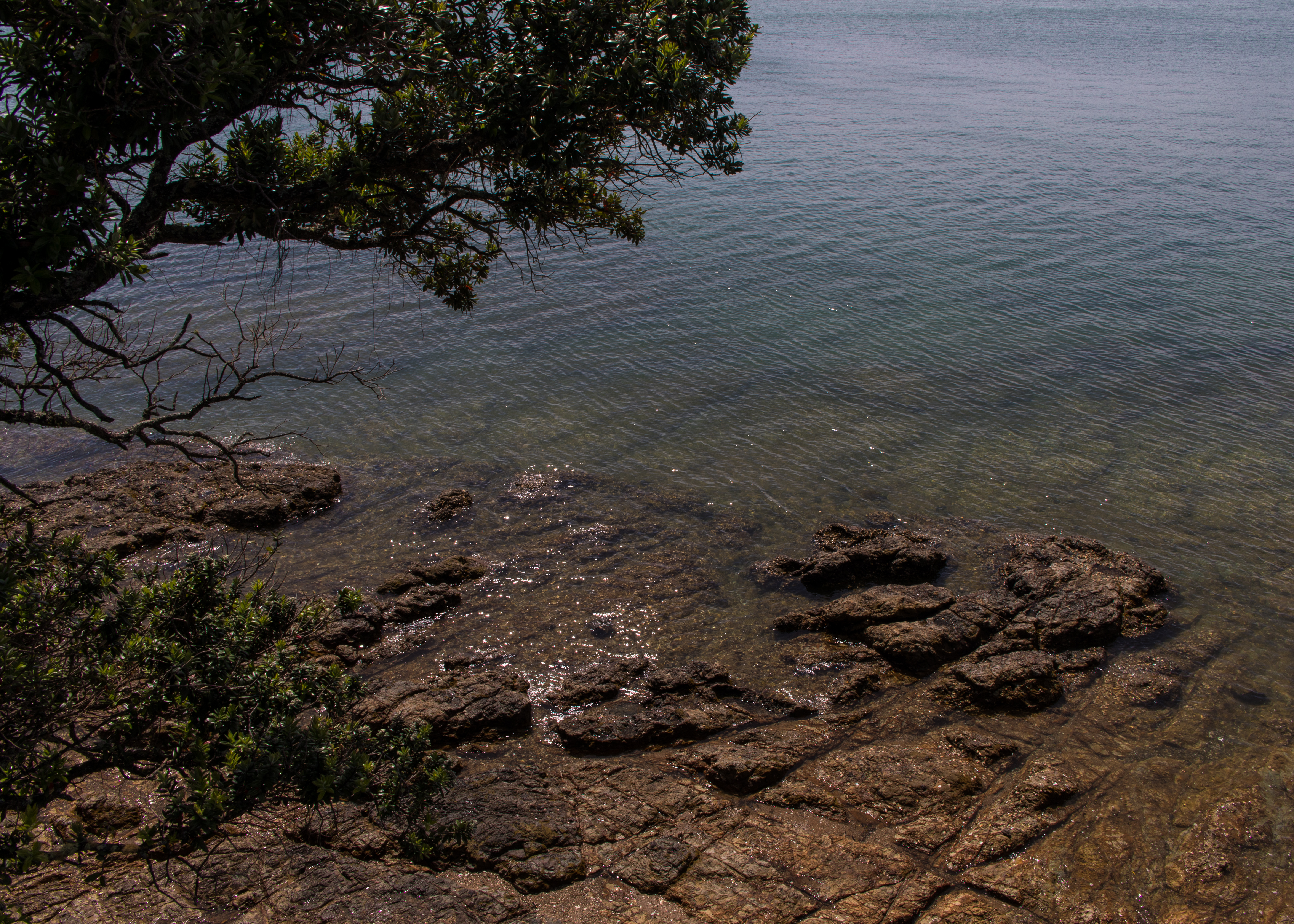
North of Auckland, along the narrow Northland peninsula, lies the Shady “cathedral” of some of the worlds larges trees. Some as tall as 170 feet and 1200 years old. Too bad we missed them. We did visit two towns out of the 150 islands in the Bay. We tendered into the port of Paihia, shunning the town shuttle we walked 1.5 miles along a bayfront boardwalk to the city center. A quaint town with little to do but shop. We walked back to the wharf where we boarded a lunch cruise around the bay and to the town of Russell, New Zealand’s first capital. This is the oldest town and maybe one of the prettiest.

We have 3 sea days ahead of us with a long flight from Melbourne to Dallas and finaly home on the 17th. What a trip!!!!!

Blog at WordPress.com.

Up ↑