Search

Travelling Photographer

Photos and commentary from my travels around the globe

Month

August 2026

Europe 2026 – Day 4, Jungfrau Region, Switzerland

Restful start today- a 10:20 cog railway train to Klein Schweitzer to view the Eiger, Monch, and the Jungfru mountains at 2061 meters. Followed by another cog rail to Eigergletscher station at 2320 meters. There we switch to a gondola for our return to Grindelwald. The pictures speak for themselves – a wonderful day of high-altitude travel.

BTW, see the end of this blog for a picture I left of Montreux Day 2.

And Yesterdays missing picture:

Europe 2026 – Day 3, Gstaad, Interlaken, and Grindelwald, Switzerland

We left Montreux at 9:30 in a rail car (Golden Pass Express), which was 80% windows. The first leg of our journey was a scenic climb to Gstaad about 2 hours away. The train needed to zig-zag up the mountain because it was a flat rail rather than a cogwheel train. At Gstaad, we boarded a cable car to reach the summit and Glacier 3000 winter park in the Vaudois Alps. It was clear at the base of the mountain, but as we ascended from 5000 ft to the summit at 9500ft it became cloudier until visibility approached zero. Fortunately, there were breaks which allowed Chris to ride a mountain roller coaster. However, when we headed to walk the peak-to-peak suspension bridge, very little visibility was available- no matter that we hiked across into the clouds. After lunch at a mountain top restaurant, we descended by. gondola and headed to Gstaad to again ride the Golden Pass Express to Interlaken. We were able to walk the town center before we boarded another regular railway to our final destination for the evening – Grindelwald. For tonight and tomorrow, we are staying at Hotel Schweizerhof, a “Romantic Chain Hotel”.

Europe 2026 – Day 2, Montreux, Switzerland

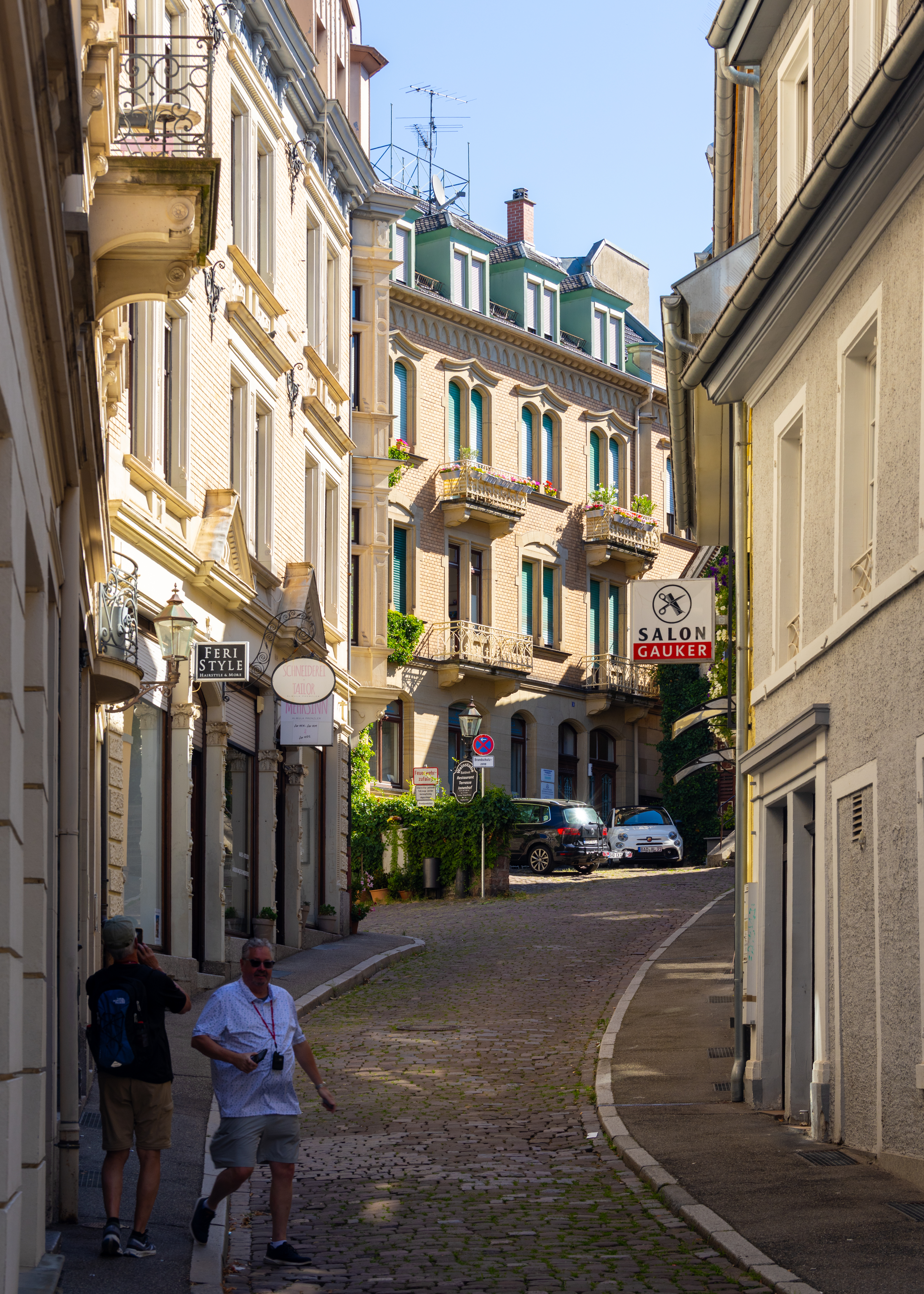
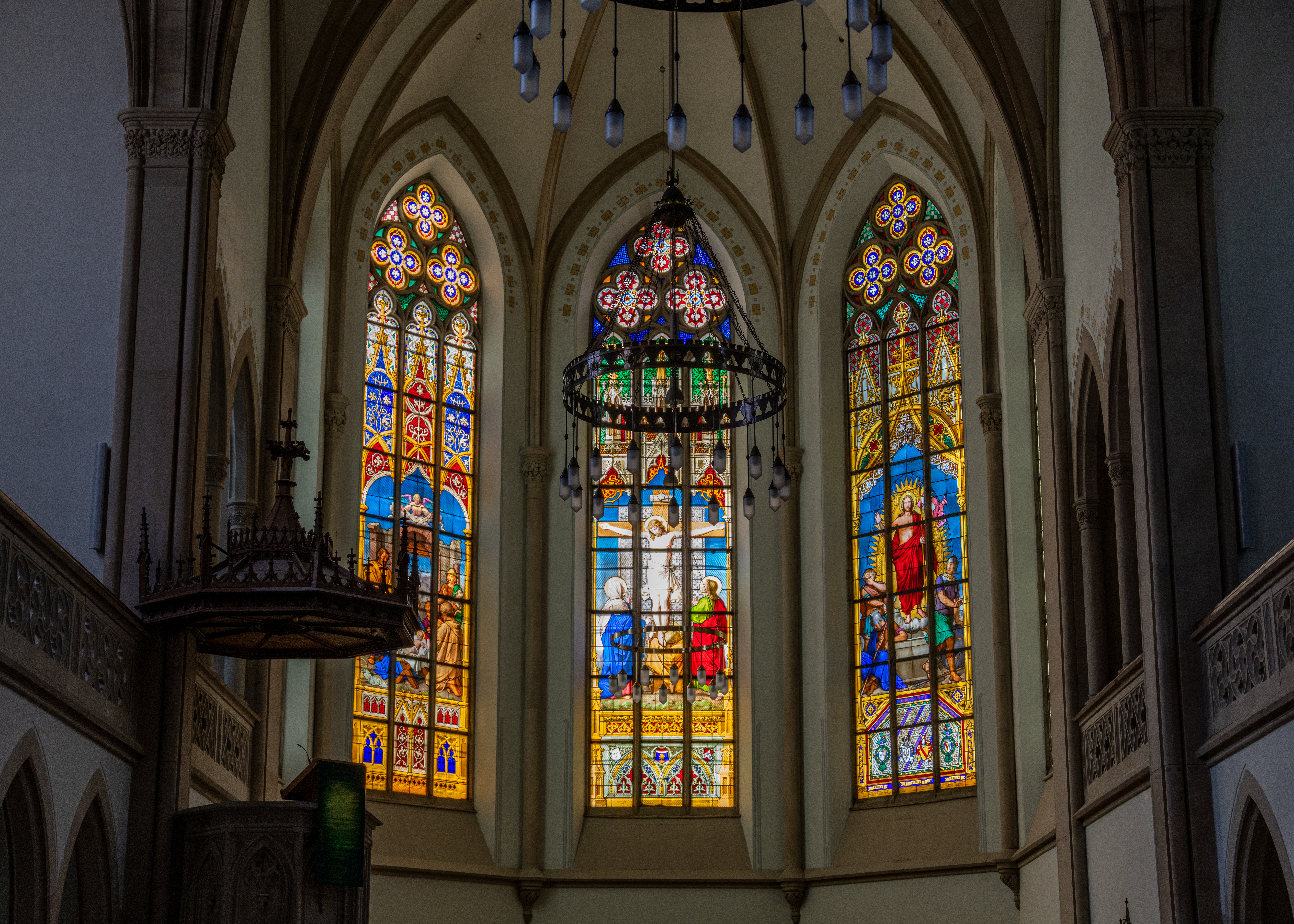
The tour company provided us with a free morning to get over jet lag – we got about 11 hours of sleep and were up for a 9:00 am breakfast overlooking the lake. We decided to tour old town Montreux, which was an uphill hike for an exhilarating start. We wandered through the winding streets enjoying the buildings, fountains, and views. At the top of our climb, we visited the church of St. Vincent with spectacular views across the lake. Walking downhill, we passed beautiful residences and hotels all with lake views. A stop at the must-see Freddie Mercury Experience at the Casino Barrière Montreux. The museum highlights his shows, music notes, and a recording studio.

In the afternoon, the tour restarted with a bus ride to Vevey to see the Chari Chapman statue and a lake cruise to the Chillon Castle. Chillon Castle is a medieval island castle located on Lake Geneva, south of Veytaux in the Swiss canton of Vaud. It is situated at the eastern end of the lake, on the narrow shore between Montreux and Villeneuve, which gives access to the Alpine valley of the Rhône. The rocky island on which the castle sits was both a form of natural protection and a strategic position to control passage from the north to the south of Europe. The castle took on the oval shape of the genuine island upon which it was built. It is approximately 100m long and 50m wide. It also took its name from the rock; the word ‘Chillon’ meant ‘rocky platform’ in an ancient language.

The history of the castle is marked by three great periods: those of the Savoy family, the Bernese bailiffs and the Canton of Vaud. (see https://www.chillon.ch/en/castle/) For more info.

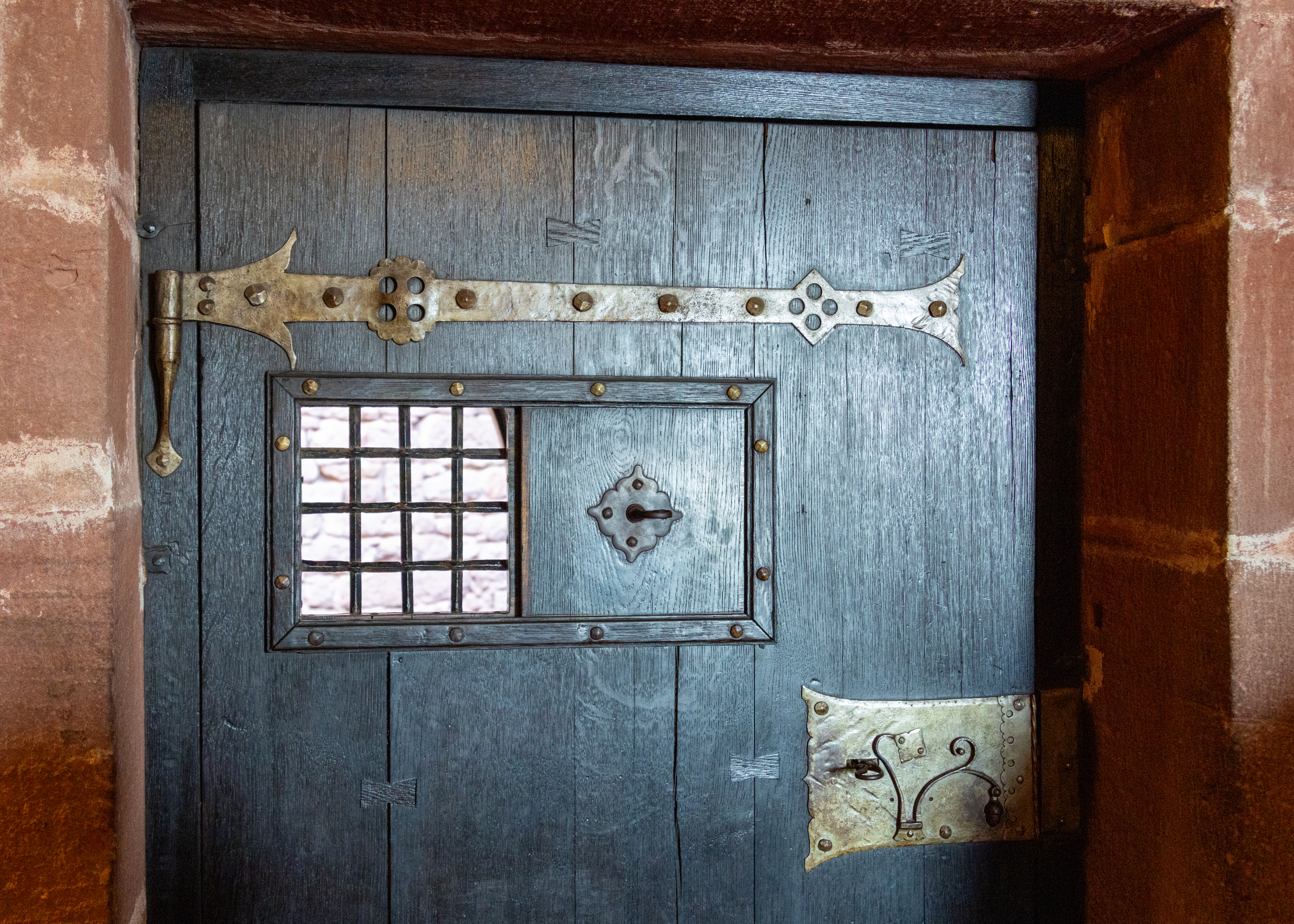
Our local tour guide provided great background on the life cycle of the Castle, the dungeons, wine cellar, dining rooms, bedrooms and bathrooms.

We bused back to our hotel, refreshed, and headed out to dinner at All’ Angolo – a great outdoor dining experience – limoncello spritz, burratina salad and pinse – made of wheat, soy and rice flour (a lite flatbread). Of course, served with a Petit Verdot and a Limoncello aperitif. Then a pleasant walk back to our hotel just in time to miss a full sunset.
Chillon Castle

Vevey

Montreux Citi Views

Europe 2026 – Day 1, Montreux, Switzerland

We left Florida on Tuesday, August 4th, and landed in Geneva on Wednesday, August 5th at 10:00 am. We hooked up with our guide and driver for an hour drive to our hotel in Montreux. Montreux is a traditional resort town on Lake Geneva. Nestled between steep hills and the lakeside, it’s known for its mild microclimate and the Montreux Jazz Festival, held in July. The town’s promenade is lined with flowers, sculptures, Mediterranean trees and grand Belle Époque buildings. Offshore is a medieval island castle, Château de Chillon, with ramparts, formal halls and a chapel with 14th-century murals. Montreux is also noted for its relationship with Freddie Mercury and Queen. Our hotel overlooks Lake Geneva (Lac Léman, another of its names). Out of our room window we can see the façade of the town’s main railway station. After settling in, we walked the Lakeside promenade before dinner – enjoying the views of the mountains in France on the opposite shore, the flowers, and the statues of musicians and literary notables spaced along the walk and in several pocket parks.
China 2026 – June 24 Shanghi (2)

Yuyuan Garden – Its history begins way back in the Ming Dynasty, over 400 years ago. A government official named Pan Yunduan started building the garden in 1559.

He wanted to create a peaceful and happy place for his parents to enjoy in their old age. That’s why it’s called “Yu” Garden, as “Yu” can mean peace, pleasure, or satisfaction.

Over the many centuries, the garden has seen good times and hard times. It has been damaged, repaired, and changed hands, reflecting the ups and downs of Shanghai‘s own history.

The Bund – Huangpu District in Shanghai, historically known as the city’s business center, is home to a mix of old and new, traditional and modern. Iconic landmarks such as the Bund, a riverside promenade lined with colonial-era buildings, and the futuristic Oriental Pearl Tower, dominate the skyline. Shanghai’s oldest and busiest shopping street, Nanjing Road, is located here.

China 2026 – June 23 – Shanghi (1)

Good news I was able to recover pictures from a broken external hard drive so two more posts to conclude the coverage of our China trip.

Zhujiajiao Water Town is a famous 1,700-year-old ancient town in the Qingpu District of Shanghai, known for Fangsheng Bridge, narrow stone streets, and scenic canal boat rides.

Zhujiajiao has two major museums – first the Kezhi Garden is one of the finest classical gardens. Covering nearly 18,000 square metres, it is the largest private garden in the town and a striking example of early 20th-century garden design in the Jiangnan region. The garden’s layout harmoniously combines the architecture of the buildings, water and greenery, creating an impression of tranquil balance. Pavilions, covered galleries, ponds and shaded courtyards unfold naturally along the walking route, and each turn reveals a carefully framed view, inviting a slower, more attentive way of exploring.

The second is, Six Arts Museum that showcases one of the world’s largest private collections of Chinese folk art. This visually striking museum houses over 40,000 treasures, from Ming and Qing dynasty furniture and ornate architectural carvings to temple artifacts and everyday objects once cherished by both royalty and families alike. What sets Six Arts apart is its immersive, barrier-free experience. Visitors are encouraged to step close, admire details, and even touch the exhibits. Founded by American collector Mitch Dudek, who spent over four decades preserving China’s folk heritage.

Shanghi Other Views

Blog at WordPress.com.

Up ↑