Search

Travelling Photographer

Photos and commentary from my travels around the globe

Category

Beijing

China 2026 – June 16 — Summer Palace & Xi’an

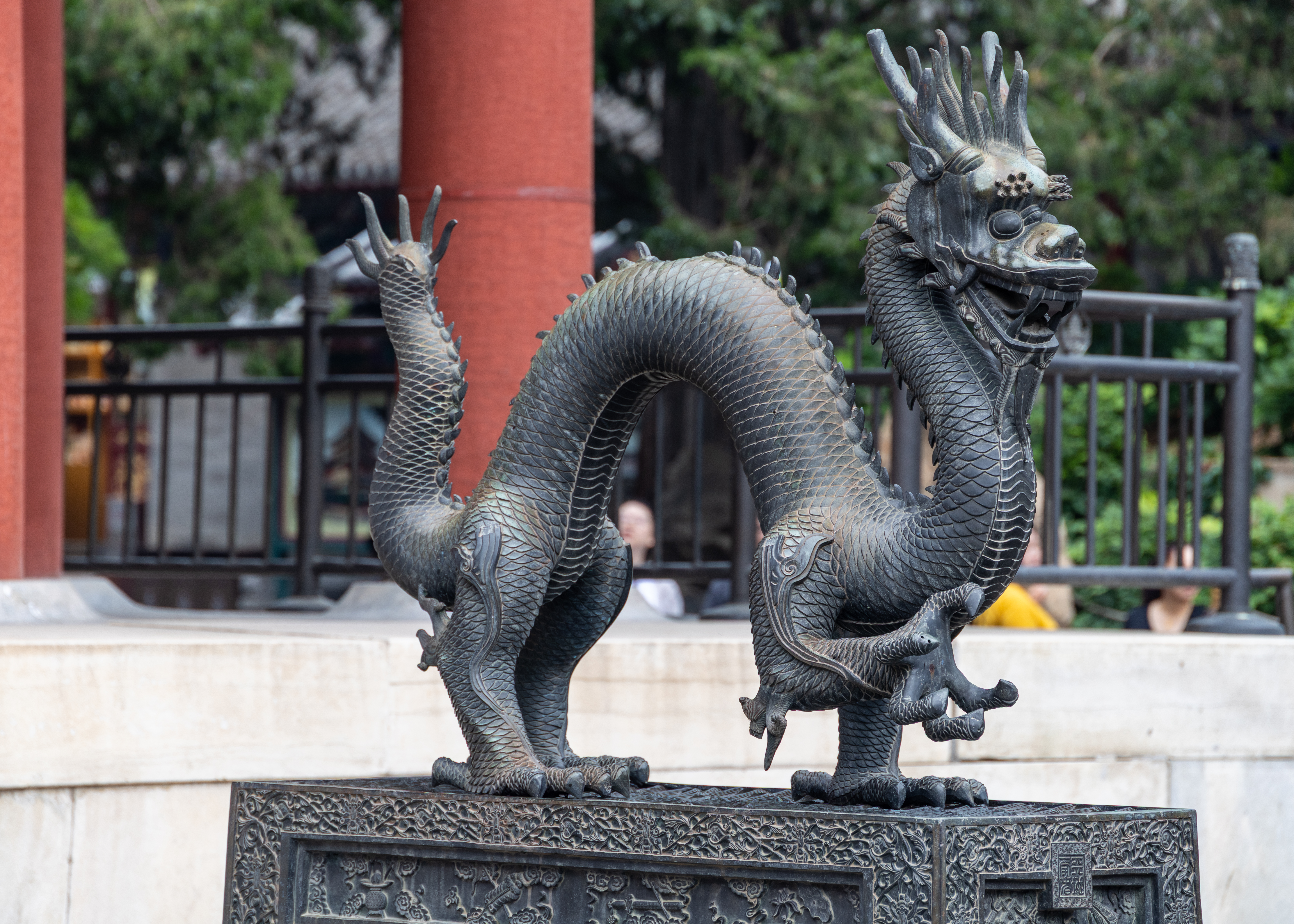
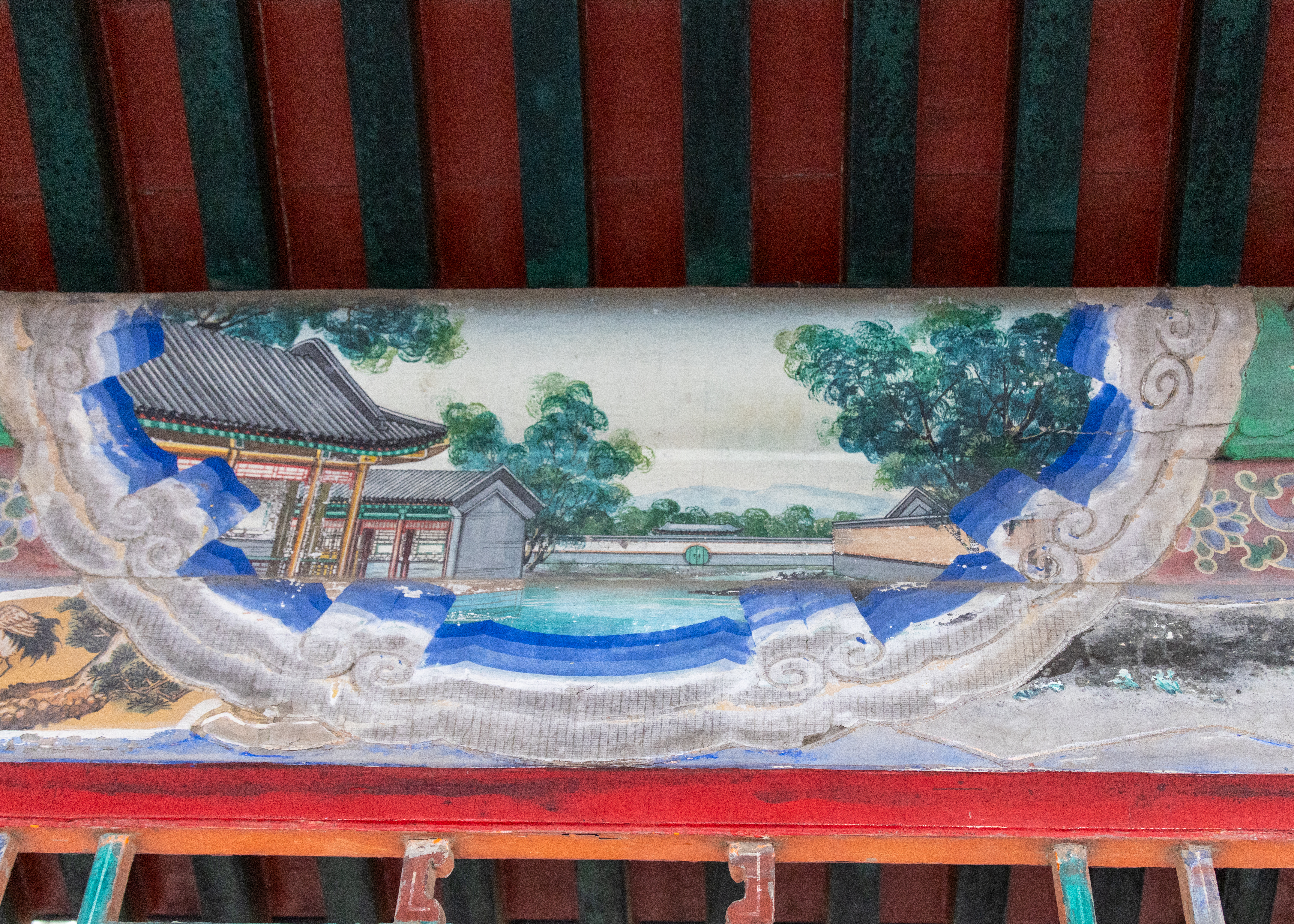
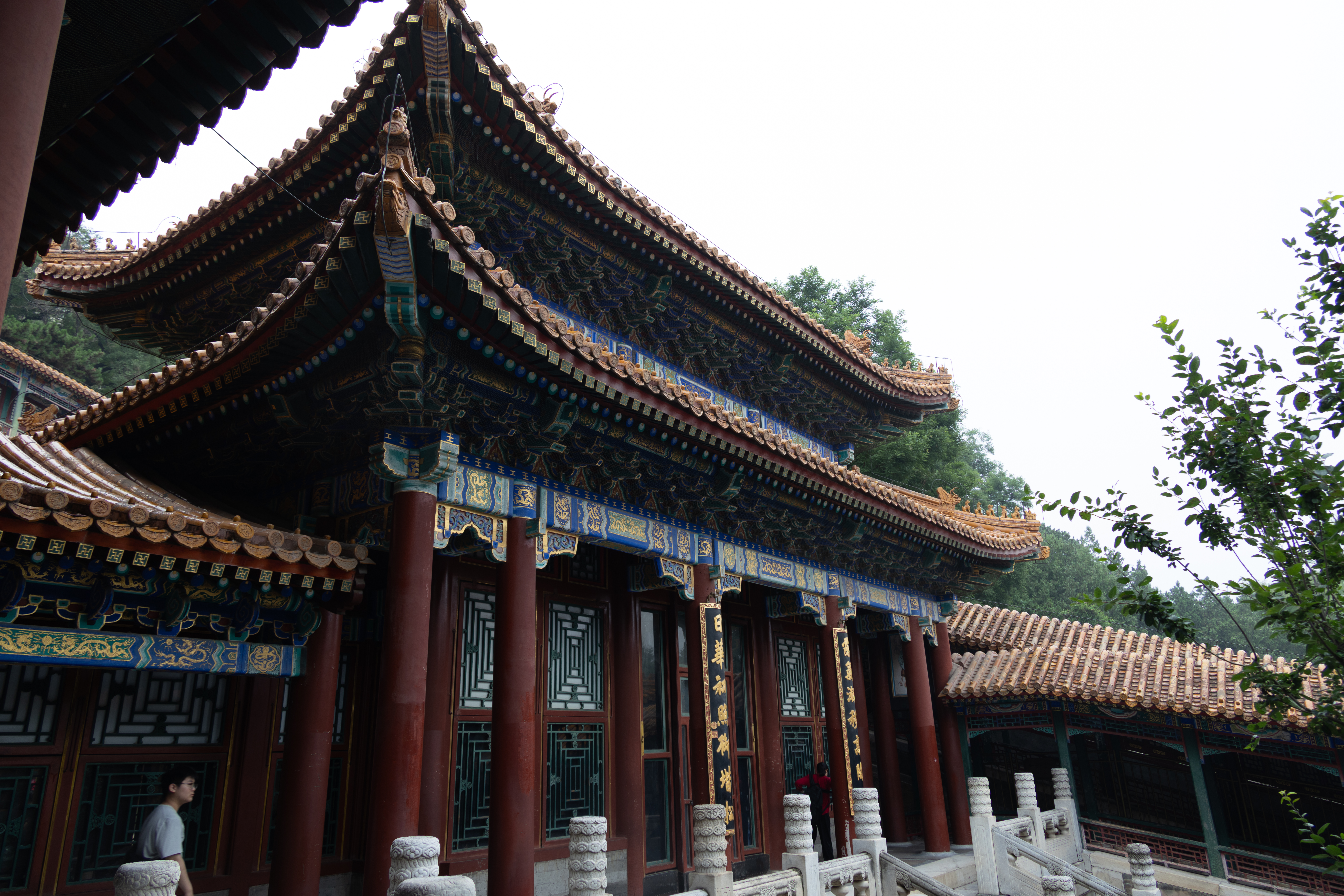
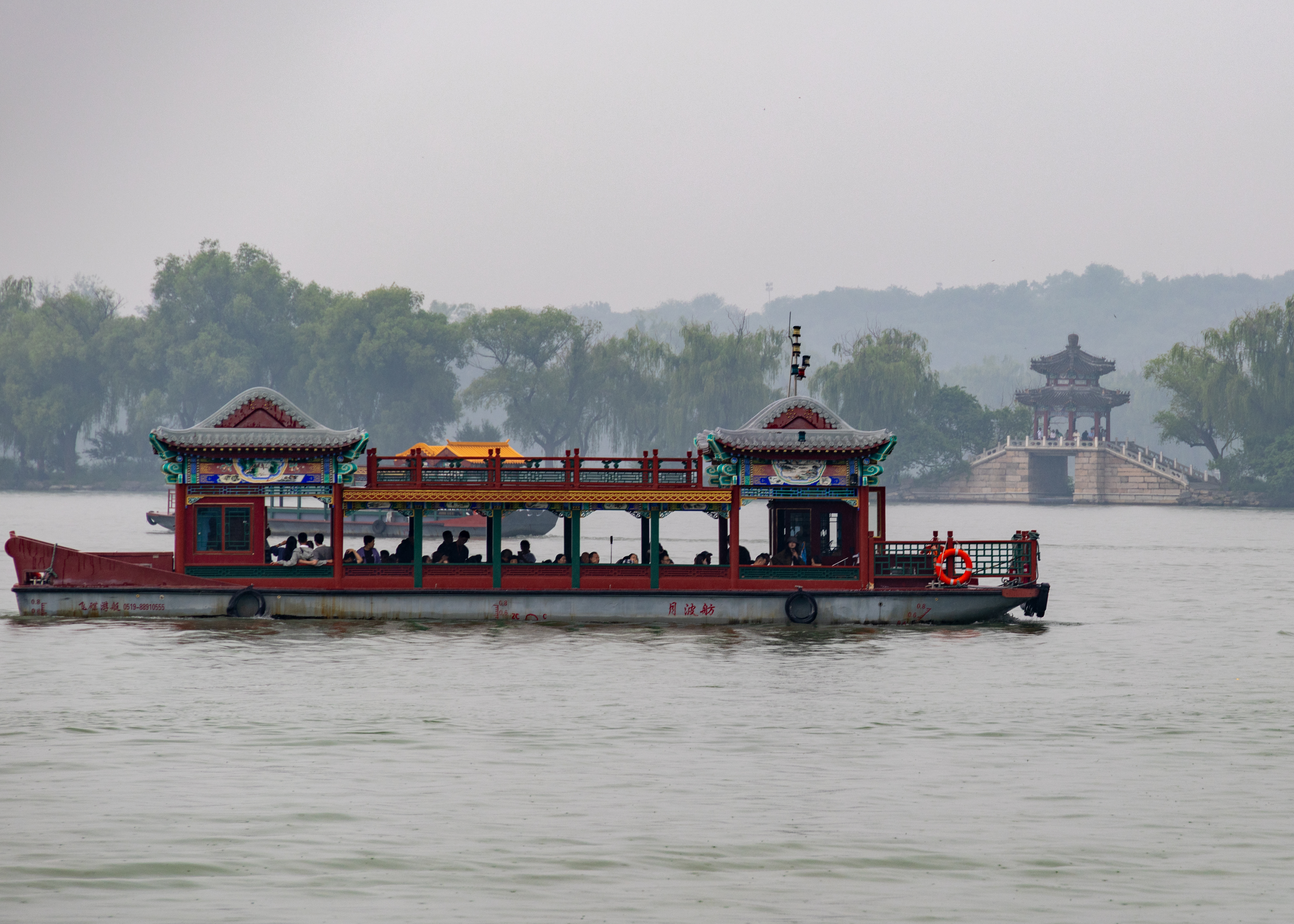
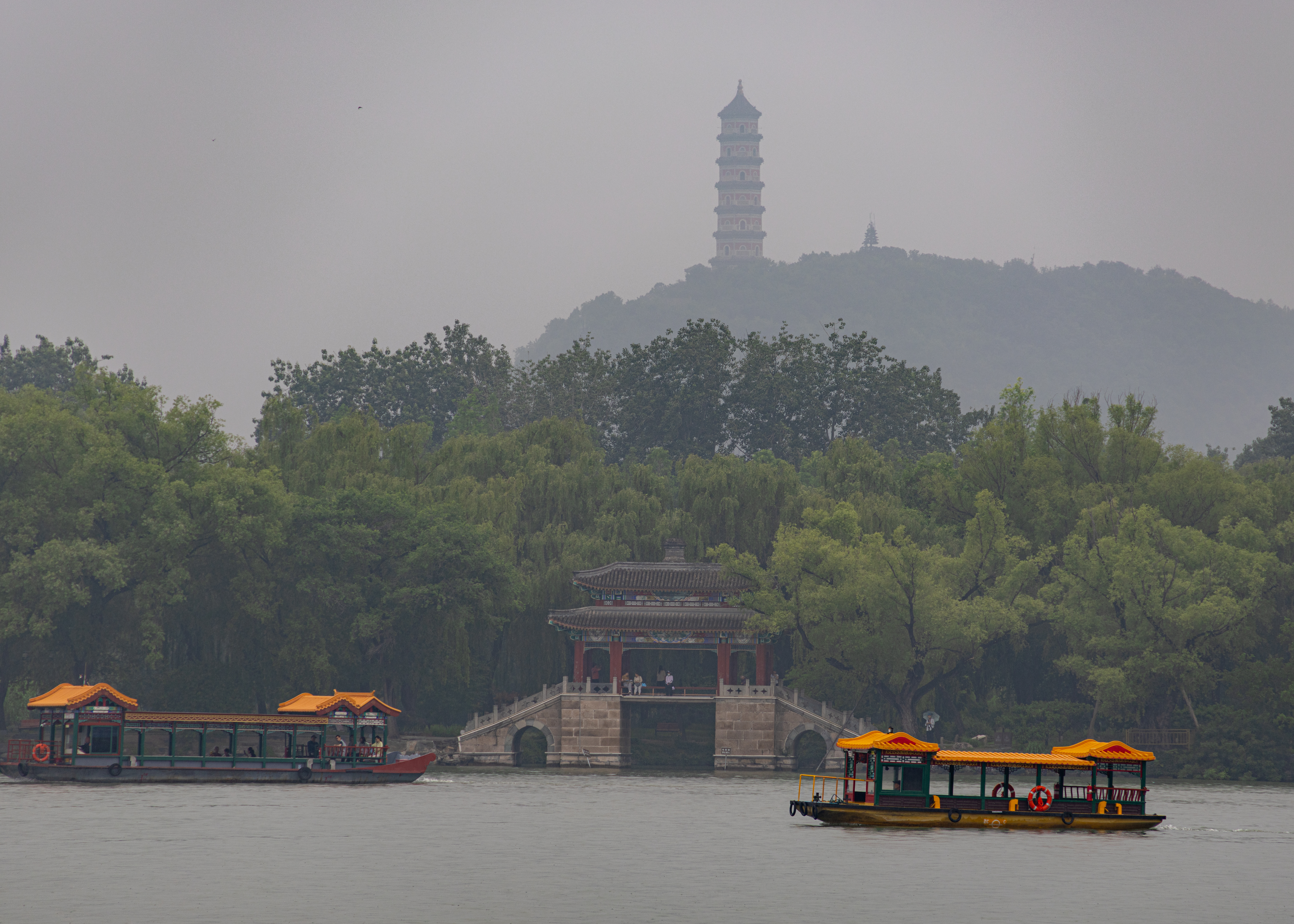
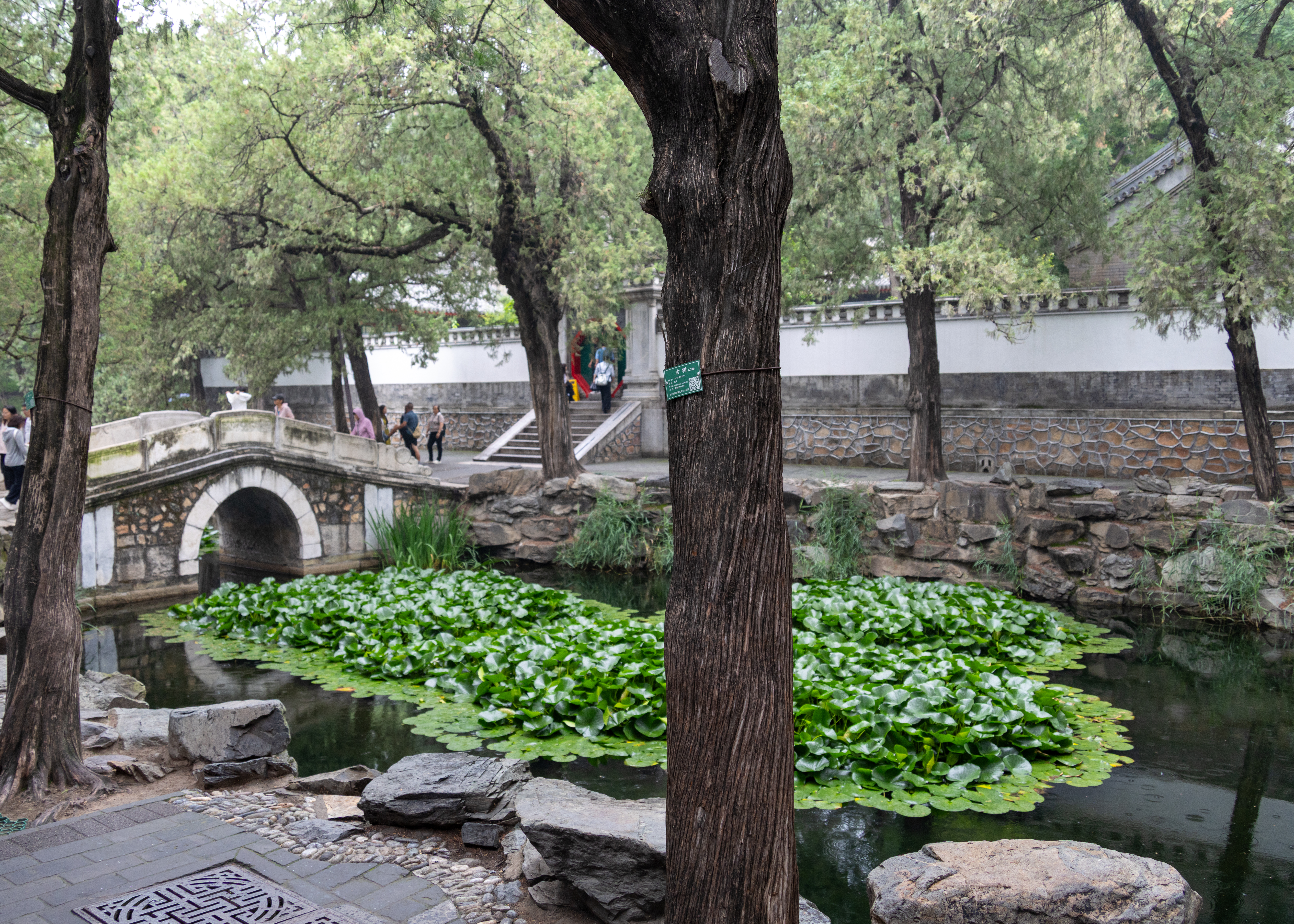
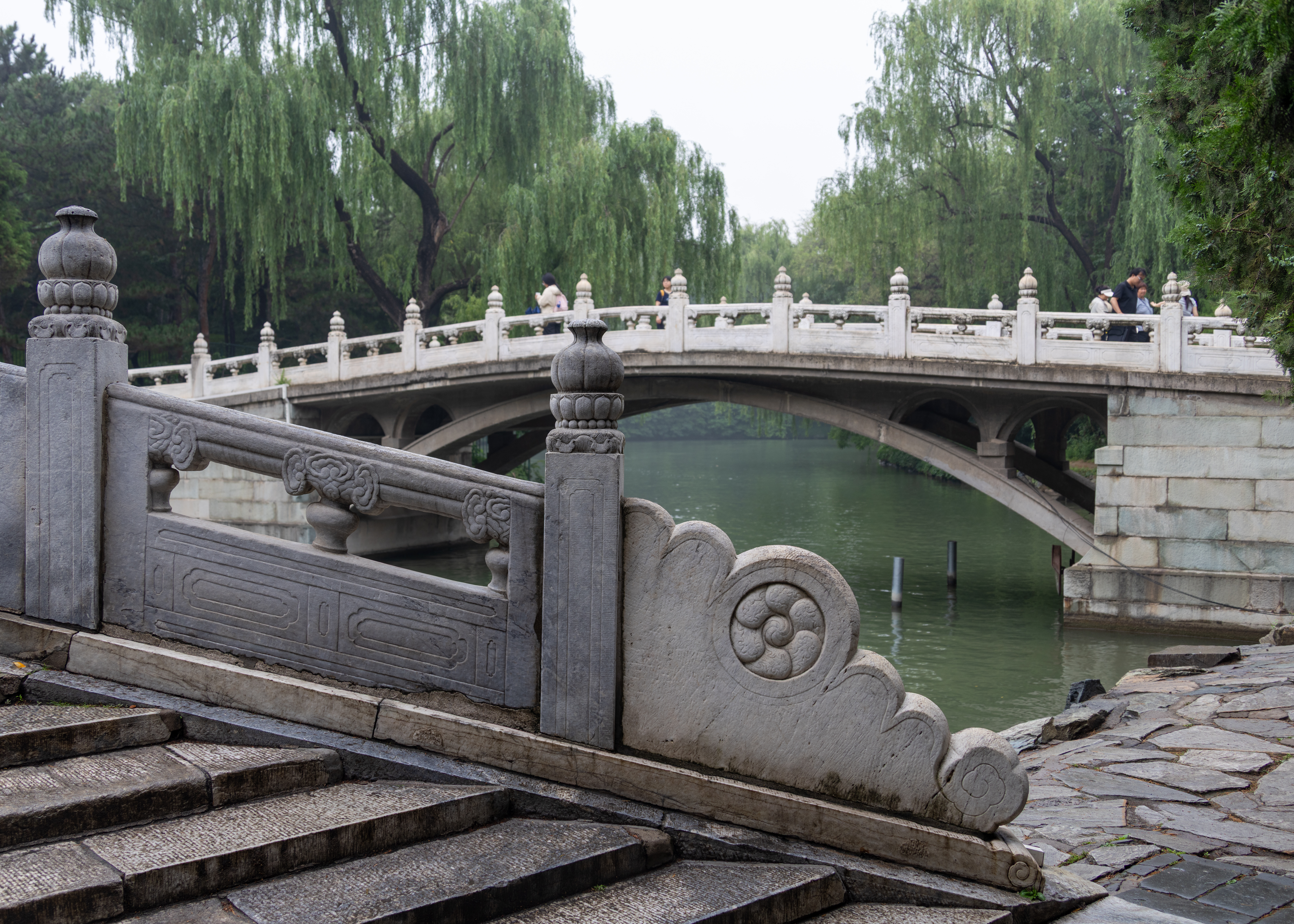
The Summer Palace – The landscape of the Summer Palace, dominated mainly by Longevity Hill and Kunming Lake, covers 3.09 square kilometers, three-quarters of which is water. It’s 70,000 square meters of floor space accommodate a variety of palaces, gardens, and other traditional-style architectural structures. Well known for its large and priceless collection of cultural relics, it was among the first historical and cultural sites in China to receive special protection from the state.

The Summer Palace, originally named Qingyi Yuan, or the Garden of Clear Ripples, was first constructed in 1750. It was razed to the ground by the Anglo-French Allied Forces in 1860. The Qing government began rebuilding it in 1886, using funds misappropriated from the Imperial Navy and other sources. Renamed Yihe Yuan two years later—often rendered as the Garden of Nurtured Harmony—it was intended to serve as a summer resort for the Empress Dowager Cixi. Also known as the Summer Palace, it was ravaged again by the Allied Forces of the Eight Powers that invaded China in 1900, and the damage was repaired in 1902. Since the founding of the People’s Republic of China, the Summer Palace has undergone several major renovations. Its major attractions, such as the Four Great Regions, Suzhou Street, the Pavilion of Bright Scenery, the Hall of Serenity, the Wenchang Galleries and the Plowing and Weaving Scenery Area, have been restored one after another.

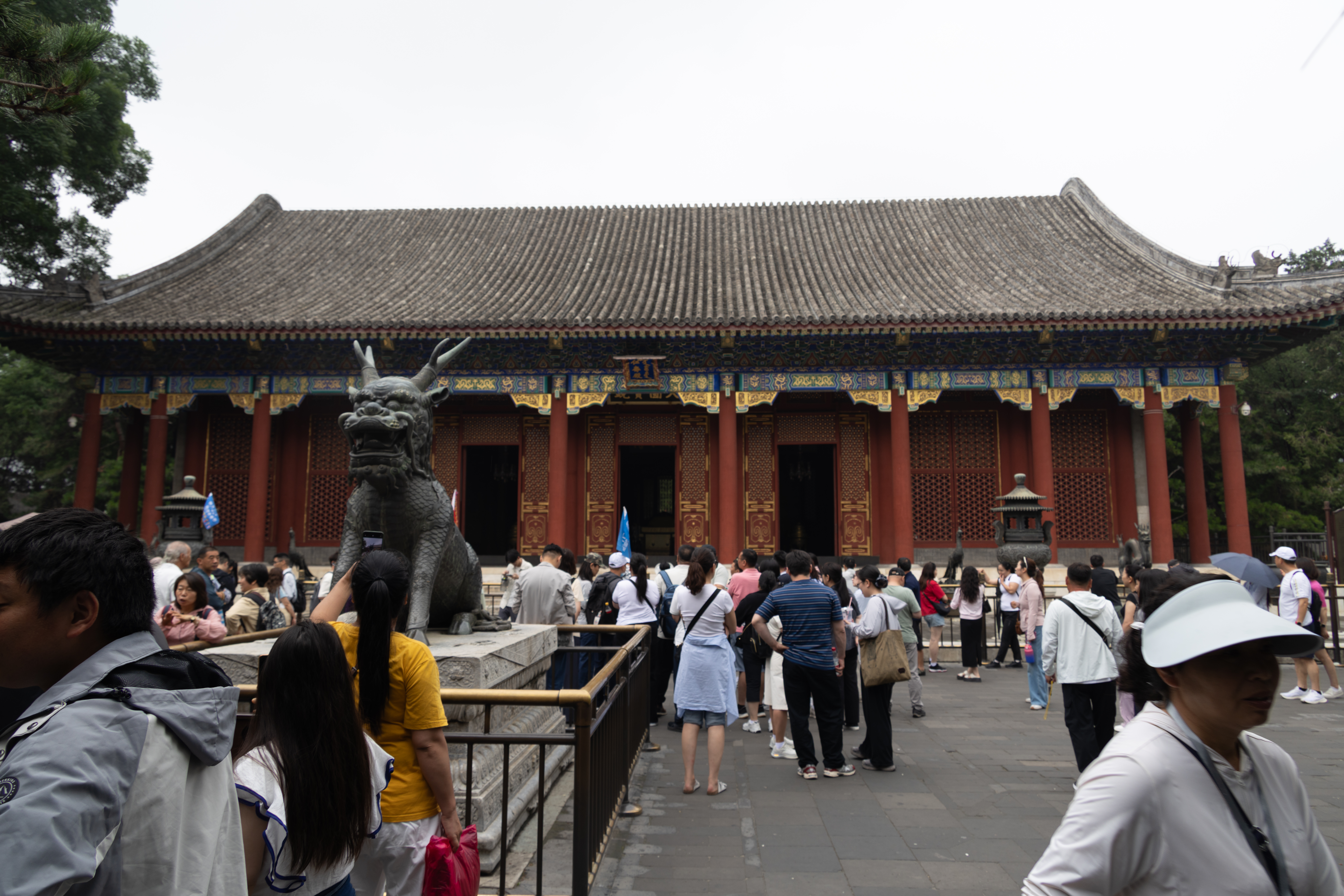
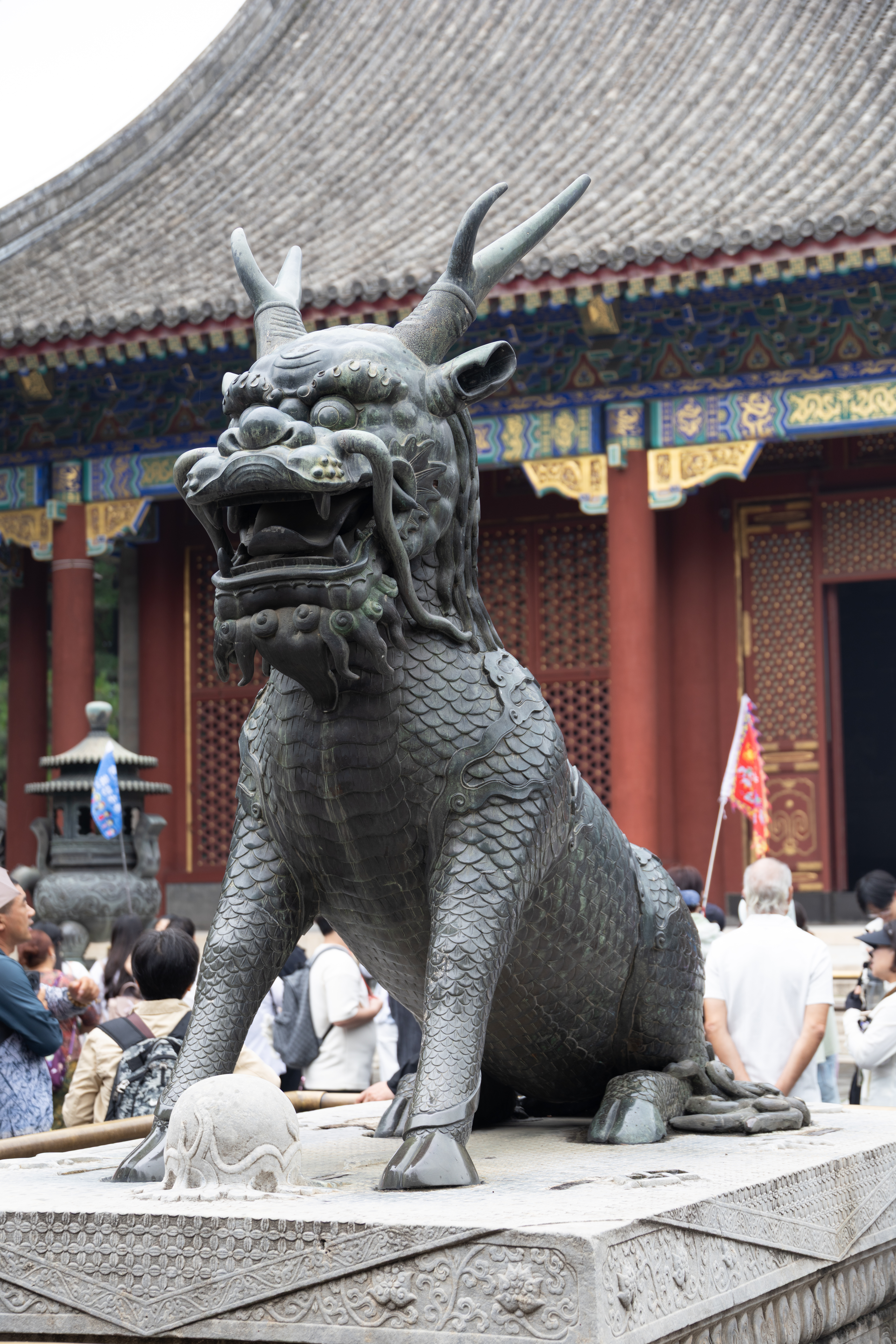
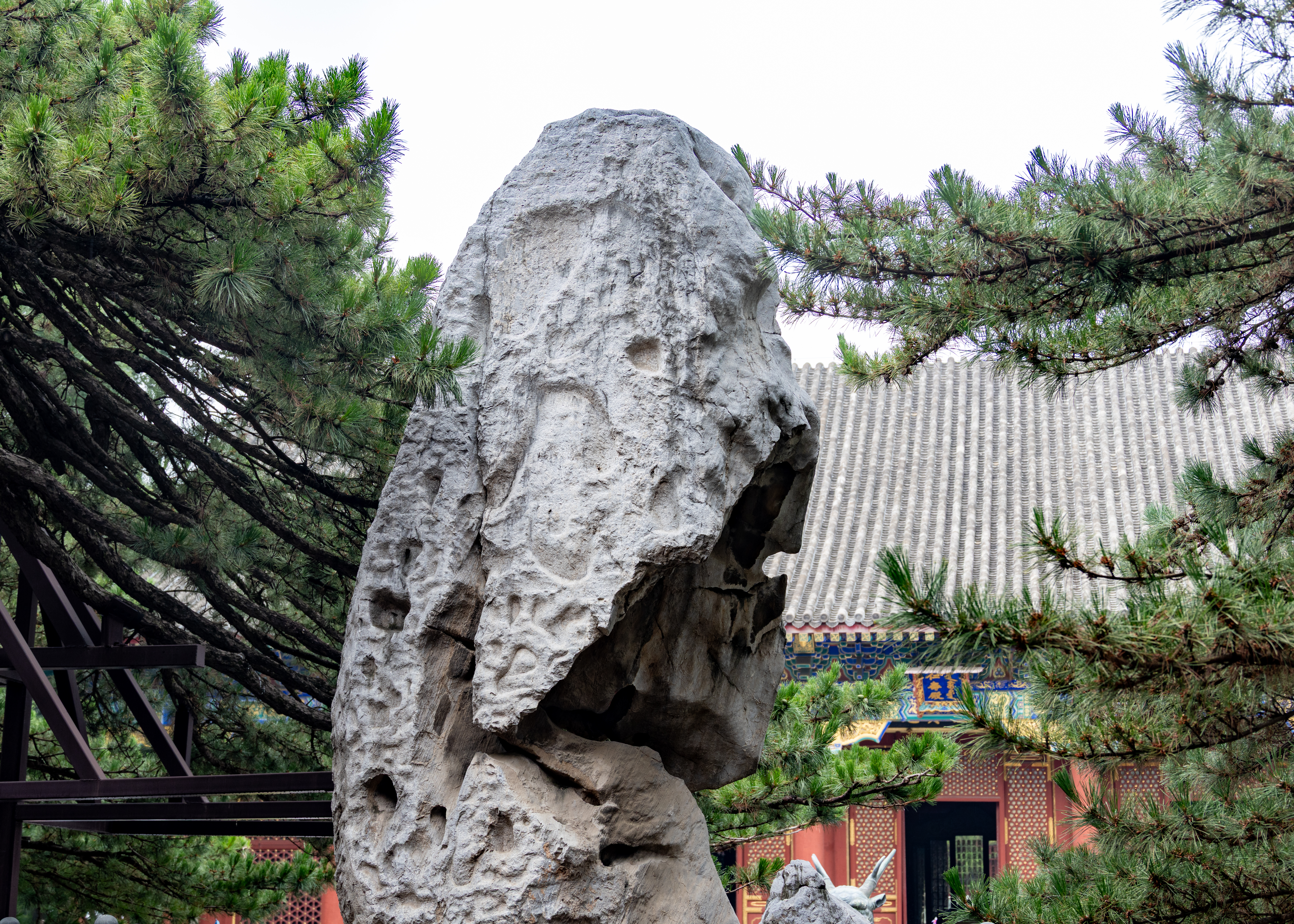
Stone of the God of Longevity & Hall of Benevolence and Longevity
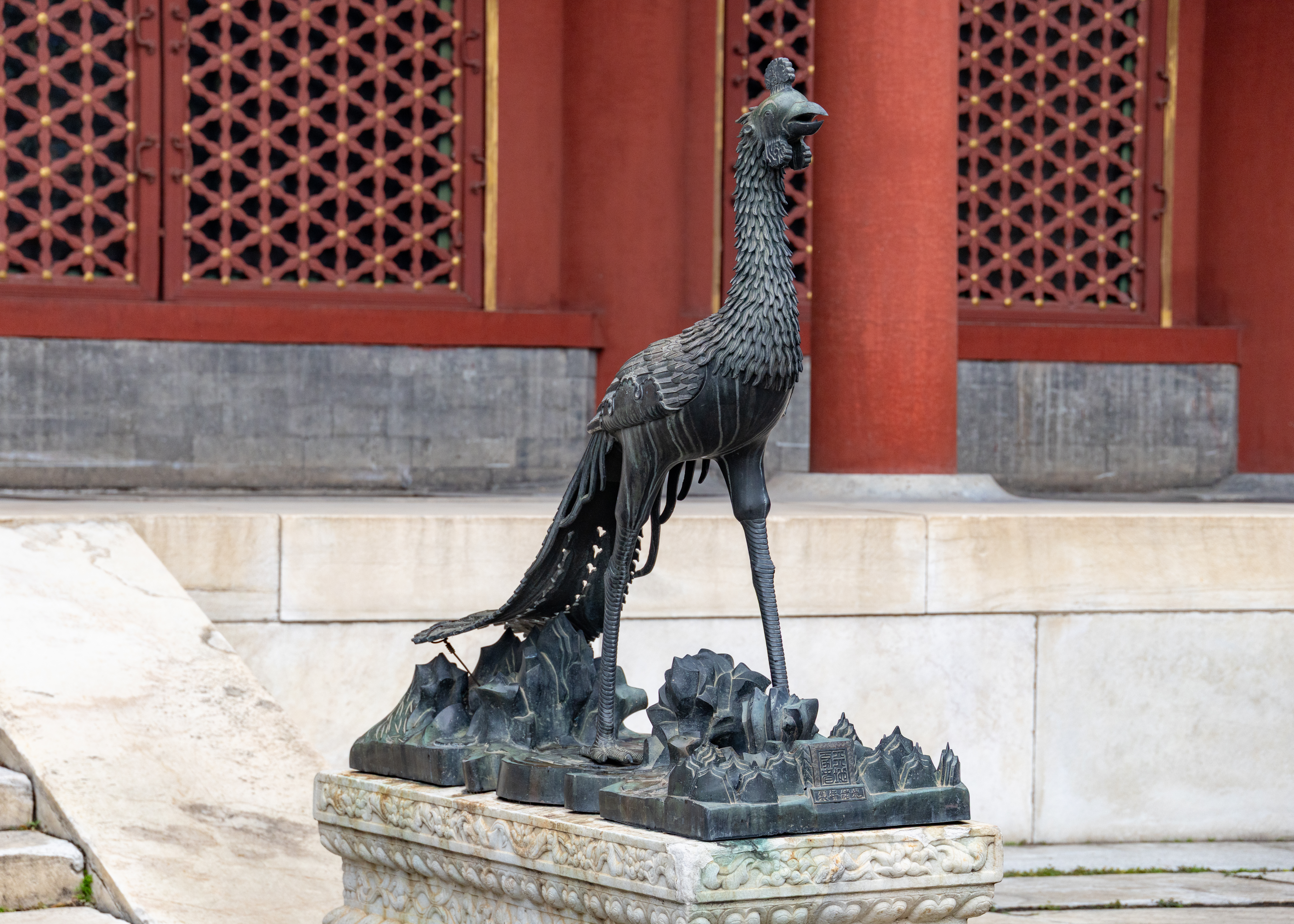
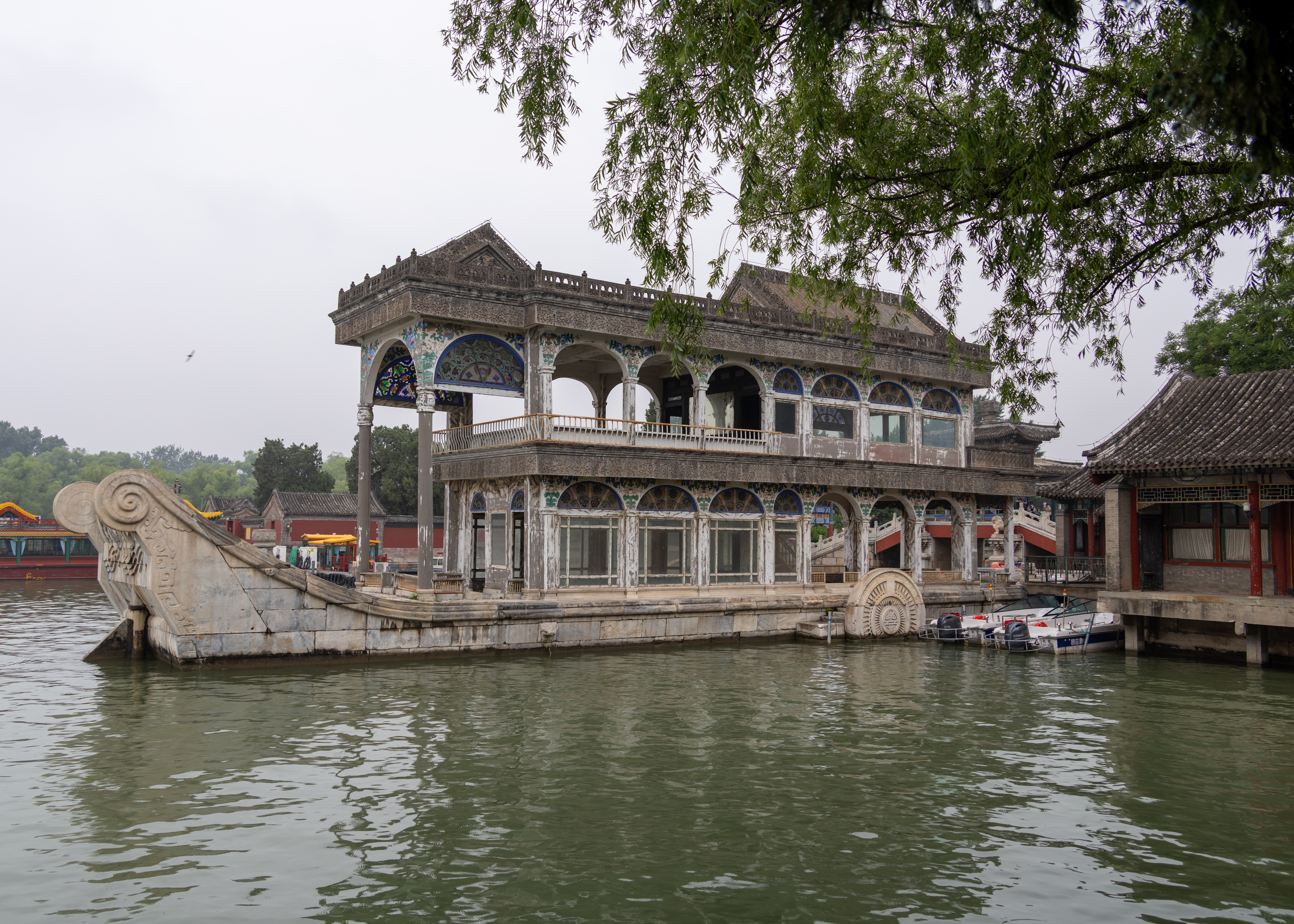
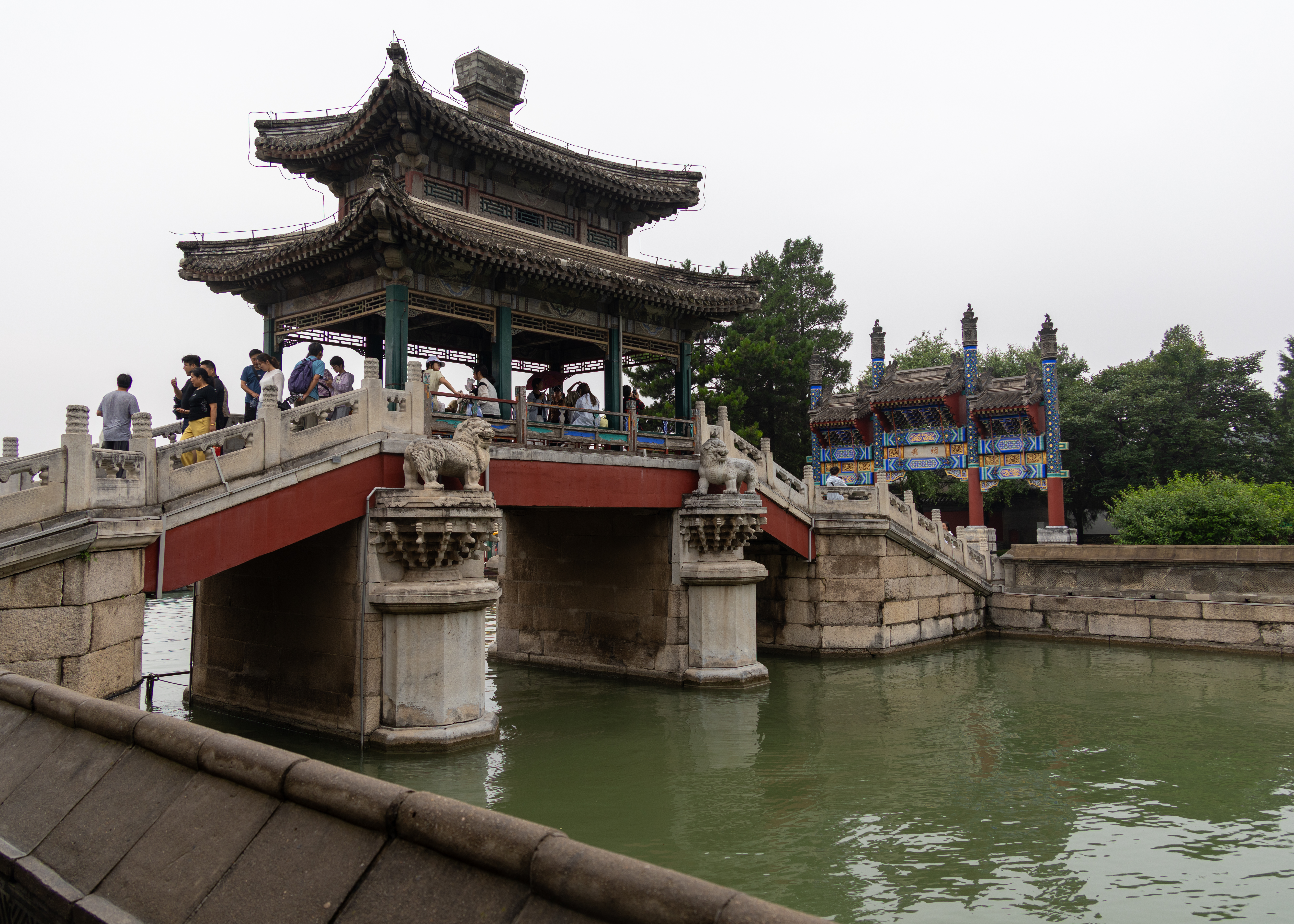
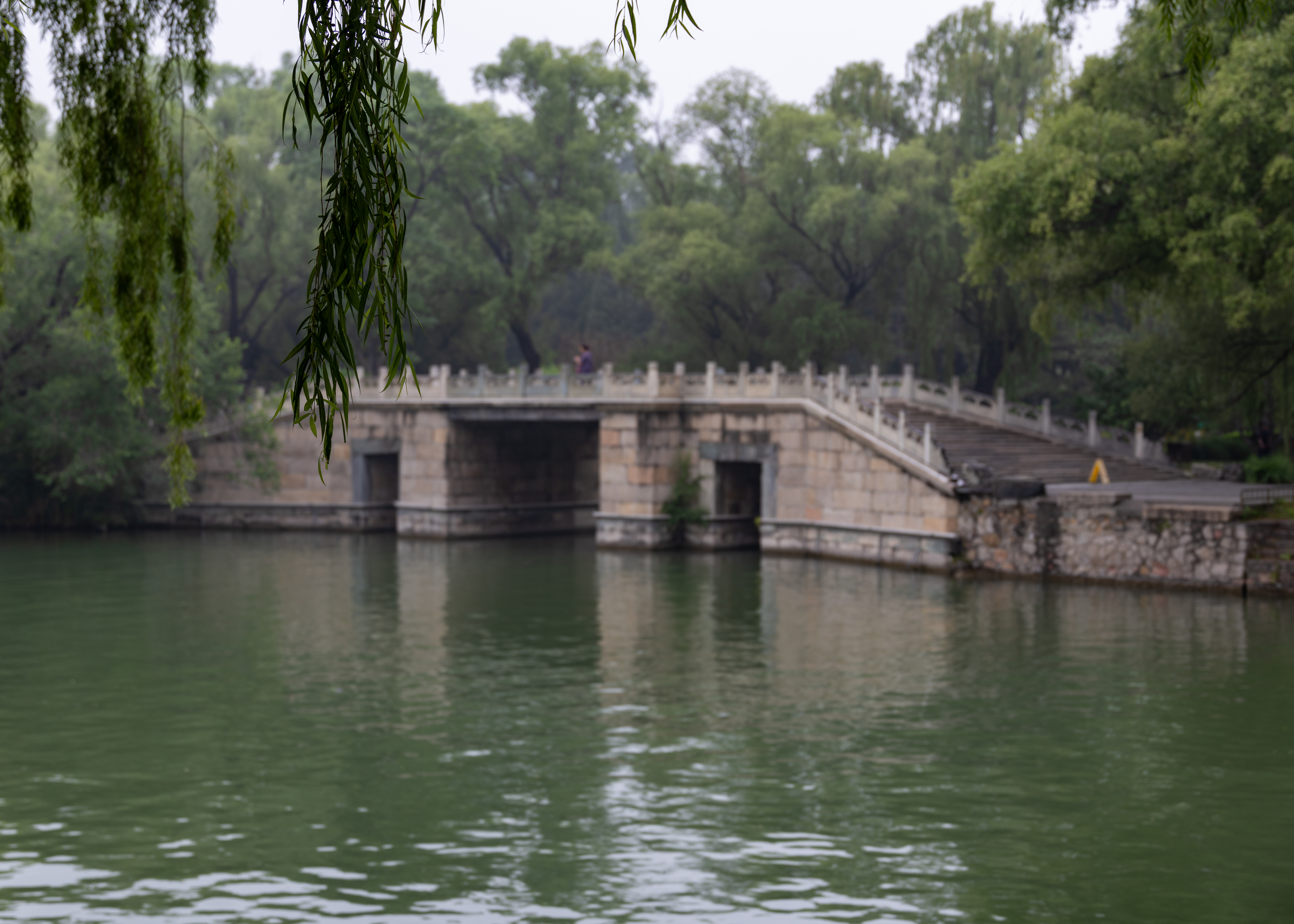
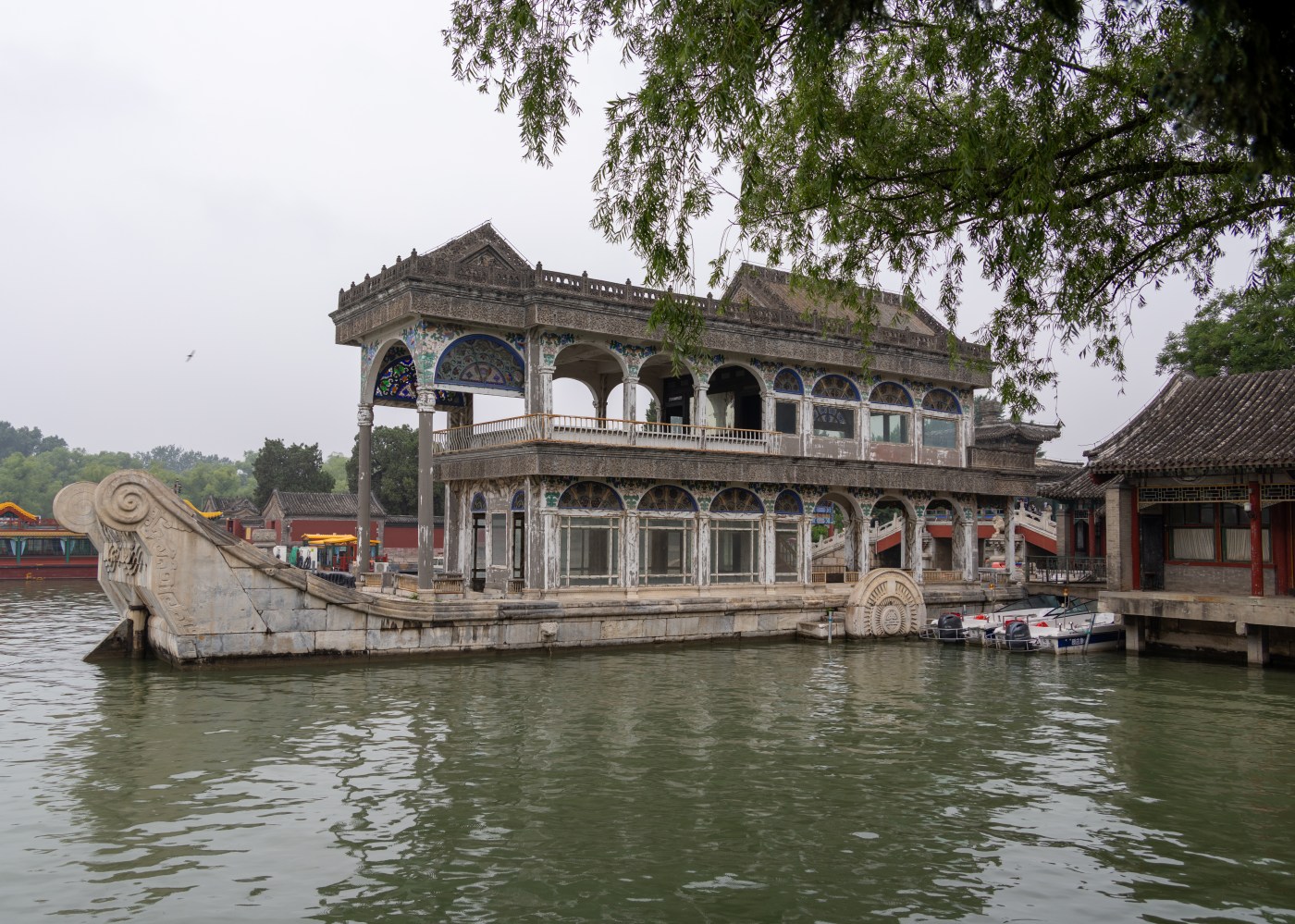
Heralding Spring Pavilion, Marble Boat & Oldest Bridge
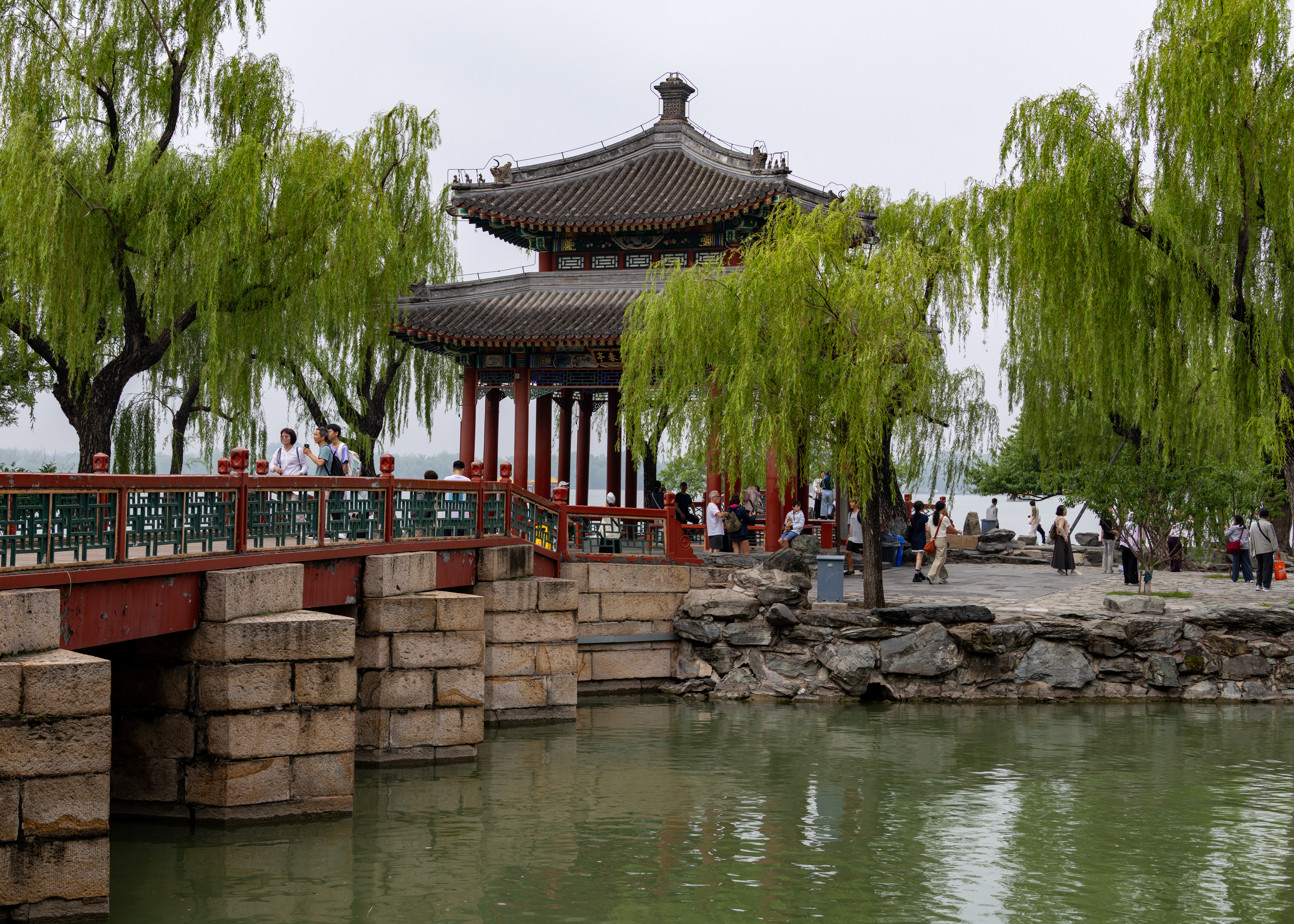
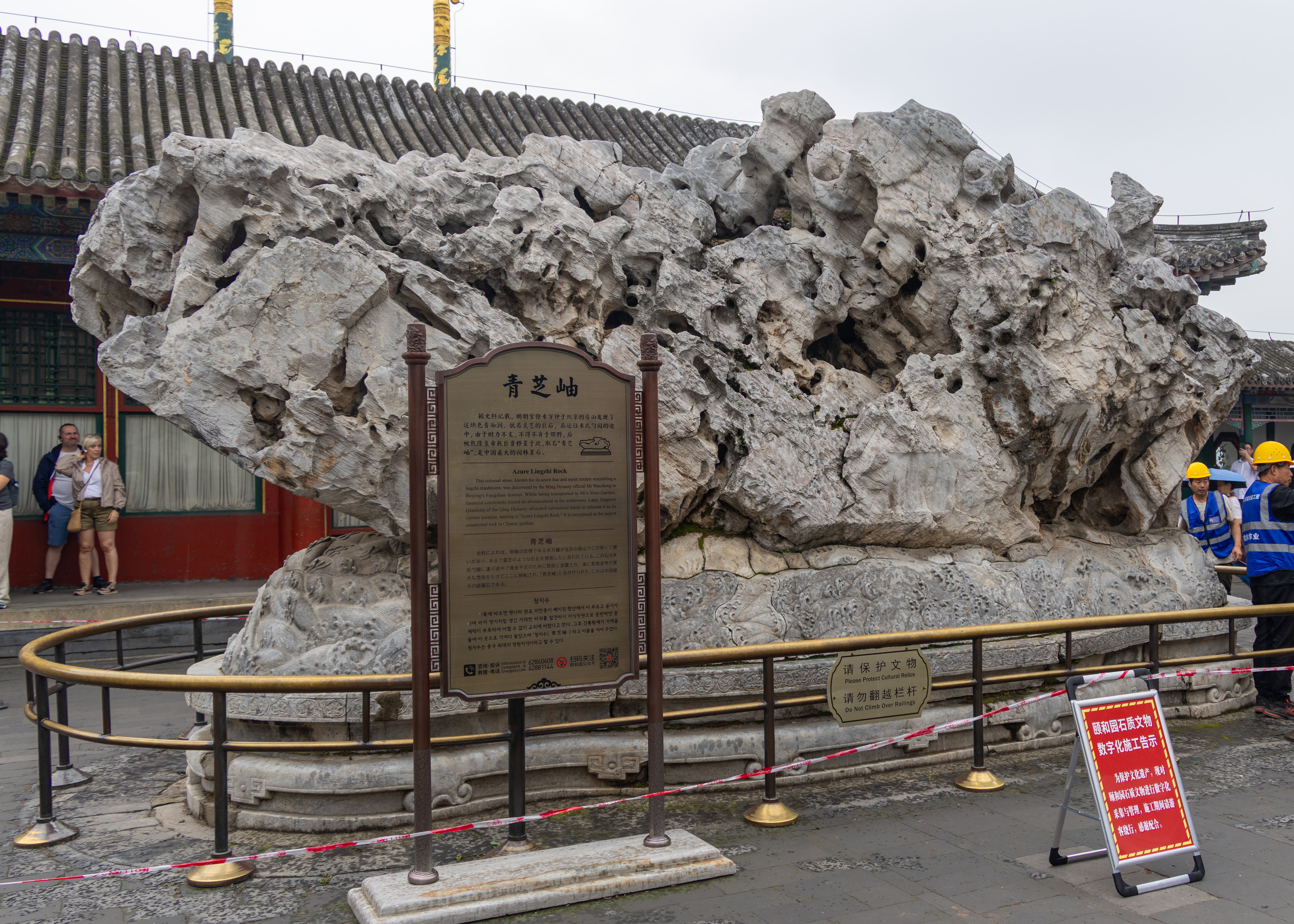
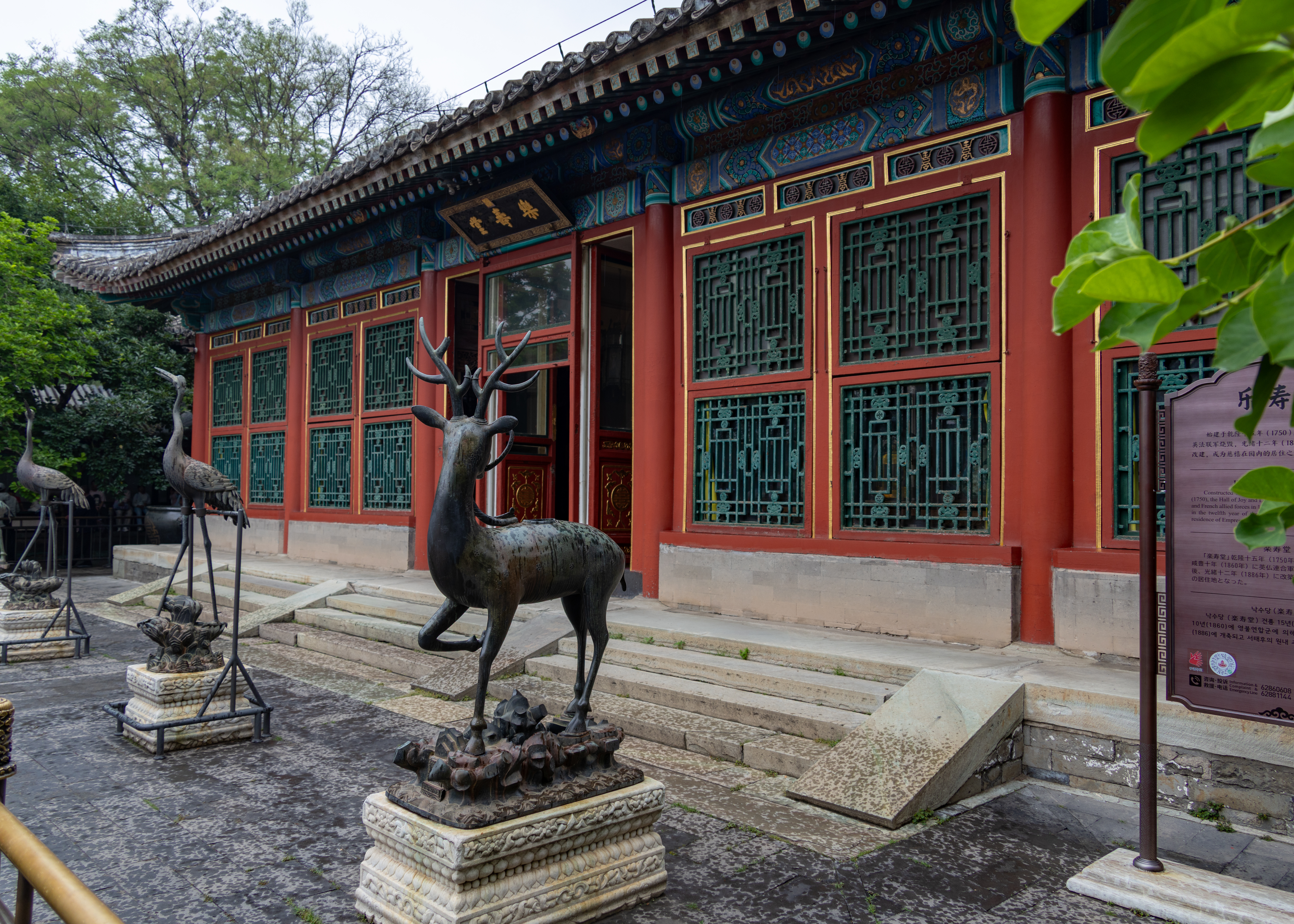
Pavilion of Literary Brilliance, Hall of Joy and Longivity & Azue Lingzhi Rock
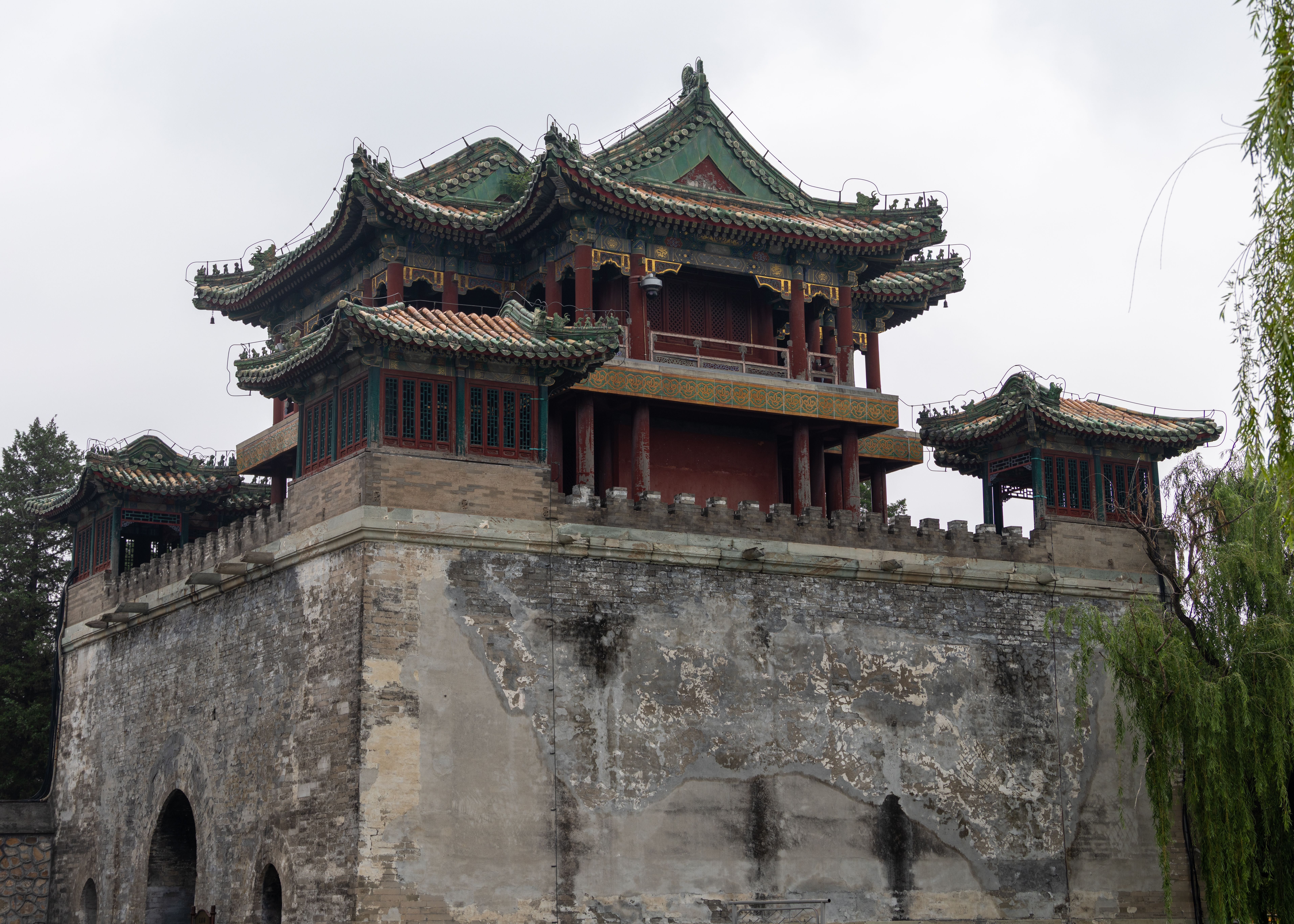
Long Corridor — 2388 feet in Length
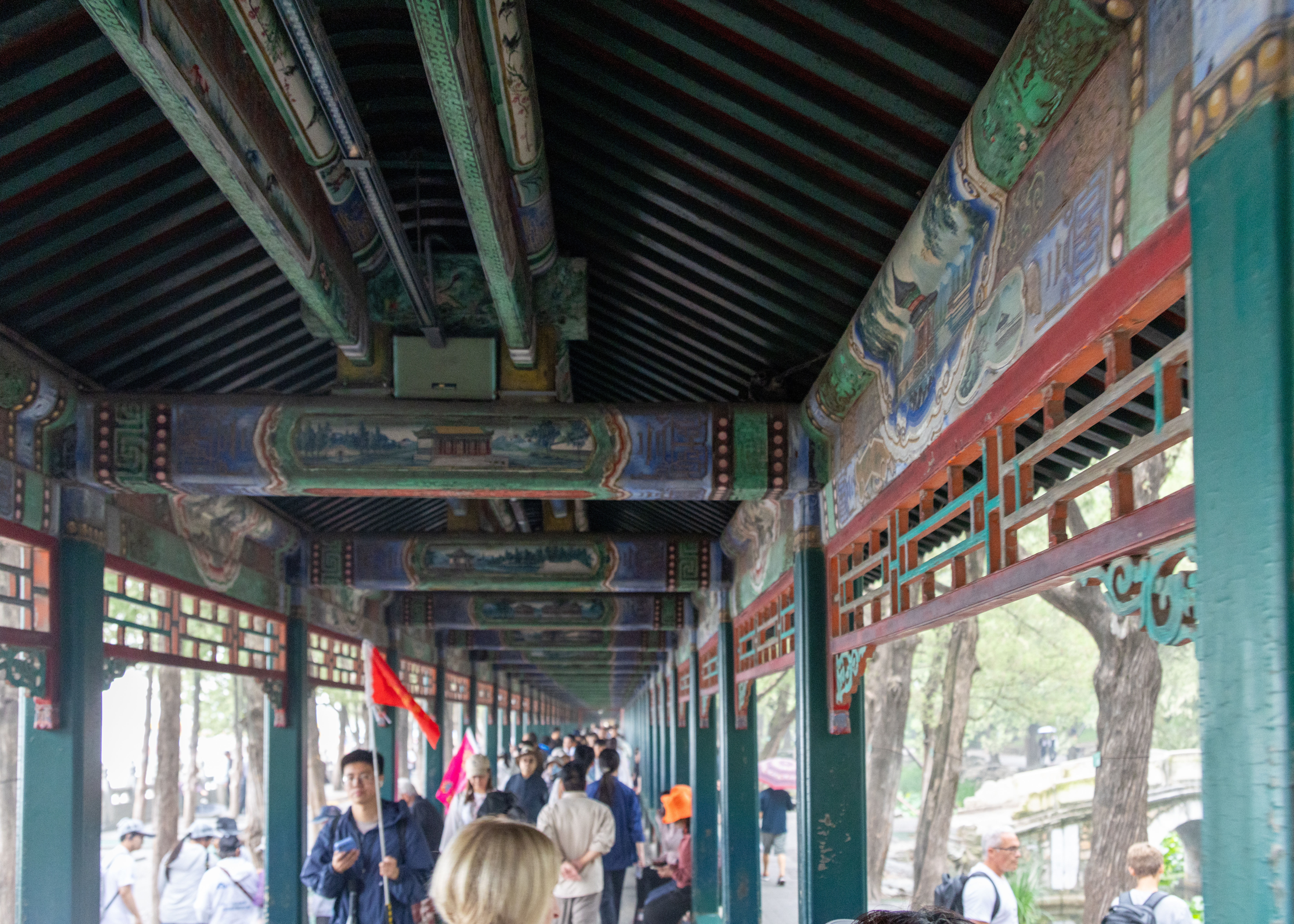
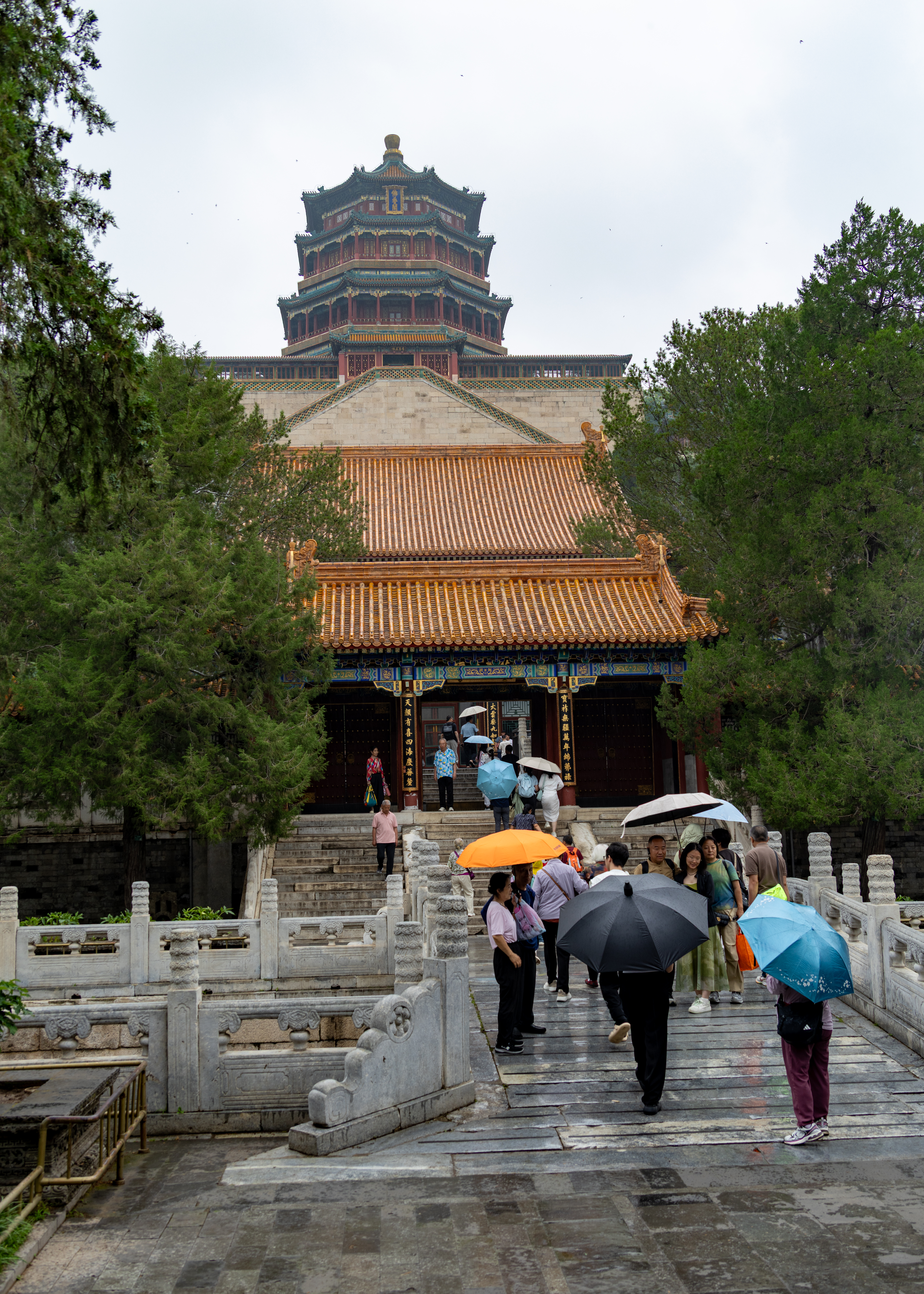
Tower of Buddhist Incense
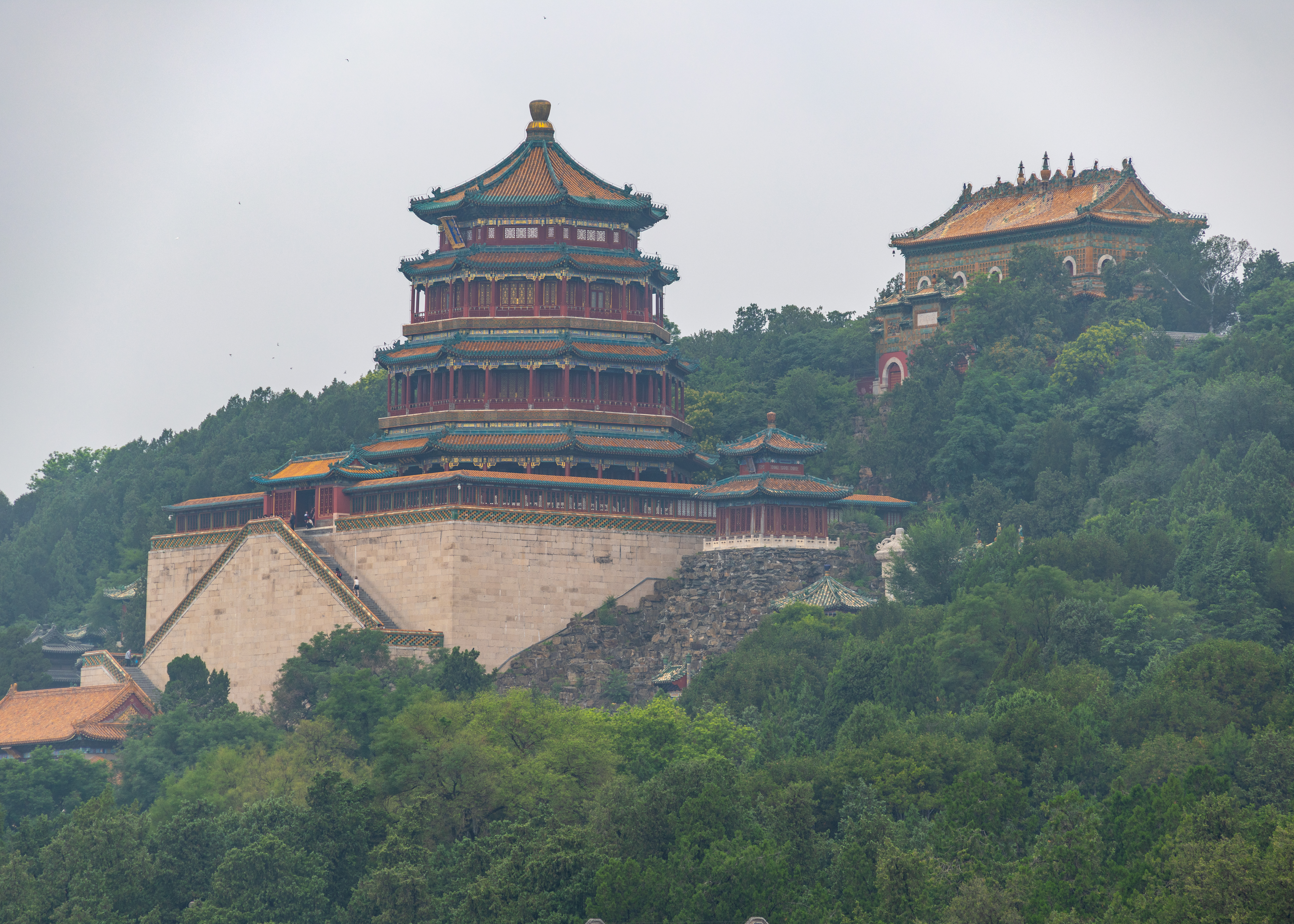
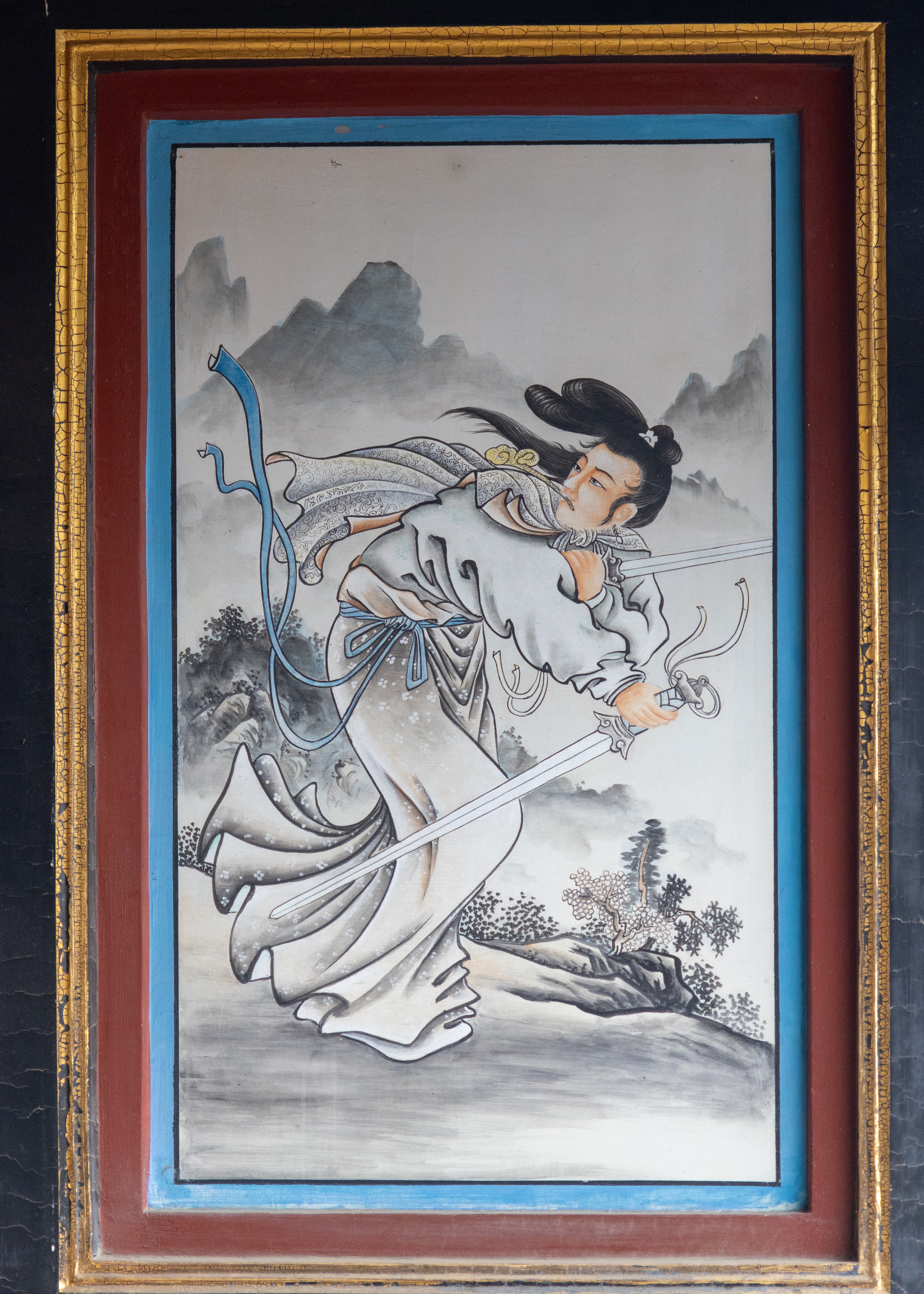
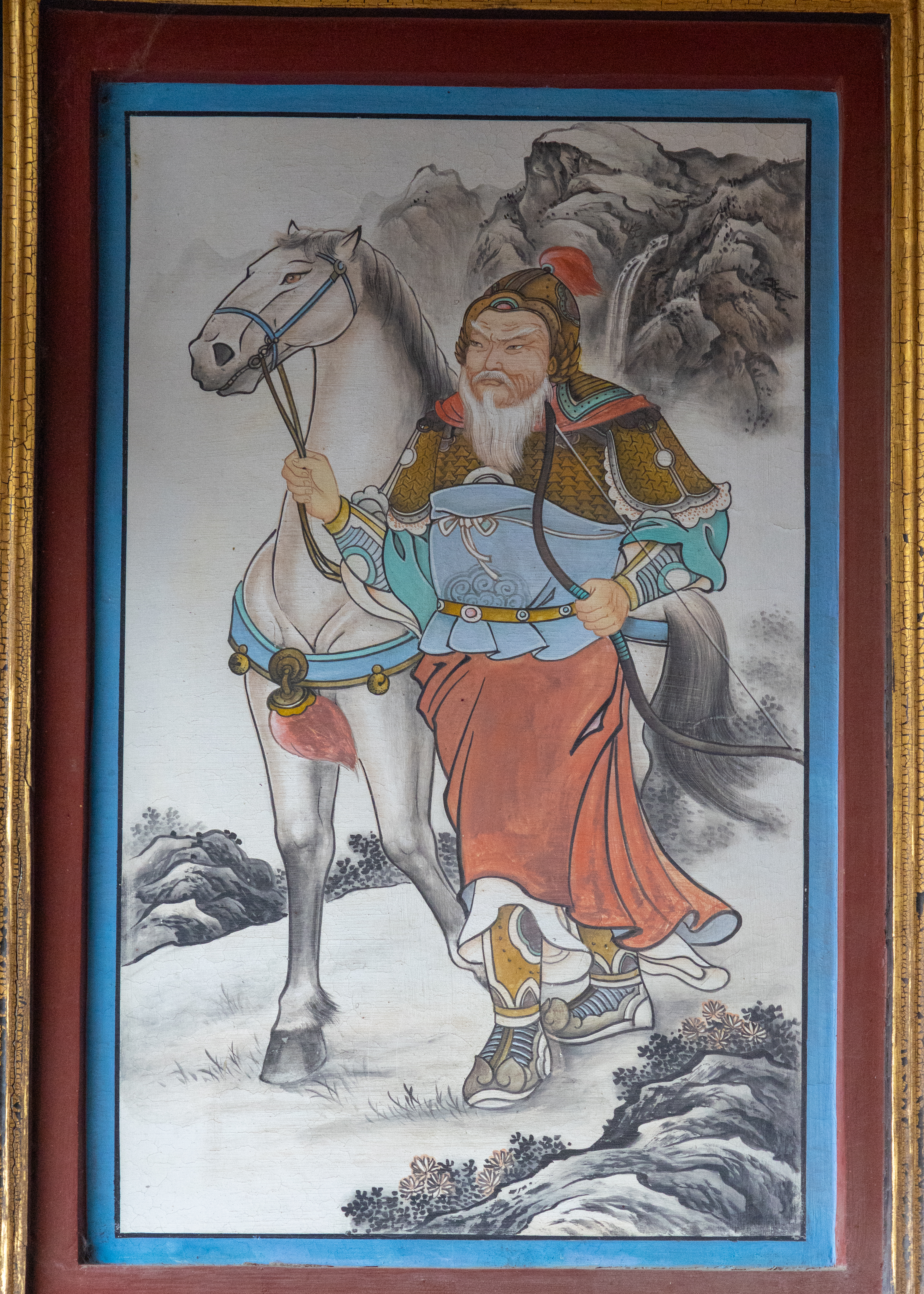
Other Summer Palace Sights
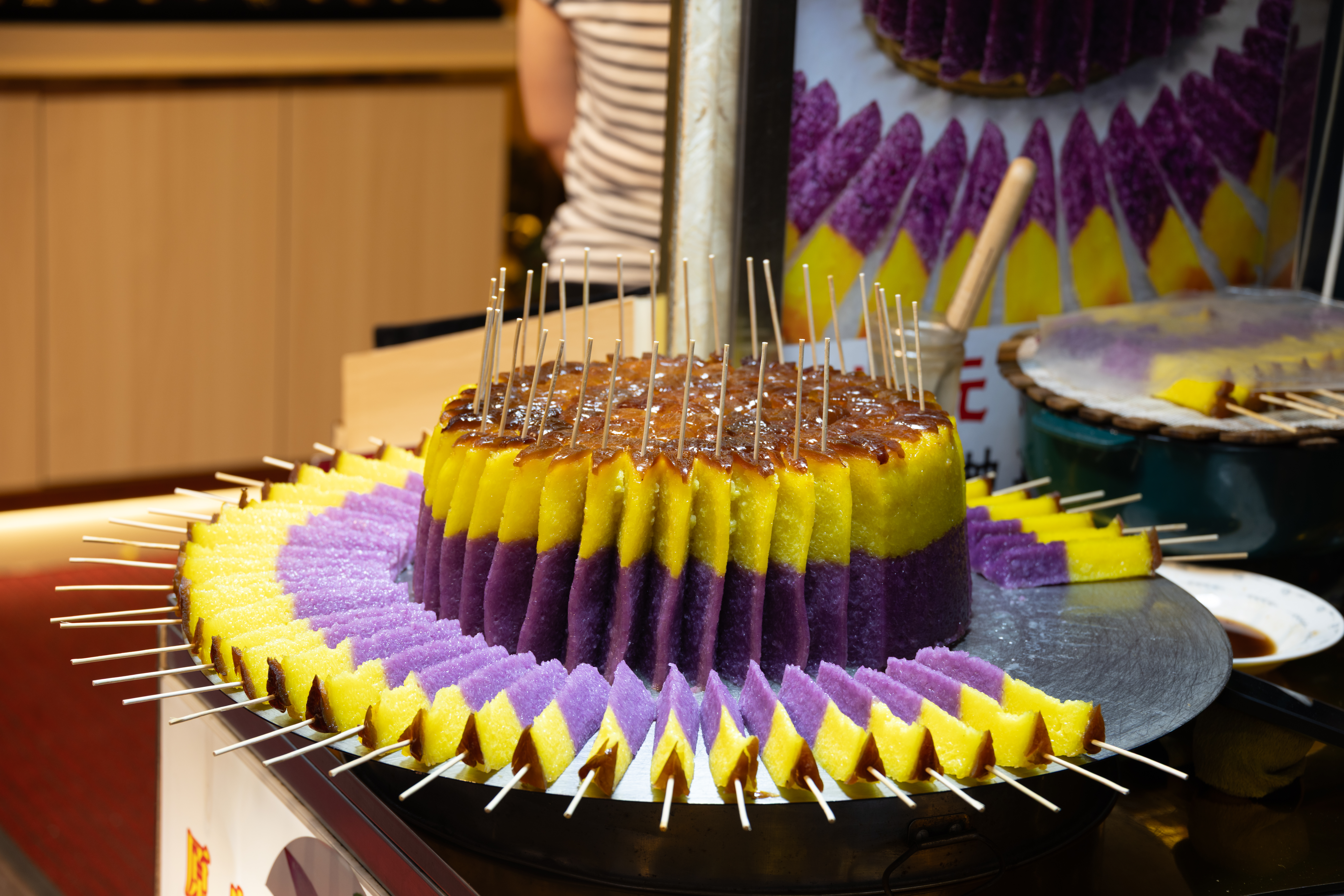
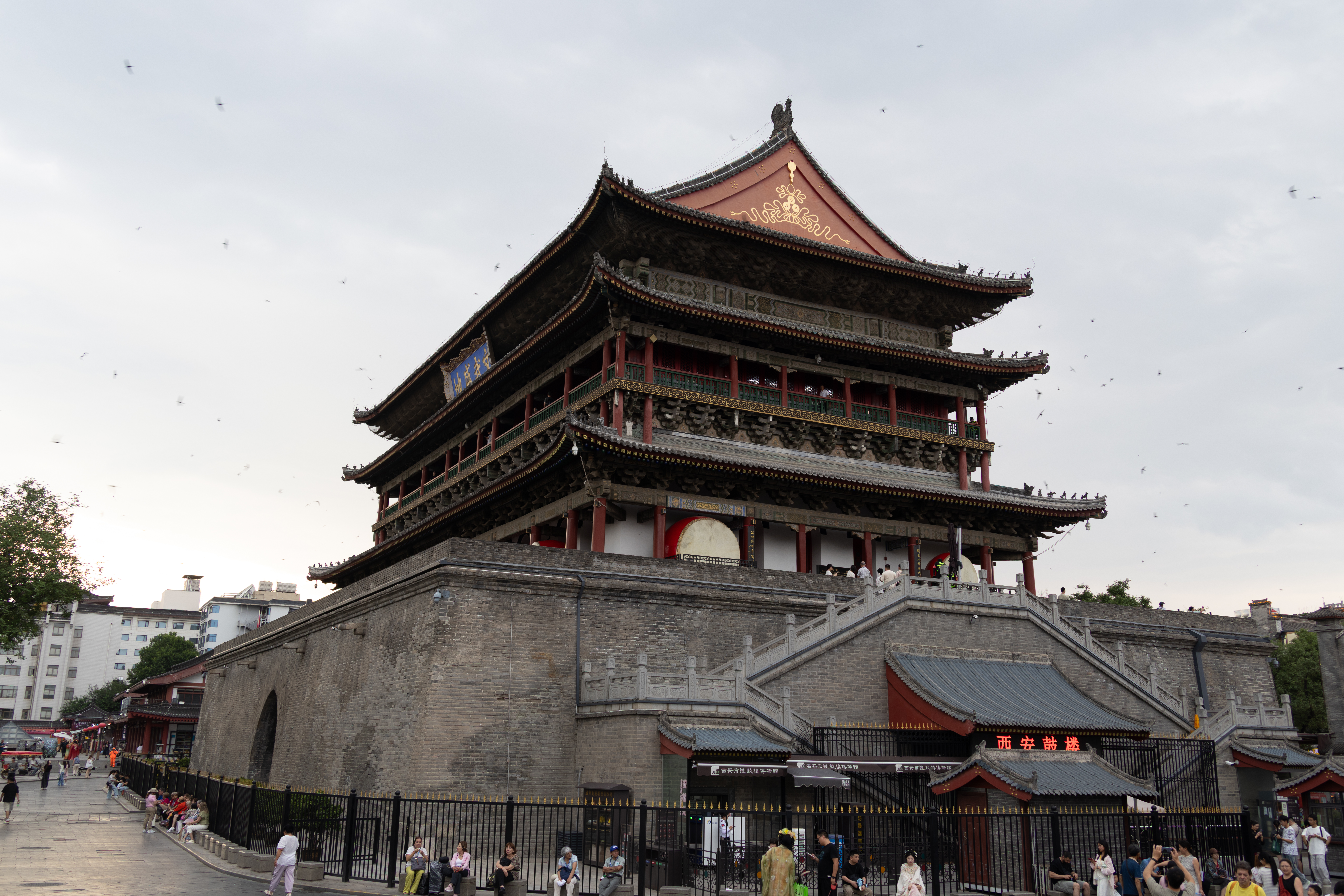
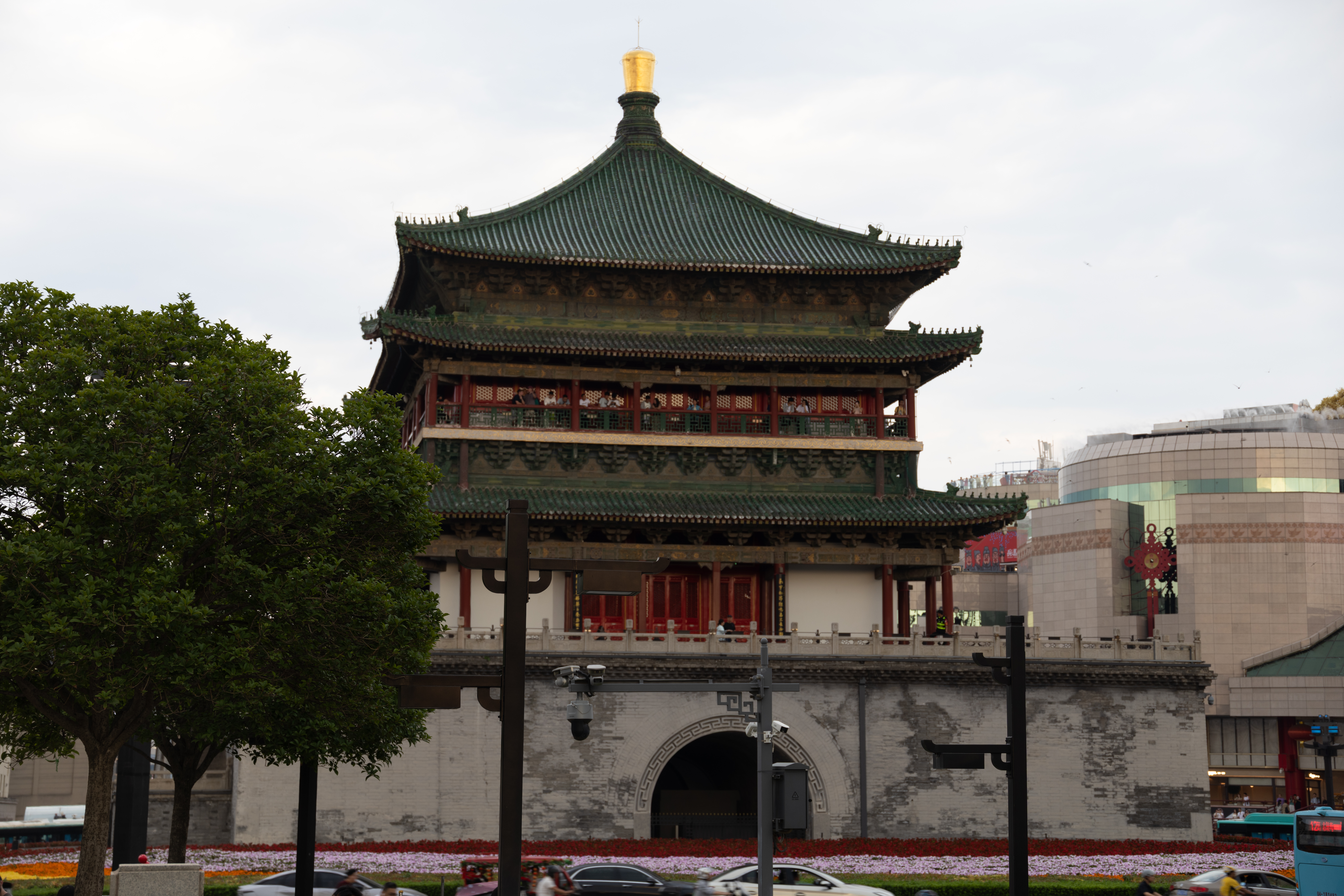
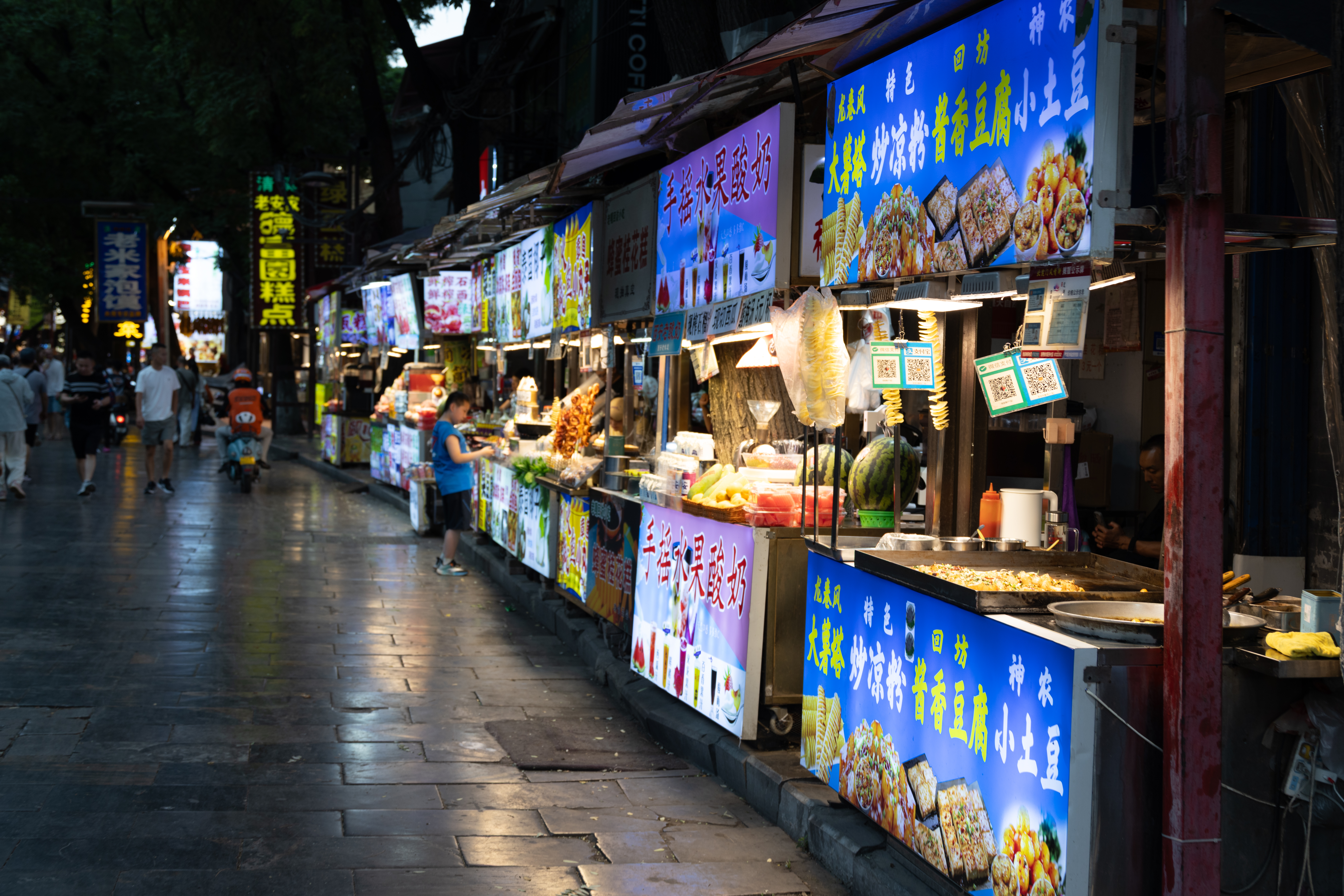
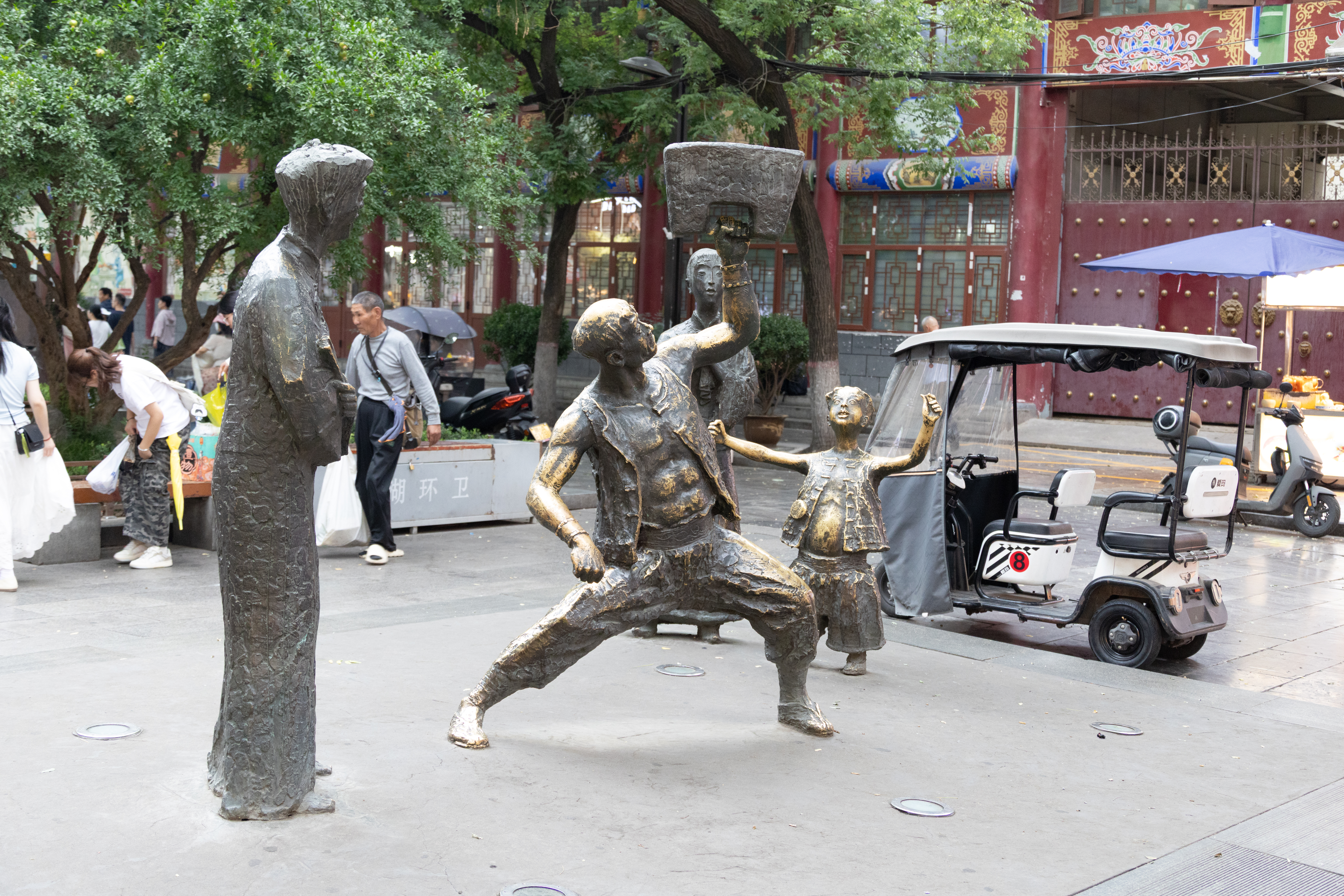
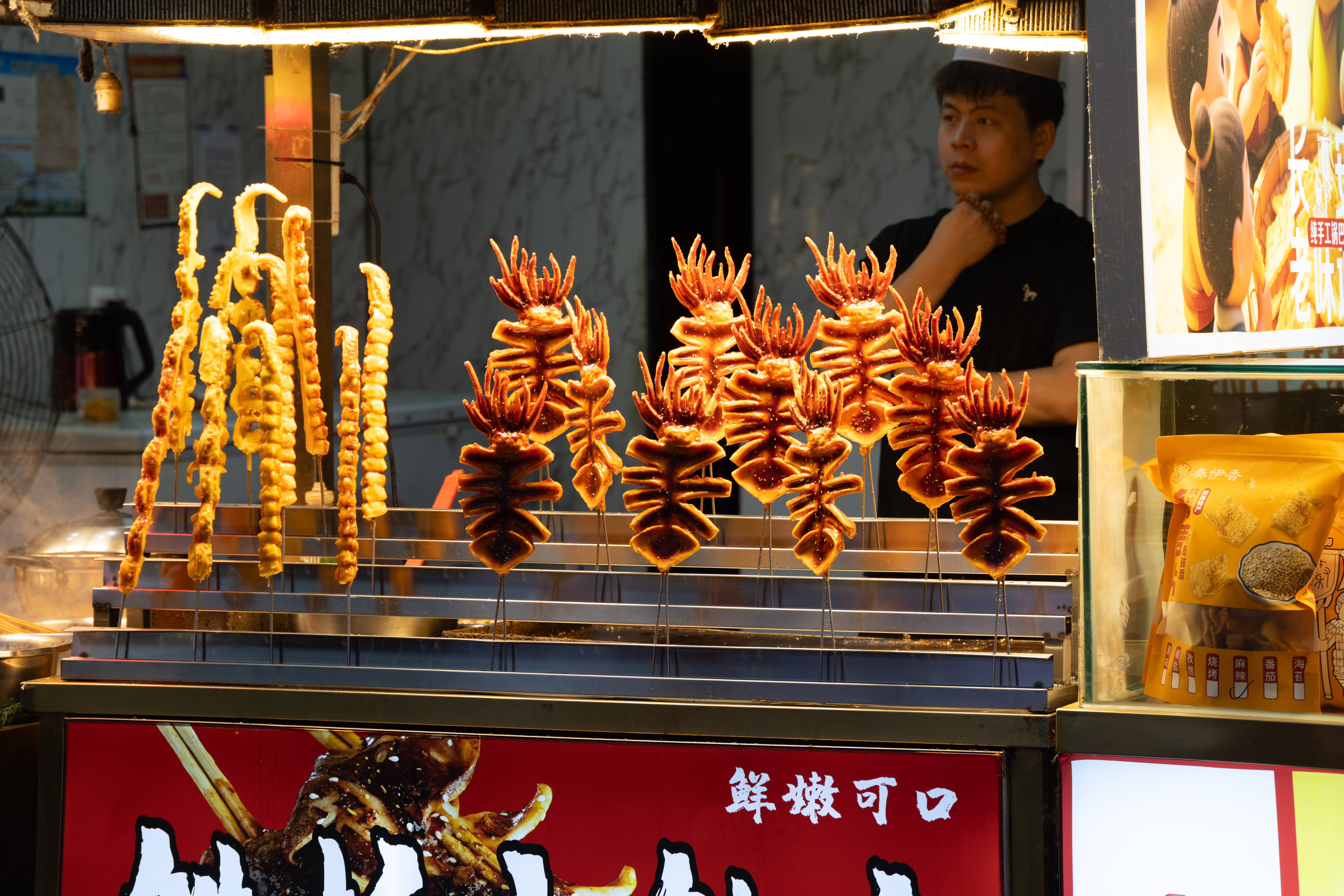
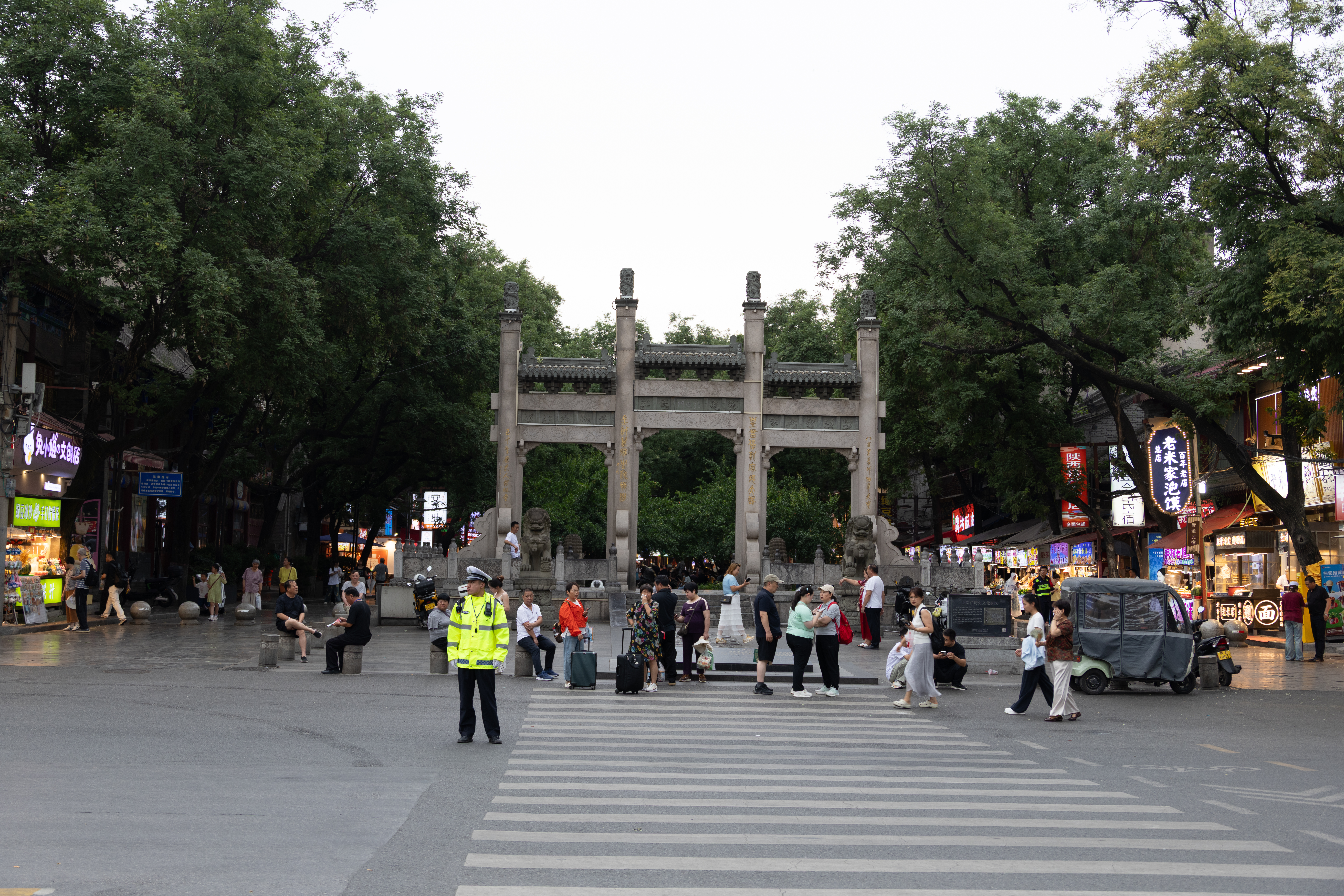
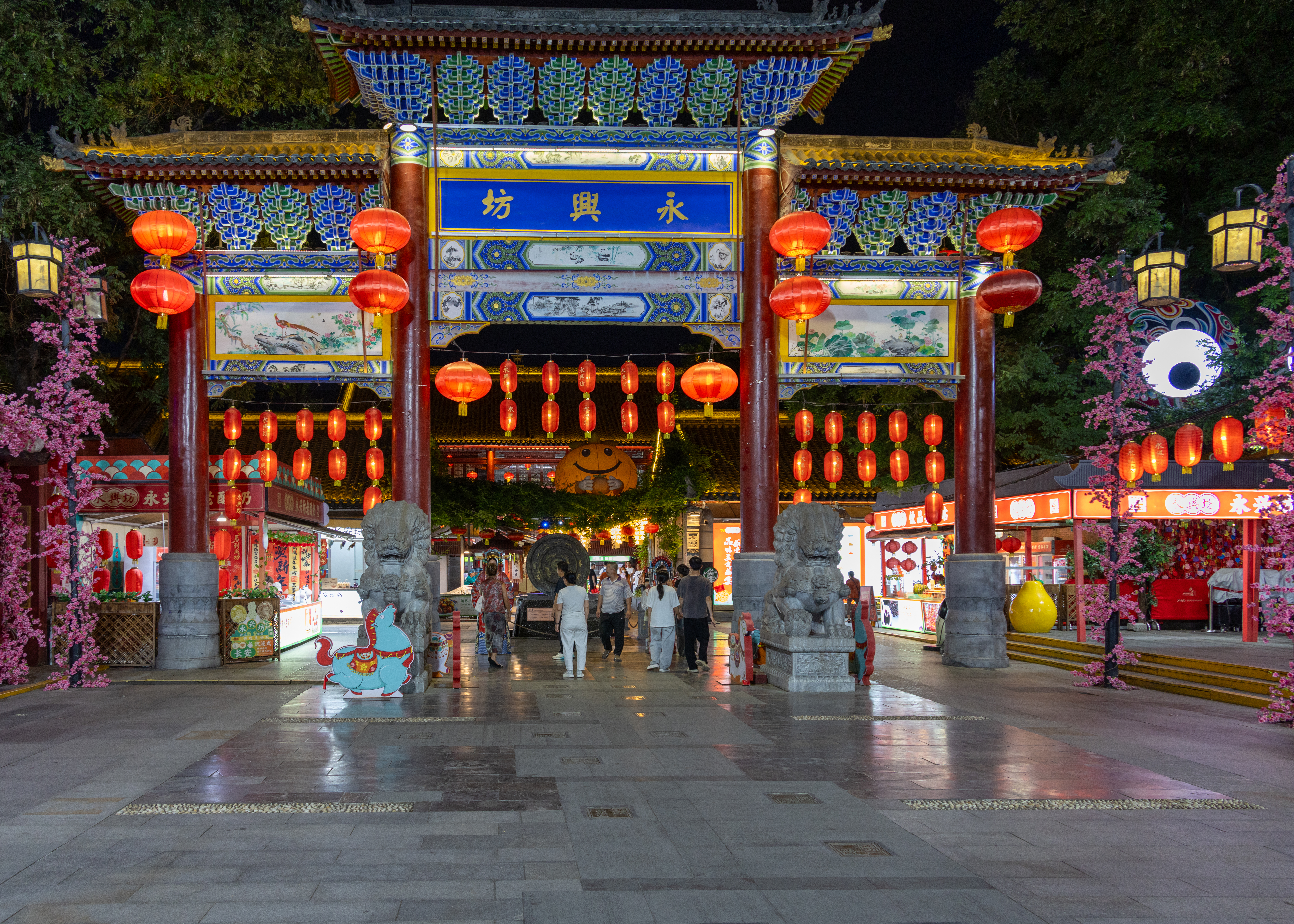
In the afternoon, we flew to Xi’an, our base for seeing the Terracotta Warriors. Before checking into our hotel, we walked through the Muslim Quarter, enjoying the sights and smells of the outdoor stalls. As in Beijing, there are Bell and Drum Towers. Before turning in, we decided to walk along the city walls and moat to see the area under lights.

Muslim Quarter and Bell & Drum Towers
Xi’an at night
China 2026 – June 15 Great Wall & Hutongs
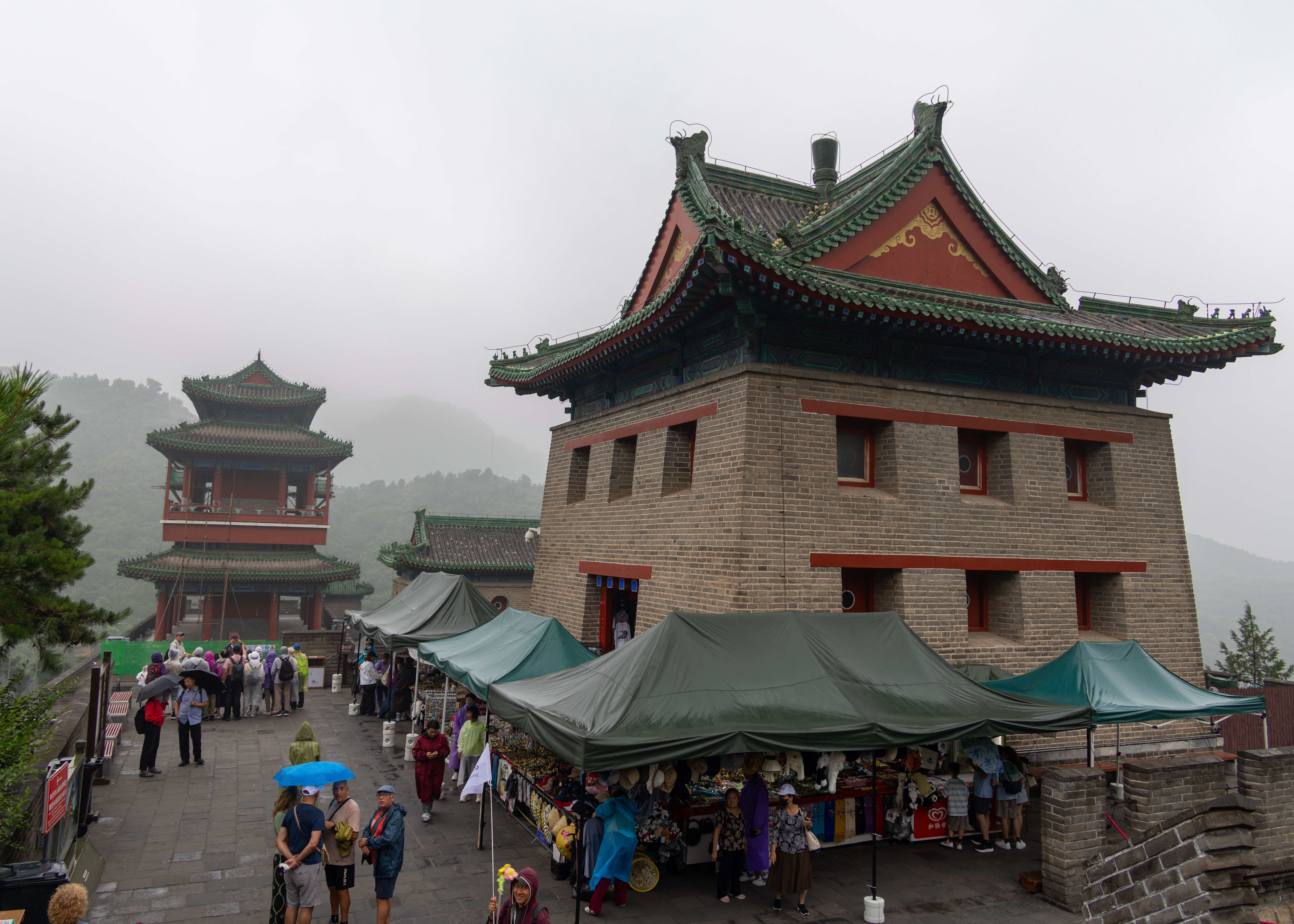
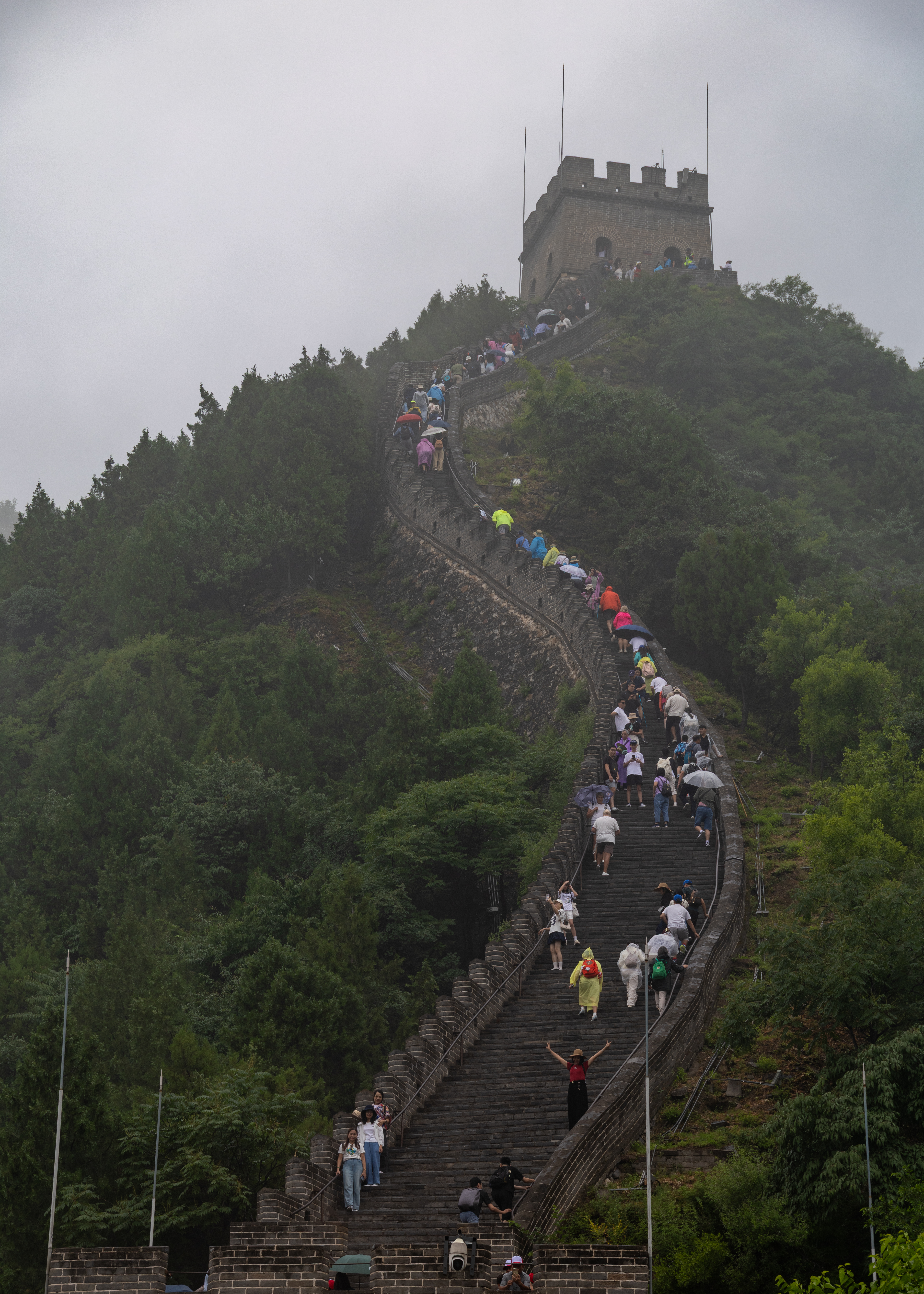
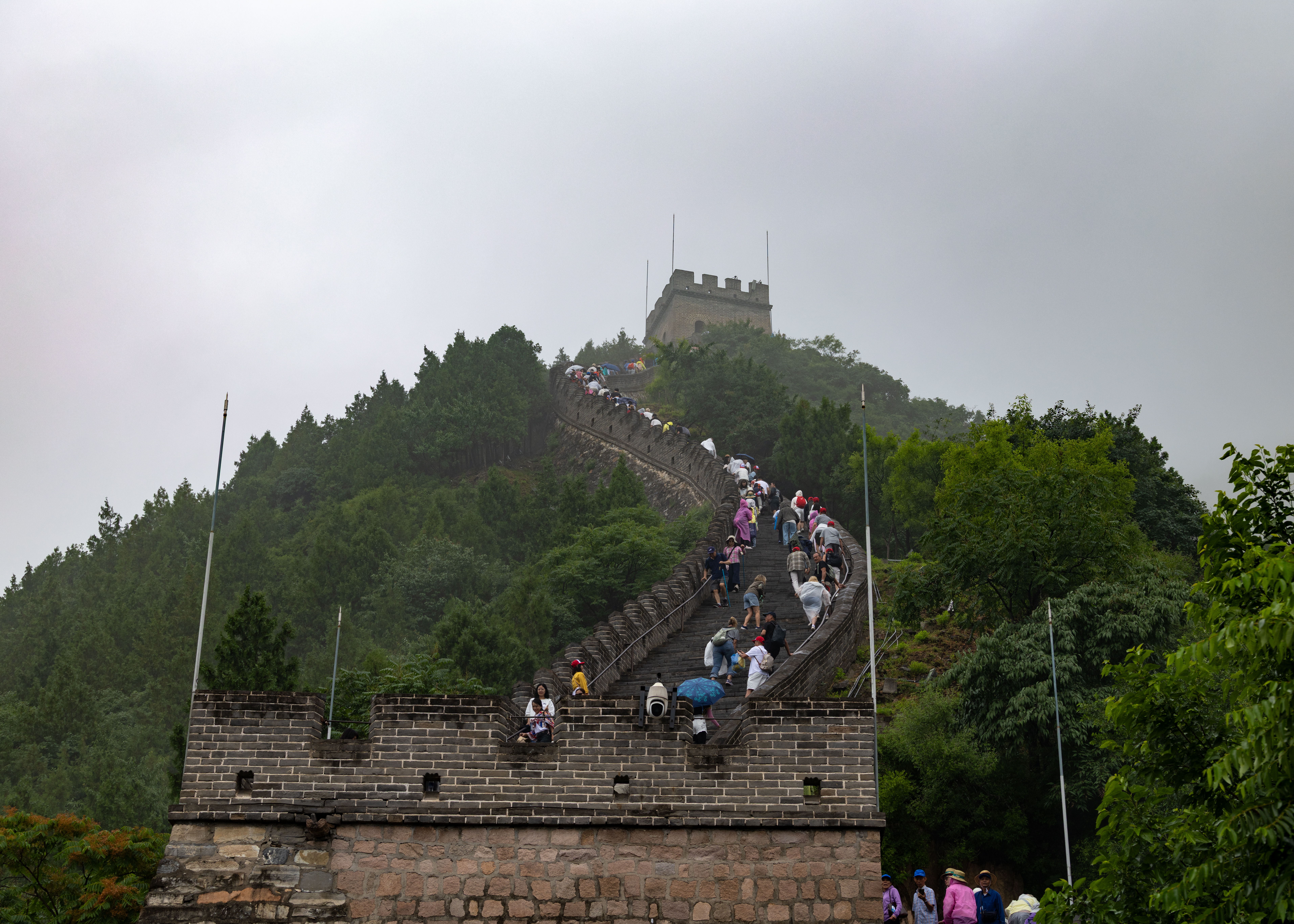
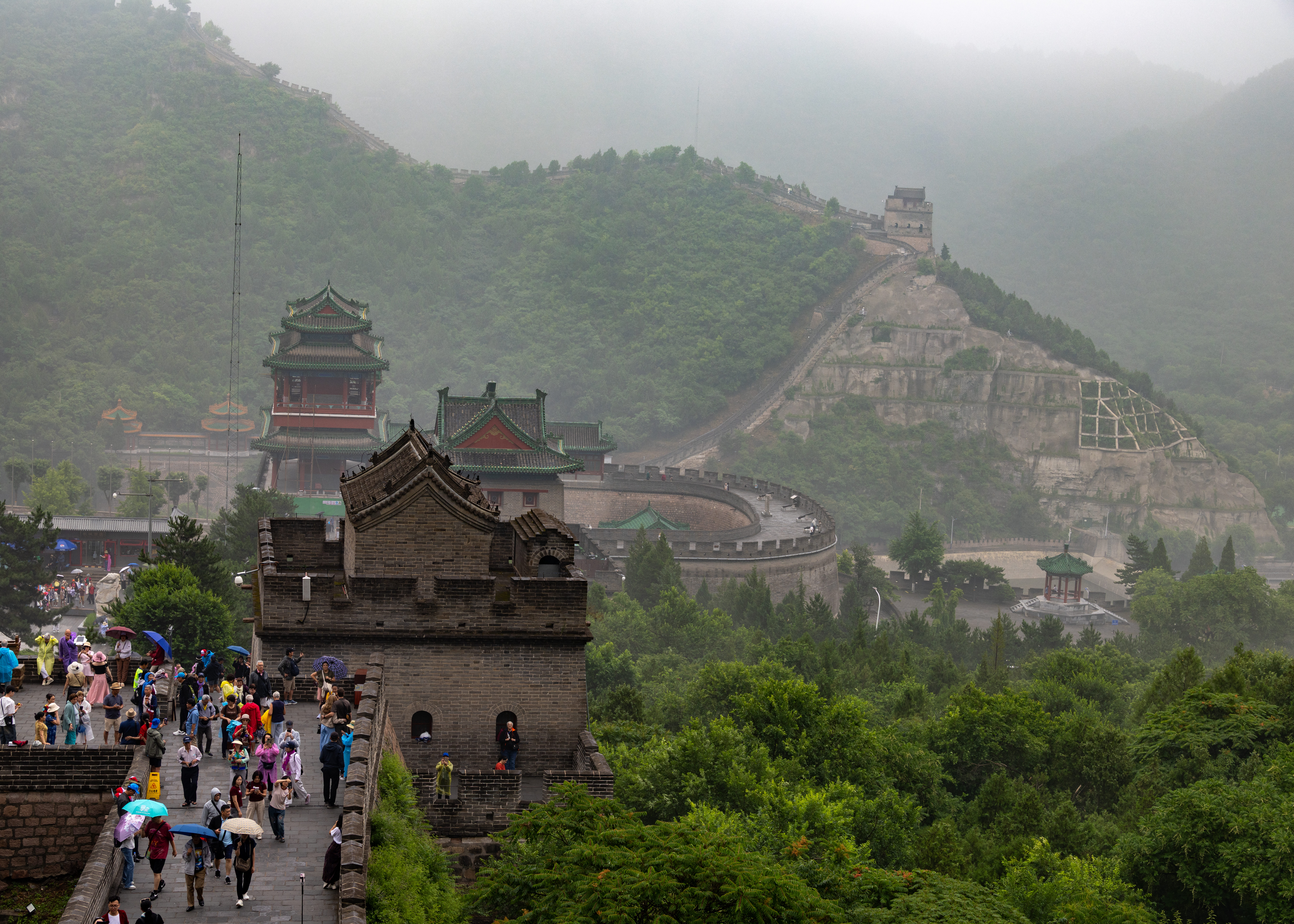
The day started overcast in Beijing as we drove 1.5 hours to the Jinshanling Great Wall Site. The weather didn’t improve during our stay. This site has more mountain views than the Badaling site, which we climbed in 2008. Full disclosure, Chris hiked to the third watch tower – Pete did not.

The Great Wall of China has a history of more than 2,300 years. The history of the Great Wall of China began in the Spring and Autumn Period (770–476 BC) and was last rebuilt as a defense during the Ming Dynasty (1368–1644).

The Great Wall at Jinshanling was built 650 years ago during the Ming Dynasty (1368–1644), initially constructed from 1368 to 1389, and in 1567 and 1570, the rebuilding of the Wall was mainly directed by General Qi Jiguang (1528–1588).

In the Qin Dynasty, the First Emperor of Qin built the northern walls to prevent invasion from northern nations. In the Han Dynasty, the emperors extended the Great Wall far into today’s western China to protect the Silk Road trade.

Jinshanling Great Wall

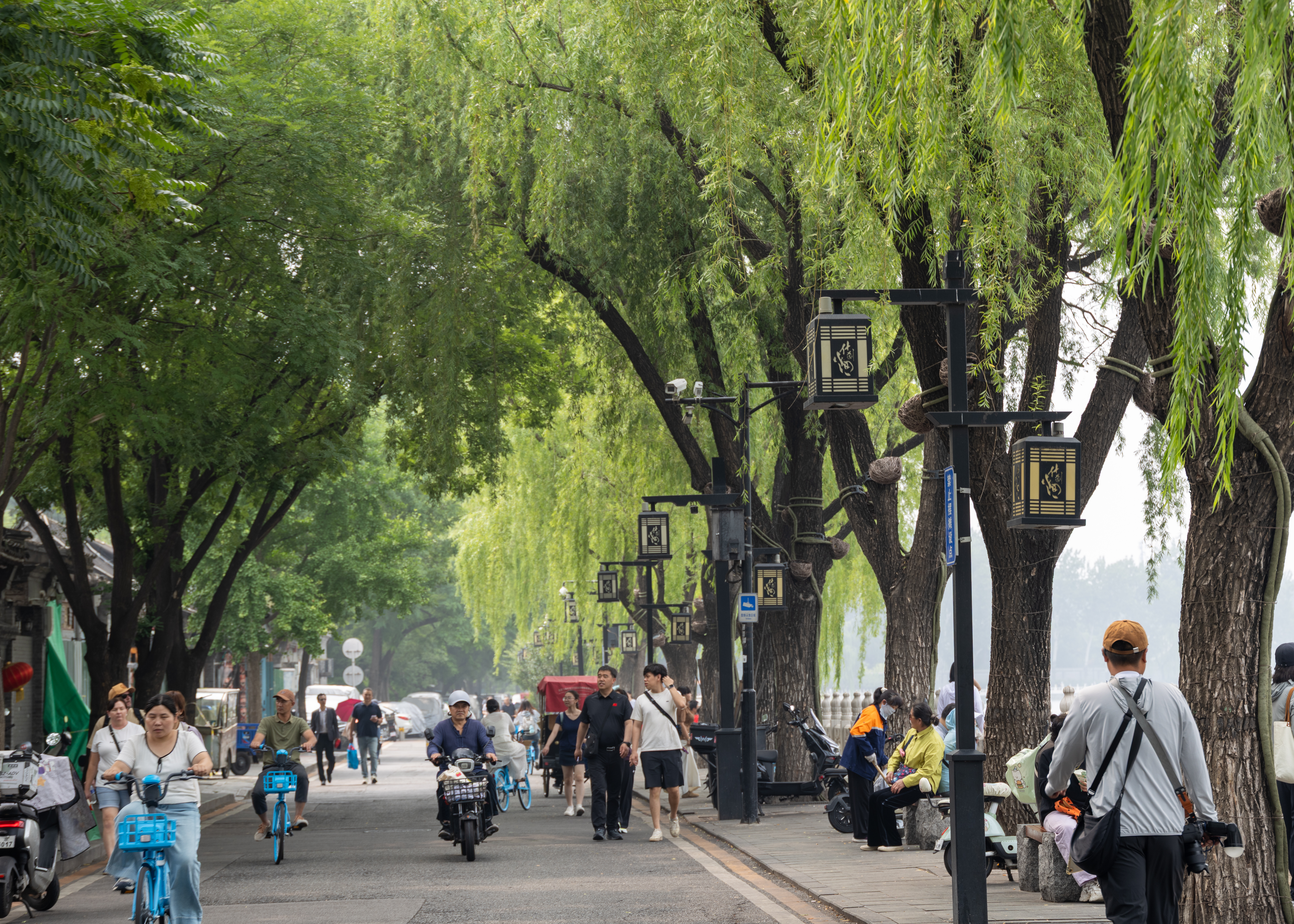
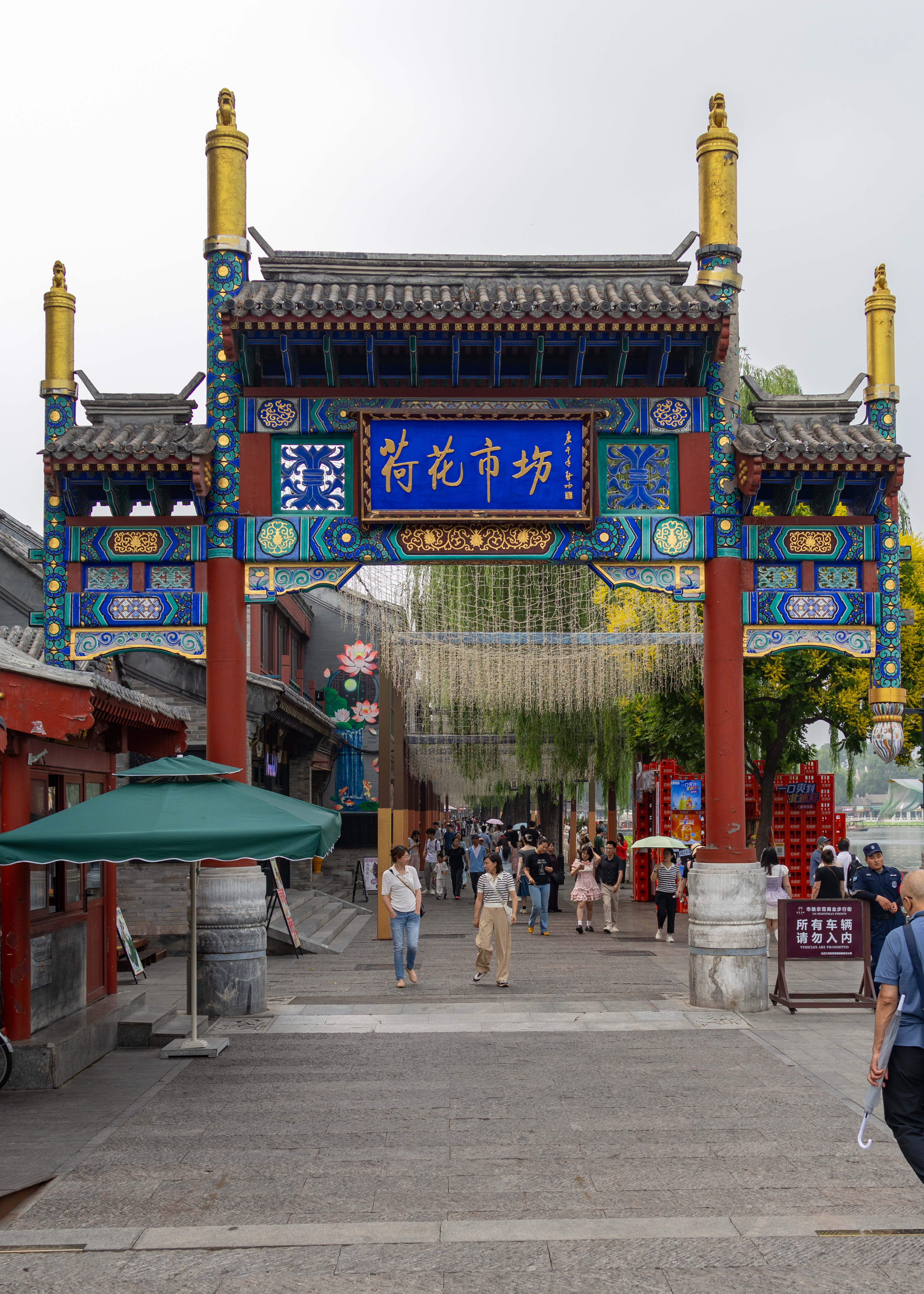
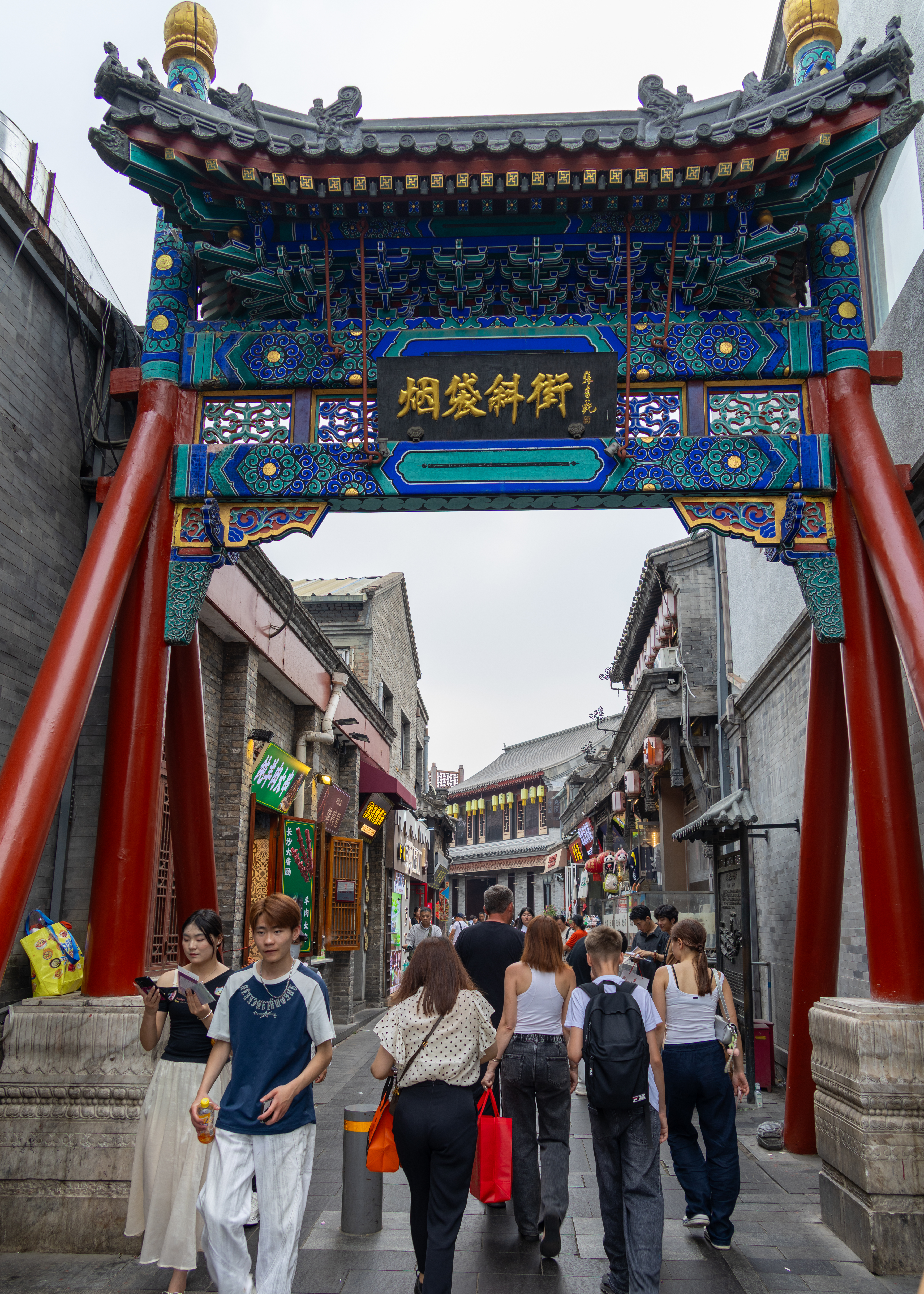
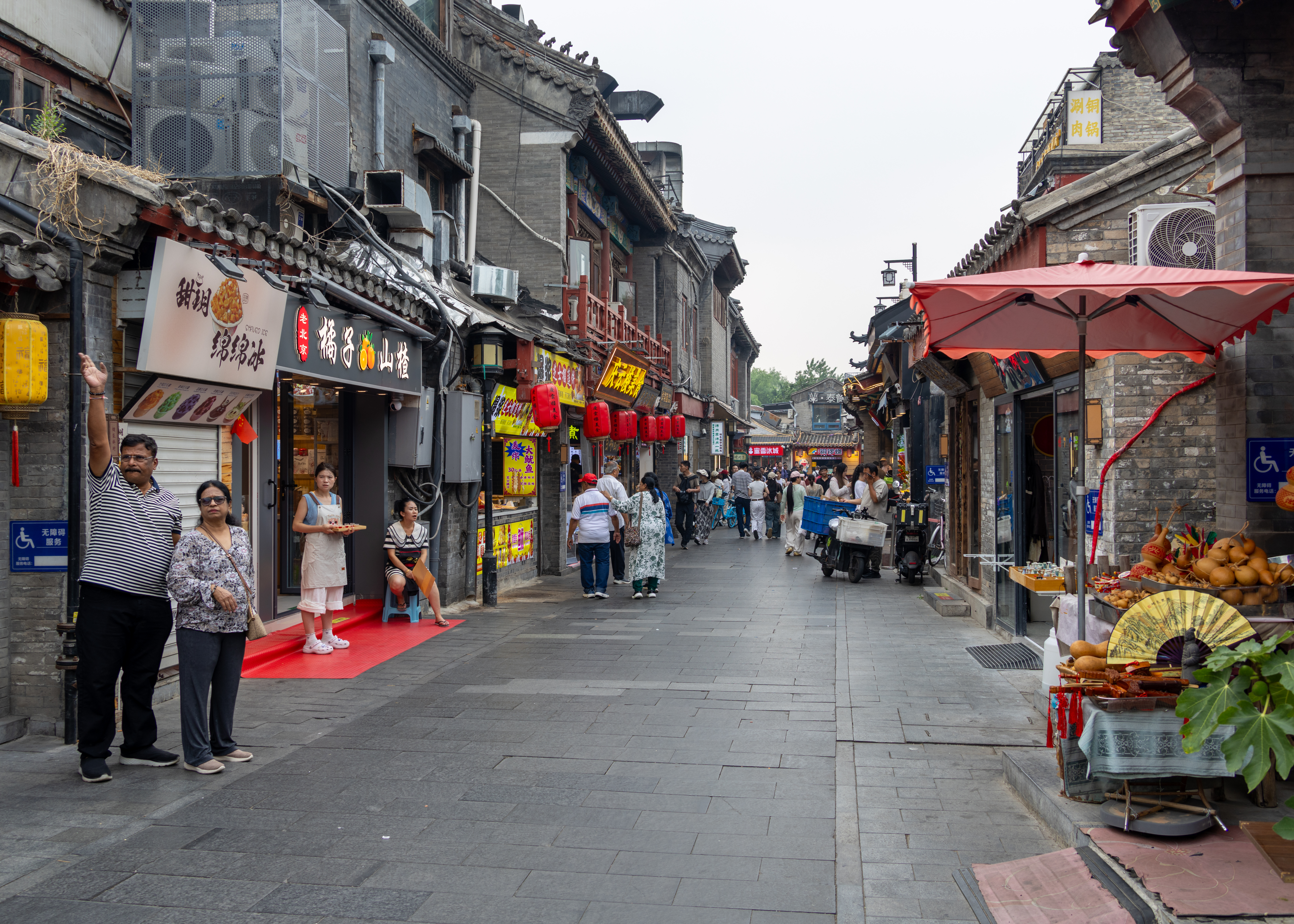
In Beijing, Hutongs are alleys formed by lines of siheyuan, traditional courtyard residences. Many neighbourhoods were formed by joining one siheyuan to another to form a hutong, and then joining one hutong to another. The word hutong is also used to refer to such neighbourhoods.

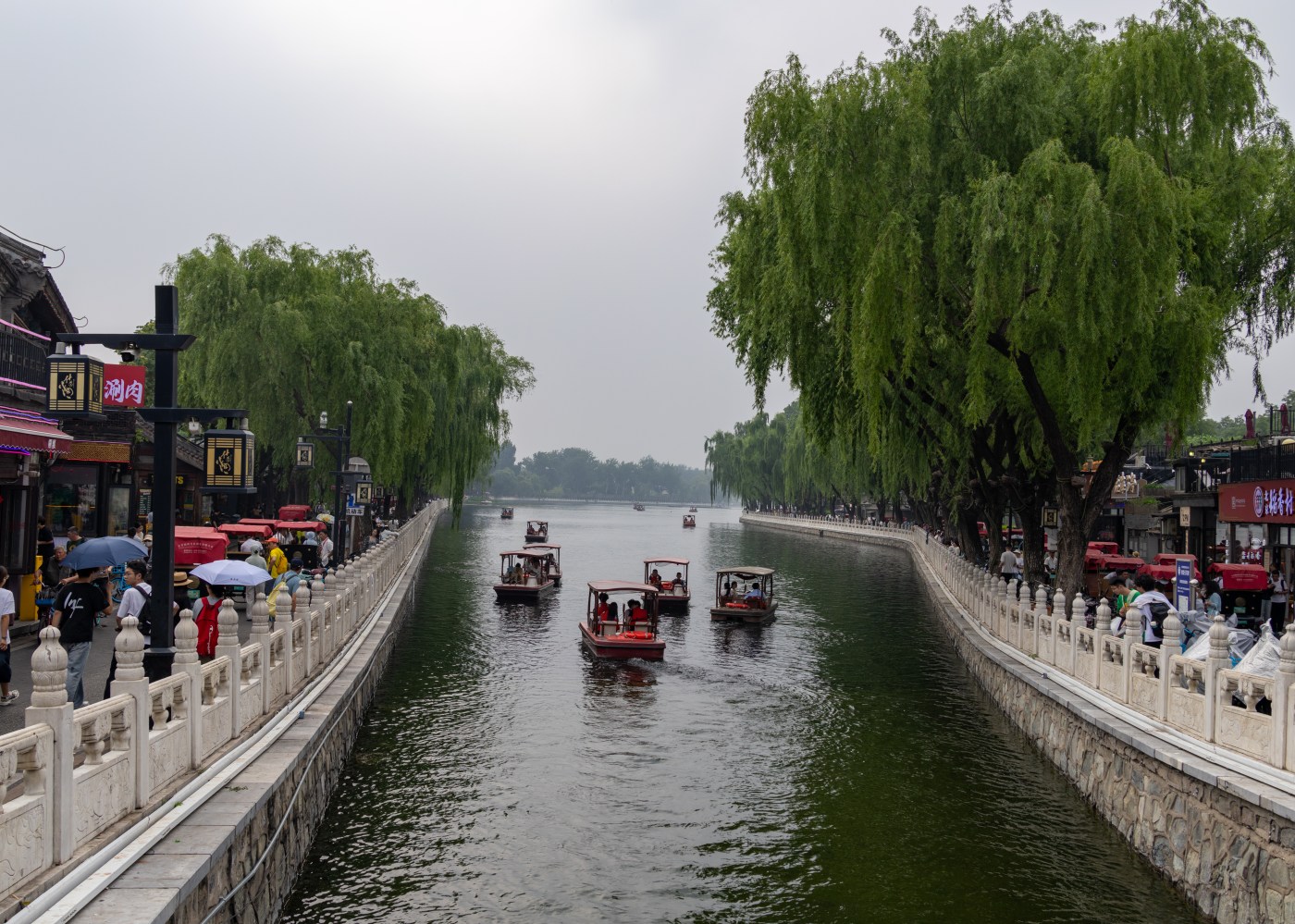
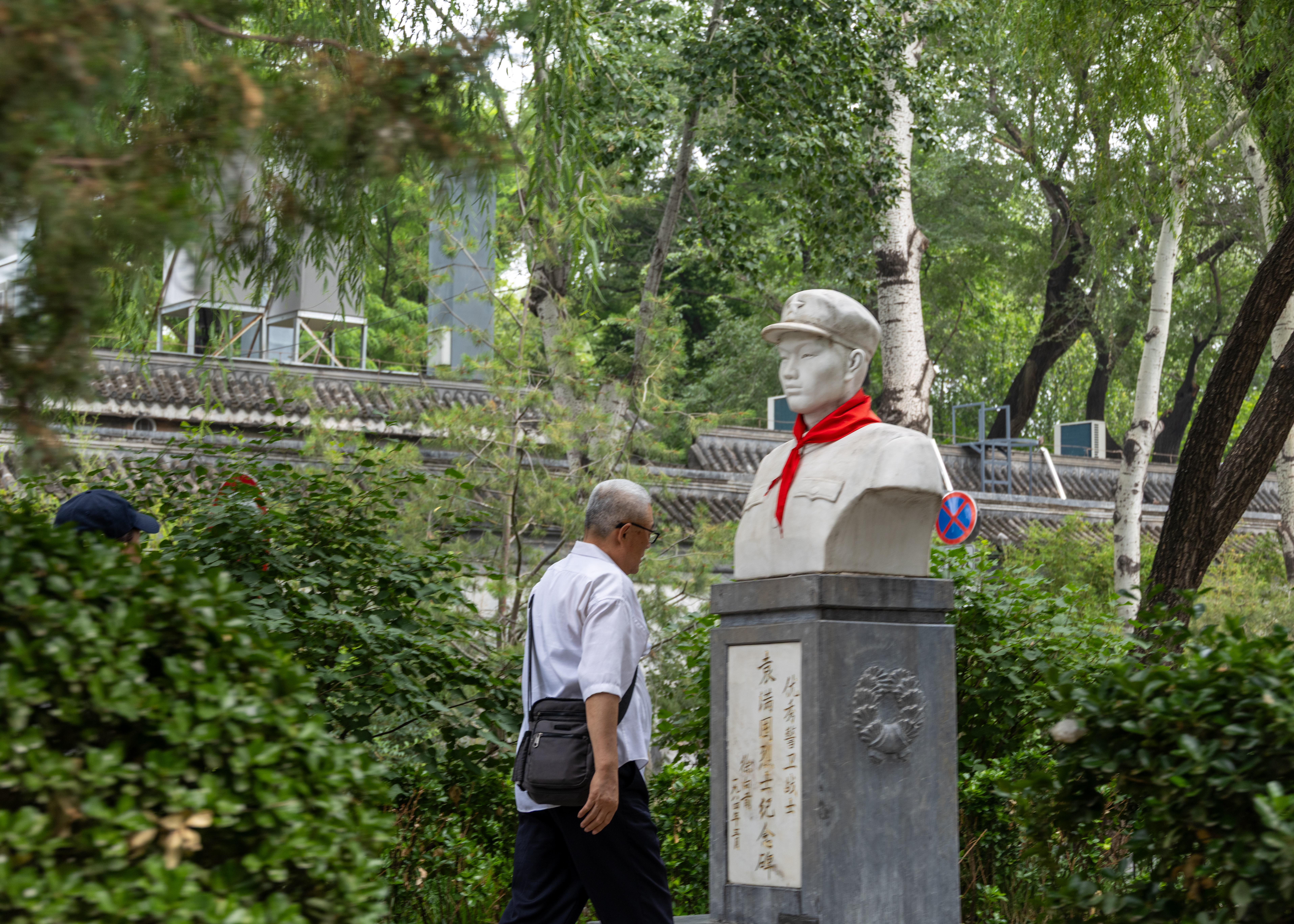
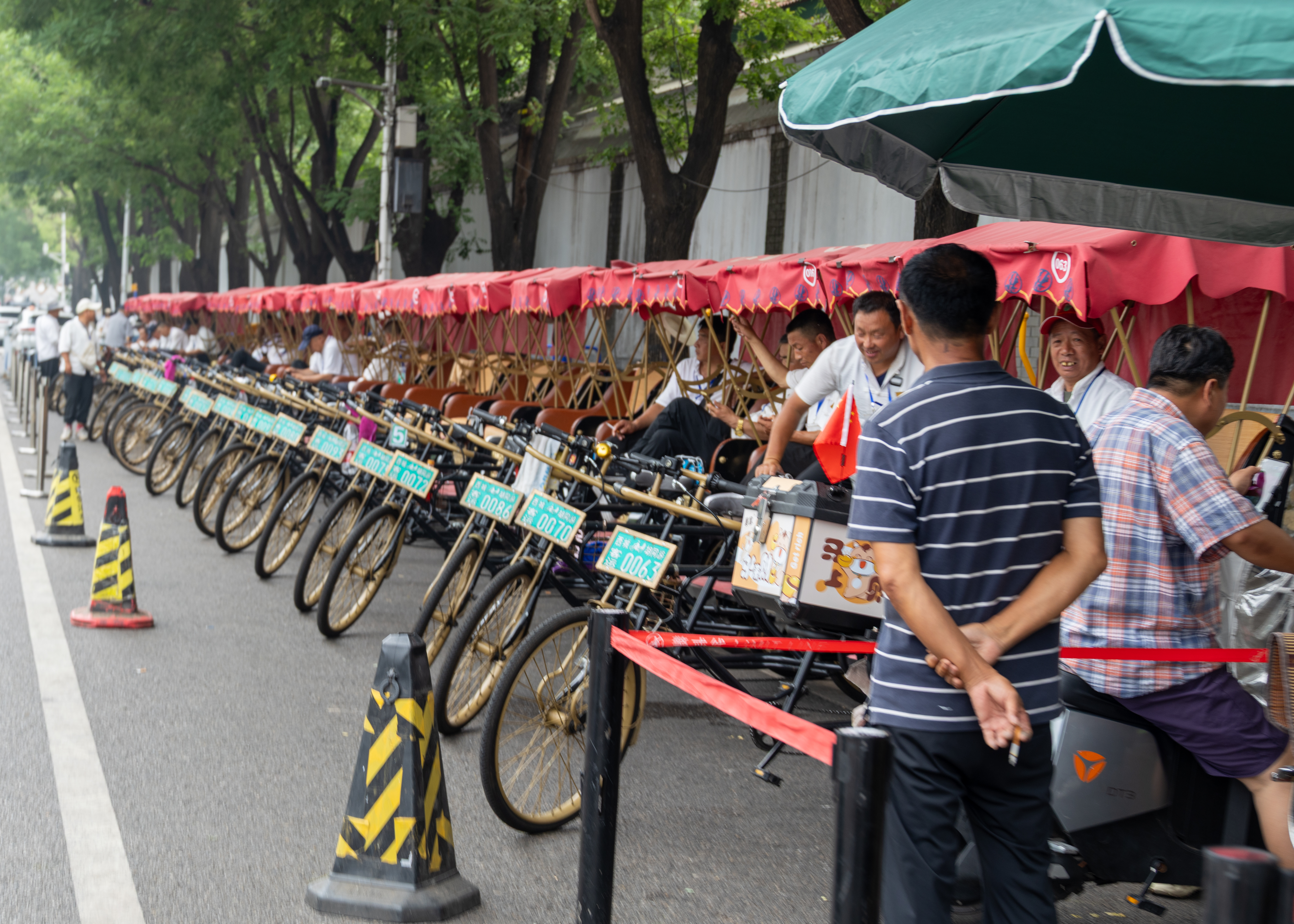
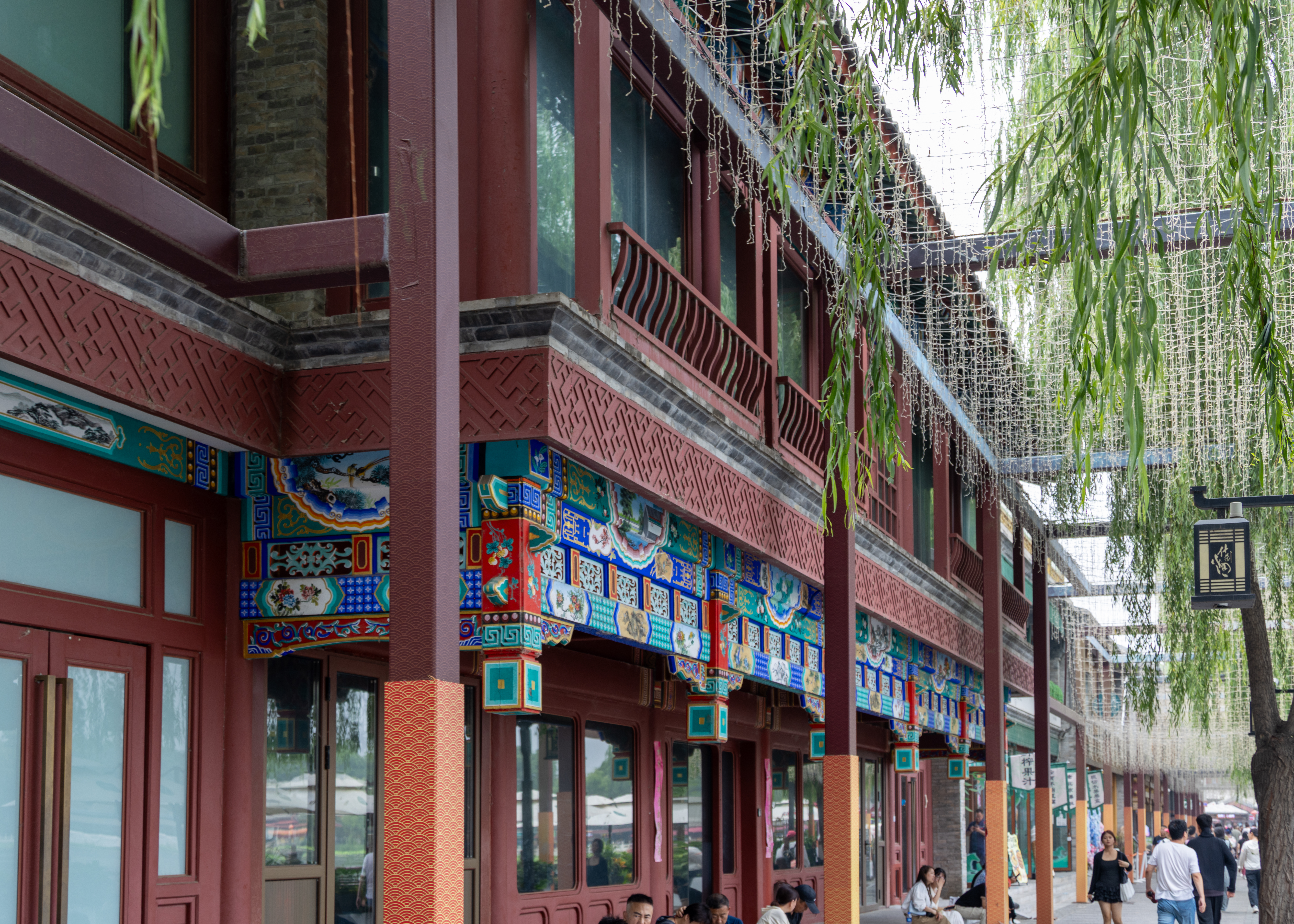
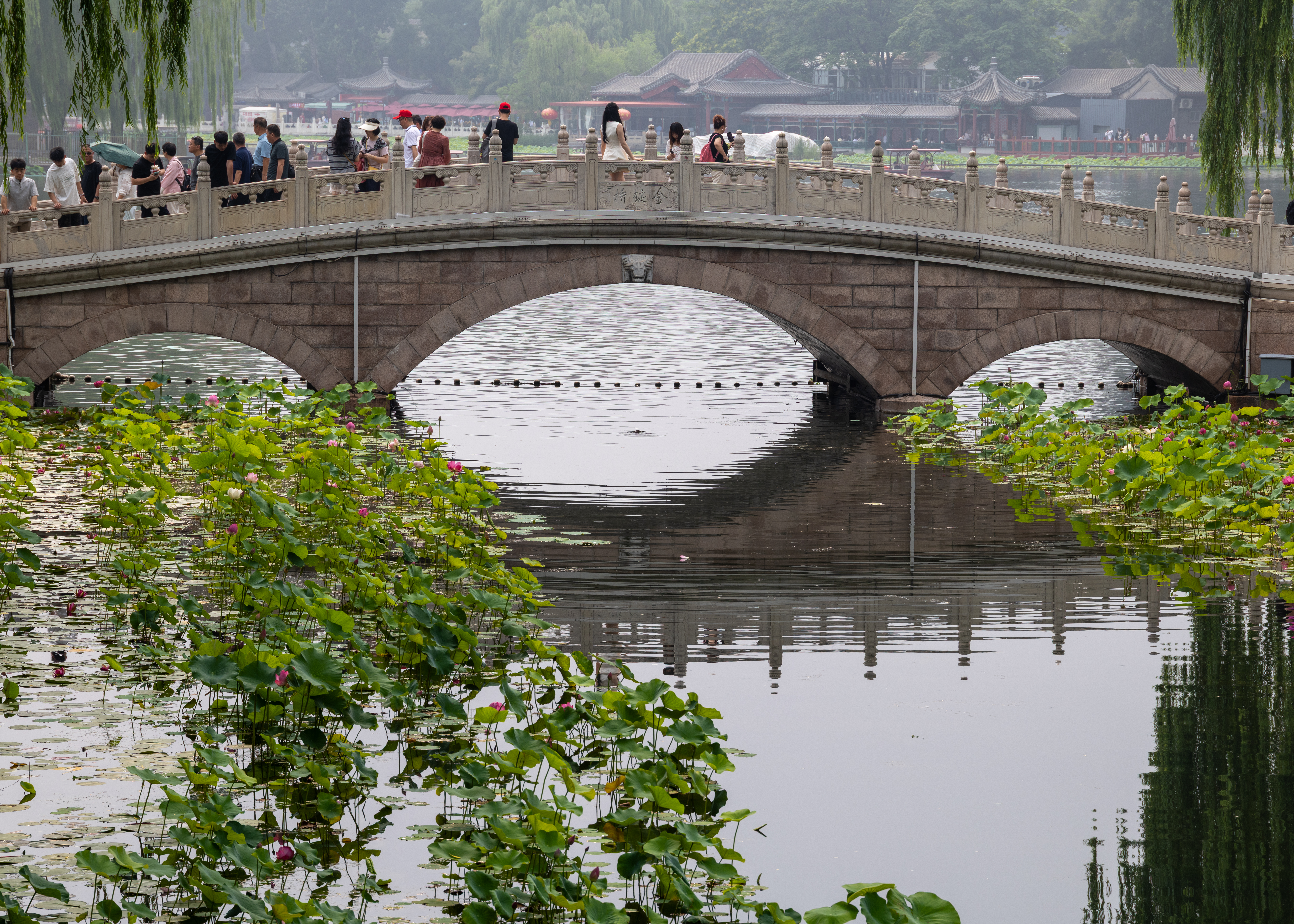
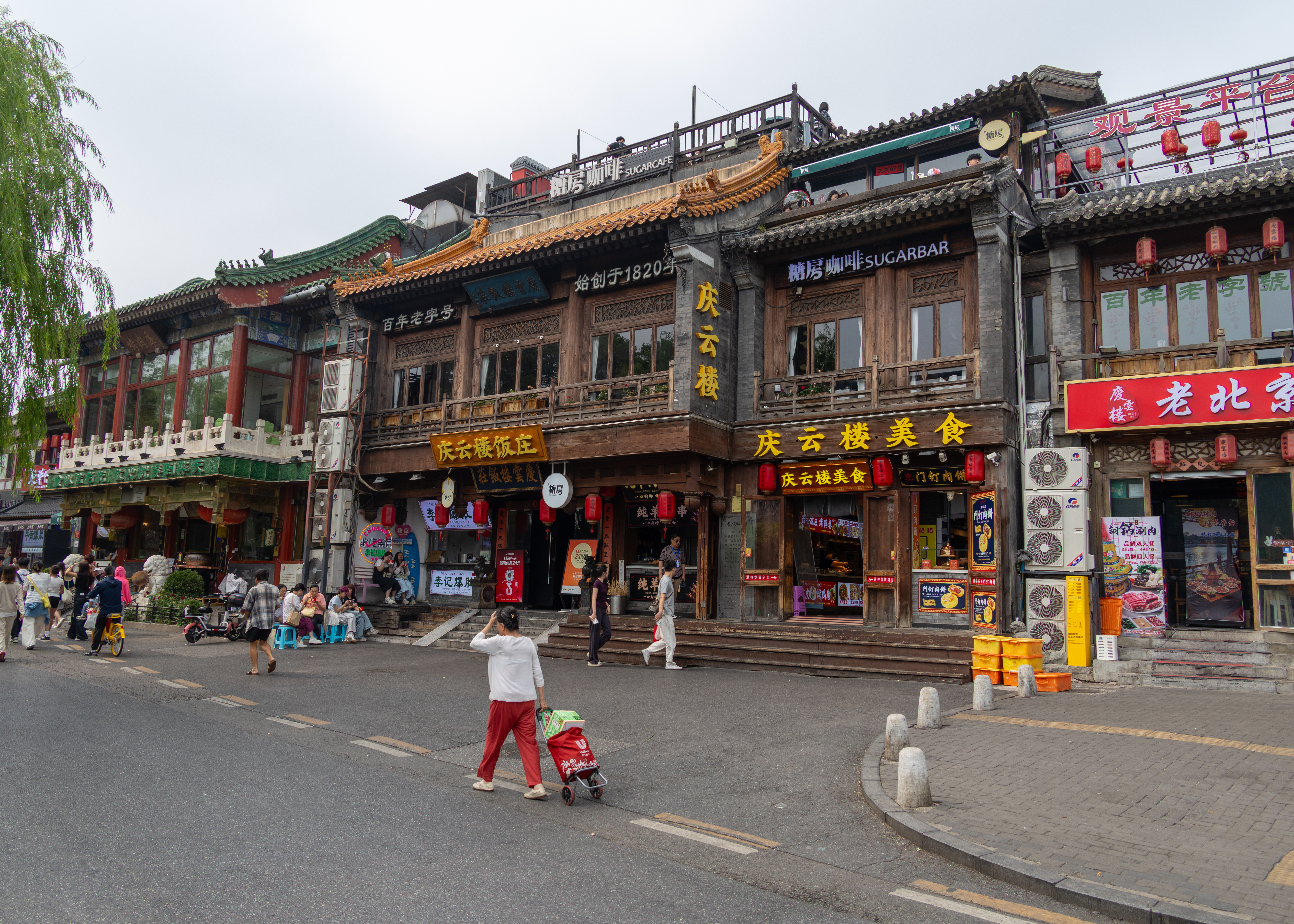
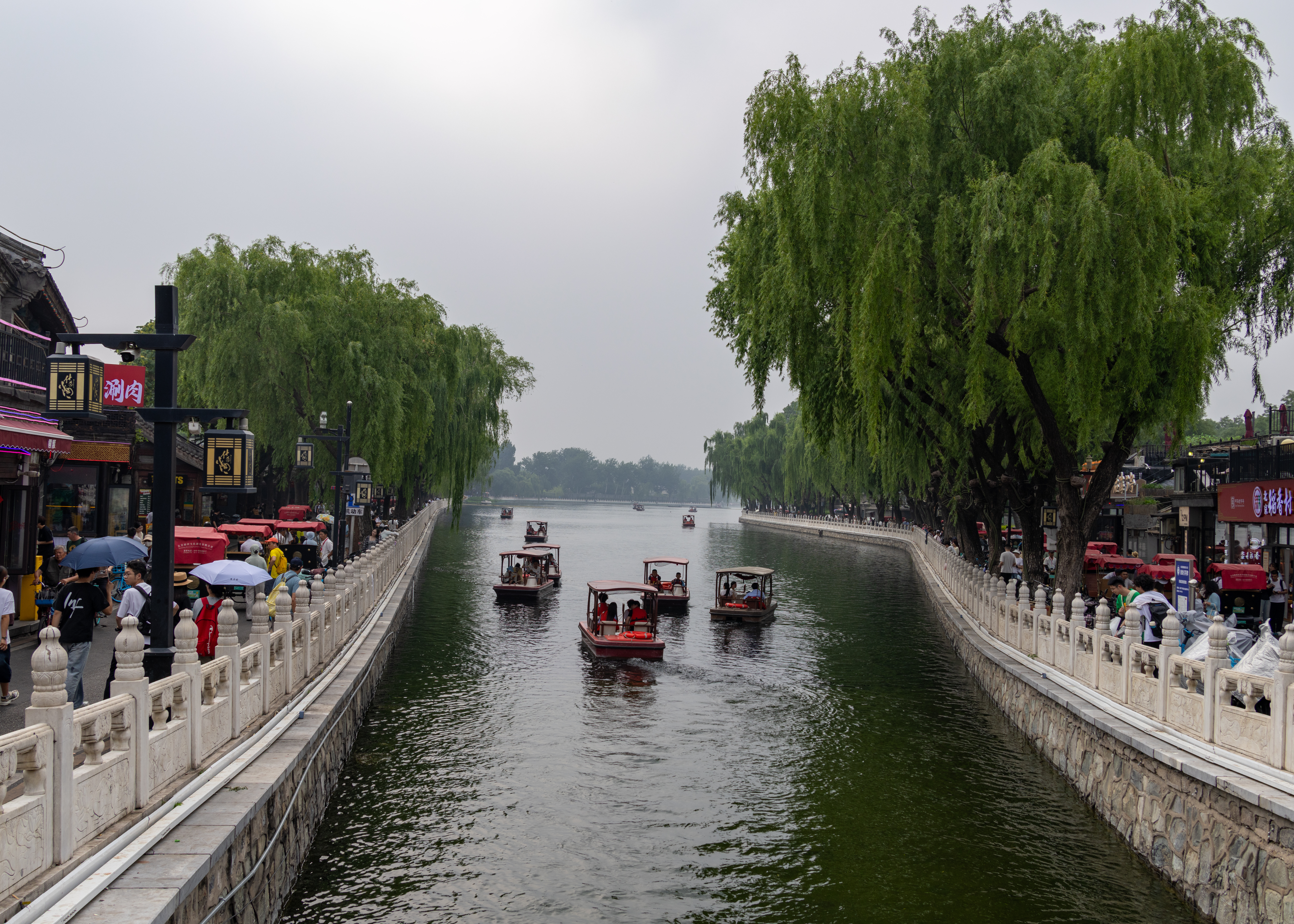
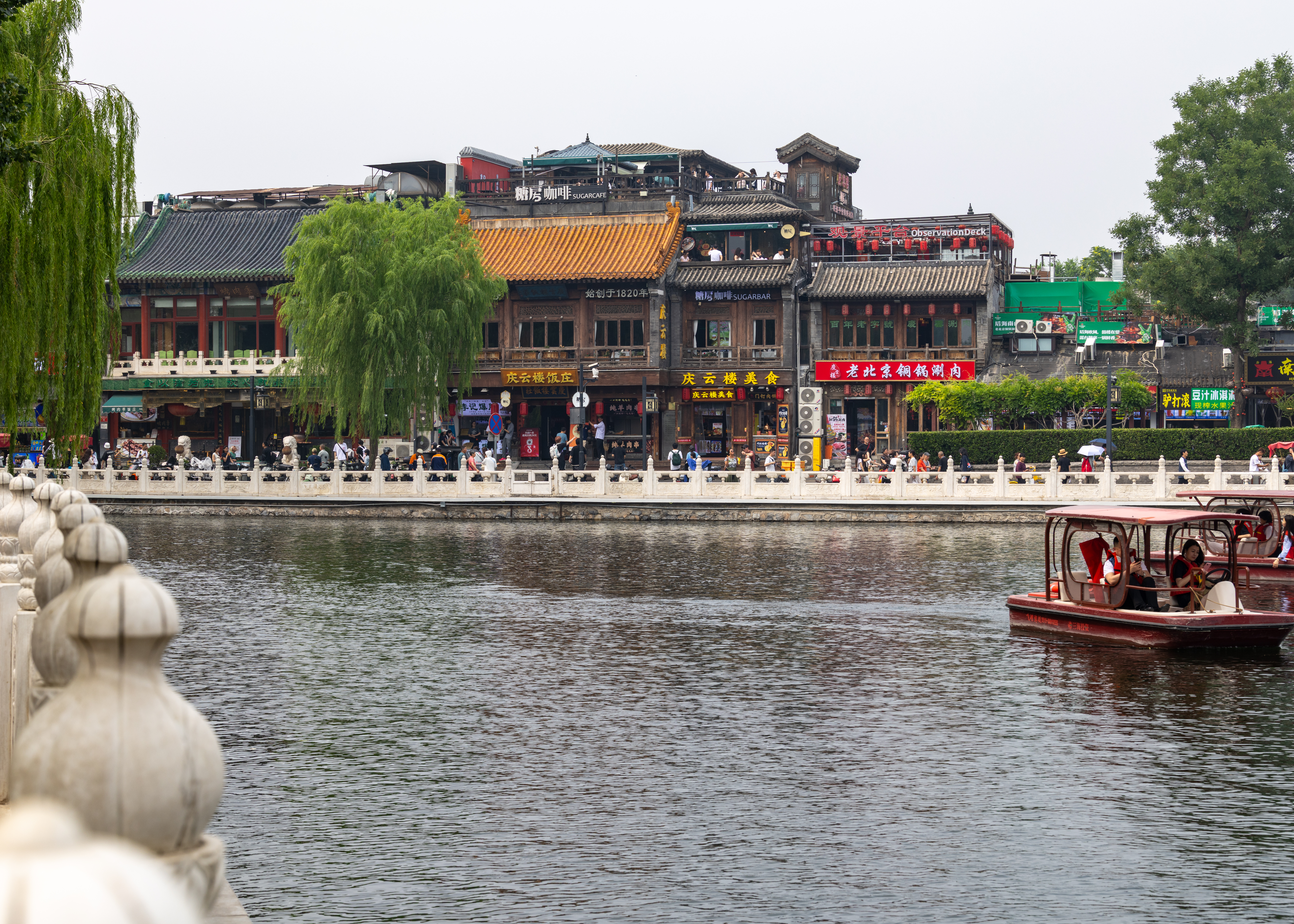
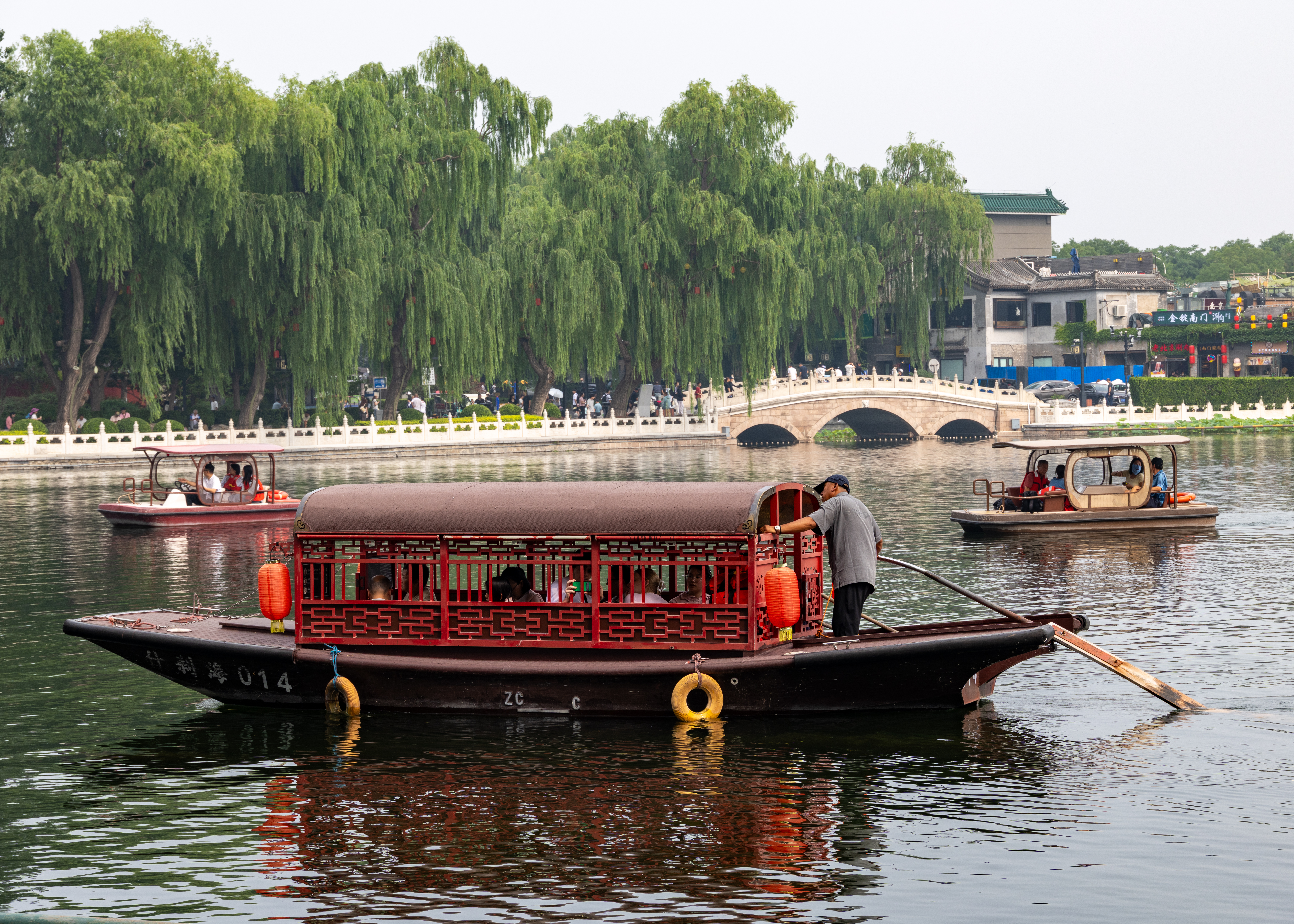
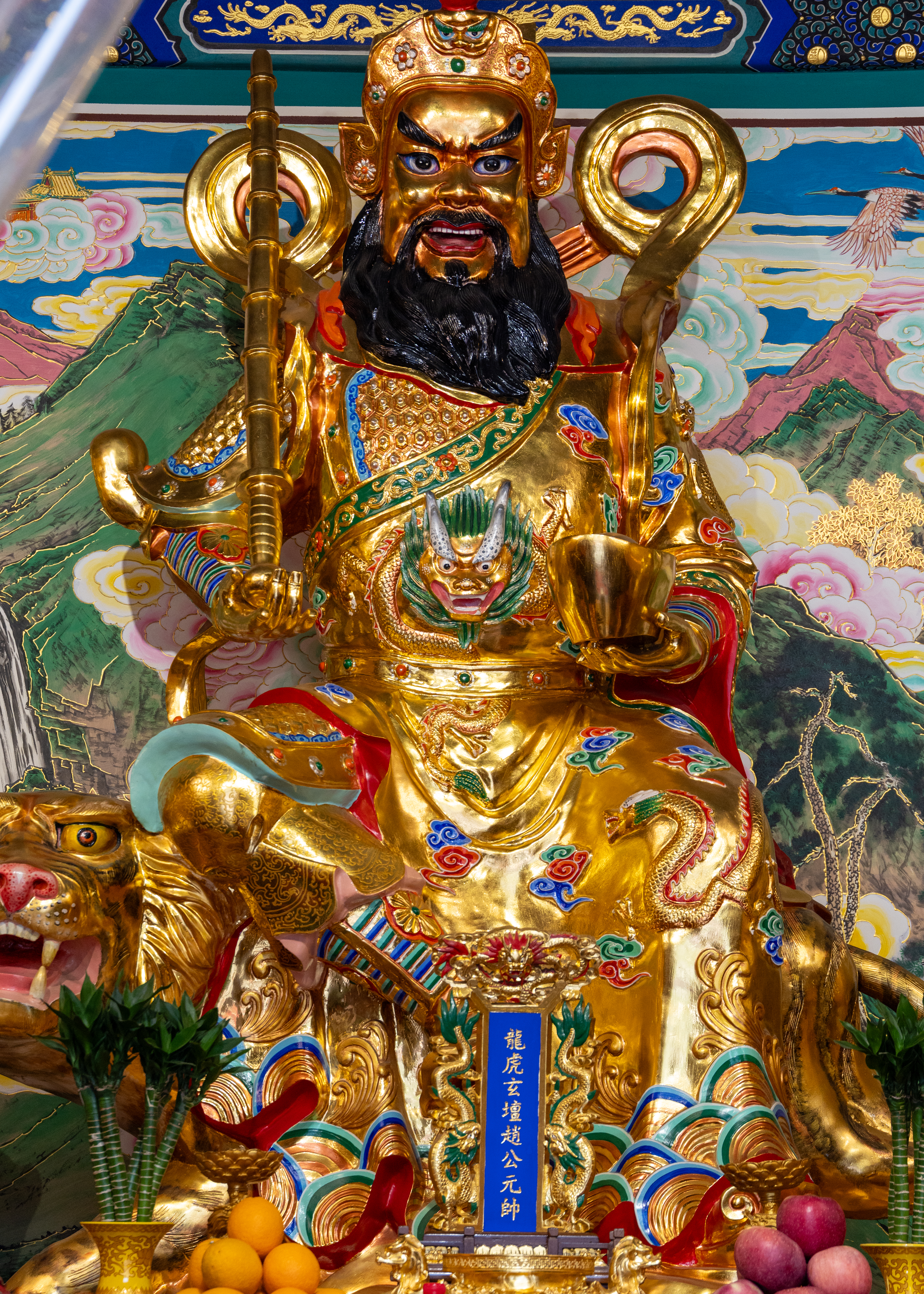
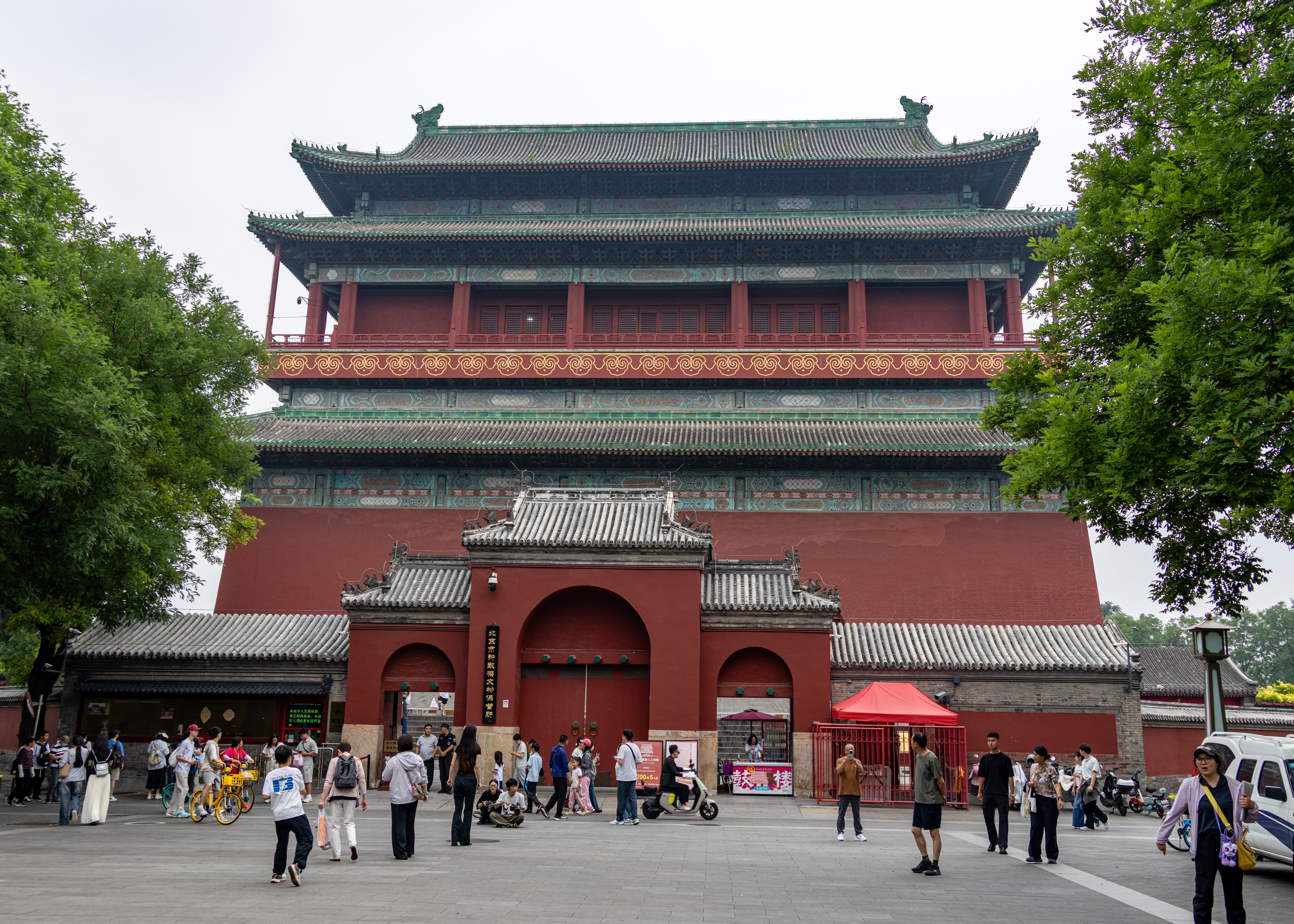
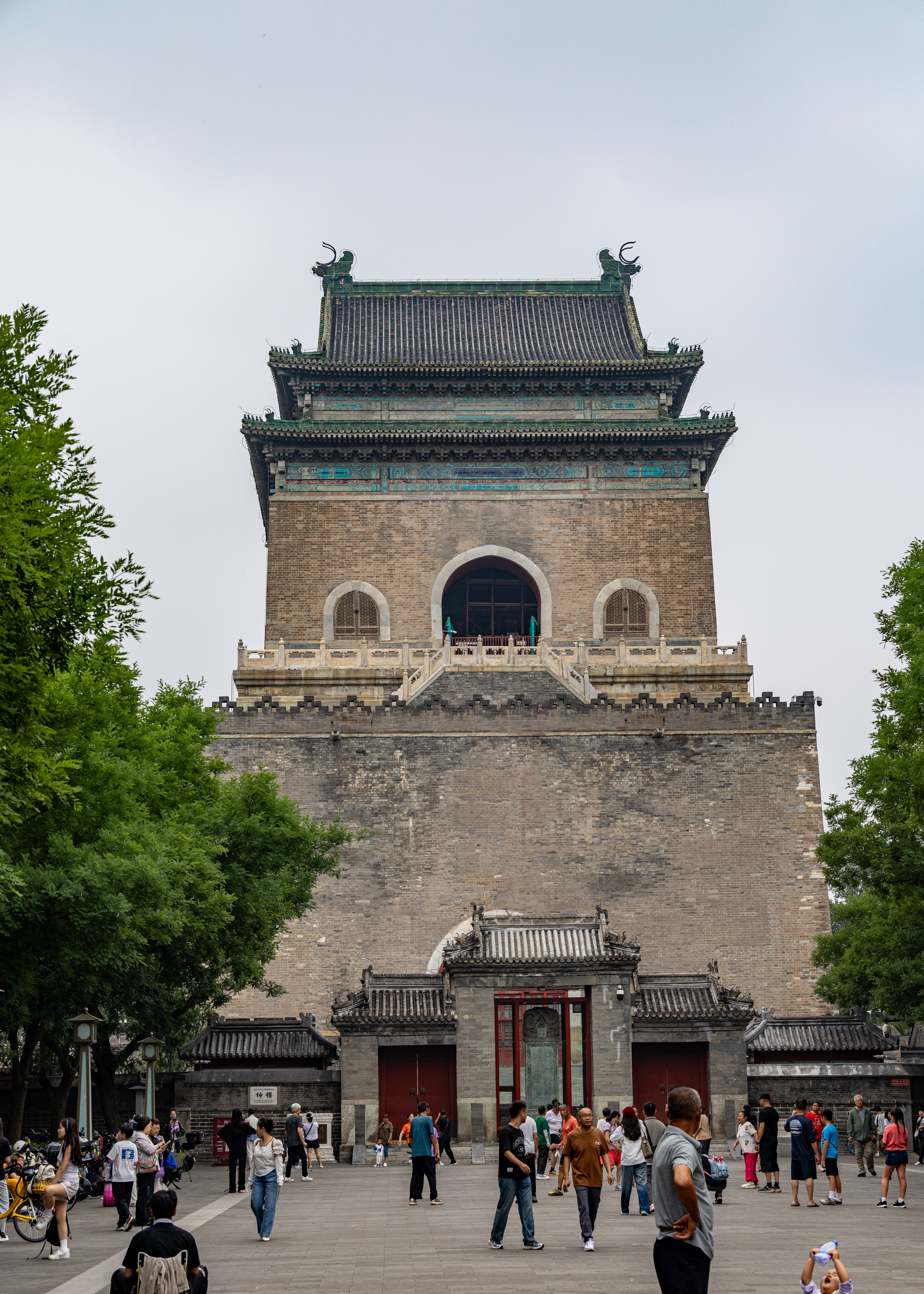
Since the mid-20th century, many Beijing hutongs have been demolished to make way for new roads and buildings. More recently, however, many hutongs have been designated as protected, in an attempt to preserve this aspect of Chinese cultural history. Hutongs were first established during the Yuan dynasty (1279–1368) and later expanded during the Ming (1368–1644) and Qing (1644–1911) dynasties. They can be explored by foot or rickshaw; we did both. We also walked around 10 Temples Lake (only one temple left today). In addition, we visited two towers, the Beijing Bell and Drum Towers, which are well over 700 years old. Both structures trace their origins to 1272 during the Yuan Dynasty, when they were built as the ancient city’s central timekeeping hubs. Bells to wake and drums to mark the end of the day. To finish our day, we had dinner with a family who lives in a Hutong complex.

China 2026 – June 14

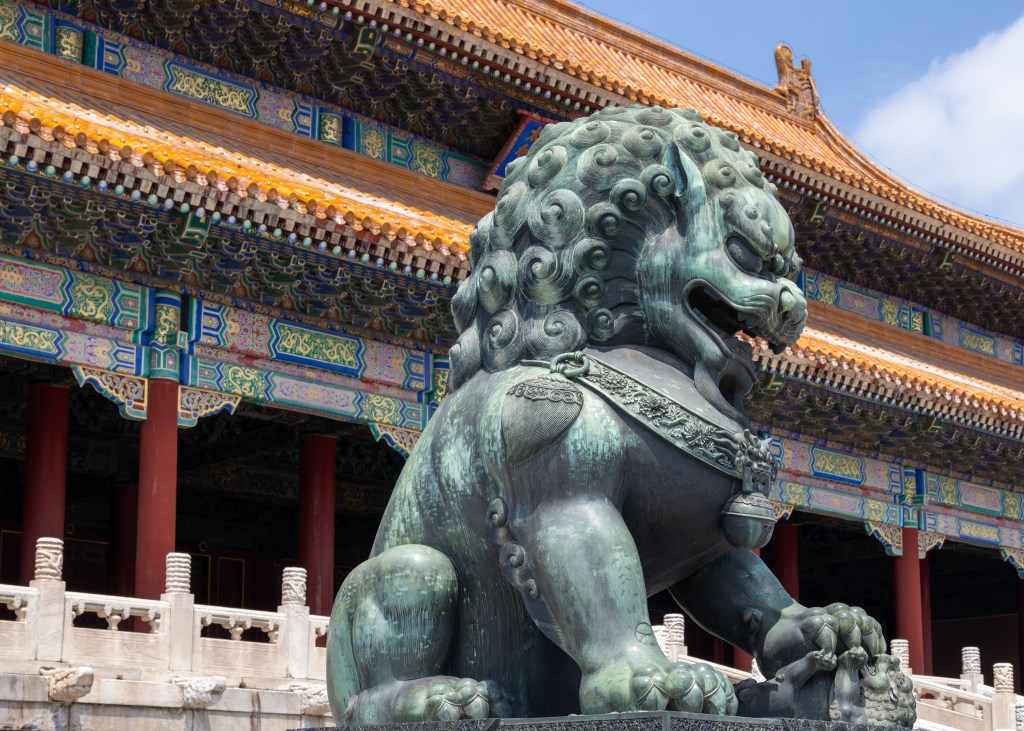
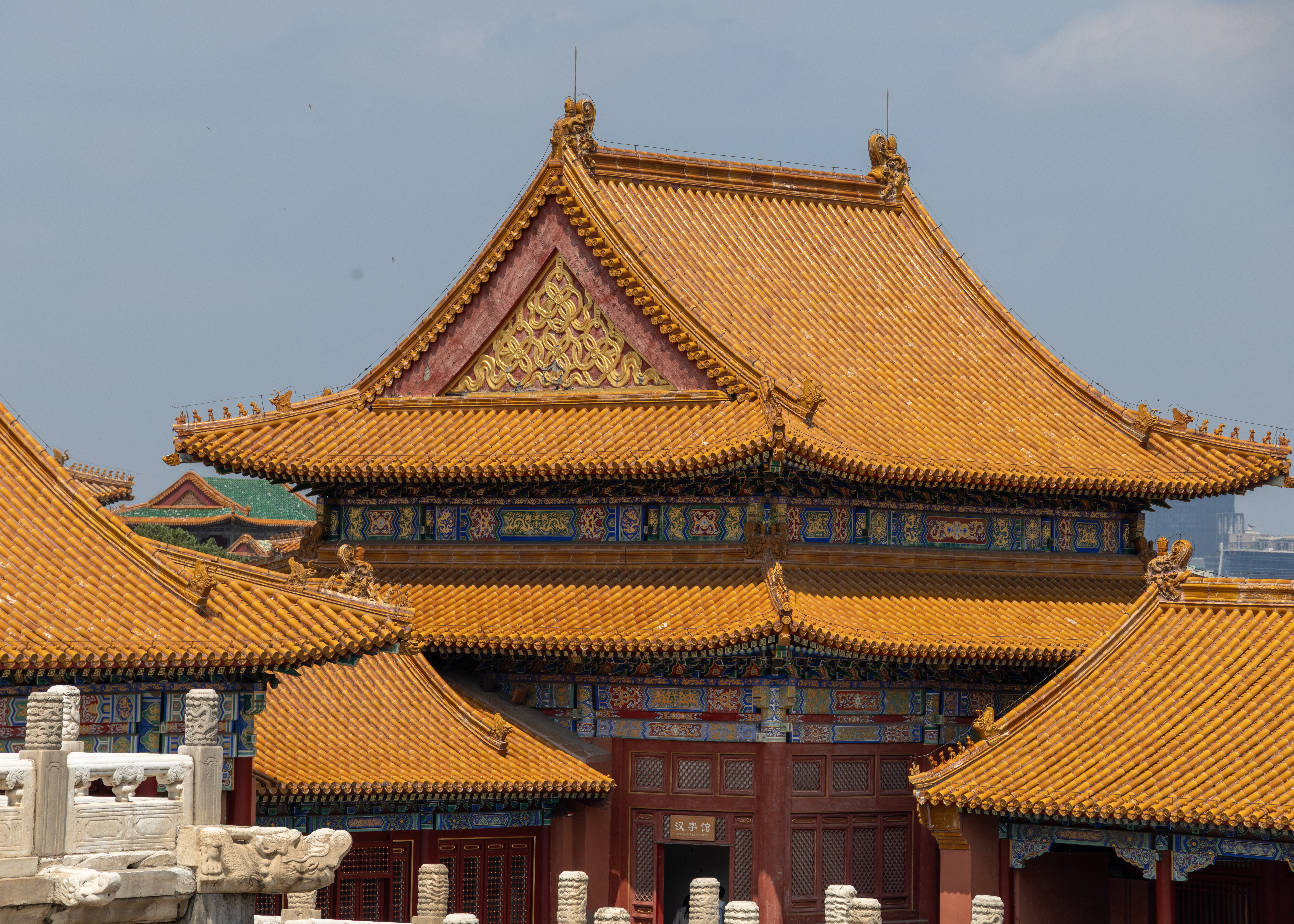
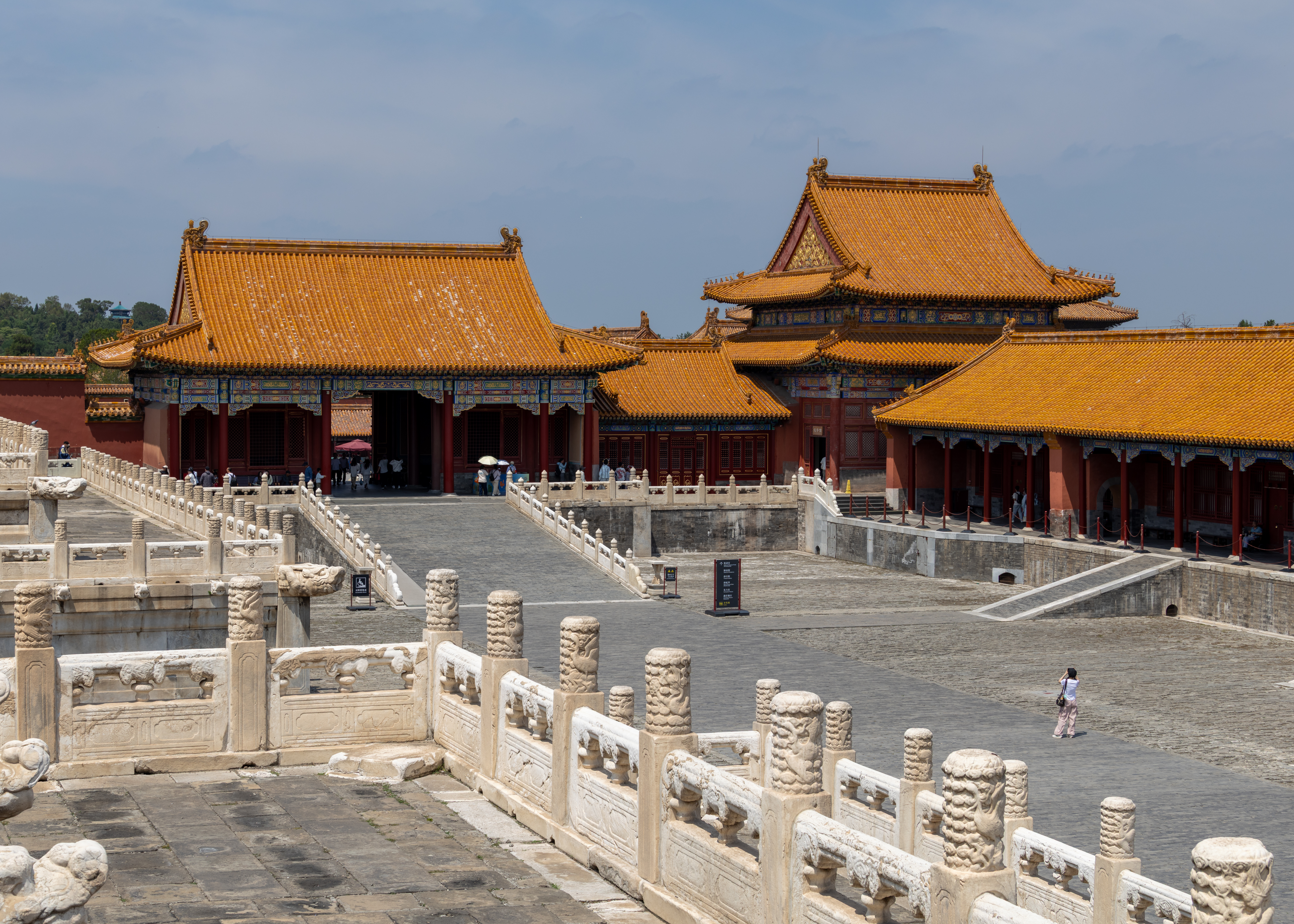
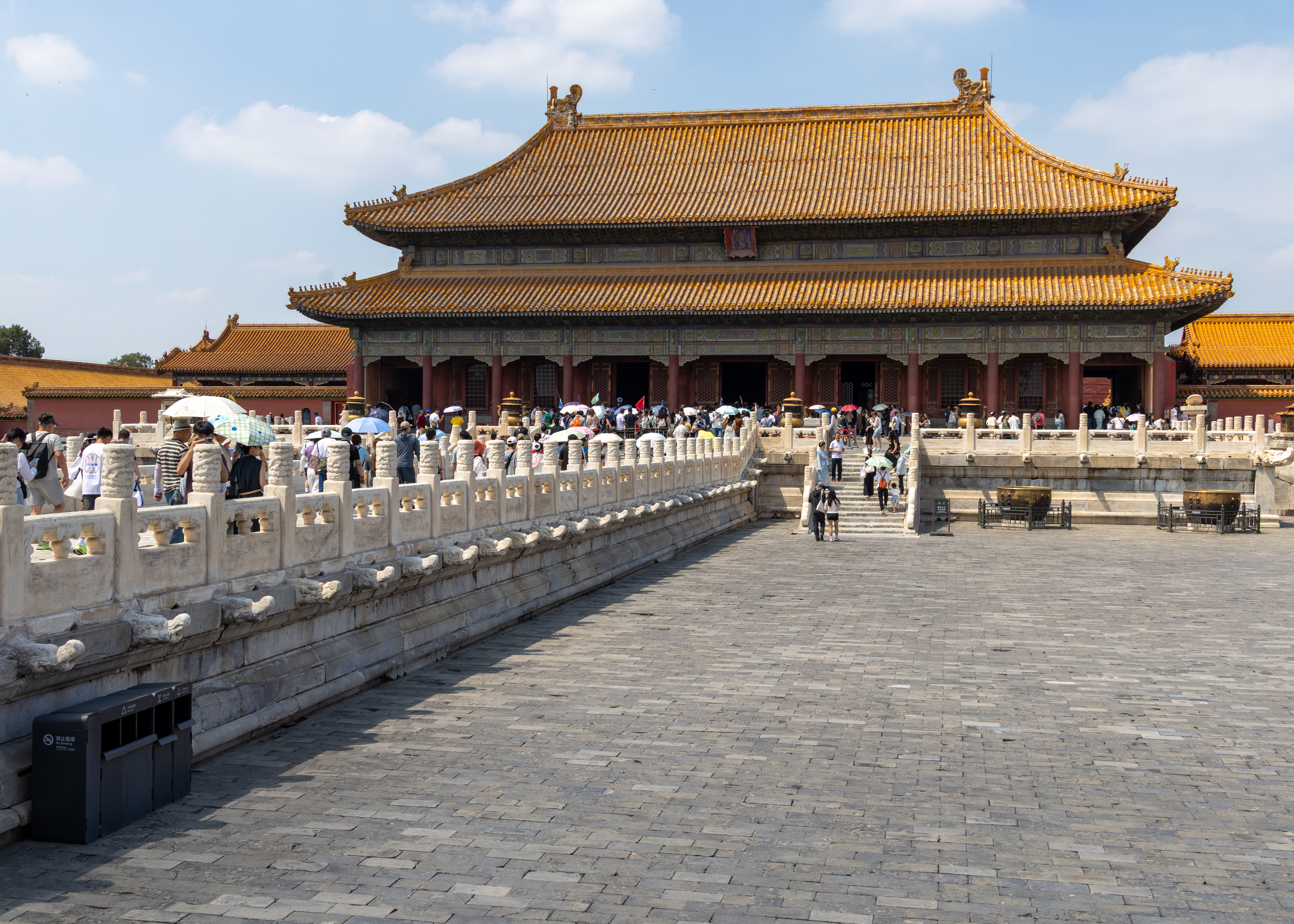
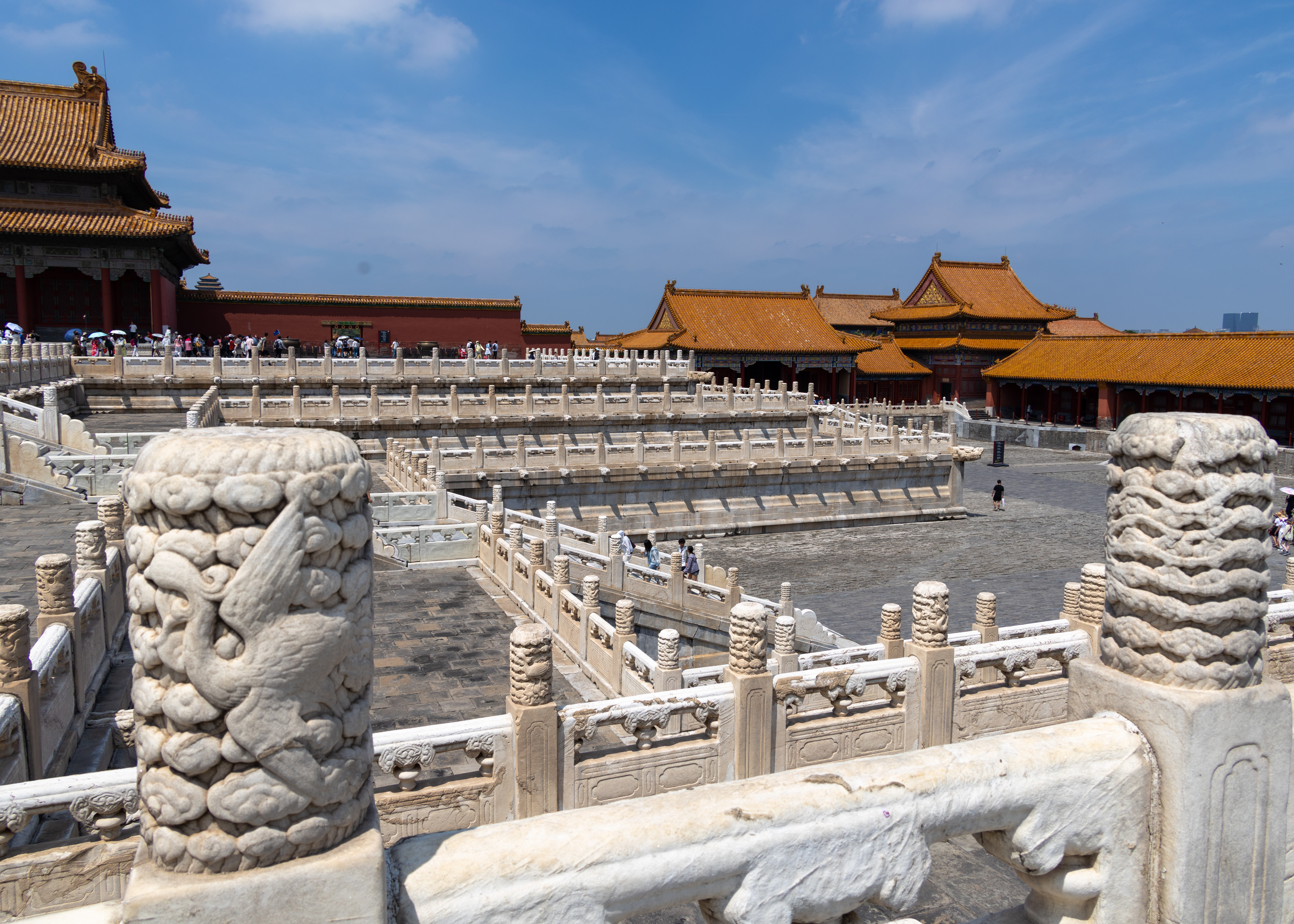
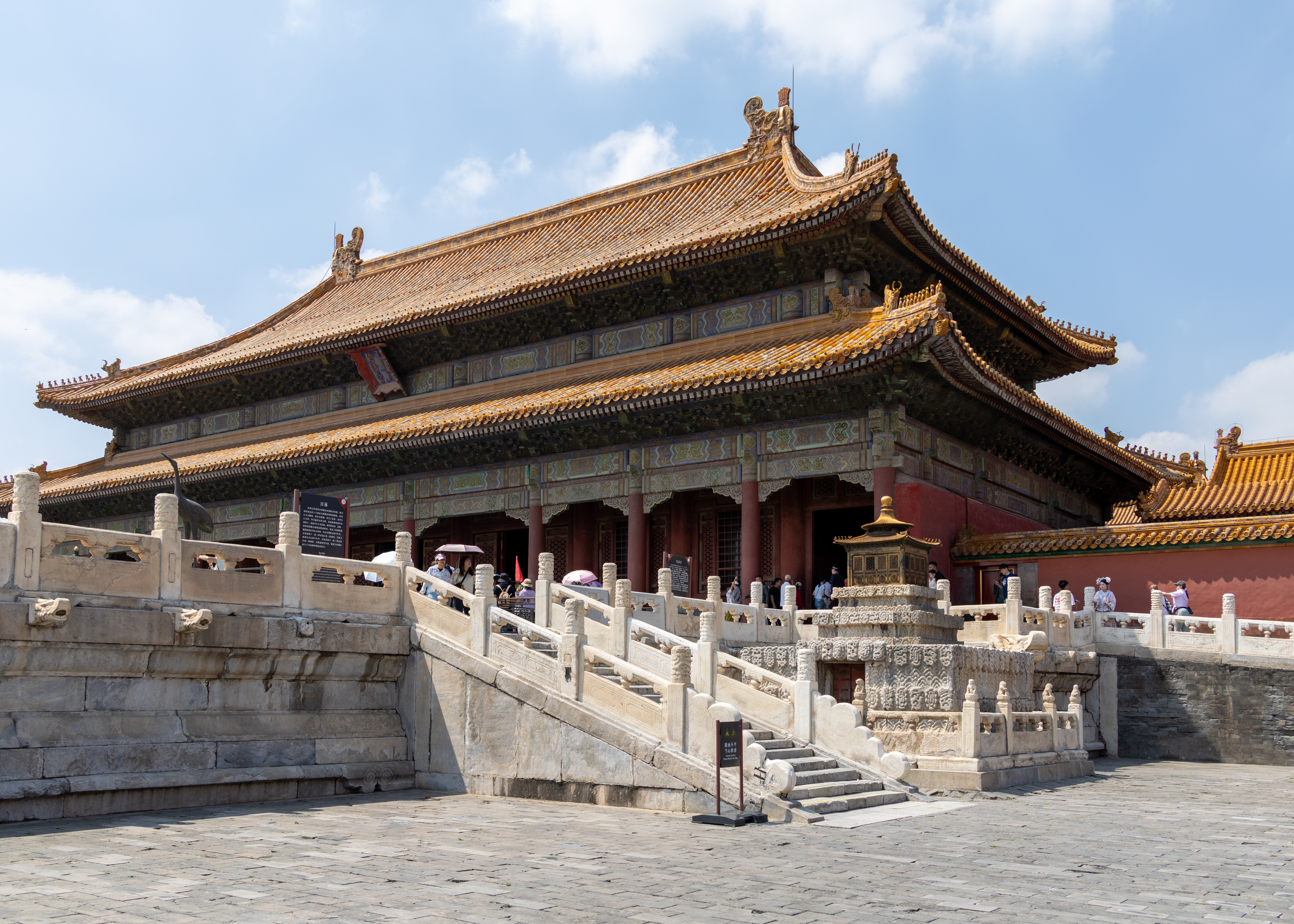
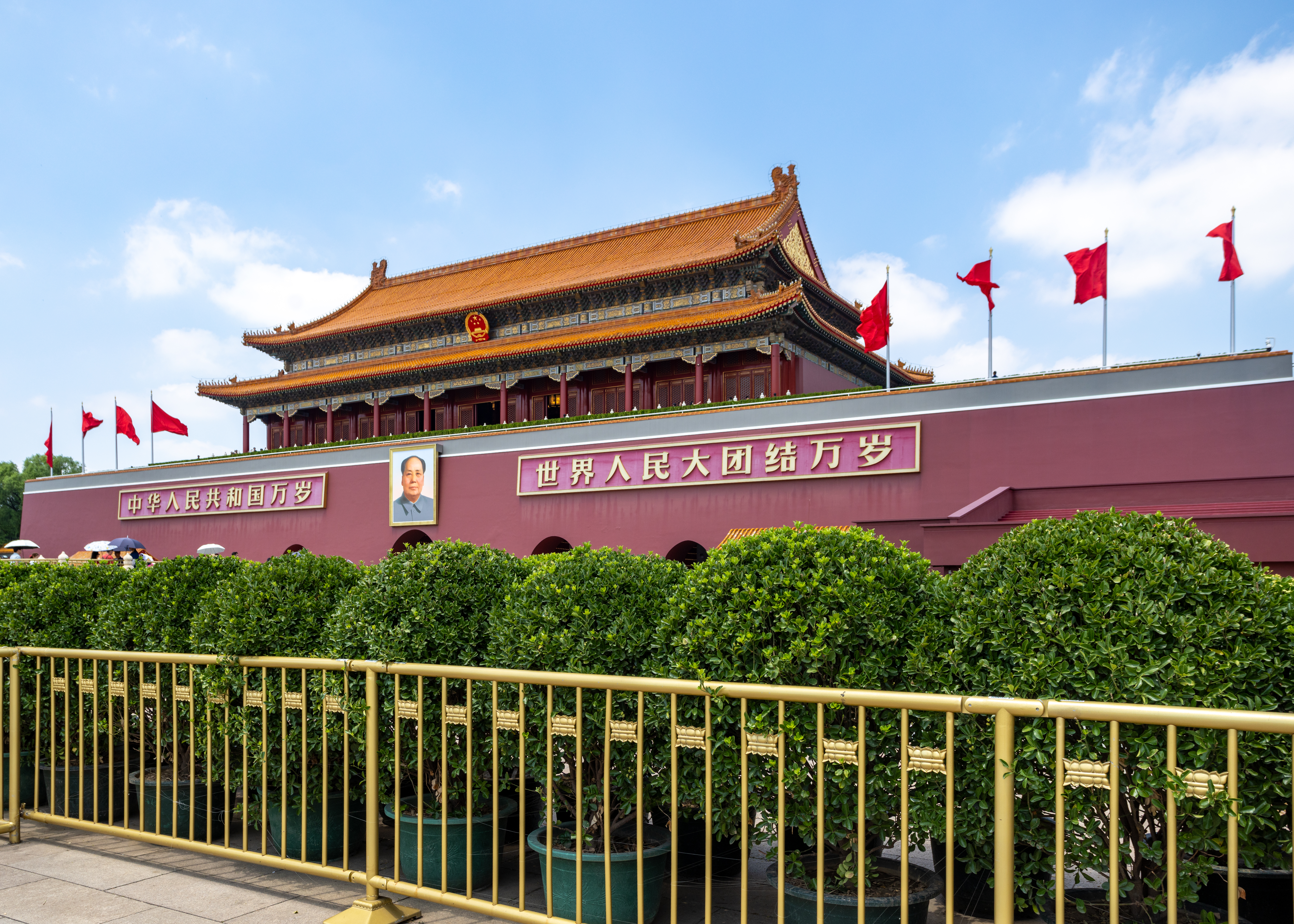
The Forbidden City in Beijing, China, is the world’s largest ancient imperial palace. Commissioned in 1406 by the Yongle Emperor, it served as the home of 24 Ming and Qing dynasty emperors and the epicenter of Chinese political power for over 500 years. Today, the complex operates as the Palace Museum and is a UNESCO World Heritage Site.

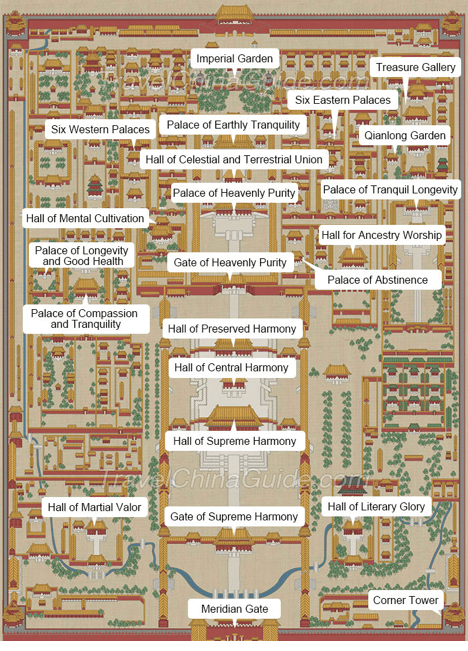
Rectangular in shape, the Forbidden City is enormous, covering an area of 72 hectares, and boasting more than 9,000 bays of rooms. It is divided into two parts – the Outer Court for national affairs in the south and the Inner Court as living quarters in the north. It is not only an immense architectural masterpiece, but also a treasury housing a unique collection of 1.8 million pieces of art, including ancient calligraphy and painting, imperial artifacts, ancient books, and archives.

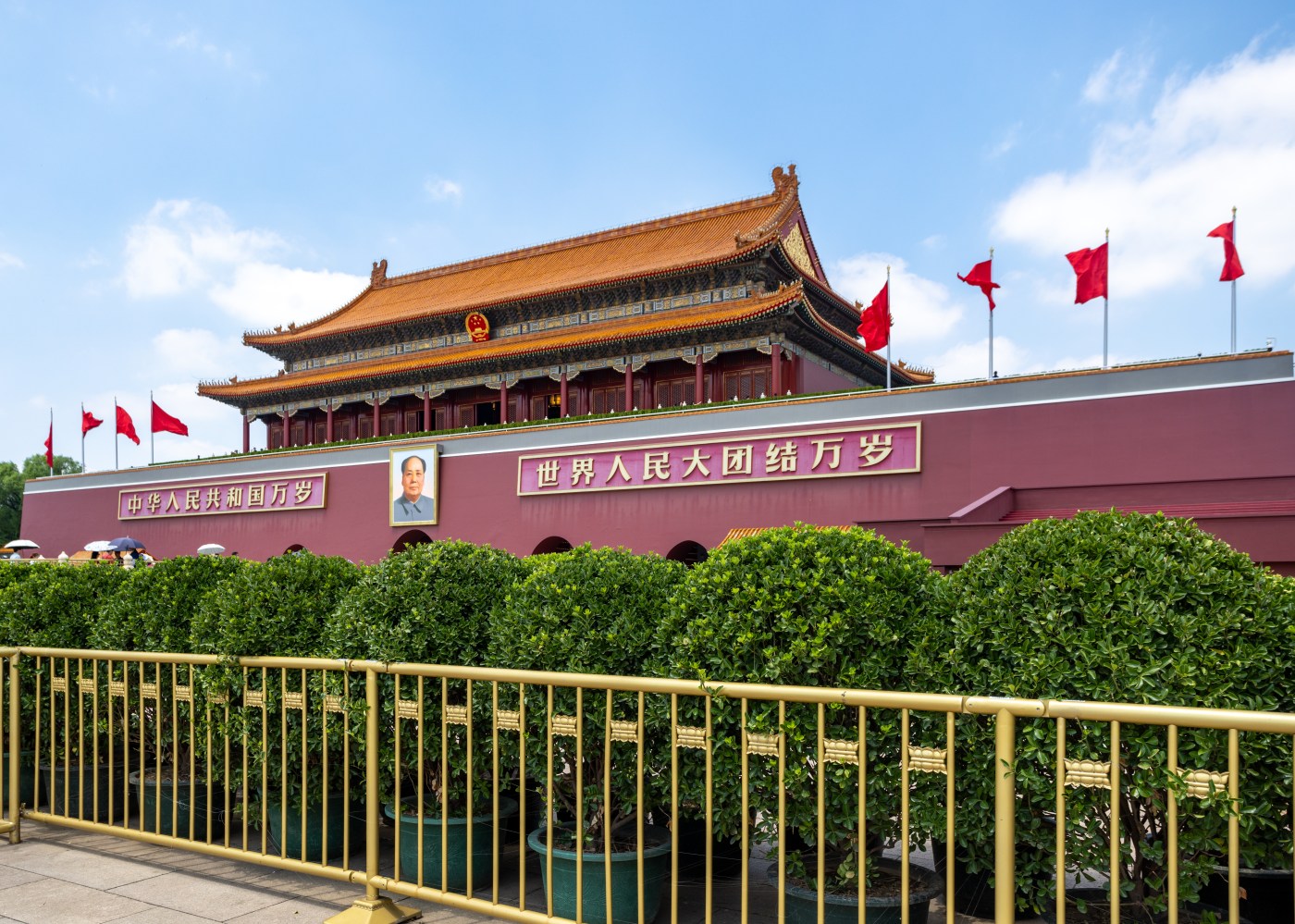
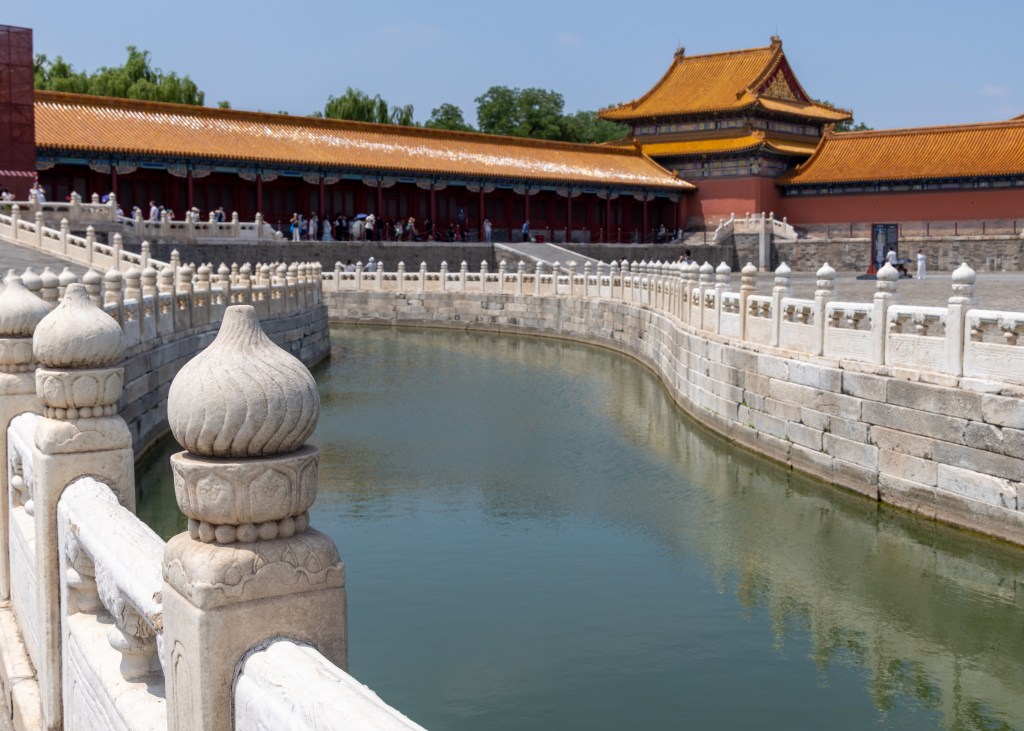
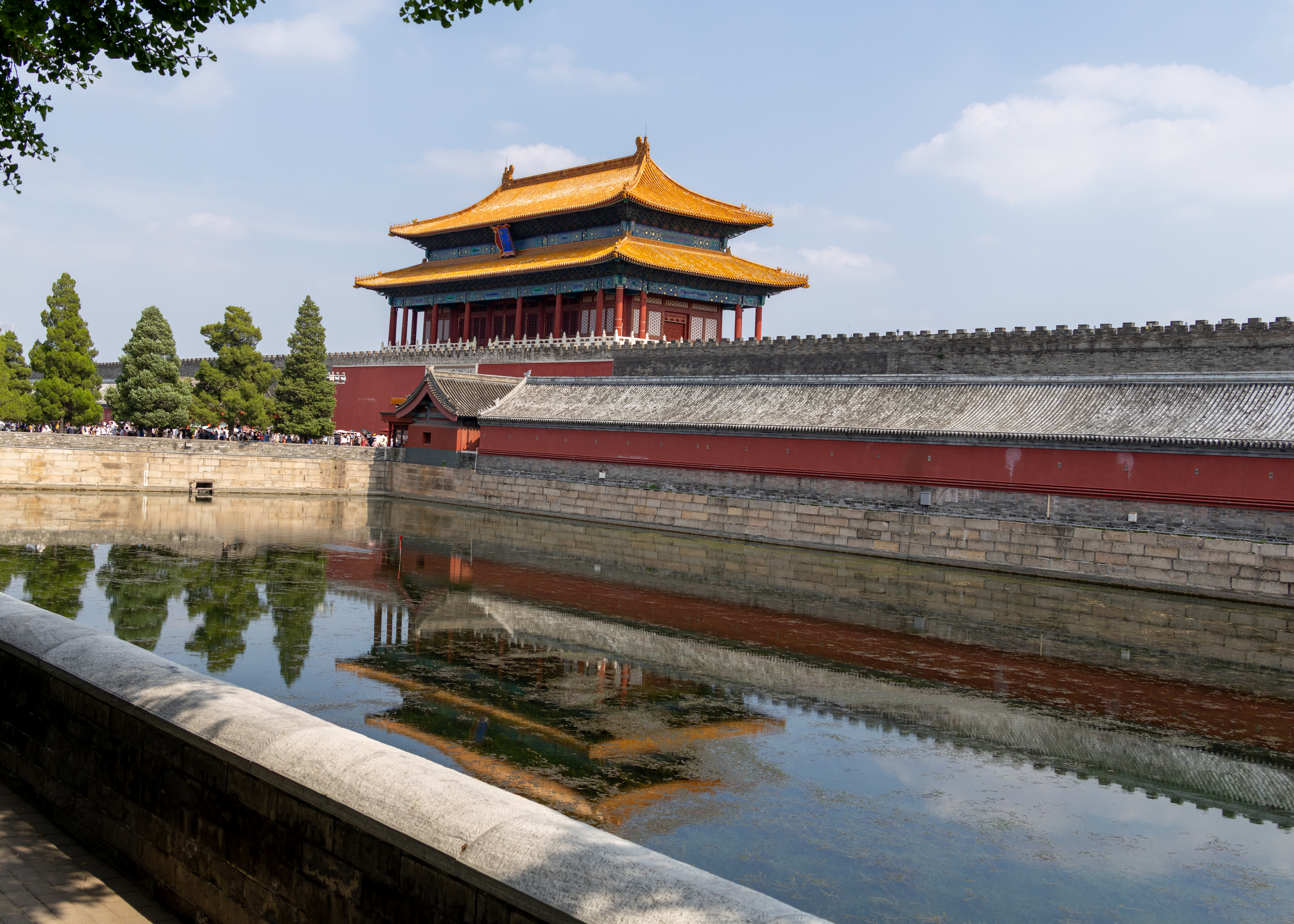
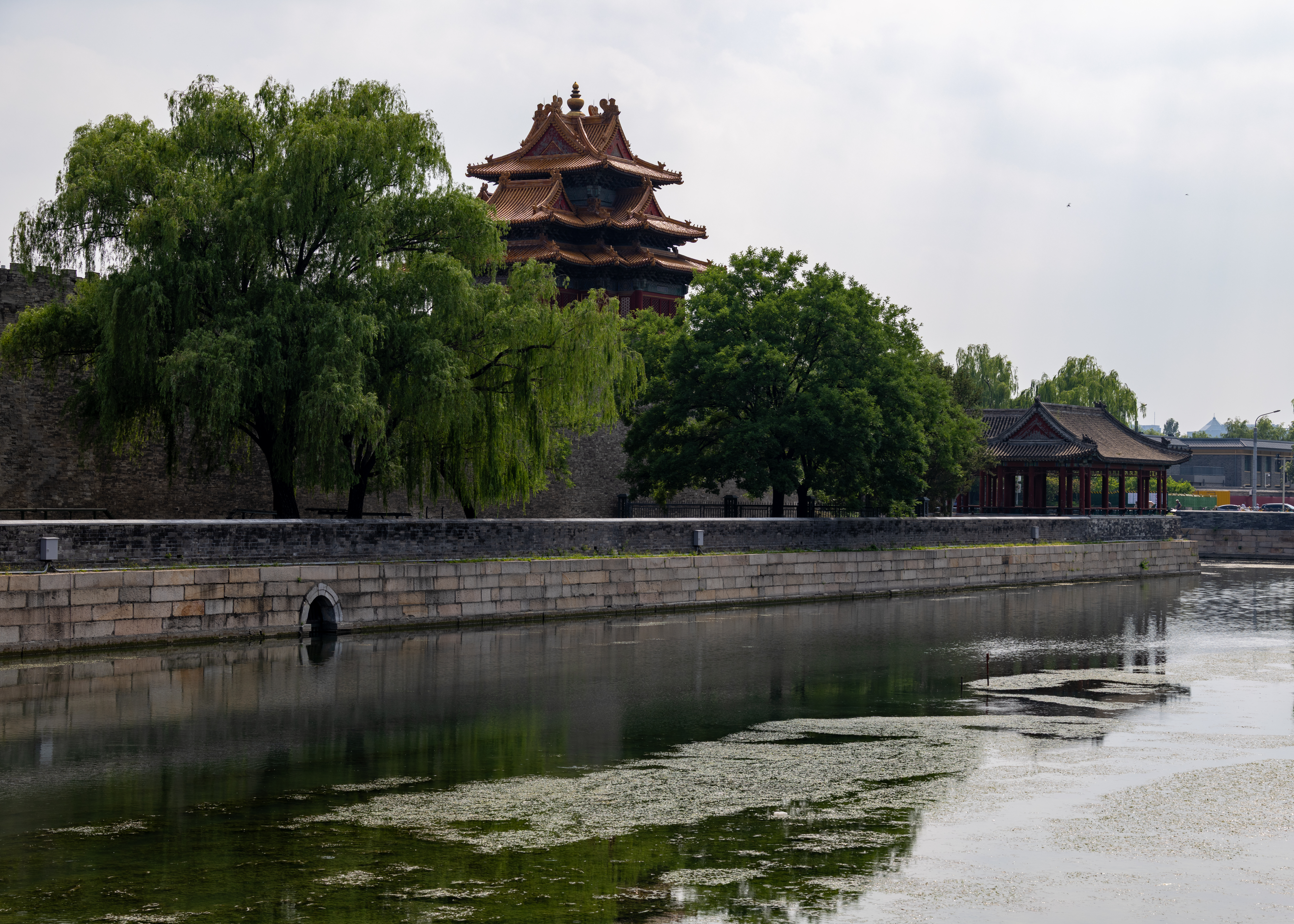
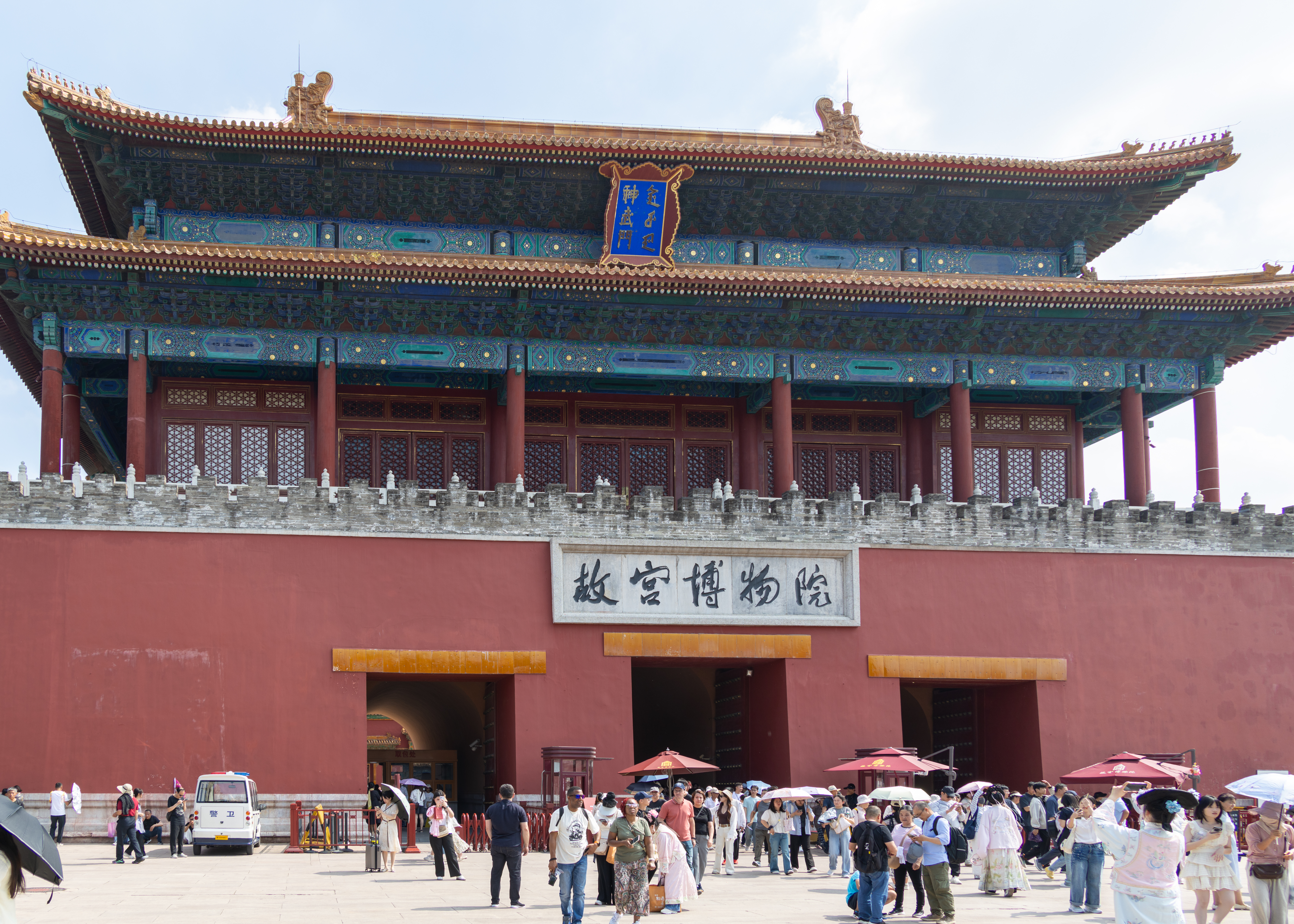
Located to the north of the Tiananmen Square, the rectangular Forbidden City is enclosed by a 10 meters (33 feet) high outer wall and surrounded by a 52 meters (57 yards) wide moat. It has four gates: the Meridian Gate (Wumen) in the south, the Gate of Divine Prowess (Shenwumen) in the north, the West Prosperity Gate (Xihuamen) and the East Prosperity Gate (Donghuamen). On each of the four corners of the outer wall, there is a delicately structured corner tower.

The palace allows a south-to-north unidirectional route. Visitors can only enter through the Meridian Gate (Wumen) in the south and leave from the Gate of Divine Prowess (Shenwumen) in the north or the East Prosperity Gate (Donghuamen).

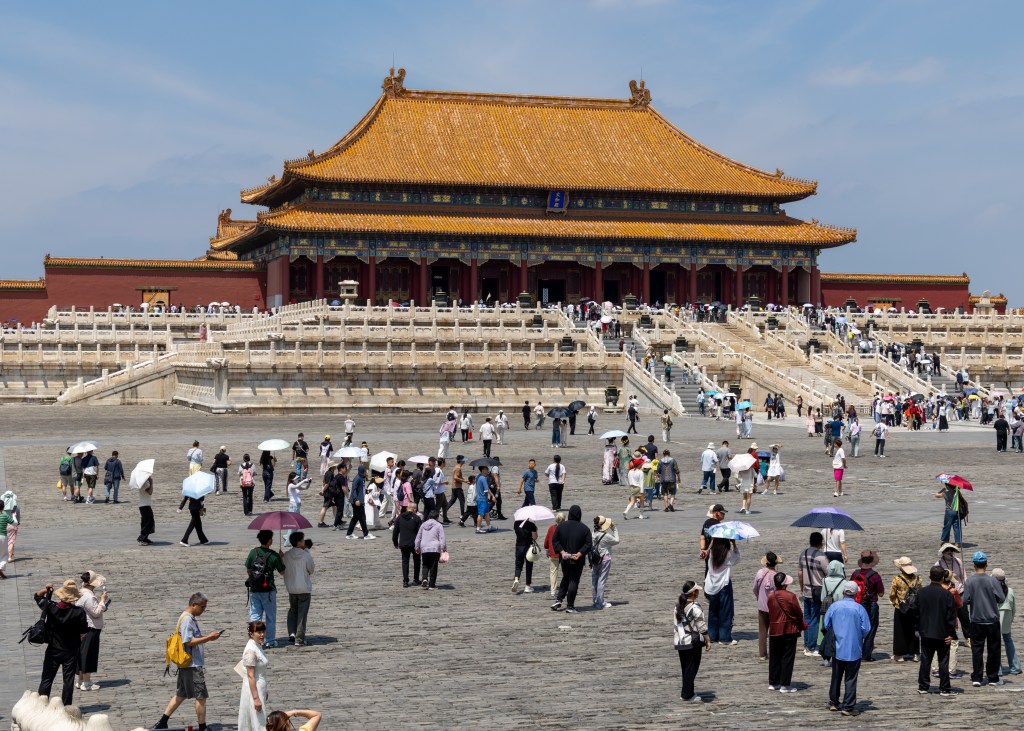
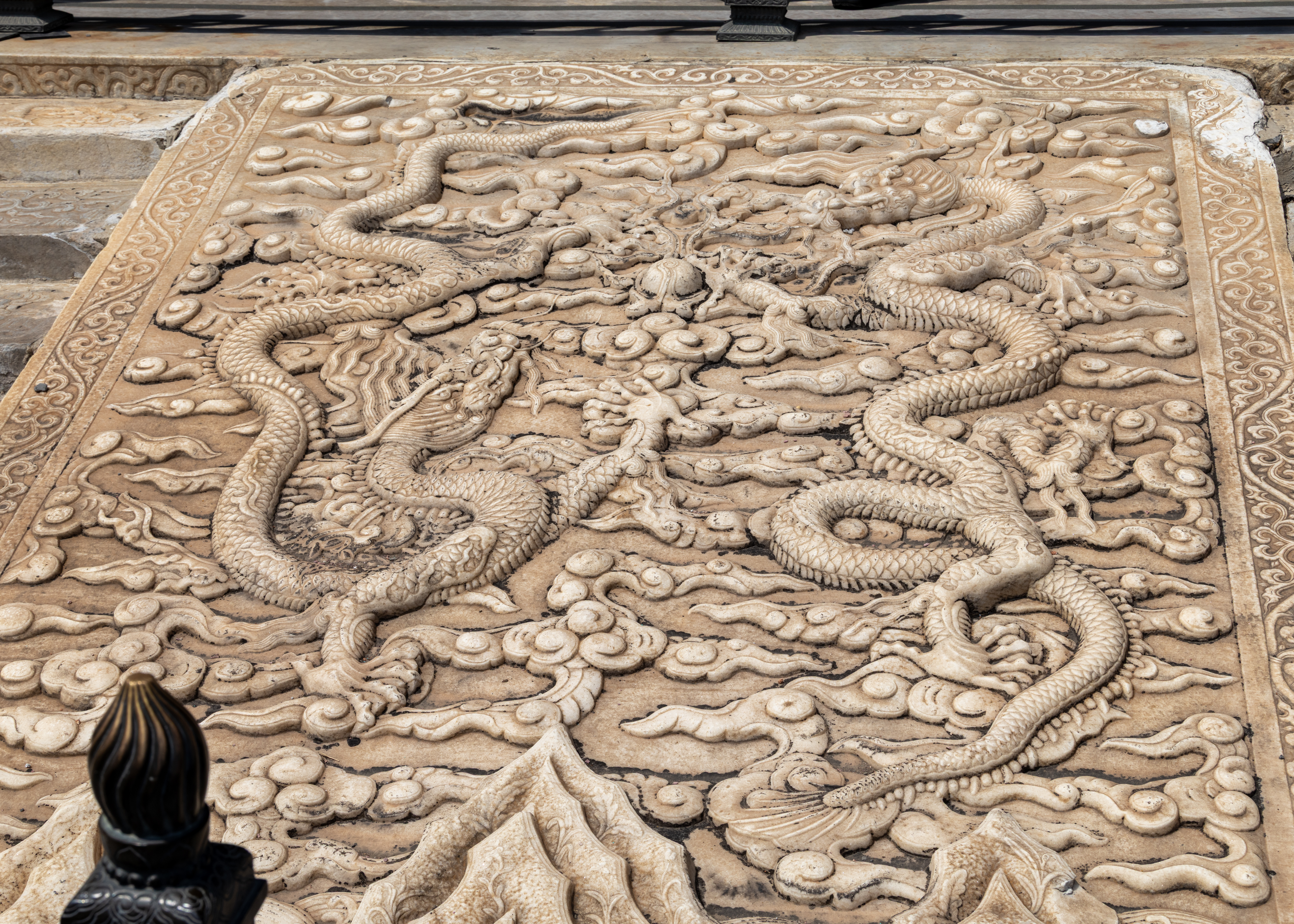
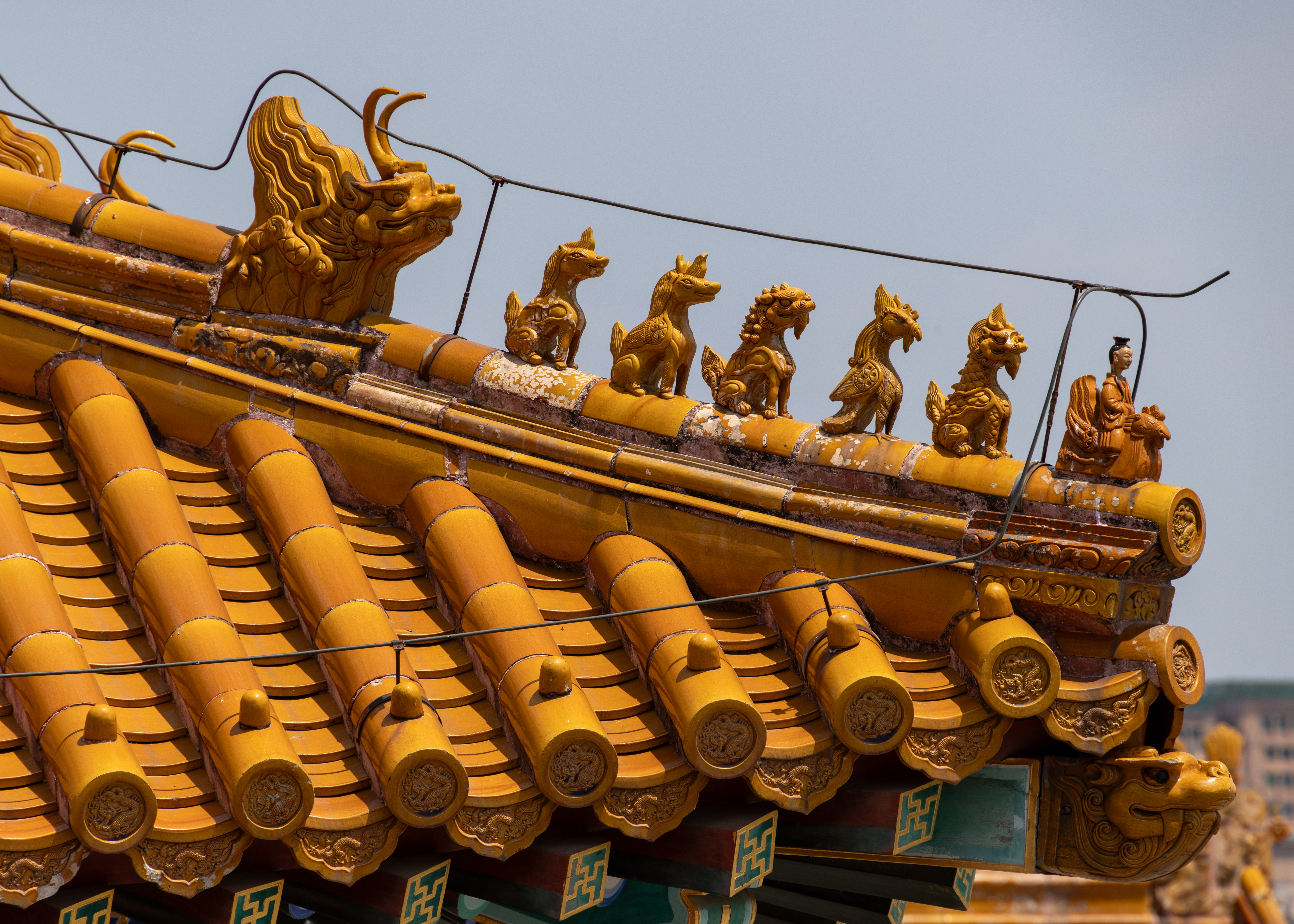
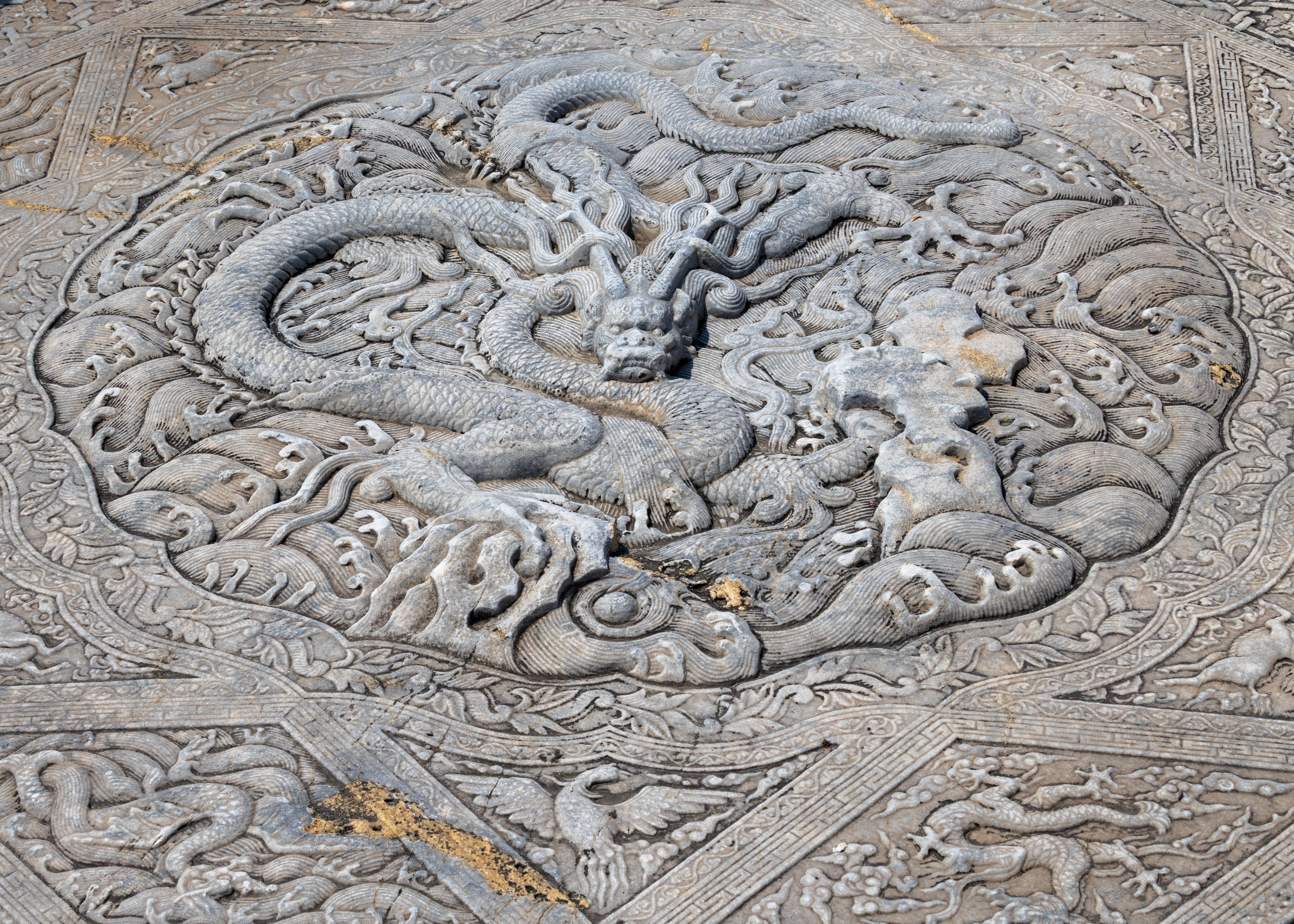
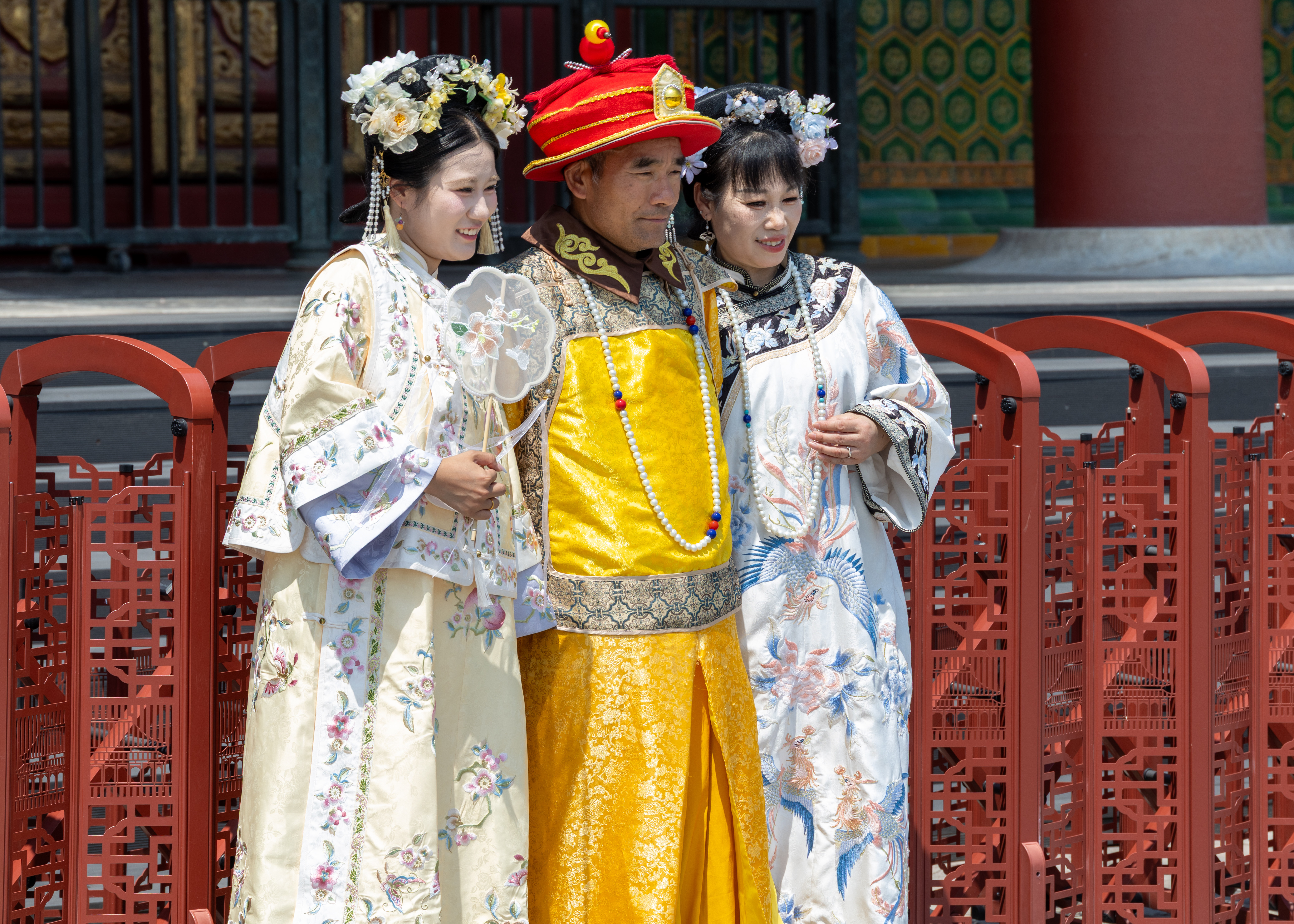
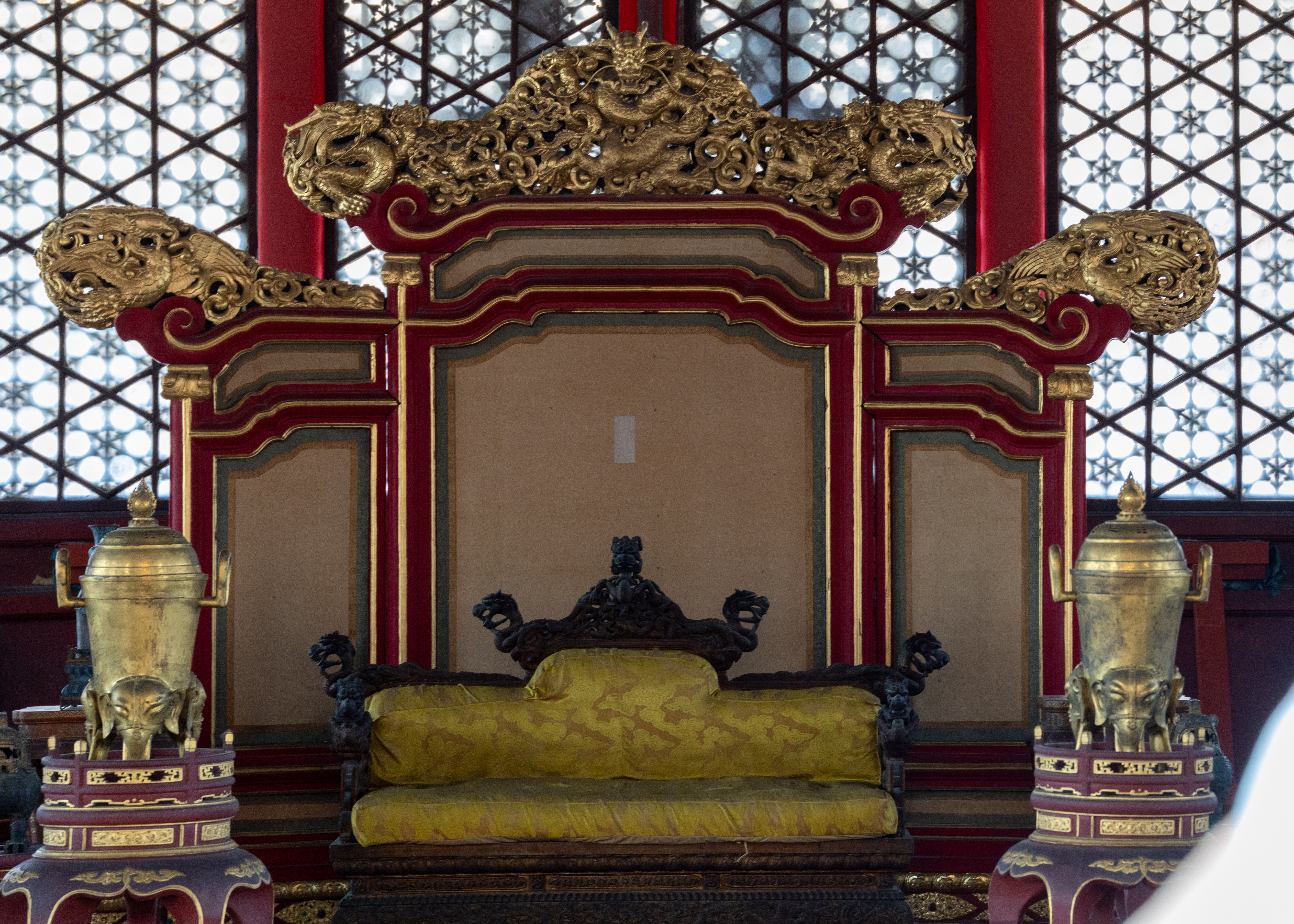
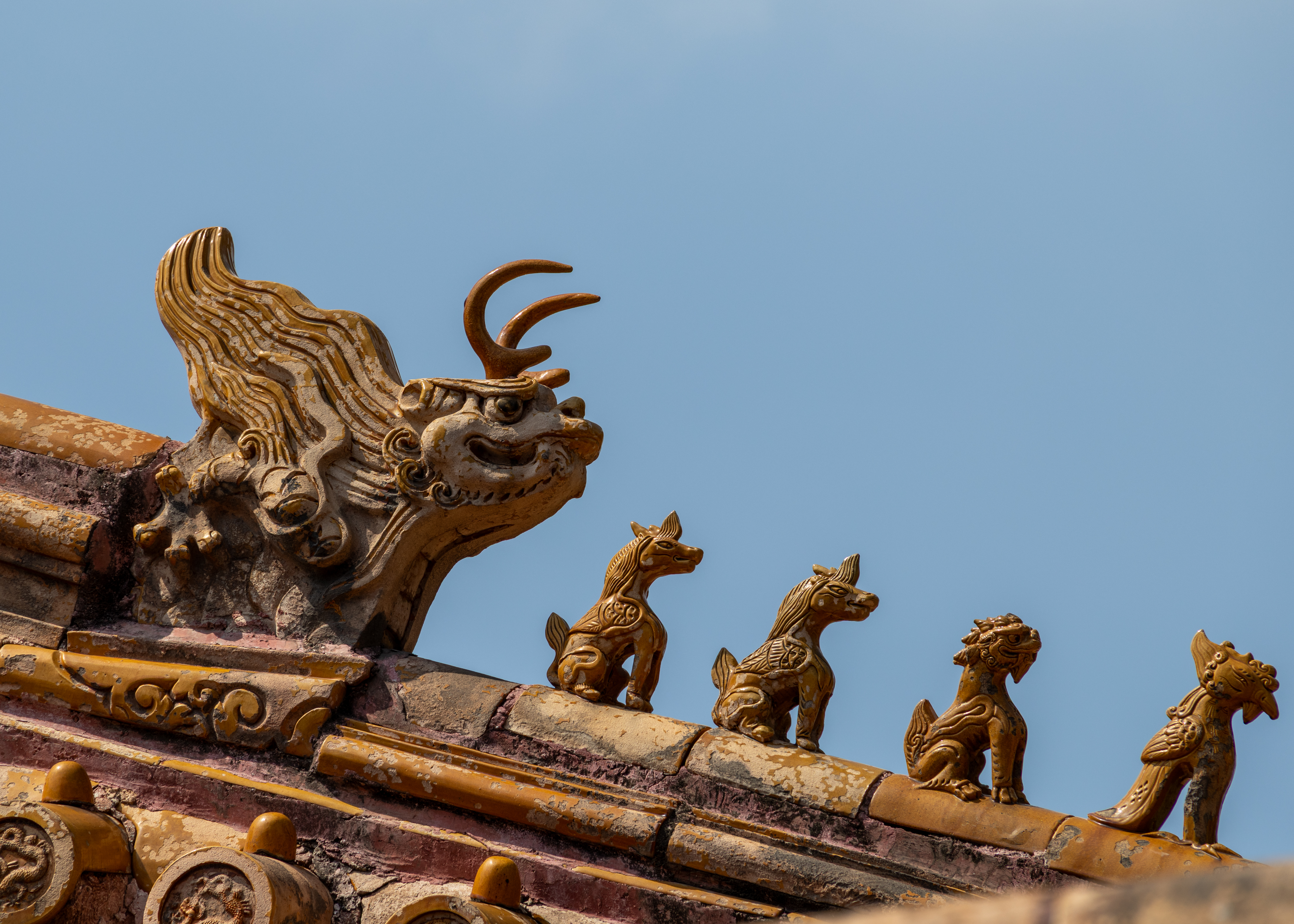
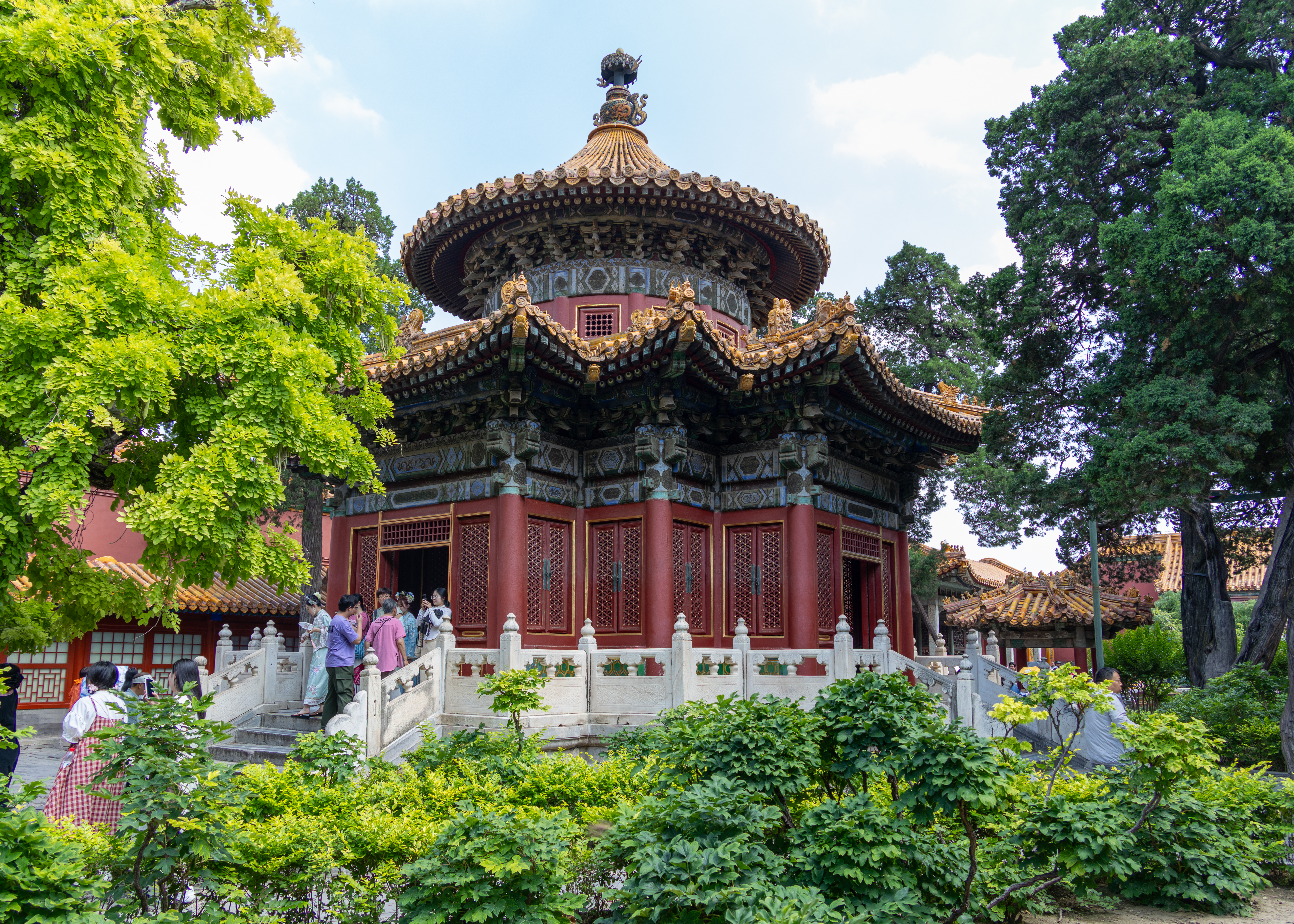
This has been one of my toughest venues to photograph because of its size and scale, along with the crowds we encountered. When I return home, I will do a better identification of the photos – for now, just enjoy.

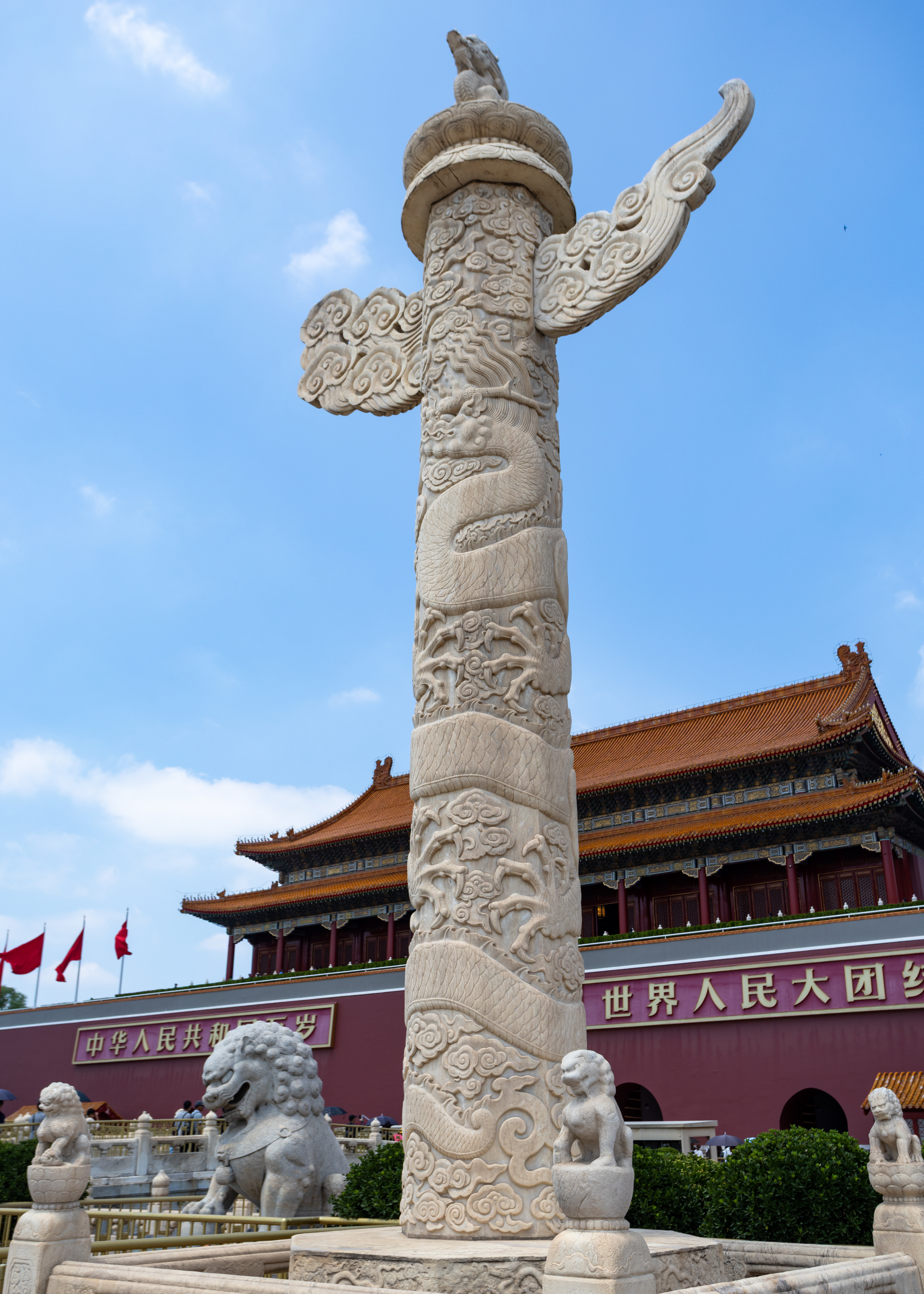
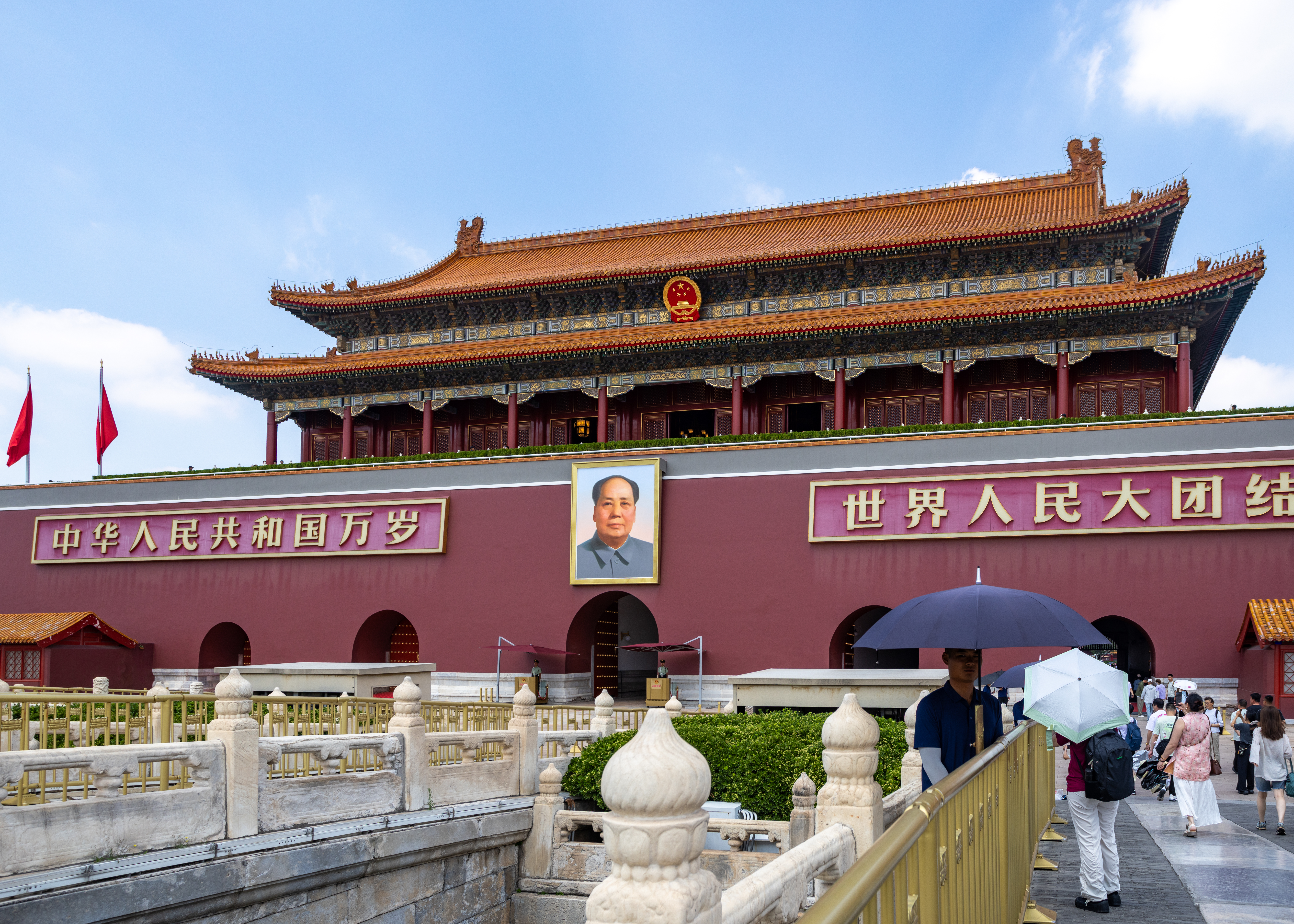
Tiananmen Tower & Meridian Gate

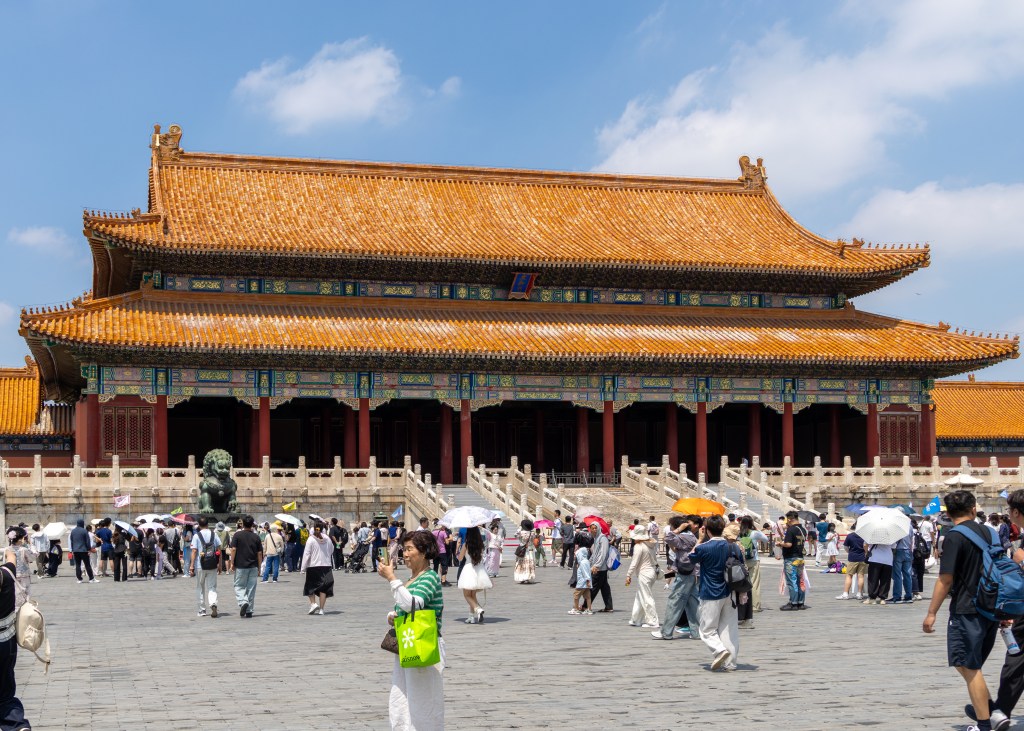
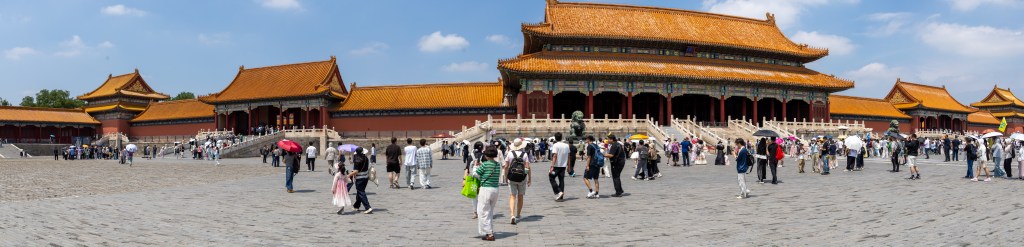
Gate of Supreme Harmony & Hall of Supreme Harmony

Other Palace Photos

Imperial Garden

Gate of Divine Prowess & Moat Views

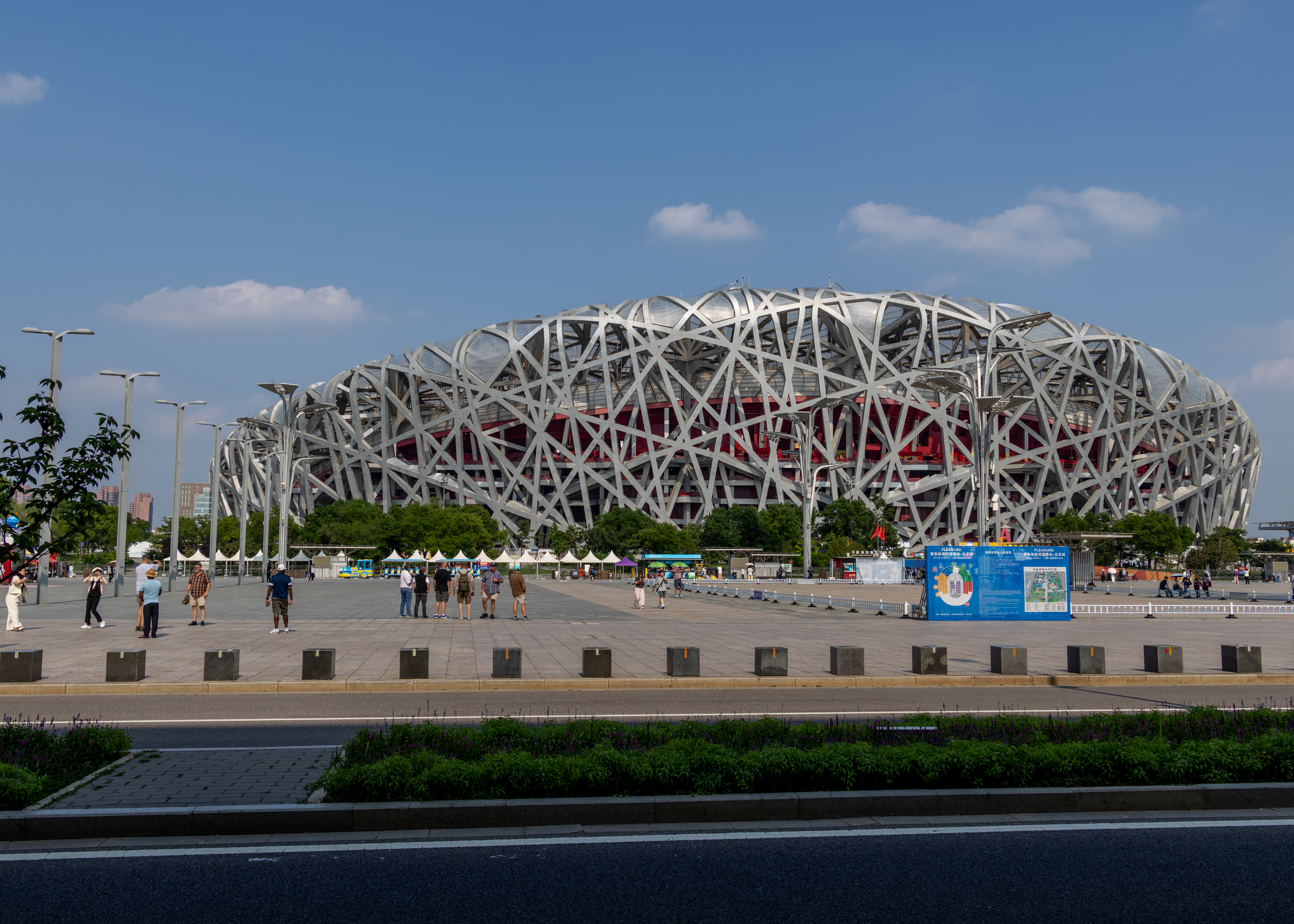
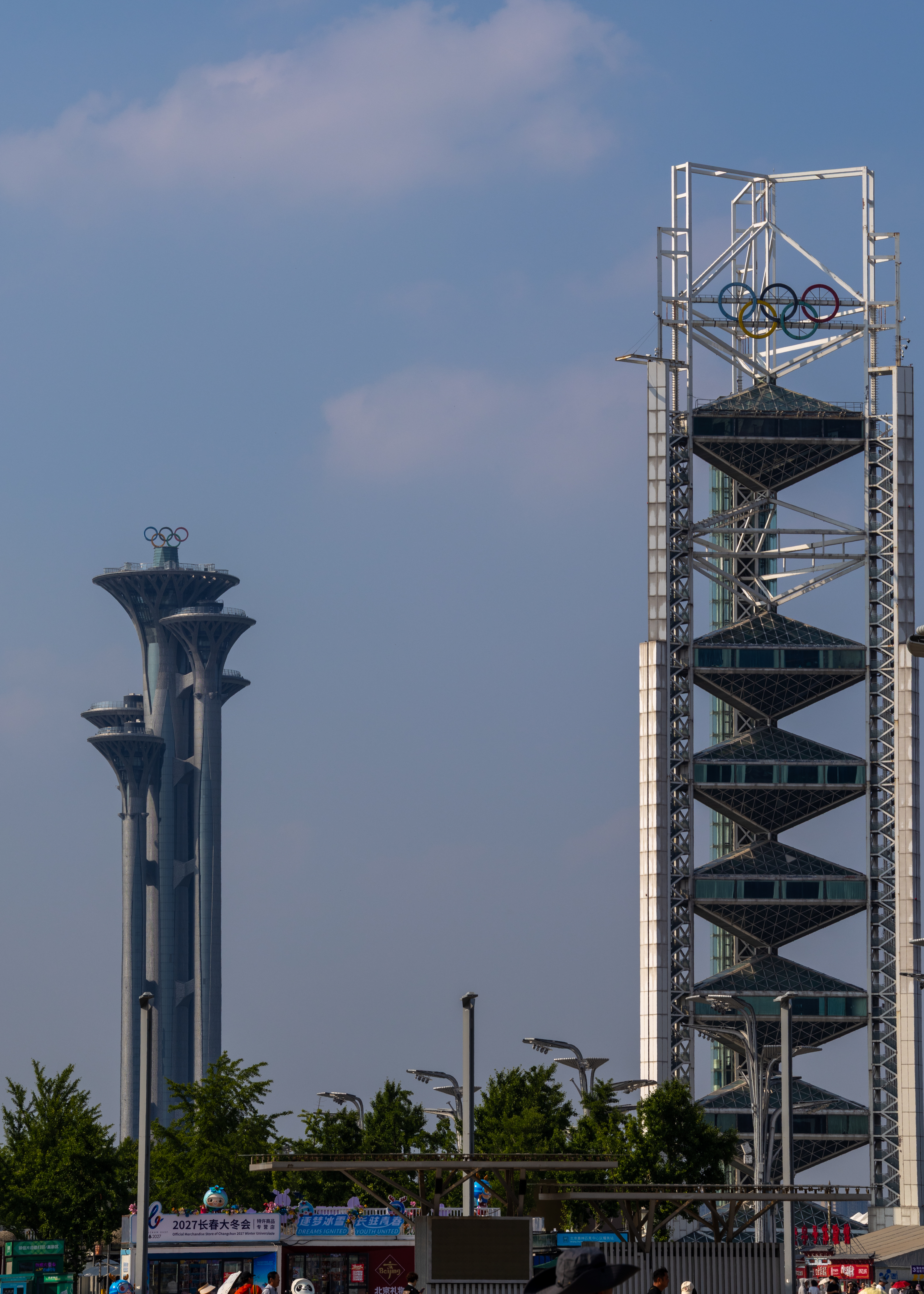
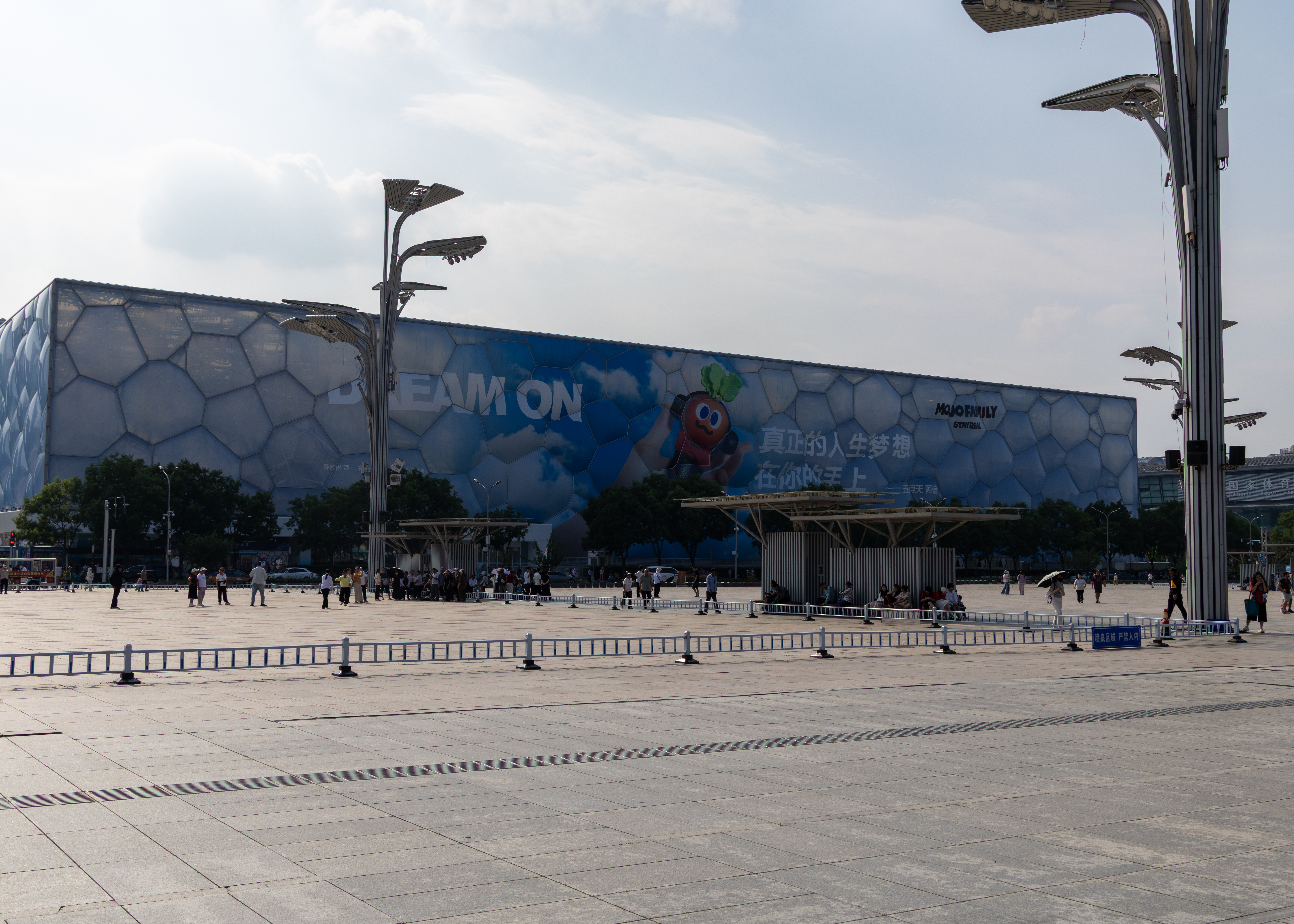
Leaving the Forbidden City, we traveled to the central site for the 2008 and 2022 Olympics – viewing the “Bird’s Nest”, the Cube for water sports, the Olympic tower, and the tower for the Olympic flame.

Editorial Comment: Google is blocked by the government, so getting emails and searching needs to be done through a VPN. adding another layer of effort to using the internet – so be it – I shall continue on.

Blog at WordPress.com.

Up ↑