Search

Travelling Photographer

Photos and commentary from my travels around the globe

Category

germany

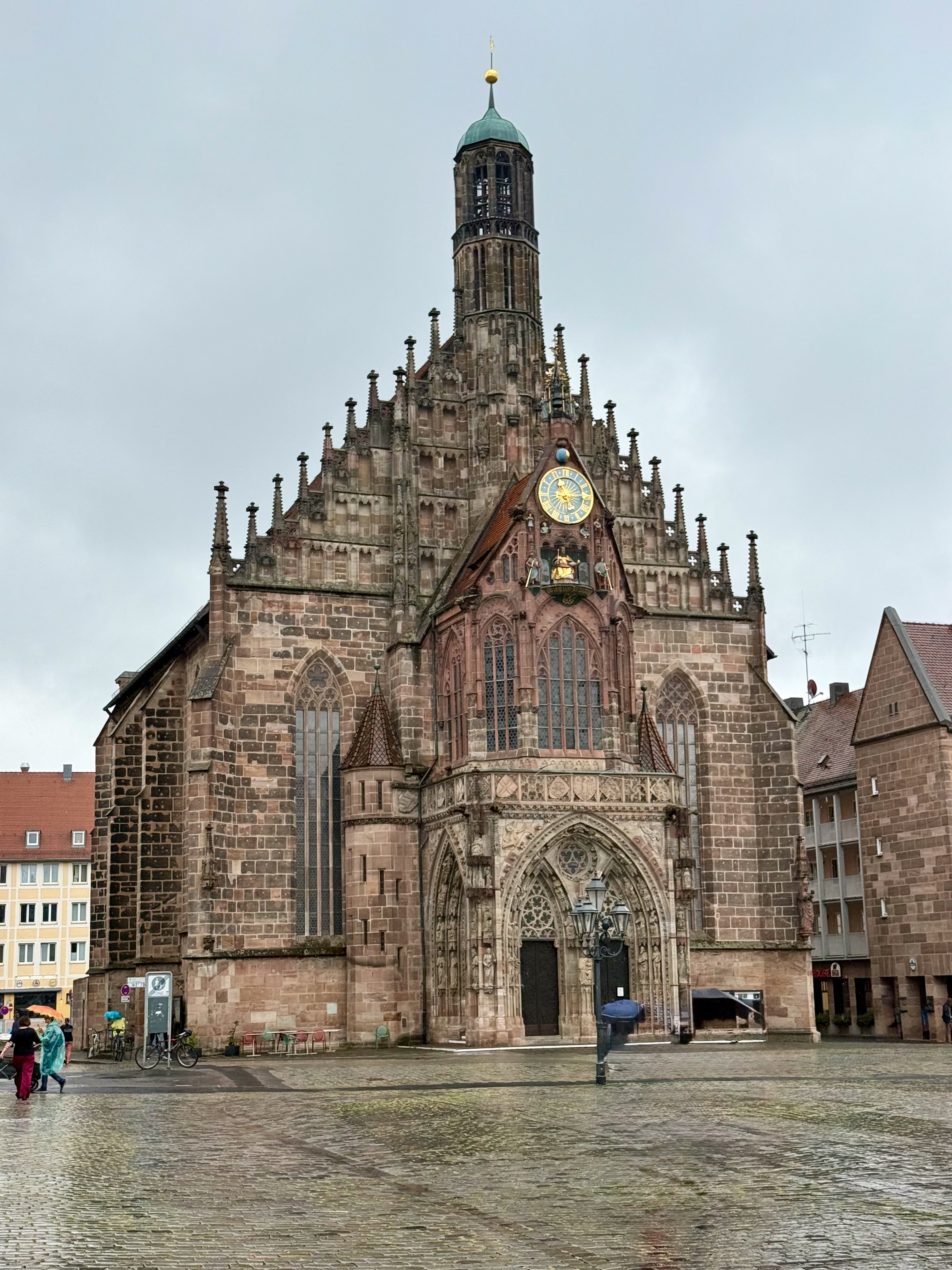
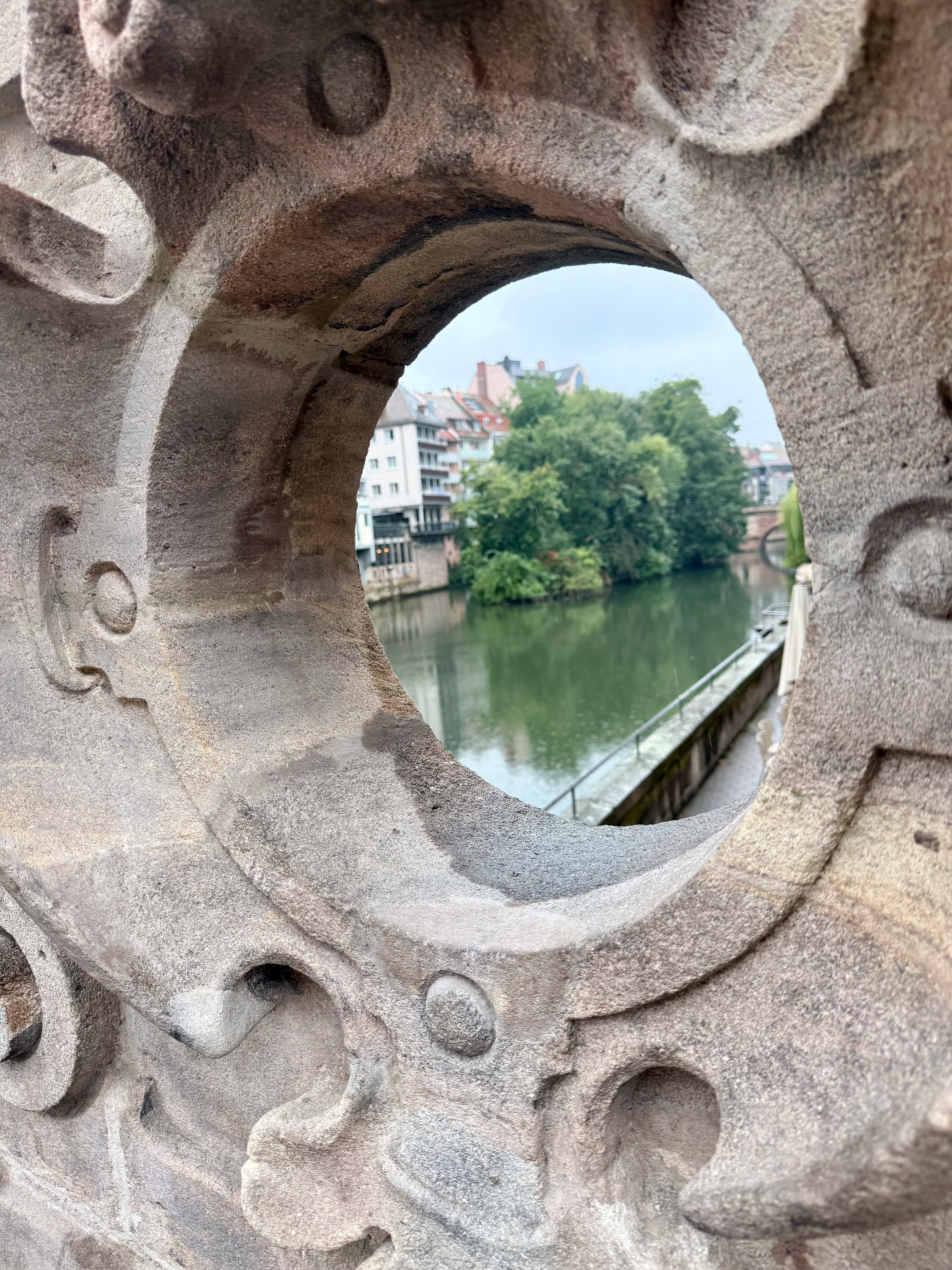
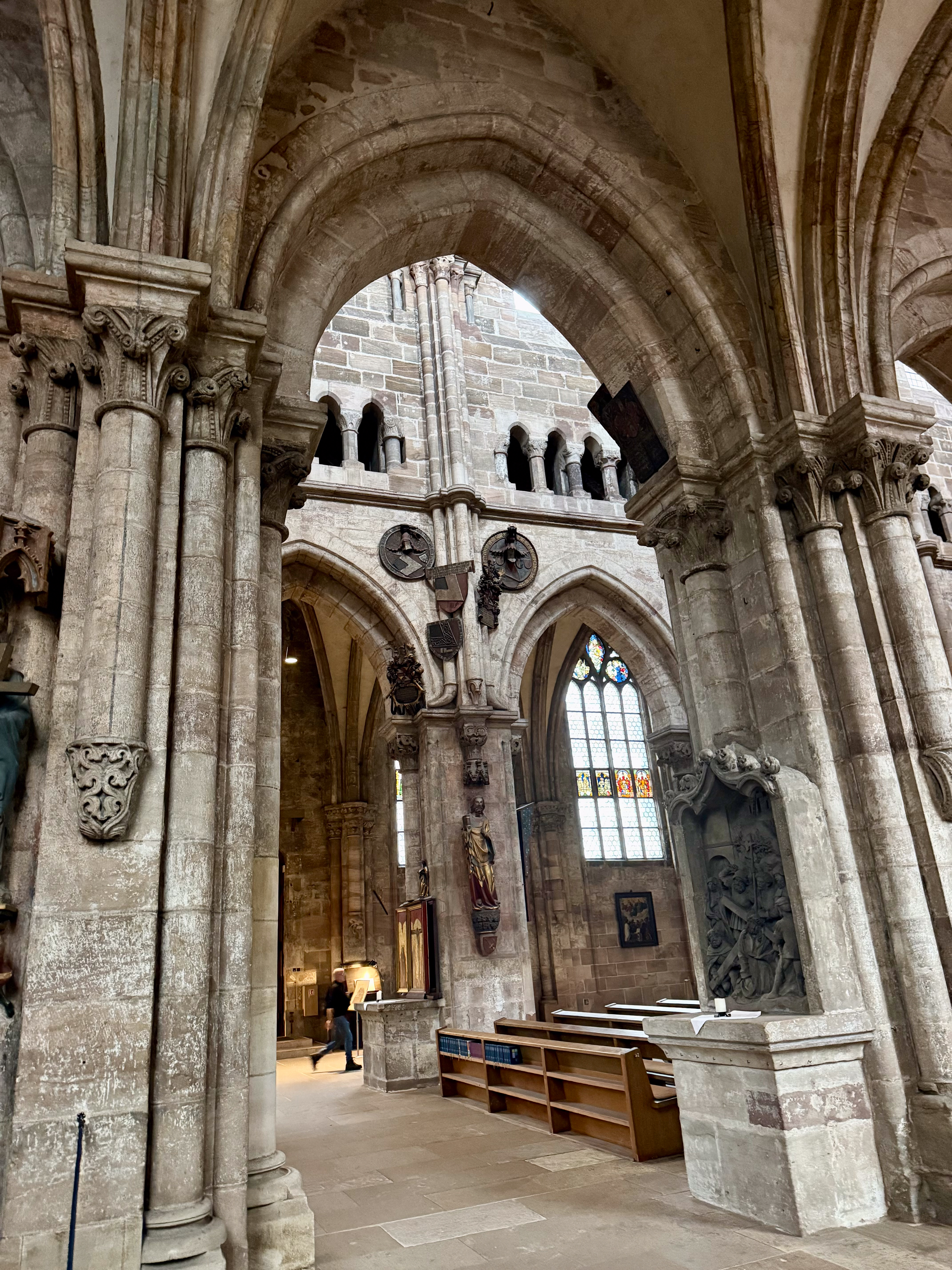
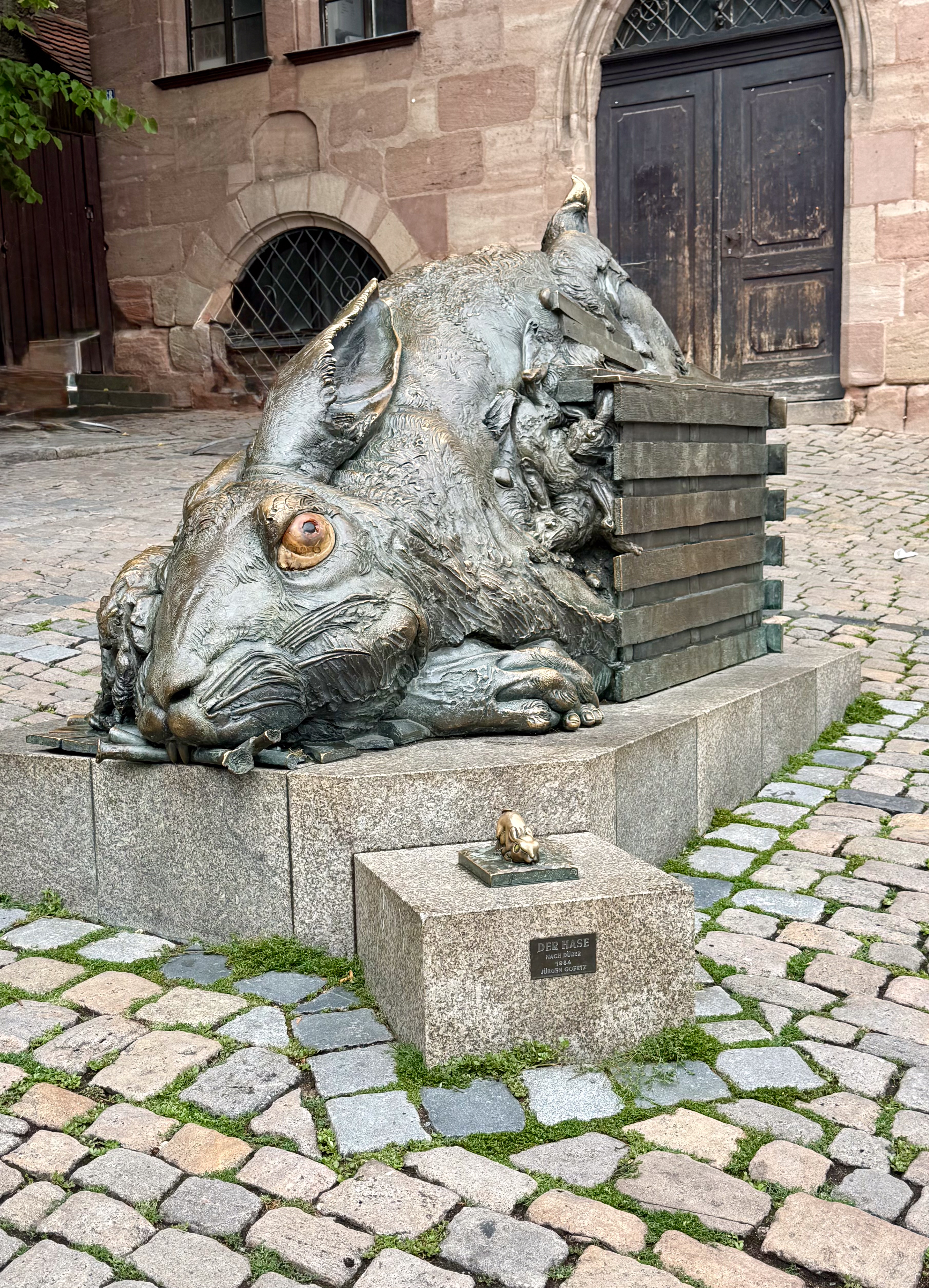
Europe 2026 – Day 13: Nuremberg, Germany

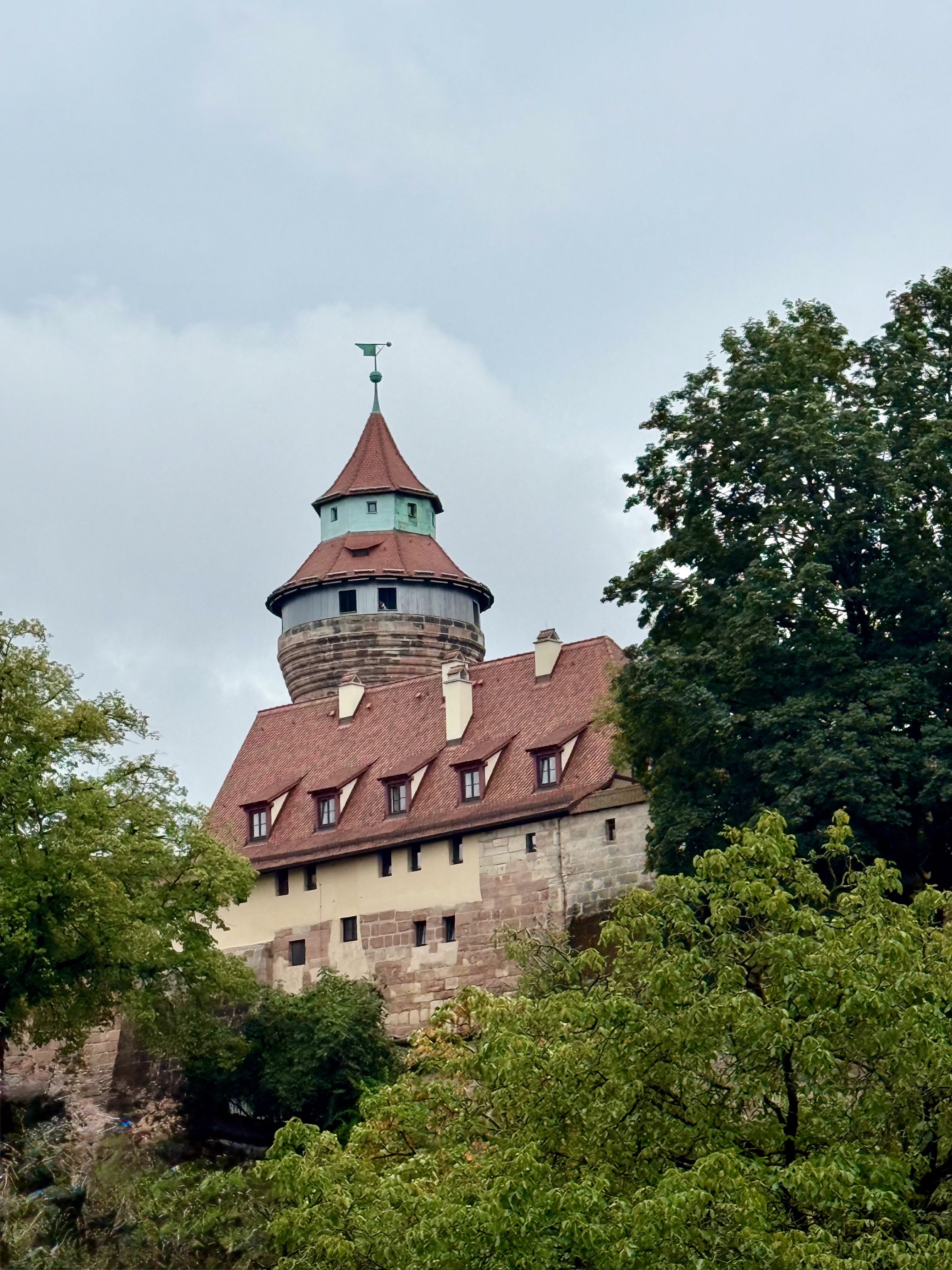
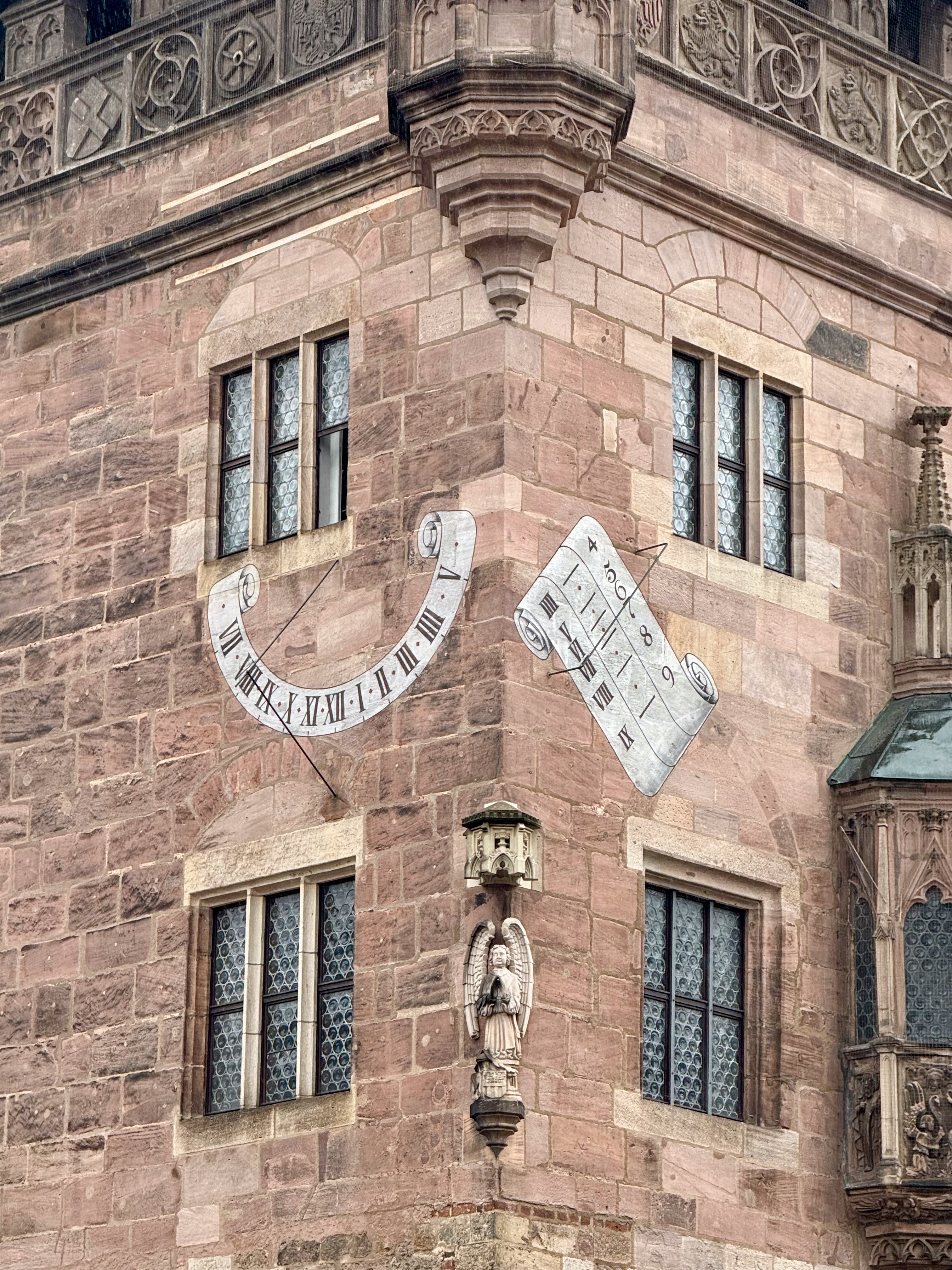
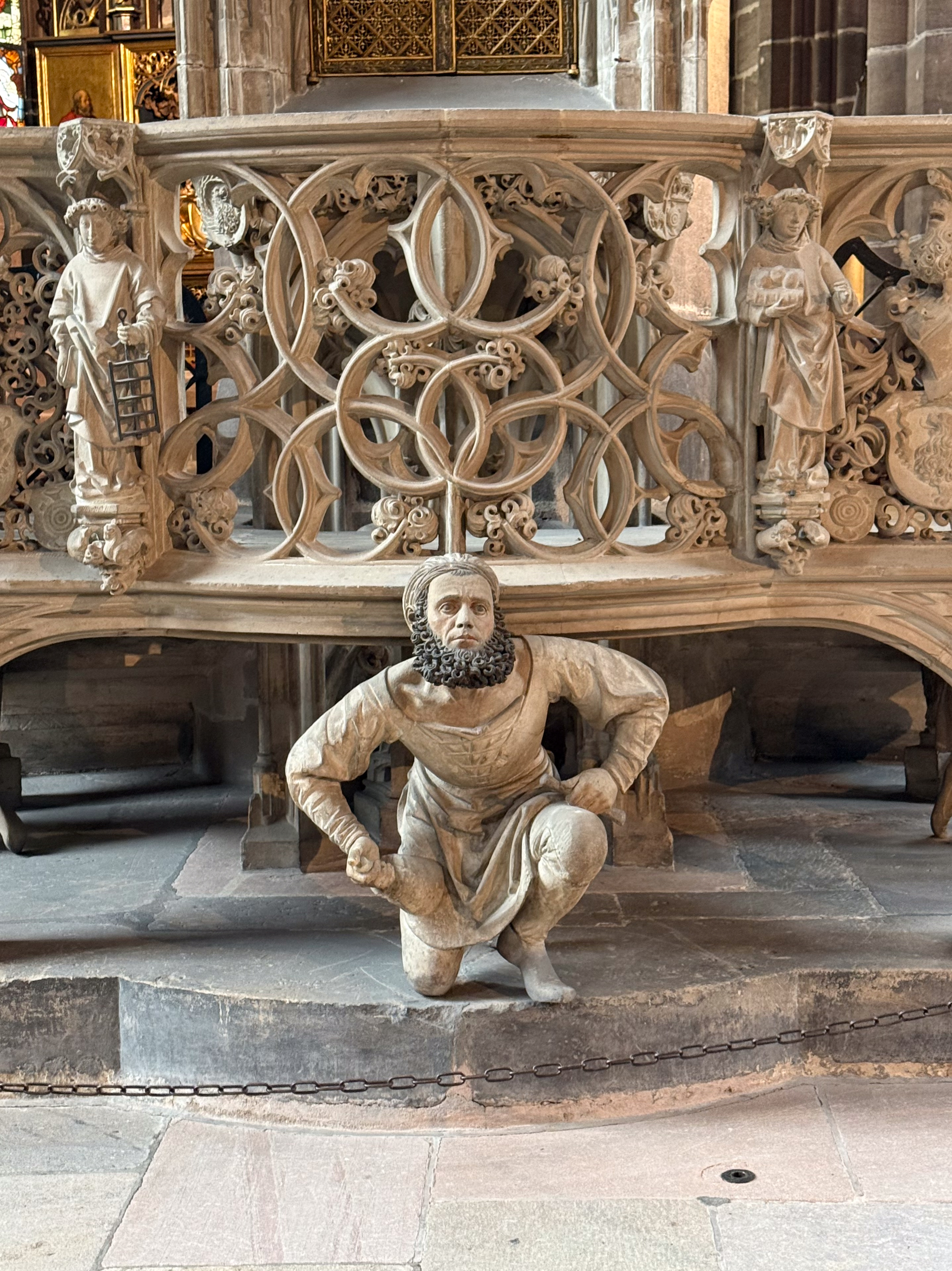
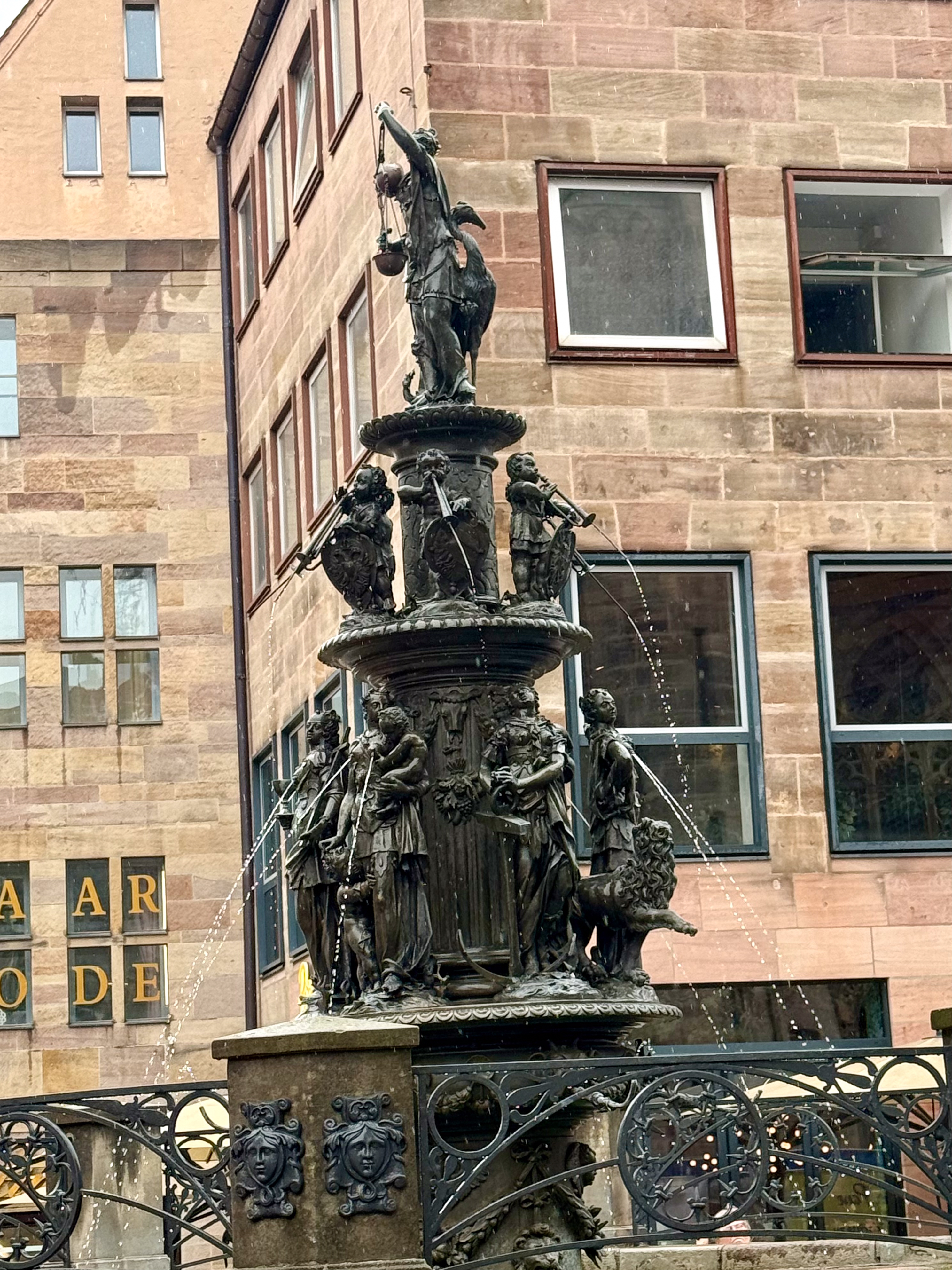
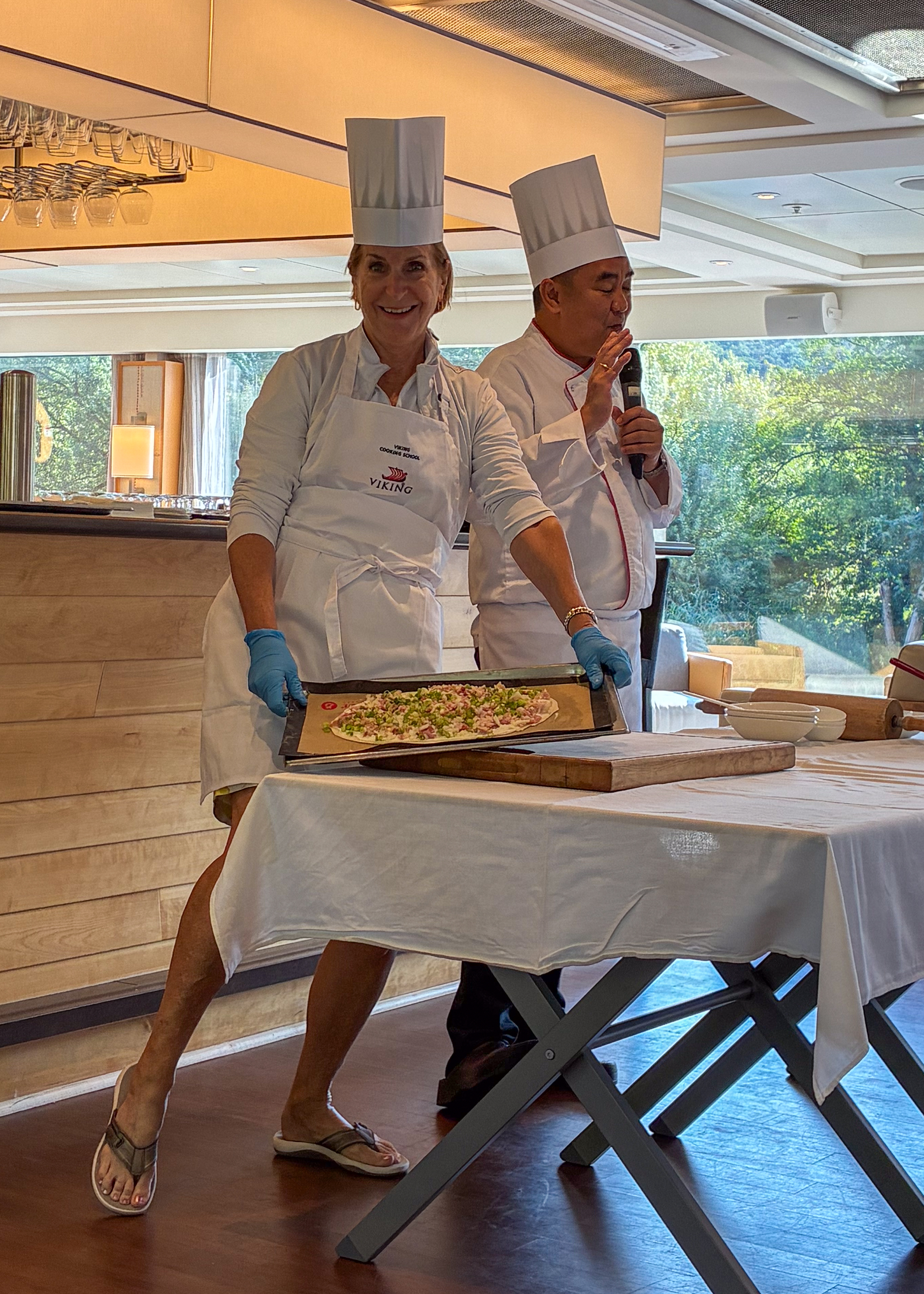
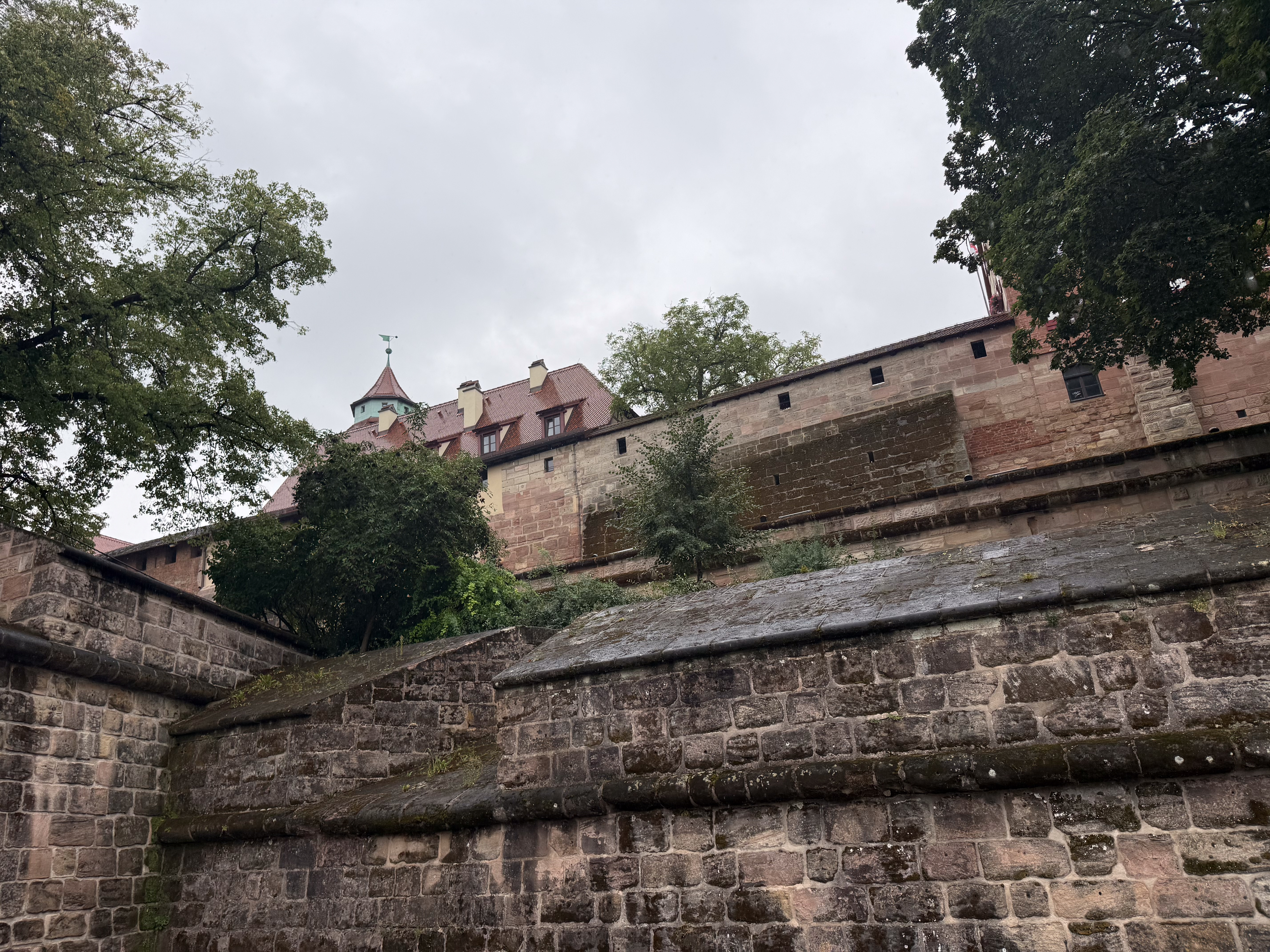
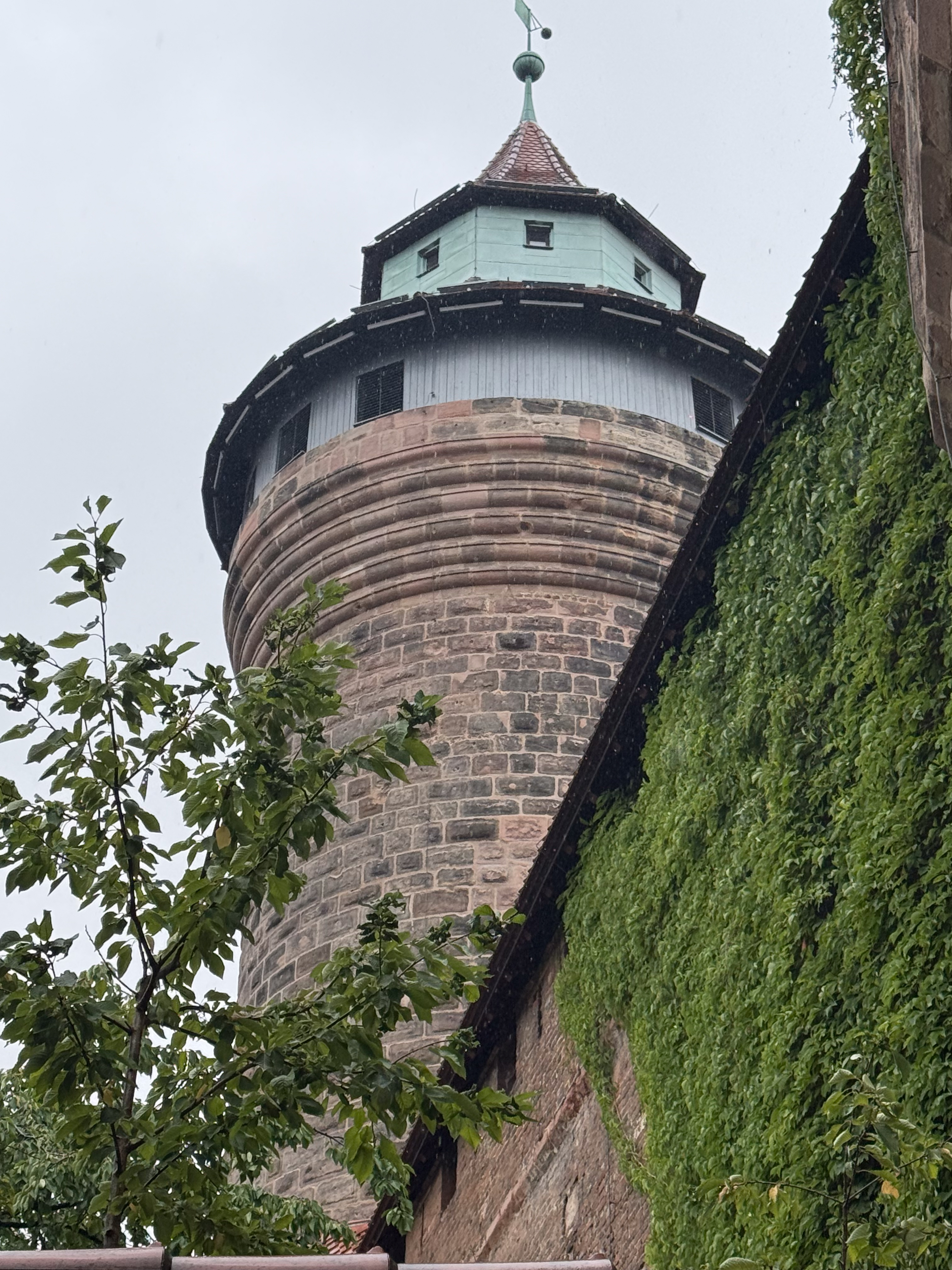
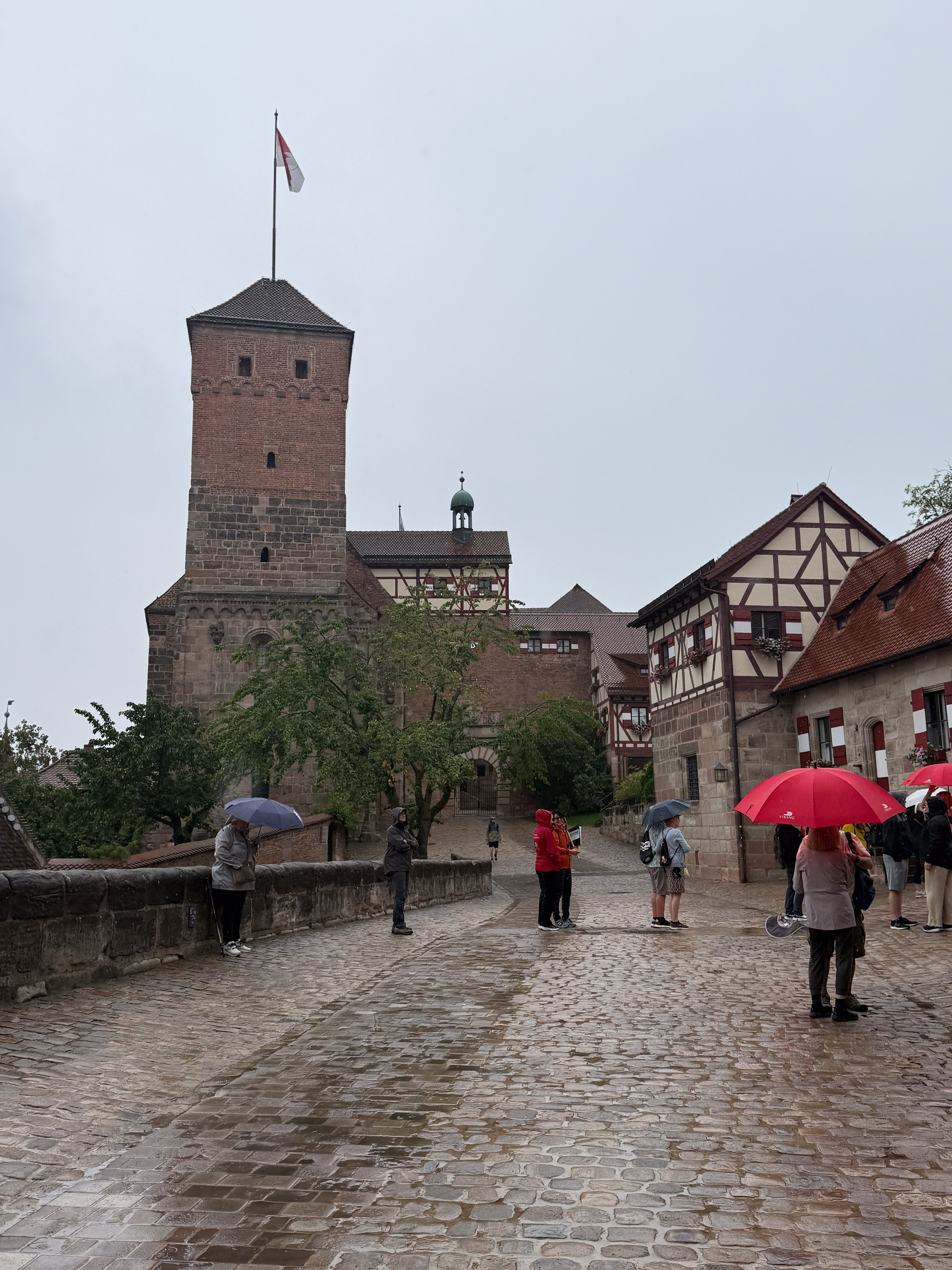
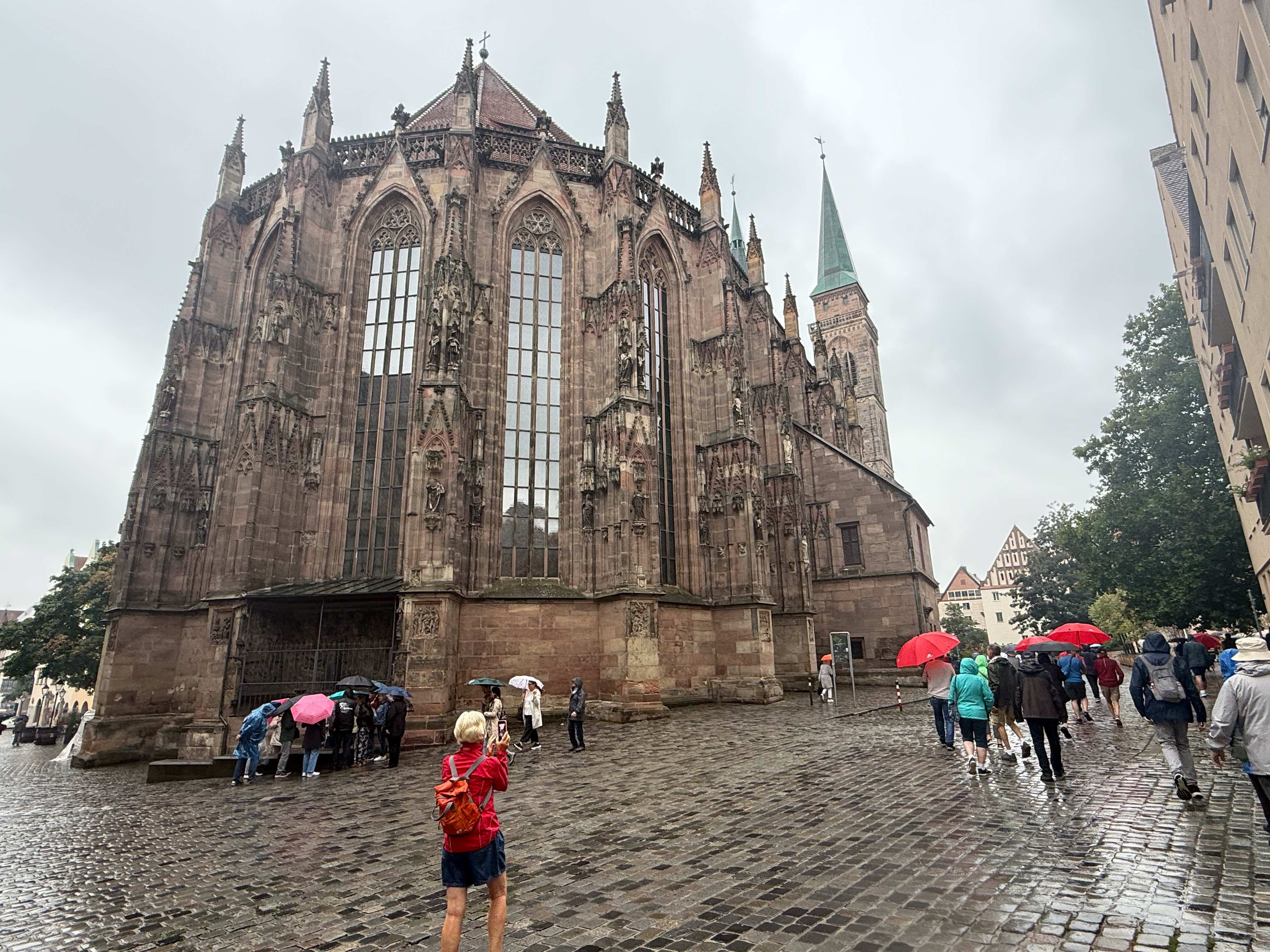
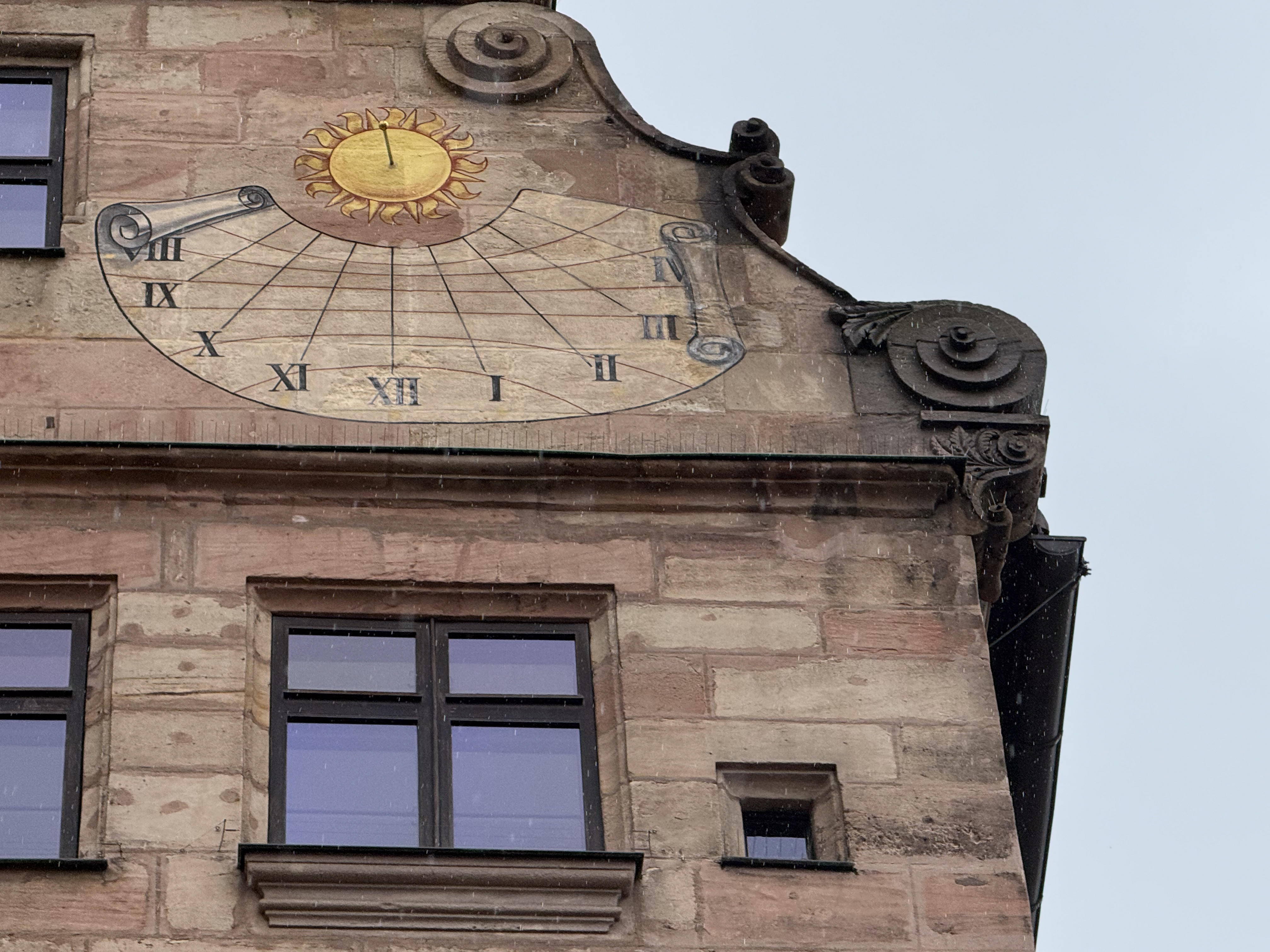
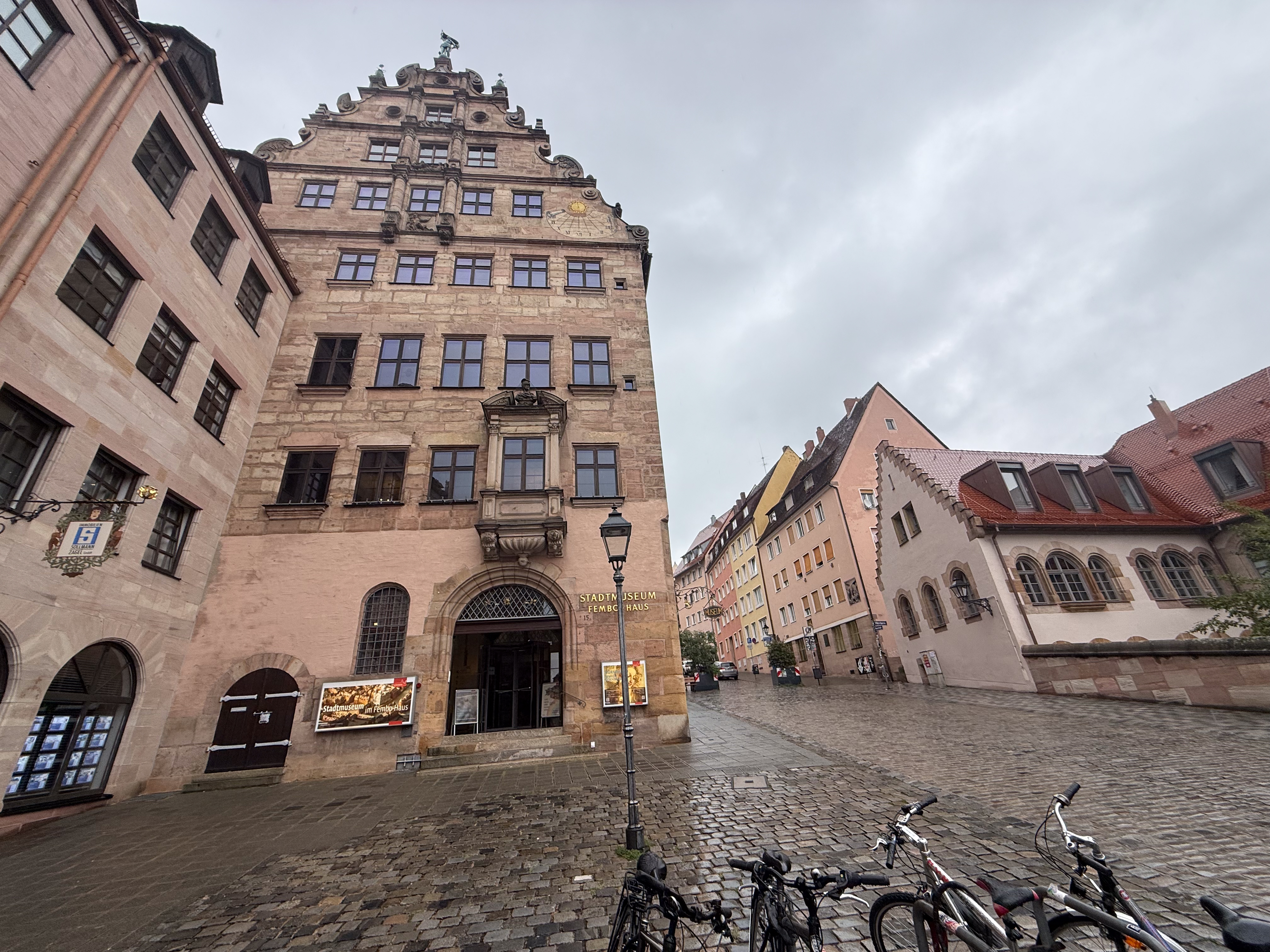
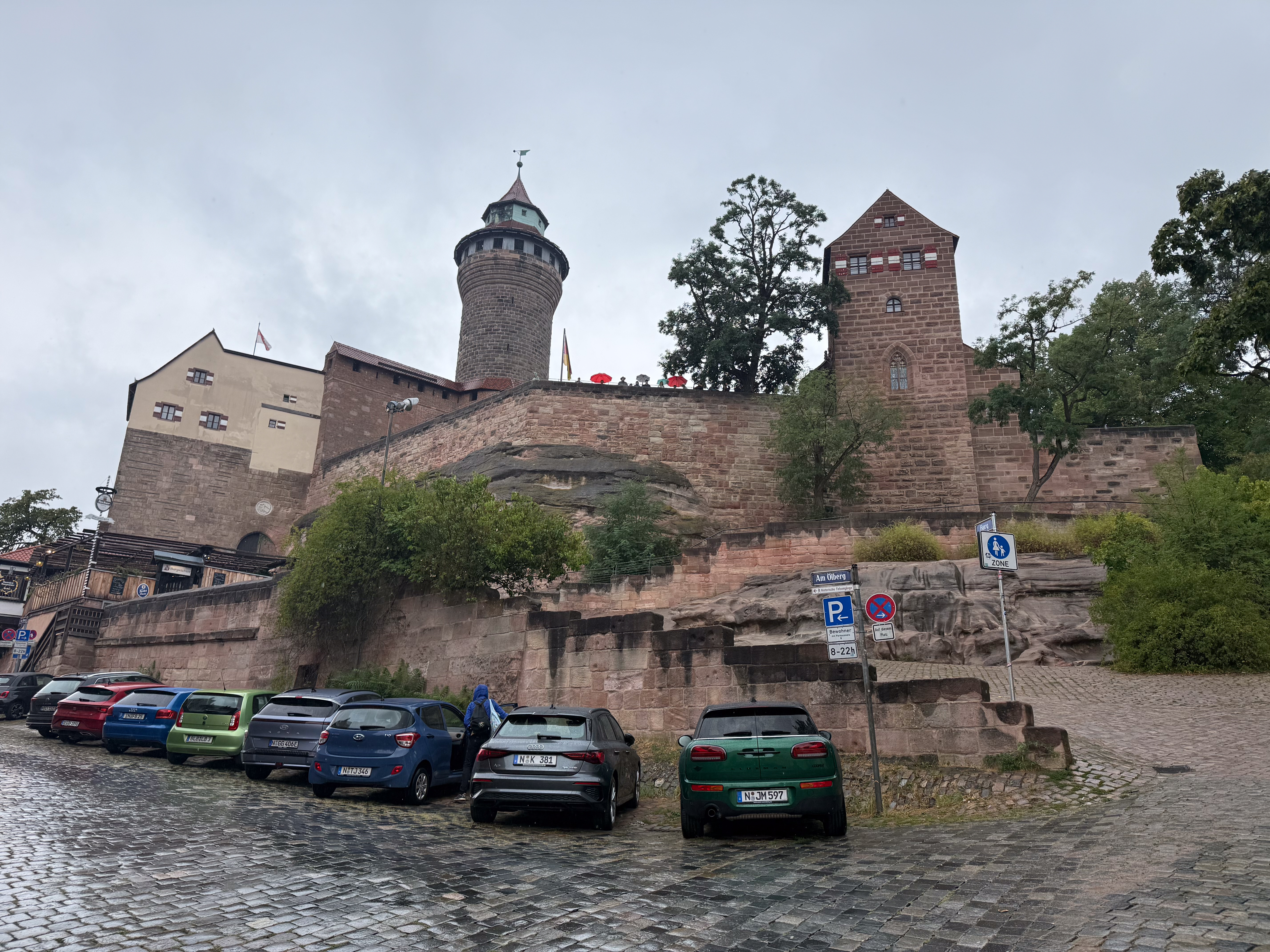
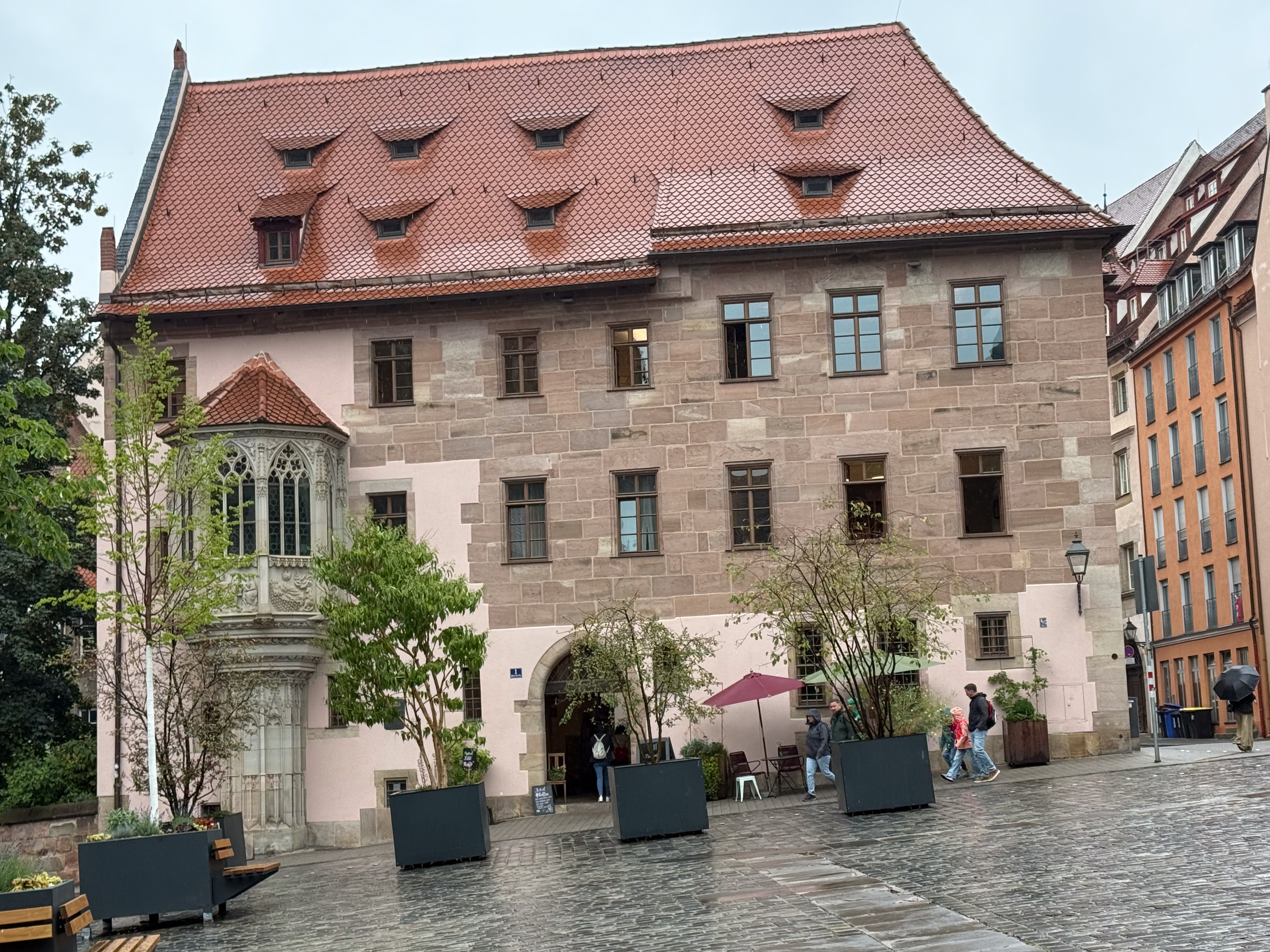
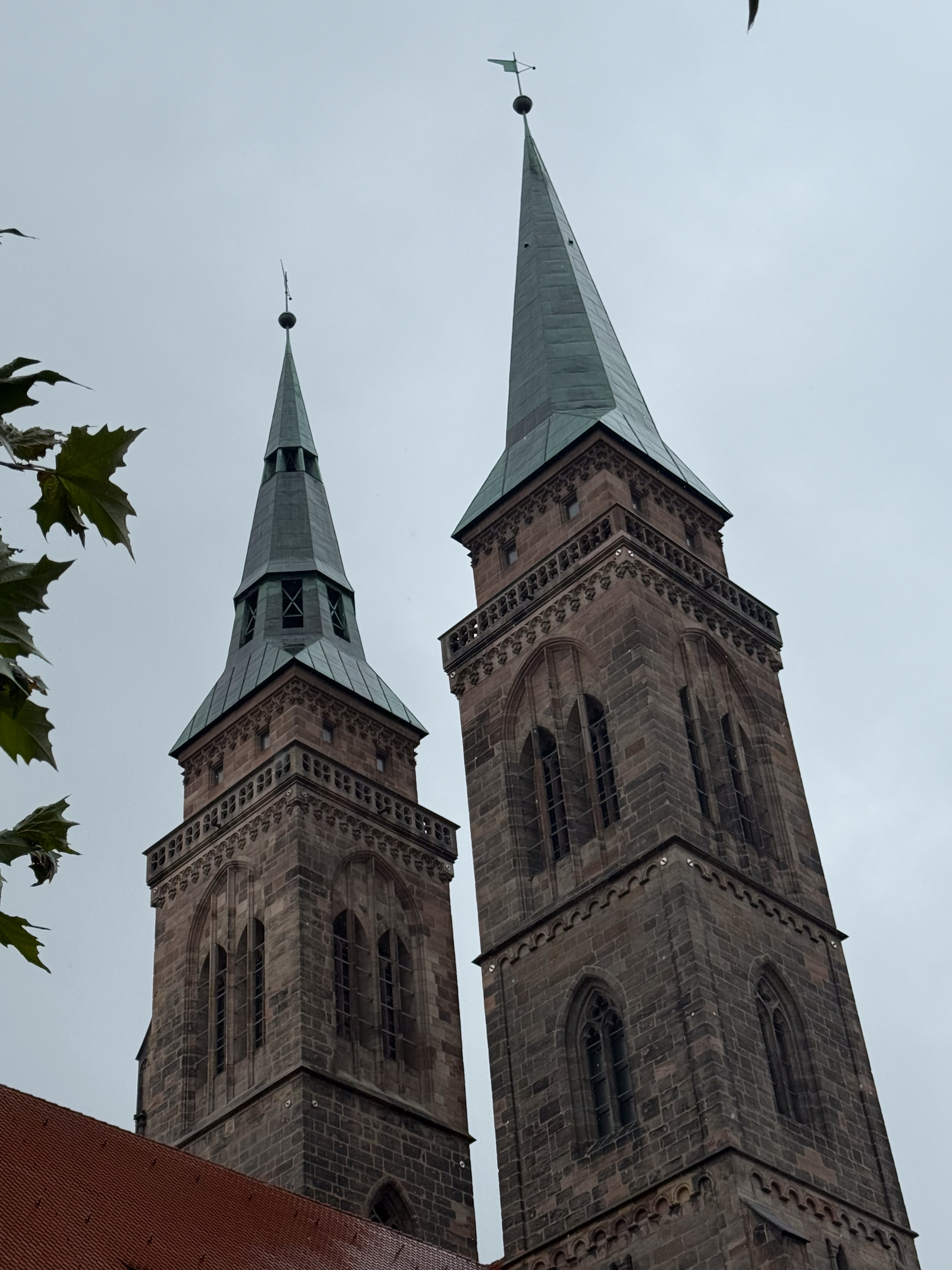
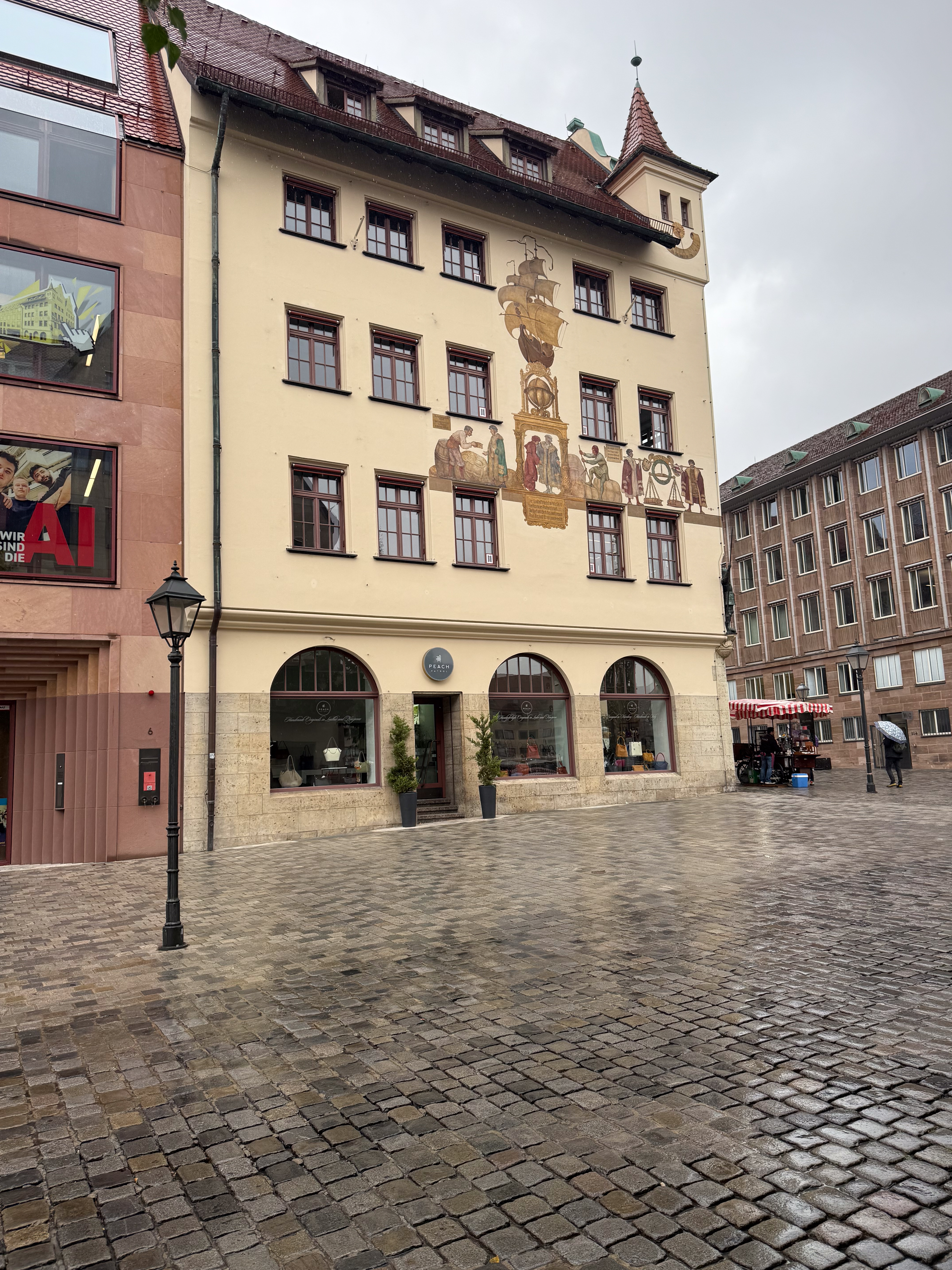
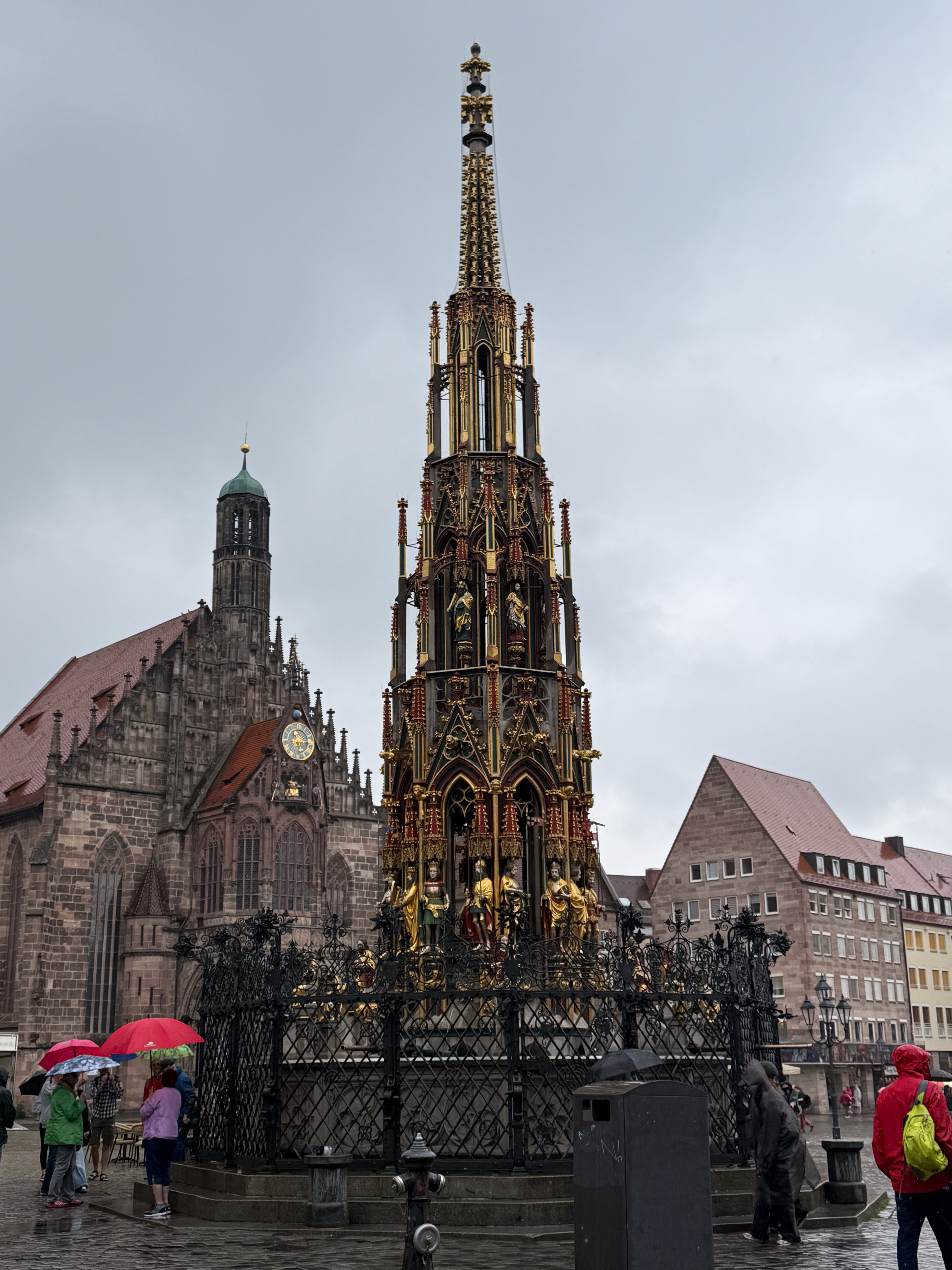
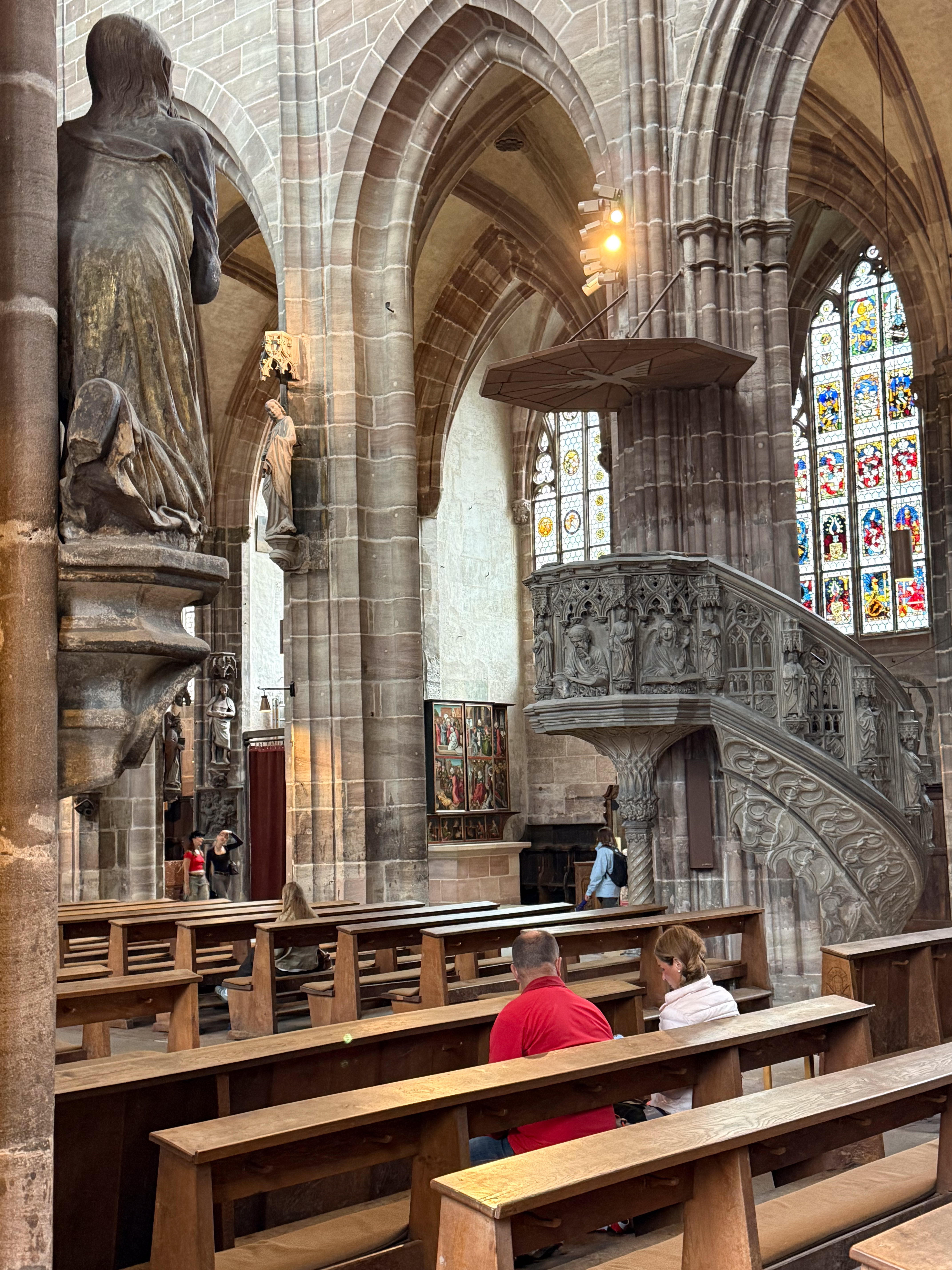
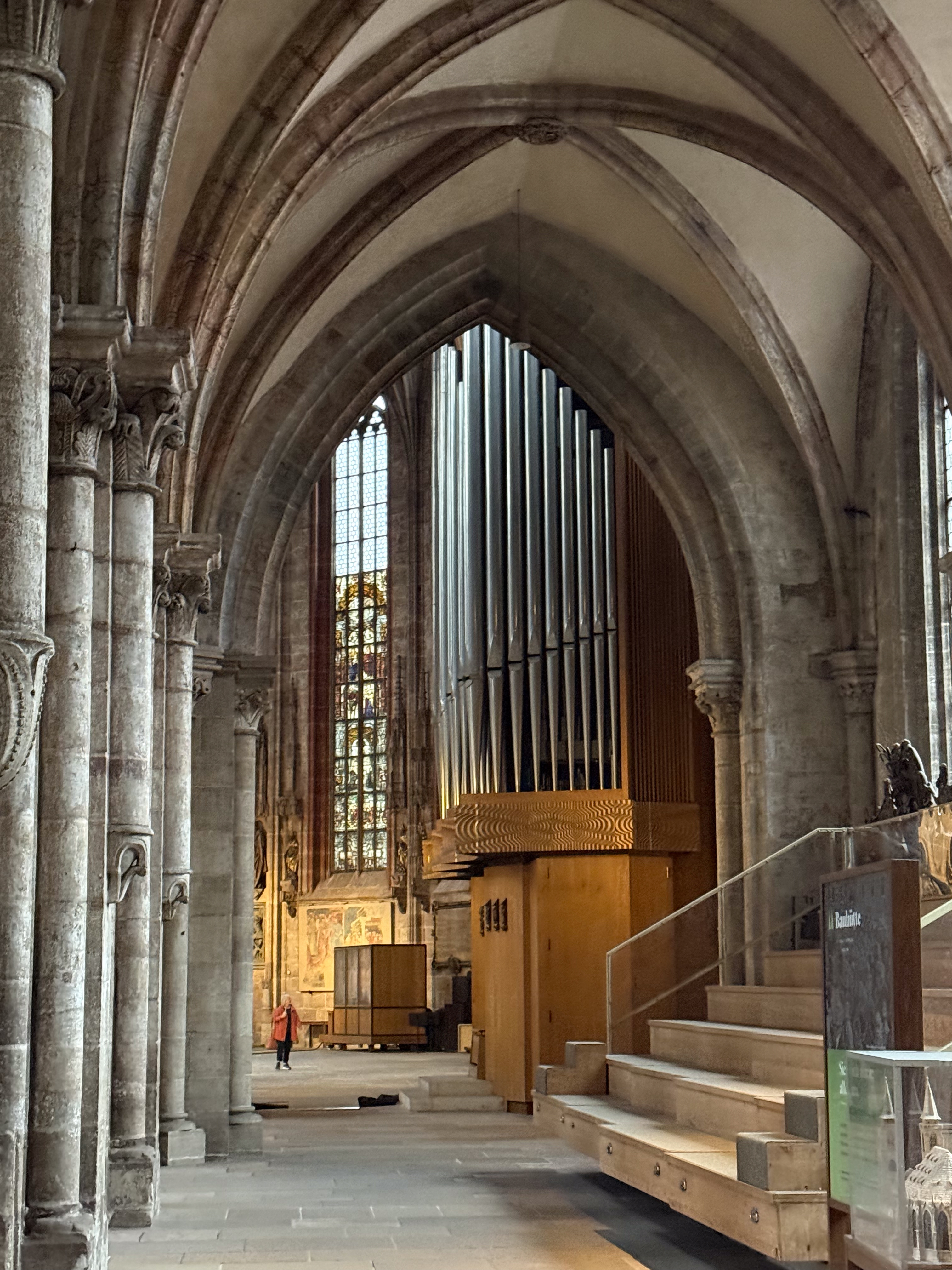
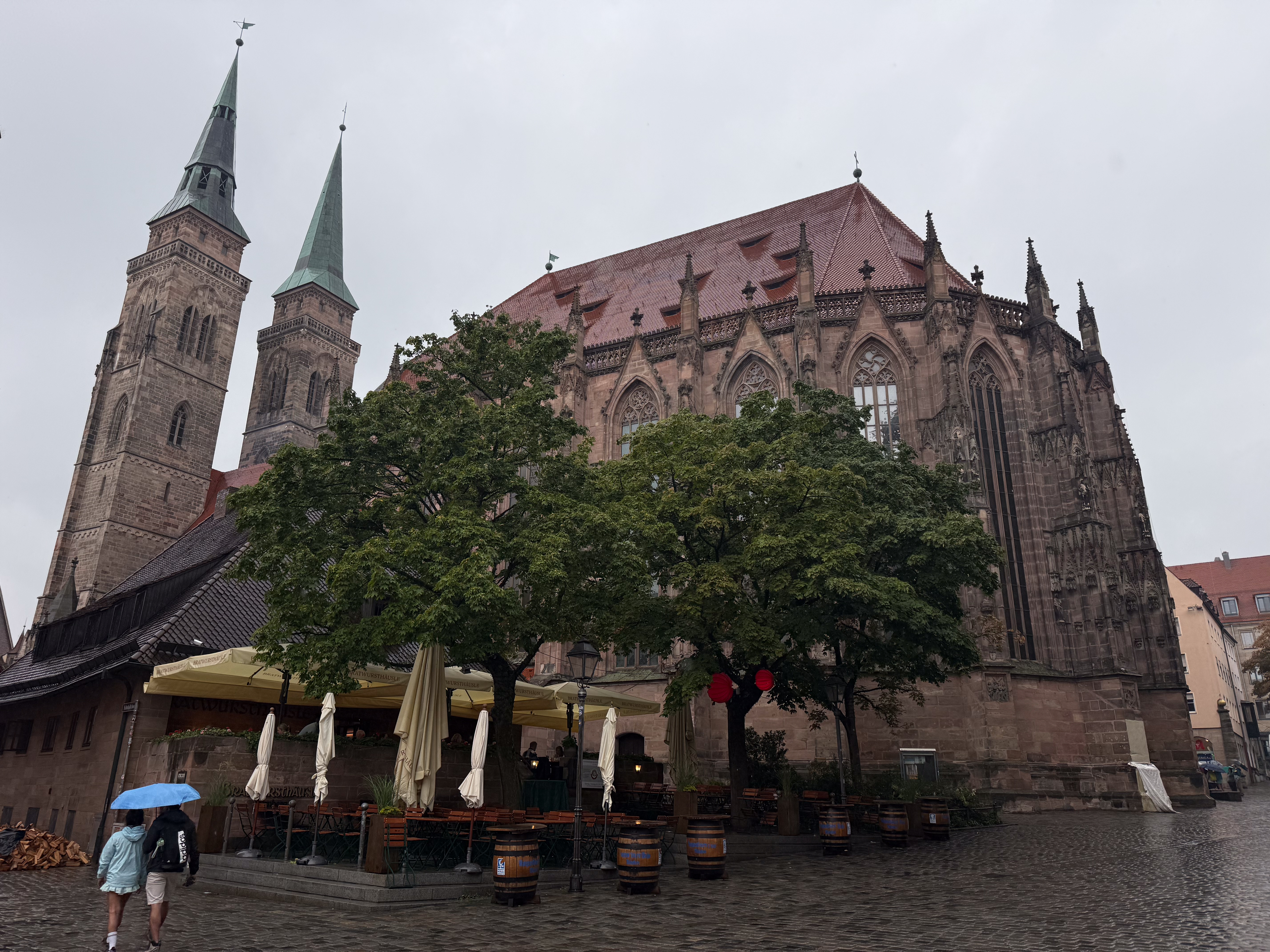
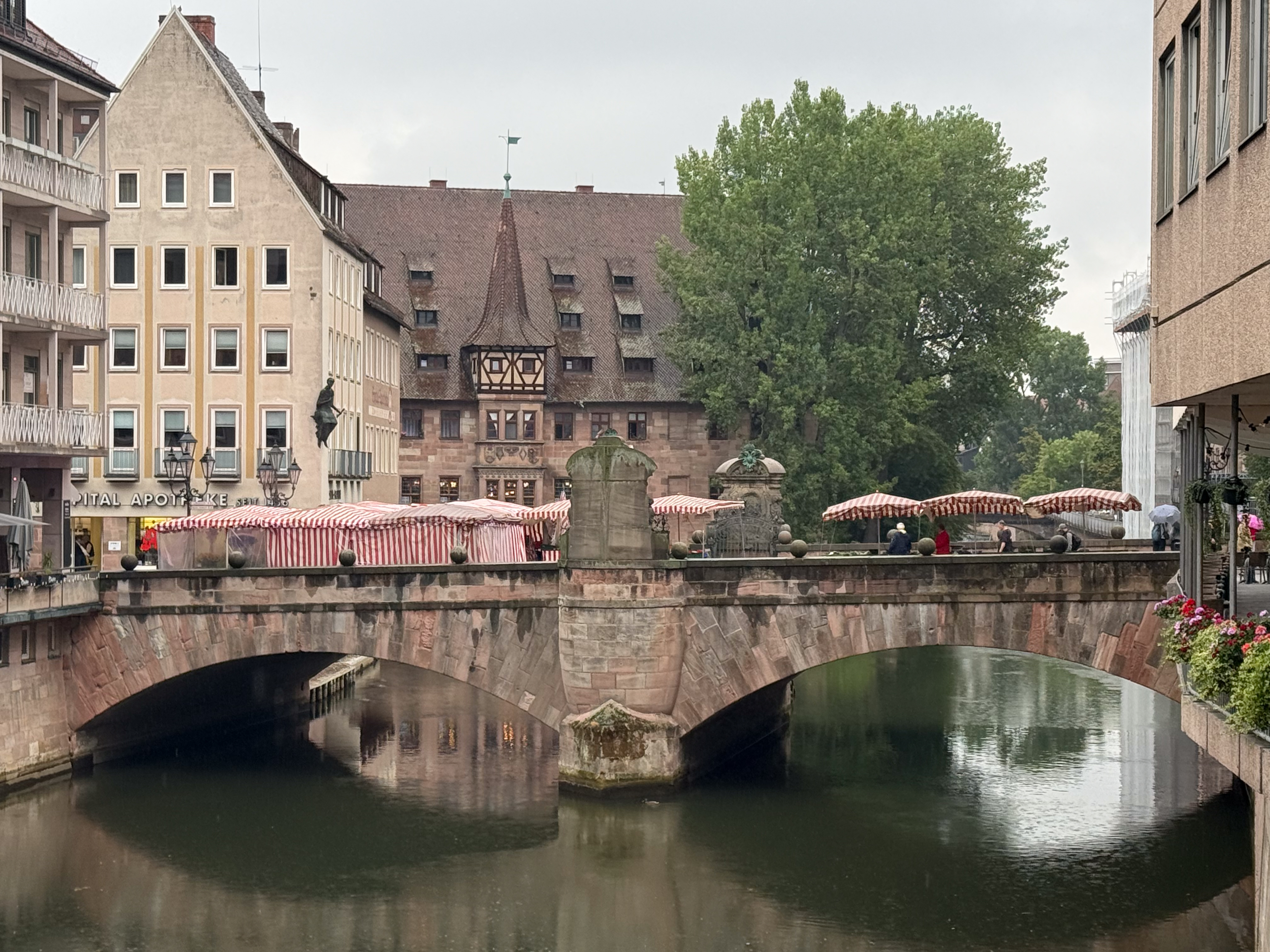
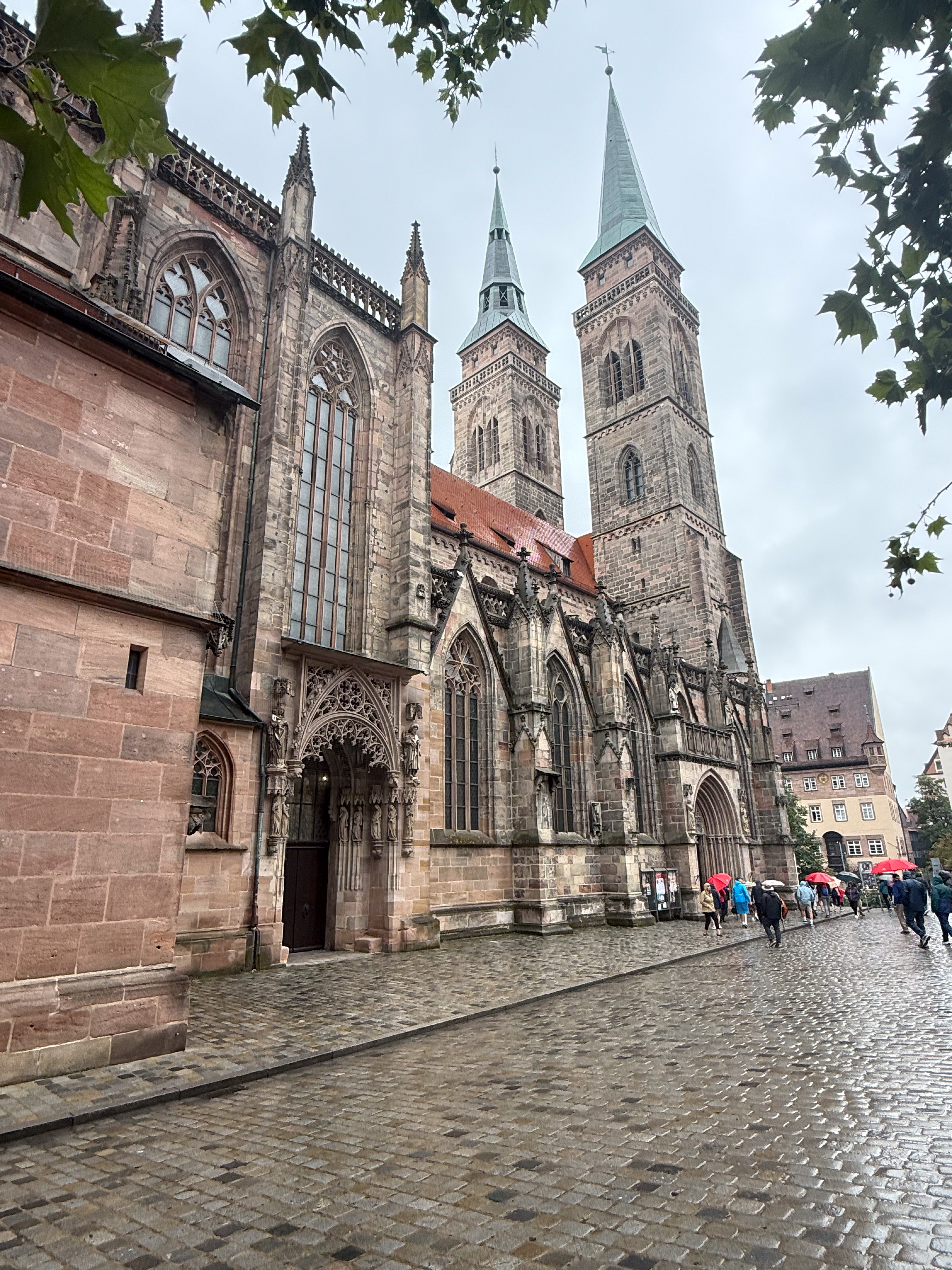
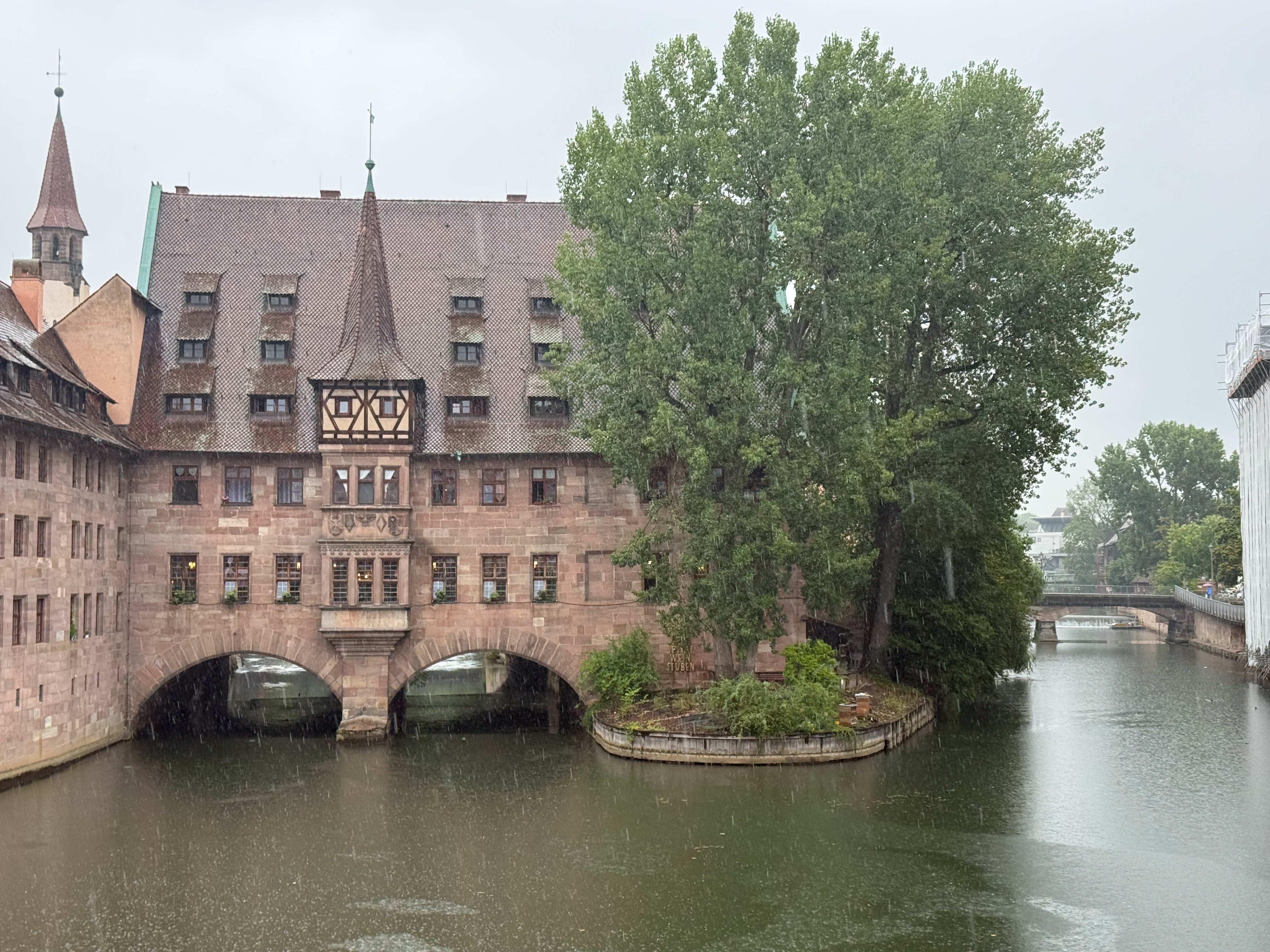
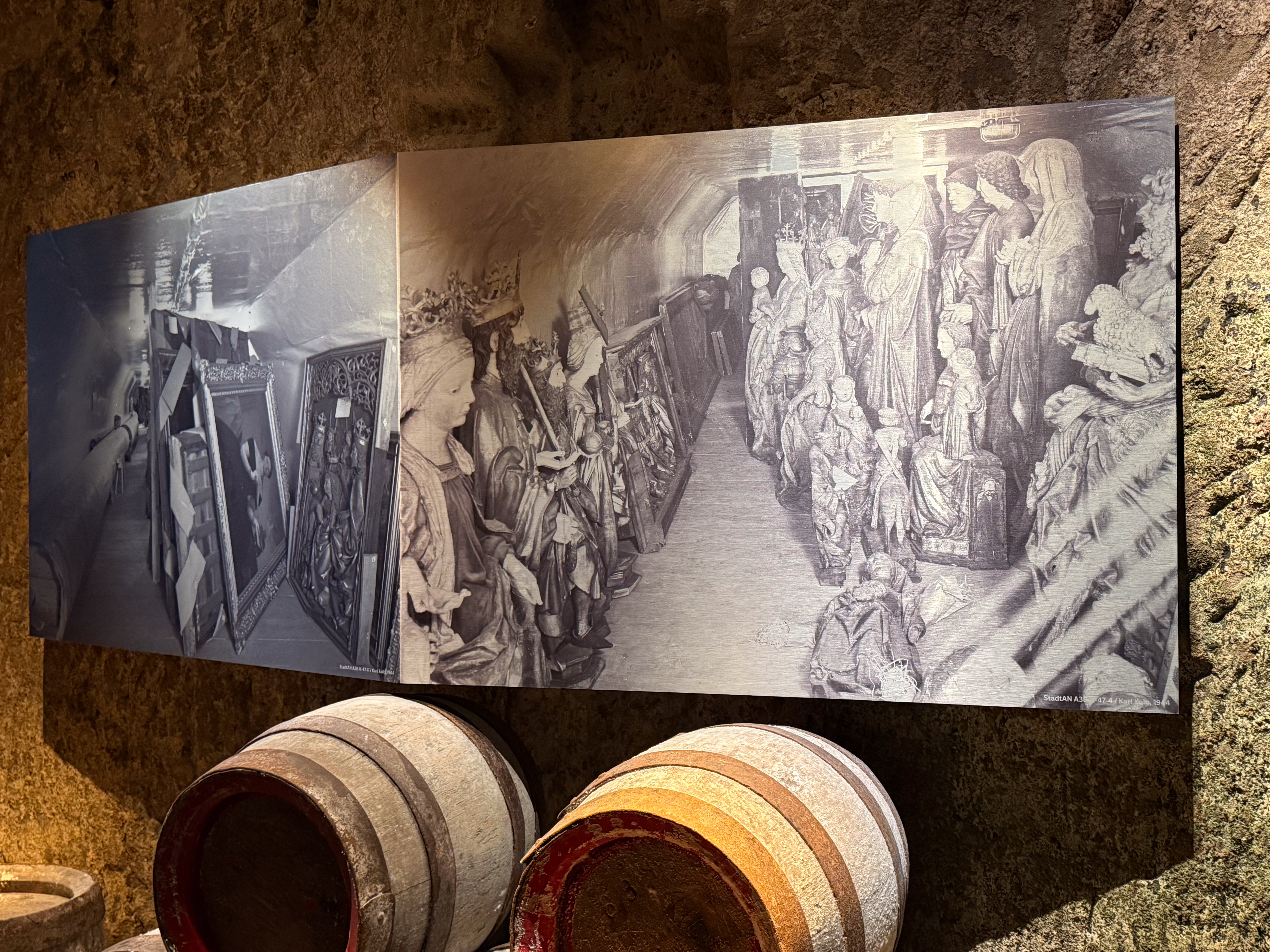
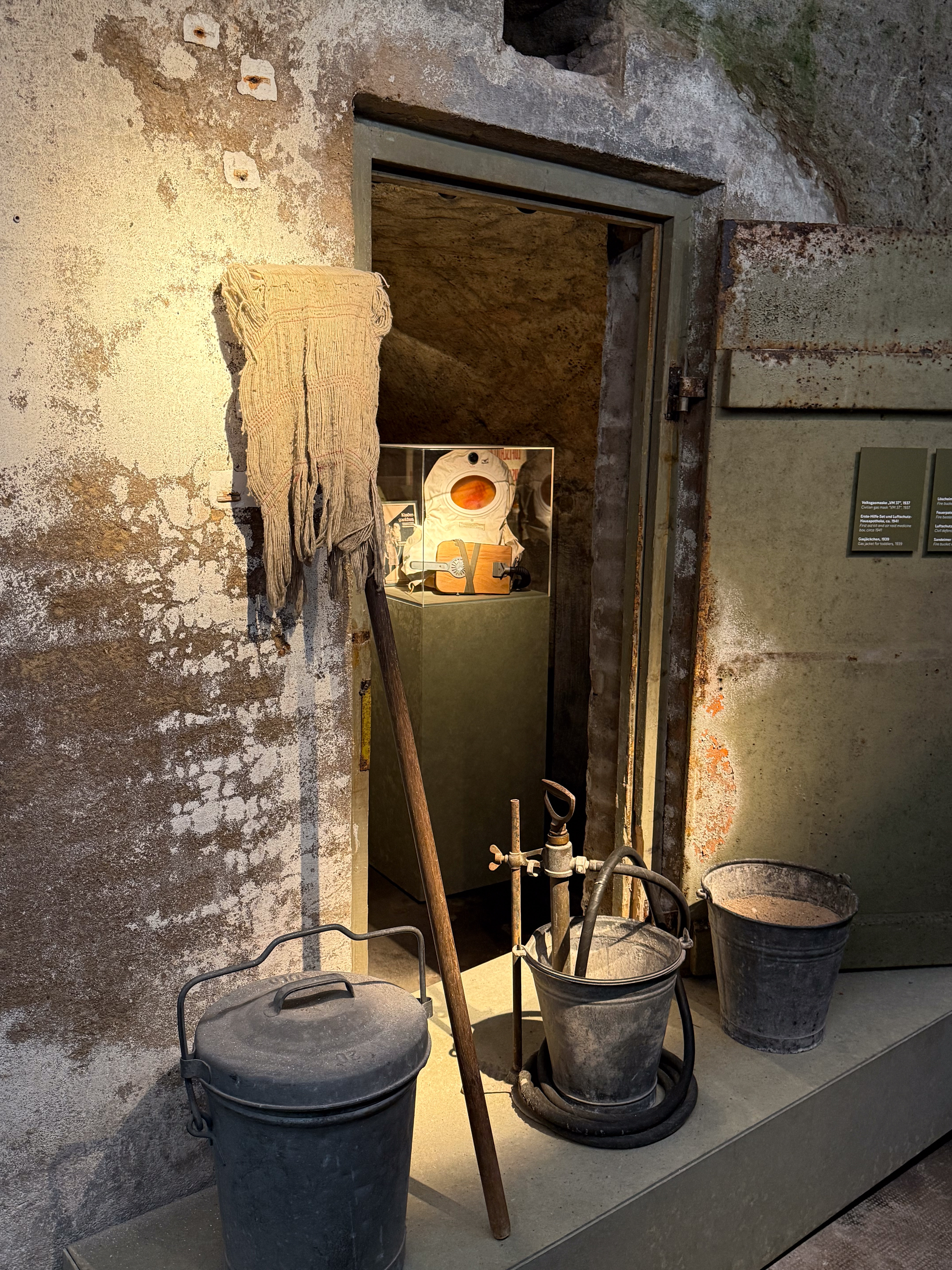
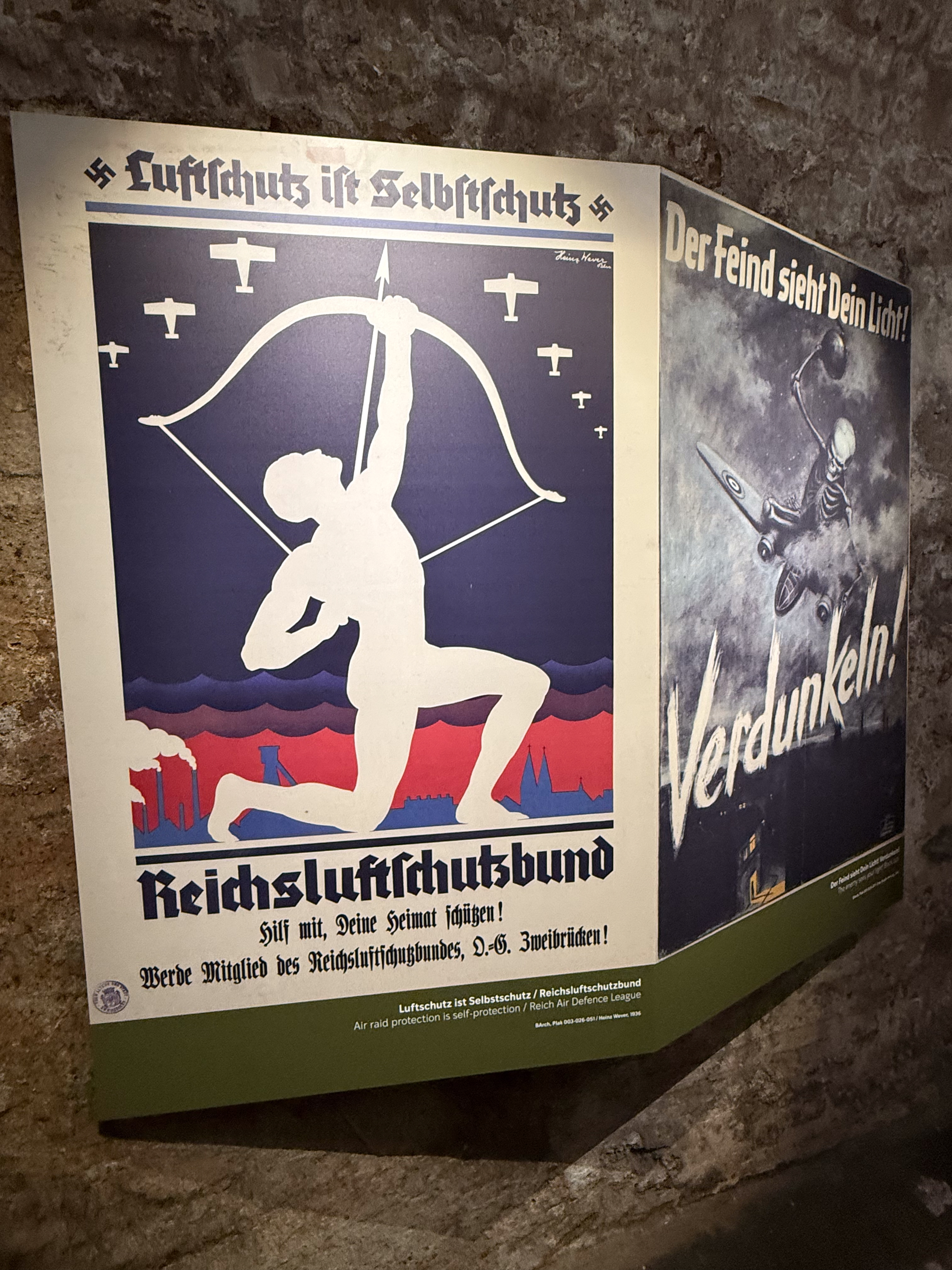
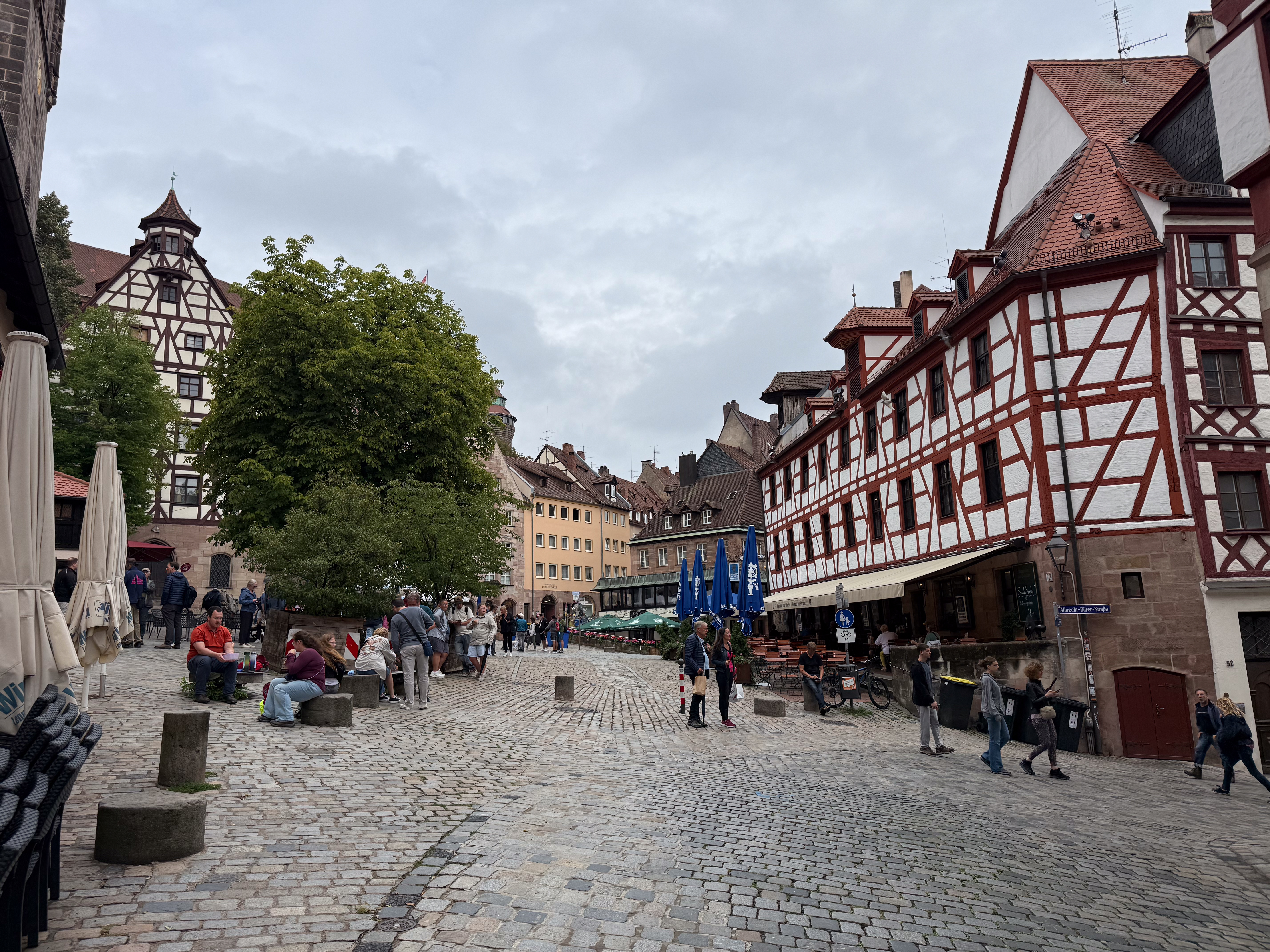
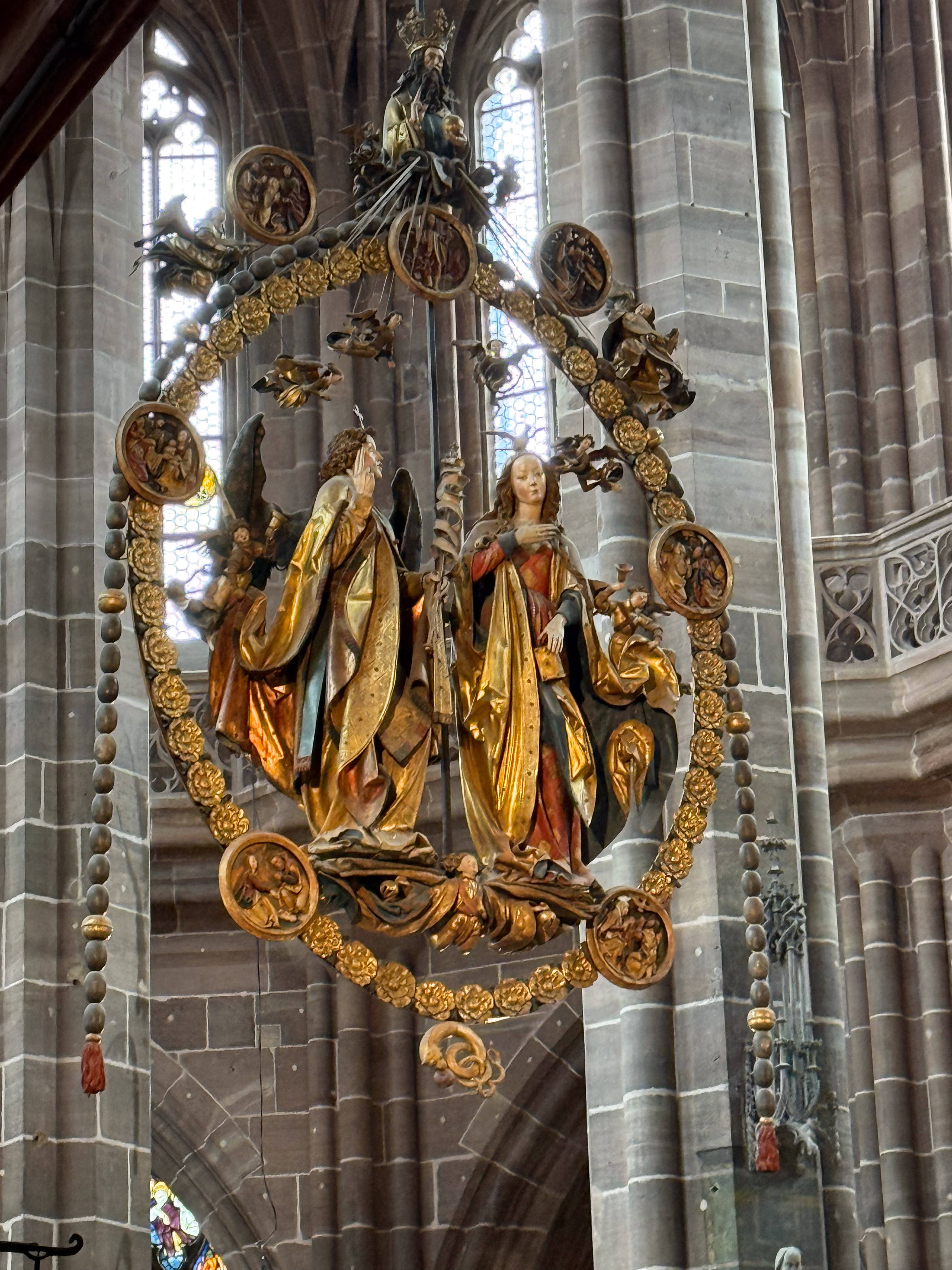
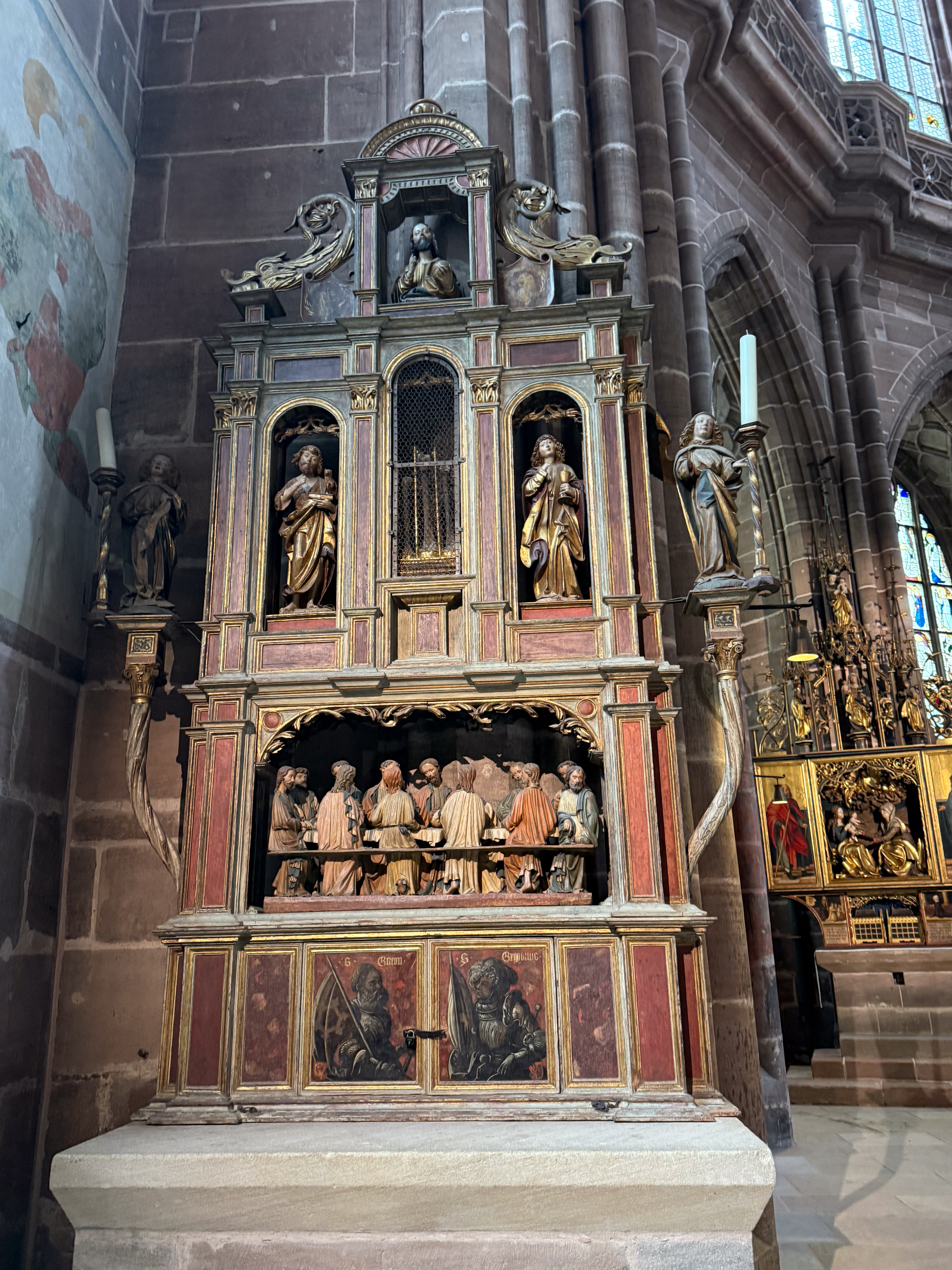
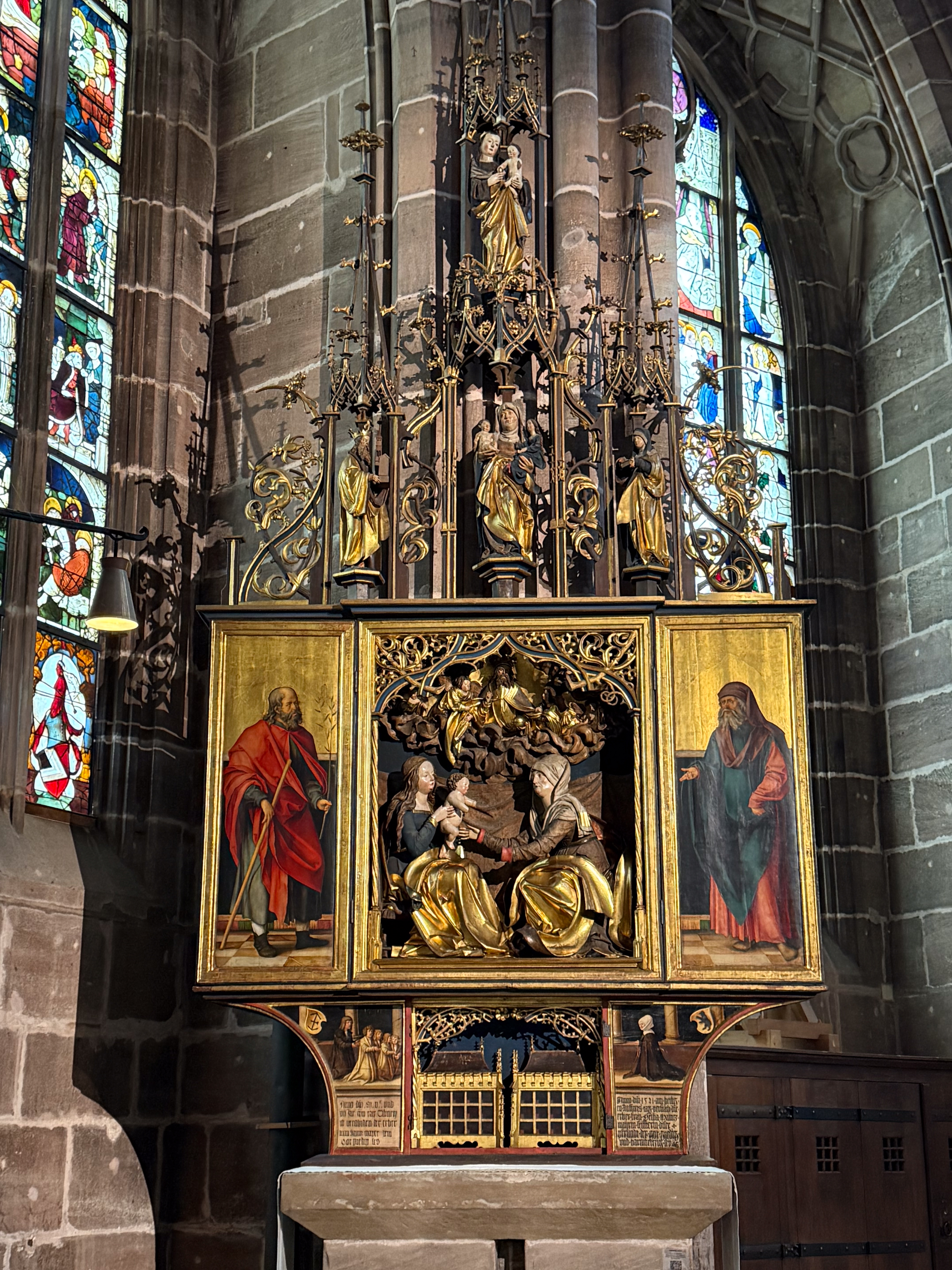
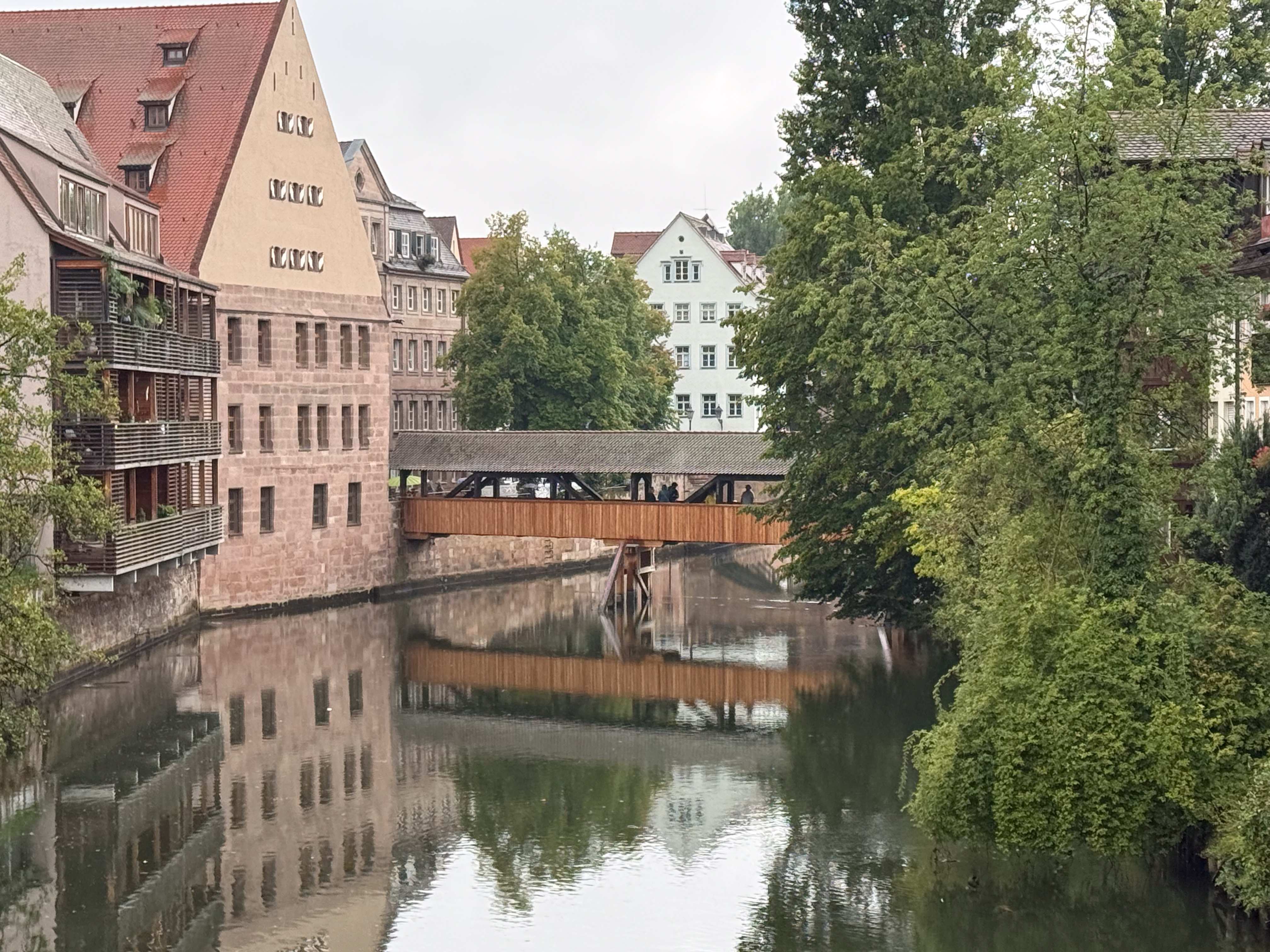
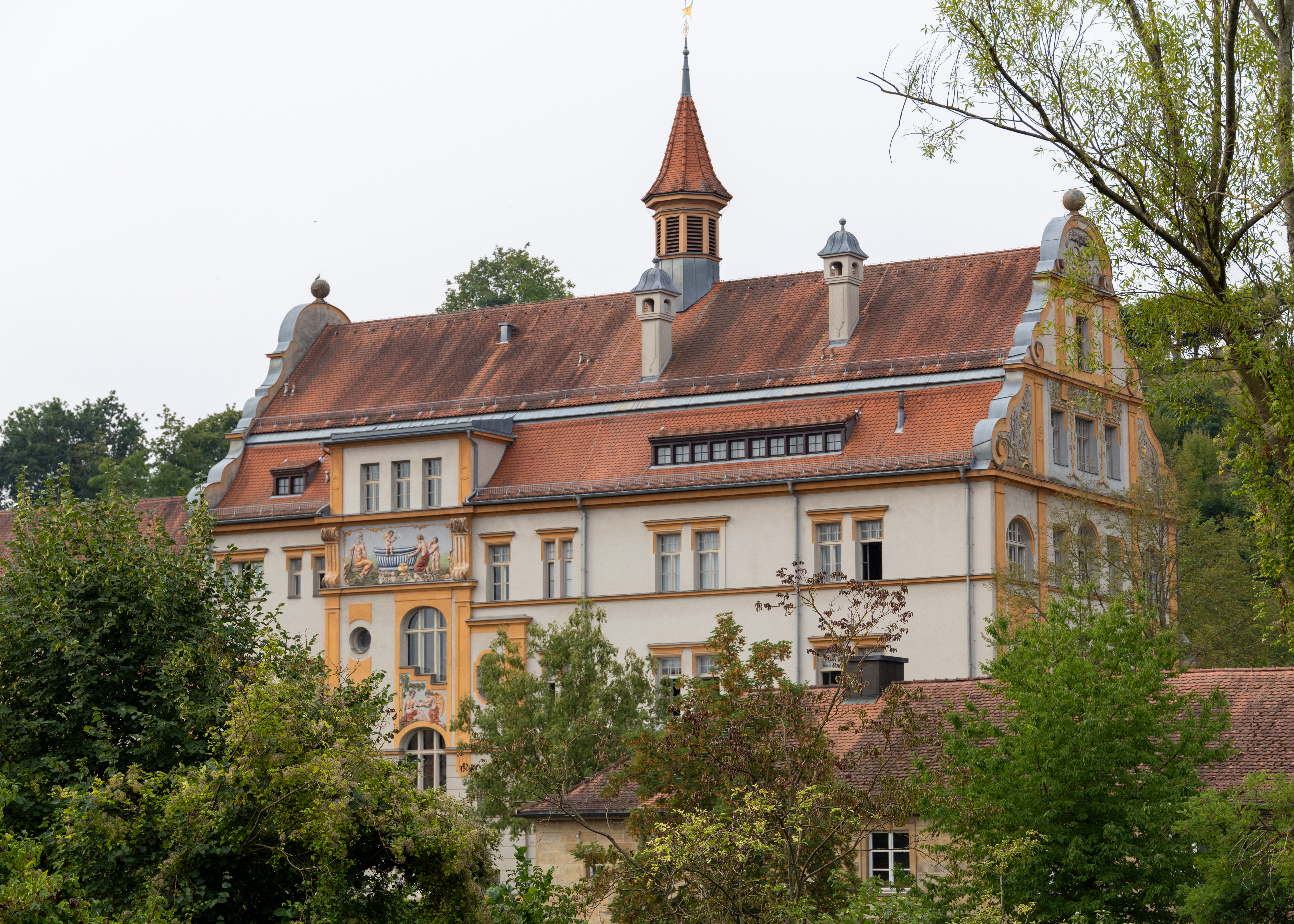
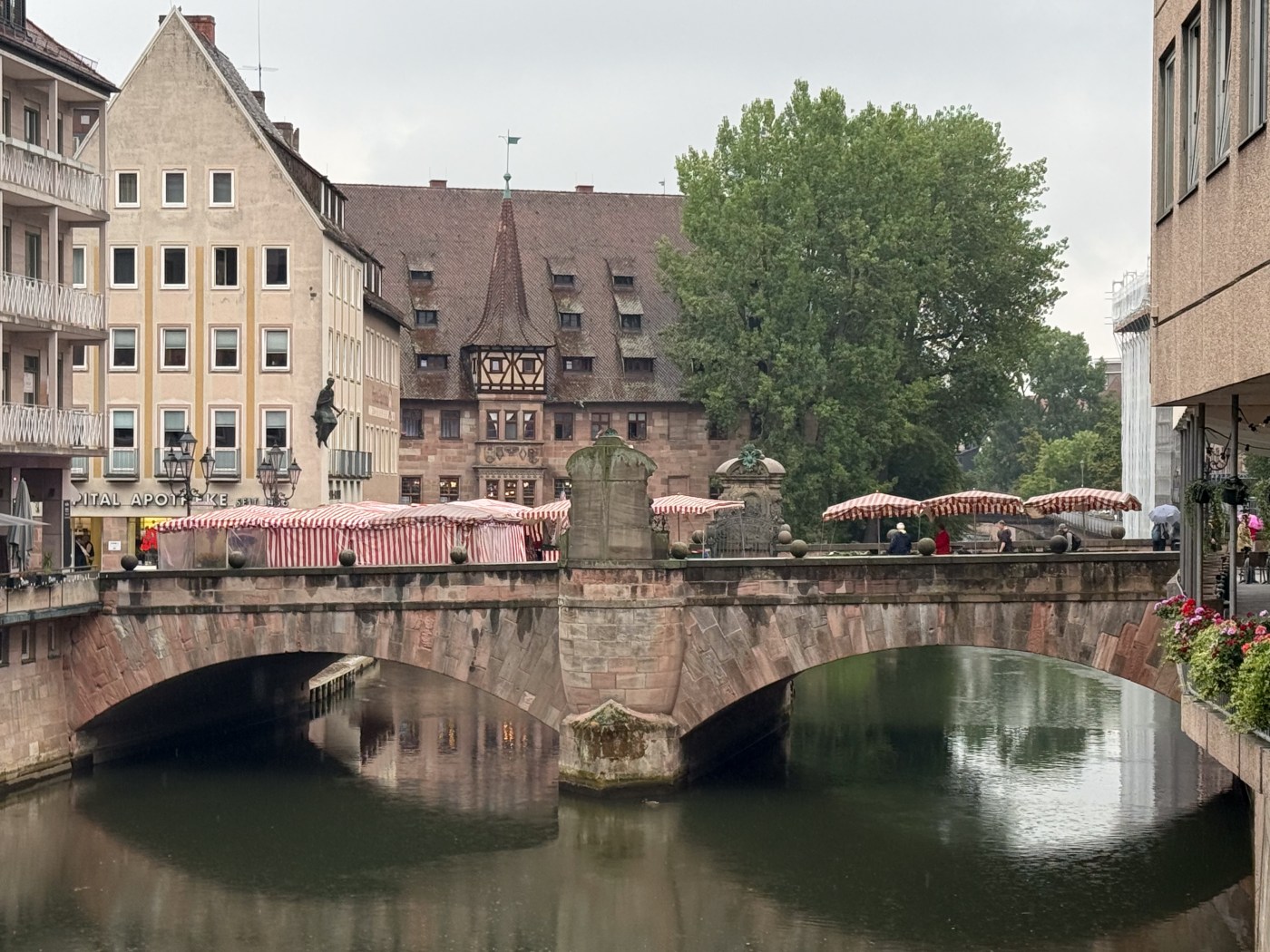
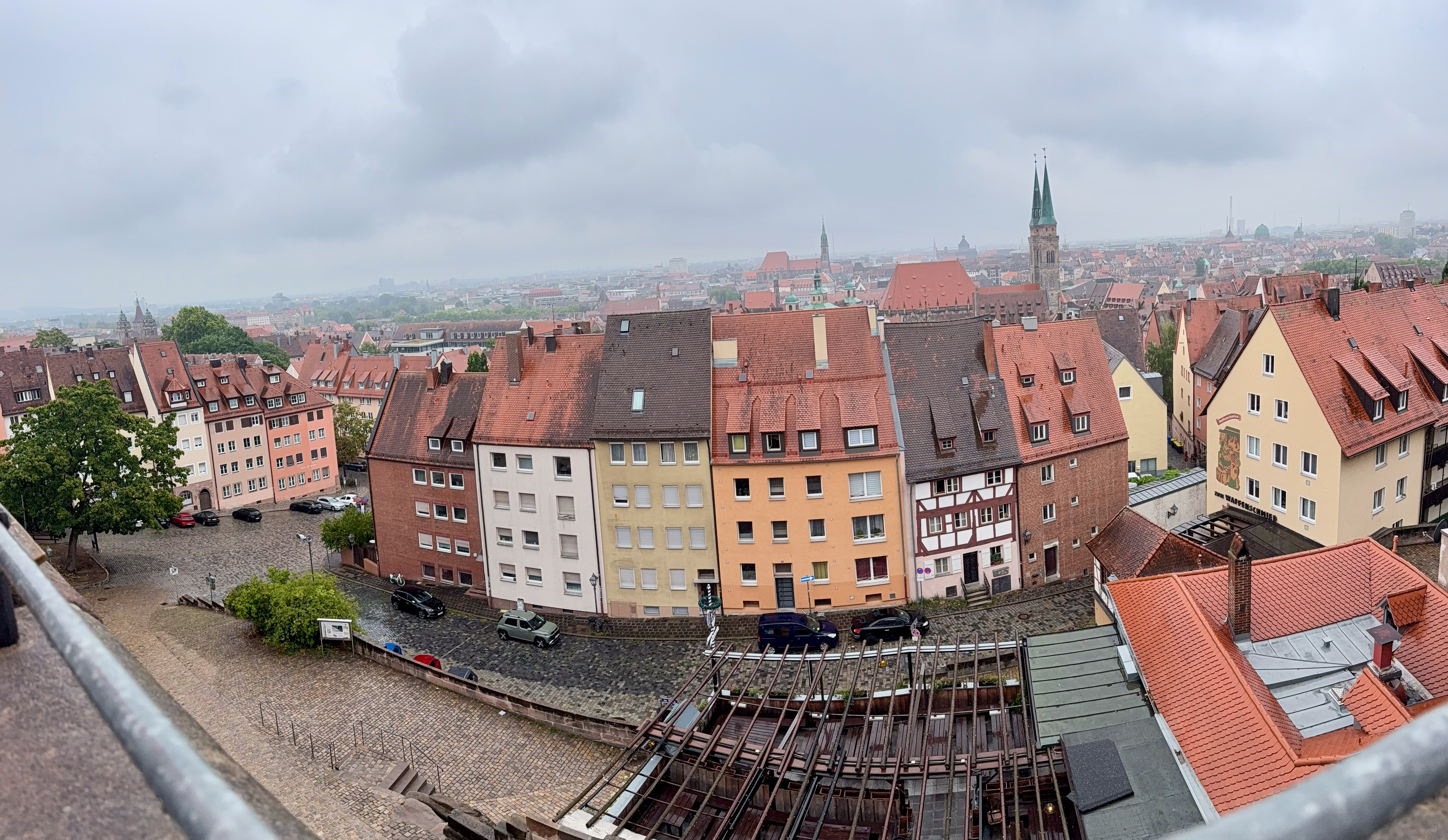
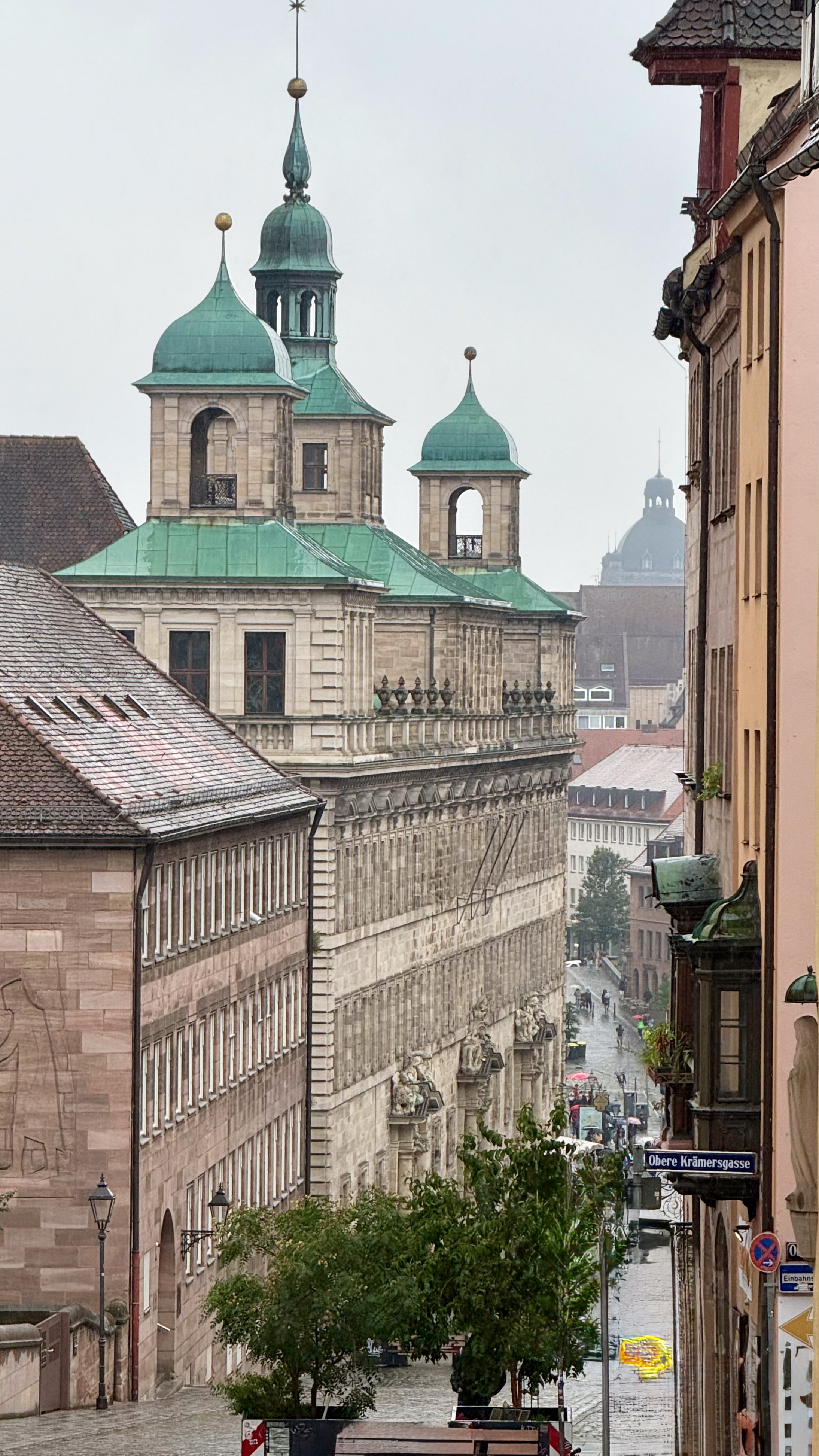
Nuremberg is the second-largest city in Bavaria, filled with traditional half-timbered houses and Gothic churches with intricate spires. Nearly totally destroyed during WW 2, the remaining medieval city walls, built in the 14th century, stretch almost 3 miles and feature original gateways and over 80 watchtowers. Nuremberg is well known for its metalwork and toy craftsmanship. But it is infamously known for its role in WW2, first as the site of Zeppelin Field’s Naxi ralliies and later the site of war crimes trials at the Palace of Justice. The Imperial Castle (Kaiserburg) was one of the most important fortified palaces of the Holy Roman Empire. The central market square is home to the “Beautiful Fountain,” a 19-meter-tall Gothic spire. We also toured the Historischer Kunstbunker (Art Bunker), deep under castle hill; these medieval beer cellars were converted into a high-tech bunker during WWII to protect Europe’s most priceless art (looted by the Nazis) from Allied bombings. Finally, the ship survived a special appetizer made by a guest sous chef.

We are back home – thanks for traveling with us – feel free to share this blog with friends. Best to all – Pete
Europe 2026 – Day 12 Bamberg, Germany

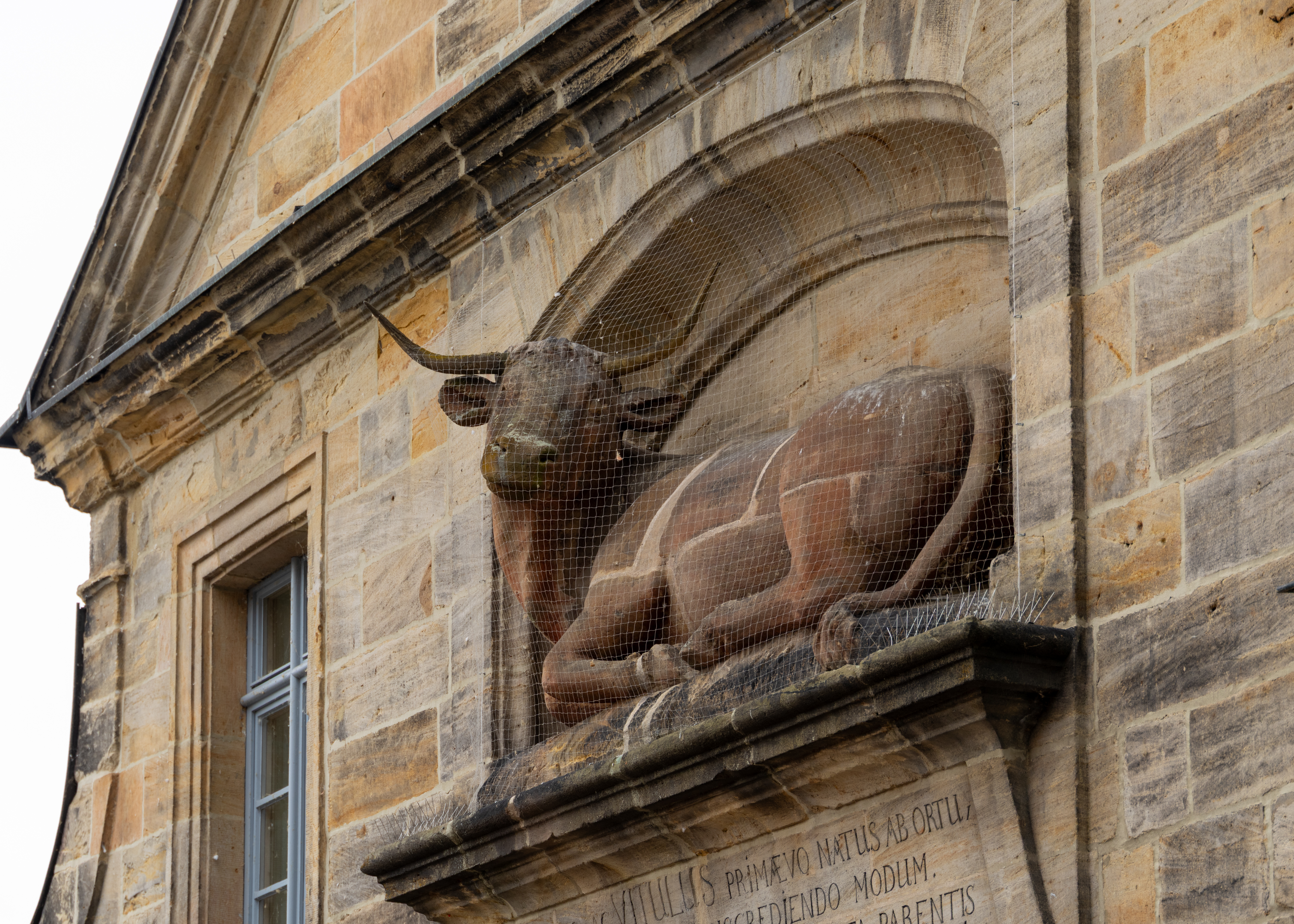
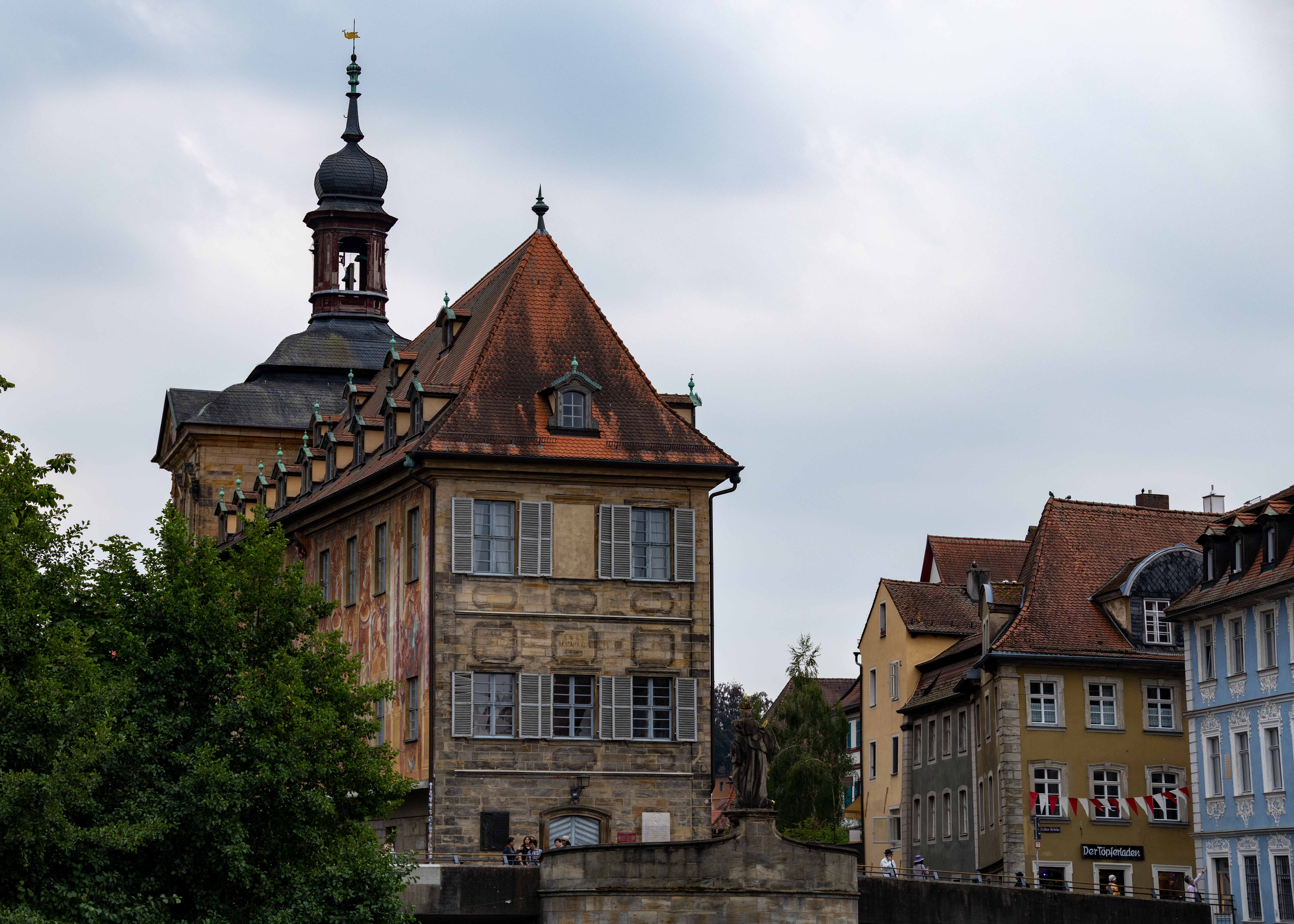
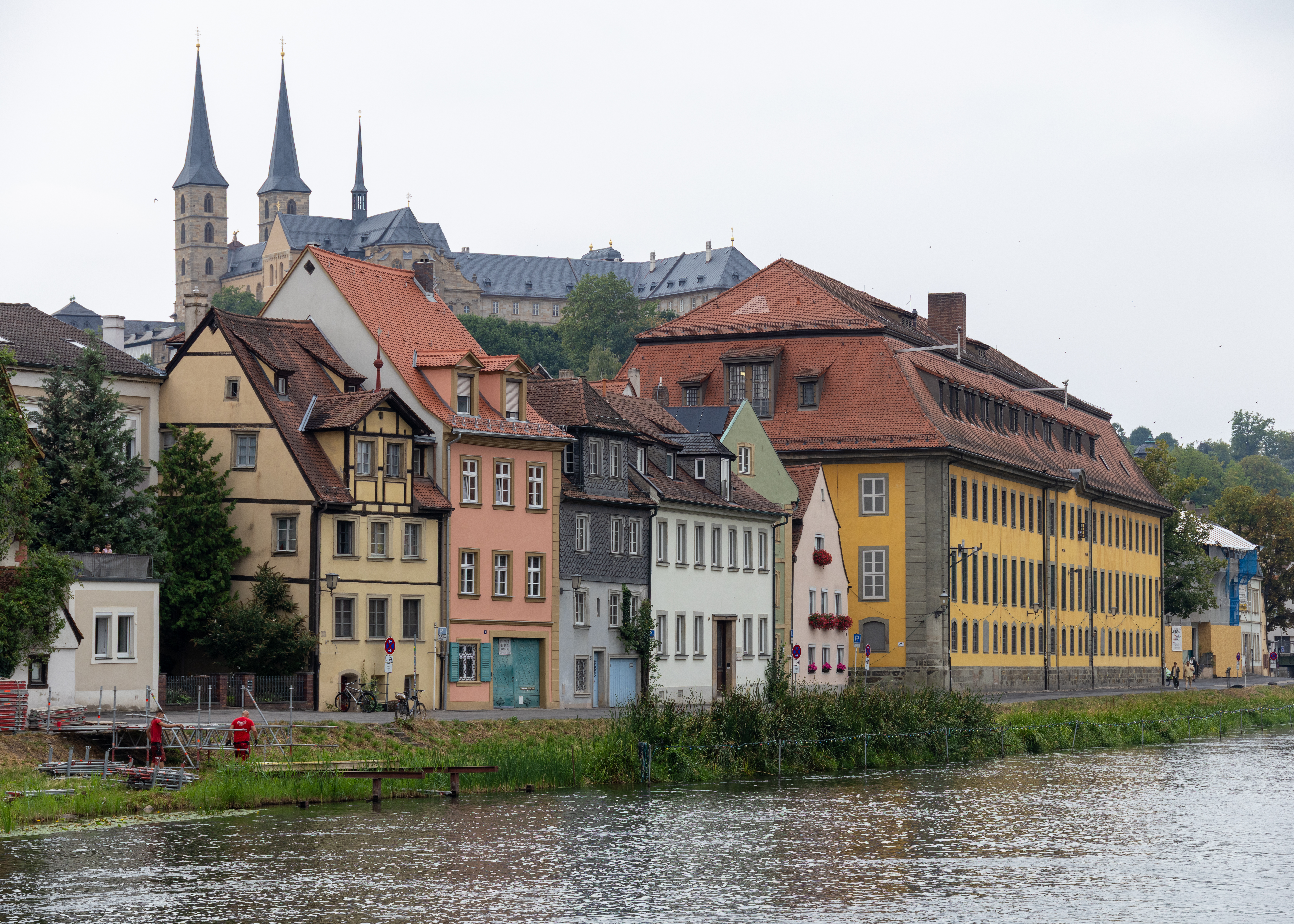
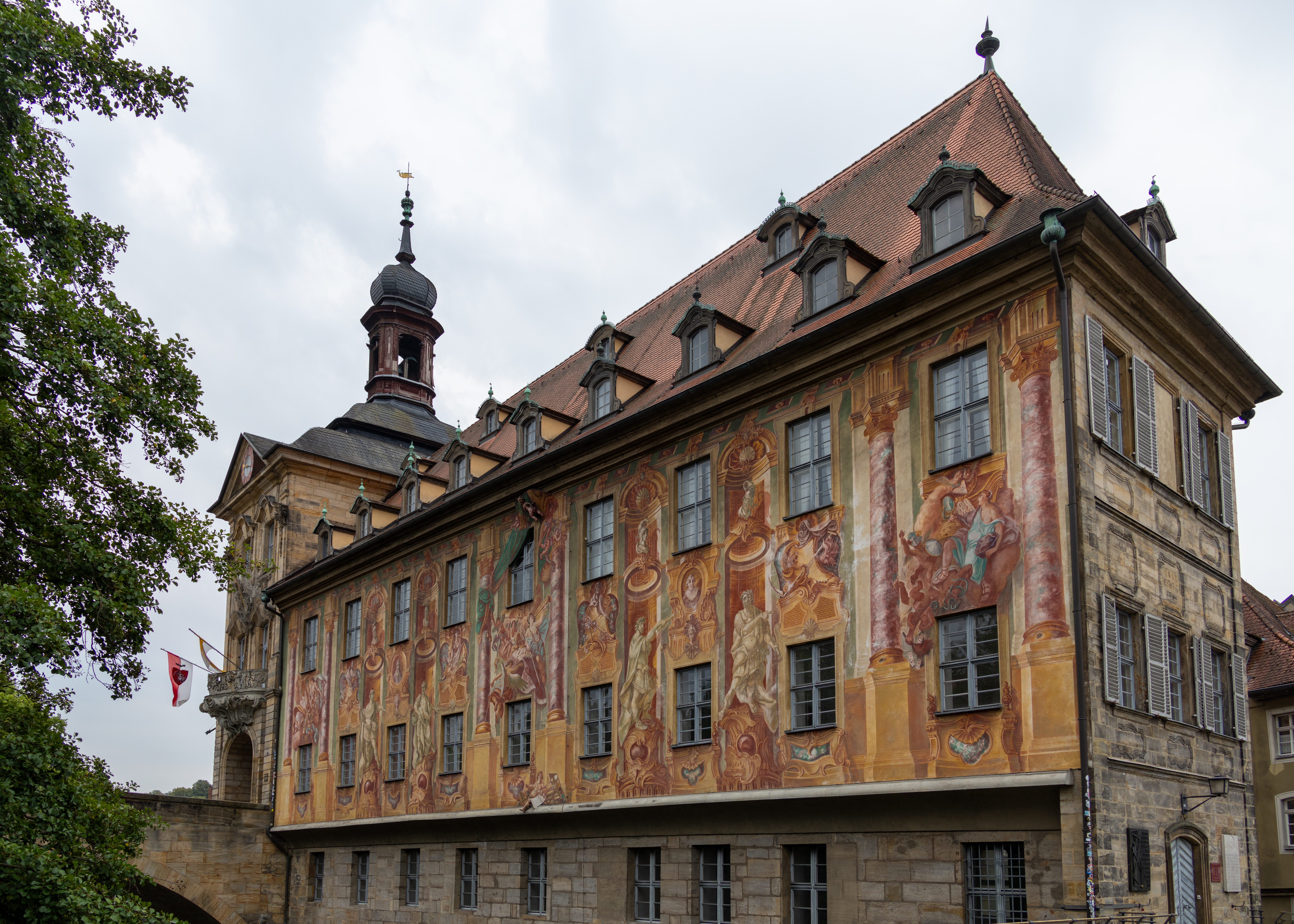
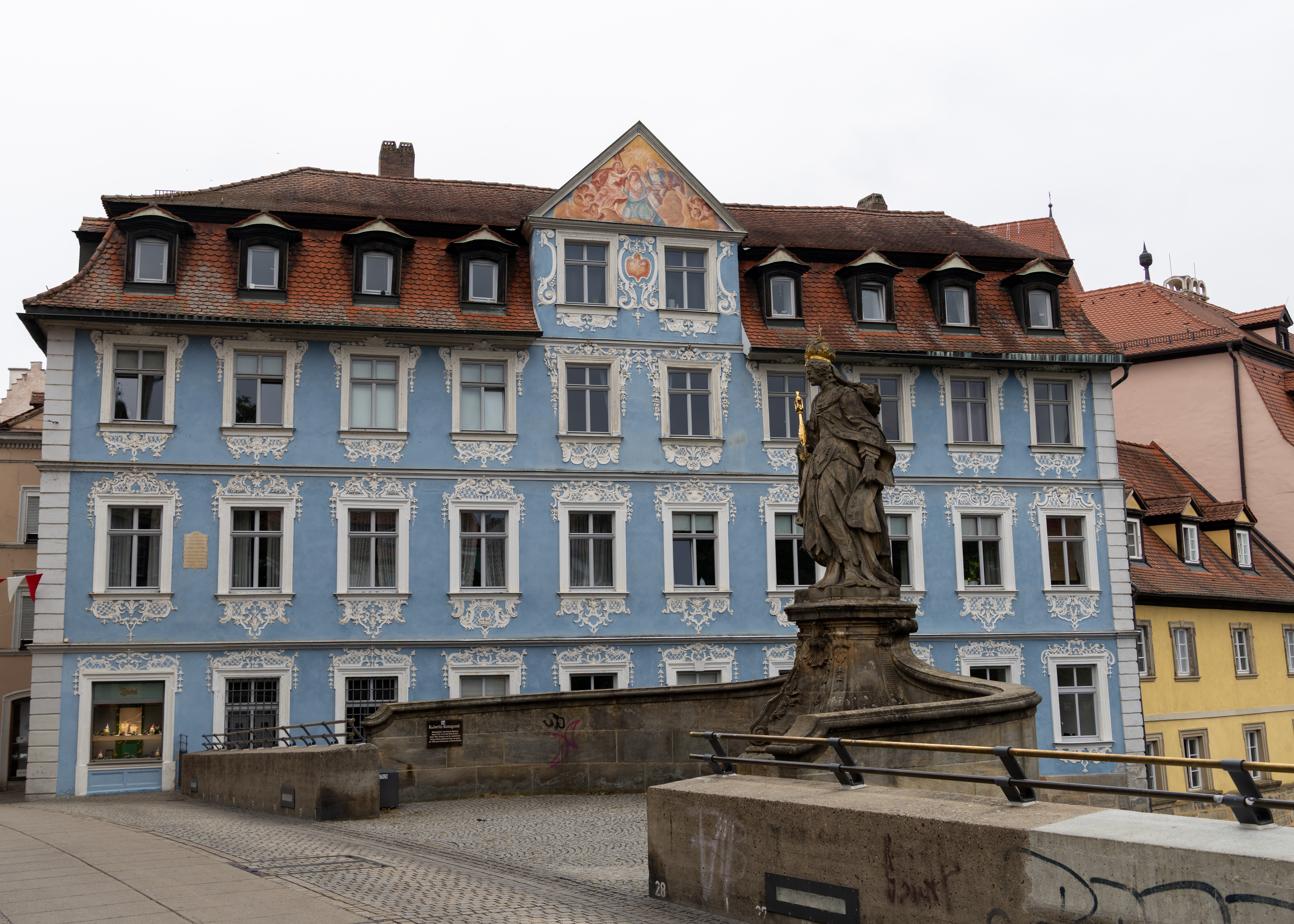
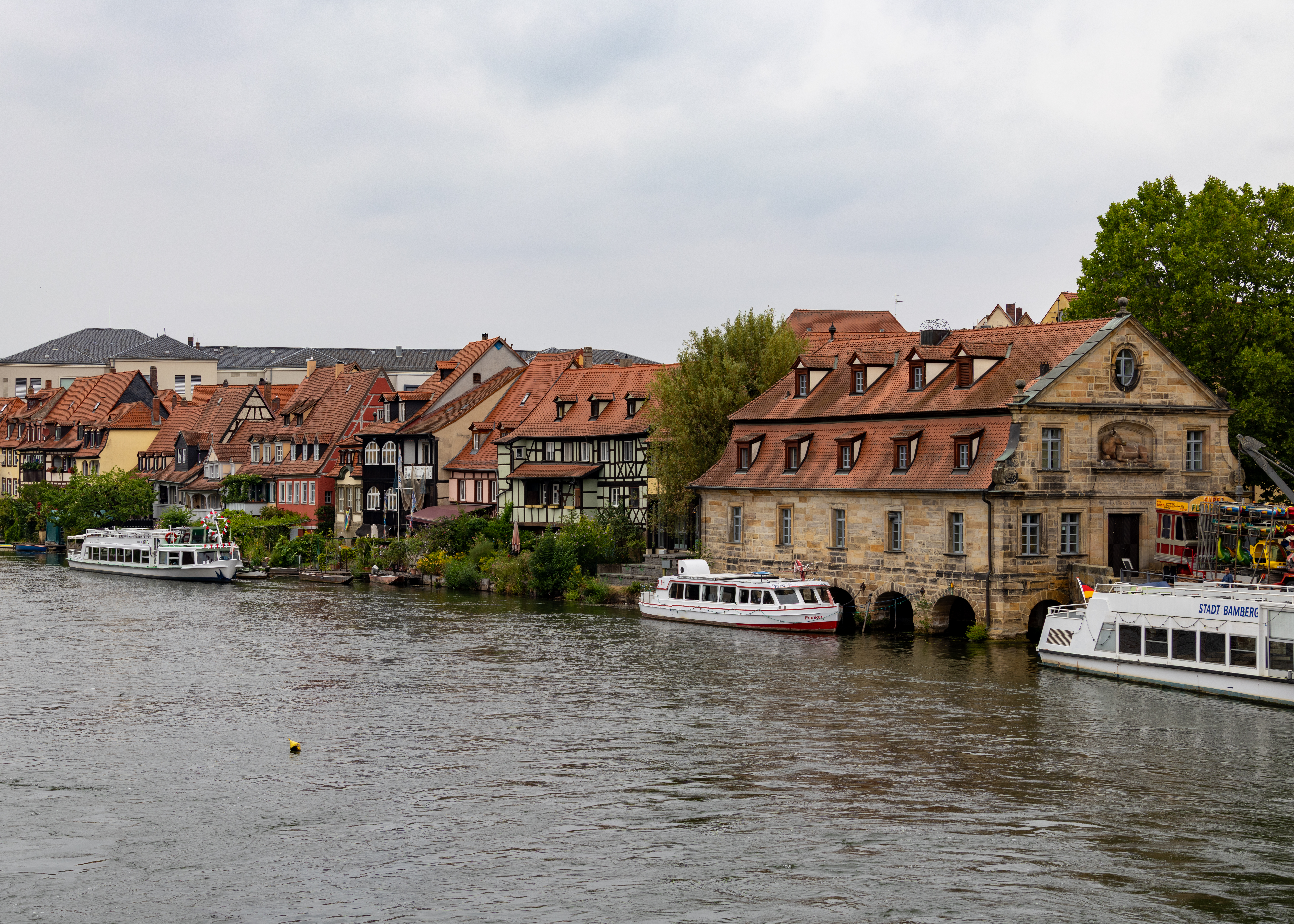
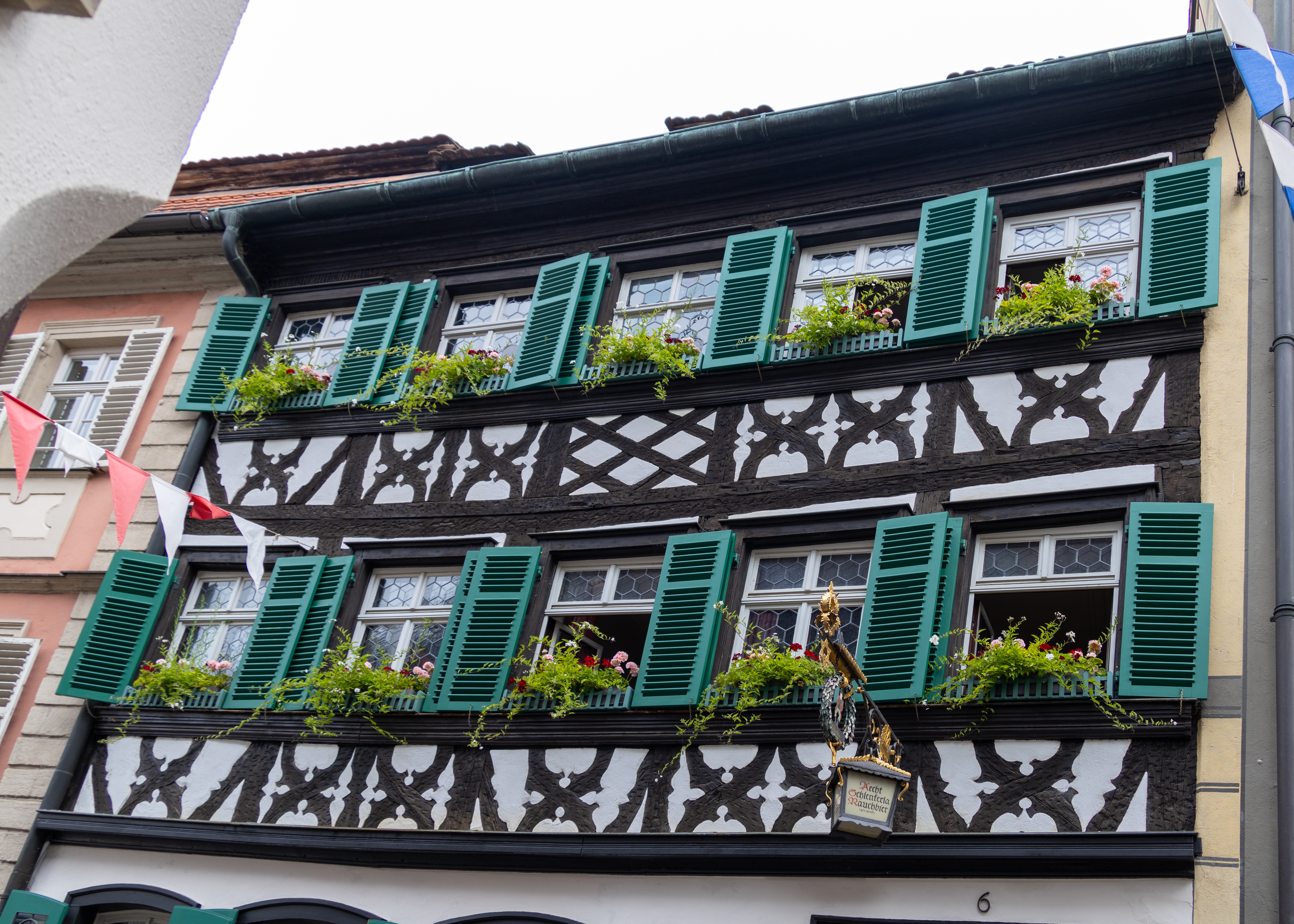
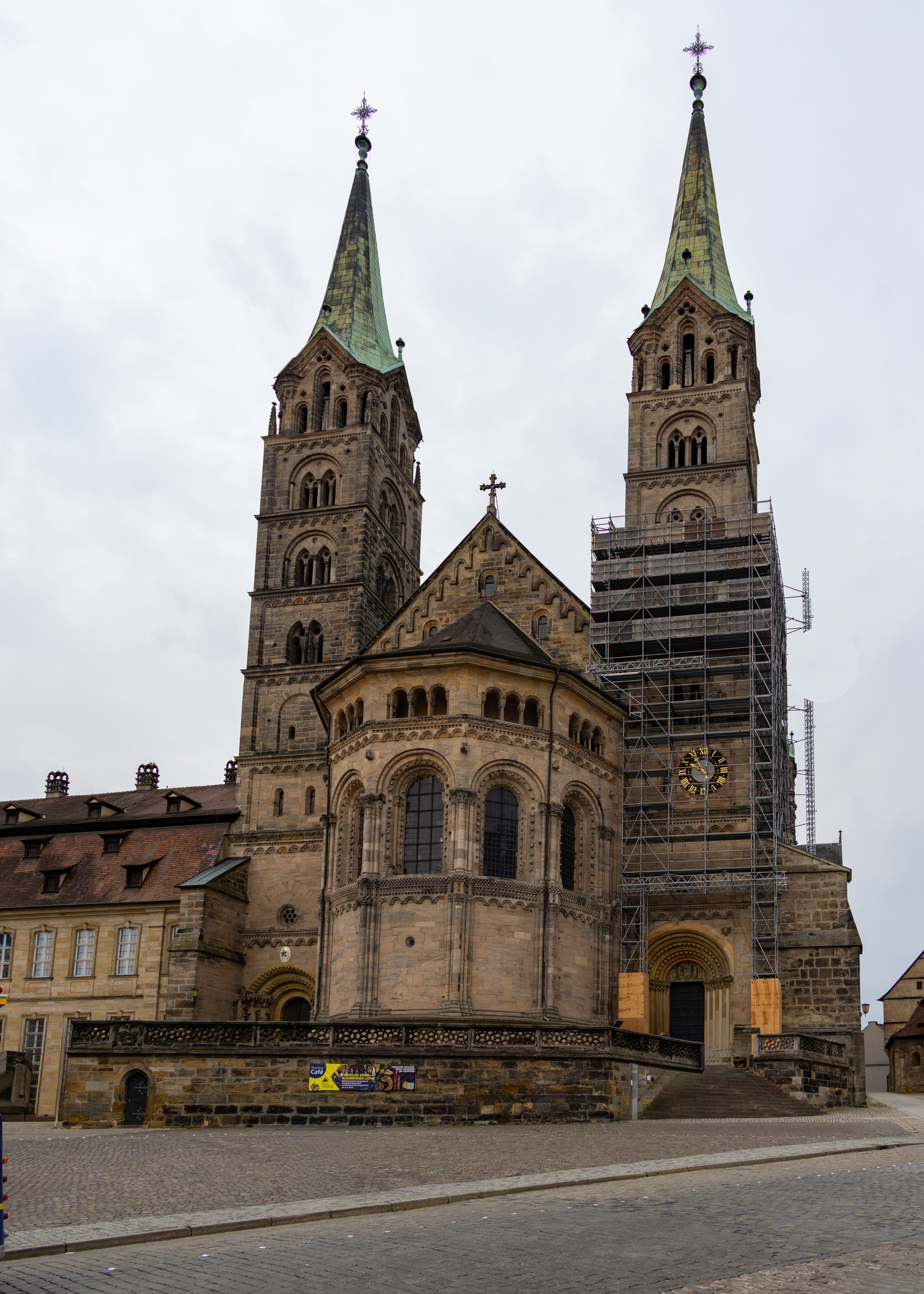
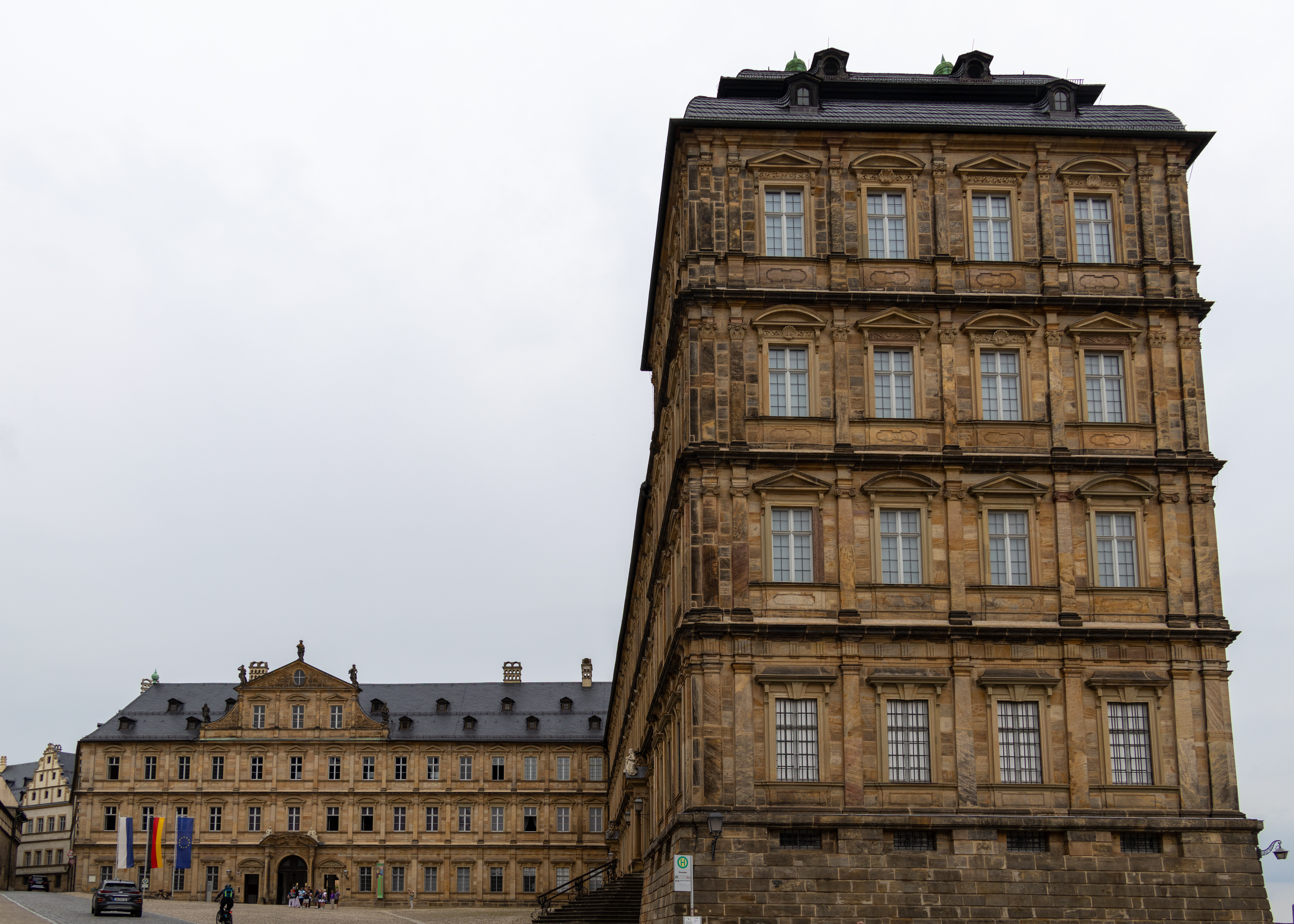
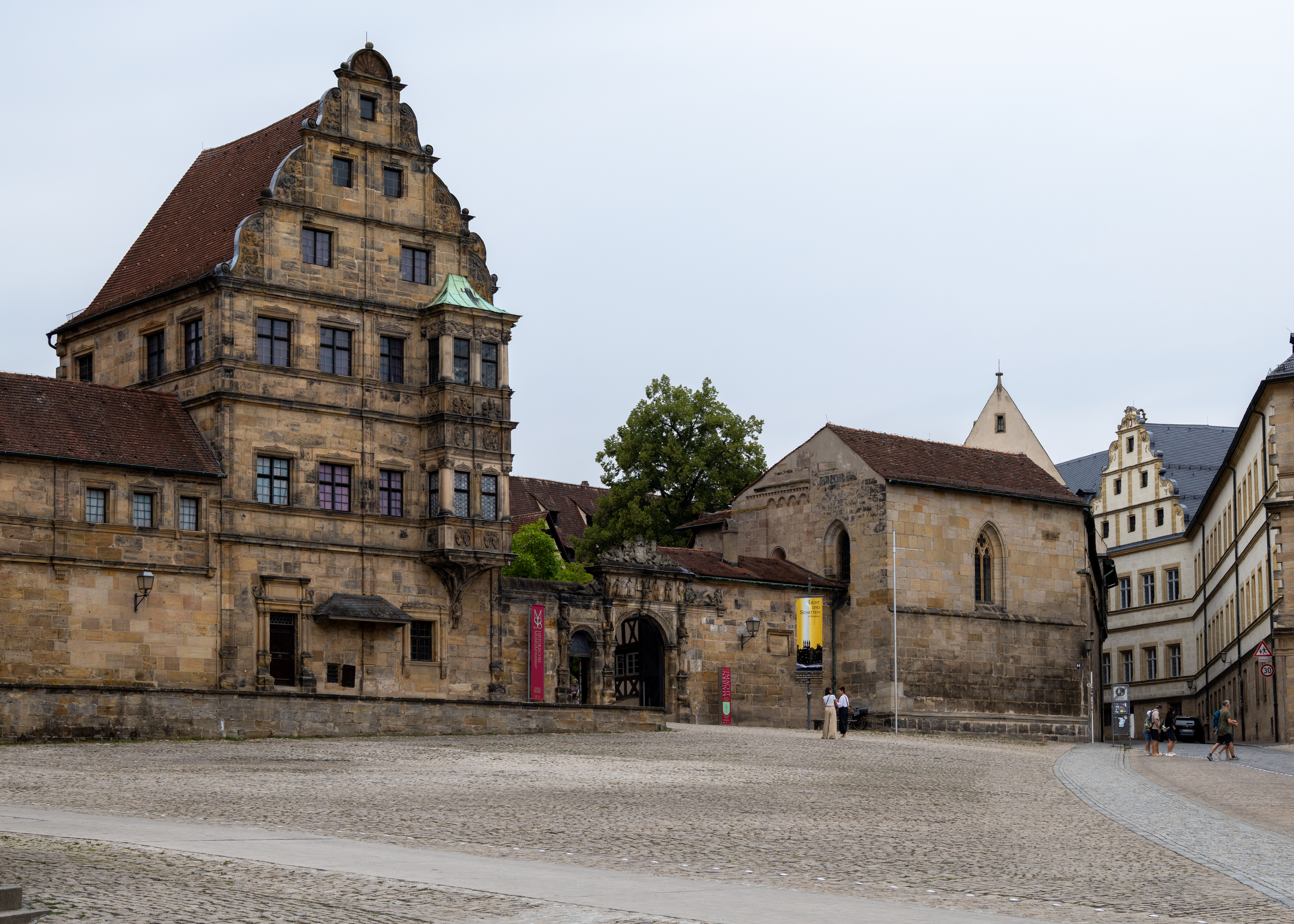
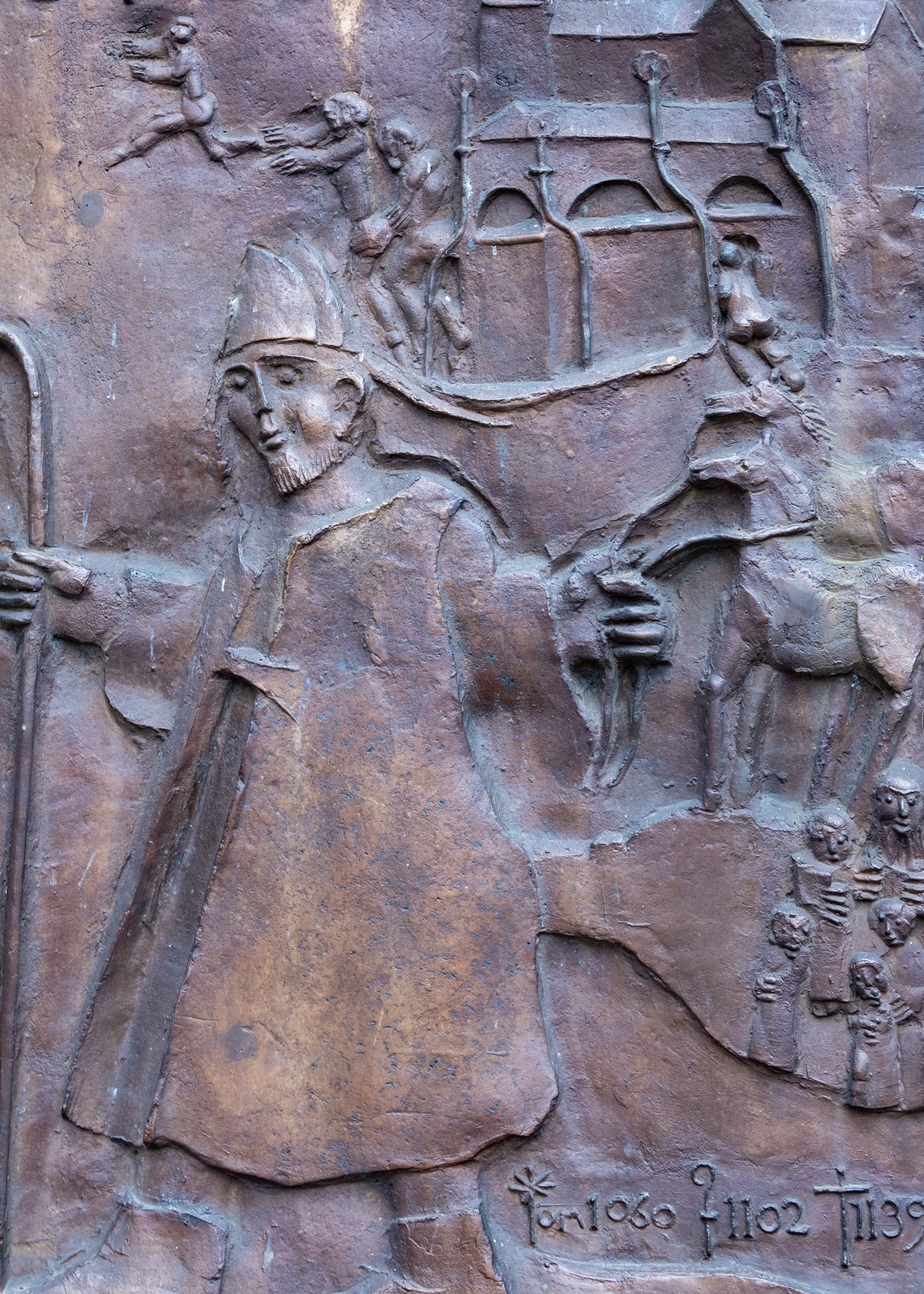
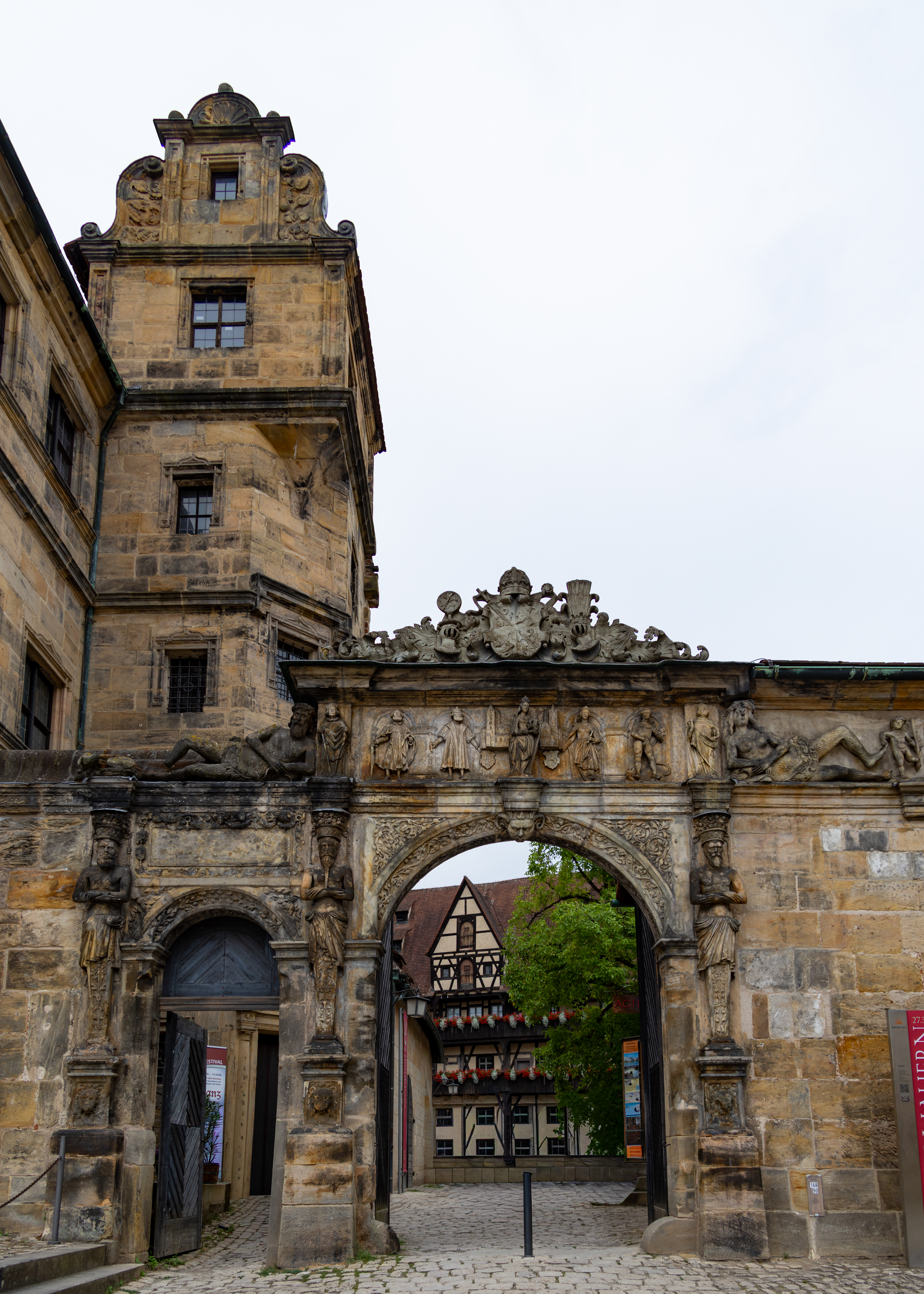
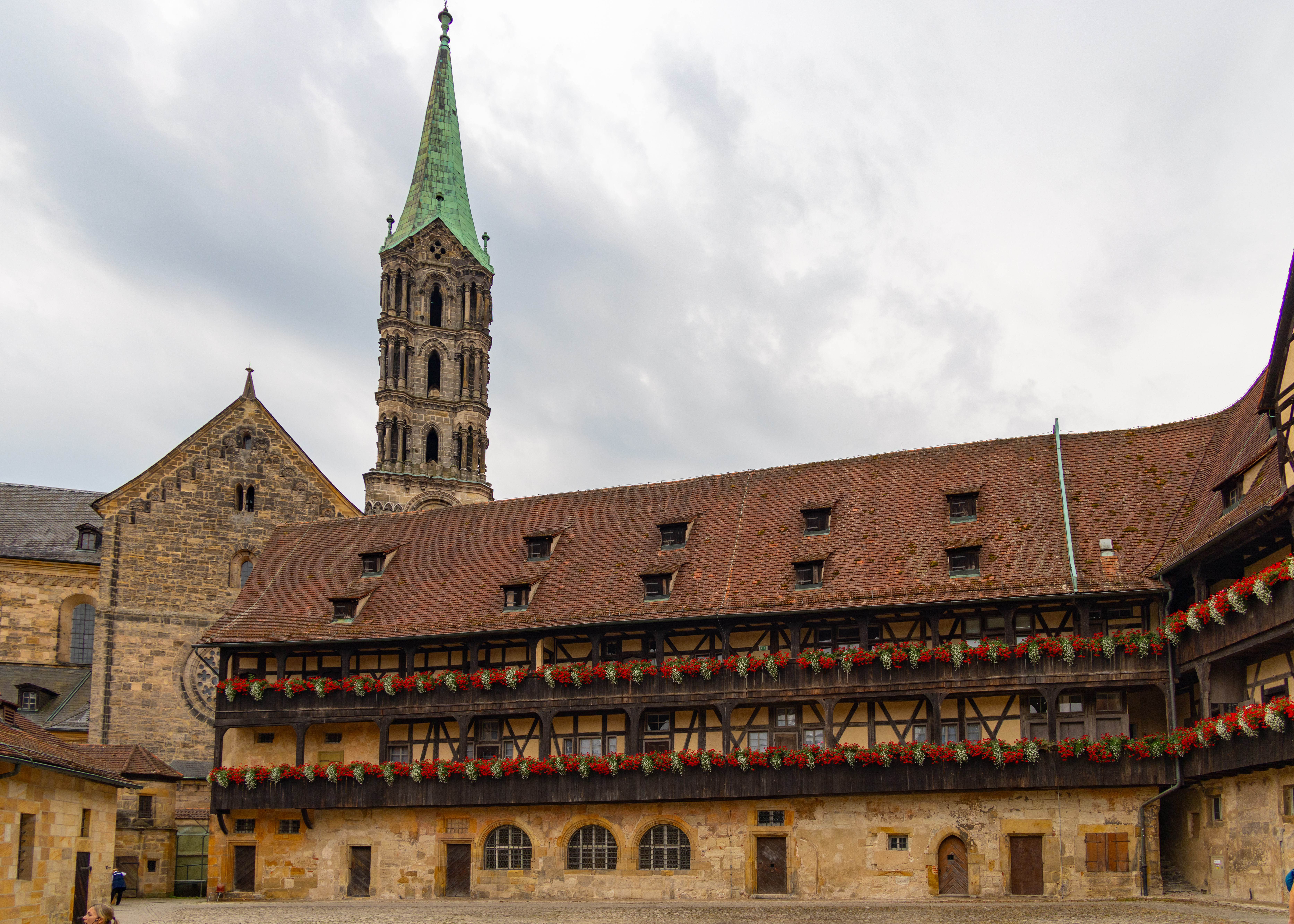
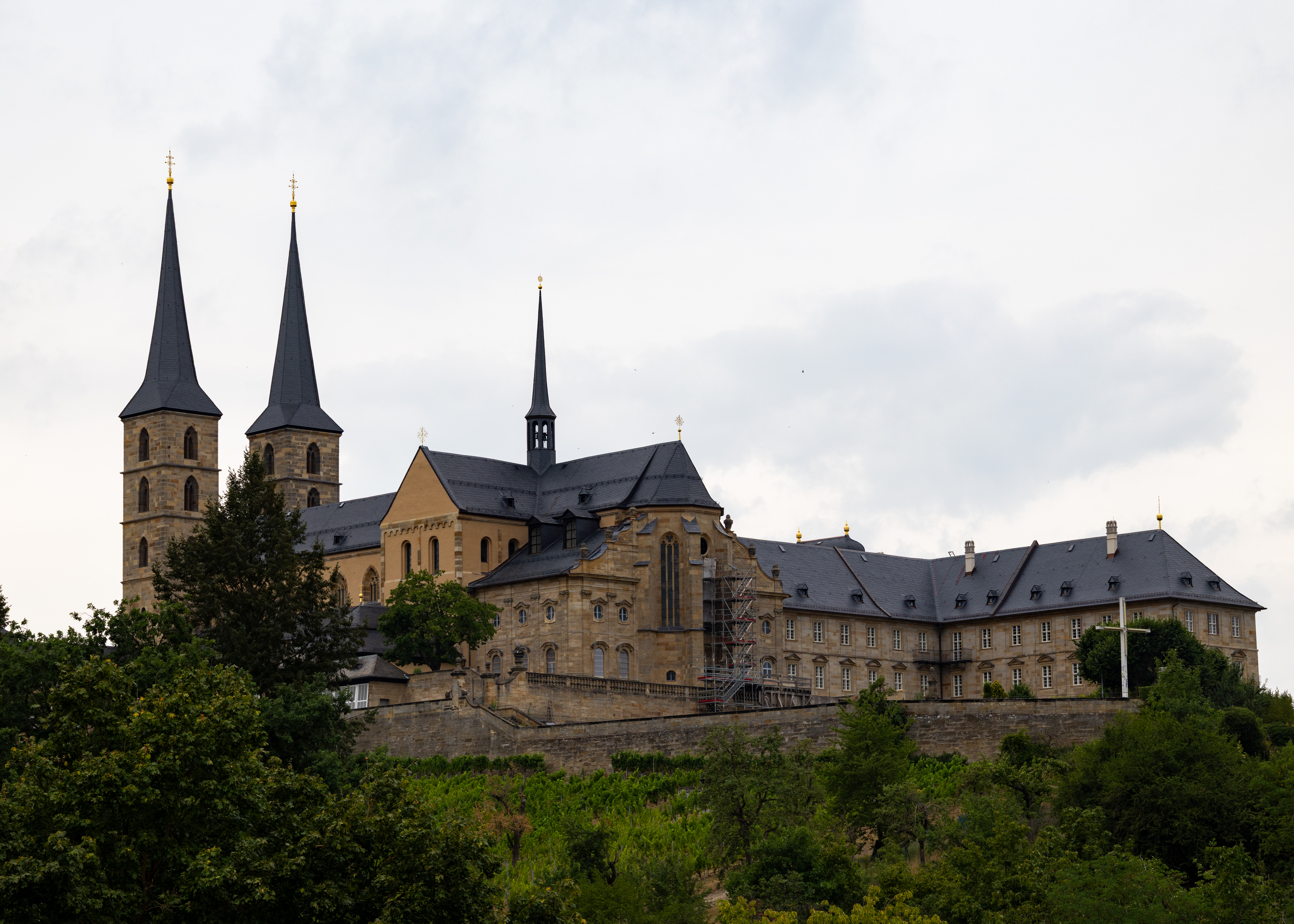
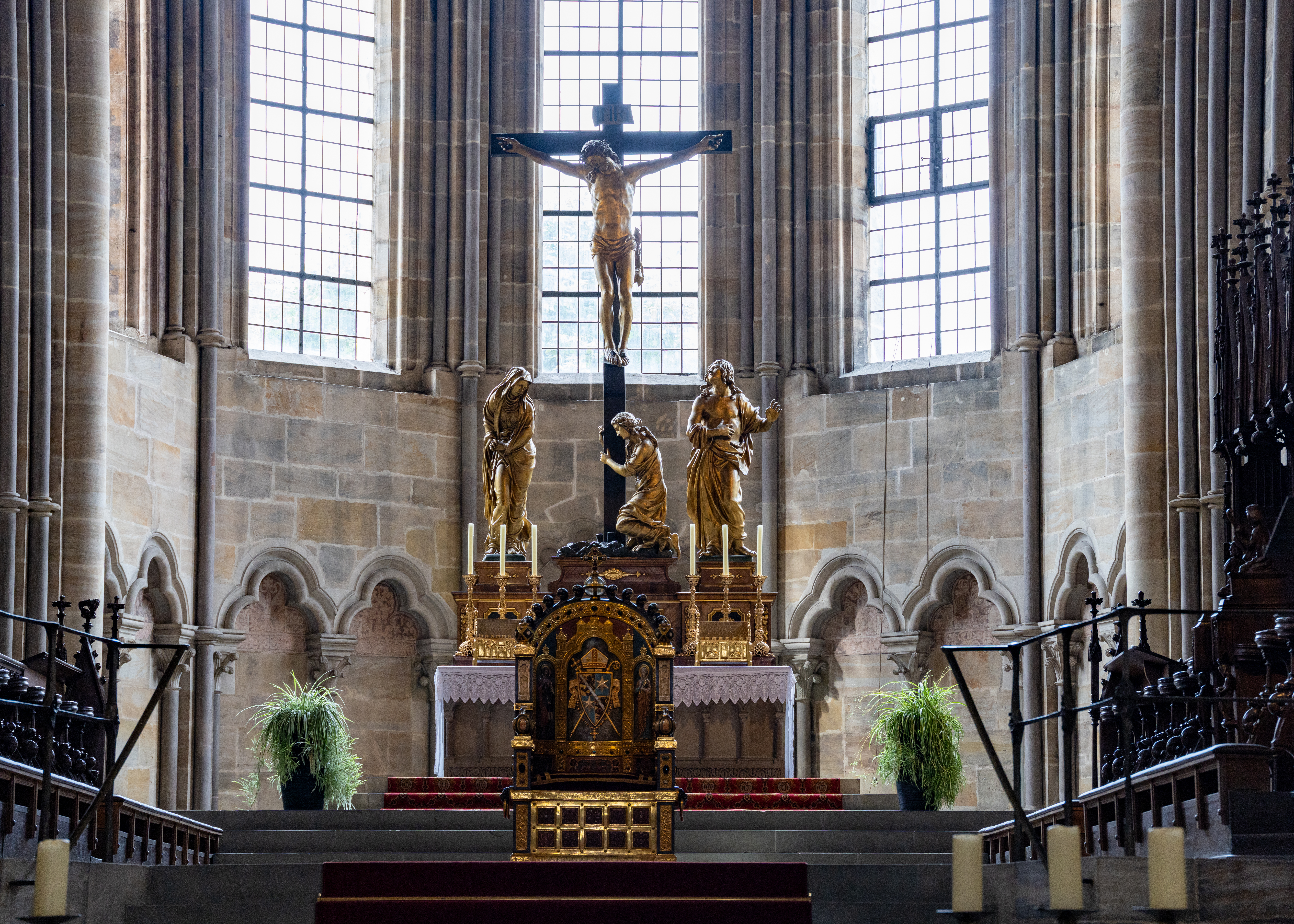
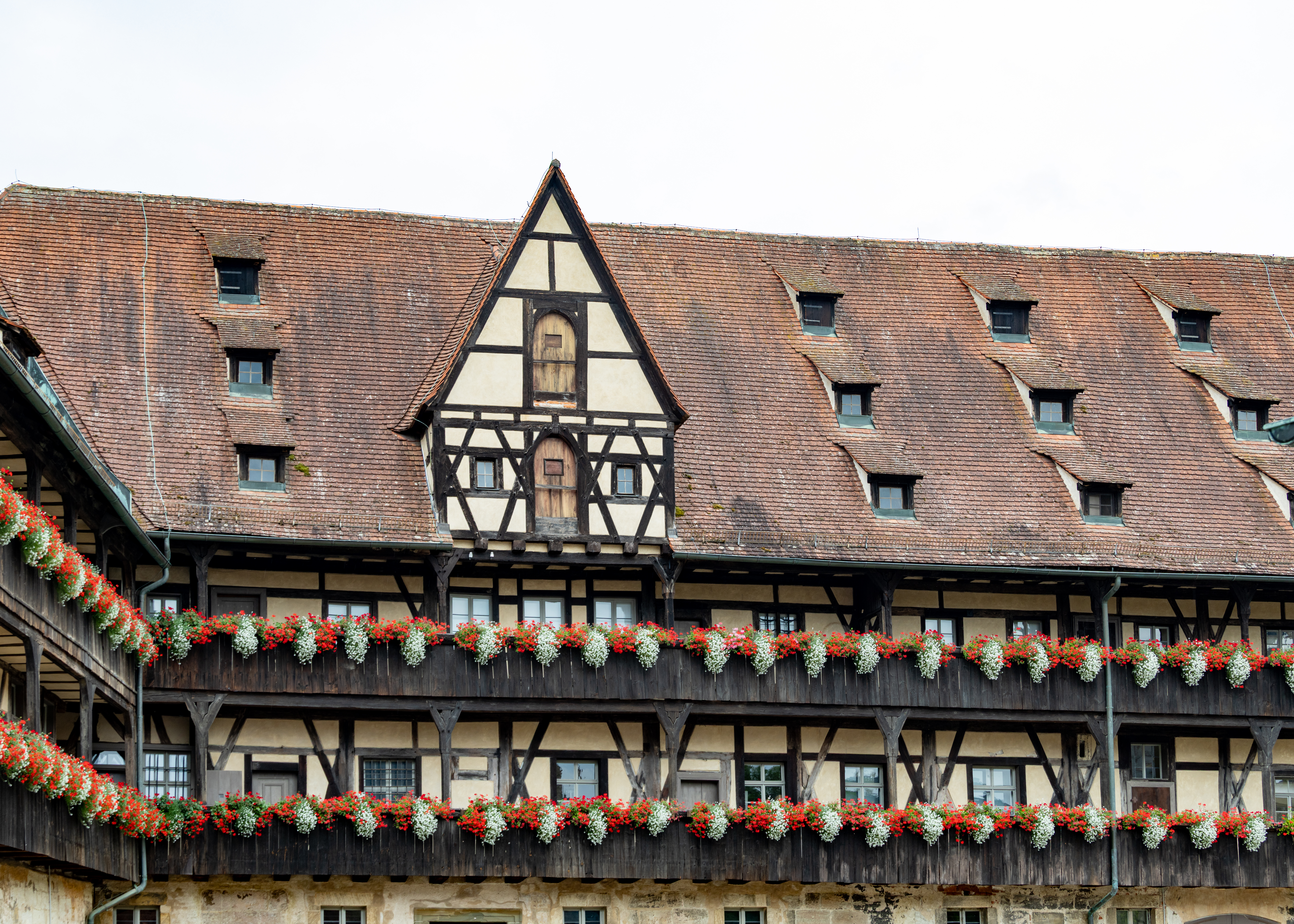
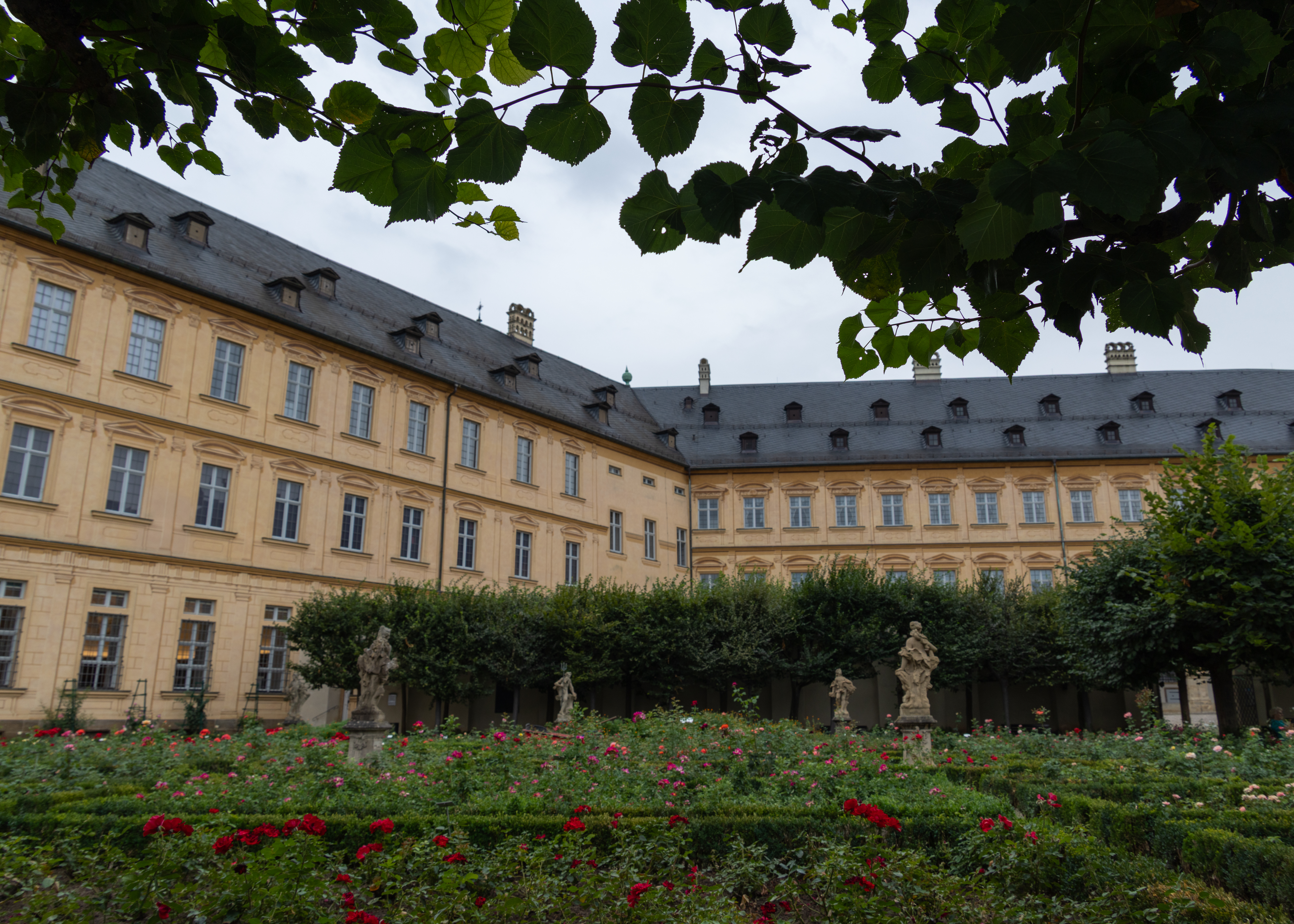
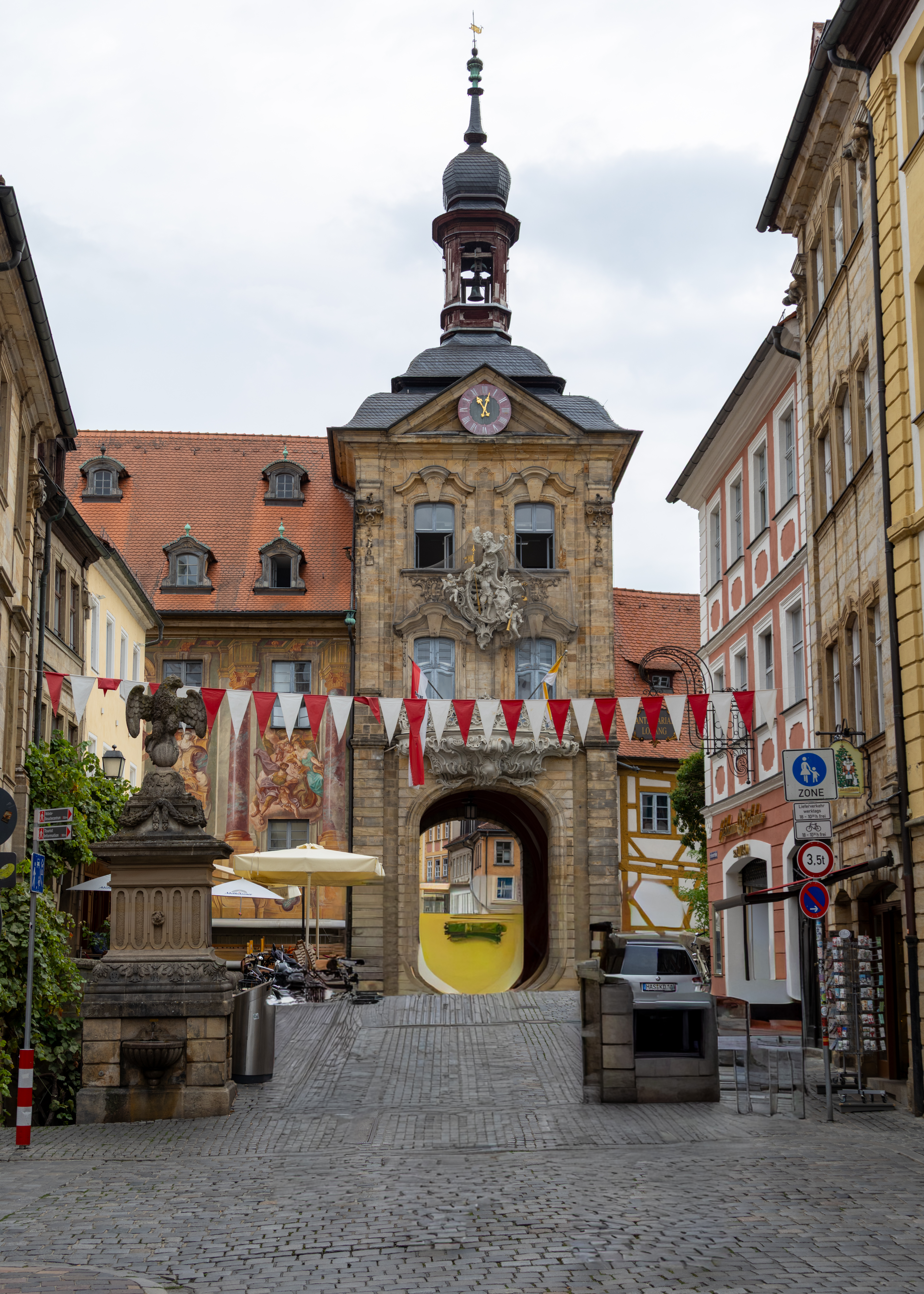
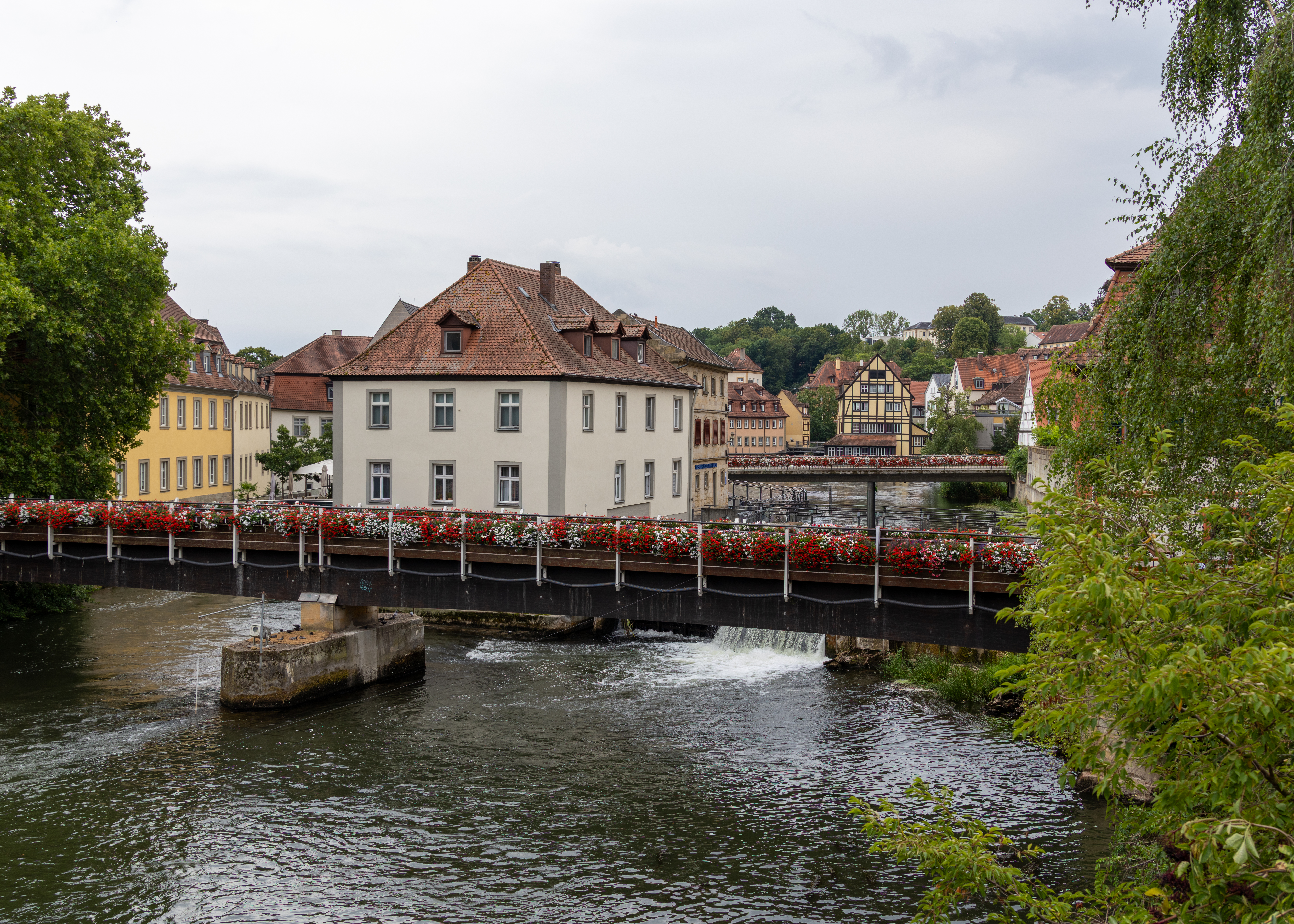
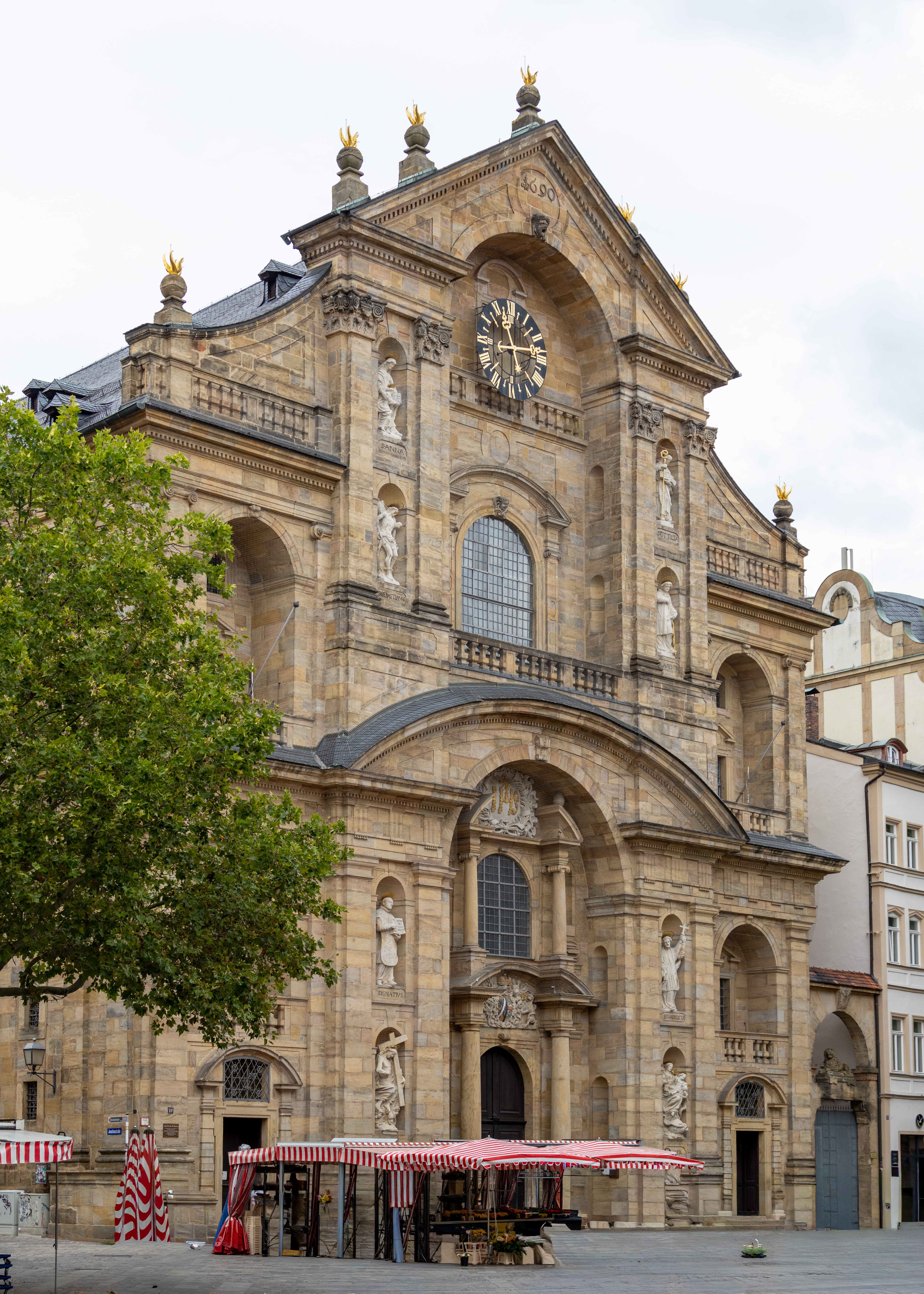
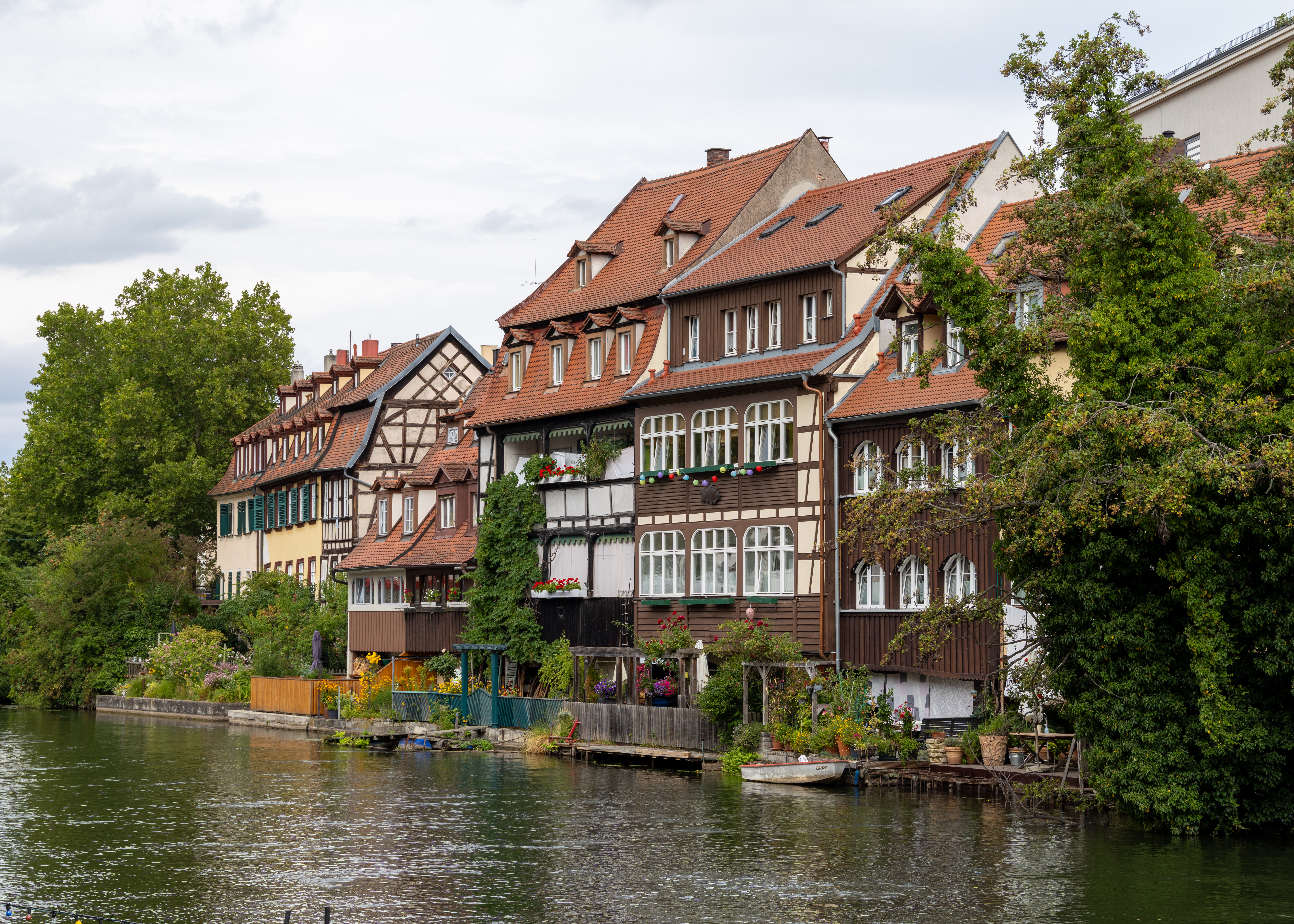
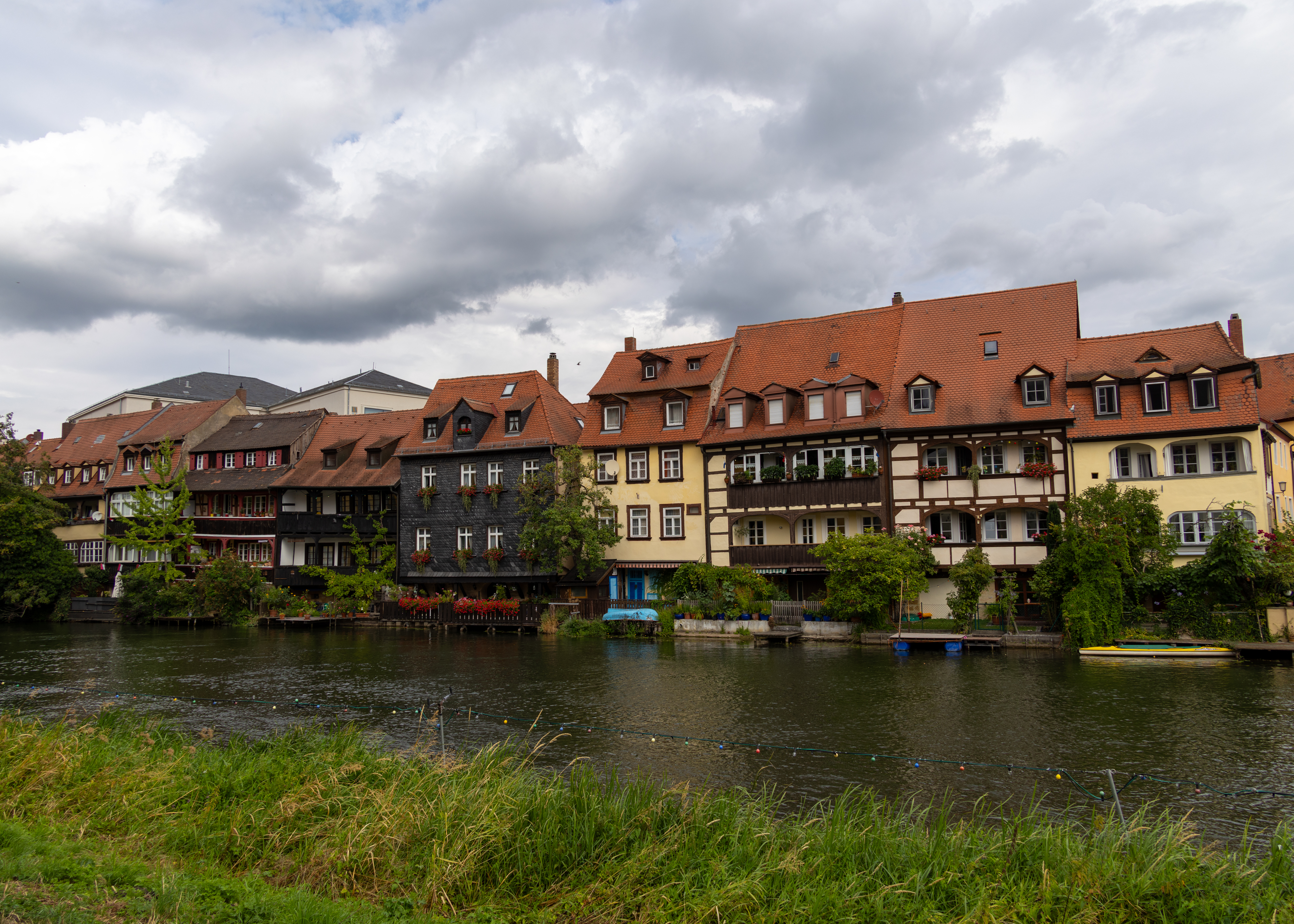
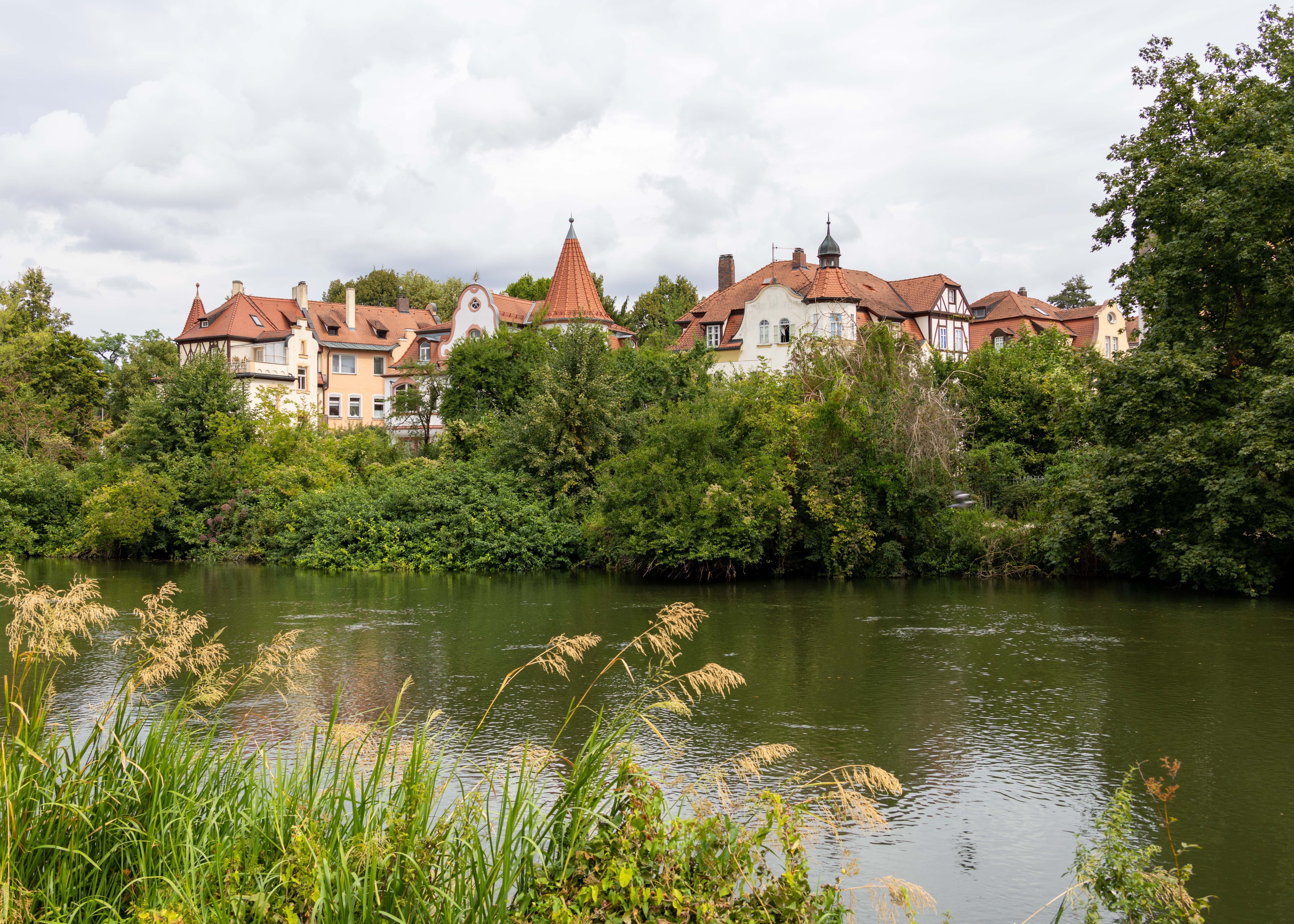
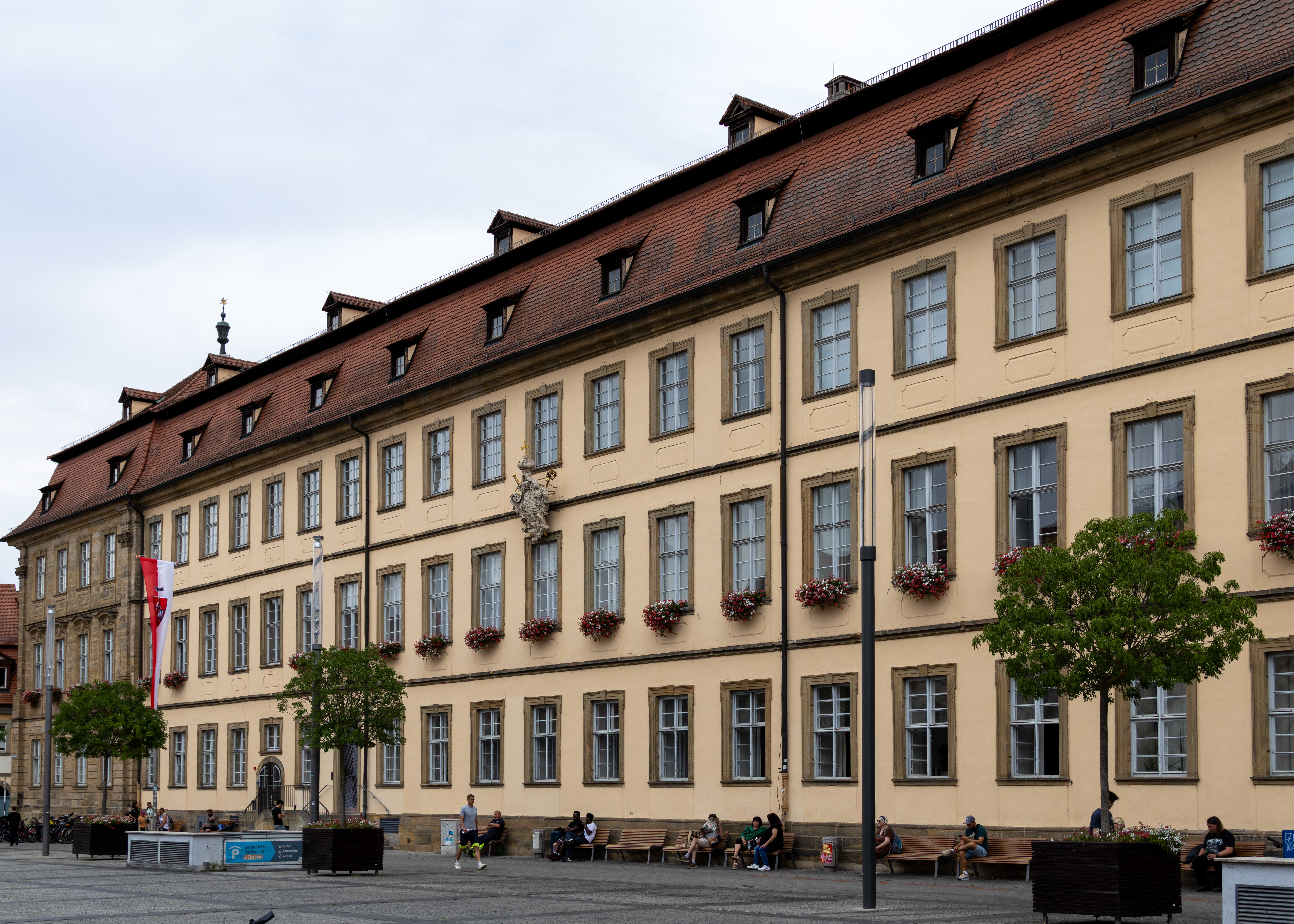
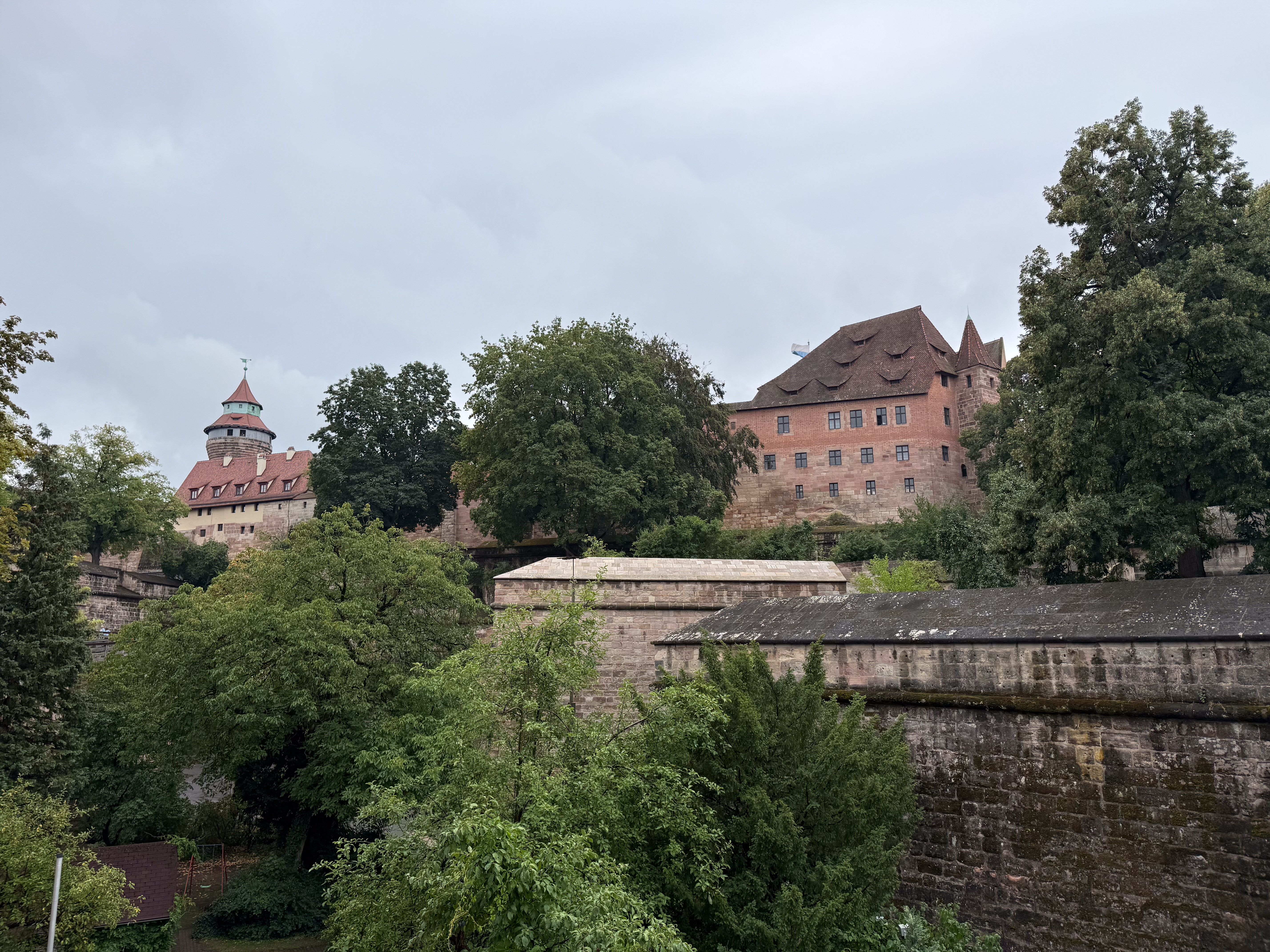
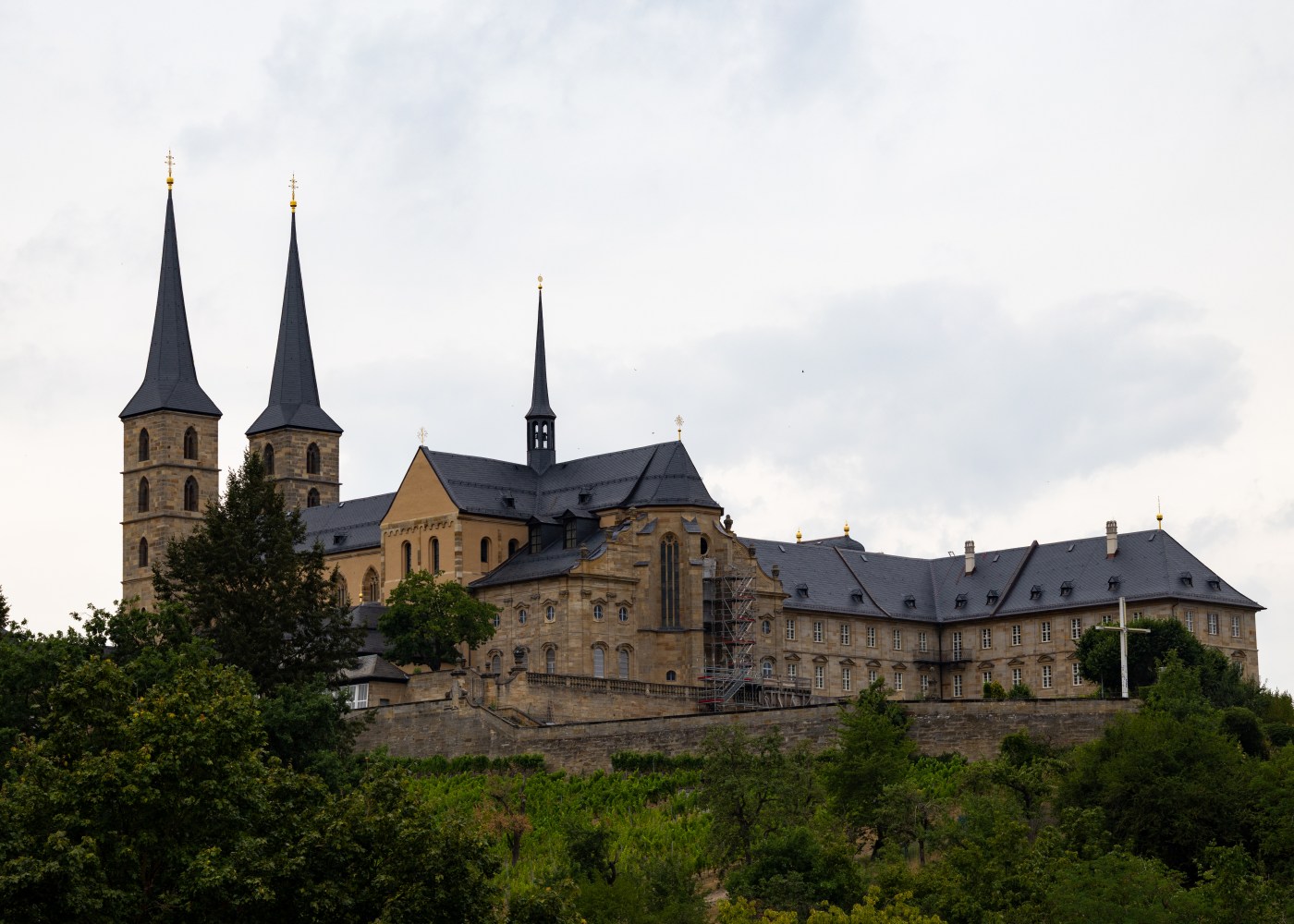
Founded in 902, Bamberg remains a medieval-looking city known for its symphony orchestra and Rauchbier, specially smoked beer. The city’s winding streets are filled with baroque houses and home to its 11th-century cathedral of the Holy Roman Emperor Heinrich II, which houses his tomb and that of Pope Clement II. Bamberg is especially noted for its Altes Rathaus, or Old Town Hall, situated on a twin-arched bridge over the Regnitz River, and for the old bishop’s houses: the 16th-century Alte Hofhaltung (Old Court) and 17th-century Neue Residenz.
Europe 2026 – Day 11 Würzburg, Germany

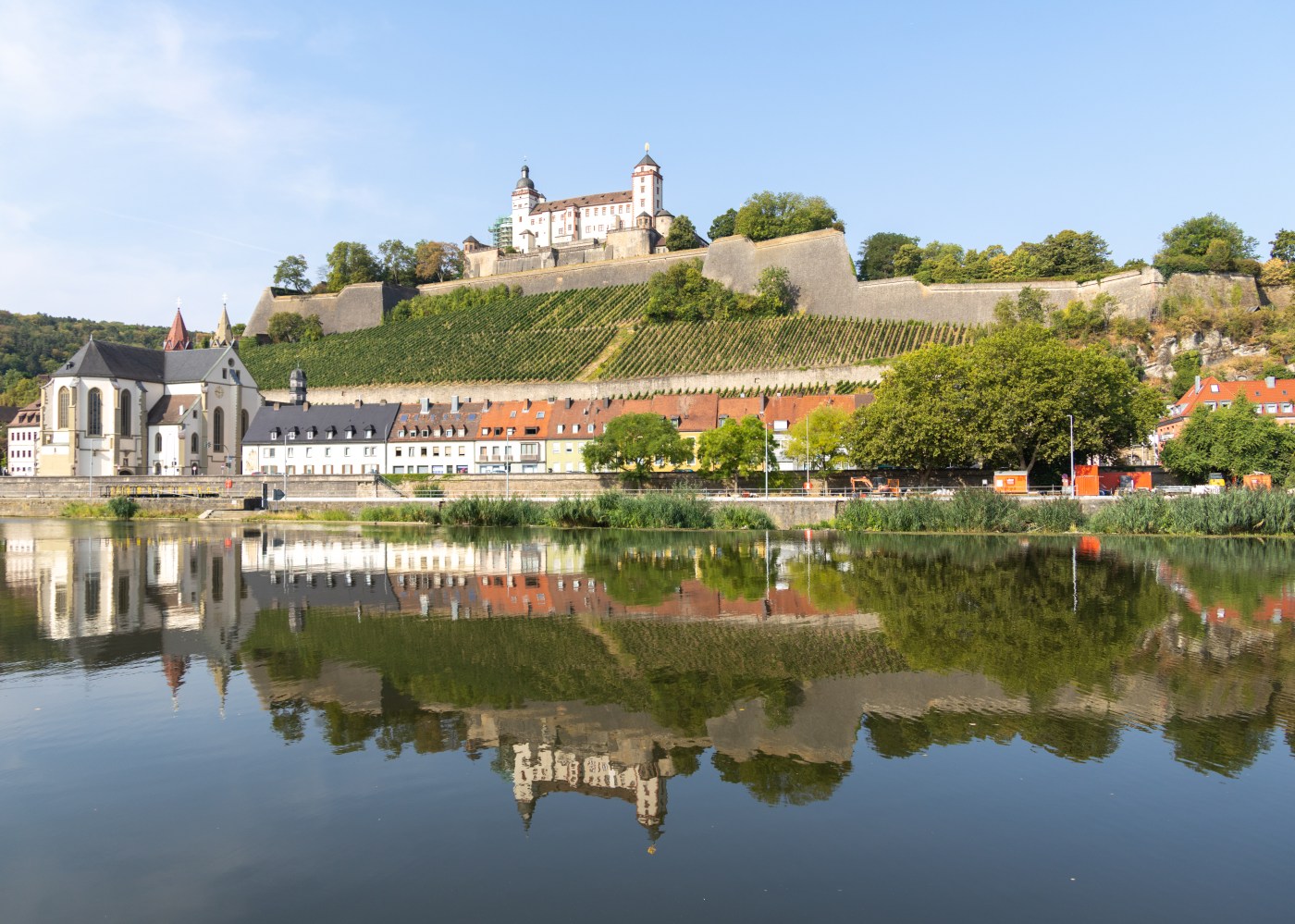
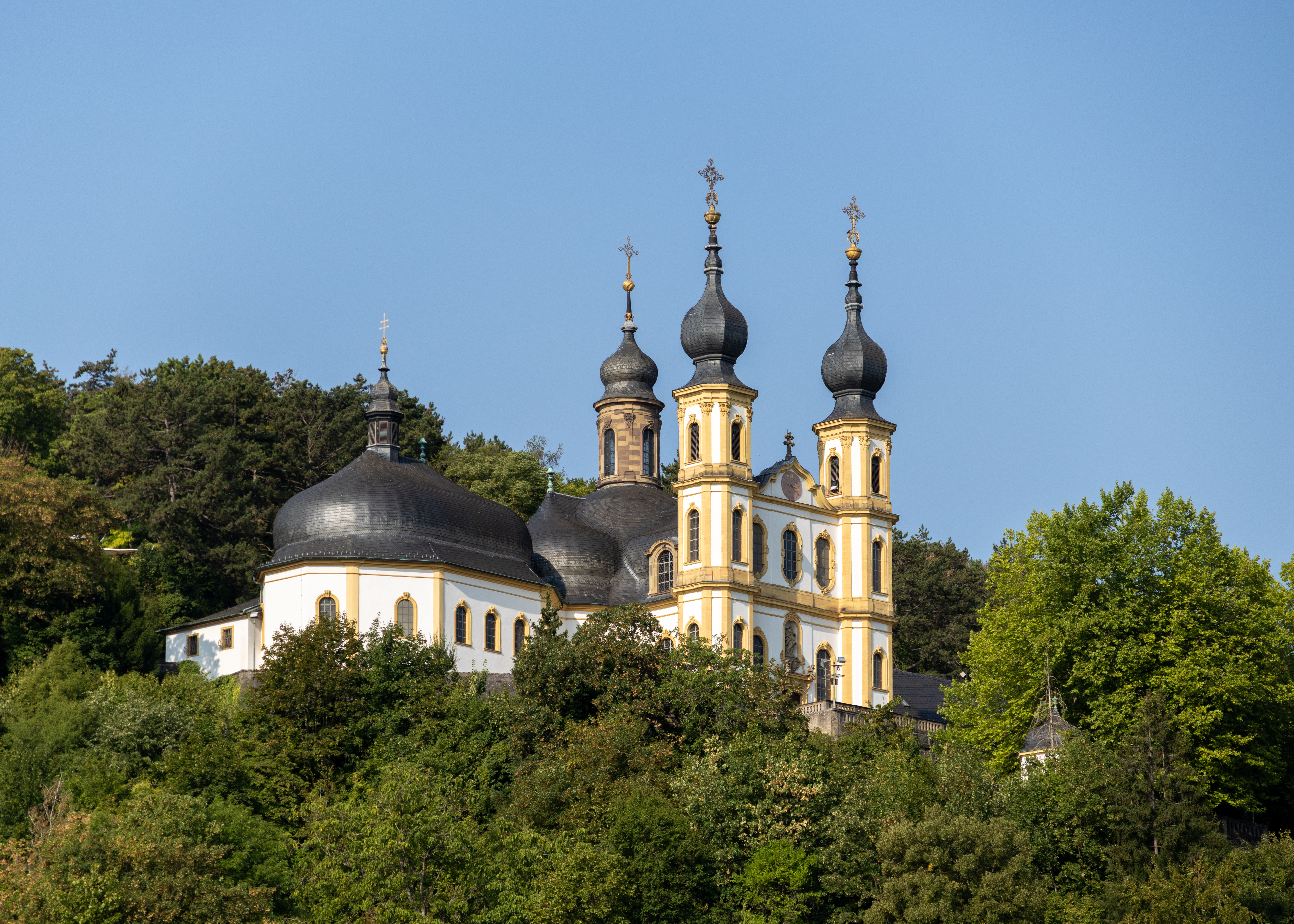
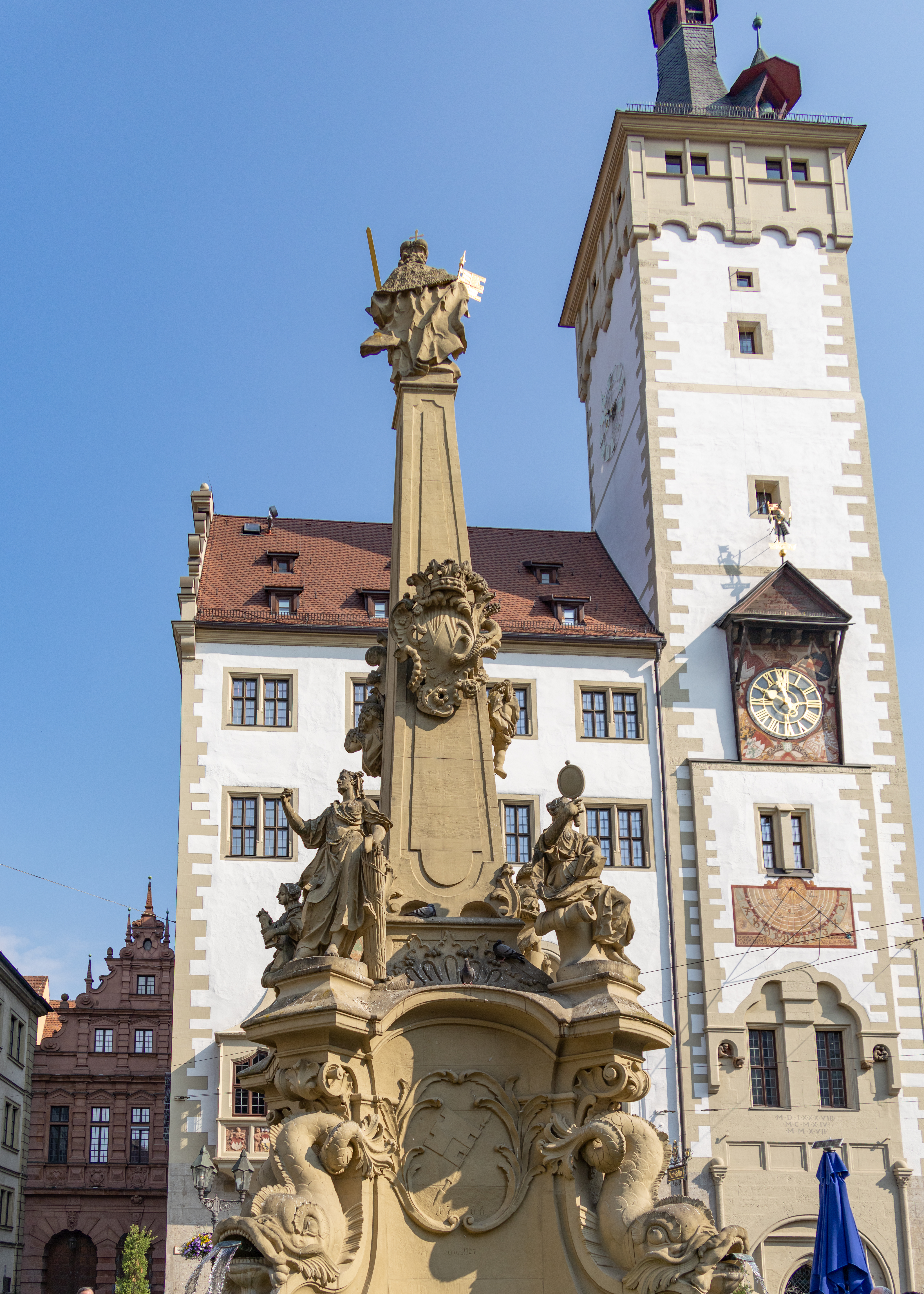
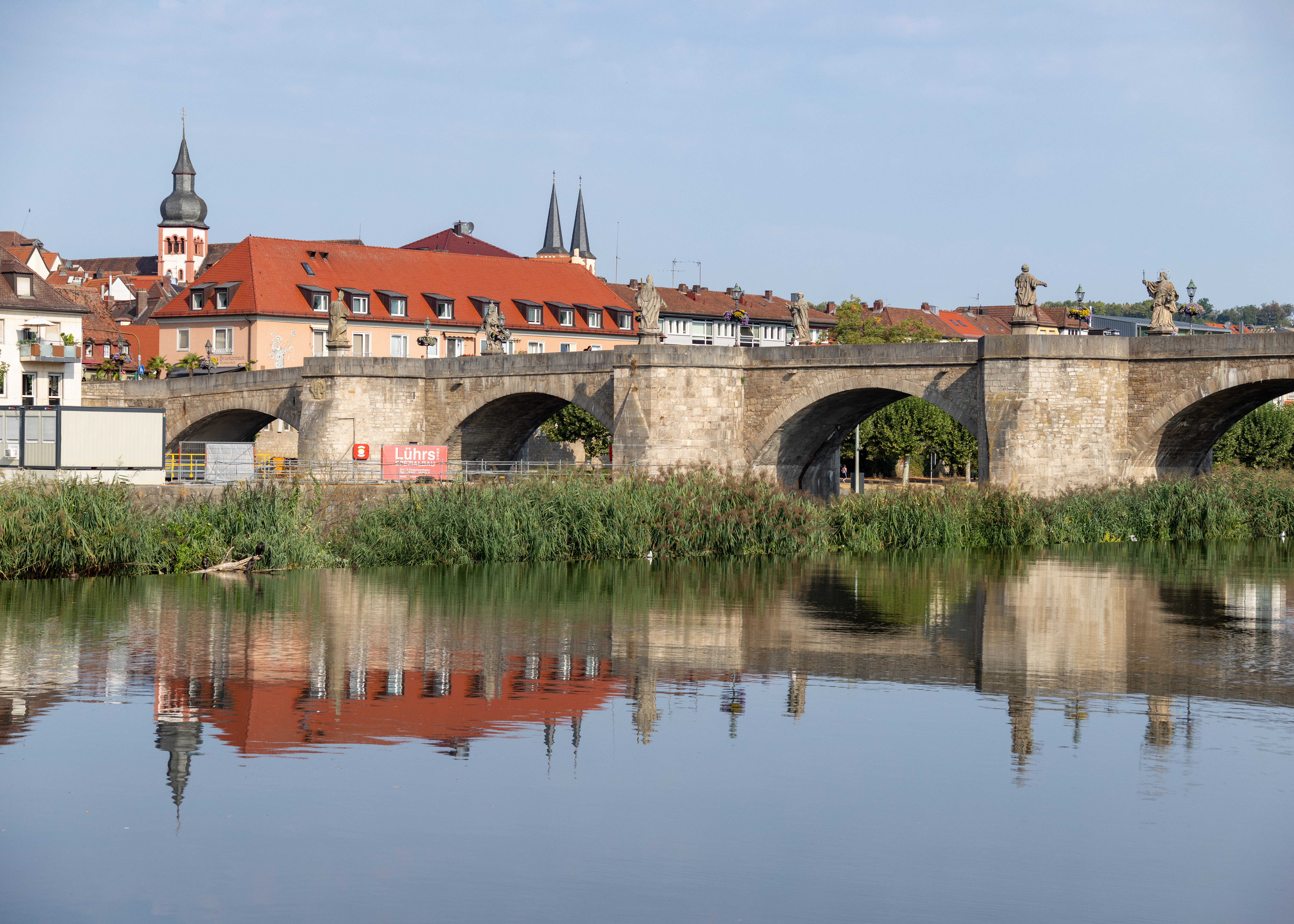
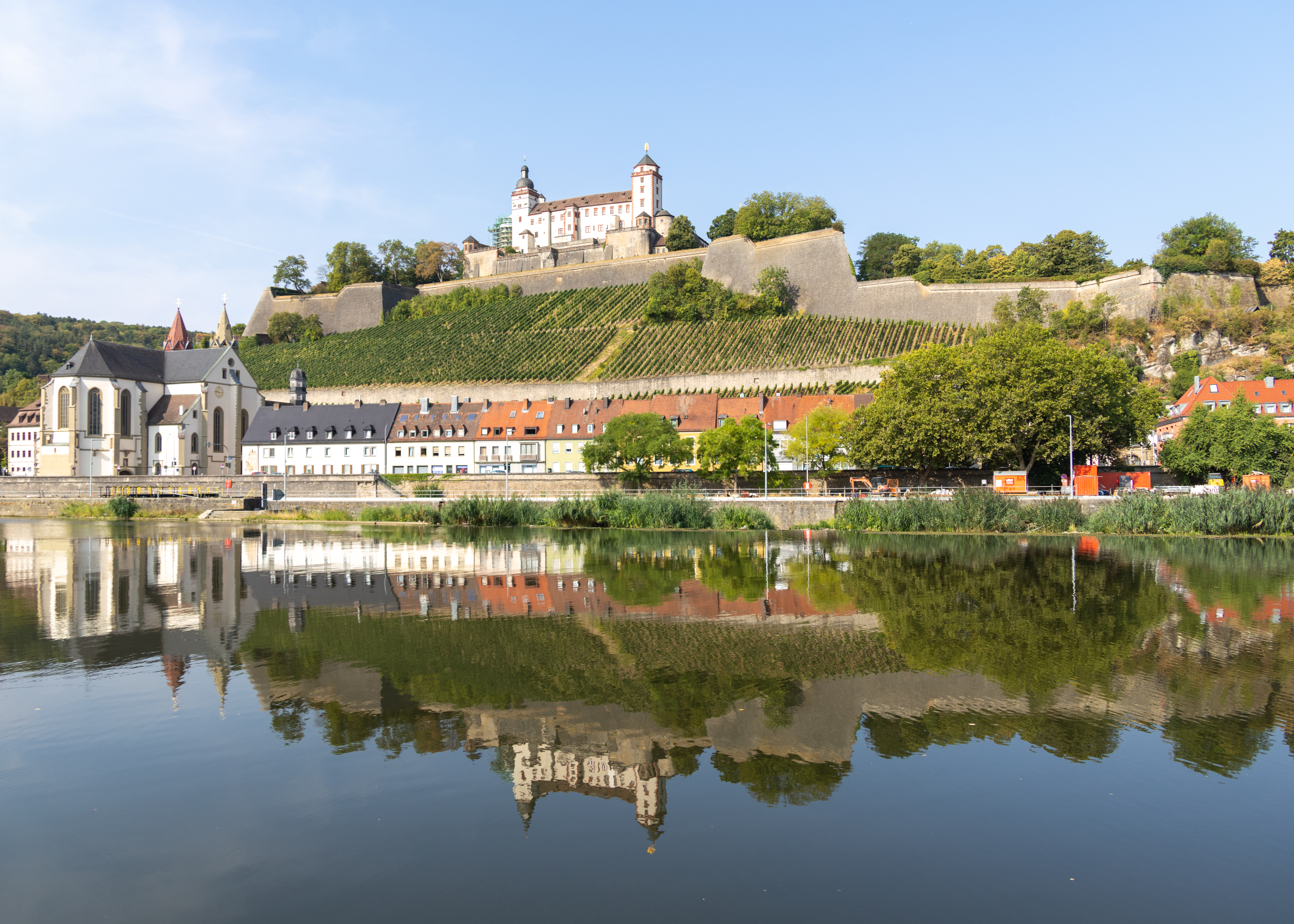
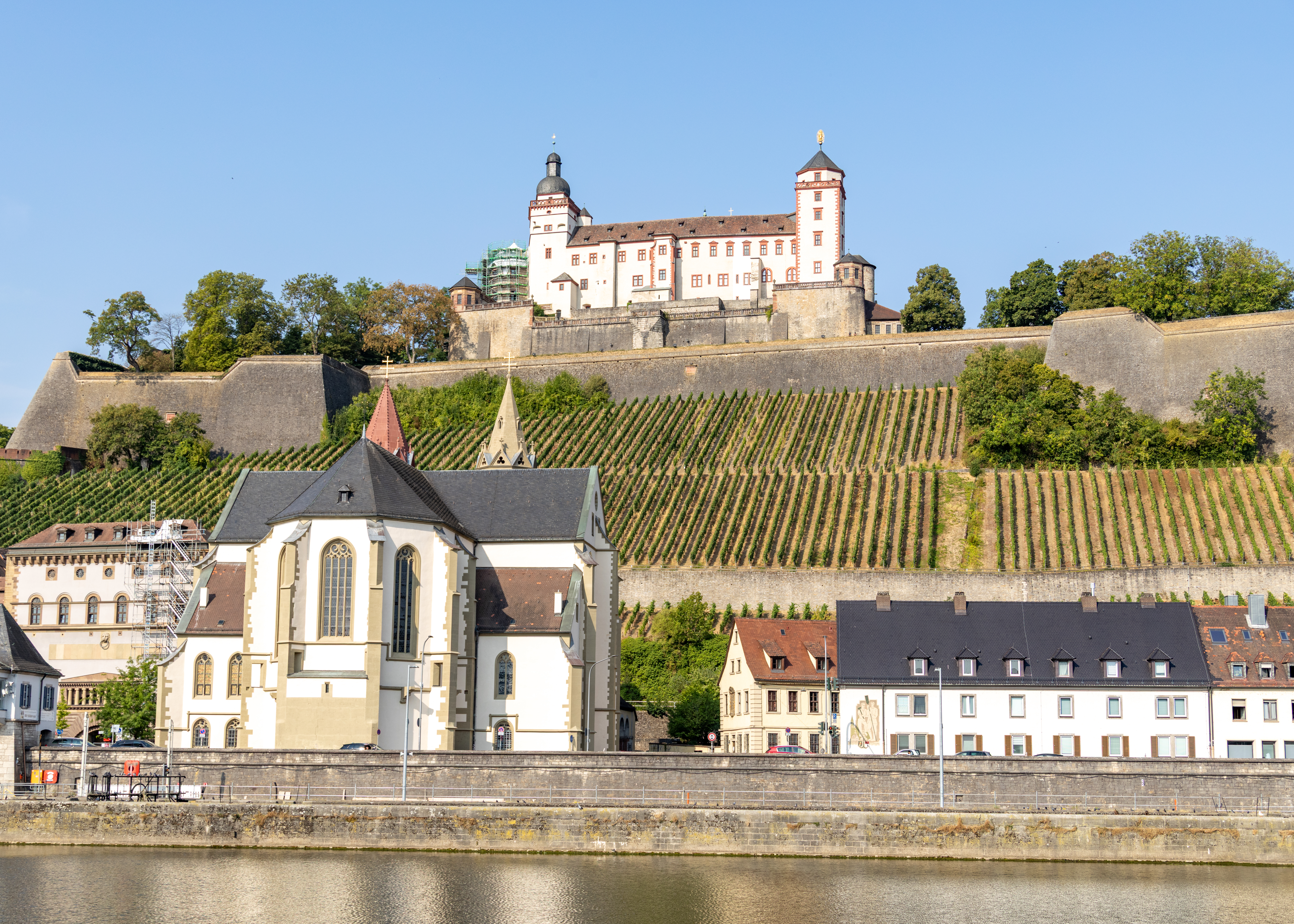
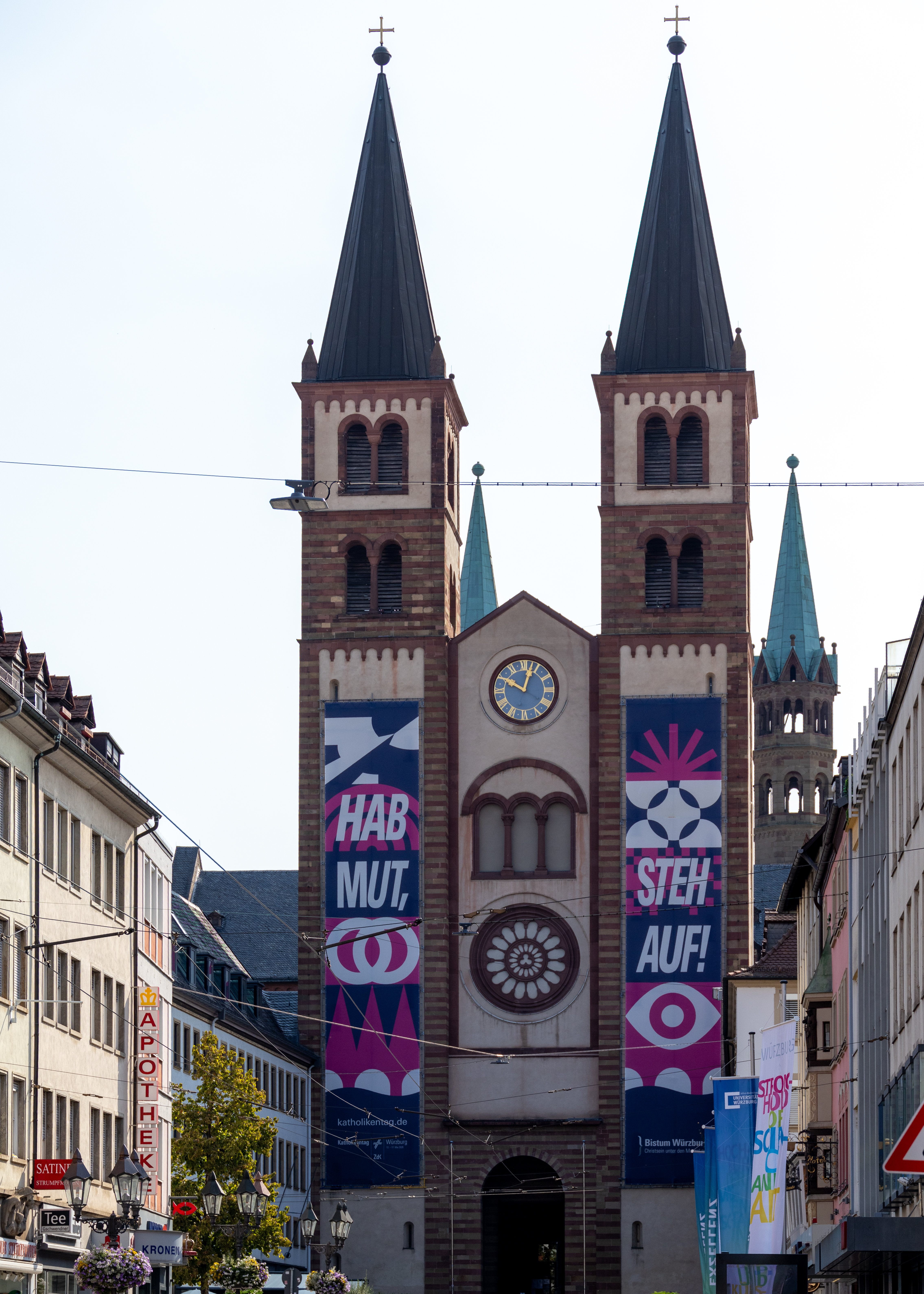
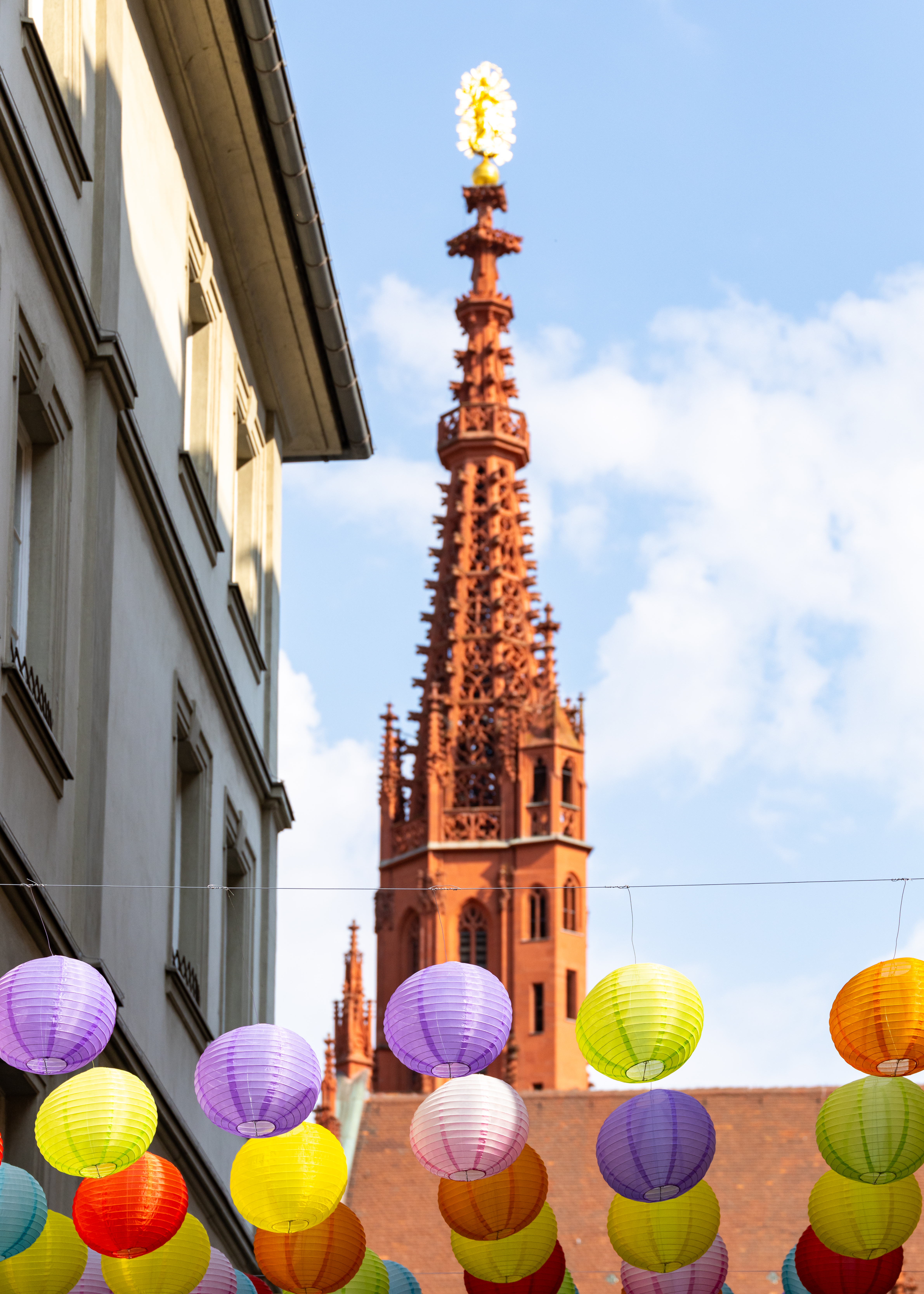
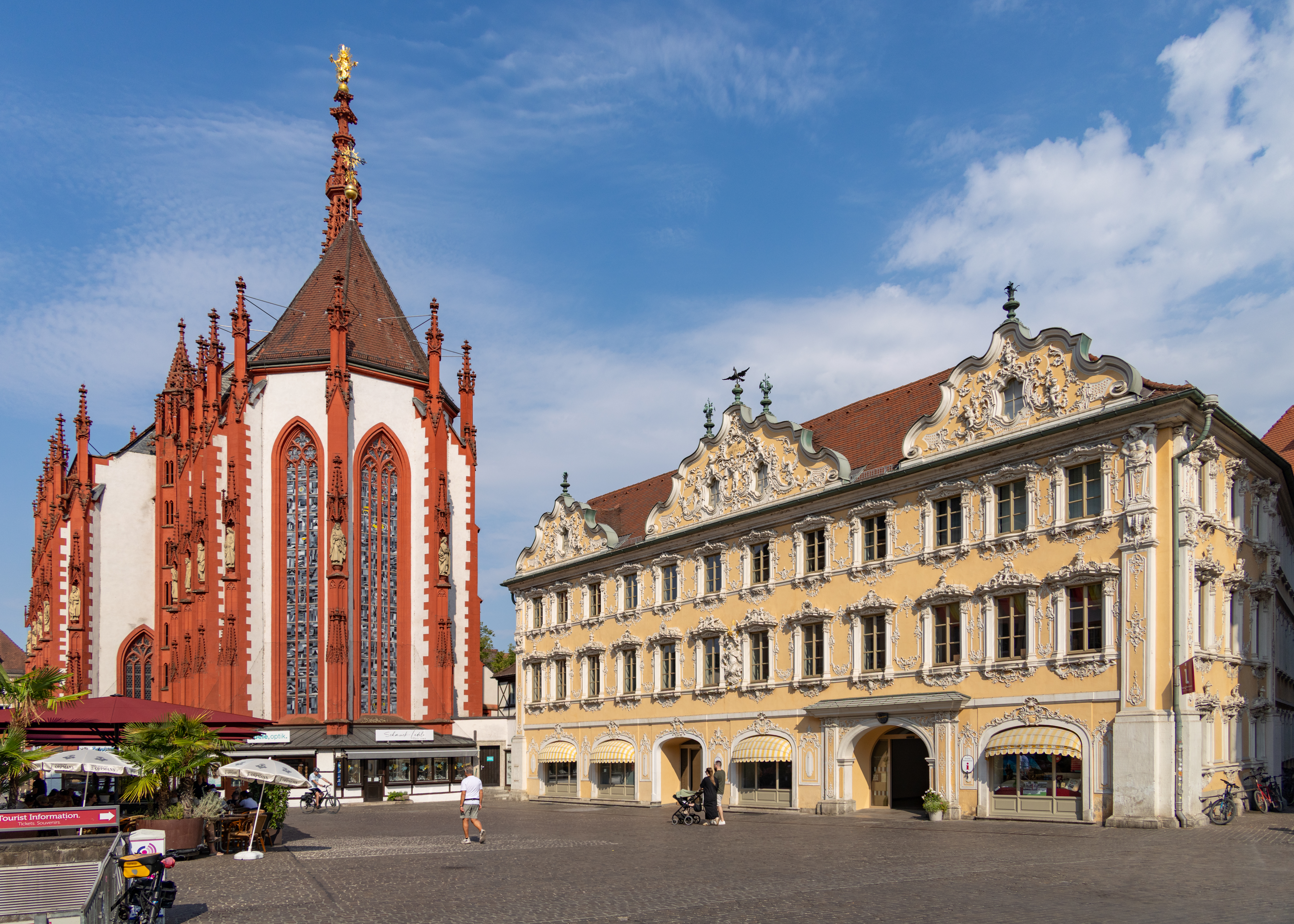
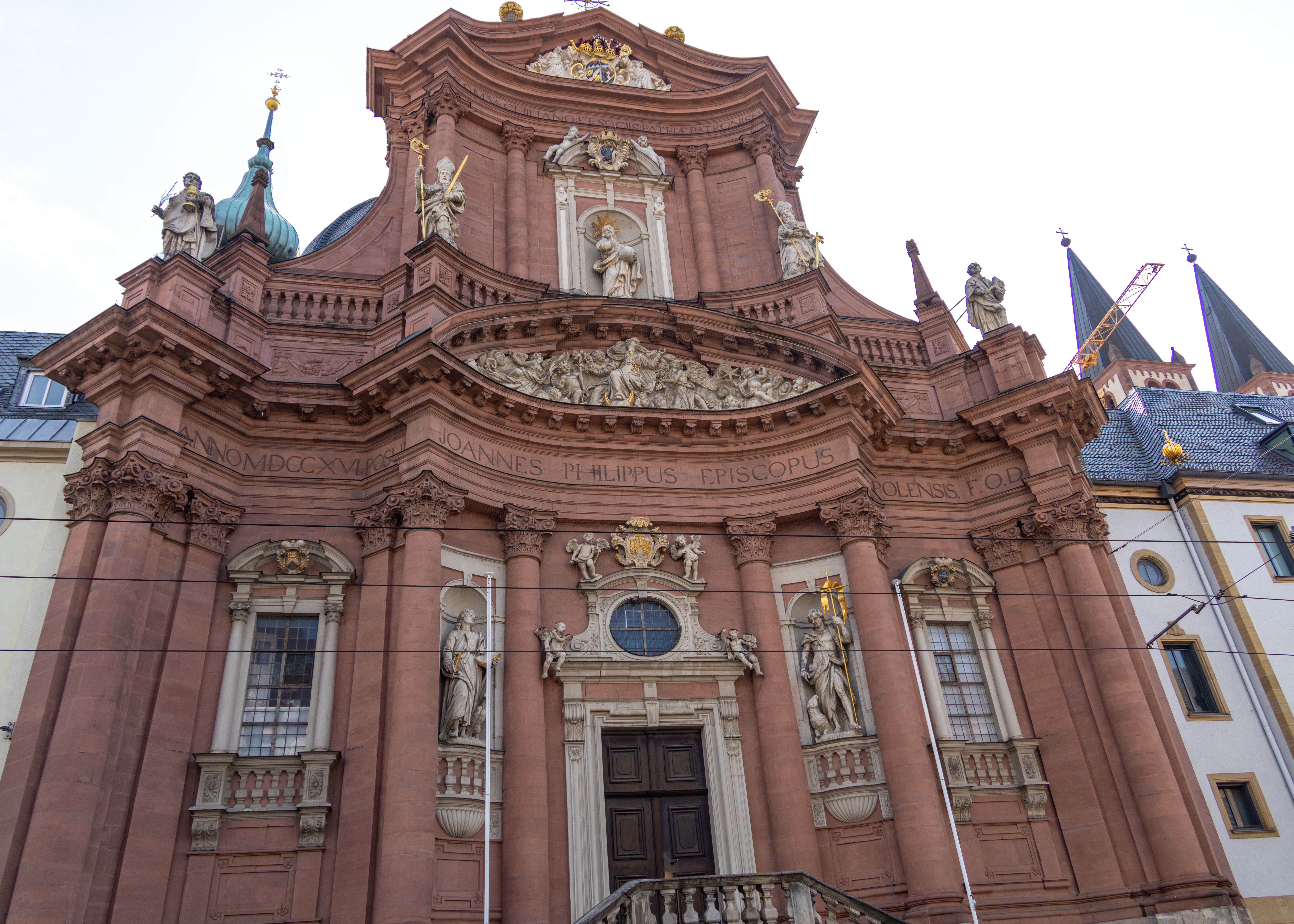
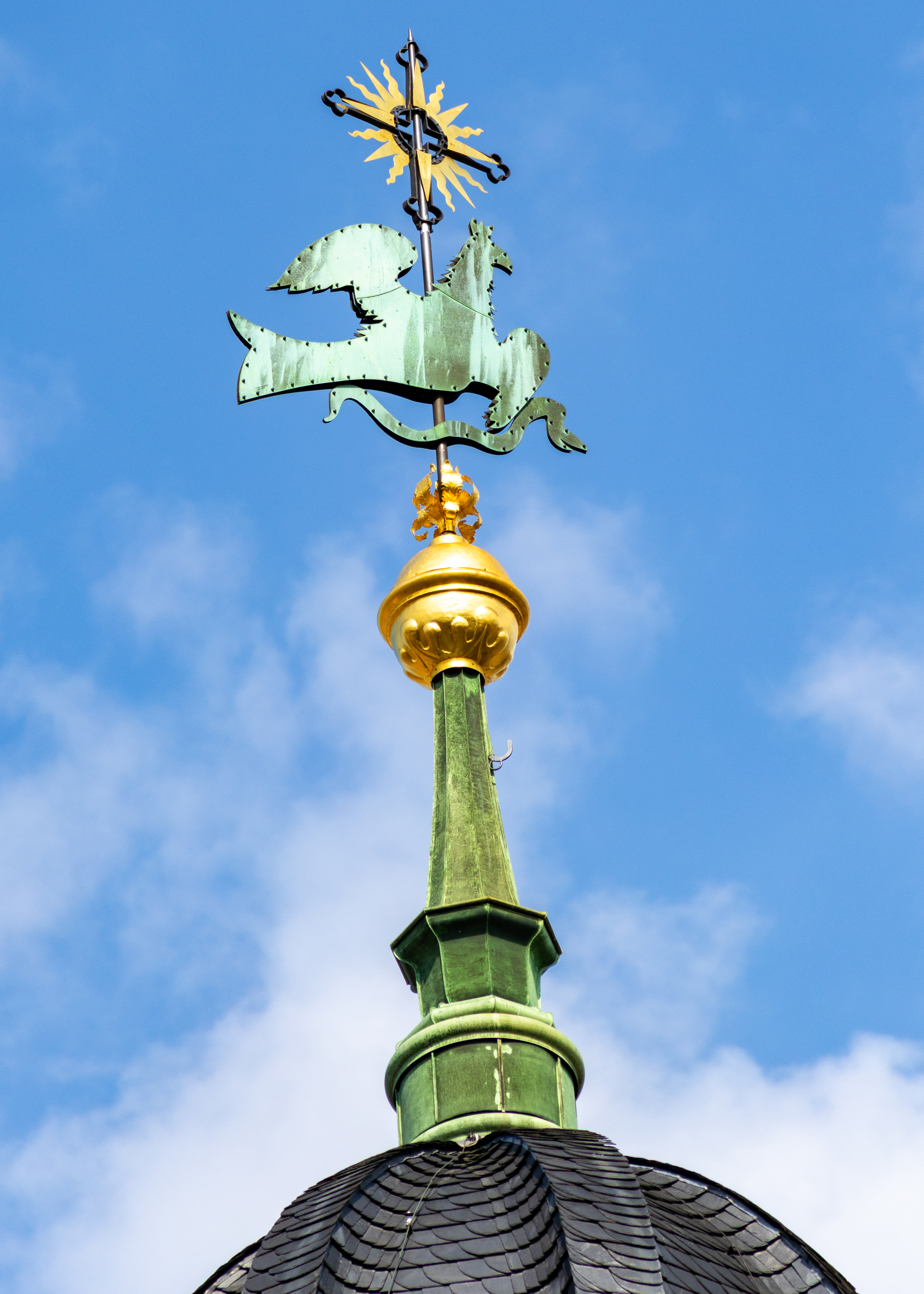
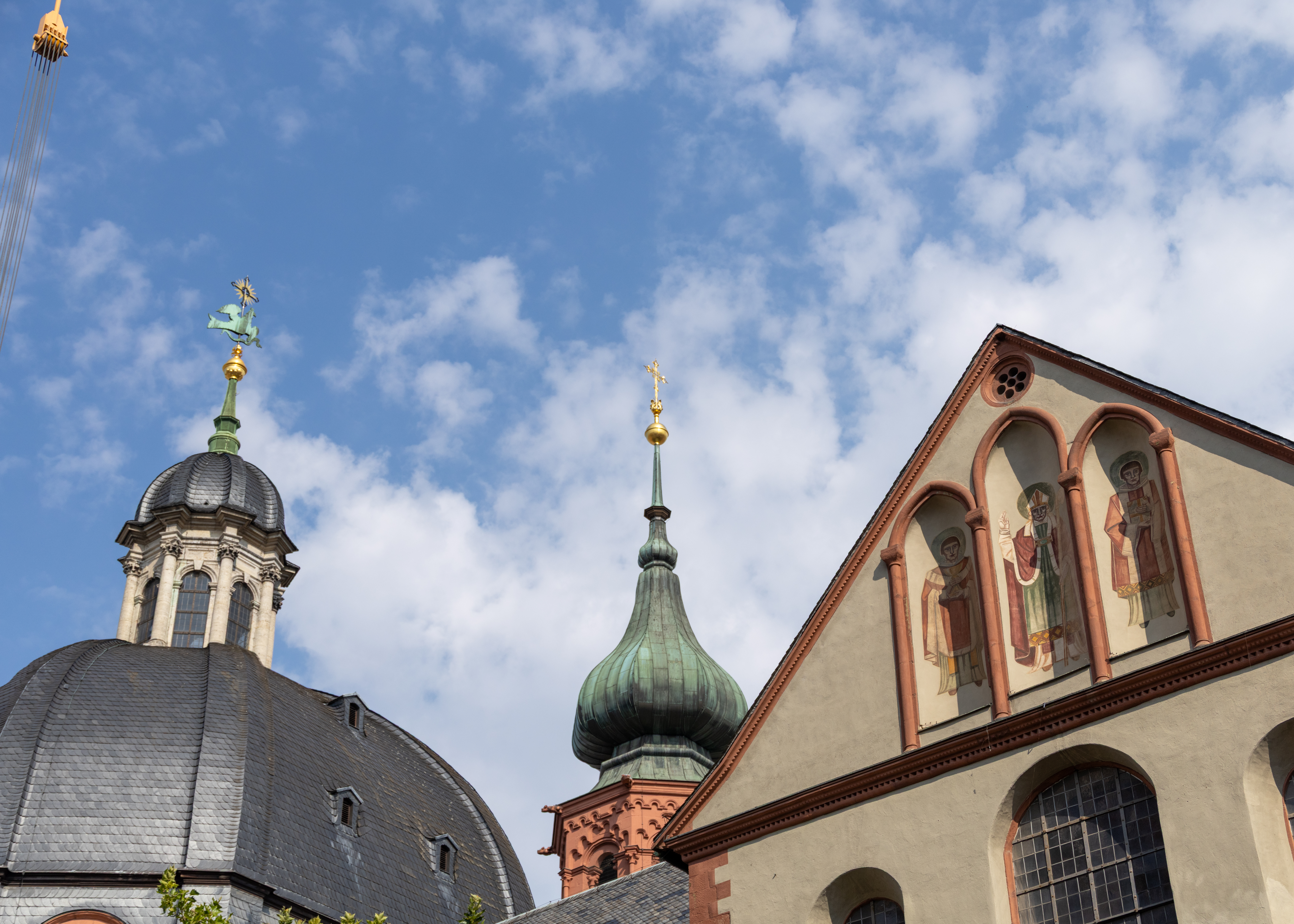
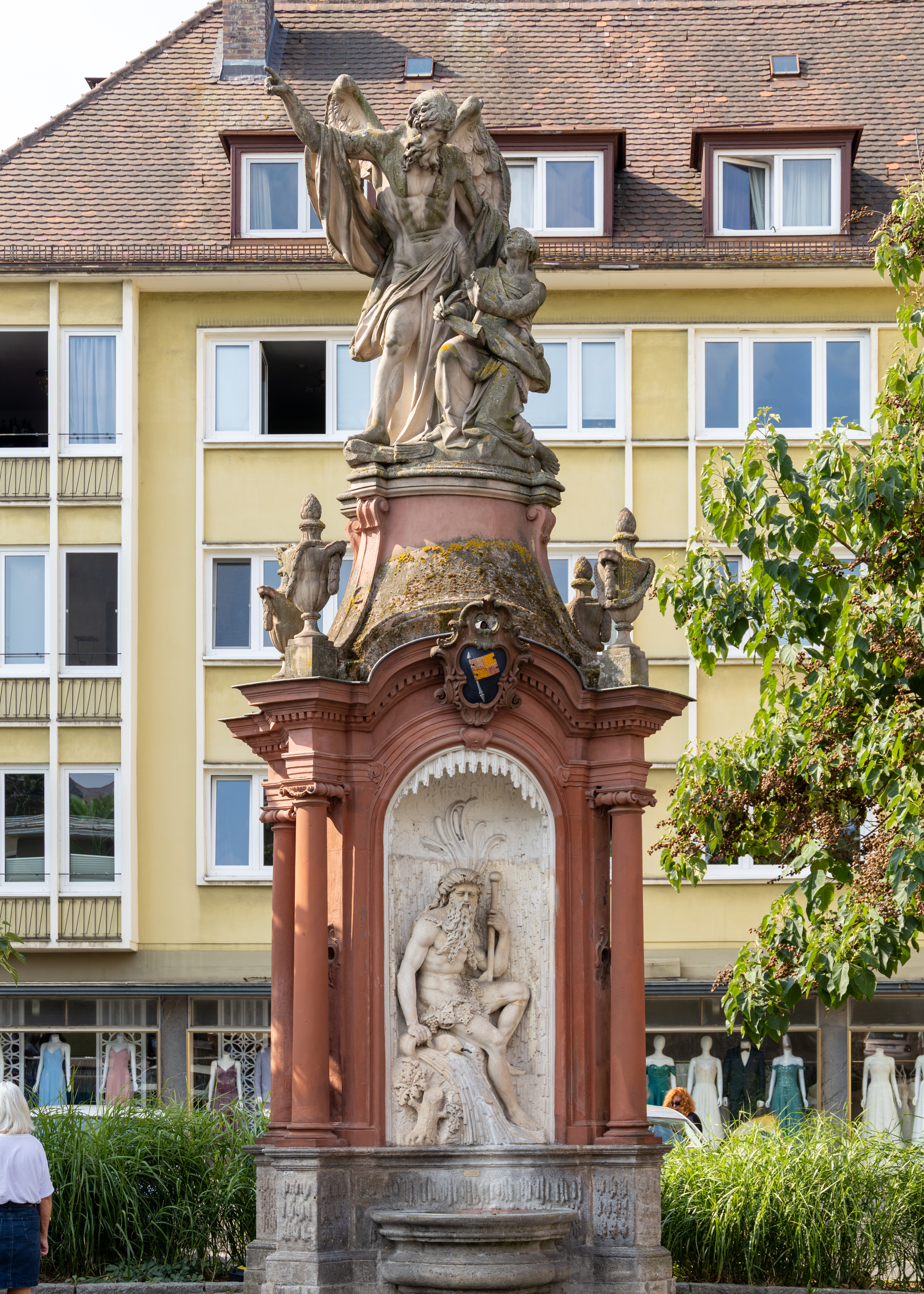
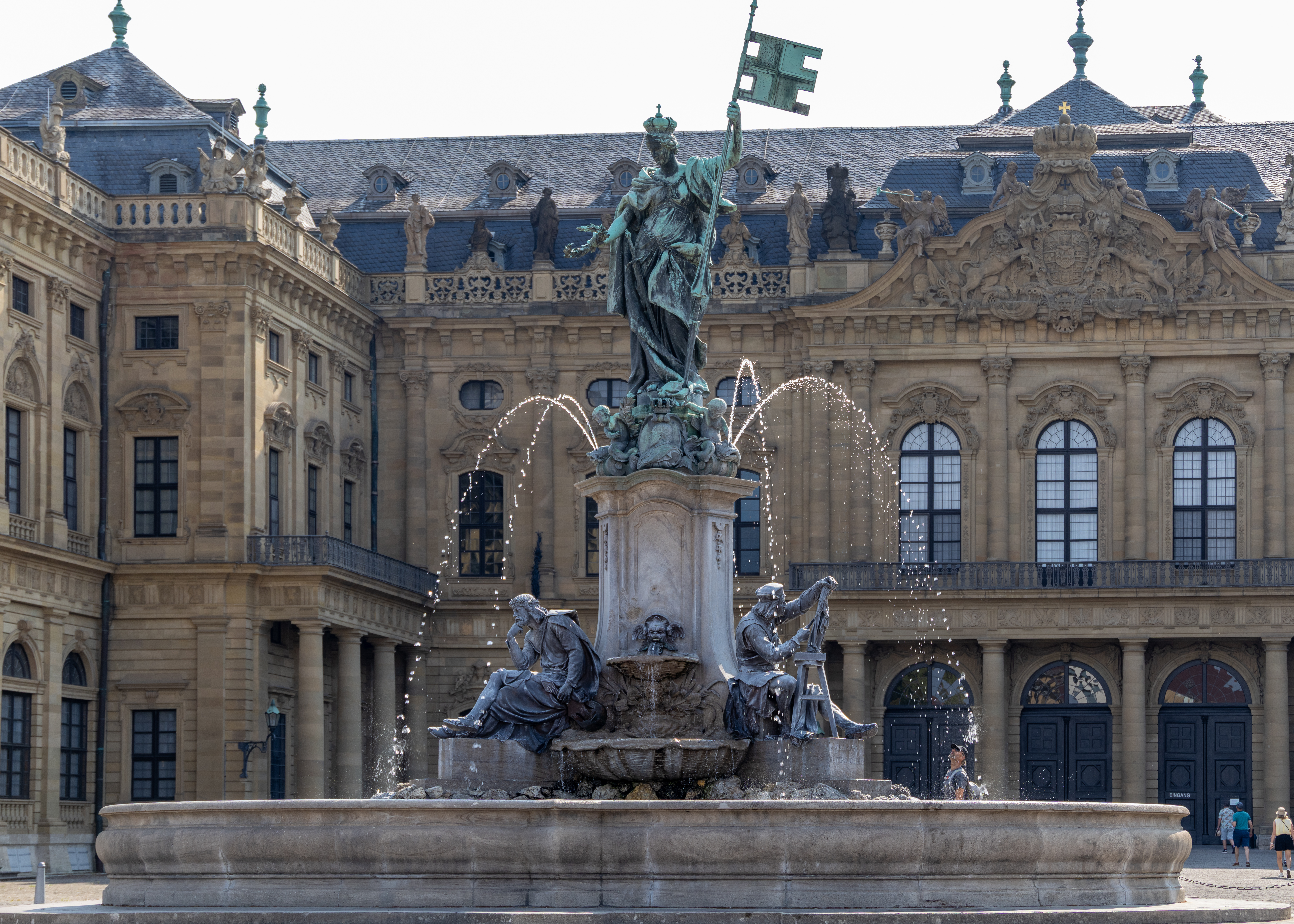
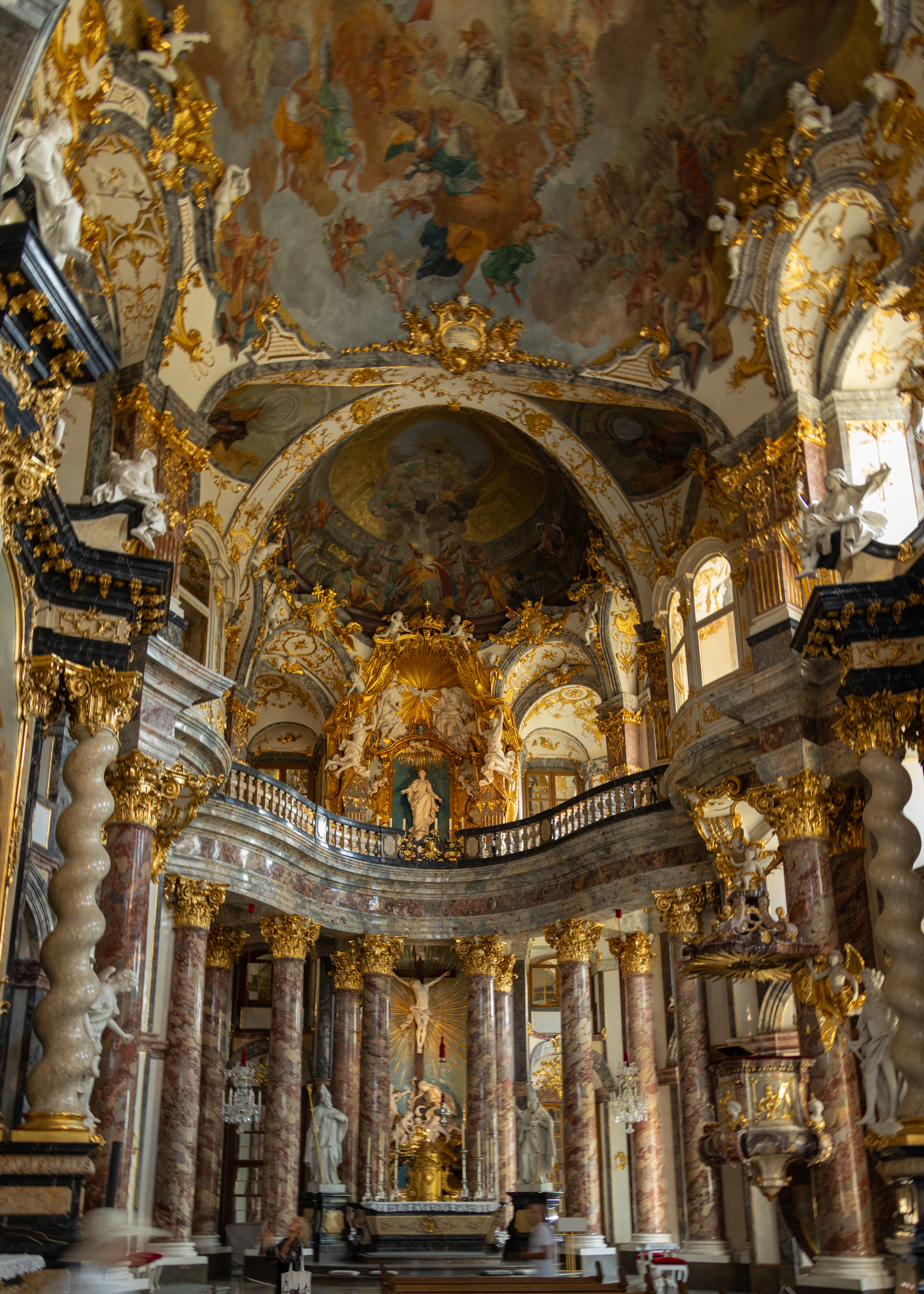
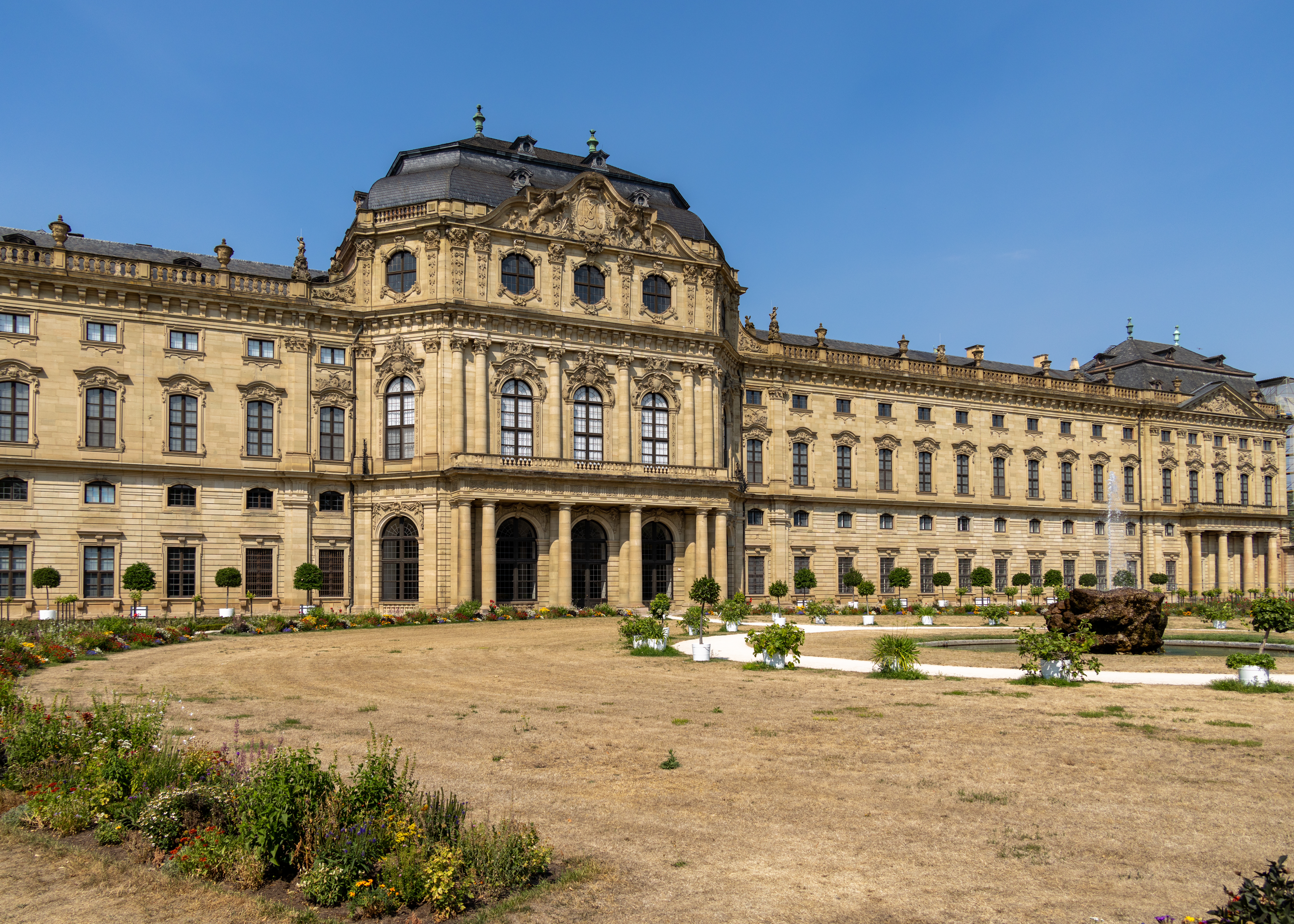
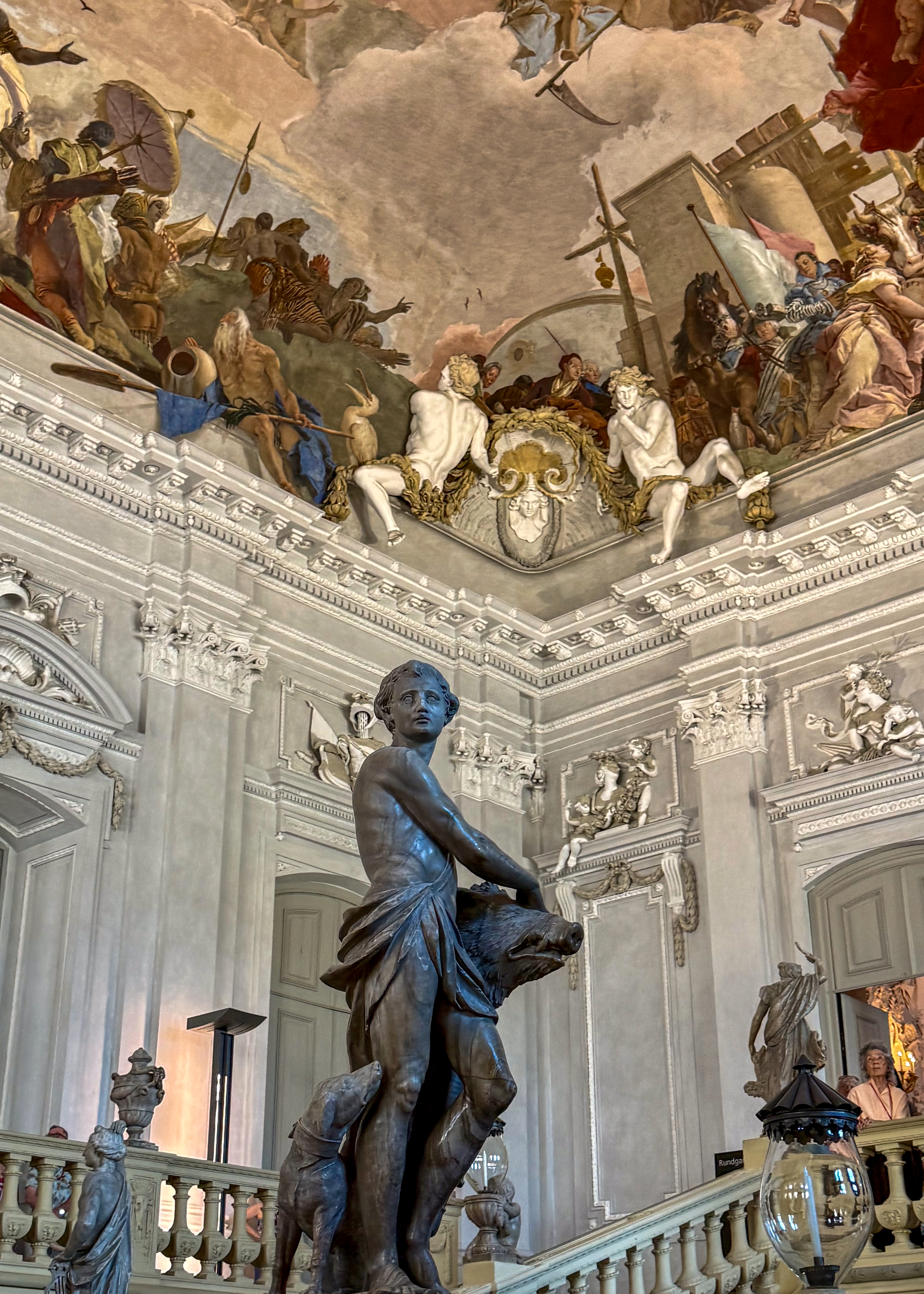
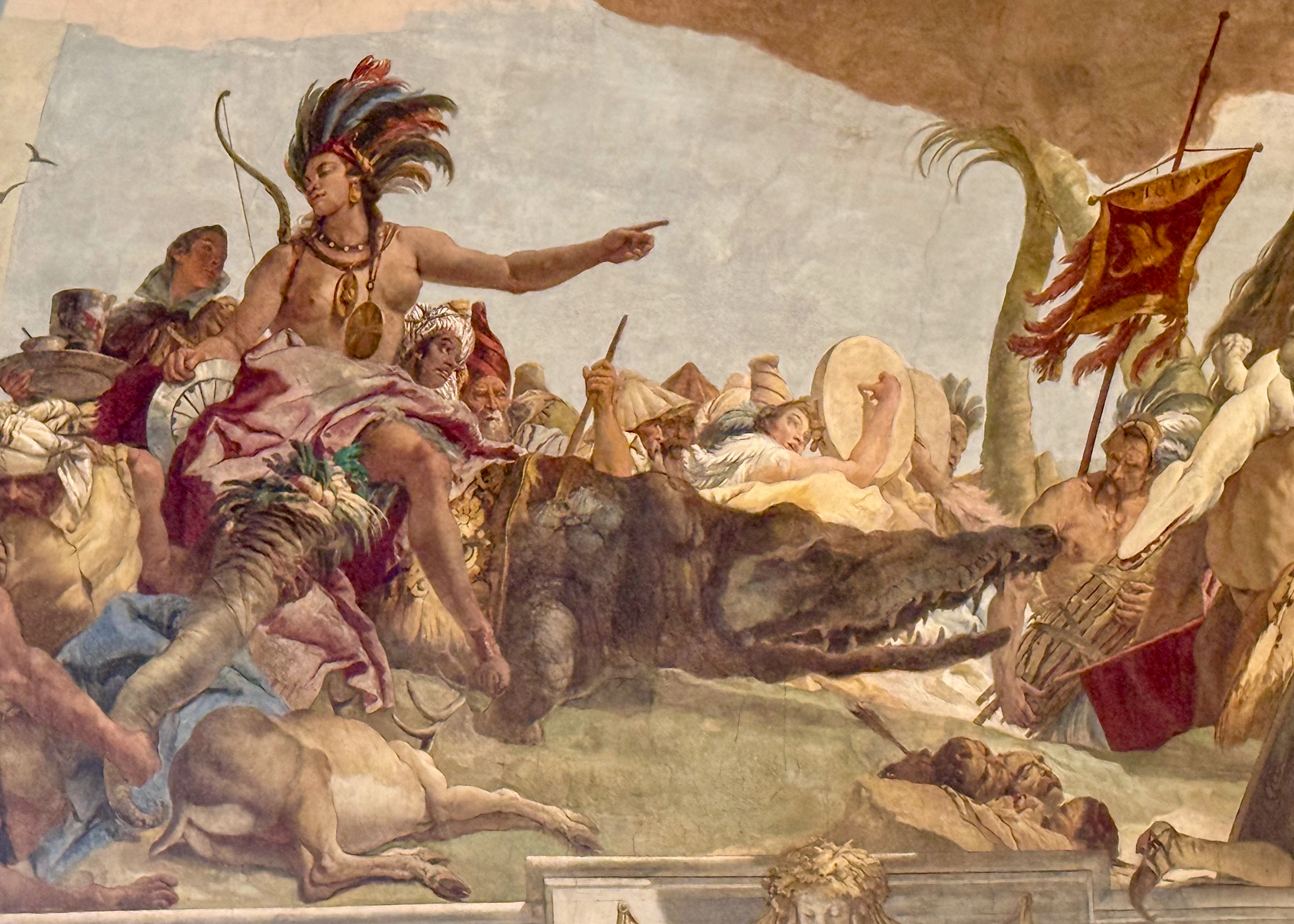
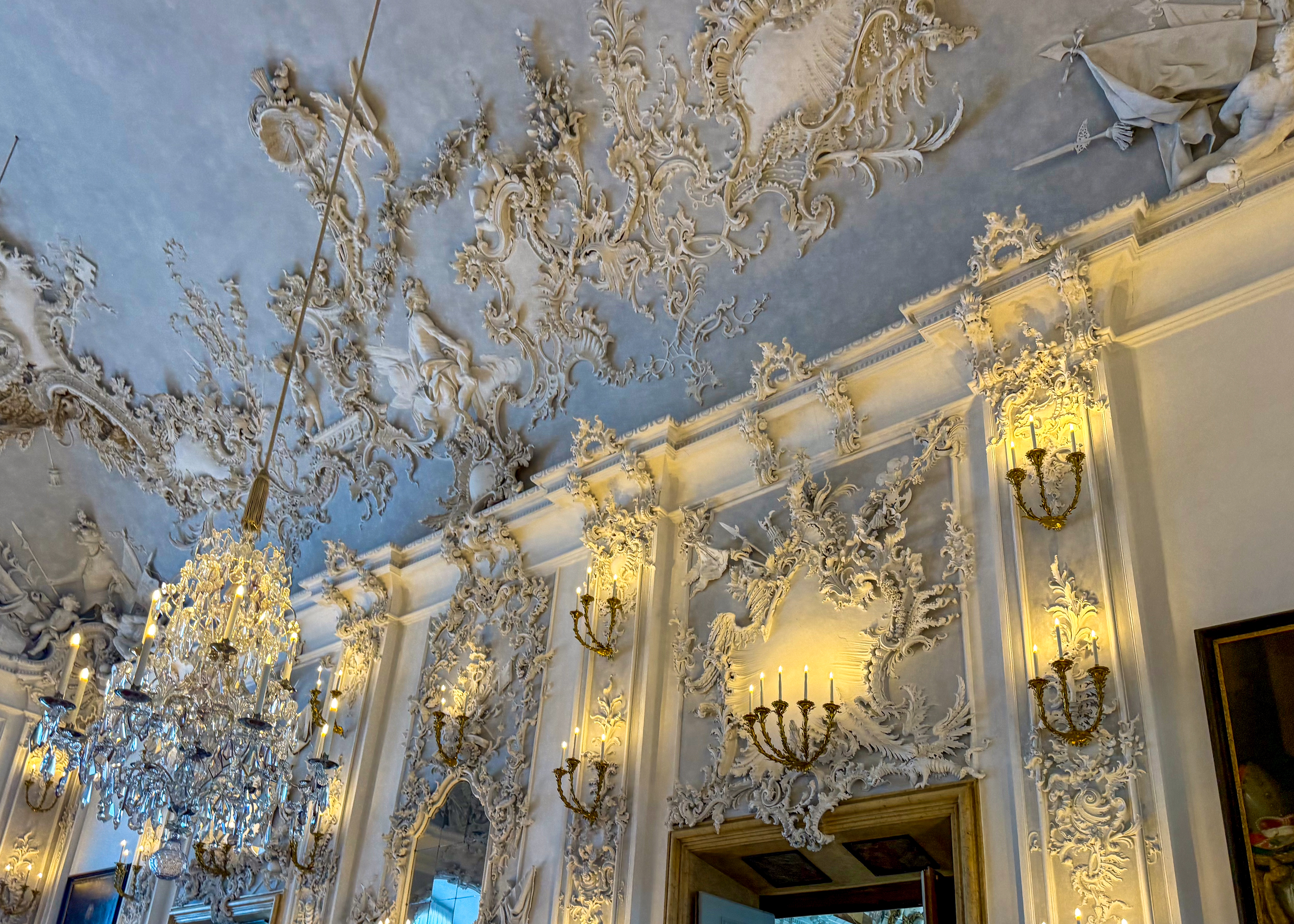
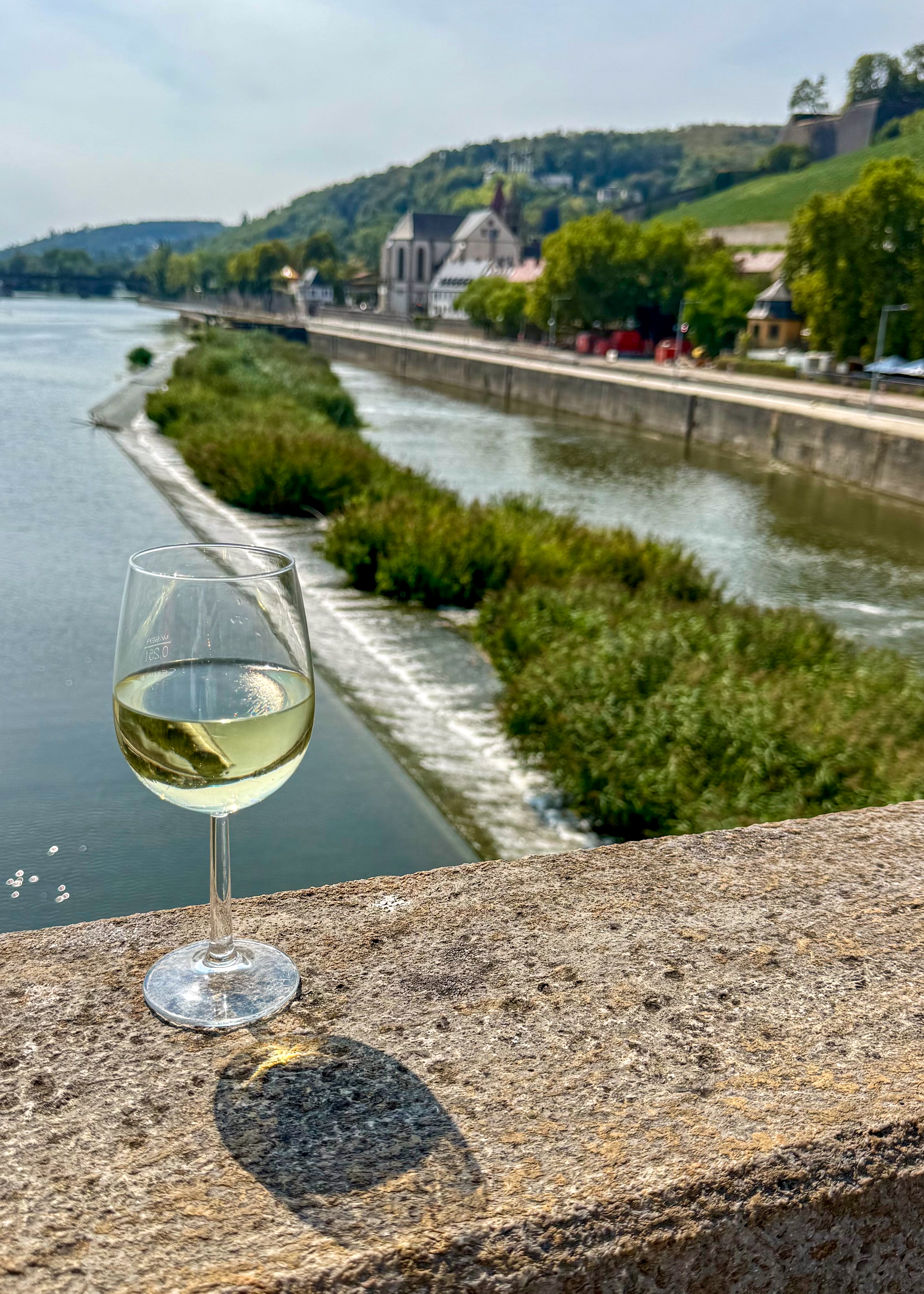
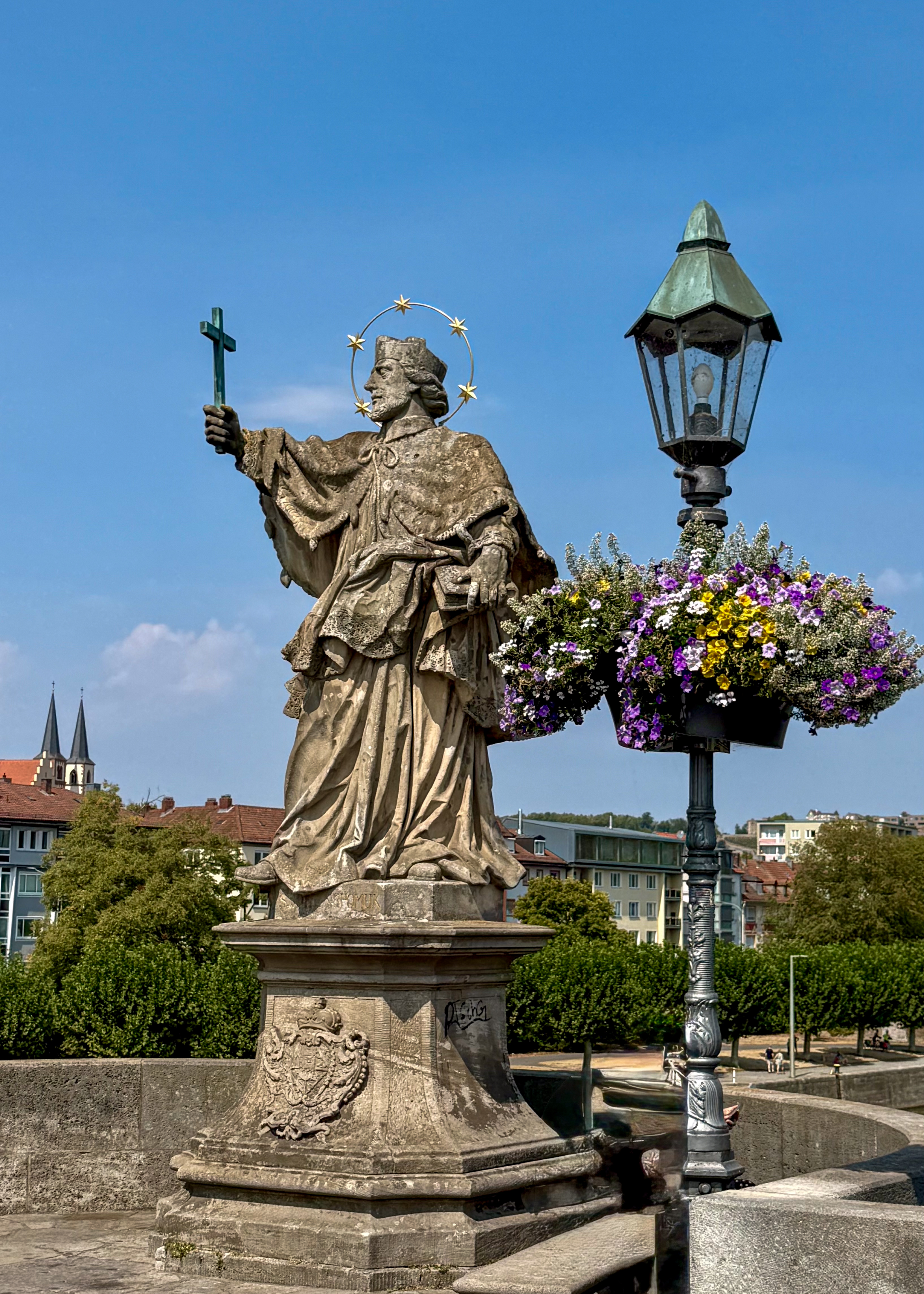
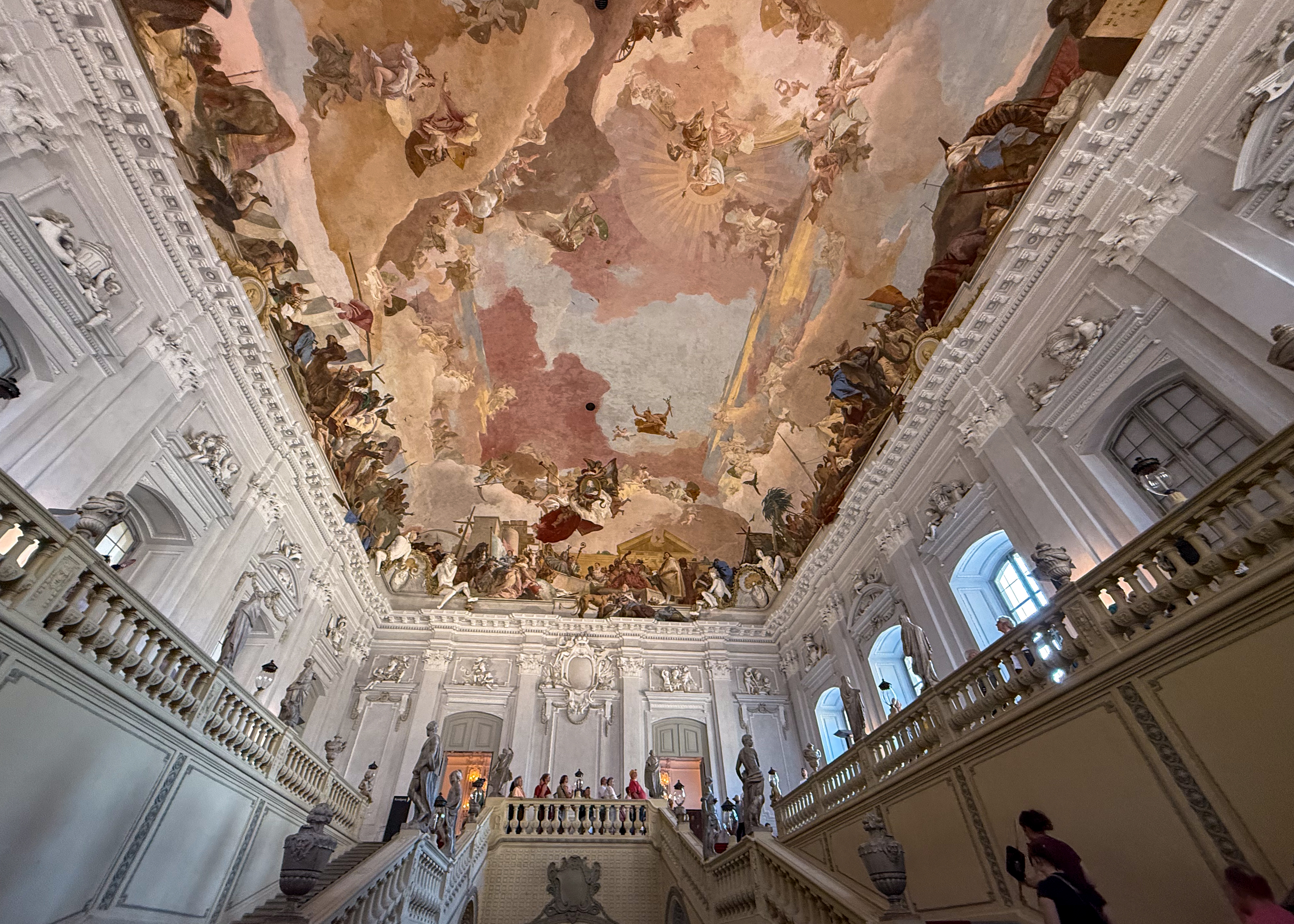
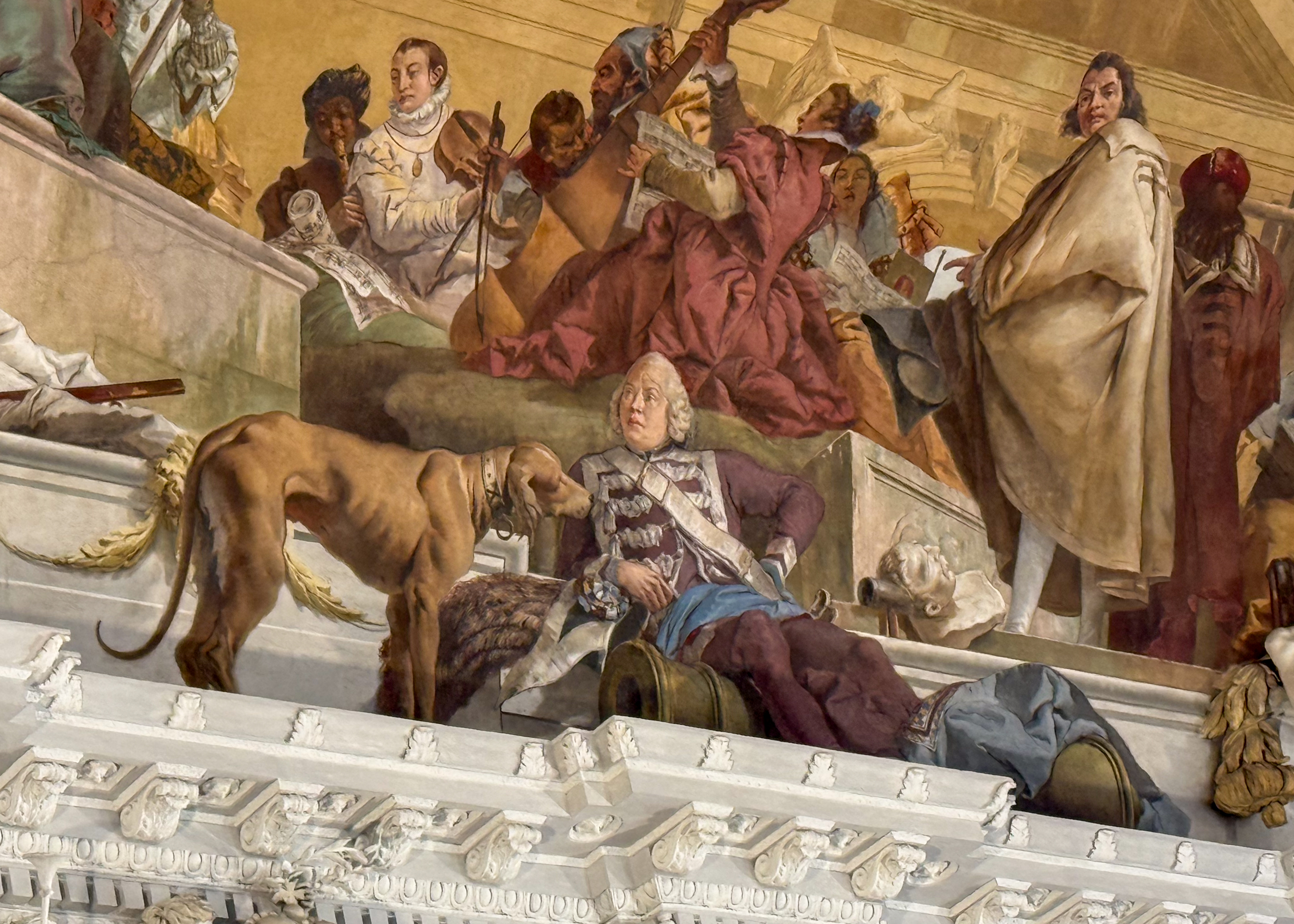
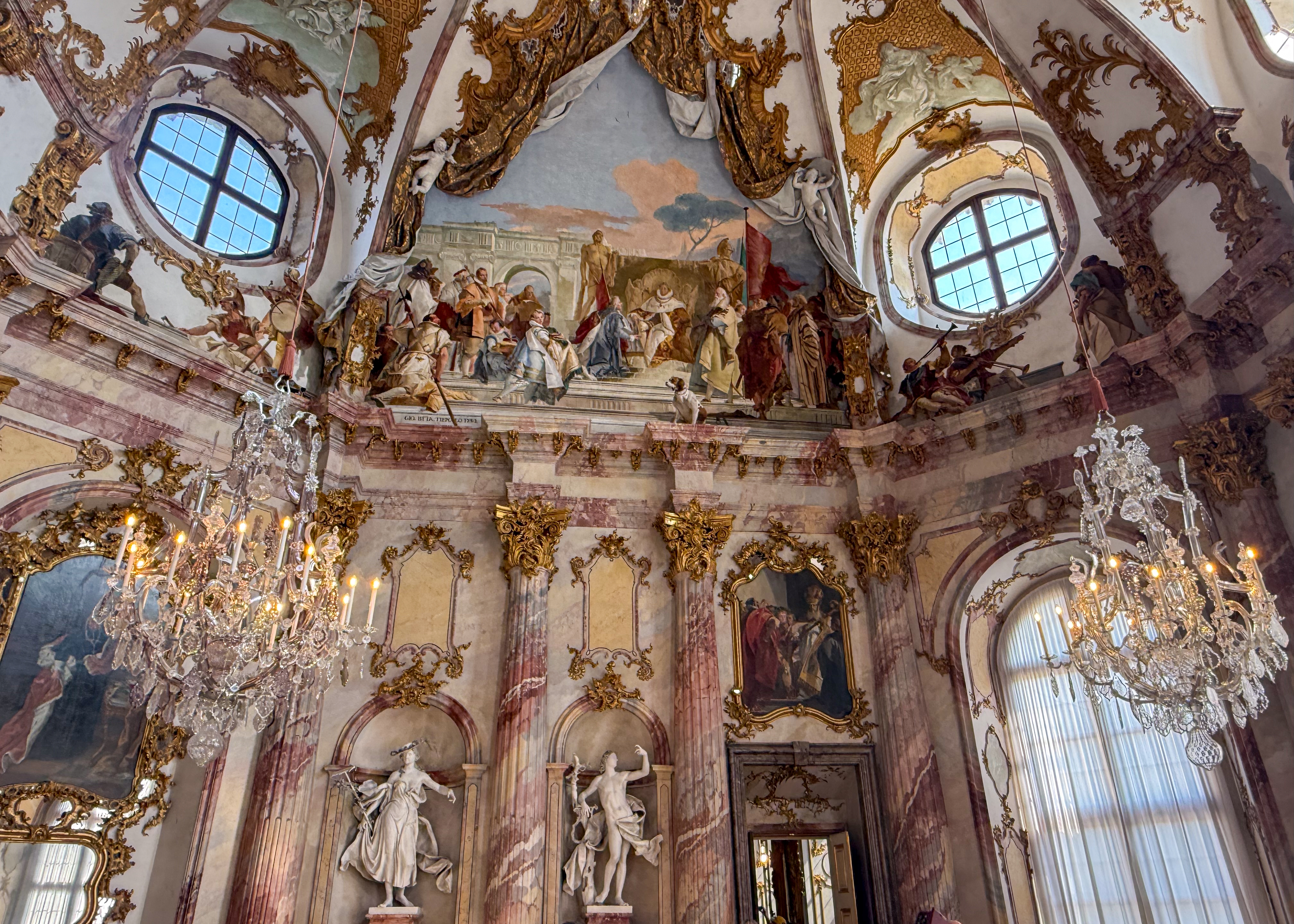
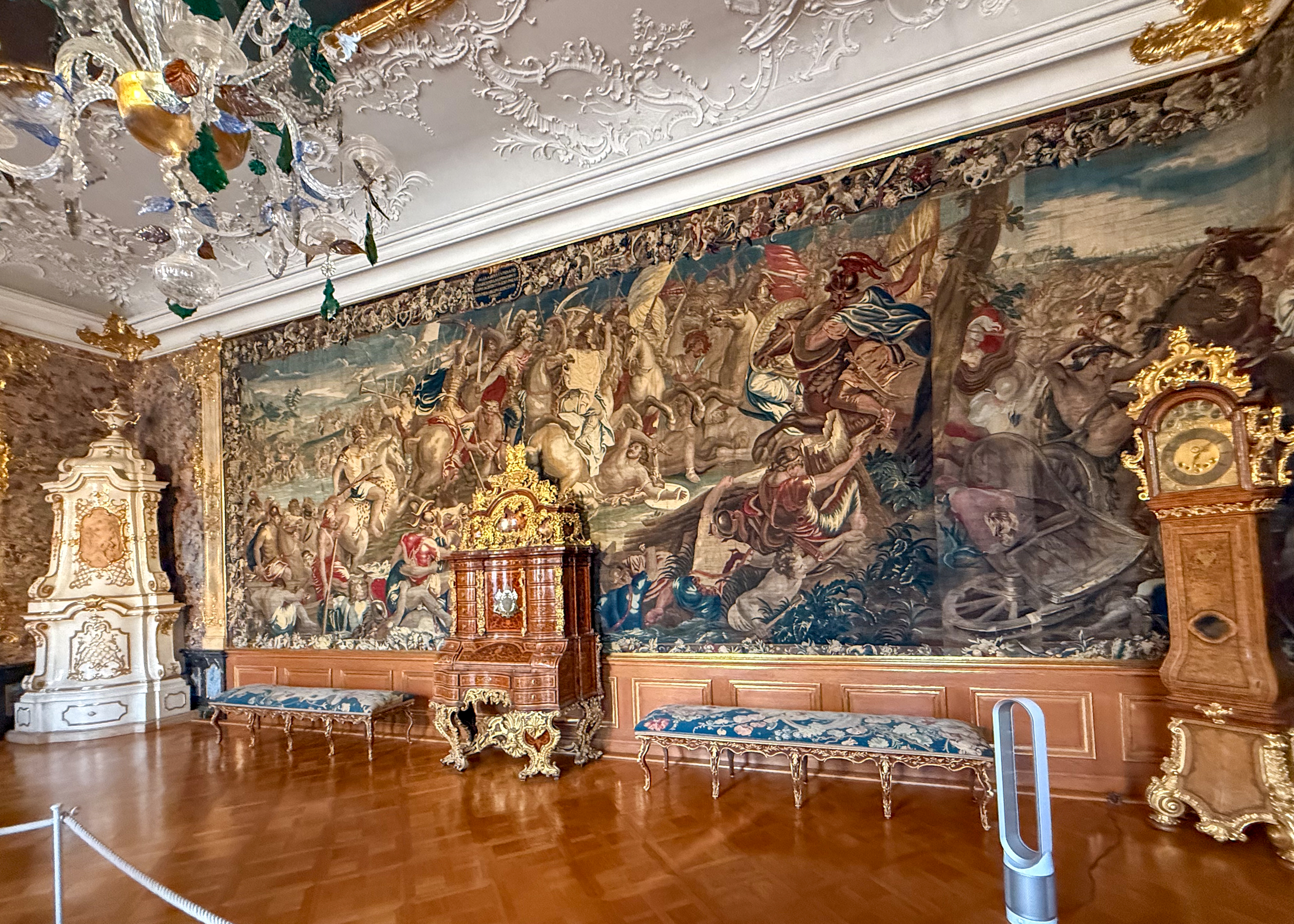
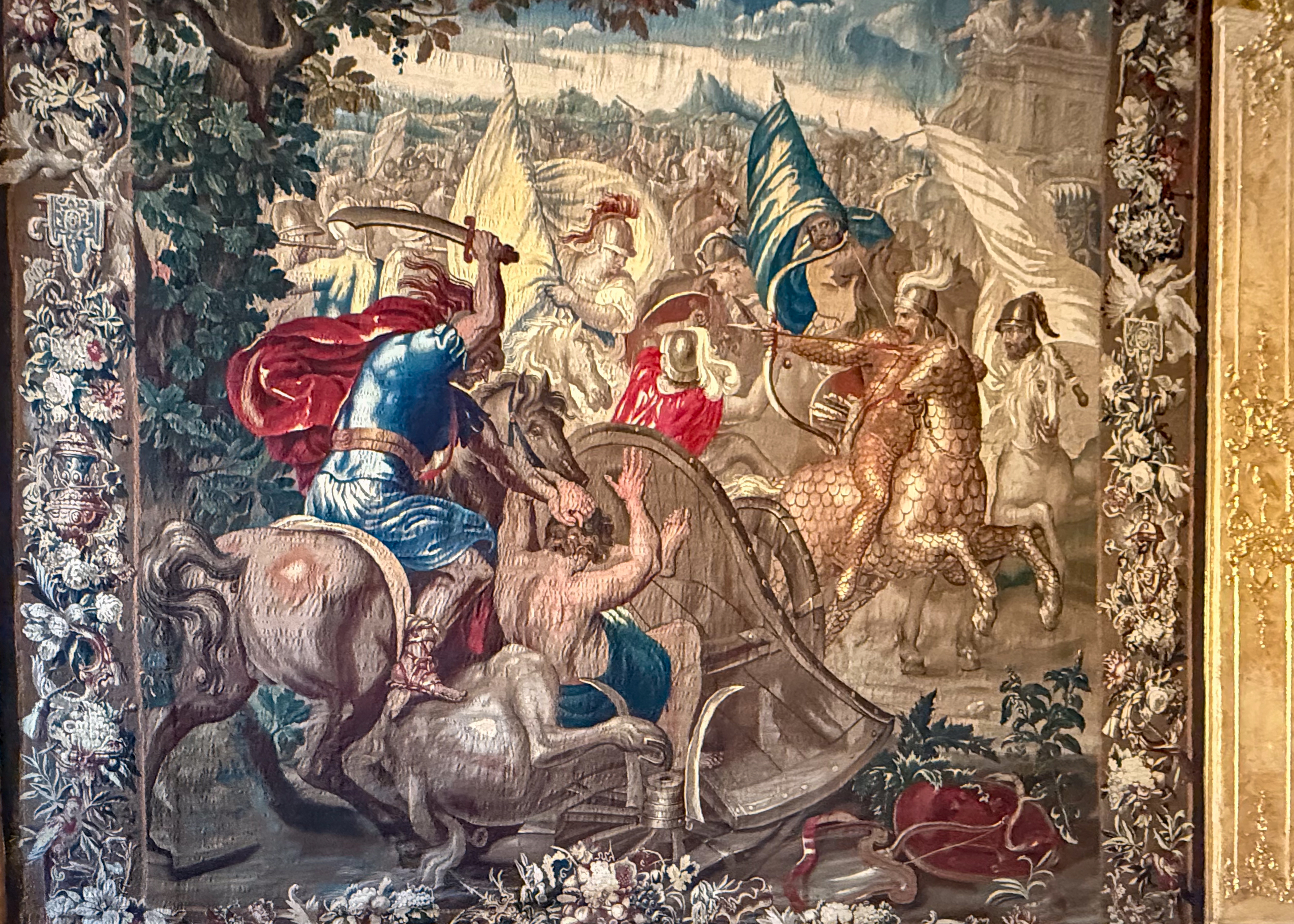
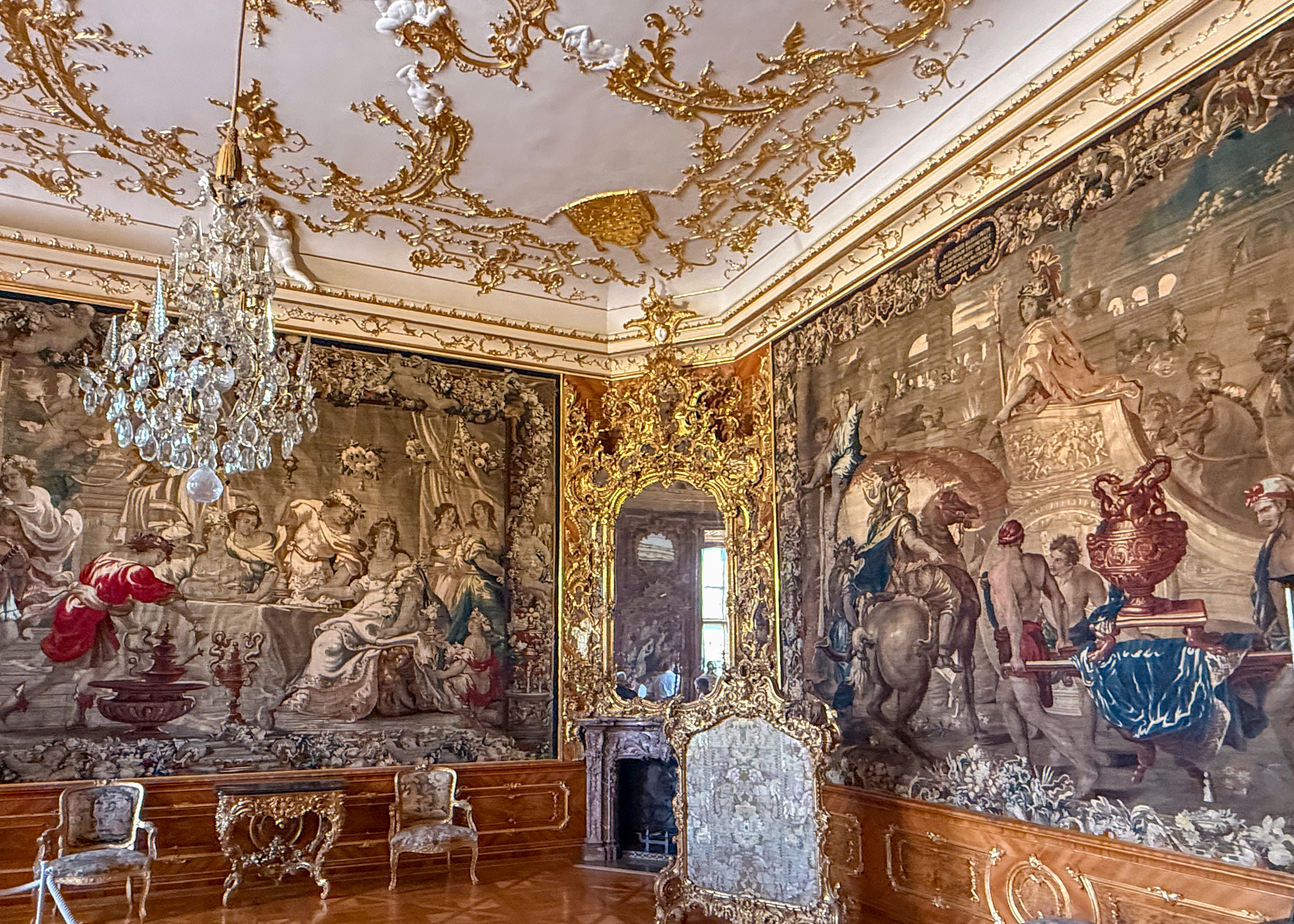
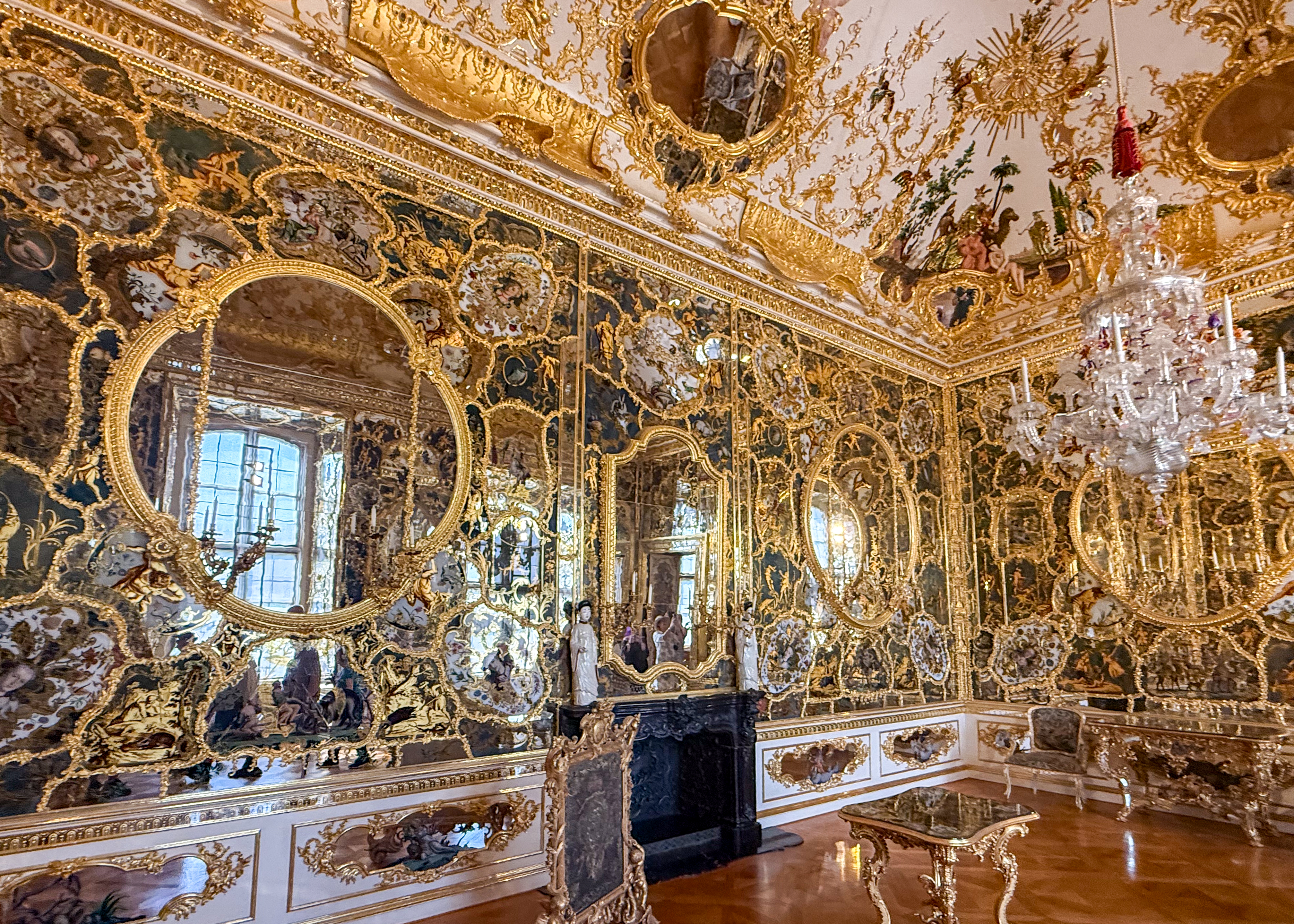
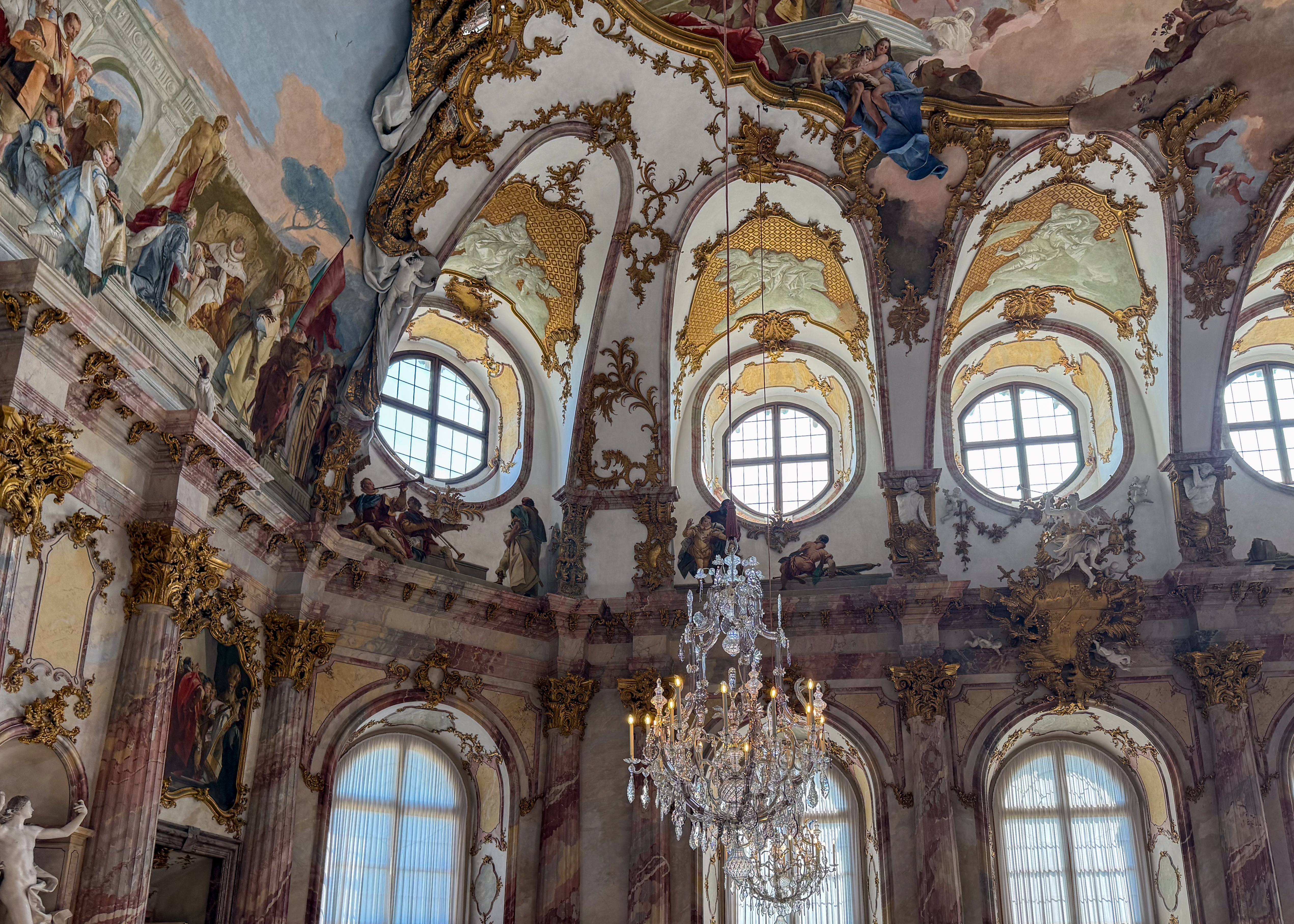
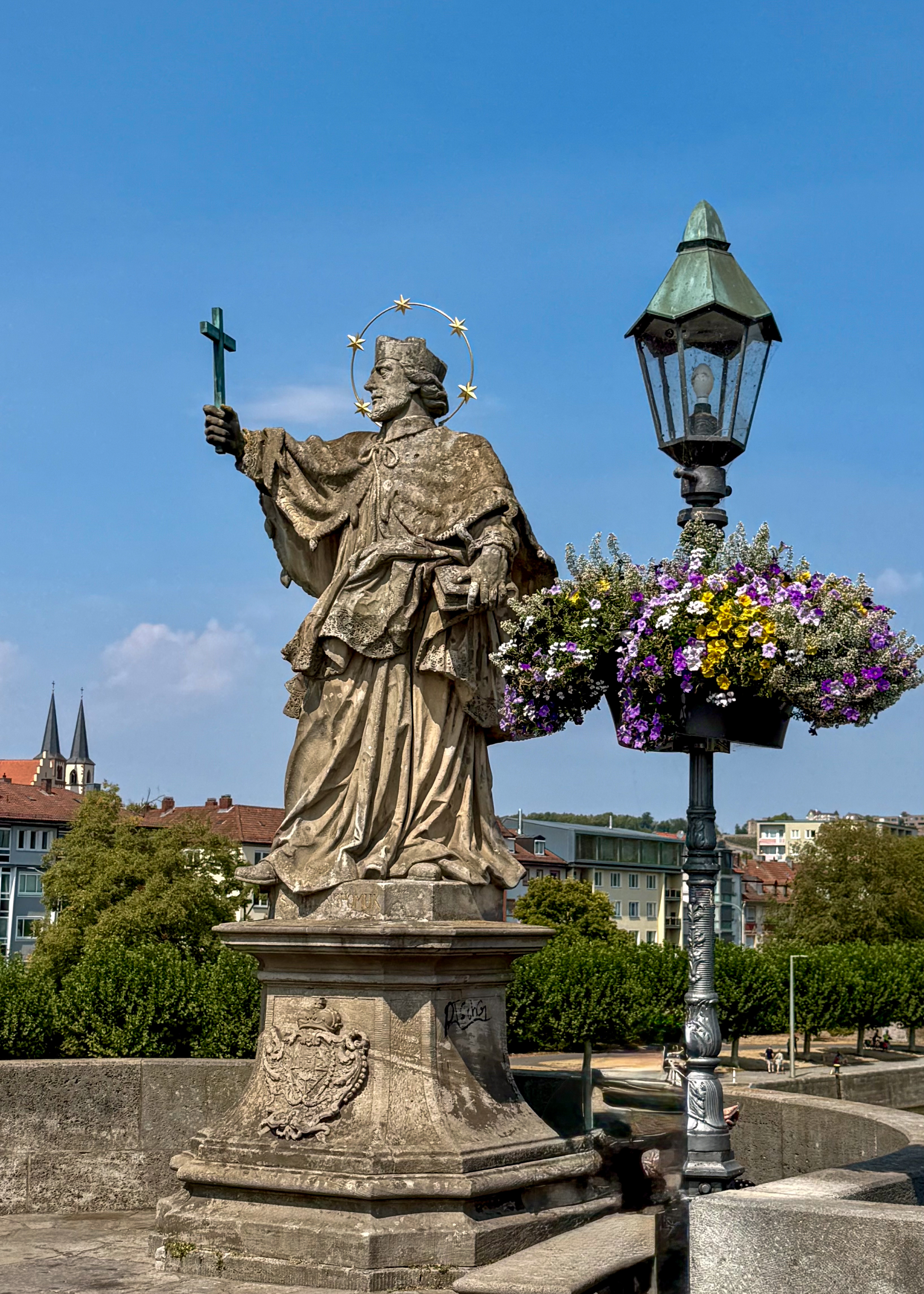
Surrounded by Franconian vineyards, Würzburg was heavily damaged during WW2, but has since been completely restored. The most pristine example of this restoration is the great Bishops’ Residenz palace, built in 1744 for the prince-bishop; no expense was spared to bring in the best artists, highlighted by its sweeping staircase and ceiling frescoes. Especially the overhead ceiling with its stunning 6,400-square-foot “Four Continents” fresco painted by Giovanni Tiepolo. We toured several ornate rooms, an exquisite colonnaded chapel, and the statue-lined English Garden. Then toured Old Town, viewing its Romanesque Cathedral, the Neumünster church, and the market square with the town hall. Other landmarks include the medieval, statue-lined Old Main Bridge and Marienberg Fortress, originally a Celtic hill fort and later a bishop’s residence.
Europe 2026 – Day 10 Marktheidenfeld & Lohr am Main, Germany

Lohr am Main

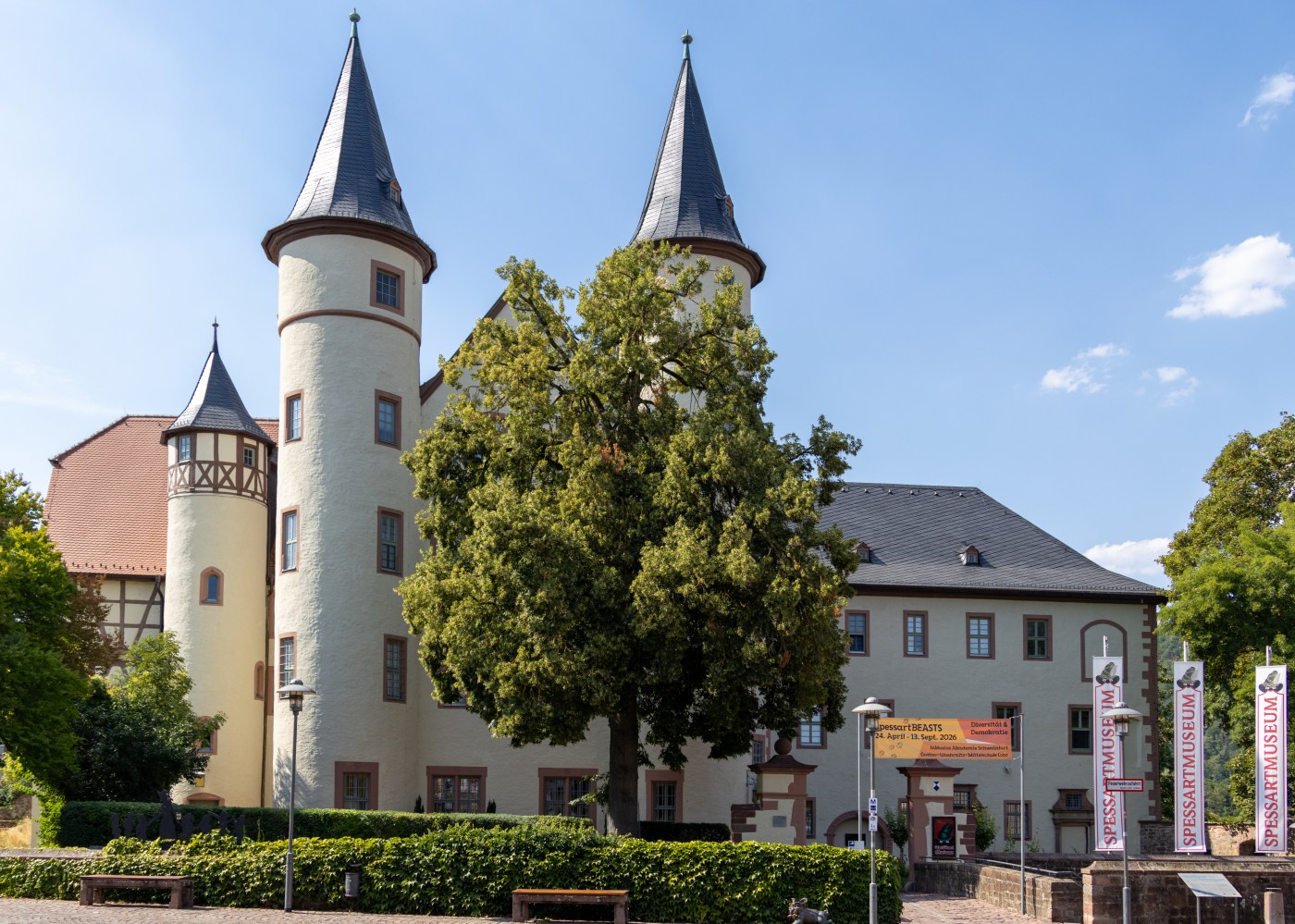
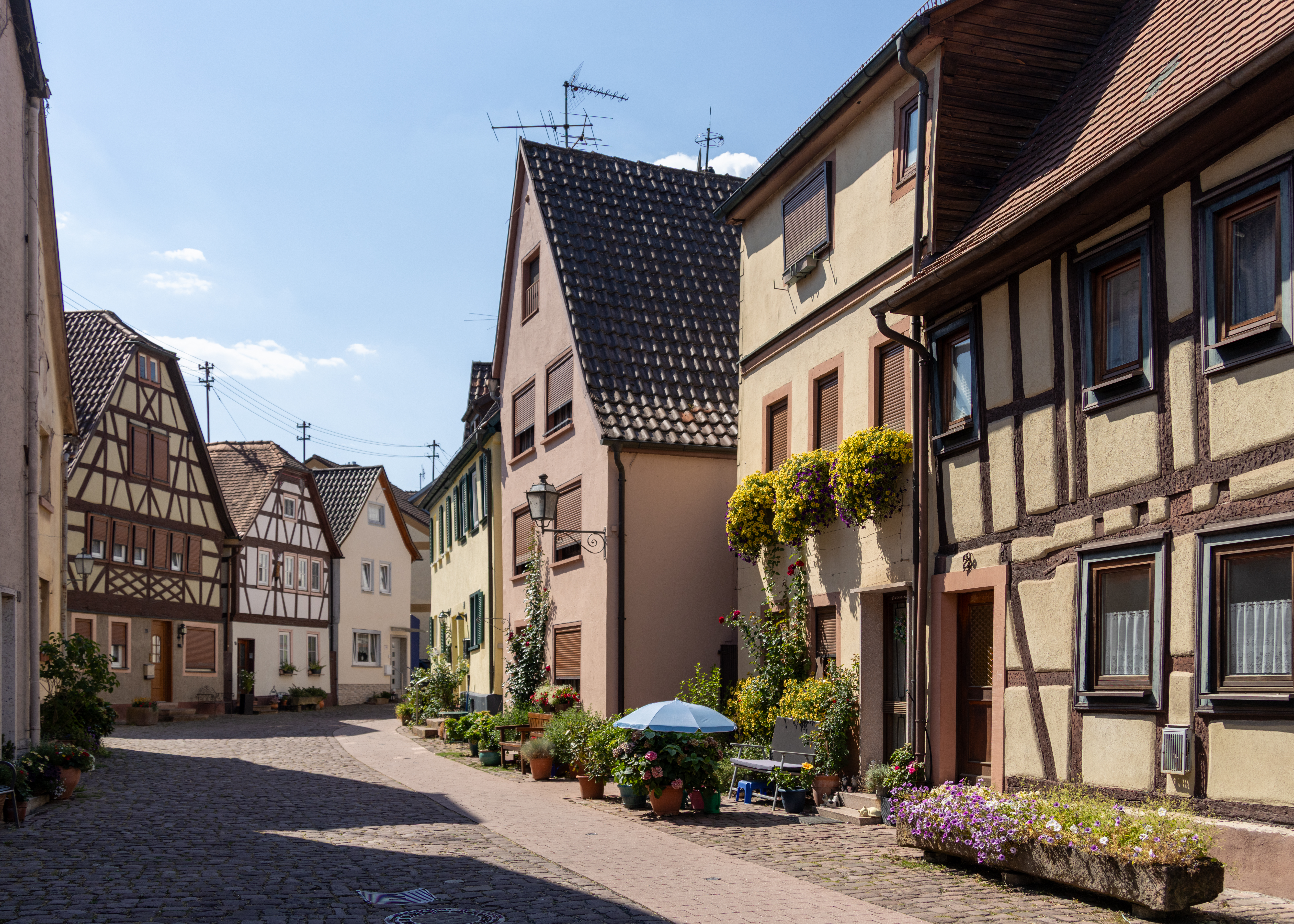
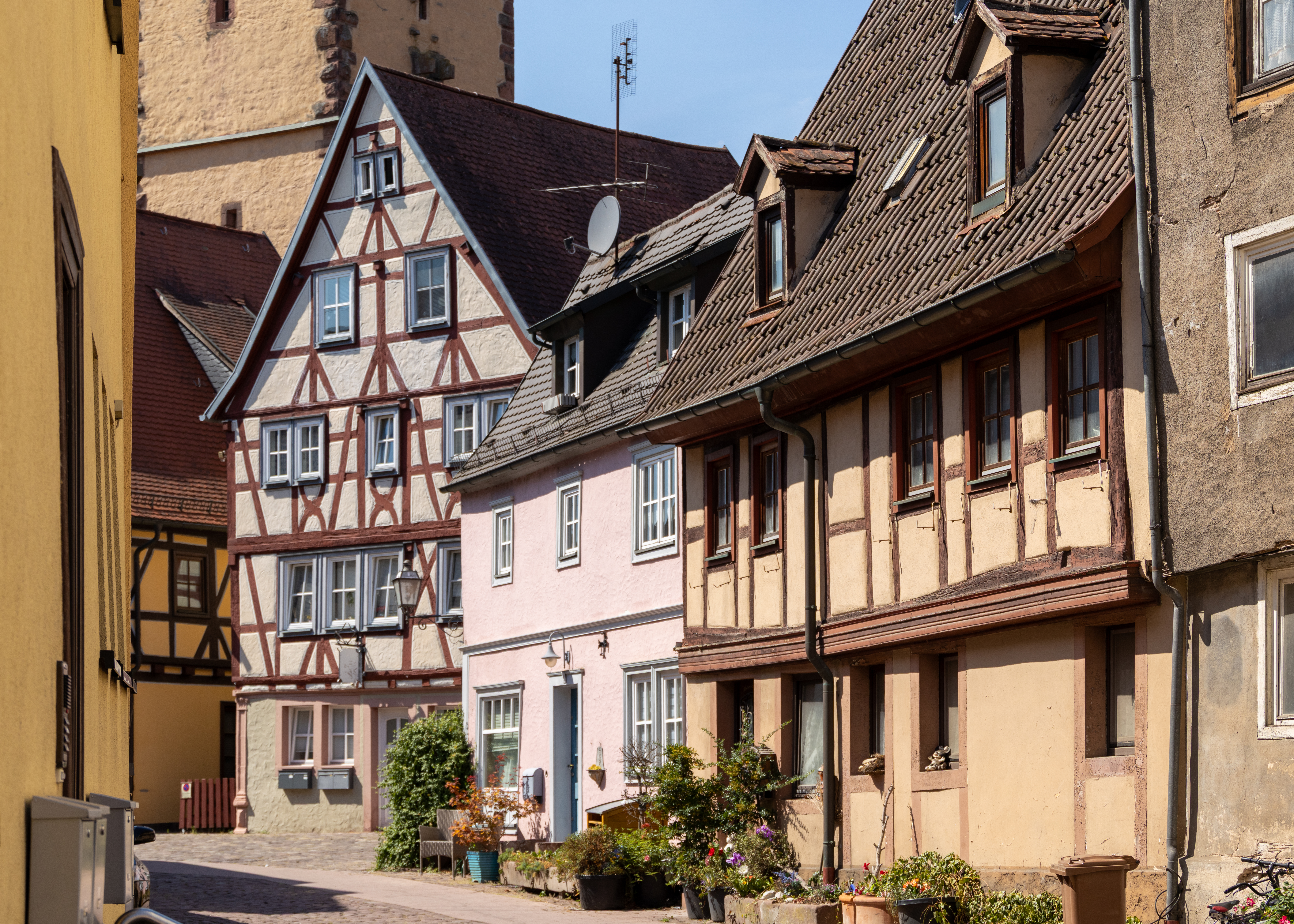
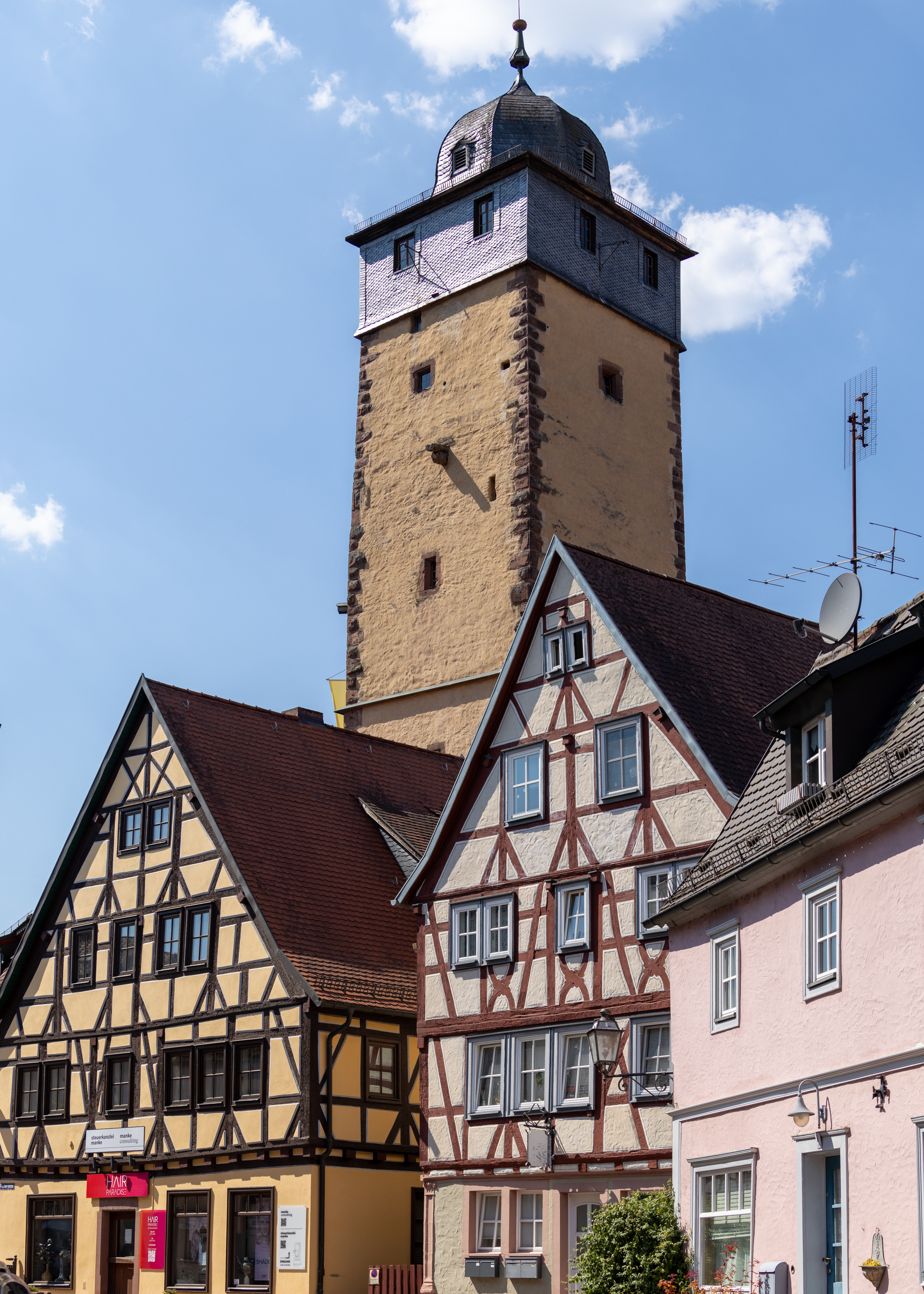
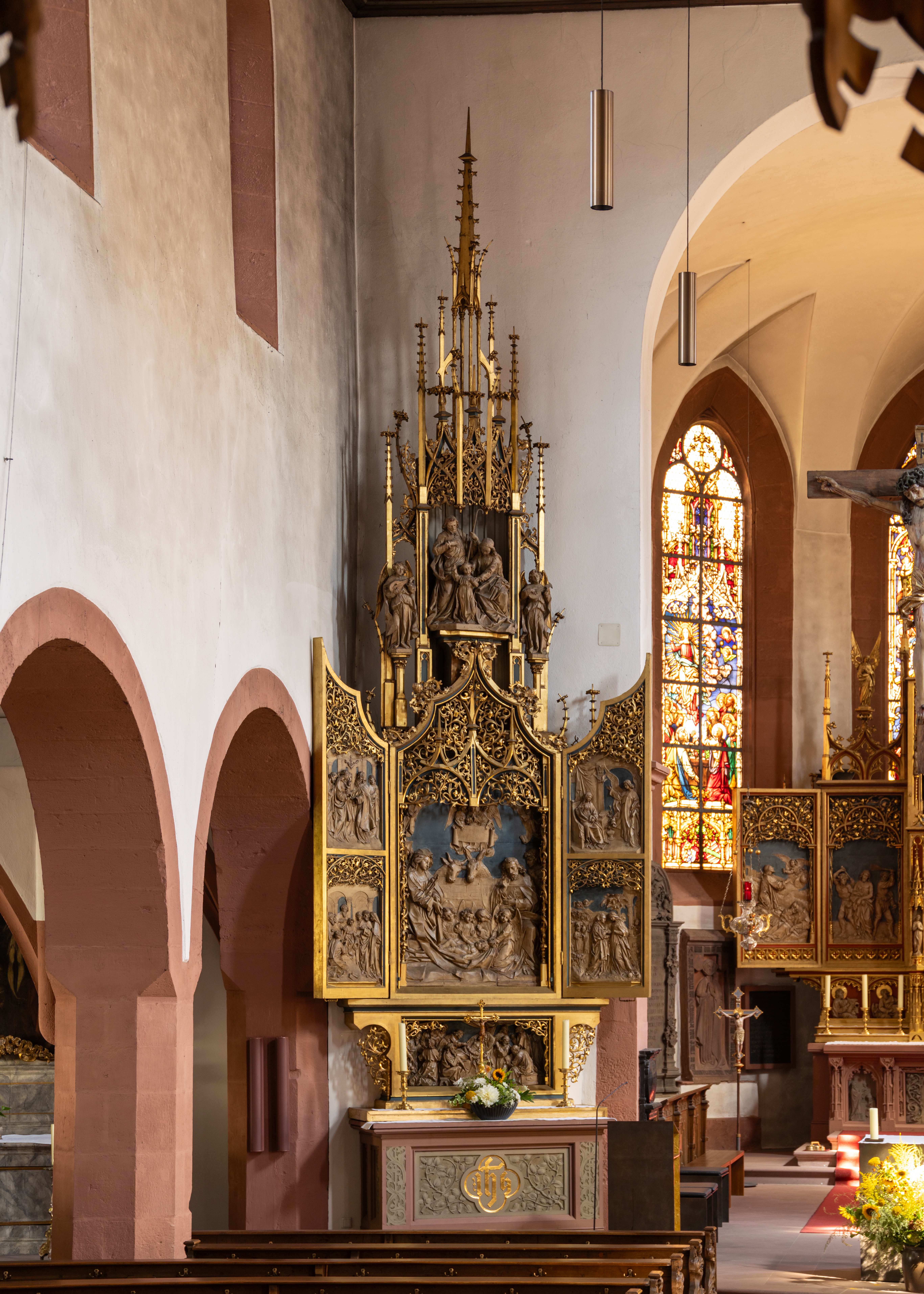
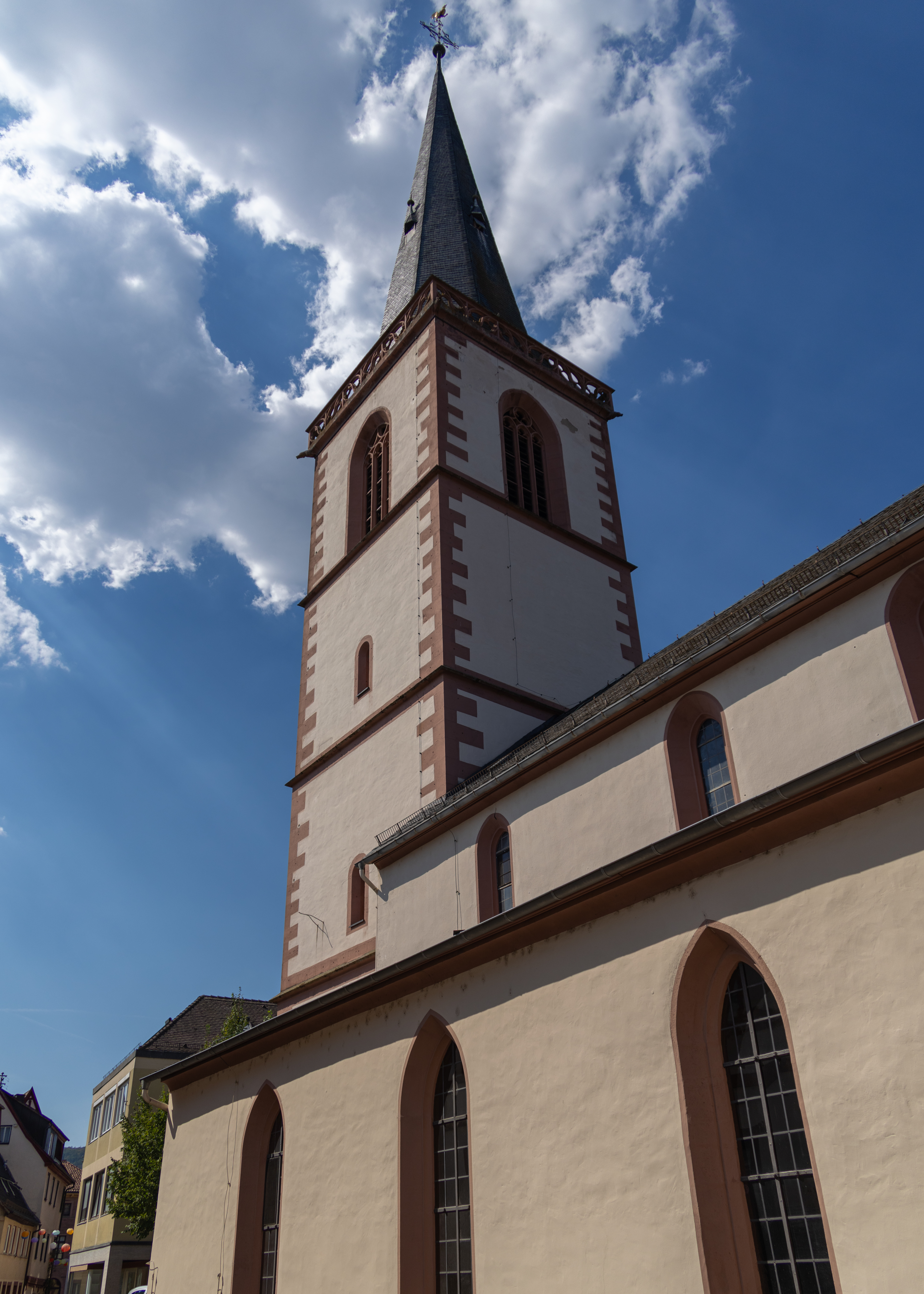
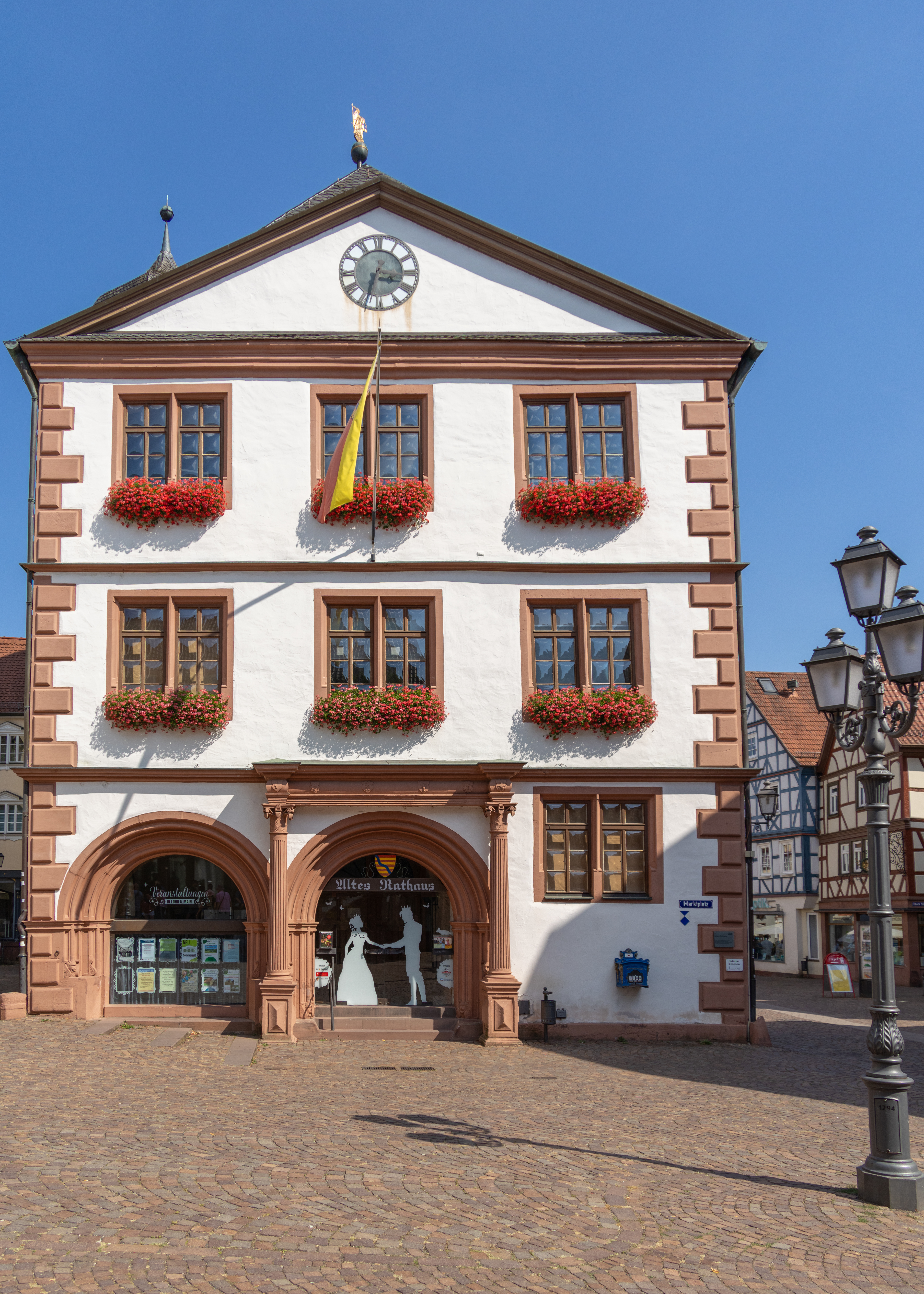
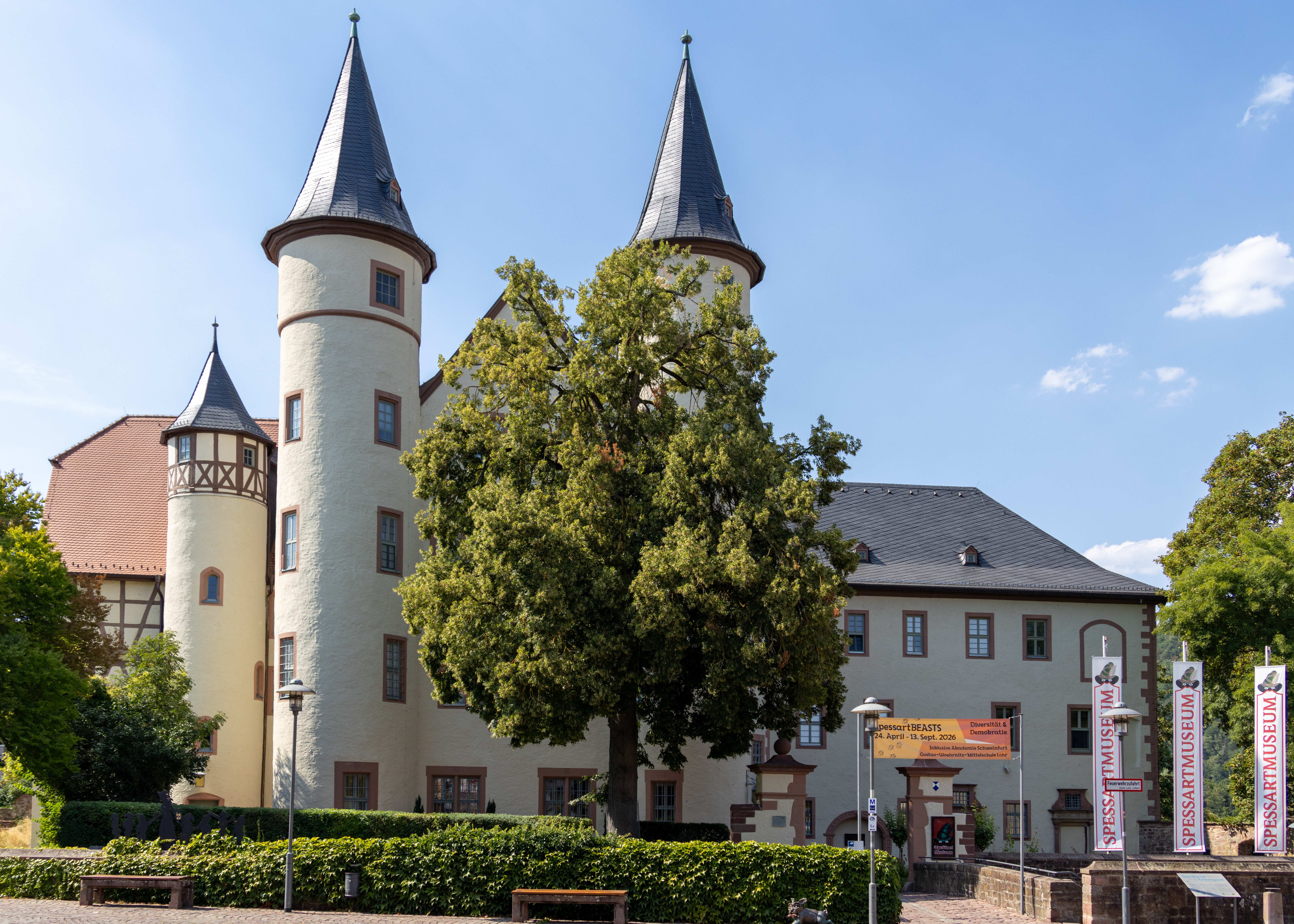
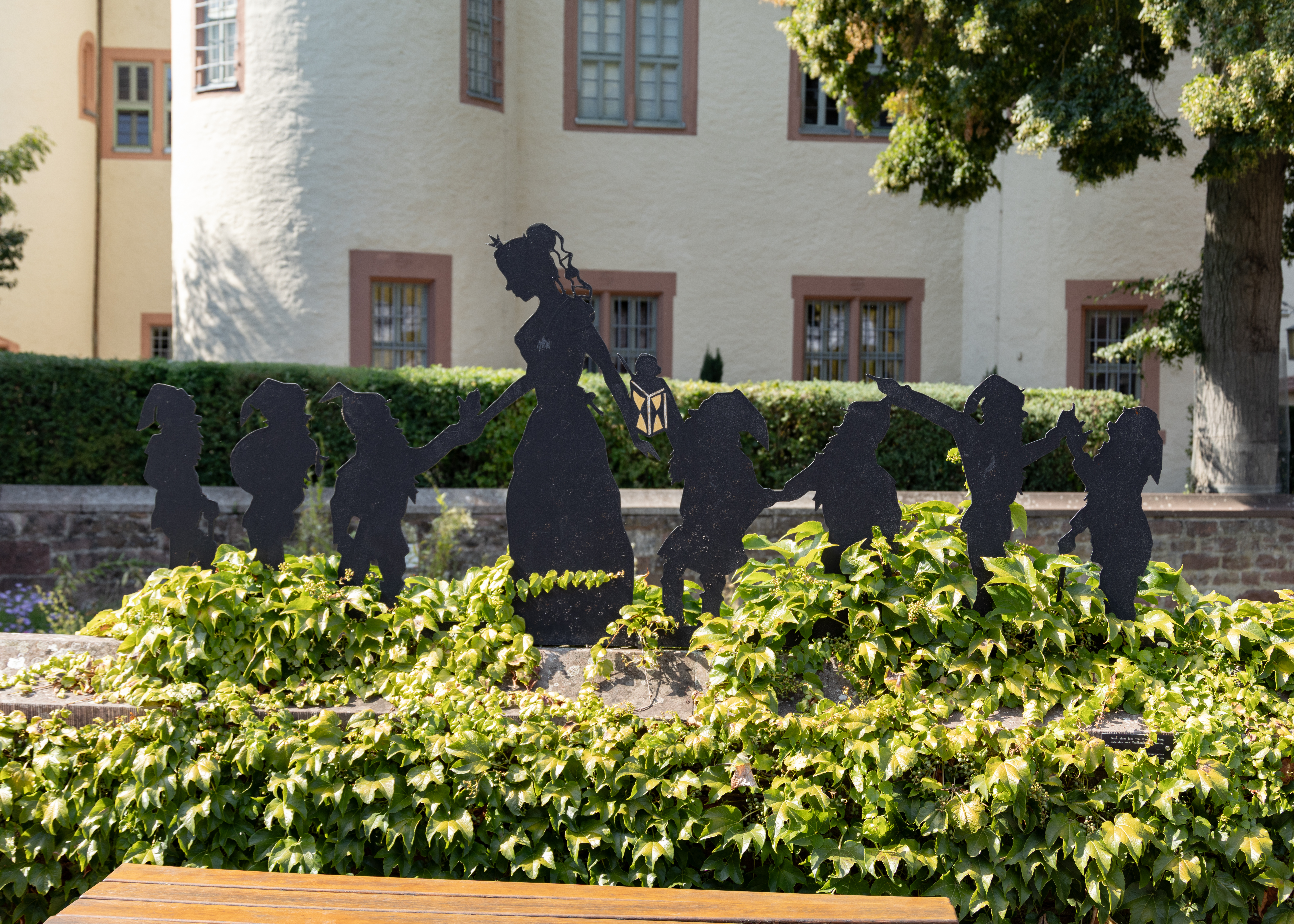
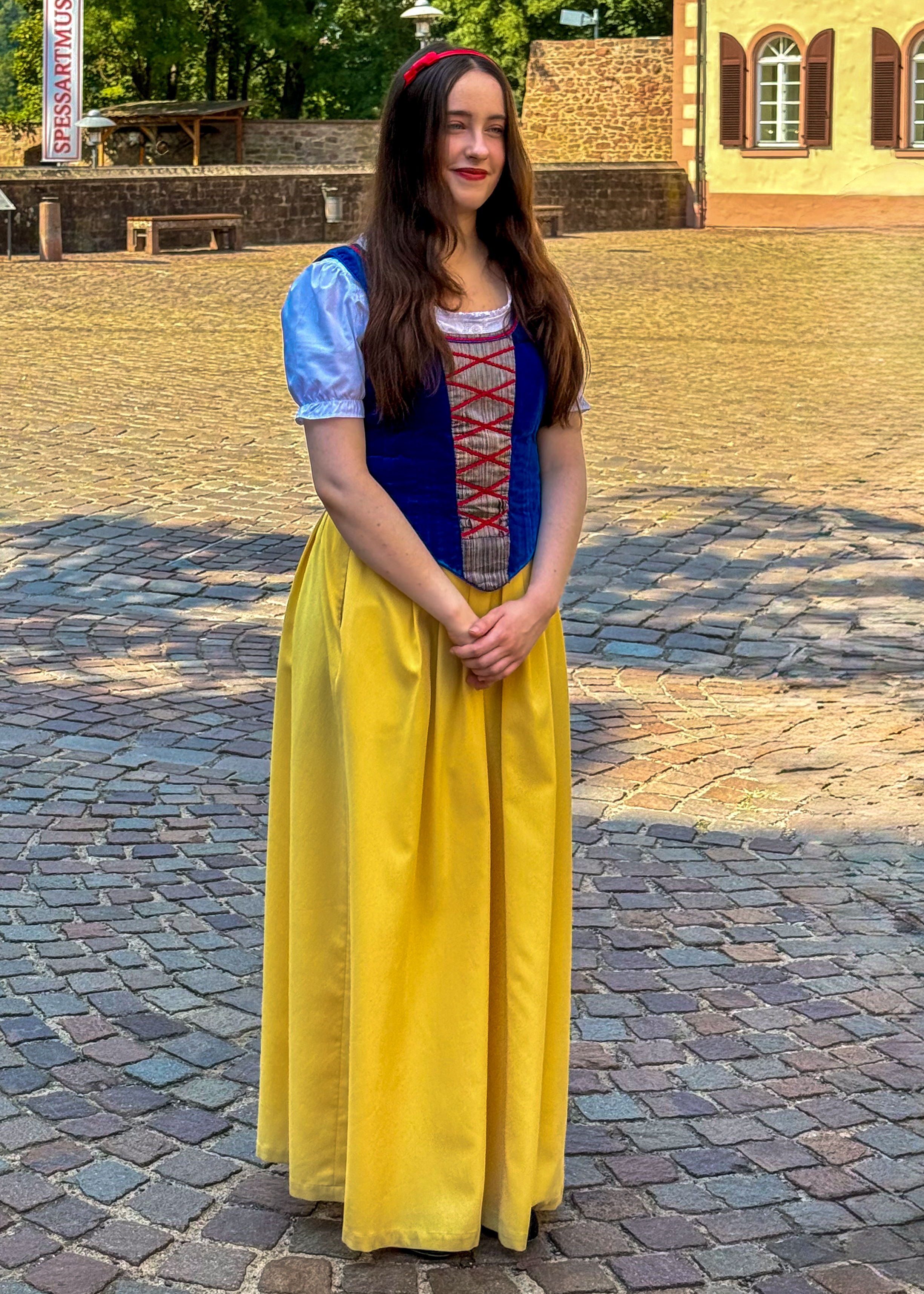
We started the day with a coach ride along the Main and through row upon row of vineyards (planted in vertical rows as opposed to horizontal in the States – because of the steepness of the mountains). Lohr am Main is the legendary “birthplace” of the real- life inspiration for the German fairy-tale character Snow White – by the Brothers Grimm. Highlights of the town include the Bayersrum, a 40-meter-tall watchtower built in the 14th century. The Old Town Hall, built between 1559 and 1602 with distinctive red sandstone arches. St Michael’s Church, built in the 9th century featuring a 62-meter tower that defines the town’s skyline. Lohr Castle, the centerpiece of the town, which now houses the Spessart Museum, which features the “talking Mirror”.

Marktheidenfeld

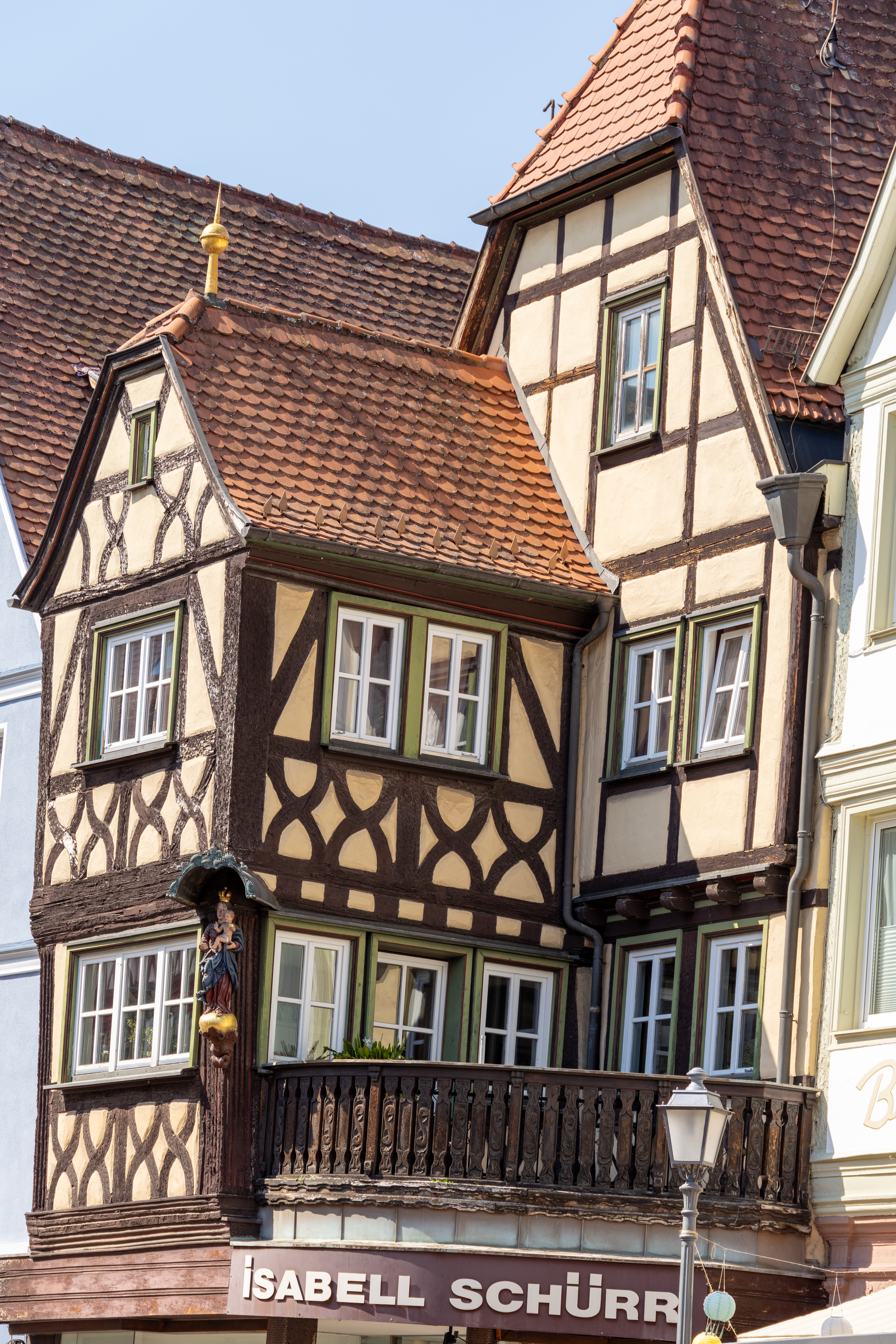
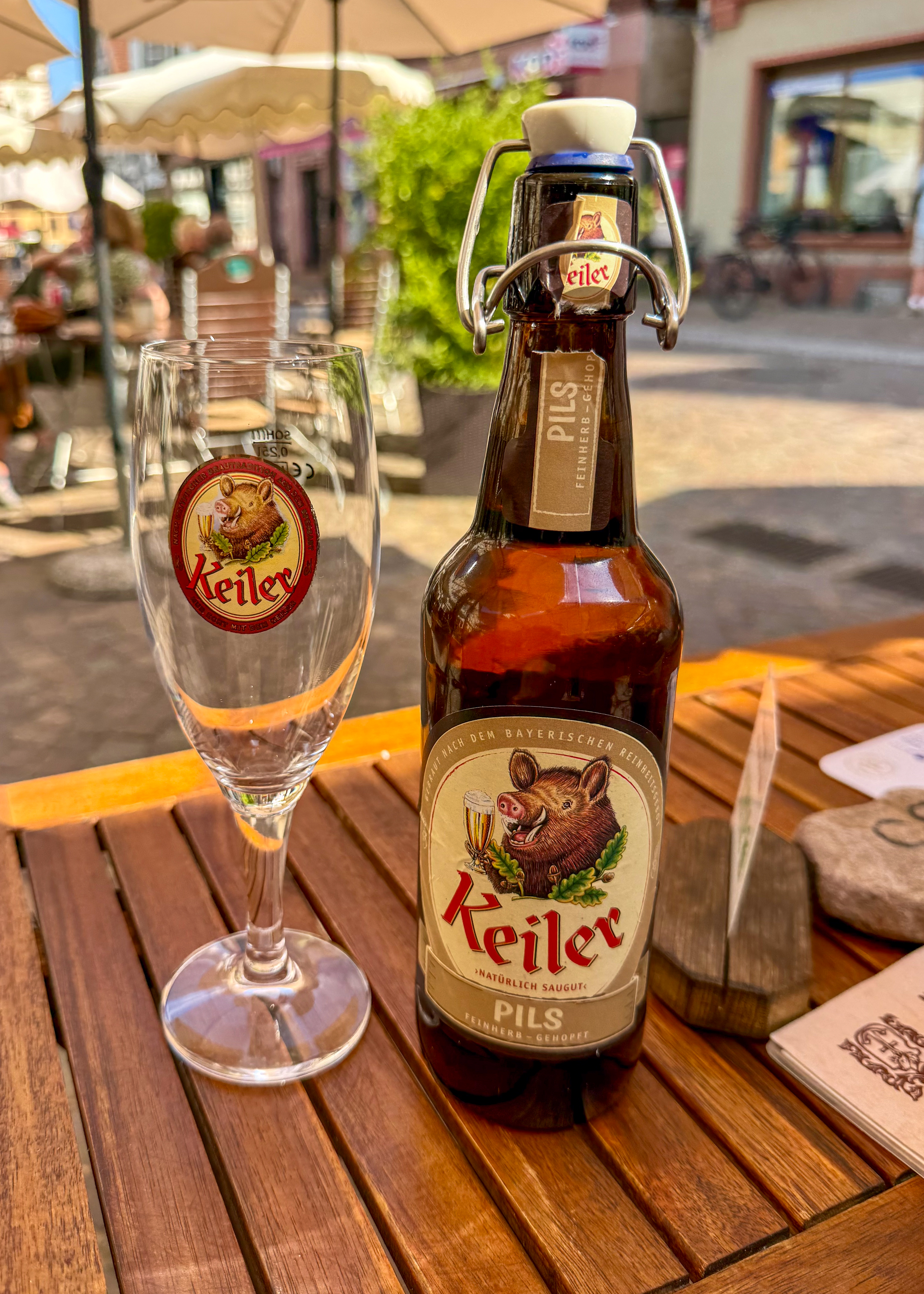
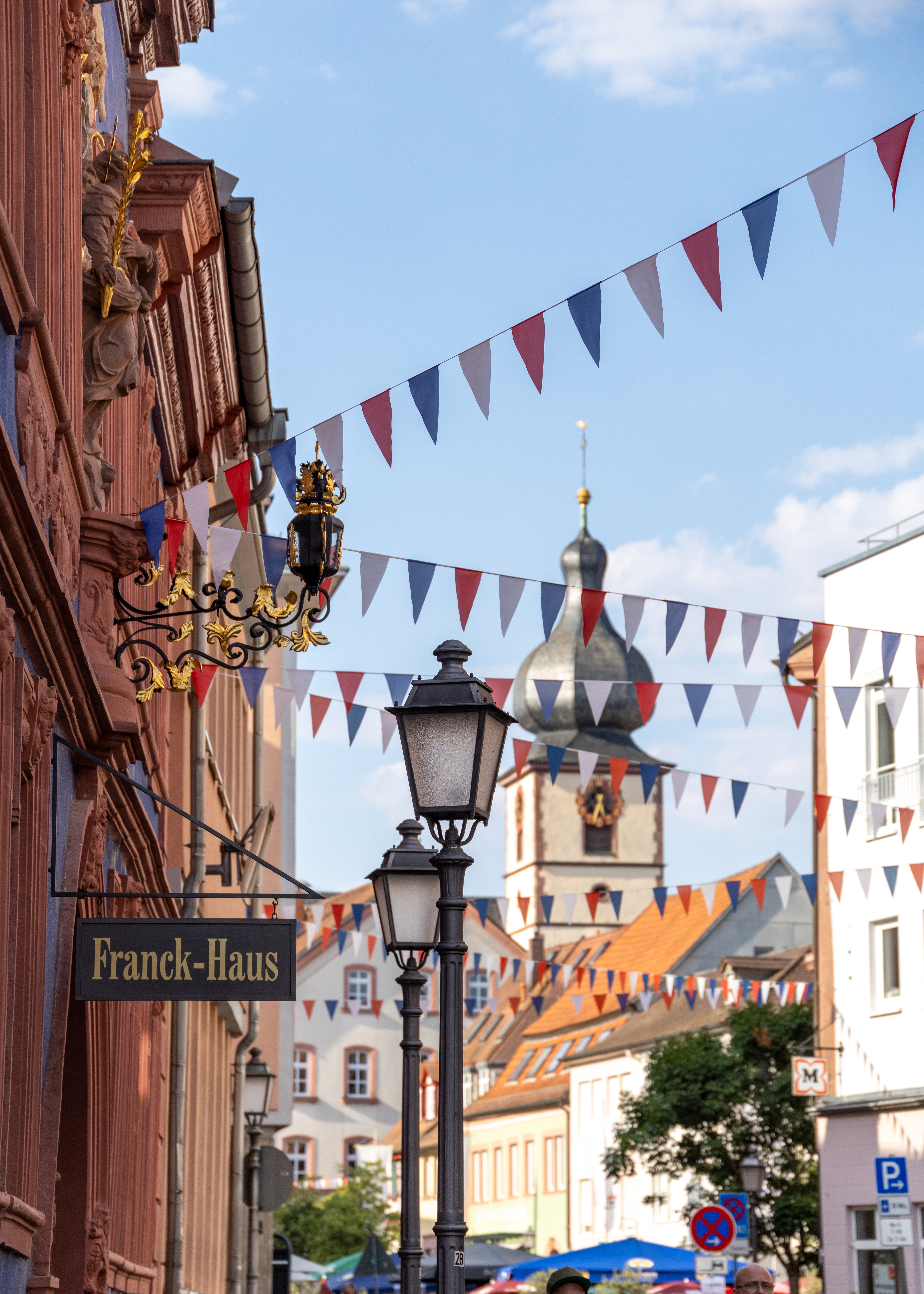
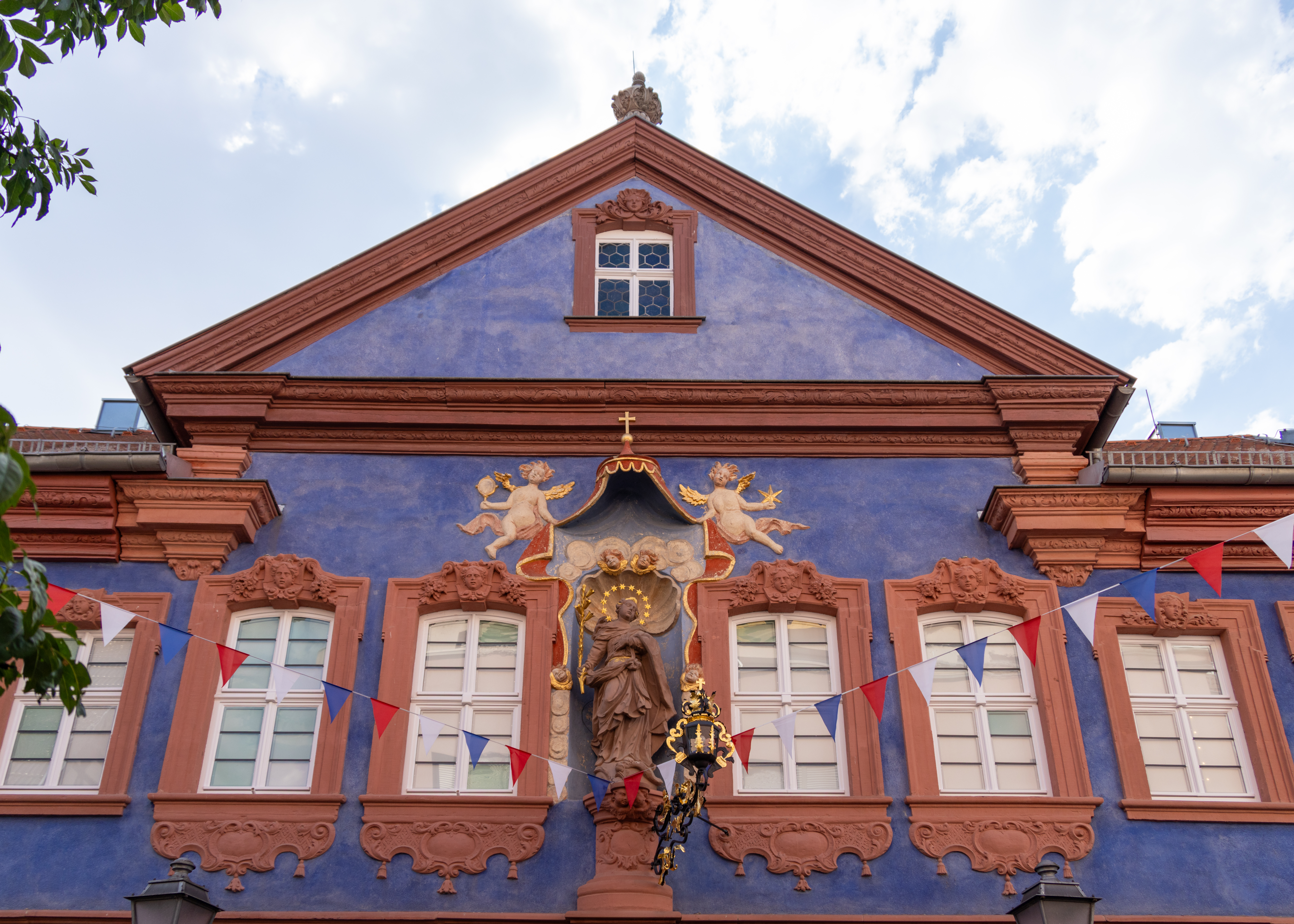
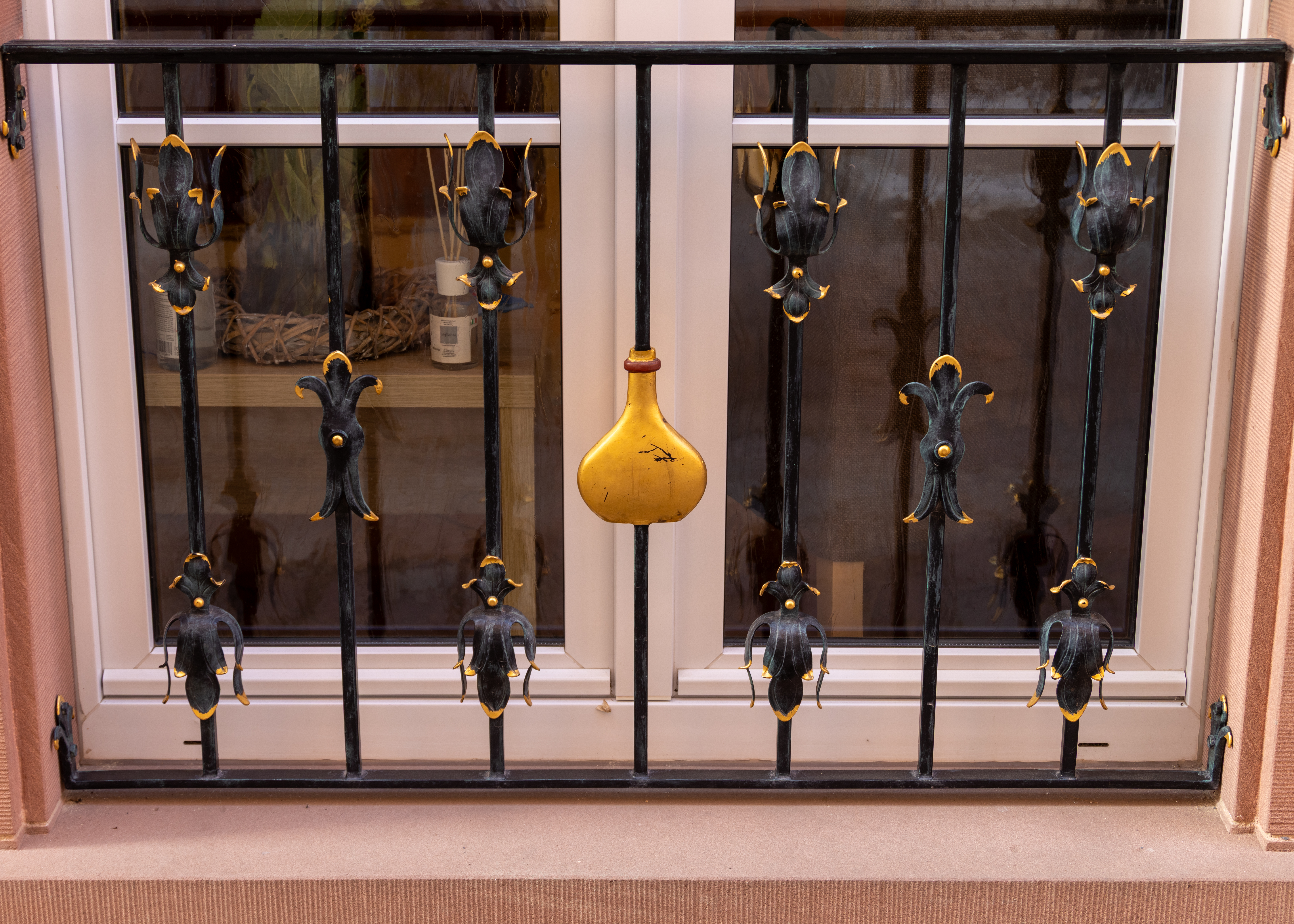
Returning to the ship from Lohr am Main, we stopped at Marktheidenfeld, a picturesque town situated in the Lower Franconia region of Bavaria. It’s a well-preserved town with half-timbered houses, quaint streets, and a bustling marketplatz. The Franck House is the town’s most iconic landmark. Built in 1745 by a wealthy wine merchant, its striking smalt-blue façade was the most expensive color available at the time. Also of note is the distinctive wine bottle of the region – looking something like it was stolen from a bull.

Europe 2026 – Day 10 Frankfurt, Germany

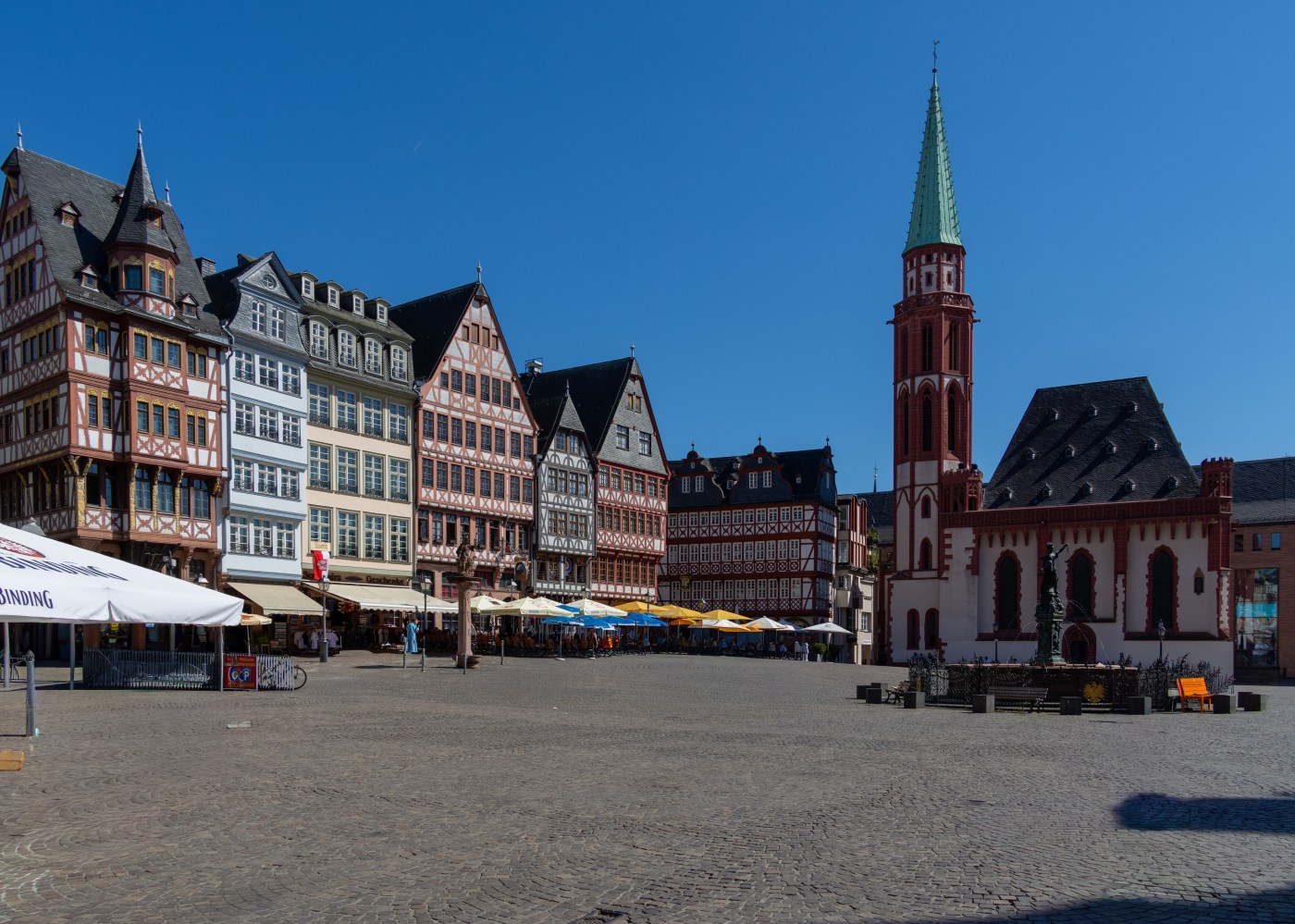
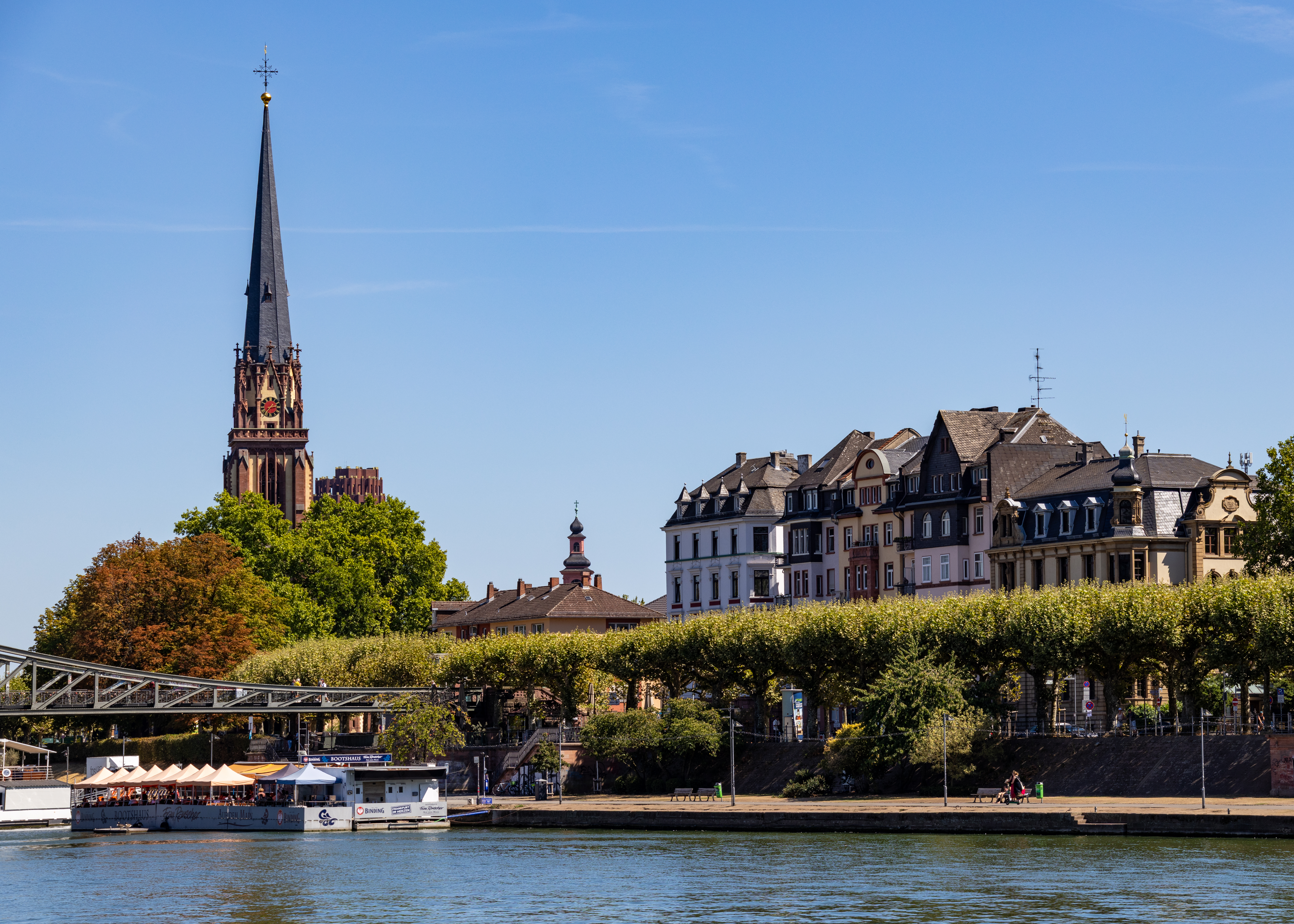
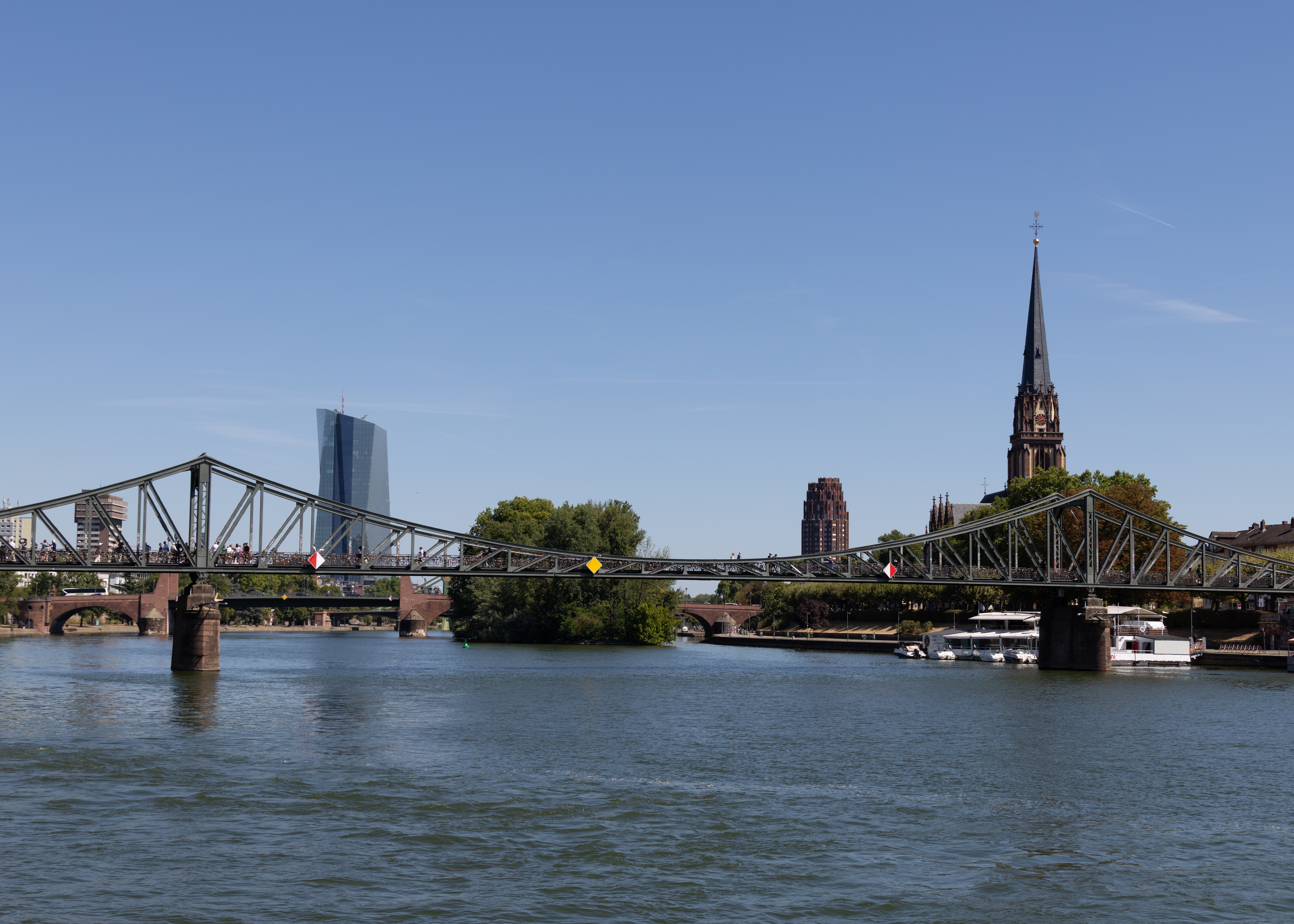
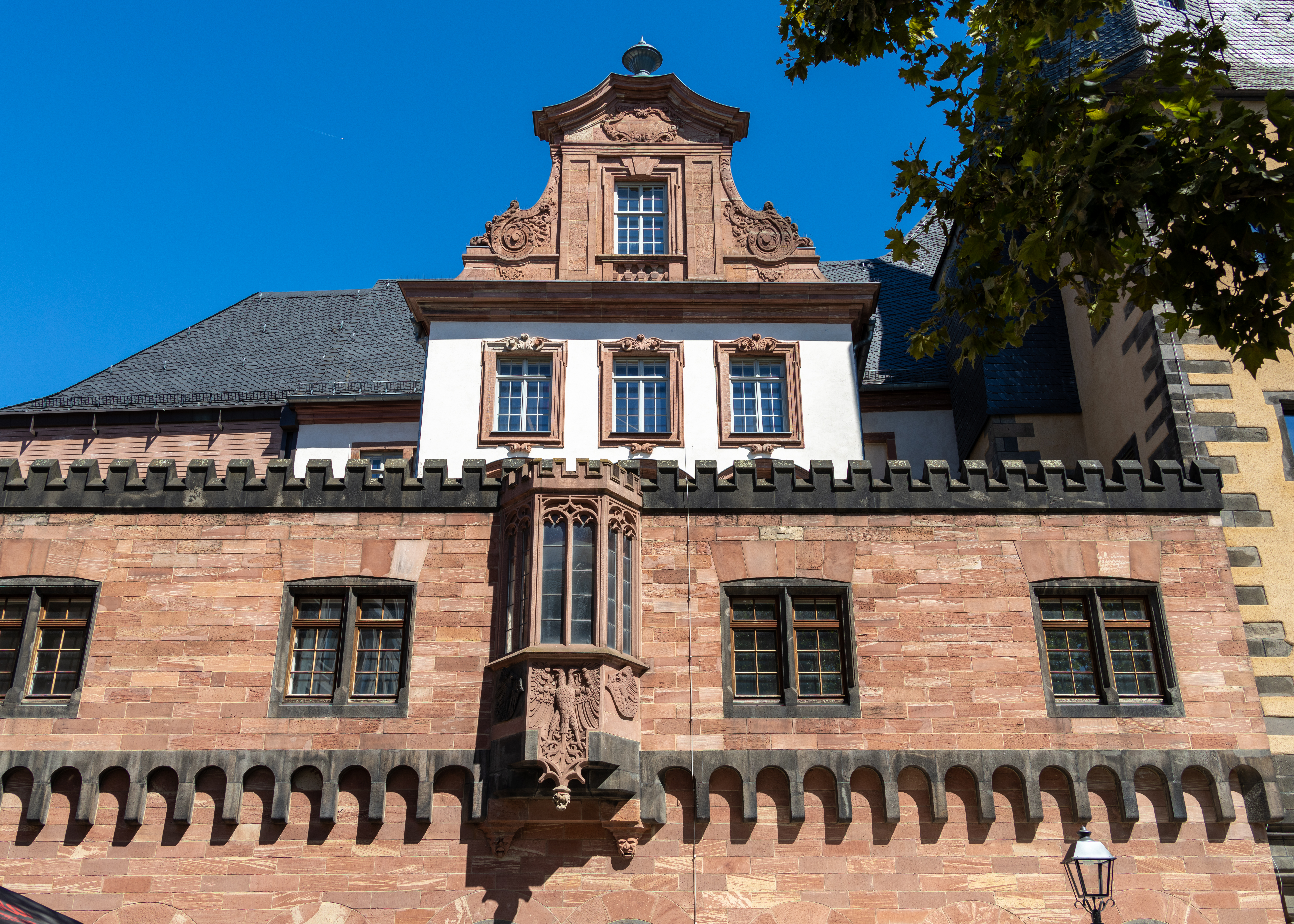
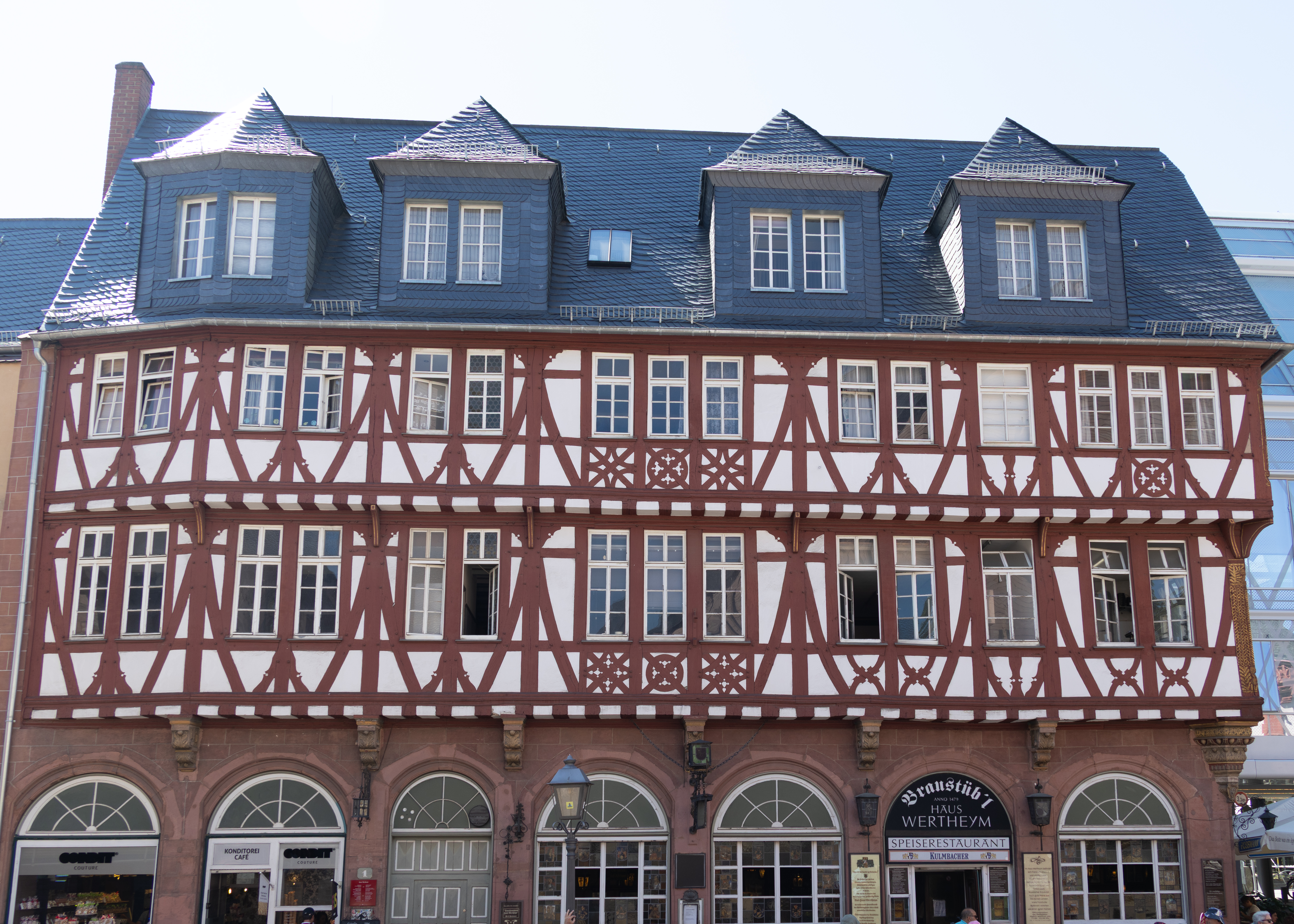
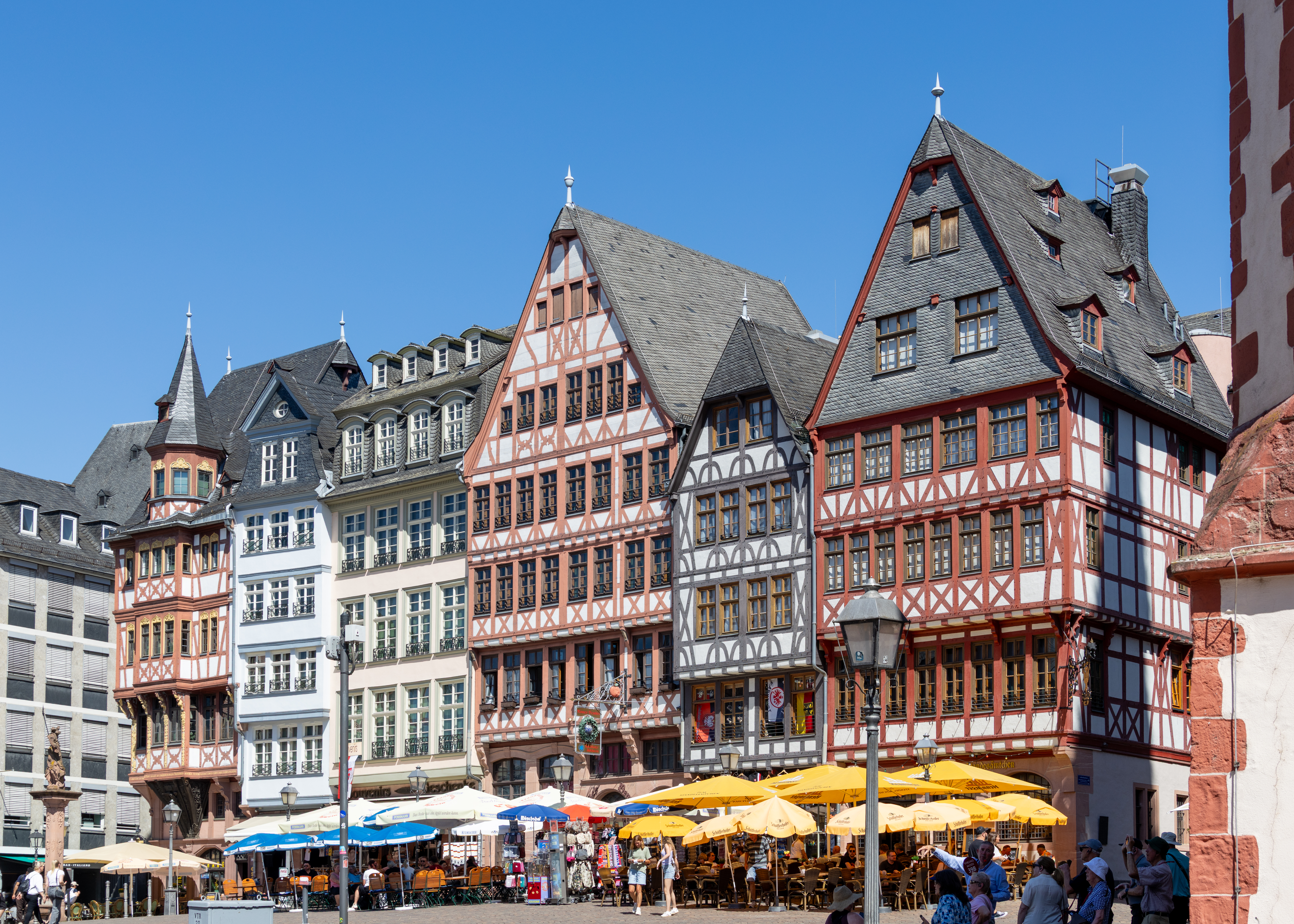
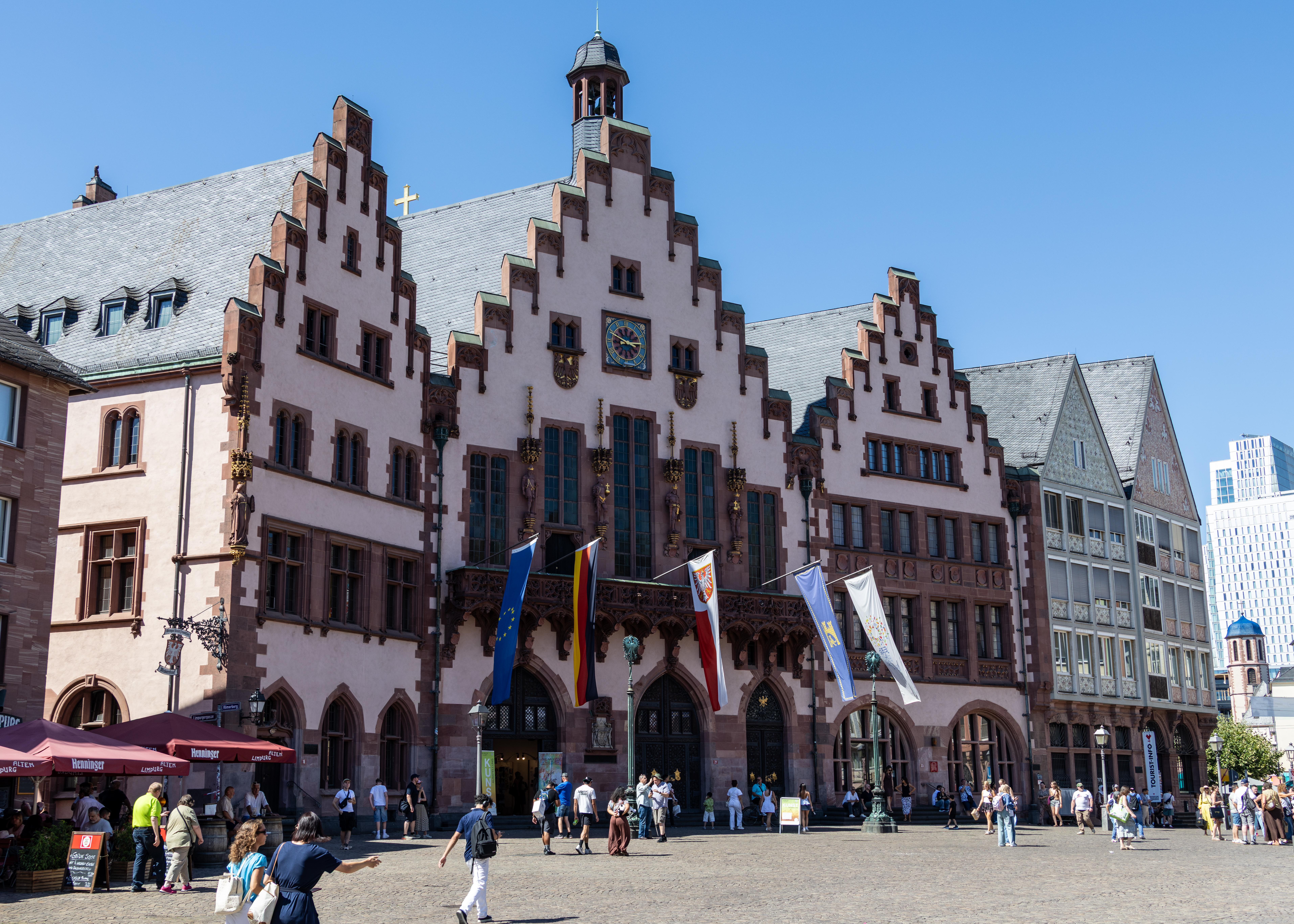
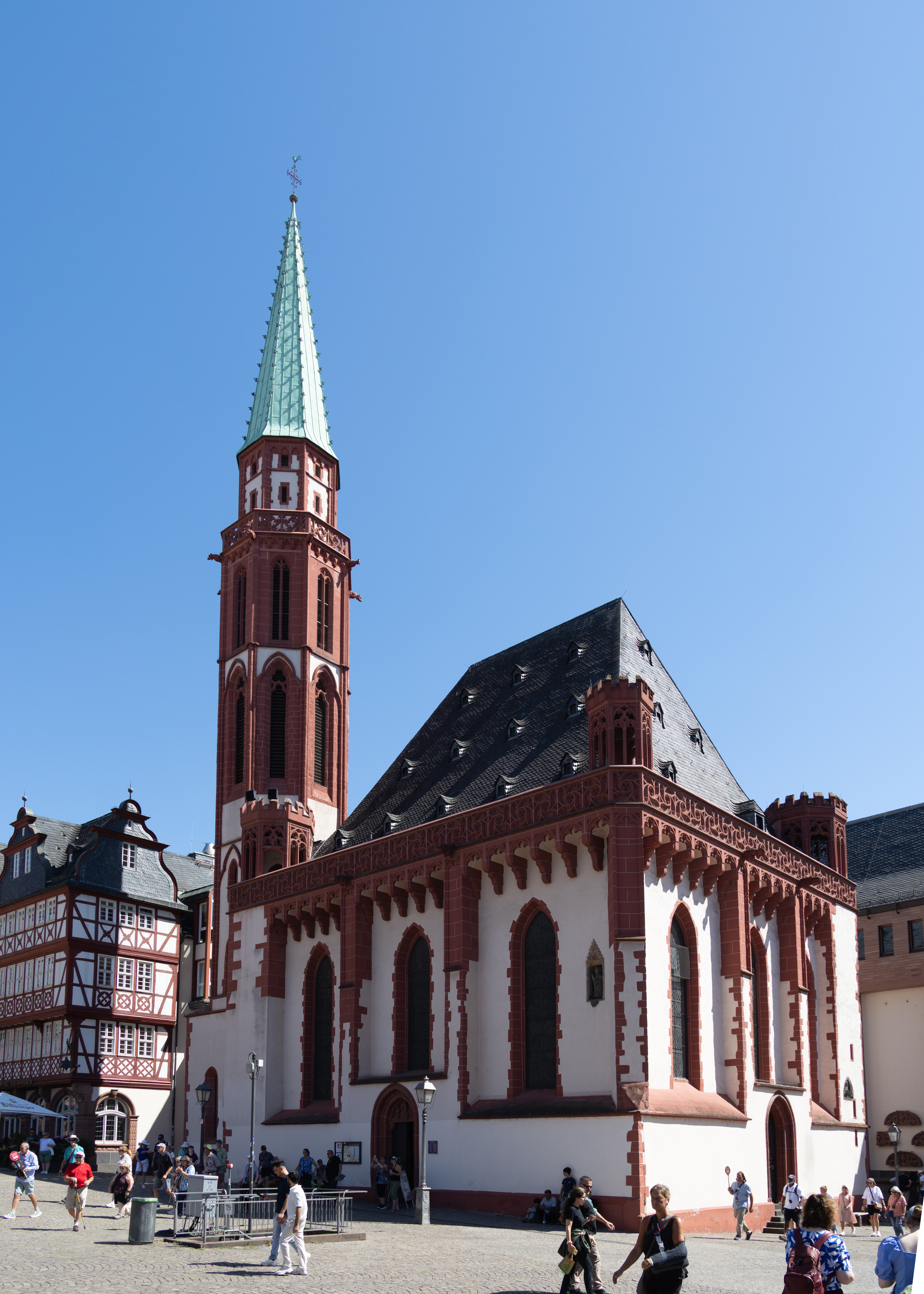
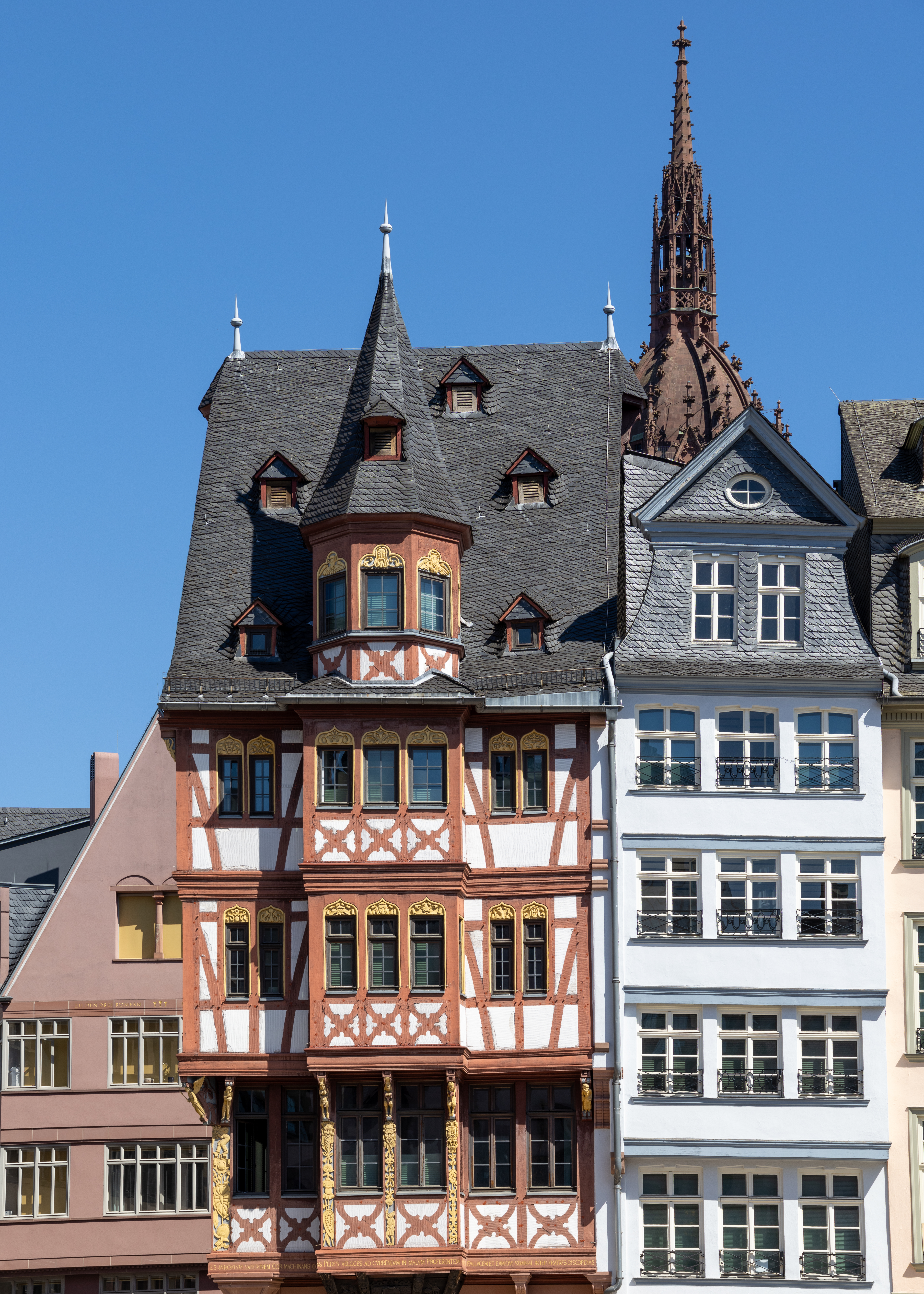
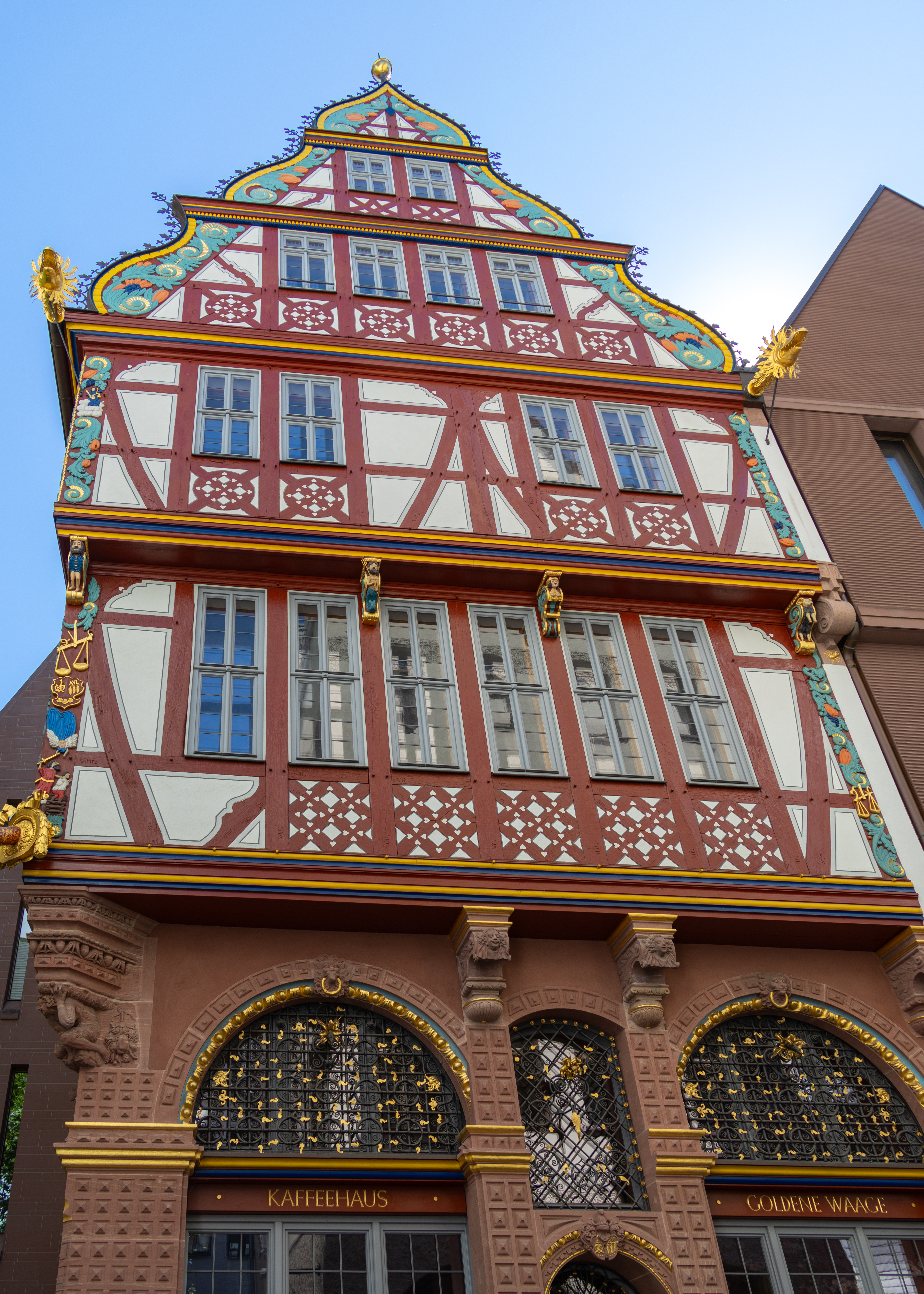
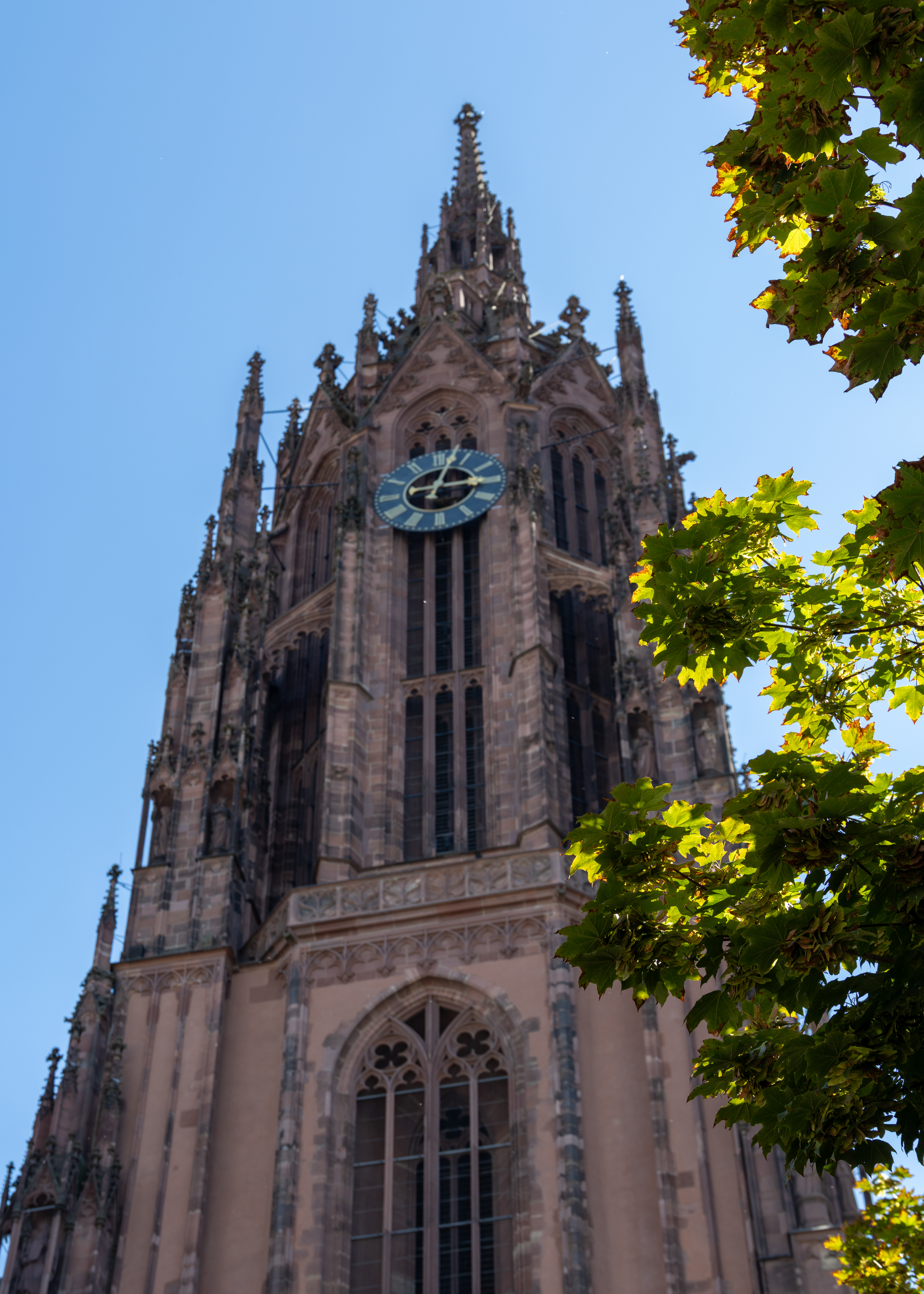
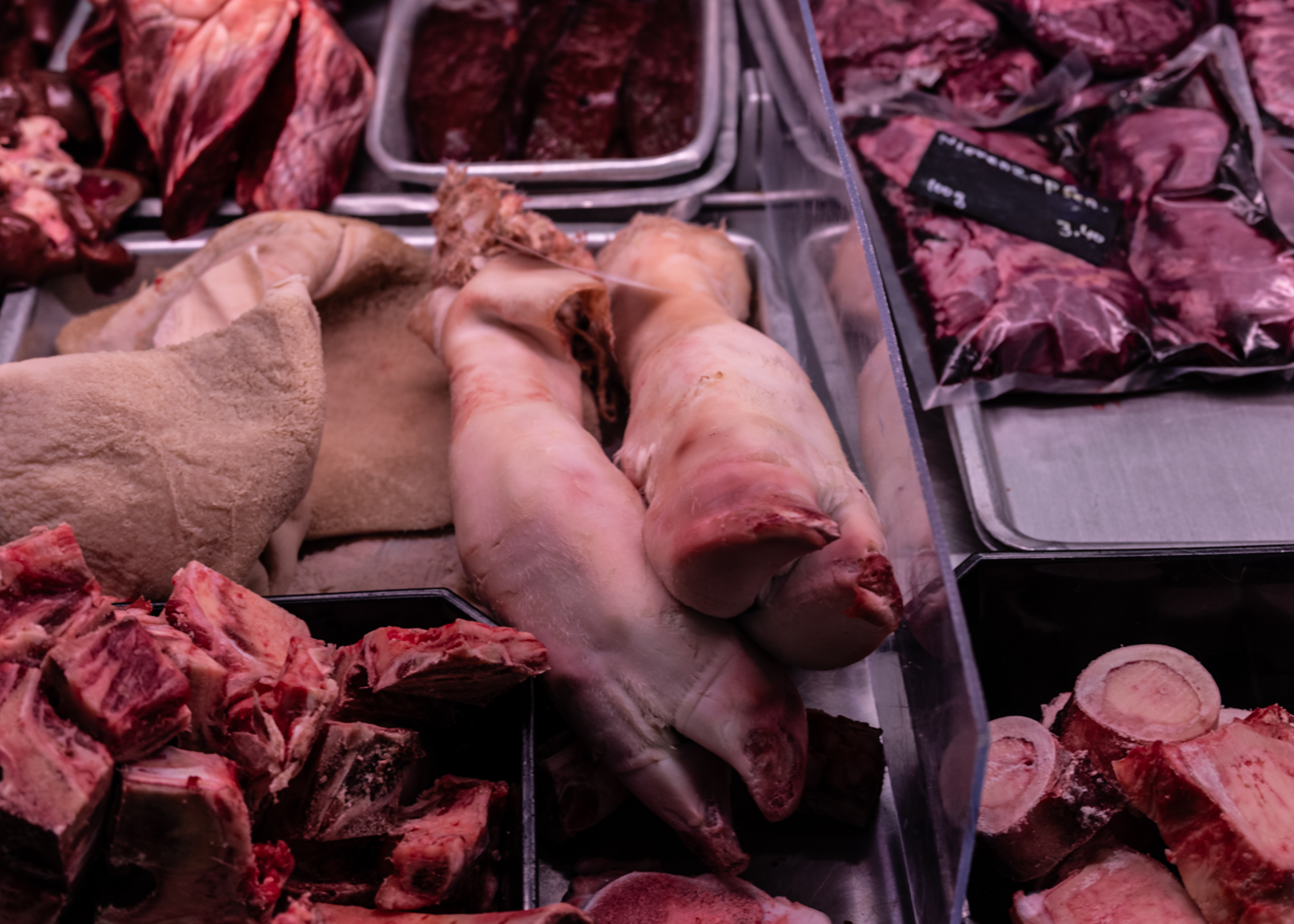
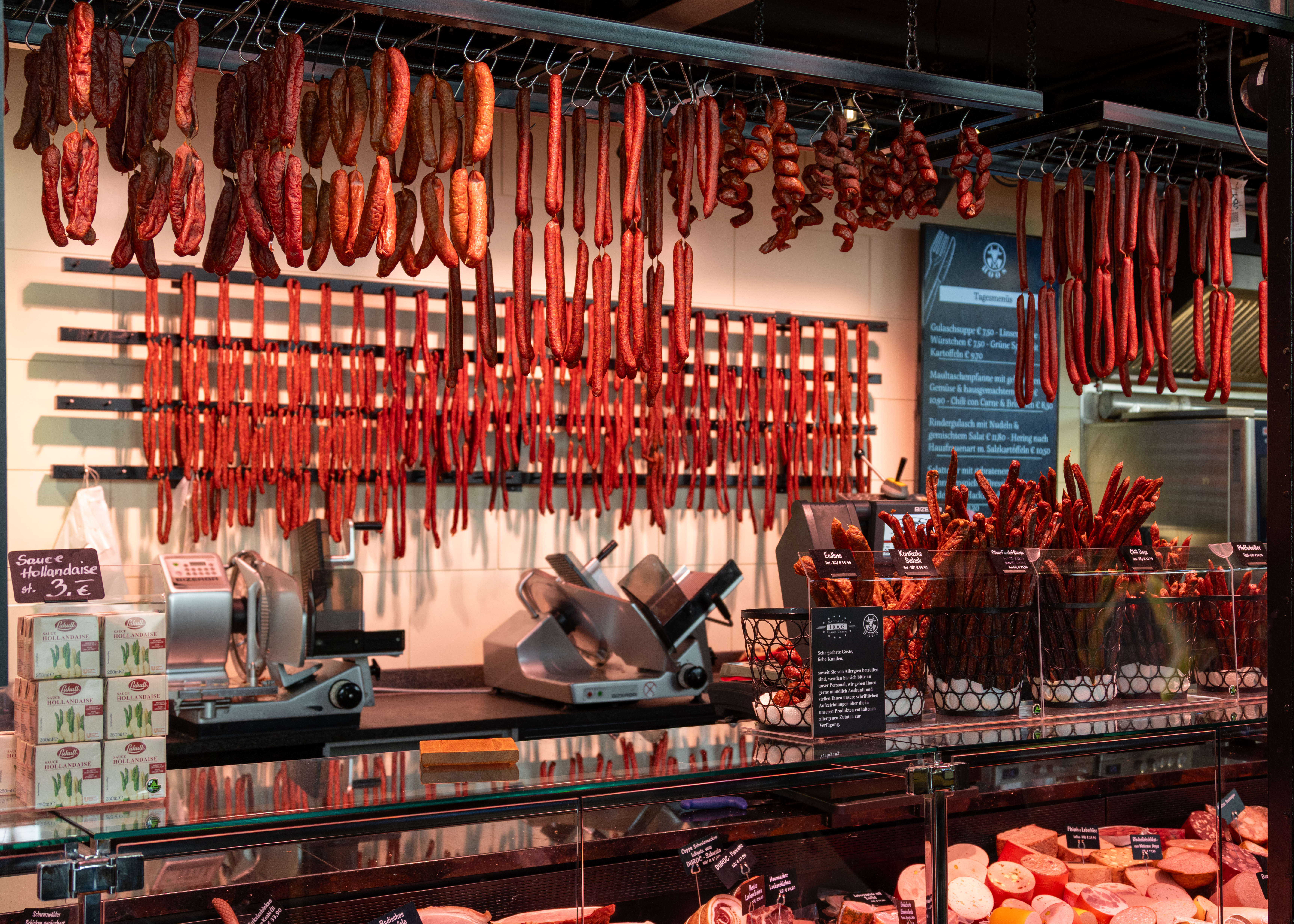
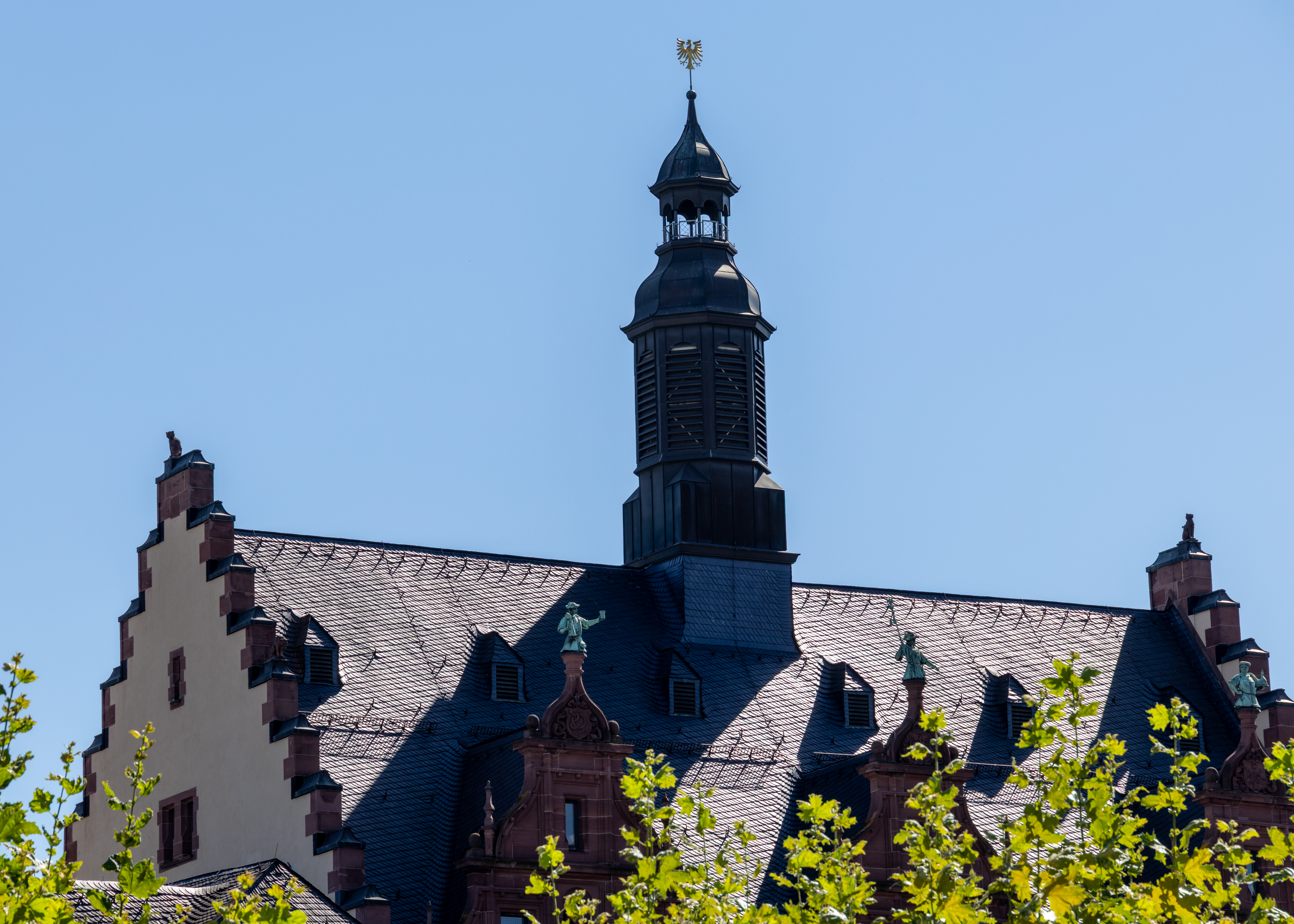
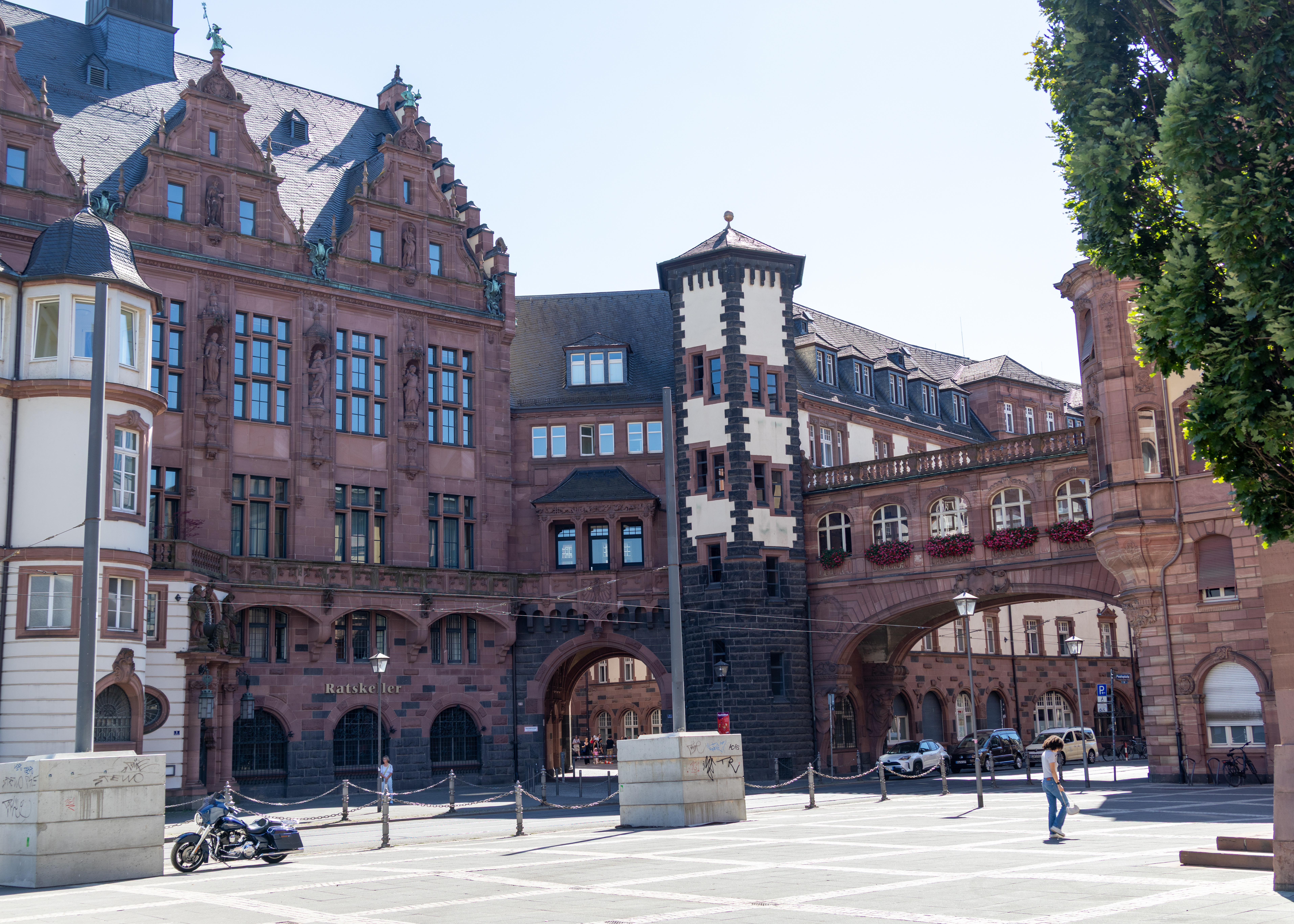
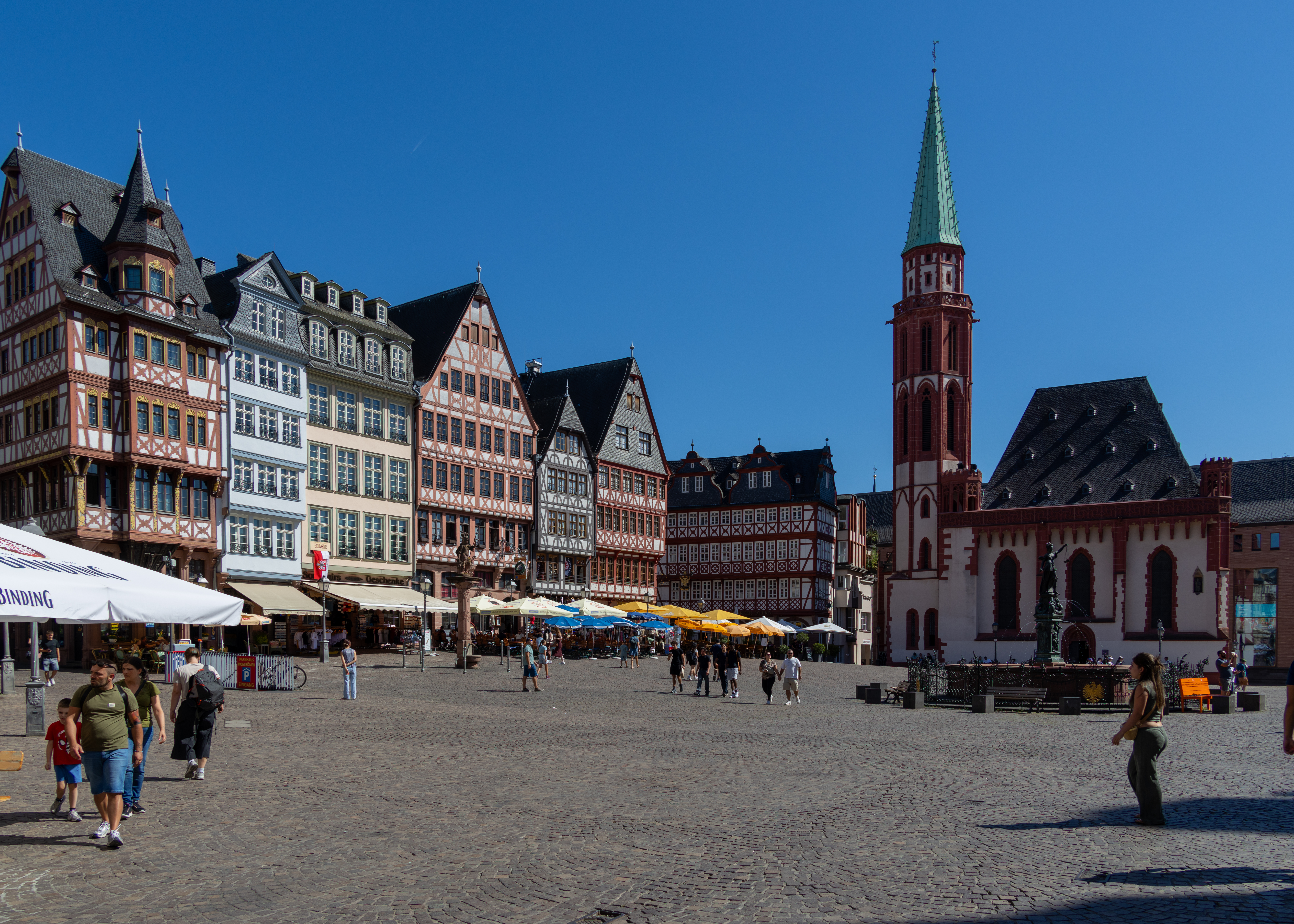
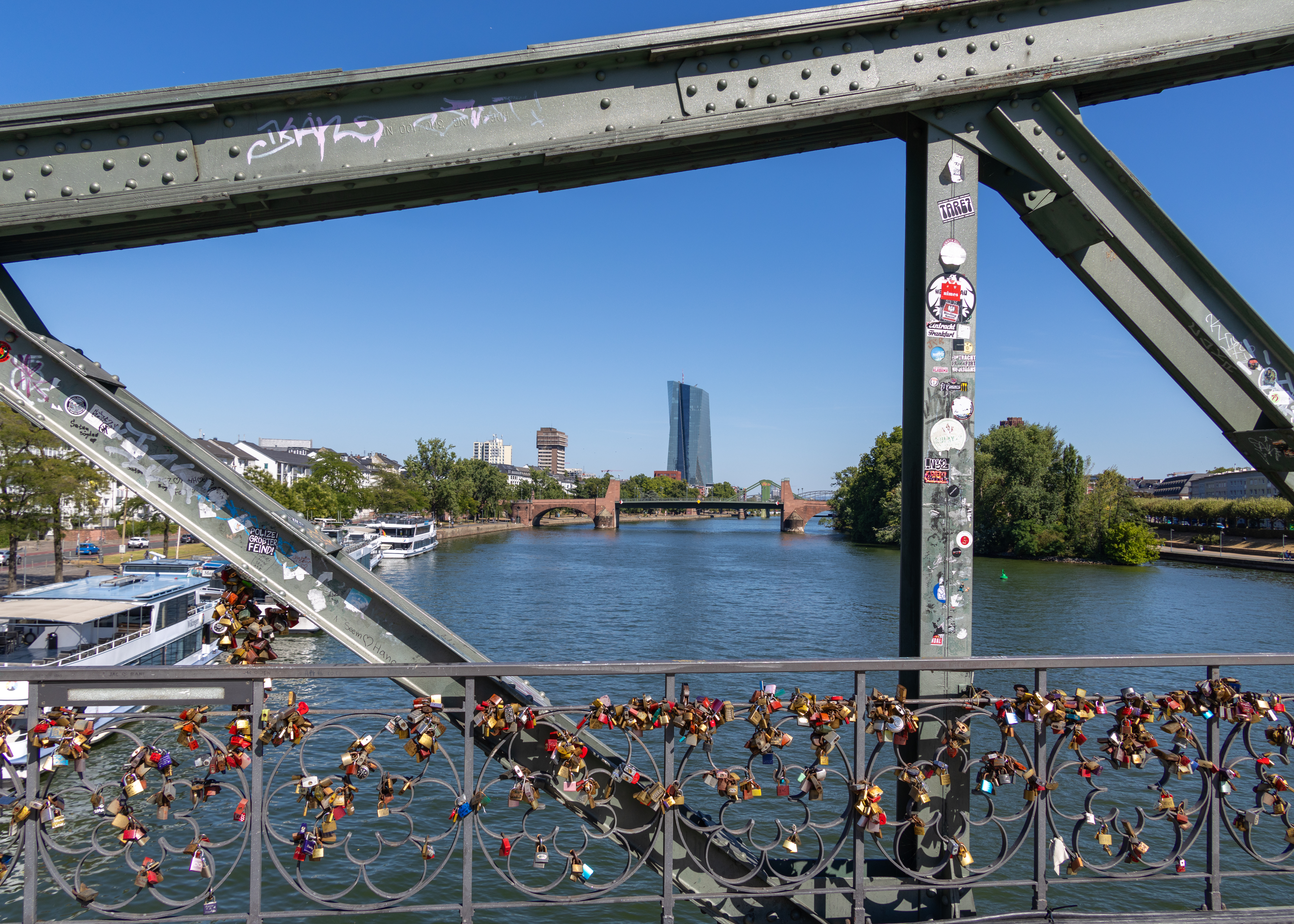
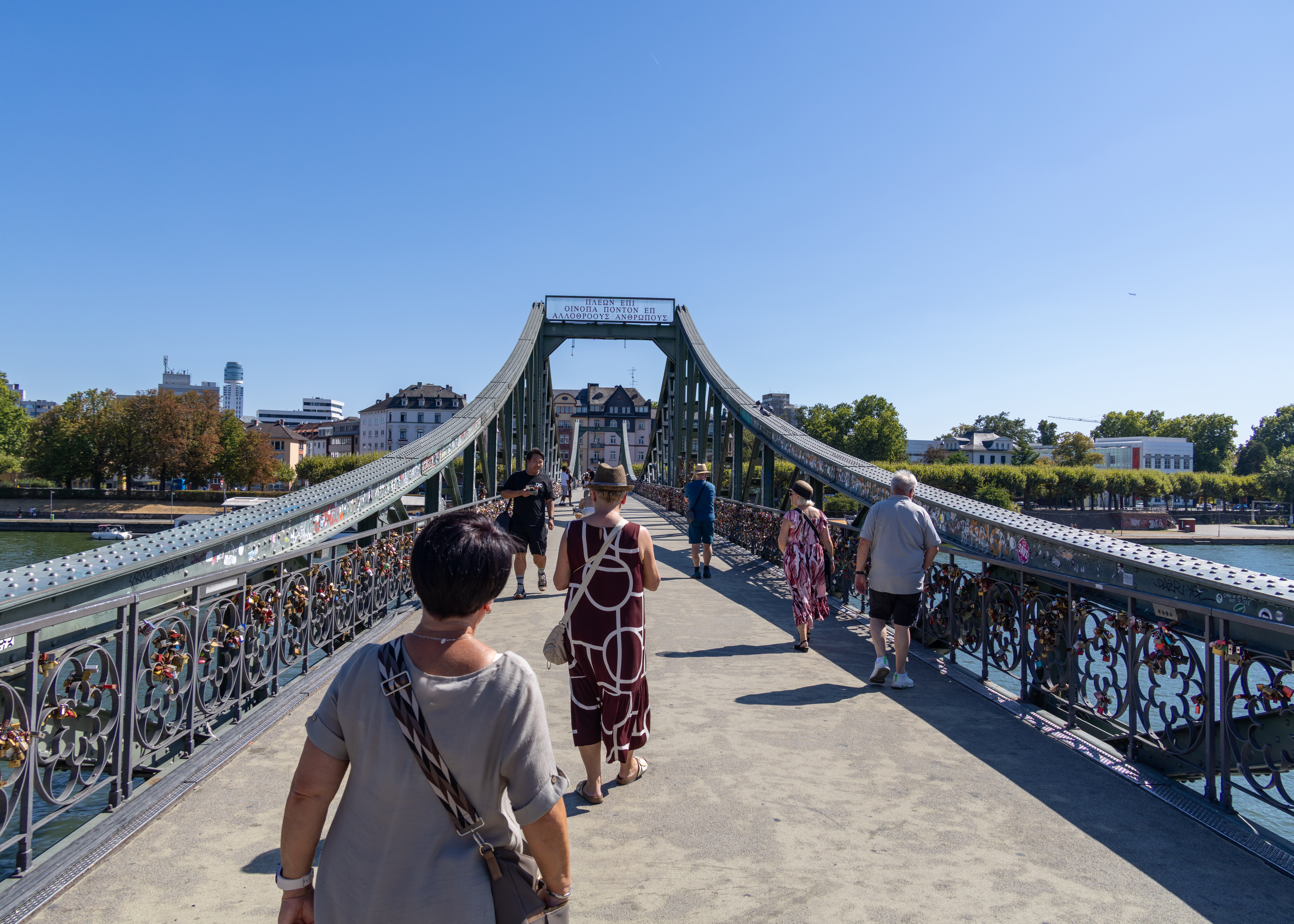
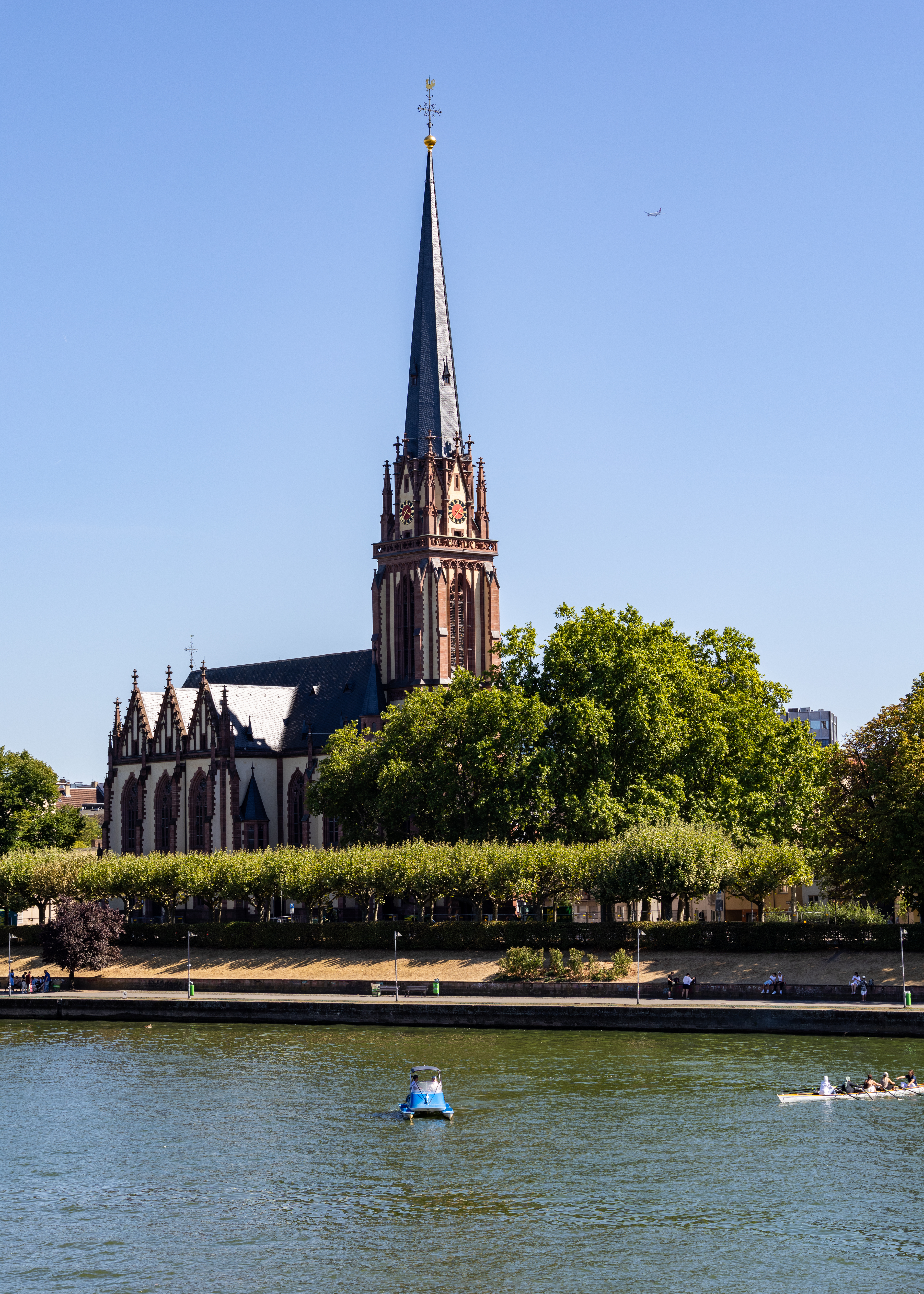
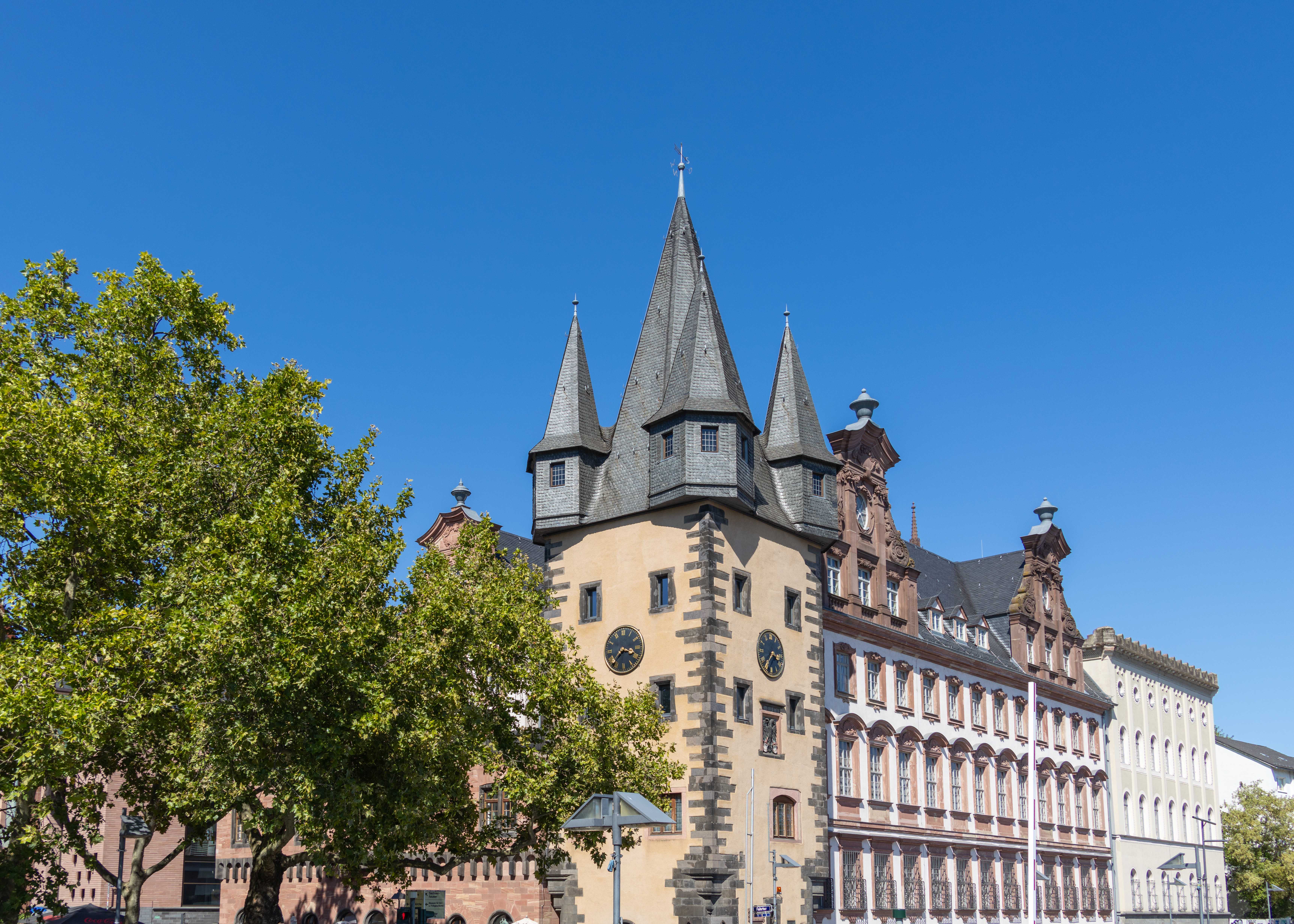
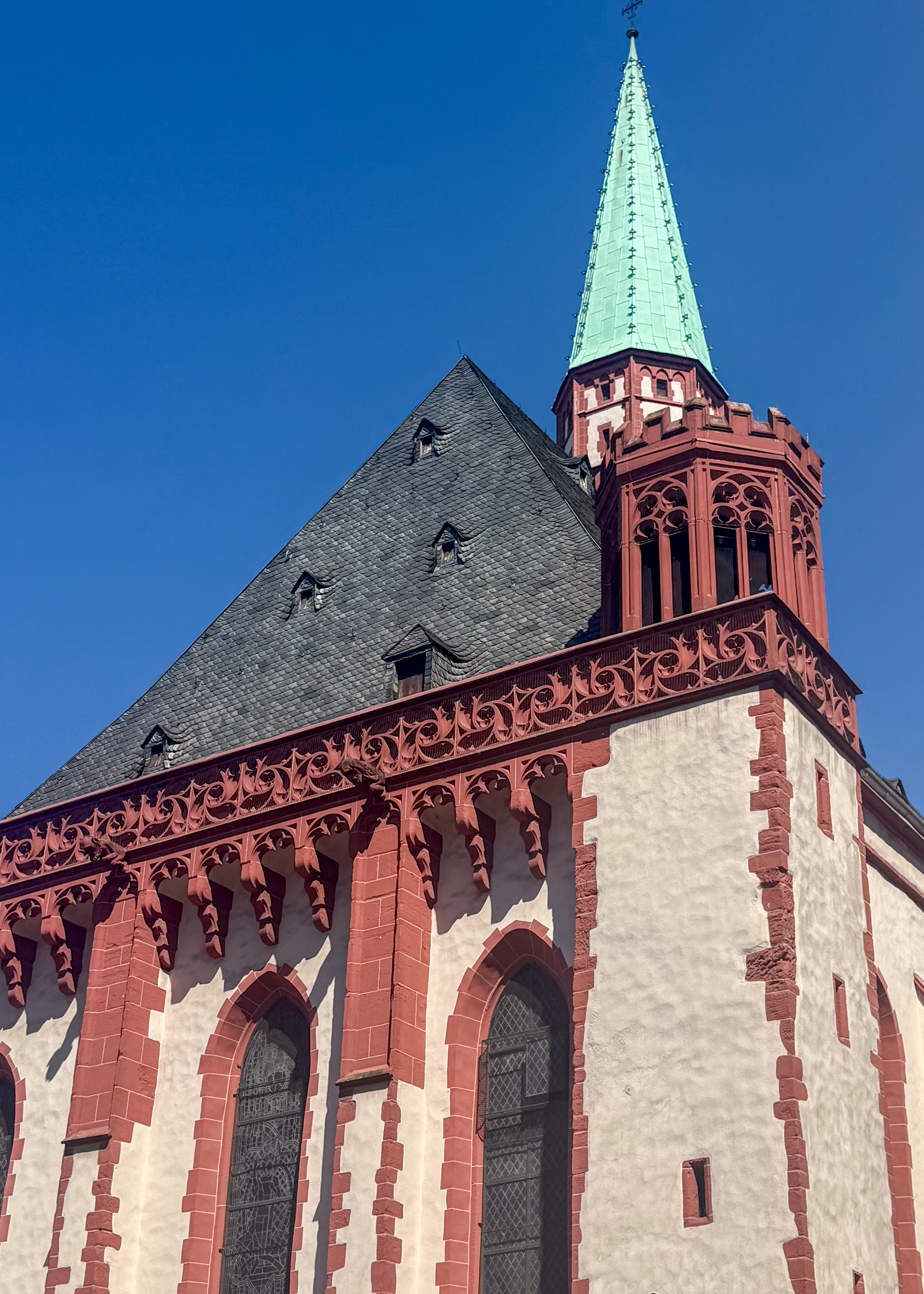
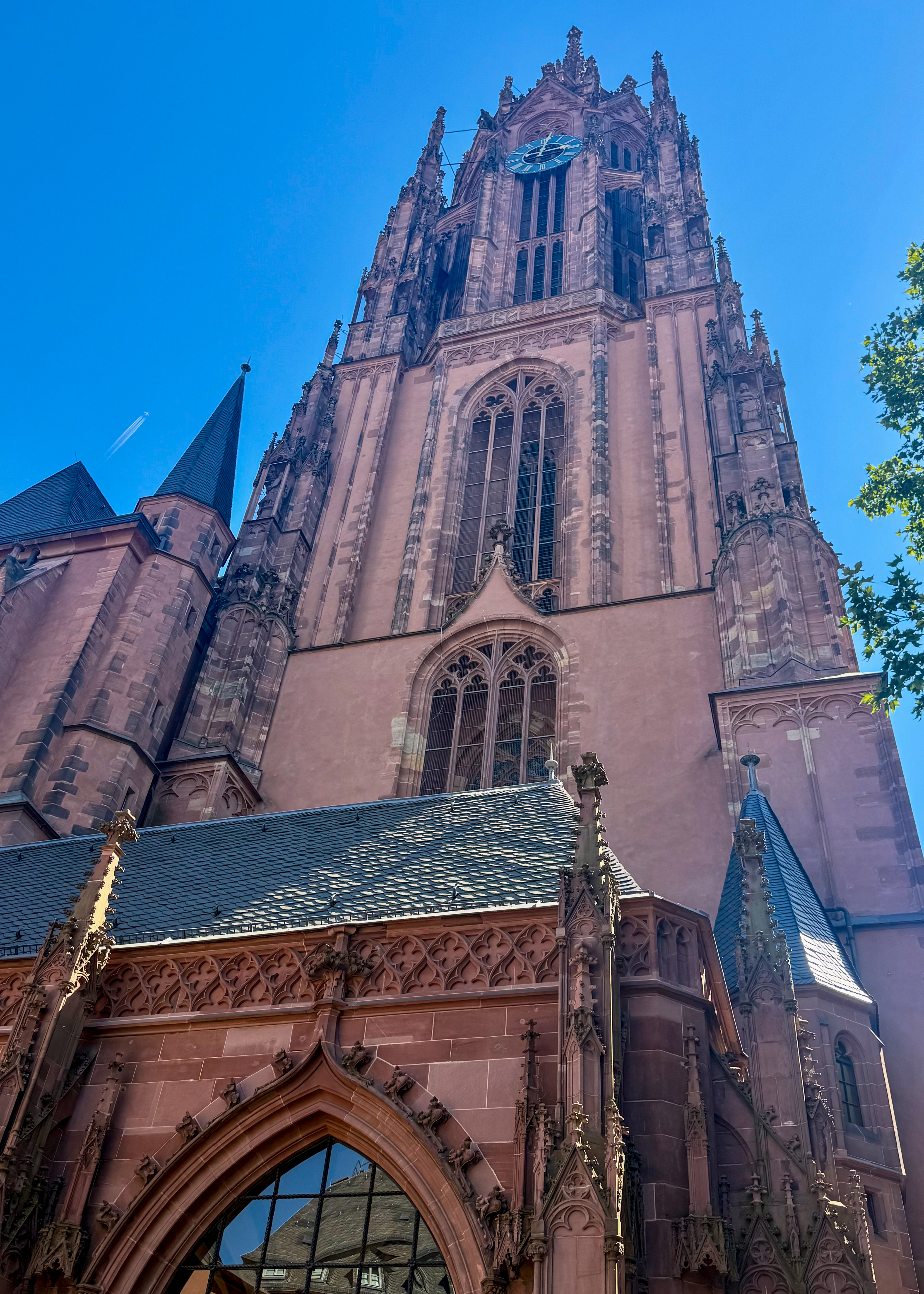
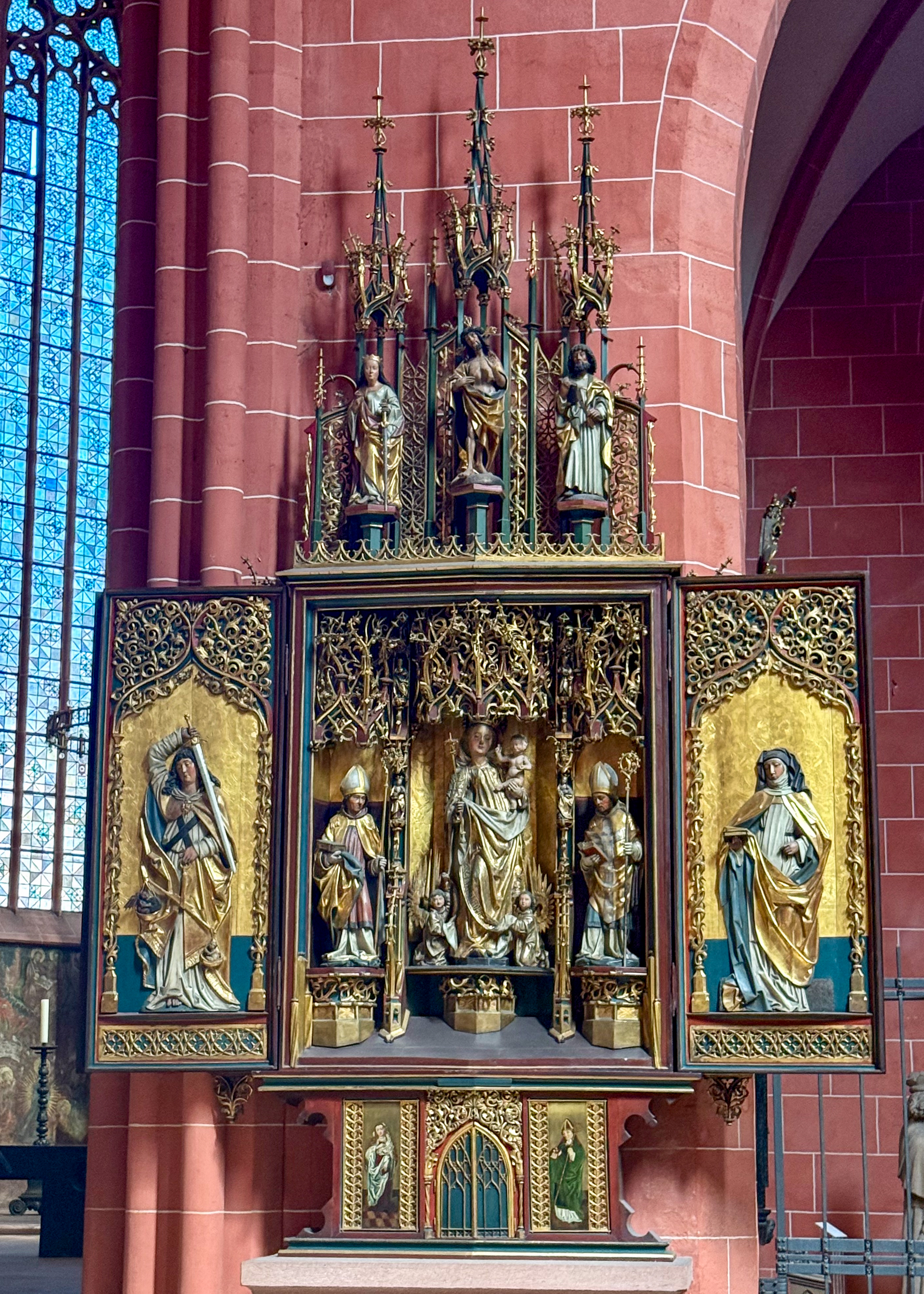
Frankfurt was our first tour stop, where our river boat could dock in town (new town, not old town), so we had a 15-minute walk along the Main to reach the old town entrance. Frankfurt has been nicknamed “Mainhattan” for its skyline resembling Manhattan’s. It is a major financial center and a rich hub of culture and architecture. Nine museums line the Main. In the Roman Hill, Frankfurt’s town hall spreads out over 11 houses. Emperors were crowned in the Gothic St. Bartholomew’s Cathedral; the remnants from Roman settlement are on exhibit in the city’s archaeological Garden. Frankfurt and its old town were heavily destroyed during WW2 and today’s old town is mainly reconstructed from the 50’s to the 70’s. The Romerberg square in the heart of Frankfurt’s Old Town (Altstadt) contains many of the reconstructed half-timber houses. Frankfurt Cathedral (Kaiserdom) is a stunning red-sandstone Gothic Church. Eiserner Steg (Iron Bridge) is a historic iron footbridge crossing the Main River. It’s famous for its thousands of “love locks” and great views of the city. Kleinmarkthalle is a large and lively indoor market where you can get all kinds of pork parts.

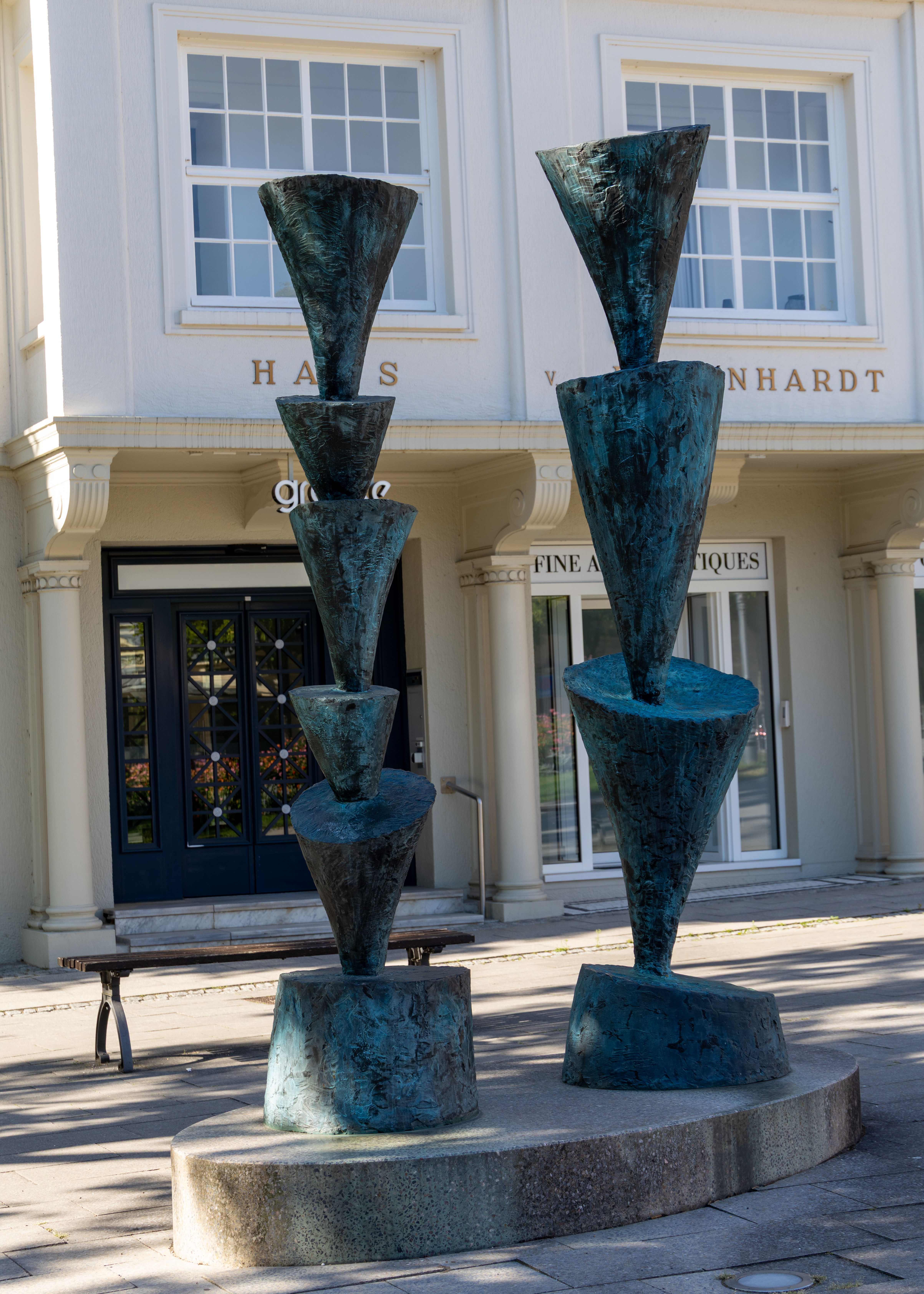
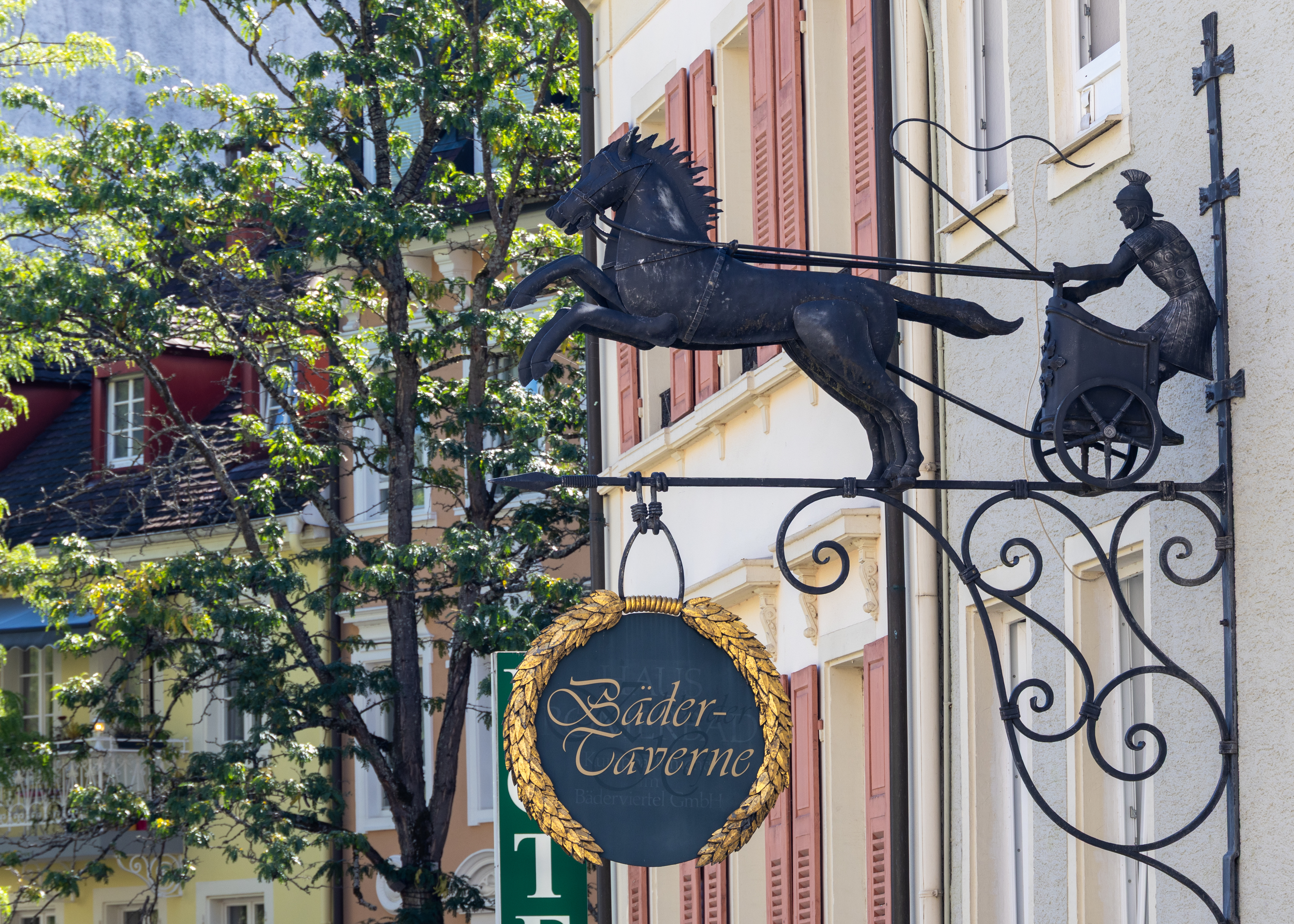
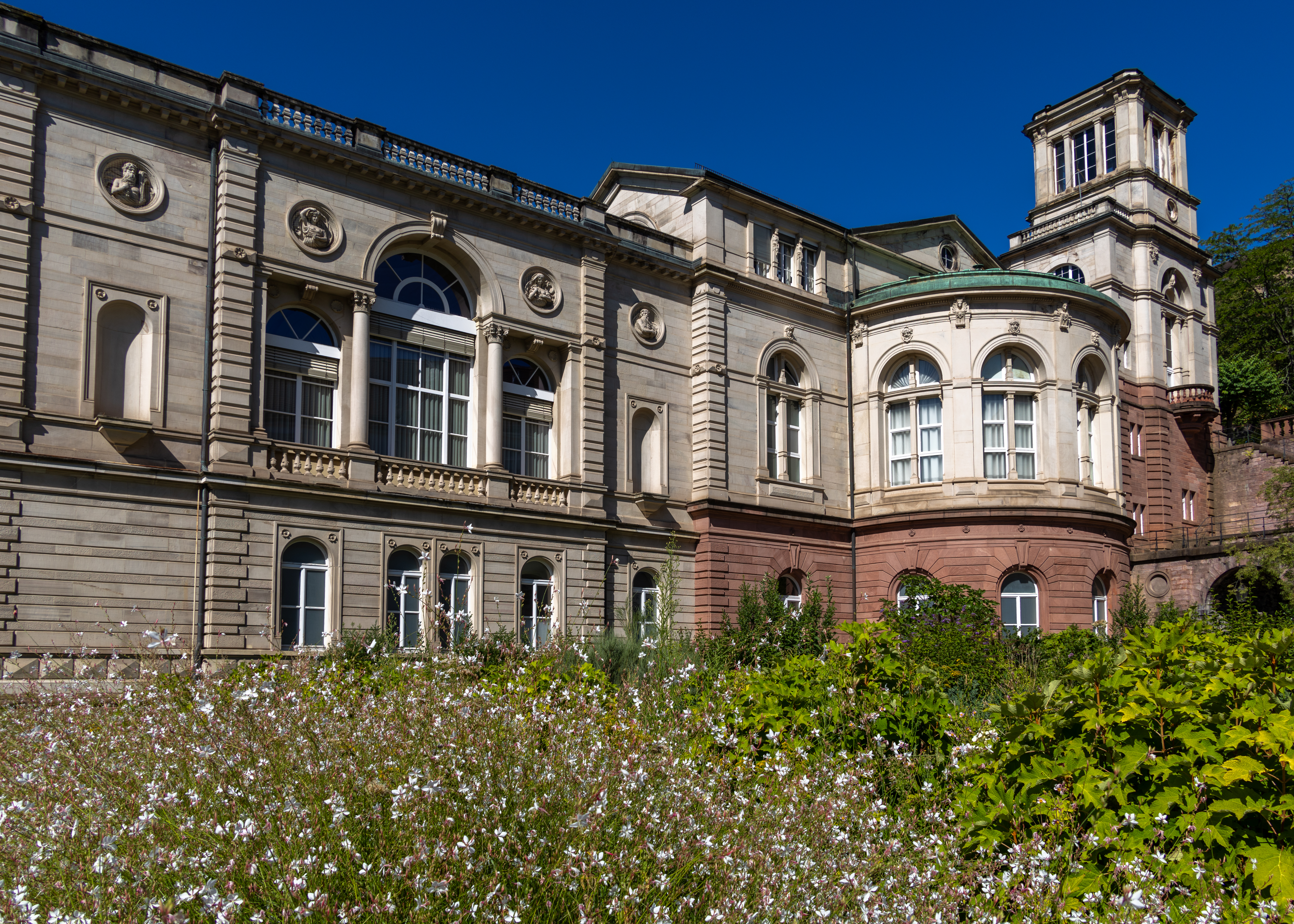
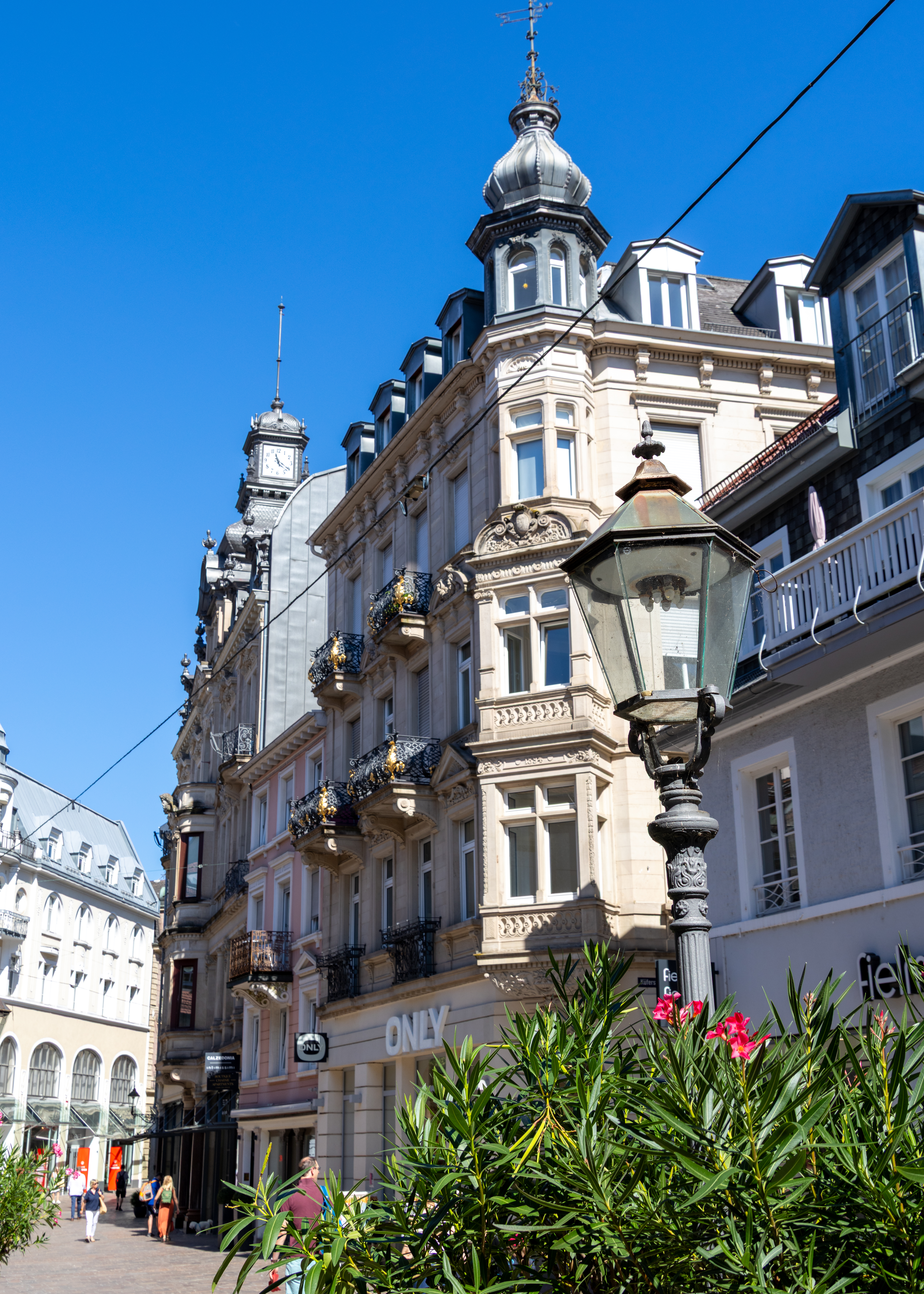
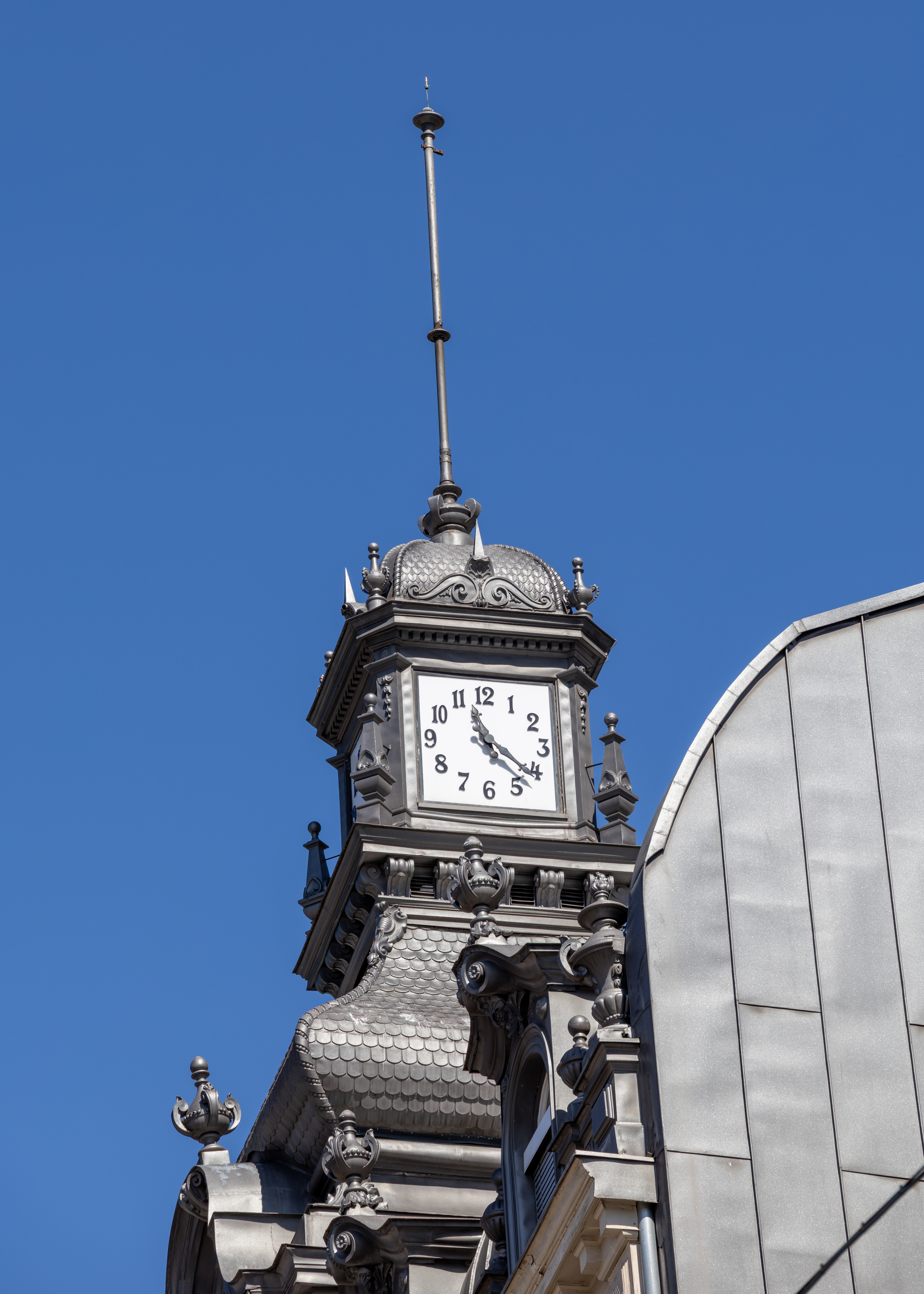
Europe 2026 – Day 9, Baden-Baden, Germany

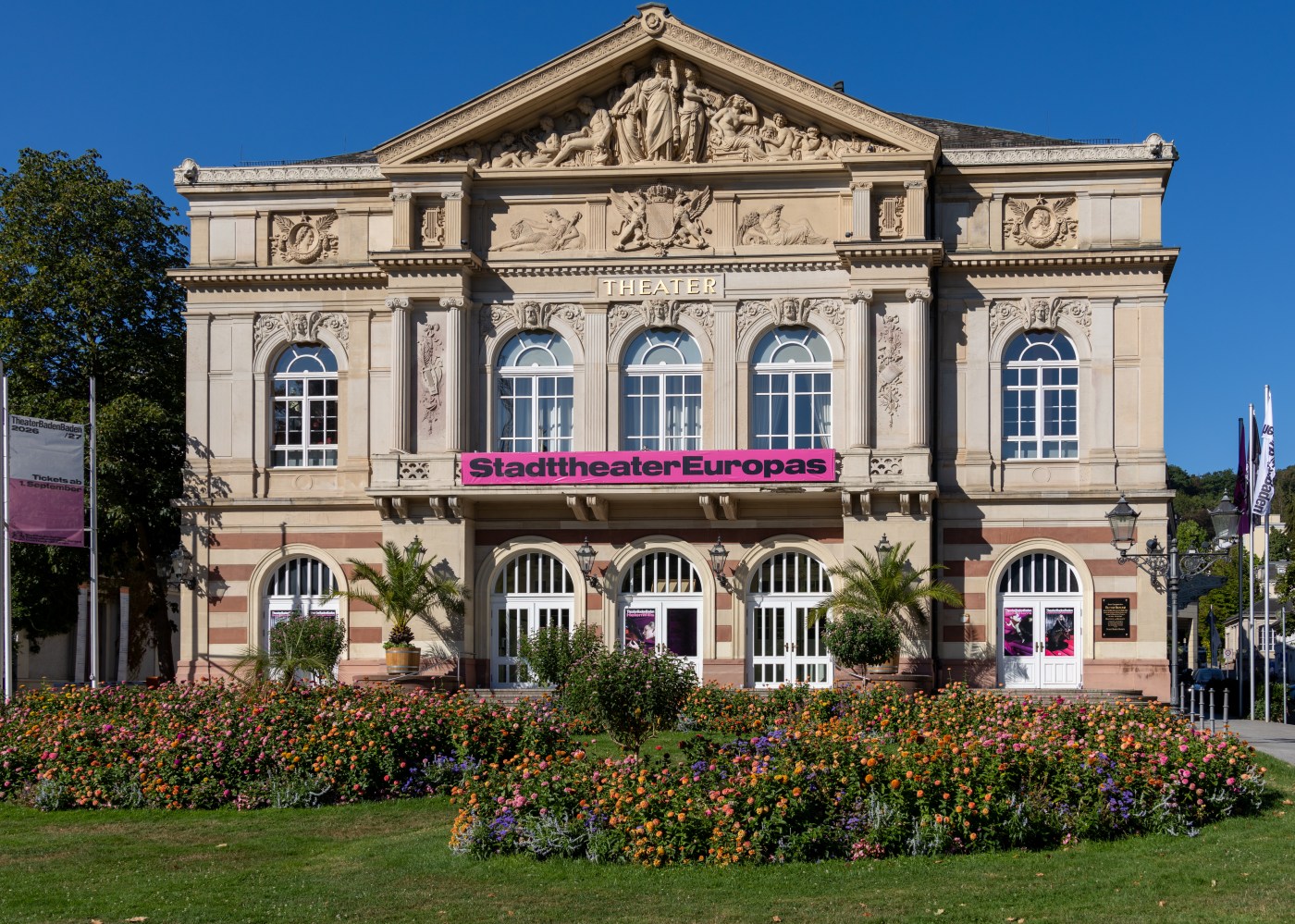
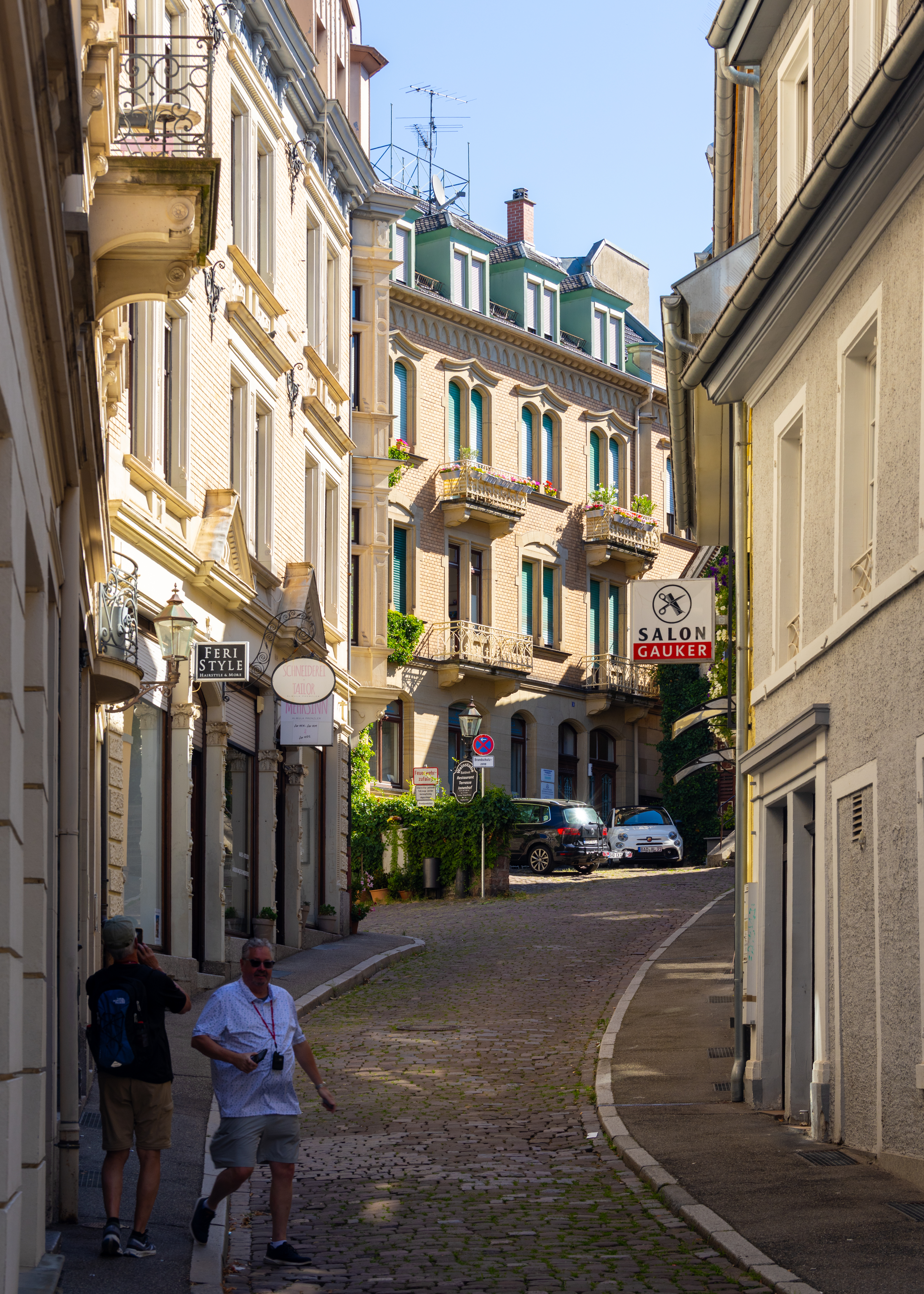
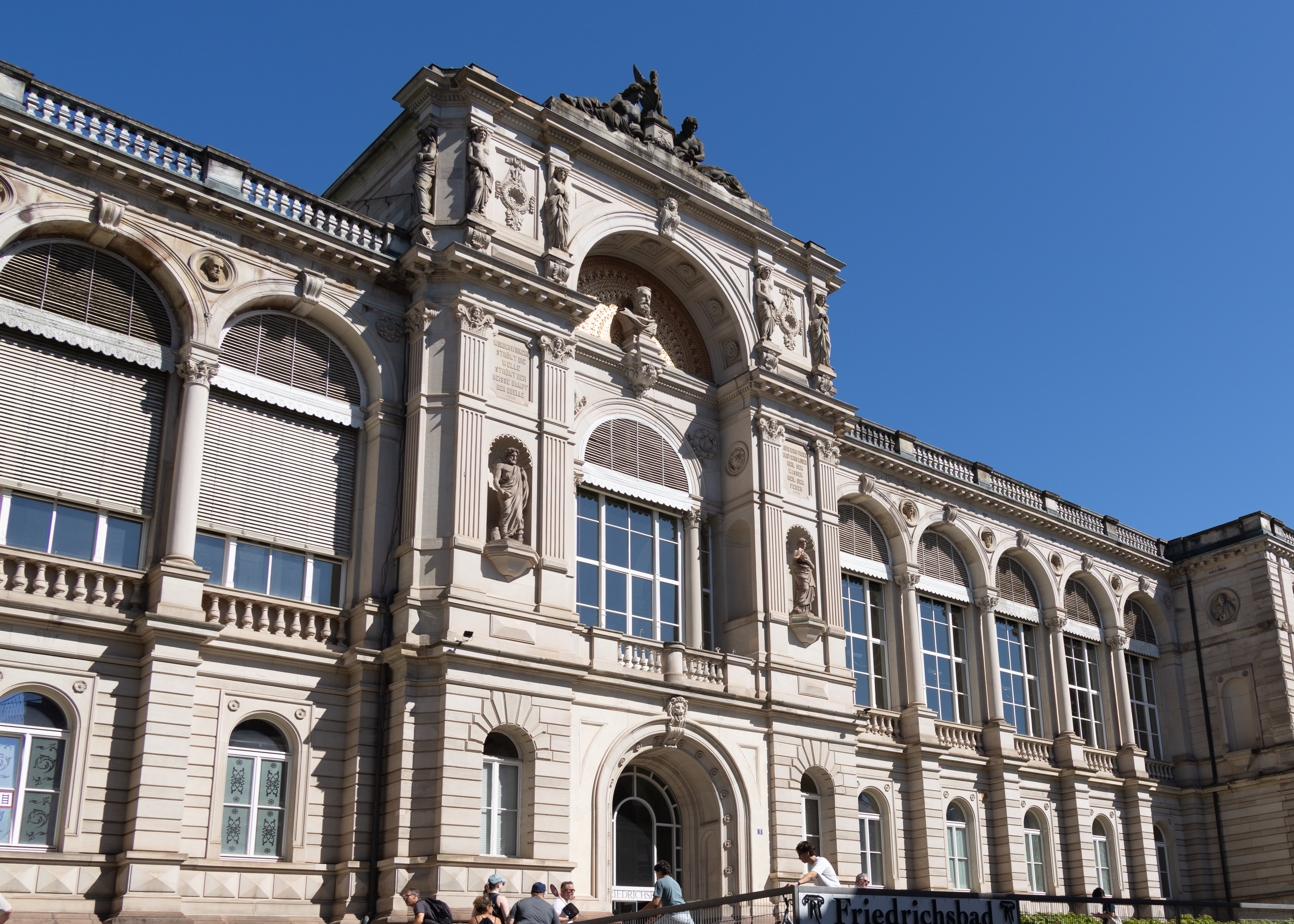
A UNESCO town renowned for its cultural splendor and its thermal baths. During the 19th century, the town was labeled “the Summer Capital of Europe”. The town is the quintessential European spa town, famous for its Belle Epoque Architecture and high-end culture. Three interesting thermal baths are viewed:

  • Roman Bath Ruins – these 2000-year-old excavations show exactly how the ancient Romans enjoyed the springs.
  • Friedrichsbad – A historic Roman-Irish bathhouse built in 1877. It features a unique 17-step bathing ritual under a frescoed dome. This is a textile-free (nude) facility.
  • Caracalla Spa – a modern wellness complex with over 4,000 square meters of indoor and outdoor pools, rock grottos, and saunas. (Swimsuits required).

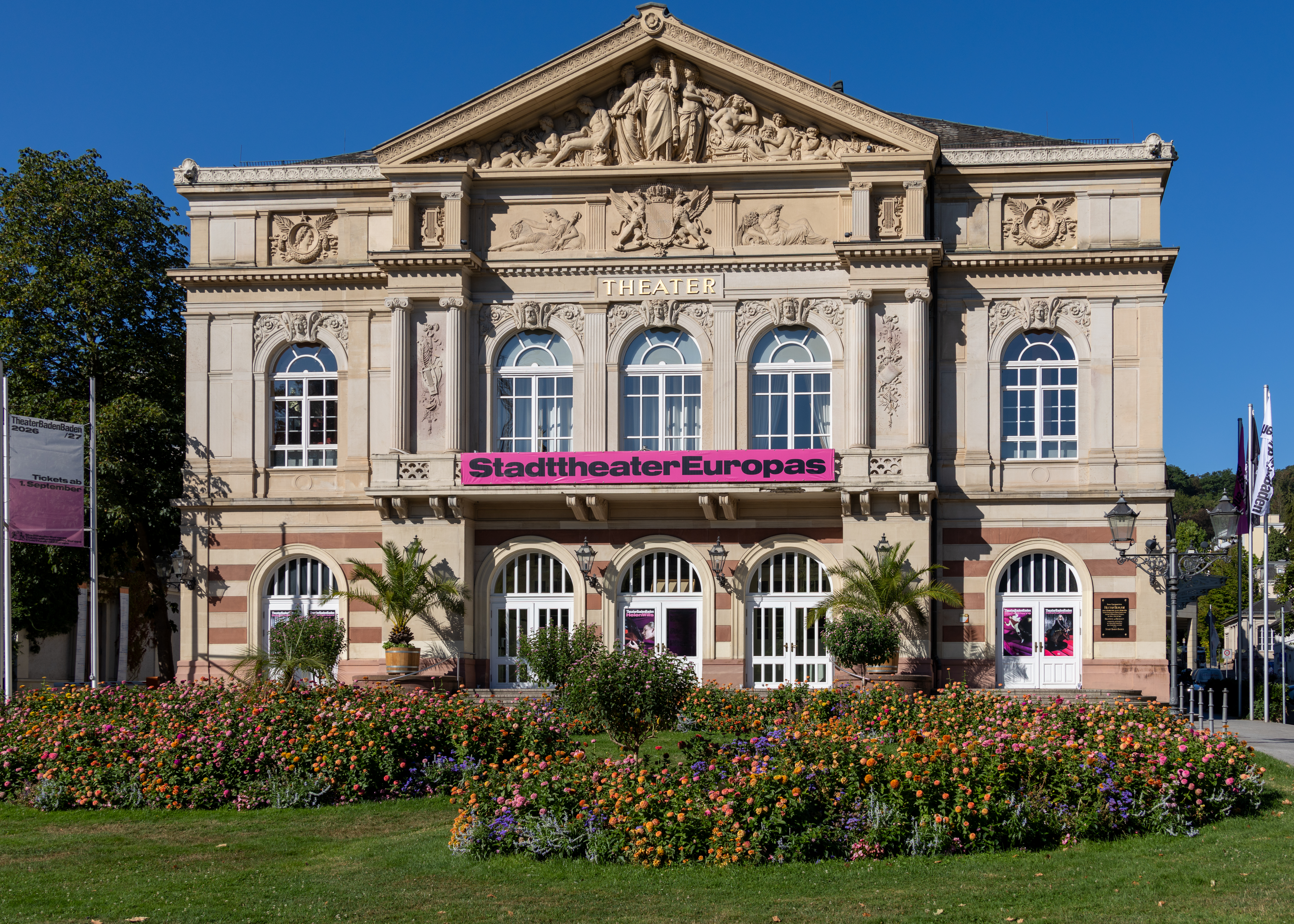
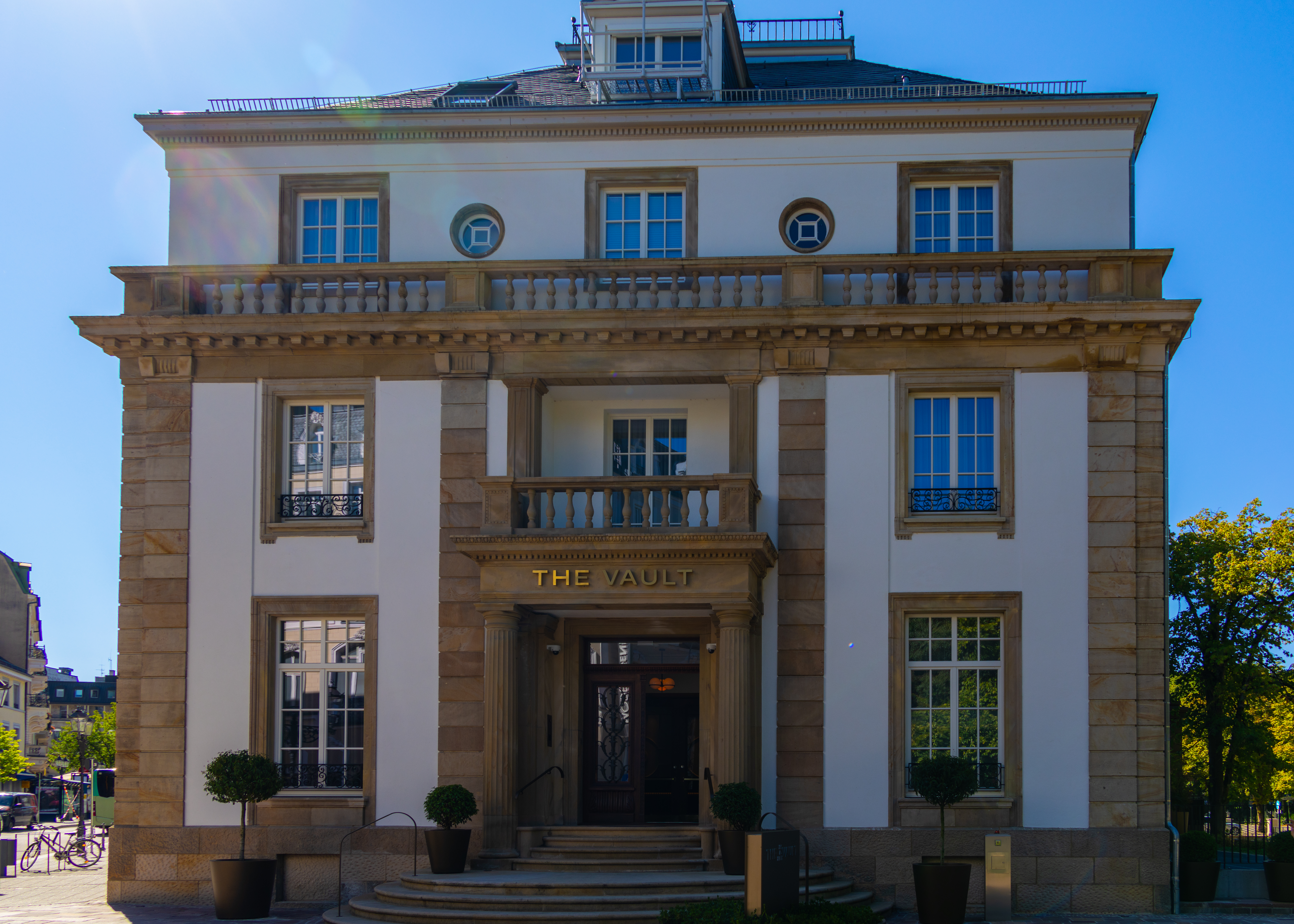
Casino Baden-Baden: often called the most beautiful casino in the world, its interiors were inspired by the Palace of Versailles. Too bad it was closed when we got there. The casion owed by the town and funds it’s infrstruture.

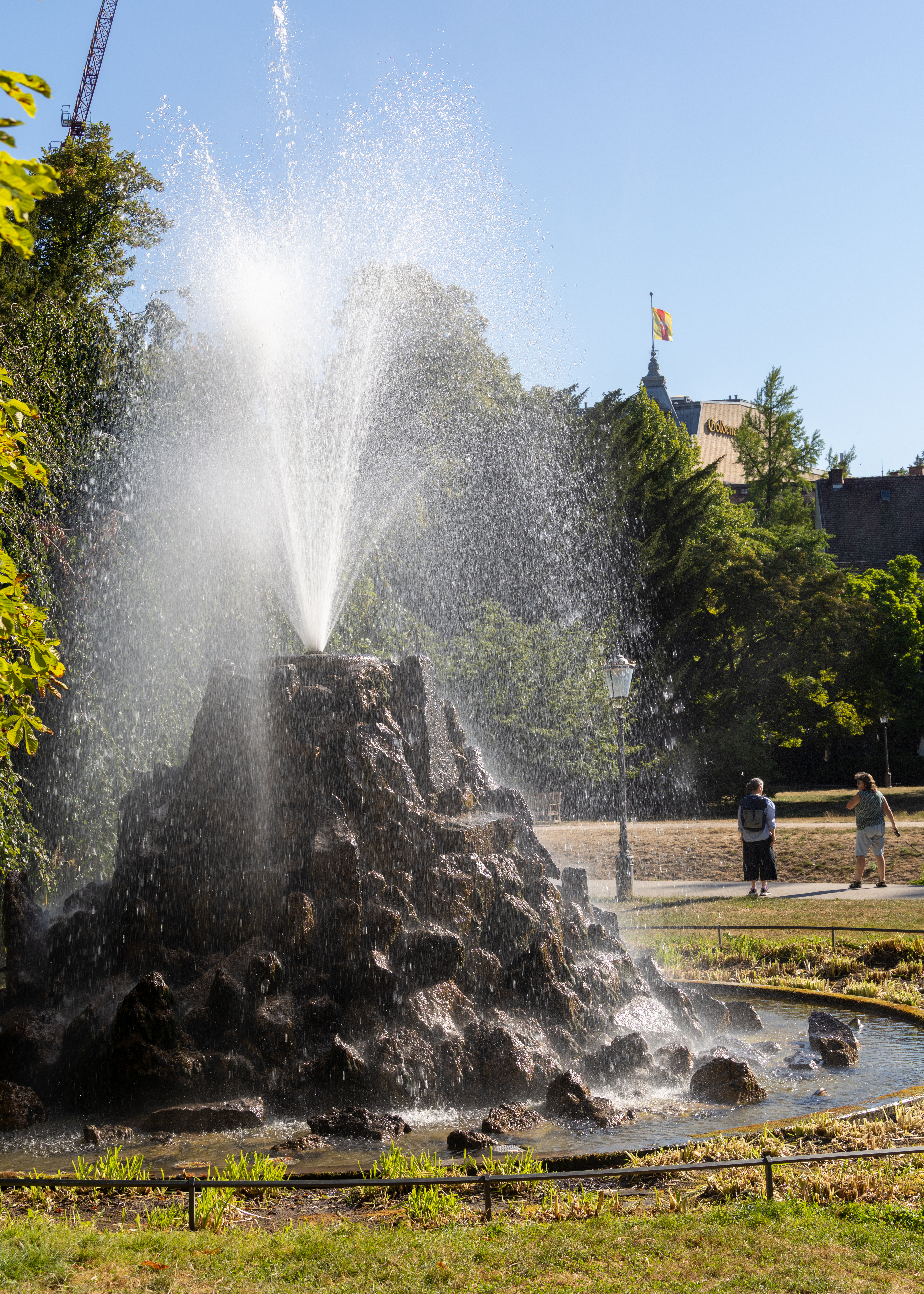
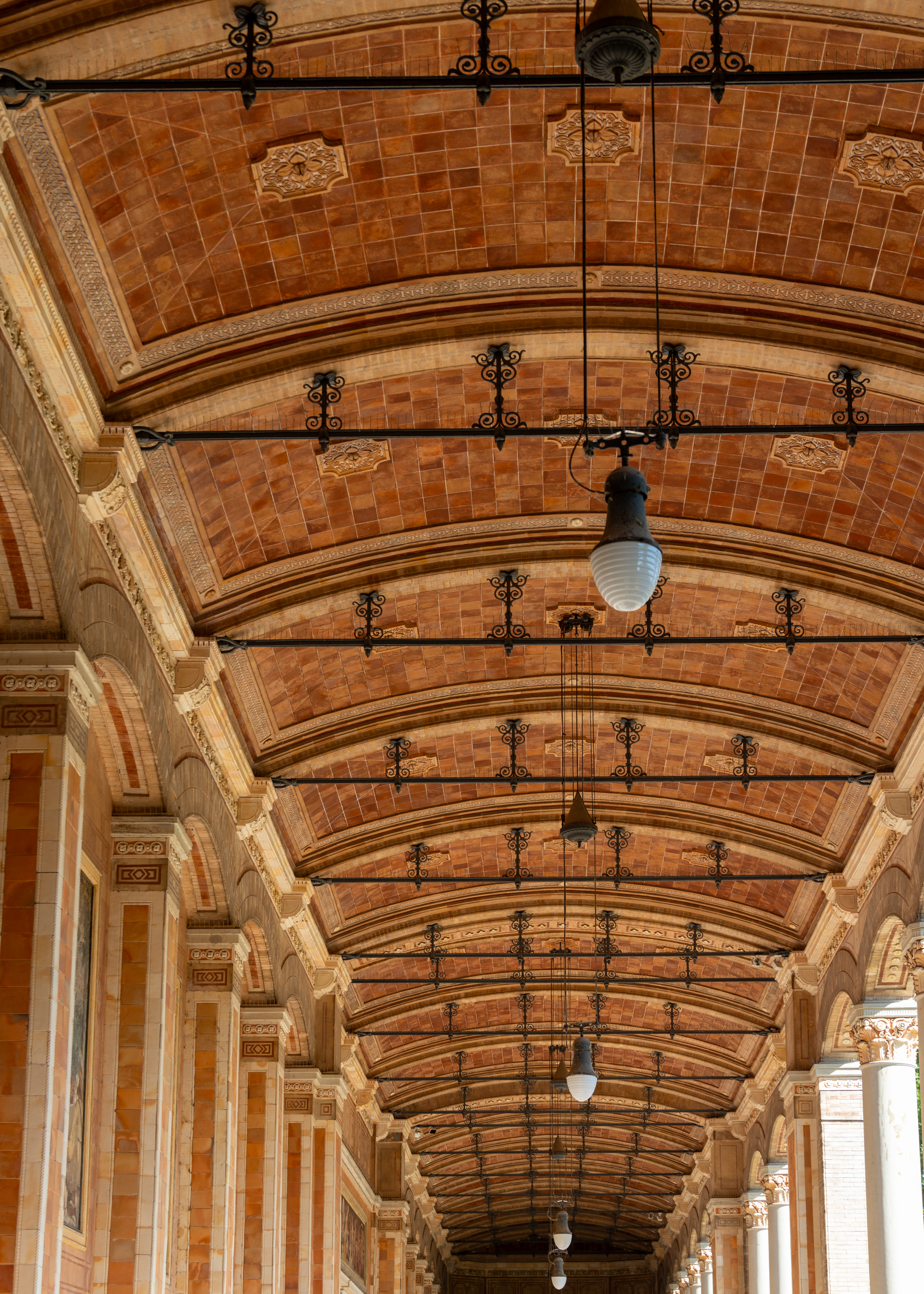
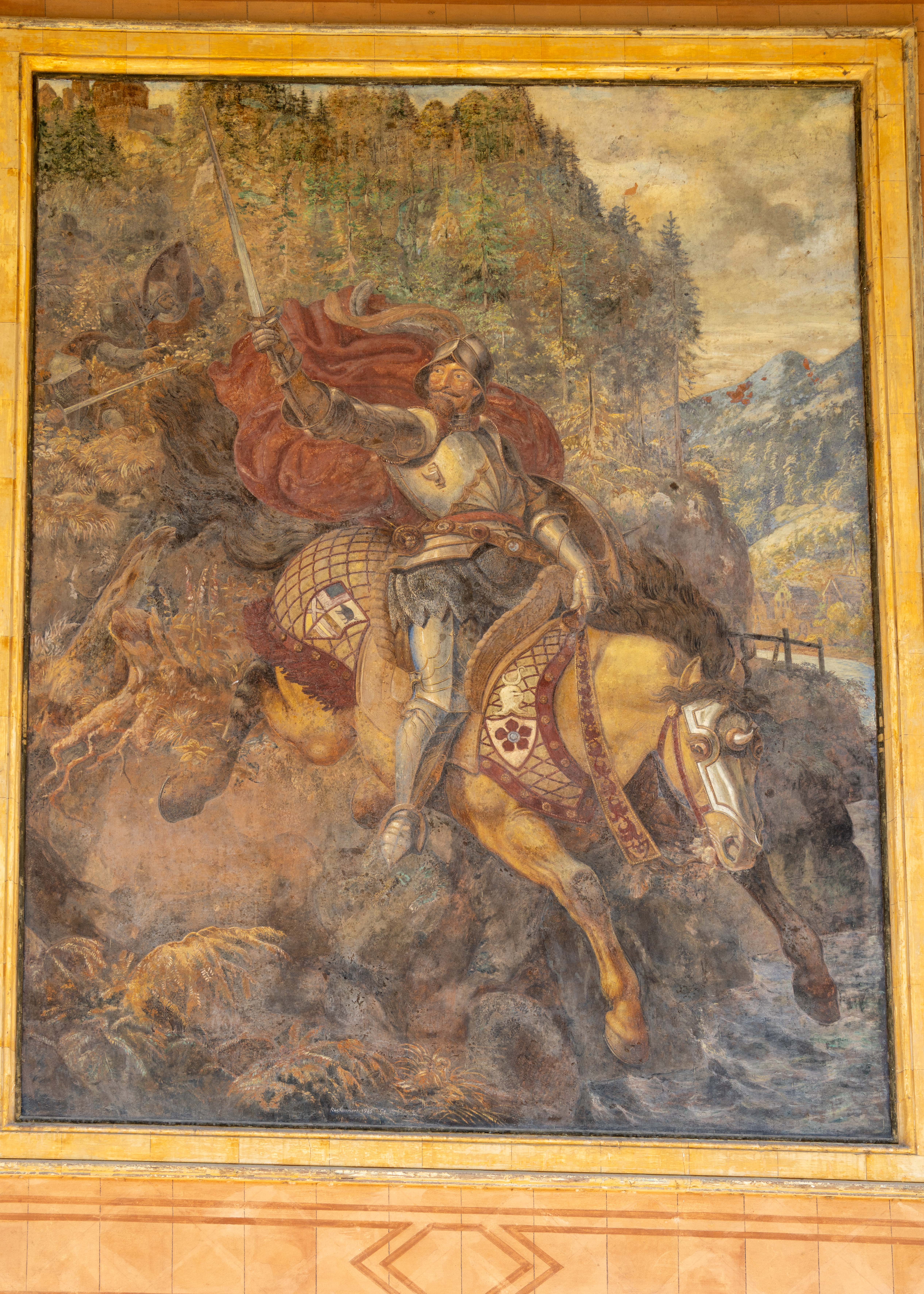
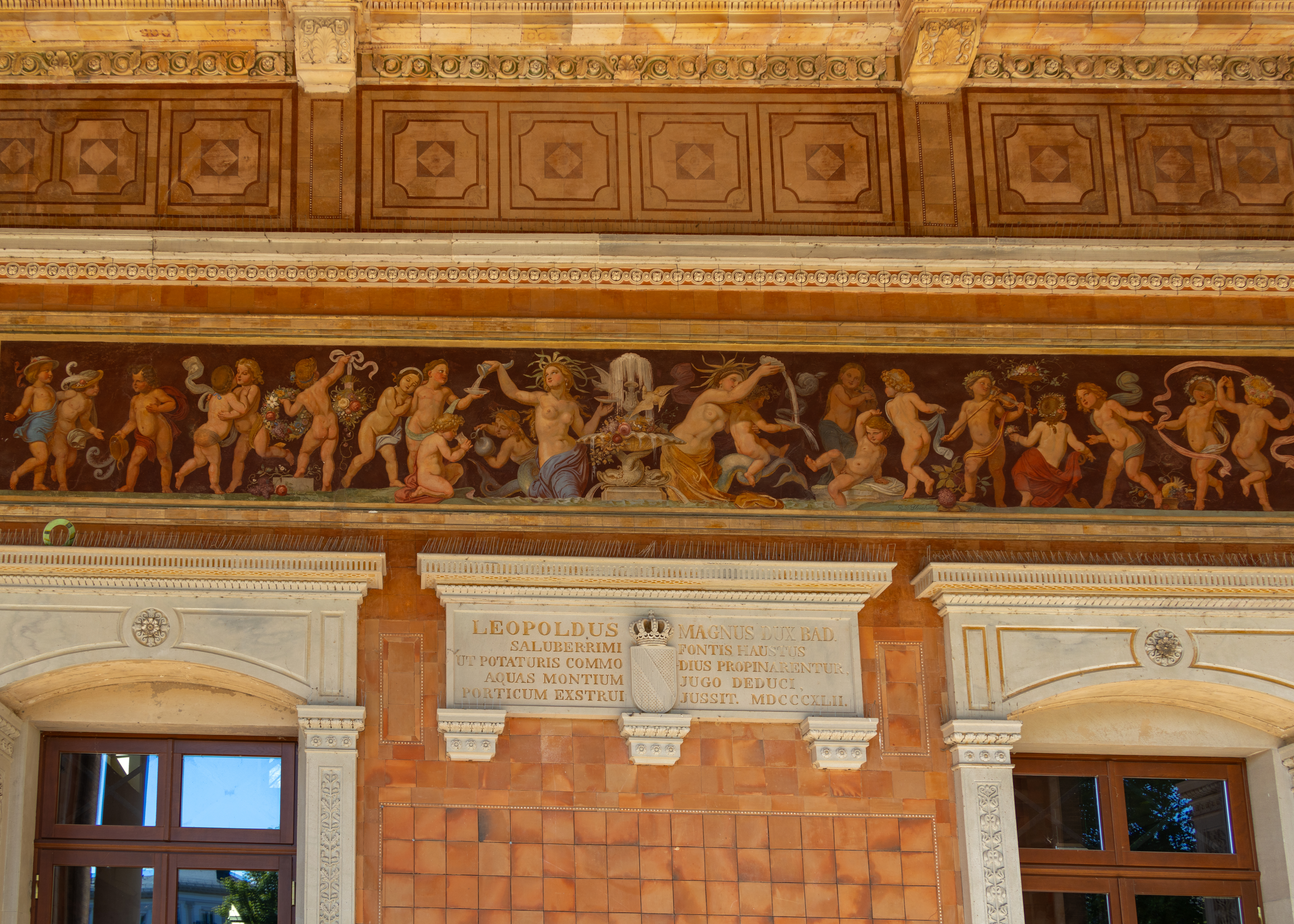
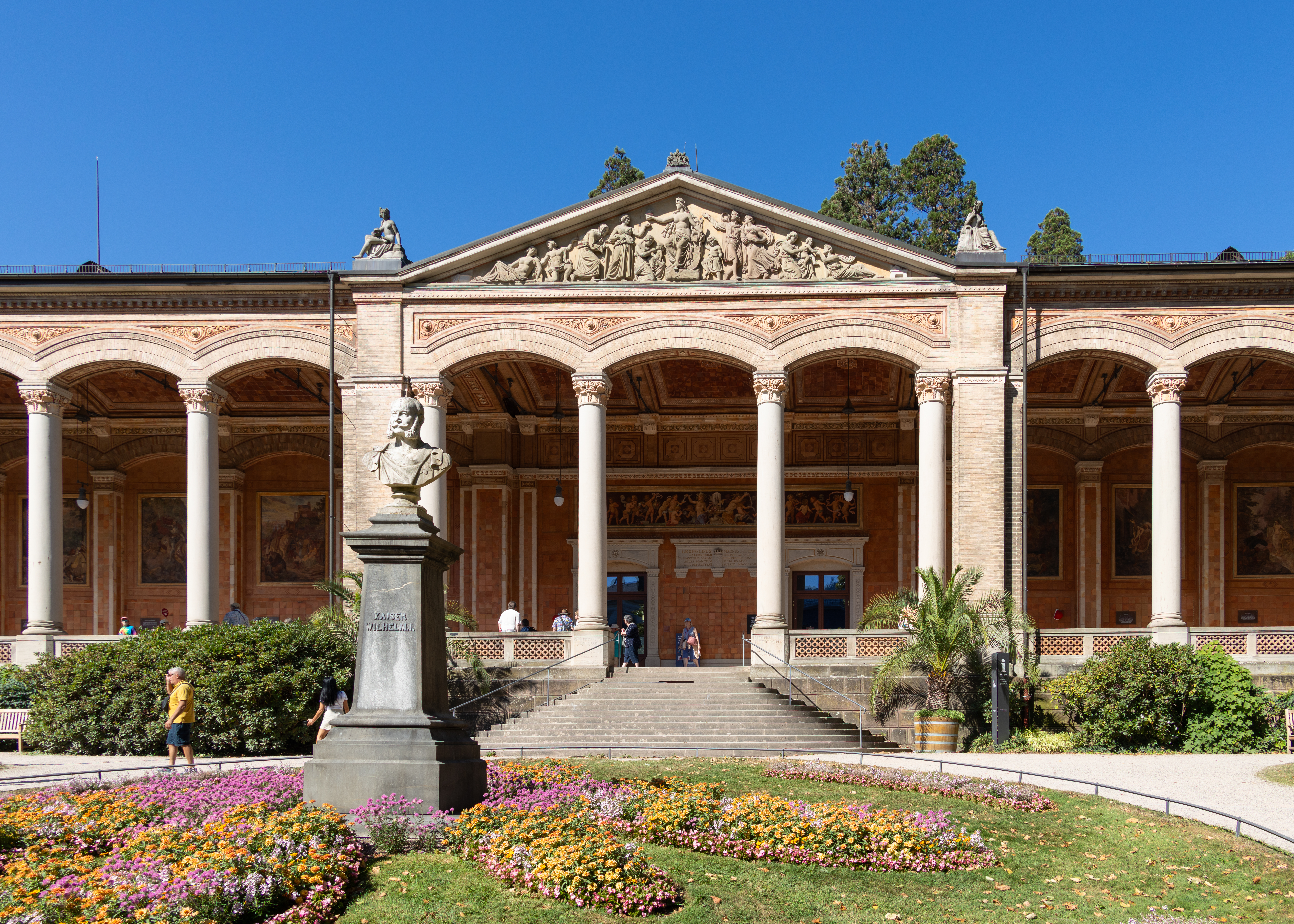
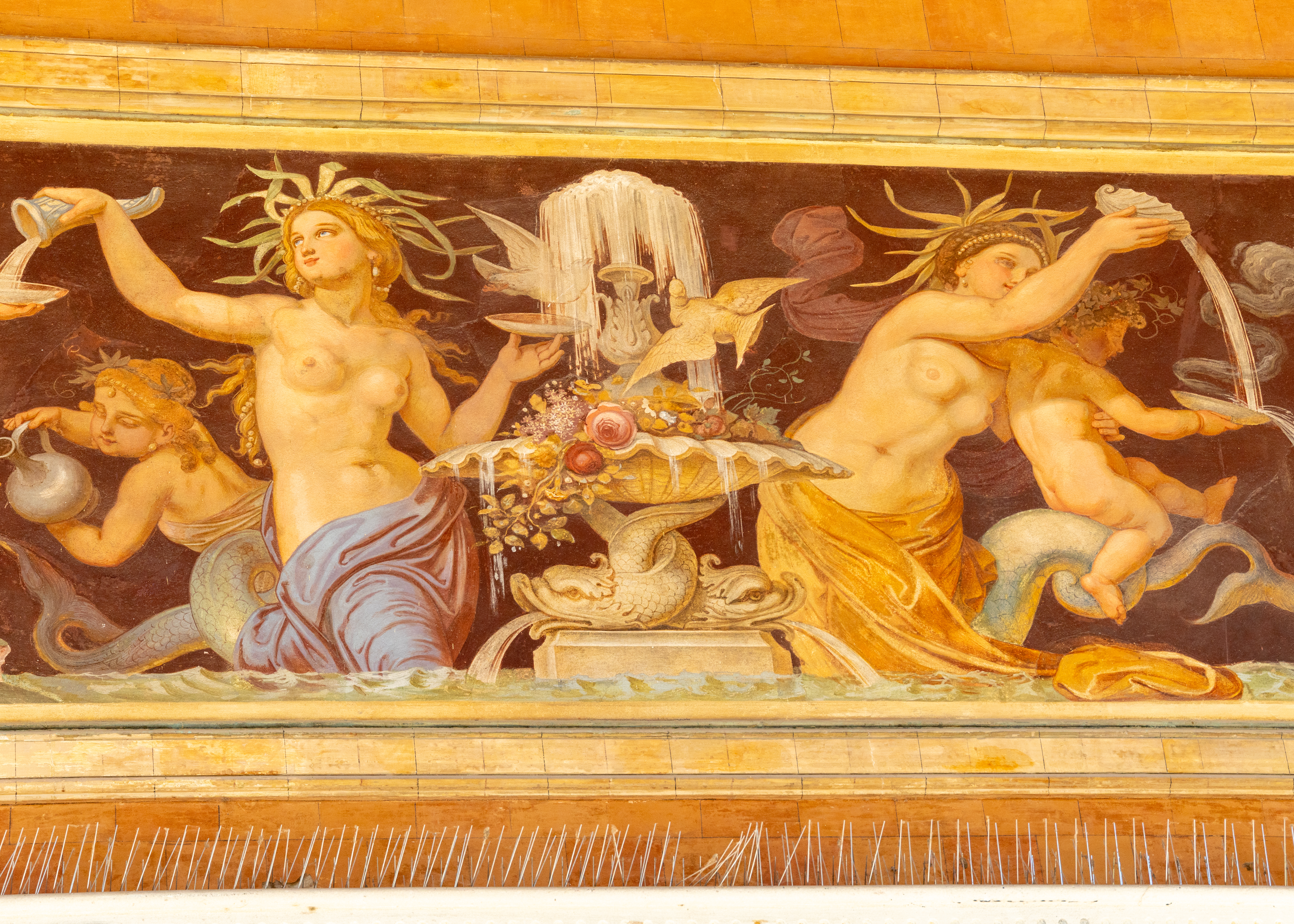
Trinkhalle (Pump Room): A 19th-century corridor lined with frescos depicting local legends. We also sampled the very salty thermal water from its fountain.

For some exercise, we walked part of the 2.3 km Lichtentaler Alle along the Oos River, a park and arboretum.

Europe 2026 – Day 7a, Freiburg, Germany

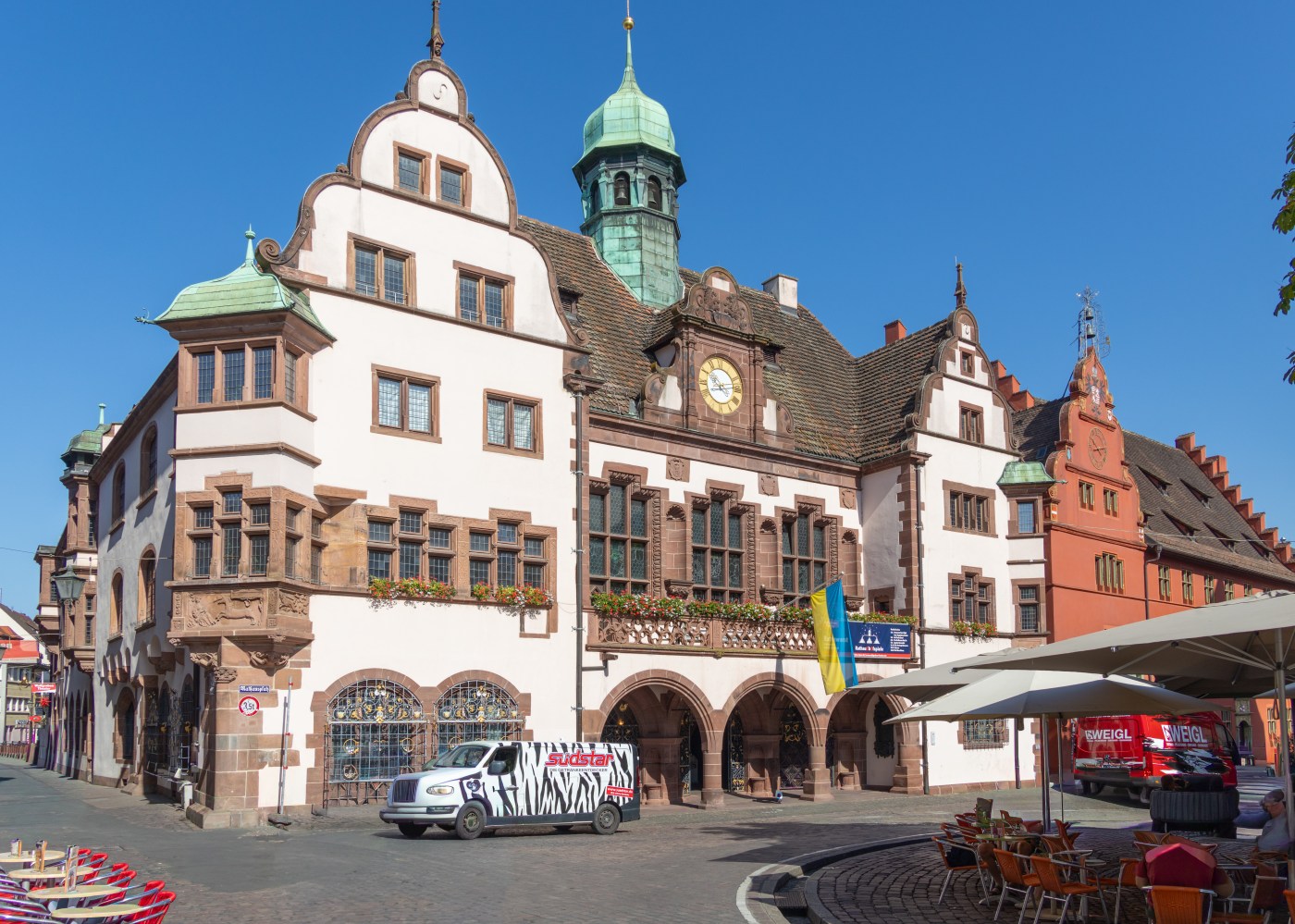
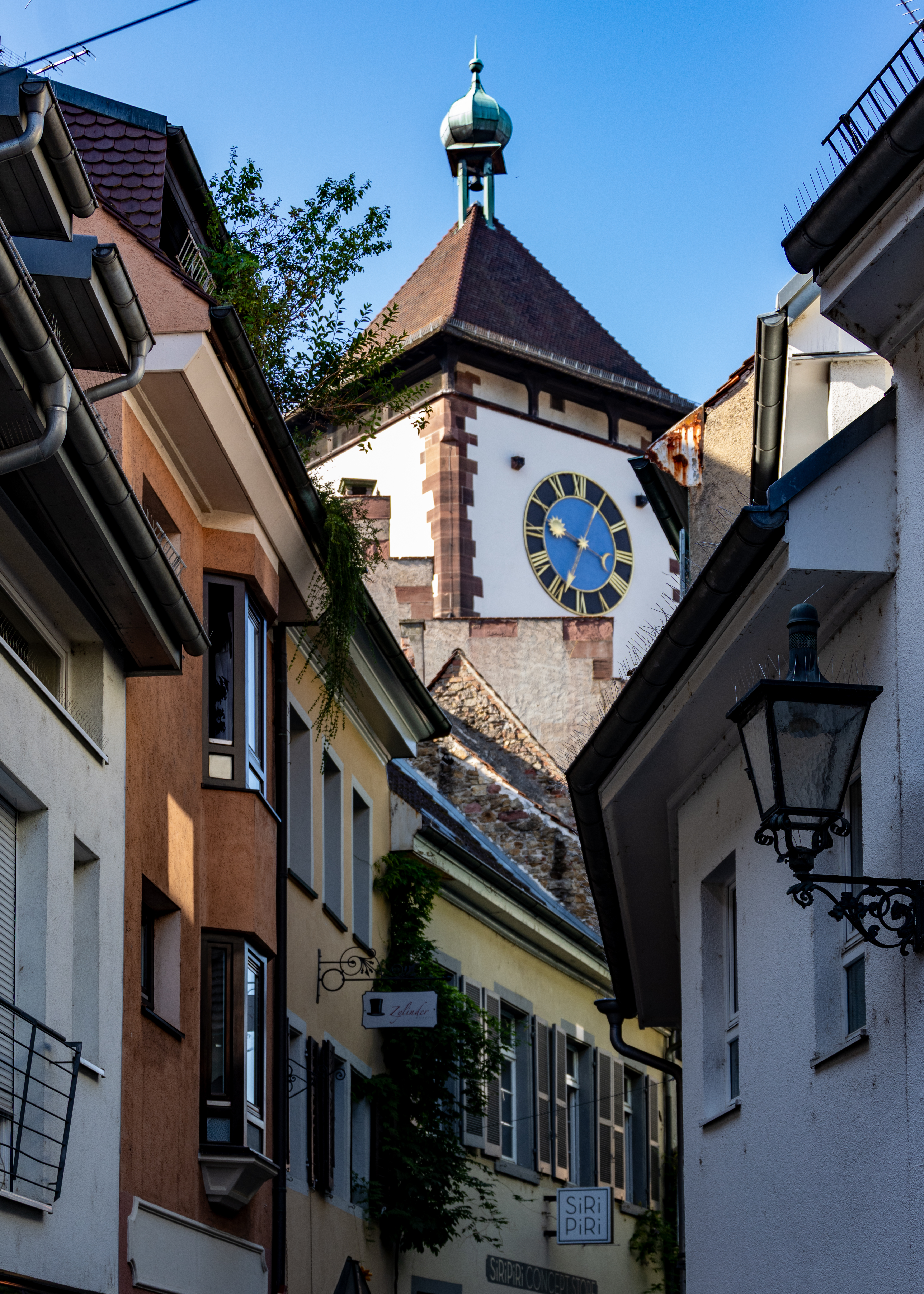
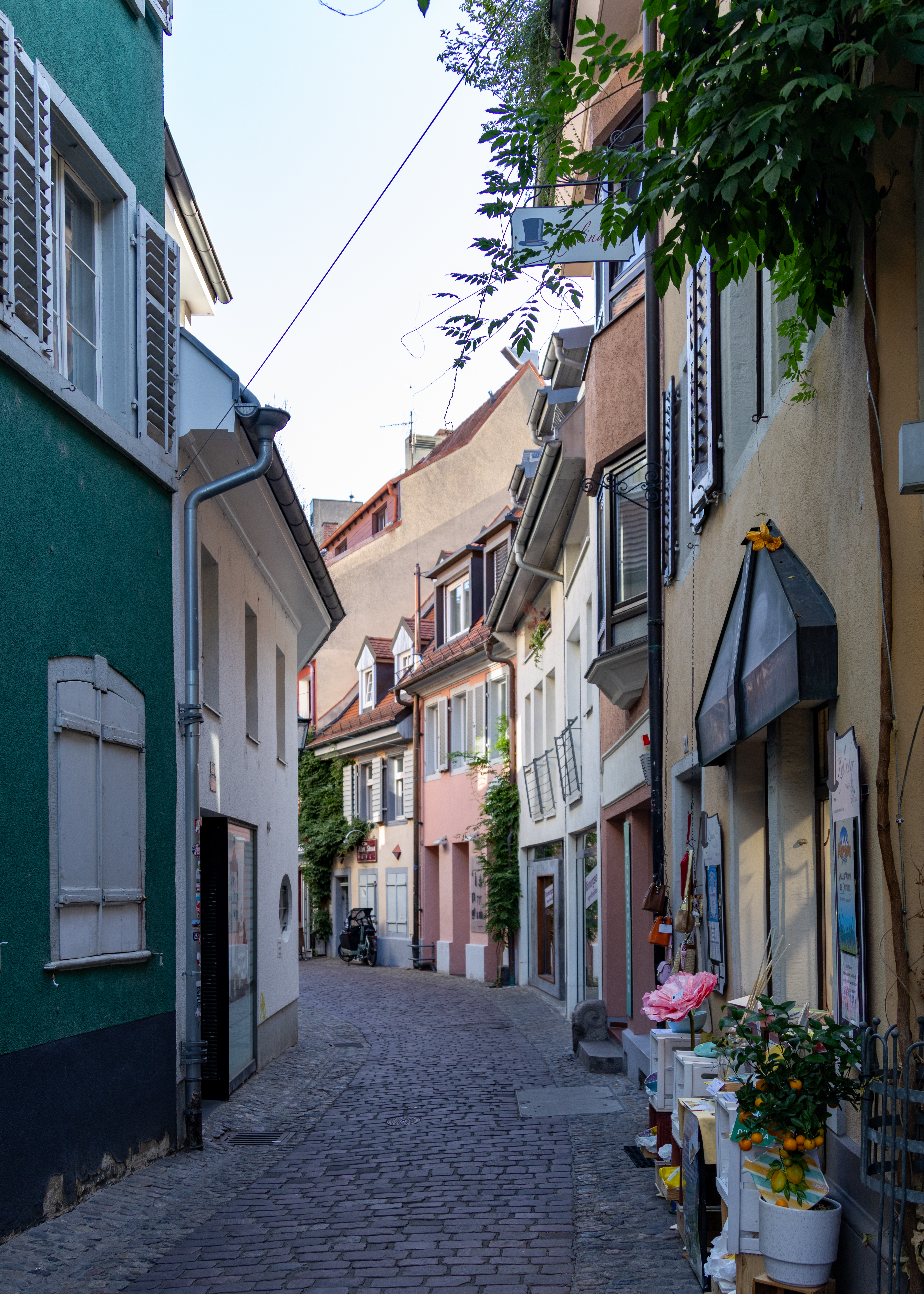
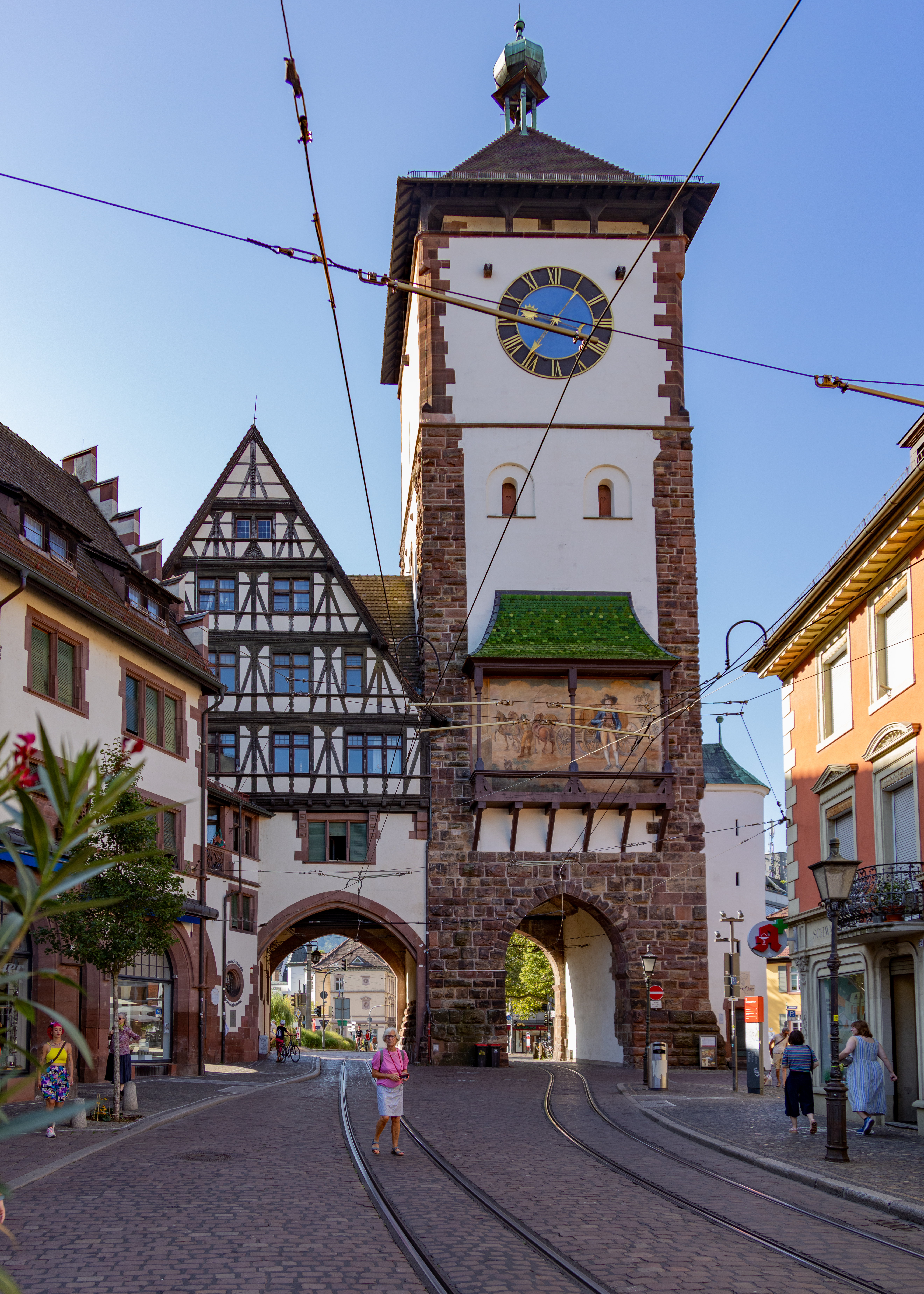
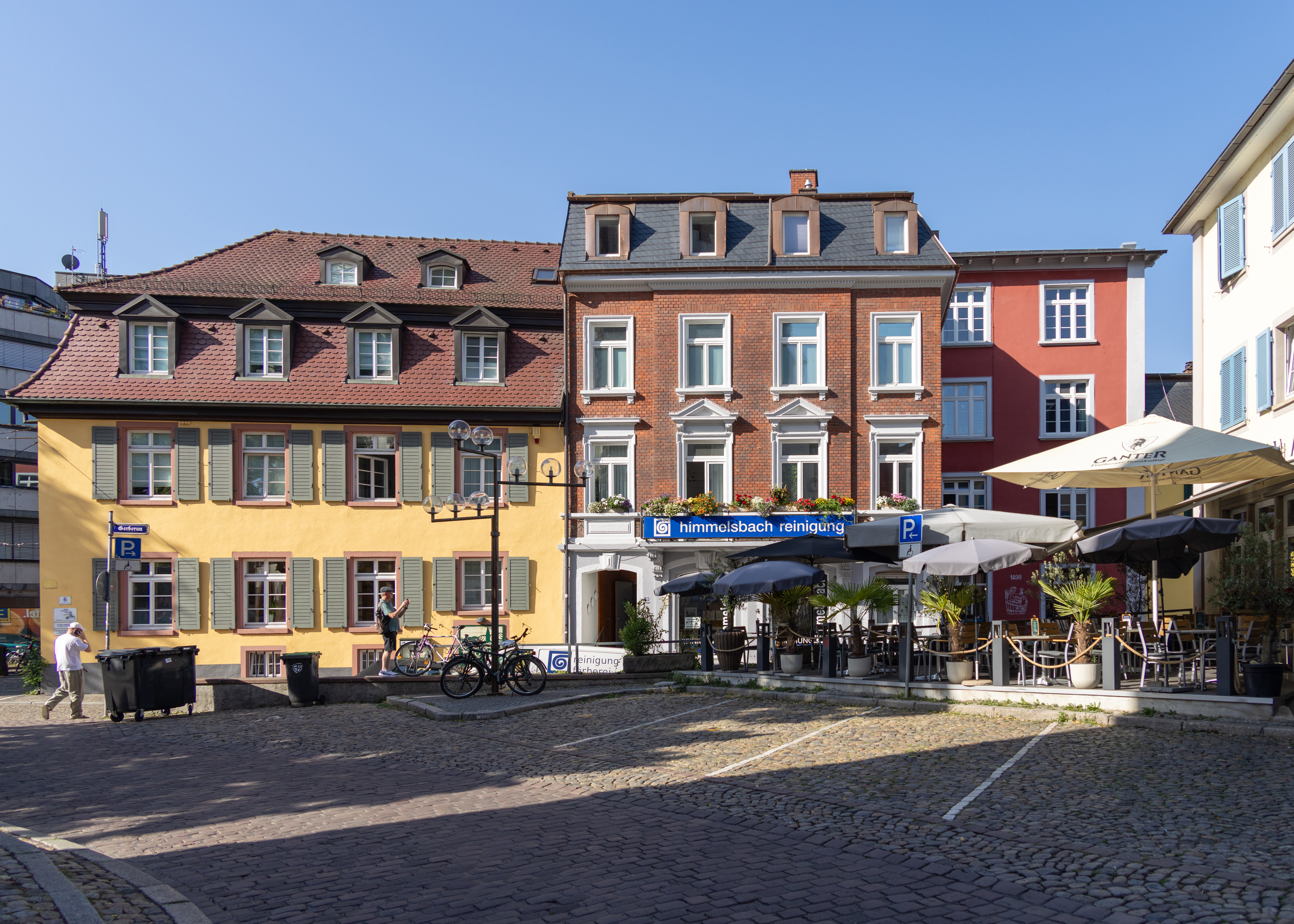
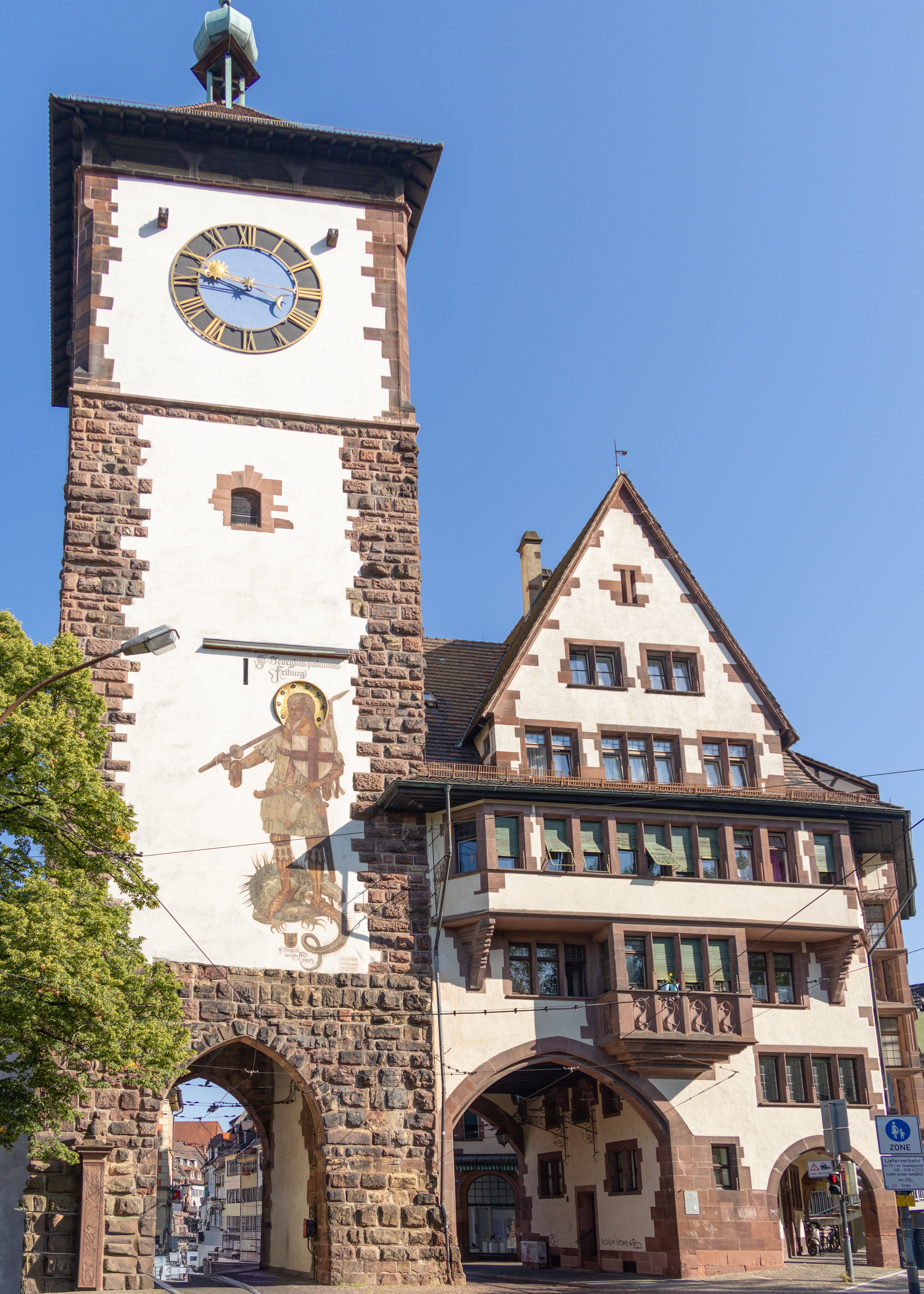
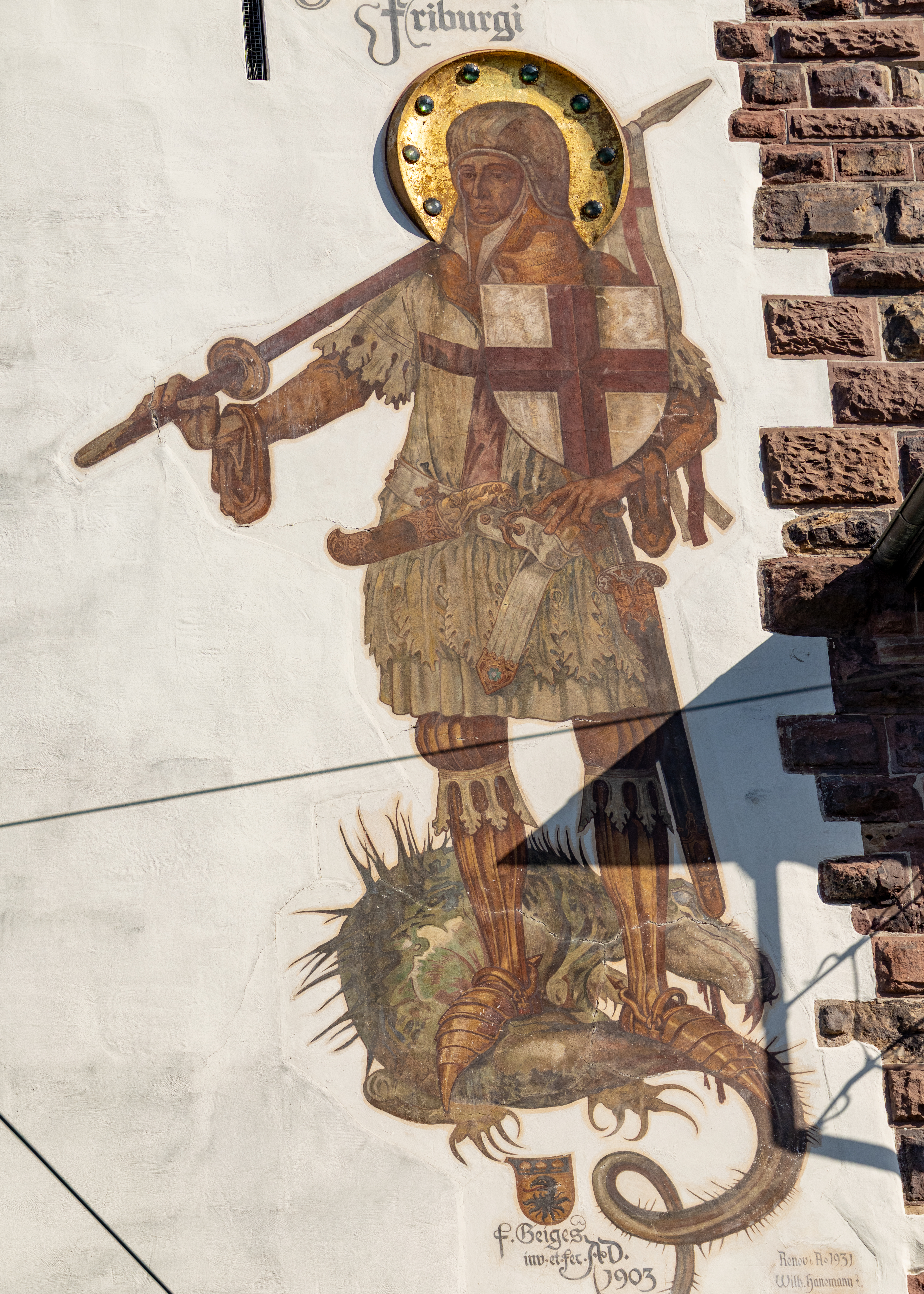
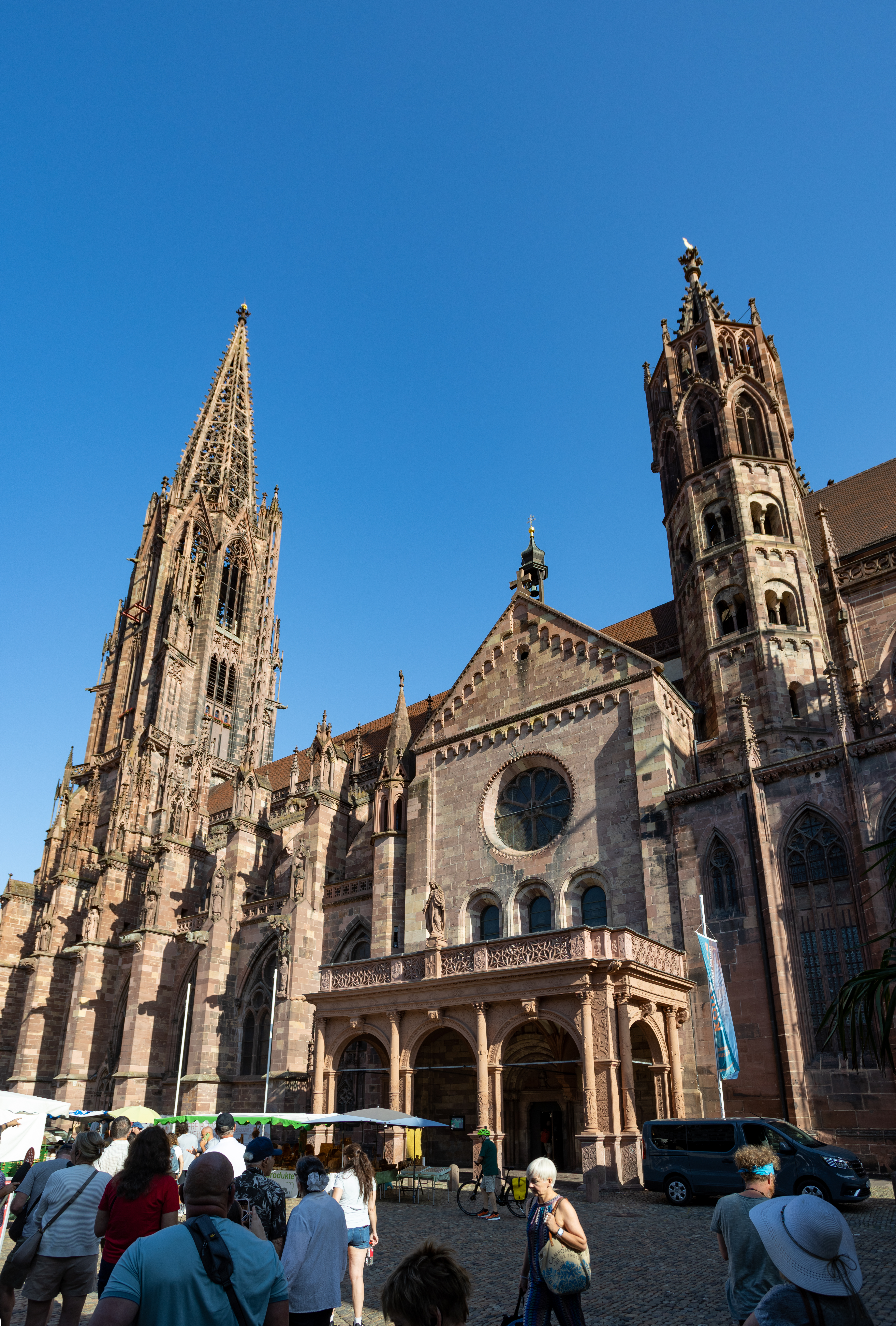
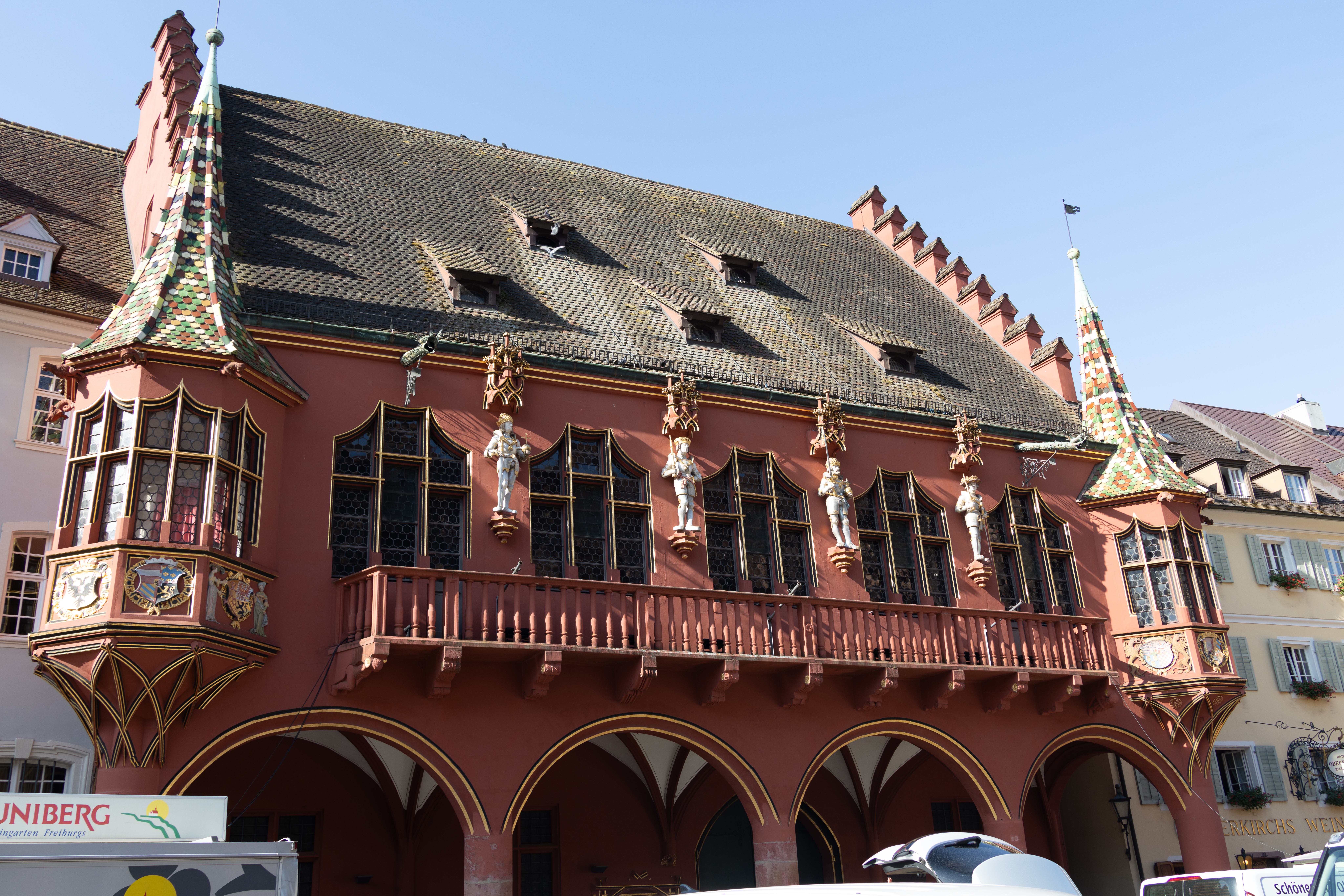
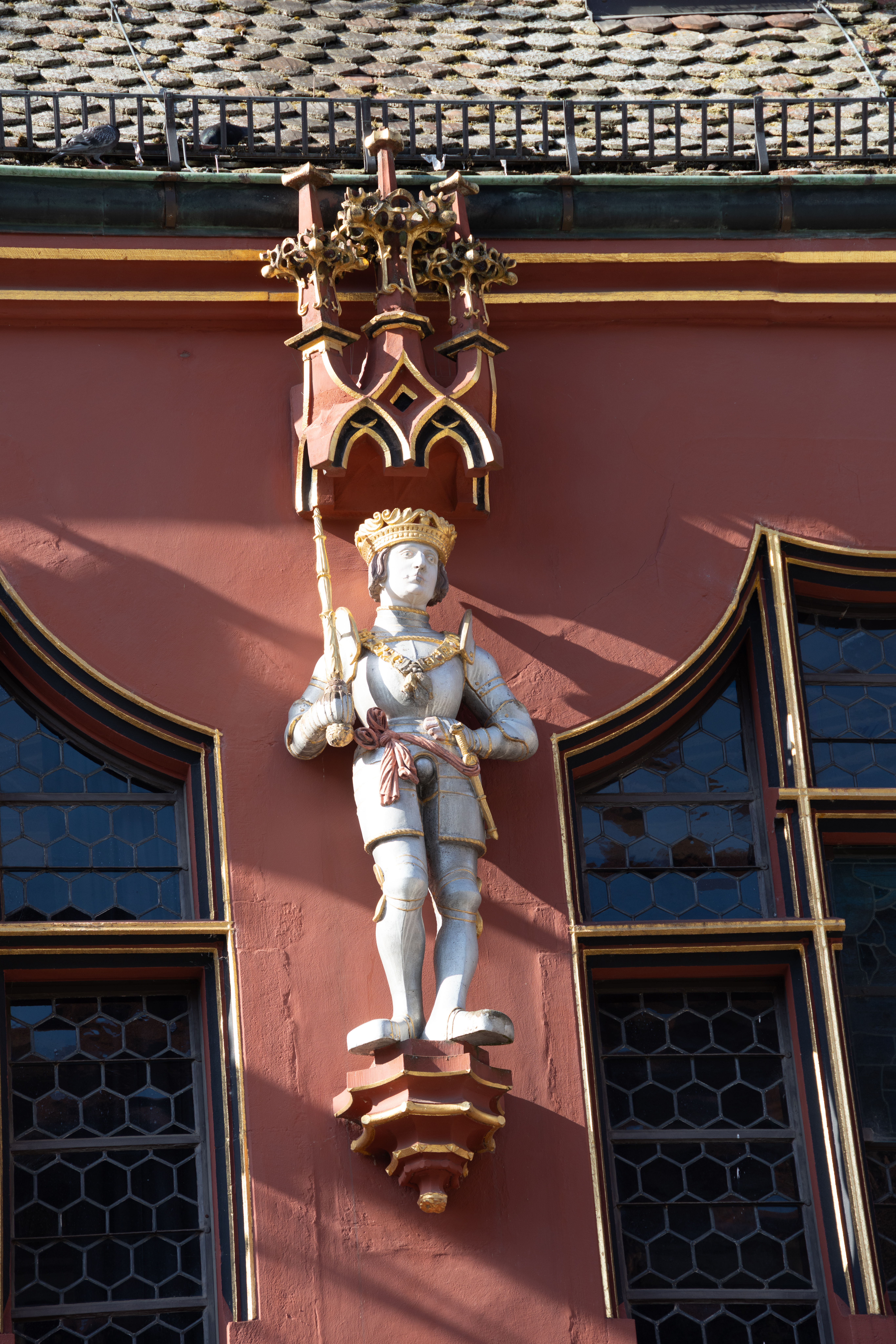
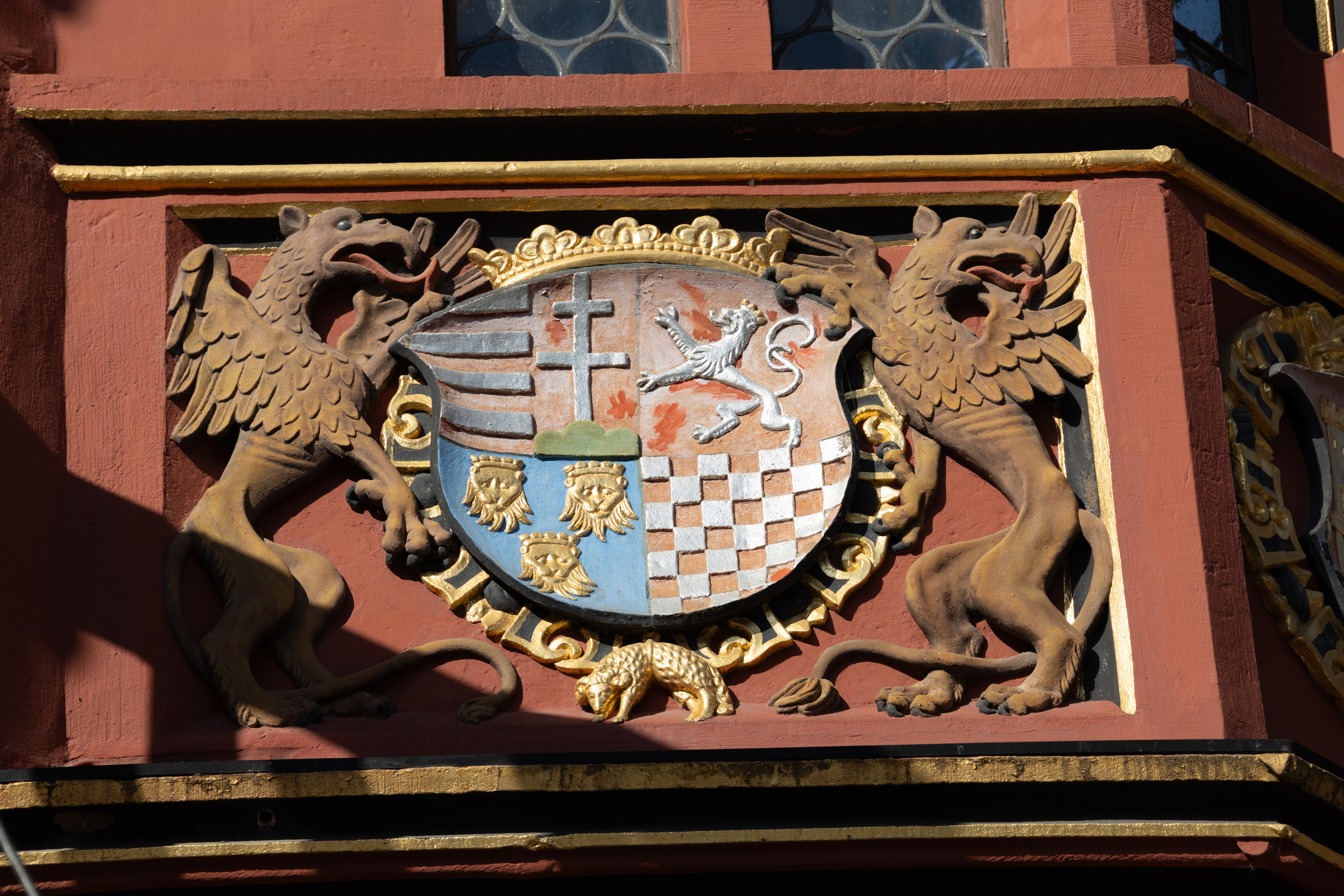
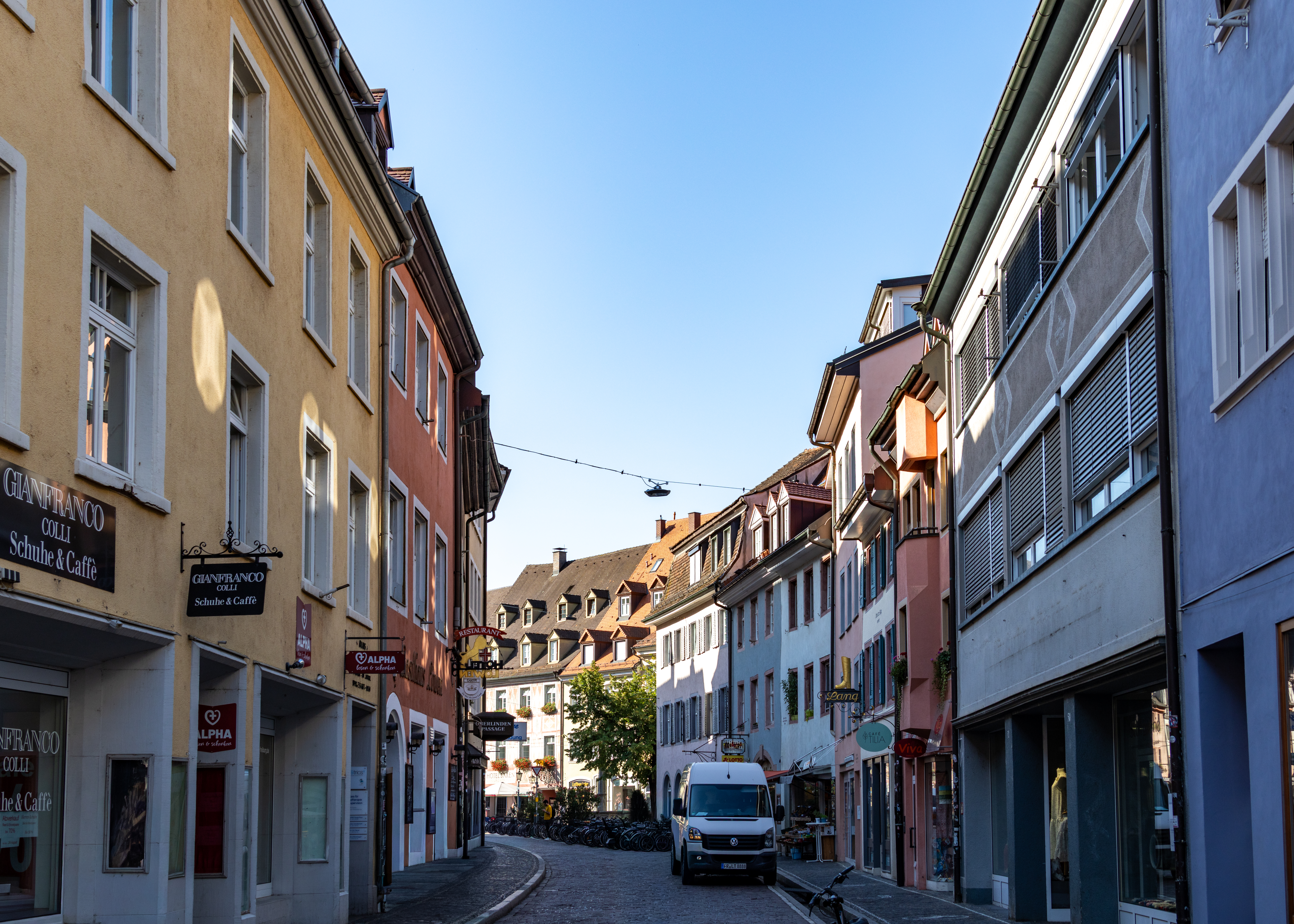
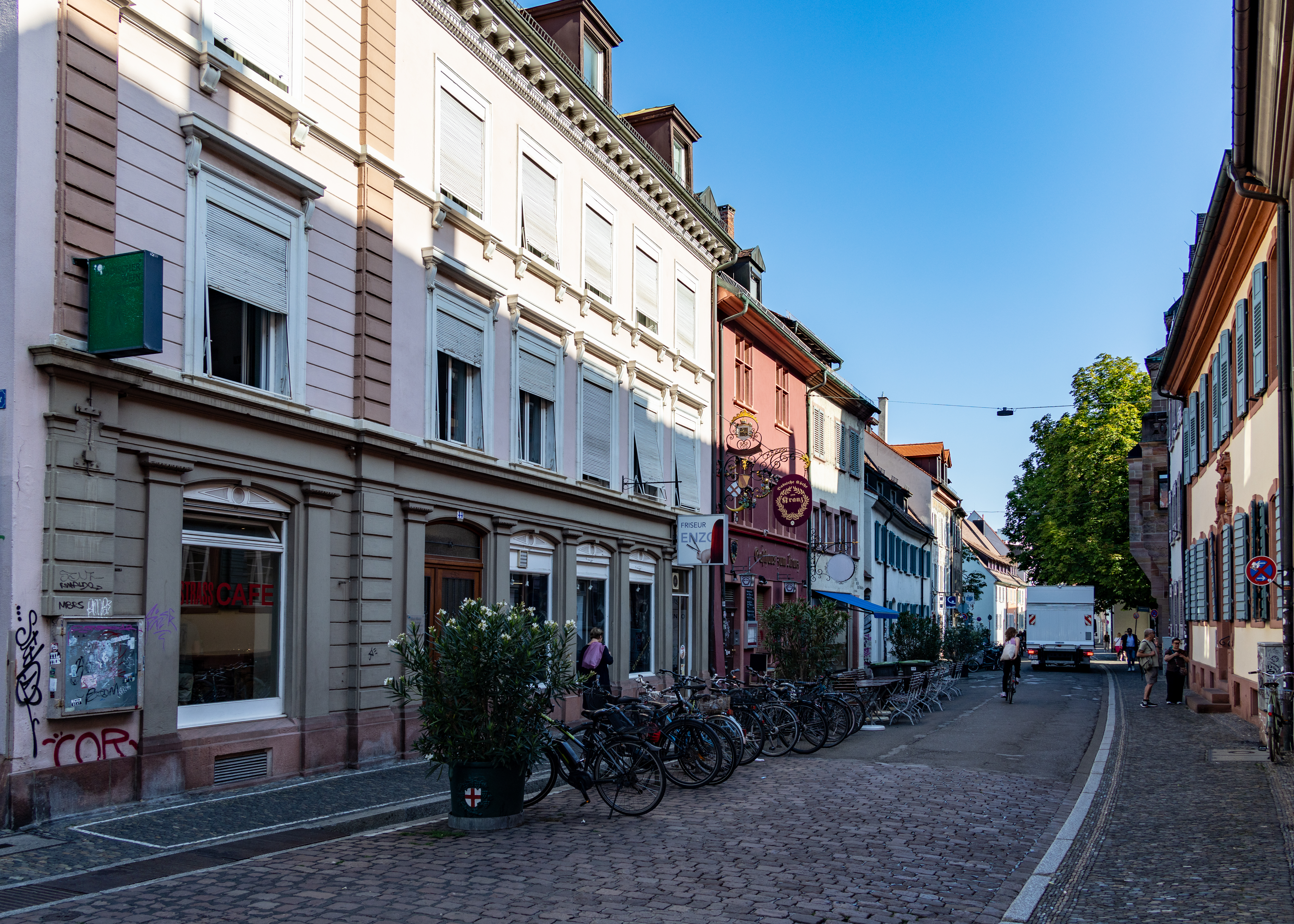
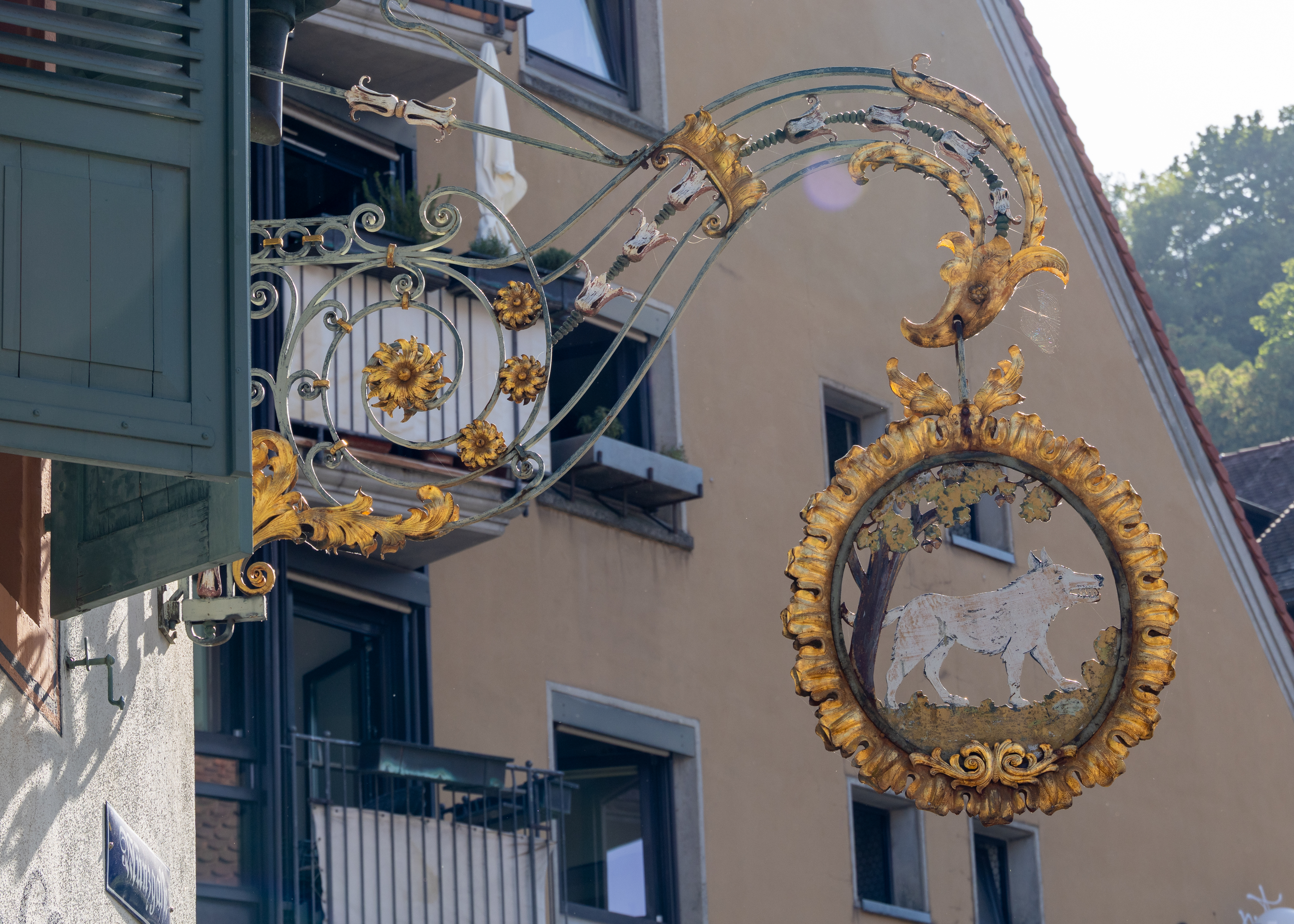
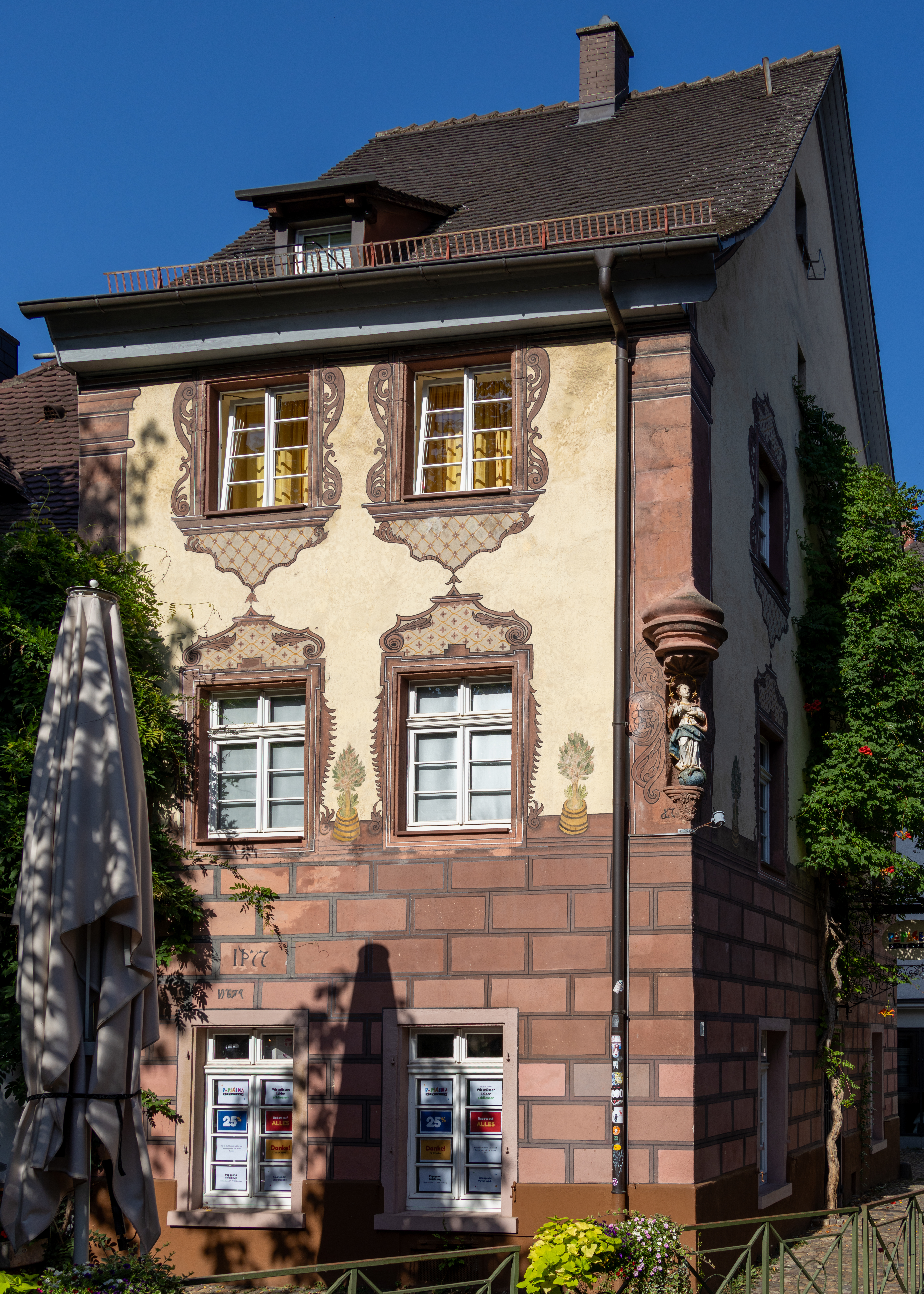
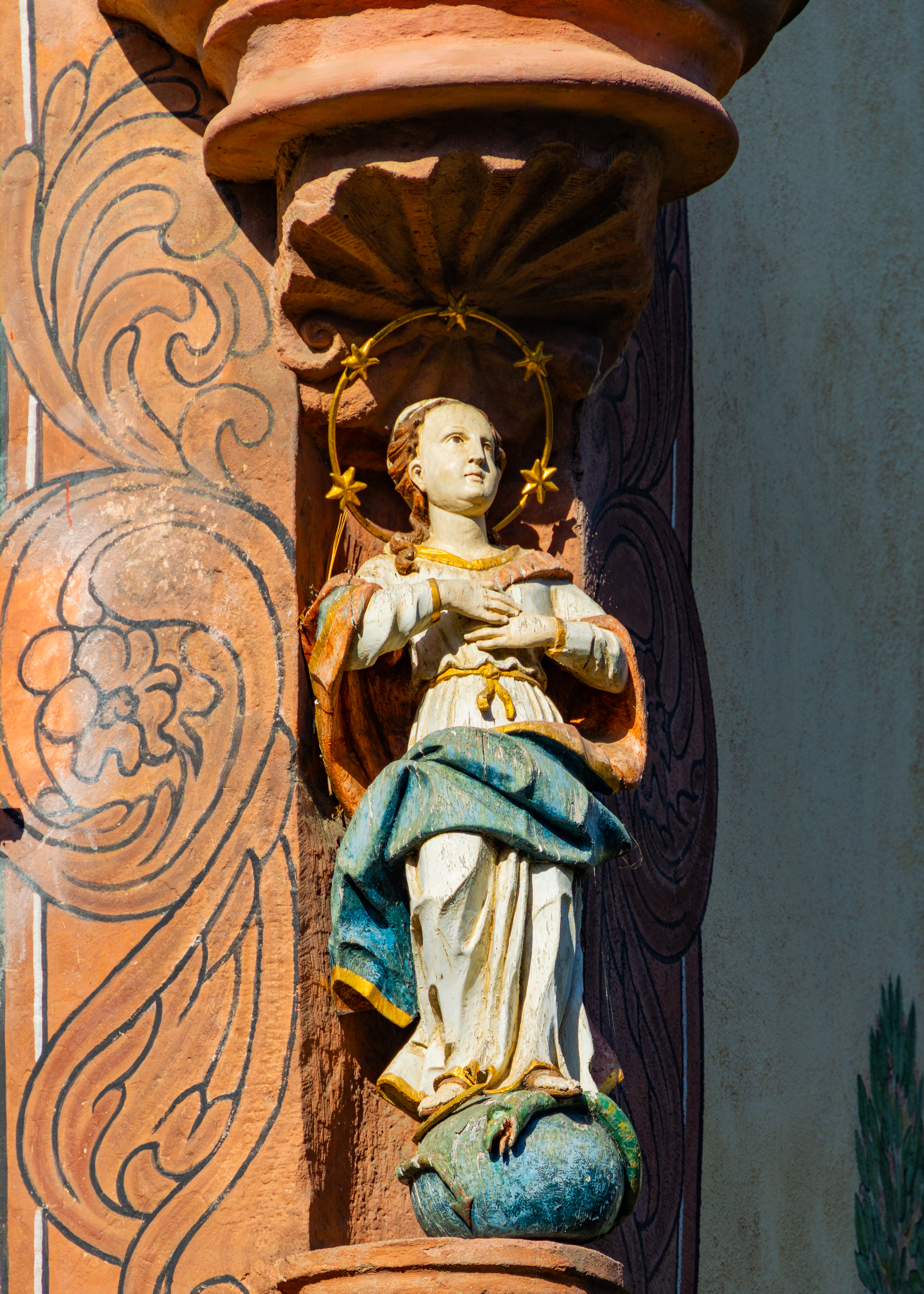
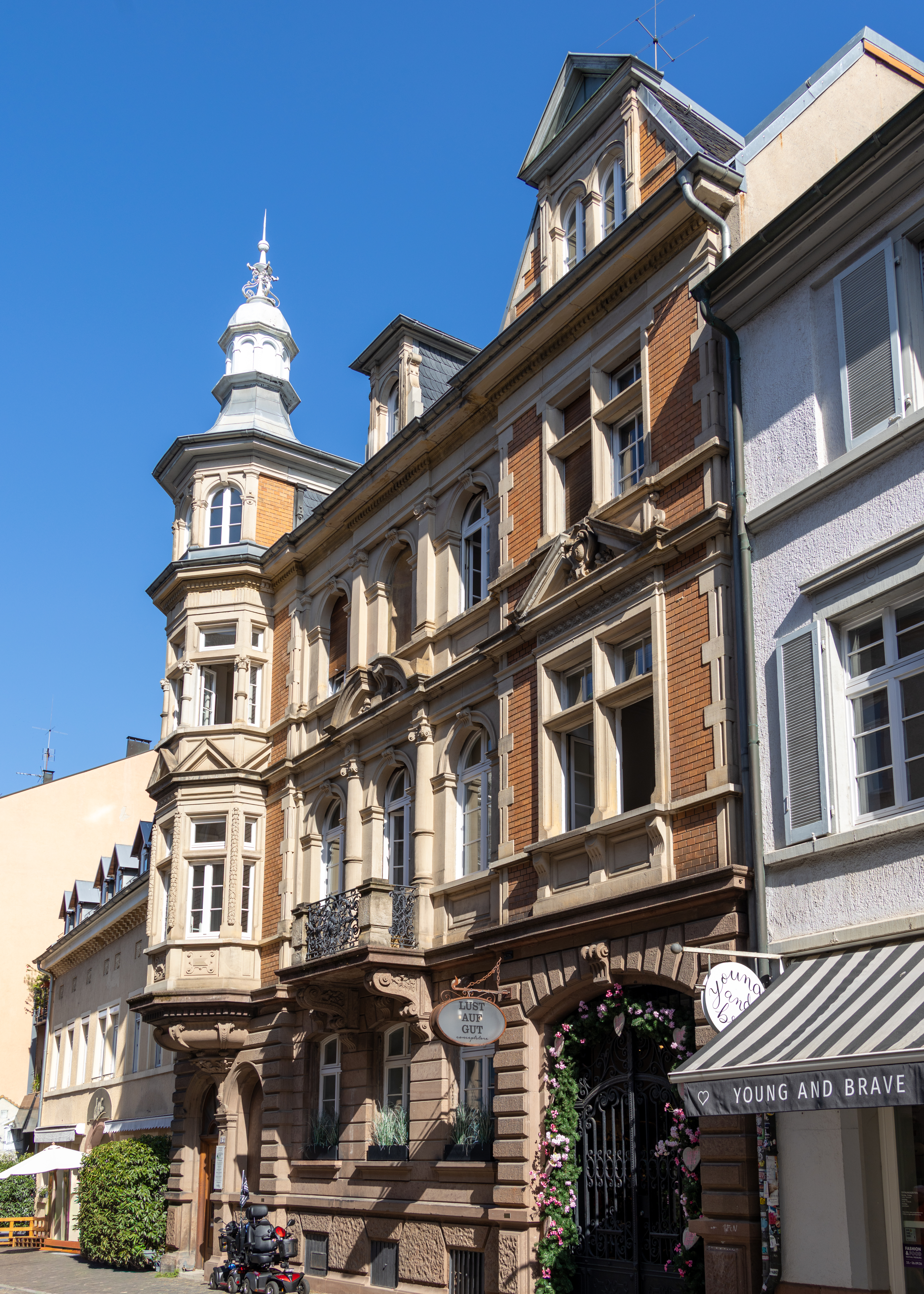
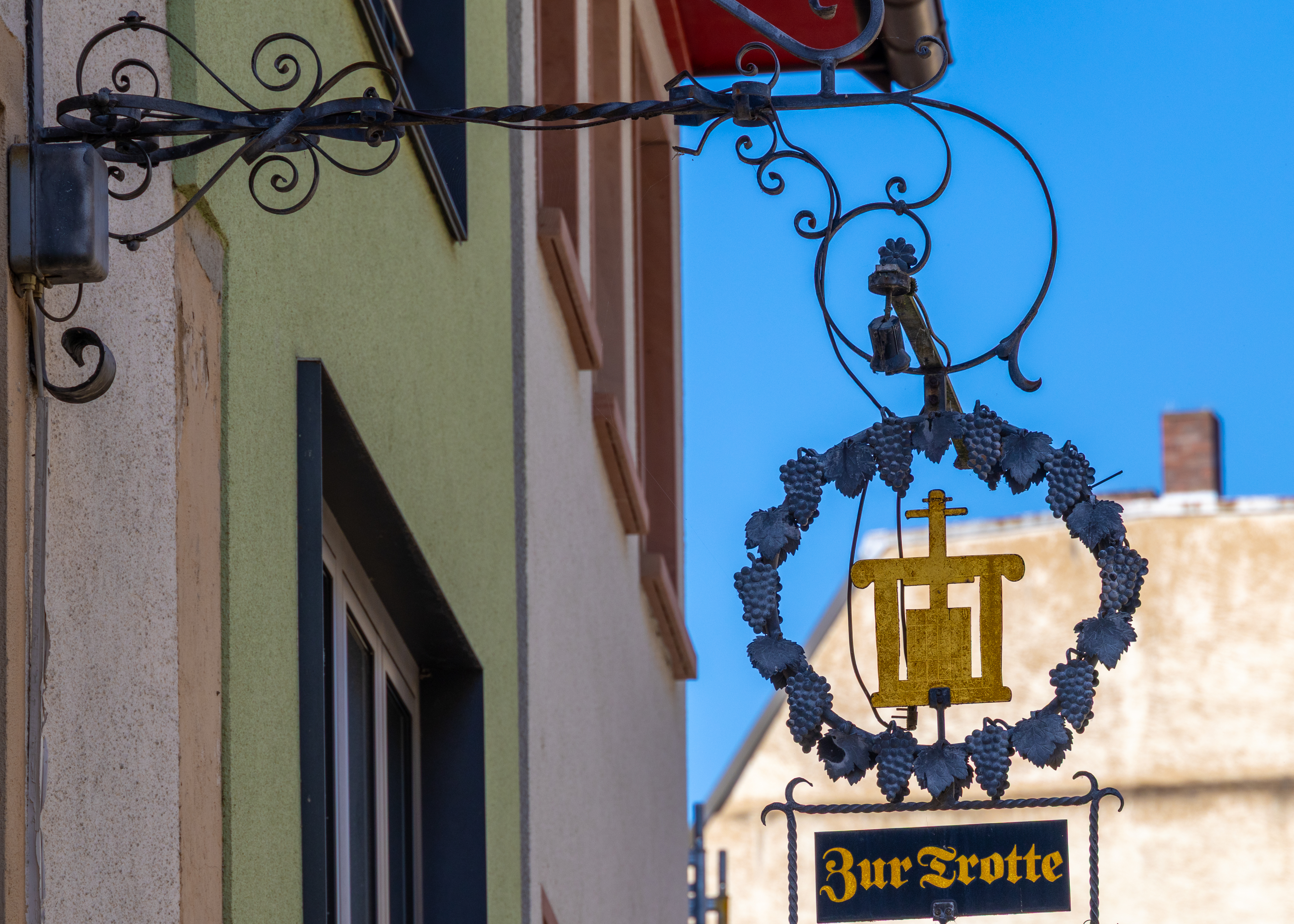
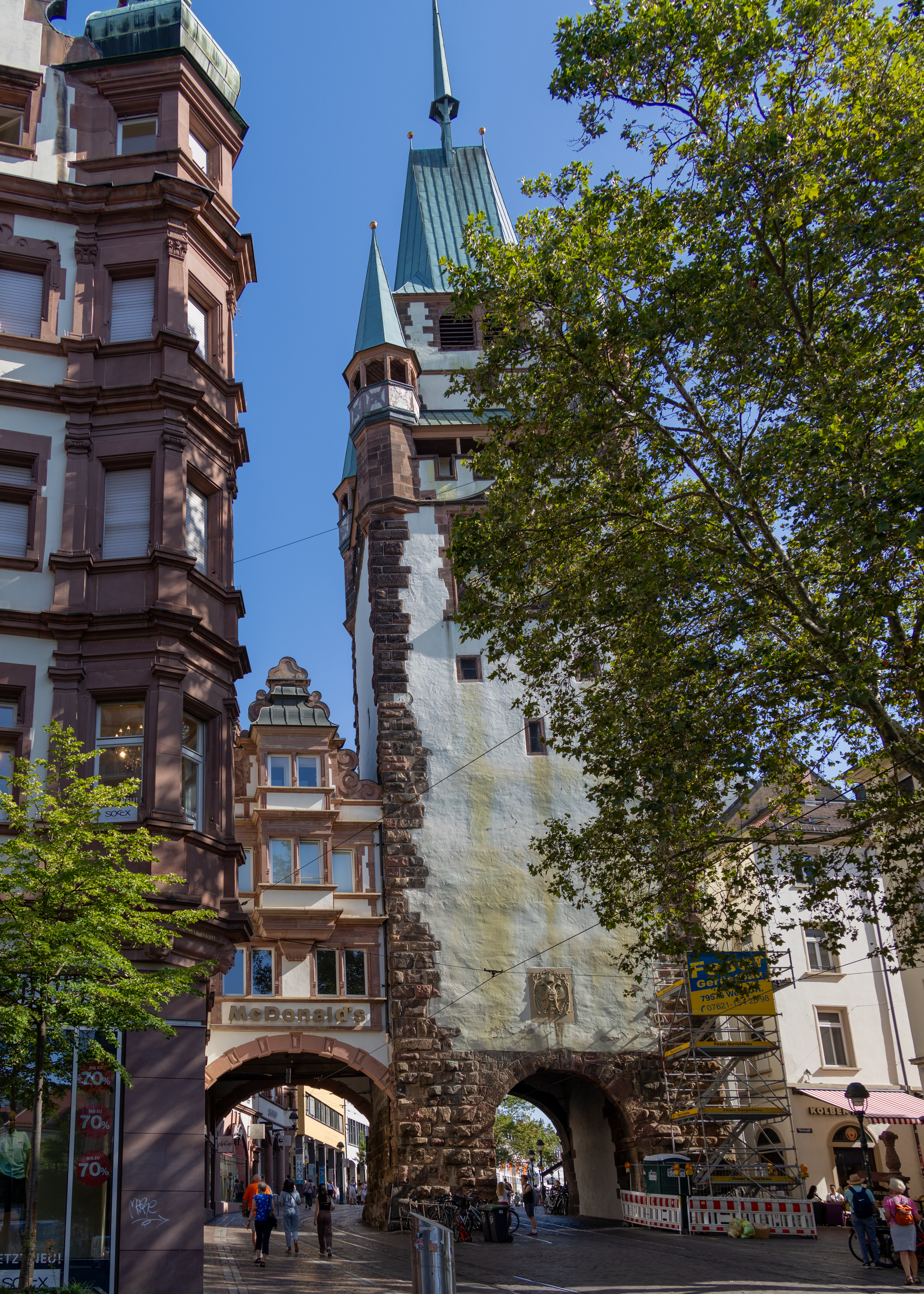
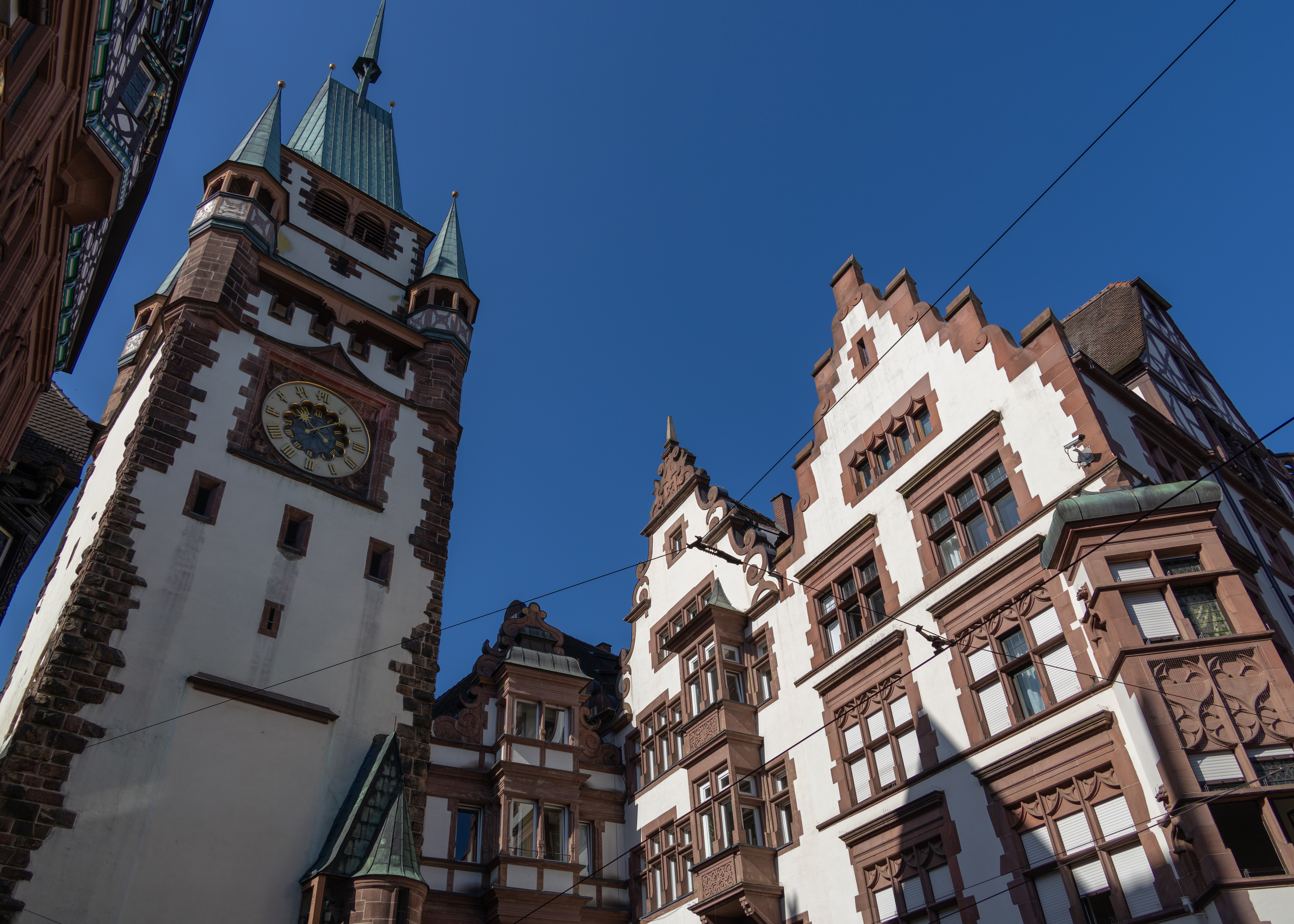
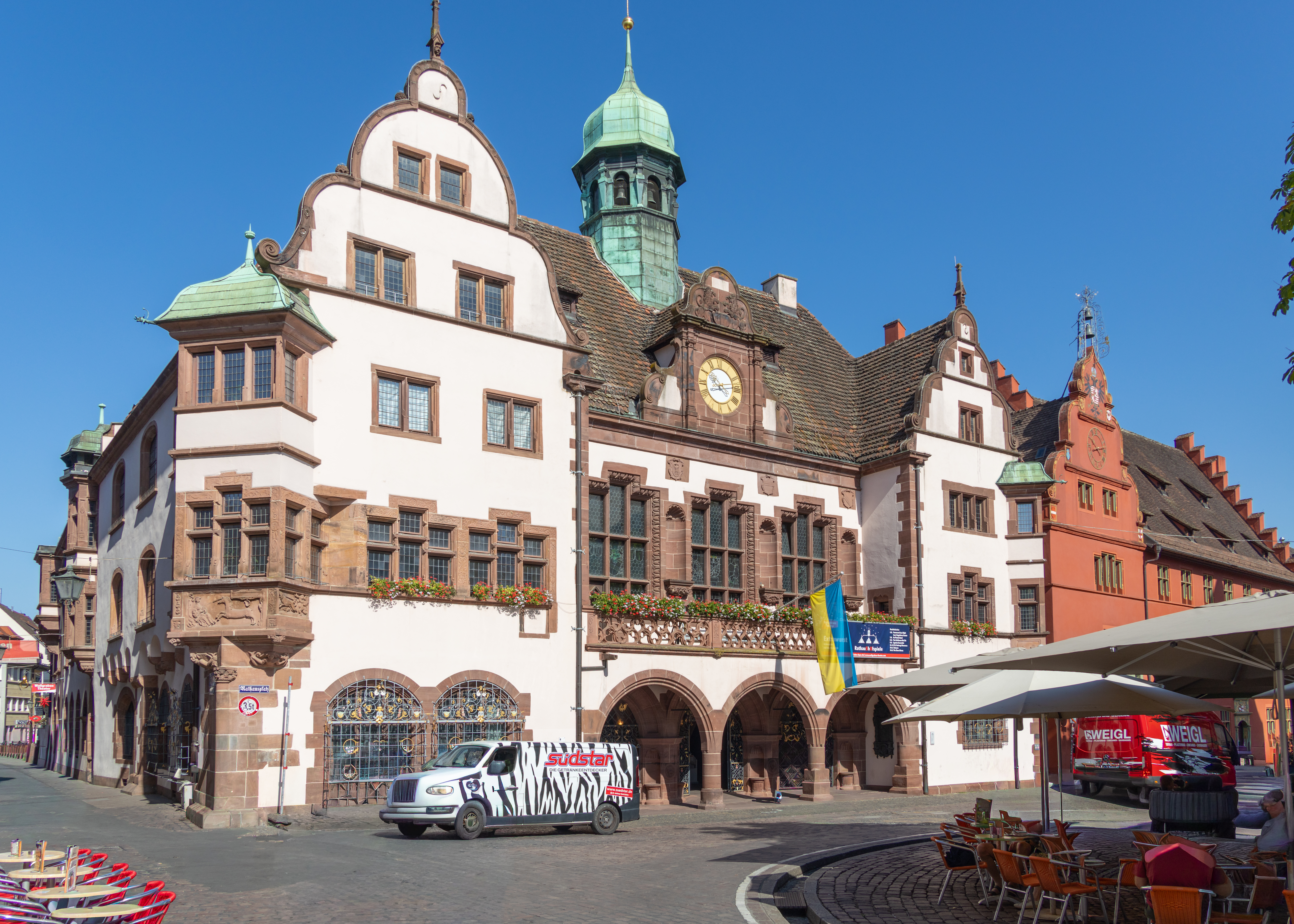
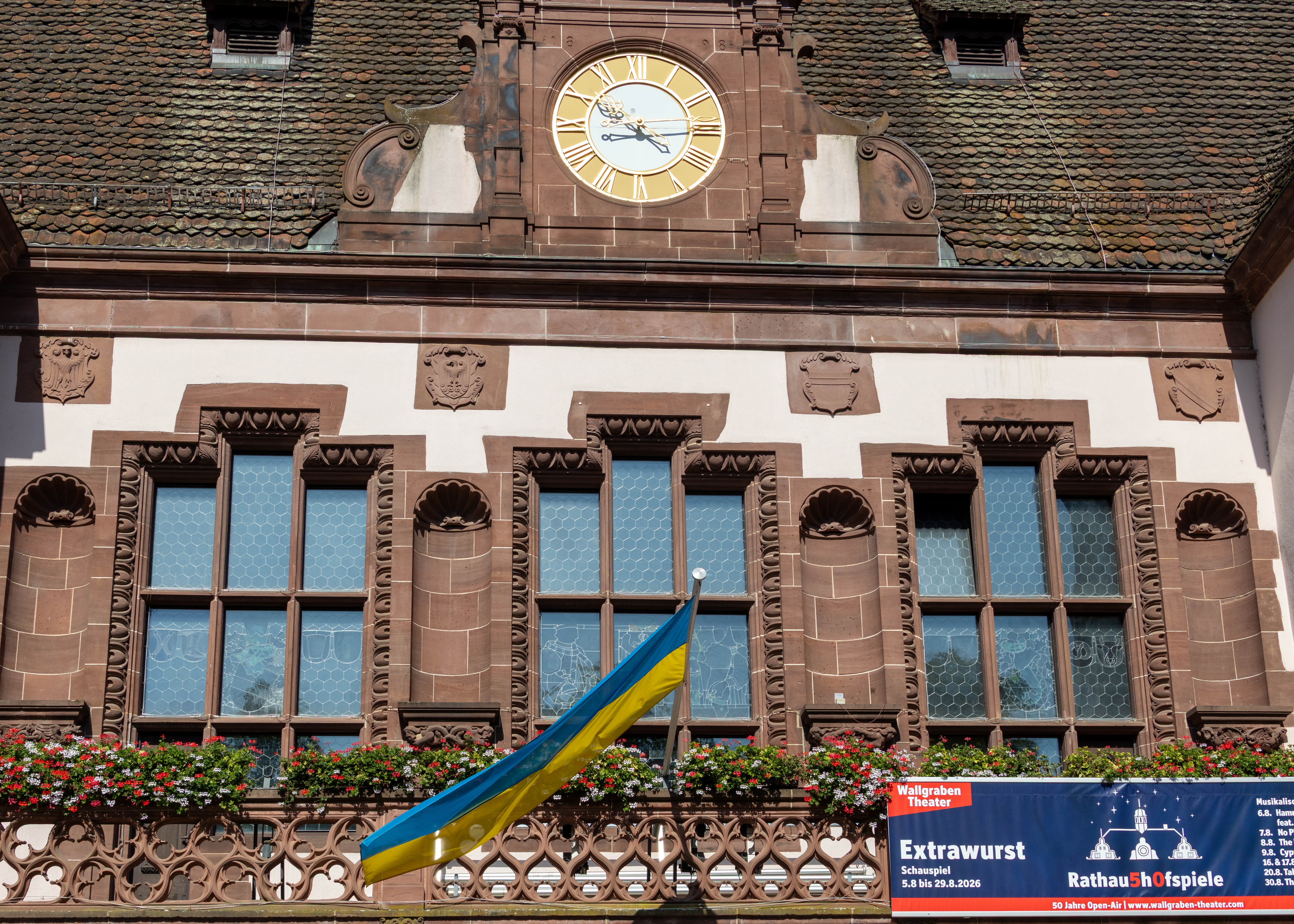
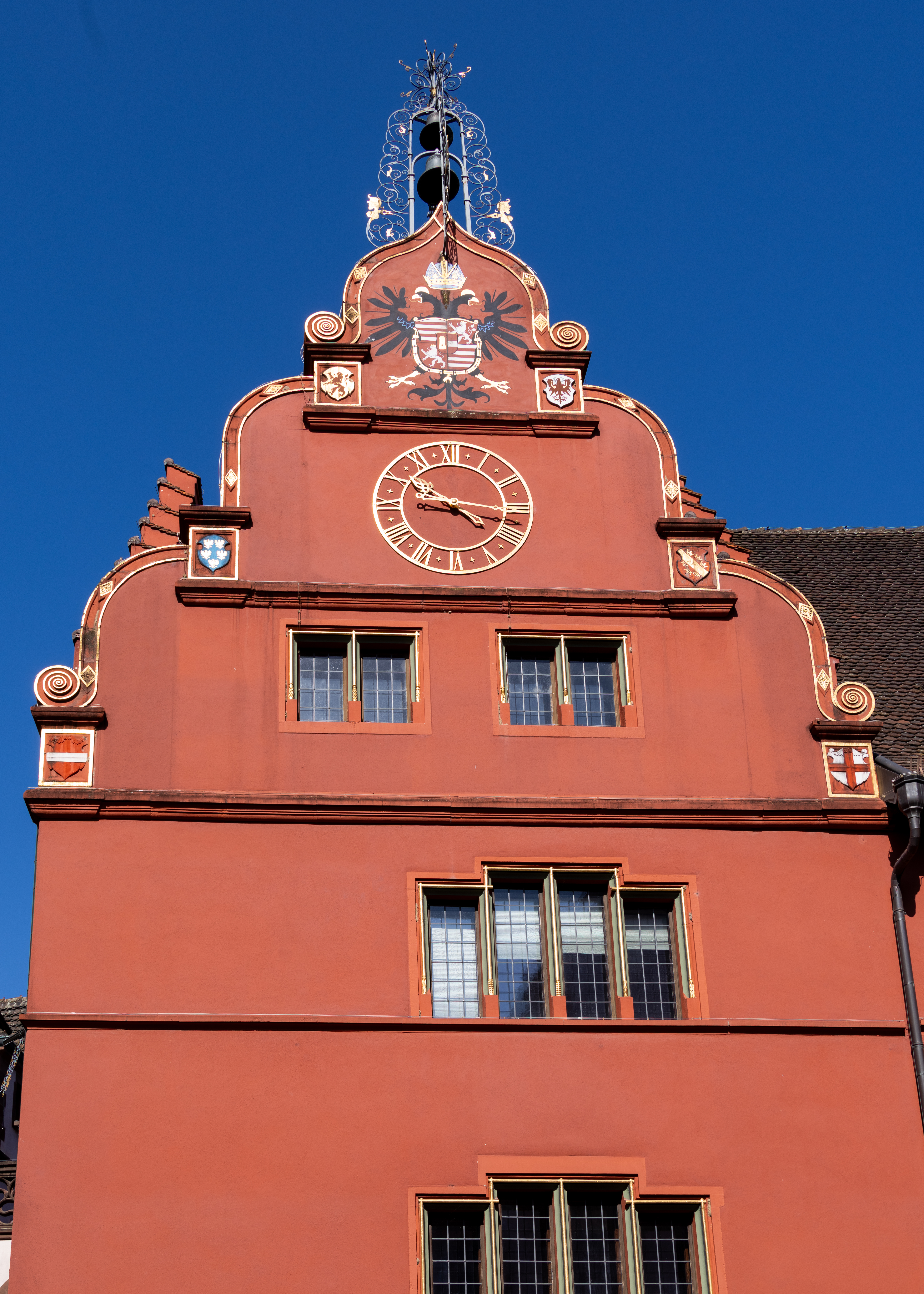
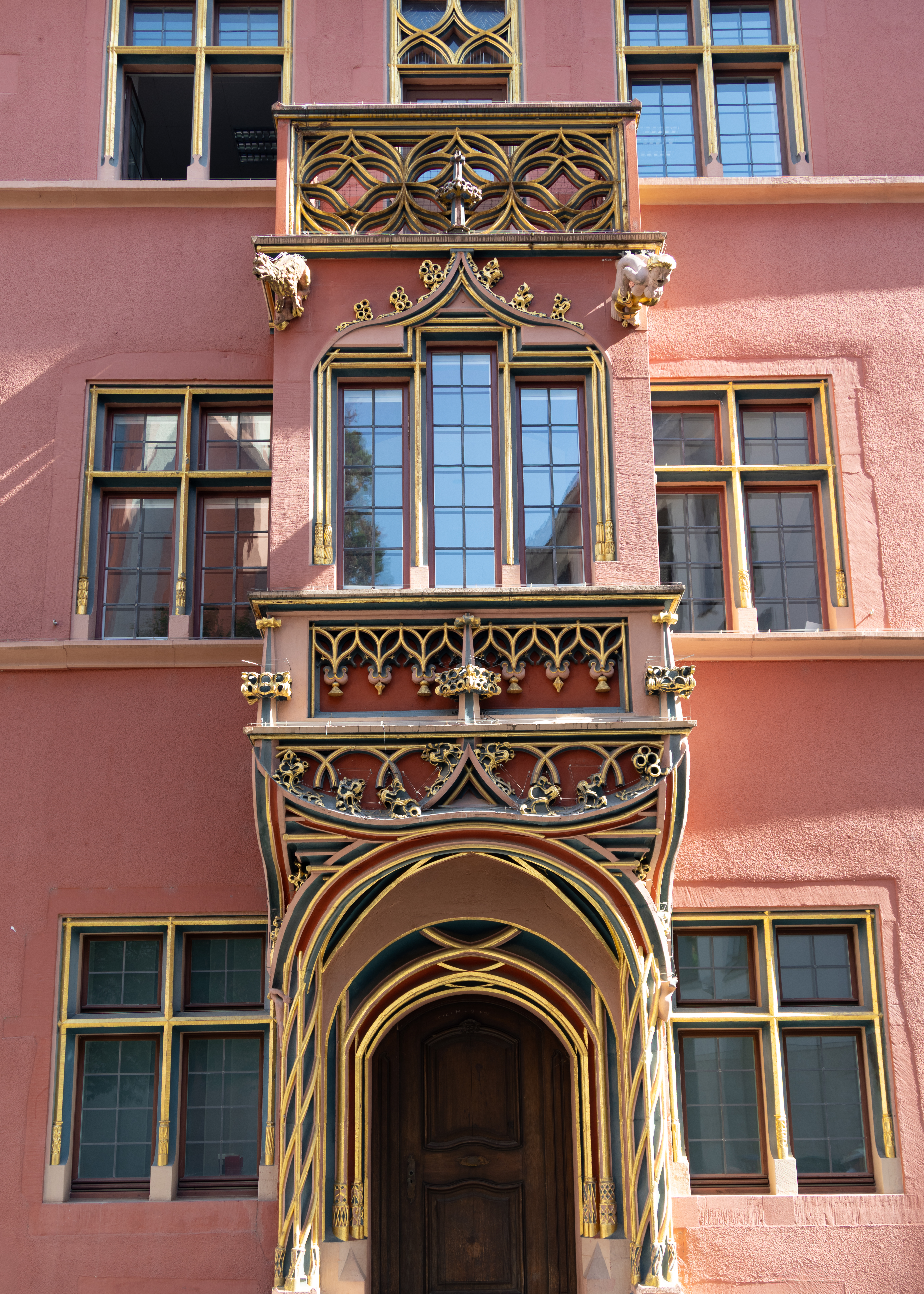
This morning  we took a trip to the southwestern corner of Germany visiting Freiburg and the Kaiserstuhl region. Along the way we passed terraced vineyards set on steep hillsides. In Freiburg we walked through the city’s old town with its cobble stone streets and half-timber houses. Highlights of the town included the Freiburg Cathedral, the Munsterplatz, a farmer and craft market, and it’s two remaining medieval gates, the Swabian and Martin’s gates. Also, the Historisches Kaufhaus (merchant hall) a bright red building with ornate bay windows.

Blog at WordPress.com.

Up ↑