Search

Travelling Photographer

Photos and commentary from my travels around the globe

Category

Hikes

2019 Europe & Africa Trip – Day 6,7,8 – Cape Town

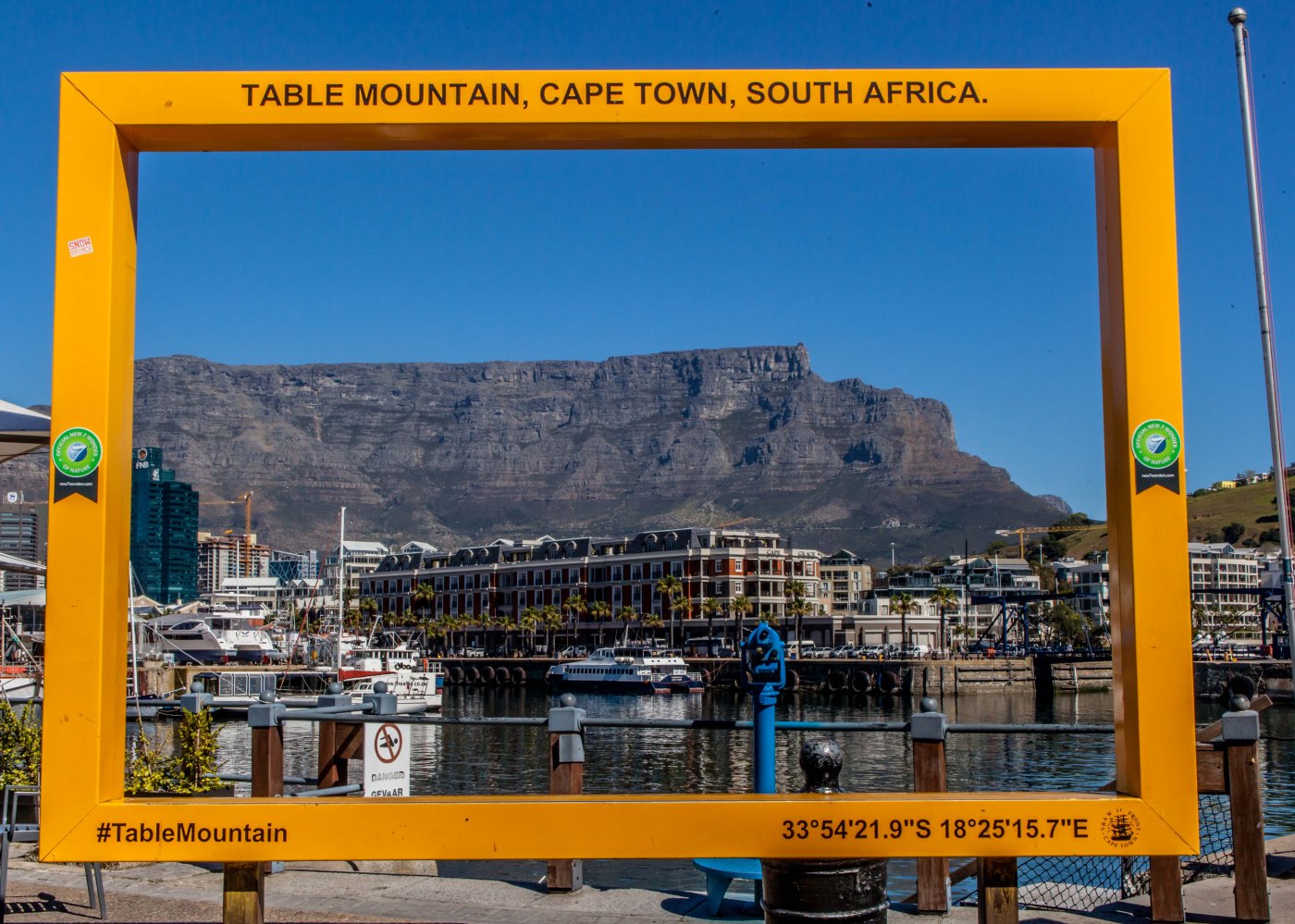
On our 6th day we flew to Amsterdam, the 7th from Amsterdam to Cape Town and here on the 8th our first day in Cape Town. In the AM we meet out tour group and then bused to Table Mountain over looking the  city – we traveled by cable car to the top of the mountain at 3300 ft above the city. Interesting cable car  which help 65 people and the floor rotated so everyone got a complete view of the trip. The mountain top was at one time a sea floor bed and was raise by igneous and glacial action 529 million years ago. Table Mountain is at least 6 times older then the Himalayas making it one of the oldest mountains in the world. After a brief driving tour to see the the mountain from sea level we headed to Victoria and Alfred Waterfront a major mall and dining area multiples the size of Baltimore’s inner harbor. After lunch at a local brewery we headed back to hotel for a much needed nap to recover from jet lag. A group dinner tonight at a elegant restaurant Beluga (https://beluga.co.za ) and a fine meal.

Off to the Cape of Good Hope tomorrow.

2019 Europe & Africa Trip – Day 5 – Malaga Second Day

We returned to Malaga to visit the Picasso Museum and the Alcazaba de Malaga. I thought that by visiting the museum I would finally understand the thinking behind Picasso’s drawings, painting and sculptures – not so – the so called experts talking about Picasso’s works seemed to be providing their views and not any real insight into Picasso’s. No pic’s here cameras restricted.

The Museo Picasso Málaga is a museum in Málaga, Andalusia, Spain, the city where artist Pablo Ruiz Picasso was born. It opened in 2003 in the Buenavista Palace, and has 285 works donated by members of Picasso’s family.   (see  https://www.museopicassomalaga.org/  for more info).
Alcazaba de Malaga

Constructed on the ruins of a Roman fortification during the reign of Abd-al-Rahman I, the first Emir of Cordoba, in around 756-780AD, the Alcazaba’s original purpose was as a defense against pirates, thanks its commanding position with views over the city, down to the sea and across to Africa. The fortress was rebuilt by the Sultan of Granada, Badis Al-Ziri, from 1057-1063AD, while the fortified double walls that connect the Alcazaba to the neighbouring Castillo de Gibralfaro, over the Coracha ridge, were built by the Nasrid ruler Yusuf I in the 14th century, when most of the inner palace was also refurbished. As a palace, it was home to a number of Moorish rulers. For more info:    http://www.malagaturismo.com/es/recursos-turisticos/detalle/alcazaba/6

Our Spanish adventure ends tomorrow – we fly to Amsterdam, spend the night and fly to Cape Town on Thursday — see you then.

BTW – the colors on the Cathedral were much different this morning then on our last afternoon visit.


2019 Trip to Europe and Africa – Day 3 – Gibraltar – The Rock

Gibraltar is a British Overseas Territory and headland, on Spain’s south coast. It’s dominated by the Rock of Gibraltar, a 426m-high limestone ridge. First settled by the Moors in the Middle Ages and later ruled by Spain, the outpost was ceded to the British in 1713. Layers of fortifications include the remains of a 14th-century Moorish Castle and the 18th century Great Siege Tunnels, which were expanded in WWII.

From a historic perspective it was a worth while visit that being said the Rock national reserve was dirty, poorly marked for trails and points of interest.
We challenged ourselves by hiking the Mediterranean Steps – probably one of the most strenuous hikes we have done since Angles Landing in Zion – great views. (https://en.wikipedia.org/wiki/Mediterranean_Step s ) Check it out!

Sea to Ski (not me) Weekend

With Chris back on the East Coast I decided to do two road trips myself – on Saturday to the coast at Rancho Palos Verde and on Sunday a full day trip up Rt 395 to Lone Pine and Alabama Hills BLM.

Rancho Palos Verdes

Rancho Palos Verdes is a city in Los Angeles County, California atop the Palos Verdes Hills and bluffs of the Palos Verdes Peninsula. A suburb of Los Angeles, it is known for expensive homes amidst large tracts of open space with expansive views of the Pacific Ocean. The highlight of the trip were the views of Point Vicente Lighthouse as you walk along the coastal trail. Point Vicente Lighthouse is 67 feet tall and stands on a cliff with a height of 130 feet.

Alabama Hills BLM Rec Area

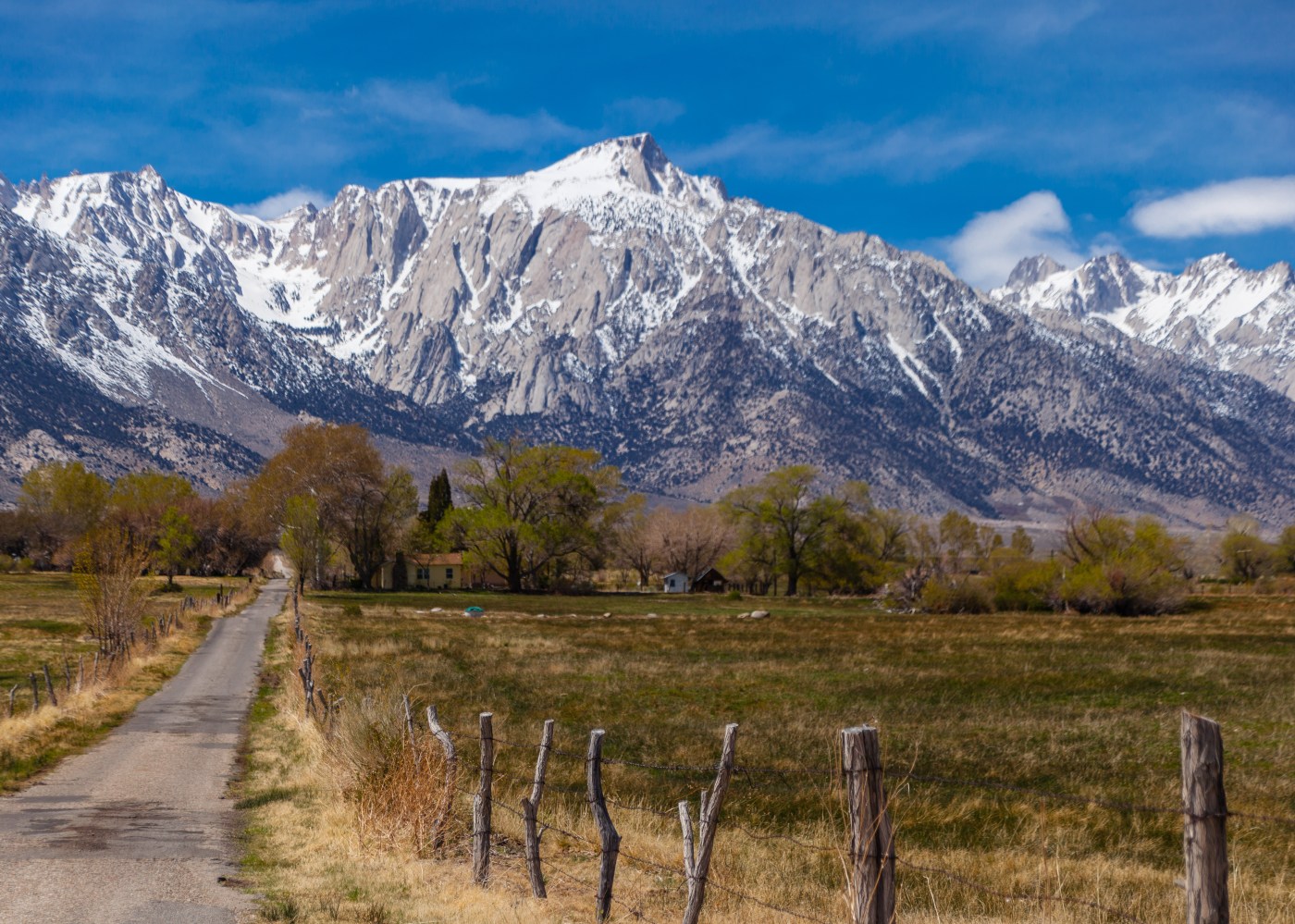
The Alabama Hills, nestled in the foothills of the Sierra Nevada just west of Lone Pine, is one of Hollywood’s favorite filming locations. This monumental landscape provides a myriad of settings for movie backgrounds and evocative scenes. The beautiful rock formations of the hills bordered by a vast open plain rising majestically to the snow capped mountains beyond has been a prime filming location since the early 1900s. The rounded contours of the Alabama Hills appear in stark contrast to the chiseled peaks of the Sierra Nevada and, although considered geographically a separate range of hills, they were formed at the same time and are geologically part of the Sierra Nevada Mountains. Percolating water rounded the granite blocks and sculpted the many outstanding formations of the Alabama Hills. (per the Lone Pine visitors center.)

Fossil Falls

Along the way I stopped at turnout along rt 395 that we have passed numerous time on our way to Lake Tahoe – should have stopped here sooner. It’s a most a 3/4 mile hike through the lava field with a rewarding view. Located just off U. S. Highway 395 on the east side of the southern end of California’s Sierra Nevada, don’t expect to find either fossils or falls.  What you will find, rather, is a spectacular lava flow sculpted by rushing water and wind late in the Ice Ages—a “fossil” of nature’s handiwork. As you hike the rocky trail through the formation, you’ll wonder at first where the “falls” are because the land immediately before you is relatively flat, but abruptly, you’ll come to the chasm that reveals the spectacular lava falls. Read more: https://www.desertusa.com/desert-activity/fossil-falls.html#ixzz5lejDhWm0

Poppies and Cactus

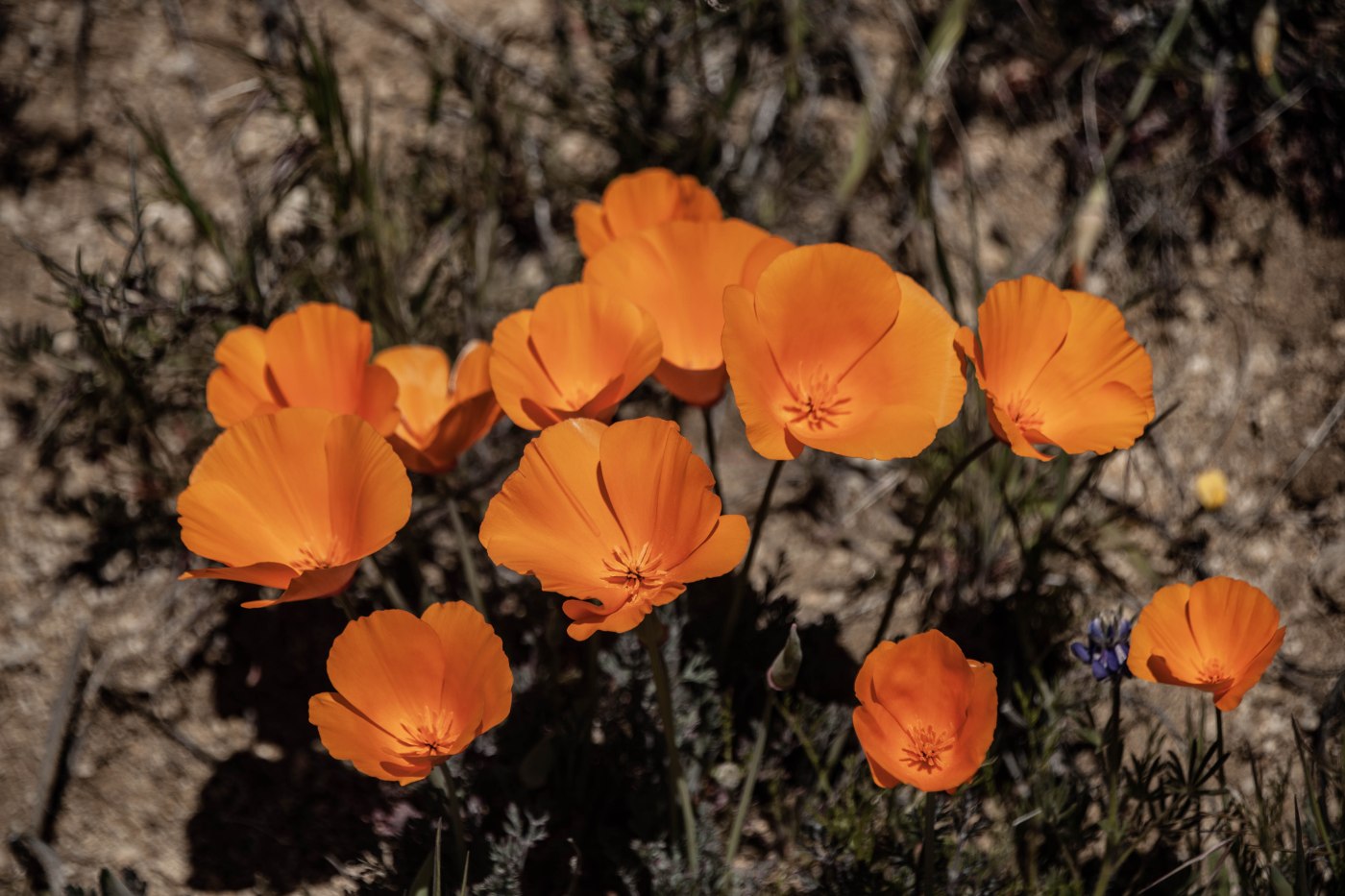
Six weeks after knee replacement and a bad case of cabin fever I headed out on my own to view the  years spectacular wildflower bloom and the beginnings of cactus flowering season. First I headed to San Francisquito Canyon Rd in Angeles National Forest  an area where I previously viewed California Poppies and then on to Antelope Valley Poppy Reserve the star area in northeast Los Angeles for the orange blooms. Unfortunately there were so many visitors I didn’t even attempt to enter he reserve but toured around the peripheral fields – the views were still specular.  Leaving the reserve I headed further north to Arthur B. Ripley Desert Woodland State Park – The park protects mature stands of Joshua trees and California juniper trees in their western Mojave Desert habitat. It was a several mile slog through sandy trails but very rewarding.

California Poppies


Arthur B. Ripley Desert Woodland State Park

2018 Summer Adventure – Bryce Canyon NP

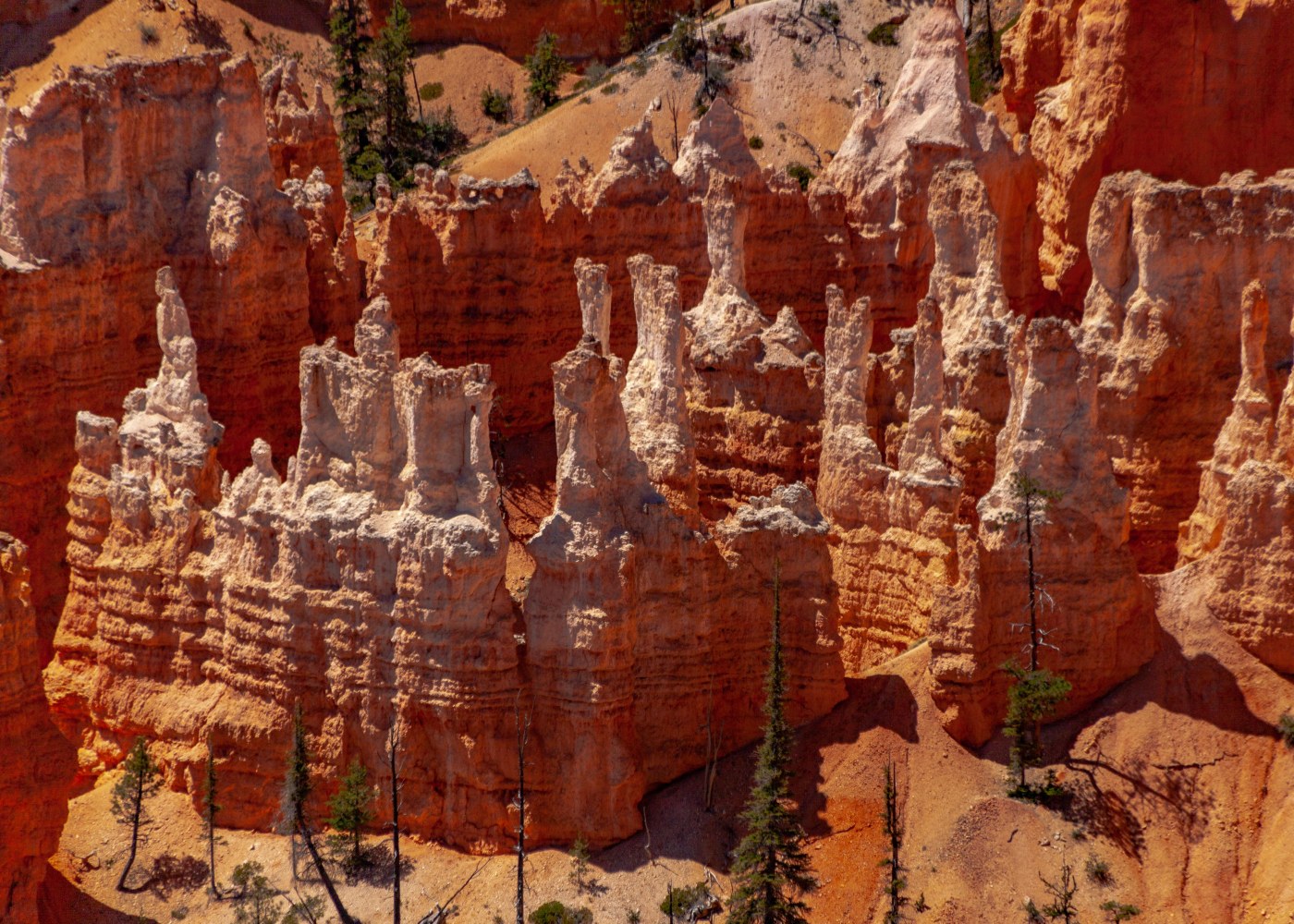
Bryce Canyon National Park, a sprawling reserve in southern Utah, is known for crimson-colored hoodoos, which are spire-shaped rock formations. The park’s main road leads past the expansive Bryce Amphitheater, a hoodoo-filled depression lying below the Rim Trail hiking path. It has overlooks at Sunrise Point, Sunset Point, Inspiration Point and Bryce Point. Prime viewing times are around sunup and sundown.

My favorite national park – I’ve been able to photograph the park in each season and especially enjoyed snowshoeing and shooting in the winter.

2018 Summer Adventure – Capitol Reef NP

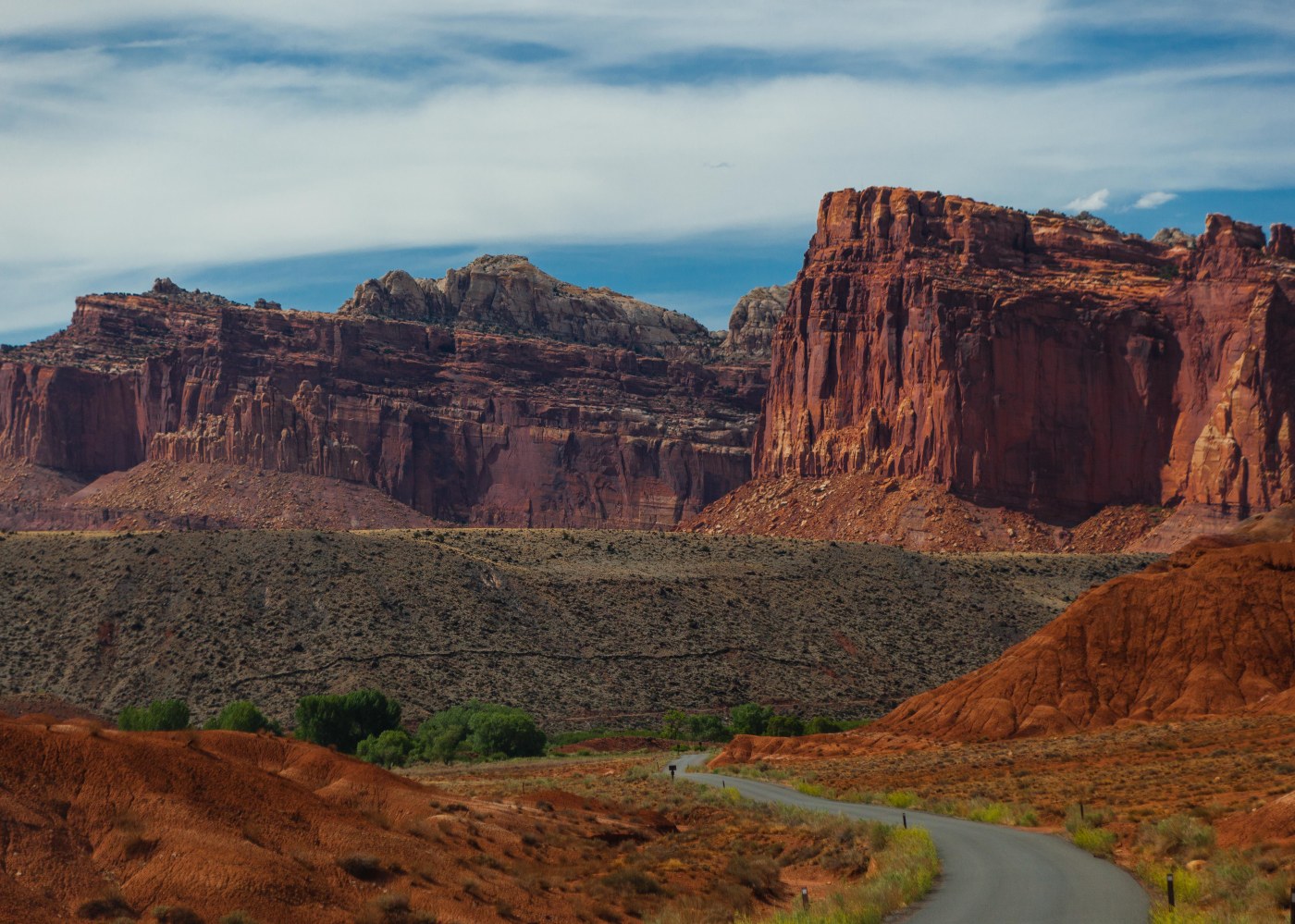
Capitol Reef National Park is in Utah’s south-central desert. It surrounds a long wrinkle in the earth known as the Waterpocket Fold, with layers of golden sandstone, canyons and striking rock formations. Among the park’s sights are the Chimney Rock pillar, the Hickman Bridge arch, and Capitol Reef, known for its white sandstone domes. In the north are the towering monoliths of Cathedral Valley.

2018 Summer Adventure – Arches National Park

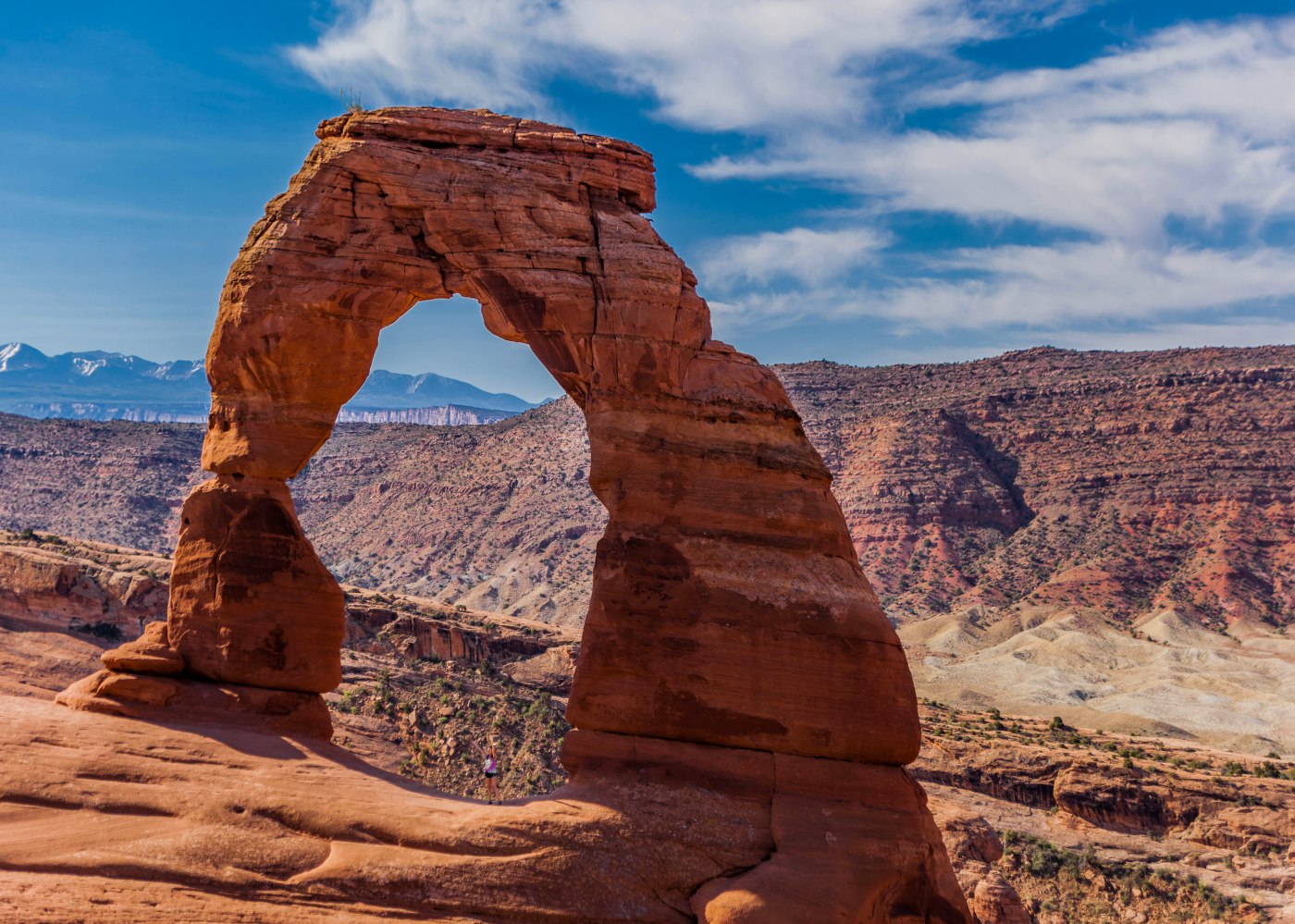
Arches National Park lies north of Moab in the state of Utah. Bordered by the Colorado River in the southeast, it’s known as the site of more than 2,000 natural sandstone arches, such as the massive, red-hued Delicate Arch in the east. Long, thin Landscape Arch stands in Devils Garden to the north. Other geological formations include Balanced Rock, towering over the desert landscape in the middle of the park.

Looking back over 2018 travels while recovering from knee replacement

Never had the time to complete documenting our summer travels with our granddaughter – so the next couple of posts will cover the rest of our Utah travels.

Monument Valley Tribal Park AZ /UT

Monument Valley, a red-sand desert region on the Arizona-Utah border, is known for the towering sandstone buttes of Monument Valley Navajo Tribal Park. The park, frequently a filming location for Western movies, is accessed by the looping, 17-mile Valley Drive. The famous, steeply sloped Mittens buttes can be viewed from the road or from overlooks such as John Ford’s Point.


Mexican Hat Utah

The village itself is small, home to fewer than 100 people  but the surrounding scenery is exceptional and not often visited, featuring 1,200 foot sandstone cliffs at the edge of Cedar Mesa, deep, layered canyons of the San Juan River, vast sandy desert plains, and a wide valley studded with isolated red rock buttes and mesas.


Kodachrome SP and Grosvenor Arch


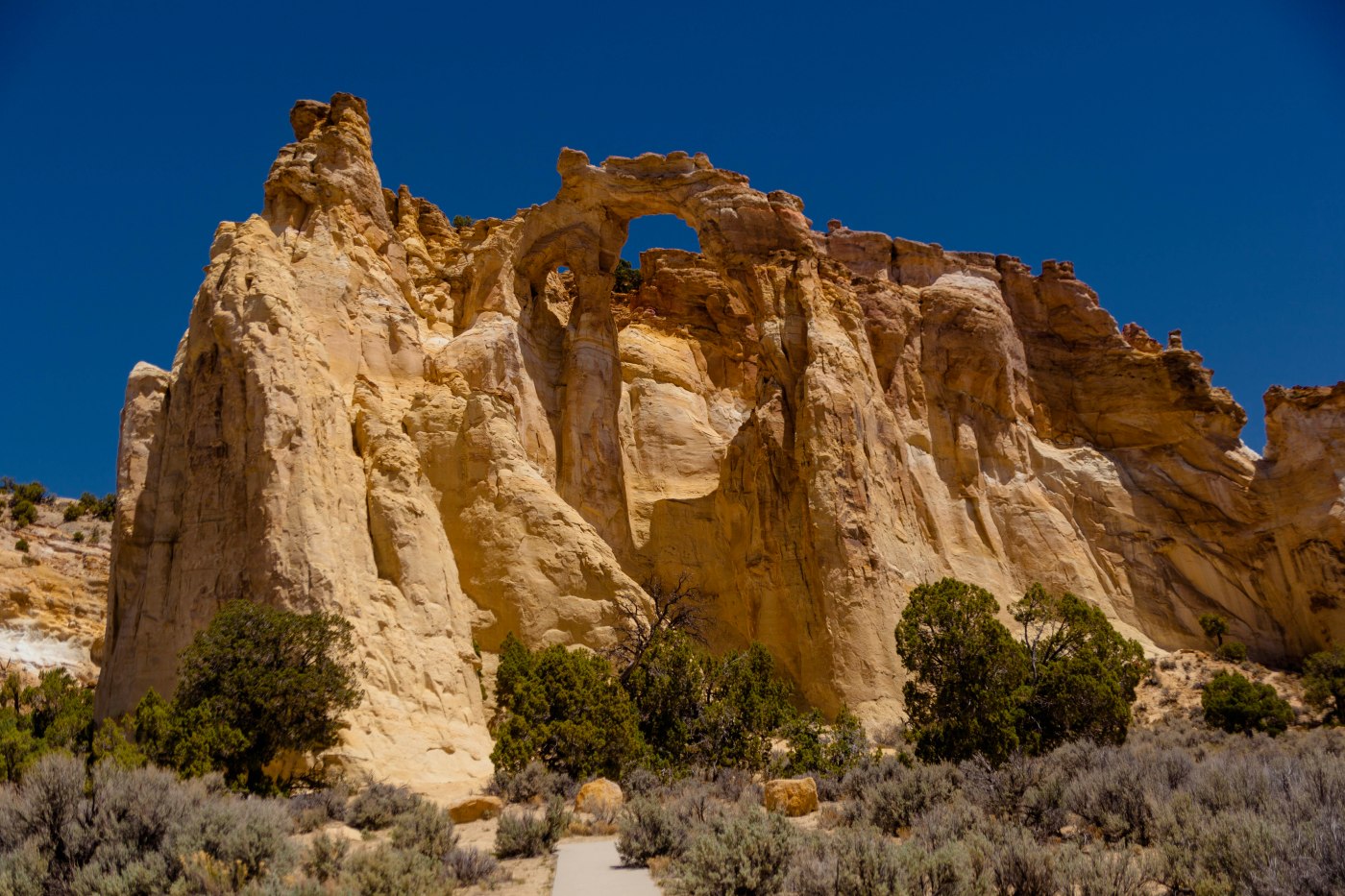
As you drive on the bumpy dirt road towards Grosvenor Arch, you see miles and miles of sage brush on rolling terrain. So when you finally arrive at the arch, this sandstone structure’s massiveness is jaw-dropping. Sheer and colossal cliffs—quite an impressive sight, indeed. The “arch” is actually two arches, which tower 150 feet above the ground. The largest arch is nearly 100 feet in diameter. In 1949, the arch was named in honor of National Geographic Society president Gilbert Hovey Grosvenor, who became the first full-time editor of the National Geographic magazine. Grosvenor Arch is part of the Grand Staircase-Escalante National Monument (formerly part of Kodachrome Basin State Park), and is one of the biggest such arches within the monument. Poised at the end of a sandstone ridge, Grosvenor Arch feels remote, but is in  close proximity to Kodachrome Basin State Park.

The left and center photos are from the Angel’s Palace Trail, a 1.5-mile hike that boasts some of the area’s finest views from over 100 feet above the canyons floor.
Blog at WordPress.com.

Up ↑