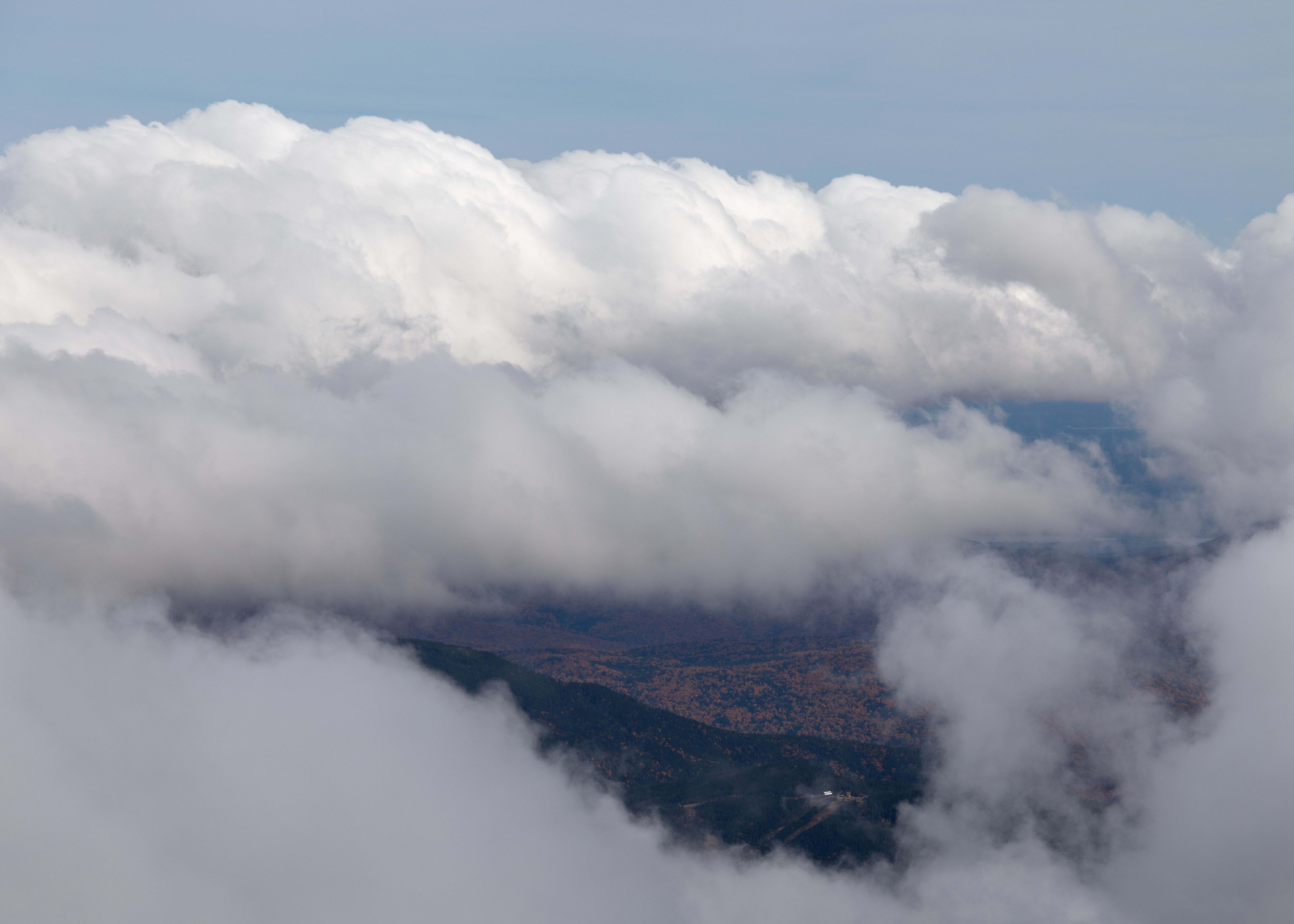
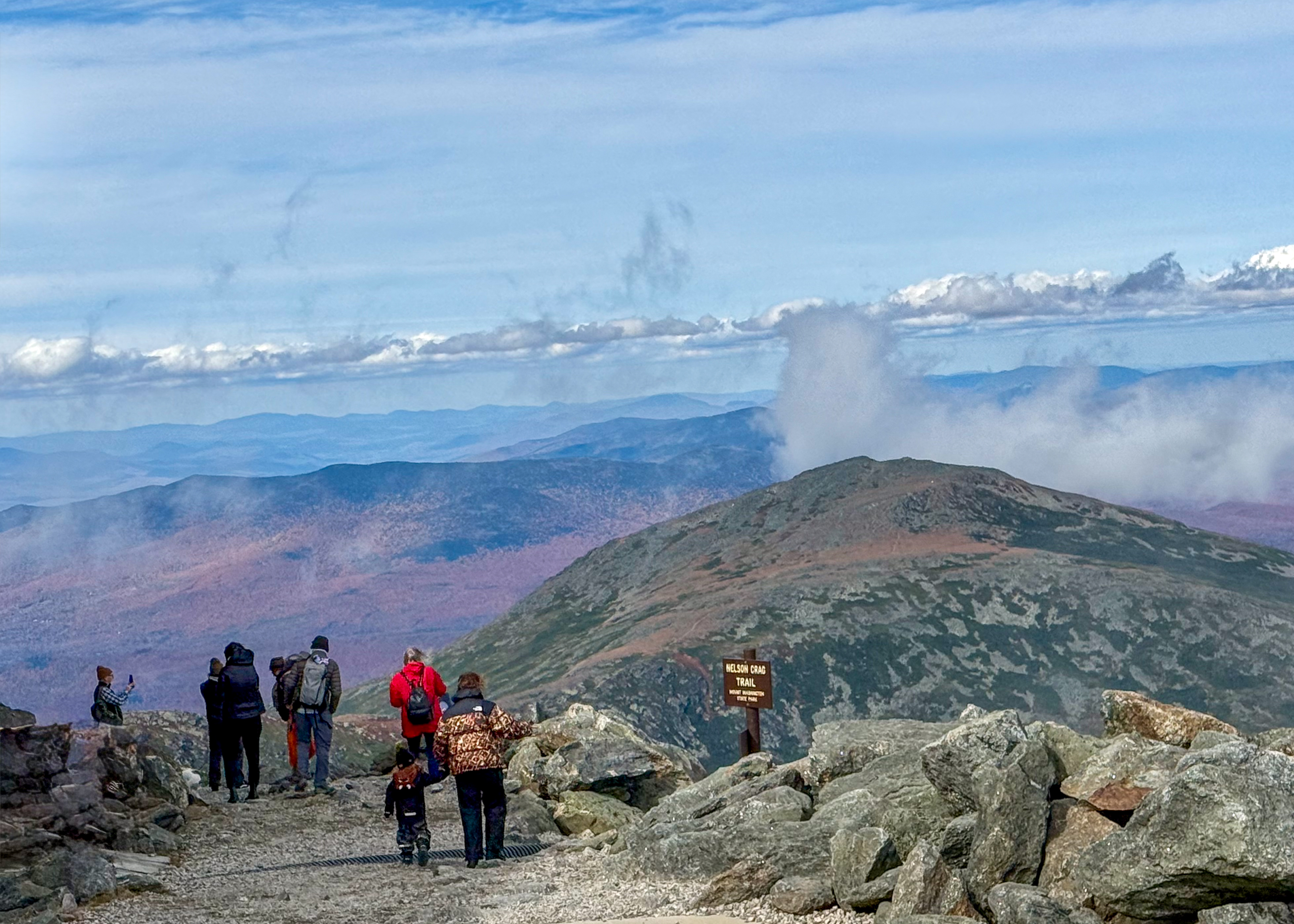
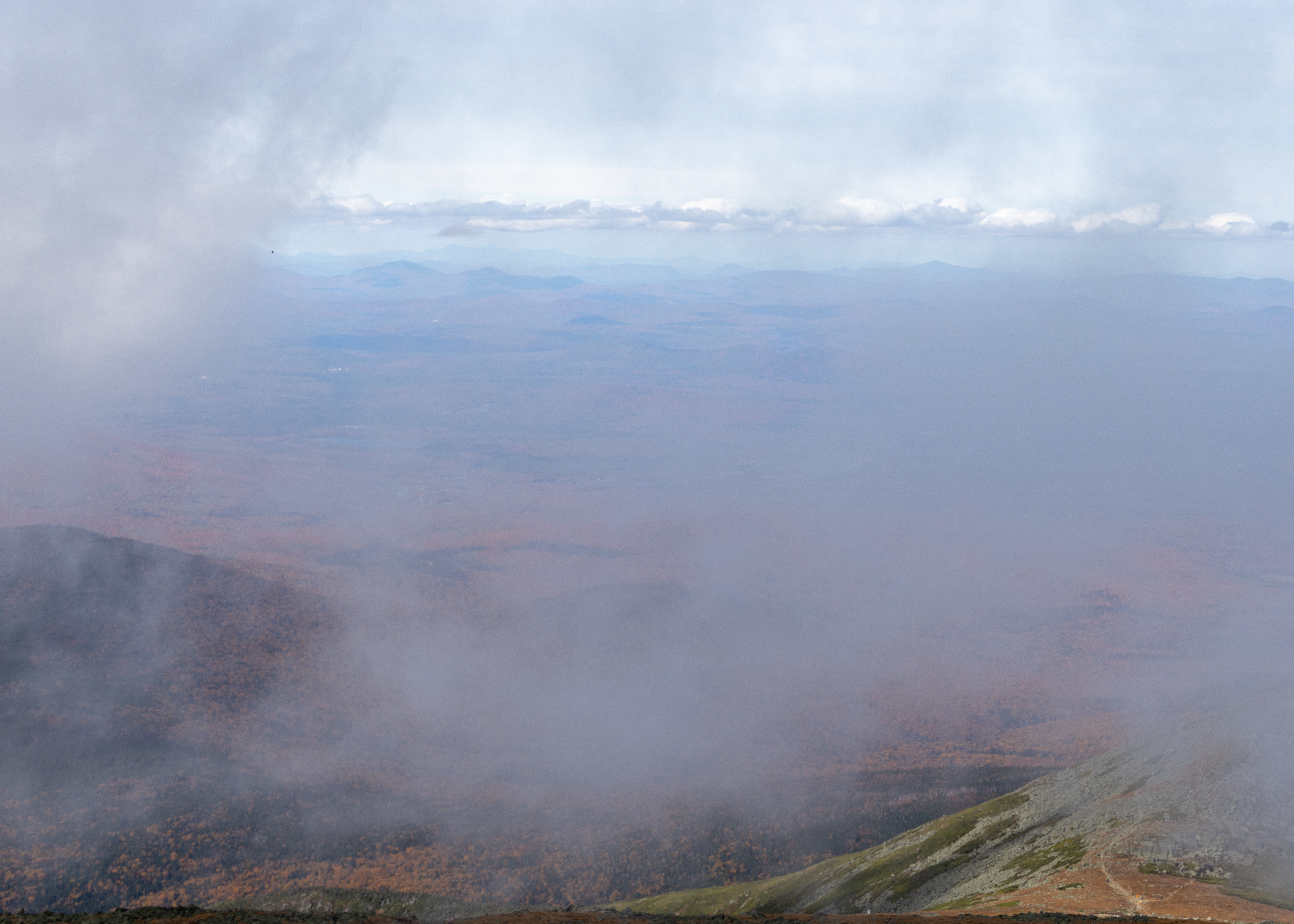
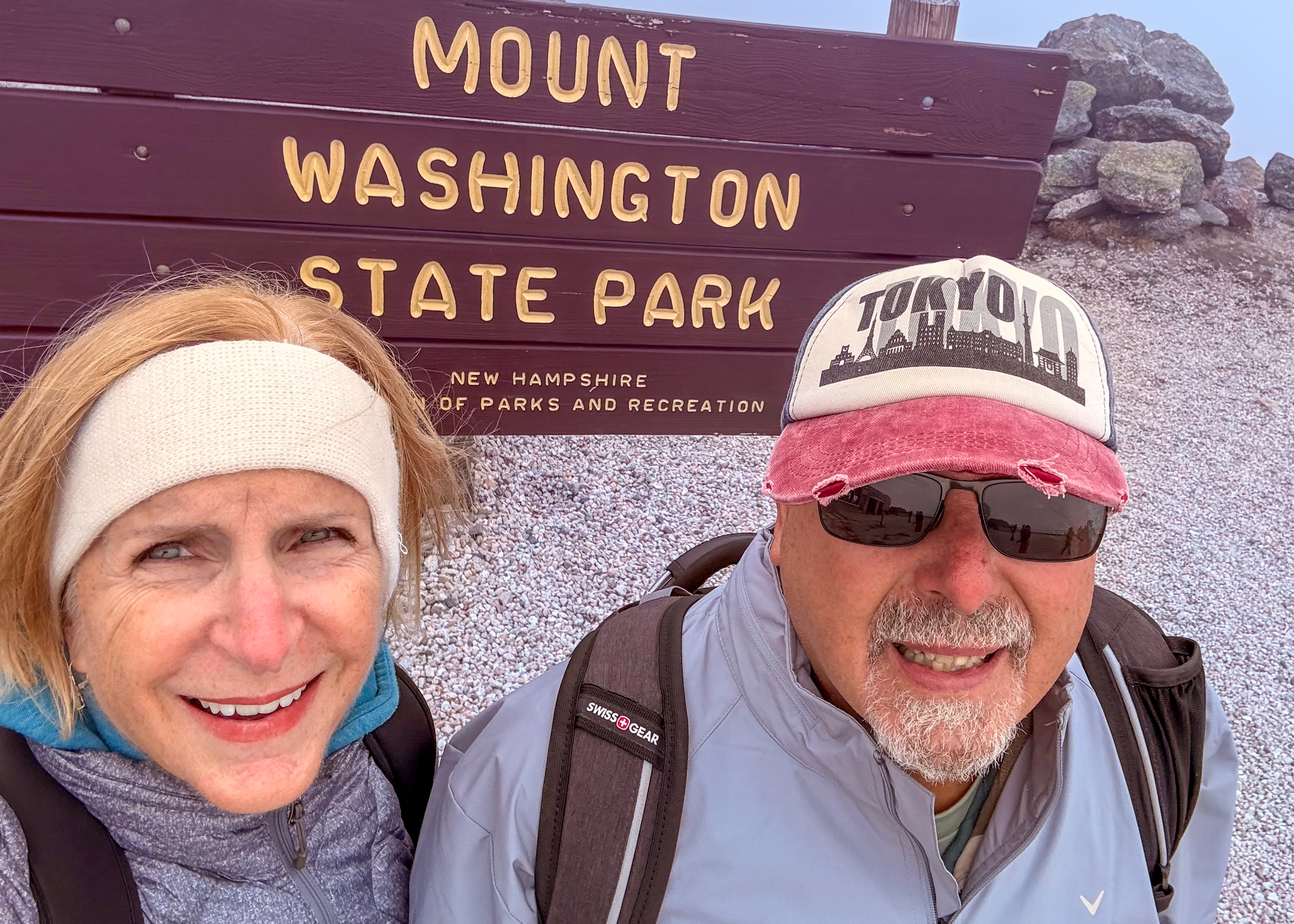
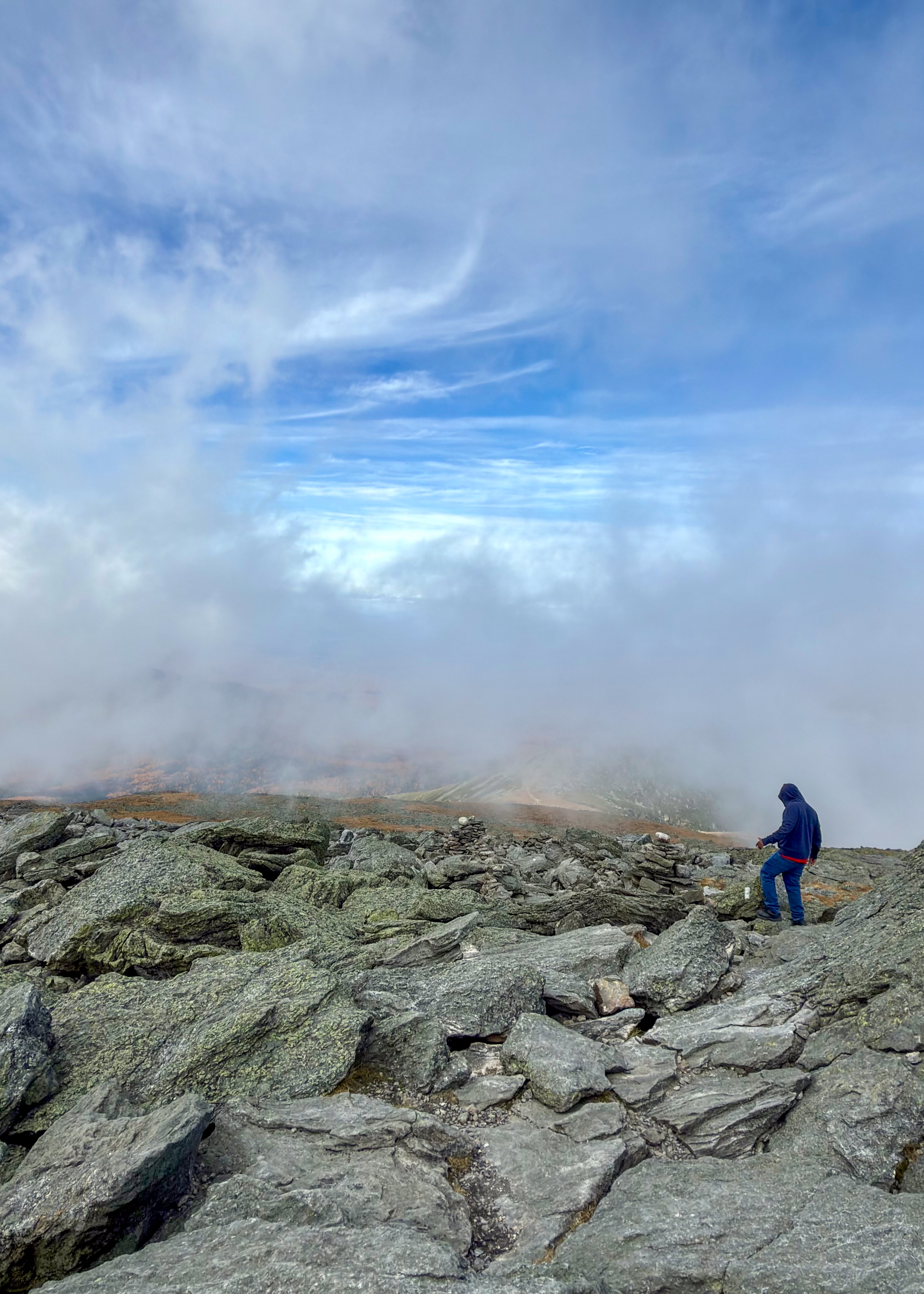
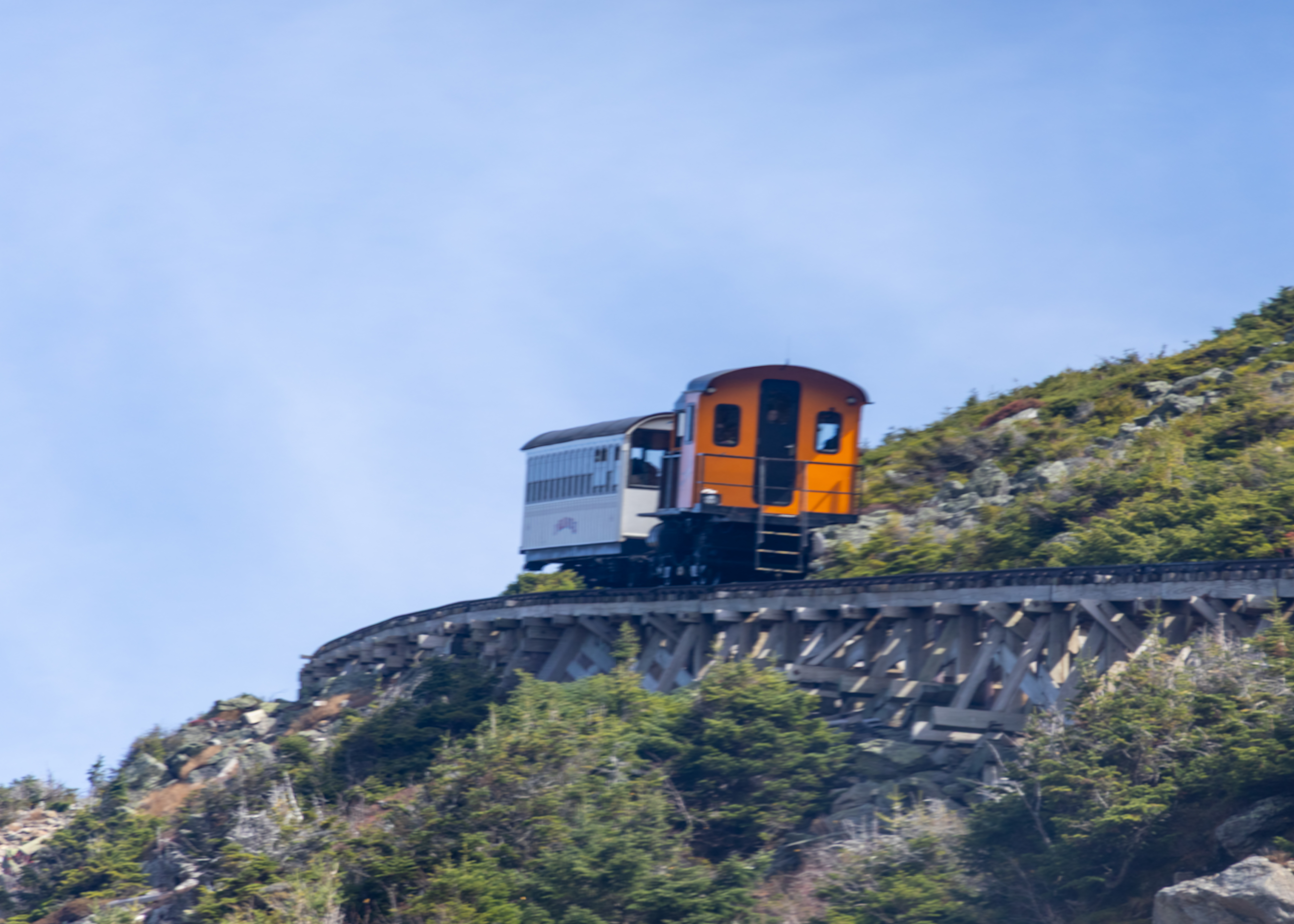
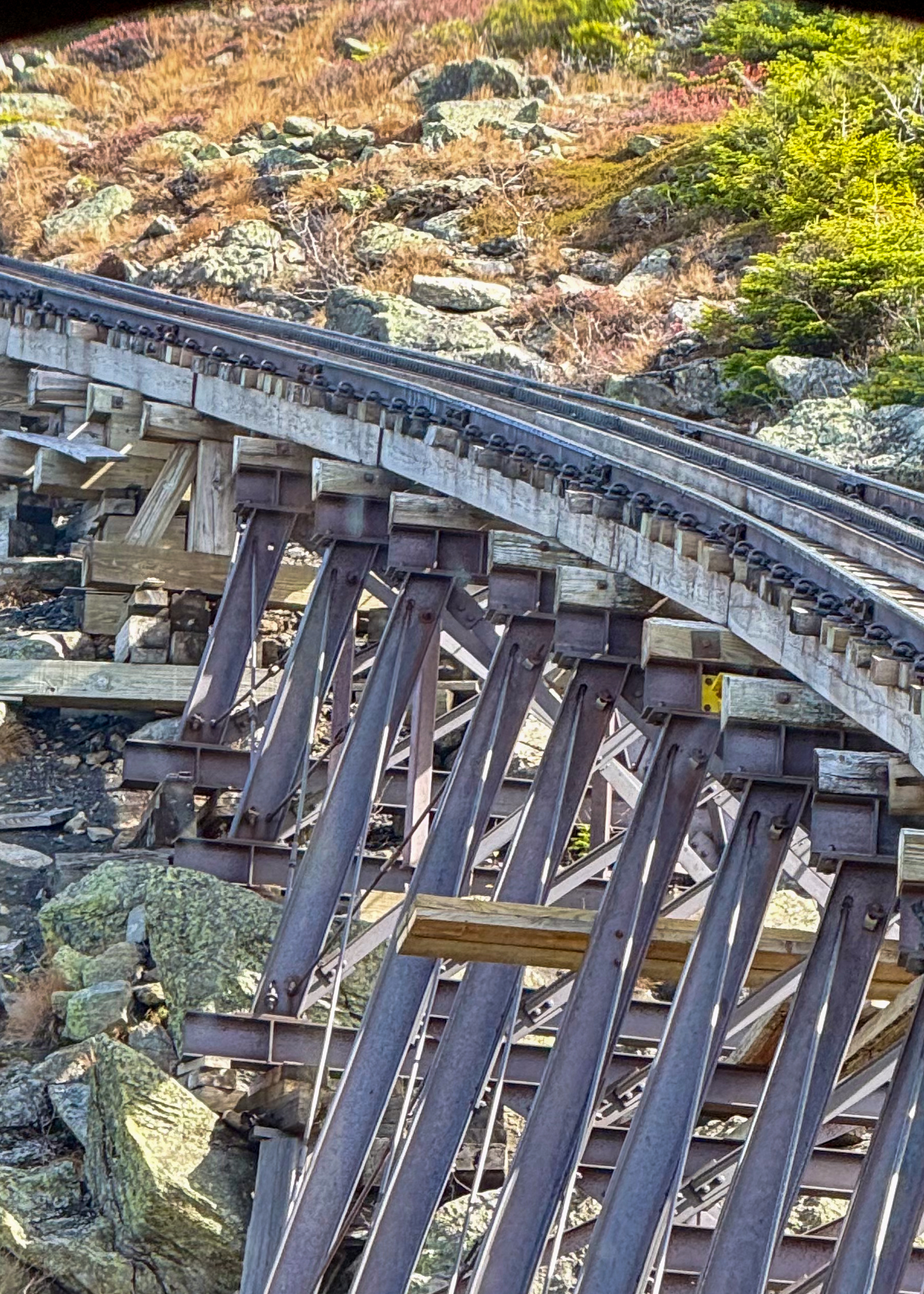
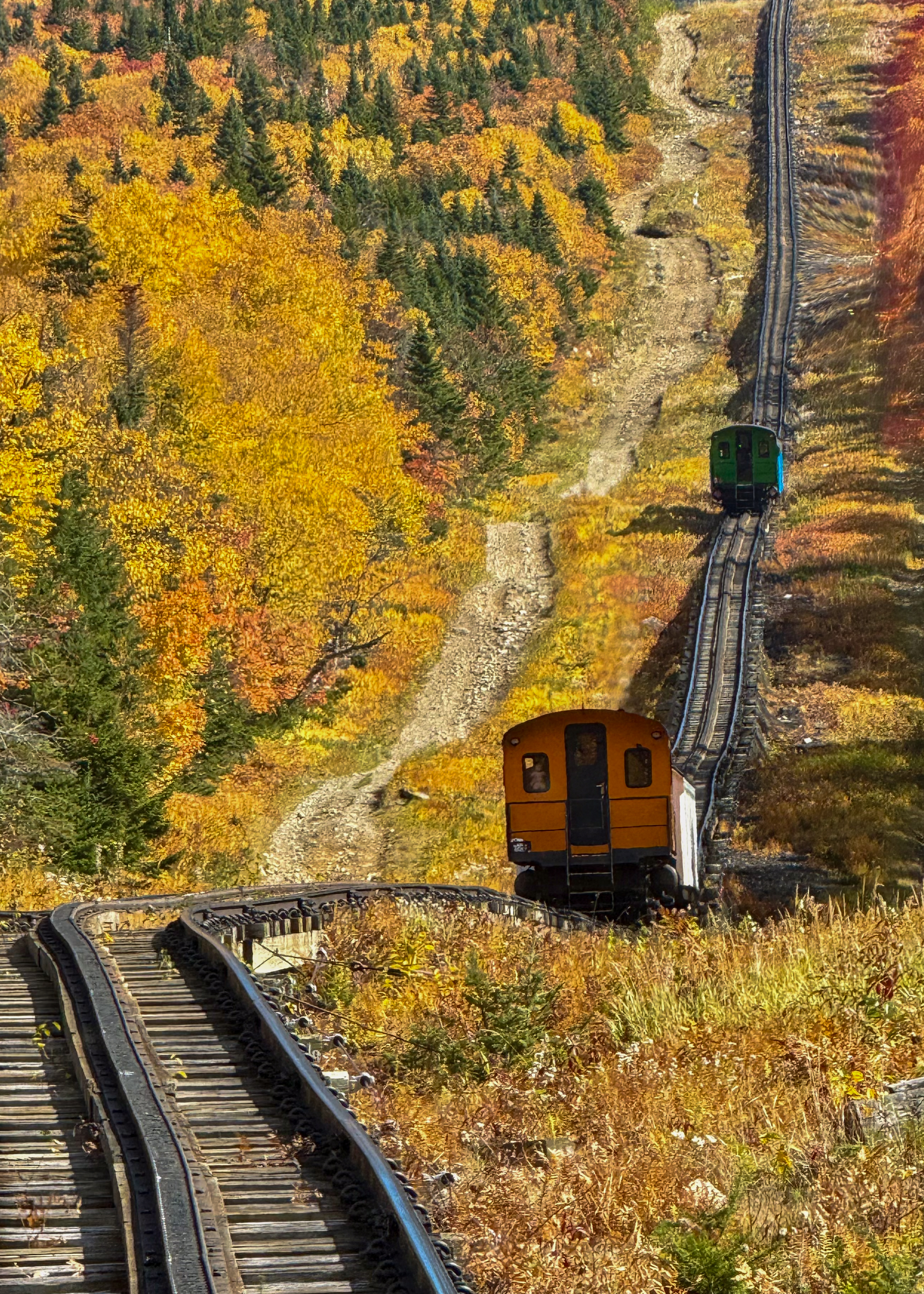
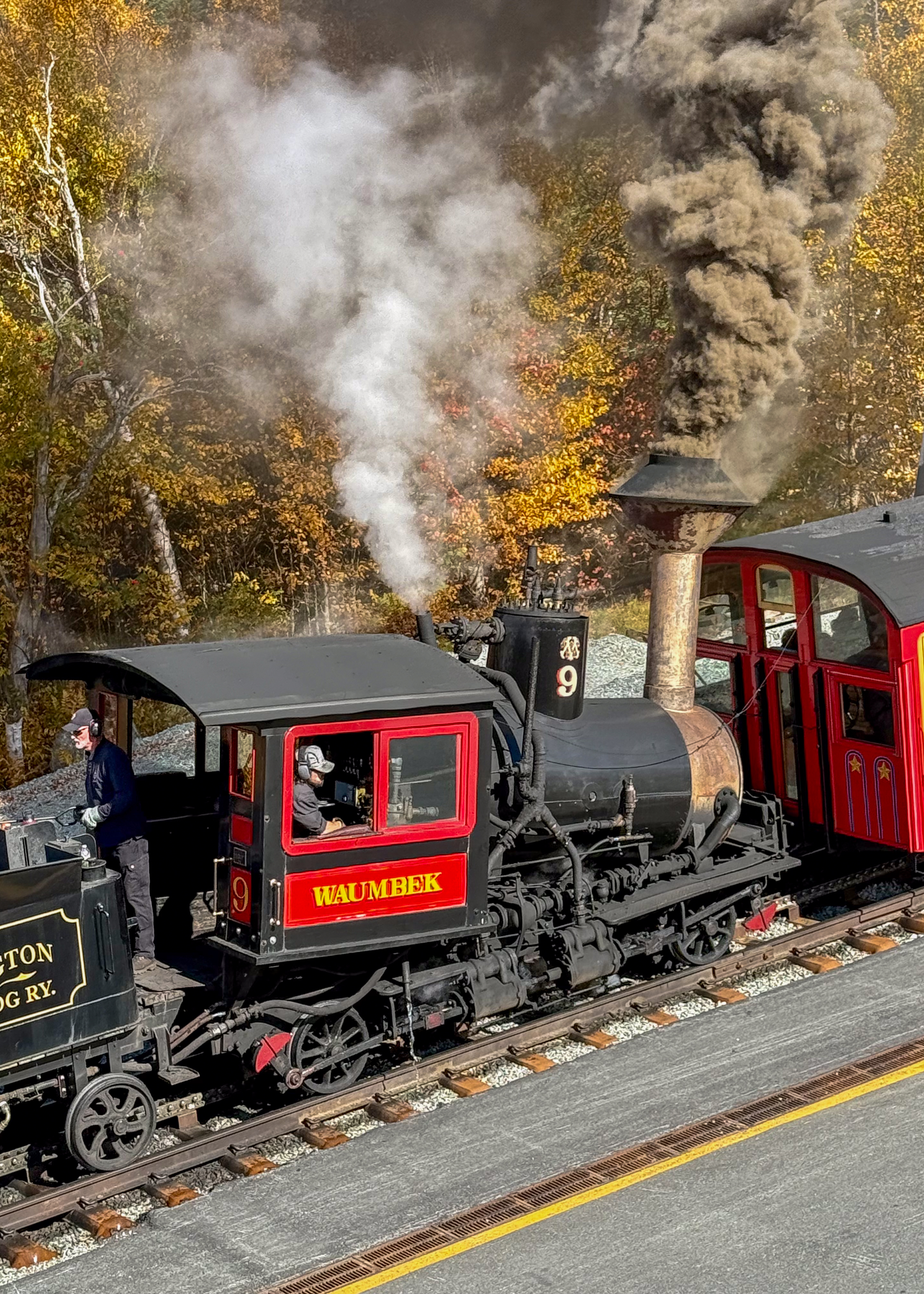
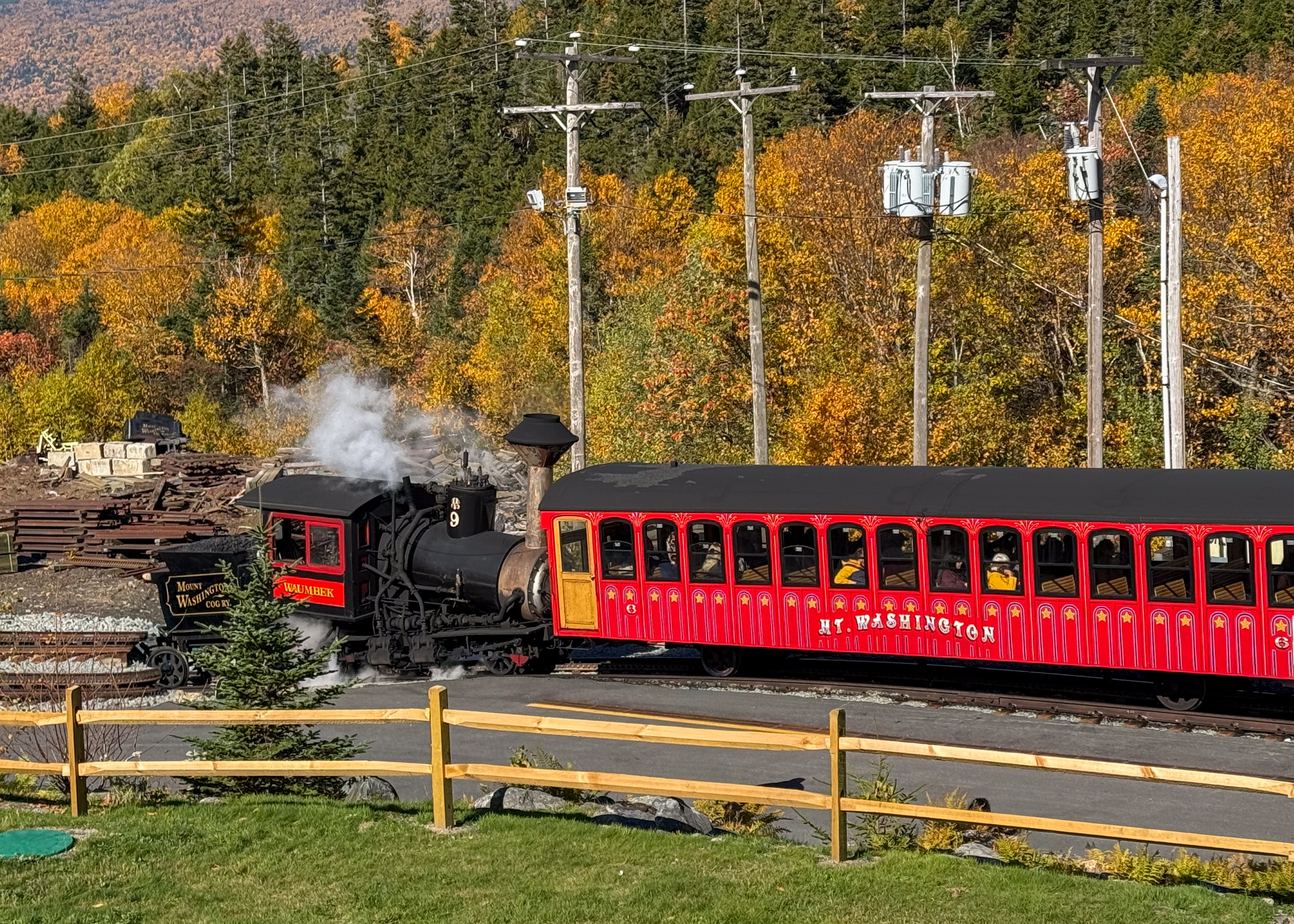
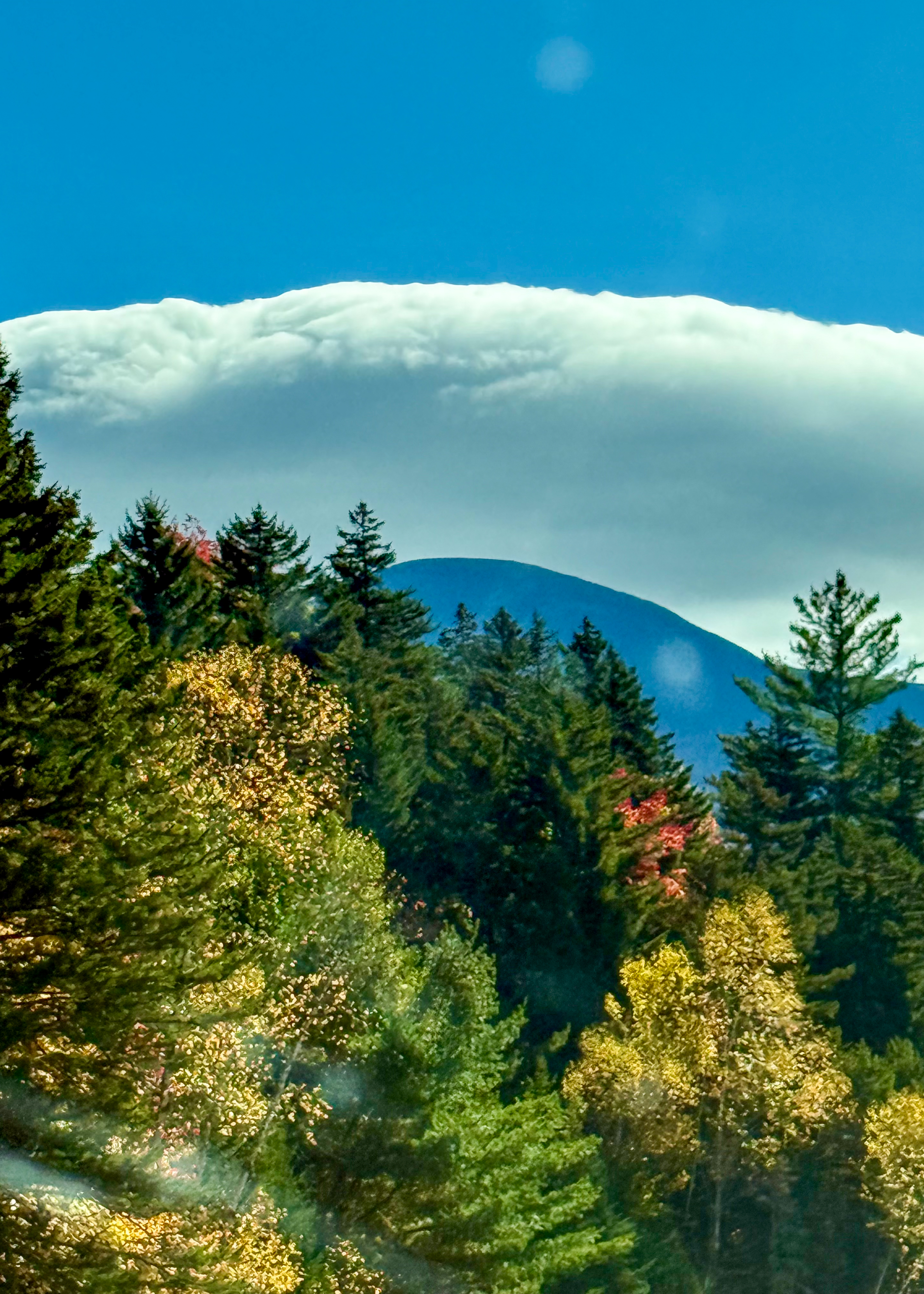
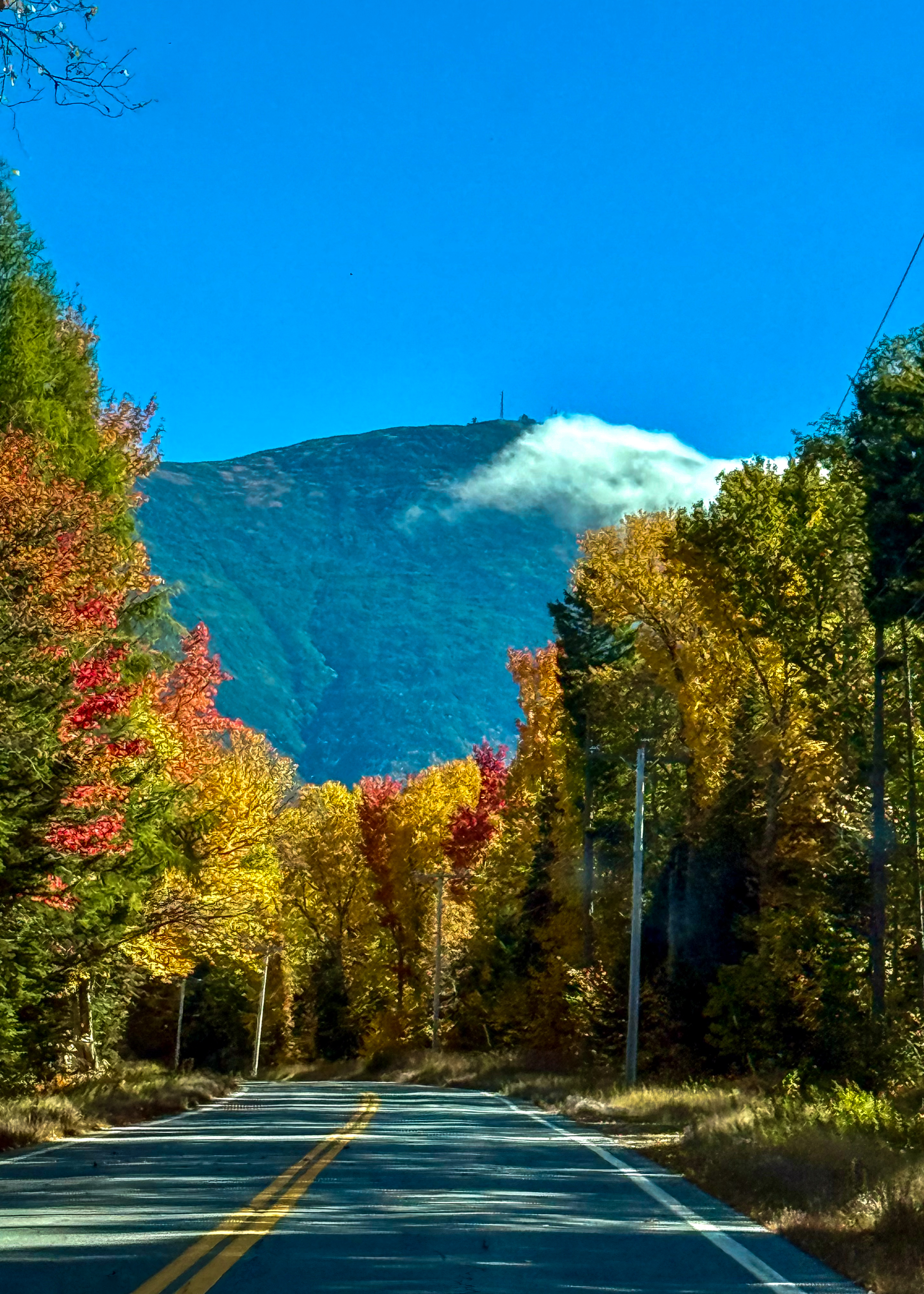
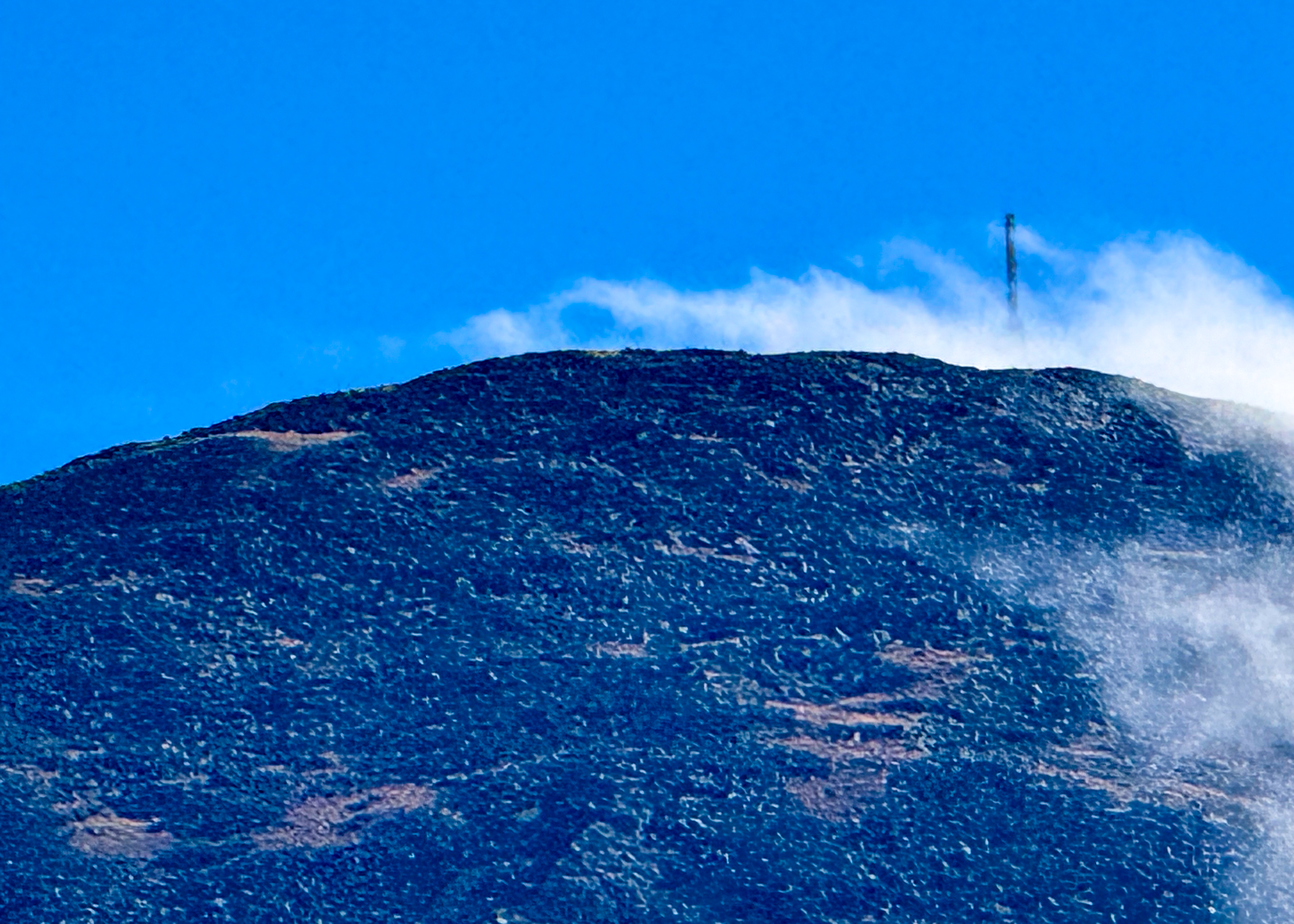
The Mount Washington Cog Railway, also known as the Cog, is the world’s first mountain-climbing cog railway. The railway climbs Mount Washington in New Hampshire. It uses a Marsh rack system and both steam- and biodiesel-powered locomotives to carry tourists to the top of the mountain. We arrived at the base of the mountain around 11:00 am for our 12:00 noon trip; we had a clear view of the towers at the top, with a huge cloud bank just to the right of the summit. An omen – when we reached the summit, we were fogged in but had some breaks in the clouds during our 40 minut visit – it was cold, 22 – degree wind chill.
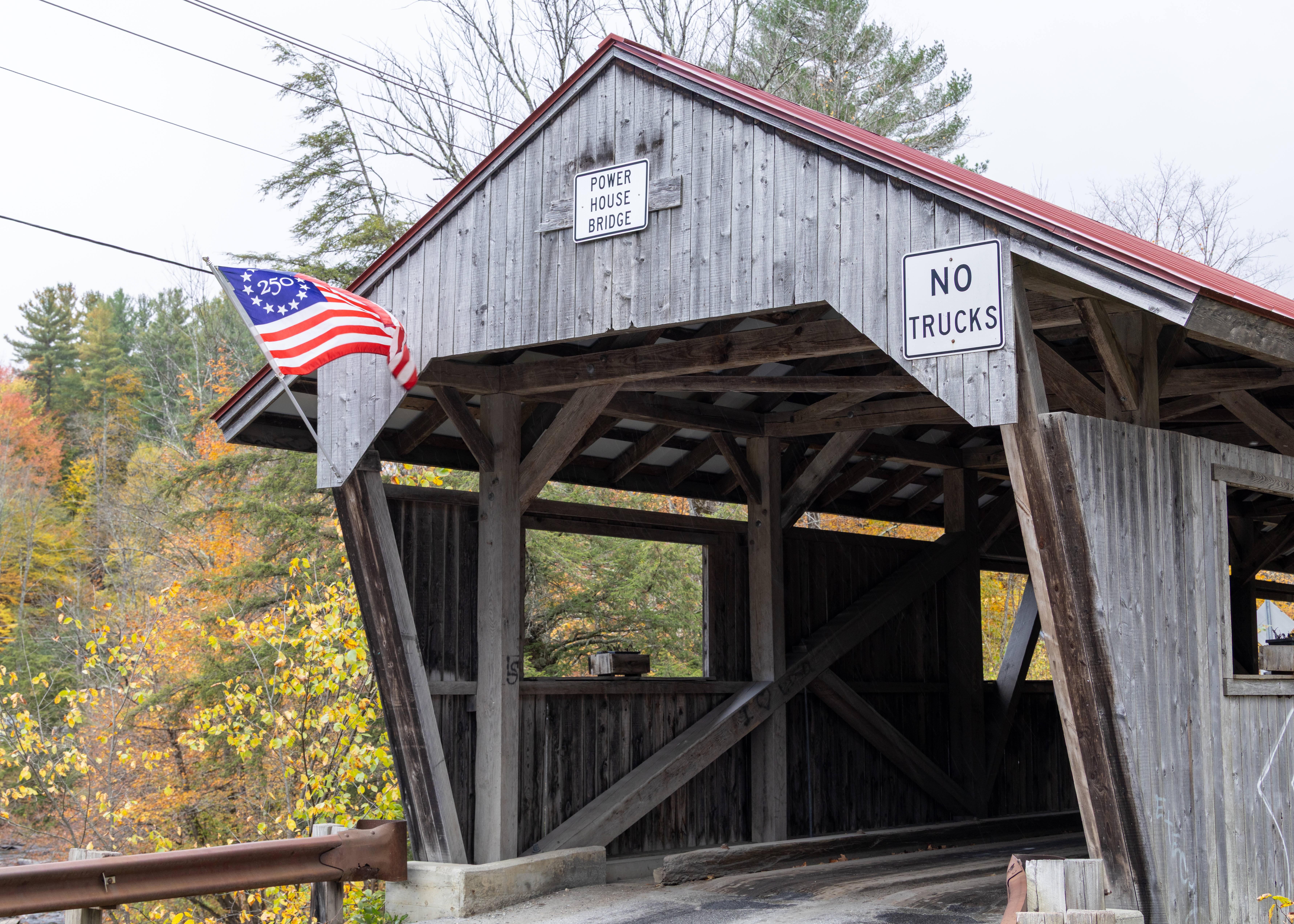
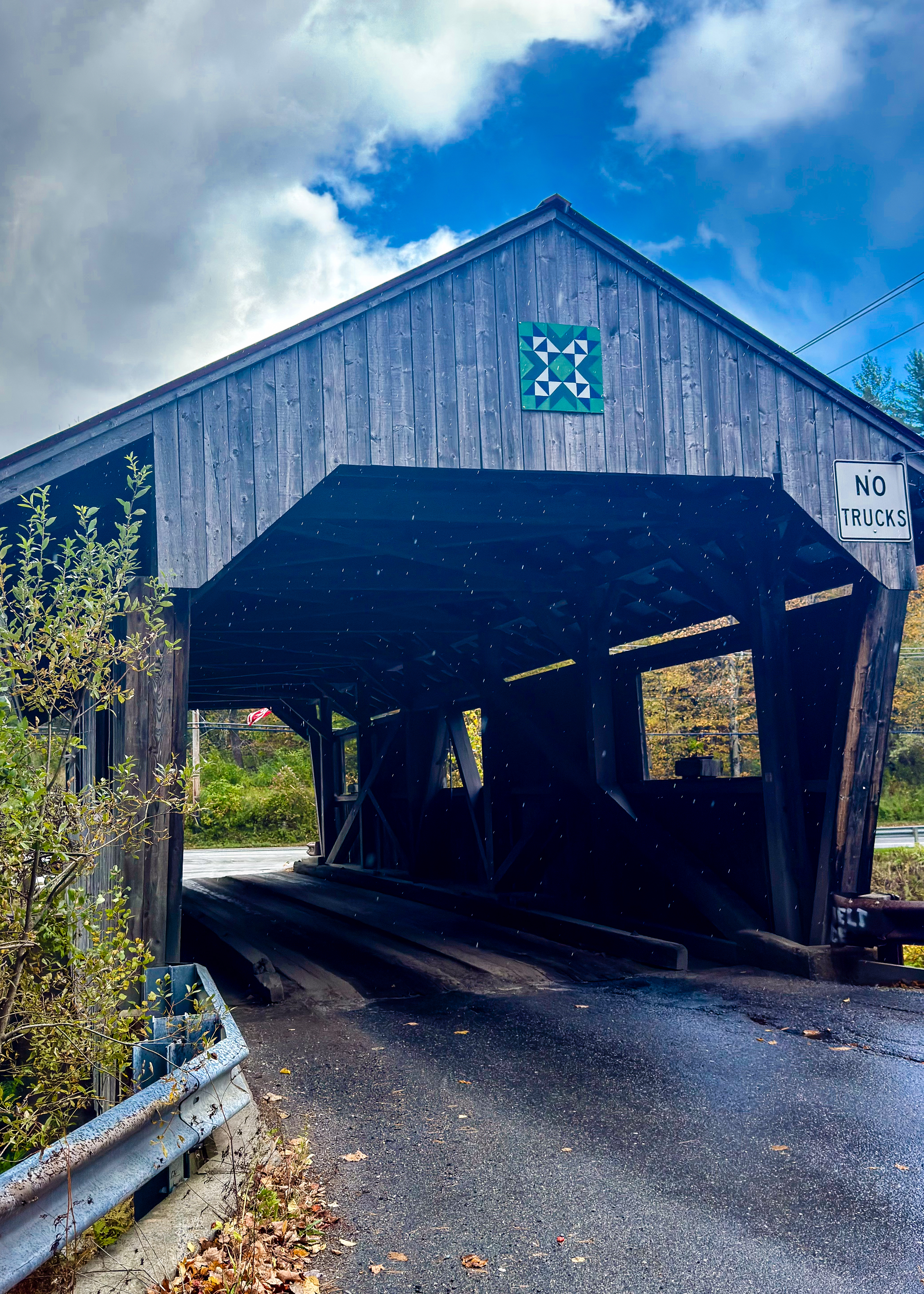
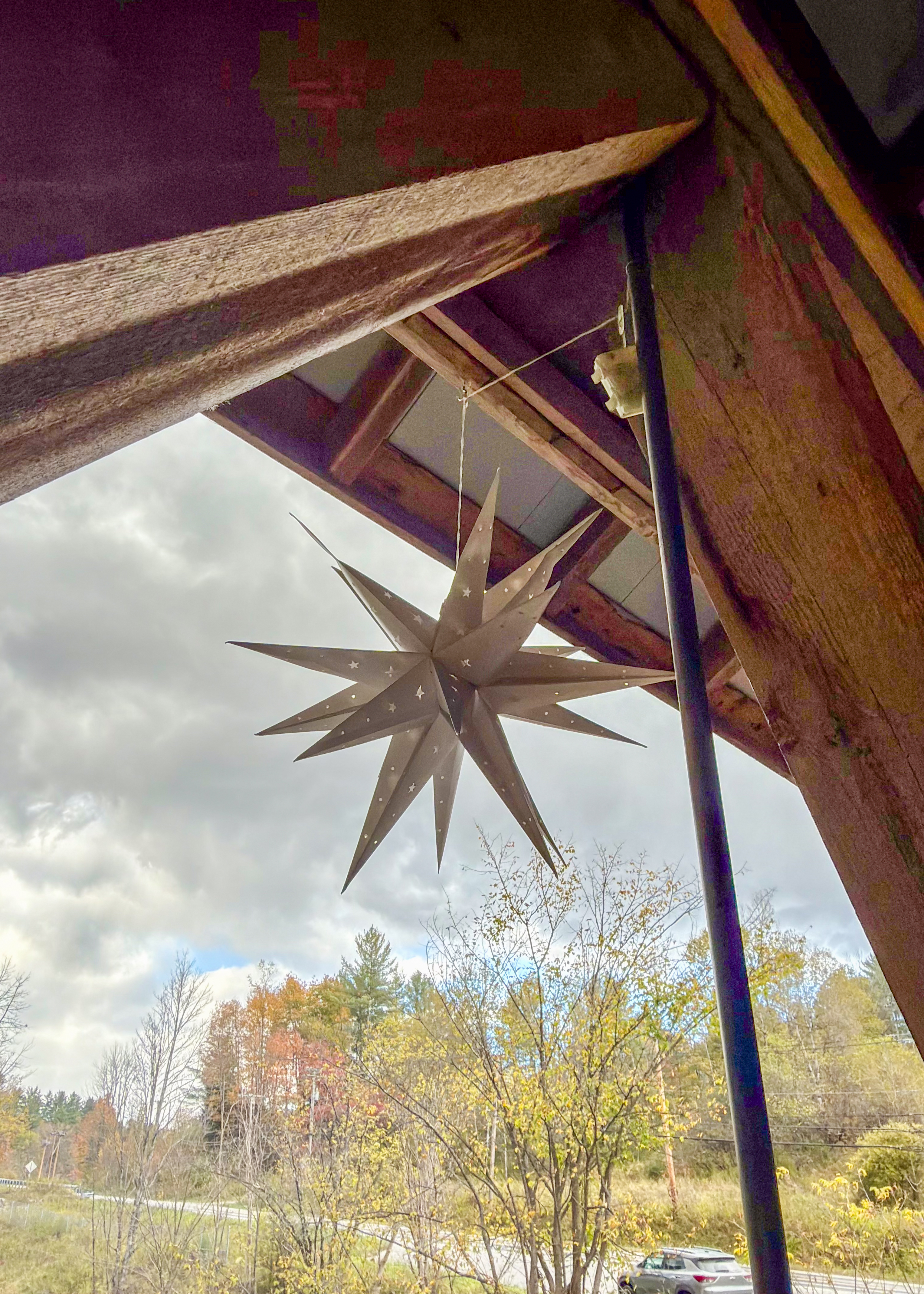
Power House Covered Bridge
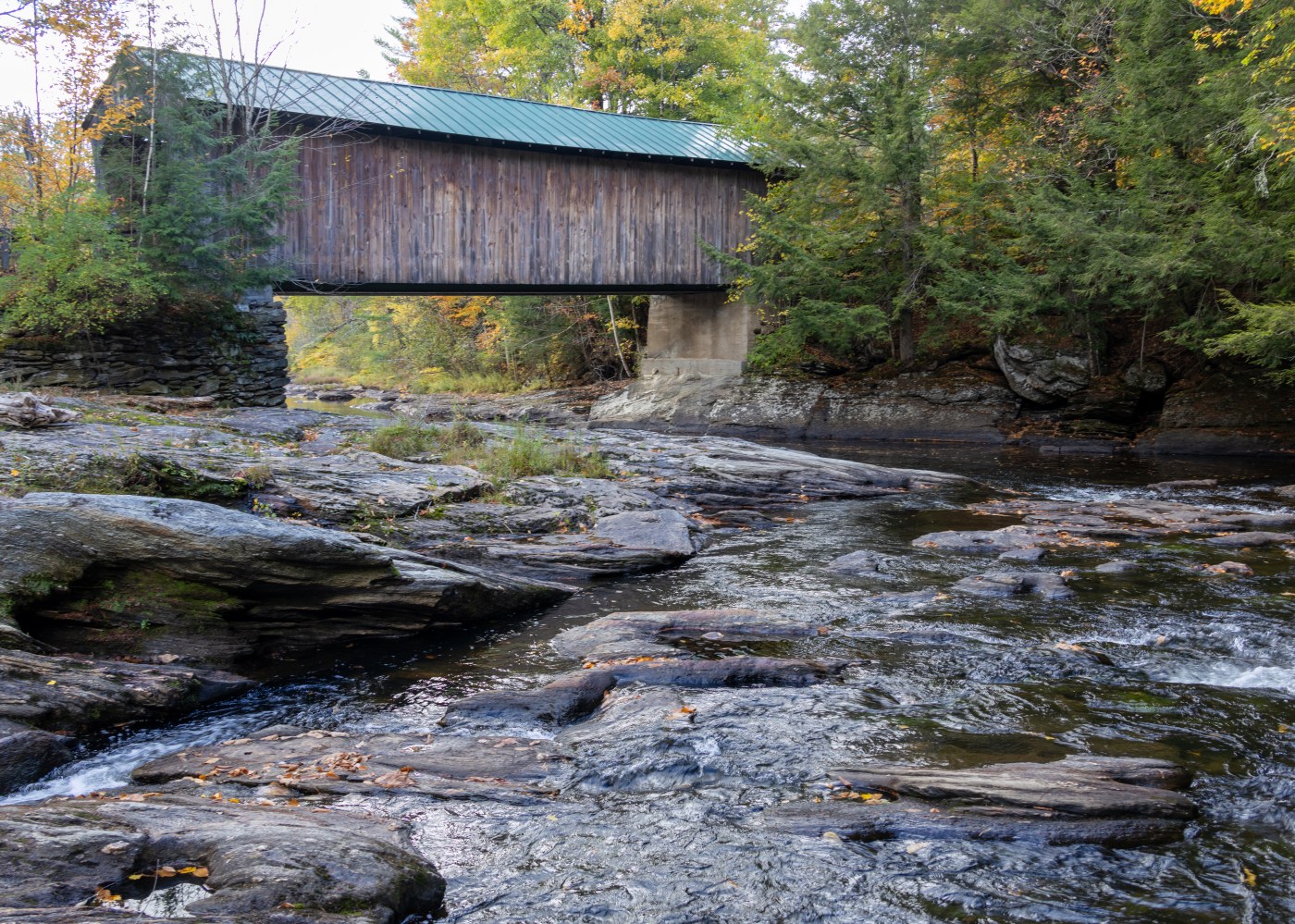
Named for a water-driven powerhouse located just upstream on the Gihon River in Johnson, Vermont, the Power House Covered Bridge was first constructed in 1870 to connect School Street with the road that became VT Route 100C. Originally named the School Street Covered Bridge and was renamed after the powerhouse was built. Built as a Queenpost-designed covered bridge with a 60-foot span.
Lower Dog’s Head Falls, sometimes called Sloping Falls, consist of two sections of 5-foot cascades and rapids, and are found downstream near a lumber mill. It is said that during low-water conditions, the entire volume of the Lamoille River travels hidden underneath a wide natural bridge that spans the entire river.
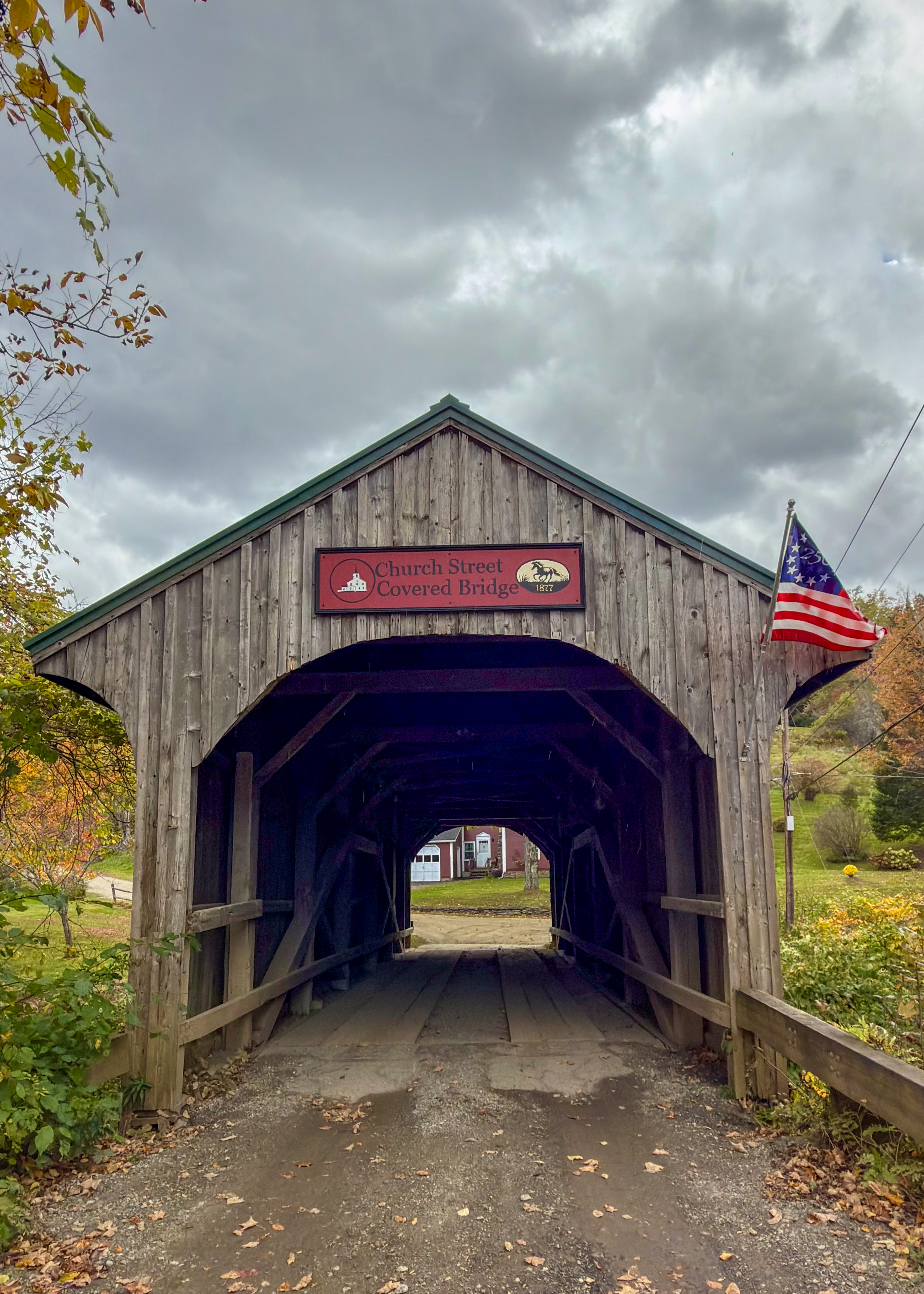
The Church Street Covered Bridge, also called the Village Covered Bridge, is a wooden covered bridge that crosses the North Branch of the Lamoille River in Waterville, Vermont, off State Route 109.
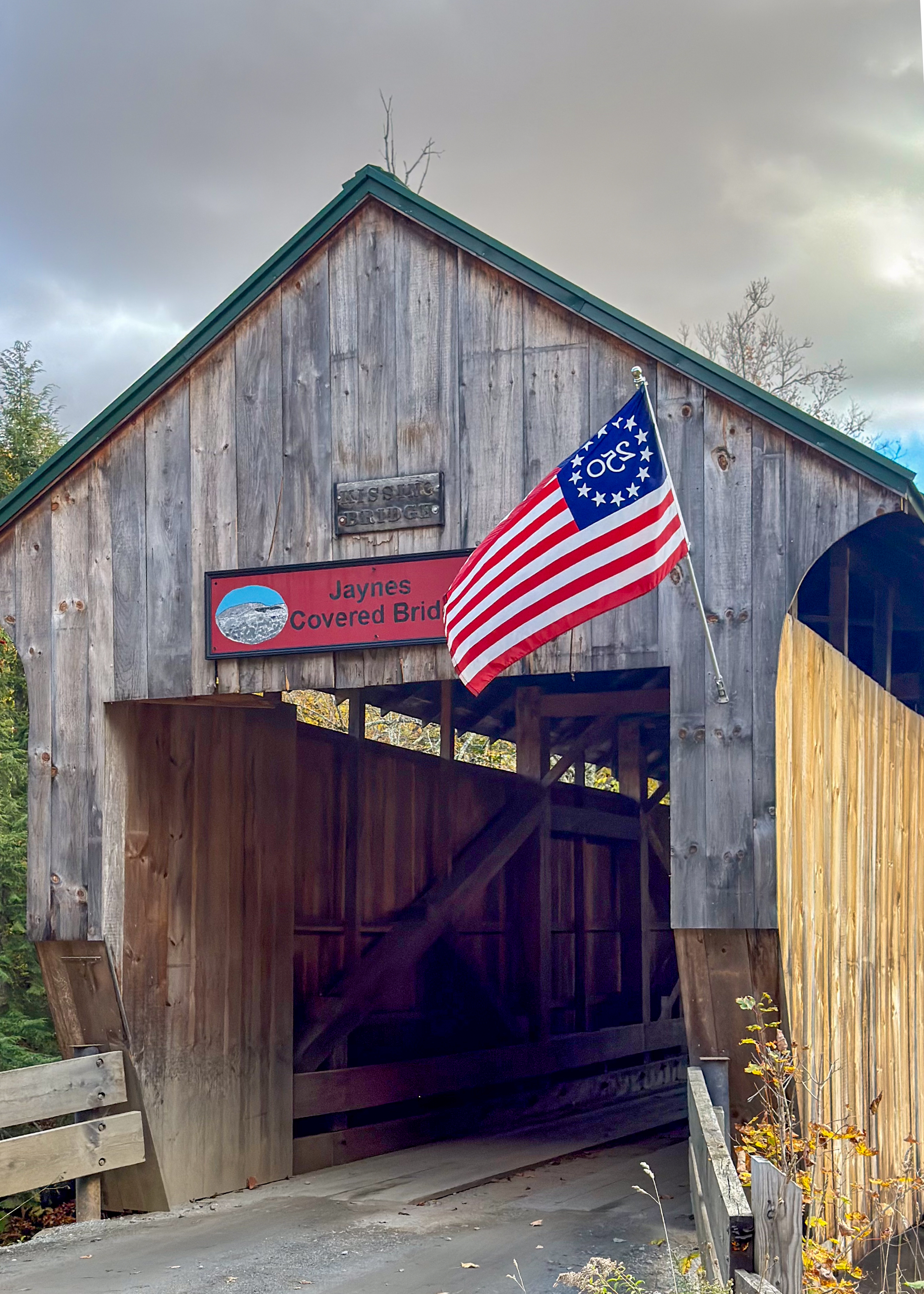
The Jaynes Covered Bridge is a historic covered bridge, carrying Codding Hollow Road across the North Branch Lamoille River in Waterville, Vermont. Built in 1877, it is one of three 19th-century covered bridges in the town, and one of five to span the North Branch Lamoille in a five-mile span. It is a 56.5 ft queen post truss bridge.
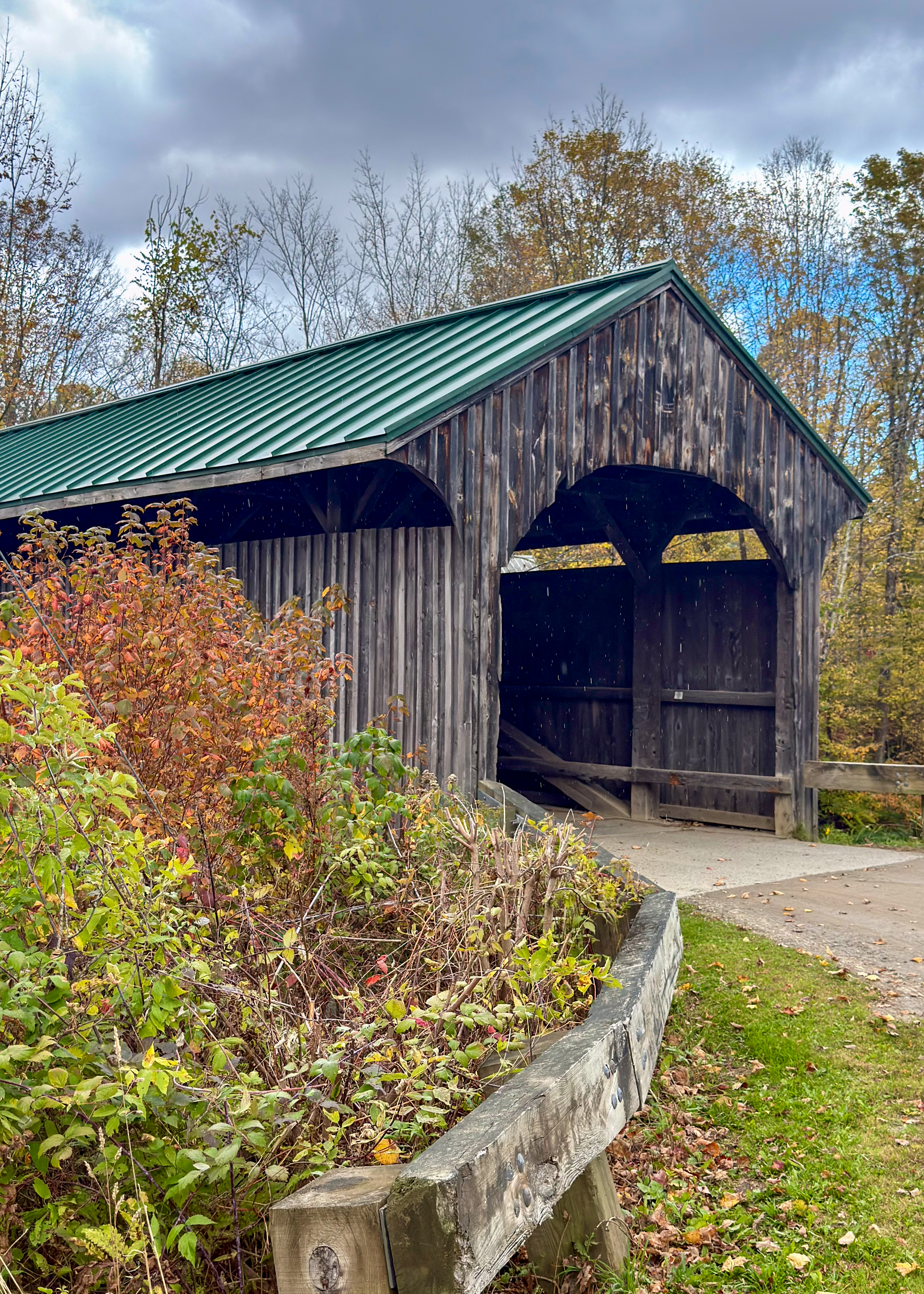
The Montgomery Covered Bridge, also known as the Lower Covered Bridge, is a wooden covered bridge that carries Montgomery Road across the North Branch of the Lamoille River in Waterville, Vermont. Built in 1887, the bridge spans a total length of 70 feet.
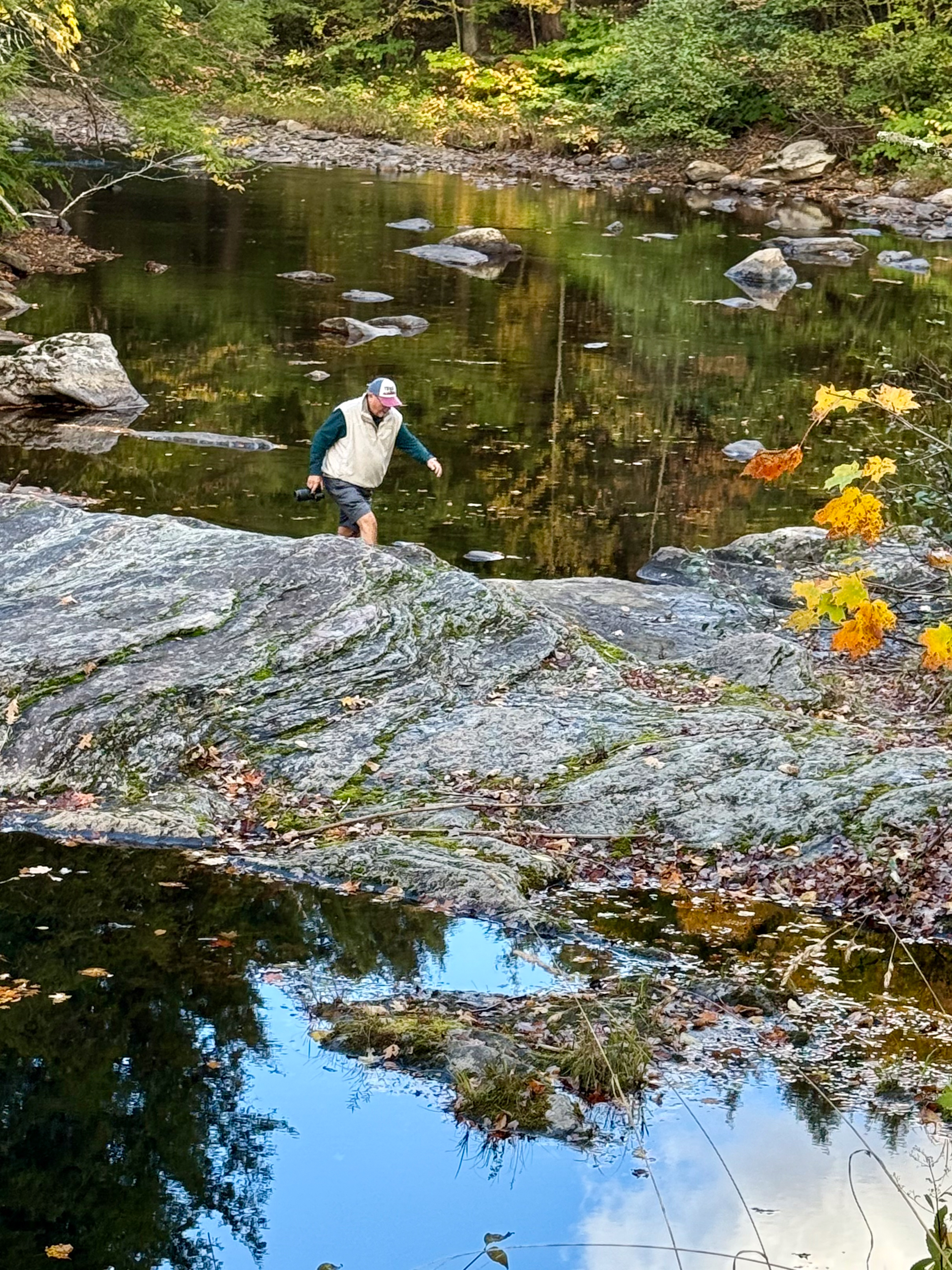
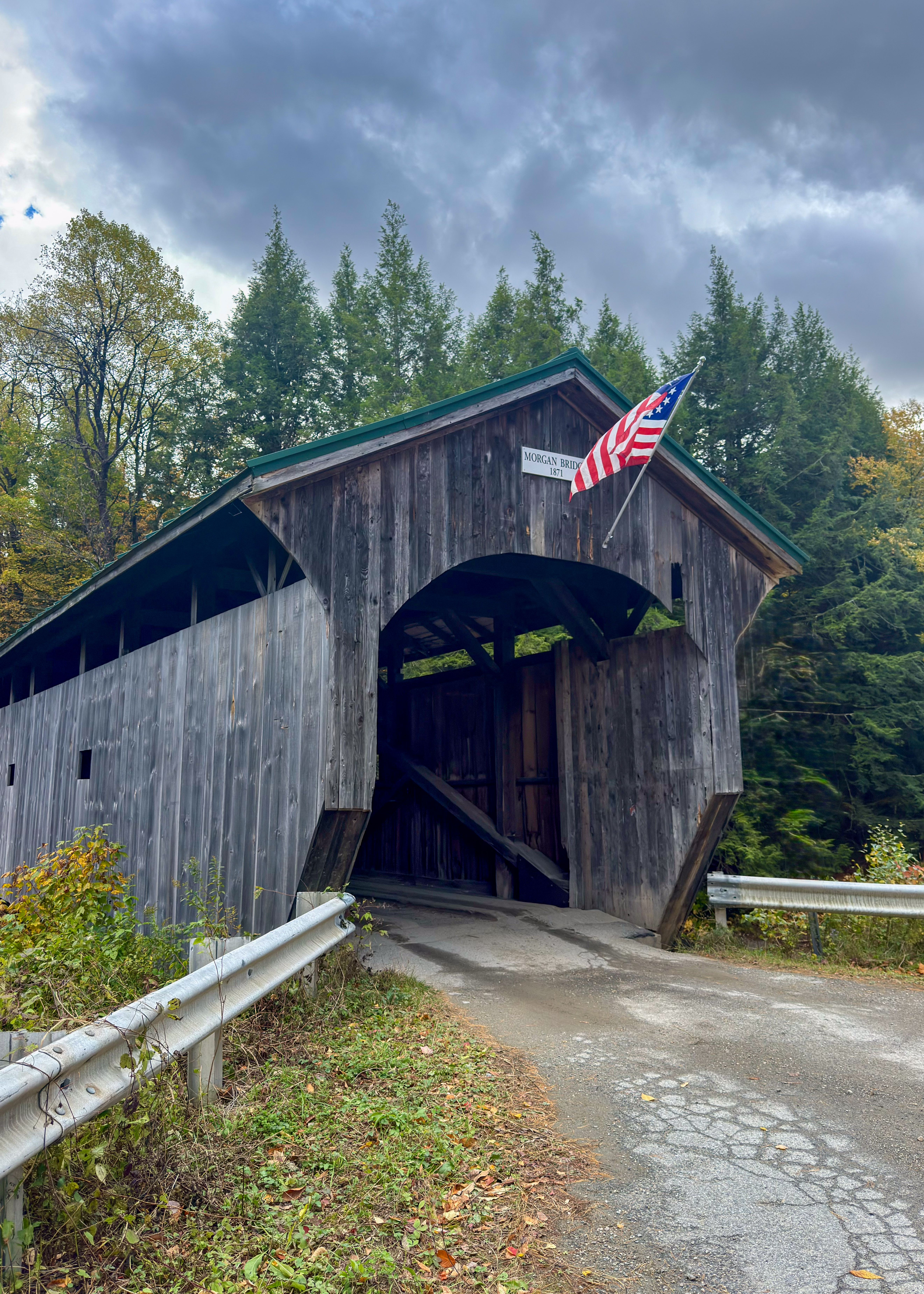
The Morgan Covered Bridge, also known as the Upper Covered Bridge[2] is a wooden covered bridge that crosses the North Branch Lamoille River in Belvidere, Vermont, on Morgan Bridge Road. Built about 1887, it is a 70-foot structure.
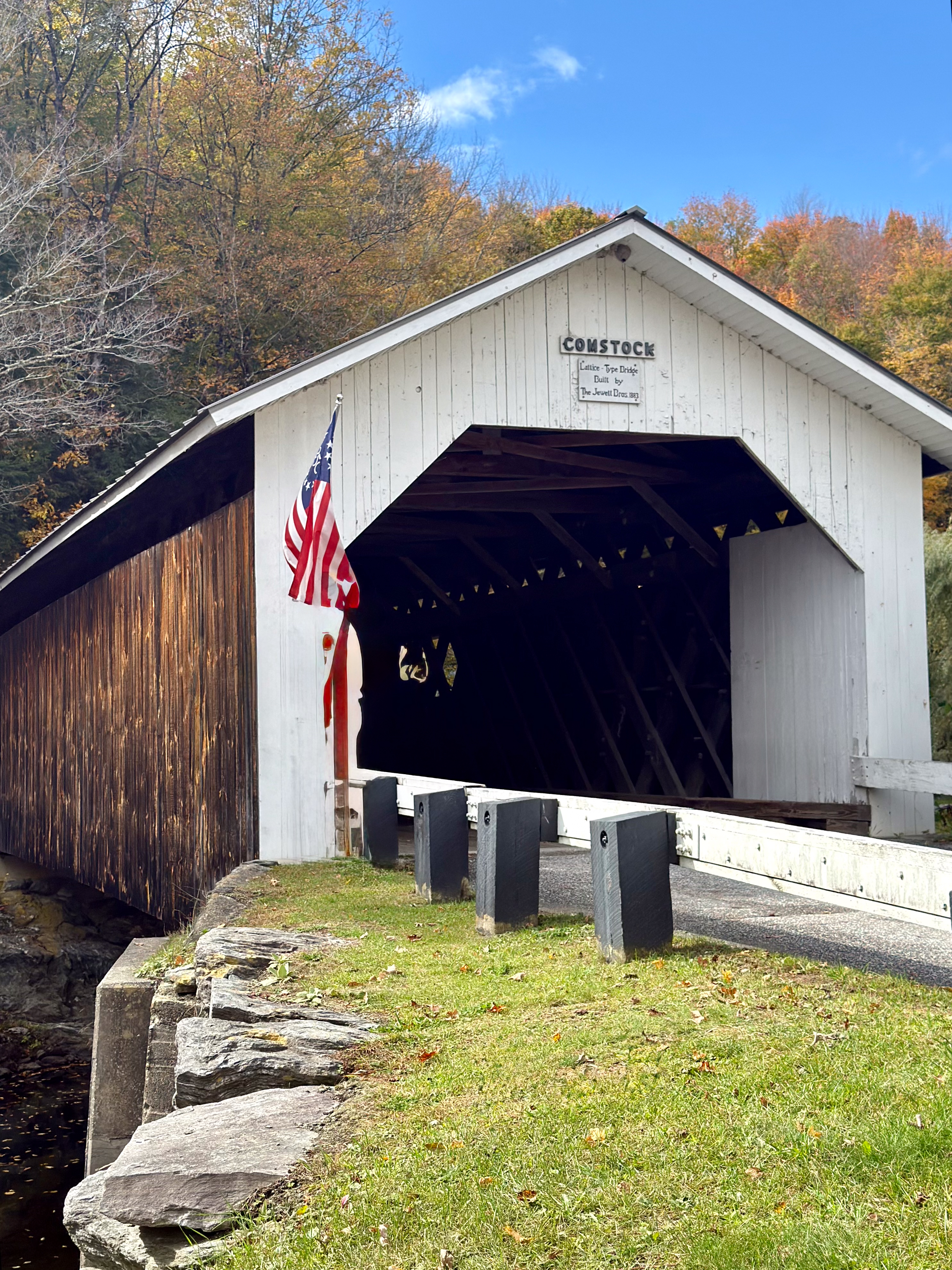
Comstock and Fuller Covered Bridges
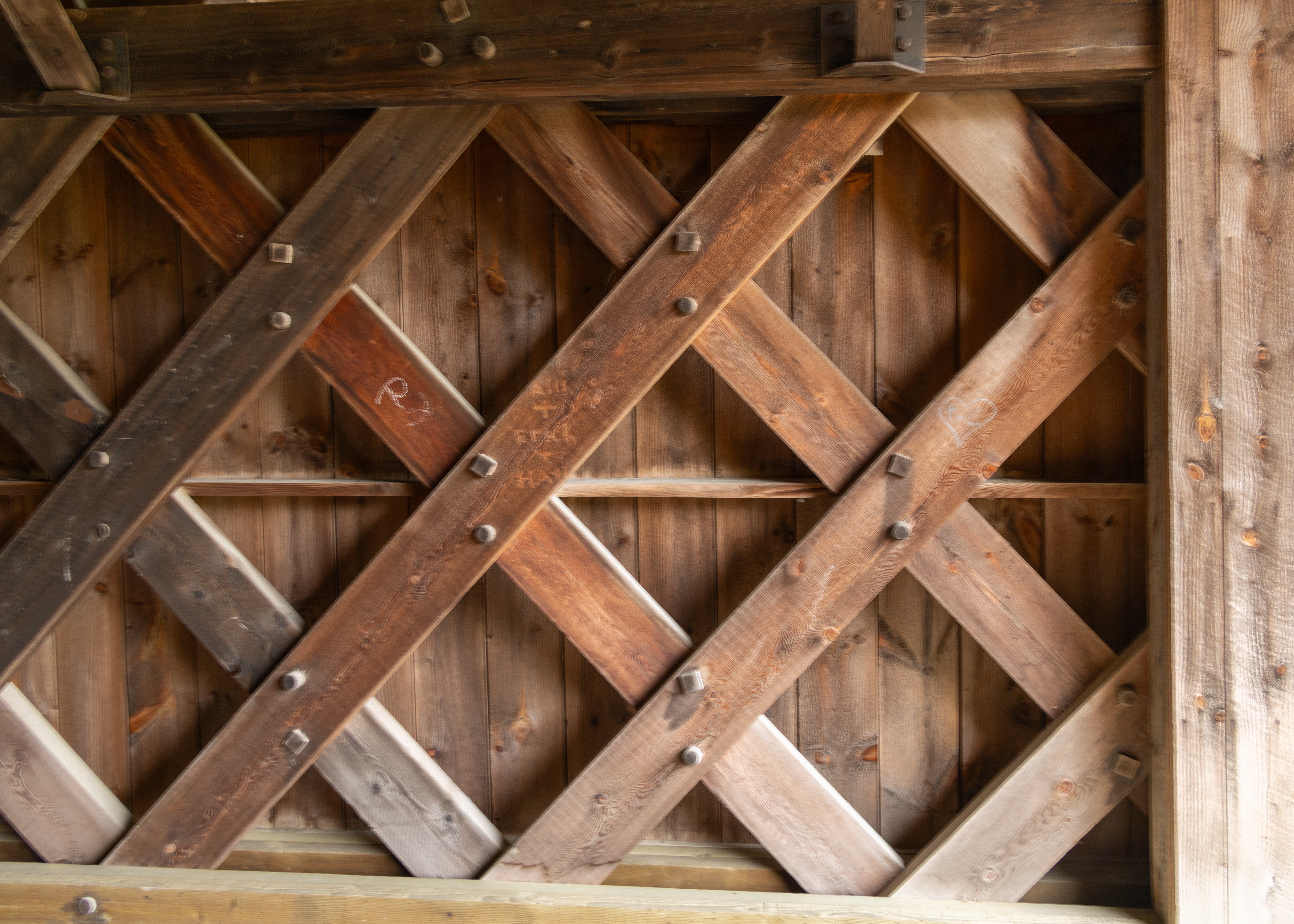
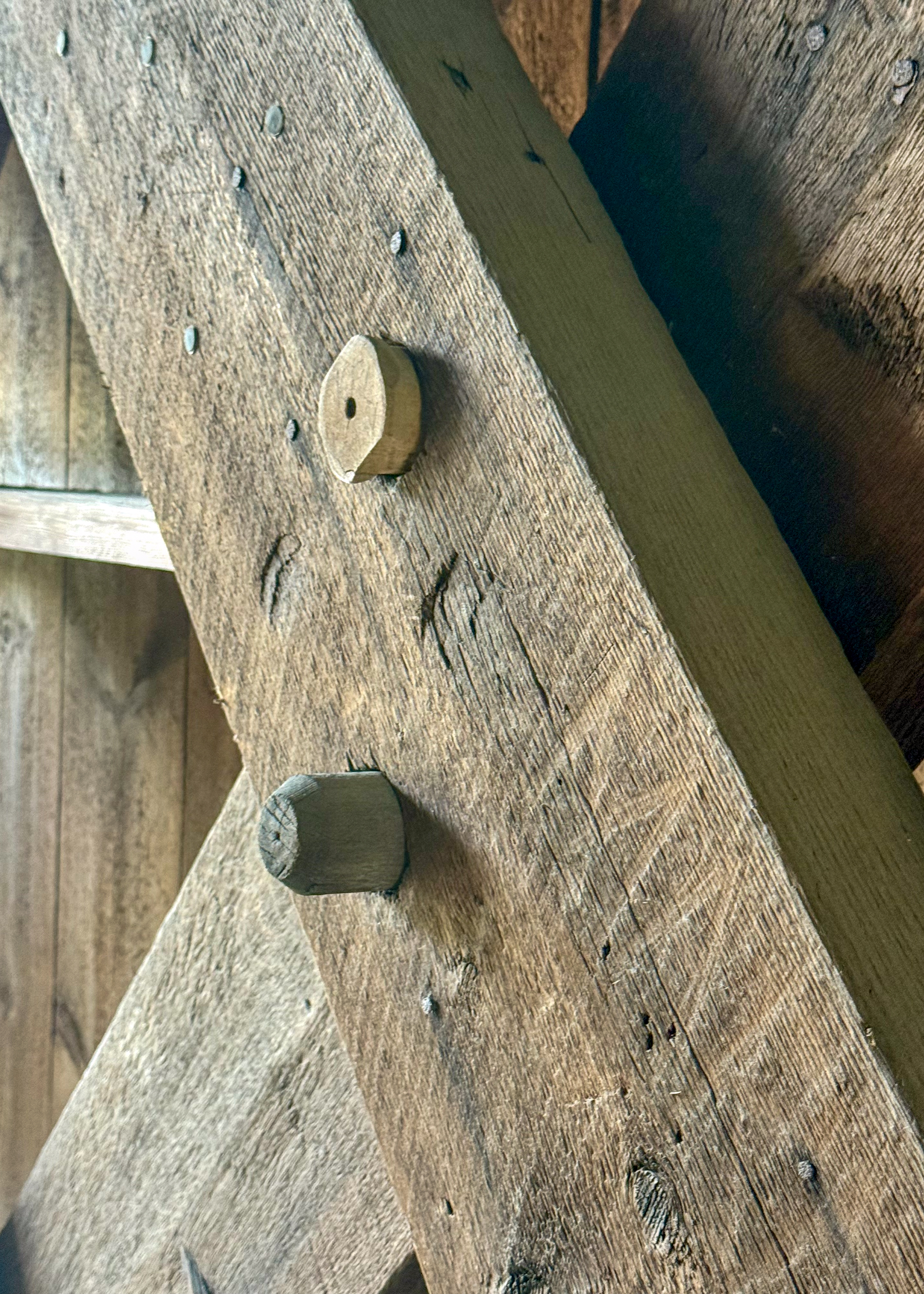
Completed originally in 1890, Fuller Covered Bridge was the last of the many covered bridges constructed by Savanard and Sheldon Jewett in Montgomery. The brothers used the Town lattice truss system, a design patented in 1820 by architect/civil engineer Ithiel Town that consists of a rectangular timber frame connected by sawn planks arranged in the form of a lattice and fastened together with trunnels (wooden pegs). The Hemlock timbers used to build the covered bridges of Montgomery were milled at the Jewett family lumber mill in West Hill.
Built in 1883, Comstock Covered Bridge is a single-span bridge crossing the Trout River and has side portals providing daylight and glimpses of the plank lattice truss system. Comstock Covered Bridge is one of the best surviving examples of the work of Savanard and Sheldon Jewett, lumbermen and farmers who constructed several covered bridges in Montgomery.
The Longley Covered Bridge, also known as the Harnois Covered Bridge, is a wooden covered bridge that crosses the Trout River in Montgomery, Vermont, on Longley Bridge Road. Built in 1863, this Town lattice truss bridge is the oldest of a group of area bridges built by brothers Sheldon & Savannah Jewett.
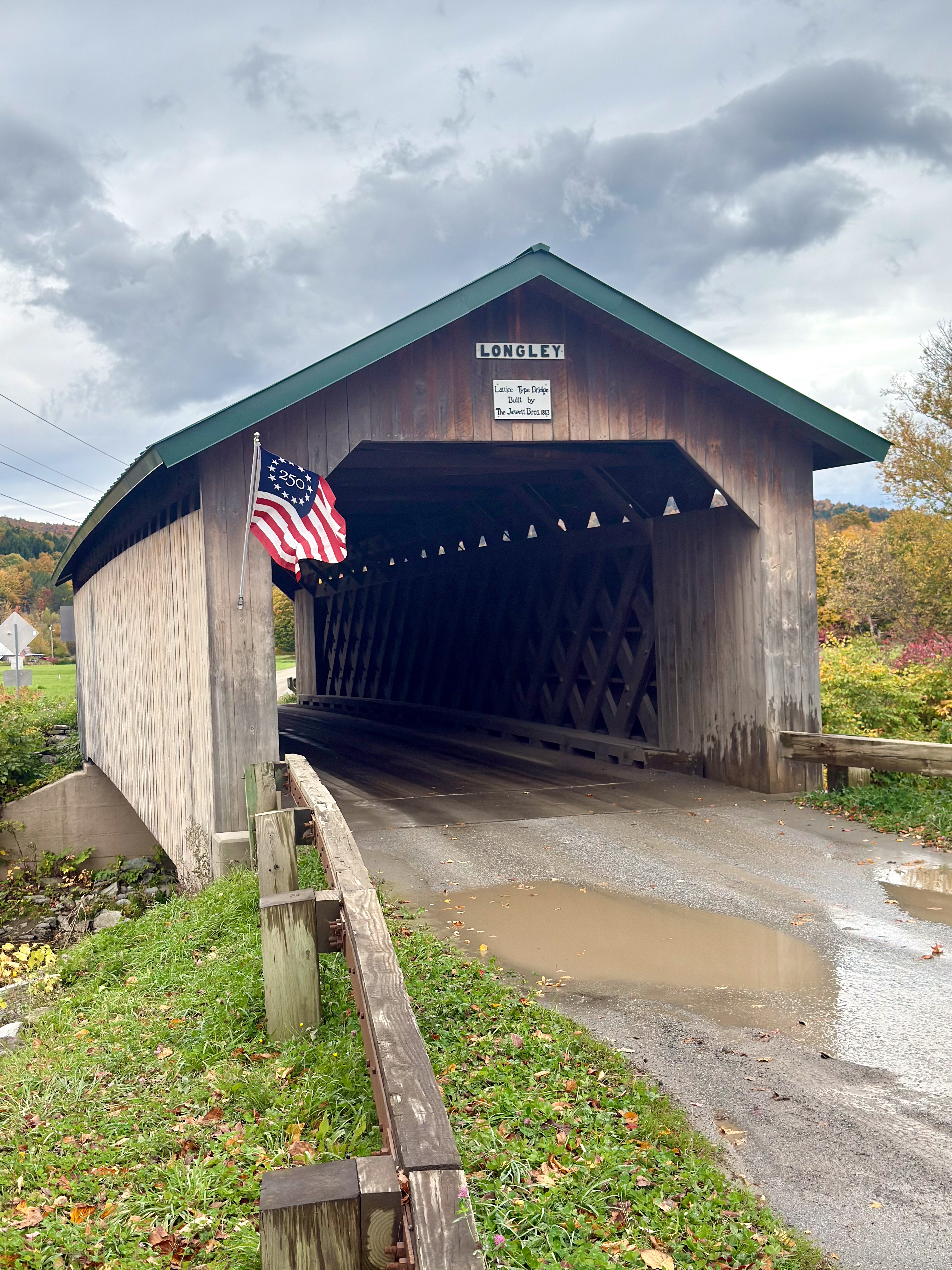
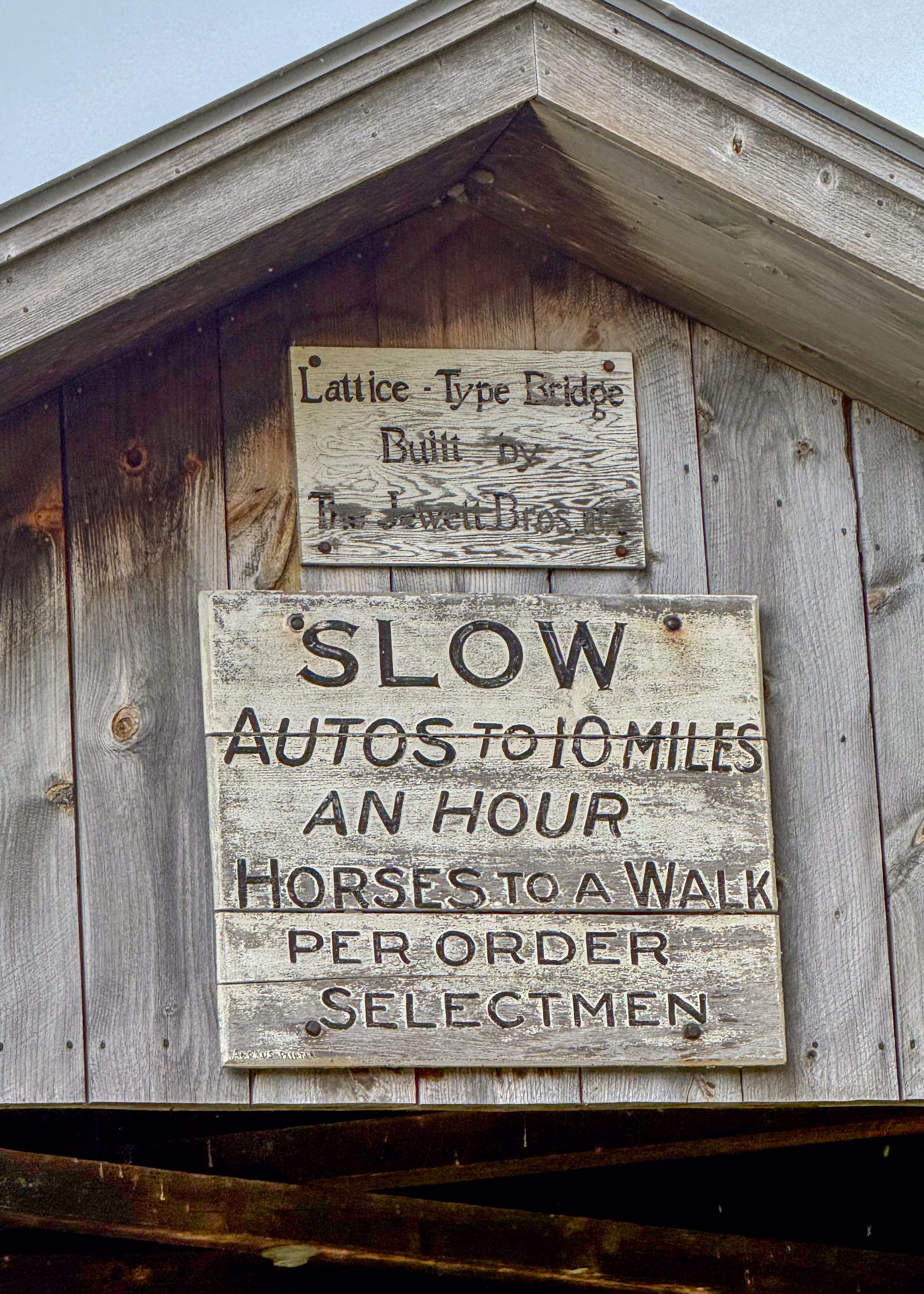
A bridge for which I can’t remember the name, but a great example of lattice-type construction.
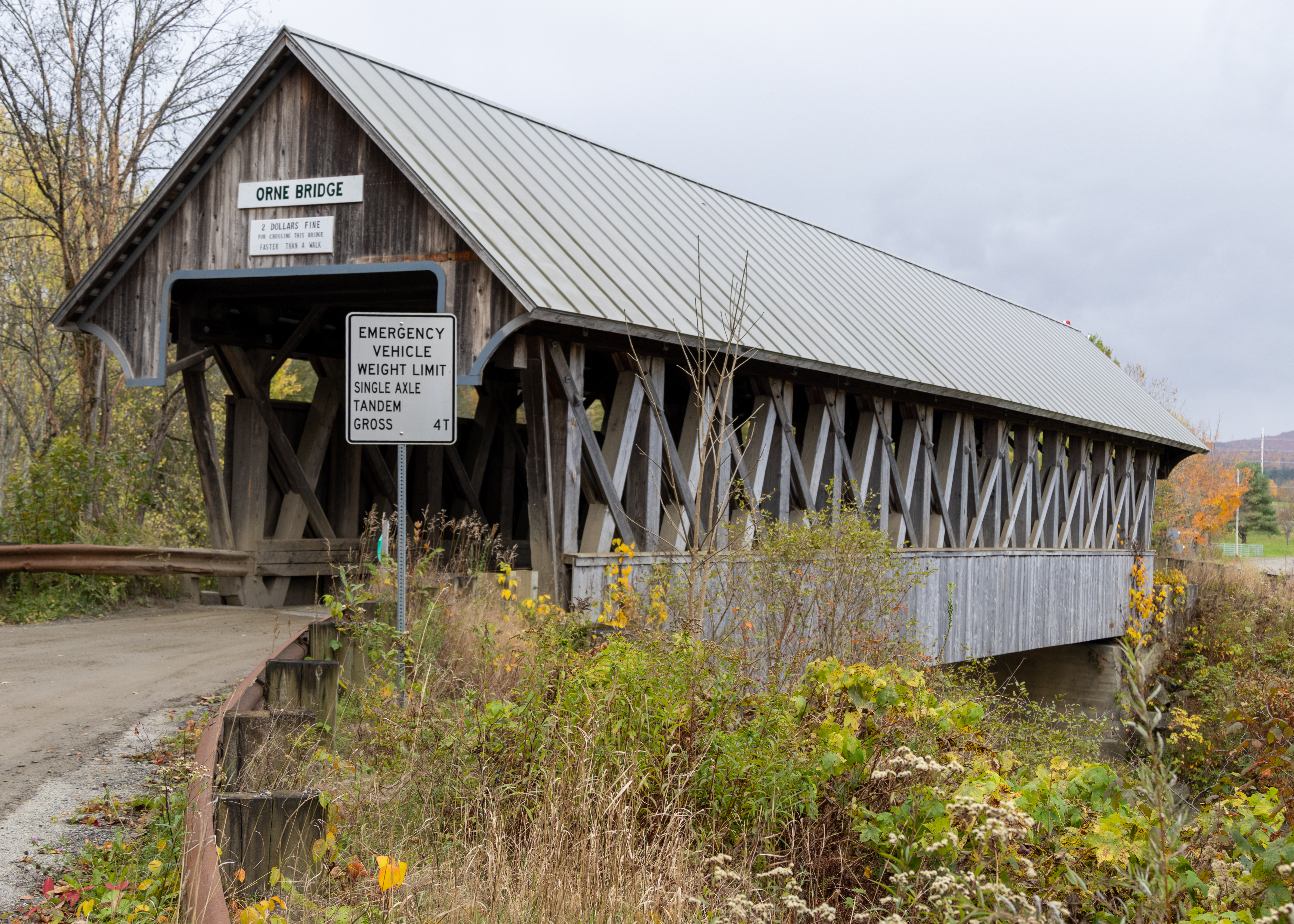
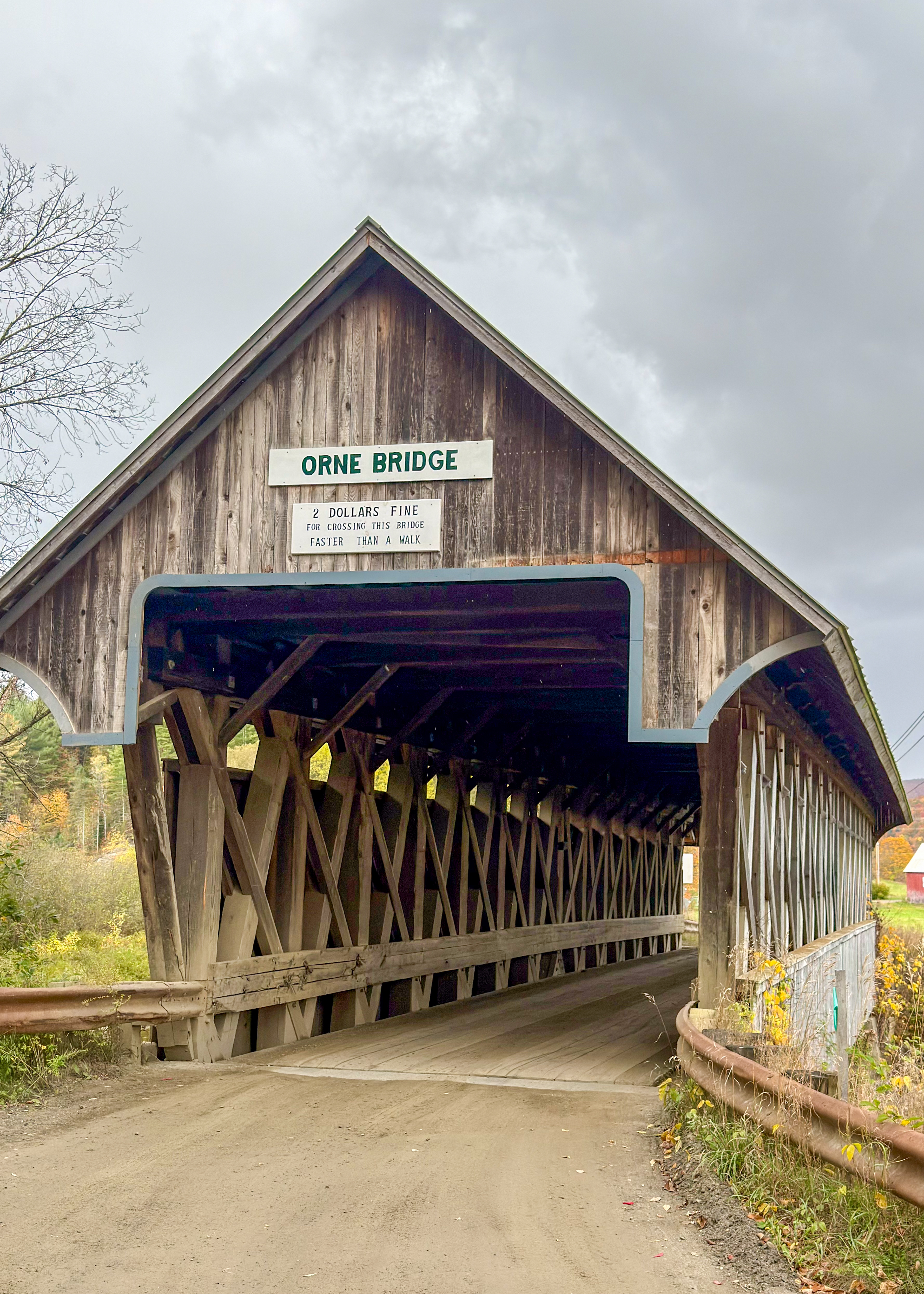
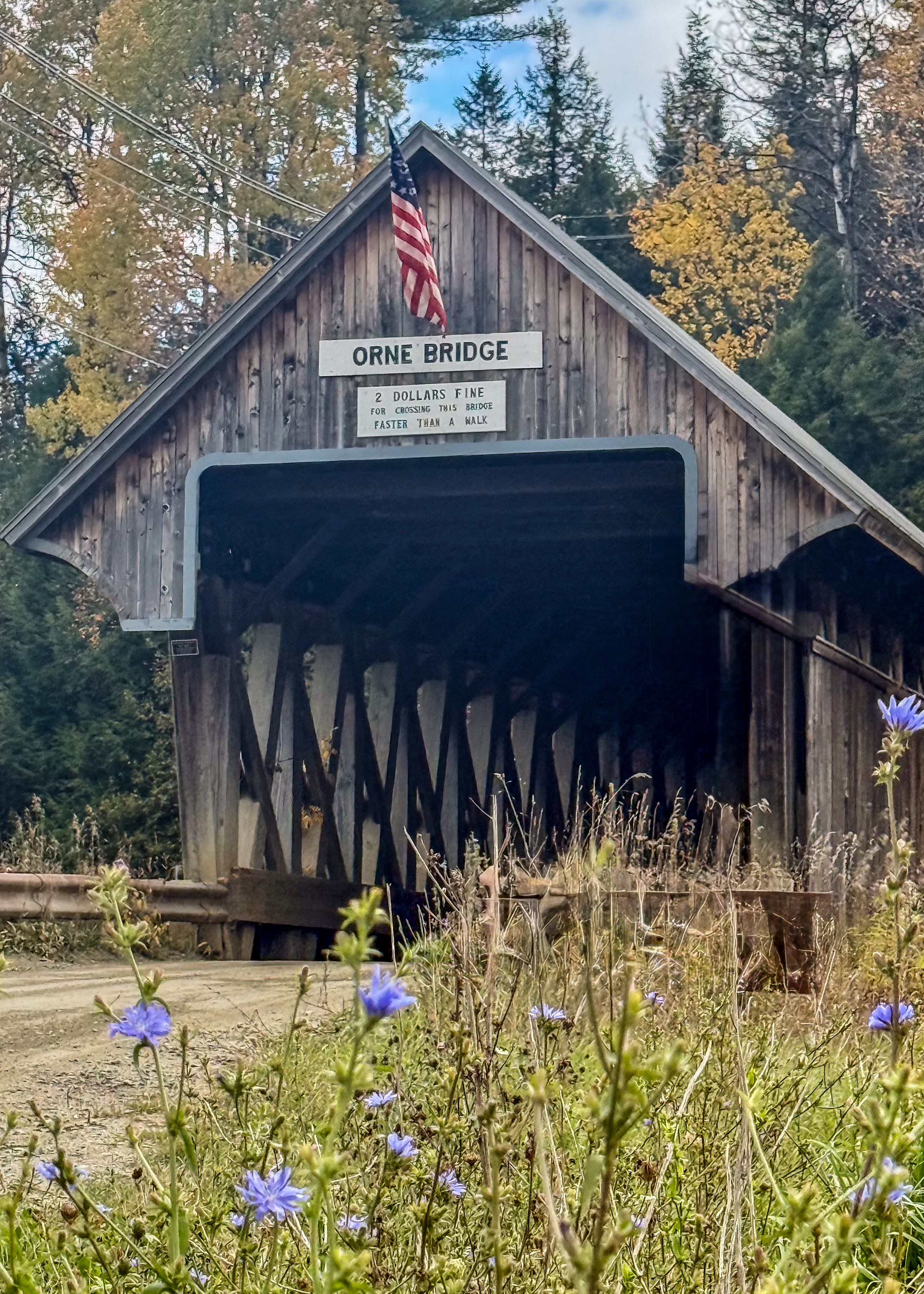
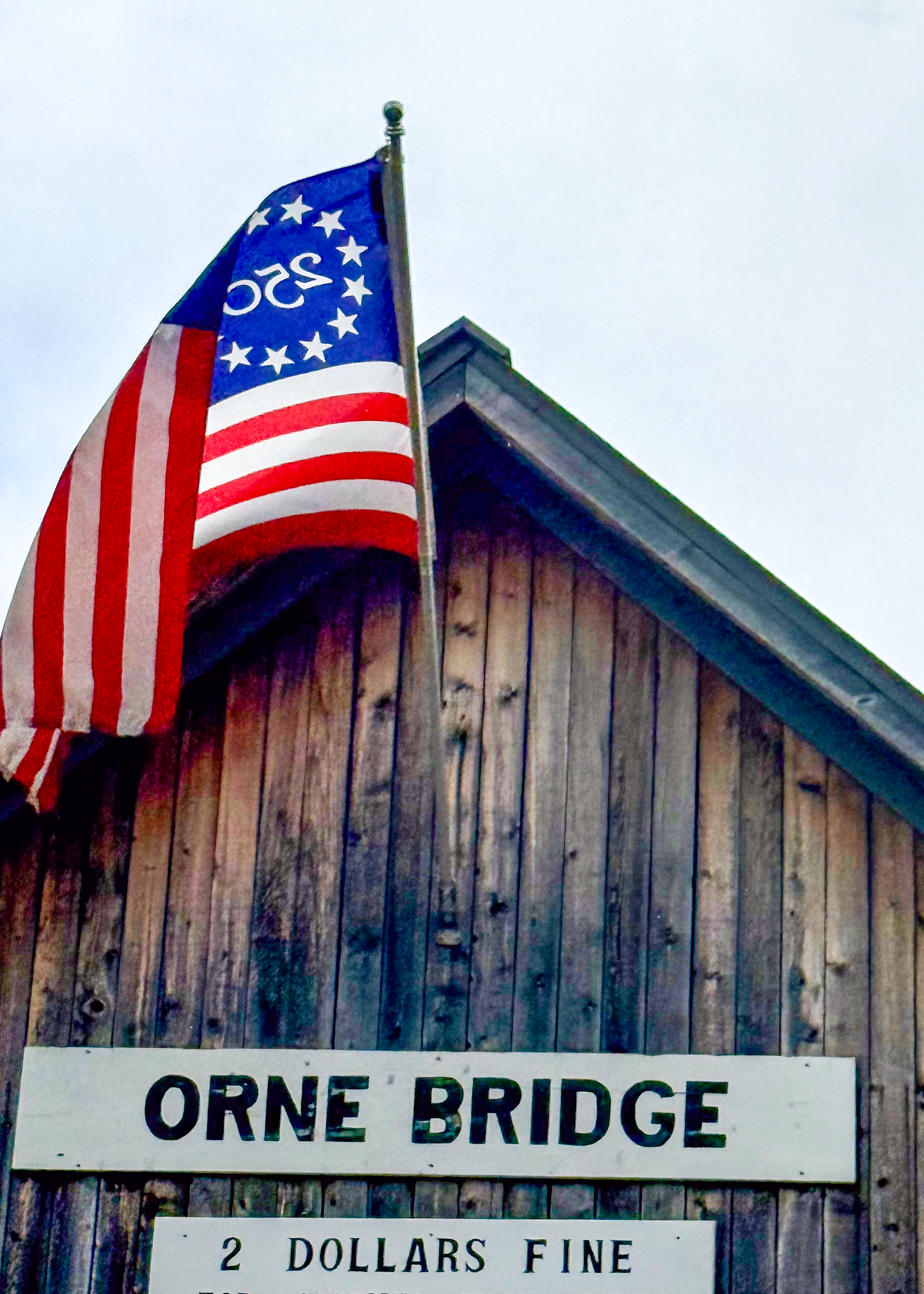
The Orne Covered Bridge stands in far northern Irasburg, just south of the main village of Coventry on Back Coventry Road. It is a single-span Paddleford truss structure, oriented in a roughly east–west direction across the Black River. It is 87 feet (27 m) long and 17 feet (5.2 m) wide, with a roadway width of 14 feet (4.3 m) (one lane). It has a gabled metal roof and is clad in vertical board siding, which extends around to the inside of the portals.
Discover more from Travelling Photographer
Subscribe to get the latest posts sent to your email.


Leave a Reply